
POPULARITY
Categories

232 episodes with Parenthood

353 episodes with Parenthood

149 episodes with Parenthood

158 episodes with Parenthood

159 episodes with Parenthood

121 episodes with Parenthood

205 episodes with Parenthood

93 episodes with Parenthood

131 episodes with Parenthood

76 episodes with Parenthood

52 episodes with Parenthood

48 episodes with Parenthood

34 episodes with Parenthood

142 episodes with Parenthood

67 episodes with Parenthood

56 episodes with Parenthood

39 episodes with Parenthood

81 episodes with Parenthood

59 episodes with Parenthood

122 episodes with Parenthood

75 episodes with Parenthood

31 episodes with Parenthood

42 episodes with Parenthood

20 episodes with Parenthood

67 episodes with Parenthood

33 episodes with Parenthood

63 episodes with Parenthood

12 episodes with Parenthood

67 episodes with Parenthood

67 episodes with Parenthood

59 episodes with Parenthood

59 episodes with Parenthood

26 episodes with Parenthood

31 episodes with Parenthood

49 episodes with Parenthood

85 episodes with Parenthood

16 episodes with Parenthood

44 episodes with Parenthood

24 episodes with Parenthood

34 episodes with Parenthood

28 episodes with Parenthood

56 episodes with Parenthood

45 episodes with Parenthood

98 episodes with Parenthood

46 episodes with Parenthood

21 episodes with Parenthood

10 episodes with Parenthood

12 episodes with Parenthood

42 episodes with Parenthood

27 episodes with Parenthood

17 episodes with Parenthood

29 episodes with Parenthood

23 episodes with Parenthood

47 episodes with Parenthood
Father-daughter duo Emerson Eggerichs and Joy Eggerichs Reed join AllMomDoes host Julie Lyles Carr to discuss the bedtime story that became a treasured part of Joy's childhood and has since evolved into a project that encourages parents and kids to see mistakes as an essential part of learning and growth.Show Notes: https://bit.ly/3Uk72olKey Topics:The origin of 'Beega Gets a Do-Over' and bedtime storiesPrinciples of effective communication: true, kind, necessary, clearThe importance of validation before instruction in parentingCultural differences in parenting and communication in France and beyondThe role of trust and listening in parent-adult child relationshipsLegacy building through intergenerational projects and storytellingThe impact of cultural environment on children's identity and faithPractical tips for parents to foster emotional intelligence in childrenTakeaways:Validation is crucial before giving instruction to children.Cultural context influences parenting styles and communication.Building trust through listening enhances parent-child relationships.Legacy is about investing in the next generation with love and wisdom.Children are moral and spiritual beings who make their own decisions.Sound Bites:"Love and respect is the go-to principle.""I looked old thirty years ago, I haven't changed.""Children are moral and spiritual beings."Chapters:00:00 Introduction and guest introductions01:50 Emerson and Joy share their background and work03:52 The origin of bedtime stories and family rituals05:57 Turning childhood stories into a children's book07:47 Teaching principles: true, kind, necessary, clear10:05 Parenting insights and cultural differences11:54 Parent-adult child relationships and trust13:57 Listening, validation, and empathy in parenting16:00 Cultural influences on parenting in France and beyond18:01 The importance of legacy and intergenerational wisdom20:12 Practical advice for parents and grandparents22:14 The future of parenting and communication principles24:08 Where to find the book and upcoming resources30:59 Closing remarks and encouragement for listenersKeywords: communication, parenting, children's book, legacy, family, culture, love and respect, emotional intelligence, third culture kids, parenting tips

In this episode, we explore the profound psychological and emotional changes that occur during parenthood, including brain adaptations, relationship dynamics, and managing social media influences. Our discussion offers insights for new parents navigating this transformative journey. In this episode, we explore the profound emotional and psychological shifts experienced by new parents, including feelings of grief, identity transformation, and the deepening of purpose. We discuss how these changes impact relationships, daily routines, and personal growth, offering insights for navigating parenthood with awareness and compassion.

Send us Fan MailDelightfully Dharmic is back. And it's growing into something a little different. ♡In this short welcome-back episode, Keilani shares what's been happening behind the scenes, from moving her family across the world to Spain to reimagining what Delightfully Dharmic can become.She also introduces a pretty important addition: therapist and longtime friend Tania Beaudoin is joining Keilani as co-host.Moving forward, Delightfully Dharmic is becoming less about having one particular kind of conversation and more about following the questions we can't seem to stop asking.Psychology and spirituality. Relationships and healing. Psychedelics and integration. Ancient wisdom and modern life. Science and mystery. Parenthood, partnership, identity, transition, and what it actually looks like to build a life that feels like your own.Keilani and Tania will be joined regularly by their husbands and co-hosts, former touring musician and serial entrepreneur Zac Mason and retired Navy SEAL John Beaudoin, bringing their own experiences, questions, perspectives, and a healthy dose of mischief to the conversation.There will be guests. There will be deeper conversations. There will probably be some disagreement. And we definitely don't expect to figure it all out.That's sort of the point.Welcome to the next chapter of Delightfully Dharmic.Keep wondering, keep becoming, and we'll see you next time. ♡✨ Keep the conversation going with Delightfully Dharmic. Join our community for deeper conversations, exclusive content, live gatherings & a little sacred mischief:

Judson returns from Provincetown with a number of recommendations, not the least of which is his new favorite category of sexual gathering–a bate party. Brian revels in a few kid-free weeks while both of his are off at sleepaway camp and he's able to make hookups happen when he typically couldn't. The Hookup of the Week finds a listener discovering to his surprise that twenty-minute hookups–as Brian and Judson have often described–can be fun, hot, fulfilling and not at all rude to the other person. The two are then joined by much-requested repeat hookup, Dr. Evan Goldstein! The leading anal health expert in the United States, founder of Future Method and one of the few surgeons in the world whose practice, Bespoke Surgical, is dedicated to treating and restoring the human butt is back on Dads and Daddies to answer a number of questions submitted by listeners since his previous appearance nine months ago. Before that, he recounts his personal journey, from his Staten Island childhood in the 70s and 80s, to his surgery residency where he met, fell in love with and married a woman, to meeting his now husband in an online chat room, to his becoming a reluctant parent to twin baby boys, to his close friendship with Martha Stewart. He also talks about turning 50, where his head is about that, and enjoying his Daddy era. He then responds to a number of questions submitted by listeners since his last visit to the show, on topics ranging from douching to STIs to internal scarring as a result of assault to depth play. Find Dr. Evan Goldstein on Instagram at https://www.instagram.com/drevangoldstein/ Find Bespoke Surgical on Instagram at https://www.instagram.com/bespokesurgical/ Find Future Method on Instagram at https://www.instagram.com/thefuturemethod/ Email your Hookup of the Week, Go Ask Your Dad and Dr. Daddy submissions to dadsanddaddies@gmail.com Dads and Daddies on the Web: https://www.dadsanddaddies.com/ Dads and Daddies on Instagram: https://www.instagram.com/dadsanddaddiespod Dads and Daddies on TikTok: https://www.tiktok.com/@dadsanddaddiespod Dads and Daddies on Bluesky: https://bsky.app/profile/dadsanddaddiespod.bsky.social Your hosts, Dad Brian Rubin-Sowers - https://www.instagram.com/ditmasparkpapa and Daddy Judson Morrow - https://www.instagram.com/gunclejudson Edited by Toby Rubin-Sowers For a 10% discount on your purchase on a Shakti Acupressure Mat or any other items at ShakitMat.com, use code DADSANDDADDIES or simply visit the URL https://shaktimat.com/DadsAndDaddies Hosted by Simplecast, an AdsWizz company. See pcm.adswizz.com for information about our collection and use of personal data for advertising.

In this episode, Dr. Kevin Chu and Dr. Justin Dubin interview Pete Anevski, CEO of Progeny, about the importance of fertility benefits, the challenges in the healthcare system, and how employers can support reproductive health. They explore the costs, misconceptions, and business case for fertility coverage.#menshealth #infertility

Let's Think About "Fitness for Parents" With Special Guest Josh Wood What if taking care of yourself isn't selfish—but one of the greatest gifts you can give your family? On this episode of Mitzi, Let's Think About It, I'm joined by special guest Josh Wood for an honest, encouraging, and thought-provoking conversation about fitness for parents. Parenthood can feel like a never-ending list of responsibilities. Between work, school, activities, meals, appointments, family obligations, and simply trying to make it through the day, finding time for your own health can easily fall to the bottom of the list. But what happens when we stop thinking about fitness as something we have to “find time for” and start looking at it as an investment in ourselves—and in the people who depend on us? Josh and I explore the realities parents face when trying to stay active, healthy, energized, and consistent. We talk about making fitness more realistic, overcoming the “I don't have enough time” mindset, creating sustainable healthy habits, and finding ways to prioritize your well-being without feeling guilty. This conversation isn't about perfection, unrealistic expectations, or spending hours in the gym. It's about movement, consistency, energy, healthy living, self-care, and finding an approach to fitness that actually fits into real family life. Whether you're a new parent, a busy mom or dad, or someone who's been putting your own health on hold for years, this episode offers an opportunity to pause and ask yourself: What could change in my life—and my family's life—if I started taking better care of me, too? At Mitzi, Let's Think About It, we believe that if you can think about it, then we can talk about it. These conversations are designed to connect with your mind and your heart, inspire reflection, and perhaps encourage one small change that can make a meaningful difference. To stay in touch, please visit Josh's website at https://strongforlife.online/ to learn more about him.

Parenthood is brutal and brilliant, like drinking Ayahuasca for over a decade. Our upcoming six-month Embodied Parenting program starts October 6th, but it won't provide you with answers, nor a guide book. Instead, we'll dive deep into accessing and learning our bodies instincts and intuition to discover our own unique truth.Click here to sign up for our newsletter, and for Embodied Parenting practices and resources: https://www.holisticlifenavigation.com/join-my-newsletterReady to dive into to the six month journey of Embodied Parenting? Learn more here: https://www.holisticlifenavigation.com/parenting-groupYou can register for the Embodied Parenting webinar here: https://hln.thinkific.com/courses/embodied-parenting-webinarYou can also read more about, and register for, the 6 month program here: https://www.holisticlifenavigation.com/parenting-group You can read more about, and register for, the workshop at Kripalu here: https://kripalu.org/experiences/food-therapy-how-eat-your-nervous-system----You can learn more on the website: https://www.holisticlifenavigation.com/You can follow Luis on Instagram @holistic.life.navigationQuestions? You can email us at info@holisticlifenavigation.com

Send us Fan MailDan Stachofsky's story is deeply personal— he lost his daughter at 14 years old, after a medical journey where conventional approaches fell short. That experience shaped not just him, but his entire family, and ultimately led him down a very different path around health and recovery.As you can imagine, this is a deeply moving episode covering the highs and lows of raising a child that needs extra care, all while navigating the healthcare system, znd eventually the alternative solutions the family were forced to explore.Thank you Dan for your amazing episode!Dan's non-profit: https://essentialenergy.us focused on education and sharing solutions around improving energetics in the body and environment (addressing harm caused by non-native EMF)Community: https://d2nuqustvkkmpol2p8d0.app.clientclub.net/communities/groups/light-is-life/home?invite=6a888fa6632dd20a4ba2b05dSupport the show

Uncle Joe & Solo are back ready to kick off your weekend! They discuss best bets, Jed York did nothing wrong, women falling for fake athletes, Happy Birthday to Solo daughter and much more! Tune in & subscribe.

Kate Silverton needs no introduction to most parents. She spent years as one of the most familiar faces on BBC News before retraining as a child therapist and writing two bestselling books There's No Such Thing as Naughty and There's Still No Such Thing as Naughty.In this episode, we talk about everything from the science of a toddler meltdown right through to what it's like when your teenager looks at you like you've just ruined their life.We also discuss the new BACP campaign on the parenthood preparation gap - why so many of us are prepare for parenthood with a changing bag and a birth plan but don't have the support to prepare for how parenthood actually feels. We also chat about:Kate's own journey from BBC broadcaster to child therapist, and the moment she knew she had to make the leapThe lizard, baboon and wise owl - Kate's brilliant way of explaining what's actually happening in a child's brain during a meltdownWhy "there's no such thing as naughty" and what that means for how we respond to big feelingsWhether teenage rebellion is something to fight or something to work withHow to help a child who's dreading going back to school, and the questions to ask themWhy Kate believes society, not parents, is failing children right nowYou can find Kate on Instagram: @katesilvertonHer books There's No Such Thing as Naughty and There's Still No Such Thing as Naughty are out now: https://link.amazon/B0hj4g1o3 If you want to know more about the BACP campaign, head to the Parenting Grind websiteFind a BACP reginstered counsellor: https://www.bacp.co.uk/ If you enjoyed this episode, please leave a rating and review — it really helps other people find the podcast. And you can follow the podcast to ensure you don't miss future episodes. Thank you!Not Another Mummy Podcast is brought to you by me, journalist and author Alison Perry. I'm a mum of three and I love interviewing people about parenthood and confidence on the podcast. You can check out my other episodes and you can come chat to me on Instagram: @iamalisonperry or on Threads: @iamalisonperry. You can buy my book OMG It's Twins now.Music: Epidemic SoundArtwork: Eleanor BowmerSupport this show http://supporter.acast.com/notanothermummy. Hosted on Acast. See acast.com/privacy for more information.

Parenthood is exhausting. When a kid asks for snack for the millionth time while you're running on little sleep and trying to make dinner, it's easy to snap. Licensed marriage and family therapist Cassidy Freitas says the key is to find refuge in what she calls "the margins." In this episode, Freitas shares tools from her book Mom Needs A Moment: How to Stop Your Reaction Before It Starts and Become a Calmer, Happier, More Connected Parent.Follow us on Instagram: @nprlifekitSign up for our newsletter here.Have an episode idea or feedback you want to share? Email us at lifekit@npr.orgSupport public media with NPR+ and enjoy perks for over 25 podcasts like this one. This show's perks include sponsor-free listening and convenient playlists of popular help topics like personal finance, getting healthy, and more. Learn more at plus.npr.org.See pcm.adswizz.com for information about our collection and use of personal data for sponsorship and to manage your podcast sponsorship preferences.NPR Privacy Policy

Parenthood is exhausting. When a kid asks for snack for the millionth time while you're running on little sleep and trying to make dinner, it's easy to snap. Licensed marriage and family therapist Cassidy Freitas says the key is to find refuge in what she calls "the margins." In this episode, Freitas shares tools from her book Mom Needs A Moment: How to Stop Your Reaction Before It Starts and Become a Calmer, Happier, More Connected Parent.Follow us on Instagram: @nprlifekitSign up for our newsletter here.Have an episode idea or feedback you want to share? Email us at lifekit@npr.orgSupport the show and listen to it sponsor-free by signing up for Life Kit+ at plus.npr.org/lifekitSee pcm.adswizz.com for information about our collection and use of personal data for sponsorship and to manage your podcast sponsorship preferences.NPR Privacy Policy

In this episode, Keltie hosts childfree content creator, Maddy Lettuce, for a conversation about why its critical we question parenthood as the default life choice, and Maddy's personal childfree journey. You'll hear them discuss: The importance of questioning societal norms, and why self-discovery is a key part of this process. How personal life experiences shape decisions, and some of the key experiences that informed Maddy's childfree choice. How relationship dynamics play into the decision to have or not have kids, and some of the misconceptions about men's desires. (0:36) Meet Maddy & her Kids or Childfree story; (16:42) Parenthood as a default setting; (35:34) The impact from Maddy's upbringing; (48:04) Childfree dating & partnership; (1:07:27) Who has authority to discuss the Kids or Childfree decision About Maddy: Maddy Lettuce is a childfree content creator and writer based in New Hampshire. She creates content at @whozyourmaddy on TikTok, where her childfree content has accumulated 21 million views in the past year. She's currently working on a book called Opting Out: A Thinking Person's Guide to the Biggest Default Setting of Your Life, a prescriptive nonfiction book examining how parenthood became the default setting nobody questions, and what it would mean to actually treat it as a choice. Het content focuses on raising awareness that the decision to have children is exactly that, a decision, and giving people permission to examine it honestly before they make it. As mentioned in the episode: Find Maddy on Substack, TikTok, and Instagram at @whozyourmaddy. Sign up for our September 16th Kids or Childfree Group Program start. MORE HELP FOR YOUR KIDS OR CHILDFREE DECISION: Start Here: sign up for an upcoming WORKSHOP

We are sharing some of our favorite episodes from the podcast this month as we wind down the summer. The first is this conversation with Jim Burns on building relationships with our children as they transition into adulthood.When our children were younger, our job description as parents was clear. We provide clean clothes, tend to their basic needs, and make sure there are always snacks in the fridge. However, when they transition from high school into adulthood, we have to tear up that old job description and learn a brand new way of relating and supporting them. Today's guest knows all about this and often says that “the transition is complicated, often messy, and can sometimes feel like you are walking on eggshells.”Jim Burns is the president of HomeWord and the author of several popular books, including Doing Life With Your Adult Children. He and his wife, Cathy, reside in Southern California and have three grown daughters and four grandchildren.In this episode, Jim shares:Strategies for redefining your relationship with adult childrenThe danger of offering unsolicited adviceTips for the child who resists launchingAnd much more!We hope this episode is a helpful resource as you navigate this season of parenting!Show Notes: https://growinghometogether.com/jim-burns-134

Meet Chelsea Conaboy (www.chelseaconaboy.com). Chelsea is a writer, editor and journalist who is the author of Mother Brain: How Neuroscience is Rewriting the Story of Parenthood. Her writing has been published by The New York Times, Mother Jones, Politico, the Boston Sunday Globe magazine, National Journal, The Week, ParentMap, and WBUR. And in 2014, she was part of The Boston Globe staff, that won the 2014 Pulitzer Prize for breaking news, for coverage of the Boston Marathon bombings. She now lives in Maine and runs a media production company with her husband called Strewn Wonder. In this conversation Rachael and Chelsea focus on her book and take a deep-dive into parenthood. They talk about the myths of maternal instinct and about centuries-old stories around parenting that science debunks. Chelsea teaches us about the permanent changes that happen in the brain when one becomes a parent. And they also talk about how having a child can simultaneously open up your world while asking you to focus more energy at home.Chelsea & Rachael recorded this conversation on February 12, 2026. They were both in Maine.• If you'd like more from Rachael Cerrotti: subscribe to the Along The Seam newsletter• Find all the episodes at: www.alongtheseam.com

RUN THAT BACK! Hosts Bethany and Mariano both share what nostalgic television shows from their childhood that they have introduced to their children and how it affects the parent and child bond. In this episode: Taking daily inventory of how we interact with our childrenWho is the GOAT black TV Dad?Creating a safe space at home."You'll understand when you get older"Tyson Beckford comes full circleWhat's a video game gonna hurt?Where are the positive black sitcoms today?Mari roasts the Tyler Perry UniverseAnd so much more! FOLLOW @parentalrevisory on Instagram!Video available on YouTube every Wednesday!Questions? Need Advice? Email us at ParentalRevisory@gmail.com

Recognized by Variety as one of its "10 Actors to Watch," actor and producer Scott Michael Foster has established himself as a versatile leading man, known for bringing humor, heart, and complexity to memorable roles across television and film. Beloved by audiences for his fan-favorite roles in Greek and Crazy Ex-Girlfriend, Scott first gained widespread recognition for his fan-favorite role as Cappie on the hit series Greek, a role he played for four seasons. During the show's run, he expanded into writing and producing, selling his original script Neighbros to Comedy Central. He is also well known for his role as Nathaniel Plimpton III on The CW's critically acclaimed, Emmy Award-winning musical comedy series Crazy Ex-Girlfriend. Joining the series in its second season, Scott quickly became a fan favorite for his portrayal of the ambitious attorney and eventual love interest to Rebecca Bunch, played by Rachel Bloom. Scott currently stars opposite Lacey Chabert in Hallmark+'s highly anticipated limited series Paris Is Always a Good Idea,. Adapted from Jenn McKinlay's bestselling novel, the six-episode series follows a woman who embarks on a journey across Europe to revisit pivotal moments from her past. Scott stars as Jason Knightly, an ambitious office rival-turned-ally who joins her along the way as they work to secure a critical donation, forging an unexpected connection in the process. Additional recent credits for Scott include starring opposite Laura Marano, Avan Jogia, and Jordi Webber in Netflix's romantic comedy Choose Love, as well as Hallmark's Return to Office opposite Janel Parrish. He also recurred on Netflix's You opposite Penn Badgley and appeared alongside Gina Rodriguez in ABC's Not Dead Yet. His extensive television credits include Californication, The River, Zero Hour, Once Upon a Time, Blood & Oil, Friends with Benefits, Law & Order: LA, Parenthood, Quarterlife, Halt and Catch Fire, The Closer and Chasing Life. On the film side, his credits include My Dead Boyfriend opposite Heather Graham, Gina Gershon, and John Corbett; IFC Films' The Pact II; The Boy Behind the Door; Heritage Day and Teenage Dirtbag. Beyond acting, Foster has continued to expand his work as a producer. He executive produced and starred in the short film Dandelions, written by Kevin Bigley and directed by Kate Cobb. The film follows a successful novelist who returns to the small hometown that inspired his work and is forced to confront the people and experiences he leveraged for personal success. Dandelions screened on the festival circuit, further showcasing Foster's commitment to championing character-driven stories both in front of and behind the camera. We chat about sobriety and the profound impact it's had, being a certified scuba diving instructor, Greek and dealing with it at a young age, being home schooled, fear, singing, love of musical theatre and performing arts, his producing work, selling his first script, being ok with not being busy (at times), Crazy Ex girlfriend and performing with it, his new show which is out now, Paris Is Always Good Idea + more! Check Scott out on: Instagram: https://www.instagram.com/scottmfoster/ Website: https://scottmichaelfoster.com/ ------------------------------------------- Follow @Funny in Failure on Instagram and Facebook https://www.instagram.com/funnyinfailure/ https://www.facebook.com/funnyinfailure/

Stateline Church exists to help people find and follow Jesus.Fill out a Start Card: https://www.stateline.church/start-here/Learn more about what's happening at Stateline: https://www.stateline.church/events/Join a Stateline Group: https://www.stateline.church/groups/Join the team of volunteers: https://www.stateline.church/serve/Learn more about Stateline Students: https://www.stateline.church/students/Learn more about Stateline Kids: https://www.stateline.church/kids/

• 1. Boundaries protect the promise The promise given over Samson did not arrive without limits. God's gifts carry a holy shape, and the boundary line keeps the promise from being handled like common ground. A home that keeps the same reply, even after pressure comes, teaches children that consecration is not confusion, but clarity. [04:05] (https://www.youtube.com/watch?v=Jn_P075h_B4&t=245s) • 2. Compromise accelerates hidden destruction The honey in the dead lion shows how compromise can feel sweet while carrying death in it. Samson did not fall all at once in Delilah's lap; the line had already been shifting before the final cut came. A small surrender can become gasoline on the fire that a family was trying to put out. [08:33] (https://www.youtube.com/watch?v=Jn_P075h_B4&t=513s) • 3. The secret place reveals hidden places The hidden place can look fine on the outside while something raw, divided, or dangerous remains underneath. The secret place is where God gives light enough to turn the cake over and expose what still needs His fire. Accountability without prayer can become control, but prayer without accountability can leave deception untouched. [14:34] (https://www.youtube.com/watch?v=Jn_P075h_B4&t=874s)
Uncle Joe & Solo are back as they discuss their best bets, Penn St drug trafficking, schools paying students to show up and much more! Tune in & subscribe!

On no other radio show would those two topics be in the same program. Welcome to our radio show.

Prison doesn't just incarcerate one person—it changes countless lives. In this heartfelt episode of Prison: The Hidden Sentence, Rebecca shares what it's like raising her daughter while her husband is incarcerated. She opens up about the loneliness of parenting alone, who she can trust with their story, balancing the challenges her husband faces in prison with the needs of their family, and why she refuses to give up on the man she loves. As she navigates the uncertainty of incarceration and recovery, Rebecca hopes that by sharing her journey, others will feel less alone and more understood. Her story is a powerful reminder that incarceration reaches far beyond prison walls, affecting children, spouses, extended families, workplaces, friendships, and entire communities in ways that are often unseen, yet deeply felt.Love the show? Subscribe, rate, review, and share!Here's How »Join the Prison: The Hidden Sentence Community today:https://prisonthehiddensentence.com/LinkedInTwitterFacebook

Pregnancy, birth, and postpartum care should support the whole person, physically and mentally. In this episode, Dr. Rebecca Dekker talks with board-certified OB/GYN and perinatal coach Dr. Jessica Vernon about how integrative medicine can create a more holistic and personalized approach to obstetric care. Dr. Vernon explains how integrative care combines traditional Western medicine with complementary approaches such as therapy, physical therapy, acupuncture, yoga, breathwork, meditation, and nutrition. She also shares how her own experience with postpartum anxiety and depression transformed the way she practices medicine and deepened her understanding of the physical, emotional, and identity-related transitions into parenthood. Plus, get practical guidance for changing providers, asking informed questions after a prior Cesarean, and navigating the overwhelming, and sometimes unreliable, health information found through social media and artificial intelligence. (00:02:03) Dr. Vernon's journey into obstetrics and the influence of midwifery (00:05:47) Understanding matrescence and the transition into parenthood (00:07:14) What integrative medicine looks like in pregnancy and postpartum care (00:09:59) Bringing perinatal mental health and integrative medicine into obstetric practice (00:12:19) Gaps in traditional perinatal care and the need for individualized support (00:16:59) Supporting parents after infertility, pregnancy loss, birth trauma, or a difficult postpartum experience (00:21:32) Why it is okay to change providers (00:24:31) How infertility and pregnancy loss can shape a subsequent pregnancy (00:27:25) Practicing evidence-based, person-centered care that protects patient autonomy (00:29:02) Finding trustworthy pregnancy information online (00:32:27) Balancing medical evidence with personal intuition and individual circumstances Resources Connect with Dr. Vernon and learn more about her 1:1 perinatal coaching: https://www.drjessicavernon.com/ Follow Dr. Vernon on Instagram: https://www.instagram.com/dr.jessicavernon/ Then Comes Baby: An Honest Conversation About Birth, Postpartum, and the Complex Transition to Parenthood by Dr. Jessica Vernon: https://www.bloomsbury.com/us/then-comes-baby-9781538195925/ Matrescence: On Pregnancy, Childbirth, and Motherhood by Lucy Jones: https://www.penguinrandomhouse.com/books/714054/matrescence-by-lucy-jones/ Free Postpartum Support International online support groups: https://postpartum.net/get-help/psi-online-support-meetings/ PSI Perinatal Mental Health Provider Directory: https://postpartum.net/get-help/provider-directory/ For more information about Evidence Based Birth and a crash course on evidence based care, visit www.ebbirth.com. Follow us on Instagram and YouTube! Ready to learn more? Grab an EBB Podcast Listening Guide or read Dr. Dekker's book, "Babies Are Not Pizzas: They're Born, Not Delivered!" If you want to get involved at EBB, join our Professional membership (scholarship options available) and get on the wait list for our EBB Instructor program. Find an EBB Instructor here, and click here to learn more about the EBB Childbirth Class.
The world of careers and education is changing at lightening speed! What can you do to help your child be ready for a new era of work, opportunities, and school decisions? Margot Machol Bisnow has interviewed 70 entrepreneurs and joins AllMomDoes host Julie Lyles Carr to reveal what they all have in common...and it has a lot to do with their moms!Show Notes: https://bit.ly/4wXrHfR Key Topics:The importance of entrepreneurial qualities like grit, resilience, and curiosityHow parents can support their children's passions and talentsThe impact of AI and technological change on future careersThe role of family beliefs and encouragement in shaping entrepreneurial mindsetExamples of young entrepreneurs and their childhood influencesThe shift from traditional career paths to entrepreneurial and gig economy modelsSound Bites:"Building something wonderful is its own reward""Encourage your kids to believe in themselves""Ask, could I do something differently?"Chapters:00:00 Introduction to Parenting for the Future00:59 Guest Introduction: Margot Machol Bisnow02:05 Why Parenting Needs to Evolve with the Economy03:00 Historical Perspective on Generational Career Changes03:49 Margot's Inspiration from Her Son's Entrepreneurial Circle04:45 The Power of Belief and Encouragement in Kids05:37 Supporting Kids' Passions and Talents06:43 The Role of Grit, Focus, and Resilience07:18 The Shift from STEM to Entrepreneurial Skills08:35 Preparing Kids for Jobs That Don't Exist Yet09:28 Traits of Successful Entrepreneurs10:23 How to Cultivate an Entrepreneurial Mindset11:31 Lessons from Diverse Entrepreneurial Backgrounds12:15 Supporting Passion Outside Traditional Education13:23 The Myth of Guarantees in Career Paths14:16 The Value of Curiosity and Asking 'What If'15:15 Adapting Education to a Rapidly Changing World16:17 Soft Skills and Their Growing Importance17:06 The Myth of Corporate Guarantees18:12 The Cost and Value of College Education19:03 The Power of Nonlinear Career Paths19:51 Encouraging Kids to Explore and Pivot21:06 Honest Conversations About Success and Failure22:00 Examples of Kids Turning Passions into Careers22:56 Resilience in the Face of Setbacks23:43 Instilling Entrepreneurial Spirit in Everyday Life24:37 Practical Tips for Parents to Foster Creativity25:33 The Importance of Asking 'Could I Do Differently?'26:27 Real-Life Examples of Entrepreneurial Curiosity27:33 Supporting Kids in Unconventional Careers28:35 Where to Find More Resources and Books29:43 Final Encouragement for Parents30:26 Closing Remarks and Next StepsKeywords: parenting, entrepreneurship, future of work, education, resilience, kids, career, AI, innovation

Rachel and Chelsea begin today's Morally Corrupt with Jax Taylor's now-deleted Instagram slideshow of an unhinged email he supposedly sent Brittany before following up on last week's conversation about Jasmine Goode's controversial interjection about parenthood in the ‘Valley' reunion. Then, they talk about Charlie and Ariana from ‘Next Gen NYC,' the news that ‘RHOBH' is filming again and how much of Dorit's story we might see on the upcoming season, and Jesse Solomon allegedly dating new ‘Summer House' cast member Jane Motion.00:00 Chelsea's New Baby Year's resolutions5:13 Jax Taylor's deleted Instagram post15:05 A follow-up on Jasmine Goode's comments about parenthood30:49 ‘Next Gen NYC'36:22 ‘RHOBH' begins filming41:46 Jesse Solomon is allegedly dating Jane MotionHost: Rachel LindsayGuest: Chelsea Stark-JonesProducers: Devon Baroldi and Richard TinocoTheme Song: Devon RenaldoAll photos sourced from Getty. Learn more about your ad choices. Visit podcastchoices.com/adchoices

Parenthood was never meant to be happen in isolation. But, what do you do when "help" isn't helpful? And how do you know if it's them or you? In the 3rd episode of the "marriage in the newborn season" series, we discuss how to invite community into your marriage, establish healthy boundaries with family, ask for help without shame, and raise your children alongside others.Discussion Questions- Why is it difficult to ask for help?- What practical help would bless us most during this season?- What boundaries do we want to establish with parents, in-laws, and visitors? Is there anything unfair in our boundaries?- How can we stay connected to our church and life group instead of isolating ourselves?- Who are the trusted people we want speaking into our marriage and parenting?- Are we receiving help with humility—or expecting it with entitlement? How can we practice gratitude?
LET'S TALK ABOUT SEXHosts Bethany and Mariano explore the multifaceted aspects of parenting, from the initial excitement--and disappointment--of becoming a parent to hilarious stories on how their own parents approached the topic of sex.In this episode: "Fast" Girls?Explaining the "Why" to childrenSex Education in SchoolsCussin' KidsVasectomy WoesConsent & Age AppropriatenessAnd so much more!FOLLOW @parentalrevisory on Instagram!Video available on YouTube every Wednesday!Questions? Need Advice? Email us at ParentalRevisory@gmail.com

Did They REALLY Kill Off Hal Jordan?! Limited Time Offer – Make healthy eating simple. Get Huel today with my exclusive offer of 15% OFF online with my code REJECTS at huel.com/REJECTS. New Customers Only. Thank you to Huel for partnering and supporting our show! Greg Alba, John Humphrey & Coy Jandreau react to Lanterns Episode 1 in this series-premiere commentary, review, and breakdown of HBO's new Green Lantern crime drama. Veteran Lantern Hal Jordan is assigned to train rookie John Stewart before the mismatched partners investigate a mysterious murder in rural Nebraska—one that could expose a much larger threat to Earth and the Green Lantern Corps. From the 1996 television interview and Kyle Chandler's first full Green Lantern suit reveal to John Stewart receiving his ring, the tense mentor-student dynamic, and the investigation's first clues, Greg, John & Coy enter James Gunn's DCU Chapter One: Gods and Monsters—all without spoilers here! Lanterns Episode 1 Full Reaction Watch Along: / thereelrejects Created by Chris Mundy (Ozark, True Detective), Damon Lindelof (Watchmen, Lost), and DC Comics writer Tom King, Lanterns stars Kyle Chandler as Hal Jordan (Friday Night Lights, Manchester by the Sea), Aaron Pierre as John Stewart (Rebel Ridge, Mufasa: The Lion King), Kelly Macdonald as Sheriff Kerry Kane (Boardwalk Empire, No Country for Old Men), Garret Dillahunt as William Macon (Fear the Walking Dead, Raising Hope), Poorna Jagannathan as Zoe Macon (Never Have I Ever, The Night Of), Jason Ritter as Billy Macon (Gravity Falls, Parenthood), Ulrich Thomsen as Thaal Sinestro (Banshee, The Celebration), and Nathan Fillion as Guy Gardner (Superman, Firefly). Greg, John & Coy discuss Aaron Pierre's live-action debut as John Stewart, Kyle Chandler's veteran Hal Jordan, their Training Day-style partnership, the True Detective-inspired Nebraska murder mystery, the Green Lantern Corps mythology, power-ring constructs, and how the premiere expands James Gunn and Peter Safran's connected DC Universe. Learn more about your ad choices. Visit megaphone.fm/adchoices
Uncle Joe & Solo are back as they discuss, NFL Preseason, Jayden Daniels cease and desist, best bets and much more! Tune in and subscribe and please give the show 5 stars!

Alex Jones Covering All The Insane Breaking News! AOC Now Leader Of Democratic Party! Massive New Waves Of Islamic Invaders Are Overrunning Spain AGAIN! Planned Parenthood Destroyed In Court For Live Baby Harvesting!

Joe Biden was the best American president on climate change by maybe three orders of magnitude. Yet it didn't cement a Kamala Harris victory in 2024, and Trump has since rolled back most of Biden's signature climate law, the Inflation Reduction Act. Today we've got UC Santa Barbara Professor Leah Stokes on to discuss her upcoming book The Carbon Wave: A Story of Democracy, Parenthood, and the Race to Protect Our Planet, to talk about her role in the passage of the IRA, what's left of it, what Trump's victory says about climate policy, and what we should do next time. Check out Leah's newsletter here, her podcast A Matter of Degrees here, and her Atlantic piece about the political success of Bidenomics here.

The fertility rate in the U.S. hit another record low in 2025, with 20% fewer babies born that year compared to 20 years ago, indicating that women are continuing to wait longer to have children. This was a growing trend when this episode originally aired in 2019, where a Pew researcher explains the data behind this change in the American family and two mothers share why they waited to have children.

On this episode of The Bandwich Tapes, I sit down with Ruthie Foster to talk about her new album, Just Say Yes, and the musical journey that gave her such a powerful connection to songs, audiences, and the spirit inside a performance.Ruthie takes me into the making of the record with co-writer and producer Tyler Bryant. We talk about the importance of a great rhythm section, how different drummers can reshape a singer's phrasing, and why Ruthie prefers to step aside and let musicians bring their own interpretations to her songs. She also introduces us to her self-created background vocal group, affectionately known as the “Cheap Inspirations.”We trace Ruthie's story from learning piano and guitar in small-town Texas to studying music in Waco and working as a session singer during her time with Atlantic Records in New York. She reflects on the education she received in studios, songwriter circles, church services, and nearly empty clubs—and how each setting taught her something different about craft, versatility, and connecting with a room.At the center of our conversation is the idea behind Just Say Yes. What began as a reminder to accept professional opportunities has grown into something more personal: saying yes to herself, her family, and what truly matters. We also discuss parenthood, the emotional life of a song, and why Ruthie is still waiting for these new songs to reveal everything they have to teach her.Key TakeawaysRuthie gives the musicians on her albums room to interpret each song and contribute their own musical personalities.Her background as a New York session singer taught her versatility, efficiency, and how to change the timbre of her voice for different projects.Studying music in Waco exposed her to arranging, publishing, copyright, big-band instrumentation, and the business behind a musical career.Growing up in the church taught Ruthie that music begins with feeling and with the ability to change the atmosphere in a room.Songs continue to evolve for her over time, sometimes revealing their full emotional meaning only after years of performance.Just Say Yes looks forward, while her previous album, Mileage, invited her to look back over her life.The album's title has grown from a professional reminder into a commitment to say yes to herself, her family, and the things that matter most.Music from the EpisodeDoubling Back - Ruthie FosterThank You - Ruthie FosterYes - Ruthie FosterHold On - Ruthie FosterAbout the PodcastThe Bandwich Tapes is a podcast about music, creativity, and the people who devote their lives to making sound. I sit down with musicians, singers, songwriters, composers, producers, engineers, and other creative artists to explore their work, their influences, and the experiences that continue to shape them.Connect with the ShowQuestions, comments, or guest suggestions:contact@thebandwichtapes.com

Erin Smalley is a licensed Christian counselor and her husband, Greg is the vice president for families at Focus on the Family. In our first segment, Greg and Erin join host Don Hawkins to talk about parenting and marriage. In virtually every relationship, there comes a time when the need for forgiveness is present. Sometimes forgiveness can be difficult, though. From his years of experience in Christian counseling, therapist Brad Fairchild joins host Don Hawkins to talk about the importance of choosing forgiveness. Discover more Christian podcasts at lifeaudio.com and inquire about advertising opportunities at lifeaudio.com/contact-us.

In a world where information is always at our fingertips, it's easy to believe that if we just learn enough, plan enough, and prepare enough, we can control pregnancy, birth, and parenthood. But what if the real work is learning to embrace the unknown? In this episode, Deb is joined by Dr. Britta Bushnell, author of Transformed by Birth, childbirth educator, and relationship guide, for a thoughtful conversation about our culture's desire for certainty—and why letting go of control may be one of the greatest preparations for becoming a parent. Together, they explore how social media and constant access to information have changed the way people approach pregnancy and birth, sometimes making it harder to trust their own instincts. Dr. Bushnell shares how she helps families shift from trying to control every outcome to developing the resilience, flexibility, and self-trust needed to navigate the inevitable surprises of pregnancy, birth, and parenting. This episode is a compassionate reminder that while knowledge is valuable, confidence often comes from learning to meet the unexpected with curiosity rather than fear. Get the most out of each episode by checking out the show notes with links, resources and other related podcasts at: prenatalyogacenter.com Don't forget to grab your FREE guide, 5 Simple Solutions to the Most Common Pregnancy Pains HERE If you love what you've been listening to, please leave a rating and review! Yoga| Birth|Babies (Apple) or on Spotify! To connect with Deb and the PYC Community: Instagram & Facebook: @prenatalyogacenter Youtube: Prenatal Yoga Center Learn more about your ad choices. Visit megaphone.fm/adchoices
As the back-to-school mornings fast approach, how can you be your most calm, your most intentional self? Author and musician Kira Willey sits down with AllMomDoes host Julie Lyles Carr with fast, practical tips to both connect and keep the peace with your kids during hectic transitions during the day.Show Notes: https://bit.ly/4pvBmHX Key Topics:Tools for managing children's emotionsThe importance of self-regulation for parentsMindful transitions and routinesPhysical techniques to release tensionThe role of breathing in emotional regulationBuilding connection through entering children's worldsSound Bites:"Deep breathing activates the vagus nerve""Calm parents create calm children""Releasing tension helps respond, not react"Chapters:00:00 Introduction to Parenting Tools for Emotional Calm01:59 Kira Willie's Journey from Corporate to Children's Author04:52 The Power of Self-Awareness in Parenting07:47 Simple Techniques to Calm Yourself Before Connecting11:37 Using Body Scans and Movement to Release Tension14:38 The Importance of Clear, Non-Negotiable Expectations19:30 The Role of Breathing in Regulating Nervous System23:18 Building Self-Awareness with 'How's the Weather' Exercise29:15 Managing Transitions and Using Countdown Strategies31:54 The Impact of Parent Calmness on Child BehaviorFind Kira: Online | Instagram | Facebook | YouTubeBook: The Joyful Child: Calm the Chaos, Connect with Your Kids, and Create More Happiness in Your Daily RoutinesKeywords: child development, emotional regulation, mindfulness, parenting tips, stress management, self-awareness, children's books, Kira Willie, The Joyful Child

Episode #1173 The legacy you leave isn't something that starts in the future. You're creating it every single day. In this revisit episode of The TPM Show, Doug Holt sits down with TPM Coach Neil to revisit one of the most important transitions men face: watching their children grow up while continuing to evolve as the father, husband, and man they want to become. The conversation opens with Neil reflecting on a meaningful moment—sending his 11-year-old son away on his first extended trip without either parent. That experience becomes the entry point into a deeper discussion about fatherhood, change, and the emotional reality of letting go as children grow more independent. From there, Doug and Neil revisit how the way men show up in their relationships directly shapes the example they leave for their children. They explore how marriage often becomes a mirror, revealing the areas where growth is still needed, and why avoiding responsibility keeps men stuck in the same patterns. A major theme throughout the episode is ownership. Doug and Neil revisit why lasting change begins when men stop blaming their partner or circumstances and instead turn inward. They share personal reflections on marriage, divorce, parenting, and the mindset shifts that helped them become more grounded, present, and intentional men. They also revisit the idea that criticism and conflict are often signals pointing toward growth, not failure. When approached with curiosity instead of defensiveness, these moments become opportunities to strengthen connection, deepen leadership, and build emotional resilience. Timestamp Chapters 00:00 The legacy you're creating every day 02:23 Letting go as your children grow 05:45 Becoming the husband and father you want to be 08:56 Taking responsibility instead of blaming 13:41 What happens when you own your blind spots 16:43 Worthiness, fatherhood, and personal growth 19:47 Why criticism often reveals your biggest opportunity 24:43 What women really want from their partners 27:54 Raising emotionally healthy children 31:54 Seeing your partner as a developmental angel 33:21 The legacy your children will remember If your marriage is struggling and you're looking for practical guidance to rebuild connection, download your free copy of A Man's Guide on How to Save Your Marriage Without Talking About It. The Powerful Man helps men become better husbands, fathers, and leaders through practical coaching, personal growth, and authentic masculine leadership.
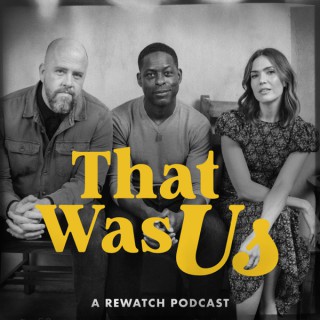
This week on That Was Us, we're breaking down Season 6, Episode 3: "Four Fathers." As Kevin adjusts to co-parenting, Randall faces the reality that Deja is growing up, and Kate and Toby struggle to stay connected amidst long distance. The episode explores parenthood, changing family dynamics, and the memories that stay with us long after the moment has passed. In this episode, the hosts chat about: Their favorite TV shows they're currently watching Travel habits, airplane comfort, and life on the road Parenting chaos and the challenge of juggling family life Managing fame while trying to maintain a sense of normalcy Celebrating the Emmy nominations for Paradise They also break down the episode, including: - Jack losing Kevin during the family's first trip to the movies and creating a new memory with an at-home sundae night - Jack learning that his mother has died just as the day comes to an emotional close Randall teaching Deja to drive and accidentally hearing - Malik's revealing text over Bluetooth - Beth and Randall realizing Deja is growing up faster than they're ready for - Kate and Toby's growing tension as long distance begins taking its toll - - Toby's heartfelt proposal to buy a Green Egg smoker and create new family memories - Kevin struggling with co-parenting after missing Franny's first steps - Kevin turning to Cassidy as he wrestles with loneliness and finding his place A special fan segment featuring listeners sharing the moment they first realized their child wasn't a little kid anymore And a friendly reminder, you can catch new episodes of That Was Us every Monday, a day early, exclusively on Hulu. Available on Spotify, YouTube, or wherever you get your podcasts on Tuesdays like usual! That Was Us is produced by Rabbit Grin Productions. Music by Taylor Goldsmith and Griffin Goldsmith. ------------------------- Support Our Sponsors: - See how K12 Powered Schools can help unlock your child's full potential! Enroll online today at https://k12.com/thatwasus - Fatty15 is on a mission to support Healthy Aging for All, including all ages and stages of life. You can get an additional 15% off their 90-day subscription Starter Kit by going to https://fatty15.com/THATWASUS and using code THATWASUS at checkout. -------------------------

Am I the Genius? is the show where you get real answers to questions you've always wondered but didn't think to ask. Subscribe on YouTube - youtube.com/@amithegenius?sub_confirmation=1 Am I the Jerk? on Instagram - instagram.com/amithegenius Am I the Jerk? on Spotify - https://open.spotify.com/show/0uEkxvRMpxLuuHeyPVVioF?si=b279dadfe593432b x.com/amithejerk facebook.com/amithejerk SUBMIT YOUR OWN STORIES HERE http://amithejerk.com/submit Mint Mobile - Get this new customer offer and your 3-month Unlimited wireless plan for just 15 bucks a month at MINTMOBILE.com/AITJ Quince - Keep it classic and cool — with long-lasting staples from Quince. Go to Quince.com/AITJ for free shipping on your order and three hundred and sixty-five -day returns. EveryPlate - Dig into these flavor-packed meals your household will love. New customers can enjoy this special offer of only $1.99 a meal. Go to everyplate.com/podcast and use code AITG199 to get started. Green Chef - Head to Greenchef.com/50AITJ and use code 50AITJ to get fifty percent off your first month, then twenty percent off for two months with free shipping. Lola Blankets - Get 35% off your entire order at Lolablankets.com by using code AITJ at checkout. Uncommon Goods - To get 15% off your next gift, go to UncommonGoods.com/AITJ Don't miss out on this limited-time offer. Uncommon Goods. Learn more about your ad choices. Visit megaphone.fm/adchoices

TIMBERLAKE CHURCH | HOW TO SURVIVE PARENTHOOD DR. LARRY OSBORNE | AUGUST 9, 2026 Support the showVisit our Online Campus at Online.timberlakechurch.com, which is live Sundays 9, 10:15, & 11:30am.-If you would like to partner with Timberlake and want to support our mission to spread the love of Jesus to the world, please visit https://www.timberlakechurch.com/giveonline to set up a one-time or recurring gift. You can also text “Timberlake" to 77977.- | IOS app link | | Android app link |

This week was one of self-reflection: about the inability to modulate while out at restaurants and if we talked about dicks (deeehks) too much. But what do you want from me when a fan accidentally flashed me a dick pic?! Ignore it?? (absolutely not). Then, I ran into a Housewife on Fire Island, reunited with my first baby, Wacha (and address the "staged" paparazzi photos). Plus, Lucy has a friend at camp...(although perhaps of the "imaginary" variety) and we find out John sees days of the week as colors. For more interviews and behind-the-scenes tea, tune in to Andy Cohen Live weekdays on Radio Andy by subscribing to SiriusXM. Use my link https://sxm.app.link/AndyCohen for a free trial! Subscribe to SiriusXM Podcasts+ to listen to new episodes of Daddy Diaries ad-free and a whole week early. Start a free trial now on Apple Podcasts or by visiting siriusxm.com/podcastsplus. Hosted by Simplecast, an AdsWizz company. See pcm.adswizz.com for information about our collection and use of personal data for advertising.

No one really prepares you for what happens when your best friend has a baby. Suddenly your lives look completely different. Messages take longer to reply to, spontaneous plans disappear, priorities shift, and sometimes... it can feel like you're grieving a friendship that's still alive. In this deeply honest episode, Florence and Reed unpack how becoming a parent changes friendships—not just for the person having the baby, but for the friends left wondering where they fit in. We discuss: Why it's normal to grieve a friendship changing after parenthood Feeling left behind when your friends start families How to support a friend who's just had a baby What parents actually need from their child-free friends Navigating jealousy, loneliness and changing priorities Why friendships naturally have "seasons" Creating your own village—whether you have children or not How honest communication can save lifelong friendships Whether you're expecting your first baby, proudly child-free, undecided, or simply watching your friendship group evolve, this episode is for anyone trying to hold onto meaningful relationships through life's biggest transitions. Because growing up doesn't have to mean growing apart. Watch the full video, see exclusive content and support the podcast over on Patreon Follow us on Instagram: @comecurious and DM us your questions, stories and voicenotes! Follow Florence @florencebark Follow Reed @reedamberx Learn more about your ad choices. Visit megaphone.fm/adchoices

What does it mean to be "enough" as a parent, caregiver, or professional? Where is my "maternal instinct" if I don't feel an instant bond? How do fathers come to feel like fathers — and what if the connection doesn't come right away?" These are just some of the questions explored using narrative and reflection by Dr. Junlei Li and Thelma Ramirez in their new early relational health project, The Shock and Beauty of Early Parenthood.
Uncle Joe & Solo are back! They breakdown their best bets for the day. They discuss LeBron ring chasing, Ryan Clark crying, leave Ms Rachel alone and much more! Tune in & subscribe.
Listener questions? Yes please! In our summer series, Raising Them Well, we wrap up this series with an encore episode about kids, kids fighting, kids being jealous of their siblings, all things rivalry!Show Notes: https://bit.ly/4ejEwJwTakeaways:Sibling relationships are foundational to family dynamics.Fairness in parenting can shape sibling relationships positively.Teaching conflict resolution is crucial for healthy sibling interactions.Adult sibling relationships can be complicated and require clear communication.Repairing relationships after conflict is essential for long-term harmony.Modeling healthy relationships helps children navigate their own.Acknowledging unfair situations can reduce resentment among siblings.Parents should avoid favoritism to maintain sibling bonds.Encouraging independence in sibling relationships fosters stronger connections.Seeking professional help can provide tools for managing difficult sibling dynamics.Sound Bites:"That's so weird. Other moms I know don't do things like that.""I would love to talk about this whole topic of sibling rivalry.""Siblings are all over the Bible, and I don't think it's any mistake.""I want to encourage you to think about the wrapped Christmas batteries.""There is conflict that is appropriate.""Repairing relationships is essential for long-term harmony.""Be clear, put it in writing.""We want things to be as fair as possible."Chapters:00:00 - The Foundation of Sibling Relationships07:07 - Fairness in Parenting11:30 - Conflict Resolution and Communication19:34 - Navigating Adult Sibling Relationships30:00 - The Importance of Repairing RelationshipsKeywords: sibling relationships, parenting, conflict resolution, family dynamics, fairness, communication, adult siblings, family therapy, sibling rivalry, childhood development

We've been fans of Erinn's going all the way back to Childrens Hospital, which *surely* you've seen! If not, you might have seen Erinn Hayes show up in some of the best shows of the last 20 years including Parks and Rec, The Goldbergs, Transparent, New Girl, Parenthood, Will & Grace and so many others! And the entire season of her latest show It's Not Like That is now streaming on Prime! We've met Erinn a few times around ol' Hollyweird, but on today's episode, we really get to know her! Erinn tells us about meeting her husband in high school, how they've made it work for 22 years of marriage, some things she learned about herself when she became a parent, how Mr. Hollywood wrote her a prescription for therapy, and of course, which self-improvement organization is the one that screams at you: EST or Landmark! PLUS, obvi, we answer YOUR advice questions! If you'd like to ask your own advice questions, call 323-524-7839 and leave a VM or just DM us on IG or Twitter!BUY A SUPER CUTE "Open Your Hearts, Loosen Your Butts" mug! Also, we're in culture critic and Vulture writer Sean Malin's book The Podcast Pantheon: 101 Podcasts That Changed How We Listen! And:Support the show on Patreon (two extra exclusive episodes a month!) or gift someone a Patreon subscription! Or get yourself a t-shirt or a discounted Quarantine Crew shirt! And why not leave a 5-star review on Apple Podcasts? Or Spotify? It takes less than a minute! Follow the show on Instagram! Check out some CT clips on YouTube!Plus some other stuff! Watch Naomi's Netflix half hour or Mythic Quest! Check out Andy's old casiopop band's lost album or his other podcast Beginnings!Theme song by the great Sammus! Hosted on Acast. See acast.com/privacy for more information.

Everyone tells you that having a baby changes everything, but few people honestly talk about what it can do to your marriage.In today's episode, Jordan and I are sitting down for a real, unfiltered conversation about our first year since becoming mom and dad. Parenthood has been one of God's greatest gifts to us and we love our son to the moon and back! But this season has also stretched us, refined us, and exposed the weak areas in our marriage that we never expected. We're sharing the hard moments, the beautiful parts, and the lessons God has taught us along the way. Whether you're newly married, expecting your first baby, in the newborn trenches, or simply preparing for the future, our prayer is that this conversation encourages you to pursue each other intentionally while keeping Christ at the center of your marriage… even more so once you are mom and dad.What You'll Learn in This Episode: What surprised us most after becoming parents How our relationship changed after bringing home a baby The identity shift from husband and wife to mom and dad Sleep deprivation, exhaustion, and learning to give each other grace Communication challenges during the postpartum season How intimacy and emotional connection changed after baby The biggest adjustments we weren't prepared for Honest moments from our first year of parenthood What God has been teaching us through this season This episode was one that we've been meaning to record for a moment, and I'm so glad that we finally did. Remember to lean into each other when you're navigating the newborn stages, and even past that… because God never intended for us to do this alone. If you're walking through a similar season, our prayer is that this episode encourages you to cry out to the Father, cling to the hem of His garment, and trust that He is with you in this chapter. Let's Connect! If this episode blessed you, share it with a friend, leave a review, and tag me on Instagram @realbrittanydawn so I can connect with you personally! Have a question or topic idea? Send me a DM, I'd love to hear from you! Learn more about your ad choices. Visit megaphone.fm/adchoices

This week, the boys revisit their most prolific year, 2022! Despite seeing many movies (and pod-ing: check our feed!), we had a blind spot: Ron Howard's incredible real-life suspense movie “Thirteen Lives”, starring Viggo Mortensen, Collin Farrell, and Joel Edgerton. It's available to stream for free (with a sub) on Prime Video, and it's 100% worth your time! Dave and Jeff also give a spoiler-free mini-review of “Spider-Man: Brand New Day”, and Dave got an advanced look at “One Night Only” and enjoyed it! Grab a beer and tune in. inktr.ee/theloveofcinema - Check out our YouTube page! Our phone number is 646-484-9298. It accepts texts or voice messages. 0:00 Intro; 5:06 “Spider-Man: Brand New Day” mini-review; 8:51 “One Night Only” mini-review; 13:48 2022 Year in Review; 32:41 “Thirteen Lives”: Films of 2022; 01:12:41 What You Been Watching?; 1:19:24 Next Week's Episode Teaser Additional Cast/Crew: Tom Holland, Zendaya, Sadie Sink, Jon Berenthal, Viggo Mortensen, Colin Farrell, Joel Edgerton, Monica Barbaro, Callum Turner. Hosts: Dave Green, Jeff Ostermueller, John Say Edited & Produced by Dave Green. Beer Sponsor: Carlos Barrozo Music Sponsor: Dasein Dasein on Spotify: https://open.spotify.com/artist/77H3GPgYigeKNlZKGx11KZ Dasein on Apple Music: https://music.apple.com/us/artist/dasein/1637517407 Recommendations: Spider Noir, Reptile, A Toxic Love Story, Parenthood, Strange New World, Spider-Man: Far From Home, Stewart Fails To Save The Universe, Spider-Man: Homecoming, Spider-Man: Far From Home, Nat Geo The Rescue, Criterion 24/7, Norwegian Pathfinder. Additional Tags: Thai Soccer Team, Scuba Diving, Monsoon Season, Peter Parker, Stanley Kubrick, Argentina, Spain, England, France, The Odyssey, Christopher Nolan, Moana, Toy Story 5, Focus Features, A24, Curry Barker, The Tenant, Rosemary's Baby, The Pianist, Cul-de-Sac, AI, The New York City Marathon, Apartments, Tenants, AMC, IMAX Issues, Tron, The Dallas Cowboys, Short-term memory loss, Warner Brothers, Paramount, Netflix, AMC Times Square, Academy Awards, BFI, BAFTA, BAFTAS, Adelaide, Australia, Queensland, New South Wales, Melbourne, The British, England, The SEC, HBO Max, Amazon Prime, casket maker, Seven Samurai, Roshomon, Sergio Leone, Clint Eastwood, Stellan Skarsgard, the matt and mark movie show, The Southern District's Waratah Championship, Night of a Thousand Stars, The Pan Pacific Grand Prix (The Pan Pacifics), Jeff Bezos, Rupert Murdoch, Larry Ellison, David Ellison, Elon Musk, Mark Zuckerberg.

Daniel Suárez and Julia Piquet take over the podcast for a special episode of Bless Your 'Hardt. They're filling in for Amy and Dale while they're on vacation in Costa Rica. With Julia just six weeks away from her due date, the two talk about getting ready for their first baby. They discuss their 50-person baby shower, keeping the baby's gender a surprise, and the baby names they've had picked out for years. But don't get your hopes up... it's a secret. They also settle a few important debates, including exactly when Daniel should actually start cooking at the barbecue. Daniel and Julia look back at their relationship, from first meeting through Julia's brother Nelson in 2012 to dating, moving in together, getting engaged and eventually getting married. Plus, Daniel opens up about the emotional significance of winning the Coca-Cola 600 with his new team and what the victory meant to everyone involved. Then, they wrap things up with Ask Julia & Daniel. They answer questions about diaper duty, life away from racing, what they miss from home, who said “I love you” first, and what happens if Julia goes into labor on a race weekend. It's a candid look at life, racing and getting ready for a whole new chapter for the Suárez family. Check out Dirty Mo Media on YouTube: https://www.youtube.com/@DirtyMoMedia Hosted by Simplecast, an AdsWizz company. See pcm.adswizz.com for information about our collection and use of personal data for advertising.

Despite declining fertility rates, many young individuals still hold onto these aspirations of parenthood. Some find this shocking. Additionally, the discussion touches on what Pope Leo might consider for his next encyclical, highlighting the evolving nature of family and faith in contemporary society. Join the Catholic Answers Live Club Newsletter Invite our apologists to speak at your parish! Visit Catholicanswersspeakers.com Questions Covered: 03:45 – Even as Fertility Rates Drop, Young Still Aspire to Partnership and Parenthood, UN Report Shows 28:35 – What Should Pope Leo Do for His Next Encyclical?
© 2020-2026 Ivy Podcast Discovery LLC
