
POPULARITY
Categories

30 episodes with eat like

20 episodes with eat like

6 episodes with eat like

6 episodes with eat like

4 episodes with eat like

6 episodes with eat like

10 episodes with eat like

4 episodes with eat like

4 episodes with eat like

3 episodes with eat like

4 episodes with eat like

3 episodes with eat like

3 episodes with eat like

11 episodes with eat like

4 episodes with eat like

3 episodes with eat like

3 episodes with eat like

13 episodes with eat like

5 episodes with eat like

4 episodes with eat like

4 episodes with eat like

3 episodes with eat like

3 episodes with eat like

4 episodes with eat like

5 episodes with eat like

3 episodes with eat like

2 episodes with eat like

Olivia Tiedemann is a chef who began creating videos while working as a private chef in the Hamptons. Her signature deadpan delivery and no-nonsense techniques have won her millions of fans. Now she's sharing her highly craveable recipes in a debut cookbook: Eat (Like) the Rich. Today on the show, Olivia talks about why everyone is fascinated by private chefs, making crab cakes for Martha Stewart, and more. And it's the return of Three Things, where Aliza and Matt discuss what's interesting to them in the world of food including Matt visits Philadelphia with stops at Middle Child Clubhouse, the Southeast Asian Market in FDR Park, Supérette, and the newly opened Manna Bakery. Aliza stops by Cafe Kestrel and Sake Bar Asoko in NYC, and has high praise for the new Apollo Bagels bagel chips. Subscribe: Apple, Spotify, YouTube Learn more about your ad choices. Visit megaphone.fm/adchoices
[Download] Nutrition Blueprint Are you carb loading correctly before your marathon, or could your nutrition strategy be setting you up to hit the dreaded wall at mile 20? If you think carb loading means eating a giant bowl of pasta the night before your race, you're not alone! But proper marathon carb loading involves much more than one big meal. In this episode of the Healthy Runner Podcast, Dr. Duane Scotti sits down with registered dietitian and endurance sports nutrition expert Brooke Czarnecki, RDN from our Spark Healthy Runner team to break down exactly how to carb load before a marathon or half marathon. You'll learn when to start carb loading, what foods to eat, how much carbohydrate your body actually needs, and the biggest nutrition mistakes that could leave you feeling depleted on race day. Whether you're training for your first marathon or chasing a new personal record, this episode will help you develop a smarter race-week fueling strategy so you can arrive at the starting line feeling prepared and confident! What You'll Learn: -Why marathon runners hit the wall and how carb loading can help. -The biggest carb-loading mistakes runners make. -When to start carb loading: 24, 48, or 72 hours before your race? -What to eat during the final 2–3 days before a marathon. -How to train your gut to tolerate more carbohydrates during long runs. -Whether high-carb fueling affects your long-term health. -Important carb-loading considerations for female runners. -Brooke's practical 3-day carb-loading strategy when race day is approaching! Stop guessing about your marathon nutrition and start fueling with a plan! Grab your FREE Marathon Training Guide Here! Episodes and Resources mentioned in this episode: Links and Resources from the show: - Get all of Brooke's previous episodes on the podcast in one place! - Listen to my previous episode on how injury and nutrition guidance sparked Rachel's first marathon success! - Listen to my previous episode on How to Eat Like a Runner - Listen to my previous episode on hydration and electrolytes for running If you are a runner who is looking for an individualized nutrition plan and want to prevent under-fueling so you can run strong and last long then you can begin to work with Brooke within our 1:1 signature Healthy Runner Coaching program here. A big thanks to CEP for your support for this episode! Healthy Runner listeners get 15% off their entire order when shopping CEP Running online through November 15! Shop CEP Running or enter code LRL-NYC-15 at checkout. Offer ends November 16, 2026, at 3:00AM EST. Limit one use per customer. Cannot be combined with other discounts.

Part two of this Tasty Trails Travel Pod x Finding Korea crossover with Irene Yoo — chef, author, and Orion Bar co-owner — picks up where the drink itself left off and gets into everything that happens around it.We talk pouring order and who's allowed to pour for who, why saying no to a drink isn't really an option in most settings, and the corporate drinking culture that runs underneath a lot of it — including one story about a company that used to calculate Christmas bonuses by how many bottles of soju you could drink. We also get into gender and soju marketing, and a few myths Irene wants to put to rest for good.Missed part 1? Go back for the flavor and history side of soju first — this one hits different with the context.Part 1: https://youtu.be/6HMVnoxcs08

If you feel like you have to choose between losing fat and being normal around food, this episode is for you. I'm walking you through the 8 steps I've used with thousands of women over the last 15 years to lose fat while quieting the food noise — why eating 1,200 calories isn't working, why restriction keeps you thinking about food all day, and what to do instead so the weight comes off without the obsession.In this episode:• Why "eat less, move more" may be the reason you can't lose weight• The right you have to earn before any fat loss phase• What to do if you can't lose weight on 1,200 calories• Why we make clients eat chocolate every single day• Diet breaks: why camping out in a deficit backfires• The root cause that decides whether any of this sticks‣ Apply to Join Dieting From The Inside Out Here: https://inquire.hamiltontrained.com?utm_source=podcast‣ Grab the Food Noise Solution Guide Here: https://inquire.hamiltontrained.com/food-noise?utm_source=podcast
Going Underground: Installment# 26 this month Showtyme and High5Tom are in the middle of the fallout from the Cueto Cup as we are balls to the wall towards the 3rd Ultima Lucha. That and so much more. Spoiler Alert Showtyme has some news to start the episode so send him the appropriate messages. Make sure to follow us on all the socials and our podcast families and partners below. And highfivers make sure to Tune In and Tune out, press play and enjoy because ya know we sure as shit did. And make sure you follow our esteemed Guest Mario, he not only hosted us but dude is definitely part of our family. https://x.com/akidfrom34thst Pick up your own copy of Eat Like a Luchador cookbook https://www.barnesandnoble.com/w/eat-like-a-luchador-legends-of-lucha-libre/1137837312 Listen to Doc and our Boy Zack on the The Take it Home Podcast on Youtube https://www.youtube.com/channel/UC3ti7qaJevlzh2M5J4nfqSg Follow Doc on Twitter https://x.com/DocSimmons17 IG : @docsimmons17 Follow the 4th leg of the Going Underground crew DUI friend the Kid from 34th st https://x.com/akidfrom34thst Follow Country Air https://x.com/countryairbrand Follow Tom at https://twitter.com/High5Tom Follow Josh at https://x.com/showtyme341 Follow VGM at https://twitter.com/VisGlobalMedia Follow the Shining Wizards https://twitter.com/wizardspodcast Logo done by personal friend Atomic Howler https://x.com/AtomicHowler https://www.facebook.com/theartistbryanvreeland/ Follow the Podcast at https://x.com/G_U_Podcast If you want to watch along smash this link courtesy of our boy The King Azar https://archive.org/details/season1-lucha-underground Music in the Intro is Friday Night in Afikin by Marcelo Nami Music in the commercial Break Clobberin Time By Sickofital

Episode Highlights With MindyCutting through the myth… can women fast and what we need to do differentlyHow to navigate fasting with a female hormone cycle and why it is so important The three types of women and how each fasts differently There are times when women shouldn't fast and times when it can be a game changerWe have two metabolisms: glucose and ketones and how to use them differently Somewhere 8-12 hours after food we shift to ketones The healing switches that turn on when we fastWhat flex fasting is and how she helps people find what works best for themPerimenopause and menopause specific fasting guidelinesThe cortisol component and how to pay attention to this partCan fasting be brain protective post menopause When to fast and when not to, and the most important meal you eat after fasting The important nutrients to focus on after fasting and the story about leucine Let's stop making beans the enemy! And her take on sardine fasting Supplements she most often recommends and why The one food group that kills our ability to make our own GLP (it might surprise you)Order of food matters, not just the amount and type! Important concerns with GLPs and how to make your own and not lose muscle!Resources MentionedMindy's books - Fast Like a Girl, Age Like a Girl and Eat Like a GirlMindy's YouTube channelStress questionnaireLive like a girl podcastBioptimizersI love and use so many products from them, but I especially love the magnesium (Magnesium Breakthrough) and digestive enzymes (Masszymes). Visit bioptimizers.com/wellnessmama to get the best deal!
In part one of this Tasty Trails Travel Pod x Finding Korea crossover, I sit down with chef, author, and Orion Bar co-owner Irene Yoo — who literally wrote the book on this one, *Soju Party: How to Drink and Eat Like a Korean.*We get into what soju actually is: the difference between the traditionally distilled version (rice, nuruk, water) and the mass-manufactured version most people know, how flavored soju went from "tastes like cough syrup" to genuinely good, and danggeumju — infusing high-proof soju with herbs or fruit, which is basically Korean cocktail culture. Her samgyetang-infused soju recipe alone is worth the listen.Part 2 drops in two weeks — that's where it stops being about what's in the glass and starts being about everything around it.

Do you know you don't want to binge… but the second a strong binge urge hits, it feels like you HAVE to give in?In this episode, I'm breaking down why binge urges feel so strong, how binge eating becomes a habit in your brain, and how to start rewiring the urge binge cycle so you can eat like a normal person again.You'll learn:Why binge urges can become stronger the more you give inHow restriction can fuel the urge to bingeThe difference between your Restrict Brain, Binge Brain and True BrainHow to create space between an urge and automatically bingeingWhat a Rewire Rep is and how it helps retrain your brainHow to stop the “eff it, I already messed up” cycle after overeatingHow to stop eating past fullnessThe difference between Food Freedom and Freedom of ChoiceWhat eating like a normal person actually looks likeEPISODE CHAPTERS:00:00 — Why binge urges feel impossible to resist 03:05 — Why binge eating becomes a habit in your brain 04:00 — How restriction makes binge urges stronger 05:35 — Restrict Brain vs Binge Brain vs True Brain 07:40 — How to stop automatically giving in to binge urges 08:10 — Rewire Reps: how to rewire binge eating 10:25 — How to stop eating past fullness 13:20 — Food Freedom vs Freedom of Choice 16:55 — What eating like a normal person looks like 21:15 — How to get support to stop binge eatingThe goal isn't to perfectly control food or eat "whatever" you want...It's to get to a place where YOU choose whether you want the salad, chocolate, dessert or nothing at all, instead of your urges making the decision for you.If you're ready to sustainably conquer binge eating, message me CONQUER on Instagram and I'll send you the details for CONQUER 2.0.CONNECT WITH LORNA:---> Instagram @lorna_bingeeatingcoachhttps://www.instagram.com/lorna_bingeeatingcoach/---> TikTok @lorna_bingeeatingcoach https://www.tiktok.com/@lorna_bingeeatingcoach
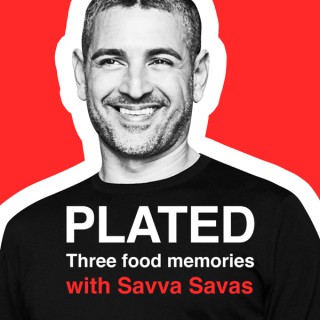
"The first time I stepped in the kitchen was when I was in the military" - Francesco Mattana On Sardinian chef Francesco Mattana's menu: chasing crabs in the garden for grandad, bread with cheese and bread at Nonna's house, family dinners at Nonna Angelina's house. Sides include: working with Gennaro Contaldo (go back and listen to this episode from early 2026 if you haven't already), learning to cook in the military, why Australia was just that little too far away from home, and why conversations at the dinner table are so important. Francesco's social cause is Refettorio Felix - whose work is grounded in the social, physical, emotional and environmental impact of a shared meal made from surplus ingredients. Many of their guests come for lunch and then stay for the warmth, care, inclusion and community they find at the Centre.And for more on Francesco and his cooking courses, head to: ourcookingjourney.comSend us Fan MailTo find out more about the project and Savva - head to threefoodmemories.comInsta - @savvasavas @threefoodmemoriesEmail us at threefoodmemories@plated.com.au, we'd love to hear from you! TFM is produced and edited by Lauren McWhirter with original music by Russell Torrance.

What labor snacks should I have on hand for birth?? Easy to eat and digest foods, and think like a marathoner. Because birth IS a marathon. We're also going to cover three reasons moms don't eat in labor, how it can cause more interventions, and what to do if you cannot stop throwing up.Download the U|G birth prep list:unmedicatedgirlies.com/waitlistStart our birth class today (best time to start is 30 weeks or earlier!):unmedicatedgirlies.comFollow us on IG:@theunmedicatedgirlies
Going Underground: Installment# 25 this month Showtyme and High5Tom after 10 weeks we are on the final leg of the Cueto Cup. Who comes out the winner? Who they face at this years Ultima Lucha and the biggest question, who many #fuckovamatches did we have. That and so much more on this months Going Underground. Make sure to follow us on all the socials and our podcast families and partners below. And highfivers make sure to Tune In and Tune out, press play and enjoy because ya know we sure as shit did. And make sure you follow our esteemed Guest Mario, he not only hosted us but dude is definitely part of our family. https://x.com/akidfrom34thst Pick up your own copy of Eat Like a Luchador cookbook https://www.barnesandnoble.com/w/eat-like-a-luchador-legends-of-lucha-libre/1137837312 Listen to Doc and our Boy Zack on the The Take it Home Podcast on Youtube https://www.youtube.com/channel/UC3ti7qaJevlzh2M5J4nfqSg Follow Doc on Twitter https://x.com/DocSimmons17 IG : @docsimmons17 Follow the 4th leg of the Going Underground crew DUI friend the Kid from 34th st https://x.com/akidfrom34thst Follow Country Air https://x.com/countryairbrand Follow Tom at https://twitter.com/High5Tom Follow Josh at https://x.com/showtyme341 Follow VGM at https://twitter.com/VisGlobalMedia Follow the Shining Wizards https://twitter.com/wizardspodcast Logo done by personal friend Atomic Howler https://x.com/AtomicHowler https://www.facebook.com/theartistbryanvreeland/ Follow the Podcast at https://x.com/G_U_Podcast If you want to watch along smash this link courtesy of our boy The King Azar https://archive.org/details/season1-lucha-underground Music in the Intro is Friday Night in Afikin by Marcelo Nami Music in the commercial Break Clobberin Time By Sickofitall

Dan Churchill is a NYC-based performance chef and published author with a Masters in Exercise Science. He is the CEO + Founder of the production company The Epic Table and the Chief Brand Officer at Alma, the AI-first nutrition app. A regular on the Drew Barrymore Show and GMA, he is known for colorful cooking designed to be easy, inexpensive, and highly nutritious, as well as his dedication to fitness and human performance. His latest book, Eat Like a Legend, debuted in May 2024.In This Episode, They Explore:Daniel Churchill explains what it means to be a performance chef and how eating with intention can improve your energy, recovery, focus, and overall quality of life, not just your physique.Learn practical meal planning and grocery shopping strategies that make healthy eating more sustainable, including how to source high-quality ingredients and simplify cooking during a busy week.Discover why food quality matters, from supporting regenerative agriculture to choosing better proteins, and how those choices can impact your health and performance.Dan shares his approach to balancing travel, training, and nutrition as a hybrid athlete, along with realistic habits anyone can implement to stay consistent on the go.Plus, hear Dan's philosophy on intentional living, setting meaningful goals, and leading by example, with actionable takeaways to help you fuel your body for long-term wellness and peak performance.Learn more about Dan Churchill here: danchurchill.comDownload the Alma App here: https://www.alma.food/Follow Dan Churchill on Instagram: https://www.instagram.com/dan_churchill/Stay Connected:Instagram https://www.instagram.com/whitneyaronoff/Instagram https://www.instagram.com/starseedkitchen/TikTok https://www.tiktok.com/@whitneyaronoffTikTok https://www.tiktok.com/@starseedkitchenLearn more about Starseed Kitchenhttps://starseedkitchen.com/Shop organic spiceshttps://starseedkitchen.com/shop/code STARSEED for 10% offShop Chef Whitney's favorite source for organic regenerative meats at StarWalker Organic FarmsUse code CHEF for 10% off your online order of $150 or more. Get an additional 10% off for a total discount of 20% when you choose a subscription. https://www.starwalkerorganicfarms.com/discount/CHEFSave 20% off on the healthiest beef sticks by Artemis. 100% organic grass-fed & grass-finished beef sticks. Regeneratively raised with the added bonus of organ meat, heart & liver. Use code STARSEED20 for 20% off. https://bit.ly/4aHDKFlThe 36-pack Subscribe & Save plus my code saves you about 36% off retail.Work with a personal chefhttps://form.typeform.com/to/CGDu08tEBook a 1-on-1 callhttps://bit.ly/4smXWUfFind more of Chef Whitney's offerings herehttps://linktr.ee/whitney.aronoff
Join the Eat Like Ruby Podcast Community

In today's special edition of the Razorback Daily, we're bringing back a fan-favorite conversation with Karen Van Horn and Becky Bull. The pair joined us to share the story behind a cookbook packed with recipes from Razorback legends, coaches and personalities, giving fans a chance to literally eat like the Hogs.

Send us Fan MailFor the first time ever I am hosting a 4 week nutrition course, and you can join in from anywhere!All Thursdays in August - let's learn to "eat like you love yourself"Tap here to register!Support the showTCY has a HOME on the internet! Give the website some love by clicking here!Shop TCY SwagWanna chat? Let's connect on the gram @thecaffeinatedyogico AND @caffeinatedyogitalksInterested in working together? Click here for details on 1:1 fitness, nutrition, or mobility coaching. There are also links to all things Sky's The Limit Yoga Co (like yoga events, and yoga teacher training). , 'POD10' saves on all 1:1 fitness, mobility and nutrition guidance with yours truly! Save on all things :: No Cow **this company is no longer using code! Tap here to save and support the showManduka with the code "DanielleC10"FRE Skincare with the code "Danyell"CHIKE Nutrition with code "TCY"And head over to my Amazon page to shop items on use on the reg.

Mark Lohman // July 12, 2026

What can traditional drinking rituals teach us about writing a cookbook that celebrates culture and community? Welcome to another episode of the Cookbook Love Podcast. Today I sit down with Irene Yoo, food writer, recipe developer, and co-owner of Orion Bar in Bushwick, Brooklyn. Irene shares how she translated the vibrant world of Korean hospitality into her James Beard Award-winning cookbook, Soju Party: How to Drink and Eat Like a Korean. Our conversation explores why the most impactful cookbooks do more than list ingredients. They act as visual cultural statements, honor culinary heritage, and bring people together across generations. In this episode, you'll learn: How Irene navigated the emotions of winning a James Beard Award. Why structuring a cookbook to mirror a real-life experience, like a progressive night out, creates a deeply engaging reader journey. What the essential pillars of Korean drinking culture, from table-side bomb shots to the non-negotiable rule of Anju, teach us about hospitality and sharing meals and drinks. How collaborating with family members on recipes, book design, and illustrations can turn a standard recipe book into a treasured work of art. Whether you're dreaming of writing your first cookbook or looking for creative ways to structure your culinary manuscript, this conversation will inspire you to think beyond the plate. Every dish has a cultural heartbeat, and those rituals are often what readers treasure long after the final round is poured. Ready to turn your cookbook idea into a concept publishers will notice? Download our Cookbook Concept Map and discover how to shape your expertise, recipes, and stories into a compelling cookbook concept.
Going Underground: Installment# 24--This month your boyz Showtyme Joshua and H5T dive back into the temple as we are in the think of the Cueto Cup. Some great matches and new standouts. Make sure to follow us on all the socials and our podcast families and partners below. And highfivers make sure to Tune In and Tune out, press play and enjoy because ya know we sure as shit did. And make sure you follow our esteemed Guest Mario, he not only hosted us but dude is definitely part of our family. https://x.com/akidfrom34thst Pick up your own copy of Eat Like a Luchador cookbook https://www.barnesandnoble.com/w/eat-like-a-luchador-legends-of-lucha-libre/1137837312 Listen to Doc and our Boy Zack on the The Take it Home Podcast on Youtube https://www.youtube.com/channel/UC3ti7qaJevlzh2M5J4nfqSg Follow Doc on Twitter https://x.com/DocSimmons17 IG : @docsimmons17 Follow the 4th leg of the Going Underground crew DUI friend the Kid from 34th st https://x.com/akidfrom34thst Follow Country Air https://x.com/countryairbrand Follow Tom at https://twitter.com/High5Tom Follow Josh at https://x.com/showtyme341 Follow VGM at https://twitter.com/VisGlobalMedia Follow the Shining Wizards https://twitter.com/wizardspodcast Logo done by personal friend Atomic Howler https://x.com/AtomicHowler https://www.facebook.com/theartistbryanvreeland/ Follow the Podcast at https://x.com/G_U_Podcast If you want to watch along smash this link courtesy of our boy The King Azar https://archive.org/details/season1-lucha-underground Music in the Intro is Friday Night in Afikin by Marcelo Nami

The goal of the episode would be to show people that getting in incredible shape doesn't require a gym membership, expensive equipment, or hours of training. Most people think fitness starts with a gym, but the truth is that fitness starts with habits, consistency, and intentional movement. Episode Flow (45 Minutes) Opening: The Biggest Excuse in Fitness No gym No time No equipment Busy with work and kids Challenge listeners with the idea that the best shape of their life may actually happen outside of a gym. Share personal stories from busy seasons, travel, parenting, and times when consistency mattered more than perfect workouts. Segment 1: The Biggest Fitness Myth Myth: You need a gym to get results. Reality: You need: Resistance Movement Recovery Nutrition The body doesn't care if you're training at SISU, in your garage, at a park, or in a hotel room—it only responds to the stimulus. Segment 2: The Four Pillars of Getting Lean and Strong Anywhere 1. Walk More 8,000–12,000 steps per day Walking meetings Family walks Rucking 2. Master Bodyweight Strength Push-ups Squats Lunges Step-ups Planks Example 15-minute workout: 15 Squats 10 Push-Ups 20 Walking Lunges 30-Second Plank (3 rounds) 3. Eat Like an Athlete Protein first Fruits and vegetables Hydration Minimize liquid calories Simple rule: Every meal starts with protein. 4. Prioritize Sleep and Recovery Better energy Fewer cravings Improved hormone function Better fat loss results Segment 3: The Minimum Effective Dose If someone only had 20 minutes a day, what should they do? Our answer: 10 minutes of strength training 10 minutes of walking Protein at every meal 7+ hours of sleep Fitness doesn't require perfection. It requires consistency. Segment 4: Family Fitness How couples can get fit together: Evening walks Family bike rides Weekend hikes Home workouts Fitness challenges Great opportunity to discuss creating a culture of health within the family and how kids often model what they see. Segment 5: If We Had to Start Over Tomorrow If we lost access to every gym tomorrow, our priorities would be: Walk 10,000 steps daily Eat protein at every meal Strength train 3 times per week Sleep 7–8 hours Stay consistent for 12 months Closing Challenge 30-Day No Gym Challenge: Walk 8,000–10,000 steps daily Complete 3 bodyweight workouts per week Eat protein at every meal Drink half your bodyweight in ounces of water Sleep 7+ hours nightly Final takeaway: "Your fitness transformation won't come from finding the perfect gym. It comes from mastering the simple habits you can do anywhere, every day." I think this episode would resonate with a huge audience because it removes excuses and gives people practical steps they can start immediately.
Right now, millions of women are stuck in a cycle of constant hunger, food noise, energy crashes, stubborn weight gain, and frustration. Most have been told they need more willpower, but the truth is often much simpler.Your metabolism may be stuck in sugar-burning mode.In this episode, I break down one of the most important concepts I've taught over the last decade: the metabolic switch. You'll learn the difference between your body's sugar-burning and fat-burning systems, why blood sugar crashes drive cravings, and the five simple steps I use to help women become more metabolically flexible.If you've struggled with fasting, weight loss, or constant cravings, this conversation will help you understand why and show you where to start.In this episode, you'll learn:• The difference between sugar-burning and fat-burning metabolism• Why blood sugar crashes create cravings and food noise• How meal order affects your metabolic health• The role of protein, fiber, and healthy fats in blood sugar regulation• Why walking after meals is one of the most powerful metabolic tools• How to gently extend fasting windows without stressing your body• The symptoms that show your metabolic switch is improvingResources Mentioned:• Fast Like a Girl: drmindypelz.com/books• Eat Like a Girl: drmindypelz.com/books• Burn Fat Like a Girl Reset: https://bit.ly/4kKkqJR• Nervous System Reset Guide: https://bit.ly/4exCeGVFor more resources related to today's episode, visit the podcast episode page: drmindypelz.com/ep346Connect with Dr. Mindy:Join Reset AcademyWatch the episodes on YouTubeFollow Dr. Mindy on InstagramSubscribe to Dr. Mindy's newsletterDisclaimer: This podcast is intended for educational and informational purposes only and is not a substitute for professional medical advice. Always consult a qualified healthcare professional before making changes to your diet, fasting routine, or lifestyle.

Francesco Mattana tells Oliver how to Eat like a Sardinian to Live to 100.

Timestamps : 00:00 — Intro — Welcome to the Holistic Kids Show 00:20 — The Childhood Obesity Crisis: The Numbers 01:14 — Guest Introduction: Ashley Koff, RD 02:12 — Ashley's Personal Story & What Drove Her Mission 04:34 — Rethinking Weight: It's a Signal, Not a Sentence 05:15 — Introducing Your Best Shot & Weight Health 06:07 — Understanding Hormones: GLP-1, GIP, CCK & PYY Explained Simply 08:15 — How Gut Hormones Control Blood Sugar, Appetite & Bone Health 10:16 — The Gut-Hormone Connection: Why Your Microbiome Matters 11:05 — Can Kids Take GLP-1 Hormones? 11:25 — Ozempic, Wegovy & GLP-1 Medications Explained 13:40 — GLP-1 Medications Approved for Kids 10+ — What Parents Must Know 15:28 — 3 Daily Habits to Naturally Balance Your Hormones 17:21 — Habit #2: Eat Like a Race Car — Fueling at the Right Times 18:04 — Habit #3: Move After Every Meal — Why 7 Minutes Matters 22:03 — "Better, Not Perfect" — What That Really Means for Teens 25:00 — The One Nutrition Rule Every Kid Should Know 29:49 — Where to Find Ashley Koff & Her Resources One in five US children lives with obesity — but are we asking the right questions? In this powerful episode, the Holistic Kids crew sits down with Ashley Koff, RD, USA Today bestselling author of Your Best Shot and a leading weight health practitioner with over 25 years of experience. Ashley flips the script on how we talk about weight with kids — moving away from diets, BMI, and body shame, and toward understanding what the body is actually telling us. She explains how hormones like GLP-1, GIP, and PYY are made in the gut lining, why antibiotics and medications can disrupt them for years, and what that means for growing bodies. The conversation also tackles the rising use of GLP-1 medications (like Ozempic and Wegovy) in kids as young as 10 — what the research says, what parents and teens should know, and why these medications are a tool, not a solution on their own. In this episode, you'll learn: Why weight is a signal, not a sentence What GLP-1, GIP, and gut hormones actually do — explained simply How antibiotics and medications affect your hormones for years The truth about GLP-1 medications for kids and teens 3 daily habits to naturally support hormone balance Why BMI is a flawed measure — and what to look at instead The "race car" nutrition approach that keeps your body running better What "better, not perfect" really means for teenagers Guest: Ashley Koff, RD — Founder of The Better Nutrition Program, author of Your Best Shot, recognized by CNN as one of the Top 100 Health Makers.

Violent anti-immigrant riots erupted in Belfast in Northern Ireland last night, in response to a viral video showing a stabbing attack perpetrated by a Sudanese national. Masked protesters burned down houses and torched cars, sending some families fleeing, and others into hiding. Also, local officials in southern Iran say the US has struck a water reservoir there, leaving thousands of people without clean drinking water, as the two countries continue with fraught negotiations. And, the government of Fiji has rejected a proposed waste incinerator plant that would risk, what they call, growing "waste colonialism." Plus, what it means to “Eat Like a Sardinian” on an island known for its population's longevity.Your support is critical in sustaining our nonprofit newsroom. Donate today and your gift will be matched 2:1! Learn about your ad choices: dovetail.prx.org/ad-choices

Food Around the World — How Different Cultures Eat SmartEvery Culture I Have Ever Cooked With Has Taught Me Something I Couldn't Have Learned Any Other WaySometime in the 1990s, I started keeping a list. Every time I traveled — and I traveled a great deal, following food the way other people follow art or music — I wrote down the single most important thing I learned about how the people of that place ate. By now, the list is long. Japan: the philosophy of hara hachi bu, eating until you are eighty percent full. Morocco: the communal bowl, the sharing of food as an act of social trust. Mexico: the extraordinary sophistication of a cuisine built almost entirely on ingredients that grew in one place — corn, beans, chiles, squash, tomatoes, and chocolate — without which the entire Western food tradition would be unrecognizable. Greece: the radical simplicity of the best food, which asks for nothing more than extraordinary raw ingredients and the wisdom to leave them alone.I grew up in an Italian-American family in Rhode Island, and Italian cooking was the lens through which I first came to understand food. That lens, I later realized, had given me certain advantages and certain blind spots. The advantages were real: I had grown up understanding that food is inseparable from family, that meals are ceremonies, that the quality of ingredients matters more than the complexity of technique, and that patience is a virtue that rewards you with flavor. The blind spots were equally real: I had grown up thinking, on some unexamined level, that the Mediterranean tradition was simply the best, the standard against which other cuisines should be measured.Travel cured me of that. The first time I ate a properly prepared bowl of Japanese ramen — not the instant variety, but real ramen, the kind where the broth has simmered for eighteen hours and every component has been made with obsessive care — I sat in silence for several minutes before I could say anything. It was not Italian food. It was not trying to be Italian food. It was its own complete, sophisticated, deeply nutritional universe, built on principles of flavor and health that were entirely different from what I knew and equally valid. That was a humbling and liberating moment.What I have come to understand, through decades of eating and cooking across cultures, is that the world's great food traditions are great for reasons that go far beyond tradition. They survived because they worked. The Mediterranean diet — olive oil, fish, legumes, whole grains, abundant vegetables, moderate amounts of everything else — is not celebrated by nutritional science because researchers decided to honor a charming European lifestyle. It is celebrated because study after study has found it to be among the most health-protective dietary patterns ever documented. The Japanese diet — rich in fish, fermented foods, seaweed, vegetables, and soy — is associated with some of the highest longevity rates on the planet. The traditional Mexican diet, built on the corn-and-bean combination that forms a complete protein, sustained complex civilizations for thousands of years before anyone had coined the word 'nutrition.'The lesson I draw from this is not that any single culture has the perfect diet, but that the world's traditional food cultures, in their pre-industrial forms, all arrived at similar principles through very different paths: whole ingredients, minimal processing, balance among food groups, strong seasonality, communal eating, and reverence for the act of preparing and sharing food. These are not coincidences. They are convergent solutions to the same fundamental human problem: how to nourish a body well over a long life.I have also learned, through cooking with people from dozens of traditions, that food is one of the most powerful bridges between human beings who have very little else in common.

Most runners train hard and eat like an afterthought. In this episode, Isobel and Ron break down the nutrition fundamentals that directly support your training: not the fads, not the noise, just what the research actually says and what she's learned from years of racing and coaching at the sharp end of the sport.They cover the biggest mistake runners make with food (hint: it's not eating too much), why carbohydrates are not the enemy, how much protein you actually need as an endurance athlete, and why your gut health might be the thing standing between you and your next finish line.Ron also weighs in, because someone has to represent the people who just eat whatever and hope for the best.In this episode:RED-S — the underfuelling syndrome that's wrecking performance for more runners than you thinkThe carbohydrate conversation (and why low-carb isn't the answer for most of you)Protein targets for endurance athletes, the numbers will probably surprise youTiming your nutrition around training — what actually mattersGut health, GI distress, and why race day is not the time to experimentThis is training nutrition: day-to-day eating that builds a body that can handle the work. Race-day fuelling is a separate episode entirely.If this episode makes you realise your nutrition needs a proper look, start with booking a call at peakendurancecoaching.com.auPeak Endurance Coaching is based in Melbourne, Australia. Isobel Tait is a Level 3 Sports Nutritionist, UESCA certified ultra running and endurance nutrition coach, and three-time Australian representative at the World Long Distance Mountain Running Championships, as well as competing at The Barkley Marathons three times.

(
Going Underground: Installment# 22--This month your boyz Showtyme Joshua and H5T are flying thru season 3 that is the epicness that is Lucha Underground. Make sure to follow us on all the socials and our podcast families and partners below. And highfivers make sure to Tune In and Tune out, press play and enjoy because ya know we sure as shit did. And make sure you follow our esteemed Guest Mario, he not only hosted us but dude is definitely part of our family. https://x.com/akidfrom34thst Pick up your own copy of Eat Like a Luchador cookbook https://www.barnesandnoble.com/w/eat-like-a-luchador-legends-of-lucha-libre/1137837312 Listen to Doc and our Boy Zack on the The Take it Home Podcast on Youtube https://www.youtube.com/channel/UC3ti7qaJevlzh2M5J4nfqSg Follow Doc on Twitter https://x.com/DocSimmons17 IG : @docsimmons17 Follow the 4th leg of the Going Underground crew DUI friend the Kid from 34th st https://x.com/akidfrom34thst Follow Country Air https://x.com/countryairbrand Follow Tom at https://twitter.com/High5Tom Follow Josh at https://x.com/showtyme341 Follow VGM at https://twitter.com/VisGlobalMedia Follow the Shining Wizards https://twitter.com/wizardspodcast Logo done by personal friend Atomic Howler https://x.com/AtomicHowler https://www.facebook.com/theartistbryanvreeland/ Follow the Podcast at https://x.com/G_U_Podcast If you want to watch along smash this link courtesy of our boy The King Azar https://archive.org/details/season1-lucha-underground Music in the Intro is Friday Night in Afikin by Marcelo Nami
Burnout is real and rampage, but what if there was a solution that you could implement immediately? On today's episode, registered dietitian and speaker Kait shares how busy professionals and parents can optimize their energy and productivity with how, what, and when they fuel. Connect on LinkedIn: https://www.linkedin.com/in/kaitrichardson497/Inquire about Speaking: Kait is available for virtual and in-person speaking events to inspire your team to stop dieting and eat healthier. Learn more on her website www.kaitrichardsonrd.com or email hello@inkwell-mgmt.comBook: You can order How to Eat Like a Normal Person: A Guide to Overcoming the All-or-Nothing Mindset with Food & Diet on Amazon!Instagram: https://www.instagram.com/kaitrichardsonrd/Disclaimer: Kait is a Registered Dietitian, not a licensed therapist or medical doctor. This information is for educational and entertainment purposes only. It is not meant to be a substitute for mental health counseling or medical advice.
Chapter 5 — Kitchen Science — Cooking Is ChemistryThe Kitchen Is the Greatest Laboratory I Have Ever Worked InI have had the privilege, over a long career, of working alongside some extraordinary minds. Farmers who understood soil science with an intuitive depth that rivaled any academic. Fishermen who read weather and water with almost supernatural precision. Winemakers who could taste a barrel and tell you not just what it needed, but what it would become. But the people who have taught me the most about science — real, practical, observable science — have been other cooks. Because cooking, understood correctly, is chemistry. It is physics. It is biology. It is, in the most literal sense, the transformation of matter.I fell in love with the science of cooking the way most cooks of my generation did — not through books or classrooms, but through observation and repetition. You make hollandaise sauce five hundred times, and you begin to understand, at a cellular level, what an emulsion is: fat and water forced into uneasy coexistence by the lecithin in egg yolk, held together by agitation and precise temperature. Too hot and the proteins seize, and you have a scrambled egg in butter. Too cool, and the emulsion breaks. The window of success is narrow, and the feedback is immediate. That is the best kind of science education I know.Simultaneously, heat is the foundational variable in cooking chemistry. It is also the most misunderstood. Most beginning cooks think of heat as simply a means of making things hot. But heat does something far more interesting: it transforms the molecular structure of food in ways that change texture, flavor, color, and nutritional profile. When you apply dry heat to the surface of a piece of meat or bread — through roasting, searing, or baking — you trigger the Maillard reaction: a complex set of chemical reactions between amino acids and reducing sugars that produces hundreds of new flavor compounds along with the characteristic brown crust we find irresistible. This reaction is responsible for the crust on a loaf of bread, the sear on a steak, and the golden exterior of a roasted chicken. It is one of the most important flavor-generating processes in all of cooking, and it happens within a precise temperature range. Water and its behavior are the second great lesson of kitchen chemistry. Water boils at 212°F at sea level — a fact so familiar it seems unremarkable, but its implications run through almost everything we cook. Braising works because liquid held just below the boil gently dissolves tough collagen in meat into silky gelatin over several hours — a process that would never happen at higher temperatures, which would instead seize the muscle fibers into toughness. Pasta cooking requires a rolling boil not to cook the pasta faster but to keep it in constant motion so it doesn't stick. Caramel requires driving all the water out of sugar before the chemical transformation begins — which is why you must resist adding liquid too early, and why patience at the stove is not a virtue but a technical requirement.such as Leavening — the science of making baked goods rise — is perhaps the most magical and most teachable aspect of cooking chemistry for young people. Yeast is a living organism that consumes sugars and exhales carbon dioxide gas, which gets trapped in gluten structures in dough, causing it to expand. Baking soda is a base that, when combined with an acidic ingredient — buttermilk, lemon juice, vinegar, or yogurt — releases carbon dioxide through a simple acid-base reaction, producing the same rise without any living organisms. These are not just cooking techniques. They are chemistry lessons of genuine elegance and power. I have never met a child who was not fascinated by watching bread dough double in size overnight, or who didn't want to understand why.Full Content, Article, Recipes, and more!

Hello!The ancient Spartan society still has a grip in our culture. We use the words laconic, and Spartan to describe austere, frugal things, and people who don't use many words, just the right ones and the exact ones. The ancient Sparta was a very weird place and certainly a lot more cruel rather than heroic.It is time to see what their society truly was, how it functioned and what the warrior class do to survive.Of course we can't forget their infamous black broth soup, the dish that only -supposedly- Spartans loved! How was it made? What it consisted of, and was it really tasty?Join me to find the origin myths of Sparta, and dispel any myths that are still pervasive to this day.Read Plutarch's Live of Lycurgus here:https://penelope.uchicago.edu/Thayer/E/Roman/Texts/Plutarch/Lives/Lycurgus*.htmlYou can buy the books discussed on the podcast here:https://uk.bookshop.org/shop/thedeliciouslegacypodcastMy recommendations for this week include:Eat Like an Ancient Greek PhilosopherBefore attending third-century dinner parties, readers consulted this “marvelous feast of words.”https://www.atlasobscura.com/articles/eat-like-a-greek-philosopher-oldest-fish-recipeYucatán Peninsula Xunankab Bee Honeyhttps://www.fondazioneslowfood.com/en/slow-food-presidia/yucatan-peninsula-xunankab-bee-honey/north by sud- ouest charcuterie Northern curing, schooled in South-West France:https://www.northbysudouest.com/aboutMusic by Pavlos Kapralos.Love & GarumThomSupport the podcast on Ko-Fi and Patreon for ad-free episodes! https://ko-fi.com/thedeliciouslegacypodcasthttps://www.patreon.com/c/thedeliciouslegacySupport this show http://supporter.acast.com/the-delicious-legacy. Hosted on Acast. See acast.com/privacy for more information.
Chapter 4 — Where Does Food Come From?I Once Spent a Week on a farm, and It Changed Everything I thought I Knew About Cooking.In the summer of 2001, at the insistence of a farmer friend who had grown tired of my asking him questions about produce over the phone, I spent a week working on his farm in the Berkshire hills of western Massachusetts. I was not a young man — I was in my early fifties, with four decades of professional cooking behind me. I had touched more food in my career than most people see in a lifetime. And yet that week humbled me more completely than any culinary experience I had ever had.I woke before dawn each morning to harvest vegetables in the blue-gray light before the heat came. I pulled carrots from the earth and felt how cold they were, how heavy, how alive. I picked tomatoes warmed by the afternoon sun and ate one standing in the field, juice running down my chin, and tasted something that bore almost no resemblance to the tomatoes I had been buying from a distributor for years. I dug potatoes, which are unlike any other vegetable to harvest — each plant yields a hidden cache, a buried treasure, and the act of uncovering them feels vaguely archaeological. By the end of the week, I understood something I had thought I already understood but clearly hadn't: the distance between a seed in the ground and a dish on a table is not just physical. It is transformative. It changes the food. And it changes the cook.The conversation about where food comes from has never been more urgent or more muddled than it is today. Children growing up in cities and suburbs often have no experiential understanding of how food is produced. They know that strawberries come in plastic clamshells and that chicken comes in boneless, skinless portions wrapped in plastic film. The farm, the field, the soil, the season — these things are as abstract to many modern children as medieval history. And yet they are not abstract at all. They are the foundation of everything we eat.The concept of seasonality is, to me, one of the most important and most neglected ideas in food education. We live in an era of global supply chains that deliver strawberries in December and butternut squash in June. While this represents a genuinely remarkable logistical achievement, it has come at a cost. When food is available year-round regardless of season, we lose the ability to taste it at its peak. A tomato grown in a hothouse in January and a tomato grown outdoors in August in New England are not the same food. The August tomato is sweeter, more complex, more nutritious, and more alive. The flavor difference is not subtle. It is dramatic. And nutrition tracks flavor — peak-season produce, harvested at full ripeness, contains more vitamins, minerals, and phytonutrients than produce harvested early and ripened in transit. Seasonality also teaches something more fundamental: patience. In a world of instant gratification, of streaming, same-day delivery, and fast food available at any hour, there is something genuinely countercultural about waiting for asparagus to come back in April, about understanding that the best peaches will only be here for six weeks in August, and then they will be gone. This is not deprivation. It is anticipation. And food anticipated and consumed at its proper moment tastes incomparably better than food demanded and delivered on command.The connection between food and place is equally important. Different soils, different climates, and different microclimates produce different flavors. This is the concept the French call terroir — the particular character that geography imprints on what grows in it. Italian food is inseparable from Italian geography: the rich volcanic soil of Campania that makes San Marzano tomatoes extraordinary, the chalky hillside soils of Tuscany that give the wine its particular mineral character, the brackish coastal air of Liguria that infuses the basil grown there with its unique fragrance.
Chapter 3 — Food Detectives — Know What's in Your FoodThe Day I Read a Label and Couldn't Recognize Half the IngredientsI remember exactly where I was the first time I carefully read a processed food label. It was 1994. I was standing in a supermarket aisle in suburban Rhode Island, holding a jar of pasta sauce — the kind marketed directly at children, with a cartoon character on the front and the word 'healthy' printed in bright green letters. I read the ingredient list. It contained high-fructose corn syrup, three different kinds of modified starch, two artificial colorings, a preservative I could not pronounce, and somewhere around the fourteenth ingredient, actual tomatoes. I put the jar back on the shelf and stood there for a long moment, genuinely troubled.In thirty-five years of professional cooking at that point, I had made pasta sauce hundreds of times. The ingredients were: tomatoes, olive oil, garlic, onion, basil, salt, and time. That was it. What I was holding was something that shared a name with pasta sauce but bore almost no relationship to it in terms of ingredients, process, or nutritional value. And it was being sold to families as a healthy choice for their children.That moment changed how I thought about my work. I had always been a chef who cared about ingredients. Every professional cook does — quality matters, freshness matters, sourcing matters. But from that day forward, I became genuinely obsessed with food literacy: the idea that people, especially children, deserve to understand exactly what they are eating and why it matters. A child who can read a food label — not just the calorie count, but the full ingredient list — is equipped with one of the most important life skills in the modern world.The processed food industry is extraordinarily good at what it does. I say this without rancor and without simplistic villainizing. These are companies staffed by intelligent, skilled people who have spent decades perfecting the science of making food that sells. The problem is that what sells and what nourishes are often very different things. The industry has learned that sugar, salt, and fat — in precise, engineered combinations — trigger pleasure responses in the brain that real, whole foods rarely match for sheer immediate intensity. They have learned that packaging language — 'natural,' 'wholesome,' 'nutritious,' 'made with real fruit' — creates positive associations regardless of what is actually inside. And they have learned that children are particularly susceptible to color, characters, and the language of fun.Sugar is the thing I talk about most when I work with young people on food literacy. Not because sugar is uniquely evil — the body needs glucose, and natural sugars in fruit come packaged with fiber, vitamins, and water that slow their absorption and make them nutritionally valuable. The problem is added sugar, hidden under dozens of different names on ingredient labels: high-fructose corn syrup, dextrose, maltose, sucrose, cane juice, rice syrup, agave nectar, barley malt. When I show children a list of all the names sugar hides under, their eyes go wide. It becomes a detective game — and children, I have found in forty years of teaching, are natural detectives.Salt is the second lesson. Processed food contains extraordinary quantities of sodium — not because manufacturers are indifferent to health, but because salt is a powerful preservative and an equally powerful flavor enhancer. When food has been processed and much of its natural flavor stripped away, salt is the most efficient way to make it taste like something again. Teaching children to taste food critically — to recognize the metallic, aggressive quality of over-salting compared to the rounded, integrated salinity of well-seasoned fresh food — is a skill that serves them for a lifetime.
You Are What You Eat: My Fifty Years of Feeding People — and What I Learned About Food and the Human BodyI was seventeen years old the first time I stood at a professional stove. It was a small trattoria in Providence, Rhode Island — barely twelve tables, a kitchen the size of a large closet, and a chef named Marco who communicated almost entirely through grunts and hand gestures. I spoke Italian. He didn't speak much English. But food, I discovered very quickly, is its own language. And in the fifty years that followed, it became the language I would spend my life learning to speak fluently.In that half century — through restaurant kitchens, culinary schools, nutrition research, and thousands of conversations with doctors, farmers, scientists, and home cooks — the single most important thing I came to understand is also the simplest: what you put into your body shapes everything about who you are, how you feel, how you think, and how you grow. The old saying is not a cliché. It is a biological fact. You are, quite literally, what you eat.When I was young, nobody talked about nutrition in the way we do now. In the kitchens where I trained, food was about pleasure, tradition, and craft. We cooked from instinct and from memory. My grandmother never read a nutrition label in her life, and yet she fed her family with an instinctive wisdom that modern science has spent decades trying to catch up with. She served vegetables every single meal. She used olive oil without guilt. She cooked dried beans twice a week and called it Tuesday. She didn't know the words 'antioxidant' or 'omega-3,' but she understood, in a deep and ancient way, that certain foods made people strong and other foods made them weak.It wasn't until I began studying nutrition seriously in my thirties — sitting in lectures and reading research while running a restaurant during the day — that I understood the machinery behind what my grandmother already knew by feel. Food is not just fuel. It is information. Every bite you take sends a message to your cells, your hormones, your immune system, and your brain. Protein doesn't just fill you up — it builds and repairs the muscle fibers that let you run, climb, lift, and grow. Carbohydrates aren't the enemy; complex carbohydrates from whole grains and vegetables are the primary energy source for your brain, which consumes more energy than any other organ in your body. Fats from sources like olive oil, avocado, and nuts support brain development and help your body absorb the fat-soluble vitamins — A, D, E, and K — that keep your vision sharp, your bones strong, and your immune system alert.I have watched, across fifty years of cooking for people, what a difference real food makes. I have seen children in my cooking classes transform their concentration and energy within weeks of changing what they eat for breakfast. I have seen athletes reach new levels of performance simply by understanding that recovery begins on the plate. I have seen elderly people in our neighborhood food programs find new vitality when we started serving them meals built around whole ingredients rather than processed convenience food.One of my greatest frustrations as a chef and as someone who cares deeply about nutrition is how complicated we have made something that is fundamentally simple. The food industry has spent billions of dollars convincing people — and especially children — that nutrition is confusing, that you need special products, special powders, special bars to be healthy. It isn't true. The most nutritious diet in the world is also among the most straightforward: vegetables, fruits, whole grains, legumes, good fats, quality proteins, and water. Foods that grew from the earth, swam in the sea, or lived on a farm. Foods your great-grandmother would recognize.When I walk through a kitchen with young people, I always tell them: Respect what food does for you.
You've seen the ads. You've read the captions. You've stood in the supplement aisle holding a bottle of greens gummies wondering if this is the thing that finally makes you feel like yourself again. In this episode, two registered dietitians cut through the noise on supplement topics blowing up your feed right now. Transform your body, mind, and health with by working with a dietitian:Work 1:1 with Kait & Megan: www.orlandodietitian.comFollow us on Instagram: Nutrition Awareness: https://www.instagram.com/nutrition.a..Our books:You can order How to Eat Like a Normal Person: A Guide to Overcoming the All-or-Nothing Mindset with Food & Diet ...on Amazon!And The Optimized Life ... on Amazon here!Speaking:Kait is available for virtual and in-person speaking events to inspire your team to stop dieting and eat healthier. Learn more on her website www.kaitrichardsonrd.com.Disclaimer: Kait and Megan are Registered Dietitians, not licensed therapists or medical doctors. This information is for educational and entertainment purposes only. It is not meant to be a substitute for mental health counseling or medical advice.
Going Underground: Installment# 22--This month your boyz Showtyme Joshua and H5T are flying thru season 3 that is the epicness that is Lucha Underground and we are wondering are you following the white rabbit. Make sure to follow us on all the socials and our podcast families and partners below. And highfivers make sure to Tune In and Tune out, press play and enjoy because ya know we sure as shit did. And make sure you follow our esteemed Guest Mario, he not only hosted us but dude is definitely part of our family. https://x.com/akidfrom34thst Pick up your own copy of Eat Like a Luchador cookbook https://www.barnesandnoble.com/w/eat-like-a-luchador-legends-of-lucha-libre/1137837312 Listen to Doc and our Boy Zack on the The Take it Home Podcast on Youtube https://www.youtube.com/channel/UC3ti7qaJevlzh2M5J4nfqSg Follow Doc on Twitter https://x.com/DocSimmons17 IG : @docsimmons17 Follow the 4th leg of the Going Underground crew DUI friend the Kid from 34th st https://x.com/akidfrom34thst Follow Country Air https://x.com/countryairbrand Follow Tom at https://twitter.com/High5Tom Follow Josh at https://x.com/showtyme341 Follow VGM at https://twitter.com/VisGlobalMedia Follow the Shining Wizards https://twitter.com/wizardspodcast Logo done by personal friend Atomic Howler https://x.com/AtomicHowler https://www.facebook.com/theartistbryanvreeland/ Follow the Podcast at https://x.com/G_U_Podcast If you want to watch along smash this link courtesy of our boy The King Azar https://archive.org/details/season1-lucha-underground Music in the Intro is Friday Night in Afikin by Marcelo Nami Podcasts Doc Referenced in his Episode for more Lucha UnderGround content https://www.youtube.com/@masksmatsmayhem https://www.youtube.com/@luchacentral

Today we're doing a throwback episode to one of our favorites from the early days of Stories Podcast. Drink the River, Eat Like Royalty! Goldie and Grumbles are tired of fishing, and Goldie has an idea that might change everything! But will it actually work? Check out Stories RPG our new show where we play games like Starsworn with all your Max Goodname friends, and Gigacity Guardians featuring the brilliant firefly! https://link.chtbl.com/gigacity Draw us a picture of what you think any of the characters in this story look like, and then tag us in it on instagram @storiespodcast! We'd love to see your artwork and share it on our feed!! If you would like to support Stories Podcast, you can subscribe and give us a five star review on iTunes, check out our merch at storiespodcast.com/shop, follow us on Instagram @storiespodcast, or just tell your friends about us! Check out our new YouTube channel at youtube.com/storiespodcast. If you've ever wanted to read along with our stories, now you can! These read-along versions of our stories are great for early readers trying to improve their skills or even adults learning English for the first time. Check it out.

Are you a runner that eats half a banana before the run and half the fridge after? This pattern is most certainly affecting your running performance and can lead to unwanted weight gain. So how can you fuel properly and break this cycle? On today's episode, we're going to break down one of the most common and misunderstood fueling patterns I see in endurance runners and how to actually nourish your body for performance and for life. You'll learn why this happens in the first place, how underfueling is quietly sabotaging your performance and recovery, and how to fuel all day long so your runs and your life are just better. And if you want a simple guide to follow along with everything we're talking about today, I've got you covered. You can grab my free fueling guide at www.theplantedrunner.com/join. Welcome to the Planted Runner. I'm Coach Claire Bartholic and my mission is to help you improve your running, your mindset, and your life with science-backed training and plant-based nutrition. If you need more help, you can order my book The Planted Runner: Running Your Best With Plant-Based Nutrition wherever you get books or request a copy from your local library. Don't forget to stay tuned all the way to the end of the episode for another Mental Strength Minute. Fortify your mind in 60 seconds or less. LINKS: If you'd like help directly from me, you can check out my freebies, personal coaching, and sign up for my PR Team at https://www.theplantedrunner.com/link. For my recommendations of at-home equipment and other running products I recommend, check out my curated list on Amazon: https://www.amazon.com/shop/theplantedrunner LIQUID IV: Just one stick of LIquid IV + 16 oz. of water hydrates better than water alone. Get 20% off your first order of Liquid I.V. when you go to https://www.liquid-iv.com/ and use code PLANTED at checkout. RECENT REVIEWS: ⭐⭐⭐⭐⭐Great podcast for experienced and new runners alike! I found this podcast about 5 years ago and have been a devoted listener ever since. Great interviews with famous and ordinary runners along with running advice and discussions that will motivate you to get out there and be the best runner you can be. ⭐⭐⭐⭐⭐Running tips and inspiration at its best I've followed for a while and pop in and out when I see a topic I'm especially in need of help or need to revisit some expert tips from Claire. Super helpful information. Claire is so knowledgeable and presents everything in such a user friendly way, whether you are a newbie runner or looking for some updated perspective on the world of running! ⭐⭐⭐⭐⭐Very informative! I love this podcast! I started listening when I was new to running (been eating a plant based diet for much longer than I've been running) and I always find it very interesting! Coach Claire has a very good voice and precise way of speaking and conveying information! I just wish the episodes were longer so they didn't stop halfway through my runs! Music Credits: Music from Uppbeat

We talk through what Blue Zones are and why the world's longest-lived people tend to eat well without calling it a diet. We unpack simple eating patterns that reduce cravings and decision fatigue, then turn them into small challenges you can try this week. • what Blue Zones are and what makes them different • why copying a “perfect” diet fails without the right environment • what Blue Zones meals tend to include, mostly plants and beans plus occasional fish or meat • stopping at 80% full rather than eating past 100% • predictable meal rhythm, less snacking, simpler repeated meals • eating socially and slowing down without distractions • environment over willpower, limiting junk food cues and making home cooking easier • marketing triggers, food as reward, and decision fatigue from too many choices • small experiments, repeat meals, one distraction-free meal, one 80% meal Look forward to seeing you right here next time on Healthy Huddle. https://aarondegler.com/
Registered Dietitian, speaker, & working mom Kait Richardson share hers framework for eating like a H.O.T. Mom!Get the Full Plate H.O.T. Mom Guide: https://www.kaitrichardsonrd.com/for-hot-momsWork 1:1 with Kait & Megan: www.orlandodietitian.comFollow us on Instagram: @kaitrichardsonrd@nutrition.awareness.Disclaimer: Kait is a Registered Dietitian, not a licensed therapist or medical doctor. This information is for educational and entertainment purposes only. It is not meant to be a substitute for mental health counseling or medical advice.
Going Underground: Installment# 21--This month your boyz Showtyme Joshua and H5T venture further into the jungle that is the Temple. This month we have ouija boards, battling bulls and an It Always inspired promo, that and so much more. Make sure to follow us on all the socials and our podcast families and partners below. And highfivers make sure to Tune In and Tune out, press play and enjoy because ya know we sure as shit did. And make sure you follow our esteemed Guest Mario, he not only hosted us but dude is definitely part of our family. https://x.com/akidfrom34thst Pick up your own copy of Eat Like a Luchador cookbook https://www.barnesandnoble.com/w/eat-like-a-luchador-legends-of-lucha-libre/1137837312 Listen to Doc and our Boy Zack on the The Take it Home Podcast on Youtube https://www.youtube.com/channel/UC3ti7qaJevlzh2M5J4nfqSg Follow Doc on Twitter https://x.com/DocSimmons17 IG : @docsimmons17 Follow the 4th leg of the Going Underground crew DUI friend the Kid from 34th st https://x.com/akidfrom34thst Follow Country Air https://x.com/countryairbrand Follow Tom at https://twitter.com/High5Tom Follow Josh at https://x.com/showtyme341 Follow VGM at https://twitter.com/VisGlobalMedia Follow the Shining Wizards https://twitter.com/wizardspodcast Logo done by personal friend Atomic Howler https://x.com/AtomicHowler https://www.facebook.com/theartistbryanvreeland/ Follow the Podcast at https://x.com/G_U_Podcast If you want to watch along smash this link courtesy of our boy The King Azar https://archive.org/details/season1-lucha-underground Music in the Intro is Friday Night in Afikin by Marcelo Nami Podcasts Doc Referenced in his Episode for more Lucha UnderGround content https://www.youtube.com/@masksmatsmayhem https://www.youtube.com/@luchacentral

Iran is reportedly laying mines in the Strait of Hormuz. Millions are under a storm threat, today, after tornadoes hit the central US. Alabama's Governor grants clemency to a death row inmate. Georgia House race for former Rep. Marjorie Taylor Greene's seat is headed to a runoff. Plus, see how the stars will dine at the official Oscars after-party. Learn more about your ad choices. Visit podcastchoices.com/adchoices
Going Underground: Installment# 20--This month your boyz Showtyme Joshua and H5T venture further into the jungle that is the Temple. We have people leaving, we have some Warfare, even some football gear. In the paraphrased words of Matt Strykker, Where else can you see a man jump off a mini ladder onto another man cloaked in a Salmon colored suit....then Lucha Underground Make sure to follow us on all the socials and our podcast families and partners below. And highfivers make sure to Tune In and Tune out, press play and enjoy because ya know we sure as shit did. And make sure you follow our esteemed Guest Mario, he not only hosted us but dude is definitely part of our family. https://x.com/akidfrom34thst Pick up your own copy of Eat Like a Luchador cookbook https://www.barnesandnoble.com/w/eat-like-a-luchador-legends-of-lucha-libre/1137837312 Listen to Doc and our Boy Zack on the The Take it Home Podcast on Youtube https://www.youtube.com/channel/UC3ti7qaJevlzh2M5J4nfqSg Follow Doc on Twitter https://x.com/DocSimmons17 IG : @docsimmons17 Follow the 4th leg of the Going Underground crew DUI friend the Kid from 34th st https://x.com/akidfrom34thst Follow Country Air https://x.com/countryairbrand Follow Tom at https://twitter.com/High5Tom Follow Josh at https://x.com/showtyme341 Follow VGM at https://twitter.com/VisGlobalMedia Follow the Shining Wizards https://twitter.com/wizardspodcast Logo done by personal friend Atomic Howler https://x.com/AtomicHowler https://www.facebook.com/theartistbryanvreeland/ Follow the Podcast at https://x.com/G_U_Podcast If you want to watch along smash this link courtesy of our boy The King Azar https://archive.org/details/season1-lucha-underground Music in the Intro is Friday Night in Afikin by Marcelo Nami Podcasts Doc Referenced in his Episode for more Lucha UnderGround content https://www.youtube.com/@masksmatsmayhem https://www.youtube.com/@luchacentral

Dr. Bill Schindler joins Airey Bros Radio (ABR 438) for a deep-dive conversation that connects Jersey Shore wrestling culture to ancestral nutrition, anthropology, and real-world health.Bill is Jersey Shore bred — a Red Bank Regional wrestler who went on to compete at Ohio State and The College of New Jersey (TCNJ) — before becoming a leading voice in ancestral food systems. He's the author of Eat Like a Human, founder of The Modern Stone Age Kitchen, and a researcher/educator helping families, athletes, and coaches rethink what “healthy eating” actually means.We talk wrestling weight cuts, the mental side of food, why modern diets wreck digestion, and Bill's core idea: humans aren't omnivores by biology — we're omnivores by technology (fire, fermentation, traditional preparation, and bioavailability). Bill also shares practical takeaways for wrestlers, endurance athletes, parents, and coaches, including why he'd consider keto for wrestling and how to start small with changes that compound.In this episode:Jersey Shore wrestling roots (Red Bank Regional, Ohio State, TCNJ)Weight cuts, food fear, binge cycles, and athlete nutrition mistakes“Eat Like a Human” fundamentals: fermentation, bioavailability, real foodSimple family changes that actually last (start with the foods you eat most)Keto, carnivore, and why context + culture matter in nutritionInsects, organ meats, and pushing comfort zones the smart wayWine additives, traditional fermentation, and “food as a system”

Heartsing Podcast | Weight Loss | Meditation | Future Self by Namaslayer
Okay, you guys…I ate all the sh*t in Maui last weekend.And still just got back up. It's getting faster- the getting back up, really not stopping, and just BEing.I realized something important: When I lost 100+ pounds before, it didn't happen because I judged myself into change.It happened because I became someone different around food.In this episode, I'm breaking down my F.U.E.L. Method — a simple identity-based framework to help you stop starting over and start becoming your future self.We talk about:• Facing your current eating patterns without shame • Understanding who your future self actually is • Planning & observing instead of obsessing • Fasting as a tool (not punishment) • Dopamine, alcohol, and emotional capacity • Why naturally thin people self-regulate differently • A guided future self vision • EFT tapping to anchor it allMidlife badassery is about becoming someone who doesn't lose herself around food.If you're tired of Monday resets, this one's for you.The HOT new SKOOL community Midlife Badassery is open HERE FOLLOW/WATCH ON YOUTUBE addiebeall55 Free Visioning Meditation (goes with Ep 160 Unlock Your Future: Create Vision for Midlife Transformation) Get Social with Me!Don't do it alone- us badasses gotta stick together ;)FREE Facebook Community: https://www.facebook.com/groups/mefirstsisterhoodFacebook Namaslayer (LIVE Sundays at 9 AM Pacific / Noon Eastern)Instagram @addiebeall_namaslayer

On Presidents' Day, chef and author Bennett Rea teaches us how to eat like a president, from former President Barack Obama's crustless coconut pie to former President Richard Nixon's ham mousse.And, the line between politician and celebrity can be fuzzy. Purdue University's Kathryn Brownell explains the implications of presidents gaining celebrity status.Then, the U.S. is reportedly preparing for the possibility of sustained military operations against Iran. Security analyst Jim Walsh breaks down what would be necessary to de-escalate mounting tensions.Learn more about sponsor message choices: podcastchoices.com/adchoicesNPR Privacy Policy

Jon Self is filling in and bringing us his full review of SeaWorld Orlando's Seven Seas Food Festival. Jon recently attended the festival and is breaking down everything you need to know before you go — from food items and drink options to what's worth prioritizing and what you can probably skip.Jon covers the overall vibe of the festival, how it compares, and which dishes surprised him the most. Jon also shares practical tips for navigating the event, pacing yourself, and getting the most value out of your visit — especially if you're going in with limited time or a specific food wish list. Whether you're a first-time Seven Seas attendee or a returning festival fan, this episode will help you plan smarter and eat better.If you're heading to SeaWorld soon or just love theme park food festivals, this episode is packed with honest opinions, helpful insights, and plenty of mouth-watering discussion. Consider this your go-to guide for tackling Seven Seas with confidence (and an appetite).

Many women hit midlife and feel something they cannot name. They are still doing the right things, eating well, exercising consistently, showing up for everyone, yet life suddenly feels harder and less familiar. Age Like a Girl gives language to this experience and explains why it is not a failure, but a shift happening beneath the surface.This is not a motivation problem.This is not a discipline issue.And it is not “all in your head."In this hol+ conversation, Dr. Taz sits down with New York Times bestselling author and leading voice in women's health Dr. Mindy Pelz, host of the hit podcast The Resetter Podcast, to explore the core message behind Age Like a Girl: menopause is not a decline, it is a biologically wired reinvention.Instead of treating perimenopause and menopause as a crisis to manage, Dr. Mindy reframes the transition as a neurochemical and cognitive remodel designed to make women more focused, emotionally resilient, and aligned with who they truly are. She breaks down why modern life often clashes with this primal design, and why brain fog, mood shifts, and emotional intensity are not random symptoms, but signals that the brain is asking for a new way of living.This episode explores why women can feel anxious, disconnected, or unlike themselves even when they are “doing everything right,” and how metabolism, stress chemistry, and neurotransmitters shape mood, clarity, and identity. Dr. Taz and Dr. Mindy discuss why many women initiate big life and relationship changes after 40, why community and connection become essential, and why reinvention is not a midlife crisis, but biology.From perimenopause into postmenopause, this conversation reframes aging as an awakening. Not the end of youth, but the return of clarity, boundaries, and self-trust. If you have ever felt dismissed, confused, or afraid that something is wrong with you, this episode offers a validating and hopeful roadmap forward.Dr. Taz and Dr. Mindy Pelz discuss: • The core message of Age Like a Girl and why it reframes menopause • Why the female brain is biologically wired for reinvention after 40 • Brain fog and mood shifts as signals of a cognitive remodel • How modern life clashes with primal biology • Why women often make major life decisions in midlife • The role of neurotransmitters in clarity, calm, and confidence • Why community and deep connection matter more than ever • How to reclaim vitality without another exhausting checklistAbout Dr. Mindy PelzDr. Mindy Pelz is a New York Times bestselling author, visionary educator, and trailblazer in the field of women's health and hormone science. With over two decades of experience, she's built a global movement to help women understand the power of their bodies at every stage of life. Her bestselling books, including Fast Like a Girl, The Menopause Reset, and Eat Like a Girl, have helped millions of women use fasting, nutrition, and lifestyle shifts to balance hormones, boost energy, and take back control of their health. Her newest release book, Age Like a Girl, redefines what it means to grow older as a woman.Rooted in the latest science and rich in personal story, the book challenges outdated narratives about menopause and aging offering instead a roadmap for awakening. Dr. Mindy shows women how to use the neurochemical shifts of midlife as a launchpad for purpose, leadership, and bold reinvention. Dr. Mindy's Resetter Podcast consistently ranks among Apple's top U.S. science shows, with guests ranging from LeAnn Rimes and Rachel Hollis to Dr. Rangan Chatterjee. Her YouTube channel has surpassed 110 million views, and her teachings have reached hundreds of thousands through workshops, online programs, and live events.Order the book: Age Like a Girl Stay Connected:Connect further to Hol+ at https://holplus.co/- Don't forget to like, subscribe, and hit the notification bell to stay updated on future episodes of hol+.Follow Dr. Mindy PelzInstagram: https://www.instagram.com/dr.mindypelz/Website: https://drmindypelz.com/ Podcast: The Resetter PodcastFollow Dr. Taz on Instagram: https://www.instagram.com/drtazmd/https://www.instagram.com/liveholplus/Subscribe to the audio podcast: https://holplus.transistor.fm/subscribeSubscribe to the video podcast: https://www.youtube.com/@DrTazMD/podcastsGet your copy of The Hormone Shift: Balance Your Body and Thrive Through Midlife and MenopauseHost & Production TeamHost: Dr. Taz; Produced by ClipGrowth.com (Producer: Pat Gostek)

Most nutrition plans fail because they are too complicated to sustain.In this Monday Moments episode, entrepreneur Michael Chernow breaks down his simple, repeatable approach to daily nutrition, built around consistency, discipline, and removing decision fatigue.Michael walks through his day from breakfast to dinner, including the importance of starting with a solid first meal, using protein based snacks, and structuring lunch and dinner around animal protein and complex carbohydrates. He shares lessons learned from years of experimenting with different diets and explains why simplicity is the key to long term success.This episode is for anyone tired of restrictive plans, constant resets, and nutrition confusion. If you want a practical framework you can follow every day without stress, this conversation delivers exactly that.#NutritionSimplified #HealthyHabits #KreaturesOfHabit

When your hormones start shifting in midlife, it can feel like you're losing your mind – and no one prepared you for it. Dr. Mindy Pelz knows this spiral all too well. In this raw and deeply validating conversion, she shares what really happens to a woman's brain, body, and identity during perimenopause – and why saying "I'm not okay" might be the most healing step you can take. Dr. Mindy Pelz is a New York Times bestselling author and a leading voice in women's health, hormones, and aging. Her books, including Eat Like a Girl, Fast Like a Girl, and her new book: Age Like a Girl empower women to work with their biology, not against it. Through her top-ranked podcast, The Resetter Podcast, and YouTube channel with 110M+ views, Dr. Mindy is changing the menopause conversation, helping women unlock energy, brain clarity, and purpose in their second half of life. WHAT'S COVERED IN THIS EPISODE: 00:00 Searching for the "new you" as you navigate midlife 02:45 Understanding menopause with a fresh perspective 05:57 The emotional toll it takes to break down and break free 09:08 Why it's powerful to get vulnerable and acknowledging our struggles 11:54 Welcome to the Goo Phase 15:01 The Grandmother Hypothesis will redefine purpose in midlife 36:32 How to embrace the power of the crone 42:04 Understanding how the brain remodels during menopause 49:34 Navigating the neurochemical changes and emotional sensitivity 01:00:55 Reclaiming your identity and prioritizing self-care Thanks for listening! New episodes drop every Tuesday. Make sure you hit the follow button to get notified.

Today, we're celebrating 10 years of Science Vs with … science! We'll tell you all about the so-called orgasm gap, the incorrect idea that vaccines are linked to autism, and the incorrect idea that ivermectin helps with Covid-19. We'll also cover the Paleo Diet — this was the first EVER episode of Science Vs. And you'll hear one of the greatest moments in Science Vs history. THANK YOU for listening! Find our transcript here: https://bit.ly/ScienceVs10 (00:00) We're celebrating 10 years of Science Vs! (04:10) Our peer-reviewed paper on the “orgasm gap” (10:13) Vaccines don't cause autism (14:20) Ivermectin doesn't help with Covid (20:54) Should you go on the paleo diet? (34:01) One of the greatest Science Vs moments of all time This episode was produced by Blythe Terrell, with help from Wendy Zukerman, Meryl Horn, Michelle Dang, Rose Rimler, and Ekedi Fausther-Keeys. Hannah Harris Green helped produce our Orgasm Gap episode. Heather Rogers was our lead producer on the Vaccines episode. We're edited by Blythe Terrell. Mix and sound design by Bumi Hidaka. Music written by Bumi Hidaka, Peter Leonard, Emma Munger, So Wylie, and Bobby Lord. Thank you so much to all the folks who have helped make Science Vs over the years, including Caitlin Kenney, Alex Blumberg, Matt Lieber, Kaitlyn Sawrey, Angela Stengel, Ben Watts, Nick DelRose, Diane Wu, Austin Mitchell, Annie-Rose Strasser, Martin Peralta, Heather Rogers, Shruti Ravindran, Joel Werner, Sinduja Srinivasan, Odelia Rubin, Disha Bhagat, RE Natowicz, Courtney Gilbert, Rose Reid, Taylor White, Rasha Aridi, Romila Karnick, Lexi Krupp, Emma Munger, Peter Leonard, Catherine Anderson, Sam Bair, Bumi Hidaka, Lauren Silverman, Lily Kim, and so so many more!!! Science Vs is a Spotify Studios Original. Listen for free on Spotify or wherever you get your podcasts. Follow us and tap the bell for episode notifications. Learn more about your ad choices. Visit podcastchoices.com/adchoices
© 2020-2026 Ivy Podcast Discovery LLC
