
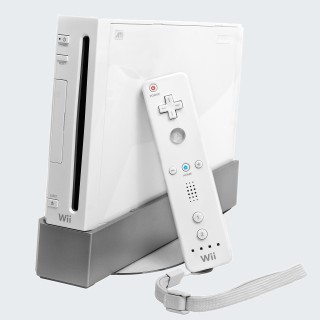
Home video game console produced by Nintendo in 2006
POPULARITY
Categories

45 episodes with nintendo wii

15 episodes with nintendo wii

11 episodes with nintendo wii

13 episodes with nintendo wii

12 episodes with nintendo wii

9 episodes with nintendo wii

136 episodes with nintendo wii

6 episodes with nintendo wii

3 episodes with nintendo wii

9 episodes with nintendo wii

6 episodes with nintendo wii

6 episodes with nintendo wii

3 episodes with nintendo wii

4 episodes with nintendo wii

7 episodes with nintendo wii

4 episodes with nintendo wii

2 episodes with nintendo wii

2 episodes with nintendo wii

Welcome back to Pursuing Pixels. Everyone's here once again this week, and per usual, we've got all sorts of gaming goodies to discuss, so let's get right into the action! John kicks things off with a couple of games that he's been bouncing back & forth between over the recent weeks — primarily focusing on the recently released Truck-kun is Supporting Me from Another World?!, with small dose of Saints Row IV on the side, to round things out. After that, Randall takes us into the retro realm, as he's been spending some quality time with Master Higgins in Adventure Island II on the original Game Boy. Finally, Kevin closes things out with a little more retro goodness, after recently snagging a copy of Sega Bass Fishing on the Nintendo Wii, and getting "hooked" on the classic arcade action. Timestamps: Truck-kun is Supporting Me from Another World?! - 00:01:29 Saints Row IV - 00:12:58 Adventure Island II (Game Boy) - 00:15:44 Sega Bass Fishing (Wii) - 00:30:19 Thanks for taking the time to listen! If you'd like to find us elsewhere on the Internet, you can find us at:

In today's bonus episode, Gastor and Shalewa talk about a Nintendo Wii lawsuit, the Infinity Song conspiracy theory, and the challenges of selling Charlie Kirk fan art. PATREON LAUNCH! For all those that have asked how they can help support the pod - it's finally here! Thanks again to all the Troops and Correspondents who rock with us. Check it out - we'll have some exclusive content and fun perks, plus it really does help! patreon.com/WarReportPodMany Thanks to our Patreon Troops & Correspondents for helping us bring this show to life.Shouts to the Correspondents!Tanya WeimanFontayne WoodsMark OrellanaCrystall SchmidtB. EmmerichCharlene BankAskewCharlatan the FraudCynthia PongKen MogulSayDatAgain SayDatAgainLaKai DillStephanie GayleUncleJoeStylenoshCato from StonoJennifer PedersenMarcusSarah PiardAna MathambaJSKnoLooking to further support? Help our data storage/archiving needs here: https://www.amazon.com/hz/wishlist/ls/23X55OW4CFU8Y?ref_=wl_shareFollow The Team:Instagram@SilkyJumbo@GastorAlmonteTwitter:@SilkyJumbo@GastorAlmonteTheme music "Guns Go Cold" provided by Kno of Knomercyproductions Twitter: @Kno Instagram: @KnoMercyProductions

Ryan joins Seth this week on the show to discuss the reasons you might make Nintendo Switch 2 your new primary platform, the realities of the all-digital future and how third parties aren't supporting upgrades properly, and the ins and outs of Hannah Montana: The Movie for the Nintendo Wii!★ LINKS ★► Get Exclusive Perks on our Patreon: https://patreon.com/carpoolgaming► Join our amazing Discord community: https://discord.gg/eBKUyABg8U► Get your Carpool Gaming merch: https://carpoolgaming.com/► Check us out on Twitch: https://twitch.tv/carpoolgaminglive► Subscribe on YouTube: https://youtube.com/carpoolgaming► Follow on Bluesky: https://bsky.app/profile/carpoolgaming.comThanks so much to everyone who supports us on https://patreon.com/carpoolgaming★ ULTIMATE PRODUCERS ★Brendan Myers AKA The_WinterGamerJohnathan Brown: https://linktr.ee/pme.jibTony BakerTrucker Sloth★ PLATINUM PRODUCERS ★Brian Reese★ GOLD MEMBERS ★Adam KAwesomeDave1337BennyBrad MooreCecily CarrozzaDan & LumaDannohhEmily O'KelleyJon32LauraLigerWoods330Mr GigglesPatrice MallettePeje EPSmokeless JoeSteven KellerTechMikeTim Paullin

Are you on social media? Of course you are. So follow us! Twitter: @MemberTheGameInstagram: @MemberTheGameTwitch.tv/MemberTheGameYoutube.com/RememberTheGameFacebook.com/RememberTheGamePodcastTikTok.com/@MemberTheGameAnd if you want access to hundreds of bonus (ad-free) podcasts, along with multiple new shows EVERY WEEK, consider showing us some love over at Patreon. Subscriptions start at just $3/month, and 5% of our patreon income every month will be donated to our 24 hour Extra-Life charity stream at the end of the year!And you can find Mark McCue on TikTok @barkmccueAnd Bradley McCue on Instagram @thegamingodysseyIt's been almost 3 years since we talked some Legend of Zelda, so I blew the dust off my Nintendo Wii and fired up Twilight Princess for this week's episode. I played it a little back when the Wii launched but never got through that AWFUL opening segment. This time I made it all the way to the end, and once you get past said AWFUL opening segment, it's actually a pretty solid game. Midna is an awesome sidekick, the graphics are pretty good, it has great dungeons, and you can turn into a wolf for Navi sake!For a game this big, I called in TWO guests to help me break it down. Both brothers McCue join me on this episode to talk about the GameCube, Wii, AND Wii U versions of The Legend of Zelda: Twilight Princess.See Privacy Policy at https://art19.com/privacy and California Privacy Notice at https://art19.com/privacy#do-not-sell-my-info.

Jim tempts the guys with retro gaming hardware, Elton visits a castle and is shocked to discover that his Nintendo Wii is now more "retro" than previously thought. Darren has a problem with ants that may or may not be lured in by certain fluids and then proceeds to go into a 45 minute long burbling cheese dream over a My Chemical Romance concert he attended (featuring guest appearance from Lee's daughter Lisa via Whatsapp). Eventually we get to Lee's week and discover why the podcast has been missing for nearly three weeks. Plus Lee hands in his geek cred card as he abandons a movie double bill. And he gets rather vexed at a movie about a guy with a shiny helmet. Normalcy returns briefly as we get round to reviewing a frightneningly precient 1970s sci-fi movie Colossus The Forbin Project Media Discussed This Week. My Chemical Romance - Long Live The Black Parade Concert Blade Runner / Blade Runner 2049 - Prince Charles Cinema Double Bill The Furious - Theatrical Release / VOD Mandalorian and Grogu - The Beige Paint Section of B&Q Colossus The Forbin Project - Archive.Org
+++BONUS VERSION WITH 45 MINS OF MCR MADNESS EDITED OUT FOR TIME+++ Jim tempts the guys with retro gaming hardware, Elton visits a castle and is shocked to discover that his Nintendo Wii is now more "retro" than previously thought. Darren has a problem with ants that may or may not be lured in by certain fluids. Eventually we get to Lee's week and discover why the podcast has been missing for nearly three weeks. Plus Lee hands in his geek cred card as he abandons a movie double bill. And he gets rather vexed at a movie about a guy with a shiny helmet. Normalcy returns briefly as we get round to reviewing a frightneningly precient 1970s sci-fi movie Colossus The Forbin Project Media Discussed This Week. Blade Runner / Blade Runner 2049 - Prince Charles Cinema Double Bill The Furious - Theatrical Release / VOD Mandalorian and Grogu - The Beige Paint Section of B&Q Colossus The Forbin Project - Archive.Org

Seeking very much to reverse its fortunes after the flop that was the GameCube, Nintendo decided to focus its attention on gaming experiences rather than the raw power that Sony and Microsoft were providing with their own contributions. And that renewed focus led to one of the greatest-selling consoles of all time. We look back with fond nostalgia to the Nintendo Wii, released twenty years ago this year.

¿Quién ganó realmente la generación HD? En este episodio de Geekast analizamos Xbox 360, PlayStation 3 y Nintendo Wii, Xbox Live hasta el hackeo de PSN, Wii Sports y la guerra Blu-ray vs HD-DVD. #Xbox360 #PS3 #NintendoWii #GeekastvG #GamingRetro

Top 3 dos consoles clássicos acho que só faltava esse: Nintendo Wii! Shin Koheo, Vivard e Mario dão suas listas de jogos preferidos deste console que revolucionou e morreu logo em seguida! Bora lá ouvir e mandar a sua lista pra gente!Letra da versãoEsse é um consoleQue eu comprei sem pensar no diaFui lá e paguei, levei ele pra casaCom Wii Sports 1Caixinha dentro azulMandou muito bem a NintendoNem parecia ter nível hard Mandou muito bemMandou muito bemMandou muito bemMandou muito bemFoi bom para todosE agora sim, hoje é dia de Top do Wii
This week on Thumb Cramps, it's 92ne. Hmmmm. 92ne is the month where Thumb Cramps looks at 2000s video games and to help them celebrate such an important moment in gaming they're joined by 9une co-creator Darcy Smith to look at Manhunt 2 for the Nintendo Wii, Mr. Driller 2 for the Game Boy Advance and Collecting Pokemon Cards for Real Life. Plus actual video game journalism discussing sequel-itis and the relation between an upcoming video game release and the global economy. Thumb Cramps can be anything.Dogpile's Steam PageGet Thumb Cramps Long Sleeve Shirts HereThumb Cramps+ has launched! Ad-free podcasts and a bonus monthly episode of Speedrunning Television; a brand new podcast that innovates how to watch television as gamers. Subscribe now on Sanspants Plus OR Apple Podcasts! Use the discount code Joel OR Jacksom for 10% off. Only applies to subscriptions through sanspantsradio.com.Email us at ThumbCrampsPod@gmail.com Find us on Instagram;Jackson | Duscher | Thumb Cramps | Darcy | Studio FollyYou can physically send us stuff to PO BOX 7127, Reservoir East, Victoria, 3073.Join our facebook group here or join our Discord here.Theme music by Benny Davis! You can find all his stuff at his website or check out his YouTube channel.Parts of this episode were recorded and produced on Wurundjeri land, we respectfully acknowledge the Wurundjeri People of the Kulin Nation, pay our respect to their Elders past and present, and recognise that sovereignty was never ceded. Hosted on Acast. See acast.com/privacy for more information.

Listen to all my reddit storytime episodes in the background in this easy playlist: https://www.youtube.com/playlist?list=PL_wX8l9EBnOM303JyilY8TTSrLz2e2kRGThis is the Redditor podcast! Here you will find all of Redditor's best Reddit stories from his YouTube channel. Hosted on Acast. See acast.com/privacy for more information.

Gaming And Collecting: Looking Back At The Games That Shaped Us!
On this episode of the Gaming And Collecting Podcast Bill and Alex return with another entry in there "Games That Shaped Us" series, this time covering the 2007 Nintendo Wii title Super Paper Mario, the third entry in the Paper Mario series!Follow the Gaming And Collecting Podcast on all of our socials, easily found here: https://linktr.ee/ThebarberwhogamesIntro Music By Gerry At: https://soundcloud.com/greymatteraudioProud member of https://superpodnetwork.com/

Gaming And Collecting: Looking Back At The Games That Shaped Us!
On this episode of the Gaming And Collecting Podcast Bill and Alex return with another entry in there "Games That Shaped Us" series, this time covering the 2007 Nintendo Wii title Super Paper Mario, the third entry in the Paper Mario series!Follow the Gaming And Collecting Podcast on all of our socials, easily found here: https://linktr.ee/ThebarberwhogamesIntro Music By Gerry At: https://soundcloud.com/greymatteraudioProud member of https://superpodnetwork.com/

Breaking up Big Tech, Porting MacOS to the Nintendo Wii, OpenBSD on the Pomera DM250, Postgres is your friend and more... NOTES This episode of BSDNow is brought to you by Tarsnap and the BSDNow Patreon Headlines Breaking up with Big Tech Porting MacOS to the Nintendo Wii News Roundup Installing OpenBSD on the Pomera DM250 Postgres is Your Friend. ORM is Not Java Sun SPOTs I like to use Soviet control panels as a starting point Beastie Bits OSHintosh - an open source 68000 Macintosh Time to update 2.11BSD: biggest patch ever landed before 35th anniversary A quick and easy Guide to Tmux Tarsnap This weeks episode of BSDNow was sponsored by our friends at Tarsnap, the only secure online backup you can trust your data to. Even paranoids need backups. Feedback/Questions Producer Note, If you have emailed in and you havent heard back and we havent covered your message, email again. Our email is flooded with spam and I might have missed your message. Send questions, comments, show ideas/topics, or stories you want mentioned on the show to feedback@bsdnow.tv Join us and other BSD Fans in our BSD Now Telegram channel

Ten years ago, The Gadget Show named the 20 greatest gadgets of all time — but does the list still hold up in 2026? Jason, Suzi, Ortis and Jon revisit the classics, from the Nintendo Wii and Kindle to the Walkman, iPhone and ZX Spectrum, and argue over what stays, what goes, and what truly deserves the top spot. #GadgetShowPodcast #TechThrowback #BestGadgetsEver #TechDebateThe Gadget Show competition is officially back, with a massive £5,000 tech prize fund up for grabs via CeX! Enter via our Patreon: https://www.patreon.com/thegadgetshowHuge thanks to CeX for supporting the Podcast. Want to bag yourself a tech bargain or trade in your old gear? Head over to www.webuy.comFull competition Terms and Conditions can be read here: https://www.patreon.com/posts/gadget-show-and-150646343To get in touch with the Gadget Show Podcast, email: contact@northone.tv Hosted on Acast. See acast.com/privacy for more information.
In this episode celebrating the second anniversary of the Super Smash Cast, Bryan and Ryan discuss the Nintendo Wii title in the franchise: Super Smash Bros. Brawl! A controversial if still beloved entry in the franchise.Super Smash Bros. Dojo!:https://www.smashbros.com/wii/en_us/index.htmlManual:https://archive.org/details/super-smash-bros-brawl-wii-manualTimestamps:00:00 Intro + Plugs03:05 Board the Platform: Wii15:54 Training24:10 Subspace Emissary42:10 Final SmashSpecial thanks to our Patron: Mitchell Sheffield!All music and sounds belong to Nintendo and are licensed under fair use. Credit to the new Super Smash Cast Logo goes to friend of the show Drew Dodgen. Thanks Drew, keep Smashing!Help us grow! Subscribe to our Patreon:patreon.com/SuperSmashCast

James, John discuss eBay finds: Apple/Canon sign from Japan, PowerBook 100 in box, and NIB Macintosh numeric keypad. They take look at the Apple PowerCD, and news includes porting Mac OS X to Nintendo Wii, an excerpt from David Pogue's new book, RetroGate, and the Steve Jobs Archive. Join our Facebook page, follow us on X (Twitter), watch us on YouTube, and visit us at RetroMacCast.

Bring big imaginations and big keyboards as we tackle the latest Retro eXo creation, a breakthrough in modern game development for the original Sony PlayStation, and breathe new life into those old digital video camcorders on the shelf. Chris shows off a holiday photo, there's a birthday... all this, and much more, in This Week in Retro episode 264! Visit https://www.addict.media/ for your copy of Pixel Addict magazine. 00:00 - Show Opening 03:03 - Undiscovered Text Adventures Abound Story Link: https://www.retro-exo.com/if.html Original TWiR coverage: https://www.youtube.com/watch?v=MUtxKUkJaXk 17:34 - New Life For PlayStation & Wii Story Link: https://psxsplash.github.io/ Bandwidth appeal video: https://www.youtube.com/watch?v=nfZ-XHiDBow MacOS X on Nintendo Wii: https://bryankeller.github.io/2026/04/08/porting-mac-os-x-nintendo-wii.html Windows compatibility: https://devblogs.microsoft.com/oldnewthing/20260407-00/?p=112213 31:38 - Housekeeping - News links found below 36:57 - Video Editing Like It's 1999 Story Link: https://www.jeffgeerling.com/blog/2026/firewire-on-a-raspberry-pi/ Video demonstration: https://www.youtube.com/watch?v=BuKeW45OL-g 46:18 - Community Question of the Week

Sometimes an episode of AwesomeCast really shows the full range of what makes the show fun. Episode 775 goes from the emotional high of a successful Artemis 2 splashdown all the way to the absurd joy of seeing someone force macOS onto an original Nintendo Wii. Sorg and Podnar open with one of the week's best feel-good tech stories: Artemis 2 made it home successfully, and Dave shares the unexpectedly charming story of the mission mascot RISE. In a week that needed some good news, the conversation lands on something larger than space hardware alone. This was about optimism, engineering, and a rare moment of collective excitement. Then the show pivots back to Earth with the kind of story that feels custom-made for AwesomeCast: yes, someone got early Mac OS X running on a Nintendo Wii. It is not practical. It is not necessary. It is absolutely wonderful. That same spirit carries into Sorg's hands-on experiment with Mythic, a tool aimed at helping M-series Mac users access Windows games through the Epic ecosystem. The conversation explores how much better Apple Silicon has become for compatibility, even if some rough edges still show up in real-world testing. A big chunk of the episode also digs into Amazon Luna's latest changes. Sorg reacts to the platform ending game purchases and outside store access, and the discussion quickly becomes about more than Luna itself. It becomes a conversation about trust in digital platforms, cloud gaming ownership, and what happens when convenience gets taken away after users have already bought in. It is one of the sharpest segments in the episode because it blends personal use with a bigger industry trend. There is also a lighter side this week. Dave shares The Weather Channel's retro weather experience, which sends both hosts into a funny and surprisingly thoughtful conversation about the old cable era, nostalgic interfaces, and how channels drift from their original purpose. On the more practical side, they also touch on Overcast's new transcript support and Waymo's plan to help cities identify potholes using vehicle data. That latter topic turns into a very Pittsburgh-flavored discussion about 311 systems, local government tech, and whether cities are really taking advantage of the tools they have. Finally, Dave closes with his Arab American History Month spotlight on Tony Fadell, best known for his work on the iPod and Nest. It is a fitting end to an episode that is really about the many layers of tech: breakthrough engineering, strange experimentation, product design, infrastructure, nostalgia, and how all of it shapes everyday life. Links from this episode: Artemis / RISE: https://www.space.com/space-exploration/artemis/how-artemis-2-commander-reid-wiseman-saved-the-missions-moon-mascot-its-hard-not-to-love-this-little-guy-i-cant-let-rise-out-of-my-sight macOS on Wii: https://apple.news/AJdU3eghQT2-jfhrGvzI2_g Mythic: https://getmythic.app/ Amazon Luna: https://www.ign.com/articles/amazon-luna-will-no-longer-allow-owners-to-buy-games-access-game-stores-or-third-party-subscriptions-starting-today?utm_campaign=trueAnthem%3A+Manual&utm_medium=trueAnthem&utm_source=facebook Amazon Luna alt link: https://apple.news/A2cb25SwgQX-AuvSPHdRsHw Waymo potholes: https://apple.news/AnxW6o9QWQJOcCGLqCsW6XQ Overcast transcripts: https://9to5mac.com/2026/04/08/overcast-launches-podcast-transcripts-in-new-app-update-for-iphone/ Retro Weather Channel: https://weather.com/retro/ Tony Fadell: https://design.mit.edu/community/people/tony-fadell Subscribe for more tech talk from Pittsburgh and support the show at Patreon.

Sometimes an episode of AwesomeCast really shows the full range of what makes the show fun. Episode 775 goes from the emotional high of a successful Artemis 2 splashdown all the way to the absurd joy of seeing someone force macOS onto an original Nintendo Wii. Sorg and Podnar open with one of the week's best feel-good tech stories: Artemis 2 made it home successfully, and Dave shares the unexpectedly charming story of the mission mascot RISE. In a week that needed some good news, the conversation lands on something larger than space hardware alone. This was about optimism, engineering, and a rare moment of collective excitement. Then the show pivots back to Earth with the kind of story that feels custom-made for AwesomeCast: yes, someone got early Mac OS X running on a Nintendo Wii. It is not practical. It is not necessary. It is absolutely wonderful. That same spirit carries into Sorg's hands-on experiment with Mythic, a tool aimed at helping M-series Mac users access Windows games through the Epic ecosystem. The conversation explores how much better Apple Silicon has become for compatibility, even if some rough edges still show up in real-world testing. A big chunk of the episode also digs into Amazon Luna's latest changes. Sorg reacts to the platform ending game purchases and outside store access, and the discussion quickly becomes about more than Luna itself. It becomes a conversation about trust in digital platforms, cloud gaming ownership, and what happens when convenience gets taken away after users have already bought in. It is one of the sharpest segments in the episode because it blends personal use with a bigger industry trend. There is also a lighter side this week. Dave shares The Weather Channel's retro weather experience, which sends both hosts into a funny and surprisingly thoughtful conversation about the old cable era, nostalgic interfaces, and how channels drift from their original purpose. On the more practical side, they also touch on Overcast's new transcript support and Waymo's plan to help cities identify potholes using vehicle data. That latter topic turns into a very Pittsburgh-flavored discussion about 311 systems, local government tech, and whether cities are really taking advantage of the tools they have. Finally, Dave closes with his Arab American History Month spotlight on Tony Fadell, best known for his work on the iPod and Nest. It is a fitting end to an episode that is really about the many layers of tech: breakthrough engineering, strange experimentation, product design, infrastructure, nostalgia, and how all of it shapes everyday life. Links from this episode: Artemis / RISE: https://www.space.com/space-exploration/artemis/how-artemis-2-commander-reid-wiseman-saved-the-missions-moon-mascot-its-hard-not-to-love-this-little-guy-i-cant-let-rise-out-of-my-sight macOS on Wii: https://apple.news/AJdU3eghQT2-jfhrGvzI2_g Mythic: https://getmythic.app/ Amazon Luna: https://www.ign.com/articles/amazon-luna-will-no-longer-allow-owners-to-buy-games-access-game-stores-or-third-party-subscriptions-starting-today?utm_campaign=trueAnthem%3A+Manual&utm_medium=trueAnthem&utm_source=facebook Amazon Luna alt link: https://apple.news/A2cb25SwgQX-AuvSPHdRsHw Waymo potholes: https://apple.news/AnxW6o9QWQJOcCGLqCsW6XQ Overcast transcripts: https://9to5mac.com/2026/04/08/overcast-launches-podcast-transcripts-in-new-app-update-for-iphone/ Retro Weather Channel: https://weather.com/retro/ Tony Fadell: https://design.mit.edu/community/people/tony-fadell Subscribe for more tech talk from Pittsburgh and support the show at Patreon.

-OpenAI has closed a yawning gap in its ChatGPT subscription pricing with a new $100 per month Pro plan that slots between the $20 per month Plus plan and $200 per month Pro plan. -The International Association of Machinists and Aerospace Workers, which leads the union the Towson workers had joined, released a statement about the closure. "Apple's claim that the collective bargaining agreement prevents relocation is simply false and raises serious concerns that this closure is a cynical attempt to bust the union," -Because they said it couldn't be done, a developer was able to get Mac OS X 10.0 to run on a 2006 Nintendo Wii. Learn more about your ad choices. Visit podcastchoices.com/adchoices

En este video, exploramos la pregunta que muchos fans de Mario se han hecho: ¿Mario Galaxy es mejor que la primera entrega de la serie? La serie de Mario ha sido una parte integral de la historia de Nintendo, desde los días de la Nintendo Wii hasta la actualidad con la Switch. Los personajes como Rosalina, la Princes Peach, Luigi, Yoshi, y por supuesto Mario, han cautivado a audiencias de todas las edades. Con la reciente película de Mario Bros, el interés en la serie ha vuelto a aumentar, y muchos se preguntan cómo se compara Mario Galaxy con otros títulos como Mario Sunshine. La música de Mario es inolvidable y la jugabilidad en la Switch es fluida, pero ¿qué hay de la comparación con otros juegos de Nintendo, como aquellos que presentan a DK, también conocido como Donkey Kong? En este análisis, consideramos si Mario Galaxy supera a la primera entrega, teniendo en cuenta la presencia de personajes como Bowser y Bowser Jr., y cómo Luma juega un papel importante en la aventura. ¿Es Mario Galaxy la mejor entrega de la serie, o hay otros títulos que podrían disputarle el trono? Únete a nosotros mientras exploramos el mundo de Mario y descubrimos cuál es la mejor entrega de la serie.

We are taking back! 20 years to be exact. From Hannah Montana to the release of The Nintendo Wii. Let's chat about what was going on in 2006.IGThe Fuzzy PodMeganMadiYoutubeThe Fuzzy PodJoin us over on Patreon for bonus content!

Alex and Luke Talk Gravity, Stardust, and Nintendo Doing It Again.Super Mario Galaxy, developed and published by Nintendo, originally launched in November 2007 for the Wii and immediately redefined what a 3D platformer could feel like. By bending gravity, perspective, and level design into something playful and constantly surprising, Galaxy turns every planet into its own idea. It's not just about getting from point A to B—it's about how delightfully strange the journey can be along the way. Nearly two decades later, it still feels like Nintendo showing off.At the time of recording, Super Mario Galaxy holds a Metacritic score of 97, placing it firmly in all-timer territory. According to HowLongToBeat, the main story runs about 19 hours, though going for full completion (yes, both playthroughs) pushes that significantly further. In true Mario fashion: approachable on the surface, quietly demanding if you want to see everything it has to offer.Alex played this one the proper way—on the Nintendo Wii, pointer controls and all. Luke played via Super Mario 3D All-Stars on Nintendo Switch, trading motion fidelity for modern convenience. Both dig into how Galaxy holds up today—from level design brilliance to the occasional “what is happening right now” moments that define the game's charm.This episode is unofficially brought to you in part by vinyl records. Wax, bb.Audio Credits:Original theme music owned by Low Five Gaming.Send us a Voice Message. You may even be featured on our next episode!Tales from the Backlog is a a video games podcast where Dave Jackson and guests break down and discuss the games they play. Each episode looks at one game in depth, focusing on mechanics, story, music and other aspects, with no spoilers until a clearly marked spoiler wall in the middle. We all deserve a little break - a moment to just sit back, kick our feet up, and relax. Chillscape is the perfect companion for these moments.Every episode of Chillscape is a personally-curated collection of the best chill video game music of a different theme, broken-up into 3 mini-themed blocks to keep the vibes vibing and the flow flowing.Catch new episodes every other Wednesday.Support the showVisit us at LowFiveGaming.com.Join the Low Five Discord!Email us at hello@lowfivegaming.com.Low Five Gaming is a Studio Low Five Production.

La guerra entre Xbox y PlayStation es una de las rivalidades más importantes en la historia de la tecnología y los videojuegos. Desde el lanzamiento de la primera PlayStation en los años 90 hasta la llegada de Xbox, Game Pass y el juego online, analizamos cómo se ha construido esta competencia que ha definido la industria durante décadas. En este episodio de Crossover, repasamos los momentos clave de la batalla entre Sony y Microsoft: el éxito de PlayStation 2, el impacto de Xbox Live, la generación de Xbox 360 vs PS3, el fenómeno de Nintendo Wii y el cambio de paradigma hacia los servicios de suscripción como Game Pass. Para este análisis contamos con Javi Pastor (Xataka) y José (Topes de Gama), que comparten experiencias personales, contexto histórico y reflexiones sobre quién ha sido el verdadero ganador de esta guerra tecnológica. Si te gustan los videojuegos y la tecnología, este episodio es un viaje directo a la historia de las consolas. ⸻ ÍNDICE 00:00 La guerra Xbox vs PlayStation 01:24 ¿Quién ha ganado la guerra de las consolas? 03:03 El nacimiento de PlayStation 04:10 Microsoft entra en el mercado con Xbox 06:41 Recuerdos de la primera PlayStation 08:05 Filosofía de Sony vs Microsoft 16:39 El impacto de Halo y Xbox 19:00 Hardware, DVD y primeras decisiones clave 21:31 Piratería y videojuegos en los 2000 25:54 El juego online y Xbox Live 27:59 Xbox 360 vs PS3 35:55 Nintendo Wii y el cambio de paradigma 42:17 Xbox One vs PlayStation 4 47:10 Game Pass y el futuro del gaming ⸻ 📲 Síguenos en redes para no perderte el próximo episodio: • YouTube: https://www.youtube.com/channel/UCsKDcxNw7TaJwyjd2iH0QWg • Instagram: https://www.instagram.com/crossoverofc/ • TikTok: https://www.tiktok.com/@crossoverofc • X: https://x.com/crossoverofc 🔔 Suscríbete y activa la campanita para no perderte nada.

Recomendados de la semana en iVoox.com Semana del 5 al 11 de julio del 2021
La guerra entre Xbox y PlayStation es una de las rivalidades más importantes en la historia de la tecnología y los videojuegos. Desde el lanzamiento de la primera PlayStation en los años 90 hasta la llegada de Xbox, Game Pass y el juego online, analizamos cómo se ha construido esta competencia que ha definido la industria durante décadas. En este episodio de Crossover, repasamos los momentos clave de la batalla entre Sony y Microsoft: el éxito de PlayStation 2, el impacto de Xbox Live, la generación de Xbox 360 vs PS3, el fenómeno de Nintendo Wii y el cambio de paradigma hacia los servicios de suscripción como Game Pass. Para este análisis contamos con Javi Pastor (Xataka) y José (Topes de Gama), que comparten experiencias personales, contexto histórico y reflexiones sobre quién ha sido el verdadero ganador de esta guerra tecnológica. Si te gustan los videojuegos y la tecnología, este episodio es un viaje directo a la historia de las consolas. ⸻ ÍNDICE 00:00 La guerra Xbox vs PlayStation 01:24 ¿Quién ha ganado la guerra de las consolas? 03:03 El nacimiento de PlayStation 04:10 Microsoft entra en el mercado con Xbox 06:41 Recuerdos de la primera PlayStation 08:05 Filosofía de Sony vs Microsoft 16:39 El impacto de Halo y Xbox 19:00 Hardware, DVD y primeras decisiones clave 21:31 Piratería y videojuegos en los 2000 25:54 El juego online y Xbox Live 27:59 Xbox 360 vs PS3 35:55 Nintendo Wii y el cambio de paradigma 42:17 Xbox One vs PlayStation 4 47:10 Game Pass y el futuro del gaming ⸻ 📲 Síguenos en redes para no perderte el próximo episodio: • YouTube: https://www.youtube.com/channel/UCsKDcxNw7TaJwyjd2iH0QWg • Instagram: https://www.instagram.com/crossoverofc/ • TikTok: https://www.tiktok.com/@crossoverofc • X: https://x.com/crossoverofc 🔔 Suscríbete y activa la campanita para no perderte nada.

Infancia inventada de este VS de Capcom que fue toda una novedad en su época, y lo más extraño exclusivo en consolas de la Nintendo Wii!!Por favor suscríbete al canal aquí

The Stupid History of the Nintendo WiiBecome a supporter of this podcast: https://www.spreaker.com/podcast/the-stupid-history-minute--4965707/support.

On All Play Sunday, Mark Ordus invites the whole church family to consider what God wants for Christmas—and it's more than quick fixes. Drawing from Matthew 1:21 (“…he will save his people from their sins”) and the Prodigal Son (Luke 15:22–24), Mark contrasts our “make it work” prayers with God's deeper desire to restore us to relationship. A lighthearted Nintendo Wii mishap sets the stage: we often ask Jesus to repair what's broken, but the gospel offers something richer—sonship, a seat at the table, a robe and a ring. In a season of lists and urgent needs, we're challenged to name what's truly separated us from the Father and to come home—not just for relief, but renewal. Learn how confession opens the door to communion, why grace addresses the heart (not only the symptoms), and what it looks like to live as restored daughters and sons in everyday rhythms—at the party, around the tree, and in the tensions we'd rather avoid. God can fix circumstances; in Christ, He restores people. This Christmas, don't settle for “working again.” Ask for “alive again.” Let the Father's welcome redefine your story—and let that restoration spill into every relationship you carry. If it's not good yet, God's not done yet.

It's a big ol' nostalgia-fest! Aaron and Gerry discuss some quick news and games they're playing, then they chat for damn near an hour and half about the 7th gen consoles - the Wii, Xbox 360, and PS3. We talked about peanut butter for a few minutes too, but who cares.
Do you hear that sound? Can you feel it? The cool ocean breeze in your hair, the salt on your tongue. It's the smooth crash of KVGM "The Last Wave", with your host, Hammock. A biweekly VGM podcast bringing you the jammiest video game music from all your favorite composers and consoles. Sit back, relax, and get ready to catch...the Last Wave. This week, we celebrate our SEVENTH YEAR ANNIVERSARY (I think I said six on the podcast so please ignore accordingly) and it's crazy to think we're still going strong, although we're getting closer and closer to the final episode (#300)...maybe...I still haven't 100% decided. For now, though, please enjoy these high quality jams! Playlist Knockturnal (Level Theme 4) - Opus Science Collective (Crawlco Block Knockers, Nintendo Switch) Menu - Toshihisa Furusawa and Hiroshi Tanabe (Dance! Dance! Dance!, Sony PlayStation) Downtown - Hiroyuki Kikuta and Yu-ki HARA (ODEON, PC) Fall - Yukio Nakajima (Puzzle de Harvest Moon, Nintendo DS) General - Yuichiro Noro (Misato Katsuragi Houdou Keikaku, Sony PlayStation 3) as always, as usual - Osamu Abukawa (9-nine- Kokonotsu Kokonoka Kokonoiro, Nintendo Switch) Total Score - Agenda Co., Ltd. (Daredemo Asobi Taizen, Nintendo DS) Girlfriend Introduction - Sound AMS (New LovePlus, Nintendo 3DS) Relaxed Walk - BIGMADE (Sense Off ~a sacred story in the wind~, PC) Staff Roll - Kenichi Fujii and Eurhythm (Larry Nixon's Super Bass Fishing, Super Famicom) Special Request Delve in the Volcano - Jinbae Park (Super Swing Golf Season 2, Nintendo Wii)

A living room PC that wants to be your next console, a cloned dog that raises bigger questions than it answers, and a museum heist made possible by the world's laziest password. That's the lineup we tackle as we break down the most head-scratching, revealing tech stories of the week with equal parts clarity and humor.We start with Valve's Steam machine: a sleek, SteamOS-powered box aiming for 4K/60 on your TV. We unpack the real-world hurdles—8GB VRAM limits, upgrade ambiguity, and the make-or-break pricing line—while noting the window of opportunity as Sony stays quiet on PS6 and Microsoft doubles down on cloud and subscriptions. If Valve can balance performance, cost, and openness, they might just rewrite the console conversation.From there, the show gets wonderfully weird—and instructive. Tom Brady's reported dog clone spotlights the gap between genetics and identity. A Russian humanoid robot faceplants onstage, underscoring how hard dynamic stabilization really is. A Florida homeowner learns her address has been hijacked by a fake garage-door business, the kind of “legitimacy theater” scam that thrives on stolen photos and Google listings. And a payroll glitch sends $87,000 to a factory worker who spends first and argues later, setting up a courtroom lesson in what “salary” really means.We also get practical: holiday travel phishing is spiking, with fake Booking, Expedia, and Airbnb pages skimming cards in seconds. We share simple, effective defenses: go direct to official apps, inspect URLs, and enable card alerts. Then we pour Elijah Craig Barrel Proof B520 and compare notes—rich chocolate, caramel, and spice at a hefty 127.2 proof—while reflecting on why the Nintendo Wii's motion-first design still matters. To top it off, Kia's gas-scented EV air freshener proves sensory nostalgia can be a clever bridge to cleaner tech.The jaw-dropper comes from Paris: a Louvre security failure reportedly tied to a camera password you could guess in two tries. It's a blunt reminder that protecting treasures requires basic cyber hygiene: strong unique credentials, MFA, segmentation, and monitoring. Whether you're guarding crown jewels or your photo library, the fundamentals are non-negotiable.Enjoy the ride, share a laugh, and leave with takeaways you can use—from buying choices to security habits. If you're into smart tech talk without the jargon, hit follow, share with a friend, and drop us a review with your hot take: would you buy Valve's Steam machine for your living room?Support the show

The Nintendo Wii was a console revolution! Find out why Mike and Matt see the Nintendo Wii as one of the great console generations.Email us at thehalloffamepod@Gmail.comFollow us @halloffamepod

Hey Sailors! In this episode, we're finally getting a look at Ayame's store! We meet Mine, one of his workers, who takes a liking to Tohru and wants to dress her up. Which gives Yuki & Ayame time to bond as brothers.***Podcast Patreon: patreon.com/sailormangaPodcast Socials: @sailormangapodPodcast Email@ sailormangapodcast@gmail.com

TCW Podcast Episode 239 - Nintendo: Wii Were Struggling Nintendo's struggle for cultural relevance in the lead-up to the Wii was marked by the N64's poor fit for Japanese homes and the GameCube's failure to outsell even the fledgling Xbox globally. Internally, a power struggle unfolded as Hiroshi Yamauchi prepared to retire. Former Sharp executive Atsushi Asada was brought in and became Executive Vice President and later Chairman of the Board. Satoru Iwata, whom Yamauchi saw great potential in, was appointed president of HAL Laboratory as part of a Yamauchi-backed bailout and ultimately succeeded Yamauchi as president of Nintendo. Minoru Arakawa was passed over, removed from the board, and after his retirement, replaced at Nintendo of America by Tatsumi Kimishima, who was later placed on the board himself, giving credence to the idea that Arakawa was pushed aside in favor of Iwata. We explore how, despite not facing financial collapse, Nintendo risked losing its creative identity after two struggling consoles and Sony's rising threat to its handheld dominance. Iwata Asks Interviews: https://iwataasks.nintendo.com/ Simpsons all you can eat Court Case: https://www.youtube.com/watch?v=CqT-AvswCZo TCW 153 - Nintendo Playing with Cards: https://podcast.theycreateworlds.com/e/nintendo-playing-with-cards/ TCW 154 - Nintendo Playing with Controversy: https://podcast.theycreateworlds.com/e/nintendo-playing-with-controversy/ TCW 155 - Nintendo Playing with Toys: https://podcast.theycreateworlds.com/e/nintendo-playing-with-toys/ TCW 014 - Nintendo Playing with Power: https://podcast.theycreateworlds.com/e/nintendo-playing-with-power/ TCW 128 - Nintendo in 1985: https://podcast.theycreateworlds.com/e/nintendo-in-1985/?utm_source=chatgpt.com TCW 037 - Nintendo and Gumpei Yokoi: https://podcast.theycreateworlds.com/e/nintendo-and-gunpei-yokoi/ TCW 063 - Lawsuits for Nintendo: https://podcast.theycreateworlds.com/e/lawsuits-for-nintendo/ TCW 068 - SEGA vs Nintendo Round 1: https://podcast.theycreateworlds.com/e/sega-vs-nintendo-round-1/ TCW 069 - SEGA vs Nintendo Round 2: https://podcast.theycreateworlds.com/e/sega-vs-nintendo-round-2 TCW 070 - SEGA vs Nintendo Round 3: https://podcast.theycreateworlds.com/e/sega-vs-nintendo-round-3 TCW 198 - The History of Handheld Games Part 1: https://podcast.theycreateworlds.com/e/the-history-of-handheld-games-part-1/ TCW 199 - The History of Handheld Games Part 2: https://podcast.theycreateworlds.com/e/the-history-of-handheld-games-part-2/ TCW 200 - The History of Handheld Games Part 3: https://podcast.theycreateworlds.com/e/the-history-of-handheld-games-part-3/ Business Card CDs: https://www.youtube.com/watch?v=LS_QTo6L9dA GameCube Controller: https://en.wikipedia.org/wiki/GameCube_controller Kirby's Dreamland (NES): https://www.youtube.com/watch?v=rJXM4EPbPe0 Shmuplations - Satoru Iwata - 1999 Developer Interview: https://shmuplations.com/iwata/ New episodes are on the 1st and 15th of every month! TCW Email: feedback@theycreateworlds.com Twitter: @tcwpodcast Patreon: https://www.patreon.com/theycreateworlds Alex's Video Game History Blog: http://videogamehistorian.wordpress.com Alex's book, published Dec 2019, is available at CRC Press and at major on-line retailers: http://bit.ly/TCWBOOK1 Intro Music: Josh Woodward - Airplane Mode - Music - "Airplane Mode" by Josh Woodward. Free download: http://joshwoodward.com/song/AirplaneMode Outro Music: RoleMusic - Bacterial Love: http://freemusicarchive.org/music/Rolemusic/Pop_Singles_Compilation_2014/01_rolemusic_-_bacterial_love Copyright: Attribution: http://creativecommons.org/licenses/by/4.0/

In this episode of the Kankakee Podcast, host Drew Raiser takes us inside Glue Man Vintage, a colorful and eclectic vintage shop in Kankakee County run by James Leroy, his former coworker and now local business owner. James opens up about the journey from thrifting enthusiast to shop owner, sharing how his love for music and vintage finds merged into a space that feels as much like a community hub as it does a store.Drew and James chat about the early days of Glue Man Vintage, from landing their first mention in the Daily Journal to juggling road trips for hidden thrift treasures while keeping the shop running smoothly with his wife, Jessi. James dives into the nuts and bolts of sourcing vintage gems, the camaraderie among Illinois' community of resellers, and his favorite finds—from rare '90s tees to quirky VHS tapes and, yes, a Dr. Pepper vending machine saved from Facebook Marketplace.But Glue Man Vintage is more than racks of retro clothing. James talks candidly about hosting punk and hardcore shows in the shop, building a space where creativity and friendship thrive, and the role of the ping pong table, Magic cards, and even a Nintendo Wii in bringing people together. The episode takes listeners behind the scenes—literally—with a shop tour, stories of viral video fame among the vintage crowd, and insight into why unique pieces and unexpected art make the shop stand out.Hear why community is at the heart of everything James and Jesse do, and how Glue Man Vintage has quickly become a hangout for music lovers, thrifters, and anyone seeking a place to belong in Kankakee.Curious how a vintage shop becomes a scene-defining venue? Wondering what wild thrifted finds have made it to the racks, or how a ping pong table fits into it all? You'll have to tune in!For upcoming shows, vintage events, or to check out their latest finds, follow Glue Man Vintage on Instagram and Facebook. Whether you're a collector, a local, or vintage-curious, this episode is your invitation to see Kankakee's creative side in action.Send us a text Support the show
This week on The Free Cheese, there's auto-swim if you're lazy. What happens when the hardcore Tetris developers take on Nintendo's blue ocean strategy in the literal sense? Endless Ocean is a fascinating release for the Nintendo Wii and one that still feels unique today. We discuss our time with the game, the weirdest things we found below the sea, and rank it on The List. Come hang out with us and Katherine Sunday.

Interview Summary So, you two, along with a number of other people in the field, wrote a chapter for a recently published book called The Handbook of Children and Screens. We discussed that book in an earlier podcast with its editors, Dmitri Christakis and Kris Perry, the executive director of the Children and Screens organization. And I'd like to emphasize to our listeners that the book can be downloaded at no cost. I'd like to read a quote if I may, from the chapter that the two of you wrote. 'Screen time continues to evolve with the advent of continuous and immersive video reels, voice activated assistance, social media influencers, augmented and virtual reality targeted advertising. Immersive worlds where children can virtually shop for food and beverages, cook or work in a fast-food outlet from a smartphone, a tablet, a computer, or an internet connected tv and more.' So as much as I follow the field, I still read that and I say, holy you know what. I mean that's just an absolutely alarming set of things that are coming at our children. And it really sounds like a tidal wave of digital sophistication that one could have never imagined even a short time ago. Amanda, let's start with you. Can you tell us a little bit more about these methods and how quickly they evolve and how much exposure children have? I think you're right, Kelly, that the world is changing fast. I've been looking at screen media for about 20 years now as a researcher. And in the earlier years, and Tom can attest to this as well, it was all about TV viewing. And you could ask parents how much time does your child spend watching TV? And they could say, well, they watch a couple shows every night and maybe a movie or two on the weekend, and they could come up with a pretty good estimate, 1, 2, 3 hours a day. Now, when we ask parents how much time their children spend with media, they have to stop and think, 'well, they're watching YouTube clips throughout the day. They're on their smartphone, their tablet, they're on social media, texting and playing all these different games.' It really becomes challenging to even get a grasp of the quantity of screen time let alone what kids are doing when they're using those screens. I will say for this book chapter, we found a really great review that summarized over 130 studies and found that kids are spending about three and a half or four hours a day using screens. Yet some of these studies are showing as high as seven or eight hours. I think it's probably under-reported because parents have a hard time really grasping how much time kids spend on screens. I've got a one-year-old and a five-year-old, and I've got some nieces and nephews and I'm constantly looking over their shoulder trying to figure out what games are they playing and where are they going online and what are they doing. Because this is changing really rapidly and we're trying to keep up with it and trying to make sure that screen time is a safe and perhaps healthy place to be. And that's really where a lot of our research is focused. I can only imagine how challenging it must be to work through that landscape. And because the technology advances way more quickly than the policies and legal landscape to control it, it really is pretty much whatever anybody wants to do, they do it and very little can be done about it. It's a really interesting picture, I know. We'll come back later and talk about what might be done about it. Tom, if you will help us understand the impact of all this. What are the effects on the diets of children and adolescents? I'm thinking particularly when Amanda was mentioning how many hours a day children are on it that three to four hours could be an underestimate of how much time they're spending. What did kids used to do with that time? I mean, if I think about when you and I were growing up, we did a lot of different things with that time. But what's it look like now? Well, that's one of the important questions that we don't really know a lot about because even experimental studies that I can talk about that look at reducing screen time have not been very good at being able to measure what else is going on or what substitutes for it. And so, a lot of the day we don't really know exactly what it's displacing and what happens when you reduce screen time. What replaces it? The assumption is that it's something that's more active than screen time. But, you know, it could be reading or homework or other sedentary behaviors that are more productive. But we really don't know. However, we do know that really the general consensus across all these studies that look at the relationship between screen time and nutrition is that the more time children spend using screens in general, the more calories they consume, the lower the nutritional quality of their diets and the greater their risk for obesity. A lot of these studies, as Amanda mentioned, were dominated by studies of television viewing, or looking at television viewing as a form of screen use. And there's much less and much more mixed results linking nutrition and obesity with other screens such as video games, computers, tablets, and smartphones. That doesn't mean those relationships don't exist. Only that the data are too limited at this point. And there's several reasons for that. One is that there just haven't been enough studies that single out one type of screen time versus another. Another is what Amanda brought up around the self-report issue, is that most of these studies depend on asking children or the parents how much time they spend using screens. And we know that children and adults have a very hard time accurately reporting how much time they're using screens. And, in fact when we measure this objectively, we find that they both underestimate and overestimate at times. It's not all in one direction, although our assumption is that they underestimate most of the time, we find it goes in both directions. That means that in addition to sort of not having that answer about exactly what the amount of screen time is, really makes it much tougher to be able to detect relationships because it adds a lot of error into our studies. Now there have been studies, as I mentioned, that have tried to avoid these limitations by doing randomized controlled trials. Including some that we conducted, in which we randomized children, families or schools in some cases to programs that help them reduce their screen time and then measure changes that occur in nutrition, physical activity, and measures of obesity compared to kids who are randomized to not receive those programs. And the randomized trials are really useful because they allow us to make a conclusion about cause-and-effect relationships. Some of these programs also targeted video games and computers as well as television. In fact, many of them do, although almost all of them were done before tablets and smartphones became very common in children. We still don't have a lot of information on those, although things are starting to come out. Most of these studies demonstrated that these interventions to reduce screen use can result in improved nutrition and less weight gain. And the differences seen between the treatment and control groups were sometimes even larger than those commonly observed from programs to improve nutrition and increased physical activity directly. Really, it's the strongest evidence we have of cause-and-effect relationships between screen use and poor nutrition and risk for obesity. Of course, we need a lot more of these studies, particularly more randomized controlled studies. And especially those including smartphones because that's where a lot of kids, especially starting in the preteen age and above, are starting to spend their time. But from what we know about the amount of apparent addictiveness that we see in the sophisticated marketing methods that are being used in today's media, I would predict that the relationships are even larger today than what we're seeing in all these other studies that we reviewed. It's really pretty stunning when one adds up all that science and it looks pretty conclusive that there's some bad things happening, and if you reduce screen time, some good things happen. So, Amanda, if you know the numbers off the top of your head, how many exposures are kids getting to advertisements for unhealthy foods? If I think about my own childhood, you know, we saw ads for sugar cereals during Saturday morning cartoon televisions. And there might have been a smattering if kids watch things that weren't necessarily just directed at kids like baseball games and stuff like that. But, and I'm just making this number up, my exposure to those ads for unhealthy foods might have been 20 a week, 30 a week, something like that. What does it look like now? That is a good question. Kelly. I'm not sure if anyone can give you a totally accurate answer, but I'll try. If you look at YouTube ads that are targeting children, a study found that over half of those ads were promoting foods and beverages, and the majority of those were considered unhealthy, low nutritional value, high calorie. It's hard to answer that question. What we used to do is we'd take, look at all the Saturday morning cartoons, and we'd actually record them and document them and count the number of food ads versus non-food ads. And it was just a much simpler time in a way, in terms of screen exposure. And we found in that case, throughout the '90s and early 2000s, a lot of food ads, a lot of instances of these food ads. And then you can look at food placement too, right? It's not an actual commercial, but these companies are paying to get their food products in the TV show or in the program. And it's just become much more complicated. I think it's hard to capture unless you have a study where you're putting a camera on a child, which some people are doing, to try to really capture everything they see throughout their day. It's really hard to answer, but I think it's very prolific and common and becoming more sophisticated. Okay, thanks. That is very helpful context. Whatever the number is, it's way more than it used to be. Definitely. And it also sounds as if and it's almost all for unhealthy foods, but it sounds like it's changed in other ways. I mean, at some point as I was growing up, I started to realize that these things are advertising and somebody's trying to sell me something. But that's a lot harder to discern now, isn't it with influencers and stuff built in the product placements and all that kind of stuff. So, to the extent we had any safeguards or guardrails in the beginning, it sounds like those are going to be much harder to have these days. That's right. It really takes until a child is 6, 7, 8 years old for them to even identify that this is a commercial. That this is a company that's trying to sell me something, trying to persuade. And then even older children are having to really understand those companies are trying to make money off the products that they sell, right? A lot of kids, they just look at things as face value. They don't discriminate against the commercial versus the non-commercial. And then like you're suggesting with social influencers, that they're getting paid to promote specific products. Or athletes. But to the child that is a character or a person that they've learned to love and trust and don't realize, and as adults, I think we forget sometimes too. That's very true. Amanda, let me ask about one thing that you and Tom had in your chapter. You had a diagram that I thought was very informative and it showed the mechanisms through which social media affects the diet and physical activity of children. Can you describe what you think some of the main pathways of influence might be? That figure was pretty fun to put together because we had a wonderful wealth of knowledge and expertise as authors on this chapter. And people provided different insight from the scientific evidence. I will say the main path we were trying to figure out how does this exposure to screen really explain changes in what children are eating, their risk for obesity, the inactivity and sedentary behavior they're engaging in? In terms of food, really what is I believe the strongest relationship is the exposure to food advertisement and the eating while engaging in screen time. You're getting direct consumption while you're watching screens, but also the taste preferences, the brand loyalty that's being built over time by constantly seeing these different food products consistently emerge as one of the strongest relationships. But we identified some other interesting potential mechanisms too. While kids are watching screens or engaging in screens, there's some evidence to indicate that they're not able to read their body as well. Their feelings of hunger, their feelings of satiety or fullness. That they're getting distracted for long periods of time. Also, this idea of instant gratification, just like the reward process of instant gratification with using the screen. They're so interactive. You can go online and get what you want and reach what you want. And the same thing is happening with food. It becomes habitual as well. Children get off of school and they go home, and they grab a snack, and they watch tv or they watch their YouTube clips or play their games. And it becomes an eating occasion that may not have otherwise existed. But they're just associating screen time with eating. There's some evidence even on screen time impacting inhibition and controlling impulse and memory. And that's more emerging, but it's interesting to just consider how this prolonged screen time where you're not interacting with someone in person, your eyes are focused on the screen, might actually be having other cognitive impacts that we may not even be aware of yet. If we ask the question why Is screen time having a bad impact on children and their diets? It's almost let us count the ways. There are a lot of possible things going on there. And speaking of that, there's one question in particular I'd like to ask you, Tom. Certainly marketing might affect what kids prefer. Like it might make them want to have a cereal or a beverage A or snack food B or whatever it happens to be. But could it also affect hunger? How much kids want to eat? I mean, you think, well, hunger is biological, and the body sends out signals that it's time to eat. How does that all figure in? The research suggests it can. Advertising in particular but even non-advertising references or images of food can trigger hunger and eating whether or not you felt hungry before you saw them. And I'm guessing almost everyone's experienced that themselves, where they see an image of food, and all of a sudden, they're craving it. It can be as simple as Pavlov's dogs, you know, salivating in response to cues about food. In addition, I think one of the mechanisms that Amanda brought up is this idea that when you're distracted with a screen, it actually overruns or overwhelms your normal feelings of fullness or satiety during eating. When distracted, people are less aware of how much they're eating. And when you're eating while using a screen, people tend to eat until they've finished the plate or the bag or the box, you know? And until that's empty, till they get to the bottom, instead of stopping when they start to get full. Well, there's sort of a double biological whammy going on there, isn't there? It is affecting your likelihood of eating in the first place, and how hungry you feel. But then it also is affecting when you stop and your satiety happening. And you put those two together there's a lot going on, isn't there? Exactly. And it's really one of the reasons why a lot of our programs to reduce weight gain and improve nutrition really put a lot of emphasis on not eating in front of screens. Because our studies have shown it accounts for a large proportion of the calories consumed during the day. Oh, that's so interesting. Amanda, you mentioned influencers. Tell us a little bit more about how this works in the food space. These social influencers are everywhere, particularly Instagram, TikTok, et cetera. Kids are seeing these all the time and as I mentioned earlier, you often build this trusting relationship with the influencer. And that becomes who you look to for fads and trends and what you should and shouldn't do. A lot of times these influencers are eating food or cooking or at restaurants, even the ones that are reaching kids. As you analyze that, oftentimes it's the poor nutrition, high calorie foods. And they're often being paid for the ads too, which as we discussed earlier, kids don't always realize. There's also a lot of misinformation about diet and dieting, which is of concern. Misinformation that could be harmful for kids as they're growing and trying to grow in a healthy way and eat healthy foods. But kids who may look to overly restrict their foods, for example, rather than eating in a healthier manner. So that's definitely a problem. And then also, oftentimes these social influencers really have these unattainable beauty standards. Maybe they're using a filter or maybe they are models or whatnot. They're projecting these ideal body images that are very difficult and sometimes inappropriate for children to try to attain. Now, we've seen this in other forms, right? We've seen this in magazines going back. We've seen this on websites. But now as soon as a kid turns on their smartphone or their tablet and they're online, it's in front of them all the time. And, and they're interacting, they're liking it, they're commenting and posting. I think the social influencers have just really become quite pervasive in children's lives. Somebody who's an influencer might be recording something that then goes out to lots and lots of people. They're eating some food or there's some food sitting in the background or something like that. And they're getting paid for it, but not saying they're getting paid for it. Probably very few people realize that money is changing hands in all of that, I'm suspecting, is that right? Yes, I do believe they're supposed to do hashtag ad and there are different indicators, but I'm not sure the accountability behind that. And I'm also not sure that kids are looking for that and really understand what that means or really care what that means. Okay. Because they're looking to sense what's popular. But there's an opportunity to perhaps further regulate, or at least to educate parents and kids in that regard that I think would be helpful. Tom, while we're on this issue of conflicts of interest, there was recent press coverage, and then there were reports by reporters at the Washington Post and The Examination showing that the food industry was paying dieticians to be influencers who then posted things favorable to industry without disclosing their funding. How big of a problem do you think this is sort of overall with professionals being paid and not disclosing the payments or being paid even if they disclose things. What kind of a negative impact that's having? Yes, I find it very concerning as you would guess, knowing me. And I believe one of the investigations found that about half of influencers who were being paid to promote foods, drinks, or supplements, didn't disclose that they were paid. It was quite a large magnitude. It goes throughout all types of health professionals who are supposed to be sources of quality information and professional organizations themselves which take advertising or take sponsorships and then don't necessarily disclose it. And you know in this day when we're already seeing drops in the public's trust in science and in research, I think this type of information, or this type of deception just makes it a lot worse. As you know, Kelly, there's quite a bit of research that suggests that being paid by a company actually changes the way you talk about their products and even conduct research in a way that's more favorable to those products. Whether you think it does or not, whether you're trying to be biased or not. Tom, just to insert one thing in my experience. If you ask people in the field, does taking money from industry affect the way scientists do their work and they'll almost always say yes. But if you say, does it influence your work, they'll almost always say no. There's this unbelievable blind spot. And one might conclude from what you were telling us is that disclosure is going to be the remedy to this. Like for the half of people who didn't disclose it, it would be okay if they took the money as long as they disclosed it. But you're saying that's obviously not the case. That there's still all kinds of bias going on and people who are hearing some disclosure don't necessarily discount what they're hearing because of it. And it's still a pretty bad kettle of fish, even if disclosure occurs. It's especially pernicious when it doesn't, but it seems even when disclosure happens, it's not much of a remedy to anything. But you may not agree. No, I definitely agree with that. And that's only, you know, part of it too because there's the other side of the audience that Amanda brought up as well. And in particular what kids, but also adults, how they react to disclosures. And, while it's been possible to teach people to recognize potential bias, you know, when there's a disclosure. And to make people aware, which is a good thing, we want disclosure, I guess, so people are aware to be more vigilant in terms of thinking about what biases may be in the messages. There's not much evidence that teaching people that or making them aware of that changes their behavior. They still believe the advertising. Right. They still act in the same way. It's still just as persuasive to them. One more little editorial insertion. The thing that has always puzzled me about disclosure is that it implies that there's something bad going on or else, why would you have to disclose it? And the solution seems not to disclose it, but not to do the bad thing. And it's like, I could come up and kick you in the leg, but it's okay if I disclose that I kick you in the leg. I mean, it just makes no sense to me. But let me move on to something different. Amanda, I'd like to ask you this. I assume the food industry gets a lot more impact and reach per dollar they spend from when the only option was to run ads on national television and now, they're doing things at much less expense, I think, that can have, you know, orders of magnitude more impact and things. But is my perception correct? And how do you think through that? I think of it like the Tupperware model, right? You're building these trusted local or national celebrities, spokespeople for kids. Oftentimes these young adults or teenagers who are doing funny things and they're engaging, and so you're building this trust like you did with the Tupperware. Where you go and train people to go out to people's homes and their neighbors and their friends and their church and sell the product. It's really similar just in an online space. I think you're right; the cost is likely much less. And yet the reach and even the way these influencers are paid is all about the interaction, the likes, the comments, that sort of thing. The reposts. It's become quite sophisticated, and clearly, it's effective because companies are doing this. And one other thing to mention we haven't talked about yet is the food companies themselves have hired young people who use humor as a way to create a following for the different brands or products. It's not a person now, it's either the branded character or the actual company itself. And I think that has great influence of building some loyalty to the brand early in life. So that child is growing up and not only persuading their parents to purchase these products, but as they have more disposable income, they're going to continue purchasing the product. I wonder if Edward Tupper or I don't know if I remember his first name right, but I wonder if you could have ever imagined the how his plastic invention would permeate more of society than he ever thought? Tom, what about the argument that it's up to parents to decide and to monitor what their children are exposed to and the government needs to back off. Oh, it would be so nice if they were that easy, wouldn't it? If we could depend on parents. And I think every parent would love to be able to do that. But we're talking about individual parents and their kids who are being asked to stand up against billions, literally billions and billions of dollars spent every year to get them to stay on their screens as long as possible. To pay attention to their marketing, as Amanda was talking about the techniques they use. And to really want their products even more. If you could think of a parent with endless knowledge and time and resources, even they are really unable to stand up to such powerful forces working against them. Unfortunately, and this is not unique to the issues of screens in children's health, but really many of the issues around health, that in the absence of government regulation and really lack of any oversight, this really difficult job is dumped on parents. You know, not their choice, but it's sort of in their lap. We still try and help them to be better at this. While we're waiting for our elected representatives to stand up to lobbyists and do their jobs, we still in a lot of our interventions we develop, we still try and help parents as well as schools, afterschool programs, teachers, health professionals, develop the skills to really help families resist this pool of media and marketing. But that shouldn't be the way it is. You know, most parents are really already doing the best they can. But it's drastically unfair. It's really an unfair playing field. That all makes good sense. We've been talking thus far about the negative impacts of media, but Amanda, you've done some work on putting this technology to good use. Tell us about that if you will. I do enjoy trying to flip the script because technology is meant to help us, not harm us. It's meant to make our lives more efficient, to provide entertainment. Now with video chatting, to provide some social connection. A lot of my work over the past 20 years has been looking at what's commercially available, what kids are using, and then seeing let's test these products or these programs and can we flip them around to promote healthier eating? To promote physical activity? Can we integrate them for kids who are in a weight management program? Can we integrate the technology to really help them be successful? It doesn't always work, and we certainly aren't looking to increase screen time, but we also need to recognize that achieving zero hours of screen time is really unattainable pretty much universally. Let's try to evaluate the screen time that is being used and see if we can make it healthier. A few examples of that include when the Nintendo Wii came out about 18 years ago now. I was part of a group that was one of the first to test that video game console system because up until that point, most of the games you sat down to play, you held a remote in your hand. There were Dance Dance Revolution games and arcade halls so you could do a little bit of movement with games. But pretty much they were sedentary. Nintendo Wii came out and really changed a lot because now you had to get up off the couch, move your body, move your arms and legs to control the game. And we found it cut across all demographics. Men, women, boys, girls, different age groups. There was content available for a lot of different groups. These types of games became really popular. And I did some of the earlier studies to show that at least in a structured program that kids can engage in what we call moderate levels of physical activity. They're actually moving their bodies when they play these games. And over time, I and others have integrated these games into programs as a way to be an in with kids who may not be involved in sports, may not go outside to play, but they're willing to put on a video game and move in their living room at home. Building from that, we've developed and tested various apps. Some of these apps directly reach the parents, for example, teaching the parents. These are strategies to get your child to eat healthier. Prepare healthier meals, grocery shop, be more physically active as a family. We've looked at different wearables, wristwatches that can help kids and parents. Maybe they'll compete against each other to try to get the most steps of a day and that sort of thing. And then some of my recent work is now integrating chatbots and artificial intelligence as ways to provide some tailored feedback and support to kids and families who are looking to be more physically active, eat healthier. And then one study I'm really excited about uses mixed reality. This is virtual reality where you're putting on a headset. And for that study we are integrating children's homework that they would otherwise do on their Chromebook. And we're removing the keyboard and computer mouse so that they now have to use their body to click and point and drag and move the screen. And these are just a few examples. I do not think this is the magical solution. I think as Tom alluded to, there are different levels of government regulation, educating parents, working with schools. There's working with the food industry. There's a lot that we need to do to make this a healthier media space for kids. But I think this is something we should be open to, is figuring out if people are going to spend a lot of time using screens, what can we do to try to make those screens healthier? You make me smile when I'm hearing that because all these things sound really exciting and like there's plenty of potential. And you're right, I mean, if they're going to be on there anyway, maybe there can be some positive way to harness that time. And those all sound really important and really good. And let's hope that they spread enough to really touch lots and lots of children and their families. Tom, you and I keep caught up. We see each other at professional meetings or we just have periodic phone calls where we tell each other what we're up to. And you've been telling me over the past couple years about this really amazing project you're heading up tracking screen usage. Could you tell us a little bit about that? I'd love to. Really it addresses the problem that came up before, which is really how we measure what people are doing and seeing on their screens. Basically all the studies of media effects for the past a hundred plus years that the field has been studying media, has been dependent on people telling us what they do and what they saw. When in fact, we know that's not particularly accurate. So now we have technology that allows us to track exactly what people are doing and seeing on their screens. We call this screenomics, like genomics, except instead of studying how genes affect us, it's studying how screens affect us and how the screens we experience in our lives really are a reflection of our lives. The way we are doing this is we put software on your phone or your laptop, and it can be on other screens as well, and it runs in the background and takes a screenshot every five seconds. And it covers everything on the screen because it's just taking a picture of the screen. All the words, all the images. Then we use AI to help us decipher [00:34:00] what was on those screens. And so far, we've collected over 350 million screenshots from several hundred adults and teenagers who've participated in our studies for periods of six months to a year. Some of our most interesting findings, I think, is how much idiosyncrasy there is in people's screen use. And this has a huge impact on how we do research on the effects of screens, I believe. Because no two people really have the same screenomes, which is what we call the sequence of screenshots that people experience. And even for the same person, no two hours or days or weeks are the same. We're looking at both how different people differ in their screen use, and how that's related to their mental health, for example. But also how changes over time in a single person's screenome is related to their mental health, for example. Comparing your screen use this afternoon to your screen use this morning or yesterday, or last week or last month. And how that changes your health or is at least associated with changes in your health at this point. Eventually, we hope to move this into very precise interventions that would be able to monitor what your screen experience is and give you an appropriate either change in your screen or help you change your behavior appropriate to what you're feeling. One of our current studies is to learn really the details of what, when, how, why, and where foods and beverages appear in adolescent screenomes. And how these factors relate to foods and beverages they consume and their health. In fact, we're currently recruiting 13- to 17-year-olds all over the US who can participate in this study for six months of screenome collection and weekly surveys we do with them. Including detailed surveys of what they're eating. But this sort of goes back to an issue that came up before that you had asked us about how much is advertising? I can tell you that at least some of our preliminary data, looking at a small number of kids, suggests that food, it varies greatly across kids and what they're experiencing, especially on their phones. And, we found, for example, one young girl who 37% of all her screens had food on them. About a third, or more than a third of her entire screenome, had food in it. And it wasn't just through advertising and it wasn't just through social media or influencers. It was everywhere. It was pictures she was taking of food. It was influencers she was following who had food. It was games she was playing that were around food. There are games, they're all about running a restaurant or making food and serving and kitchen work. And then there were also videos that people watched that are actually fairly popular among where you watch other people eat. Apparently it's a phenomenon that came out of Korea first. And it's grown to be quite popular here over the last several years in which people just put on their camera and show themselves eating. I mean, nothing special, nothing staged, just people eating. There's all kinds of food exists everywhere throughout the screenome, not just in one place or another, and not just in advertising. Tom, a study with a hundred data points can be a lot. You've got 350 million, so I wish you the best of luck in sorting all that out. And boy, whatever you find is going to be really informative and important. Thanks for telling us about this. I'd like to end with kind of a basic question to each of you, and that is, is there any reason for hope. Amanda, let's, let's start with you. Do you see any reason to be optimistic about all this? We must be optimistic. No matter how we're facing. We have no choice. I think there's greater awareness. I think parents, policy makers, civic leaders are really recognizing this pervasive effective screen use on mental health, eating, obesity risk, even just the ability to have social interactions and talk to people face to face. And I think that's a good sign. I've seen even in my own state legislature in Louisiana, bills going through about appropriately restricting screens from schools and offering guidance to pediatricians on counseling related to screen use. The American Academy of Pediatrics changed their guidelines a number of years ago. Instead of just saying, no screens for the really little ones, and then limit to fewer than two hours a day for the older ones. They recognized and tried to be more practical and pragmatic with family. Sit down as a family, create some rules, create some boundaries. Make sure you're being healthy with your screen use. Put the screens away during mealtime. Get the screens out of the bedroom. And I think going towards those more practical strategies that families can actually do and sustain is really positive. I'd like to remain optimistic and let's just keep our eyes wide open and talk to the kids too. And ask the kids what they're doing and get them part of this because it's so hard to stay up to date on the technology. Thanks. I appreciate that positive note. Tom, what do you think? Yeah, I agree with Amanda. I can be positive about several things. First of all, I think last year, there were two bills, one to protect child privacy and the other to regulate technology aimed at children. COPPA 2.0 (Children's Online Private Protection Act) and KOSA (Kid's Online Safety Act). And they passed the Senate overwhelmingly. I mean, almost unanimously, or as close as you can get in our current senate. Unfortunately, they were never acted upon by the house, but in the absence of federal legislature regulation, we've had, as Amanda mentioned, a lot of states and also communities where they have actually started to pass bills or regulate social media. Things like prohibiting use under a certain age. For example, social media warning labels is another one. Limiting smartphone use in schools has become popular. However, a lot of these are being challenged in the courts by tech and media industries. And sadly, you know, that's a strategy they've borrowed, as you know well, Kelly, from tobacco and food industry. There also have been attempts that I think we need to fight against. For the federal legislature or the federal government, congress, to pass legislation to preempt state and local efforts, that would not allow states and local communities to make their own laws in this area. I think that's an important thing. But it's positive in that we're hearing advocacy against that, and people are getting involved. I'm also glad to hear people talking about efforts to promote alternative business models for media. I believe that technology itself is not inherently good or bad, as Amanda mentioned, but the advertising business models that are linked to this powerful technology has inevitably led to a lot of these problems we're seeing. Not just in nutrition and health, but many problems. Finally, I see a lot more parent advocacy to protect children and teens, especially around tech in schools and around the potential harms of social media. And more recently around AI even. As more people start to understand what the implications of AI are. I get the feeling these efforts are really starting to make a difference. Organizations, like Fair Play, for example, are doing a lot of organizing and advocacy with parents. And, we're starting to see advocacy in organizing among teens themselves. I think that's all really super positive that the public awareness is there, and people are starting to act. And hopefully, we'll start to see some more action to help children and families. Bios Developmental psychologist Dr. Amanda Staiano is an associate professor and Director of the Pediatric Obesity & Health Behavior Laboratory at Pennington Biomedical Research Center at Louisiana State University. She also holds an adjunct appointment in LSU's Department of Psychology. Dr. Staiano earned her PhD in developmental psychology and Master of Public Policy at Georgetown University, followed by a Master of Science in clinical research at Tulane University. Her primary interest is developing and testing family-based healthy lifestyle interventions that utilize innovative technology to decrease pediatric obesity and its comorbidities. Her research has involved over 2500 children and adolescents, including randomized controlled trials and prospective cohorts, to examine the influence of physical activity and sedentary behavior on body composition and cardiometabolic risk factors. Thomas N. Robinson, MD, MPH is the Irving Schulman, MD Endowed Professor in Child Health, Professor of Pediatrics and of Medicine, in the Division of General Pediatrics and the Stanford Prevention Research Center at Stanford University School of Medicine, and Director of the Center for Healthy Weight at Stanford University and Lucile Packard Children's Hospital at Stanford. Dr. Robinson focuses on "solution-oriented" research, developing and evaluating health promotion and disease prevention interventions for children, adolescents and their families to directly inform medical and public health practice and policy. His research is largely experimental in design, conducting school-, family- and community-based randomized controlled trials to test the efficacy and/or effectiveness of theory-driven behavioral, social and environmental interventions to prevent and reduce obesity, improve nutrition, increase physical activity and decrease inactivity, reduce smoking, reduce children's television and media use, and demonstrate causal relationships between hypothesized risk factors and health outcomes. Robinson's research is grounded in social cognitive models of human behavior, uses rigorous methods, and is performed in generalizable settings with diverse populations, making the results of his research more relevant for clinical and public health practice and policy.

One more episode for the children. Episode 90 – Unreliable Legends, Wii Injuries & Bar Beef In this milestone 90th episode of The Camp Citrus Show, D-Nice and Dot Solo are back with another round of unpredictable chaos. Things get real when Dot calls out D-Nice for being wildly unreliable — and D-Nice doesn't exactly deny it. From missed meetups to questionable time management, the self-roast is strong. The duo then dives into the golden era of the Nintendo Wii — not just the games, but the injuries. Sprained wrists, shattered TVs, and one too many overzealous bowling moves make for some hilarious memories. As if that's not enough, they unpack a heated run-in with some very angry bar employees, share a few tales from the trenches, and sprinkle in their usual dose of randomness, rants, and raw honesty. It's the kind of episode that reminds you why The Camp Citrus Show is unlike anything else. Tune in, laugh hard, and maybe check your surroundings before you swing that Wii remote. Hit us up -> campcitrus@gmail.com

This week the boys give you an update on what's going on and have a laugh about plenty Show Notes - Some news Jamo's going to Bali again Night out with the lads Featured on Happy Hour with Lucy and Nikki Love is Blind casting Socceroos success Finding Rog when he's in Europe Nice message from a 50 something year old from the US Show suggestions from the lads Nintendo Wii & Guitar Hero Tassie team falling apart Gabbiadini & his star son Listener accidentally texted her Dad insteadSend in some topics or things you need advice on to @jamoanddylan on Instagram :) We want you guys to make us a part of your weekly routine! Have a good week ALL OF OUR LINKS BELOW https://jamoanddylan.komi.io/See omnystudio.com/listener for privacy information.

We decided to do something dumb and this video is the consequence! Join Bee and Strawbz as they live-write a collaborative one-shot featuring [REDACTED] and [REDACTED] doing [REDACTED]. This episode has tips on editing, lots of Chaos Cola, piss on the floor (???), and a fully sound-designed radio play of the final product featuring the voice talent stylings of @SongbirdsMelody! It's a real treat and a rip-roaring good time of an episode, and we hope you have as much fun listening to it as we did making it - if not, even more! Music: Elevator Music - Kevin McLeod 2pm - Animal Crossing City Folk Dining Car Closet - The Murder of Sonic the Hedgehog OST Mr. Resetti - Animal Crossing Mii Channel - For the Nintendo Wii by Kazumi Totaka Last Friday Night - Jazz Cover by Justin Klunk (https://www.youtube.com/watch?v=oDFeUg753s0) Follow us! TBTB Linktree: linktr.ee/thebeetheberry Tumblr: @thebeetheberry Twitter: @thebeetheberry Melody: Tumblr: @franticmelody AO3: SongbirdsMelody Strawberry: Tumblr: @regulatedstrawberry Twitter: @regulatedstrawb AO3: RegulatedStrawberry Bee: BlueSky: @TheWondrousBee AO3: Beeextraordinary

Video games made their way into American homes as early as the 1970s. But it wasn't until the console wars in the 1990s that in-home video-game consoles became nearly ubiquitous. Nintendo, Sega, Sony, and Microsoft were all pumping out quality machines that played increasingly awe-inspiring games, and that trend has continued ever since. As Nintendo prepares to kick off the next generation of console releases with the imminent arrival of the Switch 2, the Great Pop Culture Debate wanted to look back at the slickest systems from the past and name the Best Video-Game Console. Systems debated include: Nintendo Switch, Nintendo 3DS, Nintendo GameCube, PlayStation 4, Nintendo Wii, Nintendo DS, Nintendo Game Boy, NES (Nintendo Entertainment System), Sony PlayStation 2, Sony PlayStation, Nintendo Game Boy Advance, Super Nintendo, Nintendo 64, Microsoft Xbox 360, Sega Genesis, Sony PlayStation 3. Join host Eric Rezsnyak and GPCD panelists Andrea Guerrero, David Silbert, and Jim Czadzeck as they discuss 16 of the most legendary video-game systems of all time. Play along at home by finding the listener bracket here. Make a copy for yourself, fill it out, and see if your picks match up with ours! For more exclusive content, including the warm-up in which we discuss even more video-game consoles that didn't make the bracket, become a Patreon supporter of the podcast today. Looking for more reasons to become a Patreon supporter? Check out our Top 10 Patreon Perks. Sign up for our weekly newsletter! Subscribe to find out what's new in pop culture each week right in your inbox! Vote in more pop culture polls! Check out our Open Polls. Your votes determine our future debates! Then, vote in our Future Topic Polls to have a say in what episodes we tackle next. Episode Credits Host: Eric Rezsnyak Panelists: Andrea Guerrero, David Silbert, Jim Czadzeck Producer: Bob Erlenback Editor: Bob Erlenback Theme Music: “Dance to My Tune” by Marc Torch #videogames #games #nintendo #nintendoswitch #switch2 #nes #snes #n64 #gameboy #3ds #ds #wii #nintendowii #playstation #ps2 #ps3 #ps4 #xbox #xbox360 #sega #segagenesis Learn more about your ad choices. Visit megaphone.fm/adchoicesSee Privacy Policy at https://art19.com/privacy and California Privacy Notice at https://art19.com/privacy#do-not-sell-my-info.
Video games made their way into American homes as early as the 1970s. But it wasn't until the console wars in the 1990s that in-home video-game consoles became nearly ubiquitous. Nintendo, Sega, Sony, and Microsoft were all pumping out quality machines that played increasingly awe-inspiring games, and that trend has continued ever since. As Nintendo prepares to kick off the next generation of console releases with the imminent arrival of the Switch 2, the Great Pop Culture Debate wanted to look back at the slickest systems from the past and name the Best Video-Game Console. Systems debated include: Nintendo Switch, Nintendo 3DS, Nintendo GameCube, PlayStation 4, Nintendo Wii, Nintendo DS, Nintendo Game Boy, NES (Nintendo Entertainment System), Sony PlayStation 2, Sony PlayStation, Nintendo Game Boy Advance, Super Nintendo, Nintendo 64, Microsoft Xbox 360, Sega Genesis, Sony PlayStation 3. Join host Eric Rezsnyak and GPCD panelists Andrea Guerrero, David Silbert, and Jim Czadzeck as they discuss 16 of the most legendary video-game systems of all time. Play along at home by finding the listener bracket here. Make a copy for yourself, fill it out, and see if your picks match up with ours! For more exclusive content, including the warm-up in which we discuss even more video-game consoles that didn't make the bracket, become a Patreon supporter of the podcast today. Looking for more reasons to become a Patreon supporter? Check out our Top 10 Patreon Perks. Sign up for our weekly newsletter! Subscribe to find out what's new in pop culture each week right in your inbox! Vote in more pop culture polls! Check out our Open Polls. Your votes determine our future debates! Then, vote in our Future Topic Polls to have a say in what episodes we tackle next. Episode Credits Host: Eric Rezsnyak Panelists: Andrea Guerrero, David Silbert, Jim Czadzeck Producer: Bob Erlenback Editor: Bob Erlenback Theme Music: “Dance to My Tune” by Marc Torch #videogames #games #nintendo #nintendoswitch #switch2 #nes #snes #n64 #gameboy #3ds #ds #wii #nintendowii #playstation #ps2 #ps3 #ps4 #xbox #xbox360 #sega #segagenesis Learn more about your ad choices. Visit megaphone.fm/adchoices
Gaming And Collecting: Looking Back At The Games That Shaped Us!
On this episode of the Gaming And Collecting Podcast Bill and Alex return with another entry in there "Games That Shaped Us" series, this time covering Mario Party 8 for the Nintendo Wii!Follow the Gaming And Collecting Podcast on all of our socials, easily found here: https://linktr.ee/ThebarberwhogamesIntro Music By Gerry At: https://soundcloud.com/greymatteraudioProud member of https://superpodnetwork.com/

Email your questions to the podcast here. This week on Expansion Pass, Edward Varnell and Corey Dirrig revisit the launch of the Nintendo Wii, exploring how its bold motion-controlled design reshaped the industry and helped build one of the most unique and accessible game libraries Nintendo has ever produced. Join our Communities:Join the Boss Rush Network Community Discord. Join the Boss Rush Network Facebook Group.Follow Nintendo Pow Block on Social Media: Nintendo Pow Block Podcast: X/Twitter, Bluesky, Instagram, Threads, FacebookYouTube, Twitch.TVFollow the Boss Rush Network: X/Twitter, Bluesky, Instagram, Threads, Facebook, LinkedIn, YouTube, Twitch.TVFollow our Hosts: Edward Varnell, Cofounder of Boss Rush Media and host of Nintendo Pow Block. X/Twitter, Bluesky, InstagramCorey Dirrig, Cofounder and CEO of Boss Rush Media and host of the Boss Rush Podcast, Nintendo Pow Block, Xbox Casuals, and Tower Casuals: The Destiny Podcast. X/Twitter, Bluesky, Instagram, Threads, Mastodon, Facebook, LinkedInSupport Boss Rush Network:Support Boss Rush on Patreon and buy merch on our Store. Subscribe to Boss Rush on YouTube and visit our website at BossRush.net for more great content.Thanks for Your Continued Support!Thank you for supporting Nintendo Pow Block! If you're listening on podcast platforms, leave us a five-star rating and a review. If you're watching on YouTube, subscribe, like, comment, and hit the bell so you never miss an episode. Your support means the world—see you next time on Nintendo Pow Block!

Support Nintendo Pow Block: Patreon || Discord || Website || Store || YouTubeFollow Nintendo Pow Block: X/Twitter || Bluesky || InstagramThis week on Expansion Pass, Edward and Corey discuss the launch of the Nintendo Wii and it's library as they anticipate the launch of the Switch 2. Thank you for watching and/or listening to Boss Rush Expansion Pass, part of Boss Rush Media and The Boss Rush Network. If you enjoyed the discussion, subscribe and like the video, leave a comment, and hit the bell so you don't miss an episode. If you listen on Apple Podcasts or Spotify, remember to leave us a five star rating and a nice review. You can support Boss Rush on Patreon at any tier and get Expansion Pass two weeks early, one month early access to Book Club, and exclusive access to EXP+. Thank you for supporting Boss Rush Media and The Boss Rush Network's independent endeavor. It means more than you know.

Hosts Paul and Sarah share their reactions and insights, revealing major plot twists including the fatal shooting of Aldo Burrows, the personal revelations of Michael Scofield, and key character developments. The episode also touches on the mid-2000s cultural context, referencing events like Michael Richards' infamous rant and the release of the Nintendo Wii. An interview with Tony Denison, who played Aldo Burrows, delves into his experience on the show and his broader acting career, including highlights from 'The Closer' and 'Crime Story'. The discussion explores character motivations, fatherhood, and Denison's personal approach to acting. The episode wraps up with an invitation for listeners to join a watch party and access additional content via Patreon. 00:00 Introduction and Episode Recap 01:04 Special Guest Announcement 01:47 Eggplant Parmesan Debate 02:32 Episode Details and Ratings 03:49 Episode Recap and Analysis 05:26 Cultural and Historical Context 09:29 Character Motivations and Plot Development 13:58 Behind the Scenes and Production Insights 30:46 Stunt Work and Camera Techniques 31:10 Michael Schofield's Origin Story 32:21 Introducing Tony Denison 33:12 Tony Denison's Career Highlights 40:36 Acting Techniques and Sobriety 46:45 Thoughts on Fatherhood and Aldo's Character 50:27 Final Thoughts and Farewell Leave us your comments, shoot us an email, or leave us a voicemail - we love hearing from all of you! For the FULL Prison Breaking With Sarah & Paul experience, join our very active Patreon community where you can watch our WATCH PARTY episodes, released a day before the podcast episode, where you can re-watch every episode of Prison Break alongside Sarah & Paul's real time commentary (kind of like the DVD director commentary tracks of yore). You also get access to all of our Fan Fiction episodes and our Discord Server where you can join our active Prison Breaking community, interact with Sarah & Paul's "Ask Me Anything" and join group WATCH PARTIES where you can experience the release of every Watch Party and along with a group chat. Join our Patreon here: https://patreon.com/user?u=116411884 If you love all the behind-the-scenes Prison Break convo that Sarah & Paul are bringing weekly, then please give us a review and a follow us on all your podcast, social media, and YouTube accounts! Watch the episode on YouTube - https://www.youtube.com/@PrisonBreakPodcast Follow us on Instagram - https://www.instagram.com/prisonbreakpodcast/ Follow us on TikTok - https://www.tiktok.com/@prisonbreakpodcast Merch!!! - https://pbmerch.printify.me/products Email us at prisonbreaking@caliber-studio.com And leave us a message with all your burning questions at (401) 3-PBREAK Logo design by John Nunziatto @ Little Big Brands. If you want one yourself, reach out at https://www.littlebigbrands.com/ and tell him we sent you. PRISON BREAKING WITH SARAH & PAUL is a Caliber Studio production.

IT'S ON LIKE... Daniel reviews DONKEY KONG COUNTRY RETURNS for Nintendo Switch. In the game, players must help DK and Diddy Kong recover their precious banana hoard from the villainous Tiki Tak Tribe in this visually enhanced version of the Nintendo Wii game. Stomp enemies, blast through barrels, and ride rockets, minecarts, and even Rambi the Rhino in 80 levels across nine worlds, including the additional levels from the Nintendo 3DS version. Players can even join up with a buddy for two-player local co-op! Donkey Kong Country Returns HD is now available exclusively for Nintendo Switch family of systems. Game code provided by Nintendo. Watch and listen to The Movie Podcast now on all podcast platforms, YouTube, and TheMoviePodcast.ca Contact: hello@themoviepodcast.ca FOLLOW US Daniel on X, Instagram, Letterboxd Shahbaz on X, Instagram, and Letterboxd Anthony on X, Instagram, and Letterboxd The Movie Podcast on X, Instagram, TikTok, Discord, and Rotten Tomatoes Learn more about your ad choices. Visit megaphone.fm/adchoices

What's the best Wii Sports Game? WE GOT THIS.

How sitting, reclining, or lying down during the day may increase the risk of cardiovascular disease. Amber is found in Antarctica for the first time and what information can be gained from it. Plus, on This Day in History, we take a look at the Nintendo Wii. Sitting too long can harm heart health, even for active people | ScienceDaily For the first time in history, scientists have found amber fragments in Antarctica, at a depth of 946 meters First discovery of Antarctic amber | Antarctic Science | Cambridge Core 90-million-year-old amber reveals Antarctica's secret past - Earth.com Scientists Find Evidence of an Ancient Rainforest in Antarctica Nintendo Wii (2006-2013) – History of Console Gaming Contact the show - coolstuffcommute@gmail.com Learn more about your ad choices. Visit megaphone.fm/adchoices
© 2020-2026 Ivy Podcast Discovery LLC
