
POPULARITY

2 episodes with Collaborative Care

2 episodes with Collaborative Care

3 episodes with Collaborative Care

3 episodes with Collaborative Care

3 episodes with Collaborative Care

2 episodes with Collaborative Care

2 episodes with Collaborative Care

3 episodes with Collaborative Care

3 episodes with Collaborative Care

Have you ever picked up an assessment and thought, “This still isn't giving me the information I need?”That's why I'm so excited to introduce you to the Meaningful Outcomes Treatment and Assessment Scale, or MOTAS. Dr. Anika Hoybjerg shares how she and co-creator Casey Barron developed a comprehensive assessment that keeps meaningful, individualized outcomes at the center.What immediately stood out to me is how practical and approachable the MOTAS feels. It addresses areas like communication, flexibility, social behavior, transitions, personal care, leisure, self-awareness, and perspective taking. There is also an Early Learner version that incorporates developmental milestones and AAC considerations.I especially love the LOOP interviews, which bring clients, caregivers, and other professionals directly into treatment planning. Instead of assuming what matters most, we can ask, prioritize, and continue checking whether our goals are actually meaningful. That collaboration can make such a difference in creating functional treatment plans that support independence and quality of life.#autism #speechtherapyWhat's Inside:How the MOTAS fills gaps Dr. Hoybjerg noticed in existing assessmentsUsing LOOP interviews to prioritize meaningful goals with clients and caregiversHow the MOTAS supports individualized, collaborative treatment planningWho can use the MOTAS and why it was designed to be approachable for cliniciansMentioned In This Episode:Get the MOTASABA Education CenterSay It With Me by Rose GriffinAAC Mastery for SLPs and BCBAsEarn CEUs with a community of peers. Join the ABA Speech ConnectionABA Speech: Home

What if the biggest threat to your healthcare organization isn't competition or reimbursement rates — it's the moment one of your team members decided that the policy was more important than the person in front of them? In this episode, Jamie sits down with Matt Staub, CEO of Your Health, to explore the timeless "Give 'Em the Pickle" philosophy — born in a burger joint, but almost perfectly designed for healthcare. Matt and Jamie unpack the four pillars of the pickle framework — service, attitude, consistency, and teamwork — and trace each one directly into the reality of patient care, care team dynamics, and organizational culture. Video LinkGive Em The Pickle Youtube Video What you'll hear in this episode: Why charging a loyal customer 75 cents for extra pickles is the same mistake healthcare makes every day — and how the Ritz Carlton's $2,500 employee empowerment policy points to a better way How attitude isn't just a soft skill — it's the infrastructure of every patient interaction, including the ones where you're already having a bad day Why mistakes in healthcare aren't failures — they're invitations, and the patients who complained and felt heard often become your fiercest advocates What real consistency looks like in care delivery: not doing the same thing robotically, but doing ordinary things extraordinarily well, every single time How teamwork in healthcare means every person in the organization — from the CEO to the community health worker — has a role in whether the patient feels seen and served This episode will challenge you to look at service not as a department or a satisfaction score, but as the very soul of what your organization stands for. Give 'em the pickle.

In the 100th episode of the Integrated Care Podcast from the Collaborative Family Healthcare Association, host Grace Pratt and co-hosts Bridget Beachy, Monica Williams, Neftali Serrano, Jen Thomas, and Ashley Garrison celebrate the milestone, share the podcast's origins, and highlight CFHA's upcoming integrated care conference in St. Louis in early October. They revisit the long-running topic of integrated care models and discuss why many clinical sites cannot run PCBH, Collaborative Care, or other approaches to strict fidelity due to real-world constraints like staffing, resources, policy, and local context. The group emphasizes focusing on core tenets, shared language, and the “spirit” of integrated care rather than rigid prescriptions, noting that descriptive norms (e.g., typical visit counts) should not become exclusionary rules. The episode closes with Donna Ashworth's poem “Ducks in a Row” as an ode to embracing messiness.

When should recurrent sinus infections trigger an allergy or immune workup? In this episode of the BackTable ENT and Allergy podcast, Dr. Karen Kaufman of Kaufman Allergy, Asthma, & Immunology in Vienna, Virginia, sits down with Dr. Ashley Agan to discuss chronic sinusitis evaluation, allergy testing, immunotherapy, immune deficiency screening, and building a private practice. --- Get the BackTable apphttps://www.backtable.com/app --- Timestamps 00:00 - Introduction02:53 - Chronic Sinusitis Basics06:44 - Sinusitis Types and Polyps10:18 - Testing and Treatment Plan18:40 - When to Suspect Immunodeficiency25:44 - Allergy Testing Methods38:39 - Why Go Solo43:10 - Practice Growth, Visibility, Team Building, and Systems51:55 - ENT and Allergy Collaboration55:50 - Closing Remarks --- More about this episode Dr. Kaufman explains how to distinguish chronic sinusitis from other causes of nasal and facial symptoms, when to evaluate for allergy and immune dysfunction, and how sinusitis phenotypes influence treatment decisions. She also shares her experience launching a private practice during the pandemic and discusses strategies for practice growth through community engagement, increased visibility, and social media. --- Resources Dr. Karen Kaufman - https://kaufmanallergy.com/ Jeffery Modell Foundation 10 Warning Signs of Primary Immunodeficiency - https://www.uhhospitals.org/-/media/files/rainbow/services/allergy-and-immunology/10warningsigns.pdf --- BackTable ENT & Allergy is the go-to podcast for otolaryngologists, allergists, and head and neck surgeons. Download the free BackTable app to get early access to new episodes, cases, and courses curated by physicians in your specialty. ► https://www.backtable.com/app

In this episode of Head and Neck Innovations, experts in neurotology and neurosurgery discuss the diagnosis and management of lateral skull base tumors, highlighting multidisciplinary collaboration, personalized treatment strategies, and the latest surgical and imaging innovations improving patient outcomes.

This content has been developed for healthcare professionals only. Patients who seek health information should consult with their physician or relevant patient advocacy groups.For the full presentation, downloadable Practice Aids, slides, and complete CME/AAPA/IPCE information, and to apply for credit, please visit us at PeerView.com/WXE865. CME/AAPA/IPCE credit will be available until June 16, 2027.Maximizing NMIBC Outcomes: Personalized, Risk-Adapted Approaches With Intravesical Therapy and Collaborative Care In support of improving patient care, PVI, PeerView Institute for Medical Education, is jointly accredited by the Accreditation Council for Continuing Medical Education (ACCME), the Accreditation Council for Pharmacy Education (ACPE), and the American Nurses Credentialing Center (ANCC), to provide continuing education for the healthcare team.SupportThis activity is supported by an educational grant from Ferring Pharmaceuticals, Inc.Disclosure information is available at the beginning of the video presentation.
This content has been developed for healthcare professionals only. Patients who seek health information should consult with their physician or relevant patient advocacy groups.For the full presentation, downloadable Practice Aids, slides, and complete CME/AAPA/IPCE information, and to apply for credit, please visit us at PeerView.com/WXE865. CME/AAPA/IPCE credit will be available until June 16, 2027.Maximizing NMIBC Outcomes: Personalized, Risk-Adapted Approaches With Intravesical Therapy and Collaborative Care In support of improving patient care, PVI, PeerView Institute for Medical Education, is jointly accredited by the Accreditation Council for Continuing Medical Education (ACCME), the Accreditation Council for Pharmacy Education (ACPE), and the American Nurses Credentialing Center (ANCC), to provide continuing education for the healthcare team.SupportThis activity is supported by an educational grant from Ferring Pharmaceuticals, Inc.Disclosure information is available at the beginning of the video presentation.
This content has been developed for healthcare professionals only. Patients who seek health information should consult with their physician or relevant patient advocacy groups.For the full presentation, downloadable Practice Aids, slides, and complete CME/AAPA/IPCE information, and to apply for credit, please visit us at PeerView.com/WXE865. CME/AAPA/IPCE credit will be available until June 16, 2027.Maximizing NMIBC Outcomes: Personalized, Risk-Adapted Approaches With Intravesical Therapy and Collaborative Care In support of improving patient care, PVI, PeerView Institute for Medical Education, is jointly accredited by the Accreditation Council for Continuing Medical Education (ACCME), the Accreditation Council for Pharmacy Education (ACPE), and the American Nurses Credentialing Center (ANCC), to provide continuing education for the healthcare team.SupportThis activity is supported by an educational grant from Ferring Pharmaceuticals, Inc.Disclosure information is available at the beginning of the video presentation.
This content has been developed for healthcare professionals only. Patients who seek health information should consult with their physician or relevant patient advocacy groups.For the full presentation, downloadable Practice Aids, slides, and complete CME/AAPA/IPCE information, and to apply for credit, please visit us at PeerView.com/WXE865. CME/AAPA/IPCE credit will be available until June 16, 2027.Maximizing NMIBC Outcomes: Personalized, Risk-Adapted Approaches With Intravesical Therapy and Collaborative Care In support of improving patient care, PVI, PeerView Institute for Medical Education, is jointly accredited by the Accreditation Council for Continuing Medical Education (ACCME), the Accreditation Council for Pharmacy Education (ACPE), and the American Nurses Credentialing Center (ANCC), to provide continuing education for the healthcare team.SupportThis activity is supported by an educational grant from Ferring Pharmaceuticals, Inc.Disclosure information is available at the beginning of the video presentation.
This content has been developed for healthcare professionals only. Patients who seek health information should consult with their physician or relevant patient advocacy groups.For the full presentation, downloadable Practice Aids, slides, and complete CME/AAPA/IPCE information, and to apply for credit, please visit us at PeerView.com/WXE865. CME/AAPA/IPCE credit will be available until June 16, 2027.Maximizing NMIBC Outcomes: Personalized, Risk-Adapted Approaches With Intravesical Therapy and Collaborative Care In support of improving patient care, PVI, PeerView Institute for Medical Education, is jointly accredited by the Accreditation Council for Continuing Medical Education (ACCME), the Accreditation Council for Pharmacy Education (ACPE), and the American Nurses Credentialing Center (ANCC), to provide continuing education for the healthcare team.SupportThis activity is supported by an educational grant from Ferring Pharmaceuticals, Inc.Disclosure information is available at the beginning of the video presentation.

This content has been developed for healthcare professionals only. Patients who seek health information should consult with their physician or relevant patient advocacy groups.For the full presentation, downloadable Practice Aids, slides, and complete CME/AAPA/IPCE information, and to apply for credit, please visit us at PeerView.com/WXE865. CME/AAPA/IPCE credit will be available until June 16, 2027.Maximizing NMIBC Outcomes: Personalized, Risk-Adapted Approaches With Intravesical Therapy and Collaborative Care In support of improving patient care, PVI, PeerView Institute for Medical Education, is jointly accredited by the Accreditation Council for Continuing Medical Education (ACCME), the Accreditation Council for Pharmacy Education (ACPE), and the American Nurses Credentialing Center (ANCC), to provide continuing education for the healthcare team.SupportThis activity is supported by an educational grant from Ferring Pharmaceuticals, Inc.Disclosure information is available at the beginning of the video presentation.

What if your healthcare team already knew what happened during your hospital stay — before you even explained it? What if someone on your care team noticed you were struggling on a Saturday and simply showed up? In this episode, Jamie sits down with Christopher Laffey, Nurse Practitioner at Your Health, to break down what a truly connected, proactive model of care actually looks like when it's working. Christopher practices in North Charleston, SC, where his team — nurses, therapists, social workers, community health workers, and more — functions less like a traditional office practice and more like a living, breathing safety net woven around each patient's real life. What you'll hear in this episode: Why most patients are failing not because nobody cares, but because the system itself is fragmented — and what doing it differently actually looks like on a Tuesday morning The real difference between "patient-centered" as a marketing phrase and patient-centered as a daily practice (hint: it involves seeing the medication bottles on the kitchen table) A powerful real-life story of a bedbound patient whose caregiver suddenly disappeared — and how the team mobilized over a weekend, on their own time, to prevent a hospitalization The single mindset shift every clinician needs to make the transition from visit-based thinking to longitudinal care Why "value-based care" doesn't mean discounted care — it means the organization is accountable for your outcomes, not just your appointments If you've ever left a doctor's appointment feeling more confused than when you walked in, this episode will show you what healthcare can feel like when it's actually designed around you. www.YourHealth.Org
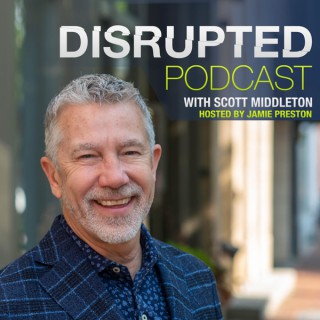
Most healthcare organizations wait until they're drowning to add administrative support. Your Health is doing the opposite — and it's changing the math on what a primary care practice can actually deliver. In Part 1 of this two-part conversation, Scott Middleton — owner of Your Health, founder, and Chief Disruption Officer — sits down with Jamie Preston to unpack why a dedicated administrator is now sitting beside the executive director of clinical services at every care group. With hospice added to the model, a single care group can now be responsible for more than 80 staff members across four care teams — bigger than most medical organizations in the country. Asking a nurse to run that alone was breaking people and burying clinical judgment under scheduling concerns. In this episode: Why the care group exploded overnight — and what hospice changed about staffing ratios What the administrator does on Monday morning before the clinical team even looks at the dashboard The Bridget story: how a "we're not allowed to do one-on-ones" response nearly cost a dementia patient her home Why "what could we have done today" is the wrong question — and what to ask instead How fee-for-service quietly incentivizes the wrong decisions at the hospital level The team structure every administrator now sits inside: nurse, HR, marketing, engagement If you've ever wondered what's actually supposed to stand between a great clinician and burnout, this is it. www.YourHealth.Org
Most providers interrupt their patients within 18 seconds. What if the next few minutes of silence could tell you more than the next hour of testing? In Part 2 of the Your Health Values Series, Jamie sits down again with members of the Your Health Experience Team — Rebecca, Jennifer, Whitney, and Carlos — to go beneath the surface of "patient-centered care" and look at what empathy really demands in the pressured, everyday moments of healthcare. This isn't a conversation about being nice. It's a conversation about seeing people — patients, families, and colleagues — for everything they're carrying, even when they're hiding it behind a smile. In this episode: Why empathy is officially non-negotiable at Your Health — and what that looks like in practice The difference between emotional empathy and "empathetic sternness" (and why both save lives) How to recognize when a patient or colleague is carrying something deeper than their symptoms The real threat of empathy fatigue — and how to keep giving without burning out The two "holy times" in healthcare where empathy matters most What patients actually say when they feel truly seen If you've ever wondered whether the extra 60 seconds is worth it, this episode will show you why it's everything. Press play — and then try it on your very next interaction. www.YourHealth.Org

Podcast Episode 3: How Can Physicians Work Collaboratively to Improve Cardiovascular Outcomes in Patients with Type 2 Diabetes? This podcast is published open access in Diabetes Therapy and is fully citeable. You can access the original published podcast article through the Diabetes Therapy website and by using this link: https://link.springer.com/article/10.1007/s13300-026-01857-5. All conflicts of interest can be found online. This podcast is intended for medical professionals. Open Access This podcast is licensed under a Creative Commons Attribution-NonCommercial 4.0 International License, which permits any non-commercial use, sharing, adaptation, distribution and reproduction in any medium or format, as long as you give appropriate credit to the original author(s) and the source, provide a link to the Creative Commons licence, and indicate if changes were made. The material in this podcast is included in the article's Creative Commons licence, unless indicated otherwise in a credit line to the material. If material is not included in the article's Creative Commons licence and your intended use is not permitted by statutory regulation or exceeds the permitted use, you will need to obtain permission directly from the copyright holder. To view a copy of this licence, visit http://creativecommons.org/licenses/by-nc/4.0/.
Most organizations put "Collaboration" on a wall. Few actually live it — and in healthcare, the cost of not living it isn't a missed deadline. It's a missed patient. In the first episode of Your Health University's brand-new Most organizations put "collaboration" on a wall. Few actually live it — and in healthcare, the cost of not living it isn't a missed deadline. It's a missed patient. In the first episode of Your Health University's brand-new Our Values Series, host Jamie Preston gathers four members of Your Health's patient experience team — Rebecca Dillard (VP of Organizational Experience), Jennifer Kessler (Division President of Product), Whitney Myers (Senior Solutions Advisor), and Carlos Hayward (Business Office Manager) — for an unfiltered conversation about what genuine collaboration looks like inside a fast-moving, mission-driven healthcare organization. No theory. No platitudes. Just the real, messy, mundane, and occasionally remarkable daily practice of people choosing to work together when it would be easier to go it alone. What you'll hear in this episode: Why real collaboration means recognizing what the person next to you brings that you simply cannot replicate — and building toward that, not around it The true story of a patient found living in an RV without his medication — and how cross-team collaboration made the difference between crisis and care Where collaboration most commonly breaks down in healthcare settings, and the small documentation and communication habits that prevent it The one question — "How can I do my job differently to make yours better?" — that builds trust across departments faster than almost anything else The daily habits these four healthcare professionals actually practice to keep collaboration alive, from weekly team check-ins to learning someone's preferred communication style before you assume Collaboration isn't a value you perform. It's a choice you make — one conversation, one phone call, one honest mistake admitted at a time. Values Series, host Jamie Preston gathers four members of Your Health's patient experience team — Rebecca Dillard (VP of Organizational Experience), Jennifer Kessler (Division President of Product), Whitney Myers (Senior Solutions Advisor), and Carlos Hayward (Business Office Manager) — for an unfiltered conversation about what genuine collaboration looks like inside a fast-moving, mission-driven healthcare organization. No theory. No platitudes. Just the real, messy, mundane, and occasionally remarkable daily practice of people choosing to work together when it would be easier to go it alone. What you'll hear in this episode: Why real collaboration means recognizing what the person next to you brings that you simply cannot replicate — and building toward that, not around it The true story of a patient found living in an RV without his medication — and how cross-team collaboration made the difference between crisis and care Where collaboration most commonly breaks down in healthcare settings, and the small documentation and communication habits that prevent it The one question — "How can I do my job differently to make yours better?" — that builds trust across departments faster than almost anything else The daily habits these four healthcare professionals actually practice to keep collaboration alive, from weekly team check-ins to learning someone's preferred communication style before you assume Collaboration isn't a value you perform. It's a choice you make — one conversation, one phone call, one honest mistake admitted at a time. www.YourHealth.Org

CME credits: 1.00 Valid until: 10-04-2027 Claim your CME credit at https://reachmd.com/programs/cme/enhancing-collaborative-care-in-retinal-diseases-a-focus-on-injection-therapies/37715/ This rebroadcast of a live regional meeting series, part of The Focused Sight Initiative: Quality Improvement Interventions in Retinal Diseases, brings together retina specialists and eye care professionals to address systemic gaps in the timely diagnosis, referral, and management of patients with retinal diseases, including age-related macular degeneration (AMD), diabetic retinopathy (DR), and retinal vein occlusion (RVO). Faculty discuss the clinical consequences of treatment delays, highlight real-world challenges to intravitreal anti-VEGF therapy adherence, and examine disparities in access to care. Learners will explore best practices for identifying patients at risk for progression, optimizing referrals from optometry to retina specialists, and implementing patient-centered communication strategies to improve outcomes. Emphasis is placed on leveraging imaging tools for earlier detection, addressing cultural and socioeconomic barriers, and adopting practice-level interventions to reduce loss to follow-up.=
In this episode of The MamasteFit Podcast, hosts Gina, a perinatal fitness trainer and birth doula, and Hayley Kava, our in-house pelvic floor PT, dive deep into the topic of diastasis recti. They explore the common fears and misconceptions associated with diastasis recti during and after pregnancy. The conversation covers the natural occurrence of abdominal muscle separation, the importance of breathing mechanics, and functional exercises for postpartum recovery. Hayley also emphasizes the collaborative care model and addresses questions about exercise safety with diastasis. This episode aims to empower listeners by debunking myths and providing practical advice for navigating diastasis recti confidently.Coning Workout: https://youtu.be/Nz2craPkea8Healing DRA Workout: https://youtu.be/DVzD6-kLUAA Check out Hayley's pay-what-you-can pelvic balance series!: https://www.hayleykavapt.com/PelvicbalanceseriesFor more workouts, check out our collection of fitness programs: https://mamastefit.com/fitness-programs/00:00 Introduction to The MamasteFit Podcast00:14 Understanding Diastasis Recti00:49 Meet the Hosts and Guest01:44 Collaborative Care at Mama Safe Fit02:03 Breaking Down Diastasis Recti02:39 Normal vs. Abnormal Diastasis03:04 Exercises and Approaches to Diastasis03:19 What is Diastasis Recti?05:04 Diastasis in Pregnancy and Postpartum06:14 Coning and Its Implications11:34 Postpartum Healing and Diastasis12:28 Factors Affecting Diastasis Healing14:07 Body Image and Diastasis16:41 Diastasis and Prolapse19:43 Approaches to Diastasis Rehab26:26 Rib Flare and Exercise Misconceptions26:58 Personal Experience with Rib Flare28:33 Postpartum Breathing Techniques29:50 Thoracic Mobility and Core Connection31:02 Integrating Core Exercises Postpartum32:28 Advancing Postpartum Exercises34:43 Overcoming Fear in Postpartum Fitness41:32 Understanding Diastasis Recti44:46 Final Thoughts and Resources————Get Your Copy of Training for Two on Amazon: https://amzn.to/3VOTdwH
In today's episode, I sat down with Nafisa Obi to talk about what it really looks like to bring speech therapy, occupational therapy, and ABA together under one roof. Nafisa shared her journey from starting a small speech therapy practice to co-founding Essential Speech and ABA Therapy, which has grown into a nationwide franchise model focused on early intervention and true interdisciplinary collaboration.We talked honestly about the realities of private practice ownership, the challenges of adding ABA to an existing SLP practice, and why understanding your “why” matters so much when you're building services that impact families. Nafisa walked us through how her team recognized a gap in care, leaned into collaboration instead of competition, and built a model that prioritizes children, families, and ethical growth.This conversation is especially powerful if you're an SLP, OT, BCBA, or practice owner who feels the pull to do more for your clients but isn't sure where to start. Nafisa's story is a reminder that thoughtful, family-centered care and sustainable business practices can exist together, and that collaboration truly changes outcomes.#autism #speechtherapyWhat's Inside:How Essential Speech and ABA Therapy evolved from a speech-only clinic into a fully collaborative SLP, OT, and ABA modelWhat SLPs need to consider when adding ABA services, from staffing and billing to company cultureWhy true interdisciplinary collaboration improves outcomes for autistic children and their familiesHow franchising became a way to responsibly expand access to ethical, high-quality autism careMentioned In This Episode:Essential Speech and ABA TherapyNafisa Obi on LinkedInJoin the ABA Speech Connection ABA Speech: Home
This content has been developed for healthcare professionals only. Patients who seek health information should consult with their physician or relevant patient advocacy groups.For the full presentation, downloadable Practice Aids, slides, and complete CME/MOC/NCPD/CPE/AAPA/IPCE information, and to apply for credit, please visit us at PeerView.com/MZC865. CME/MOC/NCPD/CPE/AAPA/IPCE credit will be available until December 30, 2026.Revealing New Sequences in CLL: Collaborative Care Planning With Real-World Evidence and Modern Therapeutics In support of improving patient care, this activity has been planned and implemented by PVI, PeerView Institute for Medical Education, and CLL Society. PVI, PeerView Institute for Medical Education, is jointly accredited by the Accreditation Council for Continuing Medical Education (ACCME), the Accreditation Council for Pharmacy Education (ACPE), and the American Nurses Credentialing Center (ANCC), to provide continuing education for the healthcare team.SupportThis activity is supported by an educational grant from Lilly.Disclosure information is available at the beginning of the video presentation.
This content has been developed for healthcare professionals only. Patients who seek health information should consult with their physician or relevant patient advocacy groups.For the full presentation, downloadable Practice Aids, slides, and complete CME/MOC/NCPD/CPE/AAPA/IPCE information, and to apply for credit, please visit us at PeerView.com/MZC865. CME/MOC/NCPD/CPE/AAPA/IPCE credit will be available until December 30, 2026.Revealing New Sequences in CLL: Collaborative Care Planning With Real-World Evidence and Modern Therapeutics In support of improving patient care, this activity has been planned and implemented by PVI, PeerView Institute for Medical Education, and CLL Society. PVI, PeerView Institute for Medical Education, is jointly accredited by the Accreditation Council for Continuing Medical Education (ACCME), the Accreditation Council for Pharmacy Education (ACPE), and the American Nurses Credentialing Center (ANCC), to provide continuing education for the healthcare team.SupportThis activity is supported by an educational grant from Lilly.Disclosure information is available at the beginning of the video presentation.
This content has been developed for healthcare professionals only. Patients who seek health information should consult with their physician or relevant patient advocacy groups.For the full presentation, downloadable Practice Aids, slides, and complete CME/MOC/NCPD/CPE/AAPA/IPCE information, and to apply for credit, please visit us at PeerView.com/MZC865. CME/MOC/NCPD/CPE/AAPA/IPCE credit will be available until December 30, 2026.Revealing New Sequences in CLL: Collaborative Care Planning With Real-World Evidence and Modern Therapeutics In support of improving patient care, this activity has been planned and implemented by PVI, PeerView Institute for Medical Education, and CLL Society. PVI, PeerView Institute for Medical Education, is jointly accredited by the Accreditation Council for Continuing Medical Education (ACCME), the Accreditation Council for Pharmacy Education (ACPE), and the American Nurses Credentialing Center (ANCC), to provide continuing education for the healthcare team.SupportThis activity is supported by an educational grant from Lilly.Disclosure information is available at the beginning of the video presentation.
This content has been developed for healthcare professionals only. Patients who seek health information should consult with their physician or relevant patient advocacy groups.For the full presentation, downloadable Practice Aids, slides, and complete CME/MOC/NCPD/CPE/AAPA/IPCE information, and to apply for credit, please visit us at PeerView.com/MZC865. CME/MOC/NCPD/CPE/AAPA/IPCE credit will be available until December 30, 2026.Revealing New Sequences in CLL: Collaborative Care Planning With Real-World Evidence and Modern Therapeutics In support of improving patient care, this activity has been planned and implemented by PVI, PeerView Institute for Medical Education, and CLL Society. PVI, PeerView Institute for Medical Education, is jointly accredited by the Accreditation Council for Continuing Medical Education (ACCME), the Accreditation Council for Pharmacy Education (ACPE), and the American Nurses Credentialing Center (ANCC), to provide continuing education for the healthcare team.SupportThis activity is supported by an educational grant from Lilly.Disclosure information is available at the beginning of the video presentation.

Unsure when to refer pediatric patients with atopic dermatitis (AD)? Learn clear criteria to streamline your decision-making. Credit available for this activity expires: 12/12/2026 Earn Credit / Learning Objectives & Disclosures: https://www.medscape.org/viewarticle/collaborative-care-pediatric-atopic-dermatitis-2025a1000y71?ecd=bdc_podcast_libsyn_mscpedu

The perinatal period is one of the most vulnerable—and transformative—times in a parent's life. In this episode, we explore the challenges of perinatal mental health, with a particular focus on OCD and how intrusive thoughts can impact new parents during this stage.Our speakers discuss the role of psychoeducation, the importance of therapeutic trust, and how clinicians can best support parents navigating overwhelming thoughts and fears. We also examine the value of bringing babies into therapy, collaborative care, and the crucial reminder that intrusive thoughts do not define someone's ability to be a loving, capable parent.

In this empowering episode, Hallie Bulkin sits down with Angela Richwine, RDH, BASc, QOM, COM®, to dive deep into the world of myofunctional therapy and collaboration in healthcare. Angela opens up about her personal journey into the field, the pivotal moments that shaped her practice, and how her passion for helping others led her to uncover the root causes behind oral and airway issues.Together, Hallie and Angela explore the importance of interdisciplinary teamwork, patient education, and parent advocacy in achieving better outcomes. They shed light on the growing awareness of myofunctional therapy, the challenges professionals face in bridging knowledge gaps, and the need for continuing education to deliver truly holistic care.This conversation is a powerful reminder that myofunctional therapy is not just about correcting habits - it's about understanding the “why” behind them, empowering patients, and transforming lives through collaboration and education.In this episode, you'll learn:✔️ How Angela's personal journey led her to specialize in myofunctional therapy.✔️ Why collaboration among healthcare professionals enhances patient care.✔️ The critical role of patient education in lasting health outcomes.✔️ How parents can advocate for their children's oral and airway health.✔️ The importance of addressing the root causes, not just the symptoms.✔️ Why continuing education is essential for myofunctional therapists.✔️ How understanding the mouth as a “gateway to health” changes everything.✔️ The power of listening to patients and setting clear therapy goals.✔️ How to navigate misconceptions and raise awareness about myofunctional therapy.RELATED EPISODES YOU MIGHT LOVEEvidence vs. Pseudoscience in Myofunctional Therapy with Hallie Bulkin & Robyn Merkel-WalshEP 341: From Dental Hygiene to Myofunctional Therapy with Hallie Bulkin & Ashley DoradoOTHER WAYS TO CONNECT & LEARN
In this episode of The MamasteFit Podcast, hosts Gina, a perinatal fitness trainer and birth doula, and Roxanne, a Certified Nurse Midwife, discuss the importance of understanding pelvic mechanics for birth workers. The episode addresses how the pelvis opens, the different movements and exercises that can create space prenatally and during labor, and the impact of pelvic mechanics on pregnancy comfort, labor progress, and postpartum recovery. They delve into common pregnancy discomforts, birth complications related to baby positioning, and the significance of prenatal preparation. The episode also highlights the importance of collaborative care among birth professionals to best support positive birth outcomes.Here is our free pelvic floor guide, designed with our in house pelvic floor PT!: https://mamastefit.com/freebies/prepare-your-pelvic-floor-for-labor/00:00 Introduction to The MamasteFit Podcast01:08 Understanding Pelvic Mechanics02:51 The Importance of Pelvic Mobility During Pregnancy07:17 Normal Asymmetry and Its Impact on Pregnancy11:56 Personal Experiences with Pelvic Pain18:12 Prenatal Preparation for Better Birth Outcomes21:34 The Role of Pelvic Mechanics in Labor23:13 Sponsor Break: Needed Perinatal Nutrition25:33 Resources and Referrals for Pelvic Health29:42 Introduction to Labor Variations30:54 Understanding Pelvic Mechanics31:42 Common Labor Issues and Solutions32:41 Techniques for Creating Space in the Pelvis35:38 The Mile Circuit Explained36:54 Addressing Baby's Position and Movement46:13 Collaborative Care and Observations52:43 Conclusion and Course Promotion————Get Your Copy of Training for Two on Amazon: https://amzn.to/3VOTdwH

In this Part 1 of our "Nudj Series" I sit down on a Sunday morning with Yuri Sudhakar, the CEO of Nudj Health. We discuss his personal health journey, overall lifestyle and what he did to improve his way of life. We talk about what it means to Lead, what it means to "be the change" and the importance of Collaborative Care now more than ever.We talk about how Nudj Health is helping patients build resiliency, literacy, awareness through Education on how changing our Behaviors is where the magic happens amongst other things! Definitely a great continuous series you won't want to miss! Please leave us some positive feedback if you're enjoying the show and let us know what you would like to hear more of. I hope you enjoy this episode! As always, I cannot thank every single one of you enough for reading my posts, for listening in and allowing me to do what I love to do, without you, none of this would be possible! Link to the Podcast is in my Bio as always.Shout-outs! Our amazing @nudjhealth Team and our beautiful Patients, we love you! Resources:Join us at whoop! Free whoop strap with this link and join "THE LTP CREW": https://join.whoop.com/0BA015Nudge book: https://a.co/d/eQCAA4dCherish Health: https://www.cherishhealth.comNudj Health Website: www.nudjhealth.comTEAM LTP:My IG: @livetoprogressVoice-over credits

"We decided to start our own practice." Connect With Our SponsorsGreyFinch - https://greyfinch.com/jillallen/A-Dec - https://www.a-dec.com/orthodonticsSmileSuite - https://getsmilesuite.com/ Summary In this conversation, Jill Allen interviews Dr. Madeleine Goodman, an orthodontist who shares her journey from growing up in a dental family to starting her own dual specialty practice. They discuss the importance of early treatment and airway management and the challenges of navigating differing opinions in the dental community. The conversation highlights the need for collaboration, education, and innovative practices in the field of orthodontics. Connect With Our Guest Tiny Changes Recycling Program - https://maso.org/tiny-changes-recycling/ tinygreenchanges@gmail.com Takeaways Dr. Goodman'ss journey into orthodontics was influenced by her father's career.She started her own dual speciality practice after gaining experience in various orthodontic settings.Maddie emphasizes the importance of early treatment and airway management.She highlights the challenges of navigating differing opinions in the dental community.Chapters 00:00 Introduction02:04 Dr. Goodman's Journey into Orthodontics04:26 Starting a Dual Specialty Practice06:59 Challenges and Decisions in Practice Ownership09:53 Focus on Early Airway Intervention14:47 Collaborative Care and Practice Philosophy16:21 Navigating Patient and Professional Relationships31:30 How to Get in Touch and Learn More33:49 Speed Round and Closing RemarksEpisode Credits: Hosted by Jill AllenProduced by Jordann KillionAudio Engineering by Garrett LuceroAre you ready to start a practice of your own? Do you need a fresh set of eyes or some advice in your existing practice?Reach out to me- www.practiceresults.com. If you like what we are doing here on Hey Docs! and want to hear more of this awesome content, give us a 5-star Rating on your preferred listening platform and subscribe to our show so you never miss an episode. New episodes drop every Thursday!

So you've placed the biliary drain—are your patients getting the follow up that they need? In this episode, Dr. Ahsun Riaz from Northwestern University joins host, Dr. Christopher Beck, for a deep dive into biliary strictures—how to manage them effectively and navigate the potential complications of this challenging chronic condition.---This podcast is supported by:Medtronic Emprinthttps://www.medtronic.com/emprint---SYNPOSISDr. Riaz takes us inside his journey of building a specialized hepatobiliary service at Northwestern, highlighting innovative practices like endoscopic techniques and radiofrequency ablation. He unpacks the nuances of distinguishing benign from malignant strictures, shares technical pearls for patient management, and emphasizes the power of collaboration with Gastroenterology to improve long-term patient outcomes. He outlines key technical considerations, including the use of the Hudson loop and strategic equipment selection to address intra-procedural challenges. He further emphasizes the importance of comprehensive patient care—ensuring appropriate follow-up, minimizing drain duration, and prioritizing quality of life as essential components of optimal management.---TIMESTAMPS00:00 - Introduction01:28 - Biliary Drain Management04:18 - Approach to Biliary Strictures19:20 - Endoscopic Evaluation and Techniques27:53 - Practical Tips and Experiences with Endoscopy30:39 - Post-Procedure Follow-Up and Patient Outcomes31:16 - Learning from the Hudson Roof Technique32:48 - Innovations in Benign Stricture Management36:48 - Endobiliary Ablation: Equipment and Procedure40:23 - The Double Dragon Technique Explained46:02 - Considerations for Malignant Biliary Stenting52:37 - Future Innovations and Collaborative Care

What if your perinatal care team truly worked together? Prenatal bodyworker turned community builder Sally Hayes discusses Matrikas, a national network that she founded in order to connect birth community providers and brands with the goal of collaborative care becoming the norm. Connect with the guest: @we.are.matrikas wearematrikas.com Sally Hayes on LinkedIn Informed Pregnancy Media and Mahmee present an all new podcast! One Way or a Mother is a new narrative podcast from Dr. Elliot Berlin, DC. Each season is an intimate story of one woman, one pregnancy, and all of the preparations, emotions, and personal history leading up to the birth. Episodes feature the expectant mother along with her family, doctors, and birth work team. Start listening to Episode 1: I Should Have Died featuring Arianna Lasry Keep up with Dr. Berlin and Informed Pregnancy Media online! informedpregnancy.com @doctorberlin Youtube LinkedIn Facebook X Learn more about your ad choices. Visit megaphone.fm/adchoices

This episode's Community Champion Sponsor is Ossur. To learn more about their ‘Responsible for Tomorrow' Sustainability Campaign, and how you can get involved: CLICK HEREEpisode Overview: Specialty care shouldn't require months-long wait times or geographic limitations.Our next guest, AJ Patel, is revolutionizing this approach as CEO of TeleMed2U. With over 20 years of healthcare operations experience spanning drugstore chains and specialty pharmacy environments, AJ brings a unique perspective to virtual specialty care delivery. Having navigated TeleMed2U through significant growth and technological transformation over six years, he's built a network of 500+ providers across 20 specialties nationwide. Driven by a passion for breaking down geographic barriers and eliminating lengthy wait times, AJ shares how TeleMed2U is democratizing access to specialty care through innovative virtual solutions. Join us to discover how this technology-enabled platform is connecting patients with expert care regardless of location, transforming outcomes through collaborative medicine, and reshaping the future of specialty healthcare delivery. Let's go!Episode HighlightsProactive Healthcare Philosophy: Treat healthcare like car maintenance - invest in prevention to avoid downstream complications.Technology Pivot: After spending millions building their own tech stack, TeleMed2U pivoted to Advanced MD to focus on patient care.Geographic Solutions: Hub-and-spoke model uses providers across states, including Hawaii clinicians serving mainland patients.Collaborative Care: Seamless coordination between 20 specialties without patients navigating multiple healthcare systems.Future Vision: Measurement-based reimbursement, wearable tech integration, and shared diagnostic centers in rural areas.About our Guest: AJ Patel has more than 20 years of experience leading Healthcare Operations in the drugstore and specialty pharmacy environment. He currently serves as the Chief Executive Officer of TeleMed2U where he leads the company's Sales & Operations, Recruiting, Legal and Credentialing/Contracting teams. He collaborates closely with the Advisory Board on the development of clinical programs and future strategy to enhance convenient access to specialty medical care in various markets across the country.Links Supporting This Episode: TeleMed2U Website: CLICK HEREAJ Patel LinkedIn page: CLICK HERETeleMed2U LinkedIn: CLICK HEREMike Biselli LinkedIn page: CLICK HEREMike Biselli Twitter page: CLICK HEREVisit our website: CLICK HERESubscribe to newsletter: CLICK HEREGuest nomination form: CLICK HERE

If you've ever wondered why hemorrhoids, constipation, or “smearing” show up with pelvic floor symptoms, or what actually happens in a colorectal exam, this episode makes it clear, calm, and doable. In this episode, I discuss the interconnected nature of urogynecology and colorectal health with Dr. Bethany Malone, a board-certified colon and rectal surgeon. The discussion covers how hormonal changes and colorectal issues like constipation, hemorrhoids, and IBS can impact urogynecologic and pelvic floor health. Bethany shares her journey in building patient trust, the nuances of colorectal surgery, and the importance of fiber in managing bowel health. We also explore the sensitive topics of fecal smearing, the significance of thorough examinations, and the role of pelvic floor physical therapy in maintaining overall health. Tune in to gain valuable insights into how these different areas of health are interlinked and the importance of a multidisciplinary approach in treating complex health issues.Looking for more information:Beth Malone: You can find her on IG, Twitter, and TikTok at BethanyMaloneMD, and her personal website is: http://www.bethanymalonemd.comInformation on FiberTimeline:00:30 Introduction to Urogynecology and Related Medical Issues02:02 Meet Dr. Beth Malone: Colorectal Surgeon02:52 Rebuilding Trust in Healthcare06:27 Understanding Colorectal Surgery11:41 Common Colorectal Issues and Treatments20:42 The Importance of Fiber and Probiotics24:35 Pelvic Floor Issues: Weakness and Tension31:01 Collaborative Care and Conclusion
In this episode of the MamasteFit Podcast, hosts Gina, a perinatal fitness trainer and birth doula, and Roxanne, a labor and delivery nurse and student midwife, welcome Dr. Savannah Gardner, a local certified pediatric chiropractor. The discussion dives deep into the benefits of chiropractic care, debunking common misconceptions, and exploring how chiropractic adjustments can aid in improving movement, decreasing pain, and supporting overall health during pregnancy and postpartum. Dr. Gardner shares insights into the training and qualifications of chiropractors, the importance of collaborative, patient-centered care, and the value of integrating various medical and holistic approaches to optimize prenatal and postpartum health.00:00 Introduction and Guest Announcement02:08 Meet Dr. Savannah Gardner03:39 Understanding Chiropractic Care07:35 The Path to Becoming a Chiropractor13:31 Evidence-Based Practice and Collaborative Care30:34 Collaborative Care in Chiropractic Treatment31:27 The Healing Process and Conservative Management32:36 Prehab and Postpartum Care33:24 Chiropractic Care and Holistic Medicine34:38 Chiropractic Care for Ear Infections41:40 Insurance and Chiropractic Care44:52 Choosing the Right Provider46:33 Collaborative Care and Patient Autonomy50:09 Conclusion and Final Thoughts

Interview with Anna D. Ratzliff, MD, PhD and Andrew J. Saxon, MD authors of Collaborative Care for Opioid Use Disorder in Primary Care: A Hybrid Type 2 Cluster Randomized Trial. Hosted by John Torous, MD. Related Content: Collaborative Care for Opioid Use Disorder in Primary Care

Interview with Anna D. Ratzliff, MD, PhD and Andrew J. Saxon, MD authors of Collaborative Care for Opioid Use Disorder in Primary Care: A Hybrid Type 2 Cluster Randomized Trial. Hosted by John Torous, MD. Related Content: Collaborative Care for Opioid Use Disorder in Primary Care

Esophagogastric Cancer: Enhancing Outcomes Through Biomarkers and Collaborative Care is an accredited, two-part series led by expert Yelena Y. Janjigian, MD. Building on the foundation of biomarker-driven care, this module focuses on optimizing treatment strategies for patients with esophagogastric cancer. Dr. Janjigian reviews the latest evidence on targeted therapies, immunotherapies, and combination regimens, as well as practical considerations for sequencing and selecting therapies. Gain actionable insights to enhance collaborative care and deliver the most effective, individualized treatment plans for your patients. Listen now! Click here to claim credit for this activity: https://bit.ly/3HtOziO Click here to listen to Module 1 of this series: https://bit.ly/45u106o
Esophagogastric Cancer: Enhancing Outcomes Through Biomarkers and Collaborative Care is an accredited, two-part series led by expert Yelena Y. Janjigian, MD. In module 1, Dr. Janjigian provides an in-depth overview of the latest biomarkers—such as HER2, PD-L1, MMR/MSI-H, CLDN18.2, and FGFR2—and their role in guiding treatment decisions for esophagogastric cancer. Learn about current biomarker testing methods, interpretation of results, and how to integrate biomarker data into clinical practice to personalize therapy and improve patient outcomes. Listen now! Click here to claim you CE credit for this activity: https://bit.ly/45u106o Click here to continue listening to Module 2 of this series: https://bit.ly/3HtOziO

Episode 307 hosts Hayley Anderson (Registered Nurse from Perth, Australia) This is the 4th chapter in our mini-series called ‘Disasters & Solutions'. Here we look at some of the unusual, difficult or outright disasterous outcomes for patients caused by injectables. We speak to the injectors who managed the case and go through what happened, step by step. We'll learn about what might have been done to prevent the problem and what injectors can do in their own practice to be safer practitioners. In Chapter 4, we discuss Hayley's experience (on the other side of the needle as a patient) when she had a temple treatment with a hybrid blend of Radiesse, Belotero Revive and saline. She suffered a significant vascular occlusion and we hear about what happened, how it was managed and the lessons learned from the incident. 00:00 Introduction to Inside Aesthetics 00:46 Welcome to Chapter Four: Disasters and Solutions 01:03 Exciting News and Competitions 02:14 Introducing Today's Guest: Hayley Anderson 03:56 Hayley's Background and Journey in Aesthetics 05:11 The Vascular Occlusion 06:36 Managing the Complication: Initial Steps 08:40 In-Depth Discussion on Injection Techniques 24:58 Seeking Expert Help and Hospital Visit 29:50 Continuing Treatment and Hyperbaric Therapy 30:34 Understanding Aspirin and Viagra in Medical Treatments 30:51 Hyperbaric Oxygen Therapy: Benefits and Applications 31:25 Dosage and Administration of Aspirin 32:01 Viagra in Vascular Occlusions 33:09 Hyperbaric Chamber Experience 34:59 Managing Occlusions: A Case Study 37:52 The Role of Ultrasound in Treatment 41:50 Post-Treatment Recovery and Reflections 43:38 Collaborative Care and Telehealth 44:48 Lessons Learned and Future Practices 52:59 The Importance of Informed Consent 54:56 Treating Friends and Family: Ethical Considerations 57:06 Final Thoughts and Recommendations APPLY TO OUR NEW IA COMPETITION & WIN A TICKET TO ICCE IN CAIRO, EGYPT! CLICK HERE TO JOIN OUR PATREON FOR ON DEMAND EDUCATION & SUPPORT CLICK HERE TO BROWSE OUR IA OFFERS FOR DISCOUNTS & SPECIALS CLICK HERE IF YOU'RE A BRAND OR COMPANY & WANT TO WORK WITH US CLICK HERE TO APPLY TO BE A GUEST ON OUR PODCAST JOIN OUR LISTENER WHATSAPP GROUP & SEND US YOUR COMMENTS, SUGGESTIONS OR JUST SAY HI! CONTACT US

“Being able to offer those services locally can make a huge difference in quality of life.”- Ezana M. Azene, MD, PhDIn this episode, host Rajshree Singh, MD, speaks with Ezana M. Azene, MD, PhD, about small and rural IR practices, why so many are closing and what the specialty can do to keep IR services available in the areas that need it most.Related resources:Read more about small and rural practice models in IR Quarterly. Read moreLearn more about the Small and Rural Practice Committee and how to get involved. Open positions close at the end of July.SIR thanks BD for its generous support of the Kinked Wire.Contact us with your ideas and questions, or read more about about interventional radiology in IR Quarterly magazine or SIR's Patient Center.(c) Society of Interventional Radiology. Support the show
This content has been developed for healthcare professionals only. Patients who seek health information should consult with their physician or relevant patient advocacy groups.For the full presentation, downloadable Practice Aids, slides, and complete CME/MOC/NCPD/AAPA/IPCE information, and to apply for credit, please visit us at PeerView.com/NAW865. CME/MOC/NCPD/AAPA/IPCE credit will be available until July 6, 2026.Expanding the Bispecific Option Across Hematologic Cancers: Guidance for the Community on Collaborative Care and Accessing Innovative Immunotherapy for Myeloma and Lymphoma In support of improving patient care, PVI, PeerView Institute for Medical Education, is jointly accredited by the Accreditation Council for Continuing Medical Education (ACCME), the Accreditation Council for Pharmacy Education (ACPE), and the American Nurses Credentialing Center (ANCC), to provide continuing education for the healthcare team.SupportThis program is supported by an independent educational grant from Regeneron Pharmaceuticals, Inc.Disclosure information is available at the beginning of the video presentation.
This content has been developed for healthcare professionals only. Patients who seek health information should consult with their physician or relevant patient advocacy groups.For the full presentation, downloadable Practice Aids, slides, and complete CME/MOC/NCPD/AAPA/IPCE information, and to apply for credit, please visit us at PeerView.com/NAW865. CME/MOC/NCPD/AAPA/IPCE credit will be available until July 6, 2026.Expanding the Bispecific Option Across Hematologic Cancers: Guidance for the Community on Collaborative Care and Accessing Innovative Immunotherapy for Myeloma and Lymphoma In support of improving patient care, PVI, PeerView Institute for Medical Education, is jointly accredited by the Accreditation Council for Continuing Medical Education (ACCME), the Accreditation Council for Pharmacy Education (ACPE), and the American Nurses Credentialing Center (ANCC), to provide continuing education for the healthcare team.SupportThis program is supported by an independent educational grant from Regeneron Pharmaceuticals, Inc.Disclosure information is available at the beginning of the video presentation.
This content has been developed for healthcare professionals only. Patients who seek health information should consult with their physician or relevant patient advocacy groups.For the full presentation, downloadable Practice Aids, slides, and complete CME/MOC/NCPD/AAPA/IPCE information, and to apply for credit, please visit us at PeerView.com/NAW865. CME/MOC/NCPD/AAPA/IPCE credit will be available until July 6, 2026.Expanding the Bispecific Option Across Hematologic Cancers: Guidance for the Community on Collaborative Care and Accessing Innovative Immunotherapy for Myeloma and Lymphoma In support of improving patient care, PVI, PeerView Institute for Medical Education, is jointly accredited by the Accreditation Council for Continuing Medical Education (ACCME), the Accreditation Council for Pharmacy Education (ACPE), and the American Nurses Credentialing Center (ANCC), to provide continuing education for the healthcare team.SupportThis program is supported by an independent educational grant from Regeneron Pharmaceuticals, Inc.Disclosure information is available at the beginning of the video presentation.
This content has been developed for healthcare professionals only. Patients who seek health information should consult with their physician or relevant patient advocacy groups.For the full presentation, downloadable Practice Aids, slides, and complete CME/MOC/NCPD/AAPA/IPCE information, and to apply for credit, please visit us at PeerView.com/NAW865. CME/MOC/NCPD/AAPA/IPCE credit will be available until July 6, 2026.Expanding the Bispecific Option Across Hematologic Cancers: Guidance for the Community on Collaborative Care and Accessing Innovative Immunotherapy for Myeloma and Lymphoma In support of improving patient care, PVI, PeerView Institute for Medical Education, is jointly accredited by the Accreditation Council for Continuing Medical Education (ACCME), the Accreditation Council for Pharmacy Education (ACPE), and the American Nurses Credentialing Center (ANCC), to provide continuing education for the healthcare team.SupportThis program is supported by an independent educational grant from Regeneron Pharmaceuticals, Inc.Disclosure information is available at the beginning of the video presentation.
Too often, parents are told their child will “grow out of it.” Snoring? Normal. Grinding? Just a phase. Bedwetting? Don't worry about it. But what if those symptoms are actually red flags—and you've been dismissed over and over? In this episode of Dentistry Disrupted, Dr. Craig Clayton is joined by airway health pioneer Dr. Shereen Lim, author of Breathe, Sleep, Thrive, for a conversation that will resonate with every parent who's ever felt unheard. Dr. Lim shares how her own experience as a mom—and hearing stories from dismissed and desperate parents—drove her to write a book that connects the dots. Because parents don't need another brush-off, they need tools, information, and the confidence to trust their gut and take action. This episode is your permission slip to dig deeper. To question. To advocate. We're at a tipping point. Just over a decade ago, Dr. Lim was almost blocked from speaking at a university conference because her airway-focused approach was seen as “outside the norm.” Today, her clinic is so full she's had to close her books—and more providers are waking up to the importance of early intervention. The movement is happening, and parents like you are leading the charge.

Explore how the Collaborative Care Model enhances mental health access in this episode featuring Anna Bob, executive director of the Path Forward coalition.
How can multidisciplinary collaboration improve outcomes for your patients with chronic lymphocytic leukemia (CLL) and mantle cell lymphoma (MCL)? Discover expert strategies for optimal care. Credit available for this activity expires: 6/26/2026 Earn Credit / Learning Objectives & Disclosures: https://www.medscape.org/viewarticle/1002602?ecd=bdc_podcast_libsyn_mscpedu
Meet pediatric otolaryngologist Alisa Timashpolsky, who joins the podcast to discuss the latest in otology, rhinology and multidisciplinary care for complex ENT conditions found in children.
In this episode of Dentistry Disrupted, Dr. Craig Clayton is joined by his personal functional medicine provider and friend, Lyndsy Kinghorn. Lyndsy is a dual board-certified nurse practitioner in family and anti-aging medicine and the founder of Foundation Functional Medicine in Boise, Idaho. Together, they explore the powerful overlap between functional medicine and functional dentistry—and how collaborating across disciplines can radically transform patient care. Lindsay shares her journey from ER nurse practitioner and competitive athlete to passionate functional medicine provider after her own unresolved health symptoms led her to seek deeper answers. She breaks down the key differences between traditional and functional medicine, emphasizes the importance of root cause resolution, and highlights the limitations of “normal” lab ranges. They also discuss the life-changing impact of personalized care, including how Lyndsy helped Craig's wife finally get the answers she'd been looking for after years of frustration. Whether you're a patient curious about the gaps in traditional healthcare or a provider seeking better outcomes for your patients, this episode is packed with eye-opening insights and real-life transformation stories. What You'll Learn: Why Lyndsy transitioned from emergency medicine to functional medicine How functional medicine uncovers root causes behind chronic symptoms What “normal” labs miss—and what to look for instead How functional dentists and functional medicine providers can collaborate Real success stories, including Dr. Clayton's wife's health journey Whether you're struggling with fatigue, poor sleep, frequent cavities, or just want to take a more holistic approach to your health, this conversation will give you the insight and tools to move forward. If you would like to work with Lyndsy or her team at Foundation Functional Medicine, check out the website here! For the free eating hygiene guide mentioned in the podcast, click here. Follow Lyndsy on Instagram here! Chapters 00:00 Exploring Functional vs Traditional Medicine09:43 The Importance of Gut Health14:53 Understanding Hormonal Health20:09 The Connection Between Oral Health and Overall Wellness25:11 Collaborative Care in Functional Medicine27:20 Simple Steps to Improve Health30:12 Finding the Right Functional Medicine Provider

Send us a textIn this episode of the Midlife with Courage podcast, host Kim interviews Emily Jacobson, an acupuncturist, fitness instructor, and business owner. Emily shares her journey of realizing her true passion lies in hands-on practice rather than being a CEO. She discusses her pivot from launching a corporate wellness program to focusing on direct human interaction and the creation of her wellness center, Healing Roots. Emily elaborates on the different modalities offered at her center, the importance of calming the nervous system for overall wellness, and her future plans to specialize in hormone management and women's health. The episode emphasizes the importance of self-care, adaptability, and the continual learning process in personal and professional growth.00:00 The Excitement of Building and Creating00:40 Introduction to the Podcast and Guest01:24 Emily Jacobson's Journey and Career03:24 The Concept of Healing Roots08:22 Pivoting in Business and Life12:14 Understanding Toxic Femininity15:34 The Growth Process and Learning from Experiences16:04 The Shift Towards Complementary Alternative Medicine18:21 The Importance of Calming the Nervous System21:13 Collaborative Care and Wellness Centers23:19 Future Plans and Hormone Specialization30:25 Encouragement and Final ThoughtsTo learn more about Healing Roots you can check out the website HERE and if you live in the River Falls, Wisconsin area, you need to see the beautiful studio! Stop in anytime. Get your free ebook called Daily Habits for Hormonal Harmony by going to my website. This free guide will help you balance your hormones through some easy daily activities. Just add your email to the popup and your guide will be on its way to your inbox.From morning until bedtime, you can help yourself feel better! Support the showKim Benoy is a retired RN, Certified Aromatherapist, wife and mom who is passionate about inspiring and encouraging women over 40. She wants you to see your own beauty, value and worth through sharing stories of other women just like you.Would you like to get a "sneak" listen to each podcast? Subscribe to my website to get my weekly inspirational message and a link to that week's podcast a day ahead of everyone else! Just click the link below to get on the list! SUBSCRIBE WEBSITEFACEBOOK
© 2020-2026 Ivy Podcast Discovery LLC
