
POPULARITY

25 episodes with across africa

15 episodes with across africa

9 episodes with across africa

12 episodes with across africa

7 episodes with across africa

2 episodes with across africa

4 episodes with across africa

3 episodes with across africa

2 episodes with across africa

Saskia Falken in for Clarence Ford spoke to Zandile Mkwanazi, CEO & Founder of Girl Code about the organization. Views and News with Clarence Ford is the mid-morning show on CapeTalk. This 3-hour long programme shares and reflects a broad array of perspectives. It is inspirational, passionate and positive. Host Clarence Ford’s gentle curiosity and dapper demeanour leave listeners feeling motivated and empowered. Known for his love of jazz and golf, Clarrie covers a range of themes including relationships, heritage and philosophy. Popular segments include Barbs’ Wire at 9:30am (Mon-Thurs) and The Naked Scientist at 9:30 on Fridays. Thank you for listening to a podcast from Views & News with Clarence Ford Listen live on Primedia+ weekdays between 09:00 and 12:00 (SA Time) to Views and News with Clarence Ford broadcast on CapeTalk https://buff.ly/NnFM3Nk For more from the show go to https://buff.ly/erjiQj2 or find all the catch-up podcasts here https://buff.ly/BdpaXRn Subscribe to the CapeTalk Daily and Weekly Newsletters https://buff.ly/sbvVZD5 Follow us on social media: CapeTalk on Facebook: https://www.facebook.com/CapeTalk CapeTalk on TikTok: https://www.tiktok.com/@capetalk CapeTalk on Instagram: https://www.instagram.com/ CapeTalk on X: https://x.com/CapeTalk CapeTalk on YouTube: https://www.youtube.com/@CapeTalk567See omnystudio.com/listener for privacy information.
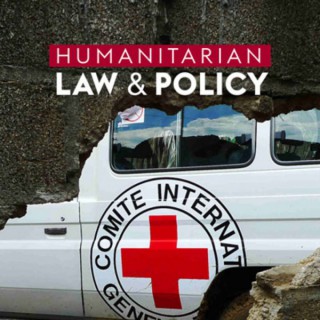
Across Africa, norms regulating the conduct of hostilities long predate the codification of modern international humanitarian law (IHL). The ICRC Tool on African traditions and the preservation of humanity in warfare highlights how many African societies developed rules limiting violence, protecting civilians, and preserving human dignity during conflict. These traditions resonate strongly with contemporary IHL principles and offer important insights for current efforts to protect children affected by armed conflict. At a time when children continue to face killing and maiming, attacks on schools and hospitals, recruitment, displacement, and profound psychological harm, grounding humanitarian protection in both legal obligations and culturally rooted values can strengthen efforts to uphold humanity during war. In this post, Professor Robert Doya Nanima, Member of the African Committee of Experts on the Rights and Welfare of the Child, and Special Rapporteur on Children Affected by Armed Conflict, reflects on the relevance of the ICRC Tool through the lens of the African Charter on the Rights and Welfare of the Child. Drawing connections between African traditions, IHL, and African Union frameworks such as Agenda 2040 and Agenda 2063, he argues that the protection of children in conflict requires breaking down institutional silos and placing children at the center of humanitarian action.

The future of our oceans will shape the future of our planet.In Episode 5, Season 15 of Before The Tipping Point Podcast: Where AI and Sustainability Meet Climate Leadership, host Lourdes Gant welcomes Xuefei Shi, an Ocean and Blue Economy Specialist whose work bridges marine policy, ecology, international development, and sustainable governance across Africa, China, and the Indo-Pacific.With more than 15 years of experience spanning fisheries, aquaculture, ocean governance, and development cooperation, Xuefei brings a unique global perspective on the challenges and opportunities facing coastal communities and marine ecosystems. From the Western Indian Ocean and Singapore to Australia and Norway, his work explores how governments, organizations, and local stakeholders can build resilient blue economies while balancing climate, nature, and social equity priorities.In this thought-provoking conversation, we explore:• How interdisciplinary research is shaping sustainable ocean policy and blue economy transitions across Africa and the Indo-Pacific • The realities and challenges of implementing climate-nature governance at the local level in coastal communities • The role of environmental justice, inclusive development, and aid effectiveness in marine sustainability initiatives • The future of ocean governance and its importance in addressing climate change, biodiversity loss, and economic resilienceJoin us as we examine how stronger governance, evidence-based policy, and international collaboration can help protect our oceans while creating sustainable opportunities for communities that depend on them.Listen now and discover why the blue economy is becoming one of the most important frontiers in global sustainability and climate leadership.Support the show
African creatives have global clout, but talent is only part of the picture, and in reality the starving artist is not a romantic figure but an unsupported one. No more. Georja speaks to one of the biggest advocates for the development of the continent's artistic industries – Marie Lora Mungai's new book "Creative Cash Flow" walks African creatives through the financial sense and business practicalities needed for their gifts to keep on giving.

What does it take to lead a global technology business across Africa, the Middle East, and Asia—while navigating constant geopolitical shifts and fierce competition? In this episode, Neil Colquhoun, President of Epson META-CWA, shares a rare, inside look at scaling operations across 80+ countries. This conversation is for business leaders, entrepreneurs, and decision-makers who want real insight into expansion strategy, regional prioritisation, and building relevance in emerging markets—especially across Africa. From investing in local talent and innovation hubs in Johannesburg to feeding customer insight directly into global R&D, you'll hear how technology, sustainability, and leadership intersect in practice. Colquhoun also breaks down how Epson is rethinking customer relationships, competing beyond price, and embedding a startup mindset inside a legacy global business. If you want a clearer view of how serious companies approach growth, innovation, and long-term value in complex markets, this is a conversation worth your time. Follow the show to stay ahead.

What happens when a country moves from cash-only transactions to instant digital payments that work for everyone? In this episode of Tech Talks Daily, I sit down with Steve Haley, Director of Market Development at The Mojaloop Foundation, to discuss how open and interoperable payment systems are helping reshape financial inclusion across Africa and other emerging markets. For many listeners in Europe or North America, instant payments and digital banking are often taken for granted. But Steve explains how millions of people around the world still live in economies where cash dominates daily life, and where even those with mobile money accounts remain disconnected from the wider financial system. In some countries, people have even been forced to carry two phones because competing mobile payment providers could not communicate with each other. Our conversation focuses heavily on Liberia, where the Liberian Inclusive Instant Payments System was deployed in just 73 business days. Built using Mojaloop technology in partnership with the Central Bank of Liberia, ThitsaWorks, and AfricaNenda, the system now allows interoperable mobile money transfers between major operators, including MTN and Orange Liberia. Steve shares why this matters far beyond convenience. Removing barriers between providers means people no longer need money trapped across separate accounts, merchants can accept digital payments more easily, and governments can distribute payroll and public payments through faster and more transparent systems. We also discuss how mobile wallets are helping expand account ownership across Liberia, which now exceeds 50 percent according to World Bank data, and why interoperability may become the missing piece that transforms access into meaningful financial participation. Another fascinating part of our discussion centers on the future of cross-border payments in Africa. Steve explains how many transactions between neighboring African countries still route through systems in the United States, increasing both cost and complexity. He believes interoperable instant payment systems across the continent could dramatically lower those barriers and unlock new levels of regional trade. This episode offers a thoughtful reminder that digital transformation is not always about the latest AI model or enterprise software platform. Sometimes it is about giving people the ability to send money, pay merchants, receive salaries, and participate in the economy with the same ease many of us already expect every day. So how different would life feel if digital payments finally became accessible to everyone, regardless of where they live or who they bank with? Please check the partners of the Tech Tech Talks Network Learn more about the NordLayer Browser Visit Denodo.com

"There's no silver bullet. It's a combination of efforts and it's a moving target. We constantly have to be adaptive, we constantly have to try and get ahead of the game and looking at it at a population level and not at an individual level is really, really important for the long term success here." African Parks made the astoundingly bold move of buying out a bankrupt white rhino farm in South Africa to rescue two thousand of these endangered giants. Now they're busy translocating them across parks and reserves in Africa, often to places which haven't seen rhinos for generations. The logistical challenges are immense. This is one of the boldest rewilding initiatives in Africa, ever. In the latest episode of Rewilding the World Ben Goldsmith talks with African Parks' Don Jooste who is in charge of the project. Ben Goldsmith is a British financier and rewilding enthusiast. Join him as he speaks to people from all over the world who champion nature and are helping to restore habitats and wildlife to some of the most nature depleted parts of our planet.This podcast is produced by The Podcast Coach.Text Rewilding the World here. Let us know what you think of the podcast and if there are any rewilding projects you would love Ben to feature in future episodes. We'd love to know what you think of the podcast. Do you have suggestions for guests, stories or topics you'd like to hear more about? To help us develop the show please consider taking a couple of minutes to complete our listener survey. Thank you.

Stavros Nicolaou – Senior executive for strategic trade, Aspen Pharmacare SAfm Market Update - Podcasts and live stream

Imagine a child, nine years old, who has never once held a pencil or opened a book. Not because she doesn't want to learn, but because poverty or conflict or displacement slammed the schoolhouse door before she ever reached it. Across Africa, that is the reality for 80 million children. And once they fall behind, most education systems simply move on without them.My next guest refused to accept that.Caitlin Baron built something most education systems never bothered to create — a way back in. One intensive year in which children cover three years of learning and walk into a classroom with kids their own age. The evidence says it works. A new book, The Luminos Method, lays out exactly how. It's Caitlin Baron on The Business of Giving.
Supply chains across Africa are being reshaped by sustainability pressures, public health needs, digital transformation, and the growing recognition that supply chain is ultimately about people.In this episode of Supply Chain Now, Scott Luton is joined by special guest host Jenny Froome, Founder and Director of Upavon Management, along with Liesl de Wet, Head of Accelerated Organisational Sustainability at Unitrans and Champion at the Africa Supply Chain Excellence Awards (ASCEA), and ASCEA 2025 award winner Angelina Cumba, Manager, Access to Health Products at VillageReach. Together, they explore the major trends shaping African supply chains today, from climate-related disruption and technology adoption to public-private collaboration and the need to strengthen local capabilities.Scott, Jenny, Liesl, and Angelina also spotlight the fifth anniversary of the Africa Supply Chain Excellence Awards and the program's role in celebrating innovation, resilience, and real-world impact across the continent. The conversation highlights why strong supply chains depend on solid fundamentals, continuous improvement, and leadership that is both practical and purpose-driven. From humanitarian success stories and public health transformation to lessons in sustainability and system design, this episode offers a powerful look at how African supply chain leaders are solving complex challenges and creating models worth learning from around the world.Jump into the conversation:(00:00) Intro(02:02) Meet the panel and their roles in supply chain leadership(03:43) Liesl on penguin conservation and sustainability(06:28) Hobbies and work-life balance(11:15) Top supply chain trends across Africa(16:10) Shifts in public health supply chains(19:55) Why the awards were created(24:18) Angelina on winning and impact(26:59) Favorite winner stories(30:50) The Luke Commission resilience story(33:45) Leadership lessons in supply chain(36:40) Awards momentum and community(37:59) What's new for the 2026 awards(52:27) Leadership reflections and connectionsAdditional Links & Resources:Connect with Angelina Cumba: https://www.linkedin.com/in/angelina-c-90304124/Connect with Liesl de Wet: https://www.linkedin.com/in/liesl-de-wet-83903419/Connect with Jenny Froome: https://www.linkedin.com/in/jenny-froome-ba3b09b/Learn more about the Africa Supply Chain Excellence Awards (ASCEA): https://www.ascea.co.za/Learn more about VillageReach: https://www.villagereach.org/Learn more about Unitrans: https://www.unitransafrica.com/Learn more about Upavon Management: https://upavon.co.za/Learn more about the Luke Commission: https://www.lukecommission.orgLearn more about Books for Africa: https://www.booksforafrica.orgLearn more about our hosts: https://supplychainnow.com/aboutLearn more about Supply Chain Now: https://supplychainnow.comWatch and listen to more Supply Chain Now episodes here: https://supplychainnow.com/program/supply-chain-nowSubscribe to Supply Chain Now on your favorite platform: https://supplychainnow.com/joinWork with us! Download Supply Chain Now's NEW Media Kit: https://bit.ly/3XH6OVkSupply Chain Now en Espanol WEBINAR- Visibilidad estrategica en Pharma: control, cumplimiento y resiliencia en entornos de alto riesgo: https://bit.ly/4rku7lCWEBINAR- Talent Management Playbook for Supply Chain Leaders: https://bit.ly/4uc2OfBWEBINAR- From Workforce Planning to Hourly Performance Management: How GEODIS Americas Turned Labor Productivity into a Growth Engine: https://bit.ly/4blRfKpWEBINAR- Ahead of Disruption: How AI-First Design Builds Supply Chain Resilience — and Transforms the Teams Behind It: https://bit.ly/4ldRn3bThis episode was hosted by Scott Luton and produced by Trisha Cordes, Joshua Miranda, and Amanda Luton. For additional information, please visit our dedicated show page at: https://supplychainnow.com/celebrating-excellence-leadership-innovation-across-africa-1558

In episode 68 of Going anti-Viral, Dr Ruanne Barnabas joins host Dr Michael Saag to discuss topic of a symposium session at the upcoming the Conference on Retroviruses and Opportunistic Infections (CROI) entitled Strategic and Resilient Responses to the Funding Crisis Across Africa. Dr Barnabas is the Chief of the Division of Infectious Diseases at Massachusetts General Hospital. Her work is focused on identifying effective and scalable HIV, HPV, and infectious diseases treatment and prevention strategies that increase access across diverse communities and promote equity in health. Dr Barnabas discusses the substantial progress made in global health, particularly in HIV treatment and prevention. She also discusses the impact of funding cuts from USAID on health systems and highlights with Dr Saag the importance of the US President's Emergency Plan for AIDS Relief (PEPFAR) in delivering effective care. Dr Barnabas outlines the presentations to be given at the upcoming symposium at CROI 2026 addressing the HIV funding crisis, emphasizing community resilience, and the future of health equity.0:00 – Introduction1:29 – Overview of global health funding at the end of 20244:03 – Success of PEPFAR and USAID10:25 – Funding cuts and their consequences12:48 – Overview of the CROI 2026 symposium on the HIV funding crisis in Africa16:28 – Community perspectives and impact of new technologies18:08 – Lessons learned from funding cuts21:13 – Looking ahead: future of HIV and global health programsResources:CROI 2026: https://www.croiconference.org/Going-anti-Viral: Episode 43 - Innovations in HIV Service Delivery: Building a Path Forward with Those Left Behind - Dr Izukanji Sikazwe__________________________________________________Produced by IAS-USA, Going anti–Viral is a podcast for clinicians involved in research and care in HIV, its complications, and other viral infections. This podcast is intended as a technical source of information for specialists in this field, but anyone listening will enjoy learning more about the state of modern medicine around viral infections. Going anti-Viral's host is Dr Michael Saag, a physician, prominent HIV researcher at the University of Alabama at Birmingham, and volunteer IAS–USA board member. In most episodes, Dr Saag interviews an expert in infectious diseases or emerging pandemics about their area of specialty and current developments in the field. Other episodes are drawn from the IAS–USA vast catalogue of panel discussions, Dialogues, and other audio from various meetings and conferences. Email podcast@iasusa.org to send feedback, show suggestions, or questions to be answered on a later episode.Follow Going anti-Viral on: Apple Podcasts YouTubeXFacebookInstagram...
Supply chains are recalibrating, and the Middle East and Africa are investing aggressively to meet the moment.In this episode of Supply Chain Now, Scott W. Luton and special guest co-host Yaseen Ahmid welcome Toby Maier, CEO for Middle East and Africa at DHL Global Forwarding, for a wide-ranging conversation on what is changing trade and logistics across the region. Toby breaks down how recent tariffs are redirecting export flows into the Middle East and Africa, why GCC countries are racing to build world-class logistics hubs, and how production is shifting from Turkey toward markets like Egypt and Morocco.They also explore what it will take to build stronger, more reliable supply chains across Africa, from investment in life sciences and healthcare infrastructure to modernized regulation that reduces delays at customs. Toby shares how DHL's publicly announced $300 million investment through 2030 prioritizes end-to-end capability that helps medicines, vaccines, and other critical products reach communities across a fast-growing population. The conversation also tackles the practical realities of energy access, data centers, and the cost to deliver goods, plus how sustainability efforts like electrified fleets and sustainable aviation fuel can support performance and emissions goals at the same time.Jump into the conversation:(00:00) Intro(03:13) Getting to know guest Toby Maier and co-host Yaseen Ahmid(06:05) Toby's journey in global logistics leadership(11:17) Trade shifts and what they mean for Africa(15:24) DHL's investment focus across Africa(18:18) Infrastructure and power realities on the ground(22:50) Building efficiency and sustainability into the network(24:22) Renewable energy progress and practical pathways(26:37) What commitment to sustainability looks like at DHL(30:26) Developing talent and leadership across the continent(40:09) Why emerging markets belong on your career mapAdditional Links & Resources:Connect with Toby Maier: https://www.linkedin.com/in/toby-maier/Connect with Yaseen Ahmid: https://www.linkedin.com/in/yaseen-ahmid/Learn more about DHL Global Forwarding: https://www.dhl.com/Learn more about Luna: https://luna-resume.com/Learn more about our hosts: https://supplychainnow.com/aboutLearn more about Supply Chain Now: https://supplychainnow.comWatch and listen to more Supply Chain Now episodes here:

Over 160 days, former Ghanaian MP Ras Mubarak traveled overland across 31 African countries, covering 40,000 kilometers. He was campaigning for a visa-free Africa and to push African leaders to embrace continental free movement under the African Union's Agenda 2063. Hosts Eddy Micah Jr and Adwoa Tenkoramaa Domena talk to Ras Mubarak about his journey and what red-tape remains.

More than 8,000 satellites orbit Earth, taking photos every day. Food security specialist and TED Fellow Catherine Nakalembe shows how she uses this imagery to help smallholder farmers across Africa prepare for floods, droughts and crop failures. Learn why real innovation isn't always about shinier technology — it's about making the tech truly fit the problem it's solving.Learn more about our flagship conference happening this April at attend.ted.com/podcast Hosted on Acast. See acast.com/privacy for more information.
China is rapidly expanding its military engagement with African countries through a combination of joint exercises, growing arms sales, officer training programs, and deeper security cooperation under its Global Security Initiative. This widening footprint is generating unease in the United States, where policymakers and analysts are particularly worried about unsubstantiated claims that the PLA is seeking to build a base somewhere along Africa's Atlantic coast. Paul Nantulya, a research associate at the Africa Center for Strategic Studies in Washington, and Paa Kwesi Wolseley Prah, a post-doctoral fellow at Lingnan University in Hong Kong, join Eric & Géraud to explain why Chinese security outreach is getting so much traction across Africa.
As one of the biggest events in the global wine scene wraps up in Paris, Georja is joined by Nigerian vine virtuoso, Chinedu Rita Rosa. The French industry is struggling but Africa's growing young, cosmopolitan middle class is the perfect terroir for producers hoping to cultivate new markets.

June Angelides MBE is a globally recognized venture capitalist, entrepreneur, and one of the most influential voices in tech, inclusive leadership, and investing in Africa and Europe. In this Founders Connect episode, June Angelides sits down with Peace Itimi to share her journey from growing up in Yaba, Lagos to becoming a leading investor backing startups across Africa and the UK.June opens up about her childhood in Nigeria, moving to the UK at 16, building her career at Thompson Reuters and Silicon Valley Bank, and why she decided to leave a stable corporate career to launch Mums in Tech, the UK's first child-friendly coding school for mothers. She breaks down the realities of building a startup without profit, the emotional toll of shutting down a company, and what founders must understand about fundraising, runway, and paying themselves.This conversation goes deep into venture capital, diaspora investing, building global companies from Africa, and the differences between African and Western startup ecosystems. June also shares powerful insights on women in tech, wealth creation, venture capital diversity, and why founders must think global from day one.If you are a founder, investor, tech professional, or aspiring entrepreneur, this episode is packed with real lessons on startup funding, venture capital, diaspora capital, and building impactful companies in emerging markets.This episode is sponsored by Obiex. Instantly buy and sell bitcoin, Ethereum, and other cryptocurrencies at zero fees here: https://www.obiex.finance/Connect with us:Linkedin: https://www.linkedin.com/company/foundersconnectshow/Instagram: https://www.instagram.com/foundersconnect_X: https://www.x.com/thefcshow_

The Do One Better! Podcast – Philanthropy, Sustainability and Social Entrepreneurship
What if the biggest barrier to education is not poverty, infrastructure, or even access but low expectations of what children can achieve? In this conversation, Caitlin Baron shares how the Luminos Fund is proving that children who have never been to school can master foundational literacy and numeracy at extraordinary speed when the right conditions are in place. We hear how Luminos works with 10 and 11 year olds across Africa who are often first generation readers and who frequently enter classrooms without ever having encountered the printed word. Many are taught in languages they do not speak at home. Despite these challenges, Luminos students complete three years of learning in just ten months and go on to remain in school at twice the national average. Caitlin explains the science behind accelerated learning and why rigorous sequencing, phonics based instruction, and mastery driven progression are essential for children starting from the very beginning. She also describes how global research must be paired with deep linguistic and cultural expertise at the local level to avoid the pitfalls that have limited education reform in the past. Listeners are taken inside a Luminos classroom where joyful learning is the guiding principle. With no electricity, no internet, and minimal infrastructure, teachers use handmade materials, role play, song, movement, and tactile learning to engage the head, the hand, and the heart. From forming letters in clay to running classroom marketplaces for mental math, learning is active, practical, and deeply rooted in children's lived experience. The discussion also explores how Luminos equips teachers, many without formal training, with highly detailed instructional guides developed through classroom observation and continuous evaluation. These materials are co-created with African led organizations and ministries of education, rigorously tested in local languages, and released as open source public goods so they can strengthen entire education systems. Caitlin reflects on the role of collaborative philanthropy, the importance of long term partnerships with governments, and why evidence alone is not enough without trust, patience, and local leadership. She also shares her own journey from growing up in Brooklyn to working across Africa, driven by a lifelong commitment to expanding access to opportunity through education. A compelling exploration of literacy, learning science, and the belief that joyful classrooms can transform lives. Visit our Knowledge Hub at Lidji.org for information on 350+ case studies and interviews with remarkable leaders in philanthropy, sustainability and social entrepreneurship.
Emmy Award-winning Nigerian director Joel Kachi Benson is Georja Calvin-Smith's guest this week. He is still journeying alongside the families marked by the horrifying abduction of their daughters 12 years ago by Boko Haram. The violation has faded from international headlines, but Benson has kept the Chibok community in his spotlight. He speaks of the dignity offered by African-crafted documentaries. His film "Mothers of Chibok" appreciates its subjects' determination to be role models for their remaining children.
Across Africa, Christmas has long been a cherished time for families to return home, reconnect, share joy, and mend broken bonds. It's a season of laughter, love, and togetherness. Yet, for those seen as the “well-off” in the family, the festivities can come up with heavy financial expectations. So, has the way we celebrate Christmas evolved in your country?

Bitcoin is moving beyond speculation into real economic impact. In this Bitcoin Magazine news desk panel, Stafford Masie and Shawn Owen explain how Bitcoin-backed private credit and lending can unlock jobs, growth, and dignity—especially across Africa. The conversation covers informal economies, treasury strategies, and why Bitcoin must be treated separately from crypto.#Bitcoin #BitcoinAdoption #BitcoinLending ⭐️⚔: BORROW AGAINST YOUR BITCOIN WITH SALT
PREVIEW Guest: Bill Roggio Summary: Roggio reports on the expansion of jihadist groups across Africa, including Somalia, Mali, and Burkina Faso. He warns that European powers have effectively abandoned these regions, allowing them to descend into chaos and fall under jihadist control, while the US does only enough in Somalia to "keep the lid on." 1935 ETHIOPIA

In this episode, Bob Hawkins speaks with Emanudin Amin, a student at Misrak Polytechnic College in Ethiopia, whose own experience moving through different school systems motivated him to create Mindshift, an AI-powered platform designed to help teachers personalize learning. Emanudin explains how Mindshift uses student data to support teachers, generate lesson plans and assessments, and identify struggling learners before they fall behind. He also shares how teachers at Misrak reacted when they tested the tool, what features they valued most, and what challenges remain as Ethiopia expands its digital infrastructure.The conversation explores the opportunities and risks of bringing AI into classrooms in Ethiopia and across Africa, and reflects on the potential of young innovators on the continent. Bob first met Emanudin during a visit to Misrak under the Ethiopia Education and Skills for Employability (EASE) Project.Links:About EASE (Ethiopia Education and Skills for Employability Project): https://documents.worldbank.org/en/publication/documents-reports/documentdetail/099114202152418991About the Mastercard Foundation: https://mastercardfdn.org/en/Three mindset shifts to build digital and AI empowered education systems: https://blogs.worldbank.org/en/education/three-mindset-shifts-to-build-digital-and-ai-empowered-educationA podcast produced by Lucía Blasco.

In this episode of the Virtual Velo Podcast, we sit down with CEO Kimberly Coats and Jeremy Ford of Team Africa Rising to explore one of the most ambitious development projects in modern African cycling: a plan to bring over 1,000 young cyclists across Africa into virtual racing through a new network of Virtual Performance Centers.From Rwanda's historic Road World Championships to the ingenuity sparked during the pandemic, we trace how virtual training has begun to level the playing field for riders who have long faced barriers to accessing the global racing scene. Kimberly and Jeremy walk us through the origins of Team Africa Rising, the challenges they confront on the ground, and how partnerships with platforms like Zwift and Wahoo are helping to unlock a new era of talent identification, safety, and opportunity on the continent.Joined by award-winning cycling tech journalist and South African native Aaron Borrill, host Chris Schwenker explores what this initiative means for the next generation of African cyclists — and what the future might look like if virtual racing continues to reshape the sport on the African continent.A conversation about access, ambition, and the power of virtual cycling to make an authentic and real grassroots impact.Donate here to support Team Africa Rising's work on the ground in Africa!Don't miss out on the unique opportunity to delve even deeper into the intriguing topics discussed in this episode.The impossible tale of Adrien Niyonshuti, from a wooden bike to the World Championships [Escape Collective, Sept. 2025]Zwift, a bike, and a dream: The virtual rise of a Ugandan cycling club [Escape Collective, June 2025] Statements made by guests are their own and do not necessarily reflect the views or opinions of the podcast, its hosts, or its partners. Listeners are encouraged to form their own opinions.

In this episode, Partner Rick Lamanna (Toronto, Canada) and Associate Jake Paul Minster (Boston, United States) are joined by special guest, Partner and Sub-Saharan Africa Lead Lunga Mani (Johannesburg, South Africa), to explore Africa's road to the 2026 World Cup, diving into: The CAF qualifying format and what South Africa's return to the World Cup means for the continent.How federations and clubs are navigating player and staff movement across Africa.The rise of e-visas, regional travel reforms and the African Union's Free Movement of Persons Protocol.What clubs and teams can learn when touring or expanding operations in African markets. From visa-free corridors in East Africa to policy innovations powering regional mobility, this episode focuses on the intersection of football and migration across a rapidly changing continent.
Episode 200 with Zodwa Mkandla, Founder and Managing Director of Traverze Travel, one of Zimbabwe's most successful travel management companies and a leading player in Africa's tourism and aviation industries. Since 2003, Traverze Travel has redefined corporate and leisure travel in Zimbabwe through exceptional service, innovative travel solutions and strong regional expansion into South Africa and Zambia.In this episode, Zodwa shares the remarkable journey behind building Traverze Travel into a trusted brand that serves multinational companies, government institutions and leisure travellers across Africa. She explains how strategic airline partnerships, customer experience innovation and rigorous operational standards helped Traverze stand out in a highly competitive and rapidly evolving sector. From establishing The Lounge at Robert Gabriel Mugabe International Airport to steering the business through economic volatility, Zodwa offers powerful insights into what it takes to build a resilient travel and tourism enterprise in Zimbabwe and beyond.We discuss the economic importance of Africa's travel sector, the opportunities emerging from increased intra African mobility, and the leadership mindsets required to scale service based businesses across the continent. Zodwa also reflects on empowering women entrepreneurs, adopting technology in travel management and shaping the future of Africa's aviation and tourism ecosystem.What We Discuss With ZodwaHow Zodwa built Traverze Travel into one of Zimbabwe's leading travel management companies with regional operations in Southern Africa.Strategies for navigating economic volatility, currency challenges and market disruption in the African travel and tourism sector.Innovating travel services through airport lounges, technology adoption and strategic airline partnerships that enhance the customer journey.Strengthening Africa's travel ecosystem through operational excellence, regional integration and high quality client service.Unlocking economic opportunities through intra African travel, cross border connectivity and the empowerment of women in business.Did you miss my previous episode where I discuss Building a Fintech for Africa's Street Vendors, Informal Traders and Low Income Workers? Make sure to check it out!Connect with Terser:LinkedIn - Terser AdamuInstagram - unlockingafricaTwitter (X) - @TerserAdamuConnect with Zodwa:LinkedIn - Zodwa Mkandla and traverzetravelMany of the businesses unlocking opportunities in Africa don't do it alone. If you'd like strategic support on entering or expanding across African markets, reach out to our partners ETK Group: www.etkgroup.co.ukinfo@etkgroup.co.uk
In this edition: The UN's humanitarian chief says he is shocked by the world's indifference to the devastating toll of the war in Sudan, after visiting the ravaged region of Darfur. Also, in Madagascar, authorities have unveiled an enormous 300-kilogram emerald reportedly found inside the palace of the recently toppled president.
A weekly round-up of stories from across the continent with Georja Calvin-Smith. African scholars update a monumental book that sets out the continent's global contribution across thousands of years. Also, South Africa's household help sector is in a mess. About 400,000 jobs have disappeared in the sector over the last 5 years. And reports mount of the brutal treatment of civilians caught in the middle of the RSF's battle to seize the Darfuri city of El Fasher from the army.

This week on the Tough Girl Podcast, I'm joined by Sharon Jessop — an ultra-endurance athlete, conservationist, keynote speaker, and serial entrepreneur whose running adventures are driven by a mission to protect rhinos in Africa. From growing up barefoot in the South African bush to covering over 3,500 miles across some of Africa's wildest landscapes, Sharon has used her extraordinary endurance to raise awareness and funds for rhino conservation. Her journey is as inspiring as it is challenging, blending adventure with purpose. In this episode, Sharon shares how she turned her love of running into a powerful tool for wildlife conservation, the highs and lows of multi-day expeditions, and the unforgettable encounters she's had along the way — from navigating tough terrain to seeing Africa's incredible wildlife up close. We also explore her personal story, the losses that have shaped her, and how she finds motivation and meaning in every mile. Whether you're drawn to ultra-running, conservation, or simply pursuing your passions with purpose, this episode is packed with inspiration and insight. New episodes of the Tough Girl Podcast drop every Tuesday at 7 AM (UK time)! Make sure to subscribe so you never miss the inspiring journeys and incredible stories of tough women pushing boundaries. Do you want to support the Tough Girl Mission to increase the amount of female role models in the media in the world of adventure and physical challenges? Support via Patreon! Join me in making a difference by signing up here: www.patreon.com/toughgirlpodcast. Your support makes a difference. Thank you x Show notes Who is Sharon Living in Gqeberha (Port Elizabeth), Eastern Cape of South Africa Her passion and obsession with rhinos Running for Rhinos Growing up barefoot in the brush Being 16 and her first experience seeing a rhino Deciding to study law…. Hosting a television show Going back to conservation Making changes to her life at 48 Always being a runner Discovering her ability to run long distances day after day Losing her dad and good friend to cancer in 2017 Running from Cape Town to Port Elizabeth How one running expedition led to the next The mental side of running and why its super important Doing the running expedient in her mind, before she even starts Her motto - Failure is not an option Running multiple half marathons (2020) for rhino conservation What have I committed to? Having a really big WHY And why it makes it easier Not wanting to let the rhinos down Planning and logistics for the expeditions Having the accommodation and food sponsored Travelling with a small team 2022 adventure Recovery each day Not being a big supplement taker Believing in real food Trying to stay away from processed food Taking electrolytes The importance of hydration and fuelling your body The importance of sleep and its impact on recovery The magical moments while out running Being scared of ostriches and baboons The 5 animals - Lions, Elephants, Rhino, Buffalo and Leopard The adjustment back to 'normal' life Starting training for Comrades Marathon in 2026 Row for rhinos Ted X talk in San Diego - The Race for Green Spaces and Wild Places Where do the funds raised go Self funding her running expeditions Future projects for the Rhinos The Great World Race - 7 Marathons on 7 Continents in 7 Days How to connect with Sharon and her projects Final words of advice Using affirmations and why we need more women doing these adventures Be Brave, Be Fearless, Be Bold. Social Media Website: www.sharonjessop.com Instagram: @runwildwithsharon Facebook: @sharon.jessop1 YouTube: @sharonjessop1
PREVIEW The discussion addresses widespread reports of brutality and murder toward Christians across Africa, particularly in Nigeria. This problem is not new, but the current, intense spread of jihadism is. This specific violence, driven by Al-Qaeda, Islamic State affiliates, and groups inspired by the Muslim Brotherhood, has been ongoing for the past 10 to 15 years, spreading rapidly since the post-9/11 era. Guest: Cliff May. 1950 FRANCAIS

"We're only now coming around to fully cracking what it takes to reach the African consumer."Jean-Claude Homawoo is the CEO of logistics firm Lori Systems. Founded in 2017, the company has now managed over 20,000 trucks across 12 African countries, moving goods worth more than $10 billion. Jean-Claude is an entrepreneur finding solutions to really practical problems: transport across Africa and across national borders... And that means potholes, border police, and variable road networks. Plus: Why 'Buy Now Pay Later' is key to success in Africa

Nkechi, "Charis" Enebeli is a community builder, content creator, and tech host obsessed with connecting people, opportunities, and technology across Africa.Currently, she leads the community development efforts at UGLYCASH, an American stablecoin app that's changing how people move money globally. From onboarding new users, cultivating a trust environment, to leading growth campaigns, her focus is simple: transforming crypto from a concept into a lifestyleBefore this, she co-founded Base Africa (now Onchain Global), a community that drove Base adoption across Africa by helping builders and creators use Onchain tools to build real, scalable impact. The focus was on bridging the gap between Base and Africa's growing Web3 scene through education, collaboration, campaigns, and inclusion.Over the years, Charis has: Managed and scaled communities of 3,000+ active members across different Web3 projects.Hosted and spoken at leading tech and blockchain events across Africa, such as, AirDAO, SailsJS, Web3Ladies, Lagos DevCon, and Web3Lagos Con.Organized growth campaigns and educational programs that drive both adoption and retention.Built content, PR, and community strategies that turned casual users into believers.More than anything, Charis loves seeing people win, especially when they find freedom and purpose through tech - and why she's passionate about making Web3 more inclusive, accessible, and exciting for everyone.

Hear stories from visiting Nubia, the slums of Nairobi, rural villages in Zambia & going volcano-boarding in Nicaragua. _____________________________ Subscribe to The Maverick Show's Monday Minute Newsletter where I email you 3 short items of value to start each week that you can consume in 60 seconds (all personal recommendations like the latest travel gear I'm using, my favorite destinations, discounts for special events, etc.). Follow The Maverick Show on Instagram ____________________________________ Darren Chew (“Chew”) joins Matt and starts off talking about his Jamaican and Chinese heritage and shares the story of how his parents met in Jamaica and immigrated to New York. He then talks about his experience growing up in New York with mixed cultural heritage, traveling back to Jamaica to visit family, and the pivotal role of basketball in his life. Chew explains how he started traveling the world to visit former basketball teammates in Europe and then reflects on his first impression of the continent of Africa. He tells travel stories from Kenya, Zambia, Senegal, Egypt, Guatemala, Nicaragua, El Salvador, and explains why Rio is his favorite city in the world. Chew reflects on visiting Nubia, gives a preview of his upcoming talk at Black Travel Summit in Brazil, and ends with a unexpected story of cultural immersion in St. Vincent and the Grenadines. FULL SHOW NOTES WITH DIRECT LINKS TO EVERYTHING DISCUSSED ARE AVAILABLE HERE. ____________________________________ See my Top 10 Apps For Digital Nomads See my Top 10 Books For Digital Nomads See my 7 Keys For Building A Remote Business (Even in a space that's not traditionally virtual) Watch my Video Training on Stylish Minimalist Packing so you can join #TeamCarryOn See the Travel Gear I Use and Recommend See How I Produce The Maverick Show Podcast (The equipment, services & vendors I use) ____________________________________ ENJOYING THE SHOW? Please Leave a Rating and Review. It really helps the show and I read each one personally. You Can Buy Me a Coffee. Espressos help me produce significantly better podcast episodes! :)

This is a BANGER!I was pumped to finally have the chance to sit down with Russ Cook and to truly peel back the layers of the man known as The Hardest Geezer. From his early beginnings to tackling one of the most incredible endurance feats in the world - running the entire length of Africa - Russ shares the story of his journey, the challenges he's faced, and the mindset that keeps him going. Despite a somewhat unconventional journey into running, Russ has accomplished some monumental achievements, all of which have changed his life for the better. This episode is packed with insights, grit and inspiration for us all. If you're looking for a story about resilience, purpose, and pushing past your limits, this one is for you...

Guest post by Stanley Olisa For years, corporate giving has been dominated by the same playbook: annual donations, branded sponsorships and one-off CSR campaigns that rarely go beyond a press release. The problem is lack of structure. Business leaders want to create real social impact but most models for doing so are still transactional, not transformative. The world no longer needs photo-op charity. It needs systems that save lives. And that's where a new generation of tech-driven nonprofits, such as Helpster, are rewriting the rules of corporate giving: replacing one-off sponsorships with traceable impact, symbolic gestures with measurable outcomes and delayed reporting with real-time transparency. The CSR problem Corporate Social Responsibility (CSR) was meant to align business growth with societal good. But even after two decades of global adoption, its impact remains inconsistent. More than 80% of companies globally say they can measure ROI for their sustainability projects, according to a 2025 survey by Morgan Stanley Institute, but only around 70% report having long-term CSR strategies. These figures show a gap between doing good and knowing whether the good lasts. Across Africa, much of CSR funding still goes to highly visible projects, such as events, donations or relief drives, that are hard to scale or sustain. Globally, companies are re-evaluating this approach. The Edelman Trust Barometer 2024 found that 71% of consumers expect CEOs to drive societal change, not just fund it. Investors are also shifting attention to measurable ESG outcomes where impact is quantifiable, continuous and tied to business value. The implication is clear: companies that treat giving as a one-off cost miss the opportunity to make it a recurring investment in resilience, equity and public trust. A smarter model for impact Helpster Charity, founded in 2023, shows what already works: a model of social impact built on speed, transparency and sustainability. The organisation uses technology to provide free urgent medical cover for underprivileged populations across Africa and Asia. Behind its humanitarian mission lies a model that redefines how giving can work for both individuals and businesses. Helpster's life-saving platform tracks every donation in real time, from contribution to medical intervention, allowing donors and corporate partners to see precisely where their money goes and whose life it touches. This level of transparency builds accountability and emotional proximity; donors no longer just give, they witness impact. More interesting, however, is how Helpster's funding ecosystem creates continuity. In addition to one-time donations, it partners with an investment foundation where members can commit funds that generate income. The returns are directed towards medical interventions while the investors retain access to their principal. This structure converts generosity into a sustained revenue stream for impact, a practical blend of finance and philanthropy. In 2025, Helpster and its partners have distributed over $260,000 in direct medical aid, saving more than 1,100 lives across Kenya, Nigeria, Bangladesh, Sri Lanka and Cambodia, at the average cost of about $230. These are modest figures compared to the size of global corporate giving, estimated at $21 billion in 2023 (CECP Giving in Numbers Report), but they point to a model that's measurable, renewable and scalable. Why businesses should care For companies, embedding impact in operational systems is both moral and strategic. The COVID-19 pandemic revealed how fragile public health ecosystems directly affect supply chains, consumer behaviour and workforce stability. A business landscape that ignores health inequity is one that underestimates risk. By integrating giving through tech-driven platforms like Helpster, businesses can achieve three critical outcomes: Sustained visibility: real-time funding infrastructure ensures every donation is visible from disbursement to treatm...

More than 8,000 satellites orbit Earth, taking photos every day. Food security specialist and TED Fellow Catherine Nakalembe shows how she uses this imagery to help smallholder farmers across Africa prepare for floods, droughts and crop failures. Learn why real innovation isn't always about shinier technology — it's about making the tech truly fit the problem it's solving.Interested in learning more about upcoming TED events? Follow these links:TEDNext: ted.com/futureyou Hosted on Acast. See acast.com/privacy for more information.
In this episode of Supply Chain Now, and part of the Supply Chain Leadership Across Africa series, Scott Luton is joined by co-host Clare Fincham of SAPICS, with guests Nicole Petersen from the South African Graduate Employers Association, and Yaseen Ahmid, CEO of Luna, to explore the biggest takeaways from the SAPICS Annual Conference 2025 in Cape Town. Together, they discuss the rising demand for supply chain graduates, the growing emphasis on sustainability skills, and the widening gap between what universities teach and what employers need.Nicole shares how initiatives like Quantify Your Future are creating clear pathways for students, while Yaseen highlights the importance of tailoring resumes, building early employer relationships, and showcasing entrepreneurial soft skills. Clare emphasizes the role of community and collaboration in extending conference conversations into universities and businesses. This discussion offers a roadmap for addressing supply chain talent shortages and preparing Africa's workforce to lead in global innovation.Jump into the conversation:(00:00) Intro(01:01) Supply chain leadership across Africa(02:10) Introducing Nicole Petersen and Yaseen Ahmid(04:16) Cape Town experiences and warm-up questions(07:40) SAGEA's role in early career talent(10:24) Luna and career development with Yaseen(14:12) SAPICS Annual Conference 2025 highlights(20:47) Talent trends in South African supply chains(25:05) Recap and industry insights shared(26:25) Tailoring resumes for specific roles(28:05) Case study: Quantify Your Future initiative(32:36) Case study: Drexel supply chain advisory board(41:13) Innovative leadership examples from AfricaResources:Connect with Nicole Petersen: https://www.linkedin.com/in/nicole-petersen-sagea/Learn more about the South African Graduate Employers Association (SAGEA): https://sagea.org.za/Connect with Yaseen Ahmid: https://www.linkedin.com/in/yaseen-ahmid/Learn more about Luna: https://luna-resume.com/Connect with Clare Fincham: https://www.linkedin.com/in/clare-fincham-5aab6a27/Learn more about SAPICS: https://www.sapics.org/Connect with Scott Luton: https://www.linkedin.com/in/scottwindonluton/Learn more about Supply Chain Now: https://supplychainnow.com Watch and listen to more Supply Chain Now episodes here:

Ethel Cofie didn't plan to build Africa's largest Women in Tech network. She just wanted to create a place for women in tech to find each other in a male-dominated industry. Today, Women in Tech Africa has 5,000+ members across 30+ countries and won the UN EQUALS Award.But Ethel's work goes beyond WITA. As CEO of EDEL Technology Consulting, she sits on boards from insurance to fintech, advises governments on digital strategy, and serves on investment committees. Her secret? A willingness to show up, even when it's inconvenient.In this episode:The "inconvenience yourself" philosophy of community buildingWhy she left Vodafone after being told "it's not what you do, it's how you do it"How context shapes everything in African tech marketsHer controversial banking hot takeWhy regulators and startups talk past each otherFor: Founders who think they can go it alone, leaders building ecosystems, anyone who's ever felt like they're shouting into the void.Ethel Cofie proves that the most powerful role isn't king, it's kingmaker.

The race to the 2026 World Cup heats up around the world — and we've got it all covered on today's Morning Espresso, brought to you by Oglethorpe University, Atlanta's premier undergraduate learning experience and soccer powerhouse.In Europe, Scotland boss Steve Clarke reaches a milestone while trying to guide his nation back to the World Cup for the first time since 1998 — and he's doing it with Katy Perry in the same Glasgow hotel. France defender William Saliba says Les Bleus fear no one as the countdown to 2026 continues.Across Africa, Cape Verde edges closer to a historic first qualification, Ghana all but seals its spot, and Egypt celebrates behind a Mohamed Salah brace. Asia's contenders tighten up, with Patrick Kluivert's Indonesia fighting for survival and Saudi Arabia closing in on another World Cup berth.Plus: Manchester United's Women's Champions League debut, ownership changes in Spain and the NWSL, and tributes to Boca Juniors legend Miguel Ángel Russo.☕ The world's game never sleeps — and neither do we.
The road to the 2026 FIFA World Cup takes center stage this week as Asia and Africa enter their final rounds of qualifying. In Asia, powerhouse hosts Qatar and Saudi Arabia look to fend off surprise challengers Oman, Iraq, and Indonesia — with only two automatic tickets up for grabs. Across Africa, the drama is just as intense as Cape Verde, Egypt, Algeria, and Nigeria battle for a place on the world's biggest stage.Plus: Fabio Cannavaro takes charge of Uzbekistan ahead of their first World Cup appearance, Barcelona and Spain clash again over Lamine Yamal's fitness, Arsenal's injury woes grow, and UEFA makes a controversial leap — approving league matches in the U.S. and Australia.Your global soccer wake-up call is here — from qualifiers to controversies, from Doha to Dakar. ☕⚽

On this episode, 'Laolu, Furo, and Nosa talk about recent developments across the continent! They start off by discussing Kredete's recent $22 million series A funding raise, Rulebase raising $2.1 million to automate financial services compliance, new regulations for e-hailing services in South Africa, and other news._We love hearing your thoughts! Find us on X (@TheOAPod) and Instagram (@openafricapod) and tag us in your conversations. Hosted on Acast. See acast.com/privacy for more information.

Whiskey and a Map: Stories of Adventure and Exploration as told by those who lived them.
Send us a textIn 2015, Rigby embarked on his epic “Crossing Africa” expedition, traveling from Cape Town, South Africa to Cairo, Egypt entirely by foot and kayak. Over two years, he covered more than 12,000 kilometers across 8 African countries. Along the way, he learns of its people, languages and customs coming away with a deep understanding of the reach cultural diversity of continent. He then went on to kayak the length of Lake Ontario, bicycle from coast to coast across Canada. Mario recently returned from a month long stay in Algeria's Sahara Desert with the nomadic Tuareg. His next adventure, Expedition Impossible will be to circumnavigate the planet solely through human powered transport and to climb the 7 summits along the way.Rigby is an explorer, athlete, and advocate for sustainable adventure. His mission is to inspire the world to explore responsibly while pushing human potential to new limits. He has been awarded Explorer in Residence by the Royal Canadian Geographic Society.Follow Mario at his website www.mariorigby.com and on his FaceBook PageSupport this Podcast: buy me a coffeeHosted by Michael J. ReinhartMichaelJReinhart.com Whiskey and a Map: Stories of Adventure and Exploration. #Africa #MarioRigby #trekking
In this episode of the Tough Girl Podcast, we meet Ebaide Joy Udoh, a bold Nigerian adventurer and storyteller on a mission to make history. Ebaide is currently undertaking a solo motorcycle journey across Africa, aiming to break the Guinness World Record for the Longest Journey by Motorcycle in Africa (Female). The current record to beat is 30,000 kilometers (19,000 miles)—and by the time she completes the final leg of her trip, Ebaide expects to reach an incredible 35,000 km (22,000 miles). But Ebaide's story isn't just about distance—it's about determination, vision, and fearlessly carving a new path. From learning how to ride a motorcycle from scratch, to building a DIY camper van, to navigating complex visa issues with a Nigerian passport, her journey is anything but ordinary. In this episode, Ebaide shares the realities of solo travel across Africa—the beauty, the bureaucracy, the culture, and the challenges—and what fuels her unstoppable spirit. We dive into her creative approach to funding her travels, her charity work empowering girls in Nigeria, and her passion for storytelling through content creation. Get ready to be inspired by this fiercely independent woman who reminds us all: “You own your life. Don't let fear cripple you—go for it.” New episodes of the Tough Girl Podcast drop every Tuesday at 7 AM (UK time)! Make sure to subscribe so you never miss the inspiring journeys and incredible stories of tough women pushing boundaries. Do you want to support the Tough Girl Mission to increase the amount of female role models in the media in the world of adventure and physical challenges? Support via Patreon! Join me in making a difference by signing up here: www.patreon.com/toughgirlpodcast. Your support makes a difference. Thank you x *** Show notes Who is Ebaide Joy Adventure cyclist who has been riding around Africa Being in Lagos, Nigeria Currently in-between trips Not growing up around motorcycles Having a desire to travel Building a camper van in 2022/2023 to go travelling Moving to a tuk - tuk Building a camper van from scratch in 3 months Travelling for 7 years - initially via backpacking Heading back to East Africa after the pandemic Funding her travelling adventures Having 2,000 followers on IG last year Working at midnight for a company in the Netherlands Being able to make funds from content creation, brand deals and gifted goods. Learning how to ride a bike Going to bike school to learn how to ride Building up her skills and becoming a fantastic rider What her adventure travels look like Moving from hotel to hotel Living a nocturnal lifestyle Travelling with a Nigerian passport and how it works with visas's Languages and being able to communicate on her travels Speaking/getting by in Swahili, French and English Applying for a Guinness World Record and what happened initially Longest Solo Motorcycle Ride Across Africa by a Woman. Needing to break 30,000 km and go through 7 countries at least Planning or going with the flow Connecting with the locals Sharing the journey, the road, the food, the people, the police, the issues and the highlights Exploring as a road bike traveller The issues with visa's, borders and money Not playing the game Fighting and having nothing to lose Magical countries Never going back to Cameroon Solo traveller Having a full life Being busy at all the time Introverted but present as an extrovert Not having the time Being bored by people easily Raising money for charity - Ebaide Foundation Giving the girls training in tailoring, hair making, and catering 3-month residential program focused on training, support, and purpose Planning the next adventure Naming her bike Aurora - light in darkness How to connect with Ebaide online Follow your dreams, life is short, life does't wait for you, time doesn't wait for you. You own your life, you should control it, you should define it, you should make the most of it. Don't let fear cripple you. You should go for it. Social Media Instagram: @go_ebaide Youtube: www.youtube.com/c/GoEbaide TikTok: @go__ebaide Twitter: twitter.com/official_ebaide Buy Me a Coffee: buymeacoffee.com/goebaide

In this Mission Matters episode, Adam Torres interviews Samuel Njuguna, CEO & Founder of Chumz App, about how his savings and investment platform uses gamification and behavioral psychology to promote financial inclusion across Sub-Saharan Africa. With over $50 million saved toward 1 million+ goals, Sam shares his mission to make saving seamless, social, and culturally relevant—starting with Kenya and expanding across the continent. This interview is part of the Milken Global Conference coverage by Mission Matters. Big thanks to the Milken Institute for inviting us to cover the conference. Follow Adam on Instagram at https://www.instagram.com/askadamtorres/ for up to date information on book releases and tour schedule. Apply to be a guest on our podcast: https://missionmatters.lpages.co/podcastguest/ Visit our website: https://missionmatters.com/More FREE content from Mission Matters here: https://linktr.ee/missionmattersmedia Learn more about your ad choices. Visit podcastchoices.com/adchoices

Western brands used to define cool and luxurious in China. No longer. Now consumers are turning to homegrown brands, some of which are becoming global tastemakers. Across Africa the Christian conservative movement is gaining ground fast—with a little help from American brethren. And why Britain is such a locus for the nuts and bolts of Formula 1.Get a world of insights by subscribing to Economist Podcasts+. For more information about how to access Economist Podcasts+, please visit our FAQs page or watch our video explaining how to link your account. Hosted on Acast. See acast.com/privacy for more information.

Western brands used to define cool and luxurious in China. No longer. Now consumers are turning to homegrown brands, some of which are becoming global tastemakers. Across Africa the Christian conservative movement is gaining ground fast—with a little help from American brethren. And why Britain is such a locus for the nuts and bolts of Formula 1.Get a world of insights by subscribing to Economist Podcasts+. For more information about how to access Economist Podcasts+, please visit our FAQs page or watch our video explaining how to link your account.

In this episode of Healthy Mind, Healthy Life/AiBiz, guest host Sana sits down with Mhamud Charania, an entrepreneur who transformed a small maize milling operation into a leading food manufacturer and expanded into multiple sectors across Africa. Mhamud shares his 26-year journey, starting from selling snacks as a teenager in Rwanda, to building companies in Mozambique, Kenya, and beyond. His ventures span manufacturing, paints, fintech, and mobile banking. Mhamud discusses the challenges of scaling businesses in emerging markets, the role of discipline and mindset, and how to stay steady amidst political and economic uncertainties. His insights offer valuable lessons for anyone navigating entrepreneurship in unpredictable environments. About the Guest: Mhamud Charania is a serial entrepreneur with business operations across East and Southern Africa. From food manufacturing to paints (Crown Paints) and fintech (M-Pesa distribution), Mahmoud has built diversified enterprises that employ over 2,000 people. His practical approach blends resilience, strategic partnerships, and a deep understanding of emerging markets. Key Takeaways: Entrepreneurship is a long-term game with inevitable failures. Discipline and adaptability are crucial when operating in unstable markets. Leveraging local gaps can open new sectors, as seen in his shift from trading to manufacturing. Building trust and helping others along the way creates long-term opportunities. Every chaotic situation holds hidden opportunities if approached with the right mindset. Connect with Mhamud Charania:Email: mhamud.charania@gmail.com LinkedIn: https://www.linkedin.com/in/mhamud-charania-24670057/ Want to be a guest on Healthy Mind, Healthy Life? DM on PM - Send me a message on PodMatch DM Me Here: https://www.podmatch.com/hostdetailpreview/avik Tune to all our 15 podcasts: https://www.podbean.com/podcast-network/healthymindbyavik Subscribe To Newsletter: https://healthymindbyavik.substack.com/ Join Community: https://nas.io/healthymindStay Tuned And Follow Us!• YouTube – https://www.youtube.com/@healthymind-healthylife• Instagram – https://www.instagram.com/healthyminds.pod• Threads – https://www.threads.net/@healthyminds.pod• Facebook – https://www.facebook.com/podcast.healthymind• LinkedIn – https://www.linkedin.com/in/reemachatterjee/ | https://www.linkedin.com/in/avikchakrabortypodcaster #podmatch #healthymind #healthymindbyavik #wellness #HealthyMindByAvik #MentalHealthAwareness #StorytellingAsMedicine #PodcastLife #PersonalDevelopment #ConsciousLiving #GrowthMindset #MindfulnessMatters #VoicesOfUnity #InspirationDaily

Sidi Mubarak Bombay was sort of a combined guide, translator and nurse, and often the supervisor of the African laborers on expeditions through eastern and equatorial Africa in the 19th century. Research: "Sidi Mubarak Bombay Unsung African adventurer." BBC History Magazine, Aug. 2023, p. 56. Gale In Context: U.S. History, link.gale.com/apps/doc/A756775082/GPS?u=mlin_n_melpub&sid=bookmark-GPS&xid=0b775bc3. Accessed 14 Apr. 2025. "Sidi Mubarak Bombay." Explorers & Discoverers of the World, Gale, 1993. Gale In Context: U.S. History, link.gale.com/apps/doc/K1614000037/GPS?u=mlin_n_melpub&sid=bookmark-GPS&xid=ab21ce2c. Accessed 14 Apr. 2025. Burton, Richard F. “Zanzibar: City, Island and Coast in Two Volumes.” Vol. 2. London, Tinsley Brothers. 1872. Cameron, Verney Lovett. “Across Africa.” New York: Harper & Bros. 1877. Cavendish, Richard. “The Nile’s Source Discovered.” History Today. 8/8/2008. https://www.historytoday.com/archive/nile%E2%80%99s-source-discovered Driver, Felix. “Hidden histories made visible? Reflections on a geographical exhibition.” Transactions of the Institute of British Geographers , 2013, Vol. 38, No. 3. Via JSTOR. https://www.jstor.org/stable/24582457 Fresh Air. “'River of the Gods' captures the epic quest to find the source of the Nile.” 6/15/2022. https://www.npr.org/2022/06/15/1105189330/river-of-the-gods-captures-the-epic-quest-to-find-the-source-of-the-nile Grant, James Augustus. “A Walk Across Africa; Or, Domestic Scenes from My Nile Journal.” Edinburgh, London, W. Blackwood and Sons. 1864. Hitchman, Francis. “Richard F. Burton, K.C.M.G. : his early, private and public life with an account of his travels and explorations.” London : Sampson Low, Marston, Searle & Rivington. 1887. https://archive.org/details/richardfburtonkc02hitc Howgego, Raymond John. “John Hanning Speke – Soldier and Explorer (1827-1864). Ligue Internationale de la Librairie Ancienne. https://ilab.org/fr/article/john-hanning-speke-english-soldier-and-explorer-1827-1864 Lepere, Imogen. “Mbarak Mombée: An African Explorer Robbed of His Name.” JSTOR Daily. 3/11/2024. https://daily.jstor.org/mbarak-mombee-an-african-explorer-robbed-of-his-name/ Longair, Sarah. “The Materiality of Indian Ocean Slavery and Emancipation: The Challengesof Presence and Absence.” From Being a Slave: Histories and Legacies of European Slavery in the Indian Ocean. Leiden University Press. (2020). Via JSTOR. https://www.jstor.org/stable/jj.1011743.16 Millard Candace. “River of the Gods: Genius, Courage, and Betrayal in the Search for the Source of the Nile.” Doubleday. 2022. Royal Geograophical Society. “Sidi Mubarak Bombay.” https://cdn-rgs-media-prod.azureedge.net/xs0ksumf/exploringafricafactsheetsidimubarakbombay.pdf Simpson, Donald Herbert. “Dark Companions: The African Contribution to the European Exploration of East Africa.” New York : Barnes & Noble Books. 1976. Speke, John Hanning. ““What Led to the Discovery of the Source of the Nile”.” William Blackwood and Sons. Edinburgh and London. 1864. https://archive.org/details/whatledtodiscov01spekgoog Speke, John Hanning. “The Discovery of the Source of the Nile.” New York, Harper. 1864. Stanley, Sir Henry M. “How I Found Livingstone: Travels, Adventures and Discoveries in Central Africa including four months residence with Dr. Livingstone.” 1871. The East African. “Bombay: Refuge for slave Africans.” https://www.theeastafrican.co.ke/tea/magazine/bombay-refuge-for-slave-africans-1296480 UK Archives. “Bombay Africans: 1850-1910.” From 1807 Commemorated. https://archives.history.ac.uk/1807commemorated/exhibitions/museums/bombay.html Wisnicki, Adrian S. “Cartographical Quandaries: The Limits of Knowledge Production in Burton's and Speke's Search for the Source of the Nile.” History in Africa , 2008, Vol. 35 (2008). Via JSTOR. https://www.jstor.org/stable/25483732 See omnystudio.com/listener for privacy information.
© 2020-2026 Ivy Podcast Discovery LLC

