
POPULARITY

15 episodes with Interventional cardiology

9 episodes with Interventional cardiology

5 episodes with Interventional cardiology

9 episodes with Interventional cardiology

6 episodes with Interventional cardiology

3 episodes with Interventional cardiology

3 episodes with Interventional cardiology

3 episodes with Interventional cardiology

3 episodes with Interventional cardiology
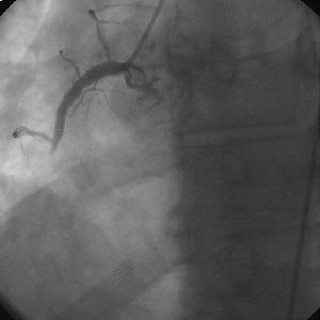
This episode is part of our comprehensive Decipher the Guidelines Series covering the 2025 ACC/AHA/ACEP/NAEMSP/SCAI Guideline for the Management of Patients With Acute Coronary Syndromes. The following question refers to Section 4.3 of the 2025 ACS Guidelines. The question is asked by Thomas Jefferson medical student and CardioNerds Academy Intern Dr. Grace Qiu, answered first by Cleveland Clinic interventional and structural cardiology fellow and member of the CardioNerds Interventional Cardiology Council Dr. Eunice Dugan, and then by expert faculty Dr. Binita Shah. Dr. Binita Shah is an associate professor of medicine, interventional cardiologist, Director for research in Interventional Cardiology, and Director of the Department of Medicine Clinical Investigator Track at NYU. She is also an associate director of interventional cardiology and director of the transcatheter valve program at the VA New York Harbor Healthcare System. She was a member of the 2025 ACS Guidelines writing committee. Question #5 A 64-year-old woman with NSTE-ACS is taken to the cardiac catheterization laboratory. She is P2Y12 inhibitor-naive as she was unable to tolerate oral intake due to severe nausea and vomiting. Coronary angiography reveals a high-grade, thrombotic lesion in the mid-Right Coronary Artery. The interventionalist decides to initiate an intravenous P2Y12 inhibitor before proceeding with PCI. Which of the following is the most appropriate management strategy? A Administer Cangrelor as a 30 mcg/kg IV bolus followed by a 4 mcg/kg/min infusion for at least 2 hours or the duration of PCI, whichever is longer. B Administer Eptifibatide (GP IIb/IIIa inhibitor) as a routine double-bolus followed by an infusion to replace the need for P2Y12 inhibition. C Delay the procedure for 2 hours to allow for the administration and absorption of 600 mg of oral Clopidogrel. D Administer Cangrelor as a 180 mcg/kg bolus followed by a 2 mcg/kg/min infusion for exactly 1 hour. Answer #5 Explanation The correct answer is A. Cangrelor is the only intravenous P2Y12 inhibitor currently available. It is a direct-acting, intravenous antagonist of the P2Y12 receptor characterized by rapid and potent platelet inhibitory effects, with restoration of platelet function occurring within 1 hour of drug discontinuation. It also has a very short half-life (3–6 minutes). Among patients with ACS undergoing PCI who have not received a P2Y12 inhibitor, intravenous cangrelor may be reasonable to reduce periprocedural ischemic events (Class 2B; LOE B-R). Dosing Strategy: Bolus: 30mcg/kg IV bolus administered rapidly (under 1 minute) before PCI begins. Infusion: 4 mcg/kg/min IV infusion. Duration: The infusion must run for at least 2 hours or for the duration of the PCI, whichever is longer. Transition to Oral Therapy: Ticagrelor: 180mg can be given at any time (during or after the infusion). Prasugrel/Clopidogrel: loading dose must be given immediately after the infusion is stopped. Giving these earlier can lead to a drug-drug interaction where the Cangrelor prevents the active metabolite from binding to the receptor. In the CHAMPION PHOENIX trial, cangrelor was studied versus clopidogrel in patients undergoing PCI for acute or stable coronary syndromes. Cangrelor was administered as an intravenous bolus prior to PCI followed by an infusion for at least 2 hours or for the duration of the procedure, whichever was longer. In the control arm, clopidogrel was administered as a 600- or 300-mg loading dose immediately before or after PCI. At 48 hours, the primary endpoint of all- cause death, MI, ischemia-driven revascularization, or stent thrombosis was significantly reduced with cangrelor, with similar effects observed among those presenting with NSTE-ACS or STEMI. Glycoprotein IIb/IIIa receptor inhibitors are parenterally administered drugs that block platelet aggregation by preventing platelet cross-linking via fibrinogen or von Willebrand factor binding to the glycoprotein IIb/IIIa receptor. Routine administration of GP IIb/IIIa inhibitors before PCI is not recommended and is associated with increased bleeding without improving ischemic outcomes. (Class 3 – No Benefit). In current practice, the role of glycoprotein IIb/IIIa receptor inhibitors is largely limited to adjunctive use at the time of PCI in patients with large thrombus burden or as “rescue” or “bailout” therapy in patients with PCI complications such as no-reflow or persistent or recurring thrombus at the lesion. B is incorrect. Routine “upstream” or periprocedural use of GP IIb/IIIa inhibitors (GPI) is Class 3 (No Benefit) for most patients. Large trials (like EARLY-ACS) showed that routine GPI use significantly increases major bleeding without a proportional decrease in ischemic events compared to modern P2Y12 inhibitors. C is incorrect. In patients with NSTE-ACS or STEMI who are already in the lab, delaying the procedure to wait for oral drug absorption is not recommended. D is incorrect. The correct bolus is 30mcg/kg. Cangrelor must be infused for at least 2 hours or the duration of the PCI, whichever is longer. Stopping at 1 hour would leave a “gap” in platelet inhibition before an oral agent can take effect. Because Cangrelor’s half-life is only 3–6 minutes, a premature stop increases the risk of acute stent thrombosis. Main Takeaway Cangrelor may be reasonable among patients with ACS undergoing PCI who have not received a P2Y12 inhibitor to reduce periprocedural ischemic events (Class 2b, LOE B-R). Guideline Loc. Section 4.3.3-4.3.4
This episode is part of our comprehensive Decipher the Guidelines Series covering the 2025 ACC/AHA/ACEP/NAEMSP/SCAI Guideline for the Management of Patients With Acute Coronary Syndromes. The following question refers to Sections 4.3.2 and 4.4 of the 2025 ACS Guidelines. The question is asked by Thomas Jefferson medical student and CardioNerds Academy Intern Dr. Grace Qiu, answered first by University of Miami cardiology fellow and member of the CardioNerds Interventional Cardiology Council Dr. Saahil Jumkhawala, and then by expert faculty Dr. Binita Shah. Dr. Binita Shah is an associate professor of medicine, interventional cardiologist, Director for research in Interventional Cardiology, and Director of the Department of Medicine Clinical Investigator Track at NYU. She is also an associate director of interventional cardiology and director of the transcatheter valve program at the VA New York Harbor Healthcare System. She was a member of the 2025 ACS Guidelines writing committee. Question #4 A 78-year-old man with a history of hypertension and controlled type 2 diabetes presents to a rural emergency department with 90 minutes of persistent, crushing, substernal chest pain. His ECG reveals 3-mm STE in leads V1 through V4. The nearest PCI-capable center is approximately 140 minutes away by ground transport, and air transport is unavailable due to weather. The patient refuses transfer to another facility for the duration of this admission. The clinical team decides to proceed with fibrinolytic therapy using weight-based Tenecteplase (TNK). Which of the following is the most appropriate initial antithrombotic regimen to accompany the fibrinolytic agent? A Clopidogrel 300 mg loading dose; Enoxaparin 30 mg IV bolus followed by 1.0 mg/kg SC every 12 hours. B Clopidogrel 75 mg (no loading dose); Enoxaparin 0.75 mg/kg SC every 12 hours (no IV bolus). C Ticagrelor 180 mg loading dose; Unfractionated heparin (UFH) weight-based IV bolus and infusion. D Prasugrel 10mg (no loading dose); Fondaparinux 2.5 mg IV bolus followed by 2.5 mg SC daily. Answer #4 Explanation (3-8 min to read) The correct answer is B. Clopidogrel is the only P2Y12 inhibitor with a Class 1 recommendation for use alongside fibrinolytic therapy to reduce death and MACE (Class 1, LOE A). Of note, pharmacodynamic variability in response to clopidogrel has been well described, and hyporesponders may be at increased risk of MACE and stent thrombosis when treated with clopidogrel after PCI. Other P2Y12 inhibitors such as ticagrelor and prasugrel are more potent than clopidogrel and achieve more rapid onset of inhibition of platelet activation but with increased risk of bleeding compared with clopidogrel. When administered concurrently with fibrinolytic as the reperfusion strategy, clopidogrel is recommended to be administered with a loading dose (300 mg, then 75 mg daily) for patients 75 years of age, the dosing must be modified: Omit the initial 30 mg IV bolus. Reduce the subcutaneous dose to 0.75 mg/kg (instead of the standard 1.0 mg/kg). The first two SC doses should also be capped at a maximum of 75 mg each. After receiving the fibrinolytic and adjusted antithrombotics, the patient should be transferred to a PCI center to facilitate immediate or early catheterization depending on the clinical circumstances, if this is in-line with the patient's wishes. Hospitals should have transfer protocols in place to allow for a seamless transfer to the PCI-capable facility as soon as it is safe to do so. A detailed assessment of clinical status is critical to determine the timing of angiography. A is incorrect: This is the standard dose for patients under 75 years of age. In a 78-year-old, the IV bolus of Enoxaparin and the Clopidogrel load significantly increase the risk of a fatal brain bleed. B is incorrect: Ticagrelor is not recommended as an adjunct to fibrinolysis in the 2025 ACS guidelines. D is incorrect: While fondaparinux may be used alongside lytic therapy when not planning an invasive strategy, prasugrel does not have a Class 1 recommendation for use with fibrinolytic therapy. Main Takeaway – Clopidogrel is the only P2Y12 inhibitor with a Class 1 recommendation for use alongside fibrinolytic therapy Guideline Loc. Sections 4.3.2 and 4.4 Table 10
This episode is part of our comprehensive Decipher the Guidelines Series covering the 2025 ACC/AHA/ACEP/NAEMSP/SCAI Guideline for the Management of Patients With Acute Coronary Syndromes. The following question refers to Section 3.2 of the 2025 ACS Guidelines. The question is asked by Thomas Jefferson medical student and CardioNerds Academy Intern Dr. Grace Qiu, answered first by Cleveland Clinic interventional and structural cardiology fellow and member of the CardioNerds Interventional Cardiology Council Dr. Eunice Dugan, and then by expert faculty Dr. Binita Shah. Dr. Binita Shah is an associate professor of medicine, interventional cardiologist, Director for research in Interventional Cardiology, and Director of the Department of Medicine Clinical Investigator Track at NYU. She is also an associate director of interventional cardiology and director of the transcatheter valve program at the VA New York Harbor Healthcare System. She was a member of the 2025 ACS Guidelines writing committee. Question #3 A 55-year-old woman is brought to the Emergency Department after an out-of-hospital cardiac arrest. She had a witnessed collapse with an initial shockable rhythm. Return of Spontaneous Circulation (ROSC) was achieved after 15 minutes of Advanced Cardiac Life Support (ACLS). Her post-resuscitation ECG shows diffuse ST-segment depression but no ST-segment elevation. She remains comatose. Which of the following is the most appropriate next step in her management regarding coronary angiography? A Immediate emergency coronary angiography (within 2 hours) should be performed. B Routine emergency coronary angiography is not recommended in the absence of ST-segment elevation or hemodynamic instability. C Coronary angiography should be delayed for at least 72 hours to allow for neurological recovery. D Fibrinolytic therapy should be administered immediately if the patient cannot reach a cath lab within 90 minutes. Answer #3 Explanation The correct answer is B. In resuscitated patients who are comatose after cardiac arrest, electrically and hemodynamically stable, and without evidence of STEMI, immediate angiography is not recommended due to lack of benefit (Class 3: No Benefit; LOE A) Patients who have been resuscitated after cardiac arrest and are noncomatose or who are comatose with favorable prognostic features and with evidence of STEMI, should undergo PPCI to improve survival. (Class 1; LOE B-NR). For patients such as this one, a delayed or selective approach should be taken once the patient is stabilized. Early angiography should not be denied solely based on a comatose state, but it should be deferred if there are clear non-cardiac causes for the arrest or if the patient’s overall prognosis is futile. A is incorrect because recent evidence shows no benefit to “emergency” PPCI for stable patients without ST-elevation. C is incorrect because while we wait for stability, we don’t necessarily have a fixed 72-hour “mandatory” delay for the heart if ischemia is suspected. D is incorrect, as fibrinolysis is generally not indicated for post-arrest patients without clear STEMI and carries risks in a post-CPR setting due to potential trauma. The MIRACLE2 Score is a tool for neuroprognostication. It helps clinicians estimate the likelihood of a poor neurological outcome at 6 months. A high score suggests that the benefit of an invasive procedure may be outweighed by the severity of the brain injury. Components of MIRACLE2: M – Missed (unwitnessed) arrest I – Initial non-shockable rhythm R – Reactive pupils at ROSC A – Age (points increase significantly at >60 and >80) C – Rhythm change (e.g., VF to PEA) L – Low pH (pH < 7.20) E – Epinephrine (any dose given) Clinical Threshold: A score of >5 indicates a high risk of poor neurological recovery, which may lead a Heart Team to favor stabilization over immediate emergency angiography in patients without ST-elevation. Early recognition of STEMI in resuscitated patients and direct transfer to a PCI-capable center is associated with improved survival. Survival-to-hospital discharge in the patient who is comatose with out-of-hospital cardiac arrest is
In this insightful episode of Parallax, Dr Ankur Kalra welcomes Dr Robert Riley, Director of Interventional Cardiology at Overlake Medical Center in Bellevue, Washington, for a masterclass on the contemporary management of complex PCI. Drawing on more than a decade of experience, Dr Riley explores how the field has evolved beyond technical success alone, with greater emphasis on patient selection, shared decision-making and aligning procedural goals with individual patient outcomes. The conversation takes a deep dive into the assessment and treatment of calcified coronary lesions, with a particular focus on the challenge of nodular calcium. Dr Riley shares his practical approach to intravascular imaging, lesion preparation and plaque modification, discussing when to utilise atherectomy, intravascular lithotripsy (IVL) and OPN balloons. He also highlights his growing use of drug-coated balloons in de novo lesions and provides insights into tailoring DAPT duration based on individual patient risk. For interventional cardiologists seeking actionable strategies to optimise outcomes in complex PCI, this episode offers invaluable clinical pearls from an experienced operator. How should operators approach heavily calcified lesions? When is atherectomy necessary, and where does IVL fit into modern practice? What role will drug-coated balloons play in the future of complex PCI? Questions and comments can be sent to "podcast@radcliffe-group.com" and may be answered by Ankur in the next episode. Host: @AnkurKalraMD and produced by: @RadcliffeCardio Parallax is Ranked in the Top 100 Health Science Podcasts by Million Podcasts.

Adham Karim, MD, SBL Interventional Cardiologist talks about how issues such as blockages in the heart, DVT's, varicose veins and pulmonary embolisms are treated with medications and minimally invasive procedures.Send us Fan MailSupport the showSarah Bush Lincoln is a 150-bed, not-for-profit, regional health system located in East Central Illinois. Follow us on: Faceboook InstagramLinkedIn

Erectile dysfunction is usually thought of as a sexual-health issue. But could it also offer an early clue about an upcoming heart attack? In this episode of Live Well with Michelle, Michelle Martin speaks with Dr Pinakin V Parekh, Founder and Medical Director of Trident Heart Centre and Senior Consultant in Preventive, General and Interventional Cardiology, about the important connection between erectile dysfunction and cardiovascular health.See omnystudio.com/listener for privacy information.

Dr. Ojha specializes in the diagnosis and treatment of cardiovascular disease. He'll join us to to answer your questions. Ray Graf hosts.

What does an interventional cardiologist do, and how have advances in heart care changed the way cardiovascular disease is treated? In this episode of Better Health Now, Dr. Stephen Bakir, interventional cardiologist at Cullman Regional Heart & Vascular Clinic, a partnership with Cullman Regional and Orlando Baptist Cardiovascular Associates, discusses treatment options ranging from medications and lifestyle modifications to minimally invasive procedures. Learn how today's advances in interventional cardiology are helping many patients avoid more invasive procedures while achieving better outcomes.
In Part 2, Salvatore Brugaletta discusses the rise, challenges, and future potential of bioresorbable vascular scaffolds. Learn how advances in material science are improving device performance, which patients may benefit most, and what emerging technologies could redefine coronary intervention. Timestamps: 0:52 – Bioresorbable scaffold enthusiasm 3:16 – Which patients will benefit? 4:40 – Material Science Advancements 5:48 – Device Innovations 7:02 – Translational Hurdles
In the final episode, Salvatore Brugaletta explores the future of percutaneous coronary intervention, including AI-assisted decision-making, personalised device selection, and next-generation coronary therapies. Discover how innovation could further improve outcomes for patients with coronary artery disease. Timestamps: 0:50 – 10 years from now 2:17 – AI 3:47 – Personalised medicine 5:34 – Breakthroughs 7:02 – Salvatore's vision
The following question refers to Section 7.1 of the 2025 ACS Guidelines. The question is asked by Thomas Jefferson medical student and CardioNerds Academy Intern Dr. Grace Qiu, answered first by University of Michigan fellow and CardioNerds FIT Ambassador Dr. Kayla Secrest, and then by expert faculty Dr. Sunil Rao. Dr. Rao is an interventional cardiologist, Professor of Medicine at NYU Grossman School of Medicine, Deputy Director of the Leon H. Charney Division of Cardiology, and the Director of Interventional Cardiology for the NYU Langone Health System. He is the Editor-in-Chief for Circulation Cardiovascular Interventions and was the Chair of the Writing Committee for the 2025 ACS Guidelines. This episode is part of our comprehensive Decipher the Guidelines Series covering the 2025 ACC/AHA/ACEP/NAEMSP/SCAI Guideline for the Management of Patients With Acute Coronary Syndromes. Question #1 A 68-year-old man with a history of hypertension, hyperlipidemia, stage III chronic kidney disease, and prior tobacco use presents to a local emergency department with reports of chest pain while raking leaves at home. Upon arrival, he is hemodynamically stable with a heart rate of 86 beats per minute and a blood pressure of 133/85 mmHg. His EKG reveals ST elevations in the septal and anterior leads (V1-V4). He is given 324mg of aspirin and is promptly evaluated by the interventional cardiology team, who elects to take him emergently to the catheterization lab. Upon arrival to the catheterization lab, the nurse asks the interventional fellow which access sites they should prep for this case? How should the interventional fellow respond? A Right radial artery only B Radial + bilateral femoral C Bilateral femoral only Answer #1 Explanation The correct answer is B. Radial and bilateral femoral Radial artery access is the preferred vascular access site for coronary angiography and PCI in patients with ACS. Transradial access has been shown to reduce mortality, bleeding, and vascular complications compared with transfemoral access (Class I, LOE A). Radial access also allows earlier ambulation and is associated with greater patient comfort. Although the right radial artery is the most widely studied upper-extremity access site, alternative sites such as the ulnar and distal radial arteries have demonstrated similar outcomes. However, the radial artery may be required as a bypass conduit for CABG. In institutions where the radial artery is routinely used for surgical grafting, this potential future use should be considered when selecting vascular access. In addition, transfemoral access—preferably performed with ultrasound guidance—should be considered in patients in whom temporary mechanical circulatory support (MCS) is anticipated or in those for whom radial access is not feasible due to anatomical or technical constraints. Prepping bilateral groins in addition to the radial artery provides a backup strategy for urgent MCS placement or for transition to femoral access should radial access fail. For these reasons, prepping both the radial artery and bilateral groins is the most appropriate response. Radial-only preparation is incorrect because, although radial access is preferred, patients with STEMI may still require emergent MCS or alternative access if the radial artery is unsuitable. Preparing only the wrist without backup femoral access may delay care should hemodynamic instability occur. Femoral-only preparation is incorrect because transradial access provides superior outcomes in ACS, including significant reductions in all-cause mortality, major bleeding, and vascular complications. RCTs and meta-analyses, including MATRIX (which showed lower MACE and net adverse clinical events with radial access) and SAFARI-STEMI (which showed no difference in mortality but was underpowered)—support radial as first-line access when feasible. Main Takeaway For patients with ACS undergoing PCI, radial access is strongly preferred to reduce mortality, bleeding, and vascular complications. Guideline Loc. Section 7.1

In this episode, Curtiss T. Stinis, MD, FACC, FSCAI, Clinical Professor of Medicine, Director of Peripheral Interventions, Interventional Cardiology, Scripps Clinic, joins the Becker's Healthcare Podcast to discuss the latest TAVR durability data, key differences between leading valve platforms, and what health system leaders need to understand about lifetime valve management.This episode is sponsored by Edwards Lifesciences.
We welcome Dr. Jonathan Sevilla Cazes, an interventional cardiologist with Nuvance Health, part of Northwell Health. He sees patients at The Heart Center in Poughkeepsie. Ray Graf hosts.

In this episode of the ESVS Podcast, supported by Servier, we explore the importance of therapy adherence in chronic venous disease (CVD). The episode opens with short patient testimonies, highlighting real-world reasons for non-adherence.To explore this further, we are joined by Professor Denisa Celovska and Professor Atul Pathak. Professor Celovska is an Associate Professor of Angiology and Internal Medicine at the University Hospital and Comenius University in Bratislava, Slovakia. She is currently the President of the Slovak Angiology Society. Professor Pathak is the Head of the National Institute of Cardiology, Cardiac Surgery and Interventional Cardiology in Luxembourg.In this episode, they share their clinical perspective on why patients frequently disengage from treatment, the most common barriers to adherence in daily practice, and practical strategies to improve long-term treatment persistence.The episode also includes insights from a community pharmacist, offering a complementary view on what happens between prescription and real-life use, particularly regarding venoactive drugs. We conclude by emphasising that effective CVD management extends beyond prescribing treatment. Patient education, shared decision-making, follow-up, and human connection are essential to improve adherence and long-term outcomes in CVD.References:Kim H, Cho S, Lee K, Lee SH, Joh JH. A nationwide study of compliance of venoactive drugs in chronic venous disease patients. Ann Surg Treat Res. 2023 May;104(5):288-295. doi: 10.4174/astr.2023.104.5.288. Epub 2023 Apr 28. PMID: 37179697; PMCID: PMC10172027.Burnier M. The role of adherence in patients with chronic diseases. Eur J Intern Med. 2024 Jan;119:1-5. doi: 10.1016/j.ejim.2023.07.008. Epub 2023 Jul 20. PMID: 37479633.Mezalek ZT, Feodor T, Chernukha L, Chen Z, Rueda A, Sánchez IE, Ochoa AJG, Chirol J, Blanc-Guillemaud V, Lohier-Durel C, Ulloa JH. VEIN STEP: A Prospective, Observational, International Study to Assess Effectiveness of Conservative Treatments in Chronic Venous Disease. Adv Ther. 2023 Nov;40(11):5016-5036. doi: 10.1007/s12325-023-02643-6. Epub 2023 Sep 20. Erratum in: Adv Ther. 2024 Jan;41(1):464-465. doi: 10.1007/s12325-023-02722-8. Erratum in: Adv Ther. 2024 Jun;41(6):2540-2541. doi: 10.1007/s12325-024-02857-2. PMID: 37728696; PMCID: PMC10567827.Bogachev, V., Arribas, J.M.J., Baila, S. et al. Management and evaluation of treatment adherence and effectiveness in chronic venous disorders: results of the international study VEIN Act Program. Drugs Ther Perspect 35, 396–404 (2019). https://doi.org/10.1007/s40267-019-00637-5Golna C, Poimenidou C, Giannoukari EE, Saridi M, Liberopoulos E, Souliotis K. Assessing a pharmacist-enabled intervention to improve adherence to medication for hypertension, dyslipidemia, and chronic venous circulation disorders in Greece. Patient Prefer Adherence. 2023;17:3341–3352. doi:10.2147/PPA.S4208116. Branisteanu DE, Munteanu AE, Dolofan BM, Popescu EG, Vittos O. Adherence to pharmacological treatment in chronic venous disease: results of a real-world, prospective, observational cohort study. Life (Basel). 2025;15(3):377. doi:10.3390/life15030377.7. Ulloa JH, Guerra D, Cadavid LG, Fajardo D, Villarreal R, Bayona G, Hoyos AS, Garcia G. Nonoperative approach for symptomatic patients with chronic venous disease: results from the VEIN Act program. Phlebolymphology. 2018;25(2):123Servier is a financial sponsor of this podcast, which has been independently developed by the presenters and does not constitute medical advice from Servier. Always consult the Instructions for Use (IFU) prior to using any medical device.

For patient referrals: call 602-521-3090What if one of the most overlooked heart valve conditions finally had a minimally invasive solution? In this episode of Beyond the Rounds, we explore tricuspid valve disease — often underdiagnosed and undertreated — and the emerging transcatheter therapies that are transforming care. Dr. Nolan Fisher sits down with interventional cardiologist Dr. Paul Sorajja to discuss how innovations like the TriClip procedure are improving quality of life for patients who previously had limited or high-risk treatment options.Often referred to as the “forgotten valve,” the tricuspid valve can quietly lead to significant symptoms, including fatigue, edema and organ dysfunction. With advances in catheter-based repair techniques, clinicians now have new tools to treat tricuspid regurgitation without open-heart surgery — offering meaningful symptom relief with low procedural risk.This episode explores how these therapies work, which patients may benefit, and how evolving data is shaping the future of valvular heart disease treatment.This episode is designed for physicians, advanced practice providers and clinicians seeking a practical understanding of transcatheter valve therapies and the management of tricuspid disease.What We Cover• Why tricuspid valve disease is frequently missed or undertreated• The difference between valve repair vs. replacement• How transcatheter therapies (like TriClip) work• Patient selection and when intervention is appropriate• The role of imaging and echocardiography in diagnosis• Understanding symptoms of tricuspid regurgitation• Cardiorenal syndrome and systemic effects of valve disease• Clinical trial insights, including the TRILUMINATE study• Why quality-of-life improvements matter — even without mortality benefit• The importance of a multidisciplinary “heart team” approachKey Topics for CliniciansTricuspid regurgitation (TR)Valvular heart diseaseStructural heart interventionsTranscatheter valve repairTriClip procedureCardiorenal syndromeRight-sided heart failureEchocardiography in valve diseaseInterventional cardiology innovationMultidisciplinary heart team careAbout Our GuestDr. Paul Sorajja is an interventional cardiologist and Director of Interventional Cardiology at Banner - University Medicine Heart Institute. He is a nationally recognized leader in structural heart disease and has been at the forefront of developing transcatheter valve therapies, including early work in tricuspid valve repair. Dr. Sorajja trained at Mayo Clinic, where he spent two decades advancing minimally invasive cardiovascular treatments and leading clinical research.He sees patients at:Banner - University Medicine Heart Institute755 East McDowell Road, Floor 4Phoenix, AZ 85006Banner Health Center plus at Arcadia4200 East Camelback Road, Suite 202Phoenix, AZ 85018Phone: 602-521-3090Fax: 602-521-3661How to Refer a PatientBanner Health providers: Use Cerner's Ambulatory Referral Management (ARM) tool.Community providers:Fax referrals to 602-521-3661 or call 602-521-3090 to schedule a patient for evaluation.DisclaimerThis podcast is intended for educational purposes only and is designed for a clinical audience. Any patient scenarios discussed are modified and de-identified to protect privacy. No protected health information (PHI) is disclosed. The information presented should not replace independent medical judgment or individualized patient care decisions.Subscribe to Beyond the Rounds for physician-focused conversations on clinical innovation, specialty collaboration and evolving standards of care.

This week on The Beat, CTSNet Editor-in-Chief Joel Dunning spoke with Dr. John Forrest, a cardiologist and Director of both Interventional Cardiology and the Structural Heart Disease Program at Yale Medicine, New Haven, CT, USA, about a paper he authored titled “Six-Year Outcomes After Transcatheter vs Surgical Aortic Valve Replacement in Low-Risk Patients With Aortic Stenosis,” published by the Journal of the American College of Cardiology. Chapters 00:00 Intro 02:38 TAVR vs SAVR Context 03:54 CDC WONDER Data, TAVR SAVR 05:37 JANS 1, TAVR vs SAVR 5-Year Outcomes 07:31 JANS 2, Temporary MCS Devices Landscape 09:17 JANS 3, Pulm Resection Post-CABG 10:23 JANS 4, PRE-HIIT Randomized Trial 12:36 Career Center 13:10 Video 1, Redo MVR After VIV TAVR 15:37 Video 2, Repair After Acute Intramural Hematoma 18:01 Video 3, Acute Severe MR Repair 19:36 Dr. Forrest, 6-Year TAVR vs SAVR 44:49 Upcoming Events 45:33 The Lifeline Podcast They explored other randomized trials involving high-risk and intermediate-risk patients with aortic stenosis and examined the specific goals of this low-risk trial. The discussion then delved into the trial's results, highlighting that there was no significant difference in the composite endpoint of all-cause mortality or disabling stroke. However, a noteworthy finding was that the transcatheter aortic valve replacement (TAVR) arm experienced a higher reintervention rate compared to surgery, primarily due to an increased incidence of aortic regurgitation. They also addressed factors such as valve dilation, stents, and various reasons for surgical valve failure. Additionally, they examined the similarities between this trial and other partner trials and the future for low-risk patients with aortic stenosis. Joel also highlights recent JANS articles on the updated five-year outcomes of transcatheter versus surgical aortic valve replacement in patients with severe aortic stenosis at low- to intermediate-surgical risk, a United States nationwide analysis on the changing landscape of temporary mechanical circulatory support devices in the new heart allocation system, pulmonary resection post-coronary artery bypass grafting, and a randomized controlled trial on the preoperative exercise to improve fitness in patients undergoing complex surgery for cancer of the lung or esophagus (PRE-HIIT). In addition, Joel explores redo mitral valve replacement after previous valve-in-valve mitral TAVR, aortic repair after acute intramural hematoma, and repair of acute severe mitral regurgitation due to iatrogenic papillary muscle rupture. Before closing, Joel highlights upcoming events in CT surgery. JANS Items Mentioned 1.) Updated 5-Year Outcomes of Transcatheter Versus Surgical Aortic Valve Replacement in Patients With Severe Aortic Stenosis at Low- to Intermediate-Surgical Risk 2.) The Changing Landscape of Temporary Mechanical Circulatory Support Devices in the New Heart Allocation System—A United States Nationwide Analysis 3.) Pulmonary Resection Post-Coronary Artery Bypass Grafting: Feasible, but Right-Sided Procedures Demand Caution 4.) Preoperative Exercise to Improve Fitness in Patients Undergoing Complex Surgery for Cancer of the Lung or Esophagus (PRE-HIIT): A Randomized Controlled Trial CTSNet Content Mentioned 1.) Redo Mitral Valve Replacement After Previous Valve-in-Valve Mitral TAVR 2.) Aortic Repair After Acute Intramural Hematoma 3.) Repair of Acute Severe Mitral Regurgitation Due to Iatrogenic Papillary Muscle Rupture Other Items Mentioned 1.) Six-Year Outcomes After Transcatheter vs Surgical Aortic Valve Replacement in Low-Risk Patients With Aortic Stenosis 2.) The Lifeline: End-Tidal Carbon Dioxide Monitoring in Cardiac Surgical Emergencies 3.) Instructional Video Competition 4.) Career Center 5.) CTSNet Events Calendar Disclaimer The information and views presented on CTSNet.org represent the views of the authors and contributors of the material and not of CTSNet. Please review our full disclaimer page here.

Two cardiac specialists—one who performs open-heart surgery, the other who places stents in blocked arteries—sit down for an honest conversation about what they see on the operating table and in the cath lab. Dr. Philip Ovadia and Dr. Arasi Maran treat patients at the end stage of heart disease, often when it's too late for interventions to make a meaningful difference. Both physicians share the same conclusion: you don't need a cardiologist or surgeon if you understand what real food looks like and take responsibility for your health before disease sets in.Dr. Arasi Maran Contact InfoLinkedIn: https://www.linkedin.com/in/drarasi-maran/website: https://DrArasiMaran.comInstagram @docarasimaran Podcast: Reboot with Dr. Arasi MaranSend Dr. Ovadia a Text Message. (If you want a response, you must include your contact information.) Dr. Ovadia cannot respond here. To contact his team, please send an email to team@ifixhearts.com Pre-Order Stay Off My Kitchen Table at Amazon. Like what you hear? Head over to IFixHearts.com/book to grab a copy of my book, Stay Off My Operating Table. Ready to go deeper? Talk to someone from my team at IFixHearts.com/talk.Stay Off My Operating Table on X: Dr. Ovadia: @iFixHearts Jack Heald: @JackHeald5 Learn more: Stay Off My Operating Table on Amazon Take Dr. Ovadia's metabolic health quiz: iFixHearts Dr. Ovadia's website: Ovadia Heart Health Jack Heald's website: CultYourBrand.com Theme Song : Rage AgainstWritten & Performed by Logan Gritton & Colin Gailey(c) 2016 Mercury Retro RecordingsAny use of this intellectual property for text and data mining or computational analysis including as training material for artificial intelligence systems is strictly prohibited without express written consent from Dr. Philip Ovadia.

Is your medical sales interview strategy falling flat?In this episode of Medical Sales U, I sit down with Nate Yohe, a Regional Sales Director at Boston Scientific with over 20 years of experience in Interventional Cardiology. Nate pulls back the curtain on what hiring managers are actually looking for when they ask about your 5-year plan and how to demonstrate "grit" without sounding rehearsed.Whether you are a nurse looking to transition into a Clinical Specialist role, an associate rep aiming for a Territory Manager position, or an experienced sales pro considering leadership, this deep dive into the culture of one of healthcare's most innovative companies is a must-watch.What You'll Learn: * The "Intangible" Factor: Why integrity, motor, and grit beat a perfect resume every time. * The 5-Year Plan Trap: How to answer the "Where do you see yourself?" question to show you're a high-performer. * Clinical vs. Associate Roles: Breaking down the career paths for nurses, teachers, and sales reps. * Leadership Habits: Nate's 4:45 AM routine and how he manages a multi-state team of 13. * The Future of Interventional Cardiology: Why innovation in minimally invasive procedures is exploding.Timestamps:0:00 – Introduction: Meet Nate Yohe (Boston Scientific)1:41 – The Structure of a High-Performing Sales Team3:24 – Why Great Leaders Want You to Outgrow Your Role4:36 – Interview Secrets: Testing for Integrity and Grit8:53 – Dealing with Adversity: The STAR Response11:42 – Why "The Feel" of an Interview Matters12:51 – Career Paths: From Nursing and Law to MedTech15:47 – Leadership Habits: Productivity and 4:45 AM Wake-Ups19:45 – Should You Move into Management? The "Why" Test22:52 – Innovation in Interventional Cardiology25:04 – Nate's #1 Advice for Breaking into Medical Sales Resources & Links:Connect with Nate Yohe on LinkedIn: https://www.linkedin.com/in/nate-yohe-429b671 READY TO BREAK INTO MEDICAL SALES? We help professionals transition into top-tier medical sales roles: medicalsalesu.com/#MedicalSales #BostonScientific #InterventionalCardiology #SalesInterview #CareerGrowth #MedicalDeviceSales #HiringInsights #SalesLeadership

Many of us know about someone who seemed perfectly healthy, and then one day, without warning, they had a cardiac event. No symptoms on the surface, and no sign their heart was struggling behind the scenes. We've been taught to think of sudden cardiac death as something random and unstoppable: a tragic event with no warning and no chance of prevention. But the truth is: up to 63% of sudden cardiac deaths could be avoided with simple, consistent lifestyle choices. Not pills or high-tech devices, just the way we live every day. That's the message buried inside the latest data that most people, including doctors, aren't talking about. Better cardiorespiratory fitness can outweigh the risk posed by obesity. A handful of nuts and a walk might protect you more than a statin ever could. Even your attitude, your sense of connection, your stress response, and your sleep can shift the odds in your favor. Yet most people still believe sudden cardiac events are just "bad luck" or genetics. They don't realize how much control they actually have. And when lifestyle is this powerful, the real question isn't "What's my risk?" It's "What can I do today to lower it?" In this episode, I'm joined by Dr. Ronney Shantouf, a preventive cardiologist who bridges both sides of medicine: procedures that save lives in the moment, and lifestyle changes that prevent the crisis from ever happening. We get into what actually lowers the risk of sudden cardiac death, and what most people get wrong about it. Things You'll Learn In This Episode Lifestyle can beat the odds Up to 40–63% of sudden cardiac deaths are preventable through behavior, not medication. So if genetics isn't destiny, what daily choices create the biggest impact? Not all exercise is equal Consistent, moderate activity dramatically lowers SCD risk. But sudden bursts of vigorous exercise? They can temporarily increase it. How do you train smarter, not just harder? Food isn't fuel, it's a signal Whether you're low-carb, plant-forward, or Mediterranean, one pattern wins: real, minimally processed food. What are the dietary patterns that protect your heart, and the ones that quietly push risk higher? Stress and sleep don't just affect heart health; they can trigger it Emotional stress can provoke dangerous spasms and arrhythmias. Poor sleep creates inflammatory conditions the heart can't hide from. How can we stop treating stress and sleep as "soft" lifestyle advice and see them as medical priorities? About our Guest Dr. Ronney Shantouf, MD, is a Staff Physician at the Heart, Vascular & Thoracic Institute at Cleveland Clinic Abu Dhabi, where he serves in multiple leadership roles, including Director of the Cardiac Catheterization Lab, co-Director of the Complex Coronary Program, and co-Director of the Invasive Coronary Spasm and Microvascular Dysfunction Program. In addition to performing advanced interventional procedures, he oversees the Cardiac Wellness Program and specializes in cardiac prevention and advanced lipid management. Before joining Cleveland Clinic Abu Dhabi, Dr. Shantouf was a Health Sciences Assistant Clinical Professor of Medicine at the David Geffen School of Medicine at UCLA. There, he served as Director of the Cardiac Catheterization Lab at Olive View-UCLA Medical Center and chaired the Cardiology Education Course for the Internal Medicine Residency Program. Dr. Shantouf is triple-board certified in Internal Medicine, General Cardiology, and Interventional Cardiology. He earned his Bachelor of Science in Neuroscience and his Medical Degree from UCLA, graduating summa cum laude. He completed his Internal Medicine training at UCLA Medical Center, followed by a General Cardiology fellowship at Harbor-UCLA and an Interventional Cardiology fellowship at USC. Connect with Dr. Shantouf on LinkedIn. Life's Essential 8: https://www.heart.org/en/healthy-living/healthy-lifestyle/lifes-essential-8. About Your Host Hosted by Dr. Deepa Grandon, MD, MBA, a triple board-certified physician with over 23 years of experience working as a Physician Consultant for influential organizations worldwide. Dr. Grandon is the founder of Transformational Life Consulting (TLC) and an outspoken faith-based leader in evidence-based lifestyle medicine. Check out this episode on our website, Apple Podcasts, or Spotify, and don't forget to leave a review if you like what you heard. Your review feeds the algorithm so our show reaches more people. Thank you! Disclaimer TLC is presenting this podcast as a form of information sharing only. It is not medical advice or intended to replace the judgment of a licensed physician. TLC is not responsible for any claims related to procedures, professionals, products, or methods discussed in the podcast, and it does not approve or endorse any products, professionals, services, or methods that might be referenced.

Send us a textIn this episode of our podcast DocTalk, host Debra Schindler sits down with MedStar Health interventional cardiologist Dr. John Wang, director of the Cardiac Catheterization Labs at MedStar Union Memorial Hospital and MedStar Franklin Square Medical Center in Baltimore, to explore how cardiac catheterizations have evolved, and why the transradial approach (through the wrist) is transforming catheterization procedures.Traditionally performed through the femoral artery in the groin, cardiac caths are increasingly going in through the wrist, offering: · Faster recovery Fewer complications Greater patient comfort Same-day discharge for many patientsDr. Wang explains:What symptoms may lead to a cardiac cathWhen the procedure is performed in emergencies (like heart attacks) vs. scheduled careWhy national cardiology guidelines recommend the transradial approachWhat patients should ask their doctors before undergoing the procedureIf you or a loved one may need a heart cath, this episode will help you understand your options, and why the accessing the heart through the wrist is a better approach.Learn more about interventional cardiology at MedStarHealth.org/MHVI To comment on this podcast, or suggest a topic for another episode send us an email: DocTalk@medstar.netFor more episodes of MedStar Health DocTalk, go to medstarhealth.org/doctalk.
Heart disease is the number one cause of death in the United States. Leading cardiologist, Dr. Joel Kahn, talks about how to reduce your risk of heart disease by changing your lifestyle. Eating a majority plant-based diet, stopping smoking, and getting enough sleep are key factors in heart health. Best Supplements for Optimal Heart Health Vitamin D CoQ10 Magnesium Melatonin Berberine About Dr. Joel Kahn Dr. Joel Kahn is a practicing cardiologist in Detroit, Michigan, and a Clinical Professor of Medicine at Wayne State University School of Medicine. He graduated Summa Cum Laude from the University of Michigan Medical School. Known as "America's Healthy Heart Doc", Dr. Kahn has triple board certifications in Internal Medicine, Cardiovascular Medicine, and Interventional Cardiology. He was the first physician in the world to certify in Metabolic Cardiology with A4M/MMI and the University of South Florida. He founded the Kahn Center for Cardiac Longevity in Bingham Farms, MI. In This Episode How serious heart disease is [4:00] How to prevent heart disease [5:30] How we should be eating for heart disease prevention [8:30] Why we should reduce our consumption of animal products [10:30] What nutrient deficiencies someone on a plant-based diet might have [19:30] The top nutrients for optimal heart health [21:30] Sources of cholesterol on a plant-based diet [29:00] What percentage of your diet should be plant-based [30:00] What blood tests indicate heart disease [36:00] Links & Resources Use code OMEGA3S to get 10% off OMEGA3S Use code COQ10 to get 10% off COQ10 Use CODE BERGAMOT to get 10% off Citrus Bergamot Find Dr. Joel Kahn Online Find the Kahn Center for Cardiac Longevity Online Follow Dr. Joel Kahn on Instagram | Facebook | Twitter | YouTube Find Your Longevity Blueprint Online Follow Your Longevity Blueprint on Instagram | Facebook | Twitter | YouTube | LinkedIn Get your copy of the Your Longevity Blueprint book and claim your bonuses here Find Dr. Stephanie Gray and Your Longevity Blueprint online Follow Dr. Stephanie Gray on Facebook | Instagram | Youtube | Twitter | LinkedIn Integrative Health and Hormone Clinic Podcast production by Team Podcast Related Episodes Episode 69: Pluck Seasoning With James Barry Episode 67: A Different Kind Of Healing With Dr. Shiroko Sokitch Episode 11: Intermittent Fasting Truths With Cynthia Thurlow
This year is the 50th anniversary of the first transcatheter ASD closure in a human. To celebrate this achievement, this week we air a live interview from PICS 2025 in Chicago (conducted 8/26/25) with living interventional cardiology legend Dr. Terry King speaking about the events surrounding his landmark intervention as the first person to ever perform a transcatheter ASD closure with his partner, surgeon Dr. Noel Mills. In this one on one interview, Dr. King discusses how he came up with this idea with Dr. Mills and how he found a patient in which to proceed. He reviews what 'informed consent' was in 1975 and also how he and Dr. Mills accurately estimated ASD size in an era that preceded 2D echocardiography. Dr. King speaks about the role of family in his life and offers advice to the next generation. Finally, he shares with us what he is up to today and why he does not believe in retirement. Prepare to be excited and inspired by this wonderful figure in our field.

Message our hosts, Kieran and Jose.Season 3 of The Animal Heartbeat is all about the Veterinary Cardiology Icons - those who walk among us as legends of the veterinary cardiology world.This fifth edition of the Icons series features Mike Martin, RCVS Diplomate in Veterinary Cardiology who founded the first private cardiology specialist practice in the UK and pioneered cardiac interventions in Europe. Mike learned from human paediatric cardiologists and refined the skillset of his team to become a world-leader in canine cardiac minimally invasive surgery.Over recent years, Mike has developed a strategy for the training of interventional procedures in the UK and abroad, and has developed a particular interest in clinical audit techniques to improve patient safety.Join our hosts, Jose and Kieran, as they discuss Mike's experience of how best to develop a new interventional centre, and why we should be using a centralised audit process to help improve patient safety in cardiac surgery.

Today's guest is Dr. Sanjay Bhojraj, a powerful voice at the crossroads of advanced interventional cardiology and root-cause wellness. Dr. Bhojraj is board-certified in Cardiovascular Diseases and Interventional Cardiology, and one of only a small number of interventional cardiologists in the United States who is also certified in Functional Medicine through the Institute for Functional Medicine. Dr. Bhojraj earned his medical degree from Indiana University School of Medicine, trained in internal medicine at Northwestern, and completed a cardiology fellowship at the renowned Henry Ford Health System. For over two decades, he practiced in conventional cardiology, saving lives daily with stents, angioplasties, and transcatheter valve replacements. But along the way, something essential began to stir. He found himself asking bigger questions: Why do people arrive in the cath lab in the first place? Why are we not doing more to prevent the first or second heart event? And what role do nutrition, sleep, stress, and emotional health truly play in long-term cardiovascular outcomes? These questions led Dr. Bhojraj to Functional Medicine, not as an alternative, but as an evolution, a model that restores agency to patients and equips the body to heal through comprehensive lifestyle optimization. He now leads the Well12 Program, a transformational experience that guides individuals in upgrading the foundational systems of their health from metabolism to mindset, so they can live not just longer, but better. Today, Dr. Bhojraj and I explore the remarkable protein Klotho and the emerging science linking it to human longevity and health span. This is a conversation you won't want to miss, a glimpse into what may become a defining frontier in upstream disease prevention. Enjoy, Dr. M
Focus Issue on Interventional Cardiology and Cardiac and Vascular Surgery

Dr Mohamed Hasham Consultant Interventional Cardiology Aga Khan University Hospital on #DriveInn with Chiko and Fellaris by Capital FM
Professor Ziyad Hijazi of SIdra Medical joins Pediheart this week to celebrate Pediheart's 350th milestone and discuss his life and times from his early days in Jordan to the absolute heights of interventional cardiology. How did he meet Dr. Kurt Amplatz and become involved in the development of Amplatzer devices? Who were some of his mentors and what does he think about being a mentor? How did he come up with the idea for the PICS interventional course and how has he managed to do this consistently for over 20 years? What does he believe is important when thinking about a work/life balance? This is a rare opportunity to learn from someone who has seen and done it all in every corner of the world in pediatric cardiology. For those interested, this is the link to the PICS course in late August, 2025 in Chicago:https://www.picsymposium.com/home.html

Send us a textIn this episode of the VCA Voice Podcast, Dr. Justin Allen and Dr. Maureen Mueller discuss their journeys in veterinary medicine, the common cardiac conditions they encounter, and the innovative interventional cardiology procedures they offer at VCA West Los Angeles Animal Hospital. They emphasize the importance of teamwork, the role of veterinary technicians, and the advancements in treating mitral valve disease. Their conversation with Dr. Kerl also highlights the significance of training the next generation of specialists and the need for continuous learning in the field. Dr. Mueller received her Doctorate of Veterinary Medicine from Purdue University in 1997. This was followed by a one year rotating internship at Washington State University, School of Veterinary Medicine. She then completed her surgical residency in 2001 at the Animal Medical Center, New York, and was awarded her Diplomate status in 2002. Dr. Mueller performs both soft tissue and orthopedic surgeries. She has a strong interest in Surgical Oncology which involves the removal of cancerous masses in pets. In challenging cases, this requires herto employ reconstruction techniques. She continues to strive to learn new techniques that enable her to remove these masses in challenging cases.When Dr. Mueller is not at work she enjoys many activities with her husband and daughter, including hiking, biking, museums and movies. She also enjoys running with her rescued Australian Shepard dog, yoga, crafts and gardening.Dr. Justin Allen grew up on a farm in central Illinois. After graduating from the University of Illinois, he traveled to Los Angeles, California for an internship program at Advanced Veterinary Care Center; he then moved to California Animal Hospital in Los Angeles for a 3-year private practice residency programin Cardiology. He received board-certification in 2010 and after practicing in Chicago and Northern California, he and his family moved to Los Angeles to join VCA West Los Angeles in 2016. His particular interests in cardiology include interventional therapy of structural heart diseases and emergency therapy of heart failure/arrhythmias. He and his wife Kimberly share a love of food, and have been enjoying the wide variety of incredible food in the LA area. They currently live in an extremely busy household in Rancho Palos Verdes with a doodle puppy (Curry), two boys (Nathan, 10 y, and Evan, 7 y), and one girl (Audrey, 4 y).Visit our website: vcavoice.comAll episodes produced by dādy creative

Ita O'Brien is the world renowned intimacy co-ordinator. She is behind the kisses, embraces and sex scenes in Normal People, I May Destroy You, It's A Sin and Gentlemen Jack, to name a few. She is also the creator of the Intimacy On Set guidelines, which are now used around the globe. She has used her expertise on set to inform her debut book, Intimacy, and joins Nuala McGovern to discuss it. A group of experts have highlighted that in global heart disease clinical trials, less than 30% of the people taking part are women. This is despite more than 30,000 women being admitted to hospital in the UK each year due to a heart attack. One of these experts, Vijay Kunadian who is Professor of Interventional Cardiology at Newcastle University, joins Nuala. An open letter organised by UK aid organisations has been delivered to 10 Downing Street today - signed by Sudanese activists, UK aid leaders and high profile figures demanding the UK government take urgent action to addresss the rapidly worsening crisis in Sudan. This comes as the charity Medecins Sans Frontières reported that of 659 survivors of sexual violence in South Darfur between January 2024 and March 2025 86% reported they were raped. Nuala speaks to Eva Khair, Campaigner and Founder of Women4Sudan and Sudan Transnational Consortium, one of the signatories of the letter. Flat racing jockey Hollie Doyle just surpassed the record set by her hero, Hayley Turner, who recently bowed out of the sport. At Ascot in May, Hollie had her 1,023rd win, becoming Britain's ‘most winning' female jockey of all time'. She joins Nuala. Model Hailey Bieber has sold her make-up company Rhode in a deal worth up to $1 billion. She joins a list of other celebrities earning millions from their cosmetic brand. Nuala is joined by make-up artist to the stars Val Garland and Beauty Editor for the Telegraph, Sonia Haria, to discuss. Presenter: Nuala McGovern Producer: Emma Pearce

Hybrid Procedures Collaboration with Interventional Cardiology Guest: Jason Anderson, M.D. Guest: Elizabeth Stephens, M.D., Ph.D. Host: Malcolm Bell, M.D. Increasingly, collaboration between interventional cardiology and congenital cardiac surgeons has been used to optimize care for patients with congenital heart disease. Multi-disciplinary care is key, and “hybrid” procedures can be part of that collaboration. Effective use of catheter-procedures can help decrease the number of cardiac operations for many patients and new technologies are continually being developed in this space. Topics Discussed: What are “hybrid procedures” in cardiac surgery? What age and diagnoses of congenital heart disease patients are candidates for hybrid procedures? I've heard of the heart team approach or emphasis of multi-disciplinary approach at Mayo, what does that mean and is that important for parents and patients to look for? Can you discuss how you decide whether a surgical or catheter approach is better? A recent advancement is pulmonary flow regulators – can you explain what those are and how they have been used? Connect with Mayo Clinic's Cardiovascular Continuing Medical Education online at https://cveducation.mayo.edu or on Twitter @MayoClinicCV and @MayoCVservices. LinkedIn: Mayo Clinic Cardiovascular Services Cardiovascular Education App: The Mayo Clinic Cardiovascular CME App is an innovative educational platform that features cardiology-focused continuing medical education wherever and whenever you need it. Use this app to access other free content and browse upcoming courses. Download it for free in Apple or Google stores today! No CME credit offered for this episode. Podcast episode transcript found here.
In this inspiring episode of Parallax, Dr Ankur Kalra engages with Dr Srihari S. Naidu, current President of the Society for Cardiovascular Angiography and Interventions (SCAI) and tenured professor at New York Medical College. Their conversation explores Dr Naidu's compelling journey from his formative years and family influences to his strategic vision for elevating interventional cardiology's national profile. Dr Naidu shares his innovative "LINK" philosophy—Leadership, Innovation, Networking, and Knowledge—which has guided his approach to medicine and leadership. The discussion delves into SCAI's remarkable growth in education, publications, and advocacy under his stewardship, while addressing the critical need to increase public understanding of interventional cardiologists' life-saving contributions to healthcare. The conversation offers valuable insights on career progression in medicine, exploring the delicate balance between knowledge and wisdom across different career stages. Dr Naidu provides thoughtful perspectives on the "sweet spot" of mid-career practice, the importance of cross-generational learning, and SCAI's commitment to fostering diversity by removing barriers for women and underrepresented groups in the field. Essential listening for cardiologists at all career stages, healthcare leaders, and those interested in the evolving landscape of interventional cardiology and its impact on patient care and public health. Buy the SCAI Cap here. (https://shop.scai.org/) Questions and comments can be sent to "podcast@radcliffe-group.com" and may be answered by Ankur in the next episode. Host: @AnkurKalraMD and produced by: @RadcliffeCardio Parallax is Ranked in the Top 100 Health Science Podcasts (#48) by Million Podcasts.

Event Objectives:Review the Historical Progression of Interventional Cardiology in Pediatric and Congenital Heart Disease.Highlight Cutting-Edge Catheter-Based Therapies for Pediatric and Congenital Heart Conditions.Understand Contemporary Catheter-Based Arrhythmia Management Options in Pediatric and Congenital Heart Disease.Claim CME Credit Here!

In today's episode of the Legal Nurse Podcast, we delve into the life-saving world of cardiac stents with expert cardiologist Joshua Willis. Discover the evolution of stents, from their inception to their transformative role in treating heart disease. Joshua shares insights into the critical procedures that follow stent insertion and navigates the complexities of balancing patient care with available resources. You'll discover how these medical advancements have changed lives and the collaborative decision-making involved in this vital field. Tune in and explore the fascinating journey of cardiac care! Heart Procedures: Cardiac Stents and Beyond Addresses these Questions: Join us for this episode, during which we discuss these questions. How did the concept of cardiac stents develop, and who was a key figure in their development? What are the differences between bare metal stents and drug-eluting stents, and how do they function in preventing coronary artery blockages? What are the typical medications used post-stent insertion to prevent clot formation, and why are they crucial? How does the radial approach differ from the femoral approach in cardiac procedures, and why has it become more favored? What role does shared governance play in deciding between stent insertion and coronary artery bypass surgery for a patient? Listen to our podcasts or watch them using our app, Expert.edu, available at legalnursebusiness.com/expertedu. Get the free transcripts and also learn about other ways to subscribe. Go to Legal Nurse Podcasts subscribe options by using this short link: http://LNC.tips/subscribepodcast. Are you finding it tough to Grow Your LNC Business? You are not alone! Join us for the 12th LNC SUCCESS® 3-DAY ONLINE CONFERENCE on November 13, 14, & 15, 2025! It's a chance to learn how to overcome common challenges and gain the skills you need to succeed in legal nurse consulting. Connect with industry experts who will share practical strategies for standing out, building strong relationships with attorneys, and effectively presenting your value. No matter your experience level, this conference will empower you to discover fresh opportunities and advance your business. What to Expect Expert-Led Sessions: Engage with sessions led by top industry professionals. Interactive Workshops: Participate in hands-on workshops designed to enhance your consulting skills. Networking Opportunities: Build lasting connections with peers and potential clients. Resource Materials: Receive exclusive materials that will support your ongoing professional development. Don't miss this chance to make a real impact on your business. Register Today Secure your spot at the 12th LNC SUCCESS® 3-DAY ONLINE CONFERENCE on November 13, 14, & 15, 2025, and take your first step toward becoming a leading legal nurse consultant! We look forward to welcoming you to this pivotal event in February 2025! Your Presenter for Heart Procedures: Cardiac Stents and Beyond Joshua M Willis, MD Dr. Willis completed a cardiology fellowship at the Cleveland Clinic Foundation (2007-2010) and an Interventional Cardiology fellowship at the University of Florida (2010-2011). In 2011, he took a private cardiology practice job in Chattanooga, Tennessee, splitting his time between hospital-based procedures (cardiac catheterizations, percutaneous coronary interventions, Swan Ganz catheterization for invasive hemodynamic measurements, Impella device placement etc.) and clinic duties, and seeing approximately 24-26 patients per full clinic day. His job responsibilities at Wellstar include three days in the hospital, providing Interventional and General Cardiology coverage and 1.5 days in clinic seeing outpatients, total of 35-40 outpatient visits per week. Connect with Joshua M Willis, MD by email at cardioexpertwitness@gmail.com,

In our February episode, we marked American Heart Month with Dr. Shivani Verma, an interventional cardiologist at Maimonides Medical Center. In this month's Key Note, Dr. Verma explains “broken heart syndrome,” a rare condition that can affect the heart muscle after an emotional shock or a sudden stressor. The good news: most people make a complete recovery. The Takeaway We want to hear from you! Please complete our survey: org/member-feedback. Drop us a line at our social media channels: Facebook// Instagram // YouTube. Find out where you stand heart-wise by making an appointment with your primary care physician. Visit the Healthy Living Resource Center for wellness tips, information and resources; 1199SEIUBenefits.org/healthyliving. Get to know your numbers at 1199SEIUBenefits.org/healthyhearts. Get inspired by fellow members through our Members' Voices series: 1199SEIUBenefits.org/healthyliving/membervoices. Stop by our Benefits Channel to join webinars on managing stress, building healthy meals and more: 1199SEIUBenefits.org/videos. Visit our YouTube channel to view a wide collection of healthy living videos: youtube.com/@1199SEIUBenefitFunds/playlists. Sample our wellness classes to exercise body and mind: 1199SEIUBenefits.org/wellnessevents. Guest Bio Dr. Shivani Verma is an Interventional Cardiologist at Maimonides Medical Center. With specialized fellowships in Interventional Cardiology and Cardio-Oncology, she brings a wealth of expertise and experience to the field of cardiovascular care. She completed the majority of her training (Internal Medicine, Cardiology, and Interventional Cardiology) at Maimonides, where she gained a deep understanding of the intricacies of diagnosing and treating various cardiac conditions. Her subsequent fellowships highlight her ability to perform complex procedures such as angioplasties and stent placements to restore blood flow to the heart and prevent heart attacks. She also completed a fellowship in cardio-oncology at Memorial Sloan Kettering Cancer Center, where she learned to manage the unique cardiovascular risks that cancer patients face during treatment. Dr. Verma has developed a comprehensive approach to cardiovascular care focused on providing personalized, evidence-based treatment plans that take into account each patient's unique medical history, lifestyle and goals. She prides herself on optimizing the patient-physician relationship to best serve her patients. Additionally, Dr. Verma serves as the Associate Program Director of the Interventional Cardiology Fellowship Program at Maimonides Medical Center.
In this episode of the EMJ Podcast, host Jonathan Sackier welcomes William Lombardi, one of the leading innovators in chronic total occlusion (CTO) percutaneous coronary intervention (PCI). They explore his groundbreaking work in CTO technology, the development of the hybrid algorithm, and lessons interventional cardiologists can learn from aviation safety. Lombardi also shares insights into reducing practitioner risk, the mental resilience required in high-stakes medicine, and what drives his passion for innovation. This is a must-listen for anyone interested in advancing cardiology, operator safety, and medical innovation. Timestamps: (00:00) - Introduction (01:50) - The story behind ‘Lioness' and family time on the water (06:15) - Learning from aviation: improving safety in PCI (11:14) - Changing the mindset in interventional cardiology (20:10) - The hybrid algorithm and its impact on CTO PCI (27:35) - From idea to market: innovating over 20 CTO technologies (35:14) - Reducing risk for interventional cardiologists (38:37) - The importance of mental health in performance (44:00) - Three wishes for the future of healthcare

February is Heart Month, so this week on Health Matters we talk about heart health with Dr. Emmanuel Moustakakis, a cardiologist with NewYork-Presbyterian and Weill Cornell Medicine. He reminds us: heart disease is the number one cause of death in the western world for both men and women. So: what can we do about it?We explored a number of the common misconceptions about heart health that keep people from making small changes that lead to a big difference for addressing coronary artery disease, heart failure, and other kinds of heart disease. From diet and exercise to smoking and sleep, Dr. Moustakakis offered his top health tips for creating lifelong, heart healthy habits.___Dr. Emmanuel Moustakakis is a board certified Cardiologist specializing in Interventional Cardiology practicing at NewYork-Presbyterian Queens Hospital. He received his medical degree from the University of Texas Houston Medical School, completed his residency in Internal Medicine and fellowships in both Cardiovascular Disease and Interventional Cardiology. Dr. Moustakakis is certified in Interventional Cardiology and Cardiovascular Disease with interest in acute coronary syndromes. Dr. Moustakakis is the Director of the Coronary Care Unit at NewYork-Presbyterian Queens hospital.___Health Matters was created to share the remarkable stories of science, care, and wellness that are happening every day at NewYork-Presbyterian, one of the nation's most comprehensive healthcare delivery networks.In keeping with NewYork-Presbyterian's long history of medical excellence, Health Matters features the latest news and insights from our world-class physicians, nurses, and experts; inspiring first-hand accounts from patients and caregivers; and updates on the latest research and innovations in patient care, all in collaboration with our academic partners Columbia University Medical Center and Weill Cornell Medicine.To learn more visit: https://healthmatters.nyp.org/
In our February episode, we mark American Heart Month with Dr. Shivani Verma, an interventional cardiologist at Maimonides Medical Center. In our conversation, Dr. Verma shares information on what heart health looks like, symptoms to watch for and how early prevention can help ensure better health outcomes. The Takeaway We want to hear from you! Please complete our survey: org/member-feedback. Drop us a line at our social media channels: Facebook// Instagram // YouTube. Find out where you stand heart-wise by making an appointment with your primary care physician. Visit the Healthy Living Resource Center for wellness tips, information and resources; 1199SEIUBenefits.org/healthyliving. Get to know your numbers at 1199SEIUBenefits.org/healthyhearts. Get inspired by fellow members through our Members' Voices series: 1199SEIUBenefits.org/healthyliving/membervoices. Stop by our Benefits Channel to join webinars on managing stress, building healthy meals and more: 1199SEIUBenefits.org/videos. Visit our YouTube channel to view a wide collection of healthy living videos: youtube.com/@1199SEIUBenefitFunds/playlists. Sample our wellness classes to exercise body and mind: 1199SEIUBenefits.org/wellnessevents. Guest Bio Dr. Shivani Verma is an Interventional Cardiologist at Maimonides Medical Center. With specialized fellowships in Interventional Cardiology and Cardio-Oncology, she brings a wealth of expertise and experience to the field of cardiovascular care. She completed the majority of her training (Internal Medicine, Cardiology, and Interventional Cardiology) at Maimonides, where she gained a deep understanding of the intricacies of diagnosing and treating various cardiac conditions. Her subsequent fellowships highlight her ability to perform complex procedures such as angioplasties and stent placements to restore blood flow to the heart and prevent heart attacks. She also completed a fellowship in cardio-oncology at Memorial Sloan Kettering Cancer Center, where she learned to manage the unique cardiovascular risks that cancer patients face during treatment. Dr. Verma has developed a comprehensive approach to cardiovascular care focused on providing personalized, evidence-based treatment plans that take into account each patient's unique medical history, lifestyle and goals. She prides herself on optimizing the patient-physician relationship to best serve her patients. Additionally, Dr. Verma serves as the Associate Program Director of the Interventional Cardiology Fellowship Program at Maimonides Medical Center.

Better Edge : A Northwestern Medicine podcast for physicians
Anita W. Asgar, MD, recently named section head of Interventional Cardiology at Northwestern Medicine, introduces herself and reveals what drew her to join the team at Northwestern Medicine Bluhm Cardiovascular Institute. Dr. Asgar shares her goals for the future of the Interventional Cardiology program, her clinical and research interests in structural heart interventions and moderate secondary mitral regurgitation, and her experience working on MitraClip procedures in Canada.

Dr. Joel Kahn is a practicing cardiologist and Clinical Professor of Medicine at Wayne State University School of Medicine in Detroit, Michigan. A graduate summa cum laude from the University of Michigan Medical School, he is widely known as "America's Healthy Heart Doc." Dr. Kahn holds triple board certifications in Internal Medicine, Cardiovascular Medicine, and Interventional Cardiology. He was the first physician in the world to earn certification in Metabolic Cardiology through A4M/MMI and the University of South Florida. He is also the founder of the Kahn Center for Cardiac Longevity in Bingham Farms, Michigan. Dr. Kahn is a prolific author with numerous publications in his field, including articles, book chapters, and monographs. His six published books include Your Whole Heart Solution, Dead Execs Don't Get Bonuses, The Plant-Based Solution, and Lipoprotein(a): The Heart's Silent Killer. He frequently contributes health articles and appears on prominent platforms, such as Dr. Phil, The Doctors, Dr. Oz, Larry King Now, The Joe Rogan Experience, and Bassem Yousef. Dr. Kahn has been recognized with a Health Hero award from Detroit Crain's Business and leads the annual online summit Reversing Heart Disease Naturally.
In this episode, Jonathan Sackier is joined by Eric Secemsky, a world-renowned interventional cardiologist whose innovative research and clinical expertise are redefining cardiovascular care. From pioneering advancements in pulmonary embolism interventions to leading breakthrough trials on device safety and effectiveness, Secemsky shares how cutting-edge technology and collaborative research are reshaping patient care and advancing cardiovascular treatments. Timestamps: (00:00)-Introduction (02:13)-Working with athletes (05:16)-Designing clinical trials (10:55)-Device challenges (15:31)-Resistant hypertension (17:03)-Renal denervation (23:49)-The parachute trial (26:54)-Inaccurate autopsies (29:49)-Limb ischaemia (33:00)-Three wishes for healthcare
This week we celebrate the life and career of Dr. Charles Mullins who passed this past week. Dr. Mullins was Professor of Pediatrics at Baylor College of Medicine and one of the pioneers in the world of congenital heart interventional cardiology. In today's episode we will listen back to an episode from 2021 from the SCAI 2021 meeting in which we interviewed Dr. Mullins and Dr. Julie Vincent (then Professor of Pediatrics at Columbia University). Drs. Mullins and Vincent discuss their lives as interventional cardiologists and also speak about the role that mentorship played in their long careers. Dr. Aimee Armstrong of Nationwide Children's Hospital also participates in this conversation. Following this interview replay with Drs. Mullins and Vincent, we speak with Dr. Frank Ing who is the Director of Pediatric Cardiology at UC Davis and the former director of the catheterization lab at Texas Children's and a former trainee and close friend of Dr. Mullins and his family. Dr. Ing shares his memories of training under Dr. Mullins, his thoughts on what was possibly Dr. Mullins' greatest professional contribution and finally speaks about what he learned about being a good mentor from his years with Dr. Mullins.

Andrew Wilson, DO PGY-7, Interventional Cardiology fellow at UT-Austin, and Bill discuss the challenges of residency and fellowship and how to nurture your soul through them.

Michael S. Chen graduated with a degree in investment banking. He worked at Hambrecht Quest, a smaller investment bank focusing on high tech and healthcare companies in New York City. After two years in investment banking, he decided to pursue medicine, inspired by his father's career as a cardiologist. He then went on to study internal medicine at UCSF, Cleveland Clinic, and then joined cardiac associates in Gaithersburg, Maryland. He has been with the practice for 18 years and is now the Chair of Cardiology at Shady Grove Medical Center, and Medical Director of the Cardiac Catheterization Laboratory at White Oak Medical Center. Challenges Faced by Cardiac Catheterization Labs Michael discusses the challenges faced by cardiac catheterization labs in meeting performance measures and ensuring proper procedures. He highlights the need to balance equipment requests with limited budgets and prioritize patient care. He talks about the importance of cardiologist performance in heart attack patients, focusing on door to balloon time and other metrics like aspirin and blood thinners. He mentions the importance of assessing the overall performance of the hospital as a whole, focusing on reducing time spent on administrative tasks and ensuring patients are on the right medications.The conversation turns to steps patients can take to ensure they are prescribed the right medication. Interventional Cardiology Explained Michael goes on to explain what interventional cardiology is, what the new trends are, and he addresses common misconceptions. He discusses the learning process for new techniques and tools, such as fellowships and medical device reps. Michael notes that fellowships are the most effective method for learning new techniques, but it's important to stay updated and stay updated with medical device reps. Other methods include working with other doctors, attending training sessions, or learning online through YouTube videos. There are various ways to learn and improve in this field. Physicians and The Business of Healthcare Michael discusses the business of healthcare and the factors driving physicians to work with larger healthcare companies. He explains that larger practices have more bargaining power and can offer lower rates and financial security. However, there are drawbacks, such as the need to balance autonomy with financial security. Michael talks about the increasing trend of private equity investing in physician groups, such as anesthesia and cardiology. Private equity is seen as a way to ensure return on investment, which can sometimes be more expensive than providing the best care possible. Stressors for cardiologists include cash flow, meeting payroll, and meeting electronic medical records and government regulations. However, overall, the fit has been good and cardiologists have been happy with the situation. Participating in the National Senior Games The conversation turns to fitness and sports. Michael keeps active in terms of exercise, running and working out. He recalls running a 5k five years ago and receiving a gift certificate from Panera for winning first place in his age division. He then qualified for the National Senior Games, (open to anybody 50 years and older) which features various events such as a 5k 10k, pickle ball, tennis, track and field, ping pong, basketball, and softball. Michael has competed in the National Senior Games in Fort Lauderdale and Pittsburgh. His mom competed in the 5K powerwalk and Michael competed in the 5K and 10 K road race. Michael came in 2nd in the 10K (and won a silver medal!) and 4th in the 5K in Pittsburgh in 2023, His mother placed 8th in the 5K Power walk in Fort Lauderdale in 2022. Michale mentions that he has a 5k coming up on Labor Day week, with his son running it with friends, and the National Senior Games. Influential Harvard Professors and Courses Michael mentions Richard Taylor and TA Tom Roberts, and studying bipeds and quadruped to compare the energetics and mechanics. Part of the study included placing turkeys and chickens on a treadmill. They found that turkeys were quite stubborn and not smart, as they were not smart enough to run on a treadmill. They learned that turkeys were efficient at running and that their locomotion mechanics were efficient. They were fortunate to receive a Hoops Prize for their work, which ends up in the Lamont library. This experience was memorable, as the researchers' thesis is on display at the library. Timestamps: 02:13: Transition to Medicine and Leadership Roles 07:56: Administrative Responsibilities and Performance Metrics 13:08 Advancements in Interventional Cardiology 20:56: Running a Medical Practice and Personal Interests 36:27: Connecting with Harvard Alumni and Future Plans Links: Email: mchen2@adventisthealthcare.com Featured Non-profit: The featured non-profit of this episode is Cave Canem, recommended by Eisa Davis who reports: “Hi. I'm Eisa Davis, class of 1992 the featured nonprofit of this episode of The 92 report is Cave Canem. Cave Canem is an organization committed to the artistic and professional growth of black poets. And I have been a fellow and active member of the organization since 1999 Cave Canem is still going strong and has truly created the landscape in which poetry lives in the United States. You can learn more about their work@cavecanompoets.org that's spelled C, A, V, E, C, A, N, E, M, P, o, e, t, s.org, and now here is Will Bachmann with this week's episode. To learn more about their work visit: https://cavecanempoets.org/
Focus Issue on Interventional Cardiology, Epidemiology, Prevention and Health Care Policies
Focus Issue on Interventional Cardiology, Arrhythmias, Epidemiology, Prevention, and Health Care Policies

In this episode of Practice Made Perfect, Dr. Ravi Thakker, ACC Fellows-in-Training (FIT) Council Member and FIT Section Editor-in-Chief, interviews interventional cardiologist Dr. Mirza Umair Khalid on how general cardiology fellows can best prepare for interventional cardiology fellowship. Balancing clinical duties with education, research, administrative interests, and tips for FITs transitioning to being early career interventional cardiologists are discussed. Subscribe to PracticeMadePerfect

This week on T.H.A.T. Podcast I'm in conversation with fully plant based Cardiologist and author Joel Kahn MD. Joel is a practicing cardiologist, and a Clinical Professor of Medicine at Wayne State University School of Medicine. He graduated Summa Cum Laude from the University of Michigan Medical School. Known as "America's Healthy Heart Doc", Dr. Kahn has triple board certification in Internal Medicine, Cardiovascular Medicine and Interventional Cardiology. He was the first physician in the world to certify in Metabolic Cardiology with A4M/MMI and the University of South Florida. He founded the Kahn Center for Cardiac Longevity in Bingham Farms, MI.#heartattack #heartattacksurvivor #heartattackprevention #awarenessiseverything #knowthesigns #knowthesymptoms #knowyourfamilyhistory #listentoyourbody #itsnotalwaystextbooksymptoms #seekhelpimmediately #call911 #breathe#listentoyourheart #listentoyourbody #theheartattackthriver #theheartthriverpodcastPodcast Disclaimer:The information and opinions presented in the Heart Attack Thriver Podcast is not intended as, and shall not be understood or construed as, medical advice. While the information provided on this Podcast relates to medical issues, and health and wellness, the information is not a substitute for medical advice from a Medical Professional who is aware of the facts and circumstances of your individual situation.Show Notes: Books he has authored:The Plant-Based SolutionThe Whole Heart SolutionDead Execs Don't Get BonusesLipoprotein (a) The Hearts Quiet KillerDr. Dean OrnishBooks:Program for Reversing Heart Disease Eat More, Weigh LessStress, Diet & Your HeartLifestyle Medicine WorksDental Health and Heart Disease:https://www.health.harvard.edu/diseases-and-conditions/gum-disease-and-the-connection-to-heart-diseaseSuggested Watch:Forks over Knives (Netflix)https://www.forksoverknives.com/Cleerly Coronary Scanhttps://cleerlyhealth.com/Thank you for listening and please be sure to hit “SUBSCRIBE”, and “SHARE” this podcast with anyone that you feel could benefit from it.If you'd like to reach me for support or to leave a comment or feedback, please send an email to:: brian@thekindfulnesscoach.com
In this compelling episode of the Parallax Podcast, host Dr Ankur Kalra sits down with Dr Janarthanan Sathananthan, an interventional and structural cardiologist and the Chief Medical Officer of Interventional Cardiology at Boston Scientific. Dr Sathananthan recounts his life's journey, from being born in Sri Lanka during the civil war, and moving to Zimbabwe, New Zealand, Canada, and finally North America. He shares how his diverse upbringing profoundly shaped his career in cardiology. Together, Dr Kalra and Dr Sathananthan delve into cultural challenges and lessons learned from Dr Sathananthan's father, a dentist who experienced significant discrimination throughout his career. They explore Dr Sathananthan's decision to pursue interventional cardiology, and his passion for the intersection of technology and medicine. This episode also delves into Dr Sathananthan's role as Chief Medical Officer at Boston Scientific, focusing on global initiatives to expand coronary therapies and the growth of PCI in the Asia-Pacific region. They also touch on the ongoing struggle to balance work and personal life in a demanding field. Listeners are invited to submit questions and comments to podcast@radcliffe-group.com, which may be addressed by Dr Kalra in the next episode. Join us for this insightful conversation with Dr Janarthanan Sathananthan on the Parallax Podcast. Guest: @J_Sathananthan Host: @AnkurKalraMD Produced by: @RadcliffeCARDIO

Did you know that February is American Heart Month? We're celebrating by bringing awareness to cardiovascular health disparities, especially those that impact Black women. Joining us for this conversation is Dr. Jayne Morgan, Cardiologist and the Executive Director of the Covid Task Force at the Piedmont Healthcare Corporation in Atlanta, GA. In addition to being published in the areas of Congenital Heart Disease and Interventional Cardiology, Dr. Morgan currently serves as a Board Member of the National Diversity and Inclusion team at the American Heart Association. During our conversation, Dr. Morgan explains what it means to have a healthy heart, how race and gender play a part in the healthcare system's treatment of heart-related issues, and what Black women should be aware of to preserve healthy hearts for a lifetime. About the Podcast The Therapy for Black Girls Podcast is a weekly conversation with Dr. Joy Harden Bradford, a licensed Psychologist in Atlanta, Georgia, about all things mental health, personal development, and all the small decisions we can make to become the best possible versions of ourselves. Resources & Announcements Visit our Amazon Store for all the books mentioned on the podcast. Grab your copy of Sisterhood Heals. Where to Find Dr. Morgan Website Instagram Twitter TikTok YouTube LinkedIn Stay Connected Is there a topic you'd like covered on the podcast? Submit it at therapyforblackgirls.com/mailbox. If you're looking for a therapist in your area, check out the directory at https://www.therapyforblackgirls.com/directory. Take the info from the podcast to the next level by joining us in the Therapy for Black Girls Sister Circle community.therapyforblackgirls.com Grab your copy of our guided affirmation and other TBG Merch at therapyforblackgirls.com/shop. The hashtag for the podcast is #TBGinSession. Make sure to follow us on social media: Twitter: @therapy4bgirls Instagram: @therapyforblackgirls Facebook: @therapyforblackgirls Our Production Team Executive Producers: Dennison Bradford & Maya Cole Howard Producers: Fredia Lucas & Ellice Ellis Production Intern: Zariah Taylor See omnystudio.com/listener for privacy information.

This episode's guest is Prakriti Gaba. She earned her medical degree from the Mayo Clinic Alix School of Medicine and completed internal medicine training at Columbia University Medical Center in New York City. She is a physician and senior cardiology fellow at the Brigham and Women's Hospital/Harvard Medical School. Her research interests involve investigating novel treatments for coronary artery disease as well as rethinking clinical trial design. In this episode, Dr Gaba and I discuss: - What causes heart disease. - Does your diet affect your cholesterol levels? - Which biomarkers should you be looking at, and the ideal ranges. - How to lower your risk of cardiovascular disease. 00:00:00 - High Risk LDL Cholesterol Levels 00:02:07 - The New York Experience Podcast 00:03:00 - Exploring Unanswered Questions in Cardiology 00:03:02 - Decreasing the Risk of Extreme Cardiovascular Problems 00:04:21 - The Mystery of Cardiology and Preventing Cardiovascular Disease 00:05:09 - Understanding Cardiovascular Disease: Blockages and Strokes 00:06:10 - Venous and Arterial Diseases: Understanding the Risks 00:09:10 - The Process of a Heart Attack 00:12:10 - Preventing and Managing Deep Vein Thrombosis 00:13:00 - The Importance of Cholesterol in Cardiovascular Health 00:15:04 - Understanding Cholesterol Components 00:18:11 - Understanding Lipoproteins B and A 00:21:19 - Understanding Lipoprotein (a) and its Relationship to Heart Disease 00:24:39 - Understanding Lipoprotein A and Arterial Health 00:27:41 - Targeting Inflammation in Cardiovascular Disease 00:30:48 - The Benefits of AG1 in the Afternoon 00:32:59 - Understanding the Bipolar Nature of IL-6 00:33:22 - The Impact of Diet on Cholesterol Levels 00:33:56 - The role of diet in cardiovascular disease risk 00:35:21 - Avocados and the different types of fats 00:36:00 - Can exercise clear plaque in the arteries? 00:37:12 - The Role of Exercise and Diet in Reducing Plaque 00:38:30 - The Benefits of Fiber in Reducing Cardiovascular Disease Risk 00:40:08 - Building Stronger Arteries 00:43:07 - Genetic and dietary factors of LDL cholesterol 00:46:20 - The Complex Pathway of PCSK9 Inhibition 00:47:26 - Precision Medicine and Targeted Therapies 00:48:52 - Mechanism of Action of Statins 00:49:27 - Mechanism of Action of Statins 00:52:31 - The Risk and Benefits of Statin Medication 00:55:42 - The Risks of Taking Supplements 00:58:00 - The Impact of Smoking on Heart Health 00:58:47 - The Impact of Smoking on Cardiovascular Disease 01:00:00 - The Future of Interventional Cardiology and Prevention 01:01:49 - Screening for Heart Disease 01:04:56 - Atrial Fibrillation: Understanding the Disease and its Risks 01:07:53 - Early Detection of Atrial Fibrillation with Wearable Technology 01:10:41 - Connect with me on Twitter and TikTok Dr Gaba's Twitter: @PrakritiGaba Dr Gaba on Tiktok: @prakritigaba Sponsors: LMNT - https://www.drinkLMNT.com/NEURO Athletic Greens - https://www.drinkAG1.com/NEURO *** The Neuro Athletics Newsletter: https://bit.ly/3ewI5P0 Instagram: https://www.instagram.com/louisanicola_/ Twitter : https://twitter.com/louisanicola_ Learn more about your ad choices. Visit megaphone.fm/adchoices
© 2020-2026 Ivy Podcast Discovery LLC
