
POPULARITY

99 episodes with floodplains

7 episodes with floodplains

9 episodes with floodplains

2 episodes with floodplains

4 episodes with floodplains

2 episodes with floodplains

2 episodes with floodplains

2 episodes with floodplains

2 episodes with floodplains

2 episodes with floodplains

24 episodes with floodplains

2 episodes with floodplains

2 episodes with floodplains

2 episodes with floodplains

2 episodes with floodplains

2 episodes with floodplains

2 episodes with floodplains

2 episodes with floodplains

2 episodes with floodplains

10 episodes with floodplains

2 episodes with floodplains

8 episodes with floodplains

6 episodes with floodplains

3 episodes with floodplains

2 episodes with floodplains

2 episodes with floodplains

2 episodes with floodplains

About a year ago an interdisciplinary tam at Oregon State invited a collection of subject matter experts for workshop on floodplain sedimentation processes. The workshop took up a very specific question but gathering this much expertise on floodplain landforms and processes generated a wide-ranging discussion of how floodplains work, how to restore them, and even what they are. So when Desiree Tullos reached out and invited me I brought my podcast gear in just in case… And I just found the discussions so useful that I wanted to share it with the other practitioners that have gathered around this podcast project. We have spent a lot of time talking about channel form, function, and process on this podcast, I couldn't pass up the chance to give some time to these other, underrated, river landforms. So I asked three of the participants: Dr. Desiree Tullos, Dr. Janine Castro and Dr. Jonathan Czuba if they'd be willing to debrief the themes and take aways from the gathering…and I think did a fantastic job replicating a lot of the value I got out of being at this workshop in this interview, with almost no prep.Desiree Tullos is a professor of Biological and Ecological Engineering at Oregon State and was one of the point people responsible for convening and imagining this workshop. Her research emphasizes sustainable engineering and management of rivers by examining the intersections of hydraulics, infrastructure, ecology, and society, and heavily emphasizes engaging and mentoring undergraduate students in research with societal relevance. Janine Castro is co-founder and Technical Director of the River Restoration Program at Portland State University and is one of the five founding members of River Restoration Northwest. She recently retired from Federal service, where she worked as a geomorphologist for 34 years.Jon Czuba spent most of his 20 years measuring, modeling, and analyzing sediment transport across the U.S. as a Professor of Ecological Engineering in the Department of Biological Systems Engineering at Virginia Tech. He recently received an early career research award from the Universities Council on Water Resources for his work including publications in Science, Nature, and PNAS.This is a link to a version of the talk I gave at this workshop on floodplain modeling and processes: https://youtu.be/keGQviqInR0This series was funded by the Regional Sediment Management (RSM) program.Mike Loretto edited the first three seasons and created the theme music.Tessa Hall is editing most of Season 4.Stanford Gibson (HEC Sediment Specialist) hosts.Video shorts and other bonus content are available at the podcast website:https://www.hec.usace.army.mil/confluence/rasdocs/rastraining/latest/the-rsm-river-mechanics-podcast...but most of the supplementary videos are available on the HEC Sediment YouTube channel:https://www.youtube.com/user/stanfordgibsonIf you have guest recommendations or feedback you can reach out to me on LinkedIn or ResearchGate or fill out this recommendation and feedback form: https://forms.gle/wWJLVSEYe7S8Cd248

On the floodplains between the Tagus and Sorraia rivers, just outside Lisbon, lies one of Portugal’s most remarkable agricultural landscapes, Companhia das Lezírias. In this episode of The Science Behind your Salad, Jane Craigie steps into a living, breathing system where cork oak forests, rice paddies, grazing cattle, and vineyards coexist, shaped by centuries of stewardship and increasingly by the demands of a changing climate. From the kitchen of estate chef Pedro Samora - where local ingredients tell stories of heritage and community - to the rice fields that define Portugal’s deep cultural connection to food, this is a journey through a place where agriculture is both tradition and innovation. Meeting the people behind the landscape, one of the estate managers, Rui Veríssimo Batista to rice specialist João Alegria, CropLife Portugal’s João Cardoso, and BASF’s Pedro Reis, Jane explores how this vast estate is adapting. Digital tools, precision farming, and biodiversity-led practices are helping to balance productivity with environmental responsibility in a hotter, drier future. Portugal consumes more rice per person than anywhere else in Europe, and here, that story unfolds not just in fields, but on plates, in communities, and across generations. This episode is a sensory exploration of food, farming, and place, where past and future meet, and where agriculture works in rhythm with land, water, and nature. A story of balance. A story of resilience. And a reminder that the food on our plate begins long before the kitchen.See omnystudio.com/listener for privacy information.

Clarence Ford spoke to Khoi leader and convenor for the Save our Sacred Lands campaign, Tauriq Jenkins. Views and News with Clarence Ford is the mid-morning show on CapeTalk. This 3-hour long programme shares and reflects a broad array of perspectives. It is inspirational, passionate and positive. Host Clarence Ford’s gentle curiosity and dapper demeanour leave listeners feeling motivated and empowered. Known for his love of jazz and golf, Clarrie covers a range of themes including relationships, heritage and philosophy. Popular segments include Barbs’ Wire at 9:30am (Mon-Thurs) and The Naked Scientist at 9:30 on Fridays. Thank you for listening to a podcast from Views & News with Clarence Ford Listen live on Primedia+ weekdays between 09:00 and 12:00 (SA Time) to Views and News with Clarence Ford broadcast on CapeTalk https://buff.ly/NnFM3Nk For more from the show go to https://buff.ly/erjiQj2 or find all the catch-up podcasts here https://buff.ly/BdpaXRn Subscribe to the CapeTalk Daily and Weekly Newsletters https://buff.ly/sbvVZD5 Follow us on social media: CapeTalk on Facebook: https://www.facebook.com/CapeTalk CapeTalk on TikTok: https://www.tiktok.com/@capetalk CapeTalk on Instagram: https://www.instagram.com/ CapeTalk on X: https://x.com/CapeTalk CapeTalk on YouTube: https://www.youtube.com/@CapeTalk567See omnystudio.com/listener for privacy information.

What does it take to survive a flood? Brandon and Ellen explore the living things that thrive in a floodplain habitat. From climbing snakes to the fastest growing tree in the United States, floodplains are full of living things that have unique adaptations to live in this important but threatened habitat.
Join us as we float down the Mississippi and talk to American Rivers. American Rivers is an organization dedicated to protecting waterways. One of their scientists, Eileen Shader, talks with us about why floodplains are so important, both for nature, and for reducing the impacts of flooding in communities around the river.
What is Minnesota doing for its rivers and floodplains? Andrea Fish, from the Minnesota Board of Water and Soil Resources talks to us about how soil and water quality are connected, the work they do with watershed districts to benefit rivers and farmers, and how you can help water health in your area.

Paula Butterly, Fine Gael TD for Louth / Donna McGettigan, Sinn Féin TD for Clare / Ken O'Flynn, Independent Ireland TD for Cork North-Central / Maeve McTaggart, political correspondent, Irish Independent

Flooding is the most common hazard we have in the United States. There are many different types of flooding that can occur. Today we'll be talking with a local flood plain manager about how he and his jurisdiction approaches flood risks. Helmut Schmidt – Pierce County Planning and Public Works. Floodplain Administrator & Floodplain Services Supervisor. He has 38 years working in floodplain management and restoration design/construction. He has a comprehensive understanding of the tributary drainage and riverine function of the Puyallup River watershed. A lover of history, he also brings both a researched and lived prospective of infrastructure, policy and flood events that have shaped Pierce County Floodplain Management. As Floodplain Administrator, he ensures development and County regulations stay in compliance with the National Flood Insurance Program (NFIP). Helmut graduated from St. Martins College and is a Certified Floodplain Manager.Please visit our sponsors!L3Harris Technologies' BeOn PPT App. Learn more about this amazing product here: www.l3harris.com Visit The Readiness Lab and learn about our Next Level Emergency Management training! https://www.thereadinesslab.com/Impulse: Bleeding Control Kits by professionals for professionals: www.dobermanemg.com/impulseDoberman Emergency Management Group provides subject matter experts in planning and training: www.dobermanemg.comCheck out how you can use digital twins in your training, exercising, and planning using RSET https://rset.com/ For sponsorship requests, check out our Sponsorship Portfolio here or email us at contact@thereadinesslab.com

Dr. Rebecca Diehl of the University of Vermont joins the podcast to discuss how rivers and floodplains really work, and why that matters for flood risk and resilience. A CIROH collaborator, she shares how new floodplain mapping approaches, field data and geospatial tools are helping improve flood prediction and inform smarter decisions for communities facing more frequent flooding. ----- About AWI: Website: http://awi.ua.edu Join the conversation on AWI's social media: LinkedIn: http://linkedin.com/company/alabama-water-institute YouTube: https://www.youtube.com/@AlabamaWaterInstitute X/Twitter: https://x.com/alabamawater Instagram: https://www.instagram.com/alabama_water Facebook: https://www.facebook.com/AlabamaWaterInstitute
Cyclone Fina has gone, export yards are full, and live export ships are lining up to get cattle and buffalo out of Darwin port.

ANNOUNCEMENT: Our annual podcast survey is live! Please share your thoughts and how the survey has inspired change with us, here: https://ufl.qualtrics.com/jfe/form/SV_bEf5YoxkFv87GIu***In this episode, we explain how hurricanes cause inland flooding through extreme rainfall and connected watershed systems. We'll discuss why Florida's flat terrain and development patterns make inland flooding so persistent, how these events impact water quality and wildlife, and what practical steps Floridians can take to protect their homes and communities. Learn More:See the most up-to-date FEMA Flood Map for your community: https://msc.fema.gov/portal/home (FEMA)Get a quote or learn more about the National Flood Insurance Program: https://www.floodsmart.gov Florida Well Owners Network: https://programs.ifas.ufl.edu/well/ (UF/IFAS)Benefits of Floodplains: https://www.fema.gov/floodplain-management/wildlife-conservation/benefits-natural (FEMA)Sources:https://msc.fema.gov/portal/home https://www.archbold-station.org/projects/floodplains/ https://msc.fema.gov/msccontent/Flood_Hazard_Mapping_Updates_Overview_Fact_Sheet.pdfhttps://www.floodsmart.gov

In this episode of Quality Living With Peaceful Support, host Amanda Whittemore talks with Jeremy Rogers, General Counsel and Director of Government Affairs at Oregon Realtors, about FEMA's proposed strict floodplain development standards in Oregon, which stem from environmental lawsuits over endangered fish. These new rules, unique to the state, would require a “no net […]
Recently, the Montana Department of Natural Resources and Conservation and the Federal Emergency Management Agency published updated floodplain maps for Rock Creek and the Clark Fork and Bitterroot Rivers.Missoula County Floodplain Administrator Matt Heimel joined the commissioners this week to discuss what homeowners need to know and the next steps in the adoption and regulation process. The preliminary maps will be presented to the Missoula County commissioners during their public meeting on Thursday, Nov. 6. See the agenda at missoula.co/bccmeetings.Learn more at https://missoulacountyvoice.com/clark-fork-river-bitterroot-river-and-rock-creek-floodplain-mapping-updateText us your thoughts and comments on this episode! Thank you to Missoula's Community Media Resource for podcast recording support!

Washougal's Mable Kerr Park is open again after a $1 million Campen Creek restoration project that reconnected nine acres of floodplain and improved habitat for fish, wildlife, and the community. A volunteer planting event is planned for Dec. 6. https://www.clarkcountytoday.com/news/campen-creek-reconnection-project-restores-nine-acres-of-floodplain-habitat/ #Washougal #EnvironmentalRestoration #CampenCreek #MableKerrPark #LowerColumbiaEstuaryPartnership #HabitatRestoration #CommunityEngagement #Conservation #WildlifeHabitat #WashingtonState

Host: Teresa Nees Guest: Carrie Gudorf Air date: Oct 01, 2025

In this episode, I sit down with AJ, the Stormchaser of the Rio Grande Valley, for a powerful conversation about the past, present, and future of hurricanes in South Texas. We revisit the story of Hurricane Beulah (1967) — one of the most destructive storms in Valley history — and explore why so many experts believe our region is “overdue” for the next catastrophic strike.From the record-breaking Gulf of Mexico water temperatures fueling today's storms, to the flat, flood-prone terrain that makes the RGV especially vulnerable, AJ brings both scientific insight and boots-on-the-ground storm-chasing experience to the table. He shares gripping accounts of chasing violent weather, breaks down what the latest data tells us about hurricane intensity and rainfall, and explains the very real dangers that most people overlook until it's too late.We also dig into the floodplain realities of the Valley — why our communities are at such high risk, how decades of levee systems and drainage projects are being tested, and what would happen if another Beulah-level storm struck today. Most importantly, AJ offers practical advice for preparedness, resilience, and survival, giving Valley residents the knowledge they need to protect themselves and their families.This is not just a storm story — it's a wake-up call. If you live in the Rio Grande Valley, this is a must-listen episode to understand what's truly at stake when the skies darken and the next hurricane takes aim at South Texas.
If you're in the floodplain management arena and want to build a successful career in it, then this episode with Scott Pelath, CFM, is a must-listen! Here's why.

On Friday's show: Eight years after Harvey's devastating flooding, Houston continues to develop in floodplains. A recent Houston Chronicle report analyzed who is benefitting and who is not.Also this hour: From Houston supplanting Philadelphia as America's poorest large city, to Carnival Cruise Line and Van Leeuwen Ice Cream unveiling sunscreen-flavored ice cream, this week's panel of non-experts weighs in on The Good, The Bad, and The Ugly of the week.And, ahead of a live performance on Saturday night, we dive into the rhythms, steps, and stories that bring flamenco music to life in Houston.Watch
This week on North Port Now, we're covering important updates and events happening in our city:• Floodplain Management Plan – Matt Clemens, the City's Floodplain Administrator, joins us to explain the plan, the committee behind it, and how you can take part in the upcoming meeting on Sept. 10 at City Hall or virtually. Learn more at NorthPortFL.gov/Meetings.• Patriot Day Ceremony – On Sept. 11, North Port will honor the victims and first responders of 9/11 with a community service at City Hall. All are welcome to join us beginning at 9:15 a.m. outside City Hall, 4970 City Hall Blvd.• City Budget Hearings – The Commission is preparing to adopt next year's budget while keeping the millage rate steady for the sixth year in a row. View the full recommended budget at NorthPortFL.gov/Budget, and tune into the public hearings Sept. 4 and Sept. 18 at 5 p.m. in person, or online at NorthPortFL.gov/Meetings.• Parks & Recreation Awards – Our Parks team brought home multiple SUNsational Awards for their creativity and community engagement efforts, including last year's Pumpkin Plunge, the 2024 Impact Report, and the Playbook publication.

From the Best of What On Earth - A tale of two First Nations pushed to live on lands that face increasing flooding risks as the climate changes. We hear their stories of survival and their fight for justice and a safe place to live. Also, want to travel cargo? As in cruising onboard a cargo ship? It may just make for a greener vacation.

It's been one year since that destructive flooding that literally washed away roads around the region. Officials ask residents to report sightings of the invasive spotted lanternfly. Dozens of ICE agents kept a presence outside a Danbury courthouse last week. And over in New York, officials look to ban ICE from wearing masks.

To get ready for climate change, Montpelier is deconstructing a historic home on the property of the city's founding settler, Jacob Davis.
The end of the week at Town Crier Productions means it is time for another audio edition produced in the form of a podcast! Newer readers may not know that for many years, all of these versions went out in sonic form. Will that ever happen again? Perhaps. Perhaps not. Perhaps all effort in the future will go toward a version not unlike Bazooka Joe comics? In any case, I'm Sean Tubbs and it may be time to get on with the show.In this edition:* Charlottesville City Manager Sam Sanders addresses several issues including FEI, Sanctuary City list, arrest of man who painted crosswalk across Elliott Avenue (learn more)* Sanders reduces contingency spending request after appearing on Sanctuary City list (learn more)* All bids for Albemarle Charlottesville Regional Jail renovation exceed budget (learn more)* Albemarle County Supervisors deny a request to fill in the floodplain for an industrial building in the Woolen Mills* Rivanna Water and Sewer Authority adopts budget for FY2026, $550 million capital improvement program (learn more)Charlottesville Community Engagement is a reader-supported publication. To receive new posts and support my work, consider becoming a free or paid subscriber.First shout-out: Plant Virginia NativesSpring is here and there's still time to plan for upgrades to your outdoors. You can take some time to get ready for spring! Check out Plant Virginia Natives!Plant Virginia Natives is part of a partnership with ten regional campaigns for ten different ecosystems across Virginia, from the Northern Piedmont to the Eastern Shore. Take a look at the full map below for the campaign for native species where you are in the Commonwealth. For the Charlottesville area, download a free copy of the handbook: Piedmont Native Plants: A Guide for Landscapes and Gardens.Plant Northern Piedmont Natives is for anyone who works with native plants, whether you are a property owner, private consultant, landscape designer, nursery operator, conservation group, or local government.Second shout out: Cville Village?Can you drive a neighbor to a doctor's appointment? Change an overhead lightbulb, plant a flower, walk a dog for someone who is sick, visit someone who is lonely? If so, Cville Village needs you!Cville Village is a local 501c3 nonprofit organization loosely affiliated with a national network of Villages whose goals are to help seniors stay in their own homes as long as possible, and to build connections among them that diminish social isolation. Volunteers do small chores for, and have gatherings of, professors and schoolteachers, nurses and lawyers, aides and housekeepers. Time and chance come to all – a fall, an order not to drive, failing eyesight, a sudden stroke. They assist folks continue living at home, with a little help from their friends.Cville Village volunteers consult software that shows them who has requested a service and where they are located. Volunteers accept only the requests that fit their schedule and their skills.Volunteering for Cville Village can expand your circle of friends and shower you with thanks.To learn more, visit cvillevillage.org or attend one of their monthly Village “meet-ups” and see for yourself. To find out where and when the next meetup is, or to get more information and a volunteer application, email us at info@cvillevillage.org, or call them at (434) 218-3727. This is a public episode. If you'd like to discuss this with other subscribers or get access to bonus episodes, visit communityengagement.substack.com/subscribe
Time again now to return to the imaginary airwaves with a podcast edition of Charlottesville Community Engagement. Should these sonic versions also contain a historic fact in order to signify something that is otherwise irrelevant to the information you are about to receive? Do you need to know that on this day eighty years ago, the founding negotiations began for the United Nations at a conference in San Francisco? That's one of many things to know about April 25. I'm Sean Tubbs, and there is no quiz at the end.In this edition:* Charlottesville City Council briefed on current state of affordable housing (learn more)* Bids have come in over budget for a project to improve a busy intersection in Charlottesville (learn more)* Charlottesville seeks applicants for Board and Commissions (learn more)* The University of Virginia announces the winners of its 2025 Sustainability Awards (learn more)* The Albemarle County Planning Commission votes 4 to 3 to recommend filling in the floodplain to allow for an industrial building in the Woolen Mills (story forthcoming on C-Ville Weekly)* We go back to the archives for a January briefing on the Broadway Blueprint (learn more)* Fire ants have been found in Albemarle County and the Virginia Department of Agriculture and Consumer Services want you to report any mounds you see (learn more)First shout out: When Driving Is Not An Option webinar on May 12A third of people living in the United States do not have a driver's license and must navigate a mobility system designed almost exclusively for drivers. Does it have to be that way?On Monday May 12th from 6:30 pm to -7:30 pm, Livable Cville will hold a conversation with Anna Zivarts, author of the book When Driving Is Not An Option. Charlottesville City Councilor Natalie Oschrin will also make an appearance.When Driving is Not an Option shines a light on the reality for non-drivers and explains how improving our transportation system with nondrivers in mind will create a better quality of life for everyone. Zivarts is a low-vision mom, disability advocate, and non-driver. In this webinar, she'll explain how healthier, more climate-friendly communities can be the result of what happened when the needs of involuntary nondrivers are viewed as essential to how we design our transportation systems and our communities.Councilor Oschrin will share about how these ideas apply to the Charlottesville area. There will be an opportunity for Q&A at the end. You can sign up here for this free event.Second shout-out: Second-shout out: Cville Village?Can you drive a neighbor to a doctor's appointment? Change an overhead lightbulb, plant a flower, walk a dog for someone who is sick, visit someone who is lonely? If so, Cville Village needs you!Cville Village is a local 501c3 nonprofit organization loosely affiliated with a national network of Villages whose goals are to help seniors stay in their own homes as long as possible, and to build connections among them that diminish social isolation. Volunteers do small chores for, and have gatherings of, professors and schoolteachers, nurses and lawyers, aides and housekeepers. Time and chance come to all – a fall, an order not to drive, failing eyesight, a sudden stroke. They assist folks continue living at home, with a little help from their friends.Cville Village volunteers consult software that shows them who has requested a service and where they are located. Volunteers accept only the requests that fit their schedule and their skills.Volunteering for Cville Village will expand your circle of friends and shower you with thanks.To learn more, visit cvillevillage.org or attend one of their monthly Village “meet-ups” and see for yourself. To find out where and when the next meetup is, or to get more information and a volunteer application, email us at info@cvillevillage.org, or call us at (434) 218-3727. This is a public episode. If you'd like to discuss this with other subscribers or get access to bonus episodes, visit communityengagement.substack.com/subscribe
Welcome to North Port Now, your go-to source for the latest news, updates, and important happenings in the City of North Port. In this episode, we cover the upcoming town halls, the burning ban in effect, and recognizing city employees who went above and beyond during a time of need. Stay informed about city projects, upcoming events, and community updates that matter to you. For more details and links to everything mentioned, check out the show notes. Don't forget to subscribe and follow us for the latest updates—thanks for tuning in!To stay up-to-date on the current buning ban, check our social media channels:City of North PortNorth Port Fire RescueLearn more about Hazardous Waste, visit NorthPortFL.gov/HHWTo learn more about the HOusehold Hazardous Waste event on March 15th, 2025, head to NorthPortFL.gov/Event-Directory/Household-Hazardous-Waste-Drop-offTo learn about the referendum questions, visit NorthPortFL.gov/Referendum

Delaney Dryfoos and Eric Schmid on new insurance models Mississippi River towns are leaning on. Nick Chrastil on juveniles leaving the Jackson Parish Jail. The post Behind The Lens episode 258: ‘Floodplains' appeared first on The Lens.

Singer-songwriter Sara Groves is our guest today! An accomplished artist and veteran of 14 albums, Sara shares about the upcoming 20-year anniversary of her Add To The Beauty CD which has been remastered for vinyl and CD and features three new songs. WFIL's Rewards Club is currently giving away Add To The Beauty plus a grand prize featuring two of Sara's other artist-defining CDs--Conversations and Floodplain. Enter on the Contests page at wfil.com :). Sara also discusses her family and the season of life she is in, recent challenges, and how tough times have helped grow her faith and inspired new music. Find out more about Sara and her work at www.saragroves.com. See omnystudio.com/listener for privacy information.
Missoula County residents are lucky to live in proximity to multiple rivers and creeks, but this also means increase risks of flooding. Missoula County is currently working with both state and federal agencies to update floodplain maps for the Clark Fork River, the Bitterroot River and Rock Creek. But what exactly is the floodplain, and why are updated maps needed? Recently, the Missoula County commissioners spoke with Matt Heimel, floodplain administrator for Missoula County, and Adriane Beck, director of the Missoula County Office of Emergency Management. Adriane and Matt answer these questions and help decode the many acronyms around the floodplain mapping process. Visit missoulacountyvoice.com to learn more about this process.Text us your thoughts and comments on this episode! Thank you to Missoula's Community Media Resource for podcast recording support!

On this week's program, your host, Justin Mog, comes in out of the rain for a discussion about sustainable floodplain management and recovery in the wake of disasters like Hurricane Helene. Joining us this week is Eileen Shader, Senior Director of Floodplain Restoration at American Rivers (https://www.americanrivers.org/), who shares the results of a new analysis of the nation's floodplains by American Rivers and Conservation Science Partners which found that 90% of floodplains across the lower 48 have been adversely impacted by human actions. Listen in as we explore how the flood damage in western NC demonstrates how rivers are dynamic systems that need space to move across the floodplain. Learn how the National Flood Insurance Program influences where and how communities build next to rivers; and how NFIP flood hazard maps work, and how they can be improved. We discuss ways that communities, states, and the federal government can help affected communities rebuild better after floods; and the need for dam removal projects across the country. For a list of organizations accepting donations to assist flood victims in Appalachia go to: https://www.lpm.org/news/2024-09-30/how-to-help-hurricane-helene-survivors-in-appalachia ...And in western North Carolina: https://www.bpr.org/bpr-news/2024-09-28/list-ways-to-donate-and-help-flood-victims-in-western-north-carolina-after-hurricane-helene Other opportunities to support recent flood victims include: https://www.volunteerflorida.org/donatefdf/ https://easttennesseefoundation.org/grants/neighbor-to-neighbor-disaster-relief-fund/ https://www.nccommunityfoundation.org/nonprofits/disaster-relief-fund/hurricane-helene-response https://www.unitedwayabc.org/news/hurricane-helene-relief-efforts https://donate.mannafoodbank.org/ https://www.paypal.com/paypalme/belovedasheville https://www.redcross.org/donate/dr/hurricane-helene.html/ Additional resources: Natural Defenses: Safeguarding Communities From Floods: https://www.americanrivers.org/conservation-resource/natural-defenses-safeguarding-communities-floods/ Weathering Change: Policy Reforms that Save Money and Make Communities Safer https://www.americanrivers.org/conservation-resource/weathering-change/ As always, our feature is followed by your community action calendar for the week, so get your calendars out and get ready to take action for sustainability NOW! Sustainability Now! is hosted by Dr. Justin Mog and airs on Forward Radio, 106.5fm, WFMP-LP Louisville, every Monday at 6pm and repeats Tuesdays at 12am and 10am. Find us at http://forwardradio.org The music in this podcast is courtesy of the local band Appalatin and is used by permission. Explore their delightful music at http://appalatin.com

In the first visit by Chinese delegates since trade tariffs were lifted in April, West Australian wineries are showcasing their premium wines to big buyers in the hopes of landing lucrative contracts.

Comment in the comments on Spotify if you have any questions or comments at ALL! In a continuation of the previous weeks episode, we are talking about Riparian Zones, and Rivers and how humans really depend on them. How we have changed the ecosystem of our river in ways that are detrimental. We also talk about solutions and ways YOU can get involved in your local river ecosystem. Also - Sorry for not updating my website for those of you who use it. I will at least make sure to update my "Episode Predictor" I am going to be bringing a major update to the website soon however! Sources HERE: https://docs.google.com/spreadsheets/d/1IPIdMuIQKMwGtyja8D61n5YpxqV3K5yTpCwijkDo-Rw/edit?usp=sharing Thank you so much to Judge, Lucia, and Ms. Hemm my teachers in this project!

In this episode, we chat with Erica Gies, award-winning journalist and author of Water Always Wins: Thriving in an Age of Drought and Deluge. We explore the complex relationships between water, nature, and human societies, emphasizing the need to embrace 'slow water'—respecting the natural rhythms of water's cycles for the benefit of both human and nonhuman life. Highlights include: Erica's personal decision not to have biological children as both a personal choice and a contribution to reducing human pressure on the planet; The concept of 'slow water' and allowing for water's natural cycles on the land contrasted with modern, infrastructure-heavy approaches that focus on controlling water; The broader implications of population growth on water and the need to address this issue within environmental and degrowth movements; The hidden complexity of natural systems in water ecology and the need to both appreciate our ignorance of these natural systems' complexity while also working to understand them better in order to live more in harmony with the natural world; The significance of traditional knowledge and ecological wisdom in living more in harmony with natural water cycles. See episode website for show notes, links, and transcript: https://www.populationbalance.org/podcast/erica-gies ABOUT US The Overpopulation Podcast features enlightening conversations between Population Balance executive director Nandita Bajaj, researcher Alan Ware, and expert guests that draw the connections between pronatalism, human supremacy, social inequalities, and ecological overshoot. Population Balance's mission to inspire narrative, behavioral, and system change that shrinks our human impact and elevates the rights and wellbeing of people, animals, and the planet. Learn more here: https://www.populationbalance.org/ Copyright 2024 Population Balance
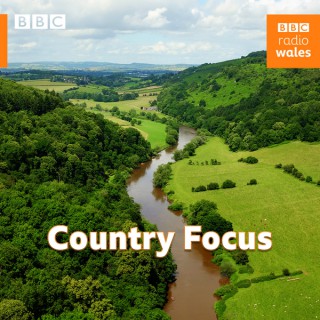
Floodplain meadows are a beautiful and natural landscapes that are found alongside rivers on larger flat areas that dry out sufficiently in the summer, through well drained soils. However their value goes way beyond their beauty and wildlife - the many benefits we get include storing floodwaters, keeping soil and nutrients out of rivers and helping to protect water quality. A project is underway to increase our knowledge of Welsh floodplain meadows and promote and conserve them for the future. The Welsh floodplain meadows partnership is focusing on south-east Wales, Carmarthenshire, and the Wye catchment, building connections with communities and organisations working in the floodplain. Caroline Evans meets with members of the project to discover what the work involves and what they hope to achieve.

High-risk flood zones are expanding this year along significant stretches of Florida's coastline. In Broward County, nearly 90,000 properties have been moved into a FEMA flood zone. But 80,000 of them were in such a zone prior to ten years ago, when FEMA moved them out – only to add them back in this year. Many will now have to purchase flood insurance.Former Florida Deputy Insurance Commissioner Lisa Miller talks with the county floodplain manager for an explanation, the reporter who broke the story, and another reporter from Palm Beach County, which is fighting FEMA's efforts to expand flood zones. Show Notes FEMA calls these high-risk flood zones Special Flood Hazard Areas (SFHA). They are designated on a FEMA Flood Insurance Rate Map as zones that begin with the letter “A” or the letter “V” for those living along the coast, subject to additional threat of storm surge. Properties in these zones supposedly have a 1% probability of flooding each year, or about a one-in-four chance every 25-30 years. Some refer to this as the 1-in-100-year flood probability.FEMA's 2024 updated maps have moved nearly 90,000 (88,913) properties in Broward County, Florida into a high-risk flood zone. But almost 80,000 (79,689) were in that zone prior to FEMA's 2014 map update, then removed, and now 10 years later are back in a flood zone. “How did this happen and what's the science behind it?” asked host Miller.Carlos Adorisio, Floodplain Manager for the unincorporated area of Broward County, explained that FEMA flood maps are based on studies of two factors: rainfall and coastal storm surge. Maps from the 1980's and 1990's reflected most of the county was high-risk. “In 2014, FEMA updated the maps, but they only updated the portion for the rainfall risk and not for the storm surge. There was a lot of development and better modeling and a lot of areas were removed from the 100-year floodplain,” he explained. In its 2024 maps, FEMA updated only the coastal storm surge risk. “There's been more development, updated storm data, and better computer modeling techniques and mapping,” since the last storm surge studies done in the 1980's, said Adorisio, who is a Professional Engineer and a Certified Floodplain Manager. “One of the components of storm surge is the sea level, which is higher than they accounted for in the 80's and therefore the storm surge is higher in this study,” Adorisio explained. “Now the southern part of the county is lower than the middle and northern sections of the county...and it's to the point where FEMA believes that the higher storm surge elevation not only goes to I-95, it goes all the way to U.S. 27, which is close to the Everglades levee. That's why you have those almost 90,000 parcels that are increasing in flood risk and now in the Special Flood Hazard Area,” said Adorisio, who earlier in his career worked for FEMA as a technical consultant for flood maps. Ron Hurtibise, business reporter for the South Florida Sun Sentinel, first reported the scope of the 2024 flood map changes. The new high-risk flood zones are primarily located along... (For full Show Notes, visit https://lisamillerassociates.com/episode-51-floridas-expanding-flood-zones/)

The clash of metal rang out as T-Bone's axe met the stranger's blade, a hidden sword now gleaming in the moonlight. Sparks flew, illuminating the fierce determination and sweat beaded in T-Bone's eyes. Ty Fighter circled around, seeking an opening, his scimitar trained on the enemy. Fissure Floodplain, Kutchek number two henchman, moved with a fluidity that spoke of years of combat, his every motion calculated and deadly. As the two warriors fought with primal fury, the Floodplain's laughter cut through the chaos, a chilling reminder of their peril.In the midst of the fray, a deafening roar erupted from the darkness beyond. The ground trembled beneath their feet as a massive, armored vehicle, bristling with weapons and adorned with grotesque trophies, thundered into view. Kutcheck's war machine, a behemoth that had laid waste to countless challengers, bore down upon them. Floodplain leapt back, his face twisting into a mocking sneer. "You fight well, but this is where your legend ends," he spat, retreating to the shadows. T-Bone and Ty Fighter turned to face the oncoming juggernaut, their hearts pounding. As the war machine's cannons locked onto them, the roar of its engines drowned out all other sound, leaving the two barbarians staring down their doom with unyielding resolve. Find out what high adventure awaits in this episode of Time barbarians of the 1980s IN Time!Topics discussed in this episode include:O' Canada becomes the new Canadian national anthemAirplane! The MovieThe Grateful Dead incite a riot?!The final performance of Led Zeppelin's classic Stairway to HeavenThe 1980 Moscow OlympicsThe death of Peter Sellers

I've been hearing about the Herring River Restoration Project since I moved to Wellfleet in 2004. Restoring tidal flow to the 1100-acre saltwater estuary, which was diked in 1908, is an effort that's been decades in the making — and hands-on work finally began in early 2023.

Floodplain reconnection has emerged as a crucial solution to mitigating flooding, improving water quality, and supporting biodiversity along the Mississippi River corridor. In this episode, Chris Rice of The Nature Conservancy discusses the restoration of Mollicy Farms, the largest floodplain reconnection project ever undertaken in the U.S. Chris explains the extensive efforts involved in breaching levees, planting millions of trees, and reestablishing natural water flows to revive the 25-square mile floodplain along the Ouachita River in Louisiana.The conversation highlights the significant environmental and community benefits of restoring such areas, including floodwater storage, habitat creation, and water filtration. Additionally, Chris delves into the partnerships and challenges encountered throughout the project, providing insights into how similar initiatives can be implemented elsewhere.waterloop is a nonprofit news outlet. The Mississippi By Nature series is supported by the Walton Family Foundation and outfitted by Patagonia.
On this episode of the Ducks Unlimited podcast, Dr. Jerad Henson hosts Dr. Mike Brasher, senior waterfowl scientist, and Dr. Ellen Herbert, senior scientist for Sustainability and Nature-Based Solutions. They dive into the value of wetlands, discussing the importance of wetlands for waterfowl and sustainability. They highlight the significance of wetlands in the priority landscapes of the prairie pothole region and Mississippi River valley. Tune in to explore the vital role wetland ecosystems play in our world and the work being done at Ducks Unlimited to protect them.www.ducks.org/DUPodcast

A year has passed since the Kakhovka hydroelectric power station was blown up. SBS Russian talked to ecologist Eugene Simonov about the recovery of floodplain systems and the expert assessments on the future of the Kakhovka reservoir. - Прошел год с подрыва Каховской ГЭС. Эколог Евгений Симонов по просьбе SBS Russian объясняет, как за год начала восстанавливаться пойменная система и какие оценки по будущему Каховского водохранилища существуют у экспертов сегодня.

On the latest episode of the Conduit Street Podcast, Amy Moredock joins Dominic Butchko to discuss Accessory Dwelling Units (ADUs)—what they are, why they're a hot topic, and the counties' role in zoning.Amy Moredock is a professional planner with 20 years of land use experience on Maryland's Eastern Shore. She has been directly involved in local and state planning efforts with a long history of drafting and implementing a wide variety of land use ordinances and reviewing projects and permits. Her areas of focus include environmental regulation, floodplain management, resiliency and hazard planning, comprehensive planning, and water resources planning. She is a member of the American Planning Association and the National and Maryland Chapters of Certified Floodplain and Stormwater Managers. Having served as the Eastern Shore regional representative from 2013-2020, Amy is currently the chair of the Maryland Association of Floodplain and Stormwater Managers. She has been the MACo representative on the Governor's Intergovernmental Committee on Agriculture (GICA) since 2014 and currently represents the MACo Planners Affiliate on the Governor's Accessory Dwelling Unit (ADU) Task Force. The Conduit Street Podcast is available on major platforms like Spotify, Apple, Google, and anywhere else you get your podcasts. Episodes are also available on MACo's Conduit Street blog.Links mentioned:- State of MD's Accessory Dwelling Unit Policy Task Force Report- MACo's Deep Dive Blog Article on ADUs

Our guest for this episode of the H.E.A.R.T. podcast is Kristin Owen, Henrico's Floodplain & Dam Safety Manager. She shares information about Henrico Public Works programs intended to inform residents about flood risk, as well as mitigation plans to help reduce those risks. Updated FEMA Flood Insurance Rate Maps, which went into effect on April 25, 2024, are available online at https://henrico.us/works/design/floodplain/map-updates/. In addition, Henrico has joined the FEMA Community Rating System (CRS) flood program, allowing qualified residents to receive a 25% discount on their flood insurance premiums beginning in October 2024. Information on this program can be found at https://henrico.us/works/design/floodplain/.

February 27, 2024124. From Devastation to Preparedness Floodplain Consultant Del Schwalls helps you Get ReadyThis week we delve into a topic that's often overlooked until disaster strikes: the risk of flooding. With a blend of expert insights and personal experiences, including a firsthand account of Hurricane Michael's impact on his family's home, Floodplain consultant Del Schwalls talks about the importance of preparation and building resilience against floods. From discussing the complexities of floodplain management to the heart-wrenching realities faced by communities post-disaster, this episode is a wake-up call for homeowners. It prompts a crucial question: will you ignore the risk or take proactive steps to protect your home? Join us as we navigate through the tough choices and learn from the past to build a safer future. Here's how you can follow or reach Del Schwalls: Website: https://www.schwallsconsulting.com LinkedIn: linkedin.com/in/dschwalls Important information from Homeowners Be Aware: Here are ways you can follow us on-line:Instagram: https://www.instagram.com/homeownersbeaware/ Website: https://homeownersbeaware.com/ LinkedIn: https://www.linkedin.com/in/george-siegal/ If you'd like to reach me for any reason, here's the link to my contact form: https://homeownersbeaware.com/contactHere's the link to the documentary film I'm making Built to Last: Buyer Beware.

In episode 198 America Adapts, we're partnering with Forerunner, a software company that works with local governments to help them with disaster management, flood risk and adapting to future impacts of climate change. Our discussion will feature insights from floodplain managers operating in both riverine flooding areas and coastal flood zones. These flooding experts are on the ground, finding ways to help their communities with extreme flooding and changes expected with a changing climate. The episode delves into the increasing role of technology in their work, emphasizing the crucial aspects of communication and outreach to garner community support for the establishment of effective flood prevention programs. Susannah Pho, co-founder of Forerunner, shares with us how climate analytics and technology are helping some of these front line adapters, in this case, flood plain managers, to do their jobs more effectively. Exploring the practical experiences of these managers and the tools they find instrumental in advancing flood and disaster risk management offers useful insights for your own adaptation planning. https://www.americaadapts.org/episodes/building-resilient-communities-the-tech-revolution-in-floodplain-management-with-forerunner This episode was generously sponsored by Forerunner. Experts in this Episode: Susannah Pho – Co-founder and COO of Forerunner Maggie Talley – Director of Floodplain Management & Hazard Mitigation, Jefferson Parish, Lousiana Seamus Riley - Floodplain Manager/CRS Specialist, Jefferson Parish, Lousiana Michael Thulen - Construction Official and Floodplain Administrator Del Schwalls - President, Schwalls Consulting LLC, Engineering & Floodplain Management Solutions Mathew Langley - Floodplain Administrator, Development Services City of Cedar Rapids Check out the America Adapts Media Kit here! Subscribe to the America Adapts newsletter here. Donate to America Adapts Listen to America Adapts on your favorite app here! Facebook, Linkedin and Twitter: https://www.facebook.com/americaadapts/ @usaadaptshttps://www.linkedin.com/in/doug-parsons-america-adapts/ https://www.instagram.com/america_adapts/?hl=en Resources and Links in this episode: https://www.withforerunner.com/ https://www.withforerunner.com/case-study/jefferson-parish-la https://www.withforerunner.com/case-study/cedar-rapids-ia The third annual Innovations in Climate Resilience Conference (ICR24) takes place on April 22-24, 2024, in Washington, DC. This toolkit is meant to help share messaging and information with your audiences. ICR24 Websitehttps://www.battelle.org/conferences/conference-on-innovations-in-climate-resilience IMPORTANT KEY DATES · Abstract Submission Deadline – December 11, 2023 – Submission link Early Bird Registration Opens – November 1, 2023 – Registration link Early Bird Registration Deadline - February 16, 2024 Standard Registration Closes - April 15, 2024 Donate to America Adapts Follow on Apple Podcasts Follow on Android Hey Adapters, I'm excited to announce a new partnership with Atmos. America Adapts has been selected as one of the non-profits that gets direct donations when you start banking with Atmos, the world's most climate-focused bank account. From solar loans, cash-back checking to high yield savings accounts, Atmos is 'banking with a purpose.' When you open a bank account you can increase your monthly savings rate when you regularly support their select list of non profits working for a sustainable future. Yes, there are other options besides America Adapts...like Amazon Watch, 1% for the Planet, Grist, Project Drawdown and many more. Please watch the short video below to get a specific explanation of what Atmos offers. America Adapts gets individual donors because we're a 501(c)3, but Atmos might be a better fit, as you get banking services with your donations.. Doug Parsons and Speaking Opportunities: If you are interested in having Doug speak at corporate and conference events, sharing his unique, expert perspective on adaptation in an entertaining and informative way, more information can be found here! Now on Spotify! List of Previous Guests on America Adapts Follow/listen to podcast on Apple Podcasts. Donate to America Adapts, we are now a tax deductible charitable organization! Federal Reserve Bank of San Francisco Strategies to Address Climate Change Risk in Low- and Moderate-income Communities - Volume 14, Issue 1 https://www.frbsf.org/community-development/publications/community-development-investment-review/2019/october/strategies-to-address-climate-change-low-moderate-income-communities/ Podcasts in the Classroom – Discussion guides now available for the latest episode of America Adapts. These guides can be used by educators at all levels. Check them out here! The 10 Best Sustainability Podcasts for Environmental Business Leadershttps://us.anteagroup.com/news-events/blog/10-best-sustainability-podcasts-environmental-business-leaders The best climate change podcasts on The Climate Advisorhttp://theclimateadvisor.com/the-best-climate-change-podcasts/ 7 podcasts to learn more about climate change and how to fight ithttps://kinder.world/articles/you/7-podcasts-to-learn-more-about-climate-change-and-how-to-fight-it-19813 Directions on how to listen to America Adapts on Amazon Alexa https://youtu.be/949R8CRpUYU America Adapts also has its own app for your listening pleasure! Just visit the App store on Apple or Google Play on Android and search “America Adapts.” Join the climate change adaptation movement by supporting America Adapts! Please consider supporting this podcast by donating through America Adapts fiscal sponsor, the Social Good Fund. All donations are now tax deductible! For more information on this podcast, visit the website at http://www.americaadapts.org and don't forget to subscribe to this podcast on Apple Podcasts. Podcast Music produce by Richard Haitz Productions Write a review on Apple Podcasts ! America Adapts on Facebook! Join the America Adapts Facebook Community Group. Check us out, we're also on YouTube! Executive Producer Dr. Jesse Keenan Subscribe to America Adapts on Apple Podcasts Doug can be contacted at americaadapts @ g mail . com
The West continues to be shaped by water issues. In Oregon, some floodplains affected by human interference are being restored to manage climate issues. And restoration projects are happening in California too. Dos Rios Ranch Preserve is a restored floodplain in the state’s Central Valley. The region has been affected by drought and flooding, but the restoration is helping to mitigate the effects of extreme weather on the landscape. Jake Bittle is a staff writer at Grist. He’s reported on these issues for the outlet and joins us with details of the story and what bigger lessons can be learned from the project.
Flood Mitigation Industry Association's Roderick Scott shares more about his job and the annual flooding he experiences living on the coast in New Orleans.
Roderick Scott from the Flood Mitigation Industry Association explains loan-to-value ratio and the insurance markets being devastated by natural disasters.

Water is the lifeblood of agriculture But as climate change brings more extreme weather, farming towns in the Central Valley face increasing risks from both drought and flooding. But an innovative solution is scaling up with new state investments. Reporter: Tyche Hendricks, KQED About 30% of Head Start programs in California aren't within easy walking distance to a transit stop for families with young children. That's a problem, according to a new report, because access to transit is one of the biggest barriers for families who qualify for the federal early education program. Reporter: Daisy Nguyen, KQED
Mike Sertle, manager of conservation programs, and Sara Burns, water program specialist, join Dr. Mike Brasher to share the exciting story of how DU is growing conservation through innovative partnerships around the many benefits of wetlands and waterfowl habitat. From water quality to flood water retention and coastal resiliency, DU's new work in Sustainability and Nature-based Solutions is attracting more partners, funding sources, and ideas to our waterfowl and wetlands conservation mission.www.ducks.org/DUPodcast
© 2020-2026 Ivy Podcast Discovery LLC


