
Techniques for sustaining life, typically in adverse conditions

POPULARITY
Categories

1,168 episodes with surviving

392 episodes with surviving

137 episodes with surviving

70 episodes with surviving

79 episodes with surviving

97 episodes with surviving

93 episodes with surviving

100 episodes with surviving

79 episodes with surviving

118 episodes with surviving

47 episodes with surviving

37 episodes with surviving

56 episodes with surviving

36 episodes with surviving

31 episodes with surviving

30 episodes with surviving

40 episodes with surviving

50 episodes with surviving

38 episodes with surviving

40 episodes with surviving

27 episodes with surviving

55 episodes with surviving

28 episodes with surviving

34 episodes with surviving

68 episodes with surviving

31 episodes with surviving

24 episodes with surviving

54 episodes with surviving

111 episodes with surviving

102 episodes with surviving

48 episodes with surviving

53 episodes with surviving

52 episodes with surviving

11 episodes with surviving

30 episodes with surviving

12 episodes with surviving

43 episodes with surviving

19 episodes with surviving

72 episodes with surviving

10 episodes with surviving

12 episodes with surviving

27 episodes with surviving

19 episodes with surviving

15 episodes with surviving

16 episodes with surviving

16 episodes with surviving

44 episodes with surviving

11 episodes with surviving

17 episodes with surviving

27 episodes with surviving

23 episodes with surviving

11 episodes with surviving

20 episodes with surviving

37 episodes with surviving

Hunter, Adventurer, Guide, Survival/ Wilderness Instructor, Alone the Beast Episode 1 Winner, the question is, what doesn't Lindsay Persico do. I consider her my 2nd sister. If you are interested in learning more about survival and fitness, give her a follow on Instagram @huntfiber and you can also find her on 360sportsman if you are interested in her online Master Class. Click here.https://360sportsman.org/wilderness-survival

In this episode of The Other Side of Midnight, host Walter Sterling celebrates his birthday by tackling some of the most surreal topics on the airwaves. UK Tartaria expert Guy Anderson joins the show to break down the conspiracy of a lost global civilization, hidden free energy, orchestrated city fires, and how Nikola Tesla connects to the orphan trains of the Industrial Revolution. Plus, we cover a terrifying Lake Tahoe otter attack, a ridiculous Starbucks latte rumor, why open offices are an introvert's personal hell, and why buying diamonds next to Costco's rotisserie chickens is the ultimate proof of American superiority.

Evan Huck, CEO and co-founder of UserEvidence, opens up about the hard decision to shift from a tried-and-true outbound sales playbook to a long-term brand-building strategy. After eight straight quarters of flat pipeline growth, Evan had to trust the process, convince his board to stay the course, and rethink how UserEvidence reached its ideal customers. In this conversation, he shares what it takes to stay patient when results don't come fast, how to balance short-term pipeline needs with brand investments, and why the payoff was worth the wait. Evan also shares: - Why eight quarters of flat pipeline tested their commitment to brand over quick wins - How UserEvidence narrowed its ICP to unlock stronger growth - Why creative, one-to-one outreach can still break through with enterprise buyers - How Slack communities helped build credibility and generate early enterprise demand - Why product marketing came before demand generation in building the GTM engine - How customer advocacy became an increasingly powerful source of growth Chapters: 00:00 Introduction to Evan Huck and UserEvidence 04:31 From SDR to CEO: Evan's GTM Journey 07:54 Why UserEvidence Bet on Brand 09:31 Eight Quarters of Crickets: Waiting for Brand to Pay Off 12:30 Narrowing the ICP to Unlock Growth 13:51 The CEO Hustle Behind Enterprise Growth 16:00 Building Credibility Through Communities 18:00 Why the Right Team Matters 19:14 Why Product Marketing Came First 20:39 Turning Customers Into a Growth Engine 22:07 The "Chill, Humble" Leadership Philosophy 22:43 Evan's Favorite Book for Founders Try UserEvidence: userevidence.com

Vanessa Wulff was working toward a future in chiropractic care when she became the victim of multiple sexual assaults and rape. In this episode, she shares what happened during that period of her life and the effects those experiences had on her education, her sense of safety, and her ability to move forward. Vanessa's story reflects a reality that is often poorly understood: trauma does not always produce a clear, predictable, or easily explained response. Survivors may continue attending school, going to work, interacting with others, or trying to maintain the appearance of an ordinary life while privately carrying fear, confusion, shame, and the lasting effects of what was done to them. This conversation is also an important reminder that repeated victimization never makes a survivor responsible for the crimes committed against them. Each assault results from an offender's decision to violate another person's autonomy and consent. The responsibility belongs to the perpetrator, every time. By sharing her story, Vanessa gives listeners an honest look at the effects of multiple sexual assaults and the strength required not only to survive them, but to find the language and courage to speak about them. Follow Vanessa on Instagram: @vwulff1 An important side note: if you're finding value in this show and these amazing episodes, please take a moment to leave a 5-star rating on your podcast platform. AND, follow @SexualAssaultSurvivorStories on Instagram, then, please send me a note of support. I can't tell you how much your emails mean to me—they fuel my passion to keep this podcast going. And if you're a victim or survivor and are ready to tell your story to help yourself or someone else heal, let me know, and we can start a conversation about the possibility of you being on the show. Here's my email address: dave@sasstories.com Thank you to all of you who have reached out to me already. Just provide me with your time zone and a phone number where I can reach back out to you…because I like to talk to people who are interested in guesting. And please keep those emails and texts coming…I truly look forward to hearing from you and hearing your input on the stories and guests featured on this show. Here are some critically important links that I hope you'll take the time to explore, and where a contribution is requested, please consider doing so! https://thevocalmin.com https://store.bookbaby.com/book/the-vocal-minority https://goldinthecracksofficial.com https://1in6.org/ https://soulwisesolutions.com https://safeinharmsway.org https://sironahealing.com/ https://www.whattheydontsay.com www.arcigrey.com https://startbybelieving.org https://evawintl.org/ As mentioned, and emphasized, it's time to Normalize the Conversation.™ And please remember to Start by Believing…because we all know someone whose life has been impacted by rape or sexual assault. Thank you for tuning in. -Dave

Labor Pains: Dealing with infertility and loss during pregnancy or infancy.
Sometimes grief begins long before someone dies. It begins when the person you love is still beside you, but the life you knew together is already changing.In this episode, Teresa Reiniger sits down with Suzy McNamara for an honest conversation about caregiving, anticipatory grief, identity, faith, and carrying more than one devastating loss at once.Suzy spent five years as the primary in-home caregiver for her husband, Bob, after he was diagnosed with posterior cortical atrophy, a rare form of early-onset Alzheimer's. She shares what it was like watching changes begin in his early 50s, protecting his dignity as his world became smaller, and slowly realizing that she was no longer only his wife, she had become his caregiver, advocate, and protector.Then, while Bob was entering the final stage of his illness, Suzy's sister and best friend, Elizabeth, died. Suzy reflects on what happens when there is barely room to grieve because someone still depends on you.This conversation offers validation for caregivers who feel unseen, people experiencing anticipatory grief, and anyone carrying layered losses.About our guest: Suzy McNamara is a widow, mother of four adult children, former primary caregiver to her husband Bob, and author of The Silkworm, the Magician, and the Sister Tree: A Tale of Love and Loss.In This Episode● How early-onset Alzheimer's changed Bob's identity, career, relationships, and independence.● Why grief can begin while the person you love is still physically present.● How Suzy's identity shifted from wife to caregiver, advocate, and protector.● Protecting a loved one's dignity when others do not understand their limitations.● Grieving Suzy's sister Elizabeth while continuing full-time caregiving.● How faith, writing, friendship, and a smaller support circle helped Suzy keep going.What You'll Take Away● Anticipatory grief is real grief.● Caregivers can lose parts of their identity, too.● Protecting someone may require disappointing other people.● Surviving one difficult day deserves recognition.● You do not need a large circle—you need people who can truly stay.MEMORABLE QUOTESSuzy: “There are so many little tragedies in the big tragedy of Alzheimer's.”Suzy: “That's when the grieving really begins.”Suzy: “The caregiver loses their identity for sure.”Suzy: “You do have to build sort of a wall around your heart.”Suzy: “Getting through one day is a huge, huge accomplishment.”Teresa: “Grief does not always wait for one loss to end before another one begins.”EPISODE CHAPTERS00:00 — When Grief Begins Before Death03:33 — Bob's Early-Onset Alzheimer's Story08:26 — The Fear and Shame Before Diagnosis13:28 — When Alzheimer's Arrives in Midlife18:00 — Losing the Identity of Wife and Becoming Caregiver19:48 — Protecting Bob's Dignity and Safety24:59 — Grieving a Sister While Caring for a Husband28:16 — When Caregiving Leaves No Room to Grieve29:26 — The Story Behind Suzy's Memoir33:30 — Finding the People Who Can Truly Stay35:48 — Getting Through One Day Is an Accomplishment39:32 — Suzy's Book and Audiobook42:19 — A Reminder for Caregivers Who Feel Unseen

40,000+ AI-linked job cuts in two weeks.

Sonny Mayo has spent decades living the life most musicians only dream about. A veteran guitarist and longtime fixture in the heavy music world, Sonny has performed and recorded with bands including Snot, Sevendust, Hed PE, Amen, and the Exies, building a career around loud music, relentless touring, and life on the road. But these days, Sonny's life looks very different. After recently suffering a massive heart attack and undergoing bypass surgery, Sonny found himself facing something no tour, album, or guitar could prepare him for: his own mortality. And as he fought his way through surgery and recovery, something strange started happening. His caregivers had names like Enoch, Michael, Angel and Gabriel, and his head surgeon was wearing a shirt featuring a burning heart. Coincidence? Or was something bigger happening? In this wide-ranging conversation, Sonny and Shane go far beyond the heart attack. They talk about God, Jesus, spirituality vs. organized religion, sobriety, mortality, and what happens when life forces you to reevaluate everything you thought mattered. They also go down some very different roads: COVID, the Palisades fires, leaving California, the changing culture of America, retiring from music, and Sonny's new life in Arizona building a real estate business with his wife. After decades in music, Sonny has officially stepped away from the stage, but not from the conversation. This is a story about surviving, starting over, questioning everything, and realizing that maybe the greatest performance of your life begins after the applause stops. Join “The Victory Circle”, our FREE Sober Guy Mens Community at https://www.thatsoberguy.com/offers/SvjjuEQ2/checkout Want to go 30 Days Alcohol Free? Try our 30-Day Sober Performance Challenge — https://www.thatsoberguy.com/quit-drinking-alcohol-for-30-days Sober Executive Performance Reset: A 12 Week Private Coaching Experience - APPLY HERE https://www.thatsoberguy.com/coaching Shanes New Book, Sober Guy How Do I - https://a.co/d/81ZIgtE Invite Shane to Speak - https://www.thatsoberguy.com/speaking For More Resources go to http://www.ThatSoberGuy.com Follow us on LinkedIn - https://www.linkedin.com/in/shane-ramer-7534bb257/ Follow us on Instagram @ThatSoberGuyPodcast Follow us on YouTube - https://www.youtube.com/thatsoberguypodcast Hosted by Simplecast, an AdsWizz company. See pcm.adswizz.com for information about our collection and use of personal data for advertising.
September can feel a little like a second January. A fresh start, a new school year, and a chance to look at where you are and where you want to go. In this episode, I'm talking about how to revisit your vision for the year, get clear on what still matters to you, and make the most of the next few months. I'm also sharing something I've been learning about the middle, that long stretch after the excitement of starting has worn off but before you've reached the finish line. If your motivation has faded or you've stalled on something that once felt exciting, it doesn't necessarily mean you're on the wrong track. You might just be in the middle. Wherever you are right now, you're not behind. There is still plenty of time to make meaningful progress, have new experiences, and intentionally shape the rest of your year. Plus, I'm sharing details about our upcoming live 12-week walk-through of the Surviving to Thriving Toolkit, where we'll work together on creating systems and rhythms that support you and your family.

Anika sat down with Holland Martini and Maria Vorovich to explore how Good Ques transformed the traditionally rigid world of market research by embracing creativity, humor, and psychological safety. The conversation revealed a counterintuitive truth: to get to real human insights, you cannot ask robotic questions; you have to shift the perspective and design an experience that makes people comfortable telling the absolute truth. Holland and Maria's unique journey—from working side by side at Grey in New York and navigating the unexpected hurdles of launching a business right before a global pandemic to earning recognition from Inc. Magazine and working with giants like P&G, PepsiCo, Adobe, TikTok, and Meta—offered a practical look at how two co-founders with contrasting working styles ("waffle brain" and "spaghetti brain") built an anti-research research company on mutual respect, clear communication, and purposeful creativity. In This Episode The Waffle and the Spaghetti: How balancing statistical rigor with big-picture creative strategy builds an indestructible co-founder partnership. The Spark in the Cream: Turning a New Year's Eve conversation about stale corporate jargon into a mission to reinvent consumer insights. Surviving the Pivot: How an early client backing out right before COVID unexpectedly forced them into the research boom. The TikTok Validation: Landing early major enterprise accounts by showing up with a genuinely different point of view. Rewiring the Factory: Why using AI to innovate the ultimate output rather than just speeding up the assembly line matters. The Power of Memes in Healthcare: How a viral internet joke helped a healthcare client accurately double their anticipated market size. The Empathy Deficit: Why modern brands get lost in best-practice perfection and forget to design human experiences for respondents. Co-Founder Dynamics: The importance of clear role separation, shared values, and leaving ego at the door. Timestamps 00:00 Intro: The anti-research research company 02:05 Waffle brain vs. spaghetti brain 03:54 The origin story at Grey 06:20 Taking off corporate guardrails 09:30 Carving a distinct agency path 11:42 Good Ques: Asking better questions 13:35 The 2020 pandemic pivot and TikTok 15:58 AI integration and industry innovation 20:53 Pitching enterprise clients 23:55 Creative research tweaks 25:10 The condom meme case study 29:26 Comfort with creative boundaries 31:32 Co-founder rules and motherhood 37:35 Remote culture and global teams 43:07 The respondent experience 46:26 What's next for Good Ques 47:24 Advice for new founders 49:32 Favorite quotes and business mantras Key Insights & Takeaways Insight 1: Invisibility Isn't a Content Problem—It's a Strategy Problem Traditional market research is bogged down by rigid, robotic phrasing that invites equally robotic, surface-level responses. When researchers focus entirely on extraction rather than the respondent's experience, they miss the underlying truth. Asking better questions requires designing an environment of psychological safety where people feel comfortable revealing their real behaviors. Insight 2: Creativity Belongs in Methodology, Not Just Execution Many corporate brands assume creativity only applies to advertising copy or visual design. True innovation happens when creativity is applied to the research methodology itself—using tools like creative drawing, changing the frame of reference to bypass social desirability bias, or even incorporating internet culture like memes to capture authentic consumer sentiment. Insight 3: AI Should Innovate the Output, Not Just the Assembly Line While many companies use generative AI simply to streamline traditional processes and speed up data collection, true market leaders use it to reimagine the final product. Technology should be leveraged to push beyond industry averages and discover entirely new frontiers of understanding rather than just producing faster mediocrity. Insight 4: Counterbalance Is the Anchor of a Strong Co-Founder Partnership A successful co-founder relationship relies on having complementary skill sets rather than duplicate visions. Pairing a structured, analytical mindset with a fluid, big-picture creative approach creates a resilient leadership team, provided there is absolute clarity in roles, deep mutual respect, and zero ego. Insight 5: Embrace Discomfort as a Metric for Growth Building a disruptive company requires a constant willingness to step outside the boundaries of convention. Whether it is pitching unconventional methodologies to skeptical executives, riding a bicycle across a bridge in freezing weather during a crisis, or pivoting business models overnight, treating discomfort as a sign of progress is essential for long-term survival. Resources & Links Mentioned GoodQues.com Good Ques LinkedIn Columbia University (guest lecturing) About Holland Martini & Maria Vorovich Holland Martini and Maria Vorovich are the co-founders of Good Ques, widely known as the anti-research research company. Having met while working in strategy and data at Grey New York, they bonded over a shared frustration with stale industry jargon and rigid methodologies. Together, they built an award-winning agency recognized by Inc. Magazine as one of the fastest-growing companies in the U.S., delivering breakthrough consumer insights for global brands like Procter & Gamble, PepsiCo, Adobe, TikTok, and Meta. Holland serves as Chief Insights Officer, bringing statistical rigor and data precision, while Maria serves as Chief Strategy Officer, driving creative vision and disruptive positioning. Connect with Holland & Maria Website: https://www.goodques.com/ LinkedIn: linkedin.com/company/goodques YBA was named the top PR podcast in the US by FeedSpot! Feedspot is an RSS Reader that lets you follow your favorite podcasts alongside blogs and news in one place. Like the show? Leave us a rating or review: https://lovethepodcast.com/67940257010b317cdaa9d857 Send us a Message: https://podcastfeedback.com/67940257010b317cdaa9d857 Check out our Website: https://www.yourbrandamplified.com Speak to my Delphi Clone: https://www.delphi.ai/amplifywithanika Hosted by Simplecast, an AdsWizz company. See pcm.adswizz.com for information about our collection and use of personal data for advertising.

This time it's not just a walk in the park! Surely nothing can go wrong by turning an island full of dinosaurs into the setting for the hottest new reality show...right? Featured Music: "If You Don't Know" by Wine Lips and "Ouroboros" by Self-Cut Bangs Dungeon Punks is recorded and produced by Kirk Hamilton. Surviving Dinosaur Island was played using Escape from Dino Island by Sam Tung and Sam Roberts. Surviving Dinosaur Island Cast: • Stu Popp as The Dino Master aka Everyone's Podcast DadTM • Cheyenne Manning as Lincoln "Link" Mercy, The Spiritualist • Joanna Gaskell as Frankie, The Smuggler • Kirk Hamilton as Theodore "T-Law" Sterling, The Lawyer • Hannah McGregor as Karter (with a K), The Hunter

Life in the Dark: What to Do Before and After the Lights Go Out Andy Murphy hosts the Secure Family Podcast and explains how families can stay comfortable, protected, and informed during extended power outages. Long lasting outages are becoming more common. He outlines steps to take before an outage and what to do the moment the lights go out. From lighting your home, to cooking, to home defense, Andy shows us that our families can thrive and survive. Get your free copy of my Family Disaster Preparedness Guide: https://www.thesecuredad.com/disaster Take control of your data with DeleteMe. Because they sponsor the podcast you can get 20% off a privacy plan from DeleteMe with promo code: DAD. Blackout interview with Patrick McNamara: https://youtu.be/vXOF1qLiF6g?si=UDxzFP_J5lJVP66B Connect

Podcast With Sheila - (Sharing Uplifting & Impactful Real Life Stories)
PODCAST with SHEILA is back with a powerful live interview exploring coercive control, legal abuse, and high-conflict divorce through real-life experience.In this episode, I speak with Lisa Johnson, co-founder of Been There Got Out, a high-conflict divorce strategist and certified domestic violence advocate. After spending over $100,000 on her divorce, Lisa made the courageous decision to represent herself in family court. Her case was later published in the Connecticut Law Journal and is now used as legal precedent — an extraordinary outcome for a self-represented litigant.Lisa's live testimony also helped pass Jennifer's Law, expanding the legal definition of domestic violence to include coercive control. In this honest and educational conversation, we discuss how abuse can continue after separation, particularly through the legal system, and how individuals can protect themselves while navigating high-conflict custody and co-parenting situations.
The Changing Earth Pilot https://www.youtube.com/watch?v=tAriolRPl70&pp=ygUYdGhlIGNoYW5naW5nIGVhcnRoIHBpbG90Dr Prepper Medical USE CODE PBN for 10% off!!! Become a supporter of this podcast: https://www.spreaker.com/podcast/prepper-broadcasting-network--3295097/support.Head to bepreparedsolutions.co/partner/pbn, or use code PBN20 when you sign up to get 20% off their incredible preparedness tools, custom plans, and LOCAL INTELLIGENCE. The Prepper's Medical Handbook Build Your Medical Cache – Welcome PBN FamilyJoin the Prepper Broadcasting Network for expert insights on #Survival, #Prepping, #SelfReliance, #OffGridLiving, #Homesteading, #SelfSufficiency, #Permaculture, #OffGrid solutions, and #SHTF preparedness. With diverse hosts and shows, get practical tips to thrive independently – subscribe now!Newsletter – Welcome PBN FamilyGet Your Free Copy of 50 MUST READ BOOKS TO SURVIVE DOOMSDAYSupport PBN with a Donation

People across Chicago are working multiple jobs just to afford basic necessities, while neighborhood small businesses are being priced out by skyrocketing licensing fees, software taxes, and crushing property taxes. In this episode of Eyes Wide Open, host Nick Thompson sits down with Laura Yepez, longtime Wicker Park Inn owner and candidate for Chicago's 1st Ward Alderwoman. costs. However, mainstream news channels keep our attention glued to national political theater—distracting us from the reality that our local alderpersons hold direct power over our wallets, streets, and communities. We unpack why the true cost of existing is pushing families out of the city, how City Hall ignores mom-and-pop operations in favor of private equity chains, and what authentic, constituent-first leadership looks like when everyday residents decide to fight back. In this episode, you will learn: ✅Why local municipal politics impacts your daily finances ✅Why neighborhood safety is far more important than national news. ✅How escalating property taxes and licensing fees are driving independent Chicago small businesses to the brink. ✅ The reality behind Chicago's historic move toward a fully elected school board ✅How corporate private-equity chains masquerade as local neighborhood spots to extract community wealth. ✅The core differences between responsive, present constituent service and entrenched political complacency. ✅Why working-class families and young adults face an existential affordability crisis in modern urban centers. ✅ What Laura Yepez will bring to Chicago as Alderwoman Chapters 0:00 - The Reality of Working Multiple Jobs Just to Exist 2:21 - Meet Laura Yepez: Small Business Owner and 1st Ward Candidate 5:36 - Why Small Businesses Rally: COVID Fallout & Lack of City Support 9:32 - The Rising Cost of Existing and Doing Business in Chicago 11:11 - What Does an Alderperson Actually Do for Your Community? 14:59 - Taking on an Incumbent: Why Local Representation Must Change 19:49 - Redefining Authentic Leadership Through Service and Mentorship 22:33 - The Modern Urban Affordability & Housing Crisis 26:00 - Property Taxes, Rent Hikes, and the New Elected School Board 33:26 - The Broken American Dream: Corporate Layoffs and Surviving the Squeeze 47:10 - Contrasting the 1st Ward Race: Advocacy, Identity, & Small Business Focus 54:50 - The Ground Game: Door-Knocking, Petitions, and Upcoming Election Deadlines 1:00:35 - Nick Thompson on Moving Past Reality TV & Staying Authentic About Guest Laura Yepez is a longtime Chicago resident, community advocate, 1st Ward Democratic Committeewoman, and the owner of the historic Wicker Park Inn for over 22 years. With a deep background in entrepreneurship, local chambers of commerce, and local school councils, she is running for 1st Ward Alderwoman to bring responsive, constituent-focused leadership and small-business advocacy to City Hall. Our Mission Eyes Wide Open is a space for honest communication. Our goal is to remove the stigmas around mental health, holistic lifestyles, culture, and free speech so you can show up as your authentic self with your eyes wide open. By having real conversations about difficult truths, we move toward collective healing. Find Laura Yepez here: Website: https://www.yepezforchicago.com Facebook: https://www.facebook.com/yepezforchicago/ Instagram: https://www.instagram.com/yepezforchicago_/ TikTok: https://www.tiktok.com/@yepezforchicago Stay at the Wicker Park Inn: https://www.wickerparkinn.com/ Find Nick Thompson here: Nick Instagram: https://www.instagram.com/nthompson513/ UCAN Instagram: https://www.instagram.com/the_ucan_foundation/ YouTube: https://www.youtube.com/@EyesWideOpenContent LinkedIn: https://www.linkedin.com/in/nickthompson13/ UCAN Foundation: https://theucanfoundation.org/ Website: https://www.engagewithnick.com

Gambling With Good JuJu - Sports Betting, Casino Gambling, Las Vegas, and Shenanigans
From the stretch limos to the all-nighters, we break down every wild moment from our Vegas trip. Hear the full story behind Juice taking down 5th place in the slot tournament, the double-down free play disaster at El Cortez, and our late-night feast at the legendary Peppermill.We also dive into our Cosmopolitan strip excursion with Lucky Liam, the speed networking event, the Legacy Club, and a craps table odds explanation that went completely off the rails. In this episode, we cover:The Vegas Arrival: Limo rides, checking into The D, and hitting the casino floor.The Slot Tournament: How the crew did in their first ever slot tournament.Gambling Highs & Lows: El Cortez free play gambits and late-night Blackjack runs.Vegas Dining: The Peppermill experience and Golden Steer.Bet Bash Events: Speed networking and hanging with the gambling community.Support the Show: If you enjoyed the episode, do us a massive favor and rate the podcast 5 stars! Make sure you are subscribed on YouTube, and don't forget to check out our exclusive audio series, Gambling Under The Influence, available only on your favorite podcast platforms.Want to rep the show? Head over to goodjujubets.net, click on the merch shop, and show your support! You can also follow us on the socials @GoodJuJuBets.Support the showFollow along on Twitter or Instagram @goodjujubets.goodjujubets.net - All Things Good JuJu

I discovered Ari Ehrlich through his viral Substack about a friend trip to Nantucket that went completely sideways: the cold shoulder, no explanation, a girl world nightmare, and I had so many questions. We get into what it was actually like growing up with the children of Manhattan's elite, his other salacious Substack stories where he's reporting on who's banging who and how he's managed to keep his friends despite writing about all of their drama. Ari is one of the funniest and most astute observers of social dynamics I've talked to. Remember his name!

1992 World Series Champion with the Blue Jays and author of his upcoming memoir 'Touching All The Bases', Dave Winfield (1:22) joins Jeff Blair and Kevin Barker to chat about his early days being involved in multiple sports prior to playing professional baseball, what made him stick to baseball, going against George Steinbrenner, leaving the New York Yankees, his years in Minnesota and Toronto, and how he adjusted his hitting during a prolonged slump. Then, Cleveland Guardians TV analyst (25:35) and former MLB catcher Chris Gimenez joins to discuss why things have started going the team's way as they hold the final AL Wild Card spot, José Ramírez's dangerous ability to hit towards all areas of the field, Gavin Williams' success on the mound, and Steven Kwan's turnaround this year. The views and opinions expressed in this podcast are those of the hosts and guests and do not necessarily reflect the position of Rogers Sports & Media or any affiliates. Hosted by Simplecast, an AdsWizz company. See pcm.adswizz.com for information about our collection and use of personal data for advertising.

In a time of mass ecological collapse, the ecological concept of refugia offers a lifeline of hope and gives meaning to even small-scale effort. First coined in the mid-19th century by naturalist Edward Forbes, it describes how entire landscapes can recover from surviving pockets of habitats and their creatures. In this episode we talk with Debra Rienstra, author of Refugia Faith: Seeking hidden shelters, ordinary wonders and the healing of the Earth about how we can become people of refugia, finding and nurturing places of safety and health for biodiversity, human culture and faith. Debra is professor of English at Calvin University, where she has taught since 1996, specializing in creative nonfiction, early British literature, and environmental literature. She and her husband have three grown children. She lives in Michigan in the Grand River watershed. Find out more at https://debrarienstra.com/

Will Your Wealth Survive the Next Economic Storm? Tune in on for an inspiring discussion with Ben Reinberg on his work and book Hard Assets and Hard Money for Hard Times: A Blueprint to Build a Hard Asset Empire to Withstand Every Economic Cycle.Moments with Marianne Radio Show airs in the Southern California area on KMET1490AM & 98.1 FM, an ABC Talk News Radio Affiliate! https://www.kmet1490am.com Ben Reinberg is a trailblazing entrepreneur, commercial real estate visionary, and wealth-building expert with over 30 years of transformative industry experience. As the CEO of Alliance Consolidated Group of Companies, Ben has facilitated billions of dollars in transactions and delivered an extraordinary 28% historical internal rate of return (IRR) across diverse asset classes. His unparalleled expertise in strategic investments, combined with his revolutionary Hard Asset Empire Blueprint ™ , positions him as a trusted authority on creating financial resilience and building generational wealth. https://www.benreinberg.com https://www.alliancecgc.com Discover inspiring conversations with today's leading authors, celebrities, thought leaders, and change makers. To learn more about the Moments with Marianne Radio Show, explore guest interview opportunities, connect with Marianne, and follow her on social media, visit https://www.mariannepestana.comExplore the Moments with Marianne Book Club and find your next great read: https://www.mariannepestana.com/book-club/Listen to the Moments with Marianne Radio Show on KMET 1490AM & 98.1FM, an ABC News Radio Affiliate, weekdays at 8:06 AM PT / 11:06 AM ET and Sundays at 10:06 AM PT / 1:06 PM ET. Learn more at: https://www.kmet1490am.com/moments-with-marianne

Biopharma's Strategic Race Against the Looming Patent Cliff

What happens when life changes so dramatically that “getting back to normal” is no longer the goal?In this episode of The Many Faces of Cancer, Melissa sits down with healthcare professional, entrepreneur, advocate, speaker and cancer survivor Sarita Parikh, whose life changed dramatically after a devastating accident left her with a traumatic brain injury—only to be followed months later by a breast cancer diagnosis.Sarita shares the extraordinary story of navigating brain injury rehabilitation and cancer at the same time, including the cognitive and physical challenges that made even routine appointments difficult. She also talks about the unexpected way cancer forced her to confront something she hadn't yet had the capacity to process: just how much her life had changed.Their conversation moves beyond diagnosis and treatment into the much bigger question of what recovery is actually for.Sarita shares the philosophy behind her evolving work with Mind, Body, and Play Therapies and her concept of “life-first care”—an approach that asks not simply how we help someone recover, but how we help them build the capacity to participate in a meaningful life.Melissa and Sarita also explore the importance of play, joy, awe, rest and connection—and why making room for those things doesn't mean ignoring the grief, anger and loss that can accompany cancer and trauma.Sarita also shares how attending Epic Experience camp finally allowed her to recognize that she wasn't an “imposter” in the cancer community and begin processing her diagnosis. Even more unexpectedly, the experience of play, nature and connection seemed to help her rediscover something she had struggled to do since her brain injury: simply take a deep breath.This is a conversation about accepting that life may never look exactly as it once did—and discovering that a different life can still be meaningful, joyful and very much worth living.In this episode:Surviving a traumatic brain injury and cancer in the same yearNavigating cancer treatment with significant cognitive limitationsThe grief of losing the life you expectedWhy recovery shouldn't only be about “getting better”Sarita's concept of life-first careBuilding capacity while also honoring the need for restWhy adults need play just as much as children doMaking room for grief, rage, joy and awe at the same timeFeeling like an imposter in the cancer communityThe unexpected impact of Epic ExperienceFinding your people—and allowing others to help carry the loadSarita's message: Feel it all. Feel the fear, rage and grief—but don't try to carry it all alone. Find the people who can walk alongside you.Resources:Sarita's website: www.mbptherapies.comSarita's Instagram: https://www.instagram.com/glowandgather/, https://www.instagram.com/mindbodyplaytherapies/Sarita's Facebook: https://www.facebook.com/glowandgather, https://www.facebook.com/mindbodyplaytherapiesSarita's LinkedIn: https://www.linkedin.com/in/sarita-parikh-glowandgather/, https://www.linkedin.com/company/mind-body-play-therapies/ Follow:Follow me: https://www.instagram.com/melissagrosboll/My website: https://melissagrosboll.comEmail me: drmelissagrosboll@gmail.com

Factor

MouseChat.net – Disney, Universal, Orlando FL News & Reviews
Lisa, Debbie "Sharpie," and Steve sit down with Steven, a Doctor of Physical Therapy in Orlando and host of the Happily Ever Active podcast, to talk about how to actually get your body ready for a Disney World vacation — before you ever set foot in the parks. Steven breaks down how most people walk only 4,000–5,000 steps a day but need to handle 20,000+ at Disney, and why that sudden jump (not the walking itself) is what causes sore feet, back pain, and injuries like plantar fasciitis and shin splints. He shares his progressive walking plan to build up mileage in the 1–3 months before your trip, the real rules for buying park-ready shoes (heel cup, toe box, breaking them in at the end of the day), how to prevent and treat the dreaded "Disney rash," chafing fixes for hot, humid park days, and the right way to wear a backpack so it doesn't wreck your shoulders and back by 3pm. The crew also digs into packing smart for a day in the parks, hidden bench and ledge spots for a quick sit-down break in line, stretches you can do in the queue for Rise of the Resistance, and how to pace a multi-generational family trip so grandma, grandpa, and the kids all actually enjoy the day instead of melting down during "Mickey's Magical Meltdown" hour. Steven's free resources, walking program, water station map, and his book Disney Ready: Your Pain-Free Parks Survival Guide are all available at fitforthemagic.com. This episode is brought to you by Pixie Vacations — no-fee travel agents who help families plan Disney World, Universal, cruise, and all-inclusive vacations. Ready to plan your next trip? Visit pixievacations.com to get a free quote. Got a comment or question? Email us at comments@mousechat.net. Thanks for listening, and we'll see you next time on Mouse Chat! A couple of quick notes: I flagged the guest's name as "Steven" throughout (distinct from host Steve) and I gave him credit for "Doctor of Physical Therapy" based on what he said in the episode — worth a quick glance before you publish to make sure I got his title and site name (fitforthemagic.com) exactly right. Want me to trim this down to a shorter version for the Blubrry field if there's a character limit, or draft a companion blog post / show notes page for pixievacations.com or the Griswold Family Vacations site off the same content?

Gulf War Side Effects, Kevin Simon and Wade sit down with William Brooks, an Iraq War veteran and bilateral above-the-knee amputee whose remarkable story of survival, recovery, and veteran advocacy puts a human face on the fight for the Major Richard Star Act.Get access to past and bonus content with exclusive guest. Please help support the podcast and veterans so we can keep making the show - patreon.com/GulfWarSideEffects▬▬▬▬▬▬▬▬▬▬▬▬▬▬▬▬▬▬▬▬▬▬▬▬▬▬Fill out the Form

Lanterns is without a doubt, DC's finest streaming series to date. With a detective-style plot, richly developed characters, and phenomenal acting by its cast, this series has demonstrated just how deep and powerful superhero storytelling can be. We spoke with J. Alphonse Nicholson (John Stewart Sr.) and Jasmine Cephas Jones (Bernadette) about bringing groundedness and realism to their characters in the latest episode, "OutKast." All this and more on Hard NOC Life! Watch it on your screen, hit "play," and check this. Subscribe to all of the podcasts in the Hard NOC Media family on Apple Podcasts, Google Play, NPR One, and Spotify! Support us on GoFundMe and Patreon! Buy merch on TeePublic! Subscribe to our YouTube channel! As always, our official theme music is brought to you by the super team of Adam WarRock and Chops.

Send us Fan MailListen to a message from Emmanuel Baptist Church of Longview, TX.Join us for this year's Spiritual Renewal Retreat! Spend a refreshing weekend surrounded by piney woods, meaningful truths from God's Word, and intentional fellowship with other Christ-centered singles. Come expecting - leave encouraged.Enjoy a refreshing time of fellowship and fun at this year's Spiritual Renewal Retreat! Suggested for ages 18 to 35, our annual retreat is a time dedicated to enjoying the company of spiritually like-minded believers while expe Church Bible Publishers produces high-quality King James Bibles that are not only beautiful, but durable enough for daily study, preaching, teaching, and life. These aren't flimsy, disposable Bibles. They're Smyth-sewn, carefully bound, and made to endure years of faithful use. If you want a Bible that feels solid in your hands and will still be standing long after trends fade, check out Church Bible Publishers today at churchbiblepublishers.com. Support the show

Moses words to the Children of Israel then, are very timely for us today. He reminds them of God's faithfulness and urges them to remember all that God has done for them. To guard against pride, remain humble and continue to be grateful, recognizing that it is God that brought them out of slavery and made them His chosen people. He deserves the glory for all He has done for His people then and for all He does for us today. By Dave Bartlett

Surviving a difficult season is one thing. Learning to flourish again is another. In Part 2 of Jodie Chiricosta's conversation with Crystal Sarmiento, Crystal shares how her growing faith was tested through a controlling and abusive marriage—and how she sought God through thirteen difficult years, wrestling with when to keep believing for change and when it was time to let go. But hardship wasn't the end of her story. As Crystal continued to follow God, she experienced freedom, healing, and restoration in ways she never expected. God restored her confidence and identity, brought a loving husband into her life, and opened surprising doors in business, leadership, public service, and ministry. What had once been a life focused on surviving began to flourish—and eventually became a testimony that would help other women discover who God created them to be. Listen and discover how to:Hold onto your faith when circumstances don't change as you hoped.Seek God's wisdom when facing painful and difficult decisions.Move beyond survival and allow God to heal and restore broken places.Rebuild your identity after fear, control, and painful experiences.Recognize healthy love that encourages you to flourish rather than diminish.Trust God with unexpected opportunities and new seasons.Allow your restored places to become a source of strength and encouragement to others. If you've wondered whether life can be good again after years of disappointment or pain, Crystal's story offers a powerful reminder: broken seasons do not have to become permanent identities. As we surrender our lives to God and follow His leading, He can restore what has been damaged, renew our hope, and lead us forward into a life of greater freedom, purpose, and flourishing.
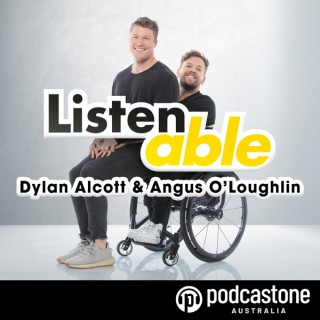
Content warning At 16, Matt Caruana attempted to take his own life. He survived, acquiring a complete spinal cord injury and becoming a wheelchair user.While recovering in hospital, Matt was consumed by the same belief that had followed him for years: that he was worthless. Then, during a train ride with his mum, a complete stranger asked him a confronting question:“What are you going to do about it now?”That moment did not instantly remove Matt's depression, but it changed the direction of his life. Instead of asking “Why me?”, he began asking “What now?”In this deeply honest conversation with Angus O'Loughlin, Matt shares the reality of surviving a suicide attempt, adjusting to life with a spinal cord injury and slowly rebuilding his identity. He explains why meaningful connection matters, what parents can do when a young person is struggling and how opening up helped transform his relationships with his family and friends.Matt also discusses finding purpose through sharing his story, breaking a Guinness World Record and becoming a competitive para climber. For Matt, strength is no longer about appearance or external validation. It is about contributing to other people and making hope visible.This episode explores suicide prevention, men's mental health, disability, resilience, spinal cord injury, wheelchair life, para climbing and the power of choosing to move forward one day at a time.Matt's experience of attempting suicide at 16Acquiring a complete spinal cord injury and becoming a wheelchair userThe belief that he was worthless and why he rejected supportThe stranger whose confronting question changed his directionWhy being present is essential when supporting someoneMatt's advice for parents of young people experiencing mental health challengesUsing a traffic-light system to begin difficult conversationsHow vulnerability strengthened Matt's relationshipsRebuilding independence following a spinal cord injuryFinding meaning by contributing to other peopleBreaking a Guinness World Record to “make hope visible”Discovering competitive para climbingWhy Matt hopes to compete at the Brisbane 2032 Paralympic GamesHow Matt defines his worth todayThis episode contains detailed discussion of suicide, suicidal thoughts and mental ill-health. Please take care while listening.If you or someone you know needs support, call Lifeline on 13 11 14, text 0477 13 11 14, or access its 24/7 online chat. If life is in immediate danger, call 000. Lifeline crisis supportYou can also contact Beyond Blue on 1300 22 4636 or speak with a counsellor online. Beyond Blue supportFollow Matt on Instagram: @MattShares.

Read the article at comedywham.com Episode #394 Slade Ham AND Jimmy Pineapple talks with Valerie Lopez about Getting their start in Houston alongside a young, pre-fame Sam Kinison and Bill Hicks Why LA sketch comedy and short sets never beat an hour alone with strangers Reviving the legendary Texas Outlaw Comics brand for a new Houston film taping Surviving brutal one-nighters, empty casinos, and what actually makes a comic great Recorded August 2026 Watch the video on our Youtube channel Follow Outlaw Comics Website - outlawcomics.com YouTube - youtube.com/@TheOutlawComics Instagram - @outlawcomics Facebook - facebook.com/theoutlawcomics See the Outlaw Comics Outlaw Comics special taping (October 16 at MATCH - Midtown Arts & Theater Center, Houston) Follow Slade Website - sladeham.com Linktree - linktr.ee/sladeham TikTok - @slade-ham-comedy YouTube - youtube.com/sladeham Instagram - @sladeham Facebook - facebook.com/sladehamcomedy Slade can be seen and heard: Signal/Noise - comedy special Until All the Dragons are Dead - collection of stories Whiskey Brothers Podcast (retired, 1086 episodes) Outlaw Comics special taping (October 16 at MATCH - Midtown Arts & Theater Center, Houston) The One that Got Away special (available November through Comedy Dynamics) Follow Jimmy Instagram - @jimmypineapplecomedy Facebook - facebook.com/jimmy.pineapple Jimmy can be seen and heard: Outlaw Comics special taping (October 16 at MATCH - Midtown Arts & Theater Center, Houston) Follow @ComedyWham on Instagram, Facebook, Youtube, Twitch, and Tiktok If you'd like to support our independent podcast, check out our Patreon page at: Patreon.com/comedywham . You can also support us on Venmo - just search for ComedyWham.

Send us Fan MailWelcome back to The Beyond Condition Podcast! I'm your host, Sarah Parker, and today I'm joined by my good friend, Matt Holdcroft.What happens when the battle with food becomes stronger than the desire to change?In this powerful and deeply honest episode, Matt shares his extraordinary journey from weighing nearly 400lbs to stepping onto a bodybuilding stage - a transformation sparked by a near-fatal illness, an induced coma and a surgeon's blunt warning that he had just 10 years to live.Matt opens up about his history with food addiction, emotional eating, secret bingeing and the psychological cycle of depression and overeating, explaining why food addiction can be so difficult to overcome when food is an unavoidable part of everyday life.His journey wasn't without major obstacles. During his first bodybuilding prep, Matt required emergency bowel surgery just seven weeks before his competition. The physical and psychological challenges of losing a huge amount of weight - and then navigating life after the show - reveal why transformation doesn't end when you step on stage.The conversation also explores one of the most important and often neglected parts of competitive bodybuilding: the post-show and rebound phase. For someone with a history of food addiction, the period after competition can be particularly dangerous. We discuss why post-show coaching should continue, why communication with your coach is essential when things go off-plan, and why the day of the competition is actually only the halfway point.In this episode, we explore:• Matt's transformation from nearly 400lbs to competitive bodybuilder • Surviving a near-fatal illness and being placed on ECMO • The surgeon's warning that changed everything • Food addiction and emotional eating • Binge eating, secret eating and decision fatigue • The psychological cycle of depression and overeating • Can fitness addiction replace food addiction? • The physical and psychological reality of bodybuilding prep • Emergency surgery during competition preparation • Loose skin removal and rebuilding after major weight loss • Post-show rebound and the risks of food addiction returning • Why post-show coaching is just as important as competition prep • Why coaches need to be honest about whether a client is ready to compete • Why first-time competitors shouldn't rush into high-level shows • The importance of communication between athlete and coach • When therapy may be needed alongside bodybuilding coachingYour transformation doesn't end when you reach the stage.For many athletes, the real test begins when the structure of prep disappears.This is an honest conversation about weight loss, food addiction, bodybuilding, mental resilience, coaching and what it really takes to create lasting change.Find Matt on Instagram @matt_holdcroft @quarterturnnutritionWatch the episode here: https://youtu.be/ARohf9jQ3RIFind Sarah on Instagram: @sarahparker_bbTHE ULTIMATE SHOW DAY GUIDE E-BOOK: Purchase hereBeyond Condition Coaching Application: Click here

Max Pearson presents a collection of the week's Witness History episodes.We learn why, in 2004, Uruguayans voted to enshrine water as a human right in their constitution - the first country in the world to do so. And environmental historian Ellen Arnold reveals how water has shaped human history.Also, we tell the story of the fatal hijacking of Pan Am Flight 73 in Pakistan, 40 years ago. And how the island of Antigua was devastated when Hurricane Luis hit the Caribbean in 1995. We find out more about the abandoned Nazi photo album revealing the chilling normality of life at the Auschwitz concentration camp. Plus, how a Northern Ireland peace movement was born from one family's tragedy.Finally, in Sporting Witness, why Ghana's sprinting superstar Alice Annum won the nickname ‘Baby Jet'.Contributors: Carmen Sosa - member of the water workers trade union. Ellen Arnold – environmental historian. Eli Fuller – Antigua resident. Madhvi Bahunga - Pan-American Airways flight attendant. Rebecca Erbelding – archivist and historian. Gerry Grehan - chairperson of the Peace People. Alice Annum - Ghanian sprinter.(Photo: A woman casts her ballot in Montevideo, 2004. Credit: Miguel Rojo/AFP via Getty Images)

Lille's discipline pushed PSG to the edge of defeat, but Vitinha and Marquinhos delivered an extraordinary stoppage-time escape. The resilience of champions remains undeniable — yet two consecutive 2–0 deficits reveal a problem that even another remarkable comeback cannot disguise.⚽

HUSH No More w/ Dr. Vanessa #DomesticViolenceAwareness #BreakTheSilence #HUSHNoMoreWhat happens when a marriage that lasted nearly five decades is marked not by safety and love, but by pain, control, and abuse? In this courageous episode, we explore the hidden realities of domestic violence and the strength it takes to walk away—even after many years.Join Dr. Vanessa Guyton and special guest Karol Brown-Jones as Karol shares her powerful story of surviving 48 years in an abusive marriage and the difficult journey of choosing herself, reclaiming her voice, and leaving the relationship.This conversation offers hope to survivors and insight to families, friends, and communities who want to better support those experiencing abuse.No matter how long you've stayed, you still have the right to leave, heal, and begin again.#HUSHNoMore #DomesticViolenceAwareness #SurvivorStrong #BreakTheSilence #HealingAfterAbuse #EveryoneHasTheRightToTellItAndHeal #HUSHNoMorewithDrVanessaAsk

#1055 What if an idea inspired by a college “emotional support hamster” could eventually land your product on shelves in more than 2,000 stores across the country? In Part 1 of this two-part episode, host Brogan Williams sits down with Ethan Haber, founder and CEO of Happy Habitats, to unpack how he turned a simple question — “Why can't you walk your hamster?” — into a growing small-pet products company now carried by major retailers like Petco. Ethan shares how he validated his idea, navigated years of manufacturing setbacks, and kept going through COVID delays and an eight-month shipping nightmare before finally reaching profitability in 2026. He also breaks down what it takes to launch a physical product, why trade shows and honest customer feedback are so valuable, and how years of persistence, cold outreach, and relationship-building helped Happy Habitats expand into more than 2,000 retail doors across the country! What we discuss with Ethan: + From college idea to Petco + Reinventing the hamster ball + Validating a product idea + Manufacturing a physical product + Surviving major production delays + Breaking into retail stores + Trade shows and buyer relationships + Testing products with strangers + Cold outreach and persistence + Reaching 2,000+ retail doors Thank you, Ethan! Check out Happy Habitats at HappyHabitats.net. Purchase Happy Habitats Burrow Bricks. Follow Ethan on TikTok. Get your FREE 5 Minute Business Plan at MillionaireUniversity.com/Plan To get exclusive offers mentioned in this episode and to support the show, visit MillionaireUniversity.com/Sponsors Learn more about your ad choices. Visit megaphone.fm/adchoices

Aries Spears and Andy Steinberg are back for another unfiltered episode of Spears & Steinberg. This week: a Cactus Corn popcorn taste test kicks things off before the guys dive into the Lindsay Clancy postpartum psychosis case, the protests and who's really to blame, the WNBA dildo-throwing controversy and the trans athletes in women's sports debate, LA's homeless crisis (including a proposed city-funded "relief" program), a Batman vs. Superman business breakdown, Marvel vs. DC villains, and a raw conversation about race in America sparked by some viral clips. Aries also tells the story of getting passed over for SNL in '98 — and what Darrell Hammond later told him about it.

Stijn Schmitz welcomes Willem Middelkoop to the show. Willem Middelkoop is an author and is the Founder of the Commodity Discovery Fund. Middelkoop asserts that the “big reset” of the global financial system, a thesis he developed over a decade ago, is now unfolding in real time. He points to the accelerating decline of U.S. hegemony, evidenced by the collapsing petrodollar system and waning international support, particularly in the Middle East. This shift from an era of cooperation to confrontation is driving a fundamental change in capital flows, with generalist investors beginning to move away from paper assets like U.S. Treasuries toward hard assets. He notes that foreign ownership of U.S. debt has fallen below thirty percent, a situation he describes as “Weimar Lite,” where the Federal Reserve is increasingly forced to monetize government debt. This environment explains the strong performance of gold, which is being reintroduced into the monetary system without official decree, primarily through record central bank purchases. China alone is buying sixty percent of the world's annual mine production outside its borders. While Middelkoop does not foresee a hyperinflationary collapse, as the U.S. retains powerful tools like revaluing its gold holdings, he believes a new financial crisis is likely in the coming years. In such a crisis, he expects central banks to play the “gold card,” driving a significant revaluation. This outlook informs his investment strategy, which focuses on hard assets including real estate, physical gold and silver, Bitcoin, and high-quality equities. Shifting to the mining sector, Middelkoop highlights the exceptional opportunity in gold producers, which are generating record free cash flow yet trade at historically low valuations. His fund, however, specializes in discovery investing, concentrating on a select portfolio of world-class tier-one and tier-two discoveries. He emphasizes that the key to outsized returns is maintaining a long-term position in a major discovery, allowing value to compound over decades as the deposit is developed into a producing mine. This patient, concentrated approach involves taking significant stakes in companies after the initial discovery hype and supporting them through to production. Timestamps: 00:00:00 – Introduction 00:01:00 – Financial Reset Discussion 00:04:00 – US Losing Superpower Status 00:09:08 – Central Bank Gold Purchases 00:13:00 – Empire Decline and Debt 00:18:45 – Weimar Lite Scenario 00:23:00 – Gold Revaluation Process 00:28:00 – Mining Sector Opportunities 00:35:00 – Discovery Investing Strategy 00:42:00 – Portfolio Construction Advice 00:47:22 – Concluding Thoughts Guest Links: Commodity Discover Fund: https://www.cdfund.com X: https://x.com/@wmiddelkoop Willem Middelkoop: https://substack.com/@wmiddelkoop The Big Reset: https://www.cdfund.com/download-the-big-reset.html Willem Middelkoop is the founder of the Commodity Discovery Fund and also an author. He became a well-known personality through his work as a stock market commentator for the Dutch business television channel RTLZ. Middelkoop predicted the credit crisis’s onset in his book “Als de dollar valt” (If the dollar falls) in 2007. Subsequent publications were “De permanente oliecrisis” (The permanent oil crisis) – 2008, “Overleef de kredietcrisis” (Surviving the credit crisis) – 2009, “Goud en het geheim van geld” (Gold and the secret of money) – 2012, and The Big Reset – 2013. In total, he sold more than 100,000 copies of his books. The Commodity Discovery Fund was established in the summer of 2008. It started with three million euros and 22 participants. By the end of 2023, it had grown to about 2,000 participants and €104 million in assets under management.

On this week’s show, we’re talking to a good friend of ours who tells us about surviving a bear attack. Cory Loeffler now lives in Alaska, and we’re fortunate he lived to tell this story on the air. He tells us what he was up to, what he did to make it out alive, and just how fast things can happen in the Alaskan wilderness. Bret Amundson and Dan Amundson start the show talking about the MN DNR duck population survey, and Dan gets derailed by a certain YouTube video. Make sure you're “following” us on your favorite podcast streaming platform so you never miss a show, and if you like what you're hearing, leave us a rating and a review. We'd love to hear from you, and it helps us more than you know! Save 20% on a new OnX HUNT Membership with the code “SJR20” https://www.onxmaps.com/hunt/app/east https://fishhuntforever.com Find us on SPOTIFY: https://open.spotify.com/show/5OVGMvd5vMvETdClc6ks6q?si=5bfeed6989d04b23 Find us on APPLE PODCASTS: https://podcasts.apple.com/us/podcast/fish-hunt-forever/id1248475232 Find us on FACEBOOK: https://www.facebook.com/fishhuntforever Follow us on INSTAGRAM: https://www.instagram.com/fish.hunt.forever/ Follow BRET on Instagram: https://www.instagram.com/bret.amundson/?hl=en Follow DAN on Instagram: https://www.instagram.com/dan_amundson/?hl=en Find us on TIKTOK: https://www.tiktok.com/@fishhuntforever Follow DAN on TIKTOK: https://www.tiktok.com/@dan.amundson Follow BRET on TIKTOK: https://www.tiktok.com/@bretamundson Get a NEW BOAT: https://www.raysmarinealex.com/ Take a trip to LAKE OF THE WOODS: https://lakeofthewoodsmn.com/ Take a trip to DEVILS LAKE: https://www.haybaleheights.com/index.html Get in on the Rainy River/Lake of the Woods FISH MIGRATION: https://riverbendresort.com/ Learn more about SPACE TRAILERS: https://spacetrailers.com/?srsltid=AfmBOooboQSOhbWZ18_wMvVzkAIZx0uGsJiClXI22XCheqrdD8SEIUHn Learn more about CHEF ROBERTS: https://chefroberts.com/ Get OnX FISH: https://www.onxmaps.com/fish/app Visit GRAND RAPIDS, MN: https://visitgrandrapids.com Get a TOWBOAT US Membership: https://xcapeboatrentals.com/towboatu-s https://fishhuntforever.com/feed/podcast/ The post Week 729: Surviving a Bear Attack appeared first on Fish Hunt Forever.

Hampus Jakobsson, General Partner at Pale blue dot, explains how Founders and investors can balance careful planning with decisive action when doubt takes over.Through the true story of polar explorer Ann Daniels and his “swimming with sharks” framework, he explores:Why planning without action keeps you stuckWhy speed without direction wastes energyHow extraordinary people act before certainty arrivesRecorded at Love Tomorrow Summit, where EUVC curated the investor-focused programme. Subscribe to EUVC for more insights.Timestamps(01:00) Ann Daniels reaches a breaking point(02:00) An unexpected opportunity at the North Pole(03:00) Surviving the expedition selection process(04:00) What makes extraordinary people different?(05:00) Why you have to handle cringe(06:00) Breaststroke versus crawl(07:00) Planners, action heroes and why you need both(08:00) Scheduling your breaststroke meeting(09:00) Give doubt an appointment

In the final episode of our Surviving Middle School series, we’re answering your questions about navigating this sometimes complicated stage of growing up. Dr. Russell Ledet joins us for a Q&A covering friendships, social media, and newly navigating independence. He shares practical advice and perspective for parents who want to better understand what their middle schoolers are experiencing and stay connected as they grow. Tune in for a thoughtful conversation filled with insight and guidance for navigating the middle school years. Resources & Announcements Want to reflect on this conversation in community? Join us inside our Patreon community where we’re unpacking this episode together. You can now catch episodes of the Therapy for Black Girls podcast on YouTube. Be sure to subscribe to get new episodes every week. Did you know you can leave us a voice note with your questions for the podcast? If you have a question you'd like some feedback on, topics you'd like to hear covered, or want to suggest movies or books for us to review, drop us a message at memo.fm/therapyforblackgirls and let us know what’s on your mind. We just might share it on the podcast. Grab your copy of Sisterhood Heals. Where to Find Our Guest Instagram LinkedIn Website Stay Connected Is there a topic you'd like covered on the podcast? Submit it at therapyforblackgirls.com/mailbox. If you're looking for a therapist in your area, check out the directory at https://www.therapyforblackgirls.com/directory. Grab your copy of our guided affirmation and other TBG Merch at therapyforblackgirls.com/shop. The hashtag for the podcast is #TBGinSession. Make sure to follow us on social media: Instagram: @therapyforblackgirls Facebook: @therapyforblackgirls Our Production Team Executive Producers: Dennison Bradford & Gabrielle Collins Director of Podcast & Digital Content: Ellice Ellis Producer: Ndeye Thioubou Production Assistant: Bria MosleySee omnystudio.com/listener for privacy information.

What happens when technology stops merely serving humanity—and starts trying to redefine what it means to be human?Pastor George Sayour is joined by author C.R. Wiley to discuss his book Man Made: A Guide to Surviving the AI Apocalypse and the Christian response to artificial intelligence and transhumanism.They explore the connections between AI, the transhumanist dream, Francis Bacon, human “hacking,” consciousness, golems, robots, and humanity's ancient temptation to overcome the limits God has placed upon us.Wiley argues that Christians don't need to fear every use of artificial intelligence. But as technology becomes increasingly powerful, Christians must remain rooted in the real, embodied, analog world God created—and resist the temptation to remake humanity in man's own image. https://canonpress.com/products/manma...

What happens when a routine childhood cold turns your sweet eight-year-old into a full-blown horror movie scene overnight? Sickboy royalty Jessica Slice returns to the show for an intimate, terrifying, and wildly eye-opening conversation about the nightmare her family lived through when her daughter suddenly stopped walking, lost her speech, and entered a state of extreme, violent psychosis.When ER doctors brushed off her daughter's sudden motor tics with a casual "kids are weird" and offered to throw an eight-year-old into an adult psych ward alongside an adult roommate, Jessica refused to take broken systems for an answer. Enter PANS (Pediatric Acute-onset Neuropsychiatric Syndrome) - a controversial, deeply misunderstood condition where a basic infection triggers an immune response that crosses the blood-brain barrier and sets off neuroinflammation in the brain.From mysterious motor spasms to stealth trips across the border for IVIG treatment, Jessica gives us a raw, unfiltered look at relentless maternal advocacy, medical gaslighting, and the fight to save her daughter's mind.For physician-vetted resources on PANS/PANDAS or to follow Jessica's writing and advocacy work, check out the links below:https://www.pandasppn.org/https://jessicaslice.comFollow Sickboy: YouTube: https://www.youtube.com/@SickboyPodInstagram: https://www.instagram.com/sickboypodcastTiktok: https://www.tiktok.com/@sickboypodcastDiscord: https://discord.gg/expeUDN

This month, on Laura Flanders & Friends, we turn to the state of journalism—at a moment of deep disruption, consolidation, and consequence. But journalists aren't simply standing by—they're pushing back, reimagining their work, and, in many cases, taking matters into their own hands. This week we'll hear from the long-running independent collective Third World Newsreel, still thriving in an era some are calling “media carnage,” showing what it looks like to endure—and to resist. This show is made possible by you! To become a sustaining member go to LauraFlanders.org/donate Description: It's almost unheard of for an independent media collective to survive as long as Third World Newsreel has. Since 1968, they have chronicled some of the most pivotal movements in human history and continue to expand on their collection of over 700 titles. There's lots to learn about how they've adapted through technological revolutions, political persecutions, philanthropic booms and busts — and how the oldest media arts collective in the U.S. is making do in today's “media carnage”, as Laura Flanders puts it. Joining us are JT Takagi, an independent filmmaker, sound recordist, and the longtime executive director of Third World Newsreel. Tami Gold is an artist and activist whose documentaries grapple with everything from imperialism to sex work. Her films include My Country Occupied, Another Brother and Land Rain Fire among many more. Puerto Rican-born Juan Carlos Dávila works in film as well as TV, where he reports on social movements around environmentalism, militarism and the struggles of the working class on the island. His films include The Stand-By Generation, Viequez: An Endless Battle and Drills of Liberation. Join us as we look at the past, present and future of Third World Newsreel and ask how film can be used as a tool for organizing. “I'd say we feel more urgent now than ever before. Every day there's something happening that makes it clear that our rights and liberties, and people's lives all over the world are at stake. Not being in touch with the history and media that shows the truth of what's going on is really decimating people's ability to, as Juan said, know what to follow and what to do.” - JT Takagi “We need to retake the theater, the physical space that is being ignored by the corporations. Perhaps now that is the opportunity that we have . . . A theater is being rented by people who are organizers, and they're using their collective spirit and know-how to organize huge, huge crowds to come.” - Tami Gold “People can shoot stuff with the phone . . . I see a lot in Puerto Rico that people are still wanting to produce with the corporate industry standards. Many young filmmakers like myself tend to think that we need so many personnel to be doing films. Right now we can actually make films with less.” - Juan Carlos Dávila Guests: • Juan Carlos Dávila: Documentary Filmmaker, Multimedia Journalist, Puerto Rico Correspondent, Democracy Now! • Tami Gold: Filmmaker, Artist, Activist • JT Takagi: Executive Director, Third World Newsreel Watch on YouTube this episode that includes video clips referenced in this episode from Third World Newsreel; PBS World Channel 11:30am ET Sundays and on over 300 public stations across the country (check your listings, or search here via zipcode). Listen: Episode airing on community radio (check here to see if your station airs the show) & available as a podcast February 25th, 2026. Full Conversation Release: While our weekly shows are edited to time for broadcast on Public TV and community radio, we offer to our members and podcast subscribers the full uncut conversation. Music Credit: 'Thrum of Soil' by Bluedot Sessions, 'Steppin' by Podington Bear, and original sound design by Jeannie Hopper Support Laura Flanders and Friends by becoming a member at https://www.patreon.com/c/lauraflandersandfriends RESOURCES: Full Episode Notes are located HERE. Related Laura Flanders Show Episodes: • Dolores Huerta & Ellen Gavin: Creative Courage in the Face of Fascism- Watch / Listen: Full Uncut Conversation and Episode Cut • BIPOC Press for the People: Bursting the Corporate Media Bubble- Watch / Listen: Episode Cut • Meet the BIPOC Press: Is Worker-Owned Media the Future of Journalism?- Watch / Listen: Episode Cut Related Articles and Resources: • Documentaries Ripped From the Headlines Are Becoming Harder to See, by Marc Tracy, December 18, 2024, The New York Times • My Country Occupied, Documentary by Tami Gold • La Generación Del Estanbai (The Standby Generation), Documentary by Juan C. Davila and Third World Newsreel, Trailer • Why Frederick Wiseman Was the Greatest Documentary Filmmaker Ever, by Richard Brody, February, 17, 2026, The New Yorker •. Fredrick Weissman Filmmaker, Producer and Theater Director, Zipporah Films Inc • Drills of Liberation, Documentary by Juan C. Davila • Third World Newsreel (TWN) Brings Historic Newsreel Retrospective To BAM, Anthology Film Archives, And DOK Leipzig, October 2025, Third World Newsreel • Have You Seen It Yet? The Algorithm Problem In Movie Marketing, by Charity Maxson, January 27, 2026, TR!LL Laura Flanders and Friends Crew: Laura Flanders-Executive Producer, Writer; Sabrina Artel-Supervising Producer; Jeremiah Cothren-Senior Producer; Veronica Delgado-Video Editor, Janet Hernandez-Communications Director; Jeannie Hopper-Audio Director, Podcast & Radio Producer, Audio Editor, Sound Design, Narrator; Sarah Miller-Development Director, Nat Needham-Editor, Graphic Design emeritus; David Neuman-Senior Video Editor, and Rory O'Conner-Senior Consulting Producer. FOLLOW Laura Flanders and FriendsInstagram: https://www.instagram.com/lauraflandersandfriends/Blueky: https://bsky.app/profile/lfandfriends.bsky.socialFacebook: https://www.facebook.com/LauraFlandersAndFriends/Tiktok: https://www.tiktok.com/@lauraflandersandfriendsYouTube: https://www.youtube.com/channel/UCFLRxVeYcB1H7DbuYZQG-lgLinkedin: https://www.linkedin.com/company/lauraflandersandfriendsPatreon: https://www.patreon.com/lauraflandersandfriendsACCESSIBILITY - The broadcast edition of this episode is available with closed captioned by clicking here for our YouTube Channel

Sisters in Loss Podcast: Miscarriage, Pregnancy Loss, & Infertility Stories
Can you imagine getting pregnant while on birth control? For United States Naval Officer Jordan Johnson, this rare surprise became a reality when she beat the statistical odds and conceived while her IUD was still in place. What started as a journey of unexpected joy—complete with a cross-country military relocation and a beautiful baby shower—tragically shifted just two weeks later. At 29 weeks, Jordan rushed to the hospital only to learn her son no longer had a heartbeat.

What happens when technology stops merely serving humanity—and starts trying to redefine what it means to be human?Pastor George Sayour is joined by author C.R. Wiley to discuss his book Man Made: A Guide to Surviving the AI Apocalypse and the Christian response to artificial intelligence and transhumanism.They explore the connections between AI, the transhumanist dream, Francis Bacon, human “hacking,” consciousness, golems, robots, and humanity's ancient temptation to overcome the limits God has placed upon us.Wiley argues that Christians don't need to fear every use of artificial intelligence. But as technology becomes increasingly powerful, Christians must remain rooted in the real, embodied, analog world God created—and resist the temptation to remake humanity in man's own image. https://canonpress.com/products/manma...Watch all of our videos and subscribe to our channel for the latest content >HereHere


Back-to-school season often brings more than new teachers, new classmates, and new routines.For many protective parents, it also marks the beginning of a new round of smear campaigns.Whether it's with teachers, other parents, coaches, family members, or professionals involved in your case, someone who uses coercive control often looks for opportunities to shape the narrative before you have a chance to tell your own story.The result? Anxiety. Isolation. Self-doubt. And the overwhelming urge to defend yourself.But what if your greatest strength isn't convincing everyone you're telling the truth?What if it's learning to stay grounded in your values while allowing your consistency to speak louder than their accusations?In this episode, we explore practical mindset shifts that can help you respond differently to smear campaigns while protecting both your peace and your credibility.In this episode, we answer:How do I stop a smear campaign from taking over my thoughts and emotions?When should I respond to false accusations—and when is it better not to?How can I protect my credibility without constantly defending myself?If you've ever found yourself replaying conversations, worrying about what other people think, or wondering how to protect your reputation without losing yourself in the process, this episode is for you.Please leave us a review or rating and follow/subscribe to the show. This helps the show get out to more people.If you want to chat more about this topic, I would love to continue our conversation over on Instagram! @risingbeyondpcIf you want to support the show, you may do so here at Buy Me A Coffee. Thank you! We love being able to make this information accessible to you and your community.If you've been looking for a supportive community of women going through the topics we cover, head over to our website to learn more about the Rising Beyond Community. - https://www.risingbeyondpc.com/Wondering where to start? Check out our top free resources - https://www.risingbeyondpc.com/resources.htmlIf you're interested in guesting on the show, please fill out this form - https://forms.gle/CSvLWWyZxmJ8GGQu7Where to find more from Rising Beyond:Rising Beyond FacebookRising Beyond LinkedInRising Beyond Pinterest

George Christie is the former longtime president of the Hells Angels Motorcycle Club's Ventura, California chapter, where he spent decades leading one of the country's most well-known outlaw motorcycle clubs. After leaving the club, he became an author, speaker, and commentator, sharing insights on leadership, loyalty, the justice system, and personal accountability. His memoir, Exile on Front Street: My Life as a Hells Angel—and Beyond, chronicles his experiences inside the Hells Angels and his life after leaving the outlaw world. Privacy Isn't Paranoia. It's Protection. Download Glacier - https://srs.site/glacierapp Website - https://theglacierapp.com Shawn Ryan Show Sponsors: Start your new morning ritual and get up to 43% off your MUDWTR with code SRS at https://mudwtr.com/SRS! #mudwtrpod Go right now to https://sundaysfordogs.com/SRS50 and get 50% off your first order. Or, you can use code SRS50 at checkout. Upgrade your eyewear for summer at https://roka.com and use code SRS for 20% off sitewide at checkout. Go to https://moinkbox.com/SRS to get free chicken wings in every box for a year as long as you're a paying customer. Live better longer with BUBS Naturals. Get 20% OFF on collagen, MCT creamers, and more with code SHAWN at https://bubsnaturals.com/srs George Christie Links: Official Site - https://www.georgechristie.com Facebook - https://www.facebook.com/p/George-Christie-100063588966258 YouTube - https://www.youtube.com/@GeorgeGusChristie Instagram - https://www.instagram.com/georgechristiejr Book - https://www.amazon.com/dp/1982109516 Learn more about your ad choices. Visit podcastchoices.com/adchoices

Willie's questions about the old Robertson property send Al deep into family history and uncover details about the family's earliest years that even Willie never fully knew. Jase, Al, and Zach look back on the Robertson family's famously argumentative style and why their fights, however heated, don't turn into lasting grudges. Jase and Zach also find themselves analyzing their own family backgrounds through a new men's group, while the conversation turns to why Christians can get distracted by theological arguments and miss the larger purpose of the Gospel. In this episode: James 1:12-17; James 3:9, 16; James 4:1-7; Proverbs 3:18-19, 34; Genesis 1:28 “Unashamed” Episode 1405 is sponsored by: https://helixsleep.com/unashamed — Get 27% off sitewide and make sure you enter our show name after checkout so they know we sent you! https://chministries.org/unashamed — Get a better solution at half the cost of traditional healthcare! https://rocketmoney.com/unashamed — Join Rocket Money and let them help you reach your financial goals faster. http://unashamedforhillsdale.com/ — Sign up now for free, and join the Unashamed hosts every Friday for Unashamed Academy Powered by Hillsdale College Listen to Not Yet Now with Zach Dasher on Apple, Spotify, iHeart, or anywhere you get podcasts. Check out At Home with Phil Robertson, nearly 800 episodes of Phil's unfiltered wisdom, humor, and biblical truth, available for free for the first time! Get it on Apple, Spotify, Amazon, and anywhere you listen to podcasts! https://podcasts.apple.com/us/podcast/at-home-with-phil-robertson/id1835224621 Chapters 00:00 Jase & Zach Enter Group Therapy 04:42 The Snake That Helped Al Buy a House 08:18 Zach Meets the Family's Pet Snake 13:37 Willie Takes Zach's Side Against Jase 19:16 Why Robertson Family Fights Never Last 25:48 Jase Connects the Tree of Life to Wisdom 35:10 We Keep Asking the Wrong Questions 44:39 James Gets to the Root of Our Fights 50:42 Are Christians Cheating on Jesus? — Learn more about your ad choices. Visit megaphone.fm/adchoices

Surviving 9/11: A Story of Providence, Courage & RemembranceIn this week's Team Never Quit Podcast, Marcus and Melanie meet with Daniel Geraghty, who shares his deeply personal and harrowing account of surviving the terrorist attacks of September 11, 2001.Daniel was a newlywed, transitioning from military life into the corporate world, and working near the World Trade Center. On that September morning, he was preparing to make his way to Tower 2 for business. A seemingly insignificant series of delays—including an unexpected breakfast with his mother-in-law and spilled coffee on his shirt and tie—changed the course of his life. Those few extra minutes meant Daniel was not inside the South Tower when it was struck at 9:03 a.m.When Daniel emerged from the subway near the World Trade Center, he encountered chaos unlike anything he had ever experienced. Sirens filled the streets. Paper rained through lower Manhattan. Looking toward the Towers, Daniel witnessed the North Tower engulfed in fire and people desperately signaling from above.Then the second plane struck.Daniel recalls the tremendous fireball, the concussion, flying debris, and thousands of people running for their lives. Believing he might die, he still found himself unable to ignore a woman who had fallen in the stampede—until another stranger appeared, lifted her from the street, and carried her to safety. It is an image of humanity and courage that has remained with Daniel ever since.Daniel's story is more than an eyewitness account of one of America's darkest days. It is a powerful reflection on survival, providence, service, courage, and the weight of being given another day. For thousands, September 11 remains a story preserved only in remembrance. Daniel knows how close he came to becoming one of them—and why he remains profoundly grateful that his own story continued.In This Episode, You'll Hear: The seemingly ordinary delay Daniel believes saved his life. His transition from the Army into corporate life in New York City. What Daniel witnessed as he emerged from the subway near the World Trade Center. His firsthand account of the moments before and after the second plane struck. The internal struggle between his military instinct to run toward danger and the realization that he needed to get away. The unforgettable acts of courage and humanity Daniel witnessed in the streets. The emotional burden carried by those who survived. Daniel's reflections on gratitude, remembrance, and why September 11 must never be forgotten. This is an intense, moving conversation about a day that changed America forever—and one man's extraordinary experience of being just minutes away from a very different fate.Listen in as Daniel Geraghty takes Marcus and Melanie back to September 11, 2001, sharing what he saw, what he survived, and the moments that continue to live with him more than two decades later.Support Dan:- IG: https://www.instagram.com/dan_getready?igsi=c2R3MjlhN2p0OWg3- Order his book here —> https://www.amazon.com/dp/B09MJTCQKD?ref_=cm_sw_r_ffobk_cso_cp_mwn_dp_4245V5E8YA3SXW7RTZG4&bestFormat=trueSupport TNQ - IG: team_neverquit , marcusluttrell , melanieluttrell , huntero13 - https://www.patreon.com/teamneverquitSponsors: - Navyfederal.org - Dripdrop.com/TNQ- vinted.com/TNQ - davidprotein.com/TNQ- quo.com/TNQ - mengotomars.com [Team Never Quit] - bubsnaturals.com [Promo code TNQ] - mizzenandmain.com [Promo code: TNQ20] - masterclass.com/TNQ - ShopMando.com [Promo code: TNQ] - Tractorsupply.com/hometownheroes - meetfabiric.com/TNQ - Prizepicks (TNQ) - armslist.com/TNQ - PXGapparel.com/TNQ - bruntworkwear.com/TNQ - shipsticks.com/TNQ - stopboxusa.com {TNQ} - Tonal.com [TNQ] - greenlight.com/TNQ - drinkAG1.com/TNQ - Hims.com/TNQ
© 2020-2026 Ivy Podcast Discovery LLC
