
Person helping another with activities of daily living

POPULARITY
Categories

339 episodes with caregiving

404 episodes with caregiving

656 episodes with caregiving

397 episodes with caregiving

225 episodes with caregiving

316 episodes with caregiving

239 episodes with caregiving

164 episodes with caregiving

166 episodes with caregiving

202 episodes with caregiving

357 episodes with caregiving

111 episodes with caregiving

118 episodes with caregiving

84 episodes with caregiving

116 episodes with caregiving

72 episodes with caregiving

61 episodes with caregiving

116 episodes with caregiving

75 episodes with caregiving

72 episodes with caregiving

56 episodes with caregiving

61 episodes with caregiving

50 episodes with caregiving

45 episodes with caregiving

124 episodes with caregiving

69 episodes with caregiving

49 episodes with caregiving

81 episodes with caregiving

41 episodes with caregiving

30 episodes with caregiving

28 episodes with caregiving

28 episodes with caregiving

54 episodes with caregiving

18 episodes with caregiving

21 episodes with caregiving

21 episodes with caregiving

30 episodes with caregiving
81 episodes with caregiving

18 episodes with caregiving

14 episodes with caregiving

28 episodes with caregiving

20 episodes with caregiving

22 episodes with caregiving

39 episodes with caregiving

30 episodes with caregiving

28 episodes with caregiving
18 episodes with caregiving

29 episodes with caregiving

17 episodes with caregiving

19 episodes with caregiving

17 episodes with caregiving

20 episodes with caregiving

27 episodes with caregiving

12 episodes with caregiving
0871Today we're talking about something that millions of families experience, but very few of us are really prepared for: the moment when the people who raised us begin to need us to care for them. My guest is Emmy-nominated filmmaker Michelle Boyaner, whose documentary It's Not a Burden: The Humor and Heartache of Raising Elderly Parents, named Documentary of The Month by The Today Show, takes a remarkably personal look at that role reversal—not only through Michelle's experience caring for her own parents, but through the experiences of families from many different backgrounds. It's a story about caregiving, but it's also about guilt, humor, frustration, dignity, family relationships and, ultimately, love.https://www.seniorcareauthority.com/resources/boomers-today-podcast/

Healthcare marketing has had a caregiver persona for fifteen years. She was worried, researching options, wanting a second opinion. That was a fair description of the job in 2010. Today most family caregivers help with bathing, dressing and mobility, and many now handle injections, wound care, catheters and oxygen equipment at home. Eleven percent were trained for any of it. Chris Boyer and Reed Smith open on new research projecting how much bigger this population gets by 2040, and on why the explanation everyone reaches for turns out to be wrong. The rest of the first half is about why none of this reaches anyone's numbers. One caregiver arrives in a health system as three unlinked records. The one tool built to let her in goes unmarketed and almost unused, and the workaround hospital staff recommend instead would get a marketer fired. Then Chris turns to why every fix built for her quietly stops working around week three. Jessica Hulter and Lamarque Polvado of CareStarter built software that asked a clinic checkout desk for sixty seconds. Staff used it for two weeks, then stopped, and nobody could make them start again. What they did in response put the human somewhere other than where healthcare usually puts her, and Jessica is that human. If your organization has a caregiver persona, go find out what year the data underneath it came from. Healthcare's Long Walk Toward the Patient, the free eBook marking 500 episodes: https://www.touchpointpodcastbook.com The Future Availability of Family Caregivers: Implications for Late-Life Care Gaps, Population Research and Policy Review, volume 45, article 33, published online June 1 2026. Pairs the National Health and Aging Trends Study with kinship projections through 2040: https://link.springer.com/article/10.1007/s11113-026-10016-4 AARP Public Policy Institute, The Aging of the Baby Boom and the Growing Care Gap, 2013. Source of the caregiver support ratio, 6.6 in 1990, 7.2 in 2010, projected near 4 by 2030: https://www.aarp.org/content/dam/aarp/research/public_policy_institute/ltc/2013/baby-boom-and-the-growing-care-gap-insight-AARP-ppi-ltc.pdf AARP and the National Alliance for Caregiving, Caregiving in the US 2025. Fielded in 2024, published July 2025, 6,858 family caregivers on a nationally representative online survey: https://www.caregivingintheus.org/wp-content/uploads/2026/03/caregiving-in-us-2025.doi_.10.26419-2fppi.00373.001.pdf Security and Privacy Risks Associated With Adult Patient Portal Accounts in US Hospitals, JAMA Network Open, 2020. Survey of 102 US hospitals on proxy account availability: https://pubmed.ncbi.nlm.nih.gov/32364562/ Administrative burden as an organizational design problem, narrative review, The Healthcare Executive, August 2026. Source of the argument that burden work moves rather than disappears: https://www.thehealthcareexecutive.net/article/operations-quality-safety/administrative-burden-workflow-redesign-hospitals/ CareStarter: https://carestarter.co PIC6, the innovation unit: https://pic6.co PCSI, whose mission is to enhance the lives of people with disabilities: https://www.pcsi.org Jessica Hulter on LinkedIn, where she invited listeners to reach out directly: https://www.linkedin.com/in/jessica-hulter/ AFWERX, the Air Force innovation arm whose SBIR program funded the Travis Air Force Base work: https://afwerx.com/ Exceptional Family Member Program, Military OneSource overview: https://www.militaryonesource.mil/family-relationships/special-needs/exceptional-family-member-program/ GAO-18-348, DoD Should Improve Its Oversight of the Exceptional Family Member Program, May 2018: https://www.gao.gov/products/gao-18-348 Montclair Police Department cargo theft investigation, two pickups about an hour apart on August 17 at the Anheuser-Busch distribution center on Brooks Street in Montclair California, roughly $70,000 in product including about 40,000 pounds of Pabst Blue Ribbon. Pabst posted a reward and a return deadline on Instagram: https://ktla.com/news/california/40000-pounds-of-pabst-blue-ribbon-stolen-in-massive-california-beer-heist/ TP499, "The Experience Ends Where the Bill Begins," the Cassandra Skinner episode Chris calls back to on what looks like noncompliance TP482, "The Pilot That Never Graduates," the episode Chris calls back to on initiatives that never survive past the trial Reed Smith on LinkedIn: https://www.linkedin.com/in/reedtsmith/ Chris Boyer on LinkedIn: https://www.linkedin.com/in/chrisboyer/ Chris Boyer website: http://www.christopherboyer.com/ Chris Boyer on BlueSky: https://bsky.app/profile/chrisboyer.bsky.social Reed Smith on BlueSky: https://bsky.app/profile/reedsmith.bsky.social Recommendations from this episode: Chris: Ted Lasso season four on Apple TV+. Ten episodes, premiered August 5 2026 with new episodes weekly on Wednesdays through October 7. Jason Sudeikis, Hannah Waddingham, Juno Temple, Brett Goldstein and Brendan Hunt return, with Ted taking over AFC Richmond's second division women's team Reed: College football, and SEC Shorts, the weekly comedy sketch series on YouTube and Instagram that plays off the prior weekend's SEC results: https://www.youtube.com/@SECShorts MENTIONS FROM THE SHOW Learn more about your ad choices. Visit megaphone.fm/adchoices
Hello Brave Friends! This is an Ask Us Anything episode in which YOU, the listener, get to write or call in and, you guessed it, ask us anything!In this Ask Us Anything episode, #262, Jessica Patay, Susanna Peace Lovell, and Dr. Zoe are responding to the question:“Hi Bravies! How do I find my purpose when my whole life revolves around caregiving? I am a single mom and I do not have respite caregivers or family to help me out.”When caregiving requires nearly everything you have, where is the space to figure out who you are or what gives your life purpose outside of being a mom?Jessica, Susanna, and Dr. Zoe talk honestly about identity, purpose, and the very different seasons of a caregiving life. They acknowledge the grief that can come with losing a career, freedom, spontaneity, or a version of yourself you thought you would get to be—and why those feelings deserve compassion rather than judgment.Together, they challenge the idea that purpose is something we have to go out and “find.” Instead, purpose can be formed through the way we live our lives right now. Living in alignment with our values, finding small moments of meaning and calm, and staying connected to ourselves can matter even when our circumstances leave very little room for anything beyond caregiving.They also discuss the importance of community and connection, practical tools for supporting mental health, and how thinking about future seasons can create hope without requiring us to pretend our present circumstances are easy.Most importantly, this conversation makes room for the reality behind the listener's question: not every caregiving mom has respite, family support, time, or the ability to simply “do something for herself.” Finding purpose shouldn't become one more impossible task on an already overwhelming list.Your purpose doesn't have to be a destination, a career, a passion project, or something separate from the life you're living. It can evolve as your circumstances change—and so can you.Keep the vulnerable questions coming. We're here to support you.We see you, and we love you!We are incredibly grateful to Rise Educational Advocacy for sponsoring Season 11 of Brave Together Podcast and for supporting our mission to strengthen and encourage caregiving moms. Find more about Rise here. Resources mentioned in this episode: Calm App, Values Bridge by Susie WelchFind more information about Licensed Psychotherapist, Dr. Zoe here. Find Dr. Zoe's book, Stronger in the Difficult Places: Heal Your Relationship with Yourself by Untangling Complex Shame here.Find more information about Life Coach, Susanna Peace Lovell here.Find Susanna's book, Your True Self is Enough here.Find our first book from We Are Brave Together, Becoming Brave Together here.Find our second book from We Are Brave Together, Suddenly Brave Together here. Find FULL episodes and clips of our podcast on Youtube here.Brave Together is the podcast for We are Brave Together, a not-for-profit organization based in the USA. The heart of We Are Brave Together is to strengthen, encourage, inspire and validate all moms of children with disabilities and other needs in their unique journeys. JOIN the international community of We Are Brave Together here. Donate to support all of We Are Brave Together's programs and offerings here. Can't get enough of the Brave Together Podcast? Follow us on Instagram , Facebook and Youtube. Feel free to contact Jessica Patay via email: jpatay@wearebravetogether.org If you have any topic requests or if you would like to share a story, leave us a message here.Please leave a review and rating today! We thank you in advance!Disclaimer

What happens when taking care of someone else slowly requires you to disappear from your own life?Family caregiving rarely arrives according to plan. A diagnosis changes. A parent declines. A spouse becomes dependent. Roles reverse, schedules collapse, and someone quietly becomes responsible for another human being twenty-four hours a day.Amy and Monica Vest Wheeler explore the realities behind caregiver burnout, unpaid caregiving responsibilities, and the pressure to keep performing at work while privately carrying grief, medical decisions, and exhaustion. For many working caregivers, the strain is not only emotional. It can affect income, career stability, health, and the ability to remain in the workforce at all.Monica challenges the assumption that families should simply absorb this responsibility without consequence. The conversation turns toward workplace support for caregivers, the limitations of rigid bereavement and leave policies, and why flexible work for caregivers can be an act of both humanity and good leadership.Support can also begin closer to home. Another family member learns the care routine. Someone finally says what is really happening. A caregiver stops answering “fine” and allows another person to help carry the weight.Caregiving can be an expression of extraordinary love. But love does not make a person limitless. Sustainable care requires us to protect the life of the person receiving care without sacrificing the life of the person providing it.Moments That Create Momentum:When the Caregiver Becomes Invisible – Explore how responsibility for another person can consume so much emotional and physical energy that the caregiver's own needs quietly disappear.The Workplace Mask Caregivers Learn to Wear – Understand why employees may appear composed and productive while privately managing grief, medical crises, and round-the-clock caregiving responsibilities.Why Flexibility Is More Than an Employee Perk – Discover how small adjustments to schedules or work location can help organizations retain experienced employees instead of losing them to caregiving demands.The Cost of Keeping Caregiving a Family Secret – See how shame, privacy, and poor communication can leave one person carrying responsibilities that could be shared across family, friends, and community.Your Life Is Just as Worthy as the Person You're Caring For – Hear why caregiving cannot require complete self-erasure, and how protecting the caregiver may ultimately protect the person receiving care too.About the Guest:Monica Vest Wheeler speaks with heart, humor, and hard-earned wisdom, helping caregivers, families, and communities navigate some of life's most difficult moments. Her work is rooted in lived experience, including hundreds of interviews, volunteer work at more than 180 stroke and brain injury camps nationwide, facilitating hundreds of support and discussion groups, personal caregiving journeys, and her own openness about mental health. She has written more than a dozen books on Peoria, Illinois, history, along with five books exploring health, grief, and the emotional realities families face during catastrophic life events.As a writer and presenter, Monica is unafraid to address the questions many people avoid. She brings truth, warmth, humor, and practical clarity to conversations about caregiving, grief, communication, and emotional survival. Her work gives caregivers permission to ask for help without shame, encourages patients and survivors to express what they are experiencing, and reinforces one of the lessons she has seen repeatedly: families who communicate are more likely to stay connected through crisis rather than fall apart.https://www.monicavestwheeler.comhttps://www.facebook.com/monicavestwheelerhttps://www.linkedin.com/in/monicavestwheeler/About Amy:Amy Lynn Durham, known by her clients as the Corporate Mystic, is the founder of the Executive Coaching Firm, Create Magic At Work®, where they help leaders build workplaces rooted in creativity, collaboration, and fulfillment. A former corporate executive turned Executive Coach, Amy blends practical leadership strategies with spiritual intelligence to unlock human potential at work.She's a certified Executive Coach through UC Berkeley & the International Coaching Federation (ICF) In addition, Amy holds coaching certifications in Spiritual Intelligence (SQ21), the Edgewalker Profile, and the Archetypes of Change . In addition to being the host of the Create Magic At Work® podcast, Amy is the author of Create Magic At Work®, Creating Career Magic: A Daily Prompt Journal and the founder of Magic Thread Media™. Through her work, she inspires intentional leadership for thriving workplaces and lives where “magic” becomes reality.Connect with Amy:https://createmagicatwork.net/https://www.linkedin.com/company/create-magic-at-workhttps://www.facebook.com/112951637095427https://www.instagram.com/createmagicatworkhttps://www.youtube.com/channel/UCnEm4h3fUgaq8qgvZpz6dGgThanks for listening!Thanks so much for listening to our podcast! If you enjoyed this episode and think that others could benefit from listening, please share it using the social media buttons on this page.Do you have some feedback or questions about this episode? Leave a comment in the section below!Subscribe to the podcastIf you would like to get automatic updates of new podcast episodes, you can follow the podcast on Apple Podcasts or your favorite podcast app.Leave us an Apple Podcasts reviewRatings and reviews from our listeners are extremely valuable to us and greatly appreciated. They help our podcast rank higher on Apple Podcasts, which exposes our show to more awesome listeners like you. If you are enjoying the show, please leave us a review on Apple Podcasts.Mentioned in this episode:This show was brought to you in part by the Magic Thread Media Network. To learn more visit: https://magicthreadmedia.com/

In this episode of JJ Meets World, JJ and Tucker remember Dolly Parton through the music, movies, philanthropy, humor, and humanity that made her one of the most beloved entertainers in American culture. The conversation touches on her early career with Porter Wagoner, the stories behind "Jolene" and "I Will Always Love You," the Imagination Library, Dollywood, children's literacy, and the rare kind of public affection Dolly earned across generations. JJ and Tucker also revisit Dolly Parton's work in film, including 9 to 5, Straight Talk, Rhinestone, Steel Magnolias, The Best Little Whorehouse in Texas, and The Beverly Hillbillies. Along the way, they celebrate Jim Varney, Cloris Leachman, Dabney Coleman, Lily Tomlin, Julie Andrews, Mr. Rogers, and the question of what makes someone not just famous, but genuinely loved. 00:00 Intro: Remembering Dolly Parton 01:04 Dolly Parton's Legacy Hits Hard 01:33 Two Doors Down and Early Dolly Memories 01:48 Dolly Parton, Porter Wagoner, and Jolene 03:20 I Will Always Love You and Leaving Porter Wagoner 04:00 Porter Wagoner Sues Dolly Parton 04:45 Dolly Buys Porter Wagoner's Music Catalog 05:28 Rebuilding Burned Bridges 05:58 Dolly Parton's Imagination Library 07:19 How the Imagination Library Works 08:16 Fargo Rotary and Local Imagination Library Support 09:03 Coat of Many Colors and Dolly's Message 09:21 9 to 5 and Dolly's Movie Career 09:55 Straight Talk, Radio Advice, and Southern Wisdom 10:51 Rhinestone, Sylvester Stallone, and Dolly's Kindness 11:49 Steel Magnolias and a Powerhouse Cast 12:14 Dolly Parton, COVID Vaccines, and Public Trust 12:29 Dolly in The Beverly Hillbillies Movie 13:01 Buying The Beverly Hillbillies Soundtrack 13:24 Why The Beverly Hillbillies Is a Perfect Adaptation 13:48 Cloris Leachman as Granny 14:10 Diedrich Bader, Dabney Coleman, and Lily Tomlin 15:03 Jim Varney as Jed Clampett 16:13 Could The Beverly Hillbillies Work Today? 17:25 Leah Thompson and Superhero Fan Casting 17:45 Tucker's Childhood Dolly Parton Crush 18:29 Was Dolly the Last Universally Loved Icon? 19:37 Caregiving, Health, and Dolly's Final Years 20:35 The Best Little Whorehouse in Texas 22:24 Dolly Parton and Burt Reynolds 22:48 Dom DeLuise, the Watchdog Report, and the Governor 23:35 Why the Musical Still Works 24:38 Dolly Was Always Ahead of Her Time 25:35 Dolly Parton Chose Not to Be a Billionaire 26:14 Dollywood and Dolly's Childhood Home 26:33 Is There Anyone Else Like Dolly? 27:18 Cher, Julie Andrews, and Cultural Warmth 29:06 The Princess Diaries and Julie Andrews' Later Career 30:07 Dolly Parton at Christmas 30:24 Dolly Parton's Songwriting and Acrylic Nails 31:06 Dolly's Magical Ability to Connect 31:36 Outro 32:14 Final Tag: Holidays at Dolly's House
In this poignant episode of Caregiver SOS On Air, host Ron Aaron and guest co-host Tina Smith are joined by Peter Dare to discuss his deeply moving journey as a caregiver to his husband of over four decades, John Goodnett. John—an ultra-runner with an irrepressible spirit and a sharp sense of humor—was diagnosed with Amyotrophic Lateral Sclerosis (ALS), also known as Lou Gehrig's disease. When the COVID-19 pandemic hit, Peter found himself in near-total isolation, navigating the physical and emotional weight of John's declining health as his sole, round-the-clock caregiver. Their journey, captured in the documentary Loving John, is a powerful testament to commitment, resilience, and love in the face of progressive illness.

The Mindful Healers Podcast with Dr. Jessie Mahoney and Dr. Ni-Cheng Liang
Hope is deeply human. It can keep us going when life feels uncertain, painful, or out of our control. But hope is not a plan. In this solocast, Dr. Jessie Mahoney shares what she is learning while caring for her aging parents through a season of medical crises, changing needs, family decisions, and more chaos than she expected. Then she widens the conversation to the endurance races many of us are living: our own health, caregiving, medicine, work, relationships, and change we did not choose. This is an episode about accepting reality without giving up, finding agency when you cannot control the outcome, caring for your nervous system, and meeting hard moments with wisdom and grace. Jessie shares practical mindfulness tools for staying steady, including letting go, trust, presence, gratitude, generosity, helpful questions, and her guiding questions: What will I wish I had done? and What would love do? In this episode, you'll hear about: Why hope can be inspiring—and still not be an action plan Acceptance as radical honesty, not resignation How to find agency without taking over someone else's agency Why chaos can become a place to learn and grow Managing your mind, nervous system, and physiology in a long endurance season Risk mitigation instead of perfectionism Helpful questions that interrupt spiraling and return you to clarity The power of pauses, rest, nourishment, and self-compassion How sibling relationships can be both hard and unexpectedly healing "Health and wealth," "brave and bold," and "the exquisite" as practical ways to navigate change Resources and invitations: Learn about one-on-one coaching: www.jessiemahoneymd.com/physician-coaching Learn about Advanced Coaching / Deeper Connections: www.jessiemahoneymd.com/deeper-connections-advanced-coaching Explore 2027 Nicasio Creek Farm retreat dates: www.jessiemahoneymd.com/nicasio-creek-farm-coaching-immersions Connect in Nature with Dr. Ni-Cheng Liang, December 2–4: www.jessiemahoneymd.com/retreat-connect-in-nature 2027 Transition Well Group Coaching: www.jessiemahoneymd.com/transition-well Nothing shared in the Healing Medicine Podcast is medical advice. The Healing Medicine Podcast was formerly known as the Mindful Healers Podcast.
A disciple of Christ confidently declares, “Jesus is my Lord and Savior”.John 20:13,18, Matthew 28:19, Luke 2:11, 2 Peter 3:18, Jude 4, Philippians 2:10-11, Romans 10:9, Colossians 1:16, Romans 5:8, Ephesians 2:8-9 A disciple of Christ intimately knows God's voice through His unchanging Word.John 20:16, John 10:27, Psalm 119:89, Isaiah 40:8 A disciple of Christ can't help but proclaim Jesus to others.John 20:17-18, Mark 16:15, Acts 20:24 --------DAILY DEVOTIONAL WITH RON MOOREGet Ron's Daily Devotional to your inbox each morning; visit biblechapel.org/devo.CAREGIVINGDo you have a need we can pray for? Do you need someone to walk alongside you? Do you know of another person who needs care? Let us know at caregiving@biblechapel.org.GROWTH TRACKWe all have a next step - what's yours? To learn more about our Growth Track and to take your next step, biblechapel.org/connect.

Multiomics: The Next Frontier In Precision Medicine And Diagnostics Standard blood tests aren't giving you the most accurate picture of your health. Our expert examines the critical blind spots in standard medical testing and reveals emerging technology that catches disease at the cellular level. Guest: Dr. Adrijana Kekic, CEO & founder, Futurome Host and Producer: Kristen Farrah Closing The Info Gap: A New App That's Empowering Patients And Caregivers Patients routinely forget up to 80 percent of the information shared during a doctor's appointment. Thankfully, a new app puts control directly back into the hands of patients by bridging this critical information gap and eliminating the stress of lost instructions. Our expert explores how empowering individuals with clear, accessible records of their care can transform the patient experience and relieve burnout for healthcare providers. Guests: Dr. Arpan Parikh, psychiatrist, CEO & co-founder, Kin Health Host: Greg Johnson Producer: Kristen Farrah Facebook: ingoodhealthpodX: @ ingoodhealthpodIG: @ingoodhealthpodYouTube: @ingoodhealthpodSpotify Apple Podcast In Good Health PodcastSubscribed to the newsletterFull ArchiveContact UsBecome an Affiliate Hosted by Simplecast, an AdsWizz company. See pcm.adswizz.com for information about our collection and use of personal data for advertising.
Closing The Info Gap: A New App That's Empowering Patients And Caregivers Patients routinely forget up to 80 percent of the information shared during a doctor's appointment. Thankfully, a new app puts control directly back into the hands of patients by bridging this critical information gap and eliminating the stress of lost instructions. Our expert explores how empowering individuals with clear, accessible records of their care can transform the patient experience and relieve burnout for healthcare providers. Guests: Dr. Arpan Parikh, psychiatrist, CEO & co-founder, KIN Health Host: Greg Johnson Producer: Kristen Farrah Facebook: ingoodhealthpodX: @ ingoodhealthpodIG: @ingoodhealthpodYouTube: @ingoodhealthpodSpotify Apple Podcast In Good Health PodcastSubscribed to the newsletterFull ArchiveContact UsBecome an Affiliate Hosted by Simplecast, an AdsWizz company. See pcm.adswizz.com for information about our collection and use of personal data for advertising.

How do we find the true rest our souls need in the most pressing seasons of life? What does it look like to stay grounded in who we are when the needs around us feel constant and consuming?Author Jess Ronne knows this reality deeply. As a mother caring for her special needs son into adulthood, she has experienced the kind of depletion that can come with long-term caregiving. Like many caregivers, Jess discovered that traditional ideas of self-care often aren't enough when life is this demanding. What she needed was something deeper—what she calls rest care: intentional renewal for the soul, mind, and body.She explores this kind of rest in her book, Caregiving with Grit and Grace: 100 Days of Hope and Encouragement, offering honest reflection and hope for those walking similar paths.In this episode, Davey and Jess talk about the unique challenges caregiving families face, especially as care extends into adulthood, the vital role community plays in sustaining caregivers, and how to rediscover your identity in the midst of caring for others.If you are responsible for the ongoing care of someone in your life, this conversation will remind you that it is not only okay—but necessary—to receive the rest your soul needs in order to keep showing up with love, strength, grit and grace. Website: www.jessronne.com thelucasproject.org Instagram: https://www.instagram.com/jessplusthemess Books: Caregiving with Grit and Grace: 100 Days of Hope and Encouragement – Wisdom and Refreshment for Every Season of Lifehttps://amzn.to/4uAlWmv Blended with Grit and Grace: Just Keep Livin' When Life Is Unexpectedhttps://amzn.to/3Mnjr72 Learn more about your ad choices. Visit megaphone.fm/adchoices
Send us Fan MailFive years. That's the estimate Mark Wilson heard after his mom was diagnosed with Alzheimer's and vascular dementia and he decided he wasn't going to accept the timeline as the final word. He left a 22 plus year career as an HR and leadership executive to become his mom's full time caregiver at home, then turned that same leadership mindset into a practical system for dementia care that helped her live longer and happier than anyone expected.We dig into what it really takes to make home care work: hiring and managing paid caregivers, setting clear expectations, and creating a mission driven culture so your loved one stays safe, engaged, and treated with dignity. Mark shares why families should think like “care leaders,” how to widen your options by using more than one agency, and why strong standards can actually reduce caregiver turnover. We also talk about the control you can keep at home around routines, activities, and even choices like nutrition, supplements, and therapies that may be harder to personalize in a facility.Faith is woven throughout the journey, including the quiet moments that remind you you're not alone, like prayer with a caregiver when words are gone but presence remains. Mark also breaks down the framework behind his book Breakthrough Alzheimer's Care, including self care, common sense safety, leading a great care team, and building a surround sound of love, joy, and protection around your loved one.If you're walking through Alzheimer's caregiving, dementia caregiving, or caregiver burnout, subscribe for more stories of hope, share this with a friend who needs it, and leave a review so more family caregivers can find support.

What if the way you measure success is actually what's burning you out? Erika Coleman thought she had it figured out. Give your best, maybe a little more, and things work out. It worked for years, until it didn't. In 2022, her mom was diagnosed with terminal brain cancer. And for the next 14 months, she watched her business sales and her mom's health drop in tandem. She gave more and more and more, following every rule, checking every box. But the results didn't go up. They went down. Her mom passed away. Two months later, she had to close her business. And then her body finally shut down. She was too tired to smile at her daughter's drawing. That's when she knew something had to change.Erika Coleman is a high-performance researcher, speaker, and founder of the Even Achieving method. After earning her master's degree from Harvard studying stress, well-being, and performance, she discovered what most of us get wrong about pacing. It's not about slowing down. It's not about protecting your energy. Pacing is an athletic endeavor. It's how you win your race without killing yourself in the process.In this episode, we cover:Why giving your all doesn't mean you're giving your best, and how to tell the differenceThe hidden cost of using effort to prove you care (and what to measure instead)How grief and business demand collide, and why pushing harder makes both worseWhat happens when your body finally shuts down after months of overrideThe small moments that matter most when you're chasing big, Instagram-worthy memoriesHow to pace yourself like an athlete, not a martyrWhy high performance requires rest, not more hustleThis episode is for you if:You've been giving everything you have and the results still aren't what you expectedYou're carrying grief, caregiving, or health challenges while trying to keep your business afloatYou use busyness to prove you care, and you're burnout and exhaustedYou've hit a point where your body won't let you push anymoreYou want to learn how to give your best without giving your allConnect with Erika Coleman: https://www.erikacolemanspeaks.com
Susanna Peace Lovell is a single mother, advocate, and certified professional life coach who has spent over 20 years raising her daughter Arizona, who lives with autism spectrum disorder, ADHD, anxiety, and multiple food allergies. She is also a support caregiver for her father, who has undergone several brain procedures — making her caregiving journey multilayered. In this conversation, Susanna shares about how her Taiwanese cultural background shaped her caregiving experience in profound ways and how that silence influenced her path to becoming a fierce advocate for disability families. She gets real about her experience with severe postpartum depression and anxiety, the power of taking life one minute at a time, and how journaling has become like oxygen for her survival and growth, especially on those daunting days. We also talk about her ongoing quest to turn down the noise in her life and the soul care practices, including Reiki and meditation, that keep her grounded. Show notes with product and resource links: https://bit.ly/HHCPod235 Receive the podcast in your email here: http://bit.ly/2G4qvBv Order a copy of Elizabeth's book Just for You: a Daily Self Care Journal: http://bit.ly/HHCjournal For podcast sponsorship opportunities contact Elizabeth: https://happyhealthycaregiver.com/contact-us/ The Happy Healthy Caregiver podcast is part of the Whole Care Network. Rate and Review the podcast: https://bit.ly/HHCPODREVIEW

Grandparents Raising Grandchildren: Nurturing Through Adversity
Are you a grandparent navigating the chaos of raising neurodivergent grandchildren, feeling like you're exceeding your emotional limits every single day? Do you find yourself craving just one uninterrupted breath, struggling to reconcile the clinical language of “disorder” and “correction” with the vibrant, complex reality of your family? Are your own sensory needs clashing with those of the children in your care, leaving you feeling both isolated and unseen?Jennifer Brunton, is an autistic mother and grandmother, and primary caregiver to two brilliant, intense, neurodivergent toddlers. Her projects encompass books, talks (including Keynotes), thought leadership and other articles, and consulting. She is coauthor of The #ActuallyAutistic Guide to Advocacy. She's worked as a writer and editor at Forbes, Random House, Mirabella, and Bristol-Myers Squibb, as well as for a range of individual, corporate, and academic clients.Welcome to “Grandparents Raising Grandchildren,” where we break down old, pathologizing walls and build a house rooted in acceptance, honesty, and shared challenge. Here, you'll find solidarity from other grandparents who understand what it is to stretch past capacity, expert insight on neuroaffirming advocacy, and real tools for adapting your household—headphones, comfort chickens, and micro-adjustments included. Together, we reframe compliance as compassion, and disorder as difference.Join me on this journey as we create new blueprints for our families, root out stigma, and uplift each other. In community, we honor the survival—and the leadership—of kinship caregivers like you, dismantling isolation with every honest story shared.Send us Fan MailI want to know how you're doing. Is the podcast giving you what you need? What support are you missing most right now? Send me a Direct Message on Facebook or Instagram or email me directly at laurabrazan@grandparents-raising-grandchildren.org. I read and reply to every message because this community is built on supporting each other! Every single one of us raising our grandchildren has a story worth telling. And your story truly matters. What is one thing you wish our community did more of that we aren't doing yet? You can connect with us on Facebook, Instagram, and through the fan mail link. They're all right here in the show notes and on our website.Thank you for tuning into today's episode. It's been a journey of shared stories, insights, and invaluable advice from the heart of a community that knows the beauty and challenges of raising grandchildren. Your presence and engagement mean the world to us and to grandparents everywhere stepping up in ways they never imagined.Remember, you're not alone on this journey. For more resources, support, and stories, visit our website and follow us on our social media channels. If today's episode moved you, consider sharing it with someone who might find comfort and connection in our shared experiences.We look forward to bringing more stories and expert advice your way next week. Until then, take care of yourselves and each other.Want to be a guest on Grandparents Raising Grandchildren: Nurturing Through Adversity? Send Laura Brazan a message on PodMatch, here: https://www.podmatch.com/hostdetailpreview/grgLiked this episode? Share it and tag us on Facebook @GrandparentsRaisingGrandchilden Love the show? Leave a review and let us know!CONNECT WITH US: Website | Facebook

Dr. Meyers talks with Laura Himmelstein, LCSW, for an intimate and reflective conversation about grief, caregiving, dementia, aging, caregiver burnout, cognitive decline, and mortality.Drawing from both her clinical work and personal experience caring for her mother through dementia, Laura shares the emotional complexity of witnessing cognitive decline, navigating caregiver exhaustion, and grieving someone before they are physically gone. Together, they explore anticipatory grief, the ambiguous nature of loss, the psychological impact of losing a parent, and how personal experiences with grief inevitably shape therapists and mental health professionals both personally and professionally.The conversation also examines countertransference, fears surrounding aging and cognitive decline, the emotional impact of caring for aging parents, and how our relationship to death changes over time. What happens when clinicians are forced to confront the very vulnerabilities they help others navigate every day?This episode is an honest discussion about love, anticipatory grief, caregiving, identity, grief counseling, end-of-life experiences, and the ways loss changes us — not only in how we grieve, but in how we live.

It’s called a silver tsunami: the rapidly growing population of America’s seniors. According to the U.S. Census Bureau, 20% of Georgia’s population will be 60 or older by 2030 – an increase of almost 34% since 2012. On today’s “Closer Look with Rose Scott,” we examine aging in Georgia. We’ll hear from government and agency leaders about the housing and healthcare needs of senior citizens, what Georgia is offering them and what resources are still needed. We also discuss the unique needs of LGBTQ+ seniors, 70% of whom reportedly hide their sexual orientation when seeking doctors and senior living facilities. GUESTS INCLUDE: Becky Kurtz, Atlanta Regional Commission's managing director of aging and independence services Heather Terry, community relations director at Senior Services of North Fulton South Fulton Mayor Carmalitha Gumbs Jim Prussak, CEO of Applause Home CareSee omnystudio.com/listener for privacy information.
Send Cathy a text:)What if caregiving has been changing you in ways you haven't even noticed?Welcome to Season 4 of The Caregiver Cup Podcast: Cup by Cup: Growing Through Caregiving. This season isn't about becoming the perfect caregiver. It's about discovering the strength, wisdom, compassion, and confidence that can quietly grow through caregiving—one day, one choice, and one cup at a time.In this special season preview, Cathy shares what's ahead over the next 12 weeks and introduces one powerful question that will guide every episode:Who am I becoming through this?If you've ever wondered whether you're doing enough, this season will gently shift your focus from simply surviving caregiving to recognizing the remarkable person you're becoming along the way.Support the show
Caregiving can feel like a private struggle, but the numbers and the lived reality say it's a hidden crisis. We sit down with Diane, a nurse with 53 years of experience and the founder of CaregiverRelief.com, to talk about what dementia caregiving really does to families and why so many caregivers feel like they're carrying the whole load alone.Diane traces her “why” back to her grandmother's Alzheimer's journey and the kind of moment every family hopes for: connection that still breaks through the fog. From there, we get honest about the long arc of caregiving, including how early grief and responsibility shape a caregiver's life, why burnout is more than “being tired,” and how relationships can wither when your world becomes meds, meals, safety, and constant vigilance.Then we go straight at the system. Diane explains the gaps she sees in dementia care support, why navigating hospitals, rehab, and long-term care can overwhelm anyone without a medical background, and what scares her about cost-sharing and Medicare Advantage co-pays tied to skilled nursing and rehab. Most importantly, she gives practical tools you can use right now: build a caregiver relief group, assign people to check on the caregiver, and put a family caregiver contract in place so time off and support are clear and fair.If you're caring for a parent with Alzheimer's or supporting someone who is, hit play, share this with your village, and then subscribe, leave a review, and tell us what kind of help would actually make your week easier.Make sure to visit caregivingrelief.com to learn more about Diane and listen to her podcast. Exec. Producer/Host: J Smiles Comedy Producer: Mia Hall Editor: Annelise Udoye Support the show"Alzheimer's is heavy but we ain't gotta be!"IG: https://www.instagram.com/parentingupFB: https://www.facebook.com/parentingupYT: https://www.youtube.com/@parentingupTEXT 'PODCAST" to +1 404 737 1449 - to give J topic ideas, feedback, say hi!Be sure to leave us a review!

Caregiving changes the economy of your life, and therefore it can change what good financial decision-making and your money rules looks like.When time, sleep, freedom, play, energy and attention become scarce, spending can start doing more than buying things. It can buy relief, convenience, novelty, comfort, or a tiny reminder that you still matter.In this episode, we're talking about why caregivers may need different financial rules, how to understand what your spending is actually trying to do for you, and how to care for yourself without disappearing from your own life.I dedicate this episode to Parents, people supporting sick partners, people with elderly pets or sick pets, adult children helping parents, people in temporary crisis who are constantly asking themselves: What happens to my money when my life suddenly requires much more from me?Enjoy the show! ⭐️ Book Your Introductory SessionIf you're tired of wondering why money feels harder than it should, I invite you to book a 1:1 Financial Wellness Session.Together, we'll explore the emotional, behavioral, and nervous system patterns driving your financial decisions, identify what's getting in the way, and create a practical path forward that actually works for your real life.Because I BET you don't need more financial advice... you need help understanding why you're struggling to do what you already know would help.You can book your session here. ⭐️⭐️⭐️⭐️⭐️ If this episode made you think, gave you a new perspective, or helped you feel a little less alone, would you do me a favor?Leave a 5-star review on Spotify or Apple Podcasts and email me a screenshot. Reviews help this little podcast reach more go-getters who need it. And because I appreciate you, I'll send you a special thank-you gift in return ♥️~Podcast theme song by The Jilted Irony
Every person is represented by the two thieves on the cross.Which one are you? Matthew 27:44, Mark 15:32, Luke 19:10, Luke 23:32-43, Luke 1:50, Proverbs 1:7, Proverbs 19:23, John 6:44, Titus 3:5, John 10:18, 1 Corinthians 15:56-57, 2 Corinthians 5:8, Philippians 3:20-21, Luke 23:44-46 --------DAILY DEVOTIONAL WITH RON MOOREGet Ron's Daily Devotional to your inbox each morning; visit biblechapel.org/devo.CAREGIVINGDo you have a need we can pray for? Do you need someone to walk alongside you? Do you know of another person who needs care? Let us know at caregiving@biblechapel.org.GROWTH TRACKWe all have a next step - what's yours? To learn more about our Growth Track and to take your next step, biblechapel.org/connect.

Richard Brendan joins us to talk about a part of caregiving that does not get nearly enough attention: what happens when caregiving ends. Then, we turn the tables on Richard with a few questions from The Death Deck, including who he would invite to one last meal, what song he would want played at his celebration of life, and whether he would want to know the exact day he is going to die. We also look ahead to the upcoming Death Café and what people can expect if they join us.See Privacy Policy at https://art19.com/privacy and California Privacy Notice at https://art19.com/privacy#do-not-sell-my-info.

Episode 143 - The Cost of Caregiving for Aging Parents with Gerda Maissel, MD, BCPA - Why so many families are caught financially and emotionally unprepared when a parent's health needs suddenly change.Disclaimer: Please note that all information and content on the UK Health Radio Network, all its radio broadcasts and podcasts are provided by the authors, producers, presenters and companies themselves and is only intended as additional information to your general knowledge. As a service to our listeners/readers our programs/content are for general information and entertainment only. The UK Health Radio Network does not recommend, endorse, or object to the views, products or topics expressed or discussed by show hosts or their guests, authors and interviewees. We suggest you always consult with your own professional – personal, medical, financial or legal advisor. So please do not delay or disregard any professional – personal, medical, financial or legal advice received due to something you have heard or read on the UK Health Radio Network.

Author Hafeez Lakhani joins Book Gang to discuss Abundance, a moving novel about an Indian-American Muslim family chasing the complexities of the American dream. I'm delighted to welcome Hafeez Lakhani to Book Gang for a heartfelt conversation about his debut novel, Abundance. Hafeez brings generosity and deep personal insight as he shares the family stories, cultural touchstones, and creative leaps behind this moving portrait of an Indian-American Muslim family. Together, we explore how the concept of naseeb—destiny—shapes both his own life and the emotional heart of the novel. Abundance follows Sakeena, a Miami Dunkin' owner facing a life-or-death decision, and her family as they navigate her agency and the messy realities of chasing the American dream. Through richly drawn characters and intimate moments, Hafeez invites us to consider what we control, what we inherit, and how generations care for one another. In this week's warm episode, we discuss:

Sometimes pushing forward looks like going faster. And sometimes it looks like recording a podcast from bed. In Episode 155 of Pushing Forward with Alycia, Alycia Anderson welcomes her husband, Marty Anderson, back to the microphone for one of their most personal conversations yet. Over the past several months, Alycia and Marty have found themselves navigating an unexpected medical journey that has included multiple hospitalizations, a bowel obstruction, a uterine embolization and the placement of a nephrostomy tube to protect Alycia's functioning kidney while her body heals. But this episode is not simply a medical update. It is a conversation about aging with disability, something Alycia and Marty are discovering requires continuously getting reacquainted with bodies that change over time. Both are wheelchair users. Both live with different disabilities. And after nearly fifteen years of marriage, the couple is experiencing one of those seasons when the vows “in sickness and in health” become very real. When the Body Changes the Plan Alycia has spent a lifetime adapting. Born with a congenital disability, she describes herself in the episode as a “science project that's gone right.” From the outside, people may simply see a wheelchair user. Internally, however, her anatomy and health are far more complex. Now, aging, disability and perimenopause are colliding in ways she could not have predicted. The physical challenges have also introduced something emotionally difficult for a lifelong achiever: being forced to slow down. Alycia admits that one of her greatest fears has not simply been the medical uncertainty. It has been losing momentum. After an incredibly successful Disability Pride Month, nine events, the company's first live webinar and Alycia's Pitch Perfect competition win at Disability:IN, suddenly the body demanded something completely different. Rest. Running a Business When Life Says Stop Being self employed might seem like it would make dealing with illness easier. Alycia and Marty explain why the opposite can be true. There is no traditional medical leave. No department waiting to absorb the workload. No manager to tell that you will be unavailable for the month. When one partner becomes sick, the other is balancing caregiving, household responsibilities, client needs and the business itself. It has forced Marty into an even larger role while simultaneously asking Alycia to release control over work she deeply cares about. And for a self described Type A personality, that surrender has not come easily. When Both Partners Have Disabilities One of the most compelling parts of the conversation explores a question people have asked Alycia and Marty throughout their relationship: How will two disabled people take care of each other? Their answer is beautifully simple. They adapt. When Alycia became unable to transfer as easily after her hospitalization, Marty drew from years of disability experience and ordered a transfer board. They modified routines. They used equipment differently. They accepted home healthcare. They figured it out together. And while their disabilities can create additional logistical complications, Alycia says they also create something extraordinarily valuable within their relationship: understanding. Marty does not need an explanation of what it feels like when the body suddenly stops cooperating. Alycia does not need to translate disability for him. That shared understanding creates an intimacy rooted in lived experience. “I Don't Have to Be the Strongest Person in the Room Every Day” Perhaps the most vulnerable moment comes when Marty asks Alycia what this season is teaching her. She does not manufacture an inspirational answer. Instead, she admits that she does not know yet. She is still inside it. But she is beginning to understand something important. It is okay to rest. It is okay to say she is too tired. It is okay to receive help. And it is okay not to be the strongest person in the room every single day. For someone whose career has been built around resilience, achievement and pushing forward, that may be one of the biggest adaptations of all. Love as an Accessibility Tool There is also a love story woven quietly through this episode. Alycia talks about lying in bed while recovering, looking over at Marty and feeling safe. She describes this medical season as a reminder of the depth their marriage has developed over time. Not because everything has been easy. Because it has not. But because when things become difficult, they know how to turn toward one another. Their marriage becomes another form of adaptation. Another form of access. Another reminder that independence does not have to mean doing everything alone. Episode Themes ♿ The Things Disability Keeps Teaching Us ♿ Aging with disability and adapting as bodies and needs change ❤️ Disabled love and marriage through unexpected medical challenges
Share this program with a friend or family member at www.joniradio.org! --------Thank you for listening! Your support of Joni and Friends helps make this show possible. Joni and Friends envisions a world where every person with a disability finds hope, dignity, and their place in the body of Christ. Become part of the global movement today at www.joniandfriends.org. Find more encouragement on Instagram, TikTok, Facebook, and YouTube.

What happens when the career that helped define you ends—and life hands you an entirely different mission? U.S. Air Force EOD veteran Erin Willoby, founder of Buffalo Gals Company, joins The Toosday Crüe for a deeply personal conversation about military service, identity, marriage, caregiving, resilience and finding purpose after leaving the military. Erin entered the Air Force in 2002 and took on one of the military's toughest career fields: Explosive Ordnance Disposal (EOD). At a time when female EOD technicians were still extraordinarily rare, Erin remembers being told that women typically didn't make it through the training. She took that as a challenge. Erin graduated from EOD school at Eglin Air Force Base and earned her place in the EOD community. But her military career took an unexpected turn when asthma and medical concerns forced her to confront a devastating decision: continue pursuing the career she loved or step away rather than risk putting herself or another technician in danger. Leaving active duty also created a struggle many veterans understand—the loss of identity that can come when military service ends before you expected it to. But Erin's story was far from over. Years later, her husband and fellow EOD technician, Stephen, suffered a catastrophic diving accident that left him with a C6 incomplete spinal cord injury and quadriplegia. At the time, Erin and Stephen had already divorced. Then one phone call changed everything. As Stephen fought for his life, the problems that had once seemed large suddenly became insignificant. Erin returned to his side, the two reconnected, and eventually remarried from his hospital bed before beginning the long road of rehabilitation and rebuilding their lives together. Erin opens up about becoming a military caregiver, learning how to build a marriage again under unimaginable circumstances, and the hard-earned lessons they discovered about communication, forgiveness, grace and fighting for one another. She also shares one piece of advice for caregivers and military families facing a life-changing injury: The situation you are facing today may feel impossible—but with each day, you learn, adapt and become better equipped to face what comes next. The conversation also explores Erin's continued connection to the EOD community and her struggle with feeling worthy of calling herself an EOD technician because her active-duty career was cut short. The Crüe has a very different message for her: You volunteered. You completed the training. You earned the badge. You were EOD. Period. That identity eventually became part of Erin's next mission. A lifelong artist, Erin began using creativity as a form of therapy. What started as artwork eventually grew into Buffalo Gals Company, where she creates original art, apparel, gifts and designs inspired by the EOD, military, veteran, first responder and public-service communities. Her work also provides another way to give back to the EOD family that has meant so much to her. In this episode, Erin and The Toosday Crüe discuss: Becoming a female Air Force EOD technician What EOD school was really like Women in Explosive Ordnance Disposal Leaving the military because of a medical condition Losing your identity after military service The bond of the EOD community Life as both an EOD veteran and military spouse Stephen's catastrophic spinal cord injury Becoming a military caregiver Divorce, reconciliation and remarrying from a hospital bed Marriage after catastrophic injury Caregiver burnout, communication and resilience Veteran mental health and identity after service Finding purpose after leaving the military Using art as therapy Veteran entrepreneurship Founding Buffalo Gals Company Creating EOD artwork with deeper meaning Giving back to the EOD Warrior Foundation and EOD community Erin's story is ultimately about something many veterans, caregivers and military families understand: The mission can change without your purpose disappearing. Sometimes rebuilding becomes the mission. Sometimes caregiving becomes the mission. Sometimes creating something meaningful from everything you've survived becomes the mission. And sometimes the community you thought you left behind reminds you that you were part of it all along. Learn more about Erin Willoby and Buffalo Gals Company: https://buffalogalsco.com/ Follow The Toosday Crüe / Misfit Nation for more conversations with veterans, military families, first responders, entrepreneurs and everyday people with extraordinary stories of service, adversity, resilience and purpose. If this episode resonates with you, follow the show, leave a rating or review, and share it with a veteran, military spouse, caregiver, EOD technician or anyone navigating a major life transition. Learn more about your ad choices. Visit megaphone.fm/adchoices
Giancarlo Paolillo is a seasoned technology executive and company founder with over three decades of experience in IT and technology leadership. More recently, under Aegis Tech Ventures, designed AI solutions as well as “change agent” for medium to global companies dealing with Cybersecurity issues in which he had to revamp tech stack as well as organization and processes. Currently fractional for Sunstone Management Advisors as their Technology Enablement.
Hello Brave Friends! Welcome to today's expert episode, #224, with Amanda Griffith-Atkins. These are conversations with experts in fields relevant to caregiving parents. On this episode Amanda Griffith-Atkins joins us to discuss the inspiration behind her book, 'How to Handle More Than You Can Handle: Raising a Disabled Child Without Losing Yourself.' In our conversation, she emphasizes the importance of self-care, compassion, and the emotional experiences of parents in similar situations. Her book serves as a companion for parents navigating the challenges of raising children with disabilities, offering insights and support for their emotional well-being.Amanda Griffith-Atkins is a licensed marriage and family therapist and founder of Amanda Atkins Counseling Group in Chicago. Amanda is also an in-demand speaker, author, and guest lecturer. Amanda's book is available anywhere books or audiobooks are sold. Find more information about Amanda Griffith-Atkins here. And if you'd like to hear MORE episodes with Amanda, find them here: Ep 144 Flexibility is Key and Ep 211 EXPERT: When You Wish Your Kid Had a Different DiagnosisFind more information about Licensed Psychotherapist, Dr. Zoe here. Find Dr. Zoe's book, Stronger in the Difficult Places: Heal Your Relationship with Yourself by Untangling Complex Shame here.Find more information about Life Coach, Susanna Peace Lovell here.Find Susanna's book, Your True Self is Enough here.Find our first book from We Are Brave Together, Becoming Brave Together here.Find our second book from We Are Brave Together, Suddenly Brave Together here. Find FULL episodes and clips of our podcast on Youtube here.Brave Together is the podcast for We are Brave Together, a not-for-profit organization based in the USA. The heart of We Are Brave Together is to strengthen, encourage, inspire and validate all moms of children with disabilities and other needs in their unique journeys. JOIN the international community of We Are Brave Together here. Donate to support all of We Are Brave Together's programs and offerings here. Can't get enough of the Brave Together Podcast? Follow us on Instagram , Facebook and Youtube. Feel free to contact Jessica Patay via email: jpatay@wearebravetogether.org If you have any topic requests or if you would like to share a story, leave us a message here.Please leave a review and rating today! We thank you in advance!Disclaimer
How do you make time for yourself when cancer caregiving has taken over so much of your life? In this episode of The Cancer Caregiver Podcast, Charlotte closes the Living Until the Next Scan series by exploring what it really means to reclaim time as a cancer caregiver. Not through better productivity, a perfect self-care routine, or waiting until the medical uncertainty finally settles, but by beginning to recognize that your life is still happening in the middle of caregiving.Long-term cancer caregiving can slowly change your identity as the caregiver role expands to fill more and more of your time, attention, and decision-making. You may stop asking yourself what you want, what you are working toward, or what would make a day feel like your own. Charlotte explores how caregiver identity loss can happen quietly, why doing something for yourself can begin to feel like something you have to justify, and how the parts of you that existed before caregiving: your preferences, ambitions, interests, and desires—are still there even when they have become difficult to hear.This episode offers a different way to think about caregiver self-care and self-preservation: returning to yourself in small moments while caregiving is still happening. Charlotte shares a simple practice for reconnecting with your own life without needing hours of free time or waiting for the next scan, treatment, or appointment to be over. The goal is not to become who you were before cancer. It is to create a path back to yourself often enough that your future can begin to feel big enough to include you again... not only as a caregiver, but as a person whose time and life still matter.In this episode, Charlotte explores:why reclaiming time is different from simply scheduling more self-carehow long-term cancer caregiving can quietly consume your sense of identitywhy caregivers can stop asking themselves what they wantthe guilt and internal questioning that can come with spending time on yourselfhow small moments of choosing yourself can help you reconnect with the person underneath the caregiver rolea simple practice for returning to yourself again and again while caregiving continuesFind more caregiver support at www.cancercaregiverpodcast.com

Kathy talks with Charlotte Bayala, host of The Cancer Caregiver and Caregiver Breathing Room podcasts. Charlotte is also a yoga and meditation teacher and a caregiver for her husband who was diagnosed with cancer over a decade ago. Tune in and learn what inspired Charlotte to start the podcasts, how it has helped her as a caregiver, what she does so she doesn't lose her shit, and why sarcasm and humor are important for caregivers. Listen to The Cancer Caregiver and Caregiver Breathing Room and follow Charlotte on Instagram.Follow Women Who Sarcast podcast on IG @womenwhosarcast and Women Who Podcast magazine @womenwhopodcastmagazine. Get the current issue of Women Who Podcast magazine at womenwhopodcastmag.com.Show music provided by Drrrakhan.All content © 2026 Women Who Sarcast and WWS Productions.
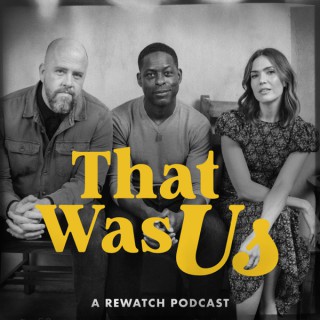
This week on That Was Us…we're back with another Chat Was Us! This time, inspired by the many caregiving stories throughout This Is Us, we're tackling a topic that touches millions of families: what does it really mean to care for someone? Joined by caregiving advocate and storyteller Lydia Storie, hosts Mandy, Sterling, and Chris explore the realities of caregiving, why seeing these experiences represented on screen matters, and how storytelling can help people feel less alone.In this episode, the conversation covers: * Why caregiving is so often invisible—and why representation can change that * The research behind This Is Us's caregiving storylines and how they impacted viewers * How seeing characters like Rebecca, Randall, Miguel, and Kate navigate care can open up conversations in our own lives * Rebecca taking agency over her end-of-life planning * Randall and Miguel's honest conversation about needing a break from caregiving * Kate's experience as both a parent and a caregiver * The importance of cultural authenticity in Miguel's family story * Why storytelling can sometimes be more powerful than education or traditional PSA campaigns * The idea that there are more than 130 million people in the U.S. living in the thick of care * How seeing your own experience reflected on screen can create a powerful sense of “I'm not alone” * The parasocial connection audiences develop with characters—and why that can make conversations about care feel more personal * How we can change the way we value aging, disability, caregiving, eldercare, paid leave, and care in our culture Resources mentioned in this episode: just changed it to this: https://careconversations.com/#join-the-conversation Survey link for people to tell us about their experiences and inform a more supportive system for care the U.S. https://wearehfc.org/thisisus The stars of This Is Us discuss the significance of putting Alzheimer's and caregiving into the spotlight. https://learcenter.s3.us-west-1.amazonaws.com/caregiving_thisisus_lear_cag.pdf Audience impact research from Norman Lear Center -- which analyzed how This Is Us S6 affected viewers' opinions and attitudes about care And a friendly reminder, you can catch new episodes of That Was Us every Monday, a day early, exclusively on Hulu. Available on Spotify, YouTube, or wherever you get your podcasts on Tuesdays like usual! That Was Us is produced by Rabbit Grin Productions. Music by Taylor Goldsmith and Griffin Goldsmith. ------------------------- Support Our Sponsors: - Thanks to Article for sponsoring this podcast! Article is offering our listeners $50 off your first purchase of $100 or more. To claim, visit https://www.article.com/discount/twu and the discount will be automatically applied at checkout. - Upgrade your everyday. Download the Quince app for app-exclusive offers, or go to https://Quince.com/twu. Get free shipping on your order and 365-day returns. Now available in Canada and the UK, too. - Right now save up to 30% on mattresses and up to 35% on everything else when you go to https://Casper.com. - Explore viral bestsellers and products of healthier hair of ALL types from Bask and Lather. Go to https://baskandlatherco.com. -------------------------

In the mid-1980s, author Emil Wilson's father brought home an ailing coworker to live in their home in small-town Oregon. But when it is eventually revealed that this coworker has HIV, everyone's lives are upended. Wilson has written and illustrated a graphic novel based on this true story, titled The Nightingales. He discusses the novel, and his family's story. Hosted by Simplecast, an AdsWizz company. See pcm.adswizz.com for information about our collection and use of personal data for advertising.

Warum brauchen wir andere Menschen, um selbst aufzublühen? Leon und Atze schauen sich an, was die Forschung über soziale Unterstützung weiß: Wer hilft uns wobei am meisten – Freund:innen, Familie oder Kolleg:innen? Außerdem geht es darum, wie wir Freundschaften im Erwachsenenleben pflegen, warum ein gutes soziales Netz nicht möglichst groß sein muss – und wie schon kleine Momente der Verbindung einen Unterschied machen können. Eine Folge über das gute Gefühl: Wenn es darauf ankommt, ist jemand da. Fühlt euch gut betreut Leon & Atze Instagram: https://www.instagram.com/leonwindscheid/ https://www.instagram.com/atzeschroeder_offiziell/ Mehr zu unseren Werbepartnern findet ihr hier: https://linktr.ee/betreutesfuehlen Tickets: Atze: https://www.atzeschroeder.de/#termine Leon: https://leonwindscheid.de/tour/ Filmtipp: The banshees of Inisherin Quellen: Brown, S. L., Smith, D. M., Schulz, R., Kabeto, M. U., Ubel, P. A., Poulin, M., ... & Langa, K. M. (2009). Caregiving behavior is associated with decreased mortality risk. Psychological science, 20(4), 488-494. https://doi.org/10.1111/j.1467-9280.2009.02323.x Christakis, N. A., & Fowler, J. H. (2011). Connected: The surprising power of our social networks and how they shape our lives. Little, Brown and Company. Yeo, G., Lansford, J. E., & Rudolph, K. D. (2025). How does perceived social support relate to human thriving? A systematic review with meta-analyses. Psychological Bulletin, 151(9), 1089–1112. https://doi.org/10.1037/bul0000491 Centers for Disease Control and Prevention. Improving social connectedness. https://www.cdc.gov/social-connectedness/improving/index.html Reaktion: Julia Ditzer Produktion: Murmel Productions
Every caregiver eventually asks three questions: Where is God? Why would a good and loving God allow this? And how long, O Lord? Drawing from forty years of caregiving, Peter Rosenberger begins with the first: Where is God when caregiving hurts? Through Scripture, hard-earned experience, and the story of a four-year-old amputee in Ghana, Peter explains why sound theology is not an academic luxury for caregivers. It is an anchor. The episode concludes at the caregiver keyboard with "He Will Hold Me Fast."
Every Christian has the same core testimony: Jesus sought me and saved me.Luke 19:1-10, John 6:44, Ephesians 2:1-6, Titus 3:5, Romans 10:9 Every Christian has the same core mission: to seek the lost through the proclamation of the gospel.Matthew 28:19-20, Acts 1:8, 2 Corinthians 5:17-20, Romans 10:13-15 --------DAILY DEVOTIONAL WITH RON MOOREGet Ron's Daily Devotional to your inbox each morning; visit biblechapel.org/devo.CAREGIVINGDo you have a need we can pray for? Do you need someone to walk alongside you? Do you know of another person who needs care? Let us know at caregiving@biblechapel.org.GROWTH TRACKWe all have a next step - what's yours? To learn more about our Growth Track and to take your next step, biblechapel.org/connect.

What happens when the person who once cared for you begins to need your care?For many people in midlife, one of the most unexpected transitions isn't retirement, an empty nest, or a career change. It's becoming the caregiver for an aging parent.In this deeply moving episode of Message in the Middle, Marianne sits down with psychologist, memoirist, and poet Sarah Vosburgh to discuss her memoir, Who Will Name the Bees?, a powerful reflection on her mother's journey through Alzheimer's disease and her own experience navigating the emotional realities of caregiving.Together they explore:• The moment a daughter becomes a caregiver• The complicated emotions of loving someone through Alzheimer's• Guilt, grief, and the weight of making difficult decisions• The role reversal that happens when parents begin to depend on their children• What remains when memory begins to fade• The invisible emotional labor caregivers carry• How writing became part of Sarah's healing journey• Resilience, family dynamics, and finding meaning through lossThrough lyrical storytelling and honest reflection, Sarah offers a compassionate look at one of life's most challenging experiences while reminding us that connection, love, and identity often endure long after memories begin to disappear.Whether you're caring for an aging parent, grieving a loved one, navigating dementia or Alzheimer's, or simply trying to make sense of a changing family relationship, this conversation will leave you feeling seen, understood, and a little less alone.Connect with Sarah Vosburgh:Website: https://www.SarahVosburgh.comFacebook: http://www.facebook.com/SarahVosburghAuthorInstagram: http://www.instagram.com/scvosburghX: http://x.com/SCVosburghTikTok: http://tiktok.com/SarahVosburghAuthorAmazon: https://www.amazon.com/author/sarahvosburgh Connect with Marianne:Website: Message In The Middle with MarianneMessage In the Middle Facebook Group: https://www.facebook.com/groups/422430469323847/YouTube: https://www.youtube.com/@MessageInTheMiddle/playlistsLinkedIn: https://www.linkedin.com/in/marianne-demello-smith-678b9966Email: Contact | Message In The Middle with MarianneSubscribe to Message In the Middle:Apple PodcastsSpotifyYouTubeLeave Us a Review: If you enjoyed today's episode, please leave a review and share your favorite takeaway. Your feedback helps us reach more listeners and bring you even more valuable content.Keep the conversation going - Join us for more insightful conversations in the Message in the Middle Private Facebook Community & subscribe to Message in the Middle podcas...

End-of-life doulas are becoming an increasingly common part of how Americans approach death, helping people to navigate the dying process outside of traditional medical care. Alexandra Schwartz, staff writer at The New Yorker and co-host of the Critics at Large podcast, talks about the rise of death doulas, what they actually do, and why more people are rethinking how they want to die. And Virginia Chang, Ph.D., end-of-life doula and author of Preparing For End of Life For Dummies (Wiley 2026), talks about her approach to her work. Photo: Pauline Ramsey is on hospice care through Heartland Hospice. She has pancreatic cancer. Her nurse is Carly Bond and her aide is Nadege Filsaime. (Susan L. Angstadt via MediaNews Group/Reading Eagle & Getty Images) Hosted by Simplecast, an AdsWizz company. See pcm.adswizz.com for information about our collection and use of personal data for advertising.
Denise Chadwick Wright is an award winning healthcare executive and visionary leader with more than 25 years of transformative experience in senior healthcare. A licensed nursing home administrator and accomplished operator, she has led organizations through growth, transformation, and sustainable excellence, while keeping one purpose at the center: ensuring older adults receive compassionate, high quality care that honors dignity, independence, and purpose.https://www.seniorcareauthority.com/resources/boomers-today/

In this episode of Next Steps 4 Seniors: Conversations on Aging, we sit down with Erica Ancel of Next Steps 4 Seniors for an important conversation about the realities of caring for someone with dementia—and caring for yourself along the way.Caregiver stress is real, and it can take a toll mentally, physically, and emotionally. Erica shares practical guidance for navigating behavioral changes, sundowning, and the unpredictable nature of dementia, including Lewy body dementia, while remembering an important truth: the disease may change behaviors and memories, but the person you love still needs safety, connection, patience, and understanding.We explore ways caregivers can prevent burnout, build a support network, make time for meaningful respite, and focus on quality time—not just caregiving tasks. Erica also discusses the importance of hydration, movement, social connection, faith, and the power of simply being a calm, reassuring presence.Caregiving was never meant to be done alone. Give yourself permission to ask for help, take a break, and care for yourself, too.Above all, keep showing up with love.About Next Steps 4 Seniors: Conversations on AgingConversations on Aging brings together trusted experts, practical resources, and meaningful conversations to help seniors and their families navigate aging with greater confidence.Need help finding the right senior living or care options? Next Steps 4 Seniors provides personalized guidance and support to families at no cost.

What happens when you know something is wrong, but no one believes you?In this heartfelt episode of Love Conquers Alz, Susie Singer Carter and Don Priess welcome Nancy Treaster, co-founder of The Caregiver's Journey, to discuss her husband, Kim Treaster's battle with Frontotemporal Dementia (FTD) and the long road to an accurate diagnosis. Nancy is a certified caregiving consultant and co-founder of The Caregiver's Journey, Nancy shares the subtle behavioral changes that first raised concerns, the frustration of being told it was "just anxiety," and why caregivers must trust their instincts when something doesn't feel right. Together, they explore the differences between Alzheimer's disease and Frontotemporal Dementia, the challenges of language loss (primary progressive aphasia), and the importance of advocating for a loved one when the medical system falls short.The conversation also dives into some of the most emotional aspects of caregiving:• Recognizing the early signs of FTD• Why spouses and family members often notice symptoms first• How to advocate for an accurate diagnosis• Protecting your loved one's dignity throughout the disease• Navigating aggression, incontinence, and difficult behaviors with compassion• What it means to become a "pragmatic caregiver" and find peace in the present moment• Why love can endure, even when memories fadeNancy's wisdom reminds us that while dementia changes relationships, it doesn't erase love.If you're caring for or walking beside someone living with FTD or any dementia diagnosis, this conversation will leave you feeling seen, supported, and inspired.* The short film mentioned in the podcast: Love At First Sight starring British actors Sir John Hurt and Phyllida Law Send us Fan MailIf someone you love experienced neglect in a nursing home…Then you know how desperately the system needs to change. History has shown us that It takes people power to change anything worthwhile. That's why we we're launching something that's never been done before. On September 27, communities across the country are coming together for the first-ever National Long-Term Care Reform Day.This is a peaceful national walk for dignity, accountability, and change in long-term care.We'rSupport the showNo Country For Old People; a Nursing Home Exposé is STREAMING NOW on Amazon Prime (https://www.amazon.com/gp/video/detail/B0F7D1RR5X/ref=atv_dp_share_cu_r) Visit the No Country For Old People Website for more information.Please watch. Review. Share.Be a ROAR-ior!! JOIN THE R.O.A.R. MOVEMENT (Respect, Oversight, Advocacy, Reform) for quality long term care! Visit the ROAR 4 LTC Website for more information and consider participating in the inaugural National National Long-Term Care Day, Sunday, September 27th The 1st ever ROAR 2026 National Walk for Long-Term Care Reform! Found out more here: https://www.roar4ltc.org/roar-2026-walkFollow us on Twitter, FB, IG, & TiK Tok
Send us Fan MailYour brain feels like it has 20 tabs open, and none of them will stop auto-refreshing. That's the reality of the caregiver mental load: not just the errands and appointments, but the constant remembering, anticipating, tracking, deciding, and worrying that follows you into work, church, the grocery store, and the middle of the night.In this episode, Rayna talk through why caregiving is never “just one thing” and why feeling overwhelmed doesn't mean you're failing, it often means you're carrying too much alone. Then she shares a simple, practical filter to bring instant clarity: sort what's on your plate into urgent, important, and not mine alone. You'll hear ideas for delegating, involving professionals when needed, and inviting others to help in small, specific ways that actually get a yes.From there, Rayna zooms out to the spiritual side of caregiving stress. We lean on James 1:5 for wisdom, Psalm 119:105 for light for the next step, and the “daily bread” rhythm of Matthew 6 when the future feels heavy. Rayna also name what caregivers hate to admit: sometimes something drops. Caring without regret doesn't mean caring without mistakes; it means adjusting, apologizing when needed, and receiving grace, including the promise of 2 Corinthians 12:9.If you're tired of carrying the whole roadmap, come get a calmer, more sustainable way forward: one step, one request, one simple system outside your head, and peace that meets you right where you are. Subscribe, share this with a caregiver friend, and leave a review so more families can find hope and practical help.
Send Us Your Prayer Requests --------Thank you for listening! Your support of Joni and Friends helps make this show possible. Joni and Friends envisions a world where every person with a disability finds hope, dignity, and their place in the body of Christ. Become part of the global movement today at www.joniandfriends.org. Find more encouragement on Instagram, TikTok, Facebook, and YouTube.

What does it really mean to be part of The Sandwich Generation? This is a really personal one for me and I'm honored to welcome back Jill McNamara, LICSW, Vice President of Senior Care at Care.com and a senior care and aging expert, to talk about the emotional realities of caring for aging parents while raising a family. Following the release of Care.com's first-ever Sandwich Generation Report, Jill shares insights from a survey of 1,000 caregivers, revealing just how common and often invisible this experience has become. Together, we get into why so many caregivers don't recognize themselves as caregivers until they're already overwhelmed, the emotional weight of decision fatigue and anticipatory grief, why asking for help can feel so difficult, and the surprising personal growth that can emerge through caregiving. I open up about what's currently going on as my siblings and I continue to navigate our mom's Alzheimer's diagnosis and all the difficult decisions that comes with it as we figure out the best way forward. Whether you're currently caring for aging parents or simply want to be better prepared for the future, this conversation offers practical guidance, reassurance, and a powerful reminder that you don't have to navigate caregiving alone. To learn more, explore Care.com's 2026 Sandwich Generation Report and caregiver resources at care.com/sandwich, and follow @WeAreTheSandwichGen for ongoing support and practical tips. And if you're looking for care for your own family, whether that's childcare, senior care, or anything in between, you can use code WHITNEY35 for 35% off a Care.com membership.This episode is brought to you by Starbucks:At Starbucks, full- and part-time baristas can build meaningful careers, while getting industry-leading benefits. Learn more at Starbucks.com/partnersThis episode may contain paid endorsements and advertisements for products and services. Individuals on the show may have a direct, or indirect financial interest in products, or services referred to in this episode.Produced by Dear Media.See Privacy Policy at https://art19.com/privacy and California Privacy Notice at https://art19.com/privacy#do-not-sell-my-info.
Visit www.joniradio.org for more inspiration and encouragement! --------Thank you for listening! Your support of Joni and Friends helps make this show possible. Joni and Friends envisions a world where every person with a disability finds hope, dignity, and their place in the body of Christ. Become part of the global movement today at www.joniandfriends.org. Find more encouragement on Instagram, TikTok, Facebook, and YouTube.

Caregiving tasks, while important, can begin to feel repetitive and mundane, making each day feel like the one before. In this episode, Jenna and Allison discuss the hamster wheel of caregiving, how it can lead to feelings of frustration or numbness, and how to find moments of joy amidst the routine. --- Join us for an online support group related to this episode on Monday, August 17, from 6:00-7:15pm CT. Register Here!
Conscious Caregiving with L & L is "Tackling the Tough Conversations." The topic of this episode is "Covering Care Costs" featuring hosts Lori La Bey and Lance A. Slatton. About Lori La Bey: Lori La Bey is the founder of Alzheimer's Speaks and is co-founder of Dementia Map global resource directory and the co-host of Conscious Caregiving with L & L. Lori's mother who lived with dementia for 30 years. Her goal has always been to shift dementia care from crisis to comfort around the world. She offers a variety of free resources to educate, empower, connect, and decrease stigmas; helping families and professionals live graciously alongside dementia. Lori is an international speaker known for her multiple platforms and training programs. About Lance A. Slatton - known as "The Senior Care Influencer"": Known as "The Senior Care Influencer" Lance is a Writer, Author, Influencer, and Healthcare professional with over 20 years in the healthcare industry. Lance A. Slatton is a senior case manager at Enriched Life Home Care Services in Livonia, MI. He is also host of the award winning podcast & YouTube channel All Home Care Matters and Co-Host of Conscious Caregiving with L & L with Lori La Bey along with The Care Advocates and The Caregiver's Journal. Lance is also the new President of AlzAuthors. Lance's book, "The All Home Care Matters Official Family Caregivers' Guide" was the recent recipient of the 2024 International Impact Book Awards. To learn more about Lance A. Slatton and Lori La Bey you can visit their websites.

Tiffany Auvil spent more than twenty years inside the U.S. healthcare system, starting as a volunteer firefighter and eventually serving as System Director of Outpatient Clinics for a three-hospital health system. She is a functional medicine health coach, she is completing a Doctorate of Science in Integrative Healthcare, and she is the author of "The No BS Guide for Caregivers: How to Survive the Healthcare Maze," available now. Episode page with links and more Her favorite mistake was trusting the system she had worked inside for two decades. Her husband Dave was treated for renal cell carcinoma in 2016 and was cancer-free within three months. Seven years later it returned in his pancreas and liver. The night before Dave's first immunotherapy infusion, the oncology nurse called to say insurance had denied it. Tiffany had done prior authorizations for years and knew the denial did not add up, so she called the insurer, who had no denial on file at all. The failure was upstream: the hospital's prior authorization specialist had entered a diagnosis code in the field meant for the procedure code, and the portal rejected it as invalid. When they arrived for treatment the next morning, the oncologist was relieved someone had finally figured it out, because she had been watching authorizations get denied without ever learning why. That was not the only failure. A Gamma Knife authorization later sat unsubmitted because nobody attached the clinical notes or pressed the button. And the cancer in Dave's brain turned out to be central nervous system lymphoma, an entirely separate primary cancer that Tiffany believes had been in his eye all along. Mark and Tiffany talk about diagnostic error and the cognitive bias that makes a second primary cancer nearly invisible, about Code Help and the escalation paths families are rarely told about, about what it costs to be the employee who questions things and tries to connect silos, and about why "good catch" recognition is where organizational learning usually stops instead of starts. Dave died at home in April 2025. He used to ask Tiffany what people do who do not have a Tiffy. The book is her answer: scripts for talking with physicians, how to read a bill, how to appeal a denial and how to tell whether a denial is even real, and a closing section on end of life that most caregiving books avoid. What You'll Learn Why insider knowledge is not the same as protection How a single field on a single screen became a denial that nearly delayed cancer treatment Why Tiffany filed a grievance after the problem was already fixed How cognitive bias makes a second primary cancer nearly invisible, even to excellent physicians What Code Help is, and why most families never hear about it What it costs to be the employee who tries to close loops between silos Why "good catch" is where learning usually stops instead of starts How to make a fifteen-minute physician visit actually work Why starting hospice earlier is a practical decision, not a surrender
We would love to hear from you! Please send us your comments here. --------Thank you for listening! Your support of Joni and Friends helps make this show possible. Joni and Friends envisions a world where every person with a disability finds hope, dignity, and their place in the body of Christ. Become part of the global movement today at www.joniandfriends.org. Find more encouragement on Instagram, TikTok, Facebook, and YouTube.
Go to www.joniradio.org today to see pictures of Jareth's precious family --------Thank you for listening! Your support of Joni and Friends helps make this show possible. Joni and Friends envisions a world where every person with a disability finds hope, dignity, and their place in the body of Christ. Become part of the global movement today at www.joniandfriends.org. Find more encouragement on Instagram, TikTok, Facebook, and YouTube.
© 2020-2026 Ivy Podcast Discovery LLC
