
Group of churches in Germany

POPULARITY

6 episodes with german lutherans

7 episodes with german lutherans

4 episodes with german lutherans

3 episodes with german lutherans

3 episodes with german lutherans

2 episodes with german lutherans

2 episodes with german lutherans

2 episodes with german lutherans

2 episodes with german lutherans

Tonight's “MK Confidential” begins at the police station in Westfield, New Jersey, in the wee hours of the morning. It is the summer of 1971, and officers have brought in two teenage girls for smoking cigarettes. Both girls' fathers arrive to claim them; one looks like he came straight from bed, and the other sports a coat and tie. John List has come to pick up his daughter, Patricia. He is furious, afraid that she is slipping away from the life and the faith he wants for her. He doesn't tell her to “Go to Hell,” but that she is already going there on her own. Megyn Kelly traces the story of John List back to its beginning, in a cold, small Michigan town off of Lake Huron. From his German Lutheran upbringing to service in the Army to accounting degrees in Ann Arbor, List becomes the forgettable face atop the ever-present coat and tie. He meets and marries Helen and sets out to build the life he thinks he should have, and fails. His failures push him from city to city and state to state, until the Lists reach for a beautiful, dilapidated house on a hill in Westfield. There, his beautiful life falls apart entirely. John List sees his wife succumb to disease, his prospects evaporate, his daughter drift from the church, and his bank account dry up. From there, he decides there is only one way to save his family: to remove their chance to stray further from the life they were meant to live. This is Episode 2 of the John List story. Home Title Lock: Go to https://hometitlelock.com/megyn and use promo code MEGYN to get a FREE title history report and a FREE TRIAL of their Triple Lock Protection. Lean: Discover why LEAN is becoming the choice for real weight‑loss results—shop now at https://TAKELEAN.com use code KELLY Follow The Megyn Kelly Show on all social platforms: YouTube: https://www.youtube.com/MegynKelly Twitter: https://Twitter.com/MegynKellyShow Instagram: https://Instagram.com/MegynKellyShow Facebook: https://Facebook.com/MegynKellyShow Find out more information at: https://www.devilmaycaremedia.com/megynkellyshow Hosted by Simplecast, an AdsWizz company. See pcm.adswizz.com for information about our collection and use of personal data for advertising.

This year's Realm Makers event came up fast. Zack and Stephen had a blast at the annual event just two weeks ago in St. Louis, Missouri. Whether you got to join us there, or would like to catch up later, let's survey the successes of this three-day conference and expo. And as more Christian fans (and creators!) find their place in these challenging yet fantastical worlds, we will explore how Realm Makers is not just helping you find your tribe, but helping slowly change the real world. Episode sponsors Twist of Time by Tricia Goyer and Nathan Goyer Realm Makers 2026 Conference & Expo Author Update from Author Media Iffy Eats Monsters for Breakfast by Bryan Timothy Mitchell Mission update New at Lorehaven: new reviews Stephen's article: “Why I Look Forward to America 250,000.” Subscribe free to get updates and join the Lorehaven Guild. This week: we begin our quest into C. S. Lewis's The Silver Chair! 1. Thursday: the Realm Awards banquet Zack's arrival and initial view of the St. Louis Union Station Hotel. Comparisons between this new venue and previous RM locations. Stephen's arrival and all-day setup of the Lorehaven booth. Evening festivities: the Realm Awards costume banquet. What we wore, what we saw, and who won best dressed. This event celebrates the best Christian-made fantastical stories. Winner of the Realm Award for 2026 Book of the Year: The Unraveling of Emlyn DuLaine by Lindsay A. Franklin Winners of the 2026 Realm Awards: Comics/Graphic Novels The Epistle to the Galatians: Word for Word Bible Comic: NIV Translation, illustrated by Simon Amadeus Pillario, published by Word for Word Bible Comics Cover Design Daughter of Light by Morgan L. Busse, cover design by Jenneth Leed, published by Enclave Publishing Flash Fiction “Godspeed, Spaulding” by Olivia Gratehouse, published by Havok Publishing Short Stories “The Department of Lost Things” by Shannae Grace, published by The Author Conservatory Audio Drama Route Styx (Season 1) by Colton Grellier, published by Sound and Fury Entertainment Audio, Short to Medium Length Jake Muller Adventures: Undead by Micah Touchet and Darby Kern, published by Tannhauser Gate Entertainment Audio, Novel Length Embergold by Rachelle Nelson, narrated by Aimee Lilly, published by Oasis Audio Novelette/Novella “The Keeper's Voice” by Teddi Deppner, published by Parabolic Orbits / Onward and Upward Media, LLC / Ben Avery Debut Return to Aramon: A New Moon by Ezra Ferguson, published by Songmyth Media, LLC Middle Grade/Young Readers (Combined Category) The Mage Pocket: Apprentice Alliance by Millie Florence, published by Sprouting Pen Press Young Adult The Unraveling of Emlyn DuLaine by Lindsay A. Franklin, published by Enclave Escape Adult The Valkyrie by Carrie Cotten, independently published Horror/Paranormal/Supernatural Forever by Gina Detwiler, published by Ally Press Cross-genre The Dogs of War by Emily Hayse, published by Blue Maverick Press Fantasy (General) Fates Defiant by Brigitte Cromey and C. M. Banschbach, Borderlands Publishing Company Fantasy (Romance) Rune by Victoria McCombs, independently published Science Fiction The Crier Stone by Lyndsey Lewellen, published by Enclave Escape Readers Choice Award Captive by Bradley Caffee, published by Mountain Brook Fire 2026 Book of the Year The Unraveling of Emlyn DuLaine by Lindsay A. Franklin, published by Enclave Escape 2. Friday: Realm Makers Expo, day 1 Intro the Lorehaven booth and especially our Side Quests. This time we had distinct Creature Quests and Treasure Quests. Lacy Rhiannon is that overseer, while Stephen helps/talks sci-fi. Lots of families with kids found purpose in visiting all other booths! That afternoon, Stephen and Zack joined Clint Hall's sci-fi panel. Stephen then joined Lucas Kitchen's “Christian label” discussion. Zack's perspective on the writing conference, including keynotes. 3. Saturday: Realm Makers Expo, day 2 Today was less writers’ conference, more fan-focused events. Stephen joined a book-signing with Ronie Kendig and Kathy Tyers. Also there: German Lutheran pastor/Jedi knight Stefan Munker! Plus our new Realmie, Jess Luttrell of the Cosplay4Christ podcast. Later, Stephen had a blast emceeing Tricia/Nathan Goyer's event. More meetings with fantastic creatives, including Paul McCusker. Zack's perspective on the end, including any keynote addresses. Com station Top question for listeners Will we see you next year, July 22–24, for Realm Makers 2027? Next on Fantastical Truth Not just Independence Day, but all month long, American citizens are celebrating our nation's semiquincentennial called “America 250.” Other fans from around the world are joining in! But some folks, of course, feel uncertain about such patriotism. Don't our countries have a lot of problems? Isn't our eternal citizenship in Heaven? Let's explore how Scripture endorses “the glory and honor of the nations.” And let's recall how fantastical stories illustrate this good love of our country.

Dietrich Bonhoeffer (1906–1945) was a German Lutheran pastor and theologian whose life became a lasting witness to Christian discipleship under tyranny. he showed remarkable promise early, earning a doctorate in theology in his twenties. Yet his legacy is defined not only by scholarship, but by conviction.In the 1930s, Bonhoeffer studied and traveled abroad, including time in the United States, where experiences of worship, especially in Harlem deepened his understanding of lived faith. Returning to Germany as Adolf Hitler's regime tightened control, he became an outspoken critic of attempts to reshape Christianity into a tool of nationalism. He aligned with the Confessing Church, resisting Nazi interference and affirming Christ's authority over all political claims. Bonhoeffer would go on to help lead an underground seminary.As Nazi violence escalated, Bonhoeffer became involved in resistance efforts. Arrested in 1943, he continued writing from prison, later gathered as Letters and Papers from Prison, offering profound reflections on suffering and hope. He was executed by hanging on April 9, 1945 at Flossenbürg concentration camp, weeks before the war ended. His life endures as a reminder that true faith is proven not merely by words, but by steadfast, sacrificial love.
What happens to Lutheran identity when faced with cultural decisions, like adopting the English language? The Rev. Dr. Cameron MacKenzie (the Forrest E. and Frances H. Ellis Professor of Historical Theology at Concordia Theological Seminary in Fort Wayne, IN) joins Andy and Sarah for a series on the Battle of the Augsburg Confession in American Lutheranism to explore the impact of the American Revolution on Lutheran immigration patterns, noting a significant decline in German immigrants and the subsequent assimilation of Lutheran communities into English-speaking culture. This assimilation raises concerns about the preservation of Lutheran identity, particularly as many second and third-generation Lutherans begin to abandon their German heritage and language, leading to a potential loss of their religious roots. Dr. MacKenzie highlights the challenges faced by Lutheranism during westward expansion, where the demand for preachers outstrips the supply, resulting in many untrained individuals leading congregations. He also introduces Samuel Simon Schmucker, a pivotal figure in American Lutheranism, who seeks to establish a national Lutheran church body and seminary to preserve Lutheran identity amidst the changing American landscape. Schmucker's approach, however, leads to a redefinition of Lutheranism that aligns more closely with American evangelical Protestantism, raising questions about the future of traditional Lutheran beliefs in the face of evolving cultural dynamics. Find all episodes in this series at kfuo.org/tag/battle-for-the-augsburg-confession-series. As you grab your morning coffee (and pastry, let's be honest), join hosts Andy Bates and Sarah Gulseth as they bring you stories of the intersection of Lutheran life and a secular world. Catch real-life stories of mercy work of the LCMS and partners, updates from missionaries across the ocean, and practical talk about how to live boldly Lutheran. Have a topic you'd like to hear about on The Coffee Hour? Contact us at: listener@kfuo.org.
Rev. Johann Hinrich Wichern is credited as the inventor of the modern Advent wreath. Wichern was a German Lutheran pastor and a pioneer in urban mission work among the poor. During Advent, children at his mission school would ask daily if Christmas had arrived. In 1839, he took a large wooden ring from an old cartwheel and decorated it with evergreen branches and 24 small red candles and four large white candles. The small candles were lit each weekday, and the white candles were lit each Sunday. Other Protestant churches and then Roman Catholic churches adopted the practice. German Lutheran immigrants brought it to the United States in the 1920s. Each Sunday as we light each candle of Advent, Rev. Dr. Rodger Nishioka will preach on what the candle symbolizes: hope, peace, joy, and love.Sunday service times are 9 a.m., 11 a.m., and 4 p.m. at the Mission Campus in Prairie Village, Kansas, and 10 a.m. at the Antioch Campus in Overland Park, Kansas. If you are unable to attend in person, you can worship online on our website or on Youtube. Support the showContact Village Presbyterian Churchvillagepres.orgcommunications@villagepres.org913-262-4200Have a prayer request? pastoral-care@villagepres.orgFacebook @villagepresInstagram @villagepreschurchYouTube @villagepresbyterianchurchTo join in the mission and ministry of Village Church, go to villagepres.org/giving
Rev. Johann Hinrich Wichern is credited as the inventor of the modern Advent wreath. Wichern was a German Lutheran pastor and a pioneer in urban mission work among the poor. During Advent, children at his mission school would ask daily if Christmas had arrived. In 1839, he took a large wooden ring from an old cartwheel and decorated it with evergreen branches and 24 small red candles and four large white candles. The small candles were lit each weekday, and the white candles were lit each Sunday. Other Protestant churches and then Roman Catholic churches adopted the practice. German Lutheran immigrants brought it to the United States in the 1920s. Each Sunday as we light each candle of Advent, Rev. Dr. Rodger Nishioka will preach on what the candle symbolizes: hope, peace, joy, and love.Find all information about Christmas at Village.Sunday service times are 9 a.m., 11 a.m., and 4 p.m. at the Mission Campus in Prairie Village, Kansas, and 10 a.m. at the Antioch Campus in Overland Park, Kansas. If you are unable to attend in person, you can worship online on our website or on Youtube. Support the showContact Village Presbyterian Churchvillagepres.orgcommunications@villagepres.org913-262-4200Have a prayer request? pastoral-care@villagepres.orgFacebook @villagepresInstagram @villagepreschurchYouTube @villagepresbyterianchurchTo join in the mission and ministry of Village Church, go to villagepres.org/giving

This morning, as many of us will, I'll open the first door of my Advent calendar. I'm fascinated that this tradition has endured, even as much else about Advent has been overshadowed by all-things Christmas. We owe the origins of the Advent Calendar to 19th- and 20th-century German Lutherans, who also bequeathed us Dietrich Bonhoeffer, one of the most striking writers on the Advent season. Bonhoeffer, famous for his resistance to fascism, loved this season, but his vision of it was far from gentle festive ease. Bonhoeffer's sermon for the first week of Advent in 1931 addressed a culture at a turning point, a culture he described as ‘an age of worldviews.' He wrote that how a person dresses, eats, speaks, and even exercises was now being read as evidence of worldview, worldviews clashing with increasing violence. At the root of these disagreements about worldview was the struggle to define human value: who has value, who decides on the terms of human value? Bonhoeffer said he was afraid of a culture that answered that question by equating human value with mastery over ourselves, the world, and other people. He warned us against desiring leaders – political or religious - who promise such an impoverished vision of mastery and triumph. He was afraid of an impatient culture, tempted by easy answers that turn out to be very costly. Bonhoeffer finds in Advent a better story of what it means to be human, a story that teaches us expectant waiting. He preaches it as a season of restless desire and liberation from the substitute, counterfeit gods that get in the way of a more just future. He thinks those who are powerless and restless in spirit often grasp best what Advent is. Advent rewards those who yearn for a new world, but who will wait until it is one capable of being good news for all; one which will come as a child for whom there was no room. His model of those closest to the spirit of Advent is the prisoner, which he himself became, and the pregnant woman.The Church lights a candle on its Advent wreath for each of the four virtues of the season: hope, peace, joy, and love. In an age of worldviews in which rival visions of the future once again abound, these remain candles worth lighting in the darkness.
Rev. Johann Hinrich Wichern is credited as the inventor of the modern Advent wreath. Wichern was a German Lutheran pastor and a pioneer in urban mission work among the poor. During Advent, children at his mission school would ask daily if Christmas had arrived. In 1839, he took a large wooden ring from an old cartwheel and decorated it with evergreen branches and 24 small red candles and four large white candles. The small candles were lit each weekday, and the white candles were lit each Sunday. Other Protestant churches and then Roman Catholic churches adopted the practice. German Lutheran immigrants brought it to the United States in the 1920s. Each Sunday as we light each candle of Advent, Rev. Dr. Rodger Nishioka will preach on what the candle symbolizes: hope, peace, joy, and love.For all information about Christmas at Village, visit https://villagepres.org/christmas.Sunday service times are 9 a.m., 11 a.m., and 4 p.m. at the Mission Campus in Prairie Village, Kansas, and 10 a.m. at the Antioch Campus in Overland Park, Kansas. If you are unable to attend in person, you can worship online at https://villagepres.org/online or here on YouTube. Support the showContact Village Presbyterian Churchvillagepres.orgcommunications@villagepres.org913-262-4200Have a prayer request? pastoral-care@villagepres.orgFacebook @villagepresInstagram @villagepreschurchYouTube @villagepresbyterianchurchTo join in the mission and ministry of Village Church, go to villagepres.org/giving
This week we look at the Ashes; Mel Gibson explains cricket to Joe Rogan; India and Pakistan war; upcoming election in Chile; Zack Polanski on persuading Putin to give up nuclear weapons; Feedback; German Lutherans bless 'marriage' of four men; Alan Cumming and the Pitlochry LGBTQI+ festival; Country of the Week - Denmark; Danish Prime Minister calls for a return to Christianity; the BBC waters down Christian persecution in Nigeria; YouTube Short - Who Created God? the final word -Psalm 8 - with music from 10CC, John Lennon, Rachel Macshane and the Darwin project, Metallica, and Stille Stunder

Jesus said, "If you remain in my word, you are really my disciples. You will also know the truth, and the truth will set you free" (John 8:31-32). Amen.It is the climactic scene of the movie "Braveheart". The mighty and numerous English army is lined up for battle on one side of the field. On the other side is the ragtag group of Scottish peasants. William Wallace, who has been leading Scots in guerilla warfare against the English, rides his horse back and forth in front of the Scottish army. He addresses the men shouting, "Sons of Scotland, I am William Wallace … and I see a whole army of my countrymen, here, in defiance of Tyranny. You've come to fight as free men, and free men you are. What will you do without freedom? Will you fight?" There are murmurs and denials from the soldiers.One soldier admits, "Fight? Against that? No!" Soldiers yell in agreement. "We will run! And we will live."Wallace challenges, "Aye. Fight and you may die. Run, and you'll live ... at least a while. And dying in your beds, many years from now, would you be willing to trade all the days, from this day to that, for one chance – just one chance – to come back here and tell our enemies that they may take our lives - but they'll never take our freedom!"We love freedom! Especially here in America where colonialists fought the Revolutionary War for freedom from England, and the greatest generations fought in two World Wars to allow freedom to reign around the world. We love our freedom. So, we will blink back tears when we see brave soldiers returning home to the love and hugs of their families. These soldiers go to war to fight for our freedom of . But what are those freedoms? Patriotic Americans will clear their throats, square their soldiers, and speak confidently the words from the Declaration of Independence, "Life, liberty, and the pursuit of happiness."In our text, Jesus clears his throat, squares his shoulders, and speaks confidently to the Jews who believed in him, "If you remain in my word, you are really my disciples. You will also know the truth, and the truth will set you free" (John 8:31-32). The Jews countered with an untruth, "We are Abraham's descendants, and we have never been slaves of anyone. How can you say, 'You will be set free'" (John 8:33)? Their Jewish ancestors had been slaves in Egypt, Babylon, and Persia. These Jews standing before Jesus were presently under Roman rule.These Jews were looking for a Messiah who would come to overthrow the tyranny of Rome and win their freedom from their oppressive lives. But the coming Messiah was already standing right in front of them. He was there to give them a different kind of freedom. It was a freedom from slavery to Satan and the shackles of sin that ensnared them. Jesus answered, "Amen, Amen, I tell you: Everyone who keeps committing sin is a slave to sin. But a slave does not remain in the family forever. A son does remain forever. So if the Son sets you free, you really will be free" (John 8:34-36).In the sermon today, I'm going to tell you several stories of freedom. After hearing these stories, I want you to do two things. Think and pray about your own story of freedom through Jesus. Then consider how you can use any of these stories, in addition to your own story in witnessing to someone you love who has been enslaved by Satan and shackled by their sin. Let them know that Jesus has come as their Messiah to win their freedom!Mary Magdalene had been possessed by seven demons (Luke 8:2). We aren't told what had happened to her or by her to allow these demons to take possession of her body and mind. We only know that she must have been tormented by these demons.Yet the Son of God has authority over these fallen angels who torment his beloved people. Somewhere, Jesus interacted with Mary, and with the power of his words, he dispossessed her of those seven demons. In response, Mary became one of Jesus' most devoted followers. Along with other women, Mary helped financially support Jesus and his disciples. Because he had freed her from the demons' possession, she possessed a strong faith and love for her Freedom Fighter. She was among the group of ladies who gathered at Jesus' tomb on Easter Sunday. Before Jesus appeared to his disciples, his mother, or anyone else, he blessed Mary Magdalene by appearing to her first after his resurrection from the grave.Martin Luther had been oppressed by the devil. Luther struggled mightily with his sin. As a young monk in the monastery, Luther would often flog himself as a form of penance to atone for his sins. He would often wake up at 3 am, fast to an extreme, and enumerate his sins to his father confessor.Luther's self-punishment stemmed from a deep-seated obsession with his own sinfulness and a desperate desire to atone for it. This was because at this time in his life, Martin Luther saw Jesus not as a gracious Savior from sin, but as an angry Judge over sin.Legend has it that the great Reformer once threw an inkwell at the Devil who had been incessantly accusing him. Whether or not this is true, Luther certainly had remarkable fits and fights with the old, evil foe who now means deadly woe.Luther hated the justice of God where he punishes sinners. But by the grace of God, that all changed one night in 1519 in Luther's "tower experience." I'll let him tell you his story in his own words: "But I, blameless monk that I was, felt that before God I was a sinner with an extremely troubled conscience. I couldn't be sure that God was appeased by my satisfaction. I did not love, no, rather I hated the just God who punishes sinners. In silence, if I did not blaspheme, then certainly I grumbled vehemently and got angry at God. I said, 'Isn't it enough that we miserable sinners, lost for all eternity because of original sin, are oppressed by every kind of calamity through the Ten Commandments? Why does God heap sorrow upon sorrow through the Gospel and through the Gospel threaten us with his justice and his wrath?' This was how I was raging with wild and disturbed conscience. I constantly badgered St. Paul about that spot in Romans 1 and anxiously wanted to know what he meant."I meditated night and day on those words until at last, by the mercy of God, I paid attention to their context: 'The justice of God is revealed in it, as it is written: 'The just person lives by faith.' I began to understand that in this verse the justice of God is that by which the just person lives by a gift of God, that is by faith. I began to understand that this verse means that the justice of God is revealed through the Gospel, but it is a passive justice, i.e. that by which the merciful God justifies us by faith, as it is written: 'The just person lives by faith.' All at once I felt that I had been born again and entered into paradise itself through open gates. … I exalted this sweetest word of mine, 'the justice of God,' with as much love as before I had hated it with hate. This phrase of Paul was for me the very gate of paradise." Luther had been set free!By God's grace, our Wisconsin Synod was established 175 years ago as German Lutherans came to America for religious freedom. Through all these years, Christ has been with us in established congregations, home mission churches, and foreign mission fields.Several years ago in an established congregation, I counseled a wife who was having marital issues with her husband. We'll call her "May." In the middle of our counseling, she confessed, "I cheated on my husband 10 years ago. Every time I come into church, I ask God to forgive me for my affair." Her guilt was her penance. This was one of the saddest things I have ever heard. I told her, "Sweetheart, the first time you asked for forgiveness, you were forgiven. 'Satan' means 'Accuser.' He is accusing you day and night of your sin. Your guilt can't make up for your sin. But know that Jesus bled for your sin. He paid for your affair on the cross. His faithfulness to you is more powerful than your unfaithfulness to your husband. He's even removed your guilt. You're free!"These last two stories are from friends of mine who served in the WELS foreign mission field. Rachel tells the story, "Kelly came to the capital to study to be a tour guide back in her hometown. A friend of hers invited her to our Christmas party. They came together. Kelly came not knowing what to expect. She was then invited to an 'English study' at our apartment. She heard God's Great Exchange and began crying because she felt such a huge weight had been lifted off her shoulders."Kelly said, 'Why didn't anyone ever tell me this before? I never knew this!' She then studied with us regularly before returning to her hometown. She was so happy to have learned about the Savior. She was hungry for the words of Scripture. It was awesome to see and so encouraging to all of us too!" Kelly had been set free!Josh, who does one of the podcasts with me, tells this story, "In China, I was speaking to Sam, a college student who was interested in Christianity. I explained the whole story – creation, the fall, redemption, and salvation. Then he spit the whole thing back at me! He said, 'Is this all true?' 'Yes,' I said. Sam replied, 'Then please tell me, is there any reason I should not kill myself tonight? I want to go [to heaven] now!'"Josh explained that purpose was not found in any pursuit outside of Christ, but that also means that here on earth Christ has a purpose for our existence. It also meant not only embracing Jesus as Savior, but also submitting to his will as Lord. It also means that all murder is wrong – even self-murder.Josh continues with his story, "Sam continued Bible study for the rest of the year. He taught me how to properly cook rice … I was doing it wrong. And we spent time together rock climbing the University of Beijing. I baptized him a few weeks before I returned home. This is an experience I count amount the greatest privileges of my life." Sam had been set free!Like Mary, Martin, May, Kelly, and Sam, you are slaves to your sinful nature. You will often feel oppressed by demons. Satan will keep accusing you by first telling you the sin isn't so bad and then after the sin telling you that God can't love a sinner like you. You'll attempt to do penance by overwhelming yourself with guilt. When you look at the evil in our world, you are convinced there are people out there possessed by demons. I don't disagree.Bow your head and admit to God how acutely you feel this slavery and oppression.Silent confession.Brothers and sisters of Jesus, the Messiah of the new covenant has come and he has set you free. The Son of God left his throne in heaven to be nailed upon a wooden cross. He left the right hand of his heavenly Father so he could be forsaken by his heavenly Father. On the cross, Jesus put himself in our dark dungeon and released us into the light. He removed not only your sin, but also the guilt for your sin. Jesus didn't just talk about freedom to the Jews, he won freedom for all people - Mary, Martin, May, Kelly, Sam, and you.You are fully and eternally free from all punishment for your sins. Jesus signed your pardon papers with his blood. He placed his seal on the papers when he broke the seal on his grave. He broke you free from the shackles of your sins. He released you from the guilt that imprisoned you. He gives you hope as you face the very real terror of your inevitable death. You have been set free from all the fear, sin, guilt, and death because Jesus crushed the power of sin, death, and Satan once had over you. You are no longer a prisoner, but a perfect, and perfectly free, child of God.These are stories of freedom. Even more powerful than the story of freedom won by William Wallace against the English. These are stories we are blessed as Lutherans to believe and blessed through the ministry and mission of the WELS to share. Listen and believe these stories of freedom. Apply them to your life. But don't stop there. Share these stories with your loved ones who remain trapped by the devil's lies. Tell them the story of Jesus winning them freedom. Tell them the stories of Mary, Martin, May, Kelly, and Sam. Listen to their story. Respond with your story. Remind them, "If the Son sets you free, you really will be free" (John 8:36). Amen.It is for freedom that Christ has set us free. Stand firm, then, and do not allow anyone to put the yoke of slavery on you again (Galatians 5:1). Amen.View this sermon (with video and/or audio recording) on our website: https://www.casperwels.com/sermons/freedom/
View this sermon (with video and/or audio recording) on our website: https://www.lordoflords.org/sermons/freedom/Jesus said, "If you remain in my word, you are really my disciples. You will also know the truth, and the truth will set you free" (John 8:31-32). Amen.It is the climactic scene of the movie "Braveheart". The mighty and numerous English army is lined up for battle on one side of the field. On the other side is the ragtag group of Scottish peasants. William Wallace, who has been leading Scots in guerilla warfare against the English, rides his horse back and forth in front of the Scottish army. He addresses the men shouting, "Sons of Scotland, I am William Wallace … and I see a whole army of my countrymen, here, in defiance of Tyranny. You've come to fight as free men, and free men you are. What will you do without freedom? Will you fight?" There are murmurs and denials from the soldiers.One soldier admits, "Fight? Against that? No!" Soldiers yell in agreement. "We will run! And we will live."Wallace challenges, "Aye. Fight and you may die. Run, and you'll live ... at least a while. And dying in your beds, many years from now, would you be willing to trade all the days, from this day to that, for one chance – just one chance – to come back here and tell our enemies that they may take our lives - but they'll never take our freedom!"We love freedom! Especially here in America where colonialists fought the Revolutionary War for freedom from England, and the greatest generations fought in two World Wars to allow freedom to reign around the world. We love our freedom. So, we will blink back tears when we see brave soldiers returning home to the love and hugs of their families. These soldiers go to war to fight for our freedom of . But what are those freedoms? Patriotic Americans will clear their throats, square their soldiers, and speak confidently the words from the Declaration of Independence, "Life, liberty, and the pursuit of happiness."In our text, Jesus clears his throat, squares his shoulders, and speaks confidently to the Jews who believed in him, "If you remain in my word, you are really my disciples. You will also know the truth, and the truth will set you free" (John 8:31-32). The Jews countered with an untruth, "We are Abraham's descendants, and we have never been slaves of anyone. How can you say, 'You will be set free'" (John 8:33)? Their Jewish ancestors had been slaves in Egypt, Babylon, and Persia. These Jews standing before Jesus were presently under Roman rule.These Jews were looking for a Messiah who would come to overthrow the tyranny of Rome and win their freedom from their oppressive lives. But the coming Messiah was already standing right in front of them. He was there to give them a different kind of freedom. It was a freedom from slavery to Satan and the shackles of sin that ensnared them. Jesus answered, "Amen, Amen, I tell you: Everyone who keeps committing sin is a slave to sin. But a slave does not remain in the family forever. A son does remain forever. So if the Son sets you free, you really will be free" (John 8:34-36).In the sermon today, I'm going to tell you several stories of freedom. After hearing these stories, I want you to do two things. Think and pray about your own story of freedom through Jesus. Then consider how you can use any of these stories, in addition to your own story in witnessing to someone you love who has been enslaved by Satan and shackled by their sin. Let them know that Jesus has come as their Messiah to win their freedom!Mary Magdalene had been possessed by seven demons (Luke 8:2). We aren't told what had happened to her or by her to allow these demons to take possession of her body and mind. We only know that she must have been tormented by these demons.Yet the Son of God has authority over these fallen angels who torment his beloved people. Somewhere, Jesus interacted with Mary, and with the power of his words, he dispossessed her of those seven demons. In response, Mary became one of Jesus' most devoted followers. Along with other women, Mary helped financially support Jesus and his disciples. Because he had freed her from the demons' possession, she possessed a strong faith and love for her Freedom Fighter. She was among the group of ladies who gathered at Jesus' tomb on Easter Sunday. Before Jesus appeared to his disciples, his mother, or anyone else, he blessed Mary Magdalene by appearing to her first after his resurrection from the grave.Martin Luther had been oppressed by the devil. Luther struggled mightily with his sin. As a young monk in the monastery, Luther would often flog himself as a form of penance to atone for his sins. He would often wake up at 3 am, fast to an extreme, and enumerate his sins to his father confessor.Luther's self-punishment stemmed from a deep-seated obsession with his own sinfulness and a desperate desire to atone for it. This was because at this time in his life, Martin Luther saw Jesus not as a gracious Savior from sin, but as an angry Judge over sin.Legend has it that the great Reformer once threw an inkwell at the Devil who had been incessantly accusing him. Whether or not this is true, Luther certainly had remarkable fits and fights with the old, evil foe who now means deadly woe.Luther hated the justice of God where he punishes sinners. But by the grace of God, that all changed one night in 1519 in Luther's "tower experience." I'll let him tell you his story in his own words: "But I, blameless monk that I was, felt that before God I was a sinner with an extremely troubled conscience. I couldn't be sure that God was appeased by my satisfaction. I did not love, no, rather I hated the just God who punishes sinners. In silence, if I did not blaspheme, then certainly I grumbled vehemently and got angry at God. I said, 'Isn't it enough that we miserable sinners, lost for all eternity because of original sin, are oppressed by every kind of calamity through the Ten Commandments? Why does God heap sorrow upon sorrow through the Gospel and through the Gospel threaten us with his justice and his wrath?' This was how I was raging with wild and disturbed conscience. I constantly badgered St. Paul about that spot in Romans 1 and anxiously wanted to know what he meant."I meditated night and day on those words until at last, by the mercy of God, I paid attention to their context: 'The justice of God is revealed in it, as it is written: 'The just person lives by faith.' I began to understand that in this verse the justice of God is that by which the just person lives by a gift of God, that is by faith. I began to understand that this verse means that the justice of God is revealed through the Gospel, but it is a passive justice, i.e. that by which the merciful God justifies us by faith, as it is written: 'The just person lives by faith.' All at once I felt that I had been born again and entered into paradise itself through open gates. … I exalted this sweetest word of mine, 'the justice of God,' with as much love as before I had hated it with hate. This phrase of Paul was for me the very gate of paradise." Luther had been set free!By God's grace, our Wisconsin Synod was established 175 years ago as German Lutherans came to America for religious freedom. Through all these years, Christ has been with us in established congregations, home mission churches, and foreign mission fields.Several years ago in an established congregation, I counseled a wife who was having marital issues with her husband. We'll call her "May." In the middle of our counseling, she confessed, "I cheated on my husband 10 years ago. Every time I come into church, I ask God to forgive me for my affair." Her guilt was her penance. This was one of the saddest things I have ever heard. I told her, "Sweetheart, the first time you asked for forgiveness, you were forgiven. 'Satan' means 'Accuser.' He is accusing you day and night of your sin. Your guilt can't make up for your sin. But know that Jesus bled for your sin. He paid for your affair on the cross. His faithfulness to you is more powerful than your unfaithfulness to your husband. He's even removed your guilt. You're free!"These last two stories are from friends of mine who served in the WELS foreign mission field. Rachel tells the story, "Kelly came to the capital to study to be a tour guide back in her hometown. A friend of hers invited her to our Christmas party. They came together. Kelly came not knowing what to expect. She was then invited to an 'English study' at our apartment. She heard God's Great Exchange and began crying because she felt such a huge weight had been lifted off her shoulders."Kelly said, 'Why didn't anyone ever tell me this before? I never knew this!' She then studied with us regularly before returning to her hometown. She was so happy to have learned about the Savior. She was hungry for the words of Scripture. It was awesome to see and so encouraging to all of us too!" Kelly had been set free!Josh, who does one of the podcasts with me, tells this story, "In China, I was speaking to Sam, a college student who was interested in Christianity. I explained the whole story – creation, the fall, redemption, and salvation. Then he spit the whole thing back at me! He said, 'Is this all true?' 'Yes,' I said. Sam replied, 'Then please tell me, is there any reason I should not kill myself tonight? I want to go [to heaven] now!'"Josh explained that purpose was not found in any pursuit outside of Christ, but that also means that here on earth Christ has a purpose for our existence. It also meant not only embracing Jesus as Savior, but also submitting to his will as Lord. It also means that all murder is wrong – even self-murder.Josh continues with his story, "Sam continued Bible study for the rest of the year. He taught me how to properly cook rice … I was doing it wrong. And we spent time together rock climbing the University of Beijing. I baptized him a few weeks before I returned home. This is an experience I count amount the greatest privileges of my life." Sam had been set free!Like Mary, Martin, May, Kelly, and Sam, you are slaves to your sinful nature. You will often feel oppressed by demons. Satan will keep accusing you by first telling you the sin isn't so bad and then after the sin telling you that God can't love a sinner like you. You'll attempt to do penance by overwhelming yourself with guilt. When you look at the evil in our world, you are convinced there are people out there possessed by demons. I don't disagree.Bow your head and admit to God how acutely you feel this slavery and oppression.Silent confession.Brothers and sisters of Jesus, the Messiah of the new covenant has come and he has set you free. The Son of God left his throne in heaven to be nailed upon a wooden cross. He left the right hand of his heavenly Father so he could be forsaken by his heavenly Father. On the cross, Jesus put himself in our dark dungeon and released us into the light. He removed not only your sin, but also the guilt for your sin. Jesus didn't just talk about freedom to the Jews, he won freedom for all people - Mary, Martin, May, Kelly, Sam, and you.You are fully and eternally free from all punishment for your sins. Jesus signed your pardon papers with his blood. He placed his seal on the papers when he broke the seal on his grave. He broke you free from the shackles of your sins. He released you from the guilt that imprisoned you. He gives you hope as you face the very real terror of your inevitable death. You have been set free from all the fear, sin, guilt, and death because Jesus crushed the power of sin, death, and Satan once had over you. You are no longer a prisoner, but a perfect, and perfectly free, child of God.These are stories of freedom. Even more powerful than the story of freedom won by William Wallace against the English. These are stories we are blessed as Lutherans to believe and blessed through the ministry and mission of the WELS to share. Listen and believe these stories of freedom. Apply them to your life. But don't stop there. Share these stories with your loved ones who remain trapped by the devil's lies. Tell them the story of Jesus winning them freedom. Tell them the stories of Mary, Martin, May, Kelly, and Sam. Listen to their story. Respond with your story. Remind them, "If the Son sets you free, you really will be free" (John 8:36). Amen.It is for freedom that Christ has set us free. Stand firm, then, and do not allow anyone to put the yoke of slavery on you again (Galatians 5:1). Amen.

Featuring the powerful story of Dietrich Bonhoeffer, the German Lutheran pastor who fled to safety in America in 1939 but immediately returned to Nazi Germany to serve persecuted Christians, this message challenges comfortable Christianity and calls believers to show kindness to those who have nothing to offer in return, not because it benefits us, but simply because of who we are and whose we are in Christ Jesus.
How can we remember and learn more about our Lutheran heritage in Perry County, MO? Denise Hellwege (Director of Lutheran Heritage Center and Museum, KFUO's Organization of the week) joins Andy and Sarah to talk about the group of German Lutherans who left their homes for a new one in Missouri, why they left and why they chose to settle in Missouri, what they found when they arrived and the hardships they faced. She also shares what the Lutheran Heritage Center and Museum does to document and present this history, and details about the Biennial Immigration History Conference happening October 23-25. You can learn more and register for the conference at lutheranmuseum.com. As you grab your morning coffee (and pastry, let's be honest), join hosts Andy Bates and Sarah Gulseth as they bring you stories of the intersection of Lutheran life and a secular world. Catch real-life stories of mercy work of the LCMS and partners, updates from missionaries across the ocean, and practical talk about how to live boldly Lutheran. Have a topic you'd like to hear about on The Coffee Hour? Contact us at: listener@kfuo.org.

OCF MINISTRY NEWS Sign up for summer programs at the Conference Centers: Visit ocfusa.org/CCexperience to find the right program and week for you at Spring Canyon (Buena Vista, Colo.) or White Sulphur Springs (Manns Choice, Pa.). https://www.ocfusa.org/CCexperience/ Consider your next steps at the Caleb Challenge Career Transition Strategies Workshop (12-14 September): Visit White Sulphur Springs' website to learn more about and sign up for this impactful weekend. https://www.whitesulphursprings.org/event/caleb-challenge-career-transition-strategies-workshop/ Update your information and stay connected: Whether it's your address, military status, rank, contact information, or something else, take 30 seconds to let us know via the Update My Info form. https://www.ocfusa.org/update/ Check out Crosspoint Highlights: Don't miss our new episode format, designed to share just a portion of a previously posted podcast for an encouraging listen even when you're short on time. Find Crosspoint Highlights wherever you get your podcasts. GUEST SPOTLIGHT What does it look like to follow Christ in uniform? LTC Lee Robinson, USA, director of the U.S. Military Academy's American Politics Program and an academy professor in the Department of Social Sciences, joins the podcast to address questions like this. Hailing from Georgia and having graduated from West Point in 2000, Lee now teaches and researches topics like civil-military relations and organizational leadership. In this episode, Lee shares about the cadet ministry that takes place through USMA OCF, led by Field Staff Bob & Tracy Phillips, then dives into complex topics ranging from balancing personal and professional choices to studying the United States' historical approach to religion. If you would like to share your own story, complete the form on OCF's “Be a Guest” webpage. Alternatively, if you have an idea for a guest or topic we should consider for a future episode of the show, send an email to podcast@ocfusa.org. https://www.ocfusa.org/podcastguest/ POINTS TO PONDER As you listen to this conversation with Lee, here are a few questions to ponder in your personal time, with a small group, or with a mentor: Why is it important to understand the historical context of the First Amendment? How does the vague language of the First Amendment impact us today? As you listen to Lee's example of the company commander with the cross on his desk, how would you respond if you were in Lee's position? How do you think you balance your private and public personas? What do you learn from Jesus' example of rejecting political power? “In essentials unity, in non-essentials liberty, in all things charity.” How does this quote from seventeenth-century German Lutheran theologian Rupertus Meldenius tie into today's conversation? In what ways can your life be an example of the gospel and the work of Christ? What Scriptures shape your leadership philosophy, even in ways that might be subtle to the non-believer? Where's the line between encouraging religion and morality and compelling it? What can we learn from the Founding Fathers as they faced tension and disagreement regarding the government's approach to religion? Lee explains that "liberty is freedom to follow laws and freedom of conscience." What are your thoughts on this definition? Why is it important to understand not only what the Constitution says but also why it says what it does?

In the late sixteenth century, a German Lutheran scholar named Martin Crusius compiled an exceptionally rich record of Greek life under Ottoman rule. Although he never left his home in the university town of Tübingen, Crusius spent decades annotating books and manuscripts, corresponding with the Greek Orthodox Patriarch, and interviewing Greek Orthodox alms-seekers. Ultimately, he gathered his research into a seminal work called the Turcograecia, which served for centuries as Europe's foremost source on Ottoman Greece. Yet as Richard Calis reveals, Crusius's massive—and largely untapped—archive has much more to tell us about how early modern Europeans negotiated cultural and religious difference. In particular, Crusius's work illuminates Western European views of the religious “other” within Christianity: the Greek Orthodox Christians living under Ottoman rule, a group both familiar and foreign. Many Western Europeans, including Crusius, developed narratives of Greek cultural and religious decline under Ottoman rule. Crusius's records, however, reveal in exceptional detail how such stories developed. His interactions with his Greek Orthodox visitors, and with a vast network of correspondents, show that Greeks' own narratives of hardship entwined in complex ways with Western Europeans' orientalist views of the Ottoman world. They also reflect the religious tensions that undergirded these exchanges, fueled by Crusius's fervent desire to spread Lutheran belief across Ottoman Greece and the wider world. A lively intellectual history drawn from a forgotten archive, The Discovery of Ottoman Greece (Harvard UP, 2025) is also a perceptive character study, in which Crusius takes his place in the history of ethnography, Lutheran reform, and European philhellenism. Richard Calis is an Assistant Professor in Cultural History at Utrecht University, who specializes in the history of science and intellectual history Morteza Hajizadeh is a Ph.D. graduate in English from the University of Auckland in New Zealand. His research interests are Cultural Studies; Critical Theory; Environmental History; Medieval (Intellectual) History; Gothic Studies; 18th and 19th Century British Literature. YouTube channel. Twitter. Learn more about your ad choices. Visit megaphone.fm/adchoices
In the late sixteenth century, a German Lutheran scholar named Martin Crusius compiled an exceptionally rich record of Greek life under Ottoman rule. Although he never left his home in the university town of Tübingen, Crusius spent decades annotating books and manuscripts, corresponding with the Greek Orthodox Patriarch, and interviewing Greek Orthodox alms-seekers. Ultimately, he gathered his research into a seminal work called the Turcograecia, which served for centuries as Europe's foremost source on Ottoman Greece. Yet as Richard Calis reveals, Crusius's massive—and largely untapped—archive has much more to tell us about how early modern Europeans negotiated cultural and religious difference. In particular, Crusius's work illuminates Western European views of the religious “other” within Christianity: the Greek Orthodox Christians living under Ottoman rule, a group both familiar and foreign. Many Western Europeans, including Crusius, developed narratives of Greek cultural and religious decline under Ottoman rule. Crusius's records, however, reveal in exceptional detail how such stories developed. His interactions with his Greek Orthodox visitors, and with a vast network of correspondents, show that Greeks' own narratives of hardship entwined in complex ways with Western Europeans' orientalist views of the Ottoman world. They also reflect the religious tensions that undergirded these exchanges, fueled by Crusius's fervent desire to spread Lutheran belief across Ottoman Greece and the wider world. A lively intellectual history drawn from a forgotten archive, The Discovery of Ottoman Greece (Harvard UP, 2025) is also a perceptive character study, in which Crusius takes his place in the history of ethnography, Lutheran reform, and European philhellenism. Richard Calis is an Assistant Professor in Cultural History at Utrecht University, who specializes in the history of science and intellectual history Morteza Hajizadeh is a Ph.D. graduate in English from the University of Auckland in New Zealand. His research interests are Cultural Studies; Critical Theory; Environmental History; Medieval (Intellectual) History; Gothic Studies; 18th and 19th Century British Literature. YouTube channel. Twitter. Learn more about your ad choices. Visit megaphone.fm/adchoices Support our show by becoming a premium member! https://newbooksnetwork.supportingcast.fm/new-books-network

In the late sixteenth century, a German Lutheran scholar named Martin Crusius compiled an exceptionally rich record of Greek life under Ottoman rule. Although he never left his home in the university town of Tübingen, Crusius spent decades annotating books and manuscripts, corresponding with the Greek Orthodox Patriarch, and interviewing Greek Orthodox alms-seekers. Ultimately, he gathered his research into a seminal work called the Turcograecia, which served for centuries as Europe's foremost source on Ottoman Greece. Yet as Richard Calis reveals, Crusius's massive—and largely untapped—archive has much more to tell us about how early modern Europeans negotiated cultural and religious difference. In particular, Crusius's work illuminates Western European views of the religious “other” within Christianity: the Greek Orthodox Christians living under Ottoman rule, a group both familiar and foreign. Many Western Europeans, including Crusius, developed narratives of Greek cultural and religious decline under Ottoman rule. Crusius's records, however, reveal in exceptional detail how such stories developed. His interactions with his Greek Orthodox visitors, and with a vast network of correspondents, show that Greeks' own narratives of hardship entwined in complex ways with Western Europeans' orientalist views of the Ottoman world. They also reflect the religious tensions that undergirded these exchanges, fueled by Crusius's fervent desire to spread Lutheran belief across Ottoman Greece and the wider world. A lively intellectual history drawn from a forgotten archive, The Discovery of Ottoman Greece (Harvard UP, 2025) is also a perceptive character study, in which Crusius takes his place in the history of ethnography, Lutheran reform, and European philhellenism. Richard Calis is an Assistant Professor in Cultural History at Utrecht University, who specializes in the history of science and intellectual history Morteza Hajizadeh is a Ph.D. graduate in English from the University of Auckland in New Zealand. His research interests are Cultural Studies; Critical Theory; Environmental History; Medieval (Intellectual) History; Gothic Studies; 18th and 19th Century British Literature. YouTube channel. Twitter. Learn more about your ad choices. Visit megaphone.fm/adchoices Support our show by becoming a premium member! https://newbooksnetwork.supportingcast.fm/german-studies

In the late sixteenth century, a German Lutheran scholar named Martin Crusius compiled an exceptionally rich record of Greek life under Ottoman rule. Although he never left his home in the university town of Tübingen, Crusius spent decades annotating books and manuscripts, corresponding with the Greek Orthodox Patriarch, and interviewing Greek Orthodox alms-seekers. Ultimately, he gathered his research into a seminal work called the Turcograecia, which served for centuries as Europe's foremost source on Ottoman Greece. Yet as Richard Calis reveals, Crusius's massive—and largely untapped—archive has much more to tell us about how early modern Europeans negotiated cultural and religious difference. In particular, Crusius's work illuminates Western European views of the religious “other” within Christianity: the Greek Orthodox Christians living under Ottoman rule, a group both familiar and foreign. Many Western Europeans, including Crusius, developed narratives of Greek cultural and religious decline under Ottoman rule. Crusius's records, however, reveal in exceptional detail how such stories developed. His interactions with his Greek Orthodox visitors, and with a vast network of correspondents, show that Greeks' own narratives of hardship entwined in complex ways with Western Europeans' orientalist views of the Ottoman world. They also reflect the religious tensions that undergirded these exchanges, fueled by Crusius's fervent desire to spread Lutheran belief across Ottoman Greece and the wider world. A lively intellectual history drawn from a forgotten archive, The Discovery of Ottoman Greece (Harvard UP, 2025) is also a perceptive character study, in which Crusius takes his place in the history of ethnography, Lutheran reform, and European philhellenism. Richard Calis is an Assistant Professor in Cultural History at Utrecht University, who specializes in the history of science and intellectual history Morteza Hajizadeh is a Ph.D. graduate in English from the University of Auckland in New Zealand. His research interests are Cultural Studies; Critical Theory; Environmental History; Medieval (Intellectual) History; Gothic Studies; 18th and 19th Century British Literature. YouTube channel. Twitter. Learn more about your ad choices. Visit megaphone.fm/adchoices Support our show by becoming a premium member! https://newbooksnetwork.supportingcast.fm/intellectual-history

In the late sixteenth century, a German Lutheran scholar named Martin Crusius compiled an exceptionally rich record of Greek life under Ottoman rule. Although he never left his home in the university town of Tübingen, Crusius spent decades annotating books and manuscripts, corresponding with the Greek Orthodox Patriarch, and interviewing Greek Orthodox alms-seekers. Ultimately, he gathered his research into a seminal work called the Turcograecia, which served for centuries as Europe's foremost source on Ottoman Greece. Yet as Richard Calis reveals, Crusius's massive—and largely untapped—archive has much more to tell us about how early modern Europeans negotiated cultural and religious difference. In particular, Crusius's work illuminates Western European views of the religious “other” within Christianity: the Greek Orthodox Christians living under Ottoman rule, a group both familiar and foreign. Many Western Europeans, including Crusius, developed narratives of Greek cultural and religious decline under Ottoman rule. Crusius's records, however, reveal in exceptional detail how such stories developed. His interactions with his Greek Orthodox visitors, and with a vast network of correspondents, show that Greeks' own narratives of hardship entwined in complex ways with Western Europeans' orientalist views of the Ottoman world. They also reflect the religious tensions that undergirded these exchanges, fueled by Crusius's fervent desire to spread Lutheran belief across Ottoman Greece and the wider world. A lively intellectual history drawn from a forgotten archive, The Discovery of Ottoman Greece (Harvard UP, 2025) is also a perceptive character study, in which Crusius takes his place in the history of ethnography, Lutheran reform, and European philhellenism. Richard Calis is an Assistant Professor in Cultural History at Utrecht University, who specializes in the history of science and intellectual history Morteza Hajizadeh is a Ph.D. graduate in English from the University of Auckland in New Zealand. His research interests are Cultural Studies; Critical Theory; Environmental History; Medieval (Intellectual) History; Gothic Studies; 18th and 19th Century British Literature. YouTube channel. Twitter. Learn more about your ad choices. Visit megaphone.fm/adchoices Support our show by becoming a premium member! https://newbooksnetwork.supportingcast.fm/eastern-european-studies

In the late sixteenth century, a German Lutheran scholar named Martin Crusius compiled an exceptionally rich record of Greek life under Ottoman rule. Although he never left his home in the university town of Tübingen, Crusius spent decades annotating books and manuscripts, corresponding with the Greek Orthodox Patriarch, and interviewing Greek Orthodox alms-seekers. Ultimately, he gathered his research into a seminal work called the Turcograecia, which served for centuries as Europe's foremost source on Ottoman Greece. Yet as Richard Calis reveals, Crusius's massive—and largely untapped—archive has much more to tell us about how early modern Europeans negotiated cultural and religious difference. In particular, Crusius's work illuminates Western European views of the religious “other” within Christianity: the Greek Orthodox Christians living under Ottoman rule, a group both familiar and foreign. Many Western Europeans, including Crusius, developed narratives of Greek cultural and religious decline under Ottoman rule. Crusius's records, however, reveal in exceptional detail how such stories developed. His interactions with his Greek Orthodox visitors, and with a vast network of correspondents, show that Greeks' own narratives of hardship entwined in complex ways with Western Europeans' orientalist views of the Ottoman world. They also reflect the religious tensions that undergirded these exchanges, fueled by Crusius's fervent desire to spread Lutheran belief across Ottoman Greece and the wider world. A lively intellectual history drawn from a forgotten archive, The Discovery of Ottoman Greece (Harvard UP, 2025) is also a perceptive character study, in which Crusius takes his place in the history of ethnography, Lutheran reform, and European philhellenism. Richard Calis is an Assistant Professor in Cultural History at Utrecht University, who specializes in the history of science and intellectual history Morteza Hajizadeh is a Ph.D. graduate in English from the University of Auckland in New Zealand. His research interests are Cultural Studies; Critical Theory; Environmental History; Medieval (Intellectual) History; Gothic Studies; 18th and 19th Century British Literature. YouTube channel. Twitter. Learn more about your ad choices. Visit megaphone.fm/adchoices Support our show by becoming a premium member! https://newbooksnetwork.supportingcast.fm/christian-studies

In a world where Christianity often feels lost—caught between political battles, cultural trends, and growing distrust—how do we find our way back to what truly matters? This series, Ancient Faith, invites us to rediscover the Nicene Creed: an ancient, tested declaration that has anchored generations of believers through every storm. We see how the Creed guards our theology, grounds us in unity, and guides us through uncertainty—calling us to live lives that make the gospel beautiful and credible once again. References: "In essentials, unity; in non-essentials, liberty; in all things, charity." - Often attributed to great theologians such as St. Augustine, it comes from an otherwise undistinguished German Lutheran theologian of the early seventeenth century, Rupertus Meldenius. "How is it possible that the gospel should be credible, that people should come to believe that the power which has the last word in human affairs is represented by a man hanging on a cross? I am suggesting that the only answer, the only hermeneutic of the gospel, is a congregation of men and women who believe it and live by it." - Lesslie Newbigin What's a Christian Anyway? by Glen Packiam

On 9th April 1945, Dietrich Bonhoeffer was killed in Flossenbürg concentration camp. A German Lutheran pastor and theologian, he was imprisoned for his opposition to the Nazis during the 1930s and 40s. 80 years on, Bonhoeffer's writings, especially his reflections on the Sermon on the Mount and what this means for discipleship, remain as inspirational as ever. Join Andreas Loewe and Paula Gooder as they discuss Bonhoeffer's enduring legacy and impact. The Very Revd Dr Andreas Loewe is Dean of St Paul's Cathedral, Melbourne. His book, written with Dr Katherine Firth, 'Journey with Bonhoeffer: Six Steps on the Path of Discipleship' is available in the UK at https://blackwells.co.uk/bookshop/product/9780647532928 Dr Paula Gooder is Canon Chancellor of St Paul's Cathedral, London.

Song propelled Morris Stuart from his early life shepherding sheep in British Guyana to an unlikely love story in London. In his retirement, he found himself shaping a choir of Central Australian Aboriginal women, who had been breathing life into 138-year-old Lutheran hymns.Morris Stuart met his Australian wife, Barbara in London in the 1960s.The pair led a youth group attached to a nearby church, and initially tried to ignore their growing feelings for each other.Morris was a young, Guyanese activist who was descended from African slaves, and wasn't ready to face the social reality of marrying across racial lines.Morris and Barb fell in love and married several years before the film Guess Who's Coming to Dinner? was released, and featured at several screenings in London, where community members could ask them questions as a real life, interracial couple.The couple went on to have four children and moved to Australia, where Morris became a pastor with a community church in Melbourne.In their retirement, Morris and Barbara developed relationships with the Warlpiri community in Central Australia. They arrived in Alice Springs in 2005 and Morris started recruiting for a choir.More Indigenous communities started joining in and Morris formed the Central Australian Aboriginal Women's choir.They performed hymns brought by German Lutheran missionaries to the region in the late 19th Century, which were translated into Pitjantjatjara and Western Arrernte.The choir's biggest achievement is a tour to Germany in 2015 — to perform the hymns that had all but vanished from use in Germany, but have been preserved in the Central Australian desert for 138 years.Follow the Central Australian Aboriginal Women's Choir on Facebook.Watch the documentary about the Central Australian Aboriginal Women's Choir tour to Germany, The Song Keepers. This episode of Conversations touches on heritage, epic life story, origin stories, church, personal stories, childhood and reflection.
image: Adolph Hoenecke from the host's family photo collection.In this WELS 175th episode, we talk with Prof. James Danell who teaches German at Martin Luther College in New Ulm, MN, about Adolph Hoenecke, who taught for many decades at the Wisconsin Synod's Seminary. Prof. Danell speaks in this episode about his significant influence on the spirit and theology of the Wisconsin Synod.Not only does Danell teach the German language, but his advanced classes read through German Lutheran materials from the Reformation through the 19th and 20th century American Lutheran theologians. His students, therefore, get to sharpen their German skills, study theology, and learn Church History--all at the same time!You can support the Confessional Language Scholarship here.Support the show Confessional Languages Scholarship Youtube ( even more behind-the-scenes videos available for certain patron tiers) Facebook Website Interview Request Form email: thelutheranhistorypodcast@gmail.com About the Host Benjamin Phelps is a 2014 graduate from Martin Luther College with a Bachelor of Arts with a German emphasis. From there went on to graduate from Wisconsin Lutheran Seminary in 2018. Ben loves all things history and enjoys traveling. A descendant of over a dozen Lutheran pastors, Ben has an interest in his family roots, especially 19th-century Lutheranism, and has written several papers and journal articles on the topic. His 2018 thesis on Wyneken won the John Harrison Ness award and the Abdel Ross Wentz prize. He is also the recipient of two awards of commendation from the Concordia Historical Institute. Ben is currently a doctoral student in historical theology through Concordia Seminary's reduced residency program in St. Louis.

This episode of Spotlights features the Rev. Dr. Lisa Dahill, Miriam Therese Winter Chair for Transformative Leadership and Spirituality and Director of the Center for Transformative Spirituality at Hartford International University for Religion and Peace. We talk about her personal and professional engagement with ecological theology, her study of the German Lutheran pastor Dietrich Bonhoeffer, the liturgical and ritual practices involved in rewilding Christianity, and much more.
What prompted early Lutheran immigrants to move to Australia? The Rev. Thomas Pietsch, Assistant Professor of Theology at Concordia University Wisconsin, joins Andy and Sarah for the second episode in our series on Australian Lutheranism to talk about why German Lutherans immigrated to Australia in 1838, how these early immigrants settled into the land, where early Lutheran churches were established, and the mission work that began among Indigenous people. Resources in this episode: The history of the Lutheran Church in Australia: lca.org.au/our-history Lutheran Mission – Australia: lutheranmissionaustralia.org.au and facebook.com/LutheranMissionAustralia Story of Blind Moses: iadpress.com.au/products/blind-moses Finke River Mission: finkerivermission.lca.org.au All episodes in the Lutheran Mission - Australia series: kfuo.org/tag/lutheran-mission-australia As you grab your morning coffee (and pastry, let's be honest), join hosts Andy Bates and Sarah Gulseth as they bring you stories of the intersection of Lutheran life and a secular world. Catch real-life stories of mercy work of the LCMS and partners, updates from missionaries across the ocean, and practical talk about how to live boldly Lutheran. Have a topic you'd like to hear about on The Coffee Hour? Contact us at: listener@kfuo.org.

The extraterrestrial comedy podcast where we probe 1949 events concerning one Roland Doe. Or is that Robbie Mannheim? Or was it actually in fact Ronald Edwin Hunkeler? Roland was born on the 01/06/1930 to a German Lutheran family and his life took a turn towards the dark when his play buddy aunt Harriet passed away. Harriet had allegedly introduced Roland to the occult and early in 1949 strange things begun manifesting through Roland. We are taking unexplained scratches, flying items, moving beds - the works. This case has been documented in the diary of a priest - holy evidence! Fortunately, many holy folk were on hand to held the family and a great battle may have ensued. Was it a one demon possession? Ten demons? A case of difficult mental health? All of the above? Roswell? These events went on to inspire famous book and movie The Exorcist. Alongside that, we ponder whether the fate of the universe could be decided on a game of Tiddlywinks… All that and more on this week's file. Patreon: https://www.patreon.com/butitwasaliens Store: https://butitwasaliens.co.uk/shop/ Probe us: Email: butitwasaliens@gmail.com Instagram/Threads @ ButItWasAliens Twitter @ ButItWasAliens Facebook: @ ButItWasAliens - join Extraterrestrial Towers Music: Music created via Garageband. Additional music via: https://freepd.com - thank you most kindly good people. Sources: All That is Interesting: https://allthatsinteresting.com/roland-doe-the-exorcist-true-story Saint Louis University article entitled Exorcism Expose: https://www.slu.edu/universitas/archive/2014/exorcism.php
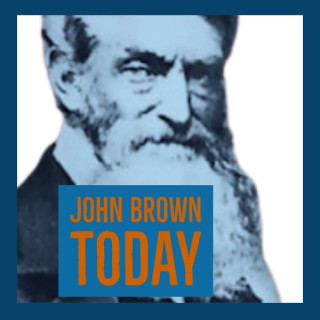
Dietrich Bonhoeffer was born in 1906, and was a German Lutheran pastor, a figure noted in the theological world for his neo-orthodox views, and his most popular book, The Cost of Discipleship. Bonhoeffer is more widely remembered as an anti-Nazi dissident who was a key founding member of the Confessing Church which opposed the Nazis. In the 1940s, Bonhoeffer joined the German underground, but was arrested and incarcerated at Tegel Prison, where he remained for over a year. However, In 1945, documents were discovered that named Bonhoeffer among the dissidents and orders for his execution were made directly by Hitler himself. Bonhoeffer received no fair trial and had no lawyer to defend him. To humiliate him, Bonhoeffer was marched in the nude to his gallows with a few other victims, although the time for execution may have been drawn out and all the more traumatic. According to one source, Nazis were known to interrupt a hanging, revive the victim, and then continue the process repeatedly before final execution. Today Dietrich Bonhoeffer is considered a hero. The question posed in this brief episode is, why is Bonhoeffer a hero for so many, but John Brown is not?
QUOTES FOR REFLECTION“There is a strain of loneliness infecting many Christians, which only the presence of God can cure.” “…blessing come[s] to the church when we stop looking at a picture of God and look at God Himself…when, no longer satisfied just to know about a God in history, we meet…Him in living, personal experience.... We desperately need a divine visitation—for our situation will never be cured by sermons! It will never be cured until the Church of Christ has suddenly been confronted with what one man called the mysterium tremendum—the fearful mystery that is God, the fearful majesty that is God. This is what the Holy Spirit does. He brings the wonderful mystery that is God to us, and presents Him to the human spirit.”~A.W. Tozer (1897-1963) pastor, author, and magazine editor “The holy is hidden and veiled; we cannot grasp it with our intellect, but only approach it with awe and wonder.”~Rudolf Otto (1869-1937), German Lutheran theologian and philosopher “There is an experiential knowledge of God that profoundly changes a person from the inside out. God is known in the soul in such an overwhelming way that it affects a person's entire perception of life.”~Conrad Mbewe, founding chancellor of African Christian University in Zambia “It is easier for us to get to know God than to know our own soul...God is nearer to us than our own soul, for He is the ground in which it stands....”~Julian of Norwich (c.1343-1416), English anchoress “A believer longs after God, to come into his presence, to feel his love, to feel near to him in secret…. Ah! dear brethren, have you ever tasted this blessedness? There is greater rest and solace to be found in the presence of God for one hour than in an eternity of the presence of man.”~Robert Murray M'Cheyne (1813-1843), minister in the Church of Scotland “We may ignore, but we can nowhere evade the presence of God. The world is crowded with Him. He walks everywhere incognito.”~C. S. Lewis (1898-1963), writer and literary scholar “Peace comes not from the absence of trouble, but from the presence of God.”~Alexander MacLaren (1826-1910), Scottish minister SERMON PASSAGEPsalm 114 (ESV)Psalm 1141 When Israel went out from Egypt, the house of Jacob from a people of strange language,2 Judah became his sanctuary, Israel his dominion. 3 The sea looked and fled; Jordan turned back.4 The mountains skipped like rams, the hills like lambs. 5 What ails you, O sea, that you flee? O Jordan, that you turn back?6 O mountains, that you skip like rams? O hills, like lambs? 7 Tremble, O earth, at the presence of the Lord, at the presence of the God of Jacob,8 who turns the rock into a pool of water, the flint into a spring of water. Jeremiah 23 24 Can a man hide himself in secret places so that I cannot see him? declares the Lord. Do I not fill heaven and earth? declares the Lord.Acts 17 28 …‘In him we live and move and have our being'… Psalm 1397 Where shall I go from your Spirit? Or where shall I flee from your presence?8 If I ascend to heaven, you are there! If I make my bed in Sheol, you are there!9 If I take the wings of the morning and dwell in the uttermost parts of the sea,10 even there your hand shall lead me, and your right hand shall hold me. John 7 37 On the last day of the feast, the great day, Jesus stood up and cried out, “If anyone thirsts, let him come to me and drink. 38 Whoever believes in me, as the Scripture has said, ‘Out of his heart will flow rivers of living water.'” 39 Now this he said about the Spirit, whom those who believed in him were to receive, for as yet the Spirit had not been given, because Jesus was not yet glorified.

Lyman Stone addresses Former President Jerry Kieschnick's 12 reasons for membership decline in the Lutheran Church Missouri Synod. We take a heartfelt look at the challenges Kieschnick faced and emphasize the crucial need for conversations filled with love and truth when discussing church governance, mission focus, and theological concerns.In our discussion, we reveal how demographic trends such as low birth rates and youth retention have led to a generational decline in LCMS membership. With retention rates plummeting from 90% to 40%, and the fading ethnic solidarity among German Lutherans, the church faces unprecedented challenges. We explore the necessity of forging a new cultural identity to maintain cohesion within the church community. By examining the parable of the sower and the potent influence of contemporary culture on children, we highlight the urgent need for unity and proactive strategies, including encouraging higher birth rates among members, to address these demographic hurdles. Don't miss this enlightening episode filled with practical analysis and solutions for the future of the LCMS.#####Life, Money, and More A Podcast Built for those who want to make their Money, and Life Better Listen on: Apple Podcasts Spotify All Business. No Boundaries.Welcome to All Business. No Boundaries, a collection of supply chain stories by DHL...Listen on: Apple Podcasts Spotify All of Life for GodThe All of Life for God podcast is an engaging and thoughtful collection of exclusive...Listen on: Apple Podcasts Spotify Create Harmony This is a podcast about setting an intentional rhythm, savoring life's blessings and ...Listen on: Apple Podcasts SpotifySupport the Show.Visit uniteleadership.org

Dietrich Bonhoeffer was a German Lutheran pastor who spoke out against Nazi Germany and ultimately died in a concentration camp. He wrote in one of his books, “Stupidity is a more dangerous enemy of the good than evil. Against stupidity we have no defense.” What he stood against almost 80 years ago is still relevant today. Sign up for our newsletter: https://www.toddhuffshow.com Stack of Stuff: https://www.toddhuffshow.com/stack-of-stuff Email: todd@toddhuffshow.comPhone: 317.210.2830Follow us on…Instagram: @toddhuffshowFacebook: The Todd Huff ShowTwitter: @toddhuffshowLinkedIn: The Todd Huff ShowTikTok: @toddhuffshowSupport Our Partners:https://www.toddhuffshow.com/partners Links:https://www.mypillow.com/todd Promo Code: TODDhttps://mystore.com/toddhttps://faith-lit.com Promo Code: TODD for 15% offhttps://harvardgoldgroup.com Promo Code: TODD for $250 credithttps://www.nicnac.com - Promo Code TODD for 15% off your first purchasehttps://soltea.com - Promo Code TODD for $29.95 off your first orderhttps://zstacklife.com/todd - Promo Code TODD for 15% off your order

Dietrich Bonhoeffer was a German Lutheran pastor who spoke out against Nazi Germany and ultimately died in a concentration camp. He wrote in one of his books, “Stupidity is a more dangerous enemy of the good than evil. Against stupidity we have no defense.” What he stood against almost 80 years ago is still relevant today. Sign up for our newsletter: https://www.toddhuffshow.com Stack of Stuff: https://www.toddhuffshow.com/stack-of-stuff Email: todd@toddhuffshow.comPhone: 317.210.2830Follow us on…Instagram: @toddhuffshowFacebook: The Todd Huff ShowTwitter: @toddhuffshowLinkedIn: The Todd Huff ShowTikTok: @toddhuffshowSupport Our Partners:https://www.toddhuffshow.com/partners Links:https://www.mypillow.com/todd Promo Code: TODDhttps://mystore.com/toddhttps://faith-lit.com Promo Code: TODD for 15% offhttps://harvardgoldgroup.com Promo Code: TODD for $250 credithttps://www.nicnac.com - Promo Code TODD for 15% off your first purchasehttps://soltea.com - Promo Code TODD for $29.95 off your first orderhttps://zstacklife.com/todd - Promo Code TODD for 15% off your order
As Lutherans continue to form synods in America, what is the story of the Ohio Synod, and how did American Protestantism begin to have a poor influence on Lutherans? Why were the German Lutherans so concerned about retaining the German language? Hear these stories and the history of the meetings leading up to the First Convention of The German Evangelical Lutheran Synod of Missouri, Ohio, and Other States. Rev. Dr. Cameron A. MacKenzie, Professor of Historical Theology at Concordia Theological Seminary in Fort Wayne, Indiana, joins Andy and Sarah for our nine-episode series on the History of the LCMS. Find more from Dr. Mackenzie at video.ctsfw.edu.

••• Access to Divine Presence . ••• Bible Study Verses: Genesis 1:26-29, Jeremiah 33:3, Daniel 3:24-25, Isaiah 43:1-2, Psalm 114:1-8, Exodus 33:15, I Peter 5:8, I Samuel 2:9, Psalm 114:7-8, Matthew 6:33, Psalm 91:1-16, Exodus 14:14, Psalm 23:1, Habakkuk 1:13, Romans 7:23, I Peter 5:8, II Corinthians 5:17, Peter 1:15-16, Romans 12:11-12, Hebrews 6:12 . ••• “One who gains strength by overcoming obstacles possesses the only strength which can overcome adversity”, Albert Schweitzer, 14 January 1875 – 4 September 1965, German Lutheran minister, theologian, organist, musicologist, writer, humanitarian, philosopher, and missionary physician .••• “...And God raised us up with Christ and seated us with Him in the heavenly realms in Christ Jesus”, Ephesians 2.6, MSB .••• What is the overcomers' life? ••• What are 4-reasons why overcomers overcome? ••• What are the 3-secrets of the overcomer's life? ••• Why did fire lose it's power? ••• What are the 6-reasons why 4th-man presence is so important in an overcomer's life? ••• What are 7-life actions in cultivating the presence of the Almighty God? ••• What are 8-postive results of cultivating the presence of the Almighty God? ••• What are 3-factors that can make cultivating the presence of the Almighty God difficult? ••• What are the 5-characteristics of one who can cultivate the presence of the Almighty God? ••• Are you going to ask your small group to pray that you will be the kind of person who more intentionally cultivate the presence of the Almighty God through the power of Holy Spirit? ••• Pastor Godwin Otuno expounds on this and much more on the exciting journey of Fresh Encounters Radio Podcast originally aired on January 20, 2024 on WNQM, Nashville Quality Ministries and WWCR World Wide Christian Radio broadcasted to all 7-continents on this big beautiful blue marble, earth, floating through space. Please be prayerful before studying The Word of God so that you will receive the most inspiration possible .••• This Discipleship Teaching Podcast is brought to you by Christian Leadership International and all the beloved of God who believe in it's mission through prayer and support. Thank you .••• SHARING LINK: https://shows.acast.com/fresh-encounter-radio-podcast/240120-divine-presence-ep312-3-of-4 .••• Exceeding Thanks to Universe Creator Christ Jesus AND photos by Andrew Ruiz Photography, Mesa, Arizona, https://www.andrew-ruiz.com/ , https://www.instagram.com/andrew.r.ruiz/ , https://www.behance.net/andrewruiz AND www.hotpot.ai. Art Direction by gil on his mac with free mac layout software .••• † https://www.brainyquote.com/quotes/albert_schweitzer_155978 .••• Study Guides at - https://shows.acast.com/fresh-encounter-radio-podcast/episodes .••• Broadcaster's Website - https://www.lifelonganointing.com/ .••• RESOURCE - https://www.soundcloud.com/thewaytogod/ .••• RESOURCE - https://www.biblegateway.com/audio/mclean/kjv/john.1%20 .••• FERP240120 Episode#312 GOT240120Ep312 .••• Living The Overcomer's Life ~ Access to Divine Presence .Support this show http://supporter.acast.com/fresh-encounter-radio-podcast. Hosted on Acast. See acast.com/privacy for more information.

The Rev. David Boisclair, senior Pastor at Our Redeemer Lutheran Church in Overland, MO, joins the Rev. Dr. Phil Booe to study the hymn, “Away in a Manger.” Flip the page in your Lutheran Service Book to hymn 365: “Away in a Manger.” The history behind this hymn is muddled. Some believed it was written by Martin Luther, but most historians attribute its origin to German Lutherans in Pennsylvania around 1885. In this episode, we will explore what we know about this simple, poignant hymn and hold up what it teaches against the Scriptures. Learn more: hymnary.org/hymn/LSB2006/365 Celebrate the birth of our Savior with Thy Strong Word's Countdown to Christmas, a special series where we explore 10 of the most beloved Christmas hymns found in the Lutheran Service Book. Learn the history and meaning of these beautiful carols and how they reflect the gospel of our Lord Jesus Christ. Each weekday we dive into every stanza of these classic hymns and discover the rich theology and joy it expresses. Don't miss this opportunity to prepare your hearts to receive Christ anew and rejoice with Thy Strong Word: Countdown to Christmas. Thy Strong Word, hosted by Rev. Dr. Phil Booe, pastor of St. John Lutheran Church of Luverne, MN, reveals the light of our salvation in Christ through study of God's Word, breaking our darkness with His redeeming light. Each weekday, two pastors fix our eyes on Jesus by considering Holy Scripture, verse by verse, in order to be strengthened in the Word and be equipped to faithfully serve in our daily vocations. Thy Strong Word is graciously underwritten by the Lutheran Heritage Foundation. Through the mission gifts of people like you, LHF translates, publishes, distributes and introduces books that are Bible-based, Christ-centered and Reformation-driven. Learn more at lhfmissions.org. Lutheran Service Book 365 1 Away in a manger, no crib for a bed, The little Lord Jesus laid down His sweet head. The stars in the bright sky looked down where He lay, The little Lord Jesus asleep on the hay. 2 The cattle are lowing, the baby awakes, But little Lord Jesus, no crying He makes. I love Thee, Lord Jesus! Look down from the sky, And stay by my cradle till morning is nigh. 3 Be near me, Lord Jesus; I ask Thee to stay Close by me forever and love me, I pray. Bless all the dear children in Thy tender care, And take us to heaven to live with Thee there. Text Information First Line: Away in a manger, no crib for a bed Title: Away in a Manger Meter: 11 11 11 11 Language: English Publication Date: 2006 Scripture: Luke 2:7; Mark 10:14-16; Matthew 1:23; Matthew 28:20 Source: Little Children's book, Philadelphia, 1855 (Sts. 1-2); Vineyard Songs Louisville, 1892 (St. 3, alt.) Tune Information Name: CRADLE SONG Composer: William J. Kirkpatrick, 1838-1921 Arranger: James E. Engel, 1925-89 Meter: 11 11 11 11 Key: F Major Copyright: Setting © 1993 Mrs. James E. Engel Learn more: hymnary.org/hymn/LSB2006/365

Bach's first church works were anything but plain and dull. Untouched by Italian style, firmly in German Lutheran tradition, this very first known Bach cantata shines and surprises at every turn through its mazy passages. This is the second part in a two-part miniseries on the masterwork BWV 150 (Nach dir, Herr, verlanget mich). See the previous podcast episode for part 1. In this episode, we discuss the last three movements: the shaking trees of the trio (Cedern müssen von den Winden), the frantic escaping of the net in the chorus (Meine Augen sehen stets), and the towering final Ciaccona. In this episode, we reference Bach's most famous choral works. We see how in his early works he was more experimental, and we explore how the seeds of his later masterworks are yet already there. BWV 150 as performed by the Netherlands Bach Society (recordings used with permission in this episode) Musical score to BWV 150 referenced in this podcast miniseries

Dietrich Bonhoeffer (1906 – 1945) was a German Lutheran pastor, theologian, and anti-Nazi dissident who was a key founding member of the Confessing Church. His writings on Christianity's role in the secular world have become widely influential and his book The Cost of Discipleship is described as a modern classic. To learn more about his life and renewal legacy, hear from Pastor Nicholas Abraham, Lead Pastor of Reformation Bible Church in Navarre, Ohio, and author of Living Together in Unity with Dietrich Bonhoeffer (Lexham Press, 2023).

The idea of a pastor living out his vocation on a bicycle may sound eccentric, but Michael Stahl, a German Lutheran pastor, is convinced that it's fully in line with the gospels. "If Jesus were out and about today,” he says, "I'm certain he'd use a bicycle.” Stahl is not only a man of the cloth but an enthusiastic cyclist.
Image: Three generations of Franks and Kerlers in Greenfield 1889."I prefer America," one German Lutheran immigrant wrote. Letters of German Lutheran immigrants in 19th century America give under-analyzed perspectives of lay members and their views of church establishment and denominational selection.Support the show Lutheran History Shop Youtube ( even more behind-the-scenes videos available for certain patron tiers) Facebook Website Interview Request Form About the Host email:thelutheranhistorypodcast@gmail.com
Image: Regina, Veronica and Frank Kerler"I prefer America," one German Lutheran immigrant wrote. Letters of German Lutheran immigrants in 19th century America give under-analyzed perspectives of lay members and their views of church establishment and denominational selection.Support the show Lutheran History Shop Youtube ( even more behind-the-scenes videos available for certain patron tiers) Facebook Website Interview Request Form About the Host email:thelutheranhistorypodcast@gmail.com

Quizmasters Lee and Marc meet for a semi-Holiday-themed trivia quiz with topics including Christmas Traditions, U.S. Holidays, Cartoon Characters, Vegetables, Star Wars, Medical, Etymology and more! Round One CARTOON CHARACTERS - Gumble is the last name of what Simpsons character? CHRISTMAS TRADITIONS - What Christmas tradition was first developed by German Lutherans in the 1700s as a celebration of the liturgical season? VEGETABLES - Alpha, Nevada and Snow Crown are types of which vegetable? U.S. HOLIDAYS - Which holiday originated in the U.S. in the wake of the L.A. Watts riots and whose seven principles include unity, self-determination, collective work and responsibility, cooperative economics, purpose, creativity and faith? ETYMOLOGY - The word wiki, as in Wikipedia, means 'quick' in what language? STAR WARS - After meeting the Sith Lord for a photo in 1977, which singer introduced herself to Star Wars actor Mark Hamill as “Darth Vader's Wife”, but left her San Franciscan rock group before they famously performed “Light the Sky on Fire” during the cult-classic Star Wars Holiday Special? Round Two PARTIES - What kind of holiday party first took place in Vancouver, British Columbia in 2000, setting off an annual trend for decades to come? 2010'S TELEVISION - What TV show that premiered in 2017 has had episodes including "Cape Canaveral, Schrödinger's Cat, and Cyndi Lauper's Hair", "An 8-Bit Princess and a Flat Tire Genius" and "Graduation"? CHRISTMAS TRADITIONS - Mari Lwyd is a Southern Welsh Christmas Time tradition where townsfolk go from door to door requesting food and drink through song, while wearing the skeleton of what kind of animal SCIENCE - The Koppen-Geiger system, first developed in 1884, with modifications made by both scientists, is ud to classify what? MEDICAL - According to the American Association for Anatomy's Anatomical Science Education Journal, The Twelve Days of Christmas Song is "Ingrained in medical school folk law" as a mnemonic device to help remember which twelve parts of the brain? NFL - How many regular season games does each team play in the NFL? Rate My Question MOVIES - Edgar Wright's Cornetto Trilogy consists of Shaun of the Dead, Hot Fuzz, and The World's End. Name the color that represents each film, per the director. Final Questions TECHNOLOGY - What were the first man-made objects to break the sound barrier? CHRISTMAS TRADITIONS - In Catalonia, it is a Christmas tradition to include a joke figurine called a caganer in their nativity scenes. What is the caganer doing in the nativity scene? Upcoming LIVE Know Nonsense Trivia Challenges *GENIUS WEEK* December 28th, 2022 - Know Nonsense Challenge - Point Ybel Brewing Co. - 7:30 pm EST December 29th, 2022 - Know Nonsense Trivia Challenge - Ollie's Pub Records and Beer - 7:30 pm EST You can find out more information about that and all of our live events online at KnowNonsenseTrivia.com All of the Know Nonsense events are free to play and you can win prizes after every round. Thank you Thanks to our supporters on Patreon. Thank you, Quizdaddies – Gil, Tim, Tommy, Adam, Brandon, Blake Thank you, Team Captains – Kristin & Fletcher, Aaron, Matthew, David Holbrook, Mo, Lydia, Rick G, Skyler Thank you, Proverbial Lightkeepers – Elyse, Kaitlynn, Frank, Trent, Nina, Justin, Katie, Ryan, Robb, Captain Nick, Grant, Ian, Tim Gomez, Rachael, Moo, Rikki, Nabeel, Jon Lewis, Adam, Lisa, Spencer, Hank, Justin P., Cooper, Sarah, Karly, Lucas, Mike K., Cole, Adam, Caitlyn H, Sam, Spencer, Stephen, Cameron Thank you, Rumplesnailtskins – Mike J., Mike C., Efren, Steven, Kenya, Dallas, Issa, Paige, Allison, Kevin & Sara, Alex, Loren, MJ, HBomb, Aaron, Laurel, FoxenV, Sarah, Edsicalz, Megan, brandon, Chris, Alec, Sai, Nathan, Tim, Andrea, Ian, Aunt Kiki, Clay, Littlestoflambs, Seth If you'd like to support the podcast and gain access to bonus content, please visit http://theknowno.com and click "Support."

First they came for the socialists, and I did not speak out— Because I was not a socialist. Then they came for the trade unionists, and I did not speak out— Because I was not a trade unionist. Then they came for the Jews, and I did not speak out— Because I was not a Jew. Then they came for me—and there was no one left to speak for me. German Lutheran pastor Martin Niemöller Let's talk about it.

You can find more on Rob McCoy and Godspeak Calvary Chapel in Californiahttps://www.godspeak.com/home-index/https://rumble.com/v1mexz2-faith-without-works-is-dead-eric-metaxas.htmlhttps://www.amazon.com/Letter-American-Church-Eric-Metaxas/dp/1684513898/ref=sr_1_1?keywords=letters+to+the+american+church+book&qid=1666029645&qu=eyJxc2MiOiIwLjg2IiwicXNhIjoiMC41NSIsInFzcCI6IjAuMzEifQ%3D%3D&sr=8-1Gary Duncan 0:43 Welcome to remnant revolution. I'm your host, Gary Duncan. And today, I think this is probably one of the most important podcast you need to listen to. If you're unaware of what's going on in our country, and how the church is staying silent, then this might open your eyes, I think every Christian and pastor to take the time to listen to what Eric TaskUs has to say, I just finished reading his book letter to the American church. And I ran out of EAC, marking it up with the comments. So mirror my own thoughts over these last several years regarding the state of the church, the state of pulpits today. And what we need to do about it, you've always heard, if you forget your history, you're bound to repeat it. Well, I think we're there. I think if the church doesn't wake up, we're going to see the slaughter of millions upon millions of innocent people, maybe not in the same way history has shown us but in a new way. And if you've been awake during the 2020, COVID, biological weapon that has been forced upon this world, you have already seen millions of people die. So I want to replay a message he gave to God speak church in California, Rob McCoy, his church out there, they keep their sheep up to date on what's going on. The best way to describe his book is a comparison between the Lutheran Church in Germany in the 1930s, to the American church in the 2022. And earlier, the similarities are stark, the action taken by the church is appalling. And the future of the church is written in history. So I suggest you open your hearts and you listen and ask the question, what's next? What do we do? What's the Bible say? Because our future depends on it. Eric Mataxas 2:44 We're dealing with joy. Joy is like, you know, deep and beautiful. And Lord wants us to live in that right when when you understand what the Lord did on the cross, giving his body and his blood for us. There is a deep joy, an unfathomable joy that comes out of that. And the question is through history that the church has always leaned into that joy, if you know what I mean, right? It's a it's our it's our human nature, our sin nature, to just go through the motions, maybe to come up with some theology and go like you agree with that? Yep, yep, yep. Okay, you're in fine, good. That's what Bonhoeffer called cheap grace, right? And you see this over and over it through history. In fact, even before the church, you see this, obviously, in the Old Testament, that the prophets rise up to Thunder at the people of God calling them to be the people of God, right. So you see this over and over. And it's the mystery of why the Lord allows things to go that way. But I believe we are now on the verge of a second reformation. When I say that reformation, when you really think about what Luther did it all it is, is what God wants to do all the time, which is to say, Bring us deeper into walking with him, right? And to say, like, Okay, you did this for a while, but now, you need more, right? You need to live out your faith. And so I think, part of what I want to talk about this morning, which I think concerns the American church and letter to the American church, it's exactly what Bonhoeffer was talking about, in 1932. In fact, he gave a famous sermon, Reformation Day 1932. So it's like two months and change before Hitler takes power. And he's speaking to this church and trying to make them understand that, you know, you kind of you have the form and substance down. But that's not what God's looking for. He's looking at your heart. He wants you to be alive to him and you're kind of going through the motions and a lot of people in the American church today who are being silent in the face of evil In the same way that German pastors and Christians were being silent in the face of evil. And what I write about in this book, letter to the American church is to say, we know exactly what happened. Bonhoeffer was a prophetic voice trying to warn the German church. There were others, but he was the main one. They did not heed God's cry through God's servant Bonhoeffer. So the question is, will the American church today, heed God's cry through his sir servant Bonhoeffer? Will we hear what Bonhoeffer had to say that the German church ignored? And I'm here to say, mostly, the church in America has been silent in the face of evil in exactly the same way the German church was silent in the face of evil, but we have less than zero excuse. Because we have the example of the German church. We have many, many Americans have read my book on Bonhoeffer, you just like you want to see how that goes. When the Church says, Not yet. We're not ready to talk yet. We don't want to be political Romans 13 We can't get we can't get politically and we can't get involved. Every bad theological reason that German Christians gave for their silence is being used today by those in the American church, the same reasons, the same answers. I mean, you hear a lot from people about well, that's not a that's not a gospel related issue. Right. Well, that's sophistry, these are lies from the pit of hell when you start talking like that. Okay. Do you not think that in America during slavery times, there were plenty of people saying like, we don't want to speak out against slavery, we don't really want to be pro abolition, because we have people in our congregations who would be bothered by that. So we can let the African slaves go to hell, we don't care about them. We care about the people in our in our congregations that they might get pushed away from the gospel if we bring up that divisive issue. And you think, Well, what dead gospel? are you preaching? If you cannot speak the truth about the wickedness of slavery? Am I interested in whatever thin pseudo gospel you have to preach? But there are many people that they're very focused on this quote, unquote, gospel, but I want to say, what is that gospel that you're preaching when when Jesus said that, you know, better that a millstone would be hung around your neck than that you would cause these little ones to stumble? That wasn't really very gospel sensitive Jesus? You know, I'm sure if Jesus were alive today, he would correct that terrible error. He would never say anything so harsh, right? Oh, sorry. We're talking about Jesus, who was perfect. He spoke about things that many today would act like, well, I'm holier than that. I wouldn't bring that kind of a thing up. I don't know. It could push some people away. Well, folks, you should care about not wanting to push people away. Like that's, that's a good thing. But you can care too much. You can care so much that you're disobedient to what God is calling you to open your mouth about. So if you do not care about young women, being bullied and badgered by propaganda, to cut off their own breasts and destroy their lives, if you don't love them, the way Jesus loves them and speak the truth into the culture that's doing that to them. The Lord will hold you accountable for that, in the same way that he held Americans accountable who said, Why don't want to speak about slavery, because we have some pro slavery people in our congregation. And they're good people, except for the slavery part. Yeah, like today, we laugh because we know how crazy that is. But back then they were like, well, who's to say it's complicated. In Germany, people were telling Bonhoeffer to shut up don't get political. You know, there's plenty Nazis in every congregation. And some of them are really bad, but some of them are good. And they've it's complicated. Don't speak against that. Bonhoeffer ultimately became profoundly disgusted. I quote him in this book letter to the American church where he says, he was he was disgusted with the theological of theologically based objections that a lot of these pastors and people had theologically based what you know, if you're the devil, you want to come up with theologically based objections for your satanic ideas, to fool some of the Christians into being silent. And Bonhoeffer says, which is, after all, nothing but fear. It is fear. So so people give these reasons and they can fool many people. There's a new book out, it came out, just as my book was sent to the to the printer or to the publisher. I got a letter. Sorry, I got I got a package in the mail in my home in New York. From Zondervan, Because I'm like an influencer, so they want me to see what they're publishing. And yeah, if you want to know how bad things are like a lot of these Christian publishers, a lot of these folks, they they're, they've slid into the dark side. So they published a book by Pastor Andy Stanley. And the book is called not in it to win it. Okay. And every lie has truth in it, right? So no, we're not supposed to be cultural warriors trying to be triumphalist theocrats trying to you know, crush the culture with our idea of Jesus. No, no, but I think most of us get that. Okay. If you have a friend who's who's on board with that, you'd be the first one to say no, sorry. We're not We're not about that. But the point is, if you're going to tell me, Oh, I shouldn't be political. I shouldn't have a voice. That's what they said to Bonhoeffer. They said, stay in your little theological lane. Don't speak up for the Jews. And Bonhoeffer said no, if you do not speak up for the Jews, you have no right to worship God Bonhoeffer wrote that, he says, You have no right, keep your mouth shut. Do not praise the God who is the God of the Jews, and who appointed you as the church to be the voice for the voiceless. That is your job. And if you're not doing that, shut up, get in your prayer closet and get right with God, but do not pretend to say I have faith when the Lord sees you have no faith because you keep your mouth shut in the face of satanic evil. But the project but but the objections were the same. The objections were the same as they are today. They will say Romans 13 is supposed to be the governing authorities, right, you know, bow to Nebuchadnezzar, like whatever it is just like keep your mouth shut and just obey the governing theories are put in place by God, Romans 13. So it's very clear. Well, it's obviously not very clear. There's more of the Bible than Romans 13 One. And the fact is, if you're looking for an excuse, it's very convenient. You just saw Romans 13. Luther was big on Romans 13. And so all the German Lutherans were like that settled. Well, it was not settled. You need discernment. You need wisdom. What are what are we living through right now? The Lord calls us to take our faith into every single sphere imaginable. My hero Chuck Colson always used to quote, Abraham Kuyper, the Dutch theologian and every speech Chuck would give, he would quote Kuyper, Kuyper said, you know, about 120 years ago, Kuyper said, There's not one square inch of all creation, over which Jesus Christ who is sovereign does not say mine. Everything, politics, education, media, wherever you go, the Lord wants us to take him into those places. And that, to me, is what reformation is all about, right? It's like the leaven is supposed to go all the way through the lump. And so why did it take the church so long to discover this 15 centuries before Luther, in a sense, bring some of these ideas out into European culture? Why did it take 15 centuries? I don't know. We have to ask the Lord when we get there, Lord, why didn't that happen right away. But it didn't. The Lord lets these things work their way through history. Why did it take to Wilberforce at the end of the 18th century? To see from the scriptures like slavery is an abomination from the pit of hell. And if you're a Christian, you need to stand against this with all your might. And mein. Why did it take so long? Well, it might have taken a long time. But the point is, at some point, somebody got it, and somebody started talking about it. And there were always voices to say, no, no, shut up. You're wrong. You're wrong. That's political William Wilberforce. Don't be don't be, don't be political. Keep your faith private, from your from your politics. And the Lord doesn't make those distinctions. The devil makes those distinctions. And when people tell you, Oh, you're just being political, you know, that's like standing against slavery. And so he's really just being political. It's like, No, I'm commanded by my lord to stand up for those who have no voice. I'm commanded to stand up for the stranger. I'm commanded to speak the truth. So where do you get your idea that I'm supposed to keep my faith in this tiny little theological box? That's not a biblical idea. But it's out there in the culture. And so I remember getting this book in the mail from Zondervan by Andy Stanley basically making the case that if you're involved politically, it's divisive. And you're just a culture warrior. And you're now of course, if you're involved in the right stuff, he will have no criticism. But if you're involved, anything that might be pro Trump or pro liberty or or any of that stuff, it's like, you're being political, right? So I read the book, I forced myself to read the book, it's unpleasant, but it's at least short. And I thought to myself, and I want to be I want to be gracious in the sense and say that, I know that a lot of the folks like Andy Stanley, they're like, the German pastors in that day in the sense that many of them know not what they do. They have no idea so it's very easy for us to point the finger. You know, at some point, we have to point the finger and say That's wrong. That's bad. Teaching that's dark, it's leading America to hell. And it's going to make people suffer for whom Jesus died. If we the church do not rise up, the Lord has pointed us to rise up. But the point is that we have to understand that some of these people, they're just misguided. But the problem is, I then go on the Amazon web page for the book, and I see a big blurb from Jim Daly, a Focus on the Family promoting this book. And I thought the book is published by Zondervan. That's where we are ladies and gentlemen, people that I would think of as friends, or they used to be friends. And these are the kinds of people that you know, they are not openly serving the devil. They are just confused and misguided in going with the flow. Like many German pastors, they were just going with the flow. The question is, can we reach them? Before it's too late? Can we reach some of them? Before it's too late, I absolutely wrote this book, this short book, hoping to reach those who might be reached, we know some will never be reached, they don't want to be reached, they've got it all figured out. But there are many in the middle, that I believe might see the error of their ways and might see that their silence in the face of evil has been silenced in the face of evil. It's exactly the same as the silence of the German pastors in the face of evil. And some of them, I believe, will repent of their silence and say, Okay, now I'm going to speak up now in Germany. In Bonhoeffer his day, one of the heroes of my Bonhoeffer book is Martin de Mohler. Marni Miller was one of the ones who was going with the flow, he really believed that we don't need to speak against the Nazis. He was now he was a heroic World War One military hero, an incredible pastor and a big, powerful church, but he was deceived. And eventually, he saw that he was deceived. He had a meeting with Hitler, where Hitler basically told him, you know, going along with the theological script, right, Hitler says to him, you stick to your sermons. In other words, you stick to your little stupid little theological sermons in your little building on Sunday. But when you leave that building, you bow to the authority of the state, which is me, Adolf Hitler. That's when you know, oops, this is not going to go well. He is not really open to hearing the truth and I Martiny molar have made a mistake. So Martin e molar by God's grace woke up at that point, and he became a hero. But the problem is in Germany, when Martin D, Mueller woke up, it was too late. The church had been silent too long, the Nazis had been working hard to neutralize and silence the church. If the church wakes up, we're dead. So we'll keep doing whatever we need to do will bribe some of them will give them money will threaten them, you'll lose your job will shut you down, we'll do we'll do whatever we can do to neutralize the church and neutralize the church and at some point, it will be too late for them to speak up and that's what happened in Germany. I think of Gulliver being tied down by the little patients as the same picture right? You know, Gulliver, at any moment as he's sleeping, the little patients are tying him down with dental floss or whatever they're using. And if he had awakened at any point during this process, he would have ripped up the stakes and you know, crushed the Lilliputians. But if they can make sure that he continues to sleep while they're doing this, at some point, it's too late for him to get up, isn't it? That's what the Nazis did with the church in Germany. They told them what they wanted to hear. And they knew that we don't need to get everybody we just need to get enough German pastors and leaders to be silent and to do nothing. And at some point, we got them. Now so you understand the numbers because it's dramatically similar similar in this country in terms of the representatives in terms of the percentage. In Germany, there were 18,000 Protestant pastors, and about 3000 of them up, Hitler takes control in 33. So by 1935, the state the Nazis had so bullied, the churches and everyone that by 1935 of the 18,000 pastors, there were about 3000 Standing strong for the gospel standing with the barman declaration. I write about this all in the in the book letter to the American church. It's really amazing. 3000 stood strong. About 6000 had signed the barman declaration, but by the time you get to 1935, there had been enough bullying and badgering and arrests and whatever it is that it takes to intimidate people and some of you are very familiar with that I'm familiar with that. I've been ensued, you know, lost a lot of money. My whole YouTube channel was just destroyed because I dared to have on Naomi Wolf to discuss vaccine mandates. Can you imagine the United States of America having a conversation about the truth, but that's what we're dealing with today, right? Well, the Nazis did the same thing. And worse, they just said, this intimidate, intimidate. We're gonna we're gonna you know, what we'll send the Gestapo to knock down the doors at Mar a Lago? What do we have to do? Tell us what what do we have to do to weaponize the state to intimidate, intimidate. And by 1935, there are only 3000 of those 18,000 pastors willing to stand firmly. Now, on the other side of the 18,000, you have about 3000, that were totally pro Nazi. And we get that we have, you know, so called pastors in the church today that are 1,000% on board with cultural Marxism and the great reset and whatever it is that you know, the pit of hell is currently manifesting in our culture. But here's the key. And this is where I have the hope. In the middle. There were 12,000. Pastors, those 12,000 pastors, before we get to the hope, you got to get to the depressing part, it was those 12,000 pastors that did not take a stand with the 3000 heroes that enabled the evil to triumph. They said, well, we don't want to be political Romans 13. We don't want to take a stand for us. It's all about preaching the gospel. So we don't want to talk about you know, all of this divisive stuff, we just want to, we just want to preserve the opportunity to preach the gospel. Well, there's a chapter in the book called the idol of evangelism. Because there are times when the devil will use one of the greatest things to keep you from the greatest thing. The greatest thing is to speak God's truth as he calls you to speak it, to speak against whatever He calls you to speak. But some people say, Oh, no, I can't do that. I gotta have my quiet time right now. There's a, there's a girl being raked across the street, but you know what I'm going to do? I'm gonna pray. Who can argue with that? Right? Oh, you're gonna pray? Oh, okay. I'm going to do evangelism. Okay. Well, you understand that the subtle enemy of our souls will use any good thing, right? Oh, you're just about preaching the gospel just about gospel related issues? Well, what if the Lord says, Speak up for the Jews? And you're gonna lose some people in your congregation? What if the Lord says speak against the slave trade to William Wilberforce, most American Christians today would be like, I would be all over that I would stand with Bonhoeffer. And I would stand with William Wilberforce. And all you of course I would, but you are not doing it. Now. Right now you're being silent. And right now you are letting the 3000 Take all the heat, aren't you? And you're saying, we think we just got to keep our nose clean. We don't want to get in trouble. We want to be safe. We want to be nice. We want to go along with whatever. You know, if there's a vaccine mandate, we'll go along with that. We'll make our people take the dead baby vaccine. We don't have a problem with that. Romans 13. We just want to go along with the government. We're living in hard times, folks. You need to sermon and you need courage. But I'm here to tell you that what happened during the Reformation with Martin Luther Martin Luther had to make the case that it's by faith alone, right, we get that, right. It's by faith alone. It's not by works that were safe. We all get that right. But by the time you get to Bonhoeffer, Bonhoeffer is saying, this faith alone stuff has gone too far because faith. Faith, without works is dead. So even though it is by faith, you're saved, do you have faith? If you have faith, you will live it out. Your life will be a testimony to the fact that you know Jesus defeated death on the cross, you don't just give it lip service. So he wrote about cheap grace and cheap faith. When you say it's about faith, it's about faith, which is just a way to say like, I don't need to do anything. I can just sit on my hands. I'm gonna have my quiet time. Where's my highlighter? Where's my cup of coffee in the mug with a scripture verse on it? Because I don't really care about black people. I'll put the the black, you know, Lives Matter thing on my Facebook thing. I'll just, I'll just do whatever i i care, but I don't want to actually talk about the issues about how critical race theory is destroying black communities. I don't want to bring that up because I'm white. And you know, somebody might look at me funny. I don't want to talk about trans Gender because somebody might look at me funny, I have a neighbor who has a daughter who's got I don't want to offend them, folks, if you love the people for whom Jesus died, and if you trust that he defeated death on the cross, He will speak about these things, you will do what you can. We're not all called to be political activists. But the idea that Christian leaders particularly are misleading their flocks into silence is exactly out of the playbook of Bonhoeffer and the Nazis. It is exactly the same thing. The Lord is looking to his church now to stand against these evils. And if the church doesn't stand against these evils, trust me when I tell you, the Lord will blame the church. He is looking to his people, because his people are the ones who dare to claim, we believe he defeated death on the cross, we believe he rose from the grave, we're free. While the Lord says, Okay, if you believe that, you will live as though you believe that you can't just say you believe it. Because faith without works is dead is from the Scripture. And it's a warning to us. So we say, well, yeah, I believe, what do you believe, Oh, go to go to my church's website, there's a statement of faith. That's what I believe. That's called a fig leaf. You're not fooling anybody. If you're not living that out self sacrificially, the Lord can see, and the devil can see, and your neighbors can see, and your friends can see that. You're just talking, you don't really believe it. And the Lord will judge you on what you believe. Your real faith will save you. Your fake faith will not fool anyone and will not save you. So we have an opportunity to live out our faith in an extraordinary moment right now. And I believe the Lord has allowed these satanic things to happen in the last few years to wake up his people. And I believe largely as a result of heroes, like Rob McCoy, and other pastors that dare to invite me to their pulpits that we have hope. And there are people watching online or like they used to go to that, you know, dead Lutheran Church or wherever they used to go, and they don't go there anymore. Well, I do want to say to you, I hope some of you can think of a pastor who might be reached by my book, because they're out there, they need bucking up, they need to hear what we're hearing here. They need to know that maybe I got this wrong. Maybe I can repent, maybe I can be part of what God is doing today. I often think I know I write about it in the book that the idea of, let's say, somebody, you know, strings, a high wire across Niagara Falls and says, you know, to the crowd, does anybody believe that can walk across that? Maybe he's like, yes, yes, we believe that we believe it. And he pulls out a wheelbarrow, anybody believe I can? I can push the wheelbarrow across the crowd? You know, we'd also Yeah, absolutely. Go Go for it. And he but I believe I can I can push the window with a heavy load in it. Absolutely. Go ahead. And he's like you, sir, you believe I can do it? Yes. Get in the wheelbarrow. It's easy to say I believe. If you really believe you will live it out. God can see whether you really believe by how you behave. And we haven't heard this a lot in the American church or the American church we talked about, it's about faith. It's about faith. It's about faith. Well, I'm here to tell you, that's not scriptural, folks. Okay, if your faith is real, you're saved by your real faith. But if your faith is cheap faith, or the grace you believe in is cheap. Grace. Bonhoeffer wrote about that in cost of discipleship, cheap grace is not grace. If you understood what Jesus did to die for you, because He loves you, it transforms your life and the Lord is inviting us to live into that faith. He's saying, I want to see you get in the wheelbarrow, I want you to trust me, or to put me to the test and say, Okay, Lord, I'm gonna give up my job. I'm not going to get the vaccine, I'm gonna do whatever you call me to do, because I know that if you are who you say you are, you can get me another job. You can take care of my family, you love me. Now, I don't mean put the Lord to the test the way the Scripture says, Don't put the Lord your God to the test. But I'm saying that the Lord expects us to depend on him to lean on him to trust Him with our future. So for pastors who are worried about losing the congregation, who called you to that pulpit in the first place, was that a job that you you wriggled your way to get? Or did the Lord call you to that pulpit? Who put the people in the pew to hear what God was saying through you? Which was that you and your wisdom and your sophistry, or did the Lord do that if the Lord did that, when you speak what he calls you? to speak, he will fill your church. And if he doesn't fill your church we're supposed to trust the Lord with everything. And again, just to repeat, he defeated death on the cross. So if somebody says, Well, you know, if you don't tow the line will kill you. You know your response, if you believe, actually believe would be Haha, you can't kill me He defeated death on the cross, I will never die. We're supposed to know a lot of people kind of say, well, I hope I hope it's true. If you hope it's true, I rebuke you. You need to know the Lord wants you if you want to know what is His Will it is his will that you know that he defeated death, that you know that nothing more wonderful could ever happen to you than you would see him face to face. Now, today, tomorrow, whenever he calls you, there can be nothing greater than that we have been so coddled and blessed in America, that we kind of think Well, now it's kind of okay here. I'm not ready for that yet. I get that folks. But we need to live in that kind of faith, the kind of faith that says there is nothing more glorious than the reality of eternal life with Him. And by the way, he gives us an opportunity to start living at life. Now. If by faith were seated with Him in heavenly places, now, while we're still here, and if he hasn't translated you in the glory, it means he has a job for you here and now to live that kind of faith here and now. And that is the heroic call to which God calls his church will we hear his cry to his church, some are waking up, you know, there's a remnant by God's grace, because of churches like this and others, a remnant that is waking up in there plenty people that haven't been to churches for years, that when they see this kind of muscular Christianity, they go, you know, I can get behind that kind of Christianity. They're not afraid of speaking truth. It's not namby pamby kind of emasculated pseudo gospel, it seems real to me, those people seem to understand we're dealing with evil, we're in a spiritual war. And there's something there's something attractive about that, folks, that leads to revival. If you care about evangelism, it's not about keeping your mouth shut on hot topics. It's about opening your mouth on those hot topics and delivering the heart of God on those hot topics, and seeing how people say, finally, where have you been? Where have you been all these years? It says in the scripture, there's a parable, you know, the parable of the talents, right? I think it's a parable for us today. There's also a chapter in the book on the parable of the talents, because it's so counterintuitive. The idea is that this master has some servants, right. And these are not like, you know, they're not sweeping up around the house kind of servants. These are like major people in his kingdom or in his world. And he entrusted each of them with a ton of money, a talent is a ton of money, right? He says, I'm going on a long trip. So here, you get, you know, 1.1 million, and you get 700,000. And you get a 200,000. And I'll be back in a year. Now, if you love your master, he say, Well, I'm going to do unto him as he would do unto as I would have others do unto me. So I want to take this money, I know I can make a lot of money. With the money he's given me, I want to bless him. So I'm going to take it, and I'm going to do what I can in the markets to try to increase the money now that comes with risk. You might lose the money. But if you love your Master, you're like, Well, I'm going to try if it was my money, I would try. So I'm going to try, I'm gonna go out there do what I can do. So the one with five towns, the one with three towns, they, they tried to do something with it, and they're successful. But the one who has been given one talent, basically, in his mind, he's thinking, You know what? I don't like my master. I think he's a bum. I don't really want to stick my neck out for him. And by the way, I think if I lose the money, if I try to do some of them lose it, he's just gonna whack me because he's just, he's just a religious killjoy. He's just looking for me to make a mistake. He doesn't love me. Now, this is the question, what God do we worship? We worship the God that looks at our heart and wants to see us go for it. And even if we screw up, he says, I love you I see your heart, or are we religious? And are we playing it safe and saying it's all about staying out of trouble? It's about not saying anything wrong. Don't tweet anything unkind at 3am because that's really the ultimate judge of a man's character. Not if he's a warrior for truth, or for the unborn or for the nation, or against Marxist tyranny. We don't we, you know, we don't care about that. If you are worshipping the God that is just looking for you to make a little mistake, you're actually worshipping the devil I hate to tell you because that's who the devil is. The God of the Bible is like Aslan, in the Narnia Chronicles. He's wild. He's not tame. But he is good. And when we think about the goodness of God, we're not talking about a safe goodness, he's not sweet. He's not a kitty cat. He's Aslan, the lion, of the tribe of Judah. And he calls us to the battle, and he loves us. But there are many Christians who they don't know that God, they're worried about saying the wrong thing about being a little too, in politic about being perceived funny, so they're careful. And we have a lot of pastors that they're careful. They're being religious, they don't understand God calls us to a wildness to a battle, for his sake, to speak for those who have no voice. The church is the conscience of the state. And if the church is silent, when these evil things are happening, folks, do you not think the Lord will judge his church who has no excuse? I'm here to remind you, that's what happened in Germany. In Germany, they were quiet, and quiet and quiet. And by time some of them woke up. It was too late. I believe the Lord gave us the story of Bonhoeffer. And the example of what happened to that great nation that had the incredibly powerful church, culturally speaking, they had the power to stand against the Nazis. And they said, Not yet. Not yet. I'm not ready to get political, let the other let the hotheads, bring it up, let them go to jail, let Simone gold, go to jail, I don't care. Let them take the heat. I'm just gonna stand here and wait till it all blows over. Folks. That's not That's not the Lord. That's not the Lord, we need to understand. The Lord calls us to live out our faith, with our whole being and to show him by our actions that we know him, we love Him, we trust him. And we want to live for him. With everything we have, I am convinced that if a holy remnant is awakened, which I see happening by God's grace, and there are many, many, many others, still asleep, or beginning to wonder, beginning to look around and think are things bad enough now that I maybe I should speak up, maybe I should talk about politics, maybe the satanic Marxist atheists taking over America, maybe what they're doing is going to harm all kinds of people. And God is going to say, what did you do to the least of these? Did you speak up against it? Or did you just say, well, that's not my business, Lord, I want to stay in my religious lane. The Lord doesn't call you to stay in your religious lane. There's no such thing. The enemy calls you to stay in your religious line. I just have to say that we are. Again, we're in a season, where we talk a lot about theology, we talk a lot about faith. The Lord tells us again, and again and again in various ways. But through that scripture, Faith without works is dead. We are called to live out our faith, self sacrificially. And a lot of times in the evangelical church, we forget about character, right? We say Do you believe you believe you believe Okay, well, you're a bum, you cheat your business people and you're, you're kind of like, you would cheat on your wife if you had the chance and you were to, but But you believe so you're saved by grace. That's really not biblical folks. The Lord says, He cares what you do. You might be saved by grace and by faith, but then he looks at your life and says, Okay, now you get it. Are you ready to live for me between now and when I see you face to face? Are you ready to give it all? That's why I died on the cross for you. That's why I rose from the dead, to enable you to live out your faith utterly for such a time as this and you will see things glorious things happen. What are the last scriptures in the Bible, it might be the second scripture in Revelation it says, He who overcomes shall inherit all things, and I will be his God and he shall be my son. He who overcomes but the cowardly. The cowardly, can you imagine the Lord is saying, I've given you enough of my life and my son in my word. To let you know that you have no excuse in being cowardly. A lot of people say well, I'm just cowardly by nature will look says no, no. It's like saying you're an adulterer by nature. You're well, let me tell you something I have come to give you the ability to live your life in the right way. And the first thing that he says, the cowardly, we are called to courage. It's not extra credit Christianity. We are called to heroism and courage. And Revelation 21. Seven says, but the cowardly, unbelieving, abominable murderer is sexually immoral, sorcerers, idolaters, and all liars shall have their part in the lake which burns with fire and brimstone, which is the second death. That's unbelievable, folks. The Lord is begging us to take him at his word. He is begging us to live courageously in the moment to stop pretending somebody told you you're only supposed to speak on gospel related issues. Truth is a gospel related issue. If the Church will arise now, and live this way, you will inspire untold people to do the same thing. If you will live this way, you will inspire people who don't know Jesus to want to know Jesus because they're dying to know, where do you get that courage from? Are you crazy? Or is it true? What they say? This is I believe in opportunity for the church. I don't know which way it's gonna go. But I don't believe the Lord called me to write this book. And I believe he called pastors like Rick and Rob and so many others to stand at this time for nothing. I believe God has a plan for this nation, to reach the whole world with his gospel. And there's nothing more extraordinary. There's nothing more extraordinary than that we would get to be a part of that. And we would get to share this with others and that the Lord would use us in bringing reformation so that the world would not talk about believing in Jesus, but would live out that faith in Jesus so that it would be so attractive that millions and millions and millions and millions would get saved if you care about evangelism. Live your faith. God bless you.

Scripture Reading: John 10:1-42 1 “I tell you the solemn truth, the one who does not enter the sheepfold by the door, but climbs in some other way, is a thief and a robber. 2 The one who enters by the door is the shepherd of the sheep. 3 The doorkeeper opens the door for him, and the sheep hear his voice. He calls his own sheep by name and leads them out. 4 When he has brought all his own sheep out, he goes ahead of them, and the sheep follow him because they recognize his voice. 5 They will never follow a stranger, but will run away from him because they do not recognize the stranger's voice.” 6 Jesus told them this parable, but they did not understand what he was saying to them.7 So Jesus said again, “I tell you the solemn truth, I am the door for the sheep. 8 All who came before me were thieves and robbers, but the sheep did not listen to them. 9 I am the door. If anyone enters through me, he will be saved, and will come in and go out, and find pasture. 10 The thief comes only to steal and kill and destroy; I have come so that they may have life, and may have it abundantly.11 “I am the good shepherd. The good shepherd lays down his life for the sheep. 12 The hired hand, who is not a shepherd and does not own sheep, sees the wolf coming and abandons the sheep and runs away. So the wolf attacks the sheep and scatters them. 13 Because he is a hired hand and is not concerned about the sheep, he runs away.14 “I am the good shepherd. I know my own and my own know me— 15 just as the Father knows me and I know the Father—and I lay down my life for the sheep. 16 I have other sheep that do not come from this sheepfold. I must bring them too, and they will listen to my voice, so that there will be one flock and one shepherd. 17 This is why the Father loves me—because I lay down my life, so that I may take it back again. 18 No one takes it away from me, but I lay it down of my own free will. I have the authority to lay it down, and I have the authority to take it back again. This commandment I received from my Father.”19 Another sharp division took place among the Jewish people because of these words. 20 Many of them were saying, “He is possessed by a demon and has lost his mind! Why do you listen to him?” 21 Others said, “These are not the words of someone possessed by a demon. A demon cannot cause the blind to see, can it?”22 Then came the feast of the Dedication in Jerusalem. 23 It was winter, and Jesus was walking in the temple area in Solomon's Portico. 24 The Jewish leaders surrounded him and asked, “How long will you keep us in suspense? If you are the Christ, tell us plainly.” 25 Jesus replied, “I told you and you do not believe. The deeds I do in my Father's name testify about me. 26 But you refuse to believe because you are not my sheep. 27 My sheep listen to my voice, and I know them, and they follow me. 28 I give them eternal life, and they will never perish; no one will snatch them from my hand. 29 My Father, who has given them to me, is greater than all, and no one can snatch them from my Father's hand. 30 The Father and I are one.”31 The Jewish leaders picked up rocks again to stone him to death. 32 Jesus said to them, “I have shown you many good deeds from the Father. For which one of them are you going to stone me?” 33 The Jewish leaders replied, “We are not going to stone you for a good deed but for blasphemy because you, a man, are claiming to be God.”34 Jesus answered, “Is it not written in your law, ‘I said, you are gods'? 35 If those people to whom the word of God came were called ‘gods' (and the scripture cannot be broken), 36 do you say about the one whom the Father set apart and sent into the world, ‘You are blaspheming,' because I said, ‘I am the Son of God'? 37 If I do not perform the deeds of my Father, do not believe me. 38 But if I do them, even if you do not believe me, believe the deeds, so that you may come to know and understand that I am in the Father and the Father is in me.” 39 Then they attempted again to seize him, but he escaped their clutches.40 Jesus went back across the Jordan River again to the place where John had been baptizing at an earlier time, and he stayed there. 41 Many came to him and began to say, “John performed no miraculous sign, but everything John said about this man was true!” 42 And many believed in Jesus there.Main ThemesShepherds in AntiquitySheepIn the ancient world, both Jew and Gentile, sheep were prized. They provided wool; meat; milk that could be turned into cheese; and, leather that could be turned into “canteens” to carry liquids. Shepherds cared for sheep and oftentimes goats as well.Sheep (and goats) would learn to follow the voice and pipe of the shepherd. (Forgive me, I tried learning more about what a shepherd's pipe may have looked like or sounded like, but I did not gain a good level of confidence on the material I found. Suffice it to say, it was some kind of flute, perhaps made of reeds.) Obedient animals could be led by voice and pipe without requiring the use of a staff. We have modern examples of shepherds guiding over 200 sheep by walking slowly and giving them a call about every forty seconds. In our daily lives, the closest analogue to this would be our relationships with our dogs.Shepherds' ReputationsShepherds were important in Old Testament times. Moses was a shepherd (Exodus 3:1). David was a shepherd (1 Samuel 16:11). Yet, despite the greatest patriarchs of the Jewish people being shepherds, the profession became despised by the elite during Jesus' time. As Craig Keener points out in his John commentary, contemporary texts portrayed shepherds as rogues, thieves, and murderers. Shepherds were considered the only class of people lower than peasants. And these texts include not only gentile sources. Surprisingly, Jewish rabbis shared these opinions considering shepherds as dishonorable—like tax collectors.In Chapter 10, Jesus is obviously speaking with a positive outlook on shepherds, very much in keeping with the Old Testament precedent. What we might not consider as we read the text is that Jesus is speaking to the religious elite, who probably do not share Jesus' positive description of pastoral life. This does not change the theological meaning of the text, but it informs us about the tone of the conversation. By this point in Chapter 10, the argument between Jesus and the religious elite has reached a boiling point. Jesus' use of shepherds in his parable probably did not bring the temperature down.The SheepfoldMany households would have owned sheep in Jesus' time. If the sheep were being kept “at home,” then they would be kept in the modern equivalent of the yard. (Perhaps our closest equivalent word would be the curtilage.) The yard was surrounded by a tall wall made of a permanent material, such as stone. There would be a door to enter the yard. Teenagers who were part of the household may be hired to care for the sheep. This may be the image we encounter in the first few verses of Chapter 10.Large herds, though, were not kept in anyone's backyard. They would be out in pastures and moved around from pasture to pasture as the seasons changed. The herds would have been taken higher into the mountains during summer and low into the valleys in winter. Neither the shepherd nor the sheep were safe during all this travel. Lions, wolves, and criminals posed dangers. We will discuss these dangers in a minute. For now, I want to focus on the kind of enclosure in which sheep could be kept when out in the pastures. A shepherd could use a cave, build a temporary shelter with thornbushes for sides, or perhaps use a temporary summer shelter built of stone walls topped with briars. This last kind of shelter would have no door but simply an opening, so the shepherd would sleep across the opening, himself acting as the door.Different shepherds might share the same sheepfold at night. We may think that separating the animals would be difficult in the morning, but that was not the case. The sheep would distinguish the voice of their shepherd and follow him.Thieves and RobbersThieves and robbers were common at the time. Technically there was a difference between the two. Generally, thieves broke into homes and robbers assaulted travelers.Robbers may not only steal sheep but kill the shepherd. Bands of robbers could grow powerful enough to require military intervention. Shepherds had to be ready for combat, which was part of the reason they carried a staff. They also had vicious dogs with them, but it is unclear how often dogs were used by Jewish shepherds. (Dog's were ceremonially unclean.)Of course, the words thieves and robbers were also used as insults. For example, a politician who exploited his people might be referred to as a robber. Pagan nations oppressing Israel could be referred to likewise.Shepherds in the Old TestamentThe last bit of background we need to better understand Chapter 10 is Ezekiel 34. Certainly Ezekiel 34 is not the only chapter in the Old Testament that calls Israel sheep, but it is the primary allusion in John 10. I quote verses 1-24 below,1 The Lord's message came to me: 2 “Son of man, prophesy against the shepherds of Israel; prophesy, and say to them—to the shepherds: ‘This is what the Sovereign Lord says: Woe to the shepherds of Israel who have been feeding themselves! Should not shepherds feed the flock? 3 You eat the fat, you clothe yourselves with the wool, you slaughter the choice animals, but you do not feed the sheep! 4 You have not strengthened the weak, healed the sick, bandaged the injured, brought back the strays, or sought the lost, but with force and harshness you have ruled over them. 5 They were scattered because they had no shepherd, and they became food for every wild beast. 6 My sheep wandered over all the mountains and on every high hill. My sheep were scattered over the entire face of the earth with no one looking or searching for them.7 “‘Therefore, you shepherds, listen to the Lord's message: 8 As surely as I live, declares the Sovereign Lord, my sheep have become prey and have become food for all the wild beasts. There was no shepherd, and my shepherds did not search for my flock, but fed themselves and did not feed my sheep. 9 Therefore, you shepherds, listen to the Lord's message. 10 This is what the Sovereign Lord says: Look, I am against the shepherds, and I will demand my sheep from their hand. I will no longer let them be shepherds; the shepherds will not feed themselves anymore. I will rescue my sheep from their mouths, so that they will no longer be food for them.11 “‘For this is what the Sovereign Lord says: Look, I myself will search for my sheep and seek them out. 12 As a shepherd seeks out his flock when he is among his scattered sheep, so I will seek out my flock. I will rescue them from all the places where they have been scattered on a cloudy, dark day. 13 I will bring them out from among the peoples and gather them from foreign countries; I will bring them to their own land. I will feed them on the mountains of Israel, by the streams and all the inhabited places of the land. 14 In a good pasture I will feed them; the mountain heights of Israel will be their pasture. There they will lie down in a lush pasture, and they will feed on rich grass on the mountains of Israel. 15 I myself will feed my sheep and I myself will make them lie down, declares the Sovereign Lord. 16 I will seek the lost and bring back the strays; I will bandage the injured and strengthen the sick, but the fat and the strong I will destroy. I will feed them—with judgment!17 “‘As for you, my sheep, this is what the Sovereign Lord says: Look, I am about to judge between one sheep and another, between rams and goats. 18 Is it not enough for you to feed on the good pasture that you must trample the rest of your pastures with your feet? When you drink clean water, must you muddy the rest of the water by trampling it with your feet? 19 As for my sheep, they must eat what you trampled with your feet and drink what you have muddied with your feet!20 “‘Therefore, this is what the Sovereign Lord says to them: Look, I myself will judge between the fat sheep and the lean sheep. 21 Because you push with your side and your shoulder, and thrust your horns at all the weak sheep until you scatter them abroad, 22 I will save my sheep; they will no longer be prey. I will judge between one sheep and another.23 “‘I will set one shepherd over them, and he will feed them—namely, my servant David. He will feed them and will be their shepherd. 24 I, the Lord, will be their God, and my servant David will be prince among them; I, the Lord, have spoken!The Parable of the Shepherd and the SheepForgive me, that was a lot of background information before we got to today's text. But, hopefully, all that information will help us understand the text with more depth.Parables in John's GospelOne final side note. You may have heard that the Gospel of John contains no parables. Yet, in John 10:6 you see the word “parable.” Why would people say that, then? The Greek word in John 10 is paroimian. When the Gospel of Matthew, for example, introduces a parable, it uses the word parabolēn. Some people argue that these two terms are not synonymous. The former might mean something more like a riddle while the latter truly means parable. However, both terms are used in the Septuagint to translate the Hebrew term “mashal,” and the paroimian in John 10 behaves just like a parable in Matthew's gospel: Jesus uses earthly shepherds as analogies. I do not believe that there is any meaningful distinction between John's paroimian and Matthew's parabolēn, so I will call the text in John 10 a parable.Sheep Kept at HomeIn verses 1 through 6, Jesus seems to describe the very familiar situation in which sheep were kept “at home.” As I explained above, sheep would be kept in the modern equivalent of the front and backyards. The yard was surrounded by a tall, stone wall. Someone was tasked with watching the sheep and the door. In the parable, the one who enters through the door is one who belongs to the household. He is known to the doorkeeper. The thieves and robbers do not belong to the household, so they must sneak in. Moreover, when the member of the household returns, his sheep recognize him. Notice that there is a bidirectional familiarity described here. Of course the “household member” is familiar with his household; but also, the household (i.e., the doorkeeper and the sheep) is familiar with him.To better understand the parable, let's recall the passage from Ezekiel I quoted above,The Lord's message came to me: “Son of man, prophesy against the shepherds of Israel; prophesy, and say to them—to the shepherds: ‘This is what the Sovereign Lord says: Woe to the shepherds of Israel who have been feeding themselves! Should not shepherds feed the flock? You eat the fat, you clothe yourselves with the wool, you slaughter the choice animals, but you do not feed the sheep! You have not strengthened the weak, healed the sick, bandaged the injured, brought back the strays, or sought the lost, but with force and harshness you have ruled over them. As the last piece of the puzzle, let's also recall Matthew 23. In the first 7 verses of that chapter, Jesus speaks of the Pharisees as follows,[T]hey do not practice what they teach. They tie up heavy loads, hard to carry, and put them on men's shoulders, but they themselves are not willing even to lift a finger to move them. They do all their deeds to be seen by people, for they make their phylacteries wide and their tassels long. They love the place of honor at banquets and the best seats in the synagogues and elaborate greetings in the marketplaces and to have people call them “Rabbi.”I think the connection of John 10, Ezekiel 34, and Matthew 23 is hard to deny. Jesus' parable demotes the religious leaders from selfish shepherds (like in Ezekiel) to outright thieves and robbers—people outside the household and unrecognizable to the sheep. This is a harsh condemnation of the Pharisees. They are outside of the God's family. Of all people, those who considered themselves most holy stand damned.Sheep Out in the FieldIn verses 7 through 13, Jesus continues to use the shepherd analogy but seemingly changes the setting. Now Jesus seems to be describing a situation in which sheep are being kept in a temporary, summer sheepfold. As I described above, this would have been a temporary structure made of stone and briars. It would not have a door, so the shepherd slept across the opening and became the door himself. If this is the situation that Jesus had in mind, describing himself as the door makes perfect sense. Notice he is still the shepherd, so there is no lack of continuity in the parable.For anyone to enter the fold properly, they must go through Jesus. If they enter the fold any other way, they are nothing but a thief or a robber. Remember, the Jews believed that they were already part of God's family. They shared in God's inheritance because they were descendants of Abraham. Jesus is denying this. Jesus is denying there is any other way to enter God's family but through faith in him. The parable goes a step further. It accuses these impostors of causing harm to the sheep. The Pharisees are not innocently mistaken people; they have evil desires.In verse 11, the parable becomes prophetic. The good shepherd will sacrifice his own life for the sheep. Jesus will do exactly that on the cross. Contrast the good shepherd with the “hired hands.” We understand the difference between an owner and a hired hand very well. People do not take good care of things that are not theirs. The sheep owner is willing to risk (and lose) his life protecting the sheep. The hired hand says, “they don't pay me enough for this” and runs away. If Jesus is the good shepherd, who are the hired hands? Probably the Pharisees. Parables tend to have one message and not multiple, complex messages. Jesus is probably repeating that same, simple message multiple times. In this last iteration of the parable, the Pharisees are described as cowards who did not take real “ownership” of their jobs and left the sheep to die.Knowing GodThe idea of knowing God is found throughout the Old Testament. For example, in Exodus 6:7 God says, “I will take you to myself for a people, and I will be your God. Then you will know that I am the Lord your God, who brought you out from your enslavement to the Egyptians.” In John 10, however, this “knowledge” grows exponentially. Jesus explains that his “own” know him and he knows them—just as the Father knows Jesus and Jesus knows the Father! We must stop and consider the weight of this statement. Consider the intimacy that exists between the Father and the Son. They are one. Believers somehow are elevated to a similar level of closeness with God.Of course, I am not suggesting that believers become one in substance with God. That would be heretical, to say the least. We are creation, he is creator. There is an unbreachable ontological chasm between us. But that is the very reason that we should be shocked when Jesus says, “I am the good shepherd. I know my own and my own know me— just as the Father knows me and I know the Father.” We are brought into a “knowledge” of God that far exceeds that of even the biblical prophets. Remember the words of the prophet Jeremiah (Jeremiah 24:7), “I will give them the desire to acknowledge that I am the Lord. I will be their God, and they will be my people. For they will wholeheartedly return to me.” Our division with God is finally fully remedied. How is this accomplished? Consider John 14:15-17, “If you love me, you will obey my commandments. Then I will ask the Father, and he will give you another Advocate to be with you forever—the Spirit of truth, whom the world cannot accept because it does not see him or know him. But you know him because he resides with you and will be in you.”Another SheepfoldJesus will call another sheep “that do not come from this sheepfold.” Who are these other sheep? Let's consider the alternatives. This could be referring to uniting Ephraim and Judah—that is, the northern and southern kingdoms of Israel. In Jesus' time, the northern kingdom was called Samaria. Jesus could also be referring to the Diaspora Jews. For example, when the high priest in Chapter 11 refers to gathering “God's scattered children,” he is referring to Diaspora Jews. This also seems to be the most obvious meaning in passages like Ezekiel 34:13, “I will bring them out from among the peoples and gather them from foreign countries.” The last alternative is that Jesus is referring to Gentiles. I think this is the correct interpretation for multiple reasons. The passage speaks of sheep that are not of “this sheepfold.” Both Ephraim and the Diaspora Jews would be of “this sheepfold.” They are scattered, sure, but they are from the same source. The words of the high priest in Chapter 11 are not dispositive of what Jesus meant in Chapter 10. Also, although Ezekiel's listeners would have interpreted his prophecy to mean Diaspora Jews, we understand Old Testament prophesies were often “bigger” than the original audience would have understood. The Jews expected a political king; they received a king of the universe instead. The Jews expected deliverance for their nation; they received deliverance for the whole world instead. The Jews expected a gathering of the Diaspora; they received a gathering of the whole world instead. Contemporary Jews already believed that Gentiles who converted to Judaism became part of the Jewish people. So, the idea of sheep from another sheepfold becoming part of the Jewish sheepfold would not have been strange. And, finally, this is the interpretation favored by the New Testament. Consider, for example, Romans 11:17. Paul explicitly refers to Gentiles (“wild olive shoots”) as being grafted onto the main olive tree. This is an equivalent analogy to the sheep of another sheepfold.Feast of Dedication (Hanukkah)The SettingHanukkah is an extrabiblical feast—it was not ordained in the Old Testament. A website explains the origin of the feast as follows:When Israel was under the Syrian-Greek Empire, the Temple in Jerusalem had been desecrated and set up as a house of worship to Zeus. A faithful Hebrew priest, Mattathias and his family, known as the Maccabees, led a rebellion for several years to restore Israel's independence and their ability to worship Yahweh properly. According to the second book of Maccabees, the time for the festival of Sukkot (The Feast of Tabernacles, which is a remembrance of Yahweh's provision for the Israelites in the wilderness) passed shortly before their victory. But the Jewish people did not celebrate because the Temple was not in order.However, when they did achieve victory, they began to restore the Temple and they celebrated the Feast of Tabernacles in conjunction with a rededication of the Temple to Yahweh.Hanukkah is celebrated approximately three months after the Feast of Tabernacles, in the wintertime. The season alone would have made it a less popular feast. Like the Feast of Tabernacles, Hanukkah was celebrated for seven days. Notice that Hanukkah celebrated national liberation, not a religious theme. Naturally, we may expect fewer connections between the feast and the biblical passage in John 10.Using a “portico” or porch during the wintertime would have been natural. It provided some shelter from the elements while a speaker gathered with his audience.The Messianic SecretThe Jewish leaders surround Jesus and demand an answer. “Tell us who you are!” (I am paraphrasing, of course.) This naturally raises the question of the Messianic Secret, which I will explain in a minute. However, before we even get to that, let's get to the main irony. In verse 30, Jesus humors them and clearly replies, “I am God.” (Again, I am paraphrasing.). And the Jewish leaders try to kill him. The answer to their question has been clear, it is made clear again, and it is simply not an answer they are willing to accept.What is the Messianic Secret? As a Christian website explains,The Messianic Secret is a theme of biblical criticism developed in 1901 by a German Lutheran theologian named Wilhelm Wrede. The Messianic Secret involves Wrede's explanation for Jesus wanting to hide His identity from His enemies by commanding the disciples to keep silent about His mission on earth and the miracles He performed. Wrede claimed that Jesus did not ever think He was the Messiah and that Mark (and the rest of the New Testament authors) sensationalized Jesus and made Him into the Messiah. Wrede claims Mark added the Messianic Secret in an attempt to give a reason for why Jesus was not accepted by many as Messiah until after His death. Wrede's theory enjoyed some popularity during the 1920s but faded soon thereafter.Is there any biblical basis for Wrede's theory? It is undeniable that Jesus told His disciples on several occasions to keep what He had done secret. Each of those incidents, however, has a much more plausible explanation than the one put forth by Wilhelm Wrede. Further, each is consistent with the other Gospel accounts, and not an invention by Mark.In Mark 1:43–45 Christ commanded the leper He had healed, “‘See that you say nothing to anyone; but go, show yourself to the priest, and offer for your cleansing what Moses commanded, as a testimony to them.' But he went out and began to proclaim it freely, and to spread the word, so that Jesus could no longer go into a town openly, but stayed out in the country; and people came to him from every quarter.” Jesus knew the publicity about the healing would hinder His ability to minister in the area, which is exactly what happened when the leper disobeyed, and worse, the sensationalism caused by miraculous healings would hamper the spreading of His message. Because of the leper's disobedience, Jesus could no longer enter a city without being mobbed by those seeking healing, causing Him to abandon His ministry in the city and keep to relatively uninhabited areas. The healing of the leper is also found in Matthew 8:1–4 and Luke 5:12–16, with Luke reiterating the reason for the command for secrecy in verses 15–16.Further “evidence” for Wrede's theory of secrecy involves the explanation for Jesus speaking in parables in Mark 4:11 where He tells His disciples that the knowledge of the secrets of the kingdom of God had been given to them, but to others He spoke in parables so that, “though seeing, they may not see; though hearing, they may not understand.” This is not, however, a plea for secrecy. Rather, it is an explanation of divine revelation in the hearts of true believers, revelation that is unavailable for those who, like the Pharisees, continued to reject the truth. The “mysteries of the kingdom” are revealed to those who have “ears to hear” but not to those whose hearts are darkened. As the Messiah, the Son of God, Jesus would have been able to distinguish between those two groups. Again, this is not an invention of Mark, as it is reiterated in Matthew 13:11–17.Let's assume the Messianic Secret for a minute. Let's assume that, particularly in the Gospel of Mark, Jesus conceals his identity until the “end of the story.” Is this consistent with what we see in the Gospel of John. I think so. Remember that Jesus' brothers ask him to go do public miracles during the Feast of Tabernacles. Jesus declines and makes his public appearance during the middle of the festival. He performs a miracle (healing the blind man) but he does not perform a highly public miracle, like the feeding of the 5,000. Throughout the Gospel of John, Jesus speaks using imagery that confuses his audience (e.g., “born again,” “living water,” “bread from Heaven”). In fact, the Gospel of John seems to explain the Messianic Secret. Jesus' “own” will listen and believe. Those who are not his sheep will not. Notice that this “listening” is not primarily an intellectual hurdle. In verse 31, the Jewish leaders clearly understand that Jesus is calling himself God. The intellectual component is there. They do not believe, however.You are GodsIn verse 34, Jesus begins to make a how-much-more kind of argument. This line of argumentation is called qal vaomer, and it was commonplace in religious debates among Jesus' contemporaries. Although verses 34 through 36 may seem a little confusing, the argument is as follows:Your* scripture uses the term “god” for people who merely received the word of God.(*When Jesus refers to “your law,” he is not dissociating himself from the Old Testament. He is highlighting the fact that his adversaries are already committed to this first premise.)I did not merely receive the word of God, God set me apart and sent me (i.e., God considers me unique and special). (Notice that the reader is filling in the blanks as well, thinking, “I did not merely receive the word of God, I am the word of God.”How much more should the term “god” be appropriate for me.Bonus Argument: And I do not even call myself “god” but “son of god.” (Notice that Jesus consistently makes himself one with the Father ontologically but subject to the Father in rank.)

Content Warning: miscarriage; traumatic birth; mental health problems; hell anxiety This week's guest is Julia. Julia is the clever mind behind @painfulpostchristianprayers on Instagram. Julia grew up in a German mostly-atheist environment. The hostility, however, she saw for religion made it all the morning appealing. As she came of age, she found herself confirmed in the German Lutheran church but attending and loving a very American Baptist church. Julia was all-in but soon found some doctrines were a bit much, especially the teachings about Hell. For years, Julia threw herself into American Church World—she read the entire Bible, went to university to become a missionary doctor, met her spouse at church, even read Joshua Harris's books! But life has a way of forcing some to wonder if the God they believe in really is as kind as they've been told. After one incredibly trying event after another, Julia could no longer see God's “goodness.” She began to see through the “incredibly ridiculous explanations” people gave when God did not come through. Julia is in a very different place now, and her online presence provides an outlet for the anger that had been pent-up for so long. It has also brought her community. She is far from alone, thousands are waking up to the lies and empty promises of Christianity. And that is what is what humans truly need—not a distant pretend deity but real human connection and relationship. Interact For quotes, recommendations and more see the full episode show notes https://gracefulatheist.com/2022/09/25/julia-deconstruction-of-a-doctor/ Join the Deconversion Anonymous Facebook group https://www.facebook.com/groups/deconversion Secular Grace https://gracefulatheist.com/2016/10/21/secular-grace/ Deconversion https://gracefulatheist.com/2017/12/03/deconversion-how-to/ Deconstruction https://gracefulatheist.com/2017/12/03/deconversion-how-to/#deconstruction/ Attribution "Waves" track written and produced by Makaih Beats https://makaihbeats.net/ --- Send in a voice message: https://anchor.fm/gracefulatheist/message Support this podcast: https://anchor.fm/gracefulatheist/support

On today's program, The Fellowship's C. J. Burroughs shares one of his “Heroes of the Holocaust” stories about Dietrich Bonhoeffer, a German Lutheran pastor and theologian, who stood up against the Nazis.
Rev. Roy Askins, Managing Editor of The Lutheran Witness, joins Andy and Sarah on the 175th Anniversary of the founding of The Lutheran Church—Missouri Synod to talk about the founding of Die Deutsche Evangelical-Lutherische Synode von Missouri, Ohio, und Andern Staaten as it was called in the original German. Hear about why German Lutheran immigrated to the United States, what daily life and congregational life was like for these immigrants, why it became necessary to organize as a synod, who the original congregations were, and how education played a role in the forming of the Synod. Read the article referenced in this conversation at witness.lcms.org/2022/die-deutsche-evangelisch-lutherische-synode-von-missouri-ohio-und-andern-staaten. Also, find the Lutheran Ladies' Lounge podcast episodes on Walther League, Dorothea Craemer, and Emilie Walther at kfuo.org/lutheranladieslounge.
Stephen Gurgel is a 2011 graduate from Martin Luther College: Bachelor of Science in Education and a 2012 graduate from the University of Wisconsin-Milwaukee: Master of Arts in History. His 2012 thesis, a War to End All Germans, Wisconsin Synod Lutherans and the First World War, offers a detailed account and analysis of the social and political forces that persecuted the German Lutherans of the Wisconsin Evangelical Lutheran Synod during WWI.You can read the thesis hereLutheran History ShopSupport the show
QUOTES FOR REFLECTION “Instead of interpreting God's character in light of our circumstances, we must do the opposite and interpret our circumstances in light of God's character.” ~Erik Raymond, contemporary pastor and author “We learn what tangible fathers are supposed to be like by looking to the intangible Father. And we look to Him by looking at Jesus, the one who brings us to the Father.” ~Douglas Wilson (1953-present), theologian and author “The child asks of the Father whom he knows. Thus, the essence of Christian prayer is not general adoration, but definite, concrete petition. The right way to approach God is to stretch out our hands and ask of One who we know has the heart of a Father.” ~Dietrich Bonhoeffer (1906-1945), German Lutheran pastor and author “… I am a great writer because when I was a little girl and walked into the room where my father was sitting, his eyes would light up. That is why I am a great writer. That is why. There isn't any other reason.” ~Toni Morrison (1931-2019), American novelist and professor “In my own life, when I was most inspired by a teacher, it always involved a real dialogue, a looseness and a real caring and compassion. It was not without rigor, not without discipline, not without standards, but all that was done out of love.” ~Michael Goldenberg (1965-present), American playwright and screenwriter “Biblical orthodoxy without compassion is surely the ugliest thing in the world.” ~Francis Schaeffer (1912-1984), American theologian and philosopher SERMON PASSAGE Psalm 103 (ESV) 1 Bless the Lord, O my soul, and all that is within me, bless his holy name! 2 Bless the Lord, O my soul, and forget not all his benefits, 3 who forgives all your iniquity, who heals all your diseases, 4 who redeems your life from the pit, who crowns you with steadfast love and mercy, 5 who satisfies you with good so that your youth is renewed like the eagle's. 6 The Lord works righteousness and justice for all who are oppressed. 7 He made known his ways to Moses, his acts to the people of Israel. 8 The Lord is merciful and gracious, slow to anger and abounding in steadfast love. 9 He will not always chide, nor will he keep his anger forever. 10 He does not deal with us according to our sins, nor repay us according to our iniquities. 11 For as high as the heavens are above the earth, so great is his steadfast love toward those who fear him; 12 as far as the east is from the west, so far does he remove our transgressions from us. 13 As a father shows compassion to his children, so the Lord shows compassion to those who fear him. 14 For he knows our frame; he remembers that we are dust. 15 As for man, his days are like grass; he flourishes like a flower of the field; 16 for the wind passes over it, and it is gone, and its place knows it no more. 17 But the steadfast love of the Lord is from everlasting to everlasting on those who fear him, and his righteousness to children's children, 18 to those who keep his covenant and remember to do his commandments. 19 The Lord has established his throne in the heavens, and his kingdom rules over all. 20 Bless the Lord, O you his angels, you mighty ones who do his word, obeying the voice of his word! 21 Bless the Lord, all his hosts, his ministers, who do his will! 22 Bless the Lord, all his works, in all places of his dominion. Bless the Lord, O my soul!
The subject of this discussion can be found in the 2021 summer article of the CHIQ.Image: Rev. "Colonel" John Jacob Lehmanowsky. Note the scar on his face supposedly from the battle of Austerlitz. The small Lutheran Synod called the Evangelical Lutheran Synod of the West existed for barely more than a decade (1835-1846). In Tennessee, Kentucky, Ohio, Indiana, Illinois, and Missouri, isolated Lutheran pastors vainly attempted to rally around an institution intended to be the preeminent Lutheran synod in a large and rapidly populated geographical area. From its beginning, the synod's leaders continuously struggled to find enough pastors and to keep up with the region's population explosion. In search of solutions to perplexing challenges, ambitious plans to establish a seminary and publishing house were proposed. Yet the largest challenge proved to be meeting the needs of German immigrants, who began to overtake the number of American-born members. The Synod of the West did not ultimately have the foresight to anticipate the multitudes of German-speaking Lutherans who moved into their sphere at an ever-increasing rate. Friedrich Wyneken, a member of the synod, was troubled by the distress of German Lutherans in the West. They lacked pastors and leadership, and the Lutheran synods available to them were too weak to minister effectively and struggled with doctrinal error and indifference. The Synod of the West serves as the backlighting for Wyneken's famous The Distress of the German Lutherans in North America (the Notruf), which called forth an incredible response from Lutherans in Europe. Understanding this synod's history is essential to understanding the context and cause for Wyneken's dissatisfaction with the condition of the Lutheran Church in America. The Synod of the West, more than anything, embodied the distress of the Church.Lutheran History ShopSupport the show
© 2020-2026 Ivy Podcast Discovery LLC
