

POPULARITY

69 episodes with Herding

84 episodes with Herding

15 episodes with Herding

17 episodes with Herding

4 episodes with Herding
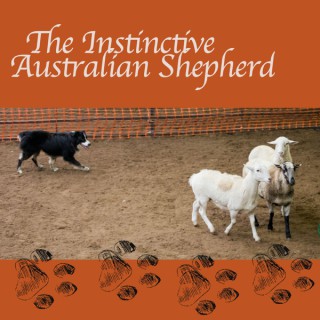
5 episodes with Herding

3 episodes with Herding

8 episodes with Herding

7 episodes with Herding

https://rumble.com/user/TheCultureWarshttps://x.com/NewsK365https://buymeacoffee.com/courtpresshttps://www.youtube.com/@NewsK365Email: newsk365@protonmail.com

https://rumble.com/user/TheCultureWarshttps://x.com/NewsK365https://buymeacoffee.com/courtpresshttps://www.youtube.com/@NewsK365Email: newsk365@protonmail.com

Brought to you by the English Programme. Featuring news, politics, popular culture, celebrity trivia, quizzes, book readings, and a whole host of fun.Support Our Rescue Cats | Our Blog | Get New Episodes By Email | Rumble | X | YouTube | NewsK365 on Spreaker | Get New Blog Posts By Email | Throne Wishlist |

Brought to you by the English Programme. Featuring news, politics, popular culture, celebrity trivia, quizzes, book readings, and a whole host of fun.Support Our Rescue Cats | Our Blog | Get New Episodes By Email | Rumble | X | YouTube | NewsK365 on Spreaker | Get New Blog Posts By Email | Throne Wishlist |
https://rumble.com/user/TheCultureWarshttps://x.com/NewsK365https://buymeacoffee.com/courtpresshttps://www.youtube.com/@NewsK365Email: newsk365@protonmail.com

The DSA platform wants to abolish the military, the Supreme Court, and the presidency — and almost no one has actually read it. Washington Monthly politics editor Bill Scher joins Matt Robison to break down the document tearing the Democratic Party in half, and why the polls that keep telling us who's winning have been wrong about nearly everything.Bill published a column this morning on the new CBS News/YouGov poll, and its finding is the thread running through this whole conversation: liberals and moderates agree on far more than anyone admits. Majorities will raise their own taxes for healthcare, education, food assistance, even housing. They agree the wealthy don't pay their fair share. And then you say the word "socialism" and the coalition falls apart. The fight consuming the Democratic Party right now may be a fight over branding that both sides have an incentive to keep going.Then we get into polling — Graham Platner, Janet Mills, Abdul El-Sayed, Michigan, Maine, Hawaii, Wisconsin — and Bill's argument that the real story isn't bad methodology. It's that campaign internal polls are flooding a vacuum left by independent pollsters who can't afford to be there, and those numbers are driving out real candidates before a single vote is cast.⏱️ CHAPTERS 0:00 The seething summer: what's building under the surface 2:00 Bill Scher joins 2:20 The CBS/YouGov poll everyone misread 5:00 Why "socialism" is still a losing word — even when the policies win 6:30 Three swim lanes, not two: DSA, progressives, moderates 7:45 Why Democrats are boiling mad at their own establishment 9:20 The DSA platform lands — and the backlash begins 10:30 Megan Romer's Fox News interview: "a 30-second ad all by itself" 11:45 "Abolish the military": reading the platform out loud 13:45 Abolishing the Supreme Court, and the case for fixing Congress instead 18:00 The Israel litmus test 18:50 An open appeal to AOC: break up with the DSA 21:20 Does AOC need the DSA, or does the DSA need AOC? 23:00 Five more DSA members of Congress are coming 25:40 Mamdani's real test — and why he isn't governing like the platform 30:30 "Democratic elites": the anti-establishment rage, and whether it's earned 35:40 Did Democrats forget 2018? 38:40 The Biden story nobody wants to own 40:20 Where progressives and moderates actually agree — about 90% of it 42:20 Is polling over? Platner, Mills, and the internal-poll problem 45:40 Michigan: El-Sayed's double-digit leads 47:40 Why primary polling is uniquely broken (13-point confidence intervals) 49:40 Herding: when pollsters copy each other's homework 51:40 The most underappreciated thing in politics: nobody is paying attention 53:40 Markey vs. Moulton and the poll that was mathematically impossible 55:40 Maine, Michigan, Hawaii: the same pattern every time 57:40 El-Sayed trails Mike Rogers — the red flag nobody's flagging 59:40 The four kinds of polls, ranked by how much to trust them 1:01:40 What Biden's team hid from him — and who might be doing it now 1:03:30 77 days to the midterms

The final part of the economics series tackles the question every investor asks eventually: can you actually time the market? Evan Lucas's answer starts one step back, with why the market isn't the economy in the first place, and ends somewhere more useful: the behavioural traps that catch investors at every point in the cycle, and the one thing you can actually control.In this episode we'll discuss:

In this episode: Mark explores the online exam center at ETH Zurich. Alan replaces a shell script with a node script, to keep track of his snaps Martin finally gets on board with terminal multiplexers, after discovering herdr You can send your feedback via show@linuxmatters.sh or the Contact Form. If you’d like to hang out with other listeners and share your feedback with the community, you can join us on: The Linux Matters Chatters on Telegram. The Linux Matters Subreddit. If you enjoy the show, please consider supporting us.

In this episode: Mark explores the online exam center at ETH Zurich. Alan replaces a shell script with a node script, to keep track of his snaps Martin finally gets on board with terminal multiplexers, after discovering herdr You can send your feedback via show@linuxmatters.sh or the Contact Form. If you’d like to hang out with other listeners and share your feedback with the community, you can join us on: The Linux Matters Chatters on Telegram. The Linux Matters Subreddit. If you enjoy the show, please consider supporting us.

Is that nipping at your heels mean your dog is trying to herd you? This week, Tara and Laura debunk the myth that dogs are trying to herd people or other animals constantly. They explain what this behavior actually means and how to know if your dog is truly trying to herd someone or if it is an entirely different behavior that should be addressed. Many dogs are given a pass for this behavior because they are considered a herding breed, but this behavior should be taken seriously before it turns into something more dangerous.Sponsored by K9 WorkingmindThis episode was edited and mastered by The WillaWoman. Our song "Working Minds" was also created by The WillaWoman.Hear more of her work here: https://tinyurl.com/TheWillaWoman

Join host Michele Forto as she presents a case study: Why Herding Training Is Tough in Alaska: And What You Can Do Instead Other Episodes You Will Love · Zombie Dogs Support the Show This episode was recorded on the Shure SM7B and a Rodecaster Pro II Like this episode? Share it with your dog training friends! Love this episode? Say thanks in true dog training podcasting style by leaving a review. FREE! Grab our 7-Day Real-World Dog Training Plan Take our Understanding Drive Behaviors quiz to see exactly what drive your dog is in and how to begin to train for it. Join the On-Air Dog Training Coaching waitlist for a chance to be coached on the air by Dr. Robert or Michele Forto and get your dog training questions answered in real time. Sign up now for 20% off our Group Coaching Program and learn how to build the best relationship possible for your dog. Take your dog training to the next level by enrolling in our Peak Performance membership. Follow Dog Works Radio for more dog training tips: Facebook | Instagram | LinkedIn ©2009-2026 by Dog Works Training Company® All Rights Reserved.

Right now we're traveling back from this week's successful Eastern Regional Conference. So this week, as we head into summer, we're sharing an episode on how to take advantage of all the services that the PLRB Weather/CATs department has to offer. A supervisor leads a team of very needy CAT adjusters! Over the course of the year, the supervisor fields many questions as it comes up in their claims. Was there hail on X date? Was there lightning in the area? This hurricane is coming soon, where can I get news about it? Winter weather caused a slip and fall!! Where can I find information on wildfire perimeters and California evacuations? For help herding all these cats, we'll head to PLRB.org. Notable Timestamps [ 00:00 ] - The episode introduces a scenario where a supervisor fields constant weather-related questions from cat adjusters, highlighting the need for a centralized, reliable source for hail, lightning, hurricanes, wildfires, and more. [ 02:15 ] - The team previews multiple scenarios—winter storms, hail, lightning, power outages, tornadoes, hurricanes, and wildfires—showing the breadth of searchable weather data available to support claim investigations. [ 03:16 ] - Using a winter slip-and-fall in Iowa City, Iowa, the report pulls verified storm data from the National Weather Service, including freezing rain reports and hourly observations to validate conditions on the date of loss. [ 07:42 ] - For hail damage in Illinois, radar-derived data and verified hail reports allow adjusters to map proximity, estimated hail size, and associated severe thunderstorm warnings tied to a specific date and address. [ 09:53 ] - Lightning reports provide daily probability percentages and satellite detection data, helping assess commercial equipment claims while noting limits in resolution and cloud-to-cloud versus cloud-to-ground distinctions. [ 12:25 ] - Power outage searches archive data every ten minutes via PowerOutage.us, identifying outage timing, affected customers, and likely storm causes—critical for business interruption investigations. [ 14:09 ] - A tornado case study of the Mayfield event demonstrates wind reports, damage points, and EF-scale path polygons, enabling precise analysis of storm track and intensity relative to a property. [ 17:31 ] - Wildfire tools include historical perimeters like the Garnett Fire, evacuation zones, thermal hotspots, smoke analysis from National Oceanic and Atmospheric Administration data, and hurricane spaghetti models—underscoring a single portal for comprehensive weather intelligence. [ 17:49 ] - Dylan summarized upcoming PLRB Weather/CATs developments. Your PLRB Resources Weather/CATS Hub - https://members.plrb.org/weather-cat/ Employees of member companies also have access to a searchable legal database, hundreds of hours of video trainings, building code materials, weather data, and even the ability to have your coverage questions answered by our team of attorneys (https://www.plrb.org/ask-plrb/) at no additional charge to you or your company. Subscribe to this Podcast Your Podcast App - Please subscribe and rate us on your favorite podcast app YouTube - Please like and subscribe at @plrb LinkedIN - Please follow at "Property and Liability Resource Bureau" Send us your Scenario! Please reach out to us at 630-509-8704 with your scenario! This could be your "adjuster story" sharing a situation from your claims experience, or a burning question you would like the team to answer. In any case, please omit any personal information as we will anonymize your story before we share. Just reach out to scenario@plrb.org. Legal Information The views and opinions expressed in this resource are those of the individual speaker and not necessarily those of the Property & Liability Resource Bureau (PLRB), its membership, or any organization with which the presenter is employed or affiliated. The information, ideas, and opinions are presented as information only and not as legal advice or offers of representation. Individual policy language and state laws vary, and listeners should rely on guidance from their companies and counsel as appropriate. Music: "Piece of Future" by Keyframe_Audio. Pixabay. Pixabay License. Font: Metropolis by Chris Simpson. SIL OFL 1.1. Icons: FontAwesome (SIL OFL 1.1) and Noun Project (royalty-free licenses purchased via subscription). Sound Effects: Pixabay (Pixabay License) and Freesound.org (CC0).

La laine, c'est tendance, c'est créatif et ça tisse des liens. Les designeuses Emma Casella et Alix Arto sélectionnent les fibres et cherchent de nouvelles matières susceptibles d'intéresser la mode et l'industrie. Leur projet "Herding wool", mené avec Yihan Zhang, a même remporté un Swiss Design Award en 2025. Pas de quoi faire pâlir Madeleine Fellay : tricoteuse pour le créateur de mode Kevin Germanier, elle organise le groupe de tricot Pro Senectute de Martigny. Une rencontre hebdomadaire qui crée du lien et qui ne manque pas d'inventivité. Reportage: Mathias Délétroz Réalisation: David Golan Production: Laurence Difélix

Adeline Atlas 11 X Published AUTHOR Digital Twin: Create Your AI Clone: https://www.soulreno.com/digital-twinSOS: School of Soul Vault: Full Access ALL SERIEShttps://www.soulreno.com/joinus-202f0461-ba1e-4ff8-8111-9dee8c726340Instagram: https://www.instagram.com/soulrenovation/Soul Renovation - BooksSoul Game - https://tinyurl.com/vay2xdcpWhy Play: https://tinyurl.com/2eh584jfHow To Play: https://tinyurl.com/2ad4msf3Digital Soul: https://tinyurl.com/3hk29s9xEvery Word: http://tiny.cc/ihrs001Drain Me: https://tinyurl.com/bde5fnf4The Rabbit Hole: https://tinyurl.com/3swnmxfjDestiny Swapping: https://tinyurl.com/35dzpvssSpanish Editions: Every Word: https://tinyurl.com/ytec7cvcDrain Me: https://tinyurl.com/3jv4fc5n

Vineyard Wind sues GE Renewables to block a walkout over $300M in withheld payments and defective blades. Plus Ørsted posts a $262M quarterly loss and shakes up its board. Sign up now for Uptime Tech News, our weekly newsletter on all things wind technology. This episode is sponsored by Weather Guard Lightning Tech. Learn more about Weather Guard’s StrikeTape Wind Turbine LPS retrofit. Follow the show on YouTube, Linkedin and visit Weather Guard on the web. And subscribe to Rosemary’s “Engineering with Rosie” YouTube channel here. Have a question we can answer on the show? Email us! Uptime316 Matthew Stead: [00:00:00] The Uptime Wind Energy Podcast brought to you by Strike Tape, protecting thousands of wind turbines from lightning damage worldwide. Visit strike tape.com And now your hosts. Allen Hall: Welcome to the Uptime Wind Energy Podcast. I’m your host Allen Hall, and I’m here with Matthew Stead and Rosemary Barnes who are in Australia. Before we get too far into this episode, I would like to mention that the UK US relationship has been very tense recently, as you have seen in the, in the news articles and on television. But there was one good news piece that just happened, which is the band Oasis just got inducted into the Rock and Roll Hall of Fame. So that is trying to mend those relationships, bring the UK and US back together. In at least a musical sense. So I know Rosemary was watching that closely as the votes were counted. But, [00:01:00] uh, everybody in the UK is super thrilled about it as they should be. And all us Oasis fans can’t wait for the induction ceremony. In fact, we’re planning to go to Cleveland. They’ll go watch it if we can. We shall see now onto more important information this week. Vineyard, wind and GE are not getting along. And if you have been paying attention for the last two years, you would’ve noticed that there’s been a couple of tense moments. Well, uh, that wind project is a little bit up in the air because vineyard wind has filed suit against GE renewables to stop the turbine maker from walking away after GE sent a termination notice. Over a $300 million ish, uh, disagreement in unpaid bills. At the center of this dispute are defective blades, of course, that, uh, broke off in 2024 and caused a number of problems, uh, for GE and vineyard Wind is particularly a delay in the [00:02:00] project and ge having to fix pull blades off of turbines that were already installed and I think they ended up sending those back to France. Reading the lawsuit, it seems like GE did not repair those blades. They replaced those blades because, uh, they may not have been able to repair them or maybe is the amount of time it’s gonna take to repair them. You can repair almost anything made out of. Composite. Uh, but this is a big problem because, uh, if GE does walk away and they’re talking about walking away from this project at the end of April, vineyard, wind believes that the turbines are not ready to be operated, and they don’t have a way to operate those turbines. They don’t have the knowledge or the people because the people belong to GE that need to make some of these turbines operate. Even there’s even some question about if all the turbines are operating at the required [00:03:00]handover requirements. This is unique because I don’t think I’ve ever seen a wind turbine manufacturer leave before a wind site is finished. It must have happened before, but. It does put both sides in quite a pinch. Right. Rosemary Barnes: Can I just jump, jump back to, to something that you said, um, that you can repair almost anything when it comes to composites? I would say that that doesn’t necessarily apply if your design was insufficient in the first place. And I mean the design for manufacturing in this case, I think that the, like computer model design worked fine, but obviously it was not as easy to manufacture or as possible to manufacture. With the correct quality as what they expected. It can’t have been so simple to just, just repair. That’s, um, that’s what I want to say. Like it, it’s obvious to me that if it was possible to repair, that would’ve been much easier than what they’ve ended up with, which I think is pretty foreseeable. Or most [00:04:00] engineers would probably have foreseen that if you, you know, put blades out there that, um, don’t meet your. Standard, um, quality control acceptance criteria that, you know, the consequence of that would be that it would be more likely to fail. So yeah, I think you can repair nearly anything on a standard blade that is possible to make correctly. But if you’ve got big quality problems, then it’s not, it’s, it’s not easy and it’s possibly not possible to, you know, just get, um, just get onto that in repair. Matthew Stead: I, I think you’re both right. Because it all comes down to economics. So I think Alan’s statement, you know, things can be repaired. It just comes back to economics, doesn’t it? Rosemary Barnes: U usually, yes. And like for your average, like if you’ve got a wind farm and you’ve got a blade with a big, a big repair, or you know, like a big defect right on the main laminate, that’s gonna require, you know, like a huge repair, taking the blade down and keeping it down for, you know, like three months while you rebuild like 20 meters [00:05:00] of laminate. Yes, that would be technically possible, but you wouldn’t because it would be so expensive. So us usually, like in 99% of cases, that would be it. That it’s not actually impossible to repair. It’s just very hard. But, you know, in these really huge blades and, you know, um, bearing in mind that I don’t, I don’t know the specific quality problems that they face, but, you know, just from my knowledge of composites, you can say what the challenging areas would be, but you know, a really big blade is gonna have a really thick laminate and, um, composites don’t like to have really thick laminates. When they cure, it’s usually an, an exothermic reaction, puts off heat, you know, like the temperature is changing and um, it works fine for thin laminates, but when it’s really thick you can get hot spots and cold spots and maybe it’s hard to get the resin to go all the way through evenly. But you know, imagine if you’ve got a really thick laminate and there’s a chunk of it that just didn’t get any resin in it. How are you gonna repair that? Like, I wouldn’t say impossible. I’m sure if the fate of the human race depended on it, then you would, you would make it work. But it’s [00:06:00] certainly very close to impossible. Matthew Stead: Economically, it does not make sense. Rosemary Barnes: You would probably have to make a few inventions. Along the way to be able to make it work as well. I think, Allen Hall: I think I should read part of, and I don’t like reading these lawsuits, but this is informative in a sense that it provides some relative background as to what Vineyard Wind is thinking in some of the contract details that are involved here. So in June 4th, 2021, this is directly from the lawsuit, uh, vineyard Wind entered into A TSA with GE renewables in which. GE Renewables agreed to design, manufacture supply, install commission, and test the wind turbine generators for the vineyard wind project at a contract price of more than $1.3 billion. There you go. On the same day as an integral part of the commercial agreement, the parties entered into an SMA, uh, by which GE renewables agreed to maintain and service that wind turbine [00:07:00]generators for the first five years. Of operations of the project and guarantee that all wind turbine generators will operate at a 97% of production availability. Uh, this guarantee is central, is a central component of the commercial viability of the Vineyard Wind Project. So I would say so, right. Uh, at present, all of the wind turbine generators on the project have been installed. However, the wind turbine generators are not yet fully operational and are. Able to reduce power at only levels well below those intended under the contracts fundamental to the project’s commitment to Massachusetts to achieve full commercial operation. The project requires repair, commissioning, and maintenance of GE renewables, 62 proprietary wind turbine generators, and their component parts work that only GE renewables knows how to perform. So it sounds like Vineyard Wind has a five-year contract that GE ISS gonna operate these [00:08:00] turbines, and if they leave in a couple of weeks, vineyard wind really doesn’t have a backup plan. They may have. Were planning on a plan five years down the road where they could operate ’em, but to operate those turbines immediately when they haven’t, at least as. Indicated here may not be fully commissioned to providing the right amount of availability. That’s a huge problem for Vineyard. Huge. Rosemary Barnes: It’s interesting to me that they’ve decided to withhold some money that I think everyone agrees that they owe that money to ge. But then there’s a dispute because Vineyard when says that GE owes them money for some other stuff That sounds like GE disputes. Um, it’s like if you have a problem. With your landlord, they always tell you, don’t, don’t withhold rent, because then they can, you know, that’s, that’s their out of the contract. Right? So it seems weird, like it’s a relatively small amount compared to what vineyard wind is risking. So. It seems to me like, are they, is this a mistake from them? Are they giving ge an out from this contract that’s gonna be [00:09:00] really hard for them to meet? It might be that GE knows what it would cost to entirely fix the wind farm and have it producing the way that it should. But, you know, let’s say in a worst case scenario, that means remaking every single blade in the um, in the wind farm. At the, at the French factory, you know, like that could be your, your worst case scenario. GE knows that that’s gonna cost more than what they’re ever gonna pay over the five years of, um, you know, the, uh, of missing the availability guarantee. So then it is worth, for them, the cost effective thing to do is to just walk away and they’re kind of, the amount that they’ll have to pay is limited. If I’m thinking fairness, it’s so unfair that vineyard wind would be stuck with this wind farm that they can’t really get to do anything. But if I think about how I see these disputes work out in the smaller versions of them that I’ve seen, it seems like vineyard wind actually probably is the one more likely to come out with a bad outcome from the way that they’re [00:10:00] choosing to play this right. Uh, because they, they risk not being able to operate at all. And they have potentially, like, I’m not a lawyer, I don’t, I don’t know about, you know, how likely it is that the 300 million, that their withholding will be enough for GE to walk away with without having to pay anything for, um, you know, not operating, uh, correctly over the next five years. But, um, you know, it just seems like it’s not so much money compared to the billions that are at stake. To risk that they will be left unable to operate the wind farm at all. You know, it’s just, uh, I don’t know. It seems risky. Allen Hall: Let’s start with the kickoff of what happened and what vineyard wind is alleging happened from these, their perspective on it. It does provide some insight into all the things we talked about on the podcast for the last two years. We, we saw bits and pieces of it. According to vineyard wind, uh, GE Renewable [00:11:00] claims that it is owed quote amounts due unquote for milestone payments is, is contrary in in language to the TSA, so the turbine supply agreement put simply vineyard wind owes nothing to GE renewables because the TSA turbine supply agreement allows vineyard wind to withhold amounts. The project engineer determines that GE Renewable owes vineyard wind from milestone payments otherwise due under the contract. So what they’re saying is GE owes is a bunch of money. Yes, we do owe GE renewables money, but it’s in Vineyard Wind’s favor. So why would they send GE money? Um, those set off amounts are substantial because GE renewables caused catastrophic injury to vineyard wind by installing 68 defective blades on 24. Wind turbine generators resulting in two years of delay and over a billion dollars of damages. In July, 2024, one of the GE renewable offshore blades collapsed and fell into the waters off Nantucket resuscitating a massive environmental cleanup and requiring a six month [00:12:00] construction hiatus during which GE Renewable performed a root cause analysis, concluding that 68 of the 72 GE renewable. Blades installed at the project, nearly all manufactured by GE Renewable in Gaspay Canada, and they say nearly all, not all, nearly all were also defected because they were inadequately bonded together, the original blades were so poorly made that they were beyond repair. Indeed, the federal government required GE renewable to remove all the blades and to replace all gas bay blades with others manufactured at a different facility in Sherbrook, France. So that’s really the kickoff to all of this disagreement was the quality issues from Gas Bay. Uh, vineyard Wind goes on to say that GE Renewables and, and their CEO, Scott Straza, basically admitted to, uh, a, a serious, um. Overlook or quality issue? Quality escape, something of the [00:13:00] sort, uh, in some of the statements, which I, I remember him talking about Rosemary Barnes: allegedly, in your opinion. Allen Hall: Well, and Scott Streek did say it. In fact, here’s, here’s what Scott Streek did say. Streek, uh, acknowledged that the blade failure and said, quote, we have identified a material deviation or a manufacturing deviation. In one of our factories that through the inspection or quality assurance process we should have identified. Because of that, we’re going to use our existing data and reinspect all of the blades that we have made for offshore wind and for context in this factory in Gus Bay, Canada, where the material deviation existed. That’s a quote. What happens now, Rosemary Barnes: obviously I’ve never worked on anything that’s, this is the biggest example of, um, a, you know, a blade quality problem, a serial issue probably that’s ever happened in the wind industry. I’ve never worked on something this big, but I have worked on probably half a dozen small, small versions that are quite similar. Um. To this, but just on a, you know, a much, much smaller scale. And I will say that it never [00:14:00] feels fair what the owner of the wind farm, like, what the outcome is, never feels fair to the owner of the wind farm. Like when you’ve got a serial defect in, um, in play it like, and everyone suffers. It costs, it’s gonna cost the, um, you know, the manufacturer a lot of money. But I think that proportionally it is. Affects the owners more in nearly every case. It’s just there are some contractual things that you don’t end up with outcomes that feel, feel fair to anybody that, um, you know, would take a casual look at it. So I don’t think that an outcome that feels fair is probably likely for, for vineyard wind. Um, and I guess it all just comes down to whether or not GE agree that they owe that 800 million or whatever the figure is. Um, or if a court finds that they owe it. Because surely the contract doesn’t say that Vineyard wins engineer at any time can just, or project manager can at any time decide [00:15:00] that, um, GE owes the money and so they don’t have to pay. That obviously wouldn’t be a very, um, nice contract for GE to sign. So there’s gotta be some more nuance to it other than. That our project manager says, you owe us money so we’re not paying. And then, you know, you have to continue. Like, I, it’s probably impossible for us to, without, um, you know, having access to all of, all of the documents and the legal degree to understand it. Probably, probably hard for us to Yeah. Come up with a, a reasonable conclusion. Allen Hall: It does make you think, usually the progression is dispute. Whatever contractually is obligated in the beginning happens. And so if there’s someone who decides what pot of money goes where, that, that’s usually the first step. Second step is usually arbitration in the us. I’d be surprised if they haven’t gone through at least an attempt at arbitration. And then once arbitration breaks down, then you go into the courts, which is clearly where they’re at now you’re, you’re at the highest level that you can be in terms of legal proceedings to try to sort this matter out. And I’m sure both sides. Do not want to be in front of a [00:16:00] courtroom if they can avoid it. So there’s a much more to come about this. I, I think the other operators, uh, GEs this is, is this GEs only? Yeah. This is GEs only wind farm offshore in the us So this is it. But I would imagine that the other, uh, operators in offshore wind in the US or. Being very careful word through contracts and how this is proceeding. Rosemary Barnes: That’s something else I think about this case is that it’s going to be like the GE are the ones who have more at stake in terms of reputational harm. I would’ve thought then. Um, so. Yeah, that’s obviously a consideration that they’ve, they’ve gotta have, it isn’t, regardless of where the facts are, it’s not a good look. Right. Um, to be seen, to be walking away from a wind farm. And it probably would make other people considering big expensive GE wind farms to be like, oh, you know, are we actually gonna get across the line with this? Or is there a risk that they just, you know, throw a tantrum towards the end and threaten to walk away and we have to renegotiate [00:17:00] everything. So, um, I guess that there’s a, yeah, there’s always just the perception. Is as important in a lot of ways to what the actual facts are. Matthew Stead: The thing I find is, um, I mean this is largely a legal thing, isn’t it? You know, we, we’ve agreed that it’s, with the lawyers, it’s a largely a legal thing. The, the sort of topic that I’m interested in is, um, like the example of you buy a car, you know, you buy a Toyota, um, you expect to be able to maintain it. You expect to be able to run it and get a serviced by a Toyota, you don’t expect in the first year to take your Toyota to Ford and get them to fix it in the first year. The bigger issue is the turbine supplier agreement does not actually allow the turbine to be operated without the OEM, so no one knows. No one knows how to run it. So for me, it’s a massive industry challenge, access of data, access of how to run a turbine. If the OEM is no longer there, so I think hopefully [00:18:00] this can have rama bigger ramifications for the industry that operators and owners can actually run the assets they own. Rosemary Barnes: Well, there are companies that will come in and pull out your control system of your, you know, your turbine. If it, you know, if you, um, if you don’t wanna work with them anymore or if the company went bankrupt, then there are companies that will rip it out and put a new one in. It’s not, not saying that that’s like an easy, cost effective thing to do and probably not gonna get the same, um, performance as, as you originally did. But that’s what happens if you are, um, you know, your turbine manufacturer goes bankrupt and they just don’t exist to support anymore. Sometimes people have to resort to literally pulling out the whole control system and starting again. Not easy. When it’s something as big and new as this one obviously Matthew Stead: isn’t the better answer that when you buy something, you actually buy the information to actually run it. Rosemary Barnes: I don’t fully agree [00:19:00] though, because. It’s like, um, o often what you say, oh, you know, like this would be good. Like the one common thing is people say, oh, you know, like it’s planned obsolescence. People, engineers plan design things to fail so that you’ll need to replace them. And I think that that does, that does happen again in like consumer, consumer products. Like, um, yeah, like your, your battery isn’t really designed to last for 10 years in your, your phone the same way that it is in an electric car. Um, more than 10 years in the case of an electric car. Um. But it’s not. It’s not what happens in industrial scale equipment. You are mostly worried about getting the price point right. And if you want something to last longer, if you want something that anybody can come in and fix it easily, it costs more to engineer like that and usually like a a lot more. So it’s not just people like evil engineers or evil. Um. Evil management at these, at these companies. Allen Hall: I already get to evil engineers. Rosemary Barnes: No, people think it is. People think it’s evil. Engineers like purposely designing bad products to [00:20:00] um, make money, which I actually do think that they do with consumer products. Some of the time. Um, but when it comes to like industrial equipment, I, I don’t think that that’s the main, the main thing that planned obsolescence is not, is not a major factor here. It’s about trying to get the price point competitive to make sales. And if you want to get better engineering, you, you will, you will pay for it. Matthew Stead: I got a call with someone today that, which is on this topic. So, you know, we, we are a sensor company and, um, we pro we provide results, okay? So if we actually provided the raw data that we measure, it actually allows people, other people to reverse engineer our products. So we don’t generally provide the raw data, so we provide the end outcome. Because it means that people can’t copy what we do. It means we can actually charge a lower price. So actually there’s a lot of logic to, you know, having, you know, [00:21:00] all these ways of engineering a product to, you know, give a better outcome to the end customer. Allen Hall: I know Rosie doesn’t like Elon Musk, but this one of the things that Elon Musk did with Tesla at least, I don’t know about the other companies that he runs, but with Tesla, they went off and. Made patents, right? So they applied for a bunch of patents and received them and then just made them open use. And the reason they did that was so somebody couldn’t jump the patent line, create a patent about some car related electric thing, and prohibit Tesla from doing. And so Tesla has always had the need to create patents that cost them, I’m sure, a, a pretty penny, just so they can avoid. Patent conflicts and lawsuits going forward. And it’s sort of the same thing, right? That the evil engineer bit, that’s the evil engineer bit I, that I don’t like is that when you get these crazy patent things happening out there that are just there to collect money and not do any of the work, Rosemary Barnes: and some of the patents are. Absolutely crazy. Like when you do a patent search and it’s like you’re [00:22:00] reading the language and like it sounds like they’ve just patented the concept of a wheel, you know? And then you’ve gotta try and figure out like what’s actually going on. Yeah. In Matthew Stead: our world, someone has a patent around the Doppler shift. Allen Hall: How can you have a patent on Doppler shift? That’s crazy. Matthew Stead: It’s fundamental physical. You know, there’s a shift in frequency of a sound, um, Allen Hall: based on speed Matthew Stead: and yes, sound comes from a blade and there’s a doppler shift. Allen Hall: That’s real. I, I, I guess, uh, see, that’s, that’s, that’s the craziness of that. See, you should have thought about. The idiots that were gonna do that and then write a patent about Doppler shift. Rosemary Barnes: It’s really annoying because it’s like, you know that it’s not gonna be, I mean, a lot of them you are like 99% sure it’s not gonna be possible for them to defend that if it gets challenged. But it’s like, to what extent do we trust that, you know? Um, so you still usually end up steering around it anyway, but it, it really gets in the way of elegant engineering solutions. All these. Bizaro patents that are out there like clogging up [00:23:00] the design landscape. Allen Hall: That happened recently. Right? Rosa? You had and I were talking about a particular patent. I thought had it existed and it did at one point exist and I. Rosie said, I don’t, I don’t see it anymore. So I did some search on it. Yeah, it got pulled off. Uh, the list of valid patents. It was a lightning related thing. Rosemary Barnes: And you were complaining that it was so obvious that they should never have been able to patent it, but yeah, and somebody obviously said, said something at some. I don’t think patents are not the best way to protect an idea anyway. Right? Like nobody, if you, if you’ve got a new technology idea and you’re relying on a patent to protect other people from copying it, it’s not the best idea. I do work with a lot of small inventors who are like, oh, I’ve got a patent application, and they think it means something, that it doesn’t. They think, oh, you know, patent was approved. That means it works. It means it’s a good idea. It doesn’t mean any of those things for like small, outside of big companies. I, I think it’s super rare that you would get more. You would get a positive return [00:24:00] on. On filing and maintaining a patent in all the countries that, um, are relevant Allen Hall: as wind energy professionals, staying informed is crucial, and let’s face it difficult. That’s why the Uptime podcast recommends PES Wind Magazine. PES Wind offers a diverse range of in-depth articles and expert insights that dive into the most pressing issues facing our energy future. Whether you’re an industry veteran or new to wind, PES Wind has the high quality content you need. Don’t miss out. Visit PES wind.com today. Sted posted a net loss of 1.7 billion Danish groner, roughly $262 million for the third quarter, as the cost of battling us anti win policies continues to mount the CEO. Rasmus abo, uh, says the company is about. One year into a turnaround plan, uh, that’s set to [00:25:00] run through beginning of 2028, and that the medicine is starting to work. Uh, one major strategic change. Ted will enter partnerships on new projects far earlier, and so it will never again, uh, be forced into damaging late stage divestments The company maintained its full year EBITDA and, uh, guidance of, of, of. 24 to 27 billion Danish kroner. That’s a good bit of money. And the sale of a 50% stake in the horn, C3 to Apollo Global Management for a billion dollars is already under. Well, at least in progress, but there’s a lot more behind the scenes here. Sted had an basically an investor meeting and a shareholder meeting, and, uh, they have three new board members. They let go of, if I remember correctly, three board members that were [00:26:00] employees that they just, uh, had reductions in forces that happen to affect board members, which is very odd. Very, very odd in my. Humble opinion, having watched number of boards for a long time, usually don’t remove board members in that fashion, but there does seem to be a, a, a more emphasis on the board to help, uh, the CEO of stead get through some of these tumultuous times and maybe a little bit of concern about the, the, the way the board was constructed to get or sit back into profitability sooner rather than later. This is a big deal up in Denmark. Of course, stead is the power company for Denmark. This has implications worldwide, though, uh, what stead does everybody else follows. And the one thing that, uh, that was sort of in dispute before the shareholder meeting was EOR at one point, was. At least contemplating a board seat. And then right [00:27:00] before the meeting they backed off and said, no, it’s fine. We don’t want a board seat. Maybe they had some sense of what the changes were gonna be made to the board, so they felt better about it. But orsa is not out of the rough seas at the moment. There’s a couple more years of, of growing pains and learning some lessons that they wish they didn’t have to learn. I guess that’s the way I would look at it. What implications does this have on the greater offshore wind community? Is stead taking basically a step back and, and trying to focus. Herding offshore wind, or is it just other, another companies are gonna step into that, that space that Sted may have previously occupied? Matthew Stead: I think what you’re talking about, um, Alan, is, is all logical. I mean, you know, you can’t have everything. So, um, as in you can’t, you know, getting late to a project and expect it to go well, um, spreading risk is a good thing, you know, so the whole, you know, [00:28:00] doing it fast. Doing it cheap and doing it well. Um, you, you, you can’t have all of those things at once. So actually what they’re talking about, I think is entirely logical. Um, so yeah, I think if they can lead the way that way and, and you know, I’ve come from, um, some other industries like construction and they, they spread the risk across multiple. Organizations that know what they’re doing. So the idea of joint ventures where you get the best of both worlds makes complete sense to me. Allen Hall: Do they start making different decisions on projects based upon their financial stake at the moment? A And more importantly, when they start looking for offshore wind projects, are they likely to hook up with Vestas? Because I, I think that’s where this is all going. Matthew Stead: Pick a horse. Allen Hall: Yeah, they’re gonna pick a horse. I, I mean, that’s the best, best way to think about it. They’re gonna pick a horse and gonna stick with them. Instead of having, uh, a lot of options and playing one against the other, I could see alignment happening, uh, versus being the [00:29:00] one offshore, of course. And or instead being a big player. There is, is that the combo that’s gonna push the industry forward? Rosemary Barnes: Yeah, maybe. I mean, I think it’s more similar to what Chinese manufacturers are doing, a lot more vertical integration. You can, um, yeah, save, save a lot of money by doing that. It is. Uh, you know, not always ideal from other points of view. And it might be nice to have a, you know, a thriving technology ecosystem of, you know, different manufacturers competing with each other and, you know, making better products. So, um, yeah, I don’t know, uh, have sit on the fence on this one for what’s good. I do feel really bad for osted though, like in terms of the, the. Shocks that they’ve had over the last couple of years. I, I don’t think most people would’ve foreseen that it would be so risky to try and expand into the US like everybody. A few years ago, everybody thought that that was the next big profitable frontier in offshore wind. And [00:30:00] I don’t think that many people would’ve foreseen things going the way that they did. Allen Hall: Is it the result of large industrial projects take time and that in that timeframe, five, 10 years, that the world changes so much? You can’t. Accurately predict what the outcome will be and or it just got caught up in it. Rosemary Barnes: Yeah, I think that’s actually one of the themes you guys have read, um, how big things get Done Right by Ben. Um, that’s one of the things that he mentions that the quicker that you can do the execution phase of your project, like spend plenty of time planning it, but when you’re actually committed, work super fast because the longer that you’re working, the more your chance of a, a black swan. Um, a Black Swan event be, you know, a government that turns out to, you know, want to, you know, tear up contracts and you know, do all these other unprecedented stuff. You know, if you’ve got projects that take 10 or more years to build, then there’s just like a lot more risk of something like that happening. And I think that, um, you know, like in some ways that’s just one of the inherent weaknesses of [00:31:00] wind energy in general, but offshore wind especially is that it does actually take a long time to get through all of the things that you need to do to. Um, to complete a project. And so it’s just, yeah, a lot more chance for, you know, the government will change two or three times probably in, um, you know, during a project. How many wars can start, how many, you know, pandemics. Can there be you? Like, the longer that you’re going, you might think none of those things could be predicted and that can’t, but you can predict that those sorts of big things happen. And the longer that you, um, are exposed and the more of them that you’re probably gonna face. And I think that, yeah, like something like a solar farm is much quicker to roll out. Um, battery projects are much quicker to roll out. So it’s just like that, those are benefits of those technologies compared to wind. You just have to kind of accept that that’s one of the weaknesses of this, this industry that we’re in. Allen Hall: Is it a benefit to have solar because it can deploy very quickly, or, or is it just [00:32:00] smarter to have. More wind turbines of smaller megawatt outputs because you can manufacture ’em at scale quicker, and so the economies of scale don’t really matter so much. This is an argument we’ve been making for months now, that when you start selecting a single turbine, which doesn’t have any history, and it’s a big one, and it takes a long time to produce, you are really setting up yourself to fall into that window where something can go wrong. Versus just stamping out two or three megawatt turbines and going like crazy. It just seems so much less risky. Rosemary Barnes: I think that I definitely agree with you for onshore and then for offshore. Probably also, like I don’t think it’s necessarily go for a smaller turbine. It’s just don’t go for the brand new one. Like that’s why I don’t understand how many people are like so obsessed with this, you know, small, small amount of improvement that they get from the very biggest. Turbine, but I don’t think that they realize the amount of technical risk. And I think that it gets, it’s getting [00:33:00] more and more like the, um, technology increment is getting more and more the bigger that we go. It’s not that like, oh, we’re learning how to do this, this, well, it’s, it’s the opposite that, you know, like every, um, increment up in size as an exponentially more like larger number of problems, technical problems that have to be solved. And, um, I think that, yeah, that’s. That’s something people don’t factor in. Allen Hall: Is it the gold rush problem where the miners were trying to hit that pocket of gold and spending all their time trying to find this gold, find this gold. In the meantime, a lot of them obviously broke, and the people that made money in the gold rush or the stores that sold the pickaxes, if you, you making a pickaxes, you have a customer page, you can just sell those things in. Levi’s, be the other one, right? So they’re selling genes of pickaxes to the miners. Guess who won in that battle, right? Levi’s. Rosemary Barnes: But what’s the analogy with win two of the pickax manufacturers, Allen Hall: the people that make the two megawatt machines? In my opinion, that’s gonna be who the pickaxes are because you don’t have to think about it. If [00:34:00] you can talk to operators of the United States today and you say, what turbine would you like to buy over again? And they will almost all tell you, GE one point fives. Almost all of them. And you go, yeah. Oh, okay. I understand it because it’s a machine. It’s pretty simple. But it does work. And it is, it is a true warhorse turbine. And some of the vested ones are the same. Simpson Siemens turbines are very similar, right? Uh, but in today’s world, when we’re talking about 15, 20 megawatt turbines, I just think, man, you gotta be careful doing that just because of the time it takes to develop it and produce it, and. Work at all the kinks? Uh, Rosemary, I think you’re right about that. Rosemary Barnes: I think the issue is that, um, when you’re deciding whether to develop a project or not, it really depends a lot on what the spreadsheet tells you your return is going to be. And, um, you know, a bigger turbine with, uh, you know, like larger output over its lifetime, longer lifetime. Those are all gonna give you really good. Spreadsheet numbers, but what’s not in the spreadsheet [00:35:00] is, oh, you know, you’ve actually increased your risk of having to wait two years while they replace every single blade in this, um, in this wind farm. Oh, by the way, yeah, you’re gonna be dealing with, um, you know, twice as many repairs and your, um, downtime is not gonna be 2%, it’s gonna be 3.5% or, or something. You know, those, those sorts of things, I don’t think, uh, adequately captured in the, the spreadsheets whe say when you, whether you should or shouldn’t develop a new project. Matthew Stead: So, so the evil engineering should be making decisions, not the evil lawyers. Allen Hall: The financial people always make the decisions, right? The insurance companies make the decisions. Rosemary Barnes: Don’t think there’s a lot of engineering into, um, input in the, the very first stages. But I also think that if you put in the reality, like most engineers, I think are a little bit pessimistic because our job is to see what problems exist at, you know, and then solve them ideally. Um, but at least part of it, like our brains are wired to look for problems, right? That’s, um, that’s a necessary part of the job, in my opinion. But if you were, you know, like pessimistic in your assumptions in the [00:36:00] spreadsheet, you would probably the majority of the time say, don’t make this project. The return is not very good. Allen Hall: Well, that would be a smart move, right? Yeah. Rosemary Barnes: Yeah. So I don’t actually think you probably should have too many engineers in in involved. Matthew Stead: Yeah. But what is the CEO incentivized by is the, yeah, so it, it comes back to, you know, what, what, what drives the project And it’s not just engineering. Allen Hall: That wraps up another episode of the Uptime Wind Energy Podcast. If today’s discussion sparked any questions or ideas, we’d love to hear from you. Reach out to us on LinkedIn and don’t forget to subscribe. So if you never miss an episode and if you found value in today’s conversation, please leave us a review. It really helps. For Rosie and Matthew, I am Allen Hall and we’ll see you next week on the Uptime Wind Energy [00:37:00] Podcast.

Leviticus to Revelation; Studying Greek; Patterns in Hebrew; Untranslated Hebrew word aleph-tav; Spoken Hebrew; Sophistry; Tabernacle?; Calendars; Burning sheep?; Knowing how things work; Feeding society's needy; Offerings; "Chain of service"; Herding sheep; Society governing itself; Following Torah; Public/private religion; Misinterpreting the Old Testament; Human nature; Progressivism; Aleph-tav; Relationship of God and man + faith; Rulers; Taxation; Cain and Abel; Strange gods; Humility; Inspiration and faith via individuals; Freewill offerings only; Charity; Choice!; Sons of Aaron; Seed of Abraham; No exercising authority; Socialism; Tithing by choice; Minster responsibilities; Strange fire; Burnt offering; Forced offerings?; Abraham's faith; Human resources; Border walls; Returning to The Way of God; Forcing neighbors; Lack of faith that freewill offerings will work; Forgiveness; Cursing your children with debt; Child sacrifice; Abraham's struggles; Are you willing to free your neighbor?; Fasting from government benefits; Welfare snares; String delusion; Leviticus about social welfare system; Believing God is in the process; Covetousness = idolatry; Children of disobedience; Amos 5:23 Noise; Building a stone temple?; Oaths?; Righteousness?; Gathering as Christ commanded; Beware of public religion; Aleph-tav-kuf-mem?; Social welfare by civil powers - spoiled sacrifices; Victim mentality; Allowing you to judge others; Listening to the song of Moses and of the Lamb; Aleph-tav - trust in God; Sophistry of "eighth"; Revelation?; Freewill offerings; National debt = child sacrifice; Creating the table of the Lord; How does God want you to live?; Fat = substance/value; Lev 9:22 in the process of time; Bringing light; Nurturing your "spark"; Love of Christ; "Christ"; Healing our nation?; Not the eighth day - but the time coming to pass; shem-mem-yod-nun-yod; Making America great again; Becoming merchandise; Taking care of neighbor; No exercising authority; Lacking eyes to see; Repentance; Stop being covetous!

Herding, Maruta www.deutschlandfunkkultur.de, Studio 9

From the vault; The Dog Men Podcast, hosted by Ed Barnes, Tanner Herr and Cody Jenkins created this epic episode with legendary Dog Man - Clue Anderson for Houndsman XP. We sit down with a Yella dog icon and Clue freely shares his history with dogs and some of his ideas on dogs. This episode is jam packed with history and lineage of Yella dogs and Plotts. Clue rubbed elbows with some of the greats from the past and we were honored to get to have a conversation with him. Topics discussed: Planning dogs for the future Performance based culling Hog hunting in the 1970's Herding wild hogs Catching wild cows Plott dog history, Leopard dogs and Mountain Curs Randy Wright Ben Jordan Bob Owens Ricky Driver Jerry Camp Everette Weems Steve Herd Charles Gant Larry McKenzie ►Get Your Houndsman XP Info, Gear & More Here!www.HoundsmanXP.com►Become a Patron of Houndsman XP! Check out our Tailgate Talks.|

4. European arrival brought a herding culture that clashed with North American predators. Driven by human exceptionalism and religious dogma, colonists viewed wolves as enemies, initiating bounties to eliminate the "common devourer". (4)1838

We're covering A LOT of ground in this one. We kick things off ranking our top three Western films of all time, then get into the real stuff: planting season is HERE and this is the earliest we've ever put corn in the ground. From there we dive into beef prices, where they're at, and where they're headed. We break down the devastating Nebraska wildfires, 800,000+ acres burned, 35,000 cattle displaced, and grazing land destroyed in the largest wildfire in state history. We also talk Halter's AI cattle herding collars, the $2 billion tech that lets you move herds from your phone, and whether we think it's actually a good thing for ranching. On the policy side, we cover Thomas Massie's PRIME Act making it into the 2026 Farm Bill, National Ag Day, and the new "Product of USA" labeling standard requiring meat to be born, raised, slaughtered, and processed in the U.S. to carry the label. Oh, and Bobby Lee got his YouTube hacked. We have a theory about that. Go check out Agzaga! It is the ultimate online farm store. American owned and operated. Go check out their site and get what you need. Be sure to use the code TalkDirt20 to get $20 off your order of $50 or more! Visit them at: https://agzaga.com

Resources and trainers mentioned in this episode:Tom Davis' podcast No Bad Dogs: https://podcasts.apple.com/us/podcast/no-bad-dogs-podcast/id1347746953Hélène Lawler: https://www.helenelawlercoaching.ca/Get in touch with Caden: caden [dot] cristopher [at] gmail [dot] comhttps://adventuredogsanarchy.com/https://www.patreon.com/AdventureDogshttp://www.considerthedog.com/?via=cadenThank you ...Thank you, Jana, for sharing Kimura with me! Thank you to Lesfm for providing the royalty-free intro and outro music and to Isabelle Grubert for designing the show logo!

Get episodes without adverts at EasyStoriesInEnglish.com/Support. Your support is appreciated! The Stone Forest in Yunnan is a beautiful karst mountain range. But how did it come to be? Learn all about the Sani people and the magical origins of this Chinese nature site in today's episode. Go to EasyStoriesInEnglish.com/Mountains for the full transcript. Level: Pre-Intermediate. Genre: Myths & Legends. Vocabulary: Herd, Bucket, Spirit, Order, Whip, Unfurl, Dam, Rooster, Freeze. Setting: China. Word Count: 681. Author: Chinese Myths. 00:00 Intro 00:52 The Sani people 01:39 My full circle momoent 04:12 Leaving Chinese 06:19 Coming back to Chinese 08:57 Busy busy! 11:14 Stumbling across the origin story 13:30 Vocabulary 17:34 Herding Mountains to Make a Forest 23:31 Outro Learn more about your ad choices. Visit megaphone.fm/adchoices

Watch out, Clubhouse! Evil Games Club is out of the air vents and back in orbit to interrupt your regularly scheduled Nice Programming.Five years in the vacuum of space haven't dulled their ne're-do-well nature one bit. In fact, they just intercepted a game jam prompt from one of the Nice Hosts. Will Dale, Ian, and Sam prove once and for all that Evil trumps Nice?Well, duh, of course they do! >:)The last appearance of the Evil Hosts.Evil Games Jam: Casino Go FishJunction Jam Interest FormMewgenics - SteamAxios Twin Cities, the folks who are cataloguing the Twin Cities' store cats - Audrey KennedyPromptMake a game about what actually happens when "the Cat Distribution System is at work." Matchmaking can be a secondary mechanic, but it should not be the focus.Game typeDesign documentPlayer count1SetupRulesNotes:Working title: Cat CommsWhat is the goal?Cats on a journey through an environment to find ownersDifferent cats have different movement behaviorsTorties need to meet twiceOrange ones ignore herder but follow foodBlack cats are shySingle player - one person “herding” multiple catsHerding through an urban environmentPeople (NPCs) have routes and different behaviorsGrandma moves slowJogger moves fastPeople going back and forth - work, library, grocery store, homeMechanicsOne-time use itemsFood for bait (burger, canned sardines from grocery store)Fire truck to block streetDogsMore cats than people, some people may want more than one cat“End of level” time runs out or cats just kinda leave?More cats than peopleCats get more chaotic/mischievous How to herd?Real-time movement, but you can select a cat to tell it its next move, but it keeps moving after thatMap is a small town, each level introduces new cat typesIterationsRagdoll cat - doesn't move muchPeople who can't be trackedBonus points for people getting their perfect catNo upgrades to your skills, just adding more challengesMatchmaking is secondaryAny cat could match with any person, but they have a perfect match somewhereDogs are a no cat zoneGrocery store could match with a cat (bodega cat)

In this high-voltage Wednesday edition of What's On Your Mind, Scott Hennen and Kevin Flynn break down a masterclass in leadership from President Trump as he navigates a "hyena-like" press corps while dismantling Iran's military capabilities. The hosts dive deep into the strategic victory in the Middle East, noting that 90% of Iran's missile capacity is gone and their Navy is currently sitting at the bottom of the sea. The conversation shifts to the domestic front, where the team tackles the DHS shutdown and the "suicidal empathy" driving Democratic policies. Minnesota Representative Walter Hudson joins to expose the "special kind of stupid" in the legislature—including a refusal to accept federal school granting funds simply because they came from the "Orange Man." Later, the duo meets a Vietnam vet preparing to lay a wreath at Arlington, explores a high-tech cure for motion sickness at UND, and analyzes a profanity-scrubbed, truly bizarre prayer for "righteous rain" from James Carville. Standout Moments [00:05:40] – The 10% War Listener Lloyd calls in with the receipts, explaining that the U.S. has achieved massive strategic objectives—including shutting down 56% of China-bound oil and wiping out the Russian drone supply chain—using only 10% of its military assets. [00:12:15] – Trump's White House Masterclass The hosts air live clips of President Trump schooling reporters on the tarmac. Trump details the total destruction of the Iranian Navy and Air Force, while Scott marveled at the President's "A-game" compared to his predecessor's "yipper" style. [00:22:10] – June 11th, 1969: The Overrun Vietnam Veteran Ross Johnson shares a harrowing, "soul-filling" account of surviving an artillery battery overrun, describing the intense hand-to-hand combat and the smell of war that led him to his upcoming honor at Arlington National Cemetery. [00:30:15] – Defending John Thune Scott enters the "lion's den" to defend Senate Leader John Thune, arguing that Thune isn't a "traitor" but a "cat herder" dealing with a 60-vote requirement and egos like Rand Paul. He warns that nuking the filibuster is a grenade that Democrats will eventually throw back. [00:32:50] – The "Orange Man Bad" Legislature Minnesota Representative Walter Hudson details how state Democrats are blocking a $1,700 tax credit for school donations simply because it originated from Trump's "One Big Beautiful Bill," hurting students to score political points. [00:44:40] – The UND Motion Sickness Cure Jennifer Watney from the UND School of Aerospace Sciences explains her internationally recognized three-day simulator…

This episode is dedicated to Pico, the Border Collie. It's all the things you need to be aware of training a clever and sensitive dog. This podcast applies to all herding breeds, and sensitive dogs, and weirdos, including reactive dogs. Happy Training Folks.

A supervisor leads a team of very needy CAT adjusters! Over the course of the year, the supervisor fields many questions as it comes up in their claims. Was there hail on X date? Was there lightning in the area? This hurricane is coming soon, where can I get news about it? Winter weather caused a slip and fall!! Where can I find information on wildfire perimeters and California evacuations? For help herding all these cats, we'll head to PLRB.org. Notable Timestamps [ 00:00 ] - The episode introduces a scenario where a supervisor fields constant weather-related questions from cat adjusters, highlighting the need for a centralized, reliable source for hail, lightning, hurricanes, wildfires, and more. [ 02:15 ] - The team previews multiple scenarios—winter storms, hail, lightning, power outages, tornadoes, hurricanes, and wildfires—showing the breadth of searchable weather data available to support claim investigations. [ 03:16 ] - Using a winter slip-and-fall in Iowa City, Iowa, the report pulls verified storm data from the National Weather Service, including freezing rain reports and hourly observations to validate conditions on the date of loss. [ 07:42 ] - For hail damage in Illinois, radar-derived data and verified hail reports allow adjusters to map proximity, estimated hail size, and associated severe thunderstorm warnings tied to a specific date and address. [ 09:53 ] - Lightning reports provide daily probability percentages and satellite detection data, helping assess commercial equipment claims while noting limits in resolution and cloud-to-cloud versus cloud-to-ground distinctions. [ 12:25 ] - Power outage searches archive data every ten minutes via PowerOutage.us, identifying outage timing, affected customers, and likely storm causes—critical for business interruption investigations. [ 14:09 ] - A tornado case study of the Mayfield event demonstrates wind reports, damage points, and EF-scale path polygons, enabling precise analysis of storm track and intensity relative to a property. [ 17:31 ] - Wildfire tools include historical perimeters like the Garnett Fire, evacuation zones, thermal hotspots, smoke analysis from National Oceanic and Atmospheric Administration data, and hurricane spaghetti models—underscoring a single portal for comprehensive weather intelligence. [ 17:49 ] - Dylan summarized upcoming PLRB Weather/CATs developments. Your PLRB Resources Weather/CATS Hub - https://members.plrb.org/weather-cat/ Employees of member companies also have access to a searchable legal database, hundreds of hours of video trainings, building code materials, weather data, and even the ability to have your coverage questions answered by our team of attorneys (https://www.plrb.org/ask-plrb/) at no additional charge to you or your company. Subscribe to this Podcast Your Podcast App - Please subscribe and rate us on your favorite podcast app YouTube - Please like and subscribe at @plrb LinkedIN - Please follow at "Property and Liability Resource Bureau" Send us your Scenario! Please reach out to us at 630-509-8704 with your scenario! This could be your "adjuster story" sharing a situation from your claims experience, or a burning question you would like the team to answer. In any case, please omit any personal information as we will anonymize your story before we share. Just reach out to scenario@plrb.org. Legal Information The views and opinions expressed in this resource are those of the individual speaker and not necessarily those of the Property & Liability Resource Bureau (PLRB), its membership, or any organization with which the presenter is employed or affiliated. The information, ideas, and opinions are presented as information only and not as legal advice or offers of representation. Individual policy language and state laws vary, and listeners should rely on guidance from their companies and counsel as appropriate. Music: "Piece of Future" by Keyframe_Audio. Pixabay. Pixabay License. Font: Metropolis by Chris Simpson. SIL OFL 1.1. Icons: FontAwesome (SIL OFL 1.1) and Noun Project (royalty-free licenses purchased via subscription). Sound Effects: Pixabay (Pixabay License) and Freesound.org (CC0).

Etiquette, manners, and beyond! In this episode, Nick and Leah tackle herding sheep in Iceland, watching hockey games respectfully, hailing cabs in winter, and much more. Please follow us! (We'd send you a hand-written thank you note if we could.)Have a question for us? Call or text (267) CALL-RBW or visit ask.wyrbw.comEPISODE CONTENTSAMUSE-BOUCHE: Réttir (Annual Icelandic Sheep Roundup)A QUESTION OF ETIQUETTE: Watching hockeyQUESTIONS FROM THE WILDERNESS: How do you navigate houseguests when working from home? Do I have to catch up with a parent I knew decades ago from my child's school?VENT OR REPENT: Unleashed dogs, Hailing cabsCORDIALS OF KINDNESS: Thanks to the neighbors, A nice commentTHINGS MENTIONED DURING THE SHOWVideo of réttir in IcelandYOU ARE CORDIALLY INVITED TO...Support our show through PatreonSubscribe and rate us 5 stars on Apple PodcastsCall, text, or email us your questionsFollow us on Instagram, Facebook, and TwitterVisit our official websiteSign up for our newsletterBuy some fabulous official merchandiseCREDITSHosts: Nick Leighton & Leah BonnemaProducer & Editor: Nick LeightonTheme Music: Rob ParavonianADVERTISE ON OUR SHOWClick here for detailsTRANSCRIPTEpisode 296See Privacy Policy at https://art19.com/privacy and California Privacy Notice at https://art19.com/privacy#do-not-sell-my-info.
Guest: Dan Flores. European colonizers, shocked by America's abundance, introduced a "herding culture" mindset that demonized predators and enforced a philosophy of human exceptionalism regarding animal souls.1838 COMMORANTS. AUDOBON

On this episode of CFO at Home, Vince·s guest is Scott MacKenzie, author of The Lobster League, A Fable About Personal Finance. Scott and Vince dive into the concept of the book, which is designed as a fable to teach personal financial lessons through relatable stories, inspired by Scott·s extensive experience in the area of behavioral finance. They discuss how the human tendencies of herding and overconfidence can impact our investing. Scott also emphasizes the importance of having a clear set of personal priorities and goals, specifically by creating a bucket list to guide financial decisions. Like the book, our conversation offers valuable insights into personal finance for both money enthusiasts and those not as financially inclined. To learn more about Scott and The Lobster League, go the thelobsterleague.com Key Topics: 01:10 The Story Behind 'The Lobster League' 04:00 Crafting a Financial Fable 05:54 Behavioral Finance Insights 08:56 Herding and Market Trends 21:22 Overconfidence and Fear in Investing 27:48 Creating a Personal Financial Vision 33:23 Conclusion and Final Thoughts Key Links thelobsterleague.com Scott MacKenzie, MBA, CFP®, CIMA® | LinkedIn Contact the Host - vince@thecfoathome.com Want to be a guest on CFO at Home? Send Vince a message on PodMatch, here: https://www.podmatch.com/hostdetailpreview/1628643039567x840793309030672500

Are AI workers easier to manage than humans? Bradley sits down with Evan Ratliff, creator of the award-winning podcast series, Shell Game, to talk about the real startup he launched with a staff of AI employees. They discuss the economic, psychological, and regulatory stakes of AI, plus the creepy comedy of working with bots. “Every time I went in to say, ‘Stop talking about this,'” Ratliff says, “it triggered them to talk about it more. They can create endless busy work—endless process—for no real value.”This episode was taped at P&T Knitwear at 180 Orchard Street — New York City's only free podcast recording studio.Send us an email with your thoughts on today's episode: info@firewall.media.Be sure to watch Bradley's TED Talk on Mobile Voting at https://go.ted.com/bradleytusk.Subscribe to Bradley's weekly newsletter and follow Bradley on Linkedin + Substack + YouTube.

Sexier Than A Squirrel: Dog Training That Gets Real Life Results
Send us a textWhat if the keys to calmer, clearer dog training are hiding in a muddy field at dawn?In this episode, we sit down with a farm-animal vet who swapped spotless theatres for open skies and on-call chaos. She walks us through the reality of rural practice - live calves at sunrise, emergency lambings, tea-stop triage, and the quiet skill of handling animals without force or fear.From those stories come the lessons every dog owner needs: • How reading body language becomes second nature • Why space is a cue and how stepping ahead or behind a shoulder can turn movement on like a switch • How pen size, positioning, and calm energy make handling safer and more effective • Why one well-trained dog can steady nervous sheep better than three people • How preparation and restraint change outcomes - whether it's a surgical success or the weight of a loss under anaesthesiaThen we connect the dots.Reluctant horses become blueprints for confidence games. Herding principles translate directly into agility handling, leash work, recall, and settling in busy environments. Working collies, kelpies, and huntaways show what clarity, timing, and resilience look like in motion and how the same principles transform everyday pet training.By the end, you'll understand why “stock sense” isn't just for farmers. It's a universal animal language - one that takes the chaos out of training and replaces it with calm, connection, and confidence.If this sparks ideas for your own training, share the episode, hit follow, and drop a quick review.Support the showIf you're loving the podcast, you'll love our NEW Sexier than a Squirrel Dog Training Challenge even more! Get transformational dog training today for only £27!Want even more epic dog training fun and games and solutions to all your dog training struggles? Join us in the AbsoluteDogs Games Club!https://absolutedogs.me/gamesclub Want to take your learning to the next level? Jump into the games-based training membership for passionate dog owners and aspiring trainers that know they want more for themselves and their dog - Pro Dog Trainer Club! https://absolutedogs.me/prodogtrainerclub And while you're here, please leave a review for us and don't forget to hit share and post your biggest lightbulb moment! Remember, no matter what struggles you might be facing with your dog, there is always a game for that!

In Episode 165 of Cybersecurity Where You Are, Tony Sager sits down with Valecia Stocchetti, Senior Cybersecurity Engineer at the Center for Internet Security® (CIS®), and Charity Otwell, Director of Critical Security Controls at CIS. Together, they take an in-depth look at implementing the CIS Critical Security Controls® (CIS Controls®), including what you need to know to begin your own CIS Controls implementation efforts.Here are some highlights from our episode:00:53. Introductions to Valecia and Charity02:48. How the CIS Controls ecosystem answers the deeper question of how to implement06:42. The importance of clear strategy, business priorities, and a realistic timeline09:56. How the CIS Community Defense Model (CDM) clarifies cyber defense priorities13:01. The use of calculations around costing to make a security program achievable15:31. Bringing IT and the Board of Directors together through governance20:36. "Herding cats" as a metaphor for navigating different compliance frameworks23:17. Why one prescriptive ask per CIS Safeguard starts cybersecurity workflows25:30. "Why" vs. "how" communication, accountability, staffing, budget, and continuous improvement as keys to success for CIS Controls implementation42:03. CIS Controls Assessment Specification as an answer to implementation subjectivity47:21. Parting thoughts around team effort, change, and CIS Controls AccreditationResourcesCloud Companion Guide for CIS Controls v8.1CIS Community Defense Model 2.0The Cost of Cyber Defense CIS Controls IG1Episode 132: Day One, Step One, Dollar One for CybersecurityPolicy TemplatesEpisode 107: Continuous Improvement via Secure by DesignReasonable Cybersecurity GuideCIS Controls ResourcesCIS Controls Assessment SpecificationEpisode 156: How CIS Uses CIS Products and ServicesCIS Controls AccreditationControls AccreditationEpisode 102: The Sporty Rigor of CIS Controls AccreditationIf you have some feedback or an idea for an upcoming episode of Cybersecurity Where You Are, let us know by emailing podcast@cisecurity.org.
4/8. The Second Eurasian Invasion: Herding Culture, Wolves, and the Birth of the Global Market Economy — Dan Flores — European colonists expressed astonishment regarding the extraordinary abundance of American wildlife following the catastrophic population decline of Native American societies. Flores explains that European settlers possessed a distinctive herding culture and ideology of human exceptionalism—the conviction that animals lack souls and exist solely as human resources. Flores documents that colonists immediately targeted apex predators, particularly wolves, for systematic elimination. Flores argues that this predator-eradication philosophy, combined with the emergence of the global market economy and Adam Smith's ideas of rational self-interest, transformed wild animals into commodities, exemplified by the systematic fur trade targeting beaver populations.
In this crossover episode with the Functional Breeding Podcast Sarah and friend of the pod Dr Hekman discuss a recent paper revealing some interesting differences between the brains of herding dogs and “normal” dogs, particularly Sarah's beloved border collies. The paper is "Genomic evidence for behavioral adaptation of herding dogs." and you can find it here: https://www.science.org/doi/full/10.1126/sciadv.adp4591 Sign up for courses and join the membership here: sarahstremming.com Join us on Patreon: https://www.patreon.com/cogdogradio Music by AlexGrohl from Pixabay

This episode, I am being interviewed by Sarah Stremming about a recent scientific article about the genetics of behavior in herding breeds and specifically in border collies. I talk about the study's methods and what it all means, and Sarah grounds it in her deep practical experience with herding dogs. Sarah has been on the podcast so many times that she hardly needs an introduction but for new listeners, she is an internationally known dog behavior consultant and speaker. You can learn more about her at sarahstremming.com and I encourage you to check out her podcast, cog dog radio, where this episode is being jointly released. On a personal note I want to let you all know that while I haven't been releasing episodes, this podcast has been very much on my mind. I continue to suffer from chronic fatigue which makes this kind of effort really difficult for me - after recording this episode I was unable to work for the rest of the day. I'm improving but it's very slow going. I am deeply grateful to those on Patreon who continue to support the podcast during this hiatus - that support goes straight to the Functional Dog Collaborative and is much needed and appreciated. Jeong, Hankyeol, Elaine A. Ostrander, and Jaemin Kim. "Genomic evidence for behavioral adaptation of herding dogs." Science Advances 11.18 (2025): eadp4591. https://www.science.org/doi/full/10.1126/sciadv.adp4591

All of the chaos and political noise right now is designed to keep your eyes off of the biggest change in human history... transitioning us to a Transhu;man society. Central to the transition is the willful compliance to the new digital slave system that promises free money, debt forgiveness for fee of accepting the Digital ID. Compliance will be easy, defiance will be that narrow path. The only way you can successfully defy is with faith and trust in God. #BardsFM_Morning #DigitalEnslavement #BeastSystem Bards Nation Health Store: www.bardsnationhealth.com EnviroKlenz Air Purification, promo code BARDS to save 10%:www.enviroklenz.com EMPShield protect your vehicles and home. Promo code BARDS: Click here MYPillow promo code: BARDS >> Go to https://www.mypillow.com/bards and use the promo code BARDS or... Call 1-800-975-2939. White Oak Pastures Grassfed Meats, Get $20 off any order $150 or more. Promo Code BARDS: www.whiteoakpastures.com/BARDS BardsFM CAP, Celebrating 50 Million Downloads: https://ambitiousfaith.net Morning Intro Music Provided by Brian Kahanek: www.briankahanek.com Windblown Media 20% Discount with promo code BARDS: windblownmedia.com Founders Bible 20% discount code: BARDS >>> TheFoundersBible.com Mission Darkness Faraday Bags and RF Shielding. Promo code BARDS: Click here EMF Solutions to keep your home safe: https://www.emfsol.com/?aff=bards Treadlite Broadforks...best garden tool EVER. Promo code BARDS: TreadliteBroadforks.com No Knot Today Natural Skin Products: NoKnotToday.com Health, Nutrition and Detox Consulting: HealthIsLocal.com Destination Real Food Book on Amazon: click here Images In Bloom Soaps and Things: ImagesInBloom.com Angeline Design: AngelineDesign.com DONATE: Click here Mailing Address: Xpedition Cafe, LLC Attn. Scott Kesterson 591 E Central Ave, #740 Sutherlin, OR 97479

On today's episode of Steam Cleaners, Walter "Ceades" Fedczuk lets the Buffalo Bills' problems wash over him while Chase "RedShirtKing" Wassenar regrets ever becoming an Atlanta Falcons fan. Then, the two move on to their games for the week. Walter guides some mysterious creatures on an adventure in Herdling, while Chase revisits Esports Godfather to determine just how much the 3.0 update has changed things since he last checked in.Follow Chase, Walter, and the Rough Drafts Podcast on BlueSky.

Ready to fine-tune your classroom and lab skills? Ryan Best, Iowa State University, digests key research on essential instructional practices in School-Based Agricultural Education (SBAE)! We'll explore how effective teaching aligns with the eight AFNR career pathways, covering everything from supervising labs and managing equipment to recruiting students and adapting to hybrid learning. Discover the practical strategies and adaptable approaches you need to meet diverse student needs, boost achievement, and find greater satisfaction in your vital role as an ag teacher. Journal Article

In part three of our deep dive into Archbold Biological Station and its 10,500-acre working cattle operation, Buck Island Ranch, we sit down with assistant ranch manager, Mary Margaret Hardee, a lifelong Floridian whose path winds through ranching, conservation, and the cultural fabric of wild Florida.Growing up on a family ranch in Chiefland, Mary is no stranger to early morning saddling horses. Her favorite way to start the day is greeting the sunrise as she helps gather cattle. In Lake Placid at Buck Island Ranch, she bridges the worlds of production and preservation, working alongside scientists, ranchers, and land managers to show that cattle country and conservation thrive together. Off the saddle, she's the co-host of Herding Her Story with Gina Tran, a podcast spotlighting women shaping the future of ranching and land stewardship.In our conversation Mary Margaret shares her family's story, how her upbringing informs her role today, and the balancing act of protecting both natural resources and a way of life that has endured for generations. We also talk about the future of ranching in Florida, the pressures landowners face, and how storytelling can shape the next chapter and generation for conservation-minded agriculture.If you've ever wondered how science and tradition meet on the open range, or what it means to love and fight for a place you call home, this episode will resonate.Follow Mary Margaret's work at the links below:https://www.instagram.com/mary_hardee/https://herding-her-story.blubrry.net/https://www.archbold-station.org/buck-island-ranch/Thank you to Tahlia Warrick and Zach Franco for setting this series up.

What's the secret to maintaining physician independence when 70% of doctors now work for corporations or health systems? Dr. Leo Spector, CEO of OrthoCarolina and practicing spine surgeon, offers a masterclass in healthcare leadership and strategic navigation of our complex medical landscape.After 20 years as a spine surgeon, Dr. Spector has witnessed healthcare's digital transformation while confronting the harsh realities of diminishing physician autonomy. "The loss of autonomy has led to burnout," he explains. "Most physicians entered medicine to care for people and make decisions—not answer to checkboxes or non-peers reading from insurance criteria."OrthoCarolina's success stems from what Dr. Spector calls their "privademic model," combining private practice independence with academic medicine's commitment to research and education. With 110 shareholders across 35 locations, they've maintained independence by rallying physicians around a greater mission while deploying effective physician leadership—what he humorously describes as "herding cats."Perhaps most fascinating is OrthoCarolina's evolving "Switzerland strategy" for working with competing hospital systems. This neutral approach faces new challenges as Certificate of Need reforms allow independent surgery centers, creating what hospitals view as an existential threat. "Switzerland just got handed a nuclear bomb," Dr. Spector explains, "and everyone wants to know whose side we're on."For patients navigating healthcare, particularly those with back pain, Dr. Spector offers practical wisdom: strengthen your core, maintain flexibility, consult experts rather than rely on misinformation, and view surgery as a last resort. These insights reveal why seeking guidance from healthcare insiders might be your most important medical decision.Looking ahead, Dr. Spector sees healthcare at a tipping point—with an aging population, rising costs, physician shortages, and market forces constrained by government reimbursement structures. What's the solution? Subscribe to Healthcare Bridge for more insider perspectives on building a healthier future.Support the showEngage the conversation on Substack at The Common Bridge!

Contemporary accounts suggest that over 20,000 sheep were gathered near Fortín Conesa in northern Patagonia, from where they undertook a gruelling journey to the abundant grazing land of Santa Cruz ...

We return after vacation to catch up on the video games and video game experiences we've been enjoying. Ryan travels back from The Minecraft Experience in Toronto, while also herding calicorns in Herdling. Jocelyn discovers the Anno franchise with Anno 1800, and then jumps into Kamaeru: A Frog Refuge which is a cozy frog sanctuary game. Over in the news, Hollow Knight: Silksong finally has release details and Perfect Dark almost had another chance.DiscussionStart - The Minecraft Experience: Villager Rescue19:46 - Anno 180027:51 - Herdling35:15 - Kamaeru: A Frog Refuge45:54 - NewsImportant StuffSupport us on PatreonDiscord ChannelEmail the show Hosted on Acast. See acast.com/privacy for more information.

Developers Rizel Scarlett and Ian Douglas join Ned and Kyler to talk about building an AI agent. Rizel and Ian work at Block, where they’re part of a team building an agent called Goose. They talk about what the agent does, building challenges, observability, and more. They also dive into topics such as how using AI... Read more »

Developers Rizel Scarlett and Ian Douglas join Ned and Kyler to talk about building an AI agent. Rizel and Ian work at Block, where they’re part of a team building an agent called Goose. They talk about what the agent does, building challenges, observability, and more. They also dive into topics such as how using AI... Read more »

Welcome back to the continuation of last week's conversation with herding dog expert Emily Priestley! Join us for more insights on keeping herding dogs happy in pet dog homes, when "normal" isn't actually "normal" (and when you should see the vet) and why "problem behavior" often isn't actually "problem behavior." For show notes and more, please go to Your Family Dog.

PERCEPTION IS REALITY. That's an old saying in advertising, but it's true in life. Sadly, a growing number of us are relying on AI to filter reality for us. If you're on X (formerly Twitter), you've undoubtedly seen somebody post this response to a story: “@Grok, is this true?” Grok is Elon Musk's artificial intelligence that's bundled into X. While we can't point to specific examples of Grok lying about things in the news, it is documented that other AIs such as ChatGPT and Claude have not only lied, threatened its programmers, and hidden its capabilities. And yet we humans are growing more dependent on AI, losing our capacity for critical thinking while trusting in technology that is demonstrably unreliable. This is dangerous enough in, say, a medical setting, where algorithms used for triage can miss red flags that a human performing manual triage would have caught, but it's especially chilling when AI is filtering information we use to make decisions about the world around us. Also: All five red heifers disqualified; Eastern Europe turns on Ukraine; and outbreak of chikungunya in China. Here's the link to Derek's interview with Adam Eliyahu Berkowitz, author of Return of the Red Heifers (and if you watch the video, please note this was recorded before Derek regained the 20 pounds he'd lost due to the autoimmune disorder he's dealing with). NOTE: If you'e going to Israel with us in October, you'll need to apply for a visa online before you travel. The cost is 25 NIS (about $7.50). Log on here: https://www.gov.il/en/departments/topics/eta-il/govil-landing-page Our new book The Gates of Hell is now available in paperback, Kindle, and as an audiobook at Audible! Derek's new book Destination: Earth, co-authored with Donna Howell and Allie Anderson, is now available in paperback, Kindle, and as an audiobook at Audible! Sharon's niece, Sarah Sachleben, was recently diagnosed with stage 4 bowel cancer, and the medical bills are piling up. If you are led to help, please go to GilbertHouse.org/hopeforsarah. Follow us! X (formerly Twitter): @pidradio | @sharonkgilbert | @derekgilbert | @gilberthouse_tvTelegram: t.me/gilberthouse | t.me/sharonsroom | t.me/viewfromthebunkerSubstack: gilberthouse.substack.comYouTube: @GilbertHouse | @UnravelingRevelationFacebook.com/pidradio JOIN US IN ISRAEL! We will tour the Holy Land October 19–30, 2025. For more information, log on to GilbertHouse.org/travel. Thank you for making our Build Barn Better project a reality! Our 1,200 square foot pole barn has a new HVAC system, epoxy floor, 100-amp electric service, new windows, insulation, lights, and ceiling fans! If you are so led, you can help out by clicking here: gilberthouse.org/donate. Get our free app! It connects you to this podcast, our weekly Bible studies, and our weekly video programs Unraveling Revelation and A View from the Bunker. The app is available for iOS, Android, Roku, and Apple TV. Links to the app stores are at pidradio.com/app. Video on demand of our best teachings! Stream presentations and teachings based on our research at our new video on demand site: gilberthouse.org/video! Think better, feel better! Our partners at Simply Clean Foods offer freeze-dried, 100% GMO-free food and delicious, vacuum-packed fair trade coffee from Honduras. Find out more at GilbertHouse.org/store/.
PERCEPTION IS REALITY. That's an old saying in advertising, but it's also true in life. Sadly, a growing number of us are relying on AI to filter reality for us. If you're on X (formerly Twitter), you've undoubtedly seen somebody post this response to a story: “@Grok, is this true?” Grok is Elon Musk's artificial intelligence that's bundled into X. While we can't point to specific examples of Grok lying about things in the news, it is documented that other AIs such as ChatGPT and Claude have not only lied, threatened its programmers, and hidden its capabilities. And yet we humans are growing more dependent on AI, losing our capacity for critical thinking while trusting in technology that is demonstrably unreliable. This is dangerous enough in, say, a medical setting, where algorithms used for triage can miss red flags that a human performing manual triage would have caught, but it's especially chilling when AI is filtering information we use to make decisions about the world around us. Also: All five red heifers disqualified; Eastern Europe turns on Ukraine; and outbreak of chikungunya in China. Here's the link to Derek's interview with Adam Eliyahu Berkowitz, author of Return of the Red Heifers (and if you watch the video, please note this was reccorded before Derek regained the 20 pounds he'd lost due to the autoimmune disorder he's dealing with): https://www.youtube.com/watch?v=XEsn4XBNgvE Our new book The Gates of Hell is now available in paperback, Kindle, and as an audiobook at Audible! Derek's new book Destination: Earth, co-authored with Donna Howell and Allie Anderson, is now available in paperback, Kindle, and as an audiobook at Audible! Sharon's niece, Sarah Sachleben, was recently diagnosed with stage 4 bowel cancer, and the medical bills are piling up. If you are led to help, please go to GilbertHouse.org/hopeforsarah. —————— Follow us!• X (formerly Twitter): @pidradio | @sharonkgilbert | @derekgilbert• Telegram: t.me/gilberthouse | t.me/sharonsroom | t.me/viewfromthebunker • Substack: gilberthouse.substack.com• YouTube: @GilbertHouse | @UnravelingRevelation• Facebook.com/pidradio Thank you for making our Build Barn Better project a reality! f you are so led, you can help out at www.GilbertHouse.org/donate. Get our free app! It connects you to this podcast, our weekly Bible studies, and our weekly video programs Unraveling Revelation and A View from the Bunker. The app is available for iOS, Android, Roku, and Apple TV. Links to the app stores are at pidradio.com/app. Video on demand of our best teachings! Stream presentations and teachings based on our research at our new video on demand site: gilberthouse.org/video! ——————JOIN US IN ISRAEL! We will tour the Holy Land October 19–30, 2025. For more information, log on to GilbertHouse.org/travel. NOTE: If you'e going to Israel with us in October, you'll need to apply for a visa online before you travel. The cost is 25 NIS (about $7.50). Log on here: https://www.gov.il/en/departments/topics/eta-il/govil-landing-page——————Think better, feel better! Our partners at Simply Clean Foods offer freeze-dried, 100% GMO-free food and delicious, vacuum-packed fair trade coffee from Honduras. Find out more at GilbertHouse.org/store/.
Herding dogs- they're gorgeous, energetic, loyal, and scary smart. We all love them, and many of us love the idea of having one of these beautiful, faithful dogs by our side. But are they really the right dog for every family? Emily Priestley is the founder of Wild at Heart Dog Training, where she specializes in helping people successfully manage herding dogs in pet homes. She came on the show today to share her expertise. Join us as we chat about both the very real challenges and the very real joys of sharing a life with herding dogs. For show notes and more, please go to Your Family Dog

If you're looking to get a farm dog, you may be wondering which farm dog breeds are best. This can vary based on many factors, from your needs, your property and your time commitment to training the dog. Listen to this podcast interview with Jordyn Kelly from Working Aussies Homestead. For more information and any links mentioned in today's podcast, visit https://melissaknorris.com/467 This podcast is sponsored by Azure Standard. For first-time Azure customers, you can get 15% off your first order of $100 or more by using coupon code "MELISSA15" at checkout: https://melissaknorris.com/azure-standard
© 2020-2026 Ivy Podcast Discovery LLC
