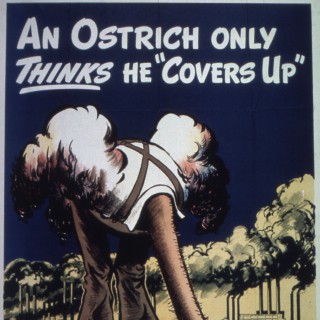
Attempt to conceal evidence
POPULARITY
Categories
In this episode, we delve into the intricate world of the Chicago Outfit’s informants, featuring insights from my late friend, Cam Robinson, and Paul Whitcomb, a well-respected expert on the mob. This special compilation draws from past interviews and shorts that once highlighted various informants who operated during the notorious 1980s era of organized crime in Chicago. Through a series of concise segments, we explore the lives of key players who chose to turn against the Outfit, revealing the complex motivations and consequences of their decisions. We kick things off by revisiting the tale of Paul “Peanuts” Pansko, an influential figure leading the Polish faction of the Outfit. Pansko's criminal activities, including a racetrack heist, not only placed him in dangerous territory but also set into motion a chain of events that would later link to the infamous Family Secrets trial. It's during this journey that we outline how interconnected the informants’ narratives are, showcasing how Pansko’s actions inadvertently unraveled parts of the organization. The discussion shifts to more dramatic stories, including Mario Rainone. Rainone's infamous decision to cooperate with the authorities opened the door to significant revelations about Lenny Patrick, one of the highest-ranking Outfit members to switch sides. Rainone's tapes ultimately led to the dismantling of major sections of the Outfit’s operations, including political connections that had long shielded them from legal repercussions. We also explore the tale of Ken “Tokyo Joe” Eto, a Japanese mobster who thrived within the Outfit’s ranks. His attempts at self-preservation after surviving an assassination effort highlighted the stark realities faced by those who navigated the perilous landscape of organized crime. As he eventually became a witness for the prosecution, Eto’s insights illuminated the internal workings of one of Chicago’s most feared organizations. The episode further examines dramatic betrayals and deadly encounters that shaped the Outfit’s legacy. From the chilling events surrounding the murders of the Spilotro brothers, orchestrated by their own associates for reasons steeped in loyalty and betrayal, to the grim fate that met informants like Al Toco and the impact of domestic discord on organized crime, each tale is a window into the bleak realities faced by both mobsters and informants alike. As we round out the episode, we reflect on the cultural dynamics surrounding informants, particularly how personal relationships and family ties heavily influenced their decisions to cooperate. It becomes clear through the interviews that while fear of retribution often compels loyalty, the specter of betrayal looms large within the mob. This multifaceted examination blends personal stories with historical context, providing a deeper understanding of the Chicago Outfit’s complexity and its operatives. Join us in this retrospective journey through the shadows of organized crime as we pay homage to those who bravely shared their stories, revealing the inner workings of a criminal empire that continues to fascinate and terrify in equal measure. Hit me up on Venmo for a cup of coffee or a shot and a beer @ganglandwire Click here to “buy me a cup of coffee” Subscribe to the website for weekly notifications about updates and other Mob information. To go to the store or make a donation or rent Ballot Theft: Burglary, Murder, Coverup, click here To rent ‘Brothers against Brothers’ or ‘Gangland Wire,’ the documentaries click here. To purchase one of my books, click here. Transcript [0:00] Well, hey, guys, after listening to Bob Cooley, one of the more damaging sources and witness and informant to the Chicago Outfit outside of the Calabrese family, [0:13] Nick and his nephew, Frank Jr., I got the rest of the Chicago Outfit informants on tap here. No, not really. They’re not coming in. But I did do a story. I did a series of shorts a few years, or I don’t know, two or three years ago, maybe. [0:32] I interviewed my late friend, Cam Robinson, rest in peace, Cam. So you get to hear from him again. And Paul Whitcomb, who is a Chicago outfit expert, he’s been on this. They used to have some kind of a round table show up there. I don’t know if they still have it or not with the Seiferts. But anyhow, I got these guys to sit down with me and talk about all the different informants in Chicago during the, it was during the 80s. So this is just kind of a series of shorts that I put up before. They’re six or eight minutes long, I think, each one of them, that they talk about different informants. This kind of threw it together as another little bonus episode we’ve done. And I went to Chicago, if you notice, after Johnny Russo, which I apologize for in a way, I don’t know. I mean, the guy’s got some crazy-ass stories, doesn’t he? Who am I to say that he didn’t do it? But most people know that he didn’t do most of that stuff. Anyhow, so I threw up another Chicago right away about the guy that had the race wire that they killed, James Reagan. [1:38] Then i had this interview that i’d been doing during those last couple weeks with bob cooley who’s appeared uh out of nowhere and he’ll maybe see him on some other shows now he’s he’s wanting to do shows he tells me so after hearing bob cooley talk i thought well i’m doing do one more i want to just throw it up as an extra uh from some of my old chicago outfit stuff and that’ll finish me off on the Chicago outfit for a while. I hadn’t, I hadn’t been in Chicago, uh, doing shows about Chicago for quite a while. And, and I didn’t want to, uh, neglect you guys. You know, I get a lot of books written about New York and I’ve got all these authors that are wanting to do these books about New York. Uh, not so much about Chicago. So if you got anybody that, you know, wants to, got a book and wants to come on the show, uh, talking about the outfit, why steer them to me. So anyhow, just sit back and relax and enjoy. [2:37] My late, great friend, Cam Robinson. One more look at Cam, for those of you who remember him, and Paul Whitcomb. And we’re going to talk about famous snitches from Chicago. Thanks, guys. Well, let’s move along now to, this is kind of interesting, Paul Peanuts Panczko, who was the leader of the Polish branch of the outfield. Is that what you would call Peanuts Panczko, the leader of the Polish branch? If the Polish branch is the Panczko family, which you could easily say there were three brothers, then yeah, that wouldn’t be right. We haven’t really done a show on them. I don’t know a whole lot about them other than they were released at all. So we said non-Italian, Peckerwood, as we call them at Kansas City, professional criminals who did a lot of business with different outfit people. And he did a robbery of a racetrack. I think it’s the Balmoral Racetrack. It’s the name of it. James Duke Basile and then Panczko was in trouble for that and he convinced Basile to come in and they did some talking remember anything about that situation, you know in a lot of ways you. [3:50] Panczko could be considered one of the first dominoes that eventually led to the Family Secrets trial. Panczko, as you said, led to Dookie Bazile, who they had done robberies together. Bazile led them to Scarpelli, who was a much higher guy. I mean, there’s debate, but he was, because there was a making ceremony at this time, but Scarpelli was pretty highly ranked. I mean, he was a known killer, and he was up there. He was in the wild bunch. But Scarpelli then did tell them about a lot of the things that Frank Calabrese had done. [4:28] He wasn’t known as well as Scarpelli had brought him up to be. And a lot of those things dominoed into what would eventually lead to family secrets years later. [4:42] Scarpelli, I think, did not know so much about Nick, but he did know about Frank. And so a lot of that information sort of filled in the gaps. And even though Frank Calabrese Jr. Led them led them to Nick They A lot of seeds were planted And can be traced back to Pianus Pansico Um. [5:01] So it is kind of an interesting line. Basile, he wore a wire on Scarpelli and not even talking about a lot of these things. It’s not the FBI knew about that. They were in a car together. Right. If I remember right, he even talked about a mob graveyard. They went up there and they found two or three bodies. One of them was connected. It wasn’t anybody really important, but one of them was connected to Harry Aleman. So it was a pretty important wearing of a wire on Scarpelli, who then came at himself for a while. And that’s what led to the family secrets. He talked about Frank Calabrese. Is that what you’re saying? Yeah, that’s right. And some of those bodies in that graveyard were 10 years apart, which was interesting. I’ve got, it’s on the map that I created, but some of those bodies, there was years in between them. So it was something they were going back to and they believed that there were a lot of things there they did not find. Yeah, because they built a health care facility or something. They built some big building over where there would have been bodies. Right. Right. And the fascinating thing about this is Scarpelli, like, just like Cam said, this guy was a serious killer. He was a muscle builder. He was a terrifying guy. I mean, he had almost inhuman physical strength. Yeah. And when he flipped, he was completely debriefed by the FBI and the DOJ and then decided to try and change his mind. [6:27] But before he could do that He hung himself in the bathroom Of the Metropolitan Correctional Center With his hands behind his back And a bag over his head, Who was he in prison with? Who was he in MCC with, Paul? Was it anybody? He did happen to be in the MCC with the German at the time. He bound his hands behind his back and put a bag over his own head. He did. He did. And so the outfit continues to somehow persuade people to take their own lives rather than testify against them. [7:07] It’s a hell of a way to die by suicide it is by suicide at least they didn’t have arrows in his back, not as far as we know yeah it was terrible he cut his own head off I saw a cartoon once that the homicide guy liked to go ahead and maybe real suckle of suicide because then you could just walk away from it so there’s a dead body laying there with a bunch of arrows at his back and a homicide detective standing over him with a hand and pencil and says, hmm, suicide, huh? [7:44] Got the inside joke. It worked homicide. You see how those guys sometimes will try to make something into a suicide that probably is a homicide. On the other hand, we had one, we had a mob guy, he wasn’t really a mob associate, who had gone to Vegas. He lost a lot of money and they found his body in his car at the airport parking lot after coming back from Vegas and they found out later lost a lot of money and the car was parked up against the fence and he was shot in the head and there was no gun in the car you know found so just assume that somebody shot him in his head the car kept going and rolling up against the fence. [8:25] But this one detective, I remember Bob Pence is his name. He was dumb. And he started, he went back over and he dusted that car for prints again. And he got some more evidence out of it. And then he went back to the airport and he looked and started asking questions. And he found out later that somebody who had a pickup truck parked there had a week later, three or four days later, come back and got his truck. When he got home he found a pistol inside the bed of his truck and he called the airport or he called somebody turned it in Pinson found that pistol that was a pistol that that shot the guy so Pinson's theory was he was rolling along in his car he shot himself in the head and then he flipped that pistol out is with a reaction he flipped it out and went in the bed in that pickup and then it rolled on up against the fence and they ruled it a suicide wow damn that’s not that different than Scarpelli I mean the fbi to this day insists it was suicide yeah well, Oh, well, right. All right. Let’s move along to Mario. John, the arm. Rainone. [9:41] Is that correct, Cam? That yeah, that’s Rainone. Yeah. So tell us about that. I know we talked about this, you know, a little bit about this one. [9:50] This is kind of a funny one. He was he was sent to kill a building inspector. Raynaud was with the Grand Avenue crew and so he’s en route to kill this guy and this is one of those mob blunders and he sees a couple guys following him and it’s Rudy Fredo and Willie Messino and he recognizes him when he’s driving over there and it’s important to point out who these guys are, Cam, not to interrupt you Willie Messino, was the right hand man and bodyguard for Tony Accardo for 30 years I mean, he was serious, serious business. Rudy Frayto, you know, the chin, but Massino was serious news. If you saw Willie Massino, you knew he were in for trouble. Yeah, he wasn’t there as backup to do anything except clean up after Rainone, including Rainone. So Rainone saw the writing on the wall. He pulls up and he goes straight to the FBI. [10:54] And he informs, he talks to them and gives them his information. And later on, he sort of regrets doing so, denies that he ever did. Uh, there were, there were, uh, articles written about him. There’s a, there’s a Chicago Tribune writer, John Cass, and Ray Nolan had a back and forth with him writing letters. This is how these mob guys in Chicago operate, talking about, I’m, I ain’t no beefer. And, uh. Once he was out of prison in 2009, he was busted several more times. If you can believe it, he stayed in the criminal life. He was robbing a liquor store with another guy. And the guy he was robbing with, this is why I jump ahead a little bit, was a guy named Vincent Forliano. He claimed that he didn’t even know Fratto or Messino. These were guys he didn’t know, so he never would have informed against them. The guy he was robbing the liquor store with and he was committing other robberies with, Vincent Forliano, was Fredo’s son-in-law. [11:56] So he was committing robberies with a guy related to the guy, but he didn’t know who they were. And to say that somebody didn’t know, as Paul said, Willie Messino, is just ludicrous. Anybody in the criminal atmosphere, period, knew who Willie Messino was because you were probably paying money to it. to exist. And this is extremely important because Rainone, at the time this happened, Rainone cooperated long enough to record conversations with Lenny Patrick. That’s right. That’s right. And that set dominoes in place that would lead to the fall of the outfit. Even though he tried to take back his cooperation, to say he never cooperated, I’ve heard those tapes that were played in trials that I participated in, so I I know better. Uh, and that’s why they call him Mario flip flop Rainone because he, uh, would cooperate and uncooperate and then cooperate. But he is the one who got Lenny Patrick on the hook. Yeah. [13:00] Interesting, interesting. Let’s just continue on with this Lenny Patrick because we weren’t going to talk about him. That’s a good lead hand to talk about another, really one of the most important informants that year who testified. [13:13] Can you talk about the domino that led to the end? Rainone really, really flipped the domino that kicked over. Go ahead, Paul. Well, Lenny Patrick was the highest, and even to this day, remains the highest ranking member of the outfit to ever turn state’s evidence. The guy was a capo in all but name. He had been in charge of Rogers Park, the gambling. He was essentially the head of the Jewish arm of the mafia, kind of the Meyer Lansky figure of Chicago. And when the Lawndale neighborhood moved north to Rogers Park, he moved with them, and he had his own crew. He reported directly to Gus Alex, who was, of course, at the very top, and Sam Carlisi. And he was dealing with Marcello and Carlesi in a number of different outfit ventures, loan sharking. He personally had been staked by Carlesi with a quarter million in cash to put out on the street. And he was involved in extortions Bombings of theaters All these things directly at the command of Sam Carlisi Who was then the boss of bosses of the Chicago outfit So when Rainone got him on tape They set up what was the beginning of the end for the outfit And I think people need to understand who Gus Alex is also For people outside of Chicago Gus Alex was. [14:40] Basically, I guess you could call him the equivalent of maybe the consigliere in Chicago. When you look at Chicago, the triumvirate in the 70s, once a guy like Paul Ricca died and several major outfit leaders died in the early 70s. [14:58] Tony Accardo decided that the outfit would be led by himself, by Joy Iupa, and the political wing and all of the non-Italians and all of the grift and a lot of aspects would be led by Gus Alex. So he was essentially on the same level as Joey Iupa, and he was responsible for much more for things of greater import than Joey Iupa. I mean, controlling the political arm and all the payoffs and all of that is much, much more than the streets and the murders. So all the politics and all the anything that had to do was definitely fell under gus alex and he was part of a ruling triumvirate he was a non-italian part of a ruling triumvirate with iupa and uh acardo so he was the the leader top of the outfit and he had been for years going back to going back to the 30s and the 40s 40 he had come up under, the Murray the Camel Humphreys and had made those connections he was the most connected guy in the Chicago outfit, so for a guy like Lenny Patrick to be. [16:15] Rollover against is essentially the political leader, national political leader and political leader of Chicago. This was absolutely crippling to the outfit. That was he wiped out the entire political arm of the Chicago outfit. After Lenny Patrick brought down Gus Alex, this became a basically a street crime organization. It was that those political contacts. I mean, I think that’s a fair statement, right, Paul? Those political contacts and judges, I mean, that was all but eliminated with Gus Alex going away. You’re absolutely right, Cam. And he not only took out Gus Alex, but he took out the boss of the Italians, too. That’s right, yeah. Both of them at the same time. He wiped out the outfit, and you put it beautifully by saying it became a street crime organization. You think about the division of labor and it started with IUP and IUP and. [17:19] La Pietra, Jackie Cerone, they had all the gambling, a lot of the sports gambling, but they also had the skim from Las Vegas, and they ran all that stuff, while Gus Alex, along with Lenny Patrick, ran all that politics, and you can’t have a mob organization if you don’t have cover politically. That’s why even in Kansas City, we’re pretty clean here, but we still never had any real mob prosecutions. [17:47] And it certainly had very few, if any, little, if any mob prosecutions at Cook County. And you couldn’t even get convicted of a real crime, murder, assault, or something. It’s just a straight-out crime. You weren’t even trying to do a RICO, I think, on anybody. So it was, you know, they just operated with impunity. Well, you took out that whole gambling side. That was all the money coming in. And then shortly thereafter, you take out the political side, who then turns back and gets the new boss on the gambling side and loan sharking and all that. [18:23] I’ll tell you, by 1990, the outfit’s gone. It really is. It still exists to a degree, but Sam Carlisi was the last traditional old line boss of the outfit. you, that, in my opinion, that ever ruled. After that, it was never the same. Yeah, I think a guy like Gus Alex, you know, like you said, Gary, you had Aiuppa who was dealing with gambling, but I think that’s a lot of, there’s a lot of optics to that, you know, and you’ve got all these cities who have got characters who are not Italian, Gus Alex in Chicago, and, you know, as Paul said, Meyer Lansky, who was New York, and you had Mashie Rockman in Cleveland, and these characters not italians so they know when to step back and let and let the italians talk but that doesn’t mean that they’re not running things it’s just for the optics of city to city where the italians have to see that they’re dealing with italians they don’t walk in the room it doesn’t mean that behind the scenes they’re not pulling the levers they just because of of the uh uh criminal um. [19:34] The the criminal view of of non-italians in that world sort of sort of their own prejudices these guys don’t always walk in the room when they’re dealing with other cities gus alex is is sitting down with anybody in chicago but you go to kansas city you go to new york, you know meyer lansky would leave the room when they were when they were talking you know italian to Italian. And the same thing with Gus Alex or Mace Rockman or any of those other guys who are not Italian. It was just an optics city to city. It doesn’t mean that they weren’t pulling the levers. Is it Yehuda or Jehuda, Cam? Jehuda. I’ve always heard of Jehuda. Yeah, Jehuda. So he kind of dealed with the IRS that year. [20:23] He must have had some. The IRS was really strong working the mob in Chicago. I’ve noticed several references to IRS investigations. We did not have that in Kansas City, and the IRS did a little bit, but they were not as strong as they were up in Chicago. [20:38] Yeah, he met with an agent, Tom Moriarty, who’s been around and worked Chicago for a long time. He was a pretty well-known guy up here. But Bill Jehota worked under Ernest Rocco Infelice, who was a real powerhouse going back a long time. And out in Cicero, and his crew, a lot of these crews had their own little names, and they called the good shit Lollipop. He was a huge gambling enterprise, you know. And they bought a house up in Lake County, which is north of the city. It’s funny, this house they bought was actually the family that had lived in it. The son had murdered the family. It was a murder house before the outfit bought it. and uh they bought it used it as a as a gambling den and and after that moved out they used it for prostitution and they would park cars at a nearby motel that they ran and then then have a uh a, valet service that drove him to this this gambling house and there was also quite a few uh murders that uhJahoda witnessed i’m sure he took no part in it he just happened to be standing outside of the house when they when they these murders were committed there was a uh was it hal smith and um. [21:57] Oh i can’t remember the they killed somebody else in this home and they burnt these were guys who didn’t want to pay his tree tags, and they were gamblers who refused to give in. And he brought down this entire crew. I mean, Rocco and Felice was… There’s a famous picture of the day after the Spolatros were killed. And it was really the upper echelon of the up that you’ve got. You’ve got little Jimmy Marcello. You’ve got the boss, Sam Wings-Carlesi. You’ve got the street boss, Joe Ferriola. And you’ve got Rocco and Felice, who’s right there. These are the four top guys, basically, in the outfit as far as at this time, the Cicero crew had risen to the top. That was the powerhouse crew. And so he was involved in those discussions because he was such a powerhouse out there with Ferriola being the street boss. So he was, it really can’t be thatJahodatestimony that eventually brought down this crew was really, it really crippled that crew for a long time. Well, those people that went down in that trial have only in the last five years come out of prison. Yeah, we’ve actually had been talking to somebody. We’ve had the… [23:13] Opportunity to meet he brought down uh uh robert um to go beat um bellavia and another guy who doesn’t like to be mentioned who runs a pretty successful pizza pizza chain up in lake county and uh these guys went down for a long time the beat was down for 25 years and he just came out. [23:39] So and billJahoda have if you read his testimony it is kind of kind of odd that he was standing outside of the building and just looked in the window and they were committing a murder and he just he he places himself outside of the house witnessing a murder through the window which is convenient when you’re the one testifying against murderers it certainly is yeah. [24:03] So so that was he was involved in the gambling so that makes sense then the irs got him and millions of dollars millions of dollars a month they were bringing and he met uh, i don’t remember paul and you did he he contacted moriarty right or did moriarty reach out to him because he was under investigation i i thought Jahoda was was worried about himself so he reached out to them i can’t remember the details i think you’re right yeah i i think he was worried about his own his own safety gary and he reached out to moriarty and they met up at a hotel just outside the city on the uh up in the northwest and uh they talked about things i actually found the location and on the little map you can find where where they met each other but he they met each other in disgust and they would meet different locations and and jahuda wore a wire and some of those some of those wiretaps are they really make for that. [25:05] That those conversations come right out of the movie just i love what we’re doing out here and i love my job and and you actually where i’m going to make you trunk music i mean you really hear these things that that you see it right in the movies i mean you you can’t write the dialogue that these guys are actually using it’s it’s it’s you know it it comes straight out of a book i mean You’ve got, you’ve got, uh, this is the toughest dialogue you’ll ever hear. Interesting. How’d you buy it? Where’d you find that at? Is that, uh, it’s probably not the audio in probably anywhere. No book or something. Yeah. You can, if you look up, if you look up different, different, you know, you go on newspapers.com or you go in different, uh, I believe, uh, I’ve got, um, uh, mob textbook by, um, Howard Abedinsky. I’ve got a couple of copies of his, of his textbook, organized crime. And he’s got some clips of it. This guy who owns a pizza shop up north is talking about how he loves his job. He loves what he does. And it’s funny to hear he talk about smashing somebody and loving what you do. Really? I’ve heard a few conversations like that back at the station house. [26:25] I don’t care. It’s on both sides. Is that what you’re saying? When you live in that world. Those guys can go either direction. [26:37] Well, let’s talk about ex-Chicago cops. Speaking of cops, let’s talk about, Vince Rizza, his daughter actually appeared on that Chicago Mob Housewives, or they tried to do a show. And Frank Schweiss’ daughter was on it. And Pia Rizza, who has gotten some notoriety as a model or something, I can’t remember. And she really, she was tight. She would not talk about her dad at all. I read an interview of her. She would just talk about her dad at all. But he came in and he testified against Harry Aleman, of all people, and linked him to the murder of this bookie, Anthony Ritlinger. Remember that one? [27:22] Go ahead, Paul. No, that one I’m not very up on, Cam. I’m sorry. So, Ritlinger, I believe he didn’t want to pay his street tax, if I’m right, Gary. Yeah, you’re right. He had been warned. Rattlinger had been warned that he needs to pay, he needs to pay, and he was making a good deal of money. And Ratlinger was he was brought in just the normal course of action with the wild bunch because he was a wild bunch murder I’m a little rusty but here it comes so he was a wild bunch killing, he was brought in he was warned it was the typical Harry Ailerman and if I’m remembering correctly and people correct me if I’m not it was Butch Petruccelli they sat him down. [28:11] Usually it would be Butch and, um, uh, Borsellino who would do the talking, uh, Tony Borsellino, and they would do the talking. And then afterwards, Butch Petruccelli would just sit down and glare. So he was a pretty scary guy. And he had that, uh, uh, Malocchio, the, the evil eye, and he would just glare at people. And that would send the message and Rattlinger didn’t, didn’t listen. He was making too much money, he’s not going to pay any damn Degos, that kind of line. And so he, of course, fell victim to these guys. And I believe he may have been trunk music. I think I remember this one, Matt, but I can’t remember. Yeah, I got this one. He went to a restaurant. That’s right. That’s right. And he had already, his daughter lived with him. I’m not sure about the wife, but he had warned his family to take all kinds of extra cautious. He knew something was coming. And it was, you know, after reading that thing, it’s, It’s kind of like, well, we talked about Spilotro taking off their jewelry. Ken Eto did this similar kind of a thing and told his wife he may not be coming back. [29:22] I tell you, another guy that did the same thing was Sonny Black. That’s right. It came out about Joe Pistone, the Donnie Brasco story. He did the same thing. He went to a sit-down or a meeting, and he took off his jewelry, I believe left his billfold, when he went to the meeting. this. Ken Eto was the same way. Ken Eto, I think, thought he could talk his way out. I think all of them thought they could talk their way out of it. So Rettlinger went out by himself and sat in a prominent place in this local restaurant that was really well known up there in the north side. It’s north of downtown Chicago, and I can’t remember the name of it. [30:02] And he just sat there and pretty soon a car pulls up and two guys run in kind of like a Richard Cain kind of a deal and just start popping. And that was a Harry Aleman deal. That’s right. He did, I believe. There’s an old guy who married the girlfriend of Felix Adlericio, I believe. He and this woman are sitting out in front of their brownstone, and Aleman and some other dude pull out and get out when guys walk up to him and shoot him and kill him. [30:31] And so that was – Yeah, that was Petrocelli and Aleman walked up, And he had been, he had been dating, uh, uh, Aldericio’s, Alderico’s girlfriend. Now that’s the famous hit from beyond the grave. Because we’re going to go on the old Samuel’s just sitting in the lawn chair thinking he’d got it made. That’s right. You know, Gary, you and I did the show on the outfit, uh, a long time ago. No, I’m sorry. On the wild bunch, a long time ago. So a lot of those, and they did so much work back in the day. A lot of those run together, but yeah, you’re now, uh, now that you’re right, writing her was he was eating in a restaurant. I’m, Uh, I can’t remember the name. It may have been, been Luna’s, but he was, went out in public. He thought he’d be safe. And like you said, a lot of these guys have a six cents because they come up on the street and they know these things. And, uh, like a guy like Sammy and Reno knew it was coming. He was dodging them for a long time, but they, they know that their time is coming. Eventually they just, they stay ahead of it for a while and figure they can fight their way out or talk their way out. And yeah, they, he was blown away right in public. Like it was similar to the, I remember it being similar to the, to the Richard Cain murder. And this was in, it was right around the same time. It was, it was in the mid seventies, 75, 74, 75, 76. It might’ve been 75 that writing or happened right, right in the middle of the restaurant. [31:58] I’ve been a lot cheaper to pay the street tax, I reckon. You know, and it wasn’t, I don’t recall that they’re asking for so much, but once these murder started happening yeah i think it was it wasn’t like it was half or 75 i think they just wanted it was you know it might have been a quarter it might have just been a flat fee across the board but once that street tax was was instituted i mean we’ve talked about this before gary that was when the wild bunch was out there that was that was they really didn’t play around When Ferriola told these guys, get everybody in line, [32:31] they really cracked down and they weren’t playing at all. You pay or you die. And guys like Alem and Patrick Shelley, whether it was right in public or whatever, in the outfit in the 70s, Paul, you know this from Richard Cain and several others. They just write in public would just blow you away. and writing her was just was almost textbook just like the Richard Cain it was it was right in the right in the restaurant yeah I’ll tell you I’ll tell. [33:05] I was conflating him with Hal Smith. Okay. I’ll tell you something about those mob hits. When they kill somebody in public like that in a public way, more than likely it’s because whoever the victim is has been alerted, and they can’t get anybody to get close to them. They will already try to send somebody around to get them isolated, and when they can’t get them isolated, then they want them bad enough. They’ll just lay, as Frank Calabrese, I heard him say once, well, lay on them. And I thought, oh, that’s interesting. Well, lay on them. I read that somewhere else. They use that term when you’re following somebody and you’re trying to set them up, or yet they lay on them. Calabrese even said, you know, you’re like, get an empty refrigerator box and hide inside of it. I mean, it’s just like the kind of stuff we used to do at the intelligence unit to run surveillances on people. And so they’ll lay on them for a while until they can get you somewhat isolated. And if they can’t, then they’ll just take you out in public. It might be to send a message, but I don’t think so because it’s so risky to get somebody in public. You can have a young, all-fitty cop in there that you didn’t even notice, and he comes out blazing. And, you know, it’s just not worth it. Even if you take him out, he’s probably got to get you. [34:21] So it’s kind of a last resort. A desperation. Yeah, it’s desperation because they can’t get you isolated. [34:28] You look at some of these public murderers, guys like Richard Cain or Ridinger, like you said, who was on the watch. Sam Annarino, who was right on Cicero. [34:39] A guy like Chris Carty, who was years later. I mean, these are guys who would have been smart enough and street smart enough to be on the watch, to watch their step, to know what was going on. With the exception of a guy like Michael Cagnoni, who just happened to be difficult to get, and he probably might have had an idea that something was happening, but I think just he was a family guy, and so it was hard to isolate. They blew him up on the interstate, but I think that in general, that’s a good point, Gary. These guys, if they just run up and blow away, it’s just a last resort. That’s an excellent point. I have always been in that camp of, oh, that must be sending a message. But you, with your experience, I think you’re exactly right. One thing, guys, I think we’re mixing up Sambo Cesario with Sam Annarino. I was thinking when they – yeah, you’re right, Paul. I was thinking, though, when they blew away Sam Annarino in the parking lot with his family, though, they had been trying to get him for several months. And they finally just went after him in the parking lot, called in a robbery, and blew him away in the furniture store parking lot. That was what I meant. Yeah, Gary was referring to Sambo earlier. I just meant they had been trying to get Sam Annarino for a long time, and when they couldn’t, they just got him in the parking lot. [36:08] Well, interesting. You know, no matter how much terror these guys strike in the heart of their underlings, in the end, they still will turn once in a while. And I think people don’t really not turn because they’re afraid of getting killed so much if they don’t turn because they don’t want to have their family suffering the disgrace of them being a rat or a snitch. I think that’s more important to be a man and go out like a man in this subculture and believe me I’ve lived in a subculture where being a man and being a tough guy is more important than anything else, I think that’s the most important thing that keeps people from coming in you’re like a wimp you’re a puss, you can’t take it, can’t handle it you know what I mean you can’t handle five years I could do five years standing on my head or a tray like the dude told me so uh you know but even even with all that and still there’s a certain percentage that will end up coming in sure and usually there are people that either don’t care about their family like lenny patrick yeah or that don’t have close family so that they don’t have it so much of that pressure that you’re talking about gary because you make a really valid point that that that cultural value is so strong yeah yeah it’s it’s. [37:36] In a lot of these small towns, you see in Detroit where they’re all family tied in and everything, you don’t see informants. I think they’ve had one. Kansas City, as you said, Gary, you don’t see. But then you look at a place like Rochester where they’re all just lower tier mob guys. Everybody was informing on everybody because they really weren’t as upper echelon sort of mob guys. So I think that, like you said, once you get that culture seeped in, you’ve got those families and all, there’s a lot of factors. But if it’s a deep-rooted mob town, you really don’t see a lot of real informants. [38:11] So, guys, now we’ve got one that I did a show on. I did a couple of shows on him. I talked to the FBI agent who brought him in and dealt with him for quite a while. Ken Tokiojo Eto. He survived a murder attempt. When that didn’t happen for him with the outfit, what happened after that? [38:32] I believe his attempted assassins got killed themselves. So tell me a little bit about Tokyo Joe Eto. There’s a photograph I have from the late 50s, early 60s And it shows Joe Ferriola And a couple of other heavyweights Hanging around with a young Ken Eto, And a lot of people didn’t know who Ken Eto was But he ran the Japanese game, Gambling, Bolita And lots of money Poured into the outfit through Tokyo Joe As they called him And there was a rumor that perhaps Tokyo Joe was going to turn under a little bit of pressure. And so Jasper Campisi put three slugs in the back of his head. [39:22] Miraculously, he survived three slugs at point blank range. And if he wasn’t going to turn state’s evidence before, he certainly had a powerful incentive to do so now. He seems to insist As I’ve heard that he was not His intention was not It’s hard to say at this point But he says he had no intention Of flipping and that he’s not sure What the evidence was against him But he was not going to flip until, It was Yeah. [39:55] I’m drawing a blank, Paul. Who was it that sent? It wasn’t the saint. It was Vincent Solano. He was kind of Vincent Solano, who was a union guy and a made guy up there. He kind of had which one. [40:11] He was a capo. And which crew was it? Do you remember? He was on the north side. North side crew. North side crew. And actually, Ken went to Vince Solano and had a talk with him. Said you know what i can do this he was looking at a tray i had a dude tell me what’s that pressure and tried to get him to talk and he said uh he said what am i gonna get out of this a tray he said man i can do a tray standing on my head and i threw him right then that’s right gotta talk to me so uh and that’s all he had to do but solano for some reason uh who knows what was in his head because uh ken Eto had made him a lot of money a lot of money and he was a tough little dude he had he had survived he had been put in the uh concentration camps if you will during the internment camps yeah internment camps and then came as a young man up chicago and been around for a long time by the time this all came down he’d been with him for a long time and made him a lot of money and all kinds of different gambling operations but particularly the bolita. [41:13] So uh it just didn’t make sense i heard one thing that these guys in chicago got the idea Yeah, to keep the noise down, they were loading their own rounds with lighter loads of powder. I don’t know. They had like a hit car up there. The guys in Chicago were pretty sophisticated or tried to be. And so they used these lighter loads. And when it went into his head, it just didn’t penetrate his skull. I remember I was at the hospital once, and there was a young guy who had gotten shot in the head. And they said that the bullet was not a good bullet because it went in under his skin and then went under his scalp, along his skull, and then lodged up on his forehead. [41:56] Wow. And so Eto was kind of the same way. Those bullets were probably lodged up underneath his scalp. He pulled himself to a neighboring, I believe it was a pharmacy that was right there, a corner store. And then that guy went to help him. I think he had to dial a call of 911 or whatever. 911 was in place then. He had to call for help for himself from a phone booth. You know, he saved his own life by being smart and playing dead. Yeah, that’s right. And you look at Chicago, it’s a city of neighborhoods, and you’ve got the Mexican town, and you’ve got the different towns, and you’ve got Chinatown where there’s so much money and so much gambling. And while Haneda was Japanese and there’s obviously division between Japanese and Chinese, it would be much easier for him to go in and then some of these outfit guys and because of different things going on back in the 50s, 60s, and 70s. But he could go into neighborhoods and represent the outfit in ways in different communities that the outfit wouldn’t go into or a lot of these made guys. [43:12] And that gave him entry into a lot of communities. In the Asian community, there’s a lot of gambling that he was able to tap into. He was smart enough to see that as a route that maybe the Italian guys didn’t, just like Lenny Patrick, who we’ve talked about in other episodes, had that access into the Jewish communities and other Jewish gangsters. There’s a lot of gambling there. If you can get somebody who has an in to different communities, that’s really a way to go and that’s part of why he made so much money. A game like BolEto wouldn’t normally be and that’s huge in the Hispanic communities and huge with Asians also. You know in kansas city that’s interesting that you should point that out camp we had a um large vietnamese community moved in after the the boat peoples when it started and they moved in through the same church uh. [44:09] Sacred Heart Church and Don Bosco Center that the Italians moved in, the Sicilians moved into back in the turn of the century, the same neighborhoods. And Italians are getting successful and they’re moving out the suburbs and the Vietnamese are moving in and creating the Vietnamese restaurants and Vietnamese shops. And they brought, they have a love for gambling. Like you said, they have huge love for gambling. They don’t drink so much or do so many drugs, but they do love to gamble, it seemed to me like. [44:36] And so they had their own book. he was called the king a guy a friend of mine told me a story uh there’s a mob book he got on the periphery that neighborhood’s got a joint and he he was running a sports book and he had a lot of action going in and out of his joint so this one vietnamese guy had a big debt owed to the king so he goes down and talks to this guy’s name was Larry Strada, he ends up getting killed by some other uh mobsters in a deal they thought he was going to testify but i just needed to hear are there, this young, middle-aged Vietnamese guy goes down to the Caddyshack, Larry Strada’s bar. And he starts telling him about the king. He said, man, he said, the king, you take all your business. He said, he got all business down here. He take all your business. He said, you know, you need to do something about the king. He said, you know, we’re close to the river here. And then he made a motion across his throat like he was cutting his throat. So he was trying to get out of his gambling debt to convince this Italian, La Cosa Nostra bookie to go back and kill me yeah king piano. [45:42] You know i’ve heard a lot of stories and some of them are true some are not that one had to ring a truth to it it had a definite ring of truth that that got to do that playing them against each other yeah you bet and you know another thing about tokyo joe and you know he could testify But Ben Solano had Campizé and Gattuso killed right away. Found them in the trunk of their car, I think. Maybe at the airport, even. [46:09] Chicago trunk music, but they have some saying like that. And so Solano knew that they could testify against him, and they didn’t want to go down for attempted murder, more than likely, and he just didn’t take a chance. So he had them killed, and I can’t remember if he went down behind this or not. But another thing Tokyo Joe was able to do, I mean, he certainly could expose all the inner workings of what he knew about to the FBI, which gives you a lot of tips on where to go, who to work on, and maybe where to throw up microphones or some wiretaps. But he also traveled around he came to Kansas City during the skimming trial because they’re working on the Chicago hierarchy. So they just fly him into town. They show him that picture, the last separate picture where everybody’s in the picture. And they say, now, who’s that? Oh, that’s Aiuppa. Okay, then who’s that? Oh, that’s Vince Solano. Yeah, he reports to Aiuppa. You know, and who’s that guy? I can’t remember the other people at all. So the nation said that Joe is up hard. Oh, yeah, he reports to this guy. So to show the organization of the mob in Chicago and that it is an organization that gives orders to have other people carry it to make the RICO case, that he was a storyteller for that. And he didn’t know anything about the skim at all. But he was a storyteller on getting the mob name and the organization in front of a jury. That’s huge, as you know, Paul. [47:35] Absolutely. We had a similar arrangement during the Carlesi trial about how [47:40] the Carlesi crew operated and who was who, and to tell the story. Yeah. You have to make it a story. Let’s take a look at Betty Toco, which, uh, this is pretty interesting. There was a, um, I’m not sure. Albert Toco was your husband. Remind me what his position was at the outfit at that time. So Al Toco was, there’s sort of a division on who was the leadership of, who was the central leader of Chicago Heights. There’s Dominic Tuts Palermo and Al Toco, who was really a powerhouse in Chicago Heights. And Tuts Palermo was definitely highly connected and across the pond too, also in Italy. But uh Toco was involved in the in the chop shop wars really really heavily involved and he had a lot of connections in chicago too he was involved with lombardo and a lot of these chop shops throughout chicago he had a lot of partnerships and so this was a 30 million dollar a year racket stolen cars chop shops international car rings uh car rings throughout stolen car rings throughout the country. Toco was responsible for burying the Spolatro brothers. It was very sectioned off. Each crew had a part in their murder. And then Chicago Heights was responsible for the burial. [49:02] And they were down in Enos, Indiana. They got kind of turned around a little bit. They were down a farm road. They were burying them in a freshly tilled field. And the road where they’re on, there’s a little side road that you would drive down. There’s very little down there. I’ve, I’ve seen it, but a car happened to come down middle of night and they were in a, there’s a, there were a couple of feet off of a wooded area and they see this car coming down and they sort of all panicked and before they had a chance to cover the area or really do anything, it just looked like a freshly dug, it really just looked like freshly dug mound. And so they all fled and three of Toco’s guys went one way and he went the other. They had the car in both radios. [49:46] He’s wandering around barefoot, and he calls his wife finally. She shows up, and he’s screaming and yelling. And he runs to Florida, and he’s waiting for permission to come back from Joe Ferriola. He’s worried he’s going to get killed because they find the Spallachos immediately because the farmer sees his field all messed up, freshly tilled ground, and it looks really suspicious, like somebody had been poaching deer and burying the carcass. Uh but Toco was a tyrant to his wife he was he was horrible to her he was he was when you think of what a mob guy was that was Toco you know tipping the guy who mows his lawn the kid who mows his lawn hundred bucks and wandered around town everybody knows him but he’d come home and unlike a lot of these guys he was he was a real you know a real. [50:36] Real bastard to his wife you know and for years she put up with this sort of abuse and finally after this this happened and it was in the news and all he finally pushed her too far and she began informing on him and and he was arrested later on he was in his jail cell talking about all the murders he had committed and and this and that about his wife and uh his his uh uh A cellmate repeated everything that he said to try and lessen his sentence. So really, Toco got buried by his big mouth and his terrible behavior. He initially fled to Greece before he was arrested, and they extradited him back from Greece. So this is, I mean, Toco is like deep in mob behavior. [51:22] I mean, fleeing the country and all. I mean, it doesn’t get much more mafia than Al Toco. I hesitate to use that word with Chicago, but that was, Al Toco was running deep. and that Betty Tocco’s testimony eventually led to the trial of Al Tocco. And that was really a blow to the Chicago Heights crew that nowadays, I mean, they continued on and had a few rackets, but after the eventual trial that stemmed from that, it really wasn’t, there’s not much activity now. I’m in that area and there’s just, there’s really nothing here. [51:59] Interesting. Now, so Tony and Michael Spilotro had been lured to somebody’s house on the promise that Michael was going to be made. It’s my understanding. I believe that’s what Frank Collada had reported. And some other people, not part of the Chicago Heights crew, killed him. How did that go down? And how did they pass off the body? You guys, is there anything out there about that? Wasn’t that the family secrets trial, maybe? It was. And, of course, it’s been popularly portrayed in the movie Casino. And it’s surprisingly accurate Except for the fact That where they were beaten But what happened was Little Jimmy Marcello called them. [52:41] And said Sam, meaning Sam Carlisi, the boss, wanted to see them. And they knew that that was ominous because of what was going on beyond the scope of this show. But they took off the jewelry. They left. They told their wives, if we’re not back by 930, it’s not good. They really did not suspect that it was to make Michael. That’s what Collada said. You’re absolutely right about that, Gary. But I don’t think that’s correct at all. They knew that it was bad. And they went. He took a pistol, which was against the rules. They hit him a pistol. Tony hit a pistol on his brother, which you do not do when you go to see the boss. And they were picked up by, by Marcello and taken to a house. I, uh, was it Bensonville? Yeah. Up in Bensonville. Uh, in, in the basement, they walked down the stairs and all of a sudden they looked into the eyes of Carlici and, uh, DeFranzo and everybody, the whole, all the couples were there to spread the, the, uh, liability around and they were beaten to death with, with fists and feet, uh, in, in that basement and then transported to that burial ground, which coincidentally was just maybe a couple hundred yards away from Joey Aupa’s farm. [54:00] Right. So I guess that they must have had, uh, Toco standing by, because I don’t believe he was in that basement. I like that. He must have had him standing by to go grab the bodies and take them out. Really interesting. He should have had the old Doug before he got there. You know, that’s what they always say. First you dig the hole then you go do the murder right and i don’t think he had it done before he got there yeah i don’t i really that’s a good that’s a good point gary i really don’t know and nobody’s ever come forward to say what the status of the hole was beforehand uh you know it was a deep it was a deep it was it was a pretty deep hole uh but they may have had a dug ahead of Tom, but, but, uh, cause they knew the location and it’s pretty obscure location. So they had clearly been there before. And, and, you know, everybody knew that that was, I, I hope was, I got it right. Farm. And, uh, So they may have had it dug, and they just did a shoddy job covering it up. [55:05] But I also haven’t heard the specific details about how they handed it off to Toco. I don’t recall seeing that in Calabrese’s testimony. Yeah, it was Nick Calabrese that testified about that. It brought up the light. He named the killer. So he may not have gone that far, probably having Toco and having his wife testify that he did do this. that she picked him up out there. It was just a piece of the entire prosecution on the spot, which it really never was a trial or anything on that. I don’t believe. Another odd thing is he, I believe he ranted and raved the entire car ride back. And from where he was, you would run up with, It’s now turns into Indianapolis. So it’s a good car ride from where they were to Chicago Heights. I believe he ranted and raved about the guys and his crew and the burial and everything, the entire car ride, which was not something most guys would do in front of their wives. But I really, especially when he treated like that. Right. And complained about how long it took her to get there and everything. So she was able to verify a lot of what Calabrese was saying from the final end of it. Interesting. A friend of mine was in the penitentiary, and he said, there’s a guy in there who called himself a verifier. He said, what do you mean? He said, I’m a professional verifier. What he was, he was an informant. That’s what he was, but he called himself a verifier. [56:33] A girl would come to him and say, well, I heard this, this, and this. Is that true or not? He’d say, well, that’s true. That’s not true. [56:40] I guess that’s a more preferable term. Yeah, she was a verifier. Well, that was great. I really appreciate having that on there and Paul. And I really, I still miss Cam. Every time I get ready to do a Chicago show, I think, oh, I want to get Cam or Rochester. [56:58] We did one about Rochester. We did one about Utica. I did several other shows about other families. And he was a good guy and a real great researcher and a real expert on the outfit and other mafia families. So rest in peace, Cam and Paul. I hope to talk to you again one of these days. Guys, don’t forget, I got stuff to sell out there. Just go to my website or just search on my name for Amazon. I can rent my movies about the skim in Las Vegas, about the big mob war between the Savella brothers and the Spiro brothers in Kansas City. Then one about the great 1946 ballot theft in which the mob… Rigged election, helped Harry Truman rig an election. It’s a little harder to find than mine. You need to put ballot theft and Gary Jenkins. I think you’ll find it then. The other two, Gangland Wire and Brothers Against Brothers, Sabella Spiro, were a little bit easier to find. Had to put it up a different way because Amazon changed the rules, but I got them up there. So thanks a lot, guys.
In this latest edition of The Epstein Files Unsealed we get a look at the sworn statement and recorded interviews of a teenage girl who became entangled in Jeffrey Epstein's trafficking operation after being recruited by another minor, identified in the records as “Haley.” The girl initially described being told she was simply going along to collect money and go shopping, with no clear explanation of what would occur. She recounted being taken to Epstein's Palm Beach home, passing through security, and being left alone upstairs with Epstein after Haley remained downstairs. Under pressure and confusion, she was instructed to undress and give Epstein a massage, during which he masturbated and made sexually explicit comments. She was then paid $300 and sent away, with Epstein acting casually afterward and encouraging her to return. The girl's testimony shows she did not understand the full nature of what was expected of her until she was already isolated and in the situation, a pattern consistent with grooming and coercion rather than informed consent.to contact me:bobbycapucci@protonmail.comsource:Epstein Part 08 (Redacted).pdf
What happens when ancient history, modern technology, unexplained encounters, and the Bible collide?In this wide-ranging and deeply thought-provoking episode of The Resilient Show, Chad Robichaux sits down with Timothy Alberino, researcher, author, and explorer, to answer some of the most challenging questions facing faith, history, and our understanding of reality.Timothy shares firsthand accounts from his years living in Peru, including investigations into mysterious Amazon encounters, advanced technology sightings, and the infamous “Face Peeler” phenomenon. But this conversation goes far beyond the headlines.Rather than sensationalism, this episode invites serious reflection. Asking whether our modern worldview is too small to account for both the seen and unseen, and why anchoring truth in Christ allows us to engage these topics without fear.We hope you enjoy this interview and, of course, encourage you to engage with us here and on our social channels.Learn more about Timothy: https://timothyalberino.comTim's Peru After Action Report: https://www.youtube.com/watch?v=mpCxDqvT7lgGet "Birthright" Book: https://a.co/d/fQrEnpoFollow Timothy on Instagram: https://www.instagram.com/timothyalberinoRESILIENT:Live Resilient Store: https://shop.theresilientshow.comJoin Our Patreon: https://patreon.com/theresilientshowFollow Us On Instagram: https://www.instagram.com/resilientshowFollow Us On Twitter: https://twitter.com/resilientshowFollow Us On TikTok: https://www.tiktok.com/@resilientshowFollow Chad:https://www.instagram.com/chadrobo_officialhttps://www.x.com/chadroboChad's Jacket is from: https://thenormalbrand.comChad's Jeans are from: https://devil-dog.comSPONSORS:Smith & Wesson: https://www.smith-wesson.com/Vortex Optics:https://vortexoptics.comGatorz Eyewear: https://www.gatorz.com/Allied Wealth:https://alliedwealth.comBioPro+: https://www.bioproteintech.com/CHAD30BioXCellerator:https://www.bioxcellerator.comThe Holy Waters:https://theholywaters.comGet The Resilient Show x Uncharted Supply Co Bag: https://shop.theresilientshow.comSLNT: https://slnt.comTRS is a proud supporter of military & first responder communities in partnership with Mighty Oaks Foundation.
In this latest edition of The Epstein Files Unsealed we get a look at the sworn statement and recorded interviews of a teenage girl who became entangled in Jeffrey Epstein's trafficking operation after being recruited by another minor, identified in the records as “Haley.” The girl initially described being told she was simply going along to collect money and go shopping, with no clear explanation of what would occur. She recounted being taken to Epstein's Palm Beach home, passing through security, and being left alone upstairs with Epstein after Haley remained downstairs. Under pressure and confusion, she was instructed to undress and give Epstein a massage, during which he masturbated and made sexually explicit comments. She was then paid $300 and sent away, with Epstein acting casually afterward and encouraging her to return. The girl's testimony shows she did not understand the full nature of what was expected of her until she was already isolated and in the situation, a pattern consistent with grooming and coercion rather than informed consent.to contact me:bobbycapucci@protonmail.comsource:Epstein Part 08 (Redacted).pdf
In this latest edition of The Epstein Files Unsealed we get a look at the sworn statement and recorded interviews of a teenage girl who became entangled in Jeffrey Epstein's trafficking operation after being recruited by another minor, identified in the records as “Haley.” The girl initially described being told she was simply going along to collect money and go shopping, with no clear explanation of what would occur. She recounted being taken to Epstein's Palm Beach home, passing through security, and being left alone upstairs with Epstein after Haley remained downstairs. Under pressure and confusion, she was instructed to undress and give Epstein a massage, during which he masturbated and made sexually explicit comments. She was then paid $300 and sent away, with Epstein acting casually afterward and encouraging her to return. The girl's testimony shows she did not understand the full nature of what was expected of her until she was already isolated and in the situation, a pattern consistent with grooming and coercion rather than informed consent.to contact me:bobbycapucci@protonmail.comsource:Epstein Part 08 (Redacted).pdfBecome a supporter of this podcast: https://www.spreaker.com/podcast/the-epstein-chronicles--5003294/support.
Sarah is off this week so Andrew Weissmann joins Sam Stein to explain why the Epstein files rollout has become a legal and political disaster—from blown deadlines and redactions to the DOJ's credibility crisis. They also discuss Supreme Court's spotty pushback against the administration, Trump's use of military power, and growing risks to democratic norms. Our listeners get the Harry's Plus Trial Set for only $10 at https://www.Harrys.com/ASKGEORGE #Harryspod #sponsored
John's investigation keeps coming up against brick walls - and five decades on, so does Katherine's. When Kenya admits to a cover-up it begins to make sense. But it's just the tip of the iceberg. Who exactly were the authorities covering up for, and was the British government involved? As her reporting comes to a close, Katherine celebrates a young woman whose life was cut short; and at the eleventh hour, a chat with a Mi6 agent sheds new light on Julie's case.Archive in this episode: ITN via Getty, The TelegraphGet in touch: juliewardcase@telegraph.co.ukWatch the accompanying film to this series: https://youtu.be/T8VhCxyx3O0Sign up to the Telegraph: https://bit.ly/murdermasaimaraSign up to our most popular newsletter, From the Editor. Look forward to receiving free-thinking comment and the day's biggest stories, every morning. telegraph.co.uk/fromtheeditor Hosted on Acast. See acast.com/privacy for more information.
Justice Department Reinstate Photo of Donald Trump Surrounded by Bikini-Clad Girls in Epstein Files After Image Mysteriously Disappeared Amid 'Cover-Up' ClaimsAdvertising Inquiries: https://redcircle.com/brandsPrivacy & Opt-Out: https://redcircle.com/privacy
One year after the LA fires and only 13% of homes have rebuilding permits—yet investors are already scooping up 40% of the vacant lots that hit the market. What could go wrong? We dive into the mess that is LA's post-fire reality: homeowners trapped by underinsurance, bureaucratic permitting nightmares that'll stretch into the next decade, and investors circling like vultures while residents desperately try to hold onto their neighborhoods. Meanwhile, Rick Caruso is calling out "Firegate"—alleging the city deliberately altered after-action reports to shield Mayor Bass and the fire department from accountability. Remember when they told us the water reservoirs were full and the hydrants would work? How'd that turn out?Are we really surprised that people are selling when the rebuild timeline is measured in years, not months? Is anyone shocked that the city might be covering up its failures? When you're paying double mortgages, living in rentals, and watching permits move at government speed, selling that $600K lot starts looking pretty good. They don't want you to know how badly this was mismanaged. Should we expect accountability, or just more excuses?Hit that subscribe button and join the conversation. Let's expose what they're trying to hide. Like, share, and let me know your thoughts below!
October 7th shattered Israel's sense of security, but what followed shattered public trust. From intelligence failures to judicial interference, every road to accountability is being deliberately blocked.Join Our Whatsapp Channel: https://chat.whatsapp.com/GkavRznXy731nxxRyptCMvFollow us on Twitter: https://x.com/AviAbelowJoin our Telegram Channel: https://t.me/aviabelowpulseFollow us on Instagram: https://www.instagram.com/pulse_of_israel/?hl=enPulse of Israel on Facebook: https://www.facebook.com/IsraelVideoNetworkVisit Our Website - https://pulseofisrael.com/Donate to Pulse of Israel: https://pulseofisrael.com/boost-this-video/
It took 20 years of asking by an Oscar-winning filmmaker, but famed investigative reporter Seymour Hersh finally said, “Yes.” The result is "Cover-Up", a revelatory new documentary portrait of Hersh's fascinating life and career by Academy Award-winning filmmaker Laura Poitras (“Citizenfour”) and Emmy Award-winning filmmaker Mark Obenhaus (“Steep”). Joining Ken on the pod, Mark (who jointly directed the film with Laura) discusses the origins of his professional relationship with Hersh and why the stars finally aligned for Hersh to agree to the project. With a career going back to the 1960's, Hersh virtually invented the idea of the modern investigative reporter. He sniffed out the facts of the horrific My Lai massacre by U.S. soldiers in Vietnam and exposed the top brass' scandalous cover-up. Following My Lai, Hersh went on to expose cover-ups in Watergate that became front page news in the “New York Times.” Years later, during the Iraq War, Hersh's reporting would again expose high-level cover-ups, revealing the graphic details of torture committed by the CIA and the U.S. Army at Abu Ghraib prison. “Cover-Up” also addresses Hersh's shortcomings as well. Time and again, Hersh's work and sources have exposed abuses of power at the highest level of the American government. It turns out that the full story was well worth waiting for. Hidden Gem: “Seeds” Follow: @mark_obenhaus on Instagram @topdocspod on Instagram and X The Presenting Sponsor of "Top Docs" is Netflix.
In this special short episode of Gangland Wire, Gary Jenkins presents a wild and largely forgotten chapter from Bob Cooley’s life—the former Chicago Outfit fixer, gambler, and lawyer whose career straddled the worlds of organized crime, corruption, and courtroom drama. Fresh off a long-form interview with Cooley, Gary pulls out a standalone story that feels almost too strange to be true: Cooley's first real legal case, involving the infamous Chicago martial arts cult figure Count Dante, self-proclaimed “Deadliest Man Alive.” The episode revisits 1970s Chicago, when Count Dante ran multiple dojos across the city and cultivated a fearsome public image. A rivalry with a competing martial arts school—the Green Dragon Dojo—boiled over into violence when Dante and his followers stormed the school armed with medieval-style weapons. The confrontation ended with one man dead, and Dante charged with murder. At the time, Bob Cooley wasn't even officially a lawyer yet—he had just taken the bar exam and was still working as a Chicago police officer. Despite that, Count Dante tracked him down, hired him on the spot, and insisted Cooley would be his attorney. What followed was a surreal two-year relationship involving Chicago nightlife, the Playboy Club and Mansion, mob figures, bar fights, and mounting public attention. When the case finally went to trial, the courtroom devolved into chaos as rival martial artists from both sides reenacted the violence with shouting, threats, and theatrical testimony. The judge, fed up with the spectacle, dismissed the case outright—instantly launching Bob Cooley's reputation as a lawyer who had “beaten” a murder charge. Get Bob Cooley’s book When Corruption Was King. Hit me up on Venmo for a cup of coffee or a shot and a beer @ganglandwire Click here to “buy me a cup of coffee” Subscribe to the website for weekly notifications about updates and other Mob information. To go to the store or make a donation or rent Ballot Theft: Burglary, Murder, Coverup, click here To rent ‘Brothers against Brothers’ or ‘Gangland Wire,’ the documentaries click here. To purchase one of my books, click here. [0:00] Hey guys, this is a little shorty, uh, part of the long interview I did with Bob Cooley, former Chicago outfit, mob fixer, lawyer, uh, general man about town gambler been in, uh, not in witness protection, but he has been off the radar for several years and in hiding. He recently came back and he got hold of me and he wanted to come on the podcast. And you know, I’ve done one story about him, part of his story. This is another part of his story that’s kind of separate from everything else. It’s about a guy by the name of Count Dante. Now, he was kind of well-known in Chicago at the time back in the 70s. You’ll see some images of him in the show. He liked Bob. He got hold of Bob, and he wanted him to defend him. And Bob wasn’t even out of law school yet, but he wanted him to defend him. He had got in an argument with something called the Green Dragon Dojo. He had a dojo, and he had a whole bunch of dojos around town. [1:04] And he was pretty successful, but he built himself as a deadliest man alive. And this other dojo, they said something bad about him or something. I don’t know exactly how it started. So he took a crew of his and went over to the Green Dragon Dojo and kicked in the front door and went in. they had a big battle and they had maces and spears and, and a huge big fight. And somebody ends up getting killed in this fight. So they charged the count with murder and end up going to trial. Uh, Bob’s got, he’ll talk a little bit about it and, and, and his relationship with the count. They became good friends and he did a lot of stuff with the count over two years. It’s, uh, he didn’t say a lot, but, uh, enough to let you know that he and the count were, were pals for a while. In the end, Bob defends him. He’s just out of law school. It was first case, really first client, I think maybe. And they go to trial and, and both the prosecution puts on all their. [2:03] Prosecution witnesses, which are people of this Green Dragon dojo. And then Bob puts on the count and some of his people. And by the time they get done screaming and yelling and almost replaying this whole fight in the courtroom, the judge is so fed up with the whole thing that he just dismisses the whole case. And of course, when the count, he goes around telling everybody how Bob Cooley helped him beat a murder case. And from then on, you know, that’s the start of his reputation as a lawyer so it’s a it’s a hell of a story i’ll tell you that right now it’s a it’s a heck of a story so i’m in the police station now i’m in in fact after that that’s when i got involved out there with all the mobsters and the rest of them in the 18th district when i wasn’t able to work i was i was working undercover out there with them because it was something to do and uh. [2:58] I’m in the police station. I get a call to come into the police station because I’m in law school. I had just taken the bar. I had just taken the bar, and I knew I passed it. I just did. I never had a problem with anything. I knew that it was just a matter of when I’d be practicing law. I get a call to come into the police station. And when I come in there, there was this silly looking guy with a cape, with one of those, a C-tooth mesh outfit with a cape on and using blue eyes and with what I call the Dante beard. And he says, you’re Bob Foley? Yeah. Yeah. He says, you know, can I talk to you? [3:46] Can I talk to you? And I said, he says, John Began told me that, you know, this is where you’re working now. He said, I’d like to talk to you. He said, I have a little problem. And we go upstairs. His little problem was it was front page news in the papers. And I didn’t notice it or realize it. He was involved. He was charged with murder because he had been involved in that situation up there at the Green Dragon. He had broken in there, and they had killed, and his friend Jim Concevic had gotten killed. But anyhow, he said, and I’m charged with murder. He says, and I want to hire you. I says, you want to hire me? I says, I’m not a lawyer yet. He says to me, I’ve been following you. I’ve been, he says, I’ve noticed, I’ve known who you were for a long time, he said, and I’ve really been anxious to maybe get to, you know, I didn’t know where you were or whatever happened to you, he said, but he said, he said, I knew you at Mount Carmel, he said, you were a wrestler, he said, I was a wrestler too, he said, I was a wrestler too, and I didn’t remember his name, because it was John Kean at the time, I didn’t, I didn’t remember him, you know, for anything. He says, I haven’t passed the bar yet. He says, but John, sure you are, and I’m sure you will. [5:16] And if you don’t pass the bar, I want you to find me somebody. He says, because John tells me, you know all kinds of people. You have a lot of connections, which I did. I had been friendly with a lot of judges and a lot of other people who had known me for a number of years as a policeman and whatever. And when I first started practicing, even before I started practicing, a lot of these were friends of mine at the time. But anyhow, he says, so he gives me $5,000, and he says, and he said to me, if you don’t, he said, I said, well, then here’s what you can do. I said, and he had one of the big-name lawyers in Chicago. I think his name was Conley. He was one of the top lawyers in the city. Just tell him, tell him, continue. You don’t want to, because the case was set for trial. It was supposed to go to trial in a couple of weeks. Oh, yeah. I says, tell him you want to get it continued. Yeah. No way. This is front page. This is front page. Newspaper. Yeah. [6:26] The deadliest man in the world. And it was, you know, when they broke into this place and constipated a spear put through him, the count had pulled the guy’s eye out or whatever. This is at this Green Dragon. It was like a Green Dragon. It was a restaurant. No, no, no. The Green Dragon was a school. It was a Kung Fu school. Oh. In the Kung Fu school, they teach you how to use weapons, maces and swords and daggers. The Count had a number of skulls, but they were skulls just to teach you how to fight with your hands and teach you how to do it, you know, not with weapons, just by your hands. They broke the count. [7:12] The place itself had like one of those real thick wooden doors. I don’t know how he did it, but he broke it off the hinges when he went in there, and he came in with like four people. There were four people and himself, Joey Casello, Konsevic, and I forgot the other two guys’ names. But they broke in there. When they broke in there, one of the guys came at the count with one of those maces, those big ball things that you throw around. And the count took his eye out. He blocked it, took his eye out. Wow. In Konsevic, they threw a spear through him. They first hit him with a, and they put a spear right through him. What was this all about? What was the deal? What had happened was the count, the count got a call from the guy, the guy who owned it. They were competitors. The count had all kinds of these schools. And the other guy from the other school, the count had about six schools all throughout the city. [8:17] The other guy that owned that called the count and called him a pussy. He called him because he was upset because a lot of his students were going to the count. And he calls up there and basically said, you’re nothing but a pussy or something like that. Whatever he said, I don’t know what it was. But the count told him, you motherfucker, I’ll see you. And with six of his guys he went over there and broke in the door during one of the classes, and that’s when this quick fight broke off but when Tonsavik got stabbed he ran about a block away and that’s when he fell over for dead, so anyhow so you got a continuance I assume you got a continuance so then what happened at trial was this one of your early fixes you got put in for this dude. [9:13] Well as i said i’m i’m not even practicing yet i just said i just get them i i had taken the bar already and the results were going to be coming out the results are going to be coming out real soon because it had been about maybe two months or three months since i had taken them and uh and i told them i said well i said if or he said let me too if you can’t if you don’t pass the bar I’d still like you to find me Find me a good lawyer or whatever Because I have, you know, John has all kinds of faith in you And I’ll have all kinds of faith in you, And I won’t. [9:53] And that same night, in fact, the same night, we go out together. He wants to go out. He wants to take me out to dinner over at the Playboy, and he wants to take me over into the mansion and take me to the mansion with him. And why not? You know, so anyhow, we go out that night, the very first night we go out and went to the Playboy Club itself. We had dinner, and we went over to the mansion, and he introduced me to Hugh Hefner and some of those people there. He tells me this is going to be my lawyer, he says, this is going to be my new lawyer. He’s a policeman in that district yeah, I’m there in 18 at the time I’m there in 18 at the time. They all probably thought he was crazy too a lot of people thought he was crazy when he indicated I’m continuing to make a case until I, until i get him but anyhow uh now during that same period he’s calling me all the time he wants to go out with me and and he’s going out we’re getting we’re getting into two or three different fights in different areas he was after you know i think he was looking to start fights with people, and and he’s telling the people now everybody uh. [11:15] I’m one of the toughest people he’s ever met. This is what he’s telling everybody. Here’s the deadliest man alive, and he’s telling these people that. Yeah, be careful what that guy would claim. [11:30] Including, you know, with all these people, with all these people that I’m involved with now, Marco D’Amico and Ricky Borelli and all these mobsters. And I took him one time over to the club and introduced him so he could say hello to these people. [11:53] What happened at trial? Yeah. Oh, I’m not guilty. Okay. It was about maybe about two weeks later when I got the results, I passed the bar. Yeah. Now the lawyers were going to be sworn in, and it was going to be two or three weeks afterwards. My father knew a judge in Springfield. And my father, we took a train ride down to Springfield, and I got sworn in the next day. The judge in Springfield swore me in. So now I’m a lawyer. Now I’m a lawyer. And so I go and I file my appearance right away. Right away on him. The same day, I quit the police department. I resigned. I resigned from the police department. In fact, I had already had four or five other cases already lined up before I even got on. before I even got off the job. And we went to trial. We went to public sites. Now we’ve got a new lawyer. [13:05] A new lawyer. Bob Cooley. Who the hell is he? I mean, a lot of people knew me in the court system because— But not like that. Well, not just—yeah, because I was involved in all kinds of trials. I had made all kinds of arrests, and I knew a lot of these people. Thanks a lot for listening and keep coming back. I keep putting something out all the time. Thanks guys.
FBI Accidental Epstein Leak Proves Coverup, Fake Evidence Also Leaked! Santa Joins ICE & More
Joseph Schnitt, a Department of Justice official, was recently caught in a sting operation by a James O'Keefe operative posing as a date on a dating app. During the secretly recorded meeting, Schnitt claimed the DOJ planned to redact Republican names from the Jeffrey Epstein files while leaving liberal names visible, fueling suspicions of political bias in the release of the documents. He also alleged that Ghislaine Maxwell's transfer to a minimum-security prison was essentially a favor to keep her quiet, and described internal conflict between Attorney General Pam Bondi and FBI Deputy Director Dan Bongino over whether to release the files.After the footage surfaced, the DOJ quickly distanced itself from Schnitt's comments, calling them “personal views based on media reports” with “absolutely zero bearing on reality.” Schnitt himself insisted he didn't know he was being recorded and that he was speaking offhand, not offering insider information. Still, the incident embarrassed the DOJ, provided fresh fuel for critics of the Epstein cover-up, and underscored just how easily an official could spill sensitive claims in an unguarded moment.to contact me:bobbycapucci@protonmail.comsource:Top DOJ Official Spills Jeffrey Epstein Cover-Up Plans to HoneytrapBecome a supporter of this podcast: https://www.spreaker.com/podcast/the-epstein-chronicles--5003294/support.
MeidasTouch host Ben Meiselas reports on how it seems Donald Trump and his DOJ back in 2019 were apparently spying on the top reporter with the Miami Herald Julie Brown while she was in the middle of exposing Epstein and his connections. Dose: Save 35% on your first month of subscription by going to https://dosedaily.co/MEIDAS or entering MEIDAS at checkout. Visit https://meidasplus.com for more! Remember to subscribe to ALL the MeidasTouch Network Podcasts: MeidasTouch: https://www.meidastouch.com/tag/meidastouch-podcast Legal AF: https://www.meidastouch.com/tag/legal-af MissTrial: https://meidasnews.com/tag/miss-trial The PoliticsGirl Podcast: https://www.meidastouch.com/tag/the-politicsgirl-podcast The Influence Continuum: https://www.meidastouch.com/tag/the-influence-continuum-with-dr-steven-hassan Mea Culpa with Michael Cohen: https://www.meidastouch.com/tag/mea-culpa-with-michael-cohen The Weekend Show: https://www.meidastouch.com/tag/the-weekend-show Burn the Boats: https://www.meidastouch.com/tag/burn-the-boats Majority 54: https://www.meidastouch.com/tag/majority-54 Political Beatdown: https://www.meidastouch.com/tag/political-beatdown On Democracy with FP Wellman: https://www.meidastouch.com/tag/on-democracy-with-fpwellman Uncovered: https://www.meidastouch.com/tag/maga-uncovered Coalition of the Sane: https://meidasnews.com/tag/coalition-of-the-sane Learn more about your ad choices. Visit megaphone.fm/adchoices Learn more about your ad choices. Visit megaphone.fm/adchoices
Headlines for December 29, 2025; What’s Behind Trump’s Christmas Strikes on Nigeria? Anti-Christian Genocide or Appeasing MAGA Base?; “Witch Hunt”: Jailed U.K. Palestine Action Activists Continue Hunger Strike Despite Health Risks; Cover-Up? New HBO Film Examines 2010 Immigrant Death Under Trump’s Current Border Commissioner
In this episode of Gangland Wire, Gary Jenkins sits down with Bob Cooley, the once–well-connected Chicago lawyer who lived at the center of the city's most notorious corruption machine. After years out of the public eye, Cooley recently resurfaced to revisit his explosive memoir, When Corruption Was King—and this conversation offers a rare, firsthand look at how organized crime, politics, and the court system intersected in Chicago for decades. Cooley traces his journey from growing up in a police family to serving as a Chicago police officer and ultimately becoming a criminal defense attorney whose real job was quietly fixing cases for the Chicago Outfit. His deep understanding of the judicial system made him indispensable to mob-connected power brokers like Pat Marcy, a political fixer with direct access to judges, prosecutors, and court clerks. Inside the Chicago Corruption Machine Cooley explains how verdicts were bought, cases were steered, and justice was manipulated—what insiders called the “Chicago Method.” He describes his relationships with key figures in organized crime, including gambling bosses like Marco D'Amico and violent enforcers such as Harry Aleman and Tony Spilotro, painting a chilling picture of life inside a world where loyalty was enforced by fear. As his role deepened, so did the psychological toll. Cooley recounts living under constant threat, including a contract placed on his life after he refused to betray a fellow associate—an event that forced him to confront the cost of the life he was leading. Turning Point: Becoming a Federal Witness The episode covers Cooley's pivotal decision in 1986 to cooperate with federal authorities, a move that helped dismantle powerful corruption networks through FBI Operation Gambat. Cooley breaks down how political connections—not just street-level violence—allowed the Outfit to operate with near-total impunity for so long. Along the way, Cooley reflects on the moral reckoning that led him to turn on the system that had enriched and protected him, framing his story as one not just of crime and betrayal, but of reckoning and redemption. What Listeners Will Hear How Bob Cooley became the Outfit's go-to case fixer The role of Pat Marcy and political corruption in Chicago courts Firsthand stories involving Marco D'Amico, Harry Aleman, and Tony Spilotro The emotional and psychological strain of living among violent criminals The decision to cooperate and the impact of Operation Gambat Why Cooley believes Chicago's corruption endured for generations Why This Episode Matters Bob Cooley is one of the few people who saw the Chicago Outfit from inside the courtroom and the back rooms of power. His story reveals how deeply organized crime embedded itself into the institutions meant to uphold the law—and what it cost those who tried to escape it. This episode sets the stage for a deeper follow-up conversation, where Gary and Cooley will continue unpacking the most dangerous and revealing moments of his life. Resources Book: When Corruption Was King by Bob Cooley Hit me up on Venmo for a cup of coffee or a shot and a beer @ganglandwire Click here to “buy me a cup of coffee” Subscribe to the website for weekly notifications about updates and other Mob information. To go to the store or make a donation or rent Ballot Theft: Burglary, Murder, Coverup, click here To rent ‘Brothers against Brothers’ or ‘Gangland Wire,’ the documentaries click here. To purchase one of my books, click here. 0:03 Prelude to Bob Cooley’s Story 1:57 Bob Cooley’s Background 5:24 The Chicago Outfit Connection 8:24 The Turning Point 15:20 The Rise of a Mob Lawyer 23:54 A Life of Crime and Consequences 26:03 The Incident at the Police Station 50:27 The Count and His Influence 1:19:51 The Murder of a Friend 1:35:26 Contracts and Betrayal 1:40:36 Conclusion and Future Stories Transcript [0:00] Well, hey guys, this is a little prelude to my next story. Bob Cooley was a Chicago lawyer and an outfit associate who had been in, who has been in hiding for many years. I contacted him about six or seven years ago when I first started a podcast, I was able to get a phone number on him and, and got him on the phone. He was, I think it was out in the desert in Las Vegas area at the time. And at the time he was trying to sell his book when corruption was king to a movie producer And he really didn’t want to overexpose himself, and they didn’t really want him to do anything. And eventually, COVID hit, and the movie production was canceled. And it was just all over. There were several movie productions were canceled during COVID, if I remember right. A couple people who I have interviewed and had a movie deal going. Well, Bob recently remembered me, and he contacted me. He just called me out of the clear blue, and he wanted to revive his book and his story. He’s been, you know, way out of the limelight for a long time. And so I thought, well, I always wanted to interview this guy because he’s got a real insider’s knowledge to Chicago Outfit, the one that very few people have. [1:08] You know, here’s what he knows about. And he provides valuable insight into the inner workings of the Outfit. And I don’t mean, you know, scheming up how to kill people and how to do robberies and burglars and all that. But the Chicago court system and Chicago politics, that’s a, that’s a, the, the mob, a mafia family can’t exist unless they have connections into the political system and especially the court system. Otherwise, what good are they? You know, I mean, they, they just take your money where they give you back. They can’t protect you from anybody. [1:42] So I need to give you a little more of the backstory before we go on to the actual interview with Bob, because he kind of rambles a little bit and goes off and comes back and drops [1:54] names that we don’t have time to go into explanation. So here’s a little bit of what he talked about. He went from being, as I said before, Chicago Outfit’s trusted fixer in the court system, and he eventually became the government star witness against them. He’s born, he’s about my age. He was born in 1943. He was an Irish-American police family and came from the Chicago South side. He was a cop himself for a short period of time, but he was going to law school while he was a policeman. And once he started practicing law, he moved right into criminal law and into first ward politics and the judicial world downtown. [2:36] And that’s where the outfit and the old democratic machine intersected. He was in a restaurant called Counselor’s Row, which was right down. Bob had an office downtown. Well, he’s inside that system, and he uses his insider’s knowledge to fix cases. Once an outfit started noticing him that he could fix a case if he wanted to, he immediately became connected to the first ward power broker and outfit political conduit, a guy named Pat Marcy. Pat Marcy knew all the judges He knew all the court clerks And all the police officers And Bob was getting to know him too During this time But Bob was a guy who was out in He was a lawyer And he was working inside the court system Marcy was just a downtown fixer. [3:22] But Bob got to where he could guarantee acquittals or light sentences for whoever came to him with the right amount of money, whether it be a mobster or a bookmaker or a juice loan guy or a crap politician, whoever it was, Bob could fix the case. [3:36] One of the main guys tied to his work he was kind of attached to a crew everybody’s owned by somebody he was attached to the Elmwood Park crew and Marco D’Amico who was under John DeFranco and I can’t remember who was before DeFranco, was kind of his boss and he was a gambling boss and Bob was a huge gambler I mean a huge gambler and Bob will help fix cases for some notorious people Really, one of the most important stories that we’ll go into in the second episode of this is Harry the Hook Aleman. And he also helped fix the case for Tony Spolatro and several others. He’s always paid him in cash. And he lived large. As you’ll see, he lived large. And he moved comfortably between mobsters and politicians and judges. And he was one of the insiders back in the 70s, 60s or 70s mainly. He was an insider. But by the 80s, he’s burned out. He’s disgusted with himself. He sees some things that he doesn’t like. They put a contract out on him once because he wouldn’t give somebody up as an informant, and he tipped one of his clients off that he was going to come out that he was an informant, and the guy was able to escape, I believe. Well, I have to go back and listen to my own story. [4:53] Finally in 1986 he walked unannounced they didn’t have a case on him and he walked unannounced in the U.S. Courthouse and offered himself up to take down this whole Pat Marcy and the whole mobster political clique in Chicago and he wore a wire for FBI an operation called Operation Gambat which is a gambling attorney because he was a huge gambler [5:17] huge huge gambler and they did a sweeping probe and indicted tons of people over this. So let’s go ahead and listen to Robert Cooley. [5:31] Uh, he, he, like I said, he’s a little bit rambling and a little bit hard to follow sometimes, but some of these names and, and, uh, and in the first episode, we’ll really talk about his history and, uh, where he came from and how he came up. He’ll mention somebody called the count and I’ll do that whole count story and a whole nother thing. So when he talks about the count, just disregard that it’ll be a short or something. And I got to tell that count story. It’s an interesting story. Uh, he, he gets involved with the only own, uh, association, uh, and, uh, and the, uh, Chinese Tong gang in, uh, Chicago and Chicago’s Chinatown. Uh, some of the other people he’ll talk about are Marco D’Amico, as I said, and D’Amico’s top aide, Rick Glantini, uh, another, uh, connected guy and worked for the city of Chicago is Robert Abinati. He was a truck driver. [6:25] He was also related to D’Amico and D’Amico’s cousin, former Chicago police officer Ricky Borelli. Those are some of the names that he’ll mention in this. So let’s settle back and listen to Bob Cooley. Hey, all you wiretappers. Good to be back here in studio gangland wire. This is Gary Jenkins, retired Kansas City Police Intelligence Unit detective. And, you know, we we deal with the mob here once a week, sometimes twice a week on the podcast. And I have a special guest that hadn’t been heard from for a while. And, you know, to be honest, guys, I’ve kind of gotten away from the outfit. I’ve been doing a lot of New York stuff and Springfield, Massachusetts and all around the country. And I kind of got away from Chicago. And we’re going back to Chicago today. And I’m honored that Bob Cooley got hold of me. Now, you may not know who Bob Cooley was, but Bob Cooley was a guy. He was a mob lawyer in Chicago, and he really probably, he heard him as much as anybody’s ever heard him, and he did it all of his own accord. He was more like an undercover agent that just wasn’t officially designated an FBI agent rather than an informant. But anyhow, welcome, Bob. [7:37] Hello. Nice meeting you. Nice to meet you. And I’ve talked to you before. And you were busy before a few years ago. And you were getting ready to make some movies and stuff. And then COVID hit and a lot of that fell through. And that happened to several people I’ve talked to. You got a lot in common with me. I was a Kansas City policeman. And I ended up becoming a lawyer after I left the police department. And you were a Chicago copper. And then you left the police department a little bit earlier than I did and became a lawyer. And, and Bob, you’re from a Chicago police family, if I remember right. Is that correct? Oh, police, absolute police background, the whole family. Yes. Yeah. Your grandfather, your grandfather was killed in the line of duty. Is that right? [8:25] Both of my grandfathers were killed in the line of duty. Wow. In fact, that’s one of the reasons why I eventually did what I did. I was very, very close with my dad. Yeah, and your dad was a copper. [8:38] He was a policeman, yeah. And in fact, you use that term. I, for many, many years, wouldn’t use that word. It just aggravated me when people would use the word copper. To me, it would show disrespect. Oh, really? I said to us in Kansas City, that’s what we call each other, you know, among coppers. Oh, I know. I know. But I know. But, you know, I just, for whatever reason, one of the things that aggravated me the most, in fact, when I was being cross-examined by this piece of shit, Eddie Jensen, the one I wrote about in my book that was, you know, getting a lot of people killed and whatever. And he made some comment about my father. and I got furious and I had to, you know, my father was unbelievably honest as a policeman. [9:29] Everybody loved him because they didn’t have to share, uh, you know, but he was a detective. He had been written up many times in true and magazines and these magazines for making arrests. He was involved in the cartage detail. He was involved in all kinds of other things, but honest as the day is long. And, and, um, but, uh, again, the, uh, my father’s father was, uh, was a policeman and he was killed by a member of the Capone gang. And, uh, and when he was killed, after he was killed. [10:05] The, uh, well, after he got shot, he got shot during a robbery after he got shot, he was in the hospital for a while. And then he went, then he went back home. He went back home to his, uh, you know, to his house, uh, cause he had seven kids. He had a big family too. And, uh, stayed with his, you know, with his wife and, and, and eventually died. And when he died they had a very mediocre funeral for him. They had a bigger, much bigger funeral when Al Capone’s brother died. But during that time when I was a kid when I was about 13, 12, 13 years old, I worked among other places at a grocery store where I delivered to my grandmother. My grandmother lived in South Park which later became Mark Luther King Drive. She lived a very, very meager life because she basically had nothing. [11:09] What they gave them for the, at that time, what they gave them for the police department was a portion of the husband’s salary when they died, whatever. It was never a big deal like it is now, you know, like it is now when policemen get killed in the line of duty. and I’m thinking at the same time I’m thinking down the road, You know, about certain things from my past did come back to affect me. [11:38] Doing what I was doing, when I got involved, and I got involved absolutely with all these different people. My father hated these people. I didn’t, you know, I didn’t realize how much. I didn’t realize much when I was growing, you know, when I was growing up and whatever. And even when I was practicing law and when I opened up Pratt-Mose, I would have my father and mother come along with other people. And the place was all full of mobsters. I mean, we’re talking about, you know, a lot of Capone’s whole crew. A lot of the gunmen were still alive. In fact, the ones that ran the first award were all gunmen from Capone’s mob. And never said a word, never said a word about it. You know, he met my partner, Johnny Diaco, who was part of the mob, the senator, and whatever colitis could be. My dad, when my dad was dying. [12:38] When my dad was dying, he had what they didn’t call it, but it had to be Alzheimer’s because my dad was a unbelievably, he was a big, strong man, but he was never a fighter, sweet as could be to anybody and everybody. When he started getting bad, he started being mean to my mother and doing certain things. So we finally had to put him into a nursing home. When I went to see him in the nursing, and I had a close relationship with my dad because he saved my life many times when I was a kid. I was involved with stolen cars at school. I should have been thrown out of school. It was Mount Carmel, but he had been a Carmelite, almost a Carmelite priest. [13:25] And whatever, and that’s what kept me from being kicked out of school at Marquette when they were going to throw me out there because I was, again, involved in a lot of fights, and I also had an apartment that we had across the hall from the shorter hall where I was supposed to stay when I was a freshman, and we were throwing huge parties, and they wanted to throw me out of school. My dad came, my dad came and instead of throwing me out, they let me resign and whatever he had done so much, you know, for me. Yeah. [14:00] Now when I, when I meet, when I meet him up in the hospital, I, I came in the first time and it was about maybe 25 miles outside, you know, from where my office was downtown. And when I went in to see him, they had him strapped in a bed because apparently when he initially had two people in the room and when somebody would come in to try to talk to him and whatever, he would be nasty. And one time he punched one of the nurses who was, you know, because he was going in the bed and they wouldn’t, and he wouldn’t let him take him out. You know, I was furious and I had to go, I had to go through all that. And now, just before he died, it was about two or three days before he died, he didn’t recognize anybody except me. Didn’t recognize my mother. Didn’t recognize anybody. Yet when I would come into the room, son, that’s what he always called me, son, when I would come in. So he knew who I basically was. And he would even say, son, don’t let him do this to me when he had to go through or they took out something and he had to wear one. Of those, you know, those decatheters or whatever. Oh, yeah. [15:15] Just before he died, he said to me, he said, son, he said, those are the people that killed my father. He said, and his case was fixed. After, I had never known that. In fact, his father, Star, was there at 11th and State, and I would see it when everyone went in there. Star was up there on the board as if there’s a policeman or a policeman killed in the line of duty. When he told me that it really and I talked to my brother who knew all about all that that’s what happened, the gunman killed him on 22nd street when that happened the case went to trial and he was found not guilty apparently the case was fixed I tell you what talk about poetic justice there your grandson is now in that system of fixing cases. I can’t even imagine what you must have felt like when you learned that at that point in your life. Man, that would be a grief. That would be tough. That’s what eventually made me one day decide that I had to do something to put an end to all that was going on there. [16:25] I’m curious, what neighborhood did you grow up in? Neighborhood identity is pretty strong in Chicago. So what neighborhood do you claim? I grew up in the hood. First place I grew up, my first place when I was born, I was at 7428 South Vernon. Which is the south side, southeast side of the city. I was there until I was in sixth grade. That was St. Columbanus Parish. When I was in sixth grade, we had to move because that’s when they were doing all the blockbusting there in Chicago. That’s when the blacks were coming in. And when the blacks were coming in, and I truly recall, We’ve talked about this many times elsewhere. I remember knocking on the door and ringing the doorbell all hours of the day and night. A black family just moved in down the street. You’ve got to sell now. If you don’t, the values will all go down. And we would not move. My father’s philosophy, we wouldn’t move until somebody got killed in the area. Because he couldn’t afford it. He had nine kids. he’s an honest policeman making less than $5,000 a year. [17:45] Working two, three jobs so we could all survive when he finished up, When he finished up with, when we finally moved, we finally moved, he went to 7646 South Langley. That was, again, further south, further south, and the area was all white at that time. [18:09] We were there for like four years, and about maybe two or three years, and then the blacks started moving in again. The first one moved in, and it was the same pattern all over again. Yeah, same story in Kansas City and every other major city in the United States. They did that blockbusting and those real estate developers. Oh, yeah, blockbusters. They would call and tell you that the values wouldn’t go down. When I was 20, I joined the police department. Okay. That’s who paid my way through college and law school. All right. I joined the police department, and I became a policeman when I was 20. [18:49] As soon as I could. My father was in recruit processing and I became a policeman. During the riots, I had an excuse not to go. They thought I was working. I was in the bar meeting my pals before I went to work. That’s why I couldn’t go to school at that time. But anyhow, I took some time off. I took some time off to, you know, to study, uh, because, you know, I had all C’s in one D in my first, in my first semester. And if you didn’t have a B, if you didn’t have a C average, you couldn’t, you kicked out of school at the end of a quarter. This is law school. You’re going to law school while you’re still an active policeman. Oh yeah, sure. That’s okay. So you work full time and went to law school. You worked full-time and went to law school at the same time. When I was 20, I joined the police department. Okay. That’s who paid my way through college and law school. All right. I joined the police department, and I became a policeman when I was 20, as soon as I could. My father was in recruit processing, and I became a policeman. Yeah, yeah. But anyhow, I went to confession that night. [20:10] And when I went to confession, there was a girl, one of the few white people in the neighborhood, there was a girl who had gone before me into the confessional. And I knew the priest. I knew him because I used to go gambling with him. I knew the priest there at St. Felicis who heard the confessions. And this is the first time I had gone to confession with him even though I knew him. [20:36] And I wanted to get some help from the big guy upstairs. And anyhow, when I leave, I leave about maybe 10 minutes later, and she had been saying her grace, you know, when I left. And when I walked out, I saw she was right across the street from my house, and there’s an alley right there. And she was a bit away from it, and there were about maybe 13, 14, 15 kids. when I say kids, they were anywhere from the age of probably about 15, 16 to about 18, 19. And they’re dragging her. They’re trying to drag her into the alley. And when I see that, when I see that, I head over there. When I get over there, I have my gun out. I have the gun out. And, you know, what the hell is going on? And, you know, and I told her, I told her her car was parked over there. I told her, you know, get out of here. And I’ve got my gun. I’ve got my gun in my hand. And I don’t know what I’m going to do now in terms of doing anything because I’m not going to shoot them. They’re standing there looking at me. And after a little while, I hear sirens going on. [22:00] The Barton family lived across the street in an apartment building, and they saw what was going on. They saw me out there. It was about probably about seven o’clock at night. It was early at night and they put a call in 10-1 and call in 10-1. Assist the officer. Is that a assist the officer? It’s 1031. Police been in trouble. Yeah. And the squad’s from everywhere. Oh yeah. Oh yeah. So you can hear, you can hear them coming. And now one of them says to me, and I know they’re pretty close. One of them says to me, you know, put away your gun and we’ll see how tough you are. And I did. [22:42] Because you know they’re close. And I’m busy fighting with a couple of them. And they start running and I grab onto two of them. I’m holding onto them. I could only hold two. I couldn’t hold anymore. And the next thing I know, I wake up in the hospital about four days later. Wow. What had happened was they pushed me. Somebody, there was another one behind who pushed me right in front of a squad car coming down the street. Oh, shit. Yeah, man. And the car ran completely over me. They pulled me off from under the, just under the back wheels, I was told were right next to, were onto me, blood all over the place. Everybody thought I was dead. Right. Because my brothers, my one brother who was a police kid that, you know, heard all the noise and the family came in. I tried to prostrate my house and they all thought I was dead. But anyhow, I wake up in the hospital about three days later. When I wake up in the hospital, I’m like. [23:54] Every bone of my body was broken. I’m up there like a mummy. And the mayor came to see me. All kinds of people came to see me. They made me into an even bigger star in my neighborhood. The Count lives down the street and is seeing all this stuff about me and whatever. Jumping quickly to another thing, which got me furious. Willie Grimes was the cop that was driving this quad. He was a racist. We had some blacks in the job. He was a total racist. When my brother and when some others were doing their best to try to find these people, he was protecting them. Some of them, if they caught, he was protecting them. [24:48] I was off the job for like nine months when I came back to work. I never came to the hospital to see me. I mean, everybody came. Every day, my hospital went. Because one of the nurses that I was dating, in fact, she was one of those killed. That’s when Richard Speck wound up killing her and some of the others at the same time. It was at the South Chicago Hospital. Holy darn. What they did for me, I had buckets in my womb with ice. We were bringing beer and pizzas and whatever. Every day was like a party in there. When I finally came back to work, it was 11 o’clock at night. I worked out in South Chicago, and I’m sitting in the parking lot, and the media is there. The media, they had all kinds of cameras there. Robert Cooley’s coming back to work after like nine months. They wouldn’t let me go back. [25:51] I’m walking by the squads. And Willie was a big guy. He was probably about 220, a big one of these big muscle builders and all that nonsense. [26:04] He’s sitting in the first car. The cars are all lined up because when we would change, when we would change at like 11 30 uh you know the cars would all be waiting we jumped into the cars and off we go as i’m walking by the car i hear aren’t you afraid to walk in front of my car. [26:26] I look over and he had a distinctive voice i walk over to the car and i reach in and i start punching them, and I’m trying to drag them out of the car. The cameras, the cameras are, you know, they’re all basically inside. They’re all inside. You know, as you walk in there, they’re all inside there. When I do, I eventually walk up there. But the other police came, and they dragged me. They dragged me away, and they brought me in, and whatever. We got transferred out the next day out of the district. And the first policeman I meet is Rick, Rick Dorelli, who’s connected with, who’s a monster. He’s connected with them. And, and he’s the one who told me, he said to me, you know, we played cards and he realized I was a gambler, but I had never dealt with bookmakers. And he said, he says, yeah, you want to make some money? You want to make some easy money? Well, yeah, sure. You know, uh, you know, and thinking that’s, you know, working security or something like that, like I had done back in Chicago, you know, like I had done on the south side. And he said, I want you to make some bets for me with somebody who said. [27:43] And I remember him using the term. He said, I want you to be my face. He said, and I want you to make some bets for me. He said, and he said, and if you, if you’ll do it, I’ll give you a hundred dollars a week just to make the bets for me. And then, you know, and then meet with these people and pay these people off. And I said, sure. You know, I said, you know, why? He says, because I can’t play with these. people he said i’m connected with him he said and i’m not allowed to gamble myself he said but he told me he said i’ve got a couple people i take bets from i’ve got my own side deal going so i want you to do it i want you to do it and i’ll give i’ll give you to them as a customer, and you’re gonna be a customer and he’s and he tells people now that i got this other police He’s in law school. He comes from a real wealthy family, and he’s looking for a place to bet. He’s in Gambia. He’s looking for a place to bet. [28:47] So I call this number, and I talk to this guy. He gives me a number. When you bet, you call, and you do this, and you do that. And I’m going to get $100 at the end of the week. Now, I’m making $5,200 a year, and they’re taking money out of my chest. I’m going to double my salary. I’m going to double my salary immediately. Why wouldn’t you do it? That’s fantastic money at the time. So I start doing it. And the first week I’m doing it, it was baseball season. [29:19] And I’m making these bets. He’s betting $500 a game on a number of games. And he’s winning some, he’s losing some. But now, when I’m checking my numbers with the guy there, he owes, at the end of the week, he owes $3,500. [29:38] And now, it’s getting bigger and bigger, he’s losing. I’m getting worried. What have I got myself into? Yeah, because it’s not him losing, it’s you losing to the bookie. That’s what I’m thinking. I’m thinking, holy, holy, Christopher, I’m thinking. But, you know, I’ve already jumped off the building. So anyhow. I’d be thinking, you better come up with a jack, dude. It’s time to pay up, man. Anyhow, so when I come to work the next day, I’m supposed to meet this guy at one of the clubs out there in the western suburbs. [30:21] I’m supposed to meet the bookmaker out there. And Ricky meets me that morning, and he gives me the money. It’s like $3,400, and here’s $100 for you. Bingo. That’s great. So, okay. When I go to make the payment to him, it’s a nightclub, and I got some money in my pocket. Somebody, one of the guys, some guy walks up. I’m sitting at the bar and, you know, I hear you’re a copper. I said, pardon me? He says, I hear you’re a copper. He was a big guy. Yeah. I hear you’re a copper. Because at that time, I still only weighed maybe like, well, maybe 60, 65 pounds. I mean, I was in fantastic shape, but I wasn’t real big. And I said, I’m a policeman. I don’t like policemen. I said, go fuck yourself. or something like that. And before he could do anything, I labeled him. That was my first of about a half a dozen fights in those different bars out there. [31:32] And the fights only lasted a few minutes because I would knock the person down. And if the person was real big, at times I’d get on top and just keep pounding before they could do anything. So I started with a reputation with those people at that time now as I’m, going through my world with these people oh no let’s stay with that one area now after the second week he loses again, this time not as much but he loses again and I’m thinking wow, He’s betting, and I’m contacted by a couple of people there. Yeah. Because these are all bookmakers there, and they see me paying off. So I’m going to be, listen, if you want another place to play, and I say, well, yeah. So my thought is, with baseball, it’s a game where you’re laying a price, laying 160, laying 170, laying 180. So if you lose $500, if you lose, you pay $850, and if you win, you only get $500. [32:52] I’ve got a couple of people now, and they’ve got different lines. And what I can do now is I check with their lines. I check with Ricky’s guy and see what his line is. And I start moving his money elsewhere where I’ve got a 30, 40, sometimes 50 cent difference in the price. So I’d set it up where no matter what, I’m going to make some money, No matter what happens, I’ll make some money. But what I’m also doing is I’m making my own bets in there that will be covered. And as I start early winning, maybe for that week I win maybe $1,000, $1,500. And then as I meet other people and I’m making payments, within about four or five months, I’ve got 10 different bookmakers I’m dealing with. Who I’m dealing with. And it’s become like a business. I’m getting all the business from him, 500 a game, whatever. And I’ve got other people that are betting, you know, are betting big, who are betting through me. And I’m making all kinds of money at that time. [34:14] But anyhow, now I mentioned a number of people, A number of people are, I’ve been with a number of people that got killed after dinner. One of the first ones was Tony Borsellino, a bookmaker. Tony was connected with the Northside people, with DeVarco, the one they called DeVarco. And we had gone to a we had gone to a I knew he was a hit man, we had gone to a basketball game over at DePaul because he had become a good friend of mine he liked hanging with me, because I was because at that time now I’m representing the main madams in Chicago too and they loved being around me they liked going wherever I was going to go so I always had all kinds of We left the ladies around. And we went to the basketball game. Afterwards, we went to a restaurant, a steakhouse on Chicago Avenue. [35:26] Gee, why can’t I think of a name right now? We went to a steakhouse, and we had dinner. And when we finished up, it came over there. And when we finished up, I’d been there probably half a dozen times with him. And he was there with his girlfriend. We had dinner and about, I’d say it was maybe 10, 30, 11 o’clock, he says, you know, Bob, can you do me a favor? What’s that? Can you drop her off? He said, I have to go meet some friends. I have to go meet some friends of ours. And, you know, okay, sure, Tony, not a problem. And, you know, I took her home. [36:09] The next day I wake up, Tony Barcellino was found dead. They killed him. He was found with some bullets in the back of his head. They killed him. Holy Christopher. And that’s my first—I found that I had been killed before that. But, you know, wow, that was—, prior to that, when I was betting, there was i paid off a bookmaker a guy named uh ritten shirt, rittenger yeah john rittenger yeah yeah yeah he was a personal friend yeah was he a personal friend of yours yeah they offed him too well i in fact i he i was paying him i met him to pay him I owed him around $4,500, and I met him at Greco’s at my restaurant he wanted to meet me out there because he wanted to talk to me about something else he had a problem some kind of a problem I can’t remember what that was. [37:19] But he wanted to meet me at the restaurant so I met him at Greco’s, And I paid him the money. We talked for a while. And then he says, you know, I got to go. I got to go meet somebody. I got to go meet somebody else. I got to go straight now with somebody else. And he said, I’ll give you a call. He said, I’ll give you a call later. He said, because, you know, I want to talk to you about a problem that I have. He says, I want to talk to you about a problem that I have. I said, okay, sure. He goes to a pizza place. Up there in the Taylor Street area. That’s where he met Butchie and Harry. In fact, at the time, I knew both of them. Yeah, guys, that’s Butch Petrucelli and Harry Alem and a couple of really well-known mob outfit hitmen. Yeah, and they’re the ones that kill them. I’m thinking afterwards, I mean, But, you know, I wish I hadn’t, I wish I hadn’t, you know, I wish I could save him. I just gave him. Man, you’re cold, man. [38:34] You could have walked with that money. That’s what I’m saying. So now, another situation. Let me cut in here a minute, guys. As I remember this Reitlinger hit, Joe Ferriola was a crew boss, and he was trying to line up all the bookies, as he called it. He wanted to line them up like Al Capone lined up all the speaks, that all the bookies had to fall in line and kick something into the outfit, and Reitlinger wouldn’t do it. He refused to do it no matter. They kept coming to him and asking him his way. I understand that. Is that what you remember? I knew him very well. Yeah. He was not the boss. Oh, the Ferriola? Yeah, he wasn’t the boss, but he was kind of the, he had a crew. He was the boss of the Cicero crew. Right. I saw Joe all the time at the racetrack. In fact, I’m the one who, I’m the one, by the time when I started wearing a wire, I was bringing undercover agents over. I was responsible for all that family secret stuff that happened down the road. Oh, really? You set the stage for all that? I’m the one who put them all in jail. All of them. [39:52] So anyhow, we’re kind of getting ahead of ourselves. Reitlinger’s been killed. Joe Borelli or Ricky Borelli’s been killed. These guys are dropping around you, and you’re getting drawn into it deeper and deeper, it sounds to me like. Now, is this when you – what happens? How do you get drawn into this Chicago outfit even more and more as a bookie? Were you kicking up, too? Well, it started, it started, so many things happened that it just fell into place. It started, like I say, with building a reputation like I had. But the final situation in terms of with all the mobsters thinking that I’m not just a tough guy, I’m a bad guy. [40:35] When I get a call, when Joey Cosella, Joey Cosella was a big, tough Italian kid. And he was involved heavily in bookmaking, and we became real close friends. Joey and I became real close friends. He raised Dobermans, and he’s the one who had the lion over at the car dealership. I get a call from Joey. He says, you’ve got to come over. I said, what’s up? He says, some guys came in, and they’re going to kill the count. They want to kill the count. And I said, And I said, what? This is before the Pewter thing. I said, what do you mean? And so I drive over there, and he says, Sammy Annarino and Pete Cucci. And Pete Cucci came in here, and they came in with shotguns, and they were going to kill them. I said, this was Chicago at the time. It’s hard to believe, but this was Chicago. And I said, who are they? I didn’t know who they were. I said, who are they? I mean, I didn’t know them by name. It turns out I did know them, but I didn’t know them by name. They were people that were always in Greco’s, and everybody in Greco knew me because I’m the owner. [41:49] But anyhow, so I get a hold of Marco, and I said, Marco, and I told him what happened. I said, these guys, a couple of guys come in there looking for the talent. That are going to kill him because apparently he extorted somebody out of his business. And I said, who were they with? And he said, they were with Jimmy the bomber. They were with Jimmy Couture. [42:15] I said, oh, they’re for legit then? I said, yeah. I said, can you call? I said, call Jimmy. I knew who he was. He was at the restaurant all the time. He was at Threatfuls all the time with a lot of these other people. And I met him, but I had no interest in him. He didn’t seem like a very friendly sort of anyone. I could care less about him. I represented a lot of guys that worked for him, that were involved with problems, but never really had a conversation with him other than I. [42:53] I’m the owner. So I met with him. I wrote about that in the book. I met with them and got that straightened out where the count’s going to pay $25,000 and you’ll get a contract to the… He ripped off some guy out of a parlor, one of those massage parlors, not massage parlor, but one of those adult bookstores that were big money deals. Oh, yeah. So when I go to meet these guys, I’m told, go meet them and straighten this thing out. So I took Colin with me over to a motel right down the street from the racetrack, right down from the racetrack, and I met with him. I met with Pete Gucci. He was the boss of, you know, this sort of loop. When I get finished talking with him, I come back, and here’s the count and Sammy, and Sammy’s picking a fork with his finger and saying, you know, I rip out eyes with these. [43:56] And the count says, I rip out eyes with these. And I said, what the fuck is going on here? I said, Pete, I said, you know, get him the fuck out of here. And you all at the count said, what’s the matter with you? You know, these guys are going to kill him. And now the moment I get involved in it, he knows he’s not going to have a problem. You know, he’s pulling this nonsense. [44:23] So anyhow, this is how I meet Pete Gucci and Sammy Annarino. After a while, I stopped hanging around with the count because he was starting to go off the deep end. Yeah. Yeah. [44:39] And we were at a party, a bear party with, I remember Willie Holman was there, and they were mostly black, the black guys up there on the south side. And I had just met this girl a day or two before, and the count says, you know, let’s go up to a party, a bear’s party up there on Lakeshore Drive. If we go up there, we go to this party, it’s going to be about maybe 35, 40 people in there, one or two whites, other than the players. And other than that, we’re the only white people there. When we walk into the place, there’s a couple of guys out there with shotguns. It was in a motel. And you walk through like an area where you go in there, and there’s a couple of guys standing there with shotguns. We go in and we go upstairs and, hey, how are you? And we’re talking with people. And I go in one room. I’m in one room. [45:45] There were two rooms there. I’m in one room with a bunch of people and, you know, just talking and having a good old time. And the count was in the second room. And I hear Spade. He always called me Spade. Spade, Spade, you know. And I go in there, and he’s talking with Willie Holman. I remember it was one of them. He was the tackle, I think, with the Bears and a couple of others. And this whole room, all these black guys. And he goes, that’s Spade Cooley. He says, him and I will take on every one of you. Oh, yeah. Yeah. Yeah. And we’re in a room, and he goes, that’s what he says. You know, him and I will take it on every one of you. And Willie did that. He calmed down. He’s telling him, calmed down. What the fuck? It was about a week or so after this. And because I had been out with the county, he’s calling me two or three times a week to go out. And we’re going, a lot of times it was these areas in the south side with a lot of blood. He liked being around Blacks. [47:00] That’s when I met Gail Sayers, and I met some of these others through him. But a lot of the parties and stuff were in the South Side out there, mostly Blacks and all. But we had gone someplace for dinner, and we’re heading back home. We’re heading back to my place, and we’re in his car. He had a brown Cadillac convertible. On the side of it, it had these, you know, the Count Dante press. And he always ran around. He ran around most of the time in these goofy, you know, these goofy outfits with capes and things like that. I’m driving and when we’re talking and I’m like distracted looking at him. And I’m waiting at a stoplight over there right off of Chicago Avenue. And as we’re there. [47:48] I barely touched the car in front of us, you know, as I’m drifting a little bit and barely touch it. There were four guys in the car and, you know, and the one guy jumps out first, one guy jumps out first and then second one, and they start screaming. And when the count gets out, the guy starts calling you, you faggot or something like that, you know, whatever. And as the other one gets out, I get out of the car. And the next thing I know, they jump back in the car, and they run through a red light, and they disappear. Somebody must have recognized them. One of the other people there must have realized who this is that they’re about to get into a little battle with. In fact, they ran the red light. They just ran the red light and disappeared. They come, no, no, no, no, no. And we go off to my apartment and I’m here with this girl, another girl I had just met a day or so before, because I was constantly meeting new people, uh, running around and, uh, we’re sitting on the couch. I’m sitting in the couch next to her and the count, the count was over there. And he suddenly says to her, he says, he says, this is one of the toughest people I’ve ever met. He said, and he says, tell her how tough you are. Tell her how tough you are. [49:10] I said, you know, I said, you know, you know, and he says, tell them how tough you are. And I said, John, you know, and he walks over, And he makes a motion like this towards me. And he barely touched my chin. But I thought he broke it. He then steps back and he goes, I got to cut this hand off. He says, you saved my life. He said, you saved my life. He said, the only two friends I’ve had in the world were my father and you. He says, I wasn’t even that crazy about my mother. That’s when I said then he goes and he stands and I’m looking at it now he stands up against the window I looked up on the 29th floor, he stands by the window he says get your gun he says and I want you to aim it at me, and say now before you pull the trigger and I’ll stop the bullet, I’ll stop the bullet this guy was nuts and I said I said, what? [50:28] He says, before you pull the trigger. [50:36] Tell me before you pull the trigger and I’ll stop the bullet. He wanted me to shoot him. He stopped the bullet. When I got him out of there, Now when he’s calling me, I’m busy. I’m busy. Once in a while, I’d meet him someplace. No more driving or whatever. That was smart. I hadn’t seen him in probably five or six months. And this is, again, after the situation when I had met with Anna Randall and Gooch and the others. I’m up in my office and I get a I get a call from the county, and he said and I hadn’t probably seen him even maybe in a month or two at all and he said, can I come over and talk to you and I was playing cards in fact I had card games up in my office and, we called him Commissioner. [51:41] O’Malley Ray O’Malley, he was the head of the police department at night. On midnights, he got there at 4 to 12. He started at 4 to 12 until midnights. He was the head of them. He was the commissioner. He was in charge of the whole department. He used to play cards up in my office. We had big card games up in my office. And when he’d come up there, we’d have the blue goose parked out in front. We’d have his bodyguard sitting out there by my door. When he was playing in the games. This went on for a couple of years. [52:15] I was at the office, but, you know, I’m at the office playing cards. [52:20] And I had a, it was a big suite. We had, you know, my office was a big office in this suite. We had about six other, you know, big, big suites in there. And so he comes over, he comes over to meet with me. And so I figure he’s in trouble. He’s arrested. He says, I’ve got a situation going. He says, well, you can get a million dollars. And he said, but if I tell you what it is, he says, and you’re in, he said, you got to be in. I’ll tell you what it is. I said, John, if I need money, I said, you get $2 million, then you can loan me if you want, but I don’t want to know what it is. I said, I just don’t want to know what it is. [52:59] It was about a week or two later. It was a pure later, basically. It was a pure later caper. Yeah, guys, this was like the huge, huge. And the one he set it up with was Pete Gucci, the guy that was going to kill him. That was the one who set it up. I knew that. I thought I remembered that name from somewhere. I don’t remember. They ended up getting popped, but everybody got caught, and most of the money got returned. No, no. No bit that the outfit kept, I understand, if I remember right. What was the deal on that? There was more to it than that. Just before that happened, I go up, and Jerry Workman was another lawyer. Actually, he was attorney up in the office, post-rending bank. When I’m going up into the office, I see Pete Gucci there. This is probably a week or so after the situation with the count. Or maybe even a little bit longer than that. I said, Pete, what are you doing? I said, what are you doing here? Jerry Workston’s my lawyer. Oh, okay. [53:55] Okay. He said, I didn’t know you were off here. I said, yeah. I said, Jerry’s a good friend of mine. Okay. And as I’m walking away, he says, you tell your friend the count to stop calling me at two, three in the morning. He says, I got a wife and kids and whatever. And I said to him, I said, Pete, you got no business dealing. I don’t know what it is. I said, but you guys got no business dealing involved in anything. You got no business being involved with him. And I walked away. I see him and I see him as he’s leaving. I see him as he’s leaving and say goodbye to him. Jerry was going to be playing cards. [54:39] It was card night too. Jerry was going to be playing cards in my office because the people would come in usually about 9 o’clock, 9.30 is when the game would usually start. I talked with Jerry. He had been in there for a while. He was arrested a day or two later. The fbi comes in there because he had stashed about 35 000 in jerry’s couch oh really that was his bond money he got that was his bond money if he got to get bailed out to get him bailed out that was his bond money that was there that’s how bizarre so i got involved in so many situations like this but anyhow anyhow now sammy uh, So it’s about maybe a week or two later after this, when I’m in the car driving, I hear they robbed a purulator. The purulator was about a block and a half from my last police station. It was right down the street from the 18th district. That was the place that they robbed. And not long after that, word came out that supposedly a million dollars was dropped off in front of Jimmy the bomber, in front of his place. With Jimmy the bomber, both Sammy Ann Arino and Pete Gucci were under him. They were gunmen from his group. Now I get a call from, I get a count was never, you never heard the count’s name mentioned in there with anybody. [56:07] The guy from Boston, you know, who they indicated, you know, came in to set it up. The count knew him from Boston. The count had some schools in Boston. And this was one of his students. And that’s how he knew this guy from Boston that got caught trying to take a, trying to leave the country with, you know, with a couple thousand, a couple million dollars of the money. Yeah, I read that. It was going down to the Caribbean somewhere and they caught him. And Sammy Ann Arino didn’t get involved in that. He wasn’t involved in that because I think he was back in the prison at the time. [56:44] Now, when he’s out of prison, probably no more than about maybe three or four months after all that toilet stuff had died down, I get a call from Sam, and he wants me to represent him because he was arrested. What happened was he was shot in a car. He was in a car, and he had gotten shot. And when they shot him, he kicked out the window and somehow fought the guys off. When they found him there in the car and in his trunk, they found a hit kit. They said it was a hit kit. How could they know? It was a box that had core form in it, a ski mask, a ski mask, a gun, a gun with tape wrapped around it and the rest of it. Yeah. And he’s an extra time. Mask and tape or little bits of rope and shit like that. I’d say no. So he was charged with it, and he was charged with it in his case, and he had a case coming up. I met him the first time I met him. He came by my office, and he said, you know, and I said, no, that’s not a problem. And he says, but I’ve got to use Eddie Jensen, too. [57:52] And I said, I said, what do you mean? I said, you don’t need Eddie. And he says, I was told I have to use him. Jimmy Couture, his boy, he said, I have to use him. I know why, because Eddie lets these mobsters know whenever anybody’s an informant, or if he’s mad at somebody, he can tell him he’s an informant, they get killed. And so I said, you know, that piece of shit. I said, you know, I want nothing to do with him. I had some interesting run-ins with him before, and I said, I want nothing to do with that worthless piece of shit. You know, he’s a jagoff. And I said, you know, I says, no. He said, please. I said, no. I said, Sammy, you know, you don’t need me. He knows the judge like I know the judge, Sardini. I said, you know, you’re not going to have a problem in there. I get a call from him again, maybe four or five days after that. He’s out of my restaurant and he says, Bob, please. He said, You know, he says, please, can I meet you? He says, I got a problem. I go out to the meeting. And so I thought, there’s something new. I want you to represent me. I want you to represent me, you know, on the case. And I says, did you get rid of that fence? He says, no, I have to use him. But I says, look, I’m not going to, I want, no, Sammy, no, I’m not going to do it. He leaves the restaurant. He gets about a mile and a half away. He gets shotgunned and he gets killed. In fact, I read about that a couple of days ago. [59:22] I know it’s bullshit. They said he was leaving the restaurant. It was Marabelli’s. It was Marabelli’s Furniture Store. They said he was leaving the furniture store. What they did was they stopped traffic out there. They had people on the one side of the street, the other side of the street, and they followed, they chased him. When he got out of his car and was going to the furniture store, They blasted him with shotguns. They made sure he was killed this time. After that happened, it’s about maybe three or four days after that, I’m up in my office and I get a call. All right, when I come out, I always parked in front of City Hall. That was my parking spot. Mike and CM saved my spot. I parked there, or I parked in the bus stop, or in the mayor’s spot. Those were my spots. They saved it for me. I mean, that was it, for three, four, five years. That’s how it was. I didn’t want to wait in line in the parking lot. So my car is parked right in front of the parking lot. And as I go to get in my car, just fast, fast, so walking, because he was at 134 right down the street from my office and he parks like everybody else in the parking lot so he can wait 20 minutes to get his car. [1:00:40] And, and, and Bob, Bob, and, you know, and when I meet up with him, I’m both standing and we’re both standing right there in front of the, in front of the, uh, the parking lot. And he was a big guy. He weighed probably about 280, 290, maybe more. You know, mushy, mushy type, not in good shape at all. In fact, he walked with a gimp or whatever. And he says, you better be careful, he says. Jimmy Couture is furious. He heard what you’ve been saying about me. [1:01:17] You’ve been saying about me. and something’s liable to happen. And I went reserved. I grabbed him, and I threw him up on the wall, and I says, you motherfuckers. I said, my friends are killing your friends. [1:01:34] I said, my friends, because he represented a number of these groups, but I’m with the most powerful group of all. And when I say I’m with him, I’m with him day and night, not like him just as their lawyer. Most of them hated him, too, because most of them knew what he was doing. Yeah most of these and most of these guys hated him and i said you know but i and and i just like you’re kissing his pants and i don’t know if he crapped in his pants too and uh you know because i just turned around i left that same night jimmy katura winds up getting six in the back of the head maybe three miles from where that took place yeah he was uh some kind of trouble been going on for a while. He was a guy who was like in that cop shop racket, and he had been killing some people involved with that. He was kind of like out away from the main crew closer to downtown, is my understanding. Like, you were in who were you in? Who was I talking about? Jimmy Couture? Jimmy Couture, yeah. He was no, Jimmy Couture was Jimmy Couture, in fact, all these killers, we’ll try and stay with this a little bit first. Jimmy Couture was a boss and he had probably about maybe a dozen, maybe more in his crew and, He didn’t get the message, I’m sure. [1:03:01] Eddie Jensen firmly believes, obviously, because it’s the same day and same night when I tell him that my friends are killing your friends. [1:03:14] He’s telling everybody that I had him kill, I’m sure. Yeah, yeah. Because it was about another few days after that when I’m out in Evanston going to a courthouse. And there you had to park down the street because there was no parking lot. Here I hear Eddie, you know, stay. I’m going to say Bob, Bob. And when he gets up, he says, Bob, he says, when I told you, I think you misunderstood. When I told you it was Jimmy Cattrone. it was it was jimmy katron was a lawyer that you know worked in out of his office close friend of mine too he was a good friend of mine it was jimmy it was jimmy katron that you know not because he obviously thought he believed so he’s got all these mobsters too bosses and all the rest thinking that i was involved in that when i when i wasn’t uh when i was when i wasn’t actually But it’s so amazing, Gary. And that’s one of a dozen stories of the same sort. I met unbelievable people. I mean, we’re talking about in New Orleans. We’re talking about in Boston. Now, if you were to say, who were you with? Always somebody’s with somebody. Were you with any particular crew or any particular crew. [1:04:41] Buzz, were you totally independent? [1:04:46] Everybody knew me to be with the Elmwood Park crew. And that was Jackie Cerrone before Michael, I mean, before Johnny DeFranco. That was Jackie Cerrone. Okay. That was Giancana. That was Mo Giancana. Mo was moving at the clubhouse all the time. That was the major people. [1:05:13] And where was their clubhouse? What did they call their clubhouse? Was that the Survivors Clubhouse, or what was the name of their operation? Every group had one, sometimes more clubhouses. Right. That was where they would have card games in there. They’d have all kinds of other things going. the place was full of like in Marcos I call it Marcos but it was actually Jackie Sharon’s when I first got involved Jackie Sharon was the boss who became a good friend of mine, Jackie Sharon was the boss and Johnny DeFranco was, right under him and then a number of others as we go down, our group alone we had. [1:06:04] Minimum, I’d say, a thousand or more people in our group alone. And who knows how many others, because we had control of the sheriff’s office, of the police department, of the sheriff, of the attorney general. We had control of all that through the elections. We controlled all that. So you had 1,000 people. You’re talking about all these different people who we would maybe call associates. It would be in and out of our club all the time. Okay. Yeah. We’re talking a number of policemen, a number of policemen, a number of different politicians of all sorts that we had. I knew dozens of people with no-show jobs there. We had control of all the departments, streets and sanitation, of absolutely urbanizing. We controlled all the way up to the Supreme Court. What about the first ward, Pat Marcy, and the first ward now? Was your crew and Jackie Cerrone’s crew, did that fall into the first ward, or were they totally there? How did that relate, the Pat Marcy and the politicians? And I found out all this over a period of time. [1:07:28] Everything had changed right about the time I first got involved with these people. All these people you’ve read about, no one knows they were still alive. I met just about all of them when I got connected over there with the first word. A lot of the, we were talking about the gunmen themselves. All the Jackie not just Jackie but I’m talking about Milwaukee Phil Milwaukee Phil and all the rest of them they were over there at Councilors Row all the time because when they were to meet Pat Marcy, what they had there in the first war and, It just so happened, when I started in my office, it was with Alan Ackerman, who was at 100 North, where all their offices were upstairs. The first ward office was upstairs. [1:08:22] And below the office, two floors below, I found out on this when I got involved with them, we had an office. looked like it was a vacant office because the windows were all blackened out. That’s where he had all the meetings with people. When Arcado or Yupa, anybody else, any of the other people came in, this is where he met them. When the people from out of town came in, we’re talking about when, what do you think? [1:08:58] But when Alpha, when Fitzgerald, when all these people would come in, this is where they would have their meetings. Or these are the ones who would be out with us on these casino rides. When these people came in, this is where they would do the real talking because we’d go to different restaurants that weren’t bugged. If this office was checked every day, the one that they had down below, and nobody, nobody, their office was, I think it was on the 28th floor, the first ward office. You had the first ward office, and right next to it, you had the insurance office when everybody had to buy their insurance. Obviously at upper rates big office connected to the first ward office when the back there’s a door that goes right into into theirs but the people were told you never get off or you get off you get off at the office floor but then you you walk you you get off it and i’m sorry you get off it at the. [1:10:11] You don’t get off at the first ward office you get off at one of the other offices one of the other offices or the other floors and when you come in there, then you’ll be taken someplace else after that a double shop that’s where they would go and in fact when I had to talk to Petter Cary messages or whatever people like Marco couldn’t talk to Marcy. [1:10:41] Only a few people could. Only people at the very top level could. Marco, he was a major boss. He could not talk to Marco. If he needed, you know, whatever. Marco D’Amico. Marco was, you had, Marco was the one right under Johnny DeFonza. Yeah. Marco’s the one that was in charge. He was the one who was in charge of all the gambling. Not just in Chicago, but around all those areas in Cook County. We had not just Chicago. They were also the ones that were in charge of all the street tax, collecting all the street tax. That’s where the big, big money was also. Everybody paid. What happened was in the 70s, right as I got involved
We wrap up 2025 with what may be our greatest ever listener request, the unlikeliest cover we've ever tackled, and a couple of brilliant songs. I'm Shipping Up To Boston, originally by The Dropkick Murphys, covered by The Wiggles. Outro music is She's A Rainbow, also by The Wiggles, and we couldn't be happier.
No último episódio do ano, analisamos o Braga x Benfica (o jogo, não as polémicas!), que acabou em empate e deixou Benfica a 10 pontos do líder e Braga a passar o réveillon em 5º lugar. Abordamos o Gil Vicente, que bateu o seu record de pontos numa primeira volta; Falamos do demolidor Sporting - 4-0 frente à Nau Rio-avense! - e do líder Porto, que não vacilou frente à lanterna vermelha AVS. Terminamos com o último fora-de-jogo do ano, onde recomendamos o espectáculo de stand-up Kevin Hart-Acting My Age, o documentário Cover-Up e o filme Wake Up Dead Man. Feliz Ano Novo, colegas!!!
Donald Trump returned to power promising “maximum transparency.” But when it came time to release the Jeffrey Epstein files, that promise collapsed into redactions, missing documents, and outright misinformation. In this video, we break down how Trump's Justice Department botched—and arguably sabotaged—the Epstein disclosures, why Attorney General Pam Bondi's claims rang hollow, and why the loudest backlash came not from Democrats, but from Trump's own conspiracy-driven base. We examine the partial release, the missed legal deadline, the removal (and quiet restoration) of photos involving Trump, and the administration's shifting excuses about “protecting victims”—even as survivors themselves condemned the DOJ for causing harm. Independent media has never been more important. Please support this channel by subscribing here: https://www.youtube.com/channel/UCkbwLFZhawBqK2b9gW08z3g?sub_confirmation=1 Join this channel with a membership for exclusive early access and bonus content: https://www.youtube.com/channel/UCkbwLFZhawBqK2b9gW08z3g/join Buy Anthony's microphone: https://kellards.com/products/electro-voice-re20-broadcast-announcer-microphone-black-bundle-with-mic-shockmount-broadcast-arm Buy Anthony's black t'shirt: https://www.uniqlo.com/us/en/products/E455365-000/00?colorDisplayCode=09 Five Minute News is an Evergreen Podcast, covering politics, inequality, health and climate - delivering independent, unbiased and essential news for the US and across the world. Visit us online at http://www.fiveminute.news Follow us on Bluesky https://bsky.app/profile/fiveminutenews.bsky.social Follow us on Instagram http://instagram.com/fiveminnews Support us on Patreon http://www.patreon.com/fiveminutenews You can subscribe to Five Minute News with your preferred podcast app, ask your smart speaker, or enable Five Minute News as your Amazon Alexa Flash Briefing skill. CONTENT DISCLAIMER The views and opinions expressed on this channel are those of the guests and authors and do not necessarily reflect the official policy or position of Anthony Davis or Five Minute News LLC. Any content provided by our hosts, guests or authors are of their opinion and are not intended to malign any religion, ethnic group, club, organization, company, individual or anyone or anything, in line with the First Amendment right to free and protected speech. Learn more about your ad choices. Visit megaphone.fm/adchoices
Listen to this amazing podcast of disclosure in 2025 and the TRUTH behind it.(Alien Strand) ALL MY LINKS- https://allmylinks.com/donledz1The guardian Article on Disclosure- https://www.theguardian.com/film/2025/dec/15/the-age-of-disclosure-ufo-documentaryBecome a supporter of this podcast: https://www.spreaker.com/podcast/alien-strand--3326991/support.
Choice Classic Radio presents Boston Blackie, which aired from 1944 to 1950. Today we bring to you the episode titled "Coverup For Mary.” Please consider supporting our show by becoming a patron at http://choiceclassicradio.com We hope you enjoy the show!
The recent surge in coverage about Jeffrey Epstein's alleged “co-conspirators” is being framed as a major revelation, but in reality it is a repackaging of information that has been public and documented for years. The names now circulating—Sarah Kellen Vickers, Lesley Groff, Adriana Ross, Nadia Marcinkova, Darren Indyke, Richard Khan, Jean-Luc Brunel, Ghislaine Maxwell, Les Wexner, and Prince Andrew—have long appeared in court filings, testimony, and trial records. Legacy media outlets that once dismissed serious scrutiny of Epstein are now playing catch-up, presenting familiar facts as breaking news while ignoring the extensive history behind them. This delayed acknowledgment risks misleading the public into thinking something fundamentally new has emerged, when in truth the evidentiary record has been clear for a long time.The greater issue raised by this moment is not the identity of the co-conspirators, but the conduct of the Department of Justice itself. The DOJ explicitly told the American people that there were no co-conspirators, a claim that directly contradicted its own documents and prosecutions, and it has continued to double down on that position. This pattern suggests either extreme confidence that the cover-up will hold or deep fear of what full transparency would reveal. Rather than chasing speculative rabbit holes, the focus should remain on the known participants and, crucially, on the institutional lies and evasions that have sustained this case for years. Each new contradiction only deepens the credibility crisis, making the cover-up—not a mythical new list—the most important story to follow.to contact me:bobbycapucci@protonmail.comBecome a supporter of this podcast: https://www.spreaker.com/podcast/the-epstein-chronicles--5003294/support.
MeidasTouch host Ben Meiselas reports on Republican Speaker MAGA Mike Johnson accidentally exposing the roadmap for Trump's criminal cover up of the Epstein files that is currently taking place. Go to https://Superpower.com and use code: MEIDAS to get $50 OFF your annual Superpower subscription. Visit https://meidasplus.com for more! Remember to subscribe to ALL the MeidasTouch Network Podcasts: MeidasTouch: https://www.meidastouch.com/tag/meidastouch-podcast Legal AF: https://www.meidastouch.com/tag/legal-af MissTrial: https://meidasnews.com/tag/miss-trial The PoliticsGirl Podcast: https://www.meidastouch.com/tag/the-politicsgirl-podcast The Influence Continuum: https://www.meidastouch.com/tag/the-influence-continuum-with-dr-steven-hassan Mea Culpa with Michael Cohen: https://www.meidastouch.com/tag/mea-culpa-with-michael-cohen The Weekend Show: https://www.meidastouch.com/tag/the-weekend-show Burn the Boats: https://www.meidastouch.com/tag/burn-the-boats Majority 54: https://www.meidastouch.com/tag/majority-54 Political Beatdown: https://www.meidastouch.com/tag/political-beatdown On Democracy with FP Wellman: https://www.meidastouch.com/tag/on-democracy-with-fpwellman Uncovered: https://www.meidastouch.com/tag/maga-uncovered Coalition of the Sane: https://meidasnews.com/tag/coalition-of-the-sane Learn more about your ad choices. Visit megaphone.fm/adchoices
On today's UNCOVERED Ron and Anthony discuss the latest twist in the Epstein Files cover up, Trump's new envoy for acquiring Greenland, the 60 Minutes CECOT scandal, the Turning Point conference crisis with JD Vance's racist speech, Ben Shapiro's implosion - and much much more! DUPE: Go to https://Dupe.com today and find similar products for less. It's 100% free to use. Stop wasting money on brand names and start saving with https://Dupe.com today. Former Federal Prosecutor Ron Filipkowski and British journalist Anthony Davis expose the epidemic of false propaganda pushing Republican politics to the extreme far-right. A new episode every Wednesday. Remember to subscribe to ALL the MeidasTouch Network Podcasts: MeidasTouch: https://www.meidastouch.com/tag/meida... Legal AF: https://www.meidastouch.com/tag/legal-af MissTrial: https://meidasnews.com/tag/miss-trial The PoliticsGirl Podcast: https://www.meidastouch.com/tag/the-p... The Influence Continuum: https://www.meidastouch.com/tag/the-i... Mea Culpa with Michael Cohen: https://www.meidastouch.com/tag/mea-c... The Weekend Show: https://www.meidastouch.com/tag/the-w... Burn the Boats: https://www.meidastouch.com/tag/burn-... Majority 54: https://www.meidastouch.com/tag/major... Political Beatdown: https://www.meidastouch.com/tag/polit... On Democracy with FP Wellman: https://www.meidastouch.com/tag/on-de... Uncovered: https://www.meidastouch.com/tag/maga-... Coalition of the Sane: https://meidasnews.com/tag/coalition-... Learn more about your ad choices. Visit megaphone.fm/adchoices
MeidasTouch host Ben Meiselas reports on Fox News collapsing on air as Trump's cover up of his dark past backfires in their faces as Fox is complicit in the cover up. Simpli Safe: This month only, take 50% off any new system when you go to https://SIMPLISAFE.com/meidas Visit https://meidasplus.com for more! Remember to subscribe to ALL the MeidasTouch Network Podcasts: MeidasTouch: https://www.meidastouch.com/tag/meidastouch-podcast Legal AF: https://www.meidastouch.com/tag/legal-af MissTrial: https://meidasnews.com/tag/miss-trial The PoliticsGirl Podcast: https://www.meidastouch.com/tag/the-politicsgirl-podcast The Influence Continuum: https://www.meidastouch.com/tag/the-influence-continuum-with-dr-steven-hassan Mea Culpa with Michael Cohen: https://www.meidastouch.com/tag/mea-culpa-with-michael-cohen The Weekend Show: https://www.meidastouch.com/tag/the-weekend-show Burn the Boats: https://www.meidastouch.com/tag/burn-the-boats Majority 54: https://www.meidastouch.com/tag/majority-54 Political Beatdown: https://www.meidastouch.com/tag/political-beatdown On Democracy with FP Wellman: https://www.meidastouch.com/tag/on-democracy-with-fpwellman Uncovered: https://www.meidastouch.com/tag/maga-uncovered Coalition of the Sane: https://meidasnews.com/tag/coalition-of-the-sane Learn more about your ad choices. Visit megaphone.fm/adchoices Learn more about your ad choices. Visit megaphone.fm/adchoices
Michael Steele discusses the recent flight logs involving high-profile figures, including President Trump and Jeffrey Epstein, the implications of these revelations, and the ongoing struggle for control over the narrative. Catch Michael Steele on The Weeknight Mondays - Fridays at 7pm EST on MS NOW: https://www.msnbc.com/weeknight Follow Michael on X: https://x.com/MichaelSteele Follow Michael on Bluesky: https://bsky.app/profile/michaelsteele.bsky.social Follow Michael on Instagram: https://www.instagram.com/chairman_steele/ Follow Michael on Threads: https://www.threads.net/@chairman_steele Listen to The Michael Steele Podcast: https://www.thebulwark.com/s/the-michael-steele-podcast Watch The Michael Steele Podcast: https://www.youtube.com/playlist?list=PLJNKzTkCZE9uNqPiKYw5eU5YkS_mMsr6o
This episode features multiple segments discussing the "Blame Game" surrounding an investigation, possibly a shooting probe at Brown University. We cover the "latest news" regarding the "brown university shooting", questioning who is responsible for enacting warnings and whether there were policy breaches. This critical development in this ongoing "true crime" case in "rhode island" also involved the "massachusetts institute of technology" and professor "nuno loureiro". Hosted by Simplecast, an AdsWizz company. See pcm.adswizz.com for information about our collection and use of personal data for advertising.
Unleashed: The Political News Hour with Nate Cain – These declassified files reveal the shocking lengths the Obama White House—and later the Biden administration—went to in order to block FBI investigations into Hillary Clinton's private email server and the Clinton Foundation pay-to-play scandal. We discuss the subpoenas being prepared for John Brennan, James Clapper, and...
Buy Tickets For Tour Here
Tonight on The Last Word: Epstein survivors speak out after the Trump Justice Department releases the files. And a KIND Fund scholarship recipient shares her hopes and dreams after she completes her education. Jena-Lisa Jones, Marina Lacerda, Rep. Ro Khanna, and Bradley Edwards join Lawrence O'Donnell. To listen to this show and other MS podcasts without ads, sign up for MS NOW Premium on Apple Podcasts. Hosted by Simplecast, an AdsWizz company. See pcm.adswizz.com for information about our collection and use of personal data for advertising.
The Trump administration was ordered to release all the Epstein Files. They didn't. Lawmakers say they are breaking the law. This episode was produced by Danielle Hewitt with help from Avishay Artsy, edited by Amina Al-Sadi, fact-checked by Laura Bullard, engineered by David Tatasciore and Patrick Boyd, and hosted by Noel King. Bill Clinton and Jeffrey Epstein in one of the images released Friday by the State Department. Photo by The US Justice Department / Handout /Anadolu via Getty Images. Listen to Today, Explained ad-free by becoming a Vox Member: vox.com/members. New Vox members get $20 off their membership right now. Transcript at vox.com/today-explained-podcast. Learn more about your ad choices. Visit podcastchoices.com/adchoices
MeidasTouch host Ben Meiselas reports on how Republican leaders like House Oversight Chairman James Comer are freaking out as Trump's cover up is now implicating them and Meiselas interviews Democratic Congressman Robert Garcia who serves as the Ranking Member of the House Oversight Committee. Remember to subscribe to ALL the MeidasTouch Network Podcasts: MeidasTouch: https://www.meidastouch.com/tag/meidastouch-podcast Legal AF: https://www.meidastouch.com/tag/legal-af MissTrial: https://meidasnews.com/tag/miss-trial The PoliticsGirl Podcast: https://www.meidastouch.com/tag/the-politicsgirl-podcast Cult Conversations: The Influence Continuum with Dr. Steve Hassan: https://www.meidastouch.com/tag/the-influence-continuum-with-dr-steven-hassan Mea Culpa with Michael Cohen: https://www.meidastouch.com/tag/mea-culpa-with-michael-cohen The Weekend Show: https://www.meidastouch.com/tag/the-weekend-show Burn the Boats: https://www.meidastouch.com/tag/burn-the-boats Majority 54: https://www.meidastouch.com/tag/majority-54 Political Beatdown: https://www.meidastouch.com/tag/political-beatdown On Democracy with FP Wellman: https://www.meidastouch.com/tag/on-democracy-with-fpwellman Uncovered: https://www.meidastouch.com/tag/maga-uncovered Learn more about your ad choices. Visit megaphone.fm/adchoices
MeidasTouch host Ben Meiselas reports on Donald Trump causing hell to break loose in the streets of the United States as he craves more distraction from the botched cover up of the Epstein files. Get 20% off all IQBAR products. Text TRUTH to 64000. (Message and data rates may apply) Visit https://meidasplus.com for more! Remember to subscribe to ALL the MeidasTouch Network Podcasts: MeidasTouch: https://www.meidastouch.com/tag/meidastouch-podcast Legal AF: https://www.meidastouch.com/tag/legal-af MissTrial: https://meidasnews.com/tag/miss-trial The PoliticsGirl Podcast: https://www.meidastouch.com/tag/the-politicsgirl-podcast The Influence Continuum: https://www.meidastouch.com/tag/the-influence-continuum-with-dr-steven-hassan Mea Culpa with Michael Cohen: https://www.meidastouch.com/tag/mea-culpa-with-michael-cohen The Weekend Show: https://www.meidastouch.com/tag/the-weekend-show Burn the Boats: https://www.meidastouch.com/tag/burn-the-boats Majority 54: https://www.meidastouch.com/tag/majority-54 Political Beatdown: https://www.meidastouch.com/tag/political-beatdown On Democracy with FP Wellman: https://www.meidastouch.com/tag/on-democracy-with-fpwellman Uncovered: https://www.meidastouch.com/tag/maga-uncovered Coalition of the Sane: https://meidasnews.com/tag/coalition-of-the-sane Learn more about your ad choices. Visit megaphone.fm/adchoices Learn more about your ad choices. Visit megaphone.fm/adchoices
On the Epstein matter, the current DOJ is not just putting its thumb on the scale for Trump. It's his defense team. Make no mistake: The top two officials at the Justice Department are executing Trump's wishes to cover-up the victims' statements and the details about Epstein's 2008 sweetheart deal. It's the president's cover-up, and the mainstream media needs to call it for what it is. And over at CBS's "60 Minutes," Bari Weiss wants Trump to know she's on the administration's side as well. Meanwhile, Vance made clear at AmericaFest that he's cool with literal Nazis in the MAGA coalition as he readies for his 2028 run. Plus, Kushner and Witkoff are still doing Putin's bidding, the governor of Louisiana is adding the (pretend) invasion of Greenland to his portfolio, and Tim reads from the Monday Mailbag. Bill Kristol joins Tim Miller. show notes Bill's "Bulwark on Sunday" with Rep. Ro Khanna on the Epstein files Tim on Gavin Newsom's podcast Lauren on the DNC burying its 2024 autopsy report The LIVE 'Bulwark Take' on the Stefanik crash and burn Part of Bob Dole's '96 Republican convention speech that Tim referenced Monday Mailbag email: BulwarkPodcast@Thebulwark.com
Monday, December 22nd, 2025Today, Trump's Justice Department violated the law with a partial release and subsequent redaction of the Epstein Files as representatives Garcia and Massie weigh options for consequences; Epstein survivor Annie Farmer speaks out about potential missing FBI reports from 30 years ago; Abrego's lawyers have documentary evidence tying Todd Blanche to the decision to prosecute him; Milwaukee Judge Hanna Dugan is found guilty on one count of obstructing a proceeding and acquitted on another count of helping someone evade arrest; Elise Stefanik drops out of everything; RFK Jr. and Dr. Oz announce moves to ban gender-affirming care for young people; the Trump administration said it will be dismantling the National Center for Atmospheric Research in Colorado; Trump claims his ballroom is a matter of national security; and Allison delivers your Good News.Thank You, DeleteMeGet 20% off your DeleteMe plan when you go to joindeleteme.com/DAILYBEANS and use promo code DAILYBEANS at checkout. Guest: Adam Klasfeldhttps://www.allrisenews.comhttps://bsky.app/profile/www.allrisenews.com, https://bsky.app/profile/klasfeldreports.com, https://x.com/KlasfeldReports, https://www.instagram.com/senecaprojectus/https://www.allrisenews.com/p/doj-deceived-the-court-to-hide-trumpSubscribe to the MSW YouTube Channel - https://www.youtube.com/@MSWMediaPodsProof Blanche was involved in the decision to prosecute Abrego-https://www.muellershewrote.com/p/breaking-proof-blanche-was-involvedHidden FBI Epstein Survivor Report UNEARTHED After 3 DECADES-https://www.youtube.com/watch?v=IToZ_0rCQn0Storieshttps://apnews.com/article/release-epstein-files-justice-department-trump-9290fcaad1cb6fcb1cbc1befabc01994https://www.nytimes.com/2025/12/18/us/judge-hannah-dugan-trial-verdict.htmlhttps://www.publicnotice.co/p/trump-ballroom-national-securityhttps://www.npr.org/sections/shots-health-news/2025/12/18/nx-s1-5647789/transgender-gender-affirming-care-rfk-jr-dr-oz-trumphttps://www.nytimes.com/2025/12/17/climate/national-center-for-atmospheric-research-trump.htmlhttps://www.nytimes.com/2025/12/19/nyregion/elise-stefanik-drops-out-governor.html Good Trouble - https://near.tl/sm/ik-ZushRaTime sensitive! Comment BY December 22nd.The ESA (Endangered Species Act), is under threat. The current administration wants to repeal the blanket rule, which automatically gives the same protections to threatened species that endangered species receive, such as prohibiting the harming, killing, or trading of those species. Without the blanket rule, each species wanted or needed to be added to the ESA needs to be added individually, which takes time, time threatened species might not have. Leave a comment at the Federal Register (link below) BY December 22nd, telling them not to change the rule! Learn More - https://www.brookfieldzoo.org/help-save-the-endangered-species-act/?utm_source=enewsga&utm_medium=email&utm_campaign=ESA_2025-Dec-17Link to Submit a comment:https://www.federalregister.gov/documents/2025/11/21/2025-20552/endangered-and-threatened-wildlife-and-plants-regulations-pertaining-to-endangered-and-threatened#open-commentAllison is donating $20K to It Gets Better and inviting you to help match her donations. Your support makes this work possible, Daily Beans fam.http://itgetsbetter.org/dailybeansdonate From The Good Newshttps://www.theprovoiceproject.com→Go To https://DailyBeansPod.com Click on ‘Good News and Good Trouble' to Share YoursOur Donation Linkshttps://www.nationalsecuritylaw.org/donate, https://secure.actblue.com/donate/msw-bwc, http://WhistleblowerAid.org/beansJoin Dana and The Daily Beans and support on Giving Tuesdayhttp://onecau.se/_ekes71Federal workers - email AG at fedoath@pm.me and let me know what you're going to do, or just vent. I'm always here to listen. Dr. Allison Gill - https://www.muellershewrote.com, https://bsky.app/profile/muellershewrote.com, https://instagram.com/muellershewrote, https://www.youtube.com/@MSWMediaPodsDana Goldberg - https://bsky.app/profile/dgcomedy.bsky.social, https://www.instagram.com/dgcomedy, https://www.facebook.com/dgcomedy, https://danagoldberg.comMore from MSW Media - https://mswmedia.com/shows, Cleanup On Aisle 45 pod, https://www.muellershewrote.comReminder - you can see the pod pics if you become a Patron. The good news pics are at the bottom of the show notes of each Patreon episode! That's just one of the perks of subscribing! patreon.com/muellershewrote Listener Survey:http://survey.podtrac.com/start-survey.aspx?pubid=BffJOlI7qQcF&ver=shortFollow the Podcast on Apple:https://apple.co/3XNx7ckWant to support the show and get it ad-free and early?https://patreon.com/thedailybeanshttps://dailybeans.supercast.com/https://apple.co/3UKzKt0 Hosted by Simplecast, an AdsWizz company. See pcm.adswizz.com for information about our collection and use of personal data for advertising.
Sam and Emma cover the day's news and politics headlines. Trump's Epstein release continues in scandal. TPUSA becomes a circular firing squad. And on the fun half: More on the TPUSA/Candace Owens/Ben Shapiro/Steve Bannon imbroglio. Also Zohran talks about wealthy problems being addressed and an old Tea Party villain on the failing economy. The Congress switchboard number is (202) 224-3121. You can use this number to connect with either the US Senate or the House of Representatives. Watch/Listen to The Majority Report live Monday–Friday at 12pm EST on YouTube OR via daily podcast at http://www.Majority.fm Today's Sponsors: • JUST COFFEE: Go to https://JustCoffee.coop and use coupon code MAJORITY for 10% off your purchase! • ZBIOTICS: Go to https://zbiotics.com/MAJORITY and use MAJORITY at checkout for 15% off any first time orders of ZBiotics probiotics. • RITUAL: Get 25% off during your first month. Visit https://ritual.com/MAJORITY to start Ritual or add Essential For Men to your subscription today. • ZOCDOC: Go to https://Zocdoc.com/MAJORITY and download the Zocdoc app to sign-up for FREE and book a top-rated doctor. Follow the Majority Report crew on Twitter: @SamSeder @EmmaVigeland @MattLech On Instagram: @MrBryanVokey Check out Matt's show, Left Reckoning, on YouTube, and subscribe on Patreon! https://www.patreon.com/leftreckoning Check out Matt Binder's YouTube channel: https://www.youtube.com/mattbinder Subscribe to Brandon's show The Discourse on Patreon! https://www.patreon.com/ExpandTheDiscourse Check out Ava Raiza's music here! https://avaraiza.bandcamp.com
The Rush Hour Podcast returns for a wild afternoon edition. Alex Jones turns on Candace Owens, publicly calling out what he says is her shoddy investigative journalism and sloppy sourcing. We break down the chaos at a Turning Point USA event as Nicki Minaj and Erika Kirk take the stage and multiple blunders unfold in real time. Plus, ICE sparks controversy by offering financial bonuses for people who self-deport, and we dig deeper into the Epstein files as newly released documents reveal just how extensive the redactions still are. Fast, unfiltered, and impossible to ignore. Sponsored by 1-800-Contacts Go to 1800Contacts dot com for hassle free contacts!
In this gripping episode of Gangland Wire, host Gary Jenkins sits down with Robert “Bob” Cooley, the Chicago lawyer whose extraordinary journey took him from deep inside the Outfit's criminal operations to becoming one of the federal government's most valuable witnesses against organized crime. Cooley pulls back the curtain on the hidden machinery of Chicago's underworld, describing how corruption, bribery, and violence shaped the Chicago Outfit's power in the 1970s and beyond. As a lawyer, gambler, and trusted insider, Cooley saw firsthand how mob influence tilted the scales of justice—often in open daylight. Inside the “Chicago Method” of Courtroom Corruption Cooley explains the notorious system of judicial bribery he once helped facilitate—what he calls the “Chicago Method.” He walks listeners through: How defense attorneys worked directly with Outfit associates to buy favorable rulings. The process of approaching and bribing judges. Why weak forensic standards of the era made witness discrediting the key mob strategy. His personal involvement in the infamous Harry Aleman murder case, where clear guilt was erased by corruption. Life in the Outfit: Gambling, Debt, and Mob Justice Cooley recounts his early days gambling with Chicago Outfit associates, including Marco D'Amico, Jackie Cerrone, and John DeFranzo. Notable stories include: The violent implications of unpaid gambling debts in mob circles. Tense interactions with bookmaker Hal Smith and the chaotic fallout of a bounced check involving mobster Eddie Corrado. How D'Amico often stepped in—sometimes with intimidation—to shield Cooley from harm. These stories reflect the daily volatility of life inside the Outfit, where money, fear, and loyalty intersect constantly. Bob Cooley has a great book titled When Corruption Was King where he goes into even greater detail and has many more stories from his life inside the Chicago Mob. Hit me up on Venmo for a cup of coffee or a shot and a beer @ganglandwire Click here to “buy me a cup of coffee” Subscribe to the website for weekly notifications about updates and other Mob information. To go to the store or make a donation or rent Ballot Theft: Burglary, Murder, Coverup, click here To rent ‘Brothers against Brothers’ or ‘Gangland Wire,’ the documentaries click here. To purchase one of my books, click here. 0:06 Introduction to Bob Cooley 1:32 Life as an Outfit Gambler 2:00 My Relationship with Marco D’Amico 10:40 The Story of Hal Smith 11:05 A Dangerous Encounter 20:21 Meeting Sally D 22:23 A Contract on My Life 22:37 The Harry Alleman Case 34:47 Inside the Courtroom 51:08 The Verdict 52:26 Warning the Judge 53:49 The Case Against the Policewoman 58:36 Navigating the Legal Maze 1:08:14 The Outcome and Its Consequences 1:11:39 The Decision to Flip 1:24:38 A Father’s Influence 1:33:57 The Corruption Revealed 1:50:12 Political Connections 2:02:07 The Setup for Robbery 2:20:29 Consequences of Loyalty transcript [0:00] Hey, guys, my guest today is a former Chicago outfit associate named Robert Bob Cooley. He has a book out there titled When Corruption Was King. I highly recommend you get it if you want to look inside the Chicago outfit of the 1970s. Now, Bob’s going to tell us about his life as an outfit gambler, lawyer, and I use payoff to judges to get many, many not guilty verdicts. Now, I always call this the Chicago method. This happened for, I know, for Harry Ailman, a case we’re going to talk about, Tony Spolatro got one of these not-guilties. Now, the outfit member associate who is blessed to get this fix put in for him may be charged with a crime, even up to murder. And he gets a lawyer, a connected lawyer, and they’ll demand a bench trial. That means that only a judge makes the decision. A lawyer, like my guest, who worked with a political fixer named Pat Marcy. [0:53] They’ll work together and they’ll get a friendly judge assigned to that case and then they’ll bribe the judge. And all that judge needs is some kind of alibi witnesses and any kind of information to discredit any prosecution witnesses. Now, this is back in the olden days before you had all this DNA and all that kind of thing. So physical evidence was not really a part of it. Mainly, it was from witnesses. And they just have to discredit any prosecution witness. Then the judge can say, well, state hadn’t really proven their case beyond a reasonable doubt and issue a not guilty verdict and walk away. Now, our guest, Bob Cooley, is going to take us inside this world. [1:29] And it’s a world of beatings, murders, bribes, and other kinds of plots. He was a member of the Elmwood Park crew. He was a big gambler. He was a big loan shark. And he worked for a guy named Marco D’Amico, who was their gambling boss and loan shark in that crew. Among other bosses in this powerful crew were Jackie Cerrone, who will go on and become the underboss and eventually the boss for a short [1:55] period of time. and John no-nose DeFranzo, who will also go on to become the boss eventually. What was your relationship with Marco D’Amico? I talked about when I first came into the 18th district, when I came into work there, and they put me back in uniform, the first person I met was Rick Borelli. Rick Borelli, he was Marco’s cousin. [2:23] When I started gambling right away with Rick, within a couple of days, I’m being his face, and I’m calling and making bets. There was a restaurant across the street where every Wednesday and sometimes a couple days a week, I would meet with Ricky. And one of the first people he brought in there was Marco. Was Marco. And Marco would usually be with a person or two. And I thought they were just bookmakers. [2:55] And I started being friendly with him, meeting him there. Then I started having card games Up in my apartment And, Because now I’m making, in the very beginning, I’m making first $100 extra a week. And within a couple of weeks, I’m making $500, $600 extra a week. And within about a month, I’m making $1,000, sometimes more than that. So now I’m having card games, relatively big card games, because I’ve got a bankroll. I’ve got probably about $5,000, $6,000, which seemed like a lot of money to me. Initially uh and after a while that was a daily that was a daily deal but uh so we we started having card games up there and then we started socializing we started now he’d be at these nightclubs all the time when when i’d go to make my payoffs he was part of the main group there he was one of the call he was right he was right under jack right under at that time originally Jackie Cerrone, and then he was right under Johnny DeFranco. [4:07] But he was… And we became real good friends. We would double date and we spent a lot of time together. And we had these big card games. And that’s when I realized how powerful these people were. Because after one of the card games, there was somebody that was brought in, a guy named Corrado. I’m pretty sure his name was I can’t think of his first name, but Corrado was this person that somebody brought into the game. And after we finished playing cards, and I won all the time. I mean, I was a real good card player, and I wouldn’t drink. I’d supply liquor and food and everything, but I wouldn’t drink. And as the others drank, they were the same as at my office. After we finish up, this guy says, you want to play some? We can play maybe some gin. just human being. And he was there with another friend of his who just sat there and watched. So we played, not gin, but blackjack. We played and passed cards back and forth when you win. Then you’re the dealer and back and forth. And I lost, I think I lost about $4,000 or $13,000 to him. [5:26] I lost the cash that I had. I had cash about $5,000 or $6,000. And I gave him a check for the rest. You know, but everything I was doing was wrong, you know. Yeah, one of those nights. It’s in there. And it’s funny because you asked about Marco. [5:47] And I thought, you know, oh, well, and whatever. And I gave him a check. I said, no, it’s a good check. And it was. It was for my office. It was an office check that I gave him. And that next morning, I’m meeting with Ricky and with Marco at this restaurant across from the station before I go in and to work. And I said, son of a B. I said, you know, they had a bad night first ever. Marco wasn’t at that game, at that particular game. And what happened? I said, I blew about 12,000. Okay, but you? Wow. And I said, yeah, I said, one of the guys at the game played some, I played some blackjack with somebody. What was his name? Eddie, Eddie Corrado. Eddie Corrado. He said, that mother, he said, stop payment on the check. He said, stop payment on the check. He said, because it wasn’t nine o’clock. It was only like, you know, seven, you know, seven 30 or whatever. He said, and when he gets ahold of you, arrange to have him come to your house. Tell him you’ll have the money for him at your house. So that’s what I, that’s what I do. So I stopped payment on it probably about five after nine. I get a call from, from Mr. Corrado. You mother fucker. [7:17] I said, no, no. I said, there wasn’t enough money in the account. I said, I’m sorry. I said, all right, then I’ll be over. I said, no, no, no. I said, I’m in court right now. I said, I’m in court. I said, I’m going to be tied up all day. I’ll meet you at my place. I’ll meet you back there. Well, I’ll be there. You better have that. I want cash and you better have it. Okay. Oh, I’m sorry. I’m sorry. I’m at home. Marco comes in. And he was there with Tony and Tony was there and Ricky was there. And Ricky was there. And they come over a little ahead of time and he comes in. I live on the 27th floor. The doorbell rings. Up he comes with some big mustache. [8:00] I open the door. You better have the fucking money and whatever. And I try to look nervous. I try to look real nervous. and when you walk into my apartment you walk in and you see the kitchen right in front of you and to the left to the left you’ve got an area away and you’ve got the the kitchen wall blocking what’s behind it over there and these three guys are standing marco and you are standing right there alongside of it and and when he walks in behind me, He sees Marco and all but shit in his pants. When he sees Marco, he goes, and Marco, you motherfucker. And, you know, oh, I’m sorry. I’m sorry. I didn’t know he was with you. He says, how much money you got me right now? And, you know, he says, pull your pockets out. He had about, he had about three or 4,000 with him. [9:02] And he says, you give him that. He says, you, he says, you, and he says, you give him that right now. And you apologize to him. Oh, and he says, he says, and I may give you a number. I want you to call. He says, we can put you to work. Apparently this guy had done the same thing to them a few years before and got the beating of his life somebody brought him into one of their card games, did he have a technique a cheating technique or had some marked cards no it was a card mechanic he could play games with cards they call him a mechanic and, in fact the guy was great at it because he had his own plane and everything else. But again, he had moved from Chicago and had just come back in the area. And they mounted. And so anyhow, he leaves. And he leaves then, and Marco took the money. Marco took the money. Marco took the money. Typical Bob guy, man. [10:19] And I says, what about the cash I lost to him? He says, well, you lost that. He says, you lost that. That’s when I realized how powerful. That’s when I realized how powerful that [10:35] he was part of the mob, not only a part of it, but one of the operational. Yeah, important part of it. That brings to mind another unbelievable situation that occurred. [10:49] The, uh, this is probably the, we’ll know the year by when it happened. There was a bookmaker named Hal Smith. Oh yeah. I remember that name. He got, tell us about Hal Smith. [11:05] Well, Hal Smith was a, he was a big guy too. A real, a real big guy. I met him on Rush street. He knew I was a gambler. He knew that I was a big gambler and I started gambling with him. Thank you. And I was with him probably for about maybe five or six months. And I’d win with him. I’d lose with him. And he would take big places. He would take $5,000 a game for me. And as they say, so the numbers were big. At the end of the week, we were sometimes $60,000, $70,000. [11:42] They were big numbers back and forth. And he was always good for the money. I was always good for the money. And one particular week, it was about $30,000. And I was waiting for money. Somebody else was supposed to give me even more than that. And the person put me off. And it was a good friend of mine. And I knew the money would be there. But a lot of times, these guys are going to collect it at a certain time. And then they’re expecting to give it to somebody else. Well, he was short. So I said, look, I don’t have it right now, but I’ll have it tomorrow, I said, because I’m meeting somebody. Well, okay, it better be there. [12:31] And look, it’ll be there, okay? Not a problem. So the next day, the person I’m supposed to get it from says, I’ll have it in a couple of hours. I don’t have it right now, but I’ll have it by late this afternoon. And I’m in my office when Hale Smith calls me and I said, I’ll have it a little bit later. And he slams the phone bell. I’m downstairs in Counselor’s Row. In fact, I’m meeting with Butchie and Harry. We’re in a booth talking about something. They had just sent me some business or whatever, but I’m talking about something. And George, the owner of the restaurant, comes over and he says, somebody is asking who you are and they want to talk to you. And they point out this guy. It was a guy I had seen before, because a lot of times at two in the morning, I would go down on West Street, and they had entertainment upstairs. And there was this big English guy. He was an English guy, as you could tell by his accent, a real loud guy. And when I walk up to talk to him, and he’s talking loud enough so people can hear him, and he says, you better have that. I’m here for it. You better have that. You better have that money. [13:51] Bob Hellsmith sent me, you get the money and you better have that money or there’s going to be a problem or whatever. And I said, well, the money will be there, but people can hear what this guy, this guy talking that shit. And he leaves. And he leaves. He’s going to call me back. And he leaves. I said, I’m busy right now. I says, give me a call back when I’m in the office and I’ll meet with you. So Butch, he goes, what was that all about? And I said, you know, it’s somebody I owe some money to. Well, who is he? Who is he with? I said, Harold Smith. And he said, who’s Harold Smith? You don’t pay him anything. He said, you don’t pay him anything. And he calls, when he calls back, he says, you will arrange to meet him. And I said, you know, I said, well, where? [14:44] And they knew where I lived. They’d been to my place at that time. I’m living in Newberry Plaza and they said, there’s a, there’s a Walgreens drugstore in Chicago Avenue. Tell him you’ll meet him there at Walgreens, and we’ll take it. And he says, and we’ll take it from there. When he does call me, I said, look, I said, I’ll meet you tomorrow morning for sure at Walgreens. I’ll have the cash. I said, I’ll have the cash, and I’ll have all of it. I said, but, you know, I’m tied up on some things. I said, I’ll go to my own bank when I’m finished here and whatever, and I’ll see you tomorrow morning for sure at 9 o’clock tomorrow morning. Okay. I sit down with them and they just said, I said, they said, go there and go meet them. And we’ll take care of it. The Walgreens is a store right in the corner of Michigan Avenue and Chicago Avenue, south side of the street. And it’s all windows. Huge windows here. Huge windows here. And a bus stop, a bus stop over here. When I get there, I park in the bus stop and I’m looking to my right and here he is sitting in a booth by himself, right by the window. And I look around and I don’t see anybody. I mean, with a lot of people, I don’t see Butchie. [16:06] Uh or red or anybody around but i i go in there anyhow and uh sit down and i uh sit down in the booth across from him and he’s eating breakfast he’s got some food in front of him and uh the girl comes by right away the girl comes by and i says you know just get me a coke and and he says have you got the money and i said yes and why i got i got a lot i got a lot of money in my pocket but not the, whatever it was he wanted, not the 27 or 28,000. There’s nobody there. And, uh, so we’re talking for no more than about two or three minutes. They had a telephone on the counter. I hear the phone ring and the waitress, the waitress is on the phone. And then she comes walking over and she says, it’s a call for you. And, and when I go get in the phone, I woke up and there’s a phone booth there. And here’s Butchie in the phone booth. And he’s there with a couple of other people. I hang the phone up. I walk over and I had my appointment booked. And I walk over and I just pick up the book. And as I’m walking out there, walking in, we pass each other. And so now when I get in my car and he’s looking at me in my car and right next to him is Butchie. And across from him was a red old male and Fat Herbie. [17:34] Herbie Blitzstein? Herbie Blitzstein? No, it wasn’t Herbie. This is another one. That’s one thing of Herbie. We called Herbie Fat. It was Fat Herbie. And the third guy is like sitting facing him. This is like, that weighs about 300 pounds. Oh, Sarno. Make Mike Sarno. Mike Sarno. That was it. And that’s, that’s, that’s who it was. You know, and I, I drive off, go to my office and go about my business. I get a call later that day from, uh, Hale Smith. Where’s my money? Where’s my money? I said, I gave it to your guy. You what? I gave it to him. I met him at nine o’clock this morning and I gave him the money. You did. And I said, yeah. Um, okay. And he hangs, and he hangs up. I don’t hear anything for a while. I never saw him again. I saw Hale a couple of times because he was always in one of the other restaurants. I lived in Newberry right across from there, but he never talked to me. I never talked to him, never said anything. It was about maybe it had to be a good couple of months later, When I read about Hale, Hale’s no longer with us. [18:52] That’s obviously how they found out about him. I never saw the other guy again. I’m hoping they didn’t kill him, but I’m assuming that’s what probably happened to him. In a public place like that, they probably just scared him off. He probably said, you know, I’m way over my head. I’m out of here. [19:15] They didn’t kill him in the public place he wouldn’t have been in the newspapers my little thought is like with the three guys they took him for a ride, I don’t know they just told him to leave town and he realized what it was and he did Hal didn’t get a chance to leave town Hal had other problems if I remember right I’d have to look it back up but he had other problems with the outfit what I found out later what they had done, was they had gotten one of their guys connected with him to find out who his customers were. In other words, one of the other people that he didn’t realize, that Hale didn’t realize was with them, they got him connected with them where he’s the one who’s doing his collecting and finding out who the customers were because they wanted to get all his customers as well as his money. It turns out he was He was a huge bookmaker for years. That’s what happened to him. And they just took his book. Yeah, I remember something about that story because I killed him in his house, I believe. Yeah, Sally D. [20:22] Sally D, yeah. Sally D was one. When I first met Sally D, he was with Marco’s Fruit, too. [20:30] He owned a pizza place up on the north side, north shore, and I broke him. I was betting with him and beating him week after week. And one of the last times I played with him, he couldn’t come up with the money. It took him an extra couple of weeks to get the cash to pay me. But we were real close friends with him. He’s a bizarre character because he was a totally low level at that time. Yeah. When he then connected up with the Cicero crew, with Rocky and Felice, with Rocky and those people, he became a boss with them. It turns out it was after they killed Al Smith. He was part of all that. That’s Salih De Laurentiis. He’s supposed to be a boss. He moved on up after the Family Secrets trial. He didn’t go down with that, I believe, and he kind of moved on up after that. I don’t know what happened to him. What was so funny about that, when he would come into the club, Marco’s club, Bobby Abinati. [21:42] Who was strictly a very low-level player, although we indicted him with the Gambia star. He’s the one who set up the robbery. Would that have been great if that would have gone through? He’s the one who set up that robbery in Wisconsin. He’d be making fun of Salihide all the time. [22:03] When Salihide would come in, he would make fun of him and joke about him and talk about what a loser he was. This is when he’s a boss of that crew. I mean, just a strange, I mean, nobody talked to bosses like that, especially when, when you’re, when you’re what they call Bobby, you know, what was Marco’s nickname for Bobby Knucklehead? [22:23] That was his nickname, Knucklehead. Pat Marcy, uh, contacted me about, you know, handling me in the only own case. [22:32] I couldn’t have been happier because that was a short time after they put a contract on me. So now i realized if they’re going to be making money you know they finally stopped because for good six seven months when i when i came back to chicago uh i was checking under my car every day in case there was a bomb i moved i moved from uh from a place that i own in the suburbs into an apartment complex so i wouldn’t be living on the first floor yeah it’d be impossible to somebody to break into my, you know, took them thrashing into my place. I changed my whole life around in that sense. [23:10] And when I drove everywhere I went, you know, I would go on the highway and then jump over. I would do all, I wanted to make absolutes. Even though nobody came around, I wasn’t taking any chances for a long period of time. And that was too when it cost me a fortune because that’s when I stopped dealing with the bookmakers because I wasn’t going to be in a position where I had to go meet somebody at any time to collect my money and whatever. [23:39] So what had happened, though, was somebody came to see me. And when I was practicing, there’s a lot of things I wouldn’t do. I set my own rules. I would not get involved. After the Harry Alleman case, I never got involved anymore myself fixing certain cases. But even prior to that, I wouldn’t fix certain cases. I wouldn’t get involved in certain cases, especially involving the police, because my father was such a terrific policeman, and I felt I was too in a lot of sentences. I loved the police. I disliked some of the crooked cops that I knew, but on the surface, I’d be friendly with them, etc. Harry Ailman was a prolific hitman for the Elmwood Park crew. He killed a teamster who wouldn’t help set up trucks for the outfit, a guy named Billy Logan. He was just a regular guy. He’s going to take us right into the meeting with the judge. He’ll take us into a counselor’s row restaurant where these cases were fixed. Now, Bob will give us a seat right at Pat Marcy’s table. Now, Pat Marcy was the first ward fixture, and he’s going to take us into the hallway with Pat Marcy where they made the payoffs. [24:57] Now, Bob, can you take us inside the famous Harry Aileman murder case? I know you fixed it. And tell us, you know, and I know there was a human toll that this took on that corrupt judge, Frank Wilson. Okay. The Harry Aileman case was, it was not long after I became partners with Johnny DeArco. I get a call from, I’m in Counselor’s Row at the restaurant. Whenever I was in there now, my spot was the first ward table. Nobody was allowed to sit there day or night. That was reserved for first ward connected people and only the top group of people. [25:40] I’m sitting there at the table and Johnny DeArco Sr. Tells me, you know, Pat wants to talk to you. About something. And I said, you know, sure. Not long afterwards, Pat comes downstairs. We go out. We go out in the hall because we never talk at the table. And he tells me, have you got somebody that can handle the Harry Alleman case? I had seen in the news, he was front page news. He was one of the main mob hitmen. He was partners with Butchie Petrucelli. But it was common knowledge that he was a hitman. He looked like one. He dressed like one. He acted like one. And whatever. And he was one. In fact, he was the one that used to go to New York. And I know he also went to Arizona to do some hits and whatever. He traveled around the country. I said to Pat, they thought the case was a mob hit on a team street. a teamster. I assumed that it was just that. It was people doing what they do. But I said to Pat, I said, well, get me the file. Get me the file. Let me see what the case looks like. Because I would never put a judge in a bad spot. That was my nature. [27:06] When I had cases, a lot of these judges were personal friends of mine. What I would do, if I wanted to have a case, if I wanted to fix a case to save all the time of having to go to a damn long trial, I would make sure that it was a case that was winnable, easily winnable. When I got the file, when I got the file from Pat, he got me the file the next day. The next morning, when he came in, he gave me the file. I looked at the file. It was a throw-out case. When I say throw-out case, absolutely a nothing case. [27:46] The records in the file showed that a car drove up down the street. Suddenly somebody with a shotgun blasted a guy named Billy Logan in front of his house and drove away. They were contacted by a neighbor, this guy, Bobby Lowe. Was it Bobby Lowe? Yeah, I’m pretty sure Bobby Lowe. Who indicated that he opened the door and let his dog run out. And when he looked, he saw somebody. He saw a car, and he gave a description of the car. And he saw somebody pull up, and he saw him shoot with a shotgun. And then he saw the person get out of the car and shoot him with a .45, and shoot him with a .45. And then the car sped away. That was pretty much the case. Some other people heard some noise, looked out, and saw a car driving away. A period of time after that, it had to be about a year or so after that, somebody was arrested driving to Pennsylvania to kill somebody. There was a guy who stopped. [29:16] Louie Almeida was his name. Louie Almeida was stopped in his car. He was on the way to Pennsylvania. And in front of his car, he had shotguns. And he winds up, when he gets arrested, he winds up telling the authorities that he can tell them about a mob murder back in Chicago and winds up cooperating with them. He indicates what happened. He indicated that, you know, he was asked to, you know, or he got involved in it. He got the car and whatever. They did this. They did that. And he pulled up alongside Billy and wound up shooting the victim as he came out of the house. [30:09] Now, I look at some other reports in there, some reports that were made out, new reports. They talk about the Louis Almeida. They talk about the witness that gave the first statement. and they said that they found, or he’s giving us a new statement now where he says he’s walking his dog. He hears a shotgun. His dog runs towards the car where the shooting was coming from. He saw Harry get out of the car and walk over and shoot him, walk over and shoot the victim, and he was looking at him, And then he jumped in the bushes and the car drove away. A complete new story. Yeah. A complete new story. And. I looked at the reports, and this is an easy winner. And so I told Pat, you know, I’ll take it. You know, I’m sure I can handle it. I said, I’m sure I can handle it, but, you know, I’ll let you know. [31:21] That’s when I contacted, I met my restaurant, Greco’s, and I had Frank Wilson there a lot. Well, I called Frank Wilson, invited him and his wife to come to the restaurant. I had done that many times before. When he gets there, I tell him, I have the case. You know, I told him I was contacted on this case, I said. And I said, it’s an easy winner, I said. And I explained to him what it was. I told him, you know, it’s the driver of the car who’s doing this to help himself. And this other guy, Bobby Lowe, that gave a complete new story from the original story that he gave. And I indicated, you know, can you handle the case? And he tells me, I can’t handle the case, he said, because I was SOJ’d. In Chicago, Illinois, they have a rule that makes it easy for people to fool around because for no reason at all you can ask to have a judge moved off the case. And you can name a second judge that you don’t want to handle the case. [32:34] Frank Wilson’s reputation was as such that the lawyer that turned out to be a judge later on, Tom Maloney, who had the case, named him in the SOJ. It was assigned to somebody else, and he indicated he wanted any other judge except Frank Wilson. Frank Wilson on the case. And this was Harry Aileman’s lawyer. Yeah. Okay. And who Tom Maloney, who then ends up being the judge years later. But yeah. Well, because we knew he was going to be a judge. Yeah. We knew ahead of time. I knew at that time. That’s what makes the story so unbelievably interesting. Yeah. Anyhow, he says, I can’t do it because… In Chicago, in Chicago, it’s supposed to keep it honest. I love this. To keep it honest. Yeah. To keep it honest, each judge is supposed to be picked by computer. [33:33] Same thing they’re doing to this day. Trump wondered why the same judge kept getting all his cases. Because they’re doing the same thing we did, some of us could do in Chicago. He was the chief judge in the area. he said to me, I don’t think I can get the case. I don’t think I can’t get the case. I said, I’ll get the case to you. I said, I’ll get, because I already, I, in fact, through Pat Marcy, anytime I wanted a case to go anywhere, I would contact Pat and I’d give him a thousand dollars and he would get me any judge I wanted. Uh, I said, well, I think I can. I said, I said, And I gave him $1,000. [34:16] I said, here, this is yours. And if I can’t get the case to you, you keep it. If I can’t get, I never said to him, will you fix it? Will you this or that? I mean, he understood what it was. I didn’t know how he would react to it. When I asked him, would you handle it? Were the words I used. I had never fixed anything with him before. [34:43] In case he was, you know, he would want to report it to somebody. I wasn’t worried because Frank had a reputation as being a big drinker. After I got the Harry Elliman file, Pat tells me, I’m going to have somebody come and talk to you. Who comes? And we meet in the first ward office, and then we go downstairs into the special room they had for conversations. It’s Mike Ficarro. He’s the head of the organized crime section. He’s the one who prosecutes all the criminals. He’s one of the many prosecutors in Chicago. That’s why there were over 1,000 mob murders and never a conviction from the time of Al Capone. Not a single conviction with over 1,000 mob murders because they controlled absolutely everything. He’s the boss. [35:35] I knew him. I didn’t like him. He had an attitude about him. You know, when I would see him at parties and when I’d see him at other places, and I’d walk by and say, hi, he just seemed coldish. [35:47] I found out later why. He was jealous of the relationship I had with all these people. [35:54] He says, I’ll help you any way I can, anything you need, whatever. So the prosecutors on the Harry Olliman case were our people. That’s who’s prosecuting the case anyhow. But they couldn’t get one of their judges apparently who would handle the case. So, but anyhow, uh, so, uh, when we, um, when we go, when we, when we go to trial, um. [36:25] Before to help me out, I told Pat, I’ll get somebody else to handle the case. I’ll have somebody else. I said, I won’t go in there. I won’t go in there because everybody knows I’m close to Frank, very close to Frank. I said, so I won’t go in there. I’ll get somebody. He says, no, no. He said, I’ll get somebody. And so he gets a guy named Frank Whalen, who I didn’t know at the time. He was a retired lawyer from Chicago. He was one of the mob lawyers. [37:00] He was one of the mob lawyers. And he lived in Florida. He lived in Miami. I think it was, no, Lauderdale. He lived in the Lauderdale area. He was practicing there. So I fly out. I fly out to meet him. I i do all the investigating in the case the i’m using an investigator that harry alleman got from me in fact he was the same investigator that got in trouble in in uh in in hollywood for what for a lot of stuff i can’t think of his name right now but he’s the one who got indicted in hollywood eventually for you know wiretapping people and whatever it was the same one. And he got me information on Bobby on this Bobby Lowe. He found out Bobby Lowe, Bobby Lowe was a drug addict. [37:59] When the FBI got a hold of him, Bobby Lowe was living out in the street because he had been fired from his first job. He had a job in some kind of an ice cream company where they made ice cream, and he got fired there for stealing. And then he had a job after that in a gas station, and he faked a robbery there. Apparently, what he did was he called the police and said he had been robbed. This is before they had cameras and all the rest of that stuff. He said he had been robbed. And somebody happened to have been in the gas station getting gas. It was a big place, apparently. [38:45] And when the police talked to him, he said, I didn’t see anything strange. He said, I saw the attendant walk out to the back about 10, 15 minutes ago. I saw him walk out to the back of the place and then come back in. And so they go out, and he had his car parked behind it, and they found the money that was supposed to have been stolen in the car. So not the best witness, in other words. Well, that’s an understatement, because that was why… That was why now he suddenly shows up, and they know all this. The FBI agents that obviously know all this, that’s their witness. That’s their case. To me, it’s an airtight, you know. Yeah. Anyhow, I developed the defense. I went back to see Frank a second time. I flew out to Florida a second time, gave him all this information. [39:48] I had talked to some other people to a number of people that were going to indicate that Harry played golf with them that day see how they remembered not golf but he was at a driving range with them with about five people they remember what they were three or four years three or four years before that what I also found out now, and I didn’t know and it changed my whole attitude on that this wasn’t a mob killing you, This guy that he killed was married to his, I think it was his cousin or some relation was married. I’m pretty sure it was to his cousin. She had told Harry, I got this from Butchie, Butchie Petrosselli, who had become a close friend of mine after I got involved with Harry’s case, his partner. And that was why he killed them, because apparently the sister, his sister-in-law, whatever she was, had told him, you know, when he was beating her up, she had said, well, my Harry Alameda won’t be happy about this. And he said, supposedly, he said, fuck that, Kenny. [41:02] And that’s why the shooting took place. Wow. This changed me. You know, I’m in the middle of it. There’s no getting out of it now. Yeah, they’ll turn it back. And by now, I’m running around all the time with Butch and Mary at night. I’m meeting them at dinner. They’re coming to one of my places where I have dinners all the time. You know, I’m becoming like close friends, close friends with both of them. Yeah. So anyhow, but anyhow, the lawyer that he got, Frank Whalen, who was supposed to be sharp, turned out like he was not in his, let’s just say he was not in his prime. [41:46] Charitable. And when he went in, you know, while the trial was going on, you know, while the trial was going on, I get a call from Frank. From Frank Wilson, because I told him, you don’t come back into the restaurant now. You don’t come back into the restaurant. I used his office as my office all the time, along with a bunch of other judges. I had a phone, but it cost about a dollar a minute to talk on my phone. I had to talk on my phone. So when I’d be at 26th Street in the courthouse, even though no lawyers are allowed back there in the chamber, so I’m back there sitting at his desk using the phone taking care of my own other business. I stopped going in there while the trial was going on. [42:35] So, anyhow, he calls me, and he wants to meet me at a restaurant over on Western Avenue. And, okay, he called me from one of the pay phones out there in front of the courthouse, and I go to meet him. What did he want? Was he complaining about the lawyer, Waylon? What was he complaining about, Waylon? and I was screwing it up. [42:59] When I meet him, I said, you know, he’s like, you know, he said, you know, we go into the bathroom and he and he said he’s all shooken up. He says, this is going to cost me my job. He said, he said, you know, they’re burying him. You’re burying him. You know, because I had given this information on the two witnesses. And he says, Frank Whalen, he said, isn’t doing a thing and cross-examining these people and whatever. [43:32] And he says, and he’s all upset. And I said, Frank, no, I’m shook up one of the few times in my life where it’s something I can’t handle. He had never told me, you know, I’ll fix the case, never. And I said to him, and I said, Frank, I said, if something goes wrong, I said, I’m sure they’re going to kill me, is what I said to him. Yeah. I said, if something goes wrong, I’m sure they’re going to kill me. And I left. I left the bathroom. Now, I have no idea what’s going on in his mind and whatever. Yeah. I see Pat the next day. And by something goes wrong in this case, you mean if he gets found guilty, that’d be what would go wrong and you would get killed. Is that that’s what you mean? Well, no question, because when I met, I didn’t go into that. I met with Harry Alleman. I get a call after I got involved in the case. A couple days later, I get a call from Markle. Meet me at one of the nightclubs where I was all the time at night with these people. [44:47] Above it, you’ve got a motel, a bunch of hotel rooms. I get a call from Markle. The reason everybody loved me and the mob, I never discussed what I was doing with anybody or any of the other dozens of mobsters I run with that I was involved in Harry’s case. Never said a word to anybody about any of this. That was my nature, and that’s why all these people love me. I never talked about one thing with anybody else or whatever. He says, I want to meet you. When I get over there, he says, let’s go upstairs. Somebody wants to talk to you. And we go upstairs, and there’s Harry Alleman. And Harry, how you doing? How are you? [45:27] And he says, listen, you’re sure about this? And I said, yeah. I said, I’m sure. And he said, well, if something goes wrong, you’re going to have a problem. Those were his words to me. You’re going to have a problem. And I said, you know, he says, because this judge, he says, this judge is a straight judge. And he said, Tom, you mean Tom Maloney. He says, and Tom wants to handle my case. And he tells me he’s going to be named a judge by the Supreme Court real soon. And he wants to handle and he wants to handle my case before he… Uh, you know, before he becomes a Supreme court, before he becomes a judge, I knew the moment he told me that I knew for sure that was the case because we control everything, including the Supreme court. I said, you know, I said, don’t, you know, don’t worry about it. I lied to him. And I said, uh, I said, yeah, the judge is going to, I said, yeah, he’s going to throw it out. He knows, I said, he knows what’ll happen if he doesn’t. That’s what I told Harry. I want to keep him happy. [46:34] I’m going to keep him happy probably for a few hours I’m a little nervous and then that’s all behind me like so many other problems I got in the middle of oh my god talking about walking a tightrope so now the lawyer came into Chicago he was in Chicago I met him when he came in he was staying at the Bismarck was at the Bismarck Hotel right around the corner from you know where Counselor’s Row was that’s where he was staying in the in the hotel right there by the first board office and there was a way to go in there without being seen and there was a, You go through another restaurant and you go through the alley and go up there. And I wouldn’t, I didn’t want to be seen walking into there because I know the FBI are probably, are probably watching and whatever. When he comes into town, they handle the case. So I go upstairs to see him. You know, I said, what the hell’s going on in court? He says, I’m going, it’s going great. It’s going great. I said, it’s going great. I just, you know, I just got a call last night. I had to go meet the judge. And he said, you’re not doing any cross-examining. Oh, I’m doing a great job. You know, I’m doing a great job. So after a few minutes of, I leave. Yeah. [47:52] That’s when I saw Pat Marcy, too. And I said, Pat, I said, the judge is upset about whatever’s going on. I said, maybe we should give him some more because I agreed to give him $10,000. And he said, you know, what a piece of work he is. You know, he said $10,000, and that’s all he’s going to get, not a nickel more or whatever. So now to say I’m nervous again is an ultra statement. The case, I walked over, and I wouldn’t go in the room, but I wanted to just be around that room for some reason. FBI agents all over the place. [48:30] FBI agents all over the place. And so now I’m at home and I’m packed. I’ve got my bags packed because if he finds it, I don’t know what he’s going to do. I’m worried he might find him guilty because of all that had happened. He, when the trial ended a given night, and the next day he was going to give the result. In fact, I didn’t go out and play that night. I was a little nervous, and I stayed home, and I packed up my bags. I packed up my bags, and about 9 o’clock, I got in the car, and I started driving. And by the time he gave the ruling, I was probably about 100, maybe 150 miles away. And I hear on the radio, you know, found him not guilty, found him not guilty. So I turn around. Hit the next exit, turn around and come back. I turn around. Northbound on I-55. [49:27] Probably a couple hours later, here I am parked in my parking spot. My parking spot was in front of my office, right across from City Hall. And I parked in the mayor’s spot when she wasn’t there. And drove probably to drive her crazy. But that was where I parked. That was my parking spot. We’d see my big car with the RJC license plates parked in the bus stop. And so here I am. I parked the car and I go in. I go in. [50:01] And I’m sure Pat told some people, probably not, but I’m sure they told all the mobsters, all the top mobsters, because these guys all wanted to meet me afterwards and get the restaurant. I go in to see them. We walked into the janitor’s closet. You walk out of Counselor’s Row. You go to the left. It goes into the 100 North Building. Now, you’ve got the elevators to the right. And behind that, you’ve got a closet where the janitors keep all their stuff. And you’ve got some stairs leading up to the, there was a, what do you call it? There was an office there where the commodities, big commodity exchange was right there. that there was a stairway leading up to where the offices were with some doors with bars and everything on it. And Pat is standing on those stairs, about two or three stairs. You know, I said, wow. I said, you know, everybody’s going nuts. And he goes, well, you know, you did a good job. And he gives me an envelope. He gives me an envelope. And, you know, I put the money in my pocket. [51:09] We said we had some more. We said a couple other words about, you know, this and that. And then I just go in there. I go back in the counselor’s. [51:21] Now, after the feds started getting indictments, did you try and warn the Aleman case judge, Frank Wilson? Why did you do that? And when I went to see Frank Wilson, I went to help him. I said, Frank, I said, look, I said, I was contacted by, I said, I was contacted by the, by the, by the FBI. They were investigating the Harry Aleman case. I said to him, I said, they, they feel the case was fixed. I said, when they come to see me, I said, you know, I said, I’m not going to talk to them. I said, I’m not going to talk to them. I’m going to take the fifth. And in your case, you can do the same thing. When they, if they come to talk to you, you just take the fifth amendment. If they give you immunity, I said, you know, then you, then you testify, but you tell them the truth. I said, don’t worry about me. Tell them the truth. This is how I talk to him. When I’m talking to him like that, it’s almost like he’s trying to run away from me. [52:27] We’re at a restaurant in a big complex. It was in one of those resorts in Arizona. He’s all but running away from me. I was trying to help him. What I said to him was, Frank, I said, the statute of limitations ran on all this. It’s been more than five years. There’s nothing they can do to you or to me, I said, because the statute ran. I said, so don’t lie to them. What the feds were concerned about, and I don’t know why, that he would deny ever fixing the case when it went through. I don’t know why they’re worried about that, but they were, and I didn’t want to see him get in trouble. [53:13] That’s why I went there to protect him. Hey, Bob, you were asked to represent an outfit associate or an outfit associate’s son who was accused of breaking the jaw of a Chicago policewoman. And you know, when a cop is injured in a fight with somebody, the cops follow that case. And I do not want to see any shenanigans going on. So, so tell us about how you walked that line. And I bet those cops were, were not happy with you in the end. Some people think this is a reason you flipped. Take us inside that case, will you? [53:45] And the reason I mentioned that it had a lot to do with what I eventually did. Now we’ll get back to what made me do what I was going to do. When I was practicing law now, and now I have been away from all this for years, I was out of town a lot because I’m representing the Chinese all around the country. I’m their main lawyer right now. [54:10] And I get a call from Lenny Colella. And he says, my son, he said, my son is in trouble. I want to come in and I want to talk to you about handling his case. This was a heater case, too. This was a front page case because he was charged with aggravated battery and attempted murder. Supposedly, he had beat up a policewoman and it was all over the place. He was a drug addict and whatever, supposedly he did all this. And when he came into the office with his dad, he was high. When I talked to him, he’s got his kid with him. And the kid is a smart aleck. As we’re talking, the kid, and I asked the kid, well, whatever. The kid was a smart aleck. And I just said to him, I said, Len, I can’t help you. I said, get him out of here. I want nothing to do with him. I said, I can’t help you. You didn’t take cases that were involved with cops anyhow, for the most part. No. I didn’t know what had happened in this case. I know what I saw in the paper. I didn’t know what the facts or anything were or whatever. I mean, if it turned out that if I felt when I talked to him that he had done it, whatever, I would not have taken the case anyhow. [55:26] I mean, I would not have. That’s why I say, too, that may be, too, why I was as quick and as rude as I was when he came in there and was acting and was a little bit high. I just wanted nothing to do with him, period. I said to his dad, his father said, you know, if I get him cleaned up, you know, I said, well, if you get him cleaned up, then we’ll talk again. I said, but I can’t help him, and I can’t help him. [55:54] And off he goes. the father re-contacted me about a week later. And he said, I had him in rehab and he straightened out and whatever. And he brought him back in and it was a new person. And when he told me the facts of the case, when he told me what happened, because he was a big, tough kid. He was a big, you know, he was a weightlifter, but he was a big, tough looking kid. [56:19] And it’s a little police woman. When he told me what happened, I believed him. Because I’ve been out in the street and whatever. And he says, you know, he told me what happened, that he had gotten stopped. He was out there talking to her. And when she said, you’re under arrest for DUI, he just walked. He says, I walked. I was going to get in my car and drive away. And she grabbed me and was pulling me or whatever. And I hear all these sirens coming. And within a few minutes, there’s all kinds of police. There’s about half a dozen police there. He says, and then they started jumping on me. He said, she was under me. He was all beaten up. He was all bloody and whatever. And she apparently had her jaw broken. And there’s no doubt in my mind when he’s telling me that, you know, when they were hit with his clubs or with this thing that they claimed he had without his fingerprints, it was a metal bar. Right, a slapper. A chunk of lead covered by leather. Everybody used to carry a slapper. How about you carry a slapper? They claimed, but there was no cloth on this. It was just the metal itself. Yeah, oh really? [57:45] Anyhow, that makes it interesting during the trial when they flat out lied. No, he had no blood. I got the hospital reports. They wouldn’t take him in the station because he was too badly beaten up. But anyhow, he also had two other charges. He had been involved in a fight in a bar. And he had been involved in another situation with the police. And he was charged with resisting arrest and battery on a policeman out in Cicero. So he had these three cases. So I gave the father a fee on handling, you know, the one, I was going to, I gave him a fee one case at a time. I said, you know, first thing we’ll do, I want to get rid of those other two cases. I’ll take them to juries, I said. [58:36] I’ll take them to juries because I wasn’t going to put them. I knew both the judges on those cases, but I wasn’t going to put them in a position on a case like that. I take the first case to trial. And I get him a not guilty. That was the fight in the bar. [58:54] That was out in one of the suburbs. That was out in, I’m not sure which suburb, in the northwest side. After we get that case over with, before that case, I get a call from Pat Marcy. Pat Marcy, I hadn’t seen him probably even for a couple months, but I hadn’t talked to him for quite a long period of time. And he says to me, you got a case that just came in. He said, we’re going to handle it. And I said, there’s no need, Pat. I said, I can win these cases. I said, there’s no need. I can win these cases. And he said, we’re going to handle this. The case is going to go to Judge Passarella, he said, and we’ll take care of it. I said, Pat, there’s no need to. I said, I can win these cases. I said, they’re all jury trials, but I know I can win them all. And he says, you do as you’re told. Pat had never talked to me like that before. [59:54] Powerful as he was and crazy as I am, And he never, you know, you never demand that I do anything or whatever. We had a different type relationship. And although I hadn’t broken away from them by now, it’s been years. I had broken away from them for about, you know, two, three years. And he says, you know, take the case to trial. I said, well, he’s got some other cases, too, and I’m going to take the one. And she says, I’ll take it to a jury, and I’ll win it. You’ll see how I win it. I take her to trial, and I get her not guilty. The second case was set for trial about a month after that. Not even, yeah, about a month or so after that. And during that time, a couple of times I’m in counselors, and Pat says, when are you going to take the case to trial? I said, well, Pat, you know, I won the one case. I got the other case on trial, and it was before Judge Stillo. He was a judge that we eventually indicted. [1:00:51] Stillo was very, very well connected to the first ward. He’s one of the old-time judges out in Maywood. And I told him, you know, when I came in there, he assumed I’d take it to trial and he’d throw it out. And I said, no, no, no, there’s no need to. I says, I’m going to take the jury on this one. Number one, I had stopped fixing things long before this. And, but he was, to make money, he was willing that he would have thrown the case out. It was a battery with a Cicero policeman. And I says, no, no, I’ll take it. I’ll take it to, you know, I’ll take the jury. I said, I don’t want to put you in that pursuit. Oh, don’t worry about me. I take that one to trial and I win that one too. Now Pat calls me, when the hell are you going to take the case to trial? And that’s the original case with the police woman. That’s the main one. The main one. Okay, go ahead. [1:01:44] When are you going to take it to trial? And I don’t want to take it to trial. In fact. I had talked to the prosecutor, and I said, look, I said, because he was charged with, he was charged with, you know, attempted murder and arrest. I said, if you’ll reduce it, the prosecutor was an idiot. He knew me, should have realized that, you know, that I never lose cases. Yeah. You know, but I want to work out something. He was a special prosecutor on it. He said, we’re not going to reduce it. We said, you know, if you want to work out a plea, we went five years, we went five to ten or whatever in the penitentiary. And I said, well, that’s not going to happen. I said, well, then we’ll just have to go to trial. So now, while I’m at Counselor’s Row, on one of my many occasions, because I was still having some card games over there at somebody else’s other lawyer’s office, because I had had big card games going on there for years. I’m sitting at the counselor’s row table, and Judge Passarella comes in. There’s just him and me there, and when he comes in, I say, Oh, you’re here to see Pat? [1:02:56] And he goes, Pat, who? No more conversation. Who the fuck? No more. The guy’s treating me like I’m some kind of a fool or whatever. And I developed an instant disliking to him. I had never seen him around that much or whatever before that. So now, after the second case, you’re going to go to, you know. So I talked to Lenny. When Lenny came in, Lenny came in with him when we were starting to get prepared for the case. And, oh, this is before this is before I talked to the prosecutor. And I said, Lenny, I said, I says, if I can get it reduced to a misdemeanor, to a misdemeanor. I said, you know, can we work with, you know, and work out a plea, let’s say, for maybe a month or two, you know, a month or two. Is that OK with you? Oh, sure. He says, oh, sure. [1:03:57] Now, this Lenny, this was the kid’s dad, your client’s dad. This is his dad. Now, explain who he was, who Lenny was. His dad was. What’s his last name? Yeah, Karela. Karela, okay. Lenny Karela, I’m pretty sure was his name. He owned a big bakery out there in Elmwood Park area. Okay. And he was friendly with all the mobsters. Okay, all right. I got you. For all I knew, he may have been a mobster himself, but I mean, he may have been because we had thousands of people that were connected. He was a connected guy. All right, go ahead. I’m sorry. And he said, oh, yeah, sure, no, not a problem because the papers are meant, they’re still, after a year, they’re still mentioning that case will be going to trial soon and every so often. [1:04:43] What I had also done, I tried to make contact with the policewoman, not with her, but I put the word out and I knew a lot of police and I got a hold of somebody that did know her. And I said, look, I said, no, the case is fixed if I want it. Yeah. But I don’t want it. Even though I know that, you know, that it’s all BS, you know, I said, look, I said, get a hold of her and get a hold of her lawyer and tell them if they want to file a lawsuit, you know, you know, we can, they can get themselves some money on it. Uh, you know, he’ll indicate, you know, he’ll, he’ll, he’ll indicate that, you know, he, he was guilty or whatever, but I wanted to get her some money. The word I get back is tell him that piece of shit, meaning me to drop dead, to drop dead. You know, we’re going to put this guy in prison and that’s where he should be too. When the case now, now when the case goes to trial. [1:05:48] The coppers lied like hell and talk about stupid. I’ve got the police reports there. When they took him into the police station, they wouldn’t take him. The station said take him to a hospital. He goes to the hospital and the reports, you know, bleeding here, bleeding there, and, you know, marks here, marks there. They beat the hell out of him. [1:06:10] You know, nobody touched him. You know, nobody touched him. Nobody touched him. Was he bleeding? No, no, he wasn’t. He wasn’t bleeding. Didn’t have any, you know, along with, you know, along with everything else. Flat out lied. How many policemen were there? There were two or three. There were about 10 by the time it’s over. But it’s an absolute throwout. Any fingerprints on that metal? Well, we had some fingerprints, but not his. And on and on it went. It’s a throwout case to start with. The courtroom now where the case was, was very interesting. You walk in there, and when you walk in there, there’s about 20 people that can sit. And then there’s, it’s the only courtroom in the building where you have a wall, a glass wall, all the way up, all the way up. Covering in the door, opens up and goes in there. You go in there. It’s a big courtroom. A bunch of benches now in there. You go to the left, and here’s the judge’s chambers. You come out of the chambers, and you walk up about four steps. And here the desk is on like a podium. And it’s not where all the others are, you know, where you look straight forward. It’s over on the side. It’s over, you know, to the left as you walk out of his chambers. [1:07:40] When the judge listens to the case he goes in there I’ll come up back with my ruling he comes out about 10 minutes later he walks up the steps, And now he turns off the microphone. Somebody turns off the microphone so the people in the back can’t hear anything. The ones inside there can, you know, can hear. The one back there can’t hear anything because it’s all enclosed. [1:08:11] That’s why they got the microphone back there. Somebody shut it off. He says, basically, I’m not guilty in a real strange voice. And all but runs off the all but run and don’t ask me why this is what he did all but runs off all but runs off into the into his chambers, you know he’s afraid all those cops out in the audience were going to come and charge the stand I guess and put a whack on him. [1:08:43] But think about it this is Chicago he’s with the bad guys but I’m just saying I don’t know why he did all that, but that’s what he did. And so now, as I come walking out with Mike, and they’re all in uniform, and most of them are in uniform, and then you’ve got the press and all kinds of cameras and whatever there. And as I come walking out along with him, some of these guys I know, and these jerk-offs are like calling me names and whatever. I go, I go see Pat. [1:09:23] And when I go back into Counselor’s Row now, he’s there at the table. And when I come in, it’s a repeat of the Harry Allerman thing. He walks out. He walks directly. And I’m following him, and he walks in. He goes back into the same janitor’s closet and stands on the same steps just above me, you know, talking to me. And I said to him I said this judge is going to have a problem, I said, he’s going to have a problem. I said, what if he says something? And he said to me, nobody would dare. He said, nobody would dare cooperate against us. They know what would happen. Or words to that effect. And don’t ask me why. So many other things had happened before this. But now I’m looking at him and I’m thinking, you know, somebody’s got to stop this craziness. All this stuff. I’m thinking that at the moment, but then I’m worried for some reason, I think he can read my mind. [1:10:34] Stupid as all of this seems, I’m afraid to think that anymore. I’m almost, you know, cause Pat’s such a powerful person and every sense I know, I know his power, but anyhow, so I leave. And like I say, 10, 15 minutes later, that’s all forgotten about. He paid me the rest of the money I was supposed to get from them. [1:10:56] Obviously, he wanted to do it because he was probably charging a lot of money. That’s why he didn’t want me to take things. He wanted to collect the money because while the case was going on too, he puts me in touch with the head of the probation department because he was able to help in some way. He knew some of the, you know, some of the, some of the policemen involved in the thing had been contacted too. Yeah. But they were contacted and they messed up by, you know, they messed up by lying about all that. Yeah. When there’s police reports saying, oh, no, but anyhow, that was that particular case. Tell us why you decided to flip. [1:11:38] These had been your friends. You knew you had explosive information. You knew as a lawyer, you knew what you had to say would send these people to prison for many, many years. if not life. It had to be hard. As other things happened, why did I commit the, Probably two or three other times things happened. But the most important thing was to think when my dad was dying, and I was very close to my dad. When my dad was dyi
The new Netflix documentary "The Cover-Up" spotlights the career of investigative journalist Seymour Hersh, who is known for breaking stories like the My Lai Massacre and the torture of prisoners at Abu Ghraib. Documentarian Laura Poitras discusses the documentary, which is paying now at Film Forum and is streaming on Netflix.
Haley is back this week on The Necessary Conversation as we break down one of the most disturbing developments yet in the Epstein saga—along with explosive new reporting about Donald Trump from Vanity Fair, another incoherent Trump speech, foreign military strikes, marijuana rescheduling, and more.
It's Casual Friday on the Majority Report On today's program: Today is the deadline for the release of the Epstein files, and the DOJ is scrambling to delay and redact as much as possible. Heather "Digby" Parton joins Sam and Emma to wrap up the week's news. The three dig into the Epstein files, Trump's impromptu speech on Wednesday, the results of the DNC's self-audit, and more. James Talarico makes his stance on the genocide in Palestine clear at a campaign event in Houston, separating himself from Jasmine Crockett. Donald Trump falsely claims the vote to rename the Kennedy Center as the Trump-Kennedy Center was unanimous, when in reality microphones were muted to silence dissent over the name change. RFK Jr. and Dr. Oz hold a press conference announcing their attack on gender-affirming care, delivering a disturbing display of blatant misinformation. Joe Rogan claims that "everyone" anecdotally knows someone who was injured—or even killed—by the vaccine. Jim Breuer attempts to excuse his antisemitism with the tired defense: "Don't listen to me, I'm just a jagoff comedian." All that and more. The Congress switchboard number is (202) 224-3121. You can use this number to connect with either the U.S. Senate or the House of Representatives. Check out IceRRT.com to find an ICE rapid response team nearest to you. Follow us on TikTok here: https://www.tiktok.com/@majorityreportfm Check us out on Twitch here: https://www.twitch.tv/themajorityreport Find our Rumble stream here: https://rumble.com/user/majorityreport Check out our alt YouTube channel here: https://www.youtube.com/majorityreportlive Gift a Majority Report subscription here: https://fans.fm/majority/gift Subscribe to the AMQuickie newsletter here: https://am-quickie.ghost.io/ Join the Majority Report Discord! https://majoritydiscord.com/ Get all your MR merch at our store: https://shop.majorityreportradio.com/ Get the free Majority Report App!: https://majority.fm/app Go to https://JustCoffee.coop and use coupon code majority to get 10% off your purchase Check out today's sponsors: BOXIECAT: Enjoy 30% off with code TMR at boxiecat.com/TMR ZBIOTICS: Go to zbiotics.com/MAJORITY and use MAJORITY at checkout for 15% off any first-time orders of ZBiotics probiotics AURA FRAMES: Exclusive $35 off Carver Mat at https://on.auraframes.com/MAJORITY. Promo Code MAJORITY SUNSET LAKE: Head on over to SunsetLakeCBD.com and use the code WINTER25 to save 35% on their full lineup of CBD Tinctures for people and pets. This sale ends December 21st at 11:59 ᴾᴹ eastern. Follow the Majority Report crew on Twitter: @SamSeder @EmmaVigeland @MattLech On Instagram: @MrBryanVokey Check out Matt's show, Left Reckoning, on YouTube, and subscribe on Patreon! https://www.patreon.com/leftreckoning Check out Matt Binder's YouTube channel: https://www.youtube.com/mattbinder Subscribe to Brandon's show The Discourse on Patreon! https://www.patreon.com/ExpandTheDiscourse Check out Ava Raiza's music here! https://avaraiza.bandcamp.com
The Patriotically Correct Radio Show with Stew Peters | #PCRadio
Erika Kirk is a proven liar covering up Charlie's murder while her Zionist-connected family hijacks Turning Point USA for foreign cash. Andrew Swedger exposes Pfizer CEO Albert Bourla calling jabs "bioweapons" as part of Big Pharma's satanic destruction plan. The enemy poisoned our food and water to crush testosterone, turning men into weak, feminized shells. It's a deliberate war on masculinity. Christopher Key exposes the attack and shows how natural deer antler IGF-1 at getIGF1.com and use the Promo code "STEW" on check out
Episode 5006: Left Melts Down Over Inflation Numbers; Is There A Cover Up At Brown