
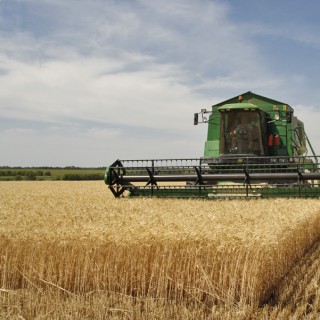
Process of gathering mature crops from the fields
POPULARITY
Categories

23 episodes with harvesting

34 episodes with harvesting

46 episodes with harvesting

21 episodes with harvesting

19 episodes with harvesting

12 episodes with harvesting

16 episodes with harvesting

8 episodes with harvesting

10 episodes with harvesting

7 episodes with harvesting

19 episodes with harvesting

8 episodes with harvesting

10 episodes with harvesting

25 episodes with harvesting

9 episodes with harvesting

6 episodes with harvesting

9 episodes with harvesting

10 episodes with harvesting

6 episodes with harvesting

12 episodes with harvesting

5 episodes with harvesting

9 episodes with harvesting

5 episodes with harvesting

7 episodes with harvesting

6 episodes with harvesting

4 episodes with harvesting

7 episodes with harvesting

8 episodes with harvesting

5 episodes with harvesting

7 episodes with harvesting

4 episodes with harvesting

4 episodes with harvesting

4 episodes with harvesting

6 episodes with harvesting

7 episodes with harvesting

4 episodes with harvesting

19 episodes with harvesting

3 episodes with harvesting

5 episodes with harvesting

6 episodes with harvesting

5 episodes with harvesting

3 episodes with harvesting

3 episodes with harvesting

4 episodes with harvesting

2 episodes with harvesting

4 episodes with harvesting

5 episodes with harvesting

4 episodes with harvesting

3 episodes with harvesting

4 episodes with harvesting

4 episodes with harvesting

6 episodes with harvesting

9 episodes with harvesting

4 episodes with harvesting

The Daily Pep! | Rebel-Rousing, Encouragement, & Inspiration for Creative & Multi-Passionate Women
To kick off this week, we've diving into seasonal living and going on the search for the things you're harvesting from this year. If you don't think there's anything to harvest, this episode is especially for you!

Grace Bible Institute 9/27/2026

Fluent Fiction - Korean: Harvesting Dreams: A Blossoming Partnership at Seoul's Festival Find the full episode transcript, vocabulary words, and more:fluentfiction.com/ko/episode/2026-09-27-07-38-19-ko Story Transcript:Ko: 서울 식물원에는 가을의 향기가 가득했다.En: The Seoul Botanical Garden was filled with the scent of autumn.Ko: 나뭇잎은 황금빛으로 물들고, 전통 음식이 넘쳐나는 가판대에서는 찬란한 명절 분위기가 무르익었다.En: The leaves were turning golden, and the food stalls overflowing with traditional dishes were steeped in a brilliant festive atmosphere.Ko: 독특한 파전 향기가 콧속을 간지럽히고, 어디선가 들려오는 한국 전통음악이 가을의 정취를 더했다.En: The unique aroma of pajeon tickled the nose, and the Korean traditional music playing somewhere added to the autumn ambiance.Ko: 이 날은 서울 식물원에서 열리는 추수 축제였다.En: This day was the Harvest Festival held at the Seoul Botanical Garden.Ko: 지호와 민서는 자원봉사로 참여하고 있었다.En: Jiho and Minseo were participating as volunteers.Ko: 지호는 식물학을 전공하는 대학생으로, 자연을 사랑하지만 사람들과의 소통에는 서툴렀다.En: Jiho, a college student majoring in botany, loved nature but was awkward in communicating with people.Ko: 반면, 민서는 열정적인 예술가로, 커뮤니티 일을 통해 사람들과 교류하길 좋아하는 활발한 성격이었다.En: On the other hand, Minseo, an enthusiastic artist, had an active personality who enjoyed engaging with people through community work.Ko: 그들은 다소 어색하게 만났다.En: They met somewhat awkwardly.Ko: 지호는 민서의 활달한 태도에 위축되었지만, 민서는 이미 웃음으로 주변을 밝히고 있었다.En: Jiho was intimidated by Minseo's lively demeanor, but Minseo was already brightening the surroundings with smiles.Ko: 지호는 조심스럽게 자신이 꿈꾸는 커뮤니티 정원 프로젝트에 대해 말했다.En: Jiho cautiously spoke of his dream community garden project.Ko: 그는 자신감이 부족해 프로젝트를 시작하는 데 어려움을 겪고 있었다.En: He was struggling to start it due to a lack of confidence.Ko: "지호 씨, 그거 정말 멋진 생각이에요!En: "Jiho 씨, that's a really great idea!"Ko: " 민서가 말하며 눈을 반짝였다.En: Minseo said, her eyes sparkling.Ko: "저는 예술로 사람들의 관심을 끄는 걸 도와줄 수 있어요.En: "I can help draw people's interest through art."Ko: "지호는 민서의 적극적인 반응에 놀랐다.En: Jiho was surprised by Minseo's enthusiastic response.Ko: 그의 프로젝트가 현실이 될 수 있다는 희망이 조금씩 자랐다.En: The hope that his project could become a reality slowly grew.Ko: 민서와 함께라면 가능할 수도 있었다.En: It might be possible with Minseo's help.Ko: 그들은 함께 계획을 세우고, 자신의 역할을 나누어 갔다.En: They started planning together and divided their roles.Ko: 축제의 그날, 지호와 민서는 참가자들 앞에 섰다.En: On the day of the festival, Jiho and Minseo stood in front of the participants.Ko: 처음에는 떨렸지만, 민서의 확신에 가득 찬 시선 덕분에 용기를 얻었다.En: At first, they were nervous, but Minseo's confident gaze gave Jiho courage.Ko: 지호는 잘 준비한 발표를 마쳤고, 민서는 아름다운 예술 작품으로 프로젝트를 시각화했다.En: Jiho finished his well-prepared presentation, and Minseo visualized the project with beautiful artworks.Ko: 관객들은 박수를 보내며 관심을 가졌다.En: The audience showed interest and applauded.Ko: 축제가 끝난 후, 많은 사람들이 그들의 프로젝트에 자원봉사와 기부를 약속했다.En: After the festival ended, many people promised to volunteer and donate to their project.Ko: 지호는 처음으로 자신의 능력에 대한 확신을 느꼈다.En: For the first time, Jiho felt confident about his abilities.Ko: 또한, 민서와의 파트너십을 통해 팀워크의 중요성을 깨달았다.En: Also, through the partnership with Minseo, he realized the importance of teamwork.Ko: 이제 지호는 더 이상 혼자가 아니었다.En: Jiho was no longer alone.Ko: 그는 자연이라는 공통된 열정 아래 한데 모인 사람들과 함께 있었다.En: He was with people united by a shared passion for nature.Ko: 그들의 커뮤니티 정원은 이제 막 싹을 틔우기 시작했지만, 그들은 함께라면 무슨 일이든 할 수 있을 것 같았다.En: Their community garden had just begun to sprout, but together, they felt they could achieve anything.Ko: 서울 식물원은 이제 단순히 가을 축제가 열리던 장소가 아니었다.En: The Seoul Botanical Garden was no longer just a place where the autumn festival was held.Ko: 그곳은 꿈과 파트너십이 피어나는 곳이 되었다.En: It had become a place where dreams and partnerships bloomed.Ko: 지호는 민서와 함께 한 걸음 더 나아가기로 결심했다.En: Jiho decided to take one more step forward with Minseo.Ko: 그들은 서로에게서 배웠고, 새로운 가능성을 열었다.En: They learned from each other and opened new possibilities.Ko: 보기 좋게 협력한 결과였다.En: It was a result of a well-coordinated collaboration. Vocabulary Words:botanical: 식물학의scent: 향기autumn: 가을golden: 황금빛의overflowing: 넘쳐나는steeped: 몰입된aroma: 향기ambiance: 분위기harvest: 추수volunteers: 자원봉사자intimidated: 위축된lively: 활달한demeanor: 태도cautiously: 조심스럽게sparkling: 반짝이는reality: 현실presentation: 발표visualized: 시각화된applauded: 박수를 보냈다confident: 자신감 있는abilities: 능력partnership: 파트너십teamwork: 팀워크sprout: 싹을 틔우다bloomed: 피어났다collaboration: 협력enthusiastic: 열정적인engaging: 교류하는confidence: 자신감coordination: 조정

Jacob Burns of the Chicago Botanic Garden looks ahead to how to harvest your fall crops.

This is the time of year for harvesting lots of foods in Italy, one of the main ones being olives (primarily for making olive oil). Continuing with the theme of talking about an experience rather than a destination, in this episode we're talking about what it's like to harvest olives and how you can do it. Harvesting olives is hard work, but if you're someone who enjoys getting their hands dirty, seeing the fruits (pun intended) of their labor, and having a big lunch after, then participating in an olive harvest might be a great experience for you! If you're someone who prefers to do a little bit of picking, but mostly wander scenic spaces and have lunch, check out our last episode as well, on harvesting grapes! The festival mentioned in this episode is called La Festa dell Olio and is in San Quirico d'Orcia from the 5th to the 8th of December in 2026 (it's an annual festival, but dates change yearly). If you have any questions about your trip or if you have tips for fellow listeners, you can join our chat on Patreon for free or contact us on onlyabag.com. Want to support the podcast? You can join our Patreon! Check out all of our tiers—free and paid—here: patreon.com/cw/theitalytravelpodcastFor articles written by us about Italy, check out our website onlyabag.com If you'd like to support us by using affiliate links, but don't have the time to hunt them down, we have put them all in one place! Head over to www.onlyabag.com/affiliate-links and you can see all of the companies we have partnerships with and you can use them to support Only A Bag (which we deeply appreciate). Thanks for listening! xDarcy and Nathaniel

All the hard work and worry you put into your vegetable garden comes to fruition in fall. In this episode, Don and John go over the basics of harvesting and storing your fall veggies. Plus, they go over some of the science behind fall colors.

Fluent Fiction - Swedish: Harvesting Courage: Linnea's Magical Festival Triumph Find the full episode transcript, vocabulary words, and more:fluentfiction.com/sv/episode/2026-09-23-07-38-19-sv Story Transcript:Sv: Det var en klar och kylig höstdag på den svenska landsbygden.En: It was a clear and chilly autumn day in the Swedish countryside.Sv: Löven på träden målade skogen i guld och rött.En: The leaves on the trees painted the forest in gold and red.Sv: Skolans gård var uppfylld av liv.En: The schoolyard was filled with life.Sv: Elever sprang runt bland bodarna som dekorerats med pumpor och flätade halmkronor.En: Students ran around among the stalls adorned with pumpkins and braided straw crowns.Sv: Den årliga skörde festivalen skulle snart börja.En: The annual harvest festival would soon begin.Sv: Mitt i detta stohej stod Linnea.En: Amidst this commotion stood Linnea.Sv: Hon var en stillsam flicka som älskade att skapa och berätta historier.En: She was a quiet girl who loved to create and tell stories.Sv: Trots sin kreativitet kände hon sig ofta osynlig bland sina klasskamrater.En: Despite her creativity, she often felt invisible among her classmates.Sv: Erik och Sofia, skolans stjärnor, hade redan överväldigande planer för festivalen.En: Erik and Sofia, the school's stars, already had overwhelming plans for the festival.Sv: Deras idéer var storslagna och fyllde Linnea med tvivel.En: Their ideas were grand and filled Linnea with doubt.Sv: Hon stod med sitt anteckningsblock och kritor, funderande.En: She stood with her notebook and crayons, pondering.Sv: "Ska jag göra något annorlunda?"En: "Should I do something different?"Sv: tänkte hon.En: she thought.Sv: Det var inte lätt att våga.En: It wasn't easy to be daring.Sv: Hon visste att hon kunde berätta magiska historier och skapa vackra saker med sina händer.En: She knew she could tell magical stories and create beautiful things with her hands.Sv: Men vad skulle de andra tänka?En: But what would the others think?Sv: Erik och Sofia surrade omkring med sina planer.En: Erik and Sofia buzzed around with their plans.Sv: De skulle sätta upp en konsert och en jättepumpa-utställning.En: They would set up a concert and a giant pumpkin exhibition.Sv: Linnea kände trycket.En: Linnea felt the pressure.Sv: "Kanske jag bara ska hjälpa dem," tänkte hon lite sorgset.En: "Maybe I should just help them," she thought a bit sadly.Sv: Dagarna gick och festivalen närmade sig.En: The days passed, and the festival approached.Sv: Linnea blundade varje kväll, tänkande.En: Linnea closed her eyes every evening, thinking.Sv: Till slut bestämde hon sig.En: Eventually, she decided.Sv: Hon skulle satsa på sitt eget bidrag.En: She would go for her own contribution.Sv: Skrämd men hoppfull, började hon arbeta på sitt projekt.En: Scared but hopeful, she began working on her project.Sv: Hon skapade små dockor av tyg, byggde en scen av trä och papper, och skrev en berättelse fylld av mystik och äventyr.En: She created small dolls out of fabric, built a stage out of wood and paper, and wrote a story filled with mysticism and adventure.Sv: När festivalens dag var här, ställde Linnea upp sitt lilla bås.En: When the day of the festival arrived, Linnea set up her little booth.Sv: Hon var nervös och hennes händer darrade, men hon log.En: She was nervous, and her hands trembled, but she smiled.Sv: Hon satte upp en skylt: "Följ med på en magisk resa."En: She put up a sign: "Join a magical journey."Sv: När hennes kamrater närmade sig med nyfikenhet i blicken, började Linnea berätta.En: When her peers approached with curiosity in their eyes, Linnea began to tell her story.Sv: Hennes berättelser fångade barnens och till och med lärarnas intresse.En: Her stories captivated both the children and even the teachers.Sv: Dockorna kom till liv i hennes händer.En: The dolls came to life in her hands.Sv: Hon skapade en värld där alla kände sig inbjudna.En: She created a world where everyone felt invited.Sv: Skrattet av barn och applåderna värmde hennes hjärta.En: The laughter of children and the applause warmed her heart.Sv: När festivalen tog slut, fylldes Linnea av stolthet.En: When the festival ended, Linnea was filled with pride.Sv: Elever och lärare kom för att tacka henne.En: Students and teachers came to thank her.Sv: Erik och Sofia, imponerade, berömde hennes mod och kreativitet.En: Erik and Sofia, impressed, praised her courage and creativity.Sv: Linnea hade vågat och lyckats.En: Linnea had dared and succeeded.Sv: Hennes röst hade inte bara hörts, den hade också berört.En: Her voice had not only been heard but had also touched others.Sv: Med nyvunnen självförtroende gick Linnea hem den kvällen.En: With newfound confidence, Linnea went home that evening.Sv: Hon visste nu att hennes talanger hade en plats i världen i all sin enkelhet och skönhet.En: She now knew that her talents had a place in the world in all their simplicity and beauty.Sv: Den svala vinden och lövens prassel på den lantliga vägen kändes som en vänlig viskning: "Våga alltid vara du."En: The cool wind and the rustling of the leaves on the country road felt like a friendly whisper: "Always dare to be you." Vocabulary Words:chilly: kyligcountryside: landsbygdadorned: dekoreratsbraided: flätadecommotion: stohejpondering: funderandedaring: vågabuzzed: surradeexhibition: utställningapproached: närmadecontribution: bidragmysticism: mystikadventure: äventyrtrembled: darradecuriosity: nyfikenhetcaptivated: fångadeapplause: applåderpride: stolthetimpressed: imponeradecourage: modcreativity: kreativitetnewfound: nyvunnenconfidence: självförtroendesimplicity: enkelhetbeauty: skönhetrustling: prasselwhisper: viskninginvisible: osynligoverwhelming: överväldigandedoubt: tvivel

Fluent Fiction - French: Harvesting Hearts and Heritage: A Tale of Renewal and Romance Find the full episode transcript, vocabulary words, and more:fluentfiction.com/fr/episode/2026-09-23-22-34-02-fr Story Transcript:Fr: Dans le doux matin d'automne, le Val de Loire resplendissait de couleurs dorées.En: In the gentle autumn morning, the Val de Loire shone with golden colors.Fr: Les vignes s'étendaient à perte de vue, comme un tableau harmonieux.En: The vineyards stretched as far as the eye could see, like a harmonious painting.Fr: Lucien, un artiste en quête de renouveau, marchait lentement le long des rangées de ceps.En: Lucien, an artist in search of renewal, walked slowly along the rows of vines.Fr: Sa vie citadine manquait de saveur; il cherchait ici une inspiration nouvelle.En: His city life lacked flavor; he was searching for new inspiration here.Fr: À l'autre bout du champ, Camille veillait sur les travailleurs avec un regard attentif.En: At the other end of the field, Camille watched over the workers with a watchful eye.Fr: Elle chérissait ce vignoble familial et redoutait pour l'avenir.En: She cherished this family vineyard and feared for its future.Fr: Perdre cette terre reviendrait à perdre une part d'elle-même.En: Losing this land would mean losing a part of herself.Fr: Émilie, sa sœur, se tenait à ses côtés, gardant un œil vigilant sur les étrangers.En: Émilie, her sister, stood by her side, keeping a vigilant eye on the strangers.Fr: Lucien s'approcha, offert comme volontaire.En: Lucien approached, offering himself as a volunteer.Fr: Camille, d'abord méfiante, hésitait à accepter l'aide d'un étranger.En: Camille, initially wary, hesitated to accept the help of a stranger.Fr: Mais les bras supplémentaires seraient utiles.En: But extra hands would be useful.Fr: Ensemble, ils commencèrent à cueillir les grappes, chaque geste étant une danse synchronisée entre tradition et modernité.En: Together, they began to pick the grapes, each movement a synchronized dance between tradition and modernity.Fr: — Tu as souvent travaillé à la vigne ?En: "Have you often worked in the vineyard?"Fr: demanda timidement Lucien.En: timidly asked Lucien.Fr: — Depuis que je sais marcher, répondit Camille avec un sourire en coin.En: "Since I could walk," replied Camille with a sly smile.Fr: Et toi, tu es artiste, non ?En: "And you, you're an artist, right?"Fr: Lucien acquiesça.En: Lucien nodded.Fr: Il expliqua son besoin de redécouvrir la beauté simple de la nature.En: He explained his need to rediscover the simple beauty of nature.Fr: Camille ne dit rien, mais elle sentit un lien inexplicable se nouer.En: Camille said nothing, but she felt an inexplicable bond forming.Fr: Quelques jours passèrent.En: A few days passed.Fr: L'ambiance dans le vignoble était à la fois solennelle et chaleureuse.En: The atmosphere in the vineyard was both solemn and warm.Fr: Puis, une nuit, le froid arriva brusquement.En: Then, one night, the cold arrived suddenly.Fr: L'alerte fut donnée : une gelée précoce menaçait la récolte.En: An alert was given: an early frost threatened the harvest.Fr: Camille paniqua.En: Camille panicked.Fr: Elle connaissait les effets dévastateurs du gel.En: She knew the devastating effects of frost.Fr: Lucien proposa une idée : utiliser des bougies pour réchauffer les rangées de vignes.En: Lucien proposed an idea: to use candles to warm the rows of vines.Fr: D'abord sceptique, Camille finit par accepter.En: Initially skeptical, Camille eventually agreed.Fr: Ils travaillèrent ensemble toute la nuit, disposant les bougies, veillant à leur protection.En: They worked together all night, setting up the candles, ensuring their protection.Fr: Émilie, bien que réservée, finit par prêter main forte, impressionnée par la détermination de Lucien.En: Émilie, though reserved, eventually lent a hand, impressed by Lucien's determination.Fr: Au petit matin, les premiers rayons du soleil révélèrent le résultat de leur effort acharné.En: At daybreak, the first rays of the sun revealed the result of their hard effort.Fr: La majorité des vignes étaient sauvées.En: The majority of the vines were saved.Fr: Camille, émue, se tourna vers Lucien.En: Camille, moved, turned to Lucien.Fr: — Merci, murmura-t-elle.En: "Thank you," she murmured.Fr: Lucien hocha la tête, épuisé mais satisfait.En: Lucien nodded, exhausted but satisfied.Fr: En regardant les champs lumineux, il comprit que ces traditions anciennes avaient ravivé son art.En: Looking at the bright fields, he understood that these ancient traditions had revived his art.Fr: Il avait trouvé une nouvelle perspective, tout comme Camille avait découvert la force de l'innovation.En: He had found a new perspective, just as Camille had discovered the power of innovation.Fr: Leur relation évolua, d'abord par la reconnaissance et l'admiration, puis par une affection sincère.En: Their relationship evolved, first through recognition and admiration, then through sincere affection.Fr: Ensemble, ils comprirent que respecter le passé et accueillir le changement était le véritable secret pour faire fleurir leur avenir.En: Together, they realized that respecting the past and embracing change was the true secret to flourishing their future.Fr: Ainsi, sous le ciel clair du Val de Loire, un nouvel amour naquit, comme les vendanges annonciatrices d'une promesse prospère.En: Thus, under the clear sky of the Val de Loire, a new love was born, like the harvest foreshadowing a prosperous promise. Vocabulary Words:the vineyard: le vignoblethe renewal: le renouveauto stretch: s'étendrevigorous: soutenuethe rows of vines: les rangées de cepsto lack: manquerthe bond: le liento pick: cueillirto save: sauverthe dawn: l'aubethreatening: menaçantthe frost: la geléethe worker: le travailleurthe harvest: la récoltethe candle: la bougieto rekindle: raviverto discover: découvrirexhausted: épuiséthe determination: la déterminationthe affection: l'affectionto evolve: évoluerthe inspiration: l'inspirationthe tradition: la traditionto threaten: menacerto cherish: chérirthe watchful eye: le regard attentifreserved: réservéethe art: l'artto propose: proposerthe perspective: la perspective

Walcott, ND grower Matt Swenson says he had some sclerotinia, but no insect issues this year. Weather in his area has been hot and dry. He says his sunflowers will be below average. He hopes to start harvesting the end of the month. National Sunflower AssociationSee omnystudio.com/listener for privacy information.

Today's Let's Talk Dallas County program features Marketing Manager Sarah Wood, with Iowa State University Extension and Outreach Dallas County, as she discusses an upcoming Harvesting and Preserving Your Garden program, Commercial Applicators Continuing Instruction Courses and

Did Ayn Rand Plant the Ideological Seed That Trumpism Is Harvesting Today?See Privacy Policy at https://art19.com/privacy and California Privacy Notice at https://art19.com/privacy#do-not-sell-my-info.

In this week's episode, Tena discusses the connection between the Nolan Wells case and RZA's film One Spoon of Chocolate. Nothing is coincidental; the powers that be love to use fictional works as facts. Art does not imitate life; it exposes it.Tune in to this thought-provoking episode of the Realist and the Visionary Podcast and join the conversation about the realities we face in today's world. Become a supporter of this podcast: https://www.spreaker.com/podcast/the-realist-the-visionary--3304218/support.Check out our website:https://www.therealistthevisionary.comBecome a supporter of this podcast: https://www.spreaker.com/podcast/the-realist-the-visionary--3304218/support.Follow us on IGFollow Us on TikTok

Revelation 14:13-20 Geoff Brown September 20, 2026
Grace Bible Institute 9/20/2026

The Northern Shenandoah Valley Master Gardener Association is bringing back its fall symposium after a pandemic-era hiatus — and this year it comes with a theme, a full slate of local experts, and a challenge for every gardener in the room. Janet talks with Candace DeLong, Frederick County's Virginia Cooperative Extension agent, and Chris Jorgensen, president of the NSV Master Gardener Association, about what's in store on November 14 at Laurel Ridge Community College. This year's theme, "Planting Seeds, Harvesting Change," has speakers covering everything from gardening for birds to backyard meadows to the bugs in your beds — and each one is sending attendees home with a concrete action item. Janet, Candace, and Chris also dig into what the symposium's ticket sales actually fund, from seed lending libraries to children's garden programs, and preview the 2027 Master Gardener training class for anyone thinking about getting more involved. It's equal parts education and pep talk for anyone who's ever wondered why their garden isn't quite working yet. Event Details Fall Gardening Symposium — "Planting Seeds, Harvesting Change" Date: Saturday, November 14 Location: Laurel Ridge Community College, Middletown campus — Corron Community Development Center Doors: 8:00 AM (breakfast items available) | Sessions: 9:00 AM – 4:00 PM Cost: $65 per ticket, includes breakfast, snacks, and a pre-orderable boxed lunch (Panera; gluten-free/vegan options available) Incentive: Free coffee mug for the first 50 registrants Registration: nsvmga.org, or via NSVMGA's Facebook page (search "Northern Shenandoah Valley Master Gardener Association") 2027 Extension Master Gardener Class Info session: Tuesday, October 12, 6:00 PM, Shenandoah County Extension office (Woodstock) Class runs Feb. 15 – May 12, Monday and Wednesday nights, 6:00–9:00 PM, at the Shenandoah County Extension office Space limited to about 20 people; registration open now at nsvmga.org ("Join Us" tab) THE VALLEY TODAY with Janet Michael — A decade of conversations. New podcast episodes drop weekdays at 11 AM. Catch the show on The River 95.3 and Fox Sports 1450 AM weekdays just after noon. Subscribe and listen at thevalleytodaypodcast.com — available on Apple Podcasts, Spotify, and wherever you get your podcasts. If you enjoy the show, please take a moment to leave a rating or review — it helps more listeners find us. Connect with us: Facebook — facebook.com/ValleyTodayFanPage Instagram — instagram.com/thevalleytoday

Fluent Fiction - Spanish: Harvesting Harmony: Blending Tradition and Innovation in Coffee Find the full episode transcript, vocabulary words, and more:fluentfiction.com/es/episode/2026-09-18-07-38-19-es Story Transcript:Es: El sol brillaba en las colinas verdes de la finca de café en Colombia.En: The sun shone on the green hills of the coffee farm in Colombia.Es: El aire era fresco, y el aroma de las flores de café llenaba cada rincón.En: The air was fresh, and the aroma of the coffee blossoms filled every corner.Es: Los trabajadores caminaban entre las plantas con un ritmo constante, charlando y riendo bajo el cielo azul.En: The workers walked among the plants with a steady rhythm, chatting and laughing under the blue sky.Es: Lucía observaba todo desde una esquina de la plantación.En: Lucía watched everything from a corner of the plantation.Es: Era su primer año colaborando en la dirección del cultivo, y tenía muchas ideas para mejorar la cosecha.En: It was her first year collaborating in the management of the cultivation, and she had many ideas to improve the harvest.Es: Ella quería demostrar que sus métodos modernos podían aumentar la eficiencia sin perder la calidad del café.En: She wanted to prove that her modern methods could increase efficiency without losing the quality of the coffee.Es: Sin embargo, sabía que convencer a Santiago no sería fácil.En: However, she knew convincing Santiago wouldn't be easy.Es: Santiago era un hombre de mucha experiencia, respetado por todos.En: Santiago was a very experienced man, respected by all.Es: Conocía cada rincón de la finca y cada trazo del trabajo como la palma de su mano.En: He knew every corner of the farm and every aspect of the work like the back of his hand.Es: Para él, la tradición era esencial.En: For him, tradition was essential.Es: Siempre había sido así, y él estaba convencido de que debía seguir siendo así.En: It had always been this way, and he was convinced it should continue that way.Es: Mariana, amiga y confidente de Lucía, se le acercó mientras un grupo de trabajadores pasaba con sacos llenos de granos maduros.En: Mariana, a friend and confidant of Lucía, approached her while a group of workers passed by with sacks full of ripe beans.Es: "No te desanimes, Lucía," dijo Mariana en voz baja.En: "Don't get discouraged, Lucía," said Mariana in a low voice.Es: "Solo necesitas demostrarle a Santiago que tus ideas funcionan."En: "You just need to show Santiago that your ideas work."Es: Lucía asintió, determinante.En: Lucía nodded, determined.Es: Decidió reunir a todos para hablar de sus propuestas al día siguiente.En: She decided to gather everyone to talk about her proposals the next day.Es: En la reunión, Lucía explicó cómo los nuevos métodos podían ahorrar tiempo y esfuerzo.En: In the meeting, Lucía explained how the new methods could save time and effort.Es: Pero antes de que pudiera terminar, Santiago intervino.En: But before she could finish, Santiago intervened.Es: "Esos cambios no son necesarios," dijo con voz firme.En: "Those changes aren't necessary," he said firmly.Es: "El café ha sido excelente durante generaciones sin ellos."En: "The coffee has been excellent for generations without them."Es: Lucía escuchó, respetuosa.En: Lucía listened, respectfully.Es: Aún así, estaba convencida de su plan.En: Even so, she was convinced of her plan.Es: Propuso una solución: implementar sus métodos en una pequeña parte de la finca como prueba.En: She proposed a solution: to implement her methods in a small part of the farm as a test.Es: Durante la cosecha, los trabajadores siguieron las indicaciones de Lucía en el área de prueba.En: During the harvest, the workers followed Lucía's instructions in the test area.Es: Santiago los observaba, incrédulo pero curioso.En: Santiago watched them, incredulous but curious.Es: Los días pasaron, y, para sorpresa de todos, la técnica de Lucía no solo fue eficiente sino que el café cosechado era de excelente calidad y se recolectó más rápido.En: Days passed, and to everyone's surprise, Lucía's technique was not only efficient but the harvested coffee was of excellent quality and was collected faster.Es: Finalmente, Santiago se acercó a Lucía.En: Finally, Santiago approached Lucía.Es: Con una mirada pensativa dijo: "Tus ideas han dado resultado.En: With a thoughtful look, he said, "Your ideas have worked.Es: Quizás podemos combinar lo nuevo con lo tradicional."En: Maybe we can combine the new with the traditional."Es: Lucía sonrió, agradecida.En: Lucía smiled, grateful.Es: "Gracias, Santiago.En: "Thank you, Santiago.Es: Valoro mucho tu experiencia, y creo que juntos podemos hacer un gran equipo."En: I greatly value your experience, and I believe together we can make a great team."Es: Desde entonces, en la finca, tradición e innovación caminaron de la mano.En: From then on, at the farm, tradition and innovation walked hand in hand.Es: Lucía ganó el respeto de todos, y Santiago aprendió que siempre hay espacio para nuevos conocimientos.En: Lucía gained the respect of everyone, and Santiago learned that there is always room for new knowledge.Es: Juntos, transformaron la cosecha en un símbolo de unidad y adaptación.En: Together, they transformed the harvest into a symbol of unity and adaptation.Es: El café que produjeron tenía el sabor de la tradición y la frescura de la innovación, y el aroma de las flores de café continuó siendo el alma del lugar.En: The coffee they produced had the flavor of tradition and the freshness of innovation, and the aroma of the coffee flowers continued to be the soul of the place. Vocabulary Words:the blossom: la florthe worker: el trabajadorthe plantation: la plantaciónthe collaboration: la colaboraciónthe cultivation: el cultivothe harvest: la cosechathe method: el métodothe efficiency: la eficienciathe tradition: la tradiciónthe confidant: el confidentethe sack: el sacoripe: madurothe proposal: la propuestathe firm voice: la voz firmethe solution: la soluciónthe instruction: la indicaciónincredulous: incrédulothoughtful: pensativorespectful: respetuosodetermined: determinanteefficient: eficienteto save time: ahorrar tiempoto convince: convencerthe respect: el respetothe unity: la unidadthe adaptation: la adaptacióninnovation: la innovaciónthe aroma: el aromato collaborate: colaborarthe rhythm: el ritmo

Fluent Fiction - Serbian: Harvesting Tradition: An Autumn Tale of Innovation & Legacy Find the full episode transcript, vocabulary words, and more:fluentfiction.com/sr/episode/2026-09-16-22-34-02-sr Story Transcript:Sr: Јесење лишће шуштало је под ногама, а виноград Вукове породице ширио се дуж брежуљака, са редовима препуним грожђа које се преливало бојама злата и кестена.En: The autumn leaves rustled underfoot, and Vuk's family's vineyard stretched along the hills, with rows full of grapes shimmering in shades of gold and chestnut.Sr: Свако грожђа представљало је напоран рад и посвећеност његове породице кроз генерације.En: Each grape represented the hard work and dedication of his family through generations.Sr: Вук је поранио.En: Vuk had risen early.Sr: Прошетао је кроз виноград, прелазећи прстима преко зрелих плодова.En: He walked through the vineyard, running his fingers over the ripe fruits.Sr: Осећао је и понос и одговорност.En: He felt both pride and responsibility.Sr: Данас је дан за бербу.En: Today was the harvest day.Sr: Његов циљ је био јасан: успешна берба која ће доказивати његову способност да одржи породичну традицију.En: His goal was clear: a successful harvest that would prove his ability to uphold the family tradition.Sr: Милена је седела недалеко испод старог храста.En: Milena was sitting not far away under an old oak.Sr: Посматрала је виноград али њене мисли су одлетеле далеко од њега.En: She watched the vineyard, but her thoughts drifted far from it.Sr: Сања о путовањима и новим хоризонтима, али истовремено жели да помогне Вуку и обнови виноград модерним методама које је недавно истраживала.En: She dreamed of travels and new horizons, yet simultaneously wanted to help Vuk and renew the vineyard with modern methods she had recently researched.Sr: "Милена," позва је Вук.En: "Milena," Vuk called out.Sr: "Спремна за бербу?En: "Ready for the harvest?"Sr: ""Наравно," одговорила је с осмехом, иако је знала колико он жели да се држи традиционалних начина.En: "Of course," she replied with a smile, even though she knew how much he wanted to stick to traditional ways.Sr: "Можемо пробати нешто ново, да брже завршимо.En: "We could try something new to finish faster."Sr: ""Не овога пута," одвратио је Вук, љубазно, али одлучно.En: "Not this time," Vuk replied, kindly but firmly.Sr: "Мој деда и отац су радили овако.En: "My grandfather and father did it this way.Sr: Биће добро.En: It will be fine."Sr: "Нису знали да ће се облаци брзо скупити изнад винограда.En: They didn't know that clouds would quickly gather over the vineyard.Sr: Касно поподне, док је ветар постајао бржи и тмурно небо претило невременом, Вук је почео да брине.En: Late afternoon, as the wind picked up and the gloomy sky threatened a storm, Vuk began to worry.Sr: Морали су спасити грожђе пре кише.En: They had to save the grapes before the rain.Sr: "Вуче," викала је Милена кроз заглушујући звук ветра, "Имам начин да брзо спасимо део винограда.En: "Vuk," Milena shouted through the deafening sound of the wind, "I have a way to quickly save part of the vineyard."Sr: "Вук се двоумио.En: Vuk hesitated.Sr: Сећао се шта је рекла раније.En: He remembered what she had said earlier.Sr: Милена је понудила своје идеје.En: Milena offered her ideas.Sr: Неохотно, али свестан опасности, пристао је да покуша.En: Reluctantly, but aware of the danger, he agreed to try.Sr: Милена је увела неке замишљене технике, користећи лаке машине и иновације које су омогућиле бржи рад.En: Milena introduced some imaginative techniques, using lightweight machines and innovations that allowed faster work.Sr: Искусили су снагу њених предлога када су успели сачувати већи део грожђа, иако је киша већ почела да капље.En: They experienced the strength of her suggestions when they managed to save most of the grapes, even as the rain began to fall.Sr: Кад су облаци излили свој садржај, Вук је стајао уз Милену.En: When the clouds poured out their contents, Vuk stood beside Milena.Sr: "Имала си право.En: "You were right.Sr: Хвала што си била упорна," рекао је са поштовањем.En: Thank you for being persistent," he said with respect.Sr: Признао је да је време да се отвори за нове идеје и да увек треба слушати оне који желе најбоље за виноград.En: He acknowledged that it was time to open up to new ideas and that he should always listen to those who want the best for the vineyard.Sr: Милена је осетила топлину и повезаност са породицом.En: Milena felt warmth and a connection with the family.Sr: Постала је самоуверенија и знала је да може спојити своје снове са љубављу према овом месту.En: She became more confident and knew she could merge her dreams with her love for this place.Sr: Док се вечерње сунце пробило кроз облаке, пружајући топли сјај над већ спашеним грожђем, обоје су знали да су направили корак напред, у боље сутра за виноград и све који га цене.En: As the evening sun broke through the clouds, casting a warm glow over the already saved grapes, both knew they had taken a step forward, towards a better future for the vineyard and everyone who cherishes it. Vocabulary Words:rustled: шушталоunderfoot: под ногамаvineyard: виноградstretched: ширио сеshimmering: преливалоgenerations: генерацијеripe: зрелихuphold: одржиdrifted: одлетелеhorizons: хоризонтиrenew: обновиresearched: истраживалаfirmly: одлучноgather: скупитиthreatened: претилоpersistent: упорнаacknowledged: признаоmerge: спојитиwarm glow: топли сјајdeafening: заглушујућиhesitated: двоумиоreluctantly: неохотноaware: свестанimaginative: замишљенеlightweight: лакеinnovations: иновацијеsuggestions: предлогаcontents: садржајconfidence: самоуверенијаcherishes: цени

The end of the year will be here before you know it. What financial moves should you make now instead of waiting until December? Lance Roberts and Jon Penn look at 10 important year-end financial planning decisions to consider before December 31, including tax planning, Roth conversions, required minimum distributions (RMDs), qualified charitable distributions (QCDs), retirement plan contributions, and charitable giving. 0:00 INTRO 1:02 - The Challenge in the Markets 2:22 - Will Warsh Hike Rates...or not? 3:19 - Markets Struggle through Narrow Trading Range 4:31 - If the Markets Stay Flat...? 8:47 - Preparing for Q4 (Halloween & Christmas) 12:32 - Gold, Silver, & Precious Metals as Inflation Hedge? (Why to earn certain assets) 14:24 - Figuring out the equity allocation puzzle 19:26 - ...when we're 64. 20:45 - 20% is not enough for equity exposure 23:33 - Diversity Assets AND Account Types 25:20 - Turn off the noise; the problem with being pessimistic 27:31 - Know What You Own 29:40 - What to Focus on Between Now & EOY 30:55 - How to Prepare for Santa Cause Rally (Tax-loss Harvesting) 32:21 - Wash Rules & ETF's 33:58 - Charitable Contributions & Donor Advised Funds 35:16 - Does Roth Conversion Make Sense Now? 36:00 - How to Handle Required Minimum Distributions this year 36:40 - Qualitied Charitable Distributions 39:30 - Maxing Out Contributions to IRA's (Get the free money) 42:54 - Portfolio Allocation, Risk Tolerances, & Large Expenditures: Cash on hand? 46:07 - Reviewing Beneficiary Designations Hosted by RIA Advisors' Chief Investment Strategist, Lance Roberts, CIO, w Senior Investment Advisor, Jonathan Penn, CFP Produced by Brent Clanton, Executive Producer ------- Do you enjoy our content? Rate us on Google: https://bit.ly/4b9JtEo ------- Watch today's Before the Bell report, "Is AI Spending Really Slowing?" https://youtu.be/sSQVKetdR2g ------- Watch Today's Full Video on our YouTube Channel: https://youtube.com/live/cSHoYh0sR70 -------- Watch our previous show, "Is This Time Different for Stocks?" https://youtube.com/live/GNSmdq5nH2o ------- Get more info & commentary: https://realinvestmentadvice.com/insights/real-investment-daily/ ------- * REGISTER for our next in-person Retirement Income Workshop, "Saturday, September 19, 2026: https://tracking.realinvestmentadvice.com/l/1052953/2026-06-17/2kkcz --- Visit our Site: https://www.realinvestmentadvice.com Contact Us: 1-855-RIA-PLAN --- Subscribe to SimpleVisor : https://www.simplevisor.com/register-new --- Connect with us on social: https://twitter.com/RealInvAdvice https://twitter.com/LanceRoberts https://www.facebook.com/RealInvestmentAdvice/ https://www.linkedin.com/in/realinvestmentadvice/ #StockMarket #AIStocks #MarketOutlook #Investing #TechnologyStocks #FinancialPlanning #RetirementPlanning #TaxPlanning #RothConversion #YearEndPlanning

The end of the year will be here before you know it. What financial moves should you make now instead of waiting until December? Lance Roberts and Jon Penn look at 10 important year-end financial planning decisions to consider before December 31, including tax planning, Roth conversions, required minimum distributions (RMDs), qualified charitable distributions (QCDs), retirement plan contributions, and charitable giving. 0:00 INTRO 1:02 - The Challenge in the Markets 2:22 - Will Warsh Hike Rates...or not? 3:19 - Markets Struggle through Narrow Trading Range 4:31 - If the Markets Stay Flat...? 8:47 - Preparing for Q4 (Halloween & Christmas) 12:32 - Gold, Silver, & Precious Metals as Inflation Hedge? (Why to earn certain assets) 14:24 - Figuring out the equity allocation puzzle 19:26 - ...when we're 64. 20:45 - 20% is not enough for equity exposure 23:33 - Diversity Assets AND Account Types 25:20 - Turn off the noise; the problem with being pessimistic 27:31 - Know What You Own 29:40 - What to Focus on Between Now & EOY 30:55 - How to Prepare for Santa Cause Rally (Tax-loss Harvesting) 32:21 - Wash Rules & ETF's 33:58 - Charitable Contributions & Donor Advised Funds 35:16 - Does Roth Conversion Make Sense Now? 36:00 - How to Handle Required Minimum Distributions this year 36:40 - Qualitied Charitable Distributions 39:30 - Maxing Out Contributions to IRA's (Get the free money) 42:54 - Portfolio Allocation, Risk Tolerances, & Large Expenditures: Cash on hand? 46:07 - Reviewing Beneficiary Designations Hosted by RIA Advisors' Chief Investment Strategist, Lance Roberts, CIO, w Senior Investment Advisor, Jonathan Penn, CFP Produced by Brent Clanton, Executive Producer ------- Do you enjoy our content? Rate us on Google: https://bit.ly/4b9JtEo ------- Watch today's Before the Bell report, "Is AI Spending Really Slowing?" https://youtu.be/sSQVKetdR2g ------- Watch Today's Full Video on our YouTube Channel: https://youtube.com/live/cSHoYh0sR70 -------- Watch our previous show, "Is This Time Different for Stocks?" https://youtube.com/live/GNSmdq5nH2o ------- Get more info & commentary: https://realinvestmentadvice.com/insights/real-investment-daily/ ------- * REGISTER for our next in-person Retirement Income Workshop, "Saturday, September 19, 2026: https://tracking.realinvestmentadvice.com/l/1052953/2026-06-17/2kkcz --- Visit our Site: https://www.realinvestmentadvice.com Contact Us: 1-855-RIA-PLAN --- Subscribe to SimpleVisor : https://www.simplevisor.com/register-new --- Connect with us on social: https://twitter.com/RealInvAdvice https://twitter.com/LanceRoberts https://www.facebook.com/RealInvestmentAdvice/ https://www.linkedin.com/in/realinvestmentadvice/ #StockMarket #AIStocks #MarketOutlook #Investing #TechnologyStocks #FinancialPlanning #RetirementPlanning #TaxPlanning #RothConversion #YearEndPlanning

We all know the value of capturing our farmers' and vendors' stories to strengthen connections between our markets and our communities. Megan Lovely took things in another direction when she set up a table at the 32nd Street Farmers Market in Baltimore, Maryland for more than a year and asked shoppers to tell their stories. She captured that experience in her book, Story Seeds: Growing Home at the Farmers Market. Join us for this episode as she shares: The strong value of farmers' markets' "weak ties" Creating and recognizing Third Places Realizing stories are made of small moments Learning from a shoppers' view of your market How to gather your market community's stories Buy the book Story Seeds: Recipes for Community at recipesforcommunity.com SAVE THE DATE: January 20th to 23rd, 2027 at our first East Coast conference, as we host the Farmers Market Forum sessions at the 28th annual Future Harvest Conference in Silver Spring, Maryland. Registration opens in late October.

Brought to you by the English Programme. Featuring news, politics, popular culture, celebrity trivia, quizzes, book readings, and a whole host of fun.Support Our Rescue Cats | Our Blog | Get New Episodes By Email | Rumble | X | YouTube | NewsK365 on Spreaker | Get New Blog Posts By Email | Throne Wishlist |

Brought to you by the English Programme. Featuring news, politics, popular culture, celebrity trivia, quizzes, book readings, and a whole host of fun.Support Our Rescue Cats | Our Blog | Get New Episodes By Email | Rumble | X | YouTube | NewsK365 on Spreaker | Get New Blog Posts By Email | Throne Wishlist |

Brought to you by the English Programme. Featuring news, politics, popular culture, celebrity trivia, quizzes, book readings, and a whole host of fun.Support Our Rescue Cats | Our Blog | Get New Episodes By Email | Rumble | X | YouTube | NewsK365 on Spreaker | Get New Blog Posts By Email | Throne Wishlist |

Brought to you by the English Programme. Featuring news, politics, popular culture, celebrity trivia, quizzes, book readings, and a whole host of fun.Support Our Rescue Cats | Our Blog | Get New Episodes By Email | Rumble | X | YouTube | NewsK365 on Spreaker | Get New Blog Posts By Email | Throne Wishlist |
Grace Bible Institute 9/13/2026
Grace Bible Institute 9/6/2026

Episode 5635: Dems Plan To Cheat By Mail And Harvesting Foreign Votes

The work that builds wealth is usually not exciting.It is repetitive.In this episode of The Level Up Podcast, Paul Alex breaks down why consistent execution, strong systems, and boring routines often create more long-term value than constantly chasing new ideas.Starting something new feels exciting.Repeating the same proven process for the thousandth time does not.But that repetition is where efficiency, predictability, and stronger profit margins are built.In this episode, you'll learn:• Why constantly chasing new ideas can create operational chaos• How standard operating procedures improve consistency and scalability• Why repetitive sales, follow-up, and KPI tracking drive long-term results• How disciplined execution compounds into stronger business performance over timeThe truth is simple:You do not need a new strategy every week.You need to execute the right strategy consistently.Make the calls.Track the numbers.Follow up.Improve the system.Then repeat it long enough for the results to compound.The boring work builds the foundation.The foundation creates the freedom.Master the routine.Collect the discipline dividend.Your Network is your NETWORTH!Make sure to add me on all SOCIAL MEDIA PLATFORMS:Instagram: https://jo.my/paulalex2024Facebook: https://jo.my/fbpaulalex2024YouTube: https://www.youtube.com/channel/UCGhDAD1JyGGzSQUPD9lc9HQLinkedIn: https://jo.my/inpaulalex2024Looking for a secondary source of income or want to become an entrepreneur? Check out one of my companies below to see if we can help you:www.CashSwipe.comFREE Copy of my book “Blue to Digital Gold - The New American Dream”www.officialPaulAlex.com

Explore the ecological history of food with chef and author Joseph Ogilvy.Ogilvy has just penned a new book titled "Tin Can Coast: A History of Industry, Greed, and Fishing in the Golden State."

It's the middle of summer, and I want you thinking about garlic. Not because it's time to plant, but because if you wait until it's time to plant, the good seed garlic may already be gone! In this episode, I'm breaking down the real difference between hardneck and softneck garlic: the cold-exposure requirement called vernalization that decides which type will bulb properly in your garden, how clove structure and storage life differ between the two, and how to match your choice to your specific climate. I'll also cover why garlic bought at the grocery store is a gamble, what certified disease-free seed garlic protects you from, how much seed to order for the bed you're planting, and exactly what to do in your garden bed this month to set yourself up for a strong harvest next summer. Whether you've grown garlic for years or you're planting your first clove this fall, this episode will get your ordering and your bed prep sorted before the window closes. Let's dig in! Episode References: Episode 302 — Mulch Matchmaking (winter mulch materials and application for newly planted garlic beds): https://justgrowsomethingpodcast.com/episode/mulch-matchmaking-choosing-the-right-mulch-for-your-vegetable-garden-ep-302 All the garlic episodes: https://justgrowsomethingpodcast.com/search/garlic Resources: University of Georgia Cooperative Extension — Garlic Production for the Gardener (Circular 854): caes.uga.edu/publications/C854/garlic-production-for-the-gardener University of Minnesota Extension — Growing Garlic in Home Gardens: umn.edu/vegetables/growing-garlic University of Missouri Extension — Fall Is a Good Time to Plant Garlic: missouri.edu/news/fall-is-a-good-time-to-plant-garlic Lincoln University of Missouri Cooperative Extension — Garlic Production in Missouri: edu/publications/garlic-production-in-missouri.html Utah State University Extension — How to Grow Garlic in Your Garden: usu.edu/yardandgarden/research/garlic-in-the-garden Oregon State University Extension — Get Your Garlic On: A Primer on Planting, Growing and Harvesting: oregonstate.edu/news/get-your-garlic-primer-planting-growing-harvesting Cornell Cooperative Extension, Warren County — Garlic: cce.cornell.edu/gardening-landscape/warren-county-master-gardener-articles/garlic Penn State Extension — Garlic Production: psu.edu/garlic-production University of California Agriculture and Natural Resources (Contra Costa Master Gardeners) — Garlic, Love It or Leave It: edu/blog/hort-coco-uc-master-gardener-program-contra-costa/article/garlic-love-it-or-leave-it Just Grow Something: https://justgrowsomething.com Gardening Courses: https://justgrowsomething.com/courses Just Grow Something Merch and Downloads: https://justgrowsomething.com/shop Just Grow Something Gardening Friends Facebook Group: https://www.facebook.com/share/g/18YgHveF5P/ Check out how you can become a patron on Patreon: https://www.patreon.com/JustGrowSomething Feed my coffee habit: https://buymeacoffee.com/justgrowsomething Amazon storefront: https://www.amazon.com/shop/justgrowsomething Hosted by Simplecast, an AdsWizz company. See pcm.adswizz.com for information about our collection and use of personal data for advertising.

The layer just beneath the skin does more to shape a youthful face than most people expect. Dr. Lawrence Bass and Dr. Jason Bloom explain where facial volume actually comes from and the areas fat commonly gets added: cheeks, nasolabial folds, lips, temples, the jawline, and the tear trough under the eyes. Volume loss, not just loose skin, reshapes a face over time. Harvesting and processing get equal attention: gentler cannulas, tumescent fluid, and a closed membrane system that purifies fat to roughly 97% while keeping its growth factors and stem cells intact. Dr. Bloom explains why sizing fat particles between 700 and 1500 microns prevents lumps, especially around the eyes. They cover the real risks, with vascular occlusion and vision loss chief among them, and why taking fat out of the neck can sometimes make it look worse, depending on whether the fullness sits above or below the platysma muscle. Their shared takeaway: survival, not volume, decides the outcome. Even a well-processed graft only takes about 50 to 70%, so planning for that loss is what makes results look natural months later. About Dr. Jason Bloom Dr. Jason Bloom is a facial plastic surgeon in Bryn Mawr, Pennsylvania, and co-director of the Facial Plastic Surgery Fellowship at the University of Pennsylvania. He speaks nationally and internationally on fat grafting and processing techniques, and roughly 80% of his facial rejuvenation surgeries pair periocular surgery with fat grafting. To learn more, visit the Bloom Facial Plastics website or follow Dr. Bloom on Instagram @bloom.facial.plastics

Brian Kelley has spent twenty years listening to the sun. Then it starts sounding alive.At Solstice, an isolated Antarctic observatory, the chronically sleepless helioseismologist receives the first data from a probe skimming the solar corona. The acoustic maps should confirm what physics already knows. Instead they reveal internal boundaries, rhythmic contractions, and a structure that looks disturbingly biological.Hours later, a colossal solar flare strikes. Every person at the station loses the same few seconds. Across the equator, hospitals report mass drowsiness. Then Brian's crewmates begin turning toward the light, smiling as if nothing in the world could be wrong.With communications failing and the sun itself changing shape, Brian has one advantage no one else does: a body that has never learned to sleep properly. The condition that ruined his life may be the only reason he can still look away.To survive, he must trust impossible data, descend beneath millions of years of Antarctic ice, and discover what humanity's oldest biological rhythms were really built for.

See omnystudio.com/listener for privacy information.

D&D and RPG news and commentary by Mike Shea of https://slyflourish.com Contents 00:00:00 Show Start 00:01:15 Sly Flourish News: Moving Steps Forward, Improvising Daggerheart Monsters and Encounters 00:04:43 Sly Flourish News: Pre-Orders for Rise of the Lazy Gamemaster 00:07:09 Sly Flourish News: Attendance at PAGE4 and Gamehole Con 00:08:17 Patreon Spotlight: Talk Show and Patreon Q&A Database 00:11:28 Kickstarter Spotlight: Hellbinder's Guide to Harvesting and Crafting for Shadowdark 00:14:51 D&D & RPG News: Interview with Free League's CEO on Mastering Dungeons 00:17:20 Commentary: Elmcat on the larger RPG Punditry getting In the way of our games 00:27:09 Commentary: Blorb, RPGs, and You 00:48:11 DM Tip: Getting Ideas 00:59:38 Patreon Question: Managing Mid- and High-Level D&D Challenge Links Visit Sly Flourish Subscribe to the Sly Flourish Newsletter Support Sly Flourish on Patreon Buy Sly Flourish Books Subscribe to the Sly Flourish RSS Feed Move Steps Forward Lazy Improvised Monsters for Daggerheart Preorders for Rise Open Philadelphia Area Game Expo 4 Gamehole Con Hellbinder's Guide to Harvesting & Crafting for ShadowDark by Jeff Stevens Tomas Härenstam of Free League on Mastering Dungeons Elmcat on RPG Punditry and the Games We Play Blorb Principles by by Sandra Snan It ain't blorb by elmcat

What if your garden could double as a living pharmacy? In this episode, I'm talking to gardener, chef and herbalism practitioner Vanessa Minton about growing medicinal herbs, using them in everyday life, and understanding both the benefits and limitations of herbal remedies. Benny's Insect of the Week: Toadflax Brocade Moth Links From The Garden – Linktree How to Grow Medicinal Herbs: An Illustrated Beginner's Guide to Growing, Harvesting, and Making Herbal Remedies at Home - Vanessa Minton Please support the podcast on Patreon As featured in the Feedspot Top 100 Horticulture Podcasts And follow Roots and All: On Instagram @rootsandallpod On Facebook @rootsandalluk On LinkedIn @rootsandall If you enjoyed this week's episode with Vanessa, you might also enjoy these episodes from the archives: Episode 270: Herbology This episode explores the long history of using plants to make remedies and therapeutic preparations, and the growing interest in reconnecting with traditional herbal knowledge. It's a natural companion to Vanessa's discussion of medicinal herbs and the garden as a source of plant medicine. Episode 96: Sensory Herbalism with Karen Lawton Karen Lawton talks about developing a deeper connection with medicinal plants through observation, sensory awareness and herbal practice. It's a lovely companion to Vanessa's discussion of bringing herbs into everyday life and getting to know the plants we grow.

Harvesting the Desperate | John 4:46-54 by Osterville Baptist Church
Grace Bible Institute 8302026

Kevin Hawkins is a bowyer based in North Carolina and moderator and owner of the Primitive Archer Forum. He recently took over the Forum from the founders to preserve the community that has given so much to him as a bowyer and plans to maintain and update it so it can continue to be a valuable resource to bowyers.Please enjoy this episode of Project Quiver on Salish Wolf with Kevin Hawkins. Episode Links: https://www.facebook.com/primitivearchermagazinehttps://www.primitivearcher.com/Project Quiver at Anchor Point ExpeditionsSummaryIn this episode, Kevin shares his journey from carving his first bow out of a sapling in Oklahoma to becoming a renowned bowyer specializing in Osage. We explore his techniques, flight shooting records, and the passion that keeps him crafting bows in his workshop. In this episode, Kevin shares his innovative approach to bow making, including how he minimizes set and maximizes performance through scientific principles and practical techniques. Todd and Kevin also discuss the importance of community, preservation of craft, and future projects like the Primitive Archer forum and a groundbreaking book on bowyers worldwide.Show Notes:Kevin's background and journey into bow makingTechniques for carving and shaping Osage orange bowsHis experience with flight shooting recordsThe importance of craftsmanship and materials in bow makingThe role of tradition and innovation in archery Kevin's method for achieving perfect tiller and no-set bowsThe role of surface area and density in bow performanceUse of a custom bow set calculator and appCommunity efforts to preserve primitive archery craftKevin's travel and mentorship experiences with top bowyersFuture projects including the Primitive Archer forum and magazineChapters:00:00 Introduction and Kevin's Workshop Tour01:50 Kevin's Background and How He Started Making Bows05:02 Carving the First Bow from a Sapling07:54 His Experience with Flight Shooting Records12:02 Materials and Techniques for Bow Making16:02 Using Osage Orange and Other Woods20:06 Hunting and Archery Practice23:59 The Journey of Harvesting and Preparing Osage Logs29:59 Tools and Power Tools in Bow Making35:03 The Meditative and Therapeutic Aspects of Crafting Bows39:59 Community and Competitions in Archery44:54 Future Projects and Goals in Bow Making

When do you actually get to call yourself a homesteader? Is there some committee that sends you a certificate?
Winter squash gives you almost no obvious warning before it's ready, and pulling it too early is one of the most common mistakes gardeners make. And that mistake costs you flavor, sugar content, and months of storage life. In this episode, we're breaking down exactly how to read maturity on butternut, acorn, spaghetti, delicata, and storage pumpkins: the rind test, the ground spot, and the specific cues for each type. Then we'll cover what to do with a squash patch when frost is bearing down on you, why curing helps some squash and actively ruins others, and how to set up a storage space that gets you squash on your table well into the new year instead of watching half your harvest go soft by Thanksgiving. Get your fair-trade, organic, sustainably harvested coffees and support the show at https://larryscoffee.com/justgrow Got my newsletter: JustGrowSomething.com References: University of Missouri IPM — Pumpkin Picking Time: ipm.missouri.edu/meg/2022/10/pumpkins-DT/ South Dakota State University Extension — Time to Harvest Those Winter Squash: extension.sdstate.edu/time-harvest-those-winter-squash South Dakota State University Extension — Harvesting and Storing Pumpkins and Winter Squash: extension.sdstate.edu/harvesting-and-storing-pumpkins-and-winter-squash South Dakota State University Extension — Fall Frost Tolerance of Common Vegetables: extension.sdstate.edu/fall-frost-tolerance-common-vegetables Iowa State University Extension — Yard and Garden: Winter Squash: extension.iastate.edu/news/yard-and-garden-winter-squash Purdue University Vegetable Crops Hotline — Harvest and Postharvest Storage of Pumpkins and Winter Squash: vegcropshotline.org/article/harvest-and-postharvest-storage-of-pumpkins-and-winter-squash-2/ Purdue Extension FoodLink — Winter Squash: extension.purdue.edu/foodlink/includes/pubs/Print4perpaper/4VegetablesPrint/4WINTER_SQUASH2print.pdf Oregon State University Extension Service — Preserving Pumpkins and Winter Squash: extension.oregonstate.edu/catalog/sp-50-767-preserving-pumpkins-winter-squash Michigan State University Extension — Pumpkins, Squash, Gourds: canr.msu.edu/resources/pumpkins_squash_gourds_commercial_vegetable_recommendations_e1953 University of Illinois Extension — Winter Squash (Home Vegetable Gardening): extension.illinois.edu/gardening/winter-squash University of Minnesota Extension — Harvesting and Storing Melons, Squash and Pumpkins: extension.umn.edu/agriculture/specialty-crops/commercial-fruit-production/harvesting-and-storing-melons-squash-and-pumpkins Cornell Cooperative Extension Regional Vegetable Program — Winter Squash and Pumpkin Maturity, Harvesting and Storage Tips: rvpadmin.cce.cornell.edu/uploads/doc_1144.pdf UC Master Gardener Program of Contra Costa (UC ANR) — Harvesting and Storing Winter Squash and Pumpkins: ucanr.edu/blog/hort-coco-uc-master-gardener-program-contra-costa/article/harvesting-and-storing-winter-squash Maine Organic Farmers and Gardeners Association — Harvesting Winter Squash for Peak Flavor and Optimal Storage Life: mofga.org/resources/crops/harvesting-winter-squash-for-flavor-and-storage/ Resources: Just Grow Something: https://justgrowsomething.com Gardening Courses: https://justgrowsomething.com/courses Just Grow Something Merch and Downloads: https://justgrowsomething.com/shop Just Grow Something Gardening Friends Facebook Group: https://www.facebook.com/share/g/18YgHveF5P/ Check out how you can become a patron on Patreon: https://www.patreon.com/JustGrowSomething Feed my coffee habit: https://buymeacoffee.com/justgrowsomething Amazon storefront: https://www.amazon.com/shop/justgrowsomething Hosted by Simplecast, an AdsWizz company. See pcm.adswizz.com for information about our collection and use of personal data for advertising.

Join us for a conversation with the guides behind Cam's recent British Columbia Sheep Hunt. Reg, Kurt and Ester talk about the difficulties of hunting sheep in British Columbia, how they got into guiding, and more! Follow along: Instagram: https://www.instagram.com/cameronrhanes Twitter: https://twitter.com/cameronhanes Facebook: https://www.facebook.com/camhanes/ Website: https://www.cameronhanes.com Timestamps: 00:00:00 – Intro: Reg Collingwood Sheep Hunting History 00:03:18 – What Reg Loves About Sheep Hunting 00:07:04 – What Makes a Good Sheep Hunter: Relentless Pursuit 00:11:26 – Lessons from Legendary Hunter Charlie Abou 00:13:00 – Ester's Ram 00:14:25 – Developing Skills as a Sheep Hunter 00:16:44 – Reg's 7 Guided Hunts & Hunting with a Rifle vs a Bow 00:21:13 – Larry McKenzie's Moose Hunt 00:23:22 – A Hunt Reg Will Never Forget 00:32:01 – Ad Break (Montana Knife Company & Hoyt) 00:33:53 – The Hay Days of Stone Sheep Hunting 00:35:49 – Predator Management in Sheep Health 00:39:02 – Harvesting old Ram's for Herd Health 00:43:12 – How Reg Got Connected with Ester & Kurt McGee 00:48:56 – Being a Successful Guide in the Mountains & Tough Conditions 00:53:25 – A Passion for Unforgiving Country 00:55:17 – Deciding on a Bulletproof Plan to Get Cam's Ram 01:59:30 – Final Thoughts Thank you to our sponsors: Montana Knife Company: https://www.montanaknifecompany.com/ Use code CAM for 10% off Hoyt: http://bit.ly/3Zdamyv use code CAM for 10% off Grizzly Coolers: https://www.grizzlycoolers.com/ use code KEEPHAMMERING for 15% off ALP: https://alppouch.com/ use code CAM for 10% off your first order Sig Sauer: https://www.sigsauer.com/ use code CAM10 for 10% off optics MTN OPS Supplements: https://mtnops.com/ Use code CAM for 20% off & Free Shipping


The Gardening with Joey & Holly radio show Podcast/Garden talk radio show (heard across the country)
#gardening #podcast #gardentalk #vegetablegarden #radio #influencer #gardentip #gardentalkradio #backyardgarden Email your questions to Gardentalkradio@gmail.com Or call 1-800-927-SHOW Segment 4:Garden questions & answers Sponsors of the show for 2026Beetlegone of https://beetlegone.com/Pomona pectin of https://pomonapectin.com/Dripworks of https://www.dripworks.com/Natural green products of https://www.natgreenproducts.com/ use promo code freeship4meany size No More Bugs!Rescue of https://rescue.com/Jung Seeds of https://www.jungseed.com/category/talk-gardening use code 15GT26 to save 15% off ordersWind River Chimes of https://windriverchimes.com/Wisconsin Greenhouse Company of https://wisconsingreenhousecompany.com/Summit Chemical of https://summitchemical.com/Iv organics of https://ivorganics.com/ Use radio10 to save 10% off your orderSoilmoist.com of https://www.soilmoist.com/products/soil-moist.phpDavid J Frank of https://davidjfrank.com/ Timber Pro Coatings of https://timberprocoatingsusa.com/products/internal-wood-stabilizer/Azure Standard of https://www.azurestandard.com/ Use code Use Promo Code: JOEYANDHOLLY15 applied at checkout to get 15% off for new customers who open an account for the first time and place a minimum order of $100 or more, shipped to a drop location of their choice.Durable green bed https://durablegreenbed.com/Corba head hand tools https://www.cobrahead.com/ use code soil for 10% your order at checkout valid once per customer Soil Savvy https://www.mysoilsavvy.com/Weed Wrench https://www.weed-wrench.com/home us code JOEYat check out to save $10.00 on your order MYRootmaker of https://myrootmaker.com/ Us coupon code Radio26 at checkout and save 10% of your orderHarney & Sons Fine Teas of https://www.harney.com/Soil Diva of https://soildiva.net/ use code Use code radio15 to toget 15% off your order Scrusher of https://www.scrusher.com/ Use code nomoredirt5 to 5% off + Free Shipping at checkoutScrubby soap of www.scrubbysoap.com Get 10% off your order by using code SOAP at check outJanco green house of https://jancogreenhouse.com/index.htmlFleximounts of fleximounts.com Use code “C730” to get $30 on C7MAX chair Use code "YTE730" for $30 off E7 Pro deckDigzs of https://www.digzgardening.com/Neptunes harvest of https://www.neptunesharvest.com/Rubio Monocoat USA of https://www.rubiomonocoatusa.com/ Get 10% OFF DuroGrit when using code JOEY at checkout The Green Gro of https://thegreengro.com/Brome of https://store.bromebirdcare.com/Mrs. wages of https://www.mrswages.com/Mantis of https://mantis.com/products/tillers/Milkweed balm of https://milkweedbalm.com/ use code Gardening at checkout and get 20% off your order Biogents of https://us-shop.biogents.com mosquito trap systems Use coupon code GARDEN for $25 off your first trap at biogents.com (good through October 2026)SPARK-AWAY of https://spark-away.com/Deer Defeat of https://deerdefeat.com/Amazon #Influencer page with products we use and trust from gardening to camping, household goods and even cat stuff. Over 500 items list https://www.amazon.com/shop/thewisconsinvegetablegardener?ref=ac_inf_hm_vp

John 4:39-45

Alex Jones Covering All The Insane Breaking News! AOC Now Leader Of Democratic Party! Massive New Waves Of Islamic Invaders Are Overrunning Spain AGAIN! Planned Parenthood Destroyed In Court For Live Baby Harvesting!

In Episode 79 of The Landing, Jason sits down with Brock Cota of Timber Harvesting, Inc. for an honest conversation about growing up in a logging family, running a modern timber harvesting operation, and the challenges facing tower logging in the Pacific Northwest.Brock shares how he was raised around the industry, from spending his childhood on landings to eventually taking on greater responsibility within the family business. He and Jason discuss planning difficult tower units, balancing production with safety, retaining experienced employees, and carrying decades of hard-earned logging knowledge into the next generation.They also explore the rising cost of operating a logging company, the importance of strong relationships between contractors and landowners, and why the lowest bid does not always provide the best value. Brock offers his perspective on changing technology, the loss of experienced woodsmen, public timber policy, fluctuating log markets, and what the future may hold for contractors working increasingly difficult ground.This episode is sponsored by Drew's Boots, offering rebuildable logger, fire, and work boots made for long days and demanding conditions. Visit Drew's Boots and use the code JASON DAVENPORT at checkout to receive 10% off your order.

Oh the humanity! We have two inhuman tales from our Sleepless Decompositions."Harvesting" by Anne Wilkins (Story starts around 00:04:30)TRIGGER WARNING!Produced by Phil MichalskiCast: John - James Cleveland, Ma - Penny Scott-Andrews, Adele - Erika Sanderson, Richard - David Ault"The Cathedral of Blood and Bone" by Alex T. Singer (Story starts around 00:42:10)TRIGGER WARNING!Produced by Claudius MooreCast: Narrator - Nikolle Doolin, Keysa - Sarah Ruth Thomas, Meyme - Mary Murphy, Engineer - Atticus Jackson, Bishop - Graham Rowat, Old Bishop - Danielle McRae, Lillias - Nichole Goodnight, Nino - Jeff Clement, Captain - David Cummings, Voice - Mary MurphyThis episode is sponsored by:DripDrop - Take hydration seriously with DripDrop's award-winning taste and doctor-developed electrolyte powder. Trusted by the best! Get 20% off your first order by using promo code NOSLEEP at dripdrop.comMint Mobile - Ditch overpriced wireless with Mint Mobileís deal and get premium wireless service for 15 bucks a month. Cut your wireless bill to 15 bucks a month at mintmobile.com/nosleepHome Chef - Home Chef's meal kits are rated #1 in quality, convenience, value, taste, and recipe ease. Head to homechef.com/nosleep to get 50% off your first box plus free dessert for life and of course, free shipping on your first box!Click here to learn more about The NoSleep Podcast teamCheck out our NEW MERCH!Click here to learn more about Anne Wilkins Executive Producer & Host: David CummingsMusical score composed by: Brandon Boone"Sleepless Decompositions" illustration courtesy of Kelly TurnbullThe NoSleep Podcast is Human-made for Human Minds. No generative AI is used in any aspect of work.Audio program ©2026 - Creative Reason Media - The copyrights for each story are held by the respective authors. No duplication or reproduction of this audio program is permitted without the written consent of Creative Reason Media. No part of this audio program may be used or reproduced in any manner for the purpose of training artificial intelligence technologies or systems. All rights reserved.

Have you ever walked into your garden and felt completely overwhelmed? You're not alone! Every gardener reaches a point where the weeds seem to multiply overnight, the harvest starts piling up, and it feels like there's never enough time to keep up.In this episode of Everyday Homesteading, we're sharing the practical routines, mindset shifts, and garden systems that have helped our family grow and preserve most of our food without burning out. From daily garden walks and harvesting routines to choosing your battles and letting go of perfection, these simple habits can help you enjoy your garden again.In this episode, we discuss:

Harvesting rainwater has tons of upsides and not many downsides – you just need to take a few precautions first. Don’t miss this episode, which features some Josh Math™.See omnystudio.com/listener for privacy information.
© 2020-2026 Ivy Podcast Discovery LLC

