
POPULARITY

19 episodes with early diagnosis

13 episodes with early diagnosis

11 episodes with early diagnosis

13 episodes with early diagnosis

19 episodes with early diagnosis

6 episodes with early diagnosis

10 episodes with early diagnosis

10 episodes with early diagnosis

11 episodes with early diagnosis

15 episodes with early diagnosis

6 episodes with early diagnosis

7 episodes with early diagnosis

3 episodes with early diagnosis

2 episodes with early diagnosis

6 episodes with early diagnosis

2 episodes with early diagnosis

2 episodes with early diagnosis

3 episodes with early diagnosis

https://missionconnectionhealthcare.com/blog/disorganized-thought-process-examples-causes-treatment/Ever noticed someone's thoughts jumping around with no warning? A brain circuit glitch could be behind it, and researchers say ignoring it lets one condition quietly multiply into two or three. Here's why timing changes everything. Mission Connection City: San Juan Capistrano Address: 30310 Rancho Viejo Rd. Website: https://missionconnectionhealthcare.com/

In this episode of Behind the Genes, we explore how personalised cancer vaccines are being developed, and how genomics and AI could help make these treatments more precise. Our host, Florence Cornish is joined by: Dr Victoria Goss, Associate Professor of Early Diagnosis and Translational Research at Southampton Clinical Trials Unit and head of the Southampton Clinical Trials Unit Cancer Vaccine Launchpad team Professor Lennard Lee, Associate professor at the University of Oxford, Consultant Medical Oncologist, NHS Ali Richards, a participant who took part in a cancer vaccine clinical trial Together they discuss how cancer vaccines train the immune system to recognise cancer, how genomic information can help identify the unique features of an individual's tumour, and how AI could help researchers analyse genomic data and accelerate the development of new cancer vaccines. “The reason I said yes was because my treatment really was punishing. It was so many side effects to it. The cancer never made me feel sick, but the treatment made me really sick. So I said yes because I just wanted to help other people not have to go through what I went through.” Transcript [00:00:00] Florence: What if a vaccine could help treat cancer? Hello and welcome to Behind the Genes, the podcast that brings you the stories, research, and innovations shaping the future of genomic healthcare. Today, we're going to be talking about cancer vaccines, how they're being developed with the help of AI, what role genomics has to play, and what it could mean for patients. [00:00:23] Florence: I'm Florence Cornish, and joining me today we have Dr Victoria Goss, who leads cancer vaccine research at Southampton Clinical Trials Unit; we have Professor Lennard Lee, who is a medical oncologist and Associate Professor at the University of Oxford; and Ali Richards, who took part in the Southampton Cancer Vaccine Programme. [00:00:45] Florence: I think before we get into cancer vaccines specifically, it might be good to start with the basics. So vaccines are something most of us have heard of and probably experienced as well, but we don't always necessarily understand how they work. So Lennard, can I come to you to explain what a vaccine actually is, how it works with our immune system, maybe at the most basic level for those who might not have a scientific background? [00:01:19] Lennard: Thanks, Florence. What's a vaccine? Very, very simply, something that protects your body from disease. We've had a few when we were younger, like which protects you against meningitis or hepatitis or different types of infections that can affect children. [00:01:36] Lennard: And it really does show that your immune system is really powerful. Every day, it looks around trying to work out what's there which shouldn't be there and takes care of it. And ideally, your immune system just works in the background without causing any problems. And so what a vaccine does is it really helps the body understand something that's abnormal. [00:01:55] Lennard: And the vision here is that you can use this technology to hopefully patrol against cancer, because half the people out there will never get cancer. They are the maybe the lucky ones or maybe the ones with a good immune response. And so a vaccine is basically giving your immune system a wanted poster: [00:02:11] Lennard: "This is what threat looks like. This is what you need to control". [00:02:16] Florence: And I think you mentioned some great examples there. There are lots of common examples of vaccines people might have heard of. I think maybe the flu vaccine is probably a common one that people are thinking about in the wintertime. I think another one is maybe the HPV vaccine. [00:02:29] Florence: Lennard, could you explain a bit more to our listeners about the HPV vaccine? What it is, how it works? I think people often think of it as a type of cancer vaccine, but actually it's targeting a virus. Is that right? [00:02:41] Lennard: Yeah, that's correct. So this is now a vaccine which has been rolled out across the NHS, and it's actually worked really well to get rid of a few cancer types, which is incredible. [00:02:51] Lennard: And why is that important? Well, cancer can be caused by many, many different things. Sometimes it's because you've done things like smoking or weight plays a role or just bad luck or the genes that you've inherited. But some cancer types are caused by viruses. And so many people nowadays are getting the HPV vaccine to stop cancer types like cervical cancer, hopefully head and neck cancer, and many of the rarer cancer types. [00:03:21] Lennard: And so again, what you're doing here is you're taking the immune response, telling it the body shouldn't get this virus and hopefully prevent some of the bad consequence of getting this viral infection, like cancers. [00:03:33] Florence: Thank you. That's really helpful to understand. So we've talked about how vaccines can be used to treat viruses, and I think most of us, when we hear the word ‘vaccine', we probably do associate it with something that stops us from getting ill. [00:03:46] Florence: Victoria, could you tell us about how vaccines could be used to treat cancer? [00:03:50] Victoria: Yeah, absolutely, and it is great to be here today. Thank you. So Lennard's already sort of spoken about preventative vaccines, and when we think about cancer vaccines, we're thinking about therapeutic vaccines. So we're thinking about training the immune system to recognise the cancer as something that needs to be dealt with because cancer is really tricky because it's our own cells that have gone wrong, if you like. [00:04:16] Victoria: But that means it also is very good at evading those signals which tell the immune system that it needs to be cleared. So the analogy that Lennard has already given of a cancer vaccine sort of creating a wanted poster sort of builds on an analogy from one of your previous podcasts where they described the immune system as like the police almost trying to catch criminals, which are the cancer cells. [00:04:41] Victoria: And the cancer vaccine analogy builds on that. So you've created a wanted poster which is training and giving the police more information about what those cancer cells look like. And then when we think about building on that with sort of personalised cancer vaccines, which is an incredibly exciting step when we think about the development of how cancer vaccines can be used, sort of really individualised therapy going forward, that wanted poster gets even more specific. [00:05:07] Victoria: It's almost like giving a phone number or an address for that specific cancer type that is very specific to that patient. So the therapeutic vaccine is, is targeting the immune system. It's training our immune system to recognise the cancer as something that needs to be dealt with. [00:05:26] Florence: It's funny you mentioned that analogy because I was just about to point listeners to that episode. If anyone wants to learn more about cancer vaccines specifically, you can check out our previous Genomics 101 podcast episode called ‘What Are Cancer Vaccines?' So Ali, I think I'd love to bring you in at this point because you have experienced this from the patient side of things. [00:05:49] Florence: Could you tell us a little bit about your journey, your cancer diagnosis and treatment, and maybe more about the clinical trial you were part of, if you feel comfortable sharing that? [00:05:57] Ali: Yeah, sure. Hi, Florence. It was Christmas 2015, and I felt a lump in my neck. And maybe because I'm a woman and we're always taught to treat lumps seriously, in the January I made an appointment with the GP, and she very quickly fast-tracked me through to the hospital. [00:06:19] Ali: And January 2016, I got a diagnosis. It was a tumour on the base of my tongue at the left, and I was told it was caused by a variation of the HPV virus. So yeah, that was all a bit of a shock. I was shocked and I was scared, but I was also really angry because I look after myself. I eat well, all those things. [00:06:45] Ali: It's just bad luck that it was a virus that my body couldn't deal with. I just, I felt guilty as well because of what I was gonna put the family through. So I had various scans and tests. I had an operation to remove my tonsils, although we soon discovered there weren't any left anyway. And they took a biopsy, which I didn't know at the time, but turned out to be important later on for the trial. [00:07:15] Ali: Then I had to have a whole load of prep beforehand because of the impact of the treatment. So I had to have restorative dentistry, audiology tests. I had a PEG fitted, that's a feeding tube, in my stomach, and I thought, "Surely it's not going to be this bad." But that PEG, that feeding tube was a blessing in the end. [00:07:40] Ali: And I had a mask made, and the mask fits you and basically pins you down to the radiotherapy table so you don't move when... because it's very precisely targeted at your tumour. So yeah, I went on to have five sessions of chemo, which felt quite easy. The radiotherapy was the really, really tough part. I had, uh, seven weeks of it, 35 sessions. [00:08:08] Ali: So that was, yeah, that was a challenge. [00:08:11] Florence: Thank you, Ali. Thank you for sharing that. I think it's always really valuable to get that patient perspective when we're talking about things like this. Lennard, I wanted to come back to you now to talk about the different types of vaccines that exist and which ones are being used specifically in the treatment of cancer. [00:08:30] Lennard: Um, thanks, Florence. And Ali, are you 10 years now down the line since your diagnosis? [00:08:34] Ali: Yeah, it feels good. [00:08:37] Lennard: Congratulations. [00:08:38] Ali: Yeah, yeah. It feels good. I really valued the follow-up checks that I had, both from my oncologist, but also I got some through the trial, and it really helped restore some confidence in myself and my body to deal with things and to be able to move on as well. [00:08:56] Lennard: Oh, well done. That's fantastic because you telling us that story just really brings it to life about how scary this can be and also the fact that you had to go through all those sessions, thirty-five sessions and, um, and now you're 10 years down the line and still talking and giving hope- [00:09:11] Ali: Yeah ... [00:09:11] Lennard: that new technology still comes, so thanks, Ali. [00:09:13] Ali: That's a pleasure. [00:09:14] Lennard: Um, yeah, so Frances, this is what's really exciting. What types of vaccines are there? Well, first thing to say is that we're really good in this country about vaccine research. If you look around the world, what are we good at? Well, everyone knows that we developed the pandemic vaccine, and actually that technology is something that we can control. [00:09:31] Lennard: We're world leaders at. It's quite cheap technology, and it's something that we are really good at bringing to patients. And Ali's our testament where she got on the trial, she helped test it and really pioneered new ways of research. So what types of vaccines are there? Well, I think we talked to the first bit where Victoria taught us that some of them can treat cancers and some of them can maybe prevent cancers. [00:09:53] Lennard: And the HPV's one which is maybe be able to do both one day, which is brilliant. What would like... what else do people know about? Well, people might know that there are different types of technologies. So if we think back a few years now, back to 2020, there are some which are viral-based, and some which are mRNA based. [00:10:12] Lennard: Both of these were new technologies which the whole population of the world came together to create and some of them are peptide-based. So there's probably three different types here. The protein ones or peptide one, which you always had, and then in the last five years, it's an incredible time to be alive, where new vaccine technology comes through, it's more effective and safer. [00:10:32] Lennard: These are the viral ones and mRNA ones, and everyone's now pursuing all of these to try and make sure that we can maybe treat cancer in future. [00:10:41] Florence: Can I possibly pick your brain a little bit more about the mRNA ones specifically? I think as you mentioned, lots of people might have heard of those during COVID. [00:10:50] Florence: Could you maybe explain a little bit more about those and how they work? [00:10:53] Lennard: Yeah. So this is going to take us all the way back to GCE biology now. If you remember - and we are Genomics England, so we, we got to work out why genomics is important, and we'll probably get to this. But remember, genes make RNA, which then makes protein. [00:11:11] Lennard: And so if you're trying to reprogramme the immune response, you could give your body a protein, the back end of it. You can maybe give it an RNA, which is a blueprint too. And so what an mRNA vaccine is, it's a way of giving the blueprint or the instructions to the body of what to recognise, what the cancer looks like, um, um, or what the virus looks like, and target it. [00:11:32] Lennard: If you want the analogy, well, for those people who had the pandemic vaccines, the ones which was mRNA based was, uh, the Pfizer one, and that worked really, really well. Cheap to make, easy to produce, and, uh, it's just a jab. And so people are now exploring that for cancer treatment now. Take new technology, which has only been developed five years ago, technology, which is just a blueprint, cheap to make, easy to update, and now we're targeting cancer. [00:11:59] Lennard: Um, so that's basically what an mRNA vaccine is, giving the body the blueprint or the instruction of what a cancer looks like and trying to target that cancer. [00:12:08] Florence: And you kind of alluded to it a little bit in your answer, but, um, it would be good to know more about where genomics comes into all of this. You know, why is it such an important part of developing vaccines? [00:12:18] Lennard: And that's a great question, and really comes back to our second strengths, which is that we're really good at vaccine research, and yet we are also world leaders at genomic research. It's a really exciting time because, um, when Victoria and me and Ally at school, we would-- we, we learnt about that race to sequence the first human genome. [00:12:38] Lennard: It was really exciting because for the first time, we can see every single genetic base in every human, and that used to cost billions of pounds to do that, and it would take many months or years to do that Fast-forward a few years, and then now Genomics England delivered the next success for humanity. [00:12:57] Lennard: I think it was about 2015 to 2017 where they, they did 100,000 Genome Project, where the UK led the world in sequencing 100,000 people, including people with cancer, to try and understand what caused their cancer, what the risk factors are. And why is that relevant now? Well, it's because if you know what a cancer looks like, then you know what the abnormality is, well, then you can vaccinate against it. [00:13:22] Lennard: So we've now gone from this amazing arc of discovery here, where when we were at school, we worked out what the human genome looks like. We can sequence it end to end and see in all its detail. Then a, an amazing organisation came out the ground called Genomic England, which shows that you can run it in the NHS. [00:13:39] Lennard: 100,000 people could do it. And now we're making the next big jump now, which is it's not just going to give you a diagnosis, but maybe becomes a drug and a vaccine in future. And actually, probably it already has because Ali's that example, a success example of it happening. [00:13:54] Florence: Yeah, I wanted to actually ask you about that, Ali. [00:13:56] Florence: So just as you were saying, Lennard, it kind of... The cancer vaccine sounds quite futuristic, but as you said, it's, it's sort of already happening. So Ali, do you remember kind of how you first heard about the cancer vaccine trial? [00:14:11] Ali: Yeah. I had a bit of an unfortunate time because after all that radio and chemo, my cancer still hadn't gone, and I had to have an operation to remove lymph nodes. [00:14:22] Ali: But my oncologist at Poole Hospital, who's a fantastic woman, she had been involved, unknown to me, in the some of the thinking behind the trial, and particularly that she could recruit people because they were sat in her office. So she asked me if I'd like to take part, and without knowing anything, I said yes. [00:14:49] Ali: And the reason I said yes was because my treatment really was punishing. It was so many side effects to it. The cancer never made me feel sick, but the treatment made me really sick. So I said yes because I just wanted to help other people not have to go through what I went through. I didn't really understand it, if I'm perfectly honest. [00:15:16] Ali: I didn't really know what was going on, but then I'm not, you know, a super brain like Lennard and Victoria. I knew that I just wanted to do something to help people going forward, not having to deal with the same. So yeah, I put my hand up and there I was on the trial. [00:15:37] Florence: So you mentioned there the, the really horrible side effects that you got from your original treatment. Did you have, um, what was your experience with side effects with the vaccine? Was it similar? Was it different? [00:15:47] Ali: Oh, no, the, the vaccine was like a holiday compared to the treatment. Absolutely. At, at worst, in the first few treatments, you felt a bit like you had a cold, bad cold coming on, maybe slightly flu-y, but you took, you were given Ibuprofen at the same time as you had the vaccine. [00:16:10] Ali: So no, it, the treatment with the vaccine was an absolute breeze. Which is kind of like, yes, this is what I want for people. You know, not, not the radiotherapy, not the chemo. So yeah, it was, it was really very easy by comparison. [00:16:29] Florence: Oh, I'm so glad to hear that that was your experience. I'm just curious now also, was there anything that surprised you about the trial? [00:16:35] Florence: You said there that you didn't really, like, have an understanding of cancer vaccines. You, you agreed to it straight away. Was there anything that maybe, like, you weren't expecting or surprised you? [00:16:45] Ali: I think it surprised me that it was really quite easy. [00:16:48] Florence: Yeah. [00:16:49] Ali: Uh, I was delighted to have the team I had looking after me because they were fantastic. It all felt very simple. [00:16:59] Ali: And how nice that was. You know, if I could've had that instead of all my previous treatments, um, it would've, it would've made everyone's life so much easier. And I guess, I don't know about the cost of drugs, but I guess the cost to the NHS would've been less because I wasn't in and out of hospital, I wasn't having to have all these extra things done, and all this extra support like dieticians and so on because I had to have my feed tube replaced. [00:17:35] Ali: So all of that is impacts on the NHS, whereas this was very simple. [00:17:40] Florence: I wanted to come to you now, Victoria, and ask you about the outcomes of this trial that Ali took part in or other trials like it, and whether we know yet what the broader implications of, of these advances might be. [00:17:55] Victoria: So I think what we need to think about when we're thinking about developing these treatments and sort of evaluating the treatments at each stage is that it goes through a very clear pathway of progression, and Ali was involved in one of the, the earliest stages of that progression. [00:18:09] Victoria: And it's, it's always amazing to me to hear your story, Ali, and to know that patients are willing to take part in the research and that's what allows us to develop these treatments. So the trial that Ali was part of has now gone on to develop into a, a larger scale study which will be evaluated again. [00:18:27] Victoria: And that all starts to form the evidence for how these treatments can be shown to be effective, and also how they can show... Also, you know, Ali's already touched on there about the cost implications, so how we can show that that can be beneficial as well. And then we can start to think about how they can be taken up and become part of routine standard of care for patients like Ali, as she was describing. [00:18:50] Victoria: And all of that evidence comes together, which then gets evaluated and then it, and then it moves forward through that progression. But it's-- we have very clear, um, you know, a, a route that each new, new treatment has to go through, um, to be able to, to become part of standard of care. [00:19:07] Florence: And Victoria, you also play a key role in the Cancer Vaccine Launchpad. [00:19:12] Florence: For any listeners who might not be familiar with the Cancer Vaccine Launchpad, could you maybe tell us a little bit more about it? [00:19:18] Victoria: Absolutely. So in its simplest terms, the Cancer Vaccine Launchpad is designed to help find patients who might be eligible to take part in trials like the one that Ali was part of. [00:19:30] Victoria: It's an incredible project. Cancer Vaccine Launchpad is quite long, so we tend to abbreviate it to the CVLP, which I'll do from now on, if that's okay. The CVLP to me really demonstrates the power of collaboration because it's brought together so many different teams that have been necessary to make sure that, that what we're trying to achieve, so finding as many patients as possible for these trials, is possible. [00:19:52] Victoria: We deliver this project on behalf of NHS England. I know that Lennard was involved right from the start as well. The reason that we need the CVLP is because one of the biggest challenges in research of these new treatments is finding the patients who might be eligible. So one of the reasons for that is because when we are running the trials to test these new treatments, there's a lot of different infrastructure that's needed to support the delivery of those trials. [00:20:19] Victoria: So you need special pharmacy services, special research nurses. All of that has to come together to be able to deliver trials of new treatments. And actually, that means that actually those studies can often only take part in a small number of hospitals. So historically, you only had the opportunity to take part in those trials if you lived near one of those hospitals, which is, you know, like Ali did. [00:20:42] Victoria: So what the CVLP is, what, what it has done, it has created a formalised network which enables referrals to happen from ... we're opening 83 hospitals now across England. We've just expanded out to the devolved nations as well, which is a really exciting development, and it creates that, that network which allows patients who might live further away from a hospital delivering one of those vaccine or immunology trials to be able to be referred in to see if they might be eligible. [00:21:09] Victoria: So essentially, it's a bit like creating a big funnel. So you're finding all of the potentially eligible people that could take part in that trial, and you're funnelling them into the trial site to find those patients who are eligible. [00:21:22] Florence: And what impact do you hope that this could have for the NHS and also for, like, individual patients as well? [00:21:29] Victoria: So we've seen such positive results from the CVLP so far. The first study that we worked with was for a colorectal cancer vaccine trial. Before the CVLP started working with this trial, only 17% of the eligible patient population in England had the opportunity to take part because they lived near one of those hospitals delivering the trial. [00:21:52] Victoria: After the CVLP started working with it, we had increased that to over 60% of the eligible patient population. So you could really see how it has expanded out access, and that's just a fantastic opportunity to be able to bring, to bring patients. We also were able to show that the UK was screening, so looking for patients at three times the global average. [00:22:14] Victoria: So we really were able to see how the CVLP is supporting and accelerating recruitment to those trials I think the key thing for me has been the patient enthusiasm that we have seen though. So when we open up to a new trial where, that the CVRP is working with, we are always inundated with people who contact us to find out how they can be part of this network because they want the opportunity to take part. [00:22:40] Victoria: We know that some patients have travelled for two hours to a trial site to find out if they could be eligible because actually they want the opportunity. So the CVRP has really sort of enabled that patient choice, which is a fantastic thing to be able to do. But it also builds on what Lennard was talking about earlier, which is the UK is really good at this research and actually what the CVRP is then doing is showing how we can really support recruitment to these trials to accelerate these trials and that only brings more trials to the UK which again creates more opportunities for patients which is exactly what we're trying to do. [00:23:14] Victoria: We're trying to create more and more opportunities for patients to take part in these studies if they want to. [00:23:20] Florence: Yeah. That's really incredible. Thank you for sharing that with us. I wanted to ask you a question now, Ali, because I think when we were talking about trials and projects like this, as Victoria said, we often think about kind of the high level impact, but also it's an opportunity to create connections as well between patients and families and, and I know that you, you had a patient's family reach out to you about advice as to-- about whether they should take part in a trial. Is that right? [00:23:47] Ali: Yeah. I think it was the wife of a guy up in Liverpool who had throat cancer, and, um, she must have done some really good research on the internet. I'd done various bits of publicity both for Southampton Uni and cancer research around the trial. So she obviously found me and then stalked me on Facebook , which was absolutely fine. [00:24:13] Ali: I didn't have a problem. So her husband was down to go on the trial, which is the next stage that Victoria had spoken about, and she just wanted to know, would I recommend it, would-- what was it like, that kind of thing. So I said to her, "I would absolutely recommend it, of course," and told her what my experience was. [00:24:35] Ali: I couldn't guarantee his would be the same, of course, because things might have moved on. But it was a really, it was a kind of a nice feeling that I could say to her, "Get him to have it done because it's got to be the best outcome." I think his stage was much further on than me. So yeah, it had to be the way as far as I could see for him. And as far as I know, he went on the trial. Which is great. [00:25:05] Florence: How, how did it feel to kind of make that human connection, maybe not something you were expecting to come out of a trial? [00:25:13] Ali: No, it was really, it was really nice. I am a bit of a, a fangirl for, for Lennard and Victoria and all the team at Southampton. [00:25:22] Ali: If anybody asks me about vaccines and cancer vaccines, I'm like, "Oh, yes." And you-- So yeah, I'm, I'm a bit of an evangelist. So to, to have somebody real- [00:25:33] Florence: Mm ... [00:25:34] Ali: ask me about that was great feeling. [00:25:37] Florence: I think that's a, a really great example of how research can have impact far beyond, uh, one individual. And I think another great example of this is also artificial intelligence or AI as a potentially transformative force in, in healthcare. [00:25:54] Florence: Lennard, when we come onto this topic, I wanted to hand over to you because I know that you've recently received funding for a project exploring AI, and how it could support cancer vaccine development in particular. Could you tell us a bit more about this project? [00:26:08] Lennard: Thanks very much, Florence. And I also want to add, I feel very proud about what Ali did just there, where she's able to bring through opportunity for other people, too, which is amazing. [00:26:19] Lennard: The NHS is there to not just do the technology of today, but also be one of the best healthcare systems in the world to bring through new technologies. And it's just really exciting about people wanting to help the NHS, advocating for new technologies to be tested, and actually that's what Genomics England i there to do, make sure the NHS gets new technology in there so that patients will get new treatments. [00:26:41] Lennard: I just wanna just reflect what Victoria noted In the NHS, in their Cancer Vaccine Launchpad, patients are getting in at three times the rate of other countries. [00:26:51] Ali: Mm-hmm. [00:26:52] Lennard: That's really special. And also she's increased coverage to, uh, did you say 60% of population? That's 42 million people have potential access to this. [00:27:01] Lennard: So that is huge, and I think it's really a passion project for so many people out there, PICT trials units, the research nurses and doctors, and also patients who make this all happen. So it is quite impressive. It is very impressive. Oh, yes, and AI. I probably should cover that too. Just beyond what's special about the NHS and Genomics England. [00:27:22] Lennard: Well, AI I think is changing everything. I went to a garden party, and actually everyone's talking about how they're using AI to make their lives simpler, make them do things that they've never been able to do before, get the information instantaneously there. And I think that there's technologies which come through every so often in our lifetimes, which changes how we think, how we communicate, and actually makes us better in many ways. [00:27:47] Lennard: And so the great opportunity here is what happens if we take that third strength now? So we've already said we're really good at vaccine research in the UK. The UK invented vaccines. We also are world leaders at genomics. We did the 100,000 Genome Project. What happens if we use this new technology now? [00:28:06] Lennard: And what's a problem that we can solve? Well, let's say we did a whole genome sequence on someone, which is what Genomics England does every day for the NHS. Well, that creates a lot of data. Um, I tried to do the calculations before we went online. It's about 100,000 photos. You know, when you take on your phone, that's a lot of data. [00:28:25] Florence: Wow. Yeah. [00:28:26] Lennard: And that's a miracle what's happening in the NHS and Genomic England, and we need to make a cancer vaccine out of that. And so you need to process that. So that's time-consuming. It could be automated. And so what AI could do now in future is that we could use the supercomputer we built in the UK. [00:28:43] Lennard: In fact, we are doing this already. We've built supercomputers in the UK, and we're going well beyond other tools out there and designing cancer vaccines. And the AI scientists which can do that can do it at weekends, at nights, and help design the drugs. And so what it does is it heralds a future where every patient can contribute into a model that's created in the UK, stored safely in our supercomputers. [00:29:07] Lennard: It can now be made into drugs, and the UK will start to make things again, which will hopefully change cancer care across the world. We can deliver that legacy whereby our three strongest strengths come together - vaccines, AI, and genomics. It then super powers the NHS and everything that Victoria's done in the Cancer Vaccine Launchpad, so many millions of people around the world can get access to trials. [00:29:31] Lennard: And people like Ali can also help hold up the NHS even further. So people once again look back to us and say, "If you want to get things done, come to the NHS because it provides world-class care for patients." And so that's a big initiative now. Use AI to make better drugs, safer drugs, more effective, more precise in the UK. And it's only possible because of everything that we've built here with our funders, ARIA, MRC, Cancer Research UK, people raising, raising money through cake bake sales to make this happen. [00:30:02] Lennard: So it's very exciting. [00:30:04] Florence: Yeah. I think AI can be a topic that people often have very strong opinions about. When it comes to AI in, in your line of work, are there any misconceptions you think people might have, or are there any benefits to using it that maybe people might not be aware of? [00:30:21] Lennard: Oh, that's a tricky question, isn't it? I think you're right. Any tool that comes through can be used for good things and, and things that people will question because maybe we don't want to cross those boundaries. And yet I think what we're doing here is really special because we want to - as long as your heart's in the right place - we want to give more people like Ali hope so that she knows that one day the drugs in the NHS will be much safer so you don't get all those side effects, much more effective, much more precise. [00:30:52] Lennard: And on top of that, people like Victoria will be able to bring even more trials in the UK which will change lives and change practices around the world through an amazing working launchpad. So I think that's the right use of AI, make people's lives better. I think there are other uses of AI which I probably scratch my head and say, "Well, should we be doing that?" [00:31:10] Lennard: And that's what I think it's really special that we do think about these and talk about these things here, and then bring the public with us because I know that people reach out, and Ali's been reached out in the past before, and I think we need to have this discussion here. Is AI right to develop cancer drugs using capabilities from Genomic England to go through the NHS Cancer Vaccine Launchpad? [00:31:31] Lennard: I say cautiously, yes, and we should do more of this. And I think the most important thing is there's a lot of people starting to use AI for benefit, and you know my views, Ali, and I don't know if they're right. Um, I'll be a bit cautious, but I do want to ask you, Ali, is this the right use of AI? Should this be what we develop? [00:31:50] Lennard: I don't know what you're going to say. [00:31:52] Ali: For me, I think it is. I do think AI is a bit if you put rubbish in, you get rubbish out. But if you- If you ask the right questions, if you give it data analysis and experts like you have set up the protocol in the first place and it makes everything faster and reliable, then it's got to be the right thing. [00:32:16] Ali: It gets used and abused for things, that isn't what AI should be doing, in my opinion. It should be used to do-- to help us, to supplement the work that we're doing, uh, and make it even faster than you're already making it. [00:32:38] Florence: Well, we've covered so much today from how vaccines work to the role of genomics, NHS trials, and of course, what all of this could lead to. So before we wrap up, I have two final questions for each of you. What do you think is the most important thing for listeners to understand and take away from personalised cancer vaccines? [00:33:01] Florence: And what are your hopes for the future? I think we'll start with you, Victoria, if that's all right. [00:33:08] Victoria: Yeah, absolutely. It's been a great conversation. Uh, there's so much to think about. I think when I think about what I'd like listeners to take away, I think it's that cancer vaccines, and particularly personalised cancer vaccines, really support and represent this paradigm shift that we're seeing towards a much more personalised, uh, treatment pathway. [00:33:27] Victoria: You know, like we've described, generating a cancer vaccine that has come from the patient's tumour, so the, the, the vaccine is, is designed to recognise mutations that are specific to that patient. It is such an incredible thing to be sort of witnessing and to see how that's developing through into sort of really changing patient care, and that's, you know, we've spoken about this so much, but that's been due to such incredible collaboration across scientific disciplines, across the NHS, pathologists. [00:33:58] Victoria: Everyone has come together to make all of this possible, and that's, that's an amazing thing to be a part of. In terms of my hopes for the future, well, I would like the Cancer Vaccine Launchpad to be open in every hospital across the UK to really sort of underpin that acceleration and to provide that opportunity for patients. [00:34:17] Victoria: You know, I'd just like to give a, a final shout-out to everybody who has been part of the Cancer Vaccine Launchpad from its very start, who's enabled this to happen and, you know, it's just been fantastic to see how this has, you know, supported patient choice for trials. And I guess if there's one tiny other thing, perhaps we could see how this, you know, this, what we've put together could be applied to other disease areas as well. [00:34:39] Victoria: But yeah, that, that would be my hope for the future, is it's open everywhere one day. [00:34:43] Florence: And Ali, I'll come over to you next. [00:34:45] Ali: I think what I'd say to any patient that was asked to go on a trial is, is just go for it. [00:35:02] Ali: And you know, Victoria, Lennard, all the rest of the team, you know, you are not doing jobs. You're leaving a legacy in my view. That's such an important thing. So yeah, if you're offered a trial, get on it. And my hope for the future is that everybody can have kinder, gentler treatments. The radiologists and chemo nurses I came across were lovely, lovely people. [00:35:31] Ali: But yes, I'd like to see them out of work and doing other things within the NHS because they don't need to do that work anymore. That, that's my dream. [00:35:40] Florence: Mm. And Lennard, any, any final thoughts? [00:35:44] Lennard: Thanks, Ali. I mean, your words gave me goosebumps about the amazing stuff that the whole community's doing for cancer vaccines, AI and genomic research. [00:35:51] Lennard: It's so powerful. Um, okay. What's the final thing? I think it's hope. Look, the country's in a new place now. You've got brilliant scientists running clinical trials, like the Cancer Vaccine Launchpad, which is reaching out to every single hospital. You've got patients who are building up the NHS again to deliver future care, and scientists using AI and genomics to make cancer vaccines. [00:36:11] Lennard: That is a good reason to be hopeful. When lots of things are going in other places of the world, great things are happening in the UK. [00:36:20] Florence: This has been such a brilliant conversation. [00:36:25] Florence: A huge, huge thank you to our guests today, Dr. Victoria Goss, Professor Lennard Lee, and Ali Richards, for joining me in our brilliant discussion about cancer vaccines. [00:36:50] Victoria: Thank you so much for having me. [00:36:55] Ali: Thank you, as always. I've learnt a lot. [00:37:00] Lennard: Thank you very much, Florence, too, from me. [00:37:10] Florence: If listeners have enjoyed this episode and you'd like to hear more, please subscribe to Behind the Genes on your favourite podcast app. [00:37:16] Florence: I've been your host, Florence Cornish, and Behind the Genes is produced by Deanna Barac, Sharon Jones, Sophie McLachlan, and Patrick Wallace at Bespoken Media. Thank you for listening.

Dr Johannes Michaelian from the University of Sydney's Brain and Mind Centre speaks with SBS Armenian about dementia, Alzheimer's disease, early diagnosis and care. The conversation explains how dementia differs from normal ageing, explores emerging blood-based tests and treatment options, and offers practical guidance for listeners concerned about memory changes in themselves or someone close to them.
PeerView Family Medicine & General Practice CME/CNE/CPE Video Podcast
This content has been developed for healthcare professionals only. Patients who seek health information should consult with their physician or relevant patient advocacy groups.For the full presentation, downloadable Practice Aids, slides, and complete CME/MOC/NCPD/CPE/AAPA/IPCE information, and to apply for credit, please visit us at PeerView.com/DMY865. CME/MOC/NCPD/CPE/AAPA/IPCE credit will be available until August 9, 2027.Minding Cognitive Health Across the Continuum: Collaborative Workflows and Tools to Support Preservation, Screening, and Early Diagnosis In support of improving patient care, this activity has been planned and implemented by PVI, PeerView Institute for Medical Education, and Gerontological Society of America. PVI, PeerView Institute for Medical Education, is jointly accredited by the Accreditation Council for Continuing Medical Education (ACCME), the Accreditation Council for Pharmacy Education (ACPE), and the American Nurses Credentialing Center (ANCC), to provide continuing education for the healthcare team.SupportThis activity is supported by an educational grant from Lilly.Disclosure information is available at the beginning of the video presentation.
This content has been developed for healthcare professionals only. Patients who seek health information should consult with their physician or relevant patient advocacy groups.For the full presentation, downloadable Practice Aids, slides, and complete CME/MOC/NCPD/CPE/AAPA/IPCE information, and to apply for credit, please visit us at PeerView.com/DMY865. CME/MOC/NCPD/CPE/AAPA/IPCE credit will be available until August 9, 2027.Minding Cognitive Health Across the Continuum: Collaborative Workflows and Tools to Support Preservation, Screening, and Early Diagnosis In support of improving patient care, this activity has been planned and implemented by PVI, PeerView Institute for Medical Education, and Gerontological Society of America. PVI, PeerView Institute for Medical Education, is jointly accredited by the Accreditation Council for Continuing Medical Education (ACCME), the Accreditation Council for Pharmacy Education (ACPE), and the American Nurses Credentialing Center (ANCC), to provide continuing education for the healthcare team.SupportThis activity is supported by an educational grant from Lilly.Disclosure information is available at the beginning of the video presentation.

In this episode of Derms and Conditions, host James Q. Del Rosso, DO, welcomes Andrea Murina, MD, to discuss the early recognition and management of scarring alopecias. Their conversation explores why these conditions can be missed in their earliest stages, the clinical clues that help distinguish scarring from nonscarring alopecias, and approaches to diagnosis and treatment aimed at preventing permanent hair loss. Dr Murina reflects on how outdated perceptions that little could be done once scarring occurred motivated her to focus on these conditions. She explains that recognizing patients earlier in the disease course provides an opportunity to intervene before irreversible follicular destruction develops, setting the stage for a discussion of the timing, patterns, and diagnostic tools that support earlier diagnosis. They review the major categories of cicatricial alopecia, highlighting the relative ease of identifying neutrophilic disorders such as folliculitis decalvans and dissecting cellulitis, while noting that early lymphocytic disorders such as central centrifugal cicatricial alopecia (CCCA) and frontal fibrosing alopecia may initially resemble more common nonscarring conditions. Dr Murina next overviews the value of trichoscopy. She explains how dermatoscopic findings, including perifollicular scale, telangiectasias, follicular plugs, and changes in hair diameter, can help distinguish scarring from nonscarring alopecias, guide biopsy decisions, and improve biopsy yield by identifying the most inflamed follicles for sampling. The episode also reviews treatment strategies for common scarring alopecias. For CCCA, Dr Murina typically begins with topical and intralesional corticosteroids, adding doxycycline and antifungal shampoos when appropriate. For lichen planopilaris, she follows a similar approach while incorporating systemic therapies such as hydroxychloroquine, finasteride, or dutasteride. The discussion concludes with discoid lupus erythematosus, where she emphasizes that early treatment with high-potency topical and intralesional corticosteroids, along with appropriately dosed hydroxychloroquine, can produce meaningful improvement. Tune in to the episode to hear Dr Del Rosso and Dr Murina share diagnostic pearls, trichoscopic clues, biopsy strategies, and treatment approaches that can help clinicians identify scarring alopecias earlier and intervene before permanent hair loss occurs.

In this episode of TOGA's Conversations in Lung Cancer Research, host A/Prof Gavin Wright sits down with a multidisciplinary panel of experts to tackle the critical and complex issue of smoking-related stigma in lung cancer. The conversation explores how social constructs and industry blame-shifting fuel psychological distress, create barriers to the National Lung Cancer Screening Program, and potentially compromise equitable patient care. The panel offers clinical, psychological, and biological perspectives on how the healthcare system can dismantle this stigma to improve patient outcomes and quality of life. Host A/Prof Gavin Wright is a thoracic surgeon, director of Surgical Oncology at St. Vincent's Hospital, and the surgical representative on TOGA's scientific committee—is an esteemed panel of specialists leading the charge against lung cancer stigma. He is joined by Dr. Allison Black, an oncology consultant at the Royal Hobart Hospital who sub-specialises in gynecological and lung cancers; A/Prof Henry Marshall, a thoracic physician at the Prince Charles Hospital and the University of Queensland Thoracic Research Center; and Professor Suzanne Chambers, a health psychologist, psycho-oncology researcher, and Executive Dean of Health Sciences at the Australian Catholic University. Together, they bring a vital combination of surgical, oncological, respiratory, and psychological expertise to this crucial discussion. 00:00 Welcome and Acknowledgement 00:55 Meet the Panel 01:54 What Stigma Means 04:43 Tobacco Industry Blame 06:11 Why Screening Matters 08:44 Treatment Without Judgment 12:15 Fixing Stigma Systemwide 17:13 Equity and Access Gaps 18:35 Shared Decisions and Support 21:24 Quitting Without Shame 24:33 Language and Closing Takeaways 26:49 Episode Wrap Up ---------------Support TOGAThank you for listening to Conversations in Lung Cancer Research. If you enjoyed this episode, please rate and review us on Apple Podcasts or Spotify.---------------Connect with TOGAAttend an Event: https://thoraciconcology.org.au/events/Become a Member: Join the TOGA community at https://thoraciconcology.org.au/membership/Donate: Support our research and treatment initiatives at https://thoraciconcology.org.au/support-us/donate/Follow UsLinkedIn: https://www.linkedin.com/company/thoracic-oncology-group-of-australasia/X (Twitter): https://x.com/TOGAANZInstagram: https://www.instagram.com/togaanz/YouTube: https://www.youtube.com/@Thoracic_Oncology---------------Acknowledgement of CountryThe Thoracic Oncology Group of Australasia Limited acknowledges Traditional Owners of Country throughout Australia and recognises the continuing connection to lands, waters and communities. We pay our respect to Aboriginal and Torres Strait cultures; and to Elders past and present.

In this short episode, newly titled Dr. Bethany Facer shares insights from her PhD research on Parkinson's disease. Sahir and Bethany also discuss their upcoming podcast series on cross-cultural research funded by the International Association of Cross Cultural Psychology (IACCP).Support the showSupport us and reach out!https://smoothbrainsociety.comhttps://www.patreon.com/SmoothBrainSocietyInstagram: @thesmoothbrainsocietyTikTok: @thesmoothbrainsocietyTwitter/X: @SmoothBrainSocFacebook: @thesmoothbrainsocietyMerch and all other links: Linktreeemail: thesmoothbrainsociety@gmail.com

The therapeutic framework for systemic sclerosis is undergoing a fundamental reorientation, moving away from managing visible fibrotic sequelae toward targeting the autoantibody-driven mechanisms believed to initiate and propagate disease.On a recent episode of Joint Ventures recorded live at the European Alliance of Associations for Rheumatology (EULAR) 2026 Congress in London, host Jack Arnold, MBBS, PhD, of the University of Leeds, spoke with Vishal Kakkar, MD, also of the University of Leeds and a specialist in scleroderma, about the most consequential data emerging from the congress.Click here to watch the episode.

In this powerful episode, host Rashidah sits down with Karidiatou Coulibaly (known as Kadi), founder of Moussa Unfolded Hope Initiative (MUHI), to discuss her family's autism journey and the unique challenges many African families face when navigating disability, stigma, and cultural expectations.Raised in an African community where autism was rarely discussed, Karidiatou found herself searching for answers after her son, Moussa, was diagnosed with Autism Spectrum Disorder. What followed was a journey of learning, advocacy, and a commitment to changing how autism is understood within African communities.Together, they explore the impact of cultural beliefs, the silence that often surrounds disability, and the importance of representation, awareness, and acceptance.About Our GuestKaridiatou Coulibaly is the founder of Moussa Unfolded and the Moussa Unfolded Hope Initiative, a nonprofit dedicated to supporting families and transforming how autism is understood within African communities. Originally from Ivory Coast (West Africa), Kadi came to the United States with little knowledge of autism — because in her community, it simply wasn't talked about.She holds a bachelor's degree in agribusiness economics and a master's degree in Applied Behavior Analysis (ABA). She is also developing a children's animated series titled, "The Land Where We Speak", designed to represent children with diverse disabilities and teach inclusivity through storytelling.Karidiatou resides in Georgia with her familyConnect with Karidiatou:Instagram: www.instagram.com/moussa_unfoldedTikTok: moussa_unfolded13In this episode, we discuss:0:00 – Welcome0:42 – Episode Overview1:12 – Autism Stigma in African Communities2:06 – Meet Karidiatou Coulibaly 3:31 – The Conversation Begins4:08 – Musa Turns 135:11 – Karidiatou's Story5:28 – Moussa's Early Diagnosis 7:18 – Cultural Barriers: being from the African diaspora8:30 – Karidiatou Never Hides Autism14:19 – Karidiatou's Hearing Loss Journey20:49 – Moussa's Growth & Independence22:56 – Building Daily Life Skills27:45 – Returning to School30:05 – The Story Behind Moussa Unfolded34:03 – Supporting Other Moms47:14 – What makes Karidiatou a Badass Mom?If this episode resonated with you:-Follow the Autism for Badass Moms Podcast on your favorite platform-Leave a review to help other autism moms find this community-Share this episode with a parent who may feel unseen or misunderstoodInstagram: www.instagram.com/theabmpodcastFacebook: www.facebook.com/theabmpodcastJoin us every Tuesday for more inspiring stories and insightful discussions that empower and uplift.

This week, Bobbi Conner talks with MUSC's Dr. Nicholas Milano about the importance of early diagnosis and treatment of Alzheimer's disease.

Today, we're speaking to Dr Garth Funston, a GP and Clinical Senior Lecturer in Primary Care Cancer Research at Queen Mary University of London. Title of paper: Using large language models to identify pre-diagnostic clinical features of ovarian cancer from healthcare records: a population-based case-control studyAvailable at: https://doi.org/10.3399/BJGP.2025.0366Most women with ovarian cancer present with symptoms, but many symptoms are recorded only in free text healthcare records and missed by studies and clinical decision support tools that rely on coded data. We found that using large language models (LLMs) to extract symptoms from free text records substantially increased symptom detection and strengthened associations with ovarian cancer. Incorporating LLM-extracted symptom information into research and clinical decision tools may support identification of women at higher risk of cancer and aid appropriate investigation.TranscriptThis transcript was generated using AI and has not been reviewed for accuracy. Please be aware it may contain errors or omissions.Speaker A00:00:00.800 - 00:00:50.940Hi and welcome to BJGP Interviews. I'm Nada Khan and I'm one of the Associate editors of the Journal. Thanks for listening to this podcast today.In today's episode, we're talking to Dr. Garth Funston, who is an academic GP and clinical senior Lecturer in Primary Care Research at Queen Mary University of London.We're here to talk about his recent paper in the BJDP which is titled Using Large Language Models to Identify Pre Diagnostic Clinical Features of Ovarian and Cancer from Healthcare Records.So, Garth, thanks so much for talking to us again today, but I wonder, just before we get into the AI side of this paper, can you briefly explain the clinical problem you're trying to address here with ovarian cancer diagnosis in general practice?Speaker B00:00:51.500 - 00:01:55.010So most women with ovarian cancer are diagnosed after they develop symptoms and see their doctor. The challenge is that most symptoms are really non specific. There's no real red flag symptoms for ovarian cancer.That makes it a real clinical challenge for the GP to kind of recognize it and perform tests.So the symptoms are things like abdominal and pelvic pain, persistent bloating, urinary urgency and frequency, things that we see really frequently in gp. So knowing when to consider ovarian cancer is the big challenge.And we know that certainly a proportion of women see their GP multiple times before the diagnosis. Now we're lucky for ovarian cancer in that we have reasonably good triage tests and CA125 and transvaginal ultrasound.So the challenge really is to identify women with these non specific symptoms early so as we can work out who to test and hopefully improve early diagnosis and on outcomes in that way.Speaker A00:01:55.250 - 00:02:14.530Yeah, and I'm sure you're well aware of sort of the body work around this area and people like Willie Hamilton, who's done work around early diagnosis of ovarian cancer, along with Claire Bankhead, and they did some really interesting work around things like bloating, didn't they? But that was slightly different, I think, and a little bit that's some time ago now, isn't it?Speaker B00:02:14.930 - 00:02:39.230Yeah, it was some time ago. I think all of that is, you know, fundamental and still holds true.And they did a lot of work around things like IBS and in women over, over 50 and things like that that are kind of these subtle signs that we need to be aware of with ovarian cancer.So, yeah, we know there's lots of features that are associated with ovarian cancer, but it's recognizing when to invest to get those features because they're so common.Speaker A00:02:39.630 - 00:02:49.310Yeah. And do you think that's why it's described as difficult to diagnose early in general practice? Is it because the symptoms are so common?What are your thoughts on that?Speaker B00:02:49.390 - 00:03:48.750I think there's a few reasons.I think ovarian cancer used to be called, certainly in the media, the kind of the silent killer and terminology, which I really, really frustrates me, because we know it's not. We know that most women of symptoms for diagnosis. We actually know that from this paper and other papers that are symptoms in early stage cancer.But that kind of thought around ovarian cancer still holds. Secondly, the symptoms are nonspecific, they're reasonably common. I mean, you know, I probably see a.A patient with abdominal pain most days and it's kind of working out which ones to investigate for ovarian cancer. Yeah. And so I think those are the main things. And thirdly, it's, you know, it's not the most common common cancer.GP will see people probably only encounter a case of ovarian cancer every three to five years, a new case. And that's the extra challenge. It's kind of suspecting it when it's a rare thing in primary care.Speaker A00:03:49.100 - 00:04:03.500Yeah. And one thing I found really interesting about this work is that you're using free text clinical records rather than just coded data.So can you tell us a little bit about the data you accessed here and why it was so important to use this free text data?Speaker B00:04:04.220 - 00:05:09.600So a lot of the work that we do with primary care data focuses on coded data and certainly within the uk, because that's really the data we can actually access within UK for research purposes. But up to 80% of clinical information is not in that coded format, it's in the free text.And work from people like Sarah Price in the past have shown that often subtle things that we need to pick up are in the free text and GPS don't code that.So it's something I've been really keen to use in research for many years now to try and look at what extra information is there in the free text that could help us in both research and clinical practice and kind of picking up these cancers. And the data we accessed was from the United States, it was from healthcare clinics associated with the University of Washington.And that included kind of coded data, but also the free text medical records of patients which had been anonymized and were accessed in a kind of a safe and appropriate way.Speaker A00:05:10.000 - 00:05:40.140Yeah.And I think a lot of clinical staff listening to this will certainly, certainly appreciate that a Lot goes into the notes that we just type in that doesn't really get coded. So it's phenomenal that you're able to access that data.And this paper uses large language models or LLMs, which some people might associate, associate with tools like ChatGPT, but just at a very basic level. Can you just talk us through what actually is a large language model and what sort of it was used for in this, in this study?Speaker B00:05:40.950 - 00:06:49.130Large language models, lots of people use them on a daily basis. Absolutely right.Things like ChatGPT, they're essentially a tool for our purposes which we use to extract information from the free text medical records. Now natural language processing approaches have been used actually for many years, kind of rule based approaches.Other models, these require lots of training. You need to lots of highly annotated records and notes to train the models.Advantage of large language models, things like GPT, is they need less annotated notes and we did still do some of that, but they require less and that makes them much easier to apply and use in practice. We use them in this setting to effectively pull out key information on symptoms.We predefined a list of 17 symptoms from the literature which were associated with ovarian cancer and we used the large language models to go through the notes, pull out information on those symptoms that we could use in the study alongside the coded data.Speaker A00:06:50.090 - 00:07:03.350And I think that as we've been discussing, these large language models are probably really useful for this kind of data. I think especially because a lot of general practice is narrative and contextual as we've been discussing as well.Speaker B00:07:03.350 - 00:07:38.940Yeah, I think, I mean there's two challenges with using free text data. One is access requirements because there's lots of concerns around confidentiality. The other is just the volume of it.You've got these massive records that you know, contain lots of information, lots of writing, go back years. How do you actually process that to find the key information that you need?I think large language models are a really useful tool here because with a bit of training you can use them to actually extract the information that's pertinent to your kind of question.Speaker A00:07:39.340 - 00:07:48.620So let's go into what you found and I'm really interested to know about what kind of patterns or features was this model able to identify before an ovarian cancer diagnosis.Speaker B00:07:49.180 - 00:09:06.690So we looked at 17, 17 features. We find actually that 14 of the features were more frequently recorded within the free text and coded...

Drs. Dasgupta and Sarswat review how ATTR cardiomyopathy remains under-recognized despite its prevalence in older patients with heart failure, emphasizing clinical red flags across cardiac and systemic manifestations. They outline a practical diagnostic pathway that prioritizes early identification using light-chain evaluation, bone scintigraphy, and genetic testing to distinguish transthyretin subtypes and initiate timely, disease-modifying therapy.

ThePrintPod: Alzheimer's may show up in blood yrs before symptoms appear—Lancet study offers hope of early diagnosis

Darshan H. Brahmbhatt, Podcast Editor of JACC: Advances, discusses a recently published original research paper on Early Diagnosis of ATTR-CM by Age- and Carpal Tunnel Biopsy-Guided Screening.
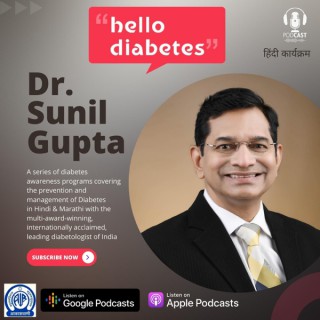
The live phone-in programme “Hello Doctor” by the Diabetes Care Foundation of India featured expert guidance from Dr. Sunil Gupta and Dr. Shlok Gupta on diabetes awareness, diagnosis, prevention, and treatment. During the discussion, Dr. Sunil Gupta highlighted the alarming rise of diabetes and prediabetes in India. Referring to recent health data, he explained that nearly every fourth adult above 18 years of age is affected by either diabetes or prediabetes. He emphasized that many people remain undiagnosed for years because diabetes often develops without noticeable symptoms. The experts stressed the importance of regular health check-ups, especially after the age of 35, or earlier in people with a family history of diabetes. They explained the role of HbA1c testing, fasting blood sugar, and oral glucose tolerance tests in diagnosing diabetes and prediabetes. Dr. Gupta also discussed how obesity, genetics, sedentary lifestyle, and poor eating habits increase diabetes risk. He warned against self-medication and explained that diabetes treatment must be individualized based on factors such as body weight, insulin production, and insulin resistance. Dr. Shlok Gupta explained that very high blood sugar levels can temporarily exhaust insulin-producing beta cells. In such cases, short-term insulin therapy may help the pancreas recover before shifting patients back to oral medicines. The programme also highlighted modern diabetes technologies such as Continuous Glucose Monitoring (CGM) systems and insulin pumps, which help patients monitor and control blood sugar more effectively. Expert- Dr Sunil Gupta & Dr Shlok Gupta Anchor- Purva Kulkarni Podcast: 24/04/2026 Recorded at: Akashwani Nagpur

In today's podcast, we'll dive into the personal journeys of two very interesting and accomplished people who have dealt with this disease and will share their experiences, and importantly, their opinions, shedding light on symptoms, diagnosis, the struggles and frustrations, and the importance of awareness to affect early diagnosis and to manage the condition effectively. I'm delighted to welcome Jonathan Kahan and Darro Chea and bring you this engaging, insightful conversation. Acromegaly is a complex condition that requires knowledge and understanding. I am very thankful to both Jonathan and Darro for sharing their stories and helping in our mission to help and educate.

What if your "train wreck" 20s and 30s weren't failure at all — just everyone missing your ADHD diagnosis? The Impulsive Thinker® and Dr. Stephen Hinshaw destroy the old stereotypes on women, masking, and why success leaves so many suffering in silence. In This Episode: What decades-long studies of girls with ADHD actually reveal How masking, missed signs, and stigma sabotage real ADHD Entrepreneur strengths Why negative outcomes are high risk — but not destiny What You'll Take Away: ADHD in women is missed, not rare — the classic "boy" symptoms don't fit Depression, self-injury, and unplanned chaos spike when diagnosis and support come late Masking isn't resilience — it's losing yourself because fitting in means survival Early signs in girls are spacey, scattered, "lazy," not loud or disruptive Real friends and strategic support matter more than popularity or the perfect image GUEST BIO Dr. Stephen Hinshaw is a psychology professor at UC Berkeley and UC San Francisco. He led the largest long-term study of girls with ADHD, rewriting what we know about women's ADHD and why it matters right now. www.hinshawlab.berkeley.edu Books by Dr. Hinshaw The Triple Bind: Saving Our Teenage Girls from Today's Pressures and Conflicting Expectations - https://www.amazon.ca/Triple-Bind-Pressures-Conflicting-Expectations/dp/0345504003 The ADHD Explosion: Myths, Medication, Money, and Today's Push for Performance - https://www.amazon.ca/ADHD-Explosion-Medication-Todays-Performance/dp/0199790558/ref=tmm_hrd_swatch_0 ABOUT THIS EPISODE The Impulsive Thinker® sits down with Dr. Stephen Hinshaw to break down the real ADHD experience for neurodivergent women and Entrepreneurs. Hear why most research ignored girls and what that cost in missed diagnoses, shame, and chaos. The episode digs into masking, self-injury, unplanned life consequences, and why classic ADHD stereotypes hurt more than help. Resilience, masking, and entrepreneurial strengths are redefined — no fluff, just blunt reality. This is for ADHD Entrepreneurs sick of society's measuring stick and shallow advice. If your chaos was survival, not failure — hit play. Email me about it at andre@theimpulsivethinker.com. Remember — ADHD failure is measured on society's measuring stick. Not yours. Your brain runs on interest, not importance. That's not a flaw. That's a different operating system. ADHD is not a deficit. It's a difference.

The Real Truth About Health Free 17 Day Live Online Conference Podcast
Dr. Kahn highlights coronary calcium scoring, AI-enhanced CT angiography, and the TRANSFORM study's promise. #HeartScreening #CACScore #AIinMedicine #CardiacImaging

Dr. Steven Storage is a child, adolescent, and adult psychiatrist at Amen Clinics, where brain SPECT imaging is used to diagnose and treat conditions like ADHD at the neurological level. In this episode, he and Karena cover the four pillars of brain health, how social media hijacks your dopamine, why ADHD is both genetic and environmental, the seven subtypes of ADHD, what low dopamine actually feels like, and a simple cognitive technique to stop negative thoughts from running your day. What happens to your focus, your mood, and your sense of self when your brain isn't getting what it needs — and how do you even know? Dr. Storage breaks down the neuroscience in a way that's impossible to unhear, from why one bad night of sleep costs you 30% of your executive function to how your social media habit may be draining the same brain chemical you need to feel motivated. This is the brain health conversation that has been missing from the wellness space. (00:38) The Four Pillars of Brain Health Sleep, exercise, nutrition, and avoiding toxins — the foundation for a functioning brain 20 minutes of higher-intensity cardio every other day shown to be as powerful as antidepressant medication for the brain What the brain is actually doing while you sleep Food is fuel or garbage — why refined sugar and processed foods are inflammatory for the brain (07:07) Social Media, Dopamine & the Addiction Loop Social media is engineered to produce a dopamine spike, and the crash after is real Doom scrolling depletes the same chemical needed for focus, motivation, and productivity Why students who decompress with video games before homework are setting themselves up to struggle (11:59) ADHD Explained — Genetics, Perimenopause & What's Really Happening ADHD is one of the most genetic conditions in psychiatry ADHD as a supply-demand issue: blood flow to the prefrontal cortex vs. the demands placed on it Why perimenopause triggers ADHD-like symptoms The difference between brain fog from perimenopause and preexisting ADHD — and why one makes the other worse (21:04) ADHD as a Superpower — And Why Medication Isn't the Enemy Why traits coded as ADHD likely survived evolution Creativity, hyper-focus, intuition, outside-the-box thinking — the real strengths of an ADHD brain The mismatch between ADHD wiring and traditional classrooms: why Dr. Storage doesn't view ADHD as a disorder Stimulants vs. non-stimulants — what Adderall actually does to the prefrontal cortex The goal isn't to eliminate the superpower — it's to modulate the brain so you can access focus when you need it without losing creativity (32:35) Brain Development, Early Diagnosis & Rewiring Negative Thoughts The prefrontal cortex isn't fully developed until mid-to-late 20s — so how do you know when to treat? New MRI data: kids treated for ADHD before age 12 showed accelerated prefrontal cortex development Dr. Storage's three-step method for negative thought patterns Why meditation builds metacognitive awareness and helps thoughts pass like luggage on a conveyor belt Thanks for the support from our partners, including: Guest Resources Follow Dr. Steven Storage on Instagram (https://www.instagram.com/drstevenstorage/) Follow Dr. Steven Storage on TikTok (https://www.tiktok.com/discover/dr-steven-storage) Visit Amen Clinics (https://www.amenclinics.com) If this episode moved you, please consider supporting The Big Silence Foundation and exploring our resources: Connect with The Big Silence Community Order: The Big Silence Memoir audiobook (https://thebigsilence.com/pages/audiobook) Shop The Big Silence Self Love Collection (https://thebigsilence.com/collections/shop-all) Subscribe on YouTube (https://www.youtube.com/channel/UCaL3RrbvDLuTTGFN4VYzEpw) Donate to The Big Silence Foundation (https://thebigsilence.com/donate) The Big Silence Resource Guide (https://thebigsilence.com/pages/resources) Find exclusive offers from our supporters (https://thebigsilence.com/pages/our-podcast-partners)

Sunstone Health CEO Joshua Resnikoff joins Chris Lustrino to explain how Sunstone uses AI on healthcare claims data to proactively identify children with developmental delay—starting with epilepsy and autism—and help families reach the right specialists and diagnostics faster.They break down what claims data is, why the healthcare system is reactive by default, and how Sunstone's approach can compress what often takes years into roughly weeks by flagging high-need cases, coordinating advanced diagnostics, and delivering actionable next steps. Joshua also shares Sunstone's go-to-market strategy (positioned as an employer-paid benefit), why the pricing model is designed to reduce “point-solution bloat,” and how expansion could move across employers, TPAs, reinsurers, and large insurers. 00:00 Needle-in-a-haystack intro03:13 What Sunstone does (AI + claims data)05:32 Flagging patients vs. diagnosing07:21 Employer benefit + privacy model15:54 GTM + sales cycle reality17:57 Outcome-based pricing model20:16 Unit economics ($10k per case)22:11 Expansion paths + other diseases26:23 Fundraise use of proceeds28:03 Investor closing

In this podcast, experts Mark Agulnik, MD; Sandra D'Angelo, MD; Mrinal M. Gounder, MD; and Sujana Movva, MD; discuss the complexities of diagnosing epithelioid sarcoma (ES) in a timely manner and the importance of multidisciplinary care in treating this disease at all stages.
In this episode of The Heart of Innovation, cohosts Kym McNicholas and Dr. John Phillips feature multiple patients courageously sharing their lived experiences with Peripheral Artery Disease, including rare and often misunderstood cases that challenge what patients are told is "possible." Pamela's story highlights a critical gap in PAD care. After being told by a large hospital system that amputation was inevitable, she reached out to the Global PAD Association's Leg Saver Hotline. Through patient advocacy and care coordination, the underlying contributors to her disease were identified, including the role climate played in worsening her symptoms. Her decision to relocate to a warmer environment helped stabilize her condition and avoid limb loss, proving that earlier intervention and individualized care matter. Francine's journey offers another rare perspective. Diagnosed at just 48 despite being a runner, personal trainer, and fitness instructor, she was found to have a full occlusion in her left leg and intermittent blockages in her right. After undergoing a femoral-popliteal bypass, multiple stents, and angioplasty procedures, Francine transformed her lifestyle through the Dean Ornish program and a low-fat vegan diet. She has since completed four half marathons and continues teaching group fitness, yoga, and Reiki. Theresa's story exposes how often PAD is dismissed, even when the warning signs are clear. With a family history of PAD, Theresa recognized the symptoms early. At 46, she sought help after developing walking pain, only to be told repeatedly that it was a back problem and that she was "too young" to have PAD. A Doppler study was performed but interpreted as normal. For five years, as her symptoms worsened and her walking distance shrank to less than ten metres, she continued to advocate for herself before finally insisting on a vascular referral. Within minutes of meeting a vascular consultant, Theresa was diagnosed with severe PAD. Imaging revealed a 100 percent blockage in her right leg and 80 percent in her left. Angioplasty provided temporary relief, but restenosis occurred quickly. A second procedure resulted in arterial injury, requiring placement of a 30-centimetre stent in her right thigh. Despite ongoing pain, Theresa developed remarkable collateral circulation, so robust that it complicated intervention attempts. Today, she remains closely monitored by a responsive vascular specialist and manages her condition with vigilance, pacing, and rest. She also notes a meaningful improvement in walking pain after starting Wegovy, an observation she continues to discuss with her care team. Equally important, Theresa speaks candidly about the emotional toll of PAD. A special education teacher who loves to travel, she feared the disease would take away the life she loved, as it had for her father. After a period of isolation, she made a conscious decision that PAD would be part of her story, but not the author of it. She now works full time, travels when she can, adapts when needed, and lives by a powerful truth: she controls PAD, not the other way around. Together, these stories reinforce a message too many patients never hear in time: Leg pain, cramping, and difficulty walking are not normal aging. They are warnings.

Pediatrician Yair Bannett studies and treats ADHD in preschool-age children. His interests stem from watching too many families struggle to understand their child's behavior. He now focuses on improving frontline care using artificial intelligence to analyze electronic health records. One recent study explored whether doctors are making appropriate non-drug interventions before choosing to medicate children. Through his research, he hopes to raise the standard of ADHD care for thousands – and perhaps millions – of children. Early diagnosis and better care can prevent later problems, Bannett tells host Russ Altman on this episode of Stanford Engineering's The Future of Everything podcast.Episode Reference Links:Stanford Profile: Yair Bannett Connect With Us:Episode Transcripts >>> The Future of Everything WebsiteConnect with Russ >>> Threads / Bluesky / MastodonConnect with School of Engineering >>> Twitter/X / Instagram / LinkedIn / FacebookChapters:(00:00:00) IntroductionRuss Altman introduces guest Yair Bannett, a developmental behavioral pediatrician at Stanford University.(00:03:44) Why Study ADHDYair's path from primary care pediatrics to ADHD research.(00:04:32) Understanding ADHDThe core symptoms and diagnostic criteria for ADHD.(00:05:57) Diagnosing ADHD in YouthWhy diagnosis is challenging and relies on clinical judgment.(00:08:21) Known Causes of ADHDWhat is known about biological origins and environmental influence.(00:10:08) Geographic and Cultural DifferencesThe variations in ADHD prevalence across regions and populations.(00:11:37) ADHD Across CountriesPrevalence of ADHD globally and challenges with monitoring diagnosis.(00:12:23) Natural History of Untreated ADHDThe lifelong persistence of ADHD and associated risks when untreated.(00:14:28) ADHD Diagnosis in AdultsThe challenges in identifying and diagnosing ADHD later in life.(00:16:27) ADHD TreatmentsAn overview of the two treatment interventions used to treat ADHD.(00:18:16) Stimulant MedicationsThe effectiveness and long-term benefits of stimulant treatments.(00:21:30) Non-Stimulant MedicationsWhen and why alternative medications for ADHD are used.(00:22:31) Non-pharmacological InterventionsThe alternative interventions used outside pharmacological treatments.(00:23:18) Reducing Household ChaosStrategies for structure and behavior management within the home.(00:24:55) Measuring Quality of ADHD CareUsing electronic health records and AI to improve treatment.(00:28:10) Importance of Early DiagnosisThe benefits of identifying ADHD before school entry.(00:29:29) Future In a MinuteRapid-fire Q&A: applying AI, collaboration, and theatre dreams.(00:31:55) Conclusion Connect With Us:Episode Transcripts >>> The Future of Everything WebsiteConnect with Russ >>> Threads / Bluesky / MastodonConnect with School of Engineering >>>Twitter/X / Instagram / LinkedIn / Facebook Hosted by Simplecast, an AdsWizz company. See pcm.adswizz.com for information about our collection and use of personal data for advertising.
In this episode of Autism for Badass Moms, host Rashidahwelcomes Meagan, a special education teacher and mother of an autistic daughter, to share her family's journey with neurodivergence. They discuss the importance of early autism diagnosis, Meagan's personal and professionalexperience navigating the educational system and how understanding her own neurodivergence has impacted her life. Meagan also talks about her nonprofit, Love Over Labels Advocacy, which focuses on IEP support, community outreach,and training law enforcement to better understand disabilities. This episode highlights the value of self-discovery, understanding neurodivergent traits, and fostering supportive communities for autistic individuals and their families. In this episode, we talk about:00:00 Introduction to Autism for Badass Moms00:43 Meet Megan: A Neurodivergent Mom's Journey01:25 Early Diagnosis and Family Realizations03:55 Navigating the Education System05:23 Challenges and Emotional Struggles07:03 The Importance of Community and Support08:57 Balancing Family Dynamics20:54 Advocacy and Nonprofit Work26:10 Innovative Teaching Approaches30:32 Challenges in Psychiatric Emergency Rooms31:30 Transformative Urgent Care Experience32:34 AAC Boards in Parks Initiative37:17 Love Over Labels: IEP Advocacy and Community Outreach38:32 Blue Envelope Program for Police Interactions44:49 Managing ADHD and Personal Well-being50:09 Encouragement for Moms Seeking Diagnosis55:21 Conclusion and Call to ActionConnect with Meagan:Website: Love Over Labels Advocacy | special needs advocacyInstagram:https://www.instagram.com/loveoverlabelsadvocacyhttps://www.instagram.com/meaganadvocates Facebook:https://www.facebook.com/loveoverlabels Threads:https://www.threads.com/@loveoverlabelsadvocacy If this episode resonated with you:Instagram: www.instagram.com/theabmpodcastFacebook: www.facebook.com/theabmpodcastTik Tok: autismforbadassmomsYouTube: autismforbadassmoms
This content has been developed for healthcare professionals only. Patients who seek health information should consult with their physician or relevant patient advocacy groups.For the full presentation, downloadable Practice Aids, slides, and complete CME/EBAC/AAPA/IPCE information, and to apply for credit, please visit us at PeerView.com/APF865. CME/EBAC/AAPA/IPCE credit will be available until November 21, 2026.Nuclear Medicine for Alzheimer's Disease in the Hot Seat: Case Conference on Advancing Early Diagnosis With PET Imaging and Biomarkers In support of improving patient care, PVI, PeerView Institute for Medical Education, is jointly accredited by the Accreditation Council for Continuing Medical Education (ACCME), the Accreditation Council for Pharmacy Education (ACPE), and the American Nurses Credentialing Center (ANCC), to provide continuing education for the healthcare team.SupportThis activity is supported by an educational grant from Lilly.Disclosure information is available at the beginning of the video presentation.
PeerView Neuroscience & Psychiatry CME/CNE/CPE Audio Podcast
This content has been developed for healthcare professionals only. Patients who seek health information should consult with their physician or relevant patient advocacy groups.For the full presentation, downloadable Practice Aids, slides, and complete CME/EBAC/AAPA/IPCE information, and to apply for credit, please visit us at PeerView.com/APF865. CME/EBAC/AAPA/IPCE credit will be available until November 21, 2026.Nuclear Medicine for Alzheimer's Disease in the Hot Seat: Case Conference on Advancing Early Diagnosis With PET Imaging and Biomarkers In support of improving patient care, PVI, PeerView Institute for Medical Education, is jointly accredited by the Accreditation Council for Continuing Medical Education (ACCME), the Accreditation Council for Pharmacy Education (ACPE), and the American Nurses Credentialing Center (ANCC), to provide continuing education for the healthcare team.SupportThis activity is supported by an educational grant from Lilly.Disclosure information is available at the beginning of the video presentation.
PeerView Neuroscience & Psychiatry CME/CNE/CPE Video Podcast
This content has been developed for healthcare professionals only. Patients who seek health information should consult with their physician or relevant patient advocacy groups.For the full presentation, downloadable Practice Aids, slides, and complete CME/EBAC/AAPA/IPCE information, and to apply for credit, please visit us at PeerView.com/APF865. CME/EBAC/AAPA/IPCE credit will be available until November 21, 2026.Nuclear Medicine for Alzheimer's Disease in the Hot Seat: Case Conference on Advancing Early Diagnosis With PET Imaging and Biomarkers In support of improving patient care, PVI, PeerView Institute for Medical Education, is jointly accredited by the Accreditation Council for Continuing Medical Education (ACCME), the Accreditation Council for Pharmacy Education (ACPE), and the American Nurses Credentialing Center (ANCC), to provide continuing education for the healthcare team.SupportThis activity is supported by an educational grant from Lilly.Disclosure information is available at the beginning of the video presentation.
This content has been developed for healthcare professionals only. Patients who seek health information should consult with their physician or relevant patient advocacy groups.For the full presentation, downloadable Practice Aids, slides, and complete CME/EBAC/AAPA/IPCE information, and to apply for credit, please visit us at PeerView.com/APF865. CME/EBAC/AAPA/IPCE credit will be available until November 21, 2026.Nuclear Medicine for Alzheimer's Disease in the Hot Seat: Case Conference on Advancing Early Diagnosis With PET Imaging and Biomarkers In support of improving patient care, PVI, PeerView Institute for Medical Education, is jointly accredited by the Accreditation Council for Continuing Medical Education (ACCME), the Accreditation Council for Pharmacy Education (ACPE), and the American Nurses Credentialing Center (ANCC), to provide continuing education for the healthcare team.SupportThis activity is supported by an educational grant from Lilly.Disclosure information is available at the beginning of the video presentation.
This content has been developed for healthcare professionals only. Patients who seek health information should consult with their physician or relevant patient advocacy groups.For the full presentation, downloadable Practice Aids, slides, and complete CME/EBAC/AAPA/IPCE information, and to apply for credit, please visit us at PeerView.com/APF865. CME/EBAC/AAPA/IPCE credit will be available until November 21, 2026.Nuclear Medicine for Alzheimer's Disease in the Hot Seat: Case Conference on Advancing Early Diagnosis With PET Imaging and Biomarkers In support of improving patient care, PVI, PeerView Institute for Medical Education, is jointly accredited by the Accreditation Council for Continuing Medical Education (ACCME), the Accreditation Council for Pharmacy Education (ACPE), and the American Nurses Credentialing Center (ANCC), to provide continuing education for the healthcare team.SupportThis activity is supported by an educational grant from Lilly.Disclosure information is available at the beginning of the video presentation.

In this enlightening episode, host Dr. Laura Scherck Wittcoff talks with Christine Buckley, the Executive Director and Board President of the Brain Aneurysm Foundation. The episode delves into the complexities and risks associated with brain aneurysms, highlighting the critical nature of early diagnosis and proper treatment. **Key Discussion Points:** 1. **Understanding Brain Aneurysms:** - The brain's intricate role as an organ and the devastating impacts when an aneurysm occurs. - Statistical insights into the prevalence and rupture rates of brain aneurysms. 2. **Personal Stories and Advocacy:** - Christine shares touching personal stories of individuals affected by brain aneurysms, emphasizing the unpredictability and severity of the condition. - The importance of self-advocacy in healthcare. 3. **Advancements in Treatment:** - How modern advancements have made treatments less invasive and more efficient. - The ongoing challenge of misdiagnosis and delayed treatment. 4. **Foundation Initiatives:** - The Brain Aneurysm Foundation's role in research, advocacy, and education. - The "Scan to Save" initiative is designed to improve early detection and healthcare provider education. 5. **Impact of Education and Awareness:** - Strategies to increase awareness and understanding of brain aneurysms among the public and healthcare professionals. - The importance of sharing information through social media and community outreach. 6. **Challenges and Future Goals:** - The need for more widespread awareness and support to prevent rupture-related fatalities and disabilities. - Christine's vision for a world free from the dangers of brain aneurysms and the continuous effort to secure research funding. **Call to Action:** Listeners are encouraged to share the podcast episode, follow the Brain Aneurysm Foundation on social media, and help spread awareness about the signs, symptoms, and importance of early detection of brain aneurysms. **Links and Resources:** - [Brain Aneurysm Foundation Website](www.bafound.org) - Social Media: [Facebook](www.facebook.com/bafound), [X](x.com/BAFOUND), [Instagram](www.instagram.com/bafound), [LinkedIn] (www.linkedin.com/company/the-brain-aneurysm-foundation) [YouTube](www.youtube.com/user/brainaneurysmfound For more Small & Gutsy episodes: https://smallandgutsy.org/episodes/
When Stacey's toddler was diagnosed with Type 1 diabetes, her family's world turned upside down. In this episode, she shares the early warning signs, the struggle of those first two weeks of injections, and how humor and community turned fear into resilience. Parents will gain hope, advocacy tips, and coping strategies for managing a chronic illness diagnosis. What You'll Hear How Stacey recognized the 4 Ts of diabetes: Thirsty, Tired, Thinner, Toilet The reality of hospitalization, finger sticks, and injections with a toddler Coping strategies: medical play, humor, and routines that work The power of community and rejecting “perfect parenting” Building advocacy through Diabetes Connections and The World's Worst Diabetes Mom About Stacey Stacey Simms is an award-winning broadcaster, speaker, and author of The World's Worst Diabetes Mom. Since 2015, she has hosted Diabetes Connections, offering real stories and resources for the Type 1 community.
This content has been developed for healthcare professionals only. Patients who seek health information should consult with their physician or relevant patient advocacy groups.For the full presentation, downloadable Practice Aids, slides, and complete CME/NCPD information, and to apply for credit, please visit us at PeerView.com/CXX865. CME/NCPD credit will be available until September 18, 2026.Preparing Your Practice for Amyloid-Directed Therapies in Alzheimer's Disease: Key Strategies to Enhance Early Diagnosis and Optimize Management In support of improving patient care, PVI, PeerView Institute for Medical Education, is jointly accredited by the Accreditation Council for Continuing Medical Education (ACCME), the Accreditation Council for Pharmacy Education (ACPE), and the American Nurses Credentialing Center (ANCC), to provide continuing education for the healthcare team.SupportThis activity is supported by an educational grant by Eisai Inc.Disclosure information is available at the beginning of the video presentation.
PeerView Neuroscience & Psychiatry CME/CNE/CPE Audio Podcast
This content has been developed for healthcare professionals only. Patients who seek health information should consult with their physician or relevant patient advocacy groups.For the full presentation, downloadable Practice Aids, slides, and complete CME/NCPD information, and to apply for credit, please visit us at PeerView.com/CXX865. CME/NCPD credit will be available until September 18, 2026.Preparing Your Practice for Amyloid-Directed Therapies in Alzheimer's Disease: Key Strategies to Enhance Early Diagnosis and Optimize Management In support of improving patient care, PVI, PeerView Institute for Medical Education, is jointly accredited by the Accreditation Council for Continuing Medical Education (ACCME), the Accreditation Council for Pharmacy Education (ACPE), and the American Nurses Credentialing Center (ANCC), to provide continuing education for the healthcare team.SupportThis activity is supported by an educational grant by Eisai Inc.Disclosure information is available at the beginning of the video presentation.
This content has been developed for healthcare professionals only. Patients who seek health information should consult with their physician or relevant patient advocacy groups.For the full presentation, downloadable Practice Aids, slides, and complete CME/NCPD information, and to apply for credit, please visit us at PeerView.com/CXX865. CME/NCPD credit will be available until September 18, 2026.Preparing Your Practice for Amyloid-Directed Therapies in Alzheimer's Disease: Key Strategies to Enhance Early Diagnosis and Optimize Management In support of improving patient care, PVI, PeerView Institute for Medical Education, is jointly accredited by the Accreditation Council for Continuing Medical Education (ACCME), the Accreditation Council for Pharmacy Education (ACPE), and the American Nurses Credentialing Center (ANCC), to provide continuing education for the healthcare team.SupportThis activity is supported by an educational grant by Eisai Inc.Disclosure information is available at the beginning of the video presentation.
PeerView Neuroscience & Psychiatry CME/CNE/CPE Video Podcast
This content has been developed for healthcare professionals only. Patients who seek health information should consult with their physician or relevant patient advocacy groups.For the full presentation, downloadable Practice Aids, slides, and complete CME/NCPD information, and to apply for credit, please visit us at PeerView.com/CXX865. CME/NCPD credit will be available until September 18, 2026.Preparing Your Practice for Amyloid-Directed Therapies in Alzheimer's Disease: Key Strategies to Enhance Early Diagnosis and Optimize Management In support of improving patient care, PVI, PeerView Institute for Medical Education, is jointly accredited by the Accreditation Council for Continuing Medical Education (ACCME), the Accreditation Council for Pharmacy Education (ACPE), and the American Nurses Credentialing Center (ANCC), to provide continuing education for the healthcare team.SupportThis activity is supported by an educational grant by Eisai Inc.Disclosure information is available at the beginning of the video presentation.
This content has been developed for healthcare professionals only. Patients who seek health information should consult with their physician or relevant patient advocacy groups.For the full presentation, downloadable Practice Aids, slides, and complete CME/NCPD information, and to apply for credit, please visit us at PeerView.com/CXX865. CME/NCPD credit will be available until September 18, 2026.Preparing Your Practice for Amyloid-Directed Therapies in Alzheimer's Disease: Key Strategies to Enhance Early Diagnosis and Optimize Management In support of improving patient care, PVI, PeerView Institute for Medical Education, is jointly accredited by the Accreditation Council for Continuing Medical Education (ACCME), the Accreditation Council for Pharmacy Education (ACPE), and the American Nurses Credentialing Center (ANCC), to provide continuing education for the healthcare team.SupportThis activity is supported by an educational grant by Eisai Inc.Disclosure information is available at the beginning of the video presentation.

When her husband was diagnosed with frontotemporal degeneration at just 29, Katie Brandt's life changed overnight. What began as confusion and heartbreak became a lifelong calling to transform how we see, support, and study dementia. Today, Katie is the Director of Caregiver Support Services and Public Relations at the Massachusetts General Hospital Frontotemporal Disorders Unit, and the Founder & CEO of Katie Brandt Advocacy. In this conversation, we talk about what it means to become a “caregiver detective”, the quiet observer, the record keeper, the advocate who pieces together the truth when something feels off. We explore how early and accurate diagnosis brings dignity, how research becomes more human when it includes caregiver voices, and why supporting caregivers isn't just compassionate, it's strategic. Katie shares the lessons she's learned through love, loss, and leadership, and how her belief that “love will end FTD” continues to guide her work and the families she serves. To buys tickets and learn more about A Night with the Arts for FTD, an annual gala featuring the Sermos Memorial Art Show, benefitting the clinical research program in the MGH Frontotemporal Disorders Unit. Visit HERE. The MGH Frontotemporal Disorders Unit hosts From Care to Cure podcast. Listen HERE. Thank you to our Sponsor Zinnia TV is a therapeutic dementia care platform that supports caregivers. We are not medical professionals and are not providing any medical advice. If you have any medical questions, we recommend that you talk with a medical professional of your choice. willGather has taken care in selecting its speakers but the opinions of our speakers are theirs alone. Thank you for your continued interest in our podcasts. Please follow for updates, rate & review! For more information about our guest, podcast & sponsorship opportunities, visit www.willgatherpodcast.com

Dr. Hoffman continues his conversation with Nicole Bell, the CEO of Galaxy Diagnostics and author of “What Lurks in the Woods.”
This episode of the Intelligent Medicine podcast is a deep dive into the complexities of Lyme disease and other tick-borne illnesses. Nicole Bell, the CEO of Galaxy Diagnostics and author of “What Lurks in the Woods,” details the challenges of diagnosing tick-borne diseases, the limitations of current diagnostic tests, and the controversy around treatment methodologies. Nicole shares her personal journey that led her to this field after her husband was misdiagnosed with early-onset Alzheimer's, which was later revealed to be caused by advanced Lyme disease. They also discuss new diagnostic techniques, the importance of personalized treatment plans, and ongoing advocacy efforts to improve awareness and research funding for Lyme disease.

Can your crops really talk? On this episode of The Dirt, host Mike Howell sits down with Co-Founder and Director of Vivent Biosignals, Nigel Wallbridge, to uncover how biosensors are helping farmers tap into the hidden communication networks inside their plants. Nigel shares how tiny electrodes and AI algorithms work together to detect internal crop signals before they are visible in the field. From early warnings of drought, disease, and nutrient deficiencies to real-time insights that improve irrigation and soil fertility planning, this technology is giving farmers a new way to "listen" to their crops. Tune in to explore the benefits of biosensors, what they can detect, and how you can implement them on your operation. To learn more about biosensors and the new technology offered by Vivent, visit www.vivent-biosignals.com Looking for the latest in crop nutrition research? Visit nutrien-ekonomics.com Subscribe to our YouTube channel: https://www.youtube.com/@NutrieneKonomics

Send us a textCan what your child eats really affect their behavior?In this episode of the Mother's Guide Through Autism podcast, Brigitte speaks with Sonya Bell—a registered nurse, autism mom, and integrative nutrition health coach—about the powerful connection between food and behavior in neurodivergent children.After both her son and daughter were diagnosed with developmental differences, Sonya began exploring the role of nutrition. From removing food additives to embracing whole, clean eating, Sonya shares the steps that helped her son thrive emotionally and behaviorally—and how you can begin making changes too.You'll also hear about her inspiring book Moving Forward: Details of an Autism Journey, and the importance of hope, self-care, and community support on this path.

Alzheimer's Disease Early Diagnosis and Management Evaluation and Credit: https://www.surveymonkey.com/r/medchat82 Target Audience This activity is targeted toward primary care physicians and advanced providers. Statement of Need A special report of Alzheimer's Disease Facts and Figures published in 2017, indicated 4 out of 5 Americans would want to know if they had Alzheimer's disease before it impacted their life. With the aging population the incidence of Alzheimer's is growing, according to the Alzheimer's Association over 7 million Americans are living with AD. This program will focus on screening and dx of AD in the early stages especially in pc offices, where patients will first present with cognitive symptoms. Additionally, this podcast will highlight the new blood biomarker test recently approved and its indications. Objectives Differentiate between normal cognitive aging, mild cognitive impairment and early-stage Alzheimer's disease. Identify appropriate cognitive screening tools for use in primary care and their role in the early identification of Alzheimer's disease. Explain the mechanism and clinical relevance of blood-based biomarkers in the diagnosis of Alzheimer's disease, including the current guidelines and emerging practices. ModeratorRachel Hart, D.O. Geriatric Medicine Physician Memory and Cognitive Disorders Specialist Norton Neuroscience Institute Memory Center SpeakerGreg E. Cooper, M.D., Ph.D. Chief, Adult Neurology Medical Director, Memory Center Norton Neuroscience Institute Planner Disclosure The planners of this activity do not have any relevant financial relationships with ineligible companies to disclose. Moderator and Speaker DisclosureThe moderator, Gregory Cooper, M.D., Ph.D., discloses relevant financial relationships with Eli Lilly and Eisai (research). The speaker, Rachel Hart, D.O., discloses a relevant financial relationship with Eli Lilly (faculty). All relevant financial relationships have been successfully mitigated. Commercial Support There was no commercial support for this activity. Physician CreditsAccreditation Norton Healthcare is accredited by the Kentucky Medical Association to provide continuing medical education for physicians. Designation Norton Healthcare designates this enduring material for a maximum of .50 AMA PRA Category 1 Credits™. Physicians should claim only the credit commensurate with the extent of their participation in the activity. Nursing Credits Norton Healthcare Institute for Education and Development is approved as a provider of nursing continuing professional development by the South Carolina Nurses Association, an accredited approver by the American Nurses Credentialing Center's Commission on Accreditation. This continuing professional development activity has been approved for 0.50 ANCC CE contact hours. In order for nursing participants to obtain credits, they must claim attendance by attesting to the number of hours in attendance. For more information related to nursing credits, contact Sally Sturgeon, DNP, RN, SANE-A, AFN-BC at (502) 446-5889 or sally.sturgeon@nortonhealthcare.org. Resources for Additional Study/ReferencesAmerican Perspectives on Early Detection of Alzheimer's Disease in the Era of Treatment https://www.alz.org/alzheimers-dementia/facts-figures Blood Biomarkers to Detect Alzheimer Disease in Primary Care and Secondary Care https://pubmed.ncbi.nlm.nih.gov/39068545/ Date of Original Release | Sept. 2025; Information is current as of the time of recording. Course Termination Date | Sept. 2028 Contact Information | Center for Continuing Medical Education; (502) 446-5955 or cme@nortonhealthcare.org Also listen to Norton Healthcare's podcast Stronger After Stroke. This podcast, produced by the Norton Neuroscience Institute, discusses difficult topics, answers frequently asked questions and provides survivor stories that provide hope. Norton Healthcare, a not for profit health care system, is a leader in serving adult and pediatric patients throughout Greater Louisville, Southern Indiana, the commonwealth of Kentucky and beyond. More information about Norton Healthcare is available at NortonHealthcare.com.

In this inspiring episode of The Better Life with Dr. Pinkston, I welcome Tiffany Jones Smith—President of the Texas Kidney Foundation, Chair of the Chronic Kidney Disease Task Force, the first African American woman to hold these positions, and a chronic kidney disease patient herself. Tiffany shares her powerful journey and groundbreaking leadership, highlighting the urgent need for awareness, early diagnosis, and patient advocacy in kidney health. Together, we explore how patients can take an active role in their care and how hope and action can change the future of chronic kidney disease.See omnystudio.com/listener for privacy information.

Lisa and Tess dive into the importance of proactive health advocacy, the confusion and lack of information many women face around screenings, and the power of forming intentional daily habits for long-term wellness. Tess shares her personal journey of discovering she had dense breast tissue, the challenges she faced in getting the right screenings, and how self-education and persistence played crucial roles in her health journey. Together, they discuss the importance of early detection, how lifestyle choices such as movement, nutrition, and restorative sleep contribute to overall health, and why building a supportive community makes all the difference. Whether you're navigating your own diagnosis, supporting a loved one, or simply passionate about women's health, this episode offers inspiration, practical tips, and that vital push to be your own advocate. Join us as we shine a light on women's health, break down barriers to information, and remind listeners of the power found in sharing our stories. TIMESTAMPS: 00:00 "Amplifying Women's Voices on Health" 06:24 Dense Breast Tissue Guidance Insights 08:29 Dual Scans Essential for Accuracy 13:12 Improving Life with Early Diagnosis 15:38 Wine, Heart Health, and Breast Cancer 20:15 Improving Sleep with Night Routine 22:25 "Evening Eating Affects Sleep Quality" 25:47 Overwhelmed Professionals Seek Health Guidance 28:27 Dense Breast Tissue: Be Proactive LEARN MORE: The Clear Pathways Program, Walk, Summit, App and Initiative powered by For The Love Of Cups - Join our task force or advisory board. https://www.breastdensitysummit.org/ Tess Cheng, a certified health and wellness coach with over 13 years of experience, is dedicated to helping individuals achieve lasting success through sustainable wellness practices. Having navigated her own journey with hypoglycemia and a family history of diabetes, Tess advocates for holistic lifestyle changes that foster both personal and professional growth. With a Master's degree in Clinical Nutrition from NYU, Tess combines practical strategies focused on mindset, self-care, disease prevention, and longevity. She believes that prioritizing wellness not only enhances daily health but also lays the foundation for long-term vitality and success in all areas of life. Follow Tess: https://glowithtess.com/ http://linkedin.com/in/tess-cheng-ms https://www.instagram.com/glowithtess/ https://www.facebook.com/Glowithtess #wellness #habits #breasthealth #breastscreening #breastcancer #womenshealth #womeninwellness #femtech #breastdensity

Dr. Erin Michaud, SLP and BCBA-D with over 20 years of experience in communication development and ABA, joins the podcast to share the groundbreaking work of The Early Markers of Autism Project—a program changing the landscape of early autism identification and intervention.This hands-on, in-person research and treatment study works with infants from both high-risk populations (siblings of children with autism, with a 20% recurrence rate) and low-risk populations. By tracking social interaction, shifting attention, joint attention, and social behaviors from infancy through age five, the project identifies and responds to early markers far earlier than the current AAP screening recommendation of 18 months.The impact? Earlier diagnoses, earlier interventions, and fewer families waiting for services. Dr. Michaud shares how this project is creating validated assessment tools, expanding parent training, and building strong research to push for insurance coverage—bringing meaningful change for high-risk infants and their families.#autism #speechtherapyWhat's Inside:What are the early markers of autism?What is the Autism Sibling Project?Supporting parents and our littlest learners.Mentioned In This Episode:Talking First Words — Coming Soon Early Markers of Autism Project | The New England Center for Children7 Investigates: Autism Intervention - Boston News, Weather, Sports | WHDH 7NewsNECC Infant Sibling Research Project 2023 Speech Membership - ABA Speech ABA Speech: HomeThe BriefAll your family's pressing concerns and questions, answered in one place. Mike...Listen on: Apple Podcasts Spotify

Can you detect Alzheimer's with a spit sample? That's the question driving Arianna Arbona's exciting research at Universidad Pablo de Olavide in Sevilla, Spain. In this episode of Absolute Gene-ius, she shares how she's isolating microvesicles from saliva and blood to identify early biomarkers for neurodegenerative diseases like Alzheimer's—an effort that could one day lead to minimally invasive diagnostic tools.Arianna describes the scientific and technical hurdles she's overcoming, from low vesicle concentrations to validating the brain-specific origin of those vesicles. She also reflects on her previous lupus research, where digital PCR enabled detection of faint mRNA signatures that qPCR missed—making it an essential tool for rare target quantification. Her future plans include integrating immuno-PCR and multiplex assays for more sensitive and multi-marker detection in Alzheimer's and beyond.In the career corner, Arianna recounts her journey from the Canary Islands to Helsinki to Sevilla, balancing passion, mentorship, and a healthy sense of humor. She talks about working through uncertainty after her master's degree, the mentors who kept her smiling, and how an early accidents taught her resilience. Her message to aspiring scientists: follow your curiosity and don't be afraid to change direction.Visit the Absolute Gene-ius pageto learn more about the guests, the hosts, and the Applied Biosystems QuantStudio Absolute Q Digital PCR System.

Chronic kidney disease, or CKD, is the most common cause of death in senior…

On the "Sound of Ideas" we will talk to several people living with ADHD, and a doctor who works in diagnosis and treatment.
In today's episode, we dive into the wonders of T-cell immunology technology and how it impacts early treatment interventions with long-time drug developer Dr. Nigel McCracken. As the Chief Operating Officer of Virax Biolabs, Dr. McCracken has more than 25 years of research and development experience in this diverse field – including oncology and infectious disease… Virax Biolabs is committed to revolutionizing global health by accelerating the development of more effective vaccines. How do they achieve this? By harnessing cutting-edge diagnostics to power a groundbreaking T-cell immunology platform, enabling early detection of post-viral syndromes and conditions linked to chronic inflammation and T-cell exhaustion. Before joining Virax, Dr. McCracken served as Chief Scientific Officer at BerGenBio ASA, where he led the development of companion diagnostics and assay strategies. Prior to that, he was COO at NuCana PLC, a clinical-stage biopharmaceutical company dedicated to improving cancer treatment outcomes. In this role, he oversaw business operations, research and development, and the execution of corporate strategy. Tune in now to learn about: The importance of early diagnosis when it comes to immune system dysfunction. How the complementary system interacts with the immune system. The typical role that T-cells play in infections. Why chronic health problems are on the rise, and what this could mean for the future of healthcare. You can follow along with Dr. McCracken's work at Virax Biolabs here! Episode also available on Apple Podcasts: https://apple.co/30PvU9C Upgrade Your Wallet Game with Ekster! Get the sleek, smart wallet you deserve—and save while you're at it! Use coupon code FINDINGGENIUS at checkout or shop now with this exclusive link: ekster.com?sca_ref=4822922.DtoeXHFUmQ5 Smarter, slimmer, better. Don't miss out!
© 2020-2026 Ivy Podcast Discovery LLC
