
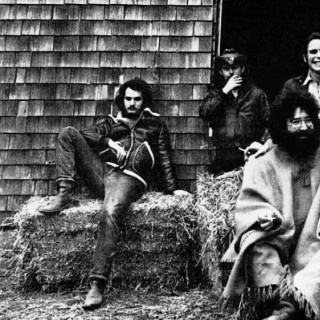
American rock jam band
POPULARITY
Categories

640 episodes with Grateful Dead

404 episodes with Grateful Dead

166 episodes with Grateful Dead

125 episodes with Grateful Dead

112 episodes with Grateful Dead

158 episodes with Grateful Dead

117 episodes with Grateful Dead

168 episodes with Grateful Dead

144 episodes with Grateful Dead

59 episodes with Grateful Dead

135 episodes with Grateful Dead

64 episodes with Grateful Dead

58 episodes with Grateful Dead

19 episodes with Grateful Dead

41 episodes with Grateful Dead

46 episodes with Grateful Dead

49 episodes with Grateful Dead

35 episodes with Grateful Dead

75 episodes with Grateful Dead

53 episodes with Grateful Dead

45 episodes with Grateful Dead

58 episodes with Grateful Dead

15 episodes with Grateful Dead

14 episodes with Grateful Dead

13 episodes with Grateful Dead

19 episodes with Grateful Dead

24 episodes with Grateful Dead

27 episodes with Grateful Dead

10 episodes with Grateful Dead
57 episodes with Grateful Dead

17 episodes with Grateful Dead

10 episodes with Grateful Dead

11 episodes with Grateful Dead

13 episodes with Grateful Dead

17 episodes with Grateful Dead

31 episodes with Grateful Dead

13 episodes with Grateful Dead

28 episodes with Grateful Dead

21 episodes with Grateful Dead

15 episodes with Grateful Dead

13 episodes with Grateful Dead

17 episodes with Grateful Dead

19 episodes with Grateful Dead

5 episodes with Grateful Dead

9 episodes with Grateful Dead

12 episodes with Grateful Dead

33 episodes with Grateful Dead

28 episodes with Grateful Dead

7 episodes with Grateful Dead

11 episodes with Grateful Dead

19 episodes with Grateful Dead

11 episodes with Grateful Dead

14 episodes with Grateful Dead

9 episodes with Grateful Dead

Opie's last year of professional radio is now it's own podcast called "Opie: Final Mic Drop"We surprise Carl Ruiz with our good friend Guy Fieri who roasts him raw! We also look back at Carl's nightmare of a family trip to Memphis with his family. Also a dude comes in to talk about his Grateful Dead documentary. 5/26Support the Show:https://www.paypal.com/ncp/payment/PRULKVNHUMQVAAbout Opie Unfiltered:Hosted by Gregg "Opie" Hughes—co-creator of the legendary Opie and Anthony show—Opie Unfiltered brings raw, unscripted commentary, classic radio lore, and unfiltered comedy featuring Ron the Waiter and regular guests.For fans of classic New York talk radio, unedited comedy, satellite broadcast history, and the original Opie and Anthony era.

David Perlis argues that a small, isolated county on the other side of the Golden Gate from San Francisco quietly helped invent modern America. Zen thinkers, the Grateful Dead, Star Wars, the loosening of the American mind, he says in his new book "Morning in Marin," ran through its foggy hills before reaching the rest of us. Then the outsiders became insiders.

Ed Rosenthal wrote the grow book that changed everything. Then the feds arrested him. This is the full story.Ed Rosenthal has been in this longer than the modern cannabis industry has existed. He wrote his first grow book in 1973, co-founded High Times, and watched the New York Times review the guide that taught a generation how to grow. Then, in 2002, the federal government arrested him for doing exactly what the city of Oakland had officially asked him to do: grow cannabis for medical patients. The trial that followed became one of the most extraordinary legal moments in cannabis history, and Ed has never stopped since.In this episode, Ed walks through the full arc: growing up in the Bronx with no clear direction, discovering cannabis at 21 and knowing immediately it was going to be a lifelong relationship, building the first grow tents, co-founding High Times, and writing the books that shaped how American growers think about cultivation. He goes deep on his 2002 federal trial, including why the jury was never allowed to hear that Oakland had deputized him, and what happened when nine of those jurors came back three days after the verdict to hold a press conference saying they were duped, slimed, and felt dirty. He then shifts to where the plant is going: breeding cultivars specifically designed for the coming consumption lounge era, preserving landrace genetics in the Arunachal Pradesh region of India, and the science of transferring THC-producing genes directly to yeast for industrial concentrate production.Good PizzZa episode 200 exists to document the real history of cannabis culture. There is no more fitting guest for that than the man who has been in it longer than almost anyone alive.Chapters below.Follow Good PizzZa:YouTube: https://www.youtube.com/@GoodPizzzaInstagram: @_goodpizzza_ | @goodpizzzapodcastSpotify: https://open.spotify.com/show/2HHXF0ijATYi8eHIq0rDToApple Podcasts: https://podcasts.apple.com/us/podcast/good-pizzza-podcast/id1622059263#EdRosenthal #GoodPizzZa #CannabisHistoryCHAPTERS00:00 Ed Rosenthal on Good PizzZa Episode 20006:09 Ed Rosenthal's Origin Story: From the Bronx to Cannabis11:04 Writing the First Cannabis Grow Book in 197314:44 Co-Founding High Times and the Yippie Movement19:17 Oakland Deputized Him. Then the Feds Arrested Him.27:29 Nine Jurors Returned to Apologize After the Verdict45:40 Grateful Dead, Bay Area Music, and Cannabis Culture48:28 Going to India to Preserve Landrace Cannabis Genetics57:45 NL5 Haze: The Strain That Locked Into His Brain01:01:00 Skunk Number 1 Changed Everything and Then Disappeared01:07:40 Breeding Cannabis Specifically for the Lounge Era01:20:47 Gene Transfer, Yeast-Grown THC, and the Future of the Plant01:34:00 Top Strains, Overrated Picks, and Judging Cannabis on Effects01:43:10 Billy Kimber OG, Get a Firm Contract, and Closing WisdomY'all know what time it is…Roll ‘em fat, torch your rigs, pack your bongs, bag up some work, water your plants—do what you gotta do because we're about to take this journey with Ed Rosenthal!JP⸻ Big up my sponsors!@grovebags@buckmountaincannabis@cadre.verde@bambinas.sac@millspaysthebillsamsterdam@flowermillusa@dr.dabber Get a DISCOUNT at:http://www.grovebags.com (http://www.grovebags.com/)PROMO CODE: GOODPIZZZA Grab a Flower Mill with the Good PizzZa discount:https://www.flowermillusa.com/discount/GOODPIZZZA?ref=GOODPIZZZAPromo Code: GOODPIZZZA Dr Dabber Discounthttp://www.drdabber.com (http://www.drdabber.com/)PROMO CODE: GOODPIZZZA15 GRAB SOME SWAGhttp://www.goodpizzza.com (http://www.goodpizzza.com/) Please help our brother Jade with Buck Mountain fight his battle against cancer! Anything helps. Much love!https://gofund.me/e27f086a1Support the showShop Merch: goodpizzza.comInstagram: @_goodpizzza_Instagram: @goodpizzzapodcastShow some love: patreon.com/goodpizzza

Dave Glass's Polish parents met at a displaced persons camp in Europe after World War II. In this Season 9 inaugural episode, meet and get to know Dave. A born-and-raised San Francisco, Dave joined me back in August in the SF Public Press office/studio at Warfield Commons to record the first-ever Storied: San Francisco live episode. Our talk that night comprises this episode. Dave's mom and dad got married at that camp in Germany and had their first kid, Dave's sister, there. The young couple wanted to come to the US, but had to wait another five years in Europe for that to materialize. Finally, they made it, via the port of New Orleans. Their American sponsor lived in Stockton, which they made their way to by trains and buses. Dave's dad later told him that when they arrived in California, Stockton looked to him like all cowboys and Mexicans. The family's sponsor owned a ranch, and the arrangement was that Dave's mom and dad would work there. One day, his dad's boss sent him to San Francisco, an hour or so away, for supplies. One taste of The City, and his dad knew he had to move his family here. It was early 1951 and Dave's mom was already pregnant with him. The family made the move to the big city regardless. They settled in the Western Addition on the corner of Webster and Fulton. This was before redevelopment, mind you. In addition to its sizable Black population, there were also a significant number of European refugees in the neighborhood, too. Dave fondly remembers being a little boy and going to the Ukrainian bakery at the corner of Webster and McAllister. Other memories from Dave's early days include vague visions of the Acme beer brewery across from his house. Dave lets us know that today, there are remnants of that building still standing. Around the time Dave started school, his family moved to the Sunset District. This is when his memories really get going. He went to Parkside Elementary, which is today known as Dianne Feinstein. Dave rewinds a little to share the story of when Eisenhower visited SF as president. Dave's mom got him, his sister, and herself dressed up. They walked down to Van Ness, where the presidential motorcade was set to pass by. He recalls the president sitting, not in the car's seat, but above it, in open air, riding down the avenue waving at folks. So much about this would never happen today. When he was 10, Dave got his first camera. At our live event, he shared a photo he took with that camera at his sister's birthday party, seen in a gallery on this page. It's one of the oldest photos he has that he took himself. At that time, Dave was just a "kid with a camera," not serious about the art whatsoever. But his dad had a Leica camera and did take photography more seriously, at least when it came to family photos. He had bartered for the camera when he lived in the displaced persons camp in Europe, and had photos from that time. Dave still has some of those pictures. We go on a bit of a sidebar here, thanks to my question about how folks got their camera film developed back in the day. We also chat about the nature of film vs. digital. When he was in high school, Dave joined the photo club and developed in a darkroom for his first time. He says it was around this time that he started to have an affection for photography. We have to mention that he went to Lowell, which came after time at Herbert Hoover Junior High School. Dave points out that, even back then, "smart" kids went to Lowell, including his sister. Dave says he more or less got in on legacy, not good grades. He brought that with him through high school, and chose to go to City College when he wasn't able to get into four-year schools. In 1969, City College's photography program was a serious one. Dave considers it blue-collar, in fact, aimed at turning students into professional photographers. Dave ended up taking photos for the school paper, something he loved doing. I ask Dave about the late-Sixties in SF, and he obliges. He was 16 when the Summer of Love happened, and living just a few neighborhoods away from the Haight/Ashbury, his eyes were opened. He and his friends would visit the Haight every couple of days. He says it got so crowded with tourist buses and people that The City made Haight a one-way street. Still, they saw bands like Grateful Dead, Jefferson Airplane, and Country Joe and the Fish at small venues or outdoors in the park. We go on a sidebar here to talk about The Fillmore back in the day. Dave's first job, which he had while still in high school, was selling shoes at Kinny Shoes (IYKYK) at Serramonte, which had just opened. Dave shares a family photo and talks a little about it, also available here in the gallery. Eventually, relatives moved to San Francisco and lived nearby Dave's family, so he grew up with cousins and aunts and uncles. Dave confirms that it was the case that he and his friends, like many folks I talk with who grew up back then, pretty much did whatever they wanted after school, with the understanding that you go home when it gets dark out. His stories include building skateboards out of wooden 2×4s and roller skates. Then we talk about a significant turn in Dave's life. It was the late-Sixties and the war in Vietnam was heating up. The draft was in effect, and the number of units Dave was taking at City College had fallen below the threshold for deferment. That year, 1969, had seen more US casualties than any year prior. His parents, having escaped war-torn Europe earlier in their lives, did not want their son serving in the military in any capacity. Some of his dad's relatives had settled in Paris after WWII. They helped arrange for Dave to live there for about six months starting in the fall of 1970. Check back tomorrow for Part 2 and the rest of Dave Glass's life story. Follow Dave on Instagram @daveglass_foto. We recorded this podcast in the SF Public Press studio at Warfield Commons in August 2026. Photography by Nate Oliveira

This round of BONUS TRAX starts with a bang as a couple of hot takes from the end of Surface Noise threaten to unravel the panel at the seams. Then we build the Band/Artist Merch Mount Rushmore. From endless reissues, remasters and deluxe box sets to T-shirts, toys, collectibles, coffee, liquor, sneakers, action figures, cruises—and just about anything else you can slap a logo on—which artists have turned their music, image and intellectual property into full-blown merchandising machines? But this isn't just about who sells the most T-shirts. Which artists have been the smartest at extending their brand beyond the music? Who has created an instantly recognizable visual identity that can sell almost anything? Who keeps finding new ways to repackage the same catalog for another generation of fans—and convince longtime collectors to buy it all over again? We'll nominate, debate and ultimately rank the artists and bands that represent the gold standard of maximizing their brand and extracting every possible dollar from their fanbase. KISS? The Rolling Stones? The Beatles? Grateful Dead? Taylor Swift? Metallica? Elvis? Who deserves one of only four spots on the Merch Mount Rushmore—and who gets left off the mountain? A spirited debate. A passionate fandom. Who wins...or loses? Only on BONUS TRAX! ⏬⏬⏬⏬ For more on guest Norman Maslov (Mazzy): YouTube: https://www.youtube.com/@mazzysmusic IG: @mazzys_music For more on Kendall (Spin Doctor and His Vinyl Mayhem): YouTube: https://www.youtube.com/@spindoctorandhisvinylmayhem IG: @spindoctorsvinylmayhem For more on host Concert Buddie: https://www.youtube.com/@ConcertBuddie https://concertbuddie.com IG: @concertbuddie For more on Arnaldo (fidelios_frequency): https://www.youtube.com/@fidelios_frequency IG: @fidelios_frequency For more on Jason Roxas: https://www.youtube.com/@JasonRoxas For more on Chris (Groove Seeker): https://www.youtube.com/@Groove_Seeker IG: @thegrooveseeker For more information on Vinyl Community Podcasts: https://vinylcommunitypodcasts.com . . . . . Don't forget to visit FOTS (friends of the show) Vinyl Storage Solutions for the BEST sleeves to protect your best records (and your worst). Save 10% using the code(s) below: CONCERTBUDDIE For more information on the Spinz Vinyl App for IOS and taking your collecting game to the next level, get your free download here: https://apps.apple.com/us/app/spinz-vinyl-record-scanner/id6758249212

What comes to mind if I say San Francisco–the hippies and Grateful Dead of the 1960’s, the locus of the AIDS epidemic of the 1980’s, the Internet revolution of the 1990’s, the urban decay of the pandemic era or the AI revolution that is clearly upon us? Well, I think the best answer is all of the above. The city is a complicated mix of culture, technology, business and a growing class divide. There may be no better chronicler of the city than Jonathan Weber who has been covering this beat for different media outlets since the early 1990’s. All of his knowledge and sense of place are married in his great new book, “City on the Edge: Technology, Politics, and the Fight for the Soul of San Francisco.” He dispels the notion that many of us have had that San Francisco and Silicon Valley are interchangeable. They are very different places. Both have been crucial to modern-day America. When you think San Francisco remember that e-publishing, social media, video streaming, cloud software and the sharing economy really came to life there. Enjoy this fascinating conversation.

El profesor Rodríguez Braun esta vez nos presenta en su sección de La Brújula, Canciones económicas, de The Grateful Dead

For the full, ad-free, 51-minute podcast, either subscribe to Discograffiti's Patreon at the Private Tier or higher, or just grab the episode as a one-off at the same link: https://www.patreon.com/discograffiti Purchase the complete 8-episode Quicksilver Messenger Service series at a discount (hear as they appear): https://www.patreon.com/collection/2344637 New to the show? Start with Quicksilver Messenger Service Part 1. Apple Podcasts: https://podcasts.apple.com/us/podcast/discograffiti/id1592182331?i=1000786453400 Spotify: https://open.spotify.com/episode/4a3jAVXYg4cwGpHG4hDny8?si=5PcSAvHOR2O358URyr3vRg&utm_source=copy-link The Full Version: https://www.patreon.com/discograffiti/posts/167686301 Discograffiti is the deep-dive podcast for music obsessives. The Crazy Tale of Quicksilver Messenger Service is an audio documentary series that was crafted to act as the ultimate assemblage of fact and opinion on one of the greatest bands to ever walk the face of the earth. This 8-episode series is built around a 2 1/2 hour interview with The Patti Smith Group's Lenny Kaye, and the main event: an unprecedentedly detailed five-hour interview with last man standing David Freiberg, a very special experience that—regardless of how you feel about the group—will absolutely blow your mind with its unique twists and turns. There's in-depth commentary on their history, a slew of endlessly wild stories, and star ratings for every release. Prepare yourselves: Lenny Kaye's the wind up, and David Freiberg is very much the pitch. This is Part 4 of the series—and part 1 of my discussion with David—in which we cover the completely insane early days of Quicksilver Messenger Service, packed with stories that seem more like mythical tall tales than true events. Here are just a few of the many things that David discusses with Discograffiti in this podcast: His early jobs actually working for the railroad; A rundown of his three distinct pot bust arrests; How he met Dino Valenti, which led directly to his involvement with Quicksilver; Trying to get the band off the ground while both Dino and David were behind bars; The period when the band lived together on a soon-to-be-condemned series of quasi-houseboats; The period when the band lived in what they described as a “Victorian insane asylum”; The cowboy period when the band lived out on a horse-filled ranch while The Grateful Dead lived nearby and got into an Indian trip; And the derivation of their crazy name. CONNECT Join our Soldiers of Sound Facebook Group: https://www.facebook.com/groups/1839109176272153 Patreon: https://www.patreon.com/discograffiti Podfollow: https://podfollow.com/1592182331 YouTube Channel: https://www.youtube.com/channel/UClyaQCdvDelj5EiKj6IRLhw Instagram: https://www.instagram.com/discograffitipod/ Facebook: https://www.facebook.com/Discograffiti/ Twitter: https://twitter.com/Discograffiti Order the Digital version of the METAL MACHINE MUZAK 2xLP (feat. Lou Barlow, Cory Hanson, Mark Robinson, & W. Cullen Hart): https://www.patreon.com/discograffiti/shop/197404 Order the $11 Digital version of the MMM 2xLP on Bandcamp: https://discograffiti.bandcamp.com/album/metal-machine-muzak Order the METAL MACHINE MUZAK Double Vinyl + Digital package: https://www.patreon.com/discograffiti/shop/169954 Mer Shop: https://discograffitipod.myspreadshop.com/all Venmo Dave A Tip: @David-Gebroe Web site: http://discograffiti.com/ CONTACT DAVE Email: dave@discograffiti.com Facebook: https://www.facebook.com/hooligandave Instagram: https://www.instagram.com/davidgebroe/ Twitter: https://twitter.com/DaveGebroe There is no other Patreon in existence where you get more for your money. 4 shows a week is what it takes these days to successfully blot out our unacceptable reality…so do yourself a favor and give it a shot for at least one month to see what I'm talking about. If you're already a member, please comment below about your experience. https://www.patreon.com/discograffiti

Aaron Raitiere has been compared to legends from John Prine to Shel Silverstein for his eccentric, anything-goes approach to songwriting. But the Kentucky native also knows his way around writing a hit: Ella Langley, Miranda Lambert, and Lady Gaga have all covered his songs. In this rambunctious, irreverent conversation in the Nashville Now cabin, Raitiere lets us into his songwriting process and also shares some behind-the-scenes tales of his friendship with the late Bob Weir and the lost project they were working on before the Grateful Dead icon's death. Country is Here… Nashville is Now. Check out our Hear Now playlist on Spotify, updated weekly. Learn more about your ad choices. Visit podcastchoices.com/adchoices
I'm psyched to welcome back two-time Grammy-nominated @iammaggierose to Roadcase for this special episode!! Maggie is here to celebrate her new album, Half Moon, which was just released on August 14. One of my favorite artists, Maggie's musical and vocal talents combined with her down-to-earth vibe have earned her a devoted fanbase and critical acclaim — a sweet story of success given the challenges she faced early in her career when she fought through the Nashville system to have her own authentic voice. Maggie talks to me about the latest challenges of becoming a new mom, and we discuss the many themes she brought to the beautiful story arc reflected on Half Moon. It's a wonderful and insightful conversation that I'm really excited for you to hear!! ===================================================00:00 Episode Intro with Host Josh Rosenberg03:25 Maggie Rose's musical journey05:45 Challenges for indie artists in Nashville and industry dynamics07:26 Reflecting on Maggie Rose's latest album 'Half Moon'09:19 The importance of album sequencing and storytelling10:24 The importance of live performance and improvisation in music11:33 Motherhood's influence on songwriting and emotional depth13:31 Writing songs before and after Graham's birth15:32 The influence of jam band culture and community16:28 The song 'Gentleman' and themes of gender identity19:25 The journey of authenticity and artistic integrity20:25 Gender disparities in country radio and industry recognition23:22 Social media, authenticity, and self-expression25:19 The art of album sequencing and storytelling28:24 The Nashville music scene and artist support30:27 The moon as a metaphor for self-acceptance and growth33:30 The shift towards artist independence and authenticity35:25 Maggie Rose's journey across genres and collaborations40:26 The significance of live moments and audience connection45:29 The legacy of the Grateful Dead and its cultural impact50:22 The importance of authenticity and artistic integrity55:30 Closing thoughts and Maggie Rose's upcoming performances1:08:30 Episode Wrap Up with Host Josh Rosenberg=========================================For more information on Roadcase:https://linktr.ee/roadcasepod and https://www.roadcasepod.comOr contact Roadcase by email: info@roadcasepod.comRoadcase theme music: "Eugene (Instrumental)" by Waltzer

音乐节可能是现代社会最古怪的一种消费行为。花几百甚至几千块钱,把自己运到城市边缘的一块草地上,排队,安检,喝一杯贵得令人重新理解通货膨胀的啤酒,在厕所门口思考人生,然后和几万人一起站着,看几个已经比你爸年纪还大的英国男人弹吉他…天气好的时候你会晒伤,天气不好会踩进泥里。朋友说“我去买个水马上回来”,然后从此成为失踪人口… 种种遭遇触目心惊!但第二年阵容一公布,我们还是会打开购票软件。这期节目,大非和于洛试图解释这种病。当然,也聊到一个更实际的问题:为什么还想去音乐节?一颗泡泡里确实会装进一些好东西。一首以前没听过的歌,一个突然决定喜欢上的乐队,一场多年以后还能记得的演出,以及几个站得腿快断了、嘴上一直骂、第二年却还是准备再来的笨蛋。大非和于洛,就是其中两个。争取南方泡泡岛见。 Shownotes:00:49 音乐节现场也能睡着?老刘到底经历了什么04:20 于洛的音乐节启蒙,皮特保罗先生、化学兄弟,呕吐漩涡!15:43 一篇打动于洛的文章:地下室里,那只怎么也打不着的火机17:35 Grateful Dead的最后巡演,一场美国“春晚”级别的全民送别?28:35 于洛看绿洲兄弟,某人必须被严厉批评35:11 鲜花、舞台,以及被簇拥其中的瓜迪奥拉纸立牌:这到底是谁的“葬礼”?49:20 将英伦贯彻到底:毕竟今年春天已经彻底看上The Cure了56:50 我们到底是怎么发现新音乐的?答案之一,把自己扔进音乐节60:00 大非和于洛的垂类音乐节推荐:先问一句,你喜欢碾核吗?65:00 冒一点经济风险,把好音乐带过来。为什么我们觉得泡泡岛值得敬佩68:10 本届泡泡岛新鲜音乐推介:一些你可能还没来得及认识的名字80:11 最后还是那句话!希望这次,我们真的能在南方见~ 「喜力星银·泡泡岛音乐与艺术节·江浙沪站」将在10月3-4号落地嘉兴的南湖·槜李湖公园。除了安溥、陈珊妮、梁博等华语音乐人,也能在现场看到 Youth Lagoon、Alvvays、King Krule 等难得来到中国演出的国际音乐人。现已开票,希望能够在现场见到大家。 本期主播:大非、于洛 联系我们:邮件:Biewave@yishiyise.com微博:@别的电波小红书:@别的电波微信群:加小助手微信17777819336
DopeyCon Tickets: https://buytickets.at/thedopeyfoundation/2345507Save Money with PAtreon: www.patreon.com/dopeypodcastSummaryDave recounts a family expedition through the Balloon Museum, Little Italy, and the black-market handbag scene on Canal Street before reading an incredible listener story from the early-'90s Grateful Dead tour.Despite barely caring about the band, Tom follows the tour for its parking-lot wonderland of drugs, hippies, and chaos. Completely broke, he finances the trip by repackaging truck-stop speed and selling it as ecstasy. Along the way, he encounters Persian heroin, a motel-wide fireworks war, a filthy grilled-cheese dealer carrying bundles of New York heroin taped to his stomach, and an extraordinarily forgiving Nebraska police officer.All that and still more on a tiny teaser of the tuesday show - listen to the full ep only on PATREON! www.patreon.com/dopeypodcast Hosted by Simplecast, an AdsWizz company. See pcm.adswizz.com for information about our collection and use of personal data for advertising.

Send us Fan MailLyn Sellars is a passionate yoga teacher with a rich history connected to the Dharma Yoga Center and Sri Dharma Mittra. Residing in rural Vermont, she embraced yoga following a transient lifestyle inspired by the Grateful Dead community. Lyn has co-owned Dharma Yoga Vermont with her daughter, sharing her knowledge and philosophies on yoga, compassion, and community living. With deep ties to both her family and her community, Lyn blends her personal experiences with her professional teaching, being particularly invested in traditional yoga practices beyond just the physical aspects.Visit Lyn: https://www.instagram.com/grandma_sati/Key Takeaways:Lyn Sellars integrates her passion for yoga with her rich cultural experiences from Vermont and the Grateful Dead community, creating a unique teaching approach centered on love and interconnectedness.Lyn emphasizes the transformative power of yoga beyond physical practice, offering philosophies that address self-loathing and promote self-love and compassion.Community is a recurring theme; Lyn reflects on how the principles of yoga foster a sense of belonging and support amidst life's challenges.The conversation sheds light on the living practice of yoga, illustrating how the teachings evolve as one's life and circumstances change.Featuring notable insights into working with family and community, listeners gain a heartfelt perspective on the impact of sharing yogic knowledge with others.Check out:

On this episode of Reelin' In The Years... The Featured Five Theme is Friday Night Lights: Songs that make some sort of reference to high school football in the lyrics... Also, the basement recording that became an indie-rock phenomenon - thanks to a movie scene... David Bowie's eye patch looked like a fashion statement - but the truth was far less glamorous... The 19-year-old thief, a diamond ring and a deadly 1921 robbery that inspired a Grateful Dead classic... The suburban road that inspired a songwriter's attack on similar houses, perfect lawns and status symbols... The hit single written in just fifteen minutes - while its songwriter nursed a hangover on a plane... New music from Keb' Mo' and Train. Deeper cuts from The Kinks, Black Crowes, The Smiths, Gov't Mule, XTC, George Harrison, Sister Hazel, Dire Straits, and much more! For more info on the show, visit reelinwithryan.com
Doug Schmell is back for a deep dive into an essential 1972 Grateful Dead performance.,,Set two is sublime, a set for the ages.

Send us Fan MailIn this episode we explore the life and music of Texas Songster and Bluesman Mance Lipscomb. Though he was relatively unheard of, outside of Washington County for most of his life, Mance found fame in his 60s when he was "discovered" by Arhoolie Record owner Chris Strawkowitz and his friend Mack McCormick in 1960. After a harsh life as a Texas Sharecropper, Mance found himself in the middle of the folk music revival of the early 60s and on the stage with Bob Dylan, The Grateful Dead, Muddy Waters, Janis Joplin, and even Willie Nelson. His story is as powerful as his music and his legacy is that of a master musician finally getting the recognition he deserves.

As lead guitar for Jefferson Airplane and Hot Tuna, Jorma Kaukonen performed at Woodstock, Altamont, the Monterey Pop Festival and on some of the most legendary concert bills of the psychedelic rock era, sharing the stage with everyone from the Grateful Dead and Janis Joplin to B.B. King and Muddy Waters. Along the way, he not only lived cannabis history, he inhaled it. As you're about to hear… For the past three decades, Jorma has been happily living a sober life, but when a lifetime of non-stop guitar playing finally caught up with him in the form of joint and muscle pain, he recently rediscovered the medicinal power of cannabis. And so he's now the proud proprietor of Jorma's Choice full-spectrum CBD oil muscle balm, touted as providing all natural relief for fingerpicking' hands and sore muscles. PATREON Please support Great Moments in Weed HIstory on Patreon. Supporters get exclusive access to video versions of this podcast and private seshes, plus cool rewards like a signed book. And it truly helps us make the best show possible. EPISODE ARCHIVE Visit our podcast feed for 150+ episodes of Great Moments in Weed History, and subscribe now to get a new weekly podcast every Weednesday.

“On my headstone, it would say: I was always right. I never lied, and no one paid any attention to me.” — Paulina Borsook A quarter of a century ago, the tech journalist Paulina Borsook published Cyberselfish, one of the earliest critiques of Silicon Valley's libertarian culture. While the heretical book got widely reviewed, it not only didn't sell but cursed her writing career, Borsook claiming she couldn't get published again on any subject. Used copies of Cyberselfish could be had for a few dollars and she became just another forgotten tech dissenter. Then, last year, Borsook was magically resurrected. The New York Times (re)discovered her as “the writer who dared criticize Silicon Valley” and the price of secondhand copies of Cyberselfish jumped to over a thousand dollars. The world caught up with her tech scepticism. Like an AI startup, Borsook is now hot. So hot, in fact, that the original Cyberselfish is now being republished not only in the US and UK, but also in France. So hot, that we now have a new word: “Borsookian,” to describe Silicon Valley libertarianism. The funny thing is that nothing much has changed over the last quarter century since Borsook's original book came out. Not tech's libertarian hostility to government. Not the Silicon Valley boys-only club. And certainly not Paulina Borsook, who retains what the Grateful Dead lyricist and digital utopian John Perry Barlow half-lovingly called her “dyspeptic” manner. “On my headstone, it would say: I was always right,” Paulina Borsook confides with dyspeptic glee. “I never lied, and no one paid any attention to me.” How delicious to be so fully resurrected. What fun for the heretic to help transform the original orthodoxy into the new heresy. Five Takeaways • Back from the Dead. The resurrection required no publicist: used copies of Cyberselfish drifted from $4 toward $1,000; graduate students begged her for copies she couldn't supply; a stranger she's never met posted on LinkedIn that she'd gotten everything right and been forgotten — and it went viral. That led to Gil Duran, whose furious Bluesky post (after a Wired mea-culpa writer interviewed him about her for forty-five minutes and cited neither of them) alerted The New York Times, whose November feature — “The Writer Who Dared Criticize Silicon Valley” — brought her agent's immortal email: “we always knew you were right.” Tin House is reissuing the book on September 15 with a Duran foreword and her new afterword, changing not a word. Younger readers, she's told, like that it doesn't read like a TED Talk. Her headstone joke covers the whole arc: always right, never lied, no one paid attention.• Why Are They So Mad? The book's core observation remains undefeated: “no sector of society has benefited more and suffered less from the government than people in Silicon Valley. So why are they acting like this, and why are they so mad?” “Libertarian” was simply her shorthand for a subculture violently anti-government, totally anti-regulation, and drunk on Ayn Rand — or, in the book's reframe, the mind-set of adolescents craving total rampaging autonomy while someone else does the laundry. She wrote it from inside: a Wired freelancer under Louis Rossetto (who handed new writers The New Journalism), perpetually paired point-counterpoint against John Perry Barlow, whose Declaration of the Independence of Cyberspace made her snort and whose “dyspeptic” label she wears as a compliment. Kevin Kelly, she insists, is not Sam Altman — they almost never agreed, but she doesn't demonize — “except that they have a belief in everything that tech wants to do is fine.” The book, she says now, is a Guide for the Perplexed: the metaphors and framing to decode everything the current crop is spewing.• That Damn Book. She calls it TDB — That Damn Book — because it wrecked her. A strong media arc and worldwide reviews, then no sales and a career that “came to a crashing halt”: for twenty-five years she could not get published again, on tech or anything else; a finalist for four fellowships, winner of none; no one — blacklist theorists, gender theorists — could ever explain it. “I have PTSD from twenty-five years of never being able to be published again.” The lost years: seven of nasty elder care, an eviction that put everything she owned in storage, six years as an Airbnb superhost in the Santa Cruz Mountains, and the art project My Life as a Ghost — about the traumatic brain injury she's carried since a friend accidentally shot her with a Colt 45 at fourteen. She resists the redemptive reading that the TBI explains her outsider eye (“I'm a package deal”), and values tech precisely as the utility — word processing, BBSs for the housebound — that made a writing life possible. Using is not worshiping.• AI Is the Inevitable Result of Cyberselfishness. “Was anybody asking for this? Not really.” AI, on her reading, is the financial play the culture was always building toward — there's little real innovation left, “except for surveillance capitalism” and, in her Shakespearean phrase, the current crop “borrowing the robes of the tech culture of another era.” Her oldest fascination has become the newest: since ELIZA in the sixties, people have preferred confessing to machines over talking to humans — AI boyfriends included — and “it gets so much stuff wrong that people wanna rely on this” bewilders her still. Andrew's question about Anthropic's calls for regulation drew the hour's driest line: “isn't that just sort of the lipstick on a pig issue? I'll believe it when I see it” — nobody, she notes, will do anything that touches the stock price. Her counter-example is the late Peter Neumann, the computer scientist who gave $4 million to the San Francisco Symphony's chorus: “we will not see his like again.”• The Blue of Tahoe. Asked what freedom means, she calls the word too abused to define — a card-carrying ACLU member since high school who believes just as firmly in regulation, and whose answer to Sergey Brin's California-as-Soviet-Union hissy fit is the episode's keeper: “what do you think keeps the water of Tahoe so very blue except for government regulation and environmental scientists? Who do you think regulates the use of the term organic?” The regulation-freedom dynamic, she argues, is healthy — it's the worship that isn't. Her San Francisco test: The Crucible, the beloved East Bay institution that taught Burning Man its metalwork, gets nothing from the boom, while art nonprofits die weekly and the winners insist they owe nothing because they pay taxes — “which they try very much not to do.” Burning Man itself she reads via Brave New World: the violent passion surrogate, a scheduled space for disorder before returning to lives spent “creating nonsense and ruining a lot of things that we hold dear.” A California writer to the end — and, per Glengarry Glen Ross, always be closing. About the Guest Paulina Borsook has worked in and around Northern California tech culture since the early 1980s. Formerly on the masthead of Wired, she has written for Mother Jones, Salon, and countless tech and non-tech publications, and is a contributing editor at InFormation (“every day computers are making people easier to use”), the revived tech-skeptic magazine of past guest Davi...
Errl Hill built one of California's last craft BHO live resin operations out of Humboldt. Here's what it actually took.Scott and Harry of Errl Hill came up through the legacy market before most people had heard the word legalization. Scott started in Humboldt in 2006, running grow teardowns every 90 days to beat landlord walkthroughs. Harry left Atlanta at 16 and found his footing on Grateful Dead tour before spending two decades in the California underground. The brand they built together is one of the few craft BHO live resin operations left in the state that is doing it right, and this conversation is the unfiltered version of how that happened.They break down why BHO live resin still produces a more flavorful extract than live rosin for certain strains, how CRC color remediation chromatography strips terpenes and passes off adulterated product as quality hash, and why fake terpenes added back into low-grade extract have quietly damaged the entire live resin category. They also explain how the Blueberry Muffin strain from Humboldt Seed Company became the product Errl Hill is known for, and why some cultivars simply do not wash well but shine under BHO.The conversation goes deep into what the 2021 California cannabis market crash cost the Humboldt community, how Prop 64 shuttered more farms than any law enforcement raid ever did, and what it means for a legacy operator to build a branded product instead of wholesaling into a broken market. This is the part of the California cannabis story that almost never gets told from the inside.Chapters below.CHAPTERS00:00 Good PizzZa Podcast Errl Hill Introduction04:50 Scott's Origin Story: Sacramento, SoCal Dealing, Glass Blowing09:20 Scott's Dad Gets Busted Under Prop 215 in 199611:29 Moving to Humboldt: The Rental House Grow Teardown Game13:54 First Outdoor Busts, Trinity Partnership, Fresh Frozen Begins17:40 Compliance Letters, Four Years to Go Legal, Building Errl Hill26:15 Harry's Story: Atlanta, Military School, Grateful Dead Tour at 1633:10 Oakland Indoor Grows, Everything Falls Apart, Finding Errl Hill42:20 Blueberry Muffin: Meeting Nat from Humboldt Seed Company1:08:30 BHO vs Rosin: CRC Explained and Fake Terpene Fraud1:25:00 Howard Buffett's Private Helicopters Over Humboldt1:30:50 Top Strains, Dream Cypher, Advice, and Where to Find Errl HillConnect with Errl Hill:Website: errlhill.comInstagram: @errlhillhumboldtFollow Good PizzZa:YouTube: goodpizzza.comInstagram: @_goodpizzza_ | @goodpizzzapodcastSpotify: https://open.spotify.com/show/2HHXF0ijATYi8eHIq0rDToApple Podcasts: https://podcasts.apple.com/us/podcast/good-pizzza-podcast/id1622059263#goodpizzza #errlhill #humboldtY'all know what time it is…Roll ‘em fat, torch your rigs, pack your bongs, bag up some work, water your plants—do what you gotta do because we're about to take this journey with Scott and Harry (Errl Hill)!JP⸻ Big up my sponsors!@grovebags@buckmountaincannabis@cadre.verde@bambinas.sac@OCB@flowermillusa@dr.dabber Get a DISCOUNT at:http://www.grovebags.comPROMO CODE: GOODPIZZZA Grab a Flower Mill with the Good PizzZa discount:https://www.flowermillusa.com/discount/GOODPIZZZA?ref=GOODPIZZZAPromo Code: GOODPIZZZA Dr Dabber Discounthttp://www.drdabber.comPROMO CODE: GOODPIZZZA15 GRAB SOME SWAGhttp://www.goodpizzza.comSupport the showShop Merch: goodpizzza.comInstagram: @_goodpizzza_Instagram: @goodpizzzapodcastShow some love: patreon.com/goodpizzza

Travel with David to Terrapin Beer Company in Athens, Georgia, to trace its roots in Georgia's early craft beer movement and see how beer moves from grain to glass. You hear from Terrapin leaders about Hopsecutioner IPA, the brewery's Grateful Dead-inspired identity, the science behind brewing, its Terraprint sustainability work, and its connection to the Athens community.
DopeyCon Tickets: https://buytickets.at/thedopeyfoundation/2345507 PAtreon can save $15 on tickets: www.patreon.com/dopeypodcast Episode summary: This week on Dopey Total Replay! Dave circles back to Dopey Episode 42—the first appearance of his lifelong friend Devan. Before the replay, Dave celebrates eleven years in recovery, reflects on acceptance, gratitude and friendship, makes amends for sharing too much about a sponsee, and responds to listeners inspired by the Hunter Biden interview. Then Dave, Chris and Devan revisit their teenage years in New York City, including Dave and Devin's first acid trip at a Grateful Dead show, the pug that looked like an alien, a disastrous baby-powder fight and their organized campaign to steal CDs from HMV. Chris remembers Surfer Mike, addiction before the drugs and his dangerous childhood experiments with model rockets. Finally, an Australian listener tells the insane story of an overdosed friend who was dumped in a phone booth—only to wake up hours later and call the people who left him there. All that and MORE on the total replay episode of the good old dopey show! Hosted by Simplecast, an AdsWizz company. See pcm.adswizz.com for information about our collection and use of personal data for advertising.

Jamie Wheal, author of Stealing Fire and Recapture the Rapture, and the viral article The Man WILL Burn!, joins Stuart to unpack the cultural anthropology of peak states. They explore how Black Rock City serves as a crucible for thriving in the future. They deep dive into: Hedonic Engineering: Inducing bliss without cravings, healing without the cringe, and communing without it becoming a cult. The Culture of Culture: How movements morph, why BRC's builders are like Navy SEALs, and resetting through radical participation. Practical Optimism: Letting go of 21st Century normal, and keeping your shit together in the shitshow. Watch them un-forget how to make that magic anywhere. wikipedia.org/wiki/Jamie_Wheal jamiewheal.substack.com/p/the-man-will-burn wikipedia.org/wiki/The_Man_Will_Burn LIVE.BURNINGMAN.ORG

Host Michael Azevedo is joined on this episode by Jenny Carchman, director of the riveting true-crime documentary “Whatever It Takes: Inside the eBay Scandal,” which is now streaming on Amazon Prime. Jenny's film unspools the chilling true crime saga of suburban bloggers from Natick, MA who were targeted in a terrifying cyberstalking campaign orchestrated by senior security executives at global tech giant eBay. “Whatever It Takes” is a story of corporate espionage and escalating threats that terrorized an ordinary couple. Jenny Carchman has made documentaries for both theatrical release and broadcast television, including PBS's “Frontline,” “American Masters” and “American Experience,” as well as programming for HBO. Her wide ranging films have brought viewers closer to subjects such as former NYC mayor Ed Koch to The New York Times and to the Grateful Dead. Making Media Now—which is available on all podcast platforms including YouTube--is sponsored by Filmmakers Collaborative, a non-profit organization dedicated to supporting media makers from across the creative spectrum. From providing fiscal sponsorship to presenting an array of informative and educational programs, Filmmakers Collaborative supports creatives at every step in their journey. About the host: www.writevoicecreative.com and https://www.linkedin.com/in/michael-azevedo/ Sound Engineer: A.J. Kierstead
Concluding the Deadcast's Summer Magic 1985 run, we pull into Maryland for 2 over-the-top shows, explore the band's ‘80s gear, the Dead Heads' ‘80s pipecraft, & the enthralling scene around the Dead.Guests: David Lemieux, Peter Miller, Dennis McNally, Dan English, Nick Paumgarten, Jeffrey Alexander, Christian Crumlish, Nicholas G. Meriwether, David Leopold, Will Backstrom, Andy Perrine, Geoff Mockbee, Harry Clark, Mike SmartSee Privacy Policy at https://art19.com/privacy and California Privacy Notice at https://art19.com/privacy#do-not-sell-my-info.

What do the Grateful Dead, punk rock, philosophy, sobriety and a great neighborhood tavern have in common? For Sean Kelly, quite a lot.The Philadelphia-born musician, restaurateur and new steward of Ojai's historic Deer Lodge, who has also relaunched with Angie Edelsen the legendary Ranch House, joins us for a wide-ranging conversation about the music that shaped him, the philosophers who challenged him, the strange alchemy of live performance, and what decades in the restaurant business have taught him about people. We also explore community, reinvention, what Ojai needs more — and less — of, and the question running beneath it all: What makes for a life well lived?We did not talk about Yo La Tengo, annatto paste or Bowie knives.You can catch up to Sean and his plans for the Deer Lodge and Ranch House at DeerLodgeOjai.com.

YUH 270 - WOR - Our friend Jeff Demaree was last on YUH 203 episodes ago! So it was long overdue to have him back to promote his memoir, "Escape from the Killing Floor Stumbling toward the Dhamma". While much of the story was discussed back in the day, we get real with Jef about such heady subjects as public education and the Grateful Dead. The discussion got off the rails a little bit at one point (who? us?) but we recovered and topped off the lively hour with some sage advice from our guest. #dhamma #kahns #doe #education # #phis #gratefuldead #transcendentalmeditation #teacherYUH Theme by David T and Mojo 3https://www.amazon.com/Insanity-Sobri...Anti Social Network on Youtubehttps://www.youtube.com/channel/UC1NrDN795E7qwmKL5wS6z7wPurchase Escape The Killing Floor Stumbling Towards the Dhamma on Amazon Primehttps://www.amazon.com/Escape-Kill-Floor-Stumbling-Towards-ebook/dp/B0CMP2ZCHVEric Jay Sonnenschein Officialhttps://www.ericsonnenschein.com/Yeah Uh Huh Social Stuff:Yeah Uh Huh on TikTokhttps://www.tiktok.com/@yeahuhhuhpodYeah Uh Huh on Facebookhttps://facebook.com/YeahUhHuhPodYeah Uh Huh on Twitterhttps://twitter.com/YeahUhHuhPodYeah Uh Huh on Spotifyhttps://open.spotify.com/show/7pS9l716ljEQLeMMxwihoS?si=27bd15fb26ed46aaYeah Uh Huh on Apple Podcastshttps://podcasts.apple.com/us/podcast/yeah-uh-huh/id1565097611Yeah Uh Huh Website:https://yeah-uh-huh.wixsite.com/yeahuhhuhpodhttps://youtu.be/ipWX5E_BKV8?si=nF1NEH3hTE6KS3MG

The Kimmer and listeners remember Dolly Parton with heartfelt stories from her career, including personal encounters, Dollywood memories, her relationship with Porter Wagoner, and her impact on country music. Plus, stories from the Grand Ole Opry, a Dolly illustration that looked like a Grateful Dead album cover, and a memorable 1981 roadside encounter.

In 1964, Oregon author Ken Kesey and a group of friends, known as the Merry Pranksters, embarked on a cross-country road trip from California to New York aboard a 1939 customized school bus. They painted the bus in psychedelic colors, added a rooftop platform and made other modifications. The bus known as Furthur became a symbol of the countercultural ethos of the ‘60s, from protesting the Vietnam War to ushering in the LSD-tinged anthems of the Grateful Dead in San Francisco. And now, for the first time since 1969, Furthur has left its home at the Kesey family farm outside Eugene to open a new generation of hearts and minds. As first reported by the New York Times earlier this month, the bus is returning to San Francisco as the centerpiece of “Forever Grateful, Golden Gate Park,” a Grateful Dead-themed exhibition in San Francisco opening on Sep. 5. The Oregon nonprofit Furthur Down the Road Foundation has been working for years to raise funds to restore the bus, which it hopes to start after the exhibit ends in late October. Ken Kesey’s son, Zane, joins us to discuss Furthur’s legacy, the plans for its restoration and what lessons he thinks this countercultural icon can offer us today.
What was supposed to be a conversation about the Grateful Dead quickly becomes something else entirely when photographer Jay Blakesberg and singer-songwriter Steve Poltz join us at High Sierra.The two give us a preview of Working Man's Dead, their wonderfully unpredictable live collaboration combining Jay's iconic Grateful Dead photography and storytelling with Steve's music — including songs he writes spontaneously in response to stories and images he hasn't seen coming.They talk about Jerry Garcia, Bob Weir, Phil Lesh and the strange magic of improvisation. Jay also recounts watching an all-white-clad Steve Poltz make his way toward the rail at the Sphere as the crowd seemingly parted for him “like Moses” — leading Jay to describe Steve as “a cross between Bob Dylan and Moses.”And then things go completely off the rails.Charlton Heston. Planet of the Apes. Paper routes. Behind the Green Door. A mysterious bag of vintage magazines. And several moments when we completely lose control of our own interview.Underneath the insanity, though, is a friendship between two gifted storytellers and a shared love of the Grateful Dead, spontaneity and the kind of live experience that can never happen exactly the same way twice.This is Steve Poltz and Jay Blakesberg — unfiltered, unscripted and very much Only in the Green Room.Steve Poltz, Jay Blakesberg, Grateful Dead, Grateful Dead stories, Bob Weir, Jerry Garcia, Workingman's Dead, Grateful Dead photography, High Sierra Music Festival, Only in the Green Room

On August 1st, 2026 93.3 WMMR celebrate the life and legacy of its most legendary DJ, Pierre Robert, on what would've been his 71st birthday. The inaugural celebration was a full 24 hour program showcasing his legendary interviews, bits, songs and "left turns". Executive Producer of Pierre Robert Day was former Pierre producer and current member of The Preston & Steve Show Ryan Shuttleworth who was there for all 24 hours. Hosts also included Jason Fehon (6-10am), Ray Koob (10am-3pm) and Markus Goldman (7pm-12am). Special guests include former Pierre Robert producers Chris "Pancake" Ashcraft, Nick McIlwain, Michael Anthony Thompson, and the "Professor" Kevin Gunn. Current MMR airstaff guests included Brent Porche and Sara. Pierre's actual family also called in including his brother Rene live from the hospital Pierre was born in. (00:00:00) 12AM - Origin of Pierre Robert & Rolling Stones w/ Jacky Bam Bam(00:40:01) 1AM - The Rolling Stones w/ Jacky Bam Bam(00:49:50) 2AM - Theater of the Mind...(01:00:21) 3AM - Pierre Presents with Chris "Pancake" Ashcraft(01:44:35) 4AM - Vintage IDs(01:57:50) 5AM - MMaRchives Part 1(02:12:47) 6AM - Pierre on Location (02:42:39) 7AM - Roving Rock Microphone(03:05:39) 8AM - Home for the Holidays(03:32:24) 9AM - Rock & Roll Animals with Nick McIlwain(04:05:52) 10AM - Rittenhouse Square (04:24:48) 11AM - Coffee Break, Planner, Presidents(04:44:38) 12PM - Massive Work Force Block of the Grateful Dead(05:06:12) 1PM - Lessons with "Professor" Kevin Gunn(05:27:53) 2PM - Vinyl Cuts ft. Alice's Restaurant(05:37:17) 3PM - Live Aid Flashback(05:57:17) 4PM - Everyone Who Rocks Interviews(06:23:03) 5PM - Mistaken Identity & More with Brent Porche(06:42:56) 6PM - Toetappers with Sara(07:09:31) 7PM - From the Spectrum (07:24:51) 8PM - Philly Bands(07:41:05) 9PM - Pierre Was There Across the Globe(08:01:52) 10PM - MMaRchives Part 2(08:18:45) 11PM - Positivity Grand Finale! See Privacy Policy at https://art19.com/privacy and California Privacy Notice at https://art19.com/privacy#do-not-sell-my-info.

John checks in fresh off a trip to Maine, where the lobster is great and the golf is classic New England. Jeff counters with his time teaching at the ultra‑exclusive Yellowstone Club in Montana — mountain golf, thin air, and views that make you forget you just chunked a wedge. Donald Ross & The Art of Greens That Make You Cry The guys dive into Donald Ross's legendary greens — the ones that look innocent until your ball starts rolling like it's late for a meeting. They compare Ross's style with Pete Dye's “I dare you” intimidation and McKenzie's artistic, flowing layouts. Jeff previews his upcoming West Coast McKenzie tour, which John immediately tries to invite himself on. Renovations, Reconstructions & Golden Age Reboots Jeff talks Spyglass renovations and a reconstructed McKenzie course in Wisconsin. John wonders what it would be like to play a 1920s design built with modern machinery — old strategy meets new bulldozers. The Lido, Sand Valley & Modern Classics The guys geek out over the original Lido — a C.B. MacDonald/McKenzie/Raynor masterpiece — and its modern recreation at Sand Valley. They hit on courses that became famous fast: Bandon Dunes Whistling Straits Payne's Valley (aka “Tiger's scenic roller coaster”) The Tillinghast Tour Idea Jeff rattles off Tillinghast courses like he's reading from a phone book. John suggests a “Tillinghast Tour,” the golf‑nerd equivalent of following the Grateful Dead around the country. They compare it to Dye, Palmer, and Norman tours and swap favorite designer quotes — including Rocco Mediate's classic Dye jab. Design Philosophy & How Not to Get Tricked Jeff breaks down fairway bunkering, hidden landing zones, and greens that wiggle like a toddler on sugar. They talk about how caddies can save your round on visually deceptive layouts — assuming you actually listen to them. Mountain Golf & Wildlife Cameos Jeff shares stories from Pine Canyon in Flagstaff, where the scenery is gorgeous and the wildlife occasionally decides it owns the fairway. The Big Idea: East‑to‑West Golf Trip John pitches an October RV golf adventure from the East Coast to the West Coast. Jeff pretends to think about it. John invites Chris Mascaro to join a future show, because every good golf trip needs at least one guy who brings snacks. Hosted by Simplecast, an AdsWizz company. See pcm.adswizz.com for information about our collection and use of personal data for advertising.

On this episode of the Moisture Festival Podcast, we finish up our conversation with Karamazov Brother Paul Magid. We dive into stories about living with Ken Kesey, opening for the Grateful Dead, crashing their bus into Jerry Garcia’s car, and how they ended up on an episode of Seinfeld. Paul talks about some of his favorite achievements and shares some of his most memorable bad shows. We also learn about how one of their most famous routines, “the gamble,” was created. A great wrap-up for one of the most famous modern vaudevillians.

This week Brian and Jason talk about Jason's most recent show. seeing Govt Mule and Joe Bonnamossa. Next, they welcome their guest, blues guitarist JP Reali. JP chats with the boys about his latest release, Grateful Blues, how he came about wanting to do his take on blues versions of Grateful Dead songs, how he got into the Dead, his time going to Dead shows, and so much more. Learn more about your ad choices. Visit megaphone.fm/adchoices
The Grateful Dead made their only visit to the land of chocolate on a rainy night in summer 1985, a pivotal show for different reasons for lighting crew member Dan English and longtime Dead Head photographer Bob MinkinGuests: David Lemieux, Dennis McNally, Dan English, Bob Minkin, Hawk, Dave Leopold, John Leopold, James Williamson, DNA, Johnny Dwork, Andy Perrine, Tom Storrer, Joe Noce, Joe StevanoffSee Privacy Policy at https://art19.com/privacy and California Privacy Notice at https://art19.com/privacy#do-not-sell-my-info.

At the outset of The Ripple Effect, NPR Music's series on the Grateful Dead, we asked fans to share stories about how they fell in love with the band. The response was overwhelming: wry, emotional and personal. It was overflowing with shared experiences that underline exactly how crucial the community that surrounds the Dead is to the band's legacy.Now that we've reached the end of Days Between, we're closing The Ripple Effect by listening to voice memos from you: Deadheads and people who love Deadheads, lifelong fans and late converts. We'll hear about first shows, encounters with the musicians and multiple cross-country road trips.Check out all of our coverage from The Ripple Effect: The Grateful Dead's long, strange trip might keep going foreverHosts: Felix Contreras, Isabella Gomez SarmientoAudio Producer: Noah CaldwellEditors: Jacob Ganz, Hazel CillsVisuals: Jackie LayExecutive Producer: Suraya MohamedExecutive Director: Sonali MehtaSupport public media with NPR+ and enjoy perks for over 25 podcasts like this one. This show's perks include bonus episodes and sponsor-free listening. Learn more at plus.npr.org.See pcm.adswizz.com for information about our collection and use of personal data for sponsorship and to manage your podcast sponsorship preferences.NPR Privacy Policy

Every year from August 1st to August 9th, Deadheads mark the “Days Between" — the span between Jerry Garcia's birth and death. In this bonus episode of the Behind The Song podcast, Janda digs into how a deep-cut song title that was only played 41 times by the band became the name of what has evolved into a high holy week for an entire community of Grateful Dead fans.See Privacy Policy at https://art19.com/privacy and California Privacy Notice at https://art19.com/privacy#do-not-sell-my-info.
Death never stopped the Grateful Dead before.Since Jerry Garcia's death in 1995, a sprawling collection of musicians and fans across generations have kept the band's legacy alive in different ways. But without members Phil Lesh and Bob Weir, Deadheads are experiencing their first summer where there's no clear inheritor of the Grateful Dead's mantle.Where does the music, and the dedicated community that has grown up around it, go from here? NPR Music's resident Deadheads Felix Contreras and Isabella Gomez Sarmiento took a cue from the Dead itself: They hit the road, interviewing musicians, fans and archivists to learn how the band and its fans built a legacy that has spanned generations, and to find out what's next.For more podcast episodes and stories about the future of the Grateful Dead, check out our series Dead After Death.This episode was produced by Noah Caldwell. It was edited by Jacob Ganz and Hazel Cills. The executive producer of NPR Music is Suraya Mohamed. Our executive director is Sonali Mehta.See pcm.adswizz.com for information about our collection and use of personal data for sponsorship and to manage your podcast sponsorship preferences.NPR Privacy Policy
This week on the Deadpod we head back to the Family Dog at the Great Highway in San Francisco for a superb show from August 3, 1969. This is the kind of set that reminds us just how quickly the Grateful Dead were evolving in that remarkable year, moving from the raw energy of their early material into the open-ended exploration that would define so much of what followed. The set opens with a fine run of songs including "Hard To Handle," "Beat It On Down The Line," "Hi-Heel Sneakers," "High Time," and "Mama Tried." From there the show opens up beautifully with a long and searching "Dark Star," followed by the powerful sequence of "Alligator," "Drums," "The Other One," and "Caution (Do Not Stop On Tracks)," before closing with "And We Bid You Goodnight." There are two guest artists - an unknown sax player and David LaFlame from 'It's A Beautiful Day', and they add a rich extra dimension to the sound that I really dig. There's a lot to enjoy here: the contrast between the concise song-based first half and the expanded improvisational stretch that follows, the relaxed confidence of the band, and the sense that they are really finding their collective voice in real time. It's a strong late-summer 1969 performance and a great listen for anyone who loves this transitional era of the Dead. Grateful Dead Family Dog at the Great Highway San Francisco, CA 8/3/1969 - Sunday Hard To Handle Beat It On Down The Line Hi-Heel Sneakers High Time Mama Tried Dark Star Alligator > Drums > The Other One > Caution (Do Not Stop On Tracks) > And We Bid You Goodnight You can listen to this week's Deadpod here: https://traffic.libsyn.com/deadshow/deadpod073126.mp3 Enjoy!
The Deadcast points to the Saratoga Performing Arts Center in New York, set inside the lush green of a state park & home to some of the wildest Grateful Dead shows of the mid-1980s, with a look at the 1985 parking lot scene.Guests: David Lemieux, David Leopold, Johnny Dwork, DNA, Ken Schneider, Andy Perrine, David Moran, Corry Arnold, Nicholas Meriwether, Annabelle Walsh, Donick CarrySee Privacy Policy at https://art19.com/privacy and California Privacy Notice at https://art19.com/privacy#do-not-sell-my-info.
Once in a while you get shown the light in the strangest places, if you look at it right. And if you get confused, just listen to the music play. This week, resident Deadheads Isabella Gomez Sarmiento and Felix Contreras help host Robin Hilton hear what he's been missing in the music of the Grateful Dead.Are you a Deadhead? Share your memories about the Grateful Dead and we may include them in a big series about the band we're launching Aug. 1.Support the show with a review on Apple or Spotify wherever you listen to podcasts. Questions, comments, suggestions or feedback of any kind always welcome: allsongs@npr.orgFeatured songs:(00:00) Intro and “King Solomon's Marbles”(08:54) “China Cat Sunflower / I Know You Rider” Alpine Valley, WI 7.17.89(11:03) “Help On the Way / Slipknot / Franklin's Tower”(16:39) “Ripple”(23:34) “Morning Dew (Europe ‘72)”(26:17) “I Shall Be Released (Live)” (30:05) “Black Muddy River”(31:34) “One More Saturday Night”(32:09) “Sunrise”(33:21) “Shady Grove”(39:14) “Birdsong”(41:45) “Uncle John's Band”See pcm.adswizz.com for information about our collection and use of personal data for sponsorship and to manage your podcast sponsorship preferences.NPR Privacy Policy

In this episode the guys sit down with Nick Hexum, lead singer and co-founder of 311, just hours before a live show. Nick opens up about how the band has stayed together for 35 years, his path to sobriety in 2005-06 and how the band stuck by him through it, bringing weights on the road since 1993 and having a full gym dressing room on every tour, and why exercise was his earliest tool for managing anxiety and depression. He covers the study showing dance and exercise outperform SSRIs for depression by one and a half times, how he syncs his workouts to BPM-specific playlists, working with a vocal coach who saved his career, losing his youngest brother to an overdose and finally writing a song about it, Shaq showing up to their music video during the NBA playoffs with two left shoes and a siren on his SUV, meeting Joe Strummer of The Clash and finding a 311 sticker on his boom box, the Rick Rubin creativity principle of audience coming last, and his new Americana solo project with mandolin and fiddle. He also shares his thoughts on AI in the music industry, how the Grateful Dead touring model saved them from the Napster collapse, and why he surfed ten-foot Santa Cruz waves the day before this interview. MAPS Upper Lower: https://mapsupperlower.comCode: LAUNCH for 40% off. Includes male and female programs, workout videos, exercise demos, coaching videos and live coaching with Cole. SPONSORS Seed Daily Synbiotic: https://seed.com/mindpumpCode: 25MINDPUMP for 25% off your first month. GUEST LINKS Nick Hexum: https://www.instagram.com/nickhexum 311 Official: https://www.311.comWater Tower Band: https://www.watertowerband.com LINKS Mind Pump Store: https://mindpumpstore.comMaps Fitness Products: https://mapsfitnessproducts.com Instagram: @mindpumpmedia 0:00 - Intro 1:59 - How 311 has stayed together for 35 years — democracy, gratitude and knowing you're better together 9:06 - Nick's sobriety journey in 2005-06 and how the band helped him get there 11:17 - Bringing weights on the road since 1993 — gym dressing room on every 311 tour 13:09 - Why outliers and creative people are more drawn to self-medicating 16:32 - How the music industry changed through CDs, Napster, Spotify and now AI 20:57 - Why the Grateful Dead live touring model protected 311 from the Napster collapse 25:47 - The inspiration behind Amber and how it was written in one hour on a Saturday morning 29:58 - Writing a song about losing his youngest brother to an overdose 36:41 - Exercise 1.5x more effective than SSRIs for depression — the meta-analysis 43:16 - How Nick syncs his workouts to BPM-specific playlists for different exercises 47:17 - Breaking through fear as the key to growth — busking and surfing ten-foot waves before this interview 51:21 - How Nick warms up before a show and why working out 90 minutes before performs better 54:05 - Working with a vocal coach who saved his voice 57:42 - Three teenage daughters and the 90s resurgence making him the cool dad again 59:27 - First big purchase after getting signed: a 1969 Lincoln Continental with suicide doors that caught fire 1:01:23 - The Shaq story — two left shoes, an illegal siren through LA traffic and the NBA playoffs secret 1:04:36 - Nick's current fitness routine — F45, trail running in Topanga Canyon and tour prep
© 2020-2026 Ivy Podcast Discovery LLC
