POPULARITY
Categories
Today, I'm joined by Genia Enders, Conscious Coach and founder of Journey With G. Genia guides moms back to themselves, helping them reconnect with their inner guidance, emotional balance, and sense of self so they can show up more intentionally in their lives and in their parenting. Are you looking for ways to communicate with your girl so she can start opening up to you? Do you want to understand why is it so hard to approach your girl? Are you stuck on how to approach your teenage daughter in conversation without her freaking out? SIGN UP FOR TALK TO YOUR TEEN GIRL FRAMEWORK!! A 6-WEEK JOURNEY TO SHIFT HOW YOU COMMUNICATE SO SHE CAN COME TO YOU! You'll walk away with a deeper understanding the changes happening to your girl, Equipped in your new role as COACH in this teen stage, and establish better communication pathways to connect and grow closer with your daughter Imagine if you and your daughter can finally have conversations at a level where she doesn't need to hide anything from you! Plus, you'll get to meet other mamas who are all in the same boat.... SIGN UP HERE! You can find me here: Work with me: www.talktoyourteengirl.com Connect: hello@jeanniebaldomero.com Instagram: https://www.instagram.com/raisingherconfidently Free mom support community: www.raisingherconfidently.com
Life 3 Years After Stroke: Three years ago, Pete Rumple was in a hospital bed, weighing 337 pounds, unable to walk, unable to talk, and completely paralysed down his right side following a massive hemorrhagic stroke. He was on 17 medications and had just spent his first night as a wheelchair user. By his own admission, the first year was so dark that he didn’t want to live. Today, Pete does CrossFit every day, has lost 150 pounds, is off 15 of his 17 medications, and is about to launch a new business at 61 years old. This is what life 3 years after a stroke can look like and, more importantly, how Pete got there. The First Decision: Control What You Can Within days of his stroke, while still in the hospital, Pete made a choice. He couldn’t walk. He couldn’t use his right arm. Doctors were managing everything around him. But he could control one thing: what he ate. “I got to change everything,” he says. “And as I lay there, this was one thing I could control with all the things I couldn’t.” Pete reduced his intake to two or three bites of food per day. By the time he left the hospital 30 days later, he had lost 40 pounds. That single decision became the foundation of everything that followed. For anyone newly out of the hospital and feeling overwhelmed, this is perhaps the most important message: you don’t have to fix everything at once. Find one controllable. Start there. Books like Grain Brain by Dr David Perlmutter and Why We Get Sick by Benjamin Bikman are excellent starting points for understanding the role of nutrition in brain recovery; both are recommended in this episode. Movement: From Water to CrossFit Pete’s physical recovery moved in deliberate stages. With right-side proprioception severely affected, his body couldn’t properly sense where it was in space land-based exercise felt impossible at first. The solution was water. “The water surrounds you,” Pete explains. “It’s easier to move with what we both have.” He spent nearly a year in the pool doing aquatic therapy, then transitioned to a gym with a personal trainer for four months, then, in April 2024, ditched his cane and started CrossFit. He now attends every day, with about 30% modification. The journey from wheelchair to CrossFit wasn’t fast, and it wasn’t linear. But it was intentional. The Brain Science Behind Doing Hard Things One of the most fascinating parts of Pete’s recovery is how he used neuroscience to drive his progress. After watching a Huberman Lab episode featuring David Goggins, he learned about the anterior mid-cingulate cortex (AMCC), a region of the brain that grows and strengthens specifically when you do things that are difficult and unpleasant. “Everything I did not enjoy or created pain, I’m doing it.” This wasn’t masochism. It was a strategy. Pete began deliberately choosing the exercises, behaviours, and tasks he least wanted to do and watched his recovery accelerate as a result. His speech improved. His movement improved. His cognitive function came back faster. Bill adds important context here: when you visualise movement, your brain fires the same neural pathways as when you physically perform it. Pete used this daily, studying his CrossFit workout the night before, visualising each exercise, then arriving 30 minutes early to breathe and mentally rehearse before training. This is neuroplasticity working for you, not against you. The choice is yours: choose the hard that rewards you, or endure the hard that doesn’t. Identity: Three Words That Changed Everything Beyond the physical, Pete’s recovery demanded a complete rebuild of who he was. An executive career was gone. Independence had been stripped away. The personality and habits that contributed to the stroke, such as overworking, overeating, and using alcohol to manage stress, needed to be replaced, not just removed. He approached this the way he’d approached business: with a framework. At any given time, Pete identifies three words that define who he is. Right now: resilient, consistent, and unafraid. “I try to be honest with myself and say, where am I now?” he explains. “And it may change, but it gives me something to triangulate toward.” This kind of identity-based self-management, knowing who you are deciding to be, not just what you are trying to do, is one of the most transferable lessons from Pete’s story. What Life 3 Years After Stroke Really Looks Like Pete’s neurologist, who once saw him quarterly, recently told him she doesn’t need to see him annually anymore. “We have not seen this kind of recovery before from what you had,” she said. He’s about to start a fractional leadership business with a former CFO. He does CrossFit every day. He sleeps well. He volunteers. He uses AI tools to stay sharp and curious. He is, as he puts it, “on the other side of it.” But he’s also clear-eyed about what’s ahead: returning to high-stakes work, managing the stressors that contributed to his stroke in the first place, and monitoring the potholes that come with re-entering a demanding professional world. “I realise that is a very real risk,” he says. “I’m going to test and learn.” The Lily Pad Principle When asked how to frame the journey for people still in the early stages, Pete offers one of the most useful images in this entire conversation: “It’s like lily pads across the lake. Get to a lily pad, then get to the next one. Don’t worry about boiling the ocean. Don’t worry about what it’s going to be in months or a year. Step by step. Keep pushing.” That is life 3 years after stroke, not a finish line, but a direction. And for Pete Rumple, the direction is forward. Want more stories like this? Read Bill’s book recoveryafterstroke.com/book | Support the show: patreon.com/recoveryafterstroke Disclaimer This blog is for informational purposes only and does not constitute medical advice. Please consult your doctor before making any changes to your health or recovery plan. From Wheelchair to CrossFit: Life 3 Years After a Massive Hemorrhagic Stroke Pete Rumple lost 150 lbs, ditched the wheelchair, and now does CrossFit at 61. Here’s what life 3 years after a stroke really looks like. Turnto.ai InterviewPeter Rumple Interview EP 332Turnto.ai discount code: Bill10Highlights: 00:00 Introduction to Life 3 Years After Stroke Recovery Journey05:31 Physical Recovery and Rehabilitation11:05 Dietary Changes and Weight Loss15:42 Medication Management and Health Improvements21:29 The Role of Visualisation in Recovery26:03 Embracing Discomfort for Growth33:31 The Power of Hard Work and Persistence40:53 The Journey Back to Work50:48 Navigating Health Challenges56:25 Resilience and Consistency in Recovery01:04:38 Proactive Health Management01:15:11 Defining Identity Through Resilience Transcript: Introduction to Life 3 Years After Stroke Recovery Journey Pete Rumple (00:00)And Bill, I want to take a second and plug your book back in the first ⁓ the first session I did with you, I referenced a number of things you taught me through the podcast that I did to make to start building momentum like the cooking dinner every day was the to do. That was your mission. Yeah. so much of what I’ve learned from you, the podcast and what’s inevitably in the book was a great starting point for me. And I built my, my stuff on top of it, but it was really great to stand on your shoulders and get, and get that lift. Bill Gasiamis (00:44)Hi everyone, before we get into Pete’s story and you are definitely going to want to hear this one. I want to share something I’ve been using myself that I genuinely think could help a lot of you. It’s called turn2.ai and it’s an AI health sidekick that keeps you up to date with personalized updates every single week. Did you know there were over 800 new things published every week related to stroke? Research, expert discussions. patient stories, clinical trials, events. It’s an enormous amount of information. Turn2 finds what’s most relevant to you and delivers it straight to your inbox. I use it myself and it’s genuinely my favorite tool for 2026 for staying across what’s new in stroke recovery. It’s low cost and completely patient first. You can try it for free. And when you’re ready to subscribe, you can use my code, BILL10, at turn2.ai slash sidekick slash stroke to get a discount. I earn a small commission if you use that link at no extra cost to you. And that helps keep this podcast going. Also, if you haven’t yet, pick up a copy of my book, head to recoveryafterstroke.com/book. Real stories, real tools. The same stuff Pete and I talk about today and a huge thank you to everyone supporting us on Patreon and in the other ways that you support the show and myself. You’re the reason this content stays free for the people who need it You can support the show at patreon.com/recoveryafterstroke. Right. Let’s get into Pete Rumple’s story. Massive hemorrhagic stroke. Wheelchair couldn’t walk or talk 337 pounds three years later. He does CrossFit every day So you’re gonna want to hear this one. Let’s get into it Bill Gasiamis (02:35)Pete Rumpel, hello, welcome back. Pete Rumple (02:38)Hey Bill, it’s great to see you again. Bill Gasiamis (02:41)Great to see you too, my friend. ⁓ Last time we met was about a year ago. And this is gonna be a slightly different episode because we’re gonna talk about what things were like then and then what they’re like now, just so that we can paint a picture for people about how recovery has gone, what happened in the last 12 or so months. And in the previous episode, by the way, that was episode… 338 or something. And now we’re nearing episode 394, 395. will be. So I’ve been pretty consistent. So it means that it’s been over a year because I try and release one episode a week, et cetera. So it’d be a really good thing to do for people is to give them a bit of a guide of. some of the setbacks, some of the challenges, some of the things that have changed, improved. And now everyone’s different, okay? So this is Pete’s version. And what we’re hoping to do is kind of inspire hope, Pete, right? We wanna give people hope that things can change and improve. And even if it’s slower for you than other people, there can be a reward for putting in a lot of effort, hard work, re-educating yourself about what it means to live healthily. and all that kind of thing. And give us just a little bit of an insight because there’ll be a link to the original video where you can find out Pete’s complete story, but give us a little bit of an insight into the stroke, the day that it happened, what it was like. Pete Rumple (04:24)Okay, you bet Bill it was about 38 months ago. The stroke, was, it was a massive hemorrhagic stroke. ⁓ eight months in a wheelchair had to learn to talk again, walk again, all that. And, ⁓ so we had, ⁓ had the call about a little over a year and a half through it. And then, ⁓ now I’m further through it and, it’s gone amazing. I’m so lucky. So whatever we want to dig into that’ll be great. Bill Gasiamis (05:04)So your deficits were your right arm wasn’t working properly. Initially you weren’t able to walk. You were wheelchair bound for nearly six months. ⁓ So what are the physical deficits like now? What has changed? What has improved? And how did that go? what were the things that you did that helped you improve in that way? Physical Recovery and Rehabilitation Pete Rumple (05:31)Yeah. So Bill, I, um, it was my right side that I lost, which I forget what the term is, but, uh, it was my whole right side. So, um, when I, what, what I did that was important is first of all, totally overhauled my diet. And I, um, I had lost about 150 pounds. Um, I then, when I started about a year into it, I started, um, doing aquatics, the water aerobics to start dealing with their proprioception and the, um, and just movement. couldn’t, I couldn’t do that in, the ether. I couldn’t do it in the air. had to do it with the water. Bill Gasiamis (06:27)Okay, why is that? Because that’s interesting, because I have a similar problem with proprioception. My left side kind of doesn’t know where it is. There’s not enough information telling it where it is. And sometimes it overcompensates and I get off balance, etc. It feels strange. In the water, I also calmly, I felt calmly different, like I felt ⁓ more supported, even though the water wasn’t really supporting me. How was it for you? Pete Rumple (06:56)You’re absolutely right, Bill, because the water surrounds you, right? So it’s easy to move in the water with what we both have. So I spent almost a year in the water. then I started to, then what I did is I moved to a gym with someone helping me work out for about four months. And then in April, so almost a year ago, in April, I got rid of my cane and I went to CrossFit. And so now I do CrossFit every day. And that was really ugly at first, Bill, and I had to do a lot of modification. But now I modify probably 30%. But Bill Gasiamis (07:42)Uh-huh. Pete Rumple (07:54)row bike. can’t run yet. I’m still walking, but I’m getting ready to go to the beach and practice running for about a month. Bill Gasiamis (08:05)Okay, where in the head was the hemorrhagic stroke? Where did it happen? Do you know? Pete Rumple (08:14)The where, ⁓ I forget. Bill Gasiamis (08:18)That’s all right. It’s not important to remember. So also then, ⁓ when you had the hemorrhagic stroke, how was it rectified or resolved? Did they operate? What did they do? Pete Rumple (08:30)They didn’t have to operate. Bill Gasiamis (08:32)Uh-huh. Pete Rumple (08:33)They just, I got in there, they did things to make sure the bleeding stopped, ⁓ but it was no operation. Bill Gasiamis (08:45)what caused the bleed? Was it ⁓ high blood pressure as a result of your weight? Pete Rumple (08:50)It was a number of things, was high blood pressure, it was a lot of stress. They have a scale bill called the Holmes Raw Scale, Holmes with an L and Raw, R-A-H-E, where you can, it has like 42 major stress events. If you score under 150, you’re fine, 150, 300s. pretty bad and then over 300 is devastating like it’s predicts a major stroke or heart attack within a year. And I was 360 on that scale. I’d gone through the divorce, I had the kids, I had a job change, you name it, I had it. ⁓ Weight was not good, drank too much. So that was my wake up call. if you will, which was severe. And it’s been, it’s great now. Bill Gasiamis (09:53)Yeah, so your arm was completely flaccid, I think, when we spoke last. So where is it now? Pete Rumple (10:03)I can do everything with it. This is the, so I can lift and I’m lifting more weight, not where I was, but about probably 50%. I’m doing pull-ups with the arm and my legs are, I’ve worked them a lot. I’m very strong there. So it’s getting there. Bill Gasiamis (10:25)Okay, cool. When we spoke, you mentioned that in hospital alone, you’d lost 40 pounds. That kind of makes sense. A lot of people say that things change in hospital food relation. When you’re unwell, ⁓ how you consume food completely changes, as well as how hospitals ⁓ treat people with regards to the food, how it’s terrible, how often you get to eat. and how accessible it is. So, but earlier, a little earlier, you said that you lost 150 pounds all up. Dietary Changes and Weight Loss Pete Rumple (11:05)Yeah, Bill. So when I was in the hospital, which was obvious, I was there 30 days from the stroke. And that was where I had to make a choice. And it was like, if am I going to try and get better or not. And so what I did is I ate two to three bites of food a day. That was it because I was in a wheelchair, Bill, I couldn’t move. So coming out 40 pounds lighter was ⁓ a lot of work and a lot of fasting, if you will. Bill Gasiamis (11:42)Why did you decide that that was what you needed to do? How did you conclude that? I know I’m gonna be in hospital. I’ve had a hemorrhagic stroke. There’s nothing else I can do. What I’m gonna do is fast and stop eating food. How does that? Pete Rumple (12:01)was a first step, Bill. Absolutely. was like, I got to change everything. And so as I lay here, this is one thing I can control with all the things I can’t. Bill Gasiamis (12:14)In hospital though, most people in hospital don’t have that realization. I mean, that would have been days out from a hemorrhagic stroke. They’re telling you all these things. Like how did you get to that conclusion? Were you cognizant of needing to do that earlier before you got sick and then you thought, well, now I have to do it or was it an aha moment of some other kind? Pete Rumple (12:40)No, you’re absolutely right. And it was something I knew was getting out of control, Bill. And I couldn’t, I couldn’t resolve it. It was just, it was really tough. And I’m like, this is it. I mean, this is the ultimate wake up call. The other one, Bill, was I had, when I came into the hospital, I was on 17 meds. I now have two. and I’m at 20 milligrams and I’m probably off those in the next four to five months. So it’s been a long programmatic diet, nutrition, health, and it’s been three years. I mean, it’s not insignificant for sure. Bill Gasiamis (13:27)⁓ What was the 17 medications treating or or or managing? Pete Rumple (13:37)I think Bill, it’s almost like, like, what do you do with this guy? You got to throw everything at him to keep on going. I don’t think it would have been 17 for very long. It was probably stop gap measures. Some were pain, but even the pain bill second day. I said, I want no more pain meds, take them away. And it was brutal, right? Cause you know, the way you feel and the, my scapula, my legs, was, it was awful, but I was like, I found my way here, I got to find my way out and let me get off as much as I can and start the pilgrimage back. Bill Gasiamis (14:20)Before the stroke, would you have been somebody who would have taken a device to change your diet? Pete Rumple (14:28)I would have taken every hack I could have, Bill, before the stroke. Bill Gasiamis (14:34)Anything to avoid doing the hard work? that what you mean? Yes. Pete Rumple (14:38)Yes, sir. And look, I was always a hard worker. And I would work out and do stuff. But this is a whole other level. This became life or death. I mean, because you know, the stats bill, like, when I looked at the stats that about 75 % of people are gone in year one, there’s 25%, especially hemorrhagic, 25 % at the time. 25 % a month later, 25 % at the end of the year, another 20 at the end of year two. I’m like, I’m gonna go through all this and then I still have so little chance. So I just went for it and I went really hardcore. Bill Gasiamis (15:25)Did you eat, drink too much to manage emotional ⁓ stress, challenges? What do you think was behind it? Or was it just bad habits? Or did you think you were bulletproof? What was the reason behind it? Medication Management and Health Improvements Pete Rumple (15:42)Everything you just said, Bill, everything you just said. Yeah. I mean, it’s everything, right? You start justifying bad behavior. You have a reason for why things happen. And I just like, even when I try to lose weight, though, I might lose a couple pounds, but then I eat again and what I was eating, how I was eating. So in that first year, I went super deep on nutrition. and how your body works. And I went from, at the stroke I was 337 pounds. And then when I did my podcast with you, I was 180. Bill Gasiamis (16:25)Yeah, well, ⁓ one of the books that I’ll mention to people, you might have read different ones, and that’s cool. But the one that always comes to mind that I always recommend is Grain Brain by Dr. David Pelmutter. So if you’re in the very early stages of recovery and you want to make some changes like Pete did, read or listen to the book Grain Brain by Dr. David Pelmutter, and then ⁓ read a book called ⁓ Why We Get Sick. ⁓ I’m going to quickly do a search on ⁓ online because I keep forgetting the person’s name. ⁓ And what it’s going to do is going to why we get sick by Benjamin Bickman. And what it’s going to do is going to give people an insight into the. ⁓ I one of the things is the first book is the food that you can avoid and stop eating and the reasons why and how they benefit the brain and then ⁓ why we get sick is an insight into, in fact, exactly that why we get sick. so that you have an understanding of what might have got you into that real bad state. And then also before that, ⁓ the food component of it, because those two things, if you know why you got somewhere and then you know what the trigger was, what the thing was that made you get there, so the food, for example, then you’ve got a great foundation for taking the next step forward ⁓ and reversing it. Pete Rumple (18:02)Absolutely. Bill Gasiamis (18:04)and improving your health and improving your diet, losing weight and decreasing your risks of heart attack, stroke, cancer, all that kind of stuff. ⁓ So I love that you got curious. That’s what I did. I was in hospital reading and watching YouTube videos about how I’m going to recover, how I’m going to overcome things, all sorts of stuff like that. And it was… Pete Rumple (18:19)I remember. Bill Gasiamis (18:31)in a situation where control is given over to medics, doctors, surgeons, all that kind of stuff, you feel like you’re a little bit of a, you’re just floating in the wind and you’re not really stable and you don’t have an anchor point, right? So when you, if you want to feel like you’re a little more anchored, what you could do is you could take control of the controllables and Nutrition is one of those controllables and it doesn’t cost you any extra. You don’t have to spend money. Pete Rumple (19:04)You’re absolutely right, Bill. It’s a huge point. By the way, there’s a great app, and I know there are many, but there’s a great app called Yuka, Y-U-K-A. You can scan any barcode in the store and it will tell you the score and what’s wrong with it and the amount of food I was eating that was, especially in the U.S., Bill, heavily processed, additives, dyes. It’s like toxic. And so you can scan it and know what’s really in it. And it tells you what’s good, what’s bad. And it was a huge help. Bill Gasiamis (19:44)Yeah. So we’re going to have some of these links in the show notes for anyone who wants to find them. I’ll put a link to the books. I’ll put a link to Pete’s previous episode. We’ll put a link to that Yuka app. Pete, that’s your homework. You have to send me that link when we’re chatting. ⁓ When you say you’ve lost 150 pounds, like that is 50 kilograms. That is almost two-thirds of my weight. Well, it’s actually, yeah, it’s about two-thirds of my weight. That means that if I lost 50 pounds, I would just be a bag of bones. Pete Rumple (20:30)Well, and Bill, I was a bigger guy to begin with. have a big frame and I played a lot of US football, American football. So I had a lot of weight to lose, Bill, and it’s gone now. And I’m back up to about 205 and it’s all muscle life, about a 32 inch waist now. really, really fit and I go for it. And by the way, by the way, I want to make one point to all listeners that took a long time, Bill, like between being the wheelchair for eight months and then getting the pool. It took a long time. I used to go and sit and watch people work out to just reacquaint myself. Bill Gasiamis (21:03)How old are you? The Role of Visualisation in Recovery Pete Rumple (21:29)what it looked like and inspire myself. It has been a long road, but my goodness, is absolutely I’m on the other side of it now. Cause as I had said in the first podcast, the first 18 months, I did not want to live, especially year one, ⁓ immense amount of pain. had been a successful executive that was gone. Like it was really really rough. And so now it’s beautiful. And I want people to know that because it it’s so worth it. Delay gratification, you learn a lot about it. And it’s ⁓ Yeah. Bill Gasiamis (22:14)I love that delayed gratification, but also you went into a gym watching other people train when you couldn’t train, just so you can be around it and familiarize yourself with it again. That’s really interesting. That’s probably one thing I’ve never done is go to a gymnasium and watch other people train. It’s a bit creepy Pete. Pete Rumple (22:32)Yeah, it is. It’s weird. And people would look at me like, what’s he doing? And by and by the way, Bill, I did a lot of work on how to breathe, which was really helpful, how to how to manifest and to really sit and get mentally so I go even today, Bill, I go in a half hour before my workout to work on breathing and visualizing my exercises, because I get the the list of what my workout is before I get there the night before. So I study and I prepare and then go. Bill Gasiamis (23:10)What I love about visualizing is that if you visualize the brain actually fires off the exact same neuron and pathways that it does if you actually physically do that thing. And there’s been studies in the past that have showed that you can take an average guy like me and you can make them watch a video of somebody doing archery, for example, and you can ⁓ take them through a number of repetitions of this person, this champion doing archery. And just with that information and the visualization techniques later, you can take somebody who has basically never shot ⁓ an arrow through a bow and you can get them to a certain level of competence far more rapidly than you would have if you just got that person out of a crowd and sent to him. Have you ever shot an arrow? If they said no and they took the shot, they probably wouldn’t be able to do it as well as the person who was trained by just watching what the other person, the champion was doing. And when I was in hospital wanting to walk again, I’m sitting in my bed between sessions because I had a wheelchair as well. And I was visualizing myself doing the perfect walk, what the perfect walk would look like. And then I would take myself later to ⁓ therapy where I would be walking and I would be trying to replicate what I was seeing in my head so that we could get a similar result. And of course at the beginning, your leg is now doing it physically and it needs to catch up to the brain. The brain has ⁓ the pathway, but the leg needs to catch up. So then what the leg does is it goes, this feels a bit weird or this is a bit strange or this is not how I expected it. But it has a reference point for where to get to and how to do the perfect step, right? And then you’re closer to the perfect step than you were if you were just relying on therapists to ⁓ train you through that. Pete Rumple (25:22)You’re absolutely right, Bill. And the brain is amazing. Look, it can work for you or against you depending on what you’re thinking and how you’re doing things. And it was really amazing, Bill, because as I built my capability through CrossFit, it was amazing how my brain would start to take over. Like I wasn’t sure, but my brain was already, I got it, and so grew. It started carrying me and just getting it done. It’s amazing. Bill Gasiamis (25:58)Yeah, yeah. Embracing Discomfort for Growth But how did you know to do that? That’s the thing that I’m interested in understanding because I didn’t know the guy before stroke didn’t know about doing like magic like this. know, how do you, I don’t know, like, can you explain how you found yourself in that situation? Cause I can’t, people go to me like, well, how did you know to do that? Or how did you do that? And I’m like, I don’t know what happened, but something clicked. that made me stumble onto, discover, find all the necessary tools that I needed to get me to the next stage. I’ve never been able to do that before and I can do that now. Pete Rumple (26:46)Yep, me too, Bill, me too. And you know what? I think it’s how desperate we are for answers. And especially you can read all these blogs about what doesn’t work and what’s a waste of time, but you find the nuggets and you go for it. Here’s a great one, Bill. And I’ll send this in the link. Andrew Huberman, he runs a podcast called Huberman Lab. He had David Goggins on and he purposely waited for Goggins to share with him the research around the AMCC, which is the anterior mid-cruciate cortex, which is a part of the brain. And when you do things that are hard and you don’t enjoy it, that part of your brain grows and gets stronger. So I sat there, Bill, and I’m like, well, damn, if I can start to make my brain stronger, I’m going to do it. So I did all the stuff I hate to do. And I started doing it. And I started even faster, talking better, walking better, and really doing everything I did not like to do. And he even brings up the point when he describes it. He brings up that if you like running every day, It doesn’t work. But if you hate running and you have to go run, it works and it makes sure and make, they’ve learned so much that was, that was about three to four years ago. They found it, but this is a massive find in the brain. And I started using it, Bill. And what I started to do was everything I did not enjoy or created pain. I’m like, I’m doing it. And it took me from averting it to leaning into it. And it was amazing. it’s, you’d think it’s BS, it’s not. And Huberman, you know, he works at Stanford. He knows his stuff. It was really, really impactful. Bill Gasiamis (29:03)Yeah, it’s about being comfortable being uncomfortable, isn’t it? Like it’s realizing that you’re probably not killing yourself by paying in a little bit of pain exercising. also, yeah. Pete Rumple (29:16)And Bill, I will just say, I did a very good job for the first time in my life of listening to my body. So I go hard, I push, but when I wasn’t feeling it or didn’t feel right, I take the day, relax, and then come back stronger next. Bill Gasiamis (29:38)I want to pause there for a second because what Pete just described is exactly the kind of thing I wrote about in my book. The idea that the obstacle is the path, the doing the hard stuff in recovery. If you haven’t grabbed the copy yet, it’s called the unexpected way that a stroke became the best thing that happened. You can find it at recoveryafterstroke.com/book. The link is in the show notes and in the YouTube description. So let’s get packed. to Pete. Bill Gasiamis (30:08)Yeah, yeah, agreed. And it’s important to listen to your body after a stroke, because you don’t want to make things worse, especially when you’re still healing and still recovering and you’re still fragile, you know, there’s a lot of things that you need to take into consideration. However, being uncomfortable and being comfortable with that is really a good skill to master. ⁓ It is, ⁓ it reminds me of the saying that we hear that’s often attributed to the old great Roman Emperor Marcus Aurelius, which is the obstacle is the way, you know, when you get to something that’s really hard, you go for it, because that’s what you’re to be. That’s the purpose of the obstacle. It’s to overcome it, to find the way around it, under it, over it, through it, whatever it is. And Goggins is a scary guy. He’s a scary guy, because he runs without, without cartilage in his knees or something. I don’t know what he’s missing. but he shouldn’t be able to run, he shouldn’t be running and somehow he still runs. I think his version of running is a little toxic. I think he’s just a slight too far, ⁓ but nonetheless, it’s still proof of ⁓ what you’re capable of and how much people can push and go beyond their comfort zone. And if you’ve never pushed beyond your comfort zone, there’s no better time to do it. You really have to do it now because you want to activate the right neuroplasticity. You don’t want to activate negative neuroplasticity, which rewires your brain to be more comfortable, less willing to do hard things. ⁓ And therefore, you get the results of that. You get the decrease in your recovery or the ⁓ overcoming of your deficits. So I appreciate that whole ⁓ mentality of finding what’s hard and you’re probably in the right place. That’s probably what you need to do. Pete Rumple (32:07)Absolutely right, Bill. And I agree with everything you said. And look, I love Goggins, but it’s not to be like a warrior like him. The point is, like with Huberman, it was cool because Goggins thinks that way so much. He wanted to launch the foundational research with Goggins there with him. He purposely waited. So it was pretty cool. Bill Gasiamis (32:35)Yeah. And that that’s the thing, right? It’s like you get rewarded for doing hard things. ⁓ Stroke is hard. And if you ⁓ take the easy route, the comfortable route, the hard part of your stroke remains hard. Like it doesn’t get better. If you choose the other hard, the recovery Pete Rumple (32:59)right. Bill Gasiamis (33:04)benefits that you get from choosing hard of exercise, the hard of changing your diet, the hard of changing your mindset, et cetera. Like then that version of hard gets you a reward that is beneficial. The other hard just gets you more suffering. And that’s the hard you wanna avoid. Suffering without purpose. Well, suffering for a purpose gets you a payoff. The Power of Hard Work and Persistence Pete Rumple (33:31)That’s right. That’s exactly right, Bill. And look, with the, when you put it all together between the diet, though, increasingly working out, going after the deficits, all that, day by day, painful, hard, depressing, but you start looking three months, six months, a year later, you’re like, you start building your will and your ability. to do things you did not think you could do, and then it starts feeding on itself, and it becomes so powerful. Bill Gasiamis (34:09)Yeah, that’s my experience too. ⁓ Somebody put it in my head that I should start a podcast 10 years ago. It’s been 14 years since my first stroke this month, February, 14 years. It’s just gone like that. And then about three years in, a friend of mine said, should start a podcast type of thing. So I did. And it has been more than 10 years that I’ve been doing this podcast. ⁓ And I never thought that I’d be doing a podcast, let alone for 10 years. We’re talking about at the beginning, not a lot of episodes because I was too unwell to put a lot of episodes out. it’s ramped up now in the last four or five years, doing an episode a week, most weeks. And then the other thing I never ended up, I never thought I’d end up doing is writing a book here. Here’s the plug for the book. Pete Rumple (35:01)love it. I love it. Bill Gasiamis (35:03)The title is mental, like it’s the unexpected way that a stroke became the best thing that happened. ⁓ But the book is exactly the things that you’ve said. And I thought initially when I discovered those things about my book that I needed to put in my book, I thought that I was rediscovering these for the first time. Like at the very beginning, diets, ⁓ mindset, ⁓ exercise, sleep. ⁓ ⁓ meditation, hanging around other people who are positive, all that kind of stuff, doing stuff for other people, ⁓ like volunteering, that kind of thing. I thought I was discovering these things ⁓ for the first time ever, but turns out these are things that humans have always done. That’s what they default to. They default to all of these things when it’s necessary, and that’s where they get lost from. They kind of move away from there because they get diverted from there, from say, marketing or advertising or what somebody else is doing or through a lack of ⁓ focus from being distracted from work, from relationship issues, whatever the situation is. I didn’t write anything different in my book than has been written in the hundreds and thousands of books on this topic that have come before it. I just reorganized that and set it in my own words. But the reality is, is this is what people do when they’re trying to recover. They default back to the bare basics and they’re things that you can implement without ⁓ spending any extra money buying a course or anything like that. Of course, you might need to read it in a book for the first time to remind you or you might need to hear it on a YouTube video, but the reality is, is that nothing new in this book. Pete Rumple (36:51)And Bill, I want to take a second and plug your book because I have not read it yet. But back in the first ⁓ the first session I did with you, I referenced a number of things you taught me through the podcast that I did to make to start building momentum like the cooking dinner every day was the to do. That was your mission. Yeah. so much of what I’ve learned from you, the podcast and what’s inevitably in the book was a great starting point for me. And I built my, my stuff on top of it, but it was really great to stand on your shoulders and get, and get that lift. Bill Gasiamis (37:38)Yeah, isn’t it weird? Like it was just one thing, but it was the most important one thing. My whole world revolved around that. If I could put dinner on the table for the family in any capacity, it didn’t have to be like a five star meal or three courses or anything like that. It just had to be dinner. If I could do that, then that was kind of how I rehabilitated myself. I needed to be healthy enough, good enough, fit enough, have enough energy to just put a meal on the table for everyone when they came home from. work. was such a it’s such a it was it was important for many reasons. But it was also what I didn’t realize the underlying benefits that it was creating, which were the ones that ⁓ I noticed later after Pete Rumple (38:25)Yep. And you were re-engaging and you were pushing yourself. And I remember you go to the store to buy the stuff you needed sometimes. like all that stuff, Bill, when I look at the beginning, I couldn’t watch a TV for over a year. I couldn’t listen and did not listen to music for two years. It was, and now I’m like back in the fold, but it’s the push, the push, the push and just, you know, listening to the body, but going for it all the time. Bill Gasiamis (39:03)Yeah, exposure, like exposure, exposure, exposure, small, then larger, then more and more. I remember going to the stores to the local mall here, and we call it a shopping center, and parking the car, and then not being able to remember where I parked the car, walking around the entire car park, and talking to my brother, and going to him, he rang me just out of blue and I said to him, he goes, what are you doing? I said, I’m walking around the car park. He what are you doing that for? That’s because I don’t know where my car is. I’ve been looking for it for half an hour and I’ve got no idea where it is. I parked it and I just got no idea where. I don’t know which car park. I don’t know where I came in from. I don’t know what level it was on. And I was just walking around the car park talking to my brother, just telling him, I came and got a few things, but now I can’t get back to my car. Pete Rumple (39:55)Yeah, and there’s definitely you know bill once I got out of the darkness There’s definitely some really funny stories That that happened especially like the way The way I would walk people would see me I might be in a restaurant and i’m going to the bathroom and they think i’m drunk Yeah, and they’re like making fun of him like hey i’m not drunk, but ⁓ I get you know, I’m all right, I got it. And they’d be like horrified and I’d just start laughing. It was funny, but you gotta have some fun with it too, you know? Bill Gasiamis (40:34)Absolutely, you have to, you gotta laugh. you don’t laugh, well, it’s gonna be difficult time. You, ⁓ I remember when we spoke last time, you mentioned about trying to get back to work. ⁓ How did that go? Was it successful? Did you have some challenges? What was going back to work like? The Journey Back to Work Life 3 Years After Stroke Pete Rumple (40:53)So Bill, I’m gonna start back in June. I’ve done some projects, work projects, but I have not officially started working, but I’m going to. I’m starting a business with a close friend of mine, my former CFO, and we’re gonna start a new business. Bill Gasiamis (41:18)Tell me about the new business. What is it about? Can you share anything about it? Pete Rumple (41:22)Yeah, it’s called fractional leadership bill will probably go to companies that are ⁓ getting funded, trying to grow. They got a good idea. They can’t afford the people they need. So you basically it’s less consulting. It’s more you’re operating it for them and you work with multiple customers and it’s called fractional leadership is becoming a really pretty popular model. And, ⁓ and also for companies that have that have their revenue is stalled or shrinking, get them turned around. That was my background. My background was ⁓ running chief revenue officer. So everything that drives revenue in a company and I was a CEO twice. Bill Gasiamis (42:06)Uh-huh. Soon. Did you have a specific industry that you worked in? Pete Rumple (42:23)Yet a lot of times I call it TMT for telecom media and tech so tech companies and media and That kind of stuff Rosetta Stone was his language learning company. I was I ran all our institutional business education government and and ⁓ Corporate Bill Gasiamis (42:49)Wow, what a challenge. mean, technology is changing so rapidly. ⁓ I Pete Rumple (42:55)love it, Bill. And look, I’m sorry, I just had to make this point and not forget it. That was another thing I’ve done, Bill is I’ve gone heavy into AI. And I did it, not just because it’s the buzzword. But I’m like, Hey, if I’m going through this process, if I’m retraining my brain, why not try to get good at stuff that I either didn’t do or need to know. And it’s been so rewarding, Bill. Bill Gasiamis (43:24)out. Pete Rumple (43:25)It’s just crazy. Like AI, use chat chat, GBT, and it’s like my, my best friend. now work with chat daily and it’s amazing how the tech technology works. Not only can it be really helpful for figuring things out and having a partner, but it also remembers things about you in how it builds the profile. So it’ll basically say, Pete, don’t forget this, this, and this. And it’s awesome. It’s really killer. Bill Gasiamis (44:02)So here comes another plug, Pete. Okay, so this is not a sponsor, but it’s something that I truly believe in, okay? Because the person who contacted me, A, is an Australian, B, is a mother, ⁓ C, is a mother of two children with cerebral palsy. And she was looking for solutions to all the challenges that they faced as a family, especially to help her children, right? parent would do. So then ⁓ she used to do research like you and me jump on the computer, do some research, find out about all the things that ⁓ she needed to know with regards to what was most current in cerebral palsy right now. And she’s the struggle because ⁓ imagine like the time that it takes when you have a stroke brain to research, read, comprehend, determine whether Pete Rumple (45:01)We know. Yeah. Yeah. Yeah. Bill Gasiamis (45:04)whether or not that is applicable. Okay, that’s not applicable. Put that to the side, do another search. And then also going to doctors and researchers and all these other people and saying to them, what about this? What about that? And then them not being aware of anything that was new because they’re too swamped. They’ve got a massive workload. They don’t have time to be up to date with all the research, right? And this is a hundred percent a full on plug. I’m not apologizing for that. However, what this lady did, Jess from turn2.ai, I have a link to her interview as well, because I interviewed her, is she created an ⁓ AI that goes and does the research, the searching for you, and then sends you an email every week with everything new in your particular topic, for example, stroke. And then it tells you, I found seven, nine, 10 things for you this week that are new on stroke. It could be a podcast. It could be a research document. could be ⁓ whatever it is. It could be a book. It could be anything. It just finds it and sends you that information. And as your recovery continues, right, ⁓ what happens is ⁓ you might say, okay, now is there any information about food related to stroke recovery and healing the brain? And then it adds that to the search list. And then it comes back at the end of the next week with all the new information from food and brain. And then also whatever it was that you previously prompted it to find you. And it just keeps finding information and you build it and you build it and you build it. And then next week you get interested in meditation and you type, what can you tell me about meditation and healing the brain? And then it’s going to bring you all that information to your inbox. I spent hours and hours and days and days trying to find information about what I needed to know about stroke recovery. And when I found that little piece of paper, I had to go through the rabbit hole. I had to go down the rabbit hole and try and find ⁓ where ⁓ where it kind of where the exit point was where it led to so that I can discover whether I need to implement this, do this. So this just saves so much time and the guys are selling it for two bucks a week. Like you can get a month free and two, and then after that it’s two bucks a week just to find and do all the searching for you and bring you specific and relevant stuff. And we’re talking about scientifically relevant and specific like PubMed articles, like scientifically proven stuff, not what Bill ⁓ concocted up in his bedroom. you know, in suburban Melbourne, like proper things. So I love that you said that you’ve turned to AI. I’ve been using chat as well. Chat helps me with so many things, but what’s important is to learn how to interact with it. And that’s another, that’s another thing, another skill to discover. And it’s important that we jump on the bandwagon. AI is not going away. You need to learn about it, how to interact with it, and how to use it to benefit you and decrease the amount of time it takes to do something and get to recovery. Pete Rumple (48:37)You’re absolutely, absolutely right, Bill. I mean, it is, and even if you just use it for basic stuff to begin with, and you start learning how to create the right prompts to get the kind of answers you’re looking for, it’s a great skill. And the biggest thing is not being afraid and leaning into it. Bill Gasiamis (49:00)Yeah, not bad. Well, there’s nothing to be afraid of. They can get them all for free. At the beginning, you can get a free subscription. It doesn’t cost anything. And it’s just as useful. Perfect for that early training kind of phase in your chat, in your chat, JBT kind of discovery. There’s also Claude, there’s also the Elon Musk one. There’s hundreds of them now. Yeah, there’s heaps of them now, right? So I really encourage people to do that because If you ask it one question like, you know, what is one of the most ⁓ best books that I can read for, we’ll call it nutrition for nutrition and stroke recovery. That’s just going to decrease the amount of time it takes to find those books and bring that to you. Jump on Amazon, find it, get it sent to your house. ⁓ So I think it’s a great time for people. and it’s never been a better time to recover from a stroke. I mean, it’s a shit ⁓ group to become a part of at the beginning and it’s difficult and it’s painful. But if somebody has a stroke today compared to a stroke 30 years ago. Pete Rumple (50:17)⁓ my goodness. Bill Gasiamis (50:19)Like it’s a completely different experience. ⁓ I think we’re kind of lucky to be living in the time that we’re living. ⁓ Even though I know that people hear about AI and what it could potentially do in some other situations. ⁓ Let’s use it for good. Like let’s break the work. Pete Rumple (50:21)That’s all we’ll That’s right. That’s exactly right, Bill. It can be used for evil, but it can be used for good. So use it. That’s right. Navigating Health Challenges Bill Gasiamis (50:48)Yeah, just like any technology, right? Like you hear all these things, but any technology can be used for good or evil. So let’s just use it for good. Let’s just make the most of it. So before your stroke, you were going through a divorce or had you already been divorced? Pete Rumple (51:08)I was already divorced. Yeah, it had been it had been a couple of years earlier. I had a bad car accident a bunch of but you know the kids live with me. It was just a stress sandwich and I did not go out the right way. Bill Gasiamis (51:27)Yeah. You didn’t go out at the right way because what do you think was behind that? Like, it’s hard to make really good decisions in very stressful times anyway. You have to have an opportunity or the insight to pause, step out of that situation for a little bit, reflect and then try and make decisions. how did you get into that stage where you found yourself not being ⁓ not going about things appropriately, for example, perhaps. Pete Rumple (52:02)For me, Bill, it was like I didn’t have a choice. I was now in a wheelchair. I was in pain and I had nothing I could do but think. And at first that was very negative. It was, I didn’t handle it well. I didn’t accept it. And once I went through that process and I got like, okay, I’m going to get holistic about this. And by the way, I don’t want to, I don’t want to just fix the physical and then I get done and everything else is a wreck. So went after all of it and just started carving up my day, spiritual, cognitive, physical, mental, every day, a block of each practicing writing, all that stuff. So I just started doing it and rebuilt my life. probably like I should have in the first place, but stuff happens. I had to, you sometimes, you know, we, you and I laughed about this before. Sometimes we’re a little thick. takes a little longer. So it took me a while, but I’m there now. Bill Gasiamis (53:18)Yeah. And reflecting on that version of yourself from the past, does that does that person ever come up again, every so often, because we’re talking about all these positive things, all these amazing changes. And I don’t want to paint a picture that it’s only ever fantastic you and I like what we go through after our initial stroke has been all just roses. Is there moments of that things rearing their ugly head and you reverting back, how do you catch yourself when you’re there? Pete Rumple (53:57)Yeah, I mean bill that’s why what’s really good about this is my first podcast with you because we went really deep in the in the darkness of that now bill is beautiful man. It is beautiful. I am almost I almost don’t talk to people about it because My life is so much better because I had a stroke. It’s crazy. It sounds nuts, but it’s so true. Everything’s sweeter. I just, it’s hard to describe. It’s a blessing. Bill Gasiamis (54:38)Yeah, that’s crazy. It is probably crazy. Pete Rumple (54:42)It is? Bill Gasiamis (54:45)I find myself, ⁓ I find myself obviously having bad days. My bad days are related to stress, ⁓ you know, work, if they’re related to ⁓ interactions with people that don’t go the way that I preferred. They’re related to ⁓ what the stroke still does to me after 14 years. ⁓ It still causes neurological imbalances. still causes tightness on my left side, know, that tightness causes dysfunction on my right side, you know, the body goes out of whack. And if I catch it, if I have a bad night’s sleep, things get thrown out and it’s hard to, ⁓ it’s hard to always navigate it and be effective at catching it and then doing something about it, you know, cause you’re human, you get distracted, et cetera. Pete Rumple (55:38)Well, and Bill, you’re bringing up great points because as I transition back to work, I’ll have some potential potholes that I don’t have right now. So I’m very, I’m very conscious of what I’m going to go back into. Now. I love, I love work. It’s my sport and I love it. But, ⁓ and today I have now. bad moments, not bad days. Maybe those occurred, but I’m going to try to stave that off. But that’s just how it is now. as of as of now, that’s that’s the update, if you will. Yeah. Resilience and Consistency in Recovery Bill Gasiamis (56:25)Yeah. Okay. I like that you said that about work, like there’s gonna be some potholes with if you’re doing the type of work that you’re doing. ⁓ That’s pretty high level and high stress and intense for ⁓ at some stages, it could be right, you’re talking at organizations that are going through a hard time that are looking to you to solve their problems, so to speak, or to support them solve their own problems. So ⁓ You know, the ramping that up is gonna need a little bit of thought so that you don’t go too far into that type of work without realizing how far in you’ve gotten. Pete Rumple (57:10)Absolutely right, Bill. You’re absolutely right. And look, I’m going to try to be as bulletproof as I can. The good news is I’ve been doing this work my whole career. So it’s been 40 years. So I don’t think I have to micromanage or get to like, I think I can find the right balance if I can’t. I’ll go to a lesser job and do something else. But so I realize, especially because I can get pretty intense. So ⁓ I realized that is a risk, a very real risk. I’m not shying away from it. I’m not saying, don’t worry. yes, there is stuff to worry about, but I’m gonna, I’m gonna test and learn. Test and learn is what I always do. Test it and learn, can I do it, not do it, do I have to do different, do I have to do something else? Bill Gasiamis (58:14)Yeah, brilliant. How old are you now? Pete Rumple (58:17)61. Bill Gasiamis (58:18)Okay, so at 61, most people are thinking about retiring. What are you thinking starting a new business at 61? Pete Rumple (58:25)Well, mean, Bill, look, let’s be honest, I think the last three years off. So I have some ⁓ room left in the battery. But I mean, part of the reason for this type of job, Bill, is because if we do this, we run it. And we’ll decide how we take care of clients, how we work and all that. And if I have to take on less, take on less. If I can take on more, take on more. And I’m gonna, like everything else, I’m gonna figure it out one step at a time, Bill. And I, you know, I don’t have the answers, but I’m gonna find them. Bill Gasiamis (59:11)And retirement’s not really in the frame for you. Like it’s not something that you’re thinking about, like to ⁓ officially retire, know, step away from the day to day and just, you know, go and sail off into the sunset type of thing. Pete Rumple (59:24)Yeah, I think to your point, Bill, like if I can make this work, I’ll probably work through my 60s. If I can’t, then I’ll have to probably hang it up earlier or do something lighter. And if that’s the way to be healthy, so be it. I’ll do that. Bill Gasiamis (59:43)What else does work bring you though? Because it doesn’t just bring work income. Like it brings more than that. Like for you, I feel like it’s more than just I’m making a wage or bringing in some money or whatever. What else does it bring? Pete Rumple (1:00:02)Yeah, it’s it’s competitive, Bill. It’s it’s my sport. You know, so hitting the numbers in a month and a quarter and a year. That is the scoreboard for what I do. And if you if you do it well, you can do really well and be very happy and influence a lot of people’s lives in a positive way. And if you don’t, it can be really awful. So Fortunately, I’ve been on the right side of that for a long time and I want to get back to it and no ego stuff I just I want to I want to I want to have an impact and I want to enjoy my sport. Bill Gasiamis (1:00:48)Fair enough. Even in your unhealthiest and heaviest before the stroke, were you this energetic? Did you have this same amount of energy? Pete Rumple (1:01:00)I’ve always been energetic, Bill, but I couldn’t operate like I do now. Like my sleep is wonderful. I go hard at the gym. I do projects. I volunteer. Like I’ve been readying myself for coming back in. And look, if I can, great. If I can’t, I’ll adapt. Bill Gasiamis (1:01:27)Yeah. I know when I went back to work, uh, well, I had to, I had to pause my business. have a painting and maintenance. Yeah. I had to pause it. I had to go back into an office, very basic admin role, like low level, but it was so hard being at work, sitting in front of a computer for eight hours a day. We started, I started that job in 2016 and finished in 2019. By the time I got to 2019. Pete Rumple (1:01:36)I remember. Bill Gasiamis (1:01:57)I was way more capable of going in focusing on the task at hand and doing the work that needed to be done and then being able to be okay to do the drive home because at some point at the beginning I wasn’t really able or up to the task. But I kind of built ⁓ the muscle again and then got to that stage where by 2019 it was fine. So some people might find going back to work like You know, retraining that muscle of being at work and working and focusing and all that kind of stuff. They might find that it’s gonna take a little bit of time to get there and you might have to step back. You might have to decrease the days, decrease the hours and then go again and then try and find where the threshold is, see if you can exceed it and then see how far you can push it and reflect a year, 18 months, two years. Pete Rumple (1:02:38)That’s right. Bill Gasiamis (1:02:56)down the track back to notice how far you’ve come. Pete Rumple (1:03:00)Yeah, right on Bill. I mean, I’m gonna have been out of it for 42 months, probably when I go back. So I hear you loud and clear, and it would have been really tough to do it. before now. Bill Gasiamis (1:03:20)Yeah. Yeah. And you did have a you had a goal to get back to work a lot earlier. Pete Rumple (1:03:29)Yes, that’s right. And ⁓ that’s another thing, Bill, like I’ll set an intention to do something. I’ll go for it. I’m not ready. I’m not gonna, I’m not gonna do it wrong. I’m not gonna hurt myself. So I set a goal. I try to manifest it, but if I have to push it, I push it. Bill Gasiamis (1:03:51)Yeah. Just before we spoke and started this episode, you’re you apologize for wearing a hat, which is was unnecessary ⁓ because you have a scar on your head because there was a skin cancer found. And before it became a thing, the you got you had it removed. That’s right. So now when So I wanna understand like your mindset now compared to before when you come across ⁓ an issue like that, a health, potentially health issue for people. How do you navigate that now compared to how you might have done things before? ⁓ Proactive Health Management Pete Rumple (1:04:38)Beautiful question. Yeah, I used to avoid all that stuff. I avoided the doctor. I don’t want to do this. I want to there’s always a reason to do something else. Now I lean in, I pay attention, I learn I go in, I may agree or not agree with the doctor on certain things. But especially now because I can think again, took me a couple years. But yeah, I lean in. I want to I want to get in there. I want to know what’s wrong. What’s right. What have you just had my annual exam two days ago ago. It went great. Labs came back great. I I my neurologist that I used to have to ⁓ visit quarterly said Pete I don’t even need to see you annually now. Just if you need me call me. Other than that you’re good to go. And she said, we have not seen this kind of recovery before from what you had. Bill Gasiamis (1:05:43)Yeah, I have a similar experience when I was in hospital. They booked me in for two months. I was out in a month ⁓ in rehab and I feel like they should have asked me what I was doing because It’s really important for people to know the difference between being passive and waiting for somebody to rehabilitate you or being the person who’s driving your own rehabilitation. Like there’s a massive difference and Pete Rumple (1:06:13)Huge difference, Bill. You’re right. Huge difference. mean, last last call, I talked to you from my sister’s house in December, just a couple months, few months after it, I made the decision to move out on my own, which I did, which really stunk, Bill. That was hard. Like, I there were some nights I couldn’t eat. I was like, I can’t I’m either gonna make the the bed or the kitchen, which am I doing? Bed. And I just do it. And but it was important. It was important to start knowing where I could push and not being too reliant. Bill Gasiamis (1:06:59)Yeah, yeah, the less reliant you can be the better, but still also good to be able to rely on people when you need a little bit of support. Pete Rumple (1:07:05)Right on. Absolutely. don’t, you know, it was, there’s not a right or wrong. It’s like, what do you think? What’s your gut? Bill Gasiamis (1:07:14)Yeah. Now let’s do a little bit of a community service announcement about this skin cancer. A, how did you notice it? ⁓ What were the steps that you took after you noticed it? How long did you take? Why did they remove it? And so on. Give us a little bit of information. There’ll be people listening here who ⁓ may have noticed a little bump or a lesion or something on their face, their head, their arm, whatever. Give us a little bit of an understanding of how that came to be. Pete Rumple (1:07:43)absolutely the one thing I’ve done Bill through my life as I’ve stayed disciplined on the dermatologist and I don’t know why I think it’s how I was raised everything else I skipped but the dermatologist I stayed on top of and to your point if I notice something and it seems pervasive like it’s not going away I have it looked at a
Fluent Fiction - Danish: Coffee Nostalgia: A Journey Back to Childhood Memories Find the full episode transcript, vocabulary words, and more:fluentfiction.com/da/episode/2026-02-26-08-38-20-da Story Transcript:Da: Det var en kold vintermorgen i København, og sneen dalede stille ned over den brostensbelagte gade.En: It was a cold winter morning in København, and the snow gently fell over the cobblestone street.Da: Lars trak sin uldfrakke tættere om sig, mens han gik mod det lille kafferisteri på hjørnet.En: Lars pulled his wool coat closer around him as he walked towards the little coffee roastery on the corner.Da: Hans åndedrag dannede små skyer i den kølige luft, men tanken om friskbrygget kaffe holdt ham varm indeni.En: His breath formed small clouds in the chilly air, but the thought of freshly brewed coffee kept him warm inside.Da: Indenfor i kafferisteriet var der hyggeligt og varmt.En: Inside the coffee roastery, it was cozy and warm.Da: Luften var tung med duften af ristede bønner, og på væggene stod store sække af kaffe klar til at blive udforsket.En: The air was heavy with the aroma of roasted beans, and on the walls stood large sacks of coffee ready to be explored.Da: Det var som en skattekiste for en kaffeelsker som Lars.En: It was like a treasure chest for a coffee lover like Lars.Da: Han havde brugt mange år på at finde den perfekte kop kaffe, der kunne tage ham tilbage til minderne om søndagsmorgener ved køkkenbordet med sin familie.En: He had spent many years finding the perfect cup of coffee that could take him back to memories of Sunday mornings at the kitchen table with his family.Da: Lars gik hen til sofabaren, hvor Sofie, den kyndige barista, stod bag disken med et venligt smil.En: Lars went to the coffee bar, where Sofie, the knowledgeable barista, stood behind the counter with a friendly smile.Da: Ved siden af ham stod Johan, en af Lars' gode venner, der altid nød godt af Lars' kaffe-ekspeditioner.En: Next to him was Johan, one of Lars' good friends, who always enjoyed Lars' coffee expeditions.Da: "Der er så mange forskellige bønner at vælge imellem," sagde Lars, tydeligvis overvældet.En: "There are so many different beans to choose from," said Lars, clearly overwhelmed.Da: "Jeg ved ikke, hvor jeg skal starte."En: "I don't know where to start."Da: Sofie nikkede forstående og sagde, "Prøv denne blanding.En: Sofie nodded understandingly and said, "Try this blend.Da: Vi rister den selv her.En: We roast it ourselves here.Da: Den har jordagtige noter, som minder om en svunden tid.En: It has earthy notes that remind of an era gone by.Da: Du kan næsten mærke historien i hver slurk."En: You can almost taste the history in every sip."Da: Lars nikkede og trak vejret dybt ind, mens Sofie forberedte en kop til ham.En: Lars nodded and took a deep breath as Sofie prepared a cup for him.Da: Det gjorde han altid, når han var tæt på at smage noget nyt og spændende.En: He always did that when he was about to taste something new and exciting.Da: Da kaffeduften nåede hans næsebor, lukkede han øjnene og tog en forsigtig slurk.En: As the coffee aroma reached his nostrils, he closed his eyes and took a cautious sip.Da: I et splitsekund blev Lars transporteret tilbage til sin barndom.En: In a split second, Lars was transported back to his childhood.Da: Han kunne næsten se sin mor stå i køkkenet, trække hjemmelavede boller ud af ovnen, mens duften af kaffe fyldte rummet.En: He could almost see his mother standing in the kitchen, pulling homemade rolls out of the oven, while the scent of coffee filled the room.Da: Det var som et kram fra fortiden, et øjeblik, han ikke ønskede at slippe.En: It was like a hug from the past, a moment he didn't want to let go.Da: "Det er fantastisk," sagde Lars med et stille smil.En: "It's amazing," said Lars with a quiet smile.Da: "Den minder mig om de bedste tider."En: "It reminds me of the best times."Da: Han besluttede sig straks for at købe en pose af den særlige blanding.En: He immediately decided to buy a bag of the special blend.Da: Mens han betalte, følte han en ro inden i sig selv.En: As he paid, he felt a peace within himself.Da: Det var ikke kun kaffen.En: It was not just the coffee.Da: Det var også genoplevelsen af noget dyrebart og det overraskende, han havde fundet ved hjælp af Sofies råd.En: It was also the reliving of something precious and the surprise he had found with Sofie's advice.Da: Da Lars og Johan gik ud i den kolde vinterluft igen, så Lars på sin ven og sagde, "Nogle gange må man lytte til dem, der kender vejen.En: As Lars and Johan went out into the cold winter air again, Lars looked at his friend and said, "Sometimes you have to listen to those who know the way.Da: Jeg må lære at være åben for nye oplevelser."En: I must learn to be open to new experiences."Da: Og med det varmende kaffehus bag sig og den københavnske vinter foran sig, vidste Lars, at han havde fundet en lille smule af sit savnede barndomshjem.En: And with the warming coffeehouse behind him and the København winter ahead, Lars knew he had found a little piece of his long-missed childhood home. Vocabulary Words:cobblestone: brostensbelagteroastery: kafferisteriaroma: duftsacks: sækketreasure: skattekisteexpeditions: ekspeditioneroverwhelmed: overvældetblend: blandingearthy: jordagtigesip: slurkcautious: forsigtigtransported: transporterethomemade: hjemmelavedeprecious: dyrebartpeace: roreliving: genoplevelsensurprise: overraskendeadvice: rådexperiences: oplevelserwarming: varmendenostrils: næsebornotes: notertightly: tættereclouds: skyerbreathe: trække vejrethug: krammemories: minderera: tidhistory: historiensunday: søndagsmorgener
Send us a text & leave your email address if you want a reply!Tantric sex educators Leah Piper and Dr. Willow Brown pull back the curtain on the trending phenomenon now being called 'meno divorce' — the wave of women in midlife who are initiating divorce at the exact moment their hormones shift. But this episode goes far beyond statistics. It's an honest, shame-free exploration of why this happens, what it means, and how couples can use this pivotal transition to actually deepen their connection.EPISODE HIGHLIGHTSWhy divorce rates spike for women aged 45–55 — and the real hormonal reason behind itHow your estrogen and progesterone levels directly affect your tolerance in relationshipsThe 4 hormonal seasons of your cycle — and how to track them in menopause using the moonWhy adrenal health is the missing piece most women never hear aboutHow tantric practices can reset — or bring honest clarity to — your relationshipEvidence-based solutions: bioidentical HRT, herbs, peptides, and lifestyle shifts that actually workEPISODE LINKS AND THE VIDEO VERSION CAN BE FOUND HEREROOTED IN DESIRE. A Journey Back to Your Feminine Essence If you're a heart-centered woman ready to embody your femininity, awaken your sacred sexuality, and fall deeply in love with yourself, this immersion is for you. Register: https://www.sexreimagined.com/rooted-in-desire THE MALE GSPOT & PROSTATE MASTERCLASS. This is for you if… You've heard of epic anal orgasms, & you wonder if it's possible for you too. Save 20% Coupon PODCAST20. Support the show FREEBIE- Introduction to Tantric Kissing Video and Workbook SxR Website Dr. Willow's Website Leah's Website
A weekly program produced by the Catholic Diocese of Harrisburg, Pa. SHOW TITLE: Returning to the Table: A Journey Back to the Church SHOW DESCRIPTION: Today on our show, we're chatting with Dr. John Rossi about his reversion experience, what second chances mean in the eyes of God, and why we shouldn't be afraid to come home even if we've spent a long time away. SCRIPTURE: 1 John 1:9 SAINT SPOTLIGHT: St. Thomas Aquinas
Fluent Fiction - Swedish: Lost in Snowflakes: An Architect's Journey Back to Joy Find the full episode transcript, vocabulary words, and more:fluentfiction.com/sv/episode/2026-02-21-08-38-20-sv Story Transcript:Sv: Utan förvarning började snöflingorna tumla över de kullerstensbelagda gatorna i Gamla Stan.En: Without warning, snowflakes began to tumble over the cobblestone streets of Gamla Stan.Sv: Inne i den lilla kaféet spred sig aromen av färskt kaffe i den varma och hemtrevliga atmosfären.En: Inside the little café, the aroma of fresh coffee spread in the warm and cozy atmosphere.Sv: Kaféet var fyllt av mjukt ljus som reflekterades i de gamla träbalkarna.En: The café was filled with soft light that reflected off the old wooden beams.Sv: Elin satt vid ett hörnbord och väntade nervöst.En: Elin sat at a corner table, waiting nervously.Sv: Elin hade alltid varit fokuserad på sin karriär.En: Elin had always been focused on her career.Sv: Som arkitekt tillbringade hon timmar på kontoret.En: As an architect, she spent hours at the office.Sv: Men ibland, när snön föll och staden blev en idyllisk snöglob, längtade Elin efter ett enklare liv.En: But sometimes, when the snow fell and the city became an idyllic snow globe, Elin longed for a simpler life.Sv: Hon tänkte ofta på sin barndomsvän Magnus.En: She often thought about her childhood friend, Magnus.Sv: Magnus hade valt en annan väg i livet.En: Magnus had chosen a different path in life.Sv: Han drev en liten bokhandel, precis runt hörnet.En: He ran a small bookstore just around the corner.Sv: De hade känt varandra sedan de var barn och nu, efter alla dessa år, hade de bestämt sig för att träffas igen.En: They had known each other since they were children, and now, after all these years, they had decided to meet again.Sv: Magnus anlände med ett leende.En: Magnus arrived with a smile.Sv: Hans kindrosor vittnade om den kalla vintervinden.En: His rosy cheeks testified to the cold winter wind.Sv: De beställde kaffe och någonstans mellan första och andra klunken kaffe, började prata.En: They ordered coffee, and somewhere between the first and second sip, they began to talk.Sv: De delade minnen och skratt, men inombords kämpade Elin.En: They shared memories and laughter, but inside, Elin was struggling.Sv: Hon ville berätta om sina känslor, sin stress och sitt behov av förändring.En: She wanted to talk about her feelings, her stress, and her need for change.Sv: Men vad skulle Magnus tycka?En: But what would Magnus think?Sv: Elins hjärta bultade när Magnus plötsligt ställde en fråga som träffade henne mitt i hjärtat: "Hur mår du egentligen, Elin?"En: Elin's heart pounded when Magnus suddenly asked a question that hit her right in the heart: "How are you really doing, Elin?"Sv: Hon tvekade, men de var ju vänner.En: She hesitated, but they were friends after all.Sv: "Magnus, jag... ibland känns det som om jag har tappat bort mig själv i allt jobb."En: "Magnus, I... sometimes it feels like I've lost myself in all the work."Sv: Magnus nickade förstående och lutade sig lite närmare.En: Magnus nodded understandingly and leaned in a little closer.Sv: "Du behöver tid för det som gör dig glad, Elin."En: "You need time for what makes you happy, Elin."Sv: Elin kände sig plötsligt lättare.En: Elin suddenly felt lighter.Sv: Det var som om en börda hade lyfts från hennes axlar.En: It was as if a burden had been lifted from her shoulders.Sv: Magnus talade vidare om att följa sin passion och inte glömma bort livets små glädjeämnen.En: Magnus continued talking about following one's passion and not forgetting the little joys of life.Sv: Kaféets varma ljus och känslan av en gammal väns förståelse trängde undan vinterkylan utanför.En: The warm light of the café and the feeling of an old friend's understanding pushed away the winter cold outside.Sv: Elin log, tacksam för Magnus uppriktighet.En: Elin smiled, thankful for Magnus' honesty.Sv: De pratade vidare och innan de skildes åt, hade Elin bestämt sig: hon skulle fokusera mer på det som gjorde henne lycklig.En: They talked further, and before they parted ways, Elin had made up her mind: she would focus more on what made her happy.Sv: När de lämnade kaféet och snöflingorna fortsatte sin dans genom luften, visste Elin att det var början på en ny balans i hennes liv.En: As they left the café and the snowflakes continued their dance through the air, Elin knew that it was the beginning of a new balance in her life.Sv: Hon såg inte längre på framtiden med samma bekymrade blick.En: She no longer looked at the future with the same worried gaze.Sv: Istället följde hon snöflingornas dans med ett nyfunnet lugn.En: Instead, she followed the dance of the snowflakes with a newfound calm.Sv: Och Magnus, han visste att han hade hjälpt en gammal vän att hitta vägen till sig själv.En: And Magnus, he knew he had helped an old friend find her way back to herself. Vocabulary Words:tumble: tumlacobblestone: kullerstensbelagdaaroma: aromencozy: hemtrevligbeam: träbalkarnervously: nervöstidyllic: idyllisklonged: längtadetestified: vittnadehesitated: tvekadeburden: bördashoulders: axlarpassion: passionjoys: glädjeämnenunderstanding: förståelsethankful: tacksamhonesty: uppriktighetbalance: balansgaze: blickcalm: lugnspread: spredfocused: fokuseradcareer: karriärsip: klunkenstruggling: kämpadepounded: bultadeleaned: lutademakes: görlifted: lyftsparted: skildes
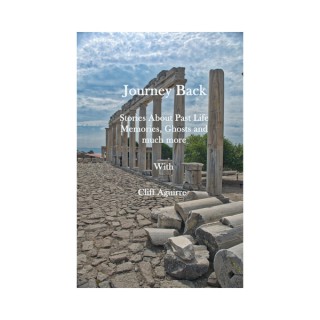
In this episode of Journey Back, a woman talks about her life living in Francine the early 1900's. In her second life, she is a woman held captive in the Sahara Desert. Mind Balance Hypnosis Cliff Books Music
Send us a text & leave your email address if you want a reply!Foreplay for the Soul: Tantric Kissing Secrets - For Free What If the Secret to Better Orgasms Was Hiding in Your Spine? You've tried the breathing techniques. You've experimented with new positions. Maybe you've even invested in pelvic floor exercises. But what if the missing piece to a more responsive, pleasurable body isn't something you add — it's something you realign? In this episode of the Sex Reimagined Podcast, hosts Leah Piper and Dr. Willow Brown sit down with Paris Latka, a former yoga teacher turned Bow Spring alignment expert, to explore how spinal alignment directly impacts sexual wellness — from pelvic floor health and orgasm quality to emotional safety and full-body sensation.
Send a textRobyn Gaillard is a Mind-Body Connection Consultant and Practitioner specializing in the wisdom of the nervous system, mind–body integration, and lifestyle-based support. Her work supports understanding the autonomic nervous system, circadian rhythm alignment, emotional baseline stabilization, HRV-informed self-regulation, personal and family wellness. In this deeply honest and expansive second conversation, Vanessa and Heather welcome back Robin Gaylard to explore what it really looks like to move through chaos into alignment — both internally and externally.Robin shares her journey of leaving Long Island and building a new life in western Massachusetts, reconnecting with family, nature, and a community rooted in circadian living and authentic health practices. Together, they reflect on trusting divine timing, embracing duality, and finding beauty in life's most uncertain seasons — like shaking a snow globe and watching a new order emerge.This episode dives into the balance between community and solitude, the importance of nervous system protection in a technology-driven world, and the power of shifting from worry to wonder. Robin also shares her personal daily practices — from meditation and movement to stillness and prayer — and her coaching philosophy centered on intuitive listening, personal responsibility, and reclaiming inner wisdom.You'll hear conversations on:Trusting the process during major life transitionsCircadian and quantum principles for alignmentSetting boundaries with technology and social mediaBalancing spiritual growth with practical daily livingAuthentic aging, self-acceptance, and natural rhythmsProtecting your energetic signature and emotional spaceMoving from external validation to internal guidanceThis conversation is an invitation to slow down, reconnect with your inner light, and remember that healing and growth are deeply personal journeys — not something to outsource.✨ Connect with Robin:www.mywayom.comhttps://www.instagram.com/my_way_om/Support the showFind Heather:Book with HeatherHeather's Favorite Quantum Health ProductsHeather's Instagram Find Vanessa:Vanessa's Instagram Vanessa's Website Free Product Guide with Discount Codes Free Homeopathy at Home Guide
In this episode of Rewind, we return to the enchanted, mysterious, and emotionally rich world of Once Upon a Time—the series that reimagined fairy tales for a modern audience while grounding them in the very human struggles of identity, destiny, and redemption. Set in the fictional town of Storybrooke, Maine, the show begins with a startling revelation: the residents are actually fairy‑tale characters ripped from their magical realms and cursed to live ordinary lives with no memory of who they once were. Through its signature dual‑timeline storytelling, the series explored the hidden pasts of beloved characters—from Snow White to Rumpelstiltskin—and the ways their fairy‑tale histories shaped their present‑day lives. This episode features conversations with Jennifer Morrison, who brought emotional depth and grit to Emma Swan, and showrunners Adam Horowitz and Edward Kitsis, the creative minds who fused Disney's iconic storybook legacy with bold, serialized fantasy drama. SAVE 17% ON PLUS TODAY
Deacon Rob Rysavy may be a familiar name to many in the diocese. This Sioux Falls native has returned home and is the new Chief Operations Officer for the Diocese of Sioux Falls. Join us to find out about his faith, his call to the diaconate, and what he'll be doing in his work in our diocese.
Join Buzz Knight for this encore presentation with acclaimed country music singer-songwriter Cyndi Thomson, best known for her chart-topping hit “What I Really Meant to Say.” In this heartfelt conversation, Cyndi Thomson opens up about her remarkable journey through the Nashville music industry, including the difficult decision to step away from performing at the height of her career and what ultimately inspired her powerful return to songwriting and recording. Discover the story behind Cyndi’s successful jewelry company, Haybelle, which has become a favorite among country music stars including Lainey Wilson, Olivia Culpo, and Kimberly Williams-Paisley. Learn how she built this celebrity-endorsed brand while navigating life outside the spotlight. Cyndi Thomson shares exclusive insights into her new music, including the deeply personal singles “Acres of Diamonds” and “Five More Minutes,” revealing the real-life inspiration and creative process behind these powerful tracks. She discusses lessons learned from years on the road, the challenges of balancing artistry with business, and what it means to follow your heart back to your true calling. Whether you’re a longtime fan of Cyndi’s country music or discovering her story for the first time, this episode celebrates resilience, authenticity, and the transformative power of music to heal and inspire. Takin A Walk, Music Saved Me, Takin A Walk Nashville and Comedy Saved Me are produced by Buzz Knight Media Productions and part of The IHeart Podcast Network. Support the show: https://takinawalk.com/ See omnystudio.com/listener for privacy information.Support the show: https://takinawalk.com/See omnystudio.com/listener for privacy information.
She didn't start over, she started wiser... This week's episode is a conversation that feels especially close to home. I'm sitting down with a longtime client — a mom, academic director, and a woman who, like so many of us, has spent years putting everyone else first. After experiencing both success and setbacks (including a health scare that forced her to reevaluate everything), Renita Craig found herself starting over… again. But what followed wasn't a quick fix or extreme reset — it was something far more powerful: steady, sustainable consistency. We talk about weight regain without shame, rebuilding discipline during a busy season of life, and what it really looks like to prioritize your health in your late 40s when your calendar is full and motivation isn't always there. This episode is for any woman who feels behind, discouraged, or like she has to be perfect to make progress. Her story is proof that you're not starting from scratch — you're starting from experience. And it's never too late to come back stronger. Follow Renita on Instagram: @renitarochella
Send us a text & leave your email address if you want a reply!Nitric Oxide for Better Sex: The Biohack That's Already Inside YouWhat if the reason your body isn't responding like it used to has nothing to do with your age, your hormones, or your relationship? Nitric oxide is a molecule your body already makes. It tells your blood vessels to open so blood can flow to your heart, your brain, and yes… your genitals. When it's flowing, erections are firmer, tissues are plumper, lubrication shows up naturally, and pleasure builds the way it's supposed to. When it drops? Everything fades. And most people have no idea that's what's happening. This episode is your roadmap to getting it back.WHAT WE COVERWhat nitric oxide does in your body and why Dr. Willow calls it your "natural opening signal"Signs yours might be low (softer erections, vaginal dryness, orgasms that feel like a fraction of what they used to be)Foods that boost it naturally: beets, arugula, spinach, dark leafy greensL citrulline and L arginine: the amino acid supplements that support nitric oxide (and why you take them daily, not right before intimacy)Saunas, steam rooms, and infrared: how heat widens blood vessels, lowers cortisol, supports testosterone, and detoxes endocrine disruptorsThe VFit red light therapy device: Dr. Willow's favorite intimate wellness tool for tissue health, natural lubrication, and sensitivity (Halle Berry is a fan too)A Tantric breathing practice for couples: synchronized breath, bellies together, hip spirals, pelvic floor pulses. Do this before sex. Thank us later.Try one thing this week: eat more greens, take a sauna, go for a walk, or breathe slowly with your partner before your next intimate moment. Start there.Tune in. Turn on. Follow.LINKS & RESOURCES MENTIONED IN THE EPISODE CAN BE FOUND HERE: https://www.sexreimagined.com/blog/nitric-oxide-for-better-sex The Live Power of Pleasure Free Summit | Feb 11-12, 2026 > While everyone else is buying predictable Valentine's gifts, you'll be learning from the world's most innovative sexuality teachers how to access states of intimacy that most people don't even know exist. Free to Register: https://www.sexreimagined.com/power-of-pleasure ROOTED IN DESIRE. A Journey Back to Your Feminine Essence If you're a heart-centered woman ready to embody your femininity, awaken your sacred sexuality, and fall deeply in love with yourself, this immersion is for you. Register: https://www.sexreimagined.com/rooted-in-desire THE MALE GSPOT & PROSTATE MASTERCLASS. This is for you if… You've heard of epic anal orgasms, & you wonder if it's possible for you too. Save 20% Coupon PODCAST20. Support the show FREEBIE- Introduction to Tantric Kissing Video and Workbook SxR Website Dr. Willow's Website Leah's Website
What if the freedom you're searching for begins with fully being yourself? Tune in for G. Brian Benson as he discusses Be Yourself to Free Yourself, A Journey Back to Wholeness, Voice, and Truth.Moments with Marianne airs in the Southern California area on KMET1490AM & 98.1 FM, an ABC Talk News Radio Affiliate! https://www.kmet1490am.comG. Brian Benson is an intuitive consciousness bridge who is an award-winning and #1 best-selling author, poet, podcast host, mentor, filmmaker, producer and TEDx speaker. Brian creates to amplify hearts, spark self-discovery, and remind others of their own light. As a 4x Ironman triathlete, cross-country bicyclist and cancer survivor, Brian knows the value of hard work and never giving up on his dreams, a message he shares with audiences through each of his creative expressions. https://www.gbrianbenson.com www.habitsforsuccessbook.com For more show information visit: https://www.mariannepestana.com/
York City defender Jeff King sat down for an honest and wide-ranging conversation, reflecting on a career that's taken him from Bolton Wanderers and St Mirren to becoming a fan favourite at Halifax and Chesterfield.Now back in the fold at York City following a successful loan spell with Boreham Wood, Jeff discussed his footballing journey, the challenges he's faced, and what it means to rejoin the Minstermen squad.This interview was recorded live at Brew York during the York City Supporters Trust February social event and was hosted by Dan Tait of the Hospital Ball podcast.If you enjoy this episode, please consider supporting our work via justgiving.com/yorkhospitalradio
In this episode of the Uplevel Dairy Podcast, Peggy Coffeen interviews Nathan Abel, the next-generation dairyman at Abel Dairy Farms. Nathan shares insights on how his hands-on experience, education, and incorporation of technology are helping him prepare for future leadership and ownership roles. He discusses his educational journey, the importance of learning both the technical and business aspects of dairy farming, and the challenges and strategies for implementing new technologies. Nathan also highlights the value of community involvement and ongoing learning as essential components for the farm's sustainable growth. This episode emphasizes the pivotal role of modern software solutions in revolutionizing dairy operations.This Episode is Brought to you by Milc Group Milc Group is a dairy software company that brings real-time, actionable data to dairy farms across the world. They are dedicated to revolutionizing the dairy industry with their user-friendly cloud-based software. ONE™ by Milc Group is our all-in-one app that brings together all the important aspects of your dairy together in one place. With products such as feed and animal management software, people training, dairy facility monitoring, and scale management, Milc Group is committed to providing producers with tools they need to succeed.00:00 Introduction to the Next Generation of Dairy Farming00:38 Sponsorship Message from Milc Group01:11 Nathan Abel's Journey Back to the Family Farm01:56 Educational Path and Early Decisions05:59 Hands-On Experience and Internships08:03 Integrating Technology into Dairy Farming14:25 Leadership and Team Dynamics19:18 Community Involvement and Future Vision22:19 Conclusion and Final Thoughts
Exciting Life Changes: Diana's Journey Back to Seminary In this new episode Diana shares a major life update: she is returning to seminary to pursue a Master of Divinity with the goal of becoming a hospital chaplain. Diana discusses the inspirations behind this decision, the requirements for becoming a chaplain, and how it aligns with her extensive background in ministry and healthcare. She addresses potential concerns about women in ministry, outlines her plans for the podcast during this busy period, and offers resources and support to listeners. Tune in to hear about Diana's exciting new chapter and her continued commitment to helping others through her podcast and future chaplaincy. 00:00 Introduction and Sponsor Message 00:47 Welcome to the Podcast 01:20 New Year Updates and Announcements 01:56 Journey to Becoming a Chaplain 05:12 Role and Responsibilities of a Chaplain 11:19 Podcast Changes and Future Plans 16:34 Conclusion and Support
After 60 years, Michael Crose returns to Hernando, Florida—the segregated small town where his family lived in 1964. Driving through the changed landscape triggers powerful memories of the VFW hall, El Rancho restaurant, and the shocking racism that permeated daily life. But the trip takes an unexpected emotional turn when Michael realizes he's the last surviving member of his five-person family—no one left to share these memories with. A raw, honest reflection on grief, memory, and the profound isolation of being the final keeper of family history.#TheDailyGrateful #MichaelCrose #PodcastEpisode #GriefAndLoss #FamilyMemories #FloridaHistory #Hernando #CitrusCounty #1964 #CivilRightsEra #Segregation #FamilyHistory #LastOneLeft #SharedMemories #HealingThroughStorytalk #PodcastCommunity #TruePodcast #PersonalStory #Nostalgia #SmallTownAmerica #GenerationalMemory #LossAndHealing #PodcastTherapy #VulnerablePodcast #RealTalk #MemoryKeeper #FamilyLegacy
This episode of Driving Home the Faith offers hope, clarity, and hard-won wisdom for anyone wrestling with modern cultural ideologies, faith, and the meaning of authentic freedom. In this thoughtful and deeply personal conversation, Dr. Jennifer Roback Morse, founder of the Ruth Institute, reflects on her intellectual and spiritual journey—from Ivy League economics and libertarian ideology to Catholic faith, motherhood, and a renewed understanding of human nature. Dr. Morse shares how infertility, adoption, and lived experience challenged the promises of radical individualism and reshaped her views on freedom, feminism, and the role of the family in forming human trust and virtue. With honesty and insight, she explains why liberty without moral truth ultimately fails—and why love, dependence, and family are not weaknesses, but foundations of a healthy society.
Send us a text & leave your email address if you want a reply!What if we told you there's a peptide that works on your brain's desire centers, not just your genitals, and it's giving 78-year-olds spontaneous teenage-level erections? Meet PT 141, the game-changing "brain Viagra" that's quietly revolutionizing sexual health. Dr. Willow and Leah break down the science behind peptides, share real transformation stories and explain why your gut health might be the missing piece in your libido puzzle. This is a deep dive into how peptides work as "jumper cables" for your entire system, why weight loss peptides are boosting sexual confidence, and the safety protocols you need to know before you start.EPISODE HIGHLIGHTS• PT 141 works on your brain, not just blood flow – flips the switch on desire and extends higher arousal states• 78-year-old gets teenage-level erections • Clinical study proves it works – 50% of 1,200 women saw real libido improvement vs 20% on placebo• Gut health kills libido – how inflammation and bloating destroy sexual desire• Weight loss peptides boost sexual confidence – feel better in your body, want more sex• Start low and slow safety protocols – dosage guidance and which peptides combine safely• Peptides supercharge hormone therapy – make HRT work 10x better plus other anti-aging benefitsVIDEOS, LINKS & RESOURCES MENTIONED IN THE EPISODE CAN BE FOUND HEREThe Live Power of Pleasure Free Summit | Feb 11-12, 2026 > While everyone else is buying predictable Valentine's gifts, you'll be learning from the world's most innovative sexuality teachers how to access states of intimacy that most people don't even know exist. Free to Register: https://www.sexreimagined.com/power-of-pleasure ROOTED IN DESIRE. A Journey Back to Your Feminine Essence If you're a heart-centered woman ready to embody your femininity, awaken your sacred sexuality, and fall deeply in love with yourself, this immersion is for you. Register: https://www.sexreimagined.com/rooted-in-desire THE MALE GSPOT & PROSTATE MASTERCLASS. This is for you if… You've heard of epic anal orgasms, & you wonder if it's possible for you too. Save 20% Coupon PODCAST20. Support the show FREEBIE- Introduction to Tantric Kissing Video and Workbook SxR Website Dr. Willow's Website Leah's Website
This month's short, powerful meditation walks you into the future—so you can bring her home to today. In under 10 minutes, you'll step onto a path, arrive at a celebration in your honor, and embody the you who's 10 years wiser, braver, and more you than ever. Use this visualization daily to rewire identity, raise your frequency, and collapse the gap between who you are and who you're becoming. What you'll get A calming, future-self visualization you can do in 3–10 minutes An identity reset: align thoughts, energy, and actions with the next-level you Nervous system downshift (hello, shoulders dropping + jaw softening) A simple daily protocol to build belief through repetition (neuroplasticity for the win) How to use it Press play each morning in February (and save it for your monthly playlist). Place a hand over your heart when Moira cues it. After the episode, jot 3 "I am…" statements and 1 next aligned action. Share with a friend and keep each other accountable. Subscribe To My Newsletter: https://moirakfitness.activehosted.com/f/28 Join My FREE High Vibe Life Community: https://www.facebook.com/groups/811935653862055 Learn more about MAKE Wellness: https://meet.makewellness.com/?referral=74249EEEC5 FREE Habit Tracker https://bit.ly/HighVibeHabitTracker Rise up planner + Book Of Proof Journal https://bit.ly/moirakucababooks Rise Up Course https://bit.ly/moirariseupcourse Follow Me On Instagram: https://www.instagram.com/moirakucaba/?hl=en Watch On Youtube: https://www.youtube.com/@moirakucaba5802 Keywords: guided meditation, future self, identity, visualization, monthly meditation, morning routine, mindset, neuroplasticity, Moira Kucaba, High Vibe Life
Reformed Brotherhood | Sound Doctrine, Systematic Theology, and Brotherly Love
In this episode of The Reformed Brotherhood, Tony and Jesse continue their deep dive into the Parable of the Prodigal Son by examining the often-overlooked character of the elder brother. While the younger son's rebellion is obvious, the elder brother's self-righteous moralism represents a more subtle—and perhaps more dangerous—form of lostness. Through careful exegesis of Luke 15:25-32, the hosts explore how religious performance, resentment of grace, and merit-based thinking can keep us far from the Father's heart even while we remain close to the Father's house. This conversation challenges listeners to examine their own hearts for traces of elder brother theology and calls us to celebrate the scandalous grace that restores sinners to sonship. Key Takeaways Two ways to be lost: The parable presents both flagrant rebellion (the younger son) and respectable self-righteousness (the elder son) as forms of spiritual lostness that require God's grace. The elder brother's geographic and spiritual position: Though physically near the house and faithful in service, the elder brother was spiritually distant from the father's heart, unable to celebrate grace extended to others. Moralism as a subtle distance: Self-righteous religion can be more deceptive than open rebellion because it appears virtuous while actually rejecting the father's character and values. The father pursues both sons: God's gracious pursuit extends not only to the openly rebellious but also to the self-righteous, demonstrating that election and grace are sovereign gifts, not earned rewards. The unresolved ending: The parable intentionally leaves the elder brother's response unstated, creating narrative tension that challenges the original audience (Pharisees and scribes) and modern readers to examine their own response to grace. Adoption as the frame of obedience: True Christian obedience flows from sonship and inheritance ("all that I have is yours"), not from a wage-earning, transactional relationship with God. Resentment reveals our theology: When we find ourselves unable to celebrate the restoration of repentant sinners, we expose our own need for repentance—not from scandal, but from envy and pride. Key Concepts The Elder Brother's Subtle Lostness The genius of Jesus' parable is that it exposes a form of lostness that religious people rarely recognize in themselves. The elder brother never left home, never squandered his inheritance, and never violated explicit commands. Yet his response to his brother's restoration reveals a heart fundamentally opposed to the father's character. His complaint—"I have served you all these years and never disobeyed your command"—demonstrates that he viewed his relationship with the father transactionally, as an employer-employee arrangement rather than a father-son bond. This is the essence of legalism: performing religious duties while remaining distant from God's heart. The tragedy is that the elder brother stood within reach of everything the father had to offer yet experienced none of the joy, fellowship, or security of sonship. This form of lostness is particularly dangerous because it wears the mask of righteousness and often goes undetected until grace is extended to someone we deem less deserving. The Father's Gracious Pursuit of the Self-Righteous Just as the father ran to meet the returning younger son, he also went out to plead with the elder brother to come into the feast. This detail is theologically significant: God pursues both the openly rebellious and the self-righteous with the same gracious initiative. The father's response to the elder brother's complaint is not harsh correction but tender invitation: "Son, you are always with me, and all that is mine is yours." This reveals that the problem was never scarcity or the father's favoritism—the elder brother had always possessed full access to the father's resources and affection. The barrier was entirely on the son's side: his inability to receive sonship as a gift rather than a wage. This mirrors the historical situation of the Pharisees and scribes who grumbled at Jesus for receiving sinners. They stood adjacent to the kingdom, surrounded by the promises and covenant blessings of God, yet remained outside because they could not accept grace as the principle of God's dealing with humanity. The invitation still stood, but it required them to abandon their merit-based system and enter the feast as recipients of unearned favor. The Unresolved Ending and Its Challenge to Us Luke deliberately leaves the parable unfinished—we never learn whether the elder brother eventually joined the celebration. This narrative technique places the reader in the position of the elder brother, forcing us to answer for ourselves: will we enter the feast or remain outside in bitter resentment? For the original audience of Pharisees and scribes, this unresolved ending was a direct challenge to their response to Jesus' ministry. Would they continue to grumble at God's grace toward tax collectors and sinners, or would they recognize their own need and join the celebration? For contemporary readers, the question remains equally pressing. When we hear of a notorious sinner coming to faith, do we genuinely rejoice, or do we scrutinize their repentance with suspicion? When churches extend membership to those with broken pasts, do we celebrate restoration or quietly question whether they deserve a place at the table? The parable's open ending is not a literary flaw but a pastoral strategy: it refuses to let us remain passive observers and demands that we examine whether we harbor elder brother theology in our own hearts. Memorable Quotes The father's household is a place where grace produces joy, not just merely relief. The elder brother hears the joy before he sees it. That's often how resentment works, isn't it? We're alerted to the happiness of others and somehow there's this visceral response of wanting to be resentful toward that joy, toward that unmerited favor. — Jesse Schwamb There is a way to be near the house, church adjacent, religiously active, yet to be really far from the father's heart. The elder brother is not portrayed as an atheist, but as a moralist. And moralism can be a more subtle distance than open rebellion. — Jesse Schwamb God doesn't keep sinners from repenting. The reprobate are not prohibited or prevented by God from coming to faith. They're being kept out by their own stubborn refusal to come in. That's where this punchline hits so hard. — Tony Arsenal Full Transcript [00:00:44] Jesse Schwamb: Welcome to episode 477 of The Reformed Brotherhood. I'm Jesse. [00:00:51] Tony Arsenal: And I'm Tony. And this is the podcast with ears to hear. Hey brother. [00:00:55] Jesse Schwamb: Hey brother. [00:00:56] Parables and God's Word [00:00:56] Jesse Schwamb: Speaking of ears to hear, it struck me that this whole thing we've been doing all this parable talk is really after the manner of God's words. And one of the things I've really grown to appreciate is how God speaks to the condition of those whom he addresses. He considers our ability, our capacity as his hearers to process what he's saying, and that leads into these amazing parables that we've been talking about. He doesn't speak as he is able to speak. So to speak, but I didn't mean that to happen. But as we were able to hear, and that means he spoke in these lovely parables so that we might better understand him. And today we're gonna get into some of the drama of the best, like the crown jewel as we've been saying, of maybe all the parables. The Parable of the Lost Son. We spoke a little bit about it in the last episode. Definitely want to hit that up because it's setting you up for this one, which is the definitive episode. But now we're gonna talk about this first, this younger lost son. Get into some of all of these like juicy details about what takes place, and really, again, see if we can find the heart of God. Spoiler. We can and we'll, [00:02:04] Tony Arsenal: yeah, [00:02:04] Affirmations and Denials [00:02:04] Jesse Schwamb: but before we do both of those things, it's of course always time at this moment to do a little affirming with or denying against. Of course, if you haven't heard us before, that's where we take a moment to say, is there something that we think is undervalued that we wanna bring forward that we'd recommend or think is awesome? Or conversely, is there something that's overvalued that's just, we're over it. The vibe is done. We're gonna deny against that. So I say to you, as I often do, Tony, are you affirming with or deny against? [00:02:31] Tony's Nerdy Hobby: Dungeons and Dragons [00:02:31] Tony Arsenal: I'm affirming tonight. Um, I don't know how much the audience realizes of a giant ridiculous nerd I am, but we're about to go to entirely new giant nerd depths. [00:02:43] Jesse Schwamb: All right. I [00:02:43] Tony Arsenal: think, [00:02:44] Jesse Schwamb: let's hear it. [00:02:44] Tony Arsenal: So, um, I was a huge fan of Stranger Things. Some, there's some issues with the show, and I understand why some people might not, um, might not feel great about watching it. You know, I think it falls within Christian liberty. But one of the main themes of the show, this is not a spoiler, you learn about this in episode one, is the whole game. The whole show frames itself around Dungeons and Dragons, right? It's kind of like a storytelling device within the show that the kids play, Dungeons and Dragons, and everything that happens in the Dungeons and Dragons game that they're playing, sort of like, um, foreshadows what's actually gonna happen in the show. Which funny if, you know Dungeons and Dragons lore, you kind of learn the entire plot of the story like ahead of time. Um, but so I, stranger Things just finished up and I've kind of been like itching to get into Dungeons and Dragons. I used to play a little bit of tabletop when I was in high school, in early college and um, I just really like the idea of sort of this collaborative storytelling game. Um, whether it's Dungeon Dragons or one of the other systems, um, Dungeons and Dragons is the most popular. It's the most well published. It's the most well established and it's probably the easiest to find a group to play with. Although it is very hard to find a group to play with, especially, uh, kind of out in the middle of nowhere where I live. So this is where the ultra super nerdy part comes in. [00:04:02] Jesse Schwamb: Alright, here we [00:04:03] Tony Arsenal: go. I have been painstakingly over the last week teaching Google Gemini. To be a dungeon master for me. So I've been playing Dungeons and Dragons more or less by myself with, uh, with Google Gemini, and I'm just having a lot of fun with it. Um, you can get a free copy of the rules online if you, I think it's DND, the letter NDND beyond.com. They have a full suite of like tools to create your character. Access to a basic set of the core rules. Um, you can spend a lot of money on Dungeons and Dragons, uh, and if you want to like really get into it, the books are basically textbooks. Like you're buying $300 or 300 page, $300, 300 page textbooks, um, that are not all that differently costs than like college textbooks. You'll buy a 300 page Dungeon master guide that's like $50 if you want a paper copy. So, but you can get into it for free. You can get the free rolls online, you can use their dungeon, the d and d Beyond app and do all your dice rolls for free. Um, you, you can get a free dice roller online if you don't want to do their, their app. Um, but it's just a lot of fun. I've just been having a lot of fun and I found that the, I mean. When you play a couple sessions with it, you see that the, the um, the A IDM that I've created, like it follows the same story beats 'cause it's only got so much to work with in its language model. Um, but I'm finding ways to sort of like break it out of that model by forcing it to refer to certain websites that are like Dungeons and Dragons lore websites and things like build your, build your campaign from this repository of Dungeons and Dragons stuff. So. I think you could do this with just about any sort of narrative storytelling game like this, whether you're playing a different system or d and d Pathfinders. I mean, there's all sorts of different versions of it, but it's just been a lot of fun to see, see it going. I'm trying to get a group together. 'cause I think I would, I would probably rather play Dungeons and Dragons with people, um, and rather do it in person. But it's hard to do up here. It's hard to get a, get a group going. So that's my super nerdy affirmation. I'm not just affirming Dungeons and Dragons, which would already be super nerdy. I'm affirming playing it by myself on my phone, on the bus with Google Gemini, AI acting like I'm not. Just this weird antisocial lunatic. So I'm having a lot of fun with it. [00:06:20] Jesse Schwamb: So there are so many levels of inception there. Yeah. Like the inception and everything you just said. I love it. [00:06:27] Tony Arsenal: Yeah. Well, what I'm learning is, um, you can give an, and, and this is something I didn't realize, what ai, I guess I probably should have, you know, it's not like an infinite thing. Um, you can give an AI instructions and if your chat gets long enough, it actually isn't referring back to the very beginning of the chat most of the time. Right. There's a, there's like a win context window of about 30 responses. So like if you tell the AI, don't roll the dice for me, like, let me roll dices that are related to my actions, eventually it will forget that. So part of what I've been doing is basically building, I'm using Google Gemini when the AI does something I don't want it to do, I say, you just did something I don't want it to do. Gimme a diagnostic report of why you did that. It will explain to me why it did what it did. Right. Why it didn't observe the rules. And then I'm feeding that into another. Prompt that is helping me generate better prompts that it refers back to. So it's kind of this weird iterative, um, yeah, I, I don't, I'm like, I maybe I'm gonna create the singularity. I'm not sure. Maybe this is gonna be possible. We should sit over the edge. It's gonna, it's gonna learn how to cast magic spells and it's gonna fire bolt us in the face or something like that. Right. But, uh, again, high risk. I, I, for one, welcome our AO AI dungeon masters. So check it out. You should try it. If you could do this with chat GPT, you could do it with any ai. Um, it, it, it is going to get a little, I have the benefit because I have a Google Workspace account. I have access to Google Pro or the Gemini Pro, which is a better model for this kind of thing. But you could do this with, with chat GPT or something like that. And it's gonna be more or less the same experience, I think. But I'm having a, I'm having a ton of fun with it. Um. Again, I, I, there's something about just this, Dungeons and Dragons at its core is a, it's like a, an exercise in joint storytelling, which is really fascinating and interesting to me. Um, and that's what most tabletop RPGs are like. I suppose you get into something like War Hammer and it's a little bit more like a board. It's a mixture of that plus a board game. But Dungeons and Dragons, the DM is creating the, I mean, not the entire world, but is creating the narrative. And then you as a player are an actor within that narrative. And then there's a certain element of chance that dice rolls play. But for the most part, um, you're driving the story along. You're telling the story together. So it's, it's pretty interesting. I've also been watching live recordings of Dungeons and Dragon Sessions on YouTube. Oh, [00:08:50] Jesse Schwamb: wow. [00:08:51] Tony Arsenal: Like, there's a, there's a channel called Critical Role. Like these sessions are like three and a half hours long. So, wow. I just kinda have 'em on in the background when I'm, when I'm, uh, working or if I'm, you know, doing something else. Um, but it's really interesting stuff. It's, it's pretty cool. I think it's fun. I'm a super nerd. I'm, I'm no shame in that. Um, I'm just really enjoying it. [00:09:09] Jesse Schwamb: Listen, nerdery is great. That's like part of the zeitgeist now. Listen to culture. It's cool to be a nerd. I don't know much about d and d. I've heard a lot about this idea of this community that forms around. Yeah. The story, correct me if I'm wrong, can't these things go on for like years, decades? [00:09:25] Tony Arsenal: Oh yeah, yeah. Like, you can do there. There, some of this has made its way into the official rule books, but basically you could do what's called a one shot, which is like a self-contained story. Usually a single session, you know, like you get a Dungeon master, game master, whichever you wanna call the person. Three to four, maybe five characters, player characters. And one session is usually about two hours long. So it's not like you sit down for 20 minutes, 30 minutes at a time and play this right. And you could do a one shot, which is a story that's designed to, to live all within that two hour session. Um, some people will do it where there isn't really any planned like, outcome of the story. The, the DM just kind of makes up things to do as they go. And then you can have campaigns, which is like, sometimes it's like a series of one shots, but more, it is more like a long term serialized period, you know, serialized campaign where you're doing many, um, many, many kinds of, uh, things all in one driving to like a big epic goal or battle at the end, right? Um, some groups stay together for a really long time and they might do multiple campaigns, so there's a lot to it. Game's been going on for like 50, 60, 70 years, something like that. I don't remember exactly when it started, but [00:10:41] Jesse Schwamb: yeah. [00:10:41] Tony Arsenal: Um, it's an old game. It's kinda like the doctor who of of poor games and it's like the original tabletop role playing game, I think. [00:10:47] Jesse Schwamb: Right. Yeah, that makes sense. Again, there's something really appealing to me about not just that cooperative storytelling, but cooperative gameplay. Everybody's kind of in it together for the most part. Yeah. Those conquest, as I understand them, are joint in nature. You build solidarity, but if you're meeting with people and having fun together and telling stories and interacting with one another, there's a lot of good that comes out of that stuff there. A lot of lovely common grace in those kind of building, those long-term interactions, relationships, entertainment built on being together and having good, clean, fun together. [00:11:17] Tony Arsenal: Yeah. Well, and it's, you know, it's, um. It's an interesting exercise. It's it, in some ways it's very much like improv. Like you, you think of like an improv comedy like show I've been to somewhere. Like, you know, you go to the show and it's an improv troupe, but they're like calling people from the crowd up and asking them for like different scenarios they might do. It's kind of like that in that like the GM can plan a whole, can plan a whole thing. But if I as a player character, um. And I've done this to the virtual one just to see what it does, and it's done some interesting things. One of the campaigns I was playing, I had rescued a merchant from some giant spiders and I was helping, like, I was helping like navigate them through the woods to the next town. And we kept on getting attacked and just outta nowhere. I was like, what if I sort of act as though I'm suspicious of this merchant now because why are we getting attacked all the time? And so I, I typed in sort of like a little. A mini role play of me accusing this guy. And it was something like, Randall, we get, we're getting attacked a lot for a simple merchant, Randall merchant. What happens if I cast a tech magic? What am I gonna find? And he's like, I don't know what I'm gonna find. I know I don't know anything. And then I cast a tech magic and it shifted. I mean, I don't know where the campaign was gonna go before that, but it shifted the whole thing now where the person who gave him the package he was carrying had betrayed him. It was, so that happens in real life too in these games, real life in these games. That happens in real, in-person sessions too, where a player or a group of players may just decide instead of talking to the contact person that is supposed to give them the clue to find the dungeon they're supposed to go to, instead they ambush them and murder them in gold blood. And now the, the dungeon master has to figure out, how do I get them back to this dungeon when this is the only person that was supposed to know where it is? So it, it does end up really stretching your thinking skills and sort of your improvisational skills. There's an element of, um, you know, like chance with the dice, um, I guess like the dice falls in the lot, but the lot is in the handle. Or like, obviously that's all ordained as well too, but there is this element of chance where even the DM doesn't get to determine everything. Um, if, if I say I want to, I want to try to sneak into this room, but I'm a giant barbarian who has, you know, is wearing like chain mail, there's still a chance I could do it, but the dice roll determines that. It's not like the, the GM just says you can't do that. Um, so it's, it's a, I, I like it. I'm, I'm really looking forward to trying to, getting into it. It is hard to start a group and to get going and, um, there's a part of me that's a little bit. Gun shy of maybe like getting too invested with a group of non-Christians for something like this. 'cause it can get a little weird sometimes. But I think that, I think that'll work out. It'll be fun. I know there's actually some people in our telegram chat. Bing, bing, bing segue. There we go. There's some people in our telegram chat actually, that we're already planning to do a campaign. Um, so we might even do like a virtual reform brotherhood, Dungeons and Dragons group. So that might be a new sub channel in the telegram at some point. [00:14:13] Jesse Schwamb: There you go. You could jump right in. Go to t.me back slash reform brotherhood. [00:14:18] Tony Arsenal: Yeah. Jesse, what are you affirming since I just spent the last 15 minutes gushing about my nerdy hobby? [00:14:23] Jesse Schwamb: Uh, no, that was great. Can I, can I just say two things? One is, so you're basically saying it's a bit like, like a troll shows up and everybody's like, yes. And yeah. So I love that idea. Second thing, which is follow up question, very brief. What kind of merchant was Randall. [00:14:39] Tony Arsenal: Uh, he was a spice trader actually. [00:14:42] Jesse Schwamb: Yeah. I don't trust that. [00:14:43] Tony Arsenal: And, and silk, silk and spices. [00:14:45] Jesse Schwamb: Yeah. That's double, that's too strict. [00:14:47] Tony Arsenal: He was actually good guy in the, in the story that developed out of this campaign. He actually became part of my family and like, like, like got adopted into the family because he lost everything on his own. Randy we're [00:15:00] Jesse Schwamb: talking about Randy. [00:15:01] Tony Arsenal: Randy Randall with one L. Yeah. The AI was very specific about that. [00:15:05] Jesse Schwamb: There's, there's nothing about this guy I trust. I, is this still ongoing? Because I think he's just trying to make his way deeper in, [00:15:11] Tony Arsenal: uh, no, no. It, I'll, I'll wait for next week to tell you how much, even more nerdy this thing gets. But there's a whole thing that ha there was a whole thing out of this That's a tease. Tease. There was a, there was a horse and the horse died and there was lots of tears and there was a wedding and a baby. It was, it's all sorts of stuff going on in this campaign. [00:15:27] Jesse Schwamb: Yeah. And I'm sure. Randy was somewhere near that horse when it happened. Right? [00:15:32] Tony Arsenal: It was his horse. [00:15:33] Jesse Schwamb: Yeah, exactly. That's [00:15:35] Tony Arsenal: exactly, he didn't, he didn't kill the horse. He had no power to knock down the bridge The horse was standing on. [00:15:40] Jesse Schwamb: Listen, next week, I'm pretty sure that's what we're gonna learn is that it was all him. [00:15:45] Tony Arsenal: Alright, Jesse, save us from this. Save us from this, please. Uh, [00:15:49] Jesse Schwamb: no. What [00:15:50] Tony Arsenal: you affirming, this is [00:15:50] Jesse Schwamb: great. [00:15:50] Jesse's Affirmation: Church Community [00:15:50] Jesse Schwamb: It's possible that there is a crossover between yours and mine if we consider. That the church is like playing a d and d game in the dungeon Masters Christ, and the campaigns, the gospel. So I was thinking maybe is it possible, uh, maybe this is just the, the theology of the cross, but that sometimes, like you need the denial to get to the affirmation. Have we talked about that kind of truth? Yeah, [00:16:14] Tony Arsenal: yeah, [00:16:15] Jesse Schwamb: for sure. So here's a little bit of that. I'll be very, very brief and I'm using this not as like just one thing that happened today, but what I know is for sure happening all over the world. And I mean that very literally, not just figuratively when it comes to the body of Christ, the local church. So it snowed here overnight. This was, this is the Lord's Day. We're hanging out in the Lord's Day, which is always a beautiful day to talk about God. And overnight it snowed. The snow stopped relatively late in the morning around the time that everybody would be saying, Hey, it's time to go and worship the Lord. So for those in my area, I got up, we did the whole clearing off the Kai thing. I went to church and I was there a little bit early for a practice for music. And when I pulled in, there weren't many there yet, but the whole parking lot unplowed. So there's like three inches of snow, unplowed parking lot. So I guess the denial is like the plow people decided like, not this time I, I don't think so. They understood they were contracted with the church, but my understanding is that when one of the deacons called, they were like, Ooh, yeah, we're like 35 minutes away right now, so that's gonna be a problem. So when I pulled in, here's what I was. Like surprise to find, but in a totally unexpected way, even though I understand what a surprise is. And that is that, uh, that first the elders and the deacons, everybody was just decided we're going to shovel an entire parking lot. And at some point big, I was a little bit early there, but at some point then this massive text change just started with everybody, which was, Hey, when you come to church, bring your shovel. And I, I will tell you like when I got out of the car. I was so like somebody was immediately running to clear a path with me. One of those like snow pushers, you know what I mean? Yeah. Like one, those beastly kind of like blade things. [00:17:57] Tony Arsenal: Those things are, those things are the best. [00:17:59] Jesse Schwamb: Yeah. You just run. And so you have never met a group of people that was more happy to shovel an entire large asphalt area, which normally shouldn't even be required. And. It just struck me, even in hindsight now thinking about it, it was this lovely confluence of people serving each other and serving God. It was as if they got up that morning and said, do you know what would be the best thing in the world for me to do is to shovel. And so everybody was coming out. Everybody was shoveling it. It was to protect everyone and to allow one into elaborate, one access. It was just incredible. And so I started this because the affirmation is, I know this happens in, in all of our churches, every God fearing God, loving God serving church, something like this is happening, I think on almost every Lord's day or maybe every day of the week in various capacities. And I just think this is God's people coming together because everybody, I think when we sat down for the message was exhausted, but. But there was so much joy in doing this. I think what you normally would find to be a mundane and annoying task, and the fact that it wasn't just, it was redeemed as if like we, we found a greater purpose in it. But that's, everyone saw this as a way to love each other and to love God, and it became unexpected worship in the parking lot. That's really what it was, and it was fantastic. I really almost hope that we just get rid of the plow company and just do it this way from now on. Yeah, so I'm affirming, recognize people, recognize brothers and sisters that your, your church is doing this stuff all the time and, and be a part of it. Jump in with the kinda stuff because I love how it brings forward the gospel. [00:19:35] Tony Arsenal: Yeah. Yeah. That's a great story. It's a great, uh, a great example of the body of Christ being, what the body of Christ is and just pulling together to get it done. Um, which, you know, we do on a spiritual level, I think, more often than a physical level these days. Right, right. But, um, that's great. I'm sitting here going three inches of snow. I would've just pulled into the lot and then pulled out of the lot. But New Hampshire, it hits different in New Hampshire. Like we all d have snow tires and four wheel drive. [00:20:02] Jesse Schwamb: It's, it's enough snow where it was like pretty wet and heavy that it, if, you know, you pack that stuff down, it gets slick. You can't see the people, like you can't have your elderly people just flying in, coming in hot and then trying to get outta the vehicle, like making their way into church. [00:20:14] Tony Arsenal: Yeah. [00:20:15] Jesse Schwamb: So there was, there was a lot more of that. But I think again, you would, one of the options would've been like, Hey, why don't we shovel out some sp spaces for the, for those who need it, for, you know, those who need to have access in a way that's a little bit less encumbered. Oh, no, no. These people are like, I see your challenge and I am going to shovel the entire parking lots. [00:20:35] Tony Arsenal: Yeah. Yeah. It used to happen once in a while, uh, at the last church, uh, at, um, your dad's church. We would, where the plow would just not come on a Sunday morning or, or more often than not. Um, you know, what happens a lot of times is the plows don't want to come more than once. Right. If they don't have to. Or sometimes they won't come if they think it's gonna melt because they don't want to deal with, uh, with like customers who are mad that you plowed and that it all melts. But either way, once in a while. The plow wouldn't come or it wouldn't come in time. And what we would do is instead of trying to shovel an entire driveway thing, we would just went, the first couple people who would get there, the young guys in the church, there was only a couple of us, but the younger guys in the church would just, we would just be making trips, helping people into the, yeah. Helping people into the building. So, um, it was a pretty, you know, it was a small church, so it was like six trips and we'd have everybody in, but um, we just kind of, that was the way we pulled together. Um, yeah, that's a great, it's a great story. I love, I love stuff like that. Yeah, me too. Whether it's, whether it's, you know, plowing a, a parking lot with shovels instead of a plow, or it's just watching, um, watching the tables and the chairs from the fellowship, you know, all just like disappear because everybody's just, uh, picks up after themselves and cleans and stuff. That's, that's like the most concrete example of the body of Christ doing what the body of Christ does. Um, it's always nice, you know, we always hear jokes about like, who can carry the most, the most chairs, [00:22:04] Jesse Schwamb: most [00:22:04] Tony Arsenal: chairs. Uh, I think it's true. Like a lot of times I think like I could do like seven or eight sometimes. [00:22:10] Jesse Schwamb: Uh, you, that's, so, one more thing I wanna say. I, I wanted to tell you this privately, Tony, 'cause it just cracked me up 'cause I, you'll appreciate this. But now I'm realizing I think the brothers and sisters who listened to us talk for any length of time and in the context of this conversation, but the church will appreciate this too. On my way out, I, I happened because I was there early and the snow was crazy. I parked way further out, way on the edge of the lot to just allow for greater access because of all the shoveling that was happening. And by the way, I really hope there were a ton of visitors this morning because they were like, wow, this, this church is wild. They love to shovel their own lot and they're the happiest people doing it. Some sweaty person just ushered me in while they were casting snow. Like, [00:22:47] Tony Arsenal: is this some new version of snake handling? You shovel your own lot and your impervious to back injuries. [00:22:53] Jesse Schwamb: Uh. So I was walking out and as I walked past, uh, there was a, uh, two young gentlemen who were congregating by this very large lifted pickup truck, which I don't have much experience with, but it looked super cool and it was started, it was warming up, and they were just like casually, like in the way that only like people with large beards wearing flannel and Carhartt kind of do, like casually leaning against the truck, talking in a way that you're like, wow, these guys are rugged. And they sound, they're super cool, and they're probably like in their twenties. And all I hear as I pass by is one guy going, yeah, well, I mean that's, I was, I said to them too, but I said, listen, I'd rather go to a church with God-fearing women than anywhere else. [00:23:36] Tony Arsenal: Nice. [00:23:37] Jesse Schwamb: I was just like, yep. On the prowl and I love it. And they're not wrong. This is the place to be. [00:23:42] Tony Arsenal: It is. [00:23:43] Jesse Schwamb: Yeah. This is the place to be. Yeah. So all kinds of, all kinds of good things I think going on in that in the house of the Lord and where wherever you're at, I would say be happy and be joyful and look for those things and participate in, like you said, whether it's physical or not, but as soon as you said like the, our young men, our youth somehow have this competition of when we need to like pack up the sanctuary. How many chairs can I take at one time? Yeah. It's like the classic and it just happens. Nobody says like, okay, everybody line up. We're about to embark on the competition now. Like the strong man usher competition. It's just like, it just happens and [00:24:17] Tony Arsenal: it's [00:24:17] Jesse Schwamb: incredible. [00:24:18] Tony Arsenal: I mean, peacocks fan out their tail feathers. Young Christian guys fan out. All of the table chairs, chairs they can carry. It's uh, it's a real phenomena. So I feel like if you watch after a men's gathering, everybody is like carrying one chair at a time because they don't wanna hurt their backs and their arms. Oh, that's [00:24:36] Jesse Schwamb: true. That's [00:24:37] Tony Arsenal: what I do. Yeah. But it's when the women are around, that's when you see guys carrying like 19 chairs. Yeah. Putting themselves in the hospital. [00:24:42] Jesse Schwamb: That's what I, listen, it comes for all of us. Like I, you know, I'm certainly not young anymore by almost any definition, but even when I'm in the mix, I'm like, oh, I see you guys. You wanna play this game? Mm-hmm. Let's do this. And then, you know, I'm stacking chairs until I hurt myself. So it's great. That's, that is what we do for each other. It's [00:25:01] Tony Arsenal: just, I hurt my neck getting outta bed the other day. So it happens. It's real. [00:25:05] Jesse Schwamb: The struggle. Yeah, the struggle is real. [00:25:07] The Parable of the Lost Son [00:25:07] Jesse Schwamb: Speaking of struggle, speaking of family issues, speaking of all kinds of drama, let's get into Luke 15 and let me read just, I would say the first part of this parable, which as we've agreed to talk about, if we can even get this far, it's just the younger son. [00:25:24] Tony Arsenal: Yeah. [00:25:25] Jesse Schwamb: And again, don't worry, we're gonna get to all of it, but let me read beginning in, uh, verse 11 here. This is Luke chapter 15. Come follow along as you will accept if you're operating heavy machinery. And Jesus said, A man had two sons and the younger of them said to his father, father, give me the share of the estate that falls to me. So he divided his wealth between them. And not many days later, the younger son gathered everything together and went on a journey into a distant country. And there he squandered his estate living recklessly. Now, when he had spent everything, a severe famine occurred in that country and it began to be impoverished. So he went and hired himself to one of the citizens of that country, and he sent him into his fields to feed swine. So he went and as he was desiring to be fed with the pods that the swine were eating because no one was giving anything to him. But when he came to himself, he said, how many of my father's men have more than enough bread, but I am dying here with hunger. I'll rise up and go to my father, and I'll say to him, father, I have sinned against heaven and before you, I'm no longer worthy to be called your son. Make me as one of your hired men. So he rose up, came to his father, but while he was still a long way off. His father saw him and felt compassion and ran and embraced him. And the son said to him, father, I've sinned against heaven and before you, I'm no longer worthy to be called your son. But the father said to his slaves, quickly, bring out the best robe and put it on him, and put a ring on his hand and sandals on his feet and bring the fat in calf and slaughter it and let us celebrate. For the son of mine was dead and has come to life again. He was lost and he has been found and they began to celebrate. [00:27:09] Tony Arsenal: Yeah. Yeah. This is such a, um, such a, I don't know, like pivotal seminal parable in the Ministry of Christ. Um, it's one of those parables and we, we mentioned this briefly last week that even most. It, it hasn't passed out of the cultural zeitgeist yet. A lot of biblical teaching has, I mean, a lot, I think a lot of things that used to be common knowledge where, where you could make a reference to something in the Bible and people would just get it. Um, even if they weren't Christian or weren't believers, they would still know what you were talking about. There's a lot of things in the Bible that have passed out of that cultural memory. The, the parable of the prodigal son, lost son, however you wanna phrase it, um, that's not one of them. Right. So I think it's really important for us, um, and especially since it is such a beautiful picture of the gospel and it has so many different theological touch points, it's really incumbent on us to spend time thinking about this because I would be willing to bet that if you weave. Elements of this parable into your conversations with nonbelievers that you are praying for and, and, you know, witnessing to and sharing the gospel with, if you weave this in there, you're gonna help like plant some seeds that when it comes time to try to harvest, are gonna pay dividends. Right. So I think it's a really, it's a really great thing that we're gonna be able to spend, you know, a couple weeks really just digging into this. [00:28:40] Jesse Schwamb: Yeah, and to define the beginning, maybe from the end, just slightly here, I like what you said about this cultural acknowledgement of this. I think one of the correctives we can provide, which is clear in the story, is in the general cultural sense. We speak of this prodigal as something that just returns comes back, was lost, but now is found. And often maybe there is this component of, in the familial relationship, it's as if they've been restored. Here we're gonna of course find that this coming to one senses is in fact the work of God. That there is, again, a little bit of denial that has to bring forward the affirmation here that is the return. And so again, from the beginning here, we're just talking about the younger son. We have more than youthful ambition. [00:29:19] The Essence of Idolatry and Sin [00:29:19] Jesse Schwamb: This heart of, give me the stuff now, like so many have said before, is really to say. Give me the gifts and not you, which is, I think, a common fault of all Christians. We think, for instance of heaven, and we think of all the blessings that come with it, but not necessarily of the joy of just being with our savior, being with Christ. And I think there's something here right from the beginning, there's a little bit of this betrayal in showing idolatry, the ugliness of treating God's gifts as if there's something owed. And then this idea that of course. He receives these things and imme more or less immediately sometime after he goes and takes these things and squanderers them. And sin and idolatry, I think tends to accelerate in this way. The distance from the father becomes distance from wisdom. We are pulled away from that, which is good. The father here being in his presence and being under his care and his wisdom and in his fear of influence and concern, desiring then to say, I don't want you just give me the gifts that you allegedly owe me. And then you see how quickly like sin does everything you, we always say like, sin always costs more than you want to pay. And it always takes you further than you want to go. And that's exactly what we see here. Like encapsulated in an actual story of relationship and distance. [00:30:33] Tony Arsenal: Yeah. Yeah. And I, you know, I think, um. It's interesting to me. [00:30:39] The Greek Words for Property [00:30:39] Tony Arsenal: You know, I, I, I'm a big fan of saying you don't need to study Greek to understand your Bible, but I'm also a big fan of saying understanding a little bit of Greek is really helpful. And one of the things that I think is really intriguing, and I haven't quite parsed out exactly what I think this means, but the word property in this parable, it actually is two different Greek words that is translated as property, at least in the ESV. And neither one of them really fit. What our normal understanding of property would be. And there are Greek words that refer to like all of your material possessions, but it says, father, give me the share of property. And he uses the word usia, which those of us who have heard anything about the trinity, which is all of us, um, know that that word means something about existence. It's the core essence of a person. So it says, father, give me the share of usia that is coming to me. And then it says, and he divided his bias, his, his life between them. Then it says, not many days later, the younger son gathered all that he had took a journey into the far country. There he squandered his usia again. So this, this parable, Christ is not using the ordinary words to refer to material, uh, material accumulation and property like. I think probably, you know, Christ isn't like randomly using these words. So there probably is an element that these were somehow figuratively used of one's life possessions. But the fact that he's using them in these particular ways, I think is significant. [00:32:10] The Prodigal Son's Misconception [00:32:10] Tony Arsenal: And so the, the, the younger son here, and I don't even like calling this the prodigal sun parable because the word prodigal doesn't like the equivalent word in Greek doesn't appear in this passage. And prodigal doesn't mean like the lost in returned, like prodigal is a word that means like the one who spends lavishly, right? So we call him the prodigal son because he went and he squandered all of his stuff and he spent all of his money. So it doesn't even really describe the main feature or the main point of why this, this parable is here. It's just sort of like a random adjective that gets attached to it. But all of that aside, um. This parable starts off not just about wasting our property, like wasting our things, but it's a parable that even within the very embedded language of the parable itself is talking about squandering our very life, our very essence, our very existence is squandered and wasted as we depart from the Father. Right? And this is so like, um, it's almost so on the head, on the on the nose that it's almost a little like, really Jesus. Like this is, this is so like, slap you in the face kind of stuff. This is right outta like Romans, uh, Romans one, like they did not give thanks to God. They did not show gratitude to God or acknowledge him as God. This is what's happening in this parable. The son doesn't go to his father and say, father, I love you. I'm so happy to stay with you. I'm so happy to be here. He, he basically says like. Give me your very life essence, and I'm gonna go, I'm gonna go spend it on prostitutes. I'm gonna go waste your life, father, I'm gonna waste your life, your existence, your bias. I'm gonna go take that and I'm gonna squander it on reckless living. And I guess we don't know for sure. He, it doesn't say he spends it on prostitutes. That's something his brother says later and assumes he did. So I, I don't know that we do that. But either way, I'm gonna take what's yours, your very life, your very essence. And also that my life, my essence, the gift you've given me as my father, you've given me my life. In addition now to your life or a portion of your life. And I'm gonna go squander that on reckless living, right? Like, how much of a picture of sin is that, that we, we take what we've been given by God, our very life, our very essence, we owe him everything, and we squander that on sinful, reckless living. That that's just a slap in the face in the best way right out of the gate here. [00:34:28] Jesse Schwamb: Yes, that, that's a great point because it's, it would be one thing to rebel over disobedience, another thing to use the very life essence that you've been given for destructive, self-destructive purposes. And then to use that very energy, which is not yours to begin with, but has been imbued in yours, external, all of these things. And then to use that very thing as the force of your rebellion. So it's double insult all the way around. I'm with you in the use of Greek there. Thank you. Locus Bio software. Not a sponsor of the podcast, but could be. And I think that's why sometimes in translations you get the word like a state because it's like the closest thing we can have to understanding that it's property earned through someone's life more or less. Yeah. And then is passed down, but as representative, not just of like, here's like 20 bucks of cash, but something that I spent all of me trying to earn and. And to your point, also emphasizing in the same way that this son felt it was owed him. So it's like really bad all around and I think we would really be doing ourselves a disservice if we didn't think that there's like a little bit of Paul washer saying in this, like I'm talking about you though. So like just be like, look at how disrespectful the sun is. Yeah. Haven't we all done this? To God and bringing up the idea of prodigal being, so that, that is like the amazing juxtaposition, isn't it? Like Prodigal is, is spent recklessly, parsimonious would be like to, to save recklessly, so to speak. And then you have the love the father demonstrates coming against all of that in the same way with like a totally different kind of force. So. [00:36:02] The Famine and Realization [00:36:02] Jesse Schwamb: What I find interesting, and I think this is like set up in exactly what you said, is that when you get to verse 14 and this famine comes, it's showing us, I think that like providence exposes what Sin conceals. [00:36:16] Tony Arsenal: Yeah. [00:36:16] Jesse Schwamb: And want arrives. Not just because like the money ran out, but because again, like these idols, what he's replaced the father with, they don't satisfy. And repentance then often begins when God shows the emptiness of light apart life apart from him. That's like the affirmation being born out of the denial. And so I think that this also is evolving for us, this idea that God is going to use hardship, not as mere punishment, but as mercy that wakes us up and that the son here is being woken up, but not, of course, it's not as if he goes into the land, like you said, starts to spend, is like, whoa, hold on a second. This seems like a bad idea. It's not until all of that sin ever, like the worship of false things collapses under its own weight before it, which is like the precursor of the antecedent, I think, to this grand repentance or this waking up. [00:37:05] Tony Arsenal: Yeah. Yeah. And you know, I also think it's, um. [00:37:08] The Depths of Desperation [00:37:08] Tony Arsenal: A feature of this that I haven't reflected on too deeply, but is, is worth thinking about is the famine that's described here only occurs in this far country that he's in. [00:37:17] Jesse Schwamb: Yeah. [00:37:17] Tony Arsenal: Right. So even that's right. And this is like a multitude of foolish decisions. This is compounding foolish decisions that don't, don't make any sense. Like they don't really actually make any sense. Um. There's not a logic to this, this lost son's decision making. He takes the property. Okay. I guess maybe like you could be anxious to get your inheritance, but then like he takes it to a far country. Like there's no reason for him to do that. If at any point through this sort of insane process he had stopped short, he would not have been in the situation he was in. Yes. And that, I love that phrase, that providence, you know, reveals, I don't know exactly how you said it, but like providence reveals what our sin can bring to us. Like he first see sins against his father by sort of like demanding, demanding his inheritance early. Then he takes it and he leaves his country for no reason. He goes to this far country, then he spends everything and then the famine arises. Right? And the famine arises in this other country. [00:38:13] Jesse Schwamb: Right. [00:38:13] Tony Arsenal: And that's, I think that is still again, like a picture of sin. Like we. We don't just, we don't just take what the father has and, and like spend it like that would be bad enough if we weren't grateful for what we have and what we've been given, and we just waste it. But on top of that, now we also have taken ourselves to a far country. Like we've gone away from the good, the good land of the Lord, as those who are not regenerate. We've gone away from the, the Lord into this far country. And it's not until we start to have this famine that we recognize what we've done. And again, this is, this is where I think we get a picture. There's so many theological, like points in this parable particular that it almost feels a little bit like a, like a. Parable that's intended to teach some systematic theology about for sure, the oral salus, which I think there's probably a lot of like biblical theology people that are ready to just crawl through the screen and strangle me for saying that. But this is such a glorious picture of, of regeneration too. [00:39:16] The Journey Back to the Father [00:39:16] Tony Arsenal: Like he comes to himself, there's nothing, there's nothing in the story that's like, oh, and the servant that he was, the other servant he was talking to mentioned that the famine, like there's nothing here that should prompt him to want to go back to his home, to think that his father could or would do anything about it, except that he comes to himself. He just comes to the realization that his father is a good man and is wise and has resources, and has takes care of his, of his servants on top of how he takes care of his sons. That is a picture of regeneration. There's no, yeah. Logical, like I'm thinking my way into it, he just one day realizes how much, how many of my father's servants have more than enough bread. Right. But I'm perishing here in this, this foolish other country with nothing. Right. I can't even, and the, the pods that the pigs ate, we can even, we can get into the pods a little bit here, but like. He wants to eat the pods. The pods that he's giving the pigs are not something that's even edible to humans. He's that destitute, that he's willing to eat these pods that are like, this is the leftover stuff that you throw to the pigs because no, no, nobody and nothing else can actually eat it. And that's the state he's in at the very bottom, in the very end of himself where he realizes my father is good and he loves me, and even if I can never be his son again, surely he'll take care of me. I mentioned it last week, like he wasn't going back thinking that this was gonna be a failing proposition. He went back because he knew or he, he was confident that his father was going to be able to take care of him and would accept him back. Right. Otherwise, what would be the point of going back? It wasn't like a, it wasn't like a, um, a mission he expected to fail at. He expected there to be a positive outcome or he wouldn't have done it. Like, it wouldn't make any sense to try that if there wasn't the hope of some sort of realistic option. [00:41:09] Jesse Schwamb: And I think his confidence in that option, as you were saying, is in this way where he's constructed a transaction. Yeah. That he's gonna go back and say, if you'll just take me out as a slave, I know you have slaves, I will work for you. Right. Therefore, I feel confident that you'll accept me under those terms because I'll humble myself. And why would you not want to remunerate? Me for the work that I put forward. So you're right, like it's, it's strange that he basically comes to this, I think, sense that slavery exists in his life and who would he rather be the slave of, [00:41:38] Tony Arsenal: right? [00:41:39] Jesse Schwamb: Yeah. And so he says, listen, I'm gonna come to the father and give him this offer. And I'm very confident that given that offer and his behavior, what I know about how he treats his other slaves, that he will hire me back because there's work to do. And therefore, as a result of the work I put forward, he will take care of me. How much of like contemporary theology is being preached in that very way right now? [00:41:58] Tony Arsenal: Yeah. [00:41:59] Jesse Schwamb: And that's really like why the minimum wages of sin is all of this stuff. It's death. It's the consequences that we're speaking about here. By the way, the idea about famine is really interesting. I hadn't thought about that. It is interesting, again, that sin casts him out into this foreign place where the famine occurs. And that famine is the beginning of his realization of the true destruction, really how far he's devolved and degraded in his person and in his relationships and in his current states. And then of course, the Bible is replete with references and God moving through famine. And whereas in Genesis, we have a local famine, essentially casting Joseph brothers into a foreign land to be freed and to be saved. [00:42:39] Tony Arsenal: Right. [00:42:40] Jesse Schwamb: We have the exact opposite, which is really kind of interesting. Yeah. So we probably should talk about, you know, verse 15 and the, and the pig stuff. I mean, I think the obvious statement here is that. It would be scandalous, like a Jewish hero would certainly feel the shame of the pigs. They represent UNC cleanliness and social humiliation. I'm interested again, in, in this idea, like you've started us on that the freedom that this younger brother sought for becomes slavery. It's kind of bondage of the wills style. Yeah. Stuff. There's like an, an attentiveness in the story to the degrading reversal in his condition. And it is interesting that we get there finally, like the bottom of the pit maybe, or the barrel is like you said, the pods, which it's a bit like looking at Tide pods and being like, these are delicious. I wish I could just eat these. So I, I think your point isn't lost. Like it's not just that like he looked at something gross and was so his stomach was grumbling so much that he might find something in there that he would find palatable. It, it's more than that. It's like this is just total nonsense. It, this is Romans one. [00:43:45] Tony Arsenal: Yeah. Yeah. And these pods, like, these aren't, um, you know, I guess I, I don't know exactly what these are. I'm sure somebody has done all of the historical linguistic studies, but the Greek word is related to the, the word for keratin. So like the, the same, the same root word. And we have to be careful not to define a Greek word based on how we use it. That's a reverse etymology fallacy. Like dunamis doesn't mean dynamite, it's the other direction. But the Greek word is used in other places, in Greek literature to describe like the horns of rhinoc, like, [00:44:21] Jesse Schwamb: right, [00:44:21] Tony Arsenal: this, these aren't like. These aren't pea pods. I've heard this described like these are like little vegetable pods. No, this is like they're throwing pieces of bone to the pigs. [00:44:31] Jesse Schwamb: Yeah. [00:44:31] Tony Arsenal: And the pigs, the pigs can manage it. And this is what this also like, reinforces how destitute and how deep the famine is. Like this isn't as though, like this is the normal food you give to pigs. Like usually you feed pigs, like you feed pigs, like the extra scraps from your table and like other kinds of like agricultural waste. These are, these are like chunks of bony keratin that are being fed to the pigs. So that's how terrible the famine is that not even the pigs are able to get food. [00:45:00] Jesse Schwamb: Right? [00:45:00] Tony Arsenal: They're given things that are basically inedible, but the pigs can manage it. And this, this kid is so hungry, he's so destitute that he says, man, I wish I could chew on those bony, those bony pods that I'm feeding them because that's how hungry and starved I am. You get the picture that this, um. This lost son is actually probably not just metaphorically on the brink of death, but he's in real risk of starvation, real risk of death that he, he can't even steal. He can't even steal from the pigs what they're eating, right? Like he can't even, he can't even glean off of what the pigs are eating just to stay alive. He, he's literally in a position where he has no hope of actually rescuing himself. The only thing that he can do, and this is the realization he has, the only thing he can do is throw himself back on the mercy of his father. [00:45:50] Jesse Schwamb: That's [00:45:50] Tony Arsenal: right. And, and hope, again, I think hope with confidence, but hope that his father will show mercy on him and his, his conception. I wanna be careful in this parable not to, I, I think there's something to what you're getting at or kinda what you're hinting at, that like his conception of mercy is. Not the full picture of the gospel. Yes. His conception of mercy is that he's going to be able to go and work and be rewarded for his laborers in a way that he can survive. And the gospel is so much broader and so much bigger than that. But at the same time, I think it's, it's actually also a confident hope, a faith-filled hope that his father's mercy is going to rescue him, is going to save him. So it is this picture of what we do. And, and I think, I think sometimes, um, I want to be careful how we say this 'cause I don't wanna, I don't want to get a bunch of angry emails and letters, but I think sometimes we, um, we make salvation too much of a theology test. And there's probably people that are like, Tony, did you really just say that? I think there are people who trust in the Lord Jesus thinking that that means something akin to what. This lost son thinks [00:47:03] Jesse Schwamb: Right. [00:47:03] Tony Arsenal: Exactly. They trust. They trust that Jesus is merciful and, and I'm not necessarily thinking of Roman Catholics. I'm not thinking of Roman Catholic theology for sure. I do think there are a fair number of Roman Catholic individuals that fall into this category where they trust Jesus to save them. Right. They just don't fully understand exactly what Jesus means, what that means for them to be saved. They think that Christ is a savior who will provide a way for them to be saved by His grace that requires them to contribute something to it. Arminians fall into that category. Right. I actually think, and I, I think there's gonna be if, if there's, if the one Lutheran who listens to our show hears this is gonna be mad, but I actually think Lutheran theology kind of falls into this in a sort of negative fashion in that you have to not resist grace in order to be saved. So I think. That is something we should grapple with is that there are people who fit into that category, but this is still a faith-filled, hope-filled confidence in the mercy of the father in this parable that he's even willing to make the journey back. Right? This isn't like right, he walks from his house down the street or from the other side of town. He's wandering back from a far country. He, he went into a far country. He has to come back from a far country. And yes, the father greets him from afar and sees him from afar. But we're not talking about like from a far country. Like he sees him coming down the road, it, he has to travel to him, and this is a picture of. The hope and the faith that we have to have to return to God, to throw ourselves on the mercy of Christ, trusting that he has our best interest in mind, that he has died for us, and that it is for us. Right? There's the, the knowledge of what Christ has done, and then there's the ascent to the truth of it. And then the final part of faith is the confidence or the, the faith in trust in the fact that, that is for me as well, right? This, this is a picture of that right here. I, I don't know why we thought we were gonna get through the whole thing in one week, Jesse. We're gonna spend at least two weeks on this lost son, or at least part of the second week here. But he, this is, this is also like a picture of faith. This is why I say this as like a systematic theology lesson on soteriology all packed into here. Because not only do we have, like what is repentance and or what does regeneration look like? It's coming to himself. What does repentance look like? Yes. Turning from your sins and coming back. What is, what is the orde solis? Well, there's a whole, there's a whole thing in here. What is the definition of faith? Well, he knows that his father is good. That he has more than enough food for his servants. He, uh, is willing to acknowledge the truth of that, and he's willing to trust in that, in that he's willing to walk back from a far country in order to lay claim to that or to try to lay claim to it. That's a picture of faith right there, just in all three parts. Right. It's, it's really quite amazing how, how in depth this parable goes on this stuff, [00:49:54] Jesse Schwamb: right? Yeah. It's wild to note that as he comes to himself, he's still working. Yeah, in that far off country. So this shows again that sin is this cruel master. He hits the bottom, he wants the animal food, but he's still unfed. And this is all the while again, he has some kind of arrangement where he is trying to work his way out of that and he sees the desperation. And so I'm with you, you know, before coming to Christ, A person really, I think must come to themselves and that really is like to say they need to have a sober self-knowledge under God, right? Yeah. Which is, as we said before, like all this talk about, well Jesus is the answer. We better be sure what the question is. And that question is who am I before God? And this is why, of course, you have to have the law and gospel, or you have to have the the bad news before you can have the good news. And really, there's all of this bad news that's delivered here and this repentance, like you've been saying, it's not just mere regret, we know this. It's a turning, it's a reorientation back to the father. He says, I will arise and go to my father. So yeah, also it demonstrates to me. When we do come to ourselves when there's a sober self-knowledge under God, there is a true working out of salvation that necessarily requires and results in some kind of action, right? And that is the mortification of sin that is moving toward God again, under his power and direction of the Holy Spirit. But still there is some kind of movement on our part. And so that I think is what leads then in verse 19, as you're saying, the son and I do love this 'cause I think this goes right back to like the true hope that he has, even though it might be slightly corrupted or slightly wa
Fluent Fiction - Hebrew: Tu Bishvat Transformation: A Modern Journey Back to Nature Find the full episode transcript, vocabulary words, and more:fluentfiction.com/he/episode/2026-01-28-23-34-02-he Story Transcript:He: בבית משפחתי גדול ואוהב, אשר מלא בצחוק וחיוכים, גרו נועה ואבי.En: In a large and loving family home, filled with laughter and smiles, lived Noa and Avi.He: החורף כבר הגיע, ובחוץ היו נשמות סערות רוח קרות.En: Winter had already arrived, and outside fierce cold winds howled.He: בתוך הבית, הייתה חמימות, ונועם צמחי בית פורחים שהפכו את המקום לפינת טבע קטנה בעיר הגדולה.En: Inside the house, there was warmth, and the pleasantness of blooming house plants transformed the place into a small corner of nature in the big city.He: נעה, אוהבת הסביבה, חשה שממש חסרה לה התחושה של טבע אמיתי.En: @Noa, a lover of the environment, felt she truly missed the sensation of real nature.He: לקראת ט"ו בשבט, היא רצתה לערוך ארוחה מיוחדת שתשקף את הקשר לטבע.En: Ahead of Tu Bishvat, she wanted to prepare a special meal that would reflect the connection to nature.He: אבי, בן זוגה המעשי, העדיף קניות מקוונות מהירות ונוחות, והם התיישבו יחד מול המחשב להתחיל בקניות לחג.En: @Avi, her practical partner, preferred quick and convenient online shopping, and they sat together in front of the computer to start shopping for the holiday.He: "אני רוצה מוצרים עונתיים ואורגניים", אמרה נועה.En: "I want seasonal and organic products," @Noa said.He: "זה חשוב לאיכות הסביבה ולנו.En: "It's important for the environment and for us."He: " אבי הנהן, אך הציג בפניה את השוק המקוון הנוח שגם הוא רגיל אליו, שם יש פחות מבחר מהמוצרים שהיא חיפשה.En: @Avi nodded but presented her with the convenient online market he was also accustomed to, which offered fewer of the products she was looking for.He: נועה נאנחה והתחילה לשקול אפשרות של שירות משלוחים מחקלאי מקומי.En: @Noa sighed and began to consider the possibility of a delivery service from a local farmer.He: "זה יותר יקר", אמרה, "אבל כך נוכל לקיים את הערכים שלנו בצורה אמיתית יותר.En: "It's more expensive," she said, "but that way we can uphold our values more authentically."He: " אבי ראה את החשיבות לנעה והתחיל להקשיב.En: @Avi saw the importance to @Noa and began to listen.He: "בואי ננסה", הציע.En: "Let's give it a try," he suggested.He: הם עברו לשירות הקיימי, וגילו מבחר רחב של פירות וירקות אורגניים ורעננים.En: They switched to the sustainable service and discovered a wide selection of fresh and organic fruits and vegetables.He: הבוקר של ט"ו בשבט הגיע, והמשלוח הגיע עם הפתעות טבע נפלאות.En: The morning of @Tu Bishvat arrived, and the delivery came with wonderful surprises of nature.He: יחד, הם הכינו ארוחה צבעונית ומלאת טעמים מזכירים את הטבע בחוץ.En: Together, they prepared a colorful meal full of flavors reminiscent of the nature outside.He: נעה חשה שהשיגה את מטרתה, והארוחה הייתה מחווה לעולם הטבע שהיא כל כך אוהבת.En: @Noa felt that she had achieved her goal, and the meal was a tribute to the natural world she loved so much.He: במהלך הארוחה, אבי שיתף ברעיונות החדשים שנפתחו לו בנוגע לקיימות.En: During the meal, @Avi shared new ideas he had opened up to regarding sustainability.He: "למדתי להעריך את החשיבות של הבחירות שאנו עושים", הוא אמר, ולחץ את ידה של נועה.En: "I've learned to appreciate the importance of the choices we make," he said, and squeezed @Noa's hand.He: בסיום היום, הבית היה מלא בהרגשה של סיפוק ושביעות רצון.En: By the end of the day, the house was filled with a sense of satisfaction and contentment.He: נועה ואבי חוו יחד לא רק את ט"ו בשבט, אלא גם את השינוי בתפיסתם.En: @Noa and @Avi experienced not only @Tu Bishvat together but also a change in their perspective.He: הם בעצם מצאו דרך לחבר בין יעילות מודרנית לעקרונות טבעיים, בדיוק בתוך ביתם החם בעיר.En: They had found a way to connect modern efficiency with natural principles, right within their warm home in the city. Vocabulary Words:fierce: נשמותhowled: סערותsensation: תחושהseasonal: עונתייםorganic: אורגנייםaccustomed: רגילconsider: שקולpossibility: אפשרותdelivery: משלוחיםuphold: לקייםauthentically: באמתיתsustainable: קיימיselection: מבחרprepared: הכינוreminiscent: מזכיריםachieved: השיגהtribute: מחווהappreciate: להעריךchoices: בחירותsqueezed: ולחץcontentment: שביעות רצוןexperienced: חווperspective: תפיסתםefficiency: יעילותprinciples: עקרונותmodern: מודרניתenvironment: סביבהblooming: פורחיםhouse plants: צמחי ביתBecome a supporter of this podcast: https://www.spreaker.com/podcast/fluent-fiction-hebrew--5818690/support.
In this powerful and reflective episode, we welcome Queen D Michele — author, blogger, creator, and founder of the Fula History & Genealogy Society in America, as well as a conscious curriculum designed to help middle and high school students cultivate self-awareness, mindfulness, emotional intelligence, and conscious decision-making.QUEEN's WebsiteQUEEN on YouTubeQUEEN's Facebook pageToday, Queen D Michele invites listeners into a transformative inner inquiry with one fundamental question:Who's driving—your ego or your soul self?From the moment we are born, we are guided by a pure inner voice—the quiet awareness that knows who we truly are. But as we grow, our senses pull us outward. What we see, hear, touch, and experience shapes a new identity, and the ego begins to take the lead.Queen D Michele describes how:Programming, conditioning, and external narratives strengthen the egoWe begin to believe we are the ego—the thought producer, processor, and storytellerThese stories become our beliefsThese beliefs shape our perceptionsOur perceptions construct the reality we live inMeanwhile, our soul self—the truest, most expansive part of us—remains present but unheard.Reflection Prompt from Queen D. MicheleAsk yourself today: Who's driving?Is it the ego with its stories, fears, and conditioning?Or your soul self—your truest, most loving, most awakened essence?Returning to your soul self is not a single moment—it is a practice, a remembering, and a daily choice to live from inner truth. 5 Minutes of Peace is created by The Peace Room, Boise.To explore Reiki sessions, workshops, trainings, and more, visit:www.ThePeaceRoom.loveJoin us anytime you need grounding, clarity, and five minutes of peace.
Stephanie Weinert is a Catholic wife, mother of four, convert to the Catholic faith, and founder of Mother & Home Ministries (motherandhome.co), a motherhood collective created to refresh the hearts and minds of women navigating the sacred, demanding, and beautiful vocation of motherhood. But her path to this work was forged through profound suffering, loss, and ultimately, redemption. Before motherhood reshaped her life, Stephanie considered herself deeply health-conscious and wellness-minded. She valued nutrition, movement, and intentional living. Yet nothing could have prepared her for the moment in 2019 when her son Beckett's birth made her a special-needs mother overnight. The complexity of his medical needs, the emotional weight of caregiving, and the daily fight to keep him safe transformed her understanding of motherhood, dependence, and faith. Eighteen months later, Beckett died. His death shattered Stephanie's world. In the aftermath of trauma and grief, her own health began to unravel. Hormonal dysfunction, exhaustion, anxiety, and physical decline pushed her into what she describes as “a pit I didn't think I would ever climb out of.” The woman who once felt vibrant and capable now struggled to recognize herself. But this was not the end of her story. Stephanie began searching for answers — first medically, then holistically, and eventually spiritually. What she discovered was that true healing could not exist in only one dimension. It wasn't just about labs. It wasn't just about supplements. It wasn't just about diet or sleep. Healing required addressing the whole person: the physical body and hormonal systems, the nervous system and trauma stored within it, the emotional wounds of grief and identity loss, the psychological toll of caregiving and chronic stress, and ultimately, the spiritual surrender of a heart learning again how to trust. “For in Him we live and move and have our being.” (Acts 17:28) Stephanie speaks candidly about the reality that healing is rarely linear. There were setbacks. Plateaus. Relapses. Moments of despair. And then small breakthroughs that slowly compounded into stability, clarity, and renewed strength. Through hormone balancing, root-cause medicine, nervous system regulation, faith, prayer, and intentional living, she began to rebuild not only her health — but her sense of purpose. Second, our brand-new Perimenopause Course is officially live. For just $97, women can dive into a simple, science-backed approach to navigating hormonal shifts with clarity, confidence, and peace. Today's episode of The Hormone Genius is brought to you by WonderCow Colostrum. WonderCow uses high-quality, thoughtfully sourced bovine colostrum that's easy to use daily and fits well into a foundational, root-cause approach to health. ✨ Exclusive Listener Discount Hormone Genius listeners get 15% off a one-time purchase or 30% off your first subscription. Use code HORMONEGENIUS or visit:
Welcome back to the Tea Time Podcast. After a long hiatus, Sharissa Bradley returns to share where she's been, why the podcast is coming back now, and what's next. This episode introduces a new series centered around revisiting Journey Back to Health — not as a finished story, but as a living process. Sharissa opens up about experiencing months of severe nausea, weight loss, muscle decline, and brain fog, and how these symptoms led her to confront long-standing patterns of disordered eating rooted in childhood poverty and food insecurity. Through journaling and reflection, she realized her body had been trained to survive on adrenaline instead of hunger cues. This series will follow Sharissa as she works through each chapter of her book in real time — not as medical advice, but as shared experience. Each week, she'll revisit one chapter and apply it to her current healing journey, inviting listeners to do the same alongside her. You can participate completely for free by listening to the book-reading episodes from earlier seasons and downloading the workbook. Timestamps 00:00 – Welcome back & returning to the podcast 01:00 – Why the podcast paused & authenticity 02:00 – Health symptoms and ongoing nausea 04:00 – Weight loss, muscle decline, and brain fog 06:00 – Childhood poverty and food insecurity 08:00 – Disordered eating and loss of hunger cues 09:30 – Understanding adrenaline vs. calorie-driven energy 10:30 – Revisiting Journey Back to Health as a program 12:00 – How the weekly chapter series will work 13:00 – Joining the community and working the workbook 15:00 – Gratitude and what's ahead Links & Resources Join the Tea Time Podcast Facebook Group: https://www.facebook.com/groups/2034745363989749/ Download the Journey Back to Health Workbook (free): https://sharissabradley.com/extras Connect on instagram: https://www.instagram.com/sharissabradley.author/ Watch this on youtube: https://youtu.be/ZOSgJAp5c0w Listen to the book for free: https://www.youtube.com/playlist?list=PLvNF2YYAhvtPUrPCeIyNIqyMTv6dF96r9
Don't get to the end of this year wishing you had taken action to change your business and your life.Click here to schedule a free discovery call for your business: https://geni.us/IFORABEDon't miss an upcoming event with The Institute: https://geni.us/InstituteEvents2026Shop-Ware gives you the tools to provide your shop with everything needed to become optimally profitable.Click here to schedule a free demo: https://info.shop-ware.com/profitabilityTransform your shop's marketing with the best in the automotive industry, Shop Marketing Pros!Get a free audit of your shop's current marketing by clicking here: https://geni.us/ShopMarketingProsShop owners, are you ready to simplify your business operations? Meet 360 Payments, your one-stop solution for effortless payment processing.Imagine this—no more juggling receipts, staplers, or endless paperwork. With 360 Payments, you get everything integrated into a single, sleek digital platform.Simplify payments. Streamline operations. Check out 360payments.com today!In this episode, Lucas and David are joined by Jonathan Seitzer, a former Wall Street product manager who is stepping into the world of auto shop ownership. Jonathan shares his journey from discovering the podcast and automotive industry to the challenges of buying an established shop with no technical background. The conversation covers the realities of inheriting an existing staff, balancing necessary changes with preserving shop culture, and the daunting task of building a supportive work environment while facing industry-wide staffing and training hurdles.00:00 "From Marines to Wall Street"03:45 "Electric Vehicle Charging Stations"07:15 "Journey Back to Mars"12:44 Customer Reactions to Pricing Changes14:16 "Challenges with Dutch Customers"16:25 "Effective Marketing Strategy Essentials"21:44 "Golden Handcuffs Dilemma"25:29 "Building a Hiring Pipeline"28:24 "Fostering Growth and Balance"31:03 Scaling Revenue Through Skilled Leadership34:49 Preparing the Next Generation37:20 "Challenges in Automotive Careers"40:58 "Beware Leadership Temptations"44:05 "Finding Balance in Leadership"45:51 "The Struggle to Take Seriously"52:01 "Building Trust Through Consistency"55:12 "Cluttered Midwestern Dealership Tale"56:18 "Impactful Change Through Appearance"59:50 "Supportive Learning Community"
Fluent Fiction - Swedish: Gustav's New Year Revelation: A Journey Back to Love Find the full episode transcript, vocabulary words, and more:fluentfiction.com/sv/episode/2025-12-29-23-34-02-sv Story Transcript:Sv: Gamla Stan lyste upp under ett täcke av snö och ljus denna nyårsafton.En: Gamla Stan lit up under a blanket of snow and light this New Year's Eve.Sv: Gustav gick runt på de kullerstensgatorna, insvept i en varm halsduk och vinterjacka.En: Gustav walked around on the cobblestone streets, wrapped in a warm scarf and winter jacket.Sv: Hans hjärta bultade lite hårdare idag.En: His heart was pounding a little harder today.Sv: Inte bara för att han älskade denna magiska del av Stockholm, utan också för att han hade något viktigt att säga.En: Not only because he loved this magical part of Stockholm, but also because he had something important to say.Sv: Det kryllade av människor på gatorna, alla fyllda av förväntan inför det nya året.En: The streets were teeming with people, all filled with anticipation for the new year.Sv: Historiska byggnader pryddes med glittrande ljus, och ljudet av gatumusikanter fyllde luften med melodi och glädje.En: Historical buildings were adorned with glittering lights, and the sound of street musicians filled the air with melody and joy.Sv: Men Gustav befann sig i en annan värld, innesluten i tankar om Lina.En: But Gustav found himself in another world, enclosed in thoughts of Lina.Sv: Lina arbetade utomlands just nu.En: Lina was working abroad at the moment.Sv: Även om de ringde varandra ofta, kände Gustav att avståndet växte.En: Even though they often called each other, Gustav felt that the distance was growing.Sv: Han fruktade att förlora deras speciella band.En: He feared losing their special bond.Sv: "Jag måste prata med henne," viskade han till sig själv.En: "I have to talk to her," he whispered to himself.Sv: Elin, hans bästa vän, träffade honom vid det stora torget.En: Elin, his best friend, met him at the large square.Sv: "Gott Nytt År!En: "Happy New Year!"Sv: ” ropade hon glatt och gav Gustav en kram.En: she shouted cheerfully and gave Gustav a hug.Sv: "Hur känns det inför samtalet med Lina?En: "How are you feeling about the conversation with Lina?"Sv: "Gustavs ansikte speglade lätt hans oro, men han försökte le.En: Gustav's face lightly reflected his worry, but he tried to smile.Sv: "Jag hoppas bara jag kan säga vad jag känner utan att snubbla på orden," svarade han.En: "I just hope I can say how I feel without stumbling over the words," he replied.Sv: När timmarna gick och kvällen blev mörkare, började folkmassan räkna ned till midnatt.En: As the hours passed and the evening grew darker, the crowd began to count down to midnight.Sv: Det var dags.En: It was time.Sv: Medan fyrverkerier exploderade över himlen och klockorna ringde in det nya året, tog Gustav fram sin telefon och ringde upp Lina.En: As fireworks exploded over the sky and the clocks rang in the new year, Gustav took out his phone and called Lina.Sv: På skärmen dök Linas ansikte upp, leende och vacker.En: On the screen, Lina's face appeared, smiling and beautiful.Sv: "Gott Nytt År, Gustav!En: "Happy New Year, Gustav!"Sv: " sa hon glatt.En: she said cheerfully.Sv: "Gott Nytt År, Lina," svarade han nervöst, hans röst kämpade mot sorlet omkring.En: "Happy New Year, Lina," he replied nervously, his voice struggling against the commotion around him.Sv: "Jag har tänkt mycket på oss.En: "I've been thinking a lot about us.Sv: Jag saknar dig så mycket och jag är orolig för hur vi ska klara av det här avståndet.En: I miss you so much, and I'm worried about how we'll manage this distance."Sv: "Hon såg på honom med blida ögon.En: She looked at him with gentle eyes.Sv: "Jag har en nyhet, Gustav," sa hon med spänning i rösten.En: "I have news, Gustav," she said with excitement in her voice.Sv: "Jag kommer hem.En: "I'm coming home.Sv: Jag har bestämt mig för att flytta tillbaka permanent.En: I've decided to move back permanently."Sv: "Gustavs hjärta gjorde ett glädjeskutt.En: Gustav's heart leaped with joy.Sv: Hans oro löstes upp i rök, ersatt av värmen från Linas ord.En: His anxiety dissolved into smoke, replaced by the warmth of Lina's words.Sv: "Verkligen?En: "Really?"Sv: " sa han, hans röst sprucken av känslor.En: he said, his voice cracked with emotion.Sv: "Ja," sa Lina.En: "Yes," Lina said.Sv: "Jag saknar dig och vårt liv här.En: "I miss you and our life here.Sv: Jag vill inget hellre än att vara med dig.En: I want nothing more than to be with you."Sv: "Med en känsla av lugn och lycka som omfamnade honom, insåg Gustav att han skulle klara av det här.En: With a sense of peace and happiness enveloping him, Gustav realized he could handle this.Sv: Han lärde sig att uttrycka sina känslor och kämpade för vad som var viktigt för honom.En: He learned to express his feelings and fought for what was important to him.Sv: Nu när Lina var på väg hem, kunde han lättare möta framtiden.En: Now that Lina was coming home, he could face the future more easily.Sv: Tillsammans välkomnade de det nya året, hans hjärta fyllt av hopp och styrka, och Gamla Stan ekade av deras löften om en ljus framtid tillsammans.En: Together, they welcomed the new year, his heart filled with hope and strength, and Gamla Stan echoed with their promises of a bright future together. Vocabulary Words:blanket: täckecobblestone: kullerstenwrapped: insveptpounding: bultadeteeming: krylladeanticipation: förväntanadorned: pryddesglittering: glittrandemusicians: gatumusikanterenclosed: inneslutenbond: bandwhispered: viskadecheerfully: glattreflected: speglandestumbling: snubblacommotion: sorletgentle: blidaanxiety: orodissolved: löste uppsmoke: rökwarmth: värmecracked: spruckencovered: omfamnadefought: kämpadepromises: löftenlit: lystemeeting: träffadefear: fruktadenews: nyhetpermanently: permanent
Betsy Wurzel welcomes Mr. Jay, a Certified Betrayal Trauma Practitioner and Interpersonal Relationship Coach, for a heartfelt and deeply meaningful conversation about emotional healing and reclaiming personal truth.Mr. Jay shares the inspiration behind his children's book I Am Loved Right Where I Am and his powerful 90-day healing journal From Tears to Transformation.He explains how betrayal often leaves people feeling ashamed, broken, and unsure of how to trust again — and why emotional honesty is the first step toward rebuilding your life. Betsy reflects on her own experience with the painful phrase “be strong,” especially after the loss of her son. Mr. Jay offers a compassionate reframe: true strength comes from honoring your emotions, not hiding them. This message resonated deeply with Betsy and will speak to anyone who has carried emotional hurt. ✨This episode is a moving reminder that we are not defined by our past. Healing begins when we take back our power, tell the truth about our feelings, and allow ourselves to grow beyond the pain.
Join us this week as we sit down with Rebecca Pearce, a personal executive coach based in Baltimore, Maryland, who shares her incredible journey from high-powered CEO to finding a life defined by joy and purpose. Rebecca recounts her rise to becoming the nation's first Health Benefit Exchange CEO in 2011, a role she poured her life into for two years before losing it very publicly in 2013. This loss of professional identity was followed by a life-threatening health crisis when she was diagnosed with a brain tumor the size of a ping-pong ball. The grueling surgery and subsequent recovery—which included partial paralysis and hearing loss—served as a definitive wake-up call, shifting her focus from titles and money to the simple, profound joy of being present for her family. Rebecca now uses her experience to help other successful individuals navigate their own transformations through her coaching and her new book, You Don't Have to Achieve to be Loved. She details her four-phase change process: Unfortunate Awareness, Mourning the Past, One Foot In, One Foot Out, and finally, Clearly Me. By blending executive strategy with deep emotional work, Rebecca guides her clients—like a pastor she recently helped transition into a new calling—to balance their passions with realistic financial planning. She defines an empowered woman as someone who understands their inner self and has the courage to give voice to their truths, regardless of external expectations. Connect with Rebecca:Website: www.morebeccapearce.com LinkedIn: Rebecca (Becca) Pearce MBA, CEPA Book: You Don't Have to Achieve to Be Loved Let's keep the conversation going!Website: www.martaspirk.com Instagram: @martaspirk Facebook: Marta Spirk Want to be my next guest on The Empowered Woman Podcast?Apply here: www.martaspirk.com/podcastguest Watch my TEDx talk: www.martaspirk.com/keynoteconcerts Professional moms — if you're juggling work, mom guilt, and nightly discipline debates, meet The Calm and Connected Parent by psychotherapist Todd Sarner.This attachment-first guide is your roadmap to unity, confidence, and a calmer home. Out now. Visit transformativeparenting.com and click "New Book" at the top for bonuses, details, and updates starting today.
In this inspiring episode, Guy talked with Katherine Anderson. She shared her remarkable journey of overcoming a devastating neck injury, her relentless pursuit of healing, and the spiritual practices that have transformed her life. From a life-changing accident in Bali to her dedication to self-growth, Katherine's story is a testament to the infinite potential of the human spirit. She dived deep into the importance of reconnecting with one's body, the power of mindset, and the healing energy of breathwork. This episode is a must-listen for anyone seeking hope, inspiration, and the courage to embark on their own journey of self-discovery. About Katherine: Katherine Anderson is a wellness adventurer and entrepreneur with a passion for empowering others to achieve their fullest potential. At 21, Katherine founded an Advertising Agency, igniting her passion for storytelling and innovation. Since then, she has honed her skills as a Digital Marketer, renowned for her visionary approach and critical thinking. Her boundless energy and enthusiasm has paved the way for her trailblazing success online. To overcome personal challenges, Katherine embraced a holistic approach to self-care. She has cultivated daily mindfulness practices through breathwork, meditation and yoga, embraced gratitude and heart-centered living, and faces challenges with courage and determination. OneQuest is a manifestation of Katherine's profound empathy and unwavering commitment to support and inspire others on their path to self-discovery and personal growth. Through OneQuest, she has created a safe space for questers to tap into their innate power and potential, and live a life filled with joy, purpose, and fulfilment. Key Points Discussed: (00:00) - Finding Strength in the Impossible: A Journey Back To Self! (00:49) - Introduction to Katherine Anderson (02:27) - Katherine's Podcast Journey (02:56) - The Beginning of a Transformative Journey (04:59) - A Life-Altering Accident in Bali (07:16) - The Road to Recovery (15:43) - Healing and Visualization Techniques (20:28) - The Power of Mindset and Healing (25:07) - Life After the Accident (27:30) - Spiritual Awakening and Life Challenges (29:28) - Rediscovering Spiritual Practices (31:16) - The Quest for Divine Connection (40:07) - Healing and Reclaiming Self in Bali (49:34) - Impact of Personal Growth on Community (52:59) - The Importance of Self-Discovery Retreats (55:14) - Conclusion and Final Thoughts How to Contact Katherine Anderson:onequest.life www.instagram.com/katherineannanderson About me:My Instagram: www.instagram.com/guyhlawrence/?hl=en Guy's websites:www.guylawrence.com.au www.liveinflow.co''
The RV Book Fair Special Today we have two amazing authors. Vivien Shapera shares with us how she began writing, and Leigh discusses her new book, Journey Back to You.
Hi Boys & Girls! Happy Sunday - Here's today's show played live on Vocalboothradio.com. We kick off with a Jazzy & Soulful Vibe. We then revisit some tunes from the past - Timeless Soul, Brit Funk & Smooth Grooves - Let's go on a Journey - Back to he future! On the replay & download for your listening pleasure. Thanks to everyone who locked in & locked on! Enjoy x Sahara247
Jim and Drew unpack one of the biggest industry shakeups in years as Netflix snaps up Warner Bros. Discovery, a deal that reshapes everything from Adult Swim to the broader animation marketplace. Then the guys follow the yellow brick road into this week's feature, exploring the strange, stop-and-start history of Hollywood's many attempts to revisit Oz, from Disney's abandoned visions to Filmation's long-delayed Journey Back to Oz. NEWS • Netflix acquires Warner Bros. Discovery for $82.7 billion and what this lightning-fast deal could mean for Paramount, cable networks, and Adult Swim. • How the sale compares to Disney's 2017–2019 acquisition of Fox once you adjust for inflation. • Industry chatter around the merger's approval process amid concerns from competing studios. FEATURE • A colorful tour through Hollywood's many post-MGM attempts to return to Oz. • Disney's near-miss projects, including the almost-produced “Rainbow Road to Oz.” • Rankin/Bass, Chuck Jones, and the surprising number of animated Oz interpretations in the 1960s. • Filmation's turbulent decade-long journey to complete Journey Back to Oz, featuring Liza Minnelli, missing dialogue tapes, and recycled Sammy Cahn music. HOSTS • Jim Hill - IG: @JimHillMedia | X: @JimHillMedia | Website: JimHillMedia.com • Drew Taylor - IG: @drewtailored | X: @DrewTailored | Website: drewtaylor.work FOLLOW • Facebook: JimHillMediaNews • Instagram: JimHillMedia • TikTok: JimHillMedia SUPPORT Support the show and access bonus episodes and additional content at Patreon.com/JimHillMedia. PRODUCTION CREDITS Edited by Dave Grey Produced by Eric Hersey - Strong Minded Agency SPONSOR This episode is brought to you by Unlocked Magic — where you can save up to 12 percent on Walt Disney World and Universal Orlando tickets. Planning a 2026 trip? Pick your dates, grab your tickets, and let Unlocked Magic handle the rest. And don't forget to tell them Jim and Drew sent you.UnlockedMagic.com If you would like to sponsor a show on the Jim Hill Media Podcast Network, reach out today. Learn more about your ad choices. Visit megaphone.fm/adchoices
Kayle Koepke, founder of Restore & Renew Therapy and The Sensual Alchemist, who helps women, couples, and diverse clients heal trauma, reclaim their sensuality, and reconnect with their true selves.Through her group counselling practice, 1:1 coaching, group programs, and her signature Sacred Sensuality course, Kayle blends somatic therapy, tantra, archetypal psychology, and energy medicine to create deeply transformative experiences.Now, Kayle's journey from building a thriving therapy centre to creating a global space for sensual and spiritual reclamation demonstrates how personal healing can inspire bold, expansive work.And while leading a team of women therapists and guiding clients worldwide, she's proving that safety, embodiment, and liberation can go hand in hand.Here's where to find more:ww.thesensualalchemist.com; www.restorerenewtherapy.com; https://www.joinsacredsensuality.com/live-course;________________________________________________Welcome to The Unforget Yourself Show where we use the power of woo and the proof of science to help you identify your blind spots, and get over your own bullshit so that you can do the fucking thing you ACTUALLY want to do!We're Mark and Katie, the founders of Unforget Yourself and the creators of the Unforget Yourself System and on this podcast, we're here to share REAL conversations about what goes on inside the heart and minds of those brave and crazy enough to start their own business. From the accidental entrepreneur to the laser-focused CEO, we find out how they got to where they are today, not by hearing the go-to story of their success, but talking about how we all have our own BS to deal with and it's through facing ourselves that we find a way to do the fucking thing.Along the way, we hope to show you that YOU are the most important asset in your business (and your life - duh!). Being a business owner is tough! With vulnerability and humor, we get to the real story behind their success and show you that you're not alone._____________________Find all our links to all the things like the socials, how to work with us and how to apply to be on the podcast here: https://linktr.ee/unforgetyourself
After 25 years in and out of the Chrisitian music industry, Rachael Lampa is looking back with fresh eyes. As a huge fan, I was geeking out to ask her all things I always wanted to know. Rachael reminisces about her rise to fame as a teen, how a Jonas brother helped her get engaged, and why she returned to Christian music after intentionally leaving. Hear the previous interview that we reference here: https://www.youtube.com/watch?v=YqnXMOdEO8g Hear Rachael's re-release of her song "Blessed" with Stacie Orrico here: https://youtu.be/MnleKjqgN2g?si=wXUsF5Mnj-uyh7Yc
Samantha Howarth, founder of The Way She Was Made, a holistic coaching business that helps women reclaim their rhythm, power, and purpose so they can create sustainable success in life and business.Through one-on-one guidance, group coaching, retreats, and intuitive tools like human design and astrology, Samantha guides women to align with their natural cycles and step into their soul's calling.Now, Samantha's own healing journey from burnout and extreme adrenal fatigue to deep embodiment demonstrates the transformational power of listening to our bodies and trusting our intuition.And while holding space for others to find breakthroughs and own their stories, she proves that building a life by design, not by force, is not only possible but deeply meaningful.Here's where to find more:Thewayshewasmade.com https://www.facebook.com/thewayshewasmade https://www.instagram.com/thewayshewasmade https://thewayshewasmade.substack.com https://www.linkedin.com/in/showarth114________________________________________________Welcome to The Unforget Yourself Show where we use the power of woo and the proof of science to help you identify your blind spots, and get over your own bullshit so that you can do the fucking thing you ACTUALLY want to do!We're Mark and Katie, the founders of Unforget Yourself and the creators of the Unforget Yourself System and on this podcast, we're here to share REAL conversations about what goes on inside the heart and minds of those brave and crazy enough to start their own business. From the accidental entrepreneur to the laser-focused CEO, we find out how they got to where they are today, not by hearing the go-to story of their success, but talking about how we all have our own BS to deal with and it's through facing ourselves that we find a way to do the fucking thing.Along the way, we hope to show you that YOU are the most important asset in your business (and your life - duh!). Being a business owner is tough! With vulnerability and humor, we get to the real story behind their success and show you that you're not alone._____________________Find all our links to all the things like the socials, how to work with us and how to apply to be on the podcast here: https://linktr.ee/unforgetyourself
Beautiful soul, I am so excited to be back with you after a short but deeply transformative pause. In this powerful, I'm inviting you into an intimate conversation about something I once resisted… and now fully embrace: the divine dance between masculine and feminine energy within the Bible — and what it means for us as modern women walking in faith. For years, I equated the Bible with pure masculine structure, discipline, and devotion. As someone who naturally leads with softness, intuition, and emotional depth, I struggled to see myself in it. But God… oh, He is so tender, patient, and intentional. Through His Word, He showed me the breathtaking strength of feminine faith — and the necessity of both energies working together in harmony. In this episode, I share: ✨ My personal journey from new age practices into an unshakable relationship with God and Jesus ✨ How the Bible beautifully honors women — from Mary to Mary Magdalene, and beyond ✨ Why feminine spirituality is not only biblical, but essential ✨ How my resistance turned into revelation (and how yours can too) ✨ What balancing masculine and feminine looks like in real, everyday faith ✨ An open invitation to join me weekly as we study Scripture and grow deeper together in community If you've ever felt torn between intuition and structure… softness and strength… divine feminine and biblical truth… this episode will feel like a homecoming. This conversation is your reminder that you were created with intention, with purpose, and with a sacred balance only God could design. And as you root yourself in Him, your impact can't help but grow. Press play to reignite your faith, reconnect with your divine identity, and step boldly into the woman God handcrafted you to be. Screenshot this episode, share it on your stories, and tag me @petiakolibova.
In this episode of the Hoopsology Podcast, we sit down with David Borges, author of Hurley's Heroes: UConn's Return to College Basketball's Elite and longtime UConn men's basketball beat reporter. David takes us inside the rise of Dan Hurley, the rebuilding of UConn basketball, and the program's return to dominance — including back-to-back national championships and last season's push for a historic three-peat. We discuss:
In honor of "Wicked: For Good" debuting in theaters, Scott and Michael look at some of their favorite animated adventures in Oz: 1964's "Return to Oz," "Journey Back to Oz" (1972), "Thanksgiving in the Land of Oz" (1980) and 2011's"Tom and Jerry and The Wizard of Oz." They also discuss animation they've been catching up on, including another Oz adventure, the Anime "Wonderful Wizard of Oz," and anniversaries of "Fantasia," "The Rescuers Down Under," "Toy Story," and "Balto." Find more From Pencils to Pixels: The Animation Celebration Podcast at: www.rf4rm.com Follow the show on Facebook: https://www.facebook.com/share/1BH6dKaVMe/?mibextid=LQQJ4d Follow the hosts on social media: Scott on X/Twitter: @scotthopkins76 Michael on X/Twitter: @mlyonsfl I Michael's website: www.wordsfromlyons.com Rate, review, & subscribe to From Pencils to Pixels on Apple podcasts I Google Play I Stitcher
Fluent Fiction - Dutch: Rediscovering Friendship: A Journey Back to Being Us Find the full episode transcript, vocabulary words, and more:fluentfiction.com/nl/episode/2025-11-25-08-38-20-nl Story Transcript:Nl: De zon hing laag aan de horizon, werpend lange schaduwen over de verlaten straten van de stad.En: The sun hung low on the horizon, casting long shadows over the deserted streets of the city.Nl: Jasper stond voor het oude pakhuis, zijn hart vol van herinneringen die leken te fluisteren in de herfstwind.En: Jasper stood in front of the old warehouse, his heart full of memories that seemed to whisper in the autumn wind.Nl: De muren van het pakhuis waren bedekt met klimop, en dode bladeren dansten rond de metalen poorten.En: The walls of the warehouse were covered with ivy, and dead leaves danced around the metal gates.Nl: "Het is lang geleden, hè?"En: "It's been a long time, hasn't it?"Nl: Anouk stond naast hem, haar ogen stralend van verwachting.En: Anouk stood next to him, her eyes shining with anticipation.Nl: Ze gaf Jasper een bemoedigende glimlach.En: She gave Jasper an encouraging smile.Nl: "We hebben hier zoveel gelachen."En: "We laughed so much here."Nl: Bram kwam zwijgend aanlopen, zijn handen in zijn zakken gestoken.En: Bram walked up silently, his hands in his pockets.Nl: Hij keek naar het gebouw, een vleugje weemoed in zijn ogen.En: He looked at the building, a hint of nostalgia in his eyes.Nl: "Het voelt alsof we andere mensen waren toen we hier voor het laatst waren," zei hij zacht.En: "It feels like we were different people the last time we were here," he said softly.Nl: De drie vrienden waren samengekomen om een verloren jeugdherinnering te vinden.En: The three friends had come together to find a lost childhood memory.Nl: Iets dat hen destijds had samengebracht.En: Something that had brought them together back then.Nl: Het pakhuis was hun geheime plek geweest; nu was het een schim van wat het ooit was.En: The warehouse had been their secret place; now it was a shadow of what it once was.Nl: Binnen stapten ze voorzichtig de stoffige vloer op.En: Inside, they carefully stepped onto the dusty floor.Nl: De houten planken kreunden onder hun gewicht, en een geur van vocht en stof vulde de lucht.En: The wooden planks groaned under their weight, and a smell of dampness and dust filled the air.Nl: "Denk je dat het veilig is?"En: "Do you think it's safe?"Nl: vroeg Anouk, kijkend naar de gebroken ramen en losse planken.En: Anouk asked, looking at the broken windows and loose planks.Nl: "Wees voorzichtig," waarschuwde Jasper.En: "Be careful," warned Jasper.Nl: "Ik weet dat het er allemaal vervallen uitziet, maar het is de moeite waard."En: "I know it all looks dilapidated, but it's worth it."Nl: Langzaam baanden ze zich een weg door stapels oude kisten en spinnenwebben.En: Slowly, they made their way through stacks of old boxes and cobwebs.Nl: Elk van hen voelde de spanning in de lucht, niet alleen vanwege de broze staat van het gebouw, maar ook door de onuitgesproken woorden tussen hen.En: Each of them felt the tension in the air, not only because of the fragile state of the building but also because of the unspoken words between them.Nl: Plotseling bleef Anouk staan.En: Suddenly, Anouk stopped.Nl: "We moeten praten," zei ze vastberaden.En: "We need to talk," she said determinedly.Nl: "We hebben dit te lang genegeerd."En: "We've ignored this for too long."Nl: Er volgde een stilte, alleen onderbroken door het gekraak van de vloer.En: A silence followed, broken only by the creaking of the floor.Nl: Bram zuchtte.En: Bram sighed.Nl: "Ik weet dat ik afstandelijk ben geweest," begon hij.En: "I know I've been distant," he began.Nl: "Sinds alles is veranderd, heb ik veel verloren.En: "Since everything changed, I've lost a lot.Nl: Soms weet ik gewoon niet hoe ik verder moet."En: Sometimes I just don't know how to move forward."Nl: Jasper keek wees in het midden van de kamer.En: Jasper pointed to the middle of the room.Nl: "Daar," zei hij en herinnerde zich de exacte plaats.En: "There," he said, remembering the exact place.Nl: "Hier verstopten we hem."En: "This is where we hid it."Nl: Ze wreven wat stof weg en ja, daar was het – een oude, versleten doos.En: They brushed away some dust and yes, there it was – an old, worn-out box.Nl: Maar de tand des tijds had er zijn werk gedaan.En: But time had done its work.Nl: De inhoud was beschadigd en half vergaan.En: The contents were damaged and half decayed.Nl: Het zien van de kapotte herinneringen bracht emoties naar boven waarvan ze niet wisten dat ze ze in zich droegen.En: Seeing the broken memories brought up emotions they didn't know they carried.Nl: Het zorgde ervoor dat de opgehoopte spanningen uitbarstten.En: It caused the pent-up tensions to burst.Nl: "Het spijt me, Bram," zei Anouk, haar stem mild.En: "I'm sorry, Bram," said Anouk, her voice gentle.Nl: "We hebben je gemist."En: "We missed you."Nl: Jasper knikte instemmend.En: Jasper nodded in agreement.Nl: "Alles is veranderd, maar wij niet.En: "Everything has changed, but not us.Nl: Tenminste, niet alles van ons.En: At least, not all of us.Nl: Wat we hadden was echt."En: What we had was real."Nl: Gezamenlijk besloten ze dat het niet de doos was die belangrijk was, maar wat het symboliseerde.En: Together they decided that it wasn't the box that was important, but what it symbolized.Nl: De herinneringen en momenten die ze samen deelden.En: The memories and moments they shared together.Nl: Ze omhelsden bruikbaarder dingen: vergeving en vriendschap.En: They embraced more useful things: forgiveness and friendship.Nl: Terwijl ze het pakhuis verlieten, voelde Jasper een last van hem afglijden.En: As they left the warehouse, Jasper felt a weight lift off him.Nl: Het verleden was niet meer iets om aan vast te klampen, maar iets om te koesteren en van te leren.En: The past was no longer something to cling to, but something to cherish and learn from.Nl: De herfstwind blies fris en nieuw, en met elke stap voelden ze zich lichter, wetend dat ze altijd zouden terugvallen op elkaar – als vrienden, als familie.En: The autumn wind blew fresh and new, and with each step, they felt lighter, knowing they would always fall back on each other – as friends, as family. Vocabulary Words:hung: hinghorizon: horizondeserted: verlatenwarehouse: pakhuiswhisper: fluisterenivy: klimopanticipation: verwachtingencouraging: bemoedigendenostalgia: weemoedplanks: plankendampness: vochtdilapidated: vervallenstacks: stapelscobwebs: spinnenwebbentension: spanningfragile: brozedeterminedly: vastberadenunspoken: onuitgesprokencreaking: gekraaksigh: zuchtteworn-out: versletendecayed: vergaanemotions: emotiespent-up: opgehoopteburst: uitbarsttenforgiveness: vergevingembraced: omhelsdencherish: koesterencling: klampenautumn: herfst
At its core, right understanding means focusing on the difference between consciousness and the objects of consciousness—the one and the many. If we falsely identify with an object, we must deal with the inner energy generated by that identification. Resisting that energy causes stored impressions that shape our preferences, desires, and suffering. Permitting the energy to pass through allows us to accept reality as it unfolds and honor the pain, joy, and mystery of life as a vehicle for growth and liberation. This is the essence of self-realization and the path to enlightenment. © Sounds True Inc. Episodes: © 2025 Michael A. Singer. All Rights Reserved.
In the debut episode of Next On Scene, host Jaclyn sits down with Andrew Delory — a real estate lawyer, broker, husband, dad and survivor of a traumatic brain injury — to explore his unexpected path into law, how recovery reshaped his priorities, and the life lessons he carries into work and family. They discuss balancing career and fatherhood, practical tips for building confidence on camera and social media, and the importance of gratitude, self-care, and showing up authentically. Follow Andrew at @DeloryLaw to connect and learn more.
Click here for the DRB Daily Sign Up form! TODAY'S SCRIPTURE: 2 Corinthians 3-6 Click HERE to give! Get Free App Here! One Year Bible Podcast: Join Hunter and Heather Barnes on 'The Daily Radio Bible' for a daily 20-minute spiritual journey. Engage with scripture readings, heartfelt devotionals, and collective prayers that draw you into the heart of God's love. Embark on this year-long voyage through the Bible, and let each day's passage uplift and inspire you. TODAY'S EPISODE: Welcome to the Daily Radio Bible podcast! In today's episode, Heather invites us into a time of Scripture reading, reflection, and prayer on this 16th day of November. We journey through Second Corinthians, chapters 3 to 6, exploring profound themes of transformation, reconciliation, and the call to come home to God. Heather draws beautiful parallels between nature—like the instinctive return of salmon and migrating birds—and our own spiritual longing to return to our Creator. With warmth and sincerity, she reminds us that God has placed a homing device in all of us, drawing us back to himself, and that we're entrusted with the message of reconciliation—inviting others home as well. Alongside heartfelt readings and honest reflections, Heather leads us in prayers of gratitude, guidance, and intercession, affirming the truth that we are loved, restored, and sent out to extend that love to the world. Whether you're joining from Oregon, or anywhere else in the world, this episode is an invitation to fix your eyes on Jesus, experience His transforming love, and remember—you are not alone, and you are loved. TODAY'S DEVOTION: God is calling us back home. All of creation seems to understand this ache, this homing pull. On the Oregon coast, salmon and migratory birds instinctively know to return to the place where their journey began, even though they can't explain it. It's as if they're responding to a deep inner voice—come back, come home. Within each person there is a spiritual homing device, meant to lead us to our true home in God. The ache for home was damaged through Adam, but in Christ it has been mended. We are no longer lost; God has reconciled us to Himself and made a way for every man, woman, and child to return to the origin of their design. As Heather shared from 2 Corinthians, God was in Christ reconciling the world to Himself, no longer counting people's sins against them. Now we have the great privilege and calling to share this ministry of reconciliation, to invite others toward home. Responding to God's call is like the salmon's journey. When they leave the salt water for fresh, transformation begins—they are being prepared by nature for the final leg of their journey. In the same way, the Spirit transforms us as we turn toward God, as we say yes to the call to come home. That new life takes root as we walk this way—a life that is a gift, a life reconciled, restored, forgiven. Heather reminds us: the ache is real, and so is home. God does not leave us broken and wandering, but comes to mend us, to give us direction, to make us whole. Now, through His Spirit and love, we are equipped and commissioned to encourage others to hear that same invitation—come home to God. As we journey toward Him, transformation bears fruit in our hearts; new life is born. Let us remember the call and extend it to those around us. Let our lives and our words speak of this amazing reconciliation, of God's relentless love and mercy. May the Spirit unscramble our hearts, guide us, and give us strength for the path. That is my prayer today—for my own soul, for my family, and for you. May we hear the voice and step boldly toward our true home in God. May we invite others and find joy in the journey together. May it be so. TODAY'S PRAYERS: Lord God Almighty and everlasting father you have brought us in safety to this new day preserve us with your Mighty power that we might not fall into sin or be overcome by adversity. And in all we do, direct us to the fulfilling of your purpose through Jesus Christ Our Lord amen. Oh God you have made of one blood all the peoples of the earth and sent your blessed son to preach peace to those who are far and those who are near. Grant that people everywhere may seek after you, and find you. Bring the nations into your fold, pour out your Spirit on all flesh, and hasten the coming of your kingdom through Jesus Christ our Lord, Amen. And now Lord, make me an instrument of your peace. Where there is hatred let me sow love. Where there is injury, pardon. Where there is doubt, faith. Where there is despair, hope. Where there is darkness, light. And where there is sadness, Joy. Oh Lord grant that I might not seek to be consoled as to console. To be understood as to understand, to be loved as to love. For it is in the giving that we receive, in the pardoning that we are pardoned, it is in the dying that we are born unto eternal life. Amen And now as our Lord has taught us we are bold to pray... Our Father who art in heaven, hallowed be thy name, thy kingdom come thy will be done on earth as it is in heaven, give us this day our daily bread, and forgive us our tresspasses as we forgive those who trespass against us, and lead us not unto temptation, but deliver us from evil, for thine is the Kingdom and the power and the glory forever. Amen. Loving God, we give you thanks for restoring us in your image. And nourishing us with spiritual food, now send us forth as forgiven people, healed and renewed, that we may proclaim your love to the world, and continue in the risen life of Christ. Amen. OUR WEBSITE: www.dailyradiobible.com We are reading through the New Living Translation. Leave us a voicemail HERE: https://www.speakpipe.com/dailyradiobible Subscribe to us at YouTube: https://www.youtube.com/@Dailyradiobible/featured OTHER PODCASTS: Listen with Apple Podcast DAILY BIBLE FOR KIDS DAILY PSALMS DAILY PROVERBS DAILY LECTIONARY DAILY CHRONOLOGICAL
Peter Kennedy is a father of five, entrepreneur, spiritual seeker, and author of The Remembering. Once driven by a relentless pursuit of success, culminating in the 140M dollar exit of his tech startup. His awakening came not from achievement, but from surrender. Today, he is the co-founder of EvolveWell Inc., a conscious technology company redefining growth from the inside out. Top 3 Value Bombs 1. Fear is worse than death. Many entrepreneurs unknowingly build their lives around fear rather than love. 2. True values aren't what you say, they're what you do. Your behavior reveals your real priorities. 3. Healing and transformation don't happen in your mind, they require surrender, embodiment, and listening to your intuition. Get a copy of Peter's book on Amazon - The Remembering, A Journey Back to Self Sponsors HighLevel - The ultimate all-in-one platform for entrepreneurs, marketers, coaches, and agencies. Learn more at HighLevelFire.com. NetSuite - Get the business guide, "Demystifying AI", for free, at Netsuite.com/fire. ZipRecruiter - Want to know right away how many qualified candidates are in your area? Look no further than ZipRecruiter. Try it for free at ZipRecruiter.com/fire! ZipRecruiter. The smartest way to hire.
Jessica Rose experienced deep wounds in childhood and learned a painful lesson early in life: girls get hurt. As she entered her teenage years, she tried to numb the ache of her early trauma by seeking comfort in relationships with women, who felt like a safe refuge. Over time, however, her own body began to feel like the enemy. In an effort to escape that pain and reinvent herself, she took on a new identity as a trans man named Aiden.That was only the beginning of Jessica's journey. Through a near-fatal suicide attempt and a life-changing encounter with God, she found the courage to stop taking testosterone and begin the process of healing. Jessica's story is a powerful reminder that true restoration does not come from escaping who we are, but from finding our identity in Christ.The world promises freedom through self-reinvention or surgical transformation, yet those paths often lead only to deeper emptiness. Lasting peace and purpose can be found only in Him, the One who makes all things new.Join our new Patreon community! https://patreon.com/lilaroseshow - We'll have BTS footage, ad-free episodes, and early access to our upcoming guests.A big thanks to our partner, EWTN, the world's leading Catholic network! Discover news, entertainment and more at https://www.ewtn.com/ Check out our Sponsors:-EveryLife Women: https://www.everylife.com/lila Buy diapers and women's health products from an amazing company and use code LILA to get 10% off!-Seven Weeks Coffee: https://www.sevenweekscoffee.com Buy your pro-life coffee with code LILA and get up to 25% off!-We Heart Nutrition: https://www.weheartnutrition.com/ Get high quality vitamin supplements for 20% off using the code LILA. 00:00:00 - Intro00:05:44 - Boys won't get hurt00:11:30 - Learned "the word"00:16:13 - So close to telling mom…00:19:05 - Is it difficult to change “labels”?00:27:16 - Met with one endocrinologist00:28:13 - Hormones don't make depression go away00:35:00 - No matter how much Testosterone00:36:07 - Marrying 38 y/o woman00:42:17 - Jess as a “man”00:47:24 - How ‘bottom surgery' works00:51:03 - Shocking cost of surgery01:01:31 - Hearing the Gospel01:10:00 - Reconnecting with mom and family01:12:15 - Trying to become leader in church01:27:22 - Undoing ‘manhood' cosmetically01:35:05 - Becoming a woman “again”01:43:25 - Understanding real femininity/masculinity01:53:20 - What's next?01:54:31 - Message for others:01:58:41 - Churches with LGBT outreach02:08:53 - Jessica's message