
Professional who evaluates, diagnoses, treats, and studies behavior and mental processes

POPULARITY
Categories

140 episodes with licensed psychologist

154 episodes with licensed psychologist

96 episodes with licensed psychologist

24 episodes with licensed psychologist

19 episodes with licensed psychologist

14 episodes with licensed psychologist

10 episodes with licensed psychologist

9 episodes with licensed psychologist

11 episodes with licensed psychologist

8 episodes with licensed psychologist

9 episodes with licensed psychologist

8 episodes with licensed psychologist

20 episodes with licensed psychologist

4 episodes with licensed psychologist

7 episodes with licensed psychologist

5 episodes with licensed psychologist

3 episodes with licensed psychologist

4 episodes with licensed psychologist

3 episodes with licensed psychologist

2 episodes with licensed psychologist

3 episodes with licensed psychologist

5 episodes with licensed psychologist

3 episodes with licensed psychologist

5 episodes with licensed psychologist

4 episodes with licensed psychologist

3 episodes with licensed psychologist

2 episodes with licensed psychologist
This material and theoretical history of seriality shows it to be the dominant form of culture since its inception within 19th-century print culture, as both a media structure and a psychic one. The serial is everywhere. Commonly identified by the segmented release structure of an ongoing narrative—from installments of Victorian novels to TV episodes to comic books—seriality names the spread of installment-based storytelling across a range of media. However, Ryan Engley argues that seriality is not only a narrative structure but also a psychic structure. Seriality—in its dependence on gaps, delay, and constraint—names the fundamental trauma of contemporary life: that there exists an intrinsic relation between self and other, a relation that is often difficult to see and difficult to bear. Through formal readings of media texts alongside Freudian and Lacanian psychoanalysis, the dialectical method of G.W.F. Hegel, and Jean-Paul Sartre's existentialism, Seriality: Media and the Psychic Form of Everyday Life (Bloomsbury, 2026) shifts the focus of seriality studies. In so doing, Engley presents a rebuttal to the common refrain that our lives, like contemporary media, have become endlessly fragmented. Rather, Engley finds, we have become radically—serially—connected. Ryan Engley is Assistant Professor of Media Studies at Pomona College, USA, where he teaches and researches the intersection of psychoanalytic theory and media studies. Along with Todd McGowan, Engley co-hosts the podcast Why Theory, which brings Continental philosophy and psychoanalytic theory together to examine contemporary phenomena. Helena Vissing, PsyD, SEP, PMH-C is a Licensed Psychologist practicing in California and Associate Professor at California Institute of Integral Studies. She can be reached at contact@helenavissing.com. She is the author of Somatic Maternal Healing: Psychodynamic and Somatic Treatment of Trauma in the Perinatal Period (Routledge, 2023). Learn more about your ad choices. Visit megaphone.fm/adchoices Support our show by becoming a premium member! https://newbooksnetwork.supportingcast.fm/psychoanalysis
Summary:Dr. Natalie explores how childhood trauma and cultural conditioning influence women's relationships in midlife, emphasizing the importance of self-awareness and self-compassion to foster healthier connections and personal growth.Previous episode referenced in today's podcast: https://open.spotify.com/episode/0UrV8UKGgDdedTdw50BUdM?si=HphWMDhFTpCeMN4nJTsbNgKeywordsmidlife, relationships, childhood trauma, self-awareness, self-compassion, women, emotional health, neurochemistry, estrogen, codependencyKey topicsImpact of childhood trauma on adult relationshipsNeurochemical changes during perimenopauseThe role of estrogen in emotional resiliencePatterns of codependency and caretakingThe importance of self-awareness and self-compassionCultural influences on women's self-worthStrategies for breaking unhealthy relationship cyclesThe significance of therapy and self-reflectionTakeaways:Childhood trauma creates ingrained relationship patterns that persist into midlife.Estrogen decline in perimenopause reduces stress tolerance and can exacerbate emotional challenges.Self-awareness and self-compassion are crucial for recognizing and changing harmful patterns.Many women unconsciously conflate being needed with being loved due to early life conditioning.Healing involves understanding the origins of these patterns and actively working to rewrite them. Sound bites"Unhelpful patterns from childhood still shape us.""Estrogen decline reduces stress tolerance.""Neurochemicals protect us, but they fade in midlife."Chapters00:00 Introduction to childhood friendships and midlife reflections3555:31:04 Recognizing unhelpful relationship patterns in midlife7083:17:58 The role of childhood caretaking and its influence on adult patterns10722:11:40 The neurochemical effects of estrogen decline in perimenopause14249:58:30 Resentment and relational patterns in women during midlife17833:18:40 Understanding the origins of relationship behaviors and patterns19944:25:31 The unprecedented nature of women's midlife experiences today20638:52:16 Personal stories of escaping dysfunctional family environments22083:18:59 The importance of self-awareness and self-compassion in healing23555:32:22 The neurochemical and emotional impact of estrogen decline251111:05:48 The cycle of resentment and codependency in midlife women274722:12:33 Changing relationship patterns through awareness and intentionality288611:05:58 Recognizing residual patterns and the need for self-investment309444:26:17 The blueprint of needing to be needed and its effects316666:39:38 The importance of self-awareness in relationship transformation337777:46:21 Self-compassion and understanding the origins of patterns350833:19:46 Releasing shame and embracing growth in midlife366666:39:47 Seeking therapy and support for healing and change388888:53:11 The urgency of addressing emotional and psychological health in midlife395833:19:55 Empowering women to own their midlife journey and transformationDISCLAIMER: The content in this podcast and video is not a replacement for therapy and is not clinical, medical, or mental health treatment. Dr. Natalie Marr is a Licensed Psychologist in the state of Minnesota. Her work with (https://LearnToLoveYourStory.com) (https://NatalieMarrCounseling.com), and all affiliate social media entities is educational and coaching based ONLY. She IS NOT offering therapeutic services of any kind on these mediums. If you or someone you know is having a mental health crisis or having thoughts of suicide, please use the following crisis resources (this is not an exhaustive list of available resources):National Suicide Prevention Lifeline: https://suicidepreventionlife or CALL 988 Crisis Text Line: https://www.crisistextline.org/ or Text HOME to 741741
Top Ten from 2025: #1 Maximizing Sexual Connection as Newlyweds to Long Term Marriages and Recovering from a Sexless Marriage with Dr. Clifford & Joyce Penner (Episode 252) *DISCLAIMER* This episode is intended for adults Ephesians 5:21 (NIV) Submit to one another out of reverence for Christ. *Transcription of original episode* Maximizing Sexual Connection as Newlyweds to Long Term Marriages and Recovering from a Sexless Marriage with Dr. Clifford & Joyce Penner (Episode 252) Questions and Topics We Cover: What are a couple of your most important tips for newlyweds? What are your favorite recommendations to share with couples who want to be proactive and enhance their sexual intimacy, even if things are currently going pretty well? Will you define what constitutes a sexless marriage and share any trends you've seen over the years? Thank You to Our Sponsor: The Sue Neihouser Team Dr. Clifford and Joyce Penner are best known for their pioneer work in encouraging people of all faiths to connect their sexuality with their belief system ─ helping them embrace sex as good and of God. Dr. Clifford is a licensed clinical psychologist and Joyce is a registered nurse and clinical nurse specialist. They are highly respected authors and speakers, in addition to being parents and grandparents. Dr. Clifford and Joyce Penner's Website At The Savvy Sauce, we will only recommend resources we believe in! We want you to be aware: We are a participant in the Amazon Services LLC Associates Program, an affiliate advertising program designed to provide a means for us to earn fees by linking to Amazon.com and affiliated sites. Books By Dr. Clifford and Joyce Penner: Enjoy! The Gift of Sexual Pleasure for Women The Married Guy's Guide to Great Sex Restoring the Pleasure The Gift of Sex: A Guide to Sexual Fulfillment Sex FAQ We Didn't Have Time to Cover Today Information on Pelvic Pain Previous Savvy Sauce Episodes with Dr. Clifford & Joyce Penner: Easy Changes to Enhance Your Sexual Intimacy in Marriage with Dr. Clifford and Joyce Penner Maximizing Sexual Intimacy During the Three Most Challenging Phases of Marriage with Christian Sex Therapist Pioneers, Dr. Clifford and Joyce Penner Additional Previous Episodes on Sexual Intimacy on The Savvy Sauce: Fostering a Fun, Healthy Sex Life with your Spouse with Dr. Jennifer Konzen Ways to Deepen Your Intimacy in Marriage with Dr. Douglas Rosenau Ten Common Questions About Sex, Shared Through a Biblical Worldview with Dr. Michael Sytsma Hope For Treating Pelvic Pain with Tracey LeGrand Treatment for Sexual Issues with Certified Sex Therapist, Emma Schmidt Talking With Your Kids About Sex with Brian and Alison Sutter Natural Aphrodisiacs with Christian Certified Sex Therapist, Dr. Douglas Rosenau Healthy Sexuality, Emotional Intelligence, and Parenting Children with Autism with Counselor, Lauren Dack Pain and Joy in Sexual Intimacy with Psychologist and Certified Sex Therapist, Dr. Jessica McCleese Identifying and Fighting Human Trafficking with Dr. Jeff Waibel Bridging the Gap Between Military and Civilian Families with Licensed Professional Counselor, Coauthor, Podcaster, and 2015 Military Spouse of the Year, Corie Weathers Enjoying a God-Honoring, Healthy Sex Life with Your Spouse with Certified Sex Therapist and Ordained Minister, Dr. Michael Sytsma Enjoying Parenting and Managing Conversations About Sex with Certified Sex Therapist and Author, Dr. Jennifer Konzen Conflict Resolution, Infidelity, and Infertility with Licensed Psychologist and Certified Sex Therapist, Dr. Jessica McCleese Hormones and Body Image with Certified Sex Therapist, Vickie George Passion Pursuit with Dr. Juli Slattery Female Orgasm with Sue Goldstein Erectile Dysfunction, Premature Ejaculation, and Treatments Available with Dr. Irwin Goldstein Turn Ons, Turn Offs, and Savoring Sex in Marriage with Dr. Jennifer Konzen Desire Discrepancy in Marriage with Dr. Michael Sytsma Answering Listener's Questions About Sex with Kelli Willard Anatomy of an Affair with Dave Carder Supernatural Restoration Story with Bob and Audrey Meisner Healthy Minds, Marriages, and Sex Lives with Drs. Scott and Melissa Symington Female Pornography Addiction and Meaningful Recovery with Crystal Renaud Day Building Lasting Relationships with Clarence and Brenda Shuler Healthy Ways for Females to Increase Sexual Enjoyment with Tracey LeGrand Pornography Healing for Spouses with Geremy Keeton Sexual Sin Recovery for You and Your Spouse (Part Two) Personal Development and Sexual Wholeness with Dr. Sibylle Georgianna Our Brain's Role in Sexual Intimacy with Angie Landry Discovering God's Design for Romance with Sharon Jaynes Sex in Marriage and Its Positive Effects with Francie Winslow, Part 1 Science and Art of Sexual Intimacy in Marriage, Part 2 Making Love in Marriage with Debra Fileta Mutually Pleasing Sex in Marriage with Gary Thomas Sex Series: God's Design and Warnings for Sex: An Interview with Mike Novotny Sex Series: Enhancing Female Pleasure and Enjoyment of Sex: An Interview with Dr. Jennifer Degler Sex Series Orgasmic Potential, Pleasure, and Friendship: An Interview with Bonny Burns Sex Series: Sex Series: Healthy Self, Healthy Sex: An Interview with Gaye Christmus Sex Series: Higher Sexual Desire Wife: An Interview with J Parker Sex Series: Six Pillars of Intimacy with Tony and Alisa DiLorenzo 215 Enriching Women's Sexual Function, Part One with Dr. Kris Christiansen 216 Enriching Women's Sexual Function, Part Two with Dr. Kris Christiansen 217 Tween/Teen Females: How to Navigate Changes during Puberty with Dr. Jennifer Degler 218 Secrets of Sex and Marriage: Interview with Dr. Michael Sytsma 222 Pornography: Protecting Children and Personal Healing, Victory, and Recovery in Christ with Sam Black Special Patreon Release: Holy Sex: An Interview with Dr. Juli Slattery Special Patreon Release: His Desires and Her Desires in the Bedroom with Dr. Jennifer Konzen 224 Surprising Discoveries of Sex in Marriage: An Interview with Shaunti Feldhahn 227 Resolving Conflict in Marriage with Tony and Alisa DiLorenzo Patreon 28 Re-Release: Protecting Your Marriage Against Unfaithfulness with Dave Carder Patreon 23 Her Desires and His Desires in the Bedroom with Dr. Jennifer Konzen Patreon 26 Holy Sex with Dr. Juli Slattery Patreon 28 Protecting Your Marriage Against Unfaithfulness with Dave Carder Patreon 29 Remaining Sexually Engaged Through The Years with Dr. Michael Sytsma Patreon 49: Story of Healing from Sexual Betrayal in Marriage: An Interview with Bonny Burns Patreon 52 God, Sex, and Your Marriage with Dr. Juli Slattery Connect with The Savvy Sauce on Facebook or Instagram or Our Website Please help us out by sharing this episode with a friend, leaving a 5-star rating and review, and subscribing to this podcast. Gospel Scripture: (all NIV) Romans 3:23 “for all have sinned and fall short of the glory of God,” Romans 3:24 “and are justified freely by his grace through the redemption that came by Christ Jesus.” Romans 3:25 (a) “God presented him as a sacrifice of atonement, through faith in his blood.” Hebrews 9:22 (b) “without the shedding of blood there is no forgiveness.” Romans 5:8 “But God demonstrates his own love for us in this: While we were still sinners, Christ died for us.” Romans 5:11 “Not only is this so, but we also rejoice in God through our Lord Jesus Christ, through whom we have now received reconciliation.” John 3:16 “For God so loved the world that he gave his one and only Son, that whoever believes in him shall not perish but have eternal life.” Romans 10:9 “That if you confess with your mouth, “Jesus is Lord,” and believe in your heart that God raised him from the dead, you will be saved.” Luke 15:10 says “In the same way, I tell you, there is rejoicing in the presence of the angels of God over one sinner who repents.” Romans 8:1 “Therefore, there is now no condemnation for those who are in Christ Jesus” Ephesians 1:13–14 “And you also were included in Christ when you heard the word of truth, the gospel of your salvation. Having believed, you were marked in him with a seal, the promised Holy Spirit, who is a deposit guaranteeing our inheritance until the redemption of those who are God's possession- to the praise of his glory.” Ephesians 1:15–23 “For this reason, ever since I heard about your faith in the Lord Jesus and your love for all the saints, I have not stopped giving thanks for you, remembering you in my prayers. I keep asking that the God of our Lord Jesus Christ, the glorious Father, may give you the spirit of wisdom and revelation, so that you may know him better. I pray also that the eyes of your heart may be enlightened in order that you may know the hope to which he has called you, the riches of his glorious inheritance in the saints, and his incomparably great power for us who believe. That power is like the working of his mighty strength, which he exerted in Christ when he raised him from the dead and seated him at his right hand in the heavenly realms, far above all rule and authority, power and dominion, and every title that can be given, not only in the present age but also in the one to come. And God placed all things under his feet and appointed him to be head over everything for the church, which is his body, the fullness of him who fills everything in every way.” Ephesians 2:8–10 “For it is by grace you have been saved, through faith – and this not from yourselves, it is the gift of God – not by works, so that no one can boast. For we are God‘s workmanship, created in Christ Jesus to do good works, which God prepared in advance for us to do.“ Ephesians 2:13 “But now in Christ Jesus you who once were far away have been brought near through the blood of Christ.“ Philippians 1:6 “being confident of this, that he who began a good work in you will carry it on to completion until the day of Christ Jesus.”
Summary: Dr. Natalie explores the often overlooked topic of grief and loss in midlife, sharing personal stories and practical insights on navigating transitions, relationships, and emotional healing to thrive in this life stage.Keywords: midlife, grief, loss, relationships, parenting, emotional healing, personal growth, mental health, transitions, self-careKey TopicsThe role of grief and loss in midlifeTransition from transactional to relational parentingManaging relationships and friendships in midlifeThe importance of feeling and processing emotionsSelf-care and emotional resilience in midlifeTakeawaysGrief is a natural and necessary part of midlife transitions.Moving from transactional to relational parenting requires emotional work.Loss of friendships and relationships is common and can be healthy.Feeling emotions fully is essential for healing and growth.Protecting your energy and setting boundaries is vital in midlife.Sound Bites"Loss is a big part of midlife.""Emotions need to be felt.""You can't ignore grief; it will wait."Chapters00:00Introduction: Grief and Loss in Midlife02:16Understanding Grief and Loss in Midlife04:06The Transition from Transactional to Relational Parenting05:32Dealing with the Emotional Impact of Children Leaving Home06:28A Personal Parenting Moment and Reflection07:50The Experience of Residency and Overworking09:13A Heartfelt Conversation with Her Son10:39The Importance of Feeling and Processing Emotions12:05Grieving the End of a Transactional Mothering Role13:27Building a New Relationship with Her Son15:17The Concept of Closing the Bones and Transitioning16:13The Joy of a Centered Midlife18:07Letting Go of Codependent Behaviors19:33Embracing the Future and New Possibilities20:58Healing from Family Trauma and Codependency22:21The Guilt of Ending Old Relationships23:44Moving Forward with Self-Compassion25:41Choosing Self-Care Over Old Patterns26:40Seeking Support and Professional Help27:00Disclaimer and Resources for Crisis SupportDISCLAIMER: The content in this podcast and video is not a replacement for therapy and is not clinical, medical, or mental health treatment. Dr. Natalie Marr is a Licensed Psychologist in the state of Minnesota. Her work with (https://LearnToLoveYourStory.com), (https://NatalieMarrCounseling.com), and all affiliate social media entities is educational and coaching based ONLY. She IS NOT offering therapeutic services of any kind on these mediums. If you or someone you know is having a mental health crisis or having thoughts of suicide, please use the following crisis resources (this is not an exhaustive list of available resources):National Suicide Prevention Lifeline: https://suicidepreventionlifeline.org/ or CALL 988Crisis Text Line: https://www.crisistextline.org/ or Text HOME to 741741
Summary:Dr. Natalie shares a personal story about handling petty moments, grief, and the importance of protecting your energy and self-worth during midlife. This episode offers insights into emotional resilience, boundaries, and self-acceptance.Keywords:midlife, emotional resilience, boundaries, self-worth, personal growth, grief, self-acceptance, mental health, self-protection, life transitionsKey topics:Handling petty moments and emotional triggersThe importance of boundaries and self-protectionGrief and loss during midlifeSelf-acceptance and personal growthNavigating relationships and social judgmentsTakeaways:It's normal to feel petty or triggered; what matters is how you handle it.Protect your energy fiercely and set boundaries around your self-worth.Grief is a layered process, especially during major life transitions.Your self-worth is independent of others' opinions or judgments.Reframing social judgments as small-mindedness helps maintain emotional resilience.Sound bites:"Growth doesn't mean we don't get triggered.""Protect your energy fiercely in midlife.""Your self-worth is independent of others' opinions."Chapters:00:00 Introduction to Petty Moments and Growth2972:11:16 Sharing Personal Stories of Divorce and Loss6999:58:15 The Pain of Being Misjudged and Abandoned11694:25:11 The Fast Pace of Life and Aging Children14888:52:05 Grief and Rejection in Midlife196111:05:39 The Temptation to Be Petty and How to Resist251666:39:27 Understanding Self-Worth Beyond Roles296944:26:18 Setting Boundaries and Protecting Your Energy333888:53:07 The Power of Self-Validation and Moving OnDISCLAIMER: The content in this podcast and video is not a replacement for therapy and is not clinical, medical, or mental health treatment. Dr. Natalie Marr is a Licensed Psychologist in the state of Minnesota. Her work with (https://LearnToLoveYourStory.com), (https://NatalieMarrCounseling.com), and all affiliate social media entities is educational and coaching based ONLY. She IS NOT offering therapeutic services of any kind on these mediums. If you or someone you know is having a mental health crisis or having thoughts of suicide, please use the following crisis resources (this is not an exhaustive list of available resources):National Suicide Prevention Lifeline: https://suicidepreventionlifeline.org/ or CALL 988Crisis Text Line: https://www.crisistextline.org/ or Text HOME to 741741
Self-Sabotage: How We Try Not to Flourish (Polity Press, 2026) contends that an unconscious impulse to undermine our own interests plays a dominant role in our lives. The idea of a primary drive to self-destruction is at odds with the prevailing common sense in a world where almost everyone believes that we strive to flourish. Yet often we fail to flourish not because some people are wicked but because the drive to sabotage ourselves outweighs the pleasures of flourishing. Our tendency to self-sabotage distorts our politics, throws off our romantic relationships, and generally makes human existence difficult. It is why we become involved with partners who continually create unhappiness for us, and also why we elect leaders who derail the nation. Although the act of self-sabotage is clearly self-destructive, it appeals to us because it has a creative power. Through sacrificing ourselves, we create sublime value in the world. Our willingness to sacrifice our own interest elevates the value of the object we pursue and lifts it out of the realm of the ordinary. Self-sabotage leads to immense amounts of social harm. But at the same time, the tendency to self-destruction provides the basis for our ability to act ethically and surmount social pressure in the name of some higher value. Todd McGowan teaches theory and film at the University of Vermont. He is the author of Embracing Alienation, The Racist Fantasy, Emancipation After Hegel, Capitalism and Desire, and Only a Joke Can Save Us, among other books. He is also the co-host of the Why Theory podcast with Ryan Engley. Helena Vissing, PsyD, SEP, PMH-C is a Licensed Psychologist practicing in California and Associate Professor at California Institute of Integral Studies. She can be reached at contact@helenavissing.com. She is the author of Somatic Maternal Healing: Psychodynamic and Somatic Treatment of Trauma in the Perinatal Period (Routledge, 2023). Learn more about your ad choices. Visit megaphone.fm/adchoices Support our show by becoming a premium member! https://newbooksnetwork.supportingcast.fm/psychoanalysis
Self-Sabotage: How We Try Not to Flourish (Polity Press, 2026) contends that an unconscious impulse to undermine our own interests plays a dominant role in our lives. The idea of a primary drive to self-destruction is at odds with the prevailing common sense in a world where almost everyone believes that we strive to flourish. Yet often we fail to flourish not because some people are wicked but because the drive to sabotage ourselves outweighs the pleasures of flourishing. Our tendency to self-sabotage distorts our politics, throws off our romantic relationships, and generally makes human existence difficult. It is why we become involved with partners who continually create unhappiness for us, and also why we elect leaders who derail the nation. Although the act of self-sabotage is clearly self-destructive, it appeals to us because it has a creative power. Through sacrificing ourselves, we create sublime value in the world. Our willingness to sacrifice our own interest elevates the value of the object we pursue and lifts it out of the realm of the ordinary. Self-sabotage leads to immense amounts of social harm. But at the same time, the tendency to self-destruction provides the basis for our ability to act ethically and surmount social pressure in the name of some higher value. Todd McGowan teaches theory and film at the University of Vermont. He is the author of Embracing Alienation, The Racist Fantasy, Emancipation After Hegel, Capitalism and Desire, and Only a Joke Can Save Us, among other books. He is also the co-host of the Why Theory podcast with Ryan Engley. Helena Vissing, PsyD, SEP, PMH-C is a Licensed Psychologist practicing in California and Associate Professor at California Institute of Integral Studies. She can be reached at contact@helenavissing.com. She is the author of Somatic Maternal Healing: Psychodynamic and Somatic Treatment of Trauma in the Perinatal Period (Routledge, 2023). Learn more about your ad choices. Visit megaphone.fm/adchoices Support our show by becoming a premium member! https://newbooksnetwork.supportingcast.fm/new-books-network

Self-Sabotage: How We Try Not to Flourish (Polity Press, 2026) contends that an unconscious impulse to undermine our own interests plays a dominant role in our lives. The idea of a primary drive to self-destruction is at odds with the prevailing common sense in a world where almost everyone believes that we strive to flourish. Yet often we fail to flourish not because some people are wicked but because the drive to sabotage ourselves outweighs the pleasures of flourishing. Our tendency to self-sabotage distorts our politics, throws off our romantic relationships, and generally makes human existence difficult. It is why we become involved with partners who continually create unhappiness for us, and also why we elect leaders who derail the nation. Although the act of self-sabotage is clearly self-destructive, it appeals to us because it has a creative power. Through sacrificing ourselves, we create sublime value in the world. Our willingness to sacrifice our own interest elevates the value of the object we pursue and lifts it out of the realm of the ordinary. Self-sabotage leads to immense amounts of social harm. But at the same time, the tendency to self-destruction provides the basis for our ability to act ethically and surmount social pressure in the name of some higher value. Todd McGowan teaches theory and film at the University of Vermont. He is the author of Embracing Alienation, The Racist Fantasy, Emancipation After Hegel, Capitalism and Desire, and Only a Joke Can Save Us, among other books. He is also the co-host of the Why Theory podcast with Ryan Engley. Helena Vissing, PsyD, SEP, PMH-C is a Licensed Psychologist practicing in California and Associate Professor at California Institute of Integral Studies. She can be reached at contact@helenavissing.com. She is the author of Somatic Maternal Healing: Psychodynamic and Somatic Treatment of Trauma in the Perinatal Period (Routledge, 2023). Learn more about your ad choices. Visit megaphone.fm/adchoices Support our show by becoming a premium member! https://newbooksnetwork.supportingcast.fm/critical-theory
Being with the Body in Depth Psychology: Development, Trauma, and Transformation in the Unspoken Realm (Routledge, 2024), featuring a foreword by Donald Kalsched, examines the integration of the subjectively experienced body in the practice of depth psychology. Barbara Holifield draws from philosophical perspectives, neuroscientific and infant research, developmental theory, and trauma studies to offer a comprehensive overview of embodiment within a relationally based psychoanalytic approach. Clinical vignettes demonstrate the critical value of working with the bodily-felt dimension of implicit relational memory and emphasize how bodily-felt sense facilitates access to feelings. The primacy of bodily-based knowing revealed through infant research illuminates an interior world of sensorial apprehension that conceptually based knowing and psychoanalytic thought often overlook. Furthermore, it establishes the body as intrinsic to relational life. Freud's 1923 statement that “The ego is first and foremost a bodily ego,” is as cogent today as it was then (1961, p. 26). It has only been confirmed by infant research and affective neuroscience. Psychic life is born in the body and is sustained by the body. It is in and through the body that relationship begins. Disruptions in one's earliest relationship with the primary caregiver are synonymous with disruption of the integral unity of psyche and body. Further, the book highlights the organizing role that felt sensation, sensory perception, and affective experience have on facilitating the re-establishment of psyche indwelling the soma. Because disruptions of the felt sense of psyche integral to soma occur in infancy, work of this nature falls out of the purview of traditional psychoanalysis. “It requires instead a working-through focused on the present, on the heart of the analytic relationship, and on the activation of an awareness of one's own inner mode of functioning” (Lombardi, 2017, p. 23). Focus on direct sensorial and relational experience in the body is foundational in working with the analysand's unformulated experience. As this occurs, affects are able to be borne, reflected on, and lived as feelings-in-the-body while simultaneously making way for the establishment of new relational organizations. Throughout the book, clinical examples show how the mythopoetic imagination and soma entwine––at times, attention to the somatic dimension stirs the creative unconscious in the form of dreams, active imagination, artworks, and movement. Reciprocally, the imaginal world informs and stimulates somatic experience. In this way, the mythopoetic reality revealed in a depth analysis weaves somatic experience into a tapestry of personal meaning, facilitating deep psychophysical transformation. Here the body serves as a portal to the numinous––healing that goes far beyond the relief of symptoms to a renewed sense of aliveness. This book offers guiding principles for psychotherapists and clinicians of all levels to engage the bodily basis of experience in their clinical practice. It will appeal to general readers interested in integrating mind and body, including those in the healing arts, fine arts, dance, athletics, meditation, yoga, and martial arts. Barbara Holifield, MSW, LMFT, SEP is a Training and Supervising Analyst at the C.G. Jung Institute of San Francisco. With over forty years of clinical practice in depth psychotherapy and somatic healing — and her certification as a Jungian Analyst since 2006 — her work lives at the intersection of Jung and the body, bringing together somatic experiencing, affective neuroscience, relational psychoanalysis, and the wisdom of the bodily-felt sense to offer a path of healing for those who have suffered developmental trauma and its long aftermath. A certified Somatic Experiencing Practitioner (SEP) trained directly by Dr. Peter Levine, Barbara taught Somatic Psychology for approximately twenty years at the California Institute of Integral Studies (CIIS) — one of the foremost graduate programs in somatic and depth psychology in the United States. She is also an internationally recognized teacher of Authentic Movement, a contemplative body practice rooted in Jungian active imagination that she has taught across the United States and abroad for approximately forty years. Her clinical writing explores the relationship of body, trauma, self, and our participation in the dream of the earth. Her articles have been published in Jung Journal: Culture & Psyche, Psychological Perspectives, and the Journal of Analytic Psychology. She has also contributed a chapter to The Body in Psychotherapy (North Atlantic Press) and a chapter to the anthology Authentic Movement: Moving the Body, Moving the Self, Being Moved (Jessica Kingsley Publishers). She maintains memberships in the International Association of Analytical Psychology (IAAP), the United States Association for Body Psychotherapy (USABP), the International Association for Relational Psychoanalysis and Psychotherapy (IARPP), and the California Association of Marriage and Family Therapists (CAMFT). Helena Vissing, PsyD, SEP, PMH-C is a Licensed Psychologist practicing in California and Associate Professor at California Institute of Integral Studies. She can be reached at contact@helenavissing.com. She is the author of Somatic Maternal Healing: Psychodynamic and Somatic Treatment of Trauma in the Perinatal Period (Routledge, 2023). Learn more about your ad choices. Visit megaphone.fm/adchoices Support our show by becoming a premium member! https://newbooksnetwork.supportingcast.fm/psychoanalysis
Being with the Body in Depth Psychology: Development, Trauma, and Transformation in the Unspoken Realm (Routledge, 2024), featuring a foreword by Donald Kalsched, examines the integration of the subjectively experienced body in the practice of depth psychology. Barbara Holifield draws from philosophical perspectives, neuroscientific and infant research, developmental theory, and trauma studies to offer a comprehensive overview of embodiment within a relationally based psychoanalytic approach. Clinical vignettes demonstrate the critical value of working with the bodily-felt dimension of implicit relational memory and emphasize how bodily-felt sense facilitates access to feelings. The primacy of bodily-based knowing revealed through infant research illuminates an interior world of sensorial apprehension that conceptually based knowing and psychoanalytic thought often overlook. Furthermore, it establishes the body as intrinsic to relational life. Freud's 1923 statement that “The ego is first and foremost a bodily ego,” is as cogent today as it was then (1961, p. 26). It has only been confirmed by infant research and affective neuroscience. Psychic life is born in the body and is sustained by the body. It is in and through the body that relationship begins. Disruptions in one's earliest relationship with the primary caregiver are synonymous with disruption of the integral unity of psyche and body. Further, the book highlights the organizing role that felt sensation, sensory perception, and affective experience have on facilitating the re-establishment of psyche indwelling the soma. Because disruptions of the felt sense of psyche integral to soma occur in infancy, work of this nature falls out of the purview of traditional psychoanalysis. “It requires instead a working-through focused on the present, on the heart of the analytic relationship, and on the activation of an awareness of one's own inner mode of functioning” (Lombardi, 2017, p. 23). Focus on direct sensorial and relational experience in the body is foundational in working with the analysand's unformulated experience. As this occurs, affects are able to be borne, reflected on, and lived as feelings-in-the-body while simultaneously making way for the establishment of new relational organizations. Throughout the book, clinical examples show how the mythopoetic imagination and soma entwine––at times, attention to the somatic dimension stirs the creative unconscious in the form of dreams, active imagination, artworks, and movement. Reciprocally, the imaginal world informs and stimulates somatic experience. In this way, the mythopoetic reality revealed in a depth analysis weaves somatic experience into a tapestry of personal meaning, facilitating deep psychophysical transformation. Here the body serves as a portal to the numinous––healing that goes far beyond the relief of symptoms to a renewed sense of aliveness. This book offers guiding principles for psychotherapists and clinicians of all levels to engage the bodily basis of experience in their clinical practice. It will appeal to general readers interested in integrating mind and body, including those in the healing arts, fine arts, dance, athletics, meditation, yoga, and martial arts. Barbara Holifield, MSW, LMFT, SEP is a Training and Supervising Analyst at the C.G. Jung Institute of San Francisco. With over forty years of clinical practice in depth psychotherapy and somatic healing — and her certification as a Jungian Analyst since 2006 — her work lives at the intersection of Jung and the body, bringing together somatic experiencing, affective neuroscience, relational psychoanalysis, and the wisdom of the bodily-felt sense to offer a path of healing for those who have suffered developmental trauma and its long aftermath. A certified Somatic Experiencing Practitioner (SEP) trained directly by Dr. Peter Levine, Barbara taught Somatic Psychology for approximately twenty years at the California Institute of Integral Studies (CIIS) — one of the foremost graduate programs in somatic and depth psychology in the United States. She is also an internationally recognized teacher of Authentic Movement, a contemplative body practice rooted in Jungian active imagination that she has taught across the United States and abroad for approximately forty years. Her clinical writing explores the relationship of body, trauma, self, and our participation in the dream of the earth. Her articles have been published in Jung Journal: Culture & Psyche, Psychological Perspectives, and the Journal of Analytic Psychology. She has also contributed a chapter to The Body in Psychotherapy (North Atlantic Press) and a chapter to the anthology Authentic Movement: Moving the Body, Moving the Self, Being Moved (Jessica Kingsley Publishers). She maintains memberships in the International Association of Analytical Psychology (IAAP), the United States Association for Body Psychotherapy (USABP), the International Association for Relational Psychoanalysis and Psychotherapy (IARPP), and the California Association of Marriage and Family Therapists (CAMFT). Helena Vissing, PsyD, SEP, PMH-C is a Licensed Psychologist practicing in California and Associate Professor at California Institute of Integral Studies. She can be reached at contact@helenavissing.com. She is the author of Somatic Maternal Healing: Psychodynamic and Somatic Treatment of Trauma in the Perinatal Period (Routledge, 2023). Learn more about your ad choices. Visit megaphone.fm/adchoices Support our show by becoming a premium member! https://newbooksnetwork.supportingcast.fm/new-books-network
After nearly four years of sharing weekly episodes of Your Heart Magic, Dr. BethAnne is taking a sabbatical from the podcast.In this heartfelt episode, she reflects on the courage it takes to listen when the soul asks us to pause, create more space, and release what has lovingly carried us through one season so something new can begin to emerge. She shares passages from Small Pearls Big Wisdom, thoughts on creativity and change, and the importance of resisting the urge to define what comes next before we are ready.This is not an episode filled with final answers, but an invitation to trust the invisible pull of the heart, honor the bittersweet nature of transition, and remember that every ending holds the soil of a new beginning.Thank you for listening, for sharing this journey, and for being part of Your Heart Magic. Until we meet again: be well, be love, be you, and be magic.--Dr. BethAnne Kapansky Wright is a Licensed Psychologist, Spiritual Educator, and Akashic Records Reader. She is the author of Small Pearls Big Wisdom, the award-winning Lamentations of the Sea, its sequels, and several books of poetry. Blending clinical expertise with intuitive insight, she offers a holistic approach to healing that honors both the mind and the soul.FIND DR. BETHANNE ONLINE:BOOKS- www.bethannekw.com/booksFACEBOOK - www.facebook.com/drbethannekwINSTAGRAM - www.instagram.com/dr.bethannekwWEBSITE - www.bethannekw.comCONTACT FORM - www.bethannekw.com/contact
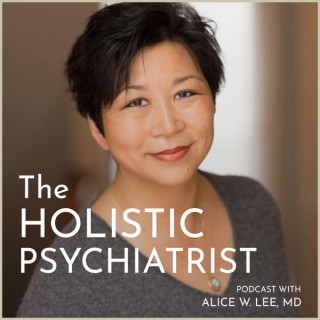
Discover innovative, painless, and gentle medication withdrawal approaches using functional medicine, lifestyle adjustments, and energy practices. Listen to what your body and mind are telling you about deeper truths beyond the symptoms. Join experts Psychiatrist Alice Lee, M.D., and Dr. Lori Hops, licensed psychologist, as they provide suggestions for whole-person thriving when facing life's challenges. Alice W. Lee MD, ABIHM, is a holistic and integrative child, adolescent, and adult psychiatrist practicing in Stamford, Connecticut. Since 2002, she has integrated functional and energy medicine techniques to pioneer new ways to safely support psychiatric medication withdrawal. Along the way, she became certified as a Reiki master, set a legal precedent that paved the way for holistic clinicians, became board-certified in integrative medicine twice, created the Infinite Intention Technique, wrote 258+ Holistic Articles, built a criteria-based energy testing approach to assess a patient's functional status, and started a podcast called The Holistic Psychiatrist. Currently, she is on the board of directors of the Association for Comprehensive Energy Psychology (ACEP), which has supported her exploration of energy medicine since its early beginnings. In The Energy Field, fall 2025 issue by ACEP, she summarized her work in an article entitled “On Magic Wands and Quantum Toolboxes.” Her goal has always been to help patients achieve lasting wellness and freedom from their role as patients (Successful Withdrawal from Six Psychiatric Medications Using Criteria-Based Energy Testing: Case Report).Lori Hops, Ph.D., DCEP, is a Licensed Psychologist in California, USA, with a Master's and Doctorate degree in Clinical Psychology. Dr. Hops teaches online seminars and workshops on embodied intuition. She has also taught in the US and abroad to professionals, students, and the general public about compassion, self-care, spiritual practice, and finding meaning in life. Dr. Hops is certified as a Diplomate in Comprehensive Energy Psychology, a certified Logosynthesis practitioner and instructor, and is a registrant with the National Register of Health Service Providers. She is credentialed in Telepsychology Competencies by The American Insurance Trust. Dr. Hops served as the former president of the Association for Comprehensive Energy Psychology (ACEP). Dr. Hops' psychotherapy practices are based in conventional Western empirical science and wisdom traditions from around the world, including holistic systems, energy psychology practices and the use of intuition and inner guidance. Dr. Hops is a Reiki Master, taking a mind-body-spirit approach to healing that fosters harmony and balance through universal life force energy. Reiki can be used in person or at a distance, similar to prayer. Dr. Hops uses Reiki in her practice at a distance only. Lori enjoys movement arts, fine arts, and nature, which serve as muses for creative writing. Thank you for joining us for today's podcast. You can learn more about Dr. Hops by visiting her website hopshealingtips.com.This podcast is for informational and entertainment purposes only, and does not provide health care advice. Please seek guidance from your professional health care team should you need assistance. ©2026 Lori Chortkoff Hops.Support the showTo sustain my work as a holistic psychiatrist and support my efforts to improve psychiatric treatment for all through my podcasts, articles, website, and YouTube channel, please show your appreciation and help champion holistic psychiatry by clicking HERE to contribute!Click here to listen to all of The Holistic Psychiatrist Podcast episodesContact here to email Dr. Lee directly. New! Join me on Substack A space for my opinions and reflections on cultural, political, social, and psychological issues. Feel free to comment and respond to those articles.If you like this podcast, please give it a 5-star rating and share this with others! Thank you!For more about Dr. Alice W. Lee, please visit:Website: www.holisticpsychiatrist.comMore stories and insights: Holistic ArticlesYouTube: The Holistic PsychiatristTo schedule consultations or appointments, call Dr. Lee's office at 240-437-7600Dr. Lee is located near downtown Stamford, Conn...
A creative, body-based guide to healing for queer, trans, and gender-expansive readers—somatic tools and expressive arts to feel safer in your body, rewrite your story, and sustain connection. Queer Expressions: Expressive Art and Somatic Therapy Practices for Healing Body Trauma (North Atlantic Books, 2026) is a practical, consent-centered guide to healing body trauma through embodiment and creativity. Drawing on somatic therapy—grounding, breath, orientation, gentle movement—and expressive arts—collage, drawing, clay, movement, music, voice—within a harm-reduction frame of pacing, choice, and safety plans, Wednesdae Reim Ifrach (REAT, ATR-BC, LPC) shares grounded practices, case vignettes, and simple rituals to help you move from shut down or on high alert into steadier, more connected living. The book follows a simple arc: first, feel and steady your nervous system; next, turn those sensations into art and story; and finally, build rituals and relationships that help the changes last—whether you're navigating dysphoria, ED recovery, chronic stress, or nervous system dysregulation. Inside you'll find: Body check-ins (quick prompts to name sensations and needs), short breath & movement practices (1–10 minutes), and sensory prompts (sight/sound/touch/smell/taste) Art invitations (collage, drawing, movement, sound/voice) with step-by-step guidance and safety notes Consent & harm-reduction tools (opt-in/out menus, pacing, crisis planning) to keep the work manageable Community practices & rituals (altar-making, release-writing, witness circles) to anchor change in daily lif A queer-centered lens on healing, embodiment, and creativity Warm, inclusive, and usable on your own or with a therapist, Queer Expressions helps you build a more livable relationship with your body—and a story big enough to hold who you are becoming. Wednesdae Reim Ifrach is a trans/non-binary art therapist and counselor dedicated to providing gender-affirming, trauma-informed care that emphasizes healing-centered engagement, body justice, intersectional social justice, and equitable access to eating disorder treatment. They co-own and operate Rainbow Recovery, offering clinical supervision, consultations, trainings, workshops, counseling, and art therapy services to clients in Connecticut and Pennsylvania. As a full-time professor at Moravian University, Wednesdae teaches mental health counseling, social work, and expressive art courses, inspiring future professionals. Over the past decade, they have led trainings and workshops for organizations such as the American Art Therapy Association, National Alliance for Eating Disorders, and Yale University, among others. Previously, Wednesdae founded the country's first 2sLGBTQIA+ Eating Disorder Program, served on Project HEAL's Board, and presided over the Connecticut Art Therapy Association. They currently co-chair the Health Professionals in Training Program on the GLMA Board. Their expertise addresses LGBTQ+ concerns and trauma, honoring each client's identity. Helena Vissing, PsyD, SEP, PMH-C is a Licensed Psychologist practicing in California and Associate Professor at California Institute of Integral Studies. She can be reached at contact@helenavissing.com. She is the author of Somatic Maternal Healing: Psychodynamic and Somatic Treatment of Trauma in the Perinatal Period (Routledge, 2023). Learn more about your ad choices. Visit megaphone.fm/adchoices Support our show by becoming a premium member! https://newbooksnetwork.supportingcast.fm/new-books-network

A creative, body-based guide to healing for queer, trans, and gender-expansive readers—somatic tools and expressive arts to feel safer in your body, rewrite your story, and sustain connection. Queer Expressions: Expressive Art and Somatic Therapy Practices for Healing Body Trauma (North Atlantic Books, 2026) is a practical, consent-centered guide to healing body trauma through embodiment and creativity. Drawing on somatic therapy—grounding, breath, orientation, gentle movement—and expressive arts—collage, drawing, clay, movement, music, voice—within a harm-reduction frame of pacing, choice, and safety plans, Wednesdae Reim Ifrach (REAT, ATR-BC, LPC) shares grounded practices, case vignettes, and simple rituals to help you move from shut down or on high alert into steadier, more connected living. The book follows a simple arc: first, feel and steady your nervous system; next, turn those sensations into art and story; and finally, build rituals and relationships that help the changes last—whether you're navigating dysphoria, ED recovery, chronic stress, or nervous system dysregulation. Inside you'll find: Body check-ins (quick prompts to name sensations and needs), short breath & movement practices (1–10 minutes), and sensory prompts (sight/sound/touch/smell/taste) Art invitations (collage, drawing, movement, sound/voice) with step-by-step guidance and safety notes Consent & harm-reduction tools (opt-in/out menus, pacing, crisis planning) to keep the work manageable Community practices & rituals (altar-making, release-writing, witness circles) to anchor change in daily lif A queer-centered lens on healing, embodiment, and creativity Warm, inclusive, and usable on your own or with a therapist, Queer Expressions helps you build a more livable relationship with your body—and a story big enough to hold who you are becoming. Wednesdae Reim Ifrach is a trans/non-binary art therapist and counselor dedicated to providing gender-affirming, trauma-informed care that emphasizes healing-centered engagement, body justice, intersectional social justice, and equitable access to eating disorder treatment. They co-own and operate Rainbow Recovery, offering clinical supervision, consultations, trainings, workshops, counseling, and art therapy services to clients in Connecticut and Pennsylvania. As a full-time professor at Moravian University, Wednesdae teaches mental health counseling, social work, and expressive art courses, inspiring future professionals. Over the past decade, they have led trainings and workshops for organizations such as the American Art Therapy Association, National Alliance for Eating Disorders, and Yale University, among others. Previously, Wednesdae founded the country's first 2sLGBTQIA+ Eating Disorder Program, served on Project HEAL's Board, and presided over the Connecticut Art Therapy Association. They currently co-chair the Health Professionals in Training Program on the GLMA Board. Their expertise addresses LGBTQ+ concerns and trauma, honoring each client's identity. Helena Vissing, PsyD, SEP, PMH-C is a Licensed Psychologist practicing in California and Associate Professor at California Institute of Integral Studies. She can be reached at contact@helenavissing.com. She is the author of Somatic Maternal Healing: Psychodynamic and Somatic Treatment of Trauma in the Perinatal Period (Routledge, 2023). Learn more about your ad choices. Visit megaphone.fm/adchoices Support our show by becoming a premium member! https://newbooksnetwork.supportingcast.fm/gender-studies

A creative, body-based guide to healing for queer, trans, and gender-expansive readers—somatic tools and expressive arts to feel safer in your body, rewrite your story, and sustain connection. Queer Expressions: Expressive Art and Somatic Therapy Practices for Healing Body Trauma (North Atlantic Books, 2026) is a practical, consent-centered guide to healing body trauma through embodiment and creativity. Drawing on somatic therapy—grounding, breath, orientation, gentle movement—and expressive arts—collage, drawing, clay, movement, music, voice—within a harm-reduction frame of pacing, choice, and safety plans, Wednesdae Reim Ifrach (REAT, ATR-BC, LPC) shares grounded practices, case vignettes, and simple rituals to help you move from shut down or on high alert into steadier, more connected living. The book follows a simple arc: first, feel and steady your nervous system; next, turn those sensations into art and story; and finally, build rituals and relationships that help the changes last—whether you're navigating dysphoria, ED recovery, chronic stress, or nervous system dysregulation. Inside you'll find: Body check-ins (quick prompts to name sensations and needs), short breath & movement practices (1–10 minutes), and sensory prompts (sight/sound/touch/smell/taste) Art invitations (collage, drawing, movement, sound/voice) with step-by-step guidance and safety notes Consent & harm-reduction tools (opt-in/out menus, pacing, crisis planning) to keep the work manageable Community practices & rituals (altar-making, release-writing, witness circles) to anchor change in daily lif A queer-centered lens on healing, embodiment, and creativity Warm, inclusive, and usable on your own or with a therapist, Queer Expressions helps you build a more livable relationship with your body—and a story big enough to hold who you are becoming. Wednesdae Reim Ifrach is a trans/non-binary art therapist and counselor dedicated to providing gender-affirming, trauma-informed care that emphasizes healing-centered engagement, body justice, intersectional social justice, and equitable access to eating disorder treatment. They co-own and operate Rainbow Recovery, offering clinical supervision, consultations, trainings, workshops, counseling, and art therapy services to clients in Connecticut and Pennsylvania. As a full-time professor at Moravian University, Wednesdae teaches mental health counseling, social work, and expressive art courses, inspiring future professionals. Over the past decade, they have led trainings and workshops for organizations such as the American Art Therapy Association, National Alliance for Eating Disorders, and Yale University, among others. Previously, Wednesdae founded the country's first 2sLGBTQIA+ Eating Disorder Program, served on Project HEAL's Board, and presided over the Connecticut Art Therapy Association. They currently co-chair the Health Professionals in Training Program on the GLMA Board. Their expertise addresses LGBTQ+ concerns and trauma, honoring each client's identity. Helena Vissing, PsyD, SEP, PMH-C is a Licensed Psychologist practicing in California and Associate Professor at California Institute of Integral Studies. She can be reached at contact@helenavissing.com. She is the author of Somatic Maternal Healing: Psychodynamic and Somatic Treatment of Trauma in the Perinatal Period (Routledge, 2023). Learn more about your ad choices. Visit megaphone.fm/adchoices Support our show by becoming a premium member! https://newbooksnetwork.supportingcast.fm/art
A creative, body-based guide to healing for queer, trans, and gender-expansive readers—somatic tools and expressive arts to feel safer in your body, rewrite your story, and sustain connection. Queer Expressions: Expressive Art and Somatic Therapy Practices for Healing Body Trauma (North Atlantic Books, 2026) is a practical, consent-centered guide to healing body trauma through embodiment and creativity. Drawing on somatic therapy—grounding, breath, orientation, gentle movement—and expressive arts—collage, drawing, clay, movement, music, voice—within a harm-reduction frame of pacing, choice, and safety plans, Wednesdae Reim Ifrach (REAT, ATR-BC, LPC) shares grounded practices, case vignettes, and simple rituals to help you move from shut down or on high alert into steadier, more connected living. The book follows a simple arc: first, feel and steady your nervous system; next, turn those sensations into art and story; and finally, build rituals and relationships that help the changes last—whether you're navigating dysphoria, ED recovery, chronic stress, or nervous system dysregulation. Inside you'll find: Body check-ins (quick prompts to name sensations and needs), short breath & movement practices (1–10 minutes), and sensory prompts (sight/sound/touch/smell/taste) Art invitations (collage, drawing, movement, sound/voice) with step-by-step guidance and safety notes Consent & harm-reduction tools (opt-in/out menus, pacing, crisis planning) to keep the work manageable Community practices & rituals (altar-making, release-writing, witness circles) to anchor change in daily lif A queer-centered lens on healing, embodiment, and creativity Warm, inclusive, and usable on your own or with a therapist, Queer Expressions helps you build a more livable relationship with your body—and a story big enough to hold who you are becoming. Wednesdae Reim Ifrach is a trans/non-binary art therapist and counselor dedicated to providing gender-affirming, trauma-informed care that emphasizes healing-centered engagement, body justice, intersectional social justice, and equitable access to eating disorder treatment. They co-own and operate Rainbow Recovery, offering clinical supervision, consultations, trainings, workshops, counseling, and art therapy services to clients in Connecticut and Pennsylvania. As a full-time professor at Moravian University, Wednesdae teaches mental health counseling, social work, and expressive art courses, inspiring future professionals. Over the past decade, they have led trainings and workshops for organizations such as the American Art Therapy Association, National Alliance for Eating Disorders, and Yale University, among others. Previously, Wednesdae founded the country's first 2sLGBTQIA+ Eating Disorder Program, served on Project HEAL's Board, and presided over the Connecticut Art Therapy Association. They currently co-chair the Health Professionals in Training Program on the GLMA Board. Their expertise addresses LGBTQ+ concerns and trauma, honoring each client's identity. Helena Vissing, PsyD, SEP, PMH-C is a Licensed Psychologist practicing in California and Associate Professor at California Institute of Integral Studies. She can be reached at contact@helenavissing.com. She is the author of Somatic Maternal Healing: Psychodynamic and Somatic Treatment of Trauma in the Perinatal Period (Routledge, 2023). Learn more about your ad choices. Visit megaphone.fm/adchoices Support our show by becoming a premium member! https://newbooksnetwork.supportingcast.fm/psychology

A creative, body-based guide to healing for queer, trans, and gender-expansive readers—somatic tools and expressive arts to feel safer in your body, rewrite your story, and sustain connection. Queer Expressions: Expressive Art and Somatic Therapy Practices for Healing Body Trauma (North Atlantic Books, 2026) is a practical, consent-centered guide to healing body trauma through embodiment and creativity. Drawing on somatic therapy—grounding, breath, orientation, gentle movement—and expressive arts—collage, drawing, clay, movement, music, voice—within a harm-reduction frame of pacing, choice, and safety plans, Wednesdae Reim Ifrach (REAT, ATR-BC, LPC) shares grounded practices, case vignettes, and simple rituals to help you move from shut down or on high alert into steadier, more connected living. The book follows a simple arc: first, feel and steady your nervous system; next, turn those sensations into art and story; and finally, build rituals and relationships that help the changes last—whether you're navigating dysphoria, ED recovery, chronic stress, or nervous system dysregulation. Inside you'll find: Body check-ins (quick prompts to name sensations and needs), short breath & movement practices (1–10 minutes), and sensory prompts (sight/sound/touch/smell/taste) Art invitations (collage, drawing, movement, sound/voice) with step-by-step guidance and safety notes Consent & harm-reduction tools (opt-in/out menus, pacing, crisis planning) to keep the work manageable Community practices & rituals (altar-making, release-writing, witness circles) to anchor change in daily lif A queer-centered lens on healing, embodiment, and creativity Warm, inclusive, and usable on your own or with a therapist, Queer Expressions helps you build a more livable relationship with your body—and a story big enough to hold who you are becoming. Wednesdae Reim Ifrach is a trans/non-binary art therapist and counselor dedicated to providing gender-affirming, trauma-informed care that emphasizes healing-centered engagement, body justice, intersectional social justice, and equitable access to eating disorder treatment. They co-own and operate Rainbow Recovery, offering clinical supervision, consultations, trainings, workshops, counseling, and art therapy services to clients in Connecticut and Pennsylvania. As a full-time professor at Moravian University, Wednesdae teaches mental health counseling, social work, and expressive art courses, inspiring future professionals. Over the past decade, they have led trainings and workshops for organizations such as the American Art Therapy Association, National Alliance for Eating Disorders, and Yale University, among others. Previously, Wednesdae founded the country's first 2sLGBTQIA+ Eating Disorder Program, served on Project HEAL's Board, and presided over the Connecticut Art Therapy Association. They currently co-chair the Health Professionals in Training Program on the GLMA Board. Their expertise addresses LGBTQ+ concerns and trauma, honoring each client's identity. Helena Vissing, PsyD, SEP, PMH-C is a Licensed Psychologist practicing in California and Associate Professor at California Institute of Integral Studies. She can be reached at contact@helenavissing.com. She is the author of Somatic Maternal Healing: Psychodynamic and Somatic Treatment of Trauma in the Perinatal Period (Routledge, 2023). Learn more about your ad choices. Visit megaphone.fm/adchoices Support our show by becoming a premium member! https://newbooksnetwork.supportingcast.fm/lgbtq-studies
As we move through the second week of July, the Akashic Records offer a gentle yet powerful reminder:✨ Let go to receive.This week's message isn't about dramatic change or forcing yourself to release everything that no longer serves you. Instead, it's an invitation to create a little more space—within your heart, your mind, your home, and your spirit—for what is quietly trying to emerge.The Records shared the image of opening the door of a bird's cage after a season of healing. While there may be tenderness in letting go, there is also freedom. Every small act of release becomes an invitation for something new to enter.In this episode, we explore:
A new paradigm that honors the wisdom and wholeness of neurodivergent clients. Focusing on autism and what is medically known as ADHD, neurodivergent author Nyck Walsh takes readers on an anti-oppressive, intersectional journey into a new standard of care for neurodivergent clients and their therapists. Whether new to or well-versed in the neurodiversity paradigm, readers will learn how to best support their neurodivergent clients in a way that prioritizes their well-being, honors their self-expertise, encourages their anti-ableist embodiment, and celebrates their joy. Bridging the theoretical with the practical, Walsh's model offers a tangible framework that can be applied on its own or in tandem with other modalities. Neurodivergent Somatics in Therapy (Norton, 2026) is an intimate and engaging guide to providing accessible, liberatory, whole-person care that will benefit clients and therapists of all neurotypes. Nyck Walsh, MA, LPC, (he/they) brings a whole person, anti-oppressive, intersectional, somatic lens to working with Autistic and KCS/VAST (what is commonly known as ADHD) folx. An Autistic and VAST counselor, Nyck is the director of Nyck Walsh Counseling & Training Center and creator of the Neurodivergent Somatics model. He curates reparative experiences for late identified Autistic and VAST folx to connect with their innate wisdom, dismantle ableism, be supported in their challenges, and unpack their lives through their unidentified and misunderstood Neurodivergent (ND) experience. His counselor education programs have created an international following, and both ND and neurotypical counselors alike report feeling deeply validated by his approach. Registration for Public Programs event with Nyck at CIIS on July 16. waHelena Vissing, PsyD, SEP, PMH-C is a Licensed Psychologist practicing in California and Associate Professor at California Institute of Integral Studies in the Somatic Psychology program. She can be reached at contact@helenavissing.com. She is the author of Somatic Maternal Healing: Psychodynamic and Somatic Treatment of Trauma in the Perinatal Period (Routledge, 2023). Learn more about your ad choices. Visit megaphone.fm/adchoices Support our show by becoming a premium member! https://newbooksnetwork.supportingcast.fm/psychoanalysis
A new paradigm that honors the wisdom and wholeness of neurodivergent clients. Focusing on autism and what is medically known as ADHD, neurodivergent author Nyck Walsh takes readers on an anti-oppressive, intersectional journey into a new standard of care for neurodivergent clients and their therapists. Whether new to or well-versed in the neurodiversity paradigm, readers will learn how to best support their neurodivergent clients in a way that prioritizes their well-being, honors their self-expertise, encourages their anti-ableist embodiment, and celebrates their joy. Bridging the theoretical with the practical, Walsh's model offers a tangible framework that can be applied on its own or in tandem with other modalities. Neurodivergent Somatics in Therapy (Norton, 2026) is an intimate and engaging guide to providing accessible, liberatory, whole-person care that will benefit clients and therapists of all neurotypes. Nyck Walsh, MA, LPC, (he/they) brings a whole person, anti-oppressive, intersectional, somatic lens to working with Autistic and KCS/VAST (what is commonly known as ADHD) folx. An Autistic and VAST counselor, Nyck is the director of Nyck Walsh Counseling & Training Center and creator of the Neurodivergent Somatics model. He curates reparative experiences for late identified Autistic and VAST folx to connect with their innate wisdom, dismantle ableism, be supported in their challenges, and unpack their lives through their unidentified and misunderstood Neurodivergent (ND) experience. His counselor education programs have created an international following, and both ND and neurotypical counselors alike report feeling deeply validated by his approach. Registration for Public Programs event with Nyck at CIIS on July 16. waHelena Vissing, PsyD, SEP, PMH-C is a Licensed Psychologist practicing in California and Associate Professor at California Institute of Integral Studies in the Somatic Psychology program. She can be reached at contact@helenavissing.com. She is the author of Somatic Maternal Healing: Psychodynamic and Somatic Treatment of Trauma in the Perinatal Period (Routledge, 2023). Learn more about your ad choices. Visit megaphone.fm/adchoices Support our show by becoming a premium member! https://newbooksnetwork.supportingcast.fm/new-books-network

A new paradigm that honors the wisdom and wholeness of neurodivergent clients. Focusing on autism and what is medically known as ADHD, neurodivergent author Nyck Walsh takes readers on an anti-oppressive, intersectional journey into a new standard of care for neurodivergent clients and their therapists. Whether new to or well-versed in the neurodiversity paradigm, readers will learn how to best support their neurodivergent clients in a way that prioritizes their well-being, honors their self-expertise, encourages their anti-ableist embodiment, and celebrates their joy. Bridging the theoretical with the practical, Walsh's model offers a tangible framework that can be applied on its own or in tandem with other modalities. Neurodivergent Somatics in Therapy (Norton, 2026) is an intimate and engaging guide to providing accessible, liberatory, whole-person care that will benefit clients and therapists of all neurotypes. Nyck Walsh, MA, LPC, (he/they) brings a whole person, anti-oppressive, intersectional, somatic lens to working with Autistic and KCS/VAST (what is commonly known as ADHD) folx. An Autistic and VAST counselor, Nyck is the director of Nyck Walsh Counseling & Training Center and creator of the Neurodivergent Somatics model. He curates reparative experiences for late identified Autistic and VAST folx to connect with their innate wisdom, dismantle ableism, be supported in their challenges, and unpack their lives through their unidentified and misunderstood Neurodivergent (ND) experience. His counselor education programs have created an international following, and both ND and neurotypical counselors alike report feeling deeply validated by his approach. Registration for Public Programs event with Nyck at CIIS on July 16. waHelena Vissing, PsyD, SEP, PMH-C is a Licensed Psychologist practicing in California and Associate Professor at California Institute of Integral Studies in the Somatic Psychology program. She can be reached at contact@helenavissing.com. She is the author of Somatic Maternal Healing: Psychodynamic and Somatic Treatment of Trauma in the Perinatal Period (Routledge, 2023). Learn more about your ad choices. Visit megaphone.fm/adchoices Support our show by becoming a premium member! https://newbooksnetwork.supportingcast.fm/medicine
A new paradigm that honors the wisdom and wholeness of neurodivergent clients. Focusing on autism and what is medically known as ADHD, neurodivergent author Nyck Walsh takes readers on an anti-oppressive, intersectional journey into a new standard of care for neurodivergent clients and their therapists. Whether new to or well-versed in the neurodiversity paradigm, readers will learn how to best support their neurodivergent clients in a way that prioritizes their well-being, honors their self-expertise, encourages their anti-ableist embodiment, and celebrates their joy. Bridging the theoretical with the practical, Walsh's model offers a tangible framework that can be applied on its own or in tandem with other modalities. Neurodivergent Somatics in Therapy (Norton, 2026) is an intimate and engaging guide to providing accessible, liberatory, whole-person care that will benefit clients and therapists of all neurotypes. Nyck Walsh, MA, LPC, (he/they) brings a whole person, anti-oppressive, intersectional, somatic lens to working with Autistic and KCS/VAST (what is commonly known as ADHD) folx. An Autistic and VAST counselor, Nyck is the director of Nyck Walsh Counseling & Training Center and creator of the Neurodivergent Somatics model. He curates reparative experiences for late identified Autistic and VAST folx to connect with their innate wisdom, dismantle ableism, be supported in their challenges, and unpack their lives through their unidentified and misunderstood Neurodivergent (ND) experience. His counselor education programs have created an international following, and both ND and neurotypical counselors alike report feeling deeply validated by his approach. Registration for Public Programs event with Nyck at CIIS on July 16. waHelena Vissing, PsyD, SEP, PMH-C is a Licensed Psychologist practicing in California and Associate Professor at California Institute of Integral Studies in the Somatic Psychology program. She can be reached at contact@helenavissing.com. She is the author of Somatic Maternal Healing: Psychodynamic and Somatic Treatment of Trauma in the Perinatal Period (Routledge, 2023). Learn more about your ad choices. Visit megaphone.fm/adchoices Support our show by becoming a premium member! https://newbooksnetwork.supportingcast.fm/psychology

A new paradigm that honors the wisdom and wholeness of neurodivergent clients. Focusing on autism and what is medically known as ADHD, neurodivergent author Nyck Walsh takes readers on an anti-oppressive, intersectional journey into a new standard of care for neurodivergent clients and their therapists. Whether new to or well-versed in the neurodiversity paradigm, readers will learn how to best support their neurodivergent clients in a way that prioritizes their well-being, honors their self-expertise, encourages their anti-ableist embodiment, and celebrates their joy. Bridging the theoretical with the practical, Walsh's model offers a tangible framework that can be applied on its own or in tandem with other modalities. Neurodivergent Somatics in Therapy (Norton, 2026) is an intimate and engaging guide to providing accessible, liberatory, whole-person care that will benefit clients and therapists of all neurotypes. Nyck Walsh, MA, LPC, (he/they) brings a whole person, anti-oppressive, intersectional, somatic lens to working with Autistic and KCS/VAST (what is commonly known as ADHD) folx. An Autistic and VAST counselor, Nyck is the director of Nyck Walsh Counseling & Training Center and creator of the Neurodivergent Somatics model. He curates reparative experiences for late identified Autistic and VAST folx to connect with their innate wisdom, dismantle ableism, be supported in their challenges, and unpack their lives through their unidentified and misunderstood Neurodivergent (ND) experience. His counselor education programs have created an international following, and both ND and neurotypical counselors alike report feeling deeply validated by his approach. Registration for Public Programs event with Nyck at CIIS on July 16. waHelena Vissing, PsyD, SEP, PMH-C is a Licensed Psychologist practicing in California and Associate Professor at California Institute of Integral Studies in the Somatic Psychology program. She can be reached at contact@helenavissing.com. She is the author of Somatic Maternal Healing: Psychodynamic and Somatic Treatment of Trauma in the Perinatal Period (Routledge, 2023). Learn more about your ad choices. Visit megaphone.fm/adchoices
As we step into July, the Akashic Records bring a refreshing message of expansion, possibility, and hope.The Records opened with the image of a vast field of wildflowers beneath an endless blue sky—a reminder that sometimes healing isn't about doing more, but about allowing ourselves to see more. This week's energy invites us to widen our perspective, embrace new possibilities, and trust that growth doesn't have to happen all at once.In this episode, we explore the Akashic guidance for the week alongside the astrology of Jupiter's entrance into Leo, a powerful year-long transit that encourages creativity, confidence, authentic self-expression, and stepping into a bigger vision for your life. We also touch on Mercury retrograde in Cancer, Neptune retrograde, and the importance of moving through this season with curiosity rather than urgency.We'll also explore:✨ An oracle card message from The Jewelry Box Oracle
Summary:Dr. Natalie shares her personal journey through moving, shredding decades of paperwork, and navigating midlife challenges, emphasizing the importance of self-awareness, rest, and intentional living during perimenopause. She aims in this episode to quelch the shame we feel when looking back across our lives and realizing how overfunctioning has come at a high cost.Keywords:midlife, perimenopause, self-care, moving, trauma, overfunctioning, regulated nervous system, self-awareness, mental health, personal growthKey topics:Midlife transition and self-awarenessThe significance of rest and self-care during perimenopausePersonal stories of moving and decluttering as a metaphor for life changesTrauma responses and overfunctioning in womenThe importance of creating a sanctuary and setting boundariesTakeaways:Rest is a form of self-love and essential for health during midlife.Decluttering can be a powerful act of self-discovery and healing.Overfunctioning is often a trauma response that comes at a high personal cost.Self-awareness allows for conscious choices that align with one's well-being.Midlife is an opportunity for renewal and creating a life that feels right.Resources & Links to Connect with Dr. Natalie:Learn to Love Your Story Coaching- https://learntoloveyourstory.comDr. Natalie's Counseling Practice - https://nataliemarcounseling.com If you are in MN, book your free 15-minute consultation with Dr. Natalie. Facebook: https://www.facebook.com/learntoloveyourstoryInstagram: https://www.instagram.com/dr.nataliemarrLinked In: https://www.linkedin.com/in/natalie-m-marr/Tik Tok: https://www.tiktok.com/@doc.natalieSound bites"Looking at it in black and white was profound.""Midlife is a miracle, not a crisis.""Choose yourself every day."Chapters00:00 Navigating Life Transitions08:32 The Weight of Paperwork and Memories17:13 The Cost of Overfunctioning23:19 Choosing Yourself in Midlife28:35 Creating a Centered Midlife34:34 Embracing Change and ChoiceDISCLAIMER: The content in this podcast and video is not a replacement for therapy and is not clinical, medical, or mental health treatment. Dr. Natalie Marr is a Licensed Psychologist in the state of Minnesota. Her work with (https://LearnToLoveYourStory.com), (https://NatalieMarrCounseling.com), and all affiliate social media entities is educational and coaching based ONLY. She IS NOT offering therapeutic services of any kind on these mediums. If you or someone you know is having a mental health crisis or having thoughts of suicide, please use the following crisis resources (this is not an exhaustive list of available resources):National Suicide Prevention Lifeline: https://suicidepreventionlifeline.org/ or CALL 988Crisis Text Line: https://www.crisistextline.org/ or Text HOME to 741741

In this deeply personal and powerful episode of Body Justice Podcast, Allyson sits down with Dr. Han Ren, licensed psychologist, author, and children of immigrants specialist, to explore one of the most complex emotional landscapes many of us are facing right now: maintaining relationships with family members whose values have fundamentally shifted, particularly within immigrant and collectivist family systems.In this episode, we discuss:Dr. Han Ren's personal experience navigating a parent's radicalization and what that's meant for their relationshipWhy estrangement and low-contact decisions hit differently in immigrant and collectivist families, and why the grief is so layeredHow nervous system dysregulation, and intergenerational trauma can keep harmful family dynamics in placeThe role of political polarization and MAGA rhetoric in fracturing immigrant family bondsWhat "low contact" actually looks like in practice and how to protect yourself while still showing upIntergenerational trauma, breaking cycles, and raising kids with more emotional literacy than we hadDr. Han Ren's new book, The Hyphenated Life, and what it means to live in the in-between spaces of intersectional identityResources & Links:Host: Allyson Inez Ford, LPCC
As we close out June, the Akashic Records bring a gentle yet deeply healing message:✨ Return to harmony.After months of transformation, release, and powerful energetic shifts, this week invites us to notice where life is naturally seeking greater balance. The Records describe this as a time of rebalancing—an easing of pressure, a softening of old patterns, and a quiet return to wellness.If you've been feeling stretched, overwhelmed, or as though life has been asking a great deal of you, this episode offers a reminder that healing isn't always about doing more. Sometimes it's about allowing what has already begun to settle, integrate, and take root.In this episode, we explore:
Movement and Identity: Multiculturalism, Somatic Awareness and Embodied Code-Switching (Singing Dragon, 2025) is a trauma-informed approach to counselling and bodywork explores the ways in which varying facets of identity and culture manifest in the body, allowing a much more nuanced, person-centred approach to client care. Marcia Bonato Warren, MA, MA, LPC describes how our bodies interpret our identities, often informed by cultural norms, communication styles, trauma, and systems of power and oppression. Therapists and bodyworkers reading this book will have the opportunity to engage personally and professionally, learning to build on their own somatic awareness in order to engage with compassionate curiosity rather than resistance when confronted with identity-based differences. Each section uses the SIA Loop, a mechanism representing three entry-points we use to process information: Sensation, Interpretation, Action, which supports the deeper work offered by the Identity Expression Infinity Loop, where identities are invited to move with strength and skill. These pioneering tools allow readers to examine their own somatic experiences, beliefs, behaviours, and choices, all of which is supplemented with journal prompts and questions. In guiding readers in how to interpret the body's expression of identity, this unique guide maximises the potential of therapists to foster change, increase empathy, and nurture connection through trauma-informed, somatically aware bodywork. Marcia Bonato Warren, MA, MA, LPC is a Somatic Counselor/Body Psychotherapist and Interculturalist with over 10 years of experience in the fields of somatic counseling and education, as well as 15 years of experience in international educational exchange and Native American policy and advocacy. She works with individuals and groups in the areas of cultural awareness, social justice, and intercultural communication through a trauma-informed lens, and is passionate about developing the potential in human beings to embrace diversity through cultural embodiment and the sharing of stories and creativity. Marcia is an enrolled member of the Santa Clara Pueblo (Tewa) in the state of New Mexico, U.S. and is of Brazilian-Italian heritage. Helena Vissing, PsyD, SEP, PMH-C is a Licensed Psychologist practicing in California and Associate Professor at California Institute of Integral Studies. She can be reached at contact@helenavissing.com. She is the author of Somatic Maternal Healing: Psychodynamic and Somatic Treatment of Trauma in the Perinatal Period (Routledge, 2023). Learn more about your ad choices. Visit megaphone.fm/adchoices Support our show by becoming a premium member! https://newbooksnetwork.supportingcast.fm/new-books-network
Movement and Identity: Multiculturalism, Somatic Awareness and Embodied Code-Switching (Singing Dragon, 2025) is a trauma-informed approach to counselling and bodywork explores the ways in which varying facets of identity and culture manifest in the body, allowing a much more nuanced, person-centred approach to client care. Marcia Bonato Warren, MA, MA, LPC describes how our bodies interpret our identities, often informed by cultural norms, communication styles, trauma, and systems of power and oppression. Therapists and bodyworkers reading this book will have the opportunity to engage personally and professionally, learning to build on their own somatic awareness in order to engage with compassionate curiosity rather than resistance when confronted with identity-based differences. Each section uses the SIA Loop, a mechanism representing three entry-points we use to process information: Sensation, Interpretation, Action, which supports the deeper work offered by the Identity Expression Infinity Loop, where identities are invited to move with strength and skill. These pioneering tools allow readers to examine their own somatic experiences, beliefs, behaviours, and choices, all of which is supplemented with journal prompts and questions. In guiding readers in how to interpret the body's expression of identity, this unique guide maximises the potential of therapists to foster change, increase empathy, and nurture connection through trauma-informed, somatically aware bodywork. Marcia Bonato Warren, MA, MA, LPC is a Somatic Counselor/Body Psychotherapist and Interculturalist with over 10 years of experience in the fields of somatic counseling and education, as well as 15 years of experience in international educational exchange and Native American policy and advocacy. She works with individuals and groups in the areas of cultural awareness, social justice, and intercultural communication through a trauma-informed lens, and is passionate about developing the potential in human beings to embrace diversity through cultural embodiment and the sharing of stories and creativity. Marcia is an enrolled member of the Santa Clara Pueblo (Tewa) in the state of New Mexico, U.S. and is of Brazilian-Italian heritage. Helena Vissing, PsyD, SEP, PMH-C is a Licensed Psychologist practicing in California and Associate Professor at California Institute of Integral Studies. She can be reached at contact@helenavissing.com. She is the author of Somatic Maternal Healing: Psychodynamic and Somatic Treatment of Trauma in the Perinatal Period (Routledge, 2023). Learn more about your ad choices. Visit megaphone.fm/adchoices Support our show by becoming a premium member! https://newbooksnetwork.supportingcast.fm/psychology
As we move through the Solstice portal and enter Cancer season, this week's Akashic Records bring forward a simple but powerful message:✨ Keep your faith in the light.The Records showed the image of a radiant heart—light pouring outward from within—and spoke of greater access to the heart, a spirit of goodwill, and a reminder that growth does not need to be rushed.In a world that often encourages us to maximize every opportunity and treat every supportive moment as our "one chance," this week's guidance invites something different:

What can you do if you and your romantic partner constantly bicker at the crag? How do you speak up if your climbing partner has a totally different risk tolerance than you, and you keep getting in way over your head on climbs because of that mismatch? What if one of your climbing partners dropped you, and you can't quite trust them again? How do you move forward if you've witnessed an accident, and nobody seems to be understanding how the trauma continues to live in your mind and body? We sit down with Dr. Jennifer Dragonette, a Licensed Psychologist, trauma specialist, and Certified Single Pitch Instructor who is a clinical provider for the AAC's Climbing Grief Fund Directory, to explore these questions through case studies of belationships you might find familiar. Dr. Dragonette leverages her expertise in couples therapy and DBT to illustrate where communication and therapeutic tools can help build stronger climbing partnerships and solve friction. If you've ever found yourself in need of a little belationship therapy, this epsiode is the place to start!
As we continue moving through June's theme of empowerment and trusting the direction we're headed, this week's Akashic guidance asks a powerful question:✨ What are you paying attention to?The Records describe this as a time of heightened focus, mental clarity, visualization, and conscious intention. There is strong support right now for becoming more aware of where your energy is flowing—not only your fears or your gratitude, but the influences, thoughts, stories, and possibilities that you are allowing to shape your reality.In this episode, we explore:

What are the needs of those serving in mental health and faith-based helping professions? Professor Kathy L'Heureux (Director of Counseling, Concordia University, Nebraska), Professor Kathleen von Kampen (program director, Marriage and Family Therapy (MFT) and Family Life Education (FLE) graduate programs, Concordia University, Nebraska) and the Rev. Dr. Rick Marrs (Senior Professor of Practical Theology and Licensed Psychologist, Concordia Seminary, St. Louis) join Andy and Sarah to talk about the upcoming "Rooted & Restored: Soul Care for Those Who Serve" event at Concordia University, Nebraska (CUNE). They discuss their backgrounds and why Professors L'Heureux and von Kampen chose to serve at CUNE, the unique aspects of mental health and faith-based helping professions, the challenges faced by these types of professionals, how this event will care for professionals, and who this event is for. Learn more at cune.edu/news/concordia-nebraska-present-rooted-restored-event and go.cune.edu/rootedrestored26. As you grab your morning coffee (and pastry, let's be honest), join hosts Andy Bates and Sarah Gulseth as they bring you stories of the intersection of Lutheran life and a secular world. Catch real-life stories of mercy work of the LCMS and partners, updates from missionaries across the ocean, and practical talk about how to live boldly Lutheran. Have a topic you'd like to hear about on The Coffee Hour? Contact us at: listener@kfuo.org.
Children and teens who experience sensory differences often find it difficult to understand their sensory system and sensory/regulation needs they may be experiencing. Understanding Sensory Differences: A Guidebook for Children and Teens is designed for professionals and parents to work with children to help them understand their sensory system and address any sensory needs. The guidebook offers an overview of sensory differences from a neurodiversity affirming perspective. Neurodiversity affirming constructs are provided and instructions for developing a regulation play time to help address sensory and regulation needs is provided. The guidebook also contains several worksheets and resources specifically designed to help the child or teen explore their questions, feelings, and thoughts about sensory differences. Each worksheet covers a different topic related to gaining awareness about sensory differences (needs and strengths) and helping children and teens better understand what it means to be neurodivergent and sensory different. The guidebook also provides a guide for professionals and parents offering instructions, information, and suggestions for implementing and processing through each worksheet page. Additionally, several sensory different professionals share their lived experience being a neurodivergent child and suggestions for being neurodiversity affirming Dr. Grant is a Licensed Professional Counselor, National Certified Counselor, Registered Play Therapist Supervisor, and Certified Autism Specialist. Dr. Grant completed his education from Missouri State University receiving a B.A. in Psychology and M.A. in Counseling. Dr. Grant further received his doctorate degree in Education from the University of Missouri-Columbia. Dr. Grant specializes in Play Therapy techniques with children, adolescents, adults, couples, and families. Dr. Grant also specializes in working with Autism Spectrum Disorders (Autism, Aspergers Disorder and Pervasive Development Disorder) and is the creator of AutPlay Therapy, an autism treatment using Play Therapy, cognitive and behavioral therapy and relationship development approaches. Dr. Grant serves as mentor and is a professional board member for The Southwest Autism Network of Missouri and is a contributing writer for the Missouri Autism Report. Dr. Grant is the author of AutPlay Therapy: A Play Therapy Based Approach for Treating Autism Disorders, The Handbook for Parent-Led Social Skills Groups for Children and Adolescents with Autism Disorders, and Play Therapy Techniques for Autism Disorders. Helena Vissing, PsyD, SEP, PMH-C is a Licensed Psychologist practicing in California and Associate Professor at California Institute of Integral Studies, in the Somatic Psychology program. She can be reached at contact@helenavissing.com. She is the author of Somatic Maternal Healing: Psychodynamic and Somatic Treatment of Trauma in the Perinatal Period (Routledge, 2023). Learn more about your ad choices. Visit megaphone.fm/adchoices Support our show by becoming a premium member! https://newbooksnetwork.supportingcast.fm/new-books-network
Children and teens who experience sensory differences often find it difficult to understand their sensory system and sensory/regulation needs they may be experiencing. Understanding Sensory Differences: A Guidebook for Children and Teens is designed for professionals and parents to work with children to help them understand their sensory system and address any sensory needs. The guidebook offers an overview of sensory differences from a neurodiversity affirming perspective. Neurodiversity affirming constructs are provided and instructions for developing a regulation play time to help address sensory and regulation needs is provided. The guidebook also contains several worksheets and resources specifically designed to help the child or teen explore their questions, feelings, and thoughts about sensory differences. Each worksheet covers a different topic related to gaining awareness about sensory differences (needs and strengths) and helping children and teens better understand what it means to be neurodivergent and sensory different. The guidebook also provides a guide for professionals and parents offering instructions, information, and suggestions for implementing and processing through each worksheet page. Additionally, several sensory different professionals share their lived experience being a neurodivergent child and suggestions for being neurodiversity affirming Dr. Grant is a Licensed Professional Counselor, National Certified Counselor, Registered Play Therapist Supervisor, and Certified Autism Specialist. Dr. Grant completed his education from Missouri State University receiving a B.A. in Psychology and M.A. in Counseling. Dr. Grant further received his doctorate degree in Education from the University of Missouri-Columbia. Dr. Grant specializes in Play Therapy techniques with children, adolescents, adults, couples, and families. Dr. Grant also specializes in working with Autism Spectrum Disorders (Autism, Aspergers Disorder and Pervasive Development Disorder) and is the creator of AutPlay Therapy, an autism treatment using Play Therapy, cognitive and behavioral therapy and relationship development approaches. Dr. Grant serves as mentor and is a professional board member for The Southwest Autism Network of Missouri and is a contributing writer for the Missouri Autism Report. Dr. Grant is the author of AutPlay Therapy: A Play Therapy Based Approach for Treating Autism Disorders, The Handbook for Parent-Led Social Skills Groups for Children and Adolescents with Autism Disorders, and Play Therapy Techniques for Autism Disorders. Helena Vissing, PsyD, SEP, PMH-C is a Licensed Psychologist practicing in California and Associate Professor at California Institute of Integral Studies, in the Somatic Psychology program. She can be reached at contact@helenavissing.com. She is the author of Somatic Maternal Healing: Psychodynamic and Somatic Treatment of Trauma in the Perinatal Period (Routledge, 2023). Learn more about your ad choices. Visit megaphone.fm/adchoices Support our show by becoming a premium member! https://newbooksnetwork.supportingcast.fm/psychology
Where do we get ideas about the lives we want? And, what do we do - and fail to do - about actually getting them? In The Life You Want Adam Phillips uses psychoanalytic and literary approaches to show that we are obsessed by the idea of our lives being ones we want and enjoy rather than merely endure, tolerate or make the most of. Through a series of interlinked essays, Phillips explores the difficulties we have around the whole idea of enjoying - and fashioning - our lives in cultures that insistently promote enjoyment while making it very difficult for so many people. Exploring the personal and political overlap in the issue of our lives, The Life You Want (FSG, 2026) is a profound examination of our ambivalence about enjoyment, and indeed, wanting. Adam Phillips, formerly a principal child psychotherapist at Charing Cross Hospital, London, is a practicing psychoanalyst and a visiting professor in the English department at the University of York. He is the author of numerous works of psychoanalysis and literary criticism, including Missing Out, Unforbidden Pleasures, In Writing, Attention Seeking, On Wanting to Change, On Getting Better, and On Giving Up. He is also the general editor of the Penguin Modern Classics Freud translations and a Fellow of the Royal Society of Literature. Helena Vissing, PsyD, SEP, PMH-C is a Licensed Psychologist practicing in California and Associate Professor at California Institute of Integral Studies. She can be reached at contact@helenavissing.com. She is the author of Somatic Maternal Healing: Psychodynamic and Somatic Treatment of Trauma in the Perinatal Period (Routledge, 2023). Learn more about your ad choices. Visit megaphone.fm/adchoices Support our show by becoming a premium member! https://newbooksnetwork.supportingcast.fm/psychoanalysis
Where do we get ideas about the lives we want? And, what do we do - and fail to do - about actually getting them? In The Life You Want Adam Phillips uses psychoanalytic and literary approaches to show that we are obsessed by the idea of our lives being ones we want and enjoy rather than merely endure, tolerate or make the most of. Through a series of interlinked essays, Phillips explores the difficulties we have around the whole idea of enjoying - and fashioning - our lives in cultures that insistently promote enjoyment while making it very difficult for so many people. Exploring the personal and political overlap in the issue of our lives, The Life You Want (FSG, 2026) is a profound examination of our ambivalence about enjoyment, and indeed, wanting. Adam Phillips, formerly a principal child psychotherapist at Charing Cross Hospital, London, is a practicing psychoanalyst and a visiting professor in the English department at the University of York. He is the author of numerous works of psychoanalysis and literary criticism, including Missing Out, Unforbidden Pleasures, In Writing, Attention Seeking, On Wanting to Change, On Getting Better, and On Giving Up. He is also the general editor of the Penguin Modern Classics Freud translations and a Fellow of the Royal Society of Literature. Helena Vissing, PsyD, SEP, PMH-C is a Licensed Psychologist practicing in California and Associate Professor at California Institute of Integral Studies. She can be reached at contact@helenavissing.com. She is the author of Somatic Maternal Healing: Psychodynamic and Somatic Treatment of Trauma in the Perinatal Period (Routledge, 2023). Learn more about your ad choices. Visit megaphone.fm/adchoices Support our show by becoming a premium member! https://newbooksnetwork.supportingcast.fm/new-books-network

Where do we get ideas about the lives we want? And, what do we do - and fail to do - about actually getting them? In The Life You Want Adam Phillips uses psychoanalytic and literary approaches to show that we are obsessed by the idea of our lives being ones we want and enjoy rather than merely endure, tolerate or make the most of. Through a series of interlinked essays, Phillips explores the difficulties we have around the whole idea of enjoying - and fashioning - our lives in cultures that insistently promote enjoyment while making it very difficult for so many people. Exploring the personal and political overlap in the issue of our lives, The Life You Want (FSG, 2026) is a profound examination of our ambivalence about enjoyment, and indeed, wanting. Adam Phillips, formerly a principal child psychotherapist at Charing Cross Hospital, London, is a practicing psychoanalyst and a visiting professor in the English department at the University of York. He is the author of numerous works of psychoanalysis and literary criticism, including Missing Out, Unforbidden Pleasures, In Writing, Attention Seeking, On Wanting to Change, On Getting Better, and On Giving Up. He is also the general editor of the Penguin Modern Classics Freud translations and a Fellow of the Royal Society of Literature. Helena Vissing, PsyD, SEP, PMH-C is a Licensed Psychologist practicing in California and Associate Professor at California Institute of Integral Studies. She can be reached at contact@helenavissing.com. She is the author of Somatic Maternal Healing: Psychodynamic and Somatic Treatment of Trauma in the Perinatal Period (Routledge, 2023). Learn more about your ad choices. Visit megaphone.fm/adchoices Support our show by becoming a premium member! https://newbooksnetwork.supportingcast.fm/literary-studies
As we step into June, the energy begins to soften, settle, and align.After months of transformation, release, eclipses, powerful Full Moons, and personal growth, the Akashic Records bring a surprisingly simple message this week:✨ You've pointed yourself in the right direction.In this episode, we explore the energy of aligned momentum, trusting your evolution, and recognizing the subtle but meaningful ways your life may already be changing.The Records shared images of carefully planted garden beds and a car traveling steadily down a highway—symbols of forward movement, clarity, and the power of consistent action.We also explore:
SummaryThis episode explores the challenges faced by the sandwich generation—adults caring for aging parents while managing their own families and careers. Dr. Natalie shares insights on emotional, physical, and financial strains, and offers practical strategies for setting boundaries, seeking support, and prioritizing self-care to navigate this demanding phase of life.Keywordssandwich generation, midlife, caregiving, self-care, boundaries, emotional health, physical strain, financial stress, family dynamics, personal growthKey TopicsStatistics on adult caregivers and gender differencesEmotional and physical toll of caregivingFinancial challenges faced by caregiversThe shift from transactional to relational caregivingStrategies for setting boundaries and seeking supportTakeawaysPrioritize self-care to sustain caregiving capacitySet clear boundaries to protect emotional and physical healthSeek support and resources to avoid burnoutReframe caregiving as an act of self-love and modeling for future generationsRecognize that saying no is a valid and necessary choiceSound bites:"You're not alone in this.""64% report moderate to high emotional strain.""Saying no is a valid and necessary choice."Chapters00:00 Understanding the Sandwich Generation06:22 Financial Strain and Overwork11:19 Setting Boundaries and Self-Care16:39 Modeling Healthy Behaviors for Future GenerationsResources & Links to Connect with Dr. Natalie:Learn to Love Your Story Coaching- https://learntoloveyourstory.comDr. Natalie's Counseling Practice - https://nataliemarcounseling.com If you are in MN, book your free 15-minute consultation with Dr. Natalie. Facebook: https://www.facebook.com/learntoloveyourstoryInstagram: https://www.instagram.com/dr.nataliemarrLinked In: https://www.linkedin.com/in/natalie-m-marr/Tik Tok: https://www.tiktok.com/@doc.natalieDISCLAIMER: The content in this podcast and video is not a replacement for therapy and is not clinical, medical, or mental health treatment. Dr. Natalie Marr is a Licensed Psychologist in the state of Minnesota. Her work with (https://LearnToLoveYourStory.com), (https://NatalieMarrCounseling.com), and all affiliate social media entities is educational and coaching based ONLY. She IS NOT offering therapeutic services of any kind on these mediums. If you or someone you know is having a mental health crisis or having thoughts of suicide, please use the following crisis resources (this is not an exhaustive list of available resources):National Suicide Prevention Lifeline: https://suicidepreventionlifeline.org/ or CALL 988Crisis Text Line: https://www.crisistextline.org/ or Text HOME to 741741
Summary:This episode explores the impact of perfectionism, societal conditioning, and hormonal changes during midlife on women's mental health. Dr. Natalie shares data, personal insights, and practical advice to help women love themselves and navigate this transformative phase with resilience.Keywords:midlife, women, perfectionism, mental health, hormonal changes, self-love, resilience, menopause, societal conditioningKey topics:Perfectionism and its impact on mental healthThe connection between hormonal changes and emotional well-beingSocietal conditioning and self-betrayal in womenPractical steps to cultivate self-love and resilienceSound bites:"Relearn who you are and what you want.""Deserving love even when you screw up.""You do not have to be good."Chapters:00:00 The Burden of Perfectionism in Midlife03:24 Understanding the Mental Health Crisis for Women11:29 The Impact of Hormonal Changes and Medical Misunderstandings28:13 Reclaiming Self-Worth and Breaking Free from Perfectionism36:18 Introduction and Disclaimer37:55 Crisis Resources and SupportResources & Links to Connect with Dr. Natalie:Learn to Love Your Story Coaching- https://learntoloveyourstory.comDr. Natalie's Counseling Practice - https://nataliemarcounseling.com If you are in MN, book your free 15-minute consultation with Dr. Natalie. Facebook: facebook.com/learntoloveyourstoryInstagram: instagram.com/dr.nataliemarrLinked In: linkedin.com/in/natalie-m-marr-psy-d-lp-6a9298147Tik Tok: tiktok.com/@doc.natalieResources:Mary Oliver's Wild Geese Poem - https://www.poetryfoundation.org/poems/45587/wild-geeseWomen's Health Initiative Study - https://www.nih.gov/news-events/nih-research-matters/women-s-health-initiativeUnderstanding Perfectionism in Women - https://www.psychologytoday.com/us/blog/the-moment-youth/201911/the-perfectionism-epidemicHormone Replacement Therapy (HRT) Information - https://www.mayoclinic.org/diseases-conditions/menopause/in-depth/hormone-therapy/art-20046372DISCLAIMER: The content in this podcast and video is not a replacement for therapy and is not clinical, medical, or mental health treatment. Dr. Natalie Marr is a Licensed Psychologist in the state of Minnesota. Her work with (https://LearnToLoveYourStory.com), (https://NatalieMarrCounseling.com), and all affiliate social media entities is educational and coaching based ONLY. She IS NOT offering therapeutic services of any kind on these mediums. If you or someone you know is having a mental health crisis or having thoughts of suicide, please use the following crisis resources (this is not an exhaustive list of available resources):National Suicide Prevention Lifeline: https://suicidepreventionlifeline.org/ CALL 988Crisis Text Line: https://www.crisistextline.org/ Text HOME to 741741
This week's energy carries the feeling of movement returning.The Akashic Records described this coming week through the imagery of: ✨ a bird taking flight ✨ and a plane lifting off the runwayThere is a sense that things are beginning to gather momentum now:ideas, plans, creativity, conversations, and new possibilities beginning to coalesce in supportive ways.Not necessarily full arrival.Not yet full cruising altitude.But lift.This episode explores:
This week's energy invites us to slow down, stay present, and witness our lives as they unfold.As we continue moving through the larger Akashic theme of:
An essential guide to healing from oppression-based trauma, for everyone left outside of mainstream conversations There are many books on trauma healing that can change people's lives. Yet when queer and trans people, people of color, and all of us living at the margins look for books that reflect our own experiences and that specifically name the oppression we experience as trauma, we're left empty-handed. There's little that speaks to the specific traumas we experience: homophobia, transphobia, institutional injustices, isolation, medical trauma, and discrimination at every turn. We deserve to have ourselves reflected and considered in the world of trauma recovery. In Healing the Oppressed Body: A Therapeutic Guide for Radical Self-Liberation (Penguin, 2026), somatic therapist Andrea Gutiérrez-Glik provides the best tools and approaches to healing trauma and filters them through an anti-oppression lens, making sure they're uniquely impactful for all of us at the margins. In these pages, you'll learn how trauma is stored and processed by our minds and bodies and how we can work with our amazingly flexible brains and nervous systems to create pathways to healing. You'll understand just how and why trauma that occurs in our earliest days can affect us throughout our lives. You'll learn to embrace your Internal Family, making yourself whole. In Healing the Oppressed Body, Andrea Gutiérrez-Glik lovingly offers us the best, most radical solutions to tap into our sources of healing. Along the way, you'll discover tools and techniques for emotional regulation and therapeutic modalities to heal from oppression-based trauma. Whether inside the therapy room or on your own, in the pages of Healing the Oppressed Body, you'll learn how to heal through growing compassion for all parts of yourself and others, finding community support and love, and celebrating the freedom to be your true self.Andrea Gutiérrez-Glik, LCSW, is a psychotherapist specializing in treating OCD, cPTSD, and PTSD, prioritizing women, survivors, and queer and trans folks. She utilizes EMDR, IFS, I-CBT, and ERP to help clients feel safe in the present and come home to themselves. Gutiérrez-Glik is also an EMDRIA-approved consultant for therapists getting certified in EMDR and a regular teacher at Alma, the Trauma of Money(tm), and other mental health organizations. She lives in St. Louis, Missouri, on occupied Osage and Kaskaskia land, with her wife and their child. Helena Vissing, PsyD, SEP, PMH-C is a Licensed Psychologist practicing in California and Associate Professor at California Institute of Integral Studies. She can be reached at contact@helenavissing.com. She is the author of Somatic Maternal Healing: Psychodynamic and Somatic Treatment of Trauma in the Perinatal Period (Routledge, 2023). Learn more about your ad choices. Visit megaphone.fm/adchoices Support our show by becoming a premium member! https://newbooksnetwork.supportingcast.fm/psychoanalysis
An essential guide to healing from oppression-based trauma, for everyone left outside of mainstream conversations There are many books on trauma healing that can change people's lives. Yet when queer and trans people, people of color, and all of us living at the margins look for books that reflect our own experiences and that specifically name the oppression we experience as trauma, we're left empty-handed. There's little that speaks to the specific traumas we experience: homophobia, transphobia, institutional injustices, isolation, medical trauma, and discrimination at every turn. We deserve to have ourselves reflected and considered in the world of trauma recovery. In Healing the Oppressed Body: A Therapeutic Guide for Radical Self-Liberation (Penguin, 2026), somatic therapist Andrea Gutiérrez-Glik provides the best tools and approaches to healing trauma and filters them through an anti-oppression lens, making sure they're uniquely impactful for all of us at the margins. In these pages, you'll learn how trauma is stored and processed by our minds and bodies and how we can work with our amazingly flexible brains and nervous systems to create pathways to healing. You'll understand just how and why trauma that occurs in our earliest days can affect us throughout our lives. You'll learn to embrace your Internal Family, making yourself whole. In Healing the Oppressed Body, Andrea Gutiérrez-Glik lovingly offers us the best, most radical solutions to tap into our sources of healing. Along the way, you'll discover tools and techniques for emotional regulation and therapeutic modalities to heal from oppression-based trauma. Whether inside the therapy room or on your own, in the pages of Healing the Oppressed Body, you'll learn how to heal through growing compassion for all parts of yourself and others, finding community support and love, and celebrating the freedom to be your true self.Andrea Gutiérrez-Glik, LCSW, is a psychotherapist specializing in treating OCD, cPTSD, and PTSD, prioritizing women, survivors, and queer and trans folks. She utilizes EMDR, IFS, I-CBT, and ERP to help clients feel safe in the present and come home to themselves. Gutiérrez-Glik is also an EMDRIA-approved consultant for therapists getting certified in EMDR and a regular teacher at Alma, the Trauma of Money(tm), and other mental health organizations. She lives in St. Louis, Missouri, on occupied Osage and Kaskaskia land, with her wife and their child. Helena Vissing, PsyD, SEP, PMH-C is a Licensed Psychologist practicing in California and Associate Professor at California Institute of Integral Studies. She can be reached at contact@helenavissing.com. She is the author of Somatic Maternal Healing: Psychodynamic and Somatic Treatment of Trauma in the Perinatal Period (Routledge, 2023). Learn more about your ad choices. Visit megaphone.fm/adchoices Support our show by becoming a premium member! https://newbooksnetwork.supportingcast.fm/new-books-network

Why does it feel like everyone else can manage their OCD… but you just can't seem to make it stick? In this episode of The OCD Whisperer Podcast, Kristina Orlova speaks with Dr. Rachel LaFleur. Together, they unpack the often-missed overlap between ADHD and OCD—and why you might feel stuck in your recovery even when you're doing “everything right.” Dr. LaFleur opens up about: • Why so many adults—especially women—are missing an ADHD diagnosis • How intrusive thoughts + attention struggles can feed each other • The hidden signs of ADHD that don't look like hyperactivity • Why OCD therapy might not “stick” without addressing ADHD This conversation also dives into: • The subtle ways ADHD shows up in your daily life (even if you seem “high-functioning”) • Why you might feel motivated but still unable to act • Tools like attention training, structure, and accountability that actually work • The bigger message: you're not failing—your brain may just need a different approach If you've ever thought: “Why can't I just do what I know helps?” This episode will help you understand what's really going on—and what to do next. Whether you're navigating OCD yourself or trying to make sense of your own patterns, this episode offers clarity, validation, and practical strategies to help you move forward.
This week's energy invites you into a powerful moment of transition.You may feel like the path you were on… is beginning to shift.New possibilities may be opening, or something may be slowing down in a way you didn't expect.This is not a setback.This is a threshold.In this episode, we explore the theme of Diverging Paths through: ✨ Akashic guidance for the week ✨ The astrology of a major energetic shift with Uranus moving into Gemini ✨ An oracle message to help you stay grounded in uncertainty ✨ Psychological tools to navigate decision-making and change ✨ A creative reflection to support your next stepsThis energy is part of a larger seasonal theme:
This week's energy invites a deeper level of trust. Following last week's movement and momentum, the Akashic Records bring a clear message: you are being led forward.Even if you don't fully understand where the path is taking you.In this episode, we explore what it means to trust your instincts and continue moving in the direction you feel drawn toward—especially when you are stepping into new territory and doing things differently than you have before.You may notice:a sense of being guided, even without full claritya pull toward new ways of thinking, choosing, or showing upa feeling of both confidence and uncertainty existing at the same timeBlending Akashic insight, astrology, and grounded psychological tools, this episode supports you in:trusting your intuition without needing to overanalyzenavigating the space between control and surrenderintegrating the momentum of the recent Aries New Moonembodying change in a steady, sustainable wayAs we move into Taurus season, the focus shifts from initiating change… to living inside of it.You are not starting from nothing. You are responding to something already unfolding within you. And this week invites you to trust that.If this episode resonates, you're warmly invited to:✨ Follow Your Heart Magic on your favorite platform✨ Share this episode with someone who may need this message✨ Leave a review to help this space reach more heartsYou can explore more reflections and resources at:yourheartmagic.com—-Your Heart Magic is a podcast where psychology, spirituality, and heart-centered wisdom come together to support emotional healing, self-discovery, and personal transformation. Each episode explores topics like mental health, anxiety, intuitive living, life transitions, and spiritual growth—offering both practical tools and soulful insight to help you move through life with more clarity, peace, and trust in your inner guidance.Featured as one of the Best Heart Energy and Akashic Records Podcasts of 2025 by PlayerFM and ranked in the top 5% of podcasts globally by Listen Notes.Dr. BethAnne Kapansky Wright is a Licensed Psychologist, Spiritual Educator, and Akashic Records Reader. She is the author of Small Pearls Big Wisdom, the award-winning Lamentations of the Sea, its sequels, and several books of poetry. Blending clinical expertise with intuitive insight, she offers a holistic approach to healing that honors both the mind and the soul.FIND DR. BETHANNE ONLINE:BOOKS- www.bethannekw.com/booksFACEBOOK - www.facebook.com/drbethannekwINSTAGRAM - www.instagram.com/dr.bethannekwWEBSITE - www.bethannekw.comCONTACT FORM - www.bethannekw.com/contact
This week's energy feels like a turning point.As I opened the Akashic Records, the word that came through was crescendo—that moment in music where everything has been building… and finally begins to rise.In this episode, we explore what it means to move with that energy in your own life.You may begin to notice: momentum building clarity returning areas that once felt stuck starting to shift But this isn't about rushing ahead or forcing change.It's about recognizing that what you're experiencing now is the result of what has already been building beneath the surface.Blending Akashic insight, astrology, and grounded psychological tools, this episode will support you in: trusting your inner sense of direction without overanalyzing understanding the difference between urgency and aligned action moving forward without needing perfect clarity building self-trust through small, intentional steps This week invites you into a new relationship with yourself—one rooted in trust, discernment, and embodied knowing.You are not starting from nothing.You are stepping into something that has already been unfolding within you.If this message resonates, I'd love for you to stay connected.✨ Subscribe or follow Your Heart Magic on your favorite platform ✨ Share this episode with someone who may need it this week ✨ And if you feel called, leave a review—it helps this space reach more heartsFor more reflections and energy updates, you can visit: yourheartmagic.com--Your Heart Magic is a podcast where psychology, spirituality, and heart-centered wisdom come together to support emotional healing, self-discovery, and personal transformation. Each episode explores topics like mental health, anxiety, intuitive living, life transitions, and spiritual growth—offering both practical tools and soulful insight to help you move through life with more clarity, peace, and trust in your inner guidance.Featured as one of the Best Heart Energy and Akashic Records Podcasts of 2025 by PlayerFM and ranked in the top 5% of podcasts globally by Listen Notes.Dr. BethAnne Kapansky Wright is a Licensed Psychologist, Spiritual Educator, and Akashic Records Reader. She is the author of Small Pearls Big Wisdom, the award-winning Lamentations of the Sea, its sequels, and several books of poetry. Blending clinical expertise with intuitive insight, she offers a holistic approach to healing that honors both the mind and the soul.FIND DR. BETHANNE ONLINE:BOOKS- www.bethannekw.com/booksFACEBOOK - www.facebook.com/drbethannekwINSTAGRAM - www.instagram.com/dr.bethannekwWEBSITE - www.bethannekw.comCONTACT FORM - www.bethannekw.com/contact
This week's energy brings a shift from reflection into action—but not in the way you might expect.Instead of fast movement or big leaps forward, the Akashic Records offer a different image: tending a garden.This is a week of: clearing what's been neglected preparing what's ready to grow taking small, meaningful steps that support long-term change While Aries energy builds momentum and encourages forward movement, this episode explores how to work with that energy in a grounded, intentional way—so you're not rushing ahead, but actually creating the conditions for sustainable growth.Blending psychology, spirituality, and intuitive insight, we explore: how to recognize the difference between urgency and alignment why “maintenance energy” is essential for real transformation how to take action without overwhelm or burnout simple tools to stay connected to yourself while moving forward You'll also be guided through a reflective practice to help you identify what in your life is ready to be tended, supported, and strengthened.If you've been feeling the pull to move forward—but also the need to slow down and be intentional—this episode will meet you right where you are.--Your Heart Magic is a podcast where psychology, spirituality, and heart-centered wisdom come together to support emotional healing, self-discovery, and personal transformation. Each episode explores topics like mental health, anxiety, intuitive living, life transitions, and spiritual growth—offering both practical tools and soulful insight to help you move through life with more clarity, peace, and trust in your inner guidance.Featured as one of the Best Heart Energy and Akashic Records Podcasts of 2025 by PlayerFM and ranked in the top 5% of podcasts globally by Listen Notes.Dr. BethAnne Kapansky Wright is a Licensed Psychologist, Spiritual Educator, and Akashic Records Reader. She is the author of Small Pearls Big Wisdom, the award-winning Lamentations of the Sea, its sequels, and several books of poetry. Blending clinical expertise with intuitive insight, she offers a holistic approach to healing that honors both the mind and the soul.FIND DR. BETHANNE ONLINE:BOOKS- www.bethannekw.com/booksFACEBOOK - www.facebook.com/drbethannekwINSTAGRAM - www.instagram.com/dr.bethannekwWEBSITE - www.bethannekw.comCONTACT FORM - www.bethannekw.com/contact
© 2020-2026 Ivy Podcast Discovery LLC
