
POPULARITY
Categories

210 episodes with Consent

114 episodes with Consent

35 episodes with Consent

125 episodes with Consent

44 episodes with Consent

22 episodes with Consent

25 episodes with Consent

53 episodes with Consent

18 episodes with Consent

34 episodes with Consent

17 episodes with Consent

20 episodes with Consent

28 episodes with Consent

12 episodes with Consent

9 episodes with Consent

12 episodes with Consent

9 episodes with Consent

14 episodes with Consent

13 episodes with Consent

38 episodes with Consent

21 episodes with Consent

14 episodes with Consent

27 episodes with Consent

6 episodes with Consent

23 episodes with Consent

27 episodes with Consent

15 episodes with Consent

11 episodes with Consent

17 episodes with Consent

12 episodes with Consent

8 episodes with Consent

10 episodes with Consent

9 episodes with Consent

13 episodes with Consent

9 episodes with Consent

11 episodes with Consent

13 episodes with Consent

8 episodes with Consent

11 episodes with Consent

17 episodes with Consent

7 episodes with Consent

10 episodes with Consent

7 episodes with Consent

14 episodes with Consent

11 episodes with Consent

6 episodes with Consent

23 episodes with Consent

7 episodes with Consent

17 episodes with Consent

8 episodes with Consent

18 episodes with Consent

10 episodes with Consent

7 episodes with Consent

5 episodes with Consent

A Parenting Resource for Children’s Behavior and Mental Health
When danger unfolds, why didn't someone step in? This episode explores why kids may freeze, follow the crowd, or stay silent—and how parents can prepare them to respond. Dr. Roseann Capanna-Hodge uses Regulation First Parenting™ to help families understand emotional dysregulation and build practical skills.When your child is faced with a dangerous situation, would they know what to do—or freeze because everyone else stayed silent? The question behind “Why didn't someone step in?” is difficult, but it gives parents an important opportunity to prepare kids before they ever face a high-pressure moment.Why didn't anyone step in when someone was in danger?The Cornell situation raises a bigger parenting question: What would your child do if a friend were in danger and nobody else acted?Knowing right from wrong is only the beginning. Kids also need practice recognizing risk, handling peer pressure, and taking action when something feels wrong.Teach kids that other people being present does not mean help is coming.Encourage them to check on someone rather than assume another person will.Help them identify a trusted adult or person they can contact for help.Practice simple phrases such as “Stop. This isn't okay,” or “I'm getting help.”Your child does not have to become the person who confronts everyone. They need to know how to get help safely.How can parents teach kids to speak up when their friends are doing something wrong?Peer pressure can make doing the right thing feel incredibly uncomfortable. Kids may worry about being judged, excluded, or turning against their friends.Parents cannot simply lecture kids to “do the right thing.” They need to practice discomfort before they encounter it.Ask: “What would make it hard for you to speak up?”Role-play ways to leave an unsafe situation.Practice checking on someone who may be in danger.Teach kids they can recruit another person instead of acting alone.Give them permission to disagree respectfully.Real-life example: A child might practice saying, “I need to go to the bathroom,” leaving the situation, and contacting an adult rather than confronting a group directly.Want to stay calm when your child pushes every button?Become a Dysregulation Insider VIP and get the FREE Regulation Rescue Kit—your step-by-step guide to stop oppositional behaviors without yelling or giving in.Go to www.drroseann.com/newsletter and grab your kit today.How does nervous system regulation affect a child's ability to respond in danger?When the nervous system becomes overwhelmed, the brain can move into fight, flight, freeze, or fawn. That means a child may care deeply about what is happening and still struggle to act.A freeze response is not consent, agreement, or a character flaw. It is a nervous system response. Regulation can support clearer thinking and help kids access the skills they have practiced.

The Cornell 7, Consent, Why are you adding me on LinkedIn? This week, Kate is up late whisper-screaming into the mic, starting with condescending religious commenters and meandering into a conversation about the Cornell 7 that wasn't going to be the episode but then became the episode. Kate walks through what the lawsuit and Jane Doe's 2024 statements actually say, asks why a DA publicly litigated her account before a grand jury could hear it, and talks about the pride she feels toward the student journalists at the Cornell Daily Sun who broke the story. From there, she turns to why this story hits women so hard beyond just, like, having a pulse, and why so many millennial women are sitting with the discomfort of the blackout culture we laughed off, the Wedding Crashers and Tucker Max era that made boundaries feel negotiable, the whiplash of going from purity culture to trying to pretend to be "chill," and the gray areas so many of us are still sorting through. Plus: what she's thinking about as the mom of a little boy, why every choice is its own choice (not consented to by the last one) and the most unhinged LinkedIn request of her life. If these topics are triggering or upsetting in any way, please skip this one, and if you're ever in need of help, you can reach RAINN's National Sexual Assault Hotline at 800-656-4673 or online at rainn.org. Hear Kate's full reaction to Life of a Showgirl: The Encore at patreon.com/bethereinfive Order Kate's NYT Bestselling book, One in a Millennial here! Text or leave a voicemail for Kate at 775-HEY-BETH! This episode is brought to you by: Jones Road Beauty: For a limited time, our listeners are getting a FREE full-sized mascara on their first purchase when they use code BETHEREINFIVE at checkout. Just head to Jonesroadbeauty.com and use code BETHEREINFIVE at checkout. After you purchase, they will ask you where you heard about them. PLEASE support our show and tell them our show sent you. Caraway: Reset your kitchen on a budget. Bundle and save up to $230 on the 12 piece cookware set vs buying the products individually. Explore more set savings on bakeware, food storage, accessories and more. Visit Carawayhome.com/BTIF10 to take an additional 10% off your next purchase. Lagoon Sleep: Go to LagoonSleep.com/bethereinfive and take the 60-second sleep quiz to find your match. Use code BETHEREINFIVE for 15% off your first order, and every pillow comes with a 100-night trial. Wayfair: Transform your space with pieces that hold up to real life. Join Wayfair Rewards today and get five percent back on every purchase. Head to Wayfair.com or shop the Wayfair app for all things home. That's Wayfair.com.
Philosopher Stefan Molyneux walks through the Cornell assault allegations and the civil lawsuit against seven men, comparing the earlier statements, Title IX process and later complaint. He also talks about consent, intoxication and campus rules, then takes a call on fraternity life.Sources: https://fdrurl.com/cornellSupport philosophy! https://freedomain.com/donate/GET FREEDOMAIN MERCH! https://shop.freedomain.com/SUBSCRIBE TO ME ON X! https://x.com/StefanMolyneuxFollow me on Youtube! https://www.youtube.com/@freedomain1GET MY NEW BOOK 'PEACEFUL PARENTING', THE INTERACTIVE PEACEFUL PARENTING AI, AND THE FULL AUDIOBOOK!https://peacefulparenting.com/Join the PREMIUM philosophy community on the web for free!Subscribers get 12 HOURS on the "Truth About the French Revolution," multiple interactive multi-lingual philosophy AIs trained on thousands of hours of my material - as well as AIs for Real-Time Relationships, Bitcoin, Peaceful Parenting, and Call-In Shows!You also receive private livestreams, HUNDREDS of exclusive premium shows, early release podcasts, the 22 Part History of Philosophers series and much more!See you soon!https://freedomain.locals.com/support/promo/FREEDOMAIN2026

October 1st, 2026: TRIGGER WARNING: This episode contains discussion of alleged rape and sexual assault, drugging, consent, pornography, and sexual violence. This episode is not appropriate for children and may be difficult or triggering for some listeners.In this solo episode of The Mom Room, Renee is talking about the story commonly being referred to online as the “Cornell 7” allegations involving a female Cornell student and multiple male students and why she hasn't been able to stop thinking about it.But this episode isn't just about what allegedly happened at Cornell. It's about the much bigger question the story has raised for Renee as the mom of an eight-year-old boy: How do we raise boys who grow into men who would never participate in something like this, or stand by while it happens?After recently reading Raising Conscious Sons by Dr. Shefali, Renee has been thinking a lot about the conversations parents have with boys, and, maybe more importantly, the ones we avoid because they make us uncomfortable.Consent. Sex. Pornography. Masturbation. Respect. Sexual urges. How you treat girls and women. What you do when your friends are doing something wrong. And why leaving boys to figure all of this out on their own is not good enough.Renee talks about her anger over the allegations and institutional response, the questions the story has raised for her as a parent, and why she believes parents of young boys need to start having uncomfortable conversations long before their sons become teenagers or young men.There are no easy answers in this episode. It's an emotional, unfiltered conversation from a mom trying to figure out what we can do differently, because simply hoping we're raising “good boys” isn't enough.THANK YOU TO OUR SPONSORS:AquaOmega: For your daily dose of Omega-3's, go to myaquaomega.com/MOMROOM and use code MOMROOM for 20% off.Fatty15: Get an additional 15% off their 90-day subscription Starter Kit by going to fatty15.com/MOMROOM and using code MOMROOM at checkout.Freestyle: Get 30% off your first 3 months of a Freestyle diaper subscription at freestyle.world/MOMROOM with code MOMROOM. That's a full month of premium diapers delivered to your door for just $49/month for your first 3 months.HIYA: Receive 50% off your first order at hiyahealth.com/MOMROOM.Merit Beauty: Merit Beauty is offering our listeners their Signature Makeup Bag FREE with your first order at meritbeauty.com.Quince: Download the Quince app for app-exclusive offers, or go to Quince.com/MOMROOM. Get free shipping on your order and 365-day returns. Now available in Canada and the UK, too.Skims: Shop SKIMS Cotton, and all of my favorite pieces, at https://skims.com/momroom.Wayfair: Head to Wayfair.com or shop the Wayfair app for all things home. RENEE REINA Instagram: @themomroom | @thereneereina TikTok: @thereneereina Facebook Community - The Mom Room Community Youtube: Renee Reina - The Mom Room Podcast See Privacy Policy at https://art19.com/privacy and California Privacy Notice at https://art19.com/privacy#do-not-sell-my-info.

This week we discuss our beach vacations, AI disclaimers, and the incredibly vulgar LUNSB show.

Digital Content Editor, Barbara Friedman, shared her top three stories trending online. Views and News with Clarence Ford is the mid-morning show on CapeTalk. This 3-hour-long programme shares and reflects a broad array of perspectives. It is inspirational, passionate and positive. Host Clarence Ford’s gentle curiosity and dapper demeanour leave listeners feeling motivated and empowered. Known for his love of jazz and golf, Clarrie covers a range of themes including relationships, heritage and philosophy. Popular segments include Barbs’ Wire at 9:30 am (Mon-Thurs) and The Naked Scientist at 9:30 on Fridays. Thank you for listening to a podcast from Views & News with Clarence Ford Listen live on Primedia+ weekdays between 09:00 and 12:00 (SA Time) to Views and News with Clarence Ford broadcast on CapeTalk https://buff.ly/NnFM3Nk For more from the show, go to https://buff.ly/erjiQj2 or find all the catch-up podcasts here https://buff.ly/BdpaXRn Subscribe to the CapeTalk Daily and Weekly Newsletters https://buff.ly/sbvVZD5 Follow us on social media: CapeTalk on Facebook: https://www.facebook.com/CapeTalk CapeTalk on TikTok: https://www.tiktok.com/@capetalk CapeTalk on Instagram: https://www.instagram.com/ CapeTalk on X: https://x.com/CapeTalk CapeTalk on YouTube: https://www.youtube.com/@CapeTalk567See omnystudio.com/listener for privacy information.
In this episode, I'm joined by Ben Edwards, M.D., founder and medical director of Veritas Medical, who treated children directly during the Texas measles outbreak. Then Polly Tommey sits down with me to ask the questions parents are actually asking about the MMR vaccine. I'm answering them.

Thabo Shole Mashao speaks to Eunice Marais, Forensic Social Worker who shares on what child grooming is, they also share on the psychological impact that grooming has on its victims. The Clement Manyathela Show is broadcast on 702, a Johannesburg based talk radio station, weekdays from 09:00 to 12:00 (SA Time). Clement Manyathela starts his show each weekday on 702 at 9 am taking your calls and voice notes on his Open Line. In the second hour of his show, he unpacks, explains, and makes sense of the news of the day. Clement has several features in his third hour from 11 am that provide you with information to help and guide you through your daily life. As your morning friend, he tackles the serious as well as the light-hearted, on your behalf. Thank you for listening to a podcast from The Clement Manyathela Show. Listen live on Primedia+ weekdays from 09:00 and 12:00 (SA Time) to The Clement Manyathela Show broadcast on 702 https://buff.ly/gk3y0Kj For more from the show go to https://buff.ly/XijPLtJ or find all the catch-up podcasts here https://buff.ly/p0gWuPE Subscribe to the 702 Daily and Weekly Newsletters https://buff.ly/v5mfetc Follow us on social media: 702 on Facebook https://www.facebook.com/TalkRadio702 702 on TikTok https://www.tiktok.com/@talkradio702 702 on Instagram: https://www.instagram.com/talkradio702/ 702 on X: https://x.com/Radio702 702 on YouTube: https://www.youtube.com/@radio702 See omnystudio.com/listener for privacy information.

AP correspondent Julie Walker reports a high-profile sexual assault allegation at Cornell University is renewing debate over New York's consent laws.

A Different World is back, but some of the conversation has shifted from the show to Jasmine Guy's appearance and the double standard around women aging. The Traitors: New Blood is bringing a whole new audience to the castle, and the newly announced celebrity cast already has us wondering what Gizelle Bryant will do with all that suspicion. Plus, the Savannah James first-class debate raises a bigger question: If you have more money than your friends, are you expected to pay for them? Then we close with a serious discussion about the Cornell University allegations and the questions they raise about intoxication, consent and the law.Send us Fan Mail

In this episode, Emily talks with Amanda Dames, the Kink Consultant, about kink, dominance, and how to explore desires safely and authentically. They discuss: Amanda’s journey from working as a dominatrix to becoming a sexologist and coach Different dominant styles, including soft dom, caretaker, and disciplinarian Why dominance is a skill How to explore kink without pretending to be someone you’re not Consent, negotiation, boundaries, and safe words What to do when partners have different interests in kink Get the Ultimate Sexual Wellness Bundle (all my resources/ebooks!!) Want 10% off store products? Use code thatsorgasmic10 Submit your anonymous question for the podcast Anonymous question link: https://www.sexualwellnesscentre.com/podcast FOLLOW US on Instagram @thatsorgasmicSend your comments, questions and stories to: emilyduncan@thatsorgasmic.com Interested in therapy? Book your free discovery call HERE with Emily at The Sexual Wellness Centre Amanda's Links: Website: https://www.amandadames.com/ Instagram: https://www.instagram.com/the_kinkconsultant/ Facebook: https://www.facebook.com/thekinkconsultant/ TikTok: https://www.tiktok.com/@the_kinkconsultant YouTube: https://www.youtube.com/@thekinkconsultant Podcast: https://podcasts.apple.com/us/podcast/the-kink-consultant/id1766435920 Guide for couples with mismatched desire to have more open and honest conversations in a safe framework: https://www.amandadames.com/Speak-Your-Desires-with-Confidence-opt-in-1 BDSM Menu for couples who are curious to explore each other's kinks: https://www.amandadames.com/bdsmlist See omnystudio.com/listener for privacy information.
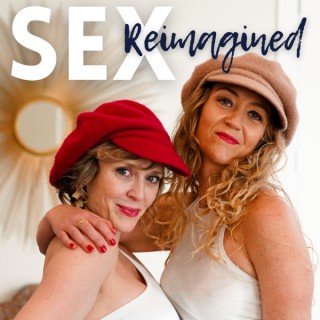
Send us a text & leave your email address if you want a reply!What Happens When an 83 Year Old Former Nun Joins OnlyFans to Teach Sacred Sexuality? What if porn could actually teach you how to be a better lover? In this episode of Sex Reimagined, Leah Piper and Dr. Willow Brown sit down with Janelle Orion, steward of the Goddess Temple in Denver, and Barbara Penningroth, known to her fans as Gigi, an 83 year old great grandmother and former nun who admits she swings between "I was born for this" and "what would my mother think?" Together they're building educational porn on OnlyFans with a clear mission: make erotic wellness a household term. That means real bodies, no Botox, unscripted lovemaking, and a filmed consent conversation before every single scene. We get honest about the money behind OnlyFans for older women (the average creator earns $131 a month), ageism and sexuality after 60, performance pressure in the bedroom, why exposing your pleasure can actually protect you, and how to follow inner guidance when it hands you an answer you never saw coming. If you've ever wondered whether aging bodies and eroticism belong together, this conversation is your permission slip.EPISODE HIGHLIGHTSThe real OnlyFans math: how Janelle reached the top 5% of creators, and why she's investing seven times what she earns to grow a mission driven channel.The RBDSM consent conversation (relationship, boundaries, desires, sexual health, meaning, plus aftercare) that opens every shoot.Gigi's alter ego secret for dropping self consciousness, plus Leah's "this is the goddess" mirror ritual.What a legally blind partner taught Gigi about ageism and being desired.The treasure hunt method for listening to guidanceLINKS & RESOURCES MENTIONED IN THE EPISODE CAN BE FOUND ON THE WEBSITE: https://www.sexreimagined.com/blog/sex-after-60-onlyfans Peak Erotic Experiences | Live Masterclass | Oct 1, 2026 @ 4pm Pacific. Your hottest moments were never random, they're built from four hidden forces researcher Jack Morin identified in his work on peak erotic experiences. Join Leah live on October 1st to find your own pattern and learn how to build more of it on purpose. Register for $33 HERE Free Tantra Happy Hour on Zoom | Oct 2nd @ 4:30 pm Pacific / 7:30 pm EasternJoin Leah & Willow as we pull back the curtain on Sacred Spot Massage and twenty years of watching this practice transform couples from the inside out. Grab your spot at sexreimagined.com/events. The Couples Sacred Spot Retreat | Santa Barbara, Nov 6-8 We are bringing our most intimate couples workshop to California. Over three days, you will learn Sacred Spot Massage, Erotic Attunement, sensual touch as a somatic practice, and the ritual skills that change the way partners meet each other in the body. Ten couple spots only. Register Here A New Tantra Exploration, Live in Santa Barbara Leah & Willow are hosting a live 90 minute intro night called A New Tantra Exploration, tracing this ancient practice back to where it began, breath, touch, & all. Fully clothed, beginner friendly, open to solos and couples. November 6, 2026 and January 29, 2027. Grab your seat at $25 early bird / $35 at the door | 90 min https://www.sexreimagined.com/eventsSupport the showPlease help support the production costs of the show! Donate now: https://www.buzzsprout.com/2032242/supporters/newFREEBIE- Introduction to Tantric Kissing Video and WorkbookSxR WebsiteDr. Willow's WebsiteLeah's Website

SE4EP258-The Heartbreak Motel-Consent by Hanna Guzman

Step inside Shrine, the ultimate lifestyle club creating a safe space for alternative lifestyles! Curious about an open lifestyle with your partner? Ever thought about exploring swinging, threesomes, or BDSM in a fun and inclusive way? Discover the secrets of building trust, communication, and intimacy in your relationships while connecting with a vibrant community. At Shrine, the focus is on unity and inclusivity, bringing swingers, polyamorous individuals, and kink enthusiasts together under one roof. Tune in to learn how this Austin-based event broke boundaries and created a welcoming space for everyone, no matter their lifestyle. From fostering open communication to encouraging personal growth, Shrine has something for everyone. Whether you're new to the scene or a seasoned explorer, this is your chance to see what makes Shrine a standout experience. Plus, find out how education, safety, and play come together to create unforgettable moments. Want to learn more? Hit subscribe, join the conversation, and explore the possibilities of open relationships and alternative lifestyles today!

HEADLINES: The RBA has lifted interest rates to a 15-year high SpaceX's Starship has reached orbit for the first time Brisbane Lions coach Chris Fagan has been handed the keys to the city The first piece of the Brisbane 2032 Olympic emblem has been revealed Mango growers warn crops could rot on the trees under changes to backpacker visas Plus, a former Cornell student is suing the university and seven fraternity members, alleging she was drugged and sexually assaulted, and prosecutors have now reopened the case. Host of True Crime Conversations Gemma Bath explains the case. If you or anyone you know needs expert help, please contact 1800 RESPECT (1800 737 732) — the National Sexual Assault, Domestic and Family Violence Counselling Service. If you are in immediate danger, call 000. Related True Crime Conversations episodes: Zoe’s Husband Drugged Her Evening Tea. For Years He Assaulted Her While She Slept Inside The Hidden Network Of Men Drugging And Raping Their Wives GET IN TOUCHGot a story idea, news tip or feedback?Send us a voice note or email us at thequicky@mamamia.com.au HELPFUL LINKS: Become a Mamamia subscriber and get an all-access pass to everything we make, including exclusive podcasts and early listening, subscriber-only articles, monthly giveaways and our home workout app, MOVE. Get access to Very Peri, Mamamia's exclusive perimenopause series, for just $59. 25 world-leading experts, over 20 on-demand sessions, available now. We’ve sorted through the noise so you don't have to. Go to veryperi.com.au today. You hot? Same. CREDITSHosts: Charlotte Mortlock and Tamsin RoseAudio Producer: Scott StronachGroup Executive Producer: Tamsin Rose and Georgie PageBecome a Mamamia subscriber: https://www.mamamia.com.au/subscribeSee omnystudio.com/listener for privacy information.

Send us Fan MailApparently, there's a pamphlet for that. Border problems? Public safety concerns? Hand out some reading material. That should handle it.Peaches and Trent head Outside the Wire to break down “Understanding Behaviors and Expectations in the United Kingdom,” a guide for asylum seekers covering gender equality, domestic abuse, consent, and public conduct. Their biggest question: what do written expectations accomplish if the government won't enforce them?The guys discuss Channel crossings, taxpayer-funded support, and the pressure migrant accommodation can put on small communities. They debate assimilation, national identity, and whether fear of political backlash stops governments from addressing difficult problems.If you've ever sat through military training because somebody, somewhere couldn't act right, this conversation will sound familiar. Except Peaches and Trent argue that the stakes here go well beyond another mandatory briefing.Expect British-government roasting, blunt opinions, and a recurring question: where does public information end and government responsibility begin? This episode reflects the hosts' commentary on the pamphlet and the events they discuss.Subscribe to Ones Ready, drop your take in the comments, and tell us what you want covered next on Outside the Wire.Chapters:00:00 - Outside the Wire With Peaches and Trent00:27 - Britain Has a Pamphlet for That02:18 - Channel Crossings and Border Questions04:46 - The Rules Britain Is Spelling Out06:38 - Can a Pamphlet Change Behavior?07:45 - Consent, Enforcement, and Accountability10:10 - A Small Village, a Big Accommodation Question11:00 - Political Fear and Government Control12:51 - Public Conduct and the Dundee Case15:05 - Assimilation and National Identity16:36 - Why Americans Should Pay AttentionSupport the showJoin this channel to get access to perks: HEREBuzzsprout Subscription page: HERERegister for our Operator Training Summit: OperatorTrainingSummit.comFind an Air Force Recruiter: AirForce.comCollabs:Ones Ready - OnesReady.com 18A Fitness - Promo Code: ONESREADY ATACLete - Follow the URL (no promo code): ATACLeteDanger Close Apparel - Promo Code: ONESREADYDFND Apparel...
This week, we are revisiting a previously aired episode.When your child refuses to go to school, what's really behind the struggle—and how can you help without dismissing their feelings or removing every challenge? Jess and Scott explore the overlapping roots of school refusal, from separation anxiety and post-pandemic disruptions to bullying, friendship difficulties, learning needs, and parental anxiety. They also discuss how sleep, screen-time boundaries, and overscheduled evenings can make school mornings harder. You'll get tools to understand, support, and nurture your child through these challenging times. This episode was originally released on March 17, 2025. If you are looking for more resources to support your child through school refusal, anxiety and separation struggles, we can help: Separations & Goodbyes Course – If your child struggles with separation anxiety—whether at school drop-off, with a babysitter, or at bedtime—this course provides the tools and support to make goodbyes easier.The School Toolkit – Whether your child is starting a new school, facing challenges at school, or you simply want to help them feel more confident, this toolkit is designed to support them every step of the way.The Friendship Toolkit – From making new friends to handling friendship ups and downs, this toolkit helps kids navigate social challenges with confidence.The Worry Toolkit – If your child has big worries—about school or anything else—this toolkit offers practical strategies to help them manage anxiety and feel more at ease. Get 10% OFF parenting courses and kids' printable activities at Nurtured First using the code ROBOTUNICORN.We'd love to hear from you! Have questions you want us to answer on Robot Unicorn? Send us an email: podcast@robotunicorn.net. Credits:Editing by The Pod Cabin Artwork by Wallflower Studio Production by Nurtured First Head to nurturedfirst.com/bodysafety to learn more about our Body Safety & Consent course!

Send Us a Message!What actually happens in the bedroom when you bring Tantra into your relationship?We decided to talk about it.In this episode of Wisdom Rising, Christine Renee sits down with her partner, Jim Macdonald, for a very real conversation about sacred sexuality—not as an idea or a spiritual concept, but as something they are actually living and exploring together.We talk about the beautiful parts, the awkward parts, the funny parts, and the deeply tender parts of bringing Tantra, Shamanic Reiki, embodiment, energy, and conscious communication into our intimate relationship.In this episode, we'll explore:• What Tantra actually looks like inside a real relationship• How we experience sexual energy as something that can move through the body rather than something we simply “use” to reach orgasm• Breath, movement, and sound as practices for awakening and circulating sexual energy• Anatomy, arousal, and understanding your own body as part of your orgasmic potential• Consent as an ongoing conversation—not just a one-time yes or no• The role of play, creativity, curiosity, and relaxation in pleasure• What happens when emotions, vulnerability, or unexpected energy arise during intimacy• Shamanic visioning, sexual magic, and the spiritual dimensions of sexuality• The importance of aftercare, nesting, and giving the body space to integrateWe also talk about the realities of teaching Tantra and creating spaces where people can explore intimacy, sexuality, energy, and embodiment with integrity. That includes the ethics and boundaries that matter when you bring this kind of work into workshops, retreats, and trainings.This isn't a step-by-step formula for having better sex. Some things simply can't be turned into a formula—and we don't think they should be. Instead, we're interested in what makes deeper intimacy possible: presence, trust, communication, curiosity, play, and the willingness to let go of performance.Because sacred sexuality isn't about becoming better at sex.It's about becoming more present to yourself, your body, your partner, your energy, and the experience you're actually having.And sometimes, that means getting really honest about what happens in the bedroom.We also share ways our workshops and trainings support this path, including upcoming offerings through Moon Rising Shamanic Institute and an Intro to Sacred Tantra training in Austin. You can find Christine's Substack here. If this conversation sparks something in you, subscribe, share it with a friend, and leave a review so more people can find it. What's one thing you want to feel more of in your intimacy right now?Moon Rising Shamanic Institute Links:Website: https://moonrisinginstitute.com/Facebook Page: https://www.facebook.com/moonrisinginstituteFacebook Group: https://www.facebook.com/groups/moonrisingmysticsInstagram: https://www.instagram.com/moonrising.instituteYoutube: https://www.youtube.com/@moonrisinginstituteSubscribe to the Newsletter: https://moonrisinginstitute.kit.com/spiritguideBook a session with Christine: https://calendly.com/christinerenee/90-minutes-intensiveBook a FREE 10 minute connect call with Christine: https://calendly.com/christinerenee/10-minute-connect-call-srpt

Dan Schorr, Alyssa-Rae McGinn, and Jenna Farrell discuss situations in which individuals seek to express non-consent to sexual activity through indirect and/or potentially unclear words or actions. This episode originally aired July 31, 2025. ---- Dan Schorr, LLC: https://danschorrllc.com/ Dan's fiction reading and writing Substack: https://danschorr.substack.com/ Dan Schorr Books: https://danschorrbooks.com/

A Cornell sexual assault case is reopened as questions grow about how the allegations were handled and the Trump administration changes federal Title IX protections.-via NY Times, Cornell Sun, ABC News, and NPRTake the pledge to be a voter at raisingvoters.org/beavoterDecember. on AmazonSubscribe to the Substack: kimmoffat.substack.comAll episodes can be found at: kimmoffat.com/thenewsAs always, you can find me on Instagram/Twitter/Bluesky @kimmoffat and TikTok @kimmoffatishere

Send us Fan MailThinking about swinging? Before you start looking for events, downloading apps, or trying to convince your partner to give it a shot, you need to have a few conversations first.Dr. Stephanie sits down with Jason Lee of That Other Lifestyle for a RAW, REAL, UNFILTERED conversation about what it actually takes to navigate the swinging lifestyle in a healthy, respectful way.They dig into the culture and etiquette of the lifestyle, why swinging should enhance rather than repair a relationship, and why the word “convince” should probably disappear from conversations about opening a relationship.They also tackle some of the issues men don't always talk about: performance pressure, erectile disappointment, masculinity, friendships, hygiene, communication, and the expectations men bring into lifestyle spaces.In this episode:• Why you can't “convince” your partner to swing• Is swinging a hobby—or part of your identity?• Boundaries vs. agreements vs. rules• What are “vanilla swingers”?• Why opening a relationship won't fix an unhealthy one• Consent and etiquette in lifestyle spaces• Why men experience sexual performance pressure• Erectile disappointment and getting out of your own head• Toxic masculinity and male friendship• Hygiene, appearance, and what people actually notice• Why communication needs to happen before you ever enter the playroom• The importance of not “yucking someone else's yum”Whether you're curious about swinging, brand-new to consensual non-monogamy, or you've been in the lifestyle for years, this episode goes beyond the fantasy and gets into the relationship skills that make navigating the lifestyle actually work.Connect with Jason Lee:That Other Lifestylehttps://thatotherlifestyle.comConnect with Dr. Stephanie:Evolve Your Intimacyhttps://www.evolveyourintimacy.comRAW. REAL. UNFILTERED.Support the showEVOLVEYOURINTIMACY.COMSex Therapy |Travel | Retreats| Courses| Podcasts | Articles | Blogs, & VlogsAre you looking to enhance your sexual communication skills? Do you crave a safe space to explore your sexual desires with your partner but aren't sure where to start? Look no further than the Evolve Your Intimacy Podcast, hosted by the renowned Dr. Stephanie.Join Certified Sex Therapist and Licensed Professional Counselor Dr. Stephanie Sigler as she interviews top experts in the field of clinical sexology, veterans in the lifestyle, and popular influencers, bringing you the most accurate information regarding your sexual health and pleasure.NEW SHOWS EVERY SaturdayIf you enjoy the content we produce, show your love by buying me a coffee: https://www.buymeacoffee.com/evolveyourintimacy
Philosopher Stefan Molyneux answers a listener who asks if he is a hypocrite for treating later contact as evidence against an abuse claim in one case but not in family abuse. He says kids cannot choose or leave their parents and face heavy pressure to stay bonded, while adults can walk away, and he looks at the visit, delayed report and later messages in this case while welcoming the challenge to his consistency.Question:Hi Stef,In the recent Clavicular charges episode you mentioned that you generally find it hard to give accusers much credibility when they stay in positive and affectionate contact with the person they claim assaulted them, and that this contact is evidence against the horror of the situation. I was surprised by this, though you did say residual contact is not absolute proof nothing happened.To be clear, I'm not claiming Clavicular is guilty or that the accuser is telling the truth, this could well be a false or exaggerated claim.I'm currently reading "Talking to Strangers" by Malcolm Gladwell. Spoiler if you've not read it: The former Penn State assistant coach Sandusky case in particular was a shocking anecdote in the book that highlighted that positive residual contact with perpetrators is not uncommon. Many of his victims kept positive contact for years and even brought partners and their children to visit him and the Weinstein case had a similar pattern.I think reasons for this include minimization, denial, normalizing the event, trying to regain a sense of control, practical dependence, power imbalance, and positive elements coexisting with the harmful acts; the same dynamics your shows explain in depth in the context of trauma bonding, repetition compulsion, and secondary gains.So my question is about what makes positive residual contact evidence against credibility for you in one context but a comprehensible trauma response in another? I wonder if you're applying positive residual contact as a "triage mechanism" where no physical evidence and harm has been established so it's serving as a credibility signal, as opposed to a call-in for example where, although it's still a one-sided account, the caller has given examples as evidence of behaviours and events rather than just narrative. Is this accurate?Support philosophy! https://freedomain.com/donate/GET FREEDOMAIN MERCH! https://shop.freedomain.com/SUBSCRIBE TO ME ON X! https://x.com/StefanMolyneuxFollow me on Youtube! https://www.youtube.com/@freedomain1GET MY NEW BOOK 'PEACEFUL PARENTING', THE INTERACTIVE PEACEFUL PARENTING AI, AND THE FULL AUDIOBOOK!https://peacefulparenting.com/Join the PREMIUM philosophy community on the web for free!Subscribers get 12 HOURS on the "Truth About the French Revolution," multiple interactive multi-lingual philosophy AIs trained on thousands of hours of my material - as well as AIs for Real-Time Relationships, Bitcoin, Peaceful Parenting, and Call-In Shows!You also receive private livestreams, HUNDREDS of exclusive premium shows, early release podcasts, the 22 Part History of Philosophers series and much more!See you soon!https://freedomain.locals.com/support/promo/FREEDOMAIN2026

Warum fällt es SLs und Tops oft schwer Grenzen zu setzen? Welche Rollenerwartungen werden an sie gestellt und warum möchte man sie eventuell nicht all eingehen? Jasmin und Serina berichten aus ihren Erfahrungen als trad SLs und Tops, die keine Doms sein mögen.

Former police officer Brent Sanders has spent over 30 years teaching consent, sexual assault law and predator awareness to students across Australia. In this episode of I Catch Killers, he sits down with Gary Jubelin to explain how sex offenders think, what they look for, and what every parent and young person needs about how to stay safe and act respectfully when navigating the complex issues of sexual harassment, sexual assault, and consent. From why you should run, yell and fight back instead of complying, to the often misunderstood legal definitions around consent, and how too many young men are crossing the line without even realising it. In this episode: Inside the mindset of a predator and the fear of getting caught What serial attackers look for when choosing a victim Why freezing helps an offender — and what to do instead Consent, the law, and the line you can't uncross Brent's journey: arrested at 16 to becoming New Zealand’s youngest police recruit What every parent must tell teenagers about staying safe You can watch I Catch Killers on Youtube here. Follow I Catch Killers:Instagram: @icatchkillersTiktok: @icatchkillerspodcastFacebook: @icatchkillersSee omnystudio.com/listener for privacy information.

A Lesson To INCELS & MANOSPHERIANS About What CONSENT Is | Keep Learning The Hard Way by Greg Adams

Get a Ticket for The Thinking Muslim Conference: http://www.thinkingmuslim.com/conferenceDonate to our charity partner Baitulmaal here:http://btml.us/thinkingmuslimHelp us expand our Muslim media project here: https://www.thinkingmuslim.com/membershipDr. Assal Rad is a Middle East historian known as the “headline fixer” for her viral media corrections. Her new book, Don't Say Palestine: How the Media Manufactured Consent for Genocide, examines how outlets including The New York Times and the BBC helped manufacture consent for Israel's genocide in Gaza through language, framing and omission.In this conversation, Assal joins Muhammad Jalal to examine how Western media has reported on Palestine, Israel and Gaza, and what that reporting reveals about the relationship between journalism, political power and public consent.From passive language around Palestinian deaths to the treatment of Israeli military claims, the discussion looks at how headlines and editorial choices can shape the way audiences understand war.As tensions involving the United States, Iran and the wider Middle East remain at the centre of global politics, we also ask whether Western media can still manufacture support for war in the way it did before the 2003 invasion of Iraq.The conversation explores Gaza, the killing of Palestinian journalists, declining trust in mainstream media, the rise of social media and citizen journalism, and the different ways the Biden and Trump administrations have approached Israel and the Middle East.Has Gaza permanently changed the way people consume the news? And what happens when audiences can compare what they see on their phones with what appears in the headlines?Dr. Assal Rad is the author of The State of Resistance: Politics, Culture, and Identity in Modern Iran and Don't Say Palestine: How the Media Manufactured Consent for Genocide.Find Assal Rad here:X: https://x.com/AssalRad?lang=enIG: https://www.instagram.com/assalrad_/Find her Book 'Don't Say Palestine' here: https://atlantic-books.co.uk/book/dont-say-palestine/Become a member here:https://www.thinkingmuslim.com/membershipOr give your one-off donation here:https://www.thinkingmuslim.com/donateListen to the audio version of the podcast:Spotify: https://open.spotify.com/show/7vXiAjVFnhNI3T9Gkw636aApple Podcasts: https://podcasts.apple.com/gb/podcast/the-thinking-muslim/id1471798762Purchase our Thinking Muslim mug: https://www.thinkingmuslim.com/merchFind us on:WhatsApp: https://whatsapp.com/channel/0029VbDYCfV5PO199ImLqZ34X: https://x.com/thinking_muslimLinkedIn: https://www.linkedin.com/company/the-thinking-muslim/Facebook: https://www.facebook.com/The-Thinking-Muslim-Podcast-105790781361490Instagram: https://www.instagram.com/thinkingmuslimpodcast/Telegram: https://t.me/thinkingmuslimBlueSky: https://bsky.app/profile/thinkingmuslim.bsky.socialThreads: https://www.threads.com/@thinkingmuslimpodcastFind Muhammad Jalal here:X: https://twitter.com/jalalaynInstagram: https://www.instagram.com/jalalayns/Sign up to Muhammad Jalal's newsletter: https://jalalayn.substack.comWebsite Archive: https://www.thinkingmuslim.comDisclaimer:The views expressed in this video are those of the individual speaker(s) and do not represent the views of the host, producers, platform, or any affiliated organisation. This content is provided for lawful, informational, and analytical purposes only, and should not be taken as professional advice. Viewer discretion is advised.Timestamps:00:00 - Introduction 01:15 - Meet Assal Rad02:09 - Media Manufactured Consent06:08 - Thinking Muslim Conference06:52 - Headlines Hide Israel12:02 - Western Media Complicity14:10 - Liberal Media Bias18:36 - Fox News vs Liberals20:56 - Donate to Baitulmaal21:31 - Palestinian Journalists Silenced27:36 - Why Journalists Stayed34:53 Who Controls Gaza History38:20 Social Media Censorship39:28 The Headline Fixer44:02 Right Turns on Israel47:54 Gaza's Media Future Hosted on Acast. See acast.com/privacy for more information.

What does it actually take to prevent sexual harassment at work? Policies, training, reporting mechanisms and statements of zero tolerance are one thing. Creating a workplace where sexual harassment is genuinely less likely to happen is something else entirely.Episode SummaryIn this episode, I talk to Dr Nina Burrowes, a psychologist who has spent more than 20 years working on the psychology of sexual harm and is the author of All Reasonable Steps: How Psychology Transforms Workplace Sexual Harassment Prevention.Nina argues that organisations need to stop treating sexual harassment simply as a compliance problem and recognise it as a human one. Weexplore why conventional training can become little more than “solution theatre”; why a lack of reports doesn't necessarily mean a lack of problems; why automatically escalating incidents to HR can have unintended consequences; and why prevention requires people to have the skills and confidence to intervene before situations escalate.The conversation also goes much wider than sexual harassment, exploring what happens when organisations try to manage messy human behaviour through neat rules and processes — and why trust, feedback, consent, judgement and psychological safety matter across organisational life.Ultimately, Nina offers a different way of thinking about healthy cultures: not places where nothing ever goes wrong, but places with the maturity and skills to respond intelligently when it does.Guest Profile - Dr Nina BurrowesNina is a psychologist, author and founder of The Consent Collective. Her work focuses on the psychology of sexual harm and helping organisations move from compliance towards meaningful prevention.AI-Generated Timestamped Summary00:00 — Introduction: when organisational solutions don't solve human problems02:30 — Nina's journey into the psychology of sexual harm08:15 — All Reasonable Steps: from compliance to prevention13:45 — Why workplaces have a role to play17:15 — The illusion of simple solutions21:30 — Understanding who causes harm — and why27:00 — Moving beyond “stranger danger”30:30 — The danger of “that doesn't happen here”37:00 — Creating a culture where difficult conversations can happen42:00 — Sexual harassment as a cultural stress test47:00 — When everything becomes an HR problem52:00 — Why HR isn't the culture55:00 — AI and the future of Human Risk56:30 — Consent as a transferable human skill01:00:30 — Building organisations that walk the talkResourcesNina's website, including details of her book 'All Reasonable Steps' - https://www.ninaburrowes.com/The Consent Collective - https://www.consentcollective.com/The Consent Collective — Workplace Sexual Harassment Preventionhttps://www.consentcollective.com/workplace

Sound Bites"Humor helps us talk about what we're afraid to say.""Consent is the foundation of any good relationship.""Role-playing can really improve your social skills."

TODAY ON THE ROBERT SCOTT BELL SHOW: MAHA Coalition Demands, Liz Reitzig, Nourishing Liberty, Trump Beef Policy, Food Freedom, Myosotis Symphytifolia, Government by Consent of the Governed, CDC Measles Death Criteria, Vaccine Safety Scandal, Fake News Detection, Pfizer Attacks Religion and MORE! https://robertscottbell.com/maha-coalition-letter-liz-reitzig-trump-beef-policy-review-myosotis-symphytifolia-government-consent-cdc-measles-death-criteria-vaccine-safety-questions-fake-news-detection-and-more/ Purpose and Character The use of copyrighted material on the website is for non-commercial, educational purposes, and is intended to provide benefit to the public through information, critique, teaching, scholarship, or research. Nature of Copyrighted Material Weensure that the copyrighted material used is for supplementary and illustrative purposes and that it contributes significantly to the user's understanding of the content in a non-detrimental way to the commercial value of the original content. Amount and Substantiality Our website uses only the necessary amount of copyrighted material to achieve the intended purpose and does not substitute for the original market of the copyrighted works. Effect on Market Value The use of copyrighted material on our website does not in any way diminish or affect the market value of the original work. We believe that our use constitutes a 'fair use' of any such copyrighted material as provided for in section 107 of the U.S. Copyright Law. If you believe that any content on the website violates your copyright, please contact us providing the necessary information, and we will take appropriate action to address your concern.
How do you feel about smart glasses? Lots of people are loving them with Meta selling millions this year, but lots of people are worried about surveillance, the potential harm, and being filmed without consent. In this ep, we chat to Dr Milly Stilinovic who's been researching the impact of smart glasses and pick up artists, to find out why she wants them banned altogether. SHOW NOTES:1800 RESPECT - 1800 737 732 Dr Milica Stilinovic - https://profiles.sydney.edu.au/milica.stilinovicResearch on pick up artists - https://www.sydney.edu.au/news-opinion/news/2026/08/11/smart-glasses-pose-new-harassment-risks-for-women-research-meta.htmlSmart glasses harm - https://www.abc.net.au/religion/smart-glasses-are-the-trojan-horse-of-unbridled-digital-harm/106596650Smart glasses and safety - eSafety Commissioner - https://www.esafety.gov.au/industry/tech-trends-and-challenges/convergence-series/smart-glasses-and-online-safetyDM us your thoughts, questions, topics, or to just vent at @triplejthehookup on IG or email us: thehookup@abc.net.auThe Hook Up is an ABC podcast, produced by triple j. It is recorded on the lands of the Wurundjeri people of the Kulin nation. We pay our respects to elders past and present. We acknowledge Aboriginal and Torres Strait Islander peoples as the First Australians and Traditional Custodians of the land where we live, work, and learn.

MISTRESS MIA AND MASTER KULDRIN COME TO THE MIC TO TALK SHOP IN THE BDSM WORLD.. GET READY FOR SOME INTERESTING CONVERSATION ABOUT CONSENT, BONDAGE AND MORE!WWW.MIAREYHOT.COMWWW.THEMISTRESSSHOW.COM

Join Rob McConnell for one of the most controversial interviews ever featured on The 'X' Zone Radio Show as he speaks with Malcolm J. Brenner, an American writer, journalist and photographer who became internationally known for his claim that, as a young man in the early 1970s, he developed a sexual relationship with a captive female bottlenose dolphin named Dolly at the now-defunct Floridaland attraction in Sarasota County, Florida. Brenner later transformed his account into the semi-autobiographical novel Wet Goddess: Recollections of a Dolphin Lover. Brenner maintains that the relationship developed while he was working around dolphins and that Dolly actively sought his attention. He has subsequently described the experience as an emotional interspecies relationship rather than simply a sexual encounter. His interpretation is highly controversial, particularly because a non-human animal cannot provide informed human-style consent and because sexual activity between humans and animals raises serious ethical, animal-welfare and legal issues. Florida subsequently enacted legislation prohibiting sexual activity with animals in 2011. Brenner says he eventually wrote Wet Goddess because he wanted people to consider dolphin intelligence, self-awareness, emotional complexity and the ethics of keeping highly intelligent marine mammals in captivity. On his own website, he explicitly states that he did not write the book to promote bestiality or zoophilia, but rather to communicate what he believes his experience taught him about dolphins. Those broader questions concerning dolphin cognition and animal welfare can be examined independently from Brenner's controversial interpretation of his personal relationship with Dolly. Join Rob McConnell and Malcolm J. Brenner on The 'X' Zone Radio Show for an interview that ventures into extremely uncomfortable territory while raising questions about human-animal boundaries, dolphin intelligence, captivity and ethics. What actually happened between Brenner and Dolly? Why did he decide decades later to tell the world about it? What does modern research tell us about the intelligence and social complexity of dolphins? And where must society draw the ethical and legal boundaries governing human interactions with other intelligent species? The original X Zone interview is preserved in the program's archives as “Malcolm J Brenner – The Man Who Had Sex with a Dolphin.”Become a supporter of this podcast: https://www.spreaker.com/podcast/the-x-zone-radio-tv-show--1078348/support.Please note that all CANCOM/XZBN radio and/or television shows are Copyright © REL-MAR McConnell Meda Company, Niagara, Ontario, Canada – www.rel-mar.com. For more Episodes of this show and all shows produced, broadcasted and syndicated from REL-MAR McConell Media Company and The 'X' Zone Broadcast Network and the 'X' Zone TV Channell, visit www.xzbn.net. For programming, distribution, and syndication inquiries, email programming@xzbn.net.We are proud to announce the we have launched TWATNews.com, launched in August 2025.TWATNews.com is an independent online news platform dedicated to uncovering the truth about Donald Trump and his ongoing influence in politics, business, and society. Unlike mainstream outlets that often sanitize, soften, or ignore stories that challenge Trump and his allies, TWATNews digs deeper to deliver hard-hitting articles, investigative features, and sharp commentary that mainstream media won't touch.These are stories and articles that you will not read anywhere else.Our mission is simple: to expose corruption, lies, and authoritarian tendencies while giving voice to the perspectives and evidence that are often marginalized or buried by corporate-controlled media

Taboo to Truth: Unapologetic Conversations About Sexuality in Midlife
In this episode, I'm sharing something completely different: a firsthand account of a weekend I had in Montreal. I was there for an Advanced SAR — a Sexual Attitude Reassessment, the kind of training clinicians and sex educators take to get comfortable with behaviors and experiences outside their own — and it happened to land the same weekend as the Montreal Fetish Festival. So I went.I walk through everything, starting with the cabaret show on night one that included flogging and, in a moment that genuinely jarred me. I talk about sitting down with a woman deeply involved in the BDSM community, who explained electric play and needle play to me — including how she experiences needle play as creating art on someone's body, and why the buildup to pain can trigger something called subspace, a genuine chemical shift in the brain. I also get honest about my own reaction as someone who calls herself vanilla: I turn away when someone draws blood, so understanding how pain becomes pleasure for someone else took real effort.I take you inside both a sex club and a kink club for the first time in my life — the gear, the setup, the consent culture, the "vacuum bagging," the group room that turned out to be nothing like what I expected, the St. Andrew's Cross, and the costume culture that included everything from latex and leather to pup play and collaring. Through all of it, my point stays the same: understanding why something is pleasurable for someone else doesn't mean you have to practice it yourself. It just means approaching it with curiosity instead of judgment.In This Episode:0:00 – The Staple Gun Moment0:29 – Welcome to Taboo to Truth0:56 – My Unexpected Path to Becoming a Sex Educator2:09 – What Is a SAR? Inside the Advanced Class3:22 – The Vanilla Sex Educator: My Background Before This Weekend4:32 – Kink Isn't Always About Sex5:20 – Night One: Cabaret, Flogging & the Staple Gun6:17 – Curiosity Over Judgment: Talking to the Kink Community8:31 – Sex Club vs. Kink Club: What's the Difference10:23 – Inside the Sex Club: Gear, Consent & a Peep Show Surprise12:14 – Inside the Kink Club: Electric Shocks, Rope & the St. Andrew's Cross14:22 – The Costume Party: Latex, Pup Play & Collars15:51 – What I Learned: Curiosity Is PowerTo watch the video version of this episode, head over to YouTube!‼️ Join the waitlist for my upcoming coaching program for midlife men HERE. About The Host:Karen Bigman, a Sexual Health Alliance Certified Sex Educator, Life, and Relationship Coach. She tackles the often-taboo subject of sexuality with a straightforward and candid approach. On this show, we explore the intricacies of sex in midlife, offering insights and support for all those experiencing this transformative phase.This podcast is not intended to give medical advice. Karen Bigman is not a medical professional. For any medical questions or issues, please visit your licensed medical provider.Looking for some fresh perspective on sex in midlife? You can find me here:Email: karen@taboototruth.comWebsite: https://www.taboototruth.com/Instagram: https://www.instagram.com/taboototruthYouTube: https://www.youtube.com/@taboototruthpodcastSubstack: https://karenbigman.substack.comLINKS, RESOURCES, EXCLUSIVE VIP DISCOUNTS & FREEBIES!

Kids learn about love by watching their parents. Why consent in marriage is an ongoing conversation you must have.Mansi Zaveri sits down with sex coach Pallavi Barnwal to discuss the realities of a sexless marriage and how silence between partners impacts the next generation. We often assume consent in marriage is a one-time agreement, but failing to keep that conversation alive teaches children the wrong lessons about respect.Children absorb emotional distance long before they can name it. This honest conversation explores why women's pleasure is often erased in long-term partnerships and how to actively model healthy relationships at home. Learn practical ways to maintain connection and ensure your marriage reflects the values you want your children to adopt through conscious parenting.How does a romanceless or sexless marriage affect children?Children absorb emotional distance long before they can name it. Silence, avoidance, and lack of affection between parents don't go unnoticed; they become a child's working model for what marriage is supposed to feel like. This episode breaks down what a "romanceless marriage" actually teaches kids, and why witnessing affection between parents is protective, not incidental.Support the show
This week, we are revisiting a previously aired episode. Why is your child perfect at school, only to completely fall apart the moment they get home? This episode dives deep into the common but misunderstood phenomenon of 'After-School Restraint Collapse.' Jess and Scott will help you understand that these explosions are a sign that your child feels safest with you, and give you practical strategies—from co-regulation to creating a 'soft landing'—to help your child decompress and turn these challenging moments into opportunities for connection.This episode was originally released on September 22, 2025. Get 10% OFF parenting courses and kids' printable activities at Nurtured First using the code ROBOTUNICORN.We'd love to hear from you! Have questions you want us to answer on Robot Unicorn? Send us an email: podcast@robotunicorn.net. Credits:Editing by The Pod Cabin Artwork by Wallflower Studio Production by Nurtured First Head to nurturedfirst.com/bodysafety to learn more about our Body Safety & Consent course!

What happens when a group of doctors decides that the best way to study a sexually transmitted disease is to make absolutely sure their patients have it?In this episode of Torture: A Dark History, Kevin Young and Dan Hourigan uncover one of the darkest chapters in the history of American medicine: the Guatemalan Syphilis Experiments. Beginning with historian Susan Reverby's discovery of John Cutler's research papers in 2003, we trace how a secret medical experiment conducted in Guatemala between 1946 and 1948 deliberately exposed prisoners, soldiers, psychiatric patients, sex workers, and others to syphilis, gonorrhea, and chancroid.We follow the story from the rise of syphilis as a major public health concern after World War I, through the discovery of penicillin, and into the increasingly disturbing experiments carried out by American researchers who wanted controlled subjects for their research. What began with attempts to study sexual transmission eventually involved deliberate infections, repeated exposures, painful procedures, and subjects who were often never told what was actually being done to them.We'll also look at some of the individual victims whose stories survived in the records, including Berta, a psychiatric patient who was deliberately infected with multiple diseases before her death, and the children who were subjected to medical procedures despite never being deliberately infected with syphilis.And naturally, Kevin and Dan bring their dark sense of humor to a story where the phrase “medical experiment” somehow manages to become more horrifying with every page of documentation.This is dark history, medical experimentation, true crime, the history of syphilis, and one of the most disturbing chapters in the history of American medicine.Please like, subscribe, and follow where ever you listen.The New Website!!!!The Beard StrugglePodUp!PatreonMerchBuy Us A CoffeeYouTubeFacebookInstagramBlue SkyTiktokThe Sassholes Insta!!Music from Uppbeat (free for Creators!):https://uppbeat.io/t/all-good-folks/curiosityLicense code: 7QU9IW0B2IJBFZJYMusic from Uppbeat (free for Creators!):https://uppbeat.io/t/christian-larssen/suburban-honeymoonLicense code: 1OKNVEXYPW8QAYSHMusic from #Uppbeat (free for Creators!):https://uppbeat.io/t/kevin-macleod/bass-vibesLicense code: YYUZSRCQDGQROBB4Music from #Uppbeat (free for Creators!):https://uppbeat.io/t/mountaineer/kick-backLicense code: QMHHB6U0M6H9WWENRead lessMusic from #Uppbeat (free for Creators!):https://uppbeat.io/t/albert-behar/tickling-the-ivoriesPlease give us a 5 star rating and review!!Advertising Inquiries: https://redcircle.com/brandsPrivacy & Opt-Out: https://redcircle.com/privacy

Congress escalated its confrontation with Leon Black on September 16, 2026, when the House voted by unanimous consent to hold the billionaire former Apollo CEO in criminal contempt of Congress for refusing to comply with subpoenas tied to the Jeffrey Epstein investigation. The House Oversight Committee had demanded that Black produce nondisclosure agreements in his possession, including any that referenced Epstein or Ghislaine Maxwell, and sit for a sworn deposition. Black had earlier walked out of a voluntary interview after refusing to answer questions about NDAs, then sued the committee rather than comply with the subpoenas. Black has said he knew nothing about Epstein's sexual abuse and has argued that Congress is overreaching and lacks a valid legislative purpose for seeking such sweeping private records. His attorneys also contend the committee is demanding information that does not exist and is trying to pry into NDAs unrelated to Epstein.At the same time, Oversight Chairman James Comer introduced the Survivor's Voice Protection Act, legislation aimed directly at the use of NDAs in sexual-abuse cases. The bill would void confidentiality provisions that prevent survivors from speaking about abuse and would also allow other people with relevant information to disclose facts about that abuse. The move came after reporting that some Epstein accusers had signed confidential settlements with associates of Epstein whom they had also accused of misconduct. Comer said the investigation had shown how powerful men could use NDAs to silence survivors, making Black's refusal to produce his agreements part of a larger congressional fight over secrecy in the Epstein network. The contempt vote now allows House Speaker Mike Johnson to send a criminal referral to the Justice Department, while Black's lawsuit against the committee continues separately in federal court.to contact me:bobbycapucci@protonmail.comsource:Congress Battles Jeffrey Epstein Patron Leon Black Over NDAs - Business Insider

Congress escalated its confrontation with Leon Black on September 16, 2026, when the House voted by unanimous consent to hold the billionaire former Apollo CEO in criminal contempt of Congress for refusing to comply with subpoenas tied to the Jeffrey Epstein investigation. The House Oversight Committee had demanded that Black produce nondisclosure agreements in his possession, including any that referenced Epstein or Ghislaine Maxwell, and sit for a sworn deposition. Black had earlier walked out of a voluntary interview after refusing to answer questions about NDAs, then sued the committee rather than comply with the subpoenas. Black has said he knew nothing about Epstein's sexual abuse and has argued that Congress is overreaching and lacks a valid legislative purpose for seeking such sweeping private records. His attorneys also contend the committee is demanding information that does not exist and is trying to pry into NDAs unrelated to Epstein.At the same time, Oversight Chairman James Comer introduced the Survivor's Voice Protection Act, legislation aimed directly at the use of NDAs in sexual-abuse cases. The bill would void confidentiality provisions that prevent survivors from speaking about abuse and would also allow other people with relevant information to disclose facts about that abuse. The move came after reporting that some Epstein accusers had signed confidential settlements with associates of Epstein whom they had also accused of misconduct. Comer said the investigation had shown how powerful men could use NDAs to silence survivors, making Black's refusal to produce his agreements part of a larger congressional fight over secrecy in the Epstein network. The contempt vote now allows House Speaker Mike Johnson to send a criminal referral to the Justice Department, while Black's lawsuit against the committee continues separately in federal court.to contact me:bobbycapucci@protonmail.comsource:Congress Battles Jeffrey Epstein Patron Leon Black Over NDAs - Business InsiderBecome a supporter of this podcast: https://www.spreaker.com/podcast/the-moscow-murders-and-more--5852883/support.
Who killed Tupac? Thirty years later, a jury finally has an answer. Journalist Jeff Weiss joins Vanessa and Natalie to revisit Tupac and Biggie's deadly feud, the lingering questions around Diddy, and the man whose own words helped put him behind bars. Click ‘Subscribe' at the top of the Infamous show page on Apple Podcasts or visit GetTheBinge.com to get access wherever you get your podcasts. Find more great podcasts from Sony Music Entertainment at sonymusic.com/podcasts Read Vanessa's book, Blurred Lines: Sex, Power and Consent on Campus, and check out Natalie on Instagram at @natrobe To connect with Infamous's creative team, join the community at joincampsidemedia.com or follow us on instagram @infamouspod Learn more about your ad choices. Visit podcastchoices.com/adchoices

Congress escalated its confrontation with Leon Black on September 16, 2026, when the House voted by unanimous consent to hold the billionaire former Apollo CEO in criminal contempt of Congress for refusing to comply with subpoenas tied to the Jeffrey Epstein investigation. The House Oversight Committee had demanded that Black produce nondisclosure agreements in his possession, including any that referenced Epstein or Ghislaine Maxwell, and sit for a sworn deposition. Black had earlier walked out of a voluntary interview after refusing to answer questions about NDAs, then sued the committee rather than comply with the subpoenas. Black has said he knew nothing about Epstein's sexual abuse and has argued that Congress is overreaching and lacks a valid legislative purpose for seeking such sweeping private records. His attorneys also contend the committee is demanding information that does not exist and is trying to pry into NDAs unrelated to Epstein.At the same time, Oversight Chairman James Comer introduced the Survivor's Voice Protection Act, legislation aimed directly at the use of NDAs in sexual-abuse cases. The bill would void confidentiality provisions that prevent survivors from speaking about abuse and would also allow other people with relevant information to disclose facts about that abuse. The move came after reporting that some Epstein accusers had signed confidential settlements with associates of Epstein whom they had also accused of misconduct. Comer said the investigation had shown how powerful men could use NDAs to silence survivors, making Black's refusal to produce his agreements part of a larger congressional fight over secrecy in the Epstein network. The contempt vote now allows House Speaker Mike Johnson to send a criminal referral to the Justice Department, while Black's lawsuit against the committee continues separately in federal court.to contact me:bobbycapucci@protonmail.comsource:Congress Battles Jeffrey Epstein Patron Leon Black Over NDAs - Business InsiderBecome a supporter of this podcast: https://www.spreaker.com/podcast/the-epstein-chronicles--5003294/support.

Tool descriptions tell an agent what a tool does. They don't tell it how to use five tools together, in the right order, following your conventions. That gap is where this conversation lives.Filmed at AGNTCon + MCPCon in Tokyo with Ola Hungerford, Principal Engineer for AI Enablement at Nordstrom and a maintainer of the Model Context Protocol, who spent the last several months turning a pattern everyone was quietly reinventing into an actual MCP extension.Ola walks through what skills over MCP really means: the server stops being a pile of tools and becomes a distribution channel, handing the agent the instructions, workflows and knowledge it needs only at the moment it needs them. She explains why server instructions weren't enough, how progressive discovery keeps context from exploding, and why the same mechanism works for memory and preferences even when no tools are involved.Then it gets into the harder parts. What belongs in the MCP spec versus the agent skills spec. Why passing custom front matter through opens a rug pull and prompt injection surface nobody wanted. Where skills start to look like sub-agents, and why there's still no standard way to declare which servers a skill depends on. And the honest problem underneath all of it: how do you standardize something while everyone is still finding out what it's actually for, without breaking a hundred things the next time you change your mind?Timestamps:[0:00] Intro[0:21] AI enablement at Nordstrom[0:33] What skills over MCP actually is[1:29] The MCP server as a distribution channel[2:01] Server instructions versus skills[3:11] Distributing knowledge and memory[4:23] Progressive discovery explained[5:23] Where the idea came from[6:59] From draft to official extension[8:19] What early adopters changed[8:51] Front matter and custom metadata[9:57] Rug pulls and prompt injection risk[10:57] Will any of this get standardized[12:10] Marrying two very different specs[13:03] Skills as personas and sub-agents[13:53] The missing dependency standard[15:15] How the extension actually works[16:19] What harnesses still need to support[16:59] Consent and skill integrity[17:56] Where skills over MCP goes next[18:43] Why cramming 200 tools fails[19:41] Standardizing before you know the answer[22:18] Is git the wrong tool for agents[23:19] Picking tools for the actual persona[23:51] Trying to be less productive[25:48] The anxiety of idle agents[27:15] Why she keeps a robot on her desk[28:22] If the agent feels the friction, does it matter[29:41] Efficiency, waste, and caring enough[30:52] Letting an agent debug for you[32:03] Choosing your rabbit hole
3 Hours and 21 MinutesPG-13Episode 835: Reading Edward L. Bernays 'The Engineering of Consent' w/ Buck JohnsonEpisode 1175: The Life and Work of Edward L. Bernays w/ Philo's MiscellanyPhilo's YouTube ChannelCounterflow PodcastPete and Thomas777 'At the Movies'Support Pete on His WebsitePete's PatreonPete's SubstackPete's SubscribestarPete's GUMROADPete's VenmoPete's Buy Me a CoffeePete on FacebookPete on Twitter
A mother of a nine-month-old came to this conversation already pro-vaccine, having read *Vax Facts*, and she wanted to press me directly on the questions that keep so many parents up at night. I welcomed it. This episode is that full conversation, unscripted and unfiltered.

Birthday week on Nikky After Dark. Listener-submitted erotic confessions about being chosen on purpose: a secluded forest threesome on dirt, rock, creek, and paddle boarda 20-year marriage that looked dead at 11 p.m. until she walked out in red lace with a hidden toy box and said “do anything you want”a shirtless 73-year-old neighbor whose hot-tub drink turns into a kneeling gift and a second-round creampie. Explicit audio erotica. Real stories. Consent, planning, denial, and the kind of worship that lingers after the cum dries. 18+.Stay tuned, because these stories are dripping with tension, risk, and raw lust.Support The Show: Apple: https://podcasts.apple.com/us/channel/dear-nikky/id6442972835Spreaker: https://www.spreaker.com/podcast/dear-nikky-hidden-desires--6316414/support Join us over on Discord: https://discord.gg/MfsyKuPxMK Featured Release: Dear Nikky: Sex Confessions From People Just Like You is out now! Dive deeper into the raw, unfiltered stories you love.Contact:Email: Nikky@dearnikky.com (or dear.nikky.confessions@gmail.com)Website: DearNikky.com/confessionsSocials: Twitter/X (@DNikky162), Instagram (@DNikky162), Facebook (@DearNikky)Content Warning: This episode contains explicit sexual content, including graphic descriptions of ass play, butt plug sex, bisexual encounters, threesomes, public/exhibitionist sex, and consensual adult fun. Stories depict enthusiastic consent. Listener discretion advised; 18+ only. Submissions involving bestiality, incest, underage role-play, rape, non-consensual content, or racial slurs are not aired.Get Involved:Submit Your Story: Got a secret fantasy or steamy confession? Write to Nikky at Nikky@dearnikky.com or submit anonymously at DearNikky.com/confessions. By submitting, you certify you're 18+, the sole creator, and that the content meets our guidelines.Say Hello: Have a burning fantasy or just want to chat? Reach out on socials or email — Nikky loves hearing your naughtiest thoughts!Support the Show: Leave a review on Apple Podcasts, Spotify, Spreaker or your favorite platform. Your support helps new listeners discover the heat!

Love Over Algorithms: Raising Kids Who Choose Connection Over Screens with Nikki MartynScreens aren't just competing for our children's attention—they're competing for their relationships. And while many parents focus on limiting screen time, what if the real solution isn't found in stronger rules, but in stronger connections?In this episode of The Child Psych Podcast, psychologist Tania Johnson sits down with parenting educator and author Nikki Martin to discuss her new book, Love Over Algorithms. Together, they explore how today's digital world is shaping our children, why technology struggles are often relationship struggles, and how parents can create homes where connection is more compelling than the endless pull of the algorithm.Nikki introduces practical, research-informed tools that help families move beyond constant battles over devices. From the Love Loop and the L.O.V.E. Method to the power of the Pause Moment, she shares simple strategies that foster emotional safety, trust, and healthy technology habits without relying on shame, fear, or endless punishment.This conversation offers a refreshing perspective for parents who want to raise digitally healthy children while protecting what matters most—the parent-child relationship.In this episode, you'll learn:Why technology challenges are often rooted in relationship, not just screen time.The difference between the Dopamine Loop and the Love Loop, and why connection changes everything.How to use the L.O.V.E. Method during everyday screen-time struggles.Why the Pause Moment can completely change difficult interactions.How narrating your own technology use helps children develop healthy digital habits.What it means to move from control to trust using the Three Cs of Consent.Practical ways to create a home where children naturally choose connection over constant scrolling.Whether you're introducing your child's first device or navigating daily battles over phones, gaming, or social media, this episode will leave you with practical tools and renewed confidence to raise children who thrive in a digital world—without sacrificing connection along the way. Dr. Nikki Martyn is a parenting educator, speaker, and author of Love Over Algorithms. Passionate about helping families navigate the digital world with confidence, she equips parents with practical, relationship-first strategies that foster healthy technology habits, emotional connection, and resilience in an age of constant distraction.To learn more about Nikki or to purchase Love Over Algorithms, click here. Hosted on Acast. See acast.com/privacy for more information.

In this episode of FMEP's Occupied Thoughts podcast, FMEP President Lara Friedman speaks with historian and author Dr. Assal Rad about the media's role in the Gaza genocide, and about her newly-published book on this topic, "Don't Say Palestine: How the Media Manufactured Consent for Genocide." [https://www.penguinrandomhouse.com/books/834977/dont-say-palestine-by-assal-rad/]. For resources related to this podcast, go to: www.fmep.org
Welcome back to Nikky After Dark. Tonight's confessions are birthday gifts that don't come in a box:a girlfriend who handed her man her best friend in a white sundress and watched through FaceTime;a wife who finally took four men at a swingers club after years of chickening out;a drunk pool-table night that turned into permission, name-calling, and shared loads;oily blindfolded massage-table sex after a long airport day;unplugged mountain blowjobs and tit-fucking with no cell service;a free-use yes that started in her sleep and ended with a cock through the shower curtain;a basement gloryhole he built himself so he could watch strangers use every hole;and a loft birthday where she dropped to her knees first, queued her own apple video, and whispered the sentence that made him flood her.Plus a filthy original: one night a year the cage stays locked while she makes him hold two real cocks and feel every pulse they dump inside her.Consent, trust, and the kind of generosity that leaves both of you wrecked and smiling in the shower.No shame. Just heat. Send your stories: Nikky@DearNikky.com | DearNikky.com/confessions |Discord. Live Mon–Sat 8pm Central. Ad-free on Spreaker and Apple.Headphones on. Nobody's taking attendance but us.Support The Show: Apple: https://podcasts.apple.com/us/channel/dear-nikky/id6442972835 Spreaker: https://www.spreaker.com/podcast/dear-nikky-hidden-desires--6316414/supportJoin us over on Discord: https://discord.gg/MfsyKuPxMKFeatured Release: Dear Nikky: Sex Confessions From People Just Like You is out now! Dive deeper into the raw, unfiltered stories you love.Contact:Email: Nikky@dearnikky.com (or dear.nikky.confessions@gmail.com)Website: DearNikky.com/confessionsSocials: Twitter/X (@DNikky162), Instagram (@DNikky162), Facebook (@DearNikky)Content Warning: This episode contains explicit sexual content, including graphic descriptions of ass play, butt plug sex, bisexual encounters, threesomes, public/exhibitionist sex, and consensual adult fun. Stories depict enthusiastic consent. Listener discretion advised; 18+ only. Submissions involving bestiality, incest, underage role-play, rape, non-consensual content, or racial slurs are not aired.Get Involved:Submit Your Story: Got a secret fantasy or steamy confession? Write to Nikky at Nikky@dearnikky.com or submit anonymously at DearNikky.com/confessions. By submitting, you certify you're 18+, the sole creator, and that the content meets our guidelines.Say Hello: Have a burning fantasy or just want to chat? Reach out on socials or email — Nikky loves hearing your naughtiest thoughts!Support the Show: Leave a review on Apple Podcasts, Spotify, Spreaker or your favorite platform. Your support helps new listeners discover the heat!
In this episode, Jess sits down with Emmy award-winning author, artist, and director Loryn Brantz to discuss her brand new children's book, "I Am a Spicy Nugget." They dive deep into the magic of playful parenting, sharing practical and hilarious ways to use humour and imagination to defuse toddler tantrums. Tune in to learn why we all become "spicy nuggets" sometimes, how to combat "garbage thoughts," and why shifting your parenting mindset can completely transform your home's dynamic.To hear more from Loryn and check out her books, including her brand new children's book, “I Am a Spicy Nugget,”, click here. Get 10% OFF parenting courses and kids' printable activities at Nurtured First using the code ROBOTUNICORN.We'd love to hear from you! Have questions you want us to answer on Robot Unicorn? Send us an email: podcast@robotunicorn.net. Credits:Editing by The Pod Cabin Artwork by Wallflower Studio Production by Nurtured First Head to nurturedfirst.com/bodysafety to learn more about our Body Safety & Consent course!

In this episode, I talk with Dr. Lexx about how to have honest conversations about sex with kids, why sexual shame still shapes adult relationships, and how to think more clearly about desire, consent, and pleasure. We dig into misinformation around sex education, sex as a form of power, and what healthy support can look like from educators, counselors, and therapists.What We CoverSex-positive parenting and how to talk to kids about bodies and boundariesWhy sexuality education in the U.S. is more restricted than people think — and why "medically accurate" isn't a givenThe real difference between sex educators, sex counselors, and sex therapistsHow midlife, menopause, and shifting desire reshape relationshipsPractical ways to rebuild intimacy and connection when the spark fadesKey FrameworksPersonal parts — Language that reduces shame and emphasizes ownership over the body.Unwanted touch / secret touch — Clearer safety language than "good touch, bad touch."Sexuality as a whole-life concept — Not just intercourse, but identity, embodiment, relationships, and power.Compersion — Feeling happy for a partner's pleasure or joy, even if it isn't personally relevant.Sensate focus — Purposeful nonsexual touch used to rebuild connection and learn what feels good.Consent first — The baseline for everything, including fantasy, touch, and negotiation.About Dr. LexxDr. Lexx (Lexx, The Sex Doc) is a sex therapist, educator, and speaker whose work centers healing, pleasure, and connection — with a particular focus on Black, Brown, and queer communities often left out of traditional therapy spaces. Learn more at lexxsexdoc.com.https://lexxsexdoc.com/Subscribe, leave a review, and share this episode with someone who needs it.

Very Important Links!Support the show on Patreon! - Other ways to support the show!Join our Discord! - Buy some merch!The AI apocalypse has lawyers now, and apparently that's progress. A federal judge tells the Pentagon its Anthropic ban was “illegal and baseless” after Anthropic refused to remove safeguards that would allow Claude to be used for mass surveillance and autonomous weapons. Meanwhile, Sony and Warner are suing Anthropic over allegedly scraping and torrenting copyrighted music to train Claude, while a separate lawsuit accuses xAI of using child sexual abuse material in Grok training. Because nothing says “revolutionary technology” quite like a growing stack of lawsuits and federal judges.Elsewhere in the dystopian workplace, employees are increasingly fed up with AI, communities are pushing back against data centers, and one AI startup is fleeing that backlash for Saudi Arabia. Google's AI shopping mode is also accused of recommending products that cost significantly more than traditional search results, while Waymo and Zoox rack up injuries among test drivers. Tesla's Autopilot is implicated in another fatal crash, and FSD apparently still has a complicated relationship with freight trains. In the prediction-market casino, a federal appeals court sides with Nevada against Kalshi, while George Santos earns the platform's first lifetime ban for allegedly manipulating a market. And Meta's AI glasses are facing another privacy lawsuit, this time from the people who never bought the glasses but may have been recorded by them anyway.Plus, the new Twitter is back from the dead, complete with a $20 admission fee and an AI fact-checker named Vera; Sony would like you to understand that buying a digital game means you don't actually own the damn thing; Siri on the Apple Watch moves at approximately the speed of continental drift; JBL makes Wi-Fi speakers and we have Star Trek, Ted Lasso, Silo, Spaceballs, Wicked, The Traitors, The Gentlemen, and more. Welcome to the future. Please bring your wallet, your lawyer, and possibly you're best eye-roll.Sponsors:Private Internet Access - Go to GOG.Show/vpn and sign up today. For a limited time only, you can get OUR favorite VPN for as little as $2.03 a month.SetApp - With a single monthly subscription you get 240+ apps for your Mac. Go to SetApp and get started today!!!1Password - Get a great deal on the only password manager recommended by Grumpy Old Geeks! gog.show/1passwordShow notes at https://gog.show/761Watch on YouTube at https://youtu.be/Y9B6C6nzO50SHOW NOTESJudge rules that the Pentagon's Anthropic ban was 'illegal and baseless'Elon Musk's xAI used child porn to train Grok models, lawsuit saysSony and Warner sue Anthropic for 'blatant violation' of copyright lawResearchers Warn AI Could Be Changing Us in an Unexpected WayMore Evidence Emerges That Gen-Xers Feel the Most ‘Whatever' About AIEmployees Absolutely Loath AI in the Workplace, Survey FindsFleeing Data Center Backlash at Home, American AI Startup Sets Up Shop In Saudi ArabiaTrump to Communities Fighting Data Centers: Have Fun Being PoorGoogle's AI Mode Is Ripping Shoppers Off With Vastly Higher Prices, Study ClaimsWaymo, Zoox Vehicles Still Causing Injuries to Test Drivers: ReportAnother Tesla on Autopilot Stopped on Freeway, Driver Died: ReportTeslas Are Still Driving Into Oncoming Freight TrainsUS appeals court sides with Nevada in legal fight with KalshiGeorge Santos Gets Kalshi's First-Ever Lifetime BanMeta Hit With Sweeping New Claims That Its AI Glasses Violated the Consent of “Millions” of Bystanders in Searing LawsuitRichest Man in the World Currently Ranks 4th in Race to Bribe the Most PoliticiansJBL just introduced a trio of Wi-Fi speakers for whole-home audioThere's a new Twitter in town, even though a judge has yet to rule on a trademark injunctionSony says ‘reasonable consumers' know they don't own the digital games they buyStar Trek: Strange New WorldsTed LassoSiloWicked: For GoodSpaceballsDave BittnerThe CyberWireHacking HumansCaveatOnly Malware in the BuildingRoland's new digital piano has built-in Wi-Fi that integrates with a teaching appRoland FP-40 Digital Piano ReviewElton John - I Don't Wanna Go On With You Like ThatRoland RD-1000The Brutalist ReportSee Privacy Policy at https://art19.com/privacy and California Privacy Notice at https://art19.com/privacy#do-not-sell-my-info.
© 2020-2026 Ivy Podcast Discovery LLC
