
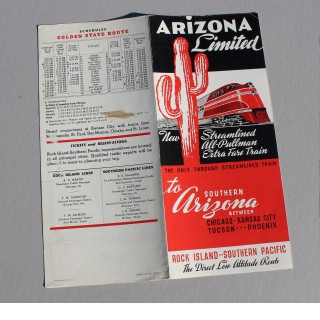
POPULARITY

4 episodes with brochures

2 episodes with brochures

2 episodes with brochures

4 episodes with brochures

2 episodes with brochures

17 episodes with brochures

16 episodes with brochures

3 episodes with brochures

2 episodes with brochures
In this episode of the IT Experts Podcast, we explore one of the most overlooked opportunities for MSP growth: exhibitions and events. If you have ever invested time and money into a trade show, only to come away wondering whether it was worth it, this conversation with Steve Lloyd is essential listening. Many MSP owners know they need to get out into the market, meet potential clients, build relationships, and generate fresh opportunities. The challenge is that exhibitions can often feel uncomfortable, especially for technical founders who are far more confident discussing technology than approaching strangers in a busy exhibition hall. The result is that many businesses turn up with a couple of banners, a table full of brochures, and a hope that the right people will stop by. According to Steve Lloyd, that approach is exactly why so many exhibitors fail to see a return on their investment. Throughout this episode, Steve Lloyd shares a completely different way of thinking about exhibitions. Rather than viewing them as a one-day event, he encourages MSPs to see them as part of a much larger business development process. Success begins long before the doors open and continues long after the exhibition has finished. One of the most powerful insights from the conversation is the idea that you are not simply renting a stand. You are creating a temporary shop inside a temporary shopping centre. When viewed through that lens, everything changes. You start thinking about customer experience, visibility, engagement, staff preparation, and follow up. You begin asking better questions about what success actually looks like and how you can create meaningful conversations with the people who matter most. Steve Lloyd explains that many exhibitors make the mistake of accepting the standard setup provided by the venue. Tables become barriers. Brochures create clutter. Team members sit behind their stand waiting for visitors to approach. Unfortunately, that approach rarely creates energy, excitement, or engagement. Instead, Steve Lloyd encourages businesses to take ownership of their space. Every element of the stand should support a clear message. Visitors should immediately understand who you help, what problem you solve, and why they should engage with you. Simplicity becomes a competitive advantage. Clear messaging consistently outperforms complicated explanations and technical jargon. The discussion also highlights an important challenge many MSP owners face. Technical expertise does not automatically translate into effective communication. It is easy to fall into the expert trap and overwhelm prospects with information. Steve Lloyd explains that successful exhibitors learn how to simplify complex ideas and connect with people who may have very little technical knowledge. Confidence comes from clarity, and clarity helps create stronger conversations. Another key theme throughout the episode is preparation. Steve Lloyd introduces what he calls the Exhibition Life Cycle, a framework built around preparation, promotion, execution, and follow up. Each stage plays a critical role in determining the overall success of an exhibition. Preparation involves far more than ordering banners and booking accommodation. It includes defining objectives, developing messaging, planning customer journeys, training staff, preparing follow up processes, and ensuring there are no surprises on the day. The more preparation that happens in advance, the more confident and effective your team becomes during the event itself. Promotion is another area where many businesses leave opportunities on the table. Steve Lloyd encourages exhibitors to build anticipation before the event begins. The most successful stands create awareness and excitement before visitors even arrive at the venue. This helps maximise engagement and creates momentum throughout the event. When it comes to execution, the conversation focuses heavily on human interaction. While games, competitions, and attractions can help capture attention, Steve Lloyd believes that well trained staff remain the most valuable asset on any exhibition stand. Great conversations consistently outperform gimmicks when it comes to building trust and generating quality leads. The discussion also challenges the traditional approach to exhibition competitions. Rather than offering prizes that attract everyone, Steve Lloyd recommends prizes that attract the right people. A free workshop, assessment, training session, or educational event creates far more value than generic prizes that have no connection to your expertise. The goal is to bring prospects into your world and allow them to experience the value you provide. Perhaps the most important takeaway from this episode is that exhibitions are not about making immediate sales. They are about starting meaningful conversations with the right people. Every interaction becomes part of a larger relationship building process that continues long after the exhibition has ended. If you want to generate better results from your next event, this conversation with Steve Lloyd provides a practical framework you can implement immediately. From creating stronger messaging and improving stand design to building effective follow up systems, the advice shared in this episode will help you approach exhibitions with greater confidence, structure, and purpose. Whether you are attending your first trade show or looking to improve the return on events you already invest in, the lessons from Steve Lloyd offer a clear roadmap for turning exhibitions into a powerful growth channel for your MSP. Connect with Steve Lloyd through LinkedIn and his website. Make sure to check out our Ultimate MSP Growth Guide, a free guide that walks you through a proven process to take your MSP from stuck to scalable, without working even more hours. It's 44 pages rammed with advice, insights and inspiration to help you decide what support is available to you now if you want to grow and scale your business. Click HERE to get your copy. Connect on LinkedIn HERE with Ian and also with Stuart by clicking this LINK And when you're ready to take the next step in growing your MSP, come and take the Scale with Confidence MSP Mastery Quiz. In just three minutes, you'll get a 360-degree scan of your MSP and identify the one or two tactics that could help you find more time, engage & align your people and generate more leads. If you're serious about growth and want to explore what this could look like for your MSP, you can book a Right Fit Clarity Call with us HERE. OR To join our amazing Facebook Group of over 400 MSPs where we are helping you Scale Up with Confidence, then click HERE Until next time, look after yourself and I'll catch up with you soon!


Most marketing isn't broken because people aren't trying hard enough. It's broken because nobody actually understands what marketing is supposed to do. This conversation with Gee Ranasinha is a proper teardown of the nonsense. Too many businesses confuse marketing with activity. Brochures, websites, campaigns, “leads”. None of that matters if it doesn't create pipeline. And most of it doesn't, because the fundamentals are wrong from the start. We get into why marketing is so often misdefined at board level, why sales and marketing talk past each other, and why trust, not tactics, is what actually moves deals forward. If you've ever sat in a meeting wondering why all this effort isn't turning into revenue, this will hit home. In this episode If you want marketing that actually works, do this: Start with the right prompt. If your positioning and message are wrong, everything downstream fails Hold marketing accountable for pipeline, not activity or MQLs Get your marketers talking to customers. Constantly. No exceptions Use real customer language, not internal jargon, to shape your messaging Treat price as perception, not just a number on a spreadsheet Episode highlights [02:55] Why you cannot be both head of sales and marketing and do either well [05:40] The real problem: businesses don't understand what marketing actually is [11:49] Pipeline vs leads and why most marketing metrics are useless [13:54] “How we do it is nobody's business” – but results are [23:05] Why marketers who don't speak to customers are flying blind [33:47] The uncomfortable truth: people don't pick up the phone anymore [36:27] What you are actually selling in every deal: trust [40:48] Price isn't a number. It's a feeling [42:41] The line every operator should remember: what you tolerate becomes your standard Links and resources https://kexino.com/gee-ranasinha/ https://www.linkedin.com/in/ranasinha/?originalSubdomain=fr If this episode sharpened your thinking, follow the show and share it with someone responsible for revenue, not just activity. And if you haven't already, leave a review. It makes a bigger difference than you think.

Het is een eeuwige discussie, want wat werkt beter? Alle informatie op een website(pagina) wat openbaar staat óf alles in een brochure in de vorm van een afgesloten PDF of weblink? Nadeche geeft een zeldzaam inkijkje in hoe zij haar brochure heeft vormgegeven en vertelt hoe deze strategisch is opgebouwd.Deze aflevering wordt mede mogelijk gemaakt door Lensbaby en Smallrig. Met dank aan Transcontinenta.Ontdek de trouwvideografiecursus 'The Length of a Second' en krijg 15% korting met de code: TFAhttps://romediafilms.nl/trouwvideografiecursus/TFA COMMUNITY (WHATSAPP GROEP)Meld je hier gratis aan voor onze Whatsapp Community! Kom in contact met andere trouwvideografen, bespreek samen de podcastafleveringen en blijf als eerste op de hoogte van nieuwe updates. In de TFA Whatsapp groepen kan je vragen stellen over gear, feedback ontvangen op je werk en natuurlijk garant staan voor elkaars bruidsparen! Join us![WORD VRIEND]Wil je ons graag steunen omdat je veel aan onze podcast hebt gehad? Je kan nu vriend van de show worden voor maar €2,50 per maand. https://vriendvandeshow.nl/trouwfilmsambacht[LINKJES]Gratis training video's over trouwvideografie: https://bit.ly/gratistrainingvideosKoop het e-book 'Shotlist Bruiloft Poses' met Robin's top 40 bruiloftsposes: https://romediafilms.nl/shotlistbruiloftposes/Word hier lid van onze trouwvideografie Whatsapp: https://chat.whatsapp.com/HlGcuyb6IaV2AIGH6Dh9fTVolg Trouwfilms Ambacht op Instagram: https://www.instagram.com/trouwfilmsambacht/

Send a textTaking your quilt business from a digital screen to a physical trade show booth can feel like a high-stakes challenge. In this episode, Tori and Andi pull back the curtain on the "messy middle" of booth prep and the vulnerability of being seen. You'll discover:The "Top-Down" Strategy: How to design for visibility so your brand is seen from across the room.Pro-Tips on a Budget: Why wooden crates and magnetic LEDs are a business owner's best friend.The Introvert's Secret Weapon: How sticker trading turns awkward networking into a fun connection.The Personalized Pitch: Why a "gift packet" lands better partnerships than a generic brochure.Perfect for any creative entrepreneur ready to step into the spotlight. Join us as we bridge the gap between digital magic and real-life connection.Mentioned in the Episode: Blog Post: Your h+h Roadmap Craft to Career Episode with Darrin Stern Our episode with Brandy, The Quilter on Fire Register for h+h Chapters[00:05] - Welcome & The "Why" Behind Booth Prep[01:46] - Navigating H&H Americas: B2B vs. B2C and Booth Basics[02:45] - The "Spotlight" Strategy: Why You Shouldn't Display Everything[03:20] - From Digital to Physical: Turning Marketing Concepts into "Thought Bubbles"[05:43] - The Booth as a Landing Page: Designing for the Customer Journey[07:39] - Andi's Trade Show Past & Using "Top-Down" Visibility[10:09] - The Magic of Wooden Crates: Height, Storage, and Aesthetic[11:26] - Beyond the Business Card: Postcards, Brochures, and QR Codes[15:19] - The Trifold Truth: Focusing Your Message to Avoid Confusion[18:20] - The Personalized Pitch: Turning Partnerships into "Gifts"[23:18] - Sticker Culture: The Introvert's Secret Weapon for Networking[28:06] - Strategic Lighting: Magnetic LEDs and Gallery Vibes[30:06] - Outro & Final ReflectionsWant More Quilting Business Content?

Allen, Rosemary, and Yolanda, joined by Morten Handberg from Wind Power LAB, recap WOMA 2026 live from Melbourne. The crew discusses leading edge erosion challenges unique to Australia, the frustration operators face getting data from full service agreements, and the push for better documentation during project handovers. Plus the birds and bats management debate, why several operators said they’d choose smaller glass fiber blades over bigger carbon fiber ones, and what topics WOMA 2027 should tackle next year. Sign up now for Uptime Tech News, our weekly newsletter on all things wind technology. This episode is sponsored by Weather Guard Lightning Tech. Learn more about Weather Guard’s StrikeTape Wind Turbine LPS retrofit. Follow the show on YouTube, Linkedin and visit Weather Guard on the web. And subscribe to Rosemary’s “Engineering with Rosie” YouTube channel here. Have a question we can answer on the show? Email us! [00:00:00] The Uptime Wind Energy Podcast brought to you by Strike Tape protecting thousands of wind turbines from lightning damage worldwide. Visit strike tape.com and now your hosts. Welcome to the Uptime Winner Energy podcast. I’m your host, Alan Hall. I’m here with Yolanda Pone, Rosemary Barnes, and the Blade Whisperer, Morton Hamburg. And we’re all in Melbourne at the Pullman on the park. We just finished up Woma 2026. Massive event. Over 200 people, two days, and a ton of knowledge. Rosemary, what did you think? Yeah, I mean it was a, a really good event. It was really nice ’cause we had event organization, um, taken care of by an external company this time. So that saved us some headaches, I think. Um. But yeah, it was, it was really good. It was different than last year, and I think next year will be different again because yeah, we don’t need to talk about the same topics every single year. But, um, yeah, I got really great [00:01:00] feedback. So that’s shows we’re doing something right? Yeah, a lot of the, the sessions were based upon feedback from Australian industry and, uh, so we did AI rotating bits, the, the drive train blades. Uh, we had a. Master class on lightning to start off. Uh, a number of discussions about BOP and electrical, BOP. All those were really good. Mm-hmm. Uh, the, the content was there, the expertise was there. We had worldwide representation. Morton, you, you talked about blades a good bit and what the Danish and Worldwide experience was. You know, talked about the American experience on Blades. That opened up a lot of discussions because I’m never really sure where Australia is in the, uh, operations side, because a lot of it is full service agreements still. But it does seem like from last year to this year. There’s more onboarding of the technical expertise internally at the operators. Martin, [00:02:00] you saw, uh, a good bit of it. This is your first time mm-hmm. At this conference. What were your impressions of the, the content and the approach, which is a little bit different than any other conference? I see an industry that really wants to learn, uh, Australia, they really want to learn how to do this. Uh, and they’re willing to listen to us, uh, whether you live in Australia, in the US or in Europe. You know, they want to lean on our experiences, but they wanna, you know, they want to take it out to their wind farms and they ga then gain their own knowledge with it, which I think is really amicable. You know, something that, you know, we should actually try and think about how we can copy that in Europe and the US. Because they, they are, they’re listening to us and they’re taking in our input, and then they try and go out. They go out and then they, they try and implement it. Um, so I think really that is something, uh, I’ve learned, you know, and, and really, um, yeah, really impressed by, from this conference. Yeah. Yolanda, you were on several panels over the, the two days. What were your impressions of the conference and what were your thoughts [00:03:00] on the Australia marketplace? I think the conference itself is very refreshing or I think we all feel that way being on the, on the circuit sometimes going on a lot of different conferences. It was really sweet to see everybody be very collaborative, as Morton was saying. Um, and it was, it was just really great about everybody. Yes, they were really willing to listen to us, but they were also really willing to share with each other, which is nice. Uh, I did hear about a few trials that we’re doing in other places. From other people, just kind of, everybody wants to learn from each other and everybody wants to, to make sure they’re in as best a spot as they can. Yeah, and the, the, probably the noisiest part of the conferences were at the coffees and the lunch. Uh, the, the collaboration was really good. A lot of noise in the hallways. Uh, just people getting together and then talking about problems, talking about solutions, trying to connect up with someone they may have seen [00:04:00]somewhere else in the part of the world that they were here. It’s a different kind of conference. And Rosemary, I know when, uh, you came up to with a suggestion like, Hey. If there’s not gonna be any sales talks, we’re not gonna sit and watch a 30 minute presentation about what you do. We’re gonna talk about solutions. That did play a a different dynamic because. It allowed people to ingest at their own rate and, and not just sit through another presentation. Yeah. It was made it more engaging, I think. Yeah, and I mean, anyway, the approach that I take for sales for my company that I think works best is not to do the hard sell. It’s to talk about smart things. Um, and if you are talking about describing a problem or a solution that somebody in the audience has that problem or solution, then they’re gonna seek you out afterwards. And so. There’s plenty of sales happening in an event like this, but you’re just not like, you know, subjecting people to sales. It’s more presenting them with the information that they need. And then I, I think also the size of the conference really [00:05:00] helps ’cause yeah, about 200 people. Any, everybody is here for the same technical kind. Content. So it’s like if you just randomly start talking to somebody while you’re waiting for a coffee or whatever, you have gonna have heaps to talk about with them, with ev every single other person there. And so I think that that’s why, yeah, there was so much talking happening and you know, we had social events, um, the first two evenings and so. Mo like I was surprised actually. So many people stayed. Most people, maybe everybody stayed for those events and so just so much talking and yeah, we did try to have quite long breaks, um, and quite a lot of them and, you know, good enough food and coffee to keep people here. And I think that that’s as important as, you know, just sitting and listening. Well, that was part of the trouble, some of the conference that you and I have been at, it’s just like six hours of sitting down listening to sort of a droning mm-hmm. Presenter trying to sell you something. Here we were. It was back and forth. A lot more panel talk with experts from around the world and then.[00:06:00] Break because you just can’t absorb all that without having a little bit of a brain rest, some coffee and just trying to get to the next session. I, I think that made it, uh, a, a, a more of a takeaway than I would say a lot of other conferences are, where there’s spender booze, and. Brochures and samples being handed out and all that. We didn’t have any of that. No vendor booze, no, uh, upfront sales going on and even into the workshop. So there was specific, uh, topics provided by people that. Provide services mostly, uh, speaking about what they do, but more on a case study, uh, side. And Rosie, you and I sat in on one that was about, uh, birds and bats, birds and bats in Australia. That one was really good. Yeah, that was great. I learned, I learned a lot. Your mind was blown, but Totally. Yeah. It is crazy how much, how much you have to manage, um, bird and wildlife deaths related to wind farms in Australia. Like compared to, I mean, ’cause you see. Dead birds all the time, right? Cars hit [00:07:00] birds, birds hit buildings, power lines kill birds, and no one cares about those birds. But if a bird is injured near a wind farm, then you know, everybody has to stop. We have to make sure that you can do a positive id. If you’re not sure, send it away for a DNA analysis. Keep the bird in a freezer for a year and make sure that it’s logged by the, you know, appropriate people. It’s, it’s really a lot. And I mean, on the one hand, like I’m a real bird lover, so I am, I’m glad that birds are being taken seriously, but on the other hand, I. I think that it is maybe a little bit over the top, like I don’t see extra birds being saved because of that level of, of watching throughout the entire life of the wind farm. It feels more like something for the pre-study and the first couple of years of operation, and then you can chill after that if everything’s under control. But I, I guess it’s quite a political issue because people do. Do worry about, about beds and bats? Mm-hmm. Yeah, I thought the output of that was more technology, a little or a little more technology. Not a lot of technology in today’s world [00:08:00] because we could definitely monitor for where birds are and where bats are and, uh, you know. Slow down the turbines or whatever we’re gonna do. Yeah. And they are doing that in, in sites where there is a problem. But, um, yeah, the sites we’re talking about with that monitoring, that’s not sites that have a big, big problem at sites that are just Yeah, a few, a few birds dying every year. Um, yeah. So it’s interesting. And some of the blade issues in Australia, or a little unique, I thought, uh, the leading edge erosion. Being a big one. Uh, I’ve seen a lot of leading edge erosion over the last couple of weeks from Australia. It is Texas Times two in some cases. And, uh, the discussion that was had about leading edge erosion, we had ETT junker from Stack Raft and, and video form all the way from Sweden, uh, talking to us live, which was really nice actually. Uh, the, the amount of knowledge that the Global Blade group. Brought to the discussion and just [00:09:00] opening up some eyes about what matters in leading edge erosion. It’s not so much the leading edge erosion in terms of a EP, although there is some a EP loss. It’s more about structural damage and if you let the structure go too far. And Martin, you’ve seen a lot of this, and I think we had a discussion about this on the podcast of, Hey, pay attention to the structural damage. Yeah, that’s where, that’s where your money is. I mean, if you go, if you get into structural damage, then your repair costs and your downtime will multiply. That is just a known fact. So it’s really about keeping it, uh, coding related because then you can, you can, you can move really fast. You can get it the blade up to speed and you won’t have the same problems. You won’t have to spend so much time rebuilding the blade. So that’s really what you need to get to. I do think that one of the things that might stand out in Australia that we’re going to learn about. Is the effect of hail, because we talked a lot about it in Europe, that, you know, what is the effect of, of hail on leading edge erosion? We’ve never really been able to nail it down, but down here I heard from an, [00:10:00] from an operator that they, they, uh, referenced mangoes this year in terms of hail size. It was, it was, it was incredible. So if you think about that hitting a leading edge, then, uh, well maybe we don’t really need to, we don’t really get to the point where, so coding related, maybe we will be structural from the beginning, but. Then at least it can be less a structural. Um, but that also means that we need to think differently in terms of leading edge, uh, protection and what kinds of solutions that are there. Maybe some of the traditional ones we have in Europe, maybe they just don’t work, want, they, they won’t work in some part of Australia. Australia is so big, so we can’t just say. Northern Territory is the same as as, uh, uh, um, yeah. Victoria or uh, or Queensland. Or Queensland or West Australia. I think that what we’re probably going to learn is that there will be different solutions fitting different parts of Australia, and that will be one of the key challenges. Um, yeah. And Blades in Australia sometimes do. Arrive without leading edge protection from the OEMs. [00:11:00] Yeah, I’m sure some of the sites that I’ve been reviewing recently that the, the asset manager swears it’s got leading edge protection and even I saw some blades on the ground and. I don’t, I don’t see any leading edge protection. I can’t feel any leading edge protection. Like maybe it’s a magical one that’s, you know, invisible and, um, yeah, it doesn’t even feel different, but I suspect that some people are getting blades that should have been protected that aren’t. Um, so why? Yeah, it’s interesting. I think before we, we rule it out. Then there are some coatings that really look like the original coating. Mm. So we, we, I know that for some of the European base that what they come out of a factory, you can’t really see the difference, but they’re multilayer coating, uh, on the blades. What you can do is that you can check your, uh, your rotor certificate sometimes will be there. You can check your, uh, your blade sheet, uh, that you get from manufacturer. If you get it. Um, if you get it, then it will, it will be there. But, um, yeah, I, I mean, it can be difficult to say, to see from the outset and there’s no [00:12:00]documentation then. Yeah, I mean. If I can’t see any leading edge erosion protection, and I don’t know if it’s there or not, I don’t think I will go so far and then start installing something on something that is essentially a new blade. I would probably still put it into operation because most LEP products that can be installed up tower. So I don’t think that that necessarily is, is something we should, shouldn’t still start doing just because we suspect there isn’t the LEP. But one thing that I think is gonna be really good is, um, you know, after the sessions and you know, I’ve been talking a lot. With my clients about, um, leading edge erosion. People are now aware that it’s coming. I think the most important thing is to plan for it. It’s not right to get to the point where you’ve got half a dozen blades with, you know, just the full leading edge, just fully missing holes through your laminate, and then your rest of your blades have all got laminate damage. That’s not the time to start thinking about it because one, it’s a lot more expensive for each repair than it would’ve been, but also. No one’s got the budget to, to get through all of that in one season. So I do really [00:13:00] like that, you know, some of the sites that have been operating for five years or so are starting to see pitting. They can start to plan that into their budget now and have a strategy for how they’re going to approach it. Um, yeah. And hopefully avoid getting over to the point where they’ve missing just the full leading edge of some of their blades. Yeah. But to Morton’s earlier point, I think it’s also important for people to stop the damage once it happens too. If, if it’s something that. You get a site or for what, whatever reason, half of your site does look like terrible and there’s holes in the blade and stuff. You need to, you need to patch it up in some sort of way and not just wait for the perfect product to come along to, to help you with that. Some of the hot topics this week were the handover. From, uh, development into production and the lack of documentation during the transfer. Uh, the discussion from Tilt was that you need to make sure it is all there, uh, because once you sign off. You probably can’t go back and get it. And [00:14:00] some of the frustration around that and the, the amount of data flow from the full service provider to the operator seemed to be a, a really hot topic. And, and, uh, we did a little, uh, surveyed a about that. Just the amount of, um, I don’t know how to describe it. I mean, it was bordering on anger maybe is a way. Describe it. Uh, that they feel that operators feel like they don’t have enough insight to run the turbines and the operations as well as they can, and that they should have more insight into what they have operating and why it is not operat. A certain way or where did the blades come from? Are there issues with those blades? Just the transparency WA was lacking. And we had Dan Meyer, who is from the States, he’s from Colorado, he was an xge person talking about contracts, uh, the turbine supply agreement and what should be in there, the full service [00:15:00] agreement, what should be in there. Those are very interesting. I thought a lot of, uh, operators are very attentive to that, just to give themselves an advantage of what you can. Put on paper to help yourself out and what you should think about. And if you have a existing wind farm from a certain OEM and you’re gonna buy another wind farm from ’em, you ought to be taking the lessons learned. And I, I thought that was a, a very important discussion. The second one was on repairs. And what you see from the field, and I know Yolanda’s been looking at a lot of repairs. Well, all of you have been looking at repairs in Australia. What’s your feeling on sort of the repairs and the quality of repairs and the amount of data that comes along with it? Are we at a place that we should be, or do we need a little more detail as to what’s happening out there? It’s one of the big challenges with the full service agreements is that, you know, if everything’s running smoothly, then repairs are getting done, but the information isn’t. Usually getting passed on. And so it’s seems fine and it seems like really good actually. Probably if you’re an [00:16:00] asset manager and everything’s just being repaired without you ever knowing about it, perfect. But then at some point when something does happen, you’ve got no history and especially like even before handover. You need to know all of the repairs that have happened for, you know, for or exchanges for any components because you know, you’re worried about, um, serial defects, for example. You need every single one. ’cause the threshold is quite high to, you know, ever reach a serial defect. So you wanna know if there were five before there was a handover. Include that in your population. Um, yeah, so that’s probably the biggest problem with repairs is that they’re just not being. Um, the reports aren’t being handed over. You know, one of the things that Jeremy Hanks from C-I-C-N-D-T, and he’s an NDT expert and has, has seen about everything was saying, is that you really need to understand what’s happening deep inside the blade, particularly for inserts or, uh, at the root, uh, even up in, with some, some Cory interactions happening or splicing that It’s hard to [00:17:00] see that hard to just take a drone inspection and go, okay, I know what’s happening. You need a little more technology in there at times, especially if you have a serial defect. Why do you have a serial defect? Do you need to be, uh, uh, scanning the, the blade a little more deeply, which hasn’t really happened too much in Australia, and I think there’s some issues I’ve seen where it may come into use. Yeah, I think it, it, it’ll be coming soon. I know some people are bringing stuff in. I’ve got emails sitting in my inbox I need to chase up, but I’m, I’m really going to, to get more into that. Yeah. And John Zalar brought up a very similar, uh, note during his presentation. Go visit your turbines. Yeah, several people said that. Um, actually Liz said that too. Love it. And, um, let’s this, yeah, you just gotta go have a look. Oh, Barend, I think said bar said it too. Go on site. Have a look at the lunchroom. If the lunch room’s tidy, then you know, win turbine’s gonna be tidy too. And I don’t know about that ’cause I’ve seen some tidy lunchroom that were associated with some, you know, uh, less well performing assets, but it’s, you know, it’s [00:18:00] a good start. What are we gonna hope for in 2027? What should we. Be talking about it. What do you think we’ll be talking about a year from now? Well, a few people, quite a few people mentioned to me that they were here, they’re new in the industry, and they heard this was the event to go to. Um, and so I, I was always asking them was it okay? ’cause we pitch it quite technical and I definitely don’t wanna reduce. How technical it is. One thing I thought of was maybe we start with a two to five minute introduction, maybe prerecorded about the, the topic, just to know, like for example, um, we had some sessions on rotating equipment. Um, I’m a Blades person. I don’t know that much about rotating equipment, so maybe, you know, we just explain this is where the pitch bearings are. They do this and you know, there’s the main bearing and it, you know, it does this and just a few minutes like that to orient people. Think that could be good. Last, uh, this year we did a, a masterclass on lightning, a half day masterclass. Maybe we change that topic every year. Maybe next year it’s blade design, [00:19:00] certification, manufacturing. Um, and then, you know, the next year, whatever, open to suggestions. I mean, in general, we’re open to suggestions, right? Like people write in and, and tell us what you’d wanna see. Um, absolutely. I think we could focus more on technologies might be an, an area like. It’s a bit, it’s a bit hard ’cause it gets salesy, but Yeah. I think one thing that could actually be interesting and that, uh, there was one guy came up with an older turbine on the LPS system. Mm. Where he wanted to look for a solution and some of the wind farms are getting older and it’s older technology. So maybe having some, uh, uh, some sessions on that. Because the older turbines, they are vastly different from what we, what we see in the majority with wind farms today. But the maintenance of those are just as important. And if you do that correctly, they’re much easier to lifetime extent than it will likely be for some of the nuance. But, you know, let. Knock on wood. Um, but, but I think that’s something that could be really interesting and really relevant for the industry and something [00:20:00] that we don’t talk enough about. Yeah. Yeah, that’s true because I, I’m working on a lot of old wind turbines now, and that has been, um, quite a challenge for me because they’re design and built in a way that’s quite different to when, you know, I was poking, designing and building, uh, wind turbine components. So that’s a good one. Other people mentioned end of life. Mm-hmm. Not just like end of life, like the life is over, but how do you decide when the life end of life is going to be? ’cause you know, like you have a planned life and then you might like to extend, but then you discover you’ve got a serial issue. Are you gonna fix it? Or you know, how are you gonna fix it? Those are all very interesting questions that, um, can occur. And then also, yeah, what to do with the. The stuff at the end of the Wind Farm lifetime, we could make a half day around those kinds of sessions. I think recycling could actually be good to, to also touch upon and, and I think, yeah, Australia is more on the front of that because of, of your high focus on, on nature and sustainability. So looking at, well, what do we do with these blades? Or what do we do with the towers of foundation once, uh, [00:21:00] once we do need to decommission them, you know, what is, what are we going to do in Australia about that? Or what is Australia going to do about that? But, you know, what can we bring to the, to the table that that can help drive that discussion? I think maybe too, helping people sort of templates for their formats on, on how to successfully shadow, monitor, maybe showing them a bit mute, more of, uh. Like cases and stuff, so to get them going a bit more. ’cause we heard a lot of people too say, oh, we’re, we’re teetering on whether we should self operate or whether we continue our FSA, but we, we we’re kind of, we don’t know what we’re doing. Yeah. In, in not those words. Right. But just providing a bit more of a guidance too. On that side, we say shadow monitoring and I think we all know what it means. If you’ve seen it done, if you haven’t seen it done before. It seems daunting. Mm-hmm. What do you mean shadow monitoring? You mean you got a crack into the SCADA system? Does that mean I’ve gotta, uh, put CMS out there? Do I do, do I have to be out [00:22:00] on site all the time? The answer that is no to all of those. But there are some fundamental things you do need to do to get to the shadow monitoring that feels good. And the easy one is if there’s drone inspections happening because your FSA, you find out who’s doing the drone inspections and you pay ’em for a second set of drone inspections, just so you have a validation of it, you can see it. Those are really inexpensive ways to shadow monitor. Uh, but I, I do think we say a lot of terms like that in Australia because we’ve seen it done elsewhere that. Doesn’t really translate. And I, if I, I’m always kind of looking at Rosemary, like, does it, this make sense? What I’m saying makes sense, Rosemary, because it’s hard to tell because so many operators are in sort of a building mode. I, I see it as. When I talked to them a few years ago, they’re completely FSA, they had really small staffs. Now the staffs are growing much larger, which makes me feel like they’re gonna transition out an FSA. Do we need to provide a little more, uh, insight into how that is done deeper. [00:23:00] Like, these are the tools you, you will need. This is the kind of people you need to have on staff. This is how you’re gonna organize it, and this is the re these are the resources that you should go after. Mm. Does that make a little si more sense? Yeah. That might be a good. Uh, idea for getting somebody who’s, you know, working for a company that is shadow monitoring overseas and bring them in and they can talk through what that, what that means exactly. And that goes back to the discussion we were having earlier today by having operators talk about how they’re running their operations. Mm. And I know the last year we tried to have everybody do that and, and they were standoffish. I get it. Because you don’t want to disclose things that your company doesn’t want out in public. And year two, it felt like there’s a little more. Openness about that. Yeah, there was a few people were quite open about, um, yeah, talking about challenges and some successes as well. I think we’ll have more successes next year ’cause we’ve got more, more things going on. But yeah, definitely would encourage any operators to think about what’s a you A case study that you could give about? Yeah, it could just be a problem that’s unsolved and I bet you’ll find people that wanna help you [00:24:00] solve that problem. Or it could be something that you struggled with and then you’re doing a better job and Yeah, I mean the. Some operators think that they’re in competition with each other and some think that they’re not really, and the answer is somewhere, somewhere in the middle. There are, you know, some at least small amounts of competition. But, you know, I just, I just really think that. We’re fighting against each other, trying to win within the wind industry. Then, you know, in 10, 20 years time, especially in Australia, there won’t be any new wind. It’ll just be wind and solar everywhere and, and the energy transition stalled because everyone knows that’s not gonna get us all the way to, you know, a hundred percent renewables. So, um, I do think that we need to, first of all, fight for wind energy to improve. The status quo is not good enough to take us through the next 20 years. So we do need to collaborate to get better. And then, yeah, I don’t know, once we’re, once we’re one, wind has won, then we can go back to fighting amongst ourselves, I guess. Is Australia that [00:25:00] laboratory? Yeah, I think I, I say it all the time. I think Australia is the perfect place because I, I do think we’re a little bit more naturally collaborative. For some reason, I don’t know why, it’s not really like a, a cultural thing, but seems to be the case in Australian wind. Um, and also our, our problems are harder than, uh, than what’s being faced elsewhere. I mean, America has some specific problems right now that are, you know, worse, but in general, operating environment is very harsh Here. We’re so spread out. Everything is so expensive. Cranes are so expensive. Repairs are so expensive. Spares spare. Yeah, spares are crazy expensive. You know, I look every now and then and do reports for people about, you know, what, what’s the average cost for and times for repairs and you know, you get an American values and it’s like, okay, well at a minimum times by five Australia and you know, so. It, there’s a lot more bang for buck. And the other thing is we just do not have enough, um, enough people, enough. Uh, we’ve got some really smart people. We need a lot more [00:26:00] people that are as smart as that. And you can’t just get that immediately. Like there has been a lot of good transfer over from related industries. A lot of people that spoke so that, you know, they used to work for thermal power plants and, um, railway, a guy that spoke to a guy had come in from railway. Um. That’s, that’s really good. But it will take some years to get them up to speed. And so in the meantime, we just need to use technology as much as we can to be able to, you know, make the people that good people that we do have, you know, make them go a lot further, um, increase what they can do. ’cause yeah, I don’t think there’s a single, um, asset owner where they couldn’t, you know, double the number of asset managers they had and, you know, ev everyone could use twice as many I think. Yeah, I agree. Yeah. I think something that we really focused on this year is kind of removing the stones that are in people’s path or like helping at least like to, to say like, don’t trip over there. Don’t trip over here. And I think part of that, like, like you mentioned, is that. [00:27:00] The, the collaborative manner that everyone seemed to have and just, I think 50% of our time that we were in those rooms was just people asking questions to experts, to anybody they really wanted to. Um, and it, it just, everybody getting the same answers, which is really just a really different way to, to do things, I think. But more than, I mean, we, we we’re still. We’re still struggling with quality in Australia. That’s still a major issue on, on a lot of the components. So until we have that solved, we don’t really know how much of an influence the other factors they really have because it just overshadows everything. And yes, it will be accelerated by extreme weather conditions, but. What will, how will it work if, if the components are actually fit, uh, fit for purpose in the sense that we don’t have wrinkles in the laminates, that we don’t have, uh, bond lines that are detaching. Mm-hmm. Maybe some of it is because of, uh, mango size hails hitting the blades. Maybe it’s because of extreme temperatures. Maybe it’s [00:28:00] because of, uh, uh, yeah. At extreme topography, you know, creating, uh, wind conditions that the blades are not designed for. We don’t really know that. We don’t really know for sure. Uh, we just assume, um, Australia has some problems with, not problems, but some challenges with remoteness. We don’t, with, uh, with getting new, new spares that much is absolutely true. We can’t do anything about that. We just have to, uh, find a way to, to mitigate that. Mm-hmm. But I think we should really be focused on getting quality, uh, getting the quality in, in order. You know, one thing that’s interesting about that, um, so yeah, Australia should be focused more on quality than anybody else, but in, in, in the industry, yeah. Uh, entire world should be more focused on quality, but also Australia. Yeah. But Australia, probably more than anyone considering how hard it is to, you know, make up for poor quality here. Um. At the same time, Australia for some reason, loves to be the first one with a new technology, loves to have the biggest [00:29:00] turbine. Um, and the, the latest thing and the newest thing, and I thought it was interesting. I mean, this was operations and maintenance, um, conference, so not really talking about new designs and manufacturing too much, but at least three or four people said, uh. Uh, I would be using less carbon fiber in blades. I would not be, not be going bigger and bigger and bigger. If I was buying turbines for a new wind farm, I would have, you know, small glass blades and just more of them. So I think that that was really interesting to hear. So many people say it, and I wasn’t even one of them, even though, you know, I would definitely. Say that. I mean, you know, in terms of business, I guess it’s really good to get a lot of, a lot of big blades, but, um, because they just, people, I don’t think people understand that, that bigger blades just have dramatically more quality problems than the smaller ones. Um, were really kind of exceeded the sweet spot for the current manufacturing methods and materials. I don’t know if you would agree, but it’s, it’s. Possible, but [00:30:00] it’s, it, you know, it’s not like a blade that’s twice as long, doesn’t have twice as many defects. It probably has a hundred times as many defects. It’s just, uh, it’s really, really challenging to make those big blades, high quality, and no one is doing it all that well right now. I would, however, I got an interesting hypothetical and they’re. Congrats to her for, for putting out that out. But there was an operator that said to me at the conference, so what would you choose hypothetically? A 70 meter glass fiber blade or a 50 meter carbon fiber blade, so a blade with carbon fiber reinforcement. And I did have to think quite a while about it because there was, it was she say, longer blades, more problems, but carbon blade. Also a lot of new problems. So, so what is it? So I, I ended up saying, well, glass fiber, I would probably go for a longer glass fiber blade, even though it will have some, some different challenges. It’s easier to repair. Yeah, that’s true. So we can overcome some of the challenges that are, we can also repair carbon. We have done it in air, air, uh, aeronautics for many, many years. But wind is a different beast because we don’t have, uh, [00:31:00] perfect laboratory conditions to repair in. So that would just be a, a really extreme challenge. So that’s, that’s why I, I would have gone for carbon if, for glass fiber, if, if I, if I could in that hypothe hypothetical. Also makes more energy, the 70 meter compared to it’s a win-win situation. Well, it’s great to see all of you. Australia. I thought it was a really good conference. And thanks to all our sponsors, uh, til being the primary sponsor for this conference. Uh, we are starting to ramp up for 2027. Hopefully all of you can attend next year. And, uh, Rosie, it’s good to see you in person. Oh, it’s, uh, it’s, it’s exciting when we are actually on the same continent. Uh, it doesn’t happen very often. And Morton, it’s great to see you too, Yolanda. I see you every day pretty much. So she’s part of our team, so I, it’s great to see you out. This is actually the first time, me and Rosie, we have seen each other. We’ve, we’ve known each other for years. Yeah. Yeah. The first time we actually, uh, been, been, yeah. Within, uh, yeah. [00:32:00] Same room. Yep. And same continent. Yeah. Yeah. So that’s been awesome. And also it’s my first time meeting Yolanda in person too. So yeah, that’s our first time. And same. So thanks so much for everybody that attended, uh, woma 2026. We’ll see you at Woma 2027 and uh, check us out next week for the Uptime Wind Energy Podcast.

What if your customers could explore every angle of a complex machine, product, or system without ever stepping onto the factory floor? For industrial buyers evaluating intricate systems and components, static images and brochures rarely tell the full story. That's why immersive 3D visualization is transforming how manufacturers showcase, explain, and ultimately sell their products. In this episode, Mark Worger, Managing Director of MarTech3D, shared how 3D product visualization is helping manufacturers modernize both their marketing and their sales funnels. Brochures, static images, and even trade show booths struggle to fully demonstrate large machinery, embedded systems, or intricate components. It's also very challenging to set up in-person demonstrations or ship large equipment to in-person events. So, sales and marketing teams must figure out how to effectively present a 10-ton machine or a fully integrated process line during an early-stage sales meeting.That's where interactive 3D visualizations come in. By transforming engineering CAD files into marketing-ready, photorealistic 3D models, manufacturers can create product visuals, animations, augmented reality experiences, and even virtual showrooms. These tools can be applied to a variety of marketing channels and serve multiple stages of the sales funnel. At the top, they create visual impact and differentiation. In the middle, they educate buyers with interactive demonstrations that showcase internal workings and unique selling points. And at the bottom, they help shorten the sales cycle by allowing prospects to fully understand the product before scheduling in-person visits.Key Takeaways3D accelerates complex industrial sales funnels.It's easy to transform CAD files into marketing-ready visual assets.Interactive demos improve buyer education and engagement.Better visualization shortens the sales cycle.Marketing processes should match manufacturing efficiency. ResourcesConnect with Mark on LinkedInConnect with Wendy on LinkedInLearn more about MarTech3DRegister for the Industrial Marketing Summit

We get letters (OK, technically they're emails), so when the inbox gets interesting, we read ‘em and weep. Well, at least for one listener who bemoans the lack of Mustang dealer brochures and posters. Another thinks John talks too much – and Mike not enough. Yet another wants to see Ford's next 4-door sports car called a Falcon. All that and more in this Mailbag!

Photography tour guides take select groups of people to far-flung and remote locations, which offer vistas, events, lighting and atmospheric conditions that normal tourists don't get to see, to photograph.

Hiring professional translation services is critical to create a positive business image for your hotel or restaurant business. Professional translators know how to localize your services accurately to foreign languages. Multilingual menus or hotel brochures are a crucial part of increasing your customer satisfaction. When tourists visit your place, they will feel more comfortable if [...] The post How to translate restaurant menus and hotel brochures appeared first on Dragoman Language Solutions.Become a supporter of this podcast: https://www.spreaker.com/podcast/dragoman-transcreation--4083088/support.

Let's be honest — square footage and brochure stats won't sell your services. If you've ever left a supplier meeting with a bunch of generic info and zero clarity on how to use it in your marketing… this episode is for you.In episode 2 of the Don't Market Like a Supplier series, we're talking about the five questions to ask your BDM (or supplier contact) that actually matter — and how their answers can shape your content, boost your bottom line, and keep your brand message clear.You'll learn:✅ What booking window data can teach you about your funnel✅ How to identify hidden add-ons to increase commissions✅ How to use supplier trends and spotlight promos to ride the wave✅ Why general info ≠ strong strategy✅ The difference between selling a trip vs. selling your serviceWhether you're new to working with BDMs or ready to level up your conversations, this one will change the way you prep for every supplier interaction moving forward.

In this episode of Anewgo of New Home Sales, award-winning Online Sales Counselor Felicia Berry of Viera Builders shares how she bridges marketing and sales to deliver a seamless homebuying experience. From managing 400+ homes a year to leveraging Anewgo's interactive tools and real-time insights, Felicia reveals how data, follow-up, and smart tech empower her to close deals—often entirely remotely. Whether you're a builder, marketer, or OSC, this episode is packed with actionable takeaways to help you connect with buyers faster and smarter.

What's next after high school? Tune into our special podcast episode featuring inspiring voices sharing real talk on life after graduation, from choosing a path to building skills that matter. Hear personal stories, lessons learned, and tips for navigating the college and career journey. Plus, get a sneak peek into the upcoming event ""Beyond the Brochures: College & Career"" happening on April 12 in Fremont. Empower your future, one honest conversation at a time.Click Here to Sign Up : https://tinyurl.com/hfncareereventbrite Host : SandyGuest : Suraj SehgalYou can Reach Suraj Sehgal @linkedin.com/in/surajsehgal#TALRadioEnglish #CollegeAndCareer #HeartfulnessYouth #BeyondTheBrochures #LifeAfterHighSchool #StudentSupport #FutureReady #CareerConversations #HonestTalks #TeenGrowth #YouthEmpowerment #ChartYourPath #RealTalkForTeens #TouchALife #TALRadio
If you're struggling to land client meetings, you're not alone — and you're definitely not broken. In Episode 223, Kelly Kennedy breaks down the 10 most critical reasons your business development efforts might be falling short and delivers the tactical fixes you need to turn things around. From outdated marketing materials to weak digital introductions, poor targeting, and a lack of consistency, this episode acts like a diagnostic tool for your BD process. Whether you're a seasoned sales pro or just getting started, this is the clarity you've been looking for.You'll walk away with proven strategies to build real interest, connect directly with decision-makers, and confidently ask for what you want. Kelly also shares bonus tips on leveraging your CRM, structuring your time, and using your voice — not just your inbox — to cut through the noise. If you're serious about mastering business development and closing more meetings, this is the episode that changes the game.Key Takeaways:1. Marketing materials must build instant interest or you'll never make it to the meeting.2. Your website should look like a $20 million company even if you're a team of two.3. Brochures aren't dead — they're a secret weapon when designed to speak your customer's language.4. You can't rely on inbound alone; 80% of your effort should be proactive outreach.5. If you're not targeting the right people at the right companies, you're wasting time.6. LinkedIn is the modern BD battlefield — complete your profile, post consistently, and connect with buyers weekly.7. Digital introductions build warmth and fill your pipeline before the call even happens.8. Direct contact data is gold — find it, use it, and follow up until you book or disqualify.9. Your voice is your most powerful sales tool; call more than you email and always leave great voicemails.10. There's no magic script — just confidence, consistency, and asking for the meeting every single time.Level Up Your Business Development with Kelly Kennedy – Free Discovery Call Business growth isn't luck—it's a skill. Master proven strategies to close more deals, generate leads, and scale with confidence. ✔ Actionable frameworks that drive real results ✔ Coaching tailored to your goals ✔ Strategies to win more business Serious about growth? Book your free session now. www.capitalbd.ca

Hawaii's Best - Guide to Travel Tips, Vacation, and Local Business in Hawaii
What if the Waikiki you know—the beaches, hotels, and bustling streets—was hiding a sacred history that could completely change the way you see HawaiiToday, Waikiki is famous for its beaches, resorts, and bustling streets, but beneath the tourist façade is a sacred history that most visitors never learn about.In this episode, Bryan Murphy sits down with Kamaka Pili, a native Hawaiian cultural practitioner and creator of Aloha Authentic, to uncover the deeper story of Waikiki—a place that was once a royal residence, the second Hawaiian settlement, and a cultural hub for native Hawaiians.
Episode 213 of The Business Development Podcast dives into the four essential marketing materials every business needs to dominate in 2025. Kelly Kennedy breaks down why high-impact websites, bold and visually compelling brochures, memorable business cards, and a strong LinkedIn presence are non-negotiable for business success. With shrinking attention spans and increasing competition, he emphasizes the importance of visual appeal, strategic messaging, and minimal but powerful wording to capture interest and drive engagement.Beyond just having marketing materials, Kelly explains how to optimize them for maximum effectiveness. He highlights why websites must be sleek and conversion-focused, how brochures remain a secret sales weapon, and why LinkedIn is now a mandatory part of any marketing strategy. If you're looking to modernize your approach and ensure your materials attract the right clients, this episode provides a clear, actionable guide to standing out and winning in 2025.Key Takeaways: 1. Marketing materials are critical for business success in 2025 and must be designed to capture attention quickly. 2. A high-impact website acts as your “20-story skyscraper” and must be visually appealing, SEO-optimized, and conversion-focused. 3. Brochures remain a powerful sales tool, especially when designed with bold statements, strong visuals, and minimal wording. 4. A pocket-style brochure folder allows for customizable, industry-specific inserts, making it a versatile marketing asset. 5. Business cards are still relevant but must be high-quality, visually appealing, and contain only essential information. 6. LinkedIn is now a mandatory marketing material, requiring an optimized profile, strong branding, and active engagement. 7. Video content is king—integrating video into websites and marketing materials builds trust and enhances engagement. 8. Attention spans are shorter than ever, so marketing materials must be designed to hook viewers in seconds. 9. Consistency in branding across websites, brochures, business cards, and LinkedIn creates a stronger, more memorable presence. 10. The ultimate goal of marketing materials is not just to inform, but to generate interest and secure meetings that lead to business growth. Master Business Development with Kelly Kennedy – Book Your Free Discovery Session! Business growth isn't about luck—it's about mastery. The Business Development Mastery Program with Kelly Kennedy gives you the tools, strategies, and confidence to scale your business, close more deals, and build lasting success. ✔ Proven business development frameworks that drive real results ✔ Personalized coaching tailored to your goals and challenges ✔ Actionable strategies to generate leads, close deals, and grow revenue If you're serious about taking your business development skills to the next level, let's talk. Book your free discovery session today and see how this program can help you achieve your goals. Book Now

We are joined this week by Ian Robertson, an enthusiast of Peugeot 405s, and publisher of Classic Retro Modern car magazine, an independent title that celebrates many of the same cars we discuss in each of our shows.Join us for a journey through Simca's, Talbots, Peugeot 405's, a history lesson on the loveable (but not strictly) Peugeot 309, and Ford Sierra. His Dad would do up to 50,000 miles a year, so was changing cars every 3 months at times, in order to keep the resale value in them. We explore Ford's ability to divide popular opinion with the Sierra, but also with the Focus and the KA later on. Ian is a collector of dealer brochures and model launch literature, so naturally we chat about that. All in all, another great episode, even if we do say so ourselves!Support the showWe'd love you to hear and share your stories, please tag and follow us on social media. www.instagram.com/mydadscar_podcastwww.Facebook.com/mydadscar podcastwww.buymeacoffee.com/mydadscarIf you'd like to support the podcast and are able to, you can ‘buy us a coffee' which will help towards costs of hosting and purchasing equipment to allow us to record guests in person, rather than just on zoom. Get in touch with us direct - MyDadsCarPodcast@gmail.com
My guest this week is Irwin Jeffrey, CHP-BC candidate for the provincial electoral district of Skeena. He and I are representing the pro-life, pro-family, pro-freedom cause in the BC provincial election campaign that ends this Saturday, October 19 (Final Voting Day). Irwin and I compare notes on the social values of BC voters as they grapple with such issues as Bill 36, carbon taxes, rebuilding the healthcare system destroyed by the NDP, SOGI in the classrooms and the life-and-death issues of abortion, doctor-assisted suicide (MAiD) and the epidemic of gender confusion leading to irreversible gender surgeries. We talk about the desperation of folks who want the NDP out but who hesitate to vote for the candidate or party they really want due to ‘strategic' voting and peer pressure. Voters in Skeena who wish to communicate with Irwin or who wish to e-transfer to his campaign (Saturday, Oct 19 is the last day to contribute), may do so at: irjeff.chp@gmail.com If making a contribution, you MUST include your full name and address, your phone number and email. MAXIMUM contribution is $1450 (TOTAL of contributions in 2024 to ALL CHP-BC candidates AND the party, CHP-BC).

Welcome to a relaxing mountain retreat. Featuring Soft-Spoken ASMR, I'm here to help check you in to your cozy cabin rental. I'll walkthrough the amenities and benefits of your stay with us and also walk through some brochures and visitors guides for the additional experiences such as horseback riding, vehicle tours, and much more that you can add to your stay. I hope you enjoy the customer service, personal attention, brochure and visitor guide flip through, as well as the keyboard typing. Enjoy your stay!

Estate Professionals Mastermind - More Than A Probate Real Estate Podcast

主題--飯店的日常用語(英文老師 施雅菱Britney主講) Theme: Hotel Accommodation: 住宿 Hotel/ Inn 飯店 Motel 汽車旅館 Hostel 青旅 B&B (Bed and breakfast) All inclusive: a big resort(度假村) that includes everything so you are not required to leave the property Room types: 房間類型 Suite 套房 Deluxe 豪華 Adjoining rooms 連接房 Amenity 需求:local facilities such as stores and restaurants e.g. Wi-Fi, Swimming pool, gym Basic amenities 基本需求: e.g. water and food Book a room 訂房 / cancel the reservation 取消預約 BUT! If the room is booked means there's no vacancies/ fully booked(無空房/訂滿) Reception/ front desk: where you check-in and check-out 接待處/ 前台 : Do you allow early check-in? 你們接受提早check-in嗎? : What time is check-out? 退房時間是幾點? : Do you allow late check-out? 你們接受比較晚的退房嗎? complimentary(免費的): free of charge e.g. complimentary soap, shampoo, and coffee, complimentary breakfast Brochures(小手冊): small booklets that provide information on the local sites and attractions #每周六:雙語麻吉同學會 #每周日:給你5英棒 #每周六、日更新 #

www.Urbanimmersive.com -- Are you seeking an easy add-on of photo books and 1-sheets? -- How do you simplify your workflow providing clients with fliers and mailings from your images? -- What is a print media editor platform and how can it help you make money? On Thursday, July 11, 2024 on WGAN-TV Live at 5 (5 pm ET), my guests are: ✓ Urbanimmersive Inc. Director of U.S. Operations and Imaging Services Craig Pittelli ✓ Urbanimmersive Inc. Executive Vice-President François-Hugues Liberge Our Topic WGAN-TV | Easy Add Ons: Photo Books, Brochures, Flyers and Mailings via Urbanimmersive's UiPrint Service Topics Include 1. What is Urbanimmersive's UiPrint Service? 2. Show examples of finished printed pieces: photo book, brochures, flyers, mailers 3. What is the Urbanimmersive UiPrint Media Editor? 4. Show how to use the Urbanimmersive UiPrint Media Editor to create: photo book, brochure, flyer, mailer 5. Backstory on the Urbanimmersive's HomeVisit (state-of-the-art printing facilities in Chantilly, VA) 6. How to include Floor Plans 7. How to include stock photos 8. How print products are sold and priced 9. How sales tax is handled 10. How real estate photographers are paid for print products ordered by real estate agents 11. How real estate agents can use the Urbanimmersive portal for UiPrint to order print products 12. How to leverage print products to differentiate your photography business

Welcome to a bonus episode of Tired and Tested. Join Sophie as she delves into her dusty old box to discover a nostalgic gem from her youth. This week, the girls reflect on booking holidays back in the day - from brochures to Teletext and 'bargain' package deals Hosted on Acast. See acast.com/privacy for more information.

Discover groundbreaking strategies in this must-watch episode of 'Facts Not Feelings,' where host Brooke Furniss and Sam Vukas, COO of Dealer eProcess, dive into the future of automotive digital retailing. Learn how cutting-edge trends, innovative metrics, and pivotal user experience improvements are revolutionizing how dealerships engage and satisfy online shoppers. This episode is essential for dealers, general managers, and digital marketing enthusiasts aiming to stay ahead in the fast-evolving automotive industry. Don't miss out on these critical insights to elevate your dealership's success.3 Main TakeawaysMaximize GA4 Insights: Unlock the power of Google Analytics 4 to deeply understand what drives your shoppers. Discover how to use GA4's rich insights to tailor your website, enhance user engagement, and supercharge your dealership's online performance.Mobile UX Mastery: Master the art of mobile user experience! Learn key strategies to optimize your dealership's website for mobile users, ensuring smooth navigation, effective CTAs, and an overall seamless shopping experience that converts.Strategic Team Unity: Break down silos and boost your digital success! Find out how cross-departmental collaboration can create a unified digital strategy, amplify your dealership's online presence, and provide a superior experience for every visitor.Connect

Summary Andrew Unkefer, an industry legend joins us to talk about the importance of relationships in the industry, the impact of technology, the future of the producer and IMO space, the shift to virtual meetings, consolidation in the industry, the impact of regulation, and the integration of estate planning and financial solutions. Andrew also shares his personal focus and future plans. Takeaways Relationships are still a key aspect of the insurance industry and producers and IMOs that prioritize serving their producers and building partnerships will thrive. The industry is experiencing a shift towards virtual meetings, with some producers successfully initiating relationships and conducting business through platforms like Zoom. Consolidation is happening in the industry, and producers and IMOs need to adapt and concentrate their businesses to remain successful. The integration of estate planning and financial solutions presents a significant opportunity for producers to provide a higher level of benefits and services to their clients. Regulation is an ongoing concern in the industry, but state-level protection can help ensure consumer protection and maintain the integrity of the industry. Chapters 00:00 Introduction and Background 01:22 Starting in the Insurance Industry 03:16 Educating People about Annuities 06:08 The Importance of Technology in the Industry 07:31 The Persistence of Paper Kits and Brochures 08:08 The Future of the Producer and IMO Space 09:05 The Shift to Virtual Meetings 10:42 The Importance of Relationships in the Industry 12:09 Consolidation and Changes in the Industry 13:31 The Impact of Direct-to-Consumer Marketing 15:03 Regulation and the Future of the Industry 20:27 The Integration of Estate Planning and Financial Solutions 25:26 The Magnitude of the Opportunity for Estate Planners 30:35 The Importance of Celebrating Producers 34:09 The Impact of Regulation on the Industry 37:01 Future Plans and Personal Focus

In this episode, we unfold the possible Celtic roots of the word brochure, and find out what it has to do with badgers. The word brochure comes from French brochure (brocade, needlework, brochure, booklet), from brocher (to stitch, sew, brocade), from Old French brochier (to jab, prod), from broche (brooch, pin), from Vulgar Latin brocca, […]

Listen in as Robin, Angela and Abby discuss the protections and supports available for students who are experiencing Homelessness. They discuss the ins and outs of the Federal Law that governs this topic - The McKinney Vento Homeless Assistance Act.Guidance and ResourcesMcKinney-Vento Homeless Education Assistance — Advisories DESE Guidance on Data CollectionGuidance on Fixed, Regular, and Adequate Housing: Identifying Family and Youth HomelessnessFlyers and Brochures for Families Homeless Education Brochure Enrollment Flyer US Department of Agriculture Guidance for Homeless Children in School Nutrition ProgramsNon-Regulatory Guidance: Education for Homeless Children and Youths ProgramFederal and State LawsMcKinney-Vento Homeless Education Assistance Act (Title Vii Part B of McKinney-Vento Homeless Assistance and Title IX Part A of ESSA.)Massachusetts Caregivers AffidavitHere's more information about Homeless YouthPlease tell us how you found us by completing this surveyEmail us at ASTALPodcast@gmail.comFollow us on Instagram @astalpodcast
In Episode 68 of the Business Development Podcast, host Kelly Kennedy discusses the changes in the printing industry with guest Don Murray, a graphic design and printing expert with 30 years of experience. They explore how the rise of digital technology, including the internet and email, has transformed the print media landscape and impacted business development strategies. Murray emphasizes the importance of incorporating both digital and physical marketing materials, such as brochures, to effectively engage with clients and promote business growth. He also highlights the evolution of printing techniques, from film-based photography to digital scanning, and the challenges businesses face in keeping up with rapid changes in the industry.In the episode, Kennedy and Murray also delve into the decline the printing industry experienced in the past decade, as more people shifted to digital reading and publications. However, they note that the magazine market has rebounded, with a growing demand for print materials as people's needs and preferences change. They discuss the significance of creating well-designed brochures and the value of physical print products in building relationships with clients. Murray shares his insights on the advancements in color management and printing technology, as well as the need for businesses to adapt and drive their businesses forward amidst evolving technologies and market demands.Key Takeaways:Utilizing both print and digital marketing materials can be effective in driving business growth.Physical brochures and print products can still have a valuable impact in the digital age.Graphic design and printing technologies have evolved significantly over the years, requiring businesses to adapt and embrace new approaches.The magazine market rebounded after the rise of digital technologies, demonstrating the importance of understanding changing consumer needs and preferences.The ability to rapidly change and deliver information through the internet has transformed the way businesses communicate with their target audiences.The advancement of digital printing has provided new opportunities for the printing industry, but offset printing still holds its own advantages.In the digital age, businesses should focus on creating efficient and streamlined processes to drive business growth.The decline in the print industry led to the need for alternative revenue streams and adapting to new market demands.Color management and color science have undergone significant changes in the printing industry, improving the quality of print products.

Join us on an exhilarating journey to the enchanting Pink City, Jaipur! In this episode, we step into a world where history meets vibrant culture, and every corner holds a delightful surprise. Suchismita and Juhi become our lively guides, leading us through a whirlwind tour of Jaipur that's filled with laughter, intriguing tales, and even a touch of the unexpected! From savoring delectable local cuisine amidst the backdrop of stunning palaces to experiencing the warmth of Jaipur's homely accommodations, we uncover the city's magic through engaging stories that will leave you yearning for your own Jaipur adventure. So, grab your headphones and get ready to immerse yourself in the rich heritage, bustling bazaars, and a touch of royal grandeur. This episode is a delightful blend of history, culture, and a whole lot of fun that'll make you fall in love with Jaipur! Do check out our blog for our suggestion itinerary ideas, trip notes, captivating photographs, history and hidden gems of Jaipur. For some hilarious behind-the-scenes moments, head over to our Instagram page, where we've uploaded ROTFL-worthy video excerpts. Like our work? Follow, Like & Subscribe to our podcast from wherever you are listening in. We would also love to hear from you, so do write to us at: Email: misadventuresofasneaker@gmail.com Instagram: @misadventuresofasneaker Blog

Subscriber-only episodeCheers! Find all your Brave New Teaching Happy Hour member info HERE:https://www.bravenewteaching.com/hhmembers Meet Abby:After springing the first part of her career teaching high school English, Abby has fallen in love with teaching middle school reading the last few years. The co-author of a guidebook for teachers, Keeping the Wonder, and a picture book for young readers, The Magic of Wonder, Abby is committed to fostering joy in learning and reading. She is a big believer in the power of curiosity, independent reading, and student-centered learning. When is is not teaching, or eating ice cream, you can find Abby creating resources, blogging on writeonwithmissg.com, and presenting for Keeping the Wonder workshops.You can find Abby on:TPT: Write on With Miss GHer blog: writeonwithmissg.com, where you can find a free resource of Book Trailer Tuesday Links for the year! https://mailchi.mp/0fd76c66faac/book-trailer-tuesday-freebieInstagram: @writeonwithmissg

Vasheena Brisbane's star is on the rise! New Yorkers are no doubt familiar with her work as the associate director of visual design and communications at one of the city's most prominent places of worship — Fifth Avenue Presbyterian Church. And now, Vasheena's just been honored with a coveted spot on GDUSA Magazine‘s “People to Watch” list for 2023. I had to reach out and have her on the podcast so I could learn more about her story!Our conversation began with a glimpse into the intricacies of Vasheena's work, and she spoke about the fulfillment she's gained because of the variety of designs she gets to touch. We also talked about the obstacles of gaining legitimacy for doing faith-based work while also shining a light on the importance of visibility and representation as Black designers.Vasheena's story is both inspiring and thought-provoking, reminding us all of the power of design to connect communities and create meaningful impact!LinksVasheena Brisbane's WebsiteVasheena Brisbane on FacebookVasheena Brisbane on InstagramVasheena Brisbane on LinkedInFor a full transcript of this interview, visit revisionpath.com.==========Donate to Revision PathFor 10 years, Revision Path has been dedicated to showcasing Black designers and creatives from all over the world. In order to keep bringing you the content that you love, we need your support now more than ever.Click or tap here to make either a one-time or monthly donation to help keep Revision Path running strong.Thank you for your support!==========Follow and SubscribeLike this episode? Then subscribe to us on Apple Podcasts, Spotify, or wherever you find your favorite shows. Follow us, and leave us a 5-star rating and a review!You can also follow Revision Path on Instagram and Twitter.==========CreditsRevision Path is brought to you by Lunch, a multidisciplinary creative studio in Atlanta, GA.Executive Producer and Host: Maurice CherryEditor and Audio Engineer: RJ BasilioIntro Voiceover: Music Man DreIntro and Outro Music: Yellow SpeakerTranscripts are provided courtesy of Brevity and Wit.☎️ Call 626-603-0310 and leave us a message with your comments on this episode!Thank you for listening!==========Sponsored by Brevity & WitBrevity & Wit is a strategy and design firm committed to designing a more inclusive and equitable world. They are always looking to expand their roster of freelance design consultants in the U.S., particularly brand strategists, copywriters, graphic designers and Web developers.If you know how to deliver excellent creative work reliably, and enjoy the autonomy of a virtual-based, freelance life (with no non-competes), check them out at brevityandwit.com.Brevity & Wit — creative excellence without the grind.
Episode 51 of The Business Development Podcast with Kelly Kennedy is focused on the importance of marketing materials and how they play a crucial role in showcasing a company's products and services. The episode emphasizes the need for businesses to understand their target audience and effectively communicate the problem their product or service solves.Kelly Kennedy highlights the significance of having visually appealing and easy-to-understand marketing materials, such as websites, brochures, and social media presence. He stresses that not all customers are engineers or need to know every technical specification, so it's essential to present information in layman's terms.The episode also emphasizes the importance of having high-quality marketing materials that convey trust and professionalism. Kennedy recommends incorporating moving pictures, videos, and aesthetically pleasing designs into websites to stay competitive in the market.Additionally, the episode discusses the relevance and impact of promotional materials in building brand awareness and attracting potential customers. Kennedy suggests creating concise and visually appealing promotional materials that effectively convey why customers need the product or service, as well as its ease of use.Overall, Episode 51 of The Business Development Podcast stresses the need for businesses to invest in high-quality marketing materials that effectively communicate their value proposition to customers. The episode provides actionable advice and insights to help businesses improve their marketing strategies and grow their businesses.Key Takeaways: It is important to understand why customers need your product or service and what problem it solves for them.Not all customers are engineers and do not need to know every technical spec of your product.Showcase your company and advertise your products and services in a way that is easy to understand and visually appealing.Neglecting marketing materials can have high costs for the marketability of your business.Your website is a critical tool for establishing trust and conveying the value of your business.Promotional materials such as brochures are still relevant and necessary for effectively conveying information about your products and services.

Picture it: you're onboard a Windstar ship after spending the day in Venice. You're the only cruise ship there, and as you exit the port, the sails unfurl and you literally sail past the city of canals on your way to your next stop. It's a moment Captain Neil Broomhall, Windstar's fleet captain, has experienced firsthand. In this special episode of Trade Secrets, we talk to Captain Neil Broomhall, Windstar Cruises' fleet captain, about, what a typical day looks like onboard a Windstar ship (and whether he's ever seen a mermaid or sea monster!).Then, Windstar president Chris Prelog fields listener questions, from how to sell small-ship cruising and how to book VIP experiences for clients to getting in touch with suppliers and why companies like Windstar pay commission in the first place. This episode is sponsored by Windstar Cruises. https://www.windstarcruises.com/ Further resources: Windstar's previous Trade Secrets episode, “Is small-ship cruising right for my client?” Windstar contacts General questions - email Travel advisor hub Travel agent information and reservations Phone - 866-851-4042 Fax - 786-685-3089 Hours, Eastern Time - Monday-Friday, 9 a.m.-9 p.m.; Saturday, 9 a.m.-7:30 p.m.; Sunday, 10 a.m.-6:30 p.m. Brochures and promotional material - 800-824-8636 Sales and service (travel agents only) Phone - 866-766-3873 Fax - 786-685-3044 Email Need advice? Call our hotline and leave a message: 201-902-2098 Email us: tradesecrets@travelweekly.com Theme song: Sock Hop by Kevin MacLeod Link: https://incompetech.filmmusic.io/song/4387-sock-hop License: https://filmmusic.io/standard-license See omnystudio.com/listener for privacy information.See omnystudio.com/listener for privacy information.

Today we are featuring award-winning Salon Owner and STAMP Honoree, Tara Miller! She is here to share two of her innovative marketing programs that have increased retails sales by over 100%! Tara's salon is growing, and she's got big goals! You will be inspired by her vision and excited to implement similar programs in your salon! WATCH ON YOUTUBE: https://youtu.be/SQIkTzMKOoQ REGISTER FOR MYA'S WEB EVENT ON SOCIAL MEDIA: https://joinmya.com/webinar JOIN mya! joinmya.com LET'S CONNECT! BTT Instagram: https://www.instagram.com/beyondthetechnique MYA Instagram: https://www.instagram.com/join_mya/ FOLLOW STUDIO BLUSH Website: https://studioblush.net/ Instagram: https://www.instagram.com/studioblush2016/ Rx Brochure: https://www.salontoday.com/1084934/stamp-2022-branded-salon-materials-1

Photo: No known restrictions on publication. @Batchelorshow #Panama: #DarienGap: The Red Cross hands out maps and travel brochures for the trek into the US. MichaelYon/locals.com https://abcnews.go.com/International/wireStory/400000-migrants-cross-darien-gap-2023-98574235

Marius Roberts covers some of the mistakes car buyers often make, sharing advice about saving money on service plan agreements, car options, and more. SKIP TO KEY TOPICS: 00:01:22 Car services and warranties 00:04:09 Car features and specifications 00:06:53 Balloon payments Real Torque with Marius Roberts

In this episode, I speak with Lora Wood about navigating the issues with print collateral (a marketing word for printed items like brochures) and how to get started with your farm business. While it may not seem like stimulating conversation, I think you will find quite a few nuggets of marketing advice. List your farm business on our NEW Pastured Pig Farm Directory https://thepasturedpig.com/ Also, join us for discussion of all things pastured pig on our new facebook group, The Pastured Pig. https://www.facebook.com/groups/thepasturedpig We made it to 20 patrons on Patreon which allows us to expand the Pasture Pig Podcast to include a website and other digital presence. Help us reach our next benchmark at 40 patrons. To learn more visit: https://www.patreon.com/thepasturedpig If you would like to know more about us here at Red Tool House Farm or would like to suggest topics for future episodes, visit us at: https://thepasturedpig.com/podcast/

You'll know exactly what I mean if you listen through to, towards the end, the key point of this week's episode.But there are other really important points along the way... how we can interrogate our mind (in the gentlest possible way of course, we're not talking about strapping ourselves to a chair and shining searchlights in our eyes!) to provide us with insights and "Aha Moments"... when we want them.That's so important because, in the normal run of life (and we know that normal's not good!) we might have the odd "Aha Moment" at random. Why would you fumble around waiting for inspiration when you can inspire yourself at absolutely any appropriate moment?And that's why, in this week's episode, before we get to the punchline, we talk about asking ourselves open questions, allowing ourselves be guided by the part of us that actually, simply and effortlessly, knows best and allowing ourselves do the right things and avoid the rest.Makes not just for an effortless experience of the here and now, today. It enables is move effortlessly forward to the life that's best for us too. Because, if the inner you knows best and you let it, it will lead you to what and where is best in... the best possible way.Simple when you... do it.
Help support this channel by purchasing some swag at http://www.ILovePPG.com Listen to past shows here https://link.chtbl.com/zxOGyWKu FIND PILOTS NEAR YOU https://pendulumjunkies.com/map https://www.paramotorarkansas.com/products/paramotor-calendar Tonight's show is all about Jim Simard from http://www.CarePP.com Buy a Calendar tonight for $10 OFF https://www.paramotorarkansas.com/products/paramotor-calendar using the code: CLEARPROPTV10 BIO Care Printing & Publishing Inc. has be printing since 2001. Started publishing Community Business Directories and this continued until Covid's outbreak. During those 20 years we expanded into printery helping both business and individuals with their print needs. Today we print Business Cards, Flyer, Brochures, Book, Cheques, Calendars etc. We custom print what people desire. Recently we have developed PPGCalendar.com where we allow the community to upload their favorite pictures to be in the next PPG Calendar. Social Media Links: http://www.CarePP.com Sponsors: Paramotor Arkansas Flight School - http://www.ParamotorArkansas.com Care Printing and Publishing - http://www.CarePP.com Vortex Aero - https://vortexaero.com SkySportsUSA - https://skysportsusa.net/ New Non Profit Org - http://www.RunIntoTheSky.org Help us with our NON PROFIT Org - donating here https://www.paramotorarkansas.com/pages/run-into-the-sky ( http://www.RunIntoTheSky.org) Learn more about our Hosts and Panel members here: https://www.paramotorarkansas.com/blogs/paramotor-podcasts/team-clear-prop-tv Get FREE and discounted merch here https://www.paramotorarkansas.com/pages/ppg-gifts DID YOU WIN? Go to http://www.PodcastWinners.com to claim your free gifts!!! Learn more about our guest at http://www.ParamotorGuest.com Here is discounted or FREE merch just for people that watch/ listen to the show https://www.paramotorarkansas.com/pages/ppg-gifts Get #Paramotor Tshirts for less than $20 https://www.paramotorarkansas.com/pages/paramotor-tshirts Learn more about your hosts and panel members here https://www.paramotorarkansas.com/blogs/paramotor-podcasts/team-clear-prop-tv Learn more about Danny at http://www.ParamotorGuest.com Shout out to a few members of this channel: John Wayne Brian Waller Kent Stamey Join this channel to get access to perks: https://www.youtube.com/channel/UC_Apx0LrH3YglzDhFUbS0HQ/join Check out our MEMBERS ONLY videos and community! Join now! Who is PPG Grandpa? Sean Symons also known as PPG Grandpa has been flying paramotors since 2019. He is based in Conway Arkansas and is part of the Little Rock Flyers club. He runs a paramotor podcast which first aired January 2020 at http://www.ParaTalk.org Sean owns www.ParamotorCollege.com and Runs a Paramotor Flight School in Conway Arkansas. Learn how to fly at www.ParamotorArkansas.com flight school. Connect with Sean on FB at: www.FaceBook.com/ShawnFitness Check out our store... new wings, motors, props and learn to fly at http://www.ParamotorArkansas.com

Dan & Cannon go on a whirlwind of a ride with Benji of CleverFox.Online Marketing and Web Designing. The guys start off with Google Ads and watching their trends to using fence signs and billboards to keep the phone ringing to building a strong Brand with consistency from your Website to your Documents, to your Brochures, to your Door Hangers, to your T-Shirts, to your Yard Signs, to your Wrapped Trucks, to even the Pens you pass out to local restaurants. ▶ Breaking News - Squirrel knocks out power to one-third of Tennessee company's customers▶ Click HERE to register and see when the next FREE Stain & Seal University will be near you!!▶ Click HERE to register for the Fence Show & Security Expo coming in August 2023 hosted by the FWA (Fence Workers Association)Use Promo Code MFL50 to get 3 days FREE on the Exhibitor Floor▶ Get early access to BizzRater. The only platform that allows YOU to "Take Advantage of Your Reviews"! Use PROMO code MFL30 and save 30%▶ Thank you to todays show sponsor

THROW THE BROCHURE, YOU'LL NOT GONNA NEED THAT ANYMORE!Eric is back and in this highlight, he shares how he was able to shift from a quantity to a quality mindset, and why it is important to figure out your prospect's goals before even selling to them.Tune in and learn more with Eric and Collin in this edition of Sales Transformation. Jazz up your sales mindset with Kevin Dorsey aka KD and some of the brightest minds in sales in Live Better Sell Better!Stop sending boring sales e-mails or videos and start sending catchy GIFs and Memes with VIDU.io!Power up your podcast experience by joining our Free Podcast Community!EPISODE HIGHLIGHTSSpend more time with fewer peopleHow to shift your selling processThe five magic questions to learn about your prospectFigure out your prospect's goal“They need to understand what your company or your product can do for them. How can you help them achieve a specific goal that they have? And if we don't know what goal they have, we don't know what they value, and if we don't know what they value, we can't be valuable to them.” - Eric KonovalovCan't get enough of Eric and Collin's conversation?No problem! Tune in to the FULL INTERVIEW and get more of the good stuff!Connect with Eric and learn more about what he's been working on!About EricAbout The Goal GuideThe Goal Guide WebsiteConnect with Collin and find out what's new in Sales Transformation and other things he's up to:About CollinAbout SalescastSalescast CommunitySales TransformationWanna kick off your own kick-ass podcast?Already have one? How about growing it, or even monetizing it?LET'S TALK.

How much are you worth? The question seems urgent. Brochures in each week's mail promote new models to calculate personal wealth. Add your savings, retirement account, the value of your home, and any salable assets—and you have a number that approximates your market worth. But the gospel fixes your worth to a different metric—the value an infinite God places on you. Whatever the asset sheet suggests, “Do not fear,” the Father says, “for I have redeemed you; I have called you by name; you are Mine” (Isa 43:1). “Do not forget all His benefits—who forgives all your iniquity, who heals all your diseases, who redeems your life from the Pit, who crowns you with steadfast love and mercy” (Ps 103:2-4). You are worth what a loving God paid to rescue you. Which is to say—everything. “For God so loved the world that He gave His only Son, so that everyone who believes in Him may not perish but may have eternal life” (John 3:16). Believe in the gift of grace. And stay in it. -Bill Knott

How much are you worth? The question seems urgent. Brochures in each week's mail promote new models to calculate personal wealth. Add your savings, retirement account, the value of your home, and any salable assets—and you have a number that approximates your market worth. But the gospel fixes your worth to a different metric—the value an infinite God places on you. Whatever the asset sheet suggests, “Do not fear,” the Father says, “for I have redeemed you; I have called you by name; you are Mine” (Isa 43:1). “Do not forget all His benefits—who forgives all your iniquity, who heals all your diseases, who redeems your life from the Pit, who crowns you with steadfast love and mercy” (Ps 103:2-4). You are worth what a loving God paid to rescue you. Which is to say—everything. “For God so loved the world that He gave His only Son, so that everyone who believes in Him may not perish but may have eternal life” (John 3:16). Believe in the gift of grace. And stay in it. -Bill Knott

Janet Gaglione, Executive Director of the Wayne County Arts Alliance, speaking about the 2022 WCAA Artists' Studio Tour, featuring 27 artists in and around Wayne County, PA, July 15, 16 and 17. You can find the Tour Headquarters at the Cooperage Project, 1030 Main Street in Honesdale. The hours are 10 am to 6 pm daily, and admission is free. Brochures are available at area businesses and online. www.waynecountyartsalliance.org/
This is a pebble in the road about some of the free resources that are out there for people that have an anxiety condition or disorder. While we're trying to obtain services and hopefully work our way through the process sometimes the people that we encountered don't have the kind of information that we need. There are resources that we can take advantage of from the anxiety and mental health websites via brochures and tips sheets. You can download these docs on your phone or tablet for reading. Desktop folks you can read on screen as well. If you need support contact the National Suicide Prevention Lifeline at 1-800-273-8255, the Trevor Project at 1-866-488-7386 or text “START” to 741-741. Resources Mentioned: Anxiety and Depression Association of America resource page on anxiety disorders. Some of the documents have been translated into other languages. National Institute of Mental Health Publications about Anxiety Disorders. There are documents in English and Spanish. Anxiety Canada also has a resource page of downloadable documents for parents, students and others needing assistance. Disclaimer: Links to other sites are provided for information purposes only and do not constitute endorsements. Always seek the advice of a qualified health provider with questions you may have regarding a medical or mental health disorder. This blog and podcast is intended for informational and educational purposes only. Nothing in this program is intended to be a substitute for professional psychological, psychiatric or medical advice, diagnosis, or treatment.

Today's guest is a lot of business leaders, owners, entrepreneurs, and decision-makers across many different verticals in both small and larger organizations have found the last two years challenging on multiple fronts. However, with the right framework and mindset, you can adapt your business to move beyond surviving to thriving even in the face of uncertainty — and that's even if it a more traditional business type like for example, a bakery, professional service firm, or SaaS model competing against multiple other seemingly similar tech-based business fighting on price — to achieve your commercial objectives. Sharing her expertise globally, she's won a bunch of awards working with household names like Nestlé, Solas, University of Greenwich, Technology University Dublin, Kerry Foods, MGI Learning, Abberley Luxury Yachts, and hundreds of other customers worldwide. Lorraine has closed deals with prospective customers around the world in the UK, US, Germany, Greece, Romania, Ireland, South Africa, and Switzerland to name a few, so they can adapt faster to the rapidly moving market and go from perhaps limited growth or stagnation to profitability again. Please welcome today's guest Lorraine Carter! Top 3 Amplifiers: 1. How your branding is influencing your audience 2. Common branding mistakes all entrepreneurs make 3. The psychology behind branding To listen, find other episodes, access the show notes, and find out more go to www.amplifyto7figures.com Connect with today's guest: Brand Strategy and Development: https://www.personadesign.ie/brand-strategy-development/ Brand Audit: https://www.personadesign.ie/brand-audit/ Mastermind: https://www.personadesign.ie/brand-building-peer-group-mastermind-online-2/ Twitter: https://twitter.com/PersonaDesign Facebook: https://www.facebook.com/PersonaDesign/ YouTube: https://www.youtube.com/channel/UCJXieVMLQ_WibgD3ocqoetg

Sprinkle your magic dust and save the centers of your cinnamon rolls while we learn all about faeries and their realm. We don't endorse baby stealing or cornerless houses, but we are down with Yoda being a magical fae folk. We're cutting right to the nasty faery underbelly while also letting you in on the ultimate Holiday secret of not wearing pants. If you enjoy the episode, please consider subscribing or following our podcast! If you're on Apple Podcast, we'd love it if you could comment and give us a 5-star rating. If you can follow us or subscribe on other podcast platforms, that would also be much appreciated so we can keep bringing you grim tales! Follow us on Twitter Creep us on Instagram Like us on Facebook

Justin and the team were a little busier than normal this week, which meant it was the perfect week to go unscripted and interview TriFound's Marketing Director, Tyler Babbitt. Tyler actually isn't new to the podcast, as he sits in on every recording to produce and edit the episodes, but it's his first time in front of the mic. Justin and Tyler talk about TriFound's history with marketing, the importance of communciation with clients, and what it takes to put this podcast together. It's a fun one!

Episode Two, Season Two is here! How do schools articulate "Belonging" in their print and digital media? And at what point does featuring underrepresented students become exploitive? In recent years, independent school marketing and communications teams have had to reckon with how their images and language potentially mis-portray the student experience. Jan Abernathy, Chief Communications Officer of the Browning School, chatted with Gina and Sam about her leadership and impact in this space. Follow us at @artic.ulating on IG for more of Articulating!
This week we discuss BROchures, eating meat, and a certain tournament happening soon. To learn more about listener data and our privacy practices visit: https://www.audacyinc.com/privacy-policy Learn more about your ad choices. Visit https://podcastchoices.com/adchoices
© 2020-2026 Ivy Podcast Discovery LLC
