
Any substance that has been engineered to interact with biological systems for a medical purpose
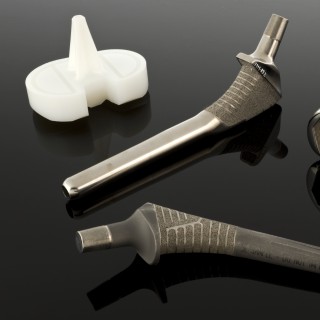
POPULARITY

16 episodes with biomaterials

15 episodes with biomaterials

9 episodes with biomaterials

16 episodes with biomaterials

7 episodes with biomaterials

7 episodes with biomaterials

5 episodes with biomaterials

4 episodes with biomaterials

4 episodes with biomaterials

This episode was brought to you by Mouser, our go-to source for electronics parts for any hobby or prototype. Click HERE to discover how additive manufacturing is revolutionizing cornea transplants. Become a founding reader of our newsletter: http://read.thenextbyte.com/ As always, you can find these and other interesting & impactful engineering articles on Wevolver.com.

What if the clothes touching your skin every day are quietly exposing you to chemicals you never agreed to wear? In this eye-opening conversation, Chris Kolbe pulls back the curtain on the plastic-heavy clothing industry, revealing the hidden chemicals, questionable dyes, PFAS, and “recycled” materials that can turn your closet into a potential source of exposure. We dive into the most important swaps to make, how to identify truly cleaner fabrics and underwear, why European standards often differ from those in the U.S., and whether you really have to sacrifice performance to choose healthier clothing. Plus, Chris explains the science behind HyperNatural's innovative Hyper-Cool Jade™ technology and shares his vision for transforming the apparel industry from the inside out.Chris Kolbe is the cognizant founder of HyperNatural, which he launched in 2022 after recognizing the overlooked health potential of bio-based materials in an apparel industry dominated by plastic-heavy synthetics. He saw what consumers were up against: the “Perfect Problem” of opaque systems pushing chemical-loaded performance fabrics into closets and onto skin with little awareness. Through HyperNatural, he is building a premium wellness apparel brand and bio-based materials platform powered by patented nano fiber technology called Hyper-Cool Jade™ to create a cleaner, higher-performing alternative to the synthetic / chemical status quo.With more than 30 years of experience across apparel, retail, merchandising, design, and brand building, Chris has held senior executive leadership roles at some of the industry's most recognized brands and retailers, including Polo Ralph Lauren, Urban Outfitters, J.Crew, and Kohl's, as well as serving as President of Lands' End.SHOW NOTES:0:38 Welcome to the podcast!4:23 About Chris Kolbe5:32 Welcome him to the show!6:30 The state of our clothing supply chain8:42 The real problem with plastic12:38 Beware of the $20 t-shirt15:16 The most important swaps to make17:15 Can you avoid PFAS?19:06 European vs American standards23:50 Natural “biomaterials” to look for26:24 Hypercool Jade27:44 Toxic vs safe dyes30:11 Hypernatural philosophy & health benefits32:05 Safe standards to look for when shopping37:45 Clean underwear40:10 Golf + feedback from our husbands!42:15 Why you can have both performance and clean45:29 What we want in clean athleisure48:25 How to create change in the industry49:25 Is “recycled clothing” clean?54:34 More about Hypernatural55:43 His final advice58:05 Thanks for tuning in!RESOURCES: https://hypernaturalstyle.com/IG: @hypernaturalstyleTikTok: @hypernaturalstyleSupport this podcast at — https://redcircle.com/biohacker-babes-podcast/donationsAdvertising Inquiries: https://redcircle.com/brands

Welcome to another summer bonus episode of Material Matters with Grant Gibson, this time in association with Hyosung TNC.In this special episode, Grant talks to the South Korean company's marketing and sustainability director, Simon Whitmarsh-Knight, about an intriguing new material the company is spending nearly $1bn to develop – a bio-based elastane (or spandex) that has the potential to revolutionise the clothing market. In this episode they discuss: the history of elastane and its ubiquity in the fashion industry; issues around the material and carbon emissions; how Hyosung TNC is looking to different solutions to reduce carbon; why the company is spending $1bn on an elastane made from sugar cane; building a new fully integrated production system in Vietnam; the importance of infrastructure and collaboration within the fashion world; traceability; how the new product performs and what other environments it could be used in; and the future of bio-based products. This episode has been sponsored by Hyosung TNC. For more information go to: https://www.hyosungtextile.com/enSupport the show

For years, the circular economy conversation has generated significant research, policy development, and business action around finite materials. But the same attention has not been given to bio-based materials. How can products and components made from these materials circulate and create value in a circular economy? In this episode of The Circular Economy Show, Fin is joined by Guilherme Suertegaray, co-author of the Ellen MacArthur Foundation's new report — Circular by nature: a policy agenda for bio-based materials in a circular economy — and Beto Bina, CEO and founder of Farfarm, to explore why circular economy and bio-based material policies have developed in silos, and what's needed to align them. We cover the policy gap on both sides, real supply chain examples, and the social stakes for smallholder farmers and rural communities. We also explore bio-based resource production as a key driver of biodiversity action as well as the policy recommendations the report puts forward ahead of COP17 — where we'll be demonstrating that the circular economy offers a practical route to tackling biodiversity loss and meeting national biodiversity targets. For more on COP17, listen to our previous episode on this topic — Circular economy, biodiversity, and the road to COP17 — and look out for the next one in September. If you enjoyed this episode, then please share it with your colleagues, or leave us a review or comment on Apple Podcasts, Spotify, or YouTube. Circular by nature: a policy agenda for bio-based materials in a circular economy Subscribe to The Ellen MacArthur Foundation for more insightful videos: https://www.youtube.com/channel/UCQAC2otE5_agzHZPnk3mE5w?sub_confirmation=1 Follow us online on these channels: Instagram: http://instagram.com/EllenMacArthurFoundation LinkedIn: https://www.linkedin.com/company/ellen-macarthur-foundation/ Website: http://www.ellenmacarthurfoundation.org

In Episode 342, Kestrel welcomes Olivia Cueva, a radical dreamer, designer, technologist, and researcher, to the show. Olivia's work bridges creative technology, fashion, biomaterials, and storytelling to explore transformation, regeneration, and collective care. Her practice moves fluidly between community-centered education, speculative design, and research into sustainable and bio-based materials—always with the aim of sparking dialogue, nurturing resilience, and envisioning more just futures. "A lot of the research that I do now is focused on natural dyes and working with plants and seeing how the natural dyes that we would maybe normally use on natural fibers actually translate to biomaterials. it's been a really amazing process of returning or like sort of remembering ancestry in a way … when I'm working with a certain plant, I'm actually not just looking at its color properties, but I'm also researching what is the story of this plant? How has it been used in different indigenous cultures?" -Olivia THEME — EXPANSIONS AROUND MATERIALITY TO RETHINK FASHION'S SYSTEMS Before we dive in this week, I want to share a massive thank you and shout out to my friend Denali Joie, who was featured back on episode 312. Denali helped connect me with this week's guest after meeting her in Brazil at a conference. You can listen to my episode with Denali here > I am so grateful for this connection as it led to this week's guest's cofounder attending the Design For Compliance workshop Gabi and I hosted at UC Berkeley through Fashion Is Outrageous, and led to the amazing conversation that you're about to hear. Sometimes, we don't slow down enough to realize how these tiny links lead to really beautiful future moments, and I just wanted to take a moment to honor Denali and the way that she instigated this beautiful unfolding. This week, we're talking about a super intriguing overlapping of biomaterials research with community-centered education. My guest, Olivia, has woven these seemingly diverse practices into her extremely expansive work. However, when we get into it, and she talks about using "Future-Facing Innovation" to reimagine our relationships with garments and the systems around us, or she shares more on how her biomaterials research links with Oakland Style Lab, a sustainable fashion education program and community cultural hub dedicated to building a more inclusive and resilient fashion ecosystem in the Bay Area – the correlations are beautifully seamless. She shares with us how ancestral knowledge and intergenerational learning drive her work and how throughout it all, she focuses on slowing down in order to better reclaim critical thinking amidst the current world we live in. Amidst the consistently depressing political times we are existing within, it's a refreshingly grounded take that definitely helped me feel optimistic and further motivated. "Fashion is so interesting because we're all connected to this industry, whether we care about what we wear or not. Right? Like we all wear clothes for the most part. It's something that touches every society. Whether we shop fast fashion, we only shop thrift, we only shop sustainable fashion brands or we shop at Target — you know, we all are participating in this system and the system is generating so many clothes and textiles and so much waste, and so many people are not aware of that." -Olivia Oakland Style Lab's Website Olivia's Website Oakland Style Lab Instagram Olivia's Instagram

A new study in regenerative medicine reveals how pulsed electromagnetic fields can accelerate bone formation in stem cells -- and what that tells us about EMF's biological activity in your body. I'm R Blank, and in this episode of the Healthier Tech Podcast, I break down research from Biomaterials journal examining how electromagnetic field exposure affects human bone marrow stem cells. The findings demonstrate that EMF triggers measurable biological responses at the cellular level -- responses that researchers are now harnessing for medical applications, but that also raise important questions about everyday wireless exposures. In This Episode How pulsed electromagnetic fields accelerate bone cell development in laboratory conditions What regenerative medicine research reveals about EMF's biological mechanisms Why therapeutic EMF studies strengthen the case for reconsidering wireless safety standards One practical step you can take based on this science Featured Study Read the full study: Transcriptomic profiling of human mesenchymal stem cells using a pulsed electromagnetic-wave motion bioreactor system for enhanced osteogenic commitment and therapeutic potentials See all studies at shieldyourbody.com/research

AI and Generative Biology: Authoring Life, Redesigning Healthcare, and Building Guardrails: Physician and molecular biologist Dr. Adrian Woolfson, co-founder of Genyro, a biotechnology company specializing in synthetic genome design and construction, and author of “On the Future of Species: Authoring Life by Means of Artificial Biological Intelligence,” discusses the convergence of AI with synthetic/generative biology that could make biology programmable and enable genome design and construction beyond traditional gene editing. Woolfson argues that the technology is morally neutral but is arriving rapidly and requires public awareness, governance, and guardrails due to risks, including misuse by authoritarian regimes and biological warfare. He discusses evolution's trade-offs and why he favors limiting human applications to curing disease and extending healthy longevity, while opposing germline modification; he explains germline vs somatic editing and cites the flawed, unethical case of a Chinese scientist attempting inherited HIV resistance. They examine sickle cell disease cures costing $2–$3 million, scalability issues, and trade-offs like malaria protection, and highlight non-medical benefits such as engineered crops, biomaterials, desalination, and DNA-based information storage.
This month: three stories worth your time. The WEF published a piece on EV battery recycling that reframes the whole conversation. These batteries contain the critical minerals governments are scrambling to secure. The recycled minerals market could be worth $200 billion by 2050. That value needs to be designed for now, not chased later. Up until now the policy agenda for bio-based materials, wood, paper, natural fibres, rubber and leather has largely been ignored. The Ellen MacArthur Foundation has published a report that sets out to fix that. And the International Finance Corporation, alongside five major development banks, put a number on circular economy employment: 121 to 142 million people. Nearly half in repair and maintenance. Over half in the informal economy. The opportunity is real. So is the gap. Plus four quick headlines on Scotland's material flows, Europe losing critical minerals through its own waste streams, fashion resale and repair policy, and flexible packaging. Story 1: EV Battery Recycling Why recycling EV batteries is an industrial opportunity, not a waste challenge (WEF): https://www.weforum.org/stories/2026/06/ev-battery-recycling-waste-challenge-industrial-opportunity/ Story 2: Circular by Nature — Bio-Based Materials Circular by nature: a policy agenda for bio-based materials (Ellen MacArthur Foundation): https://www.ellenmacarthurfoundation.org/circular-by-nature-a-policy-agenda-for-bio-based-materials-in-a-circular-economy Story 3: Circular Economy Jobs Circular Jobs: How MDBs Are Supporting Job Creation through a Circular Economy (IFC): https://www.ifc.org/content/dam/ifc/doc/2026/how-mdbs-can-support-job-creation-in-a-circular-economy.pdf Quick Headlines Scotland's Material Flow Accounts (Zero Waste Scotland): https://www.zerowastescotland.org.uk/resources/zero-waste-scotland-publishes-nations-most-depth-material-flow-accounts-date Europe losing critical minerals in its waste streams (Yahoo Finance / The Cool Down): https://uk.finance.yahoo.com/news/europe-losing-hidden-stockpile-lithium-222500520.html The New Bottom Line: Policy levers for resale & repair in fashion (Ellen MacArthur Foundation): https://www.ellenmacarthurfoundation.org/policy-levers-for-resale-and-repair/report Unilever and PepsiCo on the challenges of flexible packaging (Packaging News): https://www.packagingnews.co.uk/news/markets/household-products/unilever-and-pepsico-unlock-the-potential-of-paper-based-flexible-packaging-across-the-globe-01-06-2026 Find out more about our work here: www.ellenmacarthurfoundation.org Follow us online on these channels: Instagram: http://instagram.com/EllenMacArthurFoundation LinkedIn: https://www.linkedin.com/company/ellen-macarthur-foundation/ Website: http://www.ellenmacarthurfoundation.org

Tokratni gost se že dolgo ukvarja s preučevanjem evolucijskih lastnosti pajkov kot ene najstarejših oblik življenja na Zemlji. Evolucijski biolog dr. Matjaž Gregorič z Biološkega inštituta Jovana Hadžija ZRC SAZU v zvezi s pajki med drugim pravi, da sta ena njihovih najzanimivejših lastnosti njihovo predivo in mreže, v katere lovijo svoj plen. Prav evolucijske pridobitve, povezane s predivom in njegovo uporabo, so bile ključne za njihovo diverzifikacijo. Različni tipi prediva, ki ga proizvajajo pajki, veljajo za ene najbolj lepljivih, najmočnejših, najbolj elastičnih in po natezni trdnosti najkakovostnejših biomaterialov sploh. Zato poskušajo razumeti evolucijski pomen tega prediva, od nivoja molekul do njegove uporabe za gradnjo visoko zmogljivih mrež. Na drugi strani ima predivo pajkov zaradi svojega pestrega nabora zanimivih mehanskih lastnosti izjemen potencial kot biomaterial za človeško uporabo. Čeprav za zdaj še niso dosegli rutinske uporabe pajčjega prediva za kakršen koli namen, to živahno raziskovalno področje nakazuje uporabnost v tako rekoč vseh sferah našega življenja, od neposredne uporabe materiala, izdelave novih himernih biomaterialov do izboljšave sintetičnih in izuma novih materialov. FOTO: Pajek navadni križevec (Araneus diadematus) plete mrežo VIR: Matjaž Gregorič

Hello, hello!In this episode of the Good Garbage Podcast, host Ved Krishna sits down with Nima Vakili, Founder & CEO of Safa Bioworks, for a fascinating conversation on circularity, biomaterials, and what it really takes to build sustainable systems in a world still dependent on fossil resources.Coming from a family deeply rooted in petrochemicals and polymer manufacturing, Nima shares his journey from growing up around industrial plastics to creating a company focused on transforming agricultural and organic waste into high-value biomaterials.This conversation explores the intersection of material science, circular economy, innovation, and long-term thinking—while also diving into personal stories about nature, leadership, business, and the role of optimism in creating systemic change.From recycling carpets and creating closed-loop manufacturing systems to building biobased alternatives in the UAE, Nima explains why sustainability isn't about eliminating plastics overnight—it's about designing smarter pathways for the future.
In this podcast episode, MRS Bulletin's Laura Leay reports on the quantified relationship between rheology of a granular biomaterial and tissue self-organization, a study conducted by research groups at the University of California, the Chan Zuckerberg Biohub in San Francisco, Stanford University, and Cedars-Sinai in Los Angeles. The collaborators developed a 3D-bioprinter with a piezoelectric print head to control mechanical forces and a composite extracellular matrix for the biomaterial. One aim of the research was to demonstrate a print medium that could be used to produce a wide variety of biological structures. This work was published in a recent issue of Nature Materials.
This episode was brought to you by Mouser, our go-to source for electronics parts for any hobby or prototype. Click HERE to see how 3D metal printing is making custom medical implants stronger, better fitting, and tailored to every patient. Become a founding reader of our newsletter: http://read.thenextbyte.com/ As always, you can find these and other interesting & impactful engineering articles on Wevolver.com.

TODAY ON THE ROBERT SCOTT BELL SHOW: George Washington's Medical Tragedy, Daniel Webster, Terraphene, Sustainable Hemp Innovation, Agro-Biomaterial Breakthroughs, Colloidal Silver Questions, Supplement Timing Strategies, Cassidy Primary Defeat, PFAS Safety Illusion, Unified Health Theory, Ebola Emergency Update, Eosinum Remedy and MORE! https://robertscottbell.com/george-washingtons-medical-tragedy-daniel-webster-terraphene-sustainable-hemp-innovation-agro-biomaterial-breakthroughs-colloidal-silver-questions-supplement-timing-strategies-cassidy-primary/ Purpose and Character The use of copyrighted material on the website is for non-commercial, educational purposes, and is intended to provide benefit to the public through information, critique, teaching, scholarship, or research. Nature of Copyrighted Material Weensure that the copyrighted material used is for supplementary and illustrative purposes and that it contributes significantly to the user's understanding of the content in a non-detrimental way to the commercial value of the original content. Amount and Substantiality Our website uses only the necessary amount of copyrighted material to achieve the intended purpose and does not substitute for the original market of the copyrighted works. Effect on Market Value The use of copyrighted material on our website does not in any way diminish or affect the market value of the original work. We believe that our use constitutes a 'fair use' of any such copyrighted material as provided for in section 107 of the U.S. Copyright Law. If you believe that any content on the website violates your copyright, please contact us providing the necessary information, and we will take appropriate action to address your concern.
In this podcast episode, MRS Bulletin's Sophia Chen interviews Samual Stupp from Northwestern University about his group's research on developing treatments for spinal cord injuries by use of an organoid. The researchers fabricated the human spinal cord organoid by including microglial cells, which are the immune cells in the central nervous system. They mimicked various kinds of spinal injuries, then applied different injury treatments to see how the organoid responded best. This work was published in a recent issue of Nature Biomedical Engineering.

Fungi are “nature's biological recycling machines,” says guest Vayu Hill-Maini, a former chef turned bioengineer. That is, they take waste and turn it into good things. Hill-Maini now melds his scientific and culinary skills to create new foods, but also medicines, faux leather, pigments and other valuable products from mushrooms and molds. He uses CRISPR gene editing technology to “domesticate” these fungi – removing off-flavors and increasing nutritional content to make new-age cheeses, burgers, salami, and more. “We call it the DBTL cycle – design, build, taste, learn,” Hill-Maini tells host Russ Altman about his creative process on this episode of Stanford Engineering's The Future of Everything podcast. Have a question for Russ? Send it our way in writing or via voice memo, and it might be featured on an upcoming episode. Please introduce yourself, let us know where you're listening from, and share your question. You can send questions to thefutureofeverything@stanford.edu. Episode Reference Links: Stanford Profile: Vayu Hill-Maini Connect With Us: Episode Transcripts >>> The Future of Everything Website Connect with Russ >>> Threads / Bluesky / Mastodon Connect with School of Engineering >>> Twitter/X / Instagram / LinkedIn / Facebook Chapters: (00:00:00) Introduction Russ Altman introduces guest Vayu Hill-Maini, a professor of bioengineering at Stanford University. (00:03:33) From Chef to Bioengineer How Hill-Maini's culinary background led him to study food through science. (00:05:23) Building a Lab with a Kitchen Why his Stanford lab combines bioengineering research with culinary experimentation. (00:07:32) What Are Fungi? A primer on yeasts, molds, mushrooms, and their role in food and medicine. (00:10:22) Domesticating Fungi How humans have shaped fungi over thousands of years. (00:14:23) Mushrooms as a Food Source The nutrients, proteins, vitamins, and beneficial molecules found in fungi. (00:16:21) Fungi as Biological Recyclers Using fungi to turn food waste, agricultural waste, and other materials into useful products. (00:18:22) Making Waste-Based Foods Desirable Why taste, emotion, and culinary design matter for sustainable foods. (00:20:22) Engineering Delicious Fungi Using genetics and CRISPR to improve flavor, nutrition, and usability. (00:22:50) Gentle Genetic Tweaks Making small changes to reduce off-flavors or enhance useful traits. (00:23:46) Design, Build, Taste, Learn How the lab moves between kitchen and bench science to improve foods. (00:24:06) Chefs in the Lab How culinary collaborators help guide research and creativity. (00:28:58) Fungi-Based Materials The potential to create textiles, leather alternatives, and building materials. (00:31:03) Future In a Minute Rapid-fire Q&A: sustainability, students, and the promise of fungi. (00:33:25) Conclusion Connect With Us:Episode Transcripts >>> The Future of Everything WebsiteConnect with Russ >>> Threads / Bluesky / MastodonConnect with School of Engineering >>>Twitter/X / Instagram / LinkedIn / Facebook Hosted by Simplecast, an AdsWizz company. See pcm.adswizz.com for information about our collection and use of personal data for advertising.

Some of the most transformative innovation in agri-food is happening downstream of the farm, in the materials, products, and industries that agriculture ultimately feeds into. In this episode, Sarah Nolet speaks with Tina Funder, founder of Alt Leather, an Australian startup developing fully bio-based alternatives to traditional leather. Tina's journey into agtech didn't begin in a lab or on a farm, but in advertising, where she developed a deep understanding of customers, branding, and problem solving. Concerned that most alternative leathers were more plastic than plant, Tina has built a company which sits across multiple industries, from agriculture, biotechnology, manufacturing and fashion. But this complexity comes with its challenges. Is Alt Leather a materials company? A biotech platform? Or a manufacturing business? And how does that complexity impact their ability to build a team, raise capital, and commercialize? Sarah and Tina also discuss: Why some of the biggest agtech opportunities sit in materials and manufacturing. The challenge of building fully bio-based materials in a plastic-dominated industry. Evolving your value proposition to focus on what matters to your customers. The realities of scaling a deep tech company, including capital, manufacturing, and commercial partnerships. Why sustainability must be paired with price and performance to win The conversation also reframes one of the most widely misunderstood aspects of leather. While much of the narrative focuses on livestock emissions, Tina highlights that the majority of environmental impact comes from the tanning process (including water use, chemicals, and pollution.) Useful Links: Building a Ladder to Commercial Success for Deep Tech Founder Durable and Degradable: Our Compostable Bio-Based Leather Alternative SproutX: the Victorian seed fund accelerating agriculture - Forbes Australia Curing fashion's reliance on leather with an eco-friendly plant-based alternative - CSIRO Innovera Alt-Leather in Mercedes-Benz Concept - DVN Life on Mars Goods Samsara Eco YUIMA NAKAZATO Couture GLACIER Penfolds Premium Gift with Purchase | Upstairs Yellow. For more information and resources, visit our website. The information in this post is not investment advice or a recommendation to invest. It is general information only and does not take into account your investment objectives, financial situation or needs. Before making an investment decision you should seek financial advice from a professional financial adviser. Whilst we believe the information is correct, we provide no warranty of accuracy, reliability or completeness.

What if understanding the brain required thinking like a mechanical engineer? In this episode of Neurocareers: Doing the Impossible, we explore an emerging field that is reshaping neuroscience—neuromechanics, where forces, stiffness, and material properties become key to understanding the brain and spinal cord.

Join Dr. Ben Holmes, CEO and Co-Founder of Nanochon, for a strategic look at the high-stakes world of medical device innovation. With a Ph.D. in biomedical engineering and a background in aerospace engineering, Ben has spent nearly a decade navigating the "long runway" of medtech. In this episode, we discuss how Nanochon is moving toward its first-in-human clinical trials with the Chondrograft™—a 3D-printed synthetic implant—and how founders can create tangible enterprise value years before their first dollar of commercial revenue.

Today we have a special treat and a special guest. Biomaterials as a field of research might not be the first area that people think of when they think of biology, but it is as fascinating and multi-fascetted as it is important. Your life - and ours - has been influenced and made easier by countless achievements of researchers in this field. Which is why we are happy to welcome Prof. Yael Politi, the group leader for the research group “Chitin-based biological materials and biomineralization” at the B-Cube Dresden, as a guest to ask her all about her main field of research. Enjoy!
GUEST: https://www.redhousearchitecture.org/ https://www.instagram.com/redhousestudioarchitecture MENTIONS: https://scholar.google.com/citations?user=A6Ud3q0AAAAJ&hl=en https://www.namibian.com.na/meet-the-trees-of-namibia-the-black-thorn-tree-acacia-mellifera-subsp-detinens-part-1/ MUSHROOM HOUR: https://welcometomushroomhour.com https://instagram.com/welcome_to_mushroom_hour https://tiktok.com/@welcome_to_mushroom_hour Show Music courtesy of the one and only Chris Peck: https://peckthetowncrier.bandcamp.com/ TOPICS COVERED: Mycohab – Turning Namibia's Blackthorn Bush into Food and Housing Fungal Architecture and Mycotecture Adjusting Substrate, Species, Environment Melanin-Rich Fungi World's First Structural Mycelium House Strength of Mycoblocks vs Concrete Biocycler – Mycelium Design for the Redeveloping World Fungi Recycling Demolished Homes and Growing New Structures Fungal Remediation After Disasters Getting Mycelium Materials Accepting into Building Codes Processes to Create Red House's Mycelium Materials Inflatable Mycelium Structures Colonizing Space Mycelium Aerogels with Cyanobacteria as Substrate

Oscar Castaño Linares is a professor at the University of Barcelona and a researcher at the Institute for Bioengineering of Catalonia in the department of Biomaterials for Regenerative Therapies. Through his research, Oscar has been working with 3D printers to print scaffolds that enhance the growth of blood vessels. These are like homes for cells to inhabit, so they have to be porous, biodegradable, and non-toxic. Like a craftsman learning a trade, Oscar's research has taken him all over the world to learn new techniques, but with the goal of transferring that knowledge to his students and to other scientists. Oscar joins us to share how he can print these biomaterials while describing his path in science that led him to this research. Show notes at: https://laboutloud.com/2026/02/episode-285-biomaterials/

Show Notes: 19 December 2025Stories of the Day1. New wearable device lets you touch fabric online, read braille, and more - VoxeLite can help you literally feel websites.Source: Popular SciencePopular Science ArticleResearch Paper2. Birch Leaves and Peanuts Transformed into Cutting-Edge Laser TechnologySource: Bioengineer.orgBioengineer.org ArticleOptics.org ArticleResearch Paper3. What you need to know about Amazon's new Starlink rivalSource: Independent.co.ukIndependent.co.uk ArticleAbout Amazon AnnouncementAmazon Leo Website4. MIT's injectable brain chips could treat disease without surgerySource: NewAtlas.comNewAtlas.com ArticleSpin-off Company WebsiteVideoHonorable MentionsNew semiconductors could allow classical and quantum computing on the same chip, thanks to superconductivity breakthroughSource: LiveScience.comLiveScience.com ArticleWe took a test-drive of NASA's new moon rover candidatesSource: National GeographicNational Geographic Article3-D printing researchers develop fast-curing, environmentally friendly concrete substituteSource: Oregon State UniversityOregon State University ArticleResearchers test soft robotics exosuit in Adelaide to reduce astronaut muscular fatigueSource: SpaceConnect.com.auSpaceConnect.com.au Article

In episode 4 we drop all kinds of ancient knowledge and talk about our least-favorite airportJam Mechanics is a podcast hosted by Matt (The Narcissist Cookbook) and Bug (Bug Hunter) where we are challenged to write a song demo from scratch every episode If you'd like to download the demos we showed off, you can go to our Bandcamp or website to pay-what-you-want to support us!Our Music:The Narcissist CookbookBug Hunterand our brand-new discord is here-- SPOILERS FOR THIS EPISODE BELOW ------Bug's Song-----Title: How to Build a HousePrompt Page: Deep Sea Exploration -> Quenching -> Magia NaturalisLyrics:I'm at the grocery store thumpin' every watermelon in the binDunno what I'm listenin' for but I saw my father do it when I was a kidHe never taught me his tricks so its been hardcause guess and check only goes so farAnd now I have a watermelon of my ownSo I'm gonna teach it everything I knowLike how to build a house, how to tie your sneakershow to walk and talk, and when you gettem, how to brush your little teethand when you're wrong, how to say you're sorrybut this list is getting long so we can start it in the morningwhen you're old enough to know it, your dad'll show you howI'll teach you everything you need to knowHow to Build A HouseBut I dunno how to build a house but I can teach yawhen ya need to lean on people and just ask someone for helpthe best lesson, while you're malleable, is teaching you how valuableit is to say: "I don't have to do everything myself"Because the ancient books of wisdom we're full of men who didn't listenbut they claimed to know how everything workedthey'd say the roof bones connected to the wall bones connectedto the floor bones connected to the Earth, and that's[Chorus]Cause you don't know shit kid!But I can help ya with itWe should start with shapes and colors, how to recognize your motherbut I'm waiting and impatient and I really wanna skip toHow to Grow a GardenI got some seeds to get you startedWe can grow some watermelons, teach each other how to tell whenthey are ready or be patient when they're still a bit too hard, andI can't build a house, unless it is for birdsBut I can try to build a home and get you ready for the worldAnd when you are, I hope you'll do it tooBecause you wanna be like me and that is something I would doWhen you're old enough to do it, you're gonna show 'em howTeach 'em what I did and didn't knowHow to Build a House---- Matt's Song -----Title: Four Stop SignsPrompt Page: Whippits -> Biomaterial -> Structural Integrity and FailureLyrics:there's a tree growing out of the gutterin the house across from herethere are cracks in the brick of the big smoke stacks at the ironworks museumthere are bodies in this building's foundations, prophets sick with weather painspress your ear to the doors or the hardwood floors that swell up when it rainsYou are living in the arhythmical heart of the empireAnd it's four stop signs at each intersectionAnd it's all uphill in every directionHear the groaning of the city, count the rings around its eyesFind out how big animals like this can grow before they dieHarvest ivy from the ceiling, drink the damp right off the wallBecome a vessel for whatever's growing in the laundry pileScrawl your debut novel longhand on the hulls of subway trainsServe single malts and double shots for half minimum wageGet married in the basement, get tetanus for the highGet sexy new infections just before they go worldwideYou are living in the arrhythmical heart of the empireAnd it's four stop signs at each intersectionAnd it's all uphill in every direction Kiss yourself goodnight and sneak outWhen you're fast asleep and don't come backKiss yourself goodnight and sneak out

Recorded live at the NCLifeSci 2025 Annual Meeting, hosts Heather Matthews and Lauren DeMoss chat with Dr. Juliana Blum, CEO of BioAesthetics, a biomaterials company pioneering next-generation acellular grafts for tissue regeneration. Dr. Blum shares how her team is developing grafts that not only integrate into damaged tissue but also deliver embedded therapeutics to improve healing, reduce infection, and shorten recovery times for patients with burns, surgical wounds, and chronic ulcers. We also hear about her passion for startups, lessons learned from co-founding Humacyte, and why North Carolina is an ideal hub for biotech innovation. Tune in for a great episode!

Welcome to the Sterile Technique Podcast! It's the podcast about Surgical Technology. Whether you are a CST or CSFA, this podcast helps you earn CE credits and improve both your surgical knowledge and skills in the OR. This episode discusses the cover article of the March 2016 issue of The Surgical Technologist, the official journal of the Association of Surgical Technologists (AST). The article is titled, "Biomechanics and Biomaterials in Orthopedic Surgery". "Scrub in" at steriletpodcast.com and on Twitter, @SterileTPodcast (twitter.com/SterileTPodcast). This podcast is a Dybas Media production. Sound effects adapted from GarageBand and sindhu.tms at https://freesound.org/people/sindhu.tms/sounds/169065/ and licensed courtesy of https://creativecommons.org/licenses/by-nc/3.0/.
Lauryn Menard, co-founder of Gob, joins us to discuss how she's tackling the 40 billion petroleum-based earplugs produced annually by creating the first biodegradable, mycelium-based alternative. Named one of Fast Company's Most Innovative Companies of 2025 and featured in Time Magazine's Best Inventions, Lauryn shares her journey from industrial designer to biotech entrepreneur. She explains why she chose mycelium over other biomaterials, how she scaled production without building a factory from scratch, and her strategy for bringing sustainable products to mainstream consumers through cultural relevance—partnering with artists like Billie Eilish and Chappell Roan at major music venues. Lauryn also reveals her vision for Gob's future: replacing an entire category of single-use products, from cotton pads to condoms, with materials that return to the earth. This conversation explores the intersection of design, biomaterials, entrepreneurship, and the urgent need for better infrastructure to support a regenerative economy.Grow Everything brings the bioeconomy to life. Hosts Karl Schmieder and Erum Azeez Khan share stories and interview the leaders and influencers changing the world by growing everything. Biology is the oldest technology. And it can be engineered. What are we growing?Learn more at www.messaginglab.com/groweverything Chapters:(00:00:00) - Introduction: Lauryn's favorite subject - nature's zero waste system(00:06:00) - Lauryn's journey from luxury design to founding Gob(00:09:00) - The 40 billion earplug problem and material innovation(00:11:00) - Beginning with the end in mind: designing for product end-of-life(00:13:00) - Why mycelium? Finding the perfect material match(00:17:00) - Scale and volume: why small products have massive impact(00:22:00) - From concept to cylinder: the design process and user testing(00:24:00) - Cultural relevance over sustainability marketing(00:30:00) - Teaching the next generation of bio-designers at CCA(00:42:00) - Gob's future: replacing entire categories of single-use productsLinks and Resources:GOBEcovative138. Living Textures, Wild Pigments: Suzanne Lee on Nature's New Aesthetic Toolbox126. Sizzling Success: Eben Bayer of MyForest Foods on Scaling Mycelium MagicFacts Machine - Science, comedy & trivia showTopics Covered: biomaterials, single use goods, FCMG, mycelium, ear plugs, entrepreneurship, branding, storytelling, biofabricationHave a question or comment? Message us here:Text or Call (804) 505-5553 Instagram / Twitter / LinkedIn / Youtube / Grow EverythingEmail: groweverything@messaginglab.com

OpenAI has signed a $38 billion (£29 billion) deal with Amazon.The seven-year partnership gives OpenAI access to Amazon Web Services. It's the latest in a string of partnerships necessary to ensure what OpenAI CEO Sam Altman describes as the ‘massive, reliable compute' needed to scale up AI.Elsewhere, UK scientists have developed a gel that encourages teeth to regrow their own enamel - something long thought impossible. We speak to Professor Alvaro Mata, Chair in Biomedical Engineering & Biomaterials at the University of Nottingham, about how it works and why it's a breakthrough for oral healthcare.Also in this episode…Victims of ‘silent scandal' pregnancy drug call for UK inquiryStudy shows walking 5,000 steps a day could slow Alzheimer's-linked brain declineAmazon rolls out UK's largest fleet of electric lorriesAre video game developers breaking the law by ‘switching off' games people have purchased?The campaign calling on parents to get their kids moving this winterCan chimpanzees make rational decisions? Hosted on Acast. See acast.com/privacy for more information.

Dr. Sanjay Kakkar, CEO of Tensive, has developed an innovative bioresorbable polymeric scaffold for breast regeneration following a lumpectomy. The scaffold was designed to address a significant unmet need for breast cancer patients who have limited options for reconstruction. A key feature of this technology is that it facilitates a natural wound-healing response, allowing the body's own vascular, connective, and fat tissues to regrow as the scaffold gradually dissolves. Sanjay explains, "What we've been developing at Tensive is at a late clinical stage of these advanced biomaterials, and we've spent the last decade or so pioneering this bioresorbable polymeric scaffold for natural tissue regeneration. So, coming directly to your question, we're on this mission to provide breast cancer survivors with the option of a natural breast reconstruction. What we developed is this resorbable biopolymer that can be implanted at the time of the lumpectomy procedure." "But what it does is it replaces volume immediately, and it facilitates new tissue growth without cells or growth factors. This sponge, which is made of a fine scaffold matrix, gradually degrades. So it immediately fills the cavity left by the tumor removal. It facilitates natural tissue regeneration, allowing the body's own cells to grow back into the 97% of empty space, which is formed by this sponge. And that basically means that initially vascular tissue regrows inside the porous architecture, then connective tissue, and then fat comes back." #Tensive #BreastCancer #BreastCancerAwareness #ClinicalTrials #ReconstructiveSurgery #REGENERA #BreastHealth #BreastReconstruction #Lumpectomy #Innovation tensive.com Download the transcript here
Dr. Sanjay Kakkar, CEO of Tensive, has developed an innovative bioresorbable polymeric scaffold for breast regeneration following a lumpectomy. The scaffold was designed to address a significant unmet need for breast cancer patients who have limited options for reconstruction. A key feature of this technology is that it facilitates a natural wound-healing response, allowing the body's own vascular, connective, and fat tissues to regrow as the scaffold gradually dissolves. Sanjay explains, "What we've been developing at Tensive is at a late clinical stage of these advanced biomaterials, and we've spent the last decade or so pioneering this bioresorbable polymeric scaffold for natural tissue regeneration. So, coming directly to your question, we're on this mission to provide breast cancer survivors with the option of a natural breast reconstruction. What we developed is this resorbable biopolymer that can be implanted at the time of the lumpectomy procedure." "But what it does is it replaces volume immediately, and it facilitates new tissue growth without cells or growth factors. This sponge, which is made of a fine scaffold matrix, gradually degrades. So it immediately fills the cavity left by the tumor removal. It facilitates natural tissue regeneration, allowing the body's own cells to grow back into the 97% of empty space, which is formed by this sponge. And that basically means that initially vascular tissue regrows inside the porous architecture, then connective tissue, and then fat comes back." #Tensive #BreastCancer #BreastCancerAwareness #ClinicalTrials #ReconstructiveSurgery #REGENERA #BreastHealth #BreastReconstruction #Lumpectomy #Innovation tensive.com Listen to the podcast here
Clinician-scientist Jill Helms is an expert on healing. Until about age 30, people heal easily, she says, but later on, not so well. Regenerative medicine suggests avenues for improvement, she promises. Her research focuses on understanding the physical and molecular processes of healing to design better therapies. One approach awakens “sleeper” stem cells to aid healing, a new drug in trial regenerates bone, and another avenue targets infections that appear near medical devices using gum-like tissues that create sealing barriers. In many ways, nature remains our best model for healing, Helms tells host Russ Altman on this episode of Stanford Engineering's The Future of Everything podcast.Have a question for Russ? Send it our way in writing or via voice memo, and it might be featured on an upcoming episode. Please introduce yourself, let us know where you're listening from, and share your question. You can send questions to thefutureofeverything@stanford.edu.Episode Reference Links:Stanford Profile: Jill HelmsConnect With Us:Episode Transcripts >>> The Future of Everything WebsiteConnect with Russ >>> Threads / Bluesky / MastodonConnect with School of Engineering >>> Twitter/X / Instagram / LinkedIn / FacebookChapters:(00:00:00) IntroductionRuss Altman introduces guest Jill Helms, a professor of surgery at Stanford University.(00:03:42) Why Study Wound HealingJill shares what led her to explore how the body repairs itself after injury.(00:04:23) How Healing WorksExplanation of physical signals, stem cells, and the stages of tissue repair.(00:07:23) Healing Declines with AgeHow healing quality and speed drop significantly after age thirty.(00:10:48) Physical vs. Biological SignalsThe biological and physical signals that work together to guide healing.(00:13:21) Regenerative MedicineTherapies designed to restore healing capacity and accelerate repair.(00:16:55) Infection and ImplantsChallenges of preventing infections around skin penetrating medical devices.(00:21:54) Nature's BlueprintUsing biological models to inspire self-renewing wound interfaces.(00:26:19) Biomimicry and Evolutionary InsightWhat scientists are learning from animals to inform human tissue repair.(00:30:51) Future In a MinuteRapid-fire Q&A: scientific curiosity, young researchers, and supportive environments.(00:33:04) Conclusion Connect With Us:Episode Transcripts >>> The Future of Everything WebsiteConnect with Russ >>> Threads / Bluesky / MastodonConnect with School of Engineering >>>Twitter/X / Instagram / LinkedIn / Facebook Hosted by Simplecast, an AdsWizz company. See pcm.adswizz.com for information about our collection and use of personal data for advertising.

In this podcast episode, Debbie McKeegan interviews David Williamson, CEO at Modern Meadow, discussing the revolutionary advancements in biomaterials and their impact on sustainable textiles. They explore the concept of bio-design, the innovative production processes of Innovera, and how these materials compare to traditional leather. The conversation also delves into the sustainability challenges facing the textile industry, the role of luxury brands in adopting biomaterials, and the importance of trust and transparency in the supply chain. Williamson shares insights on the future of biomaterials, emphasising the need for scalable production and circularity in material design.
Bonnie Hvillum is a Danish designer and founder of Natural Material Studio, which, as the names suggests, makes its own materials using natural resources and various waste streams. Working at the meeting point between material science, art and design, the studio creates products, installations, exhibitions and research projects, working with clients such as adidas, Calvin Klein, Noma, Dinesen, Copenhagen Contemporary and the Danish Architecture Centre. Bonnie will also be part of Material Matters London, which takes place from 17-20 September at Space House, with her education platform focused on supporting curious creators who strive to craft a more holistic, local, and nature-minded future, The Material Way, which she runs with curator Rita Trindade. In this episode we talk about: being on maternity leave; founding Natural Material Studio and The Material Way; pushing the possibilities of materials; bonding history with the future… in a poetic way; casting textiles; her breakthrough moment; the craft behind her work; creating an interior you can melt; the importance of fluidity; ‘redefining wood'; studying Nordic literature at university; and being uncompromising but collaborative. Material Matters London runs from 17-20 September at Space House. Register here. And we've also opened a new on-line bookshop featuring many titles that have been talked about on this podcast. You can find that here.Support the show

Engineering has moved inside the body to innovate like never before. In neuro-science, brain implants can provide ‘psychic' communication for people with locked-in syndrome. In medication a new technology aims to deliver chemo therapy and other drugs directly to the parts that need them by bubbles in the blood stream. And ingestible electronics are being made to fight disease by sending antibody-directing messages straight from the gut to the brain. The BBC and the Royal Commission for the Exhibition of 1851 have come together to stage a special event. Presenter Caroline Steel is joined by Tom Oxley, professorial fellow at Melbourne Medical School; Eleanor Stride, OBE, professor of Biomaterials at the University of Oxford; Khalil Ramadi, director of the Ramadi Lab for Advanced Neuro-engineering and Translational Medicine in Abu Dhabi; Assistant Professor of Bioengineering, New York University.

In this In Case You Missed It (ICYMI) article read, we revisit an article published on the interiors+sources website titled, "Commercial Materials Industry Moves Closer to Scalable Biomaterials Solutions," on April 22, 2025, written by Kenn Busch. As you listen to this mini-episode, you'll learn about the sustainability discussions and trends in biomaterials at the Heimtextil textiles and interiors fair and uncover insights into the challenges and future prospects for biomaterials in commercial interiors, including: Biomaterials are defined as materials derived from waste or byproducts—not traditional natural materials with existing supply chains. Scalability remains the biggest barrier to widespread adoption of biomaterials due to limited supply and high production costs. Spinnova's fiber technology offers a rare example of a truly scalable, low-impact biomaterial solution. Promising prototypes like Agoprene and Piñatex face durability, performance, or supply challenges that limit mass adoption. A “Yes, and…” strategy encourages integrating biomaterials alongside traditional ones rather than replacing them outright. Natural variation in biomaterials should be embraced as a desirable aesthetic, not a flaw.

Are we finally saying goodbye to foam earplugs? In this episode of the Conscious Design Podcast, Lauryn Menard, Co-founder and CEO of GOB, joins host Ian Peterman to reveal how her team created the world's first home-compostable, biology-engineered earplug—made from mycelium, the root structure of mushrooms.

The difficulty common earplugs have conforming to each person's unique anatomy leads to frequent struggles with actually keeping these devices in our ears – not to mention the poor sound quality they create by blocking out only the top frequencies. Biomaterial professor and industrial designer, Lauryn Menard may very well be revolutionizing the future of earplugs, as she has pioneered a solution that not only resolves these issues but also provides a more sustainable option for our environment. Her company GOB has created aerial mycelium foam earplugs that conform to each person's ear shape and dampen all frequencies for a balanced & comfortable listening experience. In this episode, Lauren touches upon the journey that led to the creation of GOB, strategies the company is using to successfully market their product to consumers, and upcoming venue partnerships.

Dr. Luiz E. Bertassoni is the founding director of the Knight Cancer Precision Biofabrication Hub and Professor in the Division of Oncological Sciences at the Knight Cancer Institute, where he is also co-section head for Discovery and Translational Oncology. He is also faculty in the Department of Biomedical Engineering, the Cancer Early Detection Advanced Research (CEDAR) Center, and the Oregon Health and Sciences University (OHSU) School of Dentistry. Luiz is co-founder of 2 biotech spin-off companies which resulted from his work on cancer research and regenerative medicine: he is Co-Founder and Chief Technology Officer of HuMarrow and Co-Founder and Chief Medical Officer of RegendoDent. Outside of science, Luiz is a big fan of surfing, and he enjoyed frequent trips to the beach while completing his PhD in Sydney, Australia, and a postdoctoral fellowship in San Francisco, California. In addition to spending time in the water, Luiz loves music. He is a singer-songwriter who plays various instruments, including guitar, drums, bass, and piano. In his research, Luiz applies engineering tools to biology to build human tissues in the lab. The goal of Luiz's lab is to create new models to better understand cancers and develop methods to regenerate lost or damaged tissues. Luiz was awarded his Doctor of Dental Surgery (DDS) degree from the Pontifical Catholic University of Parana in Brazil. Afterwards, he conducted postdoctoral research at the University of California, San Francisco. He then enrolled in a graduate program and received his PhD in Biomaterials from the University of Sydney. Next he accepted a postdoctoral fellowship in Harvard Medical School and MIT's joint program in Health Sciences and Technology. He served on the faculty at the University of Sydney before joining the faculty at OHSU in 2015. His work on vascular bioprinting was listed in the top 100 research discoveries by Discover Magazine, and he has received over 30 national and international research awards, including the Medical Research Foundation New Investigator award, the Silver Family Faculty Innovation award, and many others. In this interview, Luiz shares more about his life and science.
Join Elevated GP: www.theelevatedgp.com Follow @dental_digest_podcast Instagram Follow @dr.melissa_seibert on Instagram Dr. Markus B. Blatz is Professor of Restorative Dentistry, Chairman of the Department of Preventive and Restorative Sciences and Assistant Dean for Digital Innovation and Professional Development at the University of Pennsylvania School of Dental Medicine in Philadelphia, Pennsylvania, where he also founded the Penn Dental Medicine CAD/CAM Ceramic Center, an interdisciplinary venture to study emerging technologies and new ceramic materials while providing state-of-the-art esthetic clinical care. Dr. Blatz graduated from Albert-Ludwigs University in Freiburg, Germany, and was awarded additional Doctorate Degrees, a Postgraduate Certificate in Prosthodontics, and a Professorship from the same University. Dr. Blatz is co-founder and past President of the International Academy for Adhesive Dentistry (IAAD) and a founding member of the European Academy of Digital Dentistry (EADD). He is a board-certified Diplomat in the German Society for Prosthodontics and Biomaterials (DGPro) and a member of multiple other professional organizations, including the American Academy of Esthetic Dentistry, the European Academy of Esthetic Dentistry, the International College of Prosthodontists, the American College of Prosthodontists (honorary member), Academy of Osseointegration, and O.K.U. Honor Dental Society. He is the Editor-in-Chief of Compendium of Continuing Education in Dentistry, Associate Editor of the Journal of Esthetic and Restorative Dentistry and of Quintessence International, Section Editor for the International Journal of Prosthodontics, and serves on the editorial boards of numerous other recognized scientific dental journals. He is coauthor of the international bestseller “evolution – contemporary protocols for anterior single-tooth implants”, which has been translated on over 8 languages. Prior to joining Penn Dental Medicine as Chairperson of the Department of Preventive and Restorative Sciences in September 2006, Dr. Blatz was at Louisiana State University (LSU) Health Sciences Center School of Dentistry in New Orleans, where he served as Chairman of the Department of Comprehensive Dentistry and Biomaterials and Assistant Dean for Clinical Research. During his tenure at LSU, Dr. Blatz also directed the Masters of Science in Oral Biology Program and was a senior faculty member in the Department of Prosthodontics. From 1994 to 1998 he was an Assistant Professor and from 1998 to 1999 a senior faculty member in the Department of Prosthodontics at Albert Ludwigs University Freiburg School of Dentistry in Freiburg, Germany. A widely published and internationally respected lecturer, Dr. Blatz's main focus within clinical practice and research is esthetic dentistry with an emphasis on implantology and dental materials, particularly ceramics and adhesion. Dr. Blatz is the recipient of multiple teaching and research awards and has published and lectured extensively on dental esthetics, restorative materials, and implant dentistry. He was recently named one of the “World's Top 100 Doctors in Dentistry”.

Most food waste solutions focus on consumers. Freshr took a different path—embedding antimicrobial technology directly into packaging film to extend salmon shelf life by days without touching the food. In this episode, CEO Mina Mekhail shares how they pivoted from produce to proteins, turned customer objections into product breakthroughs, and built a biotech startup that's scaling faster than you'd expect—all from inside a Montreal condo lab.

Liz is joined by Nada Hanafi to talk all things clinical trials. They start by defining the clinical trial pathways and all the acronyms used. Then, they discuss how training can be used as a mitigation measure for avoiding risk, exploring the benefits and drawbacks for this approach and how the strategy can be modified along the process. Learn more about the process and how the answer is often "it depends."In 2025, we're embarking on a MedDevice Training Journey: From clinical trials to standard of care. Join us all year long as we explore training at each stage of the product life cycle.Related Resources:Nada Hanafi is a thought leader within the Life Sciences and MedTech industry with over 22 years of experience across the public and private sectors. She is a Founder of MedTech Strategy Advisors, LLC where she advises life science companies on regulatory strategy, product development, and clinical research to accomplish regulatory, compliance, and business goals.Nada spent over 12.5 years working for the FDA, serving in increasing roles of responsibility and ultimately as a Senior Science Health Advisor in the Center for Devices and Radiological Health (CDRH), where she led cross - Center and Agency programs for the advancement of FDA's mission to promote and protect public health, including as Co-Founder of the Health of Women (HoW) program, the Network of Experts program and the Patient Preference Initiative. She served as CDRH Liaison and Subject Matter Expert to FDs's Office of Women's Health (OWH) and the Office of Minority Health and Health Equity (OMHHE). She collaborated with the Center for Tobacco (CTP) and the National Institutes of Health (NIH) where she served as Senior Management Advisor to the Director at the Office of Research on Women's Health (ORWH), to improve regulatory efficiency and to strengthen data collection. Nada's drive and passion to address health inequities with a focus on women and minorities led her to Co-Found MedTech Color, a non-profit focused on advancing the representation of people of color within MedTech. Nada also serves on the Steering Committee and as Co-Lead on the Regulatory and Science Policy subcommittee for the Innovation Equity Forum (IEF) led by the NIH's ORWH and the Bill and Melinda Gates Foundation.Nada holds an MSc in Biomaterials and a BEng in Biomedical Materials Science & Engineering from Queen Mary College, University of London. She earned her MPH from Johns Hopkins Bloomberg School of Public Health. Nada is a Certified Quality Improvement Associate (CQIA) and a Certified Quality Auditor (CQA) from the American Society for Quality (ASQ).Subscribe to our newsletter to hear more about the journey from clinical trials to standard of care! Click here to subscribe!Connect with us on LinkedIn: Nada HanafiCumby ConsultingRachel MedeirosLiz CumbyAbout Cumby Consulting: Cumby Consulting's team of professionals deliver innovative MedTech training services for physicians, sales representatives, teaching faculty, key opinion leaders and clinical development teams. Whether you need a complete training system developed to deliver revenue sooner or a discrete training program for a specific meeting, Cumby Consulting will deliver highly strategic, efficient programs with uncompromising standards of quality.
In case you missed it: Adhesive biomaterials are used in orthopedic and cardiovascular surgery, as well as neurosurgery, to improve patient care. In this episode from 2022, Ben Freedman, PhD, of the Wyss Institute at Harvard University, discusses his research on the design and synthesis of these biomaterials.
Pascal Magne Courses: Www.pascalmagne.com Podcast Website Follow @dental_digest_podcast Instagram Follow @dr.melissa_seibert on Instagram Connect with Melissa on Linkedin Dr. Pascal Magne was born in La Chaux-de-Fonds (Switzerland) in 1966. He grew up and followed his primary education in Neuchâtel then moved to Geneva where he graduated in dentistry in 1989 and completed a Doctoral Thesis in 1992. He taught and continued his postgraduate education in Prosthodontics and Operative Dentistry at the University of Geneva until 1997. Awarded with major grants by the Swiss Science Foundation, the Swiss Foundation for Medical-Biological Grants, and the International Association for Dental Research, he spent two years as a full-time research scholar in Biomaterials and Biomechanics at the University of Minnesota between 1997 and 1999. Back at the University of Geneva, he received his PhD degree in 2002 and served as Senior Lecturer from 1999 to 2004. Since February 2004, he became Associate Professor at the University of Southern California (USC, Los Angeles) where he also serves as Director of the Center for Esthetic Dentistry. He is the author of the textbook -- "Bonded Porcelain Restorations" (Quintessence Publishing, 2002), as well as clinical and research articles on esthetics and adhesive dentistry and is frequently invited to lecture on these topics.
Olivier Visa, President and CEO of Evergen specializes in developing and manufacturing biomaterials for use in regenerative medicine. These customized biomaterial solutions use xenografts, allografts, and emerging technologies inside and outside the body with applications in wound healing, cardiac, dental, breast, neuro, and spine repair. This approach provides surgeons with a broader range of biomaterials to better tailor treatments for individual patients. Olivier explains, "There is a multitude that we can support. There is form and function, and I can give you a couple of examples of biomaterials in regenerative medicine. One is bovine pericardium, which is bovine collagen that we use for the development and manufacturing of cardiac heart valves. Another one would be acellular dermal matrix from human tissue that we use for reconstruction in plastic and, of course, with surgeries such as breast reconstruction after mastectomy." "Think about the body as a whole, and I'll give you a couple of examples where- when you're in cardiac - whether it's a patch or a valve, we're inside the body. When we're in breast reconstruction, we are totally inside the body. When we're in the neuro spine, we're totally inside the body, whether you're repairing or restoring or regenerating peripheral nerves or dura around the brain, you're inside the body. And yes, you are right, wound management is part of it, whether it's diabetic food, ulcer, ulcer or some form of a burn, then I would say you're looking at the skin as an organ and repairing, restoring, and regenerating that skin." #Evergen #TissueEngineering #RegenerativeMedicine #CDMO #Biomaterials #Biotechnology #LifeSciences #MedicalDevices #SportsMedicine #Orthopedics #Surgeons evergenbio.com Listen to the podcast here

Host Alyson Stanfield discusses the benefits and strategies of a daily creative practice with Helen Hiebert, who constructs installations, sculptures, films, artists' books, and works in paper using handmade paper as her primary medium. This conversation acknowledges the value of a daily practice, but Helen is a strong advocate for what she calls “intermittent daily practices.” If sticking to a daily routine forever feels daunting, her approach might resonate with you. There's also a dive into Helen's realization that as a teacher, she could maintain the same class structure while creatively evolving the content to keep it fresh and exciting over time—primarily to prevent herself from getting bored. She emphasizes the importance of focusing on the act of making—without obsessing over the final outcome. 04:00 Helen's Income Streams Update [ see Transform Your Creative Ideas into Multiple Income Streams with Helen Hiebert (ep. 18) ] 06:14 Daily Practice and Paper Weaving 22:30 Teaching and Online Classes 26:10 The Different Types of Students 26:42 Keeping the Class Interesting 28:17 Innovative Teaching Methods 32:49 Tips for Sticking to a Daily Practice 37:43 The Importance of Community and Accountability 45:41 Concluding Thoughts and Upcoming Events
Join Elevated GP: www.theelevatedgp.com DOT - Use the Code DENTALDIGEST for 10% off Follow @dental_digest_podcast Instagram Follow @dr.melissa_seibert on Instagram Connect with Melissa on Linkedin Joe Oxman received his Ph.D. in organic photochemistry from Northwestern University (1983). He has been employed by 3M for 38 years and is currently a corporate scientist. He is a developer of many dental and non-dental technologies and is considered a global expert in photocurable systems, nanotechnology, structural composites, hard tissue adhesives, glass ionomer materials, orthogonal smart-materials, bioactives, and technologies to minimize polymerization shrinkage stress. He has 115 issued U.S. patents, more than 100 publications/abstracts in peer-reviewed journals, and has been an invited global lecturer for more than 350 keynotes, presentations, and dental school curricula. He has received many international recognitions, including induction into the prestigious 3M Carlton Society (2003), two American Chemical Society (ACS) Cooperative Research Awards (2007 and 2020), the University of Colorado Engineering & Applied Science Corporate Advocate Award (2007), the IADR Peyton Skinner Award for Innovation in Dental Materials (2013), ACS Industrial Polymer Science Award (2016), and induction as an ACS Polymer Fellow (2017). He was instrumental in co-establishing the NSF Cooperative Research Center on “Fundamentals & Applications of Photopolymerization” (Universities of Iowa and Colorado). He currently serves on the Board of Directors of AADOCR, the MinnCResT External Review Board, and previously served as the 3M Director of Research for the University of Minnesota Dental Research Center for Biomaterials and Biomechanics and as a coach and judge for the Discovery Education/3M Young Scientist Challenge.
Join Elevated GP: www.theelevatedgp.com DOT - Use the Code DENTALDIGEST for 10% off Follow @dental_digest_podcast Instagram Follow @dr.melissa_seibert on Instagram Connect with Melissa on Linkedin Joe Oxman received his Ph.D. in organic photochemistry from Northwestern University (1983). He has been employed by 3M for 38 years and is currently a corporate scientist. He is a developer of many dental and non-dental technologies and is considered a global expert in photocurable systems, nanotechnology, structural composites, hard tissue adhesives, glass ionomer materials, orthogonal smart-materials, bioactives, and technologies to minimize polymerization shrinkage stress. He has 115 issued U.S. patents, more than 100 publications/abstracts in peer-reviewed journals, and has been an invited global lecturer for more than 350 keynotes, presentations, and dental school curricula. He has received many international recognitions, including induction into the prestigious 3M Carlton Society (2003), two American Chemical Society (ACS) Cooperative Research Awards (2007 and 2020), the University of Colorado Engineering & Applied Science Corporate Advocate Award (2007), the IADR Peyton Skinner Award for Innovation in Dental Materials (2013), ACS Industrial Polymer Science Award (2016), and induction as an ACS Polymer Fellow (2017). He was instrumental in co-establishing the NSF Cooperative Research Center on “Fundamentals & Applications of Photopolymerization” (Universities of Iowa and Colorado). He currently serves on the Board of Directors of AADOCR, the MinnCResT External Review Board, and previously served as the 3M Director of Research for the University of Minnesota Dental Research Center for Biomaterials and Biomechanics and as a coach and judge for the Discovery Education/3M Young Scientist Challenge.
Joing www.theelevatedgp.com DOT - Use the Code DENTALDIGEST for 10% off Follow @dental_digest_podcast Instagram Follow @dr.melissa_seibert on Instagram Connect with Melissa on Linkedin Dr. Markus B. Blatz is Professor of Restorative Dentistry, Chairman of the Department of Preventive and Restorative Sciences and Assistant Dean for Digital Innovation and Professional Development at the University of Pennsylvania School of Dental Medicine in Philadelphia, Pennsylvania, where he also founded the Penn Dental Medicine CAD/CAM Ceramic Center, an interdisciplinary venture to study emerging technologies and new ceramic materials while providing state-of-the-art esthetic clinical care. Dr. Blatz graduated from Albert-Ludwigs University in Freiburg, Germany, and was awarded additional Doctorate Degrees, a Postgraduate Certificate in Prosthodontics, and a Professorship from the same University. Dr. Blatz is co-founder and past President of the International Academy for Adhesive Dentistry (IAAD) and a founding member of the European Academy of Digital Dentistry (EADD). He is a board-certified Diplomat in the German Society for Prosthodontics and Biomaterials (DGPro) and a member of multiple other professional organizations, including the American Academy of Esthetic Dentistry, the European Academy of Esthetic Dentistry, the International College of Prosthodontists, the American College of Prosthodontists (honorary member), Academy of Osseointegration, and O.K.U. Honor Dental Society. He is the Editor-in-Chief of Compendium of Continuing Education in Dentistry, Associate Editor of the Journal of Esthetic and Restorative Dentistry and of Quintessence International, Section Editor for the International Journal of Prosthodontics, and serves on the editorial boards of numerous other recognized scientific dental journals. He is coauthor of the international bestseller “evolution – contemporary protocols for anterior single-tooth implants”, which has been translated on over 8 languages. Prior to joining Penn Dental Medicine as Chairperson of the Department of Preventive and Restorative Sciences in September 2006, Dr. Blatz was at Louisiana State University (LSU) Health Sciences Center School of Dentistry in New Orleans, where he served as Chairman of the Department of Comprehensive Dentistry and Biomaterials and Assistant Dean for Clinical Research. During his tenure at LSU, Dr. Blatz also directed the Masters of Science in Oral Biology Program and was a senior faculty member in the Department of Prosthodontics. From 1994 to 1998 he was an Assistant Professor and from 1998 to 1999 a senior faculty member in the Department of Prosthodontics at Albert Ludwigs University Freiburg School of Dentistry in Freiburg, Germany. A widely published and internationally respected lecturer, Dr. Blatz's main focus within clinical practice and research is esthetic dentistry with an emphasis on implantology and dental materials, particularly ceramics and adhesion. Dr. Blatz is the recipient of multiple teaching and research awards and has published and lectured extensively on dental esthetics, restorative materials, and implant dentistry. He was recently named one of the “World's Top 100 Doctors in Dentistry”.
Host Alyson Stanfield talks with artist Joan Chamberlain, whose creative journey has taken many twists and turns. Joan shares her story, from her early days as a botanical artist and licensed illustrator to her time as a product developer and dentist. Now living in Eugene, Oregon, Joan reflects on how moving has impacted her art, her lifestyle, and her happiness. Joan discusses: How attending Alyson's first live workshop in 2003 shaped her dedication to her art business. The positive impact the move has had on Joan's art practice and why she insists that location matters for an artist. The challenges and benefits of transitioning to a new art community, and how volunteering helped her make key connections in Eugene. How Joan found her niche and is excited to develop more work in that direction. Her informal audience research to find the best market for her work, including the potential for reproductions. Whether you're thinking of moving, looking for a fresh perspective, or simply searching for joy in your art practice, this episode offers plenty of inspiration.

Sid Kitisakkul from Nature2need discusses their mission to decarbonize the plastic industry by incorporating agricultural residues into the polymer, potentially achieving negative emissions. The company has been operational since 2017, with a production facility in China, producing 4,000 tons of decarbonized plastic raw material annually. They are raising funds to scale production and expand operations to Thailand, leveraging the country's strong agricultural and polymer industries. The company also plans to franchise its model to maintain low carbon emissions and costs, with a potential franchisee in East Africa. Learn more about your ad choices. Visit megaphone.fm/adchoices
© 2020-2026 Ivy Podcast Discovery LLC

