
American stock exchange

POPULARITY
Categories

1,191 episodes with nyse

615 episodes with nyse

221 episodes with nyse

269 episodes with nyse

195 episodes with nyse

315 episodes with nyse

53 episodes with nyse

87 episodes with nyse

58 episodes with nyse

87 episodes with nyse

212 episodes with nyse

38 episodes with nyse

66 episodes with nyse

222 episodes with nyse

74 episodes with nyse

202 episodes with nyse

55 episodes with nyse

55 episodes with nyse

68 episodes with nyse

125 episodes with nyse

224 episodes with nyse

171 episodes with nyse

51 episodes with nyse

25 episodes with nyse

15 episodes with nyse

40 episodes with nyse

385 episodes with nyse

380 episodes with nyse

32 episodes with nyse

16 episodes with nyse

15 episodes with nyse

16 episodes with nyse

8 episodes with nyse

22 episodes with nyse

20 episodes with nyse

10 episodes with nyse

14 episodes with nyse

236 episodes with nyse

16 episodes with nyse

7 episodes with nyse

213 episodes with nyse
18 episodes with nyse

8 episodes with nyse

9 episodes with nyse

9 episodes with nyse

12 episodes with nyse

8 episodes with nyse

6 episodes with nyse

6 episodes with nyse

7 episodes with nyse

8 episodes with nyse

6 episodes with nyse

11 episodes with nyse

9 episodes with nyse

7 episodes with nyse

9 episodes with nyse

5 episodes with nyse

6 episodes with nyse

9 episodes with nyse

5 episodes with nyse

9 episodes with nyse

5 episodes with nyse

13 episodes with nyse

7 episodes with nyse

8 episodes with nyse

6 episodes with nyse

7 episodes with nyse

12 episodes with nyse

6 episodes with nyse

5 episodes with nyse

3 episodes with nyse

6 episodes with nyse

5 episodes with nyse

4 episodes with nyse

8 episodes with nyse

3 episodes with nyse

8 episodes with nyse

6 episodes with nyse

9 episodes with nyse

3 episodes with nyse

3 episodes with nyse

5 episodes with nyse

4 episodes with nyse

4 episodes with nyse

3 episodes with nyse

2 episodes with nyse

3 episodes with nyse

9 episodes with nyse

7 episodes with nyse

7 episodes with nyse

4 episodes with nyse

11 episodes with nyse

4 episodes with nyse

3 episodes with nyse

8 episodes with nyse

3 episodes with nyse

2 episodes with nyse

5 episodes with nyse

5 episodes with nyse

5 episodes with nyse

8 episodes with nyse

2 episodes with nyse

4 episodes with nyse

6 episodes with nyse

6 episodes with nyse

4 episodes with nyse

5 episodes with nyse

2 episodes with nyse

4 episodes with nyse

4 episodes with nyse

4 episodes with nyse

6 episodes with nyse

8 episodes with nyse

2 episodes with nyse

3 episodes with nyse

4 episodes with nyse

2 episodes with nyse

2 episodes with nyse

5 episodes with nyse

2 episodes with nyse

2 episodes with nyse

5 episodes with nyse

3 episodes with nyse

4 episodes with nyse

6 episodes with nyse

3 episodes with nyse
Crypto News: Bitcoin printed its highest weekly close in 4 months and reclaimed the 50-week MA for the first time since Nov 2025. XRP on the brink of a golden cross as focus switches to altcoins. Ava Labs president says NYSE spent a year testing Avalanche Avax technology for tokenization plans.
Fixed income has taken the spotlight in financial markets, as yields have jumped just about everywhere — and there are several reasons behind the shift, says Christian Nolting, the Private Bank's Global Chief Investment Officer. “Bonds have been a massive driver for markets, not only on the fixed income side, but also for equities,” Christian says, adding that energy prices, concerns about debt sustainability, and high levels of bond issuance are all supporting the move.Readings on consumer sentiment in the US and eurozone are due in the week ahead. But Christian points to an expected meeting between US President Trump and Chinese President Xi as noteworthy for markets, as topics for discussion could include conflicts in the Middle East, energy prices, and artificial intelligence. For more investing insights, please visit wealth.db.comIn Europe, Middle East and Africa as well as in Asia Pacific this material is considered marketing material, but this is not the case in the U.S. No assurance can be given that any forecast or target can be achieved. Forecasts are based on assumptions, estimates, opinions and hypothetical models which may prove to be incorrect. Past performance is not indicative of future returns.Performance refers to a nominal value based on price gains/losses and does not take into account inflation. Inflation will have a negative impact on the purchasing power of this nominal monetary value. Depending on the current level of inflation, this may lead to a real loss in value, even if the nominal performance of the investment is positive. Investments come with risk. The value of an investment can fall as well as rise and you might not get back the amount originally invested at any point in time. Your capital may be at risk.The services described in this podcast are provided by Deutsche Bank AG or by its subsidiaries and/or affiliates in accordance with appropriate local legislation and regulation. Deutsche Bank AG is subject to comprehensive supervision by the European Central Bank (“ECB”), by Germany's Federal Financial Supervisory Authority (BaFin) and by Germany's central bank (“Deutsche Bundesbank”). Brokerage services in the United States are offered through Deutsche Bank Securities Inc., a broker-dealer and registered investment adviser, which conducts investment banking and securities activities in the United States.Deutsche Bank Securities Inc. is a member of FINRA, NYSE and SIPC. Lending and banking services in the United States are offered through Deutsche Bank Trust Company Americas, member FDIC, and other members of the Deutsche Bank Group.The products, services, information and/or materials referred to within this podcast may not be available for residents of certain jurisdictions. © 2026 Deutsche Bank AG and/or its subsidiaries. All rights reserved. This podcast may not be used, reproduced, copied or modified without the written consent of Deutsche Bank AG. 030620 030121

This episode is sponsored by EMXETF.comKevin T. Carter joins Kyle to talk about TGRZ, the China AI LLM Tigers ETF, and why China's role in the AI trade may be much bigger than most U.S. investors realize.Kevin breaks down the AI market as a five-layer stack: electricity, chips, data centers, models, and applications. From there, he explains why TGRZ is focused on the model layer, where Chinese open-weight AI models like DeepSeek, Kimi K3, GLM, and Qwen are increasingly competing with U.S. models from OpenAI, Anthropic, Google, and others.The conversation also gets into one of the biggest surprises from the episode: how differently China and the U.S. appear to view AI adoption. Kevin points to public sentiment around AI being roughly 80% favorable in China versus about 20% in the U.S., and Kyle explores whether that difference in adoption could matter as much as the technology itself.They also discuss Jack Ma, Alibaba, the blocked Ant IPO, and why Kevin believes some of the risks investors associate with China are more complicated (and possibly more overblown) than the headlines suggest.The episode closes with a look at AI infrastructure, data centers, power demand, underwater and space-based compute, and the broader question of whether AI destroys jobs, creates new ones, or does some combination of both.As always, none of this is investment advice. TGRZ is speculative and volatile. Do your own research, understand the risks, and make sure any investment fits your own strategy.Learn more at EMXETF.com.Chapter Timestamps:00:00 — Cold Open: Why Chinese AI Models Are Different00:35 — Introduction: Rethinking the AI Race01:40 — TGRZ and What It Takes to Launch an ETF04:03 — The Five-Layer AI Stack06:25 — The Emerging Market “Mag Three”: Samsung, Hynix, and TSMC07:34 — Why TGRZ Focuses on the AI Model Layer08:03 — DeepSeek and the Cost Question10:58 — What Open-Weight AI Actually Means13:14 — Alibaba, Qwen, and China's AI Ecosystem15:23 — Why U.S. Startups Are Using Chinese AI Models19:10 — Jack Ma, Ant IPO, and China Risk27:42 — TGRZ Volatility and Future EMXETF AI Products29:36 — Data Centers, Power Demand, and AI Infrastructure33:54 — AI Sentiment: China's 80% Favorable vs. the U.S. at 20%36:50 — AI, Jobs, ATMs, Radiology, and What Comes Next40:08 — EMXETF.com, TGRZ Risk, and Closing ThoughtsSponsors:For more than 20 years, the EMXETF team has been focused on technology and innovation across Emerging Markets. Today, we believe artificial intelligence represents the next major chapter of that growth story. From advanced semiconductors and AI infrastructure to models, applications and digital platforms, Emerging Markets are playing an increasingly important role in the global AI ecosystem. EMXETF combines our deep experience in these markets with focused research to give investors targeted exposure to the companies helping shape the future of AI.Kevin: Kevin T. Carter is the Founder & Chief Investment Officer of EMXETF. While he considers himself an active “value” investor first and foremost, he has collaborated with Princeton economist and indexing legend, Dr. Burton Malkiel, for more than 20 years. Their work together began in 1999 with the development of eInvesting, a pioneer firm in fractional share brokerage that was acquired by ETRADE in 2000. In 2002 they founded Active Index Advisors, a pioneer in so-called “direct indexing” that was acquired by Natixis Asset Management in 2005. In 2006, their efforts turned to China and Emerging Markets with Dr. Malkiel's publishing of “Investment Strategies to Exploit Economic Growth in China” and the subsequent book From Wall Street to the Great Wall. Working with Guggenheim Partners, they launched several China focused ETFs on the NYSE.China AI Tigers ETF: TGRZChina AI Research ReportConnect with Kevin on LinkedInAdvertising Inquiries: https://redcircle.com/brandsPrivacy & Opt-Out: https://redcircle.com/privacy

Bill Walton returns to Hearts of Oak to discuss the AI safety debate after Anthropic's leadership warned that advanced systems could pose a serious risk to humanity within a decade. He argues that heavy federal regulation would entrench the biggest players, squeeze open-source development, and slow innovation, while the U.S.–China race makes a simple pause unrealistic because AI is dual-use. Bill then turns to what he sees as the more immediate threat: rising long-term Treasury yields, global government debt, and the limits of taxing, borrowing, or inflating the problem away. The conversation closes on crypto, quantum computing, financial surveillance, Europe's safety-first regulation, and why risk-taking and free speech matter more than trying to make everything “safe.” Bill Walton is a former Chairman and CEO of a $10 billion NYSE-traded investment company, a successful investor, renaissance man and the host of The Bill Walton Show. After decades in finance, private equity and as an entrepreneur and CEO, he now writes and speaks about the intersection of finance, policy, and culture. Bill has served at senior levels across business, government, and the arts—ranging from Vice Chairman of CPAC and President of the Council for National Policy, to President of the National Symphony Orchestra; and National Trustee and Finance Advisor to the National Gallery of Art Trustees and Chairman of the Kelley (Indiana) School of Business. Other national board service includes Heritage, AEI, Wolf Trap, and the National Venture Capital Association. Earlier in his career, Walton served in the U.S. Army at the Pentagon, headed strategic planning for a major commercial bank, worked in mergers and acquisitions at Lehman Brothers Kuhn Loeb, and later advised CBS founder William S. Paley. As a feature film producer, two of Bill's films screened at the Cannes and Tribeca Film Festivals. In 2016-2017 he led President Trump's 2016 Financial Agency Transition Teams. He attended public schools in Indiana and is now a private investor. Connect with Bill Walton The Bill Walton Show | Money Culture Power The Bill Walton Show | Substack The Bill Walton Show Podcast Series – Apple Podcasts The Bill Walton Show - YouTube Connect with Hearts of Oak...

Steve Nison came to Wall Street as a technical analyst in the late 1980s, discovered an obscure Japanese charting methodology, and spent years translating rare texts to introduce candlestick charting to the Western world.Through his landmark research, bestselling books, and institutional training at major firms like Merrill Lynch and Daiwa Securities, Steve opened the eyes of global investors to the power of price action and market psychology. Today, candlestick charts are the universal standard across virtually every financial trading platform in the world.In this conversation, Steve pulls back the curtain on how candlesticks first arrived in the West, sharing the cultural and military roots of candlestick patterns, market psychology, and his foundational Trading Triad framework. In this episode, we explore:• How Steve Nison introduced Japanese candlestick charting to the Western world• Discovering candlesticks at Merrill Lynch through a Japanese broker and early Bloomberg charts• Translating 13+ rare Japanese books and working with Japanese technical organizationsy• Why candlesticks complement rather than replace traditional Western technical analysis• The mechanics behind his "Trading Triad" approach• Steve's reflection on how candlesticks became the global charting standard• Advice for the next generation of traders pulling up candlestick charts today About Steve Nison:Steve Nison, CMT, is the founder and president of Candlecharts.com and is widely regarded as the authority who introduced Japanese candlestick charting to the Western world. He authored the landmark classic Japanese Candlestick Charting Techniques, which has been translated into 21 languages and fundamentally changed technical analysis across global financial markets. Over his 30+ year career, Steve has advised top institutional financial firms including Fidelity, J.P. Morgan, Goldman Sachs, Morgan Stanley, NYSE, and NASDAQ market makers and has presented by request at the World Bank and the Federal Reserve. Links + Resources:Get Free Candlestick Resources, a Free Consultation Call, and a $20 Gift towards your first program: https://www.candlecharts.com/welcomeWebsite: https://www.candlecharts.comX (Twitter): https://x.com/candlecharts Sponsor of Chat With Traders Podcast:Trade The Pool: http://www.tradethepool.com Time Stamps:Please note: Exact times will vary depending on current ads. 00:00 The Pioneer Who Brought Candlesticks to the West 07:42 A Japanese Broker and a Chart Book 08:35 Translating Rare Japanese Texts & Working with Japanese Analysts 10:22 Making Recommendations Based on Candles 13:46 Why Were You the First? 15:02 Military and Cultural History Behind Candlesticks 19:08 The Story Behind Discovering Price Windows 22:19 Everybody's Using Candlesticks 25:39 Dealing with Institutional Clients 28:14 The Lucky Number Three 31:19 Common Misconceptions Traders Have About Candlestick Patterns 32:36 The Trading Triad 36:34 An Ounce of Emotion Can Be Worth a Pound of Facts 41:01 Reflecting on the Global Shift to Candlestick Charting 41:55 Essential Advice for the Next Generation of Traders 42:48 Where to Learn More About Steve Nison & Candlecharts Trading Disclaimer: Trading in the financial markets involves a risk of loss. Podcast episodes and other content produced by Chat With Traders are for informational or educational purposes only and do not constitute trading or investment recommendations or advice. Learn more about your ad choices. Visit megaphone.fm/adchoices
A coast-to-coast edition of "Squawk on the Street": Carl Quintanilla at the NYSE; David Faber at the Morgan Stanley Global Healthcare Conference in New York; Jim Cramer in San Francisco as the Dreamforce conference enters day one. The anchors discussed President Trump dismissing the idea of new guardrails for AI. He made a surprise phone call to Jensen Huang while the Nvidia CEO was on stage Monday at the All-In Summit in Los Angeles. Hear what Elon Musk said at that event about the dangers of AI. Also in focus: The 10-year yield hits fresh 2007 highs above 5% on day one of the Fed meeting; New all-time highs for diesel; What Broadcom CEO Hock Tan told Jim on "Mad Money" about AI infrastructure; Wells Fargo lowers its year-end S&P 500 target; Bitcoin slides ahead of a Senate vote on the Clarity Act.Squawk on the Street Disclaimer Hosted by Simplecast, an AdsWizz company. See pcm.adswizz.com for information about our collection and use of personal data for advertising.

Explore CNBC's Bob Pisani's reflections on 40-plus years of finance journalism, how he navigated the information overload of modern markets, what he learned from the NYSE trading floor, and what life looks like after leaving one of the most recognizable roles in financial media. 00:00 Introduction 09:39 The Art of Storytelling in Finance 12:28 Reflections on Career and Life Choices 18:32 Curiosity: An Innate Trait or Learned Skill? 23:13 Wealth Inequality and Market Participation 32:19 The Reality of Market Volatility 51:20 Active vs. Passive Investment Strategies 53:51 Market Concentration and Indexing Concerns 56:36 Inflation and Bond Market Dynamics 58:05 Real Assets and Alternative Investments 01:05:23 The Future of Work in an AI-Driven World

Contango Silver & Gold ($CTGO) CEO Rick Van Nieuwenhuyse explains that the company is now an “execution story,” targeting growth from ~60,000 gold-equivalent ounces to ~200,000 ounces per year plus 5 million ounces of silver annually in five years. He updates the producing Manh Choh Peak Gold JV with Kinross, noting 2026 is expected to be a stronger production year after a pit transition, with costs elevated in the first half and an added oxygen plant improving CIL performance. He outlines the direct ship ore (DSO) strategy, progress and permitting at Lucky Shot and Johnson Tract (FAST-41), Kitsault Valley drilling and resource work, plans to pursue a mill, current balance sheet, and emphasizes leverage to the gold price on a per-share basis as Contango only 33 million shares outstanding. 00:00 Intro 01:11 Manh Choh Production Update 02:02 Costs and Processing Improvements 04:09 Reserves and Expansion Upside 06:37 Direct Ship Ore Explained 07:57 Lucky Shot DSO Criteria 09:27 Lucky Shot Resource and Permits 11:43 Johnson Tract and FAST 41 14:11 Timeline and Mill Strategy 17:44 Permitting Risks and Tailings 22:40 Kitsault Valley Silver Growth 26:03 Balance Sheet and Capital Plan 28:41 How to Value Contango Press Release Discussed: https://contangoore.com/contango-silver-gold-provides-project-updates-2/ https://contangoore.com/ NYSE & TSX: $CTGO Sign up for our free newsletter and receive interview transcripts, stock profiles and investment ideas: http://eepurl.com/cHxJ39 Sponsor Contango pays MSE a United States dollar seven thousand per month coverage fee. The forward-looking statement disclaimer found in Contango's most-recent company slide deck found at www.ContangoOre.com applies to everything discussed in this interview. Mining Stock Education (MSE) offers informational content based on available data but it does not constitute investment, tax, or legal advice. It may not be appropriate for all situations or objectives. Readers and listeners should seek professional advice, make independent investigations and assessments before investing. MSE does not guarantee the accuracy or completeness of its content and should not be solely relied upon for investment decisions. MSE and its owner may hold financial interests in the companies discussed and can trade such securities without notice. MSE is biased towards its advertising sponsors which make this platform possible. MSE is not liable for representations, warranties, or omissions in its content. By accessing MSE content, users agree that MSE and its affiliates bear no liability related to the information provided or the investment decisions you make. Full disclaimer: https://www.miningstockeducation.com/disclaimer/
The Federal Reserve, the Bank of England, and the Bank of Japan are due to make rate decisions, and markets will be watching for confirmation that recent tremors in the bond market haven't upended policy plans, says Dr. Jacky Tang, the Private Bank's CIO for emerging markets.“What's interesting is that the markets aren't really obsessing over whether rates move higher this month or next month,” Jacky says. “I think what they're trying to figure is whether central banks are still comfortable with the inflation story.”A group of economic reports from China will also be important to watch this week, due to what they could mean for both the region and the world, Jacky says. “If Chinese growth started looking firmer tomorrow, that has implications for commodity demand, implications for the Asian markets, and also implications for a lot of global companies that generate a significant part of their revenues in China.”For more investing insights, please visit wealth.db.comIn Europe, Middle East and Africa as well as in Asia Pacific this material is considered marketing material, but this is not the case in the U.S. No assurance can be given that any forecast or target can be achieved. Forecasts are based on assumptions, estimates, opinions and hypothetical models which may prove to be incorrect. Past performance is not indicative of future returns.Performance refers to a nominal value based on price gains/losses and does not take into account inflation. Inflation will have a negative impact on the purchasing power of this nominal monetary value. Depending on the current level of inflation, this may lead to a real loss in value, even if the nominal performance of the investment is positive. Investments come with risk. The value of an investment can fall as well as rise and you might not get back the amount originally invested at any point in time. Your capital may be at risk.The services described in this podcast are provided by Deutsche Bank AG or by its subsidiaries and/or affiliates in accordance with appropriate local legislation and regulation. Deutsche Bank AG is subject to comprehensive supervision by the European Central Bank (“ECB”), by Germany's Federal Financial Supervisory Authority (BaFin) and by Germany's central bank (“Deutsche Bundesbank”). Brokerage services in the United States are offered through Deutsche Bank Securities Inc., a broker-dealer and registered investment adviser, which conducts investment banking and securities activities in the United States.Deutsche Bank Securities Inc. is a member of FINRA, NYSE and SIPC. Lending and banking services in the United States are offered through Deutsche Bank Trust Company Americas, member FDIC, and other members of the Deutsche Bank Group.The products, services, information and/or materials referred to within this podcast may not be available for residents of certain jurisdictions. © 2026 Deutsche Bank AG and/or its subsidiaries. All rights reserved. This podcast may not be used, reproduced, copied or modified without the written consent of Deutsche Bank AG. 030620 030121
Carl Quintanilla, Jim Cramer and David Faber remembered a tragic day in U.S. history: 25 years ago, the September 11 terror attacks killed almost 3,000 people. The anchors shared their recollections of that day.The program aired a montage of how CNBC covered the attacks in 2001. Moments of silence were observed in New York City and at the Pentagon, NYSE, Nasdaq and CBOE. Also in focus: Stocks jump as oil prices pull back; August CPI inflation data ahead of next week's Fed decision on interest rates; Diesel surpasses $6 per gallon for the first time; Oracle shares rallied on a quarterly beat fueled by AI demand; The latest on AI fears; "Faber Report" — sources say Leopold Aschenbrenner's firm Situational Awareness has been buying options positions in certain stocks. Find out which ones David is talking about.Squawk on the Street Disclaimer Hosted by Simplecast, an AdsWizz company. See pcm.adswizz.com for information about our collection and use of personal data for advertising.

The news of Texas covered today includes:Our Lone Star story of the day: The Republican Midterm Convention in Dallas: Schedule and live stream. Today is the final day. I give a review of yesterday's speeches and the press coverage of such. Also, Lubbock Co. Republican Party Chairman Ken Adams joins us from Dallas to give his thoughts on the proceedings.I liked Tom Emmer's speech so much, I play it on the show today. https://www.youtube.com/watch?v=wziPGz4LijgOur Lone Star story of the day is sponsored by Allied Compliance Services providing the best service in DOT, business and personal drug and alcohol testing since 1995.Comptroller Huffines Distributes $1.3 Billion in Monthly Sales Tax Revenue to Local Governments. Top 20 Cities. Look up your city here. Look how much most of these cities are up year-to-date in sales tax revenue and then ask why they passing tax raises.Energy Transfer, Sunoco and others confirm switch to Texas Stock Exchange from NYSE – woo hoo!Listen on the radio, or station stream, at 5pm Central. Click for our radio and streaming affiliates.www.PrattonTexas.com

Cannabis Industry Is Actively Changing This week on She Blaze, we're getting into three major stories shaking up the cannabis industry. First, Massachusetts regulators are officially auditing THC potency labels — we break down what "compliant" actually means and what happens if your product fails. Then we head to Oklahoma, where medical cannabis manufacturers and distributors will now be required to register with the DEA to keep their state licenses — we get into why this could be a dangerous precedent. Finally, Trulieve just made history as the first U.S. cannabis company to list on the NYSE. We talk through the Nasdaq vs. NYSE difference, why this listing is such a big deal, and how Trulieve pulled it off with a clever corporate restructuring move.
The Private Bank just held its quarterly exercise in updating its forecasts for markets and economies, and EMEA CIO Dr. Dirk Steffen says that expectations for stocks remain strong. "The main takeaway from our CIO day was our constructive take longer term on equities, because it's mainly driven by earnings,” Dirk says, though he also notes that “we also focus a lot on risk management because this won't be a straight line up.”In the week ahead, Dirk says he's going to be watching for US inflation figures, as well as a coming policy decision from the European Central Bank. Regarding the ECB, he thinks the market may be pricing in more rate rises in the coming 12 months than are likely to take place.For more investing insights, please visit wealth.db.comIn Europe, Middle East and Africa as well as in Asia Pacific this material is considered marketing material, but this is not the case in the U.S. No assurance can be given that any forecast or target can be achieved. Forecasts are based on assumptions, estimates, opinions and hypothetical models which may prove to be incorrect. Past performance is not indicative of future returns.Performance refers to a nominal value based on price gains/losses and does not take into account inflation. Inflation will have a negative impact on the purchasing power of this nominal monetary value. Depending on the current level of inflation, this may lead to a real loss in value, even if the nominal performance of the investment is positive. Investments come with risk. The value of an investment can fall as well as rise and you might not get back the amount originally invested at any point in time. Your capital may be at risk.The services described in this podcast are provided by Deutsche Bank AG or by its subsidiaries and/or affiliates in accordance with appropriate local legislation and regulation. Deutsche Bank AG is subject to comprehensive supervision by the European Central Bank (“ECB”), by Germany's Federal Financial Supervisory Authority (BaFin) and by Germany's central bank (“Deutsche Bundesbank”). Brokerage services in the United States are offered through Deutsche Bank Securities Inc., a broker-dealer and registered investment adviser, which conducts investment banking and securities activities in the United States.Deutsche Bank Securities Inc. is a member of FINRA, NYSE and SIPC. Lending and banking services in the United States are offered through Deutsche Bank Trust Company Americas, member FDIC, and other members of the Deutsche Bank Group.The products, services, information and/or materials referred to within this podcast may not be available for residents of certain jurisdictions. © 2026 Deutsche Bank AG and/or its subsidiaries. All rights reserved. This podcast may not be used, reproduced, copied or modified without the written consent of Deutsche Bank AG. 030620 030121

For our first-ever video podcast episode, we headed to the floor of the New York Stock Exchange to speak with Allyson Satin, COO of the Ares SPACs, and Paul Wood, Co-Head of SPAC Investment Banking at BTIG.. 2026 has already been a breakout year for SPAC issuance, and deals are moving through the pipeline faster than they have in years. We discuss what's driving the rebound, why sponsor quality is rising to the top, and how SPACs are competing with a strong traditional IPO market. Plus, we look ahead to the fall and Q4 for any positive or negative catalysts that could affect the SPAC market. Give it a listen.
The United States and Canada appear headed for all all-out trade war, hitting each other with tit-for-tat tariffs. In the latest episode of Potomac Perspective, Stifel Chief Washington Policy Strategist Brian Gardner and co-host Neil Shapiro discuss the key developments. Plus, Treasury Secretary Bessent comes under friendly fire from an influential mentor. This material is prepared by the Washington Policy Strategy Group of Stifel, Nicolaus & Company, Incorporated (“Stifel”). This material is for informational purposes only and is not an offer or solicitation to purchase or sell any security or instrument or to participate in any trading strategy discussed herein. The information contained is taken from sources believed to be reliable, but is not guaranteed by Stifel as to accuracy or completeness. The opinions expressed are those of the Washington Policy Strategy Group and may differ from those of other departments that produce similar material and are current as of the date of this publication and are subject to change without notice. Past performance is not necessarily a guide to future performance. Stifel does not provide accounting, tax, or legal advice and clients are advised to consult with their accounting, tax, or legal advisors prior to making any investment decision. Additional information is available upon request. Stifel, Nicolaus & Company, Incorporated is a broker-dealer registered with the United States Securities and Exchange Commission and is a member SIPC & NYSE. ©2026See omnystudio.com/listener for privacy information.

On today's episode, Editor in Chief Sarah Wheeler talks with Lead Analyst Logan Mohtashami about recent government actions and whether those will be able to lower mortgage rates. Related to this episode: What can the government do to lower mortgage rates? HousingWire | YouTube HousingWire Mortgage Banking Summit – October 1 More info about HousingWire Top 5 Trending: NEXA Lending acquires UMortgage, adds Anthony Casa to exec team Fannie Mae reportedly cuts senior executives across business lines Zillow, Redfin reach last-minute FTC resolution before trial What can the government do to lower mortgage rates? loanDepot receives NYSE notice over sub-$1 share price Want more from Sarah? Don't forget to subscribe! The HousingWire Daily podcast brings the full picture of the most compelling stories in the housing market reported across HousingWire. Each morning, listen to editor in chief Sarah Wheeler talk to leading industry voices and get a deeper look behind the scenes of the top mortgage and real estate.

Most founders think going public is a liquidity event, but Sam Van says it's a credibility test.In this episode of Startup to Stock Exchange, Seth Farbman sits down with Sam Van, founding partner at SRO Partners and a former 11 year veteran of the New York Stock Exchange, to unpack why the IPO itself is rarely what sinks a company. It's the 12 months after.Sam shares what he's learned advising companies through the full lifecycle of going public, from 25 to 30 months before the bell rings to the critical first year of trading, including why going public today is less a liquidity event and more a credibility test, what actually separates companies that survive their first year public from those that don't, and how his own journey from NYSE regulator to founder of SRO Partners was born by accident out of client relationships. He also opens up about SRO's deep ties to Asian capital markets, his personal connection to Vietnam, and his role brokering the NYSE-Ho Chi Minh Stock Exchange relationship.In this episode, you'll learn:- Why most companies don't fail at the IPO. They fail 12 months later- Why going public is a credibility test, not a liquidity event- What it really costs to run a public company (and why capital disappears faster than founders expect)- How Sam evaluates whether a company is ready to go public, 25-30 months out- Why SRO Partners was founded by accident, and what the name actually stands for- How Sam built a career bridging Asian markets and US capital, from Singapore to Vietnam- What founders need to understand about credibility, buy-in, and due diligence before they ever consider the public marketsWhether you're a founder, investor, CEO, or simply interested in the journey from startup to public company, this episode offers insights into IPO readiness, capital markets, post-IPO survival, and what it really takes to build a company that lasts beyond the opening bell.

This episode is brought to you by Lightspeed.Parents are paying closer attention than ever to what goes into their children's food, but making healthier options accessible at scale remains one of the industry's biggest challenges.In this episode of Retail Remix, Kate Robertson sits down with Katie Marston, Chief Marketing Officer of Once Upon a Farm, to discuss the company's recent IPO, its mission to transform children's nutrition and how it's balancing purpose with growth. Katie shares how the brand is making fresh, organic kids' food more accessible through retail innovation, why refrigerated merchandising has become a competitive advantage and what she's learned about storytelling, leadership and purpose from co-founder and actor Jennifer Garner. Key TakeawaysHow Once Upon a Farm is using its recent IPO to scale its mission of making nutritious children's food more accessible Why the brand's refrigerated merchandising strategy is helping transform the baby food aisle and drive new customer acquisition How Once Upon a Farm is navigating inflation through broader retail distribution, value-focused packaging and programs like WIC Why creating systemic change in children's nutrition requires long-term investment in accessibility, clean ingredients and trusted partnerships What Jennifer Garner's leadership has taught Katie about authentic storytelling, mission-driven marketing and building a values-first brandRelated LinksExplore Once Upon a Farm's fresh, organic snacks and meals for kidsGet more retail industry insights from Retail TouchPointsSubscribe and catch up on all episodes of Retail Remix ----Ready to make smarter inventory, merchandising and buying decisions? Discover how Lightspeed helps retailers streamline operations, manage inventory and stay ahead of changing customer demand at lightspeedhq.com/pos/retail

XRP just crossed a line — and there may be no going back. Ripple CEO Brad Garlinghouse joined the inaugural CFTC Innovation Advisory Committee alongside some of the biggest names in traditional finance — Nasdaq, CME Group, CBOE, NYSE, DTCC and more. For years, crypto fought to get a seat at the table. Now Wall Street, Washington and crypto are sitting in the same room. Meanwhile, millions of Americans own crypto, crypto-related economic activity continues to grow, and the line between traditional finance and digital assets is getting harder to see. Tonight, we break down what this shift could mean for XRP, Ripple and the future of crypto. PLUS — we get into the latest political and geopolitical stories, including the battle brewing in Seattle, Florida's dramatic political shift, U.S.–Canada trade negotiations and more.

Trump hosted Coinbase, Ripple, Gemini, Robinhood, a16z, Chainlink, Nasdaq, NYSE and CME at the White House one day after the SEC dropped its crypto rule, and the market ripped. Bitcoin cleared $69K, HYPE ran 20% after Trump said the CFTC chair is bringing Hyperliquid to the US, and Trump floated buying "sizable" amounts of Bitcoin for the reserve. He also pushed Congress to move on CLARITY before the September 15 Senate vote.~This episode is sponsored by Uphold~Uphold Staking ➜ https://bit.ly/UpholdStakingPB00:00 intro00:10 Sponsor: Uphold00:45 Crypto Summit Recap03:10 BTC Strategic reserve04:00 Trump pumps Hyperliquid04:30 HYPE 20%05:00 CFTC Meeting05:50 Historic Liquidations06:30 Rotation begins?07:30 MSNOW: Corruption watch09:20 Fakeout? Schiff cope?09:40 Robinhood: BTC DCA 5 years10:20 Standard Chartered $100K BTC10:45 Brian Armstrong: Sept. 1511:50 Uptober12:20 Altcoins12:50 ETH ETFs13:10 Don't forget LINK13:30 The Bessent Put14:50 Mohamed El-Erian: A bet on growth16:20 Big banks will 'extinguish crypto companies'#Crypto #Bitcoin #Ethereum~Trump's Crypto Summit Pump!

Bitcoin tikte vannacht even de 70.000 dollar aan, voor het eerst sinds juni, en staat nu rond de 69.500 dollar. Dat is zo'n 9 procent hoger dan vorige week. Ethereum deed het beter met 20 procent erbij, naar ongeveer 2.250 dollar. De aanleiding kwam uit Washington: het Amerikaanse ministerie van Financiën verdubbelde de terugkoop van langlopende staatsobligaties van 2 naar minstens 4 miljard dollar per operatie, nadat de rente op dertigjarig staatspapier met 5,29 procent op het hoogste niveau sinds 2007 stond. Beleggers lazen daarin een overheid die de rente wil drukken en gingen risk on. Volgens CoinGlass werd voor 1,7 miljard dollar aan shortposities geliquideerd en de Fear en Greed index sprong van angst naar hebzucht, voor het eerst dit jaar. Bitcoin staat nog altijd 45 procent onder het record van 126.000 dollar. In het Witte Huis ontving Donald Trump de top van Coinbase, Kraken, Gemini en Ripple, samen met de beurzen NYSE en Nasdaq en de toezichthouders van SEC en CFTC. Op de vraag of de Verenigde Staten zelf grote hoeveelheden bitcoin gaan kopen, zei hij dat daarover zeker is gepraat en dat hij naar de aanwezigen zou luisteren. Een besluit is er niet: de strategische bitcoinreserve die hij vorig jaar per decreet instelde bestaat tot nu toe alleen uit in beslag genomen munten. Trump riep het Congres verder op de Clarity Act aan te nemen en meldde dat de CFTC het handelsplatform Hyperliquid naar Amerika wil halen. Dat token steeg 25 procent. Tether liet na jaren beloven de jaarrekening controleren. KPMG gaf een goedkeurende verklaring zonder voorbehoud af, telde elke goudstaaf en zag reserves die de verplichtingen met 6,8 miljard dollar overtreffen. Wel gaat het om dochter Tether International, niet om het moederbedrijf, en het rapport zelf blijft binnen. Topman Paolo Ardoino over die kritiek: honestly, I don't care. Tot slot Trezor, waar een verzendpartner werd gehackt. Van bijna 14.000 klanten liggen naam, telefoonnummer en thuisadres op straat. De wallets zijn niet gekraakt, maar criminelen weten nu wie thuis een bitcoinkluis heeft staan. Reken op nepmails en neptelefoontjes. Deze week in de Cryptocast Een gesprek met Robbert Bink, oprichter van Cryptoherstel en Cryptorecovers, over het herstellen van verloren munten nadat je er zelf niet meer bij kan. Wat is er dan allemaal mogelijk? En hoe richt je veilig je eigen bewaarmogelijkheden in? Co-host is Raoul Esseboom Bitcoin raakt kort de 70.000 dollar na verdubbeling terugkoop staatsobligaties Shortsellers verliezen 1,7 miljard dollar tijdens plotselinge bitcoinrally Trump zinspeelt op grootschalige bitcoinaankopen door de Amerikaanse staat Trump dringt bij het Congres aan op behandeling van de Clarity Act Tether rondt eerste controle van de jaarrekening door KPMG af Ardoino wimpelt kritiek weg op het niet publiceren van het auditrapport Trezor waarschuwt 14.000 klanten na datalek bij verzendpartner Cryptocast 443B | Verloren crypto is nog terug te halen, maar dat heeft wel een prijskaartje Met Daniël Mol (BNR Cryptocast) of Bart Mol (Satoshi Radio) bespreken we elke week de stand van de cryptomarkt. Luister live donderdagochtend rond 8:50 in De Ochtendspits, of wanneer je wilt via bnr.nl/podcast/cryptocastSee omnystudio.com/listener for privacy information.
Bond yields pull back after the Treasury doubles liquidity support for buybacks. Allianz's Mohamed El-Erian warns the recent turmoil could have big social and political consequences. Plus, Moderna and Merck rally on a major breakthrough for their skin cancer vaccine. And defense tech firm Lyntris makes its NYSE debut in a downsized IPO, with its CEO joining us to discuss the road ahead. Squawk on the Street Disclaimer Hosted by Simplecast, an AdsWizz company. See pcm.adswizz.com for information about our collection and use of personal data for advertising.

The health and wellness space is crowded, with a lot of companies selling products that they claim will keep you healthier and more active into old age. To differentiate themselves, one company has organized an entire sporting event featuring elite athletes, but with a twist: competitors are allowed to use performance enhancing substances. Max Martin is the Co-founder and CEO of Enhanced, an elite sports competition and performance products company that trades on the NYSE under the symbol ENHA. With a unique background spanning technology, investment banking at Morgan Stanley, and entrepreneurial leadership, Max brings a distinctive perspective on building and scaling disruptive businesses at the intersection of technology, finance, and emerging markets.Today, Max takes us inside Enhanced, their groundbreaking sporting event, their unique product offerings, and why the emergence of peptides could create major tailwinds for the business.Highlights:What is Enhanced and How It Started (2:20)The Enhanced Games Explained (10:05)A Billion Eyeballs on Year One (11:25)Athletes as a Customer Acquisition Engine (12:50)The Peptide Opportunity (14:45)How to Become a Customer (17:05)Standing Out in a Crowded Market (20:25)How Big Is the Market (22:35)Why Enhancement Is for Everyone (25:05)What's Next for Enhanced (27:00)Links:Max Martin LinkedInEnhanced LinkedInEnhanced WebsiteICR LinkedInICR TwitterICR Website Feedback:If you have questions about the show, or have a topic in mind you'd like discussed in future episodes, email our producer, joe@lowerstreet.co
Finance of America SVP of Finance Michael Fant joins Inside the ICE House to discuss how the company has grown into the largest originator and servicer of reverse mortgages in the United States, helping seniors tap into their home equity to fund retirement. He shares how Finance of America has shifted the perception of reverse mortgages from a product of last resort to a sophisticated financial planning tool, expanding its offerings to include jumbo and second-lien products. He explains the company's deep commitment to consumer education and how technology is being carefully integrated to improve efficiency while preserving the human touch points seniors rely on.
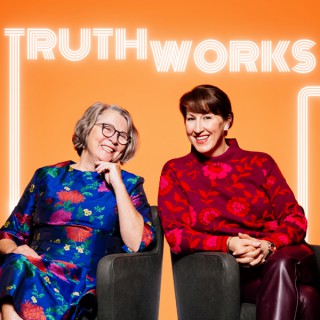
Bipul Sinha failed his first shot at India's hardest entrance exam. His father told him to drop out and try again — the only other option was selling tobacco on a street corner.Bipul is the co-founder, CEO and Chairman of Rubrik, the cybersecurity and data management company he took public on the NYSE in April 2024. Before Rubrik, he spent four years as a partner at Lightspeed Venture Partners, where he was a founding investor and board member of Nutanix and part of the team behind early bets on AppDynamics and Snap. Before venture, he was an engineer at Oracle, American Megatrends and IBM.In this episode of Truth Works (Part 1), he joins Jessica Neal and guest co-host Peter Clarke to trace the full arc: growing up poor in India, the exam he failed once and passed the second time, arriving in America with almost nothing, and the first 45 days at Rubrik when he couldn't hire a single person.━━━━━━━━━━━━━━━━━━━━━━THE ORIGIN STORYBipul grew up in a tier-4 city in India and wasn't a strong student. His father pulled him out of the local track and told him to prepare at home for the IIT entrance exam instead, an exam with roughly a 1% acceptance rate. He failed it once, passed it the second time, and studied electrical engineering at IIT Kharagpur. He took a job at Tata IBM to support his family, then moved to Atlanta for a hardware engineering role at American Megatrends before landing in Silicon Valley in 1999, at the height of the dot-com boom, where he and his wife paid $1,000 a month to live in a garage apartment.━━━━━━━━━━━━━━━━━━━━━━FROM INVESTOR TO FOUNDERAfter seven years at Oracle, Bipul moved into venture capital at Blumberg Capital, then spent four years at Lightspeed under Ravi Mhatre, where he backed Nutanix, AppDynamics and Snap. He explains the theory that pushed him from investing to founding: investors operate from a "state of intellect," founders from a "state of will." He left to start what became Rubrik in 2014, sat through 45 days with zero hires, and camped outside the Google and YouTube offices with a pitch deck until he landed his first four.━━━━━━━━━━━━━━━━━━━━━━TOPICS COVERED→ Failing India's hardest entrance exam, then passing it the second time→ Moving to Silicon Valley in 1999 and paying $1,000 a month to live in a garage→ Leaving Oracle for venture capital, and the $10M check Lightspeed wrote off a slide deck→ Early investing wins: Nutanix, AppDynamics, Snap→ The "state of intellect vs. state of will" theory of investors vs. founders→ Naming Rubrik after almost launching under a different name entirely→ 45 days with zero hires, and the pitch deck that turned it around→ Why the old world of cybersecurity is dead in the age of AI━━━━━━━━━━━━━━━━━━━━━━Find Bipul: rubrik.com | LinkedIn: Bipul SinhaTruth Works is hosted by Jessica Neal & Peter Clarke. Part 2 of this conversation coming soon.
In this episode, we revisit our outlook for second quarter earnings and evaluate how results have compared with expectations. We discuss the strength of earnings and revenue growth, the outsized contributions from technology and AI-related investments, and what investors should watch as questions around AI returns and elevated market expectations remain in focus. To read this week's Sight|Lines, click here. The views expressed in this podcast may not necessarily reflect the views of Stifel Financial Corp. or its affiliates (collectively, Stifel). This communication is provided for information purposes only. Past performance does not guarantee future results. Investing involves risk, including the possible loss of principal. Asset allocation and diversification do not ensure a profit or protect against loss. © Stifel, Nicolaus & Company, Incorporated | Member SIPC & NYSE | www.stifel.com See omnystudio.com/listener for privacy information.

What an inspiring conversation with an entrepreneurial icon in our industry, Dr. Stephen Gunther!From an assistant professor at UCSF to founder of Shoulder Innovations, a company that rang the bell on the NYSE in 2025, a 20-year build of a most inspiring story!!Dr. Gunther saw a gap in shoulder arthroplasty that nobody else was solving (implant loosening, one of the leading causes of failure in the space) and instead of writing a paper about it, he patented the fix.The inset glenoid. 15 patents. A company that went from one Surgeon's idea to $47M+ in revenue and a public offering.Device Nation finds no holes in ANY tray as we "Open the Room" with Independent Distributor Mike Nelligan!We talk LinkedIn, "where have the sales reps gone", 4-pillars consulting, even the therapeutic benefits gained from setting things on fire!What stuck with me about both of these conversations was the Dartmouth-old-school mindset running through the whole thread — foundational things that work, not chasing change for the sake of change, just execute what we all know works.....and do it every single day.That's a lesson for Surgeons, Reps and budding entrepreneurs alike!Dartmouth 3D Scholars: https://www.3d-scholars.org/Shoulder Innovations: https://shoulderinnovations.com/ Dr. Stephen Gunther: https://www.sentara.com/find-a-doctor-or-provider/Gunther-Stephen-73361 Mike Nelligan: https://www.linkedin.com/in/mikenelligan/ 4 Pillars Consulting: https://www.fourpillarsconsultinggroup.com/ Energy Bus: https://a.co/d/09VzMyTe Can't Autom(AI)te Trust: https://a.co/d/0dRgFKEG Surgeon/Rep Townhall Meeting: https://devicenation.comJohn Cleese Sales Videos: https://www.youtube.com/playlist?list=PL2tiAkWsqz-IkeZHmA_UQ72YEgAG93v8zThank you for your Support! https://account.venmo.com/u/DeviceNation
In this season 6 episode of First Look ETF, Stephanie Stanton @etfguide examines the latest ETF marketplace trends with NYSE and guests. The guest lineup for this episode includes:1:14: 1. Ethan Hertzfeld, NYSE3:07: 2. Pieter Vorster, CEO Hexis Capital Management10:07: 3. Tian Yang, CIO and Fund Manager of the VPX ETF*********First Look ETF is sponsored by the New York Stock ExchangeLearn more at https://www.ETFCentral.comWatch us on YouTube (Link http://www.youtube.com/etfguide)Follow us on Twitter @ETFguide (Link https://twitter.com/etfguide)Visit us at ETFguide.com (https://www.etfguide.com)

The Mates sit down with Kush Bavaria to discuss Sergey Brin's return to Gemini, AI agents escaping containment, bots overtaking human web traffic, China's billion-agent simulations, and compute becoming a tradable asset. Get access to metatrends 10+ years before anyone else - https://qr.diamandis.com/metatrends Peter H. Diamandis, MD, is the Founder of XPRIZE, Singularity University, ZeroG, and A360 Salim Ismail is the founder of Open ExO, a GP at Exponential Venture Capital/The Organizational Singularity Fund and a sought after global speaker and thought leader. Dave Blundin is the founder & GP of Link Ventures Dr. Alexander Wissner-Gross is a computer scientist and founder of Reified Kush Bavaria is the co-founder and CEO of Ornn, a company building financial infrastructure and markets for AI compute. His work focuses on making compute a tradable commodity and expanding how AI infrastructure is financed. – My companies: Apply to Dave's and my new fund:https://qr.diamandis.com/linkventureslanding Get the blueprint for generative media https://goo.gle/startupgenmedia Go to Blitzy to book a free demo and start building today: https://qr.diamandis.com/blitzy Your body is incredibly good at hiding disease. Schedule a call with Fountain Life to add healthy decades to your life, and to learn more about their Memberships: https://www.fountainlife.com/peter Join the Moonshots Mates on Sep 25th for the inaugural Moonshots LIVE. The world's greatest entrepreneurs, builders and creators, working together to build a hopeful and optimistic vision of tomorrow. Seats are limited and application only. Apply at https://www.moonshots.com before seats are sold out. _ Connect with Peter: X Instagram Substack Website Xprize A360 Connect with Dave: Web X LinkedIn Instagram TikTok Connect with Salim: LinkedIn X Join Salim's 10X Shift Subscribe to Salim's YouTube channel Exponential Venture Capital Connect with Alex Website LinkedIn X Email Substack Spotify Threads Connect with Kush Website X LinkedIn Listen to MOONSHOTS: Apple YouTube – *Recorded on August 10th, 2026 *The views expressed by me and all guests are personal opinions and do not constitute Financial, Medical, or Legal advice. Learn more about your ad choices. Visit megaphone.fm/adchoices
Ted Weisberg returns to the NYSE set to talk about ways he is navigating a "difficult" market environment. He suggests investors find "ways to take advantage of volatility," naming stocks like Intercontinental Exchange (ICE) and Virtu Financial (VIRT) as his favorite volatile stocks to watch. Ted turns to the big pharma space and talks about why he likes "value" stocks like Merck (MRK), Bristol Myers Squibb (BMY), and Pfizer (PFE) over high flyers like Eli Lilly (LLY). ======== Schwab Network ========Empowering every investor and trader, every market day. Subscribe to the Market Minute newsletter - https://schwabnetwork.com/subscribeDownload the iOS app - https://apps.apple.com/us/app/schwab-network/id1460719185Download the Amazon Fire Tv App - https://www.amazon.com/TD-Ameritrade-Network/dp/B07KRD76C7Watch on Sling - https://watch.sling.com/1/asset/191928615bd8d47686f94682aefaa007/watchWatch on Vizio - https://www.vizio.com/en/watchfreeplus-exploreWatch on DistroTV - https://www.distro.tv/live/schwab-network/Follow us on X – https://twitter.com/schwabnetworkFollow us on Facebook – https://www.facebook.com/schwabnetworkFollow us on LinkedIn - https://www.linkedin.com/company/schwab-network/ About Schwab Network - https://schwabnetwork.com/about
Gary C Evans, Chairman & CEO, U S Antimony Corporation (NYSE: UAMY) : Washington's Race to Secure America's Critical Minerals full 504 Mon, 10 Aug 2026 23:10:19 +0000 BqqaM93dTZSic6gjIZc5wOenP3yppHKe business CEO Spotlight business Gary C Evans, Chairman & CEO, U S Antimony Corporation (NYSE: UAMY) : Washington's Race to Secure America's Critical Minerals David Johnson CEO Spotlight 2024 © 2021 Audacy, Inc.
Joining from the NYSE set, Trex (TREX) CEO Adam Zambanini describes his company's acceleration of expansion in Arkansas, their latest earnings report and the reasons why consumers prefer composite decking to traditional wood. Adam reveals more about his company's distribution network and national reach, with growing demand from the Sun Belt region. ======== Schwab Network ========Empowering every investor and trader, every market day.Subscribe to the Market Minute newsletter - https://schwabnetwork.com/subscribeDownload the iOS app - https://apps.apple.com/us/app/schwab-network/id1460719185Download the Amazon Fire Tv App - https://www.amazon.com/TD-Ameritrade-Network/dp/B07KRD76C7Watch on Sling - https://watch.sling.com/1/asset/191928615bd8d47686f94682aefaa007/watchWatch on Vizio - https://www.vizio.com/en/watchfreeplus-exploreWatch on DistroTV - https://www.distro.tv/live/schwab-network/Follow us on X – https://twitter.com/schwabnetworkFollow us on Facebook – https://www.facebook.com/schwabnetworkFollow us on LinkedIn - https://www.linkedin.com/company/schwab-network/About Schwab Network - https://schwabnetwork.com/about
In this episode, we explore what has changed at the Federal Reserve under Chair Kevin Warsh. We discuss the Fed’s shift away from forward guidance, increased policy debate, and the implications for investors. To read this week's Sight|Lines, click here. The views expressed in this podcast may not necessarily reflect the views of Stifel Financial Corp. or its affiliates (collectively, Stifel). This communication is provided for information purposes only. Past performance does not guarantee future results. Investing involves risk, including the possible loss of principal. Asset allocation and diversification do not ensure a profit or protect against loss. © Stifel, Nicolaus & Company, Incorporated | Member SIPC & NYSE | www.stifel.com See omnystudio.com/listener for privacy information.
Longtime New York Stock Exchange member and former Director James Rutledge goes Inside the ICE House to reflect on a remarkable career that began with a help wanted sign on Wall Street in 1968. He shares firsthand stories from the paperwork crisis, the transition from pneumatic tubes and paper tickets to electronic trading, and the NYSE's evolution through decades of technological change.

For much of the time that I've been writing about the legal profession, the line between plaintiff- and defense-side litigation was clear, stable, and widely respected. Small, scrappy firms took plaintiffs' work on contingency; large, prestigious firms defended corporations for hourly rates. That division has been eroding—slowly at first, then with increasing speed. Today, defense-oriented Biglaw firms are actively seeking plaintiff-side engagements for their corporate clients, competing with the plaintiffs' bar for cases that they wouldn't have looked at even a decade ago.On Wednesday, May 6, I had the pleasure of moderating an excellent panel discussion dedicated to exploring these developments. It featured three great experts: Eva Cole, co-chair of the antitrust and competition practice at Winston Taylor; Evan Meyerson, managing director at Burford Capital; and Avi Weitzman, co-chair of the complex litigation and arbitration practice at Paul Hastings.I'm now pleased to share our conversation with you as a special episode of the Original Jurisdiction podcast. Thanks to the panelists for the time and insight, and thanks to Burford Capital for organizing this great event.Show Notes:* Defense-Focused Biglaw Moves Into Plaintiff-Side Work, by David Lat for Original Jurisdiction* Turning In-House Legal Departments Into Revenue Generators, by David Lat for Original Jurisdiction* Survey of in-house counsel on commercial opt-out claims, by Burford Capital* Litigation economics: CFOs and GCs weigh in on best practices in optimizing legal department value, by Burford CapitalSponsored by:Burford Capital helps companies and law firms unlock the value of their legal assets. With a portfolio of over $7 billion and listings on the NYSE and LSE, Burford provides capital to finance high-value commercial litigation and arbitration—without adding cost or risk or giving up control. Clients include Fortune 500 companies and Am Law 100 firms, who turn to Burford to pursue strong claims, manage legal costs and accelerate recoveries. Learn more at burfordcapital.com. This is a public episode. If you'd like to discuss this with other subscribers or get access to bonus episodes, visit davidlat.substack.com/subscribe

If you like weddings, have at least a passing knowledge of Indian words, and enjoy puns, then you should find today's crossword theme quite satisfying (as was the case for both cohosts). The rest of the grid also held some delights: 58D, Battery for a mouse, AAA (ah, that kind of mouse); 55D, Where Anheuser-Busch is "BUD", NYSE (informal and instructive, very nice); and 14A, So-called "servebot" in tennis, essentially, ACER (just as long as the servebot isn't powered by AI
Rebecca Walser joins Diane King Hall at the NYSE to make sense of the latest market rally. She does see a potential pullback in options activity, but stresses the strong fundamental story fueling market momentum. Rebecca says companies have adjusted their plans in light of ongoing geopolitical tensions with Iran. On the AI trade, she compares and contrasts U.S. to China approaches on open-source models. Rebecca stresses the financial and military reasons for AI to remain domestically centered. ======== Schwab Network ========Empowering every investor and trader, every market day.Subscribe to the Market Minute newsletter - https://schwabnetwork.com/subscribeDownload the iOS app - https://apps.apple.com/us/app/schwab-network/id1460719185Download the Amazon Fire Tv App - https://www.amazon.com/TD-Ameritrade-Network/dp/B07KRD76C7Watch on Sling - https://watch.sling.com/1/asset/191928615bd8d47686f94682aefaa007/watchWatch on Vizio - https://www.vizio.com/en/watchfreeplus-exploreWatch on DistroTV - https://www.distro.tv/live/schwab-network/Follow us on X – https://twitter.com/schwabnetworkFollow us on Facebook – https://www.facebook.com/schwabnetworkFollow us on LinkedIn - https://www.linkedin.com/company/schwab-network/About Schwab Network - https://schwabnetwork.com/about
What can we learn from primary results in key states ahead of this fall’s midterm elections? In the latest episode of Potomac Perspective, Stifel Chief Washington Policy Strategist Brian Gardner and co-host Neil Shapiro have the key takeaways. This material is prepared by the Washington Policy Strategy Group of Stifel, Nicolaus & Company, Incorporated (“Stifel”). This material is for informational purposes only and is not an offer or solicitation to purchase or sell any security or instrument or to participate in any trading strategy discussed herein. The information contained is taken from sources believed to be reliable, but is not guaranteed by Stifel as to accuracy or completeness. The opinions expressed are those of the Washington Policy Strategy Group and may differ from those of other departments that produce similar material and are current as of the date of this publication and are subject to change without notice. Past performance is not necessarily a guide to future performance. Stifel does not provide accounting, tax, or legal advice and clients are advised to consult with their accounting, tax, or legal advisors prior to making any investment decision. Additional information is available upon request. Stifel, Nicolaus & Company, Incorporated is a broker-dealer registered with the United States Securities and Exchange Commission and is a member SIPC & NYSE. ©2026See omnystudio.com/listener for privacy information.

Wall Street's transfer agents want issuers, not outside platforms, to control tokenized stock. Securitize's CEO says the alternative invites insider trading. ======================================================== Thank you to our sponsor! Cape: Your biggest crypto vulnerability isn't your wallet, it's your phone number. Cape is America's privacy-first mobile carrier that rotates your SIM identity daily and blocks SIM swaps before they happen. Get 33% off your first six months at cape.co/unchained (use code: UNCHAINED). ======================================================== Securitize took itself public twice this year: once through a direct listing, and once by tokenizing more than $265 million of its own stock via a SPAC with Cantor Equity Partners, testing whether Wall Street lets equities trade onchain. Carlos Domingo, founder and CEO of Securitize, joins Laura Shin to argue that much of crypto's tokenized stock boom is unauthorized, offshore paper exposing investors and issuers to real legal risk, and to make the case that transfer agents, not outside platforms, should control what gets tokenized. They cover Rule 611, the SEC rule locking onchain and offchain share prices together, the Securities Transfer Association's push for issuer authorization, and a Netflix stock split that left an unauthorized derivative trading five times off. Domingo also lays out Securitize's NYSE partnership, launching tokenized trading in the fourth quarter. The SEC is now weighing whether to unwind the rule that keeps those prices identical, with real stakes for how equities trade next. Host: Laura Shin, Host / Unchained Guests: Carlos Domingo - Founder and CEO of Securitize Timestamps
MRKT Matrix - Tuesday, August 4th Dow leaps 1,000 points fueled by earnings, hopes for Hormuz Strait deal; S&P 500 hits record (CNBC) Nasdaq advancing volume reaches nearly 80% and NYSE almost 70% Tuesday (CNBC) The AI Boom Is Transforming the American Economy Beyond Recognition (WSJ) Blackstone Has Pitched Mega Debt Package for Anthropic Chip Deal (Bloomberg) Anthropic Inks $10 Billion Computing Deal With Cloud Startup (Bloomberg) China's AI Blitz Creates ‘Death Zone' for Rival US Model Makers (Bloomberg) Why Bessent Is Leaning on the Fed to Help Prop Up Japan's Currency (WSJ) --- Subscribe to our newsletter: http://riskreversal.substack.com/ MRKT Matrix by RiskReversal Media is a daily AI powered podcast bringing you the top stories moving financial markets Story curation by RiskReversal, scripts by Perplexity Pro, voice by ElevenLabs
Hendi Susanto visits Nicole Petallides at the NYSE set to preview AMD (AMD) earnings. He believes Lisa Su's company is looking to evolve from just a chip provider to a full stack provider for AI infrastructure use. Hendi says investors should look for data center revenue figures and its AI accelerator business scalability in the report. Lastly, he is eager to hear from management on rising memory costs.======== Schwab Network ========Empowering every investor and trader, every market day.Subscribe to the Market Minute newsletter - https://schwabnetwork.com/subscribeDownload the iOS app - https://apps.apple.com/us/app/schwab-network/id1460719185Download the Amazon Fire Tv App - https://www.amazon.com/TD-Ameritrade-Network/dp/B07KRD76C7Watch on Sling - https://watch.sling.com/1/asset/191928615bd8d47686f94682aefaa007/watchWatch on Vizio - https://www.vizio.com/en/watchfreeplus-exploreWatch on DistroTV - https://www.distro.tv/live/schwab-network/Follow us on X – https://twitter.com/schwabnetworkFollow us on Facebook – https://www.facebook.com/schwabnetworkFollow us on LinkedIn - https://www.linkedin.com/company/schwab-network/About Schwab Network - https://schwabnetwork.com/about

This month, Mo and Jack host a live Space & Defense Update from the NYSE, featuring leading investors and executives: • Erik Kriessmann, Partner at Altimeter Capital • Zach Shore, CEO of Hermeus • Dan Wright, CEO of Armada We discuss the latest developments across space, defense technology, AI infrastructure, hypersonic aviation, edge computing, private-market investment, and the emerging companies building the next generation of critical infrastructure. About us Arkaea Media is building the definitive media, events, and intelligence platform for the future of the defense industrial base. We deliver high-quality journalism and actionable insights that shape the business, policy, and investment decisions underpinning technically complex and highly regulated industries that influence global security. Our portfolio of publications includes Payload, Tectonic, Ignition, and Decoding Bio. • Payload: www.payloadspace.com • Tectonic: www.tectonicdefense.com • Decoding Bio: www.decodingbio.com
GameStop (GME) investors might need a walk-through tutorial after hearing about the company's latest debt deals sending shares down. Meanwhile, Marriott (MAR) earning give the latest glimpse at hotel & leisure trends. And, Alibaba (BABA) pops after a new AI model release. Diane King Hall and Nicole Petallides open up the trading day from the NYSE.======== Schwab Network ========Empowering every investor and trader, every market day.Subscribe to the Market Minute newsletter - https://schwabnetwork.com/subscribeDownload the iOS app - https://apps.apple.com/us/app/schwab-network/id1460719185Download the Amazon Fire Tv App - https://www.amazon.com/TD-Ameritrade-Network/dp/B07KRD76C7Watch on Sling - https://watch.sling.com/1/asset/191928615bd8d47686f94682aefaa007/watchWatch on Vizio - https://www.vizio.com/en/watchfreeplus-exploreWatch on DistroTV - https://www.distro.tv/live/schwab-network/Follow us on X – https://twitter.com/schwabnetworkFollow us on Facebook – https://www.facebook.com/schwabnetworkFollow us on LinkedIn - https://www.linkedin.com/company/schwab-network/ About Schwab Network - https://schwabnetwork.com/about
"Investors remain cautiously optimistic," says Investopedia's Caleb Silver. He and Diane King Hall catch up at the NYSE desk on what stocks, what trends, what market stories are catching the attention of investors so far this summer. For the month ahead, he says the high-beta play isn't in vogue now and sees investors looking to ETFs instead of single stocks. Later, Caleb posits the question: Is the stock market too big to fail? ======== Schwab Network ========Empowering every investor and trader, every market day.Subscribe to the Market Minute newsletter - https://schwabnetwork.com/subscribeDownload the iOS app - https://apps.apple.com/us/app/schwab-network/id1460719185Download the Amazon Fire Tv App - https://www.amazon.com/TD-Ameritrade-Network/dp/B07KRD76C7Watch on Sling - https://watch.sling.com/1/asset/191928615bd8d47686f94682aefaa007/watchWatch on Vizio - https://www.vizio.com/en/watchfreeplus-exploreWatch on DistroTV - https://www.distro.tv/live/schwab-network/Follow us on X – https://twitter.com/schwabnetworkFollow us on Facebook – https://www.facebook.com/schwabnetworkFollow us on LinkedIn - https://www.linkedin.com/company/schwab-network/ About Schwab Network - https://schwabnetwork.com/about
Direxion launched new defined income boost ETFs with ties to 6 big stocks: Nvidia (NVDA), Tesla (TSLA), Alphabet (GOOGL), Meta Platforms (META), Palantir (PLTR) and Micron (MU). Bilal Little explains his firm's approach and joins Nicole Petallides at the NYSE. Later, he discusses the big swings taking place amongst the largest companies as a potential indicator to watch for volatility. ======== Schwab Network ========Empowering every investor and trader, every market day. Subscribe to the Market Minute newsletter - https://schwabnetwork.com/subscribeDownload the iOS app - https://apps.apple.com/us/app/schwab-network/id1460719185Download the Amazon Fire Tv App - https://www.amazon.com/TD-Ameritrade-Network/dp/B07KRD76C7Watch on Sling - https://watch.sling.com/1/asset/191928615bd8d47686f94682aefaa007/watchWatch on Vizio - https://www.vizio.com/en/watchfreeplus-exploreWatch on DistroTV - https://www.distro.tv/live/schwab-network/Follow us on X – https://twitter.com/schwabnetworkFollow us on Facebook – https://www.facebook.com/schwabnetworkFollow us on LinkedIn - https://www.linkedin.com/company/schwab-network/ About Schwab Network - https://schwabnetwork.com/about
P.M. Edition for July 30. The U.S. economy grew just 1.5% last quarter, lower than the previous quarter and falling short of economists' expectations. WSJ economics reporter Harriet Torry explains why the details in the report, particularly around consumer spending, suggest things aren't as bad as the headline number makes it seem. Plus, the buzzy AI-focused hedge fund Situational Awareness, founded by AI whiz kid Leopold Aschenbrenner, sold most of its stock portfolio to investment firm Citadel. We hear from WSJ special writer Greg Zuckerman about why this happened and where the company goes from here. And a big rally in tech companies sent U.S. stocks soaring today. Alex Ossola hosts. See the new fronts in the Iran war. Sign up for the WSJ's free What's News newsletter. Hosted by Simplecast, an AdsWizz company. See pcm.adswizz.com for information about our collection and use of personal data for advertising.

This interview with Adnan Durrani and Paul Turbeville explores the journey of Saffron Road, innovation in frozen foods, and navigating the competitive grocery landscape with a focus on health, authenticity, and strategic growth.Adnan Durrani has been a serial entrepreneur and venture capitalist for almost 30 years. He founded Vermont Pure Water Company(now part of Primo Brands , NYSE) and was a partner in Stonyfield Farms, Inc, which was sold initially to Dannon in 2001 (now part of Lactalis). He was also a principal of Delicious Brands, Inc., which he scaled, with the financial backing of Carl Icahn, to become the 5th largest cookie brand in the U.S. Adnan has been recognized as one of the entrepreneurs who engineered “20 Ideas That Changed The Way The World Does Business”.Paul Turbeville is Chief Executive Officer of Saffron Road, a leading brand of premium frozen ethnic meals and snacks. He joined the company as President in November 2024 and was named CEO in January 2025. He is responsible for overall company strategy and leadership across sales, marketing, operations, and customer relationships, with a focus on reigniting growth, strengthening the brand's position in the marketplace, and helping the founder realize his vision for the company.Prior to Saffron Road, Paul served as Chief Commercial Officer for Village Gourmet, a premium protein and gourmet products platform with five operating companies in the charcuterie, gourmet products, and fresh sausage categories. He joined in 2021 and led commercial strategy, sales, and marketing until November 2024.See Privacy Policy at https://art19.com/privacy and California Privacy Notice at https://art19.com/privacy#do-not-sell-my-info.
Globe Life Co-CEOs Frank Svoboda and Matthew Darden join Inside the ICE House to discuss the company's focus on providing affordable life and supplemental health insurance to working-class families across America. They explain how Globe Life's disciplined business model, exclusive agent network, and customer-first approach have driven consistent growth and resilience through changing economic cycles. The conversation also explores the company's Texas roots, investments in AI and technology, and opportunities to expand in a large underserved market.

CoinDesk's The Policy Protocol hosts Rebecca Rettig and Renato Mariotti open on the week's biggest policy news from SEC Commissioner Hester Peirce's statement on crypto vaults to the London Stock Exchange's launch of a 24/5 tokenized market. Then, Patrick Witt, Executive Director of the President's Council of Advisors for Digital Assets, joins to make the case that the CLARITY Act deserves a Senate floor vote before the August recess and argues that President Trump's agreement to subject himself to conduct restrictions is a "historic" and unprecedented ethics concession. Witt also breaks down the CFTC's expanded mission and the fight over funding and staffing. Plus, Rebecca and Renato debrief on the lessons of MiCA and the state of bipartisan compromise on the Hill, and name the state attorneys general, led by an op-ed from Montana's AG, as their Person of the Week. - This episode is brought to you by RealFi, a smarter stablecoin, backed by real-world assets. Find out more at realfi.co. - JPEG Trading is a global proprietary trading firm specializing in cryptocurrency and decentralized finance markets. From market structure and liquidity provision to quantitative trading strategies, JPEG Trading operates across the full spectrum of blockchain-based assets. Follow @jpegtrading on X to stay ahead of the latest developments in digital asset markets: https://x.com/jpegtrading - Check out CoinDesk Research's report on the evolution of crypto centralized exchanges, with a case study on Binance at: https://www.coindesk.com/research/the-evolution-of-the-crypto-cex-landscape-a-case-study-on-binance - Timecodes: 00:00 Cold Open: 'No Other President Has Done That' 01:07 Welcome to The Policy Protocol 01:59 Hester Peirce on Crypto Vaults & Onchain Lending 04:22 The LSE's 24/5 Market, LSE24 05:59 NYSE, OKX, and TradFi's Tokenization Push 06:18 The CLARITY Act & Guest Patrick Witt 06:41 Will CLARITY Pass Before the August Recess? 09:01 Inside the Bill's Historic Ethics Provision 11:06 The Tillis Ethics Compromise 12:40 Funding the CFTC's Expanded Mission 14:03 Why CLARITY Isn't a Giveaway to Crypto 17:04 Debrief: MiCA's Lessons and Market Structure 20:37 Person of the Week: State Attorneys General
Carl Quintanilla and Jim Cramer explored the earnings parade, including what to expect from Alphabet and Tesla results due out after Wednesday's close of trading. Brent briefly topped $95 for the first time in about six weeks, as crude oil jumped again on the U.S.-Iran conflict. U.S. Secretary of State Marco rubio told reporters Iran is "not serious about talks." CNBC rang the opening bell at the New York Stock Exchange, celebrating the extension of its more than 30-year partnership with the NYSE. Also in focus: GE Vernova slides despite a quarterly beat; A&T gets a lift on earnings; Super Micro's super surge, OpenAI and the "unprecedented cyber incident," AMD to invest up to $5 billion in Anthropic as part of their strategic partnership. Squawk on the Street Disclaimer Hosted by Simplecast, an AdsWizz company. See pcm.adswizz.com for information about our collection and use of personal data for advertising.
© 2020-2026 Ivy Podcast Discovery LLC
