
Prevent and minimize the occurrence of diseases

POPULARITY
Categories

260 episodes with preventive medicine

138 episodes with preventive medicine

61 episodes with preventive medicine

75 episodes with preventive medicine

23 episodes with preventive medicine

15 episodes with preventive medicine

22 episodes with preventive medicine

14 episodes with preventive medicine

33 episodes with preventive medicine

10 episodes with preventive medicine

26 episodes with preventive medicine

12 episodes with preventive medicine

8 episodes with preventive medicine

26 episodes with preventive medicine

9 episodes with preventive medicine

7 episodes with preventive medicine

18 episodes with preventive medicine

6 episodes with preventive medicine

8 episodes with preventive medicine

6 episodes with preventive medicine

12 episodes with preventive medicine

4 episodes with preventive medicine

4 episodes with preventive medicine

4 episodes with preventive medicine

7 episodes with preventive medicine

2 episodes with preventive medicine

4 episodes with preventive medicine

2 episodes with preventive medicine

6 episodes with preventive medicine

12 episodes with preventive medicine

5 episodes with preventive medicine

2 episodes with preventive medicine

3 episodes with preventive medicine

4 episodes with preventive medicine

2 episodes with preventive medicine

4 episodes with preventive medicine
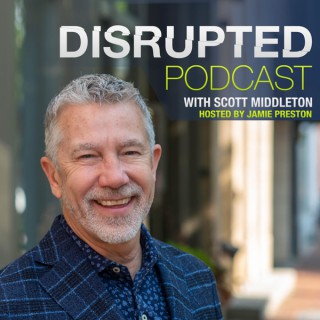
Most nursing homes think they're measuring success by how many patients move through their building. What they're not measuring is how many of those same patients end up right back in the hospital — and who pays the price when they do. In this episode of The Disrupted Podcast, Scott Middleton — Owner of Your Health and Chief Disruption Officer — pulls back the curtain on the facility partnership model Your Health is rolling out across the Southeast. It's a model that doesn't just serve patients in skilled nursing facilities; it pays those facilities for the care coordination work their staff is already doing, while creating the kind of presence that actually moves the needle on outcomes. Scott and Jamie cover the mechanics, the competitive landscape, and the cultural shift required to make it all work: Why Your Health is contracting with nursing homes to pay up to $20,000 a month for care coordination — and what that's worth annually to a facility with 200 Medicare patients The difference between "popping in" and genuine presence — and why only one of them drives real cost savings and keeps patients from bouncing back to the hospital Why physicians working in isolation are the biggest liability in a team-based care model, and how a September 1st bonus restructure is designed to change that culture How 80% of what used to require an in-person visit can now happen via telehealth — and the one thing technology will never replace: the relationship that makes a patient actually follow through Scott's 10-year urgency: why Your Health is already three steps ahead of the competition — and why that lead only matters if the model scales fast enough If you work in a nursing facility, lead a care team, run a healthcare organization, or believe the system needs a fundamentally better architecture — this is what building it actually looks like. Press play. www.YourHealth.Org
Host: Josie Bidwell, Professor of Preventive Medicine and Nurse Practitioner at University of Mississippi Medical Center.Topic: Discussion on the connection between food and your mood.Email the show: fit@mpbonline.orgIf you enjoy listening to this podcast, please consider contributing to MPB: https://donate.mpbfoundation.org/mspb/podcast. Hosted on Acast. See acast.com/privacy for more information.

According to a National Survey on Drug Use and Health, more than 16% of the workforce have a substance use disorder. Furthermore, according to the American Journal of Preventive Medicine, this is costing over $93 billion in lost productivity a year. Proverbs 23 addresses all kinds of snares like alcohol, gluttony, and adultery. Proverbs 23:29 says, “Who has woe? Who has sorrow? Who has strife? Who ... The post The Cost of Bondage appeared first on Unconventional Business Network.

Dr Jane Tiller - Ethical, Legal and Social Adviser in Public Health Genomics at the School of Public Health and Preventive Medicine at Monash University Port Noarlunga FC Star Emilee Little Dr Milica Stilinovic - Technological Harms Expert, University of Sydney Jonathan Edwards - 7NEWS Reporter Stephen Young - Athelstone Football Club President Stephen Rowe - FIVEAA Sports Show Host Mark McCrindle - Demographer Bronte Manuel - Owner/Director of Sales, TOOP+TOOP The 60 Four - Ben Francis, Jack Conroy, Lachlan Williams and Finn Green Health Minister Blair BoyerSee omnystudio.com/listener for privacy information.
Host: Josie Bidwell, Professor of Preventive Medicine and Nurse Practitioner at University of Mississippi Medical Center.Topic: Food recalls.Email the show: fit@mpbonline.orgIf you enjoy listening to this podcast, please consider contributing to MPB: https://donate.mpbfoundation.org/mspb/podcast. Hosted on Acast. See acast.com/privacy for more information.

Creatine has become one of the most talked-about supplements in health and wellness, but is it right for you? In this episode, Kristin Kirkpatrick, former lead dietitian at Cleveland Clinic and an award-winning nutrition expert breaks down what the research says about creatine, who may benefit, and what women should consider before adding it to their routine. Whether you're active, focused on healthy aging, or simply curious about the latest wellness trend, this conversation will help you make a more informed decision. Her Side by Flourish Heights was made for women, by women. To be empowered in health starts with a true connection with your body. Join Valerie Agyeman, a women's health dietitian and journalist as she explores overlooked women's health conversations, blending expert insight with real stories around periods, hormones, nutrition, and body awareness. *The information shared in this podcast is for general informational and educational purposes only. It is not intended to be a substitute for professional medical advice, diagnosis, or treatment. About Kristin Kirkpatrick: Kristin Kirkpatrick is a registered dietitian, founder of KAK Nutrition Consulting, LLC, and a nationally recognized nutrition expert with more than 22 years of experience in integrative nutrition. She previously served as the lead dietitian at Cleveland Clinic's Department of Wellness & Preventive Medicine and is an award-winning author, speaker, and media contributor. Kristin has appeared on the TODAY show, NBC Nightly News, and other national platforms, and her expertise has been featured in outlets including The New York Times, Wall Street Journal, TIME, Women's Health, and Cleveland Clinic Essentials. She is the author of Skinny Liver: A Proven Program to Prevent and Reverse the New Silent Epidemic — Fatty Liver Disease and Regenerative Health: Discover Your Metabolic Type and Renew Your Liver for Life. Keep up with Kristin: Website: www.kristinkirkpatrick.com Follow Kristin on Instagram or Facebook: @fuelwellwithkrissy Stay Connected: Is there a topic you'd like covered on the podcast? Submit it to hello@flourishheights.com Subscribe to our quarterly newsletters: Flourish Heights Newsletter Visit our website + nutrition blog: www.flourishheights.com Follow us on social media: Instagram: @flourishheights / Women's Health Hub: @hersidebyfh / @valerieagyeman Youtube channel: https://www.youtube.com/@flourishheights Want to support this podcast? Leave a rating, write a review and share! Thank you!
Host: Josie Bidwell, Professor of Preventive Medicine and Nurse Practitioner at University of Mississippi Medical Center.Topic: Tips for Healthy Eating.Email the show: fit@mpbonline.orgIf you enjoy listening to this podcast, please consider contributing to MPB: https://donate.mpbfoundation.org/mspb/podcast. Hosted on Acast. See acast.com/privacy for more information.

Send us Fan MailEpisode 046: Men's Midlife Wake-Up Call: Metabolism, Movement, and Prostate ScreeningFor many men, the first signs of aging aren't gray hair—they're a growing waistline, slower recovery after workouts, rising blood pressure, and the realization that they don't feel as strong or energetic as they once did. In this episode, Dr. Angela sits down with Dr. John from Thrive Family Health to discuss why the 40s and 50s are often a turning point for men's health and how small, intentional changes can dramatically improve long-term health.Together, they explore how metabolism changes with age, why movement matters more than ever, and how sleep, nutrition, stress, and hormone health all work together to influence energy, strength, and overall well-being. They also discuss why physically demanding jobs don't always provide the type of exercise the body needs and how purposeful strength training, mobility work, and recovery can help prevent injury and maintain function.The conversation also emphasizes the importance of preventive care and cancer screening. Dr. Angela and Dr. John explain how prostate cancer screening has evolved, why establishing a baseline PSA around age 45 (or earlier for those with higher risk or a family history) can be valuable, and why urinary symptoms should never be ignored. They also review the role of colon cancer screening and how early detection has significantly improved outcomes for many cancers.Whether you're entering midlife yourself or encouraging someone you care about to prioritize their health, this episode is a reminder that aging doesn't have to mean declining health—and that the best time to take action is before symptoms become serious.In This EpisodeWhy many men delay seeking medical care until midlifeHow metabolism changes with age—and what you can do about itThe impact of sleep, stress, nutrition, and physical activity on long-term healthWhy physically demanding work isn't always enough to stay healthyThe importance of strength training, mobility, and injury preventionWhen changes in libido or erectile function may signal underlying cardiovascular diseaseCurrent recommendations for prostate cancer screening and PSA testingWhen to start colon cancer screening and why early detection saves livesWhy routine preventive care can help men stay healthy and active for decades to comeChapters00:00 – Men's Midlife Wake-Up Call: Metabolism, Movement & Aging Well09:18 – Cancer Screening, PSA Testing & PreventionSupport the showFollow me on Instagram @angelalifestylemd and don't forget to SUBSCRIBE to my podcast & SHARE this episode.
Send us Fan MailMen's Health: Recognizing Depression, Finding Root Causes, and Building Preventive Habits with Dr. JohnEpisode SummaryDepression in men doesn't always look like sadness. It often appears as irritability, withdrawal, exhaustion, loss of motivation, declining work performance, or giving up activities that once brought joy. In this episode, Dr. Angela Andrews sits down with Dr. John of Thrive Family Health to discuss why men's mental health is frequently overlooked, how to recognize the warning signs, and why addressing the root cause—not just the symptoms—is essential.Together, they explore the many factors that can contribute to depression, including chronic stress, poor sleep, trauma, substance use, ADHD, bipolar disorder, and social isolation. They also discuss why self-diagnosing through the internet often delays proper treatment and how a trusted relationship with a primary care physician can help uncover what's really going on.The conversation closes with practical advice for men at every stage of adulthood—from building healthy habits in your 20s to preserving muscle, staying active, keeping up with preventive screenings, and protecting heart health later in life.What You'll LearnWhy depression often looks different in men than in womenCommon warning signs that are easy to overlookMedical and lifestyle conditions that can mimic or contribute to depressionThe connection between sleep, stress, hormones, and mental healthWhen ADHD, anxiety, or bipolar disorder should be consideredWhy professional evaluation is better than self-diagnosisThe importance of purpose, relationships, and spiritual healthPractical preventive health advice for men in their 20s, 40s, and beyondKey TakeawaysDepression in men often presents as irritability, withdrawal, fatigue, or decreased performance rather than sadness.Mental health symptoms deserve a thorough evaluation to identify underlying causes.Sleep, exercise, nutrition, stress management, and social connection are powerful tools for improving mental wellbeing.Therapy, medication, lifestyle changes, or a combination may all play important roles in treatment.Preventive care becomes increasingly important with age, especially for maintaining muscle mass, cardiovascular health, and recommended cancer screenings.Having an ongoing relationship with a trusted primary care physician leads to earlier detection and better long-term health.Episode Chapters00:00 Men's Health Focus00:51 Hidden Depression Signs01:35 Looking Beyond the Symptoms02:41 Sleep, Stress & Self-Medication03:37 Irritability, Withdrawal & Burnout04:41 ADHD, Anxiety & Mental Health Overlap06:15 Getting Help: Therapy, Medication & Lifestyle09:46 Faith, Purpose & Connection11:01 Men's Health Advice by Age13:10 Connect with Dr. John14:08 Podcast Outro & Medical DisclaimerGuest ResourcesDr. John Italiano, DOFounder, Thrive Family Health Direct Primary Care

In a Nutshell: The Plant-Based Health Professionals UK Podcast
How do you stay healthy, strong and performing at your best- not just this year, but for decades to come?In this episode of The Nutshell, we welcome two leaders in lifestyle and performance medicine: Dr Sharon McDowell-Larsen and Dr Regan Stiegmann, co-authors of Staying in the Game. Together, we explore the science of performance longevity and explain why the daily choices we make around food, movement, sleep, and recovery can help us maximise both healthspan and lifelong athletic performance.Whether you're an athlete, healthcare professional, weekend runner or simply want to maintain your physical and cognitive performance throughout life, this conversation is packed with evidence-based advice.We discuss why it's never too early-or too late-to invest in your future health and how the habits that support peak performance are often the same ones that protect against chronic disease.More about our guests: Dr. Sharon L. McDowell-Larsen, PhD is an exercise physiologist, leadership performance expert and internationally recognised endurance athlete. She holds a PhD in Exercise Physiology from the University of Nebraska–Lincoln, where her research focused on exercise and immune function. During her career she has worked at the U.S. Olympic Training Center, taught graduate-level exercise physiology, and spent more than 25 years at the Center for Creative Leadership, helping senior leaders optimise health, resilience and cognitive performance through evidence-based lifestyle practices. Sharon is also a multiple national champion and Xterra and Ironman age-group world champion.Regan A. Stiegmann, DO, MPH, FACLM, DipABLM is a board-certified physician in Preventive Medicine and Lifestyle Medicine, a former U.S. Air Force Flight Surgeon, and Associate Professor of Preventive and Lifestyle Medicine at Rocky Vista University. She holds a Doctor of Osteopathic Medicine (DO) and a Master of Public Health (MPH), is a Fellow of the American College of Lifestyle Medicine (FACLM) and a Diplomate of the American Board of Lifestyle Medicine (DipABLM). Dr Stiegmann is a nationally recognised leader in lifestyle and performance medicine, working at the intersection of human performance, preventive medicine and healthy ageing.Together, Sharon and Regan are the co-authors of Staying in the Game: Leveraging Lifestyle Medicine to Elevate Health, Outsmart Aging, and Enhance Performance, an evidence-based guide featuring nearly 1,800 scientific references that explores how nutrition, physical activity, sleep, stress management and other lifestyle factors can help us optimise health, extend healthspan and maintain peak performance throughout life.To get your copy of their book:https://stayinginthegame.org/To connect with our guests :Dr Sharon McDowell-Larsen: https://www.linkedin.com/in/sharon-mcdowell-larsen-4666a7a/https://sharonmcdowelllarsen.substack.comDr Regan Stiegmannhttps://www.linkedin.com/in/docstieg/If you enjoyed this episode, please subscribe to the podcast and leave us a rating or review- it really helps others discover the podcast.To buy tickets to this years Nutrition and Lifestyle Medicine Conference:https://nlmc.org.uk/To find out more about the International Board of Lifestyle Medicine Diploma:https://plantbasedhealthprofessionals.com/lifestyle-medicine/get-certified-in-lifestyle-medicineIf you'd like to support our work and be part of a growing community of like-minded people working towards creating a healthier and more sustainable future please join the Plant-Based Health Professionals UK following the link below:https://plantbasedhealthprofessionals.com/membershipYou don't have to be a health care professional to join, but by doing so you're not only supporting our work, you'll be improving your own health; with membership starting from as little as £15 a year, join us now and be part of the change you want to see.

Our feet carry us through life, yet they're often one of the most overlooked parts of our bodies. Join Dr. Chris Majewski as he shares practical advice on keeping your feet healthy, comfortable, and pain-free. Drawing on years of professional experience, Dr. Majewski explains why good foot care is essential to maintaining an active, healthy lifestyle. From heel pain and plantar fasciitis to bunions, diabetic foot care, sports injuries, and choosing the right footwear, Dr. Majewski discusses many of the most common foot problems people face. He offers easy-to-understand explanations along with practical tips on prevention, early diagnosis, and treatment that can help listeners avoid discomfort and improve their overall mobility. Whether you're an athlete, someone who spends long hours on your feet, or simply want to stay active as you grow older, this engaging conversation is filled with valuable information that everyone can benefit from. Discover why healthy feet are the foundation of a healthy body and learn simple steps you can take today to keep moving comfortably for years to come.Become a supporter of this podcast: https://www.spreaker.com/podcast/the-x-zone-radio-tv-show--1078348/support.Please note that all CANCOM/XZBN radio and/or television shows are Copyright © REL-MAR McConnell Meda Company, Niagara, Ontario, Canada – www.rel-mar.com. For more Episodes of this show and all shows produced, broadcasted and syndicated from REL-MAR McConell Media Company and The 'X' Zone Broadcast Network and the 'X' Zone TV Channell, visit www.xzbn.net. For programming, distribution, and syndication inquiries, email programming@xzbn.net.We are proud to announce the we have launched TWATNews.com, launched in August 2025.TWATNews.com is an independent online news platform dedicated to uncovering the truth about Donald Trump and his ongoing influence in politics, business, and society. Unlike mainstream outlets that often sanitize, soften, or ignore stories that challenge Trump and his allies, TWATNews digs deeper to deliver hard-hitting articles, investigative features, and sharp commentary that mainstream media won't touch.These are stories and articles that you will not read anywhere else.Our mission is simple: to expose corruption, lies, and authoritarian tendencies while giving voice to the perspectives and evidence that are often marginalized or buried by corporate-controlled media

— What if one of the most powerful tools for improving your health was already at your fingertips? In this episode, we explore the fascinating intersection of artificial intelligence and personal well-being through the themes of Better Health with AI: Your Roadmap to Results with Dr. Earl Campazzi. As AI rapidly transforms the way we live and work, it is also changing how we understand, monitor, and care for our health. Dr. Earl discuss how emerging technologies—from wearable devices and health apps to genetic insights and AI-powered analysis—can help us move from reactive healthcare to proactive wellness. How can we detect health risks earlier? Make more personalized decisions about nutrition, exercise, and longevity? And how do we use these tools wisely while remaining aware of their limitations? Join us for an insightful conversation about the future of preventive medicine, the promise and pitfalls of AI, and how technology can empower us to take a more active role in creating healthier, longer, and more vibrant lives. Valeria sits with Dr. Earl J. Campazzi, Jr — He is the author of "Better Health with AI: Your Roadmap to Results." Dr. Earl J. Campazzi, Jr., brings over 35 years of clinical experience and four board certifications to his Palm Beach Concierge Practice, bridging traditional medicine with modern technology. A graduate of the University of Pittsburgh School of Medicine, he also holds three degrees from Johns Hopkins University—including a Master of Public Health from the School of Hygiene and Public Health—and an MBA from Duke University. Dr. Campazzi's distinguished career includes serving as Senior Associate Consultant at the Mayo Clinic, Chief Resident in Preventive Medicine at Johns Hopkins, and Medical Director for Palm Beach County's Occupational Health Clinic. As founder of Island Medical Care, he has practiced concierge medicine in Palm Beach since 2006, earning national recognition such as HCA's Top Physician for Patient Satisfaction award, while maintaining staff privileges at leading hospitals including Cleveland Clinic Florida. Passionate about making artificial intelligence accessible to everyone—even those who aren't "tech people"—Dr. Campazzi helps families use simple, practical tools to live longer, healthier lives. Learn more about Dr. Earl J. Campazzi, Jr and his work!

Fitness mit M.A.R.K. — Dein Nackt Gut Aussehen Podcast übers Abnehmen, Muskelaufbau und Motivation
Es steht vor Deiner Haustür, kostet nichts und lädt Deinen Kopf schneller auf als jede Couch: ein Stück Grün. In dieser Folge erfährst Du, warum Dein Gehirn Natur regelrecht braucht – für mehr Fokus, ein niedrigeres Stresslevel und bessere Regeneration.Du erfährst, was fast 20.000 Menschen über die richtige Dosis verraten (Spoiler: rund 17 Minuten am Tag reichen), warum ein Spaziergang Dein Arbeitsgedächtnis messbar verbessert – selbst wenn Du überhaupt keine Lust drauf gehabt hättest. Und warum das Training draußen langfristig oft leichter fällt als drinnen. Plus: wie Du das Ganze in Deinen Alltag schmuggelst, ohne Dir Extra-Zeit dafür nehmen zu müssen.Versprochen: Es geht weder ums Bäume-Umarmen noch um sonstigen Esoterik-Kram. Nur Wissenschaft, die Du ab heute nutzen kannst. Denn Dranbleiben schlägt Perfektion – auch auf dem Weg zum nächsten Park.____________*WERBUNG: ➜ Infos zum Werbepartner dieser Folge und allen weiteren Werbepartnern findest Du hier.

Mandy J. Hill, DrPH, MPH, HIVPCP, is a first-time guest on the Faculty Factory who is highly aware of the unique challenges leaders face. She joins us this week to explore a critical yet often overlooked issue: the toxic feeling of a need to overperform in this field. Dr. Hill currently serves as Professor and Chair of the Department of Population Health and Health Disparities, and Centennial Chair in Preventive Medicine and Community Health, in the School of Public and Population Health at the University of Texas Medical Branch at Galveston (UTMB). Overperforming is frequently normalized because faculty are conditioned to exceed expectations rather than simply meet them. But "when that becomes the norm, you can create a toxic condition," as Dr. Hill points out in the interview's opening moments. “If you are an early-stage investigator without mentors and champions willing to bring you into that ‘winning team,' the default way of thinking is to do more,” Dr. Hill said. Overperforming is quickly becoming (if not already) the baseline in academia. It is the overwhelming reality of the culture, so what can be done? Autonomy and investing in ourselves are the only paths forward, and choosing when enough is enough has to be implemented or we risk creating a profession that no one will want to enter.

The American healthcare system is built around a simple idea: get sick, get treated. But what if the problem isn't how we treat illness — it's that we've never seriously tried to prevent it? In this first installment of a two-part conversation, Jamie sits down with Brody Wall, Division President of Operations at Your Health, to trace the arc from a broken, reactive healthcare system to one where data tells you what's coming before the patient even knows something is wrong. Brody's path to healthcare wasn't through a textbook — it was through a father who was a Methodist minister and a mother who spent her career caring for underprivileged children. The mission was always there. The data just became the most honest way to fulfill it. In Part 1, Jamie and Brody cover: Why fee-for-service healthcare financially rewards volume of sick visits — not health — and how that one incentive structure explains why 17-20% of America's GDP goes to healthcare costs with outcomes that still lag behind other developed nations What Your Health was flying blind on before it committed to building a real data infrastructure — and what gut-feeling decisions look like when data finally proves them wrong How social determinants of health (Z codes) and behavioral health conditions (F codes) reveal which patients are actually at the highest risk of hospitalization The finding that changed everything: patients with four or more behavioral health conditions were ten times more likely to have multiple ER visits — and the clinical response that followed This isn't just a conversation about numbers. It's about what happens when an organization decides that preventing the crisis matters more than reacting to it. Part 2 drops next week. www.YourHealth.Org

What if the biggest gap in American health care isn't a drug, a device, or a diagnosis, but a discipline? On this episode host Fred Goldstein sits with Dr. Heather O'Hara, Chair of the American Board of Preventive Medicine, and Dr. Joshua R. Mann, founding Chair of the Department of Preventive Medicine at the University of Mississippi Medical Center, to unpack the often-misunderstood specialty of preventive medicine. They trace its reach across public health, occupational and environmental medicine, aerospace medicine, and lifestyle medicine, and explain why prevention-trained physicians rarely run stand-alone clinics, instead embedding inside hospitals, health departments, and employer health systems. The conversation turns candid on the economics of prevention, physician burnout, and what it will actually take for the health system to move "upstream." To stream our Station live 24/7 visit www.HealthcareNOWRadio.com or ask your Smart Device to “….Play Healthcare NOW Radio”. Find all of our network podcasts on your favorite podcast platforms and be sure to subscribe and like us. Learn more at www.healthcarenowradio.com/listen

Join the Conversation at 303-477-5600 or text to 307-200-8222. Monday - Friday from 3 pm - 6 pm MT. https://RushToReason.com https://castlerockregenerativehealth.com/ HOUR 1 Unlock the Secrets of Lifelong Health Before Symptoms Appear! Health & Wellness Wednesday takes an in-depth look at a different vision for modern healthcare as Dr. Scott Faulkner guest-hosts for John Rush, joined by Jeremy Sova and Nathan Lehman. Is it possible to identify hidden health risks before symptoms ever appear? Could advanced testing, regenerative medicine, and personalized treatment plans help people avoid chronic disease, surgery, or years of unnecessary pain? Throughout the hour, the team explores everything from comprehensive biomarker testing and therapeutic plasma exchange to longevity medicine, spine care, hormone optimization, and regenerative therapies. They also discuss why they believe traditional healthcare often treats symptoms rather than root causes, and how a more individualized approach could improve the patient experience. Also get an inside look at Castle Rock Regenerative Healthcare's new headquarters, the Longevity Lab, and the technologies on display at its grand opening event. Whether you're searching for answers to ongoing health concerns, seeking a second opinion, or simply curious about the future of preventive medicine, this conversation offers plenty of thought-provoking ideas while challenging listeners to rethink what healthcare can become. HOUR 2 The Future of Medicine—Treat Illness Before It Starts! What if you could stop health problems before they ever begin? Dive into the world of regenerative breakthroughs with Dr. Scott Faulkner, Jeremy Sova, and Nathan Lehman as they unveil the science behind advanced therapies—think peptides, stem cells, personalized biomarker testing, and next-level IV treatments. Explore how the Longevity Lab is rewriting the rules on aging, chronic pain, and performance. Get answers to hot topics like peptides, GLP-1s, and telehealth, and discover why this proactive approach could mean a longer, healthier, more energized life. Don't miss the chance to learn how medicine is evolving—right now. HOUR 3 The Next Chapter—How Preventive Medicine Is Reinventing Your Health Destiny Discover why waiting for illness is out—and prevention is in. Dr. Scott Faulkner, Jeremy Sova, and Nathan Lehman pull back the curtain on concierge medicine, longevity memberships, and groundbreaking wellness plans that catch issues before they become problems. Learn how cryotherapy, red light therapy, molecular hydrogen, and AI-powered diagnostics are transforming the way we approach aging, inflammation, and vitality. The future of healthcare is here—don't miss the inside scoop on how to take control and redefine your health journey.

"Your doctor doesn't live inside your body. AI doesn't live in your body. Influencers don't live in your body. Only you live there."What if the future of medicine isn't about treating disease, but empowering people to take ownership of their health long before illness appears?In this compelling conversation, Dr. Lara Varden sits down with renowned physician, author, and longevity expert Dr. Erika Schwartz to discuss a lifetime spent challenging conventional medicine and advocating for personalized, preventive healthcare.Dr. Schwartz is a board-certified internist, entrepreneur, best-selling author, and nationally recognized leader in hormone health and longevity medicine. For more than three decades, she has championed personalized, preventive care — long before it became mainstream. She is the founder of Evolved Science and ESHealth, where she has been a pioneer in the use of bioidentical hormone therapy, focusing on restoring vitality, optimizing healthspan, and redefining how we approach aging. Dr. Schwartz has authored eight best-selling books, including The Hormone Solution and The Intimacy Solution, helping bring conversations about hormone balance and quality of life into the medical mainstream. Her work has appeared in major publications such as The New York Times, The Wall Street Journal, Vogue, Town & Country, and The New York Post, and she is a frequent media contributor across television and international podcasts. She is also a distinguished faculty member of A4M — the world's leading longevity and functional medicine organization — where she hosts the widely followed Redefining Medicine podcast. Drawing from more than 40 years of clinical experience, Dr. Schwartz shares her journey from emergency medicine physician to one of the earliest pioneers of hormone optimization, functional medicine, and healthy aging. She explores why modern healthcare often focuses on disease instead of wellness, the truth about hormone replacement therapy, the importance of patient empowerment, and how genetics can help personalize health decisions.Tune in and realize how longevity isn't just about living longer, it's about living better.If you wish to learn more from Dr. Erika Schwartz, you can do so through the following links:Visit her website for Evolved Science at https://www.eshealth.com/Instagram: @eshealth and @drerikaschwartzFacebook: https://www.facebook.com/evolvedscience/______________________________________________________Keep yourself up to date on The DNA Talks Podcast! Follow our socials below:The DNA Talks Podcast Instagram: @dnatalkspodcastThe DNA Company Instagram: @thednacoThe DNA Company's Official Tiktok Account: @thednaco3Medical Disclaimer: The information provided in this communication is for general informational purposes only and is not intended to be a substitute for professional medical advice, diagnosis, or treatment. Always seek the advice of your physician or other qualified healthcare provider with any questions you may have regarding a medical condition. Never disregard professional medical advice or delay in seeking it because of something you have read here. If you think you may have a medical emergency, call your doctor or 911 immediately.

Today's podcast guest is Dr. Aimie Apigian, a physician who has become one of the leading voices in helping us understand the biology of trauma. Dr. Aimie is double board-certified in Preventive Medicine and Addiction Medicine, with advanced training in biochemistry, public health, and functional medicine. She earned her medical degree from Loma Linda University, where her education also included behavioral health, child psychiatric therapy, play therapy, and addiction family counseling. Before medical school, she studied Cell and Molecular Biology at the University of Washington, where she worked in the laboratory of renowned cancer researcher Dr. Larry Loeb. She is the national bestselling author of The Biology of Trauma, featuring a foreword by Dr. Gabor Maté. The book has appeared on the USA TODAY Best-Selling Book List and has received multiple national book awards. What makes Dr. Aimie's work unique is her ability to bridge neuroscience, functional medicine, attachment science, and trauma therapy into a practical framework that explains how our bodies store survival patterns after stress and adversity. Rather than viewing trauma as simply a psychological experience, she teaches that it is a biological state—one that can be identified, measured, and, importantly, healed. She is the creator of the Biology of Trauma® framework, which integrates somatic therapies, parts work, nervous system regulation, and targeted biological interventions into a structured sequence designed to restore the body's innate capacity for healing. She is also the founder of Trauma Healing Accelerated™ and the host of the popular Biology of Trauma® Podcast, where she has educated thousands of clinicians and individuals around the world. Today, we're going to explore what trauma actually is from a biological perspective, how it influences immune function, metabolism, chronic disease, and childhood development, and perhaps most importantly, what it truly takes to move from surviving to thriving. Dr. M

On today's Good Day Health Show - ON DEMAND…Host Doug Stephan and Dr. Ken Kronhaus of Lake Cardiology (352-735-1400) cover a number of topics affecting our health. First up, Doug and Dr. Ken share practical advice for staying healthy during the summer months while exploring some of the latest developments in medical research. The conversation begins with the latest advancements in preventive medicine, emerging healthcare technologies, and the everyday lifestyle choices that influence long-term health and longevity. The conversation explores how high-tech preventive care, including remote patient monitoring and wearable health technologies, is transforming the way physicians detect health concerns earlier and help patients better manage chronic conditions.Dr. Ken also examines the growing use of GLP-1 weight-loss medications, including Wegovy and Ozempic, discussing their potential benefits, considerations, and role in treating obesity as part of a comprehensive health plan. The episode highlights new research on the connection between loneliness and an increased risk of stroke in older adults, emphasizing the importance of social engagement as a key component of overall wellness. Doug and Dr. Ken also discuss natural approaches to weight management, including Calotren, its reported success rate, and how sustainable lifestyle changes can support long-term weight-loss goals. Rounding out the conversation is an update on sleep apnea, including available treatment options, the importance of diagnosis and management, and ongoing research examining the relationship between sleep apnea and COVID-19. Together, these topics provide listeners with practical health advice and the latest medical insights to help them live healthier, longer lives.For more on Good Day Health…Website: GoodDayHealthShow.comSocial Media: @GoodDayNetworks
CME credits: 1.00 Valid until: 30-06-2027 Claim your CME credit at https://reachmd.com/programs/cme/gaps-global-implementation-lipid-guidelines/54672/ A new modular CME-accredited program designed to support clinicians in translating evolving lipid guidelines into everyday practice. Delivered as a 60-minute webcast, divided into chapters for convenience, it integrates U.S. and international perspectives and focuses on equitable cardiovascular care. The course highlights women-specific cardiovascular risk modifiers, including reproductive and hormonal factors that are often under-recognized in risk assessment. It also emphasizes practical, multidisciplinary approaches to improving lipid management outcomes across diverse health systems. =

Healthcare in the United States can be exceptional—that is, if you have enough resources. What if our systems worked to support people with fewer resources to get the help they needed? Dr. Ricky Bluthenthal discusses systemic barriers impeding access to harm reduction and just how much policy influences health outcomes. Dr. Ricky Bluthenthal is a Distinguished Professor and Chair of of the Department of Population and Public Health Sciences, and the Flora L. Thornton Chair in Preventive Medicine, at the Keck School of Medicine at the University of Southern California. Find out more about his work here.
Southern Remedy Healthy and Fit is hosted by Josie Bidwell, Professor of Preventive Medicine and Nurse Practitioner at UMMC. If you have a question for Josie, you can email fit@mpbonline.org. It this episode, Josie has some tips for staying healthy in retirement. If you enjoy listening to this podcast, please consider contributing to MPB. https://donate.mpbfoundation.org/mspb/podcast. Hosted on Acast. See acast.com/privacy for more information.
Southern Remedy Healthy and Fit is hosted by Josie Bidwell, Professor of Preventive Medicine and Nurse Practitioner at UMMC. If you have a question for Josie, you can email fit@mpbonline.org. It this episode, Josie talks with Dr. Justin Turner, Community Health Officer at UMMC, about men's health. If you enjoy listening to this podcast, please consider contributing to MPB. https://donate.mpbfoundation.org/mspb/podcast Hosted on Acast. See acast.com/privacy for more information.

It's been one year since the U.S. Centers for Disease Control and Prevention, in an unprecedented move, dismissed all the members of its Advisory Committee on Immunization Practices (ACIP), kicking off what would turn out to be a very concerning and busy year for infectious disease specialists. We're going to recap this turbulent period – which includes a resurgence of measles, an unusually rough flu season, the emergence of a new COVID strain and outbreaks of hantavirus and Ebola – with Dr. William Schaffner, one of the country's most frequently quoted medical experts on infectious disease, vaccination, and public health. As a member of ACIP for decades, Dr. Schaffner brings unique insight into the dismantling of the committee and the distrust of vaccines that lies at the root of the changes. As he explains to Raise the Line host Lindsey Smith, while many vaccine critics are beyond reach, there are those he describes as vaccine hesitant that may be persuadable if the right approach is taken. “Beyond providing facts, we have to listen to them and respond to their concerns and make them feel comfortable. Information is fundamental, but behavior change only comes with a change in attitude.” Tune in for a wealth of wisdom and context that includes observations on: What's complicating containment of the Ebola outbreak; Challenges in public health communication in the current social media environment; What grade health authorities should get on their response to the hantavirus outbreak. Mentioned in this episode:Vanderbilt University School of Medicine If you like this podcast, please share it on your social channels. You can also subscribe to the series and check out all of our episodes at www.osmosis.org/podcast

What if the most important care in the entire healthcare system is also the most underfunded? While hospitals and inpatient reimbursements rise with inflation, the physician fee schedule has quietly declined roughly 33% in real terms over 25 years — and this year it's facing another cut. In this episode, Jamie Preston sits down with Your Health CEO Matt Staub, just back from Capitol Hill, where he spent a record-setting 95-degree day meeting with seven legislative offices to advocate for physicians, providers, and the patients they serve across rural South Carolina, Georgia, and beyond. What follows is part field report, part reflection on why preventive primary care saves money and lives — and why we plan meticulously for weddings, retirement, and vacations, but treat our own health with a "call us if something happens" approach. In this conversation: Why a 2.5–5% physician fee cut hits frontline rural practices hardest The bipartisan doctors' caucus and the real appetite for reform Why winning can come from a loss — the Kobe Bryant mindset on process over outcome How a Disney ride (Spaceship Earth) reframes humanity's whole story around communication The case for proactive, team-based primary care over reactive sick visits Press play for a conversation about advocacy, communication, and a simple, powerful idea: the change you need to make starts with you.
Southern Remedy Healthy and Fit is hosted by Josie Bidwell, Professor of Preventive Medicine and Nurse Practitioner at UMMC. If you have a question for Josie, you can email fit@mpbonline.org. It this episode, Josie talks about the ingredients found in a healthy diet. If you enjoy listening to this podcast, please consider contributing to MPB. https://donate.mpbfoundation.org/mspb/podcast Hosted on Acast. See acast.com/privacy for more information.

When your body starts to feel unfamiliar — your sleep changes, anxiety appears out of nowhere, migraines intensify, weight shifts, hormones fluctuate — it can be hard to know where to begin. In this episode of The SEAM Podcast, Amy Cohen Epstein sits down with Carley Cassity, NP, for a smart, candid conversation about preventive medicine, perimenopause, and why so many women are looking for a different kind of care.The SEAM Podcast is produced by the Lynne Cohen Foundation, a nonprofit dedicated to breast and ovarian cancer prevention, early detection, and expanded access to preventive care. https://lynnecohenfoundation.org/ Hosted on Acast. See acast.com/privacy for more information.
Southern Remedy Healthy and Fit is hosted by Josie Bidwell, Professor of Preventive Medicine and Nurse Practitioner at UMMC. If you have a question for Josie, you can email fit@mpbonline.org. It this episode, Josie talks about brain health; what it is and how we can keep our minds sharp as we age. If you enjoy listening to this podcast, please consider contributing to MPB. https://donate.mpbfoundation.org/mspb/podcast. Hosted on Acast. See acast.com/privacy for more information.

Across the US healthcare system, prevention consistently takes a back seat to treatment, with avoidable illness, outbreaks, and chronic disease left to escalate before action is even taken. Some of the most powerful medicine interventions often occur before disease ever appears, so why is preventive steps taken more? What is behind this “prevention gap”, or the distance between what science already knows can prevent disease and what society actually implements. FOX's Tonya J. Powers speaks with Dr. Barry Davis, preventive medicine physician and public health researcher, and author of the book 'The Preventioneers: Diseases, Disasters, and the Discoveries That Changed Our World', who says why adopting a true prevention mindset is essential to protecting public health and building a more resilient future. Click Here To Follow 'The FOX News Rundown: Evening Edition' Learn more about your ad choices. Visit podcastchoices.com/adchoices

Dr. Stroope is an Assistant Professor in the School of Kinesiology at Louisiana State University. Stroope's research includes three overlapping areas: co-benefits of active transportation, public health approaches to increasing rural physical activity, and access to nature, with an overarching interest in how physical activity contributes to community thriving. Stroope is on the leadership team for the Physical Activity Policy, Research, and Evaluation Network (PAPREN) Rural Hub and serves on the Dissemination and Translation Board for the U Mass Prevention Research Center. Before joining the LSU School of Kinesiology, she spent ten years working for Cooperative Extension, with most of those years serving as the LSU AgCenter's physical activity specialist. In that role, she partnered with Extension agents, small towns, the Louisiana Department of Transportation and Development, rural librarians, schools and other community partners to increase access to physical activity, with a particular focus on helping communities pursue funding for active transportation infrastructure. Description In this episode of the Elevate Yourself podcast, Rob sits down with Dr. Jessica Stroope to discuss how communities can be designed to support healthier, more active lives. Drawing from her experiences in public health, Cooperative Extension, and community-based research, Jessica explores the powerful role that active transportation, access to nature, and the built environment play in shaping physical activity behaviors. She shares lessons learned from working with rural communities, transportation departments, schools, libraries, and local leaders to create environments where movement is a natural part of everyday life. The conversation highlights how seemingly small environmental changes can have a meaningful impact on health outcomes, why partnerships across sectors are essential, and how community design influences far more than physical activity alone. Whether you're interested in public health, community development, or simply creating places where people can thrive, this episode offers practical insights into building more accessible and active communities. Learn More Physical Activity Policy, Research, and Evaluation Network (PAPREN) LSU School of Kinesiology LSU AgCenter Selected Publications: Stroope, J., Ballis, L. E., Seals, K., Garn, A. C., Holston, D. (In press). Rural Physical Activity in the Mississippi Delta: the moderating influence of stray dogs. Journal of Healthy Eating & Active Living. Stroope, J., Umstattd Meyer, M.R., Gabbert, K., John, D.H., Orzech, K., Wende, M.E., and Kellstedt, D. (2025). Physical Activity Policy, Systems, and Environment Change through Extension SNAP-Ed: A Multi-State Perspective. Health Promotion Practice. https://doi.org/10.1177/15248399231221779 Stroope, J., Jones, M., Nunes, B., & Holston, D. (2024). Improving Access to the Transportation Alternatives Program for Rural Communities. Journal of Healthy Eating & Active Living. https://doi.org/10.51250/jheal.v4i3.94 Stroope, J., Garn, A., and Cadmus-Bertram, L. (2022). Active transportation and self-reported change in physical activity. Journal of Transport & Health. https://doi.org/10.1016/j.jth.2022.101528 Seals, K., Stroope, J., Freightman, J., Moles, A., Ainsworth, L, and Holston, D. (2022). Empty houses, loose dogs, and engaged citizens: Lessons learned from community participatory data collection in rural areas. Health Promotion Practice. https://doi.org/10.1177/15248399221111181 Stroope, J. (2021). Active transportation and social capital: The association between walking or biking for transportation and community participation. Preventive Medicine. https://doi.org/10.1016/j.ypmed.2021.106666

Across the US healthcare system, prevention consistently takes a back seat to treatment, with avoidable illness, outbreaks, and chronic disease left to escalate before action is even taken. Some of the most powerful medicine interventions often occur before disease ever appears, so why is preventive steps taken more? What is behind this “prevention gap”, or the distance between what science already knows can prevent disease and what society actually implements. FOX's Tonya J. Powers speaks with Dr. Barry Davis, preventive medicine physician and public health researcher, and author of the book 'The Preventioneers: Diseases, Disasters, and the Discoveries That Changed Our World', who says why adopting a true prevention mindset is essential to protecting public health and building a more resilient future. Click Here To Follow 'The FOX News Rundown: Evening Edition' Learn more about your ad choices. Visit podcastchoices.com/adchoices

Across the US healthcare system, prevention consistently takes a back seat to treatment, with avoidable illness, outbreaks, and chronic disease left to escalate before action is even taken. Some of the most powerful medicine interventions often occur before disease ever appears, so why is preventive steps taken more? What is behind this “prevention gap”, or the distance between what science already knows can prevent disease and what society actually implements. FOX's Tonya J. Powers speaks with Dr. Barry Davis, preventive medicine physician and public health researcher, and author of the book 'The Preventioneers: Diseases, Disasters, and the Discoveries That Changed Our World', who says why adopting a true prevention mindset is essential to protecting public health and building a more resilient future. Click Here To Follow 'The FOX News Rundown: Evening Edition' Learn more about your ad choices. Visit podcastchoices.com/adchoices

Content warning: childhood abuse, childhood sexual abuse, sexual assault, rape, abduction, missing persons, gun violence, murder, and mental illness.Amber Rodgers is a survivor, business professional, and creative from Texas. As early as she can remember, her life was filled with chaos. By the time she was fourteen, she was a multi-crime survivor, and by 19 she would serve as a witness in her best friend's murder trial. Amber moved forward by cultivating a successful career and loving family, until her past trauma instigated a cascading effect in her mental health and relationships. Although Amber has shared portions of her story at-large, it took her decades and a life-altering mental health journey to realize the deep impact her teen years had had on her. The Broken Cycle Media team is deeply appreciative of Amber's transparency, rawness, and advocacy. These episodes are dedicated in loving memory of Kytrina Marie Locascio.Sources: -Centers for Disease Control and Prevention. “About Adverse Childhood Experiences.” CDC, U.S. Department of Health and Human Services, 2025, https://www.cdc.gov/violenceprevention/aces/. -Centers for Disease Control and Prevention. “Adverse Childhood Experiences (ACEs).” CDC Vital Signs, U.S. Department of Health and Human Services, https://www.cdc.gov/vitalsigns/aces/index.html. -Centers for Disease Control and Prevention. “Psychosocial Factors and Health Equity.” CDC, U.S. Department of Health and Human Services, https://www.cdc.gov/dhdsp/health_equity/psychosocial.htm. -Felitti, Vincent J., et al. “Relationship of Childhood Abuse and Household Dysfunction to Many of the Leading Causes of Death in Adults: The Adverse Childhood Experiences (ACE) Study.” American Journal of Preventive Medicine, vol. 14, no. 4, 1998, pp. 245–258.-Hughes, Karen, et al. “The Effect of Multiple Adverse Childhood Experiences on Health: A Systematic Review and Meta-Analysis.” The Lancet Public Health, vol. 2, no. 8, 2017, pp. e356–e366. doi:10.1016/S2468-2667(17)30118-4.-McKay, Matthew T., Laura Kilmartin, Aisling Meagher, Mary Cannon, Colm Healy, and Mary C. Clarke. “A Revised and Extended Systematic Review and Meta-Analysis of the Relationship between Childhood Adversity and Adult Psychiatric Disorder.” Journal of Psychiatric Research, vol. 156, 2022, pp. 159–174. PubMed, https://pubmed.ncbi.nlm.nih.gov/36274532/. -Swedo, Elizabeth A., et al. “Prevalence of Adverse Childhood Experiences Among U.S. Adults—Behavioral Risk Factor Surveillance System, 2011–2020.” Morbidity and Mortality Weekly Report, vol. 72, no. 26, 2023, pp. 707–715, https://www.cdc.gov/mmwr/volumes/72/wr/mm7226a2.htm. -Zhang, Y., et al. “Cumulative Adverse Childhood Experiences and Risk of Mental Disorders: A Systematic Review and Meta-Analysis.” Acta Psychiatrica Scandinavica, 2026, https://www.sciencedirect.com/science/article/pii/S0001691826007559. Accessed 2 June 2026.For additional resources and a list of non-profit organizations that can help, please visit http://www.somethingwaswrong.com/resources*Thank you again to Rula and Quince for sponsoring this episode. *Remember, Rula patients typically pay $15 per session when using insurance. Connect with quality therapists and mental health experts who specialize in you at https://www.rula.com/wcn #rulapod *And don't forget to elevate your summer wardrobe, go to quince.com/wcn for free shipping on your order and 365-day returns, now available in Canada too.
Southern Remedy Healthy and Fit is hosted by Josie Bidwell, Professor of Preventive Medicine and Nurse Practitioner at UMMC. If you have a question for Josie, you can email fit@mpbonline.org. It this episode, Josie talks with Dr. Carl Mangum, Psychiatric/Mental Health Nurse Practitioner at UMMC and Caley Stogner, Pediatric Nurse Practitioner at UMMC about the role of nurse practitioners in the health care system. They also talk about diagnosing and treating mental health conditions. If you enjoy listening to this podcast, please consider contributing to MPB. https://donate.mpbfoundation.org/mspb/podcast. Hosted on Acast. See acast.com/privacy for more information.

As a special episode of the STFM Podcast, listen to an audio recording of the opening general session of the 2026 STFM Annual Spring Conference: "The Primacy of Primary Care—How Rural Can Lead the Way" by Kevin Bennett, PhD. Dr Bennett will discuss how rural healthcare, and primary care in particular, has evolved over the years, and how rural communities have adapted in response. Innovative delivery models, workforce, and other solutions will be discussed, particularly in the context of the current policy environment. Opportunities for rural primary care to pave the way for new models of care will be discussed as a springboard for future work. Learning ObjectivesUpon completion of this session, participants should be able to:· Describe the current landscape of innovative rural models of care delivery.Understand the impact of federal and state policies on rural care.· Understand the impact of federal and state policies on rural care.· Describe how rural primary care can revitalize health care delivery.Copyright © Society of Teachers of Family Medicine, 2026Speaker BiosKevin Bennett, PhD Dr Bennett is a professor of Family & Preventive Medicine at the University of South Carolina in Columbia, SC. He serves as the director of the South Carolina Center for Rural and Primary Healthcare. He also serves as the immediate past president of the National Rural Health Association.Dr Bennett's work focuses on improving health care delivery for marginalized and underserved communities, particularly in rural areas, while examining the influence of national, state, or local policies and legislation on these populations. He has worked extensively with community groups, rural health networks, health care systems, and state agencies to pioneer and assess innovative care delivery programs. He also has an extensive publication history examining the disparities in health care access, quality, and outcomes experienced by rural populations.
Southern Remedy Healthy and Fit is hosted by Josie Bidwell, Professor of Preventive Medicine and Nurse Practitioner at UMMC. If you have a question for Josie, you can email fit@mpbonline.org. It this episode, Josie shares tips for staying healthy this summer. If you enjoy listening to this podcast, please consider contributing to MPB. https://donate.mpbfoundation.org/mspb/podcast. Hosted on Acast. See acast.com/privacy for more information.

If you enjoy this episode, we're sure you will enjoy more content like this on The Occult Rejects. In fact, we have curated playlists on occult topics like grimoires, esoteric concepts and phenomena, occult history, analyzing true crime and cults with an occult lens, Para politics, and occultism in music. Whether you enjoy consuming your content visually or via audio, we've got you covered - and it will always be provided free of charge. So, if you enjoy what we do and want to support our work of providing accessible, free content on various platforms, please consider making a donation to the links provided below. Thank you and enjoy the episode!Links For The Occult Rejectshttps://linktr.ee/theoccultrejectsOccult Research Institutehttps://www.occultresearchinstitute.org/Cash Apphttps://cash.app/$theoccultrejectsVenmo@TheOccultRejectsBuy Me A Coffeebuymeacoffee.com/TheOccultRejectsPatreonhttps://www.patreon.com/TheOccultRejectsFull show-notes bibliographyCore EEG and oscillationsAbubaker, M., & Dankaerts, W. (2021). Working memory and cross-frequency coupling of neuronal oscillations. *Frontiers in Psychology, 12*, 742860.Axmacher, N., Henseler, M. M., Jensen, O., Weinreich, I., Elger, C. E., & Fell, J. (2010). Cross-frequency coupling supports multi-item working memory in the human hippocampus. *Proceedings of the National Academy of Sciences, 107*(7), 3228–3233.Jensen, O., & Mazaheri, A. (2010). Shaping functional architecture by oscillatory alpha activity: Gating by inhibition. *Frontiers in Human Neuroscience, 4*, 186.Rayi, A., et al. (2022). Electroencephalogram. *StatPearls*. StatPearls Publishing.StatPearls / NCBI Bookshelf. (2024). Introduction to electroencephalography (EEG). *NCBI Bookshelf*.Theta, alpha, beta, gamma, and controlCavanagh, J. F., & Shackman, A. J. (2015). Frontal midline theta reflects anxiety and cognitive control: Meta-analytic evidence. *Journal of Physiology-Paris, 109*(1–3), 3–15.Eisma, J., et al. (2021). Frontal midline theta differentiates separate cognitive control strategies while still generalizing the need for cognitive control. *Scientific Reports, 11*, 14641.Jensen, O., Bonnefond, M., & VanRullen, R. (2012). An oscillatory mechanism for prioritizing salient unattended stimuli. *Trends in Cognitive Sciences, 16*(4), 200–206.Lundqvist, M., Herman, P., & Miller, E. K. (2018). Working memory: Delay activity, yes! Persistent activity? Maybe not. *Journal of Neuroscience, 38*(32), 7013–7019.Sleep architecture, spindles, and memoryCaporro, M., Haneef, Z., Yeh, H.-J., Mohamed, F. B., & Levin, H. S. (2012). Functional MRI of sleep spindles and K-complexes. *Clinical Neurophysiology, 123*(2), 303–309.Chen, P., Miao, X., Chen, J., et al. (2023). The devastating effects of sleep deprivation on memory: Lessons from rodent models, aging, and Alzheimer's disease. *Frontiers in Neuroscience, 17*, 1151639.Ng, T., et al. (2025). Bayesian meta-analysis reveals the mechanistic role of slow oscillation-spindle coupling in sleep-dependent memory consolidation. *eLife, 13*, RP101992.Patel, A. K., et al. (2024). Physiology, sleep stages. *StatPearls*. StatPearls Publishing.Páez, A., Gillman, S. O., Dogaheh, S. B., et al. (2025). Sleep spindles and slow oscillations predict cognition and biomarkers of neurodegeneration in mild to moderate Alzheimer's disease. *Alzheimer's & Dementia, 21*, e14424.Hypnagogia, N1, and dream incubationHorowitz, A. H., Esfahany, S., Boyle, M. R., et al. (2023). Targeted dream incubation at sleep onset increases post-sleep creative performance. *Scientific Reports, 13*, 5055.Lacaux, C., Andrillon, T., Bastoul, D., et al. (2021). Sleep onset is a creative sweet spot. *Science Advances, 7*(50), eabj5866.Meditation, prayer, chanting, and yoga nidraDatta, K., Mallick, H. N., Tripathi, M., Ahuja, G. K., & Deepak, K. K. (2022). Electrophysiological evidence of local sleep during yoga nidra practice in young male volunteers. *Frontiers in Neurology, 13*, 910794.Dobrakowski, P., Błaszkiewicz, M., & Skalski, S. (2020). Changes in the electrical activity of the brain in the alpha and theta bands during prayer and meditation. *International Journal of Environmental Research and Public Health, 17*(24), 9567.Gao, J., Leung, H. K., Wu, B. W. Y., Skouras, S., & Sik, H. H. (2019). The neurophysiological correlates of religious chanting. *Scientific Reports, 9*, 4262.Kaur, C., & Singh, P. (2015). EEG derived neuronal dynamics during meditation: Progress and challenges. *Advances in Preventive Medicine, 2015*, 614723.Lomas, T., Ivtzan, I., & Fu, C. H. Y. (2015). A systematic review of the neurophysiology of mindfulness on EEG oscillations. *Neuroscience & Biobehavioral Reviews, 57*, 401–410.Hypnosis and suggestionJensen, M. P., Adachi, T., & Hakimian, S. (2015). Brain oscillations, hypnosis, and hypnotizability. *American Journal of Clinical Hypnosis, 57*(3), 230–253.Kirenskaya, A. V., Novototsky-Vlasov, V. Y., Chistyakov, A. V., & Zvonikov, V. M. (2011). Waking EEG spectral power and coherence differences between highly hypnotizable and low hypnotizable subjects. *International Journal of Clinical and Experimental Hypnosis, 59*(2), 144–164.Mendoza, M. E., & Capafons, A. (2024). Neural correlates of hypnosis: A systematic narrative review. *Frontiers in Psychology, 15*, 1327738.Ritual rhythm, trance, and synchronyHuels, E. R., Kim, H. S., Lee, U., & Mollaahmetoglu, O. M. (2021). Neural correlates of the shamanic state of consciousness. *Frontiers in Human Neuroscience, 15*, 610466.Mogan, R., Fischer, R., & Bulbulia, J. A. (2017). To be in synchrony or not? A meta-analysis of synchrony's effects on behavior, perception, cognition and affect. *Journal of Experimental Social Psychology, 72*, 13–20.Tarr, B., Launay, J., & Dunbar, R. I. M. (2016). Silent disco: Dancing in synchrony leads to elevated pain thresholds and social closeness. *Evolution and Human Behavior, 37*(5), 343–349.Entrainment, binaural beats, fatigue, and overloadGoodman, S. P. J., et al. (2025). Approaches to inducing mental fatigue: A systematic review and meta-analysis of (neuro)physiologic indices. *Neuroscience & Biobehavioral Reviews, 170*, 105957.Ingendoh, R. M., Posny, E. S., & Heine, A. (2023). Binaural beats to entrain the brain? A systematic review of the effects of binaural beat stimulation on brain oscillatory activity, and the implications for psychological research and intervention. *PLOS ONE, 18*(5), e0286023.Snipes, S., et al. (2024). Extended wakefulness alters the relationship between EEG theta and alpha bursts and behavioural outcome. *European Journal of Neuroscience, 60*(8), 6268–6284.Xiang, C., et al. (2024). A resting-state EEG dataset for sleep deprivation. *Scientific Data, 11*, 406.Parkinson's disease and pathological betaAsadi, A., et al. (2022). The origin of abnormal beta oscillations in the parkinsonian corticobasal ganglia circuit. *Frontiers in Neuroscience, 16*, 823719.Paulo, D. L., et al. (2023). Corticostriatal beta oscillation changes associated with cognitive function in Parkinson's disease. *NPJ Parkinson's Disease, 9*, 202.Ancient sleep, dreams, and Asclepian healingAskitopoulou, H. (2015). Sleep and dreams: From myth to medicine in ancient Greece. *Journal of Anesthesia History, 1*(3), 70–75.Kapotsis, G., & Steiropoulos, P. (2025). Sleep incubation [enkoimesis] in medical practice at Asclepieia of Ancient Greece — the Ancient Greek sleep medicine. *Sleep Medicine, 130*, 85–89.Pavli, A. (2024). Asclepieia in ancient Greece: pilgrimage and healing. *Journal of Integrative Medicine and Research, 3*(2), 100119.Also want to remind people about the website, if you're into reading we have tons of information by multiple contributors, and we got t-shirts up on the site if you're interested. Fun fact, the art is all based on the eyeball. A
Southern Remedy Healthy and Fit is hosted by Josie Bidwell, Professor of Preventive Medicine and Nurse Practitioner at UMMC. If you have a question for Josie, you can email fit@mpbonline.org. It this episode, Josie talks about clinical research and studies with Dr. Matthew Kutcher, a trauma and acute care surgeon at UMMC and Chris Moore, Director of Clinical Research at UMMC. If you enjoy listening to this podcast, please consider contributing to MPB. https://donate.mpbfoundation.org/mspb/podcast. Hosted on Acast. See acast.com/privacy for more information.

I'm feeling a bit reflective this week as we head into Mother's Day, a holiday that used to be a real bummer for us. It turns out that having a cardiac arrest the day after Mother's Day imprints some pretty weird sensory triggers, like the specific way a tree buds or the smell of spring air. Joining Kristin and I to talk about motherhood, medicine, and the messy "long view" of family life is Dr. Rebecca N. Thompson. Dr. Thompson is a family physician who took the concept of a memoir and turned it into a massive, 10-year collaborative project called Held Together. She didn't just write her own story; she captured the voices of 21 other women to explore how families are sustained through pregnancy loss, rare diseases, and the general chaos of raising kids. We also dive into the "all-you-can-eat buffet" of compassion and why grief shouldn't be treated like a contest. Becca shares the "painfully poetic" story of how she became "20 minutes pregnant" right as she started a surprise second residency, which she only got because another intern saw the hospital on a hill and decided to bail. It's a fiercely optimistic conversation about finding meaning in the "in-between moments" of life. Takeaways: Why Dr. Thompson believes Public Health and Preventive Medicine should be at the very bottom of Will's "specialty respect ladder". The concept of a "shared memoir" and why hearing the first-person perspective of 21 different women is more powerful than a standard anthology. The "Spaceship" hospital in Oregon that allegedly scared a resident so badly they turned their car around and quit on the spot. Why Will and Becca agree that "compassion is not a pie" and there is plenty of room for everyone's grief at the table. How Becca managed to write a full-length book over 10 years by utilizing 20-minute chunks of time in car pickup lines. — To Get Tickets to Wife & Death: You can visit Glaucomflecken.com/live We want to hear YOUR stories (and medical puns)! Shoot us an email and say hi! knockknockhi@human-content.com Can't get enough of us? Shucks. You can support the show on Patreon for early episode access, exclusive bonus shows, livestream hangouts, and much more! – http://www.patreon.com/glaucomflecken Also, be sure to check out the newsletter: https://glaucomflecken.com/glauc-to-me/ If you are interested in buying a book from one of our guests, check them all out here: https://www.amazon.com/shop/dr.glaucomflecken If you want more information on models I use: Anatomy Warehouse provides for the best, crafting custom anatomical products, medical simulation kits and presentation models that create a lasting educational impact. For more information go to Anatomy Warehouse DOT com. Link: https://anatomywarehouse.com/?aff=14 Plus for 15% off use code: Glaucomflecken15 -- A friendly reminder from the G's and Tarsus: If you want to learn more about Demodex Blepharitis, making an appointment with your eye doctor for an eyelid exam can help you know for sure. Visit http://www.EyelidCheck.com for more information. Go to Cozy Earth now for a Buy One Get One Free Pajama Offer from 1/25-2/8! Yes, go to cozyearth.com they are doing a BOGO pajama promo. Just use my Code: KNOCKKNOCKBOGO Produced by Human Content Learn more about your ad choices. Visit megaphone.fm/adchoices
Southern Remedy Healthy and Fit is hosted by Josie Bidwell, Professor of Preventive Medicine and Nurse Practitioner at UMMC. If you have a question for Josie, you can email fit@mpbonline.org. It this episode, since May is Better Sleep Month, Josie talks about the importance of sleep, how much sleep we need and ways to ensure a restful sleep. If you enjoy listening to this podcast, please consider contributing to MPB. https://donate.mpbfoundation.org/mspb/podcast. Hosted on Acast. See acast.com/privacy for more information.

About this episode: Amid a major turning point for the field of public health, physicians and public health experts are reckoning with their approach to their work, especially in the context of public outreach. In this episode: a discussion with a preventive medicine resident who is spending a month working with the podcast team. Topics include his experiences, interplay between new media and public health, and the power of telling stories to support changemaking. Watch this episode on YouTube. Guest: Ari Goldstein, MD, is a family medicine physician and a preventive medicine resident at the Johns Hopkins Bloomberg School of Public Health General Preventive Medicine Residency Host: Lindsay Smith Rogers, MA, is the producer of the Public Health On Call podcast, an editor for Expert Insights, and the director of content strategy for the Johns Hopkins Bloomberg School of Public Health. Show links and related content: What is Preventive Medicine?—American College of Preventive Medicine HEAL Collaborative National Center for Fatality Review and Prevention Storytelling for Global and Public Health - Resource Pack—Global Health Education and Learning Incubator at Harvard University Transcript information: Looking for episode transcripts? Open our podcast on the Apple Podcasts app (desktop or mobile) or the Spotify mobile app to access an auto-generated transcript of any episode. Closed captioning is also available for every episode on our YouTube channel. Contact us: Have a question about something you heard? Looking for a transcript? Want to suggest a topic or guest? Contact us via email or visit our website. Follow us: @PublicHealthPod on Bluesky @PublicHealthPod on Instagram @JohnsHopkinsSPH on Facebook @PublicHealthOnCall on YouTube Here's our RSS feed Note: These podcasts are a conversation between the participants, and do not represent the position of Johns Hopkins University.

Parents, some new research on the effects of social media, screen time, smartphone use, and videogaming on eleven to twelve year olds warrants our attention. Reported in the American Journal of Preventive Medicine, the study set out to examine associations between problematic screen use, and behavior and mental health outcomes one year later. Problematic screen use occurs when kids can't control their online time and it starts to cause conflicts, stress, or problems at home and school. The study found that problematic mobile phone and social media use were prospectively associated with higher depressive, attention-deficit, and conduct problems. In addition, there were higher instances of suicidal behaviors, sleep disturbances, and substance use initiation. This data is just part of the growing amount of research that should cause us to wake-up to the fact that our kids are way too attached to their screens. Set strict time limits in order to facilitate good mental, relational, and spiritual health.

Join host Graham McMahon, president and CEO of ACCME, as he speaks with registered dietitian Colleen Tewksbury, PhD, MPH, RD, CSOWM, LDN, FAND, incoming Chair of the Commission on Dietetic Registration and Assistant Professor in Nutrition Science at University of Pennsylvania, and pediatrician Christopher Duggan, MD, MPH, Editor in Chief, The American Journal of Clinical Nutrition, and Professor of Nutrition, Harvard University. They discuss evidence-based nutrition care, communicating without stigma, and practical ways interprofessional teams can help patients make sustainable changes amid widespread misinformation. Listen now and share with colleagues who are committed to strengthening nutrition and prevention in everyday practice.
The Real Truth About Health Free 17 Day Live Online Conference Podcast
They discuss the meat-pharma-medical complex, Alzheimer's and insulin resistance, and how lifestyle especially foodoffers liberation from chronic illness. #HealthFreedom #InsulinResistance #FoodAsMedicine #HealthTalks
Southern Remedy Healthy and Fit is hosted by Josie Bidwell, Professor of Preventive Medicine and Nurse Practitioner at UMMC. If you have a question for Josie, you can email fit@mpbonline.org. It this episode, Josie answers a listener question about cholesterol medication. If you enjoy listening to this podcast, please consider contributing to MPB. https://donate.mpbfoundation.org/mspb/podcast. Hosted on Acast. See acast.com/privacy for more information.
How Continuous Glucose Monitors Can Optimize Metabolic Health—and Where GLP-1 Drugs Fit: Emergency physician-turned-preventive/metabolic medicine specialist Dr. Paul Kolodzik of Metabolic MD reveals how continuous glucose monitors (CGMs) are a tool not only for diabetics but also for non-diabetics and pre-diabetics to personalize diet, sleep, and exercise by seeing real-time glucose patterns instead of relying on fingersticks or A1c averages. Kolodzik describes CGM use in his clinic (two-week diagnostic wear, then therapeutic guidance), highlights insulin resistance, fasting insulin testing, glucose variability, and the role of low-carb eating, intermittent fasting, and strength training to improve metabolic syndrome, triglycerides, and fatty liver. They discuss CGM sourcing/cost, device mechanics and accuracy, possible future noninvasive wearables, and GLP-1/GIP weight-loss drugs, emphasizing supervised, limited-dose use with protein and lifestyle changes to avoid muscle loss and weight regain. A free PDF of Kolodzik's book is offered HERE.
Dr. Hoffman continues his conversation with Dr. Paul Kolodzik of Metabolic MD.
I was diagnosed with Exocrine Pancreatic Insufficiency. Which digestive enzymes are best to take?I still have pain and tingling after a shingles outbreak. What can I take for it?So many protein shakes contain carrageenan, but isn't it a carcinogen?My 5-year-old grandson has pancolitis. Do you have any recommendations?What do you think of an organic acids test for chronic fatigue?How can I find the cause of my atopic dermatitis?
Half of US adults are interested in GLP-1 agonists for weight lossIs spelt matzoh better than traditional wheat matzoh for Passover?Is a dry red wine preferable to sweet wine or grape juice?Is Einkorn flour a better alternative to modern wheat?Which liver support supplements are best for alcoholic issues?
© 2020-2026 Ivy Podcast Discovery LLC
