
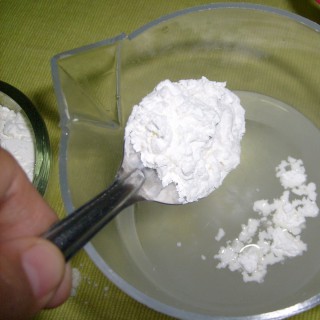
glucose polymer used as energy store in plants
POPULARITY

96 episodes with Starch

12 episodes with Starch

6 episodes with Starch

6 episodes with Starch

5 episodes with Starch

10 episodes with Starch

7 episodes with Starch

5 episodes with Starch

7 episodes with Starch

Peter Wilson returns for another wide-ranging conversation covering the Checkmate the Matrix community updates, the reality of supermarket food and what's actually in your meat, crypto market manipulation, the new UK digital ID employment rules coming into force, why jobs are modern slavery, school violence and narcissistic education environments, targeted censorship across social platforms, underground cities and data centres, frequency and vibration, the Tartarian era, electric car safety risks, and why Skool communities are becoming the infrastructure for sovereign digital enterprise. About Peter Wilson Ex Royal Navy gunner and armourer, turned professional fighter. Owned and ran his own martial arts gym for about 30 years. Always been aware of something not being right in the world, went deep into it after losing over £1 million of property in one week including his own home. Been up and been down, including living in a car for a while with his wife Janine and 4 dogs. Timestamps 0:02 Welcome and intro — the Authority Alliance announcement 1:02 Checkmate the Matrix updates — allotment classroom, growing your own food 5:07 Human resonance spikes and the awakening shift 6:31 Creating a new system rather than fighting the old one 7:44 Supermarket food — the taste difference and what's really in your meat 9:53 Starch injected into chicken and beef — what's draining out in your pan 12:07 McDonald's burger volume — where is the meat actually coming from 14:43 KFC, Subway, and what those products legally qualify as 15:28 Chocolate with virtually zero cocoa — what corporations are replacing it with 17:00 Crypto — Richard Hart's community, four-year cycles, and BlackRock's influence 20:47 Bitcoin, Vanguard, and why the market is manipulated like everything else 22:19 Solar panels, micro-inverters, and powering your home off-grid for £20 a month 23:25 Water collection, distillers, and why turning off the internet changes everything 29:00 Allotment lessons — eggshells, companion planting, and soil quality 34:21 New UK digital ID employment rules — why even self-employed contractors are affected 35:07 Jobs as total slavery — destroying the family unit from 18 months to 18 years 38:28 School bullying, narcissistic environments, and the rise in anxiety and depression 42:09 Staff in nurseries forcing tablets and TV over books and physical activity 43:36 School violence in the 70s and 80s — physical torture normalised 48:56 The AI Income Crew — three businesses you could start within a week 51:46 Prison planet, vibration, and the Tartarian era before modern civilisation 52:48 Churches as healing centres — frequencies, organs, and what was destroyed 58:49 5G rollout during COVID, underground cities, and what data centres are actually for 1:00:16 Underground cities — already built, way bigger than what's above ground 1:04:37 Targeted censorship — YouTube, TikTok, WhatsApp, and StreamYard interference 1:10:26 Roy's censorship experiences — channels removed, emails going to bin 1:15:03 Kicked off TikTok for talking about growing your own food 1:16:16 Electric cars — turning off the bonnet, losing control, fire risks 1:17:14 Self-driving taxis in Austin, Texas — trapped passengers and battery fires 1:20:01 Jaguar breakdown — automatic gears, no neutral override, and what to carry 1:22:45 Skool reviews system — accountability for negative reviewers 1:30:43 Nipping corruption in the bud at every level — Trustpilot and community action 1:34:33 Skool advertising, currencies, affiliate commissions, and why it works How to Contact Peter Wilson
Are all carbohydrates bad? Discover the safest carb in the world that won't spike your blood sugar or insulin. Explore the connection between carbohydrates, blood sugar, and insulin, and what the glycemic index really means.0:00 The safest carbohydrate1:03 Types of carbohydrates 1:38 How carbs affect insulin 2:46 The glycemic index 4:22 What causes high insulin?6:35 The safest carbohydrate in the world7:47 The benefits of non-starchy vegetables

Take care of your microbiome, and it will take care of youDid you know that every meal feeds not only you, but also the trillions of microorganisms living in your digestive tract? Research continues to suggest that the foods we eat directly influence our gut microbiome, which plays an essential role in digestion, metabolism, immune function, inflammation, and inter-organ communication throughout the body. In this quickie episode of the Everyone Dies podcast, we dive into how fiber-rich foods and resistant starch nourish beneficial gut bacteria—and why ultra-processed foods may have the opposite effect. You'll learn why calories from whole foods are handled differently than calories from highly processed foods, how short-chain fatty acids support metabolic health, and practical ways to include more microbiome-friendly foods in your daily meals. Resources and more: https://bit.ly/4wpKel7Plus, as a bonus, we are including a re-release of our deep-dive episode on the microbiome, S5E25: The Important Role of the Microbiome to Your Health and Immune Function!Topics discussed include:What the gut microbiome does and why it matters Why fiber is essential for gut health What resistant starch is and where to find it How ultra-processed foods affect beneficial gut bacteria Simple, daily dietary changes that promote long-term wellness#GutHealth #GutMicrobiome #Fiber #Nutrition #HealthyEating #DigestiveHealth #Wellness #WholeFoods #ResistantStarch #Metabolism #ImmuneHealth #PreventiveHealth #EvidenceBased #HealthPodcast #EveryoneDiesPodcastSupport the show

Today's corn episode I am reminded that my intial question of do I include corn in my logo or not? I made the correct decision. Corn is there - but it's invisible - it helped feed the beef. Because this is the episode where corn changes from an obvious food to one that can be present anywhere. With the advent of industrial milled corn starch we have entered the age when corn is as much chemical ingredient as it is food.So iron your pinafore with starch and sit down to a miander through the past and late 1800's presence of corn in the American Food system.Music Credit: Fingerlympics by Doctor TurtleShow Notes: https://thehistoryofamericanfood.blogspot.com/Email: TheHistoryofAmericanFood at gmail dot comThreads: @THoAFoodInstagram: @THoAFood& some other socials... @THoAFood

Welcome to RealAg Radio with your host Shaun Haney! Today on the show, Haney is joined by Anne Wasko of the Gateway Livestock Exchange, for a Beef Market Update! Also on today’s show, Lyndsey Smith and Kelvin Heppner of RealAgriculture and Marvin Slingerland of MNP join Shaun for the RealAg Issues Panel. 00:00 - Coming... Read More

Welcome to RealAg Radio with your host Shaun Haney! Today on the show, Haney is joined by Anne Wasko of the Gateway Livestock Exchange, for a Beef Market Update! Also on today’s show, Lyndsey Smith and Kelvin Heppner of RealAgriculture and Marvin Slingerland of MNP join Shaun for the RealAg Issues Panel. 00:00 - Coming... Read More

The Long Munch - Nutrition for Runners, Cyclists & Triathletes
Starchy foods like pasta, rice and potatoes are an important part of the diet for most runners, cyclists, and triathletes. But in an era of pre-packaged meals and reheated leftovers, are we really getting in the carbs we think we are? Starch retrogradation is the process when cooked starchy foods cool down again. Does this reduce the availability of those carbs? And can it be reversed by reheating the food? Timestamps: 01:44 - Listener question and background 04:41 - Understanding carbohydrates - sugars and starches 09:00 - Resistant starch 10:04 - What cooking does to starch 14:32 - What happens when starchy foods are cooked then cooled 15:55 - How big is the effect of cooling on digestible carbs? 19:34 - What happens when starchy foods are reheated? 21:07 - Summary 22:03 - Wrap up Fueling Endurance eBook | T -12 Race Nutrition Course | Practitioner Resources The Fueling Endurance eBook contains answers to 49 of the most common nutrition questions that runners, cyclists and triathletes ask, and contains insights, tips, and quotes from experts and athletes. The T -12 self-guided course will help prepare you for your next event, with online tools, guides, information and instructions to take you through the 12 weeks leading up to race day. And the Fueling Endurance Practitioner Membership provides access to online tools and calculators I use all the time when working with endurance and ultraendurance athletes. This includes working out the carbohydrate needs for runners (road and trail) and cyclists for different types of training sessions. For more into on each of these, check out fuelingendurance.com.

This week, we discuss the hantavirus outbreak on the MV Hondius. What are we beginning to learn? Plus, how potatoes were the driving force for advantageous gene selection in the Indigenous Andean population, the salmon being exposed to cocaine in polluted rivers, and what newly discovered molecules are teaching us about ancient life on Mars... Like this podcast? Please help us by supporting the Naked Scientists
You might think these foods are healthy, but they're actually some of the worst foods for your metabolism. Discover the 7 foods that slow your metabolism, stifle weight loss, and contribute to insulin resistance.
Welcome back to our weekend Cabral HouseCall shows! This is where we answer our community's wellness, weight loss, and anti-aging questions to help people get back on track! Check out today's questions: Brenda: My adult son is very interested in purchasing the GLP-1 Tone. Unfortunately he cannot swallow pills very well especially capsules. Can these capsules be opened up and put in water and still be effective? Stephanie: Hi Dr Cabral! I am currently on a certain medication (plaquenil) for my autoimmune that I would like to eventually come off of. I really want to do the limited cbo protocol which I tested for with a health coach about a year ago but wasn't able to do the protocol right yet. Since I am on this medication right now, I am unable to do the citracidal drops due to the grapefruit. How else would you recommend me doing the limited cbo? Are there other alternatives to GSE that I can do to try and heal my gut and get one more step closer to putting my autoimmune in remission and getting off this medication? Thank you for all your help, long time listener Tricia: Hi Dr. Cabral - I love starting my day, 7 days a week with you! Please work forever :). You are so helpful. This is regarding Podcast 3693 when you spoke about the 2 nutrients needed for cancer defense (p53). My question is about melatonin. I sleep fairly well for a 56-year-old post-menopausal woman. How much melatonin should I start with and can you mention the risks? I know not all supplements are good for everyone. I have heard wonderful things about melatonin and cancer. On the downside I read if you take melatonin your body will stop producing it faster on its own. Is that true? Should I wait until I'm 70 to start? I'm going to start adrenal soothe too. I feel at my age without the balance of estrogen & progesterone we need more adrenal support. Any advice is appreciated. Darren: Good day Dr Cabral. I'm seeing an increase of naturopaths saying a teaspoon of unmodified potato starch nightly leads to increase butyrate which then improves intestinal barrier integrity, lowers inflammatory signaling, enhances insulin responsiveness, and influences metabolic and immune pathways throughout the body. They say the resistant starch consumption improves glucose metabolism, reduces inflammatory markers, supports beneficial microbiome diversity, and contributes to better metabolic health. Taking it nightly further supports these effects by aligning gut bacterial activity with the body's natural overnight repair processes, including lower insulin levels, increased growth hormone release, and reduced cortisol activity. Do you agree or is it hogwash? Darren: Hey, Dr. Cabral. Me again. I've seeing several renowned biohackers and trainers say it's a falsehood that once you start TRT, you've to continue using it for life. They say if you happen to be the 1% of men over 35 who TRT is not for (for exceedingly rare reasons), you can simply desist, and within a few (2) months, your body will have returned to its natural testosterone production levels pre-treatment. Some basic precautions while you are experimenting with TRT will help you recover quicker should you choose to stop your treatment, but even then, those who do the sloppiest TRT recover quite quickly even if they don't use a traditional PCT (Post-Cycle Therapy). Is this based on new info or is it also hogwash? Thank you for tuning into today's Cabral HouseCall and be sure to check back tomorrow where we answer more of our community's questions! - - - Show Notes and Resources: StephenCabral.com/3732 - - - Get a FREE Copy of Dr. Cabral's Book: The Rain Barrel Effect - - - Join the Community & Get Your Questions Answered: CabralSupportGroup.com - - - Dr. Cabral's Most Popular At-Home Lab Tests: > Complete Minerals & Metals Test (Test for mineral imbalances & heavy metal toxicity) - - - > Complete Candida, Metabolic & Vitamins Test (Test for 75 biomarkers including yeast & bacterial gut overgrowth, as well as vitamin levels) - - - > Complete Stress, Mood & Metabolism Test (Discover your complete thyroid, adrenal, hormone, vitamin D & insulin levels) - - - > Complete Food Sensitivity Test (Find out your hidden food sensitivities) - - - > Complete Omega-3 & Inflammation Test (Discover your levels of inflammation related to your omega-6 to omega-3 levels) - - - Get Your Question Answered On An Upcoming HouseCall: StephenCabral.com/askcabral - - - Would You Take 30 Seconds To Rate & Review The Cabral Concept? The best way to help me spread our mission of true natural health is to pass on the good word, and I read and appreciate every review!

In this episode, Bryan & Peter take on a big question - does carbohydrate loading actually work in performance horses, or is it a myth borrowed from human sport?They break down how horses digest starch, what volume is the limit in the small intestine, and what really happens when you try to “load up” on grain before work. If your horse feels flat one day and explosive the next, this episode explains why and how to fix it by feeding in line with physiology.

News; birthdays/events; where do you do your best thinking?; word of the day. News; "what's the deal "with cockatiels and disco?!?!; game: Jack Nicholson trivia; Earth Day...what can you do to make our planet better? News; list of things you just can't look cool doing (but we've all had to do these things); game: Blues Brothers trivia; we talked about the car with a toilet...but how about these actual car inventions? News; is there something you buy everyday?; game: 80's lyrics read by Brad; goodbye/fun facts....national jelly bean day. We're all for cutting back on sugar — but let's start tomorrow. They are basically made with Sugar, Corn syrup, and Starch. Gustav Goelitz came to the United States in 1866 from Germany and in 1869 started the confectionery business. One of the products they made were jelly beans...Boston confectioner William Schrafft made them popular during the Civil War. By the 1930s, jelly beans became closely associated with the Easter holiday thanks to their egg-like shape...so they were only avaible then...however confectioners make jelly beans available all year long now. The 40th President of the United States, Ronald Reagan, started eating them when he quit smoking and enjoyed the Goelitz jelly beans so much that they were present at his inauguration....but those were just regular flavored mini jelly beans. In 1976, David Klein, a candy and nut distributor, collaborated with Goelitz's company to develop a jelly bean using natural flavoring. Using the Mini Jelly Bean concept, the Jelly Belly jelly bean was created.

It's been a dramatic tournament so far, but we have a conclusion in sight! Mike, MC and Rambo finish up this year's Bracket affectionately called “Starch Madness!” Which starchy, often-fried food will reign supreme? Tune in to find out!

Mike, MC and Rambo have another tournament of 64 for our March tradition! This time around: fried, starchy foods! The trio decide which fried foods are king in the first round of this bracket.
It's been a dramatic tournament so far, but we have a conclusion in sight! Mike, MC and Rambo finish up this year's Bracket affectionately called “Starch Madness!” Which starchy, often-fried food will reign supreme? Tune in to find out!

While most of the sports-loving world is paying attention to their basketball brackets, the folks at Serious Eats spend this time of the year pitting carbohydrates against each other in a contest they call "Starch Madness." And this year's bracket might be the most controversial yet: baked goods. Daniel Gritzer, editorial director for Serious Eats, talks about the competition, and listeners call in to defend their favorite baked sweet. Photo by K.C. Alfred/ The San Diego Union-Tribune via Getty Images
Mike, MC and Rambo have another tournament of 64 for our March tradition! This time around: fried, starchy foods! The trio decide which fried foods are king in the first round of this bracket.

Dr. Rhonda Patrick, PhD, is a biomedical scientist and public science educator. She shares the exercise, nutrition, supplementation and lifestyle practices linked to better health and lower disease risk including specific cardio and resistance training routines, when and why to do intermittent fasting, ways to lower visceral fat, omega-3 sourcing, creatine for brain and muscle and peptides such as BPC-157. It's broad and thorough coverage of how to build a total health program tailored to your goals and individual biology. Read the show notes at hubermanlab.com. Thank you to our sponsors AG1: https://drinkag1.com/huberman Our Place: https://fromourplace.com/huberman Lingo: https://hellolingo.com/huberman LMNT: https://drinklmnt.com/huberman Function: https://functionhealth.com/huberman Mateina: https://drinkmateina.com/huberman Timestamps 00:00:00 Rhonda Patrick (00:02:40) Competition, Jumping Rope, Rope Flow (00:06:49) Rhonda's Exercise Routine, Cardiovascular & Resistance Training (00:12:30) Cognitive & Physical Benefits of Exercise, Serotonin & Impulse Control (00:14:40) Sponsors: Our Place & Lingo (00:17:03) Phones While Training? (00:18:45) Rhonda's Strength Training, Low-Reps, Modifications, Mental Resilience (00:27:00) Daily Protein Intake, Intermittent Fasting, Processed Carbohydrates (00:33:32) Lipopolysaccharide (LPS); Gut Permeability, Gluten; Cardiovascular Health (00:42:58) Sponsor: AG1 (00:44:21) Tight Junctions, Gut, Neuroinflammation (00:47:26) L-glutamine, Immune System, Cancer Risk (00:54:55) N-acetylcysteine (NAC), Vitamin E; Antioxidant Balance, Reductive Stress (01:00:08) Starch, Tool: Bedtime Fast & Cardiovascular Health (01:03:36) Cortisol, Intermittent Fasting Benefits (01:08:09) Cortisol, Train Fasted?; Hormones, Visceral Fat (01:13:35) Visceral Fat, Perimenopause/Menopause, Insulin Resistance in Brain & Body (01:21:13) Sponsor: LMNT (01:22:33) Cortisol & Sleep (01:25:42) Intermittent Fasting, Metabolic Switch, Ketones, Muscle Loss? (01:36:47) Tools: Logic-Based Habits; Daily Metabolic Switch; Exercise, Autophagy (01:45:06) Exercise After Poor Sleep?; Training Breaks (01:52:47) Tool: "Exercise Snacks"; Sedentary Lifestyle & Cardiorespiratory Fitness (02:03:31) Sponsor: Function (02:05:16) Creatine, Dose, Resistance Training, Cognitive Function (02:17:43) Biology; Creatine; Supplement Safety (02:25:18) Omega-3s, Inflammation, Cancer Risk, Vitamin D; Trans Fat (02:36:52) Magnesium Threonate vs Bisglycinate, Sleep, Cognitive Benefit; Vitamin D (02:45:46) Supplement Types, Multivitamin, Coenzyme Q10, Urolithin A, Sulforaphane (02:55:10) Microplastics (02:57:26) Sponsor: Mateina (02:58:28) BPC-157, NMN, NR, Tool: Evaluating Supplements, Safety, Sources (03:06:28) L-Carnitine, Alpha-GPC, Nicotine, GABA & Ketogenic Diet (03:15:20) Nattokinase; Microplastics, Water Bottles; Seed Oils (03:22:21) Sauna, Creatine for Kids?, Bananas, Tool: Evaluating Studies (03:28:37) Zero-Cost Support, YouTube, Spotify & Apple Follow, Reviews & Feedback, Sponsors, Protocols Book, Social Media, Neural Network Newsletter Disclaimer & Disclosures Learn more about your ad choices. Visit megaphone.fm/adchoices

Could an enzyme deficiency explain why you have food intolerances causing bloating, loose bowels, reflux, brain fog, joint pain, skin issues, and more? Namely, sucrase isomaltase. This enzyme, known as the sucrase-isomaltase enzyme, may be deficient in many people dealing with chronic GI issues. One study found that 8% of people were at an increased genetic risk for this deficiency (https://jpedres.org/articles/frequency-of-congenital-sucrase-isomaltase-deficiency-by-whole-exome-sequencing-is-it-really-rare/doi/jpr.galenos.2024.65625?utm_). Another study found that 25% with chronic GI symptoms had issues breaking down sucrose (https://pubmed.ncbi.nlm.nih.gov/36304608/). Thankfully, a diet exists for this which has been studied and shown to be very effective. In fact, it's been shown to be as or even more effective than some of the best diets we currently have for improving gut health – therefore maybe the best diet for gut health? Let's break down what this enzyme deficiency is, what the diet is, SSRD, and how this diet applies and can be helpful even for those with underlying fungal or bacterial overgrowth and leaky gut.

You have probably seen “net carbs” on food labels or heard the term in low carb and keto spaces. But what does it actually mean, and does it matter? In this episode, we break down what carbohydrates are, how net carbs are calculated, where the concept came from, and why it is not formally recognized in nutrition science. We also discuss blood sugar, fiber, sugar alcohols, food marketing, and what matters more than chasing a net carb number. If you have ever wondered whether net carbs are helpful or just another diet trend, this episode will give you the clarity you need. Listen: Episode 229 Fiber 101: Soluble, Insoluble, Functional Fiber and Resistant Starch Listen: Episode 228 What Are Carbohydrates? Fiber, Starch, and Sugar Explained Read more: What Are Net Carbs and Do They Actually Matter? Learn more or contact me: ShelleyRael.com Schedule a complimentary 30-minute introductory call today to discover how I can help you achieve your health and wellness goals. Enroll in the Mini Course: 6 Tips for the Busy Person to Have Sustainable Energy: All-Day Energy Through Food AND Companion Workbook

In this part 1 episode of the Poultry Nutrition Blackbelt Podcast, Dr. Oluyinka Olukosi, Associate Professor at the University of Georgia, explains how resistant starch functions as a nutritional strategy to support poultry gut health. He outlines starch digestion, fermentation benefits, feed processing effects, and practical inclusion levels. Listen now on all major platforms!“Pelleting does not completely eliminate starch resistance, because measurable amounts of resistant starch remain present in finished poultry diets.”Meet the guest: Dr. Oluyinka Olukosi is an Associate Professor at the University of Georgia, specializing in poultry nutrition and nutrient utilization. He serves as Editor in Chief of British Poultry Science and Section Editor for Poultry Science and the Journal of the Science of Food and Agriculture. His research focuses on functional feed components and gut health. Click here to read the full research article:The interactivity of sources and dietary levels of resistant starches – impact on growth performance, starch, and nutrient digestibility, digesta oligosaccharides profile, cecal microbial metabolites, and indicators of gut health in broiler chickensDietary inclusion of raw potato or high-amylose-corn resistant starches fed for different durations: impact on phenotypic responses and indicators of gut health of broiler chickensLiked this one? Don't stop now — Here's what we think you'll love!What you'll learn:(00:00) Highlight(01:20) Introduction(02:32) Fermentation importance(04:44) Starch classification(06:40) Heat processing(09:23) Practical inclusion(12:43) Commercial use(14:24) Final QuestionsThe Poultry Nutrition Blackbelt Podcast is trusted and supported by innovative companies like:* Fortiva* Kemin- Poultry Science Association- DietForge- Anitox
Fiber is often oversimplified as something that “keeps you regular.” In reality, it plays a far more complex role in digestive health, blood glucose regulation, cholesterol management, gut microbiome diversity, and long term disease risk. In this episode, the discussion continues the carbohydrate series by breaking down the different types of fiber, including soluble fiber, insoluble fiber, functional fiber, and resistant starch. The episode also connects fiber recommendations to the Dietary Guidelines and explains why the source of carbohydrate matters. Listen: Episode 228 What Are Carbohydrates? Fiber, Starch, and Sugar Explained Read more: Fiber 101: Soluble, Insoluble, Functional Fiber, and Resistant Starch Learn more or contact me: ShelleyRael.com Schedule a complimentary 30-minute introductory call today to discover how I can help you achieve your health and wellness goals. Enroll in the Mini Course: 6 Tips for the Busy Person to Have Sustainable Energy: All-Day Energy Through Food AND Companion Workbook
Carbohydrates are among the most debated nutrients in modern nutrition discussions. In this episode, fiber, starch, and sugar are clearly explained, along with how they function in the body and why they remain misunderstood. This episode builds on the recent carbohydrate blog series and connects to the ongoing discussion about the 2025 to 2030 Dietary Guidelines. It also sets the stage for upcoming episodes that will explore carbohydrates in greater depth. If you have ever wondered what carbohydrates actually are and why they matter, this episode provides context without oversimplifying the science. Read more: What Are Carbohydrates? Fiber, Starch, and Sugar Explained Learn more or contact me: ShelleyRael.com Schedule a complimentary 30-minute introductory call today to discover how I can help you achieve your health and wellness goals. Enroll in the Mini Course: 6 Tips for the Busy Person to Have Sustainable Energy: All-Day Energy Through Food AND Companion Workbook
Add these 7 zero-sugar foods to your diet today to counter the effects of sugar. These healthy foods will not spike insulin and can help stabilize your blood sugar. Discover the healthiest foods with no sugar and no carbs!

On Tap: Burrito justice, last meals, Starch retrogradation and restaurant revenge.The closing tune is performed by Allison Bishop - find her at https://www.allisonbishopmusic.com/ Hosted on Acast. See acast.com/privacy for more information.

Happy Longnight! Today is the December Solstice, and to celebrate we're reviewing a very special holiday episode of 2007 sitcom Cavemen, based on the popular Geico insurance commercials. Everyone is invited, whether we like them or not, so grab a slice of forager's pie and a glass of Beef Fizz and settle in to listen to your favourite palaeo researchers trying to explain basic astronomy. To the cow!LinksWatch Cavemen S01E09 Caveman Holiday on YouTubeListen to our review of Cavemen S01E01Neanderthal dietWeyrich et al. (2017). Neanderthal behaviour, diet, and disease inferred from ancient DNA in dental calculusRichards and Trinkaus (2009). Isotopic evidence for the diets of European Neanderthals and early modern humansBeasley et al. (2025). Neanderthals, hypercarnivores, and maggots: Insights from stable nitrogen isotopesFellows Yates et al. (2021). The evolution and changing ecology of the African hominid oral microbiomeAdler et al. (2017). Evolution of the Oral Microbiome and Dental CariesPhytolithsChinique de Armas et al. (2015). Starch analysis and isotopic evidence of consumption of cultigens among fisher–gatherers in Cuba: the archaeological site of Canímar Abajo, MatanzasSolsticeAnalemmaCrazy Ancient Greek planet mathThe Antikythera Mechanism – Pseudoarchaeology PodcastBeef fizzContactWebsiteBlueskyFacebookLetterboxdEmailArchPodNetAPN Website: https://www.archpodnet.comAPN on Facebook: https://www.facebook.com/archpodnetAPN on Twitter: https://www.twitter.com/archpodnetAPN on Instagram: https://www.instagram.com/archpodnetAPN StoreAffiliatesMotion Hosted by Simplecast, an AdsWizz company. See pcm.adswizz.com for information about our collection and use of personal data for advertising.
In this episode of The Poultry Nutrition Blackbelt Podcast, Dr. Vivian Vieira from the University of Alberta discusses how ingredient quality directly affects poultry nutrition outcomes. The conversation focuses on the quality control of feedstuff ingredients, emphasizing grain hardness, processing effects, and nutrient utilization. Practical insights highlight how nutritionists can better interpret ingredient differences across regions. Listen now on all major platforms."It is important to look beyond the usual parameters like starch content and energy to understand intrinsic characteristics of the kernel."Meet the guest: Dr. Vivian Vieira is a Postdoctoral Fellow in the Department of Agricultural, Food and Nutritional Science at the University of Alberta. She earned her MSc and PhD in Animal Science at the Federal University of Paraná, with a focus on poultry nutrition. Her research explores ingredient quality, processing effects, and nutritional variability in poultry diets. Liked this one? Don't stop now — Here's what we think you'll love!What you'll learn:(00:00) Highlight(01:10) Introduction(02:10) Ingredient variability(04:35) Grain hardness(06:40) Starch utilization(07:22) Soybean meal quality(10:00) Quick tests insights(12:16) Closing thoughtsThe Poultry Nutrition Blackbelt Podcast is trusted and supported by innovative companies like:* Fortiva- BASF- Barentz- Anitox- Kemin- Poultry Science Association
This episode features Dr. Glen Broderick and Dr. May Beth Hall, speakers at the 2025 ADSA Ruminant Nutrition Symposium: Anomalies in Analyzed Nutrient Composition of Feedstuffs.Dr. Broderick's presentation was titled “Protein analysis methodology.” The high points of his talk include recommendations for nitrogen analysis in feeds, potential improvements in determining protein degradability and undegradability in the rumen, and near-infrared spectroscopy (NIR) analysis of amino acid composition of feedstuffs. (7:57)Dr. Hall's presentation was titled “Success and continuing challenges in analyzing nonfiber carbohydrates.” She gives some history of the analysis of non-fiber carbohydrates and talks about starch assays and how water-soluble carbohydrates are not solely composed of sugars. She also explains how microbes make decisions on which substrates to ferment and which to store for later. (12:47)The panelists talk about challenges in obtaining real-time nutrient analyses in order to make ration changes. They recommend using rolling averages rather than a single sample and using milk urea nitrogen as a way to evaluate if something is not quite right with a ration. (21:17)Dr. Broderick notes he recommends that scientists no longer use the Kjeldahl method of nitrogen analysis, that we look for new or alternative methodology other than in situ digestibility to determine protein degradability, and that NIR analysis of amino acids be used to make ration decisions when calibrated for the feedstuff under consideration. (27:10)Dr. Hall recommends using the appropriate carbohydrate standard when measuring water-soluble carbohydrates: sucrose for fresh forages, fructose for cool-season grasses with high fructan content, etc. She also notes that some feeds, like bakery waste or amylase-modified grain, contain soluble starch, which shows up in both the starch category and the water-soluble category in a feed analysis, essentially double-dipping. Lastly, she suggests that nonfiber carbohydrates remain a bit of a nutritional black box and we continue to learn more with improved technology. (29:36)Panelists share their take-home thoughts. (43:31)Please subscribe and share with your industry friends to invite more people to join us at the Real Science Exchange virtual pub table. If you want one of our Real Science Exchange t-shirts, screenshot your rating, review, or subscription, and email a picture to anh.marketing@balchem.com. Include your size and mailing address, and we'll mail you a shirt.

In this special rerun episode of The Dairy Nutrition Blackbelt Podcast, Dr. Jeff Firkins from The Ohio State University explores how nutrient interactions influence fiber degradation in dairy cows. He explains the balance between starch and fiber digestion, the role of rumen pH, and the impact of feed additives on maintaining optimal rumen health. Learn how to maximize fiber utilization and improve energy efficiency in dairy diets. Listen now on all major platforms!"Positive and negative associative effects determine whether nutrients enhance or inhibit fiber degradation, directly influencing rumen function and energy utilization."Meet the guest: Dr. Jeff Firkins is a Professor at The Ohio State University. After earning his Ph.D. and completing a postdoc at the University of Illinois, he joined OSU, advancing to Professor. His research focuses on rumen fermentation, nutrient efficiency, and microbial interactions affecting fiber utilization in dairy cattle. With over 160 journal articles and 200 invited presentations, Dr. Firkins continues to guide advancements in dairy nutrition. Liked this one? Don't stop now — Here's what we think you'll love!What will you learn: (00:00) Highlight(01:19) Introduction(01:54) Guest background(02:44) Fiber degradation(04:49) Soluble carbohydrates(06:39) Starch in dairy diets(09:08) Feed additives(12:09) Closing thoughtsThe Dairy Nutrition Blackbelt Podcast is trusted and supported by the innovative companies:* Adisseo* Priority IAC* Fortiva- Virtus Nutrition- Kemin
In this episode, we showcase student research at the 2025 ADSA Annual Meeting in Louisville, Kentucky. Abstracts can be found here: ADSA 2025 Annual MeetingAbstract 2186: Effects of feeding alternative forage silages on early lactation performance and gas production in multiparous Holstein cows. (00:15)Guests: Barbara Dittrich and Dr. Heather White, University of Wisconsin-MadisonCo-Host: Dr. Clay Zimmerman, BalchemBarbara substituted rye silage, triticale silage, rye-camelina-hairy vetch silage, and triticale-camalina-hairy vetch silage to replace 10% of the alfalfa silage in the control diet for her experimental diets. Dry matter intake and gas production were similar across diets. Average milk yield was higher in the rye mix silage group compared to the triticale mix silage group, but no treatment was different than the control. Abstract 1602: Optimizing starch concentrations in low-forage diets. (11:22)Guests: Irie Moussiaux and Dr. Kirby Krogstad, Ohio State UniversityCo-host: Dr. Jeff Elliott, BalchemIrie investigated different levels of starch in a low-forage diet (12.5% NDF) by replacing soybean hulls with corn to yield 20%, 25%, or 30% starch. Dry matter intake and milk production were the same for all three starch concentrations; however, the low starch diet had the highest milk fat yield and energy-corrected milk yield. Abstract 2183: Effects of partial replacement of corn and oat silages with extracted stevia plant on production, behavior, and digestibility in dairy cows. (17:05)Guests: Mariana Marino and Dr. Jose Santos, University of FloridaCo-host: Dr. Clay Zimmerman, BalchemMariana fed stevia plant byproduct as a replacement for corn and oat silage in lactating cow diets. All diets had 40% grain and 60% forage. Stevia byproduct was included at 0, 25%, or 40% of diet dry matter. The byproduct is of very fine particle size and is relatively high in lignin. This resulted in higher dry matter intake, but lower milk production for the highest stevia diet. Abstract 2472: Evaluating feed sorting behavior and TMR composition in roughage intake control feeding systems. (26:38)Guests: Sophia Green and Dr. Heather White, University of Wisconsin-MadisonCo-host: Dr. Ryan Pralle, BalchemSophia evaluated feed sorting in a research intake control feeding system (RIC bins). Feed sorting primarily occurred in the last 12 hours of the feed day, and particle size was smaller at the end of the day than earlier. Compared to fresh feed at hour zero, the chemical composition of the diet did not change throughout the feed day. RIC bins did not introduce additional variance in nutrient consumption. Abstract 1603: Assessing an ex vivo assay with gastrointestinal tissue sections to investigate mucosal immune responses in dairy calves. (35:24)Guests: Paiton McDonald and Dr. Barry Bradford, Michigan State UniversityPaiton challenged explants from the ileum and mid-jejunum in the lab with rotavirus or E. coli compared to a control. Pathogen stimulation increased mRNA abundance of TNF and IL6 above control. Ileal sections secreted more cytokines than jejunal sections. Abstract 1466: The short-term effect of increasing doses of palmitic and stearic acid on plasma fatty acid concentration and mammary arteriovenous difference in Holstein cows. (40:17)Guests: Alanna Staffin and Dr. Kevin Harvatine, Penn State UniversityCo-host: Dr. Jeff Elliott, BalchemAlanna fed mid-lactation cows 0, 150, 300, 500, or 750 grams of palmitic acid, stearic acid, or no supplement control. Palmitic acid increased milk fat yield at lower doses compared to stearic acid. Alanna found that the mammary gland increases its arteriovenous (AV) difference and uptake of palmitic acid when higher concentrations are provided, but AV difference and uptake of stearic acid did not change. Abstract 2006: Does hay improve performance in pair-housed dairy calves? (50:00)Guests: Gillian Plaugher and Dr. Melissa Cantor, Penn State UniversityGillian fed pelleted hay to pair-housed dairy calves along with milk replacer and calf starter. Control calves received milk replacer and calf starter only. Hay-fed pairs grew faster than controls after day 21 and were heavier at day 70. Hay feeding did not impact calf starter DMI or feed efficiency. Abstract 1463: Dietary metabolizable protein and palmitic and oleic acids affect milk production in early lactation dairy cows. (1:02:03)Guests: Jair Parales-Giron and Dr. Adam Lock, Michigan State UniversityCo-host: Dr. Clay ZimmermanJair fed two different levels of metabolizable protein and 3 different levels of supplemental fatty acids from 1 to 22 days in milk followed by a common diet to evaluate carryover effects to day 50. Metabolizable protein and fatty acid supplementation had additive effects on milk production. Cows fed the highest dose of both metabolizable protein and fatty acids produced 8.9 kg more energy-corrected milk per day compared to the low metabolizable protein diet without fatty acid supplementation.
These dangerous food additives are designed to get you hooked! Find out about the hidden toxins in your diet that could be taking a serious toll on your health. Avoid these ingredients by any means necessary!0:00 Introduction: The most dangerous ingredients in the world0:23 Why are these toxic ingredients so addictive?3:06 10 deadly ingredients in processed food 6:00 Seed oils and your health12:05 Download the Dr. Berg app! How do they turn cheap, toxic ingredients into a highly addictive food? The worst food ingredients often have the following components:•Devoid of protein•Create a blood sugar spike•Artificial flavorings•MSG•Manipulated texture •Good mouth feel•Bliss point •Signals the release of dopamine •Pleasure when eating Avoid the following toxic ingredients, often found in ultra-processed foods.1. Trans fatsSome foods still contain trans fats. This ingredient is even worse when combined with refined carbohydrates. 2. High fructose corn syrup This synthetic sugar goes straight to the liver, contributing to a fatty liver and insulin resistance. Sweet drinks made with alcohol cause significant liver damage and affect the brain, nervous system, and heart. Seed oils exacerbate this problem. 3. Sodium nitrate This is a preservative found in bacon and hot dogs, and it becomes increasingly toxic when heated.4. Fried potatoes/burnt toastAdding heat to a starch creates toxic byproducts such as aldehydes and acrylamide. These toxic ingredients cause inflammation in the body. Starch or sugar combined with protein creates AGEs, harmful byproducts that damage your arteries, eyes, kidneys, and brain. 5. Artificial sweeteners Artificial sweeteners have a toxic effect on the body, especially the microbiome. 6. Glyphosate Glyphosate is patented as an antibiotic and classified by the WHO as a probable carcinogen.7. MSGMonosodium glutamate affects the hypothalamus in rats, causing them to overeat and become obese. This ingredient can make low-quality food taste better than it really is. 8. Phosphate This stimulant can contribute to arterial calcification, especially if you don't have enough vitamin K2. 9. Potassium bromateThis ingredient is a bread conditioner and is classified as a probable carcinogen. 10. Synthetic flavoringThe ingredient “flavoring” consists of hundreds of chemicals used to manipulate your sense of taste. Chronic consumption of artificial flavors can dull your appetite for real food. Dr. Eric Berg DC Bio:Dr. Berg, age 60, is a chiropractor who specializes in Healthy Ketosis & Intermittent Fasting. He is the Director of Dr. Berg Nutritionals and author of the best-selling book The Healthy Keto Plan. He no longer practices, but focuses on health education through social media.Disclaimer: Dr. Eric Berg received his Doctor of Chiropractic degree from Palmer College of Chiropractic in 1988. His use of “doctor” or “Dr.” in relation to himself solely refers to that degree. Dr. Berg is a licensed chiropractor in Virginia, California, and Louisiana, but he no longer practices chiropractic in any state and does not see patients, so he can focus on educating people as a full-time activity, yet he maintains an active license. This video is for general informational purposes only. It should not be used to self-diagnose, and it is not a substitute for a medical exam, cure, treatment, diagnosis, prescription, or recommendation. It does not create a doctor-patient relationship between Dr. Berg and you. You should not make any change in your health regimen or diet before first consulting a physician and obtaining a medical exam, diagnosis, and recommendation. Always seek the advice of a physician or other qualified health provider with any questions you may have regarding a medical condition.Thanks for watching! I hope you'll avoid these dangerous food ingredients. I'll see you in the next video.
You could be consuming the world's most dangerous carbohydrate without even realizing it. This hidden carb spikes your blood sugar, even more than actual sugar. Find out about the #1 most dangerous carb in this video. 0:00 Introduction: The #1 most dangerous carb in the world1:58 What is the worst carbohydrate? 2:20 What is starch? 5:20 Refined carbohydrates and chronic disease 6:08 Hidden sugar foods8:31 Food vs. ultra-processed foods It's no secret that ultra-processed carbs can take a serious toll on your health. Consuming this dangerous carbohydrate can have the following side effects:•Development of type 2 diabetes and a fatty liver•Insulin resistance•Visceral fat•Feeds pathogens in the gut •Inflammation•Increased LDL cholesterolProducts containing this ingredient can be marketed as zero sugar, even though it quickly turns to sugar in the blood. It's incredibly cheap, at about 20 cents per pound, and has no health benefits. It's used as a filler, and the average person consumes between 60 and 250 pounds per year.You can find this ingredient in gluten-free foods, baby formulas, baked goods, and other refined foods. Surprisingly, many athletes also consume this product. The carb we're talking about is industrial starch, such as modified food starch, corn starch, and maltodextrin. Starch is a string of glucose molecules. When a starch is modified in a lab, its bonds become very weak and fragile, causing it to turn into sugar very quickly in the body. Industrial starches are processed with chemicals such as sodium trimetaphosphate, vinyl acetate, bleach, and octenyl succinic anhydride. These chemicals are considered GRAS (generally recognized as safe), but they are self-regulated. Industrial starches are directly responsible for the complications associated with type 2 diabetes, Alzheimer's, brain plaquing, and fibrosis of the liver. People rarely consume starch alone. Most junk foods are composed of starches, seed oils, and sugar. Consuming starch with seed oils is a deadly combination! Hidden sugars are also consumed in much higher quantities than actual sugar. Food is defined as “that which is eaten to sustain life, to promote the growth and repair of tissues.” By this definition, starch is not food!Dr. Eric Berg DC Bio:Dr. Berg, age 60, is a chiropractor who specializes in Healthy Ketosis & Intermittent Fasting. He is the Director of Dr. Berg Nutritionals and author of the best-selling book The Healthy Keto Plan. He no longer practices, but focuses on health education through social media.Disclaimer: Dr. Eric Berg received his Doctor of Chiropractic degree from Palmer College of Chiropractic in 1988. His use of “doctor” or “Dr.” in relation to himself solely refers to that degree. Dr. Berg is a licensed chiropractor in Virginia, California, and Louisiana, but he no longer practices chiropractic in any state and does not see patients, so he can focus on educating people as a full-time activity, yet he maintains an active license. This video is for general informational purposes only. It should not be used to self-diagnose, and it is not a substitute for a medical exam, cure, treatment, diagnosis, prescription, or recommendation. It does not create a doctor-patient relationship between Dr. Berg and you. You should not make any change in your health regimen or diet before first consulting a physician and obtaining a medical exam, diagnosis, and recommendation. Always seek the advice of a physician or other qualified health provider with any questions you may have regarding a medical condition.

Enjoy this [UNLOCKED] episode of The Sloppy Boys Blowout, our weekly bonus episode available to Patreon subscribers. The guys determine the best food item that is like a meat or protein type thing surrounded by a cheaper foodstuff, like a dough, for example.Visit patreon.com/thesloppyboys for more! Hosted on Acast. See acast.com/privacy for more information.

In this episode of The Dairy Podcast Show, Dr. Patrick French, Principal Consultant and Founder of PF Bovidae, discusses the use of sorghum silage as a forage source for milk cows in the High Plains. He highlights the benefits of sorghum, such as water conservation and land efficiency. Dr. French also addresses the challenges and key considerations when feeding sorghum silage, outlining the research gaps that remain in understanding its full potential for dairy nutrition. Tune in on all major platforms!"The dairies in the High Plains are exploring sorghum not just for water conservation but for its potential to support sustainable dairy production."Meet the guest: Dr. Patrick French is the Principal Consultant and Founder of PF Bovidae, focusing on consulting for dairies in the High Plains region. With over a decade of experience, his work centers on enhancing dairy operations by introducing sustainable practices, such as the use of sorghum silage as a cost-effective and water-efficient forage alternative.Liked this one? Don't stop now — Here's what we think you'll love!Dr. Michael Hutjens: Buffer Benefits for Dairy Cows | Ep. 58Dr. Michael Steele: Colostrum Feeding Strategies | Ep. 104Dr. Miguel Morales: Transition Cows & Calcium Balance | Ep. 126What you'll learn:(00:00) Highlight(01:12) Introduction(03:47) High Plains dairies(05:02) Sorghum silage(08:17) Practical sorghum applications(13:02) Starch content in sorghum(21:32) Advice for nutritionists(24:42) Final three questionsThe Dairy Podcast Show is trusted and supported by innovative companies like: Protekta* Afimilk* Evonik* Priority IAC* Adisseo- ICC- AHV- dsm-firmenich- Berg + Schmidt- Natural Biologics- SmaXtec
This episode was recorded in Reno, Nevada, during the 2025 Western Dairy Management Conference.Dr. Hutjens' presentation focused on herds producing seven pounds of milk fat and milk protein per cow per day, and the genetics, on-farm management and nutrition to make that happen. The panel discusses where components could top out, how added dietary fat has influenced components and the importance of high quality forage to de novo fat synthesis. (4:09)The panel explores how well nutritionists are keeping up with rapid genetic change in milk component production and how farmers respond to recommendations for things like rumen-protected fatty acids and supplemental fat. Dr. Nelson shares some of the unique challenges and opportunities faced by the California dairy producers he works with. (11:56)Dr. Hutjens gives some benchmark values for energy and protein efficiency. The panel debates the merit of energy-corrected milk per stall as an efficiency measure, with the consensus being it might lead to crowding, which would then probably decrease milk and component production due to decreasing cow comfort. The group also discusses selecting for feed efficiency and the heritability of feed efficiency. (16:33)The panel dives into the topic of feed ingredients. High-oleic soybeans and high quality forages are a focus in some parts of the country. Dr. Nelson discusses non-forage fiber sources available in the California market, such as citrus, plums, apples and carrots. The group talks more about how high-sugar byproducts influence rumen fermentation, which is different from starch, as well as benefits in palatability, digestibility and intake. (21:03)Dr. Hutjens talks about benchmarks for milk components and different strategies for increasing component production. Rumen-protected amino acids, purchased fats, roasted high-oleic soybeans and urea are discussed. The group also talks about what might happen if milk processors start asking for less milk fat, for example. Dr. Hutjens talks about how nutritionists can help balance rations to yield different results for different markets. (33:04)Panelists share their take-home thoughts. (40:33)Please subscribe and share with your industry friends to invite more people to join us at the Real Science Exchange virtual pub table. If you want one of our Real Science Exchange t-shirts, screenshot your rating, review, or subscription, and email a picture to anh.marketing@balchem.com. Include your size and mailing address, and we'll mail you a shirt.

1 - Will the left ever give it a rest on the trans issues? CHOP won't give up gender affirming care for minors, and this school board in California smugly looks on as constituents voice their opposition to their new rules. 115 - Dan's side answer. 120 - Is it egregious for a restaurant to not offer a baked potato as one of its starches? Your calls. 140 - Your calls to kick off the segment. Which famous person might be coming to the next Mulligan's broadcast? 150 - Replaying some of the oldies from Joe Sibilia in preparation for Tony Orlando. Can Dom get a police escort for Tony Orlando? Your calls. 155 - What is the Archbishop of Philadelphia saying about immigrants?

In an effort to help her daughter heal, Sandra tried the Carnivore diet, and in the process, also improved her own sharp chest pain, painful menstrual cycle, knee pain, constipation, anxiety, and improved her mental clarity. YouTube: https://www.youtube.com/@sandraasare4656 Timestamps: 00:00 Trailer 00:23 Introduction 05:37 Pacific Islands' reliance on imports 07:53 Unresolved health problems 10:24 Surprising produce prices 15:22 Starch-heavy diet concerns 18:49 Overeating on carnivore diet 21:10 Gradual healing over time Join Revero now to regain your health: https://revero.com/YT Revero.com is an online medical clinic for treating chronic diseases with this root-cause approach of nutrition therapy. You can get access to medical providers, personalized nutrition therapy, biomarker tracking, lab testing, ongoing clinical care, and daily coaching. You will also learn everything you need with educational videos, hundreds of recipes, and articles to make this easy for you. Join the Revero team (medical providers, etc): https://revero.com/jobs #Revero #ReveroHealth #shawnbaker #Carnivorediet #MeatHeals #AnimalBased #ZeroCarb #DietCoach #FatAdapted #Carnivore #sugarfree Disclaimer: The content on this channel is not medical advice. Please consult your healthcare provider.

Story at-a-glance Research shows starch-based "biodegradable" plastics break down into microplastics that accumulate in organs, causing significant tissue damage in the liver, intestines and ovaries Even at low doses similar to human environmental exposure, these microplastics disrupt blood glucose levels and trigger metabolic problems within just three months Starch-based microplastics disturb gut microbiome balance and circadian rhythms, leading to long-term health issues including weight gain and compromised immunity The damage occurs through oxidative stress mechanisms and severity increases at higher exposure levels, challenging the assumption that biodegradable means safe Practical protection strategies include using glass or stainless steel containers, filtering drinking water, avoiding plastic food packaging, choosing natural fiber clothing and making smart everyday swaps

Today we have on Taylor Starch. Taylor is a Strength and Conditioning Coach who specializes working with the tactical population and has worked with a lot of athletes dealing with shin splints. In this episode we talk about his training philosophies and how to overcome and properly diagnose shin splints.You can follow Taylor on Instagram at @taylorstarch and as always, thanks for listening—and enjoy the episode.
This episode was recorded at the 2025 Florida Ruminant Nutrition Symposium. Panelists Dr. John Goeser or Rock River Laboratory, Inc.; Dr. Bob Kozlowski, PAS of Dairy NExT, LLC and Dr. Tom Overton of Cornell University introduce themselves and give an overview of their backgrounds. (0:10)Dr. Goeser begins with three different ways to define forage quality: energetic potential, particle size as an interaction factor, and anti-nutritional components. He asks Dr. Kozlowski if these are the hot topics for his consulting clients. (6:53)When evaluating the energy potential in feed, Dr. Goeser states there's nothing new as far as measuring the nutrient content of feeds, but capturing the nutrient digestion potential in fiber, starch, and fatty acids is an area where we could stand to make sizable strides. We've been studying fiber and starch digestion for more than 50 years, and they're still really hard to measure because nutrient digestion potential is not linear. In the laboratory, ruminal fiber digestion is measured at many different time points to create curves, but if we want to get a good handle on the energy potential in feeds, we need to take a total digestible nutrients approach. (9:31)Dr. Goeser feels there are more similarities between laboratories in quantifying fiber digestion potential, but there is little agreement among labs for starch digestion. Research shows that seven hour starch digestion is dramatically affected by laboratory technique and starch digestion curves also vary widely among labs. Dr. Overton commends the lab for diligently working to understand these dynamics. (14:31)From a fiber standpoint, Dr. Kozlowsk states that uNDF has probably been one of the most significant improvements in the tools he has to work with. He gives an example of cows on a 45% forage diet in the Southeast and cows on a 60% forage diet in the Northeast, both with similar uNDF concentrations. Those two groups of cows perform very similarly in terms of volume, fat and protein. (18:43)Dr. Overton asks both guests for their take on feed hygiene. Dr. Goeser feels that there is at least 10 times more to learn about feed hygiene compared to fiber and starch digestibility. Merging veterinary diagnostics with commercial nutrition laboratory work shows promise for solving undesirable mold, yeast, mycotoxin and bacteria issues in feeds. In case studies, he states there is never just one issue at play; there are two or three that may have negative associative effects with one another. Dr. Kozlowski has been seeing varietal-dependent corn silage DON toxin levels in the last few years. Dairies are now looking at all aspects of the agronomy program in addition to all the other assessments of NDF digestibility and starch. (20:33)Dr. Goeser goes on to describe some work on large dairies where they're finding hidden nutrient variation and starch and protein flux that happens within a 1-2 week period that we aren't able to capture with our current sampling techniques. For dairies feeding 2,000-15,000 cows, a diet formulation is on point today, but within that 1-2 week period at the volume of feed they're going through, the diet is now out of spec. However, it's not so out of line that the cows are giving feedback in terms of components or deviation in production or intake. (30:08)On the cow side, new technologies like SCR are allowing insights into rumination dynamics, which can be applied to feed formulation. Some silage choppers now have NIR units measuring silage quality during harvest. The panelists discuss what other technologies might be on the horizon, including on-farm NIR units on front-end loaders or mixer trucks. Dr. Goeser mentions some of the challenges with these technologies, including feed moisture levels interfering with equipment and lack of trust in technologies. (34:21)The panelists close out the episode with their take-home messages. (42:03)Please subscribe and share with your industry friends to invite more people to join us at the Real Science Exchange virtual pub table. If you want one of our Real Science Exchange t-shirts, screenshot your rating, review, or subscription, and email a picture to anh.marketing@balchem.com. Include your size and mailing address, and we'll mail you a shirt.
My guest is Dr. Mark Hyman, M.D., a physician and world leader in the field of functional medicine. We discuss a systems-based framework for diagnosing and treating the root causes of disease, rather than simply managing symptoms. We also cover cutting-edge health and longevity tools such as peptides, NAD/NMN, exosomes, proactive blood testing and cancer screening, as well as nutrition, supplementation, detoxification, and strategies for addressing specific diseases and health challenges. This discussion will benefit anyone seeking to improve their vitality or combat specific health concerns. Read the episode show notes at hubermanlab.com. Thank you to our sponsors AG1: https://drinkag1.com/huberman Joovv: https://joovv.com/huberman Eight Sleep: https://eightsleep.com/huberman Function: https://functionhealth.com/huberman ROKA: https://roka.com/huberman Timestamps 00:00:00 Dr. Mark Hyman 00:01:48 Functional Medicine, Chronic Fatigue Syndrome, Mercury; Systems Medicine 00:08:51 Metabolic Psychiatry; Medicine, Creating Health vs Treating Disease 00:12:19 Sponsors: Joovv & Eight Sleep 00:15:06 Wholistic View of Body, Root Causes 00:19:48 Medicine & Research; “Exposome”, Impediments & Ingredients for Health, Whole Foods 00:26:30 Seed Oils, Starch & Sugar, Ultra-Processed Foods; Obesity Rise 00:36:27 Sponsors: Function & ROKA 00:40:05 Tool: Ingredients for Health, Personalization; Multimodal Approach 00:46:25 Essential Supplements, Omega-3s, Vitamin D3, Multivitamin, Iodine, Methylated B12 00:56:54 Supplements & Traditional Medicine; Limited Budget & Nutrition 01:02:54 Air, Tool: Air Filters; Tap Water Filter; Tool: Health, Expense & Whole Foods 01:09:03 Food Industrialization, Processed Foods 01:14:23 Sponsor: AG1 01:16:18 Declining American Health & Nutrition, Politics, MAHA 01:26:03 Toxins, Food Additives, Generally Recognized As Safe (GRAS) 01:29:25 SNAP Program & Soda, Food Industry & Lobbying 01:36:58 Big Food, Company Consolidation, Nutrition Labels 01:44:21 GLP-1 Agonists, Doses, Risks; Food as Medicine, Ketogenic Diet 01:51:29 Cancer, Diets & Alcohol 01:54:03 Blood Markers, ApoB, Cholesterol, Tool: Test Don't Guess, Individualization 02:02:54 Mercury; Tool: Detoxification, Sulforaphane, N-Acetylcysteine (NAC) 02:04:56 Endocrine Disrupting Chemicals, Fertility, Tool: Hormone Panels; Heavy Metals 02:11:36 Upregulate Detox Pathways, Gut Cleanse, Tools: Cilantro Juice, Fiber 02:17:08 Peptides, PT-141 (Vyleesi), BPC-157, Thymosin Alpha-1; Risks, Cycling 02:22:03 Cancer Screening, Data & Personalized Health; Alzheimer's Disease 02:30:45 Longevity Switches, NAD, NMN; Exosomes, Stem Cells 02:39:50 Zero-Cost Support, YouTube, Spotify & Apple Follow & Reviews, YouTube Feedback, Protocols Book, Social Media, Neural Network Newsletter Disclaimer & Disclosures

News items read by Laura Kennedy include: New evidence from Basur Höyük reveals egalitarian funerary practices in Bronze Age Mesopotamia (details) (details) Starch granules and the cultural significance of geophytes in Western North America during Prehistoric times (details) (details) Devastating wildfires threaten South Korea's cultural heritage and historic sites (details) Ritual and care: analyzing the dog remains from the Nescot shaft in Roman Britain (details) (details)

Chapters 00:00 Introduction to Tendons and Human Performance 06:31 Understanding Tendon Injuries and Variability 12:32 The Complexity of Connective Tissue 18:06 Innovative Approaches to Tendon Training 27:55 High Intensity vs. Low Intensity Training for Tendons 30:40 Understanding Tendon Strain in Endurance Athletes 33:21 Connective Tissue Behavior and Injury Prevention 36:52 The Role of Genetics and Abnormal Connective Tissue 39:45 Assessing and Training Connective Tissue 43:11 Restoring Normal Connective Tissue Architecture 46:59 Manipulating Load, Length, and Time for Adaptation 50:40 Dynamic vs. Static Training for Connective Tissue 54:12 Integrating Multiple Training Qualities 58:52 Programming for Adaptation, Not Just Exercises Takeaways Taylor Starch has been in the strength and conditioning industry for about 15 years. His interest in tendons grew from personal injuries and working with military athletes. Understanding tendons requires recognizing their complexity and variability. Different tissues in the body respond to different types of training. Tendons need strain to gain strength and resilience. Training should not just focus on one position or angle. Low intensity durability is crucial for tendon health. High intensity repeatability helps in sustaining performance under strain. The bigger the base of connective tissue strength, the higher the peak performance. Innovative training methods can help address specific tendon issues effectively. Endurance athletes experience significant tendon strain but manage it effectively. Connective tissue behavior is crucial for injury prevention. Genetics play a role in tendon health and injury susceptibility. Assessing connective tissue is essential for understanding injury risk. Training should focus on restoring normal connective tissue architecture. Manipulating load, length, and time is key to adaptation. Static training is often overlooked in favor of dynamic work. Integrating multiple training qualities is necessary for performance. Understanding adaptations is more important than just knowing exercises. Progressive overload is essential for long-term connective tissue health. Notes: https://jackedathlete.com/podcast-138-tendons-with-taylor-starch/
Find out how to lose visceral fat by avoiding the 6 foods that prevent belly fat loss. In this video, I'm going to tell you what NOT to eat to lose belly fat. Avoid these foods if you want a flat stomach!Visceral fat surrounds the organs and keeps your body in a state of inflammation, preventing fat loss. Avoid these 6 foods that prevent fat loss. 1. Low-fat yogurtLow-fat yogurt is typically high in sugar and often contains industrial food starches like modified food starch, modified corn starch, or maltodextrin. Starch is not sweet, so people consume much more than sugar. It's higher on the glycemic index than sugar and is used to add bulk to a product. 2. Processed meat Hot dogs contain industrial sugars such as corn syrup that will spike blood sugar. Adding sugar to meat creates advanced glycated proteins. Organic grass-fed beef hot dogs are a good option!3. Atkins products These products are marketed as low-carb and keto-friendly but contain very low-quality ingredients such as soy protein isolates, seed oils, GMOs, and synthetic fibers. These can cause bloating and diarrhea and also prevent fat loss.5. Juice Many products marketed as “juice” often only contain minimal amounts of fruit juice and have high amounts of sweeteners, such as high-fructose corn syrup. Juice from concentrate is devoid of nutrients. Fructose found in fruit juice can only be broken down by the liver, which can contribute more to a fatty liver than glucose. 6. Agave nectar This sweetener seems healthy but is very high in fructose, which is hard on the liver. Coconut sugar and honey are better options but should be avoided when focusing on fat loss. 7. MayonnaiseProcessed mayo is mainly composed of soy oil. This type of fat is stored in the fat cells and isn't burned by the body as quickly as saturated fat. Seed oils like soy oil may be at the root of chronic disease.

https://www.patreon.com/AdeptusRidiculoushttps://www.adeptusridiculous.com/https://twitter.com/AdRidiculoushttps://shop.orchideight.com/collections/adeptus-ridiculousWithin the Imperium, entire worlds are devoted to the pursuit of agriculture and the growing of food, providing the necessary sustenance for the people of more specialised worlds elsewhere in the galaxy. These so-called Agri-worlds can grow a variety of food in many different ways, from the ill-tempered livestock known as Grox that provide meat to so many across the galaxy to simple wheat for bread.On some Agri-worlds, entire continents have been cultivated for the growth of foodstuffs. The most standard type of food grown on most Agri-worlds and distributed to feed the peoples of the Imperium is processed corn. This variety can produce confusion when Imperial cultures mix; in one recorded instance, Tona Criid, a native of Vervunhive on Verghast, mistook camouflage paint for a type of food-paste supplied to the 1st Tanith Regiment.Space Marines have been known to subsist on triglyceride gel and amino-porridge, as well as local wildlife hunted during their deployments. Some Chapters of the Adeptus Astartes have their own particular diets. The Dark Angels, for instance, are known to consume nutrigruel, carboloafs and vitamead. Support the show
DOWNLOAD THE FREE APP HERE: https://bit.ly/40VwGR9 Currently available for IOS Ready to change your health for the better? Ditch junk food for good. Download my FREE app and start using the Junk Food Meter to scan barcodes and instantly reveal the hidden dangers in processed foods! With just one scan, you'll see the percentage of sugar, starch, and seed oils lurking in your food. These are the 3 deadly ingredients in ultra-processed junk foods—and my app helps you quickly identify and avoid them. You'll be surprised at how many “healthy” foods are actually loaded with these harmful ingredients! Don't be fooled by "zero sugar" labels. Starch is basically hidden sugar, and it's just as harmful to your body. Most junk foods are packed with toxic ingredients like rancid seed oils, processed starches, and artificial chemicals—yet they lack the essential nutrients your body craves. Did you know the average person consumes over 100 pounds of modified food starches every year? it's in everything from baby formula to pet food—and it's a huge part of a teenager's diet. It's time to take control and make smarter food choices! Junk foods are “dead” foods. They've been stripped of vital vitamins, minerals, and phytochemicals—and loaded with preservatives, coloring, and MSG. That's not food; that's just a bunch of chemicals your body doesn't know what to do with. Download the app now, and let me know what you think. Plus, get access to a link sharing simple, healthy food swaps to replace those junk food choices. It's like having Dr. Berg right in your pocket—giving you instant guidance on what to eat and what to avoid every step of the way!

Episode 2581 - On this Wednesday's show, Vinnie Tortorich and Chris Shaffer give an update on products shipping, speak to a special guest, discuss doing the right thing, and more. https://vinnietortorich.com/2024/12/doing-the-right-thing-episode-2581 PLEASE SUPPORT OUR SPONSORS YOU CAN WATCH ALL THE PODCAST EPISODES ON YOUTUBE - Doing the Right Thing Special guest Joseph Raney joins Vinnie and Chris; he owns and is the chef of Skogen Kitchen in Custer, South Dakota. (2:15) But first, there is an update about Vinnie's companies, Pure Vitamin Club and NSNG® Foods. (3:00) They summarize some of the issues they've been dealing with over many months. If you have a question about an order, you can contact Chris @NSNGChris on X, chris@purevitaminclub.com, or support@purevitaminclub.com. The B-12, magnesium, and vitamin D are arriving at the warehouse. (6:30) The EPA-DHA/Krill oil is on hold due to sourcing issues. Vinnie refuses to put crap ingredients into his products. Today's special guest is Joseph Raney, whose life has been improved by NSNG®. (12:30) “Resistant starches” aren't any better than regular starches; it's like smoking with or without a filter—it's still bad. (20:00) Starch is sugar. Joseph has lost about 55 pounds. He and his wife plan to name their second child after Vinnie. (31:00) Joe discusses . His wife has benefitted greatly from changing her eating for the better, too. (36:00) She got off some serious medications in 3 weeks. Joseph has removed seed oils from the menu items at his restaurant. (50:00) If you are interested in the NSNG® VIP group, you can still sign up to be on the waiting list at More News Don't forget to check out Serena Scott Thomas on Days Of Our Lives on the Peacock channel. “Dirty Keto” is finally available on Amazon! You can purchase or rent it . Make sure you watch, rate, and review it! Eat Happy Italian, Anna's next cookbook is available! You can go to You can order it from . Anna's recipes are in her cookbooks, website, and Substack–they will spice up your day! There's a new NSNG® Foods promo code you can use! The promo code ONLY works on the NSNG® Foods website, NOT on Amazon. https://nsngfoods.com/ [the_ad id="20253"] PURCHASE DIRTY KETO (2024) The documentary launched in August 2024! Order it TODAY! This is Vinnie's fourth documentary in just over five years. Visit my new Documentaries HQ to find my films everywhere: Then, please share my fact-based, health-focused documentary series with your friends and family. The more views, the better it ranks, so please watch it again with a new friend! REVIEWS: Please submit your REVIEW after you watch my films. Your positive REVIEW does matter! PURCHASE BEYOND IMPOSSIBLE (2022) Visit my new Documentaries HQ to find my films everywhere: REVIEWS: Please submit your REVIEW after you watch my films. Your positive REVIEW does matter! FAT: A DOCUMENTARY 2 (2021) Visit my new Documentaries HQ to find my films everywhere: FAT: A DOCUMENTARY (2019) Visit my new Documentaries HQ to find my films everywhere:

The Nutrition Diva's Quick and Dirty Tips for Eating Well and Feeling Fabulous
A low-FODMAP diet can often relieve IBS symptoms, but it's a challenging protocol. A new study suggests there may be an easier road to relief.Mentioned in this episode:A Starch- and Sucrose-Reduced Diet Has Similar Efficiency as Low FODMAP in IBS-A Randomized Non-Inferiority Study - PubMedCheck out my special Spotify playlist of episodes dedicated to Gut Health here!Nutrition Diva is hosted by Monica Reinagel, MS, LDN. Transcripts are available at Simplecast. Have a nutrition question? Send an email to nutrition@quickanddirtytips.com or leave a voicemail at 443-961-6206.Follow Nutrition Diva on Facebook and subscribe to the newsletter for more diet and nutrition tips. Find Monica's blog and other programs at Nutrition Over Easy. Nutrition Diva is a part of the Quick and Dirty Tips podcast network. LINKS:Transcripts: https://nutrition-diva.simplecast.com/episodes/Facebook: https://www.facebook.com/QDTNutrition/Newsletter: https://www.quickanddirtytips.com/nutrition-diva-newsletterNutrition Over Easy: https://nutritionovereasy.comQuick and Dirty Tips: https://quickanddirtytipscom
Welcome back to our weekend Cabral HouseCall shows! This is where we answer our community's wellness, weight loss, and anti-aging questions to help people get back on track! Check out today's questions: Daniel: Hi there Dr Cabral, first of all want to say I've followed you now for close to 5 years. The impact you've had on mine and my famly's life is immeasurable. I am certain we will all lead a longer and healthier life due to you. Thank u. Ok so, I suffer from psoriasis and have now done the CBO protocol 4x's.I have done it because every summer I tend to eat more cheat meals on vacation and drink more alcoholic beverages which gets me flared back up. After each protocol my results are amazing. This time, though I'd like to really stay committed and realign myself when I get off track. I take gluten dairy Support for cheat meals and 2 probiotics a day. What else would you suggest I do when I have a couple of really bad weeks and start to flare up? Citricidal drop/florafilm/intestinal cleanse? Ty Anonymous: HI Dr Cabral, I've recently that long term cannabis use causes pre-mature aging of the brain. What can you advise someone do to best heal and recover from such long term use? Also, what are your thoughts on DMSO with regards to this particular modality? Ive heard of stroke patients recovering from using it, so curious what effects it may have. Thanks Paul: Hi Dr. Cabral, I appreciate you and all that you share. I've had gut issues for some time and I'm starting the CBO protocol soon after trying so many things. One thing I can't figure out is there seems to be a link between having tension in my lower left abdomen (near pelvic bone and feels like a muscle that I can massage) and experiencing gut issues like feeling bloated. I never feel this in my right abdomen. It doesn't hurt but I can feel it (sometimes smooth and sometimes like bigger balls). What could this be? Thank you! Jeff: I have purchased the CBO protocol and all the supplements just not sure about adding vegetable starch to my meals. do I want to get vegetable starch powder? Or just cut up the vegetables that provide starch? if you could please get back to me that would be greatly appreciated Sandra: I'm on my second week of detox. I'm having a tough time trying to sleep at any suggestion. I've tried everything that I can think of. Appreciate your time and wonderfulness. Lindsay: Hi Dr Cabral. I'm thinking of taking TruNiagen's NAD. Is there anything bad about takin NAD? also what is your opinion of Fatty15. I currently take Omegas for my dry eye disease and was thinking about switching to Fatty 15. Thank you for tuning into today's Cabral HouseCall and be sure to check back tomorrow where we answer more of our community's questions! - - - Show Notes and Resources: StephenCabral.com/3172 - - - Get a FREE Copy of Dr. Cabral's Book: The Rain Barrel Effect - - - Join the Community & Get Your Questions Answered: CabralSupportGroup.com - - - Dr. Cabral's Most Popular At-Home Lab Tests: > Complete Minerals & Metals Test (Test for mineral imbalances & heavy metal toxicity) - - - > Complete Candida, Metabolic & Vitamins Test (Test for 75 biomarkers including yeast & bacterial gut overgrowth, as well as vitamin levels) - - - > Complete Stress, Mood & Metabolism Test (Discover your complete thyroid, adrenal, hormone, vitamin D & insulin levels) - - - > Complete Food Sensitivity Test (Find out your hidden food sensitivities) - - - > Complete Omega-3 & Inflammation Test (Discover your levels of inflammation related to your omega-6 to omega-3 levels) - - - Get Your Question Answered On An Upcoming HouseCall: StephenCabral.com/askcabral - - - Would You Take 30 Seconds To Rate & Review The Cabral Concept? The best way to help me spread our mission of true natural health is to pass on the good word, and I read and appreciate every review!
© 2020-2026 Ivy Podcast Discovery LLC

