

POPULARITY

11 episodes with Paul Atreides

7 episodes with Paul Atreides

5 episodes with Paul Atreides

3 episodes with Paul Atreides

5 episodes with Paul Atreides

3 episodes with Paul Atreides

3 episodes with Paul Atreides

4 episodes with Paul Atreides

2 episodes with Paul Atreides

In this episode, Haashiraamaa meets his old friend Dhina Chandra Mohan as the two catch up on life and have a casual conversation about politics, cinema, personal stories and everything in between both inside the studio and on the road.Featuring Ganesh (Malaysia Brotherhood), Sanji, Zoro and Brook, with the introduction of a new face Paul Atreides. And as a little preview of our upcoming Pop Culture Season, there's a special post-credit segment waiting for you.So sit back, relax and enjoy the episode.Speakers: Haashiraamaa Senju | Sanji | Zoro | Paul atreides | Book--------Credits--------QC Team: Brook | Editor: Paul Atriedes & Poster: ZoroPayment Method for Supporting Us: https://razorpay.me/@schumyvannakaviyangalofficialSVK Instagram ID: SVK Instagram

Abu and Leo begin the book club coverage of Hunters of Dune, the first novel completing Frank Herbert's saga after his death. They walk through the first half of the book's tangled plot before turning to the continuity breaks and creative choices they think do real damage to the Dune canon. This episode contains SPOILERS for all six of Frank Herbert's Dune novels, plus chapters 1-44 of Hunters of Dune! Listen to "The 7 Deadly Sins of Brian Herbert" episode HERE IN THIS EPISODE Why the Ithaca crew revives gholas of Paul Atreides and Leto II Atreides while passing over Ghanima and Alia Murbella's shaky start as Mother Commander of the merged Bene Gesserit and Honored Matres, and the power struggles taking shape at Chapter House The Oracle of Time and a Golden Path retcon that Abu and Leo argue contradict rules Frank Herbert spent six books establishing SUPPORT THE SHOW Get ad-free episodes and more: patreon.com/gomjabbar Say thank you with a tip: buymeacoffee.com/gomjabbar Buy custom-designed Dune merch: gomjabbar.shop Watch video episodes and clips: youtube.com/@loreparty Learn more about your ad choices. Visit megaphone.fm/adchoices

Send us Fan MailThe wait is over!

O Império da IA, com Karen HaoEm 2019 — tempos mais simples! — a jornalista Karen Hao foi fazer o primeiro “perfil” jornalístico da sua carreira, aquelas reportagens em que um jornalista passa dias acompanhando uma pessoa ou empresa, uma coisa meio biografia, meio retrato congelado no tempo.A tal empresa era uma startup do Vale do Silício, ainda pequena e desconhecida dos meros mortais como eu e você, mas que hoje é a mais valiosa da história: a OpenAI, também conhecida como “a criadora do ChatGPT”.A Karen Hao vendeu o projeto do perfil para o MIT Technology Review porque a OpenAI parecia, naquela época, uma startup diferente. O “open” no nome nasceu da visão de que inteligência artificial é um assunto tão importante para o futuro da humanidade que precisava ser explorado de um jeito aberto, compartilhando conhecimento com todo mundo, e mais preocupado em proteger esse tal futuro do que em só gerar lucro.Hoje, aqui direto de 2026, a gente já sabe que não foi exatamente isso que aconteceu. Com o tempo, a OpenAI se transformou numa empresa oficialmente voltada para o lucro como qualquer outra e chegou a ser processada por Elon Musk — um dos apoiadores iniciais do projeto — por quebrar essa promessa de ser ‘open'. Em maio, o Elno perdeu a causa, e a OpenAI agora se prepara para lançar as ações na bolsa e, pelos números atuais, já largar valendo mais de 1 trilhão de dólares.Mesmo em 2019, a Karen Hao sentiu que todo esse papo de “open” não era bem assim: segredos e competitividade em todas as conversas que ela ouvia na empresa. Publicou o tal perfil contando isso e o pessoal da OpenAI… não gostou muito. Achou que ela ia só falar bem deles, e a empresa cortou contato com ela por três anos.O Boa Noite Internet é uma publicação apoiada por pessoas como você, nosso público. Para receber novos posts e apoiar meu trabalho, considere tornar-se um assinante gratuito ou pago.Até que, em maio do ano passado, ela lançou nos EUA o livro O império da IA: Por dentro da corrida irresponsável pela dominação total, que segue contando a história da OpenAI — e abre com a bizarra saída do Sam Altman, demitido do cargo de CEO por “nem sempre falar a verdade” ao conselho da empresa, para voltar quatro dias depois nos braços dos funcionários.Mas esse livro não é exatamente uma biografia da OpenAI. Para mim, é mais um retrato de todo o sistema empresarial em que vivemos hoje — inteligência artificial ou não. O importante é que ele acabou de sair no Brasil pela Editora Rocco, que me procurou para saber se eu queria entrevistá-la aqui no programa, aproveitando que ela veio participar do Esquenta do Congresso Internacional de Jornalismo Investigativo da Associação Brasileira de Jornalismo Investigativo. O congresso, aliás, acontece dia 30 de julho — vai lá no site da Abraji saber mais, quem sabe comprar seu ingresso.Mas enfim, claro que eu queria conversar com ela. Obrigado, Abraji, obrigado, pessoal da Rocco, pelo presente. Quem me conhece sabe que IA agora é um assunto muuuito importante no meu trabalho. Eu fico aqui tentando navegar o meio do caminho entre o fim do mundo exterminador do futuro e a utopia vendida por muita gente. Não acredito em nenhum dos dois cenários, falei disso com a Karen antes e durante a conversa. Mas no final da entrevista a gente volta para falar não só disso, como também de como o IA em Curso, minha comunidade de letramento contínuo em IA, se conecta com tudo. Com promoção? Pode ser. Quem ficar até o fim, verá.A entrevista foi gravada em inglês — a Karen também fala mandarim, mas não fala brazilian —, então vai funcionar assim. Se ouvir no áudio, vai ser a versão original, do mesmo jeito que foi com o Ted Chiang ano passado, para você botar o seu cursinho para trabalhar. Aqui no site boanoiteinternet.com.br você está acompanhando a transcrição completa traduzida, se quiser ler enquanto ouve. E no YouTube tem uma versão legendada. Assim, você entra na conversa do jeito que preferir.Combinado? Então, bora lá entender O Império da IA com Karen Hao, no Boa Noite Internet.Cris: Karen Hao, bem-vinda ao Boa Noite Internet.Karen Hao: Obrigada pelo convite.Cris: Que bom ter você aqui. Espero que o Brasil esteja te tratando bem durante a Copa do Mundo — a gente veio falar sobre isso. Hoje é dia de falar de futebol, de Copa do Mundo, quais são as chances de cada país. Mas a primeira coisa que você precisa saber sobre essa conversa é que eu não sou jornalista. Não sei fazer isso. Peço desculpas antecipadas à sua profissão e ao seu ofício.Além disso, você foi enganada. Eu não estou aqui pra te entrevistar. Isso aqui é uma sessão de terapia. Você vai me ajudar a superar meus traumas.Porque eu sou da… do que eu chamo de “geração esquecida” — sou geração X, nasci nos anos 70. Esquecida porque, nessa guerra de gerações, as pessoas esquecem que a gente existe, e isso é incrível, porque a gente causou muito estrago no planeta. O Elon Musk é geração X, então é só isso que você precisa saber sobre a minha turma. Gente como ele, ou como Marc Andreessen… eu cresci lendo e assistindo à ficção científica que dizia que tecnologia é a melhor coisa do mundo, que ciência e engenheiros são incríveis e vão nos levar pra um lugar incrível.Sou uma daquelas pessoas que, quando a internet surgiu, falou: a paz mundial está logo ali. O conhecimento a um clique de distância, o futuro vai ser incrível. E aqui estamos nós. Então, quando usei o GPT pela primeira vez, e depois o ChatGPT, fiquei super empolgado. Foi a primeira vez, desde a internet, que eu fiquei realmente empolgado.Tenho até uma certa fama de ser mal-humorado com tecnologia: Bitcoin é lavagem de dinheiro, Clubhouse não presta — e as pessoas, ah, Clubhouse é a próxima grande coisa. Mas quando a IA chegou, eu falei: isso é importante. Só que eu já não era mais aquela criança dos anos 70. Tinha crescido, tinha visto o que aconteceu com a internet, tinha trabalhado numa big tech. E estava em desespero com o sistema em que a IA estava sendo construída.Dito tudo isso, o seu livro, aqui, já nas livrarias, recebe provavelmente o melhor elogio que eu posso dar: é otimista. Não é uma lista de reclamações e gente má fazendo coisas más. Claro, você fala muito sobre a OpenAI — ela é o fio condutor da história, especialmente aqueles quatro dias em que o Sam Altman saiu e voltou. E é muito divertido de ler. Mas você toma o cuidado de ser otimista.E uma das coisas que você menciona é como as pessoas na OpenAI, e em todas essas empresas, dizem: “isso é inevitável, a gente tem que fazer”. Quero falar sobre isso. Mas a gente tem que começar pela pergunta que você provavelmente ouve em todo podcast, a do título — Império da IA. Por que império?E acho que essa pergunta é ainda mais relevante no Brasil, país do sul global, colonizado. Por que império da IA?Karen Hao: Antes de mais nada, obrigada por dizer que o livro é otimista. Muita gente não reconhece isso, mas é verdade. Eu escrevo com um profundo otimismo de que os danos que a gente vê podem mudar. Não faria o trabalho que faço se não achasse que as coisas vão mudar.Sobre por que eu uso a expressão império, ou império da IA: a forma como empresas como a OpenAI operam é impressionantemente parecida com a dos impérios antigos. Eu traço quatro paralelos no livro. O primeiro é que elas reivindicam recursos que não são delas — os dados das pessoas, a propriedade intelectual de artistas, criadores como você, jornalistas.Segundo, elas exploram uma quantidade extraordinária de mão de obra. Isso vale tanto para os trabalhadores da cadeia de produção de IA, mal pagos e maltratados, que ainda assim geram uma riqueza extraordinária para essas empresas, quanto para os trabalhadores cujos empregos são automatizados e cujos direitos são corroídos pela implantação dessas tecnologias em diferentes setores.A terceira característica é que impérios controlam os fluxos de informação na sociedade. Essas empresas censuram a pesquisa fundamental sobre essas tecnologias, o que limita nossa capacidade de entender as verdadeiras limitações e capacidades dos modelos que desenvolvem. E estão criando uma tecnologia de informação que tentam transformar no portal único pelo qual qualquer pessoa se relaciona com o mundo.Esse portal impregna as ideologias do Vale do Silício, seus sistemas de valores, sua língua, e projeta a hegemonia do inglês. Isso influencia boa parte do conhecimento que a gente vai produzir daqui pra frente, porque cientistas e educadores usam essas plataformas e acabam perpetuando essas mesmas ideologias e valores.E o quarto e último paralelo é que impérios sempre se agarram a uma narrativa existencial ou moral sobre por que precisam existir. Essas empresas fazem a mesma coisa. Dizem que são o “império do bem”, numa missão civilizatória de trazer progresso e modernidade pra toda a humanidade, competindo contra um “império do mal” que ameaça mandar a humanidade pro inferno.Quando você conversa com algumas pessoas dentro dessas empresas, ou que as lideram, elas dizem: se você nos deixar construir uma inteligência artificial geral, que elas de alguma forma moldam como um deus, a gente vai acabar numa espécie de utopia, um paraíso onde a mudança climática é resolvida, o câncer é curado, a pobreza é aliviada.Mas, se os caras maus conseguirem isso antes, a gente pode acabar com todos os humanos mortos — um risco de extinção pra todos nós.Cris: E eles vêm dizendo isso há quase dez anos, e ainda usam como ferramenta. A gente está num país que foi influenciado por três impérios ao longo da história: Portugal, Inglaterra e agora os Estados Unidos. Então a gente olha pra essas empresas de um jeito meio cínico: sim, sim, já conhecemos essa história.Mas, ao mesmo tempo, ano passado, o Pew Research Center fez uma pesquisa sobre como o mundo enxerga a IA, e o sul global é bem mais otimista do que o norte. Uma das razões é a ideia de democratizar — não só informação, mas: ah, finalmente eu posso montar uma startup, sair desse lugar de exploração e criar o unicórnio de um bilhão de dólares. Os números são grandes na China. Países em desenvolvimento veem muito mais benefício do que risco na IA.China, 83%. Tailândia, 77%. Holanda, 36%. Canadá, 40%. Será que a gente está deixando passar alguma coisa? A gente está certo? Isso está democratizando mesmo? Até que ponto?Karen Hao: Provavelmente tem duas razões. Uma é que muitos dos danos que a indústria de IA causa à maioria global são bem escondidos. Ela se esforça muito pra esconder como polui o ambiente dessas comunidades, como explora e devasta a mão de obra, deixando traumas psicológicos — como documento no livro.E, recentemente, li um artigo de opinião no New York Times que trazia um bom ponto: muitas economias desenvolvidas estão especialmente atentas ao potencial da IA de desmontar oportunidades de emprego de tempo integral. A gente começa a ver isso cada vez mais. Já na maioria global, muito mais gente vive em economias informais, e aí a ideia de que a IA vai tomar um emprego de tempo integral não pesa tanto.Então os danos mais visíveis — a erosão do emprego formal de tempo integral — pesam mais no norte global, ou pelo menos é lá que as pessoas se sentem mais ansiosas. E os danos invisíveis, que atingem o sul global, ninguém percebe tanto, justamente porque são invisíveis. É meio por isso que tanta gente sente essa divisão que aparece na pesquisa do Pew.Cris: Eu tenho acompanhado as notícias sobre IA no Brasil, e toda semana tem um novo data center sendo construído em alguma cidade. Isso é vendido como uma coisa boa: que ótimo investimento, gera emprego. E me fez pensar de novo — a gente passou por três impérios, mas algumas famílias no Brasil, e aposto que em outros lugares também, estão no poder há 500 anos ao longo da história do país.Então, ao mesmo tempo, a gente pensa: é, estamos sendo explorados, é a mesma coisa. Eu já não tenho emprego, então deixa eu usar essa tecnologia pra melhorar minha vida. Mas as pessoas que realmente tomam as decisões, de novo, nos últimos 500 anos, se perguntaram: como a gente ajuda esse pessoal a explorar nosso país de um jeito que nos mantenha no poder e nos dê muito dinheiro?Mas também foi verdade que, sei lá, a Volkswagen abre uma fábrica no Brasil e aquilo gera emprego, contrata gente pro chão de fábrica e pros escritórios. Como é que isso é diferente com a IA?Karen Hao: De certa forma, não é diferente. Existe um fenômeno parecido: a indústria de IA terceiriza muitos dos trabalhos que ela não quer dentro dos centros de poder, e joga isso pra comunidades empobrecidas, do mesmo jeito que outras multinacionais fizeram por décadas.Mas também é diferente, porque a escala dos impactos trabalhistas e ambientais da IA é completamente outra, muito maior que a da indústria automobilística ou da moda. E a velocidade é outra, porque são tecnologias digitais que atravessam fronteiras muito rápido.E é diferente porque a maioria das pessoas não percebe que a IA, mesmo sendo tecnologia digital, tem uma cadeia de suprimentos muito física e intensiva em mão de obra manual.Quando você compra roupa, café, um carro, é mais óbvio que existem materiais que precisam ser extraídos e depois manuseados por pessoas pra criar aquele produto. Já com a IA, a maioria aceita a narrativa que o Vale do Silício projeta: a de que isso vem da “nuvem”, desses espaços etéreos que parecem nem existir no planeta. E a verdade é exatamente o oposto.Ela depende de uma quantidade extraordinária de extração mineral. Depende da construção de infraestruturas enormes — data centers, instalações de supercomputação espalhadas pelo mundo. E depende de muita, muita mão de obra manual: trabalhadores de dados que limpam, preparam e moderam o conteúdo dos sistemas de IA que chegam até você quando usa o ChatGPT.É isso que a torna tão diferente. E há também uma ideologia completamente diferente sustentando a expansão da IA. Quando você conversa com executivos da moda, eles não vão dizer: se você não comprar nossa roupa, vai pro inferno.Já a indústria de IA diz: se você não nos deixar capturar cada vez mais terra, mais recursos e mais mão de obra pra produzir essas tecnologias, vamos ter uma destruição civilizacional. Isso é, ao mesmo tempo, retórica política usada como arma pra moldar o debate público e a cabeça de quem formula políticas, e também está enraizado num sistema de crenças — algumas pessoas dentro dessas empresas realmente acreditam que, se uma AGI fosse construída, e construída nas mãos erradas, isso levaria mesmo a esse tipo de destruição.E é isso que move a sede cada vez maior da indústria por mais capital, mais recursos e mais terra.Cris: Eu quero falar sobre AGI, mas antes: ano passado, a OpenAI estava sendo processada no Reino Unido por violação de direitos autorais, basicamente todos os livros do mundo digitalizados e usados pra treinar modelos. E um dos executivos disse ao júri: bem, se a gente não puder fazer isso, fecha as portas. Me chocou que muita gente reagiu com um “ah, tá, o que a gente pode fazer? Eles vão fechar as portas”.Em parte porque a gente já está acostumado com essa narrativa. Outro dia, numa conferência, um ex-CEO dizia: a gente teve que usar embalagem de plástico porque é mais barata que papel, senão prejudicaria nosso resultado. E a plateia reagia: ah, então é só fechar as portas — a sociedade não pode arcar com isso.Mas isso também, como você disse, se conecta à ideia de uma grande missão, uma missão de salvar o mundo, que a gente precisa cumprir antes que seja tarde, senão estamos condenados. OpenAI está literalmente no nome — só que em português não é tão direto: é “inteligência artificial aberta”.Foi criada a partir de um sonho, um projeto que era pra ser uma coisa pro bem comum. Em 2019, num tempo bem distante, antes da pandemia, você cobriu a OpenAI, foi até o escritório deles, ficou lá dentro. O que você viu? E, mais importante, como essa missão mudou? O Elon Musk os processou outro dia justamente por mudarem a missão. Isso alguma vez foi verdade? Em algum momento eles pensaram mesmo “ah, a gente vai salvar o mundo”?Como essa narrativa de ser aberta funciona com a OpenAI?Karen Hao: Quando comecei a cobrir a OpenAI, levei a sério o que eles diziam — que tinham sido recrutados com a missão de beneficiar toda a humanidade. E aí, quando me infiltrei na empresa, fui ficando bem mais cética, porque via como eles operavam de um jeito completamente diferente, portas adentro, do que diziam em público.Diziam que iam publicar todas as pesquisas e abrir o código de tudo, e na prática eram uma das organizações mais secretas que já cobri. Eram muitas discrepâncias, e, na época, presumi que tinha havido algum tipo de corrupção que os levou a abandonar a missão original. Depois de cobrir a empresa por mais alguns anos e de trabalhar neste livro, mudei de ideia até sobre a missão original.Não acho mais que ela era um esforço sincero e generoso de beneficiar a humanidade. A missão foi criada pra dar à empresa — na época, uma organização sem fins lucrativos — uma margem de manobra extraordinária pra depois levantar muito capital, acumular muito talento e perseguir a força motriz de verdade por trás de tudo aquilo: se tornar a força dominante no desenvolvimento de IA.E penso assim agora porque, quando você olha pras narrativas de cada nova empresa de IA no começo — a Anthropic, a xAI, a Safe Superintelligence do Ilya Sutskever, a Thinking Machines Lab da Mira Murati —, todas usam a mesma narrativa da OpenAI: nós somos os mocinhos, eles são os bandidos.É por isso que precisamos criar uma nova empresa que avance a IA do nosso jeito, não do deles. E você começa a perceber, por esse padrão, que eles repetem a mesma coisa em parte porque acreditam nela até certo ponto, mas também porque ela funciona muito bem com a imprensa, com o público, com quem formula políticas.No livro, eu reproduzo os e-mails internos que Elon Musk, Sam Altman e Greg Brockman trocavam nos primeiros dias da OpenAI. Eles tinham plena consciência de que estavam criando uma missão que soasse bem para o público. E o propósito de verdade, que também deixaram registrado nesses e-mails, era vencer o Google. Viam o Google como a força dominante em IA e queriam ser eles essa força.Não gostavam de ver o Google na frente, então inventaram justificativas: o Google é uma empresa com fins lucrativos, então nós vamos ser sem fins lucrativos. Mas, no fundo, acho que era puro ego: tem que ser a gente, não eles, a gente quer ser quem lidera isso.E aí passaram um tempão moldando essa missão pública, que acabou sendo super útil pra recrutar o primeiro grupo de pesquisadores e turbinar o avanço deles.Cris: Então agora é um bom momento pra falar de AGI, a inteligência artificial geral. Muita gente pergunta: o que é AGI? O que “geral” quer dizer? E a impressão que peguei lendo seu livro é que, por design, isso nunca fica claro de verdade, porque é um alvo móvel. Essas empresas um dia vão dizer “chegamos, alcançamos a AGI”? Ou o plano é sempre “não, não, ainda não chegamos, me dá mais dinheiro, me dá mais poder”?Qual é o papel da AGI na narrativa dessas empresas?Karen Hao: Já que a gente está falando de ficção científica, eu costumo usar a analogia de que o mundo da IA é meio como Duna. Em Duna, o personagem principal, Paul Atreides, entende, ao chegar no planeta Arrakis, que o povo de lá foi semeado com um mito: o de que um dia viria um Messias pra libertá-los. Ele sabe que é um mito, mas decide entrar nele e agir como se fosse o Messias pra controlar melhor aquele povo.E, vivendo, respirando e encarnando esse mito dia após dia, ele começa a perder a noção de que é um mito. Passa a se perguntar se o mito era mesmo verdadeiro ou se foi ele quem o tornou verdadeiro. É essa confusão entre mito e realidade — ele vive num espaço intermediário, sem ter mais certeza do que é verdade e do que é ficção.E trago isso pra responder sobre a AGI porque a AGI é, ao mesmo tempo, um mito e algo que os líderes e os trabalhadores dessas empresas vivem, respiram e encarnam dia após dia, a ponto de perderem a noção do que é mito e do que é realidade. É a ideia de um sistema de IA teórico que um dia igualaria as capacidades humanas. Só que a gente nem tem consenso científico sobre o que é inteligência humana.Por isso, de certa forma, por design, é um termo bem maleável, que deixa essas empresas fazerem o que quiserem. Elas definem e redefinem a AGI conforme a necessidade, movem a trave pra onde quiserem. E, ao mesmo tempo, isso é sustentado por uma crença genuína de certas pessoas lá dentro, por causa dessa confusão entre mito e realidade. Pelas minhas contas, a OpenAI já usou pelo menos quatro definições diferentes de AGI.A primeira está no site deles: “sistemas altamente autônomos que superam humanos na maioria dos trabalhos economicamente valiosos”. É uma definição de automação do trabalho — eles dizem, de forma explícita, que estão atrás dos empregos mais bem pagos. A segunda apareceu no contrato com a Microsoft, por um tempo a maior investidora deles: ali, a AGI virou um sistema que geraria 100 bilhões de dólares em receita.Ou seja, uma definição feita pra incentivar a Microsoft a investir. Já o Sam Altman disse ao Congresso que AGI é um sistema que cura o câncer e resolve a mudança climática — uma definição de benefício social, muito útil quando você quer que os reguladores não te regulem.E, por fim, quando falam com o consumidor, dizem que vai ser o melhor assistente digital que você já teve — porque, claro, estão tentando vender o produto.E aí você percebe duas coisas. Primeiro, que é um conjunto de definições completamente incoerente. Segundo, que eles trocam de definição conforme o público que querem convencer. Mas também tem gente nessas empresas que acredita de verdade que está construindo uma tecnologia capaz de dar conta das quatro coisas.Então é uma realidade bem confusa e complicada: o que a AGI de fato é, e pra que ela serve, para essas empresas, para a agenda delas e também para as crenças delas.Cris: Como ex-funcionário da Meta — entrei em 2013 —, a missão era unir o mundo e torná-lo mais aberto e conectado. É uma missão incrível. E tem uma coisa que eu sempre digo, porque muito amigo meu vem falar comigo, “ah, esse cara da OpenAI, ou a própria Meta, são maus”. Eu conheci muita gente na empresa. Nunca conheci uma pessoa mal-intencionada.Todo mundo, independente da missão, era gente boa tentando entregar o melhor produto possível, pra dar poder a quem tem um pequeno negócio, por exemplo. Tenho amigos pessoais que construíram a empresa deles em cima da publicidade do Facebook e do Instagram. E esse é justamente o problema, porque ainda assim é uma corporação muito má, pelo que ela causa ao mundo pra bater as metas de negócio.Ou seja, você não precisa de um vilão tipo Lex Luthor pra causar um estrago desse tamanho no mundo. E adorei a referência a Duna. Duna é engraçado: é o livro que eu mais reli na vida que não foi escrito pelo Tolkien. Li o primeiro Duna umas três vezes, e toda vez é como se fosse um livro diferente. Na primeira, eu era adolescente, e era só o Paul Atreides, o cara durão.Na segunda, eu morava no Canadá e li com olhos de estrangeiro, pensando em colonização. E na terceira vez foi quando os filmes do Denis Villeneuve saíram, e aí era: ah, o Bene Gesserit criou esse mito, isso é meio pós-moderno. Narrativamente, fico me perguntando o que vai significar pra mim se eu ler uma quarta vez.Karen Hao: Eu ia te perguntar isso. Quando você disse que cresceu numa época cheia de ficção científica falando das maravilhas da tecnologia, fiquei curiosa: que histórias você estava lendo? Porque muita coisa que saiu nos anos 70 e 80 dizia exatamente o oposto. E muita gente já apontou que os executivos de tecnologia de hoje, que vivem citando essas histórias, interpretam elas justamente ao contrário da intenção original.Cris: Concordo plenamente. Mas, respondendo: foi basicamente Isaac Asimov e Arthur C. Clarke. E é por isso mesmo — os executivos de tecnologia, e o Elon Musk mais que todos, leem esses livros como receita, não como aviso. O livro de que eu mais me lembro, nem lembro o título, era um do Asimov em que ele descreve o elevador espacial que aparece na série da Apple TV, Fundação.E o enredo é: eu sou esse engenheiro brilhante, quero construir essa coisa no Sri Lanka, mas o governo trava tudo com regulação — eu sou um gênio e a regulação é a vilã. Hoje eu leio e penso: ah, sei. Mas, quando garoto, era só “olha, um elevador espacial, que genial, a gente nem precisa de foguete”. E aí você começa a entender. E aí eu parei de ler esses caras.E passei a ler gente com uma visão completamente diferente: o Ted Chiang, que entrevistei ano passado, a N.K. Jemisin, o Cory Doctorow, de quem sou muito fã. E talvez eles sejam mais explícitos, pra gente burra como eu entender: “não, bobo, a analogia é essa”. Mas Duna era incrível — vermes gigantes de areia, o tal garoto durão, e aquela coisa do “eu não aceito o meu destino”.Tenho esse grande destino, mas não quero ele. Do resto da série eu já não gosto tanto. Mas o mais importante de tudo: Duna gerou o melhor GIF de filme de todos os tempos, o “Lisan al Gaib” do Javier Bardem — que eu devia ter colocado durante a sua explicação, aquele “uau, ele está cumprindo a profecia, agindo como o profeta”.Mas, de novo, falando de vilões: você mencionou que essas empresas se colocam como o bem contra o mal, feito impérios antigos. Só que elas também jogam a carta da China, né? “Se a gente não fizer, a Rússia faz primeiro.” Só que a Rússia começou uma guerra e está ocupada demais. “Mas a China chega lá, e é por isso que a gente tem que ser fechado.” É por isso que Mythos e Fable e agora o GPT-5.6 foram proibidos pelo governo. Isso tem fundamento?Quero saber se é possível a China competir — quero mesmo essa resposta — mas também porque, desde toda essa conversa do Fable-Mythos, países como Índia e Brasil vêm dizendo que precisam de um modelo soberano. Dá pra fazer, ou a OpenAI, a Anthropic e o Google estão tão à frente que já não dá?Karen Hao: Sobre a China: você está certíssimo, o Vale do Silício usou por anos a carta do “e a China?” pra escapar de qualquer responsabilização de verdade. Fizeram muito isso na era das redes sociais.A Meta fez muito isso, com o Mark Zuckerberg dizendo ao governo dos EUA: vocês não podem nos regular, senão a gente perde. Mas, se a gente ganhar, vai ter um efeito liberalizante no mundo e nas democracias em todo lugar. E, infelizmente, o que a gente viu foi que jogar essa carta repetidamente produziu exatamente o efeito contrário do que o Vale do Silício prometeu.Uma das empresas de rede social dominantes dessa era é a ByteDance. Ou seja, mesmo sem regulação das redes sociais nos EUA, existe uma empresa chinesa de rede social bem dominante. E as redes sociais estadunidenses acabaram tendo um efeito antiliberal no mundo — é bastante consensual que enfraqueceram democracias em todo lugar. E aí, na era da IA, elas seguiram jogando a mesma carta.Mas o que eu sempre aponto é que a gente definitivamente não devia acreditar nelas. Já existe evidência significativa de que tudo o que elas dizem está, de novo, se provando o oposto. Elas disseram: não regulem a gente como empresas de IA, regulem a China, via controles de exportação — um mecanismo do governo dos EUA com alcance extraterritorial.Só que as empresas chinesas agora estão produzindo modelos de IA de código aberto extremamente eficientes, que viraram super populares no próprio Vale do Silício. Existe um monte de startup de lá que prefere usar modelo chinês a OpenAI, Anthropic ou Google.Então, nesse sentido, é um conjunto de evidências bem decisivo, acho, pra mostrar que a gente devia simplesmente responsabilizar essas empresas, não importa o que digam sobre “ah, vamos perder pra China”. No fim das contas, é só retórica política. Não é um argumento real que elas consigam sustentar pra escapar da responsabilização.Responsabilizá-las vai fortalecer a democracia pelo mundo, vai trazer mais direitos humanos, trabalhistas e de privacidade de dados pras pessoas — é sempre o contrário do que elas dizem que aconteceria. E, sobre a sua pergunta em torno da IA soberana: acho a ideia realmente importante, mas acho também que muitos países estão meio confusos sobre o que querem dizer com isso.Muitos governos, hoje, pensam a IA soberana pela pergunta: a gente consegue construir o nosso próprio ChatGPT? O nosso próprio grande modelo de linguagem, o nosso sistema de IA generativa? Estão olhando só pro modelo que o Vale do Silício já definiu e tentando descobrir como recriar aquilo.E o que eu digo pra quem formula políticas é: defina pra que a IA serve no seu país, no seu contexto. Quais são, no fim das contas, os objetivos do seu país? Os objetivos do seu povo? E também os nossos objetivos coletivos, entre países?Porque a gente tem, por exemplo, os Objetivos de Desenvolvimento Sustentável da ONU. Já definimos coletivamente que há coisas que precisamos resolver juntos: superar a crise climática, reduzir a pobreza, melhorar a educação.E, enquanto o Vale do Silício adora dizer que está fazendo tudo isso, na prática não está. Mas a gente poderia — poderia desenvolver, de forma colaborativa, sistemas de IA que realmente avançassem em cada um desses objetivos coletivos que já acordamos.E cada país também devia fazer o exercício: quais objetivos você quer alcançar, e que tipos de sistema de IA você poderia desenhar pra chegar lá — sistemas que talvez não se pareçam em nada com um grande modelo de linguagem. Se os países fizessem isso, acho que descobririam que a maioria dos sistemas de que precisam exigiria muito menos recursos.Ou seja, contextos como o Brasil, a Índia e outros, quando não precisam competir construindo essas infraestruturas de computação gigantescas e gastando centenas de bilhões de dólares, na verdade já têm, localmente, todos os recursos necessários pra desenvolver um sistema de IA soberano.Cris: Quando ouvi falar do seu livro pela primeira vez, uma amiga me disse que você não poupa ninguém — fala mal do Sam Altman, mas também do Dario Amodei. E as pessoas costumam escolher um lado. Eu sou time Claude, odeio o ChatGPT, essas coisas. Então cheguei no livro pensando: ah, é mais um livro dizendo que a IA é terrível, que a gente não devia usar IA.Mas, conforme fui lendo, e ouvindo outras entrevistas suas, me pareceu que o seu problema é justamente o que você acabou de descrever: a forma como essa tecnologia é feita. E, em especial, a palavra escala — a ideia de que a solução é a escala. O que você quer dizer com isso?Karen Hao: Eu costumo usar a analogia de que “IA” é como a palavra “transporte”: na verdade se refere a uma coleção de tecnologias que vão da bicicleta ao foguete. São tipos bem, bem diferentes de tecnologia, que exigem insumos diferentes pra se desenvolver e depois têm impactos diferentes na sociedade.E você está certo: sou especificamente crítica ao que chamo de “foguetes da IA”, os sistemas que os impérios da IA estão desenvolvendo, aqueles que exigem uma quantidade enorme de exploração de mão de obra e extração ambiental.E sou bem otimista com o que chamo de “bicicletas da IA”: sistemas especializados, eficientes, com bom custo-benefício, governáveis pelas pessoas, cujo desenvolvimento pode ser participativo. Países como o Brasil, o Chile, a Índia, qualquer contexto, têm recursos pra desenvolver e se autodefinir, em vez de simplesmente herdar um sistema criado pelos dois únicos centros do mundo capazes de gastar uma quantidade extraordinária de capital: o Vale do Silício e o ecossistema tecnológico chinês.E o motivo pelo qual eu acho tão corrosivo o que os impérios da IA estão desenvolvendo é exatamente o que você disse: a forma como eles fazem isso, por um mecanismo de força bruta pra avançar as capacidades da IA em escala. Eles vão simplesmente empurrando cada vez mais dados de treinamento nesses modelos, e isso exige corroer a privacidade das pessoas, tomar a propriedade intelectual delas e, ainda por cima, baixa a qualidade dos dados que entram nos modelos — o que leva aos danos de exploração de mão de obra, porque aí você tem que dar conta da moderação de conteúdo.E aí você tem pessoas psicologicamente traumatizadas por serem expostas a todo aquele conteúdo horrível que se tenta “lavar” através desses modelos.E aí vem o problema dessas infraestruturas de computação enormes, com impactos ambientais que aumentam a conta de luz das comunidades que as hospedam e agravam a crise de custo de vida. Elas precisam ser alimentadas por fontes fósseis, que jogam mais carbono na atmosfera e mais poluição no ar dessas comunidades.Então todos os problemas que eu identifico, no que têm de corrosivo, derivam inteiramente da abordagem deles pro desenvolvimento de IA. Por que não descartar a abordagem, em vez de descartar a tecnologia? Redefinir e redesenhar de que tipos de sistema de IA a gente precisa de verdade, com uma cadeia de suprimentos fundamentalmente diferente. E isso não é exclusivo da IA.A gente já viu muitas outras indústrias que começaram com uma cadeia de suprimentos bem ruim. A moda, por exemplo: muita degradação ambiental, muita exploração de mão de obra.Com muita organização, protesto, ação de consumidores, regulação governamental e cooperação entre governos, a gente conseguiu criar mercados novos pra moda sustentável e ética, cadeias de suprimentos novas e inovações pra fazer roupa mais saudável pras pessoas e pro planeta.E é basicamente isso que eu defendo: transformar a indústria de IA do mesmo jeito que transformamos a moda, e as cadeias de suprimento de alimentos. Assim a gente fica com os benefícios da tecnologia, ajuda ela a avançar os objetivos que importam pra gente, sem jogar uma fração enorme da população mundial numa condição atrasada e numa qualidade de vida pior.Cris: O Brasil está agora, no Congresso, discutindo a escala de seis dias por semana. A regra atual é: você trabalha seis dias e descansa um. E muitas empresas, o comércio principalmente, dizem “vamos fechar as portas”, e os trabalhadores respondem “isso é problema seu, não meu”. É mais ou menos a mesma narrativa dessas empresas de IA: se eu não usar a sua água, a Idade das Trevas está chegando.Falando em Idade das Trevas, e falando em bicicleta: a sua analogia me lembrou uma coisa. Eu gosto de jogo de zumbi, de mundo aberto, e em nenhum deles tem bicicleta. Num desses jogos, instalei um plugin que deixava andar de bicicleta — você acha uma e sai pedalando. E aí entendi por que não tem bicicleta: desbalanceia tudo. Parte da graça do jogo é você precisar achar um carro, e daí pneu, gasolina, comida pra carregar. De bicicleta, você vai a qualquer lugar.E eu pensei: ah, é. Meio que estraguei o jogo pra mim, porque agora tenho uma bicicleta, é incrível. Enfim, em termos práticos: no fim do ano passado, uns meses atrás, a revista Wired publicou um artigo pedindo pra jornalistas de tecnologia contarem como usam IA no trabalho. E cada um usava de um jeito. Você usa IA no seu trabalho? Como?Karen Hao: Eu não uso nenhum sistema de IA generativa no trabalho — nem ChatGPT, nem Gemini, nem Claude. Por três motivos. O primeiro é uma postura ética, depois de tanto investigar essas empresas. O segundo é privacidade de dados: eu investigo essas empresas.Não quero que elas conheçam todo o meu raciocínio enquanto eu apuro o livro, literalmente investigando elas. E o terceiro é que, no meu caso específico, a força do meu trabalho está na capacidade de construir relações fortes com as fontes, pela empatia, e de contar histórias envolventes, pela narrativa. E os grandes modelos de linguagem simplesmente não são a ferramenta certa pra nenhuma das duas coisas.Não vão melhorar a minha empatia nem a minha escrita. Então eu não perco nada com essa postura ética: simplesmente corto essas ferramentas e sigo fazendo o meu trabalho muito bem. Pra outros jornalistas pode ser diferente, e pra quem está em outras áreas o cálculo pode ser outro.Mas eu incentivo as pessoas a pensarem primeiro: quais são as suas forças no trabalho? Quais são os seus objetivos? E aí ir de trás pra frente pra descobrir se a IA é a ferramenta certa, qual tipo de IA é a ferramenta certa, e qual fornecedor você quer de fato usar, apoiar, votar com os pés. Agora, eu uso, sim, IA preditiva.Aquelas ferramentas de IA especializadas, as “bicicletas da IA”, digamos. No livro, tinha um detalhe que eu queria muito ilustrar: como a OpenAI deu um salto quando passou de organização sem fins lucrativos a um empreendimento bancado pela Microsoft. Percebi que as cadeiras do escritório ficaram bem mais caras. Então fotografei as cadeiras de um escritório e as do outro.E joguei tudo na busca reversa de imagens do Google, que é um sistema de IA especializado — não é baseado em grandes modelos de linguagem, não é IA generativa. Assim descobri quanto essas cadeiras costumam custar. No primeiro escritório, cerca de 2 mil dólares por cadeira. No segundo, eram cadeiras de um designer brasileiro famoso, uns 10 mil dólares cada.Coloquei esse detalhe no livro pra ilustrar o tipo de riqueza e de concentração de recursos de que a gente está falando. Esses são alguns dos jeitos como eu uso IA, ainda que de forma bem limitada, sempre pontual, quando acho que vai ajudar. E, claro, uso ferramentas de transcrição por IA — outra IA especializada — em todas as minhas entrevistas.Cris: Essa foi uma das partes em que a minha cabeça explodiu, eu nunca tinha percebido: a OpenAI criou o Whisper. Deixa eu dizer de outro jeito, do meu ponto de vista. A OpenAI liberou abertamente essa ferramenta incrível de transcrição, o Whisper, em que eu jogo o áudio e ela me devolve as palavras que as pessoas disseram. E eu pensei: ah, que generoso da parte deles.Mas o motivo real de terem criado a ferramenta foi pegar todos os vídeos do YouTube, transcrever e alimentar a máquina. E aí é: ah, claro. Enfim, falando de ferramentas e de otimismo — a gente está chegando ao fim da conversa. Eu tenho uma regra desde o episódio dois deste programa, há oito anos: de novo, como eu disse do seu livro, não pode ser só uma lista de reclamações e coisa ruim. E a gente tem se saído bem até aqui.Você falou de caminhos e de bicicletas, mas eu quero ser mais específico. Se isso aqui fosse uma reunião de negócios: qual é o plano de ação, quais são os próximos passos? Só que uma das coisas que eu repito bastante, na vida e neste programa, é que problema sistêmico não se resolve com ação individual. Se eu tomar banhos mais curtos, isso nunca vai salvar o planeta do aquecimento global.E muitos amigos meus simplesmente: não quero falar de IA, não quero usar IA. Voltando aos videogames: leram que tal jogo usa IA e pronto, não vão jogar. E a minha primeira pergunta pra você é: como a gente ocupa esses espaços da IA generativa — ChatGPT, Gemini e por aí vai? Porque o que a gente viu com as redes sociais foi: ah, o Facebook é do mal, vou sair do Facebook. Ah, vou sair do Twitter.E, na esperança de quê, sei lá, talvez alguém diga: ah, sinto falta do Cris, cadê ele? Ah, está no Bluesky. Mas isso deixa o espaço aberto pra os radicais entrarem e postarem o que quiserem, sem ninguém contrapor ou tornar aquilo um lugar melhor. Então como a gente ocupa o espaço da IA — seja qual for a definição de “espaço da IA” que você preferir — com todos esses problemas que a gente vem discutindo?Karen Hao: Acho que tem duas categorias de ação pra gente pensar. Uma é desmantelar o império. A outra é investir e construir novos tipos de sistema de IA, que se tornem alternativas às tecnologias do império. Quando eu digo desmantelar o império, não estou dizendo que quero que a OpenAI, o Google, a Anthropic, seja quem for, simplesmente deixem de existir.É que eu não quero que elas sejam imperiais. Não quero que fiquem extraindo uma quantidade extraordinária de valor sem redistribuir nada em troca. Se elas voltassem a ser negócios que praticam uma troca justa de valor com o mundo, eu ficaria perfeitamente feliz com qualquer tecnologia que estivessem desenvolvendo.E a forma de desmantelar o império, acho, se resume a muita organização de base, que vai pressionar os governos a regular e responsabilizar essa indústria. No último ano, a gente viu uma quantidade incrível dessa organização de base florescendo pelo mundo.Recentemente, lancei com um grupo de jornalistas, pesquisadores de IA e acadêmicos críticos um projeto chamado AI Resist List, que busca documentar parte dessa organização de base pelo mundo. A gente encontrou cerca de 30 exemplos, de todas as regiões, de ações individuais, institucionais e movidas pela comunidade.Tinha ação artística, ação política. E isso mostra bem o seu ponto: não dá pra contar só com a ação individual, mas o indivíduo pode, sim, ter impacto. Até uma ação pequena pode gerar um grande efeito cascata. Claro que se juntar com os vizinhos pra protestar contra o data center é ainda mais eficaz. Se juntar dentro da sua escola ou universidade pra protestar contra a parceria dela com uma empresa de IA também é mais eficaz.Se juntar com os colegas de trabalho de um setor pra barrar a adoção de uma IA que corrói os direitos trabalhistas é mais um jeito eficaz. A gente tem um monte desses exemplos. Um dos meus favoritos é o de uma comunidade sobre a qual escrevi no livro, Quilicura, no Chile, na periferia de Santiago. É uma comunidade da classe trabalhadora, bem pobre, que vem sendo alvo incessante da expansão de data centers.E por isso protestaram de forma bem aguerrida contra essa expansão, porque não acharam bom negócio hospedar essas instalações sem tirar nenhum benefício, enquanto elas consomem uma parte significativa dos recursos naturais da região.E, logo depois que escrevi sobre eles, foram além na resistência e criaram uma plataforma chamada Quili.ai. É um site em que você entra e que parece um chatbot, parece o ChatGPT: tem uma interface de chat pra você digitar. Só que, quando você faz uma pergunta, em vez de um modelo de IA responder, a mensagem é encaminhada pra alguém que mora em Quilicura, no Chile. Aí, se você pede “quero a imagem de um cachorro”, aquilo vai pro artista local deles, o Benji. Ele pega um pedaço de papel, desenha um cachorro, tira uma foto e te manda de volta.Eles fizeram isso essencialmente como um projeto de arte performática, pra fazer as pessoas pensarem duas vezes antes de usar IA generativa pra bobagem. A mensagem era: ei, quando você fica brincando com essas ferramentas em pedido besta, isso afeta comunidades como a nossa, drena os recursos de que a gente precisa pra viver bem.E também queriam levar as pessoas a pensar: por que não perguntar pra alguém da sua própria comunidade aquela receita que você procurava, ou pedir aquela imagem? Porque aí você reconstrói as conexões que estão tão em falta na sociedade — a falta delas é o que nos deixa mais vulneráveis a esse tipo de colonização do império.Eles deixaram o projeto aberto por 24 horas, e qualquer pessoa no mundo podia mandar um pedido. Receberam uma quantidade extraordinária deles. Viralizou de vez. E essa cidadezinha conseguiu uma virada enorme de narrativa sobre a suposta inevitabilidade e necessidade dessa tecnologia, sobre tudo o que o Vale do Silício diz — que, se você não usar, vai ficar pra trás de quem usa.E esse é só um exemplo, entre muitos, de como pessoas comuns, não importa a sua posição na sociedade, podem ter impacto real no debate, na consciência pública e até na regulação. A gente está vendo isso agora com os protestos contra data centers. Nos EUA, em 2025, cerca de 150 bilhões de dólares em projetos de data center foram travados.Isso virou uma das questões políticas mais quentes nos EUA para as próximas eleições de meio de mandato. Tem gente eleita sendo literalmente tirada do cargo por ter aprovado data centers, contrariando a vontade do povo. E isso já está tendo efeito real sobre as empresas e sobre a trajetória do desenvolvimento de IA.A OpenAI teve que encerrar recentemente a sua ferramenta de geração de vídeo, o Sora. Quando lançaram, apresentaram como o segundo produto mais importante desde o ChatGPT. O que aconteceu entre o lançamento e o fim? Uma reportagem do Wall Street Journal apontou três motivos, todos moldados por ação de base. Um: um gargalo enorme de capacidade de computação.Muitos dos data centers travados ou parados eram da OpenAI. Dois: um cenário financeiro bem mais incerto. A OpenAI está se preparando pro IPO, o que significa ficar mais exposta a Wall Street — e Wall Street está cada vez mais nervoso com a capacidade dessas empresas de cumprir o que prometem.E aí a OpenAI teve que reforçar alguns projetos paralelos pra fazer o balanço parecer um pouco melhor aos olhos de Wall Street. E, terceiro: os consumidores simplesmente não estavam usando o produto — o que também é ação coletiva de consumidores. Então, por todo esse tipo de resistência, de várias formas, de baixo pra cima, as pessoas estão de fato tendo impacto real na indústria e responsabilizando ela.Essa é a primeira categoria de ação. A segunda é: ok, que tecnologias de IA a gente usaria como alternativa? E aí a gente precisa investir mais nelas. Muitas vezes, quando converso sobre o livro, a pessoa diz: ok, me convenci de que não quero usar ChatGPT, não quero usar Claude — mas então uso o quê no lugar?E o problema é que eu não tenho muitas respostas pra essa lista de alternativas. Tem umas poucas aqui e ali, uma plataforma, uma empresa.Cris: Dá pra rodar o modelo no seu próprio computador, como o Cory Doctorow faz, mas aí é limitado e…Karen Hao: Exatamente, exige mais habilidade técnica. Mas, pra quem consegue instalar modelos de código aberto no próprio computador, eu incentivo 100%. Só que a gente também precisa de mais gente desenvolvendo interfaces bem fáceis pra esses modelos de código aberto, pra que qualquer pessoa consiga usar.A gente também precisa de mais gente desenvolvendo “bicicletas da IA”, de investidores e governos investindo mais nesse tipo de solução, e de talento — pesquisadores de IA, desenvolvedores e outras pessoas dispostas a sacrificar um pouco e abrir mão dos pacotes de remuneração enormes.Cris: Eu estava começando a achar que agora as empresas precisam ter menos lucro — e isso nunca vai acontecer.Karen Hao: Não, não é a empresa ter menos lucro. É o trabalhador topar abrir mão do pacote de milhões de dólares pra levar o talento dele pra outro lugar. Mais fácil, bem mais fácil. Eu converso com muito pesquisador de IA cansado da abordagem da indústria, porque ela é completamente sem criatividade intelectual.Eu conversei com pesquisadores que não passaram seis anos num doutorado em IA só pra ficar empurrando mais dados na máquina — pra eles, é o trabalho mais chato do mundo. E depois automatizar a programação, que era justamente o que eles gostavam de fazer. Converso com tanta gente que já não acha graça nenhuma nisso. Estão meio presos por “algemas de ouro”.E estão tentando descobrir, dentro de si, que carreira alternativa poderiam ter. Eu costumo incentivar esses pesquisadores a gastar o talento deles construindo um tipo diferente de empresa, que trabalhe com “bicicletas da IA”. E a gente já começa a ver cada vez mais desse talento indo por aí.E a gente precisa que todas as facetas da sociedade invistam num ecossistema muito mais robusto e rico de tecnologias de IA, capaz de substituir as que hoje dominam. Eu ainda tenho as cicatrizes das minhas próprias “algemas de ouro”, mas concordo plenamente.Cris: E as redes sociais são o exemplo — veja o que aconteceu com elas. Tem aquela frase famosa: as mentes mais brilhantes da minha geração passam o tempo fazendo as pessoas clicarem em anúncios. E ainda dizem: ah, isso pode ser o futuro. Pois é.Você contou a história do Quili.ai e isso me lembrou um dos primeiros criadores de conteúdo do Brasil, o Cid Não Salvo. Uns 10, 15 anos atrás, ele tuitou o seguinte: “Gente, eu disse pro meu pai que, sempre que ele precisar pesquisar alguma coisa na internet, é pra ir no Twitter.com e digitar a pergunta na caixa”. E olha que ele tinha milhões de seguidores.E, por uns bons dias, quase um mês, você entrava no Twitter do pai dele e via perguntas tipo “onde eu compro pizza?”. Era engraçadíssimo. No fim, ele contou pro pai — ou talvez não. Mas eu adoro essa ideia. Antes de a gente terminar: você já deve ter respondido isso mil vezes, mas vai continuar cobrindo IA? O que está na sua cabeça, o que vem por aí? Turnê mundial? O que vem pela frente?Karen Hao: Com certeza estou pensando em como continuar responsabilizando essas empresas. Estou envolvida em várias colaborações, com gente incrível, em diferentes projetos ligados a isso. O AI Resist List foi um deles. Também co-criei um programa chamado AI Spotlight Series, com o Pulitzer Center, uma organização jornalística sem fins lucrativos que financia jornalismo investigativo pelo mundo.É um programa que treina jornalistas do mundo inteiro a cobrir IA por uma lente de responsabilização. Até agora, já treinamos mais de 3 mil. E eu sigo pensando em como construir mais capacidade dentro do jornalismo, da sociedade civil, de outros contextos, pra mobilizar ainda mais essa organização de base — pra conter de verdade os impérios da IA e ajudar a desmantelá-los.Cris: Adorei o seu exemplo da moda. É possível, já foi feito. Ou até a indústria automotiva. Ou o grande exemplo que a gente não mencionou, e que o pessoal da OpenAI vive citando: o Projeto Manhattan, a energia nuclear.O mundo não acabou. Quando eu era criança lendo Asimov, achava que ia tudo acabar num fogo nuclear. Enfim — alguma última palavra, alguma mensagem, algum palpite pros jogos do Brasil na Copa, alguma coisa que você queira dizer antes da gente encerrar?Karen Hao: No fim das contas, o que eu espero que fique desta conversa e do livro é o seguinte: neste momento, o Vale do Silício está concebendo a IA como um projeto político. E a característica central desse projeto é tirar a autonomia de todo mundo — a autonomia de moldar de verdade o próprio futuro e o nosso futuro coletivo. Mas, no instante em que você reconhece que já tem uma autonomia significativa pra resistir, o império começa a desmoronar.Então espero que as pessoas encontrem a própria voz, a afirmem, conquistem o seu lugar à mesa e se conectem com os vizinhos, com a comunidade, com os colegas de trabalho, pra criar mais movimentos juntos.Cris: Que ótimo. Karen Hao, o seu livro é O Império da IA: Por dentro da corrida irresponsável pela dominação total. Obrigado por vir ao Brasil conversar com a gente. Foi um prazer.Karen Hao: Muito obrigada.Uma das primeiras perguntas que anotei quando comecei a pensar nessa conversa foi justamente a do final, a da ocupação de espaços. Porque, como eu disse, quando as redes sociais chegaram para ficar, muita gente falou “ah, não vou usar, é do mal” — e aí as pessoas ruins, vamos chamar assim, acabam ocupando esse espaço e falando o que bem entendem. A gente precisa aprender essa lição agora, no mundo da IA.Fora que vejo muita gente falando de IA sem nunca ter usado — ou que usou, sei lá, dois anos atrás, acha que continua tudo igual e já diz que não quer chegar perto.E por quê? Porque essa abordagem de ocupar espaços é o que eu e a Ana Freitas buscamos fazer no IA em Curso, nossa comunidade de letramento contínuo em IA. Foi, aliás, uma conversa que tive com a Karen antes da entrevista: ao mesmo tempo que a gente fala do impacto da IA no mundo, também precisa focar no que é prático, no que dá para fazer hoje com IA, sem vender sonho nem desastre. A analogia que usei foi a de que é que nem quando a gente fazia curso de Word e Excel — é o que eu faço agora que vai facilitar minha vida, me fazer ganhar tempo, botar a IA para me ajudar. Quem viu minha conversa com a Ana aqui no Boa Noite Internet, no fim de 2025, sabe do que estou falando. Se não viu, volta lá e confere.Desde que a gente lançou este episódio, o IA em Curso já passou de 400 pessoas. Tem muita gente colocando projetos pessoais incríveis na rua, tirando do papel aquela ideia que rondava a cabeça há um tempão. E a comunidade tem mentoria ao vivo, aula gravada, newsletter, banco de agentes, grupo de Telegram… que mais? O que não falta é jeito de passar para você o conhecimento sobre IA de que você precisa hoje, agora. Quero te dar a bússola para navegar nesse universo.Se esse é o tipo de abordagem que você quer ter com a IA, passa lá no iaemcurso.com.br e usa o cupom BNI2026 para ganhar 20% de desconto no plano anual. Mas corre, porque daqui a duas semanas vou apagar esse cupom — não é todo dia que a gente dá um desconto desses.É isso. Boa Noite Internet, temporada 2026 começando — como todo ano, com mudança, ideia, projeto. Ou, como diz minha citação preferida de todos os tempos: “vivemos uma fase de transição, como sempre”. Espero ver você por aqui e lá no IA em Curso.Obrigado pelo seu tempo e pela sua atenção. Até o próximo episódio. This is a public episode. If you'd like to discuss this with other subscribers or get access to bonus episodes, visit boanoiteinternet.com.br/subscribe
The Mullet Guild: Episode #24: Where In The World is Vorian Atreides #newlookmullet continues with THE MULLET GUILD and the next episode looking at Paul Atreides return in the December blockbuster DUNE PART THREE, and we head to HBO and look at the second season of DUNE PROPHECY and ask the question: Where is Vorian? Site: fpnet.podbean.com Socials: @thelethalmullet #themulletguildadunefanpodcast #lethalmulletpodcast #fandompodcastnetwork
Bem-vindos a Arrakis e bem-vindos ao DunaCast. O DunaCast vai ser o podcast que irá analisar detalhadamente todosos 60 capítulos do livro Filhos de Duna e suas 511 páginas.O DunaCast é o podcast oficial do fandom de Duna noBrasil. Em cada episódio, discutimos sobre os personagens, as suas origens, as inspirações do autor Frank Herbert e as teorias e filosofias da saga. Pascoal Naib e convidados especiais analisam detalhadamente cada capítulo dos livros da saga Duna sem spoilers dos capítulos posteriores. Capítulo 25Escondida no Sietch “Abismo Vermelho” em meio a umaguerra civil Fremen, Lady Jessica alia-se aos Fedaykin restantes enquanto os gêmeos Leto II e Ghanima desaparecem. Duncan Idaho surge como um agente duplo:finge cumprir as ordens de Alia para sequestrar Jessica, mas na verdade segue o misterioso Pregador. O plano consiste em levar Jessica para Salusa Secundus para treinar Farad'n Corrino, deixando no ar a forte suspeita de que o Pregador seja o próprio Paul Atreides. Capítulo 26Wensicia expõe seus planos de poder a Farad'n Corrino, que reage com profunda relutância e desconfiança. O herdeiro lamenta a perda de sua liberdade intelectual, questiona o envolvimento de Duncan Idaho e repudia as maquinações feitas em seu nome, acusando a mãe de agir por puro egoísmo dinástico. Enquanto Wensicia teme perder o controle sobre o filho, Farad'n adota uma postura passiva de observação, sufocado pelas ambições alheias e incapaz de definir o seu próprio destino.Convocação para o jihad! Criamos uma campanha no Catarse para contribuições de nossos ouvintes que possam nosajudar a garantir a produção contínua do DunaCast. Para saber mais, acesse: https://www.catarse.me/dunacast?ref=user_contributed Ou você pode contribuir via PIX. Nosso PIX é nosso e-mail:dunacast@gmail.com Nos envie sua pergunta, arte, curiosidade ou correção de algum erro nosso pelo e-mail dunacast@gmail.com Lembre-se de se identificar no texto do e-mail e de colocar o título do episódio no assunto do e-mail. Será um prazer ler sua mensagem em nossos episódios. A arte de capa do DunaCast é um trabalho de Márcio Oliveira (instagram.com/marciooliveiradesign). A edição do DunaCast é um trabalhoda RadiolaMecânica (radiolamecanica@gmail.com). Links • DunaCast • Twitter: twitter.com/dunacast • Instagram: instagram.com/dunacast • Telegram: https://t.me/dunacastoficial • Site: linktr.ee/dunacast • Duna Arrakis Brasil • Twitter: twitter.com/dunabrasil • Instagram: instagram.com/dunaarrakisbrasil • Facebook: https://www.facebook.com/groups/dunaarrakisbrasil • Youtube: https://www.youtube.com/channel/UC2a4hZ6JZtPxTS7yPOeLRjg • Medium: https://medium.com/@dunabrasil • Telegram: t.me/dunaarrakisbrasil • Site: linktr.ee/dunaarrakisbrasil • Pascoal Naib (Criador eAdministrador) • Twitter: https://twitter.com/PascoalNaib • Instagram: https://www.instagram.com/pascoalnaibduna/ • Rildon Oliver (Radiola Mecânica) • Instagram: https://www.instagram.com/radiolamecanica/ • Daniel Rockenbach • Instagram: https://www.instagram.com/danielrockenbach/
Abu and Leo break down the new Dune: Part Three trailer shot by shot, tracing what it reveals about Paul Atreides' transformation from reluctant messiah to feared emperor. They dig into the trailer's visual clues, editing misdirections, and the conspiracy forming against Paul's rule, then share their honest hopes and worries for the finished film. This episode contains SPOILERS for Dune and Dune: Messiah. IN THIS EPISODE A leaked marketing image seems to confirm exactly what the trailer's mysterious sarcophagus is hiding Why they suspect the "Chani" in Paul's private chamber scene is actually Scytale in disguise How Paul's bald head and new face tattoos borrow a visual signature straight from House Harkonnen SUPPORT THE SHOW Get ad-free episodes and more: patreon.com/gomjabbar Say thank you with a tip: buymeacoffee.com/gomjabbar Buy custom-designed Dune merch: gomjabbar.shop Watch video episodes and clips: youtube.com/@loreparty Learn more about your ad choices. Visit megaphone.fm/adchoices

In Episode 6 of Seeing Tarot, artist Anna Rose Stabler and tarot reader Gina Wisotzky continue their card-by-card exploration of the tarot, arriving at the first court card in the wands suit.Rather than defining cards through fixed meanings, this podcast explores what happens when you live with tarot over time: through art-making, daily life, season, conversation, and sensory experience.This month's focus:The Page of WandsHere, we dive into the element of fire as expressed through youthful energy: vigorous, vibrant, and awkwardly enthusiastic.Listen in to learn all about the process of creating the Page of Wands, the importance of beginner's mind, and why Paul Atreides is the ultimate PofW in fiction.Page of Wands MoodboardAbout the HostsGina Wisotzky The founder of Incandescent Tarot, Gina has been reading and practicing tarot and the intuitive arts for over two decades. Her work weaves tarot, writing, seasonal practice, and somatic inquiry through readings, classes, and audio reflections.Incandescent Tarot / AlchemagAnna Rose Stabler Anna Rose Stabler is an illustrator whose work centers symbolism, still life, and narrative imagery. Her practice explores how meaning forms through visual language, material, and seasonality.Website / Instagram / TumblrAbout the SeriesSeeing Tarot is a collaborative podcast documenting the creation of a tarot deck from the ground up. Through ongoing dialogue, Anna and Gina explore symbolism, artistic process, intuition, sensory experience, and the evolving language of tarot.Rather than offering definitive meanings, the series approaches tarot as something lived: relational, interpretive, embodied, and continually unfolding through attention and conversation. This is a public episode. If you would like to discuss this with other subscribers or get access to bonus episodes, visit incandescenttarot.substack.com

fizy'de dinlenecek çok şey var! Keyifle dinleyeceğin şarkılar, hiçbir yerde bulamayacağın fizy özel podcastler, yüzlerce sesli kitap ve daha fazlası fizy'de seni bekliyor. Şimdi sen de fizy Premium planına dahil ol, SINEMA20 koduyla bireysel müzik paketlerinde %20 indirim fırsatını yakala!*Aboneliğini başlatmak için Tıklayın*Detaylar için Tıklayın*Bu bölüm “fizy” hakkında reklam içerir.*Bu haftaki programımızda yeni bir dosyaya başlıyoruz: Karakter incelemeleri. Karakter incelemeleri dosyamızda unutulmaz filmlerin unutulmaz karakterlerini incelemeye ve onları unutulmaz kılan tarafları da vurgulamaya çalışacağız. Dosyamızın ilk konuğu, Dune Çöl Gezegeni Evreni'nin baş karakteri Paul Atreides.
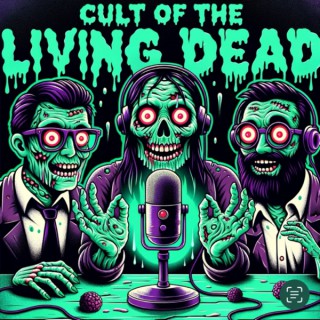
Join Cult of the Living Dead as we journey across windswept deserts, cavernous palaces, and spice-filled wastelands in Dune. In this episode, The Dale and Cea unpack David Lynch's 1984 adaptation of Frank Herbert's epic science-fiction saga, tracing how the film blends cosmic prophecy, political intrigue, and surreal body horror into a sprawling tale of destiny and rebellion. We explore how Paul Atreides' transformation into a messianic figure, the ruthless ambitions of House Harkonnen, and the mysticism surrounding the spice Melange turn a galactic power struggle into a dreamlike meditation on power, faith, and human evolution.
Send us Fan MailWe're diving headfirst into the Dune 3 teaser reaction, breaking down every stunning frame, cryptic moment, and what it all means for Paul Atreides' next chapter. Director Denis Villeneuve is back, and if this teaser is any indication, we're getting something even bigger, darker, and more mind-blowing than before.Support the show

Why Listen? Find out why Peter Parker's body might be failing him in the newest trailer and which secret X-Men cameo just changed the trajectory of the MCU. Whether you are curious about the "Man-Spider" theory or the political fallout of Wilson Fisk's mayoralty, this episode provides the deep-dive analysis you need to stay ahead of the curve. What You'll Learn The Man-Spider Theory: Evidence of Peter Parker's mutating body and organic web-shooters. MCU Mutants: The subtle clues pointing to Sadie Sink as the MCU's Jean Grey. The Golden Path: Why Paul Atreides' journey in Dune is darker than you think. Kingpin's New Era: What to expect from the premiere of Daredevil: Born Again Season 2. Is Peter Parker Mutating into Man-Spider? In this episode, Frank and Squeaks break down the high-octane Spider-Man: Brave New World trailer. We explore the haunting theory that Peter's powers are evolving—or decaying—into something more monstrous. With Peter increasingly isolated and stalking his old friends, the stakes have never been more personal. We also look at the Hulk's mysterious arm brace and what it means for the return of a more "Savage" version of the character. Did the X-Men Just Secretly Arrive in the MCU? The nerd world is buzzing about a specific jacket seen in the trailer. Could Sadie Sink be playing a young Jean Grey, or is this another Black Cat bait-and-switch? We analyze the visual evidence and discuss how the MCU is slowly "dropping" mutants into the narrative without a formal announcement. We also spot some deep-cut comic villains like Boomerang and Tarantula that suggest a more grounded, street-level focus for this installment. How Will Dune Handle the Terror of Face Dancers? Shifting gears to Arrakis, we dive into the latest Dune footage. The focus shifts to the terrifying "Face Dancers"—shapeshifters who can infiltrate any organization. We discuss the "Golden Path" and Paul Atreides' realization that his rise to power will be paved with blood. This segment explores the psychological horror elements being brought to the forefront of the sci-fi epic. Timestamps and Topics 00:00:00 - Introductions and Patreon shoutouts. 00:01:13 - Spider-Man: Brave New World trailer reaction. 00:03:10 - Peter Parker's mutation and the "Man-Spider" theory. 00:07:53 - Analyzying the Sadie Sink / Jean Grey cameo clues. 00:15:09 - Dune trailer breakdown: Face Dancers and the Golden Path. 00:26:58 - Daredevil: Born Again Season 2 Pre-Game and Kingpin's empire. 00:46:00 - Recommendation of the Week: Primal by Genndy Tartakovsky. Key Takeaways Isolated Hero: Peter Parker's "fresh start" has left him more vulnerable and potentially more dangerous as he struggles with his changing biology. The Mutant Blueprint: The MCU is likely using background characters to establish X-Men lore before the formal team-up. Political Warfare: Daredevil Season 2 isn't just about fighting; it's about Wilson Fisk legitimizing his power through the Mayor's office. Sci-Fi Horror: Dune is leaning heavily into the "Face Dancer" shapeshifting lore, which adds a layer of paranoia to Paul's journey. Quotes "I think a lot of people wanted a grounded Spider-Man, but we're also kind of getting this isolated Spider-Man as well." "Imagine if Fisk was handing that key over instead of her. I'd lose my damn mind." "He knows the golden path is going to be laid in blood. He has to conquer the universe first." Call to Action Follow the show right now so you never miss a theory! If you enjoyed this breakdown, please leave a five-star review on Apple Podcasts and share this episode on social media using the hashtag #GeekFreaks. Your support helps us climb the charts and keep the lights on in the nerd-cave. Links and Resources HELP OUR FRIENDS IN HAWAII: https://hawaiifoodbank.org/ Source Website: GeekFreaksPodcast.com Searchable Transcripts: GeekFreaksPodcast.com/transcripts Related Episode: Our Dune Part 2 Deep Dive (Check our archive) Follow Us Stay connected with the crew! TikTok/Instagram/X: @GeekFreaksPod Join our community on Discord to discuss the latest trailers. Listener Questions Is Paul Atreides a hero or a villain in your eyes? Do you think Sadie Sink is playing Jean Grey? Send your theories and questions to our social handles or via our website to be featured in next week's episode! Spider-Man, Marvel, MCU, Dune, Daredevil, Kingpin, Hulk, Jean Grey, X-Men, Primal, Genndy Tartakovsky, Podcast, Nerd News, Movie Trailers.

Linktree: https://linktr.ee/AnalyticJoin The Normandy For Ad-Free NME, Additional Bonus Audio And Visual Content For All Things Nme+! Join Here: https://ow.ly/msoH50WCu0KAnalytic Dreamz reacts to the newly released official teaser trailer for Dune: Part Three, the epic conclusion to Denis Villeneuve's sci-fi saga, dropped on March 17, 2026. In this segment of Notorious Mass Effect, Analytic Dreamz breaks down the highly anticipated footage for Dune: Part Three (adapting Frank Herbert's Dune Messiah), set for theatrical release December 18, 2026.The teaser, over 2 minutes long and filmed for IMAX, opens with intimate moments between Timothée Chalamet's Paul Atreides and Zendaya's Chani discussing their future child—naming possibilities like Ghanima or Leto—before escalating into galactic conflict, holy war consequences, and Paul's burdened messiah role. Returning stars include Zendaya, Florence Pugh as Princess Irulan, Rebecca Ferguson, Javier Bardem as Stilgar, Anya Taylor-Joy as Alia Atreides, and Jason Momoa. Newcomer Robert Pattinson debuts as the shape-shifting antagonist Scytale, adding intrigue to the power struggles and internal torment plaguing Paul 17 years after Part Two.The trailer showcases explosive battles, Fremen chants, stunning Arrakis visuals, and Villeneuve's signature scale, with fans praising its addictive quality, epic war sequences, and premium treatment. Directed by Villeneuve and co-written with Brian K. Vaughan, it promises to explore the heavy cost of power, political marriages, Chani's abandonment, and the fallout of Paul's jihad.Analytic Dreamz dissects key moments, character arcs, book-to-screen differences, first-look reveals, and why this teaser positions Dune: Part Three as one of 2026's biggest blockbusters. From the foreshadowing of tragedy to the massive scope of intergalactic war, this reaction unpacks how Villeneuve delivers the ambitious epilogue fans have awaited.Privacy & Opt-Out: https://redcircle.com/privacy

Zurück nach Arrakis, wo Paul Atreides seine Anhänger um sich schart, bevor er schlussendlich die Galaxis mit Krieg überziehen wird.

In deze aflevering: de groeiende rol van YouTube als vervanger van de klassieke tv. Voor talkshows, reisprogramma’s en reviews kon je al volop terecht op YouTube, maar steeds meer klassieke tv-dingen verhuizen. Hoe lang nog tot het WK voetbal via YouTube te bekijken is? Ook staan we stil bij de nieuwste veranderingen op AI-gebied. Verder vandaag: leuke updates voor zowel de Nintendo Switch 2 als de PlayStation Portal, grote Oscar-winnaars al volop te streamen, Samsung-lekken en een productiestop en om het af te leren weer een probleem met Windows 11. Tips uit deze aflevering: Game: Netflix LEGO Party: al een tijdje beschikbaar, maar steeds vaker speelt Tim samen met vrienden familie. Zijn favoriet is LEGO Party, dus eigenlijk een soort Mario Party, maar dan met lego-poppetjes, met allerlei minigames. Speelt af op je smart tv (niet iedere, check dus de Games-sectie in de app) en je gebruikt je telefoon als controller. Serie: Young Sherlock op Amazon Prime is verrassend leuk. Komt uit de koker van Guy Ritchie, die ook geheel in zijn stijl de eerste aflevering heeft geregisseerd. We volgen een 19-jarige Sherlock Holmes die naar Oxford University gaat, ergens eind negentiende eeuw. Hij wordt vrienden met Moriarty in plaats van vijanden, en ze komen samen in allerlei mysteries terecht die losjes zijn gebaseerd op de originele Sherlock-verhalen. Het is lekker vlot, vaak grappig en spannend in elkaar gezet, echt een verrassing. Erwin: Teaser trailer voor Dune: Part Three is verschenen. Het ziet er weer prachtig uit maar je voelt al dat de toon in deze derde film anders zal zijn. We zijn 17 jaar verder in het verhaal. We zien allereerst Paul Atreides (Timothée Chalamet) en Chani (Zendaya), die gelukkig weer verzoend zijn zo lijkt het. Maar als je boeken hebt gelezen dan weet je dat Paul Atreides uitgroeit tot een tiran. Tof ook om Robert Pattinson te zien als de schurk Scytale en Anya Taylor-Joy als de volwassen Alia Atreides, Pauls zus. Duncan Idaho keert terug als ghola, een soort kloon. Er gaat vast later dit jaar nog een echte trailer volgen. De film verschijnt op 18 december, twee dagen na Marvel's Avengers: Doomsday. Online spreekt men al van Dunesday, a la Barbenheimer.See omnystudio.com/listener for privacy information.

Kristian Harloff Show – Stories For Today: Dune Part Three First Posters & Trailer, Spider-Man Brand New Day Footage Rollout, David Zaslav $887 Million Payout & More!In this jam-packed episode of The Kristian Harloff Show, Kristian breaks down the hottest Hollywood headlines you need to know right now! From epic new looks at Dune: Part Three to brand-new Spider-Man: Brand New Day footage, shocking Disney Oscars changes, David Zaslav's massive Warner Bros. Discovery payday, and a fiery Lanterns HBO response — it's all here. Dune: Part Three – First official posters are here and the teaser trailer drops TOMORROW! Denis Villeneuve's Dune Messiah adaptation (releasing December 18, 2026) stars Timothée Chalamet as Paul Atreides, Zendaya, Florence Pugh, Rebecca Ferguson, Javier Bardem, Anya Taylor-Joy, Jason Momoa's new Duncan Idaho, and Robert Pattinson. The epic conclusion is already looking massive! Spider-Man: Brand New Day – Tom Holland just announced a huge teaser trailer rollout with short clips dropping all day ahead of the full reveal! Directed by Destin Daniel Cretton, the film stars Zendaya, Jacob Batalon, Jon Bernthal as Punisher, Mark Ruffalo as Hulk, plus Scorpion, Tombstone, Sadie Sink and more. July 31, 2026 can't come soon enough — new Spider-Man 4 footage is here! Disney Oscars Drama – Walt Disney TV exec Rob Mills says they're rethinking Oscar acceptance speeches: "Designate one person to speak… continue it backstage with a social feed." Kristian reacts to the controversial plan that's got everyone talking. David Zaslav $887 Million Payday – Warner Bros. Discovery CEO David Zaslav is set to pocket $887 million (cash severance, equity, tax reimbursements & more) thanks to the massive Paramount Skydance merger. Kristian dives into what this means for the future of DC Studios, Warner Bros and Hollywood. Lanterns HBO Drama – Damon Lindelof claps back at Grant Morrison's criticism with the perfect response: "Green is NOT stupid!" The writer of the upcoming Green Lantern series defends his love for Hal Jordan and promises the show will speak for itself in 2026. Kristian Harloff gives his unfiltered takes, theories, and laughs on every story — exactly why fans love The Kristian Harloff Show!Which story are you most excited about — Dune 3, Spider-Man Brand New Day, or the Lanterns drama? Drop your thoughts below! Subscribe for daily movie news, reactions, breakdowns & more from Kristian Harloff. New episodes every week! #DunePartThree #Dune3 #DuneMessiah #SpiderManBrandNewDay #SpiderMan4 #TomHolland #DavidZaslav #LanternsHBO #GreenLantern #DamonLindelof #GrantMorrison #Oscars #WarnerBrosDiscovery #ParamountMerger #KristianHarloff #MovieNews SPONSOR: CASH APP: Download Cash App Today: https://capl.onelink.me/vFut/76rlxe00 #CashAppPod. Cash App is a financial services platform, not a bank. Banking services provided by Cash App's bank partner(s). Prepaid debit cards issued by Sutton Bank, Member FDIC. See terms and conditions at https://cash.app/legal/us/en-us/card-agreement. Discounts and promotions provided by Cash App, a Block, Inc. brand. Visit http://cash.app/legal/podcast for full disclosures. BUTCHER BOX: As an exclusive offer, new listeners can get their choice between chicken breast or top sirloin for a year OR ground beef for life, PLUS $20 off when you go to https://www.ButcherBox.com/kristian
Dive into the latest Hollywood buzz with The Kristian Harloff Show in this episode of Stories For Today! Hosted by comedian and pop-culture expert Kristian Harloff, the show delivers sharp, entertaining breakdowns of the hottest movie, TV, and entertainment news.Main Topic: Timothée Chalamet reveals that the third Dune film is shaping up to be the eeriest installment yet, describing it as a bold "big swing" with intense freedom on set and a sacred approach to his final outing as Paul Atreides under Denis Villeneuve's direction. Expect haunting vibes and epic ornithopter action in this franchise finale!Other Top Stories:Winona Ryder officially joins Wednesday Season 3 on Netflix as Tabitha, alongside new cast members like Eva Green, Chris Sarandon, and more—filming in Ireland for a 2027 premiere, with Jenna Ortega returning as Wednesday Addams. Animated hit Goat dominates the box office over the post-President's Day weekend with $17M, outperforming Wuthering Heights and delivering a disappointing debut for Glen Powell's How to Make a Killing. One Battle After Another sweeps the 2026 BAFTA Awards, taking home major wins including Best Film, Best Director, Best Adapted Screenplay, and more—plus standout acting honors for films like Hamnet, I Swear, and Sinners. Rumors swirl around the next Jurassic World film potentially titled Jurassic World: Liberation, based on recent domain registrations—though Universal is yet to confirm details or a production timeline (targeting June 2028?). Perfect for fans of blockbuster franchises, award-season drama, streaming updates, and box-office analysis. Kristian Harloff brings his signature comedy, unfiltered takes, and deep-dive insights to keep you ahead of the pop-culture curve.Subscribe to The Kristian Harloff Show on YouTube, Apple Podcasts, Spotify, and more for daily/weekly episodes on movies, TV, Marvel, DC, and beyond. Don't miss out—hit play now for your daily dose of entertainment news! SPONSOR: BUTCHER BOX: As an exclusive offer, new listeners can get their choice between organic ground beef, chicken breast or ground turkey in every box for a year, PLUS $20 off when you go to http://www.ButcherBox.com/KRISTIAN

In a new series, The Guys talk about one of the iconic tropes of storytelling, The Chosen One. First they discuss why the trope holds such a sway over people that storytellers keep examining it. Then, the guys discuss some of their favorite and least favorite iterations of the trope ranging from Paul Atreides, to Emmet from The Lego Movie, and Harry Potter. Co-hosts: Josh Gann & Trent Neely & Joseph Snead Music: John BattistonTwitter: https://twitter.com/thestingerpod Instagram: https://www.instagram.com/thestingerpod/ YouTube: https://www.youtube.com/channel/UCFSC5LKRJlgq3IEkSE6dwvw Facebook: https://www.facebook.com/thestingerpod

With this episode, it goes how to incorporate Bloodlines into a solo, two-player, and six-player game of Dune: Imperium. So instead of playing with three to five players, which is recommended, one, two, and six players are able to engage in gameplay although with some needed variants. With the one- and two-player versions of the game, additional House Hagal cards are added and take-on the role of the absent player(s). With the six-player version, the players are to form two teams, basically pitting Paul Atreides against Shaddam Corrino IV. So with that said, we hope you enjoy this episode.https://open.spotify.com/episode/2K9d9bCkXeDjYVf4tEzCyC?si=0qExkn03Q9OPj-QhrVKFqQCreditsWriter - Bradley P. ThomasProducer - Bradley P. ThomasVoice Talent – ElevenLabs: TaylorEditor - Bradley P. Thomashttps://linktr.ee/Check_Point_GamingCopyright Disclaimer: Copyright Disclaimer under section 107 of the Copyright Act 1976, allowance is made for “fair use” for purposes such as criticism, comment, news reporting, teaching, scholarship, education, and research. Fair use is a use permitted by copyright statute that might otherwise be infringing. Non-profit, educational, or personal use tips the balance in favor of fair use.https://www.copyright.gov/legislation/dmca.pdf

Exploring Paul Atreides' character throughout the first two Dune movies.

You know that feeling? The bittersweet one?... When your wild theory turns out to be true and you're stoked, but also your wild theory turned out to be true so now your favorite characters are absolutely cooked? Yeah?… Well so do we.On the penultimate episode of Gen V Season 2, Bankole, Chiagoziem and Oseghale find themselves reckoning with the fact that Marie might be not just the Avatar, but Paul Atreides. They get into the true implications of her seemingly limitless power, the extent to which Cate is — or isn't — redeemable, and how Keeya Kings's portrayal of Annabeth is becoming an emotional cornerstone for the season. (Keeya, please call Oseghale if you're reading this).They also make some Godolkin University-educated guesses on who's most likely to die in next week's season finale. Somehow, they additionally end up trying to figure out the mechanics of what is definitely the most repulsive pocket dimension put to fiction. Lock in, buddy.You can support us here.Subscribe to our Newsletter.Also available on YouTube.Host: Bankole ImoukhuedeGuests: Chiagoziem and OseghaleProduction by: Ebube Ubochi

This week on the podcast we're joined by special guest Foad HP (@FoadHP) to discuss the recent film adaptations of the sci-fi classic DUNE. We're defending the Harkonnens who are unwitting pawns in a universe wide conspiracy and attacking the cultural appropriator Paul Atreides who starts an intergalactic holy war because a cute girl asked him nicely to go south. Produced by Andrew Ivimey as part of The From Superheroes Network. Visit www.FromSuperheroes.com for more podcasts, articles, YouTube series, web comics, and more. Learn more about your ad choices. Visit megaphone.fm/adchoices

o hemos escuchado como Miles Morales, Willy Wonka, Paul Atreides en Dune, Sokka en Avatar, Invincible y muchos personajes más, pero jamás lo habíamos escuchado echando TREMENDOS CHISMES en el foro de Noche de Chicxs. ¡Démosle la bienvenida a Emilio Treviño!

DUNE: PART TWO (2024)–Paul Atreides joins forces with the Fremen to avenge his family’s downfall and challenge the oppressive reign of House Harkonnen and Emperor Shaddam IV. Embracing his role as the prophesied messiah, Paul navigates a path fraught with political intrigue, spiritual awakening, and personal sacrifice. As he rises to power, he must balance … Continue reading Ep. 08-01: Dune: Part Two (2024) →
No capítulo final de Duna, Paul Atreides, agora consolidado como Muad'Dib, enfrenta o momento culminante de sua jornada. Após uma série de batalhas e estratégias, ele consegue derrotar seus inimigos, incluindo as forças do Imperador Shaddam IV e os Harkonnen, que tentaram usurpar seu poder. Com o apoio dos Fremen, os habitantes do deserto de Arrakis, Paul lidera uma revolta que transforma o planeta em seu domínio.Este é o 48° e último episódio do DunaCast analisando o livro Duna! O DunaCast é o podcast oficial do fandom de Duna no Brasil. Em cada episódio, discutimos sobre os personagens, as suas origens, as inspirações do autor Frank Herbert e as teorias e filosofias da saga. Pascoal Naib e convidados especiais analisam detalhadamente cada capítulo dos livros da saga Duna sem spoilers dos capítulos posteriores.O livro Duna não tem numeração de capítulos, apenas excertos iniciais. Para facilitar o acompanhamento dos episódios do DunaCast, disponibilizamos um arquivo em PDF em que numeramos o excerto inicial de cada capítulo e sua página correspondente. Arquivo para baixar.https://drive.google.com/file/d/1fvFA9Fprlph76eIlHFpaTPCXJ1F_4pLG/view?usp=drive_linkConvocação para o jihad! Criamos uma campanha no Catarse para contribuições de nossos ouvintes que possam nos ajudar a garantir a produção contínua do DunaCast. Para saber mais, acesse: https://www.catarse.me/dunacast?ref=user_contributedOu você pode contribuir via PIX. Nosso PIX é nosso e-mail:dunacast@gmail.comNos envie sua pergunta, arte, curiosidade ou correção de algum erro nosso pelo e-mail dunacast@gmail.comLembre-se de se identificar no texto do e-mail e de colocar o título do episódio no assunto do e-mail. Será um prazer ler sua mensagem em nossos episódios.A arte de capa do DunaCast é um trabalho de Márcio Oliveira (instagram.com/marciooliveiradesign). A edição do DunaCast é um trabalho da Radiola Mecânica (radiolamecanica@gmail.com).Links• DunaCast• Twitter: twitter.com/dunacast• Instagram: instagram.com/dunacast• Telegram: https://t.me/dunacastoficial• Site: linktr.ee/dunacast• Duna Arrakis Brasil• Twitter: twitter.com/dunabrasil• Instagram: instagram.com/dunaarrakisbrasil• Facebook: https://www.facebook.com/groups/dunaarrakisbrasil• Youtube: https://www.youtube.com/channel/UC2a4hZ6JZtPxTS7yPOeLRjg• Medium: https://medium.com/@dunabrasil• Telegram: t.me/dunaarrakisbrasil• Site: linktr.ee/dunaarrakisbrasil• Pascoal Naib (Criador e Administrador)• Twitter: https://twitter.com/PascoalNaib• Instagram: https://www.instagram.com/pascoalnaibduna/• Rildon Oliver (Radiola Mecânica)• Instagram: https://www.instagram.com/radiolamecanica/• Carlos Voltor• Instagram: https://www.instagram.com/carlosvoltor/

Wellness expert and Ayurvedic practitioner Heather Grzych explores the idea that Ayurveda—far from being just a traditional health system—is actually a powerful tool for ushering in the next evolution of human consciousness. Broadcasting from the heart of the tech-saturated San Francisco Bay Area, Heather reflects on the concept of superconsciousness and why we may need inner technologies more than artificial ones to thrive in the future. Drawing parallels to Paul Atreides in Dune, she reveals how rhythm, breath, intuition, and ancient Ayurvedic practices could be essential for awakening our deeper intelligence in an increasingly fast-paced and destabilized world. Heather Grzych, ADLC is an American author and expert in Ayurvedic medicine who was formerly the president of the National Ayurvedic Medical Association and the head of product development for a multi-billion-dollar health insurance company. She also serves part of the faculty at Mount Madonna Institute College of Ayurveda. Heather's first book, The Ayurvedic Guide to Fertility, has sold thousands of copies worldwide, and her writing has been featured in Sports Illustrated, Yoga Journal, and the Sunday Independent. Her podcast, Wisdom of the Body, holds an average rating of 5 stars on Apple Podcasts and is in the top 3% of podcasts globally. Connect with Heather: Learn more at www.heathergrzych.com Instagram.com/heathergrzych Facebook.com/grzychheather Read the first six pages of The Ayurvedic Guide to Fertility for FREE: https://www.heathergrzych.com Connect with Heather to balance your health with Ayurveda: https://www.heathergrzych.com/book-online

This week on Born to Watch, we're heading to the desert planet of Arrakis to break down one of the biggest sci-fi epics of recent memory in Denis Villeneuve's Dune: Part One Review. Join Whitey and Sir Dimmy of the House Cockburn as they unpack a film that's equal parts galactic power struggle, political thriller, and interstellar fever dream.Villeneuve's Dune had a lot riding on it. Announced in 2017 and delayed by the COVID-19 pandemic, it finally arrived in 2021 with both cinema and HBO Max releases. But did it live up to the hype? Was the spice worth the squeeze? Whitey and Sir Dimmy get stuck into the sandstorm of ambition, adaptation, and a whole lot of Zimmer.From the very start, the duo agree, this film demands the big screen. Whitey confesses to watching it via a sneaky early online drop and instantly regretting not experiencing it in the cinema. For Dimmy, it was love at first IMAX. There's a reverence for the visuals, the grandeur, and the world-building that marks Dune as a rare modern blockbuster that dares to go deep.But this isn't a dry academic analysis. This is Born to Watch, where film critique meets pub banter. That means serious praise for Hans Zimmer's thunderous, Oscar-winning score, though we do wonder if the music sometimes overshadows the movie. The team marvels at the film's scale: the ornithopters, the wormsign, the sand-soaked vistas. Arrakis feels real. The political scheming feels Shakespearean. The voice feels like Jedi mind tricks on steroids.Naturally, the cast gets a full once-over. Timothée Chalamet is dubbed a “scrawny action hero” who somehow works as Paul Atreides. Rebecca Ferguson as Lady Jessica earns the nickname “Freckles Ferguson” and delivers the emotional heft of the film, tears, telepathy, and total commitment. Jason Momoa's Duncan Idaho is everyone's space-dad crush, and Stellan Skarsgård's floating, grotesque Baron Harkonnen might just be the scariest slug in cinema history.And then there's Zendaya. Or… is there? While her face is plastered across posters, trailers, and marketing campaigns, she's in the actual film for about 10 minutes, and that's being generous. Sir Dimmy and Whitey don't hold back, calling it one of the greatest bait-and-switches in recent memory. She's Paul's “blue-eyed wet dream,” more vision than character, and it all but guarantees the necessity of a sequel.The discussion also gets into the film's legacy. Is Dune the sci-fi blueprint that inspired Star Wars? Without question. From the Force-like Voice to desert-dwelling mystics and chosen one arcs, Herbert's fingerprints are all over modern sci-fi. Villeneuve's version just finally gives the novel the serious treatment it deserves, after the messy (but charmingly weird) David Lynch version in 1984 and a forgettable miniseries.Of course, Born to Watch being Born to Watch, there are plenty of detours. There's debate over whether Duncan Idaho could survive in the Game of Thrones universe. There's talk of Dutch ovens, nose jobs, and the possibility of casting Mr. T as the Reverend Mother. At one point, the podcast veers into a philosophical wormhole involving one-name celebrities like Sting, Prince, and, of course, Zendaya. The House Cockburn coat of arms even gets a shoutout, shielded by fire, flanked by two swords in the shape of appendages. You really had to be there.Despite a few gripes, underexplained lore, a traitorous doctor's paper-thin logic, and the slightly sluggish pacing, Whitey and Sir Dimmy are all in on Dune. It's a film that dares to take itself seriously. No snark, no winks. Just grand, immersive sci-fi storytelling. It may not be everyone's flavour of spice, but it's a feast for those who want their blockbusters with brains.As the credits roll and the sand settles, one thing is clear: this is only part one. And Born to Watch will be there when part two drops, with fresher takes, deeper dives, and possibly more Zendaya.Listen now on Spotify, Apple Podcasts, or wherever you get your podcasts!Join the conversation: Is Dune a sci-fi masterpiece or a high-concept snooze? Was Zendaya's screen time the greatest bait-and-switch ever? Would YOU ride a sandworm into battle?Please drop us a voicemail at BornToWatch.com.au and be part of the show!#BornToWatch #Dune2021 #DenisVilleneuve #TimotheeChalamet #SpiceMustFlow #MoviePodcast #FilmReview #SciFiCinema #Zendaya #HansZimmer #MovieNerds #FilmTalk #PopCultureBreakdown #HouseCockburn #BlueEyedWetDreams #JasonMomoa #RebeccaFerguson
Doze anos se passaram desde que Paul Atreides ascendeu ao trono e acumulou os títulos de imperador e messias. Nesse capítulo o historiador Bronso do planeta Ix é preso numa cela e condenado a morte por blasfemar contra Muad'Dib.Este é o 00° episódio do DunaCast! Aqui nós analisamos e discutimos todos os capítulos do livro Messias de Duna, escrito por Frank Herbert. Leia Duna e ouça o DunaCast!O livro Messias de Duna não tem numeração de capítulos, apenas excertos iniciais. Para facilitar o acompanhamento dos episódios do DunaCast, disponibilizamos um arquivo em PDF em que numeramos o excerto inicial de cada capítulo e sua página correspondente. Arquivo para baixar.https://www.mediafire.com/file/5ohl2zqd3frkinw/Cap%25C3%25ADtulo_e_Excerto_Messias_de_Duna.pdf/fileTexto feito por Pascoal Naib sobre esse capítulo que aprofunda mais alguns detalhes. Nos sigam na plataforma Medium.https://medium.com/@dunabrasil/messias-de-duna-an%C3%A1lise-excerto-inicial-4a69acaa1140Nos envie sua pergunta, arte, curiosidade ou correção de algum erro nosso pelo e-mail dunacast@gmail.comLembre-se de se identificar no texto do e-mail e de colocar o título do episódio no assunto do e-mail. Será um prazer ler sua mensagem em nossos episódios.A arte de capa do DunaCast é um trabalho de Márcio Oliveira (instagram.com/marciooliveiradesign). A edição do DunaCast é um trabalho da Radiola Mecânica (radiolamecanica@gmail.com).Links• DunaCast• Twitter: twitter.com/dunacast• Instagram: instagram.com/dunacast• Facebook: https://www.facebook.com/DunaCast-Podcast-105913728796418• Telegram: https://t.me/dunacastoficial• Site: linktr.ee/dunacast• Duna Arrakis Brasil•Twitter: twitter.com/dunabrasil•Instagram: instagram.com/dunaarrakisbrasil •Facebook: https://www.facebook.com/groups/dunaarrakisbrasil• Youtube: https://www.youtube.com/channel/UC2a4hZ6JZtPxTS7yPOeLRjg• Medium: https://medium.com/@dunabrasil•Telegram: t.me/dunaarrakisbrasil• Site: linktr.ee/dunaarrakisbrasil• Pascoal Naib• Twitter: twitter.com/PascoalNaib• Instagram: instagram.com/pascoalnaibduna• Rildon Oliver (Radiola Mecânica)• Instagram: https://www.instagram.com/radiolamecanica/• Sora Barbosa (Central Pandora)•Twitter: https://twitter.com/central_pandora•Instagram: https://www.instagram.com/centralpandora/• Rogério Acioli•Twitter: https://twitter.com/rogerio_acioli•Instagram: https://www.instagram.com/rogerio.acioli/
Conhecemos outro mentor de Paul Atreides: o médico Suk Wellington Yueh. Eles conversam sobre o clima e a população de Arrakis. Descobrimos que sua esposa foi sequestrada pelos Harkonnen.Este é o 5° episódio do DunaCast! O DunaCast é o podcast oficial do fandom de Duna no Brasil. Em cada episódio, discutimos sobre os personagens, as suas origens, as inspirações do autor Frank Herbert e as teorias e filosofias da saga. Pascoal Naib e convidados especiais analisam detalhadamente cada capítulo dos livros da saga Duna sem spoilers dos capítulos posteriores.O livro Duna não tem numeração de capítulos, apenas excertos iniciais. Para facilitar o acompanhamento dos episódios do DunaCast, disponibilizamos um arquivo em PDF em que numeramos o excerto inicial de cada capítulo e sua página correspondente. Arquivo para baixar.https://www.mediafire.com/file/5o8pal6780k88d9/Cap%25C3%25ADtulos_e_Excertos_Duna.pdf/fileConvocação para o jihad! Criamos uma campanha no Catarse para contribuições de nossos ouvintes que possam nos ajudar a garantir a produção contínua do DunaCast. Para saber mais, acesse: https://www.catarse.me/dunacast?ref=user_contributedNos envie sua pergunta, arte, curiosidade ou correção de algum erro nosso pelo e-mail dunacast@gmail.comLembre-se de se identificar no texto do e-mail e de colocar o título do episódio no assunto do e-mail. Será um prazer ler sua mensagem em nossos episódios.A arte de capa do DunaCast é um trabalho de Márcio Oliveira (instagram.com/marciooliveiradesign). A edição do DunaCast é um trabalho da Radiola Mecânica (radiolamecanica@gmail.com).Links• DunaCast• Twitter: twitter.com/dunacast• Instagram: instagram.com/dunacast• Telegram: https://t.me/dunacastoficial• Site: linktr.ee/dunacast• Duna Arrakis Brasil• Twitter: twitter.com/dunabrasil• Instagram: instagram.com/dunaarrakisbrasil • Facebook: https://www.facebook.com/groups/dunaarrakisbrasil• Youtube: https://www.youtube.com/channel/UC2a4hZ6JZtPxTS7yPOeLRjg• Medium: https://medium.com/@dunabrasil• Telegram: t.me/dunaarrakisbrasil• Site: linktr.ee/dunaarrakisbrasil• Pascoal Naib (Criador e Administrador)• Twitter: https://twitter.com/PascoalNaib• Instagram: https://www.instagram.com/pascoalnaibduna/• Rildon Oliver (Radiola Mecânica)• Instagram: https://www.instagram.com/radiolamecanica/• Vitória Salido (Planto Resenhas)• Instagram: https://www.instagram.com/plantoresenhas/

In this episode, we break down Dune: Part Two and how Denis Villeneuve masterfully crafted Paul Atreides' rise to power. We explore the psychological depth that make his journey so compelling. From the intense performances to the jaw-dropping visuals and layered storytelling, we analyze how this sequel elevates the saga into something truly epic. Whether you're a fan of the book or just discovering Arrakis through the films, this conversation dives deep into what makes Dune: Part Two a cinematic triumph.Chapters:00:00:00 Intro Convo00:01:34 How Denis Villeneuve builds Paul into a powerful character00:06:19 What makes Paul's speech such a compelling step into power00:12:37 Scene breakdown: Paul's speech Part 100:18:01 In defense of Zendaya 00:24:35 Scene Breakdown: Paul's speech Part 200:32:28 Was Paul always playing the Fremen?00:39:16 How Denis builds power through status changes00:41:57 Breaking down the Paul vs Feyd fight00:48:32 Only one other person could've pulled off Feyd Rautha00:49:58 The small details Denis adds into the movie for depth00:52:10 Touching on how good the books are00:56:45 Scene breakdown: The Sandworm Scene01:09:58 Our rating01:17:02 Final thoughts01:18:58 Cue the music

In this episode we try our damnedest to avoid the golden path. But no matter how much emo teenage pouting we do it still all ends up in genocide and our kid turning into an immortal homicidal worm. That's right, it's Frank Herbert's seminal epic Dune. We will once again look for Satan in Science Fiction through the lens of the Christ Myth. The idea of a chosen one, a demi god, not exactly god but more than human with supernatural powers coming to rescue us all from evil. Special guest star appearances from The Justice League, Alabama, University of Washington, Paul Atreides, Caladan, David Lynch, Kwisatz Haderach, Zendaya, George Lucas, The Phantom Menace, Bene Gesserit, Baron Vladimir Harkkonnen, Geidi Prime, Timothée Chalamet, Palpatine, Vladimir Putin, Chris Angel, Feyd-Rautha, Austin Butler, Freman, Don't Look Up, Katnis, Marjorie Taylor Greene, David Lean, Ridley Scott, Orson Welles, Cannonball Run II, Exterminator II, Breakin II: Electric Boogaloo, Stinkers Bad Movie Award, Hollywood, Gene Siskel, Syfy Channel, Denis Villeneuve, Dune 2000, ornithopter, Marvel, Ralph Macchio, Leto, #666 #SketchComedy #Sketch #Comedy #Sketch Comedy #Atheist #Science #History #Atheism #Antitheist #ConspiracyTheory #Conspiracy #Conspiracies #Sceptical #Scepticism #Mythology #Religion #Devil #Satan #Satanism #Satanist #Skeptic #Debunk #Illuminati #Podcast #funny #sketch #skit #comedy #comedyshow #comedyskits #HeavyMetal #weird #leftist #SatanIsMySuperhero #ScienceFiction #SciFiSend us a text

Isaac, Juzo, and Cameron return to discuss David Lynch's Dune (1984), an ambitious ane infamous adaptation of Frank Herbert's sci-fi epic. Starring Kyle MacLachlan as Paul Atreides, the film blends interesting visuals with Lynch's signature style, making it a perplexing and divisive entry in the Dune legacy. We compare Lynch's take to Denis Villeneuve's Dune: Part One (2021) and Dune: Part Two (2024), exploring how each filmmaker approaches Herbert's expansive universe. Don't miss this continued acesion into Lynch's cinematic mark! Cinema Spectator is a movie podcast hosted by Isaac Ransom and Cameron Tuttle, with frequent appearances from film expert Juzo Greenwood. The show is executive produced by Darrin O'Neill and recorded & produced in the San Francisco Bay Area, CA. You can support the show at patreon.com/ecfsproductions. Follow us on YouTube, Facebook, Instagram, and Twitter under ECFS Productions (@ecfsproductions). Isaac and Cameron started recording podcasts with their first project, Everything Comes from Something (2018), and are now focusing on new weekly content for Cinema Spectator. Cameron Tuttle is a full-time professional cinematographer who majored at SFSU Film School to collaborate with corporate, private, and creative productions. Cameron is the expert. Isaac Ransom works full-time as an experienced creative, digital marketer, and product manager. Isaac is the student. The podcast is a passion project between two longtime friends; we hope you can enjoy our project with the limited time we have! Thank you for your time, your generosity, and support.
GET YOUR MULTIVERSE NEWS MERCH HERE:https://multiverse-news-shop.fourthwall.com/Welcome to Multiverse News, Your source for Information about all your favorite fictional universesCaptain America: Brave New World premiered globally last week, soaring to the top of the Valentine's and President's Day weekend box office with a $192.4 million haul in tow. The Anthony Mackie-led vehicle, which is the fourth Captain America film and 35th MCU film overall, managed to exceed somewhat meager box office projections, however, its reception with both critics and audiences isn't as definitive a victory. The film is currently sitting at 51% approval rating on Rotten Tomatoes and has earned a B- CinemaScore, which is among some franchise lows for Marvel.According to exclusive reports from Deadline, the Mike Flanagan-penned, solo Clayface film seems to be on track to meet its targeted September 2026 release, with DC leadership set to hear pitches from potential filmmakers next week. Two noteworthy names rising to the top as candidates to helm the rumored horror-tragedy include Speak No Evil's James Watkins and Truth or Dare's Jeff Wadlow – with the expectation that casting will quickly follow suit once a director is locked-in. James Gunn has described the film as a DCU project, but it is still unclear whether it will connect to any existing projects or continuity. Christopher Nolan's next film for Universal, The Odyssey, has assembled an understandably stacked cast that includes the likes of Tom Holland, Zendaya, Lupita Nyong'o and Jon Bernthal to name a few; now Mia Goth has joined the cast in an undisclosed role, while Matt Damon's role has finally officially been revealed to the title of role of Odysseus as announced via a photo shared from the film's X account. The retelling of Homer's epic poem is slated for a July 17, 2026 release. Universal has debuted the first full trailer for the live action remake of How To Train Your Dragon ahead of its June 13 release.Hulu released a first-look teaser for the final season of The Handmaid's Tale, premiering with three episodes on April 8, followed by weekly releases until the May 27 finale. Meanwhile, the sequel series The Testaments has cast Chase Infiniti to star alongside returning Handmaid's Tale veteran Ann Dowd.Six-time Emmy winner John Lithgow is in final negotiations to portray Professor Albus Dumbledore in HBO‘s high-profile series adaptation of the Harry Potter books, sources tell Deadline.Ridley Scott's dystopian thriller The Dog Stars is adding to its cast, with Margaret Qualley, Josh Brolin, and Guy Pearce in final talks to join Jacob Elordi. Written by Mark L. Smith, the film adapts Peter Heller's 2012 apocalyptic novel for 20th Century Studios.Prime Video has confirmed The Lord of the Rings: The Rings of Power for a third season, set to film this spring. The new season will feature a major time jump, unfolding during the height of the War of the Elves and Sauron as the Dark Lord forges the One Ring.Peacock has released the first teaser trailer for season 2 of Twisted Metal, starring Anthony Mackie. The series will return this summer.Deadline's sources say Netflix is developing a live-action Dungeons & Dragons series titled The Forgotten Realms. Shawn Levy, Hasbro Entertainment, and showrunner Dave Crevello are producing the project.Warner Bros. has hired Potsy Ponciroli to write a sequel to the 1985 film The Goonies, with Steven Spielberg and Chris Columbus returning as producers. The project has no director attached yet.Deadline has learned that Denis Villeneuve is currently planning to film Dune 3 this summer and a team has been in pre-production on the film for quite some time. The trade also confirmed that the third film will adapt Frank Herbert's sequel novel Dune: Messiah and will complete Paul Atreides' story.

Editor Joe Walker takes us behind the scenes of the sci-fi epic, Dune: Part Two, and its Oscar-winning predecessor. In collaboration with director Denis Villeneuve, Walker shares how they worked together to balance intimate character moments with grand world-building and action, using his specialty in sound to create immersive environments and emotional depth. While Dune: Part One focused on introducing characters and setting the stage, Dune: Part Two adopted a faster pace to depict the main character Paul Atreides' transformative journey. Despite extensive planning, and even a dedicated "worm unit," Walker highlights how Villeneuve and the team embraced spontaneity when better creative opportunities revealed themselves, especially for intimate or ad-libbed scenes, creating one of the greatest sci-fi sagas of our time. Hosted on Acast. See acast.com/privacy for more information.

Editors - Anna Hauger ACE, Mark Hartzell ACE, Amelia Allwarden ACE, Sarah C. Reeves ACE DUNE: PROPHECY editors Anna Hauger ACE, Mark Hartzell ACE, Amelia Allwarden ACE and Sarah C. Reeves ACE joined the new HBO Original Series having plenty of experience with big "IP" shows like WESTWORLD and LOST IN SPACE, but with the recent success of Denis Villeneueve's films, the expectations for their DUNE prequel series would be bigger than anything they've experienced before. DUNE: PROPHECY is a six-part series that just wrapped its first season on MAX and is a prequel to the Dune films. Taking place 10,000 years prior to the Paul Atreides story line of the movies, it focuses on the origins of the Bene Gesserit, a powerful social, religious, and political force whose members possess superhuman powers and abilities after undergoing years of intense physical and mental conditioning. ANNA HAUGER, ACE Anna Hauger is known for Station Eleven (2021), Westworld (2016) and Watchmen (2019). MARK HARTZELL, ACE Mark Hartzell is known for The Last of Us (2023), Lost in Space (2018-21) and True Blood (2008). AMELIA ALLWARDEN, ACE Amelia Allwarden is known for Westworld (2022), PEN15 (2021) and Little Fires Everywhere (2020). SARAH C. REEVES, ACE Sarah C, Reeves is known for Westworld (2022), Invasion (2021), and Gotham (2018) Editing Dune: Prophecy In our discussion with DUNE: PROPHECY editors Amelia, Anna, Sarah and Mark, we talk about: Giving a "voice" to the sisterhood Keeping in ScriptSync The "agony" of building visuals Settling a score with Hans Zimmer Editorial resolutions The Credits Visit ExtremeMusic for all your production audio needs See what's new with Avid Media Composer Watch editor Joe Walker ACE and composer Hans Zimmer discuss their Oscar-winning work on DUNE. See Joe Walker ACE show you the secrets of how he builds scenes from the "sand" up in DUNE: PART TWO. Listen to Amelia Allwarden talk about her work on PEN15 and LITTLE FIRES EVERYWHERE. Subscribe to The Rough Cut for more great interviews with the heroes of the editing room Explore The Rough Cut on YouTube

Jon Spaihts is a screenwriter known for his work in the sci-fi and fantasy genres. He gained visibility with his script for PROMETHEUS, a prequel to the Alien series directed by Ridley Scott. Spaihts also co-wrote DOCTOR STRANGE, introducing Marvel audiences to the mystical side of the MCU, and contributed to the screenplay for DUNE, Denis Villeneuve's epic adaptation of Frank Herbert's novel. DUNE: PART TWO follows Paul Atreides who unites with the Fremen while on a warpath of revenge against the conspirators who destroyed his family. Facing a choice between the love of his life and the fate of the universe, he endures to prevent a terrible future. In this interview, we talk about working with Ridley Scott and PROMETHEUS, the importance of perseverance and assertiveness, working with Denis Villeneuve to adapt DUNE, future plans, and much more. Want more? Steal my first book, INK BY THE BARREL - SECRETS FROM PROLIFIC WRITERS right now for free. Simply head over to www.brockswinson.com to get your free digital download and audiobook. If you find value in the book, please share it with a friend as we're giving away 100,000 copies this year. It's based on over 400 interviews here at Creative Principles. Enjoy! If you enjoy the podcast, would you please consider leaving a short review on Apple Podcasts? It only takes about 60 seconds and it really helps convince some of the hard-to-get guests to sit down and have a chat (simply scroll to the bottom of your iTunes Podcast app and click “Write Review"). Enjoy the show!
The Mullet Guild: A Dune Prophecy Episode Guide #4 Twice Born The spice is with us for this new era of DUNE. DUNE PROPHECY is a new series that has setup the formative of the Dune world we know now. It's centred around the Bene Gesserit Sisterhood, and two of it's sisters: Valya and Tula Harkonnen. Set 10,000 years before the birth of Paul Atreides, this series chronicles the rise of human schools of thought, after the Machine Crusde 100 years prior. Spacing Guild, Mentats, Suk Doctors, and Swordmasters. Tonight's episode is covering #4 Twice Born - All acolytes of the sisterhood have the same nightmare. Tula tries to understand its origins. Before the great meeting of the Landsraad, Valya plans to rehabilitate House Harkonnen. Check out all the great shows on FPN! Site: fpnet.podbean.com LM Socials: @thelethalmullet FPN on Twitter: @fanpodnetwork Catch the flagship show: Culture Clash, Blood of Kings, and the host of amazing podcasts covering all of Lethal Mullet Podcast Flashback. Check out the world of #dune: Check out Dune novels and more: https://dunenovels.com/ Watch the MAX series here: https://www.hbo.com/dune-prophecy Brian Herbert Novels: https://www.brianherbertnovels.com/ Kevin J. Anderson Novels: https://wordfire.com/ #themulletguild #duneprophecy #lethalmulletpodcast #max #hbo #fandompodcastnetwork #frankeherbert #brianherbert #kevinjanderson #episodeguide #thehiddenhand #epic #sciencefiction #classicscifi

In this week's episode of the Black Girl Nerds podcast, we have a 2-part episode welcoming comic book creators Denys Cowan and Michael Stradford and cast members from Dune: Prophecy. The featured cast are: Jessica Barden, Aoife Hinds, Edward Davis and Mark Addy. Segment 1: Graphic Samurai: The Art of Denys Cowan is the first comprehensive celebration of the work of this groundbreaking comic book artist. Cowan has left an indelible mark on characters like Batman, The Question, Black Panther, and Deathlok, and co-founded Milestone Media, introducing Hardware, Icon, Rocket and the comic and character that inspired the hit television show he would produce; Static Shock. These beloved characters would eventually find their way back into the DC Universe. Author and Gizmoe co-founder Michael Stradford joins us on the podcast. Host: Jamie Segment 2: Interviews featuring: Aoife Hinds (“Sister Emeline”), Jessica Barden (“Young Valya Harkonnen”), Edward Davis (“Harrow Harkonnen”) and Mark Addy (“Evgeny Harkonnen”) are conducted in this segment for the HBO series Dune: Prophecy. 10,000 years before the ascension of Paul Atreides, following two Harkonnen sisters as they combat forces that threaten the future of humankind and establish the fabled sect that will become known as the Bene Gesserit. Host: Stacey Yvonne Music by: Sammus Edited by: Jamie Broadnax
The Mullet Guild: A Dune Prophecy Episode Guide: #3 Sisterhood Above All The spice is with us for this new era of DUNE. DUNE PROPHECY is a new series that has setup the formative of the Dune world we know now. It's centred around the Bene Gesserit Sisterhood, and two of it's sisters: Valya and Tula Harkonnen. Set 10,000 years before the birth of Paul Atreides, this series chronicles the rise of human schools of thought, after the Machine Crusde 100 years prior. Spacing Guild, Mentats, Suk Doctors, and Swordmasters. Tonight's episode of Dune Prophecy: Sisterhood Above All Tonight's episode is covering #3: Sisterhood Above All - we look at the backstory of Tula Harknonnen and what she did after the death of her brother Griffin. Also we see a secret revealed of the Sisterhood that changes many things. Check out all the great shows on FPN! Site: fpnet.podbean.com LM Socials: @thelethalmullet FPN on Twitter: @fanpodnetwork Catch the flagship show: Culture Clash, Blood of Kings, and the host of amazing podcasts covering all of Lethal Mullet Podcast Flashback. Check out the world of #dune: Check out Dune novels and more: https://dunenovels.com/ Watch the MAX series here: https://www.hbo.com/dune-prophecy Brian Herbert Novels: https://www.brianherbertnovels.com/ Kevin J. Anderson Novels: https://wordfire.com/ #themulletguild #duneprophecy #lethalmulletpodcast #max #hbo #fandompodcastnetwork #frankeherbert #brianherbert #kevinjanderson #episodeguide #thehiddenhand #epic #sciencefiction #classicscifi
The Mullet Guild: A Dune Prophecy Episode Guide: #2 Two Wolves The spice is with us for this new era of DUNE. DUNE PROPHECY is a new series that has setup the formative of the Dune world we know now. It's centred around the Bene Gesserit Sisterhood, and two of it's sisters: Valya and Tula Harkonnen. Set 10,000 years before the birth of Paul Atreides, this series chronicles the rise of human schools of thought, after the Machine Crusde 100 years prior. Spacing Guild, Mentats, Suk Doctors, and Swordmasters. Tonight's episode of Dune Prophecy: Two Wolves Tonight's episode is covering #2: Two Wolves - Desmond Hart is in the heart of all matters as he reveals his true nature to the Emperor, the Sisters try and find out what has happened to one of their sisterhood, an Atreides plans rebellion and House Richese still tries to hold sway over the Emperor. A full guide top this plus some news on Dune Part Three, and a review of the brand new David Lynch Dune on Blue Ray 2024 release. Check out all the great shows on FPN! Site: fpnet.podbean.com LM Socials: @thelethalmullet FPN on Twitter: @fanpodnetwork Catch the flagship show: Culture Clash, Blood of Kings, and the host of amazing podcasts covering all of Lethal Mullet Podcast Flashback. Check out the world of #dune: Check out Dune novels and more: https://dunenovels.com/ Watch the MAX series here: https://www.hbo.com/dune-prophecy Brian Herbert Novels: https://www.brianherbertnovels.com/ Kevin J. Anderson Novels: https://wordfire.com/ #themulletguild #duneprophecy #lethalmulletpodcast #max #hbo #fandompodcastnetwork #frankeherbert #brianherbert #kevinjanderson #episodeguide #thehiddenhand #epic #sciencefiction #classicscifi

Frank Herbert tarafından yazılan ve 1965'te ilk kitabı yayınlanan Dune, çok derin ve etkileyici bir bilim kurgu destanı. Fakat Dune'u sadece bu sözlerle tanımlamak da haksızlık olur. Zira satır aralarına baktığınızda ekolojiden dinlere, psikolojiden politikaya kadar birçok kavramı etraflıca ele alıyor bu hikaye. İnsanın zihnini köreltebilen korku gibi duyguları da incelikle işliyor elbette. 111 Hz'in bu bölümünde bu hikayede çizilen haritayı takip ediyoruz. Dune'un felsefesi üzerinden korkularımızla yüzleşmenin yolunu arıyoruz.Sunan: Barış ÖzcanHazırlayan: Özgür YılgürSes Tasarım ve Kurgu: Metin BozkurtYapımcı: Podbee Media------- Podbee Sunar ------Bu Podcast, Hiwell hakkında reklam içerir.Pod50 kodumuzla Hiwell'de ilk seansınızda geçerli %50 indirimi kullanmak için Hiwell'i şimdi indirin. 1500'ü aşkın uzman klinik psikolog arasından size en uygun olanlarla terapi yolculuğunuza kolaylıkla başlayın.See Privacy Policy at https://art19.com/privacy and California Privacy Notice at https://art19.com/privacy#do-not-sell-my-info.

It's Blockbuster Tuesday for a change, with just an aroma of the arthouse on this midweek edition of Breakfast All Day. First, we have an early, spoiler-free review of "Wicked," the much-anticipated film version of the beloved Broadway musical. It doesn't come out until this weekend but we wanted to talk about Jon M. Chu's film as soon as we could. Cynthia Erivo and Ariana Grande star in this prequel to "The Wizard of Oz," which is 2 hours and 40 minutes long -- and it's only part one! Part two comes out next November, so we'll be back for that, too. Then, we review "Bird," the kind of auteur-driven indie you're used to hearing about from us on Tuesdays. Andrea Arnold's film follows a 12-year-old girl who lives with her drug addict father (Barry Keoghan) but goes on an adventure with a kind, mysterious stranger (Franz Rogowski). Either you'll go with the magical realism turn it takes or you won't. In theaters now in limited release. Finally, in anticipation of the sequel this weekend, we revisit the OG "Gladiator" from 2000. Ridley Scott's film won five Academy Awards including best picture and best actor for Russell Crowe. Alonso didn't love it back then, so we wanted to rewatch it now to see what we think. What are yor thoughts on "Gladiator"? Let us know! And check out our "Gladiator II" review here: https://www.patreon.com/posts/gladiator-ii-no-115786961 And for our Patreon subscribers, we've started recapping "Dune: Prophecy." The HBO series takes place some 10,000 years before the birth of Paul Atreides. You'll need to take notes, because it's a lot. You can always purchase videos like this individually if you're not a member. Find out more here: https://www.patreon.com/c/bfastallday/shop * Subscribe to Christy's Saturday Matinee newsletter: https://christylemire.beehiiv.com/

Dive into the sands of Arrakis with Kit, Andy, and Steve as they review the premiere episode of 'Dune: Prophecy' on HBO Max, titled 'The Hidden Hand.' Set 10,000 years before Paul Atreides' rise, this new chapter in the Dune saga follows two Harkonnen sisters who lay the groundwork for the powerful Bene Gesserit. As they navigate the perilous politics and conflicts of their era, they play a pivotal role in shaping the destiny of humankind. Join us on 'Streaming Things' for an in-depth analysis of this expansive prequel to Frank Herbert's legendary universe. Don't miss our breakdown of the intrigues and alliances that forge one of the most influential sects in the Dune lore.00:00:00 - Introduction:Welcome to a new episode of Streaming Things, where we dive deep into the world of streaming content!00:04:17 - Overall Thoughts:Our hosts share their initial impressions and overarching thoughts on today's movie/TV episode.00:20:19 - Scene by Scene Recap:Join us as we break down the episode or movie scene by scene, offering insights and commentary.01:24:21 - Spice Melange Moments:The hosts list their top 3 moments of the episode.01:31:42 - Burning Truths:The hosts mention any easter eggs or lore callouts from the episode.01:35:20 - Lisan al-Gaib:The hosts recognize the talent they think delivered the best performance of the episode.Engage with Streaming Things:Merchandise: Check out our BRAND NEW Merch Store for the latest Streaming Things apparel and accessories.YouTube: Don't miss our visual content on Streaming Things YouTube channel.Website: Visit our official website for more updates and content.Connect with Us:Email: Send your feedback and questions to streamingthingspod@gmail.com.Instagram: Follow us @streamingthingspodofficial for behind-the-scenes content.Twitter: Stay updated with our latest tweets @StreamThingPod or follow Chris @moviesRtherapy.Fan Mail:Address: Send your letters and fan mail to:Streaming Things6809 Main St. #172Cincinnati, OH 45244Episode Sponsors:This episode is sponsored by BetterHelp. Get the support you need at betterhelp.com/streamingthings. Hosted on Acast. See acast.com/privacy for more information.

Disclaimer for this episode: It has come to my attention since recording this episode (months ago) that there is some controversy surrounding the discussion of Paul Atreides as a "hero" among fans of the series. There are many who reject the idea that Frank Herbert's intention was misunderstood, as I state at the beginning of the video. I hope people watching this who are suspicious that I am going down the "Paul is actually the villain" route will give my take a chance. We set up how Villuneuve views this, as well as Frank Herbert's son Brian, and many people oppose those interpretations. All of that aside, I hope you give my take on this movie a chance, because I DON'T believe Paul is the "villain" of the story. I simply believe he is a human being, and human beings are complicated. I had a deeply emotional experience with this film, one that draws on a lot of my most raw personal experiences, and that is what I refer to when I make my analysis of this film. I hope it will be of some merit in this discussion. -Mike In today's episode, we're covering Dune: Part Two, Denis Villeneuve's follow-up to the 2021 epic sci-fi film. This time, we get the second half of the adaptation of Frank Herbert's 1965 novel and the conclusion to the story. In the film version, Villeneuve focuses on the danger of messianic figures and shows how heroic, charismatic leaders manipulate the beliefs of passionate people to achieve their own aims, for better or worse.
Join Kit and Steve on what would normally be a special Patreon-exclusive episode of 'Streaming Things,' where they team up with Sydney Volpe, a Dune lore expert from House of Cinema, and to dive into 'Dune: Part Two' (2024). This continuation of Paul Atreides' saga on the desert world of Arrakis was chosen by Patreon member Charlie Friday. Watch as the battle between the Fremen and Harkonnens rage in Paul's quest for vengeance and freedom. We're immensely grateful to our Patreon subscribers for making these in-depth analyses possible. Don't miss this fascinating discussion, and join our Patreon to get more episodes like this one!Want to see more of Sydney? Catch her here:YouTubeHouse of Cinema PodcastLetterboxd00:00:00 - Introduction:Welcome to a new episode of Streaming Things, where we dive deep into the world of streaming content!00:04:09 - Overall Thoughts:Our hosts share their initial impressions and overarching thoughts on today's movie/TV episode.00:22:54 - Scene by Scene Recap:Join us as we break down the episode or movie scene by scene, offering insights and commentary.02:09:49 - Movie Drawing:The hosts draw next month's chosen film. Hosted on Acast. See acast.com/privacy for more information.
This Week on Multiverse News! Between last weekend's New York Comic Con and the regular news cycle, this week has treated us to some tasty, and maybe not so tasty, Marvel morsels. The most substantial news impacting the MCU was the official March 4, 2025 release date for Daredevil: Born Again on Disney Plus and, per an exclusive with Collider, the Russos confirmed Avengers: Doomsday will begin filming next spring. Elsewhere, while speaking on the Rich Roll Podcast, Tom Holland chimed in with his excitement after having read the script for his upcoming, fourth Spider-Man film, saying that there were still things for the writers to figure out and work on, but that it is a real movie, worthy of the fans' respect. Finally, today Disney removed Blade, which was slated for November 7, 2025, from its release calendar. Taking a hard left turn, let's talk some DC, where James Gunn debuted the official trailer for Creature Commandos. During the Comic Con panel, cast and crew, including Gunn, executive producer Dean Lorey and Alan Tudyk to name a few, highlighted the animated series' mature, violent tone and Eastern European aesthetic, even comparing it to the TV show Lost; and cited how voices were cast with live action appearances and integration specifically considered. While celebrating the series' unique identity in the context of the DCU, Gunn of course couldn't miss the opportunity to provide minor updates for Peacemaker Season 2, Supergirl: Woman of Tomorrow, Lanterns and Superman, promising, “It won't be too long before we see a trailer, but it also won't be too soon.” HBO's Dune: Prophecy treated fans with a new trailer and an official release date coming out of NYCC: the series will premiere Sunday, Nov. 17. The official logline for the series reads, “From the expansive universe of ‘Dune,' created by acclaimed author Frank Herbert, and 10,000 years before the ascension of Paul Atreides, ‘Dune: Prophecy' follows two Harkonnen sisters as they combat forces that threaten the future of humankind, and establish the fabled sect that will become known as the Bene Gesserit.” The season is made up of six episodes and will release on Sundays on HBO and Max. Netflix has released the official trailer for the Russo Brothers' upcoming sci fi action movie “The Electric State,” starring Millie Bobby Brown and Chris Pratt. The film begins streaming on March 14th, 2025. Shrinking has been renewed for season 3 at AppleTV+. Josh Brolin and Lee Pace are currently in final negotiations to star opposite Glen Powell in The Running Man, Paramount's adaptation of the Stephen King novel. Both actors will portray villains in the film. Amazon MGM Studios is reportedly casting new leads in their 20s for Mr. and Mrs. Smith Season 2, with singer Billie Eilish among rumored contenders for the one-year roles of John and Jane. At New York Comic Con, AMC released the first trailer for Season 2 of Walking Dead: Dead City and announced that it will begin streaming sometime in the spring of 2025. Blumhouse showcased exclusive MEGAN 2.0 footage, with the killer doll teasing she's received an "upgrade" in a special NYCC message. With production complete, the sequel is set to release on June 27, 2025. Blumhouse also unveiled a new trailer for Leigh Whannel's The Wolfman starring Julia Garner and Christopher Abbott. Also during the Blumhouse NYCC panel, Director Mike Flanagan spoke about his new version of The Exorcist, which he considers "the scariest movie ever made." Beyond Flanagan expressing his excitement to tackle the iconic property, no additional details about the project were revealed at the NYCC panel. Following the success of the original film, director Scott Derrickson and writer C. Robert Cargill are returning for The Black Phone 2, bringing back Ethan Hawke and the original cast for what Derrickson describes as a "high school coming-of-age film" based on an idea from author Joe Hill.

No NerdCast de hoje, voltamos com o maior embate de personagens da podosfera com duelos mortais entre Gambits, Kraven x Rambo, Paul Atreides x Aemond Targaryen, Australiana do Break x Tobey Maguire e muitos outros! Airbnb Veja os vídeos da campanha Fique em um Airbnb: https://jovemnerd.page.link/Fique_em_um_Airbnb_Noite_NerdCast https://jovemnerd.page.link/Fique_em_um_Airbnb_Espaco_NerdCast Alura Inscreva-se para a Imersão Dev com Gemini da Alura: https://jovemnerd.page.link/Alura_Imersao_Dev_Gemini_Google_NerdCast Matricule-se na Alura com o Cupom NERD15: https://jovemnerd.page.link/Alura_Nerd_15_NerdCast Hellboy e o Homem Torto Garanta já o seu ingresso: https://jovemnerd.page.link/Hellboy_E_O_Homem_Torto_NerdCast CONFIRA OS OUTROS CANAIS DO JOVEM NERD E-MAILS Mande suas críticas, elogios, sugestões e caneladas para nerdcast@jovemnerd.com.br APP JOVEM NERD: Google Play Store | Apple App Store ARTE DA VITRINE: Randall Random Baixe a versão Wallpaper da vitrine EDIÇÃO COMPLETA POR RADIOFOBIA PODCAST E MULTIMÍDIA

Could A Planet Like Arrakis From ‘Dune' Exist?“Dune: Part II” is one of the year's most highly anticipated films, and it picks up where the first film left off: with Paul Atreides escaping into the desert on the planet Arrakis. It's a scorching-hot world that's covered in dunes, and home to giant, deadly sandworms.Obviously “Dune” and its setting are fictional, but could there be a real planet that resembles Arrakis? And if so, could it sustain life?Ira talks with Dr. Mike Wong, astrobiologist and planetary scientist at the Carnegie Institution for Science, about what Arrakis' atmosphere is like, the search for life in the universe, and what sci-fi films get wrong—and right—about alien planets.Preparing Astronauts For The Loneliness Of A Mars MissionNASA is preparing to send humans to Mars. Although the launch date has been pushed back over the years, the agency says it wants to get there in the 2030s. And it has a lot on its to-do list. NASA needs to build new rockets, new habitable living spaces, new spacesuits, and new radiation shielding, just to name a few items.But what if the one of the biggest challenges of these missions is not the engineering, but the mental health of the astronauts? Can all of the crew members get along with each other and stay alive over the course of three years in tight quarters and unforgiving environments? How will they cope with being separated from their families and friends for so long? And what lessons can they learn from astronauts who've lived on the International Space Station—and from our collective experience of isolation during the pandemic?A new documentary, out March 8, explores all these questions and more. It's called "The Longest Goodbye," and it dives into NASA's Human Factors program, which includes a group of psychologists who are trying to figure out the best way to preserve astronauts' mental health on a long and demanding mission.SciFri producer and host of Universe Of Art, D. Peterschmidt, spoke to the film's director, Ido Mizrahy, and one of its featured astronauts, Dr. Cady Coleman, about how NASA is thinking about tackling loneliness in space and what we can learn from astronauts who've already lived on the space station.Should The Aliens In “65” Have Known About Earth's Dinos?Some science fiction movies, like “Alien,” are instant classics. A good sci-fi movie weaves together themes of science and technology with a gripping narrative structure to create a memorable story that leaves the viewer with something to think about. But some (many) sci-fi movies leave the viewer with one thought: “Huh?”The 2023 movie “65” is in some ways a reversal of “Alien.” Instead of humans coming to an alien world and getting attacked by aliens, in “65,” an alien that existed 65 million years ago crash lands on Earth and gets attacked by dinosaurs. Oh, and the alien is Adam Driver. What's not to get?Sometimes, calling in a real-life scientist is the best way to wrap your head around science fiction. Dr. Lisa Kaltenegger, an astrobiologist at Cornell University, says that if there were advanced extraterrestrials near Earth during the age of the dinosaurs, our planet's life should have been no mystery to them. That's because around 300 million years ago, Earth's atmosphere had abundant oxygen and methane, two of the building blocks of life. Kaltenegger's own research has shown how Earth's atmosphere during that period would have been visible through a telescope—and indicated an even stronger potential for life than Earth's atmosphere today. She also saw “65” on a plane.Based on Kaltenegger's research, should Adam Driver have seen those dinosaurs coming? In an interview with Digital Producer Emma Gometz, she shares how telescopes can spot exoplanet atmospheres, why Jurassic Earth's atmosphere was special, and a few of her thoughts on “65.”Transcripts for each segment will be available after the show airs on sciencefriday.com. Subscribe to this podcast. Plus, to stay updated on all things science, sign up for Science Friday's newsletters.
The sleeper has awakened. Stuart invites readers and sci-fi fans to follow him inside the wormhole once more, as he renews his mission to cover Frank Herbert's entire Dune literary saga. Find out what happens to Paul Atreides and his family after the movies stop, and son Leto II is proclaimed God Emperor of Dune in the pages of a mind-expanding fourth novel. Things get spicy when you Listen Now!
The sleeper has awakened. Stuart invites readers and sci-fi fans to follow him inside the wormhole once more as he renews his mission to cover Frank Herbert's entire Dune literary saga. Find out what happens to Paul Atreides and his family after the movies stop, and son Leto II is proclaimed God Emperor of Dune in the pages of a mind-expanding fourth novel. Things get spicy when you Listen Now!
© 2020-2026 Ivy Podcast Discovery LLC
