
POPULARITY
Categories

97 episodes with CLU

47 episodes with CLU

37 episodes with CLU

17 episodes with CLU

23 episodes with CLU

10 episodes with CLU

17 episodes with CLU

18 episodes with CLU

10 episodes with CLU

8 episodes with CLU

7 episodes with CLU

6 episodes with CLU

5 episodes with CLU

4 episodes with CLU

11 episodes with CLU

5 episodes with CLU

19 episodes with CLU

9 episodes with CLU

5 episodes with CLU

6 episodes with CLU

4 episodes with CLU

6 episodes with CLU

4 episodes with CLU

4 episodes with CLU

5 episodes with CLU

7 episodes with CLU

6 episodes with CLU

63 episodes with CLU

5 episodes with CLU

7 episodes with CLU

3 episodes with CLU

3 episodes with CLU

2 episodes with CLU

3 episodes with CLU

3 episodes with CLU

2 episodes with CLU

CHERIAN Pres. HERITAGE OF HOUSE - August 2026 Show: HERITAGE OF HOUSE Artist: CHERIAN Air Date: 29 August 2026 Genre: House / Jackin' House / Minimal / UK Garage / Tech House Heritage of House is Cherian's Radioshow. Once a month where he expresses his sound through the best House music productions. House, deep house, minimal, funky … a mix of ingredients that also define its releases. A fresh new, uplifting, rhythmic sound that will keep you hooked for 60 minutes once a month. Heritage of House is nothing but a box fulfilled with sounds that represents the heritage of this genre we all love, bass-heavy loops, synthesizer riffs, soul spoken or sampled vocals, dynamic grooves. Don't miss out his new episode! Tracklist: 00. CHERIAN - INTRO HERITAGE OF HOUSE 01. Julian Solorzano - Mi Vicio Tu (Original Mix) [PVRGVS] 02. Crusy - Rising (Original Mix) [Botaniq] 03. Fede Aliprandi, Bruno Bona - Mira (Original Mix) [Happy Techno Music] 04. Foynez - Bombreaker (Original Mix) [Hot Creations] 05. Mattei & Omich - 1995 Feel The Vibe (Extended Mix) [Mattei & Omich Music] 06. NiCe7 - Point (Original Mix) [D-FLOOR MUSIC] 07. Sera De Villalta - Whomp (Original Mix) [Deeperfect] 08. Hannah Wants, Trace (UZ) - Badman Sound (Extended Mix) [Nervous Records] 09. Vittoria Hyde - Can I Have It Like That (Extended Mix) [Mattei & Omich Music] 10. Clüb De Combat - All The Single Ladies (Extended Mix) [Defected] 11. Supernova - Velvet Avenue (Extended Mix) [Lapsus Music] 12. ANATTA, Pods - Groove On (Original Mix) [Deeperfect] Heritage Track: 13. Polix - Get It (Nocturnal Dub)[IRMA Records] Originally broadcast on Data Transmission Radio. Listen live and explore the archive: https://radio.datatransmission.co

In this episode, I talk with Jeremy Wilmes, Financial Advisor and Founder of Endeavour Wealth Management and Protection. Jeremy specializes in business owner planning, succession, estate, and complex financial planning, and holds multiple prestigious designations including CFP, ChFC, and CLU. His journey spans continents, ocean channels, and career reinventions, and the philosophy threading through all of it is surprisingly simple. If you have ever wondered what genuine confidence is actually built from, this conversation will challenge how you think about it.Some Key Highlights:What a spontaneous move to Hawaii revealed about opportunity, growth, and showing upThe unexpected lesson Jeremy learned from big wave surfing that applies directly to business and relationshipsWhy trust is earned in small moments, and what happens when you get that rightThe communication principle a mentor shared that changed every conversation Jeremy has, in business and in lifeThe personal commitments Jeremy holds himself to that most people his age have quietly abandonedGrowth is rarely one big moment. Jeremy's story is proof that it is built on small decisions, repeated over time, in the places most people are not willing to stay. This conversation will leave you thinking differently about what it means to show up.Jeremy's linkshttps://www.endeavourwmp.com/https://www.linkedin.com/in/jeremy-wilmes/ Liked this episode? Share it with a family member, friend, or colleague!Love this show? Say thanks by leaving a positive review.Connect with John Geraghty:Website: https://john-geraghty.com/LinkedIn: https://www.linkedin.com/in/john-geraghtyInstagram: https://www.instagram.com/coachjohngeraghty/ Facebook: https://www.facebook.com/coachjohngeraghty/YouTube: https://www.youtube.com/@John-GeraghtyGrab a copy of The Prism of Perspective Book here.___________©℗2024 & beyond by John Geraghty. All Rights Reserved.

Online gurus such as Dave Ramsey, George Kamel, and The Money Guy Show will make the claim that whole life insurance is one of the worst financial products in existence, but what to financial experts with decades of experience and credentials have to say? In this video, Caleb Guilliams sits down with one of the those experts, Dan Flanscha CFP®, CLU®, ChFC®, RICP®, LUTCF to present the academic case for whole life insurance. This almost 4-hour, 8-part course was created to address common arguments against the concept of whole life insurance and infinite banking by analyzing the mechanics, philosophies, and strategies related to integrating life insurance into a broader financial plan. Dan presents the information from an unbiased and academic perspective that will leave you understanding the core concept of having permanent life insurance as one's financial foundation for wealth.In loving memory of Dan Flanscha: Sep 30, 1963 — Jul 20, 2026Watch the Interview on Youtube for Visuals - https://youtu.be/4AXGsED2GxkWant to See If Whole Life Insurance Can Improve Your Financial Plan? Schedule Your Clarity Call Here: https://bttr.ly/bw-yt-aa-clarityWant Us To Review Your Permanent Life Insurance Policy? Click Here: https://bttr.ly/yt-policy-reviewWant Free Whole Life Insurance Resources & Education? Go Here: https://bttr.ly/yt-bw-vaultLearn More About BetterWealth: https://betterwealth.comChapters:00:00 – Introduction 00:45 – Part 1 - Life Insurance 101 46:42 – Part 2 - Top Books To Read On Life Insurance 55:34 – Part 3 - Enhancing Retirement Using life Insurance 01:40:46 – Part 4 - The Lost Opportunity Cost Debate 02:30:54 – Part 5 - Black Box Financial Planning 02:50:21 – Part 6 - Understanding Infinite Banking & Austrian Economics 03:15:38 – Part 7 - The Compound Interest Curve & Financial Efficiency 03:29:37 – Part 8 - What's Wrong With Mainstream Financial Planning 03:46:30 – ClosingDISCLAIMER: https://bttr.ly/aapolicy*This video is for entertainment purposes only and is not financial or legal advice.Financial Advice Disclaimer: All content on this channel is for education, discussion, and illustrative purposes only and should not be construed as professional financial advice or recommendation. Should you need such advice, consult a licensed financial or tax advisor. No guarantee is given regarding the accuracy of the information on this channel. Neither host nor guests can be held responsible for any direct or incidental loss incurred by applying any of the information offered.
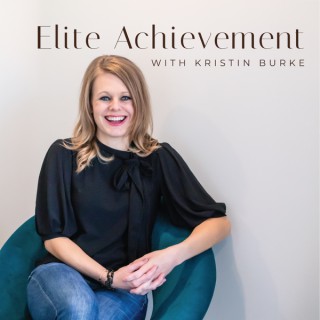
Today we talk with John Gatewood about why elite financial advisors win through listening, not knowledge, and how real connection is what motivates clients to act. We break down practical language, coaching habits, and preparation routines that help advisors and firm leaders build trust, clarity, and conviction.Key topics discussed in this episode:• Advisor training crisis driven by high attrition and looming retirements• Communication skills as the true differentiator in wealth management• Data-backed perception gap between how advisors think they listen and how they actually show up• Being interested versus being interesting to deepen trust fast• Empathy and clarification to reach the root issue behind client goalsFollow Elite Achievement for more conversations on leadership and high-level execution.About JohnJohn Gatewood, CFP®, CLU®, is the founder and Director of Advisor Development at Gatewood Wealth Solutions and author of The Listening Advisor: Winning Loyal Clients Through Authentic Human Connection. During his 45-year career as a financial advisor, John was recognized on Barron's list of the top 1,200 advisors and earned Top Ten standing at LPL Financial and Forum honors at Northwestern Mutual. After selling his practice in 2021, he shifted his focus to helping advisors master the communication skills that build lasting client relationships. Connect with JohnWebsiteLinkedInThe Listening Advisor – Building Client Loyalty through Authentic Human Connection About Kristin BurkeKristin Burke works with financial advisors and leaders in financial services who are building and scaling firms. She helps them lead more effectively, develop their team, and execute consistently on the priorities that drive growth.Work with KristinIf you are building a firm and want a strategic partner to help you think through leadership, team development, and execution, you can learn more about working with Kristin here:WebsiteConnect on LinkedInLinkedIn

Assassination of the Perfectionistic Mindset - Ep 202 This is a walking podcast in which I talk about the perfectionistic mindset and make a case to meditate on death. It is perhaps a heavy topic but I endeavor to make the case that when we approach sport as though there is a permanent record of every race we win or get dropped at, and we see this CV as something that will be read at our funeral as a meter of our worth as a human, it robs the sport of joy and misses the point of competition entirely. Sport is about the experience of getting better. It is the entire reason we sign up for a bike race. I did not talk about this in the podcast but the entire plot of Tron Legacy is about this exact topic: assassination of the perfectionistic mindset. Thus, you get a shot of Clu, whose mission is to “create the perfect system” in the movie. My hope is that your takeaway will be to see where and how you are trying to create the perfect system and understand the truth: everything is wabi-sabi or “perfectly imperfect”.
In this episode of the Broadcast Retirement Network, Phillip Snyder, CLU from The Warner Companies shares a focused, practical approach to retirement planning—centered on building reliable retirement income, protecting your financial plan from risk, and making smart decisions that can last for the long term. If you're looking for clarity on what matters most (and what to stop overlooking), this conversation is built for you.

Frederick Pratt Jr., CFP, CLU is a 2025 Wealth Professional Canada Top 40 Under 40 Rising Star, Certified Financial Planner at Desjardins Financial Security Independent Network in Ottawa, and one of the most engaging guests we've had on this podcast.He's also a golf champion with a gift for mathematical patterns that most people wouldn't believe until they see it live.In this episode, Fred draws a clear line between golf course management and financial planning, and the parallels are hard to ignore. Reading the terrain before swinging. Knowing which club to pull and when. Avoiding the double bogey moments that quietly add up over time. It all connects.Fred walks us through his TERP framework, a one-page Tax and Estate Retirement Plan designed to show clients every income source, every asset class, and every planning gap at a single glance. He explains why he calls life insurance an "estate enhancer" on that plan, and how that language shift changes client conversations entirely. He makes the case for participating whole life as a legitimate asset class, breaks down why a 5% tax-efficient return outperforms a 7% return when tax planning is missing from the picture, and challenges advisors to rethink what a complete financial plan actually looks like.And then there's the Magic of Prime. A pattern-recognition ability Fred discovered at 11 years old that lets him work through complex decimal calculations in real time, with no calculator. It started with fractions in grade five. It ended with 25-digit answers on demand.
Chet Bennetts, PhD, CFP®, ChFC®, CLF®, CLU®, RICP®, and cofounders of WolfBridge Wealth Michael Kothakota and Jessica Wery, PhD, discuss the implementation of research outcomes in financial services practices. They look at how firms can determine the value of research, the best methods of bringing this discussion to clients, and more. To learn more about single-case research, see Kothakota and Wery's paper! Access all episodes now at TheAmericanCollege.edu/Shares.

Schedule with David: https://factumcalendar.com/davidBook a call: https://remnantfinance.com/calendar Out Print the Fed with a 1% target per week: https://remnantfinance.com/optionsEmail us at info@remnantfinance.com or visit https://remnantfinance.com for more informationFOLLOW REMNANT FINANCEYoutube: @RemnantFinance (https://www.youtube.com/@RemnantFinance)Facebook: @remnantfinance (https://www.facebook.com/profile.php?id=61560694316588)Twitter: @remnantfinance (https://x.com/remnantfinance)TikTok: @RemnantFinanceDon't forget to hit LIKE and SUBSCRIBE_____________________________In this episode, Hans sits down with David Zapata of Factum Financial, one of their leading agents, for a wide-ranging conversation that moves from David's personal story to the philosophy behind infinite banking and the kind of practice he and Kyle Fuller are building.They walk through David's path from a Colombian upbringing marked by the early loss of his mother, to a decade as a jet engine engineer at GE, to the coffee shop meeting and the single book that pulled him out of the corporate track. From there they get into why nobody has an incentive to teach you control, why life insurance is a product of privilege, and the four-stage progression from saver to full infinite banking practitioner that shapes how Factum serves its clients.Chapters: 00:00 – Opening segment 03:30 – Growing up in Colombia and losing his mother at 15 07:35 – Protection as a real transfer of risk you can't control 09:40 – Insuring the non-breadwinner spouse 12:20 – The peace of mind of having already transferred the risk 13:05 – Ten years at GE and the pull toward more purpose 13:40 – Watching layoffs and retirement fear reshape his thinking 18:25 – Financial literacy in Colombia vs. the US 28:10 – Stop being a passenger: becoming your family's CFO 33:05 – Money as the foundation for every other relationship 41:40 – Concentrating capital across four policies 43:00 – Getting licensed and joining Factum 45:05 – "The Waiting List": why delaying kids backfires 47:30 – None of us know how many days we have 49:30 – Inside Factum: 2,300 clients and 99% persistency 54:00 – Why Factum won't do transactional business 59:15 – The Factum model and building leverage as an agent 01:05:20 – Read the book again: you've changed, it hasn't 01:07:25 – Where to find David and FactumKey Takeaways:The absence of protection is a risk you can't control. David lost his mother to cancer at 15, and it shaped a lifelong conviction: in the absence of protection, a family falls prey to whatever is left. Life insurance the way it's used here is a product of privilege. As one of David's CLU professors put it, whole life requires the money, the background, and the health to access it, which is why the top 20% of society uses it meaningfully. You can earn six figures and still save nothing. David and his wife both earned six figures and couldn't put away $400 a month, and it made him doubt whether he could even afford to have kids. Don't run a transactional practice, build relationships. Factum services roughly 2,300 active clients with 99%-plus persistency and about a billion dollars of protection across all 50 states.

What if there was a strategy used by ultra-high-net-worth families that could help physicians grow investments more efficiently, reduce taxes, protect assets, and create a lasting legacy?In this episode of Limitless MD, Dr. Vikram Raya sits down with Michael Malloy to discuss one of the most powerful wealth-planning tools you've probably never heard of: Private Placement Life Insurance (PPLI).While many physicians focus on maximizing income, few understand how the ultra-wealthy structure and preserve their wealth. Michael explains how PPLI has been used by affluent families since the 1970s as a sophisticated vehicle for tax planning, asset protection, estate planning, and long-term wealth preservation.Together, Vikram and Michael break down what PPLI actually is, how it differs from traditional life insurance, who qualifies, what types of assets can be held inside a policy, and why some investors refer to it as an "unofficial Roth IRA" for wealthy families.If you're a high-income physician, entrepreneur, or investor looking for advanced strategies to preserve and transfer wealth, this episode offers a fascinating introduction to a financial vehicle that has historically been reserved for the ultra-wealthy.“Would you rather keep a dollar or keep seventy cents? That's really what taxes come down to.”~ Michael MalloyIn This Episode:What Private Placement Life Insurance (PPLI) really isWhy wealthy families have used PPLI for decadesHow PPLI differs from traditional life insuranceThe tax advantages of properly structured PPLI policiesWhy some investors call PPLI an unofficial Roth IRAHow physicians can use PPLI as part of a broader wealth strategyAsset protection and estate planning benefitsPassing wealth to future generations more efficientlyHolding real estate, businesses, collectibles, and cryptocurrency inside PPLIUnderstanding the investment control doctrineWho qualifies for PPLI and typical minimum investment thresholdsCommon misconceptions about advanced wealth planningAbout Michael MalloyMichael Malloy, CLU, TEP, RFC, is the Founder and Chief Advisor of EWP Financial, a global leader in Expanded Worldwide Planning (EWP) and Private Placement Life Insurance (PPLI). With more than 40 years of experience in the insurance and financial services industry, he has built a reputation for helping ultra-high-net-worth families implement innovative wealth preservation, asset protection, and tax planning strategies.A former museum administrator turned pioneering insurance strategist, Michael has dedicated his career to helping successful families navigate complex financial planning challenges across multiple jurisdictions. His expertise spans international tax planning, estate planning, risk management, and advanced asset structuring.Michael is also the author of two respected books, The PPLI Papers and The Wit and Wisdom of Professor PPLI, which help simplify complex wealth preservation concepts for investors and advisors alike.Connect with Vikram:

A client came in with statements from more than ten different financial institutions. Her parents had passed away within six months of each other. The paperwork took nearly a year to sort through — and she later told John she never had the proper time to grieve because she was so buried in the chaos they left behind.That story drives everything about how John Pavelka runs his practice. After nearly 30 years in financial services, John has built a model around one question most advisors never ask deeply enough: What's important to you — and why? In this episode, John shares the frameworks, client stories, and hard-won lessons behind his book The Power of WHY: Transforming Your Life and Your Wealth.Gabe and John cover the difference between building wealth and giving it purpose, the emotional traps that derail even sophisticated investors, and why the flip from saver to spender is one of the hardest transitions a client makes — and how John helps them make it.About John PavelkaJohn Pavelka, CFP®, ChFC®, CLU®, CEPA®, is the Managing Partner of The Cities Private Wealth Group, a private wealth advisory practice affiliated with Raymond James Financial Services in Bettendorf, Iowa. With nearly 30 years of experience in financial services, John leads a 15-person team that manages close to $700 million in assets. His team has been recognized on the Forbes Best-in-State Wealth Management Teams list from 2023 through 2025. He is the author of The Power of WHY: Transforming Your Life and Your Wealth.What We CoverWhy the firm's guiding question — "What's important to you?" — goes far deeper than it sounds, and how John keeps peeling back the layers until he reaches the why behind the whatThe four-bucket strategy John uses to give every dollar a specific role — and the story of a client who walked into a meeting worried about a roof, a wedding, and a 20% market drop, and walked out hugging himWhy successful people so often feel disconnected from their wealth — and what John calls the "brother-in-law syndrome" that quietly derails even savvy investorsThe emotional wall between saving and spending in retirement, and why some clients need literal permission to book the trip or fly first classWhy John calls estate planning "an act of love" — and the statistic that 34% of millionaires don't have a willHow proactive tax planning (not just annual returns) saved one client over a million dollars in taxes his daughter would otherwise have inheritedResources MentionedBook: The Power of WHY: Transforming Your Life and Your Wealth by John PavelkaConnect with John PavelkaBook Website: thepowerofwhybook.comFirm website: tcpwg.comEmail: team@tcpwg.comSupport the show
#thismorning | What #Advisors Owe their #Clients: #Fiduciary Responsibility, #Facts, #Integrity and #Trust | Phillip Snyder, CLU, The Warner Companies | #Tunein: broadcastretirementnetwork.com #Aging, #Finance, #Lifestyle, #Privacy, #Retirement, #wellness
#thismorning | What #Advisors Owe their #Clients: #Fiduciary Responsibility, #Facts, #Integrity and #Trust | Phillip Snyder, CLU, The Warner Companies | #Tunein: broadcastretirementnetwork.com #Aging, #Finance, #Lifestyle, #Privacy, #Retirement, #wellness

Every blockchain today leans on replication ideas worked out in the 1980s, by a Turing Award winner who wasn't thinking about how it might apply to money at all. In this episode of First Principles, a16z crypto Head of Research and Columbia professor Tim Roughgarden speaks with Barbara Liskov, MIT professor, Turing Award winner, and one of the most influential computer scientists in programming languages, data abstraction, fault tolerance, and distributed computing. a16z crypto research partner Ittai Abraham joins the conversation. The discussion traces Liskov's path from programming languages and modularity to distributed systems research; from CLU and Argus to viewstamped replication; and from benign failures to Practical Byzantine Fault Tolerance, or PBFT — a protocol family whose ideas now shape many modern blockchain systems. Liskov explains why modularity matters, how systems researchers thought about replication in the 1980s, why view changes were such a key idea, and how PBFT extended earlier work to handle malicious behavior on the internet. The conversation also explores the bridge between theory and practice, the importance of proofs and specifications, and why the next generation of systems research may be reshaped by AI. First Principles is a special, limited series from a16z crypto about the scientific roots of modern computing — especially blockchains — told through rare conversations with the pioneers who helped shape the foundational ideas behind distributed systems, consensus protocols, economics, mechanism design, cryptography, zero-knowledge, and more. People often tell the story of the Bitcoin whitepaper as if it appeared out of nowhere. But the ideas behind Bitcoin — and behind blockchains more broadly — come from decades of computer science, economics, mathematics, and cryptography. First Principles is a guide to that lineage, as told by the people who helped build it. Highlights: 00:00 Intro: How do systems stay reliable when parts fail? 01:18 Barbara Liskov's path from programming languages to distributed systems 05:45 Why modularity is “everything” 07:22 The replication problem: keeping data available across many machines 09:58 Viewstamped replication and the “ledger” before blockchains 16:32 Why good research starts with what you don't understand 18:10 Leslie Lamport, Paxos, and the inevitability of ideas in the right time, in the right place 21:48 Practical Byzantine Fault Tolerance: what changes when replicas can lie 19:35 How PBFT bridged theory and practical systems 22:38 Why you should never trust an individual replica 28:39 Why blockchains are state machine replication in the wild 31:27 AI, verification, and the future of computer science Follow: Tim Roughgarden: https://twitter.com/Tim_Roughgarden Ittai Abraham: https://twitter.com/ittaia Follow a16z crypto: X: https://twitter.com/a16zcrypto LinkedIn: https://www.linkedin.com/showcase/a16zcrypto/posts/ YouTube: https://www.youtube.com/@a16zcrypto Substack: https://a16zcrypto.substack.com/subscribe/ *** As always, none of the following should be taken as investment, business, legal, or tax advice. Please see a16z.com/disclosures for more important information, including a link to a list of our investments. Hosted by Simplecast, an AdsWizz company. See pcm.adswizz.com for information about our collection and use of personal data for advertising.

Retirement planning can feel clear on paper until market swings, taxes, inflation, and longevity enter the picture. What if the real issue isn't picking the right product, but knowing which problem you're trying to solve first? In this episode, Iván Watanabe and Evan Wohl talk with Neal Brincefield, RICP, CLU, ChFC, CExP, Financial Advisor at Consolidated Planning, about Monte Carlo analysis, sequence of returns risk, and retirement income design. Neal explains why simulations should be used as stress tests, not crystal balls, and how a balanced strategy can help reduce pressure on a portfolio. Key takeaways: Why Monte Carlo analysis can create confidence, but shouldn't be treated as a crystal ball How the order of investment returns can reshape retirement income planning outcomes Why structural income planning can be more useful than chasing higher portfolio returns How lifetime income and liquid assets can help reduce pressure during market declines Why defining the planning problem first can make product decisions feel less stressful And more! Connect with Iván Watanabe: Opus Private Client, LLC iwatanabe@opus-pc.com LinkedIn: Iván Watanabe YouTube: OPUS Private Client, LLC Connect with Evan Wohl: Opus Private Client, LLC ewohl@opus-pc.com LinkedIn: Evan Wohl YouTube: OPUS Private Client, LLC Connect with Our Guest: LinkedIn: Neal Brincefield Website: Consolidated Planning About Our Guest: Neal Brincefield has dedicated his professional career to helping people realize their full financial potential by both working with those individuals directly and by recruiting, training, and coaching hundreds of other financial advisors to do the same. Neal started in the financial services industry with Consolidated Planning, Inc. in 2005, initially as an advisor and has maintained that role ever since. In addition to that 1st role, Neal has also worn the hats of top manager, case coach, agency head and national trainer. In those capacities, he has had the opportunity to work with hundreds of Guardian FRs on thousands of cases to refine their process, improve their results and better serve their clients. In 2017, Neal was retained as a special field consultant by Guardian to lead their effort around the company’s industry-leading planning system, The Living Balance Sheet®. Neal’s mission in leading LBS into the future is to continue to provide and refine: 1) An incredible experience for clients 2) A powerful set of planning tools for advisors and 3) An unparalleled recruiting and productivity tool for agency leaders. Under Neal's stewardship of LBS, Guardian continues to be the only company in the industry whose planning system is led by members of its field force, underscoring Guardian's commitment to supporting its Financial Representatives and by extension the clients whom they've committed their careers to serve. Neal lives in Chapel Hill, NC with his wife Sarah and their 3 children.
Whether you are looking to buy or have already acquired a practice, it's essential to have the right people in place to help you not just grow but thrive. In this episode, MDRT member D. Kyle Atkins, CFP, CLU, and president of Succession Resource Group David Grau Jr. share how to navigate the challenging task of finding the ideal employees to support the future of your business. Episode breakdown: 0:31 – Seeing hiring as an investment that requires hard work 2:19 – When you can acquire not just revenue but talent 3:23 – If an important person is leaving from the business you're acquiring 4:56 – Fostering a well-paid and positive office culture 9:58 – What to look for to identify and hire that rare, great candidate 12:17 – Recognizing that everyone struggles with hiring and that you can't interview for culture
#ThisMorning | #Disability #Insurance: #Protect Your #Paycheck | Phillip Snyder, CLU, The Warner Companies | #Tunein: broadcastretirementnetwork.com #Aging, #Finance, #Lifestyle, #Privacy, #Retirement, #wellness

What hidden tax risks could be quietly threatening your business growth?On this episode of Grow Your Business & Grow Your Wealth, guest host Jack Reeder sits down with Brian Weaver, CPA, MBA, a tax technology consultant with deep expertise in transaction taxes, automation, compliance systems, and digital transformation.This is not a conversation about boring tax forms.It is a conversation about risk, growth, systems, and why many business owners do not realize they may have exposure until an audit, penalty, or costly mistake forces attention.Brian shares fascinating stories, including how businesses have been put out of business by missing multistate tax obligations, why the 2018 Wayfair ruling changed everything, and how automation and AI are reshaping tax strategy for the future.If you think taxes are just something your accountant handles once a year, think again.In this episode:→ Why the biggest tax risks are often hiding in ordinary business activity.→ How the Wayfair decision changed compliance for businesses in every state.→ The costly mistakes companies make by relying on outdated processes.→ How automation and AI are transforming tax management.→ Why “that's how we've always done it” can become an expensive habit.→ What every business owner needs to know about where they are doing business and the risks that creates.Memorable quote from Brian Weaver:"Know where you're doing business, how you're doing business, and the potential implications of not doing the right thing."That is not just tax advice. It is business survival advice.This episode makes a compelling case that good tax strategy is not defensive. It is a competitive advantage.Listen in and discover why protecting wealth often starts with asking better questions.Connect with Brian Weaver on LinkedIn: https://www.linkedin.com/in/brian-weaver-cpa-mba-a22510/For more information on Guest Host:Jack W. Reeder, CLU®, ChFC®Chartered Financial Consultant978-335-2267

A powerful resource for citizens, educators, leaders, and parents, Hijacked speaks to those ready to defend liberty, restore responsibility, and reweave the social fabric of our nation—before it's too late.In an era of cultural confusion and political polarization, Hijacked offers a bold roadmap for reclaiming the essential principles of a flourishing society. Drawing from historical evidence and timeless wisdom, authors Peter H. Calfee and J. Kevin Dolan argue that the survival of the American republic depends on our collective ability to return to foundational values— Critical Thinking, Education, Religion/Faith/Values, History, Politics, and Economics.From the very first chapter, Hijacked drives home the premise that the American experiment is not immune to failure — unless its people actively think, question, and speak with clarity and conviction.In one of the book's foundational sections, Calfee and Dolan explore the erosion of public discourse and the consequences of abandoning Critical Thinking. They recount how great civilizations—from Ancient Rome to modern states—fell not due to external enemies but internal decay. Indoctrination, moral relativism, and the suppression of inquiry replaced reasoned dialogue and moral clarity.About the AuthorsJ. Kevin Dolan is a former airline pilot and Wharton MBA who co-founded a successful Registered Investment Advisory firm and played a key role in launching the Allied Pilots Federal Credit Union.Peter H. Calfee is a financial expert and retired CPA, CFP®, and CLU with leadership experience in regulatory, nonprofit, and academic settings. He holds degrees from Stanford University and the University of Chicago Booth School of Business. Together, they bring decades of real-world experience and principled leadership to this urgent call for national renewal.https://hijackedourrepublic.com/
#ThisMorning | Does #Insurers #Investment in #PrivateCredit Raise #Concerns for #Advisors? | Phillip Snyder, CLU, The Warner Companies | #Tunein: broadcastretirementnetwork.com #Aging, #Finance, #Lifestyle, #Privacy, #Retirement, #wellness
Most business owners are focused on the day-to-day. The problem is… that mindset is quietly limiting their growth.In this episode of Grow Your Business & Grow Your Wealth, guest host Jack Reeder sits down with Grant Daffin, CPA and founder of Daffin Financial, to talk about what really drives long term success for entrepreneurs.Grant shares his journey from public accounting at EY and internal audit at US Bank to launching his own firm, driven by a desire to build a better culture and deliver more meaningful value to clients. The conversation goes deep into the gaps most business owners do not see until it is too late, including poor financial visibility, lack of internal controls, and waiting far too long to think about tax strategy or exit planning.One of the biggest takeaways is simple but powerful: many business owners are operating without any real financial plan at all. Grant explains why that is one of the most common and costly mistakes he sees, and how investing time and resources into financial planning can dramatically improve outcomes.This episode also covers the difference between bookkeeping, controller services, and fractional CFO support, helping business owners understand when it is time to level up their financial operations.→ Many business owners wait too long to plan for taxes or an exit → Financial statements are often inaccurate without proper oversight → Internal controls are critical once a business begins to scale → Most entrepreneurs are operating without a true financial plan → Investing in planning can unlock significantly more growth potential → AI can support efficiency, but expertise and human insight still matterLearn more about Grant Daffin and Daffin Financial:https://www.daffinfinancial.com/For more information on Guest Host: Jack W. Reeder, CLU®, ChFC®Chartered Financial Consultant978-335-2267
Send us Fan MailOn this episode of The Get Ready Money Podcast, I spoke with Julie Pinkerton, CEO and founder of Evozen and creator of the ClientFirst platform, about why human connection, not algorithms, drives meaningful professional relationships.Julie shares why the most effective way to grow your business often comes through peer relationships, how understanding behavioral styles improves communication, and why authenticity matters even more in a technology-driven world. We also explore how AI can support connection without replacing it, and why you don't need to be an extrovert to be a strong networker.

For many family business owners, the succession question is more complicated than it looks — especially when some family members want to stay involved, others don't, or there's simply no heir apparent willing or able to take the reins. An Employee Stock Ownership Plan can bring remarkable clarity to exactly these situations. Kelly O. Finnell, J.D., CLU, AIF®, President of EFS ESOP Consultants and one of the nation's foremost ESOP authorities, joins Pat, Walter, and Corby to explore how ESOPs can serve as a powerful and often underutilized tool in family business succession planning. With more than 40 years helping business owners design and execute ESOPs — and author of the preeminent guide The ESOP Coach: Using ESOPs in Ownership Succession Planning — Kelly brings unmatched depth to this conversation. He covers the general parameters for when an ESOP makes sense, the specific benefits in a family business context, how ESOPs can minimize taxes while maximizing shareholder legacy, and why owners with no clear successor should be looking hard at this option.Conversations that move you closer to a regret-proof exit. Subscribe To The Channel By Clicking HERE!Learn more about Pat and Walter: https://ennislp.com/about CONNECT ON SOCIAL MEDIA:YouTube: https://www.youtube.com/channel/UCOwUmJP3Fm4rYbRAQhYQkpg ExitReadiness Blog: https://ennislp.com/read-our-blogFacebook: https://www.facebook.com/exitreadinessWebsite: Ennislp.com#PatEnnis #WalterDeyhle #ExitReadinessDISCLAIMER: The information in this presentation is provided as education only. Neither the presenter nor ENNIS Legacy Partners is engaged to render legal, accounting, or other professional services. Consult a qualified professional for advice specific to your situation. ENNIS Legacy Partners assumes no legal liability for any loss related to information contained in this presentation.

APEX Express is a weekly magazine-style radio show featuring the voices and stories of Asians and Pacific Islanders from all corners of our community. The show is produced by a collective of media makers, deejays, and activists. On this episode, host Miata Tan speaks with three guests from Tsuru for Solidarity, a nationwide organization working to end immigration detention in the United States. They discuss the current state of the system, the conditions facing immigrant and asylum-seeking families, and how Tsuru's Japanese American roots shape their approach to this work. Get Involved with Tsuru for Solidarity Join a campaign Mailing list Instagram | Facebook | YouTube Website Transcript [00:00:00] Miata Tan: Hello and welcome. I'm your host Miata Tan, and you are tuning into APEX Express, a weekly radio show that uplifts the voices and stories of Asian Americans and Pacific Islanders. The United States runs the largest immigration detention system in the world. Earlier this year, the US Immigration and Customs Enforcement, also known as ICE, [00:01:00] held a record. 73,000 people in immigration detention the highest number in the agency's 23 year history. Since January 20, 25, over 6,200 kids have passed through ICE detention. Tonight we hear from a community who are shining a light on this issue and working to end the ongoing detention of immigrant and asylum seeking families. Rob Buscher: The Japanese American story and Asian American story are just one chapter in this much larger chronicle of state violence, and we. See our role as, as also helping to connect the dots and be the connective tissue. Miata Tan: That was the voice of Rob Buscher, the Director of Operations at Tsuru for Solidarity, a nationwide organization with a mission to educate, advocate, and protest to close all US detention site. And bring an end to inhumane immigration policies. Tsuru for Solidarity is led by [00:02:00] the survivors and descendants of Japanese Americans who are incarcerated in concentration camps by the US government in World War ii. Our three guests tonight are shaping the future of this work at Tsuru for Solidarity. They share with us how the legacy of Japanese American wartime incarceration is deeply intertwined with the present day realities that many immigrant communities are facing. First up is Mike Ishii, the Executive Director of Tsuru for Solidarity. Here's Mike taking us back to the inception of this organization and national movement. Mike Ishii: In 2016 the Obama administration decided to really lean into. A deterrence policy of immigration. When they had first entered office, we thought they may actually provide some relief for immigrants. But in fact, what they ended up doing was weaponizing the immigration policy at the southern border against immigrants. And they built [00:03:00] Karnes and Dilley, which were the first family detention centers. Carl Takei, one of the founding members of Tsuru for Solidarity. In fact, I think he was just honored by, the Asian Bar Association for his longtime advocacy work in community spaces. Well, in 2016 when the Obama administration really opened Karnes and Dilley, Carl was working at the A CLU in immigration and the Obama administration had the audacity to want to invite advocates from all over the country to show off their new detention centers. And so when Carl entered into those sites, what he encountered was a room that was. Full of giant cabinets floor to ceiling. And when they opened the doors, what he saw inside were thousands of shoes for infants. And it took his breath away and he realized, oh my God, these are concentration camps for children. And you know, this really. Resonated with his [00:04:00] own family's history of mass incarceration during World War ii. So what he did was he immediately called Dr. Satsuki Ina, Dr. Ina is very famous. For a number of things. One is that she is really the preeminent community trauma specialist in the Japanese American community. She was born inside of the Tula Lake Segregation Center, a concentration camp. She would grow up to become a very, well-known psychotherapist in the Japanese American community. Dr. Ina. Is really like Carl's auntie, and so he said, this is happening at the southern border. I want you to come have a look. She went inside and she was actually able to meet with families and their children, and she of course can do a psychological assessment She began to advocate. Against these camps because what she realized was that the conditions, the experiences, the trauma that these children were experiencing was very similar to what our own survivors had experienced as children during World War ii in the US concentration caps. [00:05:00] So there's one of the genesis prongs of Tsuru for solidarity. If you fast forward. To 2018, you have the zero tolerance policy under Trump, administration, 1.0. And if you remember, at that time, as an extension. of deterrence, they were separating children from their families at the southern border. These are families who were seeking refugee status, who were seeking asylum, who were presenting for asylum. That's a constitutional and human right, protected by the Geneva Conventions. They would take those families, they would literally strip the children away from their parents. They deported the parents. Purposefully they did not record where they were sending them often deported not to countries of origin. So in many cases, we still have not reunited those families. We don't know where the parents are and the children are still here, nine, 10 years later, With unaccompanied status because they purposefully destroyed the connections and the ability to [00:06:00] trace and reunite those families. That's Trump 1.0. And when they were doing that they were also expanding these large congregate concentration caps for children. They were calling them influx centers and saying, oh, they'll only be processed through these, and then we'll release children into. Custody of family members, et cetera. That was not true. They were actually prisons for children and they were literal concentration camps. It's violating the due process laws of the United States. there's no accountability. There's no oversight. And so Tsuru for Solidarity emerged in 2018 as an organization of Japanese Americans, really led by survivors who were children in camps and their descendants. My own mother was incarcerated in a concentration camp in Idaho with her family. During World War ii, she was 10 years old at that time. She had two younger sisters and her youngest sister was born inside of the Minidoka concentration camp and experienced birth trauma because they had no doctors. She was, um, birthed by a veterinarian [00:07:00] and ex experienced, um, lack of oxygen And so she lived a life of tremendous suffering and, and disability. Um, that was often unrecognized as trauma from a concentration camp. She attempted to commit suicide multiple times. Eventually would die an early death from mental health. Complications. That's the legacy of the camps of World War ii, and understanding that multi-generational impact is partly why suited for solidarity emerged in 2018 when we recognized that they were repeating our history, and that's why we're here today. Miata Tan: That was Mike Ishii, Executive Director at Tsuru for Solidarity. Mike described how Tsuru's work grew in response to the ongoing detention of immigrant children in the United States. As he mentioned, many Japanese Americans have deep roots in this country. Now let's hear from Rob Buscher Tsuru's, Director of [00:08:00] Operations. He's a mixed race yonsei or fourth generation Japanese American. You may hear him use terms like yonsei to describe different generations. Now, here's Rob Unpacking the legacy of Japanese American incarceration, including the Civil Liberties Act of 1988, which issued a formal apology and reparations and what that history means for other communities today. Rob Buscher: In 2018 and 2019, our community was not the one that was at risk of being detained. We were not the ones who were being targeted by the state violence of immigrant detention and enforcement. and yet we had this ability to kind of think about and talk about. Multi-generational impacts of the trauma from World War ii. Um, it's not just the survivors of camp and the children of camp. It's the children and grandchildren of this experience who continue to suffer multi-generational effects of trauma, whether it be higher, uh, incidents of anxiety and stress leading to a [00:09:00] variety of health issues, uh, substance abuse issues the forced assimilation that resulted in the aftermath of our resettlement into the broader American society has also resulted in a great deal of assimilation trauma. So for a number of sansei and yonsei and gosei now trying to understand, uh, what is our history and heritage? How can we relate to something that was forcibly removed from us and really navigating this idea that at sometimes feels like a racial imposter syndrome, uh, when we don't know our own histories because it was forcibly taken from us. In a variety of ways, uh, I think that the Japanese American community's role, and specifically through Tsuru, has been rooted in this idea of solidarity and collective liberation because we understand that the effects. Our trauma, we're part of this much longer continuum of anti-black racism, of anti indigenous genocide, of white supremacy in the United States. The [00:10:00] Japanese American story and Asian American story are just one chapter in this much larger chronicle of state violence, and we. See our role as, as also helping to connect the dots and be the connective tissue. In some cases, when communities who have experienced these kinds of traumas across many decades aren't always in communication with each other, aren't always in conversation, but the complexity and nuance of the American story actually lends itself to a number of parallels to have conversations around things like. Black reparations. And you know, this is another part of the work that Tsuru does in solidarity with black reparations and African American communities, descendants of chattel slavery and others who have suffered Jim Crow and other forms of state violence against black and brown communities. understanding that the, the redress story and the story of Japanese Americans receiving our own reparations. Uh, is part of this longer narrative around, uh, what does it mean to have reparative [00:11:00] justice? And, um, as some of the few people who have received reparations from the United States government, uh, many of us also see it as our obligation and duty to stand in solidarity with black reparations. Mike Ishii: if I could just add on to that, you know. There's an intersectional history in the United States of forced removals, you know, on the enslavement blocks enforcing people on forced death marches from their home lands to reservations. In the prison system of the us The largest prison system in the world. It's forced removal, it's separation of families, it's mass incarceration it's surveillance and it's murder. And the Japanese American chapter of that history is actually a very similar story that just as, as Rob said, just keeps being repeated over and over again, but it's created in new iterations. So, just to give you a small example related to the Japanese American story. Dylan Meyer, who ran the war relocation authority, he was responsible [00:12:00] for the 10 largest, the most well known of the Japanese American concentration camps. There were actually over 75, sites of detention for Japanese Americans during World War ii. Most people don't realize that. what we were put into that system during World War II was based on the reservation model, um, of how they remove indigenous people from their homelands and then force them onto reservation lands. That model was exported. By the Nazis to build their concentration camps. So like people think, oh, Nazi Germany invented that. No, it was, that model was invented in the United States. It was then exported to Nazi Germany. It was then tailored further on Japanese American communities. And then with the forced assimilation, we were, our people were not allowed to go back to their homes initially. Dylan Meyer wrote about it in his biography. He considered the force assimilation one of his greatest accomplishments. So what he was doing was he was dispersing us and destroying us in one generation of force removal. We lost our homes, we lost our farms. We lost the nijo Mai, the Japan towns. We [00:13:00] lost our language. We lost our culture, and perhaps most importantly. We lost each other because they pitted our community against each other with a series of very divisive questionnaires that really turned people on each other, More than 84 years since the opening of the camp. We're still trying to repair the fractures of that. They're not healed yet. And so that's what Rob, when Rob refers to multi-generational trauma, we're a fractured community. Still trying to repair the implosion that was. Really dropped on us by the United States government, this is what they do repeatedly to community after community. So with the force assimilation after World War ii, they saw how that worked. Then they, they took that back and they weaponized it against, um, indigenous communities and saying, we're gonna move people off the reservations. We're gonna resettle them in cities Further isolating people away from their home communities, taking away their languages, taking them and breaking their connections to family and community. Right? Setting people up for failure in a city away from their [00:14:00] people. in poverty., And what we're witnessing right now is a culmination of hundreds of years in this of white supremacy, weaponized against our communities. More openly, more brazenly than ever before, with the full power of the United States government behind it. Miata Tan: That was Mike Ishii, Executive Director at Tsuru for Solidarity. As Mike described mass surveillance programs, the World War II, incarceration of Japanese Americans and post-war pressures to assimilate left lasting impacts on this community. In the present, Tsuru for Solidarity connects the Japanese American history to ongoing immigration detention in the United States. Here's Mike describing some of Tsuru's past and ongoing campaigns focused on closing specific detention sites, what they call site fights. Mike Ishii: Dilley and Karnes, which are the original two sites and the largest sites in Texas, which are now in the news again, [00:15:00] because they're being reused again by the Trump administration very openly. But under Biden, we had forced 'em to close those basically functionally for families. They were using them in other ways. Which is not good. but we had forced them to stop detaining families officially. we had stopped the expansion of these large congregate sites for unaccompanied migrant children. Uh, we stopped them from opening a large one in Greensboro, North Carolina. They wanted to open what they called the Piedmont Academy. Site of the former National Jewish School that school closed. And so they had leased the property and they were gonna. Open their largest detention site for unaccompanied migrant children and call it an academy. we slowed it down and forced them to reconsider it long enough to where it became an unworkable, policy for them. And they abandoned it. We stopped them from expanding Fort Bliss. In El Paso, which is a military base that was also used as a Japanese American incarceration site [00:16:00] during World War ii. it's currently being used again. It's being called Camp East Montana, by the Trump 2.0 administration. And when they were incarcerating children there during the first Trump administration, children were literally forgotten. Their cases were forgotten, and there were children languIshiing in there for like. Up to a year at a time, and nobody knew they were there because no one cared. There were allegations of sexual abuse, uh, rotten food, children who never were allowed outside. Children covered in lice, children taking care of younger children because nobody took care of them, lack of medical care. And so if that's shocking for what was happening under the first Trump administration, it's. Also happening now. And, and there is even less oversight or accountability now than there was, during the first Trump administration because as broken as that system was, then it had more accountability because there were [00:17:00] advocates and legal representatives for children, which is almost non-existent now. They've done away with the funding for that. We have three year olds representing themselves in immigration courts now because they did away with the congressional funding to support that. That's sort of the, the constellation of. Of the work that we emerged into when we came into formation, um, under the first Trump administration. And, it, it has just continued to evolve. We've been involved in, I think it's eight site fights now. And as difficult as this moment is right now, I always wanna tell people, and frame it this way, when you fight back, you win. We closed the Berks Family Detention Center permanently. We stopped the Piedmont Academy from opening in Greensboro. Tsuru's first major action was to go to Fort Sill in Oklahoma in 2019. Um, we led two protests there. The first one went [00:18:00] sort of viral on democracy now in cause they accompanied us. They embedded themselves with us. This is the first thing we ever did in a large scale and had no idea what we were doing at that point. We just were just angry and we, and full of, passion and said we have to go there and stop them from opening. A new concentration camp for 1600 children. And so we did that. Um, as a result, United we dream joined us along with AIM Indian Territory, with Black Lives Matter, Oklahoma City. Um, with Dream Action now Oklahoma with Veterans for Peace and with many of the local tribes. We came back a month later and staged a massive, massive demonstration shut down the highway into the fort. We brought 25 Buddhist priests and nuns with us. Who chanted the heart suture at the gate, um, while DACA young people took the highway and shut it down. After that action, the governor and the two senators from Oklahoma made an announcement the next day and they said, we've decided not to open this site here because we [00:19:00] said if you move ahead with. This is just the beginning. You think this is bad. We are gonna bring thousands of people here and we will make sure this site never opens. we proved through solidarity and community organizing in that moment that when you organize in solidarity against state violence, you win. You know, it's a bad moment. Right now they're proposing what, 23, 25 new warehouse detention sites, but actually. At least three or four of them have been curtailed already because community came together and said, not in my neighborhood, not in my town, not in my city. We will oppose you. And we're getting very smart about how we work together. I think Chicago and Minneapolis, LA have really lifted up the idea that change and transformation comes from the ground up. when we wait for our. Governments to change policy for the better of people and humanity. It doesn't happen. It's [00:20:00] when it's when the grassroots decide. We band together. We protect ourselves, we care for ourselves. We organize, we stand in solidarity against state violence. Then we can move things and we can stop things. Miata Tan: That was Mike Ishii, Executive Director at Tsuru for Solidarity. As Mike described, Tsuru organizes creative nonviolent actions to challenge immigration detention and bring people into collective resistance. Stay tuned to learn more about this movement and they're opposing inhumane practices against immigrant communities. Miata Tan: [00:21:00] [00:22:00] That was Forevermore by Yuna. You are tuned into APEX Express on 94.1 KPFA, a weekly radio show uplifting the voices and stories of Asian Americans and Pacific Islanders. I'm your host, Miata Tan. Tonight we're centering the work of Tsuru for Solidarity, a nationwide organization with a mission to close all US detention sites and bring an end to inhumane immigration policies. Sophie Sarkar is the Bay Area organizer with Tsuru for Solidarity. Here's Sophie speaking about their approach using non-cooperation as a guiding strategy. Sophie Sarkar: Non-cooperation is the idea that. I guess there's this larger model for [00:23:00] authoritarianism. And that an authoritarian regime is actually a lot more fragile than we think because it is upheld by many different pillars of society. So for example. The authoritarian regime cannot function unless it has a military force that is supporting it, unless it has a media that's supporting it unless it has elected officials corporations, police forces. And so when we think about strategy, we're really thinking about these specific pillars. Um, instead of just like, how can we take down this, uh, authoritarian regime? We think about like, okay let's choose a pillar and let's unpack all the different layers within that pillar. So, for example, if we choose the pillar of corporations, you know, there are many different corporations that we know are supporting, working in concert and supporting ICE and the Department of Homeland Security, like enterprise, like [00:24:00] Hilton, target, home Depot. And within each of those. , Well, there are the consumers, and then there are the workers, the managers, and then the CEOs. So we try to create strategies that kind of work from at a grassroots level. So starting with the outer layer of like the consumers through boycotts to workers, labor strikes and so forth. When we're talking about non-cooperation, we're really talking about strategies that help us support people to, to dissent and to stop actually working with the regime. we learned a lot from Minneapolis where folks were calling up enterprise, um, and booking booking cars so that ICE couldn't. rent them and then just canceling last minute. Miata Tan: That was Sophie Sarkar Bay Area organizer at Tsuru for Solidarity. As Sophie described, Tsuru uses a framework of [00:25:00] non-cooperation to guide its organizing work. Their campaigns include a range of non-violent actions, letter writing, public demonstrations, and continued pressure efforts. Now returning to my conversation with Rob Buscher, Tsuru's, Director of Operations. I wanted to know how Tsuru is organizing together, how they are thinking about this strategy nationwide. Rob Buscher: We are all remote workers, so Mike and Becca, our Director of organizing, is based in New York City. Uh, and they frequently travel, uh, every other week traveling across the country to the campaign hubs that are mainly located in the West Coast, where we have a larger Japanese American community. Seattle, Portland, San Francisco Bay Area. Those are kind of our big hubs, and that's where the bulk of Tsuru's volunteer members are located. So much of this work is campaign driven, it's really work that is ideated together [00:26:00] as, as a committee consensus based decision making that takes place both from campaign level, but also regional leaders within each one of those hubs. looking at child and family detention, looking at police prisons and detention as our two detention campaigns. Healing Justice as Mike was talking about, including Resiliency and arts as well as the core healing circles Practice that has been a, a part of our practice since the beginning. And also the solidarity with black reparations campaign. So between each of those four campaigns, we have co-chairs that lead that work. Um, they form our leadership council, which is essentially the, the board of sudu. And together with our six staff, we work very closely with the leadership council to create a plan for the organization at a larger national level. But the day-to-day operations is largely being done by our volunteer members in each one of those locations. We have busy seasons, of course. the Day of Remembrance on February 19th is a, a major focal point for a lot of [00:27:00] our historic remembrance around the anniversary of Franklin Roosevelt signing Executive order 9 0 6 6, which laid the legislative groundwork for the forced removal of our communities from the west coast and that. Has become, not just within Tsuru, but within the Japanese American community. A launch point for revisiting this history from the lens of today and trying to understand what is the role of the survivors and descendants of the Japanese American community as we see parallels to what occurred, happening to families. And individuals around the country in real time. A member of my own family was arrested under the Alien Enemies Act in 1942, and we're seeing the same kind of legislation being used against Venezuelans and other folks from Latin America. you know, when we kind of think about the role that we play today. As staff, we hold a lot of the this work from like a planning standpoint, but the actual boots on the grounds are the volunteer members of the organization. Miata Tan: That was Rob Buscher, the Director of operations at Tsuru for [00:28:00] Solidarity. Now let's return to Sophie Sarkar, the Bay Area organizer for this nationwide movement. Here Sophie reflects on Tsuru's volunteer network and the anti deportation campaigns they help to coordinate across the Bay Area. Sophie Sarkar: So our volunteers are largely Japanese American, world War ii, prison camp survivors and descendants as well as allies. And It's an amazing volunteer base to work with because it is so intergenerational. So for example, we had a strategy retreat for our leaders and our youngest participant was 21 and our oldest participant was 95. And. All the ages in between as well. that's one of the reasons I love working with this group so much because I think it's pretty rare to be in such intergenerational spaces organizing together. Yeah. And, uh, we have volunteers all across the Bay [00:29:00] Area. We have folks that. Our artists that have law degrees that, have an organizing background that have never organized before in their lives. Um, we really try to make ourselves accessible to anyone who's interested in participating. So even if um, someone is just really starting to understand the realities of the systemic violence, against immigrants in this country we, we make space for that and we really try to, offer a lot of political education to folks so. Yeah, at any level they can engage. Yeah, and we have faith leaders. We have folks who have experience with labor unions. So it is a pretty wide variety. But yeah, most of us come together with this shared historical experience of, some people themselves or their families being incarcerated during World War II i, myself am a descendant of, [00:30:00] folks who are incarcerated at Manzanar and Tulle Lake. My family were also so folks who were coerced into renunciation and quote self deportation unquote after the war. I feel so many different various connections to my own family's experiences and what's happening today. And so it just feels like a really deep yeah, just a, a deep opportunity to get to, I. Ground in my, my ancestral historical experience as, as an organizer for Tsuru. I think for many of us by really being able to show up in solidarity with groups that are facing State violence it looks different today in some ways. But it's kind of the same playbook as we might say of how the government treated our family members. And it's really an opportunity for us to. really address the [00:31:00] impacts of what happened to our families on us, across generations to address our trauma, to face it to heal from it. Miata Tan: Definitely. Could you share a little bit about what your day-to-day looks like as a organizer? Sophie Sarkar: My role is really to work with our volunteer leaders and to support them in, , building out campaigns here in the Bay Area. So in the Bay Area we have, we are part of the ICE out of Dublin coalition and we have our own Tsuru campaign around preventing the reopening of FCI Dublin as an ice detention facility. there is currently no ice detention facility in Northern California, so that would have a huge impact on the entire Bay Area and Northern California in general. So we spend a lot of time on that, working on that campaign. we also have part in Refugees campaign where we have supported individuals at risk of [00:32:00] deportation, um, with kind of mutual aid and wraparound care. And we also have a Palestine working group that is Supporting the J eight community in the Bay Area to organize folks around the genocide and Palestine, and now the war in Lebanon and Iran. And so we will be participating, for example, in a interfaith march, and pilgrimage in May as part of that we have a child and family detention campaign that's more national. we organize monthly general meetings so that folks have a place to land with us. And at those general meetings we, give campaign updates, but we also, really try to do something engaging and like take an action together. So, at the last couple, um, general meetings, we folded paper dolls as part of a Paper Dolls campaign to raise awareness about child and family detention and the [00:33:00] 6,000 families that are currently detained by ICE. Miata Tan: That was Sophie Sarkar the Bay Area organizer at Tsuru for Solidarity. As you heard, children and families detained by US Immigration and Customs Enforcement are central to their campaign work. One example is the Paper Dolls to Free families Campaign that Sophie mentioned. Tsuru for Solidarity is leading this effort alongside partners in the National Coalition to End Family and Child Detention. The campaign invites people across the country to create paper dolls with little messages of solidarity, which the coalition will deliver to members of Congress. He is Tsuru's Executive Director Mike Ishii, reflecting on the thinking behind this work. Mike Ishii: We have to recognize that great violence has taken place between people and between our groups. But the only way we're going to reconcile this and actually transform it is if we try to repair it in a [00:34:00] transformative way. You know, part of the work that we're doing right now, in the National Coalition to End Family and Child Detention is a campaign that we call free families. And here's what it does, it recognizes that we are trying to free the families who are inside detention. Uh, you know, Liam Ramos, right? The five-year-old with the bunny backpack who was put in Dilley. He's the face of 3,800 children detained in the last year by the Trump administration. It's probably much higher than that because they don't actually report truthfully, the statistics That really moved people when they saw Liam's face. But what we're trying to do is have it, his story, be connected to a greater story about families and children, because what we know in our own research. And when we look at the voting patterns and why people voted for the Trump administration in the last election, what we see is really angry. People who feel left behind um, well, the system has left behind people. [00:35:00] Healthcare. Food stamps prenatal care, Medicare education, you name it. Housing, all of the things that affect working people who are struggling more and more as prices go up in this country. As the future starts to narrow and people don't see an open feature for themselves but this 1% is getting more and more enriched by the policies. And the violence that they're enacting on communities. And so the Free Families Campaign is really a campaign not just for immigrant to free immigrant families and children. It's really to recenter the the importance and the sAACREdness of families and to organize families across the country for their common purpose, their common good. I was a part of a study and, advisory council that did research about how do we change the narrative on child and family detention nationally. What we found is that the majority of the country holds a value of the sAACREd. Importance of protecting children and the [00:36:00] sanctity of the family. And when we organize and get people into conversation about that, about their own families and about their own children and what it's like to try to survive in this time, what we realize is that there's this great common denominator of parents actually who are struggling in a system that's leaving people behind everywhere, We think that's where the future of movement and solidarity work needs to go. It's about kitchen table issues. It's about opening a future for the next generation. if you look at the, research and sort of the feedback that you hear from younger generations about their future, it's really bleak. What they say, what they're sharing is that they feel betrayed by the adults. Who are leaving them a world full of climate crisis and war and lack of opportunity, lack of rights. And so the organizing work that we're involved in right now, you say, oh, it's immigrant rights work, it's anti detention work. It's actually about revising the [00:37:00] future for really our whole society. As things fall and burn, it's the old order. It's so based in your rationality that it's collapsing and on some level you can't stop it from falling. And so our work in this moment is to get people out of the way. And save as many people as this system collapses. And then to vision the new system that actually is the beloved community that does provide equity, for all people that has been denied to so many of our communities. And what's important in that work, along with the organizing and the intervention work against state violence, is the work around repair and healing. We're part of, a national cohort that's been, um, sort of think tanking and doing work and sharing, across our organizations, our methods and trying to help develop new templates, new forms of how to take healing and repair, especially around multi-generational trauma. And to share it broadly so that people are resourced and have more [00:38:00] access to the skillset and the tools for healing multi-generational trauma as part of regular everyday organizing in communities across the country. Miata Tan: That was Mike Ishii, Executive Director at Tsuru for Solidarity. Miata Tan: The namesake of Tsuru for Solidarity is deeply symbolic, Tsuru meaning crane in Japanese is described as a creature of transformation. A symbol of healing and repair, not only for the Japanese American community, but all communities. You are tuned into APEX Express, a weekly radio show, uplifting the voices and stories of Asian Americans and Pacific Islanders. You'll hear more from the Tsuru for Solidarity team after this, stay with us. Miata Tan: [00:39:00] [00:40:00] [00:41:00] That [00:42:00] was Nobody by the one and only Mitski You are tuned into APEX Express on 94.1 KPFA, a weekly radio show uplifting the voices and stories of Asian Americans and Pacific Islanders. I'm your host, Miata Tan. Tonight we are talking about deportation and the communities fighting back. Tsuru for Solidarity, they're a nationwide organization working to close all US detention sites and end inhumane immigration policies We're diving into the Japanese American legacy behind Soda's work and what's driving their fight against deportation. Here's their Executive Director, Mike Ishii. Mike Ishii: We actually have what. Probably more than 12 or 13,000 people at this point who are connected to us in our network. But then on the ground, boots in action, we have hundreds of people who are active and when we call on people like, we need you to come to this major action, we can get [00:43:00] thousands of people to turn out. So this has been a really beautiful evolution of community organizing. We often say. We want to be the allies that our people needed during World War II when they were removed and disappeared from the community. And so that's really our intention that guides us here. in doing so, our work is rooted in relationship building. That's really what that means. Like my mom didn't know that anyone cared about her as a 10-year-old. No one came to the fences of Minidoka. Um, nobody marched in the streets and protested. There were very few people who were fighting for her freedom. And so she didn't know, she didn't have a relationship. So our work is in building relationships within our own community. To Decolonize from white assimilationist forced assimilation policies that are multi-generational, that have positioned us to be inculcated and manipulated as part of a model minority dynamic. We are the group that was used as the poster [00:44:00] child by Ronald Reagan when you rolled out that term. Unwinding that dynamic that has a stranglehold on our community. Because this is a community that was terrified for its survival, and it was grasping for straws of survival and being wildly manipulated by the society in the aftermath of the war. We get to do that work. it's exciting for, for us to get to do that work. And actually, Rob, that's part of his job is to lean into that organizing that we're going to be launching in a fuller manner now that we're here at AACRE. We also get to really build more on what it means to be in solidarity practice. And that's the work I often to get to do with our external partners, what I call our cousins and our siblings in the movement space. And to me, it's some of the most fulfilling work I've ever gotten to do in my life because it breaks your internal isolation that comes from your historical trauma. if you. Have ever woken feeling, how do we go forward? How do we stop this? How do I ever not feel like we're fighting alone? Do this [00:45:00] work because you get daily evidence actually that you're not alone. That we can win when we fight back, and that there are people who care deeply and I get to do that work. I'm very fortunate. As part of the organization our, you know, Becca, who is our Director of organizing, is an incredible strategist and gets to think tactically with our many incredible, incredible volunteers on the ground across the country. I'm fortunate that I know some of them because I was very involved in that work early on. And all I can say is that as a result of having had a chance to be at the frontline in that kind of, deep work with our folks is that I love my people. Oh my God, I love my people. Like I'm just, so moved by the stories of people and their families and survival, and then also their courage to understand that we're a group that achieved a certain amount of privilege in the years since forced assimilation and. The [00:46:00] willingness to understand that's not really something you hold onto, that you actually want to let go of that for your own benefit, and also because it's the right thing to do in the movement toward equity. And so to get to be a part of that movement with my people. Is really a central part of our healing and to get to be a part of that in this organization at this moment, in this moment when we need to step up in, in ways that are so deeply important for the future of really the globe. Whether or not we'll go into an abyss of darkness or we're gonna transform this incredible escalated violence right now, I think we're born for this moment. I really don't think it's an accident. And if we. Each have that choice and opportunity to step into this moment and play a role there. How lucky are we to get to be born right now? So that's a little bit about how I see our role as an organization as we come into [00:47:00] AACRE and as we continue to evolve in this space. Miata Tan : That's really beautiful. And, and thank you for tying us back into AACRE, which is the Asian Americans for Civil Rights and Equality, a network of progressive Asian American organizations uh, soon be joining. Rob, could you share what you are excited for now that Tsuru will be joining Aker and, the future work that is coming up. Rob Buscher: Thanks for that question. You know, I think there's so many incredible organizations that are already under AACREs fiscal sponsorship, so just even in some of the preliminary meetings that we've had with other AACRE group leadership and being in conversation with people that. Oftentimes we've already known for, for many years. You know, I, Eddie Zang, um, and, and others who are, are involved peripherally, as funders are people that I've known since the film festival days. I recently learned. Kaen, who's part of the HR staff at AACRE, a filmmaker that I worked with well over a decade [00:48:00] ago on a Muslim Youth Voices Project here in Philadelphia is also part of the team. You know, just having these little connection points has been pointing us towards the direction that we're meant to be here. This feels like the right moment for Tsuru to be joining Aker. Uh, It feels like there's a lot of, , capacity and bandwidth that we haven't had under our current circumstances. But, um, really with the energy and enthusiasm of all of these groups coming together, I, I feel like we can really make an even bigger impact than we are in these programs. Um, as far as, you know, future. Ideas and, and programs that we have coming up on the horizon. we're very excited about the Kintsugi Healing Conference. Uh, as Mike has spoken about the role of healing within our work. Obviously there's a need for repairing the divides that exist within our own Japanese American community and before we can truly be in, in solidarity and, and do collective liberation work. Being able to heal those divides within our own community needs to take [00:49:00] precedent. So Kintsugi is a way of acknowledging that through this healing, resilience based conference allowing us to turn inwards and really think about the long-term effects of intergenerational trauma, how it's shaped all of our families and individual pathways, and how we can ultimately come together to heal those divides. Um, while also learning more about and training up some of our people around these ideas of collective liberation. it's gonna be taking place in San Francisco's Japan town and we're very excited about that. We'll announce the dates very shortly for October, 2026. Some of the other things that we're working on, as I mentioned earlier, we have our black reparations campaign. Tsuru has been doing this sort of work really in many ways since the beginning, but formalized during the, the summer of 2020 in the aftermath of the George Floyd Uprisings, the Black Reparations Campaign as one of the major work areas, with a number of other Japanese American organizations like New UK Progressives and the Japanese American Citizens League, San Jose Resistors. as part of [00:50:00] this national coalition to, uh, achieve redress and reparations for in solidarity with the descendants of chattel slavery. Our campaign actually had the opportunity to travel to Washington DC last May to participate in National Reparation Networks national Reparations Rally that was attended by over a hundred different, organizations that are working on this issue. Currently. We're in the process of launching a new project called the 4 0 7 Conversations, or a 4 0 7 project. It's acknowledging that 2026 is 407 years since the beginning of chattel slavery in North America in 1619, and the goal is to have at least 407 conversations about reparations in this calendar year. So it's a way to sort of normalize the topic of reparations within not just Japanese American. community spaces, but sort of in the broader conversation about what does it mean to do reparative justice work. As we look towards the future, we're gonna be doing more [00:51:00] narrative campaign work too. We had the opportunity during the day of Remembrance to launch a, nationwide campaign that reimagined the instructions to all persons of Japanese ancestry poster that was placed in our Japan towns. That signaled the beginning of the so-called evacuation, the forced removal of our communities in our new instructions to persons of Japanese ancestry. It was an opportunity to call people in and to, uh, mobilize and activate our community in defense of the frontline communities that are facing the brunt of state violence today. So as we continue to strengthen and build We're hoping to do even more of these large scale national mobilizations. And I'm just excited that we're gonna be able to do this work together, uh, under AACREs banner. Miata Tan: That was Rob Buscher, Director of Operations at Tsuru for Solidarity. As Rob shared from aiding the movement toward black reparations to anti-ice mobilizations. The team at [00:52:00] Tsuru is gearing up for some important campaigns this year To close out, let's return to Sophie aka their Bay Area organizer. I ask Sophie what work she's most looking forward to in 2026. Sophie Sarkar: I am very excited about our, well, yeah, I'm very excited about a lot of things. I think I'm just excited about the ways in which am able to see as an organizer for Tsuru, just like Japanese American community really coming out and mobilizing and working together in coalition. I think, in this time, as we are all trying to figure out ways to dismantle this authoritarian regime and to resist it's really important for us That like we are moving beyond the kind of hierarchical structure that the regime uses and figuring out how to work in coalition and to really find our lane, find what our role is [00:53:00] as an organization, as individuals. And for me it's really exciting to see that the Japanese American community Is doing that is like really trying to work more and more in coalition and I'm excited to continue to support that. for example, we will be leading a non-cooperation training. With other JA organizations in a few months. to, yeah, really support us as a community to understand what non-cooperation looks like and how we can practice that in our various campaigns. And yeah, I see like the japantown organizations we're part of a, Nihon Machi Coalition there. Getting really serious about preparing for and when ICE comes and doing the workup. Upfront now to really train in knowing your rights and non-cooperation and security, just to get prepared as a collective. This year we're also, Tsuru is also organizing our healing justice [00:54:00] conference in the Bay Area called Kintsugi, that will take place in the fall. As part of that we hope to have a day of direct action. So I'm really excited to have the opportunity to kind of bring together our healing justice work, our healing arts work, and our direct action just integrating the three of those. And hopefully planning a really beautiful and healing and powerful action for us all to take together. Miata Tan: That's really lovely. you've mentioned Healing Justice a few times in your own personal background and experience with Tsuru, but also these fantastic campaigns that we are looking forward to. Could you speak a little bit about how the Japanese American community and the wider Tsuru for Solidarity Network is taking care of each other during this moment? Sophie Sarkar: Yeah, such a good question. I feel like that's something that I just notice our community is so good at [00:55:00] doing. Like, I think, you know, we really try to approach organizing from a relational perspective. So. Folks in little ways, like checking in on each other, making each other lunch. I know I had like afternoon at one of our volunteers houses the other day, just like eating lunch together and venting. But you know, it's just the little ways or like folding origami, yeah, I think on that kind of level, relational level of just checking in and remembering that we are human and really need that kind of connection with each other in these times, especially when it can feel really scary and isolating. Zoomed out a little bit more, you know, like our general meetings and our trainings and those kinds of larger gathering opportunities are just a really nice way. Also, we always have a potluck dinner and feed each other. Like, it's just a really nice way to Offer that kind of care and nourishment to one [00:56:00] another and connect as well. Miata Tan: Love that. It's Always great to gather over food. Sophie Sarkar: always. Miata Tan: That was Sophie Sarkar the Bay Area organizer at Tsuru for Solidarity, reflecting on her communities and how they're taking care of each other during this time. This is APEX Express on 94.1 KPFA, A weekly radio show uplifting the voices and stories of Asian Americans and Pacific Islanders. APEX Express is every Thursday evening at 7:00 PM and with that, we're at the end of our time here. We really appreciate you tuning in tonight and a special thanks for Tsuru for Solidarity for sharing their time and work with us. For a transcript of today's episode, please visit our website. That's kpfa.org/program/APEX Express. [00:57:00] We've also added links to Tsuru for Solidarity's website, their social media channels, and where you can go to learn more about their ongoing campaigns. Be sure to check that out. APEX Express is produced by Ayame Keane-Lee, Anuj Vaidya, Cheryl Truong, Isabel Li, Jalena Keane-Lee, Miko Lee, Miata Tan, Preeti Mangala Shekar and Swati Rayasam. Tonight's show was produced by me, Miata Tan. Get some rest, y'all. The post APEX Express – 4.16.26 – Rethinking Immigration Detention appeared first on KPFA.

#701: Forget the idea that you need a magic number to retire. Jamie Hopkins is a certified financial planner, professor of taxation at the American College of Financial Services, director of the New York Life Center for Retirement Income, and Top 40 Under 40 financial services professionals from InvestmentNews. His take on retirement planning will make you rethink a few things. We start with the "no magic number" concept. Hopkins explains that fixating on a savings target - whether it's $1 million or $10 million - misses the point. What matters is what income you can generate relative to the lifestyle you want. And that lifestyle shifts. Research shows retirees often spend more than 100 percent of their pre-retirement income in the first few years, then gradually spend less as they age. From there, we get into sequence of returns risk, which Hopkins calls one of the biggest threats to any retirement plan. A market downturn in the first few years of retirement can be nearly impossible to recover from, since you're withdrawing money while your portfolio is declining. We also dig into the well-known "4 percent rule" - which Hopkins prefers to call a "4 percent finding" - and why it only holds up in certain historical contexts. The conversation also covers the topics people tend to avoid. "Silver divorce" - the spike in divorces among people over 60 - is happening at higher rates than most people realize, and it can gut a retirement plan that was built around shared costs and two incomes. We also discuss elder abuse, which Hopkins says is mostly committed by family members or trusted advisors, not strangers - and how AI-generated voice cloning is making financial scams harder to detect. Finally, we end on what Hopkins considers the most important, and most overlooked, element of a good retirement: community. He argues that retirement is actually an ideal time to intentionally rebuild your social circle, choose where you want to live, and figure out what you're retiring to - not just from. Hopkins holds a JD, MBA, LLM, CFP, RICP, CLU, and ChFC. Resources: Jamie's Book: Your Retirement Sketchbook: 125 Retirement Planning Lessons from Financial Experts Share this episode with a friend, colleagues, and your frenemies: https://affordanything.com/episode701 Learn more about your ad choices. Visit podcastchoices.com/adchoices
Most business owners think valuation matters only when they are ready to sell. Bethany Hearn explains why that mindset can cost owners money, lead to avoidable disputes, and leave major risks hidden in plain sight.In this episode, guest host Jack Reeder sits down with Bethany Hearn, CPA, ABV, and CFF, to talk about business valuation, forensic accounting, succession planning, and the legal and financial blind spots that can hurt business owners when they least expect it. Bethany shares why valuation should begin years before a sale, how poorly written agreements can create costly conflicts, and what owners can do now to protect value, legacy, and peace of mind.Key Takeaways→ Valuation is not just for selling your business. It is critical for succession planning, estate planning, shareholder changes, and dispute prevention.→ Waiting until the last minute can reduce the value you are able to create or protect.→ Forensic accounting can uncover hidden risks inside your business, especially when too much financial responsibility sits with one person.→ Poorly written buy-sell agreements can create confusion, surprises, and costly litigation.→ Different industries require different valuation lenses, especially when capital needs, cash flow, and risk vary.→ Verbal agreements in family and farming businesses can become major legal problems when expectations are not clearly documented.This episode is guest-hosted by Jack Reeder, who leads a thoughtful conversation focused on helping business owners understand value, reduce risk, and make smarter decisions before problems arise.Connect with Bethany Hearn to learn more about business valuation, forensic accounting, transaction services, and how to protect your business before a transition or dispute puts pressure on the numbers.For more information on Guest Host: Jack W. Reeder, CLU®, ChFC®Chartered Financial Consultant978-335-2267
You might think that you can only benefit from connecting with advisors who focus on a similar client base or approach to service. In this episode, members of the MDRT Executive Committee explain why there can be plenty to gain from considering best practices from others, even if there are significant differences in your practice. You'll hear from: MDRT Past President Carol Kheng, ChFC MDRT President John F. Nichols, CLU, MSM Episode breakdown: 0:29 – Finding an overlap between your niche and someone else's 1:23 – Making sure your Cloud space can house all necessary client information 3:53 – Why it's useful to understand how other advisors handle client situations Listen to the monthly series, MDRT Presents: @mdrtpresents
Send a textOn this episode of The Get Ready Before Life Happens Podcast, I spoke with Melana Carbary, Private Wealth Manager at Burning River Advisory Group and founder of enlightenHer to talk about how confidence, authenticity, and action can change the way women engage with money.Key Takeaways:
The Entreprenudist Podcast: The Place To Hear Real Entrepreneurs & Business Owners Bare It All
118 The MIRACLE Money Vehicle: How to Make Money Make Babies | Randolph Love III The Entreprenudist Podcast https://entreprenudist.com At The Liquidity Event January 15, 2026 | Sponsored by Insurance Claim HQ Powered by Hair Shunnarah Trial Attorneys. Randolph Love III, ChFC®️, CPCU®️, CLU®️, FLMI®️, RICP®️, Founder and CEO of ShieldWolf Strongholds, delivered a powerful session on innovative wealth-building strategies. In this presentation, Randolph introduces "The MIRACLE Money Vehicle: How To Make Money Make Babies," a strategic framework designed to help individuals move beyond traditional saving and investing methods toward more intentional wealth creation. In this session, Randolph breaks down: -Why many traditional financial approaches fail to create sustainable wealth -The core principles behind the MIRACLE Money Vehicle -How to position money to grow, compound, and multiply -The role of structure, discipline, and strategy in long-term wealth building -How proactive planning supports liquidity, protection, and legacy This conversation is essential for entrepreneurs, professionals, and families focused on growing wealth, protecting assets, and creating long-term financial stability. ------------------ Struggling with a denied or delayed insurance claim? Let the experts at Insurance Claim HQ Powered by Hair Shunnarah Trial Attorneys, help you get what you're owed. Visit https://insuranceclaimhq.com and take the first step toward the settlement you deserve. -------------- Hosted by Randolph Love III, ChFC®, The Entreprenudist Podcast is a platform where real entrepreneurs and business owners bare it all. Ranked in the top 10% of business podcasts, it shares unfiltered stories, challenges, and triumphs, providing valuable insights for aspiring and seasoned business leaders alike.
#ThisMorning | Do you #need #Lifeinsurance in #retirement? | Phillip Snyder, CLU, The Warner Companies | #Tunein: broadcastretirementnetwork.com #Aging, #Finance, #Lifestyle, #Privacy, #Retirement, #wellness

In this episode of The Impact Farming Show, Tracy sits down with Ken Doll, Senior Financial Planner, for a practical and honest conversation about farm succession in today's reality. With rising land values, multiple heirs, and more off-farm career paths than ever before, farm transition planning has become increasingly complex. Together, Tracy and Ken walk through real-world scenarios farm families face, unpack the challenge of being cash poor and asset rich, and explain why life insurance and financial planning are often the missing link in protecting both the farm and family relationships. The goal of this episode is clarity, confidence, and encouragement — helping farm families move from overwhelm to action.

ResiDANCE - house, deep house, techno, electro-house, progressive, edm mix - Европа Плюс Official
1. F.A.R, VS20 - Popcorn 2. MAGH - Pretty Girl 3. Galoski - Charged Up 4. NO STATIC - Diva 5. Costa UK - Bring It 6. Clüb De Combat - La Fire 7. Joshwa - Freaks 8. Odd Mob & OMNOM, HYPERBEAM - Coming Up (It's Dare) 9. Faithless - Insomnia (Disclosure's 2025 Edit) 10. Michael Leathers - In My Bag 11. Rafael, OMRI. - Little Kitty 12. Wh0 & Junior Sanchez ft Laura Davie - Someone 13. Dj Chilly-T - Out My Mind 14. Shouse, Vintage Culture - take me to (the_sunrise)
The Entreprenudist Podcast: The Place To Hear Real Entrepreneurs & Business Owners Bare It All
113 Minimizing Taxes in Retirement | Liquidity Event | December 18 | Michelle Owens JD, CLU, ChFC, CEBS The Entreprenudist Podcast https://entreprenudist.com At The Liquidity Event December 18, 2025 | Sponsored by Insurance Claim HQ Powered by Hair Shunnarah Trial Attorneys. We welcomed Michelle Owens JD, CLU, ChFC, CEBS, Manager Advanced at Mutual of Omaha Insurance Company, to discuss one of the most critical yet overlooked aspects of retirement planning: minimizing taxes in retirement. In this session, Michelle breaks down: -Why taxes can significantly impact retirement income -Common tax mistakes retirees and pre-retirees make -How proactive planning helps protect income and legacy -Strategies designed to help retirees keep more of what they have earned This conversation is essential for individuals approaching retirement, retirees, and anyone focused on preserving wealth and creating long-term financial stability .------------------ Struggling with a denied or delayed insurance claim? Let the experts at Insurance Claim HQ Powered by Hair Shunnarah Trial Attorneys, help you get what you're owed. Visit https://insuranceclaimhq.com and take the first step toward the settlement you deserve. Hosted by Randolph Love III, ChFC®, The Entreprenudist Podcast is a platform where real entrepreneurs and business owners bare it all. Ranked in the top 10% of business podcasts, it shares unfiltered stories, challenges, and triumphs, providing valuable insights for aspiring and seasoned business leaders alike.
#ThisMorning | #LifeInsurance #Decisions in #2026 | Phillip Snyder, CLU, The Warner Companies | #Tunein: broadcastretirementnetwork.com #Aging, #Finance, #Lifestyle, #Privacy, #Retirement, #wellness
Many philosophers have contemplated the inevitability of death and taxes. But despite knowing both are coming, most people avoid planning for either until it's too late. What happens when you die without a proper estate plan? What's the difference between a will and a trust? And why does the government already have an estate plan for you—whether you like it or not?This episode tackles estate planning head-on. Hans walks through the foundational concepts from his CLU coursework while Brian shares the painful reality of navigating Pennsylvania's probate system after losing his mother. The contrast is striking: life insurance proceeds arrived within a week, tax-free and hassle-free. Everything else? A year-long nightmare involving shyster attorneys, arbitrary timelines, and a state government eager to collect its pound of flesh.The episode also addresses a critical oversight many families make: naming minor children as contingent beneficiaries on life insurance policies. Insurance companies cannot pay minors directly, which reintroduces the exact inefficiencies you were trying to avoid. One possible solution? Establish a trust and name it as your contingent beneficiary.Chapters:00:00 – Opening segment02:00 – Why estate planning matters for everyone03:30 – Brian's probate experience in Pennsylvania07:30 – The one-year waiting period and attorney fees11:45 – Life insurance: the easiest transfer by far15:00 – Definition of estate planning: accumulate, manage, conserve, transfer17:30 – Effective vs. efficient transfers explained19:45 – The three places your assets can go24:00 – Federal estate tax: 40% above the exemption29:00 – The five-year thought exercise37:00 – Minor children as beneficiaries: the hidden problem43:30 – What would change if you had five years left?54:00 – Heritage over inheritance: passing down more than money59:05 - Closing SegmentKey Takeaways:You Already Have an Estate Plan: If you haven't created one, the government has a default plan for you—and it prioritizes creditors and bureaucratic process over your family's needs.A Will Is Not Enough: Wills direct the probate court on asset distribution, but assets still go through a lengthy, costly, public legal process. Trusts bypass probate entirely.Life Insurance Skips the Mess: Death benefits transfer directly to beneficiaries, tax-free, within days—no court involvement, no waiting periods, no attorney fees.Don't Name Minors as Beneficiaries: Insurance companies cannot pay children directly. Name a trust as your contingent beneficiary to maintain efficiency and control.The Five-Year Exercise Changes Everything: If you knew your exact death date, your priorities would shift immediately. Use that clarity now—maximize protection, spend time with family, stop deferring what matters.Estate Planning Is for the Living: Half of estate planning—accumulation and management—happens while you're alive. This isn't just about death; it's about building and protecting wealth today.Visit https://remnantfinance.com for more informationFOLLOW REMNANT FINANCEYoutube: @RemnantFinance (https://www.youtube.com/@RemnantFinance )Facebook: @remnantfinance (https://www.facebook.com/profile.php?id=61560694316588 )Twitter: @remnantfinance (https://x.com/remnantfinance )TikTok: @RemnantFinanceDon't forget to hit LIKE and SUBSCRIBEGot Questions? Reach out to us at info@remnantfinance.com or book a call at https://remnantfinance.com/calendar !

In this episode, Regan Archibald shifts the conversation from physical longevity to financial longevity, exploring why financial stability is one of the strongest predictors of overall health. Joined by wealth experts Bryan Sweet and Sonu Varghese, the discussion unpacks the biggest risks entrepreneurs face—especially unexpected tax burdens when selling a business—and introduces the powerful concept of creating a “tax asset” to offset capital gains without losing investment growth. Through real case studies, they reveal how proactive planning, strategic portfolio design, and collaboration with the right advisors can save clients hundreds of thousands to millions in taxes while maintaining liquidity, reducing risk, and fueling long-term lifestyle freedom. The episode emphasizes that true longevity requires both optimized health and optimized finances—and that smart tax strategy is essential to building the ageless future you envision. Bryan J. Sweet, CLU, ChFC, MSFS, is the Managing Partner and Wealth Advisor at Sweet Financial Partners and a multi-year Forbes Best-in-State Wealth Advisor. Since launching his career in 1979, he has helped clients design purposeful retirements through his proprietary framework, The Dream Architect™, which blends strategic distribution planning with achieving life's biggest goals. Bryan also co-leads the Elite Wealth Advisor Symposium, mentoring top advisors nationwide in scaling, marketing, and team excellence. His passion is helping others build world-class practices while creating the freedom to live their own dream-driven lives.Personal LinkedIn: https://www.linkedin.com/in/bryansweet/ SFP LinkedIn: https://www.linkedin.com/company/sweet-financial- partners/mycompany/?viewAsMember=true SFP Website: https://sweetfinancial.com/ EWAS Website: https://www.ewasymposium.com/ewas-home Sonu has over 20 years of experience in the asset management industry and leads Carson Group's asset allocation team, shaping the firm's market outlook and providing macro, policy, and portfolio guidance to more than 130 partners overseeing $42 billion in assets. He manages multiple strategic and tactical allocation models on the Carson Investment platform and specializes in the intersection of markets, the economy, and policy. Previously, he served as Partner and Director of Research at Convex Capital Management, where he co-managed portfolios and developed proprietary economic indicators across 30 countries. Sonu began his finance career while completing his Ph.D. in Mechanical Engineering at Purdue University, following both an M.S. from Purdue and a B.E. from the National Institute of Technology in India.LinkedIn: https://www.linkedin.com/in/sonu-varghese-phd/ X: https://x.com/sonusvarghese LIKE/FOLLOW/SUBSCRIBE AGELESS FUTURE:YouTube -https://www.youtube.com/@ReganArchibald / https://www.youtube.com/@Ageless.FutureLinkedIn: https://www.linkedin.com/in/regan-archibald-ab70b813Instagram: https://www.instagram.com/ageless.future/Facebook: https://www.facebook.com/AgelessFutureHealth/
#ThisMorning | The #Taxation of #LifeInsurance and #LongTermCare | Phillip Snyder, CLU, The Warner Companies | #Tunein: broadcastretirementnetwork.com #Aging, #Finance, #Lifestyle, #Privacy, #Retirement, #Wellness
ResiDANCE - house, deep house, techno, electro-house, progressive, edm mix - Европа Плюс Official
1. F.A.R, VS20 - Popcorn 2. MAGH - Pretty Girl 3. Galoski - Charged Up 4. NO STATIC - Diva 5. Costa UK - Bring It 6. Clüb De Combat - La Fire 7. Joshwa - Freaks 8. Odd Mob & OMNOM, HYPERBEAM - Coming Up (It's Dare) 9. Faithless - Insomnia (Disclosure's 2025 Edit) 10. Michael Leathers - In My Bag 11. Rafael, OMRI. - Little Kitty 12. Wh0 & Junior Sanchez ft Laura Davie - Someone 13. Dj Chilly-T - Out My Mind 14. Shouse, Vintage Culture - take me to (the_sunrise)

If you've ever wondered whether an ESOP could be the right succession or liquidity strategy for your business, this episode breaks it down in practical, owner-friendly terms. ESOPs continue to gain traction among business owners, advisors, and management teams looking for a tax-advantaged way to transition ownership while preserving company culture and leadership continuity. In this conversation, we take a clear-eyed look at how ESOPs actually work, who they're right for, and the real impact they can have on company performance. In this episode of Behind The Numbers With Dave Bookbinder, I'm joined by Kelly Finnell, president of Executive Financial Services and author of The ESOP Coach. Kelly has spent decades helping business owners evaluate ESOPs as part of their succession planning, and he brings both technical knowledge and real-world experience to the table. We discuss: The biggest myths and misconceptions business owners have about ESOPs How ESOPs compare to private equity, competitor sales, and management buyouts The traits that make a company a strong candidate for an ESOP – and the red flags How ESOP valuation works and how trustees influence deal dynamics What business owners should know about deal structure The cultural impact of employee ownership and why engagement tends to improve How leadership should communicate an ESOP to build an ownership mindset The key tax advantages that set ESOPs apart from other succession options Where ESOP efforts tend to go off track and what owners should watch for Whether you're a business owner planning ahead, a manager interested in ownership culture, or an advisor guiding clients through succession decisions, this episode provides a grounded, actionable look at ESOPs from someone who has been in the trenches. Subscribe to Behind The Numbers With Dave Bookbinder on your favorite podcast platform so you never miss an episode. If you enjoyed this conversation, please share it with your network and leave a review—it helps more business owners and advisors discover the show! About Our Guest: Kelly O. Finnell, J.D., CLU, AIF® is one of the nation's premier ESOP consultants, having spent more than 40 years helping business owners design and execute ESOPs. Kelly is one of the most sought-after speakers about ESOPs, with experience presenting at more than 300 conferences and meetings throughout the U.S. and abroad in London and Sydney. An accomplished writer, Kelly wrote the preeminent ESOP book, The ESOP Coach: Using ESOPS in Ownership Succession Planning in 2010 and this work remains the most comprehensive guide to ESOPs today. Kelly has also published dozens of articles on the use of ESOPs in Ownership Succession Planning, An active member of the National Center for Employee Ownership (NCEO) and The ESOP Association, Kelly is a consistent pillar of leadership in the ESOP community. Kelly has also served in leadership roles in numerous professional and community activities, including: President of the Memphis Chapter of the Society of Financial Services Professionals, Vestry Member and Treasurer of his church, President of Family Services of Memphis, as a member of the Board of Directors of Renasant Bank and the Economic Club of Memphis and on the Dean's Advisory Council at the Christian Brothers University School of Business. Kelly graduated magna cum laude from the University of Memphis and from the Cecil C. Humphreys School of Law. He earned the Accredited Investment Fiduciary- professional designation, awarded by the Center for Fiduciary Studies at the University of Pittsburgh. About the Host: Dave Bookbinder is known as an expert in business valuation and he is the person that business owners and entrepreneurs reach out to when they need to know what their most important assets are worth. Known as a collaborative adviser, Dave has served thousands of client companies of all sizes and industries. Dave is the author of two #1 best-selling books about the impact of human capital (PEOPLE!) on the valuation of a business enterprise called The NEW ROI: Return On Individuals & The NEW ROI: Going Behind The Numbers. He's on a mission to change the conversation about how the accounting world recognizes the value of people's contributions to a business enterprise, and to quantify what every CEO on the planet claims: “Our people are this company's most valuable asset.” Dave's book, A Valuation Toolbox for Business Owners and Their Advisors: Things Every Business Owner Should Know, was recognized as a top new release in Business and Valuation and is designed to provide practical insights and tools to help understand what really drives business value, how to prepare for an exit, and just make better decisions. He's also the host of the highly rated Behind The Numbers With Dave Bookbinder business podcast which is enjoyed in more than 100 countries.

Ian Freeman started his professional life in banking, but it was after some personal reevaluation—facing both challenges and unexpected lessons—that he made the leap into wealth management and insurance. He's now the founder and lead wealth management advisor for The Freeman Group (part of Western Mutual), and has helped thousands secure their futures since 1987.Ian's journey is filled with stories of resilience, ethical leadership, and always putting people before profit—a mindset that's guided him to sell nearly $2B in life insurance policies. He's earned every one of his AEP, CASL, ChFC, and CLU designations by making authentic, long-lasting client relationships his highest priority. As an international speaker and author, Ian's new book Life Beneath the Suit brings together real experiences from the financial world, showing how moments of uncertainty can inspire growth, emotional well-being, and a renewed sense of purpose.

The trontent (Tron content) train trontinues (Tron continues) on Tron week! This time we're looking at the culmination off all good things Tron in 2010's Tron: Legacy. Jeff Bridges returns to the duel roles of Kevin Flynn and Clu in a far more visually appealing and dynamic legacy sequel to the 1982 original. And it has all the Tron stuff including light cycle battles, throwing a frisbee, running about and also Tron the guy called Tron. Thanks for watching our Caravan Of Garbage reviewSUBSCRIBE HERE ►► http://goo.gl/pQ39jNHelp support the show and get early episodes ► https://bigsandwich.co/Patreon ► https://patreon.com/mrsundaymoviesJames' Twitter ► http://twitter.com/mrsundaymoviesMaso's Twitter ► http://twitter.com/wikipediabrownPatreon ► https://patreon.com/mrsundaymoviesT-Shirts/Merch ► https://www.teepublic.com/stores/mr-sunday-movies The Weekly Planet iTunes ► https://itunes.apple.com/us/podcast/the-weekly-planet/id718158767?mt=2&ign-mpt=uo%3D4 The Weekly Planet Direct Download ► https://play.acast.com/s/theweeklyplanetAmazon Affiliate Link ► https://amzn.to/2nc12P4 Hosted on Acast. See acast.com/privacy for more information.

Find the 9 Points Rating System here: https://www.alostplot.com/9-points/ Find the original Tron review here: https://www.podomatic.com/podcasts/maverick51411/episodes/2025-10-01T18_36_45-07_00 In this episode, the hosts review Tron Legacy, discussing its visual appeal, character development, and thematic depth. They explore the complexities of the father-son relationship between Kevin and Sam Flynn, the motivations of the antagonist Clu, and the film's philosophical undertones. The conversation highlights the film's strengths in storytelling and character arcs, making it a compelling sequel to the original Tron. The discussion highlights the depth of character arcs and the film's visual storytelling, while also contemplating the future of the Tron series and its cultural significance.----------Highlights:0:00 ‘Tron: Legacy' Introduction6:57 Opening Scene12:54 Sam Flynn19:37 Kevin Flynn: The Father34:14 CLU: The Villain41:03 Themes of the Film50:28 Escalating the Stakes57:56 Tron1:07:42 The Climax1:16:38 Quorra The Iso1:24:52 Lasting Impact#tron #tronlegacy #kevinflynn #samflynn #flynn #gamers #users #alostplot #film #filmthoughts #podcast #filmreview #characterarc #clu #quorra

What if the chaos in your life was part of a greater plan? In this episode of the Spiritual Journey Podcast, Nimesh Radia sits down with Beth Kraszewski — President of Purposeful Wealth Advisors — to explore the deep spiritual lessons hidden within life's transitions. From navigating divorce to conscious parenting and balancing spirituality in corporate spaces, Beth reveals how self-care, boundaries, and mentorship create resilience in the face of uncertainty.She shares her own powerful transformation, insights from supporting women through financial shifts, and a preview of her upcoming book, Stronger Than You, designed to empower women through life's most challenging transitions. Together, Nimesh and Beth explore how to observe chaos without absorbing it, and how letting go allows greater possibilities to flow in.✨ This conversation is your reminder that you are stronger than you know — and that even in moments of upheaval, your spiritual journey is leading you toward profound growth and empowerment.

Greetings Programs! Tron is one of the best movies to introduce someone to the concept of Popcorn theology. With clear parallels to the concepts of the image of God, the incarnation, and redemption from a malevolent false deity. This week James and Miles are joined by first time guest host Soren to create a three generational team of popcorn theologians. Dive into the Grid with us and you may better understand yourself, your place in the universe, and the God who created you! Watch the episode here. Don't forget to SUBSCRIBE and click the notification bell. Follow & connect: https://linktr.ee/popcorntheology Support: https://www.patreon.com/popcorntheology Rate and review to get 2 FREE Popcorn Theology Stickers! Write a 5-star review and send a screenshot, along with your mailing address, to feedback@popcorntheology.com, and you'll receive 2 FREE stickers! 00:00 - Welcome & Summary 07:49 - TRON Popcorn & Theology Ratings 18:40 - TRON Popcorn Thoughts 26:21 - TRON Theological foundation 33:18 - TRON - Instrument of His Creator 43:06 - A FALLIBLE God? 47:56 - TRON Lightning Round 51:31 - Subscribe, Share, Support 54:32 - Tron: LEGACY Summary 55:44 - LEGACY Ratings 58:28 - Flynn VERSUS Flynn? 01:05:50 - LEGACY Popcorn Thoughts 01:12:43 - LEGACY Theology: Atheistic Evolution? 01:17:03 - Miracles and Parallels 01:23:54 - Getting a CLU 01:33:09 - A Father's LEGACY 01:42:18 - LEGACY Lightning Round 01:46:10 - Until Next Time... #Tron #Tron:Legacy #Jeffbridges #Tron:Ares #Filmandtheology #popcorntheology #moviereview #christianpodcast #filmanalysis #faithandfilm #MoviePodcast #FilmReview #ChristianPodcast #MediaLiteracy #ReformedTheology Intro Music by Ross Bugden: https://youtu.be/Bln0BEv5AJ0?si=vZx_YiHK3hNxaETA
Looking for ways to build stronger client connections while addressing wealth gaps? In this episode, we delve into Prudential's Blueprints to Black Wealth initiative and its impact in the industry. Crump's Sales Director, Jill Coyne, talks with Keita Cline, Prudential's Vice President of Business Development and Market Expansion. They share insights on how the platform empowers financial professionals to connect with broader communities through culturally relevant financial strategies. We also spotlight a success story that illustrates the tangible impact of these conversations. From sparking authentic connections to creating new opportunities for clients and financial professionals alike, Blueprints to Black Wealth is more than a strategy — it's a movement.Guests: Jill Coyne, CLU, Sales Director, Crump, and Keita Cline, CLU, ChFC, Vice President, Business Development and Market Expansion, Prudential
If you've been asking, “What now?” after the OBBBA, this episode provides the strategies to help clients move forward with clarity and confidence. Senior VP of Crump Advanced Sales, Carly Brooks, joins us to dig into the planning opportunities, like dynasty trusts, ILITs, grantor vs. non-grantor strategies, and the evolving role of life insurance in legacy preservation. She also shares insights for business owners, high-net-worth families, and nonprofits navigating the expanded excise tax rules. Depending on where your clients are in their journey, OBBBA opens up some pretty powerful strategies. Let's get into it!Guest: Carly Brooks, JD, CFP, CLU, Senior Vice President, Advanced Sales, Crump Life Insurance ServicesCheck out these other resources:The $15 Million Question: What the One Big Beautiful Bill Act Means for You and Your ClientsOBBBA Summary of Key Changes

In Today's Episode... In this conversation, Ed Vargo shares his unique journey as a male financial advisor working with women, influenced by his mother's struggles with financial literacy during her divorce. He discusses the significant differences in how men and women engage with money, emphasizing the need for women to take an active role in financial discussions within relationships. Ed advocates for bridging the financial literacy gap for women, particularly younger women, to empower them in their financial decisions and align their spending with their values. In this conversation, Ed Vargo and Jordan Pendleton explore the complexities of financial conversations within relationships, emphasizing the importance of aligning day-to-day spending with long-term financial goals. They discuss the different perspectives men and women often have regarding finances, particularly in the context of marriage and divorce. The discussion highlights the necessity of regular communication about financial goals, the challenges of navigating these conversations, and the potential benefits of seeking professional financial advice. Connect with Ed Website Instagram Facebook Resources & Free Guides “9 Money Myths You Must Bust (Before they Hurt the Next Generation)” “The Empowered Exit: 12 Steps to Safeguard your Financial and Emotional Well-Being” Full Program “Divorce Navigator” : A comprehensive program guiding women through the legal, emotional, and financial aspects of divorce. About Ed Vargo Ed Vargo, CFP®, CLU®, ChFC®, AIF®, CDFA®, founder of Burning River Advisory Group, grew up in inner-city Cleveland. His mother, a first-generation immigrant, struggled financially and was stuck in an unhealthy relationship. Her challenges left a lasting imprint on Ed and his values as a husband, father, and advisor. Ed's father, a steelworker and single dad, raised four children in Cleveland's Slavic Village. Ed attended Case Western Reserve University, earning a BS in Management and meeting his college sweetheart, Wendy. Now the proud parents of five charismatic daughters, Ed and Wendy are deeply committed to women's empowerment. Ed believes financial strength is essential to a woman's health, safety, and opportunity. His commitment to helping women achieve financial independence runs through the heart of Burning River, where he provides customized financial solutions with a compassionate and caring hand. Don't forget about this amazing free offer from Jordan. She put a lot of time and effort into this project to be able to offer it to you, absolutely free! Take advantage now while you can! eBook: Couples Guide to Getting on the Same Page About Money Reminder: Subscribe, Rate & Review this podcast! Whatever platform you are listening on, make sure to follow or subscribe & sign up for notifications for when weekly episodes drop every week! And if you feel called, please leave a rating and review. This helps us to reach more people! JordanPendleton.com
What happens when your company's processes are costing you more than they're helping you? In this episode of Grow Your Business & Grow Your Wealth, guest host Jack W. Reeder, CLU, ChFC sits down with Hugh Glazer, Managing Director of Winterview Group. Hugh shares why businesses—whether start-ups or long-established firms—must step back from daily operations and map their transaction flows. From uncovering inefficiencies to improving cash flow and creating better decision-making frameworks, Hugh explains how visual workflows can save money, strengthen performance, and reveal opportunities for growth.Drawing on his decades of experience, including his work with the Goldman Sachs 10,000 Small Businesses program, Hugh talks about the most common mistakes companies make, real-world turnaround stories, and why entrepreneurs need to invest in infrastructure, data analysis, and forward planning to thrive.
What happens when your company's processes are costing you more than they're helping you?In this episode of Grow Your Business & Grow Your Wealth, guest host Jack W. Reeder, CLU, ChFC sits down with Hugh Glazer, Managing Director of Winterview Group. Hugh shares why businesses—whether start-ups or long-established firms—must step back from daily operations and map their transaction flows. From uncovering inefficiencies to improving cash flow and creating better decision-making frameworks, Hugh explains how visual workflows can save money, strengthen performance, and reveal opportunities for growth.Drawing on his decades of experience, including his work with the Goldman Sachs 10,000 Small Businesses program, Hugh talks about the most common mistakes companies make, real-world turnaround stories, and why entrepreneurs need to invest in infrastructure, data analysis, and forward planning to thrive.

Julie Murphy is a CLU, ChFC, and CFP®—an independent CERTIFIED FINANCIAL PLANNER™, CEO of JMC Wealth Management, acclaimed author, and sought-after media expert. She's dedicated to helping people heal emotionally so they can thrive both financially and personally.Her latest book, The Four Spiritual Laws of Money, hit #1 on multiple Amazon bestseller lists, and she's also the author of Awaken Your Wealth and The Emotion Behind Money. Julie has been featured on Oprah, CNBC, The Wall Street Journal, Lifetime, and more, and is a respected voice in financial empowerment and emotional healing.After building a thriving career in traditional financial services, Julie made a bold pivot to focus on the deeper work—helping people understand and transform the emotional patterns that keep them stuck in scarcity. Her unique approach blends sound financial strategy with spiritual and energetic insight, especially for women, entrepreneurs, and families looking to build authentic wealth from the inside out.In this practical and eye-opening episode, we talk about what your money habits are really telling you, how to identify emotional money blocks, and why it's time to stop chasing money and start aligning with it instead.If you've ever wondered why you're doing “all the right things” and still feel stuck—Julie's here to help you flip that script and finally step into true financial freedom.
© 2020-2026 Ivy Podcast Discovery LLC
