
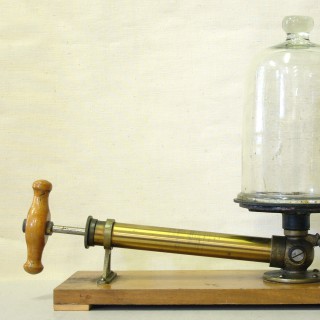
Space that is empty of matter
POPULARITY
Categories

84 episodes with Vacuum

42 episodes with Vacuum

47 episodes with Vacuum

14 episodes with Vacuum

16 episodes with Vacuum

15 episodes with Vacuum

10 episodes with Vacuum

10 episodes with Vacuum

7 episodes with Vacuum

20 episodes with Vacuum

10 episodes with Vacuum

10 episodes with Vacuum

7 episodes with Vacuum

17 episodes with Vacuum

12 episodes with Vacuum

5 episodes with Vacuum

5 episodes with Vacuum

25 episodes with Vacuum

8 episodes with Vacuum

3 episodes with Vacuum

7 episodes with Vacuum

4 episodes with Vacuum

4 episodes with Vacuum

3 episodes with Vacuum

4 episodes with Vacuum

3 episodes with Vacuum

4 episodes with Vacuum

4 episodes with Vacuum

4 episodes with Vacuum

3 episodes with Vacuum

5 episodes with Vacuum

4 episodes with Vacuum

3 episodes with Vacuum

4 episodes with Vacuum

4 episodes with Vacuum

5 episodes with Vacuum

3 episodes with Vacuum

2 episodes with Vacuum

4 episodes with Vacuum

4 episodes with Vacuum

10 episodes with Vacuum

3 episodes with Vacuum

5 episodes with Vacuum

5 episodes with Vacuum

4 episodes with Vacuum

2 episodes with Vacuum

2 episodes with Vacuum

4 episodes with Vacuum

4 episodes with Vacuum

4 episodes with Vacuum

4 episodes with Vacuum

2 episodes with Vacuum

5 episodes with Vacuum

3 episodes with Vacuum
Vacuuming shouldn't be the task that wrecks your whole pool service route, but for a lot of pool pros it's the biggest hidden time sink. We walk through the fastest way to vacuum a pool based on real-world service conditions, from dusty pools that demand deeper cleanup to neighborhoods where suction side cleaners handle most of the daily dirt. We also talk about a simple but powerful move for your service agreement: “vacuum when necessary,” and how that one line can change expectations, protect your time, and still deliver a clean, professional result.We get specific about methods. Manual vacuuming with a hose to the skimmer is still the most thorough option, but it's also the slowest and easiest to bog down with clogs from leaves and acorns. If your accounts already have an automatic pool cleaner, spot vacuuming becomes the faster play and we explain how to do it using the existing cleaner hoses, plus the drawbacks like reduced suction and hoses popping off. From there, we move into dedicated pool vacuum systems like the Bottom Feeder, Hammerhead, Riptide, and plug-in alternatives like the Vac Daddy, including what actually happens when you rely on vacuum bags to catch dirt.Fine dirt is where most “fast” vacuuming falls apart, so we break down micron bag choices (60, 75, 100 and beyond), why a pool can look good and then show dirt again two hours later, and how a cartridge filter assembly can vacuum to a much finer level for that polished finish. We also call out popular “shortcuts” like brushing everything to the deep end or main drain and why they usually fail in practice. If you want faster cleanings without sacrificing quality, hit play, then subscribe, share this with a pool tech friend, and leave a review so more pros can find the show.We break down the fastest ways to vacuum a pool without leaving behind fine dirt or creating callbacks on a busy pool service route. We compare manual vacuuming, spot vacuuming with cleaner hoses, and pro vacuum systems so you can choose the right method for your service area, staffing, and customer expectations. • using “vacuum when necessary” in a service agreement to reduce wasted time • why customers equate vacuuming with visible work • why manual vacuum hose to skimmer is effective but slow • spot vacuuming by converting automatic cleaner hoses • when it makes sense to invest in Bottom Feeder, Hammerhead, Riptide, Vac Daddy • choosing micron bags and why fine dirt returns after vacuuming • how a cartridge filter assembly captures finer dirt • why brushing to the deep end or main drain does not save time • recommending more reliable “bulletproof” automatic cleaners for full coverage Join the pool guy coaching program. Learn more at swimmingpoollearning.com. If you're interested in my coaching program, you can learn more at poolguidecoaching.com. Send us Fan MailSupport the Pool Guy Podcast Show Sponsors! HASA REWARDS Apphttps://hasa.com/hasa-appThe Bottom Feeder. Save $100 with Code: DVB100https://store.thebottomfeeder.com/Try Skimmer FREE for 30 days:https://getskimmer.com/poolguy Get UPA Liability Insurance $64 a month! https://forms.gle/F9YoTWNQ8WnvT4QBA Support the showThanks for listening, and I hope you find the Podcast helpful! For other free resources to further help you:Visit my Website: https://www.swimmingpoollearning.comWatch on YouTube: https://www.youtube.com/@SPLPodcast Site: https://the-pool-guy-podcast-show.onpodium.com/UPA General Liability Insurance Application: https://forms.gle/F9YoTWNQ8WnvT4QBAPool Guy Coaching GroupJoin an exclusive network of Pool Service Technicians to access the industry's leading commercial general liability insurance program. Protect your business.Premium is $64 per month per member (additional $40 for employees and ICs)$59 per month for Pool Guy coaching Members - join here! https://www.patreon.com/poolguycoachingLimits are $1,000,000 in occurrence and $2,000,000 in the aggregate - Per member limits [ $1,000,000 per occurrence and $4,000,000 aggregate available for $75 per month ]$50,000 in HazMat Coverage - clean up on-site or over-the-roadAcid Wash Coverage - Full Limits

Huckleberry pretenders, As. If., a vacuum named Beth, Toto tutorials, Today in Yiddish, marvelous cheese, kindly asking vs. asking kindly, mountain munch fraud, a disappointing northern neighbor, revenge quizzing, oyskematert, mountain munch, subpar TP, lead vs led, the ubiquity of Salley Carson, blaming vegans, Real Housewives Ultimate Girls Trip, an historic row, a disco UFO, Banana Ball takes over the world, solar eclipse, curious declassification, Today in College Facebook Parenting, and local drama.

The night opens with an honest to goodness live decoding session: a former CIA officer's cryptic social media post about a redacted book epilogue, worked out letter by letter on air (spoiler, it's a little anticlimactic but still fun to watch unfold). From there the crew geeks out on a chip that reportedly pulls usable power straight from quantum vacuum fluctuations, with a healthy dose of skepticism about how close "commercially viable by 2028" really is. Later on, there's a genuinely compelling theory about Michael Cohen's public break from Trump fitting an old Apprentice era pattern of controlled denunciations, plus some heartfelt shoutouts to fans, family, and sponsors who make the show possible. A little science, a little spycraft, and a little heart. Solid Saturday night.

On today's Extra, SWR- Most TShirts, Jeff's Facial Hair, & Sex with a Vacuum Learn more about your ad choices. Visit podcastchoices.com/adchoices

In this episode, we discuss Sadie's (as of yet unproven but highly promising) Hypothesis about the risk factors between growing up with religious trauma and experiencing domestic violence as an adult.Resources:“Experiencing Child Abuse Increases Risk for IPV in Adulthood” - Psychology Today https://www.psychologytoday.com/us/blog/invisible-bruises/202412/experiencing-child-abuse-increases-risk-for-ipv-in-adulthood?msockid=2ba568d81b3f696a252c7fd51a9768c8Study correlating religious abuse and domestic violence – https://vashtiinitiative.org/wp-content/uploads/2025/05/rts-connections-to-dv-and-sa-preliminary-res.pdf“A Commentary on Religion and Domestic Violence” by Rev. Dr. Marie M. Fortune with Salma Abugideiri and Rabbi Mark Dratch – https://evawintl.org/wp-content/uploads/A-Commentary-on-Religion-and-Domestic-Violence.pdfSubscribe to Leaving Eden Podcast on YouTube!https://www.youtube.com/channel/UCJ4q94gAnsoW2jME4SvVrrQJoin our Patreon for extended, uncensored, and ad-free versions of most of our episodes, as well as other patron perks and bonus content!https://www.patreon.com/LeavingEdenPodcastJoin our Facebook group to join in the discussion with other fans!https://www.facebook.com/groups/edenexodusJoin our subreddit! Reddit.com/r/EdenExodusBluesky:@leavingedenpodcast.bsky.social@hellyeahsadie.bsky.social@gavihacohen.bsky.socialInstagram:https://www.instagram.com/leavingedenpodcast/https://www.instagram.com/sadiecarpentermusic/https://www.instagram.com/gavrielhacohen/ Hosted on Acast. See acast.com/privacy for more information.

A juvenile black bear was spotted roaming an east Provo neighborhood near Splash Summit Waterpark — prompting a bear hunt involving animal control and police. We break down a wild plane confrontation turned into a song, and then dig into Flock Safety CEO Garrett Langley admitting the surveillance company "got this one wrong" — rolling out new data retention limits and audit tools after reports of police misuse of its license plate reader technology. Also, one guy found a clever way to fight back against Flock cameras with a special car wrap. Then, 92-year-old Senator Chuck Grassley mourns "Beth," the beloved ∼49-year-old Hoover vacuum that served his family for decades. KSL Brightside streams live weekdays 12–3 PM. YouTube-exclusive live stream from 12–1 PM, radio plus YouTube from 1–3 PM. Follow KSL Brightside on social media! YouTube: https://www.youtube.com/@KSLBrightside Facebook: https://www.facebook.com/KSLBrightside Instagram: https://www.instagram.com/KSL_Brightside TikTok: https://www.tiktok.com/@ksl.brightside

6 - Stop shouting into the vacuum by Australian Citizens Party

Find us at www.crisisinvesting.com Find Col. Douglas MacGregor at www.macgregorwarrior.substack.com https://www.youtube.com/@macgregorwarriordiplomacy and https://nationalconversation.org/ No Existential Threat from China/Russia—America's Real Crisis Is Internal In a wide-ranging discussion, Col. Douglas MacGregor argues there are no existential military threats to the United States from China or Russia, contending the most serious dangers come from instability and organized crime in Mexico and the Caribbean Basin, weakened social cohesion, mass migration, and loss of American identity. He criticizes U.S. and NATO leadership over Ukraine, predicts Russia will ultimately defeat Ukraine, and calls Ukraine a "zombie state," while disputing portrayals of Putin as Hitler. MacGregor says defending U.S. borders and reducing overseas "forward presence" are essential in an age of precision missiles, and warns financial manipulation is postponing an inevitable economic reckoning driven by massive public and private debt. He claims the U.S. government is acting against Americans' interests, describes "Israel first" influence in Washington, and expects renewed action against Iran that could exhaust remaining U.S. capacity, while forecasting major geopolitical realignments in the Middle East. 00:00 Biggest Threats Today 01:40 No Military Existential Threat 04:17 Ukraine War Reality Check 05:34 Putin Hitler Narrative 06:14 Son Visits Russia 08:22 Why Russia Moves Slowly 11:30 Ukraine as Zombie State 12:49 Border Security Focus 15:15 End Expeditionary Warfare 17:33 Demographics and Migration 18:19 Army on the Border 20:30 American Identity Erosion 23:08 Immigration and Prosperity 24:46 Europe Identity Rebound 30:35 Assimilation or Collapse 31:55 Scarcity and Education 40:29 Government Not Ours 41:12 Israel First Policies 45:19 Rural Urban Civil Strife 48:20 Hybrid American Identity 49:20 Executive Power Creep 50:01 Historic Strongmen Examples 52:48 Trump and Donor Control 55:04 Corruption and Cromwell Fix 56:12 Midterms and ICE Backlash 58:10 Scarcity and Revolution Risks 01:00:52 Institutional Decay and Youth 01:05:31 Debt Reckoning and Vacuum 01:10:40 Iran War Paths and Alliances 01:17:02 Gaza as Regional Catalyst 01:18:02 Where to Follow MacGregor 01:19:08 Military Reform and Four Stars 01:24:57 National Conversation Closing

In this special episode of Sales Pipeline Radio from the Forrester B2B Summit 2026 marketplace floor, Matt spoke with John Buten, Principal Analyst, Portfolio Marketing, Forrester Research. Matt interviews the best and brightest minds in sales and Marketing. If you would like to be a guest on Sales Pipeline Radio send an email to acceleration@heinzmarketing.com. Sales Pipeline Radio was recently listed as one of 30 Best Sales Management Podcasts and Top 60 Sales Podcasts Don't miss an episode! You can subscribe right at Sales Pipeline Radio and/or listen to full recordings of past shows everywhere you listen to podcasts! You can even ask Siri, Alexa and Google or search on Audible!

Episode Overview: Steve Fisher is 77 years old, lives in Nebraska, and has been through more than most men can imagine. In 2020, he and his wife were both diagnosed with cancer at the same time. Her lung cancer surgery was followed by a catastrophic complication, and Steve lost her in late 2020, while still carrying his own prostate cancer diagnosis. In the first half of 2021, Steve went ahead with treatment: low-dose brachytherapy (permanent seed implants) followed by 20 sessions of external beam radiation, plus a short course of Lupron (a prescription hormonal therapy). His PSA is now sitting at 0.04. Cancer-wise, things are excellent. But nobody told Steve what was coming next. No one talked to him about erectile dysfunction, penile rehabilitation, vacuum pumps, constriction rings, or the emotional weight of losing sexual function on top of losing a partner. He navigated that on his own, with little support from his healthcare team. Then in May 2026, Steve stumbled across Victoria Cullen's website A Touchy Subject on YouTube, joined The Hub, and things started to shift. He ordered daily Cialis and a Soma OT medical-grade vacuum pump — the right equipment, with the right information about how constriction rings work in combination with a pump. Within two months, Steve and Carol were having penetrative sex again for the first time in years. This episode is also about the emotional and psychological side of this journey — the anxiety men carry silently, the male ego dimension of losing erectile function, and the importance of community, peer support, and simply having someone to talk to who understands. This is a warm, funny, honest, and genuinely hopeful conversation about grief, finding love again, getting information too late, and what happens when a man finally gets the right tools and the right support. Golden Tip: How to use the pumps with a constriction ring successfully, including Steve's tip about lubricant on the outside of the cylinder. In This Episode, We Cover Options when PDE5i (Viagra etc) don't work The difference between medical-grade vacuum pumps and sex toys Why injections (Trimix) failed for Steve and what was missing from the picture Constriction rings: the information that changed everything- Golden Tip even Melissa learnt something new! Finding love again in later life and navigating intimacy with a new partner The mental and emotional toll of erectile dysfunction, the side no one talks about enough Victoria Cullen's community The Hub, and why peer support matters Steve's new YouTube channel: Everyday Prostate Cancer Warrior Key Message from Steve Steve's closing message is about the emotional and mental burden men carry through this. Cancer treatment gets you through the door. But the anxiety, the silence, the feeling that you should just be grateful you're alive that stays with men for years. Steve wants other men to know it is acceptable to talk about it, to seek support, and to keep going. He had almost given up entirely. Finding the right community, the right information, and the right equipment changed everything. Resources & Links The Hub – Victoria Cullen's online community for men navigating prostate cancer recovery and intimacy: A Touchy Subject / The Hub Steve's YouTube channel – personal stories and practical experience from a prostate cancer survivor: Everyday Prostate Cancer Warrior on YouTube Book a telehealth appointment with our sexual health nurse practitioners at Restorative Health Clinic For more information check out our websites www.rshealth.com.au , www.makehardeasy.com.au and www.melissahadleybarrett.com.au Steve Fisher YouTube link to his Everyday Prostate Cancer Warrior. https://youtu.be/APLm1W8uPBA?si=SfaA9A74GqMNcvUq Click here to shop the Sompatherapy Pumps: The Touch II Automatic Pump, and the Response II Manual Pump Click here to watch Melissa's YouTube video: Most Men Use the SOMA VED Wrong | Here's the Correct Way Book a telehealth consultation with our sexual health nurse practitioners: Restorative Health Clinic For more information visit our websites: www.rshealth.com.au www.makehardeasy.com.au www.melissahadleybarrett.com Need Support? At Restorative Health Clinic, we support men and their partners with: Penile rehabilitation after prostate cancer treatment Erectile dysfunction Vacuum pump and constriction ring education and prescription Penile injection therapy Intimacy and sexual recovery Partner-inclusive support where appropriate Practical, evidence-based strategies for rebuilding confidence and function We offer telehealth consultations Australia-wide and internationally, making it easier for men to access experienced, compassionate support no matter where they live. If Steve's story sounds familiar, we would love to hear from you. Restorative Health Clinic also has a psychologist-sexologist joining the team. If you are struggling with the emotional or psychological side of erectile dysfunction, prostate cancer recovery, or intimacy, we can support you there too – as an individual or as a couple. Listen & Subscribe If you found this episode helpful, please subscribe, rate, and review The Penis Project Podcast. Your feedback helps more men and their partners find these conversations. Search for The Penis Project Podcast on Spotify, Apple Podcasts, or your favourite podcast app. We also have a free email list for updates, episodes, and resources. You can sign up via our website. Connect With Us We love hearing from real people navigating their health. If you would like to share your story or ask a question, get in touch. Email: admin@rshealth.com.au Websites: rshealth.com.au makehardeasy.com.au melissahadleybarrett.com Instagram: @melissahadleybarrett @restorativehealth.clinic YouTube: Melissa Hadley Barrett TikTok: @melissahadleybarrett Facebook: Melissa Hadley Barrett Restorative Health Clinic LinkedIn: Melissa Hadley Barrett TEDx Talk: Watch on YouTube

Astronomy Daily · S05E161 · “The Colour of Empty Space” · Friday 7 August 2026. Hosts: Anna & Avery. astronomydaily.io · @AstroDailyPod ① Vacuum birefringence: reading a magnetar ● NASA's IXPE, with NICER and the Parkes/Murriyang radio telescope (NSW), measured the polarised X-rays of magnetar 1E 1547.0−5408. ● Result: soft X-ray polarisation ~65% at 2 keV, rising to nearly 80% at some rotation phases — the strongest signal yet of vacuum birefringence, a QED effect predicted by Heisenberg in 1936. ● The team calls it the “most definitive signal to date,” not a confirmed detection; an April 2026 analysis disputes it under different geometry. Co-leads: Rachael Stewart; Hoa Dinh Thi (Rice); with Marcus Lower (Swinburne). ● Source: Stewart et al., Nature, 5 Aug 2026 (DOI 10.1038/s41586-026-10859-z); NASA IXPE release. ② Gateway HALO hardware → Lunar Infrastructure Demos ● NASA and Northrop Grumman are repurposing the HALO module's power, data and avionics into three surface missions — LID-1, LID-2, LID-3. ● Goal: “survive-the-night” power and thermal tech for the lunar South Pole, where night lasts ~14 Earth days and temperatures plunge below −200 °C. ● Part of a wider Moon-base update in which four commercial landers reached final qualification testing at once. ● Source: NASA & Northrop Grumman releases, 4 Aug 2026; Spaceflight Now. ③ New Glenn: the cause is a valve ● Blue Origin traced the 28 May New Glenn booster explosion (during a pad hot-fire at Cape Canaveral) to the main oxygen valve on one of the seven BE-4 engines. ● Fix: small, retrofittable valve modifications; return to flight still targeted by year's end. The BE-4 also powers ULA's Vulcan. ● Source: Blue Origin CEO Dave Limp, 5 Aug 2026; SpaceNews. ④ LINK's de-spin: the fight to save Swift ● Katalyst Space's LINK robot — tasked with boosting NASA's ageing Swift observatory before re-entry — hit a multi-axis tumble when two of three reaction wheels failed. ● Using gimballed electric-propulsion thrusters, the team cut the spin from ~9°/s to ~1.47°/s on under 100 g of propellant. A flight-software update is next; rendezvous slips to ~end of August. ● Source: NASA Swift blog, 6 Aug 2026; Katalyst mission updates. ⑤ Skywatch: eclipse + Perseids ● 12 Aug total solar eclipse — totality across Greenland, Iceland, northern Spain; afternoon partial for eastern Canada and the NE United States (>10% only NE of the NYC–Rochester line; ~50% in Atlantic Canada). NASA live from 1:15 pm EDT. ● Perseid peak the night of 12–13 Aug under a New Moon — up to ~100/hr from dark rural sites. ● Southern Hemisphere: eclipse not visible; Perseids barely clear the horizon. Sydney: pre-dawn planet line-up + Venus + winter Milky Way. ● EYE SAFETY: use only ISO 12312-2 eclipse glasses for every partial phase; never combine them with a camera, telescope or binoculars. Become a supporter of this podcast: https://www.spreaker.com/podcast/astronomy-daily-latest-space-news--5648921/support.Sponsor Details:Ensure your online privacy by using NordVPN. To get our special listener deal and save a lot of money, visit www.astronomydaily.io/nordvpn. You'll be glad you did!Get the best secure and private email on the planet. Stop your Government, google and who knows who else spying on every email you write. Do what we did and use ProtonMail. They beleive in privacy and there are no ads in their business model...yet they still provide a free forever service. Check them out and get out special deal at www.astronomydaily.io/protonmailBecome a supporter of Astronomy Daily by joining our Supporters Club. Commercial free episodes daily are only a click way... Click HereThis episode includes AI-generated content.

Every schoolchild in the English-speaking world learns William the Conqueror's name. What most of them never hear is that William spent his final years bitter about another Norman knight — a man his own contemporaries considered the more accomplished conqueror of their generation.His name was Robert Guiscard. He was born to a minor noble family in Normandy with too many sons and too little land. He arrived in Southern Italy as a bandit stealing horses in Calabria. Twenty years later he was Duke of Apulia, had defeated the Byzantine Emperor in battle, and was planning to march on Constantinople itself. When William landed at Hastings in 1066, Guiscard had already been ruling more Italian territory for seven years than William would ever hold in England.And Guiscard wasn't alone. He was one of twelve brothers. Between them, the sons of a minor Norman lord named Tancred de Hauteville built the Kingdom of Sicily — a multicultural state employing Muslim scholars, Byzantine bureaucrats, and Latin monks in the same government. From Robert Guiscard's ducal title in 1059 to Napoleon's dissolution of the kingdom in 1816, that political architecture ran for 725 years.Today I'm joined by Memory Medieval to walk through the Norman conquest history didn't teach you.Follow Memory Medieval on X: @MemoryMedieval Substack: memorymedieval.substack.com Feigned Flight publication: feignedflight.com════════════════════════════

Send us Fan MailStay Connectedhttps://www.commstock.com/https://www.facebook.com/CommStockInvestments/https://www.youtube.com/channel/UClP8BeFK278ZJ05NNoFk5Fghttps://www.linkedin.com/company/commstock-investments/

Do you have a robotic vacuum? Do you like it? Almost everyone we talk to says it's great in theory and can certainly have its perks. But overall… it appears to be more of a hassle than what it's worth. Well it might be time to bid your robotic vacuum 'adieu.' Greg and Holly discuss a new rule from the FCC to ban foreign-made household robots -- including your vacuum -- for being threats to national security.

It's time for another Listener Mail episode, and this week the High on Home Grown community has sent in another brilliant mix of growing questions, cannabis myths, and a few completely random discussions that only Listener Mail can deliver! We begin by helping a listener who's planning a brand-new grow room after moving house. We discuss the pros and cons of building a secure enclosure inside a garage, how to make it as smell-proof as possible, and the key things to consider when growing safely with young children around. We also dive into the best methods for long-term cannabis storage, including whether vacuum sealing is a good option and how to preserve your harvest for months, or even years. The panel also tackles a common harvest question: can you dry your cannabis in the same tent you grew it in by simply turning off the lights? We discuss the ideal drying conditions, what to watch out for, and how to get the best possible cure. We also bust an old cannabis myth by asking whether Miracle-Gro really "sucks the THC" out of your plants, separating internet folklore from reality. Of course, it wouldn't be Listener Mail without a few lighter moments. We compare cannabutter vs cannabis oil for making edibles, answer a couple of wonderfully ridiculous philosophical questions, and even try to make sense of one of Dave's mysterious text messages. As always, it's another relaxed episode packed with practical growing advice, cannabis knowledge, community questions, and plenty of laughs along the way.
No suction on a manual pool vacuum can turn a simple cleanup into a frustrating guessing game, especially when the skimmer looks like it's working. We break the problem down into a field-tested troubleshooting order that saves time: confirm real skimmer suction safely, then use the filter pressure gauge (PSI) as your truth meter for flow. When pressure is high, suction is usually low, and a dirty DE filter, loaded cartridge filter, or sand filter that needs backwashing can be the whole story.From there, we get practical about the stuff that quietly steals vacuum power. Variable speed pump settings matter more than most people think, and low RPM can make a vacuum head feel useless. We also cover suction split issues, like a suction-side cleaner on a side port, two skimmers pulling at once, and a main drain line that competes with the skimmer. You'll hear a simple workaround pool pros use when there's no valve to isolate lines: the tennis ball skimmer plug trick to concentrate suction where you need it.Then we go deeper into the harder diagnoses: air leaks that only show up when you add a long vacuum hose, what PSI fluctuations mean, and an easy “plastic bag” test that can help confirm a leak at threaded fittings or unions. We also touch on impeller clogs, pump lid O-ring issues, worn filter elements, and when it makes sense to switch to vacuum alternatives like a Bottom Feeder, Vac Daddy, or portable pool filtration vacuum to get the job done even with aging equipment.If this helped, subscribe for more pool service troubleshooting, share it with a tech who's been fighting low suction, and leave a quick review with the weirdest vacuum problem you've run into.We walk through a practical checklist for fixing weak or no suction when manually vacuuming a pool through the skimmer or a side port. We show how to spot flow problems fast by reading the skimmer, the filter pressure gauge, and the equipment pad clues that point to leaks, restrictions, or missing parts. • checking for real skimmer suction without risking your fingers • using filter PSI to diagnose low flow across DE, cartridge, and sand filters • increasing variable speed pump RPM for stronger vacuum pull • stopping suction loss to a suction-side cleaner and side port • concentrating suction with two skimmers using a tennis ball plug • turning off the main drain to maximize skimmer vacuum power • identifying missing diverter valves in older one-hole skimmers • recognizing air leaks by fluctuating PSI when the vacuum hose is connected • confirming a suction leak with the plastic bag sealing trick • clearing impeller debris and restoring prime and pressure • fixing vacuum loss with pump lid O-ring lube or replacement • upgrading worn cartridges or DE grids to restore suction • using Bottom Feeder, Vac Daddy, or portable filtration when equipment is weak Learn more at swimmingpoollearning.com. you can learn more at PoolGuyCoaching.com. Send us Fan MailSupport the Pool Guy Podcast Show Sponsors! HASA https://bit.ly/HASAThe Bottom Feeder. Save $100 with Code: DVB100https://store.thebottomfeeder.com/Try Skimmer FREE for 30 days:https://getskimmer.com/poolguy Get UPA Liability Insurance $64 a month! https://forms.gle/F9YoTWNQ8WnvT4QBAPool Guy Coaching: https://bit.ly/40wFE6y

Chapter 1: The Trap of Practicing in a Vacuum (00:00 – 04:28) Anne introduces Tom Dheere and lays out the core mystery: why do highly talented voice actors stop booking? Tom references Jeff Colvin's landmark book Talent is Overrated, breaking down how elite performers across industries (like Tiger Woods or Mozart) rely entirely on the quantity and quality of deliberate practice. He warns that a massive trap for rising talent is practicing in a vacuum. Without a performance coach or objective professional director to provide constructive feedback, talent listen back to their files with subjective, untrained ears and end up cementing bad structural habits. Chapter 2: Reps vs. Experimentation (04:29 – 07:34) Anne highlights why she assigns rigorous homework to her students—not to cause stress, but to build operational muscle memory. She notes that the real learning happens in the quiet moments between sessions when a student forces themselves to analyze, record, edit, and upload a new script daily. Tom introduces a vital distinction between practice and experimentation. Practice is the mechanical repetition of reps. Experimentation means putting on a psychological "lab coat" to explore diverse emotional subtexts—such as shifting a line from frustration to envy or adoration—ensuring an actor doesn't get stuck in an undirectable rut. Chapter 3: The Intention of the Copywriter (07:35 – 10:21) Anne shares an anecdote from a recent group class where a copywriter validated her baseline training philosophy: every single word on a script was written with explicit intention and purpose. If an actor rushes into their home studio and records an audition without investigating why those specific words exist on the page, the resulting delivery sounds flat, stereotypical, and contrived. Chapter 4: The 500-File Slush Pile (10:22 – 12:47) Tom provides a sobering glimpse into the brutal logistics of a major casting call. When a director receives 500 auditions for a single corporate or commercial spot: The first 100 files are instantly deleted because they failed to follow basic filename formatting rules. The next 100 files are discarded because the talent slipped into a sterile, melodic announcer cadence (da-da-da-da-da-da) within the first five seconds. The final selection comes down to the actors who make strong, distinct, and logical choices right out of the gate, honoring the semantic hierarchy of the text. Chapter 5: Overworking the File vs. Seeking the Truth (12:48 – 15:35) Anne and Tom warn against letting the pendulum swing too far in the opposite direction. New voice actors frequently overwork an audition, recording multiple takes and over-analyzing their delivery until the final file sounds heavily manufactured and performative. Tom shares a brilliant rule from legendary audiobook narrator Johnny Heller: your primary job in every single genre of voiceover is to seek the text's truth. Whether you are reading a cinematic historical narrative or shouting about used cars for an auto lot, you must deliver a believable, raw human point of view. Chapter 6: The Demographic Filter & Fresh Batteries (15:36 – 22:14) The hosts tackle the reality of the demographic filter. A voice actor can turn in a technically flawless, award-worthy performance but still lose the job simply because their voice print doesn't line up with the specific targeted audience (e.g., Medicare recipients vs. baseball fans). Tom notes that modern buyers have fresh batteries in their "BS detectors" and demand peer-to-peer authenticity. Anne shares that her highest-booking auditions are consistently the ones she treated as an honest interaction, rather than trying to match an artificial melody she imagined hearing on the air. Chapter 7: The Meta-Data of the 3 Portals (22:15 – End) Tom delivers a masterclass in tracking business metrics, revealing that he completed exactly 1,492 auditions in 2024 and 1,659 auditions in 2025. By auditing his spreadsheets, Tom discovered a powerful pattern: 75% of his total voiceover revenue is generated by repeat business, while 25% comes from direct auditions. He shares how analyzing his booked auditions across his Three Portals (Representation, Online Casting, and Self-Marketing) allowed him to track shifting industry trends, noticing his bookings naturally migrated from bright, casual tones in 2024 toward heavy, chesty gravitas in 2025. Top 10 Boss Takeaways Talent is just the baseline: Possessing a natural storytelling gene means nothing if you fail to develop your technical skills. Focus heavily on mastering Colvin's principle of deliberate, high-quality practice. Stop listening with subjective ears: Practicing in isolation reinforces bad booth habits. Invest in an objective performance coach or a verified industry peer who will give you hard, honest structural feedback. Master the complete production sequence: Homework isn't just about vocal tracking. Use your practice hours to master script analysis, audio file editing, and data uploading so your operational pipeline becomes seamless. Put on the psychological lab coat: Avoid getting married to a single vocal delivery. Force yourself to run script experiments using contrasting emotional anchors—like shifting from clinical authority to friendly advice—to keep your performance fluid and directable. Honor the copywriter's intent: Copywriters spend hours fine-tuning text to hit specific marketing targets. Honor their labor by uncovering the specific purpose behind every noun, adjective, and punctuation mark before you hit record. Eliminate the mechanical announcer cadence: Buyers will tune you out within the first three seconds if you slip into a predictive, rhythmic vocal melody. Make a distinct, grounded acting choice right out of the gate. Adhere strictly to filename data specs: If a casting notice requests a specific label format (e.g., LastName_FirstName_Brand.mp3), follow it to the letter. Casting directors handle hundreds of files and will delete non-compliant data instantly without listening. Ditch the 15-take audition spiral: Over-analyzing your audio files destroys human naturalness. Cap yourself at three distinct takes, select the most honest file, delete the structural waste, and submit. Balance your Three Portals synergetically: Do not pass judgment on specific marketing avenues. Representation, Online Casting (Pay-to-Plays), and Self-Marketing exist in a synergistic loop—improving your output on one portal naturally sharpens your conversion rate on the others. Track your business meta-data to spot trends: Log every single audition, portal source, genre, and booking. Stepping back quarterly to track structural patterns will show you exactly which vocal signatures are driving revenue in the current marketplace.
Episode Overview: Melissa has been wanting to have this conversation for over a year. She first came across Cathy's work when two quite conservative couples independently told her a weekend tantra retreat had genuinely changed their relationship. Intrigued, Melissa enrolled (without mentioning what she did for a living) and attended with her husband. They both found it valuable. This episode is the result of that curiosity. Cathy has been teaching tantra for decades, having first encountered the philosophy at age twenty through a GP who introduced her to the idea of loving and accepting her own body. She trained in India, continued her studies in Perth, and now runs Sanctuary of Ananda, a platinum-approved, internationally certified tantra school offering couples retreats, individual sessions, workshops, and online programs. She is also a published author. The conversation covers tantra's broader philosophy (think tree, not just its roots), how it applies differently across life stages, what we can learn from it, and why emotional connection, what Cathy calls "emotional sex" is the cake, while physical sex is just the icing. Cathy also addresses the misconceptions head-on: no, it is not a room full of naked people. It is fully clothed, accredited, and grounded in self-knowledge. Golden Tip: Tantra is not what most people think it is. Tantra actually is a philosophy of self-knowledge, connection and embodied living and how its practices can help couples at any stage of life feel more connected, understood and alive. In This Episode, We Cover Tantra is a philosophy of self-knowledge: the sexual practices are just the bottom branches of a much larger tree Mismatched desire is normal and cyclical, not a sign something is broken Emotional intimacy is the foundation of physical connection, not the other way around Men need love, nurturing and non-sexual physical affection just as much as women do One person changing how they show up in a relationship can shift the whole dynamic Tantra is suitable for singles as well as couples, in person and online Key Message from Cathy Cathy's work is grounded in the belief that every human being, regardless of age, gender, or relationship status, has the capacity for deep intimacy and pleasure. Tantra offers a practical pathway to get there, one breath and one honest conversation at a time. Resources & Links Click here for Cathy's website: Sanctuary of Ananda. Cathy's Facebook: Sanctuary of Souls. Book a telehealth appointment with our sexual health nurse practitioners at Restorative Health Clinic For more information check out our websites www.rshealth.com.au , www.makehardeasy.com.au and www.melissahadleybarrett.com.au Book a telehealth consultation with our sexual health nurse practitioners: Restorative Health Clinic For more information visit our websites: www.rshealth.com.au www.makehardeasy.com.au www.melissahadleybarrett.com Need Support? At Restorative Health Clinic, we support men and their partners with: Penile rehabilitation after prostate cancer treatment Erectile dysfunction Vacuum pump and constriction ring education and prescription Penile injection therapy Intimacy and sexual recovery Partner-inclusive support where appropriate Practical, evidence-based strategies for rebuilding confidence and function We offer telehealth consultations Australia-wide and internationally, making it easier for men to access experienced, compassionate support no matter where they live. If Steve's story sounds familiar, we would love to hear from you. Restorative Health Clinic also has a psychologist-sexologist joining the team. If you are struggling with the emotional or psychological side of erectile dysfunction, prostate cancer recovery, or intimacy, we can support you there too – as an individual or as a couple. Listen & Subscribe If you found this episode helpful, please subscribe, rate, and review The Penis Project Podcast. Your feedback helps more men and their partners find these conversations. Search for The Penis Project Podcast on Spotify, Apple Podcasts, or your favourite podcast app. We also have a free email list for updates, episodes, and resources. You can sign up via our website. Connect With Us We love hearing from real people navigating their health. If you would like to share your story or ask a question, get in touch. Email: admin@rshealth.com.au Websites: rshealth.com.au makehardeasy.com.au melissahadleybarrett.com Instagram: @melissahadleybarrett @restorativehealth.clinic YouTube: Melissa Hadley Barrett TikTok: @melissahadleybarrett Facebook: Melissa Hadley Barrett Restorative Health Clinic LinkedIn: Melissa Hadley Barrett TEDx Talk: Watch on YouTube

The Alan Cox Show
The Alan Cox ShowSee omnystudio.com/listener for privacy information.

Things got a little nuts. See Privacy Policy at https://art19.com/privacy and California Privacy Notice at https://art19.com/privacy#do-not-sell-my-info.

Headlines and the Shot of the Day

Haircuts. Sleep. Celebrity birthdays. A Florida man and a vacuum.Yep... it's another completely normal episode of The Treehouse Show.Dan is back stateside and finally got a professional haircut instead of his usual DIY special, which sparks a debate: Would you ever cut your own hair? Things only get weirder from there as we talk about why falling asleep with the TV on might be ruining your sleep, why Dan somehow keeps crossing paths with America's wandering stomach parasite, and how two celebrity birthdays send us down one of the strangest rabbit holes yet.Forrest Whitaker and Brian Austin Green somehow lead us into John Cusack's best movies, the Jennifer Aniston vs. Angelina Jolie debate, and plenty of pop culture tangents only The Treehouse Show could pull off.Then we wrap things up in the most Florida way imaginable with the unbelievable punishment handed to a man caught having sex with... a vacuum cleaner.If you enjoy hilarious news stories, ridiculous Florida headlines, celebrity discussions, random debates, and comedy podcasts that never stay on track, welcome to The Treehouse Show.In this episode:Would you trust yourself with a DIY haircut?Why sleeping with the TV on may be wrecking your sleepDan vs. the traveling stomach parasiteForrest Whitaker & Brian Austin Green birthdaysJohn Cusack's best moviesJennifer Aniston vs. Angelina JolieThe unbelievable Florida vacuum incidentAnd plenty of off-the-rails conversations along the way.

Colt's Unbelievable Story of the Day, we play Guess the Artist, how a guy got in trouble with a vacuum, and more!

In Dumb Ass News, Chaz and AJ try to identify the best bread to wipe with, after reading a story about a man caught cleaning himself with a sandwich. (0:00) Two principals, both accused of drinking and driving the SAME car. Chaz and AJ had a news report with police body cam footage of both arrests. (3:43) Vic Ferrari, a former NYPD detective was on the phone with Chaz and AJ to talk about the Gotti years, the AIDS epidemic, and the mafia-run butcher shop his father worked. (9:09) AJ was prepared to attempt a vacuum hickey, after claiming this was a common thing guys would do when he was in school. However, after listening to yesterday's clip, the majority of the segment was trying to transcribe the words he tripped over. (21:38) A live, on-air therapy session with the Tribe. Chaz and AJ's "Petty Pet Peeves" opens the phone lines for people to complain about the daily things they have no patience for. The majority of the calls were about everyone else's driving habits. (30:11) Photo courtesy: Vic Ferrari
Link Up w/The Morning Sickness Digitally All Over:Instagram: @hms_98_official, @bosskupd, @bretvesely, @dickToledoX/Twitter: @HMSon98, @DickToledo, @bretveselyFacebook: @HMSKUPDYouTube: @hmspodcast9320, @98kupdRequest/Call in/Wakeup Song line:(IN AZ) 602.585.9800More HMS: holmbergpodcast.com, 98kupd.comEmail: dtoledo@98kupd.com, bvesely@98kupd.com, bbogen@98kupd.comSee Privacy Policy at https://art19.com/privacy and California Privacy Notice at https://art19.com/privacy#do-not-sell-my-info.

On today's episode Graham shares a story about a man who got in trouble for what he did with his vacuum and more!See omnystudio.com/listener for privacy information.
Link Up w/The Morning Sickness Digitally All Over:Instagram: @hms_98_official, @bosskupd, @bretvesely, @dickToledoX/Twitter: @HMSon98, @DickToledo, @bretveselyFacebook: @HMSKUPDYouTube: @hmspodcast9320, @98kupdRequest/Call in/Wakeup Song line:(IN AZ) 602.585.9800More HMS: holmbergpodcast.com, 98kupd.comEmail: dtoledo@98kupd.com, bvesely@98kupd.com, bbogen@98kupd.comSee Privacy Policy at https://art19.com/privacy and California Privacy Notice at https://art19.com/privacy#do-not-sell-my-info.

Jessica got divorced but has no interest in anyone. Mac N cheese. Vacuum love. See omnystudio.com/listener for privacy information.

The Daily Shower Thoughts podcast is produced by Klassic Studios. [Promo] Check out the Daily Dad Jokes podcast here: https://dailydadjokespodcast.com/ [Promo] Like the soothing background music and Amalia's smooth calming voice? Then check out "Terra Vitae: A Daily Guided Meditation Podcast" here at our show page [Promo] The Daily Facts Podcast. Get smarter in less than 10 minutes a day. Pod links here Daily Facts website. [Promo] The Daily Life Pro Tips Podcast. Improve your life in less than 10 minutes a day. Pod links here Daily Life Pro Tips website. [Promo] Check out the Get Happy Headlines podcast by my friends, Stella and Mickey. It's a podcast dedicated to bringing you family friendly uplifting stories from around the world. Give it a listen, I know you will like it. Pod links here Get Happy Headlines website. Shower thoughts are sourced from reddit.com/r/showerthoughts Shower Thought credits: atom644, throwaway133379001, kamyizme, jdooley99, SlashCo80, darkrom_BP08, BigDCanuck, Deadpooldan, Arek_PL, CornLuck, The-dark-in-Bright, bakerjor01, Vast-Intention, illumaQ, DominoesFalling321, Al_coholik2, nirgle, , Pristine-Sound-484, , DanielaThePialinist, CrypticApeZ, CyberMushrooms, TobyWonCanoeBee, Nveenkmar, CrypticApeZ, bigballooner Podcast links: Spotify: https://open.spotify.com/show/3ZNciemLzVXc60uwnTRx2e Apple Podcasts: https://podcasts.apple.com/us/podcast/daily-shower-thoughts/id1634359309 Stitcher: https://www.stitcher.com/podcast/daily-dad-jokes/daily-shower-thoughts iHeart: https://iheart.com/podcast/99340139/ Amazon Music: https://music.amazon.com/podcasts/a5a434e9-da18-46a7-a434-0437ec49e1d2/daily-shower-thoughts Website: https://cms.megaphone.fm/channel/dailyshowerthoughts Social media links Facebook: https://www.facebook.com/DailyShowerThoughtsPodcast/ Twitter: https://twitter.com/DailyShowerPod Instagram: https://www.instagram.com/DailyShowerThoughtsPodcast/ TikTok: https://www.tiktok.com/@dailyshowerthoughtspod Learn more about your ad choices. Visit megaphone.fm/adchoices
In Dumb Ass News, Chaz and AJ went through the details of a viral arrest following erratic driving. Cops said the driver had been pulled from the vehicle, and noticed a baggie fall from her crack. (0:00) During "Girl Gripes," Chaz and AJ took a call from Janet, who was prepared to list off a number of complaints about her husband. The biggest one was about the egregious use of q-tips, that never seem to get thrown away. (4:42) A Florida man was found guilty of having sex with a vacuum, outside of a home near Disney World. (10:58) Carla was on the phone with Chaz and AJ to share how she did not realize she was pregnant, until after consuming quite a few substances in Amsterdam. (16:28) 12-year-old Cameron is going to be Shrek in a stage show of "Shrek the musical" in Bristol. He called in to invite Chaz and AJ to the show, and now he just needs to learn his lines. (27:56)
In this episode of The Penis Project Podcast, Melissa is joined by Dr Eve Tiong, a radiation oncologist with Icon Cancer Centre in Western Australia, for a deep dive into how prostate radiotherapy has changed and why many of the horror stories people associate with radiation no longer reflect modern practice. Dr Tiong walks through the shift from older, broad-field radiation techniques to today's highly targeted approach, explaining how image guidance and modulated delivery now concentrate dose on the prostate while sharply reducing exposure to the bladder and bowel. She and Melissa unpack what this means in practical terms for urinary, bowel and sexual side effects, and discuss how rectal spacer gel is helping to protect bowel function during treatment. The conversation also covers how patients and their clinicians weigh up surgery versus radiation, the role of hormone therapy for higher-risk cancers, the difference between external beam radiotherapy and brachytherapy, and the emergence of focal therapy as a less invasive option for carefully selected men. Throughout, Dr Tiong returns to a consistent theme: informed decision-making, honest counselling about trade-offs, and the importance of taking sexual health and quality of life seriously at every stage of the prostate cancer journey. In This Episode, We Cover Men on active surveillance who want to understand what triggers a move to treatment Modern radiotherapy is far more targeted than the broad “four-field box” approach used decades ago, sharply reducing dose to the bladder and bowel Severe long-term side effects from contemporary radiotherapy now sit below 5% Rectal spacer gel can further protect the bowel during treatment and dissolves naturally within four to six months Cure rates for surgery and radiation are equivalent for low-grade and favourable intermediate-risk prostate cancer Focal therapy, treating only the affected area of the prostate, is now emerging as an option in WA Sexual health and continence should be part of every prostate cancer conversation, regardless of treatment type higher-risk cancers PSA monitoring after treatment, the significance of the 0.2 threshold, and emerging PSMA PET tracers Reframing relapsed or advanced prostate cancer as a manageable, often chronic condition rather than an immediate death sentence Key Message from Eve A cancer diagnosis, including relapse, is not automatically a worst-case outcome. With the range of treatments now available, many men go on to live full, active lives for many years, and ongoing advances continue to expand what is possible. Resources & Links https://iconcancercentre.com.au/doctors/eve-tiong/ Steve's YouTube channel – personal stories and practical experience from a prostate cancer survivor: Everyday Prostate Cancer Warrior on YouTube Book a telehealth appointment with our sexual health nurse practitioners at Restorative Health Clinic For more information check out our websites www.rshealth.com.au , www.makehardeasy.com.au and www.melissahadleybarrett.com.au Steve Fisher YouTube link to his Everyday Prostate Cancer Warrior. https://youtu.be/APLm1W8uPBA?si=SfaA9A74GqMNcvUq Click here to shop the Sompatherapy Pumps: The Touch II Automatic Pump, and the Response II Manual Pump Click here to watch Melissa's YouTube video: Most Men Use the SOMA VED Wrong | Here's the Correct Way Book a telehealth consultation with our sexual health nurse practitioners: Restorative Health Clinic For more information visit our websites: www.rshealth.com.au www.makehardeasy.com.au www.melissahadleybarrett.com Need Support? At Restorative Health Clinic, we support men and their partners with: Penile rehabilitation after prostate cancer treatment Erectile dysfunction Vacuum pump and constriction ring education and prescription Penile injection therapy Intimacy and sexual recovery Partner-inclusive support where appropriate Practical, evidence-based strategies for rebuilding confidence and function We offer telehealth consultations Australia-wide and internationally, making it easier for men to access experienced, compassionate support no matter where they live. If Steve's story sounds familiar, we would love to hear from you. Restorative Health Clinic also has a psychologist-sexologist joining the team. If you are struggling with the emotional or psychological side of erectile dysfunction, prostate cancer recovery, or intimacy, we can support you there too – as an individual or as a couple. Listen & Subscribe If you found this episode helpful, please subscribe, rate, and review The Penis Project Podcast. Your feedback helps more men and their partners find these conversations. Search for The Penis Project Podcast on Spotify, Apple Podcasts, or your favourite podcast app. We also have a free email list for updates, episodes, and resources. You can sign up via our website. Connect With Us We love hearing from real people navigating their health. If you would like to share your story or ask a question, get in touch. Email: admin@rshealth.com.au Websites: rshealth.com.au makehardeasy.com.au melissahadleybarrett.com Instagram: @melissahadleybarrett @restorativehealth.clinic YouTube: Melissa Hadley Barrett TikTok: @melissahadleybarrett Facebook: Melissa Hadley Barrett Restorative Health Clinic LinkedIn: Melissa Hadley Barrett TEDx Talk: Watch on YouTube

The emergence of the transistor shook the world. It certainly shook the vacuum tube makers. Some believed that the category was a dead man walking. The transistor was going to replace the vacuum tube everywhere. But the iconic American company RCA believed that vacuum tubes still had a future. And in 1959, they poured all their skill and knowledge into one “revolutionary” tube. In today's video, RCA and the vacuum tube's last stand.

The emergence of the transistor shook the world. It certainly shook the vacuum tube makers. Some believed that the category was a dead man walking. The transistor was going to replace the vacuum tube everywhere. But the iconic American company RCA believed that vacuum tubes still had a future. And in 1959, they poured all their skill and knowledge into one “revolutionary” tube. In today's video, RCA and the vacuum tube's last stand.
Gregory Copley. Iran's Leadership Vacuum and the Illusion of Nuclear Success. Copley reports a lack of cohesive leadership in Iran, with Ayatollah Khamenei potentially incapacitated. He asserts the West has failed on all metrics, including regime change and securing the Strait of Hormuz. Iran views its nuclear program primarily as a bargaining chip for sovereignty rather than victory. (11)

Your manager keeps checking in before making the calls you think they should own. In this episode, I show you why the one conversation that fixes this is probably the conversation that's never happened.Key Timestamps:(00:01:33) Manager Is a Title. Authority Is a Conversation.(00:06:44) The Story: An Operations Manager Stuck in a Vacuum(00:10:55) The Three-Column Mapping Exercise(00:17:01) The Aha Moment and What Changes(00:19:01) Your Assignment and the Workshop

Don't worry about 'ol episode 555, it's in the future-past as our Live Show on Saturday, July 18th at Sinker's Lounge in downtown Lawrence! Post-Soccer zoom! The Notes: Will is violent and effeminate! Sports Soccer Corner (kinda sprinkled throughout, really)! Don't bring your weak Ducks knowledge in this house! Young Guns was the coach! The step-coach who step-coached up! Where have you gone, Emilio Estevez, our nation turns its lonely eyes to you!? By woman or by pustule born!? The Eternal Sheen-Estevez Imperium! Jon Wick's janitor's retirement plan! Vacuum cleaner to the face! Nelson is minimizing face windows! Live Show Corner! Details are locked! One week later than planned on 7/18 and at Sinkers Lounge in Lawrence, 7pm doors, 7:30-ish show! We'll have giveaways of stuff from Will's garage and movie posters from when Nelson was a movies man! Will's patreon musical science is leveling up! June Triple Deuce coming soon, Ollie has child work restrictions! Don't ever scrimp on an old-fashioned New York stomach punch, pay the professional rates! Will is scheming a soccer cult of national forgiveness! Santa's got a black eye and it's all your fault! An eye full of makeup and an eye full of rage! Expect the Bob, cause he's coming! Are you ready for the reckoning!? Nelson's time on the bayou! Wisdom and Gumbo! We love Terrebonne and we love kittens! Our mamas will see justice or hushpuppies! We'll work out the details later! See our Live Episode 555 (Oops All 5's) on Saturday the 18th, upstairs at Sinker's Lounge in downtown Lawrence! 7pm drinks, 730-ish show! Will's giving away garage prizes & Nelson gives away movie posters from when he was a movies man! No admission, drinks at the bar, minigolf if you're nasty! Zoom Notes: Key Outcomes Will and Chris covered their upcoming live show date change, Patreon promotion, and World Cup reactions. The live show was confirmed for Saturday the 18th at Sinker's Lounge, shifting one week later than originally announced. The conversation was largely unstructured, blending logistics with extended comedic tangents. Decisions Made Live show rescheduled to Saturday the 18th; doors at 7:00 PM, show at 7:30 PM. Seating reconfigured: tables to replace spread-out booths so audience feels closer to the action. Chris to bring movie posters from personal collection to give away as an apology for the date change. Will to bring items from his garage as additional giveaways. Announcements Patreon perks include: 80s movie rap soundtracks by DJ Peezy Easy, Nelson segments, and occasional "Triple Deuce" episodes with guest Ollie. Recent Patreon drops: rap soundtracks for Die Hard (titled "Die Hard (I Don't Die)") with bluegrass-to-world-music style. Patreon pitched as cheaper than "anything in New York." World Cup Corner England beat Mexico in a standout match; praised as must-watch for soccer skeptics. USA still alive; next match against Belgium, followed by a likely difficult bracket. Norway's Erling Haaland noted for both dominance and sportsmanship. England next faces Norway; Canada already eliminated. Action Items Will & Chris: Arrive early to set up table seating before the live show. Chris: Select and bring movie posters for giveaway. Will & Chris: Reach out to Terrebonne about potential sponsorship. Chris: Deliver overdue Triple Deuce Patreon episode with Ollie (no deadline set). Contact Us! Follow Us! Love Us! Email: doubledeucepod@gmail.com Twitter, Instagram, Threads: @doubledeucepod Bluesky: @doubledeucepod.bsky.social Facebook: www.facebook.com/DoubleDeucePod/ Patreon: patreon.com/DoubleDeucePod Also, please subscribe/rate/review/share us! We're on Apple, Android, Libsyn, Stitcher, Google, Spotify, Amazon, Radio.com, RadioPublic, pretty much anywhere they got podcasts, you can find the Deuce! Podcast logo art by Jason Keezer! Find his art online at Keezograms! Intro & Outro featuring Rob Schulte! Check out his many podcasts! Brought to you in part by sponsorship from Courtney Shipley, Official Superfans Stefan Rider, Amber Fraley, Nate Copt, and listeners like you! Join a tier on our Patreon! Advertise with us! If you want that good, all-natural focus and energy, our DOUBLEDEUCE20 code still works at www.magicmind.com/doubledeuce for 20% off all purchases and subscriptions. Check out the Lawrence Times's 785 Collective at https://lawrencekstimes.com/785collective/ for a list of local LFK podcasts including this one!

Are you ready to dive into a fascinating discussion about the Christian foundation of America? In this episode, Tudor talks with David Barton, an expert in historical and constitutional issues. They explore the importance of understanding America's Christian roots and how they have been overlooked in schools. David sheds light on the significance of religion and morality in American history, referencing George Washington's farewell address where he emphasized their importance as the indispensable supports of political prosperity. The Tudor Dixon Podcast is part of the Clay Travis & Buck Sexton Podcast Network - new episodes debut every Monday, Wednesday, & Friday. For more information visit TudorDixonPodcast.comSee omnystudio.com/listener for privacy information.

Send us Fan MailUnder the global model, labor management was absorbed into the delivery code. Two hours or twenty-two, same payment. Starting January 1, 2027, the AMA introduces 59080 through 59083, the first dedicated labor management codes in CPT history. The work was always there. Now it gets paid. Dr. Heather Signorelli and Amy Hicks, CPC, COBGC, our AVP of Operations, walk through the codes, the documentation, the corrected delivery code framing, the midnight-spanning labor rule, the multi-provider attribution problem, and the three actions every OB practice should take this quarter. Why labor management was invisible: Under the global model, the cognitive work of managing labor was absorbed into the delivery code. Practices managing complicated labors (preeclampsia, GDM, category two tracings) have been subsidizing simple deliveries for decades. The four new labor management codes: 59080 (initial day, straightforward) · 59081 (initial day, complex) · 59082 (subsequent day, straightforward) · 59083 (subsequent day, complex). Codes bill per calendar date. One code per date per patient. Straightforward vs complex: the six-criteria test: All six straightforward criteria must be met: singleton vertex, routine monitoring, no FHR intervention required on that date, normal progression or routine induction without complication, stable medical conditions, no prior cesarean. Any one criterion not met means the labor is complex. Duration of labor alone is NOT complexity unless prolonged labor is formally diagnosed. What the complex note has to say: Explicitly name the complicating condition. Not just “patient has GDM,” but what about the GDM you managed today. Document MDM across multiple data sources, labs reviewed, monitoring strip interpreted, imaging assessed. Document additional monitoring or intervention beyond standard, what you did and why. Document multi-provider coordination if applicable that date. For 59083 (subsequent day complex), complexity must be re-established for EACH subsequent day. A single admission note does not carry forward. Delivery codes (corrected framing): The 2027 delivery codes separate vaginal from cesarean, not vaginal from operative. 59431 (vaginal, no prior cesarean) · 59432 (VBAC vaginal) · 59502 (primary cesarean) · 59503 (repeat cesarean). Vacuum and forceps are separately billable add-on procedures. Included in the delivery code: placenta, first and second degree laceration repair, same-day postpartum care. Separately billable add-ons: 59433 (third degree lac), 59434 (fourth degree lac), 59623 (uterine tamponade, new 2027 code), 59504 (hysterectomy with cesarean). Midnight-spanning labor (correcting the record): A continuous labor encounter spanning midnight is reported as ONE labor management service on ONE of the two calendar dates. The practice decides which date. Inpatient E/M codes (99221 through 99236) do NOT stack with labor management codes. They replace each other. Inpatient E/M applies before labor begins. Once active labor management starts, switch to 59080 through 59083. Multi-provider attribution: Each provider bills the service they personally performed. The labor management code goes to the provider who managed labor on that calendar date. The delivery code goes to the provider who delivered. If the delivering provider also managed labor on the delivery date, they can bill both. Two failure modes: the miss (no one drops the charge), and the double-bill (both providers drop the same charge). The solution is a daily reconciliation, not monthly. Three actions this quarter: Map your call and cross-coverage. Find where charges go unbilled today and where two providers could overlap. Build a daily L and D reconciliation process. Assign ownership. Reconcile before shift end, not at month end. Update EHR labor management templates to prompt for the six criteria, complicating conditions, MDM elements, and same-day decisions. RESOURCES BLOCK Save your seat: Live OB/GYN Global Codes Update Webinar (July 7, 2026, 4:00 PM ET) · eligibility.natrevmd.com/obgyn-global-updates-webinar Book a 1:1 with Dr. Signorelli · calendly.com/heather-natrevmd/ Practice Revenue Leak Scorecard · eligibility.natrevmd.com/nrm-revenue-scorecard-v3 Payment Posting Audit Checklist · eligibility.natrevmd.com/payment-posting-checklist RECOVER Diagnostic Quiz · natrevmd.com/quiz Series Part 2 (EP190): https://podcasts.apple.com/us/podcast/190-every-prenatal-visit-is-now-a-billable-event/id1624182351?i=1000774328121

Who is really profiting from the small boat crisis? Andrew Gold sits down with investigative journalist Zak Garner-Purkis of Daily Express, who has gone undercover to expose the massive "iceberg" of organized crime operating right under our noses. From delivery app exploitation and suspicious high street barber shops to the terrifying reality of human trafficking and modern slavery—this isn't just about politics; it's a lucrative criminal industry worth more than the drug trade. In this episode, we reveal the three red flags of criminal networks in your neighborhood, the truth about the "shadow GDP," and the shocking failures within the bureaucratic class and the CPS that allow these networks to flourish. Watch to the end to see the three red flags you need to spot on your own high street. SUPPORT MY SPONSORS LINGOPIE: Use my link for a free trial and 55% OFF on the yearly plan: https://learn.lingopie.com/heretics RUMBLE WALLET: Take Control of Your Money and claim $5 in US Stablecoin (USA₮)! Download now at http://wallet.rumble.com/heretics and use the code Heretics5. Chapters 0:00 The "Iceberg" beneath the surface 04:18 Trafficking is more profitable than drugs 08:24 The "Vape Shop" math that doesn't add up 12:56 S* trafficking vs. Labor trafficking 16:44 The Albanian TikTok "Dream" vs. Reality 21:51 The $1,000 "Dingy" debt trap 26:54 The trafficker hiding in the hotel 31:11 Why French police want them to leave 37:08 The "Shadow GDP" draining the UK 41:12 Red Flag #3: It's on your high street right now 45:49 The "Pedo-Asbo" & bureaucratic cover-ups 51:06 The "Vacuum" in the British media 56:12 The truth about begging gangs Hashtags #AndrewGold #SmallBoats #HumanTrafficking #ModernSlavery #OrganizedCrime #InvestigativeJournalism #UKPolitics #BorderForce #SocialIssues #heretics Third-party footage credit Source clip: “Up to 50 migrants launch dinghy from Calais beach unhindered by French police | ITV News” Publisher: ITV News Reporter: Dan Rivers Published: 16 November 2021 Platform: YouTube URL: https://www.youtube.com/watch?v=x879wqdfrqM Use: 3-second excerpt used for commentary/criticism under fair dealing. Copyright: © ITV News / ITV plc. All rights remain with the original copyright holder. Learn more about your ad choices. Visit megaphone.fm/adchoices

In Episode 398 (Rebroadcast of Ep 102), we talk about vacuum sealing food. We've learned from our mistakes so you won't make them. In the After Show, exclusively for Patreon supporters, we answer Patreon's Mail Bag questions on everything from water purification, PAM Radio, Election Day, and the role of churches in SHTF. Please support our sponsors EMP Shield, Numanna Foods, CATI Armor, Backwoods Home Magazine, and Minutemen Coffee. Learn more about our podcast at Prepping 2-0.com

In Episode 398 (Rebroadcast of Ep 102), we talk about vacuum sealing food. We've learned from our mistakes so you won't make them. In the After Show, exclusively for Patreon supporters, we answer Patreon's Mail Bag questions on everything from water purification, PAM Radio, Election Day, and the role of churches in SHTF. Please support our sponsors EMP Shield, Numanna Foods, CATI Armor, Backwoods Home Magazine, and Minutemen Coffee. Learn more about our podcast at Prepping 2-0.com

How can you manage your home without draining the limited capacity you have as an Highly Sensitive Person? In Part 2 of my conversation with Kathi Lipp, we discuss practical ways HSPs can reduce home-management overwhelm, including: making pre-decisions before guilt and emotion take over, choosing what to keep when possessions carry emotional weight, containing lists, notes, papers, and visible reminders, creating one reliable “source of truth,” and asking for calmer shared spaces without feeling controlling. We also explore what may really be happening when an HSP is labeled “controlling” for needing more calm at home—and how to communicate our sensory needs with clarity and compassion. This episode will help you approach home management with greater self-awareness, more realistic expectations, and less shame about what your uniquely-wired nervous system needs. Links to Resources Mentioned: Kathi Lipp's Clutter Free Academy Facebook Group https://www.facebook.com/groups/clutterfreeacademy Order Kathi's book Clutter Free: Quick and Easy Steps for Simplifying Your Space https://www.amazon.com/Clutter-Free-Quick-Steps-Simplifying/dp/0736959130/ Check out Kathi's Website: https://kathilipp.com/ https://kathilipp.com/ Take the “Am I a Highly Sensitive Person?” Self-Quiz https://CheriGregory.com/hspquiz/ Learn about the Sensitive & Strong Community Cafe https://sensitiveandstrongbook.com/sensitive-strong-community-cafe/ Chapters (00:00:00) - How to Manage Your Home (For Highly Sensitive People)(00:01:58) - With Kathy Lipp: Home Management and the Highly Sensitive Person(00:04:00) - How to Pre-Decide When to Clean or Vacuum(00:07:04) - PreDecisions for Your Dad and His(00:12:39) - Pre-Deciding(00:13:12) - What To Keep And Why?(00:18:31) - A Mother's Last Conversation With Her Daughter(00:19:05) - The Scandalous Way I Use My Planner(00:25:05) - Post-it Notes: An Organization Tool(00:27:04) - How to Talk About Clutter in the Home(00:32:33) - A Sense of Harmony in the Home(00:34:50) - Kathy Lips: The Clutter Free Academy(00:35:40) - The Highly Sensitive Christian Woman's Community Cafe

Sean Carroll's Mindscape: Science, Society, Philosophy, Culture, Arts, and Ideas
The most surprising discovery in fundamental physics during my career as a scientist was undoubtedly the acceleration of the universe, announced in 1998. The most straightforward explanation for these observations is a positive cosmological constant, or vacuum energy. I talk about the origin of the idea with Einstein, how quantum physicists started to think about it and understand the "cosmological constant problem," as well as how its discovery also raised the "coincidence problem." This is the first of two connected solo episodes; the next will be on theories of dark energy that are not the cosmological constant. Blog post with transcript: https://www.preposterousuniverse.com/podcast/2026/06/22/358-solo-vacuum-energy-and-the-cosmological-constant/ Support Mindscape on Patreon.
Can humanity ever travel faster than light, or does every shortcut through spacetime break causality itself? We explore warp drives, wormholes, tachyons, and why the universe pushes back.Get Nebula using my link for 50% off an annual subscription: https://go.nebula.tv/isaacarthurWatch my exclusive video Nearby Supernovae: https://nebula.tv/videos/isaacarthur-nearby-supernovae-could-one-destroy-earth-and-could-we-stop-it
Can humanity ever travel faster than light, or does every shortcut through spacetime break causality itself? We explore warp drives, wormholes, tachyons, and why the universe pushes back.Get Nebula using my link for 50% off an annual subscription: https://go.nebula.tv/isaacarthurWatch my exclusive video Nearby Supernovae: https://nebula.tv/videos/isaacarthur-nearby-supernovae-could-one-destroy-earth-and-could-we-stop-it
(3) Bob Zimmerman examines the Soviet Zond program, noting that failures like Zond 4's self-destruction and Zond 6's atmosphere loss prevented the Russians from launching cosmonauts first. This created a vacuum that NASA manager George Low filled by proposing the bold, risky plan to send Apollo 8 to the moon without the lunar module. Despite the lack of a "lifeboat," leadership approved the mission to beat the Soviets. The guest emphasizes that these aggressive decisions were fueled by CIA intelligence suggesting a Russian lunar flight was imminent, forcing NASA to take engineering risks to secure a Cold War victory.1955
Preview for Later Today: Jeremy Zakis details Australia's winter weather, warning of a severe storm hitting Western Australia that will soon bring floods to the east. He explains how El Niño and the Indian Ocean Dipole create a "vacuum" effect, drawing Antarctic air in a unique "S-bend" pattern toward Sydney.1919 ANZAC DAY
(14) Simon Constable and Jim McTague discuss the leadership vacuum in the United Kingdom as internal Labour Party disputes intensify. Some elites are calling for Tony Blair's return while the Reform Party gains traction among dissatisfied voters.1940

In this episode the guys break down the healthiest U.S. states versus where people actually live the longest, and answer listener questions on processed foods, deadlifts, abs, and training through menopause. SPONSORS Caldera Lab (skincare botanicals & peptides) — https://calderalab.com/MINDPUMP Code: MINDPUMP — 20% off first order Ketone IQ (exogenous ketones) — https://ketone.com/MINDPUMP 30% off first subscription order LMNT (electrolytes) — https://drinklmnt.com/MINDPUMP Free sample pack with any purchase MAPS 15 BOGO — https://maps15bogo.com Buy 1 get 1 FREE — limited time (all 7 MAPS 15 programs same price) LINKS Mind Pump Store: https://mindpumpstore.com Maps Fitness Products: https://mapsfitnessproducts.com Instagram: @mindpumpmedia 0:00 - Intro 1:54 - Healthiest states vs. where people actually live longest 7:42 - Longevity vs. healthspan — why frequent movement beats scheduled workouts 18:54 - Chores and gardening — the daily activity longevity link 34:19 - Online dating confessions 39:26 - Dad life stories 49:17 - Ketone IQ 51:43 - LMNT 52:19 - What "processed" really means — heavily engineered foods 55:07 - Deadlift vs. sumo — which is right for you 56:44 - Vacuum pose — pairing ab work with daily vacuums 58:04 - Building muscle during menopause — 2 days/week is enoughIn this episode the guys break down the healthiest U.S. states versus where people actually live the longest, and answer listener questions on processed foods, deadlifts, abs, and training through menopause. SPONSORS Caldera Lab (skincare botanicals & peptides) — https://calderalab.com/MINDPUMP Code: MINDPUMP — 20% off first order Ketone IQ (exogenous ketones) — https://ketone.com/MINDPUMP 30% off first subscription order LMNT (electrolytes) — https://drinklmnt.com/MINDPUMP Free sample pack with any purchase MAPS 15 BOGO — https://maps15bogo.com Buy 1 get 1 FREE — limited time (all 7 MAPS 15 programs same price) LINKS Mind Pump Store: https://mindpumpstore.com Maps Fitness Products: https://mapsfitnessproducts.com Instagram: @mindpumpmedia 0:00 - Intro 1:54 - Healthiest states vs. where people actually live longest 7:42 - Longevity vs. healthspan — why frequent movement beats scheduled workouts 18:54 - Chores and gardening — the daily activity longevity link 34:19 - Online dating confessions 39:26 - Dad life stories 49:17 - Ketone IQ 51:43 - LMNT 52:19 - What "processed" really means — heavily engineered foods 55:07 - Deadlift vs. sumo — which is right for you 56:44 - Vacuum pose — pairing ab work with daily vacuums 58:04 - Building muscle during menopause — 2 days/week is enough
© 2020-2026 Ivy Podcast Discovery LLC
