
POPULARITY
Categories

211 episodes with hard things

100 episodes with hard things

44 episodes with hard things

52 episodes with hard things

47 episodes with hard things

23 episodes with hard things

30 episodes with hard things

17 episodes with hard things

25 episodes with hard things

8 episodes with hard things

4 episodes with hard things

5 episodes with hard things

8 episodes with hard things

5 episodes with hard things

6 episodes with hard things

8 episodes with hard things

6 episodes with hard things

10 episodes with hard things

5 episodes with hard things

5 episodes with hard things

4 episodes with hard things

6 episodes with hard things

16 episodes with hard things

5 episodes with hard things

8 episodes with hard things

8 episodes with hard things

4 episodes with hard things

7 episodes with hard things

5 episodes with hard things

7 episodes with hard things

3 episodes with hard things

4 episodes with hard things

7 episodes with hard things

6 episodes with hard things

3 episodes with hard things

6 episodes with hard things

4 episodes with hard things

7 episodes with hard things

6 episodes with hard things

3 episodes with hard things

5 episodes with hard things

4 episodes with hard things

5 episodes with hard things

6 episodes with hard things

8 episodes with hard things

4 episodes with hard things

4 episodes with hard things

3 episodes with hard things

14 episodes with hard things

2 episodes with hard things

4 episodes with hard things

5 episodes with hard things

4 episodes with hard things

4 episodes with hard things

3 episodes with hard things

4 episodes with hard things

5 episodes with hard things

4 episodes with hard things

6 episodes with hard things

3 episodes with hard things

2 episodes with hard things

4 episodes with hard things

6 episodes with hard things

4 episodes with hard things

3 episodes with hard things

2 episodes with hard things

7 episodes with hard things

9 episodes with hard things

3 episodes with hard things

3 episodes with hard things

3 episodes with hard things

5 episodes with hard things

2 episodes with hard things

6 episodes with hard things

8 episodes with hard things

3 episodes with hard things

3 episodes with hard things

6 episodes with hard things

2 episodes with hard things

4 episodes with hard things

3 episodes with hard things

4 episodes with hard things

4 episodes with hard things

3 episodes with hard things

8 episodes with hard things

2 episodes with hard things

2 episodes with hard things

4 episodes with hard things

3 episodes with hard things

4 episodes with hard things

In this episode of the Radical Radiance podcast, Sarah Freymuth shares her heartfelt journey through life's hard seasons and how God has sustained her in the valley. This episode explores the importance of embracing God's presence in suffering, the power of worship in all circumstances, and trusting God's higher ways.Keywords:faith, suffering, hope, worship, God's presence, patience, mental health, waiting, God's goodness, spiritual growthChapters00:00 Introduction to Sarah Freymuth and her new book02:23 Why Sarah wrote 'All the Hard Things'04:25 Experiencing God's presence in suffering06:49 God's goodness in valleys and mountaintops09:18 The concept of good hard things11:53 Waiting well in God's timing13:48 Dealing with unanswered questions and mystery16:48 Worship when it feels hard19:41 Myths about God's love and suffering23:48 God's refining work in seasons of waitingLinks:Speaking: https://www.radicalradiance.live/speaking Creative Business Coaching: https://www.radicalradiance.live/coaching Camp for Creatives: https://www.radicalradiance.live/campforcreatives Listen to Radical Radiance on Apple Podcasts: https://podcasts.apple.com/us/podcast/radical-radiance/id1484726102?uo=4 Listen to Radical Radiance on Spotify: https://open.spotify.com/show/55N56VtU6q33ztgJNw7oTX?si=29648982bc91475f Take the FREE Waiting Personality Quiz: https://www.tryinteract.com/share/quiz/676d5c2884dd1e00159563f6 Take the Why Are You Stuck in Your Calling? Quiz: https://www.tryinteract.com/share/quiz/657326e6544f610014b40b67 Books:You're Not Too Late: Trusting God's Timing in a Hurry-Up World: https://amzn.to/44omO3kDo the Thing: Gospel-Centered Goals, Gumption, and Grace for the Go-Getter Girl: https://amzn.to/43IaFpMBefore Dawn: Knowing God's Presence in the Dark Seasons of Life: https://amzn.to/4pdsZjv Jasper Meets Sparkle the Firefly: https://www.thejasperbooks.com Sponsors:Christian Standard Bible: Do you ever sit down with your Bible, ready to really dig in… and then get pulled a hundred different directions? I want to tell you about something I love: the CSB Spiral-Bound Notetaking Bible. It lays completely flat, with wide margins made for sermon notes, prayers, and reflections — so you can record what God is teaching you and look back on it later. It's perfect for your own quiet time, and a beautiful tool for your small group, too. Click here to grab yours today.Unsifted: What if bread wasn't actually the problem? We've been told to cut the carbs, fear the gluten, avoid the bread basket. But what if it was never the wheat — it was what we did to it? Most store-bought flour was milled months ago — stripped of its fiber, its enzymes, its nutrients. By the time it hits your kitchen, the good stuff is already gone.Unsifted changes that. Their Starter Kit with premium pre-blended whole grains let you mill fresh flour at home in just seconds— no complicated ratios, no guesswork, no failed loaves. Just whole grains, freshly milled, baked into something your family will actually fight over. Go to unsifted.com to learn more.

Sponsors: ◦ Visit Buildertrend to schedule a demo ◦ Marvin Windows and Doors ◦ Sub-Zero Wolf Cove Showroom Phoenix ◦ CCS Registration Connect with Daniel Fessler: ◦ https://www.compoundconcrete.com ◦ https://www.instagram.com/compoundconcrete Connect with Brad Leavitt: Website | Instagram | Facebook | Houzz | Pinterest | YouTube

In a world built around convenience, Dr. Killeen makes the case for intentionally choosing a little hardship. From vacations without cell service to simple alarm clocks for his kids, he shares how adding small amounts of friction can lead to greater presence, deeper focus, and stronger relationships. He explores why easier isn't always better, both at home and in the dental practice. By creating space away from constant notifications and distractions, you can become a more thoughtful leader, a more engaged parent, and a more intentional person. Sometimes the best way to move forward is to choose the harder path on purpose.

Rich Hernandez can do 5,000 push-ups without ever touching his knees — and he's chasing a world record that hasn't been broken since 1980. But as he tells me here, it was never really about the push-ups. This time we're in person, right after a morning workout together, digging into how an MIT engineer with a Yale MBA walked away from the aerospace world to preach the gospel of hard work — and why the same process that took him from 40 push-ups to 5,000 (and a 7-minute plank to a 4-hour one) applies just as much to your business, your parenting, and anything else you're trying to get better at. Presented by Star brite — clean and protect your boat: https://bit.ly/4o80cws ▶ Rich's first time on the show (EP 974: Record-Breaking Conquest): https://www.youtube.com/watch?v=1wL-YJXbbZM CHAPTERS 00:00 Welcome + Star brite (live and in person) 01:00 The push-up guy: 5,000 reps and chasing the world record 02:00 Receipts: livestreams and 12,345 push-ups in a day 04:00 From MIT and Northrop Grumman to a Yale MBA 05:00 The gospel of hard work: 333,000 push-ups in a year 06:00 What the family business taught him 08:00 How getting better at one thing spills into everything 10:00 Veronica, "Life Is Good," and the power of agency 12:00 The push-up progression: 40 to 5,000 14:00 Atomic Habits, 1% better, and the hockey stick 15:00 The planking journey: 7 minutes to 4 hours 17:00 Why the first five months are the hardest 18:00 Consistency, accuracy, intensity 19:00 The traveling salesman problem 21:00 Where to follow Rich FOLLOW RICH — Do Hard Things 365 YouTube: https://www.youtube.com/@Dohardthings365 Instagram: @dohardthings365 SUBSCRIBE TO THE TOM ROWLAND PODCAST Apple: https://podcasts.apple.com/us/podcast/tom-rowland-podcast/id1353574678 Spotify: https://open.spotify.com/show/5dMqjMPfvEYSte837YNunX Free fishing knot guide: https://bit.ly/3UnAeIP

Chapters 00:00 The Modern Dopamine Trap 01:41 The Dopamine Hole 03:43 The Reward-Effort Timeline 06:56 The Trap of Misaligned Goals 08:07 Dopamine Recalibration 10:16 Mastering Friction 12:12 Drilling Down to Your Core Why 13:42 Do this next Resources Ted Gioia Article: https://www.honest-broker.com/p/the-s... Free guide: 50 Books that Changed My Life - https://www.clarkkegley.com/books Free shadow work Qs - https://www.clarkkegley.com/shadow-work My Best Journal Program - https://www.mybestjournal.com The Best of Series | 10 years in the making: • THE BEST OF - Clark Kegley | Top Videos Social / clarkkegley / clarkkegley / theclarkkegley Refusing to settle, Clark

We've pulled clips from 22 of our most viewed guests' conversations to bring you their experiences and advice on how they make themselves undeniable in life. Follow along: Instagram: https://www.instagram.com/cameronrhanes Twitter: https://twitter.com/cameronhanes Facebook: https://www.facebook.com/camhanes/ Website: https://www.cameronhanes.com Timestamps: 00:00:00 – Intro: Undeniable Guests 00:01:37 – Aaron Rodgers 00:04:39 – Andrew Huberman 00:07:55 – Chris Williamson 00:13:25 – Courtney Dauwalter 00:17:08 – Evan Hafer 00:21:03 – Kip Fulks 00:24:30 – Ken Rideout 00:25:12 – Levi Morgan 00:27:01 – Michael Chandler 00:34:03 – Ad Break (Ketone IQ & ALP) 00:35:48 – Nick Bare 00:38:16 – Remi Warren 00:41:23 – Andy Glaze 00:43:50 – Andy Stumpf 00:46:51 – Brian Deegan 00:50:26 – Craig Francis 00:59:58 – Dr. Andy Galpin 01:03:05 – Kilian Korth 01:07:37 – Max Jolliffe 01:10:44 – Rachel Entrekin 01:13:48 – Truett Hanes 01:18:00 – Jelly Roll Thank you to our sponsors: Ketone IQ: https://www.ketone.com/Cam use code CAM for 30% off your first subscription ALP: https://alppouch.com/ use code CAM for 10% off your first order LMNT: Visit https://drinklmnt.com/cam for a free sample pack with any purchase Hoyt: http://bit.ly/3Zdamyv use code CAM for 10% off MTN OPS Supplements: https://mtnops.com/ Use code CAM for 20% off & Free Shipping Grizzly Coolers: https://www.grizzlycoolers.com/ use code KEEPHAMMERING for 15% off


Grab the GET OUT OF YOUR OWN WAY Prompt Vault HERE Welcome to another EFT Tapping Session on the YOU CAN CALL ME “BOSSY” PODCAST! In this replay EFT from 100 days of EFT Tapping I use this tool as a powerful reminder to yourself that you can do hard things. This is all about acknowledging difficult emotions, feeling overwhelmed, wanting to escape, or noticing that challenges can feel impossible while also reinforcing self belief and perseverance. We get to embrace discomfort, recognize past resilience, and give ourselves permission to pause without giving up. Pushing through hard moments not only expands your potential but also proves just how far you can go, leaving you empowered and ready to tackle whatever comes next. NEED A VISUAL WHILE YOU TAP? If you need a visual while tapping you can CLICK HERE for the Instagram post I shared with a step-by-step guide.If you want to learn more about EFT Tapping (cause maybe you are new and need more details on what this weird but powerful practice is - I get it) CLICK HERE for the EFT Tapping Intro Episode! Key Takeaways: It's okay to feel uncomfortable, confused, or like you need a break acknowledging those feelings is part of the process. You have a lifetime of evidence that you can overcome hard things, even if it doesn't always come naturally. Each time you push through a tough moment, you expand your own potential and create positive change in your life. Episode Resources: Original EFT: HERE If you enjoyed this episode and are excited for more, please be sure to SUBSCRIBE and write a review to help build momentum and support the show (5-stars would be AWESOME!)_____________________________________________ JOIN US IN - THE CLUB - An annual membership where high-achieving women come together to unapologetically OWN THEIR “BOSSY” in order to rise to the top, make massive impact, and not burn out while doing it. Join TODAY to get access to all past workshop replays and past group coaching calls - always incredible takeaways and AHA moments from reviewing these sessions! Grab your spot in THE CLUB today by CLICKING HERE! _____________________________________________ LET'S FREAKING GO! GRAB THIS FREE DOWNLOAD: GRAB 100 FREE JOURNAL PROMPTS TO OWN YOUR BOSSY BY CLICKING HERE LET'S CONNECT: Follow me on Instagram, LinkedIn, TikTok, or join my STAND IN YOUR POWER FACEBOOK GROUP Grab a signed copy of my bestselling book STAND IN YOUR POWER HEREWatch my TEDx Talk “The Wisdom of Your Ancestors Should Be Ignored” HERE
The things that are hardest to do are the things that are generally the wisest to do.My latest book “The Wealth Money Can't Buy” is full of fresh ideas and original tools that I'm absolutely certain will cause quantum leaps in your positivity, productivity, wellness, and happiness. You can order it now by clicking here.FOLLOW ROBIN SHARMA:InstagramFacebookYouTube

2 Timothy 2:3 You therefore must endure hardship as a good soldier of Jesus Christ. 4 No one engaged in warfare entangles himself with the affairs of this life, that he may please him who enlisted him as a soldier

Send us Fan Mail Discipline often looks like motivation from the outside, but behind the scenes, it is usually a series of quiet decisions no one else sees. In this episode, I'm sharing why I continue doing hard things even when no one is watching, checking, or expecting me to follow through.From running and internal motivation to identity, consistency, and self-trust, this is a conversation about keeping promises to yourself. If you've ever waited to feel motivated before taking action, this episode will help you understand why starting matters more than feeling ready.What You'll Learn:Why discipline is built in private momentsHow identity creates more consistency than motivationWhy keeping small promises builds self-trustKey Takeaways:Motivation changes, but identity provides directionThe hardest part is often simply startingSelf-trust grows each time you follow throughCall to Action:Choose one small promise to make to yourself this week. Keep it simple, specific, and realistic, whether it is taking a short walk, completing one workout, or protecting a few quiet minutes each morning. Follow through even when no one is watching and notice how that decision strengthens your trust in yourself.Listen on: Apple Podcasts, Spotify, and more.______________________________You can find me here:Instagram: @gingerbizWebsite: https://www.katymurrayphotography.com/Facebook: https://www.facebook.com/groups/TipsandTricksforyourbusinessX: https://twitter.com/GingerBizKMLinkedIn: https://www.linkedin.com/in/katy-murray-ginger-biz/
Modern life gives us more comfort and convenience than ever before—but could some of that comfort actually be making us weaker? In this episode, I explore lessons from The Comfort Crisis, the active lifestyle of the Hadza people, and the idea of Misogi: intentionally taking on something so difficult you aren't sure you can succeed. You'll learn why choosing healthy discomfort and doing hard things can build resilience, confidence, strength, and a greater belief in what you're capable of.

Send us Fan MailAnnette Scott, co-founder of Revivery in Oldsmar, joins Palm Harbor Local to make the case that sauna and cold plunge isn't a luxury — it's a practice that builds the resilience to show up better for the people around you.What You'll Learn:Why sauna and cold plunge work as "intentional stress," not passive recoveryHow Revivery's biopsychosocial model layers breathwork and community sharing onto the physical experienceWhy isolation, not just physical health, is the real problem this practice solvesWhat led Annette from corporate life to wellness entrepreneurship after a personal lossHow to try sauna and cold plunge for the first time without any pressure to "perform"Annette's a local serial entrepreneur and the co-founder of Revivery, a Westchase/Oldsmar sauna and cold plunge concept. Known for her irreverent and direct leadership style, she's an innovator and disruptor who still believes there is hope for her and her fellow Earthlings.

Messy Family Podcast : Catholic conversations on marriage and family
High expectations along with high support produces resilient kids. Summary In this episode, Mike and Alicia focus on the challenge of raising resilient kids in a culture that often prioritizes comfort and protection. They emphasize that while parents naturally shield their children from pain and failure, doing so too often can actually prevent them from developing the strength and perseverance they need in life. Instead, resilience is built when kids are allowed to express appropriate struggles, learn from mistakes, and grow through adversity with the steady support of their parents. This re-release of a 2017 episode encourages couples to find a balance between being caring and supportive without over-rescuing, and to intentionally foster a family culture where challenges are seen as opportunities for growth rather than problems to avoid. Key Takeaways Kids will experience all kind of small hardships in childhood and these are life's way of making them stronger. For example, not being chosen, relationship difficulties, failure in athletics or school. Some kids are more or less naturally resilient Parents need to be aware of the pitfalls of taking on their children's pain or seeing their failure as our failure. Practice intentional parenting. Begin with speaking to them the truth, then teach them to take responsibility for their actions, and see how they can learn from the experience. High expectations along with high support produce resilient kids. Couple Discussion Questions How do we usually react when our child fails, gets hurt emotionally, or feels left out? How can we better balance being supportive without removing struggle? Resources MFP 353: Why are Kids so Anxious? MFP 335: Safety-ism

Wim Hof, known worldwide as “The Iceman,” is a pioneer in unlocking human potential. As the creator of the Wim Hof Method — an empowering blend of breathwork, cold exposure, and mindset — he has inspired millions to reconnect with their inner strength and resilience. Today on the show we discuss: how losing his wife forced Wim to find a way through unimaginable grief, why cold exposure became his tool for quieting emotional pain and building resilience, how breathwork can help you stay calm when your body is under stress, the simple way beginners can start using cold showers without overwhelming themselves, why voluntarily embracing discomfort can change your relationship with pain and anxiety, and how transforming suffering into purpose can help you become stronger through adversity and much more. Today's sponsor: Waking Up Join me on my meditation journey and get your free 14-day trial here: https://wakingup.go2cloud.org/SH1L Learn more about your ad choices. Visit megaphone.fm/adchoices

Sensitivity is not fragility, and nervous system healing does not mean avoiding everything uncomfortable.In this episode we explore how highly sensitive people can honor their nervous systems while still living brave, meaningful, expressive lives.If you are a highly sensitive person, you may have wondered: Is this discomfort a sign that something is wrong for me, or is my nervous system asking for more support as I stretch toward something that matters?This episode offers a compassionate and practical framework for understanding the difference between discomfort that signals danger, discomfort that comes with growth, and overwhelm that means you need more support.You'll learn the difference between:Comfort Zone: familiar, manageable, and supportive for rest and recoveryCapacity Zone: stretching, uncomfortable, meaningful, and workable with supportOverwhelm Zone: too much, too fast, or too unsupportedThis episode is especially supportive if you are a highly sensitive person, empath, deep feeler, or sensitive soul who struggles with anxiety, overthinking, people-pleasing, emotional overwhelm, self-doubt, visibility, or fear of doing hard things.You'll explore questions like:Am I activated and still connected to myself?Do I still have access to choice?Is this discomfort connected to something meaningful?Can I make this more manageable?What support would change this?You do not have to choose between honoring your nervous system and living a life that stretches you. You can rest, prepare, ask for support, go slowly, say no when something is truly too much, and say yes when something meaningful is asking you to grow.Inside Rooted Resilience, we practice this kind of supported growth in practical ways.Rooted Resilience is my monthly membership for highly sensitive people who want nervous system support, emotional resilience, mindfulness practices, and tools they can actually use in daily life.It is a space to learn how to come back to yourself in real moments: when you feel overwhelmed, overstimulated, emotionally stretched, afraid to speak honestly, or unsure how to honor your sensitivity without making your life smaller.You can learn more about Rooted Resilience here:https://yogiranger.com/rooted-resilienceYou may also enjoy these Insight Timer practices:Yoga Nidra for Nervous System Reset & Deep Rest: https://insighttimer.com/yogiranger/guided-meditations/yoga-nidra-for-nervous-system-reset-deep-rest_1Yoga Nidra for Burnout Recovery: https://insighttimer.com/yogiranger/guided-meditations/yoga-nidra-for-highly-sensitive-people-burnout-recoveryNew to the podcast? Start here:Episode 33 – Are You a Highly Sensitive Person?Episode 39 – The Hidden Struggles & Strengths of Highly Sensitive PeopleEpisode 40 – Boundaries for Highly Sensitive PeopleEpisode 41 – Nervous System Regulation for HSPs

How to Do Hard Things When You Have Zero MotivationOne of the biggest mistakes you can make if you want to be consistent is trying to “trick” your brain.We've all seen the advice:“Just do it for two minutes.”“Give yourself a reward.”When I was stuck and wanted to change my life, I fell for it too.I remember watching a YouTube video more than 10 years ago about “proven hacks” and trying it.Well, those techniques worked… for a few days..How to connect with AgileDad:- [website] https://www.agiledad.com/- [instagram] https://www.instagram.com/agile_coach/- [facebook] https://www.facebook.com/RealAgileDad/- [Linkedin] https://www.linkedin.com/in/leehenson/

In this episode of Teaching Python, Kelly and Julian welcome IBM Distinguished Engineer Jeff Crume to talk about teaching hard things simply. The conversation begins with Jeff's short, visually driven videos and the studio setup behind them, including the lightboard format, the editing process, and the amount of planning needed to turn a 15-minute explanation into something clear and usable. They then turn to the challenge of explaining complex ideas in a way that fits the audience. Jeff describes how he chooses topics from his work with clients, why he thinks teaching deepens his own understanding, and how he adapts for YouTube, classrooms, and conference talks. He emphasizes brevity, structure, and using visuals so viewers are not faced with a talking head and a blank background. A major part of the discussion focuses on AI, the humanities, and education. Jeff explains why he believes the humanities are essential for understanding meaning, purpose, truth, and context, and why those questions matter when using AI. He argues that AI should be treated as a tool to augment learning rather than something to exclude from classrooms. The conversation also covers cybersecurity and practical AI risks. Jeff discusses passwords versus passkeys, phishing, public chatbots, data privacy, cloud services, and the security concerns around agents and connected tools. He argues for private instances, stronger security practices, and doing security earlier in the process. Near the end, Jeff highlights communication, curiosity, and critical thinking as key skills for students. He also points listeners to IBM SkillsBuild and Coursera for training, and closes by encouraging lifelong learning in a fast-changing field.Special Guest: Jeff Crume.
Like the episode? Let us know with a quick text!Allison interviews Tim Martin of the Warrior's Way Podcast, who shares how he went from avoiding running to starting with a coworker-led Ragnar Relay, learning proper gear, and finding a community that pushed him to grow as a husband, father, and man of faith.Tim founded Warrior's Way in Michigan as an outdoor men's workout group meeting year-round on Saturdays, using cinder blocks to symbolize choosing discomfort for growth, followed by devotion and coffee.He began the podcast to share impactful stories and community lessons, emphasizing “say yes,” preparing now for unknown opportunities, and that manufactured suffering builds resilience for life's trials.Tim Martin - https://www.facebook.com/tim.martin.5458498Warrior's Way Podcast - https://open.spotify.com/show/7cHmfpkN6zW2cMLpKQcVTLRaces MentionedRagnar Relay RaceMid-State MileBayshore Half MarathonNew York City MarathonAnn Arbor MarathonChicago MarathonBoston MarathonBerlin MarathonBPN Last Man Standing Backyard UltramarathonTokyo MarathonSidney MarathonShout OutsBen BarkerDougBrianBradley ThompsonLanceChad WrightMark DowdleHarvey LewisDylan LedbetterJohnBeccaCameron HaynesSupport the showFor more details on Run Your Story happenings, visit https://runyourstory.com/For web development, app development, or tech services, visit https://gaillardts.com/Go Run Your Story and take a piece of this story with you! Follow us on Facebook and Instagram for the latest news on upcoming episodes. Support us on Patreon!Can't wait to hear Your Run Story!! Thank you to all of our Patreon supporters!Kristen RatherMary TrufantSuzanne CristSuzanne ClarkDave McDonaldKarla McInnisJames ContrattoJordan DuBoseKeith & Cristy EvansSharonda ShulaMeredith NationsAllyson LameyChris StrayhornKaren SaldivarStefan ClaytonRachael McRaeScott ThornhillSkye GuyAndrew WilliamsKellie LandrumDownload our new app on Apple or Android!!!

Krissy Bakke the hippe Christian who cares cannot possibly claim to say she has endured truly hard things. Has her life been perfect? No, but it hasn't been hard like the apostle Paul's life after becoming a Christian was. This week while teaching VBS Krissy comes upon a verse in the book of Acts that she had never paid attention to. Listen and learn how just like the VBS curriculum says Jesus' power helps us to do hard things. I think you will enjoy it. At least you will have some things to make fun of her for :) hahhaha that would be unchristian. hahahaha.

Bobby Knight's 'toughness' won championships, but it's a broken model. This book summary reveals the true formula for lasting productivity.

In this replay of a classic episode from January 1st, 2024, Cal walks through the process of learning hard things. The good news is that most people can learn most things. The bad news is that learning is harder than we think. This advice has never been more relevant for those looking to move past the easy dopamine hits offered by their devices and find something deeper. Below are the questions covered in today's episode (with their timestamps). Get your questions answered by Cal! Here's the link: https://bit.ly/3U3sTvo Video from today's episode: youtube.com/calnewportmedia (0:00) Learning hard things (21:19) When it comes to taking notes, what really matters? (27:32) Can I fit all of my hobbies into my week? (31:12) Can YouTube teach me to be a better student? (37:37) How do I figure out what to learn next? (39:54) How do I learn something fast when I already have a busy schedule?- (46:24) CALL: How does “So Good They Can't Ignore You” relate to “Slow Productivity”? (56:17) CASE STUDY: Slow Productivity affinity group (1:02:23) The 5 books Cal read in December 2023 Thanks to our Sponsors: https://www.monarch.com (Use code “DEEP”) https://www.calderalab.com/deep This show is brought to you by BetterHelp. Give online therapy a try at https://www.betterhelp.com/deepquestions December 2023 Books: Home Economics (Wendell Berry) Panora's Box (Peter Biskind) Where the Deer and the Antelope Play (Nick Offerman) Who Wrote the Bible (Richard Elliott Friedman) The Exodus (Richard Elliott Friedman) Thanks to Jesse Miller for production, Jay Kerstens for the intro music, Kieron Rees for slow productivity music, and Mark Miles for mastering. Learn more about your ad choices. Visit podcastchoices.com/adchoices

When you're in relationship with someone and you feel it's important to say something they don't want to hear, do you say it, or procrastinate, or worse yet, never say it? This week we'll ask, "What would Jesus do?" -- as we continue our sermon series called "Building Beautiful Relationships the Jesus Way." Our focus this week is on our ability to say -- and to hear -- hard things. Jesus has some very important points to teach us about both speaking and hearing the hard things.

Walking through hard things isn't optional—but walking through them alone is. In this episode, Elisabeth shares practical, faith-filled encouragement for navigating anxiety, grief, unanswered questions, and seasons that don't make sense. Learn how to name your feelings without being ruled by them, regulate your nervous system, and choose to trust God even when life doesn't go according to plan. If you're carrying something heavy today, this conversation will remind you that God is with you every step of the way.Reflection QuestionsWhat "hard thing" are you walking through right now, and how has it affected your relationship with God? Which part of this episode encouraged or challenged you the most? Why? What emotion have you been carrying lately? What might it be trying to tell you? Is there something you've been trying to control that actually belongs in God's hands? What's one practical next step you can take today? Which tool from this episode—prayer, a brain dump, breathing, staying in your day, asking for help, or another practice—will you intentionally use this week?more resources: www.elisabethklein.com

In this last message in the Hard Things series, we look at Christ's teaching about the expectation for disciples of Jesus to forgive others, even when it's difficult.

What can a 173-mile pilgrimage teach a family about faith, resilience, and life together? Dave and Jll McLain join Pastor Nate on Together 4 Good to share how they walked the Camino de Santiago from Porto, Portugal, to Santiago de Compostela, Spain, with their four children. Along the way, aching feet, welcoming villages, fellow pilgrims, and small acts of generosity open into a conversation about family sabbaticals, resilience, faith milestones, and why shared challenges can make strangers feel like family.In This Episode• The Camino's Christian roots and its modern life as a global pilgrimage route• Why the McLains chose the Portuguese Way and walked 280 kilometers in 13 consecutive days• How physical challenge creates resilience, perspective, and lasting family memories• The scallop shell, pilgrim passport, and rituals that build connection along the way• How hospitality and generosity let entire communities participate in a pilgrimageKey Takeaways• Hard things become part of our toolbox. Completing a difficult journey gives us evidence that we can face the next challenge.• Pilgrimage is communal. The marked path, shared symbols, fellow travelers, and hospitality of local communities remind us that faith is never practiced alone.• Milestones matter. Camino stamps and certificates echo the faith markers—baptism, confirmation, a first Bible—that help us remember where we have been.• Travel and time together are intentional investments. Encountering other cultures can nurture empathy while meaningful family experiences strengthen relationships into adulthood.Chapters00:00 Coming up — A Christian pilgrimage through Portugal and Spain—and what it reveals about faith and parenting.01:22 What is the Camino? — Dave traces the tradition of the Camino de Santiago and its modern revival.04:40 Following the Way — Jll explains the route markers, pilgrim infrastructure, and villages that welcome walkers.10:55 A family rhythm of sabbatical — Dave shares how extended family adventures grew from a commitment to work to live.14:42 Why this journey, why now — Their oldest daughter's idea becomes an invitation for the whole family.16:45 Planning lightly — Experienced travelers, last-minute gear, and a willingness to figure things out together.17:52 Thirteen days and 173 miles — The physical reality of walking about 14 miles a day—and when it finally began to feel possible.20:08 We can do hard things — Challenge, shared struggle, and the experiences that equip children for real life.22:00 Going through it — Why pilgrimage is not a resort experience, and how difficult moments can reshape us.24:44 The scallop shell — A visible sign of belonging creates camaraderie and practical care among pilgrims.27:26 Arriving in Santiago — The cathedral square, pilgrim's Mass, passport stamps, and certificates of completion.31:11 Generosity along the path — A box of plums becomes a picture of hospitality offered without recognition or thanks.32:39 A microcosm of faith — The Camino reflects the highs, lows, community, and milestones of a life of faith.33:43 Travel and empathy — Shared meals and cross-cultural experiences help form curiosity, tolerance, and love.34:58 Choosing time with adult children — Dave and Jll reflect on the privilege, sacrifice, and joy of saying yes to time together.

Hard seasons have a way of making us wonder if we should take the easier path.In "Where Are You With Doing Hard Things? | Doing Hard Things During Hard Times," we discover that while the world tells us to avoid discomfort, Scripture invites us to embrace faithful obedience—even when life is difficult. James reminds us that hardship isn't something to fear or avoid. It's often the very place where God develops endurance, strengthens our faith, and shapes us into the people He's called us to become.Following Jesus has never been about choosing the path of least resistance. It's about trusting Him enough to obey, even when obedience is costly. The good news is that while God calls us to do hard things, He never expects us to do them in our own strength. Jesus offers His presence, His peace, and His strength to carry us through every season.In this sermon, you'll discover:Why God calls His people to do hard thingsHow we often make difficult seasons heavier than they need to beThe difference between carrying the weight of obedience and the burden of disobedienceWhat it means to take on the yoke of Jesus and find rest in HimHow God meets us with strength when we faithfully follow His leadingThe question isn't whether life will be hard, the question is: Who are you trusting to carry you through it?Because God never promised an easy road.He promised to walk with us every step of the way.

If you've ever stepped in to “help” your child and realized you might be making things worse, this conversation will hit home. On this episode of The Brainy Moms Podcast, Dr. Amy sits down with Dr. Josh McConkey, an emergency physician, former U.S. Air Force commander, and author of Be the Weight Behind the Spear, to talk about a problem many families feel but can't always name: kids can't build confidence and grit if adults remove every hard moment.We dig into the shift from helicopter parenting to “lawn mower parenting,” why it fuels fear of failure, and how resilience grows when kids are allowed to fail safely. Dr. Amy brings in self-efficacy and the power of the feedback loop after a setback, while Dr. Josh shares how leadership starts at home with small habits like a dinner table family debrief: what went well, what didn't, and what we learned. We also talk about co-regulation, emotional honesty, and how to decide when to step in versus letting natural consequences do their work.You'll hear real-world stories about integrity, accountability, and what it means to take responsibility without slipping into victim mentality. We also explore why face-to-face mentoring through coaches, teachers, volunteering, youth sports, and community service matters more than ever in a screen-heavy world, especially as anxiety and depression rise among kids and teens.If you want practical parenting strategies for raising leaders, teaching accountability, and building resilient kids who can handle real life, press play. Subscribe, share with another parent, and leave a review so more families can find the show.ABOUT US:The Brainy Moms is a parenting podcast hosted by cognitive psychologist Dr. Amy Moore and Sandy Zamalis. Dr. Amy and Sandy have conversations with experts in parenting, child development, education, homeschooling, psychology, mental health, and neuroscience. Listeners leave with tips and advice for helping parents and kids thrive. If you love us, add us to your playlist and follow us on social media! CONNECT WITH US:Website: www.TheBrainyMoms.com Email: BrainyMoms@gmail.com Social Media: @TheBrainyMomsSubscribe to our free monthly newsletterVisit our sponsor's website: www.LearningRx.com

This week we sit down with author and educator Jon Eckert to talk about his new book The Happiness Crisis and why the pursuit of happiness is actually keeping people from finding it. Jon breaks down how adversity, belonging, and curiosity are the real building blocks of a joyful life — and why Gen Z may be the generation that finally gets it right. Send this one to every parent, teacher, and young adult in your life, and grab a copy of The Happiness Crisis wherever books are sold! https://a.co/d/08kTjIow

Send us Fan MailWhat does it really mean to be mentally tough?For many of us, toughness has always meant pushing harder, working longer, and ignoring discomfort. But what if real resilience isn't about grinding through challenges—it's about learning how to respond to them with greater awareness?In this re-released episode of the Leadership Vision Podcast, Nathan Freeburg and Brian Schubring revisit Do Hard Things by performance expert Steve Magness. Together, they explore why emotions aren't obstacles to overcome, why self-awareness may be the foundation of resilience, and how leaders can develop the kind of toughness that leads to healthier teams, stronger relationships, and more sustainable performance.Whether you're leading an organization, parenting your kids, training for your next race, or simply trying to navigate life's inevitable challenges, this conversation offers a refreshing perspective on what it truly means to do hard things. In this episode, you'll learn: Why traditional definitions of mental toughness often fall short How emotions provide valuable information instead of getting in the way The difference between reacting and responding during stressful situations How "zooming in" and "zooming out" can help you gain perspective Why embracing your own identity is essential to resilient leadership Practical ways to build emotional awareness and navigate difficult moments with greater confidenceSupport the show-Read the full blog post here!CONTACT USemail: connect@leadershipvisionconsulting.comLinkedIn FacebookLeadership Vision OnlineABOUTThe Leadership Vision Podcast is a weekly show sharing our expertise in discovering, practicing, and implementing a Strengths-based approach to people, teams, and culture. Contact us to talk to us about helping your team understand the power of Strengths.

This week we sit down with author and educator Jon Eckert to talk about his new book The Happiness Crisis and why the pursuit of happiness is actually keeping people from finding it. Jon breaks down how adversity, belonging, and curiosity are the real building blocks of a joyful life — and why Gen Z may be the generation that finally gets it right. Send this one to every parent, teacher, and young adult in your life, and grab a copy of The Happiness Crisis wherever books are sold! https://a.co/d/08kTjIow

Sleep Calming and Relaxing ASMR Thunder Rain Podcast for Studying, Meditation and Focus
You Can Find Ease in the Middle of Hard ThingsEpisode 176 of Your Quiet Moment — a gentle podcast offering daily moments of peace and encouragement.In this episode, we explore an important truth: you don't have to be okay all the time in order to find ease. Ease isn't a destination — it's something you can access right now, even in the middle of something hard. We'll walk through why we resist ease, why pushing through without pausing often makes things worse, and practical ways to find small pockets of softness in your day — from noticing your body to speaking to yourself like you would a dear friend.You Will Hear:- Why we push ourselves too hard and how it affects us- Five practical ways to find ease in difficult moments- A guided breathing practice to activate your body's relaxation response- Affirmations for the hard days when peace feels far awayFeatured Affirmations:- You are allowed to take up space, even when you're struggling.- It is okay to not be okay right now.- You can find small moments of ease, even in the middle of hard things.- You are doing the best you can with what you have.- You are worthy of ease, exactly as you are right now.This episode is perfect for you if:- You've been feeling overwhelmed and need permission to slow down- You want practical tips for finding peace in the middle of a hard season- You need a gentle reminder that ease is available to you right nowThank you for being here. Take what resonates and leave the rest. See you tomorrow.#YourQuietMoment #SelfCompassion #MentalHealth #Ease #Peace #DailyMeditation #GentleGuidance #BeGentleWithYourselfProduced by HustleStudios for Your Quiet Moment.DISCLAIMER
Dr. Lee Warren joins us each month to talk about self-brain surgery. Today he and Susie are talking about the benefits of doing hard things and the 10 Commandments of Self-Brain Surgery. Find Dr. Lee Warren's podcast here. Dr. Warren's book is "The Life-Changing Art of Self-Brain Surgery: Connecting Neuroscience and Faith to Radically Transform Your Life." Check out Susie's new podcast God Impressions on Apple, Spotify, or wherever you listen to podcasts! Faith Radio podcasts are made possible by your support. Give now: click here

At some point, doing harder things stops being growth.The more important question becomes: Is your ambition creating more life, or slowly consuming the life it was supposed to improve?In this Mere Mortals philosophy episode, I work through 17 personal lessons from the first part of 2026. These ideas have come from documenting my daily life as a husband, father of two young daughters, athlete, engineer, podcaster, business owner and someone still trying to understand how all those identities fit together.00:00 Introduction02:13 Life is a system05:57 Stop proving you can do hard things09:02 Strength should be useful10:58 Recovery is part of ambition12:23 Visible love beats assumed love14:50 Attention is the rarest wealth16:49 Build routines for bad days17:53 Maintenance is deferred respect18:38 Reduce fragility, not just cost20:18 Wealth is reduced helplessness21:13 Long-term games pay in capability first23:27 Mere Mortals as a public curriculum24:43 Curiosity needs a calendar25:14 Why the access layer may matter26:44 Family is the reason, not the interruption28:11 Calmness is infrastructure29:18 Tiny shifts need big meaning30:31 Is your ambition creating more life?31:39 Maximum intensity is not the goal33:25 Final thoughts Connect with Mere Mortals:Website: https://www.meremortalspodcasts.com/Discord: https://discord.gg/K99e8fysBnTwitter/X: https://twitter.com/meremortalspodsInstagram: https://www.instagram.com/meremortalspodcasts/TikTok: https://www.tiktok.com/@meremortalspodcastsValue 4 Value Support:V4V: https://www.meremortalspodcasts.com/supportPaypal: https://www.paypal.com/paypalme/meremortalspodcast
Sleep Calming and Relaxing ASMR Thunder Rain Podcast for Studying, Meditation and Focus
Today's episode of Your Quiet Moment: You Can Find Ease in the Middle of Hard Things. This is Episode 73013576 of Your Quiet Moment. We dive deep into you can find ease in the middle of hard things and break down what it actually means, why it matters, and what to take away. What we cover in this episode: • The setup — what's going on • The context — why this matters now • The analysis — what to think about this • The takeaway — what to do with it Subscribe and tell your friends — every share helps. Drop us a comment with your take, we read them all. Subscribe, share, and leave us a 5-star review — every share helps us reach the next listener. #youcanfindeaseinthemiddleofhar #YourQuietMoment #Meditation #Peace #Mindfulness #Calm #HustleStudios #PodcastDISCLAIMER
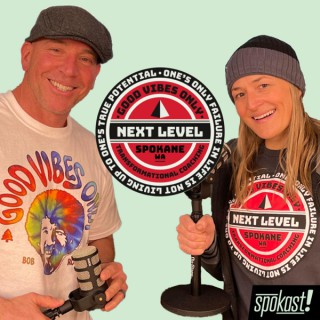
On this episode of Next Level: Good Vibes Only, Jessica and Darren Salquist break down a simple truth: the trail always teaches you something. Fresh off finishing a Ragnar Ultra trail race, through overnight miles, rain, and more than a few changes of wet clothes, they unpack what a hard challenge reveals about who you really are.Starting from a quote by Eric Thomas, they explore how the mind is your strongest muscle, how gratitude becomes a tool that carries you through the toughest moments, and why what you can't control matters less than how you prepare for it. Drawing on Viktor Frankl's Man's Search for Meaning and Phil Stutz's idea of Part X, Jessica and Darren share how discomfort, when you lean into it, becomes the very thing that grows you. As Darren puts it, it's a feeling you can't buy at Amazon or grab off the shelf at Costco. You earn it.Stick around to the end for five reflection questions you can carry into your own next challenge, whether that's a race, a goal, or simply a hard season of life. This one pairs beautifully with the companion meditation, Becoming Through the Challenge.Follow Darren Salquist, Life Changer, Self-Mastery + Heroic Performance Coach, PTA, and Personal TrainerIG: @salquid https://www.instagram.com/salquid/Linkedin https://www.linkedin.com/in/darren-salquist-3836b770/FB: https://www.facebook.com/darren.salquist?mibextid=LQQJ4dFollow Jessica Salquist, Life Changer, Nationally Board Certified Reflexologist, Heroic Performance Coach, and Executive LeaderIG: @reflexologyjedi https://www.instagram.com/reflexologyjedi/Linkedin: https://www.linkedin.com/in/jessica-salquist-46b07772/FB: https://www.facebook.com/salquistjessica?mibextid=LQQJ4dFind us both on IG @nextlevelreflexologycoaching https://www.instagram.com/nextlevelreflexologycoachingWellness + Coaching — Next Level Coaching and ReflexologyWebsite: www.nextleveltransformationalcoaching.com Check out Heroic.us to enroll in a coaching program and be part of an amazing community.Buy the book Arete here: https://a.co/d/ctXhK7A (on Amazon)

Which conversations have you been avoiding at work? In this classic episode, I sit down with Death, Sex & Money host Anna Sale to talk about why conversations about money, mental health, and personal struggles still feel so difficult in many workplaces. We discuss the shame that often shapes our financial decisions, how your upbringing influences the way you negotiate and advocate for yourself, and what to consider before telling your boss you're struggling. Anna also shares advice for setting boundaries, asking for what you need, and creating more honest relationships at work. Get ready to rethink the conversations that could change your work and your life. Check out our sponsors: Shopify - Sign up for a $1 per month trial, just go to shopify.com/anxiousachiever Chime - Head to chime.com/achiever to sign up Monarch - Use code ACHIEVER at monarch.com to get 50% off your first year Physician's Choice - Use code PCPODCAST10 at physicianschoice.com to get 10% off your entire order Whatnot - Get free shipping on your first order. Just search W-H-A-T-N-O-T in the app store and start scoring amazing deals Pebl - Take advantage of Pebl's limited-time offer before it's gone. Visit hipebl.ai today. In this Episode, You Will Learn 00:00 The value of talking about hard things. 05:30 Which conversations are still taboo at work? 08:15 The shame that shapes our relationship with money. 12:15 Anna's experience with money anxiety. 15:45 The money mindset behind anxious achievers. 18:00 How do you negotiate without losing yourself? 20:30 How to set boundaries without apologizing. 22:45 A test before saying yes. 23:45 Negotiation advice for the start of your career. 27:30 Should you tell your boss you're struggling? 31:45 Choosing your wellbeing over your paycheck. Resources + Links Learn more about Anna Sale HERE Get a copy of Anna's book Let's Talk About Hard Things HERE Listen to Death, Sex & Money HERE Get a copy of my book - The Anxious Achiever Watch the podcast on YouTube Find more resources on our website morraam.com Follow Follow me: on LinkedIn @morraaronsmele + Instagram @morraam Follow Anna: on LinkedIn @annasale + Instagram @annasalepics

Today, we'll talk about my favorite item from the Always Work List from a few weeks back - the Daniel Tiger SOP. Entrepreneurship requires you to do uncomfortable stuff constantly. This gets overwhelming and leads to founders sticking with the well-worn, safe path. That leads to startups with no differentiator and no reason to exist. The Daniel Tiger SOP helps you turn intimidating tasks into manageable ones. It lets you travel a unique road, which leads to a unique product. It's as good a technique as I've found. Tacklebox Always Work and Never Work Lists Pod Email team@gettacklebox.com with sub “always work never work” to get the lists An SOP for Testing a Startup Idea Daniel Tiger Song Nate Bargatze Dumb Brain Timestamps 00:35 Intro - Always Work and Never Work Lists 02:55 The Most Useful Item from the Always Work List 03:55 What Makes People Happy06:15 Smooth Jazz 06:45 You'll Never Sprint Again 08:12 Repetitive SOPs and Uncomfortable SOPs 09:30 The Daniel Tiger SOP 11:13 Email Scam Detector Startup 16:30 The End: Our Brains Are Dumb

Michael and Wayne sit down with Jeff Archey about the importance of preaching the hard things. Visit our linktree: https://linktr.ee/scatteredabroadnetwork Visit our website, www.scatteredabroad.org, and subscribe to our email list. "Like" and "share" our Facebook page: https:// www.facebook.com/sapodcastnetwork Follow us on Instagram: https://www.instagram.com/ the_scattered_abroad_network/ Subscribe to our Substack: https://scatteredabroad.substack.com/Subscribe to our YouTube channel: The Scattered Abroad Network Contact us through email at san@msop.org. If you would like to consider supporting us in any way, don't hesitate to contact us through this email.

In this episode of the Experience Miracles podcast, Dr. Tony Ebel sits down with his wife, Kristina Ebel, for an intimate conversation about what it really takes to raise resilient kids. Drawing on 18 years of parenting and their own childhoods — Tony's on a farm, Kristina's in a first-generation immigrant business family — they unpack how resilience is built through chiropractic-informed health, intentional core values, and modeling (not just preaching) hard work, service, and faith. The conversation moves from practical family stories (a UTV accident, a missed cross-country cutoff by 1.8 seconds) to bigger-picture philosophy on purpose versus balance, why perspective matters more than circumstance, and why parents' own nervous system health is the foundation everything else is built on. They close with encouragement for parents who feel like they're failing, and a reminder that chiropractic care isn't just for kids — it's for parents too.----Links & Resources:Register for the free Breaking the Cycle of School Struggles Webinar HERE-----Key Topics & Timestamps05:00 Meet the Ebel family: a quick picture of life with four kids08:00 Resilience through illness: chiropractic vs. the conventional response13:00 Growing up resilient: Kristina's immigrant family business & Tony's farm upbringing21:00 Building the Ebel family core values24:00 Anchored, Call to Serve, and Unshakable: values in action27:00 Purpose over balance: why chasing "balance" leads to burnout34:00 Oliver's 1.8-second lesson in resilience35:00 What to tell a parent who feels like they're failing40:00 Why chiropractic care matters for parents, not just kids-- Follow us on Socials: Instagram: @pxdocsFacebook: Dr. Tony Ebel & The PX Docs NetworkYoutube: The PX DocsFor more information, visit PXDocs.com to read informative articles about the power of Neurologically-Focused Chiropractic Care.Find a PX Doc Office near me: PX DOCS DirectoryTo watch Dr. Tony's 30 min Perfect Storm Webinar: Click Here

Episode Description What happens in the dark hours before sunrise on day two, when your body starts asking what exactly you are doing out here? Justin Smith teaches high school in Santa Cruz, California, where his classroom is a working bike shop. By day he runs a Career Tech Ed program through Project Bike Tech, teaching teenagers to fix bikes, build resumes, and solve real problems with their own hands. On his own time, he is an ultra-endurance athlete who has finished the 2,700-mile Tour Divide from Banff, Canada to the Mexico border in 16 days straight, raced the Fiji Eco-Challenge with Team Curl, competed at the Ironman World Championships in Kona, and returned three times to a 60-hour swimrun across the Swedish archipelago. In this conversation, Justin takes Josh inside the pain cave and the mental game of multi-day racing: the dark hours before sunrise on day two, the difference between the front country and the back country, and why the body only truly comes alive on the second night. He explains how a psychology degree and Outward Bound canoe trips led to a life built around adventure, why he and his wife once lived in a tiny house they built on television, and how putting himself in hard situations makes him a better dad, husband, and teacher. They also talk about the people. From trail angels on the Pacific Crest Trail to a septic-truck driver in Southern California, Justin keeps returning to the connections that outlast the miles. Most of all, this is a story about a simple idea he repeats to his students and his daughter: a ship is safe in its harbor, but that is not what ships were built for, and the more you do hard things, the more you realize hard things are worth doing. Episode Highlights • 00:00 Meet Justin Smith: high school teacher by day, ultra-endurance adventurer on his own time • 02:00 The bike shop classroom and the Project Bike Tech program in Santa Cruz • 08:00 Building a tiny house on the TV show Tiny House Nation • 14:00 The permission slip to not conform, and choosing the hard path on purpose • 16:00 Comfort is what gets sold to us, but hard things are what move the needle • 19:00 Meeting Roy Malone at the 2019 Fiji Eco-Challenge with Team Curl • 20:00 The One Water swimrun across the Swedish archipelago, attempted three times • 26:00 The Stagecoach 400 and sleeping on McDonald's cardboard with no sleeping bag • 31:00 Courtney Dauwalter's pain cave, and learning to redecorate it instead of fighting it • 38:00 Finishing the 2,700-mile Tour Divide in 16 days, from Banff to the Mexico border • 43:00 The Pacific Crest Trail, meeting his wife, and hiking through grief in 2009 • 55:00 Orienteering, gut instinct, and trusting intuition when the map runs out • 01:04:00 A ship is safe in its harbor, but that is not what ships are built for • 01:12:00 The mantra: if you can't get out of it, get into it, and find a way About Justin Smith Justin Smith is a high school Career Tech Ed teacher in Santa Cruz, California, where he leads a bike shop program through Project Bike Tech, and a lifelong endurance athlete and adventurer. A former NCAA swimmer, he has finished the Tour Divide, raced the Fiji Eco-Challenge and multiple expedition-style adventure races, competed at the Ironman World Championships in Kona, and thru-hiked the Pacific Crest Trail. He lives in Santa Cruz with his wife and daughter, with whom he shares most of his adventures. Connect with Justin Smith • Facebook: www.facebook.com/smilingjustin • Inspire Out: www.instagram.com/inspireout/ Connect with the On Adventure Podcast Hosted by Josh Self, financial advisor and everyday explorer. • Subscribe on YouTube, Spotify, Apple Podcasts, and all major streaming platforms • Follow on Instagram for short-form clips and behind-the-scenes content • Connect on Facebook: On Adventure Podcast with Josh Self • Connect on LinkedIn: Josh Self • If this episode resonated with you, leave a review and share it with someone who needs to hear it.

Alex Honnold, renowned rock climber and the subject of the documentary Free Solo, has always known how to do hard things. Yet he's also had to learn that his drive to push himself will only take him so far. In today's episode, he tells the story of how he's come to understand the importance of reading the conditions of the environment, and learning to adapt.See Privacy Policy at https://art19.com/privacy and California Privacy Notice at https://art19.com/privacy#do-not-sell-my-info.

Hi everyone, Dr. Dawn here—your executive coach, business consultant, and the person in your corner when work gets complicated.Have you ever looked at your calendar and thought, "How am I going to get all of this done?"If that's where you are today, I want to remind you of something important:You can do hard things – You just don't truly believe that you can.So come back and join me, where you know we love to talk about it all, right here on The Career Woman's Secret Playbook Podcast.You can do hard things. One of the biggest myths professional women buy into is that strength means handling everything. But true strength isn't doing it all - true strength is knowing what deserves your energy.So as you try to navigate this, here are 3 strategies you can put in place right away to help you remember that you CAN do hard things – you just don't believe, deep down inside, that you really can.Your 3 Strategies:1. Look Back Before You Look Forward: When life feels overwhelming, stop and ask yourself, "What hard things have I already survived?" Because chances are you've overcome challenges that once felt impossible. You got through difficult jobs. You survived heartbreak. You navigated uncertainty. You learned new skills. You are stronger than you give yourself credit for.2. Stop Measuring Success by Perfection: This one is especially important. Not every summer memory has to be Instagram-worthy.Sometimes success looks like:Showing up Doing your best Letting go of the rest Just remember, perfection is exhausting.3. Give Yourself Permission to Prioritize: One of the hardest things women do is disappoint people. But here's the truth: Every time you say yes to something, you're saying no to something else.The question becomes: Are you saying yes to the right things?Here are some final thoughts: Life is always going to have seasons.Some seasons are about growth.Some are about rest.Some are about building.And some are about simply putting one foot in front of the other.And as always, remember our motto: "If you're not having a fantastic day, you have the power to make it one."NEW HERE? Check out our Mentioned Videos: · The Career Woman's Secret Playbook Podcast: https://www.youtube.com/watch?v=6fR_clXjZ-4&list=PLdguFjdYMwqWXnvIeSAIhDrtPdHdsLGde · Perfectionism: https://www.youtube.com/playlist?list=PLdguFjdYMwqXrgiI1YaB87uHu1gm_mczc· Healthy Boundaries: https://www.youtube.com/watch?v=CsYcFaWvEcI&list=PLdguFjdYMwqXaDt_bakaS7NYZylcTTL5Z· Come Lose Weight with Me: https://www.youtube.com/watch?v=_6suUlz3mJo&list=PLdguFjdYMwqUHUlX0ArQvcN7g8h4scoit· Speak with Power: https://www.youtube.com/watch?v=7iH8Nc8OzRc&t=6sGet your copy of The Career Woman's Secret Playbook! · Amazon: https://www.amazon.com/Career-Womans-Secret-Playbook Contact Me! · https://www.drdawnshoptalk.com/book-online Grab your Freebies! https://www.drdawnshoptalk.com/career-secrets https://www.youtube.com/@drdawnshoptalk/podcasts
Marc Hopkins, author of Hard Things, set out to write a book about running the Bigfoot 200, but what emerged was something much deeper. In this conversation, he shares how endurance running became the lens through which he uncovered old stories about self-worth, fear, identity, and the belief that one more finish line would finally make him enough. Together, we explore why runners chase hard things, the difference between simply enduring life and living with purpose, and how the trail can expose what's really driving us. Marc also opens up about surviving a 99% heart blockage, learning when grit is a strength and when it's time to stop, and why vulnerability may be the toughest skill endurance athletes ever develop. If you've ever wondered why you run, or found yourself learning more about your life than your splits during a long run, this conversation will stay with you long after the episode ends. EPISODE SPONSORS Tifosi Optics - CLARITY ON THE TRAIL: Post your Golden Nugget of wisdom that helps you recover after a huge effort on Instagram, tag @TifosiOptics, @TrailRunnerNation, and use the hashtag #ClarityOnTheTrail. OR try texting us (within the USA) with your tip: 916-235-3928. If we use yours on a weekly episode, you get a pair of the new Sanctum SL glasses! ALTRA: With the classic Altra Fit, you set the pace. Altra running shoes are designed with room for your toes so they can actually spread out - for a natural fit. This gives you comfort, balance, and strength on and off the trail. Better balance and stability for our toes means more comfort – on mile 5, 50, or 100. Learn more about Altra Fit. Feel the Altra Difference and use code TRN10 for 10% off your first order at checkout at altrarunning.com/TRN. Stay Out There™ with Altra. Stone Creek Coffee: Start every adventure with One More Mile, our limited edition coffee created by Stone Creek Coffee and Trail Runner Nation for runners who believe the journey is as meaningful as the finish line. Fuel your next early morning, long run, or post-run conversation, and save 20% with code ONEMOREMILE20. Every cup is an invitation to be part of a community that goes farther together. RunMotion Coach: Whether you're training for your first trail race or chasing a new ultra PR, RunMotion Coach creates a personalized training plan that adapts to your schedule, fitness, and progress. Built by experienced coaches and powered by intelligent coaching technology, it helps you train smarter, stay consistent, and arrive at the starting line ready for your next adventure. Timestamps 00:00 | Why We Chase Hard Things Marc explains how a book about the Bigfoot 200 became an honest look at identity, purpose, and the reasons we pursue difficult goals. 08:00 | Enduring vs. Endurance The conversation explores the difference between simply surviving life and intentionally moving toward something meaningful. 18:30 | The Finish Line Won't Make You Whole Marc shares how he believed one more race would finally prove his worth, and why that mindset eventually fell apart. 30:30 | Lessons From a 99% Heart Blockage A life-threatening diagnosis forced Marc to rethink strength, vulnerability, and what it really means to listen to your body. 43:30 | The Pebble in Your Shoe A simple refrigerator magnet from Marc's childhood became one of the biggest life lessons in the entire book. 49:00 | Why the Next Finish Line Isn't the Answer The hosts discuss identity, self-worth, and why chasing bigger races can never solve what's happening inside. 53:30 | When Can You Finally Call Yourself a Runner? Marc explains why comparison steals joy and why every runner, regardless of pace or body type, belongs on the trail.

The Doing Hard Things My Way 5K is back for its second year, and we're excited to share what makes this event so special.In this episode of the Cerebral Palsy Perspective Podcast, Chad and Daryl discuss the inspiration behind the annual Doing Hard Things My Way 5K, how it grew from a personal running journey into a community-focused event, and why inclusion remains at the center of everything it represents.What started as an idea to give back through the running community has evolved into an opportunity for people from all walks of life to come together, get active, and support one another. Whether you run, walk, jog, roll, or participate in your own way, this event is designed to meet you where you are.Chad shares how the race came to life, the impact of last year's event, and the partnership with Cerebral Palsy Strong. Daryl discusses how the event aligns with the Your Level Fitness philosophy of creating accessible opportunities for movement and community.In this episode, we discuss:• The origin of the Doing Hard Things My Way 5K• How running became a life-changing part of Chad's journey• Why inclusive fitness opportunities matter• The benefits of a virtual race format• How participants can complete the event from anywhere• Building community through movement and shared experiences• The role of social media in connecting participants• Race week details, team participation, and event goalsThe 2026 Doing Hard Things My Way 5K takes place from August 30 through September 5, giving participants an entire week to complete their 5K in whatever way works best for them.Ready to join us?Sign up here:https://runsignup.com/Race/Register/RaceGroup-1?raceId=187209Whether you're participating individually, joining a team, or creating your own, we'd love to have you be part of this year's event.Use #DoingHardThingsMyWay and #CerebralPalsyStrong during race week to share your experience and connect with the community.Thank you for listening, and we'll talk to you again next week.

Hey friends, Chase here Jeff Boyd is on the show today, and this conversation is about building the kind of life and business that does not always look like the predominant story on the internet. Jeff is the founder and chairman of MTE, More Than Energy, which he describes in this episode as "an energy that loves you back." Before that, he spent 15 years as the President and co-owner of Luggage Free, where he expanded global operations to more than 100 countries before selling the company in 2019. What I loved about this conversation is that it is not the usual story about chasing the next app, raising venture capital, or building something because the internet told you that is what entrepreneurship is supposed to look like. This is a conversation about physical products, unsexy businesses, competition, fatherhood, leadership, and what it means to keep choosing hard things on purpose. Jeff says it plainly right at the top: "That's why I tell my team all the time. They just look at me and I'm like, if it were easy, everybody be doing it. We got to do what nobody else is willing to do, and then you're going to be happy we did it. And I tell them that I'm like, oh yeah, this is hard. And I'm excited about it. Because now that's an opportunity for us because we'll outwork anybody." That idea is at the center of this episode. We talk about the grind of building something real, why curiosity matters more than credentials, what sports teach us about business, why leadership is not about personality type, and how the best things in life often come down to loving the process instead of obsessing over the outcome. Why This Conversation Matters Right Now Most of the entrepreneurs and creators we see online are building in public, building digitally, or building something that looks like the current version of what the internet rewards. There is nothing wrong with that, but it is not the only path. In this episode, I say: "A lot of folks I know in the audience feel a pressure to make their businesses walk and talk and look like the creators and the entrepreneurs that see out there in the world, which is one of the reasons I want to start celebrating some people who are building really successful lives, careers." That is why I wanted to have Jeff on the show. He built and sold a shipping business. Now he is building a physical product in the health and wellness space. He is not chasing the obvious thing. He is not trying to make his work look like everyone else's. Jeff's path is a reminder that there is a whole world of entrepreneurship outside the digital-first story. There are products, services, local businesses, physical goods, retail shelves, manufacturing problems, customer conversations, teams, families, and real-life constraints. And sometimes, that is where the opportunity is. What We Explore in This Episode Jeff's early business story and how he became employee one at a shipping company before helping grow it around the world. The "answer is yes" mindset that helped Luggage Free expand into all 50 states and more than 100 countries. Why physical products are different and what changes when you are building with atoms instead of bits. The origin of MTE and why Jeff wanted to build "an energy that loves you back." What it means to enjoy the grind when the work is hard, relentless, and full of problems you do not know how to solve yet. Fatherhood, presence, and time and why Jeff says he is "so all in now" with his family. Competition, sport, and business and why Jeff still trains and competes as a long jumper. Leadership and authenticity and why Jeff says people do what you do, not what you say you do. Second and third career arcs and what Jeff has learned about zooming out, building teams, and letting people play the right roles. The Core Idea: If It Were Easy, Everybody Would Be Doing It One of the strongest threads in this conversation is Jeff's relationship with hard things. He is not pretending the grind is glamorous. He says straight up that building physical products, selling through retail, and getting people to care is hard. But he also sees that difficulty as part of the opportunity. "You know I some of this stuff I think the harder it is, the better for me. For sure. You want, you want to bear. People are going to be like, oh, I don't have the guts to do this. That's right. Yeah. And then the ones that do, that's a that's another level, right? That's another fence they cleared. But then it's like, okay, well now you did that. But are you ready to grind now because it's a grind." That is the mindset that shows up again and again in the episode. The point is not that everything should be hard for the sake of being hard. The point is that difficulty can reveal where other people quit. That is true in sport. It is true in business. It is true in building a family, a product, a brand, a company, or a body of work. The Answer Is Yes Jeff's first major business story starts with Luggage Free. At the beginning, the company was taking orders by hand and trying to get the phone to ring. Then the first real call came in. "Anyway, so we're trying to get the phone to ring so we can handwrite our orders. And the first call, the guy, you know, we're all. It was kind of like a movie. We're all like, you know, hushed around him, waiting, you know, hearing him, he's like, oh, I'm sorry, we don't serve. North Carolina hangs up. And we were like, oh, dude, Gary, of course you serve anybody." That moment became a kind of operating philosophy: "And I was like, from now on, the answer is yes. Like whatever anybody says answered yes. And with that really that charge? Yeah. We were quickly in all 50 states and we grew to 109 countries throughout the world. And it was always in response to a call." There is something powerful in that. Not because saying yes is always the right answer, but because early in a business, the market often tells you where to go before your strategy deck does. Someone calls. Someone asks. Someone has a need. Someone gives you a clue. The question is whether you are willing to follow it. Building Something You Can Hold After selling Luggage Free in 2019, Jeff had time and space. He was not rushing into the next thing. He was riding his bike, playing tennis, spending time with his family, and looking for what might call him next. What called him was not another service business. It was a physical product. "And so in 19 sold it 2019, 2019 were operating all over the world, offices all over and sold it and was kind of free to at that point, I was like, all right, I want to like what I loved about it was the challenge and the fun and the competition. Right. You're building, you're competing." He continues: "But I what I yearn for was a product and something that was tangible I could actually hold right and do a different scent or a different flavor or different size or different color, whatever." That desire eventually became MTE. Jeff had been trying to solve his own energy problem, stacking supplements, chasing better mood, better energy, and better performance, until he realized the pieces were not working together. "And I realized I was like, Frankenstein. I mean, like, we were talking about it last night, like piling all these supplements together to try and make yourself feel better, even even like ten supplements, which doesn't sound that bad. Shit. Crazy. Yeah. We'll be like a suitcase full when you're traveling, you know?" MTE came from that search. "So we built it's an energy that loves you back. Right. Like an energy drink that loves you back. Yeah. Right. So you get prebiotics and caffeine free blend. That's better than caffeine. Yeah. So now you're getting energy that feels great that you can trust. Sure. And no jitters, no crash, no impact on sleep." Curiosity, Thrill, and Figuring It Out One of my favorite parts of this conversation is when Jeff talks about starting something in a category where he did not have obvious experience. He had not built beverage brands before. He was not a chemist. He was stepping into a new world. His answer was not fear. It was curiosity. "Yeah. Like, I like hair on fire. Like, let's go figure this out." Then he gets to the larger point: "I like it's curiosity and thrill. And that's what it boils down to. Right. Like, I think you you like that's what entrepreneurship is. It's solving problems and and finding solutions to things. Even if you've done it 20 times, they're going to be solutions that need to be had in the evolving world and landscape in which we operate." That is entrepreneurship in a sentence. You do not get to know everything before you begin. You do not get a guarantee that the answer is obvious. You get a problem, a question, a changing landscape, and the chance to learn fast enough to keep moving. Jeff says: "But that's why I love it. I think if, if we boil it down, I love the curiosity that that is necessary to just because you're like, I don't know the answer to that. Instead of that overwhelming me or said of panicking, I'm going to go learn because I'm sure there's more than one answer. We'll figure out. Maybe we'll triangulate, figure it out. Yeah, get to a solution. And and then we'll know for next time. And then we'll be able to iterate and make it better. And on it go. Like I love that process." You Have to Love the Process The conversation moves from business into fatherhood, sport, and the shape of a life. Again and again, we come back to process. Jeff says it directly: "Yeah. You have to love the process, right? And I think that's true of anything, particularly in stuff like that where it's easy to focus on the outcome. I'm lose 20 pounds, I'm going to whatever it is, I'm going to get this promotion, you know. And then I think what happens is then the outcome just naturally happens because you love the process." This applies to entrepreneurship, training, parenting, leadership, and creative work. If you are only trying to reach the finish line, you miss the life that happens while you are getting there. Jeff connects that idea to family: "Like the time is fleeting, right? For whatever it is. And you really have to enjoy the journey because, you know, like, I look at things like, if it's a line that's made up of just millions and millions of dots, and those dots would represent any given period in time." He continues: "Right. College graduation, high school graduation. They get married like whenever it is. You've decided that they've you've set them free. The that point will just be one of hundreds of millions of points that made up the line. Yeah. So, you know, looking and it's kind of the same with like a business, right. Like if you're just all you want to do is sell the business, you're just focused on that. You're going to miss all these hundreds of millions of, of experiences or anything else, right?" Competition Brings Out the Best in People Jeff is still a competitive long jumper. He talks about master's track, world records, regional meets, and the way competition gives him purpose. That competitive lens shows up in business too. "I love it, I love it, I think I think I love to compete. Like I was just telling my buddy the other day, like, I don't like when he's fine, but I hate losing, which is weird, right?" Then he goes deeper: "So I just love the competition, and I love the process that goes into it. And having, you know, so being able to have a purpose and go in and compete and I love competing. Sure. I just think it brings out the best in people." For Jeff, sport is one vehicle for competition, but not the only one. Business is another. "Sports is just a vehicle to compete. Right. So is it the competition like because it brings the best out in you or why do you like it. Yeah, I think I think just that it's the vehicle for sports. Sure. So I like it as an umbrella. I love it in the business." He talks about the shipping company in that same frame: "Like even the shipping company I had towards the end, I was I didn't have a lot of passion for it, but I had, you know, a very competitive space and there were upstarts in the industry and you're like, all right, well, these guys are trying to take my lunch money, you know, like, right. Not on my watch." Leadership Means Leading From the Front When I ask Jeff what is required of leadership, his answer is simple: "Got to lead from the front, I think. Right. I mean, yeah, it's people do what you do, not what you say you do." He adds: "I think you need to be genuine too. Yeah. Right. Like, if you're, if you're genuine and authentic, I think people are more prone to get in line and buy in and say, I'm, I'm, I'm subscribing to what? You're where you're leading me again." That is an important distinction. Leadership is not just having followers. It is not having the loudest voice in the room. It is not projecting certainty at all times. It is what people see you do. It is the consistency between your words and your behavior. It is whether the people around you believe that the thing you are asking from them is something you are willing to model yourself. Nobody Does It Alone Later in the conversation, Jeff talks about what he has learned in this newer chapter of his life and career. One lesson is the importance of zooming out. Another is the myth of the lone genius. "And then the other thing I've learned is you like, nobody does it alone. Right? I mean, that's like total myth. Yeah. The myth of the lone wolf. The lone genius. Yeah. It's, you know, you need a you need a whole group of people that are going to bring ideas that you would have never thought of. They're going to execute your ideas that you do have." He continues: "Right? They're going to they're just they're going to champion for you in ways that you never even knew needed to be championed. You know, I mean, all the things you need a you need a great team and you need to find." That is a hard-earned lesson for builders. The bigger the thing you are trying to create, the less likely it is that you can muscle your way through alone. You need ideas you would not have had. You need people who can execute. You need people who can challenge you, support you, and help you see what you are missing. Role Players Matter One of the most useful leadership ideas in this episode is Jeff's realization that not everyone on a team has to be an all-star. "And the other thing I talk about all the time is it's you have to resist the urge to demand that everybody in your team is an all star, right? Like even the greatest sports teams have role players, and they have guys that sit on the bench to get the starters ready for the playoffs." He explains what he learned: "But they don't, you know, they're they're effectively benchwarmers. But they have a role in the team. And you have a trainer and you have a coach and assistant coaches and all. You know, it's it's the whole organization." That perspective changed the way he thought about people and teams: "That was difficult for me earlier on. I, I just felt like everybody had to be an all star. If you're not at all star, you're you're like, I'm failing you or you're failing me. And either way, you got to go. You know, we're going to get somebody else in here." The lesson is not to lower standards. It is to understand roles. Great teams are not built by pretending everyone is supposed to contribute in the same way. About Jeff Boyd Jeff Boyd is the founder and chairman of MTE (More Than Energy), colloquially known as 'energy that loves you back'. MTE has prebiotics and a caffeine-free blend that functions better than caffeine, giving users feel good energy they can trust, with no spike, no crash, and no impact on sleep. Prior to founding MTE, Jeff spent 15 years as the President and co-owner of Luggage Free where he expanded global operations to over 100 countries before selling the company in 2019. In his free time, Jeff is a notorious oenophile, cyclist and long jumper. If he's not on the bike, on the track, or in the cellar, he enjoys traveling the world with his wife and two children. www.getmte.com Instagram YouTube Timecodes 00:00 – Jeff on why hard things create opportunity 02:06 – Chase welcomes Jeff to the show in Seattle 02:21 – Why this episode is different from the usual digital-first entrepreneurship conversation 05:21 – Jeff begins the story of becoming employee one at a shipping company 07:35 – "From now on, the answer is yes" 09:21 – Selling the company in 2019 and wanting to build a product 10:31 – Jeff starts getting the itch to build something new 15:40 – Why building a physical product is not a get-rich-quick scheme 17:57 – Jeff explains MTE: "an energy that loves you back" 22:35 – Starting in a category where you do not have all the experience 23:59 – Curiosity, thrill, and solving problems as entrepreneurship 28:01 – Fatherhood and being "born to be a dad" 31:12 – Why Jeff is "so all in now" with his family 33:16 – Time, family, business, and "millions and millions of dots" 36:18 – Why you have to love the process 38:15 – Attitude, winning, and sports psychology 39:23 – Jeff on still competing in long jump 42:00 – Why Jeff loves competition 46:33 – Leadership, authenticity, and leading from the front 50:45 – Zooming out and finding your North Star 51:47 – Why nobody does it alone 52:05 – Building teams with role players, not only all-stars 58:37 – "When people show you who they are, believe them" 01:03:14 – MTE cans, flavor work, and mango pineapple 01:05:08 – The Reggie Watts collaboration 01:09:20 – Why the harder path can be better 01:12:15 – Retail as the next frontier 01:17:03 – Jeff's three-pillar vision for MTE 01:17:45 – Ingredients, paraxanthine, prebiotics, and clean energy Questions to Ask Yourself If you want to turn this episode into action, take a few minutes with these questions: Where am I making my business or creative life look like someone else's version of success? What is the "non sexy" opportunity I might be overlooking because it does not look cool online? Where could "the answer is yes" help me learn faster? What hard thing am I avoiding that might actually be the opportunity? What problem do I not know how to solve yet, and who could help me triangulate an answer? Where am I too focused on the outcome and missing the process? What part of my life is made up of "millions and millions of dots" that I need to appreciate now? Am I leading from the front, or only telling people what I value? Where am I expecting everyone to be an all-star instead of building a real team? What would it look like to zoom out and find the North Star again? A Simple Practice for Builders Here's something practical you can do this week. Pick one hard thing in your work or life that you have been treating as a sign to stop. It might be a distribution problem, a hiring problem, a creative problem, a sales problem, a health problem, or a relationship problem. Then sit with Jeff's line: "Oh yeah, this is hard. And I'm excited about it." Do not use that line to pretend the hard thing is easy. Use it to reframe what the hard thing might be showing you. It may be pointing to the part where other people quit. It may be pointing to the skill you need to build next. It may be pointing to the person you need to ask, the rep you need to take, or the process you need to fall in love with again. The work is not always to find an easier road. Sometimes the work is to become the kind of person who can walk the hard one with more purpose. Final Thought This episode is a reminder that business is not only about scale, speed, funding, or hype. It is also about curiosity, grit, family, physical products, role players, clean energy, long jumps, retail shelves, hard conversations, and the willingness to keep learning when you do not already know the answer. Jeff's story is not about avoiding the grind. It is about choosing the right grind. It is about building something thoughtfully, leading from the front, and staying close enough to the process that the outcome has room to take care of itself. Until next time: do what nobody else is willing to do, and love the process enough to keep going.
Freedom Live is a 3-day live experience in Austin for high performers ready to break through the patterns, beliefs, and identity blocks keeping them from the next level. Join the waitlist: https://freedomwaitlist.com/ Feeling stuck? It's time to take back control. If you're ready to master your mind and create real, lasting change, click the link below and start transforming your life today.

“This isn't Little League, there's no rule we all have to line up and shake hands.” Ryan Clark Special Friday Pivot as we prepare to spend the coming days doing what we do! Father's Day is supposed to be about celebrating dads—but in pure Channing fashion, He marks it as the dumbest holiday on the calendar! We get into why he feels that way and talking so much more as Chan, Fred and Ryan start the convo fired up about a legendary summer of sports heating up— with underdogs becoming icons, Knicks championship unifying the city that doesn't sleep, and the World Cup action kicking off being everything it's promised to be! Checking out FIFA favorite on the pitch to the growing conversation around Victor Wembanyama, respect among competitors, and where sportsmanship fits in today's game. The conversation takes a turn as the guys discuss the things we struggle to tell our families and the people closest to us, the emotions we carry in silence, and why vulnerability remains one of the hardest challenges for men. The guys reflect on the passing of their fellow teammate and friend Aldon Smith, the pressures athletes face long after the cameras stop rolling, and why mental health conversations need to move beyond headlines and hashtags. And as we head into the weekend of Dad's, Ryan, Channing, and Fred chat fatherhood, family, and the realities of being the men their kids count on. Channing gets personal about his father's impact on his life and the funny memories they made together in his final days. From laughs and locker-room stories to honest conversations about grief, family, purpose, and fatherhood, this is one of those episodes that reminds you why The Pivot is more than a sports podcast—it's three men trying to make sense of life in real time. Pivot Family...comment, like, hit the subscribe button, we enjoy hearing and learning from you- the good and the bad, we want to know! Learn more about your ad choices. Visit megaphone.fm/adchoices
© 2020-2026 Ivy Podcast Discovery LLC


