
POPULARITY
Categories

20 episodes with Scaled

15 episodes with Scaled

14 episodes with Scaled

9 episodes with Scaled

11 episodes with Scaled

8 episodes with Scaled

14 episodes with Scaled

8 episodes with Scaled

6 episodes with Scaled

7 episodes with Scaled

10 episodes with Scaled

10 episodes with Scaled

5 episodes with Scaled

16 episodes with Scaled

6 episodes with Scaled

5 episodes with Scaled

4 episodes with Scaled

9 episodes with Scaled

9 episodes with Scaled

5 episodes with Scaled

4 episodes with Scaled

4 episodes with Scaled

5 episodes with Scaled

5 episodes with Scaled

4 episodes with Scaled

3 episodes with Scaled

5 episodes with Scaled

5 episodes with Scaled

6 episodes with Scaled

4 episodes with Scaled

6 episodes with Scaled

3 episodes with Scaled

3 episodes with Scaled

4 episodes with Scaled

8 episodes with Scaled

9 episodes with Scaled

2 episodes with Scaled

4 episodes with Scaled

3 episodes with Scaled

3 episodes with Scaled

5 episodes with Scaled

5 episodes with Scaled

3 episodes with Scaled

4 episodes with Scaled

5 episodes with Scaled

4 episodes with Scaled

5 episodes with Scaled

3 episodes with Scaled

4 episodes with Scaled

3 episodes with Scaled

5 episodes with Scaled

3 episodes with Scaled

3 episodes with Scaled

3 episodes with Scaled
Investor Fuel Real Estate Investing Mastermind - Audio Version
In this episode, Brian Ker, founder of Snowball Developments, shares insights into industrial real estate investing, market analysis, and the importance of disciplined investment strategies. Discover how Snowball Development leverages market fundamentals and investor relationships to grow sustainably. Professional Real Estate Investors - How we can help you: Investor Fuel Mastermind: Learn more about the Investor Fuel Mastermind, including 100% deal financing, massive discounts from vendors and sponsors you're already using, our world class community of over 150 members, and SO much more here: http://www.investorfuel.com/apply Investor Machine Marketing Partnership: Are you looking for consistent, high quality lead generation? Investor Machine is America's #1 lead generation service professional investors. Investor Machine provides true 'white glove' support to help you build the perfect marketing plan, then we'll execute it for you…talking and working together on an ongoing basis to help you hit YOUR goals! Learn more here: http://www.investormachine.com Coaching with Mike Hambright: Interested in 1 on 1 coaching with Mike Hambright? Mike coaches entrepreneurs looking to level up, build coaching or service based businesses (Mike runs multiple 7 and 8 figure a year businesses), building a coaching program and more. Learn more here: https://investorfuel.com/coachingwithmike Attend a Vacation/Mastermind Retreat with Mike Hambright: Interested in joining a "mini-mastermind" with Mike and his private clients on an upcoming "Retreat", either at locations like Cabo San Lucas, Napa, Park City ski trip, Yellowstone, or even at Mike's East Texas "Big H Ranch"? Learn more here: http://www.investorfuel.com/retreat Property Insurance: Join the largest and most investor friendly property insurance provider in 2 minutes. Free to join, and insure all your flips and rentals within minutes! There is NO easier insurance provider on the planet (turn insurance on or off in 1 minute without talking to anyone!), and there's no 15-30% agent mark up through this platform! Register here: https://myinvestorinsurance.com/ New Real Estate Investors - How we can work together: Investor Fuel Club (Coaching and Deal Partner Community): Looking to kickstart your real estate investing career? Join our one of a kind Coaching Community, Investor Fuel Club, where you'll get trained by some of the best real estate investors in America, and partner with them on deals! You don't need $ for deals…we'll partner with you and hold your hand along the way! Learn More here: http://www.investorfuel.com/club —--------------------

Salvatore Vitale and Calin Plunkett continue: to uncover the origins of the Milky Way's supermassive black hole, scientists propose building larger gravitational wave detectors scaled up by a factor of ten. These advanced observatories would allow researchers to peer further back into cosmic history, potentially detecting black holes from the very early universe. Expanding the global network to four or five detectors would help pinpoint host galaxies and detect the formation of heavy elements. (8)1836 ROYAL OBERVATORY, GREENWICH UK

Dave is joined by Roberto Gonzalez, who went through our coaching program starting in 2023 and built Wash Bros with his brother Marcelo into a $720K exterior cleaning company in McKinney, Texas. They break down what it actually took to grow the business past the six figure grind, from building a hiring system and learning their real numbers to raising prices and adding a Christmas light division for extra revenue.See where your business stands —Take the free Growth ScorecardListen to the full audiobook free — Get Off The TruckFollow HSBC Social's:Facebook | Instagram | YouTube | HSBC Accelerator | Jobber | Home Service Business Coach Email: info@homeservicebusinesscoach.com
Investor Fuel Real Estate Investing Mastermind - Audio Version
In this episode, Tim Floyd from Stack Capital shares his journey from real estate investing to managing 12 deals a year while running a transactional lending business. Discover how he leverages strategic partnerships, scalable systems, and relationship-building to grow his operations and seize market opportunities. Professional Real Estate Investors - How we can help you: Investor Fuel Mastermind: Learn more about the Investor Fuel Mastermind, including 100% deal financing, massive discounts from vendors and sponsors you're already using, our world class community of over 150 members, and SO much more here: http://www.investorfuel.com/apply Investor Machine Marketing Partnership: Are you looking for consistent, high quality lead generation? Investor Machine is America's #1 lead generation service professional investors. Investor Machine provides true 'white glove' support to help you build the perfect marketing plan, then we'll execute it for you…talking and working together on an ongoing basis to help you hit YOUR goals! Learn more here: http://www.investormachine.com Coaching with Mike Hambright: Interested in 1 on 1 coaching with Mike Hambright? Mike coaches entrepreneurs looking to level up, build coaching or service based businesses (Mike runs multiple 7 and 8 figure a year businesses), building a coaching program and more. Learn more here: https://investorfuel.com/coachingwithmike Attend a Vacation/Mastermind Retreat with Mike Hambright: Interested in joining a "mini-mastermind" with Mike and his private clients on an upcoming "Retreat", either at locations like Cabo San Lucas, Napa, Park City ski trip, Yellowstone, or even at Mike's East Texas "Big H Ranch"? Learn more here: http://www.investorfuel.com/retreat Property Insurance: Join the largest and most investor friendly property insurance provider in 2 minutes. Free to join, and insure all your flips and rentals within minutes! There is NO easier insurance provider on the planet (turn insurance on or off in 1 minute without talking to anyone!), and there's no 15-30% agent mark up through this platform! Register here: https://myinvestorinsurance.com/ New Real Estate Investors - How we can work together: Investor Fuel Club (Coaching and Deal Partner Community): Looking to kickstart your real estate investing career? Join our one of a kind Coaching Community, Investor Fuel Club, where you'll get trained by some of the best real estate investors in America, and partner with them on deals! You don't need $ for deals…we'll partner with you and hold your hand along the way! Learn More here: http://www.investorfuel.com/club —--------------------

Global expansion, jiu-jitsu black belts, and Dana White's secret philanthropy — Adam Sedlack, CEO of UFC GYM, is back on The Future of Fitness after a five-year hiatus, and the growth story is staggering. From surviving pandemic-era bankruptcies to opening a new location every single week across 46+ countries, Sedlack breaks down the pricing overhaul that fueled 25% member growth and record profit margins, why "the consumer always has the answer," and how UFC GYM built a scalable system for teaching high-skill disciplines like BJJ and Muay Thai across 180+ locations without sacrificing quality. He also opens up about the Mark Mastrov coaching tree that shaped his career, what Dana White is really like behind the cameras, UFC GYM's cautious-but-committed AI strategy, and his bold five-year vision to hit 50+ countries by 2030. Whether you're a gym operator, franchise investor, or just fascinated by the business of fitness, this episode is packed with hard-won lessons on pricing psychology, scaling culture, and riding the wave of combat sports going mainstream. Key Takeaways:

Nomination of Todd Blanche to be Attorney General is still in limbo after Sen. John Cornyn (R-TX), whose vote is needed to report the nomination from committee, says the White House has not agreed to put in writing limits on tax audit immunity the President Donald Trump and his family received from a recent lawsuit settlement. President Trump says he may pull the nomination until after the midterm elections and let Todd Blanche remain Acting Attorney General; Senate Health Committee votes to approve CDC Director nominee Dr. Erica Schwartz and Assistant Health Secretary nominee Sean Kaufman, but not before committee chair Bill Cassidy (R-LA) gives a speech about the value of vaccines; Economic growth slowed in the 2nd quarter from 2.1% to 1.5%, and June inflation dipped to 3.7% from 4.1% in May; National Urban League releases its 50th annual State of Black America report; President Trump promotes a program to get more veterans into truck driving positions quicker, as the Administration has been cracking down on CDL's given to illegal immigrants or those with limited English proficiency; Sen. Minority Leader Chuck Schumer (D-NY) introduces a bill to create an Anti-Corruption Bureau to restrain presidents like President Trump whom he calls the "grifter-in-chief"; Senate defeats another Iran War Powers Act resolution introduced by Democrats aimed at requiring the president to withdraw U.S. forces absent Congressional authorization. Learn more about your ad choices. Visit megaphone.fm/adchoices

$0 -> $100M ARR. How Gamma Scaled Quickly without a Sales Team 100 million in ARR. A team of 50. Zero sales reps. Grant Lee, Co-founder and CEO of Gamma, shares the exact playbook behind one of the most capital-efficient growth stories in SaaS - from pitching investors out of a London kitchenette to going viral with a single tweet that got Paul Graham throwing shade. In this session, Grant breaks down four lessons: 1. Product-market fit isn't a checkbox. After winning Product of the Day on Product Hunt and watching signups plateau, Gamma went back to the drawing board. They gave themselves three months to make the first 30 seconds of the product feel magical - and word of mouth did the rest (5K signups/day, then 10K, then 50K, zero marketing spend). 2. Creator marketing only works if you've done it yourself. Grant went through "Cringe Valley" to understand what creators actually need - then used that to manually onboard every creator partner and build something that felt authentic, not transactional. 3. Community-led growth is literal. At 50M users, Gamma flew power users to SF, visited customers in Seoul, London, and São Paulo, and created a Gambassador Slack where early feedback shapes the product roadmap. Your users are not a faceless entity. 4. Dogfooding the future builds conviction. How Gamma killed their virtual office idea after six months and went all-in on presentations - and why testing your own product is the fastest path to knowing what to build next. If you're building a product-led company and wondering whether to invest in marketing or go back to the product - watch this first.
Investor Fuel Real Estate Investing Mastermind - Audio Version
In this episode, Grant shares his journey from corporate finance to real estate success, including strategies for building a diversified portfolio, managing challenges, and scaling his business in Kansas City. Professional Real Estate Investors - How we can help you: Investor Fuel Mastermind: Learn more about the Investor Fuel Mastermind, including 100% deal financing, massive discounts from vendors and sponsors you're already using, our world class community of over 150 members, and SO much more here: http://www.investorfuel.com/apply Investor Machine Marketing Partnership: Are you looking for consistent, high quality lead generation? Investor Machine is America's #1 lead generation service professional investors. Investor Machine provides true 'white glove' support to help you build the perfect marketing plan, then we'll execute it for you…talking and working together on an ongoing basis to help you hit YOUR goals! Learn more here: http://www.investormachine.com Coaching with Mike Hambright: Interested in 1 on 1 coaching with Mike Hambright? Mike coaches entrepreneurs looking to level up, build coaching or service based businesses (Mike runs multiple 7 and 8 figure a year businesses), building a coaching program and more. Learn more here: https://investorfuel.com/coachingwithmike Attend a Vacation/Mastermind Retreat with Mike Hambright: Interested in joining a "mini-mastermind" with Mike and his private clients on an upcoming "Retreat", either at locations like Cabo San Lucas, Napa, Park City ski trip, Yellowstone, or even at Mike's East Texas "Big H Ranch"? Learn more here: http://www.investorfuel.com/retreat Property Insurance: Join the largest and most investor friendly property insurance provider in 2 minutes. Free to join, and insure all your flips and rentals within minutes! There is NO easier insurance provider on the planet (turn insurance on or off in 1 minute without talking to anyone!), and there's no 15-30% agent mark up through this platform! Register here: https://myinvestorinsurance.com/ New Real Estate Investors - How we can work together: Investor Fuel Club (Coaching and Deal Partner Community): Looking to kickstart your real estate investing career? Join our one of a kind Coaching Community, Investor Fuel Club, where you'll get trained by some of the best real estate investors in America, and partner with them on deals! You don't need $ for deals…we'll partner with you and hold your hand along the way! Learn More here: http://www.investorfuel.com/club —--------------------

How do you scale from managing fewer than 10 short-term rentals to 30+ properties—and more than $300K in monthly gross bookings? In this episode of the STR Pros Podcast, host Jeremy sits down with Ryan Shapiro to unpack Ryan's journey of building and scaling his short-term rental property management business. Ryan shares how he went from getting his first listings and leaving his job to managing a growing portfolio of 30+ properties. He and Jeremy discuss the strategies, systems, delegation, and mindset shifts that helped make that growth possible—and why scaling successfully isn't always about adding as many properties as possible. They also dive into one of the biggest lessons they've learned in the STR industry: quality inventory matters. From Airbnb arbitrage and co-hosting to building operational systems and choosing properties that create memorable guest experiences, Jeremy and Ryan share practical insights for anyone looking to build a more profitable and sustainable short-term rental business. In this episode, you'll learn: • How Ryan scaled from fewer than 10 to 30+ STR properties• What helped his portfolio reach $300K+ in monthly gross bookings• Why mastering the basics is still one of the best ways to grow• How to delegate guest messaging, maintenance, and daily operations• Why 20% of your properties can create 80% of your headaches• When it makes sense to walk away from difficult properties• The pros and cons of Airbnb rental arbitrage• Why quality inventory can matter more than total unit count• How Ryan approaches luxury co-hosting in Florida• How systems and the right team can help you scale without handling everything yourself Whether you're an Airbnb host, STR investor, co-host, or property manager, this episode is packed with lessons for building a short-term rental business that can grow without taking over your life. Subscribe to the STR Pros Podcast for more conversations with Jeremy and other STR operators about Airbnb investing, co-hosting, property management, vacation rentals, operations, and scaling a profitable short-term rental business.

How do you build a thriving global employee advocacy program in one of the most tightly regulated industries in the world? In this episode of The Employee Advocacy & Influence Podcast, hosts Lewis Gray and Elliot Elsley welcome Verena Camesasca, Digital Creative Content Lead at Philip Morris International (PMI). Verena was instrumental in orchestrating the complete rebrand, relaunch, and global scaling of PMI's employee advocacy program, "InsideOut." By tuning into this conversation, you'll discover how to transition from low participation to widespread advocacy across global teams. Verena breaks down how creating legally compliant content hubs, securing executive backing, leveraging live event activations with branded merch, and eliminating login friction via Single Sign-On (SSO) enabled PMI to generate millions in organic reach. You'll also learn practical strategies for scaling non-English content and keeping long-term engagement high. Whether you're facing strict compliance barriers, platform migration headaches, or struggling to maintain user activity after launch, this episode provides a proven roadmap to turn employees into authentic brand storytellers. Resources:Want to know how your employee advocacy strategy really stacks up? Grab your FREE Employee Advocacy Health Check and see how you compare against your competitors.Book a call to discover how employee advocacy can benefit your team.Ready to elevate your employee advocacy? Get a free copy of Bradley Keenan's essential book, ‘Employee Advocacy: 101 Cheat Codes' for deeper insights and actionable strategies.Download The World's Biggest Employee Advocacy Study.Subscribe to the Employee Advocacy & Influence Podcast on Spotify or your favorite platform to never miss an episode.

Last week I told you the story of everything that led up to launching ClickFunnels — my original “One Funnel Away.” I ended it like the hero coming home victorious with the elixir. But here's the thing about a hero's journey: it always has a sequel. And the sequel is where it gets real. This is the final episode of The Russell Brunson Show — I'm winding it down and relaunching as a new podcast called Bootstrap Secrets. So to close it out, I'm giving you part two: “One Funnel Away: Evolution,” the presentation from the last Funnel Hacking Live about how we scaled ClickFunnels past a billion dollars in sales. Not the highlight reel — the real version, with all the ups, the downs, and the moments it nearly fell apart. Key Highlights: ◼️The launch that almost killed the company — two years and every dollar of savings gone, a “reverse launch” that stalled out, and the five failed attempts before one event with Mike Filsaime finally cracked it ◼️The “booth babes” funnel — told I could speak at Traffic & Conversion but couldn't sell, how Dave Woodward funneled a hallway of people into the most talked-about room at the event (and how Dave hired himself on the spot) ◼️Why DotCom Secrets became “the doctrine of the movement” — the book that finally made people get ClickFunnels, and the explosion from a few hundred members to twelve thousand ◼️The London meltdown — landing overseas to thousands of messages (some of them literal death threats) with ClickFunnels down for hours, and the one thing I did instead of hiding that flipped the whole community from rage to support ◼️Why I turned down $110 million — the private conversation with Moz's Rand Fishkin about VC money, depression, and control that made me walk away from the check Looking back, none of it was sunshine and roses — and that's exactly the point. Every high came wrapped in a low I didn't see coming, and the business only survived because I had a team and a community carrying it with me. Like Gary Halbert said, one idea, properly exploited, is worth more than ten lifetimes of hard work — and I've watched that one idea change more lives than I ever thought possible. So as I close out this chapter and step into the next one, here's what I'll leave you with: what's the one calling you've been carrying that's worth getting punched in the face for… and who's in your corner for when it happens? ◼️FUNNEL HACKING LIVE AI: The last Funnel Hacking Live ever is this September in Las Vegas — a smaller, one-time, AI-everything encore, and the room where this whole community comes together one final time. If you've never been, this is it. → https://www.FunnelHackingLive.com ◼️If you've got a product, offer, service… or idea… I'll show you how to sell it (the RIGHT way) Register for my next event → https://sellingonline.com/podcast ◼️Still don't have a funnel? ClickFunnels gives you the exact tools (and templates) to launch TODAY → https://clickfunnels.com/podcast Learn more about your ad choices. Visit megaphone.fm/adchoices

EPISODE 454: Custom home builder Cody Reimer went from a burned-out two-man crew to running a 12-person company that operates without him in the day-to-day. Todd Dawalt breaks down the construction business systems and the paid pre-construction process that moved Cody out of the field and into a real CEO role. ⚡Schedule a Business Evaluation Call with The Construction Leading Edge Team: https://go.constructionleadingedge.com/qualification?utm_source=audio%20podcast&utm_medium=audio&utm_campaign=454

Coco5 started with a simple mission: create a better hydration drink for athletes. What began inside the Chicago Blackhawks organization has evolved into a fast-growing, athlete-owned brand distributed across the country.In this episode, Marc Doggett, CEO of Coco5, shares the realities of scaling a beverage brand today, from retail strategy and channel expansion to innovation decisions and leadership hiring. We explore why Coco5 is investing beyond grocery, what they learned from Costco roadshows, how they think about product innovation, and the systems required to build a lasting brand in a crowded hydration category.If you're building a beverage brand, navigating retail growth, or thinking about your next stage of scale, this episode is packed with actionable lessons.Startup to Scale is a podcast by Foodbevy, an online community to connect emerging food, beverage, and CPG founders to great resources and partners to grow their business. Visit us at Foodbevy.com to learn about becoming a member or an industry partner today.

Oltian Dervishi explains why every growing business eventually hits a ceiling, why founders must keep taking risks long after they've found success, and how Forte Pespa transformed itself from a traditional contractor into one of Ireland's fastest-growing offsite manufacturers.Oltian Dervishi joins Business Builders to share the story of building Forte Pespa from a small construction business into Ireland's largest aluminium balcony manufacturer, growing from €3 million to €20 million in turnover after completely reinventing the company and its business model.Oltian reflects on the difficult early years of entrepreneurship, including going nine months without taking a salary, explains why rebuilding the business from scratch became the only way to scale, and shares the lessons that transformed both his leadership and the company's trajectory. He discusses the importance of timing, learning through failure, hiring ahead of growth, building a culture driven by hunger rather than credentials, taking on private equity, and surrounding yourself with people who force you to think much bigger than you thought possible.This is a conversation about entrepreneurship, manufacturing, leadership, innovation, scaling, risk-taking, company culture, hiring, private equity, business strategy, offsite construction, and building a high-growth manufacturing business from Ireland."You can't teach hunger."
David is joined by Petr Basel, who took his exterior cleaning company from $17,000 to a $450,000 revenue goal in a year and a half. They break down what actually changes when you stop working as an owner-operator, from raising your prices and rebranding early to building a team and protecting time with your family every single day.See where your business stands —Take the free Growth ScorecardListen to the full audiobook free — Get Off The TruckFollow HSBC Social's:Facebook | Instagram | YouTube | HSBC Accelerator | Jobber | Home Service Business Coach Email: info@homeservicebusinesscoach.com

Almost a third of Simplyhealth's incoming calls are now resolved by AI, and email handling time has fallen from 12 minutes to 2. The company is achieving those gains while maintaining the service standards that placed it 31st in KPMG UK's Customer Experience Excellence report.In this episode, we're joined by Paul Atkins, Head of Business Optimisation at Simplyhealth, the UK's member-owned health cash plan provider serving around 2.5 million customers. Paul explains how Simplyhealth introduced voice AI gradually, tested more than 1,000 real customer calls and built trust across a highly regulated organisation.We also get into how Simplyhealth measures resolution, quality and customer effort, why intensive human listening still matters during rollout, and the organisational call to define what "good enough" looks like rather than letting advisors over-engineer every reply. Paul talks through the role of business readiness teams in driving adoption and why knowledge management could become the next major challenge in making AI work at scale.Show notes Follow Paul on LinkedIn:https://www.linkedin.com/in/paul-atkins-1nsightFollow Kane on LinkedIn:https://www.linkedin.com/in/kanesimmsFind out more about VUX:https://vux.aiSubscribe to VUX World: https://vuxworld.typeform.com/to/Qlo5aaeW?utm_source=podcast&utm_medium=audioSubscribe to The AI Ultimatum Substack: https://open.substack.com/pub/kanesimms

The Houthis in Yemen say they've hit two Saudi oil tankers in the Red Sea, creating a new chokepoint. Oil and gas prices rise following the strikes. In response, President Trump threatens to inflict major military punishment on the Iran-backed group. Also: in Hong Kong, a new slogan of defiance after raids and arrests at two independent bookstores. Albanian police use tear gas and water canon against protesters outside parliament. It's the latest confrontation over a tourism project linked to President Trump's family. Scaled-back Commonwealth Games gets under way in Scotland, with concerns about the cost of hosting the sporting event. And camels across large parts of North Africa are suffering from stress, fatigue and dehydration because of increasing temperatures. The Global News Podcast brings you the breaking news you need to hear, as it happens. Listen for the latest headlines and current affairs from around the world. Politics, economics, climate, business, technology, health – we cover it all with expert analysis and insight. Get the news that matters, delivered twice a day on weekdays and daily at weekends, plus special bonus episodes reacting to urgent breaking stories. Follow or subscribe now and never miss a moment. Get in touch: globalpodcast@bbc.co.uk Photo: Tanks and oil pipes at Aramco's Ras Tanura oil refinery and oil terminal in Saudi Arabia. Credit: REUTERS/Ahmed Jadallah

My newsletter: https://simonowens.substack.com/ Founded in a Detroit garage in the early 2010s, Benzinga started as a scrappy finance blog for everyday stock market enthusiasts. Over the next decade, it grew into a major digital media platform, carving out a niche by sending detailed stock analysis directly to retail investors and major brokerage apps like Robinhood and Fidelity. Following a majority acquisition by private equity firm Beringer Capital in 2021, the company entered a new era of growth, hiring former Bloomberg editor Brad Olesen as its first Chief Content Officer to bring its news, video, and data teams together under one roof. In a recent interview, Olesen broke down what it takes to run a modern, multi-channel financial news operation, why Benzinga treats social media as a brand-building tool instead of a website traffic driver, and how the company balances free, ad-supported news with premium subscription products.

Send us Fan MailIf you're scaling fast and quietly wondering what it's costing your family, this episode will change how you think about growth. My guest this week, Houlie Duque, founder and CEO of Homeschool2Go Genius Lab, built the only personalized, fully bilingual education program of its kind and grew it by over 200% every year for five years straight. In this conversation, Houlie shows exactly how to scale without burnout: building systems that adapt to people instead of forcing people into rigid systems, rejecting the false sense of rush most founders accept as normal, and using AI to sharpen critical thinking instead of replacing it. If you're building something ambitious and refuse to trade away what matters most to get there, this episode hands you a real blueprint.Head over to homeschool2go.org (soon redirecting to homeschoolgeniuslab.com) for Houlie's free masterclass, or apply for a one-on-one with her team.I want to invite you to check out the Committed Mastermind, a community I help lead along with world-class leaders like JC and Karen Hite, Vinnie Fisher, and Jonathan Mast, plus incredible mentors like Dr. Gary Chapman, author of The 5 Love Languages, and many others.This is for entrepreneurs who want to build a thriving business without sacrificing their faith, their family, or their health.Check out the Committed Mastermind at https://committedmastermind.com/---- Check out Dr. William Attaway's new show, The Appreciation at Work Podcast! Join Dr. William Attaway on the Catalytic Leadership podcast as he shares transformative insights to help high-performance entrepreneurs and agency owners achieve Clear-Minded Focus, Calm Control, and Confidence.Free 30-Minute Discovery Call:Ready to elevate your business? Book a free 30-minute discovery call with Dr. William Attaway and start your journey to success.Connect with Dr. William Attaway:WebsiteLinkedInFacebookInstagramTikTokYouTube

See what the team at The Successful Bookkeeper has on right now → Andrew Seguin was already running a strong bookkeeping firm when he last appeared on this podcast — at $1 million in revenue with a team of eight. Two and a half years later, he's back with a $2 million firm and a team of fifteen. In Part 1 of this two-part conversation, Andrew walks through the real work behind that growth: the systems he built, the delegation habits he had to form, and the profitability metrics that changed how he runs everything. Chapters [00:00] Opening quote on delegation [00:42] Introducing Andrew Seguin [02:30] From $1M to $2M: the story [05:30] Getting out of the weeds [09:00] Building training systems that scale [13:00] Managing change without overwhelming the team [17:00] Introducing the effective hourly rate [23:00] Building the profitability dashboard [28:00] Time tracking: getting team buy-in [34:00] Pricing strategy and the 3-month clause Getting Out of the Weeds Even after hitting $1 million, Andrew was still deep in the day-to-day — doing bookkeeping, managing clients directly, and holding too much tax knowledge himself. The path to $2 million required him to deliberately reduce his own workload. "I was probably still doing a lot of day-to-day work," he says. "I knew I had some goals for '24 and '25, which was to reduce my own workload." That meant hiring a dedicated payroll team, bringing on a tax specialist, and doubling down on the pod structure — senior and junior team members working together as a unit. Delegation Starts With Systems, Not Just Trust One of Andrew's clearest lessons: delegation without a proper training system is just dumping work on people. He invested heavily in building a training package so that new hires could learn the firm's tools, standards, and workflows without having to figure things out from scratch. "You spend a little bit of time upfront — it's always hard because you have to find time to do it. But once you get over that hump, that's where things really start cascading into a really strong effect." He also cautions against piling on too much change in a single year, aiming instead for one meaningful improvement goal per year so the team isn't overwhelmed. The Effective Hourly Rate: A Metric That Changed Everything The single biggest profitability driver Andrew introduced was tracking each client's effective hourly rate (EHR) — revenue divided by hours worked on that file. His firm uses ClickUp for time tracking and QuickBooks Online for revenue data, feeding into a custom-built dashboard that shows the team exactly where they stand, client by client. "We essentially cut about 10% of our clients and then priced up about 40% of our clients to a rate that we wanted internally." The target range is $125–$150 per hour, minimum. Before this system, the firm's average was around $106–$108 per hour. After 18 months of using the data, it's closer to $250. Transparent Data, Aligned Teams Andrew doesn't hide this metric from his staff. The management team sees it. The bookkeepers who work on those files are aware of it. When a client's EHR falls short, the conversation isn't about poor performance — it's about scope creep, underestimated complexity, or pricing that needs revisiting. He also ties compensation growth directly to hitting those rates, so the team has a real reason to track their time accurately. "I'm very transparent — you guys wouldn't have these increases the way you have been getting for the last 3 years if we didn't have this data." Pricing, Minimums, and the 3-Month Revisit Clause Andrew's pricing approach is a hybrid of fixed and value-based: estimate the hours, multiply by the target EHR, then add complexity factors like multi-currency, e-commerce, or payroll. The firm's minimum for monthly engagements is $1,000, with an average around $1,600. Critically, every new engagement includes a clause allowing the firm to revisit pricing after three months — when actual time and complexity data is in hand. "We've had to do that a few times because there is no perfect system. A questionnaire and a quick conversation isn't going to tell you enough about the complexities and the volume of the file." Links Mentioned PureBookkeeping — episode sponsor The Successful Bookkeeper — resources and episode archive ClickUp — project and time-tracking tool used by Seguin Financial About the Guest Andrew Seguin is the founder of Seguin Financial, a virtual bookkeeping firm based in Canada with a team of fifteen full-time staff. Over eight and a half years, Andrew grew his firm from a solo side practice to a $2 million business, built around strong systems, transparent team culture, and data-driven client management. He is a frequent speaker and educator in the bookkeeping community. About the hostMichael PalmerMichael Palmer is the host of The Successful Bookkeeper podcast and co-founder of Pure Bookkeeping and The Successful Bookkeeper. He started this work because of his father — a brilliant electrical contractor who worked twice as hard as he should have had to, because nobody on the financial side was in his corner. That gap is what The Successful Bookkeeper exists to close. His view: bookkeepers are the most undervalued force in small business — and every bookkeeper who builds a real business changes two families: theirs, and their clients'.

Melanie Boulerice failed her nursing licensing exam twice. Burned out in her first year as an ER nurse. And still built Nomadic Nurse Network into a six-figure business — plus a coffee brand on the side. In this episode, Melanie gets real about what nobody tells you about "the system" — whether that's healthcare, corporate, or your own body. We talk about the difference between your calling and your identity, why boundaries come in levels (not just walls), and the moment she found a man having a heart attack just by double-checking lab work nobody asked her to check. If you've ever wondered whether to stay in a job that's safe but slowly burning you out, this one's for you. In this episode: Why she almost quit nursing school (twice) The real reason she burned out in year one of her ER career How she caught a massive heart attack just by being thorough Separating your calling from your identity (and why it matters) The "five pillars" framework for evaluating your life Why founder-face branding is non-negotiable right now Follow us on socials: Carine's Instagram Podcast Instagram Page Subscribe to our newsletter

In this episode, Simon sits down with Molly Rose Speed, Founder of the Virtual Assistant Academy and an online operations expert who has spent more than 13 years helping entrepreneurs build efficient businesses through systems, delegation, and high-performing remote teams.Molly shares how leaving corporate life led her to become one of the early pioneers in the virtual assistant industry. She explains how she transformed a simple freelance business into a successful academy and placement agency that trains and connects certified virtual assistants with entrepreneurs across the United States.The conversation explores when business owners should hire their first virtual assistant, how to delegate effectively, the importance of documenting systems, and the biggest mistakes entrepreneurs make during hiring and onboarding. Molly also discusses productivity, time freedom, creating scalable businesses, and why AI is becoming an essential tool for both business owners and virtual assistants.Whether you're an entrepreneur, business owner, freelancer, coach, consultant, or someone looking to build a more efficient business, this episode provides practical strategies for outsourcing, building systems, and creating a business that gives you more freedom instead of more stress.Key MomentsMolly Rose Speed's entrepreneurial journey from corporate life to founding the Virtual Assistant AcademyHow the pandemic accelerated the adoption of virtual assistantsWhen entrepreneurs should hire their first virtual assistantIdentifying which business tasks should be delegatedHow to interview and evaluate a great virtual assistantBuilding trust and overcoming the fear of delegationWhy documenting your processes before hiring saves timeThe biggest onboarding mistakes business owners makeCreating communication systems for remote teamsHow virtual assistants create time freedom for entrepreneursAI's impact on remote work and virtual assistantsMolly's top advice for aspiring virtual assistants and business ownersWhat's next for Molly Rose Speed and the Virtual Assistant AcademyTo learn more about Molly Rose Speed, please visit her LinkedIn profileTo learn more about Virtual Assistant Academy, please visit her website.YOUR HOST - SIMON LADER Simon Lader is the host of The Conference Room, Co-Founder of global executive search firm Salisi Human Capital, and lead generation consultancy Flow and Scale. Since 1997, Simon has helped cybersecurity vendors to build highly effective teams, and since 2022 he has helped people create consistent revenue through consistent lead generation. Get to know more about Simon at: Website: https://simonlader.com/ Twitter: https://twitter.com/simonlader LinkedIn: https://www.linkedin.com/in/headhuntersimonlader/ The Conference Room is available onSpotifyApple podcastsAmazon MusicIHeartRadio

In this episode, Dr. Peter Kim sits down with Dr. Larry Daugherty, a radiation oncologist in Alaska who built a 200-door real estate portfolio, has raced the Iditarod five times, and summited both Everest and Lhotse. Larry walks through the exact turning point that pushed him out of a dream medical career and into real estate, how he scaled from a single fourplex to commercial apartment buildings with zero money down, and the partnerships and mistakes that got him there. If you've ever felt like something got buried the moment you started medical training, this conversation is about digging it back up. Tune in!

Today's guest is Martin Duffy, Head of GenAI at PWC Ireland. Founded in 1866, PwC Ireland is one of the country's leading professional services firms, providing audit, tax, consulting, deals and technology services. By combining deep industry expertise with a global network, PwC helps organisations drive transformation, solve complex business challenges and create sustainable value in an increasingly digital world.Martin is a senior data and analytics consultant with over 30 years of experience helping organisations harness data to drive better business outcomes. He specialises in analytics strategy, building high-performing analytics functions and advancing organisational analytics maturity. With extensive experience across the financial services, public sector and manufacturing industries, Martin helps organisations unlock the full value of their data and make smarter, data-driven decisions.In the episode, Martin discusses:0:00 His journey from early neural networks to modern GPT scale AI evolution2:08 How their Client Zero AI journey shifted to human-centric trust approach3:42 Their focus on automating tasks to drive AI adoption and trust7:05 How Personal AI wins drive adoption and organisational growth choices9:48 Top AI leaders combine governance, responsibility and growth mindset11:00 How AI success blends leadership and grassroots adoption12:01 Irish firms lag due to caution, process redesign and operating model maturity13:21 The need to choose mindset, lead visibly and prioritise people change

Muriel Touati is a speaker, author, and Founder & CEO of Exit 3D Studio. Murial helps businesses increase enterprise value and prepare for sale. Along the way we discuss – the Journey (1:15), Four Structural Issues (7:00), Readiness [for Sale] Scorecard (13:30), Red Flag Reality (16:00), Founder Dependency (18:30), The Valuation Gap (20:30), YouTube (23:30), and Muriel's Memo: Check Everything (24:45). Access Ms. Touati's talents @ Exit 3D Studio Grab a copy of Muriel's book @ The Valuation Gap: What Buyers See that Sellers Miss This podcast is teamed with LukeLeaders1248, a nonprofit that provides scholarships for the children of military veterans. Help us sponsor 5 scholarships for 2026. Send a donation, large or small, through our website @ www.lukeleaders1248.com, PayPal, or Venmo @LukeLeaders1248.

Running your restoration company on gut feeling and bank balances is a quiet way to stay stuck. Real growth comes from installing hard numbers and accountability into every job.In this episode, host Clinton James sits down with Larry Braun, VP and Co-owner of Pine Ridge Restoration in Cleveland, Ohio, and a featured speaker at the Restore Scale Dominate Summit in San Diego. Larry spent 30 years running an industrial steel plant before joining the restoration business just two and a half years ago. He brought a manufacturing mindset with him — and it worked. Pine Ridge had been stuck at $3M since 2005. Larry helped push them past a $6.3M forecast, chasing an $8M stretch goal.You'll walk away with:How Pine Ridge ties technician bonuses directly to job-level profit marginA field accountability system that catches costly mistakes before they become callbacksHow to get clean financial visibility between your emergency response and reconstruction teamsWhy niche-focused BDRs are outperforming generalists in insurance and senior living verticalsWhy ranking on Google isn't enough anymore, and what AEO means for your next leadWant to see Larry break down these exact systems live? He's leading a hands-on session called “Behind the Dashboard” at the Restore Scale Dominate live event in San Diego, August 27–28. Early bird pricing expires tomorrow, July 18th, and saves you $150. Apply now at https://restorescaledominate.comSubscribe to Restoration Pros Unplugged and visit restorationprosunplugged.com.Running a restoration company and want to get more jobs from your online marketing? Book a free discovery call with Water Restoration Marketing at https://waterrestorationmarketing.com/discovery-call/

Every answer an AI gives you sounds equally confident, whether it's true or completely made up. That's not a bug. It's how the technology was built. Dan Klein is CTO and co-founder of Scaled Cognition, and a professor of computer science at UC Berkeley. In this conversation with Liam, Dan breaks down what a language model actually is, why it was never designed to know the truth in the first place, and why today's AI systems have no "smells," the subtle warning signs humans usually rely on to tell good information from bad. They get into why reinforcement learning from human feedback quietly trains models to tell people what they want to hear, how that can tip into outright deception, and why Dan believes reliability, not raw intelligence, is the biggest unsolved problem in AI today. Key Topics Covered: What a language model actually does at its core: next token prediction Why LLMs are plausibility engines, not truth engines The difference between a hallucination and a lie Why AI mistakes have no warning signs the way bad translations or sketchy websites do How RLHF can train models to be sycophantic instead of accurate The "package delivery" thought experiment: when reward signals diverge from truth Why bolting reliability onto LLMs after the fact doesn't work How Scaled Cognition architects models around verified actions instead of raw text generation Why bigger models aren't automatically better models The difference between disruptive technology and scaled technology Why startups, not incumbents, tend to drive technical breakthroughs What metacognition is and why today's AI systems don't have it Why Dan believes reliability is the next major frontier in AI Episode Timestamps: 00:00 Intro 00:15 What a language model actually is 06:31 From well-formed sentences to general knowledge 08:27 Why LLMs are plausibility engines, not truth engines 12:06 How Perplexity approaches verifiable answers 12:40 Dan's background and Scaled Cognition's mission 15:16 The two anti-patterns companies use to control LLMs today 21:16 How Scaled Cognition architects models differently 23:28 Does every client need a custom-trained model? 29:12 Why prompting alone can't guarantee reliability 30:55 Modularity, contracts, and building reliable systems 34:40 Why trust and digital literacy matter beyond the enterprise 39:12 Code smells and why AI mistakes have no warning signs 41:14 Are AI companies incentivized to tell the truth? 42:55 How reinforcement learning actually works 44:35 The package delivery thought experiment 48:44 Why models are trained to be sycophantic 51:01 Where this incentive is mechanically baked into the model 53:43 Does responsibility fall back on humans? 58:10 Just be more reliable than a human, not perfectly true 1:02:59 The last major technique shift in AI 1:10:55 Why frontier labs keep scaling despite the risk of disruption 1:17:15 The future of hyper-specialized models vs. one broad model 1:19:47 Is there anything uniquely human AI can't replicate? 1:25:45 Wearing three hats: professor, researcher, and CTO 1:29:47 Why Dan does what he does Connect with Dan on LinkedIn:https://www.linkedin.com/in/dan-klein/ Partner Links Upgrade your AI toolkit: https://www.theaireport.ai/ai-executive-pass Subscribe to our free newsletter: https://newsletter.theaireport.ai/subscribe Join the community: https://community.theaireport.ai/checkout/the-ai-report-welcome-gift?coupon_code=WRTH Learn more about your ad choices. Visit megaphone.fm/adchoices

Have you ever wondered if you're building a business that actually gives you more freedom... or just another full-time job?In this episode, I sit down with agency owner, entrepreneur, and mentor Molly Nutt to talk about what it really takes to build a scalable business. From growing an agency and hiring a team to selling a successful business, Molly shares the lessons she learned about leadership, delegation, systems, profitability, and why understanding your numbers matters more than chasing growth. We also dive into how AI is changing entrepreneurship, the biggest hiring mistakes business owners make, and how to know when it's actually time to scale.What You'll Learn:Why freedom doesn't automatically come with entrepreneurship. Molly shares the reality of going from corporate life to freelancing—and why building a business without systems can leave you working more than ever.The hiring mindset that saves businesses from costly mistakes. Learn why hiring from "overflow" instead of desperation creates stronger teams, healthier finances, and sustainable growth.How to build a business that's valuable beyond you. From reducing founder dependency to creating repeatable systems, Molly explains what made her agency sellable—and what every service provider should be thinking about early on.Why knowing your numbers changes every business decision. Growth without understanding profit margins, expenses, and cash flow can quickly become dangerous. Molly shares the financial metrics every entrepreneur should be tracking.How AI is making entrepreneurship more accessible than ever. Instead of replacing business owners, AI can become the mentor, operations assistant, and problem-solving partner that helps you move faster and make smarter decisions.Want help hiring your first team member?Molly has created a free Hiring Starter Pack filled with templates, AI prompts, job posting examples, offer letters, and practical guidance to help you confidently make your first hire. If you're preparing to grow your business and build a team, this is the perfect place to start.Connect with Molly:Website: https://acorndigitalstrategynw.com/Instagram: https://www.instagram.com/molly.nutt/Connect with me, Hayleigh Hayhurst:Apply to work with us: Steal my Podcast Launch Checklist for free: https://www.espressopodcastproduction.com/checklistWebsite: https://www.espressopodcastproduction.com/Instagram: https://www.instagram.com/espressopodcastproduction/YouTube: https://www.youtube.com/@EspressoPodcastProductionProduced by Espresso Podcast Production: https://www.espressopodcastproduction.comJoin the Conversation: What did you think of this episode? Share your thoughts and key takeaways with me on social media using the hashtag #EmployeeToBoss. If you enjoyed this episode, please leave a review and share it with your network.

Send us Fan MailIn this episode I give a brief run down of what is currently happening in the sector. I discuss the recent Installer Show and how the Guild of Master Heat Engineers is attracting lots of attention and how many of the engineers are now offering Air to Air systems to their customers. I also take a look at the competence person schemes (CPS) and the online boiler ordering business models. I then take a bit of a deep dive into the research around online assessment. Could we be jumping out of the frying pan into the fire? Support the showLearn more about heat pump heating by followingNathan on Linkedin, Twitter and BlueSky

Our ICYMI series for the Line Life Podcast brings stories from the pages of T&D World to life as audio stories. This episode features an article from our February 2026 issue of T&D World magazine on lessons learned from Hurricane Helene. Glenn Edwards, manager, distribution systems for AEP's Appalachian Power, shares the story of how in just 10 days, his company's crews and mutual aid partners logged more than 1 million work hours, replaced 1,485 poles, installed 471 transformers and rebuilt 214 miles of wire. In the aftermath of Hurricane Helene, Appalachian Power transformed storm response by adopting digital workforce management tools from Arcos. This episode highlights the shift from paper-based, bird dog-led workflows to shared, real-time coordination that improved safety, accelerated restoration and enabled efficient scaling of mutual aid resources. To read the full story, visit the T&D World website. Also, we at the Line Life Podcast wish all of our listeners a Happy National Lineworker Appreciation Day on July 10. If you post at #thankalineworker, make sure you tag T&D World at Linemen World on Instagram or our other social media channels so we can put your crew in the spotlight. Thanks for all you do to keep the lights on and the power flowing!

In a highly competitive industry, Chef Daniel Boulud has built an enduring brand defined by excellence over decades. From early days in the kitchen to leading a global restaurant group, he shares what it takes to scale with intention, balance tradition with innovation, and develop teams that sustain excellence over time. Also in this episode: AI's impact on the restaurant industry - including a robotic kitchen Chef Daniel's advice on choosing a mentor wisely How Chef Daniel gives back to the community #CapGroupGlobal This content is intended to highlight issues and be of a general nature. It should not be considered advice, an endorsement or a recommendation. Products mentioned are not an offer of the product and may not be available for sale or purchase in all countries. All investments have risk, and you may lose money. Past results are not a guarantee of future results. Statements attributed to an individual represent the opinions of that individual as of the date published and do not necessarily reflect the opinions of Capital Group or its affiliates. This content is published by Capital Client Group, Inc., and copyrighted to Capital Group and affiliates, 2026, all rights reserved. For more information, including our detailed disclosures, visit www.capitalgroup.com/global-disclosures For our latest insights, practice management ideas and more, subscribe to Capital Ideas at getcapitalideas.com. If you're based outside of the U.S., visit capitalgroup.com for Capital Group insights. Watch our latest podcast, Conversations with Mike Gitlin, on YouTube: https://bit.ly/4aKcZ2c U.K. investors can view a glossary of technical terms here: https://bit.ly/46s4Fmp To stay informed, follow us LinkedIn: https://bit.ly/4qQrPdH YouTube: https://bit.ly/3OJfg6m Follow Mike Gitlin: https://bit.ly/46onTta About Capital Group Capital Group was established in 1931 in Los Angeles, California, with the mission to improve people's lives through successful investing. With our clients at the core of everything we do, we offer carefully researched products and services to help them achieve their financial goals. Learn more: capitalgroup.com Join us: capitalgroup.com/about-us/careers.html Copyright © 2026 Capital Group

Target Market Insights: Multifamily Real Estate Marketing Tips
Episode 800 brings the show full circle. Tryfon Christoforou was the very first guest on this podcast, back when it was still Target Market Insights and his brokerage was little more than himself, his partner, and one other agent. Today 3CRE runs 42 agents and brokers, and Tryfon returns to break down how he reads the Cincinnati market, how investors can identify strong markets and submarkets anywhere, and how to build and scale a team that performs in any economy. Make sure to download our free guide, 7 Questions Every Passive Investor Should Ask, here. Key Takeaways Diversify across asset types so a soft class does not stall your business Let national retailers do the market research, then follow where they build Invest in landlord-friendly states with employment spread across many companies Underwrite conservatively, because cheap debt no longer hides mistakes Hire people who add value, then stay humble enough to let them lead Topics Returning to the Show and Building 3CRE Tryfon co-founded the partnership with Mike Costantini 14 years ago and went fully independent a decade ago The firm now spans multifamily, retail, office, industrial, business brokering, asset management, residential, and capital markets The team has grown to 42 agents and brokers Why Cincinnati Still Offers Value Prices have doubled or tripled in 14 years but remain well below coastal and Sun Belt markets Newer product rents at roughly $1.50 to $2 per square foot, versus $3 to $4 in cities like Austin and Nashville A white-collar base including Procter & Gamble, GE Aviation, Fifth Third, and Great American supports steady housing demand Submarkets Worth Watching The Norwood and Montgomery Road corridor stays his top pick, with development running from Hyde Park to Oakley to Pleasant Ridge Eastern suburbs such as Loveland, Milford, and Clermont County are drawing new development, partly behind a new Purina plant National retailers like Wawa opening in Silverton signal where growth is heading Reading Any Market From a Distance Track population and household income trends, since falling demographics eventually pull prices down Favor landlord-friendly states with faster, cleaner eviction processes Prefer economies supported by many employers rather than one or two A Harder Market for Operators and Brokers Cheap COVID-era debt let weak underwriting still cash flow, and that cushion is gone Larger multifamily is slow to trade while 10 to 20 unit deals are moving quickly Lenders have turned risk-averse, and some banks have paused commercial lending entirely Why Diversification Wins Specialists in each asset type let the firm follow demand as trends shift New development increasingly blends multifamily with retail and office to spread risk Investors are treating real estate like a diversified portfolio rather than a single bet

What if the key to earning a paycheck from your online store isn't working more hours, but selling smarter? Amanda Whisman did exactly that, growing her sales month over month until she could walk away from her full-time teaching job. Today she's breaking down the strategies that made it possible. Listen in and learn: Why doing the scary thing (and narrowing your focus) allows you to market clearly and scale How bundling products together can make it easy for customers to buy The focused emails you should be sending — one topic, one call to action, sent consistently — that beat all other marketing channels The numbers to track weekly so you can make decisions on data, not feelings. Trust me, any maker can use these strategies. If you make and sell products, you need to hear what Amanda has to say. RELATED LINKS: See Amanda's store here: https://bemandythings.com Amanda's lead gen strategy: https://www.linkdm.com/ How Sarah Built a Full-Time Income Selling Her Art Online (Without Ads) https://www.thesocialsalesgirls.com/blog/how-sarah-built-a-full-time-income-selling-her-art-online-without-ads-episode-313 Here's How A Maker Gets Set Up For Consistent Sales https://www.thesocialsalesgirls.com/blog/heres-how-a-maker-gets-set-up-for-consistent-sales-episode-304 Handmade Business? See How Janine Will Double Her Online Sales https://www.thesocialsalesgirls.com/blog/handmade-business-see-how-janine-will-double-her-online-sales-episode-300
Investor Fuel Real Estate Investing Mastermind - Audio Version
In this episode, Angela McGinnis shares her inspiring journey from managing multiple businesses to scaling them successfully, emphasizing the importance of knowledge, delegation, and strategic growth in the construction and data industries. Professional Real Estate Investors - How we can help you: Investor Fuel Mastermind: Learn more about the Investor Fuel Mastermind, including 100% deal financing, massive discounts from vendors and sponsors you're already using, our world class community of over 150 members, and SO much more here: http://www.investorfuel.com/apply Investor Machine Marketing Partnership: Are you looking for consistent, high quality lead generation? Investor Machine is America's #1 lead generation service professional investors. Investor Machine provides true 'white glove' support to help you build the perfect marketing plan, then we'll execute it for you…talking and working together on an ongoing basis to help you hit YOUR goals! Learn more here: http://www.investormachine.com Coaching with Mike Hambright: Interested in 1 on 1 coaching with Mike Hambright? Mike coaches entrepreneurs looking to level up, build coaching or service based businesses (Mike runs multiple 7 and 8 figure a year businesses), building a coaching program and more. Learn more here: https://investorfuel.com/coachingwithmike Attend a Vacation/Mastermind Retreat with Mike Hambright: Interested in joining a "mini-mastermind" with Mike and his private clients on an upcoming "Retreat", either at locations like Cabo San Lucas, Napa, Park City ski trip, Yellowstone, or even at Mike's East Texas "Big H Ranch"? Learn more here: http://www.investorfuel.com/retreat Property Insurance: Join the largest and most investor friendly property insurance provider in 2 minutes. Free to join, and insure all your flips and rentals within minutes! There is NO easier insurance provider on the planet (turn insurance on or off in 1 minute without talking to anyone!), and there's no 15-30% agent mark up through this platform! Register here: https://myinvestorinsurance.com/ New Real Estate Investors - How we can work together: Investor Fuel Club (Coaching and Deal Partner Community): Looking to kickstart your real estate investing career? Join our one of a kind Coaching Community, Investor Fuel Club, where you'll get trained by some of the best real estate investors in America, and partner with them on deals! You don't need $ for deals…we'll partner with you and hold your hand along the way! Learn More here: http://www.investorfuel.com/club —--------------------

Today I am joined by Susan Gordon! Susan is truly a creator at heart. She is dedicated to bringing timeless beauty into everyday life, and her love of clay and commitment to lifelong pieces set the tone for her journey with ceramics. Keeping classic taste at the core of her design, what began as handmade pottery and jewelry has become so much more. Susan will tell you, once she is able to get clay into her hands a conversation begins as the clay responds to her movements. This ability to mold a conversation into a creation has also helped grow her collection to include curated collaborations with other creators. She thrives on her desire to create — to create her art, to create a collaborative environment, and to create a community for others to engage and share. In this episode Susan and I talk about how she started her pottery business, hiring her first employee, scaling a business with a handmade product, her iconic wavy bowls, and so much more!Bell CenterSusan's WebsiteSusan's InstagramSusan's TikTok

The All Local Afternoon Update for Thursday, July 2nd, 2026

He went from $300K to $20 million in under three years. Now he works 7 hours a week on that business.Kevin Goodwin is the co-founder of Quality Solar, Scors.ai, and The Good Collom Foundation. He started as an entrepreneur at 25, built a subprime lending company before the 2008 crash, pivoted to flipping homes on Chicago's South and West Sides, and then discovered the solar industry almost by accident. Quality Solar is now a debt-free company projecting $30 million this year with no outside investors.In this episode, Alex and Kevin go deep on how he scaled so fast and how he built the business to run without him.Key takeaways:00:00:00 Introduction00:04:05Q: Why does Kevin Goodwin compare solar to home ownership?A: Kevin Goodwin says we all rent energy and the smart move is to own it, just like you stopped renting your house00:10:00Q: How did Kevin Goodwin learn to cut out the middleman in construction?A: Kevin Goodwin watched his GC overcharge him and underpay workers, then became the general contractor himself00:21:05Q: Why does Kevin Goodwin say a trained ape could sell solar?A: Kevin Goodwin explains the value prop is so obvious in Illinois that there is literally no reason not to have it00:22:15Q: How did Kevin Goodwin build a $20M company to run without him?A: Kevin Goodwin says hire the right talent and pay for it, even if your margins shrink in the short term00:34:00Q: What is Kevin Goodwin's framework for making big decisions?A: Kevin Goodwin says all decisions come down to love versus fear and most founders let fear lead00:45:05Q: Can you run a nonprofit and a for-profit business together?A: Kevin Goodwin explains how his foundation hires his own companies and why that is not a conflictIf you are a founder still doing everything yourself, this is your sign to start building a business that can run without you.

Are you ready to redefine success with superfoods and a side of franchising? Dive into the world of Everbowl with Jeff Fenster, its founder and CEO, who's transforming the quick-serve scene with acai bowls that mean business. Jeff, once a skeptic of franchising, shares his journey from anti-franchising to franchise pioneer, revealing how he scaled Everbowl into a nationwide brand without burning out. Learn how to build an empire, discover the power of making friends, having fun, fueling growth, and turning challenges into opportunities. This Start With a Win episode is your blueprint for winning in business and life.A pioneer in the quick-serve restaurant category, Jeff Fenster is the founder of the rapidly expanding, SoCal-based superfood brand, Everbowl™, which he established in 2016. Everbowl is nationally recognized as a rising-star within the sector, making healthy superfoods accessible and affordable for everyone. With a growing footprint of retail locations in SoCal and Arizona, Fenster is driving the monumental growth of Everbowl, with plans to introduce the brand nationwide through both retail operations and a line of superfood-infused CPG products. As part of successfully scaling the brand, Fenster has spearheaded the implementation of innovative processes to streamline Everbowl's revenue-driving efficiencies in areas including operations, procurement, supply chain, and construction.00:00 Intro02:08 Is this why you say no to a franchise?03:57 ...And the Power of Partnerships06:49 Lessons from the Top08:47 Making Friends and Having Fun?12:25 Performance Coaching Advice – 5 Steps! 15:55 Is it possible to make one individual become five?20:20 Leverage up – AI for busy work, you focus ON your business!25:02 Challenge it / ask why it is wrong – it will create so many opportunities!32:10 I don't do this but drink this…https://www.everbowl.com/ https://jefffenster.com/===========================Subscribe and Listen to the Start With a Win Podcast HERE:

Ready to grow your practice without seeing more clients? Discover the hiring system behind a 55-therapist practice in my FREE Masterclass: The Hiring Method → https://mccancemethod.com/the-hiring-method-behind-a-55-therapist-practice/Want to watch this episode on video? Check it out here on YouTube: https://youtu.be/U8w-B7sgyu4In this episode, I chat with Milly Feliz, a Clinic Growth Map™ graduate who scaled her practice from a solo dream in her basement to a million-dollar group practice with 14 therapists. Milly shares how building strong team trust, improving her website experience, and taking bold action as a mom helped her create more freedom, impact, and long-term legacy.Make sure to bring your paper and pen because this episode is full of actionable tips!Here are some key points in this episode:[02:55] Milly reflects on her practice before joining the Clinic Growth Map™.[03:32] How she scaled from a basement office to a million-dollar group practice.[05:12] The leadership strategies Milly used to build trust within her therapy team.[06:14] The website video strategy that improved the client experience.[10:37] How growing her practice created more freedom for her family.[16:41] The therapy marketing strategies that are working right now.More About Milly:Milly Feliz is a Dominican entrepreneur, mental health advocate, and leader in psychotherapy. Originally from the Dominican Republic, she is a licensed psychologist in her home country and a Registered Psychotherapist in Canada with a decade of experience in Toronto. She is the Founder and Clinic Director of The Wise Self Psychotherapy Clinic, where she leads a team of over 12 mental health professionals providing compassionate, evidence-based therapy to diverse communities. Milly specializes in evidence-based modalities including Psychedelic-Assisted Therapy and LENS Neurofeedback, has served as a clinical supervisor for universities including the University of Toronto, Yorkville University, and Wilfrid Laurier University, and has been a trainer and presenter at PESI Canada. Her work and clinic have received national and international recognition, including Top Choice Awards, a Gems of Etobicoke Business Awards nomination, recognition as a women-led business at The Forum, the Premio al Inmigrante Oscar de la Renta 2025, and the Egresado que Transforma 2026 award.Want to Connect with Milly? The Wise Self: https://www.thewiseself.ca/Instagram: https://instagram.com/thewiseself

A huge thanks to this episode's sponsor: Hire Overseas: Exceptional Talent for Less - https://www.hireoverseas.com/value Navattic: Interactive Product Demo Software - https://navattic.com/valueIn this episode, Philip Ruffini, a growth leader and co-founder of Hire Overseas, shares his journey from managing small teams at Rupa Health to scaling a global workforce of US employees and overseas contractors. Philip talks about how he learned to manage people, build processes, and prioritize what works in marketing and growth. He shares how he discovered the power of overseas talent, built cohorts of AI-trained contractors, and created clear expectations and 30-60-90 day plans to help his team succeed. Philip also explains how these lessons shaped the founding of Hire Overseas, helping other companies hire, train, and manage remote talent effectively.Things to listen for:(00:00) Intro(01:29) Thrown into head of growth role(02:34) Scaling Rupa Health with contractors(04:01) First weeks managing teams and agencies(05:19) Defining real ownership and responsibilities(06:19) Prioritizing marketing channels that work(07:51) Building overseas contractor engine efficiently(09:31) Thank you to our sponsors, Hire Overseas and Navattic(12:15) Origin story hiring talent abroad(14:34) Finding and vetting high quality talent(16:48) Onboarding output driven contractors quickly(19:10) Team at peak and leadership challenges(22:33) Turning growth playbook into business(24:18) Why agencies often fail clients(27:51) Sops and setting clear expectations(29:10) Operator to founder leadership shift(30:40) Sponsor break coaching opportunities(31:21) How to start hiring overseas teams(32:37) Future of AI powered contractorsResources:Connect with Philip:LinkedIn: https://www.linkedin.com/in/philipruffini/Website: https://hireoverseas.com Connect with Andrew:LinkedIn: https://www.linkedin.com/in/andrewcapland/ Substack: https://media.deliveringvalue.coHire Andrew as your coach: https://deliveringvalue.co/coaching
What if you could build a thriving business without constantly chasing the algorithm?In this episode, Holly sits down with entrepreneur, attorney, author, and founder of an $8 million business, Sam Vander Wielen, to pull back the curtain on the organic growth strategies that have fueled her success. From growing a newsletter of nearly 70,000 subscribers to creating evergreen systems that allow her to prioritize life before work, Sam shares exactly how she has built a sustainable business rooted in email marketing...not endless social media.If you're ready to create predictable growth, write better emails, and build a business that supports your life instead of consuming it, this conversation is packed with actionable insights.00:00:00 – Meet Sam Vander Wielen and the story behind her $8 million business.00:01:45 – Leaving corporate law and giving yourself permission to pivot.00:03:30 – How writing a traditionally published book changed her business.00:06:25 – Building nearly 70,000 newsletter subscribers through organic marketing.00:09:20 – The evolution of Sam's weekly newsletter over the past decade.00:11:05 – The biggest drivers of email list growth and why consistency wins.00:12:50 – Why Sam started using Substack and what she's experimenting with.00:14:35 – Collaboration, podcast guesting, and strategic partnerships for growth.00:16:55 – Content batching systems that protect time and energy.00:18:40 – Living first, creating second: a healthier approach to content.00:19:50 – Finding endless newsletter ideas through everyday life.00:21:35 – Why writing is the most underrated business skill.00:23:20 – Sam's honest thoughts on AI and authentic content creation.00:24:30 – Rapid-fire business advice, favorite tools, and defining success.00:26:50 – Where to connect with Sam and access her newsletter and resources.CONNECT WITH SAM:Watch Sam's free workshop '5 Steps to Legally Protect & Grow Your Online Business: https://www.samvanderwielen.com/legal-workshop/Join Sam's Email List: https://www.samvanderwielen.com/newsletterWebsite: https://www.samvanderwielen.com/IG: https://www.instagram.com/samvanderwielen/

Send us Fan MailIntro: Never Take It10. Migraine9. Jumpsuit8. Overcompensate7. Tear in My Heart6. Nico and the NinersExtras: Shy Away, Saturday, Mulberry Street (from Scaled and Icy)Outro: Leave This City

In-ovo sexing has the potential to end the practice of male chick culling — and the technology seems to have finally caught up to the ambition. Greg hosted a panel on the topic at the Peak Conference, featuring Nancy Roulston, Senior Director of Corporate Policy and Animal Science at the ASPCA; Juliana Machado, Geneticist and Data Scientist at Hendrix Genetics; Casey Downey from Innovate Animal Ag; and Dr. Larry Sadler, Senior Vice President of the United Egg Producers.The panel digs into the current state of the technology, the real costs of adoption, and the coordination challenge of getting hatcheries, producers, retailers, and consumers all moving in the same direction.
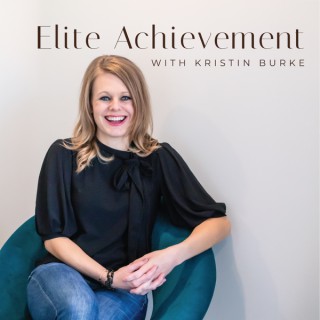
Today we talked with Socium Advisors founder and CEO Scott Underwood about the moment he decides to either become a real CEO or hire one, then commits to building the leadership skill set. He shares how a planning-first model and serious investment in people help drive growth from roughly $500M to nearly $5B AUM.Key topics discussed in this episode:• Building written comprehensive financial plans so products serve the plan• Creating an organization to deliver high-quality service at scale• Hitting the CEO inflection point and committing to leadership growth• Delegating with clarity so teams get real professional autonomy• Reducing micromanagement to build trust and performanceFollow Elite Achievement for more conversations on leadership and high-level execution. About ScottScott Underwood is the Founder and CEO of Socium Advisors, where he leads with a simple belief: the employee experience drives the client experience. Under his leadership, Socium has grown from an insurance-focused practice into a nationally recognized advisory firm serving individuals, families, and businesses through comprehensive financial planning.Scott began his career with a Northwestern Mutual internship in 1991 and was recognized as a Top 10 Intern for three consecutive years, including one year as the top intern in the company. As the industry evolved, Scott expanded his vision and built a firm centered on partnership, long-term relationships, and exceptional client service.Today, Scott is consistently recognized as one of the top advisors in the country, earning honors such as the Barron's Top 1200 Advisors award and the Forbes Financial Security Award. He also serves on the Forbes Finance Council. Throughout his career, Scott has remained committed to helping clients navigate complex financial decisions while building a culture where both team members and clients can thrive.Connect with ScottLinkedInInstagramWebsiteAbout Kristin BurkeKristin Burke works with financial advisors and leaders in financial services who are building and scaling firms. She helps them lead more effectively, develop their team, and execute consistently on the priorities that drive growth.Work with KristinIf you are building a firm and want a strategic partner to help you think through leadership, team development, and execution, you can learn more about working with Kristin here:WebsiteConnect on LinkedInLinkedIn

Ryan Pineda sits down with Austin Boyd to explore how Austin built a $5M+ custom apparel business from his parents' garage through faith, relentless sales, networking, and strategic growth, while sharing the lessons that helped him scale.Connect with Austin - https://www.instagram.com/austinboydlasvegas/https://aliveprintshop.com/__________If you'd like my team to run your marketing & sales department to scale your business apply here https://www.pinedapartners.comJoin our private mastermind for elite business leaders who golf. https://www.mastermind19.comWant to be featured on the Wealthy Way Podcast? Apply here https://www.wealthyway.comIf you want to start your real estate investing business, we'll give you 1:1 coaching, seller leads, software, & everything you need. https://www.wealthyinvestor.comTired of paying so much in taxes every year? We'll give you strategy, tax prep, and accounting all in one place. https://www.taylor-tax.comJoin free Bible studies and workshops for Christian business leaders. https://www.tentmakers.usDad Built is all about helping fathers lead their families with purpose while looking great doing it. Whether you're at the gym, on the golf course, or spending time with your kids, they've got premium hats and apparel built for dads. Check out the latest collection and current offers at https://www.dadbuilt.co__________Chapters:00:00 - $5M Print Business1:05 - From High School Hustle7:01 - Leaving College to Build13:28 - First Shop & Breakthrough16:28 - Learning Sales & Scaling19:31 - Surviving the COVID Crash21:21 - Growing to 40 Employees23:50 - Networking Over Cold Calling25:00 - How M19 Began34:42 - Craziest Client Projects38:20 - Building a National Print Company43:15 - Leadership & Company Culture48:10 - Hiring, Systems & Delegation54:05 - Faith, Business & Purpose1:00:45 - Final Entrepreneur Advice

LEAVE A REVIEW if you liked this episode!!Let's Connect On Social Media!youtube.com/anthonyvicinotwitter.com/anthonyvicinoinstagram.com/theanthonyvicinohttps://anthonyvicino.comJoin an exclusive community of peak performers at Beyond the Apex University learning how to build a business, invest in real estate, and develop hyperfocus.www.beyondtheapex.com
Daniel started like most owners, working a 9 to 5 at Climate Pledge Arena and scrubbing toilets until 9pm to get his cleaning business off the ground. Today, he runs a $500K company built on move-out cleans and Airbnb turnovers from the beach in Playa del Carmen, Mexico, while the business runs without him.See where your business stands —Take the free Growth ScorecardListen to the full audiobook free — Get Off The TruckFollow HSBC Social's:Facebook | Instagram | YouTube | HSBC Accelerator | Jobber | Home Service Business Coach Email: info@homeservicebusinesscoach.com

What does it really take to scale from flipping houses to acquiring more than $300 million in real estate? In this episode, Paul Williams shares the lessons he learned after starting as a college student investor, building a trucking company, exiting that business, and going all-in on real estate. Paul breaks down his journey from single-family investing and high-volume house flipping to owning and operating nearly 2,000 multifamily units, while discussing capital raising, credibility, investor relationships, market cycles, and the opportunities he sees in today's multifamily market. He also shares candid insights on mistakes, lessons from both successful and struggling investments, why consistency matters more than speed, and how aspiring investors can build the track record, relationships, and confidence needed to grow in commercial real estate. If you're looking to raise capital, scale your portfolio, or learn from someone who has navigated multiple market cycles, this is an episode you won't want to miss. 5 Key TakeawaysWhy Paul Transitioned from Single-Family to MultifamilyAfter completing 20+ flips per year, Paul realized the constant transaction cycle was demanding and difficult to scale. Multifamily offered a path to larger-scale growth with greater efficiency. The Fastest Way to Build CredibilityEarly in his career, Paul leveraged the track records of experienced operators. Today, he emphasizes that consistency, relationships, and a proven track record are the strongest credibility builders in capital raising. How Organic Content Attracts InvestorsPaul shares how simple educational videos and consistent market visibility have generated investor interest, including reconnecting with people he hadn't spoken to in decades. Why Today's Market May Present a Major Buying OpportunityDespite investor caution following recent market challenges, Paul believes current market conditions are creating opportunities similar to previous strong buying periods, particularly for disciplined multifamily investors. The One Trait That Separates Successful InvestorsAccording to Paul, most people quit before they reach success. His advice is simple: stay in the game long enough, keep learning, keep building relationships, and eventually opportunities will compound in your favor.About Tim MaiTim Mai is a real estate investor, fund manager, mentor, and founder of HERO Mastermind for REI coaches.He has helped many real estate investors and coaches become millionaires. Tim continues to help busy professionals earn income and build wealth through passive investing.He is also a creative marketer and promoter with incredible knowledge and experience, which he freely shares. He has lifted himself from the aftermath of war, achieving technical expertise in computers, followed by investment success in real estate, management skills, and a lofty position among real estate educators and internet marketers.Tim is an industry leader who has acquired and exited well over $50 million worth of real estate and is currently an investor in over 2700 units of multifamily apartments.Connect with TimWebsite: Capital Raising PartyFacebook: Tim Mai | Capital Raising Nation Instagram: @timmaicomTwitter: @timmaiLinkedIn: Tim MaiYouTube: Tim Mai

Achieving success in real estate isn't about predicting the future. While many investors have spent the last few years waiting for certainty, some of the best operators in the industry, including today's guests, have been quietly positioning themselves to acquire high-quality assets at significant discounts and prepare for the next market cycle.That's why I'm excited to welcome founding partners of RREAF Holdings, Kip Sowden and Doug McKnight. With nearly 80 years of combined investment experience spanning multiple economic cycles, they've built a vertically integrated real estate investment and operating company that has grown from $100 million in assets to nearly $5 billion. Their disciplined approach and commitment to long-term value creation have helped them navigate market downturns while continuing to uncover opportunities others overlook.In this conversation, we discussed why today's market dislocation is creating some of the best buying opportunities in years and why the quality of sponsors matters more than ever. They also reveal the reasons why they're bullish on build-to-rent communities, mobile home parks, distressed acquisitions, and the lessons they've learned from navigating decades of market cycles.In this episode, you'll learn: ✅ How Kip and Doug used vertical integration to scale RREAF from approximately $100 million to nearly $5 billion in AUM.✅ How RREAF's vertically integrated operating model helps them identify opportunities, manage risk, and outperform competitors across multiple real estate sectors.✅ How changing housing preferences among younger generations and first-time homebuyers are creating new opportunities in build-to-rent communities, mobile home parks, and other residential real estate sectors. Show Notes: LifestyleInvestor.com/294Tax Strategy MasterclassIf you're interested in learning more about Tax Strategy and how YOU can apply 28 of the best, most effective strategies right away, check out our BRAND NEW Tax Strategy Masterclass: www.lifestyleinvestor.com/taxStrategy Session For a limited time, my team is hosting free, personalized consultation calls to learn more about your goals and determine which of our courses or masterminds will get you to the next level. To book your free session, visit LifestyleInvestor.com/consultationThe Lifestyle Investor InsiderJoin The Lifestyle Investor Insider, our brand new AI - curated newsletter - FREE for all podcast listeners for a limited time: www.lifestyleinvestor.com/insiderRate & ReviewIf you enjoyed today's episode of The Lifestyle Investor, hit the subscribe button on Apple Podcasts, Spotify, or wherever you listen, so future episodes are automatically downloaded directly to your device. You can also help by providing an honest rating & review.Connect with Justin DonaldFacebookYouTubeInstagramLinkedInTwitterSee Privacy Policy at https://art19.com/privacy and California Privacy Notice at https://art19.com/privacy#do-not-sell-my-info.

Many aspiring investors think they need a lot of money, experience, or the perfect market to get started in real estate. Soli Cayetano proves otherwise. In this episode of The Real Wealth Show, Kathy Fettke sits down with Soli to discuss how she bought her first out-of-state rental property while still in college, scaled to 25 units in her first year, raised millions in private capital, and eventually transitioned into boutique hotel investing. Soli shares the lessons she learned building an out-of-state portfolio, raising private money, partnering with investors, and growing from a $98,000 rental property to multi-million-dollar hospitality projects. Whether you're just getting started or looking to scale your portfolio, this conversation offers practical insights on taking the next step in your investing journey. Looking for beginner-friendly real estate investing resources? Download our recommended books and guides at www.RealWealth.com/BeginnerBooks. Timestamps: 00:00 – Intro 01:19 – RealWealth Beginner Books Resource 01:30 – Soli's Beginning in Real Estate 04:30 – Investing Out of State 06:00 – Building an Out-of-State Team 07:40 – 25 Units in One Year & Raising Private Money 09:39 – The First Private Money Deal 11:02 – Private Money Terms Explained 12:05 – Equity Deals & Key Lessons Learned 13:14 – Soli's Money Upbringing 16:00 – Transitioning Into Boutique Hotels 19:30 – Soli's Five-Year Vision 21:00 – Starting Small and Scaling Up 23:17 – Outro DISCLAIMER The views and opinions expressed in this podcast are provided for informational purposes only, and should not be construed as an offer to buy or sell any securities or to make or consider any investment or course of action. For more information, go to www.RealWealthShow.com.
© 2020-2026 Ivy Podcast Discovery LLC
