
POPULARITY

74 episodes with diabetes prevention

17 episodes with diabetes prevention

9 episodes with diabetes prevention

8 episodes with diabetes prevention

25 episodes with diabetes prevention

3 episodes with diabetes prevention

2 episodes with diabetes prevention

4 episodes with diabetes prevention

3 episodes with diabetes prevention

Two Northland women have gone from struggling to find work to fighting the region's diabetes epidemic. Christine Hape and Hineataahua Brown are training to become New Zealand's first footcare assistants, working alongside podiatrists to help prevent amputations from diseases like diabetes. Felix Walton reports.
The Real Truth About Health Free 17 Day Live Online Conference Podcast
Insulin resistance, chronic stress, and modern lifestyle factors contribute to Alzheimer's—Drs. Blake and Helman offer strategies to reverse these drivers. #InsulinAndBrain #StressReduction #LifestyleMedicine

Missed your weekly dose of health news? In What The Health, GP Dr Ginni Mansberg and comedian Cath Mahoney are unpacking the stories everyone’s talking about—from why HRT patches are still hard to find and what alternatives are finally arriving, to the simple strength training “sweet spot” linked to a longer, healthier life. They’re also getting to the bottom of a viral TikTok trend: can testosterone cream really give you better skin, or is it a recipe for breakouts and unwanted hair? In Are You Well?, Dr Ginni reveals how much water women actually need, why dehydration can leave you feeling flat and foggy, and the warning signs of pre-diabetes that many people miss. And in Asking for a Friend, she answers your real-life questions—from spotting with Mirena to unexpected odours and whether perimenopausal brain fog is normal or something more serious. GET IN TOUCH Leave us an 'Asking for a Friend' voice note here. Follow us on Instagram and Tiktok. Very Peri, Mamamia's exclusive perimenopause series is here! 25 world-leading experts, over 20 on-demand sessions, instant access. We’ve sorted through the noise so you don't have to. Go to veryperi.com.au today. You hot? Same. Support independent women’s media and get our biggest offer of the year. Subscribe here for 30% off your annual Mamamia subscription. Code applied at the checkout. Offer ends June 30. CREDITS Hosts: Dr Ginni Mansberg & Cath Mahoney Senior Producer: Tahli Blackman Executive Producer: Simone Skinner-Smith Group Executive Producer: Ilaria Brophy Audio Producer: Scott Stronach Social Producers: Elly Moore & Marlena Cacciotti Mamamia acknowledges the Traditional Owners of the Land we have recorded this podcast on. Information discussed in Well. is for educational purposes only and is not intended to provide professional medical advice. Listeners should seek their own medical advice, specific to their circumstances, from their treating doctor or health care professional.Support the show: https://www.mamamia.com.au/mplus/See omnystudio.com/listener for privacy information.
The Real Truth About Health Free 17 Day Live Online Conference Podcast
Carbs aren't the enemy—refined carbs are. Davis breaks down sugar intake, whole grain benefits, and fiber's critical role in blood sugar and gut health. #GoodCarbs #FiberFix #DiabetesPrevention

Host: Steve Jackson, PharmD Guest: Souptik Barua, PhD Guest: Emily Johnston, MPH, PhD Can older adults successfully engage with telehealth, wearable technology, and digital health tools to prevent type 2 diabetes? In this conversation with Dr. Steve Jackson, Ds. Emily Johnston and Dr. Souptik Barua discuss emerging insights on how these strategies could improve accessibility and engagement in a high-risk population. Dr. Johnston is a Research Assistant Professor in the Department of Medicine, and Dr. Barua is an Assistant Professor in the Division of Precision Medicine at the NYU Grossman School of Medicine. They presented these findings at the 2026 American Diabetes Association Scientific Sessions.
The Real Truth About Health Free 17 Day Live Online Conference Podcast
Learn how fat buildup in muscle cells disrupts insulin and how a low-fat plant-based diet restores metabolic function. #Type2Diabetes #InsulinResistance #LowFatVegan

Episode 175 - What You Can Do to Avoid Diabetes - medical intuitive healer Catherine Carrigan interviews diabetes prevention facilitator Arunima Haldar.Disclaimer: Please note that all information and content on the UK Health Radio Network, all its radio broadcasts and podcasts are provided by the authors, producers, presenters and companies themselves and is only intended as additional information to your general knowledge. As a service to our listeners/readers our programs/content are for general information and entertainment only. The UK Health Radio Network does not recommend, endorse, or object to the views, products or topics expressed or discussed by show hosts or their guests, authors and interviewees. We suggest you always consult with your own professional – personal, medical, financial or legal advisor. So please do not delay or disregard any professional – personal, medical, financial or legal advice received due to something you have heard or read on the UK Health Radio Network.
Hydrogen water—breakthrough or scam? Osteoporosis fixes; Nattokinase for cardiovascular prevention; Why vitamin D helps a subset of diabetics; When oral vitamin D doesn't work, sublingual D may normalize blood levels; Vitamin D found beneficial for colitis; Why fructose stokes food cravings; Flawed fluoridation study claims no IQ harms to kids.

Episode 224: Community Health Workers Dr. Arreaza: Today we will discuss a topic that, frankly, every single person listening, whether you're a medical student, a resident, a nurse, a family doctor, or any primary care provider, needs to really understand. We're talking about community health workers (CHWs). We are joined by our stellar medical student; you may be familiar with her voice from previous episodes about insomnia. Moira, welcome, please introduce yourself. Moira: I want to be upfront about why Community Health Workers matter to you specifically. If you've ever felt frustrated that your patient with uncontrolled diabetes keeps missing appointments because they can't get a ride, or that your heart failure patient was readmitted because nobody checked whether they could afford their medications, then you already understand the problem that CHWs are designed to solve. Dr. Arreaza: We're going to give you the definition of a CHW, the evidence behind their effectiveness, how they fit into your care team, the return on investment, and practical steps for integrating them into your practice. We have pulled information from a lot of peer-reviewed sources, and we want to share them with you. So, Moira, let's start with the basics. What exactly is a community health worker? Moira: Great question, and it's one that even literature struggles with, because there are so many titles for this role. Community Health Worker is an umbrella term that encompasses more than 20 different titles including outreach workers, promotores or promotoras de salud, community health representatives, lay health workers, peer educators, patient navigators, and many more. The American Public Health Association defines CHWs as frontline public health workers who are trusted members of or have an unusually close understanding of the communities they serve. Arreaza: And that trust is so important in health care. CHWs are not physicians. They are not nurses. They do not diagnose or prescribe. But they are like a bridge connecting the medical environment, social services, and the community to reduce gaps in healthcare delivery. Moira: Exactly. In the United States, the role was formally recognized in the 2010 Patient Protection and Affordable Care Act, which includes several sections highlighting the key roles CHWs play in achieving important goals of healthcare. ________________ References: Aguerrebere, M., Rodríguez-Cuevas, F. G., Flores, H., Arrieta, J., & Raviola, G. (2019). Providing Mental Health Care in Primary Care Centers in LMICs. Innovations in Global Mental Health, 1–22. https://doi.org/10.1007/978-3-319-70134-9_95-1 Allen, L. N., Rasanathan, K., Mash, R., Uribe, M. V., Martinez-Bianchi, V., & Kidd, M. (2025). Models of Global Primary Care Post-2030. The Lancet Primary Care, 1(3), 100027. https://doi.org/10.1016/j.lanprc.2025.100027 Babagoli, M. A., Nieto-Martínez, R., González-Rivas, J. P., Sivaramakrishnan, K., & Mechanick, J. I. (2021). Roles for Community Health Workers in Diabetes Prevention and Management in Low- And Middle-Income Countries. Cadernos De Saúde Pública, 37(10). https://doi.org/10.1590/0102-311x00287120 Balasubramanya, B., Isaac, R., Philip, S., Prashanth, H. R., Abraham, P., Poobalan, A., Thomas, N., Jeyaseelan, L., Mammen, J., Devarasetty, P., & John, O. (2020). Task Shifting to Frontline Community Health Workers for Improved Diabetes Care in Low-Resource Settings in India: A Phase II Non-Randomized Controlled Clinical Trial. Journal of Global Health Reports, 4. https://doi.org/10.29392/001c.17609 Battaglia, T. A., Zhang, X., Dwyer, A. J., Rush, C. H., & Paskett, E. D. (2022). Change Agents in the Oncology Workforce: Let's Be Clear About Community Health Workers and Patient Navigators. Cancer, 128(S13), 2664–2668. https://doi.org/10.1002/cncr.34194 Das, S., Grant, L., & Fernandes, G. (2023). Task Shifting Healthcare Services in the Post-Covid World: A Scoping Review. PLOS Global Public Health, 3(12), e0001712. https://doi.org/10.1371/journal.pgph.0001712 Dodd, R., Palagyi, A., Jan, S., Abdel-All, M., Nambiar, D., Madhira, P., Balane, C., Tian, M., Joshi, R., Abimbola, S., & Peiris, D. (2019). Organisation of Primary Health Care Systems in Low- And Middle-Income Countries: Review of Evidence on What Works and Why in the Asia-Pacific Region. BMJ Global Health, 4(Suppl 8), e001487. https://doi.org/10.1136/bmjgh-2019-001487 Huang, W., Long, H., Li, J., Tao, S., Zheng, P., Tang, S., & Abdullah, A. S. (2018). Delivery of Public Health Services by Community Health Workers (CHWs) in Primary Health Care Settings in China: A Systematic Review (1996–2016). Global Health Research and Policy, 3(1). https://doi.org/10.1186/s41256-018-0072-0 McCray, G. G., Haynes, B., Proeller, A., Ervin, C., & Williams-Livingston, A. (2020). Making the Case for Community Health Workers in Georgia. Journal of the Georgia Public Health Association, 8(1). https://doi.org/10.20429/jgpha.2020.080116 Mor, N., Ananth, B., Ambalam, V., Edassery, A., Meher, A., Tiwari, P., Sonawane, V., Mahajani, A., Mathur, K., Parekh, A., & Dharmaraju, R. (2023). Evolution of Community Health Workers: The Fourth Stage. Frontiers in Public Health, 11. https://doi.org/10.3389/fpubh.2023.1209673 Noel, L., Chen, Q., Petruzzi, L. J., Phillips, F., Garay, R., Valdez, C., Aranda, M. P., & Jones, B. (2022). Interprofessional Collaboration Between Social Workers and Community Health Workers to Address Health and Mental Health in the United States: A Systematised Review. Health &Amp; Social Care in the Community, 30(6). https://doi.org/10.1111/hsc.14061 None, N. (2022). Walking the Talk: Reimagining Primary Health Care After COVID-19. https://doi.org/10.1596/978-1-4648-1768-7 Orkin, A. M., McArthur, A., Venugopal, J., Kithulegoda, N., Martiniuk, A., Buchman, D. Z., Kouyoumdjian, F., Rachlis, B., Strike, C., & Upshur, R. (2019). Defining and Measuring Health Equity in Research on Task Shifting in High-Income Countries: A Systematic Review. SSM - Population Health, 7, 100366. https://doi.org/10.1016/j.ssmph.2019.100366 Pingel, E. S. (2022). Seeing Inside: How Stigma and Recognition Shape Community Health Worker Home Visits in São Paulo, Brazil. Community Health Equity Research &Amp; Policy, 44(3), 303–313. https://doi.org/10.1177/2752535x221137384 Rifkin, S. B., Fort, M., Patcharanarumol, W., & Tangcharoensathien, V. (2021). Primary Healthcare in the Time of COVID-19: Breaking the Silos of Healthcare Provision. BMJ Global Health, 6(11), e007721. https://doi.org/10.1136/bmjgh-2021-007721 Rohan, E. A., Townsend, J. S., Bermudez, A. T., Thompson, H. L., Holman, D. M., Reza, A., Tharpe, F. S., & Wennerstrom, A. (2024). Engaging Community Health Workers in Primary Care Practices. Journal of Ambulatory Care Management, 47(3), 154–167. https://doi.org/10.1097/jac.0000000000000501 Shommu, N. S., Ahmed, S., Rumana, N., Barron, G. R. S., McBrien, K. A., & Turin, T. C. (2016). What Is the Scope of Improving Immigrant and Ethnic Minority Healthcare Using Community Navigators: A Systematic Scoping Review. International Journal for Equity in Health, 15(1). https://doi.org/10.1186/s12939-016-0298-8 Sisson, N., & Starke, J. (2022). Promotores De Salud in Montana: An Analysis of a Rural Health Care Intervention Rooted in Catholic Social Teaching and Its Place in Medical Curricula. The Linacre Quarterly, 89(1), 21–35. https://doi.org/10.1177/00243639211059346 The Role and Impact of Female Health Workers on the Well-Being of Global South Communities: A Call for Gender-Transformative Action. (2022). Archives of Women Health and Care, 5(2). https://doi.org/10.31038/awhc.2022521 Williams-Livingston, A., Henry Akintobi, T., & Banerjee, A. (2020). Community-Based Participatory Research in Action: The Patient-Centered Medical Home and Neighborhood. Journal of Primary Care &Amp; Community Health, 11. https://doi.org/10.1177/2150132720968456 Theme song, Works All The Time by Dominik Schwarzer, YouTube ID: CUBDNERZU8HXUHBS, purchased from https://www.premiumbeat.com/. Even without trying, every night you go to bed a little wiser. Thanks for listening to Rio Bravo qWeek Podcast. We want to hear from you, send us an email at RioBravoqWeek@clinicasierravista.org, or visit our website riobravofmrp.org/qweek. See you next week!

In part 1 we began discussing the study “Potential mechanisms for change in diabetes prevention programs: A systematic review” including the authors and the premise. Today we'll look at the methodology and the findings. Get full access to Weight and Healthcare at weightandhealthcare.substack.com/subscribe
This is the Weight and Healthcare newsletter! If you like what you are reading, please consider subscribing and/or sharing!Diabetes Prevention Programs are a group of programs that are created to prevent the onset of Type 2 Diabetes, often in people who have been identified as at-risk. Most include behavior changes, social support, and include weight loss as a metric and/or the primary outcome. The assumption is typically that any health changes and/or reductions in the development of T2D are because of any weight loss. In discussing these programs previously I've expressed the concern that any differences in health/T2D development were more likely due to behavior changes/support than any weight loss and that, because of their insistence on a weight-loss focus, the programs likely included much more restriction than is necessary to create any health changes, which could create harms including weight cycling (which can actually drive T2D,) weight stigma (which can actually drive T2D,) and disengagement from behaviors that might actually support health and make T2D less likely (with the clear and critical understanding that whether or not someone develops T2D involves myriad factors, many of which are completely outside of their control, including genetics.)Enter the new systematic review “Potential mechanisms for change in diabetes prevention programs” which sought “to investigate potential mechanisms for change in diabetes prevention programs (DPPs), and assess the strength of associations.” Their hypothesis was that “ Weight loss would be less strongly associated with improved health than other mechanisms.” SummaryA group of researchers, several of whom work in weight inclusive Type 2 Diabetes preventions and management, sought to fill a gap in research around Diabetes Prevention Programs (DPPs). These program seek to delay/prevent onset of Type 2 Diabetes and typically include multiple interventions but often target an end goal of weight loss. There is a significant lack of research that even attempts to determine which aspects of DPPs might actually be responsible for any benefits and which might be unhelpful or cause harm. These researchers undertook a systematic review to attempt to determine just that. The AuthorsWe'll begin, as we always do, with the authors. Spoiler alert, this is going to be much shorter than these typically are. The study received no funding and the authors disclosed no conflicts of interest. I'll do my usual deeper dive into their work and, as a reminder, working in the space in which you are researching is not considered a conflict of interest that requires disclosure but is something that always makes me give extra scrutiny to methodology. As usual, if you want to skip this part you can scroll down to where it says “The Study.”Margit I. Berman is an Associate Professor at the Graduate School of Professional Psychology at the University of St. Thomas. Dr. Berman is the author of a “A Clinician's Guide to Acceptance-Based Approaches for Weight Concerns: The Accept Yourself! Framework” This is not a DPP program but does have a section on Health at Every Size™ approaches to Diabetes and Cardiovascular Health. [Note: that Health at Every Size is the trademarked brand of the Association for Size Diversity and Health) Martha Burla - per LinkedIn currently works at the Feinberg School of Medicine in the Department of Medical Social Sciences where she supports research on patient reported outcomes and shared decision making. She is also pursuing a PhD in Health Sciences from Rush University with the hope of continuing to research patient decision making and autonomy.Hannah Martin - per her Linkedin she is a PhD candidate at the University of Otago, Dunedin New Zealand. Her research focuses on Intuitive EatingMegrette Fletcher - is the owner of Inclusive Diabetes Care, LLC which offers free and paid resources for weight-inclusive diabetes care. Full disclosure, Megrette and I have worked together including speaking on the same panel and on a writing project.Elizabeth A. Michaels - per LinkedIn, works at Christopher Rural Health Planning Corporation Primary Care including Coordination of Diabetes Program in accordance with AADE Standards , Individualized Nutrition Consultation and Diet Instruction, Nutrition Therapy for Emotional Eating, Personalized Meal Plans and Recipe Development, Provision and Marketing of Community Health Classes, Development of Educational Resources and Materials, Diabetes Medication and Insulin Management, Continuous Quality Improvement Tracking, Patient Goal Setting and Ongoing Support, Auditor AADE Programs, and Development and initiation of CDCs Diabetes Prevention ProgramLauren Brittany Beach- Per LinkedIn they are an Assistant Professor at Northwestern University's Department of Medicine Social Sciences and Department of Preventive Medicine in the Feinberg School of Medicine and “a leader with a strong track record of scientific research and business development across a wide variety of therapeutic areas, including infectious disease, oncology, cardiology, endocrinology, nephrology, rare disease, and more. In my roles as Assistant Professor, ADVOCATE Center Director, and Robert H. Lurie Comprehensive Cancer Center Executive Team member at the Northwestern University Feinberg School of Medicine, I am recognized for innovative and high impact contributions in research, mentorship, education, and service. I have 20 years of experience translating results from cutting-edge science into narratives that resonate with funding agencies, regulators, clinicians, and the public. I have experience directing interdisciplinary teams in the United States and globally of up to 60 people to solve complex research and operational challenges on time and on budget. Trained in genetics, law, and epidemiology, I am a skilled data scientist and technical writer with experience in research and regulatory communication in both the discovery and clinical research domains.”Michelle L. May - per LinkedIn May is an Associate Professor in the Psychology Department at Arizona State University and the creator of the Am I Hungry? Mindful eating program offering “experiential mindful eating workshops, retreats, and corporate wellness programs. We have trained over 800 health and wellness professionals in over 40+ countries to offer mindful eating programs, coaching, and therapy in their communities, practices, and workplaces.“Pamela J. Bagley - per LinkedIn Bagley is Coordinator of Biomedical Research Support at Dartmouth Biomedical Libraries.Heather B. Blunt - is a Research and Education Librarian, Public Health Lead in Medical and Health Sciences at the Dartmouth Biomedical Libraries with subspecialties in Medical and Health SciencesThe StudyThe authors begin by explaining diabetes prevention programs (DPPs), including that they can vary but often have multiple components including medical and/or psychosocial interventions. They point to the DPP-ILI (Intensive Lifestyle Intervention) as a typical intervention that focuses on creating 7% weight loss using multiple components. They also point out that in one study the DPP-ILI reduced diabetes incidence by 58% compared to a placebo, but that participants don't necessarily find the program either “helpful or tolerable” and the programs often having drop out rates from 40-80%. They also note that the DPP-ILI contains multiple elements - change in weight, physical activity, food, social support, psychological change, education, and self-monitoring and self-awareness that may impact onset of diabetes. Finally, the authors point out that “despite their efficacy, it is possible that DPPs may include harmful elements such as exposure to weight stigma or healthism.” I'll also add, based on about 100 years of research, exposure to the harms of weight cycling since the vast majority of people who lose weight will gain it back.Here the researchers hit on an issue I would suggest is not just with DPPs but with all health interventions that are based on weight loss. As these authors put it, “it is striking how little is known about which components of these interventions cause a delay in diabetes onset, and which components may cause harm.” As is, again, the case with almost all, if not all , research that tries to claim that weight loss create health benefits, more than twenty years in, the research into the DPP-ILI “was not designed to test the relative contributions of dietary changes, increased physical activity, and weight loss to the reduction in the risk of diabetes.” Given our culture's obsession with weight loss (driven by, and with tremendous profit to, the weight loss industry,) the assumption with the DPP (and in general) is always that weight loss (and, typically, very small amounts of weight loss) causes health benefits, literally ignoring all of the behavior changes and other components that precede both the (small, typically temporary) weight loss and the health changes/benefits. The researchers note that “clinicians have focused on the importance of weight loss…recommending weight loss, however, may be a particularly likely candidate to cause harmful or null effects in DPPs.”Considering weight loss, the researchers note that long-term weight loss is “not achievable for most people” and, further, that weight loss programs can induce or exacerbate weight stigma and expose participants to discrimination. They point out that despite the “transient” nature of weight loss in DPPS, “the delayed onset of diabetes can be largely retained, suggesting that mechanisms other than weight loss may contribute to the benefits.”In part 2 we'll look at the study methodology and what they found.If you think my work is valuable, and you want to support my ability to do it, you can become a free or paid subscriber. Both support the work I do here! Liked the piece? Share the piece!More researchThe Research PostMore resourcesThe Resource Post*Note on language: I use “fat” as a neutral descriptor as used by the fat activist community, I use “ob*se” and “overw*ight” to acknowledge that these are terms that were created to medicalize and pathologize fat bodies, with roots in racism and specifically anti-Blackness. Please read Sabrina Strings' Fearing the Black Body – the Racial Origins of Fat Phobia and Da'Shaun Harrison's Belly of the Beast: The Politics of Anti-Fatness as Anti-Blackness for more on this. Get full access to Weight and Healthcare at weightandhealthcare.substack.com/subscribe

GLP-1 drugs like Ozempic and Mounjaro are now everywhere. But what do they actually do beyond weight loss? And what do you need to know before starting them? In this episode, we're joined by Dr Ania Jastreboff, a world-leading researcher at the forefront of GLP-1 treatments and writer of the New York Times bestselling book Enough: Your Health, Your Weight, and What It's Like To Be Free, co-authored with Oprah Winfrey. Dr Jastreboff explains everything you need to know about Ozempic, Mounjaro, Wegovy and other GLP-1 medications for 2026. You'll learn how GLP-1s may reduce the risk of heart disease, improve blood sugar control, and support conditions like sleep apnoea. We also explore why weight often returns after stopping, and what you need to know about Ozempic side effects and long-term use. If these drugs can change how your brain controls hunger, what does that mean for willpower, weight gain, and how we treat obesity long term?

According to the International Diabetes Federation (IDF) 2024 data, India has 89.8 million adults living with diabetes. More than any other country in the world. Yet most people still do not understand what diabetes actually is, how it develops, or what they can do to prevent or manage it.This week on Run with Fitpage, Vikas sits down with one of India's foremost authorities on the subject.Dr. Anoop Misra is the Chairman of Fortis C-DOC Centre of Excellence for Diabetes, Metabolic Diseases and Endocrinology in New Delhi, and a former Honorary Physician to the Prime Minister of India. A Padma Shri awardee and recipient of the Dr. B.C. Roy Award — India's highest medical honour — he has spent over 45 years studying what diabetes does to the Indian body and why Indians are uniquely vulnerable to it at lower body weights than the rest of the world.In this episode, the conversation starts from the very beginning — what blood sugar actually is, how insulin works, and why the body moves from healthy to pre-diabetic to diabetic over years without sending obvious signals. Dr. Misra explains why Indians develop diabetes at a BMI of 23 to 25 when Western guidelines only flag risk at 30, and why being slim does not mean being safe.Read more from his research here: Google ScholarDr. Anoop Misra's Books:Diabetes with Delight (English): AmazonDiabetes Ke Saath Bhi Khushaal Jeevan (Hindi): AmazonIn this episode we covered :→ What blood sugar actually is and why the body needs it→ How insulin works — and what goes wrong when it stops working→ The difference between Type 1 and Type 2 diabetes, and why insulin is not the enemy→ Why weight is the thick tree and blood sugar is just one of its branches→ The real cost of ignoring diabetes — from vision loss to kidney failure→ Why grip strength is as important as blood pressure and should be treated as a vital sign→ How to start managing diabetes or pre-diabetes from today — diet, exercise, and disciplineAbout Vikas Singh:Vikas Singh, an MBA from Chicago Booth, worked at Goldman Sachs, Morgan Stanley, APGlobale, and Reliance before coming up with the idea of democratizing fitness knowledge and helping beginners get on a fitness journey. Vikas is an avid long-distance runner, building fitpage to help people learn, train, and move better.For more information on Vikas, or to leave any feedback and requests, you can reach out to him via the channels below:Instagram: @vikas_singhhLinkedIn: Vikas SinghTwitter: @vikashsingh101Subscribe To Our Newsletter For Weekly Nuggets of Knowledge!
The Real Truth About Health Free 17 Day Live Online Conference Podcast
Experts share how fiber-rich carbs, low fat, muscle mass, and microbiome health impact blood sugar and metabolic flexibility. #BloodSugarControl #MetabolicHealth #FiberPower #HealthTalks

With the launch of a new journal, the American Diabetes Association (ADA) is also launching a brand new podcast: The Points of CARE, the official podcast of Diabetes, Obesity, and CardioMetabolic CARE. Join hosts Richard Beaser, MD and Jane Reusch, MD, as they highlight key research findings, clinical implications, and emerging themes across diabetes, obesity, and cardiometabolic health through interviews with journal authors and subject-matter experts. 2:30 After introducing his co-host, Jane Reusch, Beaser speaks with James Gavin, MD, PhD, of the Emory University School of Medicine and Naunihal Virdi, MD, MBA, FACP, of Abbott Diabetes Care. They are the authors of "Advancing Type 2 Diabetes Care: The Role of Continuous Glucose Monitoring in Noninsulin-Treated Patients," available for free at doi.org/10.2337/doc25-0058. 13:00 Our hosts are joined by Ivy Shi, MD and Dhruv Kazi, MD, MSc, MS, both of Beth Israel Deaconess Medical Center. They are the authors of "GLP-1 RA Eligibility in Reproductive-Age U.S. Women," available in the March/April issue of Diabetes, Obesity, and CardioMetabolic CARE. 19:40 Next, Eva Tseng, MD, MPH, associate professor of medicine at Johns Hopkins School of Medicine joins the podcast. Her article, "START Diabetes Prevention: A Multilevel Strategy for Primary Care Clinics," is available in the March/April issue of Diabetes, Obesity, and CardioMetabolic CARE. To learn more about Diabetes, Obesity, and CardioMetabolic CARE please visit diabetesjournals.org/docm-care. Thank you for listening, and don't forget to subscribe.
The Real Truth About Health Free 17 Day Live Online Conference Podcast
Doug contrasts sprouting with global health crises caused by processed food and explains how sprouts can reverse chronic disease. #FoodAddiction #PlantPower #HealthCrisis
Dr. Hoffman continues his conversation with Dr. Paul Kolodzik of Metabolic MD.
How Continuous Glucose Monitors Can Optimize Metabolic Health—and Where GLP-1 Drugs Fit: Emergency physician-turned-preventive/metabolic medicine specialist Dr. Paul Kolodzik of Metabolic MD reveals how continuous glucose monitors (CGMs) are a tool not only for diabetics but also for non-diabetics and pre-diabetics to personalize diet, sleep, and exercise by seeing real-time glucose patterns instead of relying on fingersticks or A1c averages. Kolodzik describes CGM use in his clinic (two-week diagnostic wear, then therapeutic guidance), highlights insulin resistance, fasting insulin testing, glucose variability, and the role of low-carb eating, intermittent fasting, and strength training to improve metabolic syndrome, triglycerides, and fatty liver. They discuss CGM sourcing/cost, device mechanics and accuracy, possible future noninvasive wearables, and GLP-1/GIP weight-loss drugs, emphasizing supervised, limited-dose use with protein and lifestyle changes to avoid muscle loss and weight regain. A free PDF of Kolodzik's book is offered HERE.
The Real Truth About Health Free 17 Day Live Online Conference Podcast
Red meat raises diabetes risk while plants protect cognitive and prostate health—especially vital as we age. #DiabetesPrevention #HealthyAging #PlantBasedHealth #HealthTalks
The Real Truth About Health Free 17 Day Live Online Conference Podcast
Learn how diet and exercise outperform medications like metformin, and why lifestyle change—not fast food—is the real solution to diabetes and obesity. #DiabetesPrevention #LifestyleMedicine #ObesityCure #HealthTalks

Elizabeth Gunkle, C.P.N.P., discusses ways to help prevent diabetes in children. She provides an overview of the risk factors for type 1 diabetes and the importance of screening for children. She shares the latest groundbreaking research and programs focused on early identification and prevention strategies. She also highlights how advancements, like the medication Tzield, are changing the landscape for pediatric diabetes prevention.To learn more about Elizabeth Gunckle

America spends nearly double what the fourth-ranked country spends on healthcare per capita — and still ranks among the worst in outcomes. So what exactly are we paying for? In this episode of the Experiencing Healthcare Podcast, Jamie Preston and Your Health CEO Matt Staub examine what happens when healthcare gets treated like gasoline: something people expect to be available, can't easily compare on quality, and ultimately choose based on price or convenience. When brand and price stop mattering, the only differentiator left is how patients are made to feel — and whether they trust the person across from them enough to actually change. What you'll hear in this episode: Why Matt ranks service above outcomes and access — and the patient story that changed how he thinks about both The "Chick-fil-A problem": how your healthcare experience is now being compared to your best service experience anywhere, not just the clinic down the street What provider burnout really looks like when a clinician closes their notes at 11pm wondering if their patient listened How insurance billing creates distrust that bleeds directly into the patient-provider relationship — and what healthcare organizations can do about it Why the most caring thing a doctor can do sometimes feels like the worst customer service in the room If you've ever felt like a number in a waiting room — or if you've ever been the one trying to help someone who wouldn't listen — this conversation will stay with you. Press play.

We have a classic episode for you. Conquer prediabetes and diabetes prevention! We're joined by Dr. Scott Isaacs, who provides essential pearls on navigating screening tests for diabetes and prediabetes, identifying atypical cases of prediabetes, and individualizing management of prediabetes with lifestyle changes and medications.Claim CME for this episode at curbsiders.vcuhealth.org!Patreon | Episodes | Subscribe | Spotify | YouTube | Newsletter | Contact | Swag! | CMEShow Segments Intro Case from Kashlak Why screen for prediabetes and diabetes? Who to screen for prediabetes and diabetes How to screen for prediabetes and diabetes Role of the physical exam Explaining a diagnosis of prediabetes to patients Atypical types of prediabetes Management of prediabetes: lifestyle changes Management of prediabetes: medications Outro Credits Producer, Writer, and Show Notes: Malini Gandhi MD Infographic and Cover Art: Zoya Surani Hosts: Matthew Watto MD, FACP; Paul Williams MD, FACP Reviewer: Sai Achi MD,MBA,FACP Showrunners: Matthew Watto MD, FACP; Paul Williams MD, FACP Technical Production: PodPaste Guest: Scott Isaacs MD DisclosuresDr. Isaacs reports no relevant financial disclosures. The Curbsiders report no relevant financial disclosures. Sponsor: BabbelGet up to 60% off at Babbel.com/CURB. Sponsor: MedStudy QbankStudy less. Remember more. Pass confidently. Medstudy.com/Curbsiders CURB15 for 15% offSponsor: UPenn GSELearn more about our master's program, explore our certificate option, and sign up for an application fee waiver code. Take the next step in advancing medical education—visit www.gse.upenn.edu/curbsiders. Sponsor: LocumstoryWhether you're simply curious or seriously considering a change, pop by Locumstory.com to see if it's something that makes sense for you

What does the new 10g sugar limit per meal actually mean for your daily routine, your energy level and your metabolic health? In this Q&A episode, Dr. Sabrina Falquier answers 9 of the most-asked questions about sugar to help you navigate the gap between the new Dietary Guidelines and your dinner plate. In this episode you'll hear: 1:20 – The 10g Rule: What exactly does the new “added sugar limit” mean?2:40 – Natural vs. Added: Is sugar from fruit the same as sugar from soda?3:40 - Glucose vs. fructose metabolism5:10 - Can I lose weight if I still eat fruit?5:45 - Does sugar affect inflammation in joints and skin?6:20 - Are “natural” sugars like honey or maple syrup better than white sugar?6:45 - Real Food Solutions: Dr. Falquier's strategies to reduce added sugar7:15 - Are zero-calorie sweeteners safe for the gut microbiome?8:15 - The Palate Reset: How do you “detox” from sugar without getting a massive headache?9:50 - How long does it take for taste buds to change?Resource: 2025-2030 Dietary Guidelines: https://www.dietaryguidelines.gov/Do you love Culinary Medicine Recipe? Please consider supporting the podcast at Buy Me a Coffee.Credits:Host – Dr. Sabrina Falquier, MD, CCMS, DipABLMSound and Editing – Will CrannExecutive Producer – Esther Garfin©2026 Alternative Food Network Inc.Dr. Sabrina Falquier is a board-certified physician and a leader in Culinary Medicine. She specializes in bridging the gap between scientific evidence and the actual food on your plate, empowering listeners to use the kitchen as a place of wellness and healing.Show Topics Include: Nutrition, Food as Medicine, Microbiome, Metabolism, Weight loss, Gut health, Healthy recipes, Health, Inflammation, Longevity, Blood sugar, Protein, Magnesium, Sleep quality, Immunity, Hormone balance, Sunday meal prep, Medically tailored meals (MTM), Produce Prescription (PRx), Prevention, Teaching kitchen, Health equity, Evidence-based nutrition
Is what I've been doing for years helpful for achieving autophagy?When you say low carb, do you mean low complex carb or low simple and processed carb?What daily multivitamin would you recommend for a male age 50 plus?Which supplement should I take for elevated triglycerides?
Integrative Healthcare Symposium highlightsWhat supplements can help combat the side effects of cancer therapy?Will my son's use of Zepbound affect his fertility?
Highlights from the ANH conference in PhoenixWhat do you think of the supplements I'm taking for borderline osteoporosis?After years of vegetarianism, wouldn't eating meat cause adverse reactions like headaches or nausea?

You ever wonder why you can't eat just one chip? Or why chicken tastes different than it did decades ago? In this episode, I break down how the food industry engineered salt, sugar and fat to hit your brain's “bliss point,” how fast food reshaped American farming, and why profit became more important than public health. From factory-raised chickens to feedlot beef to grocery store manipulation, we're unpacking how the system was built—and what you can actually do about it. Spoiler: it's not a willpower problem. It's a design problem.IntroFoodSalt, Sugar, Fat and the Bliss PointSoda: The Original Thirst TrapHow fast food rewired American farmingProfitsWhat we can actually do as consumers?Music by Loghan LongoriaFollow us on instagram: Sergio Novoa My Limited View PodResources & Research:1. Moss, Michael. Salt Sugar Fat: How the Food Giants Hooked Us. Random House, 2013. Key themes summarized at LifeClub.org. 2. Summary of processed food engineering and industry tactics at BooksThatSlay.com. 3. Overview of addictive design and ingredient roles at SoBrief.com. 4. Discussion of food companies prioritizing taste over health in processed products. 5. Reporting on antibiotic use and public health risks in livestock farming. 6. Advocacy overview of factory farming, antibiotics, and health impacts.
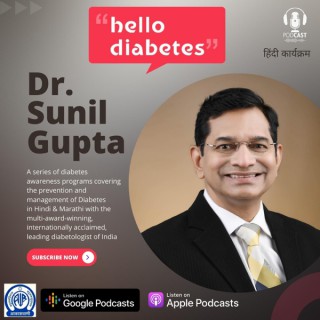
In this AIR-Vividhbharti live phone-in program, Dr. Sunil Gupta focused on the growing diabetes epidemic in India and emphasized the urgent need for early prevention and screening. He highlighted that diabetes is increasingly being diagnosed at a younger age due to sedentary lifestyles, unhealthy dietary habits, stress, and genetic predisposition. Dr. Gupta pointed out that diabetes often remains silent in its early stages and is frequently detected only after complications have developed. He advised regular screening after the age of 30–35 years, early recognition of warning symptoms such as excessive thirst, frequent urination, fatigue, and vision changes, along with strict control of blood sugar, blood pressure, and cholesterol to prevent long-term complications. He further clarified that diabetes “reversal” should be understood as remission, which can be achieved through sustained lifestyle modification, weight management, regular physical activity, and appropriate medical treatment. Dr. Kavita Gupta, a nutrition and lifestyle expert, addressed practical dietary strategies for diabetes prevention and control, particularly during festive and social occasions. She stressed that moderation, rather than deprivation, is the cornerstone of healthy eating. Dr. Kavita Gupta recommended beginning meals with fiber-rich foods such as salads and vegetables, followed by adequate protein intake then Carbohydrate to help stabilize blood sugar levels. Podcast- 26/12/2025 Anchor- Mrs. Kalyani Gokhale Expert- Dr Sunil Gupta & Dr Kavita Gupta
I am thrilled to have Dr. Ken Berry joining me on the podcast for the third time today. He was with me before on episodes 111 and 139. Dr. Berry is a physician, best-selling author, and passionate health advocate with a no-nonsense approach to health and wellness. He has been practicing at the Berry Clinics since 2003 and is an active community member. He has written two books, Lies My Doctor Told Me and the recently published Kicking Ass After Fifty, in addition to various other resources, including Common Sense Labs Today. He also has a YouTube channel, serving over 2 million subscribers- one of my favorite go-to resources for my patients. In our conversation today, we dive into the latest Lancet research on the impact of a diabetes diagnosis on life expectancy, along with insights from the American Diabetes Association regarding the costs of diabetes care. We discuss the need for proper diagnostic modalities to identify insulin resistance earlier and the labs Dr. Berry uses in his practice for identifying those at risk. We explore the recently recognized American Heart Association syndrome, CKM (Cardiovascular Kidney Metabolic Syndrome), and the role of GLP agonists, continuous glucose monitors, and glucometers. Dr. Berry also shares his views on plant-based diets, proper diets, and more. IN THIS EPISODE YOU WILL LEARN: Why does metabolic health continue to deteriorate in most of the general population? The staggering amount of disposable plastic used within the healthcare industry The importance of fasting insulin levels when diagnosing metabolic disease Why are blood tests essential for determining metabolic health? The benefits of glucometers and continuous glucose monitors for metabolic health How Dr. Berry's health improved after following a specific diet and measuring his lab results for a month How misinformation gets spread within the health and wellness industry Why are doctors not informing their patients about the absence of long-term studies and deluding them with false information? The long-term effects of Semaglutide on the body How a proper diet can naturally lower lipid levels The limitations of the germ model for treating chronic diseases Connect with Cynthia Thurlow Follow on X, Instagram & LinkedIn Check out Cynthia's website Submit your questions to support@cynthiathurlow.com Join other like-minded women in a supportive, nurturing community (The Midlife Pause/Cynthia Thurlow) Cynthia's Menopause Gut Book is on presale now! Cynthia's Intermittent Fasting Transformation Book The Midlife Pause supplement line Connect with Dr. Ken Berry On YouTube Instagram, Facebook Twitter Dr. Berry's books Lies My Doctor Told Me Kicking Ass After 50 Common Sense Labs Dr. Berry's Private Community Phdhealth.community Medical News article Mentioned Here's What to Know About Cardiovascular-Kidney-Metabolic Syndrome, Newly Defined by the AHA Previous Episodes Featuring Dr. Ken Berry Ep. 111 – Is The Keto Diet The Proper Human Diet? – with Dr. Ken Berry Ep. 139 – Hyperinsulinemia: What You Should Know About This National Health Crisis with Dr. Ken Berry
Using a number of AI driven prompts, a new app helped people with prediabetes make several lifestyle changes to improve their blood sugar. The app was developed by diabetes expert Nas Mathioudakis and colleagues at Johns Hopkins, and compares favorably with … Are apps the answer when it comes to diabetes prevention? Elizabeth Tracey reports Read More »
For people with the condition called prediabetes, prevention to full blown diabetes is key. Over a decade ago the CDC developed diabetes prevention programs or DPPs to help but very few people access them. Now a new AI based DPP … How does AI stack up against human provided diabetes prevention programs? Elizabeth Tracey reports Read More »
People who have prediabetes frequently go on to develop diabetes, but diabetes prevention programs or DPPs can help. Nas Mathioudakis, a diabetes expert at Johns Hopkins and one developer of an AI based DPP, explains what's at stake. Nestoras Mathioudakis: … Diabetes prevention programs may be utilized more with an AI approach, Elizabeth Tracey reports Read More »

This podcast was created using NotebookLM. This podcast provides a clinical overview of the profound and bidirectional relationship between diabetes and oral health, explaining that poor blood sugar regulation exacerbates the risk of severe oral diseases, while inflammation from oral infections negatively affects systemic glucose levels.

Editor's Summary by Linda Brubaker, MD, Preeti Malani, MD, MSJ, Deputy Editors and Christopher W. Seymour, MD, MSc, Associate Editor of the Journal of the American Medical Association, for articles published from October 25-31, 2025.

On this accredited episode of NP Pulse: The Voice of the Nurse Practitioner, hear from experts Kathryn Evans-Kreider and Debbie Hinnen, who will be discussing the latest evidence and practical strategies for using continuous glucose monitoring (CGM) to improve outcomes, prevent complications and empower patients. NPs will learn how to apply current guidelines and expand CGM access across diverse patient populations. A participation code will be provided at the end of the podcast — make sure to write this code down. Once you have listened to the podcast and have the participation code, return to this activity in the AANP CE Center. Click on the "Next Steps" button of the activity and: Enter the participation code that was provided. Complete the posttest. Complete the activity evaluation. This will award your continuing education (CE) credit and certificate of completion. CE will be available through Oct. 31, 2026. Podcast Resource: ClinicalBrief_TacklingTherapeuticInertia.pdf This activity is supported by an independent medical educational grant from Abbott Diabetes.
For weight loss, complete avoidance of ultra-processed foods outperforms mere “healthy diet” comprising minimally-processed items; Research fraud undermines anti-dementia drug pipeline; Comprehensive lifestyle modification program scores against cognitive decline; Women's brains especially vulnerable to Omega-3 deficiencies; Bible says “Lame shall walk again” and 21st century science may soon bring about this miracle; Breakthroughs in rheumatoid arthritis treatment.

Celebrate the American Diabetes Association®'s (ADA) 85th anniversary with Drs. Neil Skolnik and Sara Wettergreen, joined by Dr. Marlon Pragnell, Charlene Wallace, and Stacey Krawczyk. Together, they'll reflect on the ADA's legacy of groundbreaking research and how it continues to shape the programs and resources available today. The conversation will also highlight practical tools—from nutrition guidance to the National Diabetes Prevention Program—to support you and your loved ones in managing or preventing diabetes. Because it all matters. Presented by: Neil Skolnik, MD, Professor of Family and Community Medicine, Sidney Kimmel Medical College, Thomas Jefferson University; Associate Director, Family Medicine Residency Program, Abington Jefferson Health, Abington, PA Sara Wettergreen, PharmD, BCACP, BC-ADM, Assistant Professor, Department of Clinical Pharmacy, University of Colorado Skaggs School of Pharmacy and Pharmaceutical Sciences; and Ambulatory Care Clinical Pharmacist, UCHealth Lone Tree Primary Care, Aurora, CO Marlon Pragnell, PhD, Vice President of Research and Science at the ADA Charlene Wallace, MBA, Vice President of Diabetes Prevention at the ADA Stacey Krawczyk, MS, RD, Director of Nutrition and Wellness at the ADA Do you have questions or comments you'd like to share with Neil and Sara? Leave a message at (703) 755-7288. Thank you for listening, and don't forget to “follow” Diabetes Day by Day! Additional resources: Research Impact Learn More About the National Diabetes Prevention Program Eating for Diabetes Management Diabetes Food Hub More on the ADA's 85th Anniversary
What do retinal scans reveal about diabetes complications? In Part 2, Vinod Patel shares insights from his clinical research on diabetic retinopathy, including key risk factors, the impact of hypertension, and the future of screening using advanced imaging tools. A must-listen for clinicians and anyone curious about the eyes-diabetes connection. Timestamps: 00:30 – Risk factors 02:17 – Drug treatments 03:01 – Retinal ischaemia 06:12 – Retinal imaging
In the final episode of this series on preventative medicine, Vinod Patel discusses how integrated care models, professional training, and patient education improve diabetes outcomes. From chronic fatigue clinics to national screening programs, this episode highlights how innovation in education and collaboration can transform diabetes care across systems. Timestamps: 00:40 – Clinical care 02:12 – Chronic Fatigue Clinic 03:52 – Lipid management 05:42 – DIGAMI protocol 07:14 – Retinopathy screening 08:45 – The future of care 12:25 – Teaching skills
Dr. Hoffman continues his conversation with Serena Jo, Ph.D in Exercise Psychology and ACE-certified Personal Trainer.
Serena Jo, Ph.D in Exercise Psychology and ACE-certified Personal Trainer, explains how exercise benefits the brain, and how to undertake an exercise program. Is it ever too late to start? What forms of exercise are best? How to begin an exercise program economically, even if you're at home; Home equipment basics; Pros and cons of online workout apps; What advantages do personal trainers offer? The downsides of overzealous workouts; Overcoming psychological barriers to fitness; What is the American Council on Exercise? Why your trainer should be professionally certified; How to turn your exercise passion into a career; More resources available HERE.

A new study is challenging one of the most pervasive messages in health and fitness: the belief that 10,000 daily steps are needed to prolong life and prevent disease. Led by Professor Melody Ding at the University of Sydney and published in The Lancet, the study is the largest of its kind, analyzing data from more than 30 studies worldwide. Its findings suggest that significant health benefits may be achieved with as few as 7,000 steps a day—an attainable target for many who find 10,000 steps daunting. In this interview, Professor Ding discusses the scientific basis for rethinking our daily activity goals, how the research caught global attention, and what it means for public health recommendations moving forward. Peter Bowes speaks to Professor Ding to unpack what this shift in guidance could mean for millions tracking their steps around the world. PartiQlar supplementsEnhance your wellness journey with PartiQlar supplements. No magic formulas, just pure single ingredients, like NMN, L-Glutathione, Spermidine, Resveratrol, TMG and Quercetin. Get a 15% discount with the code MASTERAGING15 at PartiQlarEnergyBits algae snacksA microscopic form of life that could help us age better. Use code LLAMA for a 20 percent discountDisclaimer: This post contains affiliate links. If you make a purchase, I may receive a commission at no extra cost to you.Support the showThe Live Long and Master Aging (LLAMA) podcast, a HealthSpan Media LLC production, shares ideas but does not offer medical advice. If you have health concerns of any kind, or you are considering adopting a new diet or exercise regime, you should consult your doctor.

Dr. Hoffman continues his conversation with Dr. Nina Teicholz, a PhD nutritionist, founder of the Nutrition Coalition, and author of "The Big Fat Surprise".
The Protein Paradigm: Redefining Dietary Guidelines with Dr. Nina Teicholz, a PhD nutritionist, founder of the Nutrition Coalition, and author of "The Big Fat Surprise". The discussion focuses on controversies around dietary guidelines, particularly the misrepresentation of low-fat diets and the critical role of protein in optimal health. Dr. Teicholz addresses the flaws in the US Dietary Guidelines, highlights the impact of institutionalized groupthink on nutrition science, and argues for the reassessment of protein recommendations and the demonization of saturated fats. She also examines the challenges and influence of food industry conflicts on public health policies and shares insights on the potential for meaningful reform under the current administration.

What if the key to better health isn't treatment—it's prevention?In this episode of The Healthy Project Podcast, Corey Dion Lewis breaks down the true meaning of preventative health and why it matters. From early screenings to lifestyle changes, Corey explains how staying ahead of illness can save money, boost energy, and extend your life.We cover:What counts as preventative careHow early detection worksWhy prevention puts you in control of your healthSimple steps you can take todayThis isn't about reacting. It's about being ready.Subscribe, rate, and share with someone who needs a reminder to book that checkup. ★ Support this podcast ★
When Keto diets cause cholesterol to soar—but without increasing artery plaque; Natural antiviral chewing gum blocks influenza A, herpes virus, may hold bird flu potential; Overlooked ingredient in ultra-processed foods may be why they're so harmful; Gambling addiction soars after legalization of online betting; Weightlifting helps sleep more than any other exercise modality, slashes diabetes risk, too.
Conquer prediabetes and diabetes prevention! We're joined by Dr. Scott Isaacs, who provides essential pearls on navigating screening tests for diabetes and prediabetes, identifying atypical cases of prediabetes, and individualizing management of prediabetes with lifestyle changes and medications. Claim CME for this episode at curbsiders.vcuhealth.org! Patreon | Episodes | Subscribe | Spotify | YouTube | Newsletter | Contact | Swag! | CME Show Segments Intro Case from Kashlak Why screen for prediabetes and diabetes? Who to screen for prediabetes and diabetes How to screen for prediabetes and diabetes Role of the physical exam Explaining a diagnosis of prediabetes to patients Atypical types of prediabetes Management of prediabetes: lifestyle changes Management of prediabetes: medications Outro Credits Producer, Writer, and Show Notes: Malini Gandhi MD Infographic and Cover Art: Zoya Surani Hosts: Matthew Watto MD, FACP; Paul Williams MD, FACP Reviewer: Sai Achi MD,MBA,FACP Showrunners: Matthew Watto MD, FACP; Paul Williams MD, FACP Technical Production: PodPaste Guest: Scott Isaacs MD Disclosures Dr. Isaacs reports no relevant financial disclosures. The Curbsiders report no relevant financial disclosures. Sponsor: FIGS Go to WearFIGS.com and as a Nurses Week exclusive get 20% off everything starting this Thursday May 1st thru May 7th. Sponsor: Bombas Enjoy worldwide shipping to over two hundred countries. Head over to Bombas.com/curb and use code curb for twenty percent off your first purchase. Sponsor: Continuing Education Company Visit www.CMEmeeting.org/curbsiders. Special offer for Curbsiders listeners: Save 30% on all online courses and live webcasts with promo code CURB30.
© 2020-2026 Ivy Podcast Discovery LLC

