
POPULARITY

3 episodes with stressthe

2 episodes with stressthe

3 episodes with stressthe

2 episodes with stressthe

3 episodes with stressthe

2 episodes with stressthe

2 episodes with stressthe

2 episodes with stressthe

2 episodes with stressthe

Why does meditation feel so hard, even when you're doing everything "right"? On this episode of The Skeptic Metaphysicians, Will Rodriguez and Karen Endsley sit down with Peter Russell, Cambridge-trained physicist, consciousness teacher, and author of How to Meditate Without Even Trying, to unpack the one shift that changes everything: effort itself is the obstacle.Peter spent over 50 years teaching meditation and consciousness studies, and in this conversation he breaks down why the "monkey mind" isn't a personal failure, it's a natural brain function, and why trying to control your thoughts is exactly what keeps you stuck. Will and Karen dig into the practical side of effortless meditation, how to return to presence instead of forcing it, what to do when boredom or drowsiness hits, and why letting go of expectations (yes, even the goal of enlightenment) is the fastest way to actually reach a quieter mind.The conversation also moves into deeper territory: the science of what meditation does to your brain (alpha and delta rhythms, the default mode network, the stress response), and the big question Peter's spent a lifetime circling as both a physicist and a meditator, who is the "I" behind all of our thoughts?In this episode:Why trying to control your thoughts makes meditation harder, not easierThe difference between staying present and returning to presenceWhat the "monkey mind" is actually doing, and why it's not the enemyHow self-created discontent and imagined disasters drive daily stressThe neuroscience of meditation: alpha waves, the default mode network, and the relaxation responseQuantum physics, consciousness, and the question "who am I really?"Simple ways to build a mini-meditation practice into everyday lifeAbout our guest:Peter Russell holds degrees in theoretical physics, psychology, and computer science from the University of Cambridge. He studied meditation and Eastern philosophy in India and has spent five decades teaching mindfulness and consciousness studies. He is the author of twelve books, including How to Meditate Without Even Trying (foreword by Eckhart Tolle), From Science to God, and Letting Go of Nothing.The Skeptic Metaphysicians is a top-ranked spirituality podcast hosted by Will Rodriguez and Karen Endsley, exploring consciousness, spiritual awakening, and metaphysics through a skeptic's lens. New episodes stream free on New Reality TV (newrealitytv.com, Roku, FireTV).The Skeptic Metaphysicians is a spiritual awakening podcast for open-minded thinkers who refuse to check their critical thinking at the door. Each episode explores consciousness expansion, enlightenment, soul purpose, and soul growth through honest, grounded conversation with leading voices in metaphysics, psychic phenomenon, quantum healing, and beyond. We dive deep into spiritual awakening, ascension, alignment, and the awakening process without the dogma. From mediumship and spirit guides to Arcturian contact, astrology, and the subconscious mind, we explore it all with curiosity, humor, and zero guru worship. Whether you're in the middle of your own awakening, questioning reality, or just spiritually curious, this is the podcast for seekers and skeptics alike.Subscribe, Rate & Review!If you found this episode enlightening, mind-expanding, or even just thought-provoking (see what we did there?), please take a moment to rate and review us. Your feedback helps us bring more transformative guests and topics your way!Connect with Us:

In this episodeJoin us as Dylan McKay shares insights from his unique background in military bomb disposal to challenge myths around breathing techniques. This episode explores how individualised breathing behaviours influence performance, safety, and recovery in high-stakes environments.Key topicsThe influence of breathing behaviour under pressure and in high-stakes decision-makingThe importance of understanding individual differences in breathing responses to stressThe myth versus reality of common breathing techniques like box breathing, physiological sighs, and nasal breathingThe physiological complexity behind breath-hold skills like in freediving, and their relevance to performanceThe critical role of psychological beliefs and behavioural lenses in breathing interventionsRisks and limitations of popular tools like capnography, Bolt score, and wearable sleep devices in performance contextsThe need for self-awareness and personalised training over generic techniquesHow to approach breathing as a self-exploration process for better resilience and performanceGuest Dylan McKay is a human performance specialist and faculty member of the Professional School of Behavioural Health Sciences. He is the founder of the Performance Breathing System®, an evidence-based approach to optimising health and operational performance through applied breathing science. Dylan previously served as an EOD Commander in the New Zealand Special Forces and led the unit's Human Performance Programme, with a focus on helping people operate effectively under pressure and recover from the operational demands. Today, he specialises in breathing science (not trend-led “breathwork”), using assessment-led education and breathing behavioural analysis to support practical, individualised change, particularly for people working in high-stress, high-reliability roles.Useful Linkshttps://www.linkedin.com/in/dylan-mckay1/ https://www.linkedin.com/company/rendersafe/about/ https://www.rendersafe.co.uk/ Chapters01:14 Stress Breathing Is Individual03:15 Dylan's EOD Background05:49 Why Box Breathing Took Off08:58 Looking at Breathing Through Behavioral Lens 10:38 Defining Dysfunctional Breathing12:47 Physiological Sigh Mythbusting15:07 Capnography and CO2 Reality19:49 Nasal Breathing and Mouth Taping21:53 Airway Structure vs Behavior25:57 Mouth Taping Risks at Night27:29 Belief Versus Hype28:38 Tummo Breathing32:35 States Versus Traits34:21 Capnography Vs Bolt Scores37:44 Free Diving And Evidence40:01 Breathing Bumper Stickers41:14 Self Awareness Practice45:33 Wearables And HRV49:59 Box Breathing Reality52:22 Closing Thanks And WrapFinal thoughtsThis episode emphasises the complexity, individuality, and psychological dimensions of breathing in high-performance settings. Dylan McKay advocates for a scientific, personalised approach grounded in self-awareness rather than relying on popular myths or quick fixes. Tune in to rethink how breathing fits into your performance puzzle.For more expert-led conversations delivering evidence-based strategies to help you perform, recover, and adapt in high-pressure environments, check out our website https://www.ophp.co.uk/If you found this podcast valuable, please take a moment to rate, share & review. If you have feedback, guest suggestions or topics that you'd love us to cover, then do email us at info@ophp.co.uk or connect with us on LinkedIn. ProductionEdited and produced by Bess ManleyThanks for listening to Optimising Human Performance.This podcast is for people who can't afford to fail. Each episode gives you practical, evidence‑based tools you can apply in the real world.For more about the podcast, speaking, coaching, and mentoring, visit:www.ophp.co.ukConnect with us:LinkedIn: https://www.linkedin.com/company/ophp/Instagram: @ophumanperformanceIf you found this episode useful, please share it with one colleague, subscribe, and leave a review – it helps us reach more people who operate in high‑stakes environments. Hosted on Acast. See acast.com/privacy for more information.

If your mornings feel like a chaotic scramble the second your feet hit the floor, or you start the day already stressed, foggy, grumpy, or behind before school has even started, this episode is for you. There's a specific 10 minute morning routine that changes everything, and summer is the perfect window to build it before school starts back up.Today Leslie walks you through the exact morning routine she recommends to teens and college students. It's not the basic "make your bed and eat breakfast" version most people talk about. It's a nervous system informed routine that helps you set your day up on your terms so you're in control of it instead of being run by it.In this episode you'll hear why summer is the ideal window to build a new habit (the 21 day myth explained), why teen sleep naturally shifts later during these years and what that means for school mornings, and the enhanced 10 minute morning routine that most experts don't talk about but that changes the entire day.The basic morning routine most students already follow and where it falls shortWhy night before prep (clothes, backpack, breakfast) removes 80% of the morning stressThe 10 minute nervous system morning routine step by stepWhy physically writing your intentions beats typing them (there's real science behind this)Why your phone doesn't belong in your bedroom (and what to put there instead)The "who do I want to be today" question that changes how you show upHow to give this a two week trial run as a summer self improvement projectParents: This is a great episode if your teen's mornings tend to be rushed, stressful or they're anxious. This morning routine is teen sized (10 minutes), grounded in nervous system regulation, and doesn't require a giant lifestyle overhaul. The bonus for parents: kids who wake up and journal instead of grabbing a phone are more grounded, present, and are often easier to live with in the morning.Ready to prepare your teen for the biggest transition of their life so far? Whether they're heading off to college as a freshman or transferring from a two year school, the Freshman Formula is a 5 day, self-paced program that covers everything they need to actually thrive on campus, not just survive. Life skills, finding friends, managing time, and how to get support before things ever hit crisis mode.Check it out HEREConnect with Leslie:website: leslierosecoaching.comInstagram: https://www.instagram.com/leslierosecoaching/

Your body already knows you're stressed before your brain finishes the thought. That tightness in your chest before a hard conversation. The way your stomach drops before you walk into a room full of people. Logic doesn't reach it. Telling yourself you're fine doesn't touch it. What if you could send a direct signal to your nervous system that you're safe, and actually change the chemistry?Jessica Ortner is a New York Times bestselling author and co-founder of The Tapping Solution, a movement that has brought EFT Tapping to millions worldwide, fueling hundreds of published studies, a massively downloaded app with tens of millions of sessions completed, and work that now extends to veterans, schools, and communities in crisis.In this conversation, you'll explore:What tapping is, where it came from, and how it works.Why positive thinking and reframing often fail, and what the nervous system actually needs to release stressThe cortisol study that shows a serious reduction in stress hormones from a single session, and what that means for your daily lifeHow tapping physically rewires the brain's response to food cravings, trauma, and intrusive thoughts, with fMRI data to back itWhy your body can hold chronic pain in ways that have nothing to do with the original injury, and tapping might helpHow to use tapping covertly before a difficult conversation, a big presentation, or a social situation when anxiety tends to take overYou don't have to believe this works for it to work. You just have to try it.You can find Jessica at: Website | Instagram | Episode TranscriptNext week, next week we're sitting down with Leisa Peterson to talk about why the quiet question "am I actually behind with money?" never goes away, no matter how many articles you've read or podcasts you've listened to — and what it actually takes to resolve it at the level it lives. Be sure to follow Good Life Project wherever you get your podcasts so you don't miss any upcoming episodes.Check out our offerings & partners: Join My New Writing Project: Awake at the WheelVisit Our Sponsor Page For Great Resources & Discount Codes Hosted on Acast. See acast.com/privacy for more information.

In this episode of the Ultimate Dance Business Podcast, Deborah Laws is joined by Hannah Hannon, founder of HVA, to discuss one of the most overlooked areas of running a successful dance school: business systems and operations.As a former performer turned business strategist, Hannah understands the unique challenges creative business owners face. Together, Deborah and Hannah explore why so many dance studio owners struggle with systems, automation and administration, and why embracing your role as a business owner is essential for sustainable growth.The conversation covers practical ways to improve efficiency, manage enquiries, strengthen financial processes and build the foundations that allow your studio to grow without creating more overwhelm.Whether you're running a small dance school or managing multiple locations, this episode will help you identify the systems that matter most and the mindset shifts needed to move your business forward.In this episode you'll discover:How to start thinking like a business owner rather than just a dance teacherWhy strong systems create more freedom and less stressThe importance of enquiry pipelines and follow-up processesSimple ways to improve professionalism and parent communicationThe role automation can play in studio growthWhy many dance school owners struggle to prioritise business developmentHow to identify which systems your business actually needsThe difference between essential business tools and shiny object syndromeWhy investing in support can accelerate growthThe mindset shifts required to build a sustainable dance businessIf you've ever felt overwhelmed by the operational side of running your studio, this episode offers practical advice and reassurance that you don't need to do everything alone.Subscribe for more dance business, leadership, and entrepreneurship content.Find out more about Jo Jo's work at https://www.creativsas.co.ukBook an evolution call with Deborah https://go.dancebusinesslab.com/dance-school-success-planTo find out more about Dance Business Lab and work with Deborah head to https://dancebusinesslab.comTo find out more about working with Deborah through her exclusive Dance Business Lab membership programs follow the links below.Sparks membership - https://dancebusinesslab.com/memberships/sparks Ignite membership - https://dancebusinesslab.com/memberships/ignite Illuminate membership - https://dancebusinesslab.com/memberships/illuminateIf you love the show and you would like to support then why not buy Deborah a coffee simply head to http://buymeacoffee.com/DeborahLThis episode is sponsored by Dance Studio Marketing.You can find out more about Dance Studio Marketing and how you can work with Sally to supercharge your dance business at https://dancebusinesssolutions.com/social-media-for-dance-businesses/This podcast is produced by Creative Content Studio

Today I'm joined in the podcast studio in Bali with my friend and fellow remote business mentor, Luiza Samarova who transformed her life from climbing the corporate ladder in Germany to building a thriving location-independent marketing business and helping others do the same.One of the things I loved most about this conversation is that Luiza teaches a very similar philosophy to what I teach inside the Digital Nomad Life Academy. Different stories. Different personalities. Same truth:You do not need permission to build a life that gives you freedom.And no, you don't have to quit your job tomorrow to make it happen.In this episode, Luiza shares the exact 5-step framework she used to quit corporate, become location independent, and build a sustainable online business that supports her dream lifestyle.In this episode, we cover:Why you don't need to quit your job overnight to become a digital nomadThe biggest mindset shifts required to quit corporate successfullyHow to identify the skills you already have that can become an online businessWhy your current employer could become your very first freelance clientThe power of networking (and why your next client may already know you)How to transition from employee to entrepreneur without unnecessary financial stressThe importance of building confidence before you feel "ready"Why abundance—not scarcity—is one of the biggest keys to building a successful remote businessThe truth about market saturation (spoiler: there is room for you)Practical ways to land your first online clients using LinkedIn, Facebook groups, Upwork, local platforms, and your existing networkThe question is:Which hard are you choosing?Resources & Links✨ Ready to build your own location-independent business?The Digital Nomad Life Academy is my step-by-step mentorship program designed to help professionals quit their 9 to 5, create a remote business, and build a life of freedom without gambling their financial security.If you're curious whether it's the right fit, send me a DM @christabellatravels with the word "APPLY" on Instagram or book a complimentary Remote Readiness Rating Call. We'll help you map out the fastest path from corporate employee to remote entrepreneur.Connect with Luiza Follow Luiza for practical advice on building a remote career, freelancing, and designing a life of freedom.Follow Luiza on InstagramListen to Her Podcast: Not Just His Plus OneIf you enjoyed this episode...Please take 30 seconds to leave a review on Apple Podcasts or Spotify. Your reviews help more people discover the show and realize that quitting corporate, building an online business, and becoming a digital nomad isn't just a dream—it's absolutely possible.And if someone came to mind while listening, send this episode to them. It might be the conversation that changes their life.Send us Fan Mail

"Health extends far beyond what we eat and how we move."Trying to be healthier often comes with a long list of diet rules, food fears, and pressure to do everything perfectly. But what if pursuing health actually meant doing less of what diet culture tells you to do? In this episode, I'm sharing five surprising ways to pursue health without dieting, including why letting go of comparison, managing stress, questioning nutrition myths, and embracing intuitive eating can support your health far better than another set of food rules.✅ What You'll Learn:Why comparing your food choices and body to other people keeps you stuckHow an unhealthy relationship with food can become a major source of stressThe nutrition myths that may be standing in the way of your healthWhy a growth mindset matters when you're healing your relationship with foodWhat the research says about intuitive eating and long-term healthFive practical ways to pursue health without dieting

Michelle and Kevin explore the connection between nutrition, skin health and sun exposure.While sunscreen remains the most important tool for protecting your skin from UV damage, research suggests that a nutrient-rich diet can help improve your skin's natural resilience. Michelle explains how antioxidants, carotenoids, polyphenols, and other plant compounds found in fruits, vegetables, and whole foods may support skin health, reduce oxidative stress, and help the body recover from sun exposure.The conversation also examines the potential impact of ultra-processed foods on inflammation and skin aging, why "eating the rainbow" matters, and how a whole-food, plant-centered diet can benefit your skin from the inside out.In this episode, you'll learn:How nutrition supports skin health and resilienceThe role of antioxidants, carotenoids, and polyphenolsWhy fruits and vegetables may help reduce oxidative stressThe connection between processed foods, inflammation, and skin agingWhether vitamin E supplements protect your skinWhy whole foods often outperform isolated supplementsHow nutrition and sunscreen work together for better sun protectionHave a question for Michelle? Have a recipe (or recipe disaster) you want to share? Get in touch at n4noobs@gmail.com or connect with us on Facebook (https://www.facebook.com/nutrition4noobs) or Instagram (https://www.instagram.com/nutrition4noobs)

Hey Doc,This episode is a little different.First, a content warning. I talk about miscarriage and describe one of the most difficult calls I've had as an OB/GYN, so if that's not something you want to hear today, I completely understand.I also share one of my favorite tools for getting through stressful moments. It's a technique I've used for years with anxious patients during pelvic exams and on labor and delivery, but it wasn't until that call that I realized how much I needed it myself.If you're skeptical of anything remotely "woo-woo," this episode isn't for you

Instagram.com/jenniferjadealvarez DM me "Audit" and let's find the missing piece to building a marketing machine.GRAB YOUR FREE FREEDOM CALCULATOR™ https://jenniferjadealvarez.myflodesk.com/freedom-calculatorThe #1 tool to help you plan to work less BTC and into Salon CEOGet 20 hours back in your life and career and scale back from working BTC and step into becoming a Salon CEO to build a well-oiled machine without you!Unlocking Power and Joy in Your Salon Business: A Conversation with Brigette SobusDiscover how mastering your mindset using NLP techniques can transform your salon's culture, revenue, and your personal well-being. In this episode, Brigette Sobus shares her inspiring journey from burnout to breakthrough, revealing practical tools to manage stress, boost confidence, and foster a thriving salon environment.In this episode:Brigette Sobus's personal journey from salon owner to trauma-informed coach and NLP masterHow unconscious beliefs from childhood affect business decisions and relationshipsThe role of NLP in reprogramming limiting beliefs and managing emotional triggersPractical daily practices: deep breathing, pauses, and language reframing to reduce stressThe impact of mindset shifts on revenue growth and team performanceBreaking free from victim mentality and industry limitations to reclaim power and joyThe importance of retraining society's perception of salon professionals and elevating industry standardsSuccess stories of clients overcoming trauma and subconscious blocks to increase income and team harmonyHow to identify and release negative emotions that sabotage business growthTimestamps: 00:00 - Welcome and episode overview00:25 - Brigette Sobus's inspiring transformation from struggles to success01:56 - How NLP became Brigette's zone of genius02:34 - The power of unconscious beliefs in decision-making and business leadership05:14 - Managing anxiety and overthinking through NLP techniques09:44 - What is NLP? An introduction to Neuro-Linguistic Programming10:05 - How the unconscious mind shapes behaviors and fears in salon owners12:35 - Tools for redirecting negative thought patterns and limiting beliefs13:44 - Reprogramming beliefs from childhood using NLP and timeline therapy16:30 - Practical tips for salon owners: calming nervous system with breathing and pauses18:00 - Cultivating effortless communication and emotional regulation20:20 - The law of attraction and how language influences outcomes22:16 - Money mindset: shifting perceptions around abundance and worth24:42 - Overcoming money challenges: working through debt, scarcity, and success fears26:42 - Shifting industry narratives and creating unity among salon professionals28:28 - Reclaiming retail and service sales through mindset work30:34 - A client success story: increasing revenue by releasing negative emotions32:56 - Daily practices for resilience, including energy management and boundary setting36:53 - The empowering message: suffering is optional38:02 - Using triggers as teachers for growth and self-awareness39:39 - Transformation stories: overcoming trauma, attracting better team members, and income growth42:12 - How to connect with Brigette for coaching and trainingResources & Links:Power and Joy Coaching AcademyConnect with Brigette Sobus:InstagramFacebookWebsite

The clock is ticking — and your nervous system knows it.Maybe there's a spouse waiting to see real revenue. A mortgage that won't wait. Or just the quiet weight of your own big dreams pressing on you. That pressure is real, and most wellness entrepreneurs respond to it in one of two ways: they overwork, or they freeze.In this episode, I share what actually changes everything when the financial pressure hits — and it's not another strategy, offer, or platform. It's your ability to feel the pressure without letting it run the show. We get into why "doing more" is usually the wrong move, the only three things you need to start making money, and why imperfect action will always beat perfect preparation.If you're a licensed practitioner — PT, yoga teacher, massage therapist, acupuncturist, chiropractor, health coach — trying to build income outside the treatment room while the bills keep coming, this one's for you.In this episode:Why feeling the pressure (instead of avoiding it) is the actual turning pointThe reason doing more is usually the wrong move when you're under financial stressThe only 3 things you need to start making money in your businessWhy imperfect action beats perfect preparation every timeHow to protect your mindset when the pressure is loudestWhy the discomfort is part of the process — and why it's worth itThis episode answers:What do I do when I'm under pressure to make money in my wellness business?Why does working harder make things worse when I'm stressed about revenue?How do I take action when I don't feel ready?Important Links:Follow me on Instagram → igniteyourwellnessbusinessReady to work with me? Book a consultation call on my website!→ https://igniteurwellness.com/business-coach-for-health-coaches/Get the free guide on hitting 10K Months: https://igniteurwellness.com/10k-months-masterclass/

Are you trying so hard to become your “best self” that you forgot how to actually enjoy your life?In this honest, refreshing, and permission-giving episode of the High Vibin' It Podcast, Kelsey Aida and Lynnsey Robinson dive into the rise of optimization culture and ask an important question: has our obsession with self-improvement gone too far?From tracking every step, perfecting sleep routines, biohacking health, removing every toxin, and constantly chasing productivity, they explore how the pursuit of wellness can sometimes become another source of stress instead of freedom.Together, Kelsey and Lynnsey unpack “betterment burnout,” toxic productivity, and why constantly measuring your progress can disconnect you from your intuition, joy, and natural rhythms. They share their own experiences with trying to optimize everything and the importance of knowing when a helpful habit has turned into pressure.This episode is your reminder that growth doesn't have to come from guilt, shame, or perfection. Sometimes the most healing thing you can do is stop tracking everything, trust yourself again, and simply live your life.✨ What You'll Discover:What optimization culture really is and why it's everywhere right nowHow wellness habits can accidentally become another form of stressThe difference between self-improvement and self-pressureWhy tracking everything can disconnect you from your body's wisdomHow to recognize betterment burnout and toxic productivityWhy perfection is an impossible goal to chaseThe problem with outsourcing all your answersHow AI, technology, and constant information affect self-trustWhy stress isn't always something you need to eliminateHow to build resilience instead of chasing a “perfect” lifeWhy intention matters more than the habit itselfHow to choose self-care from love instead of fearThe power of moderation, flexibility, and the 80/20 approachWhy harmony may be more important than balance✨ Want more?In the extended Patreon episode, Kelsey and Lynnsey pull a card from the Sisterhood of the Seers deck and receive the perfectly aligned message: release your agenda. They continue the conversation around harmony, letting go of pressure, trusting your intuition, and finding ease instead of constantly trying to control every part of your life.Join us on Patreon for early access, extended episodes, exclusive oracle card readings, bonus content, and behind-the-scenes fun—all for just a few bucks a month. The first 50 members will receive a FREE Manifestation Toolkit when we hit our community goal!

What does “fake it till you make it” really mean—and can it actually improve your financial wellbeing and mindset?In this episode, Anthony Hartcher is joined by author Natalie Saar to explore the psychology behind money, stress, and fulfilment. From navigating financial hardship and anxiety to discovering the power of mindfulness, minimalism, and “money scripts,” this conversation unpacks how to feel more in control—even when life feels uncertain.Natalie shares practical tools to help you shift your mindset, reduce financial stress, and start living with a sense of abundance—without needing more money first.

In this episode of The OPEX Effect, Jack Forehand and Brent Kochuba break down the market structure impact of the SpaceX IPO, options expiration, dealer gamma, volatility, and the next major setup for the S&P 500 and Nasdaq. They discuss why SpaceX may trade more on flows than fundamentals, how call buying could create a gamma squeeze, and why June OPEX, VIX expiration, FOMC, oil, Iran headlines, and index inclusion could all collide at once.Subscribe to the OPEX Effect on SpotifySubscribe to the OPEX Effect on Apple PodcastsTopics covered:Why SpaceX is a flows game at the start of tradingHow the SpaceX IPO could affect liquidity across mega cap tech stocksWhy fundamentals may not matter when index flows and forced buying dominateThe role of Nasdaq, Russell, and S&P 500 index decisions in SpaceX tradingHow options could create a gamma squeeze in SpaceXWhy dealer hedging flows can push stocks higher or lowerWhat June options expiration could mean for the S&P 500Why VIX expiration and FOMC create a key market windowHow Core1M signaled the recent volatility spasmWhy expensive calls, not put buying, drove the recent market stressThe key S&P 500 levels Brent is watching into OPEXHow oil, rates, inflation, and Fed policy could affect market volatilityWhy Nasdaq options pricing is diverging from the S&P 500How SpaceX index inclusion could widen the gap between Nasdaq and the S&PWhat would make Brent add protection or look for another short-term market correctionTimestamps:00:00 Opening clips and the SpaceX flow setup05:27 Elon Musk net worth after the SpaceX IPO07:13 SpaceX, liquidity, Mag Seven selling, and index demand12:48 Why SpaceX may trade on flows before fundamentals17:59 What options trading could change for SpaceX22:05 How call buying can create a gamma squeeze28:24 Why June OPEX matters more than a normal expiration33:55 VIX expiration, FOMC, and market path dependency37:20 The Core1M signal and the recent volatility spasm41:22 The S&P 500 gamma map and key risk levels46:25 Why expensive calls drove the market stress50:14 Oil, rates, inflation, and the Fed setup57:03 The JPMorgan collar and the 6900 to 7000 support zone58:32 Nasdaq versus S&P 500 after the SpaceX IPO01:03:14 Brent's summary, SpaceX gamma squeeze risk, and the next market setup

In this episode of Badass Basic Bitch, Brianna sits down with Amanda Kuda, an alcohol-free lifestyle expert, holistic life coach, speaker, and author of Unbottled Potential: Break Up With Alcohol And Break Through To Your Best Life.Amanda shares how her own alcohol-free journey began not because of addiction or rock bottom, but because she felt disconnected from her full potential. Despite having a successful career, active social life, and doing all the “right” personal development work, she couldn't shake the feeling that something was holding her back. What she discovered changed the trajectory of her life—and ultimately became her life's work.Together, Brianna and Amanda dive into the sober-curious movement, the hidden role alcohol plays in the lives of ambitious women, and why removing alcohol can unlock greater self-trust, intuition, confidence, and fulfillment. Whether you're completely alcohol-free, sober-curious, or simply questioning your relationship with drinking, this conversation offers a fresh perspective on what becomes possible when you stop numbing and start living intentionally.In This Episode, We Discuss:Why you don't need to hit rock bottom to quit drinkingThe difference between addiction recovery and elective sobrietyHow alcohol can quietly block personal growth and self-actualizationThe connection between alcohol, perfectionism, and high-achieving womenWhy so many ambitious women use alcohol to cope with stressThe rise of the sober-curious movementHow alcohol impacts intuition, creativity, and self-trustThe emotional challenges and rewards of going alcohol-freeWhy Dry January isn't always enough to experience the full benefitsHow sobriety can transform relationships and friendshipsPractical first steps for anyone curious about exploring an alcohol-free lifestyleKey TakeawaysAlcohol doesn't have to be an obvious problem to be holding you back.Many women use alcohol as a socially accepted coping mechanism without realizing it.Removing alcohol creates space to develop healthier tools for managing stress, emotions, and confidence.True self-trust and intuition often become more accessible when alcohol is removed.Sobriety isn't about deprivation—it's about expanding what's possible in your life.Memorable MomentsAmanda shares how she realized alcohol was the one thing left to remove after years of personal development work weren't creating the results she wanted.Brianna discusses the generational shift toward sober curiosity and how younger generations are redefining their relationship with alcohol.A powerful conversation about using alcohol as a “cheat code” for confidence, relaxation, and social comfort.Amanda explains why alcohol can feel like it's helping in the moment while actually keeping people stuck in patterns they want to outgrow.The discussion around intuition, authenticity, and learning to trust yourself without external crutches.Website: https://amandakuda.com/Instagram: https://www.instagram.com/amandakuda/TikTok: https://www.tiktok.com/@amanda.kudaFacebook: https://www.facebook.com/amandakudaLinkedIn: https://www.linkedin.com/in/amandakuda/YouTube: https://www.youtube.com/@amandakudaBook - Unbottled Potential: https://amzn.to/3MTmW2SPodcast - Unbottled Potential: https://www.amandakuda.com/podcastQuiz - Is Alcohol Blocking Your Potential?: https://amandakuda.com/quizFree Mini-Course - Awakened without Alcohol: https://amandakuda.podia.com/awakened-without-alcohol-free-series

You think stress is making you successful…but what if it's slowly destroying your mind, body, and performance?Welcome back, Alpha Squad, to The Alpha Talks Show — the #1 business and success show in the region, where we don't chase hype… we build legacy.In this episode, Seif El Hakim sits down with Alice Law, stress mastery expert, bestselling author, and co-founder of Unstressable.Alice has worked with global companies like Meta and FedEx, helping leaders and organizations understand the real impact of stress.But her authority didn't come from books.It came from surviving years of chronic stress, grief, burnout, loss, anxiety, and rebuilding her entire life after losing both her sister and father.This conversation goes far beyond “stress management.”Alice breaks down:Why chronic stress is silently destroying performanceThe hidden signs your body is under pressureWhy successful people often mistake stress for productivityHow burnout actually happensWhy your brain becomes worse at decision-making under stressThe morning habits secretly increasing anxietyBreathwork hacks to instantly regulate stressWhy stress is contagious in families and workplacesThe difference between high performance and self-destructionHow to become resilient without losing yourselfThis is not a wellness conversation.It's a masterclass on protecting your mind while building your ambition.No fluff.No fake positivity.Just practical tools that can genuinely change your life.Follow Alice Law on Instagram, watch till the end, comment your biggest takeaway, and subscribe to The Alpha Talks Show for more powerful conversations. Hosted on Acast. See acast.com/privacy for more information.

Episode 462 of Friends Talking Nerdy dives into one of the most misunderstood and quietly overwhelming realities of parenthood: what happens when the very instincts designed to protect a baby begin to overwhelm the parent instead.In this deeply personal and emotionally honest conversation, The Reverend Tracy joins Tim The Nerd to unpack the hidden biological and psychological storm behind postpartum depression and postpartum anxiety. Drawing from hir own lived experience — including the chaos of a frightening medical emergency while raising a spirited toddler — The Reverend Tracy explores how the maternal brain is fundamentally rewired after childbirth to keep a tiny human alive. But when those systems become overloaded by stress, exhaustion, isolation, and impossible expectations, the results can be devastating.This episode breaks down the science behind the maternal brain in a way that is compassionate, accessible, and startlingly relatable. From hypervigilance and intrusive thoughts to guilt, shame, emotional burnout, and anxiety spirals, Friends Talking Nerdy examines how postpartum struggles are not signs of weakness or failure, but often the unintended side effects of a brain operating in survival mode 24/7.Together, The Reverend Tracy and Tim The Nerd explore:Why postpartum depression and anxiety are far more common than most people realizeHow sleep deprivation fundamentally alters emotional regulation and mental healthThe role preexisting anxiety, depression, trauma, and perfectionism can play during early parenthoodThe crushing emotional labor and “invisible job” many parents silently carry every single dayHow social media, parenting culture, and the myth of the “perfect parent” intensify feelings of shame and inadequacyWhy postpartum diagnoses have risen dramatically in the age of constant online comparison and post-pandemic stressThe difference between normal parental worry and clinical postpartum anxietyPractical ways to recognize symptoms, reduce stigma, communicate needs, and build healthier support systemsThe conversation also shines a light on the often-overlooked experience of partners and supporters who may not fully understand what their loved one is going through, while also navigating the pressures and exhaustion of new parenthood themselves.What makes this episode especially powerful is its honesty. Rather than presenting parenthood as a polished social media highlight reel, Friends Talking Nerdy pulls back the curtain on the emotional complexity, biological upheaval, and mental strain many families endure in silence. There are moments of humor, vulnerability, frustration, and hope as The Reverend Tracy shares what it feels like when your brain is simultaneously trying to protect your child while quietly begging for help itself.Whether you're a new parent, an experienced parent, someone supporting a loved one through postpartum struggles, or simply someone curious about the realities hidden behind society's idealized image of motherhood, Episode 462 offers empathy, education, and validation in equal measure.Support Friends Talking Nerdy on Patreon.As always, we wish to thank Christopher Lazarek for his wonderful theme song. Head to his website for information on how to purchase his EP, Here's To You, which is available on all digital platforms.Head to Friends Talking Nerdy's website for more information on where to find us online.

How you pay your salon team is one of the most confusing decisions you'll make as a salon owner. Salon owners often compare pay structures with other salons, copying what seems to be working elsewhere.But the real problem isn't which pay system you're using. It's that most salon owners have never stopped to ask what a good pay system actually needs to do.In this episode, I cut through the noise around salon pay structures and explain why there is no universal right answer. Instead, I walk through the fundamentals of salon pay structures and why understanding your own numbers matters far more than benchmarking against the salon down the road.By the end of this episode, you'll have a clear framework for evaluating your own pay structure, a benchmark worth knowing when it comes to employee costs, and a clearer understanding of whether your pay structure is working for the business or against it.WHAT YOU'LL LEARNWhy copying another salon's pay structure without understanding your own numbers is a recipe for financial stressThe one test that tells you instantly if your pay system is brokenWhy staff retention problems aren't always about money, and what actually drives people to leaveThe 40% benchmark for employee costs, what it means, and when exceptions applyHow to build a pay structure that is simple, transparent, and trusted by your whole teamIN THIS EPISODE:[00:00] Introduction: The question every salon owner worries about[00:26] Why salon pay is one of the biggest sources of confusion in the industry[01:00] The dangerous myth of a perfect universal pay system[01:32] Who this episode is and isn't for: employed income-producing staff only[02:07] The seminar exercise that reveals how different every salon's system really is[03:02] When your pay structure is so complicated nobody else can understand it[03:58] Why salon owners get themselves into legal trouble with pay[05:00] Your responsibility as the business owner to know the law where you operate[06:00] The five things every salon pay system must achieve[08:00] Why profit isn't optional[11:31] Why your payroll decisions can't be made in isolation from the rest of the business[12:22] The 40% benchmark and what happens when payroll climbs beyond it[14:00] Recap: what a good pay system actually looks like and where to get more helpRESOURCES MENTIONEDThe Money Course - the online course covering pricing, wages, profitability and salon financial benchmarks – Find out moreWant MORE to help you GROW?

Most people in recruitment think burnout is just part of the job.Long hours. Constant pressure. Always “on”.But what if the real problem isn't workload… it's how we're operating?In this episode of the Marketing Rules Podcast, I'm joined by recruitment leader turned performance coach Michelle Flynn to talk about sleep, stress, burnout, breathwork and why so many recruiters are running at 100mph with no recovery.This is one of those episodes that will probably make you stop and rethink how you work.We cover:Why “work-life balance” doesn't really existThe hidden signs you're heading towards burnoutWhy recruiters struggle to switch offHow high performers recover properlyThe importance of sleep and routineWhy small changes beat dramatic life overhaulsBreathwork, performance and controlling stressThe problem with being “busy” all the timeWhy recruiters are basically office athletesHow to improve performance without sacrificing your lifeIf you work in recruitment, run a business or constantly feel switched on, this episode will probably hit home.

Finals are over. The competencies, the exams, the stress, the late nights, all of this is behind you. And now you're standing in that strange in‑between space: not quite a student anymore, not quite a graduate yet.This episode is your soft landing.A place to breathe, recover, and gently prepare for pinning, graduation, and stepping into the workforce as a brand‑new dental hygienist.In today's episode, we talk about:Why the “post‑finals crash” is completely normalHow to support your nervous system after weeks of stressThe 4 Rs of recovery to help you reset your mind and bodyHow to be fully present for your pinning ceremonyWhat to expect emotionally as you transition out of student identityHow to prepare for your first job without overwhelming yourselfRed flags and green flags to look for in your first workplaceA grounding reflection ritual to help you step into your new professional identityThis episode is here to remind you:You're not behind.You're not supposed to “bounce back” instantly.You're growing, transitioning, and becoming.Take what you need from this space.You've earned your rest, and your celebration.Additional Information:Worksheet on Regaining Focus HereLeave me a message or send a question I can share on the Podcast HereTime Management Prioritization Quiz - Find out how you rate HERE Study Sheets: https://thehappyflosserrdh.etsy.com/ Specialized Course: How to be successful in Dental Hygiene Schoolhttps://billie-lunt-s-school.teachable.com/p/how-to-be-successful-in-dental-hygiene-schoolOther Podcasts: blog.feedspot.com/dental_hygiene_podcasts/ Email Me: HappyflosserRDH@gmail.comLeave me a message or ask a question I can share on the Podcast Here Check out my free scorecard for students - you can rank yourself on how you are doing to take action on the steps toward being a successful college student. Study Sheets: https://thehappyflosserrdh.etsy.com/ Specialized Course: Managing your Stress and Anxiety in Dental Hygiene School: https://billie-lunt-s-school.teachable.com/p/how-to-be-successful-in-dental-hygiene-school

Welcome to another episode of Expert To Authority Show, brought to you by http://gtex.org.uk/, I am your host, Simone Vincenzi, The Experts Strategist, and this is the podcast for experts who want to become the ultimate authority in their niche while making an impact in the world.We have created the Webinar Conversion Kit where you will get access to:The High-Converting Webinar FrameworkBONUS #1: High-Converting Webinar Slide TemplateBONUS #2: Pitch and Follow Up TemplatesBONUS #3: High Converting Webinars Case StudiesBONUS #4: Our Trello Webinar ChecklistAll of this for only £29.99 for a limited period of time.Click here to download.https://webinarconversionkit.com/In this episode I will talk aboutThe secrets of the “launch model” and why it might not be as reliable as you thinkHow monthly webinars can deliver steady growth and reduce business stressThe exact system I use to blend all four strategies, so your business works FOR youConnect with Simone Linkedinhttps://www.linkedin.com/in/simone-vincenzi/Facebookhttps://www.facebook.com/simonegtexIGhttps://www.instagram.com/simonegtex/Twitterhttps://twitter.com/simonegtexTo become a GTeX Member, Apply here:https://gtex.events/call -----To receive daily support in your coaching and speaking business, join our private Facebook Group EXPLODE YOUR EXPERT BIZ https://www.facebook.com/groups/explodeyourexpertbiz/-------Take a full business assessment for free to have absolute clarity on your business with the EXPERT BIZ CHECKLIST.http://bit.ly/expert-biz-checklist-podcast------Also, make sure you subscribe to the podcast so you don't miss any other episode. If you want to reach out to me with your questions, you can email me at Simone@gtex.org.uk that comes right to my inbox.

If you've been trying to conceive and feel like you're doing everything “right”… but still not getting answers—this episode is for you.In this powerful conversation, Dee Davidson, FDN-P, sits down with Claudia Rosenhouse Raiken, creator of the DreamBirth™ Program, to explore a missing piece in the fertility conversation: the emotional and energetic blocks that can impact hormone balance, conception, and pregnancy.With decades of experience supporting parents and working in over 300 births, Claudia brings a deeply integrative perspective—bridging science, body awareness, and intuitive connection.Together, they explore how fertility is not just physical—it's also influenced by:Emotional patterns and subconscious blocksNervous system regulation and stressThe mind-body connectionEnergetic readiness for conceptionClaudia shares how her DreamBirth™ approach helps women:Support hormonal balance in a more holistic wayRelease internal blocks that may be affecting fertilityBuild a deeper connection with their body and future childCreate a more supported, aligned path to conception and pregnancyIn This Episode, You'll Learn:Why fertility challenges aren't always just physicalHow emotional and energetic blocks can impact conceptionThe role of the nervous system in hormone balanceWhat it means to connect with your baby before pregnancyPractical ways to begin supporting your body beyond supplements and protocolsWho This Episode Is ForWomen struggling with fertility or trying to conceiveThose who feel stuck despite doing “all the right things”Women exploring a more holistic, root-cause approach to hormone healthAnyone curious about the deeper connection between mind, body, and fertilityListen + SubscribeIf this episode resonates, be sure to subscribe, share, and leave a review so more women can access this conversation.Connect with Claudia:https://www.claudiaraiken.com/about-claudiaConnect with Dee Davidson:https://www.instagram.com/confidently_love_yourself/Medical DisclaimerThis content is for educational purposes only and is not intended as medical advice, diagnosis, or treatment. Always consult your healthcare provider before making changes to your health or fertility plan.

This week, I sat down with the brilliant Guy Freedman, Hotel Director at The Pig & The Pig in the Wall, and honestly, this one felt like a giant exhale.A conversation about leadership, yes.Culture, absolutely.But also… naked guests, rogue deer, flood rescues in a Land Rover, student days in a fudge kitchen, and why maybe fun has been unfairly underestimated as a serious business strategy.Guy's journey, from a self-confessed chatty teenager being redirected out of the kitchen and into front of house, to Hotel Director at The Pig - is packed with warmth, mischief, humility and some beautifully simple thinking about what makes hospitality…well... hospitality.In this episode, Guy and I get into…How a careers adviser effectively turned “I like eating and drinking” into a career path

Dawn Maynor shares her insights on the healing power of yoga, breathwork, and community for managing stress, trauma, and anxiety. She emphasizes the importance of inward self-care, releasing stored energy, and using simple tools like affirmations and visualization to enhance well-being.Key Topics:Trauma responses and body memoryThe role of yoga in emotional detoxificationTools for managing anxiety and stressThe importance of community in healingOur body stores stress and trauma, which can be released through movement and breath.Yoga is a powerful detox for mind, body, and spirit.Simple tools like affirmations and visualization can help manage anxiety.Community support enhances the healing process.Services Offered By DawnDawn offers a range of services designed to help individuals harness the power of manifestation:1:1 Coaching: Personalized sessions to help women connect with their inner selves, prioritize emotions, and embrace their new manifested selves with love and peace.Reiki and Sound Healing: Energy healing sessions to balance emotions and promote holistic well-being.Workshops and Activations: Group activities that provide practical tools and techniques for effective manifestation.Yoga and Meditation: Practices aimed at enhancing mindfulness and relaxation, aiding the manifestation process.Connect with DawnFor more information or to schedule a session, reach out to Dawn at dawn@manifestmorewithdawnmaynor.com. Join the community and explore free resources available on Instagram, YouTube, Facebook, and TikTok.Share the LoveIf you enjoyed this episode, please share it with a friend or on social media. Your support helps spread the message of peace, purpose, and passion.Thank you for tuning in!Sending you all Love and Light, and remember to Manifest More with Dawn Maynor.LINKS:Dotterra GreensDoterra ElectrolytesThe Rest of the Water Fast Supplements here on my Amazon List!You don't have to do this alone.

Two Quants and a Financial Planner | Bridging the Worlds of Investing and Financial Planning
This week's Excess Returns Weekly Wrap brings together insights from Jim Paulsen, Brent Kochuba, Anthony Wang, and Tom Hancock to break down what's really driving markets right now—from recession signals and oil shocks to AI economics and options flows. We explore whether current conditions look more like the start of a new bull market or something more fragile beneath the surface.We dive into unique indicators like the “Walmart signal,” shifting oil/VIX correlations, the real economics behind the AI boom, and what options markets are telling us about positioning and risk.Topics Covered:The Walmart vs. luxury retail indicator and what it signals about recession riskWhy oil is no longer driving volatility the way it did earlier in the crisisHow geopolitical shocks are (and aren't) translating into equity market stressThe role of options flows and the JP Morgan collar in shaping market movesWhy all market signals should be viewed as probabilities, not certaintiesAI and the “cost of intelligence going to zero” and what that means for productivityThe layering of AI economics and how cash flows through the systemWhy this AI cycle differs from the dot-com bubble (utilization, funding, cost curves)The importance of cash-funded capex vs. debt-driven speculationWhy low consumer confidence may actually be bullish for stocksIndicators that look more like the start of a bull market than the endThe role of sentiment, positioning, and underreaction in driving returnsTimestamps:00:00 Intro01:00 Weekly Wrap overview and guest lineup03:05 The Walmart indicator and recession signals06:20 Private credit stress vs traditional credit signals09:05 Interpreting economic indicators in context10:25 Oil and VIX correlation breakdown13:05 Why oil stopped driving volatility15:00 “Certainty about uncertainty” and market behavior16:10 AI and the collapsing cost of intelligence18:40 Agents, productivity, and the future of software21:05 AI skepticism vs long-term adoption curve22:30 AI capex, cash flow, and economic layering25:00 Why this AI cycle is more stable than dot-com27:00 Cash-funded investment vs debt-driven bubbles29:25 Bull market vs bear market signals today31:00 Consumer confidence as a contrarian indicator33:30 The role of sentiment and upside surprises34:25 The JP Morgan collar and market structure37:00 Trading probabilities vs certainty39:00 How options flows act as market “magnets”41:05 Comparing AI infrastructure to fiber buildout44:30 Utilization and demand in AI vs dot-com47:00 Network effects and scaling AI adoption01:09:30 Final thoughts and wrap-up

If you've tried everything — the supplements, the protocols, the appointments, the late-night research spirals — and you still don't feel better, this episode is for you. Healing burnout is real, it's rampant, and it's one of the most overlooked reasons women stay stuck. Today we're naming what's actually happening when your healing journey becomes another source of exhaustion, why it makes complete sense that you got here, and what a more sustainable path forward actually looks like.Because the answer is not another protocol. It's not trying harder. It might actually be less.In this episode we explore:Why healing burnout happens — and why your nervous system can't tell the difference between life stress and "researching supplements at midnight" stressThe quick fix myth and why slow, foundational healing is actually the kind that lastsHow our broken medical system has left women over-researching, under-supported, and carrying the weight of their own diagnosisWhy the foundations — sleep, stress regulation, nervous system safety, connection — are not what you graduate past, they're the actual medicineHow to reorient your healing when you're tapped out, without adding more to your plateResources:Learn More about Living In FLOWBook Your FREE Hormone Clarity Call with KateTake the What Hormone is Running the Show QuizAbout KateKate Nguy is the founder of Shee Revival and a Certified Hormone Health Practitioner and Cycle-Syncing Strategist who helps busy women in their 30s and 40s balance their hormones and reclaim their energy. Specializing in the hormonal ups and downs of midlife—from PMS and perimenopause to burnout and cortisol overload—Kate guides women to feel at home in their bodies and live in sync with their natural cycles. Through cycle syncing, hormone hacks, and nervous system regulation, Kate empowers women to rebalance their hormones, reconnect to their bodies, and revive the vibrant, grounded version of themselves underneath the overwhelm.Tune in now and join the movement toward better hormone health!Follow me @hormoneswithkate on Instagram for more insights, tips, and support!

Have you ever realized… you might be the one making everything harder than it needs to be? In this episode, the tables are turned. I'm the one being interviewed by nervous system expert and returning guest Nahid de Belgeonne and what came out of this conversation was very refreshing, so I wanted to share it with you! We talk about stress, burnout, codependency, and the moment I realized I was taking on everyone else's “emergencies” as my own. I share what happened when my body forced me to slow down (in a very real way), and how I've started to finally calm my nervous system instead of living in overwhelm.We also get into:Why high achievers struggle to metabolize stressThe “second arrow of suffering” and how we make things worse than they areHow to stop absorbing other people's energy and emotionsMy new morning routine for regulating my nervous systemPregnancy, ambition, and learning to actually take care of myselfWhat it really looks like to step into a new chapter of your life (for me entrepreneurship and Motherhood) This conversation is honest, grounding, and deeply human. If you've been feeling overwhelmed, anxious, or like life has been heavier than it needs to be… this one is for you.You can connect with Nahid and learn more about her work: https://www.thehumanmethod.co.uk/ Check out her retreat in Greece: https://www.thehumanmethod.co.uk/thesootheweekinlefkadagreece Check out my Substack: https://substack.com/@laurenlograsso

Finding Faith and Peace in Health ChallengesSummary: In this heartfelt message, Ms. G shares her personal journey of navigating health scares while maintaining faith and resilience. This episode offers encouragement for anyone facing medical diagnoses, emphasizing that faith in God remains unwavering regardless of circumstances.Key topics:How to keep faith during health crises and avoid spiritual setbacksRecognizing the importance of reordering priorities and trusting God's planPersonal stories of overcoming pain, diagnosis, and recovery through prayer and actionPractical advice: listening to your body, doing thorough research, and combining faith with medical treatmentLessons on slowing down, being still, and resting in God's presence amid stressThe significance of resilience passed down from family and the power of perseveranceEncouragement to lean into prayer, trust God's sovereignty, and maintain peaceManaging fear and uncertainty with a balanced mix of faith and medical wisdomThe role of self-care, taking responsibility for health while trusting in divine supportFinal encouragement: Stay in faith, keep praying, and trust God through every test and trialBible - Pray Without CeasingTwitterLinkedInTimestamps:00:00 - Introduction to facing health diagnosis with faith00:27 - Maintaining faith amidst medical fears00:52 - God's constancy during difficult times01:22 - Drawing closer to God in health crises01:52 - Reflection on life priorities and God's order02:22 - Margaret's experience with a mysterious brain ache03:21 - Prayer and seeking medical advice04:21 - Important lessons from past health challenges05:47 - The importance of research and proactive health measures06:44 - Lessons learned from surgery and natural healing07:41 - The power of doing your own research and physical therapy08:09 - Moving beyond medication to lifestyle changes09:07 - Personal stories of recovery and resilience10:33 - The miraculous recovery and the importance of faith11:29 - Reevaluating priorities in health challenges12:23 - Facing diagnoses with faith and medical wisdom13:22 - Embracing stillness and trusting God's timing14:19 - Letting go of pressure and trusting God's control14:49 - Encouragement to run to God in fear and overwhelm15:18 - Affirmation of God's unwavering presence and final words of encouragement16:16 - Staying in faith during trials and emotions16:42 - Practical advice on self-care and trusting the Holy Spirit17:12 - Closing thoughts and encouragement to keep fighting with faithResources & Links:Connect with Ms. G:
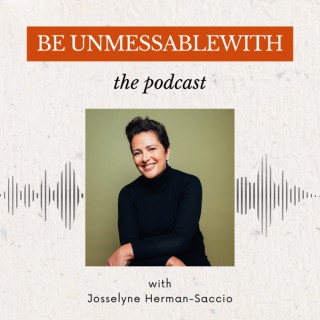
Be Unmessablewith: The Podcast hosted by Josselyne Herman-Saccio
What if your overwhelm isn't about too much to do?In this episode, Josselyne Herman-Saccio exposes the hidden link between overwhelm, anxiety, and the stories high achievers create when they avoid the facts. From finances to relationships to health, most stress isn't about what's happening; it's about what we imagine is happening.If you're successful but constantly managing pressure, this conversation will shift how you relate to reality, clarity, and mental health.In this episode, you'll discover:Why overwhelm is often a projection, not realityThe neuroscience behind the anxiety-avoidance cycleHow avoidance sabotages productivity and fuels stressThe difference between managing data and managing dramaConnect With JosselyneWebsite: beunmessablewith.comInstagram: @beunmessablewithFacebook: UnmessablewithnessLinkedIn: josselyneherman-saccioYouTube: @beunmessablewith

Brazilian Jiu-Jitsu has become increasingly popular among veterans, and it's not just about fitness or learning a martial art. For many former service members, grappling provides something deeper: structure, challenge, camaraderie, and a constructive outlet for stress.In this episode, we explore why Brazilian Jiu-Jitsu tends to resonate so strongly with veterans after military service. We discuss the psychological and physiological factors that make grappling uniquely appealing to people who spent years operating in high-pressure environments.We also talk about how Brazilian Jiu-Jitsu recreates controlled stress in a safe setting, teaches calm decision-making under pressure, and builds strong communities that can help fill the void many veterans experience after leaving the military.For some veterans, the mats become more than just a place to train—they become a place to reconnect with discipline, teamwork, and personal growth.Whether you're a veteran who trains, someone considering starting, or simply curious about the connection between martial arts and military culture, this episode takes a closer look at why so many veterans eventually find their way into Brazilian Jiu-Jitsu gyms.In This Episode We DiscussWhy veterans often seek challenge and structure after leaving military serviceHow Brazilian Jiu-Jitsu creates controlled stress in a safe environmentThe psychology of problem solving under pressureWhy grappling teaches calmness during physical stressThe role of camaraderie and community in martial arts gymsHow disciplined training environments resonate with military cultureWhy Brazilian Jiu-Jitsu often becomes a long-term pursuit for veteransKey TakeawayFor many veterans, Brazilian Jiu-Jitsu offers more than a workout. It provides a structured environment that combines physical challenge, mental engagement, and community—elements that closely mirror aspects of military life.Join the ConversationAre you a veteran who trains Brazilian Jiu-Jitsu? What made you start training?Share your experience—we'd love to hear your story.

If you're making money… but still feel like there's never enough, this episode is for you.I'm joined by Ruchi Pinniger, financial mentor, investor, and founder of Watch Her Prosper, who's helped thousands of women transform their relationship with money.Here's the truth most people don't talk about:You don't have a money problem, you have a belief problem.In this conversation, we unpack how your subconscious patterns, childhood money stories, and emotional relationship with wealth are quietly shaping your financial reality.And why no amount of strategy will work… until you shift what's underneath.If you've ever felt overwhelmed, behind, or ashamed when it comes to money, this episode will change the way you see it.What you'll get out of this episode… Why increasing income doesn't fix financial stressThe subconscious patterns controlling your moneyHow childhood experiences shape your financial behaviorA simple method to rewire your money mindsetWhy you're not “bad with money” (and what to do instead)How to feel safe, confident, and empowered with moneyConnect with RuchiIG / https://www.instagram.com/watchherprosper Your Prosperous Life™️ Calculator / www.yourprosperouslife.com Download Ruchi's FREE Redefining Prosperity Workbook / https://freebie.watchherprosper.com/workbookFB / https://www.facebook.com/WatchHerProsperThis Episode is Sponsored by Chai Tonics

In this episode, Matty sits down with Rob Herbert from R&N Blades for a conversation that goes well beyond knives. Rob shares his background growing up on a farm where hunting and using tools was simply part of everyday life — from trapping rabbits to learning how to keep a knife sharp from his grandfather. That early exposure eventually led him into knife making, but also into careers in the military, Victoria Police, and later the Game Management Authority. As the conversation unfolds, Rob opens up about the impact of trauma from his time in policing, and how making knives, along with time spent hunting, became a way to manage that mental load. There's a strong theme throughout the episode around hunting as more than just a pursuit… For many people it becomes a form of reset, a place to think clearly, and a way to reconnect with something real. The discussion also moves into the current state of hunting in Australia, including challenges around legislation, representation, and the need for a more unified voice across the broader outdoor community. Rob shares a grounded perspective on how hunters are perceived, the importance of presenting the right image, and why education matters more than emotion when it comes to protecting the future of hunting. There's also plenty of practical insight from Rob's own hunting journey, from traditional bows through to compound and rifle, and how changing tools can expose weaknesses and ultimately make you a better hunter. This is a wide-ranging, honest conversation about hunting, mental health, community, and the role it all plays in people's lives.

In this milestone 200th episode of The Grow Your Wealthy Mindset Podcast, we explore the difference between being rich and being wealthy and why the distinction matters more than most people realize.While being rich is often visible through income and lifestyle, true wealth is usually invisible. Drawing from real-life examples and insights from The Psychology of Money by Morgan Housel, this episode breaks down how spending can create the appearance of success while quietly increasing financial stress.For physicians especially, real wealth isn't about looking successful—it's about having options. The ability to walk away from a bad job situation, cut back at work, and make decisions from a place of flexibility rather than pressure.In This Episode:The difference between being rich and being wealthyWhy wealth is often invisibleThe tradeoff between lifestyle and long-term freedomWhy many physicians chase being rich while they really want to be wealthyA simple personal audit to assess whether your money buys freedom or stressThe goal isn't to look successful. It's to build a life where your money supports your values, your time, and your well-being.Please subscribe and leave a review on your favorite Podcasting platform. Get 12 Financial Mistakes that Keep Physicians from Building Wealth at https://www.growyourwealthymindset.com/12financialmistakesIf you want to start your path to financial freedom, start with the Financial Freedom Workbook. Download your free copy today at https://www.GrowYourWealthyMindset.com/fiworkbookDr. Elisa Chiang is a physician and money coach who helps other doctors reach their financial goals by mastering their money mindset through personalized 1:1 coaching .You can learn more about Elisa at her website or follow her on social media.Website: https://ww.GrowYourWealthyMindset.comInstagram https://www.instagram.com/GrowYourWealthyMindsetFacebook https://www.facebook.com/ElisaChianghttps://www.facebook.com/GrowYourWealthyMindsetYouTube: https://www.youtube.com/c/WealthyMindsetMDLinked In: www.linkedin.com/in/ElisaChiang Disclaimer: The content provided in the Grow Your Wealthy Mindset Podcast...

Have you ever looked at your bank account and thought… “Why do I still feel broke?”The bills are paid. Your income might even be decent. But somehow, money still feels stressful, tight, and like it's constantly slipping through your fingers.In this episode of the Money Mom Podcast, I'm breaking down why you can have money and still feel broke—and what's actually going on beneath the surface.Because here's the truth most financial advice won't tell you:

Wachuka, born and raised in Nairobi, Kenya, lives in a small mountain town, Nanyuki, where the slower rhythms of nature have become central to her personal healing and spiritual journey.Wachuka is the co-founder of Ikigai Nairobi, a nature and wellness-focused co-working company that creates inspiring spaces that reimagine work, community and wellbeing. After contracting Covid in 2020 and developing Long Covid and Myalgic Encephalomyelitis (M.E.) thereafter, Wachuka's life shifted in profound ways. Her health journey has opened a profound spiritual doorway; exploring her spiritual path with curiosity, and discovering her purpose through different healing modalities, spiritual arts and a connection to nature. She speaks with honesty about transformation, identity shifts, the courage it takes to rebuild a life from the inside out, and uses her journey to help others through the healing arts. Resources Instagram -https://www.instagram.com/healingshukie?igsh=MXF1Z2p3emZ6amt5&utm_source=qrMy Long Covid Storyhttps://www.facebook.com/share/1BytzrcMmg/?mibextid=wwXIfrLong Covid Support Grouphttps://www.facebook.com/share/g/1Dat8fMZPv/?mibextid=wwXIfrPatient Led Research Collaborative (a great organisation Wachuka supports led by patients leading the way in Long Covid research, awareness and advocacy. Great Long Covid resource) https://patientresearchcovid19.comM.E. Actionhttps://www.meaction.net/Ikigai - Nature and wellness-focused Coworkinghttps://ikigai.co.ke/ Join us as Wachuka shares:What is the global public health crisis of Long Covid? The huge range of symptoms that vastly decrease quality of life and, in some cases, are terminalThe issues with diagnosis and treatmentHer terrifying experience of contracting Long Covid and the connection with over-exertion and stressThe trauma and isolation of not being believedThe global online communities of Long Covid sufferersWachuka's exploration of alternative and functional approachesFollowing the intelligence of her body and spiritThe power of story and authentic voiceThe impact of the energy arts and nature in reconnection with the bodyHow her senses, dreams and intuition were magnified through illnessThe reframing, acceptance and healing that come through a spiritual journeyAnd if your spirit is stirred by these amazing conversations, don't forget to like, subscribe and leave a review - so more people can find their way to The Modern Crone. Thank you for tuning in! So Grateful for The Modern Crone team -Theme music and season intro tracks:Sam Joole: www.samjoole.comCover design and photographyLuana Suciuhttps://www.instagram.com/luanasuciu/Luanasuciu@gmail.com Voice editing:Christopher Hales - Mask Music Studiosmaskmusicstudios@outlook.comStudio and Reel production:Kymberly Sngkymberlysngcm@gmail.com

Send a textIt's time for another Weight Loss Q&A, and in this episode I'm answering several listener questions about emotional eating, food substitutions, calorie tracking, and what happens when the excitement of new habits starts to fade.We talk about how emotional eating is not always obvious. It is not just the big dramatic moments people tend to imagine. Sometimes it looks a lot quieter. Boredom, burnout, or simply eating because the food is there can all fall into that category.I also respond to a very “Gladys” comment about recipe substitutions and why it is important to remember that what seems obvious to one person may be completely new to someone else. The internet allows us to share knowledge, and sometimes the simplest tips can make a huge difference for someone who has never heard them before.We also get into a practical question about tracking calories when you are using marinades. Do you have to measure everything perfectly, or is estimating okay?Finally, I talk about something many people experience once their habits are well established. What happens when the novelty wears off and the dopamine hit you used to feel from the process just is not there anymore?In This EpisodeHow to recognize emotional eating and why it is not always obviousWhy unnecessary eating is often connected to emotions like boredom, guilt, or stressThe three drivers behind emotional eating: comfort, reward, and copingWhy asking yourself “Why am I eating this?” is such an important awareness toolWhy not everyone knows the same food swaps and substitutionsHow small ingredient changes can significantly reduce calories in recipesHow to think about marinades and sauces when you are tracking caloriesWhen it makes sense to estimate instead of tracking every calorie perfectlyWhat can happen when the excitement of new habits fadesWays to keep enjoying food and staying motivated even after the novelty wears offSupport the showLooking for help on your weight loss journey? I've created a couple of resources:• My NEW Membership Community Flamingo Forum! Join HERE: https://charlotte-skanes.mykajabi.com/disruptor-our-community• My Immersive Weight Loss Experience: Sustainable 7• My Cookbook 'Disruptor'• Free Guide ‘Getting Started for the Last Time'• Weight Loss Workbook Disruptor, find anywhere in the world on Amazon by searching “Disruptor Charlotte Skanes”•Get Started For The Last Time LIVE Webinar Replay Sign-Up - free Spread Sprinkle Pour worksheets WebsiteInstagramYoutube...

Care to Change Counseling - Practical Solutions for Positive Change
In this episode Jared Jones and Mac Zambrano explore how screens and technology are shaping our mental and emotional health. From brain development and emotional regulation to family dynamics and social comparison, they unpack what we are seeing clinically and culturally when it comes to screen use.This conversation is not about blame or fear. It is about awareness. Screens are part of modern life. The goal is not elimination, but intentional engagement.In This Episode We DiscussWhy this series matters and what to expect this monthThe rapid evolution of technology and its impact on familiesHow screens affect the brain, especially attention and novelty-seekingThe role of dopamine and fast reward cyclesEmotional regulation and using screens to cope with boredom or stressThe shift from shared family screens to personalized devicesSocial development in the digital ageSocial media, comparison, and rising anxiety and depression in teensThe unique pressures facing girls and boys onlineThe relational cost of constant device useWhy small, intentional changes matterKey TakeawaysAwareness comes before change.Screens are not inherently evil, but they are powerful.Emotional regulation, sleep, focus, and relationships can all be affected by excessive or unintentional screen useIt is never too late to make small, meaningful shifts.Resources discussed:The Anxious Generation: How the Great Rewiring of Childhood Is Causing an Epidemic of Mental Illness by Jonathan Haidt (link)Gen Z Mental Health and Wellbeing e-book (link)Thank you for spending this time with us. We invite you to pause and reflect on one small step you can take toward greater health this week. Growth rarely happens all at once. It unfolds in steady, intentional choices.If you would like support in your own journey, our team at Care to Change is here to walk alongside you. You can learn more about our services, intensives, and resources at caretochange.org.Until next time, take care of your mind, tend to your relationships, and remember that meaningful change is possible.

Send a textDigestive issues don't just affect the person experiencing symptoms. They affect relationships, routines, meals, plans, and emotional safety. In this episode, Alyssa talks to the partners, parents, and loved ones who are watching someone they care about struggle and want to help, but don't want to push, pressure, or make things worse.In this episode, Alyssa explains:Why digestive symptoms rarely exist in isolationWhy food reactions are often signals, not root causesThe hidden role of the nervous system in gut symptomsHow emotional safety directly impacts digestive functionThe most common ways loved ones accidentally increase stressThe difference between symptom management and true root cause workWhen self-management has reached its limitWhat supportive language actually sounds likeHow to encourage investigation instead of permanent restrictionResources mentioned:If you're looking for gut-calming meal plans tailored to your symptoms, DM “GUT CHECK” to Alyssa on Instagram to take the free quiz and get free meal plans & resources to kickstart your gut healing journey. Check out Alyssa's FREE Masterclass “Why your gut still isn't better - the real reason you feel stuck here. Learn more about personalized gut healing plans at Nutrition ResolutionFind Alyssa on: Instagram, LinkedIn, Facebook, Pinterest -If you're enduring uncomfortable, painful, and embarrassing GI symptoms and feel like you've tried everything, Alyssa uses a specialized approach to help people who've gone from doctor to doctor finally find relief. Book your 15-minute strategy call for FREE here.Looking for a supportive Gut Health community? Alyssa is building a community committed to helping people overcome their digestive symptoms by addressing the root cause using food and nutrition. Join Alyssa's FREE Facebook Community here.Tune in and subscribe to "The Gut Health Dialogues" for inspiring client transformation stories and expert insights into gut health. Leave a review—Your support will help Alyssa empower more people with the knowledge and tools to take control of their gut health and reclaim their lives.

Caregiver anger is real and no one talks about it.If you're a cancer caregiver feeling angry at the medical system, frustrated with family, resentful of the constant responsibility, or secretly furious at yourself… this episode is for you.Caregiver burnout doesn't always look like exhaustion. Sometimes it looks like a tight jaw. A short temper. A bathroom cry you don't fully understand.In this episode, we unpack:Why anger is a normal response to caregiving stressThe hidden link between caregiver resentment and griefHow suppressing anger fuels burnoutA simple 2-question tool to process anger without exploding or shutting downIf you're navigating cancer caregiving stress, scanxiety, emotional exhaustion, or caregiver guilt... press play.Because self-preservation starts with telling the truth about what you feel.Find more caregiver support at www.cancercaregiverpodcast.com

In this episode of the Building Your Money Machine Show, I dive into the psychology behind people who grew up poor and why simply earning more doesn't fix financial stress. If you've ever felt poor, even when the income is coming in, you're not alone. I get real about how your upbringing, conditioning, and even the emotional experiences around money shape your money mindset. You'll find out why money sometimes feels like a threat, why the anxiety lingers no matter your bank balance, and most importantly what to do about it.We explore how poverty doesn't just empty wallets...it wires your nervous system and creates survival logic that might have gotten you this far, but it won't carry you into true wealth. Whether you're facing the math problem of not enough income, or the mindset problem of “thinking broke,” I reveal the step-by-step process to fix both.IN TODAY'S EPISODE, I DISCUSS:Why earning more doesn't necessarily eliminate financial stressThe difference between being broke and thinking broke—and how both can trap youHow poverty and scarcity thinking wire your nervous system for survival, not wealthPractical steps to separate survival reflexes from real financial decisionsGetting clear on your actual lifestyle costs and categorizing expenses into needs, wants, and noiseThe importance of shifting from income-based to system-based thinking for sustainable wealthBuilding an unshakable financial foundation, including liquidity and debt payment strategiesAutomating savings, debt payments, and creating boundaries to protect from mindset slipsRECOMMENDED EPISODES FOR YOUIf you liked this episode, click here to enjoy these and more:https://melabraham.com/show/Psychology of People Who Act Poor When They're RichI Met 400+ Millionaires - This is what I LEARNEDOnce You Get Rich, Change These 6 Things Immediately12 Unsexy Habits That Made Me Serious MoneyWhat The 1% Teach Their Kids About MoneyRECOMMENDED VIDEOS FOR YOU If you liked this video, you'll love these ones:Psychology of People Who Act Poor When They're Rich: https://youtu.be/KpZEuniVbwkI Met 400+ Millionaires - This is what I LEARNED: https://youtu.be/EwQtlsle45YOnce You Get Rich, Change These 6 Things Immediately: https://youtu.be/exgaT-fho5M12 Unsexy Habits That Made Me Serious Money: https://youtu.be/OjYgoVwFxWsORDER MY NEW USA TODAY BESTSELLING BOOK:Building Your Money Machine: How to Get Your Money to Work Harder For You Than You Did For It!The key to building the life you desire and deserve is to build your Money Machine-a powerful system designed to generate income that's no longer tied to your work or efforts. This step-by-step guide goes beyond the general idea of personal finance and wealth creation and reveals the holistic approach to transforming your relationship with money to allow you to enjoy financial freedom and peace of mind.Part money philosophy, part money mindset, part strategy, and part tactical action, these powerful frameworks will show you how to build your money machine.When you do you'll also get over $1100 in wealth resources & bonuses for FREE! TAKE THE FINANCIAL FREEDOM QUIZ:Take this free quiz to see where you are on the path to financial freedom and what your next steps are to move you to a new financial destiny at http://www.YourFinancialFreedomQuiz.com

Welcome to season 4, episode 9 of the Stock Trading for Beginners Podcast!In this episode, I share a personal experience that ultimately pushed me to start actively managing my own portfolio — and why that decision turned out to be one of the most important shifts in my trading journey.Resources:Apply to the mentorship here: https://stokestrades.com/joinJoin our FREE Skool group: https://www.skool.com/tradingSeveral years ago, I placed a significant amount of money into a professionally managed fund. At the time, it felt responsible. But after two years of underperformance — while a separate account I managed myself was doing better — I began asking deeper questions.Was managing my own money irresponsible… or was managing it without rules the real problem?In this episode, we break down what I learned about:The true cost of management fees over timeWhy many active funds underperform basic benchmarks like the S&P 500The difference between volatility and riskWhy structure matters more than outsourcing responsibilityHow trading with rules changes everythingThis isn't about being anti–financial advisor. For many people, advisors are the right move. But if you're already studying charts, learning technical analysis, and trying to build skill — the conversation becomes different.The key realization:Managing your own money isn't reckless. Managing it without structure is.We also talk about:Why chasing headlines creates stressThe power of buying at support (never at resistance)How journaling removes emotional decisionsWhy choosing a trading identity (or “trading avatar”) simplifies executionHow patience and position sizing reduce panic during pullbacksOver time, the goal stopped being “learn everything” and became “execute one strategy well.” Watching charts weekly, marking support zones, setting alerts, and following clear rules made trading calmer and more consistent.When I chose a momentum-style identity and stopped mixing trading styles mid-trade, execution became easier. No more reacting to every candle — just following a plan.If you're interested in learning the exact momentum framework we use, you can join our free Skool community below. Inside you'll find:A full free course on the strategyWeekly Q&A callsCommunity chart discussionsJoin here: https://www.skool.com/tradingWe also recently completed a Momentum Trading Alliance mentorship cohort, and the next small group opens soon. If you'd like deeper implementation, live chart reviews, and structured feedback, you can apply here: https://stokestrades.com/joinIf you're already learning trading, you're on the right track. Just make sure you're building skill — not reacting emotionally.See you in the next episode.Send me some feedback!Join Our Free Community on Skool:https://www.skool.com/trading

Send a textIn this powerful episode of the Sober Butterfly Podcast, host Nadine Mulvina sits down with Kristen, creator of The Alcohol Free Alchemist and founder of Queen City Sober, to share her deeply relatable sobriety journey.Kristen opens up about how her drinking evolved from social partying to daily coping — influenced by anxiety, grief, motherhood, and the normalization of “mommy wine culture.” After experiencing profound life stressors, including the sudden loss of her grandmother and her husband's lymphoma diagnosis, alcohol became her way to numb and manage overwhelm.But her sobriety didn't begin with a dramatic rock bottom. It started with an awakening — a Father's Day morning realization that changed everything.Now nearly 600 days alcohol-free, Kristen shares how sobriety transformed her relationship with herself, her marriage, her children, and her identity. She also discusses navigating social situations without alcohol, sober intimacy, non-alcoholic alternatives, and building real-life sober community through Queen City Sober in Buffalo, New York.If you're sober curious, questioning your relationship with alcohol, navigating motherhood, or looking for inspiration to start again, this conversation will resonate deeply.You don't need to hit rock bottom to choose something better.
This is a re-record of a foundation episode, episode 94The Stress Response System plays a huge role in our children's behaviors and also how we perceive those behaviors.In this episode, you'll learn:What stress is and how to differentiate good stress from bad stressThe impact of trauma and toxic stress to the Stress Response SystemHow to build resilience in a sensitized Stress Response SystemA reframe to shift your own Stress Response System The Club is welcoming new members starting next Tuesday! Set yourself a calendar reminder and then head to RobynGobbel.com/TheClub on Tuesday so you can get instant access to a community, resources, and the change to pick Robyn's brain! Check out RobynGobbel.com/Trainings for the professional trainings scheduled around the US in 2026. Get access to over 25+ free resources in our brand, new Free Resource Hub! RobynGobbel.com/FreeResourceHub :::Grab a copy of USA Today Best Selling book Raising Kids with Big, Baffling Behaviors robyngobbel.com/bookJoin us in The Club for more support! robyngobbel.com/TheClubSign up on the waiting list for the 2027 Cohorts of the Baffling Behavior Training Institute's Immersion Program for Professionals robyngobbel.com/ImmersionFollow Me On:FacebookInstagram Over on my website you can find:Webinar and eBook on Focus on the Nervous System to Change Behavior (FREE)eBook on The Brilliance of Attachment (FREE)LOTS & LOTS of FREE ResourcesOngoing support, connection, and co-regulation for struggling parents: The ClubYear-Long Immersive & Holistic Training Program for Parenting Professionals: The Baffling Behavior Training Institute's (BBTI) Professional Immersion Program (formerly Being With)

Emotional Maturity in a Reactive WorldRaw & Unscripted host Christopher Rausch is back with a raw conversation about emotional maturity in a world that feels more reactive than ever.Ever notice how grown adults sometimes act like they're still on the elementary school playground?Taunting.Mocking.Needing to “win.”The headlines change. The topics change.But the behavior? Sometimes it doesn't.In this powerful episode of Raw & Unscripted, Christopher Rausch dives deep into the uncomfortable truth: emotional maturity has nothing to do with age — and everything to do with self-leadership.You'll hear:Why intelligent adults still regress under stressThe neuroscience behind reactivity and outrageHow being “right” can feel safer than being curiousThe hidden dopamine hit behind emotional reactionsHow to pause, regulate, and respond instead of reactWhat real leadership looks like in tense conversationsThis isn't about politics.It's not about picking sides.It's about growing up emotionally — even when others don't.If you've ever felt triggered by someone's childish behavior…If you've ever caught yourself reacting before thinking…If you want to lead conversations instead of escalate them…This episode will challenge you — and strengthen you.Because emotional maturity isn't weakness.It's power under control.

Key Insights from the Episode:Most U.S. colleges admit more than half of applicants—elite schools are the exception, not the ruleAdmissions officers are looking for fit, not perfectionApplications are reviewed holistically by trained teams using rubrics—not randomlyEssays should tell a small story in a meaningful way, not trauma-dumpAuthentic explanations for academic dips help admissions officers understand contextOptional essays are rarely “optional” if students want to stand outMental health topics should focus on growth, insight, and recovery—not the lowest pointSenior-year grades still matter after acceptanceParents play a vital role—but too much control can increase stressThe college experience builds critical thinking, communication, teamwork, and resilience beyond academicsParent Takeaway:Your job isn't to manage the process for your student—it's to model confidence, curiosity, and calm while allowing them to own their journey.

Community Meditation Sign UpIn this episode, Katie explores how simple yoga practices and guided meditation can help you cultivate inner peace and strengthen your connection—to yourself and the world around you. She emphasizes the power of returning to the familiar in both life and yoga, creating a safe space for the nervous system to relax, access intuition, and find clarity.Katie leads listeners through a guided meditation focused on breath awareness, releasing tension, and letting go of unnecessary thoughts and emotions. She encourages participants to notice physical sensations and internal changes, highlighting that the experience is personal—there's no right or wrong way to connect with yourself.Katie also invites listeners to join a free one-month weekly meditation community on Zoom. These 15–20 minute sessions on Friday afternoons are designed to foster connection, support peace, and create a ripple effect of calm and positivity in everyday life.What You'll Learn in This Episode:How simplicity supports nervous system relaxation and self-connectionBreath and meditation techniques to release tension and manage stressThe importance of simplicity for cultivating clarity and presenceHow short, regular meditation practices can deepen your connection to selfDetails on joining Katie's free weekly meditation community for shared connectionAbout Katie FarinasKatie Farinas is a midlife coach, yoga teacher, and spiritual guide who helps women navigate midlife with clarity, peace, purpose, and empowerment. Through yoga philosophy, mindfulness, nervous system regulation, and energy-based practices, Katie supports women in reconnecting with their intuition and stepping fully into their most aligned and authentic selves.✨ Explore Katie's work and offerings:Visit Katie's websiteJoin the newsletter for soulful insightsRead and watch on SubstackBook a reflective Insight SeatSchedule a Clarity Call

What happens when your body says “enough”—and you choose to listen?In this powerful episode of Gums & Gossip, host Hope Loyd sits down with Shalini, a somatic psychotherapist, trauma therapist, and nervous system educator from West Yorkshire, UK. Shalini shares her deeply personal journey through a full nervous system breakdown, a diagnosis of Functional Neurological Disorder (FND), and how she healed by understanding the body's stress and trauma responses.Together, Hope and Shalini explore:How trauma and chronic stress live in the nervous systemWhy fear shows up in the body—especially in the jaw, breath, and dental chairSimple somatic tools to regulate anxiety and feel safe againHow nervous system rituals can support healing from chronic pain, illness, and long-term stressThe connection between emotional safety, oral health, and whole-body wellnessThis episode is especially powerful for anyone experiencing dental anxiety, chronic stress, trauma, jaw tension, teeth clenching, or feeling overwhelmed by their own body.If you've ever felt like your body was holding fear you couldn't explain—this conversation will meet you right where you are.

Most operators think better tech will fix their problems. It won't.In this episode, Frank Bosi (Hostfully) joins the show to unpack the real challenges STR leaders face as they scale—pressure, decision fatigue, emotional weight, and the constant tension between automation and hospitality.Drawing from years inside luxury hotels like Ritz-Carlton and Four Seasons, Frank breaks down what most operators get wrong about tech stacks, leadership, hiring, and guest experience—and how to build systems that create confidence instead of doubt.Inside this episode:Why tech stack decisions are emotional, not logicalHow disconnected tools quietly create leadership stressThe difference between automating tasks vs removing hospitalityWhat luxury hotels get right about training and consistencyWhy leaders must absorb pressure instead of passing it downHow to hire people who protect your brand when you're not watchingThis is a must-listen for any STR operator building a team, scaling systems, or feeling the weight of leadership.00:01 – Why Tech Stack Decisions Are Emotional, Not Logical03:45 – Automation vs Hospitality: Where Operators Go Too Far07:10 – The Weight of Leadership Most People Aren't Ready For11:00 – Why Disconnected Tools Create Doubt and Stress15:20 – Lessons STR Operators Can Steal From Luxury Hotels19:10 – Why Leaders Can't Have “Bad Days” Publicly23:30 – Hiring People Who Protect Your Brand When You're Not There27:40 – Training, Standards, and Why Consistency Beats Luxury31:50 – Using Tech to Create Confidence, Not Complexity36:40 – The Real Role of a Leader in Scaling STR OperationsGuest Bio:Frank Bosi is the Senior Director of Partnerships at Hostfully, a leading platform supporting short-term rental operators around the world. He drives strategic relationships across the STR ecosystem; working with technology partners, influencers, coaches & thought leaders to help property managers scale and deliver great guest experiences.Frank also actively contributes to industry conversations through webinars, events and podcasts (such as this) designed to help operators grow smarter, faster, and more profitably.Outside of work, Frank prioritizes faith, fitness, and family; spending his free time with his wife and kids, training CrossFit, and staying focused on overall wellbeing.Guest Link:https://www.instagram.com/frank_bosi/Get FREE Access to our Community and Weekly Trainings:https://group.strsecrets.com/

Pressure is often treated like something to escape—but in leadership, pressure is rarely a sign that something is wrong. More often, it's a sign that something matters.In this episode, we're reframing pressure through the lens of mindset, leadership, and research-backed psychology. You'll hear why pressure isn't the enemy, how your interpretation of stress directly affects performance and health, and why mindset isn't motivational fluff—it's the filter through which leaders experience responsibility, decision-making, and growth.Drawing from leadership experience, neuroscience, and well-known studies on stress and mindset, this conversation breaks down:Why pressure shows up when you're trusted with responsibilityHow mindset shapes your nervous system's response to stressThe difference between pressure that refines and pressure that burns people outPractical mindset shifts leaders can use to stay grounded under demandIn a world where being perfect seems to be the goal- - it's important that we know who's we are & who we are. We aren't called to be perfect - we are called to be better today than yesterday! - that's it. It doesn't have to be quantum leaps, in fact I believe that in the day to day -our little steps in the right directions! I am on a mission to help women become more of who they were created to be and less of who they were told to be. And, that takes intention, that takes action : My goal is to drop some wisdom, bring you resources and that takes community. The real unlock is the Inner Work, and that's what we do here! If you enjoyed today's episode, please: • Post a screenshot & key takeaway on your IG story and tag me @thejenkeller or @projectyou so we can repost you. • Leave a positive review or rating For more ways to do the inner work you can find me on @thejenkeller on instagram and Jennifer Keller on Facebook and to join our exclusive Facebook community Project YOU To do the inner work visit jenkeller.net
Episode Highlights With TylerHow often he talks about stress with patients and why this is such an important factorWomen handle stress differently than men, and why this doesn't have to be a bad thingWhat our cycle and our digestion directly tell us about our healthWhy women and men handle stress differently (hint: there's an adrenal reason)What happens when we are stuck in fight or flight long termThe effects on gut health and gut lining when we have chronic stressTop steps to support the gut and address the nervous system in high stressUniversally helpful techniques, like breathing techniques, to help address stressThe role of sleep and fastingResources MentionedThe Wellness Way on X and on FacebookDr. Tyler Kruse and The Wellness Way on InstagramThe Wellness Way Coralville
© 2020-2026 Ivy Podcast Discovery LLC
