
Racial or ethnic group in the United States with African ancestry

POPULARITY
Categories

764 episodes with African Americans

725 episodes with African Americans

572 episodes with African Americans

625 episodes with African Americans

477 episodes with African Americans

366 episodes with African Americans

206 episodes with African Americans

116 episodes with African Americans

508 episodes with African Americans

207 episodes with African Americans

299 episodes with African Americans

152 episodes with African Americans

176 episodes with African Americans

116 episodes with African Americans

52 episodes with African Americans

257 episodes with African Americans

46 episodes with African Americans

215 episodes with African Americans

127 episodes with African Americans

83 episodes with African Americans

55 episodes with African Americans

257 episodes with African Americans

59 episodes with African Americans

66 episodes with African Americans

98 episodes with African Americans

65 episodes with African Americans

45 episodes with African Americans

156 episodes with African Americans

209 episodes with African Americans

92 episodes with African Americans

135 episodes with African Americans

97 episodes with African Americans

61 episodes with African Americans

54 episodes with African Americans

83 episodes with African Americans

74 episodes with African Americans

92 episodes with African Americans

105 episodes with African Americans

93 episodes with African Americans

95 episodes with African Americans

101 episodes with African Americans

75 episodes with African Americans

99 episodes with African Americans

134 episodes with African Americans

49 episodes with African Americans

82 episodes with African Americans

38 episodes with African Americans

83 episodes with African Americans

38 episodes with African Americans

38 episodes with African Americans

51 episodes with African Americans

45 episodes with African Americans

57 episodes with African Americans

61 episodes with African Americans
David N. Gellman interviews Nicholas P. Wood on Let the Oppressed Go Free: Abolitionism in Colonial and Revolutionary AmericaIn Let the Oppressed Go Free, Nicholas P. Wood presents the opponents of slavery who sustained and expanded the antislavery movement during the American Revolution in the face of widespread hostility. These early abolitionists were inspired by antislavery theology: the view that slavery was a sinful form of oppression that would provoke God's wrath against slaveholding societies. These principles were first advanced by a handful of Quakers and Puritans as early as the 1600s, but they did not become widespread until the second half of the eighteenth century. Quakers embraced antislavery theology during the French and Indian War, which they interpreted as divine chastisement for the sin of colonial slavery. Citing the prophet Isaiah, they pledged to please the Lord by letting the oppressed go free.Antislavery theology became even more prominent during the American Revolution. When Parliament provoked an imperial crisis in the 1760s, abolitionists argued it was further evidence of God's anger over slavery. The outbreak of war in 1775 made these arguments increasingly persuasive. Let the Oppressed Go Free demonstrates that antislavery activism during the Revolution by Quakers, African Americans, and evangelical patriots was more sophisticated and influential than historians have recognized. The northern states that began abolishing slavery during the Revolution did so in response to tenacious agitation and generally described their actions as designed to earn God's blessing.Let the Oppressed Go Free challenges many common assumptions about abolitionism and the American Revolution. Wood demonstrates that religion remained central to abolitionism rather than being displaced by “secular” arguments about natural rights. And whereas some have argued that the Revolutionary War hindered antislavery progress and fueled racism, Wood shows that the war accelerated reform. Hosted by Simplecast, an AdsWizz company. See pcm.adswizz.com for information about our collection and use of personal data for advertising.

We have three teams moving on to the divisional round — congrats to the White Sox, Yankees, and Padres, and one epic showdown left between the Braves and the Phillies. Bryce Harper went from fall guy to hero in the matter of moments. His misplay on Drake Baldwin's fly ball in left field gave the Braves a 3-1 lead in the bottom of the 7th, but back-to-back homers from Schwarber and then Harper tied the game. The Phillies won the game in the 10th after Alec Bohm homered to the opposite field in the top of the 10th. The White Sox scored 4 runs in the top of the 1st and never looked back. Chase Meredith delivered the knockout blow with a 3-run homer in the top of the 6th. Mixtape love to Cam Smith on his first postseason homer, and Jordan Hicks, who pitched well in relief in both games. The Yankees scored 9 runs on 14 hits in the Bronx to send their rivals, the Boston Red Sox, home for the 2026 season. Luis Garcia Jr. had a homer and 3 hits. Rookie George Lombard Jr. had 4 hits, 4 runs, and an RBI in the 2-game sweep. Our favorite pseudo-Dominican, Papi Austin Wells, had 2 RBIs. Cody Bellinger delivered the big blow — a three-run homer in the 6th to blow the game open. The Cubs PCA (frontrunner for NL MVP) and Alex Bregman went 0-for-8 last night as the Padres move on in front of a boisterous home crowd in Slam Diego. 20-year-old Ethan Salas became the youngest player ever to catch a postseason game. Gavin Sheets put the nail in the Cubs' coffin with a 3-run homer in the 4th. The Padres bullpen held the lead for a 4-1 win. By my count, there are 18 African-American players on MLB rosters in the Wild Card Round (8.6%). The Braves have the most African-American players on their roster, with five. This statistic will change as playoff rosters are set by round. Special thanks to the BBM Discord family, Flobo, Malik, and Tony Gwynn Jr. for joining this supersized edition of Finish Your Breakfast.

**Community Connection: Exploring the Intersection of Resilience, Stability, and Economic Justice** This episode of Community Connection is a thought-provoking discussion that delves into the complexities of the human experience, exploring the intersection of resilience, stability, and economic justice. The conversation touches on a range of topics, from the recent botched execution in Tennessee to the importance of education and civic participation. The episode begins with a discussion about the recent execution of Krista Pike, a 50-year-old woman who was scheduled to be executed but was instead taken to a hospital for life-saving measures. The conversation raises questions about the death penalty and its implications, highlighting the need for a more nuanced approach to justice. The discussion also touches on the importance of education and civic participation, with a focus on the upcoming elections in Indiana. The episode also features a conversation with Matthew Steward, the president and founder of Steward Speakers, and Tracy Boyd, Steward Speakers, Board Chair. Steward Speakers, a national African-American lecture series based in Indianapolis. Steward shares his insights on the importance of community partnerships and the impact of the Steward Speakers program on the lives of young people in Indianapolis. The conversation highlights the need for intergenerational connections and the importance of providing opportunities for young people to learn from and interact with national thought leaders. This episode of Community Connection is a must-listen for anyone interested in exploring the complexities of the human experience and the importance of community partnerships. Join Tina Cosby and her guests as they discuss the issues that matter to you and explore the ways in which we can work together to build a more just and equitable society.See omnystudio.com/listener for privacy information.

For most of her life, Kelly McWilliams has felt as though people aren't seeing her clearly. Kelly is biracial, and she was raised to be proud of her identity: she grew up surrounded by African American culture and literature. But when she walks into a room, a lot of people perceive her as a white woman. And when she does tell people she's Black, the situation can get uncomfortable, even scary, very fast. On this episode of “Modern Love,” McWilliams tells the host, Anna Martin, about the ways her mixed-race identity has affected her relationships and her work. Kelly's new book, “American Nightmare,” is about a Black man who passes for white and ends up working as a spy for the N.A.A.C.P. The idea of being a spy, of entering spaces and situations without anyone knowing your true identity, is very personal for Kelly. But, she says, after years of being mistaken for someone she's not, she has learned to be loud about who she really is. Subscribe today at nytimes.com/podcasts or on Apple Podcasts, Spotify and Amazon Music. You can also subscribe via your favorite podcast app here. For more podcasts and narrated articles, download The New York Times app at nytimes.com/app. Hosted by Simplecast, an AdsWizz company. See pcm.adswizz.com for information about our collection and use of personal data for advertising.
What happens when knitting becomes more than a hobby? GG Glasspie of GG Made It joins Lisa for a hilarious, heartfelt conversation about yarn, grief, finding your voice, and learning to stand your ground. From discovering knitting at “YouTube University” to knitting her way through unimaginable loss, GG shares how two needles and some yarn helped her build confidence, community, and a whole lot of orange.They also get real about racism in the fiber world, setting boundaries, and why sometimes the best way to create change is to stand in the gap. Because according to GG, it's not just knitting it's healing, teaching, and stitching people together.Where You Can Find GG!=====Hosted By: Dr. Lisa WoolforkSenior Producer: Krystal HillProducer: Mike Bryant============Dr. Lisa Woolfork is an associate professor of English specializing in African American literature and culture. Her teaching and research explore Black women writers, Black identity, trauma theory, and American slavery. She is the founder of Black Women Stitch, the sewing group where Black lives matter. She is also the host/producer of Stitch Please, a weekly audio podcast that centers on Black women, girls, and femmes in sewing. In the summer of 2017, she actively resisted the white supremacist marches in her community, Charlottesville, Virginia. The city became a symbol of lethal resurging white supremacist violence. She remains active in a variety of university and community initiatives, including the Community Engaged Scholars program. She believes in the power of creative liberation.Instagram: Lisa WoolforkTwitter: Lisa Woolfork======Stay Connected:YouTube: Black Women StitchInstagram: Black Women StitchFacebook: Stitch Please Podcast--Sign up for the Black Women Stitch quarterly newsletterCheck out our merch hereLeave a BACKSTITCH message and tell us about your favorite episode.Join the Black Women Stitch PatreonCheck out our Amazon Store

American education has long been a battleground, but struggles over what students learn has become particularly intense right now, when teaching about racism has been prohibited in multiple states. Sociologist Nikki Khanna reflects on what's missing, including key episodes from US history – from the United States attempts to starve native people, to the massacre of African Americans in Tulsa, Oklahoma, to the mass deportations of Mexican Americans in the Depression, to the Tuskegee syphilis study, and more. Donate in support of Against the Grain and KPFA The post Fund Drive Special: Erasing the History of Racism appeared first on KPFA.
The National Museum of African American History and Culture marked its 10th anniversary with events in Washington celebrating a decade of telling Black history. Since opening in 2016, the museum has welcomed nearly 14 million visitors and more than 26,000 school groups. Subscribe to our newsletter to stay informed with the latest news from a leading Black-owned & controlled media company: https://aurn.com/newsletter Hosted by Simplecast, an AdsWizz company. See pcm.adswizz.com for information about our collection and use of personal data for advertising.

All week, host Kelly McEvers surfaces some of her favorite episodes from the archive. Here's today's story: James Baldwin's former home in the South of France is a site that many visit hoping to feel the essence of the great African-American writer. But should it be?PLUS: Do you have a favorite episode we should bring back to the top of the feed? Tell us what it was and why you picked it. Give us a call at 315-992-7902 and leave a message telling us your name and story. Our mailbox will cut you off after three minutes so please call in if you get disconnected. Or you can record a voice memo and email it to us at hello@atlasobscura.com Hosted by Simplecast, an AdsWizz company. See pcm.adswizz.com for information about our collection and use of personal data for advertising.

Okorie Ramsey built a legacy statement around six words: "To live a life that mattered." As Vice President of Sarbanes-Oxley at Kaiser Permanente and the first African American male to chair the AICPA, he's spent his career turning that philosophy into action. He launched the National Pipeline Advisory Group, grew accounting enrollment for three straight years, and brought HBCU students into the profession through the Balance Sheet Bash, among many, many other contributions. On Episode 288 of The Unique CPA, Randy and Okorie dig into the AI governance gap threatening the profession's role as trusted advisors, why the next generation of accountants needs more than technical skills to thrive, and what it means for seasoned leaders to shift from doing the work to pouring knowledge into those coming behind them. Okorie is also blunt about leaders who treat AI as someone else's problem, as well as about the point where staying in a role you've outgrown becomes its own kind of comfort and complacency. Get the full show notes and more resources at TheUniqueCPA.com

This quick informational episode highlights two African American-owned businesses in Philadelphia: First, Renaldo, Host and Creator, stops by a Sunoco gas station in Philadelphia and comments on the new PA law banning all skill games at convenience stores and gas stations in PA. Renaldo then stops by a Jamaican restaurant in Germantown, Philadelphia, and speaks with the owner about his new discount program called the $3 scripture discount. "Quote a scripture and get $3 off your order. This is an abbreviated episode of Street Vibes Pulse of the Street, which focused on promoting local businesses in Philadelphia, PA.Subscribe on any stream and visit us at https://theneoliberal.comEmail us at info@theneoliberal.com.Creator and Host: Renaldo C. McKenzie is the author of "Neoliberalism, Globalization, Income Inequality, Poverty and Resistance."Call us at 445-260-9198
Friday October 2, 2026 (Gate opens at noon) 5 - 6:30 p.m. - 2 Ring Circus7 - 10 p.m. - Holy Smokes DuoSaturday October 3, 2026 (Gate opens at 7 a.m.)8 a.m. - 1st Ride Goes Out9 a.m. - 2nd Ride Goes Out 10 a.m. - 3rd Ride Goes Out Noonish - Lunch 1 p.m. - Live Auction Begins (Mexican Horse Dance to Follow) 3 p.m. - Afternoon Ride4:30 - 6:30 p.m. - Reese Horton7 - 10 p.m. - Tyler Cocker & the Night Shift Welcome to HEARD IT ON THE SHARK with your show host Melinda Marsalis and show sponsor, Mississippi Hills National Heritage Area. HEARD IT ON THE SHARK is a weekly interview show that airs every Tuesday at 11 am on the shark 102.3 FM radio station based in Ripley, MS and then is released as a podcast on all the major podcast platforms. You'll hear interviews with the movers and shakers in north Mississippi who are making things happen. Melinda talks with entrepreneurs, leaders of business, medicine, education, and the people behind all the amazing things happening in north Mississippi. When people ask you how did you know about that, you'll say, “I HEARD IT ON THE SHARK!” HEARD IT ON THE SHARK is brought to you by the Mississippi Hills National Heritage area. We want you to get out and discover the historic, cultural, natural, scenic and recreational treasures of the Mississippi Hills right in your backyard. And of course we want you to take the shark 102.3 FM along for the ride. Bounded by I-55 to the west and Highway 14 to the south, the Mississippi Hills National Heritage Area, created by the United States Congress in 2009 represents a distinctive cultural landscape shaped by the dynamic intersection of Appalachian and Delta cultures, an intersection which has produced a powerful concentration of national cultural icons from the King of Rock'n'Roll Elvis Presley, First Lady of Country Music Tammy Wynette, blues legend Howlin' Wolf, Civil Rights icons Ida B. Wells-Barnett and James Meredith, America's favorite playwright Tennessee Williams, and Nobel-Laureate William Faulkner. The stories of the Mississippi Hills are many and powerful, from music and literature, to Native American and African American heritage, to the Civil War. The Mississippi Hills National Heritage Area supports the local institutions that preserve and share North Mississippi's rich history. Begin your discovery of the historic, cultural, natural, scenic, and recreational treasures of the Mississippi Hills by visiting the Mississippi Hills National Heritage Area online at mississippihills.org. Musical Credit to: Garry Burnside - Guitar; Buddy Grisham - Guitar; Mike King - Drums/Percussion All content is copyright 2021 Sun Bear Studio Ripley MS LLC all rights reserved. No portion of this podcast may be rebroadcast or used for any other purpose without express written consent of Sun Bear Studio Ripley MS LLC

Khi'Shawn Robinson began dancing at 14 and initially set his sights on a career in classical ballet. After studying ballet at the University of North Carolina School of the Arts, he unexpectedly took a professional job with Royal Caribbean, which opened the door to a completely different side of the dance industry.Today, Khi'Shawn is a performer and dance captain with the national tour of The Wiz. In this episode, he shares his journey to The Wiz (including auditioning multiple times before finally booking the show), proving that sometimes “no” really does mean “not right now.”We also learn what a dance captain does, what a typical day on tour looks like for Khi'Shawn, and get some insight into the history of The Wiz!Key “Pointes” in this Episode Starting dance at 14 and discovering a passion for ballet What Khi'Shawn learned from earning his degree in Classical Ballet from the University of North Carolina School of the Arts Why he decided to make the leap from classical ballet into musical theater His first professional job with Royal Caribbean's Hairspray The differences between performing on a cruise ship and touring with a national production Auditioning for The Wiz multiple times before finally joining the cast What The Wiz means as a celebration of African American culture and experience What a typical day on tour looks like for Khi'Shawn What it means to be a dance captain and how being a dance captain has changed the way he approaches his own dancingConnect with Khi'Shawn:INSTAGRAM: https://www.instagram.com/khishawnrobinsonLinks & Resources:See The Wiz at the Overture Center in Madison, WI: https://www.overture.org/tickets-events/2026-27-season/the-wiz(head to The Brainy Ballerina IG to enter to win two free tickets!)REGISTER FOR SEE AND BE SEEN: https://eisenhowerdance.org/beseenORZA: www.orzabrand.com (use code BRAINYBALLERINA for 10% off)Let's connect!My WEBSITE: thebrainyballerina.comINSTAGRAM: instagram.com/thebrainyballerinaQuestions/comments? Email me at caitlin@thebrainyballerina.com

J. Henry Tate is an author, former private investigator, and longtime North Alabama resident whose debut novel, Echoes of Betrayal: Protocol Clean Slate, draws inspiration from an extraordinary chapter of his own life.Before becoming an author, Tate worked as a private investigator in Huntsville, Alabama, during the 1980s. What began as a seemingly routine domestic investigation unexpectedly developed into something much larger—an international espionage case that ultimately involved the U.S. State Department. For decades, Tate considered telling the story as nonfiction, but the complexities surrounding the real events made that difficult. After retiring from the mortgage industry, he ultimately decided to transform those experiences into fiction.The result is Echoes of Betrayal: Protocol Clean Slate, a mystery, espionage, and suspense thriller centered on Jack Campbell, an African American private investigator based in Alabama. Campbell's life is turned upside down when his boss and best friend, Daniel Draper, is shot in front of his family. What initially appears to be an isolated act of violence soon connects back to a previous investigation involving an Army captain and his Air Force wife—and ultimately pulls Campbell into a dangerous world of international espionage, government secrets, hidden identities, betrayal, and threats to national security.Published in 2024, Echoes of Betrayal: Protocol Clean Slate is Tate's first published novel. The 242-page thriller combines elements of mystery and espionage with questions surrounding loyalty, morality, relationships, technology, and the difficulty of knowing whom to trust when appearances can be deliberately deceiving.Tate's influences include authors such as John Grisham, Lee Child, Mark Dawson, and Cindy Dees. He has also indicated that Echoes of Betrayal may not be the end of Jack Campbell's story, with another installment involving the character among his planned writing projects.Beyond writing, Tate has had a varied professional career that has included private investigation and many years in the mortgage industry. He has also been involved in his North Alabama community, including serving as a longtime volunteer and former board member with Habitat for Humanity of Madison County.In this episode of Our Town, Troy sits down with J. Henry Tate to explore the remarkable true experiences that inspired Echoes of Betrayal: Protocol Clean Slate, his years as a private investigator in Huntsville, how an ordinary case reportedly escalated into an international espionage investigation, and why it took decades for Tate to finally turn the experience into a novel.Their conversation also explores the line between fact and fiction, the challenge of fictionalizing events involving real people and government agencies, Tate's transition from investigator and businessman to published novelist, and the creation of Jack Campbell and the world of Echoes of Betrayal.Host/Interviewer: M. Troy Bye, Owner, Our Town with Troy Bye, a brand of the Our Town Company, LLC Watch on YouTube: https://www.youtube.com/channel/UCP5NjTsQ72k00C5n7ghLapAWatch on Spotify:https://open.spotify.com/show/0JwD62zXPncMeFeQdTVomHAudio only available in all other platforms where you get your podcastsFollow us on social media: LinkedIn: https://www.linkedin.com/in/our-town-w-troy-bye-50033a234/Instagram: https://www.instagram.com/ourtownpodcast

Fitness mit M.A.R.K. — Dein Nackt Gut Aussehen Podcast übers Abnehmen, Muskelaufbau und Motivation
„Du hast vergessen, Dein Gesicht zu trainieren.“ Mit diesem Satz aus einem Internetforum beginnt für einen jungen Mann ein Weg, der ihn bisher gut 11.000 Euro gekostet hat. Nase, Botox, Zähne … und als Nächstes plant er eine Operation am Kinn.Looksmaxxing heißt diese Bewegung, und sie ist längst im Mainstream angekommen. Du planst vermutlich keinen Umbau Deines Kiefers. Und trotzdem geht es in dieser Folge um Dich. Denn die Fragen dahinter stellen sich Menschen schon lange: Wie viel ist Dein Aussehen wirklich wert, für Erfolg, Beziehungen, Wohlbefinden? Ab wann wird der Wunsch, gut auszusehen, zur Last? Und woran würdest Du merken, wenn Du vielleicht schon mittendrin gesteckt hättest?Am Ende der Folge weißt Du, was in Deinem Kopf passiert, wenn Du durch einen Fitness-Feed scrollst (und warum es den meisten von uns geht wie Dir). Woran Du erkennst, ob Dein Ehrgeiz Dir noch guttut oder längst gegen Dich arbeitet. Warum der berühmte Attraktivitätsbonus bei genauer Prüfung viel kleiner ausfällt als gedacht. Und warum Dein Alter beim Thema Körperbild kein Gegner ist, sondern ein Verbündeter.Die Grenze zwischen gesundem Ehrgeiz und der anderen Seite passt am Ende in eine Frage: Trainierst Du aus Neugier oder aus Angst?Falls Dich das Thema persönlich belastet: Sprich mit jemandem, der sich damit auskennt. Das ist keine Schwäche, sondern Verantwortung für Dich selbst.____________*WERBUNG: Infos zum Werbepartner dieser Folge und allen weiteren Werbepartnern findest Du hier.____________In der Folge erwähnt:Folge 586: Wunderschön. Warum wir dem Bann des Äußeren nicht entkommen, mit Dr. Stéphane StahlFolge 485 und 486: Körperbild, die praktische SeiteBuch: Dranbleiben (die Werteübung, auf die sich Mark bezieht)Dranbleiber-Newsletter: marathonfitness.de/newsletterThe Guardian, Simon Usborne: From bone smashing to chin extensions: how ‘looksmaxxing' is reshaping young men's faces (die Geschichte von James)The Daily (The New York Times): Gespräch mit Joe Bernstein über LooksmaxxingWissenschaftliche Quellen:Veale et al. (2016): Body dysmorphic disorder in different settings. Body Image, 18, 168–186.Phillips et al. (2006): Gender similarities and differences in 200 individuals with body dysmorphic disorder. Compr Psychiatry, 47(2), 77–87.Mitchell et al. (2017): Muscle dysmorphia symptomatology in bodybuilders and resistance trainers. Sports Med, 47(2), 233–259.Luo et al. (2018): Social comparison in the brain. Hum Brain Mapp, 39(1), 440–458.de Valle et al. (2021): Social media, body image, and the question of causation. Body Image, 39, 276–292.Bortnikova et al. (2024): Beauty and professional success: A meta-analysis. CEPR Discussion Paper 18978.Ma-Kellams et al. (2017): Attractiveness and relationship longevity. Pers Relatsh, 24(1), 146–161.Diener et al. (1995): Physical attractiveness and subjective well-being. J Pers Soc Psychol, 69(1), 120–129.Limburg et al. (2017): The relationship between perfectionism and psychopathology: A meta-analysis. J Clin Psychol, 73(10), 1301–1326.Teixeira et al. (2012): Exercise, physical activity, and self-determination theory: A systematic review. Int J Behav Nutr Phys Act, 9, 78.Elion et al. (2012): Perfectionism in African American students. Cultur Divers Ethnic Minor Psychol, 18(2), 118–127.Thai et al. (2023): Reducing social media use improves appearance and weight esteem in youth with emotional distress. Psychol Pop Media.Bonfanti et al. (2025): The association between social comparison in social media, body image concerns and eating disorder symptoms. Body Image, 52, 101841.Tiggemann & Lynch (2001): Body image across the life span in adult women. Dev Psychol, 37(2), 243–253.Callan et al. (2015): Age differences in social comparison tendency and personal relative deprivation. Pers Individ Dif, 87, 196–199.Tiggemann & McCourt (2013): Body appreciation in adult women. Body Image, 10(4), 624–627.

Send us Fan Mail

Dr. Tony Evans (heard weekdays at 630pm with "The Alternative" on WFIL) joins the program today, with a focus on his book Unleashed: Releasing God's Glorious Kingdom in and Through You. Dr. Evans is the keynote speaker at WFIL's upcoming Pastors Appreciation Breakfast on Tuesday October 27 at Radnor Valley Country Club. Pick up info and tickets HERE. Dr. Evans is founding pastor of Oak Cliff Bible Fellowship (est 1976) in Dallas, TX. He is a best-selling author, founder of The Urban Alternative (which seeks to restore hope and transform lives through the proclamation and application of God's Word), and holds the honor of writing and publishing the first full-Bible commentary and study Bible by an African American. He is also chaplain of the Dallas Cowboys. Sports clips:Kyle Schwarber (Philadelphia Phillies) (WFIL sports)Bryce Harper (Philadelphia Phillies) (WFIL sports)Saquon Barkley (Philadelphia Eagles running back) (philadelphiaeagles.com) See omnystudio.com/listener for privacy information.

Air Week: September 28-October 4, 2026 Louis Jordan, Pt. 3 – 1946 The “Juke In The Back” presents Part 3 of a mammoth, six-part series, featuring the most important musical figure of the 1940s, Louis Jordan. He was the most successful African-American artist of the decade, selling millions of records to both Black and White audiences. Jordan charted 57 singles between 1942 and 1951, scoring 18 #1 R&B hits and 56 top 10s. Several of his records even crossed over into the Pop Top 10, which was an almost unheard of feat at the time. Part 3 of our series focuses on the entire year of 1946. Jordan scored 5 #1 records that year and spent 35 out of 52 weeks at the top of the Race Record Chart (the name of the R&B chart at that time). One of those #1s was a duet with the great Ella Fitzgerald. We’ll also hear Jordan duetting with another musical titan, Bing Crosby. Decca Records put their 2 biggest stars together, but unfortunately that tune only hit #14 on the Pop Chart. “Choo Choo Ch’Boogie” topped the chart for 18 weeks and then it was knocked out of the top spot by another Louis Jordan record, “Ain’t That Just Like A Woman.” He was at the top of his game in 1946, selling more records than any other African-American artist. We’ll also dig on a V-Disc Jordan cut for those serving overseas in the Armed Forces as well as some choice B sides. The “Juke” is jumpin’ with Jordan this week on part 3 of “Juke In The Back”‘s tribute to the “King Of The Jukeboxes, Louis Jordan. LISTEN BELOW

Two accomplished veterans of the Civil Rights Movement, Dr. Flonzie Brown Wright and Charles McLaurin, were involved in the 1966 March Against Fear and several other campaigns. Dr. Brown Wright became active in the movement in 1963 after the assassination of NAACP Field Secretary Medgar Evers. In 1968, she became the first African American woman elected to public office in Mississippi since Reconstruction, serving as an Election Commissioner. Mr. McLaurin joined SNCC in 1962 as a Field Secretary in Sunflower County, where he led voterregistration efforts and met sharecropper Fannie Lou Hamer, later serving as her 1963 congressional campaign manager. In 1964, he directed the Sunflower County Freedom Summer Project and helped organize the Mississippi FreedomDemocratic Party's delegate challenge at the Democratic National Convention.

Upon review of my upbringing - between my Mom's almost all-black female staff of co-workers (who'd often babysit my sister and I) and some of my earliest educators in elementary school, to my college (and still) bestie Sonya - I've been influenced by African-American in ways that I have to conclude shaped my civil rights, political and sociological views over time.I'm not saying that makes me better than the white male conservative counterparts I grew up alongside, but I'm not one for bedwetting over my beloved home state being led by black women, either.The historic opportunity this election year presents Georgians isn't lost on Dr. Karri Bryant, either. The author, entrepreneur and pastor at New Birth Missionary Baptist Church in Stonecrest opines that Georgians need to recognize the leadership women have been providing all along and to embrace the space for it to thrive. Feels worthy of a deep dive, so I climbed up the diving board and jumped right in.Then, I shared some Georgia Democratic Party convention speeches from many of the slate of black women running for statewide office here in Georgia.

Last week, Hightower had the absolute pleasure of appearing on Tavis Smiley's live radio talk show—a lot of great laughs, and a lot of good ground covered! From the Texas races, to America at 250, to the idea that fundamental fairness is a sense all humans share, Tavis and Hightower went deep. Tavis and his team have given us permission to share it with you here, and we're so grateful—he's also just started his own Substack newsletter, and we encourage you to subscribe to one of the greats of American media at tavissmiley.substack.com. You can also listen live on KBLA 1580 daily, and subscribe to his podcast. —dzTranscriptEdited lightly for clarityPart 1Tavis Smiley: Tavis Smiley, glad you're with us in the second hour of our program here today.Yesterday, we stepped into what I call the Elders' Skybox to talk to Dr. Johnette Cole. She was absolutely amazing yesterday. If you missed that conversation with Johnnetta Cole yesterday, I encourage you to check out the podcast, now posted. She, of course, is the legendary, the iconic, first African American woman to be president of Spelman. But she's covered so much ground in her amazing career, and she joined us yesterday on the show. And Johnnetta Cole still got it. I mean, she was just blazing yesterday. So if you missed the conversation with Johnnetta Cole yesterday, I encourage you, you will not be disappointed. Check out the podcast, now up, of our dialogue with Dr. Cole yesterday.So we stepped into the Elders Skybox again today to talk to our friend and brother Jim Hightower, the legendary talk show host down in Texas. I quote him oftentimes. When you hear me say that the only thing you find in the middle of the road is a dead armadillo, that was Jim Hightower years ago, and I've never forgotten that line from all those years ago. You can't be middle of the road. We were just talking about that in our hour with Dr. Kaye Wise Whitehead about Hakeem Jeffries and some of these Democrats who, on a number of issues, still want to occupy the center, the middle of the road. That is not where one needs to be, especially right about now. Pick a side. Pick a side is my point. And that was Jim Hightower's advice many, many years ago. I never forgot when he said it, and I've held on to it all these years.I invited him on today to talk about this hot Texas Senate race, but more broadly to get his take, as a longtime progressive, on the march that we are witnessing in real time by these progressives after decades of being in the wilderness. With all that said, I'm honored to welcome Jim Hightower to this program. Jim, how are you, sir?Jim Hightower: I'm doing great, Tavis, and all the greater because I get to visit with you.Tavis Smiley: It's my honor to have you on this program. Thank you for those kind words. I meant what I said earlier about having listened to you. I'm at that age now. I just turned 62 a couple of days ago, and I've been at this, what, 35 years. My mom teases me about it, but people come on the show all the time: “Mr. Smiley, I grew up listening to you, I grew up watching you.” So I'm at that age now where I'm getting that. And this is funny, because I can say that to Jim Hightower now. I grew up listening to him and watching him, and so I'm thrilled to have him on this program.Let me just start with this, broadly speaking. I've asked this question of other guests. I've got two minutes now, we've got the rest of the hour when we come forward, but in these first two minutes, I'm asking you the same question I've asked of others. We are inside that eight-week sprint from Labor Day to Election Day. How are you feeling?Jim Hightower: I am feeling more upbeat than I have been in years about Texas politics. Our party has finally come alive down here, as you just indicated. We've had too many corporate centrists trying to dominate our party, thinking we can fool the people if we just tiptoe around our progressivism, rather than recognizing that people themselves are progressive. And if we talk to them in that kind of language, they might respond to us in a more favorable way than they have in the past, or respond at all.I would point out, first of all, Tavis, that Texas is not a right-wing state. It is not a Republican state. It is a non-voting state. And it has not been voting because the Democratic Party, my party, has been over in the ditch somewhere, trying not to be discovered, rather than recognizing that most people are quite progressive. I think of it in terms of my own father, who kept up with politics, but he was not political, particularly. He didn't know he had a political philosophy, but he did, and it was expressed to me many times in these words. He said, “Jim, everybody does better when everybody does better.” And that is what the Democratic Party is supposed to represent.And so that spirit is coming back within the Democratic Party. We have it with James Talarico running for Senate, Gina Hinojosa running for governor, but also let us not forget those down-ballot candidates, who can make such a difference in a campaign. I've been one of those myself, so I can attest to it. And we have a terrific lineup this year, including Clayton Tucker running for agriculture commissioner, a position that most people wouldn't pay a whole lot of attention to until you realize, wait a minute, if you eat, you are involved in agriculture. And we need to make that political as well as edible.Tavis Smiley: Love it. He's already on a roll. That is the Jim Hightower that I grew up listening to. He's wise, he drops these one-liners; as we say these days, he's dropping bars. I love his father's edict that everybody does better when everybody does better. It's so simple. But I want to give him some time to unpack this. I want to interrogate this notion that people themselves are progressive. People themselves are progressive. That line resonated with me; I suspect it did with you as well. I'll let him unpack that and a great deal more. I'm glad to have Jim Hightower for the hour on Tavis Smiley.Tavis Smiley, and longtime progressive activist, legendary talk show host, bestselling author Jim Hightower. So we've stepped into the Elders Skybox to tap into his wisdom in this hour as we are hurtling inexorably toward Election Day on Tuesday, November 3rd. Wanted to check in with him on some national issues, but certainly everybody's watching this Senate race in Texas. I talk to my friends down there all the time, and they are so excited about turning Texas blue. You heard Jim Hightower say a moment ago that Texas is not a Republican state, it's not a red state, it's a non-voting state. I'll let him unpack that as we move through this hour.But just some quick updates here. So you saw the Republican convention, that two-day farce they had down in Texas not long ago. Since that convention, a new poll has come out about the race in Texas. Interestingly, the survey happened on September 13th. That was Sunday, my birthday. And it's good news for James Talarico. The latest poll, this is the SoCal Strategies poll, shows Talarico leading Paxton 50 percent to 45 percent. It's a five-point margin. There had been a two-point lead by Paxton over Talarico. It's fascinating. So before the convention, Paxton was leading Talarico by two points in Texas. Post the convention, it flips. Talarico is now leading Paxton by five points. Not sure what Ken Paxton did or said at that convention that made these numbers flip. Obviously it's very, very tight, and these polls are snapshots in time. We still have weeks to go before Election Day. We'll let Jim Hightower unpack a bit more about the tightness of this race in Texas in this hour.But I want to start right now, Jim, where we left off moments ago, and that is with your suggestion that people are themselves a great deal more progressive than we acknowledge or give them credit for. We've got time. Unpack that for me.Jim Hightower: Well, just go back to your childhood. The very first political expression of a child, maybe at two years old, is “That's not fair.” That is a powerful political sentiment, and it's within all of us. And that's what we're seeing today. The unfairness of the billionaires with their data centers invading our communities. The unfairness of the destruction of voting rights, period. Not just the Voting Rights Act, but voting rights. The unfairness of economic plutocracy, really, and just a general unfairness that pervades our society, including the election itself.The idea that money can control. That happened to Texas, just as it did nationally, in the 1980s, when Tony Coelho, a member of Congress from California, decided that the Democrats didn't need to have all this grassroots stuff. We could just get money from rich people and throw it at television ads, and then we could compete with the Republicans. And the powers that be in the Democratic Party here in Texas agreed with that. So they began to shift away from what Ann Richards and myself and Jim Mattox and Garry Mauro and other good, solid Democrats were winning elections with: a focus on the grassroots people of our state. That got abandoned. Instead they turned to money.And when you turn to money, I can tell you, if you get a corporate check, written on the back of it is the corporate agenda. And they're going to cash that check, not you. That is what happened to Texas. The Democrats quit being Democrats because, well, we don't want to upset those money people, so we'll just tone down our message. And by toning down the message, we tone down our public support, our people's support. If we weren't standing for them, why would they stand for us? And so that's what happened. Our solid Democratic constituencies, which were farmers, working-class folks, teachers, environmentalists, didn't hear themselves in the Democratic message. So they quit voting. It's not that they turned Republican.We consistently had among the top one or two worst voting records in the country in the state of Texas. We have the lowest turnout in our country. Ken Paxton, you just mentioned, is now running for the U.S. Senate on the Republican ticket. Paxton got 68 percent of the Republican primary election that made him their nominee. Sixty-eight percent, boy, that sounds good. He must be very popular, until you realize that is 3.4 percent of the voters of Texas. That's who nominated him. That's his basic support: 3.4 percent. Can we not get 3.5 percent? Well, maybe if we began to organize and mobilize and strategize and do something a little stronger than we had been doing.And that's the good news in Texas. That's what has changed this election cycle over previous ones: our Democratic Party, with a new party chair, and a dynamic bunch of candidates running for statewide office and local office as well. We used to have 50 counties in our state that had no Democratic Party chair, much less a Democratic committee. We had state legislative district after district that had no Democratic contender in it. So we weren't even running. But this year we do. We have candidates, good candidates, in all of those districts. We have vibrant party building in every county in the state. You have to have the infrastructure. It's not just handsome candidates like myself, or smart and sassy people, that make the difference. It is grassroots, fundamentally. And if you abandon the grassroots, then there's no one to appeal to.Part 2Tavis Smiley: Let me ask you this. You said a few things, and I want to go back to them right quick. You're on a roll, and that's what he does every day, and I love it. I just have to keep up with him. Let me start with the money. No naiveté here, but my sense is, even though we've seen efforts, I think of McCain-Feingold, other efforts we've seen over the years, my sense is that at this point that horse has left the barn, and I can't imagine how we get money out of our politics. Citizens United, I can do this all day long, as you could, Jim Hightower. But that trade-off that Democrats made to get access to that money, there's no 180 on this. I mean, the Democratic Party is so broke now, as you know. The national Democratic Party is so broke, they've been borrowing money. So even though your indictment about the money in our politics is spot on, can you imagine any way to get money out of our politics at this point?Jim Hightower: Yes, I can, which is to go to the people with it. It is the most popular polling issue in America and has been for some time: getting corporate money out of politics. It's up at the 90 percent level, including something like 75 percent of Republicans who want to get this corporate money out of our system. So we have the base of support, but we have to have a politics that goes out there and collects that base. And that means running on it again. Our party nationally has quit running on that issue. So we've abandoned one of the very best issues we have, an issue of abject plutocracy over democracy, money over people.And that is what's beginning to change. That's why Talarico is up there, running as our Democratic candidate for U.S. Senate. He has raised a ton of money, outraised Paxton himself, because he's getting small-dollar donations from people who are mad as hell about money in politics and how government serves money, not people. And again, Clayton Tucker, running for agriculture commissioner, has a theme that says to beat money power, you have to have people power. You have to organize people against organized money. That is a winning topic, and candidate after candidate around the country this time are beginning to grasp that and make hay with it.Tavis Smiley: Let me ask you this. The other thing you said, I want to come back to it. You're saying so much that's just jumping out at me. I want to come back to this notion of fundamental fairness. I find myself time and time again over the course of my career, Jim, on any number of issues, making the point that it's ultimately about fundamental fairness. Pick the issue, and my moral stance on so many of these issues is that it's ultimately about what I term fundamental fairness.And I loved your suggestion that one of the first things that comes out of our mouths as kids... I don't know where we get this, but when you said it, I smiled. I'm sure every parent listening to this program right now smiled. We've all heard kids say, “That's not fair. That's not fair.” I don't even know where that comes from, but we've all heard babies say that line. So I'm glad you used that.I'm wondering whether or not, in this moment, you believe that everyday people in this country care about fundamental fairness. And before you answer, here's my point. I think that we've become more nativist for a lot of reasons. People are turning inward, they're lashing outward. I'm not sure that we actually believe in meritocracy anymore. We see Donald Trump and the big grift. We see him not playing the game by any set of rules that speaks to any kind of fairness. We see the Supreme Court putting its thumb on the scale in favor of Donald Trump too often. We see a Congress that's doing nothing; they're letting Donald Trump run roughshod. In the legislative branch, the executive branch, or the judicial branch, I don't see any semblance of fairness. Tell me whether or not you believe that everyday people in this nation still believe in the notion. Never mind what we say as a two-year-old: as adults, do we believe in fundamental fairness?Jim Hightower: Yes, we do. And in every case that you mentioned there, Trump being a sleaze, Congress not taking any action, the Supreme Court being a corporate subsidiary, et cetera, their popularity has declined in direct proportion to their abandonment of those values of fairness. That still is within the people. We don't appeal to it. For the most part, we've not had a politics nationwide that appeals to that fairness issue. But again, I think it is so fundamental that it is the core of reestablishing a people's democracy in our country: just to focus on that fundamental issue of fairness.You know, again, back to my upbringing in the little town of Denison, Texas. My parents taught egalitarianism. They didn't know what that word was. Probably couldn't spell it, you know. But they understood it. What they said to me was, “Nobody is better than you, and you're not any better than anybody else.” Again, those are powerful moral sentiments that are deeply imbued, I think, in the human experience.And you see it as people rebel against the privatization of our schools, as people rebel against the monopolization of our food economy, our energy economy, any basic economy you want to talk about, controlled by a handful of billionaires. You see it in the public disgust with Elon Musk and Peter Thiel and Jeff Bezos and these sorts of billionaires who seem to think that because they've got money, they've got brains, and they can just run things. But you can't run over the American people. You know, Lincoln said it: you can fool some of the people all the time, and all the people some of the time, but not all the people all the time. And I think those people are on the move.And again, if we have a politics that appeals to “we're going to be a unified country that believes in egalitarianism, that believes in fairness, that believes in economic justice, social justice,” then people will respond. They won't respond to those words, but they will respond to the reality that you put forward. Here's what we mean by that.Part 3Tavis Smiley: I hear it, I hear it. Jim Hightower, still on fire all these decades later. As I said earlier, in case you've just tuned in, people tell me all the time, “I grew up listening to you, I grew up watching you,” and I can say that about Jim Hightower, and now you see where I got it from. So much of the way I approach these issues I learned from Jim Hightower. He just speaks plain. I call it KISS MIP: keep it simple, make it plain. KISS MIP, keep it simple, make it plain. I love his parents' edict that everybody does better when everybody does better. There's a reason why he is the legendary Jim Hightower. You see why I want him on this program. I hope when I achieve his age, my mind is still as sharp as his and still on point the way his is. I am honored to have another half hour with Jim Hightower when we come forward on Tavis Smiley.I just saw the numbers. People are signing up by the hundreds to join us on Saturday, October 3rd. I'm inviting you once again, right now: mark your calendar. This is history in the making, the California Voices Town Hall and Ballot Forum, live from L.A., 8 a.m. to 5 p.m. All the candidates are showing up, and you should too. The event is free, but you must register. Go to KBLA1580.com right now and get your seat. California Voices, Saturday, October 3rd. Come be a part of history, brought to you by KBLA Talk 1580 and the Community Voter Education Project.And this is what I call wisdom speaking. Wisdom speaking. I am honored to be in conversation with the legendary, the iconic talk show host Jim Hightower, New York Times bestselling author, syndicated columnist, who has his own Substack called the Hightower Lowdown that I encourage you to sign up for: the Hightower Lowdown on Substack, by Jim Hightower. He's still dropping bars as often as he can. And again, I'm just thrilled to have him on this program for the hour. In case you missed the first half hour, you missed a good one. I love this homespun wisdom that he's sharing with us. There are thankfully a few more minutes to go in this dialogue, but check out the podcast of the entire conversation, posted later this evening, if you missed any of the brilliance of Jim Hightower in this first half hour.I want to play a clip for you. Jim and I were talking a little bit ago about the Republican convention, the midterm convention, the first time in 50-plus years that somebody did one of these in the midterms. And it was in Texas, of course, in Dallas. James Talarico is running for Senate in Texas as a Democrat against Ken Paxton. He didn't go to the convention, but post the convention, Talarico got a bump. Typically the guy featured at the convention gets a bump. Didn't work that way. Paxton did not get a bump. Post the convention, the poll indicates that Talarico is now leading Paxton in Texas by five points.If you were listening earlier, you heard Jim Hightower say that Texas is not a red state, not a Republican state, it's a non-voting state. And when you break down the numbers, as he did so brilliantly earlier, you'll see that Texas really is a non-voting state. I was thinking, when Jim was making that point, that if we did the data on every state, we may find out that most of these 50 states are not blue or red. They're all non-voting states. It ain't just Texas. I think Jim is on to something. We should stop this red and blue nonsense, even the purple nonsense, and just call them non-voting states. Jim Hightower once again is giving us something to think about.But Talarico gets a bump out of their convention. He goes up. He's up by five points right now. So all of my friends in Texas are excited about the chance for Texas to turn blue this time around. We will see if Talarico can pull that off.But back to that convention. I want you to listen very carefully. I'm just setting this up now. There was a heckler at this convention when Ted Cruz was speaking. And maybe heckler is the wrong word, because in the Black church we say you've got your amen corner. So I'm not sure he's a heckler as much as he is an amen corner for Ted Cruz, who did nothing to chin-check this guy, to stop this guy from what he was saying repeatedly while Ted Cruz was speaking. Cruz heard it loud and clear. You can hear it on the tape. And at no point did Ted Cruz stop to correct him. But listen to Ted Cruz, and just listen very carefully. You're going to hear it two or three times; see if you can't pick it out for yourself. Give it to me, Miles.Ted Cruz (audio clip): When Mamdani says he wants to seize the means of production, he means it. When Abdul El-Sayed says he has a quote “obligation to comply with Sharia law,” he means it. And when James Talarico says he wants to dismantle capitalism, he means it.Tavis Smiley: Have Miles play it one more time. I want you to hear it now. I'll tell you exactly what you should have heard. Every time he calls out the name of Mamdani, then Abdul El-Sayed, then James Talarico, there's a guy standing not too far from Ted Cruz who yells out, “He should be shot.” Mamdani: “He should be shot.” Abdul El-Sayed: “He should be shot.” James Talarico: “He should be shot.” Now listen again; see if you hear it.Ted Cruz (audio clip, replayed): When Mamdani says he wants to seize the means of production, he means it. When Abdul El-Sayed says he has a quote “obligation to comply with Sharia law,” he means it. And when James Talarico says he wants to dismantle capitalism, he means it.Tavis Smiley: Going back, Jim Hightower, to all of the pronouncements made after the death, the murder, of Charlie Kirk, and now on national television, at a Republican convention, you have someone yelling three times, no less, “He should be shot, he should be shot, he should be shot,” and ain't nobody said nothing about it, Jim Hightower.Jim Hightower: Yes, the silence is the evil. And that's all about Trump. You know, almost no Republican will stand up and say Trump is just full of it. He is espousing hatred, he is espousing misogyny, he is espousing racism, he's espousing xenophobia. He's espousing everything that America is against. Everything America stands for is being rejected by Ted Cruz and Ken Paxton and Donald Trump, et cetera. You know, I heard on TV recently, Tavis, some Republican saying about Ted Cruz, “Well, you know, sometimes Ted is his own worst enemy.” And I said, “Not while I'm alive, he's not.”We have to take on these people. We progressives can't just say, “Well, they're just talking.” No, they're not. They're spewing a doctrine of hatred and of violence, really, as you just portrayed in that amazing work of audio technology that you pulled off. It's very, very telling. And again, you know, I keep coming back to the positive side of it. That is not America. That's what gets portrayed most, but that is not who we are.Part 4Tavis Smiley: Not who we are. You see why I love Jim Hightower. I mean, he said Ted's his own worst enemy? Not as long as I'm living. I love, love, love Jim Hightower. All right, and that's why I invited him on this program for an hour. Let me circle back, Jim, to something else you said earlier, and actually I opined on it myself. I thought about what you said during the break. Based on your analysis and based on your framing, Texas ain't the only non-voting state. So why are we stuck on this red, blue, sometimes purple narrative when the truth is that all of these states are non-voting states?Jim Hightower: Yes. Well, the media, the political consultants, they're the ones who drew this red-blue color map on us. And it is not true. It has never been true. I've got a great story from my campaigning days of going into an area with people who are supposedly right-wing, and being able to talk to them. And we have candidates today doing that. Talarico is doing it, Clayton Tucker is doing it, Gina Hinojosa is doing it: going into areas where people have been told, “You're right-wing,” and they're saying, “Wait a minute, we like what this person is saying. Can't we talk about that?” And so we just have to keep saying it. But that requires, Tavis, that we go back to grassroots people politics again, to where we're talking to the people, not talking through consultants and PR people.You know, I'll tell you, today I'm sitting in my kitchen in Austin, Texas. But I live on the south side of Austin, and we're a little more irreverent over here. We're just a little more spunky. In fact, our slogan over here is “We're all here because we're not all there.”Tavis Smiley: I love Austin, and I'm glad to know that you are in that part of town. As a matter of fact, Austin's my favorite city in Texas. I didn't realize that until 25, 30 years ago, when I started going to the Texas Book Festival, one of the best book festivals in the country. I've been honored to be invited to speak there a number of times over the course of the 24 or 25 books I've written. I've been going to the Texas Book Festival for years. It's in Austin, the state capital. And I remember the first time I went there, I wanted to know where Barbara Jordan sat. That's what I wanted to know. In what seat did Barbara Jordan sit, before she went to Congress, of course? I wanted to find that out. But I've been to Austin a number of times over the years, and I like Austin. It's my favorite city in Texas. I didn't know that's where Jim was today, but I'm glad to know he's there.When we come forward... We've been talking about Texas, and of course a lot of national issues, and I don't want to color this any more than this. I want to give Jim all the canvas he needs to paint. I am curious, given all the years he's been out here espousing these progressive POVs, these progressive points of view, what he makes of the march that progressives are on right now across the country. Call them progressives, call them DSA. What does Jim Hightower think of this march by progressives right about now? And I'm also curious to get his take more broadly on how he sees America at 250. He's been on the front lines as a progressive fighter for a long time, but here we are, 250 years in. What does Jim Hightower make of this moment in this republic? You're listening to Tavis Smiley.Tavis Smiley, with Jim Hightower. Jim Hightower, you've been out here a long time on the front lines of this fight as an unapologetic progressive. What's your read of, as I would term it, this progressive march literally all across the country?Jim Hightower: Well, it is the most encouraging thing I've seen in a long, long time. And it is happening for real reasons, because the powers that be are running roughshod over the powers that ought to be. And people are catching on to that. So they're beginning to rebel, and not just liberals, and not just progressives or populists like me, but everyday working people are saying, as we started our conversation, Tavis, “That's not fair. This ain't right. This is not America.”And so we've been battling for years. We win fights. Again, you know, I was elected in the 1980s, two terms as Texas agriculture commissioner, elected with Ann Richards running for treasurer, Mattox running for attorney general, Garry Mauro running for land commissioner. We ran a unified campaign, because we could then go to people and say, “It's not just about electing poor old Hightower here. It's about electing a government. We can make change.” And that is what's missing in our politics: people believing that change can actually happen. Because, as you indicated so rightly early on, Congress doesn't do anything, the Supreme Court just follows the corporate agenda, and the White House, of course, is the mess that it's in.So we have to have results coming from our work. And that means a long-term view of politics. You know, I ran for office the first time and I lost. I came very close, but I lost. But I was able to turn it around, because even a losing campaign creates energy. It creates new people. It creates talent. And you can apply that to the next campaign, not just for one individual, but for many, many others. As Willie Nelson put it to me once, he said, “Hightower, the early bird might get the worm, but it's the second mouse that gets the cheese.”Tavis Smiley: You can't fade Jim Hightower. You cannot fade Jim Hightower, coming with wisdom of his own, wisdom from his parents, wisdom from Willie Nelson. Love me some Jim Hightower. We'll close this conversation when we come forward with his thoughts on America at 250. You're listening to Tavis Smiley.I've got three minutes left in this hour, which I have enjoyed immensely, stepping into the Elders Skybox. Again, yesterday Johnnetta Cole was here, former president of Spelman. Check out the podcast if you missed that brilliant conversation. And if you missed any of this dialogue with Jim Hightower, there's so much richness in this thing, man. You'll want to hear it again if you heard it once. And if you didn't hear it, check out the podcast, posted tonight. You will not be disappointed in this conversation with Jim Hightower. As they say in Washington, I want to yield the balance of my time to the gentleman from Texas. I've got three minutes left. It's all yours, Jim Hightower. Three minutes. Talk to me about America at 250 as you see it, my friend.Jim Hightower: I think America is healthy in a fundamental way. It's very active right now. You know, there are all kinds of great groups out there making fundamental changes, groups that are progressive and inclusive. And all the bad words we're not supposed to say, again: diversity and equity. I mean, what's wrong with diversity? What's wrong with equity? What are they talking about? And I think more and more people are asking that. And we need to have a constant politics that asks that question. Why should we be afraid of diversity? Unless you're a Native American, you are an immigrant. Stop pretending.And I'm talking to our people now, our progressive people. Stop thinking that it's dangerous to say this stuff. It's not dangerous. People want to hear it, and they will be better for hearing it. You'll get called an agitator. Our wonderful friend and mentor Jesse Jackson spoke brilliantly about being an agitator. You know, after all, it was agitators that built America: Thomas Paine, Shays' Rebellion, Frederick Douglass, Sojourner Truth, the populists, right on through. And Jesse put it like this. He said the agitator is the center post in the washing machine that gets the dirt out. We need a lot more of that. We need a lot more of that. And people are ready for it.And I would add just another Jesse Jackson moment, which, again, he did brilliantly. He said, “We might not all have come over on the same boat, but we're in the same boat now.” And that is a powerful political reality. So he was able to rally farmers, and I was with him at some of those events in his presidential campaign, and in his Rainbow Coalition and the other coalitions related to the Rainbow Coalition. They all built together. Jesse Jackson had an intentional program to create a little-d democratic, diverse populist movement based on equality for all. Those are old-time American themes. And we have fought for them, and we have won again and again. Let us not forget that we have won this battle before. It's in front of us, but we've got to do it again.Tavis Smiley: There you go, Jim. We say around here all the time, when we fight, we win. When we fight, we win, and you can't win it if you ain't in it. America needs more of Jim Hightower. I declare it. I knew I hadn't talked to Jim in a long time. I knew it'd be a great hour. I didn't know how great it would actually be, but he still got it. And I am pleased that he put me on his schedule for a full hour today. How blessed are we to have heard the insights of this longtime, unapologetic progressive, Jim Hightower, who's feeling himself these days, and I ain't mad at him, about this march that progressives are on. And I close with what his parents said to him many, many years ago: everybody does better when everybody does better. Jim Hightower, thank you, thank you, thank you, my friend.Jim Hightower: Thank you, Tavis.Tavis Smiley: Good to have you on. More of Tavis Smiley when we come forward.Jim Hightower's Lowdown is a reader-supported publication. To receive new posts and support my work, consider becoming a free or paid subscriber. This is a public episode. If you'd like to discuss this with other subscribers or get access to bonus episodes, visit jimhightower.substack.com/subscribe

What is the impact of the Durham breast cancer scandal on the women affected? It's been announced that 4,500 patients will have their medical records reviewed. There has been a range of issues including some women who had unnecessary mastectomies. Health correspondent Sharon Barbour and Denise Howarth from the Pink Justice Campaign join Anita Rani to discuss. ‘Donate to charity shops as if you're giving to a friend' - that was the advice from author Tansy Hoskins when she joined us on the programme earlier this month. But what can you do with those items in your home that aren't in good enough condition for a charity shop? From worn-out socks to knickers where the elastic has gone, Laura de Barra, author of Garment Goddess, and Anna Turns, senior environment editor at The Conversation, share what we can do with these items.The leading Dutch dictionary, Dikke van Dale, is adding a new word for the labia to its online edition. Alongside the traditional term schaamlippen, which translates as "shame lips", it will now include vulvalippen or "vulva lips". Campaigners across Europe have spent years challenging language they say reinforces shame and stigma around women's bodies. So why do the words we use for female anatomy matter? Communication researcher Dr Beth Mallory and Shari Klein, co-founder of the Dutch campaign Schaamteloos, which pushed for the change, discuss.It has been 50 years since the groundbreaking play by Ntozake Shange, For Colored Girls Who Have Considered Suicide / When the Rainbow Is Enuf premiered on Broadway. Now, it has a major London run in a production directed by Diane Page for The Yard Theatre's reopening. Blending poetry, music, dance and storytelling, the play follows women, identified only by the colour they are wearing, as they share stories of love, loss, joy and trauma. Diane Page discusses this landmark in African American feminist theatre which celebrates black women's voices while exploring themes of identity, sisterhood and survival.Presented by Anita Rani Produced by Melanie Abbott
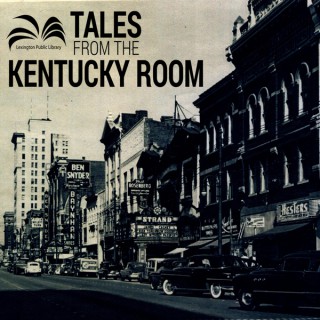
Beloved local historian, Yvonne Giles, sits down with Naomi, this month's guest host, to discuss her research into Lewis and Harriet Hayden and their lives in Lexington. In this double length episode, Ms. Giles tells us about the Hayden's well-planned escape from slavery in Lexington, how they made it to Boston, and Lewis Hayden's work as an abolitionist. She also tells us about her work with the Lexington Freedom Train project, and Friends Toward Freedom, which seeks to highlight Lexington's enslaved persons and their paths to freedom on Kentucky's Underground Railroad.Ms. Giles was one of the first in our community to call attention to a lack of local Black history research and education. Her work in local history is so well known that in 2019 the University of Kentucky awarded her an honorary Doctorate of Humane Letters. Since 2021, the Blue Grass Trust has annually bestowed the Yvonne Giles Award acknowledging contributions to local African American history research. Ms. Giles' many endeavors have included promoting the celebration of Juneteenth in Lexington. Last year's Juneteenth celebration included the unveiling of a statue titled “Towards Freedom,” which is the first phase of a monument dedicated to Lewis and Harriet Hayden, and work has begun on the second phase of the park as of September 2026.

Willie talks with Christopher Smitherman about how the Democrats are having to change their message or risk losing black voters. Also Kevin Jackson explains how aligning with Islam may push African Americans away from the Democratic party. Finally Steve Milloy breaks down why data centers are important.See omnystudio.com/listener for privacy information.
Sitting in a doctor's office trying to understand “medicalese” is really frustrating. Suzanne Makarem found forty women who switched to nontraditional medical professionals after years of feeling unheard by their doctors. Many of them now only see their traditional doctors for blood tests, vaccines and annual check ups. Plus: The United States and New Zealand are the only countries that allow pharmaceutical companies to advertise directly to consumers. So ever since the late 90s, American cable stations are littered with direct-to-consumer drug ads that urge people to ask their doctor today if a certain drug is right for them. Staci Defibaugh says that these ads are not just promoting drugs to patients. They're showing people how to be an “activated patient.” Later in the show: It's baffling to think that by and large, African-American men have a shorter life expectancy than most other groups of people in America. There are many factors involved in that. But Alton Coleman says that being perceived as a threat in public spaces plays a huge role. And: There are many barriers to accessing good healthcare in Appalachia. Troy Makal was shocked to find that the greatest barrier wasn't transportation, money or insurance, but a fundamental distrust in medical providers.

NMAAHC is celebrating its 10th anniversary and to commemorate the decade, the museum will host a number of events under the theme “The Reunion: Welcome Home Our Legacy Continues.”
In this special encore edition of Another View, we revisit our conversation from the American Revolution Museum in Yorktown. Historians Christy Coleman and Dr. Cassandra Newby-Alexander share the little-known facts about the contributions of Blacks in the fight for freedom during this Another View history lesson and answer questions from our audience.
In A Matter of Complexion: The Life and Fictions of Charles W. Chesnutt (St. Martin's Press, 2025), Tess Chakkalakal gives readers the first comprehensive biography of Charles W. Chesnutt. A complex and talented man, Chesnutt was born in 1858 in Cleveland to parents who were considered “mixed race.” He spent his early life in North Carolina after the Civil War. Though light-skinned, Chesnutt remained a member of the black community throughout his life. He studied among students at the State Colored Normal School who were formerly enslaved. He became a teacher in rural North Carolina during Reconstruction. His life in the South of those years, the issue of race, and how he himself identified as Black informed much of his later writing. He went on to become the first Black writer whose stories appeared in The Atlantic Monthly and whose books were published by Houghton Mifflin. Through his literary work, as a writer, critic, and speaker, Chesnutt transformed the publishing world by crossing racial barriers that divided black writers from white and seamlessly including both Black and white characters in his writing. In A Matter of Complexion, Chakkalakal pens the biography of a poor teacher raised in rural North Carolina during Reconstruction who became the first professional African American writer to break into the all-white literary establishment and win admirers as diverse as William Dean Howells, Booker T. Washington, Ida B. Wells, and Lorraine Hansberry.Tess Chakkalakal, PhD, teaches African-American and American Literature at Bowdoin College. She is the author of Novel Bondage: Slavery, Marriage, and Freedom in Nineteenth-Century America and co-editor of Jim Crow, Literature, and the Legacy of Sutton E. Griggs and Imperium in Imperio: A Critical Edition. Hosted by: Raymond Williams, PhD, is a political scientist, blogger, and book club administrator with an interest in American history, biographies, and politics. You can find Raymond at Ballasts for the Mind, Instagram, and Threads. Hosted by Simplecast, an AdsWizz company. See pcm.adswizz.com for information about our collection and use of personal data for advertising.

Tony starts the final hour of the show talking about a Philadelphia teacher admitting to lying about being Palestinian and African American.See omnystudio.com/listener for privacy information.
Hour 1 Segment 1 Tony starts the first hour of the show talking about Iranian President Masoud Pezeshkian speaking at the United Nations General Assembly. Hour 1 Segment 2 Tony talks about Stanford University using AI to race and gender swap their students for ads. Hour 1 Segment 3 Tony talks about a possible export ban on diesel. Tony also talks about Alexandria Ocasio-Cortez weighing a 2028 presidential run over replacing Chuck Schumer. Hour 1 Segment 4 Tony wraps up the first hour of the show talking about a measles outbreak at the Philadelphia airport. Hour 2 Segment 1 Tony starts the second hour of the show talking about Marco Rubio’s press conference before he leaves for New York. Tony later talks about polling about how leftists think of President Donald Trump. Hour 2 Segment 2 Tony talks about Chinese President Xi Jinping arriving soon in Washington D.C. Hour 2 Segment 3 Tony gets into three more things: Republicans calling for an investigation of Donald Trump Jr., Massachusetts Governor Maura Healey saying all new parents will get home assessments from the state, and Hard Mountain Dew offering a $1M bounty to anyone who can prove Bigfoot is real. Hour 2 Segment 4 Tony wraps up the second hour of the show talking about the Trump administration removing 760K Obamacare enrollments due to fraud allegations. Hour 3 Segment 1 Tony starts the final hour of the show talking about a Philadelphia teacher admitting to lying about being Palestinian and African American. Hour 3 Segment 2 Tony talks about Kamala Harris campaigning with Abdul El-Sayed in Michigan and potentially teasing a 2028 election run. Hour 3 Segment 3 Tony talks more about Iranian President Masoud Pezeshkian speaking at the United Nations General Assembly. Hour 3 Segment 4 Tony wraps up another edition of the show talking about the media not making any more rounds of President Donald Trump offering $5K if the Republicans win the midterms. See omnystudio.com/listener for privacy information.
Hour 3 Segment 1 Tony starts the final hour of the show talking about a Philadelphia teacher admitting to lying about being Palestinian and African American. Hour 3 Segment 2 Tony talks about Kamala Harris campaigning with Abdul El-Sayed in Michigan and potentially teasing a 2028 election run. Hour 3 Segment 3 Tony talks more about Iranian President Masoud Pezeshkian speaking at the United Nations General Assembly. Hour 3 Segment 4 Tony wraps up another edition of the show talking about the media not making any more rounds of President Donald Trump offering $5K if the Republicans win the midterms. See omnystudio.com/listener for privacy information.
In A Matter of Complexion: The Life and Fictions of Charles W. Chesnutt (St. Martin's Press, 2025), Tess Chakkalakal gives readers the first comprehensive biography of Charles W. Chesnutt. A complex and talented man, Chesnutt was born in 1858 in Cleveland to parents who were considered “mixed race.” He spent his early life in North Carolina after the Civil War. Though light-skinned, Chesnutt remained a member of the black community throughout his life. He studied among students at the State Colored Normal School who were formerly enslaved. He became a teacher in rural North Carolina during Reconstruction. His life in the South of those years, the issue of race, and how he himself identified as Black informed much of his later writing. He went on to become the first Black writer whose stories appeared in The Atlantic Monthly and whose books were published by Houghton Mifflin. Through his literary work, as a writer, critic, and speaker, Chesnutt transformed the publishing world by crossing racial barriers that divided black writers from white and seamlessly including both Black and white characters in his writing. In A Matter of Complexion, Chakkalakal pens the biography of a poor teacher raised in rural North Carolina during Reconstruction who became the first professional African American writer to break into the all-white literary establishment and win admirers as diverse as William Dean Howells, Booker T. Washington, Ida B. Wells, and Lorraine Hansberry.Tess Chakkalakal, PhD, teaches African-American and American Literature at Bowdoin College. She is the author of Novel Bondage: Slavery, Marriage, and Freedom in Nineteenth-Century America and co-editor of Jim Crow, Literature, and the Legacy of Sutton E. Griggs and Imperium in Imperio: A Critical Edition. Hosted by: Raymond Williams, PhD, is a political scientist, blogger, and book club administrator with an interest in American history, biographies, and politics. You can find Raymond at Ballasts for the Mind, Instagram, and Threads. Hosted by Simplecast, an AdsWizz company. See pcm.adswizz.com for information about our collection and use of personal data for advertising.
In A Matter of Complexion: The Life and Fictions of Charles W. Chesnutt (St. Martin's Press, 2025), Tess Chakkalakal gives readers the first comprehensive biography of Charles W. Chesnutt. A complex and talented man, Chesnutt was born in 1858 in Cleveland to parents who were considered “mixed race.” He spent his early life in North Carolina after the Civil War. Though light-skinned, Chesnutt remained a member of the black community throughout his life. He studied among students at the State Colored Normal School who were formerly enslaved. He became a teacher in rural North Carolina during Reconstruction. His life in the South of those years, the issue of race, and how he himself identified as Black informed much of his later writing. He went on to become the first Black writer whose stories appeared in The Atlantic Monthly and whose books were published by Houghton Mifflin. Through his literary work, as a writer, critic, and speaker, Chesnutt transformed the publishing world by crossing racial barriers that divided black writers from white and seamlessly including both Black and white characters in his writing. In A Matter of Complexion, Chakkalakal pens the biography of a poor teacher raised in rural North Carolina during Reconstruction who became the first professional African American writer to break into the all-white literary establishment and win admirers as diverse as William Dean Howells, Booker T. Washington, Ida B. Wells, and Lorraine Hansberry.Tess Chakkalakal, PhD, teaches African-American and American Literature at Bowdoin College. She is the author of Novel Bondage: Slavery, Marriage, and Freedom in Nineteenth-Century America and co-editor of Jim Crow, Literature, and the Legacy of Sutton E. Griggs and Imperium in Imperio: A Critical Edition. Hosted by: Raymond Williams, PhD, is a political scientist, blogger, and book club administrator with an interest in American history, biographies, and politics. You can find Raymond at Ballasts for the Mind, Instagram, and Threads. Hosted by Simplecast, an AdsWizz company. See pcm.adswizz.com for information about our collection and use of personal data for advertising.
In A Matter of Complexion: The Life and Fictions of Charles W. Chesnutt (St. Martin's Press, 2025), Tess Chakkalakal gives readers the first comprehensive biography of Charles W. Chesnutt. A complex and talented man, Chesnutt was born in 1858 in Cleveland to parents who were considered “mixed race.” He spent his early life in North Carolina after the Civil War. Though light-skinned, Chesnutt remained a member of the black community throughout his life. He studied among students at the State Colored Normal School who were formerly enslaved. He became a teacher in rural North Carolina during Reconstruction. His life in the South of those years, the issue of race, and how he himself identified as Black informed much of his later writing. He went on to become the first Black writer whose stories appeared in The Atlantic Monthly and whose books were published by Houghton Mifflin. Through his literary work, as a writer, critic, and speaker, Chesnutt transformed the publishing world by crossing racial barriers that divided black writers from white and seamlessly including both Black and white characters in his writing. In A Matter of Complexion, Chakkalakal pens the biography of a poor teacher raised in rural North Carolina during Reconstruction who became the first professional African American writer to break into the all-white literary establishment and win admirers as diverse as William Dean Howells, Booker T. Washington, Ida B. Wells, and Lorraine Hansberry.Tess Chakkalakal, PhD, teaches African-American and American Literature at Bowdoin College. She is the author of Novel Bondage: Slavery, Marriage, and Freedom in Nineteenth-Century America and co-editor of Jim Crow, Literature, and the Legacy of Sutton E. Griggs and Imperium in Imperio: A Critical Edition. Hosted by: Raymond Williams, PhD, is a political scientist, blogger, and book club administrator with an interest in American history, biographies, and politics. You can find Raymond at Ballasts for the Mind, Instagram, and Threads. Hosted by Simplecast, an AdsWizz company. See pcm.adswizz.com for information about our collection and use of personal data for advertising.

1941 PEARL HARBORCONTENTS THE JOHN BATCHELOR SHOW, 9-21-26.Examining Houthi Resilience And Arabian HistoryEdmund Fitton-Brown analyzes the escalating offensive by Houthi forces as they push to control the Yemen highlands. President Trump reportedly halted planned American airstrikes while Houthis targeted Riyadh and threatened key Saudi Arabian infrastructure. Fitton-Brown emphasizes that the Houthis represent a Zaydi revivalist movement with revolutionary ambitions extending from Mecca to Hormuz. Their expansion presents an existential threat to Saudi Arabia, which remains vulnerable due to deep internal divisions among anti-Houthi coalition partners and the withdrawal of Emirati forces. Furthermore, historical precedents highlight North Yemen's longstanding resistance to external domination, while security concerns continue to grow across the entire region. (1)Honoring Pearl Harbor Hero Doris MillerTom Modly discusses his decision as Acting Secretary of the Navy to name a Gerald R. Ford-class supercarrier after Doris Miller, a Pearl Harbor hero. During the 1941 attack, Miller, an untrained African American messman serving in a segregated Navy, heroically operated a machine gun to defend his ship. Awarded the Navy Cross, Miller later died in combat in 1943 aboard the USS Liscome Bay. Modly emphasizes the importance of preserving Miller's enduring example for future sailors. He expresses deep concern over recent rumors suggesting a potential renaming of the vessel by naval authorities in the coming months ahead. (2)Analyzing Public Discontent Within Regime IranJanatyn Sayeh and Edmund Fitton-Brown examine the internal state of Iran amidst ongoing public discontent and economic hardship. Sayeh notes that state-sponsored rallies rely on a small regime support base, often utilizing basic incentives to bus participants into Tehran. Despite severe repression, daily demonstrations persist across multiple societal sectors, including workers, students, and retirees. Severe economic degradation, power grid failures, high unemployment, and inflation continue to fuel widespread resentment against the government. As President Pezeshkian addresses the United Nations, the regime struggles to project control while facing an increasingly alienated and frustrated population across the entire nation. (3)Investigating Rumors Surrounding Xi Jinping's HealthBill Gertz, co-host Gordon Chang: Gertz and Chang discuss intense speculation regarding Chinese leader Xi Jinping's health following unusual behavior at the BRICS summit in New Delhi. Reports indicate Xi grimaced during sessions, missed a major banquet, and prompted rumors of medical treatment at Hospital 301 in Beijing. Chang notes that senior leadership health remains strictly guarded, with periodic disappearances historically used to gauge political loyalty. The uncertainty unfolds shortly before a planned high-stakes summit in Washington between Xi and President Trump. Discussions are expected to cover trade truce extensions, artificial intelligence, rare earth minerals, and ongoing cross-strait tensions regarding Taiwan. (4)Evaluating Economic Challenges Facing Modern ChinaAndrew Collier, co-host Gordon Chang: Collier and Chang evaluate China's economic headwinds ahead of an upcoming bilateral summit between President Trump and Xi Jinping. Collier highlights China's slowing economy, growing isolationism, exit bans, and severe youth unemployment officially reported above nineteen percent. Describing China as an I-shaped economy where technology dominates while broader consumer sectors struggle, Collier notes that economic recovery faces significant hurdles. Both analysts express skepticism about major breakthroughs from the Trump-Xi meeting. Meanwhile, impending European Union tariff threats against Chinese electric vehicle exports pose a far greater long-term risk to Beijing's primary economic export engine moving forward. (5)Global Conflict Disruption And Geopolitical InstabilityColonel Jeff McCausland analyzes multifaceted geopolitical crises spanning the Middle East and Eastern Europe. In Yemen, expanding Houthi strikes against critical shipping lanes and Saudi oil infrastructure threaten global energy supplies while complicating United States regional security commitments. McCausland also examines internal political turmoil in Israel surrounding Prime Minister Netanyahu ahead of upcoming elections. Regarding the war in Ukraine, he highlights Russian parliamentary elections that solidified Putin's political dominance. He warns that Moscow continues a persistent hybrid warfare campaign against NATO nations while negotiations over Ukrainian sovereignty remain deeply contentious among key global stakeholders. (6)Humanitarian Crisis And Houthi Regional ExpansionBridget Toomey and Edmund Fitton-Brown assess the expanding Houthi offensive in Yemen and its severe humanitarian ramifications. Toomey outlines how Houthi movements toward Taiz and Marib aim to isolate Aden and force Saudi Arabia into political concessions. Over one hundred thousand civilians have been displaced along Yemen's west coast due to ongoing fighting, worsening an already desperate economic crisis. Toomey cautions that American diplomatic strategy regarding the Houthis remains shortsighted, warning that temporary reassurances mask long-term hostile ambitions. She also criticizes Oman's role, arguing it acts as a Houthi enabler rather than a neutral negotiator in regional peace talks. (7)rForeign Influence And Syrian Military RearmamentAhmad Sharawi and Edmund Fitton-Brown discuss the rearming of Syria under President Ahmed al-Sharaafollowing the fall of the Assad regime. Sharawi details how the Syrian military increasingly relies on foreign jihadists, Turkish-backed militias, and integrated veteran fighters to consolidate its armed forces. While Turkey exerts significant command influence, Syria also maintains vital economic and military ties with Russia. Sharawi highlights growing friction between Turkey and Israel, noting Israeli airstrikes against strategic facilities to enforce red lines. The United States continues diplomatic efforts to prevent direct conflict between Turkey and Israel within Syria's complex and volatile post-war environment. (8)Venezuelan Political Transition And Brazilian CorruptionErnesto Araújo and Alejandro Peña Esclusa address political instability in Venezuela and judicial corruption in Brazil. Peña Esclusa criticizes the illegitimate interim presidency of Delcy Rodríguez and opposes transferring Venezuelan gold reserves from London to New York without democratic oversight. He emphasizes that opposition leader María Corina Machado faces grave danger if she returns home, urging a clear election timeline for a transparent transition. Meanwhile, Araújo details major corruption scandals surrounding Brazilian Supreme Court Justice Alexandre de Moraes. Both guests reflect on historical colonial legacies affecting Latin American sovereignty and broader Western Hemisphere diplomatic alignment. (9)

General CQ Brown, Jr. is a retired four-star general who served as the 21st Chairman of the Joint Chiefs of Staff, the highest-ranking officer in the United States military. General Brown previously served as Chief of Staff of the Air Force, becoming the first African American to lead a branch of the United States Armed Forces. General Brown joins Adam to share his journey and his best lessons and advice. General Brown and Adam discuss leadership, career success, approachability and relatability, crisis management, innovation, trust, and much more.

Low-fertility alarmism is rampant in many countries. Who is and isn't encouraged to reproduce has always been a question of power in the US. Legal scholar Michele Goodwin traces a disturbing lineage from the forced breeding of enslaved women and the sterilization of primarily poor white women deemed genetically unfit to the very different reproductive choices available to women on the basis of race and class. She reveals how reproductive rights in the Roe era came to focus on abortion rights and failed to address broader reproductive injustices, especially the use of state power to police the wombs of Black and brown women. Highlights include: How Michele's visits to her relatives in the Deep South of the US in the 1970s, and seeing their lack of basic necessities like clean water or indoor plumbing, heightened her desire to address social injustice; How US pronatalism up until the Civil War was characterized by promoting reproduction of the enslaved girls and women for the sake of increasing the value of property; How the practice of 'hypodescent', or the one drop rule, in the US of determining blackness, allowed for the systematic and ongoing rape of Black women, while guaranteeing all their children remain property as slaves; How following the US Civil War, a fear of newly freed African Americans outnumbering the white population led to the implementation of coercive pronatalist policies pushing reproduction among white women; Why, with restrictive Jim Crow laws that maintained the low status of African Americans as the servant class, early 20th century eugenics, as marked by forced sterilization laws in the majority of US states, was primarily directed at poor white people deemed genetically unfit; How both Jim Crow laws and eugenics practices in the US became the primary models for Nazi Germany; How Michele's travels to India revealed the severe limitations on reproductive freedom of young women, with many resorting to becoming child brides, prostitutes, or gestational surrogates for survival; How Black women's pregnancies during the half century of Roe V. Wade abortion legality were marked by policing of low-birth weight babies and an assumption of drug use; whereas the mostly white IVF pregnancies and their offspring's low-birth weights were given broad cultural support; How the reproductive rights movement in the time of Roe became limited to abortion rights, driven primarily by the needs of white women, while ignoring larger issues plaguing Black women, such as lack of availability of sex education, contraception, and cancer screening. See episode website for show notes, links, and transcript: https://www.populationbalance.org/podcast/michele-goodwin OVERSHOOT | Shrink Toward Abundance OVERSHOOT tackles today's interlocked social and ecological crises driven by humanity's excessive population and consumption. The podcast explores needed narrative, behavioral, and system shifts for recreating human life in balance with all life on Earth. With expert guests from wide-ranging disciplines, we examine the forces underlying overshoot: from patriarchal pronatalism that is fueling overpopulation, to growth-biased economic systems that lead to consumerism and social injustice, to the dominant worldview of human supremacy that subjugates animals and nature. Our vision of shrinking toward abundance inspires us to seek pathways of transformation that go beyond technological fixes toward a new humanity that honors our interconnectedness with all beings. Hosted by Nandita Bajaj and Alan Ware. Brought to you by Population Balance. Subscribe to our newsletter here: https://www.populationbalance.org/subscribe Support our work with a one-time or monthly donation: https://www.populationbalance.org/donate Learn more at https://www.populationbalance.org Copyright 2016-2026 Population Balance

Bob refers to himself as “just a retired former journalist, freelance writer and communications guy.” However, Mr. Gatty started blogging about politics in 2017, and now, thousands of blogs later, he has followers all over the world. He cut his journalistic legs while working with the Pittsburgh Courier, an African American weekly. In time, he worked at a number of PA papers, eventually leading him to be named ‘bureau chief' at the state capital bureau in Trenton, NJ, In time, Bob spent years working in politics in Washington including becoming chief of staff for Rep. James J. Florio (D), who later became governor of New Jersey. He retired in 2016 after running a successful political media consulting business “G-NET Strategic Communications” in the DC area. My guest is in awe of his mother and is adamant about all the good his mom taught him especially her advice about never giving up on his dreams. Neither Bob nor his mom attended college, yet she was insistent that he keep after his journalism career. "She burned it into my sole, that if I wanted to accomplish anything in life, I couldn't quit, I had to go after it despite the odds." WEBSITE: https://www.leantotheleft.net/about link to Bob'sBio (from the Lean to the Left website):https://www.leantotheleft.net/about Facebook: https://www.facebook.com/bob.gatty and https://www.facebook.com/notfakenews.2 Twitter: @leantotheleft.1 Instagram: bobgatty_leantotheleft TikTok: leantotheleft LinkedIn: https://www.linkedin.com/in/bobgatty/ "Should Have Listened To My Mother" is an ongoing conversation about mothers/female role models and the roles they play in our lives. Jackie's guests are open and honest and answer the question, are you who you are today because of, or in spite of, your mother and so much more. You'll be amazed at what the responses are.Gina Kunadian wrote this 5 Star review on Apple Podcast:SHLTMM TESTIMONIAL GINA KUNADIAN JUNE 18, 2024“A Heartfelt and Insightful Exploration of Maternal Love”Jackie Tantillo's “Should Have Listened To My Mother” Podcast is a treasure and it's clear why it's a 2023 People's Choice Podcast Award Nominee. This show delves into the profound impact mother and maternal role models have on our lives through personal stories and reflections.Each episode offers a chance to learn how different individuals have been shaped by their mothers' actions and words. Jackie skillfully guides these conversations, revealing why guests with similar backgrounds have forged different paths.This podcast is a collection of timeless stories that highlight the powerful role of maternal figures in our society. Whether your mother influenced you positively or you thrived despite challenges, this show resonates deeply.I highly recommend “Should Have Listened To My Mother” Podcast for its insightful, heartfelt and enriching content.Gina Kunadian"Should Have Listened To My Mother" would not be possible without the generosity, sincerity and insight from my guests. In 2018/2019, in getting ready to launch my podcast, so many were willing to give their time and share their personal stories of their relationship with their mother, for better or worse and what they learned from that maternal relationship. Some of my guests include Nationally and Internationally recognized authors, Journalists, Columbia University Professors, Health Practitioners, Scientists, Artists, Attorneys, Baritone Singer, Pulitzer Prize Winning Journalist, Activists, Freighter Sea Captain, Film Production Manager, Professor of Writing Montclair State University, Attorney and family advocate @CUNY Law; NYC First Responder/NYC Firefighter, Child and Adult Special Needs Activist, Property Manager, Chefs, Self Help Advocates, therapists and so many more talented and insightful women and men.Jackie has worked in the broadcasting industry for over four decades. She has interviewed many fascinating people including musicians, celebrities, authors, activists, entrepreneurs, politicians and more.A big thank you goes to Ricky Soto, NYC based Graphic Designer, who created the logo for "Should Have Listened To My Mother".MORE INFORMATION ABOUT SHLTMM PODCAST:Link to website and show notes: https://shltmm.simplecast.com/ and https://www.jackietantillo.com/Or more demos of what's to come at https://soundcloud.com/jackie-tantillo Listen wherever you find podcasts: https://www.facebook.com/ShouldHaveListenedToMyMotherhttps://www.facebook.com/jackietantilloInstagram:https://www.instagram.com/shouldhavelistenedtomymother/https://www.instagram.com/jackietantillo7/LinkedIn:https://www.linkedin.com/in/jackie-tantillo/YOUTUBE: https://www.youtube.com/@ShouldHaveListenedToMyMother

“Democracies don't die silently, sleepwalking. Democracies die by going through periods of pretty serious political violence.” — Robert Pape Forget all the long-term civil war scenarios of everyone from Kurt Andersen to Stephen Marche. Today's guest Robert Pape has spent the last thirty years at the University of Chicago studying political violence, and his warning is about the next six weeks rather than the next ten years. In his new book, Our Own Worst Enemies, Pape argues that tens of millions of Americans, on both left and right, now support political violence. When it comes to an American age of violent populism, his comparison is 1968 rather than 1861. What produced that era of assassinations, violent protest, and state violence, Pape argues, was rapid social change outpacing the political system. Back then, it was fueled by the gap between the Great Migration of African-Americans and the absence of political representation, and a military draft falling hardest on the unrepresented. And it only ended in the early Seventies, with the end of the draft in 1973 and the arrival of Black mayors and the Congressional Black Caucus. Today, rapid social change is once again outpacing the political and economic system. On the one hand, America is a country moving from white-majority to white-minority — with its non-Hispanic white population dropping from 76% in 1990 to 57% today. On the other, America is experiencing a dramatic economic transformation that has moved something like a tenth of American wealth from the bottom 90% to the top 1%. The details of Pape's observations are unsettling. Only one in ten of the 1,575 people prosecuted for the January 6 insurrection belonged to a militia, with 45% being doctors, lawyers, CEOs or government employees. While five to seven per cent of the George Floyd protests turned violent. But social media, he insists, is the gasoline, not the fire, of this crisis. So at least we can't blame the internet for everything. Pape does, however, offer a couple of glimmers of hope. Firstly, he reminds us that 70% of Americans still abhor political violence. Secondly, he notes that all gaps eventually close, and that we should expect American government to eventually address economic inequality. But that won't happen before the November 2026 midterms which, he warns, might be a return of the political violence of 1968. Five Takeaways • Democracies Don't Sleepwalk. Pape's opening correction: the danger isn't a civil war five or ten years out, it's the next few months. Democracies don't die silently — they die through periods of serious political violence, and America is in one now. He calls it the era of violent populism, and what makes it different from the familiar extremism of recent decades is that political violence has moved from the fringe to the mainstream: tens of millions of Americans on both sides of the aisle now support it. His image is a layer cake — bottom-up violence from the left in the George Floyd protests, bottom-up violence from the right on January 6, and violence by the state, with a whole chapter on ICE and the two protesters killed in Minneapolis. Conversations about this era usually seize on one layer as though it were the whole thing. And the state violence isn't a few rogue agents: tens of millions of Americans support the president using force against Democratic protesters.• The 1960s Rhyme. Not since the 1960s, Pape says, has political violence run this high — and that decade is the book's best evidence, because it both began and ended. The late sixties brought assassinations (King, Robert Kennedy), hundreds of Black riots across five years, anti-war violence and the Weather Underground's twenty bombings; Gallup surveys from the period, which Pape has collected, show millions supported it. Two social changes drove it: the Great Migration, the largest internal population movement in American history, which delivered Black populations to northern cities without political representation — by the mid-sixties Chicago had no Black mayor and two Black aldermen, the context for Malcolm X's “The Ballot or the Bullet” — and Vietnam, where the draft fell hardest on those same unrepresented Americans. And it ended when the gap closed: the draft was abolished in 1973, the Congressional Black Caucus formed, and Black mayors took office in Atlanta, Detroit and elsewhere.• Two Social Changes. The present era began about ten years ago, and rests on two shifts. First, demography: America is moving from a white-majority to a white-minority democracy. It was 76% non-Hispanic white in 1990 and is 57% today, and the tipping point was 2012, the first year most children born were not non-Hispanic white — which is Pape's answer to why this didn't erupt under Obama, along with an immigration policy he rates the best of any modern president: keep it going, keep it moderate, deport the worst of the worst. Second, wealth: since the late 1980s roughly a tenth of American wealth has moved from the bottom 90% to the top 1%, producing what he calls a negative-sum society in which even a household on $100,000 loses ground year by year. Put the two together and you get the poisonous cocktail. Andrew's challenge — what about the internet? — got a flat answer: social media is gasoline on a fire, not the fire. The average January 6 defendant was 42, not 22.• Not the Proud Boys. The book's most counterintuitive finding, drawn from research teams reading all 100,000 court documents behind the 1,575 January 6 prosecutions: only one in ten belonged to the Proud Boys, Oath Keepers or any militia — including one in ten of those who assaulted police. Who did storm the Capitol? Forty-five per cent were doctors, lawyers, CEOs, State Department employees and intelligence executives. Dentists, too, Andrew noted. And since Andrew told him the show's audience skews left, Pape supplied the other half of the ledger: five to seven per cent of the George Floyd protests turned violent — some six hundred protests across the top hundred cities, out of 28 million people — with looting and smash-and-grabs tracked separately; and the post-October 7 campus protests, which hit nearly a hundred universities and were, by his $300,000 survey of 5,000 undergraduates, about 75% from the left.• The 70%. Then the hopeful half. Against the substantial minorities who support violence stands the 70% of Americans who abhor it, and who have never been mobilized — which is why he wrote the book for the mainstream rather than for the academy. His mechanism is unglamorous: politicians respond to squeaky wheels, and right now the squeaky wheels are billionaire donors on both sides. His example of what the 70% might demand is a flat tax above $30,000 with no deductions at all — Warren Buffett would stop paying less than his cleaner. (Andrew raised his University of Chicago colleague Eric Zwick, on the show last week: tax the three million millionaires too, not just the billionaires. “He's exactly right.”) And the danger ahead is specific: the November midterms, six weeks away, with gas at $5 in Chicago after the Iran crisis, and...
1941 PEARL HARBORHonoring Pearl Harbor Hero Doris MillerTom Modly discusses his decision as Acting Secretary of the Navy to name a Gerald R. Ford-class supercarrier after Doris Miller, a Pearl Harbor hero. During the 1941 attack, Miller, an untrained African American messman serving in a segregated Navy, heroically operated a machine gun to defend his ship. Awarded the Navy Cross, Miller later died in combat in 1943 aboard the USS Liscome Bay. Modly emphasizes the importance of preserving Miller's enduring example for future sailors. He expresses deep concern over recent rumors suggesting a potential renaming of the vessel by naval authorities in the coming months ahead. (2)
Listen and subscribe to Money Making Conversations on iHeartRadio, Apple Podcasts, Spotify, www.moneymakingconversations.com/subscribe/ or wherever you listen to podcasts. New Money Making Conversations episodes drop daily. I want to alert you, so you don’t miss out on expert analysis and insider perspectives from my guests who provide tips that can help you uplift the community, improve your financial planning, motivation, or advice on how to be a successful entrepreneur. Keep winning! Two-time Emmy and Three-time NAACP Image Award-winning, television Executive Producer Rushion McDonald interviewed Attorney James Carter. The 84th President of the National Bar Association, to discuss the critical role of legal protection in business, the importance of civic engagement and voting rights, the impact of the Black legal profession, and the responsibility of leaders to mentor future generations. The conversation focused on empowering entrepreneurs, protecting communities through legal advocacy, and creating opportunities through education and service. Key Takeaways 1. Every Business Needs a Strong Legal Foundation Attorney Carter emphasized that successful entrepreneurship begins with proper legal documentation. Contracts, operating agreements, and legal compliance are not optional expenses but essential investments that protect business owners from future disputes and misunderstandings. Lesson: Handshake agreements can lead to costly problems. Written agreements establish expectations and provide protection when challenges arise. 2. AI Is a Tool, Not a Substitute for Legal Expertise While artificial intelligence can help people begin researching legal matters, Carter warned against relying on AI as a final authority. He noted that AI systems can produce inaccurate information and that even attorneys have faced professional consequences for depending too heavily on AI-generated content. Lesson: Use technology to gather information, but rely on qualified professionals when making important legal decisions. 3. The National Bar Association Exists to Protect Rights and Advance Justice Carter discussed the long history and mission of the National Bar Association, which was founded in 1925 to advocate for African American attorneys and communities. He highlighted its role in significant civil rights efforts and its continued commitment to advancing freedom, justice, and equality. Lesson: Legal advocacy remains essential in protecting civil rights and ensuring equal access to opportunities. 4. Voting Is a Responsibility, Not Just a Right One of Carter's major priorities as NBA president is election protection. He described efforts to educate voters, provide resources, and help people overcome barriers to voting. He stressed that many people sacrificed greatly to secure voting rights, making civic participation a responsibility that should not be taken for granted. Lesson: Voting is one of the most powerful ways individuals can influence their communities and future generations. 5. Reputation Matters More Than Advertising Discussing legal advertising, Carter advised consumers to look beyond marketing campaigns and evaluate attorneys based on experience, qualifications, and proven results. Lesson: Whether choosing an attorney or any professional service provider, conduct research and evaluate credibility before making a decision. 6. Black Lawyers Play a Critical Role in Social Progress Carter emphasized the historic and ongoing contributions of Black attorneys in advancing civil rights, protecting communities, and shaping American society. He encouraged greater recognition of the profession's impact and the importance of supporting diverse legal representation. Lesson: Representation matters, and strong legal advocates continue to help create pathways to justice and opportunity. 7. Mentorship Should Be a Lifestyle One of the most inspiring parts of the conversation centered on mentorship. Carter shared lessons from his mentor and encouraged professionals to practice what he called "simple service" by consistently guiding, encouraging, and creating opportunities for younger generations. Lesson: Success is not just about personal achievement but also about helping others access opportunities and reach their potential. Memorable Quotes On Contracts and Business Agreements "It's a mutual document of distrust." On Written Agreements "Oftentimes when it comes down to money, in the end, folks get amnesia." On Artificial Intelligence "It's a good guide to help you start the process, but it is not the best guide to end the process." On the Mission of the National Bar Association "America lives its creed of freedom, justice and equality." On Civic Engagement "When we have the opportunity and the ability to rest upon the struggles of our ancestors who fought, bled and died, and you don't vote, that is very, very frustrating." On Mentorship "It should be a way of life for all of us to grab some young person." On Giving Back "Practice the living prayer." On Community Service "Simple service. Just simple service." Final Thoughts Attorney James Carter's interview was a powerful reminder that success requires preparation, protection, participation, and purpose. From establishing a legally sound business to exercising the right to vote and mentoring the next generation, Carter reinforced that leadership is about more than personal achievement. His message was clear: build strong foundations, stay engaged in your community, protect your rights, and create pathways for others to succeed. Those actions ultimately strengthen businesses, families, and communities while helping everyone continue to Keep Winning. #STRAW #BEST #SHMS Money Making Conversations Master Class with Rushion McDonald is America's premier entrepreneurship, business leadership, financial literacy, and wealth-building podcast featuring successful entrepreneurs, executives, founders, celebrities, and industry experts sharing actionable insights for professional and financial success. Business Podcast Entrepreneurship Small Business Business Growth Financial Literacy Wealth Building Black Entrepreneurs Minority Business Leadership Executive Leadership Business Funding Marketing Strategies Personal Development Startup Advice Sales Training CEO Interviews Founder Stories Professional Development Economic Empowerment Business Success Networking Brand Building Innovation How to start a business Small business funding Entrepreneur success stories Business leadership podcast Wealth building strategies Black entrepreneur podcast Minority business development Marketing for small businesses Business growth strategies Startup funding opportunities Executive leadership training Financial literacy education Success mindset podcastSupport the show: https://www.steveharveyfm.com/See omnystudio.com/listener for privacy information.
Listen and subscribe to Money Making Conversations on iHeartRadio, Apple Podcasts, Spotify, www.moneymakingconversations.com/subscribe/ or wherever you listen to podcasts. New Money Making Conversations episodes drop daily. I want to alert you, so you don’t miss out on expert analysis and insider perspectives from my guests who provide tips that can help you uplift the community, improve your financial planning, motivation, or advice on how to be a successful entrepreneur. Keep winning! Two-time Emmy and Three-time NAACP Image Award-winning, television Executive Producer Rushion McDonald interviewed Attorney James Carter. The 84th President of the National Bar Association, to discuss the critical role of legal protection in business, the importance of civic engagement and voting rights, the impact of the Black legal profession, and the responsibility of leaders to mentor future generations. The conversation focused on empowering entrepreneurs, protecting communities through legal advocacy, and creating opportunities through education and service. Key Takeaways 1. Every Business Needs a Strong Legal Foundation Attorney Carter emphasized that successful entrepreneurship begins with proper legal documentation. Contracts, operating agreements, and legal compliance are not optional expenses but essential investments that protect business owners from future disputes and misunderstandings. Lesson: Handshake agreements can lead to costly problems. Written agreements establish expectations and provide protection when challenges arise. 2. AI Is a Tool, Not a Substitute for Legal Expertise While artificial intelligence can help people begin researching legal matters, Carter warned against relying on AI as a final authority. He noted that AI systems can produce inaccurate information and that even attorneys have faced professional consequences for depending too heavily on AI-generated content. Lesson: Use technology to gather information, but rely on qualified professionals when making important legal decisions. 3. The National Bar Association Exists to Protect Rights and Advance Justice Carter discussed the long history and mission of the National Bar Association, which was founded in 1925 to advocate for African American attorneys and communities. He highlighted its role in significant civil rights efforts and its continued commitment to advancing freedom, justice, and equality. Lesson: Legal advocacy remains essential in protecting civil rights and ensuring equal access to opportunities. 4. Voting Is a Responsibility, Not Just a Right One of Carter's major priorities as NBA president is election protection. He described efforts to educate voters, provide resources, and help people overcome barriers to voting. He stressed that many people sacrificed greatly to secure voting rights, making civic participation a responsibility that should not be taken for granted. Lesson: Voting is one of the most powerful ways individuals can influence their communities and future generations. 5. Reputation Matters More Than Advertising Discussing legal advertising, Carter advised consumers to look beyond marketing campaigns and evaluate attorneys based on experience, qualifications, and proven results. Lesson: Whether choosing an attorney or any professional service provider, conduct research and evaluate credibility before making a decision. 6. Black Lawyers Play a Critical Role in Social Progress Carter emphasized the historic and ongoing contributions of Black attorneys in advancing civil rights, protecting communities, and shaping American society. He encouraged greater recognition of the profession's impact and the importance of supporting diverse legal representation. Lesson: Representation matters, and strong legal advocates continue to help create pathways to justice and opportunity. 7. Mentorship Should Be a Lifestyle One of the most inspiring parts of the conversation centered on mentorship. Carter shared lessons from his mentor and encouraged professionals to practice what he called "simple service" by consistently guiding, encouraging, and creating opportunities for younger generations. Lesson: Success is not just about personal achievement but also about helping others access opportunities and reach their potential. Memorable Quotes On Contracts and Business Agreements "It's a mutual document of distrust." On Written Agreements "Oftentimes when it comes down to money, in the end, folks get amnesia." On Artificial Intelligence "It's a good guide to help you start the process, but it is not the best guide to end the process." On the Mission of the National Bar Association "America lives its creed of freedom, justice and equality." On Civic Engagement "When we have the opportunity and the ability to rest upon the struggles of our ancestors who fought, bled and died, and you don't vote, that is very, very frustrating." On Mentorship "It should be a way of life for all of us to grab some young person." On Giving Back "Practice the living prayer." On Community Service "Simple service. Just simple service." Final Thoughts Attorney James Carter's interview was a powerful reminder that success requires preparation, protection, participation, and purpose. From establishing a legally sound business to exercising the right to vote and mentoring the next generation, Carter reinforced that leadership is about more than personal achievement. His message was clear: build strong foundations, stay engaged in your community, protect your rights, and create pathways for others to succeed. Those actions ultimately strengthen businesses, families, and communities while helping everyone continue to Keep Winning. #STRAW #BEST #SHMS Money Making Conversations Master Class with Rushion McDonald is America's premier entrepreneurship, business leadership, financial literacy, and wealth-building podcast featuring successful entrepreneurs, executives, founders, celebrities, and industry experts sharing actionable insights for professional and financial success. Business Podcast Entrepreneurship Small Business Business Growth Financial Literacy Wealth Building Black Entrepreneurs Minority Business Leadership Executive Leadership Business Funding Marketing Strategies Personal Development Startup Advice Sales Training CEO Interviews Founder Stories Professional Development Economic Empowerment Business Success Networking Brand Building Innovation How to start a business Small business funding Entrepreneur success stories Business leadership podcast Wealth building strategies Black entrepreneur podcast Minority business development Marketing for small businesses Business growth strategies Startup funding opportunities Executive leadership training Financial literacy education Success mindset podcastSee omnystudio.com/listener for privacy information.
Listen and subscribe to Money Making Conversations on iHeartRadio, Apple Podcasts, Spotify, www.moneymakingconversations.com/subscribe/ or wherever you listen to podcasts. New Money Making Conversations episodes drop daily. I want to alert you, so you don’t miss out on expert analysis and insider perspectives from my guests who provide tips that can help you uplift the community, improve your financial planning, motivation, or advice on how to be a successful entrepreneur. Keep winning! Two-time Emmy and Three-time NAACP Image Award-winning, television Executive Producer Rushion McDonald interviewed Attorney James Carter. The 84th President of the National Bar Association, to discuss the critical role of legal protection in business, the importance of civic engagement and voting rights, the impact of the Black legal profession, and the responsibility of leaders to mentor future generations. The conversation focused on empowering entrepreneurs, protecting communities through legal advocacy, and creating opportunities through education and service. Key Takeaways 1. Every Business Needs a Strong Legal Foundation Attorney Carter emphasized that successful entrepreneurship begins with proper legal documentation. Contracts, operating agreements, and legal compliance are not optional expenses but essential investments that protect business owners from future disputes and misunderstandings. Lesson: Handshake agreements can lead to costly problems. Written agreements establish expectations and provide protection when challenges arise. 2. AI Is a Tool, Not a Substitute for Legal Expertise While artificial intelligence can help people begin researching legal matters, Carter warned against relying on AI as a final authority. He noted that AI systems can produce inaccurate information and that even attorneys have faced professional consequences for depending too heavily on AI-generated content. Lesson: Use technology to gather information, but rely on qualified professionals when making important legal decisions. 3. The National Bar Association Exists to Protect Rights and Advance Justice Carter discussed the long history and mission of the National Bar Association, which was founded in 1925 to advocate for African American attorneys and communities. He highlighted its role in significant civil rights efforts and its continued commitment to advancing freedom, justice, and equality. Lesson: Legal advocacy remains essential in protecting civil rights and ensuring equal access to opportunities. 4. Voting Is a Responsibility, Not Just a Right One of Carter's major priorities as NBA president is election protection. He described efforts to educate voters, provide resources, and help people overcome barriers to voting. He stressed that many people sacrificed greatly to secure voting rights, making civic participation a responsibility that should not be taken for granted. Lesson: Voting is one of the most powerful ways individuals can influence their communities and future generations. 5. Reputation Matters More Than Advertising Discussing legal advertising, Carter advised consumers to look beyond marketing campaigns and evaluate attorneys based on experience, qualifications, and proven results. Lesson: Whether choosing an attorney or any professional service provider, conduct research and evaluate credibility before making a decision. 6. Black Lawyers Play a Critical Role in Social Progress Carter emphasized the historic and ongoing contributions of Black attorneys in advancing civil rights, protecting communities, and shaping American society. He encouraged greater recognition of the profession's impact and the importance of supporting diverse legal representation. Lesson: Representation matters, and strong legal advocates continue to help create pathways to justice and opportunity. 7. Mentorship Should Be a Lifestyle One of the most inspiring parts of the conversation centered on mentorship. Carter shared lessons from his mentor and encouraged professionals to practice what he called "simple service" by consistently guiding, encouraging, and creating opportunities for younger generations. Lesson: Success is not just about personal achievement but also about helping others access opportunities and reach their potential. Memorable Quotes On Contracts and Business Agreements "It's a mutual document of distrust." On Written Agreements "Oftentimes when it comes down to money, in the end, folks get amnesia." On Artificial Intelligence "It's a good guide to help you start the process, but it is not the best guide to end the process." On the Mission of the National Bar Association "America lives its creed of freedom, justice and equality." On Civic Engagement "When we have the opportunity and the ability to rest upon the struggles of our ancestors who fought, bled and died, and you don't vote, that is very, very frustrating." On Mentorship "It should be a way of life for all of us to grab some young person." On Giving Back "Practice the living prayer." On Community Service "Simple service. Just simple service." Final Thoughts Attorney James Carter's interview was a powerful reminder that success requires preparation, protection, participation, and purpose. From establishing a legally sound business to exercising the right to vote and mentoring the next generation, Carter reinforced that leadership is about more than personal achievement. His message was clear: build strong foundations, stay engaged in your community, protect your rights, and create pathways for others to succeed. Those actions ultimately strengthen businesses, families, and communities while helping everyone continue to Keep Winning. #STRAW #BEST #SHMS Money Making Conversations Master Class with Rushion McDonald is America's premier entrepreneurship, business leadership, financial literacy, and wealth-building podcast featuring successful entrepreneurs, executives, founders, celebrities, and industry experts sharing actionable insights for professional and financial success. Business Podcast Entrepreneurship Small Business Business Growth Financial Literacy Wealth Building Black Entrepreneurs Minority Business Leadership Executive Leadership Business Funding Marketing Strategies Personal Development Startup Advice Sales Training CEO Interviews Founder Stories Professional Development Economic Empowerment Business Success Networking Brand Building Innovation How to start a business Small business funding Entrepreneur success stories Business leadership podcast Wealth building strategies Black entrepreneur podcast Minority business development Marketing for small businesses Business growth strategies Startup funding opportunities Executive leadership training Financial literacy education Success mindset podcastSteve Harvey Morning Show Online: http://www.steveharveyfm.com/See omnystudio.com/listener for privacy information.

Today's guest has lived through war, incarceration, addiction, trauma, and some of the most difficult chapters of American history—and yet his life has become a powerful testament to the possibility of transformation. Greg Payton was a young African-American soldier drafted into the Vietnam War. His experience included time in a military stockade in Vietnam, where racial injustice, harsh conditions, and mounting tensions ultimately erupted into a devastating prison riot in 1968. But Greg's story did not end with the war. After returning home, he faced PTSD, addiction, homelessness, and the difficult task of finding his way back to himself. Through recovery and his connections with Vietnam Veterans Against the War and other peace activists, he discovered a new purpose. He became an international peacemaker, traveling to places including Belfast, South Africa, Bosnia, and Vietnam, standing alongside people who were working to confront violence and injustice. His memoir, Peace Warrior: How I Escaped the Prison of Anger, is not simply a story about surviving war. It is a story about what happens when a person decides that anger, pain, and the past will no longer dictate the future. Today, we'll talk about the Vietnam War, racism in the military, the hidden costs of trauma, addiction and recovery, forgiveness, and the lifelong journey from being a warrior shaped by conflict to becoming a warrior for peace.

Host Michael Azevedo's guest on this episode is award-winning documentary filmmaker, former Olympian, and Filmmakers Collaborative member Mary Mazzio. Mary's latest film, conveniently titled "Mighty Mary" has been garnering all sorts of accolades and attention since it began its run in AMC theaters across the nation on September 11. The response has been so enthusiastic that its big screen run has been extended! Narrated by Elizabeth Banks and Hugh Jackman, "Mighty Mary" chronicles an amazing group of “we eat nails for breakfast” type of women: the first all-women's sailing team to contend for the famed America's Cup, the holy grail for one of sport's most elite and exclusive racing events. This groundbreaking team was comprised of a group of world class and Olympic sailors as well as Olympic rowers and included a deaf sailor, a Native Hawaiian sailor, and the first African American sailor to ever win an America's Cup race. What had been dismissed as a publicity stunt turned into something unimaginable. In all her films, Mary Mazzio explores the concept of overcoming obstacles, whether it is a fight for social change, or issues of poverty and lack of opportunity. All of Mary's films are about ordinary people doing extraordinary things – defying expectations and challenging assumptions of what they can achieve. Making Media Now—which is available on all podcast platforms including YouTube--is sponsored by Filmmakers Collaborative, a non-profit organization dedicated to supporting media makers from across the creative spectrum. From providing fiscal sponsorship to presenting an array of informative and educational programs, Filmmakers Collaborative supports creatives at every step in their journey. About the host: www.writevoicecreative.com and https://www.linkedin.com/in/michael-azevedo/ Sound Engineer: A.J. Kierstead

Consider It Blacklit is a weekly show that highlights films, television programs, and stage productions featuring African Americans both in front of and behind the scenes. The show also explores the social issues addressed in these works and their impact on our communities. Host Kim Singleton interviews directors, writers, producers, actors, content creators, and other film, television, and theater enthusiasts. This episode highlights the organization Black Public Media. They provide support and funding for independent filmmakers. The episode guest is Denise Greene, Director of Programs.
Air Week: September 21-27, 2026 Louis Jordan, Pt. 2 – 1942-45 The “Juke In The Back” presents Part 2 of a mammoth, six-part series, featuring the most important musical figure of the 1940s, Louis Jordan. He was the most successful African-American artist of the decade, selling millions of records to both Black and White audiences. Jordan charted 57 singles between 1942 and 1951, scoring 18 #1 R&B hits and 56 top 10s. Several of his records even crossed over into the Pop Top 10, which was an almost unheard of feat at the time. Part 2 of our series picks up in 1942, right before Jordan’s first hit record, “I’m Gonna Leave You On The Outskirts Of Town,” and covers his first 5 #1 records, which began with “What’s The Use Of Getting Sober (When You’re Gonna Get Drunk Again” in 1943. The hits started as Decca assigned legendary jazz producer Milt Gabler to produce his sessions. Their first session together took place right before the Recording Ban of 1942 went into effect. During the ban, the musicians union refused to let artists record for any recording company until their royalty demands were met. This kept Jordan out of the studio for over a year. Once the ban ended in September of ’43, Jordan was back in the studio cutting hit record after hit record. It’s during this time that he became the “King Of The Jukeboxes.” So don’t miss one fantabulous Louis Jordan record on this week’s “Juke In The Back.” LISTEN BELOW
Listen and subscribe to Money Making Conversations on iHeartRadio, Apple Podcasts, Spotify, www.moneymakingconversations.com/subscribe/ or wherever you listen to podcasts. New Money Making Conversations episodes drop daily. I want to alert you, so you don’t miss out on expert analysis and insider perspectives from my guests who provide tips that can help you uplift the community, improve your financial planning, motivation, or advice on how to be a successful entrepreneur. Keep winning! Two-time Emmy and Three-time NAACP Image Award-winning television Executive Producer Rushion McDonald interviewed, Dr. Sonia Lewis. Founder and CEO of The Student Loan Doctor, LLC, an award-winning company that helps individuals navigate student loan repayment and debt management. The conversation explores America's student loan crisis, the long-term impact of educational debt, financial literacy, entrepreneurship, and Dr. Lewis's journey from higher education professional to nationally recognized business owner. At its core, the interview is both a discussion about the realities of student loan debt and an entrepreneurial success story about identifying a major problem and building a business around solving it. Purpose of the Interview The interview was designed to: Educate listeners about the student loan debt crisis. Explain how student debt affects long-term financial success. Highlight the unique challenges facing African American borrowers, particularly women. Introduce solutions and resources for student loan repayment. Share Dr. Lewis's entrepreneurial journey and business-building strategies. Encourage financial literacy and informed borrowing decisions. Key Takeaways 1. Student Loan Debt Is a Systemic Problem Dr. Lewis argues that the student loan crisis begins with the cost of higher education itself. Key points include: Student loans are one of the few major financial products available without traditional underwriting standards. New borrowers continuously enter the system, making loan forgiveness alone an incomplete solution. The problem is tied directly to the growing cost of college education. Higher education and student lending have become interconnected industries with few structural solutions. Bottom Line: The challenge is not just repayment. It is the broader system that continues producing new debt every semester. 2. Student Debt Impacts Major Life Decisions One of the strongest themes throughout the interview is how student debt affects adulthood. Dr. Lewis explains that borrowers often don't fully understand the consequences until they begin trying to: Buy a home Build credit Get married Start a family Launch a business Create long-term wealth Many borrowers discover that large student loan balances significantly limit financial flexibility and delay major life milestones. 3. African American Women Carry a Disproportionate Burden Dr. Lewis has dedicated much of her career to studying how student loan debt impacts African American women. She notes that: African American women earn more college degrees than many demographic groups. They often carry some of the highest student loan balances. Educational attainment does not always translate into proportional wealth building. Student debt often delays homeownership, entrepreneurship, and family financial growth. This issue became a central motivation behind her work and the creation of her company. 4. The Student Loan Doctor Was Built by Solving a Real Problem Dr. Lewis launched her business after recognizing that borrowers were not receiving adequate guidance from loan servicers. She initially: Worked a full-time job in higher education. Met clients in cafes and community spaces after work. Charged modest consultation fees. Studied federal student loan regulations extensively. Built expertise through years of financial aid and higher education experience. Eventually demand exceeded her full-time salary, allowing her to transition into entrepreneurship. Entrepreneurial Lesson: Find a major problem, become an expert in solving it, and deliver consistent value. 5. Solving Problems Creates Business Opportunities A powerful business lesson from the interview is Dr. Lewis's belief that successful entrepreneurs place themselves in the middle of a significant problem. After publicly sharing that she was the first African American woman-owned student loan repayment company, her story went viral. This exposure led to: National media attention Increased public awareness Thousands of inquiries Significant business growth Her success demonstrates the value of owning a niche and becoming the go-to expert in that space. 6. Financial Literacy Starts at Home While colleges play a role in educating students about finances, Dr. Lewis believes financial literacy begins much earlier. She emphasizes: Parents should teach money management. Young adults often receive loan refunds without understanding budgeting. Many borrowers arrive at college without financial education. Borrowing decisions should be tied to future earning potential. Her View: Financial decision-making skills must be developed before students begin managing significant amounts of money. 7. Education Must Connect to Career Outcomes Another important takeaway is the need to think strategically about degrees and career paths. Dr. Lewis encourages students and families to consider: Return on investment. Career demand. Income potential. Employment opportunities. Degree marketability. She notes that many borrowers accumulate debt for degrees without fully understanding how those degrees translate into sustainable careers. 8. Teaching Builds Trust A major factor in Dr. Lewis's success has been education-based marketing. She regularly provides: Free workshops Online classes Community education events Financial literacy sessions By teaching first and selling second, she establishes credibility and trust with potential clients. Notable Quotes On the Student Loan Crisis "Unless we make it free, free 99, in the United States of America, this is a trillion-dollar problem that really doesn't have a solution." On Life After College "When you go to buy a home, they'll say, well, you already have a mortgage. We can't give you another one." On Entrepreneurship "When you are an entrepreneur, you want to put yourself in the middle of a big problem." On Her Business Growth "There was no me before. People were shying away from this conversation." On Supporting Borrowers "We get right into the solution." On Student Loan Shame "It's the thing that plays in the back of your mind when no one else is around." On Building a Business "I only want to talk about having student loans. That's my lane." On Success "God be showing up in places that I haven't made it to yet." On Leadership "You cannot be an entrepreneur, a good business owner, a good leader if you don't have discernment about people." On Personal Growth "I believe in mentorship. I believe in investing in myself." Executive Summary Dr. Sonia Lewis's interview is both a financial education discussion and an entrepreneurial masterclass. She highlights how student loan debt has become a long-term barrier to wealth creation, particularly for African American women, while providing practical insight into why borrowers struggle and how they can move forward. Equally important, she demonstrates how identifying a widespread problem, developing deep expertise, and consistently educating others can create a highly successful business. Her overarching message is that informed financial decisions, strong mentorship, continuous learning, and strategic problem-solving are essential for both personal and professional success. #STRAW #BEST #SHMS Money Making Conversations Master Class with Rushion McDonald is America's premier entrepreneurship, business leadership, financial literacy, and wealth-building podcast featuring successful entrepreneurs, executives, founders, celebrities, and industry experts sharing actionable insights for professional and financial success. Business Podcast Entrepreneurship Small Business Business Growth Financial Literacy Wealth Building Black Entrepreneurs Minority Business Leadership Executive Leadership Business Funding Marketing Strategies Personal Development Startup Advice Sales Training CEO Interviews Founder Stories Professional Development Economic Empowerment Business Success Networking Brand Building Innovation How to start a business Small business funding Entrepreneur success stories Business leadership podcast Wealth building strategies Black entrepreneur podcast Minority business development Marketing for small businesses Business growth strategies Startup funding opportunities Executive leadership training Financial literacy education Success mindset podcastSupport the show: https://www.steveharveyfm.com/See omnystudio.com/listener for privacy information.
Listen and subscribe to Money Making Conversations on iHeartRadio, Apple Podcasts, Spotify, www.moneymakingconversations.com/subscribe/ or wherever you listen to podcasts. New Money Making Conversations episodes drop daily. I want to alert you, so you don’t miss out on expert analysis and insider perspectives from my guests who provide tips that can help you uplift the community, improve your financial planning, motivation, or advice on how to be a successful entrepreneur. Keep winning! Two-time Emmy and Three-time NAACP Image Award-winning television Executive Producer Rushion McDonald interviewed, Dr. Sonia Lewis. Founder and CEO of The Student Loan Doctor, LLC, an award-winning company that helps individuals navigate student loan repayment and debt management. The conversation explores America's student loan crisis, the long-term impact of educational debt, financial literacy, entrepreneurship, and Dr. Lewis's journey from higher education professional to nationally recognized business owner. At its core, the interview is both a discussion about the realities of student loan debt and an entrepreneurial success story about identifying a major problem and building a business around solving it. Purpose of the Interview The interview was designed to: Educate listeners about the student loan debt crisis. Explain how student debt affects long-term financial success. Highlight the unique challenges facing African American borrowers, particularly women. Introduce solutions and resources for student loan repayment. Share Dr. Lewis's entrepreneurial journey and business-building strategies. Encourage financial literacy and informed borrowing decisions. Key Takeaways 1. Student Loan Debt Is a Systemic Problem Dr. Lewis argues that the student loan crisis begins with the cost of higher education itself. Key points include: Student loans are one of the few major financial products available without traditional underwriting standards. New borrowers continuously enter the system, making loan forgiveness alone an incomplete solution. The problem is tied directly to the growing cost of college education. Higher education and student lending have become interconnected industries with few structural solutions. Bottom Line: The challenge is not just repayment. It is the broader system that continues producing new debt every semester. 2. Student Debt Impacts Major Life Decisions One of the strongest themes throughout the interview is how student debt affects adulthood. Dr. Lewis explains that borrowers often don't fully understand the consequences until they begin trying to: Buy a home Build credit Get married Start a family Launch a business Create long-term wealth Many borrowers discover that large student loan balances significantly limit financial flexibility and delay major life milestones. 3. African American Women Carry a Disproportionate Burden Dr. Lewis has dedicated much of her career to studying how student loan debt impacts African American women. She notes that: African American women earn more college degrees than many demographic groups. They often carry some of the highest student loan balances. Educational attainment does not always translate into proportional wealth building. Student debt often delays homeownership, entrepreneurship, and family financial growth. This issue became a central motivation behind her work and the creation of her company. 4. The Student Loan Doctor Was Built by Solving a Real Problem Dr. Lewis launched her business after recognizing that borrowers were not receiving adequate guidance from loan servicers. She initially: Worked a full-time job in higher education. Met clients in cafes and community spaces after work. Charged modest consultation fees. Studied federal student loan regulations extensively. Built expertise through years of financial aid and higher education experience. Eventually demand exceeded her full-time salary, allowing her to transition into entrepreneurship. Entrepreneurial Lesson: Find a major problem, become an expert in solving it, and deliver consistent value. 5. Solving Problems Creates Business Opportunities A powerful business lesson from the interview is Dr. Lewis's belief that successful entrepreneurs place themselves in the middle of a significant problem. After publicly sharing that she was the first African American woman-owned student loan repayment company, her story went viral. This exposure led to: National media attention Increased public awareness Thousands of inquiries Significant business growth Her success demonstrates the value of owning a niche and becoming the go-to expert in that space. 6. Financial Literacy Starts at Home While colleges play a role in educating students about finances, Dr. Lewis believes financial literacy begins much earlier. She emphasizes: Parents should teach money management. Young adults often receive loan refunds without understanding budgeting. Many borrowers arrive at college without financial education. Borrowing decisions should be tied to future earning potential. Her View: Financial decision-making skills must be developed before students begin managing significant amounts of money. 7. Education Must Connect to Career Outcomes Another important takeaway is the need to think strategically about degrees and career paths. Dr. Lewis encourages students and families to consider: Return on investment. Career demand. Income potential. Employment opportunities. Degree marketability. She notes that many borrowers accumulate debt for degrees without fully understanding how those degrees translate into sustainable careers. 8. Teaching Builds Trust A major factor in Dr. Lewis's success has been education-based marketing. She regularly provides: Free workshops Online classes Community education events Financial literacy sessions By teaching first and selling second, she establishes credibility and trust with potential clients. Notable Quotes On the Student Loan Crisis "Unless we make it free, free 99, in the United States of America, this is a trillion-dollar problem that really doesn't have a solution." On Life After College "When you go to buy a home, they'll say, well, you already have a mortgage. We can't give you another one." On Entrepreneurship "When you are an entrepreneur, you want to put yourself in the middle of a big problem." On Her Business Growth "There was no me before. People were shying away from this conversation." On Supporting Borrowers "We get right into the solution." On Student Loan Shame "It's the thing that plays in the back of your mind when no one else is around." On Building a Business "I only want to talk about having student loans. That's my lane." On Success "God be showing up in places that I haven't made it to yet." On Leadership "You cannot be an entrepreneur, a good business owner, a good leader if you don't have discernment about people." On Personal Growth "I believe in mentorship. I believe in investing in myself." Executive Summary Dr. Sonia Lewis's interview is both a financial education discussion and an entrepreneurial masterclass. She highlights how student loan debt has become a long-term barrier to wealth creation, particularly for African American women, while providing practical insight into why borrowers struggle and how they can move forward. Equally important, she demonstrates how identifying a widespread problem, developing deep expertise, and consistently educating others can create a highly successful business. Her overarching message is that informed financial decisions, strong mentorship, continuous learning, and strategic problem-solving are essential for both personal and professional success. #STRAW #BEST #SHMS Money Making Conversations Master Class with Rushion McDonald is America's premier entrepreneurship, business leadership, financial literacy, and wealth-building podcast featuring successful entrepreneurs, executives, founders, celebrities, and industry experts sharing actionable insights for professional and financial success. Business Podcast Entrepreneurship Small Business Business Growth Financial Literacy Wealth Building Black Entrepreneurs Minority Business Leadership Executive Leadership Business Funding Marketing Strategies Personal Development Startup Advice Sales Training CEO Interviews Founder Stories Professional Development Economic Empowerment Business Success Networking Brand Building Innovation How to start a business Small business funding Entrepreneur success stories Business leadership podcast Wealth building strategies Black entrepreneur podcast Minority business development Marketing for small businesses Business growth strategies Startup funding opportunities Executive leadership training Financial literacy education Success mindset podcastSee omnystudio.com/listener for privacy information.

On this week's episode of “Jesuitical,” Zac Davis and Sebastian Gomes speak with America's President and Editor in Chief, Sam Sawyer, S.J. to discuss the impact that U.S. bishops are having on politics, AI, and more. Bishops are speaking out against war, mass deportations, the death penalty and racism, and their voices are breaking through. In this episode, Zac, Sebastian and Sam talk about why they're having a moment, the influence of Pope Leo, and the opportunities for shaping the future of A.I. Chapters: 00:00 Growing influence of Bishops on US politics 04:35 Opposing mass deportation 10:30 Engaging with the Trump Administration 14:05 Bishops are finding new ways to talk about issues 18:00 The influence of Pope Leo 22:43 Where Bishops stand on A.I. 29:54 How U.S. Bishops can implement Magnifica humanitas 32:55 Opportunities around A.I. Links: The U.S. bishops are speaking out forcefully on politics—and finally being heard Top US bishop writes letter to Trump urging end to mass deportations of Haitians Why are there so few African American bishops? ‘The short answer is racism' says Bishop Boxie Bishop Olson on racism Pope Francis to U.S. Catholic bishops: Oppose mass deportations Analysis: The U.S. bishops showed their unity on behalf of immigrants—and may have repaired their relationship to Rome Artificial Intelligence: United States Conference of Catholic Bishops USCCB Positions on Artificial Intelligence Support Jesuitical by becoming a digital subscriber to America magazine at americamagazine.org/subscribe You can follow us on X and on Instagram @jesuiticalshow. You can find us on Facebook at facebook.com/groups/jesuitical. Learn more about your ad choices. Visit megaphone.fm/adchoices

Dr. Thema sits down with White House Correspondent April Ryan to discuss her personal journey of what it is like living in the spotlight and surviving and thriving in the midst of political attacks and political pressure. White House Correspondent April Ryan has a unique vantage point as the only Black female reporter covering urban issues from the White House – a position she has held for 28 years, since the Clinton era. She is now the longest-serving Black tenured White House Correspondent in the History of the United States. Her position as a White House Correspondent has afforded her unusual insight into the racial sensitivities, issues, and attendant political struggles of our nation's past presidents. April can be seen on MSNBC as a Political Contributor. In addition, April is the Host of Contrarian's “The Tea With April Ryan,” where she sits down each week with political leaders and activists shaping the future in real time. She has been featured in Essence, Vogue, Cosmopolitan and Elle magazines – to name a few. April Ryan has served on the board of the prestigious White House Correspondents Association. She is one of only three African Americans in the Association's over 100-year history to serve on its board. She is also an esteemed member of the National Press Club. In 2015, Ms. Ryan was nominated for an NAACP Image Award (Outstanding Literary Work - Debut Author) for her first book. Don't forget to like, subscribe, and share. Mixed & Edited by Next Day Podcast info@nextdaypodcast.com
© 2020-2026 Ivy Podcast Discovery LLC
