
Mobile GPS navigation app
POPULARITY
Categories

7 episodes with Waze

6 episodes with Waze

15 episodes with Waze

13 episodes with Waze

210 episodes with Waze

13 episodes with Waze

8 episodes with Waze

7 episodes with Waze

4 episodes with Waze

10 episodes with Waze

4 episodes with Waze

7 episodes with Waze

5 episodes with Waze

4 episodes with Waze

8 episodes with Waze

5 episodes with Waze

13 episodes with Waze

132 episodes with Waze

8 episodes with Waze

5 episodes with Waze

7 episodes with Waze

6 episodes with Waze

6 episodes with Waze

10 episodes with Waze

7 episodes with Waze
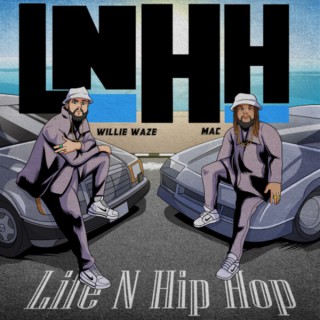
14 episodes with Waze

7 episodes with Waze

6 episodes with Waze

3 episodes with Waze

8 episodes with Waze

4 episodes with Waze

3 episodes with Waze

5 episodes with Waze

4 episodes with Waze

3 episodes with Waze

4 episodes with Waze

2 episodes with Waze

3 episodes with Waze

3 episodes with Waze

4 episodes with Waze

4 episodes with Waze

3 episodes with Waze

2 episodes with Waze

5 episodes with Waze

5 episodes with Waze

4 episodes with Waze

2 episodes with Waze

8 episodes with Waze

3 episodes with Waze

3 episodes with Waze

2 episodes with Waze

3 episodes with Waze

6 episodes with Waze

4 episodes with Waze

On a jasé des applications dont on est incapables de se passer : Waze, Photoshop, Messenger, etc. Des Olympiques de robots humanoïdes ont attiré notre attention ce matin. Phil a initié Kim et Mike à sa Petite Vite à 6 h. Dans notre 7 chanceux, on a testé les connaissances générales de nos chums afin de leur faire remporter un passeport pour les trois jours du festival Music 4 Cancer. On a discuté de la règle des 3 secondes avec la bouffe… Êtes-vous dédaigneux ou non? Dans son Wake Up Quiz, Ben K7 est revenu sur le party d’équipe qui a eu lieu le week-end dernier… et on en a appris beaucoup! Dans sa Grosse News, notre informateur Étienne Phénix nous a éclairés un peu plus sur les contrecoups des tarifs douaniers de nos voisins américains.

Thomas Lah opens the episode by describing TSIA's model-driven revenue engine framework: using AI to monitor every customer touchpoint in real time instead of running revenue off CRM fields and pipeline reviews. His guest, Stephen Messer, has spent three decades living that shift firsthand. Messer co-founded LinkShare in the 1990s, and later co-founded Collective[i], the AI sales intelligence network the Wall Street Journal has compared to Waze for sales.Messer argues that most AI investment in sales, from chatbot-assisted CRM entry to faster email drafting, is being layered onto a system that was never built around the buyer. He explains how Collective[i] models buying committees, introduces sequencing, and maps the hidden relationships driving each deal.The conversation also challenges one of sales' longest-standing practices: forecasting. Messer argues that traditional forecast calls are little more than weekly guesswork that consumes valuable selling time without improving accuracy. In its place, he outlines an AI-first approach that provides a dynamic, daily view of deal health, highlighting what's changed, why it changed, and where sales teams should focus next. Like a navigation app that constantly recalculates the fastest route, AI helps revenue leaders adapt to changing buyer behavior as it happens.

RMC dans vos villes : chaque matin cet été, retrouvez des reportages près de chez vous, à la rencontre des maires, quatre mois après les dernières élections municipales.

Topics include Kimmer vs. Waze, Donna Mills’ OnlyFans surprise, nude dining, the Braves’ sixth straight win, Lane Thomas’ debut, Austin Riley’s homer, Falcons news, college football, Stephen A. Smith on women’s sports, and another edition of “Not The Kimmer’s Rainy Day Theater Playhouse.”

Official Emailtalkinwithtopher@gmail.comCryptid and Kinhttps://cryptidandkin.com/(instagram) https://www.instagram.com/cryptidandkin/?hl=en=(YouTube) www.youtube.com/@CryptidAndKinTopher's The Mail Box Guys(facebook) https://www.facebook.com/share/1C6cbtm8eA/(instagram) https://www.instagram.com/the_mailbox_guys/?hl=enSocial Media(linktr.ee) https://linktr.ee/talkinwithtopher(instagram) https://www.instagram.com/talkinwithtopher/?hl=en(twitter) https://twitter.com/_conderman(snap chat) https://www.snapchat.com/add/cconderman?share_id=HiV14moKPns&locale=en-US(tik tok) https://www.tiktok.com/@talkinwithtopher?lang=en(Facebook) https://www.facebook.com/christopher.condermanTime Stamps(00:00:00) Start(00:01:37) my new morning prayer(00:07:05) Olaf enjoys a higher power(00:13:58) Vampires in 1857 Bible(00:21:19) The middle finger represents Either(00:32:57) Flock is the fall guy(00:45:14) Jared Kushner is the anti Christ(00:50:58) King of the Jews(00:58:22) German Human Regenerator(01:03:06) Could Nukes be Faked(01:12:25) Islam's lying strategy(01:16:33) Michigan is allowing animal sacrifice(01:20:28) 5G was the dress rehearsal and 6G is the kill switch(01:24:32) reset your phone before the authorities get a hold of it(01:27:52) don't let Epstein files get you stuck in a world of anger(01:33:11) Pilots confirm earth is Flat(01:38:00) William Shatner believes Earth is Flat(01:41:50) WAZE is owned by Israel(01:46:22) Earthquake in Japan explodes mall(01:50:22) this is mental illness(01:57:44) Tucker agrees that data centers are bad for our future(02:02:27) STOP celebrating you're birthdayEpisode Linkshttps://www.facebook.com/share/r/1Dm1XJgisF/https://www.facebook.com/share/v/19GFyGJmRD/https://www.facebook.com/share/v/19HPQRKFnj/https://www.facebook.com/share/r/1ALQFF9XHT/https://www.instagram.com/reel/DZ7MGFOBGrw/?utm_source=ig_web_copy_link&igsh=NTc4MTIwNjQ2YQ==https://www.facebook.com/share/v/17vbhB13Bt/https://www.facebook.com/share/v/1e8WdFphUm/https://www.instagram.com/reel/DZFu3z0iZLl/?utm_source=ig_web_copy_link&igsh=NTc4MTIwNjQ2YQ==https://www.facebook.com/share/v/1BzdLEnx78/https://www.instagram.com/reel/DZ5m03wt77M/?utm_source=ig_web_copy_link&igsh=NTc4MTIwNjQ2YQ==https://www.instagram.com/reel/DbJXKWrnOc0/?utm_source=ig_web_copy_link&igsh=NTc4MTIwNjQ2YQ==https://www.facebook.com/share/r/1BqXUvw3EJ/https://www.instagram.com/reel/Da2tPlbBywr/?utm_source=ig_web_copy_link&igsh=NTc4MTIwNjQ2YQ==https://www.facebook.com/share/v/1Hs6nUcvay/https://www.instagram.com/reel/DbDTvKFAUQX/?utm_source=ig_web_copy_link&igsh=NTc4MTIwNjQ2YQ==https://www.facebook.com/share/r/17eS6yeVo7/https://www.instagram.com/reel/DamRYotNE-s/?utm_source=ig_web_copy_link&igsh=NTc4MTIwNjQ2YQ==https://www.facebook.com/share/r/1Bq3aDabfd/https://www.bbc.com/news/videos/c9d8ggpdgqlohttps://www.instagram.com/reel/DYXu9rODUCu/?utm_source=ig_web_copy_link&igsh=NTc4MTIwNjQ2YQ==https://x.com/bigwhitelb/status/2081470414107332930?s=20https://www.instagram.com/reel/DaLKVECoDXn/?utm_source=ig_web_copy_link&igsh=NTc4MTIwNjQ2YQ==
Laurent Ballesta est plongeur (aquanaute) de l'extrême. Ce naturaliste, photographe et explorateur est bien connu des auditeurices de BSG. Nous avions réalisé une série avec lui sur sa redécouverte du Cœlacanthe (un poisson qu'on croyait fossile) et du mystère Mérou : ___Seul on va plus vite. Ensemble on va plus loin.___Laurent Ballesta n'aurait pas pu réaliser ses exploits sans son équipe, au sein d'Andromède océanologie. Il l'a fondée en 2008 avec Pierre Descamp. Un 3e associé, Florian Holon, les a rejoint. Bien connue pour avoir organisé les explorations baptisées “Gombessa”, Andromède est un aussi un labo et un bureau d'étude.Le projet le plus remarquable et structurant d'Andromède est la sauvegarde des herbiers de Posidonies, une plante à fleur et à fruit, qui ne pousse qu'en Méditerranée. Cette fascinante plante verte est retournée vivre sous l'eau alors que ses ancêtres en étaient sortis des millions d'années auparavant !!!Les posidonies, qui poussent très lentement, sont des nurseries et un bienfait pour tout le Vivant autour elles. Mais ces reines oubliées souffrent beaucoup des ancrages des bateaux.Pour y remédier, Andromède a développé une appli gratuite pour tous les plaisanciers et navigateurs RESPONSABLES qui s'impliquent dans le respect du Vivant.___L'appli DONIA est un “Waze de la mer”. Gratuite, permet aux plaisanciers, plongeurs, pêcheurs et à tous les amoureux de la mer, d'échanger des informations tout en contribuant à protéger les écosystèmes marins sensibles.Elle permet de connaître la nature des fonds (et ainsi de ne pas jeter l'ancre au beau milieu d'un herbier de posidonies. En plus, DONIA offre de nombreuses autres infos utiles aux gens de la mer : météo, profondeur, outils de navigation, cartes marines, sites de plongée, ports, mouillages, échanges d'infos d'utilisateurs, photographies sous-marines …DONIA renforce la solidarité des marins en partageant des infos sur les dangers en mer (obstacles, accidents, méduses, alerte SOS …).DONIA contient des outils de navigation (flèche de prédiction, waypoints et outils de mesure, tracés de navigation) et de sécurité en mer (pack alarmes dérapage, emmêlage et collision). DONIA intègre les données AIS (Automatic Identification System) des navires provenant du réseau AISHUb.Le module DONIA Mooring permet en outre de réserver des bouées et des coffres d'amarrage.___On aime ce qui nous a émerveillé … et on protège ce qu'on aime.___Découvrez tout l'univers Baleine sous Gravillon, et Mécaniques du Vivant sur France Culture.___Nous réalisons des émissions audio et vidéo pour et avec vous.Nous vous accompagnons pour créer votre podcast. Nous proposons des conférences et animons des tables rondes.Nous cherchons des partenaires :contact@baleinesousgravillon.comHébergé par Ausha. Visitez ausha.co/politique-de-confidentialite pour plus d'informations.
Laurent Ballesta n'aurait pas pu réaliser ses exploits sans son équipe, au sein d'Andromède océanologie. Il l'a fondée en 2008 avec Pierre Descamp. Un 3e associé, Florian Holon, les a rejoint. Bien connue pour avoir organisé les explorations baptisées “Gombessa”, Andromède est un aussi un labo et un bureau d'étude.Le projet le plus remarquable et structurant d'Andromède est la sauvegarde des herbiers de Posidonies, une plante à fleur et à fruit, qui ne pousse qu'en Méditerranée. Cette fascinante plante verte est retournée vivre sous l'eau alors que ses ancêtres en étaient sortis des millions d'années auparavant !!!Les posidonies, qui poussent très lentement, sont des nurseries et un bienfait pour tout le Vivant autour elles. Mais ces reines oubliées souffrent beaucoup des ancrages des bateaux.Pour y remédier, Andromède a développé une appli gratuite pour tous les plaisanciers et navigateurs RESPONSABLES qui s'impliquent dans le respect du Vivant.___L'appli DONIA est un “Waze de la mer”. Gratuite, permet aux plaisanciers, plongeurs, pêcheurs et à tous les amoureux de la mer, d'échanger des informations tout en contribuant à protéger les écosystèmes marins sensibles.Elle permet de connaître la nature des fonds (et ainsi de ne pas jeter l'ancre au beau milieu d'un herbier de posidonies. En plus, DONIA offre de nombreuses autres infos utiles aux gens de la mer : météo, profondeur, outils de navigation, cartes marines, sites de plongée, ports, mouillages, échanges d'infos d'utilisateurs, photographies sous-marines …DONIA renforce la solidarité des marins en partageant des infos sur les dangers en mer (obstacles, accidents, méduses, alerte SOS …).DONIA contient des outils de navigation (flèche de prédiction, waypoints et outils de mesure, tracés de navigation) et de sécurité en mer (pack alarmes dérapage, emmêlage et collision). DONIA intègre les données AIS (Automatic Identification System) des navires provenant du réseau AISHUb.Le module DONIA Mooring permet en outre de réserver des bouées et des coffres d'amarrage.___On aime ce qui nous a émerveillé … et on protège ce qu'on aime.___Découvrez tout l'univers Baleine sous Gravillon, et Mécaniques du Vivant sur France Culture.___Nous réalisons des émissions audio et vidéo pour et avec vous.Nous vous accompagnons pour créer votre podcast. Nous proposons des conférences et animons des tables rondes.Nous cherchons des partenaires :contact@baleinesousgravillon.comHébergé par Ausha. Visitez ausha.co/politique-de-confidentialite pour plus d'informations.
Laurent Ballesta n'aurait pas pu réaliser ses exploits sans son équipe, au sein d'Andromède océanologie. Il l'a fondée en 2008 avec Pierre Descamp. Un 3e associé, Florian Holon, les a rejoint. Bien connue pour avoir organisé les explorations baptisées “Gombessa”, Andromède est un aussi un labo et un bureau d'étude.Le projet le plus remarquable et structurant d'Andromède est la sauvegarde des herbiers de Posidonies, une plante à fleur et à fruit, qui ne pousse qu'en Méditerranée. Cette fascinante plante verte est retournée vivre sous l'eau alors que ses ancêtres en étaient sortis des millions d'années auparavant !!!Les posidonies, qui poussent très lentement, sont des nurseries et un bienfait pour tout le Vivant autour elles. Mais ces reines oubliées souffrent beaucoup des ancrages des bateaux.Pour y remédier, Andromède a développé une appli gratuite pour tous les plaisanciers et navigateurs RESPONSABLES qui s'impliquent dans le respect du Vivant.___L'appli DONIA est un “Waze de la mer”. Gratuite, permet aux plaisanciers, plongeurs, pêcheurs et à tous les amoureux de la mer, d'échanger des informations tout en contribuant à protéger les écosystèmes marins sensibles.Elle permet de connaître la nature des fonds (et ainsi de ne pas jeter l'ancre au beau milieu d'un herbier de posidonies. En plus, DONIA offre de nombreuses autres infos utiles aux gens de la mer : météo, profondeur, outils de navigation, cartes marines, sites de plongée, ports, mouillages, échanges d'infos d'utilisateurs, photographies sous-marines …DONIA renforce la solidarité des marins en partageant des infos sur les dangers en mer (obstacles, accidents, méduses, alerte SOS …).DONIA contient des outils de navigation (flèche de prédiction, waypoints et outils de mesure, tracés de navigation) et de sécurité en mer (pack alarmes dérapage, emmêlage et collision). DONIA intègre les données AIS (Automatic Identification System) des navires provenant du réseau AISHUb.Le module DONIA Mooring permet en outre de réserver des bouées et des coffres d'amarrage.___On aime ce qui nous a émerveillé … et on protège ce qu'on aime.___Découvrez tout l'univers Baleine sous Gravillon, et Mécaniques du Vivant sur France Culture.___Nous réalisons des émissions audio et vidéo pour et avec vous.Nous vous accompagnons pour créer votre podcast. Nous proposons des conférences et animons des tables rondes.Nous cherchons des partenaires :contact@baleinesousgravillon.comHébergé par Ausha. Visitez ausha.co/politique-de-confidentialite pour plus d'informations.
Laurent Ballesta n'aurait pas pu réaliser ses exploits sans son équipe, au sein d'Andromède océanologie. Il l'a fondée en 2008 avec Pierre Descamp. Un 3e associé, Florian Holon, les a rejoint. Bien connue pour avoir organisé les explorations baptisées “Gombessa”, Andromède est un aussi un labo et un bureau d'étude.Le projet le plus remarquable et structurant d'Andromède est la sauvegarde des herbiers de Posidonies, une plante à fleur et à fruit, qui ne pousse qu'en Méditerranée. Cette fascinante plante verte est retournée vivre sous l'eau alors que ses ancêtres en étaient sortis des millions d'années auparavant !!!Les posidonies, qui poussent très lentement, sont des nurseries et un bienfait pour tout le Vivant autour elles. Mais ces reines oubliées souffrent beaucoup des ancrages des bateaux.Pour y remédier, Andromède a développé une appli gratuite pour tous les plaisanciers et navigateurs RESPONSABLES qui s'impliquent dans le respect du Vivant.___L'appli DONIA est un “Waze de la mer”. Gratuite, permet aux plaisanciers, plongeurs, pêcheurs et à tous les amoureux de la mer, d'échanger des informations tout en contribuant à protéger les écosystèmes marins sensibles.Elle permet de connaître la nature des fonds (et ainsi de ne pas jeter l'ancre au beau milieu d'un herbier de posidonies. En plus, DONIA offre de nombreuses autres infos utiles aux gens de la mer : météo, profondeur, outils de navigation, cartes marines, sites de plongée, ports, mouillages, échanges d'infos d'utilisateurs, photographies sous-marines …DONIA renforce la solidarité des marins en partageant des infos sur les dangers en mer (obstacles, accidents, méduses, alerte SOS …).DONIA contient des outils de navigation (flèche de prédiction, waypoints et outils de mesure, tracés de navigation) et de sécurité en mer (pack alarmes dérapage, emmêlage et collision). DONIA intègre les données AIS (Automatic Identification System) des navires provenant du réseau AISHUb.Le module DONIA Mooring permet en outre de réserver des bouées et des coffres d'amarrage.___On aime ce qui nous a émerveillé … et on protège ce qu'on aime.___Découvrez tout l'univers Baleine sous Gravillon, et Mécaniques du Vivant sur France Culture.___Nous réalisons des émissions audio et vidéo pour et avec vous.Nous vous accompagnons pour créer votre podcast. Nous proposons des conférences et animons des tables rondes.Nous cherchons des partenaires :contact@baleinesousgravillon.comHébergé par Ausha. Visitez ausha.co/politique-de-confidentialite pour plus d'informations.
Laurent Ballesta n'aurait pas pu réaliser ses exploits sans son équipe, au sein d'Andromède océanologie. Il l'a fondée en 2008 avec Pierre Descamp. Un 3e associé, Florian Holon, les a rejoint. Bien connue pour avoir organisé les explorations baptisées “Gombessa”, Andromède est un aussi un labo et un bureau d'étude.Le projet le plus remarquable et structurant d'Andromède est la sauvegarde des herbiers de Posidonies, une plante à fleur et à fruit, qui ne pousse qu'en Méditerranée. Cette fascinante plante verte est retournée vivre sous l'eau alors que ses ancêtres en étaient sortis des millions d'années auparavant !!!Les posidonies, qui poussent très lentement, sont des nurseries et un bienfait pour tout le Vivant autour elles. Mais ces reines oubliées souffrent beaucoup des ancrages des bateaux.Pour y remédier, Andromède a développé une appli gratuite pour tous les plaisanciers et navigateurs RESPONSABLES qui s'impliquent dans le respect du Vivant.___L'appli DONIA est un “Waze de la mer”. Gratuite, permet aux plaisanciers, plongeurs, pêcheurs et à tous les amoureux de la mer, d'échanger des informations tout en contribuant à protéger les écosystèmes marins sensibles.Elle permet de connaître la nature des fonds (et ainsi de ne pas jeter l'ancre au beau milieu d'un herbier de posidonies. En plus, DONIA offre de nombreuses autres infos utiles aux gens de la mer : météo, profondeur, outils de navigation, cartes marines, sites de plongée, ports, mouillages, échanges d'infos d'utilisateurs, photographies sous-marines …DONIA renforce la solidarité des marins en partageant des infos sur les dangers en mer (obstacles, accidents, méduses, alerte SOS …).DONIA contient des outils de navigation (flèche de prédiction, waypoints et outils de mesure, tracés de navigation) et de sécurité en mer (pack alarmes dérapage, emmêlage et collision). DONIA intègre les données AIS (Automatic Identification System) des navires provenant du réseau AISHUb.Le module DONIA Mooring permet en outre de réserver des bouées et des coffres d'amarrage.___On aime ce qui nous a émerveillé … et on protège ce qu'on aime.___Découvrez tout l'univers Baleine sous Gravillon, et Mécaniques du Vivant sur France Culture.___Nous réalisons des émissions audio et vidéo pour et avec vous.Nous vous accompagnons pour créer votre podcast. Nous proposons des conférences et animons des tables rondes.Nous cherchons des partenaires :contact@baleinesousgravillon.comHébergé par Ausha. Visitez ausha.co/politique-de-confidentialite pour plus d'informations.

Augusztusra már csak 20 centi körül lehet a Velencei-tó vízszintje Drágulhatnak a mobilok és a laptopok, nagy áremelést jelentett be az egyik legnagyobb chipgyártó Augusztus 12-én részleges napfogyatkozás lesz Magyarországon, a leglátványosabb Sopron környékén lesz Vészfrissítést kaptak az iPhone-ok A Google telepakolta a Waze-t mesterséges intelligenciával, de csak két új funkciót érdemes bekapcsolni Új kiberbiztonsági veszélyekre figyelmeztet az Eset legfrissebb jelentése Nagy erejű földrengés rázta meg Japánt Stratégiai akvizícióval erősít Magyarországon az informatikai piac meghatározó szereplője Százával lopták el a kiadatlan dalait, Ariana Grande most beperelte a hekkereket, akik meggazdagodtak belőle A további adásainkat keresd a podcast.hirstart.hu oldalunkon. Hosted by Simplecast, an AdsWizz company. See pcm.adswizz.com for information about our collection and use of personal data for advertising.

Augusztusra már csak 20 centi körül lehet a Velencei-tó vízszintje Drágulhatnak a mobilok és a laptopok, nagy áremelést jelentett be az egyik legnagyobb chipgyártó Augusztus 12-én részleges napfogyatkozás lesz Magyarországon, a leglátványosabb Sopron környékén lesz Vészfrissítést kaptak az iPhone-ok A Google telepakolta a Waze-t mesterséges intelligenciával, de csak két új funkciót érdemes bekapcsolni Új kiberbiztonsági veszélyekre figyelmeztet az Eset legfrissebb jelentése Nagy erejű földrengés rázta meg Japánt Stratégiai akvizícióval erősít Magyarországon az informatikai piac meghatározó szereplője Százával lopták el a kiadatlan dalait, Ariana Grande most beperelte a hekkereket, akik meggazdagodtak belőle A további adásainkat keresd a podcast.hirstart.hu oldalunkon. Hosted by Simplecast, an AdsWizz company. See pcm.adswizz.com for information about our collection and use of personal data for advertising.

God has promised He has good plans for you (Jeremiah 29:11), but wouldn’t it be nice if He included turn-by-turn directions? I mean REALLY nice. Not some vague “trust Me” and “walk by faith” business. I want GPS. I want step-by-step instructions complete with an arrival time and the occasional heavenly notification saying, “There’s a problem ahead. I’ve found a better route.” And if we’re being really honest, I’d also like Him to show me where all the potholes are, who I should avoid, and whether or not this particular problem could perhaps be skipped altogether. Is that too much to ask? I’ve learned there are two kinds of travelers in this world. First, there’s the planner. I present to you my husband as Exhibit A. He plugs in his destination, then immediately zooms out to study the entire route. He knows which highways he’ll take, approximately where he’ll stop, and could probably tell you which side of town he’ll be approaching from. Then he zooms in to study the intersections and lane changes. After reviewing the route for a solid five minutes, he calmly begins driving without the voice prompts because he has become one with the GPS. Then there’s the other traveler. We’ll call this one the follower. I present to you…me. Actually, I don’t even qualify as Exhibit B. Let’s call me Exhibit L. L for Lost. Perpetually lost. I don’t know where I am, I don’t know where I’m going, but strangely, I’m never really stressed about it. Here’s how I roll. I plug in a destination. Let’s say the TJ Maxx. I don’t really care which TJ Maxx. Any one will do. I don’t stop to consider which side of town it’s on or how many toll roads are involved. If the GPS lady picks one, I trust her judgment entirely. Then I do something that absolutely horrifies my husband. I just press START. That’s it. No studying. No planning. No zooming in or zooming out. We’re just going. Then I pull out of the parking lot in whatever direction seems easiest while my GPS gets her bearings. Is it the correct direction? Typically, no. Is it even remotely helpful? Also no. But soon enough, that sweet little lady comes through my speakers and says, “Make a U-turn.” Yo-kay! Let me whip this baby around and let’s get to the TJ Maxx. Friends, which traveler are you? Here’s what I know. Whichever one you are, you’re convinced you’re right and the other one makes absolutely no sense. And isn’t that exactly how we approach our lives with God? Some of us want the five-year plan. We want the destination, the route, and every major intersection highlighted before we’ll take the first step. Others of us are saying, “Jesus, if you’ll just show me what to do before lunch, we’re making progress.” But regardless of which traveler you are, we’re all asking the same question. What’s the way? Jesus answered that question in John 14:6 when He said, “I am the way, the truth, and the life.” Notice He didn’t say, “I’ll SHOW you the way.” He said, “I AM the way.” And I wonder if we’ve missed just how profound that is. Jesus isn’t simply giving directions to God’s good plans for your life. Jesus IS God’s good plan for your life. He’s not merely the GPS helping you arrive at your destination. He is both the Guide and the Destination. We keep asking God, “Show me where we’re going!” And He’s saying, “I’m right here.” Honey, if you know Jesus, then you know the way because HE IS THE WAY. He’s the way you’re going to survive this heartbreak. He’s the way you’re going to make it through this diagnosis. He’s the way you’re going to overcome this addiction. He’s the way you’re going to begin again after failure. And He accounts for all the wrong turns. Have you ever noticed your GPS doesn’t throw a fit when you miss your turn? It doesn’t sigh dramatically and announce, “Well, that’s it! You’ve ruined everything! You’ll never make it now!” No! It simply says, “Recalculating.” Friend, can I tell you something? God has been recalculating your life since the day you were born. You haven’t surprised Him once. That divorce didn’t surprise Him. That addiction didn’t surprise Him. That diagnosis didn’t surprise Him. That bad decision didn’t surprise Him. He’s never once looked at your life and said, “Well, I certainly didn’t see THAT coming.” While we’ve changed directions, Jesus NEVER has. Romans 8:28 is still true. God is still working ALL things together for good for those who love Him and are called according to His purpose. He doesn’t run out of routes to redeem your story. He allows U-turns. And when you’re convinced you’ve gone too far in the wrong direction, He simply whispers, “Recalculating.” You don’t need to know the whole way. You simply need to know the One who is the way. ——————- But Jesus doesn’t stop there. He’s not only the way, He’s the truth. Isn’t it funny that we’ll trust a complete stranger with an Australian accent to get us across town, but we struggle to trust Jesus with our eternity? We trust Siri. We trust Google Maps. We trust Waze. But when Jesus says, “I’ve got another route for you,” suddenly we’re skeptical. Why? Because the route doesn’t look true. The route to freedom looks like surrender. The route to strength looks like weakness. The route to greatness looks like serving. The route to life looks like dying to ourselves. The truth is, God’s truth rarely looks like the world’s truth. Friend, there are voices giving you directions every single day. Social media has directions for your life. Your fears have directions for your life. Your past has directions for your life. Your feelings have directions for your life. Your wounds have directions for your life. And Satan most certainly has directions for your life. The question isn’t whether you’re listening to a voice. The question is WHICH VOICE is leading you? Jesus says you’re chosen. The enemy says you’re forgotten. Jesus says you’re forgiven. The enemy says you’re disqualified. Jesus says you’re being made new. The enemy says you’ll never change. Jesus says you’re more than a conqueror. The enemy says you’ve already lost. Honey, somebody is lying. And Jesus has never lied. Know the truth so well that every lie immediately sounds like the wrong voice giving wrong directions. ________________ Finally, Jesus says, “I am the life.” Notice He didn’t say, “I’ll GIVE you a life.” He said, “I AM the life.” We spend so much of our lives chasing life. We think life is found in losing the weight. In getting married. In having the baby. In making more money. In retiring someday. In getting the promotion. In taking the trip. In finding the relationship. And so we keep moving the finish line. “I’ll finally be happy when…” Except when we get there, we simply create another “when.” Jesus says, “No sweetheart, LIFE isn’t found there. It’s found here. It’s found in Me.” Life isn’t waiting for you 40 pounds from now. Life isn’t waiting for you after the divorce is finalized. Life isn’t waiting for your prodigal to come home. Life isn’t waiting for your circumstances to improve. Life is available to you right here, right now, because Jesus is here right now. Stop putting your life on layaway. Stop waiting to start living someday. Stop surviving until circumstances improve. Jesus didn’t come so you could merely exist. He came that you may have life and have it abundantly, to the full, overflowing, BIG! (John 10:10). ————– So maybe you’ve been asking the wrong question. You’ve been asking WHERE when Jesus has been saying WHO. Where am I going? To Jesus. How am I going to make it? With Jesus. What should I believe? Jesus. What was I created for? Jesus. What’s God’s plan for my life? Jesus. We’ve been asking God for directions while He’s been offering us a relationship. My sister, Jesus isn’t merely showing us the way to some future destination. He IS the destination. He is the way. He is the truth. He is the life. So let’s get going. Just press START. Will there be wrong turns? Absolutely. Will there be delays? Probably. Will there be seasons when you have absolutely no idea where He’s leading you? Most certainly. Will there be times you find yourself sitting on the side of the road wondering what in the world God is doing? Oh, girl. Without a doubt. But here’s what I know after all these years of following Jesus—I have never once regretted trusting Him with the route. I have regretted my own directions a thousand times. I have regretted my detours. I have regretted my delays. I have regretted grabbing the wheel and trying to become my own GPS. But I have never regretted following Jesus. So where will He take us? I don’t know. But I know who will be walking beside me every single step of the way. And really, that’s enough. Quit worrying so much about where you’re going and pay attention to Who you’re going with. Follow Jesus. Trust the next instruction He gives you. Because when Jesus is both your Guide and your destination, you can never truly be lost. He is the way. He is the truth. He is the life. And He’s really, really good at recalculating. We’ve changed directions a thousand times. He never has. Follow Pamela on Instagram – https://instagram.com/headmamapamela Or Facebook – https://www.facebook.com/pamela.crim Find out more about BIG Life – http://biglifehq.com

#Podcast #WhatsApp #Huawei #Waze #Nolan #IMAX PLAYLIST Rolones: https://acortar.link/syEyR7En este episodio de Los Clones recuperamos nuestro nombre de usuario de WhatsApp, hablamos del impresionante Huawei Pura 90s Pro y de por qué muchos lo consideran el teléfono con la mejor cámara del mercado. Además, celebramos el Día Mundial del Emoji, revisamos las seis canciones más perfectas en inglés según la ciencia, conocemos el nuevo modo para motociclistas de Waze y descubrimos cómo Christopher Nolan filmó La Odisea y los retos de grabar en formato IMAX.También analizamos el nuevo orden de Internet en Desde el Teclado y cerramos con el ganador del proyector.00:00 Inicio01:34 Patrocinios01:56 Recuperamos nuestro nombre de usuario de WhatsApp08:35 Las 6 canciones más perfectas en inglés17:36 Día Mundial del Emoji21:00 El teléfono con la mejor cámara del mercado | Huawei Pura 90s Pro27:23 Waze estrena un nuevo modo para motociclistas29:43 Así fue como Nolan grabó La Odisea36:12 Las complicaciones de filmar en IMAX39:22 El nuevo orden de Internet | Desde el Teclado44:52 El ganador del proyector y la salida========================Versión Podcast:Spotify: https://t.ly/Zt_yt Amazon music: https://t.ly/dWHjyApple Podcast: https://t.ly/F6RFlGoogle Podcast: https://tinyurl.com/24ftkmm5iHeart Radio: https://tinyurl.com/374zj4fnTe invito a que nos sigas en nuestras redes sociales:www.facebook.com/nosotroscloneswww.instagram.com/nosotroscloneswww.threads.net/ @NosotrosLosClones www.twitter.com/nosotrosclones

Bienvenidos al DAILY NEWS, un podcast diario de martes a viernes donde conocerás en menos 10 minutos toda la actualidad del sector de la automoción (Coches eléctricos) y movilidad eléctrica. En el episodio de hoy analizamos los pasos de Tesla para homologar el Full Self-Driving en Italia y la llegada del nuevo Xpeng Mona L03 a Europa. También repasamos las nuevas funciones con inteligencia artificial de Waze, la gran inversión de Mercedes en su planta de Hungría para el futuro eléctrico y la apuesta de MG por el puerto de Ferrol como centro logístico. Cerramos con el crecimiento de Maxus en el mercado español de vehículos comerciales. Te gestionamos el beneficio del CAE, mas info en: https://somoselectricos.com/certificados-ahorro-energetico-cae-coche-electrico/ Apoya este podcast a través de IVOOX. Tan solo ves a esta URL https://www.ivoox.com/podcast-somos-electricos_sq_f1627406_1.html y pulsa el botón de APOYAR. Tu ayuda nos permitirá invertir más tiempo y recursos en el proyecto de Somos Eléctricos. ¿Te animas?

Derrière le petit point bleu de nos smartphones se cache une infrastructure militaire devenue indispensable à la vie quotidienne. Cet épisode de la série « Tout comprendre » explique comment des satellites, des horloges atomiques et même la relativité d'Einstein permettent de nous localiser à quelques mètres près.– Série « Tout comprendre », avec le soutien de Frogans.En savoir plus sur Frogans : https://www.f2r2.fr Une technologie militaire Utilisé par Google Maps, Apple Plans ou Waze, le GPS paraît aujourd'hui banal. Pourtant, ce système est né pendant la guerre froide pour guider les forces armées américaines, bien avant de trouver sa place dans les voitures puis dans les smartphones.Son histoire remonte au lancement de Spoutnik en 1957. En étudiant l'effet Doppler produit par le signal radio du satellite soviétique, des chercheurs américains comprennent qu'il est possible d'inverser le raisonnement : si la trajectoire d'un satellite est connue, son signal peut servir à déterminer la position d'un récepteur sur Terre.Des satellites qui donnent l'heureLe GPS repose sur une constellation d'au moins 24 satellites situés à plus de 20 000 kilomètres d'altitude. Contrairement à une idée reçue, ils ne nous observent pas et ne reçoivent pas directement notre position : ils diffusent en permanence leur emplacement et l'heure exacte d'émission de leur signal.Le smartphone mesure le temps mis par ce signal pour lui parvenir, puis en déduit la distance qui le sépare du satellite. En combinant les données d'au moins quatre satellites, il calcule sa latitude, sa longitude, son altitude et corrige l'imprécision de sa propre horloge. Cette méthode s'appelle la trilatération.Merci Albert Einstein La précision du système dépend avant tout de la mesure du temps. Une erreur d'une microseconde peut déjà provoquer un décalage d'environ 300 mètres.Les satellites embarquent donc des horloges atomiques extrêmement précises. Le GPS doit également corriger les effets prédits par les théories de la relativité d'Albert Einstein : dans l'espace, la vitesse des satellites et la gravité plus faible modifient légèrement l'écoulement du temps. Sans ces corrections, les erreurs de localisation atteindraient rapidement plusieurs kilomètres.Bien plus qu'un outil de navigationLe GPS ne sert pas seulement à trouver une adresse. Ses signaux horaires synchronisent aussi des réseaux téléphoniques, des infrastructures électriques, des systèmes financiers et de nombreux équipements industriels.Ouvert progressivement aux usages civils, il devient pleinement opérationnel en 1995. En mai 2000, les États-Unis mettent fin à la dégradation volontaire du signal civil, ce qui améliore fortement sa précision et accélère sa diffusion dans les transports, l'agriculture et les appareils mobiles.Le mot « GPS » désigne en réalité le système américain. D'autres constellations existent, notamment GLONASS en Russie, BeiDou en Chine et Galileo en Europe, un système placé sous contrôle civil.Une infrastructure invisible et vulnérableDans les smartphones, les signaux satellitaires sont complétés par les antennes mobiles, le Wi-Fi, le Bluetooth, la boussole et les capteurs de mouvement. La précision peut néanmoins se dégrader entre de hauts immeubles, sous un tunnel, dans un parking ou lorsque les signaux sont volontairement brouillés.Le jamming consiste à empêcher la réception du signal, tandis que le spoofing diffuse de fausses informations pour tromper les appareils. Notre navigation quotidienne dépend ainsi d'une infrastructure invisible, puissante, mais qui peut aussi être perturbée.Hébergé par Audiomeans. Visitez audiomeans.fr/politique-de-confidentialite pour plus d'informations.

Flock cameras are all the new rage. We have finally forgotten or lost interest in smart meters, Stingray, Dirtbox, PRISM, etc. Flock Safety systems are being installed without consultation of the public, and sometimes reinstalled without permission from local authorities. Sometimes they're randomly placed. These cameras and sensors are supposed to keep communities safer, but what they ultimately do, even according to law-enforcement, is create a dragnet surveillance grid in local communities. They've already been used to fine and jail people for crimes that they did not commit. Perhaps the worst part, but not unlike Axonius, Palantir, Waze, ShieldAI, and so forth, is that the two primary investors are the Peter Thiel group and Andreessen Horowitz, a company directly rooted in Israel. Furthermore, resistance to these cameras being installed is being labeled terrorism. It's also not out of the realm of possibility that many of the cameras that have been cut down, have been removed by law-enforcement, community officials, or the company itself in order to paint the technology as a victim of ignorant and violent citizens.*The is the FREE archive, which includes advertisements. If you want an ad-free experience, subscribe below.

Like Google Maps, Waze is going all-in on Gemini. Learn more about your ad choices. Visit podcastchoices.com/adchoices

La inversión manufacturera de cinco grandes potencias apuesta por México, el país acelera la regulación de la inteligencia artificial en medio de la incertidumbre por el T-MEC y las empresas deberán demostrar igualdad salarial ante la Secretaría del Trabajo, con Mónica Alfaro y Patricia Tapia.00:00 Introducción01:35 Cinco potencias, un mismo destino: la inversión manufacturera apuesta por México06:15 México acelera la regulación de la IA en medio de la incertidumbre por el T-MEC10:32 Todos hablan de la crisis de la RAM, pero la siguiente batalla de la IA será por la fibra óptica13:33 Las empresas deberán demostrar igualdad salarial ante la Secretaría del Trabajo16:11 Waze aprovechará la IA para llevarte a la gasolinera más barata

Meta discontinues AI tool able to pull from any public Instagram account, the European Commission will propose a three tier system for minors on social media , and Waze announces new features including a ‘Less Chatty Mode’. MP3 Please SUBSCRIBE HERE for free or get DTNS shows ad-free. A special thanks to all our supporters–withoutContinue reading "Meta Ends New Instagram AI Image Generator After Backlash – DTH"

Netflix aposta em canais ao vivo e pacotes com outros streamings para manter relevância. WhatsApp testa lembretes de aniversários de contatos da sua agenda. Amazon divulga os produtos mais vendidos no Prime Day 2026 no Brasil. Waze anuncia Modo Moto, integração com Gemini e modo ‘menos falante'. Anthropic lança 'Reflect', um resumão pessoal sobre como você usa o Claude. Samsung dá R$ 2 mil de desconto em pré-registro do novo Galaxy Z Fold 'Wide' e Apple processa OpenAI e acusa dona do ChatGPT de roubar segredos confidenciais.

Otto Oppenheimer y Normando comentan los últimos avances y controversias tecnológicas: las gafas con cámara (Meta y Ray-Ban), los problemas de privacidad, prohibiciones en tribunales y la solución de Meta para desactivar las cámaras si se tapa el indicador. También hablan de robots domésticos (Isaac que dobla ropa y Benny que te sigue grabando), la preocupación por drones y dispositivos chinos y multas por importaciones clandestinas. Además: la integración de inteligencia artificial en Waze y consejos prácticos para elegir rutas, y un reportaje sobre el avión presidencial donado a Donald Trump y las dudas sobre sus defensas. www.ottotecnologia.com

Tonight on the Carolina Weather Group, we talk with Kelly Wells from the North Carolina Department of Transportation about the relaunched drivenc.gov website. Wells provides a walkthrough of the new site, which features over 1,000 live streaming traffic cameras across the state. The site includes map layers for traffic congestion, road closures, incidents, road work, and weather events. Users can view real-time conditions for ferries and rest areas, and see the warnings currently displayed on highway message signs. The site also integrates weather radar, National Weather Service alerts, and weather forecasts directly onto the map. Through the "My Drive NC" feature, travelers can select favorite cameras, save routes, and draw custom regions on the map to receive targeted email or text alerts for road conditions. The platform also feeds this traffic data to navigation apps like Waze, Google Maps, Apple Maps, and TomTom. NCDOT monitors the roads using five traffic management centers across the state, which now receive proactive push alerts for traffic incidents. A Drive NC mobile app is also now available for download.Also in this episode, Sam Walker details traffic management on the Outer Banks, including the Barco diversion at the intersection of US 158 and NC 168, which is used during hurricane evacuations to divert traffic away from bridge-tunnels in Virginia. Frank Strait provides the Carolina weather forecast, tracking ongoing flash flood warnings and severe thunderstorms. He outlines an incoming heatwave that will bring high temperatures near 100 degrees and heat index values between 105 and 110 degrees, before a cold front brings cooling showers by Sunday and Monday.The panel also discusses the CoCoRaHS rain gauge network, a destructive 4th of July thunderstorm in New York, and Colorado State University's updated forecast lowering the season's prediction to nine named storms.

Send us Fan MailTrond Undheim is a futurist, innovation expert, and research scholar at Stanford University whose work spans governments, startups, and leading academic institutions. His ideas have been featured in outlets including Forbes, The Boston Globe, Fast Company, Fortune, and MIT News, and he previously hosted the Futurized podcast.He holds a PhD in AI and cognition from the Norwegian University of Science and Technology and is the author of eight books, including The Platinum Workforce, which explores how to train and hire for the twenty-first century's industrial transitions. In this episode, Trond draws on decades of interdisciplinary work on emerging technologies, systemic risk, and workforce transitions to argue that system awareness, not traditional knowledge, will determine who thrives in an AI-defined economy.In this conversation, we discuss:Why Trond says knowledge has become superfluous, and what that claim means for how we define expertise in an AI era.Why cutting junior hires to cash in on AI efficiencies bakes a failure mode into your organization.What “system awareness” looks like in practice, and how it changes the way leaders think about skills and careers.Why socio-technical thinking matters, and how treating humans and machines as mutually constitutive systems reshapes AI design and governance.Why humanity is unprepared to operate at gigascale, and what megaproject research suggests about the cost of that gap.How The Platinum Workforce maps twelve durable skill domains, from socio-technical capabilities to maker and maintenance skills, that will outlast multiple AI waves.Explore this conversation:00:00 Intro and AI Fun Fact: Pew Research Americans More Concerned Than Excited About AI04:22 Introducing Trond Undheim, Futurist and Author of The Platinum Workforce05:09 Why the Workforce Is the Single Biggest Lever for Human Survival09:08 System Awareness: The Only Knowledge That Matters in the AI Era15:06 Socio-technical Systems: Co-Evolution of Humans and Technology17:54 Human Agency Over Technology: Who Really Sets the Rules23:24 The Human Skills AI Cannot Replace: Making, Maintaining and Place Maximizing31:12 Workforce Preparation for the AI Era: Training Juniors and Experimentation34:08 Macro Challenges: Giga-Scale Projects and Management at Scale45:33 The Augmented Workforce: What AI Integration Must Look Like in 10 Years54:39 Where to Connect with Trond Undheim and Learn More About The Platinum WorkforceResources:Subscribe to the AI & The Future of Work NewsletterConnect with Trond on LinkedInAI fun fact articleOn How AI Will Transform Tax Filing: Insights from Daniel Marcous, Founder and CTO of April and Former CTO of Waze

Kevin Nealon stopped by to say Happy 250th Birthday America!Along the way, the gang debates the universal husband instinct of staring at broken appliances until they magically repair themselves, why every emergency service somehow funnels through the same call center, and whether Sherry deserves a raise for patiently answering everyone's increasingly desperate phone calls.Then things take a sharp turn into one of the greatest local stories imaginable.A KFC employee in North County decides company policy can wait after tackling an armed robbery suspect in the parking lot. The crew immediately begins casting Jason Statham as an ex-government operative secretly working the drive-thru window in what instantly becomes the greatest action movie Hollywood still hasn't made.As if that wasn't enough, Lern introduces everyone to a surprisingly emotional Netflix movie that sends the conversation spiraling into the slow death of voicemail culture, while the crew debates which everyday things will disappear as older generations fade out. Landlines? VHS tapes? Random messages that somehow sat in your inbox for three years? Nothing is safe.The crew also tackles one listener's parenting dilemma involving an absolutely terrible kid who has officially worn out his welcome, leading to stories about getting banned from friends' houses growing up, terrifying 90s parents, and why sometimes being the parent means embracing the villain role.Throw in weather panic, broken thermostats, neighborhood legends, retirement community shenanigans, bizarre Florida news, homeowner frustration, nostalgic childhood stories, and enough sarcastic commentary to survive even the hottest week of the year, and you've got another unforgettable episode.Whether you're listening on your morning commute, pretending to work, hiding from your broken AC, or simply looking for your favorite daily comedy show, this episode delivers the laughs, ridiculous conversations, and unexpected tangents you've come to expect.Woody back in St. Louis as the gang relives nearly setting Captain Jim's entire fireworks inventory on fire, accidentally launching explosives toward a trailer packed with even more explosives, and wondering how they somehow got invited back every year.Naturally, that turns into an all-out war over weather apps because apparently your choice between Apple Weather, Google Maps, Waze, and The Weather Channel says everything about your personality. Somewhere during the argument Riz admits he's gaming Waze just to earn imaginary points, Woody questions humanity, and Moon becomes Bing's official spokesperson.Then things somehow get even weirder.The crew debates home ownership versus renting, subscription services invading literally everything, catalytic converter thefts, why landlords secretly deserve medals, and whether calling your landlord to change a light bulb should be considered a crime.From there, the conversation completely derails into horrifying toothbrush habits. Seriously...if your toothbrush looks like it fought in several wars, Lern wants you to know she's apparently one of those people. Dentists everywhere may need a moment after this episode.The laughs keep rolling as Woody shares restaurant recommendations from Pittsburgh, everyone debates St. Louis food loyalties, Rafe discovers Corner 17, and the gang somehow lands on one of the most important questions ever asked:Which restaurant logo would you permanently tattoo on your body for free food for life?Today starts with Global Beatles Day as the crew celebrates one of the biggest moments in music history before arguing over the greatest Beatles songs ever recorded. George fans, Paul fans, John fans...and poor Ringo once again catching strays.Then it's straight into celebrity chaos.Taylor Swift and Travis Kelce wedding rumors explode after reports of a mysterious Madison Square Garden event, and somehow this turns into an actual gambling pool inside the studio. Is it the wedding? A rehearsal? A giant distraction? Nobody knows—but several people may owe each other money after Fourth of July weekend.Meanwhile, Kirk Hammett has entered what can only be described as his "Sassy Kirk Era," taking shots at modern pop music while somehow becoming everyone's favorite unexpected media personality. The crew fully embraces the new attitude.Chris Kerber joins the show for an extended Blues conversation covering the Jordan Kyrou trade, the Tkachuk family's incredible week, NHL Draft speculation, Jordan Binnington rumors, Curtis Joseph's Hall of Fame case, and where the franchise goes next.Follow The Rizzuto Show → https://linktr.ee/rizzshow for more from your favorite daily comedy show.Connect with The Rizzuto Show Comedy Podcast online → https://1057thepoint.com/RizzShow.Hear The Rizz Show daily on the radio at 105.7 The Point | Hubbard Radio in St. Louis, MO.See Privacy Policy at https://art19.com/privacy and California Privacy Notice at https://art19.com/privacy#do-not-sell-my-info.

Day 1,589.Russia's fuel crisis continues, to the intense frustration of ordinary Russians, and to the delight of Ukrainians, who are trolling Russians by flooding a fuel availability app with fake reviews. After Ukraine's attack on the NORSI oil refinery in Kstovo, 800km inside Russia, Alex Nichol reports on how Kyiv is shutting down more energy facilities in occupied areas. Adelie dives into reports that Moscow is planning an attack on Poland and the Baltics to test Nato. Plus, authorities in Germany have just accused Kyiv of sanctioning the 2022 Nord Stream pipeline attack. Finally we hear from Dr Jade McGlynn, occupied territories expert, on what comes next for Crimea – isolation or liberation?Contributors:Adelie Pojzman-Pontay (Host on Ukraine: The Latest). @Adeliepjz on X.Alex Nichol (Telegraph journalist).Dr Jade McGlynn (Occupied Territories Expert, King's College London).Producer: Rachel PorterSenior Producer: Lilian FawcettVideo Producer: Sophie O'SullivanSocial Producer: Tom SteedStudio Director: Meghan SearleExecutive Editor: Francis DearnleyCreated by David KnowlesNOW IN FULL VIDEO WITH MAPS & BATTLEFIELD FOOTAGE:Every episode is now available on our YouTube channel shortly after the release of the audio version. You will find it here: https://www.youtube.com/@UkraineTheLatest CONTENT REFERENCED:Russia planning attack on Poland to test Nato resolve, US warns (The Telegraph)https://www.telegraph.co.uk/world-news/2026/07/03/russia-planning-attack-on-poland-test-nato-resolve-us-warns/Ukrainian refugees face eviction amid Poland and Kyiv spat (The Telegraph)https://www.telegraph.co.uk/world-news/2026/07/02/ukrainian-refugees-face-eviction-amid-poland-kyiv-spat/EU shipyard races to service Putin's LNG fleet before sanctions bite (Politico)https://www.politico.eu/article/eu-shipyard-races-to-service-russia-vladimir-putin-lng-fleet-before-sanctions-bite/The ‘Waze of Petrol', according to Dr Jade McGlynnhttps://estbenzin.ru/Ukrainian Digital Media Archivehttps://duma.org.ua/EMAIL US:Contact the team on ukrainepod@telegraph.co.uk. We continue to read every message, and seek to respond to as many as possible.Thumbnail image credit: Unmanned Systems Forces of UkraineHIGHLIGHTS:Russia planning attack on Poland to test Nato, US warns as Ukraine strikes shut down oil refineries in occupied territories Hosted on Acast. See acast.com/privacy for more information.

Evil Genius Chronicles Podcast for June 26 2026 - I Was Comic Box on a Hand Truck Guy Download audio On this show, I play a song from James McMurtry; I set my Waze voice to Chaka Khan; this is an atypical summer; I did less cheap comic shopping at Heroescon than ever; I did more art shopping...

Ako sa prepnúť do cypherpunk režimu? Poznáme prípady ITčkarov, ale v tomto rozhovore s NoGoodKid sa dozviete, ako sa to dá aj v úplne inej oblasti. NoGoodKid je Nostr-natívny tvorca, umelec, producent a dizajnér. Spolupracovali sme na viacerých projektoch, vrátane knihy Krotitelia Entropie. Ale dozviete sa aj o tom aké to bolo odísť z hierarchií, akú rolu v tom zohrávala identita, Nostr, prečo štruktúra, v ktorej tvoríme ovplyvňuje výsledok. Odkazy: Portfólio NoGoodKid a jeho Nostr Krotitelia Entropie – kniha a multimediálny projekt, na ktorom sme spolupracovali Nostr posty Krotiteľov Entropie Soundtrack Nocoiner Syndróm – paper reagujúci na haluze centrálnych bankárov a moralizovanie o Bitcoine Cypherpunkový časopis Dark Forest #0 – There were never any real rules. Možnosť objednať papierový výtlačok u mňa na eshope. Kniha Wasted Blood od Josha Datka (a jeho projekt Bitpunk.fm) The Merge od The Ohm – dokumentárne sci-fi Roadstr – decentralizovaný road reporting (Waze-like) Proti ľudskému braku a Ako byť primárny – blogy o kreativite a AI Album Sleepfields od Abuse (momentálne The Autumnist) Humanizer prompt Podcast Ako uloviť memetického ducha… (o použití AI pri kreatíve) X účet LinkedIn Lunatics
Some shows carefully plan every segment.This is not one of those shows.Today's daily comedy show starts with Woody back in St. Louis as the gang relives nearly setting Captain Jim's entire fireworks inventory on fire, accidentally launching explosives toward a trailer packed with even more explosives, and wondering how they somehow got invited back every year.Naturally, that turns into an all-out war over weather apps because apparently your choice between Apple Weather, Google Maps, Waze, and The Weather Channel says everything about your personality. Somewhere during the argument Riz admits he's gaming Waze just to earn imaginary points, Woody questions humanity, and Moon becomes Bing's official spokesperson.Then things somehow get even weirder.The crew debates home ownership versus renting, subscription services invading literally everything, catalytic converter thefts, why landlords secretly deserve medals, and whether calling your landlord to change a light bulb should be considered a crime.From there, the conversation completely derails into horrifying toothbrush habits. Seriously...if your toothbrush looks like it fought in several wars, Lern wants you to know she's apparently one of those people. Dentists everywhere may need a moment after this episode.The laughs keep rolling as Woody shares restaurant recommendations from Pittsburgh, everyone debates St. Louis food loyalties, Rafe discovers Corner 17, and the gang somehow lands on one of the most important questions ever asked:Which restaurant logo would you permanently tattoo on your body for free food for life?There's also plenty of classic Rizz Show chaos involving stolen weather stations, neighborhood conspiracy theories, terrible station vehicles, Emos debates, Joya's love, In-N-Out slander, Shake Shack arguments, and enough sarcastic roasting to remind you exactly why hanging out with these idiots somehow feels like hanging out with your own friends.If you like ridiculous conversations that start somewhere sensible before immediately driving off the nearest cliff, this daily comedy show delivers exactly what you'd expect—and several things you definitely wouldn't.Whether you're listening during your commute, pretending to work, or hiding from your own responsibilities, thanks for making The Rizzuto Show part of your day.And remember...Never trust someone whose toothbrush looks like a frightened peacock.This daily comedy show proudly serves sarcasm, questionable opinions, and absolutely zero meteorological expertise.Follow The Rizzuto Show → https://linktr.ee/rizzshow for more from your favorite daily comedy show.Connect with The Rizzuto Show Comedy Podcast online → https://1057thepoint.com/RizzShow.Hear The Rizz Show daily on the radio at 105.7 The Point | Hubbard Radio in St. Louis, MO.See Privacy Policy at https://art19.com/privacy and California Privacy Notice at https://art19.com/privacy#do-not-sell-my-info.
Rafe's AC struggles—and every company advertising "24/7 emergency service" suddenly has very different ideas about what "24/7" actually means. After hours of phone calls, troubleshooting that mostly consisted of standing around with hands on hips pretending to understand electrical panels, and enough thermostat resets to qualify for an engineering degree, the crew wonders if homeowner subscriptions have officially replaced common sense.Along the way, the gang debates the universal husband instinct of staring at broken appliances until they magically repair themselves, why every emergency service somehow funnels through the same call center, and whether Sherry deserves a raise for patiently answering everyone's increasingly desperate phone calls.Then things take a sharp turn into one of the greatest local stories imaginable.A KFC employee in North County decides company policy can wait after tackling an armed robbery suspect in the parking lot. The crew immediately begins casting Jason Statham as an ex-government operative secretly working the drive-thru window in what instantly becomes the greatest action movie Hollywood still hasn't made.As if that wasn't enough, Lern introduces everyone to a surprisingly emotional Netflix movie that sends the conversation spiraling into the slow death of voicemail culture, while the crew debates which everyday things will disappear as older generations fade out. Landlines? VHS tapes? Random messages that somehow sat in your inbox for three years? Nothing is safe.The crew also tackles one listener's parenting dilemma involving an absolutely terrible kid who has officially worn out his welcome, leading to stories about getting banned from friends' houses growing up, terrifying 90s parents, and why sometimes being the parent means embracing the villain role.Throw in weather panic, broken thermostats, neighborhood legends, retirement community shenanigans, bizarre Florida news, homeowner frustration, nostalgic childhood stories, and enough sarcastic commentary to survive even the hottest week of the year, and you've got another unforgettable episode.Whether you're listening on your morning commute, pretending to work, hiding from your broken AC, or simply looking for your favorite daily comedy show, this episode delivers the laughs, ridiculous conversations, and unexpected tangents you've come to expect.Woody back in St. Louis as the gang relives nearly setting Captain Jim's entire fireworks inventory on fire, accidentally launching explosives toward a trailer packed with even more explosives, and wondering how they somehow got invited back every year.Naturally, that turns into an all-out war over weather apps because apparently your choice between Apple Weather, Google Maps, Waze, and The Weather Channel says everything about your personality. Somewhere during the argument Riz admits he's gaming Waze just to earn imaginary points, Woody questions humanity, and Moon becomes Bing's official spokesperson.Then things somehow get even weirder.The crew debates home ownership versus renting, subscription services invading literally everything, catalytic converter thefts, why landlords secretly deserve medals, and whether calling your landlord to change a light bulb should be considered a crime.From there, the conversation completely derails into horrifying toothbrush habits. Seriously...if your toothbrush looks like it fought in several wars, Lern wants you to know she's apparently one of those people. Dentists everywhere may need a moment after this episode.The laughs keep rolling as Woody shares restaurant recommendations from Pittsburgh, everyone debates St. Louis food loyalties, Rafe discovers Corner 17, and the gang somehow lands on one of the most important questions ever asked:Which restaurant logo would you permanently tattoo on your body for free food for life?Today starts with Global Beatles Day as the crew celebrates one of the biggest moments in music history before arguing over the greatest Beatles songs ever recorded. George fans, Paul fans, John fans...and poor Ringo once again catching strays.Then it's straight into celebrity chaos.Taylor Swift and Travis Kelce wedding rumors explode after reports of a mysterious Madison Square Garden event, and somehow this turns into an actual gambling pool inside the studio. Is it the wedding? A rehearsal? A giant distraction? Nobody knows—but several people may owe each other money after Fourth of July weekend.Meanwhile, Kirk Hammett has entered what can only be described as his "Sassy Kirk Era," taking shots at modern pop music while somehow becoming everyone's favorite unexpected media personality. The crew fully embraces the new attitude.Chris Kerber joins the show for an extended Blues conversation covering the Jordan Kyrou trade, the Tkachuk family's incredible week, NHL Draft speculation, Jordan Binnington rumors, Curtis Joseph's Hall of Fame case, and where the franchise goes next.Follow The Rizzuto Show → https://linktr.ee/rizzshow for more from your favorite daily comedy show.Connect with The Rizzuto Show Comedy Podcast online → https://1057thepoint.com/RizzShow.Hear The Rizz Show daily on the radio at 105.7 The Point | Hubbard Radio in St. Louis, MO.KFC manager robbed at gunpoint, employee tackles suspectSee Privacy Policy at https://art19.com/privacy and California Privacy Notice at https://art19.com/privacy#do-not-sell-my-info.

Send us Fan MailUri Levine, co-founder of Waze and one of the entrepreneurs behind two billion-dollar exits, joins The Alchemist's Library Podcast to share his startup playbook for founders, product-market fit, business strategy, AI, venture capital, and decision-making. In this conversation, Uri breaks down why great startups start with a painful customer problem, how to validate demand, when to pivot, and why failing fast is a competitive advantage.Ryan and Uri also discuss how AI changes entrepreneurship, why unique data and customer trust matter more than “AI company” branding, and what founders misunderstand about raising money from venture capital. Uri explains how to build a strong team, find mentors, make hard decisions, and stay grounded through the lonely roller coaster of building a company.If you're an entrepreneur, startup founder, creator, investor, or anyone trying to build something that matters, this episode is a practical masterclass in value creation, leadership, and simplicity. Subscribe for more conversations with world-class founders, investors, and thinkers.#UriLevine #StartupPlaybook #EntrepreneurshipBuy the book here!TIMESTAMPS:00:00 – How Uri Levine Built Two Billion-Dollar Exits02:20 – Why Failure Is Required for Startup Success03:43 – How to Find a Problem Worth Solving06:53 – Turning Personal Pain Into a Startup Idea13:47 – Product-Market Fit and Customer Retention17:43 – How AI Changes the Startup Game20:58 – Why Unique Data Creates Startup Defensibility25:22 – Fall in Love With the Problem35:17 – How Founders Can Find Real Mentors44:28 – Should Entrepreneurs Chase Money or Happiness49:50 – How to Build and Fire a Startup Team57:32 – Venture Capital vs Bootstrapping a Startup01:03:34 – How Successful CEOs Make Hard Decisions01:07:25 – Why Simple Products Win Massive MarketsConnect with Us!https://www.instagram.com/alchemists.library/https://twitter.com/RyanJAyala

Abundant Wellness With Andrea- From Surviving to Thriving in Mind, Body and Spirit
Groceries are more expensive than ever, and for many families, the mental load of meal planning, budgeting, and shopping has become overwhelming. In this episode, Andrea sits down with entrepreneur and Stretch founder Andy Ellwood to discuss why grocery prices vary so dramatically, how shoppers can make more informed decisions, and why pricing transparency matters. Andy shares his journey from building tech companies like Waze to creating Stretch, a free app that compares grocery prices across thousands of stores so families can save both time and money. They explore grocery store pricing strategies, loyalty programs, convenience vs. savings, and how technology can help reduce the stress of feeding a family in today's economy. In this episode, you'll learn: Why grocery prices can vary so much between stores How loyalty programs and coupons impact pricing The hidden strategies retailers use to attract shoppers Ways to reduce the mental load of grocery shopping How Stretch helps families compare prices and save money Why consumer transparency matters Resources Mentioned: Stretch Groceries App StretchGroceries.com Connect with Andy: Website: www.StretchGroceries.com Social Media: @AndyEllwood If you enjoyed this episode, please subscribe, leave a review, and share it with someone looking to stretch their grocery budget a little further.
O Google anunciou a chegada do Projeto Greenlight a São Paulo. A iniciativa usa inteligência artificial e dados do Google Maps e do Waze para sugerir mudanças inteligentes em semáforos da cidade. A ideia é reduzir o famoso “para e anda” nos cruzamentos, melhorar a fluidez do trânsito e diminuir a emissão de CO2. No novo episódio do Podcast Canaltech, Marcelo Fischer conversa com Paula Aluani, gerente de parcerias estratégicas para Geo, Google Maps e Waze, na América Latina, para explicar como a tecnologia funciona na prática, quais dados são utilizados e quando os motoristas devem começar a perceber os impactos nas ruas. Você também vai conferir: Processo contra o Claude pode mudar o futuro das inteligências artificiais, sua TV atual ainda pode sobreviver à chegada da TV 3.0 e Gmail agora quer resumir seus e-mails antes que você perca tempo lendo tudo. Este podcast foi roteirizado e apresentado por Fernanda Santos e contou com reportagens de Marcelo Fischer, Bruno Bertonzin e Viviane França. A trilha sonora é de Guilherme Zomer, a edição de Yuri Sousa e a arte da capa é de Erick Teixeira.See omnystudio.com/listener for privacy information.
There are episodes where everything stays on track, and then there are episodes like this one.The gang kicks things off with an innocent conversation about National Corn on the Cob Day, which immediately reveals that Riz may be consuming corn in a way that should probably be investigated by professionals. From there, things somehow get even weirder.Moon recounts an encounter with a door-to-door pest control salesman that quickly escalated from a simple sales pitch into a full-blown neighborhood showdown. Was Moon justified? Was the scooter involved? Did anyone actually have time for that conversation? The answers are exactly as ridiculous as you'd expect.The crew also dives into the lost art of talking to strangers, debating whether smartphones have completely ruined human interaction or if we're all just looking for an excuse not to make awkward elevator small talk. Chris Kerber joins the conversation with thoughts on community, technology, and the strange ways people navigate the modern world.Meanwhile, a simple discussion about navigation apps turns into a surprisingly passionate defense of Waze, complete with police reports, traffic alerts, and the realization that some people trust their phones more than their own instincts.As if that wasn't enough chaos, the show detours into dream backyards featuring lazy rivers, hot tubs, waterfalls, catios, secret tunnels, fire pits, hidden rooms, underground bunkers, Japanese gardens, and enough unnecessary luxury to make every HOA president faint. If money were no object, apparently everyone on the show would immediately become either a billionaire recluse or a cartoon villain.Then comes one of the episode's unexpected highlights: food. Lots of food. Sandwiches are analyzed, Penn Station is put under investigation, onion-related crimes are documented, and the crew somehow finds themselves in yet another debate that nobody asked for but everyone has strong opinions about.Throw in sports talk, summer plans, random observations, and the kind of conversational detours that only happen when the microphones are live, and you've got exactly what listeners have come to expect from this daily comedy show.Whether you're here for the weird news, the food arguments, the backyard dreams, or just to hear grown adults passionately discuss topics that absolutely do not matter, this episode delivers the signature chaos that makes The Rizzuto Show a daily comedy show unlike any other.Grab some corn, avoid unsolicited sales pitches, and settle in for another completely normal episode of your favorite daily comedy show.Follow The Rizzuto Show → https://linktr.ee/rizzshow for more from your favorite daily comedy show.Connect with The Rizzuto Show Comedy Podcast online → https://1057thepoint.com/RizzShow.Hear The Rizz Show daily on the radio at 105.7 The Point | Hubbard Radio in St. Louis, MO.Invasive hammerhead worm spotted at St. Louis County parkHeard about the gas station ‘screw method' scam? It's totally fakeAuditor Fitzpatrick finds insufficient vetting led to $229,167 payout to former Francis Howell superintendentA Utah high school removed the mirrors from all its bathrooms. Has it made a difference?The Nerdy Escorts Cashing In On Silicon Valley's AI BoomFormer Air Canada pilot charged after allegedly flying without proper license for 16 yearsSee Privacy Policy at https://art19.com/privacy and California Privacy Notice at https://art19.com/privacy#do-not-sell-my-info.

Hoy me acompaña Rosalina Tornel, IG: @ro_tornel, Chief Growth Officer de Grupo Lala y una de las marketeras más influyentes de Latinoamérica. Antes de Lala construyó marcas como Bonafont, Quaker, Gamesa y Sonric's en PepsiCo, Danone y Kraft, en una carrera de más de 20 años.Hoy Rosalina y yo hablamos de marketing que funciona, de cómo se transforma una empresa de 75 años sin romperla, cómo se construye un board personal que cambie tu carrera y por qué la herramienta más importante del 2026 es aprender a recalcular como Waze: adaptar el camino sin perder el destino. También hablamos de lo que se necesita para crear una carrera corporativa exitosa siendo mujer y de la pregunta que casi ningun ejecutivo se atreve a hacer en voz alta: ¿vale la pena?Por favor ayúdame y sigue Cracks Podcast en YouTube aquí.“Nueve es el nuevo diez. El costo de oportunidad del diez perfecto siempre es muy alto, y te sorprenderá que con un nueve logras más y lo disfrutas más.”- Rosalina Tonel @rotornelComparte esta frase en TwitterEste episodio es presentado por Ford, la marca de autos que te da la certeza de que tienes la ingeniería, la tecnología y el respaldo para avanzar y por Aeroméxico, la aerolínea más puntual del mundo.Qué puedes aprender hoyCómo construir un plan de networking estratégicoCómo saber cuándo recalcular una estrategia, cuándo perseverar y cuándo abandonarCómo hacer una transformación cultural en una empresa con historiaCómo elevar el marketing de tu negocio de herramienta de imagen a motor real de crecimiento y rentabilidad*Hay un momento muy particular antes de tomar una gran decisión.Ese instante en el que sabes que estás listo… pero aún no has dado el paso.Ford llama a ese momento Ready, Set, Ford.Es la confianza que necesitas antes de acelerar:la certeza de que tienes la ingeniería, la tecnología y el respaldo para avanzar.Ya sea que estés construyendo un negocio, explorando nuevos caminos o simplemente buscando sentir la emoción de conducir, Ford diseña vehículos pensados para acompañarte en cada desafío.Ready, Set, Ford.Conoce más en cracks.la/ford*El año pasado tomé más de 70 vuelos con Aeroméxico.Cuando viajas tanto como yo, hay algo que se vuelve absolutamente crítico: la puntualidad.Para mí, cumplir mi palabra significa llegar a tiempo.Aeroméxico fue reconocida por segundo año consecutivo como la aerolínea más puntual del mundo, según el On-Time Performance Review 2025 de Cirium.Estamos hablando de 90% de puntualidad en casi 190 mil vuelos, superando incluso a aerolíneas como Qatar.En una industria donde mantener más de 85% ya es difícil, esto no es casualidad.Es operación, disciplina y excelencia.Y para quienes vivimos viajando, eso significa confianza para seguir avanzando.Conoce más en cracks.la/aeromexicoDime qué piensas del episodio. Ve el episodio en Youtube

The Nightwave Special w/Dirk Deafner: Fortee-Won (Episode 41) Show: The Nightwave Special Artist: Dirk Deafner Air Date: 7 June 2026 Genre: House / Deep House / Funky House / Nu Disco "The Nightwave Special”, hosted by Dirk Deafner, is a music show dedicated to capturing the essence of the night through a blend of sexy, moody, and occasionally upbeat electronic tracks. The program features a diverse mix of genres, all chosen to complement the nocturnal atmosphere. Whether you're preparing for a night out, winding down after an event, driving through the city streets, or hosting a cozy gathering at home, The Nightwave Special sets the perfect mood. Feel the night, feel the vibes…this is, The Nightwave Special. Tracklist: 1. Manjane – ‘Work That Body' 2. DSR – ‘Trust City' 3. Miguel Migs, Lisa Shaw – ‘This Melody' 4. Let BR – ‘Abstinent' 5. Jacques Renault – ‘One More Slice' (Remix) 6. Jacques Renault – ‘Never Saw Never' (Remix) 7. Waze & Odyssey – ‘Back To School' 8. Filta Freqz – ‘Show Me' 9. Michael Jackson – ‘Rock With You' (Miguel Migs' Tribute Bootleg) 10. Low Steppa – ‘Sometimes' 11. Tomos – ‘Touch Me' (Session Victim Remix) 12. Henrik Villard – ‘Don't Want It' 13. Henrik Villard – ‘Don't Want It' (Fouk Remix) 14. Sunny Galaxy – ‘I've Got Good' Originally broadcast on Data Transmission Radio. Listen live and explore the archive: https://radio.datatransmission.co

Most owner-led agencies know they should be doing more than media relations. One barrier has always been capability: you can’t execute paid media if nobody on your team knows paid media. AI is removing that barrier, and Chip and Gini dig into exactly how. Gini built a PESO model operating system AI that prompts you instead of you prompting it. Many agencies are strong in one or two media types and need scaffolding to think through the rest. The tool can be used to help agencies execute unfamiliar disciplines step by step. Chip frames this as an opportunity to do things that were theoretically possible two years ago but practically out of reach. A paid campaign to amplify a blog post no longer requires hiring a specialist. Beyond drafting, both hosts made a case for AI as a learning tool instead of merely a content machine. Gini tested this directly by vibe-coding a PESO model diagnostic, working through multiple versions with AI troubleshooting each step. The practical upshot is that you can use AI to build separate knowledge-rich agents for each media type, loaded with client messaging and context, and treat them as thought partners for areas where your team lacks depth. It won’t eliminate the need for people or strategic thinking, but capability is no longer a credible excuse for staying stuck at one letter of PESO. Key takeaways Chip Griffin: “AI is a great opportunity for all of the things that you wished you could have done two years ago that now become much more feasible for you to do without having to go out and bring in-house new expertise.” Gini Dietrich: “I have built my entire organization using agents. It doesn’t replace anybody. I still need people to do the work, and I still need people to do the strategic thinking, and I still need people to service the client work. It makes us smarter, it makes us faster, it makes us more productive, but it doesn’t replace anyone.” Chip Griffin: “It doesn’t have to do it for you, it can help educate you… You can make it tell you at whatever level of knowledge you need in order to become comfortable with it, and then you actually start to learn it.” Gini Dietrich: “If you don’t have shared or owned and paid expertise internally, you can use those agents to help you build those things.” Related The PESO Model evolves for the AI era (and why your website isn't dead) Has the PESO Model become a necessity for modern agencies? Agencies need the PESO model now more than ever How to allocate your client's PESO budget View Transcript The following is a computer-generated transcript. Please listen to the audio to confirm accuracy. Chip Griffin: Hello, and welcome to the Agency Leadership Podcast. I’m Chip Griffin. Gini Dietrich: And I’m Gini Dietrich. Chip Griffin: And Gini, I think we’re gonna let AI do our jobs today. I know we don’t ever talk about AI on this show. Gini Dietrich: We don’t. We don’t like it at all. Chip Griffin: But I think AI is gonna let us do so much more here. Awesome. Maybe even, maybe we can even implement the PESO model as part of the show. Gini Dietrich: Beautiful. Let’s do it. Chip Griffin: I’ve, I’ve heard that the PESO model is something that’s really important that we should- … we should focus on. So why not let AI help us with it? Gini Dietrich: Oh, I love it. Maybe we could use NotebookLM and have it create its, our voices too. We’ll just be done. We don’t have to do anything. Chip Griffin: That’s a great idea. Gini Dietrich: Yeah, let’s do it. Chip Griffin: So then, you and I could just connect and just do our gossiping and chit-chat. Gini Dietrich: Right. Yes. Chip Griffin: And we’d still get an episode even without having to take the time to record. Gini Dietrich: Yes. I like it. Let’s do it. Chip Griffin: I like it. I like that. That would be- That would be fun. Gini Dietrich: We don’t gossip. What do you mean? Chip Griffin: Gossip, talk about world events. Whatever, however you want. I mean- Gini Dietrich: Yes. It’s kind of good that those aren’t recorded. Ah. Chip Griffin: It is. I suspect we would get a lot of listeners, but we’d lose a lot at the same time, so. Gini Dietrich: Yes. Chip Griffin: In any event, we are going to talk about AI again because it is top of mind for all of us, and so we all ought to be thinking about it. And we are gonna talk about the PESO model because we just happen to have somebody here who knows a little bit about the PESO model. So let me explain it to you… Oh, no, I didn’t. Oh. I wasn’t talking about me. With the founder of the PESO model as one of the co-hosts. It, we’ve talked about the PESO model before, but I think, you know, one of the things that, that has occurred to me in recent times, and I’m sure it has occurred to you as well, is that AI can help more PR agencies go deeper into the PESO model, particularly in areas where they maybe don’t have as much in-house expertise. And, and one- Yep … of the things we’ve talked about with agencies a lot is that the PESO model touches a lot of different things, and it’s difficult for any small agency to have all of the skillsets needed to fully execute PESO properly. Gini Dietrich: Yep. Yeah. Chip Griffin: AI seems to open the door to more of that. Gini Dietrich: For sure, it does. One of the things that we did late last year is I built a PESO operating system AI. And instead of you prompting it, it prompts you. So it’s built to do exactly that, so that you can say, “Okay, well, we’re really good at media relations, but we don’t have any expertise in shared, owned, or paid,” or, “We’re really great at owned and shared, but we don’t have any expertise in earned and paid.” Whatever it happens to be, right? And so it will h- it will prompt you with questions to help you think through, “Okay, if we’re great at owned and shared, but we don’t have the E and the P, here are the things you need to be thinking about.” And it will help you either figure out how to execute it on your own with step-by-step instructions, or it will give you a creative brief that then you could hand off to a partner. So it, it’s built to do that, but the point is, is that- I mean, would I prefer you use the PESO OS AI that I built? For sure, but really any AI could do that. I think if you,you have to prompt it. It’s not gonna prompt you. But I think any AI based on information that’s out there in the, on the web that we’ve created around PESO, it will be able to take all of that and say, “Here are some things you should be thinking about.” And I think it’s really good at helping you think through things that you’re just not an expert at. And it’s really good at helping you think through, gosh, we should be using paid to amplify our content, for instance, but I don’t have any idea. Do– should I do it on LinkedIn? Should I do it on Instagram? Should I do it on TikTok? Should I do it on Google? Like, I have no idea. So AI is a really good thought partner from that perspective. Chip Griffin: Well, and I think that’s the, that’s the key point is that it allows you to, certainly you can look at it in, at a 30,000-foot level, you know, with your specialized OS that allows you to really think the whole big picture through. Yep. But you can also use it in a very granular way to say “Hey, look, I know I want to amplify this content. Let’s, let’s look at the various ways that we can do it, and help educate me about how we do that most effectively.” Yep. And, you know, to me, AI is a great opportunity for all of the things that you wished you could have done two years ago Gini Dietrich: Yeah Chip Griffin: That now become much more feasible for you to do without having to go out and bring in-house new expertise, or hiring someone if it’s, particularly when it’s focused, right? If it, it really is just, “I need a paid campaign to amplify this blog post.” That is a whole lot easier to do with AI, frankly, than it is to go hire somebody in-house- Yeah … and a lot cheaper. Gini Dietrich: Absolutely, yes. And it will give you the step-by, literal step-by-step instructions if you wanna do it yourself. Right. And if you don’t wanna do it yourself, you say, “Help me create a project brief or a creative brief that will, that I can hand off to a partner,” and it does that for you too. So one of the things that we do is, you know, I have a paid media expert in, on our marketing team, but then we hire out, depending on what we need, we’ll hire out sort of the day-to-day minutia piece of it. ‘Cause, you know, especially in paid media, you have to be in there every day and testing and tweaking and all that kind of stuff. And AI’s great at saying, “Eh, pay attention to this,” but not great at actually pushing the buttons. And so it has helped our paid media team even just outsource some of that stuff too. So it’s, I think it’s really great from that perspective. You know, it’s still, you, like, I think some, especially PR professionals, are using it for, like, list development and media pitching and things like that, which is fine, but it’s still not… it’s still a good first draft. You still have to add your personalization. You still have to do those kinds of things. One of the things that we were kind of struggling with, actually not struggling with, we were arguing over internally, was our outbound sales campaigns and what those said. And I felt like they were way too long. Our chief revenue officer felt like the calls to action weren’t right, and so we put it into AI, and we were like, “This is where we’re struggling. We’re not agreeing on these five points.” And it pumped out some stuff that we were like Okay, that’s– I– All right, let’s try that. So, you know, I don’t know yet if it’s gonna work ’cause we haven’t launched it, but it helped us think about things a little bit differently than we had just the three of us shooting the shit around a Zoom conversation. Chip Griffin: Well, and to your point, it’s a great jumping-off point. It’s not necessarily a final draft of everything, but, I mean, let’s say you, you know, you’re– you don’t consider your team very adept at creating social posts on their own, but you want to use PESO to amplify content. You can take that piece of content and say, you know, “Give me three to five drafts that I can look at.” Yep, yep. And you can pick the one that, that resonates most with you, and then, you know, hone that and use that as your post. So again, it just, it allows you to do things that either would’ve taken much longer a number of years ago or just you wouldn’t have been able to do without hiring someone new in-house or that sort of thing. And so having those opportunities means that you can adopt a lot more of the PESO model as an agency, which certainly benefits your clients, but it benefits your business as well. Because as we’ve talked about, pure PR agencies, despite the renaissance of the importance of earned media as a result of LLMs and all of that, you know, you still, I still think it is very difficult to have a media relations only agency in 2026. Gini Dietrich: Yeah. Chip Griffin: It’s not impossible. There are certain niches where it works and certain setups that work, but for the vast majority of old time traditional PR agencies, they need to be getting into more of the PESO model, even if it’s not all four letters. Even if you get into two of the letters- Gini Dietrich: Yeah Chip Griffin: that’s gonna help you a lot. Gini Dietrich: Yep. Yeah, for sure. And it does– definitely helps you, like I think I’ve mentioned before that I have several different agents, AI agents, and one is my co-CEO, and my co-CEO, like, it will argue with me, and it will tell me, like last week it said, “That’s a stupid idea.” And I was like, “Ah, well, screw you, too.” But it helps you think through those things. So you say, “Okay, what if I want to build an agency that is focused around the PESO model, and I’m gonna go through the certification so that I can create an agency that’s focused on it. What am I missing? What do I need to hire for? What can I use you, my AI, for? What can I…” Like it helps you think through all of those things. “Help me build a plan to be able to do this over the next two years. I want to create some intellectual property based on what you know about me and how I’ve used you in the past. What is some intellectual property that we might be able to create as an agency?” It can help you with all sorts of things. Chip Griffin: It can, and it, it also, you can calibrate it to your own knowledge level or your team’s knowledge level, so you can have it just help you with some, some drafts. You can have it just teach you how to do things. Gini Dietrich: Yep. Chip Griffin: And I think that’s an often overlooked use of AI. Yes. Absolutely. It doesn’t have to do it for you, it can help educate you. Yep. And part of that is just communicating with it and say, “Treat me like I’m an absolute idiot.” Gini Dietrich: Yep. Chip Griffin: “And give me out- actual step-by-step instructions. Assume I don’t even know how to click the mouse. Like, tell me to put downward pressure on the button in the middle of the…” Like, you can make it tell you at whatever level of knowledge you need in order to become comfortable with it, and then you actually start to learn it. I mean, I think we, we all think of AI as something that, that’s, you know, can just replace us, but it can also help us learn so that we develop our own skills, and maybe we don’t need the AI for what we need it for today, but instead we can use AI to take us to the next level because we’ve already built in that knowledge from having worked with AI previously. It should be viewed as a growth opportunity, not as just, you know, the lazy way out. Gini Dietrich: Yeah. I, absolutely. I love that because, you know, I kept hearing about this vibe coding thing, and everybody was talking about vibe coding. I was like, “Okay, I wanna try vibe coding. What do I want to vibe code?” And so I actually asked my AI boyfriend, “If you were me, what are some things you would vibe code just to test it out?” And it said, “You should do a PESO model diagnostic so that people understand where they sit on the PESO model maturity ladder.” And I was like, “Okay.” So I went into lovable.ai, and I built a PESO model visibility assessment is what I built first, and it was a really good first draft. And then I went through it and I had some friends take it, and I had my team go through it and got all of that feedback, and then I built the PESO model diagnostic from there. So it probably took– I probably had five or six versions before I was ready to take it public. Then I was like, Okay, now I have to figure out how somebody gets their results, and then how do I attach it to ActiveCampaign, which is our software, our email software, so that they can have their results emailed to them? It’s a little bit harder than it sounds. Chip Griffin: I, I think that’s, that’s part of the thing with vibe coding. People- Gini Dietrich: It’s absolute, yeah, a little bit harder. Yeah. But it did exactly what you said. Yeah. I was like, “I am lost.” Yeah. And I actually said, “I think this is above my pay grade.” And, and it said, “Okay, let me help you.” And so it broke it down step by step by step. We finally got it figured out, but then it wasn’t, it was doing everything that we needed it to do, but it wasn’t emailing. So I had all the tokens in the email, so like, “Hi, first name, here’s your…” Like, I had all those tokens, but it wasn’t triggering that. And so it helped me figure out, it like, it helped me troubleshoot and figure out why. And I, there’s no way on earth, not in a zillion years, I could have done that on my own two years ago. Absolutely not. Chip Griffin: Yep. And it really, it really is amazing how it can help you with some of those things. Now, it can also send you down some rabbit holes that are- Gini Dietrich: Yes, it did that too … Chip Griffin: not the right ones, and, and then- Gini Dietrich: Correct. I was like, “No, that’s not right.” Chip Griffin: And then it says, “Oops. Yeah, sorry. That’s, I, I didn’t mean to do… You’re right- Yep, you’re right. Mm-hmm … that I should’ve gone a different direction.” Gini Dietrich: Yeah. Yes, it does do that. Chip Griffin: And so, you know, that is always one of the challenges of vibe coding, is it opens a lot of doors, but it can lead to a lot of frustration, and you have to be ready to handle that. Gini Dietrich: Yeah. Chip Griffin: And particularly for someone like you, who has not been steeped in development in the past. Gini Dietrich: At all. Chip Griffin: You know, it probably takes more effort to get past that frustration than- Yeah … say, for someone like me, where I can spot early on that it’s going in the wrong direction, ’cause I’ve written code, and I’d be like- “Mm, I don’t- That does seem wrong, too … I don’t know if we really wanna do that.” Yeah. Yeah. And, but, but you can also ask it a lot of questions, and part- you know, I use Claude Code personally, and so, you know, it will often give options, or you can ask for options and say, you know, “Let’s go through the pros and cons of these different paths that we can do before we build out a whole product around something that we’re like, ‘Eh, that’s not gonna work.'” Gini Dietrich: Yep, yep. Chip Griffin: And you can think them through. You can think through what, what are the maintenance costs? What are the actual hard costs of it? Yep. And there are times where the tools will suggest something to you that, that costs something, and they’ll, it, it’s sort of like, you know, Waze. Waze sometimes likes to avoid tolls. I’m like, “Don’t, I don’t wanna avoid a toll. I wanna get there faster.” Gini Dietrich: I wanna get there faster, right. Chip Griffin: Like, to, to me, I don’t- Gini Dietrich: Yeah … Chip Griffin: don’t put me on all these weird side streets so I don’t pay a toll. Same thing with these tools. They often default to the free option, and sometimes you’re like, “Well, I’m willing to pay $5 a month to get this email sent to me correctly, and, and not have to, like- Right … go down to the command line and configure- Yeah … all this stuff. Yes. And then my computer’s always gotta be on, and all that kind of stuff. So, but the, the point is that that a lot of these tools open up the doors for the things that you can do, which then, again, expands that capability so that you are moving beyond just being one of the four letters and moving into at least two, if not all four, of PESO. Gini Dietrich: Yeah. And I would say also that if you, if you want to do this, it’s not a small undertaking, but if you want to do this, you can, there are lots of ways that you can do this, but I’ll make it super, super simple. Using Claude, you can create projects. And the projects can be focused on, okay, we’re gonna have one for earned, we’re gonna have one for paid, we’re gonna have one for shared, we’re gonna have one for owned. And in those specific projects, you build files, knowledge files that teach it what you wanna do from an earned media perspective. These are our clients. This is what we talk about. These are their messaging. Like all– Here’s our media list. All that kind of stuff goes into the knowledge files. You give it some instructions, and then it becomes your earned media thought partner, or same with your other media types. So if you don’t have, you know, shared or owned and paid expertise internally, you can use those agents to help you build those things. I will say, though, that, you know, people keep talking about how AI is going to replace us, and I have gone way down the rabbit hole from an agent perspective, and I have built my entire organization using agents. It doesn’t replace anybody. I still need people to do the work, and I still need people to do the strategic thinking, and I still need people to service the client work. Like, it makes us smarter, it makes us faster, it makes us more productive, but it doesn’t replace anyone. And so I say that because I want you– I don’t want you to be afraid of, oh my gosh, if we use this and we use this, I use it to help me think through the other media types that we aren’t doing, that it’s going to replace us, or the clients aren’t gonna wanna work with us. That’s not the case at all, at least not in my experience. So I would say test it out, play with it, get really good at it, because it will help you achieve some of the goals that you want to achieve a lot faster than you can do it on your own. Chip Griffin: Oh, absolutely. And, and it doesn’t even require you to know even the general direction. You can simply go in there and say, “Hey, look, you know, I’ve got this blog post. It’s not getting much traction, but I feel like it should. Help me to understand why it’s not.” And, and- Yep … so it’ll help, it’ll analyze the structure and content and maybe make some suggestions there. But then in the conversation you can say, “Well, you know, it doesn’t seem to be generating much in the way of inbound traffic from social. Help me think that through. How can I do that better or differently?” And it, it allows you to do a lot more, and I think particularly for those agencies who are doing any form of video, AI can be a really good tool for helping you to expand the use of that video into other things, right? I mean, the obvious that we’ve had for years is the automatic transcription, right? So you start from a point of you’ve got a transcription and so you’ve got, you know, more content that’s out there that’s more easily indexable by more tools. You know, some of the LLMs, you know, quote-unquote “watch video,” some only can use transcripts, so you wanna give both ideally. Yep. But you can go well beyond that. I mean, a lot of people are just kind of slapping stuff up on YouTube without any kind of a good description if they’re doing video. Use AI. Let it, let it give you a quick first draft and you can do that correctly. Let it start drafting social posts so you can get it out there. Make sure that you’re turning every video into a blog post. There are so many things that you can do from that one nugget. It’s one of the reasons why I love video so much, is because it can spiral out into these other formats so easily. But all of that then helps to fuel your efforts on the PESO model, and all of it can be done in an organization without all of the things that you would have needed five or 10 years ago. You don’t need a dedicated video producer or a high-end external video, you can use something like we’re using right here today with Riverside, where you can just- free plug there. We’re not, we’re not sponsored by them, but- … you know, we, we use it, and it, it does a nice job of cutting this up. If you’re watching this on YouTube, it switches camera angles. I don’t do anything except click a little button that says, “Do this,” and I get to choose how aggressive the, the camera switching is. Gini Dietrich: Yeah. Chip Griffin: That’s fantastic, right? But it will also then clip things that you can use for social media. And if I’m a traditional PR agency, I don’t know anything about any of that kind of stuff, but it’s all valuable to furthering the PESO model for my clients. So why wouldn’t I be taking advantage of AI to help me go down that path? Gini Dietrich: Yeah. And I would say if you are a traditional PR agency, even things like, “This pitch isn’t landing. Tell me what you think.” Sure. “How would I… Like, I’m trying to reach this, this, and this reporter with this pitch. Analyze it for me.” Like, that kind of stuff you should be doing every single day. Chip Griffin: Right, ’cause the PESO model isn’t just about ticking boxes. It’s about doing all those things well, right? Gini Dietrich: Right. Chip Griffin: You, you can have a nice little report card that says, “Check. I did the P. I did the E. I did the S. I did the O.” But are you doing all of those well? And, and- Right … maybe even what your agency is, is built around, whichever letter is the core of your personal expertise, there are certainly ways that you can use AI to improve even on that- Absolutely … even before you go down the other avenues. Gini Dietrich: Absolutely. Yeah. And one of the things that we’ve been, you know, when we, we evolved the model for AI into an operating system, and that is because all of the media types build on one another, right? So it will help you figure that out. So I can say PESO model’s now an operating system, and I’m sure you’re like, “I don’t know what the freak that means.” And it, it will help you figure out what that means and how you can apply that to your business. Chip Griffin: Yeah, I mean, operating system may be one of the most overused product descriptions these days, but- Gini Dietrich: It works in an enterprise. Chip Griffin: everybody’s got an operating… you know, you read anything AI-related, everybody’s got an operating system. Gini Dietrich: Works in an, in an enterprise really well. Chip Griffin: It, it … Oh, I mean, I, I’m not arguing that. It’s just, it’s kind of, it, it’s kind of like 30 years ago where everybody used the word paradigm. Gini Dietrich: Oh, fair. Chip Griffin: Like, okay. Gini Dietrich: Really? PESO model paradigm. Chip Griffin: I gotta, gotta hear about- There, I like that. That’s nice … OS again. Ugh. Ugh. Of course- Ooh … I’m old enough to remember actual OSs back in the day. You know. MS-DOS, for example. Way, way long time ago. Gini Dietrich: That’s right. Chip Griffin: On that note, before I go down memory lane and really bore everybody, we’ll wrap this episode up. But use the PESO model, and use the AI to help you get there more effectively- Yes … faster. Gini Dietrich: Yes. Yes. Chip Griffin: Grow your business, help your clients. Gini Dietrich: Yes. Make lots of money. Chip Griffin: Make lots of money. On that note, I’m Chip Griffin. Gini Dietrich: I’m Gini Dietrich. Chip Griffin: And it depends.

Your easy weekly guide to the music biz and how it all works. Become a Superfan of the podcast for free – and enjoy the exclusive weekly Lock-in bonus section! This week:→ Enigmatic duo Boards of Canada have beef with the White House. What on earth is going on?→ €55bn: the amount that hedge fund Pershing Square WON'T be paying to buy Universal Music Group, because it has rejected the offer.→ Last·fm was once so buzzy, a big US media corporation bought it for $280m. 19 years after that acquisition, it's going independent again. → Warner Music Group is on the verge of settling its lawsuit with US cookies chain Crumbl. But why are so many brands and retailers getting sued by major labels for their social posts?→ Another day, another 17 baffling trends on TikTok made up by young people to confuse older people. But the ‘text to song' trend IS both amusing and interesting…→ Talking of charts and rankings, a new site called Stream League wants to turn music releases into a fantasy-sports-style game…→ Do you use Google's Waze navigation app when driving? Have you always wished that its voice could be a bit more, well, a bit more Jamaican-music-royalty? Well, it's your lucky day!And in the special post-show lock-in section just for our Patreon Superfans, Stu and Joe prop themselves up at the bar – in this week's bonus material: Joe tries to persuade Stu, who has never listened to a Boards of Canada album, to play one of them – with the promise of satanism, the occult, biblical allusions, mathematics, numerology, cults, and, by the sound of their new LP, the end of the world itself. Stuart has turned one of his messaging threads into a song; and he and Joe wonder if actually we need to think about music in a whole new way now.Stream League! Does Stu fancy himself as an A&R now? Does he sit back in his black leather chair with his finger steepled, nodding along as he listens to new song? We find out...===================================As ever, we welcome your feedback, emails and – in particular – any questions you might have about how the music biz works!Email us: thepriceofmusicpodcast@gmail.comSee you next week!Stuart and Joe======TPOM online: http://tpom.uk/Support The Price of Music on Patreon:https://www.patreon.com/ThePriceofMusicFollow Stuart on X - @stuartdredgeFollow The Price of Music on X - @PriceofMusicpodFor sponsorship opportunities, please email - joe@musically.com

With fuel prices constantly rising, many people are looking for ways to save money on gas. Fortunately, there are practical ways to cut down on gas costs without buying a new car or drastically changing your lifestyle. Let's break down some smart, realistic strategies that actually work. Links: Check out TCU University for financial education tips and resources! Follow us on Facebook, Instagram and Twitter! Learn more about Triangle Credit Union Transcript: Welcome to Money Tip Tuesday from the Making Money Personal podcast. Let's start with driving habits, because this is where many people lose money without realizing it. Things like speeding, rapid acceleration, and hard braking can lower your gas mileage by as much as 10 to 40%, especially in stop-and-go traffic. Driving smoothly and staying close to the speed limit can make a noticeable difference. It's estimated that every 5 mph over 50 mph is like paying an extra 28 cents per gallon. Next, don't skip basic vehicle maintenance. This one isn't flashy, but it matters. Keeping your car in good shape helps it run more efficiently and burn less fuel. For example, underinflated tires increase rolling resistance and force your engine to work harder. Proper tire pressure alone can improve gas mileage by up to 3%. Using the manufacturer-recommended motor oil and replacing dirty air filters can also improve fuel efficiency by 1–10%, depending on the vehicle. Small fixes really do add up. Another way to save on gas is to plan out trips and combine errands. Fuel waste often happens before you even start the car. Making multiple short trips—especially with a cold engine—uses more gas than one longer, combined trip. Try planning routes ahead of time and combining errands whenever possible. Using navigation apps to avoid traffic and construction can also save fuel by reducing idle time and stop-and-go driving. Less time on the road means less money spent at the pump. One of the easiest ways to save money on gas is simply not overpaying for it. Apps like GasBuddy, Waze, and Upside let drivers compare real-time gas prices in their area. GasBuddy alone reports helping users save billions collectively by showing the cheapest stations nearby and offering per-gallon discounts through its Pay with GasBuddy program. Many drivers save anywhere from 10 to 30 cents per gallon, which adds up quickly over a year. Here's one people overlook: extra weight and drag cost you money. Carrying unnecessary items in your trunk or using a roof rack when you don't need it makes your engine work harder. It's estimated that fuel economy drops about 1% for every 100 pounds of extra weight. Removing roof racks when not in use can also improve highway mileage by reducing aerodynamic drag. Saving money on gas doesn't require extreme changes—it's about stacking small, smart habits. Drive smoothly, keep your car maintained, plan your trips, and take advantage of fuel-saving apps and tools. Over time, those few cents per gallon can turn into hundreds of dollars back in your pocket every year. And that's money better spent on literally anything else than your gas tank. If there are any other tips or topics you'd like us to cover, let us know at tcupodcast@trianglecu.org. Also, remember to like and follow our Making Money Personal Facebook and Instagram to share your thoughts. Finally, remember to look for our sponsor, Triangle Credit Union, on Facebook and LinkedIn. Thanks for listening to today's Money Tip Tuesday. Check out our other tips and episodes on the Making Money Personal podcast.

What can Tom Cruise's last impossible mission teach us about usefulness in the digital age? Aled Maclean-Jones argues that dangling from cargo planes, soldering hard drives, and skydiving nineteen consecutive times is really an extended tribute to embodied knowledge. Listen as MacLean-Jones and EconTalk's Russ Roberts analyze the unique concept of competence presented in Cruise's films. Along the way, they cover London cabbies who refuse to use Waze, a fatal dive at the sound barrier, solo sailing around the globe, and the small triumph of fixing a broken toilet by oneself. They conclude by exploring the possibility that physical mastery may come to matter more as computers take over the work of the mind.

What's the one thing in your business you wish could be automated? In this episode of the Contractor Growth Network podcast, Logan sits down with Eric Fortenberry — founder and CEO of JobTread — to dig into how AI is reshaping the way contractors run their businesses, and where the real risks are hiding underneath the hype. JobTread just rolled out a feature that lets contractors connect their own AI model directly into their JobTread account, and within two weeks over 1,500 users had spun up Claude and wired it in. Eric walks through what's working, what's blowing up in people's faces (one client accidentally exposed every customer's contact info, another leaked their Google Places API key and started racking up charges), and how to think about AI as a 65–75% tool rather than an easy button. The conversation hits estimating, hiring, customer service, MCP integrations, the future of search, and why $100/month for Claude is the most underpriced employee you'll ever hire. If you've been watching AI from the sidelines wondering whether to dive in — or you're already deep and worried you're moving too fast — this episode will help you figure out where to push the gas and where to tap the brakes.

durée : 00:01:48 - De très nombreuses vidéos affirment qu'une nouvelle loi permet au gouvernement de demander aux applications comme Waze de masquer les contrôles de police. En réalité, c'est une mesure qui existe depuis 2021, mais qui ne s'applique pas aux contrôles de vitesse. - réalisation : Armêl Balogog, La cellule Vrai ou faux Vous aimez ce podcast ? Pour écouter tous les épisodes sans limite, rendez-vous sur Radio France
Tim Conway Jr Show Hour 3 (4.15) ⚾ The Dodgers honor Jackie Robinson Night, while a father and son take on an incredible bike trip to visit all 30 MLB ballparks and raise money for St. Jude. Then things take a delicious turn with a full-on pizza war between Anna Pizza and California Pizza Kitchen. Baseball, heart, and carbs — this hour had range.

Ariel Renous a construit Augment avec une idée simple.Apprendre le business auprès de ceux qui l'ont vraiment fait.Les professeurs sont des entrepreneurs qui ont construit des entreprises comme Shazam, YouTube ou Waze.C'est pendant ses études qu'Ariel réalise que ceux qui enseignent le business n'ont jamais entrepris.Avec Roy, son associé et meilleur ami d'enfance, il décide de créer une alternative.Une plateforme où l'expérience remplace le diplôme.Mais au départ, rien n'est gagné.Après avoir envoyé des centaines de mails à des entrepreneurs, un seul répond, le CEO de Shazam.Ils prennent un billet d'avion, direction San Francisco et lancent l'aventure.Aujourd'hui, Augment connaît une croissance rapide.700K€ de chiffre d'affaires en 2023, 1 million en 2024 et 9 millions en 2025.La société a levé plus de 6 millions d'euros pour accélérer son développement, avec un marché largement tourné vers les États-Unis représentant près de 70 % de son activité.Les cours sont en anglais et pensés dès le départ pour ce marché.Dans un pays où les études peuvent coûter plusieurs centaines de milliers de dollars, Augment propose une alternative beaucoup plus accessible.Son ambition : devenir la marque de référence des formations business dans le monde.Un positionnement qui ouvre un potentiel de croissance important à l'échelle mondiale.Dans un monde dominé par l'IA, la capacité à créer du lien devient une compétence clé.Car pour Ariel, l'avenir de l'apprentissage ne repose pas uniquement sur la connaissance mais sur les interactions humaines.C'est aussi pour cela qu'Augment organise des événements physiques et développe sa communauté.Un épisode sur l'apprentissage, l'action et la manière de créer des opportunités là où il n'y en a pas.Bonne écoute !*** BONUS OFFERT PAR AUGMENT ***Augment vous offre 50% de remise via ce lien : https://augment.school/Rct7Rb0(C'était juste au cas où vous hésiteriez encore...)===========================

Join 250+ B2B founders in Sprint Club (free 7-day trial): https://www.strategysprints.com Uri Levine, founder of Waze and author of "Fall in Love with the Problem, Not the Solution," reveals why cancelled customers are your most valuable source of truth.. and how talking to them transforms your product, retention, and growth. In this episode you will learn:- Why churned customers give you the most honest feedback- The exact questions to ask customers who cancelled- How Waze used customer pain points to build a $1.1B company- The "fall in love with the problem" framework for any B2B founder- How to turn cancellation conversations into retention systems ABOUT THE SALES SHOWSimon Severino helps B2B founders grow revenue with proven sales systems, positioning, and AI-powered workflows. New episodes every week. Free sales tools: https://www.strategysprints.com/toolsNewsletter: https://thesalesshow.beehiiv.com CONNECTX: https://x.com/simonseverinoLinkedIn: https://at.linkedin.com/in/simonseverino

Hey, beautiful people. Let's talk about intuition — that knowing in your gut that you can't quite explain but you absolutely cannot ignore. In this episode, I'm sharing the full story of how I spent months smelling smoke before my office actually caught fire, predicted the flood that came after, and what all of that taught me about trusting the voice inside that doesn't speak in words. We're getting into why meditation is the single best thing you can do to sharpen your intuition, how to tell the difference between ego noise and real guidance, and why "listen to the listener" is the most important thing anyone's ever said to me at a silent retreat. Plus we do a beautiful guided meditation together — heart center breathing up through the third eye — to help you connect with that wise, divine, knowing part of yourself. Because you already know everything you need to know. You just have to get quiet enough to hear it.

(April 14, 2026) The economic game of chicken between Iran and the US is about to enter a dangerous new phase. How Waymo and WAZE are pitching in to help solve L.A’s pothole problem. New disclosures reveal how ODGE actually worked. The 30yr crime spree of Pablo Escobar’s ‘cocaine hippos.’See omnystudio.com/listener for privacy information.
Today on the podcast, I'm talking all about how you can create your own personalized IVF Plan. Have you ever used Google Maps and been redirected midway via a better route? Alternatively, maybe you're proactive in managing traffic and go directly to Waze to get you from point A to point B in the most time effective way? These apps are well-loved and widely used because they remove obstacles out of an otherwise potentially painful process, and they do so with data. I bring the beauty of Google Maps into my fertility care by serving as a personal navigator for every one of my patient's IVF care and talked about it here. We tell these apps where we want to go, they determine our starting point and formulate a plan. It's not a one-size fits-all-route; it is customized and updated in real-time to avoid the proverbial bumps along the way. I would get lost daily without this personalized navigation. Read the full show notes on Dr. Aimee's website Buy Dr. Aimee's Book "The Egg Whisperer Way" on Amazon! Click here. Would you like to learn about IVF?Click here to join Dr. Aimee for The IVF Class. The next live class call is on Monday, April 20, 2025 at 4pm PST, where Dr. Aimee will explain IVF and there will be time to ask her your questions live on Zoom. Read the full show notes on my site by clicking or tapping here. To subscribe to Dr. Aimee's newsletter, tap or click here. Subscribe to my YouTube channel for more fertility tips! Dr. Aimee Eyvazzadeh is one of America's most well known fertility doctors. Her success rate at baby-making is what gives future parents hope when all hope is lost. She pioneered the TUSHY Method and BALLS Method to decrease your time to pregnancy. Learn more about the TUSHY Method and find a wealth of fertility resources at www.draimee.org.

Ben Maller (produced by Danny G.) has a great Friday for you! Het talks: Mr. Rogers, Ravioli, & the 2026 Benny Wrap! It's an Awards Show Preview! Plus, Moon Light or Blaze, & more! ...Follow, rate & review "The Fifth Hour!" https://podcasts.apple.com/us/grpodcast/the-fifth-hour-with-ben-maller/id1478163837 #BenMallerSee omnystudio.com/listener for privacy information.

Get ready for group therapy, mommy issues, and plenty of Star Trek drama — Trekcast is back, breaking down Starfleet Academy Episodes 8 and 9. We'll review the latest episodes, dive into the biggest moments, and share our predictions for next week's Starfleet Academy season finale. Plus, Riker himself, Jonathan Frakes, is speaking out and defending Starfleet Academy from the online haters. Star Trek is also hitting the road with a new partnership with Waze, and William Shatner is teaming up with Elon Musk for a surprising collaboration. All that and more on Trekcast. News:Jonathan Frakes Defends Starfleet Academyhttps://trekmovie.com/2026/03/05/interview-jonathan-frakes-on-finding-the-emotion-to-direct-starfleet-academy-and-his-star-trek-future/Star Trek Hits Wazehttps://blog.google/waze/waze-star-trek-experience/Shatner Says X Gonna Give it to You!https://techcrunch.com/2026/03/04/x-taps-william-shatner-to-give-out-invites-to-its-payments-service-x-money/Trekcast: The Galaxy's Most Unpredictable Star Trek Podcast!Welcome to Trekcast, the galaxy's most unpredictable Star Trek podcast! We're a fan-made show that dives into everything Star Trek, plus all things sci-fi, nerdy, and geeky—covering Star Wars, Marvel, DC Comics, Stargate, and more. But Trekcast isn't just about warp drives and superheroes. If you love dad jokes, rescuing dogs, and even saving bears, you'll fit right in! Expect fun, laughs, and passionate discussions as we explore the ever-expanding universe of fandom. Join us for a wild ride through the stars—subscribe to Trekcast today! Connect with us: trekcasttng@gmail.comLeave us a voicemail - (570) 661-0001Check out our merch store at Trekcast.comHelp support the show - ko-fi.com/trekcastBecome a supporter of this podcast: https://www.spreaker.com/podcast/star-trek-podcast-trekcast--5651491/support.
© 2020-2026 Ivy Podcast Discovery LLC
