
POPULARITY

7 episodes with Deighton

5 episodes with Deighton

2 episodes with Deighton

2 episodes with Deighton

3 episodes with Deighton

2 episodes with Deighton

“Hitler had to abolish democracy to take over Berlin.” — Wendy Lesser “Ich bin ein Berliner” (I Am a Berliner), JFK famously said in West Berlin on June 26, 1963, in the face of Soviet imperial tyranny. Today, Wendy Lesser is offering the same defiance in her new book Berlin Before and After. Only Lesser offers a cautionary mirror for our times of not just post-Soviet Putin but also wannabe-tyrants like Trump. Lesser's loving portrait of Berlin is of a free city. She reminds us that even in Germany's darkest hour, Berlin never actually went Nazi. The city voted left up to and including 1933, so Hitler had to abolish democracy to take it over. Nor, Lesser argues, was Nazism a reaction to Weimar Berlin's Cabaret-style nightlife, any more than Trump is a reaction to wokeness. Economic forces, not cultural ones, she insists, enable dictators. Today's Berlin, as a city that memorializes its own crimes, offers America an urban lesson in acknowledging historical guilt. That's what makes Berlin such a defiant beacon of freedom in our authoritarian age. There are more urbane cities than Berlin, but none quite as dedicated to freedom. Go there and/or read Berlin Before and After. Today we should all be Berliners. Five Takeaways • Our Own 1929 — or 1932? The book began as a love letter to the Berlin Lesser adopted in 2003 — the everywhere writer of Berkeley, New York, and Berlin, against Lampedusa the ultimate somewhere, who never left Sicily and carried Shakespeare through the coffee houses of Palermo. But as she wrote, America's condition worsened: “We were not only in our own 1929, but perhaps in 1930, '31, or even '32 — verging on our own descent into frightening dictatorship.” Hence the subtitle's cautionary mirror — though history, she insists, never exactly repeats itself, and the American analogies came unforced, surfacing every thirty or forty pages without hammering. Being an everywhere, she says, doesn't make you write better — Lampedusa proves that — “but it improves your life,” and it gave her the subjects her native California never could.• Berlin Never Went Nazi. The episode's revelation: the city of Weimar flamboyance never gave the Nazis a majority — Berlin voted left up to and including 1933, and “Hitler had to abolish democracy to take over Berlin.” From which follows her sharpest argument: Nazism was not a backlash against Berlin's sexual and artistic freedoms, “just as I do not see the election of Trump as a reaction to so-called wokeness or trans rights. Cultural manifestations do not cause such government changes. Economic forces do” — wealth gaps, regional deprivation, the east feeling second-class, then and now (the AfD's heartland). The direct equivalences are rhetorical: America's poisoned-blood language on immigrants comes “straight from the Goebbels playbook,” and the rights that flowered in twenties Germany were “instantly squished” in the thirties. As for today: the AfD polls high before Berlin's September city elections, but the firewall holds — and the party is formally flagged by German intelligence as constitutionally dangerous. Andrew's question stands: any vaccines for this thing?• 1929: The Year Everything Premiered. Why that year: Grosz, Sander, and Otto Dix at their peak; Brecht and Piscator both premiering; All Quiet on the Western Front, the underrated Grand Hotel, and Berlin Alexanderplatz in the bookshops — plus Thomas Mann's Mario and the Magician, the novella that predicted fascism; Billy Wilder still a weekly-paper journalist shooting his first film; and Christopher Isherwood arriving on the first visit that became Goodbye to Berlin and, via Broadway, Cabaret. “Only in retrospect do we see these things as major.” The culture flourished beside economic and political chaos — “having a terrible government is not inconsistent with producing good culture. Look at nineteenth-century Russia” — and when the chaos won, the exiles washed up in the German ghetto of Los Angeles: Brecht (on the beach, per this week's Baerwald episode), Döblin, Mann. Many went back — Brecht in 1949, Piscator after — because in Hollywood and New York they “couldn't live on the thin slice of culture,” a homesickness Lesser saw again in Berkeley's own Czesław Miłosz, watching Americans like children playing in a sandbox.• After Means 1989. The title's twist: the After is not the Nazis' arrival but the Wall's fall. The dark half-century — twelve years of Reich, then “with barely a pause to take a breath” the divided city — is deliberately skipped: “the city is going to tell you what happened,” through what its monuments confess, like Bebelplatz's memorial to the burned books of May 1933. Berlin now wears its freedom knowingly: graffiti flourishes precisely because speech was twice policed; May Day's bottle-throwing is tolerated and swept up; Freiheit arrives like the choral finale of Beethoven's Ninth — Andrew's analogy, which she embraced with irony, since “nobody is totally free these days.” The Wall's hothouse island remains separate from Germany half a century on. And the city stays cinematic to the point of unreality — Wings of Desire's angels in the actual Staatsbibliothek (“I thought it was just a set”), Babylon Berlin's set-choosers clearing away the present — with a thriller shelf to match: Deighton's Berlin Game (freshly reread on his death), le Carré's Spy Who Came in from the Cold, Herron, McEwan, Schneider's Wall Jumper.• A Mirror That Might Become Useful. Berlin's deepest lesson is for after the fall: it is the city that acknowledges its bad deeds — monuments and plaques saying this is where we did it — while America “likes to brush it all aside and act like we're always the heroes.” Andrew's pushback landed: Montgomery, Bryan Stevenson's lynching memorial, the African American Museum — “You're right. I'm not being fair.” But the qualification sharpens rather than sinks the thesis: “we do not have a history yet like Holocaust Germany or even Berlin Wall Germany… It's a mirror that might become useful if the worst comes about.” Meanwhile Berlin models the livable city: rent control the voters wanted to push all the way to expropriation, transit worth “ecstasies,” and a constitutional welfare clause promising a dignified existence — economic rights our Bill of Rights never mentions. The book ends aboard the M29 bus, top deck, regular fare, from the Maybachufer's twice-weekly market (running since before 1929) across the old West to Grunewald. “Maybe you're going to be made into a Berlin angel.” “A great fate.” About the Guest Wendy Lesser is the founding editor of The Threepenny Review, the celebrated Berkeley literary quarterly, and the author of a novel and twelve works of nonfiction, including You Say to Brick: The Life of Louis Kahn (winner of the Marfield Prize), Why I Read, and Scandinavian Noir. A fellow of the American Academy of Arts & Sciences, she has held fellowships from the Guggenheim Foundation, the NEH, the Cullman Center — and the American Academy in Berlin, where her love affair with the city deepened. Berlin Before and After: A Cautionary Mirror for Our Times (Harper, September 2026) is her portrait of the city in 1929 and now. She divides her time between B...

“In that moment of silence, you just remain silent and eventually the person in front of you will say something more and add more and add more. And often it's more and more personal…” David Deighton Top Five Tips For Active Listening1. Active listening, all senses included2. How are all performance artists while listening3. Abstract listening example4. Conceptual listening example5. Listening with strangers TIME STAMP SUMMARY01:36 Using all senses to be truly present in a conversation.05:10 Silence demonstrates respect 11:20 Disrupting social norms to have deeper conversations 20:10 Acting with intent ties back to active listening Where to find David?Website https://www.triptychdialogue.com/ YouTube https://www.youtube.com/@triptych-dialogue David Deighton Bio I am told that my work is unusual and urgent. I'll explain, first my background: I am an artist, educator, father, world traveller and entrepreneur working on transformational experiences using abstract art. My background as an art dealer and creator of a successful art business allowed me to invest back into community and country. I use art to do this. I am about engaging strangers in the spirit on connection, and I do this in innovative ways. I'm focused on the taboo subject of politics, but that word can be exchanged for a multitude of taboo subjects. I do NOT talk politics rather it's about tools to heal community, bridge divides, transform and explore artistic expression. For the last 6 years I have been actively engaging with strangers in public spaces, asking them to talk to their political opponents, listen to them and find commonalities. So far all has gone well without confrontation. How do I do this? I set up art installations in free speech areas where I share communication techniques with the public to use in engaging with strangers. Thousands of visitors have discovered my work in unlikely venues such as National Parks or even a mountain top. I'm happy to share what I have discovered and also share stories from my encounters, my multiple travels around the World or offer insights into humanity. All these experiments have been profoundly transformative. Listeners will discover meaningful ways to change our course away from division and hatred to a healthier exchange that benefits them and those around them.

Send us Fan MailFor a debut novel, Brown Girl, Brownstones by Paule Marshall sure is a tour de force. Our protagonist, Selina Boyce is caught between her hopeless dreamer father, Deighton, and resilient yet hard-edged mother, Silla, as she navigates adolescence. With the fraught tension between her parents as a backdrop, Selina struggles with feeling unlovable, the complicated feelings of hating and admiring her mother and how best to carve out a space for herself. In this episode, we learn that sadly…Hawa did not finish this book BUT she promises to finish it in the indeterminate future. We'll hold her to it. Heather lets us know her feelings about Deighton (spoiler: he's worthless). And Heather and Hannah get sucked into the possible local connections to the cult Marshall took inspiration from for the novel. Be on the look out for that deep dive! These Books Made Me is a podcast about the literary heroines who shaped us and is a product of the Prince George's County Memorial Library System podcast network. Stay in touch with us via #TheseBooksMadeMe on socials, follow us on Instagram @TheseBooksMadeMe or reach out by email at TheseBooksMadeMe@pgcmls.info. For recommended readalikes and deep dives into topics related to each episode, visit our blog at https://pgcmls.medium.com/.

The Mark Bishop Show features all sorts of newsmakers. In this episode we have the Triptych founder, David Deighton. David explains how we can learn to bridge our societal divide by how we talk to one another. Hosted by Simplecast, an AdsWizz company. See https://pcm.adswizz.com for information about our collection and use of personal data for advertising.
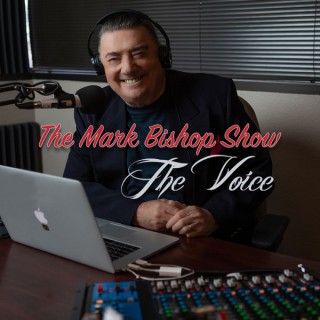
The Mark Bishop Show features all sorts of newsmakers. In this episode we have the Triptych founder, David Deighton. David explains how we can learn to bridge our societal divide by how we talk to one another. Hosted by Simplecast, an AdsWizz company. See https://pcm.adswizz.com for information about our collection and use of personal data for advertising.
We share the sad news that renowned spy novelist Len Deighton has passed away at 97. We pay tribute to his incredible work, discussing why he was considered the greatest spy novelist and his impact on cold war espionage. His contributions to the spy thriller genre remembered. Len Deighton didn't just write spy novels… he changed the genre. In this episode, we take a step back and reflect on the life, legacy, and impact of one of the true giants of espionage fiction. From The IPCRESS File through to the Bernard Samson/Berlin Game series, Deighton gave us something very different—spies who weren't superheroes, but real people. Flawed. Wry. Often stuck in offices, navigating bureaucracy as much as danger. I'm joined by Rob Mallows of the Deighton Dossier, broadcaster and commentator Eliot Wilson, and Aspect of Crime's Paul Burke as we talk through what made Len Deighton so special, including: Why his "everyman spy" felt like such a shift at the time How he stood apart from Fleming and le Carré His incredible sense of place—especially when it comes to Berlin The influence he's had on modern writers like Mick Herron And why, all these years later, his books still hold up This isn't just a tribute episode. It's a proper Spybrary-style conversation about why Len Deighton matters and why he still should matter to readers today. If you've never read him, this is a great place to start. And if you have… well, you'll know exactly why we're doing this one.

On the 17th March 2026, author Len Deighton passed away at the age of 97. To remember this wonderful author, Boney is in the hot seat as he tries to convince Alex that Bomber is a must read from the extensive cateloge of Deighton's books.Patreon members get extra time: 15 more minutes, in which you get to see behind the scenes and find out how the book was written. You can subscribe here: https://www.patreon.com/cw/15MinuteBookClubBuy Len Deighton's Bomber at our Bookshop.org shop. Support authors, indie bookshops and us!UK Link: https://uk.bookshop.org/a/16621/9780241493700US Link: https://bookshop.org/a/118682/9780802161611Visit our Bookshop with books from all of our guests via the links below:(UK) https://uk.bookshop.org/shop/15MinuteBookClub(US) https://bookshop.org/shop/15MinuteBookClubPatreon members get extra time: 15 more minutes, in which you get to see behind the scenes and find out how the book was written. You can subscribe here: https://www.patreon.com/cw/15MinuteBookClubWatch the video version: https://www.youtube.com/@15MinuteBook_ClubBuy [INSERT BOOK TITLE] at our Bookshop.org shop. Support authors, indie bookshops and us!UK Link: US Link: Visit our Bookshop with books from all of our guests via the links below:(UK) https://uk.bookshop.org/shop/15MinuteBookClub(US) https://bookshop.org/shop/15MinuteBookClub Hosted on Acast. See acast.com/privacy for more information.

Our interview guest this week is Dan Deighton, a member of Sheffield Speakers Toastmasters and Division N Director in District 71..This episode is published on 21st February 2026 with Paul O'Mahony & Moira O'Brien DTM, edited by Paul O'Mahony & produced by Moira O'Brien.Contact us :email: info@irishtalkers.comWebsite: www.irishtalkers.comDistrict 71 Website: d71toastmasters.orgDistrict 91 Website: d91toastmasters.org.ukToastmasters International: toastmasters.org

#209 - Conversations feel brittle right now, and disagreements can feel like stepping onto a minefield. We sit down with artist, educator, and traveler David Deighton to explore a different path: using art, curiosity, and face-to-face dialogue to turn political tension into human connection. From a pop-up “museum” on the rim of the Grand Canyon to quiet miles in the backcountry, David shares how intentional design and slow travel can lower the temperature and raise the quality of our conversations.David's method is simple and powerful. He builds installations that reveal our invisible boxes—our limited worldviews—and then invites strangers to talk through three non-triggering questions. No debating. No dunks. Just listening for one shared emotion and letting that become the bridge. He even trains attention with a sensory twist: ask what a word like “hope” tastes like. It sounds strange, but it pulls the brain out of fight mode and back into presence.We also lean into travel as recovery. After dozens of conversations, David hikes into wilderness to process and reset. Public lands become a civic commons where dialogue can breathe, and wilderness rules mirror good conversation: slow down, limit noise, pay attention. Along the way, we unpack why he starts with politics, how Triptych Dialogue took its name from a centuries-old art panel with missing scenes, and what it takes to move from activist anger to patient curiosity.If you've felt exhausted by outrage, this conversation offers tools you can use today: ask better questions, listen for emotions, practice with a neighbor, and take a walk before you reply online. Subscribe for more human-centered stories, share this with someone who needs hope, and leave a review to help others find the show. Who will you try the three questions with first?Be sure and give David a follow on YouTube @triptych-dialogue. To see some clips from past, present, and even future guests check out The Human Adventure on Instagram @humanadventurepod.

It is a good day to be a francophile with David on the podcast! David is an artist and teacher who uses his art to start conversations about politics and the world around us. Almost sounds like something The Cameron Journal would do! In this delightful chat we learn about the danger of activist art, the conversations that David is having and how he is changing the world, one conversation at a time.

About ripe in Town:ripe is a newly-launched digital publication highlighting the "juiciest picks and freshest takes" on Australia's regional towns. ripe's mission is simple: to provide “ripe” ideas for travellers whilst supporting Australia's small towns and regions by highlighting the diverse food, drink, culture, and experiences that make each community unique.About Lauren:Lauren Deighton is a marketer, entrepreneur and storyteller with over 15 years' experience spanning brand strategy, paid media and digital marketing. Lauren has worked both publisher-side and agency-side in both Sydney & New York for companies such as News Corp, VICE media, Concrete Playground, The Urban List & Influenster. She is the Founder & Director of Brandscend Agency, where she helps entrepreneurs and small businesses grow through intentional digital strategy & implementation. She also offers 1:1 training and courses.Lauren recently launched ripe in Town, a digital travel and lifestyle publication celebrating Australia's regional towns. Through curated guides and thoughtful storytelling, the team champions local experiences, food and culture & encourages Australians to explore deeper connections to place and community.

In this episode of Brutally Honest Talk Radio, Elmo engages with David Deighton. He is an artist who created a specific artform called TriptychDialogue. They discuss the importance of understanding different perspectives, and the necessity of engaging in difficult conversations about politics. https://www.facebook.com/BrutHonestRadio https://brutallyhonestradio.libsyn.com/ https://www.instagram.com/BrutHonestRadio/ https://twitter.com/BrutHonestRadio https://www.tiktok.com/@bruthonestradio? https://rumble.com/c/c-628487 #brutallyhonesttalkradio #fyp #tiktok #artist

Anarchist Audit: We Need To Stop AI Before It Is Too Late! Then in the second hour I'll have a great conversation with David Deighton about all the problems and a great deal about the solutions too, and then... you'll just have to listen in.

What happens when the words we use are no longer enough to carry the weight of our experience?In this standalone conversation, The Educator and Master Communicator David Deighton joins me for an unflinching look at the nature of human suffering and interpersonal relativity. We begin with a single, haunting image: 'Talking to the birds, but they don't know words, they must have felt my pain.'The Colosseum Effect: We explore the brutal reality of the 'Spectator.' How can a crowd watch an experience they have never lived, and what does it mean to 'relate' from the safety of the stands?Interpersonal Relativity: Mapping the bridge between one person's agony and another's understanding. Can empathy exist without identical experience? The Pain of Freedom: We dismantle the paradox of the cage. For an animal—or a human—that has only ever known captivity, is 'Freedom' a gift, or a new, sharper form of pain?The Verdict:A multifaceted exploration of the 'Shadow' and the 'Sovereign.' This is not a conversation about healing; it is a conversation about Truth.

In this, his first Bernard Samson narrative, Len Deighton gives us the story of a weary MI6 veteran who's pulled back into danger when a suspected mole threatens London's Berlin intelligence network. As Cold War pressures intensify, Samson is forced to negotiate frayed loyalties and return to the divided city of his youth, where nostalgia threatens to cloud his professional judgement further. Deighton's prose balances the tight rope of moral uncertainty while softly critiquing early Thatcherism - the result being a portrayal of Britain as a nation losing coherence... not to mention its secret intel!Fast Facts@12:30; Summary@38:00; PIPES@58:00

In this lively literary conversation, Antonia Senior and Paul Burke explore the fascinating world of spy and crime fiction — from the golden age of classic espionage novels to the digital dilemmas of modern spy thrillers. As Paul launches Aspects of Crime, a new magazine, and a platform for authors and readers, they discuss how technology reshapes the genre, why characters like Charlie Muffin and Frederick Forsythe still resonate, and how emerging writers are redefining the moral and political edges of spy literature today. Expect deep dives into literary influences, lesser-known espionage gems, and the enduring tension between secrecy, betrayal, and morality that defines the best spy stories. Whether you love Le Carré, Deighton, Fleming, or new voices in espionage fiction, this episode offers both nostalgia and discovery for fans of intelligent thrillers.

Avec : Emily Deighton, responsable marketing chez Le Boat. - L'invitée qui fait l'actu. Le samedi et le dimanche à 7h40, Martin Bourdin reçoit un acteur majeur de l'actualité et donne la parole aux auditeurs de RMC.

In this episode, Professor Jess Deighton, a leading children's mental health expert, discusses the growing mental health challenges facing young people today and what this means for educators and schools. We dive into how student mental health impacts learning outcomes, the unique challenges teachers encounter in the classroom, and the critical importance of adopting a whole-school approach to wellbeing. Jess offers evidence-based insights on effective mental health strategies for schools, highlighting what truly works (and what doesn't) when supporting students. We discuss the power of fostering a sense of belonging, practical ways to build student resilience, and how teachers can support mental health without needing to be experts themselves. Jess also give actionable tips and resources for promoting wellbeing in your school community, and why supporting student mental health is a shared responsibility for everyone in education. This episode is for anyone passionate about making a positive impact on student wellbeing and academic success. Further resources mentioned: Jess Deighton: https://www.ucl.ac.uk/brain-sciences/research/research-strengths/mental-health/meet-professor-jessica-deighton Anna Freud Mentally Healthy Schools Website: https://www.mentallyhealthyschools.org.uk/ Youth Futures Foundation Report: https://youthfuturesfoundation.org/wp-content/uploads/2025/07/Understanding-drivers-of-recent-trends-in-young-peoples-mental-health-July-2025-final.pdf UCL Research into breaktimes: https://www.nuffieldfoundation.org/sites/default/files/files/Baines%2042402%20BreaktimeSurvey%20-%20Main%20public%20report%20(May19)-Final(1).pdf Growing up in the 2020s: https://growingup2020s.ipsos.com/#:~:text=our%20contact%20details.-,The%20Study,London%20(UCL)%20and%20Ipsos. Listen to the mini-series on the Myriad Trial: https://changingstatesofmind.com/mindfulness-miniseries-1

Mother Earth Foi uma banda inglesa de acid jazz e Soul com sede emLondres. Os membros da banda eram Matt Deighton na guitarra e vocais, Bryn Barklam no órgão Hammond, Chris White na bateria e Neil Corcoran no baixo. Shauna Green foi a vocalista do primeiro álbum. Antes de sua estréia ao vivo, tocaram ao lado da Jamiroquai, Começaram com um projeto de estúdio ("Almost Grown") com Paul Weller, James Taylor do James Taylor Quartet e Simon Bartholomew do Brand New Heavies.Lançaram três álbuns de estúdio e um álbum ao vivo. Se separaram em 1996. Atividades subsequentes:Deighton tocou guitarra para a banda de Paul Weller, e guitarra rítmica no Oasis Desde 1996, Matt Deighton lançou vários álbuns solo aclamados pela crítica.Bryn Barklam passou a gravar com The Chords e tocar órgão para os Buzzcocks, Participou do show de reunião dos Sex Pistols em Finsbury Park. Sua banda atual é um trio instrumental composto por órgão, bateria e guitarra, chamado de Capitão Hammond. Os integrantes da banda Mother Earth no álbum The People Tree foram: Matt Deighton: Vocal, guitarra acústica e elétricaBryn Barklam: Órgão Hammond, Fender Rhodes e pianoNeil Corcoran: BaixoChris White: BateriaMeryl Kenton Forbes: VocalJames Taylor: Fender RhodesSimon Bartholomew: Guitarra, percussão, mandolin e MoogChris Lawrence: Lap steel guitarGerard Presencer: TrompeteDennis Rollins: TromboneMichael Smith: SaxofonePablo, Snowboy: Percussão Discografia: Stoned Woman (1992) The People Tree (1993) You Have Been Watching (1995) The Desired Effect (live, 1995)Time of the Future (2001)The Further Adventures of Mother Earth (2004) Matt Deighton Para os garimpeiros que buscam um British Sugar Man, a discografia solo de Matt brilha como um diamante no meio do lodo. Você pode reconhece-lo à frente de seu tempo no Mother Earth; Pode se lembrar dele como guitarrista de Paul Weller no final dos anos 90, Na recomendação de Noel Gallagher sobre quem deveria substituí-lo no Oasis quando ele saiu da turnêeuropeia em 2000. Por quase duas décadas, o homem que eles continuam chamando de sucessor natural de Nick Drake, DaveyGraham e John Martyn tem sido mais um boato – um murmúrio entre músicos, compositores e amantes da música obstinados que exibem orgulhosamente seus raros lançamentos solo em vinil como troféus. Pela primeira vez, seu catálogo foi remasterizado e está se tornando digital.Ajudou a encorajar Bill Fay a sair da aposentadoria reapareceu tendo tocado nos discos de Bill desde 2011. Tom Cox, que revisou Wake Up The Moths para o Observer Music Monthly, comentou recentemente nas notas dacapa da reedição em vinil que seu único arrependimento ao revisar o álbum foi que ele sentiu que sua "mísera classificação de quatro em cinco estrelas lhe prestou um desserviço" "... é impossível imaginar fãs de Nick Drake ou John Martyn não se apaixonando por ele..." Discografia: Doubtless Dauntless (2018)You Are The Healer (2020) remThe Common Good (2020) remVillager(2021) remWake Up The Moths (2021) remKids Steal Feelings (2021)Today Become Forever (2023)

Welcome to the "Exit the Matrix - Stories of Success Stories" podcast, where we celebrate the incredible journeys of individuals who have transcended their limitations and achieved extraordinary success. On each episode, we'll dive into inspiring stories of transformation, determination, and triumph, showcasing the power of personal development. Get ready to be motivated and energized, as we uncover the secrets of breaking free from the matrix and reaching new heights, right here... Today's special guest is Ellie Deighton

fWotD Episode 2777: Len Deighton Welcome to Featured Wiki of the Day, your daily dose of knowledge from Wikipedia’s finest articles.The featured article for Wednesday, 11 December 2024 is Len Deighton.Leonard Cyril Deighton (; born 18 February 1929) is a British author. His publications have included cookery books and works on history, but he is best known for his spy novels.After completing his national service in the Royal Air Force, Deighton attended the Saint Martin's School of Art and the Royal College of Art in London; he graduated from the latter in 1955. He had several jobs before becoming a book and magazine illustrator and designed the cover for the first UK edition of Jack Kerouac's 1957 work On the Road. He also worked for a period in an advertising agency. During an extended holiday in France he wrote his first novel, The IPCRESS File, which was published in 1962 and was a critical and commercial success. He wrote several spy novels featuring the same central character, an unnamed working-class intelligence officer, cynical and tough. Between 1962 and 1966 Deighton was the food correspondent for The Observer and drew cookstrips—black and white graphic recipes with a limited number of words. A selection of these was collected and published in 1965 as Len Deighton's Action Cook Book, the first of five cookery books he wrote. Other topics of non-fiction include military history.Many of Deighton's books have been best sellers and he has been favourably compared both with his contemporary John le Carré and his literary antecedents W. Somerset Maugham, Eric Ambler, Ian Fleming and Graham Greene. Deighton's fictional work is marked by a complex narrative structure, extensive research and an air of verisimilitude.Several of Deighton's works have been adapted for film and radio. Films include The Ipcress File (1965), Funeral in Berlin (1966), Billion Dollar Brain (1967) and Spy Story (1976). In 1988 Granada Television produced the miniseries Game, Set and Match based on his trilogy of the same name, and in 1995 BBC Radio 4 broadcast a real time dramatisation of his 1970 novel Bomber.This recording reflects the Wikipedia text as of 00:58 UTC on Wednesday, 11 December 2024.For the full current version of the article, see Len Deighton on Wikipedia.This podcast uses content from Wikipedia under the Creative Commons Attribution-ShareAlike License.Visit our archives at wikioftheday.com and subscribe to stay updated on new episodes.Follow us on Mastodon at @wikioftheday@masto.ai.Also check out Curmudgeon's Corner, a current events podcast.Until next time, I'm standard Brian.

On today's REX Daily Podcast, Dom talks with Poultry Industry Association of NZ Executive Director Michael Brooks about the discovery of H7N6 avian influenza on an egg laying farm in Otago, the shockwaves it's sent throughout the industry and what the next steps are... He talks to Stu Davison from HighGround Dairy about the latest Global Dairy Trade Event (+1.2%), what's driving the current auction prices and what headwinds are on the horizon... He talks with Dr Michael Deighton, Chair of the Forage Technical Committee at the Plant & Breeders Association, about the 2024 National Forage Variety Trials, why its urging farmers to use it in order to make better ryegrass cultivar choices and what gains can be made... And he talks with Charles Miller-Brown about running the recent All Breed Sheep Classes at the Christchurch Show, run by the Canterbury A&P Association. Tune in daily for the latest and greatest REX rural content on your favourite streaming platform, visit rexonline.co.nz and follow us on Instagram, Facebook and LinkedIn for more.
On the 11th of November, the Fonterra company announced that they will be selling customer-facing brands, which include Anchor, Mainland and others. Following this announcement, Greenpeace are calling for potential buyers to go palm-kernel free. This comes after an expose of Fonterra's dishonest marketing strategies, and claims that its milk is produced with ‘regenerative farming', a blatant example of greenwashing. Sasha spoke to Sinéad Deighton-O'Flynn, Agriculture Campaigner at Greenpeace Aotearoa about the new sale of companies associated with Fonterra, including potential implications for consumers and Greenpeace's expectations for companies looking to purchase.
Last week, Fonterra announced it is returning a total dividend of 55 cents a share for the past financial year, off the back of a $1.1 billion net profit. In response to Fonterra's profit announcements, Greenpeace Aotearoa has called out Fonterra for ‘profiting from rainforest destruction'. Since last week, Greenpeace has also announced the organisation are suing Fonterra, over allegations Fonterra are also misconstruing the claim that their dairy product is 100% New Zealand grass-fed, when findings show that a potential 20% of a cow's diet could come from palm kernels importanted from rainforests in Southeast Asia. On 26 September, Wire Producer Sofia spoke to Greenpeace Aotearoa Agriculture Campaigner, Sinéad Deighton-O'Flynn, about this topic, asking her firstly about how concerning the profit announcement was to Greenpeace.

Hub & Spoken: Data | Analytics | Chief Data Officer | CDO | Strategy
In this episode, host Jason Foster sits down with Anthony Deighton, CEO at Tamr, to delve into the complexities of data quality and analytics. They explore the challenges organisations face in managing and improving data quality, the pivotal role of AI in addressing these challenges, and strategies for aligning data quality initiatives with business objectives. They also explore the evolving role of central data teams, led by Chief Data Officers, in spearheading enterprise-wide data quality initiatives and how businesses can effectively tackle key challenges. ***** Cynozure is a leading data, analytics and AI company that helps organisations to reach their data potential. They work with clients on data and AI strategy, data management, data architecture and engineering, analytics and AI, data culture and literacy, and change management and leadership. The company was named one of The Sunday Times' fastest-growing private companies in 2022 and 2023 and named the Best Place to Work in Data by DataIQ in 2023.

In this episode of "Is That SOO?" Harry Turner, The Nocturnal Therapist, sits down with Luke Deighton to explore the powerful intersection of corporate structures and spiritual service. Luke shares his journey of balancing mind, body, and soul through projects that align with true purpose. Together, they discuss bridging the corporate and spiritual worlds, the importance of embodiment and mindset shifts, and how spiritual practices can thrive in a corporate environment. Learn about balancing personal growth with family responsibilities, the role of mindfulness and intentionality, and the impact of men's groups on personal growth. Bring curiosity to reconditioning the mind, aligning truth and light, and fostering individual potential within a community. Join us for an enlightening conversation on living authentically and embracing one's true identity and potential. Show Notes Summary: Bridging corporate structures and spiritual service providers. (0:05) Creating balance between mind, body, and soul through projects that align with one's true purpose. (6:33) Bridging corporate and spiritual worlds, embodiment, and mindset shifts. (10:19) Spiritual practices in the corporate world. (15:02) Balancing personal growth and family responsibilities. (20:28) Mindfulness, intentionality, and energy flow. (26:59) Men's groups for personal growth and connection. (28:47) Dealing with subconscious programs and reconditioning the mind for positive affirmations. (34:07) Aligning truth and light, shedding darkness and ignorance. (39:13) Fostering individual potential and community through initiatives, with a focus on transformations and creativity. (41:59) Embracing one's true identity and potential. (46:55) Using intentionality to bring positive change. (52:37) Manifestation, self-awareness, and aligning thoughts, words, and deeds for happiness and fulfillment. (55:41) Living authentically and unapologetically, with a call to seek self-knowledge and light. (1:01:11) Contact Information: Connect with Luke Deighton for more insights on balancing corporate structures and spiritual service. Visit https://www.geniusspaceenterprise.com/luke-anchored-divinity to learn more about Luke's work and offerings. For information on high-vibration organic products, check out https://highbrationorganics.org/.

Our first show of 2024! At the end of the show a question from John Daly Recommendations: Catriona: Priscilla When teenage Priscilla Beaulieu meets Elvis Presley at a party, the man who is already a meteoric rock-and-roll superstar becomes someone entirely unexpected in private moments: a thrilling crush, an ally in loneliness, a gentle best friend. Through Priscilla's eyes, Sofia Coppola tells the unseen side of a great American myth in Elvis and Priscilla's long courtship and turbulent marriage, from a German army base to his dream-world estate at Graceland, in this deeply felt and ravishingly detailed portrait of love, fantasy, and fame. https://a24films.com/films/priscilla Eamonn: Nyad Athlete Diana Nyad sets out at 60 to achieve a nearly impossible lifelong dream: to swim from Cuba to Florida across more than 100 miles of open ocean. https://www.netflix.com/gb/title/81447231 Stuart: Damascus Station A riveting spy thriller that bears comparison with the works of Deighton, le Carré and Herron, Damascus Station revolves around a CIA operative and his latest recruit who find themselves enmeshed in lethal danger in Assad's Syria. https://www.waterstones.com/book/damascus-station/david-mccloskey//9781800752696?sv1=affiliate&sv_campaign_id=531573&awc=3787_1704895983_9b6d2b139bd3979c1d62ad9b8d9a84a0&utm_source=531573&utm_medium=affiliate&utm_campaign=https%3A%2F%2Fshopforward.nl%2F
S5 EP16 Welcome back to the world, it's been three years since our host Brandon Avery last caught up with the now freelance artist, Deighton Hamlet. In this episode, we dive right back into the conversation, exploring Deighton's journey as an artist-entrepreneur. He shares insights on personal growth, adulting, self-esteem, effective time management, and the things that truly matter to him, both in his life and in the unfolding chapters of his story. For a nostalgic trip down memory lane, you can also revisit Deighton's very first episode back in Season One, Episode 31 HERE This is a conversation you won't want to miss! Don't be selfish, SUBSCRIBE, SUPPORT, & SHARE THIS! Your continued support is needed to keep us going.
Episode 107 features Rob Mallows the man behind The Deighton Dossier website and blog, who is here to talk about Len Deighton, Bernard Samson, Harry Palmer, as well as collecting books and feeding our reading habit, spy fiction, spybrary and much much more... Throughout the conversation, we discuss: Len Deighton Reading Collecting Harry Palmer Bernard Samson Starting a website Spybrary Connections La Carre, Fleming, and Deighton The Cold Ward Human Intelligence And much more Mentioned and Helpful Links from This Episode deightondossier.net spybrary.com AgentPalmer.com Tweets @AgentPalmer @DeightonDossier @ThePalmerFiles Other Links Palmer's Trek: Star Trek V The Final Frontier Eric Idle Presents a Sortareminder to Laugh Through Life You can also hear more Palmer occasionally on Our Liner Notes, a musical conversation podcast with host Chris Maier or as co-host of The Podcast Digest with Dan Lizette. Music created and provided by Henno Heitur of Monkey Tongue Productions. --End Show Notes Transmission--

Today I'm joined by Anthony Deighton, General Manager of Data Products at Tamr. Throughout our conversation, Anthony unpacks his definition of a data product and we discuss whether or not he feels that Tamr itself is actually a data product. Anthony shares his views on why it's so critical to focus on solving for customer needs and not simply the newest and shiniest technology. We also discuss the challenges that come with building a product that's designed to facilitate the creation of better internal data products, as well as where we are in this new wave of data product management, and the evolution of the role. Highlights/ Skip to: I introduce Anthony, General Manager of Data Products at Tamr, and the topics we'll be discussing today (00:37) Anthony shares his observations on how BI analytics are an inch deep and a mile wide due to the data that's being input (02:31) Tamr's focus on data products and how that reflects in Anthony's recent job change from Chief Product Officer to General Manager of Data Products (04:35) Anthony's definition of a data product (07:42) Anthony and I explore whether he feels that decision support is necessary for a data product (13:48) Whether or not Anthony feels that Tamr qualifies as a data product (17:08) Anthony speaks to the importance of focusing on outcomes and benefits as opposed to endlessly knitting together features and products (19:42) The challenges Anthony sees with metrics like Propensity to Churn (21:56) How Anthony thinks about design in a product like Tamr (30:43) Anthony shares how data science at Tamr is a tool in his toolkit and not viewed as a “fourth” leg of the product triad/stool (36:01) Anthony's views on where we are in the evolution of the DPM role (41:25) What Anthony would do differently if he could start over at Tamr knowing what he knows now (43:43) Links Tamr: https://www.tamr.com/ Innovating: https://www.amazon.com/Innovating-short-guide-making-things/dp/B0C8R79PVB The Mom Test: https://www.amazon.com/The-Mom-Test-Rob-Fitzpatrick-audiobook/dp/B07RJZKZ7F LinkedIn: https://www.linkedin.com/in/anthonydeighton/
Episode 106 features Nicholas W Fuller, an author who is working on his next book while raising two kids, recording interviews for YouTube, and still finds time for that pesky day job. We discuss his writing process, compare our gaming stories, talk about coding, incomplete trilogies, too much media, reading on a kindle, and much much more… Throughout the conversation, we discuss: What's your process Plotter v. Pantser Speech to text Editing The Writing Process Waking Habits Self-Employed Our gaming stories Roads not taken Depreciated Syntax Name of the Wind Too much media Incomplete trilogies Kindle One book at a time And much more Mentioned and Helpful Links from This Episode NicholasWFuller.com YouTube.com/@NicholasWFuller AgentPalmer.com Tweets @AgentPalmer @NicholasWFuller @ThePalmerFiles Other Links It's Easy to Love the 1955 Dodgers When Reading Praying for Gil Hodges Charity is a Fitting End or Even a Beginning to Deighton's Samson Series You can also hear more Palmer occasionally on Our Liner Notes, a musical conversation podcast with host Chris Maier or as co-host of The Podcast Digest with Dan Lizette. Music created and provided by Henno Heitur of Monkey Tongue Productions. --End Show Notes Transmission--

Wharton's Barbara Kahn and Dr. Americus Reed speak with Katie Deighton, a reporter, for the Wall Street Journal about marketing at Ikea, the branding strategies used by the NFL, and more. Hosted on Acast. See acast.com/privacy for more information.

Welcome to another captivating episode of the MenswearStyle Podcast. Today, we have an exciting interview with Justin Deighton, Co-Founder of Two Tribes Brewery, a brand that creates refreshing beers designed to bring people together and celebrate the love of the moment.Join our host, Peter Brooker, as he delves into the fascinating founding story of Two Tribes Brewery with Justin, who embarked on this venture after a successful career in the music industry. Discover how the brewery, established in 2017, was born out of the collective experiences and influences of individuals who were at the epicenter of London's vibrant 90s club-culture movement. The values of fun, freedom, curiosity, and creative discovery that defined that era continue to form the foundation of Two Tribes' operations today.Two Tribes Brewery prides itself on being a provocateur within the London brewing scene, constantly challenging the norms and pushing the boundaries of what is expected from a craft brewery. They foster collaboration and unity by bringing together a diverse range of creatives, including brewers, artists, musicians, filmmakers, chefs, and more, to embark on exciting collaborative projects.In this episode, Justin shares valuable insights into the rise of independent beer brewing, offering a glimpse into the experiences and challenges of transitioning from the music industry to a new and dynamic field. Discover the intricacies of raising capital, fostering creativity, and cultivating meaningful partnerships. Justin also provides an intriguing perspective on the role of artificial intelligence in the brewing process and highlights the unique CAMPFIRE venue, which serves as a vibrant hub for Two Tribes Brewery.Join us as we delve into the captivating world of Two Tribes Brewery, where the values of their founders' past converge with their present-day endeavors. Gain insights into their innovative approach to brewing, their commitment to collaboration, and the vibrant culture they have created within the London brewing scene. Prepare to be inspired by their relentless pursuit of pushing boundaries, fostering creativity, and creating memorable experiences through the art of brewing.
On Episode 204 of the Spybrary Spy Book Podcast, we chat with the author of the best spy book I read last year, Big Bear Little Bear, David Brierley. We are also joined by the publisher, thriller critic, and author Mike Ripley as we dig into David's work and, in particular, how he researches locations for his spy novels. Join the Spybrary Community As I shared in the best spy books of 2022 post, Big Bear Little Bear, published in 1981, was the best spy thriller I read last year. It was hard to ignore this recommendation from Mike Ripley, who shared that the man himself, Len Deighton, had stumbled on a copy of Big Bear Little Bear in a second-hand shop in LA and loved it. He urged Mike to republish Brierley's work under his Ostara publishing arm. David Brierley comes in at #63 on Tim Shipman's best spy writers of all time list: 'Brierley created Cody, one of the very best female leads in spy fiction. She is a CIA trained agent who has gone freelance, who we first meet in Cold War, a 1979 novel set in the midst of a French election, which involves assassination, betrayal, and real tension (It scores 4.14 on GoodReads, which is much higher than a lot of books I love). Cody is resourceful and Brierley was hailed on publication as “a new name joins the world's greatest spy fiction writers”. Best of all his books are not long and written with a spare and unflashy style that nonetheless has real novelistic flair. This is espionage for grown-ups. Blood Group O, Skorpion's Death and Snowline followed. Between those Cody books, Brierley also became renowned for spy thrillers set in Eastern Europe, such as Czechmate. His best book, though, is Big Bear Little Bear set in 1948 Berlin, before the airlift, where the sole survivor of a blown network works to expose a traitor in British intelligence. My paper, The Sunday Times, reviewed it thus: “ Has the rancid strength of a distillation of the best of Le Carré and Deighton: an authentic winner.” That this praise is only slightly excessive tells you what you need to know.' Big Bear Little Bear by David Brierley Kiss Kiss Bang - The Boom in British Thrillers by Mike Ripley Dead Man Telling Tales by David Brierley - just released (2023) Czechmate by David Brierley Jeff Popple (Spybrarian) Review of Czechmate Skorpions Death by David Brierley The Cloak and Dagger Girl by David Brierley Best Spy Books of 2022 (Spybrary) Tim Shipman's best spy writers ranked list. Adam Hall/Elleston Trevor Raymond Chandler Join the Spybrary Community

Roland Ladley and I were at six form school together, The Army's Welbeck college, and then met again later, a number of times, including two years at the British Army Staff College, where he was one of the many bright minds that I served alongside. After a successful army career Roland left aged 44 and went into teaching where he quickly became a deputy head. Now he runs a compassionate leadership consultancy, as well as writing some cracking books called the Sam Green series where Sam, the heroine find herself in some amazing scrapes and highlights the problems for people on the autism spectrum with ADHD and how she finds ways of overcoming that while fighting criminals and evil dark organisations.From the comfort of his caravan that he travels around Europe in, we discuss what compassionate leadership means, and share some of his views, experiences and life stories, which are fascinating to hear.On Amazon his review says:Roland Ladley's detailed, but flowing narrative has been compared favourably to Le Carré and Deighton; Sam Green, his ‘flawed but resolute' protagonist, to a female Jack Reacher – ‘only more edgy and much more prone to tears.' His second spy thriller in the Sam Green series, Fuelling the Fire, won a publishing contract with Kindle Scout and went on to become a best-seller in its genre. His other six books in the series, Unsuspecting Hero, The Innocence of Trust, For Good Men to Do Nothing, On The Back Foot To Hell, Blood Red Earth and The Belmonte Paradox, have been equally well reviewed in both the UK and the US.If espionage is your bag – and you're after realistic, up-to-date conspiracy thrillers with a strong female lead – then the Sam Green series is waiting for you. Or, if you're after a softer, female-led action adventure try of Black Bulls and White Horses, Roland Ladley's first non-Sam Green novel, written during the first covid_19 lockdown. Here teacher Emily Copeland follows her mother's past to the lawless Camargue region of France. Love … and death followTo bring realism to his writing Roland Ladley draws upon twenty-five years military service, including complex tours of Bosnia, Afghanistan and Sierra Leone. Subsequent work as a teacher enables him to communicate lucidly to a wide audience, and two grown-up daughters ensure he can laugh at himself and find comic moments in his writing when the tension is at its greatest.Now a full time writer based in Bristol, UK, he lives an itinerant lifestyle with his wife in their motorhome, posting a travel/writing blog and marketing his six Sam Green novels. With the books' cinematic style, it's not surprising that the first, Unsuspecting Hero, has been turned into a mini-series screenplay and is being considered by a well-known British director.Find him via his blog: the.wanderlings. And follow him on Twitter, Instagram or via Facebook @rolandtheauthor. Hosted on Acast. See acast.com/privacy for more information.

The final part of the Ampel-produced trilogy on the power of audio sees Darren talking to Lauren Deighton, Ampel's Director of Media and Partnerships, about podcast performance measurement and the all-important conversations with clients. On-Demand Audio is still a new medium, at least commercially, and framing the conversation in the right way is vital to having everyone viewing audio from the same perspective. Podcast audiences aren't "digital" or radio - they're communities. Audio creates intimate connections and has the highest consideration and actions of any channel due to the trusted nature of the medium. So if its advantage is in impact, Why are we still measuring against reach and impressions? They'll talk to the Head of Podcasting at one of Australia's largest podcast networks to discuss how clients are, and should, evaluating audio success. Lauren Joyce is Chief Strategy and Connections Officer at ARN. Lauren is a Cannes Young Lion Gold Award winner and with years of experience in strategic and client partnership roles with companies like Mamamia, UM and Ensemble, she is perfectly placed to advise on the best way to converse with clients about the strengths of audio. Bryan Barletta at Sounds Profitable is one of the audio industry's most prolific thought leaders with his regular Podcasts and Newsletter about the best in audio tech and research. We were lucky enough to grab Bryan for a chat about where we are at with podcast ad-tech, and more importantly, what is coming next. With thanks to Josh Butt, Michelle Lomas, Stuart Buckland, Lauren Deighton, Tania Peres, Justin McArthur, Luke Sewell, Brittany Frappell and Sez O'Neill from Ampel If you are interested in finding out more about what a professional audio channel can do for your company, visit ampel.com.au or email us at hearhere@ampel.com.au Thanks to Melod.ie for their music. Recorded at King Sound Studio with thanks to Joe Lewis. For more episodes of TrinityP3's Managing Marketing podcast, visit Trinity P3 https://www.trinityp3.com/managing-marketing-podcasts/ Listen on Apple: https://podcasts.apple.com/au/podcast/managing-marketing/id1018735190 Listen on Spotify: https://open.spotify.com/show/75mJ4Gt6MWzFWvmd3A64XW?si=a3b63c66ab6e4934 Listen on Google: https://podcasts.google.com/feed/aHR0cHM6Ly9mZWVkcy5zb3VuZGNsb3VkLmNvbS91c2Vycy9zb3VuZGNsb3VkOnVzZXJzOjE2MTQ0MjA2NC9zb3VuZHMucnNz Listen on Stitcher: https://www.stitcher.com/show/managing-marketing Listen on Podbean: https://managingmarketing.podbean.com/

in episode 35 i spoke with an unschooler (from the 90's) turned cognitive neuroscientist, Alexis Deighton MacIntyre. we discussed her childhood in Canada- a bit about her family life, reasons for not attending conventional school and her path to higher education! Find Alexis at www.admacintyre.com Get your copy of the Zine, over at www.theunschoolfiles.com Connect with other Unschoolers via discord at https://discord.gg/zvEaM26Nny
Episode 75 features Keelin the Magpie, who's background in the creative arts has prepared her for the thankless job of critically reviewing podcasts. We discuss how that came to be, the process of reviewing media, podcasting as a medium, reading, writing, scripts, criticism, community and much much more. Throughout the conversation, we discuss: Critical Podcast Reviews A Review Blog Origin Always a reader Theatre background Books are a happy place Dramaturgy Musical Theatre What is podcasting? Audio drama Script reading Professional Critiques GreatPods Twitter Finding Community Talking about Podcasts Criticism and Indie Podcasts Audio Quality Bad press myth Reviewing something in production Podcasting is a different medium. And much more Mentioned and Helpful Links from This Episode Mentally? A Magpie iamkeelinit on Instagram iamkeelinit on tiktok AgentPalmer.com Tweets @iamkeelinit @ThePalmerFiles @AgentPalmer Other Links MAMista rains Deighton's spy sensibilities into the jungle Hustle scores points as modern love letter to basketball You can also hear more Palmer occasionally on Our Liner Notes, a musical conversation podcast with host Chris Maier or as co-host of The Podcast Digest with Dan Lizette. Music created and provided by Henno Heitur of Monkey Tongue Productions. --End Show Notes Transmission--

Tamr's Chief Product Officer, Anthony Deighton, joins Coruzant Technologies for the Digital Executive podcast. He shares his shift from being a business consultant to technology. He was inspired by innovative software and tech. Now he leverages machine learning to analyze large amounts of data looking for patterns in a short amount of time.

Cease Wyss, a Squamish cultural leader who has researched Squamish women for many years joins us to describe the harmful legacy of “Gassy Jack” John Deighton

We discuss Villager, the 1995 debut solo album from Mother Earth frontman Matt Deighton. Also known for playing with Paul Weller and briefly replacing Noel Gallagher in Oasis, Deighton's work is well overdue discovery.There's also music from Model Society. You can find out more about them here https://www.musicglue.com/modelsociety/ See acast.com/privacy for privacy and opt-out information.
Episode 63 features Janae Ivery, who you may not know yet, who is co-hosting the Girls Go Books Deep Podcast, and who's preparing to break into all of the mediums. We discuss on-screen representation, why can't all fandoms get along, what is canon, writing, reviewing, captions, and much much more. Throughout the conversation, we discuss: Representation Canon Fandom DC and Marvel Reading Binge vs. Appointment Television Wanting to Create Reviewing Captions Writing Acting Daily Goals Notebooks The Fear of Publish And much more Mentioned and Helpful Links from This Episode AgentPalmer.com GirlsGoBooksDeep.com Ralph Bakshi: A Rotospective Tweets @jivery @gg_booksdeep @ThePalmerFiles @AgentPalmer Other Links Objectivity wins in Deighton's WW2 analysis, “Blood, Tears and Folly” Edge of the World Broadcast Season Two: Listening is Advised! You can also hear more Palmer occasionally on Our Liner Notes, a musical conversation podcast with host Chris Maier or as co-host of The Podcast Digest with Dan Lizette. Music created and provided by Henno Heitur of Monkey Tongue Productions. --End Show Notes Transmission--
Episode 46 features Shawn McBee, a graphic designer for television and film with credits like Stargirl, Preacher, Sleepy Hollow, The Resident, and many other titles. We talk about being in a position most people don't know exists, the whim of the industry, passion projects, hobbies, Batman, and so much more. During the episode we cover: Being a Graphic Designer for TV/Movies Making cool and mundane things How art departments and directors work together Atlanta: The Hollywood of the South The whim of the industry Working from job to job Speaking the creative language Launching a podcast network Podcasting Real props vs. on-screen props My "main" podcast Batman And much more... Mentioned and Helpful Links from This Episode AgentPalmer.com FandomLimb.com TableReadsPodcast.com StargirlAftershow.com Shawn McBee's IMDb Tweets @ThePalmerFiles @AgentPalmer @thetablereads @stargirlpod Other Links Depth of Deighton's character arcs on full display in Winter Sports Pages and Aviation Airplane cards represent the needless stuff of a meandering generation You can also hear more Palmer in the meantime on Our Liner Notes, a musical conversation podcast with host Chris Maier and as mentioned on this show as co-host of The Podcast Digest with Dan Lizette. Music created and provided by Henno Heitur of Monkey Tongue Productions. --End Show Notes Transmission--

[2:25] - What is leadership and how does it differ from management? [5:29] - How did you influence and get support for your ideas at Siebel where you were responsible for a product that made insignificant revenues compared to CRM, their flagship product? [12:02] - What is important - leadership or management for a founder? [16:25] - What is your philosophy on hiring and how do you hire for talent and cultural fit? [21:15] - You joined Qlik when it was a small unknown Swedish company and took it from that to a public company. Talk me through your journey there and how you evolved as a leader at different stages of the company. [32:20] - Having worked in different geos, is there a different leadership style in Europe vs America for example? [34:56] - What differentiates good leaders from bad leaders when it comes to performance management and nurturing talent? [38:30] - What advice on leadership would you give to entrepreneurs who are dealing with different needs of employees, customers, and businesses because of the pandemic? [40:28] - What advice would you give to your younger self on leadership? Productivity tool: tryshift.comBook: Power of One
Episode 33 with fellow agent Mike Laybourne (Agent Hunt), who has written about LEGO on AgentPalmer.com and is on the show to talk about our favorite plastic bricks. When we started, how we came back to them, why we enjoy them, collect them, and more. During the episode we cover: Growing up with LEGO Our Personal LEGO Dark Ages What brought us back to LEGO Space Shuttle (Mike) Saturn V (Palmer) The Family that LEGOs together LEGO Community Custom LEGO stands and builds Building vs. Playing (Different LEGO interactions) Head in the clouds LEGO video games / LEGO Movies Keeping hobbies as hobbies The building process The missing piece! And much more... Mentioned and Helpful Links from This Episode AgentPalmer.com Mike's Corner (Mike Laybourne's YouTube Channel) Tweets @ThePalmerFiles @AgentPalmer @MikeLaybourne Other Links The Power of Play - How Fun and Games Help Children Thrive No ‘Match' for conclusion to Deighton's first Samson trilogy Fighting for Space is not Jackie Cochran vs. Jerrie Cobb, but it's a compelling duality Mike's LEGO Reviews LEGO Star Wars Ultimate Collector Series A-Wing Two LEGO Mandalorian Sets LEGO Star Wars Snow Speeder - 20th Anniversary Edition LEGO Star Wars Slave 1 - 20th Anniversary Edition LEGO Star Wars Anakin's Podracer - 20th Anniversary Edition LEGO Star Wars Microfighters LEGO Star Wars Imperial Dropship - 20th Anniversary Edition LEGO Star Wars Clone Scout Walker You can also hear more Palmer in the meantime on Our Liner Notes, a musical conversation podcast with host Chris Maier and as mentioned on this show as co-host of The Podcast Digest with Dan Lizette. Music created and provided by Henno Heitur of Monkey Tongue Productions. --End Show Notes Transmission--

Making Conversations Count: Honest, relatable conversations with business leaders
Making conversations about team development count! Wendy is joined by Andrew Deighton today, who helps build and develop high performing teams through strategy and processes in today's remote working world. Wendy has worked with Andrew in a second business through mentoring and knows firsthand how his advice relates to many aspects of running a business. Andrew shares his time at Rolls Royce which leads to his pivotal moment. This conversation discusses different opportunities and how they can positively affect your business, work/life balance and your family. When Andrew was offered a promotion, that was perfect for him, it led to some interesting conversations and thinking about what opportunity looks like in reality… Connect with Andrew: https://www.linkedin.com/in/andrewdeighton/ https://www.awddevelopmentsolutions.com/ EPISODE TRANSCRIPT Making Conversations Count – Episode 5 November 19th 2020 Wendy Harris & Andrew Deighton, AWD Development Solutions Ltd Timestamps 00:00:00: Introduction 00:01:08: How Andrew and Wendy met 00:01:47: The new world of online conversations 00:02:33: Video meetings expanding the global reach 00:03:32: Some useful tips for hosting zoom meetings 00:04:56: Andrew's feedback from his online sessions 00:07:42: Andrew's pivotal moment 00:11:53: Memories of Singapore 00:14:06: How the children coped as expats 00:17:04: The typical day of an expat worker 00:18:23: Final thoughts Wendy Harris: Welcome to Making Conversations Count, the podcast that shares business leaders' pivotal moments to help aspiring entrepreneurs. Today, I'm excited because I have Andrew Deighton here with me. I met Andrew about three years ago, and he has actually helped me in my business, so I know that I've had a couple of pivotal moments just off the back of meeting Andrew; so, it was great to be able to ask him to come on the show and share his with you too. So, Andrew, welcome to the show. Thank you so much for joining us. Andrew Deighton: Thank you, thanks for asking me. Wendy Harris: I know that we've known each other for a while. Tell each other what you do and how we first met. Andrew Deighton: I run a training and development business now, so particularly focussing on helping businesses to build high-performing teams; and now, the situation we're in, remote high-performing teams. And, I also help businesses who may be a bit bigger who need some outsourced training and development support, so putting strategies and processes in place around developing their people and their teams and their organisation. So, we first met when I volunteered to do some work with Staffordshire Chamber as a mentor, and they introduced me to you and Colette and we started having a few business mentoring sessions. Wendy Harris: Absolutely. Andrew Deighton: The Holiday Inn in Burton! Wendy Harris: The Holiday Inn and their cappuccinos, yes, because Colette is also known as my work wife for the sales and marketing workshops that we were delivering. We've not delivered any through lockdown, and that was purely because we thought that the reason that people loved our workshops so much was the interaction that they get in the room. So, this remote working thing really has changed. How has the conversations that you've been having with delegates, you know, training online, how have they changed? Andrew Deighton: Obviously, it's different. I think it's useful if you do get the chance to meet someone face to face first and then take it offline, but obviously that's fundamentally changed now. So, I ran a webinar session two days ago actually, and strangely, and I don't know why, but most of the delegates were from Malaysia; so, it just opens up that properly global thing without having to leave my office. And, it's just bizarre. I don't know why it was or where it came from, but I advertised it on LinkedIn and Eventbrite and most of the people there were from overseas, rather than the UK, which was just strange. It's really opened things up; the potential. Wendy Harris: Yeah. There's something happening in Malaysia that maybe there's a skill shortage, they haven't got anyone they can call to, and I know that you're very active on social media in telling people what you do and how you do things. You do lots of video, which I think is great for connecting with people, so maybe that's why your global reach has boomed? Andrew Deighton: I try to vary things and see what works and what doesn't work. Lots of us are learning, you know; we've had to shift. I've not shifted what I do or what I want to do really; I've just had to shift how I do it and maybe package things a bit differently with the remote stuff. I think you can still deliver pretty interactive, pretty good workshops online, particularly with teams who know each other. Obviously, it's more difficult if you're pulling a new team together, but I think if people know each other before and they just happen to have to work remotely, you can still do away days and facilitation and team events quite successfully online. Wendy Harris: Somebody mentioned to me a couple of days ago that we all need some form of training in terms of how to handle ourselves online, in like zoom situations; looking out for nuances of facial expression, distractions that you may not normally notice. And I know myself, I've done it, I've fallen foul of it, but also I've noticed it in team sessions that I've run as well. And I think it's that difference; I think it's perhaps why I love the phone so much. You don't necessarily need to see all that body language; it's all about coming out in the voice, isn't it, as to what you do? Andrew Deighton: And, I think when you're delivering through zoom or something, it's about trying to remember that when you're talking, to look at the camera. The temptation is to either look at yourself, or look at the person you're talking to, which you would naturally do. But, if you're looking at the person that you're talking to, then you lose the eye contact, because the camera doesn't see you. Wendy Harris: That's strange, isn't it though, because that eye contact through the camera means that I can't keep an eye on what your responses are to what I'm saying? Andrew Deighton: Exactly. It's kind of, you have to imagine you're sort of a TV presenter and just imagine you're talking, if you're doing a group session, imagine you're just talking to one person. Wendy Harris: It's almost that, pretend you were on the phone so that you don't get distracted as well by other things going on, isn't it? Andrew Deighton: That's a good technique actually, yeah. Wendy Harris: Yeah. So, I know that you mentioned there as well that getting people to perform, whether they know one another or not, online can be difficult. There have got to be some success stories as well. What sort of feedback have you had from the deliveries that you've been doing? Andrew Deighton: It's been really positive actually so far. Things have progressed quite a lot as well, so I think people like short, sharp sessions. They appreciate that, because we spend so much time, a lot of us, on zoom, and it's back to back, you know, 12.00pm to 1.00pm, and then 1.00pm to 2.00pm. I think the danger is people just don't leave themselves gaps. So, what quite a lot of people suggest is running things from sort of five or ten past the hour to five or ten to the hour, rather than hour-long sessions, and it just gives people that ten-minute break in between to get their thoughts together, go and grab a drink, and so on. So, I think you've got to think, and people appreciate that. If you put the thought into how you're delivering and what the impact is on people, they really appreciate it, because the vast majority aren't like that; so, if you're thinking about it, they appreciate it and they appreciate it more. And then, just again trying to build in interaction, whether that's just through encouraging people to answer things in the chat box or polls, or the whiteboard feature, things like that. So, people appreciate that and give good feedback based on that interactivity; it's not just about putting slides up and a little picture of you in the corner, and then just talking through slides; that's not what people want now. Wendy Harris: I hear exactly what you're saying there, Andrew. I mean, the sessions that I run, I always say, “Right, I'd better introduce myself and tell you what we're going to be doing today”, and you can see all the microphones go red with a line through, because they've put themselves on mute. And I'm like, “So, the first thing I'm going to say to you is, unmute yourselves, because you're going to be involved. I want you to be asking questions. This is your session; it's for you, not for me”. It is interesting how the difference, I think, in expectations that you find that it's not very refreshing when people put themselves all on mute, is it? Andrew Deighton: As well, if they don't have their video. And, I know people have reasons for not putting their video on and that's fine, but it makes it really difficult then to judge. You know, you've got 20 little squares on the screen; you are just trying to judge the reactions, but if there's no video as well, it's just really, really difficult. Wendy Harris: That's the art of presenting, as well as being engaging, isn't it? And I think this is why Making Conversations Count, I'm so passionate about it, is because it's got to be a two-way street. You can give, but you also need to receive, so it's that speaking and listening that's really important? Andrew Deighton: Absolutely, really important, yeah. Wendy Harris: Everybody that comes on the show, I always ask them to have a think about one conversation that created a turning point, and we've been calling it their “pivotal moment”. And, one thing that's become clear is that a lot of people have more than one. So, Andrew, have you been able to think of one? Andrew Deighton: Yes. It actually goes back to 2007, so it's quite an old one. Wendy Harris: Okay. Andrew Deighton: It's when I was working at Rolls Royce. So, I started at Rolls Royce when I was 18 and worked there for 26 years, so I was actually in the marine business. So, I was the Head of Employee Development for the marine business in Rolls Royce. My boss called me in one day and he said, “We're setting up a new business unit; would you be interested in being the HR Director for this new business unit?” and I'd sort of got a mix of HR background and a mix of training and development background, so I sort of swapped between the two, and yeah, it was a big promotion for me. So, I said, “Absolutely, yeah, thank you for asking me”, but it was brilliant; from a career perspective, it was just superb. So, that was all great and then he said, “But, it's going to be based in Singapore”. So, that kind of put a bit of a different twist on things, because my wife was working; I'd got twin girls at home who were 11 at the time and my son was 5. So, I said, “Yes. I'd better just check at home first before I ‑‑” Wendy Harris: It's not just my decision? Andrew Deighton: Yes. So, that was really quite a fundamental point. So then, I went home and had a chat with Jo, my wife, and my fundamental thing is around opportunity, so we said it was for two years initially; two years just goes like that; let's do it, let's go for it. So, I went back and said yes, and then it came to a bit, I guess, into your arena; sales. So, I had to then sell it to my kids, because the girls had just started senior school, they'd been with the same friends all through school, we'd lived in the same area for all their lives, you know; so, it was going to be a bit of a sales pitch. So, we went back, and it was very clunky internet in those days and strange beeps and things when you went online and all sorts of stuff, but we pulled up pictures of that part of the world and the beaches and things that we could do and stuff, and started a bit of a sales pitch to the kids really. I also remember, the thing that sticks in my mind is, when we were showing these pictures, one of my daughters, Emily, she says, “Am I dreaming; is this real?”, so we knew that we'd kind of got them. So, I accepted it, I started working in 2007 from the UK, just sort of going out there now and again, but then Jo and I had to go out on our sort of look-see visit and find a house and find a school and all that. There came another bit of another sales pitch really, just to convince Jo that it was definitely the right thing to do. I think the thing that swung it when we'd got out there, as soon as we landed, it was kind of early morning. Because of the flight times, you get there about 6.00 am in the morning. So, we were in the hotel swimming pool at 8.00 am in the morning, in the sunshine, in 30 degrees, and she said, “Yeah, I'd probably manage this for two years”! So, I'd got a convert there. And also, the hotel had a happy hour in the evening in the sort of business lounge, which was on the 30th floor overlooking the city, and it was free canapes and wine; so, that swung it as well, I think. We decided we'd go for it. We actually moved out in March 2008. That was the start of our pivot. Wendy Harris: It's exciting, isn't it? And I think, what you've described there as well, even with your wife saying yes to the opportunity from the start and, “Yeah, let's get the kids on board”, and even then going out to look for the house, it starts to become not just an expectation, but a reality. It's bridging the, well it was a good idea, but is this real; is this happening; how is it going to affect me; and then it's all the uncertainty. But, what a fabulous opportunity to go out there. So, what's your lasting memory of Singapore? Andrew Deighton: It's a mix of probably a couple of things really. It's the opportunity from a work perspective; it was a proper international role, so the business that I worked in, we had 34 locations across the world, so I was looking after — it was only a small team, but a remote, global team, part of an executive group looking after a 2,000-people business. So, it was sort of that experience and exposure at that level, and the opportunity to travel for business, which I actually really enjoy flying. Some people hate it, but I really enjoyed the business travel side that was part of it. But also, particularly, I think the key thing was from a family perspective for me. It opened up, for all of us, such an opportunity to experience things that we would never have experienced. I didn't know anything about that part of the world at all when we went out there, so we were literally going quite into the unknown. They call Singapore, “Asia for beginners”, because it's — Wendy Harris: It's really westernised, isn't it? Andrew Deighton: Yeah. So, they drive on the left and you don't need an adaptor for your sockets, and it's very western and English and English law and so on. It's the opportunities that open up to travel and experience different countries and cultures. And Singapore itself is just such a mix of cultures. There are four main cultures in Singapore anyway, but then you bring all these different expat countries and people in as well; it's a really mix. Wendy Harris: Pockets of people from home? Andrew Deighton: Yeah, that whole cultural awareness and customs and getting used to working with different people with a different perspective, and it's just great. And for the kids, they went to a school that had 42 nationalities in it in a school of 400. Wendy Harris: Wow! Andrew Deighton: And, they've got friends now all over the world. So, my daughter, she was due to be a bridesmaid for a friend in Australia this year, but obviously that's not happened. Wendy Harris: Oh, wow. Andrew Deighton: She went travelling after uni and met five Japanese friends who she'd not seen for five years, and her and her boyfriend, they took them round Tokyo as tour guides, you know. She hadn't seen them for five years, but they'd made these friends from all over the world, and just their understanding, I think. The understanding that they've got of different cultures is great. Wendy Harris: So, you've got all of you on the same page, because it's all unknown to everybody, so you're all learning together? Andrew Deighton: As we go, yeah, absolutely. Wendy Harris: Which, as a family unit, can either make or break you, can't it, if you're not careful, let's face it? So, fabulous that they were on board, that they embraced it, and look at the knock-on effect that it's had in their lives as well, being young adults and young children coming through; amazing. Andrew Deighton: It was tough for them at first, because they were leaving their friends, obviously, particularly for the girls, because they'd got their real roots; so, it was very hard for them, to be fair, to take out. And, I think social media sometimes is a bit double-edged, because it was very easy to stay in touch, which was great for us, keeping in touch with our parents, but it was easy for them to keep in touch with their friends. So sometimes, obviously, missing them and stuff, but then we did probably so much more than we ever would have done here, as a family, because we were in a rented house. We didn't have the usual, we've got to do decorating, and all this sort of stuff in the house, you know. So we did, every weekend, we tried to go somewhere, you know, just on the island, to visit different things and see different things and go to museums and go out to the pool and go to the park and, you know, probably brought us a lot closer together as a family than we would have. Wendy Harris: So, from that conversation of, “Can you take on this new role?” and you go, “Yeah”, to, “Can you go to Singapore?” “Argh!”, it really did have a positive impact, not just on you but on your family and your life? Andrew Deighton: And then, we had to come back. And so, the girls actually were easy to bring back to the UK. Tom, my son, it was really tough for him coming back, because he'd really forgotten the UK, because he'd done basically half his life by then out there, and all his friends were in Singapore really. Wendy Harris: The opposite adjustment. Andrew Deighton: Yeah, so he was really easy to take out, but it was really hard for him to come back; so it was really the flipside. And then, you're integrating back into the UK. Wendy Harris: And, I bet he's kept in touch with lots of people as well, hasn't he? Andrew Deighton: Yeah, absolutely. Again, South Africa, he's got friends there and Spain and all over the place. Both the girls have travelled since and Tom wants to work overseas when he can as well, so it's really opened up all of us, all of our minds. And, we ended up staying four and a half years; we went for two. If we hadn't taken that opportunity, we would never have had all that. Wendy Harris: Yeah, because it does make you think, “Well, where would I be now if I hadn't have done that, and where would my family then be if I hadn't have done all that, now?” It is that kind of, “What if…?” moment, isn't it. And just touching on what you were doing, you know, having a remote team in 34 locations; you've been handling remote working for a very long time? Andrew Deighton: Yeah. Until recently, you kind of take it for granted or forget it actually. When I was out there, obviously my working day started at sort of 8.00 am, you know, normal day, but it was really quiet, because I was based out in Asia. And then, about lunchtime, Norway, Finland, Sweden woke up, lunchtime Singapore time; and then, an hour after that, the UK woke up; and then, five hours after that, America woke up. So, it was very long days, because you'd be doing calls at 10.00 pm at night at home because of the time zones. But, you are working properly remotely across lots of time zones, and across lots of different communities as well. Wendy Harris: A fabulous opportunity and a fabulous story. Thank you so much for sharing that with us, Andrew; I think it's incredible. Anybody wanting to know anything about Singapore, obviously you must be the new tour guide? Andrew Deighton: We've been back twice actually. Wendy Harris: Have you? Andrew Deighton: Yeah, we went once for my big 50 birthday. Jo and I went just to sort of revisit places and see how things have changed; and then, we went last year with Tom for him to have a chance to see what he remembered. So, who knows when we'll get back? Wendy Harris: Wow, who knows? Maybe you'll get some invitations? Andrew Deighton: That would be nice. Wendy Harris: That would be nice, wouldn't it? Andrew Deighton: To be paid to go back would be ideal. Wendy Harris: We're not exclusive to Singapore! Andrew Deighton: No, anywhere will do! Wendy Harris: I'll carry Andrew's bag! But, Andrew, thank you so much. If people want to pick up the conversation with you, where can they find you? Andrew Deighton: Email me. My email address is Andrew@awddevelopmentsolutions.com, or just connect with me on LinkedIn; look for Andrew Deighton. Wendy Harris: Well, that's great. Thank you so much for sharing again. Don't forget to send us your comments; we love to read them and do reply. So, share this with your friends and family and don't forget to subscribe. The link you need is makingconversationscount.studio/podcast. Thanks so much for listening. Until next time, bye bye.

On today's episode of Scaleup Marketing I'm joined by Anthony Deighton, the Chief Product Officer at Tamr. Anthony has 20 years of experience in enterprise software, including 10+ years at Qlik growing it from an unknown Swedish software company to a public company and market leader. Anthony and I talk about his experience building Qlik from the ground up, how product and product marketing teams need to work together, and what messaging development has in common with standup comedy.
S1 EP31 Happy hump day! This week Host Brandon Avery sat down with designer and co owner of Chroma Visions™️ Deighton Hamlet. This is a conversation you don't want to miss. Don't be selfish, SUBSCRIBE, SUPPORT, & SHARE THIS! Follow us on IG @_thesocialtour_ & @thesocialtourhq PEACE! thesocialtour.us

In this episode of PlayGround, I interview Rose Deighton, who I met through the IDEAS Fellowship at Emory University. Rose is a graduate student at Emory studying Sufism and Gender. In this episode, we discuss Rose's childhood in a small town in Canada, her figure skating years, and her interests in the intersections of feminism, religion, and spirituality. We connect figure skating to her academic aspirations of becoming a teacher and discuss the meaning of life. After listening to this episode, you may have some existential thoughts and start re-thinking your life's purpose, so you do not want to miss this episode!
For episode nine of The Palmer Files, guest Jason Zapata joins Agent Palmer to discuss adaption versus interpretation; from Tolkien and Terry Brooks to Batman, Bond, and Beowulf, plus many many more properties, it's a pop culture cornucopia. Jason and Jason relive old arguments about Tolkien's seminal adaptation by Peter Jackson and discuss many book to screen adaptations and other interpretations plus go on a few sidetracks, because why not? Throughout the conversation, we cover: Lord of the Rings by J.R.R. Tolkien Book vs. Film Purist Perspective Tom Bombadil The Hobbit Terry Brooks and The Four Lands The Shannara Chronicles The Sword of Shannara Trilogy Being Generational Game of Thrones and George R.R. Martin The Name of the Winds by Patrick Rothfuss Rock Star Authors The Great And Secret Show by Clive Barker Do Not Touch list All Adaptations Are Not Created Equal Harry Potter by J. K. Rowling The Chronicles of Narnia by C. S. Lewis Jurassic Park by Michael Crichton Ready Player One by Ernest Cline Adaptation to Big or Small Screen Star Wars Comic Book Adaptations Batman as the new Macbeth James Bond Does the visual media inspire looking for the source material? Gender and Interpretation vs. Adaptation Women deserve better than gender-swapped characters Beowulf with Christopher Lambert The Vampire Chronicles by Anne Rice The IPCRESS File Everyone should read more Mentioned and Helpful Links from This Episode AgentPalmer.com JasonZapata.com Thanks to a friend, I've entered the World of Shannara Galilee: A Romance by Clive Barker is a Masterpiece of the Written Word Ernest Cline shows his immense geek cred with Ready Player One The IPCRESS File by Len Deighton is a MAsterpiece of Spy Fiction (Spoiler Free Review) Microserfs by Douglas Coupland is the Psychology of the Geeks Written Yesterday for Tomorrow Carrying the Fire: An Astronaut's Journeys by Michael Collins is a must-have for NASAphiles Chuck Klosterman's Sex, Drugs, and Cocoa Puffs Beowulf Tweets @ThePalmerFiles @AgentPalmer @ZapataWordsmith You can also hear more Palmer in the meantime on Our Liner Notes, a musical conversation podcast with host Chris Maier and as mentioned on this show as co-host of The Podcast Digest with Dan Lizette. Music created and provided by Henno Heitur of Monkey Tongue Productions. --End Show Notes Transmission--
© 2020-2026 Ivy Podcast Discovery LLC
