
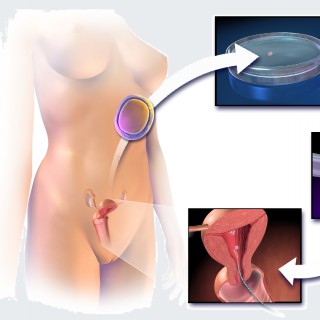
Assisted reproductive technology procedure
POPULARITY
Categories

976 episodes with IVF

302 episodes with IVF

359 episodes with IVF

283 episodes with IVF

187 episodes with IVF

155 episodes with IVF

136 episodes with IVF

175 episodes with IVF

87 episodes with IVF

113 episodes with IVF

120 episodes with IVF

82 episodes with IVF

102 episodes with IVF

97 episodes with IVF

78 episodes with IVF

115 episodes with IVF

100 episodes with IVF

46 episodes with IVF

84 episodes with IVF

79 episodes with IVF

79 episodes with IVF

107 episodes with IVF

68 episodes with IVF

69 episodes with IVF

75 episodes with IVF

80 episodes with IVF

125 episodes with IVF

75 episodes with IVF

48 episodes with IVF

58 episodes with IVF

76 episodes with IVF

75 episodes with IVF

65 episodes with IVF

117 episodes with IVF

68 episodes with IVF

100 episodes with IVF

56 episodes with IVF

57 episodes with IVF

38 episodes with IVF

47 episodes with IVF

54 episodes with IVF

26 episodes with IVF

29 episodes with IVF

32 episodes with IVF

39 episodes with IVF

80 episodes with IVF

34 episodes with IVF

75 episodes with IVF

44 episodes with IVF

34 episodes with IVF
42 episodes with IVF

28 episodes with IVF

20 episodes with IVF

59 episodes with IVF

FRUITFUL FERTILITY | Holistic fertility support, Trying to conceive, Fertility coaching
In this episode, you'll hear Mariah's full story — why she chose a root-cause approach over IVF, what actually shifted in her body once she started addressing it, and the faith-filled confirmation that had her calculating due dates before she even took a test. (00:57) Mariah's Three-Year Fertility Struggles Journey Begins (03:47) Normal Labs, Normal Scans — Why IVF Still Didn't Sit Right (05:41) Choosing a Root-Cause Approach Over IVF (09:32) Why She Tried Rise & Source After Feeling Done With Supplements (11:36) What Nervous System Support Actually Felt Like Day to Day (14:53) Three Months In: Finding Out She Was Pregnant (20:45) Her Advice for Women Still Waiting Top Listener Questions Answered: Can you get pregnant naturally after years of unexplained fertility struggles? What does nervous system support have to do with getting pregnant? Keywords: unexplained fertility struggles, get pregnant naturally, IVF alternatives, Christian fertility, nervous system and fertility Unexplained Infertility Breakthrough Masterclass Free masterclass Grab the Low Progesterone Playbook Get it here Shop my favorite fertility boosting supplements Rise + Source Let's work together: Work with me DM me on Instagram: @fruitfulfertilityco
POI? Low AMH? High FSH? Told donor eggs are your only option? Book a free Functional Fertility Second Opinion before your next fertility decision → fabfertile.com She was diagnosed with POI at 37. Her AMH was 0.16, her FSH was hovering around 45, and her ultrasound showed three follicles and at one point, none. Her IUI cycles were cancelled, and she was labeled a poor responder. Then she was told she was not a candidate for IUI or IVF and that donor eggs were her only option. But she wanted to know what else might be going on with her health. In this episode, I walk through our client's POI success story, including her Hashimoto's, inflammation, low vitamin D, B12 and iron, chronic stress, gut and vaginal microbiome, her partner's health, and what happened the month before her planned IVF. After eight months of following the Fab Fertile Method, she became pregnant naturally the month before she was planning to start IVF. This is her story of looking beyond AMH and FSH and asking: what else might have been missed? CHAPTERS 00:00 POI at 37 with an AMH of 0.16 and an FSH of 45 04:00 Told donor eggs were her only option 06:30 Inflammation, nutrients, stress and her gut 20:10 PRP timing and the month before her planned IVF 24:20 Why AMH and FSH alone are not the whole picture FUNCTIONAL FERTILITY SECOND OPINION Book with your partner and load your labs into the secure portal. We review your bloodwork for patterns and talk through what is worth digging into before another IVF cycle. Book your call with your partner here. ABOUT THE HOST I'm Sarah Clark, founder of Fab Fertile and host of Get Pregnant Naturally, a podcast with over one million downloads. My functional fertility team works with couples navigating low AMH and failed IVF, reviewing functional lab results, gut microbiome, food sensitivity, vaginal microbiome, nutrigenomics, HTMA, DUTCH, toxin testing, and bloodwork alongside nervous system work, to help identify patterns that may not have been considered. We work alongside your medical team, not instead of them. Sarah Clark, founder of Fab Fertile, host of Get Pregnant Naturally (1M+ downloads), and author of Fabulously Fertile.

I det här avsnittet möter vi TV-profilen och modejournalisten Hulda Andersson, som skrivit boken ”Endometrios: mensvärken från helvetet”. Hon berättar om något som många som lever med endometrios beskriver som obegriplig smärta—och om hur sjukdomen kan påverka hela livet.Vi får också följa Huldas berättelse om svårigheten att bli gravid, de problem som kan uppstå när man längtar efter barn och möter hinder på vägen. Samtalet rymmer samtidigt hopp: om den lycka hon och familjen till slut får—och om längtan efter ett nytt kapitel, där drömmen om att bo i Thailand finns med.Avsnittet blir både ett informativt och känslomässigt samtal om kvinnors hälsa, diagnosens betydelse och hur man orkar när kroppen gör motstånd.endometrios, endometrios symtom, mensvärk, svår smärta, kronisk smärta, infertilitet, svår att bli gravid, graviditetsönskan, längtan efter barn, fertilitet, sjukdom, hormoner, diagnos, utmattning, kvinnors hälsa, hälsa och livskvalitet, Hulda Andersson, Endometrios: mensvärken från helvetet, adoption IVF, graviditetshopp, familj, ThailandSupport till showen http://supporter.acast.com/vattnetgar. Hosted on Acast. See acast.com/privacy for more information.

Send us Fan MailThis week on The Incubator Podcast, Ben and Daphna dig into four studies reshaping bedside decisions. They open questioning whether routine DAT screening for ABO and RhD incompatibility still earns its place, finding transcutaneous bilirubin alone predicts phototherapy need just as well. Next, a Swedish national registry of over two million births links missed intramuscular vitamin K, and rising oral substitution, to a near-doubling of bleeding and intracranial hemorrhage risk. Ben then presents the PHILODENDRON pilot trial out of Milan, testing initial delivery-room CPAP of 5 versus 8 cmH2O in infants under 30 weeks, feasible and safe, but not yet enough to settle the physiology question. Daphna closes Journal Club with a SART-linked study tying IVF conception to significantly higher odds of VACTERL association. The week wraps with Ben and Eli on Neo News, unpacking a study showing birth certificates miss nearly 40% of true NICU admissions, with troubling racial disparities.----Utility of DAT in Low-Risk Neonates With ABO or RhD Incompatibility. Tsai TL, Ma T, Nester T.Pediatrics. 2026 Sep 1;158(3):e2026076989. doi: 10.1542/peds.2026-076989.PMID: 42642037Vitamin K Prophylaxis in Newborns and Bleeding in Infancy. Simatou E, Tsamantioti E, Hallström A, Stephansson O, Razaz N, Persson M, Bolk J.JAMA Pediatr. 2026 Sep 1;180(9):995-1004. doi: 10.1001/jamapediatrics.2026.2606.PMID: 42440325Initial CPAP of 5 versus 8 cmH2O during delivery room stabilisation of very preterm infants: the PHILODENDROOM pilot randomised trial. Cavigioli F, Bresesti I, Castoldi F, Gatto S, Lupo E, Rossi S, La Verde A, Bianchi S, Meneghin F, Viaroli F, Pivetti V, Manfredini V, Cannata G, Bastrenta P, Fontana P, Stucchi I, Daniele I, Chiera M, Lista G.Eur J Pediatr. 2026 Aug 17;185(9):673. doi: 10.1007/s00431-026-07322-6.PMID: 42608615 Free PMC article. Clinical Trial.In Vitro Fertilization and VACTERL Birth Defects. Tark JY, Richard MA, Schraw JM, Fisher SC, Betancourt D, Stone SL, Forestieri NE, Baker VL, Cameron K, Eisenberg ML, Belva F, Lu Y, Williams CL, Sutcliffe AG, Lupo PJ, Luke B.JAMA Netw Open. 2026 Aug 3;9(8):e2629355. doi: 10.1001/jamanetworkopen.2026.29355.PMID: 42616500 Free PMC article.Birth certificate data substantially misrepresent actual NICU admissions, including among most vulnerable. Hughes CS, Lorch SA, Schmitt S, Passarella M, Phibbs CS.J Perinatol. 2026 Jul;46(7):1307-1312. doi: 10.1038/s41372-026-02726-6. Epub 2026 May 27.PMID: 42204354Support the showAs always, feel free to send us questions, comments, or suggestions to our email: nicupodcast@gmail.com. You can also contact the show through Instagram or Twitter, @nicupodcast. Or contact Ben and Daphna directly via their Twitter profiles: @drnicu and @doctordaphnamd. The papers discussed in today's episode are listed and timestamped on the webpage linked below.Enjoy!

God Is in the Waiting Room | Ebika Mark on 10 Years, 5 Miscarriages & God's Timing | Wellness Wahala Book ClubDESCRIPTIONWelcome to the Wellness Wahala Book Club Series, where we spotlight great authors from Africa and the Diaspora.In this episode, Dr. Tomi Mercy Ademokun sits down with Mrs. Ebika Mark — banker, ministry leader, wife and mother — author of the debut book God Is in the Waiting Room (With You): For People Navigating Delay, Uncertainty, and God's Timing.Over ten years, Ebika walked through ovarian cysts, hormonal imbalances, blocked fallopian tubes, five miscarriages and a failed IVF cycle — all while serving in her church's children's ministry and building a career in banking. This conversation is that testimony, and the teaching that came out of it.WHAT WE COVERWelcome & Book Club Series introductionMeet Ebika Mark — banker, ministry leader, authorWhen she realised the journey to motherhood would be a long onePreparation vs. warfare vs. a delay of your own making — how to tell them apartThe "prayer of inquiry" and how it changed the way she prayedServing in children's ministry while still waiting for her own childLetting go of a promise without giving up on itFaith and work: carrying a private struggle through a demanding careerFor the person who has done everything right and still sees no breakthrough What she hopes readers carry awayClosing word, Prayers for those in Waiting Wahala season & where to get the bookLINES THAT STAYED WITH US"The waiting room is not where life pauses. It is where God prepares you for the life you prayed for.""How you wait matters as much as what you are waiting for.""Surrender is not defeat. It is the highest form of trust."GET THE BOOKOrder God Is in the Waiting Room (With You) — hardcover, paperback and eBook: https://www.ebikamark.comPublisher: Madda Book Media — https://www.maddabookmedia.comBulk orders & book club sets: maddabookmedia@gmail.com CONNECT WITH EBIKA MARKWebsite: https://www.ebikamark.comInstagram: @momsinwaiting | @moneymattershqFacebook & LinkedIn: Ebika MarkEmail: ebikusmark@gmail.comCONNECT WITH WELLNESS WAHALAHost: Dr. Tomi Mercy Ademokun, DrPH, MPHRead the memoir Wellness Wahala: Faith, Fire, and Favour on Diplomatic Duty: https://a.co/d/iYP1aMQFollow @WellnessWahala — and please SUBSCRIBE, LIKE, SHARE and leave a review. Bless up!Never waste your wahala.
Fertility Friday Radio | Fertility Awareness for Pregnancy and Hormone-free birth control
Does the pill lower ovarian reserve? In this episode, Lisa examines a recent clinical commentary on how hormonal contraceptives suppress AMH and antral follicle count (AFC), and why ovarian reserve testing can be misleading for women who have recently stopped birth control. She discusses the 6 to 12 month recovery timeline, the well-documented period of post-pill subfertility, and why these markers are better predictors of IVF response than natural fertility. Lisa also shares two case studies that highlight the risks of premature diagnosis and explores how fertility awareness charting can support women through the post-pill transition. Follow this link to view the full show notes page! This episode is sponsored by Lisa's new book, Real Food for Fertility, co-authored with Lily Nichols! Grab your copy here!
I get a lot of questions about supplements, and I could not be more excited to have the founders of Tend Prenatal joining me today to share a ton of great information with all of you about supplements and prenatal vitamins. Dr. Behzad and Hannah Varamini are a married couple who started Tend Prenatal, which offer prenatal supplements with a twist. Hannah is an artist and start up consultant with a lifelong aversion to pills. Behzad has a PhD in Human Nutrition with an emphasis on prenatal nutrition and infant brain development. After their own fertility journey that included two pregnancy losses, they have created a business that nurtures women in all stages of fertility, pregnancy, and postpartum. In this discussion, Dr. Behzad and Hannah share: - what nutrients women who are trying to conceive need, and the best way to get them - the difference between synthetic and natural ingredients - how supplements can improve egg quality (and which ones to take) - 3 things you need to know about omega 3 Thank you for joining me, Dr. Behzad and Hannah! You can find Tend Prental here: https://tendprenatal.com/ Read the full transcript / article on my website. Do you have questions about IVF? Click here to join Dr. Aimee for The IVF Class. The next live class call is on Monday, October 19 at 4pm PST, where Dr. Aimee will explain IVF and there will be time to ask her your questions live on Zoom. Click to find The Egg Whisperer Show podcast on your favorite podcasting app. Watch videos of Dr. Aimee answer Ask the Egg Whisperer Questions on YouTube. Sign up for The Egg Whisperer newsletter to get updates Dr. Aimee Eyvazzadeh is one of America's most well known fertility doctors. Her success rate at baby-making is what gives future parents hope when all hope is lost. She pioneered the TUSHY Method and BALLS Method to decrease your time to pregnancy. Learn more about the TUSHY Method and find a wealth of fertility resources at www.draimee.org.

What can living across the world teach us about fertility, identity, and the lives we're building?In this episode, I'm joined by Brittany Haney, who spent nearly 15 years living and working across Asia, including China, Cambodia, and Indonesia. After years of building a life abroad, Brittany found herself in Europe pursuing IVF as part of her journey toward solo parenthood.Brittany opens up about the medical setbacks she has experienced, what it's like to navigate fertility treatment abroad, and why she ultimately chose to pursue IVF in Europe rather than the United States.We talk about learning Mandarin, adapting to new cultures, becoming a global citizen, and how living across different countries has shaped her perspective on identity, fertility, and what it means to create a life on your own terms.We also talk about something that can be surprisingly difficult for women who are accustomed to making things happen: the pause. What happens when you can't control the timeline? When the next chapter isn't yours to force? And what might become possible when you give yourself permission to slow down?It's a candid conversation about fertility, global living, timing, and the perspectives we gain when life takes us somewhere we never expected to be.Send us Fan MailA powerful conversation about freedom, expansion, possibility, and the quiet awakening happening among Black women around the world. Building a life overseas is about more than choosing a country.It's about choosing yourself.Download our free guide, 7 Questions Every Black Woman Should Ask Herself Before Building a Life Overseas, through the link in this episode or at BlaxitGlobal.com. At some point, the question stops being, "Can I move abroad?"And becomes, "What's possible for my life?"Passport is where Black women from around the world come together to explore new possibilities, navigate life abroad, and create lives that feel bigger than the ones they were told to settle for.Because the goal was never just to move.The goal is to expand what feels possible.Support the showJoin Blaxit Global PassportSubscribe to Blaxit Global on YouTubeBlaxit Global Website: www.blaxitglobal.comSupport the show - www.ko-fi.com/blaxitglobal

Sunday on 60 Minutes, Patrick Clancy's wife describes how she and her husband met in New York. Ross Douthat sat down with the couple just weeks after Lindsay Clancy's murder trial ended without a verdict.In his new memoir, the Earl of Spencer says King Charles sounded "giddily elated" at the news of his ex-wife's death nearly 30 years ago. Spencer shared more details in an interview for CBS Sunday Morning.An incredible story of a modern day medical miracle. A pair of two-year-old sisters are seeing each other face-to-face for the first time, thanks to a complex medical procedure. Ian Lee went to the children's hospital in St. Louis where it happened.One Florida family is now suing a fertility clinic claiming it used the wrong sperm during an IVF procedure, so their baby does not share the father's DNA. Cristian Benavides spoke to the couple and their attorney about their ordeal.Health and Human Services Secretary Robert F. Kennedy Jr. makes new comments about vaccine safety, raising a lot of questions. Dr. Celine Gounder is here with what parents need to know.The Buffalo Bills opened their brand new stadium last night with a 41 to 31 win over the Detroit Lions. This Sunday features another action-packed lineup. Let's break down week two with the newest members of the NFL Today studio crew Kyle Long and Russell Wilson.One of reality TV's biggest stars is talking about a private health battle, to try and help other women. Porsha Williams says she had an emergency partial hysterectomy earlier this year, after doctors discovered 21 uterine fibroids. Porsha Williams is with us for an exclusive interview.Hollywood legends Helen Mirren and Pierce Brosnan star in the hit series "MobLand." Brosnan plays Conrad Harrigan, a powerful crime boss. While Mirren plays his wife, Maeve, the cunning matriarch of the family. Season two premieres today and they're here with a sneak peek.

Ryan and Dana discuss a Florida couple's lawsuit against a Jacksonville fertility clinic after a DNA test allegedly revealed the wrong sperm was used during IVF.See omnystudio.com/listener for privacy information.

Kidney health, fertility, sexual wellness, and men's health are often surrounded by myths, stigma, and misinformation, but what does medical science actually say?In this episode, Dr. C. Mallikarjuna, Chief Consultant Urologist and Managing Director at the Asian Institute of Nephrology and Urology (AINU), shares insights drawn from decades of clinical and surgical experience. He discusses common urological concerns, challenges widespread health myths, and reflects on his journey as a surgeon and healthcare leader.In this episode, we discuss:- Circumcision, intimate hygiene, and common misconceptions- Vasectomy versus tubectomy and the stigma surrounding male sterilisation- Infertility, IVF, delayed pregnancy, and egg and sperm freezing- Erectile dysfunction, performance anxiety, and female sexual wellness- The difference between urology, nephrology, and andrology- Kidney health, water intake, and common kidney stone myths- Uddanam kidney disease and the research surrounding endemic nephropathy- Urinary infections, burning sensations, and stress-related urinary problems- Kidney transplantation, organ donation, donor eligibility, and transplant costs- Viagra misuse and whether erections indicate overall health- Gym supplements, excess protein, hormones, and sperm health- Prostate cancer screening and the importance of early detection- Robotics, laser procedures, and the evolution of urological care- His journey as a surgeon and the vision behind establishing AINU- Memorable patient stories and the changing doctor–patient relationship

I am with Marija from Plan Your Baby to discuss the intricacies of managing PCOS and ovulation issues with ovulation induction and IVF. Marija emphasizes the need for a proper diagnosis, personalized treatment, the importance of monitoring, and how to choose the right fertility clinic.We discuss:Key TopicsPCOS diagnosis and assessmentOvulation induction protocols and monitoringImportance of personalized treatment plansRisks and considerations in IVF for PCOSRole of lifestyle and supplements in fertilityChoosing a fertility clinic and questions to askMale factor and partner testing in fertilityTiming and protocols for embryo transferFor more Fertility Support & Care we have clinics in London, Birmingham and a network around the UK:

Jason 'Foxy' Fox joins James Smith, on his wife's birthday no less, for an unfiltered and very funny conversation that swaps the usual topics for a proper sit-down with the boys. A former UK Special Forces operator and the longest-serving member of the SAS: Who Dares Wins directing staff, Foxy opens up about becoming a dad again at 50 after seven years of IVF, missing his son's birth over a WhatsApp video call, and why newborn sleep deprivation hits harder than anything the military threw at him.
This week on Infertile AF, Ali sits down with Jarret Zafran, Founder and Executive Director of Brownstone Surrogacy, whose path into the surrogacy world started not as an agency owner, but as an intended parent himself.Jarret shares his personal journey to fatherhood through surrogacy and how experiencing the process firsthand ultimately inspired him to create Brownstone Surrogacy. He talks about meeting his husband, what it feels like to be an intended parent, the highs, the uncertainty and the enormous amount of trust involved, and how those experiences shaped the kind of agency he wanted to build.Ali and Jarret get into what intended parents should know before pursuing surrogacy, how the donor and surrogacy process really works, the importance of the relationship between intended parents and surrogates, and why having been on the other side of the process influences the way Jarret approaches his work today.For more, go to www.brownstonesurrogacy.comEPISODE SPONSORS: THE WORK OF ART BOOK SERIESAli's Children's Book Series about IVF, IUI and Family Building Through Assisted Reproductive Technology https://www.infertileafgroup.com/booksThe latest book in the Work of ART series, “You Are a Work of ART," is for every kiddo born through ART -- and the people who love them.Stay tuned for Petri Dish Princess, book #4, coming this fall!EXTEND FERTILITYExtend Fertility is a leading fertility clinic helping people take control of their reproductive futures through egg freezing, embryo freezing, IVF, and more. With a focus on making fertility care more accessible, empowering, and personalized, Extend combines cutting-edge science with compassionate care to help patients understand their options and make informed decisions about if, when, and how they want to build a family.For more, go to extendfertility.comPHERDALIG: @pherdal_sciencePherDal is the world's first and only FDA-cleared, sterile, at-home insemination kit designed to help people build their families in the comfort of home. Created by parents who've been there, PherDal is safe, simple, and affordable—putting more options in your hands as you grow your family. Explore at PherDal.com.Go to PherDal.com today and use code INFERTILEAF for $10 off.Advertising Inquiries: https://redcircle.com/brandsPrivacy & Opt-Out: https://redcircle.com/privacy

Jennifer Veatch shares her story of making it through through two years of genetic testing and IVF before arriving where she is today, in her third trimester getting ready to meet her baby. Connect with the guest: Penny 'N Pals on Amazon LinkedIn Grow with us on IP+! Informed Pregnancy Media presents two all new intimate short-form video series following Garrett and HeHe's real-time pregnancy journeys as they prepare for an empowered birth and postpartum experience. Each episode features weekly updates with personal photos and videos to help bring these raw stories to life, a visually dynamic guide through each mother's emotional and physical experiences. Watch Growing with Garrett Watch Growing with HeHe Keep up with Dr. Berlin and Informed Pregnancy Media online! informedpregnancy.com @doctorberlin Youtube LinkedIn Facebook X Learn more about your ad choices. Visit megaphone.fm/adchoices
Trending with Timmerie - Catholic Principals applied to today's experiences.
Father Nicanor Austriaco, a molecular biologist and Dominican Catholic priest, joins Trending with Timmerie: Episode Guide When should men be dating? (2:26) Uterine transplant – womb transplants to fix infertility? (19:14) Genetic engineering – "deextinction" of extinct species (39:45) Resources mentioned: Episode on the human experiment of surrogacy and IVF https://relevantradio.com/2026/07/st-mary-magdalene/ Transplanting the Womb: A Catholic Bioethical Analysis https://www.ncbcenter.org/store/transplanting-the-womb-a-catholic-bioethical-analysis
In this special episode of The Egg Whisperer Show, I invited Dr. Nabil Arrach from Progenesis Academy to peel back the curtain on my work—and share what's ahead for The Egg Whisperer brand. We talk about the origin of the nickname, what my work with patients actually looks like (including home visits!), and exciting upcoming projects like The Egg Whisperer App. You'll get a true behind‑the‑scenes look at how I combine medical expertise, compassion, and personal connection in fertility care. In this episode, we cover: How the nickname "Egg Whisperer" came about and what it really means Why I often treat patients differently—even giving injections at home How growing up in an OB‑GYN family shapes my approach to fertility care The importance of personalized, love‑driven treatment for every patient What's coming next: The Egg Whisperer App and other new resources Read the full show notes on Dr. Aimee's websiteYou can find Progenesis Academy here. Do you have questions about IVF? Click here to join Dr. Aimee for The IVF Class. The next live class call is on Monday, October 19, at 4 pm PST, where I'll explain IVF and Egg Freezing and answer your questions live on Zoom. Other ways to connect with me: Visit my YouTube channel for more fertility tipsSubscribe to the newsletter to get updatesJoin Egg Whisperer SchoolRequest a Consultation with Dr. Aimee Dr. Aimee Eyvazzadeh is one of America's most well‑known fertility doctors. Her success rate at baby‑making gives future parents hope when all hope is lost. She pioneered the TUSHY Method and BALLS Method to decrease your time to pregnancy. Learn more about the TUSHY Method and find a wealth of fertility resources at www.draimee.org.
Send us Fan MailBen and Daphna dig into a large, population-based study linking IVF conception to VACTERL association, a rare but serious pattern of congenital anomalies spanning the vertebral, anal, cardiac, tracheoesophageal, renal, and limb systems. Drawing on over 1.5 million births across four US states and linked SART registry data, the study finds IVF-conceived infants face significantly higher odds of VACTERL and related multiple anomaly syndromes compared to naturally conceived infants. Daphna and Ben unpack what this means for clinical suspicion at the bedside, why some VACTERL phenotypes may be easy to miss, and how better tracking of conception history through delivery could change how NICU teams approach anomaly workups in IVF-conceived infants.----In Vitro Fertilization and VACTERL Birth Defects. Tark JY, Richard MA, Schraw JM, Fisher SC, Betancourt D, Stone SL, Forestieri NE, Baker VL, Cameron K, Eisenberg ML, Belva F, Lu Y, Williams CL, Sutcliffe AG, Lupo PJ, Luke B.JAMA Netw Open. 2026 Aug 3;9(8):e2629355. doi: 10.1001/jamanetworkopen.2026.29355.PMID: 42616500 Free PMC article.Support the showAs always, feel free to send us questions, comments, or suggestions to our email: nicupodcast@gmail.com. You can also contact the show through Instagram or Twitter, @nicupodcast. Or contact Ben and Daphna directly via their Twitter profiles: @drnicu and @doctordaphnamd. The papers discussed in today's episode are listed and timestamped on the webpage linked below.Enjoy!

This week: Carter returns to Chicago for a bit while he's being treated for an undisclosed kidney issue, Banfield explores other IVF methods, Sam and Gates reconcile after a brief argument, Brenner makes a romantic gesture, Neela's attempts to find a heart for Joanie hit a major roadblock, Jerry hits on Carter, and Morris does whatever he can to get some measure of justice for a victim of police brutality.

This week, Jess gets her first real taste of morning drop-off panic when her child decides schedules are merely a suggestion. Meanwhile, Sonia has spent the weekend conducting an unsolicited investigation into why her body suddenly looked eight months pregnant and has identified her primary suspect: Sucralose intolerance. This naturally leads to gluten intolerance, maternity pants, 23andMe and the discovery that Sonia, Jess and several of their friends have Neanderthal DNA—which feels like an explanation for how things have been going lately. The girls also celebrate a very exciting ‘Geriatric' Mamas milestone: the Fertility After 35 Starter Guide is officially available in paperback on Amazon and digitally on the website—the guide they desperately wish someone had handed them before they started Googling fertility acronyms like their lives depended on it. Then Sonia and Jess talk about the increasingly complicated reality of sharing children online in the age of AI, a mom facing serious consequences after allowing her five-year-old to walk through their gated community to collect feathers, and what happens when a headline tells approximately 14% of a story. They also return to the Lindsay Clancy case following the mistrial and talk through their questions and reactions, before discussing postpartum mental health and a newer FDA-approved oral treatment for postpartum depression. Finally, the girls share what's coming to ‘Geriatric' Mamas for Pregnancy & Infant Loss Awareness Month this October, including special conversations centered around remembrance, support and the families who carry these babies with them. Connect with the Geriatric Mamas: Instagram Facebook Email us at hello@geriatricmamas.com Want to be a guest? Fill out our Be a Guest Form and share your motherhood, pregnancy, or fertility journey. We'd love to feature your story! And remember: We're committed to sharing raw, honest experiences, so stay tuned for more heartwarming, hilarious, and relatable episodes. Thanks for listening, and we're so glad to be back! What we're reaching for:
If you're an ambitious, high-achieving woman, you know how to push through. You've built your career, achieved your goals, overcome obstacles, and kept going when things got hard. So when fertility doesn't go according to plan, it's natural to do the same thing: try harder, do one more cycle, add another supplement, see another specialist, or agree to one more intervention. But fertility doesn't always respond to more effort.In this episode you'll discover...-Why pushing through isn't always perseverance when it comes to fertility.-How “one more” IUI, IVF cycle, supplement, protocol, or intervention can keep you repeating the same approach without uncovering what's actually underneath your fertility struggles.-The powerful shift from pushing through to pausing with intention, so you can identify the unanswered questions in your fertility journey and start looking for information that can actually change your path forward.Press play to discover the mindset shift that can help you stop repeating the same fertility cycle and start moving forward with greater clarity and intention.

USA Today bestseller Sona Movsesian sits down with Zibby Owens to discuss her new book The World's Worst Mom, a funny and relatable look into motherhood.Sona discusses her experience with IVF and the conversations that it demands, her obsession with mortality after having kids, the trauma of losing her home in the 2025 Southern California wildfires, and betraying her preconceptions about motherhood. She also shares the need for laughter, her experience working with Conan O'Brien for over seventeen years, and how she hopes her sons will see her in twenty years. Follow Sona on Instagram @sonamov. Hosted on Acast. See acast.com/privacy for more information.

What happens when a physician who spent years becoming highly skilled in IVF begins to ask a bigger question: Are we treating infertility, or simply trying to achieve a positive pregnancy test? In this powerful episode of The Hormone Genius Podcast, Teresa and Jamie sit down with Dr. Joseph Davis, an OB-GYN and fertility specialist with more than 15 years of experience, founder of Palm Integrative Fertility, and a member of FACTS About Fertility. Dr. Davis shares the very personal journey that led him from practicing IVF to embracing a more comprehensive, restorative approach to fertility care. His story is not about abandoning science, it is about recognizing that there is more science to fertility than many physicians are ever taught. Dr. Davis explains why conditions such as insulin resistance, thyroid dysfunction, endometriosis, diminished ovarian reserve, hormonal dysfunction, and recurrent miscarriage deserve deeper investigation, and why “unexplained infertility” may sometimes mean that we simply haven't found the explanation yet. One of the most fascinating parts of the conversation is Dr. Davis's discussion of the menstrual cycle itself. Rather than viewing ovulation as the finish line, restorative care looks closely at what happens after ovulation, including estrogen and progesterone patterns throughout the luteal phase and early pregnancy. Cervical mucus and other cycle biomarkers can provide valuable information about what is happening inside a woman's body. As Dr. Davis puts it, the patient is the best collector of her own personal health data. The conversation also tackles a difficult and important topic: the ethics of IVF and the dignity of the human embryo. Dr. Davis openly shares how his own ethical questions changed the way he viewed his work and ultimately led him to reconsider the role IVF played in his practice. Teresa also emphasizes an important message of compassion: this conversation is not about judging parents or children conceived through IVF. Rather, it is an invitation to think deeply about human dignity, informed consent, and the ethical questions surrounding fertility treatment. Finally, Dr. Davis talks about the exciting work being done through FACTS About Fertility, including the development of a new fellowship designed to train physicians in the science behind fertility awareness, restorative reproductive medicine, and cycle-based care. Your fertility matters. Your cycle matters. Your health history matters. And you deserve a practitioner who is willing to listen, investigate, collaborate, and help you understand the why behind what is happening in your body. If you've experienced infertility, recurrent miscarriage, diminished ovarian reserve, “unexplained” infertility, or simply want to understand your fertility more deeply, this is an episode you won't want to miss. Learn more about Dr. Davis and Palm Integrative Fertility: PalmFertility.com Learn about FACTS fellowship program, and electives at factsaboutfertility.org. Thanks so our sponsor We Heart Nutrition Supplements. Go to weheartnutrition.org and get 20% your first order with the CODE GENIUS! Medical Disclaimer: This podcast is for educational and informational purposes only and is not intended to diagnose, treat, cure, or prevent any disease or medical condition. Information discussed by guests and hosts represents their individual perspectives and should not be considered a substitute for personalized medical advice. Always consult your own qualified healthcare professional regarding your individual health and treatment options.
Read the full show notes on Dr. Aimee's website. Dr. Aimee invites board-certified genetic counselor Natalie Richeimer to discuss the crucial intersection of genetic counseling, IVF, and cancer. Natalie explains the role of genetic counselors in the fertility space, particularly how they assist patients in understanding their risk for genetic conditions stemming from family history, personal health, or ethnicity. Dr. Aimee and Natalie talk about the important work done by JScreen, an organization providing accessible genetic testing for cancer and carrier screening. The conversation highlights the importance of understanding whether cancer is hereditary or sporadic, the implications of genetic predispositions, and how early genetic testing can impact fertility planning and treatment options. Natalie shares insights on the different types of genetic tests available, including those for embryos, and emphasizes the evolving nature and expanding role of genetic testing in family planning. They also discuss common misconceptions about genetic testing, especially among patients with a family history of cancer, and offer practical advice on how to access genetic counseling and testing through JScreen. Read the the full article on Dr. Aimee's site. JScreen's website JScreen on Instagram Do you have questions about IVF?Click here to join Dr. Aimee for The IVF Class. The next live class call is on Monday, October 19 at 4pm PST, where Dr. Aimee will explain IVF and there will be time to ask her your questions live on Zoom. Dr. Aimee Eyvazzadeh is one of America's most well known fertility doctors. Her success rate at baby-making is what gives future parents hope when all hope is lost. She pioneered the TUSHY Method and BALLS Method to decrease your time to pregnancy. Learn more about the TUSHY Method and find a wealth of fertility resources at www.draimee.org.

The Spanish Football Association has announced a new programme that will make fertility treatments such as IVF and egg freezing available to female players and referees, but what difference will it make and how does this move compare to support offered for professional sportswomen globally? Margie Davenport, Professor in Kinesiology, Sport and Recreation at the University of Alberta and retired Team Canada synchronized swimmer explains. Three kinds of heart attacks that primarily affect women have been redesignated 'primary' attacks in an effort to improve diagnosis and treatment in an area of medicine where women have historically been 'deprioritised'. BBC health reporter Philippa Roxby explains the changes.In rural Rwanda dust is hard to escape - it's on the roads, in the fields, and for those living in homes with bare-earth floors, it's dusty inside too. This has serious effects on air quality in the home, especially for children who are playing or crawling on the ground. Our reporter Ahishakiye Jean d'Amour is in Bugesera district in the east of Rwanda to find out about an organisation called Earth Enable who have developed a safer flooring at an affordable price. Also, the latest on the global rollout of the RSV vaccine. Plus, eye drops to help you see better at night. Image: Spain's players pose for a team photo before the FIFA Women's World Cup Europe Zone Qualifiers, group C, football match between Spain and England at Mallorca Son Moix Stadium in Palma de Mallorca, on June 5, 2026. (Photo by JAIME REINA / AFP via Getty Images)Presenter: Claudia Hammond Producers: Hannah Robins and Georgia Christie

Kaylee McKeown returns to Unfiltered Waters, and Katie Hoff Anderson catches her in the middle of the hardest year of her career. Kaylee is a five-time Olympic gold medalist, a world record holder and a world champion, and at the time of this conversation she is back to five swim sessions a week at 4K with no intensity and a heart rate monitor tucked into her cap. Glandular fever pulled her out of the Commonwealth Games and the Pan Pacific Championships and left her watching the rest of the world swim fast without her. This is a conversation about what you do with a season that gets taken away from you.She walks Katie through how fast it fell apart. Three weeks out from trials she was swimming as well as she ever had at a camp time trial, then got sick the day before trials and never got it back. She talks about pace hundreds she would normally hold around 1:04 and not being able to break 1:20, a short course 50 back that told her exactly where she stood, and the tracking her coaches now use to stop her doing the thing every elite athlete does by default. She also gets into leaving an old school volume program for one built on quality, why that change rattled her confidence long before it started paying off, and what it is like to watch Cam McEvoy do a week of work that adds up to her warm up.The deeper thread is who she is doing this for. She tells Katie the pressure before Paris got heavy enough that she broke down in tears halfway through a warm up, and that her coach at the time had to pull her aside and remind her nobody was putting that on her but herself. The mantra she has landed on since is doing it because she wants to, not because anyone expects it of her. She is also direct about the endometriosis and PCOS diagnoses that came after Paris, what stage four has actually meant month to month, and how she is weighing LA 2028 against wanting to be a mother, with Brisbane 2032 sitting there as a maybe if the timing works out. Katie, who went through IVF and egg freezing herself, meets her in the middle of it rather than interviewing her about it.There is also Lane Four, the athlete platform she started with her partner after he asked her one night what she planned to do after swimming, now built out with Molly O'Callaghan, Lani Pallister, Jamie Perkins and Hannah Fredericks. She talks about signing with Under Armour, finding out she is more of a leader than she thought, and how much harder it is to keep a group of strong personalities aligned than to swim a hard set. Then there is Millie, the Bernese mountain dog she bought off the Australian version of Marketplace inside an hour, who is five months old, already 24 kilos, and every bit as stubborn as her owner. Rapid fire covers the cleaning habit her teammates would name first, what a crash out looks like for her, the Aussie slang she has to tone down overseas, and the American pool habit she has never understood.If you have watched Kaylee win everything there is to win and wondered what is left to chase, she answers that here in her own words. It is a conversation about a year that did not go to plan, and an athlete working out what she wants the next one to be for.Note: This conversation was recorded while Kaylee was still early in her recovery, so the training she describes reflects where things stood at the time of recording.Subscribe to the show on your favorite podcast platform, and follow us on social media (linktr.ee/unfilteredwaters) for clips, bonus content, and updates throughout the week.FOLLOW KATIE ON: Instagram: instagram.com/kthoff7SUPPORT OUR SPONSORS IM8health.com/discount/unfiltered for 10% off dreamrecovery.io use code UNFILTEREDTHIRTY for 30% off#UnfilteredWaters #KayleeMcKeown #Swimming
Trying to conceive and wondering whether it is too late to get pregnant after 35? Being labeled “advanced maternal age” can make one birthday feel like a fertility cliff. But trying to get pregnant at 35 and 40 are not the same conversation, so should you keep trying on your own, get tested now, or discuss treatment before more time passes? In this episode of the As a Woman podcast, double board-certified OB/GYN and reproductive endocrinologist Dr. Natalie Crawford explains what actually changes as you move through your late 30s and into your 40s. She breaks down your chances of pregnancy, egg quality and miscarriage risk, when to request a fertility evaluation, which tests to ask for, how to track ovulation, and where egg freezing, IUI, IVF, and PGT may fit, helping you understand your options and use your time intentionally without letting fear make the decision for you. IN THIS EPISODE: 00:00 What Happens to Fertility After 35? 01:24 Is 35 Too Late to Get Pregnant? 03:19 What Are Your Chances of Getting Pregnant Each Month? 04:17 Egg Quantity vs. Egg Quality After 35 05:26 What Are Your Chances of Getting Pregnant at 38? 06:29 What Are Your Chances of Getting Pregnant After 40? 07:35 How Does Age Affect Chromosomal Abnormalities? 11:04 Does Paternal Age Affect Fertility? 13:01 Can You Carry a Healthy Pregnancy in Your 40s? 14:33 What Does Advanced Maternal Age Mean? 16:00 When Should You Get Fertility Testing After 35? 18:13 What Does an AMH Test Tell You About Fertility? 20:33 Is Egg Freezing Worth It After 35? 22:20 How Can You Get Pregnant After 40? 23:17 How to Track Ovulation When Trying to Conceive 24:50 What Fertility Treatment Is Best After 35? 26:08 Should You Do PGT With IVF After 35? AS A WOMAN WITH DR. NATALIE CRAWFORD: YouTube: https://youtube.com/playlist?list=PLveZDgg3_HZ9m7Wy3C6Vvyrj_NtEOwj_l Apple Podcasts: https://podcasts.apple.com/us/podcast/as-a-woman/id1449553339 Spotify: https://open.spotify.com/show/12IYOLH9liu60gk5D0bRPk HOST RESOURCES: Order The Fertility Formula: https://www.nataliecrawfordmd.com/book Newsletter: https://www.nataliecrawfordmd.com/newsletter Instagram: https://www.instagram.com/nataliecrawfordmd YouTube: https://www.youtube.com/@NatalieCrawfordMD Become a patient: https://www.forafertility.com Earn FREE CE/CME: https://learnatpinnacle.com/education This episode is brought to you by The Pinnacle Podcast Network. ABOUT DR. NATALIE CRAWFORD: Natalie Crawford, MD, is a double board-certified OB/GYN and reproductive endocrinologist, co-founder of Fora Fertility, and author of The Fertility Formula. She helps women understand their hormones, fertility, and reproductive health so they can make informed decisions about their bodies. Disclaimer: Natalie Crawford, MD, is a doctor, but she is not your doctor. This content is for general education and is not a substitute for individualized medical care. Learn more about your ad choices. Visit megaphone.fm/adchoices
How do you balance fertility planning with a career, travel, and everything else life demands? In this episode, Dr. Susan Hudson and Dr. Carrie Bedient explore the realities of navigating fertility treatment alongside a busy life. They discuss how endometriosis can affect fertility planning, when egg retrieval may fit into treatment, and the role of egg freezing and embryo preservation. They also tackle the practical side of fertility care—from timing and workplace challenges to insurance, finances, and gestational carriers. Whether you're thinking about your fertility future or already navigating treatment, this conversation offers valuable perspective on making informed choices while keeping your life moving forward.
The "Egg Whisperer D.I.E.T." covers the four things you need to know about IVF, and you can apply them to whatever your situation may be. D: Diagnosis (get your TUSHY checked: Tubes, Ultrasound of Uterus, Sperm, Hormones, and Your genetic profile) I: IVF E: Endometrial Receptivity T: Transfer Read the full show notes on Dr. Aimee's website Do you have questions about IVF, and what to expect? Click here to join Dr. Aimee for The IVF Class. The next live class call is on Monday, October 19 at 4pm PST, where Dr. Aimee will explain IVF and there will be time to ask her your questions live on Zoom. Dr. Aimee Eyvazzadeh is one of America's most well known fertility doctors. Her success rate at baby-making is what gives future parents hope when all hope is lost. She pioneered the TUSHY Method and BALLS Method to decrease your time to pregnancy. Learn more about the TUSHY Method and find a wealth of fertility resources at www.draimee.org. Other ways to connect: Subscribe to my YouTube channel for more fertility tips Join Egg Whisperer School Subscribe to the newsletter to get updates
In episode #459 of The Hormone Puzzle Podcast, our guest, Rebecca Rumsey talks about The Truth Behind 'Advanced Maternal Age.
Could the symptoms you've been told are “just normal” actually be red flags that are revealing why getting or staying pregnant has been so difficult?Fatigue that doesn't improve with sleep, cyclical skin changes, hormonal mood shifts, recurring infections, and chronic bloating can be easy to dismiss especially when conventional testing says everything looks normal.In this episode you'll...-Learn the 5 fertility red flags that are commonly dismissed as normal and what each may be pointing toward.-Understand why conventional fertility labs and reference ranges may not reveal the full picture of your fertility.-Discover how connecting these symptoms can help you move beyond isolated problems and start looking at the root causes affecting your ability to conceive and stay pregnant. Press play to discover what your “normal” symptoms may be telling you about your fertility and start connecting the dots to find the answers you've been missing.
Read the notes and transcript here. I get asked questions about IVF daily, from my patients and from those seeking treatment elsewhere in the United States and beyond. While the steps involved in IVF are generally the same, the factors to consider and the patient's needs are all unique. While I can't cover all scenarios in a single show (or blog post), I do want to recap some of the most common questions I get and answer some specific inquiries that were emailed to me. There's a chance you have the same question as someone else. Would you like to learn more about IVF? Click here to join Dr. Aimee for The IVF Class. The next live class call is on October 19 at 4pm PST, where Dr. Aimee will explain IVF and there will be time to ask her your questions live on Zoom. Read all of the show notes on Dr. Aimee's website Subscribe to my YouTube channel for more fertility tips! Subscribe to the newsletter to get updates Dr. Aimee Eyvazzadeh is one of America's most well known fertility doctors. Her success rate at baby-making is what gives future parents hope when all hope is lost. She pioneered the TUSHY Method and BALLS Method to decrease your time to pregnancy. Learn more about the TUSHY Method and find a wealth of fertility resources at www.draimee.org.
Join me today as we talk about Emotional Load Shedding during infertility and IVF—how mental and emotional overload builds, why carrying can feel like control, and how to decide what actually requires your attention right now. Learn a simple framework to help you carry, drop, delegate, or defer what's taking up your finite emotional capacity.
Failed IVF? Embryos arrested at Day 3? Told it was your egg quality? Book a free Functional Fertility Second Opinion before your next retrieval → fabfertile.com Day three, you got the call that your embryos were developing, and you let yourself feel hopeful. Day five, there is nothing to transfer, and you are told it was your egg quality. Then you read online that embryos stopping after day three could point to sperm. So now you do not know what actually happened, or whether anything is left to investigate before you go again. Your clinic may have had good reasons for saying egg quality. They also cannot test it directly. That makes it a conclusion rather than a finding, and it is usually where the investigation stops. In this episode, what I would want looked at before another retrieval includes the 90 days before stimulation started and his side beyond a semen analysis that came back fine. Preparing is not the same as being evaluated. CHAPTERS 00:00 Day three looked fine. Day five, there was nothing to transfer 01:20 Why egg quality is a conclusion, not a test result 04:00 The 90 days before the retrieval, for both of you 05:30 Blood sugar, the full thyroid picture, inflammation and nutrients 09:30 His side beyond the semen analysis FUNCTIONAL FERTILITY SECOND OPINION Book with your partner and load your labs. We review your bloodwork for patterns your clinic is not set up to examine, and talk through what is worth investigating before another retrieval or transfer. It is not IVF or your health. It is both. Book here → second opinion ABOUT THE HOST I'm Sarah Clark, founder of Fab Fertile and host of Get Pregnant Naturally, a podcast with over one million downloads. My functional fertility team works with couples navigating low AMH and failed IVF, reviewing functional lab results, gut microbiome, food sensitivity, vaginal microbiome, nutrigenomics, HTMA, DUTCH, toxin testing, and bloodwork alongside nervous system work, to help identify patterns that may not have been considered. We work alongside your medical team, not instead of them. Sarah Clark, founder of Fab Fertile, host of Get Pregnant Naturally (1M+ downloads), and author of Fabulously Fertile.
Cathryn shares her story of IVF, the devastating loss of her daughter Freya, and what it really means to keep living when your world has completely changed.She talks openly about the relentless highs and lows of fertility treatment, the heartbreak of losing Freya, and trying to navigate grief in a world that doesn't always know what to say or how to show up.Cathryn also shares the importance of keeping Freya's memory alive and creating a legacy for her, the people and support that helped her through the darkest days, and why we desperately need to keep talking about baby loss - even when those conversations are difficult.We also talk about parenting after loss, the complicated emotions that come with moving forward while carrying someone with you, and the impact grief can have on relationships, family and everything you thought life was going to look like.It's raw, heartbreaking and full of love - a conversation about Freya, grief, survival and finding a way to carry it all.During this episode we talk about a facebook group for those in Bristol and Bath - here is the link to join if you are local https://www.facebook.com/groups/1219410566556112We are The Worst Girl Gang Ever Foundation. We're all about bringing people together who are going through the tough stuff — baby loss, infertility, and everything in between — and making sure no one has to face it alone. Our community is full of honesty, compassion, and real talk, offering support, understanding, and hope when it's needed most. You can find out more and connect with us over at www.theworstgirlgangever.co.uk

Send us Fan MailRHONY S16 E1 Nobody's Vault Is SafeRHONY S16 E1 The Price of PerfectionThe Real Housewives of New York City is back, and Season 16 wastes no time introducing us to a new cast and plenty of chaos. We meet Daisy, a makeup artist living in Battery Park with her adorable dog and her driver Dale, and she immediately brings some major connections with her — including Martha Stewart as a friend and client. Daisy reveals that she learned makeup at Scores, where she met Sai in their 20s, and we get a glimpse into her glamorous but unconventional life, including her eight-year-old son Quinton. Meanwhile, Sai has finally moved to Manhattan, but behind the scenes she reveals to Jessel that her marriage to David has fallen apart. She says she has been financially supporting the family, feels completely alone, and has reached the point where she has asked for a separation. Sai admits she has been pretending to be happy while trying to protect her husband, and suddenly her friendship with Jessel feels much more genuine as the two bond over what they're both going through.We also meet Hailey, who rollerblades around Manhattan in a fur coat and keeps a separate apartment from her husband because she's tired of feeling like a servant at home. Her quirky apartment — complete with protein bars in the oven and thousands of dollars worth of sunglasses — is definitely a vibe. Hailey opens up about her complicated relationship with her mother and how she has always felt responsible for her mother's happiness, while Erin is struggling with her daughter acting out and gets emotional. At Jessel and Pavit's house, Jessel is preparing a Year of the Horse celebration after what she describes as a terrible year following the death of her father. The women eventually gather for the party, where tensions immediately start bubbling. Hailey asks Jessel about IVF, only for Jessel to realize that Erin has been sharing personal information about her. A flashback confirms that Erin has been discussing Jessel's private life, and Jessel is understandably not thrilled.Then comes the confrontation we were waiting for. Jessel tells Erin that she has heard Erin has been on a smear campaign against her, and Erin finally admits that she has called Jessel fake and a snake. Jessel even pulls out a message from Chanel Ayan warning her to “pay attention to that bitch,” which only adds fuel to the fire. Erin insists that friends should confront each other directly, while Jessel argues that Erin has no business spreading information that isn't hers to tell. Sai sides with Jessel and makes it clear that she trusts her, which seems to make Erin even more furious. Erin calls Jessel the fakest person she knows, Jessel tells her to leave, and eventually Erin and Abe actually have to pack up and go. For a first episode, RHONY is giving us fractured marriages, questionable friendships, oversharing, old grudges, Martha Stewart, and a full-blown party showdown. Honestly, I'm not mad at it — this was a pretty great way to kick off the season.Real Housewives of New York, RHONY, reality TV, season 16, cast analysis, behind the scenes, drama, reunion, housewives, episode reviewSupport the showhttps://www.wewinewhenever.com/

Male fertility is responsible for up to half of all fertility challenges, yet it often receives far less attention than female fertility. In this episode, Dr. Lorne Brown welcomes board-certified urologist and reproductive health expert Dr. Mark Ratner for an evidence-based discussion on sperm health, fertility testing, DNA fragmentation, lifestyle factors, and the latest research on supplements that may support male reproductive health.Together, they explore why every fertility evaluation should include the male partner, what a semen analysis can—and cannot—tell you, when advanced testing becomes valuable, and how obesity, testosterone therapy, medications, heat exposure, and nutrition can influence sperm quality. Whether you're trying to conceive naturally or through IVF, this conversation offers practical insights for both patients and practitioners.Key Takeaways:Male factors contribute to approximately 50% of infertility cases, making male evaluation essential.A single semen analysis isn't enough—results can vary, so two tests performed a few weeks apart provide a more accurate assessment.DNA fragmentation testing can be valuable after recurrent IVF failure or in selected clinical situations, but it is not a universal screening test.Obesity and testosterone replacement therapy are two of the most common reversible factors that negatively affect sperm production.Lifestyle, nutrition, antioxidants, and targeted supplements may improve sperm health, particularly DNA integrity and motility.Where to find Dr. Mark Ratner:Website: https://theralogix.com/Special Offer: https://theralogix.com/discount/LORNE?redirect=/products/ovanad Ian Kent - VP, Sales & Business Development

☕

What happens when the diagnosis you're given doesn't actually fit your body? In today's episode, I'm interviewing my client Christine. She did everything "right" to start her family, but when her cycle didn't return after coming off birth control, she was quickly labeled with PCOS and told IVF was her only option. Something about that diagnosis didn't sit right with her and trusting that instinct changed everything. Through self-advocacy and after signing up for the Bronze package, we discovered she actually had hypothalamic amenorrhea (HA) Christine's story is one of the most powerful examples of self-advocacy I've witnessed. From rethinking her approach to movement to making dietary shifts that felt counterintuitive at first, she helped her body remember how to do what it was designed to do. But her path wasn't a straight line, there was heartbreak, and a turning point that changed everything. If you've ever felt dismissed by a diagnosis, Christine's journey is proof of what's possible when you keep asking questions, find the right practitioner and have deep commitment to this journey. If you're LOVING this podcast, please follow and leave a rating and review below. PLUS FOLLOW MY INSTAGRAM PAGE HERE FOR BITE SIZED TTC TIPS! Related Episode Links: CLICK HERE TO APPLY FOR SEPTEMBER BRONZE PACKAGE Private Coaching with Nora (limited spots available) CLICK HERE TO REGISTER FOR THE FREE ROOT CAUSE FERTILITY SUMMIT For full show notes and related links: https://www.naturallynora.ca/blog/200 Need Nora's Support To Get Pregnant? Click here for a collection of Nora's best self paced programs to get & stay pregnant Apply for Private Fertility Coaching with Nora here Grab Your FREE Resources: Just starting your TTC journey? Download my Eat To Get Pregnant Guide Having trouble getting and staying pregnant? Download my Top 3 Things To Do When You're Not Getting Pregnant Wondering what supplements to take to help you conceive? Download my Fertility Foundations Supplement Guide Please Note: The contents of this podcast are for educational and informational purposes only. The information is not to be interpreted as, or mistaken for, clinical advice. Please consult a medical professional or healthcare provider for medical advice, diagnoses, or treatment.
Allie sat down with Nicole Shanahan, lawyer, philanthropist, founder of the Bia-Echo Foundation, and RFK Jr.'s former running mate, to discuss her faith journey and conversion to Christianity after the loss of her unborn child to miscarriage. She told us about her journey on the campaign trail and how she lost friends and supporters over her political stance. They also talk about some "right-wing" vaccine conspiracy theories and how some of them might not be as far-fetched as they might seem. Nicole told us about the "tech wife mafia" in Silicon Valley and how these women and Hollywood have changed progressive culture for the worse. And Nicole shared what she's doing to help the beautiful state of California. Share the Arrows 2026 is on October 10 in Dallas, Texas! Tickets are on sale now at: https://sharethearrows.com Share the Arrows is sponsored by: A'del Natural Cosmetics: AdelNaturalCosmetics.com Range Leather: RangeLeather.com/ALLIE We Heart Nutrition: WeHeartNutrition.com Buy Allie's book "Toxic Empathy: How Progressives Exploit Christian Compassion": https://www.toxicempathy.com --- Timecodes: (01:17) Nicole's miscarriage (09:10) Nicole's conversion and baptism (21:46) Experiences on the campaign trail (26:01) COVID vaccine conspiracy theories (29:03) Pro-life perspective (37:57) Women's fertility longevity and IVF (48:57) Progressives being used to make enemies (51:23) Nicole's daughter's autism diagnosis (01:00:31) Do vaccines cause autism? (01:06:15) “Tech wife mafia” and the Great Reset (01:15:34) Helping California --- Related Episodes: Ep 902 | Kat Von D on Becoming a Christian https://podcasts.apple.com/us/podcast/ep-902-kat-von-d-on-becoming-a-christian/id1359249098?i=1000633896154 Ep 1102 | Did Trump Just Stop the Great Reset? | Guest: Justin Haskins https://podcasts.apple.com/us/podcast/ep-1102-did-trump-just-stop-the-great-reset-guest/id1359249098?i=1000677374601 --- Buy Allie's book, You're Not Enough (& That's Okay): Escaping the Toxic Culture of Self-Love: https://alliebethstuckey.com/book Relatable merchandise – use promo code 'ALLIE10' for a discount: https://shop.blazemedia.com/collections/allie-stuckey

#surrogacy #ivf #surrogate Jill's Instagram: A single “what if” said out loud can change medical history, and Sandy Rudnitzky proves it. We're Kenedi and Ellen, and we sit down with Sandy and her daughter Jill Brand for a story that still feels impossible: the first gestational surrogacy and the first baby ever born to a surrogate with zero biological connection to the child.You'll hear what it actually took to make that breakthrough real, long before gestational surrogacy was normal or even widely accepted. We talk about calling IVF programs across the country and around the world, getting rejected again and again, pushing through ethics boards and hospital approvals, and then facing the next hurdle: finding a surrogate willing to try something no one had done. Sandy shares the discrimination they ran into, the role of attorney Noel Keane, and the emotional toll of failed attempts and a last-minute surrogate cancellation.Then everything comes down to one egg, one transfer, and the long wait that follows. We also dig into what happens after success, including the anxiety of having limited control during a surrogate pregnancy, the moment Jill is born, and the legal first that helped shape modern surrogacy law: changing how “mother” is defined so the intended mother appears on the birth certificate. If you care about fertility, IVF, surrogacy misconceptions, or how families are built, this conversation stays with you.Subscribe, share this with someone navigating a fertility journey, and leave us a review so more people can find these stories.Send us Fan Mailhttps://stopsitsurrogate.com
In this special Listen Again episode of Infertile AF, Ali revisits her conversation with Savannah Bisby, the voice behind @infertilityfriends, whose journey to motherhood has included endometriosis, five IUIs, pregnancy loss, and years of navigating infertility.When Savannah first joined Ali, she was still very much in the middle of her story, sharing openly about the physical and emotional toll of infertility, loss, treatment, and the uncertainty of not knowing how—or when—her family-building journey would end.Now, there's an incredible update: Savannah is pregnant.With that joyful news finally out in the world, Ali is bringing back their original conversation as a reminder of everything Savannah endured to get here—and of just how much can happen between one chapter of an infertility story and the next.This episode is for anyone who has ever felt stuck in the middle, wondered how much longer they could keep going, or needed a reminder that while no one can predict how an infertility journey will unfold, there can still be hope ahead.EPISODE SPONSORS: THE WORK OF ART BOOK SERIESAli's Children's Book Series about IVF, IUI and Family Building Through Assisted Reproductive Technology https://www.infertileafgroup.com/booksThe latest book in the Work of ART series, “You Are a Work of ART," is for every kiddo born through ART -- and the people who love them.Stay tuned for Petri Dish Princess, book #4, coming this fall!EXTEND FERTILITYExtend Fertility is a leading fertility clinic helping people take control of their reproductive futures through egg freezing, embryo freezing, IVF, and more. With a focus on making fertility care more accessible, empowering, and personalized, Extend combines cutting-edge science with compassionate care to help patients understand their options and make informed decisions about if, when, and how they want to build a family.For more, go to extendfertility.comPHERDALIG: @pherdal_sciencePherDal is the world's first and only FDA-cleared, sterile, at-home insemination kit designed to help people build their families in the comfort of home. Created by parents who've been there, PherDal is safe, simple, and affordable—putting more options in your hands as you grow your family. Explore at PherDal.com.Go to PherDal.com today and use code INFERTILEAF for $10 off.Advertising Inquiries: https://redcircle.com/brandsPrivacy & Opt-Out: https://redcircle.com/privacy

What does it take to build a family as a bi-racial homosexual couple when the path is anything but straightforward? For Jameel Mayers and his husband Nicholas, the answer is resilience, creativity, communication, and trust. Jameel is the host of the Fathernetics podcast, a show spotlighting the stories of LGBTQ+ dads, and he joins us to share his family's remarkable journey navigating foster care, adoption, and agency roadblocks as a Black gay man in America. With 23 years of partnership and one thriving 13-year-old son, Jameel has transformed his personal challenges into a platform for connection and advocacy. He candidly shares the ups and downs of growing his family, the realities queer parents face, and why he believes every intentional dad deserves a superhero origin story.Conversation topics include:• Navigating the foster-to-adopt process as a gay, interracial couple and the unique challenges faced along the way.• The origins and goals of the Fathernetics podcast, amplifying stories from LGBTQ+ dads and fostering community.• Dealing with bias and roadblocks from adoption and foster agencies, including navigating rejection and discrimination.• Balancing the emotional complexities of fostering, attachment, and reunification with biological families.• Discussing how political and social climates impact LGBTQ+ families and parenting conversations with children.• The importance of building intentional, supportive communities and normalizing diverse family structures.• Encouraging honest, age-appropriate conversations around identity, acceptance, and respect within families.• And more!LINKS:Jameel Mayers (official)Fathernetics Podcast (Apple)Fathernetics Podcast (YouTube)PointmadeAdamFlaherty.tvStuffed Animal (Marc's kids' music)Modern Dadhood (website)DEATH AND (YouTube)This Headache Journey (Apple Podcasts)Caspar BabypantsSpencer AlbeeMD (Instagram)MD (Facebook)MD (YouTube)MD (TikTok) #moderndadhood #fatherhood #parenthood #parenting #parentingpodcast #dadding #dadpodcast

In this Huberman Lab Essentials episode, my guest is Dr. Oded Rechavi, a professor at Tel Aviv University who studies genetics, epigenetics and the inheritance of acquired traits. We discuss how DNA, RNA and epigenetic mechanisms determine what information can pass between generations, and why acquired traits are generally not thought to be inherited. We also explain research in C. elegans showing how small RNAs can transmit antiviral resistance and influence behavior across generations, what these findings might mean for mammals and humans, and potential future applications for reproductive health and diagnostics. Thank you to our sponsors AG1: https://drinkag1.com/huberman Eight Sleep: https://eightsleep.com/huberman LMNT: https://drinklmnt.com/huberman Timestamps (00:00:00) Oded Rechavi (00:00:24) DNA, Genome, RNA & Proteins (00:03:43) Somatic vs. Germ Cells; Inheritance (00:06:05) Sponsor: Eight Sleep (00:07:23) Lamarck vs. Darwin, Inheritance of Acquired Traits (00:09:45) Weismann Barrier, Epigenetic Reprogramming (00:13:05) RNA & Transgenerational Inheritance (00:13:54) Model Organisms, C. elegans (00:16:59) Inheritance of Acquired Traits in C. elegans (00:17:14) Sponsor: AG1 (00:18:40) RNA Interference, Small RNAs & Gene Silencing (00:22:46) Viral Resistance Across Generations (00:24:53) Small RNAs, Mammals & Inherited Effects (00:26:00) Brain Activity, Memory & Heritable Information (00:28:46) Neuronal Small RNAs & Behavior Across Generations (00:29:59) Germ Cells, Development & Heritable RNA (00:31:29) Sponsor: LMNT (00:33:11) Future Applications, Exercise, IVF & RNA Diagnostics (00:35:16) Acknowledgements Disclaimer & Disclosures Learn more about your ad choices. Visit megaphone.fm/adchoices
Welcome to The Egg Whisperer Show! Today's guest is Dr. Mathew Leonardi, an advanced gynecological surgeon, sonologist, and researcher at McMaster University Medical Center in Hamilton, Canada. He's also completing his PhD at the University of Sydney, focusing on the role of ultrasound in the diagnosis and surgical management of endometriosis. Dr. Leonardi is internationally recognized for his work in gynecological surgery and ultrasound, serves as a Junior Ambassador for the World Endometriosis Society, and contributes to clinical guidelines and editorial boards in reproductive medicine. In this episode, we're diving into the latest advances in endometriosis diagnosis, treatment, and whole-patient care, including research into the microbiome, biomarkers, and alternative management strategies. Here are some of the key questions and topics we cover in this conversation: What it means to self-identify as an "endometriosis expert" and why early, accurate testing is so important How the microbiome of the reproductive tract may influence both endometriosis and infertility Why common biomarkers like CA-125 have limited usefulness, and what new research on VEGF and inflammatory markers may reveal Whether genetic testing could one day help identify susceptibility to endometriosis How complementary strategies like pelvic floor physiotherapy, dietary changes, acupuncture, cannabis, and psychotherapy can support fertility patients living with endometriosis Why advocacy (both self-advocacy in the clinic and public advocacy through research and awareness) is key to advancing care for all patients Resources: Read the full show notes on Dr. Aimee's website. Dr. Mathew Leonardi's website click here. Do you have questions about IVF? Click here to join Dr. Aimee for The IVF Class. The next live class call is on Monday, September 14 at 4pm PST, where Dr. Aimee will explain IVF and there will be time to ask her your questions live on Zoom. Dr. Aimee Eyvazzadeh is one of America's most well known fertility doctors. Her success rate at baby-making is what gives future parents hope when all hope is lost. She pioneered the TUSHY Method and BALLS Method to decrease your time to pregnancy. Learn more about the TUSHY Method and find a wealth of fertility resources at www.draimee.org. Other ways to connect with Dr. Aimee and The Egg Whisperer Show: Subscribe to my YouTube channel for more fertility tips!Subscribe to the newsletter to get updates

In this episode of the Birth Trauma Mama Podcast, Kayleigh sits down with Liz Gray, a fellow perinatal therapist, to hear her deeply personal story of infertility, birth, sexual trauma, and obstetric violence. Liz shares how her history of sexual trauma shaped her experience with fertility treatment and birth, and how moments of dismissal, lack of empathy, and feeling unseen ultimately contributed to her trauma.Liz's story is also one of advocacy and turning pain into purpose. After struggling to find trauma-informed support during infertility and birth, she helped create the Trauma-Informed Maternal Health Directory, a nationwide resource designed to connect women and birthing people with providers who understand trauma-informed care. This powerful conversation is a reminder that birth trauma isn't always about what happens medically, it can also come from what is missing: empathy, autonomy, communication, and being treated like a human being.✨ In this episode, Liz shares:

On today's episode, I'm joined by the founder of Loonen to discuss reinventing the bottled water category, becoming obsessed with water quality, and building a brand from the ground up in an industry that hadn't seen real product innovation in decades. We dive into what's actually in bottled water, the difference between spring and purified water, why plastic packaging matters, and how to think about the quality of the water you're drinking every day. Plus, she shares how her IVF and pregnancy journey inspired her to rethink the products she brought into her home, why she and her co-founder asked each other 80 personal and professional questions before starting the company, how they took a scrappy approach to building Loonen, and the moment they knew the brand was going to work. We also talk about finding the right co-founder, doing things that don't scale, balancing big-picture vision with gritty execution, and what it takes to disrupt an established industry. Whether you're curious about what's really in your water, thinking about starting a company, or looking for inspiration to build something different, this episode is packed with fascinating insights and practical advice. Enjoy!To shop Loonen, click HERE.To check out Loonen Instagram, click HERE.To connect with Siff on Instagram, click HERE.To connect with Siff on Tiktok, click HERE.To learn more about Arrae, click HERE. To check out Siff's LTK, click HERE.To check out Siff's Amazon StoreFront, click HERE. This episode may contain paid endorsements and advertisements for products and services. Individuals on the show may have a direct, or indirect financial interest in products, or services referred to in this episode.Right now, Larineco is offering our listeners up to 50% off at BuyLarine.com/DreambiggerRula patients typically pay $15 per session when using insurance. Connect with quality therapists and mental health experts who specialize in you at https://www.rula.com/dreambigger #rulapodText DREAM to 64000 to get twenty percent off all IQBAR products, plus FREE shipping. Message and data rates may apply.Upgrade your sleep with Boll & Branch. Get 15% off your first order plus free shipping at BollandBranch.com/dreambigger with code dreambigger. That's BollandBranch.com/dreambigger, code dreambigger to unlock 15% off. Exclusions apply. Produced by Dear MediaSee Privacy Policy at https://art19.com/privacy and California Privacy Notice at https://art19.com/privacy#do-not-sell-my-info.
Could GLP-1 peptides like Ozempic actually improve egg quality? And is your prenatal vitamin missing the nutrients that matter most for fertility? In this episode, we dive deep into the surprising connections between metabolic health and reproductive wellness: from how GLP-1 agonists may reduce oxidative stress and support ovarian function, to the specific probiotic strains that promote vaginal and gut health during conception, to the critical nutrients most prenatals leave out. Ayla Barmmer, founder and CEO of FullWell, is a leading expert in fertility nutrition and a science-backed reproductive health supplement brand. She is also an herbalist and trusted voice in reproductive wellness, passionate about cutting through misinformation to provide truly effective, evidence-based solutions for those trying to conceive. In this episode, we cover: How GLP-1 agonists (semaglutide, tirzepatide, liraglutide) work and their potential benefits for fertility, egg quality, and ovarian health The powerful link between metabolic health and reproductive health, including insulin sensitivity, inflammation, and mitochondrial function Why fiber is the foundation of gut health before you even consider a probiotic Specific probiotic strains (L. rhamnosus HN001, B. lactis, L. paracasei LPC-37) that support vaginal health, blood sugar regulation, and stress response Adaptogens in alcohol-free mocktails: are they safe for fertility and pregnancy? The most overlooked nutrients in standard prenatal vitamins, including choline, magnesium, vitamin D, and iodine Why iron and omega-3s should be taken separately from your prenatal, plus the critical warning about going into pregnancy depleted while on GLP-1 medications Resources & Links: FullWell Fertility Supplements: https://fullwellfertility.com Follow Ayla Barmmer on Instagram: @FullWellFertility More Fertility Resources from Dr. Aimee: https://draimee.org Find the full show notes on Dr. Aimee's website. Do you have questions about IVF? Click here to join Dr. Aimee for The IVF Class. The next live class call is on Monday, September 14 at 4pm PST, where Dr. Aimee will explain IVF and there will be time to ask her your questions live on Zoom. Click to find The Egg Whisperer Show podcast on your favorite podcasting app. Watch videos of Dr. Aimee answer Ask the Egg Whisperer Questions on YouTube. Sign up for The Egg Whisperer newsletter to get updates Dr. Aimee Eyvazzadeh is one of America's most well known fertility doctors. Her success rate at baby-making is what gives future parents hope when all hope is lost. She pioneered the TUSHY Method and BALLS Method to decrease your time to pregnancy. Learn more about the TUSHY Method and find a wealth of fertility resources at www.draimee.org.
Endometriosis affects an estimated 1 in 10 women, yet diagnosis can still take years. Some women experience debilitating period pain or GI symptoms, while others have little obvious pain and first encounter endometriosis during an infertility evaluation. How do you know when endometriosis could be the cause, and what should happen next? In this episode of the As a Woman podcast, Dr. Natalie Crawford talks with Dr. Mallory Stuparich, a board-certified OB/GYN and fellowship-trained minimally invasive gynecologic surgeon specializing in endometriosis and complex pelvic pain. They explain why endometriosis can be missed even after an ultrasound, how birth control and excision surgery serve different goals, what to consider about fertility before surgery, and how to choose care based on your symptoms and priorities. IN THIS EPISODE: 00:00 Endometriosis Symptoms, Treatment, and Fertility 01:21 Meet Dr. Mallory Stuparich 04:32 What Is Endometriosis? 06:09 What Do the Stages of Endometriosis Mean? 07:33 Why Does Endometriosis Take So Long to Diagnose? 09:03 What Are the Symptoms of Endometriosis? 10:35 Does Endometriosis Run in Families? 11:52 When Is Period Pain Abnormal in Teenagers? 13:01 Can Endometriosis Cause GI Symptoms? 13:58 What Are the Treatment Options for Endometriosis? 16:20 Does Birth Control Treat Endometriosis? 18:45 Can Birth Control Prevent Endometriomas? 21:15 Ablation vs. Excision Surgery for Endometriosis 25:04 When Is Lupron Used for Endometriosis and IVF? 28:00 How Does Endometriosis Affect Fertility? 29:22 Should You See a Fertility Specialist Before Endometriosis Surgery? 32:27 Can Repeat Endometriosis Surgery Improve Fertility? 34:25 How Do You Choose an Endometriosis Surgeon? 36:01 When Is Surgery Used to Diagnose Endometriosis? 37:47 Can Ultrasound Diagnose Endometriosis? 39:26 When Do You Need an MRI for Endometriosis? 41:32 Where Can Endometriosis Grow? 42:31 Endometriosis vs. Adenomyosis: What's the Difference? 43:50 How Is Adenomyosis Treated Before IVF? 45:21 Can Lifestyle Changes Help Endometriosis? 48:49 Can GLP-1 Medications Help Endometriosis? 50:24 What New Endometriosis Tests Are Being Studied? 51:14 How to Advocate for Endometriosis Care GUEST RESOURCES: Instagram: https://www.instagram.com/mallorystuparichmd/ Website: https://internationalendo.com/drmallorystuparich/ AS A WOMAN WITH DR. NATALIE CRAWFORD: YouTube: https://youtube.com/playlist?list=PLveZDgg3_HZ9m7Wy3C6Vvyrj_NtEOwj_l Apple Podcasts: https://podcasts.apple.com/us/podcast/as-a-woman/id1449553339 Spotify: https://open.spotify.com/show/12IYOLH9liu60gk5D0bRPk HOST RESOURCES: Order The Fertility Formula: https://www.nataliecrawfordmd.com/book Newsletter: https://www.nataliecrawfordmd.com/newsletter Instagram: https://www.instagram.com/nataliecrawfordmd YouTube: https://www.youtube.com/@NatalieCrawfordMD Become a patient: https://www.forafertility.com Earn FREE CE/CME: https://learnatpinnacle.com/education This episode is brought to you by The Pinnacle Podcast Network. ABOUT DR. NATALIE CRAWFORD: Natalie Crawford, MD, is a double board-certified OB/GYN and reproductive endocrinologist, co-founder of Fora Fertility, and author of The Fertility Formula. She helps women understand their hormones, fertility, and reproductive health so they can make informed decisions about their bodies. Disclaimer: Natalie Crawford, MD, is a doctor, but she is not your doctor. This content is for general education and is not a substitute for individualized medical care. Learn more about your ad choices. Visit megaphone.fm/adchoices

We welcome Patience Sunne, Engagement Director at Them Before Us, to examine the differences between adoption and surrogacy or IVF. What happens when the desire of adults to have a child takes precedence over the child's needs? How do these practices shape a child's sense of identity and connection to his or her biological family? Father finishes with Timely Thoughts. Show Notes The "Primal Wound" No, Adoption and Third-Party Reproduction Are Not the Same Them Before Us It's A Girl Babies, Made to Order: The New York Times Sounds the Reproductive Technology Alarm Orchid Health iCatholic Mobile The Station of the Cross Merchandise - Use Coupon Code 14STATIONS for 10% off | Catholic to the Max Read Fr. McTeigue's Written Works! "Let's Take A Closer Look" with Fr. Robert McTeigue, S.J. | Full Series Playlist Listen to Fr. McTeigue's Preaching! | Herald of the Gospel Sermons Podcast on Spotify Visit Fr. McTeigue's Website | Herald of the Gospel Questions? Comments? Feedback? Ask Father!
© 2020-2026 Ivy Podcast Discovery LLC
