
POPULARITY

37 episodes with people strategy

12 episodes with people strategy

12 episodes with people strategy

30 episodes with people strategy

5 episodes with people strategy

4 episodes with people strategy

3 episodes with people strategy

2 episodes with people strategy

5 episodes with people strategy

Interview mit Robin Sudermann, Talentsconnect AG Er spricht schon lange über die Wichtigkeit der People Strategy, hat Karriereseiten revolutioniert und sie funktionieren lassen wie die besten Online-Shops. Jetzt führt er eine neue Rolle ein: die CHYRO – Chief Hybrid Officer. Aus HR wird die gemeinsame Führung von menschlichen Mitarbeitern und KI-Mitarbeitern. Robin Sudermann ist Mitgründer der Talentsconnect AG. Im Interview steigen wir tief ein in diesen radikal weiter gedachten Ansatz und die praktischen Erfahrungen. Daraus kann man viele Impulse ziehen sowohl für die erfolgreiche Einführung von KI im Unternehmen, für KI-gestütztes Recruiting und für die noch weiter gewachsene Bedeutung eines klaren Zukunftsbildes für die eigene Organisation. Erst dann wird es möglich, eine People Strategy zu entwickeln und umzusetzen, die den Unterschied macht. Themen: Anderes Wachstum. Der Umsatz wächst, die Köpfe werden weniger. Wie KI Unternehmen verändert. Neue Rolle. Warum die Entwicklung und Führung von KI-Agenten keine IT-, sondern eine HR-Aufgabe ist. Bleibt wichtig. Wieso People Strategy nicht nur wichtig bleibt, sondern sogar noch wichtiger wird. Direkter Weg. Der Talentsconnect-Ansatz als smarte Abkürzung in Bewerbungsprozessen. Vorbild Profifußball. Der Königsweg im Recruiting: klares Spielsystem und dann heute die Top-Spieler für übermorgen suchen und entwickeln. Radikal klar. Warum die Klarheit in der Spitze der Organisation der Gamechanger in der KI-Einführung ist. Wandel gemeistert. Wie der Personalumbau hin zum AI-First-Unternehmen gelungen ist. Klare Zukunft. Warum es jetzt noch wichtiger ist, ein sehr klares Bild der Firma der Zukunft zu haben. Weitere Informationen zu Robin gibt es hier: https://www.linkedin.com/in/robin-sudermann/ https://www.talentsconnect.com/
![Being [at Work]](https://ivyfm.s3.amazonaws.com/i320/636094.jpg)
Your people strategy is not an HR problem. It's a business problem. I'm talking with Tami Rosen, a people strategy executive whose career includes Goldman Sachs and Apple, about what it really takes to build an organization that can grow, adapt, and last. Tami's story is fascinating because she didn't plan to become an HR leader. She followed her interest in the human side of work, from helping people find the right roles to building the cultures and systems that help teams thrive.When Tami joined Goldman Sachs as a contract recruiter, she found a culture built around teamwork, shared information, healthy debate, and getting things done together. That experience shaped how she thought about people strategy, especially after moving to Apple and seeing the difference between a service organization, where people are the product, and a product company, where HR can become something that happens after the product work.That contrast helped Tami identify a problem many companies still face: leaders often assume everyone can recruit, hire, develop, and manage people well without much training or strategy. The cost of getting that wrong can show up in turnover, slow growth, wasted time, poor decision-making, and even business failure. A strong people strategy has to connect the culture you want, the way decisions are made, the organizational structure that supports the work, and the processes that keep the whole system moving in the right direction.Tami uses the New York Knicks as an example of culture in action. She points to their shared “us versus them” mindset and their ability to respond to setbacks with “next play” instead of blame. That kind of trust takes time to develop. Teams need the chance to work through setbacks together, build confidence, and learn how each person contributes.We also talk about why artificial intelligence (AI) makes people strategy more important, not less. As AI lowers the barriers to technology and automates more tasks, the human parts of work become a greater source of differentiation. Tami believes leaders should design companies with people and technology together from the beginning. That means deciding where AI can create efficiency, where human judgment and creativity matter most, and how roles may need to be built around capabilities and problems to solve instead of fixed job descriptions.One of the most important ideas in this conversation is the test of whether a company can keep succeeding when its leaders change. If everything depends on one CEO, one executive team, or one exceptional manager, the organization may be performing for the moment, but it isn't built for sustainability. We talk about what leaders need to own within themselves before they can build a people-first organization, including the courage to examine what is working, what is not, and whether their daily decisions match the culture they say they value. Leadership Lesson Highlights00:00 Your people strategy is not an HR problem02:21 How a career in recruiting became a path into HR leadership05:49 Team culture, shared information, and collaborative leadership in action11:22 Why service organizations and product companies value people differently13:37 The hidden expertise behind hiring, management, and employee development14:58 What the New York Knicks teach us about culture and winning teams16:27 Aligning culture, decision-making, structure, and HR processes17:50 The business costs of poor people strategy, from turnover to slow growth18:38 Why AI makes human-centered business strategy more important20:45 Using artificial intelligence to amplify human creativity and judgment23:23 Why future hiring may focus on capabilities and problems to solve24:32 The core pillars of a strong people strategy27:41 A practical diagnostic for evaluating organizational culture and leadership29:01 The sustainability test: can the company thrive without its current leaders?31:41 Building a company culture around mission, goals, and business needs.35:01 Finding common ground and honoring humanity at work.36:55 Is your people strategy driving your business strategy or trailing behind it?Learn More and Connect with Tami Rosenhttps://www.linkedin.com/in/tamirosen/About Andrea ButcherAndrea Butcher is a visionary business leader, executive coach, and keynote speaker—she empowers leaders to gain clarity through the chaos by being MORE of who they already are. Her experiences—serving as CEO, leading at an executive level, and working in and leading global teams—make her uniquely qualified to support leadership and business success. She hosts the popular leadership podcast, Being [at Work] with a global audience of over 600,000 listeners and is the author of The Power in the Pivot (Red Thread Publishing 2022) and HR Kit for Dummies (Wiley 2023).Connect with Andreahttps://www.abundantempowerment.com/LinkedIn - https://www.linkedin.com/in/leaderdevelopmentcoach/Abundant Empowerment Upcoming Eventshttps://www.abundantempowerment.com/eventsSubscribe to the podcast in Apple Podcastshttps://podcasts.apple.com/us/podcast/the-full-circle-leader/id1468460670Subscribe to the podcast on Spotifyhttps://open.spotify.com/show/4xU1c5ncX5Vuukohwhps34

How to scale a team gets complicated when you realize the people who helped you get here may not be the people—or the roles—you need to get where you're going next. Oof. That's a hard one, my friend.Because when you're scaling a business, these decisions aren't just boxes on an org chart. These are real people. People you care about. People who may have been beside you through some pretty messy seasons. But you're also the CEO, and part of your job is building the team your business needs for its next stage of growth.So, how do you know when to develop someone, redesign their role, hire new talent—or make the really difficult decision to let someone go? Learning how to scale a team starts with a better question: is there alignment between what this person wants and can contribute and what the business actually needs next?We're digging into the team management strategies that help you answer that question without leading from guilt, fear, or loyalty alone. You'll learn why a strong people strategy starts with your future business goals, how to assess the capabilities and capacity you'll need, and why development only works when your employee actually wants to grow in that direction.And let's talk about hiring, because waiting until everyone is running around at Mach five with their hair on fire is not a strategy. Strong leadership skills for business owners mean anticipating what's coming and building leadership team capacity before your people are drowning.Knowing how to scale a team isn't about adding headcount for the sake of growth. It's about strategic clarity and real human leadership. You can make hard decisions, protect what's working, and build the team your business needs without sacrificing kindness, integrity, or your values.Ready to get out of the weeds? Grab the People Strategy Playbook for free. And if you need a thought partner to map out what comes next, book a leadership strategy session with me next.Support the showThe People Side of Business is the podcast for female founders and business owners who are leading teams and growing businesses.Hosted by Lindsay White, Leadership Coach, Team Leadership Strategist, and Fractional HR Expert, this show delivers practical leadership strategies, real-world people solutions, and honest conversations about the challenges of leading a team.From employee performance issues and difficult conversations to hiring, accountability, workplace culture, and team growth, each episode is designed to help you lead, manage, and scale your team as a founder.If you're ready to become a more confident leader, make better people decisions, and build a stronger, higher-performing team, you're in the right place.Learn more at highvoltageleadership.ca, connect on Instagram @highvoltleadership, or find Lindsay White on LinkedIn.The people side of business isn't separate from growth. The people side of business is the business.

How to scale a team gets complicated when you realize the people who helped you get here may not be the people—or the roles—you need to get where you're going next. Oof. That's a hard one, my friend.Because when you're scaling a business, these decisions aren't just boxes on an org chart. These are real people. People you care about. People who may have been beside you through some pretty messy seasons. But you're also the CEO, and part of your job is building the team your business needs for its next stage of growth.So, how do you know when to develop someone, redesign their role, hire new talent—or make the really difficult decision to let someone go? Learning how to scale a team starts with a better question: is there alignment between what this person wants and can contribute and what the business actually needs next?We're digging into the team management strategies that help you answer that question without leading from guilt, fear, or loyalty alone. You'll learn why a strong people strategy starts with your future business goals, how to assess the capabilities and capacity you'll need, and why development only works when your employee actually wants to grow in that direction.And let's talk about hiring, because waiting until everyone is running around at Mach five with their hair on fire is not a strategy. Strong leadership skills for business owners mean anticipating what's coming and building leadership team capacity before your people are drowning.Knowing how to scale a team isn't about adding headcount for the sake of growth. It's about strategic clarity and real human leadership. You can make hard decisions, protect what's working, and build the team your business needs without sacrificing kindness, integrity, or your values.Ready to get out of the weeds? Grab the People Strategy Playbook for free. And if you need a thought partner to map out what comes next, book a leadership strategy session with me next.Support the showThe People Side of Business is the podcast for female founders and business owners who are leading teams and growing businesses.Hosted by Lindsay White, Leadership Coach, Team Leadership Strategist, and Fractional HR Expert, this show delivers practical leadership strategies, real-world people solutions, and honest conversations about the challenges of leading a team.From employee performance issues and difficult conversations to hiring, accountability, workplace culture, and team growth, each episode is designed to help you lead, manage, and scale your team as a founder.If you're ready to become a more confident leader, make better people decisions, and build a stronger, higher-performing team, you're in the right place.Learn more at highvoltageleadership.ca, connect on Instagram @highvoltleadership, or find Lindsay White on LinkedIn.The people side of business isn't separate from growth. The people side of business is the business.

There are two ways the AI transformation of work can go. We can hand the keys to the efficiency obsessives and spend the next decade trying to engineer the humanity out of organizations. Or HR can recognize that understanding motivation, organizational design, and how people actually experience work is suddenly a strategic advantage—and start acting like it.Jessica Zwaan, VP of People Strategy and Operations at Leapsome and author of Built For People and Purpose In Work, joins David Rice to talk about why HR has the raw materials to lead this moment, but also some baggage to lose. They get into purpose washing, why not everyone needs a calling disguised as a job, what AI means for early-career development, and why designing better work requires considerably more than putting a mission statement on the wall and hoping everyone believes it.Related Links:Join the People Managing People CommunitySubscribe to the newsletter to get our latest articles and podcastsConnect with Jessica on LinkedInVisit LeapsomeSupport the show
A people strategy isn't something to think about after your business grows. It's how you make sure growth doesn't leave you carrying more decisions, more pressure, and a team structure that no longer fits where you're going.Scaling business takes more than hiring when everyone is overloaded. Look 6, 12, and 24 months ahead and ask what roles, capabilities, behaviours, and leadership your future business will require. Your business growth strategy sets the direction; your people strategy helps build the organization capable of delivering it.You'll learn why reactive hiring can keep founders stuck, how vision, mission, and values shape smarter decisions, and why building company culture needs to happen by design. It's not about finding another set of hands. It's about creating a roadmap for how your team, structure, and leadership need to evolve.And this is where your role changes too. Effective startup scaling means moving from solving every problem to becoming a strategic CEO who designs what comes next. That means seeing where you're the bottleneck, where leadership capacity needs to grow, and how workplace culture building can create ownership and accountability.Because people and culture aren't separate from business performance. When your team understands the vision, expectations, and their role in making that vision real, they can think, contribute, challenge, innovate, and lead alongside you. Your people strategy becomes a decision-making framework you can return to as the business evolves.Ready to build the business you've been working toward? Book a half-day or full-day Strategy Intensive to create a customised roadmap for your team, leadership, and future growth. Learn more about the Strategy Intensive options by booking your session consult with the link below. Book Your 30 Minute Strategy Intensive Consult HereSupport the showThe People Side of Business is the podcast for female founders and business owners who are leading teams and growing businesses.Hosted by Lindsay White, Leadership Coach, Team Leadership Strategist, and Fractional HR Expert, this show delivers practical leadership strategies, real-world people solutions, and honest conversations about the challenges of leading a team.From employee performance issues and difficult conversations to hiring, accountability, workplace culture, and team growth, each episode is designed to help you lead, manage, and scale your team as a founder.If you're ready to become a more confident leader, make better people decisions, and build a stronger, higher-performing team, you're in the right place.Learn more at highvoltageleadership.ca, connect on Instagram @highvoltleadership, or find Lindsay White on LinkedIn.The people side of business isn't separate from growth. The people side of business is the business.
A people strategy isn't something to think about after your business grows. It's how you make sure growth doesn't leave you carrying more decisions, more pressure, and a team structure that no longer fits where you're going.Scaling business takes more than hiring when everyone is overloaded. Look 6, 12, and 24 months ahead and ask what roles, capabilities, behaviours, and leadership your future business will require. Your business growth strategy sets the direction; your people strategy helps build the organization capable of delivering it.You'll learn why reactive hiring can keep founders stuck, how vision, mission, and values shape smarter decisions, and why building company culture needs to happen by design. It's not about finding another set of hands. It's about creating a roadmap for how your team, structure, and leadership need to evolve.And this is where your role changes too. Effective startup scaling means moving from solving every problem to becoming a strategic CEO who designs what comes next. That means seeing where you're the bottleneck, where leadership capacity needs to grow, and how workplace culture building can create ownership and accountability.Because people and culture aren't separate from business performance. When your team understands the vision, expectations, and their role in making that vision real, they can think, contribute, challenge, innovate, and lead alongside you. Your people strategy becomes a decision-making framework you can return to as the business evolves.Ready to build the business you've been working toward? Book a half-day or full-day Strategy Intensive to create a customised roadmap for your team, leadership, and future growth. Learn more about the Strategy Intensive options by booking your session consult with the link below. Book Your 30 Minute Strategy Intensive Consult HereSupport the showThe People Side of Business is the podcast for female founders and business owners who are leading teams and growing businesses.Hosted by Lindsay White, Leadership Coach, Team Leadership Strategist, and Fractional HR Expert, this show delivers practical leadership strategies, real-world people solutions, and honest conversations about the challenges of leading a team.From employee performance issues and difficult conversations to hiring, accountability, workplace culture, and team growth, each episode is designed to help you lead, manage, and scale your team as a founder.If you're ready to become a more confident leader, make better people decisions, and build a stronger, higher-performing team, you're in the right place.Learn more at highvoltageleadership.ca, connect on Instagram @highvoltleadership, or find Lindsay White on LinkedIn.The people side of business isn't separate from growth. The people side of business is the business.

Join host Kyle Forrest and guest Tracy Layney as they discuss Tracy's career journey and the imperative for leaders to look beyond efficiency as AI rewrites the rules of work.
Growing your business isn't the same as building one that can keep growing without you. Business Leadership for Women isn't about becoming a better boss—it's about creating the leadership, people strategy, and culture that allow your business to thrive without everything depending on you. When those foundations are missing, growth often leads to overwhelm instead of freedom.In this conversation, Lindsay introduces the LPC Method—Leadership, People Strategy, and Culture—and explains why these three interconnected growth levers determine whether your business can scale sustainably. Rather than chasing another framework, you'll discover how intentional leadership creates confident decision-making, how a strategic approach to your team strengthens your business growth strategy, and why sustainable success starts long before the next marketing campaign.You'll also hear why business management for women requires a shift from doing everything yourself to developing leaders throughout your organization. Lindsay shares real coaching stories that reveal how leadership coaching and leadership development coaching help founders move from constant firefighting to building capable teams that think independently, take ownership, and contribute with confidence.If you've ever wondered why decisions always land back on your desk, why delegation feels difficult, or why your team still relies on you despite your best efforts, this episode offers a practical way forward. Because Business Leadership for Women isn't about working harder—it's about strengthening the systems that support sustainable growth. And when leadership, people strategy, and culture work together, your business gains the capacity to grow without sacrificing you. Business Leadership for Women serves as the foundation for building a business that can evolve well into the future, and it starts with the intentional choices you make today.Ready to strengthen your people strategy? Download the People Strategy Playbook and start building the leadership, team, and culture your next stage of growth requires.Support the showThe People Side of Business is the podcast for female founders and business owners who are leading teams and growing businesses.Hosted by Lindsay White, Leadership Coach, Team Leadership Strategist, and Fractional HR Expert, this show delivers practical leadership strategies, real-world people solutions, and honest conversations about the challenges of leading a team.From employee performance issues and difficult conversations to hiring, accountability, workplace culture, and team growth, each episode is designed to help you lead, manage, and scale your team as a founder.If you're ready to become a more confident leader, make better people decisions, and build a stronger, higher-performing team, you're in the right place.Learn more at highvoltageleadership.ca, connect on Instagram @highvoltleadership, or find Lindsay White on LinkedIn.The people side of business isn't separate from growth. The people side of business is the business.
Growing your business isn't the same as building one that can keep growing without you. Business Leadership for Women isn't about becoming a better boss—it's about creating the leadership, people strategy, and culture that allow your business to thrive without everything depending on you. When those foundations are missing, growth often leads to overwhelm instead of freedom.In this conversation, Lindsay introduces the LPC Method—Leadership, People Strategy, and Culture—and explains why these three interconnected growth levers determine whether your business can scale sustainably. Rather than chasing another framework, you'll discover how intentional leadership creates confident decision-making, how a strategic approach to your team strengthens your business growth strategy, and why sustainable success starts long before the next marketing campaign.You'll also hear why business management for women requires a shift from doing everything yourself to developing leaders throughout your organization. Lindsay shares real coaching stories that reveal how leadership coaching and leadership development coaching help founders move from constant firefighting to building capable teams that think independently, take ownership, and contribute with confidence.If you've ever wondered why decisions always land back on your desk, why delegation feels difficult, or why your team still relies on you despite your best efforts, this episode offers a practical way forward. Because Business Leadership for Women isn't about working harder—it's about strengthening the systems that support sustainable growth. And when leadership, people strategy, and culture work together, your business gains the capacity to grow without sacrificing you. Business Leadership for Women serves as the foundation for building a business that can evolve well into the future, and it starts with the intentional choices you make today.Ready to strengthen your people strategy? Download the People Strategy Playbook and start building the leadership, team, and culture your next stage of growth requires.Support the showThe People Side of Business is the podcast for female founders and business owners who are leading teams and growing businesses.Hosted by Lindsay White, Leadership Coach, Team Leadership Strategist, and Fractional HR Expert, this show delivers practical leadership strategies, real-world people solutions, and honest conversations about the challenges of leading a team.From employee performance issues and difficult conversations to hiring, accountability, workplace culture, and team growth, each episode is designed to help you lead, manage, and scale your team as a founder.If you're ready to become a more confident leader, make better people decisions, and build a stronger, higher-performing team, you're in the right place.Learn more at highvoltageleadership.ca, connect on Instagram @highvoltleadership, or find Lindsay White on LinkedIn.The people side of business isn't separate from growth. The people side of business is the business.
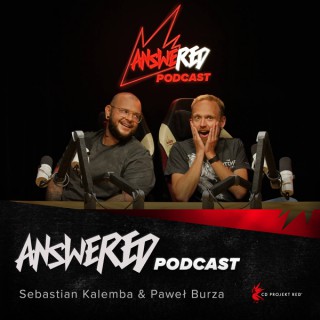
How do you build a culture and grow talent across continents? How do you carve out genuine space for diverse perspectives? And how do you keep teams deeply connected when they're thousands of kilometers apart? In the 31st episode of AnsweRED Podcast, we dive into these questions to explore what it really takes to lead international teams and build a culture that grows with them. Joining our hosts — Senior Communication Manager Paweł Burza and Art Director for Project Hadar Paweł Mielniczuk — are Chief People Officer and Board Member Karolina Radziszewska and VP, Head of People Strategy and Operations, Marta Fortuna. Tune in as they discuss the role of People & Culture in the game dev industry, how they support leadership growth, the value of diverse perspectives, women building careers in game development, and fostering connections between our Warsaw and Boston teams.

SharkNinja is one of the most fascinating, innovative, high-performing companies I've seen. Elizabeth Norberg, the People and Culture leader, is also one of the most interesting CHROs I've met. So with that introduction, I urge you to take some time to listen. There's a lot to learn here, but overall this is a story about a company and set of people strategies that work together to accelerate growth, with a strong and vital focus on individual performance, innovation, problem-solving, and carefully designed organizational support. Think about brands like Nike, L'Oreal, Apple, or others you love. It's very difficult for a consumer products company to grow quickly and stay relevant as market, trends, and technologies change. Well as you'll hear, SharkNinja is both a marketing, problem-solving, and engineering company, and the people and culture strategy accelerates this formula. I know everyone will learn a lot from Elizabeth's narrative, and please stay to the end – in the last five minutes Elizabeth details the company's AI innovation process, which every company is facing. Finally, as you'll hear, Elizabeth is a seasoned HR leader but she is still learning and demonstrates humility and creativity in her challenge to accelerate growth in a rocket-ship company with over $5 billion in revenue and very ambitious plans for the future. Additional Information SharkNinja YouTube Page – you'll see what they do. CEO Mark Barrocas Describes SharkNinja's Strategy Why Are Some Companies More Dynamic Than Others? Irresistible: The Seven Secrets To The World's Most Enduring Companies Chapters (00:00:00) - Meet Elizabeth Norberg, Head of HR at Shark Ninja(00:04:55) - What Is the People Strategy at Honeywell?(00:06:20) - Describing the Company's outrageously extraordinary culture(00:13:29) - The People Strategy(00:14:59) - The culture of speed(00:21:40) - Exploring the culture at Sharknage(00:26:54) - In the Elevator With Mark Cuban(00:30:52) - Top Executives: The Culture of Microsoft(00:34:42) - A Few Words from Shark Ninja's CHRO(00:37:14) - A Masterclass in Partnership with Shark Ninja(00:38:25) - Shark Ninja's 5 Key Priorities for AI Transformation

What if people strategy was treated as a driver of growth rather than an HR cost centre?For the milestone **300th** episode of Success Leaves Clues, Robin Bailey and Al McDonald welcome back Joanna Kmiec, Chief People Officer at Loopio and one of the people who helped shape the direction of the podcast.Joanna challenges the idea that a Chief People Officer's job is simply to keep employees happy. The real mandate is to build an organization that can grow, perform, and endure, without losing the humans inside the org chart. That requires business fluency, empathy, accountability, systems thinking, and the courage to speak up when everyone else in the room agrees.She explains how a strong people strategy reduces organizational drag, improves time to productivity, strengthens manager effectiveness, and allows senior leaders to spend more time building instead of repairing. Joanna also shares which workforce metrics matter, how people leaders can connect their work to business performance, and why the story behind the data is often more valuable than the number itself.Whether you are a CEO, founder, people leader, HR professional, or executive scaling a growing company, this episode offers a candid look at what strategic people leadership requires and how it can become a genuine lever for organizational growth.You'll hear about:What a Chief People Officer is actually responsible for Why people strategy should be treated as a growth lever How culture can accelerate or obstruct business strategy Why people outcomes belong to managers, not only HR How to be bold without sacrificing kindness Measuring time to productivity and manager effectiveness Identifying and reducing organizational drag Why responsibility without authority causes leadership burnout How HR leaders can protect themselves during periods of chaos The quieter strengths that define exceptional leadership Why great employees sometimes leave great companies How former employees can become lifelong brand ambassadors Why creating other leaders is one of leadership's greatest successes Using persistence and setbacks to move closer to a breakthroughWe talk about:00:00 Celebrating 300 episodes of Success Leaves Clues 03:02 The real role of a Chief People Officer 06:16 How strategic HR leadership has evolved 09:47 Becoming comfortable with tension as a leader 14:33 Why people strategy is a growth lever 18:14 Measuring the impact of people initiatives 22:23 What causes burnout among HR leaders 28:00 Staying calm and healthy during organizational chaos 34:38 The quieter qualities of exceptional leaders 38:00 Why great employees leave great companies 42:02 Why real leaders create other leaders 44:33 The advice that shaped Joanna's leadershipConnect with JoannaLinkedIn: https://www.linkedin.com/in/joanna-kmiec-chrl/ Website: https://loopio.com/ Connect with UsLinkedIn: Robin Bailey and Al McDonald Website: Aria Benefits and Life & Legacy Advisory Group
Is your HR function organised the way employees actually experience it, or just the way it's always been done? In this episode of the Digital HR Leaders podcast, David Green is joined by Tony Truong, VP of People Strategy, Operations, Technology and Analytics at Chime, to unpack why most HR functions are still organised in silos, by specialty, while employees experience work as a series of moments: getting hired, being onboarded, going for a promotion. Tony has spent the last two years closing that gap, rebuilding Chime's people function from the ground up as the company has scaled into a public company. In this episode, David and Tony discuss: Why the real limitation holding HR back is fragmentation, not ambition What it's taken to rebuild a people function from the ground up at a newly public company How AI has reshaped recruiting at Chime, cutting a process that used to take days down to hours Tony's three-stage framework for thinking about AI's role in the business: assistance, automation, and orchestration What it actually looks like to move people analytics from the periphery of HR to the centre of how a business makes decisions This episode is sponsored by Valence. Nadia, Valence's AI coaching platform, connects talent strategy to the work employees are actually doing — offering coaching from the frontline to the boardroom, and surfacing organisational insights that weren't visible before. As the most widely deployed coach in the Fortune 500, Nadia is already helping global leaders like Nestlé, Delta, CVS, and Kraft Heinz transform talent at scale. Learn more at valence.co/insight222 Additional resources: Deloitte Global Human Capital Trends 2026 Report Hosted on Acast. See acast.com/privacy for more information.

Natasha Dillon is the Co-Founder and Chief Financial Officer (CFO) of FundFi Merchant Funding, a leading alternative financing company that helps small and medium-sized businesses across the United States and Canada access fast, flexible working capital solutions. With a finance career spanning nearly two decades, Natasha oversees underwriting, accounting, compliance, and financial operations while helping business owners secure the funding they need to grow and thrive. Known for her expertise in alternative lending and merchant funding, Natasha has played a key role in scaling FundFi into a trusted funding partner for entrepreneurs who may not qualify for traditional bank financing. Under her leadership, FundFi has developed a reputation for providing customized financing solutions, fast approvals, and a streamlined funding process designed around the real-world needs of business owners. During the show we discuss: How to get business funding when banks say no Why revenue-based financing is a powerful alternative to traditional loans How to choose the right funding solution based on your cash flow Why speed and simplicity in approvals matter for business growth How to leverage alternative funding to solve cash flow crunches What makes a lender or funding partner legit and reliable How ISOs and brokers can increase deal approvals and commissions Why customized funding strategies outperform generic loan products Resources: https://fundfi.com/ https://www.fundfimerchantfunding.com/

Change That Changes Everything: How Leaders Help People Adapt Before AI Fears Drive Talent AwayArtificial intelligence is changing the workplace faster than ever, but the biggest challenge isn't the technology.It's helping people adapt.In this episode of the People/AI Strategy Forum, Sam Reeve speaks with Wani Iris Manly, Esq. about why employees don't resist change—they fear loss—and how leaders can reduce uncertainty before it turns into disengagement or turnover. Drawing from her background as an attorney, executive coach, and international change expert, Wani shares practical strategies for leading AI transformation while maintaining trust, confidence, and employee engagement.In This Episode:• Why fear—not technology—drives resistance to AI • Helping employees adapt through retooling and continuous learning • AI governance and responsible implementation • Building trust during periods of rapid change • Leadership strategies for reducing uncertainty • Creating psychologically safe workplaces • Why people remain an organization's greatest competitive advantage • A practical framework for leading organizational changeKey TakeawaySuccessful AI adoption isn't about replacing people.It's about helping people confidently adapt to a changing world while ensuring technology strengthens—not replaces—the human experience at work.Guest: Wani Iris Manly, Esq.Learn more: https://www.waniirismanly.comConnect with Wani: https://www.linkedin.com/in/waniirismanlyLearn more about CompTeam: https://compteam.net/Watch the full video episode: https://www.youtube.com/@PeopleStrategyForumPoweredByCompTeamIf you enjoyed this episode, follow the People/AI Strategy Forum on your preferred podcast platform and join the conversation! About the People/AI Strategy Forum The People/AI Strategy Forum explores how leaders navigate the intersection of people strategy, leadership, and artificial intelligence. Hosted by Sam Reeve, Founder & CEO of CompTeam, the Forum features conversations with executives, practitioners, and experts shaping the future of work.Learn more about CompTeam and the People/AI Strategy Forum at compteam.net.
Are Your Benefits Training Top Talent to Leave?Healthcare costs continue to rise, and many employers feel trapped in a system that gets more expensive every year.In this episode of the People/AI Strategy Forum, Sam Reeve speaks with Chris Hamilton, Employee Benefits Practice Leader at Hotchkiss Insurance, about how organizations can rethink their benefits strategies to improve employee retention, create more value, and regain control over healthcare spending. Chris explains why traditional insurance models often create misaligned incentives and shares practical strategies that leading employers are using to design more effective and differentiated benefits programs.In This Episode:• Why healthcare costs keep rising • The hidden economics of health insurance • How benefits impact retention and recruitment • The advantages of customized and self-funded plans • Questions every employer should ask their broker • Strategies for creating more valuable employee benefits • How benefits can become a competitive advantageKey TakeawayBenefits should not simply be viewed as an expense.When designed strategically, they can become one of the most powerful tools organizations have to attract, retain, and support great people.Guest:Chris Hamilton Employee Benefits Practice Leader, Hotchkiss InsuranceLearn more: https://www.itschrishamilton.com/Learn more about CompTeam: https://compteam.net/Watch the full video episode: https://www.youtube.com/@PeopleStrategyForumPoweredByCompTeamIf you enjoyed this episode, follow the People/AI Strategy Forum on your preferred podcast platform and join the conversation! About the People/AI Strategy Forum The People/AI Strategy Forum explores how leaders navigate the intersection of people strategy, leadership, and artificial intelligence. Hosted by Sam Reeve, Founder & CEO of CompTeam, the Forum features conversations with executives, practitioners, and experts shaping the future of work.Learn more about CompTeam and the People/AI Strategy Forum at compteam.net.
Is purpose at work as straightforward as we've made it out to be? In this episode of the Digital HR Leaders podcast, David Green is joined by Jessica Zwaan, VP People Strategy and Operations at Leapsome and author of Built for People and Purpose and Work, to explore what the research actually tells us about purpose at work — and what that means for how HR shows up for people. Join them as they discuss: Why treating HR like a product function changes the questions you askWhat the research on purpose at work really reveals, and why the reality is more nuanced than the narrativeWhat purpose washing is, how it happens, and what it can look like in practiceWhat a more grounded alternative to purpose-led culture could look likeWhy really knowing your people is the foundation of all of itHow perceptions of HR are evolving, and what's driving that shift This episode is brought to you by Leapsome - the people-first HR platform that connects performance, engagement, and HR operations in one place, so you get a complete picture, not half the story. See it in action at leapsome.com/demo. Resources: Built for People by Jessica Zwaan Purpose and Work by Jessica Zwaan People over Perks, the Leapsome Community Hosted on Acast. See acast.com/privacy for more information.
When One Person Does the Work of Seven: How AI Is Rewriting WorkWhat happens when one employee can suddenly accomplish the work that previously required an entire team?In this episode of the People/AI Strategy Forum, Sam Reeve speaks with Maximos Lih about how artificial intelligence is fundamentally changing productivity, workforce expectations, and the future of organizational design.As AI expands what individuals can accomplish, leaders are being challenged to rethink workforce planning, talent strategies, management practices, and how organizations create value.The conversation explores both the opportunities and risks of AI-driven productivity, including how organizations can embrace innovation without losing sight of the human side of work.In this episode, we discuss:• How AI is increasing individual productivity • The implications of AI for workforce planning • Why traditional organizational structures are evolving • The changing role of leadership in AI-enabled organizations • How businesses can responsibly adopt AI • The future relationship between people and technology • Skills employees need to remain valuable in an AI-driven workplace • Balancing efficiency, performance, and employee well-beingKey TakeawayAI is not replacing work.It is redefining work.Organizations that understand how to combine human strengths with artificial intelligence will be better positioned to adapt, compete, and grow in the years ahead.Guest: Maximos LihLearn more about CompTeam: https://compteam.net/Watch the full video episode: https://www.youtube.com/@PeopleStrategyForumPoweredByCompTeam#PeopleStrategy #FutureOfWork #ArtificialIntelligence #AILeadership #WorkforceStrategyIf you enjoyed this episode, follow the People/AI Strategy Forum on your preferred podcast platform and join the conversation! About the People/AI Strategy Forum The People/AI Strategy Forum explores how leaders navigate the intersection of people strategy, leadership, and artificial intelligence. Hosted by Sam Reeve, Founder & CEO of CompTeam, the Forum features conversations with executives, practitioners, and experts shaping the future of work.Learn more about CompTeam and the People/AI Strategy Forum at compteam.net.

In this special edition of ScaleUp Radio Shorts, Kevin Brent and Louise Blunt revisit three standout conversations from recent ScaleUp Radio episodes to uncover a common thread running through them all. At first glance, these guests appear to operate in completely different worlds. Maritsa Inglessis specialises in people and HR. Peter Juhasz helps businesses generate growth through AI-powered revenue systems. Simon Bird works with founders on strategy, creativity and mindset. Yet all three are helping business owners solve the same challenge: escaping the founder trap. Whether you're struggling with people issues, feeling overwhelmed by growth challenges, or finding yourself stuck in the day-to-day running of the business, this episode offers practical insights to help you regain control and create a business that works for you, rather than because of you. In this episode: Why founders often become the biggest bottleneck in their own business Simon Bird explores the psychological challenges many founders face after years of building their companies. What starts as passion and excitement can gradually become pressure, responsibility and a sense of being trapped by the very business they created. The power of "Permission to Pause" Maritsa Inglessis introduces a powerful concept: giving yourself permission to stop, reflect and assess what your business actually needs before adding more people, processes or complexity. How poor onboarding and founder dependency drive employee turnover Learn how one business transformed from 100% staff turnover to retaining every employee for two years by improving onboarding, communication and delegation. Why drawing your business can reveal more than months of meetings Simon shares a fascinating exercise where founders visually represent their business challenges, uncovering hidden operational issues and alignment problems that traditional discussions often miss. Why most AI and growth initiatives fail Peter Juhasz explains why overcomplicating growth through multiple agencies and disconnected tactics often leads to frustration and burnout, and why combining AI with human expertise is critical for success. The role fear plays in leadership From difficult conversations with employees to making strategic decisions, all three guests highlight how fear can prevent founders from taking the actions their businesses need most. Key lessons from the discussion Stop trying to solve every problem yourself. Build systems rather than relying on heroics. Invest in proper onboarding and people development. Create space for strategic thinking. Don't confuse activity with progress. Use AI as an amplifier, not a replacement for expertise. Seek outside perspectives through coaches, advisors and trusted partners. Focus on building a business that can operate successfully without constant founder intervention. Standout Quote "Get the problem out of the founder's head and onto the table." About Smart90 Most founders I speak to feel busy but stuck; plenty happening, but not always clear on what genuinely matters most this quarter. If that's you, the G90 Summit is worth a look. A structured half-day where we work through everything competing for your attention, get clear on the three to five things that must happen in the next 90 days, then commit to them and build the system to make sure they actually happen. Quarterly, virtual, £97 per seat. Find out more at Smart90.co.uk/summit. Listen to the full interviews If you enjoyed these insights, make sure you also listen to the full conversations with: Maritsa Inglessis Peter Juhasz Simon Bird Each episode explores these topics in far greater depth and provides practical advice you can apply immediately within your own business. Production Note This episode of ScaleUp Radio was produced with the aid of artificial intelligence to support content preparation, editing and production workflows. ScaleUp Radio is brought to you by Smart90 and inspired by the Entrepreneurial ScaleUp System, helping ambitious business owners scale with greater clarity, focus and confidence. LinkedIn & Instagram Post Have you accidentally become the biggest bottleneck in your own business? In this latest ScaleUp Radio Shorts episode, Louise Blunt and I reflect on three brilliant conversations with Maritsa Inglessis, Peter Juhasz and Simon Bird. They each approach business growth from a completely different angle: People and HR. AI and lead generation. Strategy and founder mindset. Yet they all uncovered the same challenge. The Founder Trap. The point where the business starts depending on you for everything, leaving you busy, overwhelmed and struggling to focus on what really matters. A few key lessons from the discussion: ✔️ Give yourself permission to pause before adding more people, processes or complexity ✔️ Great onboarding and clear expectations reduce turnover and increase performance ✔️ AI works best when combined with human expertise and accountability ✔️ The best leaders don't carry every problem themselves If you're trying to scale while feeling stuck in the day-to-day, this episode is packed with practical insights. Listen here: [Insert Episode Link] #ScaleUpRadio #Smart90 #StopTheDrift #G90Summit #BusinessStrategy #LeadershipDevelopment #FounderMindset #NinetyDayPlanning BizSmart Comment A brilliant ScaleUp Radio Shorts episode that brings together three very different perspectives on one challenge most founders face. Well worth a listen if you're trying to create a business that scales without depending on you for everything. Smart90 Comment Most business owners don't need another tactic. They need clarity on what matters most next. This ScaleUp Radio Shorts episode is full of practical insights to help founders step back, refocus and build a business that can grow sustainably. :::

In this insightful episode of TBCY, Ashutosh Garg speaks with Lindsay White, Founder of High Voltage Leadership and a leadership and people strategy expert, about the critical lessons every founder must learn when scaling a business.Lindsay shares practical insights on the realities of transitioning from entrepreneur to CEO, building resilient company cultures, and creating sustainable high-performance teams.Discover why business growth is fundamentally a leadership challenge, how to identify leadership bottlenecks, why people strategy must be integrated with business strategy, how to manage loyal employees during periods of rapid growth, and how founders can avoid burnout while scaling.Lindsay also discusses the unique challenges faced by female founders and offers practical advice on creating systems that empower teams and support sustainable performance.Whether you're a founder, business leader, or aspiring entrepreneur, this episode is packed with actionable strategies and practical wisdom to help you lead your organization to the next level.Subscribe for more leadership insights and founder stories.

Frankie Capparelli is the Director of People Strategy & Brand at Rushton, a CPA firm in Gainesville, GA. He specializes in leadership development, workplace culture, and business growth, with experience across retail, nonprofit, technology, and professional services industries.

Cindy Heiner, Chief Information Security Officer at Aiden Technologies, brings more than two decades of security leadership to this candid conversation about career pivots, people-first leadership, and the evolving role of AI in security operations. What began as a near-exit from IT (she was seriously considering opening a coffee shop and bookstore in rural Oklahoma) turned into a defining career in cybersecurity after a colleague recruited her to build one of the earliest application security teams in 2003. In this episode, Cindy shares how CliftonStrengths coaching helped her grow as both a leader and an introvert navigating a male-dominated field, why building the right team matters more than filling roles, and how she approaches AI and automation in security with enthusiasm balanced by a firm belief in human oversight. She also speaks directly to women considering a career in security, challenging the gatekeeping mindset and encouraging candidates not to let job descriptions scare them off.
Retention is a relationship.In this episode of the People/AI Strategy Forum, Sam Reeve speaks with Borja Kwan, Founder of Four15 Digital, about the leadership habits that keep top talent engaged, connected, and committed long before retention becomes a problem.As organizations navigate remote work, AI adoption, and rising performance pressure, many leaders focus heavily on productivity systems and operational efficiency. But Borja argues that retention is ultimately shaped by relationships, consistency, trust, recognition, and human connection.Drawing from decades of experience leading high-performance marketing teams, Borja shares practical insights on balancing accountability with empathy, creating meaningful employee relationships, and building cultures where people genuinely want to stay.If your organization is struggling with disengagement, turnover, remote team culture, or leadership consistency, this conversation offers a grounded and highly practical perspective on what keeps teams connected over the long term.In this episode we discuss:• Why retention problems often begin long before employees resign• The leadership habits that strengthen employee loyalty and engagement• How performance-driven organizations can balance accountability and empathy• Why relationships matter more than perks when retaining top talent• The challenges of maintaining culture with remote teams• Why intentional in-person connection still matters in a hybrid world• How recognition and consistent communication improve engagement• The opportunities and risks AI introduces into creative and client-facing work• Why leaders must remain authentic as AI tools become more common• The importance of building environments where employees feel heard and supportedKey takeawayRetention is not just a compensation strategy.It is a leadership behavior.When employees feel trusted, recognized, supported, and connected to leadership, organizations create cultures where top performers are far more likely to stay and grow.Watch more People/AI Strategy Forum episodesSubscribe to the People/AI Strategy Forum for weekly conversations with leaders and experts exploring people strategy, leadership, AI, and the future of work.YouTube:/ @peoplestrategyforumpowered5106Follow the podcast:https://www.buzzsprout.com/2571923Podcast website:https://www.buzzsprout.com/2571923Listen on Apple Podcasts:https://podcasts.apple.comListen on Spotify:https://open.spotify.comCompTeam podcast page:https://compteam.net/podcast/About CompTeamThe People/AI Strategy Forum is powered by CompTeam, a consulting firm that helps organizations design people-centered compensation and workforce strategies that attract, retain, and motivate top talent.Learn more:https://compteam.net/Follow CompTeam on LinkedIn:/ compteamConnect with Sam ReeveLinkedIn/ samreeveGuestBorja KwanFounder of Four15 Digital, specializing in performance marketing, leadership development, and client growth strategies.Learn more:https://www.four15digital.com/Connect on LinkedIn: / borjakuan #PeopleStrategy #Leadership #EmployeeRetention #FutureOfWork #RemoteLeadership #WorkplaceCulture #EmployeeEngagement #AILeadershipIf you enjoyed this episode, follow the People/AI Strategy Forum on your preferred podcast platform and join the conversation! About the People/AI Strategy Forum The People/AI Strategy Forum explores how leaders navigate the intersection of people strategy, leadership, and artificial intelligence. Hosted by Sam Reeve, Founder & CEO of CompTeam, the Forum features conversations with executives, practitioners, and experts shaping the future of work.Learn more about CompTeam and the People/AI Strategy Forum at compteam.net.
What actually creates a great company culture?Is it the values written on the wall… or the behaviors happening behind closed doors?In this episode of Success Leaves Clues, Robin Bailey and Al McDonald sit down with Jessica Lewis from PointsBet to explore what it really takes to build high-performing teams, strong workplace cultures, and leadership environments where people genuinely thrive.Jessica shares her journey from executive assistant to senior people leader, unpacking the lessons she's learned while scaling teams in fast-paced, high-growth organizations. From mentorship and strategic hiring to difficult feedback conversations and leadership accountability, this conversation reveals why culture is never owned by one person. It's built collectively, reinforced daily, and tested most during difficult moments.This episode dives into the realities of modern leadership, including the growing role of AI in HR, the importance of trust and transparency, and why the best leaders understand that people strategy is business strategy. Jessica also shares her passion for creating more opportunities for women in leadership and building workplaces where more voices are welcomed to the table.If you've ever wondered why some organizations create loyalty, growth, and energy while others quietly lose their best people, this conversation offers a powerful look at what separates healthy cultures from performative ones.You'll hear about:Why company culture is built through everyday behavior, not mission statementsWhat leaders reveal about culture behind closed doorsThe hiring mistake that quietly damages organizations over timeWhy technical skill alone is never enough for leadership successHow mentorship changes careers and builds long-term confidenceThe importance of giving feedback early and with kindnessWhy trust and transparency are critical for strong workplace culturesHow AI is reshaping HR and the employee experienceThe role frontline managers play in reinforcing company valuesWhy creating more women leaders matters for the future of businessWe talk about:00:00 Introduction to Jessica Lewis and PointsBet02:00 From executive assistant to people leadership04:30 Why HR became Jessica's purpose and passion06:30 Staying ahead in leadership through mentorship and community08:30 The connection between leadership and company culture10:00 What actually causes workplace culture to break down11:30 Why culture is revealed behind closed doors13:00 Hiring for values, not just technical competence15:30 How fast-growing companies redefine leadership needs17:00 Giving feedback early and building accountability19:00 Technical skill vs cultural alignment, which matters more?21:30 The leadership lessons mentorship creates23:30 Building confidence as a woman in leadership25:00 Why representation and equity in leadership matter26:30 The future of workplace culture and leadershipConnect with JessicaLinkedIn: https://www.linkedin.com/in/jessica-lewis-86744352/ Website: https://on.pointsbet.ca/ Connect with UsLinkedIn: Robin Bailey and Al McDonald Website: Aria Benefits and Life & Legacy Advisory Group

What does it take to build a thriving, high-performance culture inside one of the fastest-growing tech companies in the world, without ever requiring a college degree to get in the door? Mandy Mekhail, Chief of Staff of People at ClickUp, went from teaching in a classroom to leading the people function at a 1,200-person global company, and her journey is anything but conventional. In this episode, Mandy pulls back the curtain on ClickUp's non-traditional hiring philosophy, their obsession with onboarding excellence, and how they're turning AI agents into literal coworkers on the org chart. Whether you're an HR professional, a people leader, or simply curious about where work is headed, this conversation will challenge the way you think about hiring, culture, and the role of AI in your organization. Don't miss it. Key Timestamps [00:00:00] — Introduction: Mandy's Unconventional Path to People Leadership From educator to customer support to Chief of Staff of People at ClickUp, Mandy shares the leap of faith that started it all and the mindset that carried her through. [00:03:00] — Joining ClickUp at Employee #110 Mandy reflects on what it was like to join ClickUp when it had fewer than 100 functional employees and what it's meant to watch it scale to 1,200 people globally. [00:04:00] — The Role That Shaped Everything: Building the Quality Team Six months into ClickUp, Mandy was tasked with building the customer support quality function — and it became the role that fused her education background with her passion for people impact. [00:05:00] — Recruiting Power Users: ClickUp's Unconventional Hiring Strategy Forget job boards. ClickUp finds top talent by recruiting passionate product users from online forums and communities — and it's still a core part of their strategy today. [00:07:00] — Why ClickUp Dropped the Degree Requirement From Day One CEO Zeb Evans made a deliberate call early on: if a bachelor's degree isn't the real signal of capability, don't require it. Mandy explains how skills, integrity, and passion took its place. [00:09:00] — The Interview Question That Reveals Everything One question ClickUp asks every candidate regardless of role: "Give me an example of when you showed fortitude." Mandy explains why resilience is the great equalizer in hiring. [00:10:00] — Onboarding 500 Employees with a 99% KPI Success Rate Within 90 Days Mandy breaks down the layered, outcome-first onboarding framework that got new hires fully productive in weeks — by embedding them in the product from day one. [00:13:00] — Maintaining Culture Across Time Zones, Countries, and Hub Offices With teams spanning San Diego, Dublin, Sydney, Manila, and beyond, Mandy shares how a shared mission and core values become the unifying force across global subcultures. [00:15:00] — Preventing Burnout in a High-Growth, Fast-Shipping Environment High expectations don't have to mean burnout. Mandy explains why clear communication and respectful manager relationships are the real guardrails — not just PTO policies. [00:17:00] — Practical Boundaries in a Always-On World Mandy shares her personal rule: the ClickUp mobile app gets turned off at 5 PM. A small habit with a big message about modeling the boundaries you want your team to keep. [00:18:00] — Inclusion at Scale: How ClickUp Runs Global All-Hands Meetings Rotating time zones, recorded sessions, and a commitment to giving every employee the opportunity to attend live — Mandy breaks down what operational inclusion actually looks like. [00:19:00] — Why Every Single Communication at ClickUp Lives Inside ClickUp No side channels. No email threads. Every conversation, every message, every decision — all in ClickUp. Here's why that radical commitment powers both inclusion and AI at scale. [00:22:00] — The AI Agent Hour: One Hour a Week That's Changing Everything ClickUp gives employees one dedicated hour per week to play with AI Super Agents — no agenda, no expectations. Mandy explains how this structured playtime is dismantling fear and unlocking innovation. [00:27:00] — Advice for HR Leaders Who Are Afraid of AI Mandy's message to people leaders sitting on the fence: don't let your own fear set the tone for the rest of your organization. Start by understanding it yourself — and lean into your compliance and legal superpowers along the way. [00:29:00] — Where AI Has Made the Biggest Impact in the People Function Tier-one operational tasks are the obvious win, but Mandy points to something most HR teams are still missing: using AI for sentiment analysis of HR processes — and why that's the next frontier. [00:31:00] — AI as a Multiplier, Not a Replacement On the noise around AI layoffs, Mandy is clear: ClickUp treats AI agents as coworkers, not substitutes. They even appear on the org chart with the same data architecture as human employees. [00:33:00] — 5,000 AI Agents for 1,200 Employees Inside ClickUp's internal "agent wins" channel and Help Wanted Board — a grassroots knowledge-sharing system that has resulted in more AI agents than people at the company. [00:36:00] — Closing Thoughts: Don't Be Afraid to Try Something for the First Time Mandy's parting challenge to every listener — whether you're in tech or not: dive in, explore, and trust that understanding AI will transform how you see your role, your team, and your future. A QUICK GLIMPSE INTO OUR PODCAST Podcast: Transform Your Workplace, sponsored by Xenium HR Host: Brandon Laws In Brandon's own words: "The Transform Your Workplace podcast is your go-to source for the latest workplace trends, big ideas, and time-tested methods straight from the mouths of industry experts and respected thought-leaders." About Xenium HR Xenium HR is on a mission to transform workplaces by providing expert outsourced HR and payroll services for small and medium-sized businesses. With a people-first approach, Xenium helps organizations create thriving work environments where employees feel valued and supported. From navigating compliance to enhancing workplace culture, Xenium offers tailored solutions that empower growth and simplify HR. Whether managing employee relations, payroll processing, or implementing impactful training programs, Xenium is the trusted partner businesses rely on to elevate their workplace experience. Discover how Xenium can transform your workplace: Learn more Connect with Brandon Laws: LinkedIn | Instagram | About Connect with Xenium HR: Website | LinkedIn | Facebook | Twitter | Instagram | YouTube
Jessica Zwaan, VP People Strategy & Operations at Leapsome and author of Built For People, joined us for another MPL Build AMA. This time we talked about how to redesign your People team if you're running your team like a product team, why metrics like internal promotion retention matter more than traditional HR KPIs, and more.---- Sponsor Links:

HR has this fun little quirk where almost nothing is black and white, and the concept of "right" and "wrong" is rarely as simple as it sounds in a policy doc! This season, we've talking about firsts, and the moments that fundamentally change how you see this work. Today, I sat down with Stacey Norville, VP of People Strategy at Pyn and host of one of my favorite podcasts, Toot or Boot, to talk about the first time she had to step into an HRBP role before that role even existed at her company, then navigate a serious performance situation where doing everything right still didn't guarantee a good outcome. We get into the emotional toll and gray areas you have to deal with to survive this job, and the part no one puts in the job description, which is that sometimes you carry the weight of your decisions home with you! 00:03:29 - Something Stacey Had to Unlearn About Work 00:05:23 - When Stacey Had to Step into an HRBP Role Before it Even Existed 00:11:21 - Expecting the Unexpected in HR 00:19:09 - The Difficult Nature of Feedback Convos 00:25:39 - The Duality of Regulating Your Emotional Reactions During Procedural Moments 00:34:59 - The Complexity of What's Right and What's Wrong in HR 00:38:36 - How Past Experiences Have Shaped Stacey's Approach to Performance Management 00:49:47 - Getting in Touch With Stacey --- The Predictive Index behavioral assessment reveals how people work, think, and thrive—so teams can understand each other better and perform at their best. Because when you truly understand your people, work just works. Learn more: trypi.com/ihateithere --- And if you love I Hate It Here, sign up to Hebba's newsletter! It's for jaded, overworked, and emotionally burnt-out HR/People Operations professionals needing a little inspiration. And if you love the podcast, be sure to check out I Hate It Here on YouTube for even more exclusive insider content! Follow Stacey LinkedIn: https://www.linkedin.com/in/staceynordwall/ Toot or Boot Podcast: https://www.tootorboot.com/ Follow Hebba YouTube: https://www.youtube.com/@ihateit-here/videos LinkedIn: https://linkedin.com/in/hebba-youssef Twitter: https://twitter.com/hebbamyoussef
What if the greatest risk in the AI era is not moving too slowly, but moving too quickly without sufficient reflection?In this episode of the People/AI Strategy Forum, Sam Reeve speaks with Dr. Xavier Pavie, Business Philosopher, Professor, and Founder of The Imagination Center, to examine why responsible innovation is becoming a defining factor in both leadership effectiveness and long-term retention.As artificial intelligence accelerates decision-making and organizational change, many companies are prioritizing speed and efficiency. However, without thoughtful reflection, this pace can lead to misalignment, weakened culture, and the erosion of trust among top performers.Dr. Pavie offers a different perspective.Retention in the AI era is not solely driven by compensation or technology adoption. It is shaped by how leaders think, how they make decisions, and how they balance innovation with responsibility.For organizations navigating rapid transformation, this conversation provides a more grounded and strategic framework for leading through complexity.In this episode, we discuss:• Why innovation extends beyond technology into human systems and behavior• The distinction between responsibility, accountability, and liability in leadership• The risks associated with prioritizing speed over thoughtful execution• How responsible innovation influences retention and organizational trust• The role of philosophical thinking in modern business leadership• Why stepping away from immediate challenges often leads to better decisions• How shared purpose enables alignment across diverse teams• The importance of creating space for strategic reflectionKey takeawayRetention is not only a function of incentives or policy.It is a reflection of leadership judgment.When innovation is guided by responsibility, clarity, and human awareness, organizations do not simply move faster.They move with greater intention and long-term effectiveness.Mont Blanc Massif Executive RetreatDr. Xavier Pavie also leads an exclusive executive retreat in the Mont Blanc Massif, designed for senior leaders seeking clarity and perspective in a rapidly evolving environment.This is not a traditional seminar. It is a structured, immersive experience that combines physical challenge with strategic reflection.The five-day program includes:• Guided alpine hiking across glaciers with experienced mountain professionals• Small, curated groups of senior executives• Practical exercises in shared responsibility and leadership under pressure• Direct exposure to environmental change and long-term impact considerations• Evening workshops grounded in philosophy and leadership reflection• A deliberate separation from daily routines and digital distractionsThe objective is to provide leaders with the space to reassess priorities, refine judgment, and approach innovation with greater clarity.This experience is best suited for:CEOs and senior executivesLeaders navigating complex, high-stakes decisionsIndividuals seeking a broader perspective on leadership, AI, and organizational changeTo learn more or inquire about participation:If you enjoyed this episode, follow the People/AI Strategy Forum on your preferred podcast platform and join the conversation! About the People/AI Strategy Forum The People/AI Strategy Forum explores how leaders navigate the intersection of people strategy, leadership, and artificial intelligence. Hosted by Sam Reeve, Founder & CEO of CompTeam, the Forum features conversations with executives, practitioners, and experts shaping the future of work.Learn more about CompTeam and the People/AI Strategy Forum at compteam.net.
What if your retention problem isn't compensation, flexibility, or career growth, but a hidden strain leaders rarely measure?In this episode of the People/AI Strategy Forum, Sam Reeve speaks with Dr. Rosina McAlpine, Workplace Wellbeing Expert and Founder of Win Win Parenting, about why supporting working parents is one of the most overlooked drivers of retention, engagement, and performance.Many organizations invest in benefits, flexibility, and wellbeing programs. But when the realities of parenting stress go unaddressed, those efforts often fall short. Working parents experience some of the highest levels of burnout, stress, and turnover, yet most organizations lack the systems to support them effectively.Dr. Rosina shares a practical framework for how leaders can move beyond good intentions and build real systems that support both performance and wellbeing.If your organization is seeing burnout, disengagement, or retention challenges that don't seem tied to compensation alone, this conversation offers a new lens to understand what's really happening.In this episode we discuss:• Why working parent stress is a hidden driver of turnover and disengagement • The connection between parental burnout and workplace performance • How lack of support creates retention risk hiding in plain sight • The five-step framework to support working parents effectively • Why managers play a critical role in employee wellbeing and retention • How to design targeted wellbeing programs that actually work • The importance of building a truly family-friendly workplace culture • How to measure ROI and impact of wellbeing initiatives over timeKey takeawayRetention is not just a compensation issue.It's a support system issue.When organizations recognize and address the real pressures employees face outside of work, performance doesn't decline, it strengthens.Watch more People/AI Strategy Forum episodes!Subscribe to the People/AI Strategy Forum for weekly conversations with leaders and experts exploring people strategy, leadership, AI, and the future of work.YouTube: / @peoplestrategyforumpowered5106Follow the podcast: https://www.buzzsprout.com/2571923Podcast website: https://www.buzzsprout.com/2571923Listen on Apple Podcasts: https://podcasts.apple.comListen on Spotify: https://open.spotify.comCompTeam podcast page: https://compteam.net/podcast/About CompTeam: The People/AI Strategy Forum is powered by CompTeam, a consulting firm that helps organizations design people-centered compensation and workforce strategies that attract, retain, and motivate top talent.Learn more: https://compteam.net/Follow CompTeam on LinkedIn: / compteamConnect with Sam Reeve:LinkedIn / samreeveGuest: Dr. Rosina McAlpine Workplace Wellbeing Expert and Founder of Win Win Parenting, helping organizations reduce burnout.If you enjoyed this episode, follow the People/AI Strategy Forum on your preferred podcast platform and join the conversation! About the People/AI Strategy Forum The People/AI Strategy Forum explores how leaders navigate the intersection of people strategy, leadership, and artificial intelligence. Hosted by Sam Reeve, Founder & CEO of CompTeam, the Forum features conversations with executives, practitioners, and experts shaping the future of work.Learn more about CompTeam and the People/AI Strategy Forum at compteam.net.
What if your employee experience strategy is the reason your business is either scaling… or stalling? In this episode of Success Leaves Clues, Robin Bailey and Al McDonald sit down with Alisha Patel, VP People & Culture at CanadaHelps, to unpack what it really means to design a workplace where people, performance, and business outcomes actually align. Alisha brings a rare combination of people leadership and financial expertise, offering a perspective most organizations are missing. She breaks down why employee experience is not an HR function, but a business strategy, and how leaders can finally connect culture, retention, and performance in a way that drives real results. From listening tours and multi-generational workforce design to global cultural nuance and flexible benefits, this conversation challenges the “one-size-fits-all” approach most companies are still relying on. If you're leading a team, building culture, or trying to retain great people in a rapidly changing workforce, this episode will shift how you think about leadership, investment, and what actually creates sustainable growth. You'll hear about: Why employee experience strategy is a business function, not an HR initiative How combining finance and people strategy changes leadership decisions The real reason “people are our greatest asset” often falls flat What listening tours are and how they shape high-impact people programs Why one-size-fits-all benefits and policies are failing modern teams How to design for five generations in today's workforce The connection between flexibility, retention, and productivity Why culture must evolve across global teams and local contexts How to build trust through clarity, not just perks or programs The leadership shift from process-driven HR to experience design Why humility, curiosity, and listening are the most underrated leadership skills How mentorship and inclusive leadership shape future organizations We talk about: 00:00 Introduction to Alisha Patel and her leadership background 02:00 How finance + people strategy creates better business decisions 04:00 Why employee experience is tied to business outcomes 06:30 What “people are our greatest asset” actually means in practice 09:00 Why most HR functions are too transactional 11:00 What a “listening tour” is and how to run one effectively 14:00 Designing benefits and programs based on real employee needs 17:00 Global workforce insights across Canada, US, Europe, and beyond 20:00 Why culture cannot be one-size-fits-all 22:30 The biggest missed opportunity in how companies invest in people 24:00 Flexibility as a low-cost, high-impact benefit strategy 26:00 Measuring success beyond usage, focusing on engagement and retention 28:00 Leadership legacy, mentorship, and building inclusive systems 30:00 Why listening is the most important leadership skill moving forward Connect with Alisha LinkedIn: https://www.linkedin.com/in/alishapatel/ Website: https://www.canadahelps.org/ Connect with Us LinkedIn: Robin Bailey and Al McDonald Website: Aria Benefits and Life & Legacy Advisory Group
What if your retention problem isn't happening after employees join but before they even start?In this episode of the People/AI Strategy Forum, Sam Reeve speaks with Jason Carroll, Founder of Optiv Index, about why traditional hiring methods are failing and how AI-driven behavioral intelligence is reshaping how organizations identify, engage, and retain top talent.Resumes have long been the foundation of hiring decisions. But in today's environment, they've become an unreliable signal of performance, potential, and long-term fit. As AI accelerates hiring processes, leaders are being forced to rethink how they evaluate talent beyond skills and experience alone.Jason shares how behavioral data, combined with AI, can help organizations understand how people think, work, and collaborate — creating better alignment between individuals, roles, and teams.If you're seeing high turnover, misalignment, or hiring decisions that don't translate into performance, this conversation offers a new way to approach talent strategy.In this episode we discuss:• Why resumes are no longer a reliable predictor of performance• How poor hiring decisions drive the majority of employee turnover• The concept of “right people, right seats” and why it matters• How behavioral assessments reveal how people think, decide, and collaborate• The role of AI in coaching leaders and improving team dynamics• Why behavioral intelligence extends beyond hiring into leadership and culture• How to use AI responsibly without replacing human judgment• The importance of maintaining the human element in an AI-driven workplaceKey takeawayRetention is not just a compensation issue.It's a hiring and alignment issue.When organizations better understand how people operate, not just what they've done, they create stronger teams, better leadership, and more sustainable performance.Watch more People/AI Strategy Forum episodes!Subscribe to the People/AI Strategy Forum for weekly conversations with leaders and experts exploring people strategy, leadership, AI, and the future of work.YouTube: / @peoplestrategyforumpowered5106 Follow the podcast:https://www.buzzsprout.com/2571923Podcast website:https://www.buzzsprout.com/2571923Listen on Apple Podcasts:If you enjoyed this episode, follow the People/AI Strategy Forum on your preferred podcast platform and join the conversation! About the People/AI Strategy Forum The People/AI Strategy Forum explores how leaders navigate the intersection of people strategy, leadership, and artificial intelligence. Hosted by Sam Reeve, Founder & CEO of CompTeam, the Forum features conversations with executives, practitioners, and experts shaping the future of work.Learn more about CompTeam and the People/AI Strategy Forum at compteam.net.

In episode 246, Coffey talks with Kelly Price about building effective people strategy in small and medium-sized businesses. They discuss why small businesses often treat HR as administrative rather than strategic; hidden financial costs of poor hiring and turnover; aligning people strategy with business goals and growth plans; improving recruiting processes beyond staffing agencies; designing structured onboarding and performance management systems; adapting to rapid change including AI and post-COVID workplace shifts; generational differences in workplace expectations and engagement; balancing flexibility with accountability in modern work environments; leveraging institutional knowledge from long-tenured employees; identifying when to bring in HR consultants and how audits drive strategic alignment; developing leadership capabilities as organizations scale beyond founder control. For HR teams who discuss this podcast in their team meetings, we've created a discussion starter PDF to help guide your conversation. Download it here https://goodmorninghr.com/EP### Good Morning, HR is brought to you by Imperative—Bulletproof Background Checks. For more information about our commitment to quality and excellent customer service, visit us at https://imperativeinfo.com. If you are an HRCI or SHRM-certified professional, this episode of Good Morning, HR has been pre-approved for half a recertification credit. To obtain the recertification information for this episode, visit https://goodmorninghr.com. About our Guest: Kelly Price is a dynamic leader and the passionate founder of ThriveHR. Kelly's career is a testament to her dedication and love for helping others, beginning with a Bachelor's degree in Hospitality Management from Kansas State University. Her professional journey started at Marriott International. It was here where she mastered the art of creating memorable experiences, igniting her passion for positively impacting people's lives, a core value she carries into her HR career. Kelly's enriching path in Human Resources started as a recruiter. She found joy in helping individuals secure jobs and the ability to impact their lives and families. Climbing the corporate ladder, Kelly served in various critical roles, including Benefit Manager, Director of HR, and VP of HR. In these positions, she played a crucial role in reducing turnover, enhancing employee satisfaction, and reshaping people and HR strategies. As a small business owner, Kelly now leverages her extensive experience to help other businesses excel through smart people decisions. With her energy and positivity, she ensures that every client interaction is impactful and meaningful. Kelly Price can be reached at www.thrivehrkc.com www.linkedin.com/in/kellypricethrivehr About Mike Coffey: Mike Coffey is an entrepreneur, licensed private investigator, business strategist, HR consultant, and registered yoga teacher. In 1999, he founded Imperative, a background investigations and due diligence firm helping risk-averse clients make well-informed decisions about the people they involve in their business. Imperative delivers in-depth employment background investigations, know-your-customer and anti-money laundering compliance, and due diligence investigations to more than 300 risk-averse corporate clients across the US, and, through its PFC Caregiver & Household Screening brand, many more private estates, family offices, and personal service agencies. Imperative has been named a Best Places to Work, the Texas Association of Business' small business of the year, and is accredited by the Professional Background Screening Association. Mike shares his insight from 25+ years of HR-entrepreneurship on the Good Morning, HR podcast, where each week he talks to business leaders about bringing people together to create value for customers, shareholders, and community. Mike has been recognized as an Entrepreneur of Excellence by FW, Inc. and has twice been recognized as the North Texas HR Professional of the Year. Mike serves as a board member of a number of organizations, including the Texas State Council, where he serves Texas' 31 SHRM chapters as State Director-Elect; Workforce Solutions for Tarrant County; the Texas Association of Business; and the Fort Worth Chamber of Commerce, where he is chair of the Talent Committee. Mike is a certified Senior Professional in Human Resources (SPHR) through the HR Certification Institute and a SHRM Senior Certified Professional (SHRM-SCP). He is also a Yoga Alliance registered yoga teacher (RYT-200) and teaches multiple times each week. Mike and his very patient wife of 29 years are empty nesters in Fort Worth. Learning Objectives: Understand the business impact of treating HR as a strategic function rather than administrative. Identify practical ways to improve hiring, onboarding, and retention in growing organizations. Apply people strategy principles to adapt to workforce, generational, and technological changes.

This episode with Kyndell Harkness is a follow-up from an interview #161 with Molly and Kristen from the Mama Bear Podcast. Kyndell Harkness, a former photojournalist at the Minnesota Star Tribune and now CEO and founder of Infinite Voices. The episode delves into Kyndell's journey from Harlem to the Midwest, her extensive career in journalism, and her transition into a role focused on culture and community. Kyndell discusses her work in promoting diversity and inclusion within newsrooms, emphasizing the importance of diverse voices to cover blind spots and build trust with communities. The episode touches on Operation Metro Search in Minneapolis, highlighting the community's strategic response and ongoing mutual aid efforts.Finally, Kyndell introduces Infinite Voices, her consultancy aimed at fostering human-centered workplace cultures. She emphasizes the significance of building a strong cultural foundation that adapts over time, allowing organizations to thrive amidst change.1: 31 Kyndell's background4:20 Kyndell's role as Head of Culture and Community at the Minnesota Star Tribune9:26 Diversity of Voices in the NewsRoom12:59 What is happening on the ground in Minnesota?19:42 Diversification of news sources20:31 The beginnings of Infinite Voices34:53 Business and People Strategy for your business36:00 Final Words and Key Takeaways: 1) Stay curious and intentional 2) Person-to-person connections in the flesh!Link to Kyndell's article in the Minnesota Star TribuneLink to Mutual Aid for MN
Send us Fan MailThere's no shame in the game, but if you've thought at least one of these thoughts very recently..."I just need one more person." "If we just hire someone who's good, this will all come together.""I don't know if we can afford to hire, but I don't know what else to do."...Then it sounds like you're in the messy middle of your business. And like most founders in this stage, you don't have a people strategy at all — yet! And that's what this episode is all about. ✨ Episode Highlights:
Send us Fan MailThere's no shame in the game, but if you've thought at least one of these thoughts very recently..."I just need one more person." "If we just hire someone who's good, this will all come together.""I don't know if we can afford to hire, but I don't know what else to do."...Then it sounds like you're in the messy middle of your business. And like most founders in this stage, you don't have a people strategy at all — yet! And that's what this episode is all about. ✨ Episode Highlights:
Melissa Theiss, Head of People Ops at Kit, joined us on The Modern People Leader to break down how HR leaders can build real business acumen using practical frameworks like Track-Racehorse-Jockey, her PeopleOps maturity diagnostic, and a 90-in-90 listening tour. We also walked through how to turn employee feedback into an actionable backlog and use it to shape a people strategy that supports the business first while staying people-centric.---- Downloadable PDF with top takeaways: https://modernpeopleleader.kit.com/episode285Sponsor Links:

Tata Consultancy Services (TCS), a leading global IT services, consulting, and business solutions company, with a strong presence in Ireland, employing over 1,100 people, has been recognised as a Top Employer for Ireland for 2026 by the Top Employers Institute. The Top Employers Institute is a global authority on recognising workplace excellence, and this certification reflects TCS's dedication to delivering outstanding people practices. The Top Employers Institute certifies organisations through its HR Best Practices Survey, which covers six distinct areas, including Diversity & Inclusion, People Strategy, Talent Acquisition, Work Environment, Wellbeing and Learning. TCS has also been recognised as a Global Top Employer and was awarded the exclusive Enterprise-Wide Top Employer Certification, an award given to select organisations that demonstrate a consistently high-performing people strategy across operations. Deepak Chaudhari, Country Head for TCS Ireland, said: "We are immensely proud to be ranked as a Top Employer in Ireland. Our people are the heart of our business, and our focus on client service and ensuring that we invest in our employees in the right ways is reflected in this achievement. We will continue to place a strong emphasis on diversity and wellbeing as well as skills development and learning." TCS employs a workforce of over 1,100 people in Ireland, with over 900 people across four generations representing 40 countries working in the TCS Global Delivery Centre based in Letterkenny, Co. Donegal alone. TCS invests in nurturing its talent with a strong range of learning, upskilling, and reskilling programmes. In FY26, Irish and UK TCS employees spent around 170,000 hours learning to build AI and data skills, resulting in over 95% of the associates becoming AI and data skills ready, with 50% acquiring higher-order deployable competencies. These proactive learning opportunities help TCS' talent provide top-tier services for its clients and form part of TCS' ambition to become the world's largest AI-led technology services company. Leeanne Patterson, Head of HR TCS Letterkenny, said: "To be recognised as a Top Employer is a great achievement for TCS in Ireland, and for our Global Delivery Centre here in Letterkenny. This recognition underscores our commitment to a diverse workforce and ongoing talent acquisition. We will continue to provide exciting career opportunities for our team in Ireland, investing in their continuous professional development while prioritising a supportive work environment." Top Employers Institute CEO Adrian Seligman commented: "Being recognised as a Regional Top Employer for 2026 is a significant achievement that reflects the strength and consistency of TCS's people strategy across multiple countries. Their capability to scale strategy while reflecting diverse markets demonstrates exceptional organisational discipline, leadership alignment, and a mature approach to using insights and benchmarking to drive business performance across borders. This recognition positions TCS as a leader across the UK and Ireland, creating meaningful and measurable impact for its employees and business. We are proud to celebrate this continued commitment to HR excellence." TCS is continuing to grow its strategic investment in Ireland, having initially established its presence in Ireland over 21 years ago, as well as maintaining its drive to equip the local workforce with learning, upskilling and reskilling opportunities to support its clients. The company is proactively hiring more people to join its team in Ireland and has an ongoing recruitment process in place, from graduates to senior hires. Complementing its efforts to offer skilled job opportunities in Ireland, TCS employees embody the spirit of giving back to the community through volunteering opportunities and have contributed close to 8,000 hours in FY26 in Ireland alone. More about Irish Tech News Irish Tech News are Ireland's No. 1 Online Tech ...
Send a textYou have a marketing plan. A financial plan. Maybe even a product roadmap.But a people strategy?That's the one most founders skip — until things start falling apart.In this episode, Lindsay is calling out one of the most damaging myths in business: that you can figure out your team later, once you've grown. Because your people are your growth strategy. And waiting until you have 15 or 50 people isn't strategic. It's just reactive.If you've ever felt your shoulders tighten at the words "I need to grow my team" — this conversation is going to change something for you.What we dig into:⏳ Why the "we'll figure out the team later" approach is keeping you stuck
Send a textYou have a marketing plan. A financial plan. Maybe even a product roadmap.But a people strategy?That's the one most founders skip — until things start falling apart.In this episode, Lindsay is calling out one of the most damaging myths in business: that you can figure out your team later, once you've grown. Because your people are your growth strategy. And waiting until you have 15 or 50 people isn't strategic. It's just reactive.If you've ever felt your shoulders tighten at the words "I need to grow my team" — this conversation is going to change something for you.What we dig into:⏳ Why the "we'll figure out the team later" approach is keeping you stuck

In this episode, JoDee and Susan unpack the HR Business Partner role. Topics include: What an HR Business Partner is (and isn't) Common challenges for HRBPs Developing yourself as an HRBP Finding joy in being an HRBP In this episode's listener question, we're asked how to diplomatically inform an employee they are taking up too much space. In the news, more workers plan to hunt for a new job in early 2026, but competition is tight. Full show notes and links are available here: https://getjoypowered.com/show-notes-episode-240-hr-business-partners/ A transcript of the episode can be found here: https://getjoypowered.com/transcript-episode-240-hr-business-partners/ To get 0.5 hour of SHRM recertification credit, fill out the evaluation here: https://getjoypowered.com/shrm/ (the SHRM credit code for this episode will expire on February 9, 2027) Become a member to get early and ad-free access to episodes, video versions, and more perks! Learn more at patreon.com/joypowered Connect with us: @JoyPowered on Instagram: https://instagram.com/joypowered @JoyPowered on Facebook: https://facebook.com/joypowered @JoyPowered on LinkedIn: https://linkedin.com/company/joypowered Sign up for our email newsletter: https://getjoypowered.com/newsletter/
What if accountability isn't the problem—but the way leaders practice it is?In this episode of the People/AI Strategy Forum, Sam Reeve and Sumit Saha sit down with Kelly Price, Founder of Thrive HR, to explore how leaders can raise performance standards without creating burnout, disengagement, or fear.As organizations head into 2026, many managers feel trapped between two bad options: being so lenient that performance slips, or being so rigid that trust erodes. Kelly shares real-world examples and practical frameworks that show how accountability, flexibility, and empathy can coexist—when leaders set clear expectations, give timely feedback, and truly understand their people.This conversation covers:Why accountability systems often fail—and how to fix themHow clear expectations reduce burnout and improve engagementThe role of leadership training in improving retention and performanceWhy feedback should happen in real time, not just during reviewsHow leaders can support people without lowering standardsIf you're a founder, executive, or HR leader navigating rapid change, hybrid work, and rising burnout, this episode offers grounded insights you can apply immediately.Subscribe for more conversations on leadership, people strategy, and the future of work.If you enjoyed this episode, follow the People/AI Strategy Forum on your preferred podcast platform and join the conversation! About the People/AI Strategy Forum The People/AI Strategy Forum explores how leaders navigate the intersection of people strategy, leadership, and artificial intelligence. Hosted by Sam Reeve, Founder & CEO of CompTeam, the Forum features conversations with executives, practitioners, and experts shaping the future of work. Learn more about CompTeam and the People/AI Strategy Forum at compteam.net.

In this special holiday edition of SaaS Fuel, Jeff Mains delivers a powerhouse “Best of 2025” episode. After a year of learning from 104 founder, operator, and investor conversations, Jeff Mains distills the top 10 lessons that moved SaaS companies from the $5M plateau to scaling past $50M. He reveals actionable frameworks, from cash flow management to 10x thinking, and gifts listeners a bundle of premium resources for each lesson—available for free until January 15. If you want a crash course on SaaS growth with practical, battle-tested playbooks, grab these notes and get ready to take action.Key Takeaways00:00 "Top 10 SaaS Growth Lessons"06:10 "Onboarding Framework: Activation to Advocacy"07:34 "Boosting SaaS Net Revenue Retention"10:42 "Transparent Resource Allocation Matters"16:07 "Winning Demos: Connection Over Features"16:54 "AI-Driven Sales Transformation"21:45 "People Strategy for Scaling Success"24:52 "Product-Led Growth Revolution"26:35 "PLG Strategies for Growth"32:53 "Master Storytelling for Greater Success"35:40 "10x Growth Strategy Insights"36:49 "10x Growth Frameworks & Tools"40:20 "Taskology: Productivity Made Simple"Tweetable Quotes“Cash is a fact; profit is an opinion.” — Jeff Mains, echoing Dan DeGolier“Great onboarding isn't just about retention—it's your highest-leverage revenue optimization.” — Jeff Mains“Your engineers aren't slow—they just lack a coherent prioritization framework.” — Jeff Mains, paraphrasing Thanos Diaconcas“Demos don't win on features. They win on human connection and business acumen.” — Jeff Mains“AI's highest value? Making your best people even better.” — Jeff Mains“People don't buy products—they buy transformations.” — Jeff Mains, drawing from David EbnerSaaS Leadership LessonsBe Brutally Honest About Your MetricsTrack cash (not just sales or profit) to survive and scale responsibly.Obsession Over OnboardingMake activation your primary revenue engine—not just an afterthought.Radical Transparency with PrioritizationUse visible, accountable buckets to guide resource allocation and eliminate blame games.Invest in People Before the PainProactively upgrade your leadership and plan succession—don't just react when you outgrow your team.Focus on Stories, Not SpecsYour narrative is your edge. People buy transformation, not just tools.Chase Multipliers, Not PercentagesPlan for 10x, not just 10%—and rethink everything needed for real step-change growth.Guest ResourcesDan DeGolier dan@ascentcfo.comascentcfo.comhttps://www.linkedin.com/in/degolier/Dan's Full Episode:https://championleadership.com/episode-257-dan-degolier-cash-flow-essentials-strategies-for-sustainable-growth/Srikrishnan Ganesansri@rocketlane.comhttps://www.rocketlane.com/https://www.linkedin.com/in/srikrishnangSri's Full Episode:

Today we wrap up the focus on preparing for 2026 by encouraging you to get ahead on your people strategy for the next year.

Change management expert Riley Smith of Propeller Consulting shares insights to help guide your people smoothly from today to tomorrow.Change doesn't have to mean chaos. Whether adding new software or hiring providers, Riley shares why small shifts can feel big, and why clarity, communication, and empathy are the keys to avoiding burnout and resistance. Strategies like having champions, keeping messaging aligned, and involving staff early can turn disruption into growth and make change something to embrace, not dread.GUESTRiley SmithSenior Director, People & Change at PropellerAs Senior Director of People Strategy & Change Management at Propeller, Riley leads a practice focused on aligning workforce strategy, organizational design, and enterprise change. His work spans M&A integration, operating model transformation, talent development, and executive advising—grounded in both research and real-world implementation.Propeller is a leading management consulting firm that helps organizations accelerate transformation and navigate complexity to achieve measurable impact.Learn more about Propeller ConsultingConnect with Riley on LinkedInGuestRiley Smith, Senior Director, People & ChangePropeller ConsultingHostRobin Ntoh, VP of AestheticsNextechPresented by Nextech, Aesthetically Speaking delves into the world of aesthetic practices, where art meets science, and innovation transforms beauty.With our team of experts we bring you unparalleled insights gained from years of collaborating with thousands of practices ranging from plastic surgery and dermatology to medical spas. Whether you're a seasoned professional or a budding entrepreneur, this podcast is tailored for you.Each episode is a deep dive into the trends, challenges, and triumphs that shape the aesthetic landscape. We'll explore the latest advancements in technology, share success stories, and provide invaluable perspectives that empower you to make informed decisions.Expect candid conversations with industry leaders, trailblazers and visionaries who are redefining the standards of excellence. From innovative treatments to business strategies, we cover it all.Our mission is to be your go-to resource for staying ahead in this ever-evolving field. So if you're passionate about aesthetics, eager to stay ahead of the curve and determined to elevate your practice, subscribe to the Aesthetically Speaking podcast.Let's embark on this transformative journey together where beauty meets business.About NextechIndustry-leading software for dermatology, medical spas, ophthalmology, orthopedics, and plastic surgery at https://www.nextech.com/ Follow Nextech on Instagram @nextechglowAesthetically Speaking is a production of The Axis: theaxis.io Theme music: I've Had Enough, Snake City
You can count system uptime down to six decimal places and predict when a machine will fail — but when it comes to your employees, you're flying blind. You track turnover, burnout rates, engagement scores — but those are all lagging indicators, the wreckage after the crash. You've no real idea what's happening beneath the surface: who's sliding into despair, clutching exhaustion, or on the edge of burnout. If you wait until the metrics hit “bad,” it's already too late.Today's guest, John Moore, pulls back the curtain: “state of mind” isn't fuzzy, academic fluff — it's the most predictive risk factor you've been ignoring. And if you treat your workforce like a homogeneous mass, you'll keep missing the parts that matter: the micro‑cultures. Because what actually shapes behavior is not enterprise‑wide culture slogans, but the day‑to‑day dynamic between a manager and their team.Related Links:Join the People Managing People CommunitySubscribe to the newsletter to get our latest articles and podcastsConnect with John on LinkedInCheck out Mental Fitness IQSupport the show

What happens when AI meets your most human processes like hiring, feedback, and development? Alicia Pittman, BCG's global people chair, shares how the firm uses AI to amplify human strengths, not replace them. From building trust to rethinking management roles, she offers a roadmap for leaders navigating AI-powered change. Learn More: Alicia Pittman: https://on.bcg.com/4pcZ2Qs BCG's Latest Thinking on People Strategy: https://on.bcg.com/43X5rGT A Promise That Brings AI to Life Responsibly: https://on.bcg.com/4anxsLC Chapters: 00:00-00:56 Introduction/Alicia's ‘So What' 00:57-02:18 Lessons from BCG's AI journey 02:19-05:24 Where is AI being used at BCG in people management? 05:25-07:08 What challenges has BCG faced? 07:09-08:04 What didn't work at first? 08:05-09:43 How do you measure success with AI? 09:44-13:10 What are the biggest concerns for leaders at other companies? 13:11-14:56 What has to stay human? 14:57-15:40 What does a human in the loop look like for BCG? 15:41-18:50 Should you act now or wait and see how AI plays out? 18:51-21:38 How is AI reshaping how we learn? 21:39-21:59 Advice for leaders 22:00-22:50 Alicia's ‘Now What' 22:51-23:06 Outro This podcast uses the following third-party services for analysis: Podtrac - https://analytics.podtrac.com/privacy-policy-gdrp
Jessica Swank, Chief People Officer at Box, joined us on The Modern People Leader. We talked about building an "org brain", preparing managers to lead teams of humans plus agents, avoiding agent sprawl and tech debt, and why every people leader needs to start experimenting with AI personally to stay ahead.---- Downloadable PDF with top takeaways: https://modernpeopleleader.kit.com/episode269Sponsor Links:

QFF: Quick Fire Friday – Your 20-Minute Growth Powerhouse! Welcome to Quick Fire Friday, the Grow A Small Business podcast series that is designed to deliver simple, focused and actionable insights and key takeaways in less than 20 minutes a week. Every Friday, we bring you business owners and experts who share their top strategies for growing yourself, your team and your small business. Get ready for a dose of inspiration, one action you can implement and quotable quotes that will stick with you long after the episode ends! In this episode of Quick Fire Friday, host Rob Cameron interviews Sarah Williams from Leading Culture Limited shares how improving workplace culture can dramatically lift business performance, explaining how communication gaps and unclear direction create major problems inside teams. She outlines her diagnostic approach to uncover culture issues, backed by a real case study where clarity and engagement led to higher productivity and lower staff turnover. The conversation highlights how business owners often underestimate the financial impact of team morale, showing that people and numbers are directly connected in driving meaningful growth. Key Takeaways for Small Business Owners: Strong culture boosts performance – when communication and expectations are clear, productivity rises and problems shrink. People drive the numbers – financial results are a reflection of how well teams are supported, aligned, and motivated. Communication is almost always the core issue – when facts are missing, myths and harmful assumptions fill the gap. Our hero crafts outstanding reviews following the experience of listening to our special guests. Are you the one we've been waiting for? Small and midsize companies can change faster – they are more agile and can act on advice without slow bureaucracy. Diagnosing the problem comes first – interviews, observations, and listening reveal what's actually happening inside the culture. Fixing culture saves real money – reducing turnover, improving engagement, and aligning goals can deliver huge financial returns. One action small business owners can take: According to Sarah Williams, one action small business owners can take is to communicate more clearly and more often, making sure every team member understands the direction of the business, what's expected of them, and how their role contributes to the bigger goals. Do you have 2 minutes every Friday? Sign up to the Weekly Leadership Email. It's free and we can help you to maximize your time. Enjoyed the podcast? Please leave a review on iTunes or your preferred platform. Your feedback helps more small business owners discover our podcast and embark on their business growth journey.

HR Works Podcast: GE Healthcare on Healing Your People Strategy by HR Daily Advisor
© 2020-2026 Ivy Podcast Discovery LLC
