
POPULARITY

4 episodes with shodo

9 episodes with shodo

2 episodes with shodo

2 episodes with shodo

2 episodes with shodo

2 episodes with shodo

2 episodes with shodo

2 episodes with shodo

14 episodes with shodo

"les sujets tech c'est de la rigolade par rapport aux sujets humains." Le D.E.V. de la semaine est Thomas Pierrain, VPTech chez Shodo. Thomas partage sa vision de l'architecture : naviguer entre fondamentaux techniques et enjeux humains, tout en gardant le lien direct avec le produit. Il raconte comment comprendre les bases, remettre en cause ses croyances et documenter ses décisions techniques sont essentiels pour progresser. L'humain, selon lui, reste le plus gros défi à gérer au quotidien face à des technos qui évoluent à toute vitesse. Un échange riche sur l'apprentissage continu, la transmission et la capacité à penser contre soi.Chapitrages00:01:06 : Fondamentaux de l'architecture00:03:08 : Le rôle de l'ingénierie00:05:21 : L'humain avant la technique00:07:06 : DDD et résolution de problèmes00:10:04 : L'IA accélère le refactoring00:13:08 : Incertitudes sur l'IA00:14:09 : Apprendre par la douleur00:18:57 : Retrouver les fondamentaux perdus00:21:19 : La pédagogie des outils00:24:32 : Le pouvoir des questions00:29:07 : Sympathie mécanique et performance00:36:50 : Parcours et responsabilité00:38:51 : Expliquer pour comprendre00:42:29 : Les ADR avec l'IA00:45:44 : Construire un second cerveau00:52:06 : Conseils aux plus jeunes00:55:11 : Recommandation et tradition Liens évoqués pendant l'émission Escape from the 21st century

Bienvenue dans ce nouvel épisode de Toutes Puissantes ! ✨Aujourd'hui, j'ai la joie de recevoir Laury Maurice, CEO de Shodo Paris.Laury évolue dans la tech depuis plusieurs années et porte aujourd'hui un projet ambitieux : transformer de l'intérieur un secteur où les femmes restent largement sous-représentées.Quand elle rejoint Shodo en 2020, l'entreprise ne compte qu'une seule développeuse.Pourtant, sur le papier, tout semble réuni pour attirer les talents féminins : transparence salariale, redistribution des richesses, conditions de travail avantageuses…Alors pourquoi les femmes ne viennent-elles pas ?Comment attirer davantage de femmes dans la tech sans tomber dans les quotas ?Quelles actions concrètes permettent réellement de faire évoluer la mixité ?Et comment embarquer toute une organisation dans cette transformation ?Dans cet échange passionnant, Laurie partage les initiatives mises en place chez Shodo : groupes de réflexion en non-mixité, congé menstruel, accompagnement renforcé de la parentalité, transparence radicale et nouvelles façons de penser l'inclusion.Elle nous raconte aussi les résistances rencontrées, les leçons apprises et les résultats obtenus : en moins d'un an, l'entreprise a doublé son effectif féminin.Un épisode riche en enseignements pour toutes celles et ceux qui veulent construire des organisations plus justes, plus inclusives et plus performantes.

Jonathan Salmona est co-fondateur et CEO de Shodo, une ESN spécialisée dans le développement qui a tout construit différemment : transparence salariale totale, redistribution de la marge, temps communautaire contractuel, politique parentalité ambitieuse.Dans cet épisode, on parle d'IA sans béatitude. Jonathan confesse ne dormir "plus que sur une oreille" face à la vitesse des ruptures technologiques. On creuse le craftmanship et la question épineuse de la maintenabilité du code généré par IA. On décortique le modèle Shodo — grille de salaires publique depuis 2019, redistribution intégrale de la marge excédentaire, capital ouvert à tous les salariés. Et on finit sur ce qui se joue vraiment pour les ESN à l'ère des agents.Les séries recommandées dans cet épisode :Sense8Battlestar GalacticaSons of AnarchyPeaky BlindersTed LassoEt "Sous les claviers de la plage" le podcast de Jonathan Salmona sur la culture d'entreprise et la performance différente. À écouter pour celles et ceux qui s'intéressent aux modèles alternatifs ! Hébergé par Acast. Visitez acast.com/privacy pour plus d'informations.

What if purpose isn't something you discover once and hold onto forever? What if it's something you discover in small ways — every single day? Over the last few episodes we've been talking about something many of us are missing: margin. Space in our lives and space in our nervous systems. Because we can't build a life we love when every ounce of our energy is already spent holding the current one together. But once we create a little space, another question appears: Now what? In this episode I share five Japanese wisdoms that offer a gentler way to think about purpose, presence, and rebuilding a meaningful life in midlife. Not a roadmap. More like a long exhale. We explore: • Ikki no Mei — finding one small reason to show up today • Ma — why the space between things matters more than we think • Shodo — how writing by hand changes the way we experience our lives • Wabi-Sabi — finding beauty in the life that didn't go according to plan • Kintsugi — why the cracks in our story may be the most valuable part If you've ever wondered what comes next after years of caring for everyone else, this episode is an invitation to start small. You don't have to solve your whole life. You just have to find today's reason.


J'ai eu envie de vous embarquer dans une conversation très humaine et profonde avec Jonathan Salmona, un entrepreneur qui a vécu un tournant majeur en perdant son père en 2018. Dès les premières minutes, on plonge dans ce moment si personnel qui a bouleversé sa vie et son rapport au temps. Jonathan nous parle avec une simplicité rare de la façon dont la mort déconstruit nos repères et crée une urgence à vivre en pleine conscience. Ce dialogue fait écho à nos cultures respectives, entre rites festifs comme le Famadine malgache et une société occidentale souvent pudique face à la mort.Au fil de l'entretien, Jonathan déroule un chemin d'évolution où la réussite professionnelle rencontre la quête de sens. Il raconte cette prise de conscience progressive, le réveil d'une forme d'“intentionnalité” dans ses choix, et le passage d'un confort professionnel à une réalité plus alignée avec ses valeurs. Cette authenticité se manifeste aussi dans son entreprise, Shodo, qui repense profondément le modèle des ESN, avec des mesures audacieuses comme la transparence salariale, le maintien de salaire pour les co-parents prenant un congé parental, ou encore le congé menstruel. Ces initiatives concrètes traduisent ses convictions sociales et politiques, prouvant que performance économique et bien-être peuvent coexister.Ce podcast nous invite aussi à réfléchir sur le leadership sous un jour différent, où la vulnérabilité, l'introspection et le dépassement de ses propres egos sont des forces essentielles. Jonathan nous partage ses galères, ses moments de doute et la façon dont il accompagne son équipe dans les tempêtes. Avec lui, on touche cette idée que la vie professionnelle et personnelle sont un tout, et que la vraie réussite vient d'un équilibre trouvé avec soi-même.Vous y trouverez des instants touchants, des réflexions puissantes sur la gestion des émotions, le sens du temps, et comment traverser les crises en restant fidèle à ce que l'on est. Une conversation sincère, presque un témoignage, qui fait sens pour tout entrepreneur, dirigeant, ou simplement toute personne en quête de son propre chemin. Je vous invite à cheminer avec nous dans ce parcours d'authenticité et d'humanité.Timeline00:00:00 - 00:02:07 : Le poids de la perte d'un parent dans la vie00:02:08 - 00:06:33 : La mort dans nos cultures : entre absence et présence ritualisée00:06:34 - 00:12:57 : Parcours personnel de Jonathan, crise existentielle et questions sur le sens00:12:58 - 00:18:43 : De la réussite professionnelle au réveil existentiel : quitter le confort00:18:44 - 00:27:03 : La naissance de Shodo : repenser le modèle des ESN et management humain00:27:04 - 00:32:27 : Transparence salariale et équilibre vie pro/perso chez Shodo00:32:28 - 00:37:51 : Engagement social, politique et valeurs entrepreneuriales00:37:52 - 00:44:58 : Gestion des erreurs, leadership et prise de décisions dans l'entreprise00:44:59 - 00:55:41 : Parentalité, inclusion des femmes et mesures concrètes dans la tech00:55:42 - 01:14:25 : La vulnérabilité, le leadership incarné et l'introspection comme forceHébergé par Audiomeans. Visitez audiomeans.fr/politique-de-confidentialite pour plus d'informations.

Faut-il encore “fidéliser” ses collaborateurs ?Pour Anaïs Georgelin, fondatrice de somanyWays et autrice du livre 38 idées concrètes pour engager vos équipes, la fidélisation, c'est dépassé. Ce qu'il faut viser aujourd'hui, c'est l'engagement.Et dans ce nouvel épisode de Learning by Doing, elle nous raconte pourquoi les “temps de rien” sont essentiels pour ressouder une équipe, comment transformer les conflits en moteur de progrès, pourquoi le followership devrait être valorisé, et comment certaines entreprises comme la MAIF ou Shodo réinventent leur rapport au travail.Bonne écoute !À très vite,Prenez soin de vous !Plus d'info :Pour suivre Anaïs sur LinkedIn : https://www.linkedin.com/in/anaïs-georgelin/Et pour retrouver son livre : 38 idées concrètes pour engager vos équipesPour recevoir gratuitement notre sélection hebdo de conseils pratiques pour animer votre équipe, rendez-vous ici : https://teambakery.com/nlEt n'oubliez pas de laisser 5 étoiles et un gentil commentaire sur Apple Podcast et Spotify si l'épisode vous a plu.CHAPITRAGE00:00:00 - Intro00:01:34 – Présentation d'Anaïs et de son parcours00:04:03 – Comment s'est-elle intéressée aux transformations du travail ?00:06:27 – Quels ont été les déclencheurs du renouveau dans le monde professionnel ?00:08:48 – Pourquoi chercher à fidéliser est has been ?00:11:18 – La genèse de son livre00:13:52 – La structuration de son livre00:18:03 – La qualité du travail00:20:25 – Sacraliser des “temps de rien”00:23:24 – Les conflits, moteurs de progrès ?00:26:51 – Développer le sens de l'effort et de l'inconfort00:31:06 – Épargner du temps00:38:39 – Redistribuer sa marge en argent ou en temps00:41:26 – Encourager le followership00:44:16 – Évaluer les managers sur l'épanouissement de leur équipe00:48:07 – Comment apprend-t-elle ?Vous aimerez cet épisode si vous aimez : Outils du Manager • Happy Work • HBR on Leadership • Le Podcast de la Formation • MANAGEMENT & LEADERSHIP • Learn & EnjoyHébergé par Audiomeans. Visitez audiomeans.fr/politique-de-confidentialite pour plus d'informations.

Podcast Audio: The post Talk by Shodo Spring, “Open Reality” first appeared on The Village Zendo.
~ The Japanese dialogue in this English language video podcast has been shortened for timing purposes. ~ The way of the Buddha is more a philosophy than a religion. It is a path, not a faith. Its core precepts describe a practice that leads to an experience. Arnold Toynbee once said that the coming of the dharma to the West might prove the greatest event of the 20th century. Shodo Harada Roshi has been described as a teacher's teacher of Zen Buddhism. He is a longtime friend of Commonweal. Come join us for a unique and precious experience of the Buddhist truth, the Buddhist way, and the Buddhist community. Shodo Harada Roshi Shodo Harada Roshi is Abbot of Sogen-ji, a 300-year-old Rinzai Zen monastery in Okayama, Japan. He is also Abbot of Tahoma Monastery on Whidbey Island north of Seattle. He founded Enso House, a hospice affiliated with Tahoma, where his students attend the dying. He is a master of Japanese calligraphy, and has conducted demonstrations at the Asian Art Museum in San Francisco and the Metropolitan Museum in New York. His translator and colleague, Priscilla Daichi Storandt, is co-abbot at Tahoma and a senior teacher in her own right. Find out more on his website. Host Michael Lerner Michael is the president and co-founder of Commonweal. His principal work at Commonweal is with the Cancer Help Program, CancerChoices.org, the Omega Resilience Projects, the Collaborative on Health and the Environment, and The New School at Commonweal. He was the recipient of a MacArthur Prize Fellowship for contributions to public health in 1983 and is author of Choices in Healing: Integrating the Best of Conventional and Complementary Therapies (MIT Press). *** The New School is Commonweal's learning community and podcast — we offer conversations, workshops, and other events in areas that Commonweal champions: finding meaning, growing health and resilience, advocating for justice, and stewarding the natural world. We make our conversations into podcasts for many thousands of listeners world wide and have been doing this since 2007. Find out more about The New School at Commonweal on our website: tns.commonweal.org. And like/follow our Soundcloud channel for more great podcasts.
【先行案内】ショート動画道場「ShoDo」https://m.freelance-gakkou.com/p/r/Mg8tqsOv
【先行案内】ショート動画道場「ShoDo」https://m.freelance-gakkou.com/p/r/Mg8tqsOv
▼ プレミアム放送はこちらhttps://voicy.jp/channel/767/all?type=premium&month=all▼ 【先行案内】ショート動画道場「ShoDo」https://m.freelance-gakkou.com/p/r/Mg8tqsOv
▼ 【先行案内】ショート動画道場「ShoDo」https://m.freelance-gakkou.com/p/r/Mg8tqsOv▼ 9/25 LLACハウスでショート動画講座https://freelance-gakkou-llachouse-925.peatix.com/view
【先行案内】ショート動画道場「ShoDo」https://m.freelance-gakkou.com/p/r/Mg8tqsOv
▼ LLAC(NFT)の日本円購入キャンペーンはこちら。https://docs.google.com/forms/d/e/1FAIpQLSejTNQUucfNo0lBPnPTOFmze6F-CasjWzD13fNbKGXMLXeMsw/viewform▼ 【プロフリ30枠限定】お金と心の守り方講座はこちら(秋講座)https://freelance-gakkou.com/seminar/pro-freelance/▼ 高知セミナー「ゼロからのフリーランス講座」https://freelance-gakkou-kouchi0917.peatix.com/▼ 【先行案内】ショート動画道場「ShoDo」https://m.freelance-gakkou.com/p/r/Mg8tqsOv
【すぐ消すかも】ほんとにもうダメかもしれない。https://r.voicy.jp/DAVj3x7QKX8▼ LLAC(NFT)の日本円購入キャンペーンはこちら。https://docs.google.com/forms/d/e/1FAIpQLSejTNQUucfNo0lBPnPTOFmze6F-CasjWzD13fNbKGXMLXeMsw/viewform▼ 【プロフリ30枠限定】お金と心の守り方講座はこちら(秋講座)https://freelance-gakkou.com/seminar/pro-freelance/▼ 高知セミナー「ゼロからのフリーランス講座」https://freelance-gakkou-kouchi0917.peatix.com/▼ 【先行案内】ショート動画道場「ShoDo」https://m.freelance-gakkou.com/p/r/Mg8tqsOv
▼ プロフリーランス認定講座の事前登録はこちら(通年、秋講座単品両方対応)https://freelance-gakkou.com/seminar/pro-freelance/▼ 【先行案内】ショート動画道場「ShoDo」https://m.freelance-gakkou.com/p/r/Mg8tqsOv▼ LLAC NFTの日本円購入キャンペーンはこちら(9/24 23:59)https://docs.google.com/forms/d/e/1FAIpQLSejTNQUucfNo0lBPnPTOFmze6F-CasjWzD13fNbKGXMLXeMsw/viewform
▼ プロフリーランス認定講座の事前登録はこちら(通年、秋講座単品両方対応)https://freelance-gakkou.com/seminar/pro-freelance/▼ 【先行案内】ショート動画道場「ShoDo」https://m.freelance-gakkou.com/p/r/Mg8tqsOv▼ 9月17日は高知セミナーhttps://freelance-gakkou-kouchi0917.peatix.com/

Buddhist teacher Shodo Spring talks about her new book, her upcoming visit to the area, and an alternative vision for the future
【先行案内】ショート動画道場「ShoDo」https://m.freelance-gakkou.com/p/r/Mg8tqsOv【プロフリ】お金の守り方・マインドを鍛える講座(さかえる・イケハヤ)https://freelance-gakkou.com/seminar/pro-freelance/
▼ 登録者40万人のYouTuberオカピさんの講座を見る(1週間無料)https://m.freelance-gakkou.com/p/r/zLBWzZD4【先行案内】ショート動画道場「ShoDo」https://m.freelance-gakkou.com/p/r/Mg8tqsOv【プロフリ】お金の守り方・マインドを鍛える講座(さかえる・イケハヤ)https://freelance-gakkou.com/seminar/pro-freelance/
【先行案内】ショート動画道場「ShoDo」https://m.freelance-gakkou.com/p/r/Mg8tqsOv【プロフリ】お金の守り方・マインドを鍛える講座(さかえる・イケハヤ)https://freelance-gakkou.com/seminar/pro-freelance/
【先行案内】ショート動画道場「ShoDo」https://m.freelance-gakkou.com/p/r/Mg8tqsOv
【先行案内】ショート動画道場「ShoDo」https://m.freelance-gakkou.com/p/r/Mg8tqsOv

Jonathan Salmona est le co-fondateur de Shodo, une entreprise de services numériques (ESN) atypique, construite sur des valeurs de transparence, de redistribution et de soin — du vrai CARE appliqué à l'univers ultra concurrentiel du conseil tech.Je trouve toujours intéressant de rencontrer des personnes du monde de la tech et des start-up qui envisagent les choses de manière différente. Cela montre aussi, je crois, que tout le monde peut s'y mettre.Dans cet épisode, j'ai eu le plaisir d'explorer avec lui la manière dont il a littéralement retourné la table d'un système classique, souvent cynique, qui maximise la marge au détriment des humains. On a discuté d'un modèle de redistribution des bénéfices ultra-transparent, où les collaborateurs récupèrent la marge au-delà d'un seuil fixé. On a aussi parlé de santé mentale, d'équilibre de vie, de parentalité, de congés menstruels, de gouvernance partagée… bref, d'un univers RH à contre-courant.J'ai questionné Jonathan sur ses choix, ses désaccords avec son associé, les erreurs commises, la manière dont il prend soin de lui, et sa vision du futur avec l'IA. Il y a chez lui une lucidité rare, presque radicale, mais jamais dogmatique. Ce qui frappe, c'est qu'il ne fait pas tout cela "par gentillesse", mais parce qu'il a compris que c'est le seul chemin vers une performance durable. Un épisode essentiel pour repenser le travail, la croissance et les humains dans nos entreprises.5 citations marquantes« La croissance doit être au service des gens pour retrouver de la performance. »« Le vrai facteur X dans notre métier, c'est le cash. »« Quand tu redistribues, tu fidélises — et ça, c'est de la robustesse. »« Le meilleur code, c'est pas de code. »« Le désaccord, c'est pas du conflit — c'est la capacité à te resynchroniser. »10 questions structurées posées Pourquoi as-tu décidé de créer une ESN centrée sur le CARE ?Quels chiffres peux-tu partager sur Shodo aujourd'hui ?Pourquoi les ESN traditionnelles ne misent-elles pas sur la fidélisation ?Comment fonctionnent vos mécanismes de redistribution ?Comment recrutez-vous sans recruteur ?Comment accompagnez-vous la santé mentale des collaborateurs ?Quelle place donnez-vous à l'intelligence collective chez Shodo ?Comment prends-tu soin de toi en tant que dirigeant ?Comment abordes-tu l'impact de l'IA sur les métiers du développement ?Quelle est votre vision de la gouvernance et du droit à l'erreur ?Timestamps pour YouTube (version texte)00:00 – Introduction de l'épisode01:00 – Pourquoi une ESN centrée sur l'humain ?03:30 – Les chiffres clés de Shodo06:00 – Turnover : pourquoi si peu chez Shodo ?10:30 – Le modèle économique redistributif13:30 – Recruter sans recruteur : la méthode Shodo16:00 – Congés, formation, santé mentale : un modèle complet21:00 – Prendre soin de soi quand on est dirigeant25:00 – L'IA dans les ESN : menace ou opportunité ?30:00 – Le vrai enjeu : fidéliser les talents36:00 – La culture du désaccord et du droit à l'erreur42:00 – Gouvernance partagée et transparence salariale47:00 – Le futur de Shodo : croissance et internationalisation50:00 – Conclusion et réflexions finalesHébergé par Audiomeans. Visitez audiomeans.fr/politique-de-confidentialite pour plus d'informations.

Shodo Spring began with a childhood where refuge was in woods, wildflowers, and sunny meadows. Through a winding path including a degree in physics, marriage and children, growing political awareness, and Zen Buddhism, she committed to working with climate change through changing consciousness, recognizing that technology would never be the solution. In 2013 she led a walk along the KXL route, then adopted a bit of land in Minnesota, meant to be a center for spiritual community and radical action. The book, Open Reality, is meant to support that action by inviting people to join the vision and the action.

Et si l'on construisait une entreprise qui redistribue, inclut et transforme ?Laury Maurice, CEO de Shodo (ESN spécialisée dans les métiers du numérique), partage dans cet épisode un modèle audacieux : celui d'une entreprise qui ose conjuguer performance économique, redistribution équitable et égalité réelle.Avec une vision RH assumée, Laury raconte comment elle a repensé chaque pilier de l'entreprise pour en faire un levier de justice sociale, sans tomber dans la communication de façade.Au programme :✔ Un modèle à marge fixe, transparent, où chaque salarié devient associé✔ Congé paternité obligatoire, prime de congé parental pour le coparent, cagnotte de congés menstruels : des mesures RH qui rééquilibrent les rôles et valorisent chaque parcours✔ Une approche du leadership féministe dans un secteur historiquement masculin✔ Comment créer une culture d'entreprise fondée sur la confiance, la transmission et la sororité✔ Pourquoi incarner ses convictions est devenu indispensable quand on dirigeUn échange sans compromis, avec une dirigeante qui transforme une ESN en laboratoire d'innovation sociale.Un épisode qui bouscule les standards RH et donne des idées très concrètes pour redistribuer le pouvoir en entreprise.Télécharge la fiche pratique « Leadership féministe et justice sociale : 8 actions à mettre en place dès demain » pour passer à l'action après l'écoute de cet épisode ici ou en t'abonnant à ma newsletter.

Shodo a réussi à hacker le problème de tension du marché !
Et si l'on construisait une entreprise qui redistribue, inclut et transforme ?Laury Maurice, CEO de Shodo (ESN spécialisée dans les métiers du numérique), partage dans cet épisode un modèle audacieux : celui d'une entreprise qui ose conjuguer performance économique, redistribution équitable et égalité réelle.Avec une vision RH assumée, Laury raconte comment elle a repensé chaque pilier de l'entreprise pour en faire un levier de justice sociale, sans tomber dans la communication de façade.Au programme :✔ Un modèle à marge fixe, transparent, où chaque salarié devient associé✔ Congé paternité obligatoire, prime de congé parental pour le coparent, cagnotte de congés menstruels : des mesures RH qui rééquilibrent les rôles et valorisent chaque parcours✔ Une approche du leadership féministe dans un secteur historiquement masculin✔ Comment créer une culture d'entreprise fondée sur la confiance, la transmission et la sororité✔ Pourquoi incarner ses convictions est devenu indispensable quand on dirigeUn échange sans compromis, avec une dirigeante qui transforme une ESN en laboratoire d'innovation sociale.Un épisode qui bouscule les standards RH et donne des idées très concrètes pour redistribuer le pouvoir en entreprise.

Dans cet épisode de Yes We Care, Faustine Duriez reçoit Jonathan Salmona, co-fondateur de Shodo, une ESN qui hacke les codes du secteur. Shodo, c'est 150 collaborateurs, 16 millions de chiffre d'affaires… et un modèle radicalement différent. Redistribution des marges, capital ouvert à tous, semaine de 4 jours, transparence salariale, congés menstruels ou parentaux élargis… mais sans jamais sacrifier la performance. Jonathan partage comment, en partant d'un constat simple – un turnover insoutenable et une déconnexion entre discours RH et réalité – il a co-construit avec les développeurs un modèle de salariat désirable. Et ça fonctionne : 5 % de turnover, 95 % de transformation des candidatures, et une marque employeur qui attire (et filtre) naturellement. Dans cet épisode, on découvre : - Comment Shodo a hacké les pratiques classiques des ESN avec une transparence radicale et un modèle redistributif. - Comment ils ont mis fin aux entretiens annuels, aux négos salariales et à l'approche top-down du management. - Pourquoi Jonathan défend un salariat "cool", qui respecte l'intelligence et la liberté des individus. - Comment cette approche attire les bons profils et responsabilise vraiment, sans angélisme. - Ce que ça change, concrètement, en termes d'efficacité, de croissance... et de sérénité. Un épisode pour tous ceux qui pensent qu'on peut réconcilier performance, justice sociale, et plaisir de bosser ensemble ! Hébergé par Ausha. Visitez ausha.co/politique-de-confidentialite pour plus d'informations.

Inégalité de salaires, plafond de verre, malus maternité, violences sexistes et sexuelles ... Les femmes font encore face à des nombreuses inégalités de genre au travail. Pour s'attaquer à ces sujets, je publie "Guide de déconstruction du sexisme au travail" aux éditions Pearson. À l'occasion de sa sortie en librairies, j'ai invité trois expertes à échanger et débattre : Laetitia Vitaud, experte du futur du travail dans une perspective féministe et hôte du podcast "Vielle en puissance". Laury Maurice, DG de Shodo. Nelly Jimenez, consultante, experte sur l'égalité pro et hôte du podcast "Le pouvoir au féminin". Les Chroniques du sexisme ordinaire, un podcast de Marine-Pétroline pour débusquer le sexisme dans les moindres recoins avec pédagogie, humour, et zéro culpabilité.Pour aller plus loin :

Les références : Shodo Duchess FranceVous pouvez mettre un commentaire pour l'épisode. Et même mettre une note sur 5 étoiles si vous le souhaitez. Et même mettre une note sur 5 étoiles si vous le souhaitez. Il est important pour nous d'avoir vos retours car, contrairement par exemple à une conférence, nous n'avons pas un public en face de nous qui peut réagir. Pour mettre un commentaire ou une note, rendez-vous sur la page dédiée à l'épisode.Aidez-nous à mieux vous connaître et améliorer l'émission en répondant à notre questionnaire (en cinq minutes). Vos réponses à ce questionnaire sont très précieuses pour nous. De votre côté, ce questionnaire est une occasion de nous faire des retours. Pour connaître les nouvelles concernant l'émission (annonce des podcasts, des émissions à venir, ainsi que des bonus et des annonces en avant-première) inscrivez-vous à la lettre d'actus.
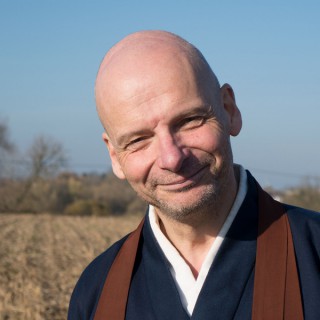
La Voie du Milieu est un enseignement fondamental du Bouddha. C'est d'ailleurs le tout premier enseignement qu'il donna après son expérience de l'éveil. On le retrouve dans le Dhammacakkappavattana Sutta (le Sūtra de la mise en mouvement de la roue du Dharma, aussi connu sous le nom de Sermon de Bénares). Pourtant, ce concept est souvent mal interprété. Dans cette première partie du teisho, Konrad Maquestieau explique comment comprendre de manière juste la Voie du Milieu et quelle est son importance pour notre monde actuel. Le pragmatisme du Bouddha peut offrir une véritable voie de sortie à la crise des extrêmes dans laquelle nous nous retrouvons trop souvent. Enseignement donné au Shododojo le 22 février 2025. ========================================== De Middenweg is een fundamentele leer van de Boeddha. In feite was het de allereerste lering die hij gaf na zijn ervaring van verlichting. Het wordt gevonden in de Dhammacakkappavattana Sutta (het Sūtra over het in beweging zetten van het wiel van Dharma, ook bekend als de Benares Preek). Toch wordt dit concept vaak verkeerd geïnterpreteerd. In dit eerste deel van de teisho legt Konrad Maquestieau uit hoe je de Middenweg correct kunt begrijpen en wat het belang ervan is voor onze wereld van vandaag. Het pragmatisme van de Boeddha kan een echte uitweg bieden uit de crisis van extremen waarin we ons maar al te vaak bevinden. Onderricht gegeven in de Shodo dojo op 22 februari 2025 Simultane vertaling: Roos Bommerez

Jonathan Salmona a fondé une ESN successful il y a 5ans qui s'appelle Shodo. Il nous explique les valeurs portées par ce projet sa culture structurante. Entouré de plus d'une centaine de talents, ayant dépassé les 15M€ de chiffre d'affaires annuels, ses ambitions sont fortes. Jonathan a reçu un award lors de la récente cérémonie du Club Bootstrap, créé et animé par Matthieu Laulan et Caroline Pailloux. Découvrez un projet dynamique et un épisode riche en retours d'expérience sur le secteur des ESN.

Et s'il n'y avait pas que la croissance dans la vie ?Jonathan Salmona veut réconcilier le monde du freelancing avec le monde du salariat : allier stabilité et liberté, côté cool et côté hyper-rémunérateur.Les Entreprises des Services Numériques (ESN, anciennement SS2I) doivent faire face au massif "turnover" des développeurs qui était ces dernières années de 30 % en moyenne dans le secteur.Chez Shodo, il est de 5 % grâce à un modèle ultra-innovant. La grille des salaires est fixe et publique mais si un collaborateur dépasse l'objectif financier, tout ce qui dépasse lui revient.Résultat, en moyenne 85 % de la facturation est reversée au consultant sous forme de rémunération fixe, variable et/ou de congés supplémentaires.Jonathan fait de Shodo le terrain d'expérimentation d'un modèle plus vertueux et pérenne.En 6 ans d'existence, il a atteint 16 millions d'euros de chiffre d'affaires annuel en autofinancement avec ses 9 boites en France. Son modèle a déjà été repris par une quinzaine d'acteurs.Il raconte son aventure :Comment redistribuer la richesse tout en stimulant la performancePourquoi il est urgent de soigner sa marque employeur (tant pour recruter que pour garder ses clients)Renouveau du système de gouvernance : 34 % du capital appartient aux employésComment faire rester les femmes dans la techLe coût caché de la croissancePourquoi c'est normal que certains employés gagnent plus que les dirigeantsUn épisode nécessaire pour comprendre les enjeux autour du monde du travail et enfin trouver le juste milieu entre épanouissement et performance pour les dirigeants et les employés.TIMELINE:00:00:00 : Quel est le salaire d'un ingénieur chez Shodo00:16:43 : Comment limiter le turnover00:23:30 : L'importance de soigner sa marque employeur00:36:11 : Un modèle de redistribution juste et qui encourage la performance00:47:53 : La répartition de Shodo en plusieurs filiales à travers la France00:53:52 : La “Shororité” : comment faire venir les femmes dans la tech01:01:30 : Inventer une gouvernance d'entreprise qui correspond à ses valeurs01:16:27 : Pourquoi EBITDA n'est pas suffisant pour bien valoriser une boîte01:22:01 : L'inégalité dans les salaires et le mérite en France01:38:25 : Le versement des dividendes chez Shodo01:47:59 : Le coût caché des croissances phénoménales (surtout en bootstrap)02:03:33 : Les outils stars pour gérer l'entreprise 2.002:11:58 : La barrière administrative et financière à l'innovation socialeLes anciens épisodes de GDIY mentionnés :#109 Olivier Brourhant - Mantu - 55 pays, 96% de croissance annuelle, un demi-milliard de CA en 13 ans… tous les secrets pour “Scaler”#371 - Stanislas de Bentzmann - Devoteam - Perdre 30% de ses effectifs, rester coté en Bourse 22 ans et faire 1,5 milliard de CA#98 Pierre-Édouard Stérin - Smartbox - Entreprendre, gagner des centaines de millions pour tout distribuer à 50 ans#284 - Pierre-Édouard Stérin - Otium Capital - Milliardaire et saint dans une même vie#47 Jérôme Dumont - La 25eme heure - la liberté comme philosophie et la productivité comme mode de vieNous avons parlé de :SHODOPourquoi Shodo ? Le manifeste de notre modèle d'entrepriseLa grille de salaire de ShodoClub BootstrapMark Zuckerberg chez Joe RoganESN : entreprise des services du numériquesMaltcometCosa VostraNotionSalesforceJLA expertiseLaetitia Huvelin avocateAgicapBoondmanagerDario Amodei chez Lex FridmanNootaLaury MauriceGuillaume FerronLes recommandations de lecture : Principles: Life and WorkLes principes du succèsLa 25e HeureVous pouvez contacter Jonathan sur LinkedIn.La musique du générique vous plaît ? C'est à Morgan Prudhomme que je la dois ! Contactez-le sur : https://studio-module.com. Vous souhaitez sponsoriser Génération Do It Yourself ou nous proposer un partenariat ? Contactez mon label Orso Media via ce formulaire.
Shodo a réussi à hacker le problème de tension du marché !

ジェニのピカピカ日本語へようこそ。 今日は日本の「書道」についてご紹介します。 日本の書道は、文字や筆の動きを通じて表現される伝統的な芸術形式です。主に漢字を中心とした文字を美しい筆跡で描き、文字そのものの美しさや表現力を追求することを目的としています。 またね。 Welcome to Jenni's Pika Pika Japanese. Today I would like to introduce you to Japanese "Shodo" (calligraphy). Japanese calligraphy is a traditional art form expressed through letters and brush strokes. It aims to pursue the beauty and expressiveness of the characters themselves, mainly Kanji characters, by drawing them with beautiful brush strokes. See you later. Bienvenidos a Jenni's Pika Pika Japonés. Hoy les presentaremos el "Shodo" japonés. La caligrafía japonesa es una forma de arte tradicional que se expresa a través de letras y pinceladas. El objetivo es dibujar caracteres, principalmente caracteres Kanji, con bellas pinceladas, y perseguir la belleza y expresividad de los propios caracteres. Véase también.
Hapi Hara “Hapi” is the ancient pre-dynastic name for the Nile River. The name later came to represent Hapi, the god of the Nile, who represented the source of life for the Egyptians and other civilizations deep in Africa. Like its namesake, Hapi Hara feels she has been called to help others find their own inner essence or source. Hapi has had a lifelong interest in religion, spirituality, and mysticism across cultures. Her professional studies include an undergraduate degree in the behavioral sciences, a doctoral candidacy in psychology, and additional studies in the Enneagram, Reiki, and crystal energy. She has collected crystals and gemstones from a young age and understands them both mineralogically and energetically effectively synthesizing their properties through the sciences of chemistry and crystallography with their subtle energetic properties. Not only is she experienced with stones and crystals at the mineralogical level, she has also traveled to many sacred earth locations including mountain peaks, vortexes, volcanoes, canyons, ley lines, and megalithic stone sites such as Stonehenge and Carnac. Tapping into the ancient alchemical practice of crystal astrology, she identifies crystals that strategically heal, balance, and empower points in a person's horoscope. To book a consultation, Contact Us. Johndennis Rang Dang Namkha Govert Johndennis Govert is a yogi and guru of the profound path of spiritual liberation. He holds the lineage of three dharma traditions as a transmitted Zen Roshi in the Soto Zen line of Matsuoka Zengaku Roshi, as an ordained Kriya Swami in the Kriya line of Goswami Kriyananda, and as an ordained Nyingma Lama in the Tibetan Vajrayana line of Master Boma Meitza Quan. Johndennis is also a practitioner of several mystic arts, called Dao or Ways, that are parallel paths and supports of spiritual development. He practices Zen gardens and Shodo calligraphy with art examples displayed on his website www.johndennisgovert.com. He teaches and consults in feng shui design and is author of Feng Shui: Art and Harmony of Place (1993) and REALty Feng Shui (2018). Johndennis has been involved in a number of Traditional Chinese Medicine colleges and is a practitioner of Qi Healing systems. He continues as a teacher and consultant in Chinese and Western astrology for over 40 years having most recently been a staff consultant at Canyon Ranch in Tucson, Arizona. Johndennis offers consultations in Western astrology, Chinese astrology, feng shui, astrocartography, and other specialized services. To book a consultation or to find out more information, Contact Us. Sacred Intention Across cultures, the monthly new moon and full moon are considered sacred days. The new moon occurs when the feminine energy of the moon aligns with the masculine energy of the sun. This is a sacred alchemical alignment of lunar and solar energies and allows for the planting of seeds in our life...sacred intentions and spiritual awakening. The full moon occurs when the sun and moon are opposing each other causing tension and balance creating a way for us to manifest our intention. The new moon and full moon cycles of the month represent times to increase the meditation of our intentions and spiritual practice. Working with crystals helps to intensify, purify, and activate our intentions. Each month, we provide dates for the new moon, full moon, eclipses, and other significant planetary events including information about crystals that are helpful in working with these sacred alignments that potently influence our lives. Learn more about crystal astrology in our blog. See our Astrology Calendar of upcoming new and full moon dates.

[✐2.Andante] can be done, something is possible, 〜ことができます+ my hobby is ….“You can (do)have a barbecue here.”[00:07]Hello, everyone.First, we check masu-form and jisho-form. Then, make sentence of “〜suru koto ga deki masu(something is possible, can be done)” with jisho-form.Repeat after me[00:22]1. do [masu form / jisho form]You can do BBQ here.2. eatYou can eat different foods at Depa-Chika.(iro iro = various, many kinds of, so much, anything)(Depa-Chika = food section of the department store basement)3. see/look/watchYou can watch this film with 3D glasses.4. buyYou can buy anime goods in this shop.5. learnYou can learn Shodo at the culture centre.6. listen/hearYou can listen to books on the Audiobook.7. goYou can go up to 5th station of Mt.Fuji by car.8. callYou can call a nurse with this button.9. drinkWithout milk, I can't drink coffee.10. enterWithout a mask, you can't enter the store.[03:30]Still going on…Repeat after me[03:34]1. You can take a rest at the roadside station.(みちのえき= roadside station : details below1)2. You can also borrow CDs at the library.3. You are allowed to work with a working visa.4. You can buy tickets online.5. You can shop at the convenience stores for 24 hours.(they are open 24 hours).6. This PDF file can be downloaded.7. You can enter that restaurant with a wheel chair.(wheelchair accessible).8. You can call with credit cards.9. You can't (are not allowed to) smoke on the station platform.10. Until I (you)'ve finished the work, I (you) can't go home.Dialogue (Plain style)[06:09 ]A: Let's go to Mt.Fuji. There is a tour and we can go by bus from Shinjuku, for example.B: Uh huh, I seeA: Besides, we can soak in the hot spring on the way back.B: Hot spring, sounds good!A: We can also rent climbing boots.B: Convenient! We can surely book online, or?A: Yep. Oh no, the server is down! Can't make a reservation!Repeat after me(in Masu style)[06:45]1. → We can go by bus from Shinjuku.2. → We can soak in the hot spring on the way back.3. → We can also rent climbing boots.4. → We can surely book online, or?5. → I can't make a reservation!Support the show=*=*=*=*=*=*=*=*=*=*=*=*=*=*=*=*=*=*=Become a patron: More episodes with full translation and Japanese transcripts. Members-only podcast feed for your smartphone app. Japanese Swotter on PatreonNote: English translations might sound occasionally unnatural as English, as I try to preserve the structure and essence of the original Japanese.

In 2021 John Rucynski--who has been living in Japan on and off since 1994--self-published A Passion for Japan through Blue Sky Publishing. In this anthology, which includes 31 writers, he asks not why the writers came to Japan but why they stayed. Here is a list of the essays and writers included, from the Table of ContentsShodō: Finding My Way in The Way of WritingKaren Hill AntonOne Year with the Guardians of the PhoenixCarmen Săpunaru TămașMatsuri MadnessDavid M. WeberWadaiko: Drumming to Our Own BeatDaniel LilleyFollow the Sound of the Drums: My Passion for EisaJudy KambaraA Love of Indie Music and a Seat behind the GoalAdrianne Verla UchidaSumo and MeTim CraigA Pushover for SumoKatrina WattsBaseball, Blogging, and BelongingTrevor RaichuraComing Home: The Search for Belonging in Rural JapanVictoria YoshimuraLooking for the Good Life: Living as a Local In a Zero Waste VillageLinda Mengxi DingGaijin in the Garden: Where Ganbaru is GoldenRobert McLaughlinFrom Bruce Lee to The Way of TeaRandy Channell SoeiFrom the Land of the Indomitable Lions to the Land of the Blue Samurai: A Personal StorySamuel NforThe Long Road from Clay to Pot, and What I Learned along the WayIrina HolcaThe Man Who Stepped into YesterdayEdward J. TaylorKumano Leap – Local Heritage Adopts a Wandering Soul: Q & A with Mike RhodesMike RhodesLife Lessons Learned in Japan's MountainsWes Lang“Banzai!” on a Spanish Island: Playing Chess in Japan's ColorsSimon BibbyWho, Me?! Volleyball Refereeing in JapanGreg RouaultPassion in a Community: Finding My Japan through JALTWayne MalcolmCome Sail Away: Finding My Passion on the Ship for World YouthJohn RucynskiThe Inner Game of the Japanese: Going Back Home with TennisHaru YamadaWho Am I? In Search of My IdentityMargaret C. KimMy Love for Traditional Rituals and Customs of JapanHiya MukherjeeDiscovering Japanese Fusion of Religions on the Pilgrimage Island of ShikokuSteve McCartyFeeling at Home with the Great Literary MastersVicky Ann RichingsToo Many Novels I Want to Translate: Q & A With Emily BalistrieriEmily BalistrieriLiterature and Legacy: Stories of Hansen's Disease in JapanKathryn M. TanakaRoof Spotting in JapanWendy BiglerA Passion for the Place: Swept Off My Feet by a Japanese FarmhouseRebecca OtowaThe book is available exclusively onAmazon USA / Amazon JapanFollow the book on Instagram, Facebook, and Goodreads.At the end of the podcast, Amy asks John what his top 3 books on Japan are and why. He gives 4:You Gotta Have Wa, by Robert WhitingThe Roads to Sata, by Alan BoothCool Japan, by Tim CraigPure Invention, by Matt AltJohn Rucynski, editor of A Passion for Japan: A Collection of Personal Narratives, is originally from upstate New York and has been living in Japan on and off since 1994. He is currently associate professor in the Center for Language Education at Okayama University. His main research interest is the role of humor in language acquisition and intercultural communicative competence, and he has edited two volumes on this topic.The Books on Asia Podcast is sponsored by Stone Bridge Press, publisher of quality books on Japan and Asia for over 30 years. Go to their website at https://www.stonebridge.com/

Aujourd'hui, j'ai l'immense privilège de recevoir Jonathan Salmona, cofondateur de Shodo, une entreprise de service numérique dans l'IT (novatrice dans son modèle). Shodo, en quelques chiffres, c'est : 6M de revenu annuel (presque 8 toutes filiales confondues), une team d'environ 90 collaborateurs (en moins de 4 ans) et un modèle transparent à la fois pour leurs développeurs salariés ainsi que pour leurs clients. Un grand merci à Aimery Duriez-Mise (ALENIA CONSULTING) que vous pouvez retrouver à l'épisode #66, pour cette chouette mise en relation. Jonathan, merci d'être avec nous aujourd'hui, comment vas-tu ? Kicker Question : Pour commencer, je te propose qu'on parle un peu de toi et de Shodo. Comment toute cette aventure a démarré ? Que faites-vous chez Shodo? Avec Guillaume (co-fondateur), comment se répartissent les rôles ? Les questions « Structure » : Q1. Avec Shodo, vous souhaitez lutter contre le fort turnover dans l'IT en répondant aux attentes des meilleurs développeurs du marché, mais aussi en combinant les aspects flexibles et rémunérateurs du modèle freelance, tout en profitant de la sécurité d'un CDI et du soutien d'une communauté d'entreprise. Pourrais-tu nous détailler ce modèle ? En quoi empêche-t-il le turn-over ? Peux-tu aussi nous dire ce que sont les jours de staffing communautaire ? Q2. Vous croyez tellement en votre modèle qui est open source (site web) Est-ce que ce modèle ne s'adresse qu'aux ESN ou est-ce qu'il est applicable pour d'autres entreprises ? Si OUI, peux-tu nous donner des exemples ? Q3. À quoi ressemble la structure capitalistique de Shodo ? Sachant que 34% est ouvert à tous les salariés, 19% dans les filiales : comment un salarié accède au capital ? Comment se répartissent les bonus et les dividendes ? Q4. Qu'est-ce qu'une répartition équitable des revenus ? C'est quoi l'équité ? Comment avez-vous fixé les grilles ? Q5. Comment s'organise la gouvernance ? Q6. Quand tu retournes à ton desk juste après l'interview, quel est le pain point / challenge majeur (structurel) sur lequel tu dois retourner bosser ? Finish Line Question : Dans 1 an, j'ouvre une bouteille de champagne en l'honneur de Shodo. À quoi spécifiquement trinque-t-on ? Conclusion sur Transparence des Salaires avec Jonathan Salmona Merci encore une fois à Jonathan pour son temps et pour ce partage. J'ai passé un excellent moment en sa compagnie et j'espère que vous aussi ! Pour retrouver Jonathan Salmona Profil Linkedin : https://www.linkedin.com/in/jonathan-salmona-shodo Site Web : https://shodo.io/ Les liens pour me rejoindre : Site web : https://www.squared.eu/ YouTube : https://www.youtube.com/@Squared-eu Profil LinkedIn : https://www.linkedin.com/in/romaincollignon/ Instagram : https://www.instagram.com/romaincoll/

Japanese calligraphy artist Rie Takeda who mainly resides in Europe is telling a story of her discovery of the traditional art of Shodo (Japanese calligraphy) when she was just a child and how it transformed her life. Rie is so beautifully describing her relationships with her art, and the way she is bringing it to the new century. Website: https://www.rietakeda.com/ Buy the book: https://www.shodocalligraphy.com/my-book.html Online Workshop for beginners: https://www.shodocalligraphy.com/shodo-online-workshop-for-beginners.html Online Workshop for improvers: https://www.shodocalligraphy.com/shodo-online-live-themed-workshop.html Instagram: https://www.instagram.com/neojaponismatelier/ --- Send in a voice message: https://podcasters.spotify.com/pod/show/in-the-art-scene/message Support this podcast: https://podcasters.spotify.com/pod/show/in-the-art-scene/support
Rie Takeda is a freelance artist and a professional calligrapher; she has been practising shodo since the age of five, under the creative supervision of her grandmother, a distinguished Gayu calligraphy artist. Rie teaches shodo in various countries, including the UK, Switzerland, and Germany. She produces Neo-Japonism paintings, calligraphy works, washi paper and vintage Kimono collages, illustrations, and works in body art. Rie was also a guest on episode 32 of the Ikigai Podcast, where she talked about Mindfulness Calligraphy.In this episode of the Ikigai Podcast, Nick speaks with Rie Takeda on her recently published book about shodo and how people can practise the art of shodo with the use of 10 fascinating Japanese words.
Let's support, watch and share this world award winning documentary, Carving the Divine! HERE IS THE LINK
"La philosophie c'est de gagner moins que ce que tu pourrais pour redistribuer et que les gens puissent kiffer" Le D.E.V. de la semaine est Jonathan Salmona, cofondateur de SHODO. Avant même que le concept "du monde d'après" n'arrive, Jonathan et son associé Guillaume Ferron avaient déjà commencé à faire les choses autrement. Ils ont créé une ESN avec un modèle social différent, basé sur la redistribution et tourné vers l'épanouissement de chaque collaborateur. Il vient nous raconter comment tout cela a commencé et fonctionne aujourd'hui, en évoquant au passage le sens du travail, sa place dans nos vies ainsi que le progrès social dans la Tech. Il va de soi que le modèle fait des émules. Et c'est tant mieux ! **Continuons la discussion**@ifthisthendev@bibear@SalmonaJonathanLinkedInLinkedIn de Jonathan SalmonaDiscord** Plus de contenus de dev **Retrouvez tous nos épisodes sur notre site.Nous sommes aussi sur Instagram, TikTok, Youtube, Twitch ** Changez de vie ! **Si la liberté du freelance vous fait envie, mais que ses contraintes vous freinent, c'est qu'il est temps pour vous de passer chez Jump !** Cherchez l'équipe de vos rêves **Si vous avez envie de changer de job, testez My Little Team qui vous permet de choisir une équipe qui vous ressemble plutôt qu'une entreprise sans trop savoir où vous arriverez !** La Boutique IFTTD !!! **Affichez votre appréciation de ce podcast avec des goodies faits avec amour sur la boutique ou affichez clairement votre camp tabulation ou espace.** Soutenez le podcast **Ou pour aller encore plus loin, rejoignez le Patréon IFTTD.** Participez au prochain enregistrement !**Retrouvez-nous tous les lundis à 19:00 (mais pas que) pour assister à l'enregistrement de l'épisode en live et pouvoir poser vos questions pendant l'épisode :)Nous sommes en live sur Youtube, Twitch, LinkedIn et Twitter

Neste Podcast: Conversamos com Ivan Melo sobre a arte da caligrafia japonesa. www.budokast.com.br instagram: @budokast contato: budokast@gmail.com
In this episode, I'm really excited to have as my guest, Will Reed, a Japanologist with over four decades of experience in Japan, and in-depth knowledge of the Japanese language and culture. Will is a Professor of Japan Studies at the International College of Liberal Arts (iCLA) at Yamanashi Gakuin University, where he teaches Japanese and International Students from over 30 Countries. He is the author of several books in English on Aikido and Shodo (The Way of the Brush), and has written a number of books in Japanese as well. Today, we talk about his just released book “Song of the Brush, Dance of the Ink” In our discussion, Will talked to me about: What lessons we can take from Shodo - the way of the brush Finding balance, space, and inspiration through focus Being fully present in every performance and getting out of your own way. Listen to the podcast to learn more. https://innovabiz.co/willreed (Show Notes and Blog) https://innovabiz.com.au/innovabuzz/ (The Podcasts)

Zane is a fashion designer, calligraphist, and all around artist. Currently working out of Osaka Kansai region, he sees the relationship between function and meaning as mutually contributing elements to a distinct style. We discuss his journey, his process, and a bit of what has formed his approach to life.
Other than being a good friend, Shodo is an actor, host and comic who sat down to catch up on the things that been on our minds these last few months. This conversation went from speaking about living in big cities compared to the suburbs to our experiences with psychedelics to how we look at dating while trying to achieve big goals.
© 2020-2026 Ivy Podcast Discovery LLC
