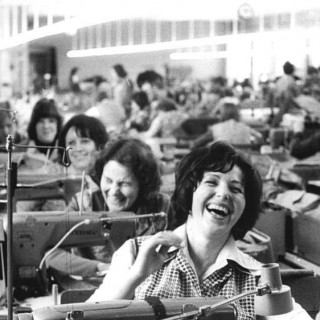
Expression of amusement
POPULARITY
Categories

559 episodes with Laughter

298 episodes with Laughter

134 episodes with Laughter

341 episodes with Laughter

261 episodes with Laughter

194 episodes with Laughter

324 episodes with Laughter

116 episodes with Laughter

133 episodes with Laughter

395 episodes with Laughter

106 episodes with Laughter

91 episodes with Laughter

127 episodes with Laughter

172 episodes with Laughter

49 episodes with Laughter

57 episodes with Laughter

35 episodes with Laughter

86 episodes with Laughter

99 episodes with Laughter

52 episodes with Laughter

59 episodes with Laughter

49 episodes with Laughter

85 episodes with Laughter

80 episodes with Laughter

50 episodes with Laughter

83 episodes with Laughter

93 episodes with Laughter

46 episodes with Laughter

34 episodes with Laughter

33 episodes with Laughter

41 episodes with Laughter

45 episodes with Laughter

37 episodes with Laughter

62 episodes with Laughter

41 episodes with Laughter

50 episodes with Laughter

45 episodes with Laughter

27 episodes with Laughter

36 episodes with Laughter

13 episodes with Laughter

40 episodes with Laughter

25 episodes with Laughter

24 episodes with Laughter

57 episodes with Laughter

29 episodes with Laughter

28 episodes with Laughter

51 episodes with Laughter

45 episodes with Laughter

29 episodes with Laughter

44 episodes with Laughter

17 episodes with Laughter

21 episodes with Laughter

30 episodes with Laughter

38 episodes with Laughter

Do you wonder about your past lives and how they might be impacting your life today? That's what the Akashic Records are all about and my guest, Mary Madeiras explains everything beautifully. Mary is an Advanced Akashic Records Practitioner, author, and three-time Emmy award-winning television director. Yes, that combination is as interesting as it sounds. Her background provides a rare way of translating big spiritual ideas into language that makes sense. What Are the Akashic Records? Mary explains the Akashic Records in a way that people immediately get. They're not some distant cosmic filing system reserved for mystics. The Records are a source of insight connected to your soul and higher awareness. Everything you have done in the past, are doing today, and possibly may do in the future can be found in one place. Don't go to the Akashic Records to collect past-life trivia or dramatic stories to entertain yourself. This information or resource is meant for understanding patterns, gaining clarity on issues happening now, and most of all, remembering who you are. What surprises many people is how practical working with the Records can be. Clear answers are often found about questions regarding relationships, work, creativity, or your direction in life. These are all ideal queries for the Akashic Library. For Mary, accessing the Records feels less like a solemn ritual. Her experience shows up more like stepping into a curious, open conversation with a wiser part of herself. She's encountered many wonderful revelations for her clients as well. How the Records Appear People often expect the Akashic Records to appear as a grand inner vision. You might see an ancient massive library filled with an endless sea of books. That image works beautifully for me and many others. However, Mary's experience is very different. In fact, she doesn't see a library at all. Instead, the information she receives comes through as a strong sense of knowing. Mary calls these impressions quantum visuals, meaning they aren't pictures so much as complete ideas that arrive fully formed. Imagine a block of information downloading to your intuitive brain. Officially, this is called claircognizance or knowing. Mary doesn't access her imagination or memory. The knowledge appears clear and direct in her mind, like it was brought there all at once. Over time, Mary learned to trust her intuition. She uses all of the “clairs” including listening, sensing, feeling, and knowing. This broader intuitive process allows the records to communicate in whatever way works best for each practitioner. It's a relief for many people to hear that there's no single right way to work with the Akashic. You don't need dramatic inner movies or to hear voices to do this intuitive work. The message always matters more than the method of delivery. Past Lives Without the Drama The Akashic Records can reveal past lives, but not always the way you might expect. These stories aren't about the details of a life, but more about context. Past-life information tends to surface when it helps explain something puzzling that's happening now. Clients can learn about roles they once held, themes that keep repeating, or relationships that feel strangely familiar. I asked Mary if it was like the soap operas and we laughed! However, the valuable insights aren't in the story itself. The information helps people understand their current choices, fears, and strengths. When viewed this way, past lives stop feeling abstract or like a curiosity. Your previous incarnations become a tool for insight, healing, and personal growth. Get the Ego Out of the Way One of the most important parts of Mary's work is learning how to step aside mentally and emotionally. She does this by consciously setting her ego aside before opening the records. Imagine that she tells her ego to take a seat in the corner and be quiet. This matters because opinions, assumptions, and personal filters can easily distort intuitive information. By releasing the need to interpret or judge what comes through, Mary allows the guidance to remain clear. She becomes temporarily incapable of having an opinion during sessions, which is exactly what makes the information so valuable for clients. Fascinating Past Life Stories Some of the most memorable moments in Mary's work come from retelling clues from the Records. One client who is an artist, had visited France and would always cry as she was leaving. She couldn't understand what this was about. Through the Records, Mary discovered a past life in which the client had been apprenticed to a lesser-known painter, who she worked for and then married. She would finish his work for him as part of her job. What made the experience powerful was that it tied her travel to France with being an artist in this life. After doing some research, she figured out which painter she'd been married to. The Akashic reminded her of something old and familiar and connected them to make more sense. The Records Are Within One of Mary's core teachings is that the Akashic Records are within you. You're not separate from them, and the information isn't hidden behind spiritual barriers. Turns out all of this data is part of your own energetic makeup. Across cultures and time periods, different traditions have pointed to this same idea. Edgar Cayce spoke about the records. The Bible refer to a Book of Life. Modern physics talks about fields of information and possibility. These are different languages, but all the same concept. Everything is connected, and your lessons are never truly lost. When you see the Akashic Records this way, they stop feeling mysterious or unreachable. They become something you can trust and access in your own way. A Lighter Way As our conversation came to a close, Mary shared a message that felt especially important and reassuring. Despite how chaotic the world seems right now, you are likely doing better than you think. There's a tendency to believe you need fixing or that you are missing something essential. The records consistently suggest otherwise. Mary encourages people to notice what brings ease and enjoyment into their daily lives. Small moments of pleasure matter. Laughter matters. Feeling connected matters as well as doing what you love. These aren't distractions from spiritual growth – they're a big part of it! Live With Curiosity and Trust live with curiosity and trust The purpose of exploring the Akashic Records is to better understand your life and the lessons you’re learning. When you approach your personal development and spiritual growth with curiosity, your own insights and choices become easier. Decisions feel less pressurized. Mary's work reminds you that wisdom doesn't have to be heavy or dramatic. Sometimes it's simple and even fun. Often, it's waiting for you to stop striving and take the time to simply listen. You can get a Free chapter of Mary’s new book The Akashic Way here. I loved this book! And get the complete book right here! BIO – Mary Madeiras Mary Madeiras is an Advanced Akashic Records Practitioner, author, and three-time Emmy Award-winning television director whose career bridges the worlds of spiritual transformation and broadcast storytelling. She has opened the Akashic Records for individuals and corporations worldwide, offering soul-level guidance, healing, and divine remembrance. Her book, The Akashic Way – Living Through the Lens of the Akashic Records, shares direct transmissions from the Records as a sacred offering for humanity's evolution. Mary's celebrated directing career spans news, talk shows, sports, and seven top-rated daytime dramas—including General Hospital and Another World—earning her three Emmy Awards and a Directors Guild of America Award. Her creative life and spiritual practice now exist in a living collaboration, where divine wisdom informs every story she tells. Website, Social Media, Amazon Website: https://theakashicway.com Instagram: https://www.instagram.com/mary.madeiras/ Facebook: https://www.facebook.com/TheAkashicWay/ LinkedIn: https://www.linkedin.com/in/mary-madeiras-8b7003b/ Amazon: https://www.amazon.com/Akashic-Way-Living-Through-Records/dp/B0FYMWBTMM The post The Akashic Records – Get Ready for Deep Truth appeared first on Intuitive Edge.

For decades, Beverly Glenn-Copeland’s music went virtually unnoticed. Beginning in 1970, he released records that crossed folk, R&B, electronic music, and other genres, always seeking new territory. That changed in 2017, when his 1986 album Keyboard Fantasies was rediscovered, ushering in renewed interest in his work. Since then, Glenn—who came out as a trans man in 2002—has toured and released new music for a growing, devoted audience. In 2024, however, he was diagnosed with dementia. While at first they thought this would be the end of his performing career, Glenn and his wife, Elizabeth Copeland, are returning to play a short run of Canadian dates and releasing a new album, Laughter in Summer, on Feb. 6 via Transgressive Records. KEXP’s Dusty Henry speaks with the couple about returning to music in the face of Glenn’s diagnosis, the purpose and power of their work, and the love that binds them together. “I always considered that the music that I ‘wrote’ was sent to me from a higher source,” Glenn says. “You can't do that if you don't work at your craft, whatever it is. But if you do, and there's something special about what you're doing, then you're going to get sent some amazing stuff.” Photo credit: Wade MuirSupport the show: https://www.kexp.org/sound/See omnystudio.com/listener for privacy information.

Kevin Hubschmann from Laugh.Events joins us this week to explore the power of laughter in the workplace. He works with organizations to bring professional performers and facilitators into corporate settings to support professional development, team building, active listening, communication, and more. Together, Dave and Kevin discuss how humor can strengthen culture, boost engagement, and help teams connect more authentically at work.

In this episode of the Nine Finger Chronicles podcast, host Dan Johnson and guest Connor Little discuss a variety of topics related to hunting culture in Texas, including the impact of weather on outdoor activities, the role of social media in mental health, and the differences in hunting practices across the state. They delve into the economics of hunting, the ethics of baiting, and the diversity of landscapes that influence deer hunting experiences. Connor shares his personal journey in hunting and the upcoming launch of his new podcast, 'Deep in the Hunt of Texas. Takeaways Texas is experiencing unusual weather with ice storms affecting outdoor activities. Laughter can be a powerful motivator during workouts, as shared by Connor. Doom scrolling on social media can negatively impact mental health. The culture of hunting in Texas varies significantly across regions. Baiting practices in Texas are common and often necessary for attracting deer. The economics of hunting in Texas has shifted towards a corporate model with high fence ranches. The rut for whitetails varies across Texas, affecting hunting strategies. Texas Parks and Wildlife manages deer populations with specific regulations for different counties. The ethics of feeding and baiting deer is a topic of debate among hunters. Connor's new podcast will explore the rich history and culture of hunting in Texas. Learn more about your ad choices. Visit megaphone.fm/adchoices

In this episode of the Nine Finger Chronicles podcast, host Dan Johnson and guest Connor Little discuss a variety of topics related to hunting culture in Texas, including the impact of weather on outdoor activities, the role of social media in mental health, and the differences in hunting practices across the state. They delve into the economics of hunting, the ethics of baiting, and the diversity of landscapes that influence deer hunting experiences. Connor shares his personal journey in hunting and the upcoming launch of his new podcast, 'Deep in the Hunt of Texas. Takeaways Texas is experiencing unusual weather with ice storms affecting outdoor activities. Laughter can be a powerful motivator during workouts, as shared by Connor. Doom scrolling on social media can negatively impact mental health. The culture of hunting in Texas varies significantly across regions. Baiting practices in Texas are common and often necessary for attracting deer. The economics of hunting in Texas has shifted towards a corporate model with high fence ranches. The rut for whitetails varies across Texas, affecting hunting strategies. Texas Parks and Wildlife manages deer populations with specific regulations for different counties. The ethics of feeding and baiting deer is a topic of debate among hunters. Connor's new podcast will explore the rich history and culture of hunting in Texas. Learn more about your ad choices. Visit megaphone.fm/adchoices

Send us a textWhat if laughter wasn't just a reaction—but a daily practice for better health, clarity, and connection?In this uplifting episode of Joey Pinz Discipline Conversations, Joey Pinz sits down with Cathy Nesbitt, internationally recognized as the Laughter Ambassador, to explore how intentional laughter can shift your body, mind, and energy—fast.Cathy breaks down laughter yoga, a practice rooted in science and breathwork that helps the body release dopamine, serotonin, oxytocin, and endorphins—what she calls being “in charge of your own pharma.” Together, they discuss how laughter improves oxygen flow to the brain, reduces stress, boosts immunity, and even helps people cope with pain, trauma, and burnout.The conversation goes deep into why joy is always available, how routine and intention shape our wellbeing, and why laughter works even when life feels heavy. Cathy also leads a short, live laughter exercise—proving you don't need jokes, props, or a reason to laugh… just permission.If you're looking for a practical, human, and powerful way to feel better—this episode will leave you lighter, clearer, and smiling.
Send us a textHello Friends! Welcome back to your favorite Wednesday morning podcast! This time Robbie is struggling, Jordan loves animals and they both went to a murder mystery dinner this past weekend! Thanks for stopping by!Support the showEmail us @ tidbitzwiththeboyz@gmail.com Tik Tok Instagram Facebook

Welcome back to Beats Vines & Life! In this episode, hosts MJ Towler and Rob S introduce us to the vibrant world of Schermeister Audio, featuring the dynamic winemaking duo Laura S and Rob S. Get ready for an unfiltered and wildly entertaining conversation that blurs the lines between wine, music, and living life to the fullest.From tales of Idaho roots to tattoo regrets, bold love stories, and the art of crafting wines that are as memorable as they are delicious, this episode peels back the curtain on what it really takes to make it in the wine industry—and have a little fun along the way. The trio dive into why wine is so much more than what's in the glass: it's a social lubricant, a marker of life's big moments, a creative journey, and yes, sometimes it's "tits in a glass."So pour yourself something bold and get ready for laughs, revelations, and a behind-the-scenes look at a Sonoma couple rewriting the rules of wine, love, and lifestyle. This is the episode where high art, irreverence, and heartfelt storytelling meet. Cheers!For more information about Schermeister Wineryclick the link!Follow Schermeister Winery on IG!____________________________________________________________Until next time, cheers to the mavericks, philosophers, deep thinkers, and wine drinkers! Subscribe and give Beats Vines and Life a five-star review on whichever platform you listen to.For insider info from MJ and exclusive content from the show, sign up at blackwineguy.comFollow MJ @blackwineguyFollow Beats Vines and Life @beatsvinesandlifeFollow Totally Biased Wine Reviews on IGSign up for Totally Biased Wine ReviewsGo to the-vines.com and use code BLACKWINEGUY to unlock member pricing and join their community for just $395, plus get a case of wines they make with their partners. (U.S. addresses only.) Hosted on Acast. See acast.com/privacy for more information.

In October 1982, journalist Lester Kinsolving asked the White House press secretary about a mysterious disease that had already killed hundreds of Americans. The response? Laughter. For years, as the death toll climbed into the tens of thousands, President Ronald Reagan said nothing. His administration did less. This is the story of what happens when a government decides some lives don't matter—and the activists, doctors, and ordinary people who refused to let their community die in silence.

DOING LIFE: Daily Devotions For Finding Peace in Stressful Times
"Among those I admire, I find no common denominator. But among those I love, I can; they all make me laugh!" (W.H. Auden)

Let's Think About "The Benefits of Laughter" With Special Guest Cathy Nesbitt Cathy shares her thoughts on the benefits of laughter, reminding people that there are more benefits to laughter than what they could even imagine. While learning about Cathy, we discussed how she invited more laughter into her life and how she created a group to inspire people from all over to laugh at life. This episode aims to prompt thought. To stay in touch, please visit Cathy's website at https://www.cathysclub.com/ to learn more about her.

Join Rabbi Joey Rosenfeld as he guides us through the world and major works of Kabbalah, Hasidic masters, and Jewish philosophy, shedding light on the inner life of the soul. To learn more, visit InwardTorah.org
Fluent Fiction - Danish: Love and Laughter: A Winter Tale by the Little Mermaid Find the full episode transcript, vocabulary words, and more:fluentfiction.com/da/episode/2026-01-25-23-34-02-da Story Transcript:Da: På en frostklar vinterdag, hvor Valentin's dag nærmede sig, stod Søren ved den ikoniske Lille Havfrue-statue i Københavns havn.En: On a clear, frosty winter day, as Valentine's Day was approaching, Søren stood by the iconic Little Mermaid statue in København's harbor.Da: Han var iført en tyk, blå frakke og et halstørklæde, der næsten dækkede hans ansigt.En: He was wearing a thick, blue coat and a scarf that almost covered his face.Da: Den iskolde luft bed i hans kinder, men intet skulle stoppe ham fra dagens mission.En: The icy air nipped at his cheeks, but nothing was going to stop him from his mission today.Da: Han havde en plan.En: He had a plan.Da: Søren var en ung mand med en klodsmajor-tendens.En: Søren was a young man with a tendency to be a bit clumsy.Da: Han havde en crush på Anna, og han ville tage det perfekte selfie med statuen for at imponere hende.En: He had a crush on Anna, and he wanted to take the perfect selfie with the statue to impress her.Da: Han troede, at et flot billede kunne få Anna til at lægge mærke til ham.En: He believed that a beautiful picture might make Anna notice him.Da: "Det skal være perfekt," mumlede Søren for sig selv, mens han indstillede kameraet på sin telefon.En: "It must be perfect," Søren mumbled to himself as he adjusted the camera on his phone.Da: Rundt om den Lille Havfrue lå sneen i små klatter, og isen glitrede på stenene som diamanter, hvilket gjorde stedet både smukt og farligt.En: Around the Little Mermaid, the snow lay in small patches, and the ice glittered on the stones like diamonds, making the place both beautiful and dangerous.Da: Lars, en af hans venner, havde sagt, at han skulle passe på, men Søren var fast besluttet.En: Lars, one of his friends, had said he should be careful, but Søren was determined.Da: Han overvejede et øjeblik at spørge en forbipasserende om hjælp, da en lille gruppe turister gik forbi.En: He considered for a moment asking a passerby for help as a small group of tourists walked by.Da: Men hans stolthed vandt.En: But his pride prevailed.Da: Søren ville klare det selv.En: Søren wanted to manage it himself.Da: Med telefonen klar til at tage et billede, tog Søren et skridt nærmere statuen.En: With the phone ready to take a picture, Søren took a step closer to the statue.Da: "Bare et skridt mere," tænkte han.En: "Just one more step," he thought.Da: Men lige i det øjeblik glemte han at være forsigtig, og hans fod fandt en isglat sten.En: But just at that moment, he forgot to be careful, and his foot found an icy stone.Da: I det næste sekund greb tyngdekraften fat.En: In the next second, gravity took hold.Da: Søren gled og faldt med et plask ned i det kolde, grå vand.En: Søren slipped and fell with a splash into the cold, gray water.Da: Turisterne omkring ham udbrød i latter, og Søren svømmede hurtigt tilbage mod land, mens han følte sig mere kold end nogensinde før.En: The tourists around him burst into laughter, and Søren swam quickly back to shore, feeling colder than ever.Da: Men til hans overraskelse lød Annas stemme pludselig: "Er du okay, Søren?"En: But to his surprise, Anna's voice suddenly sounded: "Are you okay, Søren?"Da: Anna, der tilfældigvis var forbi med en kop varm kaffe i hånden, skyndte sig hen for at hjælpe ham op.En: Anna, who happened to be passing by with a cup of warm coffee in hand, rushed over to help him up.Da: Søren smilede forsigtigt, våd og rystende af kulde.En: Søren smiled cautiously, wet and shivering from the cold.Da: "Ja, jeg har det fint," fnisede han, "For det meste."En: "Yes, I'm fine," he giggled, "For the most part."Da: Anna lo og tilbød ham den varme kop kaffe.En: Anna laughed and offered him the warm cup of coffee.Da: "Måske kan vi få en kaffe sammen en anden dag, hvor du ikke er så våd?"En: "Maybe we can have a coffee together another day when you're not so wet?"Da: foreslog hun, hendes smil varmt og indbydende.En: she suggested, her smile warm and inviting.Da: Søren nikkede ivrigt, indset at hans klodsethed havde bragt dem tættere sammen.En: Søren nodded eagerly, realizing that his clumsiness had brought them closer together.Da: Måske var det ikke nødvendigt altid at imponere.En: Perhaps it wasn't always necessary to impress.Da: Nogle gange var det bedre at være sig selv.En: Sometimes it was better to be oneself.Da: Og sådan, på en iskold dag i København, lærte Søren en vigtig lektie: ærlighed og lidt humor kan være nøglen til hjertet.En: And so, on an icy cold day in København, Søren learned an important lesson: honesty and a little humor can be the key to the heart. Vocabulary Words:clear: frostklarfrosty: iskoldapproaching: nærmede sigtendency: tendensclumsy: klodsmajorcrush: crushimpress: imponereadjusted: indstilledepatches: klatterglittered: glitrededangerous: farligtdetermined: fast besluttetpasserby: forbipasserendepride: stolthedmanage: klaregravity: tyngdekraftenslipped: gledsplash: plaskburst: udbrødshivering: rystendecautiously: forsigtigtgiggled: fnisedeinviting: indbydendeeagerly: ivrigtclumsiness: klodsethedrealizing: indsethonesty: ærlighedlesson: lektieiconic: ikoniskemission: mission

Lynn Harris is founder of GOLD Comedy, the comedy school, professional network, and content studio where women and non-binary folks grow their comedy careers and creative side hustles, join a powerful community, and make funny stuff. Through their classes, celebrity speaker series, sketch teams, shows, and more, members build skills, rack up laurels, and nail their showbiz goals. Lynn is based in Brooklyn, but through the magic of the internet, GOLD's reach is national/worldwide. Lynn has dedicated her long career to fusing the power of comedy with creativity, inclusivity, and social change. She believes that comedy is power, because when you make people laugh, you make people listen. In this episode, Lynn and I discuss using humor as a healing tool, inclusivity in comedy, and strategies for telling your stories in a way that will get people to laugh. https://goldcomedy.com/ https://www.instagram.com/GOLDcomedy https://www.tiktok.com/@gold_comedy_ https://www.facebook.com/GOLDcmdy www.funisfundamental.com funisfundamentalpodcast@gmail.com

1-25-26 The Laughter of God - Andrew Fulton by Oneida Gospel Church

Two FKTs (fastest known time) from two different people, on two different routes, for different 'whys', but with the support of one another they accomplished great things. Teresa Bowser came up with her own 100+ miler called Project Untamed, and now the holds the FKT. When you come up with your own course, you would think you would make it as easy as possible, but not Teresa. My legs were burning just listening to her and Nathan describe the course! If you want to go for this FKT, just expect it to be BRUTAL but amazing all wrapped into one. This is everything Teresa loves on the trails she loves, and she wants YOU to go out and try it. For Nathan Frantz, his goal was to get the FKT for the yo yo of the Foothills Trail which calculates to over 150 miles. Nathan wanted to do this for his nephew, TJ, who has a rare form of leukodystrophy. As Nathan describes him..."He is the only child in the U.S. (with this form) and one of six in the entire world. And yet, if you met him, you'd never know the weight he carries. He is a light. Joy. Laughter. The kind of kid who reminds you what hope looks like". Nathan used his FKT attempt as a fundraiser for TJ, and the Go Fund Me link is still live: https://www.gofundme.com/f/support-tjs-fight-against-leukodystrophyTeresa was Nathan's crew chief and helped him through all the highs and the lows. Nathan paced Teresa for SO many miles in the hardest sections when she was the most tired. They supported each other, they laughed together, they slept-ran together, and I am so happy I got to hear their journeys from both of their perspectives. Thank you, Nathan and Teresa, for coming on the podcast!Teresa Bowser's Instagram: Nathan Frantz's Instagram:Teresa's Strava: @teresabowser_Nathan's Strava: @steadypacenateFollow Facing Vert on Instagram! @facingvertAs always, thank you for listening!
Fluent Fiction - Hebrew: From Pine Nuts to Laughter: A Tu Bishvat Tale of Friendship Find the full episode transcript, vocabulary words, and more:fluentfiction.com/he/episode/2026-01-24-23-34-01-he Story Transcript:He: ברקע חורבות העיר, עמד בית קפה קטן ומוזנח, כמו אי של תקווה בתוך שממה.En: In the background of the ruins of the city stood a small and neglected café, like an island of hope amidst desolation.He: הכיסאות היו ישנים ומגוונים בצבעים משונים, ולמרות הקרירות שבחוץ, אווירה חמימה מילאה את המקום.En: The chairs were old and varied in strange colors, and despite the chill outside, a warm atmosphere filled the place.He: זה היה חורף, והיום חל ט"ו בשבט.En: It was winter, and the day was Tu Bishvat.He: אוריאל, תמיד מלא בשמחה וצחוק, הסתובב בין השולחנות ולא חדל מלחפש אחר אגוזי אורן לחגיגה שלו.En: Uriel, always full of joy and laughter, wandered among the tables and never stopped looking for pine nuts for his celebration.He: "ט"ו בשבט!En: "Tu Bishvat!"He: " צעק במרץ, בעודו תר אחר תוספת מיוחדת לחג.En: he shouted energetically, while searching for a special addition for the holiday.He: הוא היה משוכנע שהדבר המסורתי לחג הם אגוזי אורן, אף שמעולם לא היה בטוח בכך לגמרי.En: He was convinced that the traditional thing for the holiday was pine nuts, even though he was never completely sure of it.He: תמר, שהייתה תמיד מעשית וממוקדת, ישבה בצד ועזרה לטחון קפה.En: Tamar, who was always practical and focused, sat to the side and helped grind coffee.He: היא הביטה באוריאל בעיניים חצי מבינות חצי תוהות.En: She looked at Uriel with eyes half-understanding and half-wondering.He: "אולי מספיק עם האגוזים האלה?En: "Maybe enough with those nuts?"He: " שאלה אותו ברצינות.En: she asked him seriously.He: אבל הבעת פניה, כמו תמיד, הצליחה להצחיק את נועם.En: But her facial expression, as always, managed to amuse Noam.He: נועם, היורי במחמאות וסרקזם, נכנס בדיוק באותו רגע.En: Noam, profuse with compliments and sarcasm, entered at that very moment.He: "מה אכפת לך אגוזי אורן?En: "Why do you care about pine nuts?He: לפחות תמצא אותם קודם," קרץ לאוריאל תוך שהוא התיישב לידם.En: At least find them first," he winked at Uriel as he sat down next to them.He: לבסוף, אחרי חיפוש ארוך, אוריאל חשב שמצא בדיוק את מה שחיפש.En: Finally, after a long search, Uriel thought he had found exactly what he was looking for.He: הוא ניצח ברוך מהדלפק קערית קטנה עם חפץ מוצק.En: He gently took a small bowl from the counter with a solid object.He: "מצאתי!En: "I found it!"He: " הכריז בשמחה.En: he announced happily.He: "עכשיו נוכל לחגוג באמת!En: "Now we can truly celebrate!"He: "תמר, בלי לבדוק יותר מדי, אמרה לו בחיוך: "קדימה, לטעום.En: Tamar, without checking too much, told him with a smile: "Go ahead, taste it."He: " אוריאל התכווץ למגע החפץ שתפס.En: Uriel recoiled at the touch of the object he grabbed.He: הוא לא טעם כל כך נעים כמו שציפה.En: It didn't taste as pleasant as he expected.He: הוא ניסה לא להיחנק.En: He tried not to choke.He: לפתע הבין שזה בכלל לא אגוז אלא קישוט ישן ומוצק שנשאר ממדף הקפה – כפתור פלסטיק!En: Suddenly he realized it wasn't a nut at all, but an old solid decoration left from the coffee shelf – a plastic button!He: נועם פרץ בצחוק רועש, ותמר החזיקה את בטנה מצחוק.En: @Noam burst into loud laughter, and Tamar held her belly from laughing.He: למרות המצב, הם התפוצצו מצחוק משותף.En: Despite the situation, they exploded in shared laughter.He: הם הבינו שמה שחשוב בט"ו בשבט זה לא האגוזים, אלא התחושה של להיות ביחד.En: They understood that what matters in Tu Bishvat is not the nuts, but the feeling of being together.He: באותו רגע, אוריאל הבין שדווקא ההמצאות והיצירתיות הם שעושים את החג לחשוב יותר מהפרטים.En: At that moment, Uriel realized that it's the creativity and imagination that make the holiday more meaningful than the details.He: היה זה חורף קר, אך הלב שלהם היה חם ומלא, וככה, בחיוך רחב, הם חגגו יחד את ראש השנה לאילנות.En: It was a cold winter, but their hearts were warm and full, and thus, with wide smiles, they celebrated together the new year of the trees. Vocabulary Words:ruins: חורבותneglected: מוזנחhope: תקווהdesolation: שממהchill: קרירותgrind: לטחוןsarcasm: סרקזםrecoiled: התכווץpleasant: נעיםchoke: להיחנקdecoration: קישוטburst: פרץshared: משותףcreativity: יצירתיותimagination: המצאותmeaningful: לחושובsolid: מוצקbutton: כפתורprofuse: יוריcompliments: מחמאותexpression: הבעתtasted: טעםlaugh: צחוקsmiled: חייךunderstand: מבינותconvince: משוכנעaddition: תוספתannounced: הכריזwondering: תוהותmanaged: הצליחהBecome a supporter of this podcast: https://www.spreaker.com/podcast/fluent-fiction-hebrew--5818690/support.

Laughter Isn't Just Medicine... It's The Solution Most People Are Missing

Patrick shares how being a grandfather to 32 (and counting) shapes his understanding of the important bond between grandparents and grandchildren, weaving in personal traditions, childhood memories, and practical snack secrets involving Slim Jims and fruit snacks. He responds to callers’ stories about discipline, letting adult children develop their own parenting methods, and the surprises that come with family caregiving, while addressing everything from Mass translations to keeping faith traditions alive. Laughter, honesty, even a few debates spark throughout, as Patrick moves between heartfelt advice and the everyday realities of grandparent life. Children who have strong, consistent relationships with their grandparents often experience better emotional wellbeing (01:01) Mary - Have you ever had to correct your grandkids? For example, if they are going to hit another kid. (17:25) Steve – We, as Grandparents, cut down a Christmas tree every year and make walking sticks out of the trunk and use it for the Walk to Mary. (22:47) Cindy – It gets complicated when the grandparent is raising a grandchild. (25:25) Kathy - Why did the name of Churches in my area change? (27:43) Jessica (email) - How do you handle fights between grandchildren? (35:22) Timothy - Before a priest became a priest, is it okay if he had a girlfriend or is that a mortal sin? (36:56) Bill - Why did the Patriarchs of the Church in Jerusalem issue that statement about Christian Zionists? (42:01) Robert - You were talking about Latin translations into English. I translate the Spanish into English. (46:35)

Did Trump embarrass America at Davos — or did he do exactly what world leaders fear most?

Did you know there's such a thing as the astrology of menopause? Yasmin explores how Saturn, Uranus and Chiron cycles in our 40s and early 50s symbolise themes like reassessment, disruption and healing, and asks whether those line up with real-world menopause.To reality-check the astrology, Yasmin invites her oldest friend, journalist and TV producer-turned-author Fiona Clark, whose new book MenoWars dives into the medical, cultural, and political landscape of menopause today.In this conversationYasmin and Fiona discuss:• The idea of “astrology of menopause” and key midlife cycles• Why Saturn themes of reassessment and low mood match many women's symptoms• The “no more fucks to give” threshold and Uranus-style liberation• How trauma affects menopause severity and why research is lacking• The politics, commercialisation, and medical gaps around menopause care• The Maiden–Mother–Crone framework and whether a “wise elder” stage exists today• Why Fiona started a menopause charity to tackle research funding and education gaps• HRT confusion, risk, and why “it depends” is the only honest answer• Laughter, honesty, feminism, and reclaiming the CroneKey takeaways Midlife astrology mirrors lived experience more than you might think.Saturn's heaviness, Uranus' rebellion, and Chiron's healing themes show up in mood, identity, health and boundaries. Menopause is not just hot flushes.There are silent changes to the brain, heart, and bones that need attention beyond symptom management. The cultural moment is messy.Social media, medical arguments and commercial influences have created what Fiona calls the “Menowars.” Feminism matters here.Access, research, education and respect are still uneven. Menopause is a women's health equity issue. There is power in the Crone.The idea of the wise elder resonates, but culture hasn't caught up yet.About Fiona's book“MenoWars: Why menopause's moment has gone horribly wrong, and how you can navigate your way through it”The Times called it “fascinating.” It looks at menopause through science, politics, media, money and medicine, and includes humour plus real stories from women.Available in the USA this week, and already in the UK and Australia.Where to find Fiona• Instagram: @fiona_clark_writes• Menopause Research and Education Fund: (Instagram, Facebook, YouTube)• Book: MenoWars: Why menopause's moment has gone horribly wrong, and how you can navigate your way through itA final piece of advice from Fiona“Stop listening to everybody else's opinions. It's your menopause, it's your choice… cut out the noise.” Join the Mainly Moonology inner circle: https://moonmessages.com/magical––Follow Yasmin on socials:✨ Facebook: https://www.facebook.com/yasminbolandmoonology ✨ Instagram: https://www.instagram.com/moonologydotcom/––Mainly Moonology is a podcast for people looking to manifest their dream life leveraging the power of the moon. Tune in each week for accessible moon teachings, weekly readings, discussions about the Law of Attraction, and everything in between! Follow us for more.

Did you know there's such a thing as the astrology of menopause? Yasmin explores how Saturn, Uranus and Chiron cycles in our 40s and early 50s symbolise themes like reassessment, disruption and healing, and asks whether those line up with real-world menopause.To reality-check the astrology, Yasmin invites her oldest friend, journalist and TV producer-turned-author Fiona Clark, whose new book MenoWars dives into the medical, cultural, and political landscape of menopause today.In this conversationYasmin and Fiona discuss:• The idea of “astrology of menopause” and key midlife cycles• Why Saturn themes of reassessment and low mood match many women's symptoms• The “no more fucks to give” threshold and Uranus-style liberation• How trauma affects menopause severity and why research is lacking• The politics, commercialisation, and medical gaps around menopause care• The Maiden–Mother–Crone framework and whether a “wise elder” stage exists today• Why Fiona started a menopause charity to tackle research funding and education gaps• HRT confusion, risk, and why “it depends” is the only honest answer• Laughter, honesty, feminism, and reclaiming the CroneKey takeaways Midlife astrology mirrors lived experience more than you might think.Saturn's heaviness, Uranus' rebellion, and Chiron's healing themes show up in mood, identity, health and boundaries. Menopause is not just hot flushes.There are silent changes to the brain, heart, and bones that need attention beyond symptom management. The cultural moment is messy.Social media, medical arguments and commercial influences have created what Fiona calls the “Menowars.” Feminism matters here.Access, research, education and respect are still uneven. Menopause is a women's health equity issue. There is power in the Crone.The idea of the wise elder resonates, but culture hasn't caught up yet.About Fiona's book“MenoWars: Why menopause's moment has gone horribly wrong, and how you can navigate your way through it”The Times called it “fascinating.” It looks at menopause through science, politics, media, money and medicine, and includes humour plus real stories from women.Available in the USA this week, and already in the UK and Australia.Where to find Fiona• Instagram: @fiona_clark_writes• Menopause Research and Education Fund: (Instagram, Facebook, YouTube)• Book: MenoWars: Why menopause's moment has gone horribly wrong, and how you can navigate your way through itA final piece of advice from Fiona“Stop listening to everybody else's opinions. It's your menopause, it's your choice… cut out the noise.” Join the Mainly Moonology inner circle: https://moonmessages.com/magical––Follow Yasmin on socials:✨ Facebook: https://www.facebook.com/yasminbolandmoonology ✨ Instagram: https://www.instagram.com/moonologydotcom/––Mainly Moonology is a podcast for people looking to manifest their dream life leveraging the power of the moon. Tune in each week for accessible moon teachings, weekly readings, discussions about the Law of Attraction, and everything in between! Follow us for more.

Labor Pains: Dealing with infertility and loss during pregnancy or infancy.
What happens when two grief coaches pause to reflect on a full year of powerful stories, laughter, and healing conversations?In this special Episode 55 of Female Voices: Life & Loss, co-hosts Teresa Reiniger and Wayna Berry reflect on their first full year podcasting together. From meaningful guest stories and unexpected lessons to humor-filled moments and honest reflections on grief, growth, and connection, this episode is a heartfelt look behind the scenes of the podcast—and the women behind the microphones.Together, they explore how storytelling creates healing, why laughter belongs in heavy conversations, what they've learned from their guests, and where Female Voices is headed next—including pop-ups, travel, and more international voices.This episode is a reminder that grief is universal, healing is personal, and sharing your story might be exactly what someone else needs.Episode OverviewIn Episode 55, Teresa Reiniger and Wayna Berry come together—just the two of them—to reflect on a full year of co-hosting Female Voices: Life & Loss. They discuss the evolution of the podcast, the power of storytelling, lessons learned from guests, navigating grief with humor, and the importance of curiosity, community, and authenticity.This episode blends reflection with laughter, offering listeners reassurance that even in the midst of loss, growth and joy are still possible.
I recently had the pleasure of sitting down with Adam Christing, a humorist, keynote speaker, and author, to talk about the power of laughter, connection, and storytelling. Adam has spent four decades performing more than 4,000 humor presentations for CEOs, Fortune 500 companies, major nonprofits, and high-stakes audiences around the world. He is a member of Hollywood's iconic Magic Castle, has worked with David Copperfield, authored The Laugh Factor: The 5 Humor Tactics to Link, Lift, and Lead, and is the CEO of Clean Comedians®, a business that uses humor to bring people together rather than driving them apart. Adam is more than just a gifted public speaker and performer. He is a student of human nature. In our conversation, he explains how comedy works psychologically, why humor diffuses conflict, how it disarms resistance, and how it allows leaders to deliver truth without putting people on the defensive. Adam also offers a brilliant blueprint for anyone who speaks publicly. Executives, trial lawyers, entrepreneurs, military leaders, and educators, can all benefit from Adam's crash course in how to grab an audience's attention and keep it. We break down how great presenters prepare, how to deal with nerves, why silence is so powerful, how to tailor your message to the room, and how storytelling can transform information into impact. Along the way, Adam tells stories about joining the Magic Castle as a teenager, bombing on stage, learning from masters like Johnny Carson and Winston Churchill, and discovering that audiences do not want perfection - they want presence. He also explains why the boundaries of "clean comedy" actually make comedy more creative, why leaders should practice humor like a skill, and why audiences always root for the person at the microphone. This episode is about leadership, persuasion, communication, and how to connect through humour. It is also full of laughs. I invite you to listen to the full conversation and learn how humor can help you become a better leader, speaker, and storyteller. And now I give you, Adam Christing.
Send us a textHello Friends! Welcome back to your favorite Wednesday morning podcast! This time Robbie is starting with the man in the mirror, Jordan asking him to change his ways and they both discuss the Bears and then run the freaking gambit for topics til the end where we talk about a new listener's email! Thanks for stopping by!Support the showEmail us @ tidbitzwiththeboyz@gmail.com Tik Tok Instagram Facebook

They say laughter is the best medicine. And they're right, whether they're talking about everyday situations or even the everything-is nondual mind living in the sorrow of an everything-is-not-okay dualistic world. But who are they to begin with? Actually the show is not about them. Just the laughter part. Oh, and, uh... Ken Wilber. We'll be dissecting some of what he says in this video: Hurts More, Bothers You Less by, Integral Life https://www.youtube.com/watch?v=5TUr949kmZk __________________ Copyright Disclaimer Under Section 107 of the Copyright Act 1976, allowance is made for "fair use" for purposes such as criticism, comment, news reporting, teaching, scholarship, and research. Fair use is a use permitted by copyright statute that might otherwise be infringing. Non-profit, educational, or personal use tips the balance in favor of fair use.

We think laughter is a response to something funny.A joke. A punchline. A light moment.But listen closely to real conversations, and laughter shows up in places that are far more important than we realize - and often when nothing is funny at all.Neuroscientist Sophie Scott CBE reveals what laughter really signals, how it works, and why it quietly shapes our relationships, our hierarchies, and our sense of belonging.Sophie Scott is a professor at University College London and one of the world's leading researchers on the science of laughter.

Here we go again... Happy New Year and welcome to 2026; here we go talking health and erasing all boundaries regarding personal issues. Listen as we navigate our bodies as women and all that comes with it. If you are uncomfortable hearing all the nitty gritty details we are not for you... Remember we are raw and unedited- whatever comes out is real life- think of us as talking to your close friends.

When she was 14, Krystal Evans survived a lethal house fire. Years later, to come to terms with what she'd experienced, she turned it into a stand-up show. The women in Krystal's family have always been funny, she says; her mother was no exception. But as well as being hilarious she also struggled with mental illness, and life in Krystal's childhood was chaotic. With very little money, the family would move from place to place, Krystal would miss months of school and often be left to take care of her younger sister alone. When Krystal was 14, chaos turned to tragedy when a fire engulfed their mobile home in Washington State. Not everyone survived. Krystal buried the experience and tried to move on with her life, but years later, while working as a comedian, she decided to confront her memories of the fire – by turning them into a hit stand-up show: The Hottest Girl at Burn Camp.Presenter: Jo Fidgen Producers: Caroline Ferguson and Zoe GelberLives Less Ordinary is a podcast from the BBC World Service that brings you the most incredible true stories from around the world. Each episode a guest shares their most dramatic, moving, personal story. Listen for unbelievable twists, mysteries uncovered, and inspiring journeys - spanning the entire human experience. Step into someone else's life and expect the unexpected. Got a story to tell? Send an email to liveslessordinary@bbc.co.uk or message us via WhatsApp: 0044 330 678 2784 You can read our privacy notice here: https://www.bbc.co.uk/programmes/articles/5YD3hBqmw26B8WMHt6GkQxG/lives-less-ordinary-privacy-notice

On this episode of The Mama's Den, we're joined by Katryce Pedro aka The Funny Momma, who proves that you can tell the truth about hard seasons and laugh your way through them. With humor, honesty, and zero fluff, Katryce opens up about being a mom of two by two different fathers, what she learned from two failed marriages, and why she's still choosing love as she steps into 2026 engaged and embracing a well-deserved soft life.She also shares the very real—but often heavy—experience of parenting a child on the autism spectrum, explaining how taking a hands-on, informed approach helped her youngest son make meaningful progress. This conversation is filled with laughs, lessons, and reminders that community matters in motherhood. It's proof that joy and resilience can exist right alongside the hard stuff.Make sure you connect with our Mamas on IG: @themamasdenpodcastAshley - @watermeloneggrollsCodie - @codieco Melanie - @melaniefiona Hosted by Simplecast, an AdsWizz company. See pcm.adswizz.com for information about our collection and use of personal data for advertising.

Moyamoya Syndrome Stroke Recovery: Judy Kim Cage's Comeback From “Puff of Smoke” to Purpose At 4:00 AM, Judy Kim Cage woke up in pain so extreme that she was screaming, though she doesn't remember the scream. What she does remember is the “worst headache ever,” nausea, numbness, and then the terrifying truth: her left side was shutting down. Here's the part that makes her story hit even harder: Judy already lived with Moyamoya syndrome and had undergone brain surgeries years earlier. She genuinely believed she was “cured.” So when her stroke began, her brain fought the reality with everything it had. Denial, resistance, bargaining, and delay. And yet, Judy's story isn't about doom. It's about what Moyamoya syndrome stroke recovery can look like when you keep going, especially when recovery becomes less about “getting back to normal” and more about building a new, honest, meaningful life. What Is Moyamoya Syndrome (And Why It's Called “Puff of Smoke”) Moyamoya is a rare cerebrovascular disorder where the internal carotid arteries progressively narrow, reducing blood flow to the brain. The brain tries to compensate by creating fragile collateral vessels, thin-walled backups that can look like a “puff of smoke” on imaging. Those collateral vessels can become a risk. In Judy's case, the combination of her history, symptoms, and eventual deficits marked a devastating event that would reshape her life. The emotional gut punch wasn't only the stroke itself. It was the psychological whiplash of thinking you're safe… and discovering you're not. The First Enemy in Moyamoya Stroke Recovery: Denial Judy didn't just resist the hospital. She resisted the idea that this was happening at all. She'd been through countless ER visits in the past, having to explain Moyamoya to doctors, enduring tests, and then being told, “There's nothing we can do.” That history trained her to expect frustration and disappointment, not urgent help. So when her husband wanted to call emergency services, her reaction wasn't logical, it was emotional. It was the reflex of someone who'd been through too much. Denial isn't weakness. It's protection. It's your mind trying to buy time when the truth is too big to hold all at once. The Moment Reality Landed: “I Thought I Picked Up My Foot” In early recovery, Judy was convinced she could do what she used to do. Get up. Walk. Go to the bathroom. Handle it. But a powerful moment in rehab shifted everything: she was placed into an exoskeleton and realized her brain and body weren't speaking the same language. She believed she lifted her foot, then saw it hadn't moved for several seconds. That's when she finally had to admit what so many survivors eventually face: Recovery begins the moment you stop arguing with reality. Not because you “give up,” but because you stop wasting energy fighting what is and start investing energy into what can be. The Invisible Battle: Cognitive Fatigue and Energy Management If you're living through Moyamoya syndrome stroke recovery, it's easy for everyone (including you) to focus on the visible stuff: walking, arms, vision, and balance. But Judy's most persistent challenge wasn't always visible. It was cognitive fatigue, the kind that makes simple tasks feel impossible. Even something as ordinary as cleaning up an email inbox can become draining because it requires micro-decisions: categorize, prioritize, analyze, remember context, avoid mistakes. And then there's the emotional layer: when you're a perfectionist, errors feel personal. Judy described how fatigue increases mistakes, not because she doesn't care, but because the brain's bandwidth runs out. That's a brutal adjustment when your identity has always been built on competence. A practical shift that helped her Instead of trying to “finish” exhausting tasks in one heroic sprint, Judy learned to do small daily pieces. It's not glamorous, but it reduces cognitive load and protects energy. In other words: consistency beats intensity. Returning to Work After a Moyamoya Stroke: A Different Kind of Strength Judy's drive didn't disappear after her stroke. If anything, it became part of the recovery engine. She returned slowly, first restricted to a tiny number of hours. Even that was hard. But over time, she climbed back. She eventually returned full-time and later earned a promotion. That matters for one reason: it proves recovery doesn't have one shape. For some people, recovery is walking again. For others, it's parenting again. For others, it's working again without losing themselves to burnout. The goal isn't to recreate the old life perfectly. The goal is to build a life that fits who you are now. [Quote block mid-article] “If you couldn't make fun of it… it would be easier to fall into a pit of despair.” Humor Isn't Denial. It's a Tool. Judy doesn't pretend everything is okay. She's not selling toxic positivity. But she does use humor like a lever, something that lifts the emotional weight just enough to keep moving. She called her recovering left hand her “evil twin,” high-fived it when it improved, and looked for small “silver linings” not because the stroke was good, but because despair is dangerous. Laughter can't fix Moyamoya. But it can change what happens inside your nervous system: tension, stress response, mood, motivation, and your willingness to try again tomorrow. And sometimes, tomorrow is the whole win. Identity After Stroke: When “Big Stuff Became Small Stuff” One of the most profound shifts Judy described was this: the stroke changed her scale. Things that used to feel huge became small. Every day annoyances lost their power. It took something truly significant to rattle her. That's not magical thinking. That's a perspective earned the hard way. Many survivors quietly report this experience: once you've faced mortality and rebuilt your life from rubble, you stop wasting precious energy on what doesn't matter. Judy also found meaning in mentoring others because recovering alone can feel like walking through darkness without a map. Helping others doesn't erase what happened. But it can transform pain into purpose. If You're In Moyamoya Syndrome Stroke Recovery, Read This If your recovery feels messy… if you're exhausted by invisible symptoms… if the old “high achiever” version of you is fighting the new reality… You're not broken. You're adapting. And your next step doesn't have to be dramatic. It just has to be honest and repeatable: Simplify the day Protect energy Build routines Accept help Use humor when you can And find one person who understands Recovery is not a straight line. But it is possible to rebuild a life you actually want to live. If you want more support and guidance, you can also explore Bill's resources here: recoveryafterstroke.com/book patreon.com/recoveryafterstroke This blog is for informational purposes only and does not constitute medical advice. Please consult your doctor before making any changes to your health or recovery plan. Judy Kim Cage on Moyamoya Stroke Recovery, Cognitive Fatigue, and Finding Purpose Again She thought Moyamoya was “fixed.” Then a 4 AM headache proved otherwise. Judy's comeback will change how you see recovery. Judy’s Instagram Highlights: 00:00 Introduction and Guest Introduction 01:43 Life Before the Stroke 11:17 The Moment of the Stroke 19:56 Moyamoya Syndrome Stroke Recovery 25:36 Cognitive Fatigue and Executive Functioning 34:50 Rehabilitation Experience 42:29 Using Humor in Recovery 46:59 Finding Purpose After Stroke 54:19 Judy’s Book: Super Survivor 01:05:20 Conclusion and Final Thoughts Transcript: Introduction and Guest Introduction Bill Gasiamis (00:00) Hey there, I’m Bill Gasiamis and this is the Recovery After Stroke podcast. Before we jump in a quick thank you to my Patreon supporters. You help cover the hosting costs after more than 10 years of doing this independently. And you make it possible for me to keep creating episodes for stroke survivors who need hope and real guidance. And thank you to everyone who supports the show in the everyday ways too. The YouTube commenters, the people leaving reviews on Spotify and Apple. The folks who bought my book and everyone who sticks around and doesn’t skip the ads. I see you and I appreciate you. Now I want you to hear this. My guest today, Judy Kim Cage, woke up at 4am with the worst headache of her life and she was so deep in denial that she threatened to divorce her husband if he called 911. Judy lives with Moyamoya syndrome, a rare cerebrovascular condition often described as the puff of smoke on imaging. She’d already had brain surgeries and believed she was cured until the stroke changed everything. Judy also wrote a book called Super Survivor and it’s all about how denial, resistance and persistence can lead to success and a better life after stroke. I’ll put the links in the show notes. In this conversation, we talk about Moyamoya Syndrome, stroke recovery, the rehab moment where reality finally landed. and what it’s like to rebuild life with cognitive fatigue and executive functioning challenges and how Judy used humor and purpose to keep moving forward without pretending recovery is easy. Let’s get into it. Judy Kim Cage, welcome to the podcast. Life Before Moyamoya Syndrome Judy Kim Cage (01:43) Thank you so much, Bill Bill Gasiamis (01:45) Thanks for being here. Can you paint us a picture of your life before the stroke? What were your days like? Judy Kim Cage (01:51) Hmm. Well, my life before the stroke was me trying to be a high achiever and a corporate nerd. I think so. I think so. I, you know, I was in the Future Business Leaders of America in high school and then carried that forward to an accounting degree. Bill Gasiamis (02:04) Did you achieve it? Judy Kim Cage (02:20) and finance and then ⁓ had gone to work for Deloitte and the big four. ⁓ And after that moved into ⁓ internal audit for commercial mortgage and then risk and banking and it all rolled into compliance, which is a kind of larger chunk there. But ⁓ yeah, I was living the corporate dream and Traveling every other week, basically so 50 % of the time, flying to Columbus, staying there, and then flying back home for the weekend and working in a rented office for the week after. And I did that for all of 2018. And then in 2019 is when my body said, hang on a second. And I had a stroke. Bill Gasiamis (03:17) How many hours a week do you think you were working? Judy Kim Cage (03:19) Well, not including the treble, ⁓ probably 50-55. Bill Gasiamis (03:26) Okay. Judy Kim Cage (03:26) Oh, wish, that wasn’t that that really wasn’t a ton compared to my Deloitte days where I’d be working up to 90 hours a week. Bill Gasiamis (03:37) Wow. in that time when you’re working 90 hours a week. Is there time for anything else? you get to squeeze in a run at the gym or do you get to squeeze in a cafe catch up with a friend or anything like that? Judy Kim Cage (03:51) There are people that do. think, yeah, I mean, on certain particular weekends and my friends, a lot of my friends were also working with me. So there was time to socialize. And then, of course, we would all let off some steam, you know, at the pub, you know, at the end of a week. But ⁓ yeah, I remember on one of my very first jobs, I had been so excited because I had signed up to take guitar lessons and I was not able to leave in order to get there in time. ⁓ so that took a backseat. Bill Gasiamis (04:40) Yes, it sounds like there’s potentially lots of things that took a backseat. Yeah, work tends to be like that can be all consuming and when friendships especially are within the work group as well, even more so because everyone’s doing the same thing and it’s just go, Judy Kim Cage (04:44) Yeah, definitely. Absolutely. We started as a cohort essentially of, I want to say 40 some people all around the same age. And then, you know, as the years ticked by, we started falling off as they do in that industry. Bill Gasiamis (05:19) Do you enjoy it though? Like, is there a part of you that enjoys the whole craziness of all the travel, all the hours, the work stuff? it? Is it like interesting? Judy Kim Cage (05:31) Yeah, I do love it. I actually do love my job. I love compliance. I love working within a legal mindset with other lawyers. And basically knowing that I’m pretty good at my job, that I can be very well organized, that it would be difficult even for a normal healthy person and challenging and that I can do well there. And yeah, no, was, when I had put in a year, when I was in ⁓ acute therapy, ⁓ I had spoken with a number of students and they had interviewed me as a patient, but also from the psych side of it all, ⁓ asking, well, what does it feel like to all of a sudden have your life stop? And I said, well, ⁓ and things got a bit emotional, I said, I felt like I was at the top of my game. I had finally achieved the job that I absolutely wanted, had desired. ⁓ I felt like I’d found a home where I was now going to retire. And all of a sudden that seems like it was no longer a possibility. Bill Gasiamis (06:55) So that’s a very common thing that strokes have over say who I interviewed. They say stuff like I was at the top of my game and there’s this ⁓ idea or sense that once you get to the top of the game, you stay there. There’s no getting down from the top of the game and that it just keeps going and keeps going. And, I think it’s more about fit. sounds like it’s more about fit. Like I found a place where I fit. found a place where I’m okay. or I do well, where I succeed, where people believe in me, where I have the support and the faith or whatever it is of my employers, my team. Is that kind of how you describe on top of your game or is it something different? Judy Kim Cage (07:41) I think it was all of those things, ⁓ but also, you know, definitely the kindness of people, the support of people, their faith in my ability to be smart and get things done. But then also ⁓ just the fact that I finally said, okay, this was not necessarily a direct from undergrad to here. However, I was able to take pieces of everything that I had done and put it together into a position that was essentially kind of created for me and then launched from there. So I felt as though it was essentially having climbed all of those stairs. So I was at the top. Yeah. you know, looking at my Lion King kingdom and yeah. Bill Gasiamis (08:43) just about to ascend and, and it was short lived by the sound of it. Judy Kim Cage (08:49) It was, it was, it was only one year beforehand, but I am actually still at the company now. I ⁓ had gone and done ⁓ well. So I was in the hospital for a few months and following that. Well, following the round of inpatient and the one round of outpatient, said, okay, I’m going back. And I decided, I absolutely insisted that I was going to go back. The doctor said, okay, you can only work four hours a week. I said, four hours a week, what are you talking about? ⁓ But then I realized that four hours a week was actually really challenging at that time. ⁓ And then ⁓ I climbed back up. was, you know, I’m driven by deadlines and… ⁓ I was working, you know, leveraging long-term disability. And then once I had worked too many hours after five years, you know, I graduated from that program, or rather I got booted out of the program. ⁓ And then a year later, I was actually, well, no, actually at the end of the five years I was promoted. So, ⁓ after coming back full time. Bill Gasiamis (10:20) Wow. So this was all in 2019, the stroke. You were 39 years old. Do you remember, do you remember the moment when you realized there was something wrong? We’ll be back with more of Judy’s remarkable story in just a moment. If you’re listening right now and you’re in that stage where recovery feels invisible, where the fatigue is heavy, your brain feels slower. or you’re trying to explain a rare condition like Moyamoya and nobody really gets it. I want you to hear this clearly. You’re not failing. You’re recovering. If you want extra support between episodes, you can check out my book at recoveryafterstroke.com slash book. And if you’d like to help keep this podcast going and support my mission to reach a thousand episodes, you can support the podcast at Patreon by visiting patreon.com/recoveryafterstroke. All right, let’s get back to Judy. The Moment of the Stroke Judy Kim Cage (11:16) Yes, although I was in a lot of denial. ⁓ So we had just had dinner with ⁓ my stepdaughter and her husband ⁓ and ⁓ we were visiting them in Atlanta, Georgia. ⁓ And we said, OK, we’ll meet for brunch tomorrow. You know, great to see you. Have a good night. It was four in the morning and I was told I woke up screaming and I felt this horrible, horrible worst headache ever ⁓ on the right side. And I think because I have, I have Moyamoya syndrome, because of that and because I had had brain surgeries, ⁓ 10 years or back in December of 2008, I had a brain surgery on each side. And that at the time was the best of care that you could get. You know, that was essentially your cure. And so I thought I was cured. And so I thought I would never have a stroke. So when it was actually happening, I was in denial said there’s no way this could be happening. But the excess of pain, ⁓ the nausea and ⁓ it not going away after throwing up, the numbness ⁓ and then the eventual paralysis of my left side definitely ⁓ was evidence that something was very very wrong. Bill Gasiamis (13:09) So it was four in the morning, were you guys sleeping? Judy Kim Cage (13:14) ⁓ yeah, we were in bed. Yep. And yeah, I woke up screaming. According to my husband, I don’t remember the screaming part, but I remember all the pain. Bill Gasiamis (13:24) Yeah, did he ⁓ get you to hospital? Did he the emergency services? Judy Kim Cage (13:30) I apparently was kind of threatening to divorce him if he called 911. Bill Gasiamis (13:38) Wow, that’s a bit rough. Oh my lord. Judy Kim Cage (13:41) I know. mean, that could have been his out, but he didn’t. Bill Gasiamis (13:45) There’s worse things for a human to do than call 911 and get your support. Like marriages end for worse things than that. Judy Kim Cage (13:53) because I’ve been to the ER many, many, many times. And because of the Moyamoya, you would always, it being a rare disease, you would never be told, well, you would have to explain to all the doctors about what Moyamoya was, for one. For two, to say if I had a cold, for instance, that Moyamoya had nothing to do with it. Bill Gasiamis (14:11) Wow. Judy Kim Cage (14:19) But also, you know, they would give me an MRI, oof, the claustrophobia. I detested that. And I said, if you’re getting me into an MRI, please, please, please, a benzodiazepine would be incredible. Or just knock me out, whatever you need to do. But I’m not getting into that thing otherwise. But, you know, they would take the MRI, read it. and then say, hours and hours and hours later, there’s nothing we can do. The next course of action, if it was absolutely necessary, would be another surgery, which would have been bur holes that were drilled into my skull to relieve some sort of pressure. ⁓ In this particular case, the options were to ⁓ have a drain put in my skull. and then for me to be reliant on a ventilator. Or they said, you can have scans done every four hours and if the damage becomes too great, then we’ll move on. Otherwise, we’ll just keep tabs on it, essentially. Bill Gasiamis (15:37) Yeah. So I know that feeling because since my initial blade in February, 2012, I’ve lost count how many times I’ve been to the hospital for a scan that was unnecessary, but necessary at the time because you, you know, you tie yourself up in knots trying to work out, is this another one? Isn’t it another one? Is it, it, and then the only outcome that you can possibly come up with that puts your mind at ease and everybody else around you is let’s go and get a scan and then, and then move on with life. Once they tell you it was, ⁓ it was not another bleed or whatever. Yeah. However, three times I did go and three times there was a bleed. So it’s the whole, you know, how do you wrap your head around like which one isn’t the bleed, which one is the bleed and It’s a fricking nightmare if you ask me. And I seem to have now ⁓ transferred that concern to everybody else who has a headache. On the weekend, my son had a migraine. And I tell you what, because he was describing it as one of the worst headaches he had ever had, I just went into meltdown. I couldn’t cope. And it was like, go to the hospital, go to the hospital, go to… He didn’t go, he’s an adult, right? Makes his own decisions. But I was worried about it for days. And it wasn’t enough that even the next few days he was feeling better because I still have interviewed people who have had a headache for four or five or six days before they went to hospital and then they found that it was a stroke. it’s just become this crazy thing that I have to live with now. Judy Kim Cage (17:26) I essentially forced Rich to wait 12 hours before I called my vascular neurologist. And once I did, his office said, you need to go to the ER. And I said, okay, then that’s when I folded and said, all right, we’ll go. ⁓ And then, ⁓ you know, an ambulance came. Bill Gasiamis (17:35) Wow. Judy Kim Cage (17:53) took me out on a gurney and then took me to a mobile stroke unit, which there was only one of 11, there were only 11 in the country at the time. And they were able to scan me there and then had me basically interviewed by a neurologist via telecall. And this was, you know, before the days of teams and zoom and that we all tested out ⁓ from COVID. ⁓ yeah, that’s. Bill Gasiamis (18:35) That’s you, So then you get through that initial acute phase and then you wake up with a certain amount of deficits. Judy Kim Cage (18:37) Yeah. my gosh. ⁓ Well, yeah, absolutely. ⁓ Massive amounts of pain ⁓ from all the blood absorbing back into the brain. ⁓ The left side, my left side was paralyzed. My arm fell out of my shoulder socket. So it was hanging down loosely. ⁓ I had dropped foot, so I had to learn to walk again. Double vision and my facial group on the left and then. Bluff side neglect. Bill Gasiamis (19:31) Yeah. So, and then I see in our, in your notes, I see also you had diminished hearing, nerve pain, spasticity, cognitive fatigue, ⁓ bladder issues. You’d also triggered Ehlers-Danlos symptoms, whatever that is. Tell me about that. What’s that? Moyamoya Syndrome Stroke Recovery Judy Kim Cage (19:56) So I call myself a genetic mutant because the Moyamoya for one at the time I was diagnosed is discovered in 3.5 people out of a million. And then Ehlers-Danlos or EDS for short is also a genetic disorder. Well, certain versions are more genetic than others, but it is caused by a defect in your collagen, which makes up essentially your entire body. And so I have hypermobility, the blood, I have pots. So my, my blood basically remains down by my feet, it pulls at my feet. And so not enough of it gets up to my brain, which also could, you know, have affected the moimoya. But Essentially, it creates vestibular issues, these balance issues where it’s already bad enough that you have a stroke, but it’s another to be at the risk of falling all the time. Yeah. Or if you get up a little too fast, which I still do to this day, sometimes I’ll completely forget and I’ll just bounce up off the sofa to get myself a drink and I will sway and all of a sudden Bill Gasiamis (21:07) Yeah. Judy Kim Cage (21:22) onto the sofa or sit down right on the floor and say, okay, why did I not do the three-step plan to get up? ⁓ But sometimes it’s just too easy to forget. Bill Gasiamis (21:37) Yeah, yeah. You just act, you just move out of well habit or normal, normal ways that people move. And then you find yourself in a interesting situation. So I mean, how, how do you deal with all of that? Like you, you go from having experienced more and more by the way, let’s describe more and more a little bit, just so people know what it is. Judy Kim Cage (22:02) Absolutely. So, my way is a cerebrovascular disorder where your internal carotid progressively constricts. So for no known reason, no truly known reason. And so because it keeps shrinking and shrinking, not enough brain, blood gets to your brain. So what the brain decides to do to compensate is it will form these collateral vessels. And these collateral vessels, which there are many of them usually, you know, the longer this goes on, ⁓ they have very thin walls. So due to the combination of the thin walls, and if you have high blood pressure, these walls can break. And that is what happened in my case. ⁓ Well, the carotids will continue to occlude, but what happens is, ⁓ least with the surgery, they took my temporal artery, removed it from my scalp, had taken a plate off of my skull and stitched that. temporal artery onto my brain so that it would have a separate source of blood flow so that it was no longer reliant on this carotid. So we know that the carotid, sorry, that the temporal artery won’t fail out. ⁓ So usually, ⁓ and this was my surgery was actually done at Boston Children’s Hospital ⁓ by the man who pioneered the surgery. And he was basically head of neurosurgery at Harvard Medical School and Boston Children’s because they more often find this in children now. And the sooner they find it, the fewer collateral vessels will form once the surgery is performed. Bill Gasiamis (24:17) Okay, so the long-term risk is that it’s decreased, the risk of a blade decreases if they do the surgery early on too. I love that. Judy Kim Cage (24:25) The rest. But I was diagnosed at the age of 29. So I had quite a while of these collateral vessels forming in what they call a puff of smoke that appears on the MRI. ⁓ And that is what, you know, Moyamoya essentially means in Japanese, is translated to in Japanese, it’s puff of smoke. Bill Gasiamis (24:50) Wow, you have been going through this for a while then. So I can understand your whole mindset around doctors, another appointment, another MRI. Like I could totally, ⁓ it makes complete sense. You you’re over it after a certain amount of time. Yeah, I’m the same. I kind of get over it, but then I also have to take action because you know what we know what the previous Judy Kim Cage (25:07) Absolutely. Bill Gasiamis (25:19) outcome was and now you’re dealing with all of these deficits that you have to overcome. Which are the deficits that you’re still dealing with that are the most, well, the most sort of prolonged or challenging or whatever you want to call them, whatever. Cognitive Fatigue and Executive Functioning Judy Kim Cage (25:34) The most significant, I guess it’s the most wide ranging. But it is. ⁓ Energy management and cognitive fatigue. ⁓ I have issues with executive functioning. ⁓ Things are, you know, if I need to do sorting or filing. ⁓ That actually is. one of my least favorite things to do anymore. Whereas it was very easy at one point. ⁓ And now if I want to clean up my inbox, it is just a dreaded task. ⁓ And so now I’ve learned that if I do a little bit of it every day, then I don’t have, it doesn’t have to take nearly as long. ⁓ Bill Gasiamis (26:26) What it’s dreaded about it is it making decisions about where those emails belong, what to do to them or. Judy Kim Cage (26:33) Oh, no, it’s just the time and energy it takes to do it. It drains me very quickly. Because you have to evaluate and analyze every line as you’re deciding what project it belongs to. And there’s a strategic way to do it in terms of who you normally deal with on each project, etc. etc. This chunk of time, calendar dates you’ve worked on it, etc. But, know, That might by the time I get to this tedious task, I’m not thinking about it strategically. ⁓ Yeah, I’m just dragging each individual line item into a little folder. ⁓ So, ⁓ but yeah, like the cognitive deficits. gosh. mean, I’m working on a computer all day. I am definitely a corporate desk rat or mouse, you know, on the wheel. ⁓ And a lot of Excel spreadsheets and just a lot of very small print and sometimes I get to expand it. ⁓ And it really is just trying not to, well, the job involves making as few errors as you possibly can. Bill Gasiamis (28:01) Yeah. Judy Kim Cage (28:02) ⁓ Now when I get tired or overwhelmed or when I overdo it, which I frequently frequently do, ⁓ I find out that I’ve made more errors and I find out after the fact usually. So nothing that’s not reversible, nothing that’s not fixable, but it still is pretty disheartening for a perfectionist type such as myself. Bill Gasiamis (28:30) Wow. So the perfectionism also has to become something that you have to deal with even more so than before, because before you were probably capable of managing it now, you’re less capable. yeah, I understand. I’m not a perfectionist by all means. My wife can tend to be when she’s studying or something like that. And she suffers from, you know, spending Judy Kim Cage (28:46) the energy. Bill Gasiamis (29:00) potentially hours on three lines of a paragraph. Like she’s done that before and I’ll just, and I’ve gone into the room after three hours and her, and her going into the room was, I’m going to go in and do a few more lines because she was drained or tired or, you know, her brain wasn’t working properly or whatever. I’m just going to go do three more lines and three hours later, she’s still doing those three lines. It’s like, wow, you need to get out of the, you need to get out. need to, we need to. break this because it’s not, it’s not good. So I totally get what it’s liked to be like that. And then I have had the cognitive fatigue where emails were impossible. Spreadsheets forget about it. I never liked them anyway. And they were just absolutely forget about it. Um, I feel like they are just evil. I feel like the spreadsheets are evil, you know, all these things that you have to do in the background, forget about it. That’s unbelievable. So, um, What was it like when you first sort of woke up from the initial stroke, got out of your unconscious state and then realized you had to deal with all of this stuff? I know for some time you were probably unable to speak and were you ⁓ trapped inside your body? Is that right or? Judy Kim Cage (30:19) I was in the ICU. I was paralyzed on the left side, so I was not able to get up, not really able to move much. ⁓ I was not speaking too much, definitely not within the first week. I was in the ICU for 10 days. ⁓ And yeah, I just wasn’t able to do much other than scream from the beam. ⁓ And then I, once I became more aware, I insisted that I could get up and walk to the bathroom myself. I insisted that I could just sit up, get up, do all the things that I had done before. And it being a right side stroke as well, you know, I think helps contribute to the overestimation or the… just conceitedness, guess, and this self-confidence that I could just do anything. Yes, absolutely. And I was told time and time again, Judy, can’t walk, Judy, can’t go to the bathroom, Judy, you can’t do these things. And I was in absolute denial. And I would say, no, I can, I can get up. And meanwhile, I would say that Bill Gasiamis (31:30) Delusion Judy Kim Cage (31:51) husband was so afraid that I was going to physically try to get up and fall over, which would not have been good. ⁓ And so, you know, there was, there were some expletives involved. ⁓ And, ⁓ and then eventually once I was out of the ICU, ⁓ I didn’t truly accept that I couldn’t walk until Bill Gasiamis (32:00) but. Judy Kim Cage (32:20) one of the PT students had put me into an exoskeleton and I realized that my foot did not move at all, you know, like a full five seconds after I thought I picked it up. And I said, wait, hang on, what’s going on here? And I said, ⁓ okay, I guess I have to admit that I can’t walk. And then I can’t, I can’t sit upright. I can’t. You know, and like you had mentioned, you know, I had lost the signals from my brain to my bladder. They were slow or whatnot. And I was wetting the bed, like a child at a sleepover. And I was pretty horrified. And that happened for, you know, pretty much my, pretty much all my time at Kratie, except I got the timing down. ⁓ eventually, which was fantastic. But then when I moved to post-acute, ⁓ then I had to learn the timing all over again, just because, you know, of different, rules being different, the transfers being different, and then, ⁓ you know, just ⁓ the timing of when somebody would answer the call button, et cetera. Bill Gasiamis (33:45) Yeah. Do you, what was it like going to rehab? I was really excited about it. I was hanging out because I learned that I couldn’t walk when the nurse said to me, have you been to the toilet yet? And I said, no, I hadn’t been to the toilet. We’re talking hours after surgery, you know, maybe within the first eight or nine hours, something like that. And I went to put my left foot down onto the ground. She was going to help me. She was like a really petite Asian. framed lady and I’m and I’m probably two feet taller than her, something like that, and double her weight. And then she said, just put your hand on my shoulder and then I’ll support you. So I did that. I put my hand on her shoulder, stepped onto my left foot and then just collapsed straight onto the ground and realized, ⁓ no, I’m not walking. I can’t walk anymore. And then I was then waiting. hanging out to go to rehab was really excited about that. ⁓ What was it like for you? Moyamoya Syndrome Stroke Rehabilitation Experience Judy Kim Cage (34:48) Initially, well, do you so you mean. ⁓ Bill Gasiamis (34:56) Just as in like, were you aware that you could ⁓ improve things? Were you kind of like, we’re gonna overcome this type of stuff? Because you had a lot more things to overcome than I did. So it’s like, how is that? How do you frame that in your head? Were you the kind of person who was like, ⁓ rehab’s around the corner, let’s do that? Or were you kind of reluctant? Judy Kim Cage (35:19) It was a combination of two things. One, I had been dying to go home. I said, I absolutely, why can’t I go home? I was in the hospital for three weeks before we moved to the rehab hospital. And once we had done that, I was there basically for the entire weekend and then they do evaluations on Tuesday. And so I was told on Tuesday that I would be there for another at least four to six weeks. And so that was even before therapies really began. So there was a part of me saying, I don’t care, let me go home and I’ll do outpatient every day and everything will be fine. At least I get to go home. But then the other part. Bill Gasiamis (35:52) Thanks. Judy Kim Cage (36:11) said, okay, well, once I realized I was stuck and that I couldn’t escape, I couldn’t go anywhere, ⁓ I actually, I did love therapy. ⁓ I loved being in speech therapy, being in OTE, being in PT even, because my girls were fantastic. They were so caring, so understanding. They made jokes and also laughed at mine, which was even better. And when you’re not in therapy, especially on the weekends, you’re just in your room by yourself. And you’re not watching TV because that input is way too heavy. Listening to music. maybe a little bit here and there. ⁓ You know, all the things that you know and love are nowhere to be found, you know, really. ⁓ Yeah, absolutely. Yeah, yeah. And I get claustrophobic in the MRI, in the hospital, et cetera. yeah. Bill Gasiamis (37:14) Oscillating. Yeah. I was on YouTube, searching YouTube videos that were about neuroplasticity, retraining the brain, that kind of stuff, meditations, type of thing. That really helped me on those weekends. The family was always around, but there was delays between family visits and what have you that couldn’t be there that entire time. ⁓ So I found that very interesting. And you know, rehab was a combination of frustration and excitement, excitement that I was getting the help, frustration that things weren’t moving as quickly as I wanted. ⁓ And I even remember the occupational therapist making us make breakfast. And I wouldn’t recommend this breakfast for stroke survivors. I think it was cereal and toast or something like that. And I remember being frustrated, why are they making me make it? My left side doesn’t work. Like I can barely walk. I cannot carry the glass with the tea or anything like that to me. What are these people doing? They should be doing it for us. I wasn’t aware. I wasn’t aware that that was part of the therapy. I just thought they were making us make our own bloody breakfast. I thought these people are so terrible. And it took a while for me to clue on like, ⁓ okay. Judy Kim Cage (38:44) you Bill Gasiamis (38:52) They want me to be able to do this when I get home. ⁓ understood. Took a while. I’m thick like that. Judy Kim Cage (39:00) Fortunately, wasn’t made to cook until close to the end. And also during outpatient, I was tasked to make kind of a larger, you know, crock pot dinner so that, you know, I could do that at home. Meanwhile, the irony of it all is that. I can cook and I used to love cooking, but I don’t do it nearly as much as I used to. So that skill did not really transfer over. ⁓ I have Post-it notes up by the microwave that tell me right hand only because if I use my left hand, the temperature differential I will burn myself ⁓ without even realizing it or even reaching for a certain part of a pan that I think is going to be safe and is somewhat heat resistant. And I touch it and then poof, well, you know, get a burn. So there are post-it notes everywhere. There’s one by the front door that says, watch the steps, because I had a couple of times flown down them and gashed my knee. Bill Gasiamis (40:13) Yeah. Judy Kim Cage (40:26) And it’s amazing actually how long a Post-It note with its temporary stick will stay up on a wall. Bill Gasiamis (40:35) Well, there’s another opportunity for you there, like do a project, ⁓ a longevity of Post-it Notes project, see how long we can get out of one application. Judy Kim Cage (40:46) Yeah, well, this one actually, so I think it was three months after I had moved in, which would have been 10 months into my stroke recovery. And that’s when I fell down these steps. And that’s when I put up the Post-It note. it has been, a piece of tape has been added to it. but it only fell down, I think, a couple of years ago. Bill Gasiamis (41:18) Yeah. So 3M need to shift their entire focus. I feel like 3M. Yeah. I think 3M needs to have a permanent ⁓ post-it note application, but easy to remove. if I want to take it down, like it’s permanent once I put it up, but if I want to take it down, it’s still easy to remove and it doesn’t ruin my paint or leave residue. Judy Kim Cage (41:44) They do actually have that tech. have it for, they call it command. It’s what they have for the hooks for photos and whatnot. And then if you pull the tab and then release it, it will come off and leave the wall undamaged, but it will otherwise stay there for a long. Bill Gasiamis (42:04) Yes, yes, I think you’re right. Most of the time it works, yes. Okay, well, we’re moving on to other things. You’ve overcome a lot of stuff. You’re dealing with a lot of stuff. And yet, you have this disposition, which is very chirpy and happy, go lucky. Is it real, that disposition, or is it just a facade? Using Humor in Moyamoya Syndrome and Stroke Recovery Judy Kim Cage (42:29) No, no, it’s real. It’s real. ⁓ I think I’ve always ⁓ tried to make light of things. ⁓ Humors, probably my first defense mechanism. ⁓ And I think that helped out a lot ⁓ in terms of recovery. And also, ⁓ it put my therapist in a great mood. Also, because not many people did that apparently. You know, most people curse them off or, you know, were kind of miserable. And there were times when I was miserable too. Absolutely. But, but I probably took it out more on my husband than I did the staff. And he, and he would call, you know, I said, I was so mean to you, Rich. was so mean to you. And he said, yeah, you were nicer to the nurses than to me. And I. I apologized for it, but at the same time I’m like, yeah, but sometimes, bud, you are so annoying. Bill Gasiamis (43:33) You had it coming. Judy Kim Cage (43:34) Yeah. Why are you so overprotective? Why do you point out every crack in the sidewalk? Why do you know, you still say I have to stop to tie up my hair when we’re walking on the sidewalk, you know, because you’re not supposed to do two things at once. ⁓ Yeah. So I felt as though I would make jokes all the time. I when my left hand would start to regain function. I called it my evil twin because I didn’t even recognize that it was mine. But then I would give it a high five every time I started gaining function back. And I would say things like, yeah, hey, evil twin, congrats. Or ⁓ I would say, I guess I don’t have to clean the house anymore. I don’t have to use my left hand to dust. I’m not capable of doing it. So why do it? Bill Gasiamis (44:29) Yeah. Judy Kim Cage (44:30) And I’m like, let’s always look for the silver lining. And it would usually be a joke. But, you know, if you couldn’t make fun of it or think about the ridiculousness of it, then I think it would be easier to fall into a pit of despair. Bill Gasiamis (44:48) I agree with you and laughing and all that releases, know, good endo, good endorphins and good neurochemicals and all that kind of stuff really does improve your blood pressure. It improves the way that your body feels, you know, the tightness in your muscles and all that kind of stuff. Everything improves when you laugh and you have to find funny things about a bad situation to laugh at, to kind of dial down the seriousness of the situation. can you know, really dial it down just by picking something strange that happened and laughing at it. I found myself doing that as well. And I’m similar in that I would go to rehab and they would, you know, we would chit chat like I am now with you and would have all sorts of conversations about all kinds of things. And the rehab was kind of like the, the, it was like the vessel, you know, to talk shit, have a laugh. ⁓ you know, be the clown of the rehab room. And I get it, everyone’s doing it tough, but it lightened the mood for everybody. You know, was, it’s a hard thing. You know, imagine it being just constantly and forever hard. And it was like, I don’t want to be that guy and wish they have fun as well. And, and I think my, my, my tough times were decreased as a result. Like, you know, those stuff, mental and emotional days, they, they come, but they go. then you have relief from them. And I think you need relief. Judy Kim Cage (46:23) Absolutely. Otherwise, just could feel perpetual and just never ending. ⁓ And why or how could you possibly survive feeling that way? Bill Gasiamis (46:39) Yeah. So who are you now? as in your, how does your idea of who you are sort of begin to shift after the initial acute phase and now six years in, almost seven years into your stroke journey? Finding Purpose After Stroke Judy Kim Cage (46:59) I think I am. I’m pretty confident in who I am, which is funny. ⁓ I ⁓ actually lean more into making more jokes or ⁓ lean into the fact that things don’t, they don’t have nearly the importance or the impact that you would otherwise think. ⁓ One of my sayings, I guess I say all the, you know, how they say don’t sweat the small stuff. my big stuff, like big stuff became small stuff, you know. So it would have to be something pretty big in order for me to really, really, you know, think about it. And a lot of the little things, you know, the nuisances in life and stuff, would usually just laugh or if I tripped or something, then I would just laugh at it and just keep moving on. ⁓ And I think, you know, It’s funny because some people will say, ⁓ gosh, like stop, you know, there is toxic positivity, right? And there’s plenty of that. And ⁓ I stay away from that, I think. But when I try to give people advice or a different outlook, ⁓ I do say, well, you you could think of it this way, you know. It’s not all sunshine and rainbows and flowers and, you know, care bears, but it is, you know, but it, but you can pull yourself out of a situation. You can try to figure out a way to work around it. You can, you know, choose differently for yourself, you know, do things that you love. You know, you’re only given a certain amount of limited time on the earth. So how do you want to spend it? And if you are on your deathbed, you know, would you have, do you have any regrets? You know, like you did read the books about, you know, that, ⁓ why am I forgetting? Doctors ⁓ that perform palliative care and, you know, they’ve written books about you know what people’s regrets have been after, know, once they are about to pass and you know, that not taking action was a regret. You know, like why didn’t I do this? Or why didn’t I do this? Why didn’t I try this? Like really, what would have been the downfall to trying something? ⁓ And I find that, you know, aside from just naturally being able to see things to laugh at or, or positive sides of things. ⁓ I tried, like, I wish that people could experience that without having gone through what we went through. ⁓ but that’s virtually impossible. I think. Bill Gasiamis (50:18) I think it’s impossible, totally, 100 % impossible because everybody thinks they’re doing okay until they’re not. You just cannot prevent somebody from going through something by taking the learning first. The learning has to come second. Sad as that is. Judy Kim Cage (50:39) ⁓ Well, and we all think we’re invincible to a large extent. ⁓ But ⁓ I think what I’ve been trying to do or me now, I’ve always, you know, volunteered in various ways, but now I take and hold extra value in being a mentor for other stroke patients. Bill Gasiamis (51:03) Yeah, yeah, that’s Judy Kim Cage (51:04) And for, you know, individuals that even just come up to me and talk about all of their medical problems, it doesn’t matter if it’s circulated or not, you know, it’s medically they’re like, there’s some white matter on my MRI, what do think I should do? I’m like, it’s not that simple of an answer. I think you should go to the doctor. Get on a list. Bill Gasiamis (51:29) Yeah. Your journey seems like you’re growing through this adversity, like as in it’s very post-traumatic growth type of experience here. Something that I talk about on my book, the unexpected way that a stroke became the best thing that happened. Not something that I recommend people experience to get to the other side of that, of course. But in hindsight, like it’s all those things that you’re describing. Judy’s Book: Super Survivor And I look at the chapters because in fact, you’ve written a book and it’s going to be out after this episode goes live, which is awesome. And the book that you’ve written is called Super Survivor. And indeed that is a fitting title. Indeed it is. How denial, resistance and persistence can lead to success and a better life after stroke. Right? So just looking at some of the chapters, there’s a lot of overlap there, right? And one of the chapters that there’s overlap in is the volunteering and purpose. I’ve got parts of my book that specifically talk about doing stuff for other people and how that supports recovery and how the people who said that stroke was the best thing that happened to them, the ones that I interviewed to gather the data, one of the main things that they were doing was helping other people, volunteering in some way, shape or form. And that helped shape their purpose in life. and their meaning in life. And it’s how I got there as well. It was like, okay, I’m gonna go and prevent stroke. I’m gonna go talk on behalf of the Stroke Foundation. We’re gonna raise awareness about what stroke is, how to take action on stroke, what to do if somebody’s having a stroke. And I started to feel like I gained a purpose in my life, which was gonna to not allow other people to go through what I went through. And then, With that came public speaking and then with that came the podcast and then the purpose grew and it became really ⁓ all encompassing. It’s like, wow, like I know what my mission is. I didn’t seek to find it. I stumbled across it and the chapter in my book is called stumbling into purpose because you can’t think it up. You just have to take action and then bam, bam, it appears. Like, is that your experience? Judy Kim Cage (53:53) ⁓ Well, so much of my identity had been wrapped up in my occupation. ⁓ And so when, you know, the stroke first happened, et cetera, but then as time has passed, ⁓ yeah, I’ve absolutely found more meaning in providing comfort to other stroke patients. whether it’s because they see me as inspiring that I was able to recover so quickly or that I was able to go back to work, you know, permanently. And just to give them hope, really. And ⁓ when I was in acute, I felt as though like, We do so much of the recovery alone ⁓ and there isn’t a ton of, you know, of course our therapists are fantastic and they’re, you know, they’re loving and they’re caring. But in terms of having to make it through, you know, certain darkness alone or, ⁓ you know, just feeling sorry for yourself even sometimes, or feeling like, hey, I can do everything, but nobody’s encouraging that. because they think it’s dangerous. ⁓ I had wished that, you know, there were more people who could understand ⁓ what survival and then recovery was, you know, truly like. And so I had read that in a number of books before hearing people tell me their stories in person because Emotionally, I absorbed too much of it. ⁓ I wanted to, I think I passed that five-year survival mark of the 26.7%, which I know varies for everybody. ⁓ at the same time, I said, wow, I did, I made it to the other side, I beat these odds. I think I wanted to keep it secret from all the people I worked with. which I still have actually, it won’t be for too much longer. ⁓ But ⁓ just being able to share that and to be vulnerable and to say all the deficits that I have and what I have overcome, ⁓ I think it’s also given people some hope that they can, if she was able to do it, then maybe it isn’t as tough as I think it is. Bill Gasiamis (56:43) Anyone can. Yeah, I love that. That’s kind of my approach to, you know, I’m just a average, humble, normal, amazing guy. You could do it too. You know, I could, I could teach you to what you need to do is learn. ⁓ but that’s true. It’s that it’s that we are, I get, I get people come on the podcast going, I’m so nervous to meet you. You’re on the, I’m on your podcast. Dude, you don’t know who I am. Like if you think I’m the podcast guy, you’ve got no idea. I’m in the back of my, in my garden, in a shed. what was something that’s meant to be a shed that looks like a studio and amazing and all this kind of stuff. Like, dude, I’m just. Judy Kim Cage (57:29) would not have known if you hadn’t told me. Bill Gasiamis (57:32) That’s right, because looks can be deceiving and that ideas that we get of people are just, you know, they’re just not accurate until we get to spend time with people and understand them. And I always try and play down who I am so that people can see that I am just a regular guy who went through this and had no, no equipment. had no ⁓ knowledge. had no skills overcoming learning. Like I just, I picked up what I needed when I could just so that I can stumble through to the next hurdle and stumble through that one and then keep going. I really want people to understand that even the people who appear to be super fabulous at everything, like they’re just not, nobody is that, everyone is just doing their best they can. Even the guy who’s got more money than you, a bigger house, whatever, a better investment, all that stuff, they’re all faking it until shit hits the fan and then they’ve got to really step up to be who they are. You know, that’s what I find. But attitude, mindset, ⁓ approach, know, laughing, doing things for other people all help. They are really important steps, you know. The other chapter that kind of. made me pay attention and take note ⁓ was you talk about the night everything changed, complicated medical history, lifesavers, volunteering and purpose, the caregivers, ⁓ easing back into life, which I think is a really important chapter, returning to work, which is really important. then chapter nine, life after stroke continued. That kind of really is something that made me pay attention because that’s exactly what it is, right? It’s life after stroke. It’s like a continuation. It’s a never ending kind of ⁓ unattainable thing. Judy Kim Cage (59:27) It just keeps rolling on. doesn’t stop. You know, even if you’ve gone through a hardship and overcome it, it doesn’t mean that life stops. You’ve got to keep learning these lessons over and over and over again. Even if you don’t want to learn them, however stubborn you are. ⁓ And I, you know, I one thing that I had written about was that I had resented ⁓ you know, what I had gone through for a little while. I said, why do I still have to learn the same lessons that everybody else has to learn? You know, if I’ve gone through this kind of transcendental thing, why do I still have to learn, you know, these other things? But then I realized that I was given the opportunity ⁓ from surviving, was given another chance to be able to truly realize what it was like to be happy and to live. And I’d never, I mean, I had, I had been depressed, you know, for an anxious for years. And, you know, I’ve been in therapy for years and, ⁓ you know, it really wasn’t truly until kind of getting this push of the fast forward button on learning lessons that it truly became happy, like true, true happiness. And I said, wow, that was the gift. And then to try to pass that on. Bill Gasiamis (1:01:10) It’s a pretty cool life hack. A shit way to experience it, but a pretty cool life hack. Judy Kim Cage (1:01:15) Yeah, yeah, yeah, definitely don’t I don’t recommend it I don’t Bill Gasiamis (1:01:20) Yeah. You get the learning in a short amount of time instead of years of years of wisdom and developing and learning and overcoming, which you avoided up until your first, you know, 38 years. And then, you know, you then, and then you kind of all of a sudden go, okay, well, I really have to buckle down and do these, ⁓ these modules of learning and I’ve got no choice. And I was the same. ⁓ and I have my days, I have my Good days, bad days, and I even recently had a bit of a day where I said to my wife, I got diagnosed with high blood pressure, headaches, migraines, a whole bunch of stuff, and then just tomorrow, I’m I’ve had enough. Why do I need to to be diagnosed with more things? Why do I need to have more medical appointments? Enough, it’s enough. I need to stop this stuff. It’s not fun. And then it took me about half a day to get over myself and go, well, I shouldn’t be here, really. Technically, Somebody has three blades in the brain, you know, I don’t know, maybe 50 years ago, they weren’t gonna make it. So now you’ve made it also high blood pressure. If you had high blood pressure 50 years ago, there was nothing to do to treat it. It was just gonna be high until you had a heart attack or ⁓ a brain aneurysm burst or something. And it’s like, I get to live in a time when interventions are possible and it is a blip on the radar. Like just all you do is take this tablet and you’re fine. Not that I revert to give me the tablet solution. I don’t, I’m forever going under the underlying cause. I want to know what the underlying cause is trying to get to the bottom of all of that. But in the meantime, I can remain stable with this little tablet and ⁓ decrease the risk of another brain hemorrhage. So it’s cool, know, like whatever. And that kind of helps me get through the, why me days, you know, cause They’re there, they come, they turn up, especially if it’s been one day after the next where things have been really unwell and we’ve had to medical help or whatever. When it’s been kind of intense version of it, it’s like, okay, I don’t want any more of this. So I get the whole, I’ve experienced the whole spectrum in this last 13, 14 years. We’re coming up to, I think the 20th or 21st, I think is my, maybe the 25th of my anniversary of my brain surgery. Jeez, I’ve come a long way. It’s okay. It’ll be like 11 years since my brain surgery. A lot of good things have happened since then. We got to live life for another 13 years, 11 years. I keep forgetting the number, it doesn’t matter. Yeah. Judy Kim Cage (1:04:17) Mine will have been my 17th ⁓ anniversary of my brain surgery ⁓ will be in January, sorry, in December. And then the seventh anniversary of the stroke is in January. So lot of years. Bill Gasiamis (1:04:33) Yeah, yeah. A lot of years, a lot of years, great that they’ve happened and I’m really happy with that. Keep doing these podcasts, makes me forget about myself. It’s about other people, so that’s cool. know, meet people like you, putting out awesome books. And when I was going through early on, there wasn’t a lot of content. It was hard to get content on stroke surviving, recovery, all the deficits, all the problems. That’s part of the reason why I started this. And now I think I’ve interviewed maybe 20 or 30 people who have written a book about stroke, which means that the access to information and stories is huge, right? So much of it. ⁓ Your book comes out in early December. Where is it going to be available for people to buy? Conclusion and Final Thoughts Judy Kim Cage (1:05:20) It is currently available to download ⁓ through the Kindle app and through Amazon. The hard copies will be available to order through Amazon and hopefully in other booksellers, but that’s TBD. Bill Gasiamis (1:05:39) Yeah, well, we’ll have all the current links by then. We’ll have all the current links available in the show notes. ⁓ At the beginning of this episode, I would have already talked about the book and in your bio when I’m describing the episode and who I’m about to chat to. So people would have already heard that once and hopefully they’ll be hearing it again at the end of the episode. So guys, if you didn’t pay attention at the beginning, but now you’re at the end, it’s about to come. I’m going to give all the details. Judy Kim Cage (1:06:07) stuck around. Bill Gasiamis (1:06:09) Yeah. If you stuck around, give us a thumbs up, right? Stuck around in the comments or something, you know? ⁓ Absolutely. Thank you so much for joining me, reaching out, sharing your story. It is lovely to hear and I wish you well in all of your endeavors, your continued recovery. yeah, fantastic. Great stuff. Thank you so much. Thank you. Well, that’s a wrap for another episode. want to thank Judy for sharing her story so openly. The way she spoke about denial, rehab, reality, cognitive fatigue and rebuilding identity is going to help a lot of people feel less alone. If you’re watching on YouTube, let us know in the comments, what part of Moyamoya Syndrome stroke recovery has been the hardest to explain to other people for you? Was it the physical symptoms or is it the invisible ones? like fatigue and cognition. And if you’re listening on Spotify or Apple podcasts, please leave a review. It really helps other stroke survivors find these conversations when they need them most. Judy’s book is called Super Survivor, How Denial Resistance and Persistence can lead to success and a better life after stroke. And you’ll find the links in the show notes. And if you want more support from me, you can Grab a copy of my book at recoveryafterstroke.com/book, and you can become a Patreon supporter at patreon.com/recoveryafterstroke. It genuinely helps keep this show alive. Thanks again for being here. Remember you’re not alone in this recovery journey and I’ll see you in the next episode. Importantly, we present many podcasts designed to give you an insight and understanding into the experiences of other individuals. Opinions and treatment protocols discussed during any podcast are the individual’s own experience and we do not necessarily share the same opinion nor do we recommend any treatment protocol discussed. All content on this website and any linked blog, podcast or video material controlled this website or content is created and produced for informational purposes only and is largely based on the personal experience of Bill Gasiamis The content is intended to complement your medical treatment and support healing. It is not intended to be a substitute for professional medical and should not be relied on as health advice. The information is general and may not be suitable for your personal injuries, circumstances or health objectives. Do not use our content as a standalone resource to diagnose, treat, cure or prevent any disease for therapeutic purposes or as a substitute for the advice of a health professional. Never delay seeking advice or disregard the advice of a medical professional, your doctor or your rehabilitation program based on our content. If you have any questions or concerns about your health or medical condition, please seek guidance from a doctor or other medical professional. If you are experiencing a health emergency or think you might be, call 000 if in Australia or your local emergency number immediately for emergency assistance or go to the nearest hospital emergency department. Medical information changes constantly. While we aim to provide current quality information in our content, we do not provide any guarantees and assume no legal liability or responsibility for the accuracy, currency or completeness of the content. If you choose to rely on any information within our content, you do so solely at your own risk. We are careful with links we provide. However, third party links from our website are followed at your own risk and we are not responsible for any information you find there. The post Moyamoya Syndrome Stroke Recovery: How Judy Rebuilt Her Life After a “Puff of Smoke” Diagnosis appeared first on Recovery After Stroke.

Full Show Notes: https://bengreenfieldlife.com/lnleland/ From the science behind sunlight, circadian lighting, and EMFs to practical tips on breathwork, cold exposure, and personalized nutrition, this wide-ranging conversation is packed with actionable insights. You'll learn why optimizing your external environment—light, air, water, and even mindset—is just as vital as what you eat, plus discover how environmental factors can impact everything from immune health to sleep quality. Whether you're a health enthusiast or just curious about leveling up your wellbeing, this episode delivers a blend of cutting-edge science and real-world strategies that will inspire you to rethink your daily routine. Dr. Leland Stillman is one interesting doctor and a man after my own heart - meaning he's interested in everything from how polar bears use cold thermogenesis and hibernation to enhance longevity to how your environment drastically shapes your health no matter how hard you exercise or how perfectly you eat. He became interested in natural and integrative medicine at an early age. After majoring in environmental health at Connecticut College and earning his medical doctorate from the University of Virginia School of Medicine, Dr. Stillman completed his training in internal medicine at Maine Medical Center. Board-certified in internal medicine and specializing in integrative medicine, he has a passion for doing whatever it takes to discover the root cause of his patients' medical problems through advanced laboratory testing and then addressing those imbalances with dietary or lifestyle interventions. Dr. Stillman focuses not only on the patient but on all aspects of the environment they live in. Some of Dr. Stillman's professional interests include phototherapy (photobiomodulation), nutrition, toxicology, and the immune system. Episode Sponsors: Troscriptions: Explore Troscriptions' revolutionary buccal troche delivery system that bypasses digestion to deliver pharmaceutical-grade, physician-formulated health optimization compounds directly through your cheek mucosa for faster onset and higher bioavailability than traditional supplements. Discover a completely new way to optimize your health at troscriptions.com/BEN or enter BEN at checkout for 10% off your first order. LVLUP Health: I trust and recommend LVLUP Health for your peptide needs as they third-party test every single batch of their peptides to ensure you’re getting exactly what you pay for and the results you’re after! Head over to lvluphealth.com/BGL and use code BEN15 for a special discount on their game-changing range of products. Qualia: Support better aging with Qualia Senolytic and boost brain health with Qualia Mind—two of my favorites! Visit qualialife.com/boundless and use code BOUNDLESS for 15% off your order. Ultimate Longevity: Ready to hack your sleep and stay grounded while recovering? Head to ultimatelongevity.com/ben to get your hands on grounding mats for your mattress, pillow, blankets, and other valuable tools to help you bring down your inflammation and jumps start your healing. See omnystudio.com/listener for privacy information.

"It's just a castle," Pirrin mutters the mantra under his breath while scaling a wall, "living people don't guard ghosts," Pirrin whispers while slitting a knights throat. "Just a normal castle" Pirrin insists moving from shadow to shadow counting the steps between guard patrols."Hecktor would kill any ghosts if he saw them."Pirrin's breath catches in his throat as a long black cloak glides around a corner-- his mind wild and near panic. Feeling like he might throw up his own heart Pirrin's muttering slips between false prayer and genuine swearing as he catches a closing side door before it locks."Ghost's can't hurt--" Pirrin stops suddenly. Laughter and the smell of wine. "Is that a flipping dinner party?"If you're still wanting to pledge for the Jarren's Outpost Board Game you can right here! Hosted on Acast. See acast.com/privacy for more information.

Send us a textComedian Lane Moore is back at SF Sketchfest with not one, not two, but THREE shows! In a time where laughter is more important than ever, we highly suggest catching Lane on stage while she's in town, your fellow bitches will be at the Tinder Live event at 7pm this Saturday, January 17th at Cobb's Comedy Club!In the meantime, Lane returns to our show to share how she met 90s icon Janeane Garofalo (did we mention that's her special guest for Tinder Live?!?), how the show (and the dating scene) has or hasn't evolved through the years, and why she's so proud to be doing comedy in this moment in time. Get tickets for Tinder Live with Lane Moore HERE!For the entire SF Sketchfest lineup and tickets, click HERE!Follow comedian Lane Moore on IGSupport the showThanks for listening and for your support! We couldn't have won Best of the Bay Best Podcast in 2022 , 2023 , and 2024 without you! -- Fight fascism. Shop small. Use cash. Fuck ice. -- Support Bitch Talk here! Subscribe to our channel on YouTube for behind the scenes footage! Rate and review us wherever you listen to podcasts! Visit our website! www.bitchtalkpodcast.com Follow us on Instagram, Threads, and Substack Listen every Monday at 7 am on BFF.FM

Join host Meg Grier on "God and Our Dogs" as she interviews Neva Fernandez, owner of Neva Day Spa in San Antonio and volunteer with Canines for Christ. Discover the heartwarming story of how Henry the Golden Doodle came into Neva's life on Mother's Day 2018 and transformed her world. Learn about their inspiring therapy dog work, bringing comfort to communities in crisis including Rob Elementary and Kerrville, and how Henry's joy touches lives both in person and through social media. This episode explores themes of purpose, compassion, and seeing God's presence through our four-legged companions. Timeline: 0:00 - Welcome & Introduction to God and Our Dogs 0:38 - Meet Neva Fernandez & Henry the Golden Doodle 1:05 - How Henry Came into Neva's Life 1:53 - The Mother's Day Adoption Story 2:08 - Overcoming Hesitation as a Business Owner 2:38 - Finding Purpose Through Henry 4:41 - Canines for Christ Therapy Dog Work 5:31 - Serving Communities in Crisis 6:18 - Henry's Gift of Joy & Laughter 7:00 - Scripture: Deuteronomy 31:8 7:47 - Being Present for Others 8:09 - Henry's Instagram Community Impact 8:46 - How to Connect with Canines for Christ 9:42 - Volunteer Opportunities 10:02 - Closing Thoughts & "Ponder" Moment 10:30 - Where to Find the Show & Tune In Connect with Henry: Instagram @iamhenrythedoodle Learn more about Canines for Christ: k9forchrist.org Tune in: Boerne Radio 103.9 FM | boernradio.com Host: Meg Grier - Stories@GodAndOurDogs.com Website: www.facebook.com/profile.php?id=100072683640098 God and Our Dogs airs every Saturday at 11:15am on Boerne Radio 103.9FM - www.boerneradio.com. Air Date: 1/17/26See omnystudio.com/listener for privacy information.
We are almost to 200 and today we had a guest. Not just any guest, but one of Kelly's oldest friends that is actually willing to admit he was on our show - Retired News Anchor. Award-winning journalist, singer-songwriter, bestselling author and one of the region's most popular news anchors, Gord Steinke, retired from Global Edmonton (Canada) after 30 years with the station. If you are a fan of Canadian news, you already know him, if he's new to you you'll be a fan once you listen to this.

We kick things off with the existential dread of FOLLOW UP and the absolute joy of jury duty. While xAI's Grok is busy getting banned in Malaysia and Indonesia for its CSAM-generating "features," the Senate is unanimously passing the DEFIANCE Act to give us some legal teeth against the deepfake machine. Meta is busy nuking 550,000 Australian accounts to appease regulators, while Roblox's age verification is so broken that a drawing of stubble or a photo of Kurt Cobain can get you into the adult lounge. Moving IN THE NEWS, Meta is trading its $70 billion Metaverse graveyard for a Reality Labs layoff and a pivot to AI hardware, fueled by an "AI infrastructure" buildout that's hiring former Trump advisors. Bandcamp is heroically banning AI "slop," Matthew McConaughey is trademarking his own face to fend off the bots, and ICE's AI hiring tool is such a disaster it's accidentally fast-tracking mall security as "officers." Between self-help gurus charging $99 for chatbot "advice," GM finally settling its driver-spying suit with the FTC, and NASA prepping for a February moon shot while China plans to launch 200,000 satellites into our already crowded orbit, the future looks exactly as messy as we expected.For MEDIA CANDY, we've got Lord of the Rings marathons, the diner-bridge of Starfleet Academy, and the usual joy of streaming price hikes hitting our "Premium" plans. We're tracking the 2025 "In Memoriam" and Gabriel Pagan's exhaustive movie list before sliding into APPS & DOODADS. Jony Ive and Sam Altman are reportedly building an hearing aide called "Sweetpea" to kill your AirPods, Siri is officially Google Gemini's new puppet, and Apple is finally bundling its creative apps into a "Creator Studio" subscription trap. Tesla is making Full Self-Driving a subscription-only Valentine's gift (good luck with that), Ring is rebranding surveillance as a "fire-watching" assistant, and a Chinese app called "Are You Dead?" is the new must-have for the lonely. To cap it off, the internet proved its maturity by using "Words.zip"—an infinite word-search grid—to draw a giant phallus, because of course they did.AT THE LIBRARY features the Anthony Bourdain Reader, the return of Bob in the new Laundry Files book, and Jimmy Carr's guide to happiness, which is apparently cheaper than therapy. Then we descend into THE DARK SIDE WITH DAVE, where the dishwasher-installing, ham-radio-lunching Dave Bittner reveals Disney World has job openings for those of us who spent high school in the AV club. Lucasfilm is finally entering a new era as Kathleen Kennedy steps down, just as Galaxy's Edge admits the original trilogy exists, and we wrap it all up with lock-picking kits and the terrifying realization that Seymour from H.R. Pufnstuf is the ultimate Gen-X fursona.Sponsors:DeleteMe - Get 20% off your DeleteMe plan when you go to JoinDeleteMe.com/GOG and use promo code GOG at checkout.Gusto - Try Gusto today at gusto.com/grumpy, and get three months free when you run your first payroll.Private Internet Access - Go to GOG.Show/vpn and sign up today. For a limited time only, you can get OUR favorite VPN for as little as $2.03 a month.SetApp - With a single monthly subscription you get 240+ apps for your Mac. Go to SetApp and get started today!!!1Password - Get a great deal on the only password manager recommended by Grumpy Old Geeks! gog.show/1passwordShow notes at https://gog.show/729Watch on YouTube! https://youtu.be/1Y1jnRDw7g0FOLLOW UPMalaysia and Indonesia are the first to block Grok following CSAM scandalSenate passes Defiance Act for a second time to address Grok deepfakesMeta closes 550,000 accounts to comply with Australia's kids social media banRoblox's age verification system is reportedly a trainwreckIN THE NEWSMeta refocuses on AI hardware as metaverse layoffs beginMeta's Layoffs Leave Supernatural Fitness Users in MourningMeta Creates High-Powered Team to Oversee AI Infrastructure BuildoutBandcamp prohibits music made ‘wholly or in substantial part' by AIMatthew McConaughey fights unauthorized AI likenesses by trademarking himselfICE's AI Tool Has Been a Complete DisasterSelf-Help Ghouls Are Charging People Absurd Prices to Talk to Impersonator ChatbotsThe FTC's data-sharing order against GM is finally settledNASA is ending Crew-11 astronauts' mission a month earlyNASA makes final preparations for its first crewed moon mission in over 50 yearsAs SpaceX Works Toward 50K Starlink Satellites, China Eyes Deploying 200KMEDIA CANDYBeast Games Season 2Star Trek: Starfleet AcademyGrumpy Old ListThe Ongoing History of New Music, episode 1069: 2025 in MemoriamDepeche Mode: MAPPS & DOODADSJony Ive and Sam Altman's First AI Gadget May Try to Kill AirPodsApple's Siri AI will be powered by GeminiApple's Mac and iPad creative apps get bundled into “Creator Studio” subscriptionTesla's Full Self-Driving is switching to a subscription-only serviceRing founder details the camera company's 'intelligent assistant' eraAre You Dead?: The viral Chinese app for young people living aloneGive the Internet an Infinite Word Search and the Internet Will Draw a Dick on ItAT THE LIBRARYThe Anthony Bourdain Reader: New, Classic, and Rediscovered Writing by Anthony BourdainObvious Adams: The Story of a Successful Businessman by Robert UpdegraffBefore & Laughter by Jimmy CarrThe Regicide Report (Laundry Files, 14) by Charles StrossTHE DARK SIDE WITH DAVEDave BittnerThe CyberWireHacking HumansCaveatControl LoopOnly Malware in the BuildingHow to Read a Book: A Novel by Monica WoodWalt Disney World Resort is looking for Entertainment Stage TechniciansGalaxy's Edge Will Soon Cover All Eras of ‘Star Wars'Kathleen Kennedy steps down as Lucasfilm president, marking a new era for the Star Wars franchiseSee Privacy Policy at https://art19.com/privacy and California Privacy Notice at https://art19.com/privacy#do-not-sell-my-info.
Fluent Fiction - Dutch: Poker Night Misunderstandings: How Laughter Won the Game Find the full episode transcript, vocabulary words, and more:fluentfiction.com/nl/episode/2026-01-16-08-38-20-nl Story Transcript:Nl: Het was een ijskoude avond in Amsterdam.En: It was a freezing evening in Amsterdam.Nl: De straten waren verlicht door de warme gloed van de lantaarns, maar binnen in Café De Molen voelde het behaaglijk en gezellig.En: The streets were illuminated by the warm glow of the lamps, but inside Café De Molen it felt cozy and comfortable.Nl: De geur van vers gezette koffie hing in de lucht terwijl Sven en Anouk zich naar een hoekje van het café begaven.En: The scent of freshly brewed coffee hung in the air as Sven and Anouk made their way to a corner of the café.Nl: Sven, met zijn onuitputtelijke enthousiasme, had Anouk uitgenodigd voor een avondje poker.En: Sven, with his boundless enthusiasm, had invited Anouk for a night of poker.Nl: Zij was niet bekend met het spel, maar nieuwsgierig naar deze typisch Nederlandse ervaring.En: She wasn't familiar with the game, but was curious about this typically Dutch experience.Nl: Sven, zelfverzekerd en charmant, wilde graag zijn vaardigheden aan Anouk laten zien.En: Sven, confident and charming, was eager to show off his skills to Anouk.Nl: "Het is heel simpel," begon Sven terwijl hij de kaarten schudde.En: "It's very simple," Sven began while shuffling the cards.Nl: "Je moet gewoon de beste hand hebben."En: "You just need to have the best hand."Nl: Anouk knikte en voelde zich nerveus.En: Anouk nodded and felt nervous.Nl: De regels leken eenvoudig, maar al snel zouden ze in een humorvolle chaos belanden.En: The rules seemed simple enough, but they would soon find themselves in a humorous chaos.Nl: Na het eerste rondje besloot Sven om alles interessanter te maken.En: After the first round, Sven decided to make things more interesting.Nl: "We spelen de Amsterdamse variant," kondigde hij aan met een brede glimlach.En: "We're playing the Amsterdam variant," he announced with a broad smile.Nl: Anouk durfde niet te vragen wat die variant inhield, bang om dom over te komen.En: Anouk didn't dare to ask what that variant involved, afraid of coming across as foolish.Nl: Dus speelde ze mee, terwijl ze probeerde Sven in de gaten te houden.En: So she played along, trying to keep an eye on Sven.Nl: Plotseling riep Sven met een glinstering in zijn ogen: "Dubbel of niets, als je durft!"En: Suddenly, Sven exclaimed with a twinkle in his eye, "Double or nothing, if you dare!"Nl: Anouk voelde een golf van spanning.En: Anouk felt a wave of excitement.Nl: Ze had geen idee wat dit betekende, maar wilde Sven niet teleurstellen.En: She had no idea what this meant, but she didn't want to disappoint Sven.Nl: Ze glimlachte voorzichtig en legde haar kaarten op tafel.En: She smiled cautiously and laid her cards on the table.Nl: "Ha!En: "Ha!Nl: Gewonnen!"En: Won!"Nl: riep Anouk zelfverzekerd.En: Anouk said confidently.Nl: Ze had een paar azen.En: She had a pair of aces.Nl: Sven kreeg de slappe lach.En: Sven burst into laughter.Nl: "Oh nee, dat werkt zo niet," lachte hij bij het zien van haar verbijsterde gezicht.En: "Oh no, that's not how it works," he laughed at the sight of her bewildered face.Nl: Het was een moment van hilariteit toen ze zich beiden realiseerden dat de regels helemaal niet duidelijk waren.En: It was a moment of hilarity as they both realized the rules were not clear at all.Nl: "Waarom zei je dat dan niet eerder!"En: "Why didn't you say that earlier?"Nl: riep Anouk, half lachend, half beschaamd.En: Anouk exclaimed, half laughing, half embarrassed.Nl: Ze lachten samen luid, alle ongemakkelijkheid verdween.En: They laughed together loudly, all awkwardness vanished.Nl: Iedereen in het café keek verbaasd op, maar het moment was te mooi om te stoppen.En: Everyone in the café looked up in surprise, but the moment was too beautiful to stop.Nl: Ze besloten een pauze te nemen om op adem te komen en spraken af om volgende keer een spel te spelen met volkomen heldere regels.En: They decided to take a break to catch their breath and agreed to play a game next time with completely clear rules.Nl: Anouk begreep nu dat het soms beter was om vragen te stellen dan om in de war te blijven.En: Anouk now understood that sometimes it's better to ask questions than to stay confused.Nl: Sven leerde dat indruk maken niet altijd betekent dat je de beste moet zijn.En: Sven learned that impressing someone doesn't always mean being the best.Nl: Communicatie was belangrijker.En: Communication was more important.Nl: In dat gezellige café op die ijzige winteravond vonden Sven en Anouk een band.En: In that cozy café on that icy winter evening, Sven and Anouk found a connection.Nl: Ze genoten van die kleine misverstanden die een simpele pokeravond onvergetelijk maakten.En: They enjoyed those little misunderstandings that made a simple poker night unforgettable.Nl: De kaarten waren weggelegd, maar hun vriendschap was net begonnen.En: The cards were put away, but their friendship had just begun. Vocabulary Words:freezing: ijskoudeilluminated: verlichtcozy: behaaglijkboundless: onuitputtelijkeenthusiasm: enthousiasmecurious: nieuwsgierigcharming: charmantskills: vaardighedenshuffling: schuddehumorous: humorvollechaos: chaosvariant: variantexclaimed: rieptwinkle: glinsteringdare: durftbewildered: verbijsterdehilarity: hilariteitawkwardness: ongemakkelijkheidbroad: bredelaughed: lachteembarrassed: beschaamdsurprise: verbaasdmoment: momentbeautiful: mooiebreath: ademconfused: verwardimpressing: indruk makenconnection: bandmisunderstandings: misverstandenunforgettable: onvergetelijk

This week, Daniel and Harry are joined by Temim Fruchter, author of "City of Laughter" out now! They discuss the classic 1989 film "When Harry Met Sally..." starring Billy Crystal and Meg Ryan directed by the late Rob Reiner.First, they touch on why the film has sustained as one of the best Rom-Coms, pointing to the improvisation and natural conversations that drive the film's narrative. Then they discuss coincidence and synchronicity related to Harry and Sally's run ins throughout the film.They also answer one of the most controversial questions in food lore: What is your bagel order?As always, they close out the episode by ranking the film's "Jewishness" in terms of its cast & crew, content, and themes.When Harry Met Sally TrailerWhen Harry Met Sally on IMdBTemim's LinksCity of Laughter on Bookshop.orgTemim Fruchter on TwitterTemim Fruchter on InstagramConnect with Jews on Film online:Jews on Film Merch - https://jews-on-film.printify.me/productsInstagram - https://www.instagram.com/jewsonfilm/Twitter - https://twitter.com/jewsonfilmpodYouTube - https://www.youtube.com/@jewsonfilmTikTok - https://www.tiktok.com/@jewsonfilmpod
Send us a textHello Friends! Welcome back to your favorite Wednesday morning podcast! This time Robbie cleaned out his basement, Jordan feels like he was run over with a steam roller and they both WENT TO THE FUCKING BEARS GAME! Thanks for stopping by!Support the showEmail us @ tidbitzwiththeboyz@gmail.com Tik Tok Instagram Facebook

“Gender was to the 20th century what age will be to the 21st: a massive demographic and societal shift that changes… everything.” – Avivah Wittenberg-CoxIn this episode, international thought leader, author, speaker, corporate consultant, and life coach Avivah Wittenberg-Cox reveals the importance of “rebranding” aging: How demographic shifts, the rise of older adults, and an aging workforce have brought us to this unprecedented time in history. In conversation with, Melinda Blau, Avivah proposes a “four-quarter life” framework to help us rethink ageist assumptions. She details the task of each approximately 25 years: growing (Q1), achieving (Q2), becoming (Q3), and harvesting (Q4). As we navigate these territories and encounter new terrain, each of us must become a “skilled transitionist,” which involves using our brains, seeking love and connection in all forms, weathering change, and learning how to make good choices. An advocate of lifelong learning and intergenerational support, Avivah attended Harvard's Advanced Leadership Initiative (ALI) to spur her own Q3 journey and has since investigated a range of midlife transition programs. Here she tells how they broaden our horizons and can help us transition into new chapters.For more:Read Avivah's Elderberries newsletter on Substack, learn more about Avivah's history and innovative projects on her website, and listen to her “4-Quarter Lives Podcast here.Interested in the midlife educational programs Avivah talks about in this episode? Check out Series (Season) 10 of her podcast, beginning on September 24, 2025 with an exploration of Harvard's ALI program. And here's a sampling of Avivah's writing on lifelong learning:“Higher Ed Meets Longevity: The Global Rise Of Midlife Education: Feeling Like Learning Something New?” Elderberries, January 26, 2026“Old School: Midlife Transition Programs Take Off,” Forbes, September 28, 2022· For more on Melinda Blau's work, Avivah interviews her in “Learning From Our Elders,” on Season 9 of her 4-Quarter Lives podcast, June 18, 2025.The book that inspired Avivah to call Melinda her "old lady” is on Amazon or wherever you buy books: The Wisdom Whisperers: Golden Guides to a Long Life of Grit, Grace, and Laughter.The Crows Feet original theme music was composed and performed by Rand Bishop.Support the show

Send us a textGrief and grit can share the same room. We open with a tough roll call—Mike Rinder, Jeff Hawkins, and Heber—names that shaped how the world understands Scientology from the inside. Their stories invite a wider look at power, control, and the tactics used to keep people quiet, from humiliation and bullying to PR games that promise access and deliver nothing.We revisit the surreal “inch wives” spectacle and pull out the pattern: deny, distract, and dehumanize. It didn't hold because people like Jeff turned the lights on—documenting contradictions, sharing receipts, and writing books that translated insider systems into plain language. That legacy matters. It gives new listeners a map and reminds seasoned skeptics why persistence wins. Along the way, we also puncture a familiar myth: getting sick isn't “PTS.” It's not proof of hidden enemies. It's life. When doctrine demands magical thinking, reality eventually walks in.From loss we pivot to building: Comedy Works Denver is hosting a benefit for the Michael J. Rinder Aftermath Foundation. Tickets directly support people leaving high-control groups with housing, transport, guidance, and a community that answers the phone. It's fitting—and a little subversive—that a comedy club anchors this effort. Scientology brands humor as “joking and degrading.” We call it oxygen. Laughter helps us carry heavy truths without breaking, and it invites more people to care. Expect stories, support, and a few surprises as we rally a room to turn empathy into action.If you can't make it to Denver, consider donating, sharing the event, or sending an item for the silent auction. Your help builds the safety net that makes leaving possible and recovery sustainable. Subscribe, rate, and leave a review to push these stories further—and tell us: what question do you want answered next?Support the showBFG Store - http://blownforgood-shop.fourthwall.com/Blown For Good on Audible - https://www.amazon.com/Blown-for-Good-Marc-Headley-audiobook/dp/B07GC6ZKGQ/ref=tmm_aud_swatch_0?_encoding=UTF8&qid=&sr=Blown For Good Website: http://blownforgood.com/PODCAST INFO:Podcast website: https://www.buzzsprout.com/2131160 Apple Podcasts: https://podcasts.apple.com/us/podcast/blown-for-good-behind-the-iron-curtain-of-scientology/id1671284503 RSS: https://feeds.buzzsprout.com/2131160.rss YOUTUBE PLAYLISTS: Spy Files Playlist: https://www.youtube.com/playlist?list=PLWtJfniWLwq4cA-e...

AI didn't kill creativity — it buried it under a mountain of soulless slop. The boys are back with Jim Kukral, recovering politician, cancer survivor, proud Clevelander, and Admiral of the Cleveland Floaters — to torch the algorithmic apocalypse. From Coca-Cola's AI holiday ads to the coming “Chipotle Effect” (when robots make your burrito so perfect it finally creeps you out), Jim says humanity's last unfair advantage is… being human. So he quit his job and started throwing wild, screen-free boat parties on Lake Erie to prove it. Meanwhile, Chad asks the uncomfortable question:Are we really ready to fight back — or are we already too comfy with our AI girlfriends and digital cages? Laughter, existential dread, sweaty dance floors, and zero filters.This one hits different.

When children grow up and look back on their childhood, what do they remember most about their parents? It turns out it's not what many parents assume. This episode begins with research revealing which parenting behaviors leave the strongest, longest-lasting impressions — and how they shape adult relationships. https://time.com/4097995/parenting-kids-remember/ Some emotions can completely hijack your day. Anger, anxiety, frustration, and stress often feel automatic — as if you have no control once they show up. But that's not actually true. Dr. Ryan Martin explains science-backed ways to regulate emotions both before they spiral and in the moment. Ryan is Dean of the College of Arts, Humanities and Social Sciences and Professor of Psychology at the University of Wisconsin–Green Bay, and author of several books on emotions, including Emotion Hacks: 50 Ways to Feel Better Fast (https://amzn.to/4qrv9fj). Laughter feels good — but why do we do it? And why do humans laugh so much more than other animals? Is laughter actually good for your health, or is it just enjoyable? And what makes something funny in the first place? Christopher Duffy joins me to unpack the science and psychology of laughter. He's a comedian, television writer, host of the TED podcast How to Be a Better Human, and author of Humor Me: How Laughing More Can Make You Present, Creative, Connected, and Happy (https://amzn.to/3LjKOyi). And finally, you've probably heard you should never let your gas tank drop below a quarter full — but is that really true? We wrap up by separating myth from reality and explaining when low fuel actually matters and when it doesn't. https://www.carparts.com/blog/fact-or-myth-driving-with-less-than-a-quarter-of-a-tank-of-fuel-is-bad-for-your-car/ Learn more about your ad choices. Visit megaphone.fm/adchoices

Sermon Series: The Heroes and Great Stories of the BibleSermon Title: Sarah: Laughter Turned to PromiseDate: January 11, 2026Battle Seed Promise:God promises an open heaven with supernatural provision and uncontainable blessing to those who walk in obedience. He invites us to test Him, confident that we will see His faithful protection, provision, and increase. He will rebuke the devourer for our sake.Malachi 3:10–11 (AMPC)In this powerful message from The Heroes and Great Stories of the Bible series, we step into the life of Sarah and discover how God transforms impatience into inheritance and self-effort into surrendered faith.Through a prophetic lens tied to the Hebrew year 5786 – Peh (The Mouth), this sermon explores how waiting seasons can quietly shift our faith from trust to tension, and how words spoken in impatience can either delay or align us with God's promise.Sarah's story reminds us that God often speaks promise long before circumstances are ready, because faith must grow before fulfillment comes. Even when human shortcuts create complications, God remains faithful, redeeming missteps and realigning identity through His Word. From weary laughter to joyful testimony, we see that God does not cancel promises because of age, mistakes, or delay.This message speaks directly to modern “Hagar moments” — rushed decisions, control instead of trust, and anxiety-driven choices — and calls us back to surrendered faith and aligned confession.Key themes include: Waiting without forcing the promise Aligning your mouth with heaven Trusting God's timing over self-effort Receiving God's promises even after disappointment Allowing identity to reshape confession Sarah's life proves that faith does not need to be flawless, only surrendered. What begins as private laughter can become public testimony when God fulfills His Word.Declarations from this message: God is faithful to His Word Nothing is too hard for the Lord I trust God's timing My mouth aligns with my destiny My laughter will be full again Be encouraged as you listen. God gets the final word, and His promises are still alive.

What if reality doesn't fully exist unless you're paying attention to it? In this episode of The Box of Oddities, Kat and Jethro tumble headfirst into some of the strangest intersections of consciousness, physics, philosophy, and fatal laughter. We explore the unsettling ideas of nuclear physicist Thomas Campbell, whose “My Big TOE (Theory of Everything)” proposes that reality itself may function more like a simulation—rendered only when observed, driven not by matter, but by consciousness itself. Is the universe a data stream? Are we avatars logged into a system designed to test our choices? And if so… who's running the server? From the science-backed work at the Monroe Institute to concepts like entropy, intent, and consciousness as the fundamental building block of existence, this episode breaks down Campbell's mind-bending claims in clear, conversational terms—without robes, chanting, or cosmic fluff. Then, just when things couldn't get stranger, we pivot to a surprisingly lethal topic: can laughter actually kill you? From ancient Stoic philosopher Chrysippus allegedly laughing himself to death over a fig-eating donkey, to documented modern cases involving heart conditions triggered by uncontrollable laughter, we trace the real medical risks behind “dying laughing.” Along the way, we examine historical reports, modern diagnoses like Long QT syndrome, and why comedy may be safer in moderation (or at least while seated). Plus, we serve up a classic Thing in the Middle featuring some of the world's most delightfully pointless “capitals,” including hubcaps, snowshoe baseball, lost luggage, jump rope, and barbed wire. It's an episode that asks big questions, delivers strange truths, and reminds us that no matter how serious philosophy gets, sometimes a donkey can still take you out. If you enjoy thought-provoking mysteries, odd history, consciousness theories, dark humor, and the weird edges of science—this one's for you. Learn more about your ad choices. Visit megaphone.fm/adchoices

Welcome to WeWow: The Great Indoors! In this five-part documentary series, we will journey into the winter dwelling of one of our planet's nosiest neighbors, in hopes of learning more about him and perhaps... ourselves. Today, a visitor joins Dennis to help pass the cold winter hours. Plus, an encore of "Laughter in a Can: How Our Brains Interpret Funny Business!" If you have a question for Dennis, leave him a voicemail at 1-888-7WOW-WOW. Your question might just end up on WeWow on the Weekend! Originally aired 12/18/24.See Privacy Policy at https://art19.com/privacy and California Privacy Notice at https://art19.com/privacy#do-not-sell-my-info.

In this heartfelt episode, Stephanie Miller celebrates the life and legacy of the late Jim Ward, an Emmy-winning voice actor and beloved friend. Join her as she reminisces about Jim's incredible talent, his unforgettable impressions, and the profound impact he had on their lives. She reflects on the intersection of personal experiences with political issues, including the importance of funding for Alzheimer's research and the ongoing healthcare crisis. With guests John Fugelsang, Karl Frisch, & Frangela!See Privacy Policy at https://art19.com/privacy and California Privacy Notice at https://art19.com/privacy#do-not-sell-my-info.

In this special bonus episode, Doug Brunt, author of "The Lost Empire of Emanuel Nobel," joins to talk about his new book, how it's actually book two of a trilogy, how fonts are an important small way to make a point and connect with people, what a healthy marriage looks like, why laughter with family is key to happiness, and more. Brunt- https://douglasbrunt-author.com/ Follow The Megyn Kelly Show on all social platforms:YouTube: https://www.youtube.com/MegynKellyTwitter: http://Twitter.com/MegynKellyShowInstagram: http://Instagram.com/MegynKellyShowFacebook: http://Facebook.com/MegynKellyShow Find out more information at:https://www.devilmaycaremedia.com/megynkellyshow Hosted by Simplecast, an AdsWizz company. See pcm.adswizz.com for information about our collection and use of personal data for advertising.

We're on a little winter break and we're gonna be back with a new smash boom battle on January 8th. Today we have an episode of the other show that Molly hosts: Brains On. This is an episode about something near and dear to every fan of Smash. Boom, best laughter. Laughter is like a language and humans are really good at understanding it. In this episode, Molly and co-host Milla decode different kinds of laughs, from uncontrollable goofy laughter to chuckles that make others feel good. They’ll meet laugh experts Sophie Scott and Adrienne Wood and test their knowledge in three rounds of the game show: Laugh Attack! Plus, a new mystery sound for you to guess Subscribe to Smarty Pass for ad-free feeds, bonus episodes, and ticket discounts!See omnystudio.com/listener for privacy information.
© 2020-2026 Ivy Podcast Discovery LLC