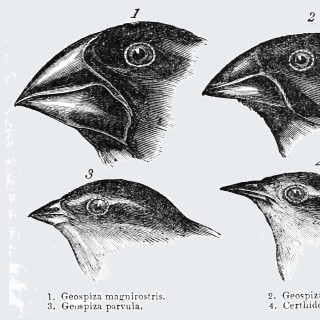
Trait with a current functional role in the life history of an organism maintained and evolved by natural selection
POPULARITY
Categories

213 episodes with Adaptation

73 episodes with Adaptation

59 episodes with Adaptation

89 episodes with Adaptation

81 episodes with Adaptation

241 episodes with Adaptation

28 episodes with Adaptation

30 episodes with Adaptation

42 episodes with Adaptation

21 episodes with Adaptation

15 episodes with Adaptation

31 episodes with Adaptation

20 episodes with Adaptation

24 episodes with Adaptation

42 episodes with Adaptation

19 episodes with Adaptation

18 episodes with Adaptation

18 episodes with Adaptation

20 episodes with Adaptation

42 episodes with Adaptation

101 episodes with Adaptation

16 episodes with Adaptation

27 episodes with Adaptation

6 episodes with Adaptation

6 episodes with Adaptation

30 episodes with Adaptation

11 episodes with Adaptation

29 episodes with Adaptation

23 episodes with Adaptation

10 episodes with Adaptation

9 episodes with Adaptation

11 episodes with Adaptation

14 episodes with Adaptation

9 episodes with Adaptation

8 episodes with Adaptation

9 episodes with Adaptation

40 episodes with Adaptation

7 episodes with Adaptation

4 episodes with Adaptation

15 episodes with Adaptation

9 episodes with Adaptation

19 episodes with Adaptation

6 episodes with Adaptation

10 episodes with Adaptation

17 episodes with Adaptation

9 episodes with Adaptation

9 episodes with Adaptation

5 episodes with Adaptation

7 episodes with Adaptation

5 episodes with Adaptation

5 episodes with Adaptation

6 episodes with Adaptation

15 episodes with Adaptation

13 episodes with Adaptation

5 episodes with Adaptation

9 episodes with Adaptation

7 episodes with Adaptation

6 episodes with Adaptation

3 episodes with Adaptation

5 episodes with Adaptation

5 episodes with Adaptation

10 episodes with Adaptation

13 episodes with Adaptation

5 episodes with Adaptation

7 episodes with Adaptation

7 episodes with Adaptation

13 episodes with Adaptation

7 episodes with Adaptation

7 episodes with Adaptation

5 episodes with Adaptation

4 episodes with Adaptation

6 episodes with Adaptation

6 episodes with Adaptation

8 episodes with Adaptation

6 episodes with Adaptation

4 episodes with Adaptation

4 episodes with Adaptation

5 episodes with Adaptation

7 episodes with Adaptation

12 episodes with Adaptation

14 episodes with Adaptation

9 episodes with Adaptation

7 episodes with Adaptation

5 episodes with Adaptation

6 episodes with Adaptation

7 episodes with Adaptation

18 episodes with Adaptation

5 episodes with Adaptation

5 episodes with Adaptation

3 episodes with Adaptation

4 episodes with Adaptation

14 episodes with Adaptation

6 episodes with Adaptation

5 episodes with Adaptation

10 episodes with Adaptation

13 episodes with Adaptation

3 episodes with Adaptation

4 episodes with Adaptation

6 episodes with Adaptation

6 episodes with Adaptation

31 episodes with Adaptation

4 episodes with Adaptation

5 episodes with Adaptation

6 episodes with Adaptation

20 episodes with Adaptation

6 episodes with Adaptation

6 episodes with Adaptation

6 episodes with Adaptation

10 episodes with Adaptation

10 episodes with Adaptation

6 episodes with Adaptation

4 episodes with Adaptation

6 episodes with Adaptation

2 episodes with Adaptation

6 episodes with Adaptation

5 episodes with Adaptation

10 episodes with Adaptation

11 episodes with Adaptation

2 episodes with Adaptation

4 episodes with Adaptation

3 episodes with Adaptation

5 episodes with Adaptation

3 episodes with Adaptation

93 episodes with Adaptation

4 episodes with Adaptation

5 episodes with Adaptation

5 episodes with Adaptation

13 episodes with Adaptation

4 episodes with Adaptation

10 episodes with Adaptation

4 episodes with Adaptation

4 episodes with Adaptation

5 episodes with Adaptation

5 episodes with Adaptation

5 episodes with Adaptation

3 episodes with Adaptation

4 episodes with Adaptation

4 episodes with Adaptation

17 episodes with Adaptation

5 episodes with Adaptation

5 episodes with Adaptation

3 episodes with Adaptation

3 episodes with Adaptation

3 episodes with Adaptation

4 episodes with Adaptation

10 episodes with Adaptation

4 episodes with Adaptation

2 episodes with Adaptation

10 episodes with Adaptation

4 episodes with Adaptation

11 episodes with Adaptation

3 episodes with Adaptation

4 episodes with Adaptation

3 episodes with Adaptation

8 episodes with Adaptation

2 episodes with Adaptation

5 episodes with Adaptation

6 episodes with Adaptation

2 episodes with Adaptation

80 episodes with Adaptation

4 episodes with Adaptation

4 episodes with Adaptation

3 episodes with Adaptation

2 episodes with Adaptation

3 episodes with Adaptation

4 episodes with Adaptation

8 episodes with Adaptation

4 episodes with Adaptation

3 episodes with Adaptation

4 episodes with Adaptation

6 episodes with Adaptation

What if the reason you haven't finished the thing you keep thinking about isn't motivation, discipline, or follow-through — but fit? In this episode, Eric is joined by Katherine Mutti Driscoll, PhD, an AuDHD coach, educator, and author, for a conversation that starts with writing a book and quickly becomes something much bigger: how neurodivergent adults actually get meaningful work done. They explore why so many ADHD and AuDHD adults carry "someday projects" for years, how structure (not willpower) turns intention into action, and why unmasking isn't just about identity — it's about designing systems that work with your nervous system instead of against it. Writing is the case study. Adaptation is the point. In This Episode, We Talk About Why motivation isn't the real problem for ADHD and AuDHD adults How an interest-based nervous system shapes creativity and follow-through The role of structure, deadlines, and external accountability in finishing big projects ADHD, autism, and the balance between novelty and predictability Unmasking your process and letting go of "normal" ways of working Why you don't have to love the process to do meaningful work Perfectionism, imposter syndrome, and surviving the one-star review Dictation, movement, printing drafts, and other non-traditional workflows How support, containers, and community make progress possible A Key Takeaway You don't need to become more disciplined. You need a container that fits. When the system works for your brain, the work has a chance to happen. About the Guest Katherine Mutti Driscoll, PhD is an AuDHD coach, educator, and author. She holds a PhD in education, is trained through the International ADHD Coach Training Center and Impact Parents, and is currently studying to become a mental health counselor. Katherine is the author of The ADHD Workbook for Teen Girls and is currently working on her second book focused on Rejection Sensitive Dysphoria. Website: https://catherinemuttidriscoll.com Book (The ADHD Workbook for Teen Girls, New Harbinger): https://www.newharbinger.com/9781648482809/the-adhd-workbook-for-teen-girls/ Resources & Links Mentioned ADHD reWired (podcast, resources, and programs): https://www.adhdrewired.com ADHD reWired Coaching & Accountability Groups: https://www.adhdrewired.com/arc Adult Study Hall (ADHD-friendly virtual coworking): https://www.adultstudyhall.com Internal Family Systems (IFS / parts work): https://ifs-institute.com Interest-Based Nervous System (ADDitude overview): https://www.additudemag.com/interest-based-adhd-nervous-system/

Anne Ghesquière welcomes Dr Gabor Maté, a world-renowned physician, speaker, and bestselling author. Dr Gabor Maté explore a radically different view of health and human beings and invites us to shift our perspective, to stop asking “What's wrong with me?” and begin asking the far more compassionate question: “What happened to me?”What if what we call “normal” is actually deeply unbalanced? Why is there so much psychological and physical suffering in so-called developed societies? What if many of today's illnesses, anxieties, trauma and addictions are not personal failures, but intelligent responses to a world that asks us to disconnect from ourselves? How can we understand the deep links between trauma, the body, emotions, and behavior? His latest book, The Myth of Normal, is published in French by Guy Trèdaniel Editions, le Mythe de la normalité. Discover his psychotherapeutic approach on his site. Episode #664Some quotes from the podcast with Dr Gabor Maté:“Normal doesn't mean healthy or natural. Normal often just means common.”“Trauma is not what happened to you.Trauma is what happened inside you.”"Nobody is broken. Nobody is beyond transformation."Receive Anne Ghesquière's inspiring weekly newsletter, Métamorphose.Discover Objectif Métamorphose, our 12-step program for discovering yourself.Follow us on social media: Instagram, Facebook, and TikTok.Subscribe on Apple Podcasts, Spotify, Deezer, CastBox, and YouTube.Support Métamorphose by joining the Métamorphose Tribe.Topics covered in the podcast with Dr Gabor Maté:00:00 Introduction01:30 Guest introduction02:15 The impact of childhood trauma05:46 What is normality ?10:11 An other vision of trauma15:55 Is humanity wounded by nature ?18:58 Transgenerational dimension22:37 Adaptation, illness, and turning point 26:49 The conflict attachment / authenticity 35:29 Women and autoimmune diseases37:38 The mechanism of addiction 42:10 Explicit and implicit memories47:01 Self-regulation49:25 What therapies ?54:06 The process to go through our traumas58:48 Spirituality and healing 01:05:46 ADHD and stress01:13:11 Suffering and creativity01:15:16 Nobody is brokenForeword and precautions for listening to the podcastPhoto © Gurudayal Khalsa Hébergé par Acast. Visitez acast.com/privacy pour plus d'informations.
Anne Ghesquière reçoit le Dr Gabor Maté, médecin, conférencier et auteur à succès de renommée mondiale. Le Dr Gabor Maté nous invite à cesser de nous demander « Qu'est-ce qui ne va pas chez moi ? » et à commencer à se poser la question : « Que m'est-il arrivé ? ». Et si ce que nous appelons la « normalité » était en réalité profondément déséquilibrée? Pourquoi y a-t-il tant de souffrances psychologiques et physiques dans les sociétés dites développées ? Et si bon nombre de maladies, angoisses, traumatismes et addictions d'aujourd'hui n'étaient pas des échecs personnels mais des réponses intelligentes à un monde qui nous déconnecte de nous-mêmes ? Comment comprendre les liens profonds entre les traumatismes, le corps, les émotions et le comportement ? Gabor Maté explore une vision radicalement différente de la santé et des êtres humains et nous invite à changer de perspective. Son dernier livre, Le Mythe de la normalité, est publié en français aux éditions Guy Trèdaniel. Découvrez son approche psychothérapeutique sur son site. Épisode #664Quelques citations tirées du podcast avec le Dr Gabor Maté :"Le corps se souvient de ce que l'esprit a dû oublier pour survivre.""Vous ne pouvez pas guérir le passé, mais vous pouvez guérir les effets du passé que vous portez encore en vous.""Personne n'est cassé. Personne n'est au-delà de la transformation."Recevez chaque semaine l'inspirante newsletter Métamorphose par Anne GhesquièreDécouvrez Objectif Métamorphose, notre programme en 12 étapes pour partir à la rencontre de soi-même.Suivez nos RS : Insta, Facebook & TikTokAbonnez-vous sur Apple Podcast / Spotify / Deezer / CastBox / YoutubeThèmes abordés lors du podcast avec le Dr Gabor Maté :00:00 Introduction01:30 Présentation de l'invité02:15 L'impact des traumatismes infantiles05:46 Qu'est-ce que la normalité ?10:11 Une autre vision du traumatisme15:55 L'humanité est-elle blessée par nature ?18:58 La dimension transgénérationnelle22:37 Adaptation, maladie et déclic 26:49 Le conflit attachement / authenticité 35:29 Les femmes et les maladies auto-immunes37:38 Le mécanisme de la dépendance 42:10 Mémoires explicites et implicites47:01 L'autorégulation49:25 Quelles thérapies ?54:06 Le processus pour traverser nos traumatismes58:48 Spiritualité et guérison 01:05:46 TDAH et stress01:13:11 Souffrance et créativité01:15:16 Personne n'est briséAvant-propos et précautions à l'écoute du podcastPhoto © Gurudayal Khalsa Hébergé par Acast. Visitez acast.com/privacy pour plus d'informations.

Brandon Sanderson and Dan Wells discuss all things adaptation. From works in the past they wish they could have done themselves, to the future of book adaptations. They also lock in their predictions for the next video game adaptations to be announced. Want to send me something to open?Dragonsteel EntertainmentATTN: AdamP.O Box 698American Fork, UT 84003Get your Wheel of Time updates here with the Bound and Woven newsletter: https://mailchi.mp/brandonsanderson/eye-of-the-world-campaignStay up to date by following my newsletter: https://brandonsanderson.us10.list-manage.com/subscribe?u=7d056bb7596a3e617f82004b2&id=fa68f14db0Interested in signed books and swag? Check here: https://www.dragonsteelbooks.com/You can also follow me on:Tiktok: https://www.tiktok.com/@authorbrandonsandersonFacebook: https://www.facebook.com/BrandSandersonTwitter: https://twitter.com/BrandSandersonInstagram: https://www.instagram.com/brandsanderson/?hl=enTwitch: https://www.twitch.tv/mistbornbrandonFrequently asked questions: https://faq.brandonsanderson.com
Jeff and Rebecca try to make sense of a bunch of adaptation news before talking about recent reads, Don DeLillo's hockey smut, and more. Subscribe to The Book Riot Newsletter for regular updates to get the most out of your reading life. The Book Riot Podcast is a proud member of the Airwave Podcast Network. Discussed in this episode: Check out Zero to Well-Read and its brand new companion newsletter, and follow along on Instagram, TikTok, and YouTube. The Book Riot Podcast Patreon Updates on the Fourth Wing adaptation The Testaments is coming to Hulu April 8 Brandon Sanderson's unprecedented adaptation deal with Apple TV Percival Everett was the bestselling Black author of 2025 Don DeLillo wrote hockey smut in 1980 Learn more about your ad choices. Visit megaphone.fm/adchoices
Comparing and contrasting Disney's “Something Wicked This Way Comes” with the novel by Ray Bradbury. This podcast contains certain copyrighted works that were not specifically authorized to be used by the copyright holder(s), but which we believe in good faith are protected by federal law and the fair use doctrine (Section 107 of the Copyright Act). If […] The post CSO 21b – Something Wicked This Way Comes Part 2 first appeared on Cinema Story Origins Podcast.

We had some big news this week, where Apple TV got rights to Mistborn and Stormlight adaptations, and so we wanted to get in and discuss it! This episode we have Eric (Chaos), Ian (Weiry), Evgeni (Argent), and Verónica (Cheyenne Sedai)! Original post: https://www.hollywoodreporter.com/movies/movie-news/brandon-sandersons-mistborn-stormlight-archive-movie-tv-1236487271/ Brandon's Reddit post: https://www.reddit.com/r/Cosmere/comments/1qps9wy/update_from_brandon/ According to Reactor, it's just Mistborn and Stormlight, which we did not know while recording: https://reactormag.com/apple-tv-brandon-sanderson-cosmere-universe-deal-details/ Thumbnail art is the papercraft cover for Mistborn, by Rosie Fowinkle: https://coppermind.net/wiki/File:TFE_Dragonsteel_Starter_pack_cover.jpg 0:00:00 Introductions and Show & Tell 0:05:43 The News 0:10:25 How are we feeling? 0:30:16 What do we think of Apple TV as the choice? 0:44:51 Brandon's high level level of involvement 0:57:36 Worried about mainline book progress? 1:09:37 Wanting adaptations, what does success mean? 1:18:57 Measures of success (bad timestamp) 1:25:17 Wrapping up If you like our content, support us on Patreon: https://www.patreon.com/17thshard Purchase merch here! https://store.17thshard.com/ For discussion, theories, games, and news, come to https://www.17thshard.com Come talk with us and the community on the 17th Shard Discord: https://discord.gg/17thshard Want to learn more about the cosmere and more? The Coppermind Wiki is where it's at: https://coppermind.net Read all Words of Brandon on Arcanum: https://wob.coppermind.net Subscribe to Shardcast: http://feeds.soundcloud.com/users/soundcloud:users:102123174/sounds.rss Send your Who's That Cosmere Characters to wtcc@17thshard.com

Playwright and BAFTA-nominated screenwriter Moira Buffini on moving between theatre, film, and fiction, writing for yourself instead of the market, and shaping structure by rewriting toward the ending you want readers to feel. You'll learn:Why “you are the audience” can be a practical rule for cutting through market noise and writing with conviction. A useful way to handle reviews and outside opinions without letting them steer the work. How to build story momentum when you can't fully plot ahead, and why not knowing the next move can be a strength. A structure approach based on “writing toward a feeling” at the end, then layering drafts until the story clicks. What discipline looks like when you're writing big worlds in prose, and how constraints can keep you from getting lost. How a dramatist's instincts (plot, structure, obstacles) can transfer into long-form fiction and help sustain narrative drive. A grounded reminder about the “mundane” day-to-day of being a professional writer, and why that doesn't cancel the magic. The practical foundations she names for keeping your mind working (sleep, movement, and treating the body as part of the instrument). What it can take to keep writing alongside caring responsibilities, and why persistence is often the hardest part. The simplest career advice she returns to: don't accept the story that you “can't,” and keep putting in the hours. Resources & Links:
Comparing and contrasting Disney's “Something Wicked This Way Comes” with the novel by Ray Bradbury. This podcast contains certain copyrighted works that were not specifically authorized to be used by the copyright holder(s), but which we believe in good faith are protected by federal law and the fair use doctrine (Section 107 of the Copyright Act). If […] The post CSO 21a – Something Wicked This Way Comes Part 1 first appeared on Cinema Story Origins Podcast.

February 2026 brings a powerful shift in energy — one that calls for adaptation, emotional maturity, and embodied authority rather than force or urgency. In this episode, I share an in-depth February 2026 astrology forecast, breaking down the key themes influencing leadership, relationships, business, money, and intuitive decision-making. This month is less about chasing momentum and more about refining your standards, regulating your nervous system, and moving with clarity instead of pressure. If you've been feeling called to slow down, recalibrate, or release old timelines that no longer fit, this episode will help you understand why February 2026 feels so pivotal and how to work with the astrology instead of against it. Inside this episode, you'll learn: The main astrological themes shaping February 2026 Why adaptation is required — without self-abandonment How authority and emotional regulation affect leadership right now What this month reveals about relationships and power dynamics How to approach money and business with higher energetic standards Why calm and clarity are the real currency of this season This February 2026 astrology episode is especially relevant for leaders, healers, intuitive entrepreneurs, and creatives who want to move through this month with self-trust, integrity, and long-term vision. Listen now to align with the energy of February 2026 and anchor into your next level of intuitive leadership. SUBSCRIBE TO MY EMAIL LIST: https://www.ericawrusso.com/caceeb5c-5405-44ef-9771-805d23844b90 FOLLOW ME ON INSTAGRAM: @ericawrusso

Another Youtuber is taking their talents to the silver screen! Markiplier's directorial debut Iron Lung is here, and we have a ton to discuss about this movie. Adapted from the 2022 indie game of the same name created by David Szymanski, Iron Lung sends Markiplier's convict character to the bottom of a blood ocean on Moon AT-5 welded into an iron submarine of sketchy quality. In our spoiler-free Iron Lung review, we are going a little more unstructured to make sure we get a chance to talk about this unique endeavor (as details of this movie make it something rarely, if ever, seen in the industry) while still breaking down all the cinematic elements of the film. It's a review of a one-of-a-kind film. So join us for our discussion about Markiplier's Iron Lung movie and be sure to drop your thoughts in the comments below! Show Open [00:00] Acting [06:26] Production Design [09:05] Adaptation & Pacing [11:38] Tone [16:12] YouTubers as Filmmakers [18:05] Final Thoughts & Score [19:45] Show Close [22:45] Thanks for listening! Please rate, review, and subscribe if you liked this episode! For all things Popcorn for Breakfast: https://linktr.ee/popcornforbreakfast Check out our website: https://www.popcorn4breakfast.com Chat with us on Discord: https://discord.gg/7wGQ4AARWn Follow us on Twitch: https://www.twitch.tv/popcornforbreakfast Subscribe to our YouTube channel: https://www.youtube.com/channel/UCeVJZwPMrr3_2p171MCP1RQ Follow us on Spotify: https://open.spotify.com/show/4HhMxftbuf1oPn10DxPLib?si=2l8dmt0nTcyE7eOwtHrjlw&nd=1 Like us on Facebook: https://www.facebook.com/popcorn4breakfast Follow us on Twitter: @pfb_podcast Follow us on Instagram: @pfb_podcast Follow us on TikTok: https://www.tiktok.com/@popcornforbreakfast? Email us: contact@popcorn4breakfast.com Our original music is by Rhetoric, check them out on Spotify: https://open.spotify.com/artist/44JvjuUomvPdSqZRxxz2Tk?si=hcYoSMLUQ0iPctllftAg2g&nd=1
Send us a textAs if the fourth in a horror film series, this week TGTPTU goes to space! In Season 16, Ep 4 of Gray Matter (working title), Ken, Thomas, and Ryan discuss writer-director James Gray's AD ASTRA (2019) as their unpatented pincer movement continues along the auteur's eight-movie filmography. Cowritten with a television writer of meager IMDB credits, Gray's highest budget film to date sends astronaut and resting heart rate champion Roy Richard McBride (Brad Pitt) to the furthest reaches of the explored solar system in order to present him jump scares and (un)excusable homicides on his journey in a near future to retrieve his father played by Tommy Lee Jones who apparently can't get enough being in outer space (see Season 2, Ep 8 for our Space Cowboys coverage). Because this is a Gray joint, you know daddy and son are gonna have some emotional reckoning. What you might not be expecting are a moon car chase, falling from near orbit to Earth, or kickflipping a shuttle's flotsam while grinding a wicked rail of an asteroid belt (at least one of these happens, no further spoilers). Like last week's ep, Gray did not have final cut (i.e., the film rights; he might have had the professional, high-performance video editing software designed by Apple for macOS and iPadOS, although there is a strong possibility he had neither), which allowed for surprise research revelations by Ken, Tom, and Ryan and a wish for a hard media release of the Director's Cut audio track. Chris Nolan's late-career cinematographer Hoyte van Hoytema (listen back to Season 12 for more on the lenser so nice they named him twice) shoots this beautiful film. Ad Astra garnered Gray's first and to date only Academy nomination for Best Sound Mixing, which host Ken is in real time appalled by what films received Academy noms for Best Special Effects to the exclusion of this film's many practical VFX. Also, Ken struggles to name Robert McKee to really land a movie reference despite covering Adaptation in both the pod's Nicolas Cage (Season 3) and Meryl Streep (Season 8) coverage; Ryan has galaxy brain generational conflict ideas about the movie's themes; and Tom tries placing the flick among the good space movies of the past decade. Factoid: The film was released in France under the tile “Ad Astra,” which means “to the stars” in Latin and in Finland as “Ad Astra,” which also means “to the stars” in Latin. THEME SONG BY: WEIRD A.I.Email: thegoodthepodandtheugly@gmail.comFacebook: https://m.facebook.com/TGTPTUInstagram: https://instagram.com/thegoodthepodandtheugly?igshid=um92md09kjg0Bluesky: @goodpodugly.bsky.socialYouTube: https://www.youtube.com/channel/UC6mI2plrgJu-TB95bbJCW-gLetterboxd (follow us!):Podcast: goodpoduglyKen: Ken KoralRyan: Ryan Tobias
Today's guest is Paul Cater. Paul is a veteran strength and conditioning coach with over 25 years of experience spanning professional baseball, collegiate athletics, and high-performance team environments. Paul is known for blending traditional strength training with rhythm, timing, gravity, and a deeply relational, art-driven approach to coaching. His work challenges purely formulaic or data-driven models and puts the live training session back at the center of athlete development. In an era where training is increasingly automated, optimized, and reduced to dashboards and numbers, it's easy to lose the human element that actually drives performance. This conversation explores how rhythm, feel, load, and coaching presence shape not just outputs, but adaptability, resilience, and long-term athletic growth. If you've ever felt that “something is missing” in modern training environments, this episode speaks directly to that gap. In this episode, Paul and I explore training as a live performance rather than a static program. We discuss using early isometric and axial loading as a readiness anchor, how downbeat rhythm and eccentric timing drive better outputs, and why chasing numbers too aggressively can undermine real performance. We dive into music, movement, art, and coaching intuition, and how creating alive, rhythmic sessions builds stronger athletes, and better coaches, without relying solely on rigid protocols or excessive monitoring. Today's episode is brought to you by Hammer Strength and Lila Exogen. Use the code “justfly20” for 20% off any Lila Exogen wearable resistance training, including the popular Exogen Calf Sleeves. For this offer, head to Lilateam.com Use code “justfly10” for 10% off the Vert Trainer View more podcast episodes at the podcast homepage. (https://www.just-fly-sports.com/podcast-home/) Timestamps 0:00 – Mountain Training Inspirations 6:00 – The Role of Community in Training 12:15 – Performance and the Observer Effect 23:27 – Shifting Training Protocols 32:32 – Balancing Data and Intuition 42:14 – Efficacy of Isometric Training 47:23 – Five-Minute Wonders 53:28 – The Art of Adaptation 57:44 – Embracing the Subconscious 1:28:06 – A Playlist for Performance Actionable Takeaways 0:07 – Mountain training inspirations Training in demanding natural environments reshapes how you view effort, pacing, and resilience. Use uneven terrain and elevation to naturally regulate intensity instead of forcing outputs. Let the environment create variability rather than programming it artificially. Periodically remove mirrors, clocks, and screens to reconnect athletes with internal feedback. 6:00 – The role of community in training Training outcomes improve when athletes feel socially anchored. Design sessions where athletes work together rather than in isolation. Use shared challenges to build collective buy-in and accountability. View community as a performance multiplier, not a soft add-on. 12:15 – Performance and the observer effect Athletes change behavior when they know they are being measured. Use testing sparingly to avoid distorting natural movement. Train without constant feedback to preserve authentic effort. Recognize when measurement helps clarity and when it creates tension. 23:27 – Shifting training protocols Protocols should evolve with the athlete, not remain fixed. Regularly reassess whether a method still serves the athlete's needs. Avoid loyalty to systems that no longer produce adaptation. Let context, stress, and readiness guide training decisions. 32:32 – Balancing data and intuition Numbers inform decisions, but intuition completes them. Use data as a reference point, not the final authority. Trust experienced pattern recognition when data feels incomplete. Teach younger coaches how to observe, not just measure. 42:14 – Efficacy of isometric training Isometrics offer clarity, control, and nervous system regulation. Use isometrics to teach position awareness and intent. Apply them during deloads or recovery periods. Emphasize quality of tension rather than maximal force. 47:23 – Five-minute wonders Short, focused training can still drive adaptation. Use brief sessions to maintain rhythm during busy schedules. Prioritize intent and execution over duration. Stack small doses consistently rather than chasing long sessions. 53:28 – The art of adaptation Adaptation is individual, nonlinear, and context dependent. Avoid expecting identical outcomes from identical programs. Adjust based on response, not expectation. Respect that progress can look quiet before it looks obvious. 57:44 – Embracing the subconscious Much of performance operates below conscious control. Reduce over-cueing to allow automatic movement to emerge. Trust repetition and environment to shape behavior. Coach less, observe more. 1:28:06 – A playlist for performance Music influences emotional and physical rhythm. Use music intentionally to shape session tone. Match tempo to desired movement qualities. Allow athletes some ownership over the training atmosphere. Quotes from Paul Cater “Training is as much about remembering what we are as it is about building what we want to become.” “The moment measurement changes behavior, you have to question what you are actually training.” “Community is not separate from performance. It is performance.” “Coaching is an art because people are not repeatable systems.” “Isometrics give you honesty. There's nowhere to hide.” “Data can guide you, but it cannot feel the athlete.” “Adaptation does not care about your program, only your response.” “Sometimes the best thing you can do as a coach is stop talking.” About Paul Cater Paul Cater is a veteran strength and conditioning coach with over 25 years of experience working across professional baseball, collegiate athletics, tactical populations, and high-performance team sport environments. He has served in leadership and performance roles with organizations including Major League Baseball, NCAA programs, and private high-performance facilities, and is known for his ability to blend high-intensity strength training with rhythm, coordination, and ecological skill development. Paul's coaching philosophy emphasizes gravity, timing, and rhythm as foundational drivers of athletic performance. Rather than relying solely on rigid programming or isolated testing, his sessions are built around early exposure to meaningful load, isometric and inertial work, and rhythmic constraints that reveal readiness, alignment, and intent in real time. His work integrates elements of sprint mechanics, change of direction, elastic strength, and movement artistry to create training environments that are both physically effective and psychologically engaging. Currently working in a collegiate performance setting, Paul is deeply interested in coaching as a live, relational craft; treating each session as a performance that develops not just outputs, but awareness, adaptability, and ownership in athletes. His approach bridges traditional strength training with concepts from sport, art, music, and survival movement, offering a perspective that challenges purely automated or data-driven models of performance.

Retrofitting is an instrumental step in reducing the carbon footprint of a city's building stock. It also extends the life of a building and has a lower environmental impact than demolishing inefficient properties and building anew. Even a new development, such as the East Village in Stratford London, although just 12 years old, is still largely heated by fossil fuel. Adaptable designs are critical to bring future improvements to existing structures. Marion Baeli is a pioneer of sustainable architecture, her practice identified easy-to-deliver improvements to energy use on one of the buildings in the development, at the same time as adding capacity that could finance the project. Guest Marion Baeli, Principal, Sustainability Transformation at 10 Design Partner Egis is a leading global architectural, consulting, construction engineering, operations and mobility services firm. Egis creates and operates intelligent infrastructure and buildings that both respond to the climate emergency and contribute to balanced, sustainable and resilient development.Its 22,000 employees operate across over 100 countries, deploying their expertise to develop and deliver cutting-edge innovations and solutions for clients. Through the wide range of its activities, Egis plays a central role in the collective organisation of society and the living environment of citizens all over the world.The post #359f Sustainability and Adaptation in East London first appeared on Engineering Matters.

Let's unpack a truth most people don't want to admit: the thing you're avoiding is action. When you leave inaction untouched, it does not sit quietly. It grows. It drains you. And it quietly reshapes your life through mental drag, stress, and procrastination. Unaddressed conversations don't sit still. Ignored decisions don't pause. Delayed action doesn't disappear. It compounds. It leaks energy, creates anxiety, and slowly trains your nervous system to stay stuck. In this episode, Troy introduces the Bison Theory, a counterintuitive truth rooted in real behavior: while most animals run away from storms and stay trapped in them longer, bison run straight into the storm, shortening how long they suffer. This episode isn't about hype or grit for grit's sake. It's about why facing the thing you're avoiding is the fastest path to transformation, and how movement, not certainty, is what breaks the loop. If you've felt the weight of indecision, the drag of unfinished business, or the mental exhaustion of too many open loops, this conversation will feel uncomfortably familiar in the best way.This Episode Covers:Why avoidance is active, not neutral, and how it quietly compounds stressHow “direction determines duration” when it comes to pain and changeWhy facing the storm creates momentum even before clarity shows upHow anticipation of pain often hurts longer than the pain itselfThe real reason action restores energy faster than motivation ever willHow to stop negotiating with reality and start reclaiming agencyWhy transformation begins the moment you turn toward what you've been running fromBeyond The Episode Gems:Subscribe To My New Weekly LinkedIn Newsletter: Strategize. Market. Grow.Buy My Book, Strategize Up: The Blueprint To Scale Your Business: StrategizeUpBook.comDiscover All Podcasts On The HubSpot Podcast NetworkGet Free HubSpot Marketing Tools To Help You Grow Your BusinessGrow Your Business Faster Using HubSpot's CRM PlatformSupport The Podcast & Connect With Troy: Rate & Review iDigress: iDigress.fm/ReviewsFollow Troy's Socials @FindTroy: LinkedIn, Instagram, Threads, TikTokSubscribe to Troy's YouTube Channel For Strategy Videos & See Masterclass EpisodesNeed Growth Strategy, A Keynote Speaker, Or Want To Sponsor The Podcast? Go To FindTroy.com

Send us a Question!PATREON PARTY PLEASER: This movie was selected by our Patreon Supporters over at the Cinematic Doctrine Patreon. Support as little as $3 a month and have your voice heard! Shirleon joins Melvin to summarize Priest, a forgotten feature from 2011. Loosely based upon a Manhwa of the same name, the two explore some of the neat ideas stuck beneath this unfocused, Syfy-original-like flick. And yes, it starts with a lore dump because of course it does. Topics:Editor's Note: No Patreon Exclusive discussion! But, I do intend to trim this episode down from its original 1:22:34 length, so if you want to hear the UNCUT version, tune in on Patreon here!Priest feels like it should have come out in the early 2000s.Comparing vampire lore.Melvin feels Paul Bettany isn't a leading man, but he has criticisms over the entire casting of Priest.Discussing the vampire design.Priest can't go a few minutes without making mistakes.It's infrequent but occasionally the movie has some cool sci-fi visuals.Shirleon, "It's got good bones."Further vampire-lore conversations.When an ending promises spectacle but pulls the rug out from under you.Recommendations:The Devouring Light by Kat Ellis (2025) (Book)Tech Billionaires Want Us Dead by Taylor Lorenz (YouTube)Support the showSupport on Patreon for Unique Perks! Early access to uncut episodes Vote on a movie/show we review One-time reward of two Cinematic Doctrine Stickers & Pins Social Links: Threads Website Instagram Letterboxd Facebook Group
What does it actually mean to get stronger? In this episode of Beast Over Burden, Nikki and Andrew break down adaptation through strength training—how lifting builds muscle, bone density, and resilience over time, and why the real goal isn't just PRs. They discuss the two sides of adaptation: using training to drive physical change, and learning how to make your training adapt to your life and schedule so it becomes a lifelong habit. Because strength training only works long-term when it stops being a "to-do list" item…and starts being part of who you are. If you want training that lasts for decades—not just a few motivated weeks—this episode is for you. What You'll Learn in This Episode What adaptation through strength training really means How strength training builds muscle and bone as long-term insurance Why training must adapt to your goals and your life The tradeoffs that come with different fitness priorities How consistency matters more than chasing PRs Why strength training has to become a lifelong habit, not a short-term project Timestamps 00:00 – Introduction and the "A for Adaptation" theme 02:30 – Adaptation through strength training: choosing the goal you want 05:20 – Why real adaptation requires consistent stress and recovery over time 08:40 – Training can't stay on the to-do list: making it a lifelong habit 13:30 – Moving beyond PRs and finding deeper meaning in strength training PS - IF YOU'RE INTERESTED IN TAKING ONLINE COACHING FOR A TEST RUN, CHECK IT OUT HERE. Connect with the hosts Niki on Instagram Andrew on Instagram Connect with the show Barbell Logic on Instagram Podcast Webpage Barbell Logic on Facebook Or email podcast@barbell-logic.com

Maya Shankar is a cognitive scientist, writer, and host of the podcast A Slight Change of Plans, whose new book The Other Side of Change explores who we become when life takes an unexpected turn. In this rich and intimate conversation, Maya and Amanda dig into moments ranging from Juilliard dreams cut short by injury to miscarriage. They talk about locked-in syndrome, prison poetry, and the surprising psychology of why uncertainty can feel worse than pain. Along the way, Maya shares practical tools offering listeners a hopeful and deeply human guide to navigating change without platitudes. Learn more about your ad choices. Visit megaphone.fm/adchoices

Stephen King's IT was rebooted in 2017. Since then it spawned a sequel and even a television show. Logan from Video Villa Entertainment joins me to go through both movies and the TV show and we will try to figure out which Modern IT adaptation is the BEST!https://youtu.be/WBZd79TeybYhttps://rumble.com/v74w6zu-what-is-the-best-modern-it-adaptation-hack-the-movies.html

A relationship that has never been stress-tested does not qualify as stable. It qualifies as unverified. Absence of visible rupture does not equal strength. It equals absence of data. Tonight's episode challenges the cultural reflex that treats raised voices, anger, and fierce disagreement as automatic indicators of toxicity. That reflex confuses discomfort with danger and quiet with health. Constructive conflict operates as a load test. Not to glorify chaos. Not to normalize cruelty. Not to excuse disrespect. A real load test asks one question: Can this bond bend without snapping? When two people enter a heated, non-violent confrontation and later return with intact respect, restored access, and altered behavior, something measurable occurs. The bond acquires memory. Not memory of pain. Memory of survivability. Memory that disappointment does not equal abandonment. Remember that anger does not equal exile. Memory that rupture does not end belonging. That memory changes the future nervous-system response.
A relationship that has never been stress-tested does not qualify as stable. It qualifies as unverified. Absence of visible rupture does not equal strength. It equals absence of data. Tonight's episode challenges the cultural reflex that treats raised voices, anger, and fierce disagreement as automatic indicators of toxicity. That reflex confuses discomfort with danger and quiet with health. Constructive conflict operates as a load test. Not to glorify chaos. Not to normalize cruelty. Not to excuse disrespect. A real load test asks one question: Can this bond bend without snapping? When two people enter a heated, non-violent confrontation and later return with intact respect, restored access, and altered behavior, something measurable occurs. The bond acquires memory. Not memory of pain. Memory of survivability. Memory that disappointment does not equal abandonment. Remember that anger does not equal exile. Memory that rupture does not end belonging. That memory changes the future nervous-system response.

Send us a textWelcome Back to The Beyond Condition Podcast with Returning Guest Dan Bastick.A Discussion Amongst Friends Comes to Our CommunityJoin us for an engaging discussion rooted in years of experience within the bodybuilding industry. As close friends, Dan and I chose to record this episode to share some of the conversations we had during our time together on New Year's Eve. We're excited to offer you our insights!What to ExpectA Listener Journey: We'll guide you through our experiences as bodybuilders, sharing anecdotes that will help you understand the process of progression through experience.Opportunities to Gain Knowledge: Our aim is to offer valuable insights that encourage you to reflect on your own methodologies and execution.Discussions Include:Bodybuilding Clothing RamblesEngineered Muscle Background and EthosTraining Age and Learning The Skill of LiftingBodybuilding HistoryUnderstanding Fatigue, Training Readiness and Over-ReachLearning Your Body and Being ResponsiveTraining AdaptationProgression as a BodybuilderRe-Feeds and Macro IncreasesTraining Intensity Including DOGGCRAPP TrainingSleep and Understanding Sleep QualityThe Importance of Bio-FeedbackDealing with Hunger and Hunger HormonesPrep MindsetPositive Role Models and EducationSpecial mentions to John Meadows (Mountain Dog) Scott Stevenson (Fortitude Training) JP (Trained by JP) and Dave Crosland.Find Dan on Instagram @danbastickEngineered Muscle Discount Code: RS10Watch it here: https://youtu.be/JP6mnuDrRUEFind Sarah on Instagram: @sarahparker_bb THE ULTIMATE SHOW DAY GUIDE E-BOOK: Purchase here Beyond Condition Coaching Application: Click here

This week, we're returning to a conversation with Charlie Kaufman, recorded in 2020. Kaufman is the Oscar-winning screenwriter behind some of the most inventive films of recent years, including “Adaptation”, “Eternal Sunshine of the Spotless Mind”, and “Being John Malkovich”. He's also directed films including “Synecdoche, New York”. His work often explores human memory and consciousness, with a style frequently described as surreal. At the time of this conversation in 2020, Kaufman had just published his debut novel “Antkind”. On July 13, 2020, Charlie Kaufman discussed the book and his films with Andrew Sean Greer, who won the Pulitzer Prize for his comic novel “Less”.

https://youtu.be/q9kR1B-g30g

The conversation explores the intersection of spirituality and entrepreneurship, emphasizing the importance of self-awareness, values, and alignment with personal purpose in business and nonprofit endeavors. It delves into the role of nonprofits in reentry programs, the significance of leveraging partnerships, and the need for financial sustainability and accountability. The discussion highlights the impact of self-knowledge, decision-making, and the challenges of maintaining organizational values and culture. It also emphasizes the importance of self-alignment in hiring decisions and the need for adaptation and self-reflection in business.TakeawaysSelf-awareness and alignment with personal values are crucial in business and nonprofit endeavors.Financial sustainability, accountability, and the importance of maintaining organizational values and culture are essential for long-term success.Chapters00:00 The Connection Between Spirituality and Entrepreneurship07:10 Spiritual Awareness and Ignorance in Business13:27 The Importance of Values and Culture in Business19:05 Challenges and Accountability in Nonprofits25:55 Nonprofit Scrutiny and Board Accountability35:24 Adaptation and Self-Reflection in Business

TEXT US A COMMENT!In this episode, we expose certainty as a drug that sedates responsibility and delays obedience. We break down the “loophole language” men use to stall their calling, why our culture is addicted to guarantees, and what uncertainty actually does to forge courage, leadership, and faith.You'll walk away with a tactical certainty detox: a loophole audit, a 24-hour decision rule, and a simple next-step execution plan to stop negotiating with your future and start moving like a man.WHY CERTAINTY IS DANGEROUS (What it costs you)Certainty doesn't just delay decisions. It delays destiny.It delays obedience. It kills momentum. It rots leadership. It trains cowardice. It steals years. 7 Loophole Phrases (and what they really mean)“I'm praying about it.”Translation: “I'm stalling and calling it spiritual.”“I'm waiting for the right timing.”Translation: “I want conditions to remove the cost.”“I need to think about it more.”Translation: “I'm hoping the pressure goes away.”“I just need more information.”Translation: “I don't want to be responsible if it fails.”“I don't know what to do.”Translation: “I do know. I just don't want to do it.”“I'm not ready.”Translation: “I'm afraid of exposure and discomfort.”“What if it doesn't work?”Translation: “I'd rather stay stuck than risk loss.”WHY WE NEED UNCERTAINTY (Uncertainty is not the enemy)Faith. You learn trust without controlling the outcome.Courage. You move with fear present, not fear absent.Ownership. You stop blaming “lack of clarity” and start taking responsibility.Adaptation. You learn to correct mid-stride instead of freezing.Maturity. You stop needing guarantees and start needing conviction.You don't get a future without uncertainty. You get a future by moving through it.SOTD: Ecclesiastes 11:4 (ESV)“He who observes the wind will not sow, and he who regards the clouds will not reap.”MARCHING ORDERS: This week, kill one loophole sentence.Pick the area you've been “waiting to be sure,” and take the next step within 24 hours.Support the show TDMP SITE: https://dangerousmanpodcast.com/ Grab some DANGEROUS GEAR in our shop https://dangerousmanpodcast.com/shop/ Support the show for as little as $3 a month https://www.buzzsprout.com/2080275/supporters/new Follow us on X for more shenanigans https://twitter.com/TDMPodcast603 Follow us on Instagram for extra shenanigans https://www.instagram.com/thedangerousmanpodcast/ Connect with Matt Fortin & Rory Lawrence Email us at: thedangerousmanpodcast@gmail.com Remember men... Stop trying & start training! Top Men's Podcast for 2024... https://podcasts.feedspot.com/mens_podcasts/

In this ScreenFish 1on1 interview, screenwriter Emma Donoghue discusses adapting H Is for Hawk for the screen. She shares what surprised her most about goshawks, reflects on what it means to heal after loss, and walks through the creative process of screenplay adaptation. The conversation explores translating deeply interior experiences into visual storytelling and the challenges of honouring a beloved book while finding cinematic form.H IS FOR HAWK is available in the following theatres across Canada on Friday, January 23rd, 2026.

In this Olympics‑themed episode of the Brain & Life Podcast, hosts Dr. Daniel Correa and Dr. Katy Peters explore what resilience looks like in the bodies, minds, and everyday lives of both Olympians and our listeners. First, they answer your listener submitted questions on concussion and Charcot‑Marie‑Tooth disease. Then, they look back on how former guests faced profound challenges and found a way forward through a collection of standout moments from past conversations with Olympians and Paralympians. Brain & Life Podcast Episodes Mentioned Olympic Swimmer Rowdy Gaines on His Career and Guillain-Barré Syndrome Paralympic Athlete Helen Kearney on Living Her Dreams with Friedreich's Ataxia Getting Back in the Game After a Concussion with Olympian Elana Meyers Taylor Resilience and Recovery with Olympic Skier Colby Stevenson Paralympian Jamal Hill on Winning Bronze with Charcot-Marie-Tooth We want to hear from you! Have a question or want to hear a topic featured on the Brain & Life Podcast? · Record a voicemail at 612-928-6206 · Email us at BLpodcast@brainandlife.org Social Media: Hosts: Dr. Daniel Correa @neurodrcorrea; Dr. Katy Peters @KatyPetersMDPhD

Dr. Jagim shares what adaptations occur with endurance training. Discover what actually happens when you build endurance. From stronger lungs to more efficient muscles, increased cardiac efficiency and better energy use, this quick breakdown shows how consistent training helps you go farther—and feel better doing it.#complicatedsimple #resultsthatgiveback #heartbeatbarbell

Un acteur du monde du foot est l'accusé du soir. Il est ensuite défendu avant le verdict du juge.

What if your OKRs are actually holding you back? Radhika Dutt flips goal-setting on its head, showing why most leaders chase numbers instead of progress. She unpacks performance illusion when teams look successful but quietly stall and how a puzzle-based approach creates real ownership and innovation. We dive into her Dutt's Law ("metrics are for insight, not evaluation"), why curiosity beats control, and how to run teams that tell the truth instead of gaming the numbers. This episode isn't anti-goals – it's about building smarter ones that actually grow your people and your business. Timestamps: 00:00 — Cold Open & Intro 03:42 — Turning OKRs on Their Head (Where Goals Really Came From) 06:55 — Performance Illusion: When Numbers Lie to Leaders 07:35 — Goals vs Puzzles: A Simple Question That Changes Everything 12:49 — Dutt's Law: Metrics Are for Insight, Not Evaluation 17:28 — The Avid Story: Hitting Targets While Losing the Market 21:19 — The Infinite Game: How to Stay Curious and Keep Growing 23:19 — Fear of Losing Control: Leaders and the Puzzle Mindset 31:02 — The O-H-L-A Method: Objectives, Hypotheses, Learnings, Adaptation 31:23 — Psychological Safety: Getting the Truth from Your Team 38:13 — Why Big, Hairy Goals Are Bullshit Website: www.radicalproduct.com LinkedIn: www.linkedin.com/in/radhika-dutt

Adaptability and strong relationships are becoming just as important as yields and costs in today's farm economy—and that's the focus of this episode of the Purdue Commercial AgCast. Chad Fiechter is joined by Ben Brown of the University of Missouri's Food and Agricultural Policy Research Institute (FAPRI), along with guest hosts, graduate students Avery Pound and Jonah Armstrong, for a conversation that builds on Brown's recent presentation at the Purdue Top Farmer Conference. Following his talk on the long-term outlook for corn and soybean markets, Brown expands the discussion to explore how global economic conditions, energy markets, and commodity pricing trends influence farm profitability over time. While cotton is used as a case study in parts of the conversation, the focus remains on broader lessons that apply across crop and livestock operations, including long-run decision-making, strategic partnerships, and how changes in capital and land ownership are reshaping agriculture. The episode highlights why understanding market signals—and building the right relationships—matters for farmers navigating uncertainty and positioning their operations for the future.

We kicked Jason to the curb to allow us to record when Escape Hatch film correspondent and co-host of the Cinenauts podcast ctcher was available. And he's joined by the Mayor of the Freak Beat and co-host of The Austin Danger Podcast, Kev. By their command, we cover Charlie Kaufman and Spike Jonez' sophomore effort, the wildly inventive Adaptation.Chapters Introduction (00:00:00) Hatch News (00:21:05) Adaptation Roundtable (00:30:41) Your Letters (01:24:10) Notes and Links Check out Escape Hatch Merch! Our all new collection of swag is available now and every order includes a free Cameo style shoutout from Haitch or Jason. Browse our collection now. Join the Escape Hatch Discord Server! Hang out with Haitch, Jason, and other friends of the pod. Check out the invite here. Escape Hatch is a TAPEDECK Podcasts Jawn! Escape Hatch is a member of TAPEDECK Podcasts, alongside: 70mm (a podcast for film lovers), Bat & Spider (low rent horror and exploitation films), The Letterboxd Show (Official Podcast from Letterboxd), Cinenauts (exploring the Criterion Collection), Lost Light (Transformers, wrestling, and more), and Will Run For (obsessed with running). Check these pods out!. See the movies we've watched and are going to watch on Letterboxd Escape Hatch's Breaking Dune News Twitter list Rate and review the podcast to help others discover it, and let us know what you think of the show at letters@escapehatchpod.com or leave us a voicemail at +1-415-534-5211. Follow @escapehatchpod on Bluesky,Instagram, and TikTok. Music by Scott Fritz and Who'z the Boss Music. Cover art by ctcher. Edited and produced by Haitch. Escape Hatch is a production of Haitch Industries.
It is hard to believe how much happened in 2025. We saw close to one hundred movies, and even the ones we saw in the past couple of months seem like a long time ago. So going back a few twelve months seems like an epic journey. And we do go back to the very beginning of the year.There are some movies that we said at the time that we would be talking about in our year end review. The major releases that caught everyone's attention. The twisted take on Cinderella that is head and shoulders above everything else in the public domain subgenre. The haunted house movie with the four legged star.Then, there were the ones that even surprised us. The killer clown movie that was not a gore fest starring a clown named Art. The tense thriller that had one of the best performances of the year. The remakes that were so good not because they were novel but because they did what they should have done.There are a lot of horror movies out there and with so many viewing options, it can be overwhelming to pick one. This show will help you make those decisions. Every single movie on here is an absolute must see that you should go out of your way to watch. Adventures in Movies! is a part of the Morbidly Beautiful Podcast Network. Morbidly Beautiful is your one stop shop for all your horror needs. From the latest news and reviews to interviews and old favorites, it can be found at Morbidly Beautiful.Adventures in Movies! is hosted by Nathaniel and Blake. You can find Nathaniel on Instagram at nathaninpoortaste. Blake can be found on Twitter @foureyedhorror and on Instagram at foureyedhorror. You can reach us personally or on Twitter @AdventuresinMo1.Music in the background from https://www.FesliyanStudios.com
Jeff and Rebecca run through the notable adaptations coming this year (at least the ones we know about). Follow the podcast via RSS, Apple Podcasts, and Spotify. Subscribe to The Book Riot Newsletter for regular updates to get the most out of your reading life. The Book Riot Podcast is a proud member of the Airwave Podcast Network. Discussed in this episode: Check out Zero to Well-Read and its brand new companion newsletter, and follow along on Instagram, TikTok, and YouTube. Learn more about your ad choices. Visit megaphone.fm/adchoices

Service Business Mastery - Business Tips and Strategies for the Service Industry
If you're in the skilled trades like HVAC, plumbing, electrical, or any service where the phone rings with "Hey, my system isn't working," this episode of SBM, "What Homeowners Actually Want" with Zac Dearing of Mantel, is about as close to printing money as a podcast gets. Consider it your cheat sheet into the homeowner's brain and wallet. Here's why you should listen, especially if you: Want to make more from every visit (yes, without feeling like a pushy home comfort advisor). Are stuck trying to grow your business, because you keep hearing "You're too expensive" or "Let me think about it." Need clarity on what ACTUALLY matters to modern homeowners. Spoiler: it's not just the dollar amount. Are tired of home comfort "gurus" who can't back up their advice with hard data. If you want real, actionable ways to improve your process before, during, and after the visit grab the report the team discusses at usemantel.com/survey. It's built on actual fieldwork, not fantasy. Timestamps ⏰ [00:00] "Service Business Growth Strategies" [04:52] "Self-Discovery in Decision-Making" [08:57] "Persistence and Overcoming Dyslexia" [10:48] "Overcoming Fears Through Automation" [16:22] "Customer Obsession and User Focus" [18:52] "Research-Driven Innovation and Giving Back" [24:00] "Homeowner Priorities vs. Contractors" [27:24] "Homeowners' HVAC Knowledge Gap" [30:18] "Call Tracking for Smarter Marketing" [31:30] "How Homeowners Find Contractors" [36:00] "Trust and Reviews Drive Choices" [40:52] "Home Recording Insights & Sales" [43:26] "Homeowners Struggle to Find Clarity" [47:46] "AI, Trends, and Future Insights" [49:52] "Empowering Contractors to Boost Sales" [51:55] Empowering Homeowners Through Visibility [57:29] "Embrace Change and Adaptation" [58:30] "Service Business Mastery Insights" Tersh Blissett: https://www.linkedin.com/in/tershblissett/ Josh Crouch: https://www.linkedin.com/in/josh-crouch/ Zac Dearing: https://www.linkedin.com/in/zachary-dearing-b761b825/ Connect with us on: • LinkedIn - https://www.linkedin.com/company/service-business-mastery • TikTok - https://www.tiktok.com/@servicebusinessmastery • Facebook - https://www.facebook.com/groups/servicebusinessmasterypodcast • Instagram - https://www.instagram.com/servicebusinessmasterypodcast This episode is kindly sponsored by: UpFrog CallRail CompanyCam Visit CompanyCam and use code SBM for a free 2-week trial, 1:1 training and account setup, and 50% off your first two months! MarketStorm priceguide Learn how to automate tasks, save time, and increase your profit. No coding required!

Humble Beginnings in a Feed Store Sarah Cohen never imagined she'd spend her life making potato chips in rural Virginia. Growing up in Washington, DC, where she worked in her family's restaurant and hotel business from age 12, she learned work ethic early. However, manufacturing knowledge? That came later—much later. In her twenties, Sarah launched Route 11 Potato Chips in an old feed store in Middletown, Virginia. The setup was as bare-bones as it gets. "We had wooden floors," she recalls, still sounding slightly incredulous. "I know it sounds like the 1800s." The operation ran on 1960s equipment, and workers literally carried potatoes through the office to reach the peeler. Most remarkably, they stirred batches of chips with a garden rake. "I thought we must be the absolute most inefficient chip factory in the world," Sarah admits. Nevertheless, something magical happened. The local community grew curious, came to watch, tried the chips, and became advocates. That grassroots support hasn't stopped since day one. The Power of Transparency From the beginning, Route 11 did something unusual for its time: they installed viewing windows. Initially, this decision stemmed from necessity rather than marketing genius. Without a packaging machine during the first year or two, the company hand-packed chips and relied on customers coming directly to buy them. The window gave visitors something to do besides standing awkwardly in a "weird little wooden building." Before long, tour buses arrived. People came out of sheer curiosity to watch food being made—a rarity in manufacturing. When Route 11 moved to Mount Jackson in 2008, the town made "fry viewing" a stipulation of the deal. Sarah and her business partner Mike embraced this transparency wholeheartedly. "We're very shameless about just showing it as it is," Sarah explains. "This is the real deal. This is how something is made." Today, this openness feels prescient. Craft breweries and artisan food makers routinely showcase their processes, but Route 11 pioneered this approach decades ago. The Partnership That Changed Everything Running a chip factory with breaking-down equipment from the 1960s proved exhausting. Sarah attended food shows unable to sell with confidence because she couldn't guarantee production without breakdowns. Then came a serendipitous encounter in a Winchester bar. Mike, who had been "fixing lawnmowers in his diapers," loved the product but saw room for improvement. An Army veteran with an engineering mindset, he brought manufacturing vision and intensity to complement Sarah's creative approach. "We are very different types of people," she notes. "He's very engineer brain, sees the world in very black and white terms, whereas I'm much more muddled." Mike's obsession with preventive maintenance transformed the operation. Eighteen years later, visitors consistently comment that the equipment looks brand new. "That's because we take care of it," Sarah says simply. "We baby it and pamper it." This philosophy stands in stark contrast to many manufacturers who adopt a "run it until it breaks" mentality. As the conversation reveals, preventive maintenance literally saves money, especially in today's world of long lead times for parts. Route 11 maintains stockpiles of commonly needed components because they can't assume availability when equipment fails. Keeping It Simple: The Ingredient Philosophy Route 11's chips contain a remarkably short ingredient list. This minimalism serves multiple purposes. First, it lets potato chips taste like potatoes—a revolutionary concept in an industry often dominated by artificial flavors and additives. Second, it reduces exposure to recalls. As Sarah explains, "The more ingredients a product has, the more exposure you have to a recall. If one ingredient gets recalled, then you've gotta pull all that product." The company operates as a gluten-free certified facility with only one allergen: dairy, found in trace amounts in their dill pickle chips. They've developed careful protocols for running dairy-containing flavors at the end of the day, followed by thorough cleaning. Interestingly, Route 11 pioneered the dill pickle chip flavor—now ubiquitous in the snack aisle. Sarah, who enjoyed mixing pickle juice with her potato chips and grilled cheese sandwiches, decided to formalize the combination. The flavor garnered press coverage, morning show appearances, and a mention in Oprah's Magazine. "It's the closest thing we've actually formulated," Sarah says. "It's our version of a Doritos." The Costco Courtship Route 11's relationship with Costco began unexpectedly. The buying team discovered their dill pickle chips at a Leesburg deli and started calling. Sarah, having just moved to Mount Jackson, felt unprepared. "I was nervous about it," she admits. Costco persisted, eventually sending their buying team to the facility. They offered flexibility: "Just do what you're comfortable with. You tell us what you can do." This approach proved crucial for a small manufacturer wary of overextending. Today, Route 11 supplies Costco's northeast region—roughly 20 Virginia warehouses. They've learned that many small businesses mistakenly believe they must supply all Costco locations nationwide. Regional arrangements exist precisely for companies like Route 11. Supplying all 90 warehouses would require two to three truckloads weekly—essentially their entire production capacity. "We need a separate Costco production facility to be able to maintain this," Sarah jokes. Instead, they've found their sweet spot: getting chips into as many Virginia locations as possible while maintaining quality and reliability. Costco's rigorous annual audits have elevated Route 11's standards. "Their standards are higher than anybody's," Sarah notes. While the company would maintain high standards regardless, having customers with such exacting requirements pushes continuous improvement. The Flavor Balancing Act Route 11 currently offers eight flavors plus seasonal varieties, including the cult-favorite Yukon Golds. When Yukon Gold season arrives, the company experiences what they call "the Gold Rush"—digging, cooking, and shipping the chips as fast as possible before they sell out. However, Sarah learned a counterintuitive lesson about flavors: more doesn't equal better. "I was very delusional," she admits about her early vision. "I thought everybody's gonna love the chips so much, they would take one of each bag." Reality proved different. People have favorite flavors, and for all potato chip companies, most customers reach for the classic salted variety. Route 11's lightly salted chips represent 60% of sales. When slower-moving flavors like Chesapeake Crab occupy shelf space, they create holes where the lightly salted should be, hampering overall sales velocity. Consequently, Route 11 actually offers fewer flavors now than when they started. To introduce a new flavor, they must discontinue an existing one. This disciplined approach extends to their mission statement, which Sarah describes as "not very exciting": make a great product in a clean and safe environment. For a single-facility operation, one recall could prove catastrophic. Larger manufacturers can shift production to different locations; Route 11 has no such luxury. Crisis and Innovation: The Ukraine Connection The war in Ukraine delivered an unexpected blow to Route 11. Ukraine supplies 90% of the world's sunflower seeds, and when shipping stopped, the entire vegetable oil market seized up. "This is how we're gonna go out of business because we can't get any oil," Sarah remembers thinking. Their oil supplier found peanut oil—more expensive and carrying the stigma of being peanut oil—but something proved better than nothing. Route 11 had to apply different labels to every single bag, creating what Sarah describes as a "dizzying" OSHA hazard. Fortunately, the situation lasted only a couple months, and loyal customers understood. Yet this crisis sparked innovation. While desperately searching for sunflower oil, Sarah discovered a North Carolina farmer preparing to press his own oil. Soon, Route 11 will receive their first tractor-trailer load of oil from this farmer—just five hours away. For the first time, they'll purchase directly from a farm rather than through distributors. "I would not have necessarily found him had we not been turning over every single rock," Sarah reflects. This development aligns perfectly with Route 11's original vision of being regional, local, and sustainable. They already work with local potato growers in Dayton, Virginia, and certified organic sweet potato growers in Mattaponi, Virginia. Adding a sunflower oil supplier completes the circle. The Sweet Spot of Growth Route 11 now employs 53 people and operates on a four-day, 10-hour workweek. They cook during the day, with no Saturday or night shifts. This schedule reflects a deliberate choice about growth and quality of life. "We could add another shift if we wanted to," Sarah acknowledges. However, additional shifts mean accelerated equipment wear, increased maintenance costs, and the prospect of 2 a.m. phone calls about breakdowns. "That's the beauty of having your own business," she says. "You can make decisions like that. We know what we can manage." This philosophy recognizes a truth many businesses miss: there's a profitability sweet spot. Beyond a certain point, scaling up means doing more work for proportionally less profit. Route 11 has found their equilibrium—large enough to matter to suppliers, small enough to maintain quality and control. Instead of adding shifts, they've focused on optimization. Recent investments include a bigger water line for faster cleaning, an additional warehouse for better organization, and new oil tanks for receiving directly from farmers. These improvements help them "eek out more pallets of product" without fundamentally changing their operational model. Retail and Tourism: The Other Revenue Stream While wholesale accounts like Costco generate significant volume, Route 11's retail operation remains vital. The facility welcomes visitors who tour the production area, purchase chips, and browse merchandise including t-shirts and tins. The company ships nationwide, serving customers far beyond their regional grocery footprint. This retail presence serves as their primary marketing channel. People experience the product, see how it's made, and become evangelists. The model has proven so successful that Mount Jackson now hosts an annual Tater Fest—a potato-themed festival celebrating the town's most famous product. Lessons from the Trenches When asked what advice she'd give aspiring food manufacturers, Sarah's immediate response is characteristically honest: "Don't do it. Whatever you do." Then she elaborates more seriously. Small business ownership is all-consuming, like having children. Everything that can go wrong does go wrong. Success requires time, money, deep pockets, and support systems. Sarah deliberately avoided investors, unwilling to be "enslaved" to return-on-investment demands or have others dictating shortcuts for profit. Realism matters, but so does a touch of delusion. "If I had been realistic, I never would've done it," Sarah admits. Vision must balance with number-crunching. She credits the Small Business Development Center where Bill helped her develop a business plan and understand concepts like breakeven points. The timeline proves sobering: Route 11 took nearly seven years to break even. During that period, Sarah worked part-time at a pizzeria while her co-founder worked as a line cook at the Wayside Inn. They put every dollar back into the business, personally making no money. "You have to be in your twenties," Sarah jokes. The energy and resilience required make this a young person's game. When people call seeking mentorship while envisioning running their company from a beach in St. Barts, Sarah's response is blunt: "No, sorry. If you're already envisioning yourself running your company from the beach, you probably should not even start." Manufacturing demands on-site presence. It's like being a conductor, orchestrating multiple moving parts simultaneously. Customers calling with problems don't want to hear ocean waves in the background. Looking Ahead Route 11's future involves maintaining and growing thoughtfully. The pandemic forced a holding pattern, but Sarah feels ready to resume trade shows and active selling now that they've optimized production capacity. Challenges loom, particularly federal government layoffs affecting the DC market—a significant customer base for Route 11. Many restaurants are closing due to reduced lunch business, and Route 11 has been part of that ecosystem. Adaptation will be necessary. Yet Route 11's greatest strength remains reliability. "The most important thing about selling to somebody is that you're reliable," Sarah emphasizes. Potato chips move quickly, and if you can't deliver on time, customers find alternatives. Route 11's commitment to reliability has built trust that transcends market fluctuations. From wooden floors and garden rakes to Costco shelves and 53 employees, Route 11 Potato Chips embodies the American manufacturing dream—not the fantasy version where entrepreneurs run companies from tropical beaches, but the real version requiring grit, adaptability, community support, and an unwavering commitment to quality. As Cohen surveys her 20,000-square-foot facility, the journey from that cramped Middletown feed store seems both improbable and inevitable. "It's just a very interesting story," she says with characteristic understatement. For anyone who's ever tasted a Route 11 chip—crispy, perfectly salted, tasting unmistakably like actual potatoes—the story is more than interesting. It's inspiring.

Climate-driven shocks are rippling across sectors, from rising insurance premiums to lower property prices and tax revenue. With the costs of severe weather rising, Moody's experts share their insights into key themes and possible solutions. Learn more at https://www.moodys.com/outlooks Explore our outlook: https://www.moodys.com/web/en/us/insights/credit-risk/outlooks/global-sustainable-finance.html Want to know more on the sustainable finance trends in 2026? Join us:EMEA/US: https://events.moodys.com/2026-mie26362-sustainable-finance-outlook-emea-usaAPAC: https://events.moodys.com/2026-mip26493-sustainable-finance-outlook-apac Host: Chandra Ghosal, Vice President, Senior Credit Officer, Moody's Ratings Guests: Jennifer Chang, Vice President, Senior Credit Officer, Moody's Ratings; Sarah Hibler, Associate Managing Director, Moody's Ratings Related Research: Sustainable Finance – Global – 2026 Outlook – Transition shifts, extreme weather and AI boom drive credit risks 13 Jan 2026Emerging economies are most exposed to the credit effects of severe weather 30 Oct 2025US Public Finance – Florida – Miami Cat-5 storm would test economy and insurance market even with federal aid 24 Sep 2025Environmental Risk – Global – Adaptation can support credit strength, but faces race to keep up with climate risks 22 Sept 2025 © 2025 Moody's Corporation and/or its licensors and affiliates. All rights reserved. Go to www.moodys.com/pages/globaldisclaimer.aspx for complete legal terms and conditions governing use of Moody's information made available in this video. Hosted by Simplecast, an AdsWizz company. See pcm.adswizz.com for information about our collection and use of personal data for advertising.

Welcome to this episode of HALO Talks, where host Pete Moore sits down with Bryce Berry, a New York native whose career led him from Westchester County to the mountains of Salt Lake City, and eventually to building a powerhouse presence in the Gold's Gym franchise network. Bryce shares his entrepreneurial path, starting with the unexpected lessons learned from running Dairy Queen stores, before moving into the health club industry and launching some of the largest and most successful Gold's Gym locations in Colorado, Wyoming, and Washington. From the intricacies of site selection and gym operations to adapting to changing market dynamics and member expectations, Bryce reveals how he's created "rainmaker" clubs by offering standout amenities like expansive weightlifting and cardio areas, basketball courts, racquetball, pickleball, and innovative tanning and recovery services. He digs into the evolving branding landscape of fitness franchises, the role of pricing strategy, and why the Gold's Gym name still carries significant weight in local communities. Listen now to hear Bryce's insights on building thriving gyms, the impact of market trends on business decisions, and how his commitment to quality and member experience is shaping the future of fitness for the next generation of club-goers. Key themes discussed Gold's Gym franchise growth and operations. Site selection strategies for gym locations. Importance of brand recognition in fitness industry. Pricing models and market positioning for gyms. Community amenities: Basketball, pickleball, saunas, recovery. Private equity partnerships and business structure. Adapting gym facilities to trends in strength and cardio equipment. A Few Key Takeaways: 1.Strategic Growth and Site Selection: Bryce talks about his career path from Westchester County to building a network of Gold's Gyms, detailing how he strategically drew a 300-mile radius around his home and used his knowledge from previous business ventures (like a book bindery) to select prime gym locations. His hands-on, boots-on-the-ground approach to site selection set the foundation for successful club launches. 2. Gold's Gym Brand Equity: Bryce highlights the enduring power of the Gold's Gym brand. Despite new competitors and rebranded gyms popping up (such as VASA, EoS, and Fitness Connection), he argues that Gold's still has strong recognition and credibility with consumers. People know Gold's Gym, which translates into excitement, loyalty, and ongoing business success. 3. Mid-Range Pricing Wins: Berry defends the decision to position his clubs in the mid-price range, emphasizing that this "middle" is where the majority of the market is. Instead of chasing ultra-low-cost volume or high-end exclusivity, his strategy is to deliver great value for a reasonable price, which has continually proven successful in the communities he serves. 4. Amenity-Rich, Community-Focused Clubs: The Gold's Gym facilities in Colorado, Wyoming, and Washington are designed as urban or suburban "country clubs" with oversized footprints (some over 50,000 sq ft). Bryce invests heavily in amenities like basketball courts, racquetball, pickleball nights, dry saunas, and top-of-the-line equipment to create a vibrant community feel and cater to a broad clientele. 5. Innovation and Adaptation for Younger Members: Bryce discusses a current trend he's seeing with younger members (especially ages 18–40) favoring strength and cardio equipment, recovery spaces, and high-quality gear such as the Matrix treadmill. He's focused on adapting his clubs to these preferences, particularly with recovery rooms, oversized saunas, and best-in-class equipment—which has helped him attract and retain this growing demographic. Resources: Gold's Gym: https://www.goldsgym.com Integrity Square: https://www.integritysq.com Prospect Wizard: https://www.theprospectwizard.com Promotion Vault: https://www.promotionvault.com HigherDose: https://www.higherdose.com

As more details are coming out regarding Greta Gerwig's adaptation of Narnia for Netflix, it continues to look like a very different story from the one Lewis told. Here, Daniel outlines more reasons to be nervous about this modern take on a classic children's tale. Follow us on Apple Podcasts: https://podcasts.apple.com/us/podcast/the-belfast-podcast/id1472441982 Follow us on Spotify: https://open.spotify.com/show/1s3aaP3pUkQKBVXbsP8Y34?si=ca588a6165424c61 Instagram: @thebelfastpodcast Email: belfastpodcast@gmail.com The Belfast Podcast exists to help recapture the Christian imagination. Luke and Daniel see the trend of modernism doing no favors for a vibrant view of scripture. Our goal is to widen the field of vision for modern people reading the Bible as we grapple with its ancient context, literary beauty, and symbolic underpinnings. You may have been taught to read texts with an eye for their literary and symbolic structures in English courses in high school and/or college, but rarely is this taught to seminary students or lay Christians alike when it comes to the Bible. We want to keep this eye for symbolism, repetition, and structure as we investigate the Biblical canon, linking it to modern and old examples that are extemporaneous yet connected to aid in giving the broader field of vision mentioned earlier. Come along with us on our journey to reread your bible for the first time. We hope that through the words of those who have come before us, we can give Western Christianity its imagination back.

Furcy, né libre, le film réalisé par Abd Al Malik, sortira le 14 janvier 2026 au cinéma. Adaptation libre du livre L'affaire de l'esclave Furcy de Mohammed Aïssaouile, le second long-métrage d'Abd Al Malik raconte la bataille judiciaire d'un esclave qui, à la mort de sa mère, découvre des documents qui pourraient faire de lui un homme libre. Accompagné de Matteo Falkone, avec lequel il a réalisé l'album Furcy Héritage, inspiré du film, ils répondent aux questions de Claudy Siar, Laura Mbakop et Stéphane Linon. La bande-annonce du film Furcy, né libre. En parallèle de la sortie du film, Abd Al Malik s'associe une nouvelle fois à Matteo Falkone (AMF) en sortant le 9 janvier 2026 l'album Furcy Héritage, inspiré des thèmes développés dans le long-métrage sur l'esclavage et ses abolitions. Playlist du 13 janvier : Live Abd Al Malik et Matteo Falkone - Si tu savais Abd Al Malik et Matteo Falkone - Libéré an nou/Cessez le feu Abd Al Malik et Matteo Falkone - Siné qua none. En fin d'émission, le blind opposera les invités aux chroniqueurs sur les thèmes de l'esclavage et de la colonisation. Retrouvez la playlist officielle de RFI Musique.

FREE SUPPORT & RESOURCES:‣ Book a COMPLEMENTARY CONSULTATION + CALORIE CALCULATION call• how much & what to eat

This is a grounded, unflinching conversation that pushes back against the misrepresentations and surface-level critiques that have come to dominate discussions around GNM. Joined by Natasha Nazerali, we explore what German New Medicine actually claims, where it is most commonly misunderstood, and why it provokes such strong emotional and institutional resistance. Rather than positioning GNM as a replacement for conventional medicine, this episode invites a more mature inquiry into nature, meaning, biology, conflict, and coherence—examining the premise that the human organism is not separate from nature, but an expression of its intelligence. From this view, symptoms are not random malfunctions, but intelligible processes arising from the same natural laws that govern all life. This is not an episode for blind belief or ideological camps, but for sincere truth-seekers willing to think clearly, question narratives, and engage with a controversial framework on its own terms.Time Stamps(00:00) Episode Teaser (00:41) Opening Conversation (02:44) Welcome Today's Guest (05:11) The Popularity & Misunderstandings of German New Medicine (10:25) Biological Laws and Their Significance (15:09) The Role of Microbes and Toxins (15:54) The Fifth Biological Law: Quintessence (17:07) Political Environment and Controversies (19:14) Dr. Hamer's Legacy and Naming Controversy (35:09) Case Studies and Scientific Claims (50:22) Overcoming Initial Client Challenges (52:16) Debating the Validity of German New Medicine (53:57) Experiencing Nature and Biological Connection (56:44) The Role of Toxins and Adaptation (01:04:00) Personal Experiences with GNM (01:21:16) The Sacredness of Biological WisdomGuest Linkshttps://www.natashanazerali.com/ The Bio-Logical Woman Course Previous Episodes with NatashaNew to GNM? Watch this episode with Dr. Melissa SellConnect with UsJoin our membership Friends of the TruthRise Above The Herd Take the Real AF Test NowDiscover Your Truth Seeker ArchetypeWatch all our episodesConnect with us on TelegramFollow us on InstagramAccess all our links

What happens when we trace the history of our forests? Not just through trees, but through people, policy, and place? In this episode, I talk with Jennifer Ott, Executive Director of HistoryLink.org, Washington's free online encyclopedia of history. Jennifer is an environmental historian, author of Olmsted in Seattle: Creating a Park System for a Modern City, and co-author of Waterway: The Story of Seattle's Locks and Ship Canal. She brings a deep knowledge of Seattle's reshaped landscapes; it's filled tidelands, leveled hills, and rechanneled rivers, and a lifelong commitment to accessible public history. We dig into HistoryLink's new Forest History Project, a wide-ranging effort to tell the story of Washington's forests through essays, oral histories, and educational curricula. Funded by the Washington Department of Archaeology and Historic Preservation, the project includes over a dozen new feature essays - from Indigenous land stewardship to timber company towns, the Douglas fir to the Northwest Forest Plan - as well as 15 interviews with key figures from forestry, conservation, and tribal leadership. We talk about the relationship between ecological change and historical narrative, the legacies of environmental thinkers, and how public history can shape our understanding of climate adaptation, land stewardship, and just futures. This conversation is a reminder that forests are more than trees; they're stories, struggles, and visions of what's possible. Resources and Links Forest History Project (HistoryLink): https://historylink.org/File/23334 Learn more about Jennifer Ott's work Olmsted in Seattle: Creating A Park System for a Modern City Seattle at 150: Stories of the City Through 150 Objects Waterway: The Story of Seattle's Locks and Ship Canal This episode features music from The Grey Room / Golden Palms. Find more at: https://www.youtube.com/channel/UCoOTOoAbEhY-WD_XhkvJBJg Upcoming Event: Plants as Teachers I'll be giving a talk on January 28, called Plants as Teachers, Messengers and Climate Partners: Habitat Care and Adaptation in a Warming World, hosted by Tacoma Tree Foundation. As climate change reshapes our ecosystems, ecological restorationist Michael Yadrick invites us to rethink so-called "weeds" as allies in adaptation, revealing how plants respond to stress, guide our land care decisions, and help us imagine better futures. Register here: https://tacomatreefoundation.org/calendar/plants-as-teachers Support the Podcast + Connect Treehugger Podcast is a labor of love. If you'd like to help me cover costs and keep episodes like this one flowing, you can support the show here: Venmo: @myadrickPayPal: paypal.me/myadrickCashApp: $michaelyadrickjr

Medaya Ocher is joined by writer and author Susan Orlean, whose latest book is Joyride: A Memoir. In Joyride, Orlean recounts how she became a writer: the strokes of luck, as well as the ambition and talent that led her from alt-weeklies to Esquire, Vogue and The New Yorker, where she has been a staff writer since 1992. Orlean has written essays and books that have since become classics of contemporary narrative nonfiction like The Orchid Thief (which inspired the film Adaptation), Rin Tin Tin, On Animals, The Library Book as well as many others. Here she discusses her life and career, her curiosity, her approach to change and opportunity, as well as the state of journalism today.

Medaya Ocher is joined by writer and author Susan Orlean, whose latest book is "Joyride: A Memoir." In "Joyride," Orlean recounts how she became a writer: the strokes of luck, as well as the ambition and talent that led her from alt-weeklies to Esquire, Vogue and The New Yorker, where she has been a staff writer since 1992. Orlean has written essays and books that have since become classics of contemporary narrative nonfiction like "The Orchid Thief" (which inspired the film "Adaptation"), "Rin Tin Tin," "On Animals," "The Library Book" as well as many others. Here she discusses her life and career, her curiosity, her approach to change and opportunity, as well as the state of journalism today.

MUSICBilly Gibbons of ZZ Top confirmed that Gillette offered him and Dusty Hill $1 million each in the 1980s to shave their beards on television. https://loudwire.com/zz-top-turned-down-money-shave-beards-80s/ TVThe food served at the Critics Choice Awards has attracted viral attention for two consecutive years, including jokes about the limited budget and comparisons to meals from Fyre Festival. https://www.realitytea.com/2026/01/06/critics-choice-awards-food-viral-photo/ Netflix is now the home of the WWE library in the U.S., offering premium live events and original programming. https://variety.com/2026/tv/news/wwe-library-netflix-1236624328/ Severance Season 3 will feature even more shocking revelations than the previous seasons, promising "a ton of moments that surprise people and rile people up." According to Series creator Dan Erickson. https://www.usmagazine.com/entertainment/news/severance-boss-dan-erickson-teases-surprise-moments-in-season-3-excl/ The streaming premiere of "Tron: Ares" on Disney Plus is today! MOVING ON INTO MOVIE NEWS:So, Mickey Rourke did NOT start the GoFundMe campaign to raise $60,000 to pay his rent. It was his manager's assistant. And Mickey is SO not happy about it. As the GoFundMe neared its $100,000 goal, Mickey posted a video calling it "humiliating and [effing] embarrassing." https://deadline.com/2026/01/mickey-rourke-denies-gofundme-page-for-rent-1236665040/ Emma Stone and Jennifer Lawrence are producing a film centered around Miss Piggy, but neither actress will portray the iconic character. https://www.cinemablend.com/movies/emma-stone-was-asked-if-shed-play-miss-piggy-in-her-and-jennifer-lawrences-movie-and-her-answer-was-perfection COMEDYAmy Schumer has officially filed for divorce from husband Chris Fischer, nearly a month after announcing their separation publicly.The comedian submitted papers Tuesday in New York County Supreme Court to dissolve her marriage to Fischer, a professional chef, after more than seven years together.Schumer and Fischer wed February 13th, 2018, and share a son, Gene, now 6. She first revealed their decision to split in a December 12th Instagram post, describing it as a “difficult decision” but saying they still “love each other very much” and will focus on co-parenting. AND FINALLYHappy Birthday today to Nicolas Cage (Coppola) - 62 yearsThe nephew of director Francis Ford Coppola won a Best Actor Oscar for Leaving Las Vegas in 1996 and was nominated again for Adaptation in 2003.Esquire compiled a list of the best Nic Cage movieshttps://www.esquire.com/entertainment/movies/g44042321/best-nicolas-cage-movies/?utm_source=google&utm_medium=cpc&utm_campaign=mgu_ga_esq_md_dsa_hybd_mix_us_21088834077&gad_source=1&gad_campaignid=21088834077&gbraid=0AAAAACq-et1GZLmf00sD5veBPifrzVww0&gclid=Cj0KCQiApfjKBhC0ARIsAMiR_Is93vZhBPHJJ_Cd21T2ehohrNZQf_rLDKerGgZYip7kMp7XFgt46UwaAtq-EALw_wcBAND THAT IS YOUR CRAP ON CELEBRITIES!Follow The Rizzuto Show Daily Comedy Show → https://linktr.ee/rizzshowConnect online → https://1057thepoint.com/RizzShowHear The Rizz Show daily on the radio at 105.7 The Point | Hubbard Radio in St. Louis, MO See Privacy Policy at https://art19.com/privacy and California Privacy Notice at https://art19.com/privacy#do-not-sell-my-info.
THE BATTLE OF IA DRANG AND NVA ADAPTATION Colleague Geoffrey Wawro. In 1965, the US introduced combat troops and air mobility tactics, showcased at the Battle of Ia Drang, where General Westmoreland used infantry as "tethered goats" to draw the enemy out for destruction by artillery. However, the North Vietnamese Army (NVA) quickly adapted by "hugging" American lines to neutralize superior US firepower, proving they could inflict significant damage and control the terms of engagement. Despite high casualties, the NVA utilized human wave attacks and close-quarters combat, turning what the US hoped would be decisive victories into bloody massacres. NUMBER 10
CLIMATE CHANGE, FIRE MANAGEMENT, AND THE FUTURE OF ADAPTATION Colleague Danielle Clode. Looking toward the future, Clode warns that climate change and El Niño patterns are increasing the frequency and severity of fire seasons, threatening both wildlife and expanding urban populations in bushland interfaces. She contrasts fire management philosophies, noting that Australia utilizes preventative burning to reduce fuel loads—a lesson partially adapted from indigenous practices—whereas historical American policies of total suppression can worsen long-term risks. Clode concludes that because fire is an omnipresent force in the Australian landscape, residents must focus on adaptation and preparedness rather than assuming total safety. NUMBER 4
© 2020-2026 Ivy Podcast Discovery LLC