

POPULARITY

2 episodes with filmmuseum

5 episodes with filmmuseum

3 episodes with filmmuseum

3 episodes with filmmuseum

3 episodes with filmmuseum

2 episodes with filmmuseum

2 episodes with filmmuseum

5 episodes with filmmuseum

5 episodes with filmmuseum

5 episodes with filmmuseum

5 episodes with filmmuseum

5 episodes with filmmuseum

5 episodes with filmmuseum

4 episodes with filmmuseum

2 episodes with filmmuseum

2 episodes with filmmuseum

2 episodes with filmmuseum

2 episodes with filmmuseum

Finale – Finale – John Carpenter-Finale!!! Runde drei des großen John Carpenter Specials bringt Dr. Horror endgültig an seine Grenzen – genauer: an seine Genre-Grenzen! Diesmal werden nämlich Carpenters geniale Genre-Hybriden hops genommen. Gemeinsam mit Carpenter-Connaisseur Christoph Huber führt sich Dr. Horror einen Cuvee aus Action Horror und Western zu Gemüt. Dabei gibt's freilich einiges zu besprechen: Wenn der Protagonist eine Shot-Gun hat, ist das dann automatisch schon ein Actionfilm? – Wenn ein Vampirjäger auf Mr. Obercool macht, liegt das daran, dass er sich heimlich nach Männerliebe sehnt? – Und ja, heute aktueller denn je: Sind die Außerirdischen unter uns? – Inkludiert freilich auch eine ausgiebige Besprechung von Alec Baldwins Frisur in der Rolle des Montoya – weder kurz noch schmerzlos. Eins ist bei Carpenter jedenfalls selbst für die strengsten Horror-Puristen fix: Put me in the (Genre-)Mix! Die ultimative Folge für alle Genre-Gesetzesbrecher, Dramaturgie-Desperados und Misch-Meister! Hier geht's zum Filmmuseum, indem Christoph als Kuratoraktiv ist:https://www.filmmuseum.at/

Dütmal sünd wi bi "Wi snackt Platt" in't Filmmuseum in Bennstörp rp to Besöök, dorto geiht dat ok noch üm dat ne'e Album “Bongsiel” vun'e Band Aalkreik - un wi snackt mit den Hamborger Brandschuulbeopdragten Uli Weinert doröver, wat een doon kann, wenn dat tohuus mal brennen deit.Moderatschoon: Jan Wulf
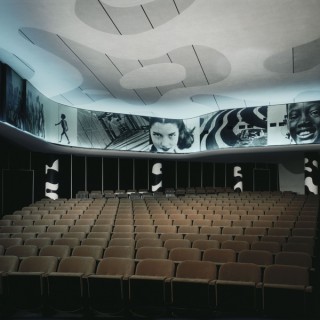
DAS ABC DES HONG SANGSOO Mi 1.4. 20:30 Gespräch mit Sulgi Lie, 30' Anschl. TALE OF CINEMA Hong Sangsoo drehte in den vergangenen drei Jahrzehnten über 30 Filme, die mal verspielt, mal ernsthaft, jedoch stets mit grosser Freude an formalen Experimenten im aktuellen Kino eine einzigartige Stellung einnehmen. Doch was macht seine Arbeit so aussergewöhnlich? Wie schafft er es, bis zu drei Filme pro Jahr zu drehen? Und warum trinken seine Figuren immer Unmengen an Alkohol? Ausgehend von Tale of Cinema (2005), einem seiner Schlüsselwerke, wird in einem Gespräch mit Sulgi Lie, Filmwissenschaftler und Autor der ersten deutschsprachigen Monografie über Hong, über das fulminante Universum dieses Filmemachers diskutiert. Zum Film: «Auch wenn es sich angesichts der modularen Offenheit von Hongs Filmen eigentlich verbietet, von einem Schlüsselwerk zu sprechen, gebührt doch Tale of Cinema ein besonderer Status, nicht zuletzt, weil erstmalig die Strategie der Doppelung als Film-im-Film gerahmt wird: Ein junger Mann trifft zufällig seine Ex-Freundin wieder und versucht verzweifelt, ihr Verhältnis wieder aufleben zu lassen. Ein Regisseur entwickelt nach dem Besuch eines Kurzfilms eine Obsession mit der Hauptdarstellerin, als er sie zufällig nach der Vorstellung trifft. Die Spiralbewegung des Films führt vom Kino ins Leben und wieder zurück ins Kino: Tale of Cinema ist Hongs Version von Hitchcocks Vertigo. Mit unmotivierten Zooms und einem tagebuchartigen Voiceover ziehen zwei neuartige Elemente in Hongs Metakino ein. Und es fällt ein wichtiger Satz: ‹Ich glaube, Sie haben den Film nicht richtig verstanden›, wird Youngshil, die Frau, zu Dongsoo sagen, der sich hoffnungslos im Imaginären des Kinos verstrickt hat.» (Sulgi Lie, Österreichisches Filmmuseum)

Send us Fan MailEine Sonderfolge: was mit dem Chant „Rants-ville!“ beginnt (Chantsville), ist von Ausnahmen geprägt. Erstmals in einem anderen Raum aufgenommen, erstmals Flip-Peeves, erstmals KFC live bestellt, u.s.w.. Mit verstopfter Nase und vollem Mund ranten wir über antike Möbel, die eingeschränkte Filmauswahl auf Netflix, Kartoffelpürre mit Sauce, Gurken, Zwiebeln, Knoblauch, große Ohrlöcher, Number Two gehen im Filmmuseum und entdecken en passant das vielleicht größte Pet Peeve in meinem gesamten Leben: den App Namen „Bergfex“. Widerlich. Dafür gibts Tequila. Und Rantsville.#rantsville #podcast #petpeeves #rantDu willst mit-ranten? Schreib uns: Schick deine eigenen pet peeves (kleine Dinge, die dich riesig nerven), Fragen, Meinungen und Kommentare an Helmut unter 0699-1-237 50 83Begriffsdefinitionen RANT Engl. für: Schimpfkanonade · Schimpftirade · Wutgeheul · WutredeGoogle: „Die Person, die sich das Geschimpfe anhört, wird nicht beachtet, und oft ist der Vorgang für den Zuhörer nicht einvernehmlich. Es wird extrem toxisch, da die Person, die emotional ablädt, oft nicht in der Lage ist, eine konstruktive Bemerkung oder einen Ratschlag zu geben. Der ganze Prozess lässt keinen Raum für eine Lösung.“Etymologie: Rant kommt aus dem Niederländischen ranten, „Unsinn reden“.Der erste dokumentierte Gebrauch von rant stammt aus dem Ende des sechzehnten Jahrhunderts, aus Shakespeares Die lustigen Weiber von Windsor.VILLE Urban dictionary: „Populäres Suffix, das häufig als Verstärker an ein beliebiges Wort angehängt wird, etwa: ‚hoe ville‘: eine Stadt voller Schlampen“PET PEEVE „Das Lieblingsärgernis“; ein kleines Ärgernis, das einen immer wieder aufs neue auf die Palme bringt.Danke fürs Zuhören und fürs Teilen!Cover Art: Cat AsenguaMusik: Helmut Stekl und Michael „Mitch“ Dörfler, www.tripbox.com#rant #ranting #rantsville #complaining #petpeeves #jammern #beschweren #negativ
Das große Dr. Horror John Carpenter Special geht in die zweite Runde – und die Welt gleich dreimal unter. Diesmal geht's nämlich wirklich ans Eingemachte, oder besser: ansEndzeitliche! Am Programm: Alle Essentials zur großen Apocalpyse Trilogie, die mit The Thing, Prince of Darkness und In The Mouth of Madness gleich drei absolute Carpenter-Classics umfasst.Gemeinsam mit Carpenter-Connaisseur Christoph Huber geht Doktor Horror bis zum bitteren Ende und widmet sich den ganz großen Fragen rund um die Apokalypse: Was, wenn daswohl legendärste Monster seit es Filme gibt im Film selbst gar nicht zu sehenist? – Was, wenn der Teufel kein roter Bockfuss, sondern eine grüne Flüssigkeit aus dem Weltraum ist? – Was, wenn die Wirklichkeit selbst nur eine schnöde Fiktionen ist? – Und ja, klar: Lovecraft sowieso immer ganz vorne mit dabei.Eins ist jedenfalls klar, höchst unterhaltsam und kulturhistorisch einschlägig geht hier die Welt zugrunde. Die finale Folge für alle, die finstere Vorhersagen, düstere Prognosen und dicke Enden lieben! Hier geht's zum Filmmuseum, indem Christoph als Kuratoraktiv ist:https://www.filmmuseum.at/

Dit is ja wie im Film – Teil 1 Potsdam oder die einzige UNESCO Creative City of Film Deutschlands. Das ist wie fünf Oscars auf einmal gewinnen und die am meisten unterschätzte Auszeichnung der Stadt. In dieser Episode sprechen wir mit Lisa Nawrocki, Leiterin des Potsdamer Büros UNESCO Creative City of Film. Sie gibt uns Einblicke, was dieser Titel bedeutet und wie es dazu kam. Aber das ist nur das Prequel. Wie du Film heute in Potsdam erleben kannst und ein paar Blicke hinter die Kulissen, gibt es obendrein. Sound ab! Die drei UNESCO-Auszeichnungen für Potsdam UNESCO-Welterbe: https://www.potsdamtourismus.de/inspiration/unesco-welterbe UNESCO Creative City of Film: https://citiesoffilm.org/potsdam/ und Instagram: https://www.instagram.com/potsdam_city_of_film/ UNESCO-Weltdokumentenerbe: https://www.unesco.de/staette/fritz-langs-stummfilmklassiker-metropolis/ Die Potsdamer Film-Festivals: Sehsüchte – Internationales Studierendenfilmfestival: https://sehsuechte.de/ Green Visions Festival: https://greenvisions-potsdam.de/ Jüdisches Filmfestival Berlin Brandenburg: https://jfbb.info/ Ökofilmtour: https://oekofilmtour.de/ Netzwerke für Gendergerechtigkeit, Diversität und Inklusion in der Filmbranche https://cinematographinnen.net/ https://wiftg.de/ https://www.filmtonfrauen.de/ https://proquote-film.de/ Film in Potsdam erleben: https://www.potsdamtourismus.de/inspiration/unesco-filmstadt/ Filmmuseum und Schaudepot Potsdam https://www.filmmuseum-potsdam.de/ Führungen: https://www.potsdamtourismus.de/stadtfuehrungen/oeffentliche-fuehrungen NEU: Medienstadt Babelsberg – Wo Filme entstehen „Und bitte!“ – Die Filmstadt Potsdam Babelsberg - Filmstars, Villen, Weltgeschichte Bei dieser Produktionsfirma ist Lisa Impact Producerin: https://bandenfilm.de/ und war bei diesem Film dabei: IM PRINZIP FAMILIE (2024): https://www.imprinzipfamilie.de/ Autumn Durald Arkapaw, die erste Frau, die den Kamera-Oscar gewinnt und die erste Schwarze Filipino-Amerikanerin, die den Oscar für beste Kamera mit nach Hause nimmt. SINNERS (2025): Kamerafrau Autumn Durald Arkapaw https://www.instagram.com/addp/?hl=de
Bei Dr. Horror dreht sich in der nächsten Zeit alles um den wohl begnadetsten Horror-Handwerker aller Zeiten: John Carpenter. Und dabei gilt: Ehre, wem Ehre gebührt. Mit Support von Filmmuseums-Kurator und Carpenter-KennerChristoph Huber es deswegen gleich drei Sonderausgaben zum Master of Horror! Der Start dabei aufgelegt: Halloween, Carpenters erste kommerzieller Erfolg und eine Zäsur in der Horror-History. Immerhin, der Film leitet nicht nur das goldene Zeitalter des Slashers ein, sondern gilt bis heute als Vorzeigebeispiel für feine Filmkunst – und ja, klar, dann war da noch Jamie Lee Curtis legendäre Performance als ultimatives Final Girl. Dabei setzen Dr. Horror saubere Schnitte: Ist das jetzt mächtig misogyn oder eher emanzipatorisch zu verstehen? – Ist der Hund ein symbolischer Ding-Dong – oder doch nur ein Hund? – Und, ja klar: Warum ist Michael Myers eigentlich so übel drauf? – Die ultimative Folge für alle Slasher-Sachverständige,Carpenter-Connoisseurs und Horror-Historiker! Hier geht's zum Filmmuseum, indem Christoph als Kuratordas Programm gestaltet:https://www.filmmuseum.at/

Wim Wenders' frühe Roadmovies wie „Falsche Bewegung“ sind eng mit seiner Biografie verwoben. Zwischen Kindheitserinnerungen an Boppard und Medizinstudium in Freiburg fand Wenders seine filmische Handschrift und prägte den Neuen Deutschen Film. In Frankfurt eröffnete der prominente Regisseur eine Ausstellung über seine facettenreiche Arbeit.

Im Frühjahr 2025 startete das Österreichische Filmmuseum in eine neue Ära. Auf dem Gelände der ART for ART Theaterservice GmbH wurde mit dem "Filmmuseum LAB" ein Kompetenzzentrum für die Konservierung und Archivierung, Bearbeitung und Digitalisierung sowie Erschließung und Vermittlung von Film bezogen. (superfly.fm)
Meyer-Feist, Andreas www.deutschlandfunk.de, Kultur heute

Stephan Macháč ist Künstler und Koordinierungsbeauftragter für Fotografie der Landeshauptstadt Düsseldorf. Er hat an der HfG Karlsruhe Medienkunst studiert und seinen Abschluss als Meisterschüler der Klasse Visual Culture Studies von Katharina Sieverding an der Universität der Künste Berlin gemacht. Er kommt aus der aktiven Praxis der Fotografie und Kunst und hat zahlreiche spartenübergreifende Projekte wie das »Studio for Artistic Research« initiiert und organisiert. Macháč ist im Beirates des Kunstvereins für die Rheinlande und Westfalen, Düsseldorf und Mitglied der DGPh. Er ist Mitbegründer der Kunstkommission Düsseldorf und war Theaterleiter der Black Box im Filmmuseum und des Bambi Filmstudio. In seiner Tätigkeit als Koordinierungsbeauftragter für Fotografie des Kulturamtes, hat Stephan Macháč die Publikation »Düsseldorf und Fotografie« in Kooperation mitkonzipiert und mitentwickelt, er ist Projektleiter der »Bernd-und-Hilla-Becher-Preis-Woche« und des »Oral-History-Rechercheprojektes ›Rheinland und Fotografie‹«. Links: https://www.duesseldorf.de/fotografie Instagram: @duesseldorfundfotografie - - - Episoden-Cover-Gestaltung: Andy Scholz Episoden-Cover-Foto/Grafik: Stephan Macháč, Kulturamt Düsseldorf 2024 Idee, Produktion, Redaktion, Moderation, Schnitt, Ton, Musik: Andy Scholz Der Podcast ist eine Produktion von STUDIO ANDY SCHOLZ 2020-2024. Andy Scholz wurde 1971 in Varel geboren. Er studierte Philosophie und Medienwissenschaften an der Universität Düsseldorf, Kunst und Design an der HBK Braunschweig und Fotografie/Fototheorie an der Folkwang Universität der Künste in Essen. Er ist freier Künstler, Autor und Dozent. Seit 2012 unterrichtet er an verschiedenen Instituten, u.a.: Universität Regensburg, Fachhochschule Würzburg, North Dakota State University in Fargo (USA), Philipps-Universität Marburg, Ruhr Universität Bochum, Pädagogische Hochschule Ludwigsburg. Seit 2016 ist er künstlerischer Leiter und Kurator vom INTERNATIONALEN FESTIVAL FOTOGRAFISCHER BILDER, das er gemeinsam mit Martin Rosner gründete. Im ersten Lockdown im Juni 2020 begann er mit dem Podcast und seit 2022 ist er Organisationsleiter vom Deutschen Fotobuchpreis, der ins INTERNATIONALE FESTIVAL FOTOGRAFISCHER BILDER in Regensburg integriert wurde. Er lebt und arbeitet in Essen (Ruhrgebiet). http://fotografieneudenken.de/ https://www.instagram.com/fotografieneudenken/ https://festival-fotografischer-bilder.de/ https://www.instagram.com/festivalfotografischerbilder/ https://deutscherfotobuchpreis.de/ https://www.instagram.com/deutscher_fotobuchpreis/ http://andyscholz.com/ https://www.instagram.com/scholzandy/

Rother, Rainer www.deutschlandfunkkultur.de, Fazit
Indiefilmtalk Podcast - Der Podcast über das Filmemachen | Produzieren | Drehbuch | Festivals
In unserer vierten und letzten Folge widmen wir uns der Zukunft des deutschen Films und setzen den Fokus auf das Thema Diversität. Was muss sich in der Filmbranche ändern, damit die Vielfalt unserer Gesellschaft auch auf der großen Leinwand sichtbar wird? Welche Rolle spielt Chancengleichheit auf dem Weg in die Filmindustrie? Über diese und viele weitere Fragen sprechen wir in dieser Folge mit unseren Gästen. UNSERE STIMMEN Ulé Barcelos (Kostümbildner) | Simone Baumann (Germanfilms | Geschäftsführerin) | Martin Behnke (Drehbuchautor) | Svenja Böttger (Filmfestival Max Ophüls Preis | Festivalleitung & Geschäftsführerin) | Simon Brückner (Dokumentarfilmemacher & Mitgründer FilmArche Berlin) | ChatGPT | Dela Dabulamanzi (Schauspielerin) | Dieu Hao Do (Regisseur) | Sara Fazilat (Schauspielerin | Produzentin)| Leonard Grobien (Schauspieler | Drehbuchautor | Regisseur) | Angela Heuser (Drehbuchautorin | VeDRA | Initiative Zukunft Kino+Film) | Robert Hofmann (Filmkritiker) | Memo Jeftic (Regisseur) | Julie Kania (Kuratorium junger deutscher Film | Direktorin) | Frauke Kolbmüller (Oma Inge Film | Produzentin) | Adolfo Kolmerer (Regisseur) | Nataly Kudiabor (UFA FICTION | Geschäftsführerin & Produzentin) | Alison Kuhn (Regisseurin) | Paulina Lorenz (Produzentin) | Anna de Paoli (Produzentin | Professorin an der Filmuniversität Babelsberg KONRAD WOLF) | Mariana Schneider (Kuratorium junger deutscher Film | Geschäftsführerin) |Anna Schoeppe (Hessen Film & Medien | Geschäftsführerin) | Joya Thome (Regisseurin) | Jakob Weydemann (Filmproduzent) WEITERFÜHRENDE QUELLEN Nachwuchsstudie - Produzent*innenverband e.V.: https://www.produzentinnenverband.de/zukunftnachwuchs Forum Talentfilm: https://www.forum-talentfilm.de/ Kuratorium junger Deutscher Film: https://www.kuratorium-junger-film.de/home filmarche: https://www.filmarche.de/ Hamburg Media School: https://www.hamburgmediaschool.com/ Dänische Filmförderung - New Danish Screen: https://www.dfi.dk/en/english/funding-danish-films Filmuniversität Babelsberg KONRAD WOLF: https://www.filmuniversitaet.de/ MaLisa Stiftung: https://malisastiftung.org/gemeinsam-fur-vielfalt-uni-rostock-neue-studienergebnisse/ Pro Quote Film "Forderungen": https://proquote-film.de/#/ziele/forderungen/object=page:263 Spitzenorganisation der Filmwirtschaft (SPIO): "Filmproduktion 2023 - Erstaufgeführte deutsche Langfilme 2014-2023": https://www.spio.de/themen/statistik-marktforschung/filmstatistik/filmproduktion/ Prof. Dr. Elizabeth Prommer, Dr. Christine Linke: "Audiovisuelle Diversität? - Geschlechterdarstellungen in Film und Fernsehen in Deutschland". Rostock 2017: https://www.uni-rostock.de/storages/uni-rostock/UniHome/Presse/Pressemeldungen/Broschuere_din_a4_audiovisuelle_Diversitaet_v06072017_V3.pdf"Sichtbarkeit auf dem Prüfstand: Fortschrittstudie zur audiovisuellen Diversität: Kino & Vielfalt: https://malisastiftung.org/wp-content/uploads/Kino_Vielfalt_Fortschrittsstudie-zur-audiovisuellen-Diversit%C3%A4t_2022_VortragTutzing.pdf GESAMTER BEITRAG https://indiefilmtalk.de/episodes/175-04-deutscher-film-heute-diversitaet-und-ein-blick-in-die-zukunft/ KOOPERATIONSPARTNER Deutsches Filminstitut & Filmmuseum: https://www.dff.film/ Alles ist Film - Podcast: https://www.dff.film/podcast/ MITARBEIT Moderation & Redaktion: Yugen Yah & Susanne Braun Schnitt: Matthias Steiert Social Media & Redaktion: Anna Maria Ortese, Marie Lusie Brüggemann, Siri Scholtes IHR FINDET UNS UNTER... Unsere Webseite: https://indiefilmtalk.de/ Unser Discord-Channel: https://discord.com/invite/eQYk4REftu Unser Newsletter: https://indiefilmtalk.de/ift-newsletter/ Feedback, Wunschgäste & Themen bitte an: comment@indiefilmtalk.de Susanne Braun (Homepage): https://www.dialogpartnerin.de/ FOLGE UNS Instagram: @indiefilmtalk Facebook: Indiefilmtalk Podcast Linked In: https://www.linkedin.com/company/indiefilmtalk/
Indiefilmtalk Podcast - Der Podcast über das Filmemachen | Produzieren | Drehbuch | Festivals
In unserer dritten Folge widmen wir uns der Wahrnehmung des deutschen Films im In- und Ausland. Der Satz "Für einen deutschen Film ganz gut..." hört man immer noch oft, was darauf hinweist, dass die Erwartungen vieler Kinobesucher*innen an deutsche Filme nicht besonders hoch sind. Gleichzeitig gibt es jedoch eine Reihe bedeutender Werke wie Good Bye Lenin!, Toni Erdmann oder Systemsprenger, die international große Beachtung finden. Trotzdem bleiben viele gute Filme in der öffentlichen Wahrnehmung unterrepräsentiert und laufen fast ausschließlich auf Filmfestivals. Besonders prägen Komödien das Bild des deutschen Films im Ausland, da sie die meisten Besucher anziehen und so ein oft einseitiges Bild hinterlassen. UNSERE STIMMEN Simone Baumann (Germanfilms | Geschäftsführerin) | Martin Behnke (Drehbuchautor) | Svenja Böttger (Filmfestival Max Ophüls Preis | Festivalleitung & Geschäftsführerin) | Simon Brückner (Dokumentarfilmemacher & Mitgründer FilmArche Berlin) | ChatGPT | Dela Dabulamanzi (Schauspielerin) | Dieu Hao Do (Regisseur) | Sara Fazilat (Schauspielerin | Produzentin)| Leonard Grobien (Schauspieler | Drehbuchautor | Regisseur) | Angela Heuser (Drehbuchautorin | VeDRA | Initiative Zukunft Kino+Film) | Robert Hofmann (Filmkritiker) | Memeo Jeftic (Regisseur) | Julie Kania (Kuratorium junger deutscher Film | Direktorin) | Frauke Kolbmüller (Oma Inge Film | Produzentin) | Adolfo Kolmerer (Regisseur) | Nataly Kudiabor (UFA FICTION | Geschäftsführerin & Produzentin) | Alison Kuhn (Regisseurin) | Paulina Lorenz (Produzentin) | Anna de Paoli (Produzentin | Professorin an der Filmuniversität Babelsberg KONRAD WOLF) | Mariana Schneider (Kuratorium junger deutscher Film | Geschäftsführerin) WEITERFÜHRENDE QUELLEN Nachwuchsstudie - Produzent*innenverband e.V.: https://www.produzentinnenverband.de/zukunftnachwuchs Forum Talentfilm: https://www.forum-talentfilm.de/ Kuratorium junger Deutscher Film: https://www.kuratorium-junger-film.de/home filmarche: https://www.filmarche.de/ Hamburg Media School: https://www.hamburgmediaschool.com/ Dänische Filmförderung - New Danish Screen: https://www.dfi.dk/en/english/funding-danish-films Filmuniversität Babelsberg KONRAD WOLF: https://www.filmuniversitaet.de/ MaLisa Stiftung: https://malisastiftung.org/gemeinsam-fur-vielfalt-uni-rostock-neue-studienergebnisse/ OMNI Inclusio Data: https://omni-inclusion.de/ Pro Quote Film "Forderungen": https://proquote-film.de/#/ziele/forderungen/object=page:263 Spitzenorganisation der Filmwirtschaft (SPIO): "Filmproduktion 2023 - Erstaufgeführte deutsche Langfilme 2014-2023": https://www.spio.de/themen/statistik-marktforschung/filmstatistik/filmproduktion/ Sichtbarkeit auf dem Prüfstand: Fortschrittstudie zur audiovisuellen Diversität: Kino & Vielfalt: https://malisastiftung.org/wp-content/uploads/Kino_Vielfalt_Fortschrittsstudie-zur-audiovisuellen-Diversit%C3%A4t_2022_VortragTutzing.pdf GESAMTER BEITRAG https://indiefilmtalk.de/episodes/175-03-kritische-stimmen-und-globale-anerkennung/ KOOPERATIONSPARTNER Deutsches Filminstitut & Filmmuseum: https://www.dff.film/ Alles ist Film - Podcast: https://www.dff.film/podcast/ MITARBEIT Moderation & Redaktion: Yugen Yah & Susanne Braun Schnitt: Matthias Steiert Social Media & Redaktion: Anna Maria Ortese, Marie Lusie Brüggemann, Siri Scholtes IHR FINDET UNS UNTER... Unsere Webseite: https://indiefilmtalk.de/ Unser Discord-Channel: https://discord.com/invite/eQYk4REftu Unser Newsletter: https://indiefilmtalk.de/ift-newsletter/ Feedback, Wunschgäste & Themen bitte an: comment@indiefilmtalk.de Susanne Braun (Homepage): https://www.dialogpartnerin.de/ FOLGE UNS Instagram: @indiefilmtalk Facebook: Indiefilmtalk Podcast Linked In: https://www.linkedin.com/company/indiefilmtalk/
Indiefilmtalk Podcast - Der Podcast über das Filmemachen | Produzieren | Drehbuch | Festivals
In unserer zweiten Folge sprechen wir über den Filmnachwuchs und die vielfältigen Wege, die einen zum Film führen können. Ist der Besuch einer Filmhochschule entscheidend für eine erfolgreiche Filmkarriere, oder ist der Weg als Autodidakt*in ebenso vielversprechend? Wir beleuchten die Vor- und Nachteile dieser verschiedenen Pfade. Über diese und viele weitere Fragen sprechen wir in dieser Folge mit unseren Gästen Alison Kuhn, Simon Brückner, Frauke Kolbmüller, Svenja Böttger und vielen weiteren. Sie kommen aus unterschiedlichen Bereichen der Filmbranche und teilen mit uns ihre persönlichen Wege zum Film. UNSERE STIMMEN Simone Baumann (Germanfilms | Geschäftsführerin) | Martin Behnke (Drehbuchautor) | Svenja Böttger (Filmfestival Max Ophüls Preis | Festivalleitung & Geschäftsführerin) | Simon Brückner (Dokumentarfilmemacher & Mitgründer FilmArche Berlin) | ChatGPT | Dela Dabulamanzi (Schauspielerin) | Dieu Hao Do (Regisseur) | Sara Fazilat (Schauspielerin | Produzentin)| Leonard Grobien (Schauspieler | Drehbuchautor | Regisseur) | Angela Heuser (Drehbuchautorin | VeDRA | Initiative Zukunft Kino+Film) | Robert Hofmann (Filmkritiker) | Memeo Jeftic (Regisseur) | Julie Kania (Kuratorium junger deutscher Film | Direktorin) | Frauke Kolbmüller (Oma Inge Film | Produzentin) | Adolfo Kolmerer (Regisseur) | Nataly Kudiabor (UFA FICTION | Geschäftsführerin & Produzentin) | Alison Kuhn (Regisseurin) | Paulina Lorenz (Produzentin) | Anna de Paoli (Produzentin | Professorin an der Filmuniversität Babelsberg KONRAD WOLF) | Mariana Schneider (Kuratorium junger deutscher Film | Geschäftsführerin) WEITERFÜHRENDE QUELLEN Nachwuchsstudie - Produzent*innenverband e.V.: https://www.produzentinnenverband.de/zukunftnachwuchs Forum Talentfilm: https://www.forum-talentfilm.de/ Kuratorium junger Deutscher Film: https://www.kuratorium-junger-film.de/home filmarche: https://www.filmarche.de/ Hamburg Media School: https://www.hamburgmediaschool.com/ Dänische Filmförderung - New Danish Screen: https://www.dfi.dk/en/english/funding-danish-films Filmuniversität Babelsberg KONRAD WOLF: https://www.filmuniversitaet.de/ MaLisa Stiftung: https://malisastiftung.org/gemeinsam-fur-vielfalt-uni-rostock-neue-studienergebnisse/ OMNI Inclusio Data: https://omni-inclusion.de/ Pro Quote Film "Forderungen": https://proquote-film.de/#/ziele/forderungen/object=page:263 Spitzenorganisation der Filmwirtschaft (SPIO): "Filmproduktion 2023 - Erstaufgeführte deutsche Langfilme 2014-2023": https://www.spio.de/themen/statistik-marktforschung/filmstatistik/filmproduktion/ Prof. Dr. Elizabeth Prommer, Dr. Christine Linke: "Audiovisuelle Diversität? - Geschlechterdarstellungen in Film und Fernsehen in Deutschland". Rostock 2017: https://www.uni-rostock.de/storages/uni-rostock/UniHome/Presse/Pressemeldungen/Broschuere_din_a4_audiovisuelle_Diversitaet_v06072017_V3.pdf"Sichtbarkeit auf dem Prüfstand: Fortschrittstudie zur audiovisuellen Diversität: Kino & Vielfalt: https://malisastiftung.org/wp-content/uploads/Kino_Vielfalt_Fortschrittsstudie-zur-audiovisuellen-Diversit%C3%A4t_2022_VortragTutzing.pdf GESAMTER BEITRAG https://indiefilmtalk.de/episodes/175-02-deutscher-film-heute-wie-filmhochschulen-foerderungen-und-festivals-den-nachwuchs-formen/ KOOPERATIONSPARTNER Deutsches Filminstitut & Filmmuseum: https://www.dff.film/ Alles ist Film - Podcast: https://www.dff.film/podcast/ MITARBEIT Moderation & Redaktion: Yugen Yah & Susanne Braun Schnitt: Matthias Steiert Social Media & Redaktion: Anna Maria Ortese, Marie Lusie Brüggemann, Siri Scholtes IHR FINDET UNS UNTER... Unsere Webseite: https://indiefilmtalk.de/ Unser Discord-Channel: https://discord.com/invite/eQYk4REftu Unser Newsletter: https://indiefilmtalk.de/ift-newsletter/ Feedback, Wunschgäste & Themen bitte an: comment@indiefilmtalk.de Susanne Braun (Homepage): https://www.dialogpartnerin.de/ FOLGE UNS Instagram: @indiefilmtalk Facebook: Indiefilmtalk Podcast Linked In: https://www.linkedin.com/company/indiefilmtalk/
Indiefilmtalk Podcast - Der Podcast über das Filmemachen | Produzieren | Drehbuch | Festivals
In der ersten Folge widmen wir uns der Frage, was den deutschen Film ausmacht und nach welchen Kriterien er definiert wird. Wann gilt ein Film als „deutsch“ und wie hat sich dieses Verständnis möglicherweise im Laufe der Jahre verändert? Wir erkunden, wie Branchenvertreter*innen den deutschen Film wahrnehmen und welche Inspirationen sie aus den Werken der Vergangenheit schöpfen. Welche ikonischen Filme haben das Selbstverständnis des deutschen Kinos geprägt und wie könnte sich der deutsche Film in Zukunft entwickeln? Reflektiert der deutsche Film die Vielfalt unserer Gesellschaft oder beleuchtet er nur bestimmte Aspekte? Welche Gruppen fühlen sich gut repräsentiert, und welche möglicherweise weniger? Über diese und viele weitere Fragen sprechen wir in dieser Folge mit unseren Gästen Lena Kettner, Memo Jeftic, Simone Baumann und Svenja Böttger uvm. Sie kommen aus unterschiedlichen Bereichen der Filmbranche und bieten daher vielfältige Perspektiven und Einsichten in das deutsche Kino. UNSERE STIMMEN Simone Baumann (Germanfilms | Geschäftsführerin) | Martin Behnke (Drehbuchautor) | Svenja Böttger (Filmfestival Max Ophüls Preis | Festivalleitung & Geschäftsführerin) | Simon Brückner (Dokumentarfilmemacher & Mitgründer FilmArche Berlin) | ChatGPT | Dela Dabulamanzi (Schauspielerin) | Dieu Hao Do (Regisseur) | Sara Fazilat (Schauspielerin | Produzentin)| Leonard Grobien (Schauspieler | Drehbuchautor | Regisseur) | Angela Heuser (Drehbuchautorin | VeDRA | Initiative Zukunft Kino+Film) | Robert Hofmann (Filmkritiker) | Memeo Jeftic (Regisseur) | Julie Kania (Kuratorium junger deutscher Film | Direktorin) | Frauke Kolbmüller (Oma Inge Film | Produzentin) | Adolfo Kolmerer (Regisseur) | Nataly Kudiabor (UFA FICTION | Geschäftsführerin & Produzentin) | Alison Kuhn (Regisseurin) | Paulina Lorenz (Produzentin) | Anna de Paoli (Produzentin | Professorin an der Filmuniversität Babelsberg KONRAD WOLF) | Mariana Schneider (Kuratorium junger deutscher Film | Geschäftsführerin) | Anna Schoeppe (Hessen Film & Medien | Geschäftsführerin) | Joya Thome (Regisseurin) | Jakob Weydemann (Filmproduzent) WEITERFÜHRENDE QUELLEN MaLisa Stiftung: https://malisastiftung.org/gemeinsam-fur-vielfalt-uni-rostock-neue-studienergebnisse/ Pro Quote Film "Forderungen": https://proquote-film.de/#/ziele/forderungen/object=page:263 Spitzenorganisation der Filmwirtschaft (SPIO): "Filmproduktion 2023 - Erstaufgeführte deutsche Langfilme 2014-2023": https://www.spio.de/themen/statistik-marktforschung/filmstatistik/filmproduktion/ Prof. Dr. Elizabeth Prommer, Dr. Christine Linke: "Audiovisuelle Diversität? - Geschlechterdarstellungen in Film und Fernsehen in Deutschland". Rostock 2017: https://www.uni-rostock.de/storages/uni-rostock/UniHome/Presse/Pressemeldungen/Broschuere_din_a4_audiovisuelle_Diversitaet_v06072017_V3.pdf "Sichtbarkeit auf dem Prüfstand: Fortschrittstudie zur audiovisuellen Diversität: Kino & Vielfalt: https://malisastiftung.org/wp-content/uploads/Kino_Vielfalt_Fortschrittsstudie-zur-audiovisuellen-Diversit%C3%A4t_2022_VortragTutzing.pdf GESAMTER BEITRAG https://indiefilmtalk.de/episodes/175-01-deutscher-film-heute-eine-frage-der-wahrnehmung/ KOOPERATIONSPARTNER Deutsches Filminstitut & Filmmuseum: https://www.dff.film/ Alles ist Film - Podcast: https://www.dff.film/podcast/ MITARBEIT Moderation & Redaktion: Yugen Yah & Susanne Braun Schnitt: Matthias Steiert Social Media & Redaktion: Anna Maria Ortese, Marie Lusie Brüggemann, Siri Scholtes IHR FINDET UNS UNTER... Unsere Webseite: https://indiefilmtalk.de/ Unser Discord-Channel: https://discord.com/invite/eQYk4REftu Unser Newsletter: https://indiefilmtalk.de/ift-newsletter/ Feedback, Wunschgäste & Themen bitte an: comment@indiefilmtalk.de Susanne Braun (Homepage): https://www.dialogpartnerin.de/ FOLGE UNS Instagram: @indiefilmtalk Facebook: Indiefilmtalk Podcast Linked In: https://www.linkedin.com/company/indiefilmtalk/

Loebenstein, Michael www.deutschlandfunkkultur.de, Vollbild

Kaufmann, Jenswww.deutschlandfunkkultur.de, Kompressor
Neuer Essay des Militärexperten Carlo Masala. Außerdem: Schriftsteller Harald Grill zur Frage, wieso es zwischen Stadt und Land so oft knirscht / Retrospektive zum Werk von Claire Simon im Münchner Filmmuseum

On our trip to Germany we visited the German Film Museum. We learned a lot of things about the beginnings of German cinema and the first equipment used to simulate moving pictures. In this episode, we share our thoughts about the museum and the experiences we had there. Rumena's Obsession: TravelingKonstantin's Obsession: Macedonian BurekCheck out our website: www.rumikay.comDM us on Instagram: @rumikaystudio
Taszman. Jörgwww.deutschlandfunkkultur.de, VollbildDirekter Link zur Audiodatei

Das Österreichische Filmmuseum würdigt den großen amerikanischen Regisseur Sidney Lumet – und der Film Podcast schließt sich an. Gemeinsam mit dem Filmhistoriker Christoph Huber reden Pia Reiser und Christian Fuchs über ikonische Filme wie „Die 12 Geschworenen“, „Serpico“ oder „Network“. Das Gespräch wurde vor Publikum im Filmmuseum aufgezeichnet.

Keisuke Kinoshita stand 2023 im Mittelpunkt der Retrospektive des diesjährigen Japanischen Filmfestival Nippon Connection 2023 in Frankfurt. Thomas hat die Gelegenheit genutzt und hat sich am 10. Juni THE SNOW FLURRY (1959) angeschaut. Zu Gast im Podcast ist Hendrik von SchönerDenken. Direkt nach der Vorführung im Filmmuseum sitzen Hendrik und Thomas am Mainufer und sprechen über den Film. SNOW FLURRY ist eine tragische Liebesgeschichte in Zeitsprüngen: Der Liebesselbstmord eines verliebten Paares ist die Reaktion auf die unerbittliche Familientradition der Familie Nagura, die diese Liebe strikt verbietet. Die schwangere Haruko (Keiko Kishi) überlebt und wird als ungeliebte Schwiegertochter aufgenommen, Haruko und Sohn Suteo (Yusuke Kawazu) bleiben aber verachtete Ausgestoßene. Für Hendrik ist es der erste Kinoshita-Film und er ist überrascht von der modernen Erzählweise.Tatsächlich fühlt sich der Film besonders zu Beginn sehr modern an - harte, polternde Schnitte springen zwischen den Zeitebenen: gleicher Ort, gleiche Kameraperspektive, aber unterschiedliche Menschen in unterschiedlicher Zeit. Eigentlich ein Bruch mit einer filmischen Konvention - und spiegelt den Bruch mit der sehr strengen Familientradition. Die Familie war ehemals reich und bedeutend, im Niedergang ist der Kampf um das Ansehen toxisch - der Vater (Yasushi Nagata) geht wortwörtlich über Leichen.Keisuke Kinoshita bezieht klar Stellung gegen dieses System, in dem er den Widerstand zeigt, zum Beispiel wenn der Hausdiener (Chishu Ryu) kündigt, als jede Grenze des Anstands vom Familienoberhaupt überschritten wird. Am Ende zeigt sich für die Haruko und ihren Sohn Suteo: Es gibt einen Ausweg aus dieser gnadenlosen Realität. Auch SNOW FLURRY zeigt wieder Kinoshitas Stärke: Menschen und ihre Schicksale uns sehr nahe zu bringen.SNOW FLURRY (Kazahana) aus dem Jahr 1959 ist der dreißigste Film von Keisuke Kinoshita und ist bei Criterion erhältlich. Es ist der erste Film von Keisuke Kinoshita, den wir ohne Micha besprochen haben. Wir werden die mit Micha begonnene Tradition fortführen und in unregelmäßigen Abständen und wechselnden Gästen alle weiteren und zugänglichen Filme von Keisuke Kinoshita besprechen.Eine lesenswerte Besprechung von Hayley Scanlon auf Windows on Worlds.Michaels sehr empfehlenswerten Blog Schneeland findet Ihr hier. Den Filmpodcast SchönerDenken findet Ihr hier.Vielen Dank an Michael Meier von Kompendium des Unbehagens für die Unterstützung beim Jingle. Grüße nach Osaka!

Filmstadt Düsseldorf? Für elektronische Musik und Kunst ist Düsseldorf bekannt als Geburtsstadt vieler wegweisender Impulse und Ideen. Die Band Kraftwerk und die Kunstakademie mit Joseph Beuys oder Andreas Gursky – rund um den Globus ist Düsseldorf damit ein Begriff. Aber als Filmstadt? Hier wird die Rheinmetropole oft unterschätzt. Mehrere Oscar-Preisträger*innen haben ihre Karrieren in Düsseldorf begonnen. Und es gibt etliche filmhistorische Fixpunkte in der Stadt, die von der großen Kreativität zeugen. Die Journalistin Dagmar Dahmen lädt seit diesem Jahr zu einer „Filmtour“ durch Düsseldorf ein, bei der sie die Orte und Geschichten vorstellt. Wer mit Dahmen die Tour am Hauptbahnhof in „Little Tokyo“ startet, erlebt eine fußläufige Reise bis zur Altstadt, die auch Düsseldorf-Kenner*innen noch überrascht und am Filmmuseum (auch das gibt es in Düsseldorf) endet. Spätestens jetzt gibt es keinen Zweifel mehr, dass Düsseldorf auch Filmstadt ist! Einige überraschende Geschichten und Schauplätze verrät Dagmar Dahmen im Gespräch mit Host Mike Litt. Wer mehr über Drehorte in Düsseldorf erfahren möchte, kann bei unserer Führung "Filmtour" mitmachen und viel neues erfahren Link: https://www.duesseldorf-tourismus.de/event/filmtour-duesseldorf-von-hollywood-bis-netflix-94dbf431d7 Bild: DU Tours
Die Filmwelt schaut wieder nach Cannes. Am Wettbewerb nehmen so viele Frauen wie noch nie teil. Zudem ist das Präsidenten-Amt zum ersten Mal mit einer Frau besetzt - und auch noch mit einer Nicht-Französin. Das allein gab schon Anlass für diverse Kontroversen. Aber auch regional lohnt es sich, auf das Thema Film zu gucken. In Wiesbaden zeigt eine Ausstellung das Schaffen des Regisseurs Volker Schlöndorff anhand von Objekten rund um seine Filme. Wir haben sie schon gesehen und mit dem Regisseur gesprochen. Außerdem erklärt uns der Ausstellungsmacher, was so besonders an der Sammlung ist, die das Deutsche Filminstitut & Filmmuseum jetzt übernommen hat.
Die Filmwelt schaut wieder nach Cannes. Am Wettbewerb nehmen so viele Frauen wie noch nie teil. Zudem ist das Präsidenten-Amt zum ersten Mal mit einer Frau besetzt - und auch noch mit einer Nicht-Französin. Das allein gab schon Anlass für diverse Kontroversen. Aber auch regional lohnt es sich, auf das Thema Film zu gucken. In Wiesbaden zeigt eine Ausstellung das Schaffen des Regisseurs Volker Schlöndorff anhand von Objekten rund um seine Filme. Wir haben sie schon gesehen und mit dem Regisseur gesprochen. Außerdem erklärt uns der Ausstellungsmacher, was so besonders an der Sammlung ist, die das Deutsche Filminstitut & Filmmuseum jetzt übernommen hat.

Hometown Radio 05/17/23 5:30p: Guest host Gary J Freiberg talks about the Silent Film museum

Herzlich Willkommen und viel Spaß mit Folge Nr. 73 von "Nach dem Abspann"! Kevin, Niclas & Melanie sprechen heute über folgende Themen: (Timecodes) (00:00:00) Intro (00:00:55) Aftersun (00:10:30) DFF - Deutsches Filminstitut & Filmmuseum (00:24:35) Hausaufgabe: Ghosted (00:49:35) Nächste Hausaufgabe: Tucker and Dale vs Evil (00:51:25) Sneak Erlebnis: Das Lehrerzimmer (01:00:20) Box Office (01:11:00) Outro Instagram Instagram Melanie Letterboxd Kevin Letterboxd Markus Letterboxd Niclas Letterboxd Melanie
Mara Rusch vom Filmmuseum im Münchner Stadtmuseum im kulturWelt-Gespräch über eine besondere Programmreihe. Außerdem Metallicas neues Album "72 Seasons" und eine Zukunftsfrage: die Ernährung der Menschheit

Mara Rusch vom Filmmuseum im Münchner Stadtmuseum im kulturWelt-Gespräch über eine besondere Programmreihe. Außerdem Metallicas neues Album "72 Seasons", ein neuer Streichwettbewerb in Bad Tölz und eine Zukunftsfrage: die Ernährung der Menschheit

Creepypasta

Reisen Reisen - Der Podcast mit Jochen Schliemann und Michael Dietz
Der spannendste Stadtteil Europas & Reise-Geheimtipp: Auf einer ehemaligen Werft in der Weltmetropole Amsterdam tummeln sich Ausstellungen in Lagerhallen, Hotels in Kränen, Spitzen-Restaurants in Kirchen, smarte Cafés, Kreative auf Hausbooten und coolste Bars. Obendrauf kommt das Film-Museum, das Graffiti-Museum, die höchste Schaukel des Kontinents (!) und vor allem: liebe Menschen voller Ideen, die nach vorne denken. Hört unsere Folge zu Amsterdam Noord, von dem man aus man ganz Amsterdam erkunden kann. Solar-Panele auf Dächern und aufgesägte Boote als Bänke anstatt Tulpen und überfüllte Grachten (wobei das alles um die Ecke ist). Plus ein Naherholungsgebiet mit Wildpferden, Büffeln und Hunderttausenden von Vögeln nur einen Katzensprung entfernt. Amsterdam, wir lieben dich - Amsterdam Noord, wir wollen dich näher kennenlernen! Diese Episode garantiert euch den neuen besten Trip in die Hauptstadt der Niederlande. Diese Folge entstand mit freundlicher Unterstützung vom Niederländischen Büro für Tourismus und Convention. Unsere Partner bei dieser Folge: Die ADAC Kreditkarte: Die ideale Begleitung im Alltag und auf Reisen. Ob im Koffer oder Portemonnaie: Dank individuell zubuchbarer Pakete vollgepackt mit attraktiven Leistungen! Mehr Infos: https://www.adac.de/produkte/finanzdienstleistungen/kreditkarte Hello Fresh: Die weltweit beliebteste Kochbox. Einfach auf den passenden Link klicken, Lieblingsmenüs aussuchen, den Rabattcode REISENREISEN eingeben und in Deutschland bis zu 90 Euro, in Österreich bis zu 100 Euro und in der Schweiz bis zu 140 Franken sparen. Deutschland: https://www.hellofresh.de/REISENREISEN Österreich: https://www.hellofresh.at/REISENREISEN Schweiz: https://www.hellofresh.ch/REISENREISEN Reisen Reisen auf TOUR! Erkunde LIVE mit uns die Welt, höre die besten Reise-Geschichten, stelle unverschämte Fragen und sei Teil es Live-Podcasts. Karten gibt es aktuell noch für: 26. April Berlin, 25. Oktober Essen und 26. Oktober Köln. Tickets gibt es an allen VVK-Stellen und online! Außerdem treten wir am 27. April im Rahmen der Leipziger Buchmesse auf (Eintritt freiI!). Unser Buch „Reisen Reisen - wie wir die Welt entdecken wollen“ vereint rund 30 der schönsten kleinen Reisegeschichten, die ihr jemals gelesen habt - inklusive Gastbeiträgen von Melanie Raabe, Annika Ziehen und Marteria. Zu bestellen überall und hier: https://bit.ly/3YjEIyv

Der Filmklassiker „Der Dritte Mann“ führt uns ins Wien der Besatzungszeit. Die Stadt liegt in Trümmern und moralisch am Boden. Amerikaner, Russen, Engländer und Franzosen teilten die Stadt in vier Zonen. Innerhalb der Ringstraße gibt es eine fünfte Zone, wo die fremden Mächte abwechselnd das Sagen haben. Das war ideal für Gangster wie Harry Lime, die Hauptfigur des Films, gespielt von Orson Welles. Bei einer Verfolgungsjagd im weitverzweigten Wiener Kanalsystem wird er schließlich erschossen. „Der Dritte Mann“ ist eine britische Produktion, gedreht 1948 im zerbombten Wien, und ein Welterfolg. Nur in Österreich, wo der Film 1950 Premiere hatte, war man nicht begeistert. Warum? Liegt es an der deutschen Synchronisation, oder daran, dass die Wienerinnen und Wiener das Elend ihrer Zeit nicht sehen wollten? Das private Dritte Mann Museum nahe dem Naschmarkt ist seit vielen Jahren ein Tourismusmagnet für internationale Gäste. Es ist ein Filmmuseum und zugleich ein Museum der Geschichte Wiens. Gezeigt werden unzählige Originale von der Zither des Anton Karas, der für die Filmmusik das berühmte Harry-Lime-Thema gespielt hat, bis zu Bildern eines privaten Fotografen, der unsere Stadt in den Tagen der Befreiung rund um den 11. April 1945 festgehalten hat. Für radio klassik führen die beiden Museumsmacher Karin Höfler und Gerhard Strassgschwandtner durch ihre Ausstellung. Sie erklären die Hintergründe zum Film und geben Einblick in die Tiefen Wiens und seiner Geschichte. Ein radio klassik-Kulturausflug gestaltet von Stefanie Jeller. Mittwoch, 26. August 2020, 17.30-17.55 Uhr. Link: Das „Dritte Mann Museum“ http://www.3mpc.net/ Geöffnet samstags von 14.00-18.00 Uhr, private Führungen nach Vereinbarung.

Wo gibt's die besten Burgers in Hollywood? Wo gibt es die schönsten Kirchen in Los Angeles? Von wo aus kann man das Hollywood-Schild sehen? Gibt es ein Filmmuseum, was man unbedingt sehen muss? Und wie ist das Wetter in Los Angeles wirklich? Dies und noch weitere Fragen stellt sich Max, denn für ihn geht es bald in die schöne Stadt Engel. Katja, die schon öfters in Los Angeles zu Besuch war, ist glücklich darüber mal Max und die Zuhörer an die Hand zu nehmen und von ihren Erfahrungen zu berichten. Hosted on Acast. See acast.com/privacy for more information.

Alexander Bartole, venezolano, es un exitoso director de comerciales de comida. Su carrera la hizo en Alemania. Pero son las marcas de comida internacionales que eligen a este joven por su estética visual. Lo que Alexander te muestra, ¡es justo lo que querrás comprar para comer!

Wenn die Killerpuppe Chucky einen Fernseher umwirft, auf dem "The Bride of Frankenstein" läuft, dann wollen wir diese Referenz natürlich im Detail diskutieren. Und für unser Horror Special haben wir uns wieder Christoph Huber vom Österreichischen Filmmuseum vor die Mikros geholt. Von unserem Hauptfilm "Bride of Chucky", biegen wir in bewährter Manier zu drei anderen Filmen ab, die unseren Hauptfilm ergänzen. Am Programm stehen:

In this episode, I speak with the President and Chair Rick Miller as he shares with us the story of the Canadian Women In Film Museum and the three women it represents. During the first four years of the Academy Awards, the Best Actress Oscar went to three Canadian-born women who found their way to Hollywood, namely Mary Pickford (1929), Norma Shearer (1930), and Marie Dressler (1931). Doug Hess is the Creator/Producer/Host!
Große Namen der Moderne und Entdeckungen aus der Kunst der Gegenwart - für beides steht die Schirn Kunsthalle in Frankfurt seit ihrer Gründung 1986. Jetzt hat die Schirn mit Sebastian Bade einen neuen Direktor bekommen. Wohin will er die Kunsthalle im Zentrum Frankfurts steuern? Christoph Scheffer hat mit ihm gesprochen. (Foto: Schirn Kunsthalle, Gaby Gerster)

We're in Santa Clarita, California, with Logan Allec of LoganAllec.com. We talk about coasters at Magic Mountain, exploring the William S. Hart Silent Film Museum, and hiking to Vazquez Rocks. Show notes are at https://WeTravelThere.com/santaclarita Acorns invests your spare change automatically on every purchase. Plus, you can earn Found Money by shopping at participating retailers. It's a great way to build up your travel fund. For a limited time, sign up at wetravelthere.com/acorns and we'll both earn $5.
Rudolph Valentino nee Rodolfo Alfonso Raffaello Pierre Filiberto Guglielmi di Valentina d'Antonguella (1895 - 1926) Top 5: The Eagle The Sheik/Son of the Sheik Cobra Blood and Sand Moran of the Lady Letty Movies watched: Patria (1917) - Fragments only exist; He shows up briefly in the background of a nightclub in episode 2. Movie stars Irene Castle. A Society Sensation (1918 short) - romantic male lead opposite the star Carmel Myers. Star power is evident already. But the movie is fragmented and not funny, except for Zazu Pitts. Skip it unless you are a Rudi completist. All Night (1918) - This silly bedroom farce is actually funny once it gets going. Rudi is just as funny as he is romantic. The Married Virgin (1918) - Rudi's sneer is the best thing about this drama where he plays a manipulative, conniving nobleman. The revelation in this film is Kathleen Kirkham. She must have supplied her own costumes because she presents a parade of beautiful clothes that even pop in scratchy black and white. Kirkham is quite marvelous. She started her own production company but like so many women in early Hollywood was trampled under the boot heels of misogyny. The Delicious Little Devil (1919) - a new blu-ray was released in 2021. A real delight if you like silliness. Mae Murray is the star and she is full-on, full-blown slapstick. This is the first film where Rudi is featured with some close-ups and a solid amount of screen time. He plays his romantic role with a sprightly lightness and admirable attention to character detail. And he engages in some punch-ups and door smashing. Eyes of Youth (1920) - Clunky and excruciatingly boring with a paucity of Rudi. But he so impressed June Mathis that she got him his break out part in 4 Horsemen Stolen Moments (1920) - Skip the first ⅔ and get to the hand-kissing lollapalooza. Rudi's 15 minutes or so are the only portion worth watching. The Wonderful Chance (1920) - barely 3 minutes existing on YouTube. But worth watching. Rudi plays a believable Hollywood style gangster sporting a fake moustache. Was filming this movie in NYC when he got the part of Julio in Four Horsemen. Four Horsemen of the Apocalypse (1921) - Often credited as the film where Rudolph was discovered by the public. It was his first collaboration with June Mathis, who claims to have discovered him. Valentino had been making his way up the chain to bigger parts since the beginning of his film career but Mathis certainly spring-loaded his ascent with this co-starring role. But it's function was really more of a beta test for the movie that really shot Rudi to fame - The Sheik. Rex Ingram was not much of an editor/director and this film suffers for it. Yes, it was intended as an epic about a European family torn apart by WWI. But it is too long, lacks style, and has too little Rudi. Its great value is the showcase it offers for Rudi's dancing and his sensuality - something the American was gasping for. The gaucho/whip dance sequence is in during the 1st third of the film. Don't fail to see what captured the hearts and libidos of filmgoers the world over. Uncharted Seas (1921) - Lost film produced by Alla Nazimova that looks awesome in the stills that remain. You can see a nice compilation set to music here: https://www.youtube.com/watch?v=ASNeXq7pHbU. He met future wife Natasha Rambova on this film set. The Conquering Power (1921) - A turgid adaptation filmed by Rex Ingram of Honore de Balzac's short story Eugenie Graudet. Turgid except for Rudi. This is where you can see his skillful depiction of a character through small gestures and thoughtful acting choices. Most of his acting is pretty modern and authentic. Plus he wears spats and a monocle. Camille (1921) - The film is dominated by Alla Nazimova displaying her grandeur rather than the emotional life of Camille. Rudi does his best but he is hardly in it. The whole thing is stiff and only for the Rudi completists. During this film Rudi and Natasha Rambova started an affair and ended up moving in together. The Sheik (1921) Moran of Lady Letty (1922) - Nice piratical thriller. Rudi engages in lots of fisticuffs and action. Beyond the Rocks (1922) - Until 2003, this was a lost film. A copy was found in The Netherlands when a collector (hoarder) died and his collection of 2,000 silent films in rusty old cans made its way to the Filmmuseum. It was the Dutch version of the film entitled Golden Chains, with all the credits and intertitles in Dutch. It has been restored and a version with English intertitles is available. Well, thank goodness! Beyond the Rocks is a little gem. In it, Rudi stars opposite Gloria Swanson, both of them at the peak of their beauty and at the apex of their stardom. They have stellar romantic chemistry as lovers kept apart by the heroine's scruples about betraying her unattractive much older, yet decent, husband. Swanson's presence is commanding and lovely. Rudi is winsome and manly. There are only 2 hand kisses but I relished them both. The story, adapted from an Elinor Glynn novel, is simple. There is a meet-cute, talisman of their love (in this case a narcissus blossom), the barrier (marriage vows), ultimate sacrifice, and happy ending. All the elements we see reused and recombined endlessly. In 1922, was it still fresh? For me, it doesn't matter because the movie made me sigh even a hundred years later. Blood and Sand (1922) - This is Rudi's last movie before he walked away from his contract with Famous Players-Lasky (Paramount Pictures). Blood and Sand was a huge hit and put him at the pinnacle of international stardom. But like so many actors after him, he resented the lack of control over his own career and that his salary was not commensurate with his value. So he became the first star to try to break the stranglehold of the Hollywood moguls over his life and work, as James Cagney, Bette Davis, and Olivia deHavilland did in the 1930's and 40's. While his case was being settled, he became the spokesperson for Mineralava beauty products and toured the country dancing with his wife, Natash Rambova. Blood and Sand (1922) - This is Rudolph Valentino's last movie before he walked away from his contract with Famous Players-Lasky (Paramount Pictures). Blood and Sand was a huge hit and put him at the pinnacle of international stardom. But like so many actors after him, he resented the lack of control over his own career and that his salary was not commensurate with his value. So he became the first star to try to break the stranglehold of the Hollywood moguls over his life and work, as James Cagney, Bette Davis, and Olivia deHavilland did in the 1930's and 40's. While his case was being settled, he became the spokesperson for Mineralava beauty products and toured the country dancing with his wife, Natasha Rambova. Blood and Sand contains his most varied performance. He's athletic, arrogant, jaunty, impish, tender, nonplussed, and best of all supremely passionate as a poor, working-class lad who becomes the greatest bullfighter in all of Spain. His passion for fighting the bulls is equal only to his love for his pretty, but boring wife (Lila Lee) and to his lust for the mercurial, smoky-eyed, hip-swaying Vamp, played by the redoubtable Nita Naldi. Valentino's acting is timeless. This timelessness comes from the inner stillness he brings to every motion, look, and gesture. This stillness is most evident in the love scenes, where he emits a magnetic force that is thrilling even today. His power of attention and grounded characterization would translate to modern screens - after a few updates. On the other hand, Naldi is pure time-old theatricality. Her Vamp (the silent film version of the femme fatale) is as hot-blooded as she is cold-hearted. Her debauchery, carelessness with the hearts of men, and gleeful depravity reach an apex when she sinks her teeth into Valentino. She really perks up the the proceedings. Carlos Saura's Carmen (1983) would be a great double feature. The Young Rajah (1922) - The only memorable aspect of this movie about the heir to an Indian throne are the costumes designed for Rudi by his wife Natasha Rambova. Rambova really knows how to design clothes to highlight her husband's attributes. Rudi can really wear a turban! Unfortunately, this film is only partially intact and the best costume of all exists only in a still photograph. You can see it here: https://m.imdb.com/name/nm0884388/mediaviewer/rm2996167680/ Monsieur Beaucaire (1924) - Rudi's 1st movie after his contract dispute with Famous Player-Lasky. It is also the 1st picture where he and his wife had creative control. The critics panned it and rightly so. The film is very poorly directed and requires as much reading as a novel. The long, numerous intertitles are interspersed with scenes of people talking a great deal. There is a witty sword duel and a couple fights that enliven the dullness. But ultimately, the only thing to watch this for is shirtless Rudi in a powdered wig. Chef's kiss! The Eagle (1925) - The Eagle is one Valentino's top 5 films and one of my top 20 silent films. It succeeds so well because the film does not rely solely on Rudolph Valentino's charisma and talent to carry it. The film is directed by Clarence Brown, one of the great, and little known, early directors. Though Brown is not as well-remembered as innovators like DW Griffith or Cecil B DeMille, he was a gifted, clear-eyed director who helmed such films as Greta Garbo's first talkie, Anna Christie. The Eagle takes off at a run and doesn't look back until the final frame. The intertitles are kept to a minimum and Brown tells the delightful story, based on a novel by Alexander Pushkin, clearly with gestures, expressions, and editing. He uses the close-up extensively and effectively to convey the interplay of characters' motivations and intentions. Valentino, a young Cossack, is on the run from the ire of Catherine the Great, who has marked him for death out of vindictive pique for her spurned sexual advances. Valentino's impoverished nobleman becomes the Robin Hood-like Black Eagle, wearing one of the coolest masks ever. In the course of his adventures, he falls for the virginal Vilma Banky, who is the daughter of his arch-enemy. Delights abound when the Eagle disguises himself as a French tutor to infiltrate his enemy's abode, ala Zorro - the effete dandy hiding the rapier wit and the slashing blade of The Black Eagle. The film serves up Valentino's world-class hand kissing, several dashing costumes, complete with majestic hats, impish humor, derring-do, and love eternal. Matching Valentino's expansive on-screen talents is Louise Dresser (not to be confused with Louise Dressler) playing Catherine the Great. Dresser is a middle-aged beauty who the daffy Black Eagle was foolish to reject in favor of the tepid Vilma Banky, who has a name for the ages but is merely pretty and competent as compared to Dresser's commanding womanhood. Gary Cooper makes an early screen appearance as an uncredited masked Cossack. It would be interesting to watch The Eagle with The Adventures of Robin Hood (1935). This Errol Flynn vehicle seems to have scenes inspired by The Eagle such as the forest scene where The Black Eagle captures his lady love. Cobra (1925) - Oh my, Rudi's penultimate film. We are nearing the end. This is a top-notch vehicle for Rudi's signature louche, elegant wolf who turns into a solid gold mensch. Son of the Sheik (1925) Rudolph Valentino's final film, released only 2 weeks after his death at the age of 31 of peritonitis. He suffered the same fate as Harry Houdini another icon of the early 20th century, who also died of peritonitis 5 weeks later. They are a visible reminder of the days when otherwise healthy people died from simple infections. Valentino died on cusp of the talkie revolution. Could he have made it through the approaching upheaval with his Italian accent, in the same way Greta Garbo did with her Swedish accent? Or would he have succumbed to the new technology the way his contemporary John "The Great Lover" Gilbert did? I think his talent and intelligence would have seen him through. But am less certain if he had the financial acumen to ultimately survive the whirlwind of this life. In a nutshell, Valentino had no concept of fiscal responsibility. And it was catching up to him. The estate he left, by various reports, had no money or owed money. Valentino said, "I have everything—and I have nothing. It's all too terribly fast for me. A man should control his life. Mine is controlling me.” He passed away before he fell; and, perhaps, that is a blessing. His last film is a great film. He plays a double role as both The Sheik and Son of the Sheik. For such early cinematic days, the technology and make-up convincingly show father and son interacting in the same shot. The heat initially generated by The Sheik in 1922, flares and sizzles in this sequel. The story is better. The cinematography is better. And the female is better. The ethereal Vilma Banky (her real name) is cast as the kidnapped beauty in this love/hate/love story, while the object of desire in The Sheik, Agnes Ayers, plays Son of the Sheik's mother. Despite her function as the McGuffin of love, Banky manages to make us believe that she is a person and that the trials that the vengeful Son of TS put her through have impact, which is another element that makes this even better and more thrilling than the original. Son of TS is vengeful because he believes that Banky's dancing girl betrayed him to bandits, who tortured him in a rather sadomasochistic way - arms tied above his head, bare-chested whipping, and nipple pinching. Whoa! But she didn't. She is innocent. A comedy of errors, if you will, but more hot than humorous. This movie is a febrile stew of hinted at sexual deviation and violence. It's like wrestling with sweat-soaked sheets during a fever dream. Valentino did not want to do this sequel but he gave it his all, nonetheless. He brought back authentic Arab dress from his travels and used them in the film. He worked manfully without showing the pain he was suffering from stomach ulcers. Pola Negri, whom he was dating, said he would double over from the pain. Even though he was not there to see it, Son of the Sheik was a massive hit and pushed his stardom into the stratosphere. Ken Russell did a good, though at times surreal, biopic - Valentino (1977) - starring the ballet legend Rudolph Nureyev. Thank you to Powerbleeder for the theme song "Future Mind" listen here! Other songs in this episode: Tango- music from Four Horsemen of the Apocalypse

Résumé : Pionnière du cinéma d'animation dès les années 1920, Lotte Reiniger a réalisé et participé à plus de 60 films en utilisant sa propre technique de silhouettes de papier animées en stop-motion, inspirée du théâtre d'ombres chinoises. Née à Berlin, elle a vécu au Royaume-Uni, en Italie et en France durant la Seconde Guerre mondiale et a été célébrée de son vivant par Jean Renoir et Bertolt Brecht. Adaptés de contes, histoires merveilleuses et opéras, ses films transportent dans un monde magique qui semble fait de dentelle, composé de silhouettes majestueuses et décors ciselés. Invitée : Louise Burkart, conservatrice au département des archives du film du Deutsches Filminstitut & Filmmuseum de Francfort, membre de l'équipe responsable de la restauration des films de Lotte Reiniger.
Rudolph Valentino nee Rodolfo Alfonso Raffaello Pierre Filiberto Guglielmi di Valentina d'Antonguella (1895 - 1926) Top 5: The Eagle The Sheik/Son of the Sheik Cobra Blood and Sand Moran of the Lady Letty Movies watched: Patria (1917) - Fragments only exist; He shows up briefly in the background of a nightclub in episode 2. Movie stars Irene Castle. A Society Sensation (1918 short) - romantic male lead opposite the star Carmel Myers. Star power is evident already. But the movie is fragmented and not funny, except for Zazu Pitts. Skip it unless you are a Rudi completist. All Night (1918) - This silly bedroom farce is actually funny once it gets going. Rudi is just as funny as he is romantic. The Married Virgin (1918) - Rudi's sneer is the best thing about this drama where he plays a manipulative, conniving nobleman. The revelation in this film is Kathleen Kirkham. She must have supplied her own costumes because she presents a parade of beautiful clothes that even pop in scratchy black and white. Kirkham is quite marvelous. She started her own production company but like so many women in early Hollywood was trampled under the boot heels of misogyny. The Delicious Little Devil (1919) - a new blu-ray was released in 2021. A real delight if you like silliness. Mae Murray is the star and she is full-on, full-blown slapstick. This is the first film where Rudi is featured with some close-ups and a solid amount of screen time. He plays his romantic role with a sprightly lightness and admirable attention to character detail. And he engages in some punch-ups and door smashing. Eyes of Youth (1920) - Clunky and excruciatingly boring with a paucity of Rudi. But he so impressed June Mathis that she got him his break out part in 4 Horsemen Stolen Moments (1920) - Skip the first ⅔ and get to the hand-kissing lollapalooza. Rudi's 15 minutes or so are the only portion worth watching. The Wonderful Chance (1920) - barely 3 minutes existing on YouTube. But worth watching. Rudi plays a believable Hollywood style gangster sporting a fake moustache. Was filming this movie in NYC when he got the part of Julio in Four Horsemen. Four Horsemen of the Apocalypse (1921) - Often credited as the film where Rudolph was discovered by the public. It was his first collaboration with June Mathis, who claims to have discovered him. Valentino had been making his way up the chain to bigger parts since the beginning of his film career but Mathis certainly spring-loaded his ascent with this co-starring role. But it's function was really more of a beta test for the movie that really shot Rudi to fame - The Sheik. Rex Ingram was not much of an editor/director and this film suffers for it. Yes, it was intended as an epic about a European family torn apart by WWI. But it is too long, lacks style, and has too little Rudi. Its great value is the showcase it offers for Rudi's dancing and his sensuality - something the American was gasping for. The gaucho/whip dance sequence is in during the 1st third of the film. Don't fail to see what captured the hearts and libidos of filmgoers the world over. Uncharted Seas (1921) - Lost film produced by Alla Nazimova that looks awesome in the stills that remain. You can see a nice compilation set to music here: https://www.youtube.com/watch?v=ASNeXq7pHbU. He met future wife Natasha Rambova on this film set. The Conquering Power (1921) - A turgid adaptation filmed by Rex Ingram of Honore de Balzac's short story Eugenie Graudet. Turgid except for Rudi. This is where you can see his skillful depiction of a character through small gestures and thoughtful acting choices. Most of his acting is pretty modern and authentic. Plus he wears spats and a monocle. Camille (1921) - The film is dominated by Alla Nazimova displaying her grandeur rather than the emotional life of Camille. Rudi does his best but he is hardly in it. The whole thing is stiff and only for the Rudi completists. During this film Rudi and Natasha Rambova started an affair and ended up moving in together. The Sheik (1921) Moran of Lady Letty (1922) - Nice piratical thriller. Rudi engages in lots of fisticuffs and action. Beyond the Rocks (1922) - Until 2003, this was a lost film. A copy was found in The Netherlands when a collector (hoarder) died and his collection of 2,000 silent films in rusty old cans made its way to the Filmmuseum. It was the Dutch version of the film entitled Golden Chains, with all the credits and intertitles in Dutch. It has been restored and a version with English intertitles is available. Well, thank goodness! Beyond the Rocks is a little gem. In it, Rudi stars opposite Gloria Swanson, both of them at the peak of their beauty and at the apex of their stardom. They have stellar romantic chemistry as lovers kept apart by the heroine's scruples about betraying her unattractive much older, yet decent, husband. Swanson's presence is commanding and lovely. Rudi is winsome and manly. There are only 2 hand kisses but I relished them both. The story, adapted from an Elinor Glynn novel, is simple. There is a meet-cute, talisman of their love (in this case a narcissus blossom), the barrier (marriage vows), ultimate sacrifice, and happy ending. All the elements we see reused and recombined endlessly. In 1922, was it still fresh? For me, it doesn't matter because the movie made me sigh even a hundred years later. Blood and Sand (1922) - This is Rudi's last movie before he walked away from his contract with Famous Players-Lasky (Paramount Pictures). Blood and Sand was a huge hit and put him at the pinnacle of international stardom. But like so many actors after him, he resented the lack of control over his own career and that his salary was not commensurate with his value. So he became the first star to try to break the stranglehold of the Hollywood moguls over his life and work, as James Cagney, Bette Davis, and Olivia deHavilland did in the 1930's and 40's. While his case was being settled, he became the spokesperson for Mineralava beauty products and toured the country dancing with his wife, Natash Rambova. Blood and Sand (1922) - This is Rudolph Valentino's last movie before he walked away from his contract with Famous Players-Lasky (Paramount Pictures). Blood and Sand was a huge hit and put him at the pinnacle of international stardom. But like so many actors after him, he resented the lack of control over his own career and that his salary was not commensurate with his value. So he became the first star to try to break the stranglehold of the Hollywood moguls over his life and work, as James Cagney, Bette Davis, and Olivia deHavilland did in the 1930's and 40's. While his case was being settled, he became the spokesperson for Mineralava beauty products and toured the country dancing with his wife, Natasha Rambova. Blood and Sand contains his most varied performance. He's athletic, arrogant, jaunty, impish, tender, nonplussed, and best of all supremely passionate as a poor, working-class lad who becomes the greatest bullfighter in all of Spain. His passion for fighting the bulls is equal only to his love for his pretty, but boring wife (Lila Lee) and to his lust for the mercurial, smoky-eyed, hip-swaying Vamp, played by the redoubtable Nita Naldi. Valentino's acting is timeless. This timelessness comes from the inner stillness he brings to every motion, look, and gesture. This stillness is most evident in the love scenes, where he emits a magnetic force that is thrilling even today. His power of attention and grounded characterization would translate to modern screens - after a few updates. On the other hand, Naldi is pure time-old theatricality. Her Vamp (the silent film version of the femme fatale) is as hot-blooded as she is cold-hearted. Her debauchery, carelessness with the hearts of men, and gleeful depravity reach an apex when she sinks her teeth into Valentino. She really perks up the the proceedings. Carlos Saura's Carmen (1983) would be a great double feature. The Young Rajah (1922) - The only memorable aspect of this movie about the heir to an Indian throne are the costumes designed for Rudi by his wife Natasha Rambova. Rambova really knows how to design clothes to highlight her husband's attributes. Rudi can really wear a turban! Unfortunately, this film is only partially intact and the best costume of all exists only in a still photograph. You can see it here: https://m.imdb.com/name/nm0884388/mediaviewer/rm2996167680/ Monsieur Beaucaire (1924) - Rudi's 1st movie after his contract dispute with Famous Player-Lasky. It is also the 1st picture where he and his wife had creative control. The critics panned it and rightly so. The film is very poorly directed and requires as much reading as a novel. The long, numerous intertitles are interspersed with scenes of people talking a great deal. There is a witty sword duel and a couple fights that enliven the dullness. But ultimately, the only thing to watch this for is shirtless Rudi in a powdered wig. Chef's kiss! The Eagle (1925) - The Eagle is one Valentino's top 5 films and one of my top 20 silent films. It succeeds so well because the film does not rely solely on Rudolph Valentino's charisma and talent to carry it. The film is directed by Clarence Brown, one of the great, and little known, early directors. Though Brown is not as well-remembered as innovators like DW Griffith or Cecil B DeMille, he was a gifted, clear-eyed director who helmed such films as Greta Garbo's first talkie, Anna Christie. The Eagle takes off at a run and doesn't look back until the final frame. The intertitles are kept to a minimum and Brown tells the delightful story, based on a novel by Alexander Pushkin, clearly with gestures, expressions, and editing. He uses the close-up extensively and effectively to convey the interplay of characters' motivations and intentions. Valentino, a young Cossack, is on the run from the ire of Catherine the Great, who has marked him for death out of vindictive pique for her spurned sexual advances. Valentino's impoverished nobleman becomes the Robin Hood-like Black Eagle, wearing one of the coolest masks ever. In the course of his adventures, he falls for the virginal Vilma Banky, who is the daughter of his arch-enemy. Delights abound when the Eagle disguises himself as a French tutor to infiltrate his enemy's abode, ala Zorro - the effete dandy hiding the rapier wit and the slashing blade of The Black Eagle. The film serves up Valentino's world-class hand kissing, several dashing costumes, complete with majestic hats, impish humor, derring-do, and love eternal. Matching Valentino's expansive on-screen talents is Louise Dresser (not to be confused with Louise Dressler) playing Catherine the Great. Dresser is a middle-aged beauty who the daffy Black Eagle was foolish to reject in favor of the tepid Vilma Banky, who has a name for the ages but is merely pretty and competent as compared to Dresser's commanding womanhood. Gary Cooper makes an early screen appearance as an uncredited masked Cossack. It would be interesting to watch The Eagle with The Adventures of Robin Hood (1935). This Errol Flynn vehicle seems to have scenes inspired by The Eagle such as the forest scene where The Black Eagle captures his lady love. Cobra (1925) - Oh my, Rudi's penultimate film. We are nearing the end. This is a top-notch vehicle for Rudi's signature louche, elegant wolf who turns into a solid gold mensch. Son of the Sheik (1925) Rudolph Valentino's final film, released only 2 weeks after his death at the age of 31 of peritonitis. He suffered the same fate as Harry Houdini another icon of the early 20th century, who also died of peritonitis 5 weeks later. They are a visible reminder of the days when otherwise healthy people died from simple infections. Valentino died on cusp of the talkie revolution. Could he have made it through the approaching upheaval with his Italian accent, in the same way Greta Garbo did with her Swedish accent? Or would he have succumbed to the new technology the way his contemporary John "The Great Lover" Gilbert did? I think his talent and intelligence would have seen him through. But am less certain if he had the financial acumen to ultimately survive the whirlwind of this life. In a nutshell, Valentino had no concept of fiscal responsibility. And it was catching up to him. The estate he left, by various reports, had no money or owed money. Valentino said, "I have everything—and I have nothing. It's all too terribly fast for me. A man should control his life. Mine is controlling me.” He passed away before he fell; and, perhaps, that is a blessing. His last film is a great film. He plays a double role as both The Sheik and Son of the Sheik. For such early cinematic days, the technology and make-up convincingly show father and son interacting in the same shot. The heat initially generated by The Sheik in 1922, flares and sizzles in this sequel. The story is better. The cinematography is better. And the female is better. The ethereal Vilma Banky (her real name) is cast as the kidnapped beauty in this love/hate/love story, while the object of desire in The Sheik, Agnes Ayers, plays Son of the Sheik's mother. Despite her function as the McGuffin of love, Banky manages to make us believe that she is a person and that the trials that the vengeful Son of TS put her through have impact, which is another element that makes this even better and more thrilling than the original. Son of TS is vengeful because he believes that Banky's dancing girl betrayed him to bandits, who tortured him in a rather sadomasochistic way - arms tied above his head, bare-chested whipping, and nipple pinching. Whoa! But she didn't. She is innocent. A comedy of errors, if you will, but more hot than humorous. This movie is a febrile stew of hinted at sexual deviation and violence. It's like wrestling with sweat-soaked sheets during a fever dream. Valentino did not want to do this sequel but he gave it his all, nonetheless. He brought back authentic Arab dress from his travels and used them in the film. He worked manfully without showing the pain he was suffering from stomach ulcers. Pola Negri, whom he was dating, said he would double over from the pain. Even though he was not there to see it, Son of the Sheik was a massive hit and pushed his stardom into the stratosphere. Ken Russell did a good, though at times surreal, biopic - Valentino (1977) - starring the ballet legend Rudolph Nureyev. Thank you to Powerbleeder for the theme song "Future Mind" listen here! Other songs in this episode: Diamonds are a Girl's Best Friend- Marilyn Monroe Ten Cents a Dance- Ruth Etting
While we take a little mid season break let's revisit our 100th episode about the fabulous clothes and make-up in Powell and Pressburger's 1948 film ‘The Red Shoes'. See links below. Michael Powell and Emeric Pressburger (directors), Hein Heckroth (costume design), The Red Shoes (1948): https://www.imdb.com/title/tt0040725/ Wardrobe and dresses of Ludmilla Tchérina: Dorothy Edwards Additional dresses for Ludmilla Tchérina: Carven Dresses for Moira Shearer: Jacques Fath and Mattli Make-up artists: George Blackler, Eric Carter, Ernest Gasser Michael Powell, A Life in Movies: An Autobiography (1986): http://www.powell-pressburger.org/Reviews/Micky/ALIM.html Hein Heckroth: Film Designer, Deutsches Film Institut, Filmmuseum, Berlin (28 March – 25 August 1991): https://www.dff.film/ausstellung/hein-heckroth-film-designer/ and http://www.shop-filmmuseum.de/Katalog-Hein-Heckroth-Film-Designer Villa Léopolda: https://www.pop.culture.gouv.fr/notice/memoire/APGLT03800 Matthew Bourne, The Red Shoes: https://new-adventures.net/the-red-shoes#overview Douglas Keeve (director), Unzipped (1995): https://www.imdb.com/title/tt0114805/
Rudolph Valentino nee Rodolfo Alfonso Raffaello Pierre Filiberto Guglielmi di Valentina d'Antonguella (1895 - 1926) Top 5: The Eagle The Sheik/Son of the Sheik Cobra Blood and Sand Moran of the Lady Letty Movies watched: Patria (1917) - Fragments only exist; He shows up briefly in the background of a nightclub in episode 2. Movie stars Irene Castle. A Society Sensation (1918 short) - romantic male lead opposite the star Carmel Myers. Star power is evident already. But the movie is fragmented and not funny, except for Zazu Pitts. Skip it unless you are a Rudi completist. All Night (1918) - This silly bedroom farce is actually funny once it gets going. Rudi is just as funny as he is romantic. The Married Virgin (1918) - Rudi's sneer is the best thing about this drama where he plays a manipulative, conniving nobleman. The revelation in this film is Kathleen Kirkham. She must have supplied her own costumes because she presents a parade of beautiful clothes that even pop in scratchy black and white. Kirkham is quite marvelous. She started her own production company but like so many women in early Hollywood was trampled under the boot heels of misogyny. The Delicious Little Devil (1919) - a new blu-ray was released in 2021. A real delight if you like silliness. Mae Murray is the star and she is full-on, full-blown slapstick. This is the first film where Rudi is featured with some close-ups and a solid amount of screen time. He plays his romantic role with a sprightly lightness and admirable attention to character detail. And he engages in some punch-ups and door smashing. Eyes of Youth (1920) - Clunky and excruciatingly boring with a paucity of Rudi. But he so impressed June Mathis that she got him his break out part in 4 Horsemen Stolen Moments (1920) - Skip the first ⅔ and get to the hand-kissing lollapalooza. Rudi's 15 minutes or so are the only portion worth watching. The Wonderful Chance (1920) - barely 3 minutes existing on YouTube. But worth watching. Rudi plays a believable Hollywood style gangster sporting a fake moustache. Was filming this movie in NYC when he got the part of Julio in Four Horsemen. Four Horsemen of the Apocalypse (1921) - Often credited as the film where Rudolph was discovered by the public. It was his first collaboration with June Mathis, who claims to have discovered him. Valentino had been making his way up the chain to bigger parts since the beginning of his film career but Mathis certainly spring-loaded his ascent with this co-starring role. But it's function was really more of a beta test for the movie that really shot Rudi to fame - The Sheik. Rex Ingram was not much of an editor/director and this film suffers for it. Yes, it was intended as an epic about a European family torn apart by WWI. But it is too long, lacks style, and has too little Rudi. Its great value is the showcase it offers for Rudi's dancing and his sensuality - something the American was gasping for. The gaucho/whip dance sequence is in during the 1st third of the film. Don't fail to see what captured the hearts and libidos of filmgoers the world over. Uncharted Seas (1921) - Lost film produced by Alla Nazimova that looks awesome in the stills that remain. You can see a nice compilation set to music here: https://www.youtube.com/watch?v=ASNeXq7pHbU. He met future wife Natasha Rambova on this film set. The Conquering Power (1921) - A turgid adaptation filmed by Rex Ingram of Honore de Balzac's short story Eugenie Graudet. Turgid except for Rudi. This is where you can see his skillful depiction of a character through small gestures and thoughtful acting choices. Most of his acting is pretty modern and authentic. Plus he wears spats and a monocle. Camille (1921) - The film is dominated by Alla Nazimova displaying her grandeur rather than the emotional life of Camille. Rudi does his best but he is hardly in it. The whole thing is stiff and only for the Rudi completists. During this film Rudi and Natasha Rambova started an affair and ended up moving in together. The Sheik (1921) Moran of Lady Letty (1922) - Nice piratical thriller. Rudi engages in lots of fisticuffs and action. Beyond the Rocks (1922) - Until 2003, this was a lost film. A copy was found in The Netherlands when a collector (hoarder) died and his collection of 2,000 silent films in rusty old cans made its way to the Filmmuseum. It was the Dutch version of the film entitled Golden Chains, with all the credits and intertitles in Dutch. It has been restored and a version with English intertitles is available. Well, thank goodness! Beyond the Rocks is a little gem. In it, Rudi stars opposite Gloria Swanson, both of them at the peak of their beauty and at the apex of their stardom. They have stellar romantic chemistry as lovers kept apart by the heroine's scruples about betraying her unattractive much older, yet decent, husband. Swanson's presence is commanding and lovely. Rudi is winsome and manly. There are only 2 hand kisses but I relished them both. The story, adapted from an Elinor Glynn novel, is simple. There is a meet-cute, talisman of their love (in this case a narcissus blossom), the barrier (marriage vows), ultimate sacrifice, and happy ending. All the elements we see reused and recombined endlessly. In 1922, was it still fresh? For me, it doesn't matter because the movie made me sigh even a hundred years later. Blood and Sand (1922) - This is Rudi's last movie before he walked away from his contract with Famous Players-Lasky (Paramount Pictures). Blood and Sand was a huge hit and put him at the pinnacle of international stardom. But like so many actors after him, he resented the lack of control over his own career and that his salary was not commensurate with his value. So he became the first star to try to break the stranglehold of the Hollywood moguls over his life and work, as James Cagney, Bette Davis, and Olivia deHavilland did in the 1930's and 40's. While his case was being settled, he became the spokesperson for Mineralava beauty products and toured the country dancing with his wife, Natash Rambova. Blood and Sand (1922) - This is Rudolph Valentino's last movie before he walked away from his contract with Famous Players-Lasky (Paramount Pictures). Blood and Sand was a huge hit and put him at the pinnacle of international stardom. But like so many actors after him, he resented the lack of control over his own career and that his salary was not commensurate with his value. So he became the first star to try to break the stranglehold of the Hollywood moguls over his life and work, as James Cagney, Bette Davis, and Olivia deHavilland did in the 1930's and 40's. While his case was being settled, he became the spokesperson for Mineralava beauty products and toured the country dancing with his wife, Natasha Rambova. Blood and Sand contains his most varied performance. He's athletic, arrogant, jaunty, impish, tender, nonplussed, and best of all supremely passionate as a poor, working-class lad who becomes the greatest bullfighter in all of Spain. His passion for fighting the bulls is equal only to his love for his pretty, but boring wife (Lila Lee) and to his lust for the mercurial, smoky-eyed, hip-swaying Vamp, played by the redoubtable Nita Naldi. Valentino's acting is timeless. This timelessness comes from the inner stillness he brings to every motion, look, and gesture. This stillness is most evident in the love scenes, where he emits a magnetic force that is thrilling even today. His power of attention and grounded characterization would translate to modern screens - after a few updates. On the other hand, Naldi is pure time-old theatricality. Her Vamp (the silent film version of the femme fatale) is as hot-blooded as she is cold-hearted. Her debauchery, carelessness with the hearts of men, and gleeful depravity reach an apex when she sinks her teeth into Valentino. She really perks up the the proceedings. Carlos Saura's Carmen (1983) would be a great double feature. The Young Rajah (1922) - The only memorable aspect of this movie about the heir to an Indian throne are the costumes designed for Rudi by his wife Natasha Rambova. Rambova really knows how to design clothes to highlight her husband's attributes. Rudi can really wear a turban! Unfortunately, this film is only partially intact and the best costume of all exists only in a still photograph. You can see it here: https://m.imdb.com/name/nm0884388/mediaviewer/rm2996167680/ Monsieur Beaucaire (1924) - Rudi's 1st movie after his contract dispute with Famous Player-Lasky. It is also the 1st picture where he and his wife had creative control. The critics panned it and rightly so. The film is very poorly directed and requires as much reading as a novel. The long, numerous intertitles are interspersed with scenes of people talking a great deal. There is a witty sword duel and a couple fights that enliven the dullness. But ultimately, the only thing to watch this for is shirtless Rudi in a powdered wig. Chef's kiss! The Eagle (1925) - The Eagle is one Valentino's top 5 films and one of my top 20 silent films. It succeeds so well because the film does not rely solely on Rudolph Valentino's charisma and talent to carry it. The film is directed by Clarence Brown, one of the great, and little known, early directors. Though Brown is not as well-remembered as innovators like DW Griffith or Cecil B DeMille, he was a gifted, clear-eyed director who helmed such films as Greta Garbo's first talkie, Anna Christie. The Eagle takes off at a run and doesn't look back until the final frame. The intertitles are kept to a minimum and Brown tells the delightful story, based on a novel by Alexander Pushkin, clearly with gestures, expressions, and editing. He uses the close-up extensively and effectively to convey the interplay of characters' motivations and intentions. Valentino, a young Cossack, is on the run from the ire of Catherine the Great, who has marked him for death out of vindictive pique for her spurned sexual advances. Valentino's impoverished nobleman becomes the Robin Hood-like Black Eagle, wearing one of the coolest masks ever. In the course of his adventures, he falls for the virginal Vilma Banky, who is the daughter of his arch-enemy. Delights abound when the Eagle disguises himself as a French tutor to infiltrate his enemy's abode, ala Zorro - the effete dandy hiding the rapier wit and the slashing blade of The Black Eagle. The film serves up Valentino's world-class hand kissing, several dashing costumes, complete with majestic hats, impish humor, derring-do, and love eternal. Matching Valentino's expansive on-screen talents is Louise Dresser (not to be confused with Louise Dressler) playing Catherine the Great. Dresser is a middle-aged beauty who the daffy Black Eagle was foolish to reject in favor of the tepid Vilma Banky, who has a name for the ages but is merely pretty and competent as compared to Dresser's commanding womanhood. Gary Cooper makes an early screen appearance as an uncredited masked Cossack. It would be interesting to watch The Eagle with The Adventures of Robin Hood (1935). This Errol Flynn vehicle seems to have scenes inspired by The Eagle such as the forest scene where The Black Eagle captures his lady love. Cobra (1925) - Oh my, Rudi's penultimate film. We are nearing the end. This is a top-notch vehicle for Rudi's signature louche, elegant wolf who turns into a solid gold mensch. Son of the Sheik (1925) Rudolph Valentino's final film, released only 2 weeks after his death at the age of 31 of peritonitis. He suffered the same fate as Harry Houdini another icon of the early 20th century, who also died of peritonitis 5 weeks later. They are a visible reminder of the days when otherwise healthy people died from simple infections. Valentino died on cusp of the talkie revolution. Could he have made it through the approaching upheaval with his Italian accent, in the same way Greta Garbo did with her Swedish accent? Or would he have succumbed to the new technology the way his contemporary John "The Great Lover" Gilbert did? I think his talent and intelligence would have seen him through. But am less certain if he had the financial acumen to ultimately survive the whirlwind of this life. In a nutshell, Valentino had no concept of fiscal responsibility. And it was catching up to him. The estate he left, by various reports, had no money or owed money. Valentino said, "I have everything—and I have nothing. It's all too terribly fast for me. A man should control his life. Mine is controlling me.” He passed away before he fell; and, perhaps, that is a blessing. His last film is a great film. He plays a double role as both The Sheik and Son of the Sheik. For such early cinematic days, the technology and make-up convincingly show father and son interacting in the same shot. The heat initially generated by The Sheik in 1922, flares and sizzles in this sequel. The story is better. The cinematography is better. And the female is better. The ethereal Vilma Banky (her real name) is cast as the kidnapped beauty in this love/hate/love story, while the object of desire in The Sheik, Agnes Ayers, plays Son of the Sheik's mother. Despite her function as the McGuffin of love, Banky manages to make us believe that she is a person and that the trials that the vengeful Son of TS put her through have impact, which is another element that makes this even better and more thrilling than the original. Son of TS is vengeful because he believes that Banky's dancing girl betrayed him to bandits, who tortured him in a rather sadomasochistic way - arms tied above his head, bare-chested whipping, and nipple pinching. Whoa! But she didn't. She is innocent. A comedy of errors, if you will, but more hot than humorous. This movie is a febrile stew of hinted at sexual deviation and violence. It's like wrestling with sweat-soaked sheets during a fever dream. Valentino did not want to do this sequel but he gave it his all, nonetheless. He brought back authentic Arab dress from his travels and used them in the film. He worked manfully without showing the pain he was suffering from stomach ulcers. Pola Negri, whom he was dating, said he would double over from the pain. Even though he was not there to see it, Son of the Sheik was a massive hit and pushed his stardom into the stratosphere. Ken Russell did a good, though at times surreal, biopic - Valentino (1977) - starring the ballet legend Rudolph Nureyev.

Impfung für ein Shooting: Im Drehort von „Cinema Paradiso“ auf Sizilien liegt die Impfquote bei 104 Prozent. Die Idee des Bürgermeisters von Palazzo Adriano ist aufgegangen. Gegen Omikron fühlt er sich gewappnet.
Wir besuchen heute das Österreichische Filmmuseum. Und dort treffen wir uns mit Christoph Huber. Und er hat ein eher ungewöhnliches Objekt für uns vorbereitet. Denn, das gibt es nur in seinem Kopf. Er lässt uns aber trotzdem dran teilhaben und erzählt uns dabei auch sehr viel Spannendes über das Genre des Horrorfilms. Vorhang frei.
Film education among the many activities of the Austrian Film Museum. The post Interview with Alejandro Bachmann, Austrian Film Museum #CinemaRitrovato appeared first on Fred Film Radio.
An insight on one of the venerable Austrian Film Museum's responsibilities The post Interview with Oliver Hanley, Austrian Film Museum #CinemaRitrovato appeared first on Fred Film Radio.
Amsterdam's film museum; preserving the past with an "eye" towards audience development The post Interview with Sandra Den Hamer, EYE Film Museum #CinemaRitrovato appeared first on Fred Film Radio.
© 2020-2026 Ivy Podcast Discovery LLC

