
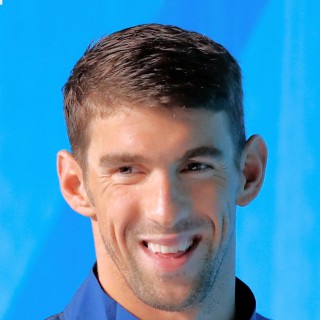
American swimmer and Olympic athlete
POPULARITY
Categories

Hosted by Michael Phelps

Hosted by Michael Phelps

290 episodes with Michael Phelps

24 episodes with Michael Phelps

22 episodes with Michael Phelps

14 episodes with Michael Phelps

6 episodes with Michael Phelps

5 episodes with Michael Phelps

6 episodes with Michael Phelps

4 episodes with Michael Phelps

4 episodes with Michael Phelps

6 episodes with Michael Phelps

6 episodes with Michael Phelps

6 episodes with Michael Phelps

4 episodes with Michael Phelps

6 episodes with Michael Phelps

5 episodes with Michael Phelps

7 episodes with Michael Phelps

4 episodes with Michael Phelps

6 episodes with Michael Phelps

12 episodes with Michael Phelps

3 episodes with Michael Phelps

2 episodes with Michael Phelps

2 episodes with Michael Phelps

3 episodes with Michael Phelps

8 episodes with Michael Phelps

3 episodes with Michael Phelps
The Learning Leader Show with Ryan Hawk www.LearningLeader.com The Price of Becoming www.LearningLeader.com/Becoming My guest: Angela Duckworth is a psychologist and professor at the University of Pennsylvania, and a MacArthur "genius" grant recipient. Her book Grit was a #1 New York Times bestseller, and her TED Talk is among the most-watched ever. Her new book is Situated: Find the People and Places That Bring Out Your Best. Key Learnings She almost lost her mom in the Atlantic. Angela took her 87-year-old mom snorkeling miles offshore. Her mom had not swum in decades. Within minutes, she had aspirated water into both lungs and was unconscious. Angela treaded water, held her mom's head up with one arm, and waved the other until help came. Her mom is 91 now and painting. No amount of grit would have saved them. Angela could not have swum her mother to shore. What saved them was changing the situation, which meant getting other people to their side. The situation is the ocean. It's that powerful, and most of us don't know what water we're swimming in. Grit isn't wrong. It's incomplete. Angela hasn't renounced anything. She's expanding it. Effort is what you bring. The situation determines whether that effort compounds or gets swallowed. Angela was a striver, and it worked for a long time. She knew she wasn't the most talented kid, but nobody was going to outwork her. She wanted to make the cheerleading squad without being able to do a split. She wanted a solo in choir while barely able to carry a tune. She worked her way to both. Most people would be surprised how far sheer effort can take them. Then it stopped being enough. To get as far as she actually wanted to go, and to do it sustainably for herself and the people around her, ignoring the situation was a mistake. The shift: stop making the best of your situation through effort alone, and make the situation better first. "Of all the ways you can change your behavior, willpower is the absolute worst." You can white-knuckle a donut. You just can't do it forever. Resisting works in the moment and reliably leaves people exhausted, which is why it fails on day three. Your urges come from your thoughts. Your thoughts come from your surroundings. Donut, delicious. Then your hand moves. Instead of fighting the urge, ask where the thought came from. The better question: what situation would give me different thoughts? Not "how do I resist," but "where can I be so that the thought never arrives?" Three inputs shape what you think: the people around you, the physical objects within reach, and the place you're in. Situational agency. Angela coined the term. The situation isn't given to you. It's taken. Leon Marchand was already sixth in the world. His parents, both former Olympians, didn't tell him to train harder or wake up earlier. They told him to change his situation. He emailed Bob Bowman, moved to Arizona, and within two years cut more than eight seconds off his personal best and broke Michael Phelps's last-standing individual world record. A year after that, he won four golds in Paris. What actually changed for Marchand: the best coach in the sport, a lane full of people who all believed they could win it all, better facilities and nutrition and physical therapy, and a culture where world-class was the baseline rather than the ceiling. The situation isn't a given. The situation's taken. Control the controllables. The situation is one of them. Angela agrees with the mantra. Her objection is that most people apply it only to what's between their ears: mindset, attitude, goals. Marchand didn't rethink his attitude. He got on a plane. Get the outside game right, and you get much of the inside game for free. Change the room and the thoughts change with it. Every reason you can't change your situation is probably true, and beside the point. When Angela told people what she was writing, they immediately listed the reasons they were stuck. The mother-in-law, the spouse's job, the kids' school. None of it is wrong. All of it ignores the list of things they could change. Her late father-in-law's whole philosophy was two words: show up. Wedding, funeral, baseball game. Show up. John Wooden taught high school English for 14 years. He kept an apple on his desk. He thought of himself as a teacher first, which is also why he sat high in the bleachers during games instead of courtside. He'd taught them in practice. The game was theirs. What Wooden's players took with them: to be your best at anything, find a great teacher. Angela sees a DIY culture pulling the other way. When she tells young people to email someone, the answer is often that they'll just learn it on YouTube or ask a chatbot. You can teach yourself a lot of guitar that way. You will not become a great guitarist alone. Belief is borrowed more than you'd think. Nobody tries hard at anything without the thought "I can do this" somewhere in their head. That thought usually arrives from someone else first. Angela was a self-described ditzy cheerleader throwing keg parties. Her 10th- and 12th-grade English teacher, Mr. Carr, saw a writer. He handed her books. He took time on her pages. By graduation, she was the rare Harvard freshman who signed up for a second semester of the required writing course, just to keep going. The Pygmalion effect. Bob Rosenthal made up a test, told elementary teachers which kids were about to bloom, and picked the names at random. The teachers called on those kids more, listened harder, encouraged more. By year's end, the kids fulfilled the prophecy they'd been randomly assigned. Every single person she has interviewed has a Mr. Carr. Olympic athletes, Olympic coaches, CEOs, world leaders. Someone who could see farther than they could see. Confidence is a half-filled helium balloon. It has to get batted back up again and again. Which means you don't need your mentor once. You need them on the bad days. Angela forwards her rejection letters to her team. The journals she submits to reject over 90 percent of submissions, and the rejections run eight single-spaced pages. She sends them around so the younger scientists watch her fail, hear that she's angry and discouraged, and then watch her get back up. She failed writing this book the first time. Up before dawn seven days a week through an entire sabbatical, and the clock ran out. She called her publisher and her agent to give the money back and asked whether she owed interest. They called it a pause. She said remote controls have separate buttons for pause and stop. Burnout and imposter syndrome were abstractions until they weren't. She had taught both. She had never lived either. Not eating, not sleeping. What got her out was not more effort. It was a better situation: additional editorial support and mentors to get her back on track. Frankl and Maslow argued about this for decades, and Maslow conceded. Self-actualization aimed only at yourself leaves you unfulfilled. Maslow's final writing added a level above it and named it self-transcendence. There are only two types of people: those who are humble, and those who are about to be humbled. Angela's champagne moment a year from now: celebrating the people around her. Erikson called this stage generativity, and the question it asks is how everything you've learned can help the next generation do better than you did. Her students should excel her. They should be the ones on podcasts. She wants to cede the spotlight on purpose rather than have it taken. Her core identity is psychological scientist. Not speaker. Not author. The stage is a flow state, and she's good at it, but take away the research, and it isn't her anymore. Worth knowing which one yours is. Reflection Questions Pick the goal you've been grinding on the longest with the least to show for it. Is that an effort problem or a situational problem? Who is the best in the world at the thing you're trying to learn? What would it take to send the email this week, and then get on the plane? What is your purpose, in one sentence, written down? Mine is to inspire others to value and pursue excellence. What's yours? More Learning #679: Kat Cole - The Four Mindsets Every Leader Needs #591: Ryan Holiday - Do The Right Thing Right Now #673: Dan Coyle - Flourish. The Transformative Power of Creating CommunityPodcast Chapters 00:00 Apply for the Learning Leader Circle 01:39 Meet Angela Duckworth 02:57 The Dedication to Her Mother 04:17 Her Mother Nearly Drowned 07:08 Grit Isn't Enough 09:47 Willpower Is the Worst 12:26 Where Your Urges Come From 14:31 Marchand Got on the Plane 19:57 The Excuses That Sound True 22:27 Wooden Taught English for 14 Years 26:25 The Confidence You Borrow 32:22 Five Minutes With Pete Carroll 34:27 A Half-Filled Helium Balloon 35:29 She Forwards Her Rejections 37:05 What Success Feels Like 40:28 Frankl, Maslow, Self-Transcendence 45:59 The Book She Failed to Write 52:57 The Champagne Question 54:03 She Wants to Be Surpassed 57:27 Scientist First, Speaker Second 01:01:34 EOPC

What happens when you've spent your entire life becoming one of the best swimmers in the world, and suddenly the identity that defined you is gone?In this episode of A Life of Greatness, Sarah Grynberg sits down with Australian swimming legend and two time Olympic gold medallist Grant Hackett for a deeply honest conversation about the mindset behind elite performance, resilience, identity and rebuilding your life when everything changes.Grant reveals the mental strategies that made him virtually unbeatable in the 1500m freestyle, what was going through his mind before winning Olympic gold at Sydney 2000, and opens up about the difficult years after swimming, including the lifeline fellow Olympic champion Michael Phelps offered him during one of his lowest periods.In this episode, you'll learn:• How Grant trained his mind to withstand extraordinary pressure and discomfort• Why losing your identity can be harder than losing your career• How vulnerability helped Grant rebuild his life• The visualisation techniques he still uses in business and lifeIf you've ever wondered who you are when the thing that defined you disappears, this conversation is for you.This episode of A Life of Greatness is proudly brought to you by Chemist Warehouse.At A Life of Greatness, we believe living well begins with the choices we make every day. That's why we're proud to partner with Chemist Warehouse, helping Australians access trusted health and wellness products to support a healthier, fuller life.If this conversation resonated with you, please follow A Life of Greatness, leave a rating and review, and share this episode with someone who would benefit from hearing it.Purchase Sarah's book: Living A Life Of Greatness here.To purchase Living A Life of Greatness outside Australia here or here.Watch A Life of Greatness Episodes On Youtube here.Sign up for Sarah's newsletter (Greatness Guide) here.Purchase Sarah's Meditations here.Instagram: @sarahgrynberg Website: https://sarahgrynberg.com/Facebook: facebook.com/sarahgrynbergTwitter: twitter.com/sarahgrynberg Hosted on Acast. See acast.com/privacy for more information.
Episode 311 of The Social Kick Podcast features swimming icon and legend Chad le Clos. Fresh off an incredible performance at the Commonwealth Games—where he made history by becoming the most decorated athlete in the games' history—Chad joins the full crew to talk about his storied career, current mindset, and what keeps him driven in the sport. From overcoming physical adversity and injury, finding a renewed love for racing, and preparing for the short course season all the way to LA 2028, Chad opens up about the highs and lows of elite swimming, working with coach Delon Danhauser, studying Michael Phelps, and what it truly takes to sprint butterfly at the highest level.

Back on this day in 2008, Michael Phelps won three gold medals. Phelps won each medal in record time.

He is one of the greatest swimmers South Africa has ever produced – an Olympic champion, world champion, Commonwealth Games legend, and a man who has been collecting medals on the international stage for more than 15 years. And now, Chad le Clos has made history once again. Fresh from the 2026 Commonwealth Games in Glasgow, Chad has become the most decorated athlete in Commonwealth Games history, taking his total to an incredible 21 medals – seven gold, five silver and nine bronze. From beating Michael Phelps to Olympic gold in London in 2012, to becoming a record-breaker at the Commonwealth Games, Chad le Clos has built a career that has firmly cemented his place among South Africa's sporting greats. And now he's back on home soil and back in studio with us – Chad le Clos! Hang out with Anele and The Club on 947 every weekday morning. Popular radio hosts Anele Mdoda, Frankie du Toit, Thembekile Mrototo, and Cindy Poluta take fun to the next level with the biggest guests, hottest conversations, feel-good vibes, and the best music to get you going! Kick-start your day with the most enjoyable way to wake up in Joburg. Connect with Anele and The Club on 947 via WhatsApp at 084 000 0947 or call the studio on 011 88 38 947Thank you for listening to the Anele and the Club podcast..Listen live on Primedia+ weekdays from 06:00 to 09:00 to Anele and the Club broadcast on 947 https://buff.ly/y34dh8Y For more from the show go to https://buff.ly/gyWKIkl or find all the catch-up podcasts here https://buff.ly/K59GRzuSee omnystudio.com/listener for privacy information.

The best sports moments don't just happen on the field, they imprint. We're in the dog days of summer, so we turn the mic toward the plays, matches, and memories that built our fandom in the first place: the ones you can still see with your eyes closed, down to where you were sitting and who was in the room.We draft our personal top three professional sports moments and follow the emotional thread through wildly different worlds: a Red Sox Yankees classic at Fenway that felt like October, Liverpool's impossible Champions League nights (yes, both the Istanbul miracle and the Barcelona comeback), and the kind of NFL swings that can either launch a dynasty or traumatise you for years. We get into what made Tom Brady's 28-3 rally feel like a belief reset, why the David Tyree catch still turns stomachs, and how a single Bears Packers comeback can feel like the start of a new era.Then we zoom out to pure “witnessing greatness” mode: Michael Phelps winning by one-hundredth, Steph Curry pulling from the logo for the double bang, and the underrated power of the broadcaster's call as the soundtrack that makes a clip timeless. We even make the case for pro wrestling as real emotion and real craft, with Shawn Michaels' 2002 return as a perfect example.If you've ever argued that a regular season game mattered more than a championship, you're our kind of listener. Subscribe, share this with a friend who still brings up that one play, and leave a review with the sports moment you'll never forget.Support the show-----------https://www.MTPshow.comOur Social Mediahttps://linktr.ee/MTPSHOW-----------Hosts: Mike Marcangelo, Dave ClarkeProducer: Craig D'Alessandro, Dave ClarkeInquiries: Craig@mtpshow.com

All lines provided by Hard Rock Bet. Nick Wright answers listener questions during a mailbag segment. Who belongs in the conversation for the GOAT of GOATs? Nick breaks down who has the best cases among Argentinian soccer star Lionel Messi, new Philadelphia 76ers star LeBron James, Chicago Bulls legend Michael Jordan, Jamaican sprinter Usain Bolt, American swimmer Michael Phelps, New England Patriots and Tampa Bay Buccaneers QB Tom Brady, and other legends. Later, one listener makes the case for how LeBron James could one day run for president. #VolumeSee omnystudio.com/listener for privacy information.

Michael Phelps made history on this day and Post Malone is in a new Sesame Street special.See omnystudio.com/listener for privacy information.

Cliff Wilson is a physique coach with over 16 years of experience working with bodybuilders and physique athletes of every level, including 24 world champions and the current natural bodybuilding world champion. Getting better doesn't make hard things feel easier—it makes you capable of doing more. Cliff Wilson explains the mental skills behind elite physiques, why context beats internet absolutes, and how great coaches turn research, experience, and failure into better decisions. Expect to learn why impulse control makes up 20–50% of physique coaching, why you have to learn to dribble before you try to dunk, why practitioners and social media commentators are not the same thing, why getting fitter never makes a true max effort feel easier, how context (not absolutes) explains wildly different carb intakes between world-class physique athletes, why most advanced bodybuilders eventually land back on a bro split, and what separates “collectors” of credentials from coaches who can actually integrate and apply what they know—and much more. Connect with Cliff:teamwilsonbb.com (book: Becoming Unrivaled)Instagram: @cwteamwilson Raw Intensity app (mentioned in the episode) Episodes you'll enjoy next: #323 — Natural vs. Enhanced Bodybuilding: An In-Depth Chat with Aaron Straker: https://flex-diet-podcast.simplecast.com/episodes/episode-323-natural-vs-enhanced-bodybuilding-an-in-depth-chat-with-aaron-straker #167 — The Physiologic and Psychologic Benefit of Doing Hard Things: Akshay Nanavati of Fearvana: https://flex-diet-podcast.simplecast.com/episodes/episode-167-the-physiologic-and-psychologic-benefit-of-doing-hard-things-akshay-nanavati-of-fearvana-with-dr-mike-t-nelson Episode Timestamps: 02:15 — The edited interview begins and Mike explains the unusual opening 02:49 — Why 20–50% of physique coaching is impulse control 05:19 — Skill levels: learn to dribble before trying to dunk 07:37 — Practitioners vs. social media commentators 10:45 — Why you cannot sidestep the hard parts of fat loss 12:44 — Getting fitter does not make a true max effort feel easier 14:04 — Context beats absolutes: 700 grams vs. 50 grams of carbs 19:26 — Slow thinking, pondering, and turning information into insight 21:57 — Giving clients autonomy dramatically improved results 25:18 — Range, cross-domain learning, and better problem-solving 27:03 — Using OODA loops to make better coaching decisions 28:24 — Why most advanced bodybuilders return to a bro split 31:42 — Low-volume training, outliers, and small-sample traps 44:01 — A surprising DNA result and the role of elite genetics 48:31 — Michael Phelps, elite rituals, and competitive mindset 50:43 — Why bodybuilding coaching skill may have declined 53:11 — Objectivity, Austin Stout, and the traits of great coaches 01:03:14 — Collectors vs. integrators: credentials are not application 01:08:07 — Cliff's Raw Intensity app and upcoming book Becoming Unrivaled Get the Daily Fitness Insider newsletter (free): https://www.miketnelson.com/newsletter

Send us Fan MailResh and Stef are riding high off WNBA All-Star weekend, Napa wine, and 2,500 downloads — then the WTA had to go and ruin everyone's summer.While the world was watching Wimbledon, the WTA quietly posted a brand-new genetic testing policy to their website on July 19th — no press release, no announcement, first reported by Ben Rothenberg at *Bounces*. It took effect July 1st, enforcement started July 21st. Blink and you missed the rollout; players may have found out the same time we did.Out with the old 2024 testosterone-monitoring system (which only applied if you self-declared or were "under investigation" — always a red flag phrase). In with a one-time, mandatory SRY gene test for *every* WTA player, full stop.The guy who *discovered* the SRY gene in 1990, Andrew Sinclair, is on record saying this test is basically useless for what they're using it for — presence of the gene tells you nothing about function. Resh walks through why this test has already failed spectacularly before (IOC dropped it in 1999 after eight Atlanta athletes tested "positive" with zero competitive advantage).This isn't happening in a vacuum — it lines up with the Supreme Court's West Virginia v. B.P.J. ruling, a Heritage Foundation report gunning for Title IX, and the IOC's own policy reversal ahead of LA 2028. Stef traces the receipts back to a 2021 "Women's Sports Policy Working Group" that included Martina Navratilova — who is, notably, denying any influence on this policy. Sure, Martina.The hosts go deep on the historical pattern — gender testing disproportionately targeting women of color and DSD athletes, with Caster Semenya's decade-long fight getting a shoutout. Also: Linda Nosková's Wimbledon championship photo got used in an Out Sports piece about this policy, and she was (rightly) not here for it.Billie Jean King and Semenya call it discrimination. Navratilova calls it progress. Chris Evert is, predictably, one step behind Martina. And Resh has some thoughts about John Isner's serve and Michael Phelps's wingspan never having to pass a permission slip.WNBA All-Star chaos, Pride Nights, the ongoing *Love Island*-style saga of who's dating whom in the league (someone please make the relationship chart official), and a Carla Leite sighting.See you out there, OWLs (Out Wide Listeners)Support the showInstagram : Out_Wide_PodcastJingle : https://www.nelaruizcomposer.com/Logo: https://www.instagram.com/crayonspaghetti/

In 2014, Collin Henderson was young, in shape, and had blood pressure in the 150s. Anxiety. Depression. Completely stuck. And no idea why. What broke it open wasn't a book or a seminar. Someone handed him a framework for his mind, the same way athletes get a framework for their body. Proactive. Repeatable. Trained. That framework became the foundation of everything he teaches today. Collin Henderson is the founder of Master Your Mindset, a mental conditioning coach to Nike, Microsoft, Amazon, and Salesforce, and one of the most practical mindset teachers George has ever had on the show. This conversation is a masterclass in what it actually looks like to train your mind, not just hope it cooperates. What You'll Learn In This Episode: Why mindset is conditioning, not motivation and the difference between the training room and the weight room The 6,000 vs. 70,000 thought problem and why the untrained mind always loses The "What x3" coaching framework to get unstuck fast Why identity is the bullseye and how your words are either coding you to win or fail Collin's 4-minute HA Method daily mental workout The bison vs. cattle framework for navigating hard seasons with people by your side The Oz Method for influence, sales, and human connection What "victory goes to the vulnerable" actually looks like in practice Key Takeaways: ✔️If the mind is untrained, the thought will win. If the mind is trained, the thinker will win. ✔️80% of human thoughts are negative. 95% are recurring. You're not stuck because of circumstances, you're stuck because of cycles. ✔️You never outperform your self-image. Identity is the bullseye. Words are your wand. ✔️Prehab, not rehab. The mind gym is proactive work, not something you do after you're broken. ✔️Gratitude lowers cortisol by nearly 30%. It's not soft. It's science. ✔️The 4-minute HA Method: breathe (1 min), I Have, gratitude, I Am, self-talk, I See, visualization. Borrow the future to build the present. ✔️Fear loves isolation. Nobody should worry or win alone. Do you have bison people? ✔️Asking for help is not weakness. Hiding and trying to do it yourself is. ✔️Victory goes to the vulnerable, because the coward and the warrior both feel fear. The difference is what they do with it. Timestamps & Highlights: [00:03] — 2014: high blood pressure, anxiety, depression, and the framework that broke it open [01:27] — Welcome: George's Yoda for mindset has entered the building [04:20] — Why knowing mindset matters and doing something about it are two completely different things [07:00] — The training room vs. weight room: what mental conditioning actually is [09:16] — 6,000 conscious vs. 70,000 subconscious thoughts — and why the untrained mind loses [13:07] — The "What x3" framework to get clarity when you're stuck [15:55] — Identity is the bullseye: how your words are literally coding your brain to fail or win [18:21] — Living by design vs. default — and your right to be average [28:00] — Designing places for your brain to go before pressure arrives [32:38] — It begins before it begins: the high-performance pre-game [35:01] — Victory goes to the vulnerable — and what the coward and warrior have in common [38:42] — The 4-minute HA Method: breathe, I have, I am, I see [44:00] — Gratitude: the research, the results, and why it's not optional [47:00] — Michael Phelps, decisive self-talk, and the number one driver of confident action [56:23] — The Oz Method book: connect with curiosity, clarify with story, collaborate on solutions [1:03:48] — The three Oz characters and the Scott story: from PIP to president's club in 11 months Connect with Collin Henderson He is the founder of Master Your Mindset, LLC, a two-sport Division I athlete, former top-ranked medical sales professional, and mental conditioning coach whose clients include Nike, Microsoft, Salesforce, Amazon, Novartis, #1 NBA draft picks, and Heisman finalists. He's authored seven books and hosts the Master Your Mindset podcast. His new book, The Oz Method, releases June 20th. Website: thecollinhenderson.com Instagram: instagram.com/collinhenderson YouTube: https://www.youtube.com/@collinhenderson6749 Quiet Mind Course: thecollinhenderson.com/quietmindcourse The Oz Method: Available for pre-order on Amazon Your Challenge This Week: Pick one thing from this episode. One. Give it 90 days. Then connect with Collin, follow him on Instagram, try the Quiet Mind Course, or grab The Oz Method on Amazon. Follow George: @itsgeorgebryant Work with George:The Alliance — Community for entrepreneurs training their minds alongside their business. 1:1 Coaching — Limited spots. Apply at mindofgeorge.com/coaching-consulting/ Live Retreats — In-person experiences where mindset and strategy meet. Follow for dates.

Sport et nutrition naturelle — Bien manger pour mieux Bouger
Vous avez déjà ressenti ce moment de flottement devant votre assiette, la veille d'une grosse séance ou d'une course : est-ce que je mange comme d'habitude, est-ce que je dois manger "sport", et si je me trompe, est-ce que je vais le payer sur le terrain ? Cette semaine, je réponds à une question de Ben, aussi simple en apparence que vaste dans les faits : comment construit-on son alimentation quand on fait du sport ? Vous allez repartir avec un protocole clair, celui que j'applique moi-même, pour arrêter de vous reposer la question à chaque repas.Cet épisode est sponsorisé par Nutripure : https://go.soulier.xyz/NutripureSN. Profitez de 10% de réduction sur votre première commande avec le code HAMSTERSNouveau - les packs endurance : https://go.soulier.xyz/nutripurepacksLiens complémentairesLa vidéo sur la course à jeun : https://youtu.be/Cm04QjS7vRA?si=fx6lShPtNIOFnTvHGratuit : Le kit Reboot pour retrouver la forme et l'énergie avec la méthode SAMi et des outils : https://sn.soulier.xyz/kitLe Protocole Perte de Gras : https://go.soulier.xyz/protocolesnLa Stratégie FlowFit pour bouger et plus et prendre du muscle (tarif de lancement spécial) : https://go.soulier.xyz/flowfitsnComposez vos salades protéinées en quelques secondes avec l'assistant Salade Express : https://go.soulier.xyz/saladesnTous les liens complémentaires et anciens épisodes : https://sn.soulier.xyz/193La plupart des sportifs amateurs cherchent la martingale nutritionnelle : le bon complément, la bonne recette, l'aliment magique qui va tout changer. Mais la vraie clé, selon moi, c'est ailleurs : c'est de comprendre comment s'articulent votre alimentation de tous les jours et votre alimentation spécifique à l'effort. Dans cet épisode, je déroule mon protocole en trois étapes construit sur ma propre pratique : poser d'abord les fondations d'une alimentation du quotidien équilibrée, puis ajuster le volume calorique et les macronutriments selon le sport et l'intensité pratiqués, et enfin adapter la forme des aliments et le timing des repas aux contraintes spécifiques de chaque discipline.Pour illustrer ces ajustements caloriques, je m'appuie sur des exemples connus du très haut niveau (Léon Marchand, Michael Phelps, Scott Jurek) avant de recentrer sur ce qui est vraiment applicable à votre pratique. Je partage aussi une anecdote bien personnelle sur la digestion en course à pied face au vélo, pour montrer que les contraintes d'un sport à l'autre ne se ressemblent jamais tout à fait. Vous repartirez avec une grille de lecture simple pour organiser votre alimentation sportive sans vous prendre la tête.Dans cet épisode :Faut-il vraiment séparer alimentation "sport" et alimentation du quotidien ?Pourquoi la base de tout, c'est une alimentation quotidienne équilibrée en fruits et légumes, protéines et glucides ?Comment adapter le volume calorique et les macronutriments selon le sport pratiqué et son intensité ?Que peut-on apprendre des besoins caloriques de Léon Marchand, Michael Phelps ou Scott Jurek ?Pourquoi un déficit calorique trop répété peut mener au syndrome REDS, aux fractures de fatigue ou à des troubles hormonaux ?Pourquoi la digestion est-elle responsable de 25 à 30% des abandons sur certaines courses d'ultra-trail ?Comment adapter la forme des aliments et le timing des repas selon les contraintes propres à votre sport (course à pied, vélo…) ?Nouveau : Le protocole Perte de Gras 2025 ❤️ Me suivre Tous les liens sont ici

A Note from James:I'm doing a big experiment in my life.I recently started taking a GLP-1—tirzepatide, one of the so-called weight-loss drugs. But I didn't start taking it specifically for weight loss. I had some blood work done for the first time in a long time, and there was a small indication that I might be pre-diabetic. My doctor suggested trying tirzepatide, and I wanted to understand what I was getting into.The first person I wanted to talk to was Charles Duhigg, author of The Power of Habit and Supercommunicators. Charles has been taking a GLP-1 for about two years, and he says it has changed his life. He has lost around 45 pounds, but what interested me most was not just the weight loss. It was the habit change.Charles explains that GLP-1s can quiet what people now call “food noise”—the constant background pull toward eating even when you are not actually hungry. When that noise quiets down, something interesting happens: you get a window where your old habits become more malleable.That is the key idea of this conversation. The drug may help you eat less, but the bigger opportunity is that it gives you a chance to build new routines around food, exercise, alcohol, sleep, and identity. And if you build those habits while the window is open, those habits may continue even after you stop taking the medication.We talk about food noise, cravings, the habit loop, keystone habits, stated versus revealed preferences, placebo effects, alcohol, sleep, exercise, blood sugar, identity, and whether GLP-1s are a lifelong drug or a tool for changing who you become.Episode Description:James is at the beginning of a GLP-1 experiment. Charles Duhigg is two years in.In this conversation, Charles explains what he has learned from taking tirzepatide and from studying GLP-1s through the lens of habit formation. He describes the first phase of public understanding around these medications as weight loss. Phase two, he argues, is about behavior change.The central concept is “food noise.” Charles describes it as the background craving that turns a basket of fries into an almost automatic behavior. You may not even notice the noise until it goes away. Once it quiets, the cue that normally triggers the habit loop weakens. That creates a temporary window where new habits can be built.James and Charles use the GLP-1 experience to revisit the basic habit loop: cue, routine, reward. They talk about why habits feel automatic, why willpower is often the wrong tool, and why successful behavior change depends on identifying the cue and replacing the routine while still satisfying the underlying reward.Charles also introduces the idea of GLP-1s as a catalyst for keystone habits. Eating less can make exercise easier. Drinking less can improve sleep. Better sleep can improve focus. Focus can improve work. One changed habit can set off a chain reaction.The conversation then becomes more philosophical: Who are we if one part of the brain says “I want to be healthy,” while another part of the brain keeps revealing different preferences through action? Charles explains the difference between stated preferences and revealed preferences, and how repeated behavior can shift identity.This is not a conversation about taking GLP-1s casually. It is a conversation about using a medical intervention deliberately, under appropriate medical guidance, as a chance to change the patterns that shape daily life.Editorial Note:This episode discusses prescription medications, including tirzepatide and semaglutide, as well as personal experiences with GLP-1 drugs. It should not be treated as medical advice.GLP-1 medications can have side effects and risks, including gastrointestinal symptoms, dosing concerns, and contraindications for some patients. They should be used only under the supervision of a qualified medical professional. Any decision to start, stop, adjust, or combine medications should be made with a clinician.James and Charles also discuss personal experience, habit change, appetite, alcohol cravings, and identity. Individual responses to these medications vary.What You'll Learn:Why Charles believes GLP-1s are entering “phase two”: not just weight loss, but habit change.What “food noise” feels like—and why people often do not notice it until it disappears.How GLP-1s may create a temporary “habit window” where old routines become easier to change.Why the habit loop—cue, routine, reward—matters when trying to change eating behavior.Why people often regain weight after stopping GLP-1s if they have not built new habits.How keystone habits can create a chain reaction across food, exercise, alcohol, sleep, and focus.Why micro habits may work better than a full lifestyle overhaul.How stated preferences and revealed preferences shape identity.Why eating less can make exercise easier, and why exercise can reinforce healthier choices.Why tracking behavior may be essential while taking a GLP-1.How placebo, alter egos, and rituals may influence identity and performance.Why the goal is not just losing weight, but becoming the kind of person whose habits support health.Timestamped Chapters:[03:36] James Begins His GLP-1 ExperimentJames explains his early experience, including confusion between medication side effects and a bout of COVID.[04:16] Charles's Two-Year ExperienceCharles describes taking tirzepatide, losing roughly 45 pounds, and why the biggest changes came months into the process.[05:38] Phase One vs. Phase Two of GLP-1sPhase one was about appetite and weight loss. Phase two, Charles argues, is about habits that can last.[06:42] The Habit WindowHow GLP-1s can quiet food noise and create a period where eating habits become more malleable.[07:21] COVID, Side Effects, and Early SignalsJames explains why his first few weeks were hard to interpret and why he is still figuring out what the medication is doing.[09:00] What Food Noise Actually Feels LikeCharles uses the example of a basket of fries to explain cravings, cues, and automatic eating.[09:55] The Habit Loop: Cue, Routine, RewardCharles revisits the framework from The Power of Habit and applies it directly to food cravings.[10:42] How GLP-1s Interrupt the CueThe fries are still there, but the craving does not activate in the same way.[11:40] What GLP-1s Do in the Body and BrainCharles explains what researchers know about gastric emptying, glucagon-like peptides, and what remains uncertain about the brain.[12:43] What Happens When You StopWhy the medication alone may not be enough if old habits return after discontinuation.[13:36] Pleasure, Food, Alcohol, and AnhedoniaCharles discusses reduced pleasure from food and alcohol, while separating clinical findings from broader claims about losing joy in life.[15:54] Why Charles Stayed With ItEarly changes were not dramatic weight loss, but a growing feeling that eating became more of a choice.[16:40] Eating as a Keystone HabitHow changing food behavior can trigger changes in exercise, alcohol, sleep, focus, and work.[19:31] Why Structure MattersCharles explains why tracking and guided habit systems can help people see patterns they might miss on their own.[20:32] What Changes Physically Over TimeSlower stomach emptying, feeling full longer, more stable blood sugar, and gradual changes in appetite.[21:43] Stated Preferences vs. Revealed PreferencesWhy one part of the brain says “I want to change,” while another part watches what you actually do.[23:22] Identity Change and Habit FormationHow repeated behavior can teach the brain, “I am the kind of person who eats this way” or “I am the kind of person who exercises.”[24:16] Placebo, Belief, and Becoming the Person You Want to BeJames and Charles explore whether placebo effects may work partly by changing identity.[28:07] Alter Egos, Athletes, and RitualsThe conversation turns to Kobe Bryant, Michael Phelps, and how pre-performance routines can cue a desired identity.[29:15] Start With Micro HabitsCharles explains why small behavior changes can compound more effectively than trying to overhaul an entire life at once.[30:40] Charles's First Micro HabitsDrinking less, eating fewer fries, stopping when full, and choosing healthier meals without relying on willpower.[31:24] Feeling Full for the First TimeCharles describes the surprising experience of leaving food unfinished because his body had had enough.[33:03] Why the Stomach ShrinksThe medication does not shrink the stomach directly; eating less over time changes how much food the body expects.[33:21] Why Slower Stomach Emptying HelpsJames asks why a weight-loss drug would slow digestion instead of speeding metabolism.[35:00] The Cumulative EffectWhy the most visible changes often appear after several months, once habits, body size, and identity begin reinforcing each other.[37:03] Is a GLP-1 a Lifelong Drug?Charles explains what research and personal experience suggest about stopping, restarting, and maintaining results.[38:56] James's Health MotivationJames explains that his motivation is not primarily weight loss, but a desire to respond to possible pre-diabetic markers.[39:36] Why Attitude Is Not EnoughCharles argues that wanting to be healthy helps, but habit change still requires structure.[40:02] What Changed at HomeCharles explains how his family's food did not need to change, even though his own choices and portions did.[41:02] Weight, Body Composition, and Pre-DiabetesWhy blood sugar, insulin resistance, fat, and muscle matter more than the scale alone.[42:38] Semaglutide, Tirzepatide, and What Comes NextJames and Charles compare different GLP-1 medications and discuss how newer drugs may work through multiple receptors.[44:27] Will Charles Stop Taking It?Charles explains why he may eventually discontinue the medication, but values having more choice over weight and behavior.[45:24] Blood Work, Snoring, and Health MarkersCharles describes improvements in lab results, cholesterol, snoring, and overall health.[46:31] Who Are We, Really?James and Charles talk about identity, brain chemistry, sugar, alcohol, cravings, and the substances that shape behavior.[48:32] Choosing the Person You Want to BecomeCharles explains how better self-awareness can help people change habits deliberately rather than being pulled by cravings.[49:00] Tracking the ExperimentCharles advises James to track food, feelings, and behavior so he can notice changes that might otherwise be invisible.Additional Resources:Charles Duhigg Official WebsiteThe Power of Habit by Charles DuhiggSupercommunicators by Charles DuhiggNoom's GLP-1 Companion / Habit Formation AnnouncementFDA: Zepbound Approval for Chronic Weight ManagementFDA: Concerns With Unapproved GLP-1 Drugs Used for Weight LossBMJ: Weight Regain After Stopping Weight-Loss MedicationTodd Herman — The Alter Ego EffectSee Privacy Policy at https://art19.com/privacy and California Privacy Notice at https://art19.com/privacy#do-not-sell-my-info.

You've got a hard conversation coming. And last night you ran it in your head forty times — every version ending with you losing the room. You called it preparing. It wasn't. Here's the thing nobody tells you: you're already visualizing. Every leader does. You just do it backwards — rehearsing the disaster and then sitting in it, instead of rehearsing your way out of it. The short answer: Mental rehearsal is not a vision board. It's the same practice elite performers use before high-pressure moments, and it works on one condition — you rehearse the thing going wrong, then rehearse exactly what you do next. Ten minutes, five steps: set the real scene, run it from your own eyes to handle the nerves, step back and watch yourself to map the branches, pre-load an if-then for every way it could go sideways, and walk in with three points instead of ten. In this episode I get into why Michael Phelps swam an Olympic final blind and still set a world record, what happens in your brain when someone cuts you off mid-sentence, and why none of this works if you're running on four hours of sleep. What's covered: Why the midnight loop feels like preparation but trains you to fail Bob Bowman making Phelps rehearse his goggles filling with water — years before it happened in Beijing A first-time manager's hard conversation with a senior report, start to finish The alarm and the adult: what's actually happening in your head under pressure Why sleep decides whether any of your prep survives the room The 10-minute protocol you can run tonight Chapters (00:00) Why "visualization" makes you cringe — and why you already do it (01:00) The midnight loop: rehearsing the disaster on repeat (02:10) Michael Phelps, Beijing 2008, and the goggles that failed (03:40) Scenario: Dana, and your first hard conversation as a new manager (05:30) The alarm and the adult — your brain under pressure (07:00) Why sleep decides whether this works at all (08:00) The 10-minute protocol: five steps (10:30) What to do before your next hard conversation Questions this episode answers Does visualization actually work for leaders? Yes — but not the way it's usually sold. Vividly imagining an action activates much of the same wiring as doing it, which is why rehearsal builds real composure. What doesn't work is only picturing success. That sets you up to come apart the moment reality goes off-script. How do I prepare for a difficult conversation with an employee? Put yourself in the actual room — the chair, the lighting, the time of day. Run it once from your own eyes to practice staying calm. Run it again watching yourself from outside to map where it could fork. Then decide in advance what you do if they interrupt, get emotional, or shut down. Walk in with three points, not ten. Why does my prep fall apart in the moment? Usually exhaustion. The part of your brain that keeps the threat response in check is state-dependent — it runs on sleep and recovery. Rehearse all you want; if you're depleted, the alarm wins. You can't out-technique exhaustion. Should I visualize first-person or third-person? Both, for different jobs. First-person — through your own eyes — is for regulating nerves and emotion. Third-person — watching yourself like game film — is for sequencing, spatial mapping, and strategy. Most people only ever use one. Go deeper: The full scripts and the high-stakes version of this — board meetings, negotiations, the conversations you can't afford to fumble — are on the newsletter. Free. jasonrigby.substack.com Not sure what's actually driving your reactions? Take the free 2-minute quiz: What's Running You? About the host: Jason Rigby is the host of The Self Aware Leader, a weekly show on the inner game of leadership for people tired of surface-level advice. Marine. Trader. Philosopher. Self-awareness is the only leadership skill that compounds. New episodes weekly. If this one landed, follow the show and leave a review — it's how other leaders find it.

Visualization is more than a motivational tool—it's a neuroscience-backed practice that can help shape the brain for success. Research shows that vividly imagining an action activates many of the same neural pathways used during actual performance, helping build confidence, focus, and resilience.Join Brain Lady Julie as we explore the power of visualization and how elite athletes like Simone Biles, LeBron James, Serena Williams, and Michael Phelps have used mental imagery to prepare for pressure, perfect their performance, and achieve greatness. Discover how training your mind can be one of the most effective ways to unlock your potential!Connect with Brain Lady JulieDo you have a great question or topic you'd like Brain Lady Julie to cover? Think you'd be a great guest? Message our producer Kelli@BrainLadySpeaker.com and let us know.PLEASE NOTE: The information contained in this podcast is not at any time and for any reason meant to replace the guidance and/or treatment of any health professional. Whether it be a medical doctor, psychologist, psychotherapist, or anyone in the medical field. If you are under the care of such a health professional, remember this is an “added value” and not designed to replace any care you are currently under.

In this episode, Dr. K dissects the mindsets of legendary athletes—including Michael Jordan, Kobe Bryant, Michael Phelps, Tom Brady, and Tiger Woods—to uncover the psychological mechanisms behind peak performance. He explains why common advice like "strive to win" or "prove your haters wrong" often backfires, and breaks down how daily conditioning, radical agency, and a strict present-moment focus can help you unlock an elite mindset in everyday life. What to expect in this episode: The Problem with Proving People Wrong: Why Michael Jordan's strategy of taking things personally and striving to be "the best" often leads to impostor syndrome and negative motivation for the average person. The Kobe Bryant Approach: Understanding why "loving to win" and "hating to lose" are both weaknesses that introduce performance-killing fear by pulling your cognitive resources out of the present moment and into the future. The Trap of Winning: Why focusing purely on outcomes—like winning an Olympic gold medal or getting a specific job—destroys your long-term motivation and wires your brain to seek lazy shortcuts for maximum reward. Practice Like It's the Finals: Tom Brady's strategy for eliminating the gap between everyday practice and game day, and why trying to reserve your maximum effort only for "important" moments leaves you unequipped to handle high pressure. Conditioning vs. Deconditioning: How giving 100% effort daily physically and mentally conditions you to handle immense workloads, rather than exhausting you. The Danger of "Half-Assing": Dr. K shares a personal realization about leaving dishes in the sink, explaining how tolerating small, incomplete actions actively conditions your brain for laziness. The Tiger Woods Mentality: A look at the profound psychological power of believing you control your own fate, even in a modern world dealing with high loneliness and economic struggles where many feel objectively powerless. Finding Your Agency: How to stop wasting cognitive energy on the 99 things you can't control (like a terrible job market or bad video game teammates) and start finding power in the 5% you actually have agency over. Dr. K's NEW Guide to Love, Sex, & Relationships is here! Order now: https://bit.ly/4dO3x0VHG Coaching : https://bit.ly/46bIkdo Dr. K's Guide to Mental Health: https://bit.ly/44z3SztHG Memberships : https://bit.ly/3TNoMVf Products & Services : https://bit.ly/44kz7x0 HealthyGamer.GG: https://bit.ly/3ZOopgQ Learn more about your ad choices. Visit megaphone.fm/adchoices

In this episode of As the Drum Turns, Jeff & Lora discuss Michael Phelps' broken goggles plan, Kobe Bryant's practice routine, and how we can adapt and overcome difficult situations.

Part one of Secrets, Crisco's mission has been accomplished, Love 'Em or List 'EmSee Privacy Policy at https://art19.com/privacy and California Privacy Notice at https://art19.com/privacy#do-not-sell-my-info.

Topics- Triple homicide in Mississippi leaves Mom, Aunt and 2yr old murdered- Dog sanctuary in Florida is found to be executing dogs by the 100's- Venezuela suffers 7.9 earthquake - 1,400 dead, 1,000's missing- Chris Johnson, NFL running back, diagnosed with ALS just a few years after retiring from football- Terrion Arnold, CB of the Det Lions, is arrested on 8 felony counts. Faces life in prison, Released by Lions- Tom Jones turns 86!- Mike Tyson turns 60!- Michael Phelps turns 41!- Serena Williams makes Wimbledon comeback but falls short- Lake George in upstate NY is ranked as "Cleanest Lake in America"- Giannis Antetokounmpo is traded from Bucks to Heat- Fifa World Cup brackets are reviewed- MLB Standings are up to date- Milwaukee's pitcher, Jacob Misiorowski, is throwing over 100mph and has thrown 105mph in the8th inning!

What do Grammy-award winning artist Jay-Z, former President George Washington, and Olympic medalist Michael Phelps all have in common? All three men were raised by single parents. Today, about forty percent of boys are also raised solely by their mother– an epidemic that continues to grow. If you're one of those hero single parents, do not lose heart. God sees you and knows the challenges you face. If you're not a single parent, look for young men in your life who need a father-figure. A game of catch, a fishing trip, or encouragement from the stands at a track meet can make a life-changing difference. Who knows? You might just be cheering on a future music star, president, or Olympic medalist. To learn about the 5 Critical Needs of boys, visit Trail Life USA or RaisingGodlyBoys.com.

How do you raise a child whose brain works differently? This episode is for parents of kids with ADHD. And parents who have ADHD. And people who don’t have a diagnosis, but would consider themselves ‘fast and loose’. And for everyone who knows someone who fits the above criteria.

What if the goal is not the problem, but the person pursuing it has not caught up yet? In this episode, Kevin and Alan break down the gap between desire, expectation, and execution. They talk about why bigger goals demand clearer thinking, higher standards, and daily choices that actually match the outcome you say you want.Through examples from business, coaching, fitness, and performance, they challenge the belief that success should come quickly or feel convenient. Shortcuts can make the path look easier than it is. Discipline tells the truth. If you want the next level, stop trying to lower the cost. Adjust the goal, or adjust yourself._______________________Join the "Next Level Fitness Accountability Group" – Reach out to Kevin or Alan on Instagram:Kevin: https://www.instagram.com/neverquitkid/Alan: https://www.instagram.com/alazaros88/The “Next Level Hope Foundation” creates meaningful experiences for kids growing up without a father figure and builds a positive, supportive community around them. To support this event, you can donate here: https://www.gofundme.com/f/annual-2026-next-level-hope-foundation-fathers-day-event _______________________NLU is not just a podcast; it's a gateway to a wealth of resources designed to help you achieve your goals and dreams. From our Next Level Dreamliner to our Group Coaching, we offer a variety of tools and communities to support your personal development journey.For more information, check out our website and socials using the links below.

Welcome to episode 256 of Sports Management Podcast. Today's guest is Ioannis Drymonakos, former Olympic swimmer, European record holder, World Championship finalist, and founder of Swimming Cruise. Ioannis represented Greece at three Olympic Games, competed against legends like Michael Phelps, and became one of Greece's most successful swimmers before transitioning into entrepreneurship through sports tourism and wellness experiences in Greece. In this episode, we spoke about: • Competing at three Olympic Games and against Michael Phelps • The sacrifices and realities of elite swimming • Life after professional sport and becoming an entrepreneur • Building Swimming Cruise and the future of sports tourism TIMESTAMPS 00:00 Welcome to the Podcast 00:24 Discovering Swimming 02:17 The Road to the Olympics 04:19 Learning from Legends 06:12 The Hardest Part of Elite Sport 08:29 First Olympic Memories 10:32 Breaking a European Record 14:06 Career Highlight: World Championship Final 15:33 Dealing with Setbacks 17:07 Building Swimming Cruise 19:33 Why Poros Is Perfect 24:19 Lessons from Survivor 27:18 Open Water vs Pool Swimming 30:56 Coaching Amateur Swimmers 32:10 Growing a Sports Tourism Business Follow Sports Management Podcast on social media Instagram Twitter LinkedIn YouTube www.sportsmanagementpodcast.com

Jeff Gross on the pod!

Two of WHOOP's first 100 paying customers were LeBron James and Michael Phelps. The device built to optimize elite athletic performance is now finding a second calling in national security — and the story of how it got there says as much about military institutions as it does about the technology. Todd Stiefler, VP of Enterprise and Public Sector at WHOOP, joins Dr. Arun Seraphin at Emerging Tech Horizons to explain how a consumer fitness wearable became a force readiness tool, and what's still standing in the way of adoption at scale. Learn more about WHOOP here: https://www.whoop.com/us/en/Be sure to follow us on social media for updates, early access to upcoming events, inside scoops, & more: LinkedIn: https://bit.ly/4htROo0 Twitter: https://bit.ly/48LHAx3 Facebook: https://bit.ly/47vlht8 And for more podcasts, articles, & publications all things emerging tech, check out our website at: https://bit.ly/47oA5K1 #ETI #EmergingTech #WearableTech

Stick to the plan - the discipline, patience, and unshakeable commitment to stay locked in when progress is slow, doubt is loud, and everything around you says to quit.Everyone has a plan until life gets hard. The ones who win are not the most talented or the most motivated - they are the ones who showed up anyway and refused to abandon what they started.Featuring words of wisdom from David Goggins, Jocko Willink, Alex Hormozi, Joe Rogan, Jordan Peterson, Kobe Bryant, Michael Jordan, Chris Williamson, Steve Harvey, Steven Bartlett, Jim Rohn, Matthew McConaughey, Conor McGregor, Michael Phelps, Bruce Lee, Kevin Hart, Kyrie Irving, Lewis Hamilton, Simon Sinek, Denzel Washington, Jay Shetty, Ed Mylett, Gary Vee, Mel Robbins, Inky Johnson, Bedros Keuilian and many more.Instagram - @daily_motivationsorgFacebook- @daily_motivationsorg

Most coaches spend their careers shaping athletes. Rustin Dodd and Elise Devlin spend theirs learning from them — and what they've found might change how you coach.Rustin and Elise write NY Times feature, The Peak for The Athletic, a section devoted to the mental side of elite sports. In this episode with JP Nerbun, they unpack what a year of "I Tried" journalism has taught them: Kobe's silence practice, Michael Phelps' freestyle journaling, Buzz Williams writing four to five letters a day, an Olympian who approaches every failure with childlike curiosity, and a reminder from David Ortiz about what it actually means to bounce back. The thread running through all of it: curiosity.For coaches who want to understand what's going on inside their athletes — and maybe inside themselves — before it becomes a problem.Chapters(00:00) Intro: JP on The Athletic's Peak(02:39) Ted Lasso's Real-Life Inspiration(07:41) Elise: D1 Swimmer to Peak Journalist(11:48) The Performance Info Gap(13:01) How The Peak Section Was Born(16:18) What The Peak Is Not(19:20) I Tried: Living Athletes' Habits(21:31) Silence, Emotions, and Journaling(23:13) How Athletes Find Their Rituals(25:41) Curiosity: The #1 Athlete Trait(26:41) Buzz Williams Letter-Writing(28:38) Gratitude and Failure With Curiosity(30:53) The Power of Saying Yes(35:59) The Pat Riley Conditioning Test(36:31) 17s Story: Hardship as ConfidenceTOC 3-2-13 Quotes | 2 Questions | 1 ResourceYour fast-track to the episode's most actionable ideas."That feeling of somebody saying yes to me is so powerful. And I oftentimes try to think about: how do I do a version of that? How do I say yes to people?"— Rustin Dodd"I thought about it and I was like — I guess I don't have silence."— Elise Devlin"I view all my failures with childlike curiosity."— Olympian Olivia Smoliga, cited by Elise Devlin2 Questions for Your TeamQ1: When something goes wrong in practice or a game, is your first instinct to fix it, blame it, or get curious about it? Which of those responses is actually coachable?Q2: What is one mental tool or daily habit your athletes don't know about — and when did you last share it with them?1 Resource to Go DeeperThe Peak by Rustin Dodd and Elise Devlin | The AthleticThe Athletic's section devoted to the mental side of elite sports. The "I Tried" series is essential reading for any coach curious about what elite performance looks like from the inside.Visit The Athletic hereKey TakeawaysThe Best Athletes Are Obsessively CuriousReflection Teaches More Than Experience AloneSilence Is a Performance ToolTreat Failure Like a ScientistGratitude Does Real WorkSay Yes More Than You Think You ShouldGet the notes and tools:tocculture.comJoin TOC Coach — community, courses, and live coaching:tocculture.comBetter Coaches. Better Leaders. Better Culture.

Dr Kris Heap shares an awesome story explaining how Michael Phelps used mental imagery to overcome disaster in the pool and win gold!

Introduction: Do I Have the Will to Go On? Do I even have the will to go on with this episode? Well, hey there, welcome back. Do I even have the will to go on with this episode? Um, I do, but I also have something better. The Willpower Battery: Why “Raw Dogging” Change Fails Let’s talk about that. If you’ve read my book Because… First of all, thank you. But if you haven’t, let me give you a refresher on something that’s really important. If you’ve ever tried to lose weight or make a change in your life and you’ve ever just tried to raw dog it, meaning you think, okay, I’m just going to use sheer force of will to do this. I’m going to stop eating so much, I’m going to shove myself into the gym, I’m going to change jobs, I’m going to be more tolerant with this, that, and the other thing. And you’re like, hey, it works. But you’re also like, oh my god, I’m running out of… energy. Because willpower is a battery with finite energy. Well, fine, you say. I’m just going to increase that battery, right? Like you said Mark, if you repeat something, you can increase it. So I’ll just keep using more and more and more willpower. Burning Out: The Hidden Danger of Relying Solely on Willpower Well, that can create a really dangerous situation, first of all. So if you decided to go the pure willpower route, you would be doing what a lot of people do in their situations that they’re not happy with. They just say, I’m just going to focus harder and harder and harder. But the problem is if the problem or the change is something that requires an inordinate amount of energy, in other words, a huge amount of energy that perhaps you hadn’t planned on or even if you had planned on it, it’s a huge amount of energy that you simply may not have because you’re busy dealing with all the other things in your life. But let’s just say you do it. You put all this effort into making this change and it’s working and that sort of delights you. But you’re like… I’m burning out, I have nothing left for me and my family, I’m crabby now, it’s starting to change me in ways that I don’t like, I’m starting to compensate for it, and so forth. Monsters and Unicorns: The Subconscious Forces Controlling Your Habits See, everything that I’m describing are things that happen under the understanding of Because, the monsters and the unicorns. And what you’re simply doing is ignoring the monsters and unicorns in place. Well Mark, what should I do? you ask perhaps. Well, that’s look to the monsters and unicorns first. And that’s what I do. And that’s what I do when someone works with me. It doesn’t mean we don’t use willpower, we use willpower in everything, it takes willpower to make a decision to go against your monsters and unicorns. If you say, look, I certainly enjoy eating, and I enjoy lots of eating, and I enjoy multiple eating sessions and and all that stuff, it takes willpower to say, oh, I want to give up that pleasure, I want to give up that comfort, right? Well, now you’re going against your unicorn. Diagnosing Your Coping Mechanisms: Are You Protecting Yourself From Pain? Well, instead of taking it that way, you’re kind of doing it backwards. What you should be doing is examining the unicorn itself. Are you really deriving that much pleasure, or are you deriving pleasure from something else? Is it a certain avoidance that allows you to have the pleasure? Or maybe by eating a lot and too much and often and too fast and so and so forth… you’re being forced to do that because you have a monster that is protecting you from pain. Maybe you believe that if you do all these things, these unhealthy eating habits, it will actually protect you from pain, even though it’s going to make you live shorter and make your life less happy. The “Aha” Moment: Triggering Lasting Psychological Change And as soon as you have that realization, as soon as that hits home, now your monsters and unicorns have literally just altered in your system. Just that one sentence I just said. If you’re like, well yeah, oh, wait a second. That’s when change happens. That’s when change happens in people, that’s when change happens in coaching. Because if you don’t do that, then it’s just cheerleading. Whether it’s you cheerleading yourself or someone else is being paid to cheerlead you. And I will tell you, I don’t get paid to cheerlead. I don’t want to get paid to cheerlead. I want to get paid to diagnose, to guide, and to help. Self-Examination and the Unseen Programs Running Your Life So this was a fast one. We’re not even at five minutes and I already switched to the portion of the episode in which I say, okay, now we recognize this, what do we do? Boom, already gave you that. Now, does everyone who is wildly successful or really successful at something go through this? Well, typically they’re not even aware of their monsters and unicorns, typically they just work. In fact, as I use in the case of Michael Phelps, he had both a monster and a unicorn for staying in the pool. He didn’t decide that, he didn’t consciously go, I would like to stay in this pool because it helps me with my ADHD. He just noticed that being in the pool helped him with his ADHD. And the same thing happens in your life. We typically don’t do a lot of self-examination. Well, most people don’t. I do that all the time, which is why I come up with this, but… you typically don’t do that, you go through life with all these programs running and you think, okay, well I I don’t know, look, I don’t know, and we have control mechanisms in place, we have safeties in our psyche that prevent us typically from pulling apart the cover and poking around in all the wires and gears and things. Understandably so, just like in a car, has a hood, it has caps, and has protective seals on lots of things, so does your psyche, for good reasons. And sometimes it’s not for such good reasons. You have childhood trauma or other kinds of trauma, you may have a protective shield around it because you’re not dealing with it. I don’t want to go there. Right? You have something that’s happened to you and you’re just not going there, which is why you don’t see the psychologist that people tell you to see. Or why you don’t even talk about something. Oh, that’s off limits with Bill. Don’t even go there. Right? Moving Beyond Cheerleading: Why You Need a Safe System for Transformation We all know we’ve encountered people like this. We all know we are people like this. If you work with a psychologist or a coach that has a system in place and puts you in a special place that allows you to feel comfortable enough to talk through things. And just being comfortable and talking about things isn’t enough, you have to have a system in place. You can’t just be brought bare in front of a stranger and talk about your hopes, dreams, aspirations, and everything that hurts you. That’s going to hurt. And that’s going to be difficult. So you need to have something in place. You need to know, you need to tell yourself, hey, we’re going to be looking under this cover, but we’re going to do it gently, we’re going to do it with care and respect for ourselves. Next Steps: Explore the Podcast Catalog and the ‘Because’ Framework Your first step in that, frankly, is to listen to podcast episodes like this. And I present my entire catalog of 300 plus episodes. And yes, I’ll stop saying that when we get to 400 plus episodes. But listen through them, listen through them in the 10 or 15 minutes it takes you to listen to them while you’re doing a chore, while you’re in the car… and just think. Think in the safety of your own mental space. And then when you want to learn more, pick up a copy of Because. It’s not that expensive, it’s a short read, but it is packed with information and citations from other books, medical journals, and things like that. And you can always go down your own rabbit holes to make sure that I’m telling you what I say I’m telling you. Finding Your Monsters and Unicorns But I’ll tell you, the moment you discover a monster or a unicorn in place and you go, oh… wait a second. He doesn’t belong there. Sure, he has a useful function, but not there… that’s going to be your aha moment. And all of a sudden, you’ll want to know more, and all of a sudden you’ll want to find all the monsters and unicorns you can. And if you want my help, all you have to do is reach out. You can go on my Calendly, which is a hard word to say, and schedule a 15-minute free appointment and we can have a nice chat about it and see if we’re a fit. And if not, just read some more books and do your due diligence. Conclusion and Resources Wow, this was fun. Thanks for listening as always. And as always, I have a tremendous amount of resources for you. Please, by all means, check out all my goodies. Go to alchemyforme, alchemyforlife, and markbradford.org. And take care of yourself, please. Thank you. Thank you for listening as always, go to markbradford.org to see all my author related things, go to alchemyfor.life to see coaching, speaking, writing, and this podcast. And go to alchemyfor.me to get a copy of CheckMark™

Olympic legend Michael Phelps is heading to Murfreesboro to headline the highly anticipated annual Steak & Burger event. This signature fundraiser, benefitting the Boys

The fellas are back for another blockbuster episode of the 3-time award-winning Devon & The Duke podcast! In Episode 71, Devon and The Duke deliver their signature blend of hilarious, fun-loving banter alongside major, never-before-heard wrestling scoops that you won't find anywhere else.Here is what's on deck for this week's episode:The Heatwave vs. The Sunshine State: The episode kicks off with Duke complaining about the sudden, brutal heatwave hitting Boston, while Devon rubs it in by bragging about working on his tan and swimming down in lovely Florida.The Michael Phelps Challenge: Duke tries his best to work Devon into a high-stakes swim-off against Olympic legend Michael Phelps, but Devon isn't having any of it.Duke vs. Victor Wembanyama?! The conversation shifts to the hardwood when Devon points out the jaw-dropping height of San Antonio Spurs star Victor Wembanyama. Duke takes immediate offense to Wemby's 7'6" frame, boldly claiming he could easily cross Wemby up on the basketball court and dunk right on him! Devon hilariously shuts him down, reminding Duke he wouldn't stand a single chance.Biting Off More Than He Can Chew: Devon questions Duke's recent life choices—wondering why he keeps picking fights with giants. First, it was Undisputed WWE Champion Cody Rhodes, and now it's an NBA superstar?WWE, Saudi Arabia, and Current Geopolitics: The fellas dive into the serious side of the business, discussing the recent WWE staff and talent meeting. Leadership once again affirmed they are moving forward with their upcoming Saudi Arabia events, despite growing locker room concerns surrounding the ongoing Iran War.Exclusive Untold Vince McMahon Story: In a massive, never-before-heard exclusive, Devon reveals an untold story from the lead-up to WWE's very first Saudi Arabia show. He breaks down how Vince McMahon quietly allowed talent who felt unsafe to opt out of the trip with absolutely zero professional punishment or backstage heat. Devon expresses his hope that the current TKO/WWE leadership will extend that same grace to the roster given today's tense global circumstances.The Beast Attacks Oba Femi: The show wraps up with a deep dive into the shocking return of Brock Lesnar, who completely leveled Oba Femi to close out Monday Night RAW this week.WrestleMania Cold Feet: Duke immediately calls out Devon for getting cold feet. Devon had previously joked he was heading to WrestleMania to help Brock defeat Oba, but never showed up. Devon defends himself, reminding Duke he's officially retired from the ring—but promises he will happily take on Oba Femi the exact same day Duke finally steps up to fight Cody Rhodes!From laugh-out-loud sports debates to groundbreaking wrestling journalism, this episode proves exactly why Devon and The Duke are considered two of the absolute best doing it today. Stream Episode 71 now!#DevonAndTheDuke #WrestlingPodcast #WWE #VictorWembanyama #BrockLesnar #ObaFemi #VinceMcMahon #SaudiArabia #CodyRhodes #NBA #ProWrestlingNews #PodcastLife

In this episode I host Luke Whitlock of the University of Indiana Swimming Team and the US National Swimming Team. Luke became the youngest swimmer to make the United States Olympic Swimming Team in 2024 which was a record previously held by Michael Phelps. This past year Luke was an All-American at Indiana.

Je me suis rendue au Mans pour rencontrer Willy Mangin, entraîneur sportif et diététicien. Ayant moi-même été sportive de niveau national en judo et en roller acrobatique dans mes jeunes années, et tentant désormais de me maintenir en forme de manière plus qu'amatrice, j'avais beaucoup de questions à lui poser.Est-ce que les arts martiaux c'est du pipeau irlandais à la sauce orientale ? Sont-ils vraiment utiles pour se défendre en cas d'agression ? Peut-on pratiquer sérieusement le tai-chi sans croire au ch'i ?Michael Phelps a-t-il gagné les 200 m papillon aux Jeux olympiques de Rio grâce à l'application de ventouses sur son dos ? Novak Djokovic a-t-il raison de croire aux énergies ? Pourquoi Zinedine Zidane met-il toujours sa chaussette gauche en premier ? Je voulais aussi savoir : comment faire pour améliorer la performance ? Les compléments alimentaires (créatine, protéine, magnésium ou oméga-3) sont-ils utiles ? Peut-on être végétarien et sportif accompli ? Avoir des courbatures est-il un passage obligé ?Être accroché à ses statistiques de VO2 max est-il utile, ou même souhaitable ?Et puis : quels sont les bénéfices réels de la pratique sportive et quand peut-elle devenir néfaste ? Quels sont les secrets d'une bonne préparation mentale ? Comment enrayer les discriminations dans les milieux sportifs ? Quelle est la différence entre un bon entraîneur et un mauvais entraîneur ?Bref, j'ai occupé le terrain, et comme Willy Mangin est bavard, très bavard, on a papoté et bu du thé dans son salon pendant une journée entière. Me voilà donc de retour avec une série en 6 chapitres. Diffusion du chapitre 1, vendredi prochain à 18 h !•• SOUTENIR ••Méta de Choc est gratuit, indépendant et sans publicité. Vous pouvez vous aussi le soutenir en faisant un don ponctuel ou mensuel : https://soutenir.metadechoc.fr/.•• SUIVRE ••Facebook, Instagram, LinkedIn, TikTok, Bluesky, Mastodon, Threads, PeerTube, YouTube. Hébergé par Acast. Visitez acast.com/privacy pour plus d'informations.

Cal Raleigh went from MVP runner-up to an 0-for-38 nightmare, then Logan Gilbert told him to take a shower in full uniform. The Big Dumper actually did it, snapped the slump with two singles against Houston, and now Covino & Rich are deep in the greatest sports superstitions of all time: Wade Boggs' pre-game chicken ritual, Tiger's Red Sundays, MJ wearing his UNC shorts under his Bulls uniform, and the legendary story of Jason Giambi's Gold Thong breaking Derek Jeter out of an 0-for-32 slump. Then the Pentagon drops 162 declassified UFO files and C&R ask the real question — which athletes could actually be aliens? Michael Phelps, Wembanyama, Sam Cassell, Willie McGee, and Juan Soto all make the list. Plus the weekly "They Might Be ASS" - it's a quarter into the MLB season and Fernando Tatis Jr. has zero home runs, Manny Machado is batting .193, Corey Seager is at .184, and Logan Webb has a 5.00 ERA. Even Shohei's bat has gone quiet. What is happening? Overpromised is the uncensored midweek bonus from The Covino & Rich Show on Fox Sports Radio (iHeartRadio), weekdays 5–7 PM ET / 2–4 PM PT #FSR #CRSHOW #OverpromisedSee omnystudio.com/listener for privacy information.
Cal Raleigh went from MVP runner-up to an 0-for-38 nightmare, then Logan Gilbert told him to take a shower in full uniform. The Big Dumper actually did it, snapped the slump with two singles against Houston, and now Covino & Rich are deep in the greatest sports superstitions of all time: Wade Boggs' pre-game chicken ritual, Tiger's Red Sundays, MJ wearing his UNC shorts under his Bulls uniform, and the legendary story of Jason Giambi's Gold Thong breaking Derek Jeter out of an 0-for-32 slump. Then the Pentagon drops 162 declassified UFO files and C&R ask the real question — which athletes could actually be aliens? Michael Phelps, Wembanyama, Sam Cassell, Willie McGee, and Juan Soto all make the list. Plus the weekly "They Might Be ASS" - it's a quarter into the MLB season and Fernando Tatis Jr. has zero home runs, Manny Machado is batting .193, Corey Seager is at .184, and Logan Webb has a 5.00 ERA. Even Shohei's bat has gone quiet. What is happening? Overpromised is the uncensored midweek bonus from The Covino & Rich Show on Fox Sports Radio (iHeartRadio), weekdays 5–7 PM ET / 2–4 PM PT #FSR #CRSHOW #OverpromisedSee omnystudio.com/listener for privacy information.

On this episode Ted revisits his favorite conversation with Greg Harden. Greg Harden was a legendary motivational figure and peak performance coach, best known for his influential work as an administrator and counselor at the University of Michigan. Often described as a "secret weapon" for elite athletes, he played a pivotal role in the mental development of stars like Tom Brady, Michael Phelps, and Desmond Howard. Through his coaching, Harden specialized in teaching individuals how to master their own emotions and build the mental resilience necessary to succeed both in sports and in life. Greg's book: Stay Sane in an Insane World: How to Control the Controllables and Thrive - is one of the ten reads for Smart Thinkers!

Nicole Phelps shares her experience being pregnant while her partner, Michael Phelps, was training for the Olympics. She hired a doula and prepared to possibly give birth without Michael there. A few weeks before her due date, Nicole started experiencing extreme itchiness, especially on the palms of her hands, and was tested for Intrahepatic Cholestasis of Pregnancy (ICP). However, she went into labor before the results came back. Michael made it just in time, and her son, Boomer, was born healthy. The test result came back positive and she knew she'd have to be on the lookout for another ICP diagnosis with future pregnancies. On this episode, she also shares her second pregnancy and birth story and how her doctor monitored her for ICP leading up to her son Beckett's birth. Nicole wanted to share her story to raise awareness about ICP so other women can be on the lookout for the symptoms. Links: Airdoctorpro.com code BIRTHHOUR for up to $300 off! Know Your Options Online Childbirth Course - use code 100OFF for $100 off. Beyond the First Latch Course (comes free with KYO course) Support The Birth Hour via Patreon! You can now gift memberships to Patreon here!

The most successful leaders, coaches, and teams in history share one counterintuitive secret: their main focus wasn't winning. And yet… they won more than everyone else. My guest, Don Yaeger, learned this lesson from his mentor: legendary college basketball coach John Wooden. Don is one of my favorite master storytellers, a top business leadership coach, author of 44 books, 13 of them New York Times bestsellers, and a former Associate Editor at Sports Illustrated. Don has worked alongside the greatest athletes of our generation: Michael Jordan, Serena Williams, Michael Phelps. But no relationship shaped him more than the 12 years he spent as Coach Wooden's mentee. Whether or not you're a sports fan, I promise you: the lessons Don shares are as universal as it gets. We explore what it really means to win in business and in life. The greatest leaders in history already figured this out. The question is why the rest of us aren't following their lead. In this episode you'll learn: ➡️ Why the winningest coach in college basketball history never talked about winning (and what he focused on instead) ➡️ The Bill Walton story that reveals how great leaders hold standards without exceptions (even for their best people) ➡️ How one conversation with John Wooden transformed Don's marriage & the weekly habit he's kept for 16+ years ➡️ What Delta CEO Ed Bastian's "virtuous cycle" can teach any leader about putting people before results ➡️ What a great mentor actually look like and how to know when you've found one If you've ever chased the short-term win at the cost of the long game… this episode is the reset you didn't know you needed. This… is A Bit of Optimism. + + + Join Don for a live Q&A on Leaderful on April 27th at 12pm ET: https://leaderful.simonsinek.com/browse/events/OMNjQIJ19cDDjjYRFbIge Join the Leaderful app! Listeners can use promo code: STORY30 when you download the app or sign up at simonsinek.com. If you want to read a free chapter from Don's upcoming book The Business of Storytelling, head to: https://www.donyaeger.com/chapter/ + + + Chapters Chapters 00:00:00 The Power of Appreciation: What You Look For, You Find 00:02:02 From Delivering Newspapers to Sports Illustrated: Don's Journey to Journalism 00:04:21 Don's 12-Year Mentorship with Coach John Wooden 00:06:50 Coach Wooden's Philosophy: Pyramid of Success 00:09:00 The Bill Walton Haircut Story: How Wooden Managed Ego and Held Everyone to the Same Standards 00:10:33 Building Better Humans, Not Just Better Players 00:14:36 The Love Letters That Changed Don's Marriage 00:19:35 Looking for Things to Love: The Mindset That Changes Everything 00:22:23 Leading with Employee Care Over Customer-First Mentality 00:33:55 What True Mentorship Really Means: It's Not Transactional 00:47:07 Why Aren't More Leaders Following Coach Wooden's Example? 00:53:17 The Best Storytelling Advice: Know Your Audience + + + Simon is an unshakable optimist. He believes in a bright future and our ability to build it together. Described as “a visionary thinker with a rare intellect,” Simon has devoted his professional life to help advance a vision of the world that does not yet exist; a world in which the vast majority of people wake up every single morning inspired, feel safe wherever they are and end the day fulfilled by the work that they do. Simon is the author of multiple best-selling books including Start With Why, Leaders Eat Last, Together is Better, and The Infinite Game. + + + Website: http://simonsinek.com/ Live Online Classes: https://simonsinek.com/classes/ Podcast: http://apple.co/simonsinek Instagram: https://instagram.com/simonsinek/ Linkedin: https://linkedin.com/in/simonsinek/ Twitter: https://twitter.com/simonsinek Facebook: https://www.facebook.com/simonsinek + + + Photo/Video credits for this episode: https://tinyurl.com/ycxdw52s

2034 may sound far off, but for Salt Lake City’s Olympic planners, the countdown is already on. With years of preparation underway, momentum is building fast. Deseret News Editor Sarah Weaver joins the conversation with the latest developments around Utah’s Olympic efforts, what’s happening behind the scenes, and what still lies ahead. Plus, hear why Olympic legend Michael Phelps was recently in Utah and the advice he’s sharing as the state looks toward the world stage.

Game Changer the Book Ever wonder if teaching resilience means just telling your players to “tough it out”? Think again! Too many coaches see resilience as brute toughness, not the steady acceptance and growth it really is. This episode, with Bill Flitter and guest author and coach Dan Gold, will reshape how you fuel your athletes' spirit, both on and off the court. Are you coaching more than just wins? Listen in to discover: Turning losses into learning, not just stings. Handling athlete identity beyond sports. Using sports stories to spark real self-reflection in your team. There's even more wisdom inside this episode! Let's change the game together! If you enjoyed this episode, please leave us a 5-star review.

Game Changer the Book Ever wonder if teaching resilience means just telling your players to “tough it out”? Think again! Too many coaches see resilience as brute toughness, not the steady acceptance and growth it really is. This episode, with Bill Flitter and guest author and coach Dan Gold, will reshape how you fuel your athletes' spirit, both on and off the court. Are you coaching more than just wins? Listen in to discover: Turning losses into learning, not just stings. Handling athlete identity beyond sports. Using sports stories to spark real self-reflection in your team. There's even more wisdom inside this episode! Let's change the game together! If you enjoyed this episode, please leave us a 5-star review.
Game Changer the Book Ever wonder if teaching resilience means just telling your players to “tough it out”? Think again! Too many coaches see resilience as brute toughness, not the steady acceptance and growth it really is. This episode, with Bill Flitter and guest author and coach Dan Gold, will reshape how you fuel your athletes' spirit, both on and off the court. Are you coaching more than just wins? Listen in to discover: Turning losses into learning, not just stings. Handling athlete identity beyond sports. Using sports stories to spark real self-reflection in your team. There's even more wisdom inside this episode! Let's change the game together! If you enjoyed this episode, please leave us a 5-star review.
Game Changer the Book Ever wonder if teaching resilience means just telling your players to “tough it out”? Think again! Too many coaches see resilience as brute toughness, not the steady acceptance and growth it really is. This episode, with Bill Flitter and guest author and coach Dan Gold, will reshape how you fuel your athletes' spirit, both on and off the court. Are you coaching more than just wins? Listen in to discover: Turning losses into learning, not just stings. Handling athlete identity beyond sports. Using sports stories to spark real self-reflection in your team. There's even more wisdom inside this episode! Let's change the game together! If you enjoyed this episode, please leave us a 5-star review.

Dr. Joi Edwards is a physical therapist with nearly 20 years of experience specializing in orthopedic injuries and a licensed massage therapist who bridges the gap between clinical assessment and intuitive soft-tissue work. She joins Whitney on The Thinking Practitioner to dive deep into the world of cupping therapy—exploring the physiological mechanisms, the various types of tools, and why this ancient modality is about much more than just leaving red marks on the skin. Joi's fascination with cupping began in the clinic when she discovered the modality "pre-Michael Phelps" and noticed an immediate 15-degree increase in her own shoulder's range of motion after experimenting with the cups. Her journey was further shaped by international patients who shared how their families had used cupping for generations to treat everything from systemic colds to localized chronic pain. This episode is an exploration of how decompression—rather than the compression typically associated with massage—can restore tissue mechanics and stimulate a nervous system response that even the most skilled manual techniques sometimes can't replicate. ✨ Topics discussed include: Whitney and Joi walk through the different categories of cupping, the science of tissue decompression, and how to safely integrate cups into a clinical practice. Joi's transition from physical therapy to massage therapy—and why she felt compelled to integrate the two. The history of cupping: from hollowed-out animal horns used for "snake bites" to modern medical-grade silicone. Wet cupping (Hijama) vs. Dry cupping: understanding the scope of practice and the cultural significance of bloodletting. The physics of the "Pinch Grip" and "Donut Drop": how different application methods change the treatment. Decompression vs. Compression: how cups create space in the soft tissue to allow for better "glide and slide". What's in a circle? Capillary dilation and interstitial seepage vs. the misconception of traumatic bruising. The importance of assessment: why you shouldn't just "put a cup on it" without evaluating the person in front of you. Clinical techniques: "Popcorning," gliding, and the "Monkey Bar" technique for spinal decompression. Hygiene and maintenance: the specific protocols for sanitizing medical-grade silicone. ✨ Resources: Owlchemy Education: https://owlchemyeducation.com Connect with Dr. Joi Edwards on Instagram, Facebook, and TikTok: @owlchemymassage

BJJ black belt and UFC veteran Alberto Crane joins Nick Lamagna on The A Game Podcast: Real Estate Investing For Entrepreneurs for a raw, candid, and deeply inspiring conversation that covers Brazilian Jiu Jitsu, entrepreneurship, mindset, overcoming MS, coaching, and building a business all in one episode. From competing in some of the biggest fight organizations in the world to packing up and moving to Brazil with nothing but passion and a dream, Alberto breaks down what it truly means to go ALL IN - the philosophy behind his powerful new book - and why the most important word in business and life might just be "No." You'll hear the real story behind his journey from scrappy competitor losing 13 tournaments in a row to becoming one of the most respected names in the Los Angeles BJJ and fitness community, and what it truly takes to stay in the fight when life throws its hardest punches. But this isn't just a fight story - Alberto gets real about the money and the mission too. He breaks down how Legacy BJJ grew organically from a love of the mat into a full-service training facility with affiliates across Burbank, Glendale, Pasadena, Santa Clarita, Malibu, San Diego, and beyond - featuring BJJ, TACFIT, strength and conditioning, cold plunge, sauna, massage, and the famous Acai Cafe. In this episode, you'll learn: ✅ How to push through fear, indecision, and the freeze response in business and competition ✅ What elite athletes like Tom Brady and Michael Phelps do mentally that anyone can copy ✅ The secret to emotional intelligence in leadership and why it keeps great people around for years ✅ Training longevity tips for the aging athlete - compensation work, TACFIT, and why less is more ✅ How he manages business, family, and an MS diagnosis with purpose, gratitude, and grace

I recently had a long conversation with a very successful professional. He's 58 years old. Highly educated. Respected in his field. Financially sophisticated — in fact, his job depends on understanding money. If you looked at his résumé, you would assume he was completely set for life. He wasn't. A couple of bad investments. Some concentration risk. A few decisions that looked reasonable at the time. And suddenly he's essentially back at ground zero — trying to start a new business at 58. This story is far more common than people realize. The Dangerous Assumption is that many successful professionals assume they'll be fine. Doctors. Lawyers. Executives. Entrepreneurs. They make high incomes. They understand finance. They know about markets and interest rates and diversification. They focus on their career. They focus on income. They even focus on investing. What they don't focus on is their own financial future with the same intensity they focus on their profession. There's a difference. Being financially literate is not the same thing as being financially intentional. Especially when you assume you always have more time. The Good News at 58 is that he still has time. A lot of time. For entrepreneurs especially, it doesn't take 25 years to rebuild. It can take five. There's a quote often attributed to Bill Gates: “Most people overestimate what they can accomplish in one year and underestimate what they can accomplish in five.” That quote is brutally accurate. In one year, starting a business feels overwhelming. Progress feels slow. Revenue is inconsistent. Doubt creeps in. But five years? Five years of focused effort, smart strategy, capital discipline, and experience compounded? That can change your entire financial trajectory. I've Seen This Movie Before. I have a very good friend who was worth over $40 million in his early 30s during the real estate boom. Then 2008 happened. The real estate debacle didn't just dent him — it wiped him out. For years, he struggled. Pride gone. Lifestyle reset. Just trying to survive. Most people would have mentally retired at that point. They would have blamed the market, blamed the system, blamed bad luck. But about six or seven years ago, he found his rhythm again. New strategy. New focus. New discipline. Today, he's worth over $60 million. I get that's not normal. But it proves something important. It Doesn't Take a Lifetime. The examples I just gave are extreme. Most people don't lose $40 million. Most people aren't rebuilding at 58. But the principle is universal: It doesn't take a lifetime to secure your future. It takes a focused season. A defined period where you are intensely clear about your objective. A stretch where: • You work harder than you're comfortable with • You manage risk better than you used to • You stop assuming income equals security • You align your decisions with a specific financial target for the future There's another quote I love: “The harder you work, the luckier you get.” Luck isn't random. It compounds around preparation, visibility, and persistence. When you are laser-focused on a financial goal, you start seeing opportunities others miss. You make better introductions. You ask sharper questions. You move faster when something makes sense. And over time, it looks like “luck.” The story of the 58-year-old professional isn't a warning about markets. It's a warning about complacency. Success in your profession does not automatically translate into security in your future. Income is not wealth. Financial literacy is not financial strategy. And intelligence does not eliminate risk. But here's the good news. If you're in your 40s or 50s and feel behind — you're not done. If you made a bad investment — you're not finished. If you took a hit — that's not your final chapter. You may just be at the beginning of your five-year season. The key is focus. Direct yourself to a destination you can visualize. That's the only way you will get there. Because in the end, securing your future rarely requires a lifetime of perfection. It requires a concentrated period of intensity. And the sooner you decide to enter that season — the sooner your next five years will start compounding in your favor. There is no one who knows this reality more than this week's guest on Wealth Formula, Rod Khleif . Watch on YouTube: https://www.youtube.com/watch?v=qogQNGbK9wk Listen on Apple Podcasts: https://podcasts.apple.com/gb/podcast/549-youre-successful-until-youre-not-with-rod-khleif/id718416620?i=1000753860685 Listen on Spotify: https://open.spotify.com/episode/7mTzyRJxjnkeiVFGCXfOni Transcript Disclaimer: This transcript was generated by AI and may not be 100% accurate. If you notice any errors or corrections, please email us at phil@wealthformula.com. welcome everybody. This is Buck Joffrey with Dwell Formula Podcast. Coming to you from Montecito, California, I wanna remind you that there is a website associated with this podcast called wealthformula.com. That’s where you go if you wanna. Become, uh, more, uh, involved with this community, including our accredited investor club, AKA investor club, uh, very easy to join. It’s free. All you do is you get onboarded and you see lots of, uh, potential deal flow that you wouldn’t otherwise see again, that is wealthformula.com. Simply click on investor club and get onboarded. Now, as for today’s show, I had a, uh, a long conversation with a very successful professional, recently 58, highly educated, respected, financially sophisticated, in fact, in the money business. Uh, and if you look at his resume, you would assume he was completely set for life, but he wasn’t. A couple of bad investments, some concentration risk. A few decisions that looked reasonable at the time, and suddenly he’s back pretty much to ground zero trying to figure out what to do, and he’s thinking about starting a new business or maybe buying a business. Well, that got me thinking because the reality is this story is far more common than people realize, and I actually hear it fair amount. Right? Many successful professionals assume they’re gonna be fine. Doctors, lawyers, executives, entrepreneurs, making high incomes. Maybe they understand finance, they know about markets, interest rates and diversification in theory. But here’s the trap. You focus on your career. You focus on income. What they don’t focus on is their own financial future with the same intensity. They focus on the profession, and that’s. The difference, right? The issue is that being financially literate is not the same thing as being financially intentional. Now, I actually hate that word because it’s a very, uh, uh, neo agey word intentional. But in this case, I will use it because that it’s very, it’s very appropriate. But here’s the good news, even at 58, right, you still have time. You have a lot of time for, especially for entrepreneurs, it doesn’t take 25 years to rebuild. It can take five. And there’s this quote, um, it’s often attributed to Bill Gates, who, who’s been in the news lately for a lot of other stuff, but this is a good quote. He says, most people overestimate what they can accomplish in one year and underestimate what they can accomplish in five. And that quote is so true. I will, it’s incredibly powerful and it’s very, very useful to think about and. Put in the back of your mind because in a year, like you’re saying, you’re starting a business, it’s gonna feel overwhelming. You may lose money, you know, slow progress, revenue, inconsistent five years, you know, with focused effort and you know, good strategy and discipline. The financial trajectory of your life could completely change over that five years. In fact, I will say that with my first business that I ever started, that is absolutely what happened. I was just pretty much outta residency, didn’t have any money, and within five years I was rocking and rolling. You know, it was a, it was, you know, it wasn’t worth, you know, hundreds of millions of dollars. But I, I, I was, I was doing way better. If you look over five years, it’s an incredible trajectory. And it’s not just me. I mean, there’s guys who’ve done it more extreme ways. I talk about this friend, a lot of times he was worth like 30 or $40 million in his early thirties, and then 2008 happened. It didn’t just kinda dent him, it wiped him out, and for years he struggled. Lifestyle kind of reset a little bit, just trying to survive. You know, there’s this saying in business that the key to su success in business is to stick around long enough until you get lucky again. Well, sometimes that’s true. And a lot of people might have, uh, kind of mentally retired at that point. But the reality is he stuck with it. He rebuilt about six or seven years. He was kind of sideways, then another six or seven years, new focus, new discipline, and today worth 60 million bucks. Now, that’s not normal, right? But it does provide, uh, it does, it does kind of provide an important point. It doesn’t take a lifetime always. Now most people don’t lose $40 million, and most people aren’t rebuilding necessarily from zero at 58, but the principle really is universal. It doesn’t take a lifetime to secure your future. It takes a focus season to find period where you’re intensely clear about your objective. It’s a stretch where you work harder than you’re comfortable with, and maybe it’s not fun to do that in your fifties or sixties. You manage risk better than you used to. You stop assuming income equals security. You align your decisions with a specific financial target. You know what, there’s a another line I love, another quote, and I don’t know where this one comes. I, I, I think it was some hockey coach of mine way back. It’s that the harder you work, the luckier you get. The thing is that luck isn’t random, right? It compounds. Around preparation and visibility and persistence. And when you’re laser focused on a financial goal, you’re gonna start seeing opportunities that are out there that others might miss. You’re gonna make, you know, better introductions, ask sharp questions. You move faster when something makes sense, and over time it starts to look like luck. I think the real lesson, um, about the situation that people get into, like this person I was talking about is. That it, it’s not a warning about markets per se, although markets have a lot to do with it. It’s a warning about complacency. You know, success in your profession does not automatically translate into security in your future. You know, income as you know, is not really wealth and financial literacy is not financial strategy. Although literacy is really, really important. You gotta have a strategy. And you can be really, really smart and not eliminate, you know, or mitigate risk enough. So if you’re in your forties or fifties and feel behind, you’re not done. Okay? You made a bad investment, you’re not finished. If you took a hit, I’ve taken plenty of heads, especially the last few years. It’s not your final chapter. You may just be looking at the beginning of your next five year season. And the key is focus clear goals, define targets, discipline, action. The sooner you decide to enter that season, the sooner your next five years will start compounding in your favor. Man, I gotta tell you, this is a, an ongoing story I hear a lot about, so again, think about that Bill Gates quote, you, you know, people tend to way overestimate what they can do in a year. Grossly underestimate what they could do in five. Anyway. There’s no one who knows this better than my guest on this week’s Wealth Formula podcast. Rod Cleef. Many of you already know him. We’ll have that conversation right after these messages. Wealth Formula banking is an ingenious concept powered by whole life insurance, but instead of acting just as a safety net, the strategy supercharges your investments. First, you create a personal financial reservoir that grows at a compounding interest rate much higher than any bank savings account as your money accumulates. You borrow from your own bank to invest in other cash flowing investments. Here’s the key. Even though you’ve borrowed money at a simple interest rate, your insurance company keeps paying you compound interest on that money even though you’ve borrowed it. At result, you make money in two places at the same time. That’s why your investment. Get supercharged. This isn’t a new technique. It’s a refined strategy used by some of the wealthiest families in history, and it uses century old rock solid insurance companies as its backbone. Turbocharge your investments. Visit wealthformulabanking.com. Again, that’s wealthformulabanking.com. Welcome back to the show everyone. Today my guest on Wealth Formula podcast is Rod Thief. He’s a real estate investor, author, and mentor with decades of experience in multifamily investing. Uh, he’s built and sold hundreds of millions, uh, in, in apartment assets and teaches thousands of investors through coaching masterclasses and his life. Uh, lifetime Cash Flow Academy. Uh, rod, how you doing? Good, brother. Good to see you, my friend. Let’s review, but you know a little bit about you, your background. Sure. You know, uh, sure. We have an interesting story. Okay, well I’m a Dutch immigrant, you know, think wooden shoes and windmills. I immigrated to this country, uh, when I was six years old with my brother Albert, my mother’s cia. Um, and we ended up in Denver, Colorado. Uh, struggled initially. Really struggled actually. And, and I remember, uh, wearing hand me down clothes all the way through junior high school until I finally lied about my age when I was 14 ’cause I was tall and said I was 15 so I could flip burgers at Burger King. You know, and I’m sure you’ve got listeners that had it harder than I did, but I knew I wanted more. And luckily my mom had an incredible work ethic and so she babysat kids so we’d have enough money to eat. And with her babysitting money, she was an entrepreneur and invested in real estate. Um, and her first real estate acquisition was the house right across the street from us. When I was 14, she paid about $30,000. And then when I was 17, she told me she’d made $20,000 in her sleep. It had gone up in value. And I’m like, what? Forget college. I’m getting into real estate. So I. Went and got my real estate broker’s license right when I turned 18, which you could do back then with education. Now they got, they got smart you, they need some, you need some experience. But, uh, I was a broker. I was smart enough to go work for a broker. But, um, you know, my first year in real estate I made about eight grand. My second year, maybe 10 grand, but my third year I made over a hundred thousand dollars, which back in 1980 was some pretty decent money. And so what happened between year two and year three? Uh, the 10 x my income was what? What happens? I met a, a guy, he was a broker. I was working for actually, it taught me about the importance of mindset and psychology and how really 80 to 90% of your success in anything is just that your mindset and psychology. So fast forward to today, I’ve, I’ve owned over 2000 houses that I’ve rented long term. I own thousands of apartments now, and I’m also buying senior housing now, which I’m excited about. And you know, in 2006, my net worth went up $17 million while I slept. And you might say, wow. I said, wow, I got a head so big I could barely fit it through a door. And I thought I was a real estate God. And you know, when that happens, God of the universe will give you a nice little SmackDown. Well, that was 2008. I conservatively lost $50 million in 2008 and nine. What I’m known for talking about on my podcast, which I’m blessed to say at this point’s, the largest, uh, commercial real estate podcast really in the world at this point is, and, and the reason being is I spend time talking about mindset. You know, people don’t remember what you said, but they remember how you make him feel. And I do little clips every week called Own Your Power, their motivational clips. And, and I think that’s the reason it’s been so well received. But, uh, you know, I’m known for talking about the. Mindset it took to have 50 million to lose in the first place. And you know, maybe more importantly, the mindset it took to recover from losing it. But, uh, you know, I’d love to, we can chat about that if you like, or I’d love to talk about the state. Yeah. Whatever you It’s a, it’s, I think it’s appropriate to talk about that right now, rod. I mean, I think Okay. You know, in this, in this market with what we had, you know, um, you know, there’s been a, there’s been a lot of pain in multifamily and Yeah. You know, it’s, you know, you and I have talked about this before where. Part of success is, is trying to recognize particular situations. Um, you know, you talk about Warren Buffet and how Warren Buffet says be greedy, when others are fearful and all that, that’s great, but it’s really hard to do. Right? And so help us understand like, sure. You know, uh, how, how do you, how do you do that? Sure. How did you go and how bad did it get? Well, I lost 50 million. I lost $50 million, so it got pretty freaking bad. Okay. I call ’em seminars. That was an expensive seminar. Yeah. Yeah. And very little, uh, so it was, it was ugly. It was ugly, but. It was, it’s, I, I’ll be, I’ll be candid. The strategies I’ll share very briefly here, the strategies, I’ll share the same strategies you would use to get started. Okay. You know, if, if you know you need to do something, and we talked about this, uh, uh, before we started recording, you know, the. With ai, a lot of jobs are going away. You know, if you heard of Elon Musk on, on Joe Rogan’s last epi episode, or the last interview he did with Joe Rogan, you know, he said any job in front of a computer is pretty much gonna be gone like lightning, like a year or two. I mean that fast. It’s crazy. And so, you know, and even, you know, surgeons are, are, are, are gonna be replaced by robotics and, and on and on and you know, and I think there’s gonna be it professionals, uh, you know, there’s gonna be a lot of. Pain for the people that don’t proactively, you know, reinvent themselves, start thinking about what they’re gonna do to reinvent themselves. Maybe it’s an ai, maybe you’ll learn ai, but, but you better think about it now or if you’re in one of these positions. So when the shoe drops, you’re ready because. Uh, there’s a lot of opportunity. I mean, there’s 10,000 people a day turning 65 in this country. You could buy businesses, um, you know, uh, I’m in, I’m, I’m excited about senior housing. They need beds, you know, and, and there’s a huge shortage of beds, but, so there’s a lot of opportunity, but you better pick something if you’re in one of these fields and get busy starting to study it and learn it, and do it on the side so that when the shoe drops, you’re ready. That’s, I don’t wanna scare you, but I just wanna open your eyes. To that fact. But so how, how I recovered from losing $50 million again, is the same strategy I would tell you to use to get started. And it’s first thing, it starts with goals. You gotta figure out what it is you want. ’cause how do you get anything if you don’t know what it is? Because with the goals you create a burning desire or a hunger and you’ve gotta have that to push through fear and limiting beliefs and so on and so forth. And, um. You know, I, I, that’s, if you come to one of my bootcamps, I do a virtual bootcamp every couple of months. It’s two days. I don’t sell anything there. And I’ll tell you later how you can come for 47 bucks. So it’s no excuse. But, but the first thing we do is goal setting on steroids, uh, because you’ve got, again, you’ve gotta create that hunger. Now, I’ll, I’ll say this to you, if you have no interest in, in, uh, learning what I teach. At my link tree, I did my goal setting workshop. It’s an hour. There’s a guide you can download if you go to rodslinks.com or text the word links if you’re driving, uh, to 7, 2, 3, 4, 5 at the bottom. My, is my goal setting workshop. And you know, here’s the thing, buck, people spend more time planning a freaking birthday party than they do designing their lives. Doing your goals is designing your life. So you know, if, if, uh, if you haven’t done ’em in a while, go to Rods, links, go at the bottom. There’s my workshop, there’s a guide. You can download ’em. Not gonna try to sell you anything. Spend an hour with me. Have your spouse do it. Have your kids do it if they’re over 10 years old, and design their lives. So again, it starts with goals. So that’s the first thing I did was reassociate with my goals. Then the second piece is you gotta make a decision. And I don’t mean dip your toe in the water. I don’t mean one foot in, one foot out. I mean, you decide it’s done. Okay. The Latin root for the word decision means to cut off. If you’re gonna attack the island, you burn your ships ’cause you’re taking their ships home. That’s a decision. And, and that’s what I did. I said, okay, enough, quit feeling sorry for yourself. Pick yourself up and go make something happen. And that’s, that’s what I did back then when I lost everything. But it’s the same thing again. If you’re, if you’re in a job and you’re. You’re just not where you want to be. So we make that decision and then you gotta take the first step, uh, you know, buck. And that’s, that’s pretty much it. You know, Dr. Martin Luther King said, you take that first step in faith, the next step will be revealed. And you know, LA Sue said the journey of a thousand miles begins with a single step. But, you know, in our business and, and, and the investors that we deal with and, and the, you know. Uh, active investors and, and, and passive both, as many of ’em are very analytical and you know who you are. If that’s you and I love you, you’re some of the most successful students that I have and successful people in our businesses. However, I also know how you have to check off every single box before you make a move, and you can’t do that here. Okay? You’ve got to, you’ve got to recognize that you’ve gotta have enough faith. To get started, you know, you can go all the way across the United States at night with your headlight only seeing 50 feet in front of you. And, you know, you can make it, you know, other people have done it before you, you know, there’s a, there’s a, there’s a, a road. And, uh, it’s the same way. You may have some obstacles, but, uh, it’s the same way with this business or really any business. But you, you, you’ve got to take that first step. And, you know, a, a lot of people fear failure, and I’m gonna tell you, don’t fear failure. Fear being in the same place you are right now, a year or two from now, unless you absolutely freak. Love where you are right now. Fear, fear, regret. That’s what I would fear if I were you. I, I, there was this nurse in Australia, a hospice nurse, uh, and her name was Bronny Ware. She asked patients when, who were about to die, if they had any regrets, and she wrote a book about it as a national bestseller. Something like The Five Regrets of Dying. You know what the number on regret was? It was Living the, not Living the Life I could have lived living someone else’s life, not doing what I know. I’m capable of fear that don’t fear failure, you know? Well, the next piece is fear and limiting beliefs. So fear, you know, every successful person have has fear. Now we, we, we, entrepreneurs call it stress, but it’s fear. And, you know, action mitigates fear. You wanna mitigate fear, take action. Go do something. If I’m, if I’m laying in bed at night, it’s three in the clock in the freaking morning and something stresses me out again, stress is fear. That’s what we achievers call stress. Uh, it’s fear. Uh, and, and, um. If something wakes me up and I’m stressed about it, I literally will get outta bed and just go write down some notes. I used to have a pen with an electrical pen that drove my ex-wife crazy and I’d, I’d write notes sometimes fill up pages of notes in bed so that I’m taking some action so I can go back to sleep. So there’s a, there’s a very simple example of it, but anytime that I am fearful about something, I take massive action towards it. Just, just taking steps, doing things. That will mitigate it. And it’s just how it works. So, I mean, it’s, it’s, it’s as simple as that buck. I mean, you just have to do some things. Towards that fear now. Now, the other thing is, if you don’t take action, the fear expands. So that’s the, uh, uh, that’s the antithesis there. So, so you, you need to take action because that’ll, that’ll mitigate it. The, the next piece really is limiting beliefs. You know, when I immigrated this country, I didn’t speak English. I got thrown into school, found out what bullies were for the first time. So I got my butt kicked occasionally, hadn’t learned how to fight back, and then my mom, this is the prop, sent me to school in these wooden shoes. And these are the actual wooden shoes. We found them. When we put her in senior house, senior living in, and these leather shorts, the Germans wear for October Fest, I had to wear that to school. And of course that was crack cocaine for the fricking bully. So I got my ass kicked again. And don’t wooden shoes, rod Or, or those, yeah. Yeah. Wooden shoes. Wooden shoes. Yeah. These are from Holland, man. That’s where I was born. Yeah. My mom. Proud Dutch woman. Yeah. This is, they’re wood. They’re real wood. The farmers still wear these things, uh, ’cause they’re good to go through mud, but they’re crack cocaine for bullies. Okay? And so, yeah, you know, uh, I, I, I got my butt kicked again and, and I came up with this belief system that I wasn’t good enough. I used to ask myself, how can I show them I’m good enough? And a lot of people have these limiting belief systems. I’m not good enough. I’m not courageous enough. I’m not strong enough. I’m not old enough. I’m not young enough. Here’s the thing to remember. There’s a reason the acronym for Belief Systems is BS because 99% of them are bs, but we believe they’re real. I mean, I used to be afraid to raise my hand in front of 10 kids in a classroom, and because of fear of rejection, now I speak in front of thousands of people a year, usually in flip-flops. Okay, so you know, you can mitigate this. So if you’re aware of one of these. Limiting beliefs, BS belief systems, drag it out into the daylight. Look at it with your adult rational mind. You’ll recognize that it’s BS and it will dissipate. But you gotta, you gotta think about it consciously and it’ll, it’ll go away. Um, the, the next piece is focus. Um, you know, focus really is power and whatever we focus on gets bigger, both positive or negative. Okay? So it’s very important that you focus on what you want, not what you don’t want. I’ll get, people call me and say, how do I get outta my student loan debt? I’m like, wrong question. How do you make so much money? The debt’s irrelevant, is the question you need to be asking. They asked Mother Theresa if she was anti-war. She said, no, I’m pro peace. I mean, you get it, right? And, and so, and in fact, I’ll give you another example. So I, I, my podcast is over, I believe, over 30 million downloads, which doesn’t sound like a lot in our social media world, but in, in the podcasting space, it’s not bad. But I listened to two podcasts, Joe Rogan and Tim Ferris. I try to get both sides of the aisle. I’m definitely on, on one side. Uh, but, but, um. They get, and the reason I bring that up is they get about 30 million a week, you know, but that big podcast. But, but, um, on, on Tim Ferriss’ show, he interviews the best of the best in the world. You know, the best athletes like Michael Phelps, NFL players and NFL players, NBA players, actors like Hugh Jackman, ed Norton, Jamie Fox, Arnold billionaires like Ray Dalio, heads of the biggest companies on the planet like Zuckerberg. And he deconstructs their success. It’s very intelligent conversation. I mean, I, I love listening to it. I started to hear a pattern, uh, they almost all meditate. What does meditation enhance? Focus, right? So focus is a really important piece of, of, of success. And just a couple more. One is playing, the next one is playing to your strengths. You know, when, when you, when you go to reinvent yourself or if you’re struggling, you know, or, or gonna start something. Play to your strengths and hire a align or partner for your weaknesses. Like in our world, you know, there’s lots of different hats you can wear. It’s a team sport. You could be the person that finds the deals and analyzes them. If you’re analytical, you could be the mouthpiece like me or you, and you’re, you know, raising money, talking to brokers and, and getting the word out. You could be the. You know, the um, asset manager, if you’ve got some project management experience, construction experience, there’s lots of different hats you can wear, but you wanna play to your strengths. Your strengths are your greatest assets. Don’t try to maximize your fears. You’re gonna get much further. Like I said, if you hire aligner partner for your weaknesses, you know, some of the most successful. Um, partnerships I see in the business are an analytical, introverted person with an extroverted, outgoing person. I mean, that’s a match made in heaven in our business. ’cause our business is primarily empirical. You ask the right questions, uh, and, and you get the numbers right. You know, it’s kind of hard to make a big mistake. Um, and so. You know, just make sure you’re playing to your strengths and when you’re playing to your strengths, you’re gonna have passion and passion’s required to influence people. Right? ’cause you love what you do, so you’re passionate about it. So again, real heavy duty argument to play to your strengths. Yeah, I think the last piece, the last piece is, is peer group. Um, you know, who you hang out with is who you become. You’ve heard it, you’ve heard it before. So if you’re gonna get into something, get around people that are doing it. Like my Warrior Coaching program, I’m, I’m gonna brag. I, I, like I said, they own 300,000 multifamily units that we know of. I’m, I, it’s, we’re counting, uh, we know it’s close to 300,000. We’re at like 275,000 or something. I know there’s a lot we’re missing. And, you know, tons of senior housing, tons of self storage, tons of industrial flex space, um, retail mixed use, you name it. Uh, mobile home parks, and. Almost all of those deals were done between warriors, between my students. So you know, ha, who you hang out with is who you become. You know, if you show me your three best friends, I’ll show you who you are in your relationships, your happiness, your health, and definitely your finances. But see, so many people default to a peer group they went to school with or they work with, and those people with their own fears or limiting beliefs might hold you back, you know, afraid of losing you, afraid of feeling less than if you succeed. And sometimes it’s family. I’m gonna tell you, love your family, but proactively choose your peers. Right? You know, and when I was losing everything in 2008 and oh nine, I was in Tony Robbins Platinum Partnership and there were people there that were killing it in that crash, uh, you know, thriving. And they’re like, get up, you puss. 50 million Schmill. Go make something happen. That’s who you wanna be around, not only while you’re building, but certainly when the proverbial stuff hits the fan, right? Uh, so anyway. I, that those are, those are some of the big pieces. Yeah. Well, that, I mean, that’s, let, let’s talk a little bit about the, the business that you’re in. Um, you know, you’re, you’re heavily involved with real estate. Obviously these, uh, mindset things are a great place to start. Now you go out there, let’s talk about where the market actually is and what you’re seeing in this market right now. Does your represent opportunity to you? There’s a ton of opportunity because there’s a ton of people in trouble, sadly. Right. Okay. A lot, a lot of people got adjustable bridge debt. You know, these rates have gone through the moon. I’ll give you a small example. We were looking at a small asset in San Antonio where I’ve got some assets and I. And there, the lender reserve payment that this guy had to pay to prepare for a refinance went from 8,000 a month to 80,000 a month. Do you think that’s painful? Right. And you know, and, and when you’ve got a multi tens of millions of dollar loan on a property and the interest rates adjust several points, you’re done. And, and so that’s just on the interest rate piece. Uh, mentioning my SEC attorney had six foreclosures in one day, apartment complexes, uh, clients, new clients that came to him, he told me like three weeks ago. So who knows how many since then. But you know, there’s a lot of deals and trouble and it’s sad. It’s very sad. But, uh, that’s just one piece is the loans. Uh, the expenses have gone through the thick and roof. I mean, I’ve got maintenance supervisor that’s making $40 an hour at this point, which is crazy. Uh, you know, I, I teach at my bootcamps. Uh, I used to teach a 50% expense ratio. That’s what you want to have. Now I teach 60% ’cause they’ve gone up that much. And so, you know, there’s a lot of pain in the market. But with crisis comes opportunity. There’s incredible deals. I’ve got a a, a 200 unit asset in San Antonio. Um. That is on a lake, and right next door is a 300 unit, 300 plus unit asset. Um, it’s sold the 300 units sold for 43 million in 21 or 22. It’s, it’s with the bank, it’s down to 28 million now. And I’m not even interested unless it gets to 24, unless the rates drop significantly. And so 43 to 24. So that’s what’s out there right now. And di I think you just bought a, a deal at like a 40% discount, didn’t you? Yeah. Yeah. Yeah. And here’s the thing, which is what I wanted to get into as well, and I I just bring, bring people’s attention to it, is that these times in history don’t happen that frequently. Right? Right. And it, and it’s interesting what the, the last multiple, uh, opportunities we’ve, we’ve, we’ve capitalized on, they have been all these situations where it’s a debt problem, right? It’s, it’s an asset that’s performing fine. But someone’s got a month, uh, to go and they just need to get out. They’re gonna lose all their equity, their debts due. Um, yeah, their debts do, there’s like this, this wall of debt, like, I think it’s like a trillion dollars of debt due by the end of this year. So what we’re seeing is, you know, the last several opportunities, 30 to 40% discounts on basis, uh, compared to just two or three years ago. And I think the challenges for investors is that like. In the background, those of us who’ve been through the pain are still feeling the pain and you feel very gun shy about it, right? Yeah. Yeah. Um, and you also start thinking, well, 30 to 40% discounts. Uh, you know, this, this is, this sounds very scary, but in, in reality, I, I’m trying to get people to understand that, that those discounts only last for so long, right? I mean, that if you look at like the, the debt. That’s out there. Most of that really bad debt washes away at the end of this year. At 2026. Yeah. After that, like those 30 to 40% discounts that like people are hearing so often, they’re not gonna be there anymore. No, that’s, and what I, and what I hate to see is people wait two or three years from now and all of a sudden there’s a frothy market and everybody’s jumping on the bwa. ’cause that’s what they always do. That’s not, you wanna be a net seller in that market. That’s right. And, and you know, it’s like you mentioned Warren Buffet’s famous quote, be greedy when others are fearful and fearful when they’re greedy. And, and so right now they’re fearful, which is making harder to raise money. And I’m, I’m having the same conversations. It’s like, Hey, if there was ever a time, it’s right now and now. Now the key, now the key. Differentiator or key factor is it’s all about cash flow. You know, like I said, that that deal at 43 is down to 28. 28 still doesn’t make sense for me. So it’s all about cash flow. And so, you know, I wrote a bestselling book. I’ll brag about, hang on, I’ll show it here. It’s called How to Create Lifetime Cash Flow through Multifamily Properties. The reason I bring this up is the subtitle is The New Rules of Real Estate Investing IE The new rules is it’s all about cash flow. I don’t, you know, I can brag about what you, you know, the discounts you can buy a property for, but it, it’s all about the numbers. It’s got a pencil, it, so cash flow is king. Um, so would you agree with that? Oh, a hundred percent. No. The interesting thing is though, that like, that’s a, that’s actually in real estate. That’s a principle I think a lot of people had, and I think what ends up happening is when the market gets frothy, you kind of skip that step, right? Because then what you’re, then what happens is that the market becomes so competitive that you’re trying to project, okay, I can get this from here to here and I can make it cash flow pretty quickly. And that’s when it gets dangerous, right? Yeah, yeah. Because listen, when Mark, when, when, when rates were, were as low as they were, you could do that. Now what? As soon as they started accelerating, well then you just got behind and, and you, you couldn’t catch up. And that’s kind of what happened. No, that’s it. And the expenses. Yeah. Yeah. They, the business about this market though, and maybe you can get some perspective on this, is what happens. You’ve experienced multiple real estate cycles and one of the opportunities that real estate investors have had throughout the decades is investing in a market where interest rates start to fall. What happens? Well, what happens is, is, is, is, is values As values go up, you know, and here’s the other thing, you know, uh, uh, with inflation, inflation’s not going away. And when you buy a property, the debt’s locked unless you do the adjustable rate thing. But if, if you get a normal, a normal mortgage. The, the rent, the debt is locked, but your, your interest, your rents are gonna continue to climb here. They’re going up, they’re gonna keep going up. And, you know, and, and of course the value of, of what we do is based on a multiple of the net income, the NOI, the net operating income. So any increase of the rents is gonna go to the bottom line. And, and so your values are gonna go up. So again, incredible opportunity to get into this real estate now. With the debasement of the US currency, with with, with all the money they’re printing and everything else, you’re, you’re seeing incredible rises in, in hard assets like gold, silver, of course, we saw a crash in Bitcoin ’cause it’s ethereal, it’s air, but, but real estate, uh, is, is you look at it over, over, you know, 50 years and, and it only goes one direction. It has some dips, but it continues to go one direction. And, and so, you know, I, I love real estate. I always have and. And, and always will. And so, you know, that’s why I teach it, you know, I do, I teach multi and I now teach multiple asset classes. I just taught multifamily for a long time, but now I teach pretty much every asset class and I’m, yeah. So what’s, uh, housing too? Yeah. Tell us a little bit about senior housing and um, yeah, what you’re doing there. I, I, I’ve only purchased one assisted living facility so far, but my students, my God, I can’t even count how many assisted living facilities and memory care units they have. But I, I’m, I’m gearing up. I have a whole team doing it. Uh, we’re cold calling and, and, and the, the, the out, the goal is. Is, uh, uh, 12 units in the next 18, I’m sorry, 12 separate facilities in the next 18 months. And we’re growing up to do that. Uh, we’ve got a ton of interest. And here’s the, here’s the reason why they call it the silver tsunami. There’s, there’s six, 10,000 people a day turning 65, and it goes forever. And it seems like forever. I mean like literally a over a decade and. And again, um, you know, those people. Uh, so there’s a lot of opportunity with that. There’s an opportunity to buy businesses as well. A lot of ’em wanna retire and own businesses, so there’s an opportunity there. But, but, um, in senior housing, there’s, there’s a huge shortage of beds. And, and I’m quite candidly, I’m not sure we’re gonna be able to match the need in the shortage of beds, but there’s a huge shortage of beds and, and so, um, you know, and to build new. The about the least you can build a place for is $200,000 a bed. Well, there are facilities that got crushed by COVID where you can buy. Facilities for sub a hundred dollars a bed. So there’s, there’s a, there’s an opportunity there that we’re capitalizing on. It’s very exciting. Uh, that won’t be around there a lot of, is there a lot of competition from, you know, big money institutions, that kind of thing in this space that are sort of pushing prices up? Because I would think if they would have to, yeah. Yeah. I would think they would have the same sort of thesis overall. So the larger facilities, yes. The, you know, I, I’m not doing the, the 200 bed facilities, you know, I’m in the 50 to a hundred range, you know, uh, kind of the mom and pop range as it were. Uh, and. So, at least to start, I mean, at some point I’ll compete with the larger ones, but we’re starting there and, and there’s just an incredible opportunity to, to get to, and the returns are fantastic. I mean, we’re seeing 15% cash on cash, 25% IRR, realistically not BS returns. And so, you know, it’s very exciting, honestly. And, and, and, and, and again, it’s got legs. It’s not going anywhere. It’s not like one of these things that’s cyclical. There’s, there’s the, these people are retiring. They’ve impacted everything from Pampers diapers to suburbia, and they’re gonna impact, you know, senior housing in a big way. So, um, you know, it’s, it’s that, that’s exciting. Yeah. I got crushed by that wave in 2008. I got crushed by that wave. I’m surfing this wave. Yeah, yeah. Yeah. Good for you. So tell us, you know, a little bit more about how people can get involved. It sounds like you got a lot going on there. So tell us about Well, I, I, I teach, you know, I teach this stuff. I have, I’ve had, I dunno, upwards of 20,000 people attend my bootcamps by the way. Really never had a complaint except that the breaks are too short. ’cause I, I packed three days into two days, but I teach this business and soup to nuts, how to find deals, how to pick a market, how to pick a team, how to underwrite them, how to finance them, how to raise all the money for them, on and on. And so if you go to Rods. links.com. That’s my link tree. That’s where my goal setting workshop is. If you want to do your goals, do it there. But, uh, if you come to my bootcamp, that’s the first thing we do. Uh, ’cause I, I need to have you get very focused on what you want. But, um, you know, it’s two days of training. I don’t sell anything and you can come for $47. So tell me your excuse. Okay? And the bonus, the bonuses are thousands of dollars. You get my deal evaluator software, my document library. You get all this stuff. And you know, and candidly, if you come to the bootcamp and. On Monday, you decide it wasn’t worth it, you didn’t love it. I don’t mean like it, I mean, love it. I’ll give you your 47 bucks back. It’s never happened, but it’s first time for everything. So, yeah, no, I, I, I love what I do. It comes out and what I do, and I, I spend time on mindset too, because again, that’s 80 to 90% of it. That’s why my students are so freaking successful. They actually do it. Um, and so. I, I, I really love it, and that’s where I’ll continue to do it. So I’m, I’m doing one of these virtual events pretty much every month and a half. I’ve got one coming up, I don’t know when this’ll air. I’ve got one coming up in March, March 7th and eighth, and there’ll be one, you know, 60, 45, 60 days after that. So, yeah. Fantastic. Rod, thanks so much for being on the show today. Oh, I appreciate it. I appreciate it. Uh, thank you. And, and again, it’s Rod’s links or text links to 7 2 3 4 5. Matt, thanks. Thanks for having me on. Buck, it’s great to see you again. You make a lot of money, but are still worried about retirement. Maybe you didn’t start earning until your thirties, now you’re trying to catch up. Meanwhile, you’ve got a mortgage private school to pay for and you feel like you’re getting further and further behind. Now, good news, if you need to catch up on retirement, check out a program put off by some of the oldest and most prestigious life insurance companies in the world. It’s. Called Wealth Accelerator and it can help you amplify your returns quickly, protect your money from creditors, and provide financial protection to your family if something happens to you. The concepts here are used by some of the wealthiest families in the world, and there’s no reason why they can’t be used by you. Check it out for yourself by going to wealthformulabanking.com. Welcome back to the show everyone. Hope you enjoyed it. We talked about a lot of things, but I think the mindset step is really important. So if you’re one of those people. Who is worried about, you know, a time in your life right now, or that that things aren’t going well? Things can turn around really quickly. You just gotta have some, you know, you gotta have the right mindset. You gotta have the right goals. That’s it for me this week on Wealth Formula Podcast. This is Buck Joffrey sign now. If you wanna learn more, you can now get free access to our in-depth personal finance course featuring industry leaders like Tom Wheel Wright and Ken McElroy. Visit wealthformularoadmap.com.

Want ad-free episodes? Subscribe to Forever Strong Insider: https://foreverstrong.supercast.comSelf-doubt holds more people back than lack of skill or intelligence.In this episode, Dr. Gabrielle Lyon sits down with Dr. Shadé Zahrai to explore the science of confidence, self-trust, and peak performance. They break down why confidence comes after action, how self-image shapes success, and the four psychological drivers that determine whether you thrive or stay stuck.You will learn how body language influences perception, why high performers plan for failure, how perfectionism leads to burnout, and the subtle communication habits that undermine credibility. Most importantly, you will discover how to build what Dr. Zahrai calls Big Trust so you can back yourself before you feel ready.If you struggle with overthinking, imposter thoughts, or feeling capable but not fully confident, this conversation will give you practical tools to change how you show up.CHAPTERS00:00 Confidence science: feeling vs appearing00:51 The opposite of self-doubt and why confidence comes after action01:53 Self-trust before confidence03:03 Nonverbal confidence cues: posture, eye contact, smile, pace07:30 Body language feedback loop: posture and recall09:26 Shadé's PhD on self-doubt under pressure12:22 What makes people successful: self-image12:30 Self-image blueprint and why change does not stick14:29 The Four A's: Acceptance, Agency, Autonomy, Adaptability20:26 The self-awareness gap and changing personality traits22:30 Expectation bias and the scar experiment25:54 Self-doubt types: signal vs verdict28:30 Visibility, influence, and the people around you31:16 Which traits are easiest to change35:56 Why capable people still stay stuck40:25 Michael Phelps and visualizing failure recovery42:30 Stop rumination: stimulus control for worry47:45 Self-improvement vs perfectionism vs burnout56:53 The 4 inner deceivers: Judge, Protector, Neglecter, Ringmaster1:11:22 Peak performance and Big Trust1:19:19 Communication habits that kill credibility1:24:18 Stop over-apologizing and reframe emotion1:29:47 Daily habits to build Big Trust and audit your circleThank you to our sponsors: Timeline - Get 35% off a Mitopure subscription at https://www.timeline.com/drlyonBodyHealth - Get 20% off your first order with code LYON20 https://www.bodyhealthaffiliates.com/73L4QL3/7XDN2/Four Sigmatic - Go to http://foursigmatic.com/gabrielle for a free bag of their dark roast ground coffee with a subscription (just pay for shipping & handling).Find Dr. Dr. Shadé Zahrai at: IG: https://www.instagram.com/shadezahrai/YouTube: https://www.youtube.com/shadezahrai
Greg McKeown is the author of two New York Times bestsellers, Essentialism: The Disciplined Pursuit of Less and Effortless: Make It Easier to Do What Matters Most. 200,000 people receive his weekly 1-Minute Wednesday newsletter, and he recently released The Essentialism Planner: A 90-Day Guide to Accomplishing More by Doing Less. Sponsors:Momentous high-quality creatine for cognitive and muscular support: https://livemomentous.com/Tim (Code TIM for 35% off your first subscription.)Shopify global commerce platform, providing tools to start, grow, market, and manage a retail businessHelix Sleep premium mattresses: https://helixsleep.com/timCoyote the card game, which I co-created with Exploding Kittens: https://coyotegame.com*Show notes: https://tim.blog/2025/01/09/personal-reboot-greg-mckeown/*For show notes and past guests on The Tim Ferriss Show, please visit tim.blog/podcast.For deals from sponsors of The Tim Ferriss Show, please visit tim.blog/podcast-sponsorsSign up for Tim's email newsletter (5-Bullet Friday) at tim.blog/friday.For transcripts of episodes, go to tim.blog/transcripts.Discover Tim's books: tim.blog/books.Follow Tim:Twitter: twitter.com/tferriss Instagram: instagram.com/timferrissYouTube: youtube.com/timferrissFacebook: facebook.com/timferriss LinkedIn: linkedin.com/in/timferrissPast guests on The Tim Ferriss Show include Jerry Seinfeld, Hugh Jackman, Dr. Jane Goodall, LeBron James, Kevin Hart, Doris Kearns Goodwin, Jamie Foxx, Matthew McConaughey, Esther Perel, Elizabeth Gilbert, Terry Crews, Sia, Yuval Noah Harari, Malcolm Gladwell, Madeleine Albright, Cheryl Strayed, Jim Collins, Mary Karr, Maria Popova, Sam Harris, Michael Phelps, Bob Iger, Edward Norton, Arnold Schwarzenegger, Neil Strauss, Ken Burns, Maria Sharapova, Marc Andreessen, Neil Gaiman, Neil de Grasse Tyson, Jocko Willink, Daniel Ek, Kelly Slater, Dr. Peter Attia, Seth Godin, Howard Marks, Dr. Brené Brown, Eric Schmidt, Michael Lewis, Joe Gebbia, Michael Pollan, Dr. Jordan Peterson, Vince Vaughn, Brian Koppelman, Ramit Sethi, Dax Shepard, Tony Robbins, Jim Dethmer, Dan Harris, Ray Dalio, Naval Ravikant, Vitalik Buterin, Elizabeth Lesser, Amanda Palmer, Katie Haun, Sir Richard Branson, Chuck Palahniuk, Arianna Huffington, Reid Hoffman, Bill Burr, Whitney Cummings, Rick Rubin, Dr. Vivek Murthy, Darren Aronofsky, Margaret Atwood, Mark Zuckerberg, Peter Thiel, Dr. Gabor Maté, Anne Lamott, Sarah Silverman, Dr. Andrew Huberman, and many more.See Privacy Policy at https://art19.com/privacy and California Privacy Notice at https://art19.com/privacy#do-not-sell-my-info.
"I think we have to head to the next interview, but thank you very much for your time." Do you miss the sound of somebody hanging up the phone on terrestrial radio? Then boy oh boy do we have the hour for you. We kick it off with a Cal Ripken interview in which he tells us where he does (or does not) stand on Hillary vs Obama in 2008, then play a game of True or False with Bomani Jones. That's just the warm-up because after that, we have three of the most epic hang-ups in show history from interviews gone horribly wrong. First up is Joan Rivers, followed by Michael Phelps, and capped off with Nick Lachey. There's gotta be one Grinch at every Christmas, but thankfully for you, we've got three of the best coming right up. Learn more about your ad choices. Visit podcastchoices.com/adchoices
© 2020-2026 Ivy Podcast Discovery LLC
