
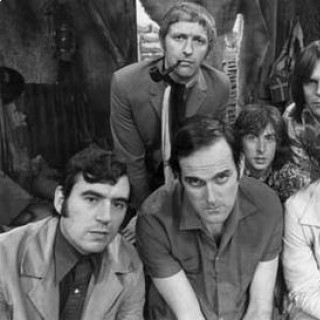
British surreal comedy group
POPULARITY
Categories

28 episodes with Monty Python

62 episodes with Monty Python

24 episodes with Monty Python

42 episodes with Monty Python

19 episodes with Monty Python

8 episodes with Monty Python

12 episodes with Monty Python

7 episodes with Monty Python

10 episodes with Monty Python

8 episodes with Monty Python

14 episodes with Monty Python

9 episodes with Monty Python

5 episodes with Monty Python

6 episodes with Monty Python

10 episodes with Monty Python

5 episodes with Monty Python

11 episodes with Monty Python

7 episodes with Monty Python

5 episodes with Monty Python

9 episodes with Monty Python

5 episodes with Monty Python

7 episodes with Monty Python

4 episodes with Monty Python

16 episodes with Monty Python

9 episodes with Monty Python

4 episodes with Monty Python

6 episodes with Monty Python

6 episodes with Monty Python

3 episodes with Monty Python

3 episodes with Monty Python

5 episodes with Monty Python

4 episodes with Monty Python

4 episodes with Monty Python

4 episodes with Monty Python

4 episodes with Monty Python

5 episodes with Monty Python

3 episodes with Monty Python

5 episodes with Monty Python

3 episodes with Monty Python

5 episodes with Monty Python

8 episodes with Monty Python

5 episodes with Monty Python

2 episodes with Monty Python

5 episodes with Monty Python

5 episodes with Monty Python

2 episodes with Monty Python

2 episodes with Monty Python

5 episodes with Monty Python

5 episodes with Monty Python

3 episodes with Monty Python

3 episodes with Monty Python

7 episodes with Monty Python

3 episodes with Monty Python

7 episodes with Monty Python

9 episodes with Monty Python

5 episodes with Monty Python

4 episodes with Monty Python

5 episodes with Monty Python

4 episodes with Monty Python

5 episodes with Monty Python

3 episodes with Monty Python

3 episodes with Monty Python

6 episodes with Monty Python

3 episodes with Monty Python

2 episodes with Monty Python

6 episodes with Monty Python

4 episodes with Monty Python

3 episodes with Monty Python

4 episodes with Monty Python

4 episodes with Monty Python

4 episodes with Monty Python

2 episodes with Monty Python

3 episodes with Monty Python

5 episodes with Monty Python

3 episodes with Monty Python

5 episodes with Monty Python

3 episodes with Monty Python

7 episodes with Monty Python

2 episodes with Monty Python

2 episodes with Monty Python

4 episodes with Monty Python

RMR 0385: Special Guest, Dan Cook, joins your hosts Chad Robinson and Russell Guest for the Retro Movie Roundtable as they revisit Monty Python's Life of Brian (1979) [R] Genre: Comedy, Satire Starring: Graham Chapman, John Cleese, Terry Gilliam, Eric Idle, Terry Jones, Michael Palin, Terence Bayler, Carol Cleveland, Kenneth Colley, Neil Innes, Charles McKeown, John Young, Gwen Taylor, Sue Jones-Davies, Peter Brett Director: Terry Jones Recorded on 2026-08-30
Marlene Weisman joined me to discuss props she created; Steve Martin's Penis Beauty Cream; SNL Rerun Pills; Chris Rock's Guide for White People to Survive the Apollo; props done for Howard Stern; her diary; being remembered at the 50th ; growing up and watching Bewitched; going to college to be a graphic designer; Monty Python; being in a Xerox show with Keith Haring; working with Thomas Dolby; working for Stiff Records; Phil Hartman; taking a Graphic Design for TV class from SNL's Bob Pook; getting hired; Mike Myers and her bonded over That 60's Movie sketch; creating Wayne's World logo; her co-graphic artists Doug Zider, Ira Rappaport; and Kevin Frank; learning Paintbox; working Letterman Monday through Wednesday, and SNL Thursday through Saturday; getting the SNL graphic list on Thursday; Davey Wilson's Thursday production meetings; graphic coordinator Steve Koren, then Davey Wilson's son Tom; Natalie Cole's Unforgettable Album Cover; drawing the pictures for Simon; doing Night After Night with Allan Havey on three summer breaks; creating look of Sprockets; Jim Signorelli; Chris Farley's Folgers Crystals sketch; working from 9 am Friday to 1 am Sunday with a nap break; designing post-show party invites; creating logos for Happy Fun Ball, Nat X, Massive Head-wound Harry, I'm Chillin, and Bullet Hole Tampons; drawing the More to Come pictures on the Tonight Show sketches; importance of Polaroids; creating graphics and voicing a caller to Coffee Talk; her work with Al Franken (Stuart Smalley); Crystal Gravy; having to draw the Scream offstage during the live show in a game show sketch with Christopher Walken in 1990

Eric Idle has spent a lifetime finding the funny side of almost everything. Long before he became one of the defining voices of British comedy, he was a boy shaped by loss, separation and a brutal education. His father died when Eric was just two years old, and at seven he was sent to boarding school in Wolverhampton, where discipline could be violent and laughter became something more than entertainment - it was a way of surviving.In this episode of Full Disclosure, James O'Brien sits down with Eric to trace the remarkable journey from a post-war childhood to Cambridge, the Footlights and, eventually, Monty Python. Eric recalls discovering the liberating power of rock 'n' roll and Beyond the Fringe, learning the mechanics of comedy alongside some of the brightest talents of his generation, and the unlikely chain of events that brought Python together.He reflects on the extraordinary people who have passed through his life, from John Cleese, Michael Palin and the rest of the Pythons to George Harrison, whose friendship changed the way Eric thought about life and death. Along the way, he talks about fame, friendship, family, creativity and the instinct that has repeatedly led him towards the places where the best times were being had.Now in his eighties, Eric also considers ageing, the friends he has lost and the life he has built away from the noise, including the home in Provence at the heart of his latest book.It's a funny, warm and unexpectedly moving conversation about loss, escape, friendship and the strange turns that can transform a life - and about why, after everything, it still helps to find something to laugh at.Find out more about Idle In Provence by Eric Idle hereFull Disclosure is a Global ProductionListen or watch every Friday on Global Player, YouTube or wherever you get your podcasts.

Michael Palin doesn't feel like a ‘man' anymore in his 80s. But what does that mean and does it bring a new freedom? In conversation with Michael Rosen – who has recently turned 80 himself – Palin reflects on the fading of those competitive instincts that motivated him as a young star of Monty Python. And how he has learned to embrace an entirely ‘unmale' worldview in his later years. The two Michaels discuss how, as we age, the things that feel so important to many young men are put into stark perspective by grief. Just as he entered his 80s, Palin lost Helen, his wife of 60 years. Together they consider how to hold onto the sense of who we are in the face of such world-shaking blows.Presenter: Michael Rosen Producer: Rich Power Executive Producer: Dave Anderson Sound Mixer: Dan King Editor: Kirsten Lass Production Manager: Emily Duffy Commissioning Editor: Dan ClarkeA Loftus Media Production for BBC Radio 4

Joe's Pick® this year is EASILY one of the best movies of the 2020s, from Game Night directors Jonathan Goldstein and John Francis Daley.If you're going to bring together the tones of Princess Bride, Monty Python, Lord of the Rings, the MCU, Indiana Jones, AND Oceans 11…. You're probably going to make one of the best movies of all time. Wait, is Hugh Grant in it? He is, so we're good. When you smoosh all that together, this is probably the easiest Great Great Movie award we've ever handed out. So grab some overly hot tea and join us for a discussion about DUNGEONS & DRAGONS: HONOR AMONG THIEVES. Hold on… Is Jarnathan here? Let's wait for Jarnathan, obviously.If you'd like to advertise with us or sponsor us, please e-mail greatbadmoviesshow@gmail.comSubscribe to Great Bad Movies wherever you listen to podcastsMore Great Bad Movies online:InstagramGreat Bad Movies WebsiteYouTubeEmail us at greatbadmoviesshow@gmail.com Hosted on Acast. See acast.com/privacy for more information.

Bonjour, et merci d'avoir écouté cet épisode.Bon… 1969 fut quand même une année compliquée à traiter, notamment à cause de la qualité parfois très moyenne des extraits et de la difficulté à trouver certaines archives en français.J'aurais aimé pouvoir mettre davantage de choses sur les manifestations de plus en plus importantes aux États-Unis contre la guerre du Vietnam, par exemple, mais il faut parfois savoir faire des choix… et surtout composer avec ce qu'on arrive à trouver !Bon, par contre, j'ai définitivement abandonné l'idée de faire tenir une année en 80 minutes. Ce sera donc simplement le titre du podcast… et certainement plus un objectif !

Ben and Rob step into Labyrinth, Jim Henson's 1986 fantasy adventure that turned a puppeteer's most personal creative risk into a genre-defining cult classic. Directed by Jim Henson from a screenplay credited to Monty Python's Terry Jones, the film stars David Bowie as the Goblin King Jareth and a fourteen year old Jennifer Connelly as Sarah, a girl who has thirteen hours to solve an ever-shifting maze and rescue her baby brother from Jareth's clutches.How did a limo ride home from a Dark Crystal screening turn into a story about goblins stealing babies, and why did the finished script pass through the hands of a Monty Python legend, a Fraggle Rock lyricist, and George Lucas before anyone was happy with it? What made David Bowie the obvious choice to play Jareth when Sting, Prince, and Michael Jackson were all in the running, and how much of the film's most memorable moments came down to pure, unscripted chemistry on set? Why did a film this ambitious flop so badly on release and what does it say that a story about a girl choosing to grow up came at the exact moment its director's own life was falling apart?And finally… what does it really mean?!Find us on your socials of choice at www.linktr.ee/everymovieeverpodcastIf you enjoyed the show and want more, head on over to Patreon and enjoy heaps of exclusive content there! LOVE YAGET 20% OFF CINEWORLD UNLIMITED MEMBERSHIP WITH DISCOUNT CODE: ' TEL013 ' You're Welcome!

Howdy Folks, All Vinyl, Matador went to Amoeba in SF and bought a bunch of vinyl. An assortment of weirdness, punk, country rock, electronica and a ton of comedy albums of the 70s. Monty Python, national lampoon and we talk a ton. Matador tell the tale of bar crawling through SF and trying to get a new phone and it taking 3 plus hours. We talk how expensive it all is, the amigdala part of your brain and Matador is all Fight zero Flight. We talk the incompetence of the next generation and not blaming them at all for not caring....Its a bleak dystopian weirdness in 2026 so Physical media recorded in the 70s is pretty cool. Enjoy it not easy to make, Barely a DJ Matador Artist Include: Devo, Willie, Wilhelm Scream, NOFX, 2 live crew, the Who, Monty python and a whole lot more.
Johnny Mac delivers comedy news featuring Chris Rock discussing how fame has shifted from perks like free stuff to realizing fan interactions can make someone's day, and accepting celebrity as part of who he is. A GQ profile of Stavros Halikis covers fan encounters, the origins and appeal of the “Cum Town” podcast, its unexpected success, and his decision to leave despite major income to focus on his own work after self-funding projects. Jay Pharoah says comedians help people laugh through pain, notes Jay-Z enjoys his impression, and jokes about audience members sitting up front. Eric Idle tells The Telegraph about Monty Python tensions, rights and “Spamalot” royalties, the failed 1999 reunion and a scrapped final film idea, the 2014 O2 reunion's origin, John Cleese remarks, and changes to the group's veto/board dynamics. The Chicago Reader segment describes comedians' pre-show eating habits, favoring bland, protein-rich food and avoiding stomach trouble. 00:12 Chris Rock on Fame00:49 Stavros Bagel Fame Woes01:45 Come Town Origins02:54 Quitting at Peak Money03:55 Sandler Song and Future Collabs04:26 Jay Pharoah on Comedy04:51 Monty Python Feud Begins05:43 Royalties and Reunion Shows06:16 Cleese Idle Fallout07:10 Veto Power and Bitterness08:19 Comedians Pre Show Eating10:07 Sunday Sign OffBecome a supporter of this podcast: https://www.spreaker.com/podcast/daily-comedy-news-with-johnny-mac--4522158/support.Today's DCN is brought to you by MyBookie use promo code DCN!Daily Comedy News is hosted by Johnny Mac and releases every weekday. Subscribe on Spotify, Apple Podcasts, or your favorite app. Part of the Caloroga Shark Media network. For transcripts and show notes visit www.dailycomedynews.comDaily Comedy News with Johnny Mac is a daily podcast covering comedians, stand-up comedy, late night television, and the comedy industry. New episodes every morning. Follow on Apple Podcasts, Spotify, or wherever you listen. Contact John at John@thesharkdeck dot com For Uninterrupted Listening, use the Apple Podcast App and click the banner that says Uninterrupted Listening. $4.99/month John's Substack about media is free.
After Ole Miss defeats LSU, quarterback Trinidad Chamblisscredits prayer, preparation, and God's will for the victory. Rabbi Dave has heard enough. If God chose the winner, what does that say about the losing team? Why does God receive public credit after victories but rarely appear in the losing locker room?That postgame interview launches Rabbi Dave and Friar Rodinto a larger argument about the way human beings claim divine authority for their own ambitions. From football fields to European battlefields, victors have always been tempted to declare that God stood with them. Faith in God's will is one thing. Claiming to know that a touchdown, election, or warexpresses that will is something far more dangerous.The conversation then turns to another modern article offaith: the approaching artificial-intelligence apocalypse. Bernie Sanders calls AI more dangerous than nuclear weapons, while frightened students avoid learning the technology that will shape their careers. Dave and Rod consider whether the panic is justified, whether regulation will protect the public or merely entrench the largest technology companies, and why anyone who genuinely fears AI should first learn how it works.Finally, Britain proposes state-directed “pre-bunking” programs, approved news sources, and official databases of supposedly false narratives. Who decides what counts as misinformation, disinformation, malinformation, or merely dissent? Once government claims the authority to determine truth in advance, Orwell's Ministry of Truth stops looking likesatire.It is a conversation about faith, fear, power, football, andthe persistent human desire to place God's signature on our own conclusions.Along the way there is Caribbean cricket, Lane Kiffin, artificial ludicrous intelligence, Monty Python, and the forgotten birthday that arrived twelve days early.#WhatTheFrock #GodsWill #FaithAndSports#ArtificialIntelligence #FreeSpeech #Misinformation #RabbiDave #FriarRod
Resident Evil is back… and apparently it's actually GOOD?!The new Resident Evil has arrived to some of the strongest reviews the franchise has ever seen, so this week Radio Labyrinth asks the obvious question: did Hollywood finally figure out how to make Resident Evil work?We also get into the increasingly nasty public feud between Monty Python legends Eric Idle and John Cleese, and the big winners — and surprising omissions — from the 2026 Emmys.Plus, American Idol is moving production to Georgia, we check in on The Pendragon Cycle: Rise of Merlin, and Trailer Trash brings a loaded lineup including Peacock's Friday the 13th prequel Crystal Lake, Black Sheeps, Hunting Gary Glitter, Christmas at the Kringles and HBO's Miller Night Football.Then it's Views or Snooze with Neagley, South Park and The Howard Stern Show, followed by this week's Staff Picks.Keep It Canon.Watch the YouTube version: https://youtu.be/lv8wvslgv20#ResidentEvil #RadioLabyrinth #HorrorMovies #MontyPython #CrystalLake▀▀▀▀▀▀▀▀▀▀▀▀▀▀▀▀▀▀▀▀▀▀▀▀▀▀▀▀▀Hosts: Tim Andrews, Jeff Leiboff, Dustin Lollar and Lizzie Bruce JonesAudio Podcast & YouTube Video Edited by Dustin Lollar ▀▀▀▀▀▀▀▀▀▀▀▀▀▀▀▀▀▀▀▀▀▀▀▀▀▀▀▀✨ Support Our Social Media & Merch: https://linktr.ee/RadioLabyrinth
Johnny Mac previews Stephen Colbert's guest appearance on Jimmy Kimmel Live and notes Kimmel will again tape a week of shows at the Brooklyn Academy of Music Sept. 28–Oct. 2. Eric Idle says “Python is dead,” rejects any Monty Python reunion (even without John Cleese), and hints at deeper issues amid past disputes over money and management, while Greg Daniels tells Variety an Office reunion isn't needed because the ending worked. Saturday Night Live Season 52 premieres Sept. 26 with host Jalen Brunson, followed by Dakota Johnson Oct. 3 and Shane Gillis Oct. 10. Other updates include Shane Gillis being spotted in Green Bay, Jo Koy's new special Blue in the Face, how Theo Von landed a Morgan Wallen preshow video, three new Drunk History episodes on Comedy Central's YouTube, releases from Cameron Esposito and Vanessa Gonzalez, and a plug for Chris Fleming at The Largo. 00:12 Colbert on Kimmel and Brooklyn Shows00:48 Monty Python Reunion Off01:59 Money Feud and Personal Fallout03:04 Host Remembers Working With Pythons03:33 No Office Reunion and SNL Hosts04:42 Shane Gillis Sighted in Green Bay05:11 Jo Koy New Special and Swift Joke05:50 Theo Von in Morgan Wallen Preshow06:32 Drunk History Returns on YouTube07:25 New Releases Esposito and Gonzalez08:05 Chris Fleming Live in LA08:42 Wrap Up and Sign OffBecome a supporter of this podcast: https://www.spreaker.com/podcast/daily-comedy-news-with-johnny-mac--4522158/support.Today's DCN is brought to you by MyBookie use promo code DCN!Daily Comedy News is hosted by Johnny Mac and releases every weekday. Subscribe on Spotify, Apple Podcasts, or your favorite app. Part of the Caloroga Shark Media network. For transcripts and show notes visit www.dailycomedynews.comDaily Comedy News with Johnny Mac is a daily podcast covering comedians, stand-up comedy, late night television, and the comedy industry. New episodes every morning. Follow on Apple Podcasts, Spotify, or wherever you listen. Contact John at John@thesharkdeck dot com For Uninterrupted Listening, use the Apple Podcast App and click the banner that says Uninterrupted Listening. $4.99/month John's Substack about media is free.

Monty Python's Spamalot is about to gallop into Melbourne, and Sunday Arts Mag catches producer/director Drew Anthony and emerging WAAPA graduate Jesse Vasiliadas just days before preview. Drew Anthony Creative brings the Tony Award‑winning musical comedy to the historic Athenaeum Theatre on Collins Street, with the Melbourne season running from 16 September to 11 October 2026. Jesse Vasiliadas steps into the role of Sir Lancelot, part of a riotous retelling of King Arthur's quest that blends tap‑dancing knights, big Broadway vocals and Monty Python's anarchic humour. Together, Drew and Jesse talk about restoring Spamalot to Australian stages, the joy of revisiting iconic Python moments, and the thrill of opening in one of Melbourne's great theatre rooms. The post Drew Anthony and Jesse Vasiliadas – September 13th, 2026 appeared first on Sunday Arts Magazine.

There has been a very strange uprising in a village in India where 5G connectivity has become a major issue and one poor installer has had it all taken out on him.See omnystudio.com/listener for privacy information.

So popular yet so known. Featured in Monty Python bits and more. She popped her clogs. Before you jump in to locate it's true mystery, take a swing at trying to figure out what such a phrase must mean and how it has survived.Become a supporter of this podcast: https://www.spreaker.com/podcast/arroe-collins-like-it-s-live--4113802/support.

Bonjour,aujourd'hui, on vous parle de Monty Python : Sacré Graal !Enjoy :)Hébergé par Ausha. Visitez ausha.co/politique-de-confidentialite pour plus d'informations.
So popular yet so known. Featured in Monty Python bits and more. She popped her clogs. Before you jump in to locate it's true mystery, take a swing at trying to figure out what such a phrase must mean and how it has survived.Become a supporter of this podcast: https://www.spreaker.com/podcast/arroe-collins-unplugged-totally-uncut--994165/support.

How changing the name of New Mexico to New America is absurd on every level. (When did Monty Python start writing the script???) Also the Southern New Mexico Book Festival and a childhood story about why I learned it was bad to be a sensitive person - and how we affect people in our lives.Among The ThornsIndie Booksellers! You can buy my indie books direct from me at discount!! Submit a Request for an order hereNew Releases ~Blades, Books, and the BanditLove, Lies, and Ley LinesMAGIC REBORNNever The RosesThe posture correcting sports bra I love almost more than life itself can be found hereThank you for listening! You all take care. Support the show

I studion: Martin Soneby, Isak Jansson, Simon Gärdenfors, Hjalmar Lind, Johan Wicklén••••••••Gå på Agnes Matsdotters föreställning "Bränn dessa rader" på Scalateatern 9/9https://billetto.se/en/e/brann-dessa-rader-en-rysk-historia-biljetter-1953649••••••••Gå på VALV1 standup varje tisdag 19:00 på Nabo i STHLMhttps://www.instagram.com/valv1comedy/••••••••Gå och se Simon Gärdenfors!https://www.gardenfors.com/••••••••Köp Johan Wickléns bok "Du Gröna Nya Värld"https://volanteshop.com/bok/du-grona-nya-varld/••••••••För 90SEK/mån får du 5 avsnitt i veckan:4 Vanliga AMK MORGON + AMK FREDAG med Isak Wahlberg••••••••Se till att bli Patron via webben och inte direkt i iPhones Patreon-app för att undvika Apples extraavgifter:Öppna istället din browser och gå till www.patreon.com/amkmorgon••••••••Följ oss på Instagram och TikTok!https://www.instagram.com/amkmorgonhttps://www.tiktok.com/@amkmorgon••••••••Relevanta länkar:...hylltoalettenhttps://amsenneff.wordpress.com/2010/09/18/heres-a-culture-lesson-for-you-the-pooh-shelf/...Västgötamannenhttps://tv.aftonbladet.se/video/406311/gatan-har-hemsokt-vastgota-nation-i-fyrtio-arhttps://ips.ntm.se/jv11p2pj?crop=16:9&width=980&variant=1743700604000&redirect=true&dpr=2...kvicksandhttps://illvet.se/fysik/kan-man-verkligen-slukas-helt-av-kvicksand...Avdelning 44https://www.facebook.com/watch/?v=2580505299047543https://www.youtube.com/watch?v=gj7DijHu8Ew&list=PL4Pe9LsEABGADACi5mygd6N6aKsY09E9yhttps://linktr.ee/teatervanhede...surströmmingsklippethttps://www.instagram.com/reels/Dc-xPrOT0pw/...Monty Python-scenenhttps://www.tiktok.com/@julesevisions/video/7128154553404460289...The Aristocratshttps://www.imdb.com/title/tt0436078/...Bellmanhistorierhttps://sv.wikipedia.org/wiki/Bellmanhistoria••••••••Låtarna som spelades var:Ingenmansland - Agnes MatsdotterAEAO - Dynamicduo, DJ PremierAlla låtar finns i AMK Morgons spellista här:https://open.spotify.com/playlist/6V9bgWnHJMh9c4iVHncF9j?si=da192b7b4de14b3d••••••••

"Alfred Hitchcock meets Monty Python in a fast-paced comedy spy thriller packed with theatrical magic". That's how Derby Theatre and Hull Truck are describing their co-production of The 39 Steps which is inspired by John Buchan's classic novel and Alfred Hitchcock's film. BTG Midlands Editor Steve Orme spoke to director Cal McCrystal, "the country's finest comedy director", as well as two of the cast, Ryan Starling and Sophie Bloor. The 39 Steps will run at Derby Theatre from Tuesday 29 September until Saturday 17 October before transferring to Hull Truck from Wednesday 21 October until Saturday 14 November. (Pictured from left: Ryan Starling, Cal McCrystal and Sophie Bloor)
You Can't Do That on Television defined Nickelodeon—and gave the world GREEN SLIME! Comedy History 101 talks to Abby Hagyard, who portrayed “Mom” on YCDTOT, to reveal the wonderfully weird history behind the Ottawa-based cult comedy classic. From working with a young Alanis Morissette to kids telling jokes inside lockers, to the show's Laugh-In, SCTV, and Monty Python influences. Plus, find out exactly what it felt like to be ‘slimed.” Learn more about your ad choices. Visit podcastchoices.com/adchoices

British actor Tim Curry died on August 26th at the age of 80. Celebrated for his infamous portrayal of Frank-N-Furter in the musical The Rocky Horror Picture Show, his decades-long career included many other roles on stage and screen. Among them, Mozart in Amadeus; King Arthur in the Monty Python musical Spamalot; and the evil clown, Pennywise, in a television adaptation of Stephen King's It. In a generous obituary, the BBC shared tributes from many friends and admirers in the arts. One was from comedienne Carol Burnett, who wrote on social media that "nobody could play lovable villains better than he could". And that is the Curry we are pleased to share with you in this special bonus podcast, in his deliciously chilling and seductive reading of Stephen O'Connor's "Ziggurat." Hosted by Simplecast, an AdsWizz company. See pcm.adswizz.com for information about our collection and use of personal data for advertising.

In this 1961st episode of Toronto Mike'd, Mike chats with Monty Python co-founder John Cleese about his upcoming visit to Toronto for Not Dead Yet! - John Cleese and the Holy Grail at 50, his thoughts on Trump and the escalating trade war between the United States and Canada, his ever advancing age and more.A version of this podcast without programmatic ads is available to all Toronto Mike'd Patrons at patreon.com/torontomike.Toronto Mike'd, an award-winning podcast, is proudly brought to you by Great Lakes Brewery, Palma Pasta, Toronto Maple Leafs Baseball, Ridley Funeral Home, Nick Ainis, and RecycleMyElectronics.ca.If you would like to support the show, we do have partner opportunities available. Please email Toronto Mike at mike@torontomike.com. Hosted on Acast. See acast.com/privacy for more information.

With the sports calendar finally about to wake back up, Bob and Mike use one last stretch of the offseason to talk about some of the things they spend plenty of time discussing when the microphones aren't usually rolling: movies, music, books, and culture. Using their personal top-10 lists as jumping-off points, they wander through favorites, disagreements, old memories, and plenty of the tangents you'd expect when these two get going. Along the way:The pre-football temperature check: Why IU's newfound place in the college football hierarchy has changed the way other fan bases—and particularly Notre Dame fans—seem to view the Hoosiers. Movies: Bob and Mike compare their favorite films, with everything from Lawrence of Arabia and Casablanca to Dr. Strangelove, The Godfather, Goodfellas, Airplane! and Monty Python opening the door to a much broader conversation about great filmmaking. The directors behind them: Stanley Kubrick and David Lean lead into a discussion of what separates truly great directors—and why certain movies keep revealing something new decades later. Music: The guys turn their attention to favorite songs and performers, which naturally means revisiting some longstanding Bob-and-Mike debates about musical eras and what actually holds up.Books: Their reading lists provide another excuse to bounce between history, fiction, politics, culture, and the works that have stuck with them over the years.The lists behind the lists: Neither Bob nor Mike pretends these rankings are permanent. The fun is less about settling a definitive top 10 than figuring out why certain things have stayed with them—and what their choices say about their tastes.And because it's Xs and Joes, even an episode devoted to culture can veer from classic cinema to 1990s politics to Willie Nelson before somehow finding its way back toward basketball. It's a different kind of episode: less decoding the winning formula in college basketball and more getting the conversations Bob and Mike would probably be having anyway.

Cutting Through the Matrix with Alan Watt Podcast (.xml Format)
--{ "CONOLOGY On Parade"}-- What are some of the things that Alan Watt wrote and said about how we are conned? - The con of climate change - Righteous indignation - Please visit www.cuttingthroughthematrix.com - Welcome to My World Where I Explain the Sciences Behind the System that Runs Everything - The Art of Conology - Mousetraps; idea based on winning; gambling addiction - Persuaders, behaviourism, consumerism - Politics - Panic - Biowarfare - Aldous Huxley, People accept things that they shouldn't - Taxpayer-funded insertion of messages on vaccination, immunity, into entertainment - The culture industry - The spoken word; spell, spelling; The language of colour - Jacques Ellul, philosopher, wrote about propaganda; standardize thought; Initial indoctrination - Using the idea of nation - Depopulation - Thomas Malthus - Thomas Huxley, Darwin's bulldog - European Union - Marxism, nation-state to disappear - Free Trade - Conology; You accept what is given to you as real - Monty Python's The Meaning of Life, "Can we have your liver?" - You must participate in the con; "We're all in it together"

Welcome to the Adventure Emporium. Antarctica? Penguins? Michael Palin? Shackleton's Hut? We seem to have the lot. Sadly, we're completely sold out of comfy couches

For our next episode on Guns N Roses, they go big and never go home with "Use Your Illusion I!" We examine the first album in a two-part series (historically released on the same day) and uncover its many merits, as well as some missteps! W. Axl Rose wins the battle against their management, Slash, Izzy, and Duff, but does he lose the soul of the band in the process? Remember to like and subscribe to our other channels, including: @GhostCultMag @talkingthetalkwithdon @GhostCultKeefy666 @GhostCultLive Check out Keefy's interview with former GNR manager Alan Niven! https://youtu.be/5Fsb58vt7xs References: Dirty Laundry, all-star Pandemi-era albums, CUM, Power Metal, Pantera vinyl reissues, Keefy wants Narcolepsy, BDSM gifts, MC Chris, the 1991 GNR St. Louis Riot, deep Monty Python cuts, we are secretly a Mickey Thomas fan-cast, Nik made a covert Ace Ventura joke, Brian Wilson comparisons, and more! Buy Don's shirts and support his weed habit! https://southeastofheaven.threadless....Check out our last series on Deicide : https://www.youtube.com/playlist?list...For Rock and Metal news: https://www.ghostcultmag.comFor vinyl porn: https://www.instagram.com/Glacially_M...For Don-related stuff: https://www.southeastofheaven.com/To support the Pouredcast: https://linktr.ee/GlaciallyMusicalPou... Invest In Vinyl, mylar inner sleeves https://amzn.to/3pPLQaA Timestamp: 0:00 Intro ✅ Greetings! 0:50 Beer ✅ Nik - St. Louis Pilsner IPA, Don - Pabst Blue Ribbon, Keefy - Liquid Death2:06 Vinyl ✅ Nik - Don Henley + Sepultura, Don - Pantera, Keefy - COC 3:30 Swear ✅ Don! 12:17 News✅ RIP Frank Beard, Nik goes to Guns N Roses, Public Enemy, bad weather, Don sees Brit Floyd (Pink Floyd tribute band), Poison's Rikki Rocket is putting out a memoir, Slipknot versus Sid Wilson (#0), Mickey Thomas new/old live album, 33:34 Dog ✅: Ozzy Pawsbourne's very bad, not good poop day 34:17 Shirt✅ Nik - Mayhem, Don - Creepy Girl Glasgow Radio, Keefy - The X-Files21:21 Meat✅ The entire drama brigade comes with GNR to make UYI I and II, Alan Niven fired, Steven Adler fired, Matt hired, the best rock and metal albums of 1988, 122:00 ✅ Outro - Please like and subscribe! Tell your friends!

Matt and Eric go down down underground for Jim Henson's LABYRINTH, featuring a teenage Jennifer Connelly squaring off against a sea of steampunk puppet nonsense including, worms, dogs, bogs, doors, goblins, David Bowie, and his codpiece.
Sir David Attenborough. Sir Michael Palin. And a beluga whale. No, this isn't a Monty Python sketch... it's the amazing life adventure of our next guest
Si la semana pasada titulamos nuestro especial de Colección “De miedo”, ésta cambiamos de género y nos ocupamos de cuatro grandes genios de la comedia en el cine. De risa, va la cosa. Tenemos a un italiano, Alberto Sordi, uno de los rostros más representativos del humor cinematográfico de su país. También a un norteamericano, Danny Kaye, actor y cantante muy famoso en el Hollywood de los años 40 y 50. John Cleese, el alto de los Monty Python, es otro de nuestros protagonistas y cerrando este póquer de ases de la comedia Mario Moreno “Cantinflas”, el cómico más popular que ha dado el cine hablado en español.

This episode is a wild ride, folks! From Monty Python to the Environmental Protection Agency, we've got a diverse range of topics that'll keep you entertained and informed. Ross is still trying to convince Jeana to watch Monty Python and the Holy Grail, but it's not just about the classic comedy - we're also diving into some serious issues like labor disputes, the stock market, and the latest news from the world of politics. This episode covers a lot of ground, from the ongoing strike at a Cargill meatpacking plant in Fort Morgan, Colorado, to the latest developments in the world of AI data centers. We also talk to Lee Zelden, the head of the EPA, about the agency's efforts to balance environmental concerns with economic growth. And, of course, we've got some lighter moments, like a hilarious joke about a clerk's pronunciation of a town's name and a discussion about the benefits of improv theater for anxious teens. But what really sets this episode apart is its unique blend of humor and serious discussion. Our enthusiasm for Monty Python is infectious, and his passion for the topic is matched only by his passion for the issues he's tackling. Whether you're a fan of comedy or a follower of current events, this episode has something for everyone. So if you're looking for a podcast that's a little bit silly, a little bit serious, and a whole lot of fun, then this is the episode for you. Tune in to hear the full conversation and find out what else we're talking about this week.See omnystudio.com/listener for privacy information.

Eric Idle and Lorne Michaels teamed up in 1978 to make the greatest Beatles parody you've probably never seen — and it worked so well that Paul McCartney sent back a real letter saying he didn't find it funny, while John Lennon loved it so much he never returned his copy. This week on Cinema Psycho Show, Brian and John dig into The Rutles: All You Need Is Cash, the SNL-adjacent mockumentary packed with John Belushi, Dan Aykroyd, Bill Murray, Gilda Radner, Mick Jagger, and even George Harrison himself. We break down the Beatles history it's spoofing, argue about whether you need to be a Beatles fan to get the jokes, compare it to Spinal Tap and Young Frankenstein, and read your listener reviews. CHAPTERS: Introduction [00:00] The Rutles: A mockumentary history of the Beatles [01:10] The BBC mockumentary behind The Rutles [02:40] The Rutles blends Beatles history with Monty Python humor [03:59] Early SNL stars and the film's celebrity cameos [04:34] Discovering The Rutles as a child and revisiting it as a Beatles fan [07:29] Why The Rutles did not connect with every viewer [10:04] The Beatles' Hamburg years and the importance of context [14:24] The Rutles follows the Beatles' history through parody [17:21] Sight gags, archival footage, and the film's comic style [22:54] The surprisingly strong music of The Rutles [23:30] The Rutles corporation satirizes 1960s idealism [27:42] Why mockumentaries need a recognizable subject [29:04] How The Rutles compares with other mockumentaries [34:10] The Rutles' broadcast history and American reception [37:22] The sequel revisits The Rutles through celebrity commentary [39:08] Listener reviews of The Rutles [41:10] A collection of sketches with a thin plot [41:57] Chastity and the film's most outrageous joke [45:50] The music is excellent, but the parody stays close to the Beatles [51:21] Birthday wishes and final thoughts on The Rutles [56:56] Share the episode and tell us what you think [59:17] FOLLOW THE SHOW:

Actors John Cleese and Michael Paulin

IT'S HERE! Pre-Order the 4th installment of the Ashtown Burial Series at ashtownburials.com.After Nate makes Nolan fanboys mad, the guys discuss all things Camelot, including key questions such as:why Camelot is basically the story of King David again,how cool Merlin is (whether baptized demon-spawn or not),how the French eventually ruined King Arthur,whether Galahad is the gayest of the Knights of the Round Table,why the courtly love ideal is Victorianized and effeminate,whether Malcolm Guite's new Arthurian Galahad epic is like eating 10 pounds of dark chocolate in one sitting,compare all of the above to Monty Python's Holy Grail and Disney's Sword in the Stone,why Edmund Spenser's Faerie Queene is better than Malory's Morte d'Arthur, and more.Plus, SASF's "Make me famous" segment returns with three pitches Nate does not like.
Director Terry Gilliam and actors Terry Jones and Eric Idle

Nuevo programa de Par-Impar sobre dos serie B de terror directo a vídeo de los noventa: Castle Freak y El Pozo y el Péndulo, de Stuart Gordon. En esta nueva entrega del podcast de cine Par-Impar en esRadio, Juanma González y Dani Palacios nos sumergen en una sesión doble de auténtico cine de culto y serie B de los años noventa. El programa rinde homenaje al talento del director de culto Stuart Gordon y a la mítica productora Full Moon, capitaneada por Charles Band. A través de un análisis desenfado pero riguroso, los presentadores desmenuzan dos de las obras más singulares y físicas del realizador: El Foso y el Péndulo (1991) y Castle Freak (1995). Ambas películas personifican una época dorada del cine de terror directo a videoclub, donde las limitaciones presupuestarias se suplían con un desbordante ingenio visual y una entrega absoluta por parte de sus actores fetiche. La andadura comienza con El Foso y el Péndulo, una libre adaptación del célebre relato de Edgar Allan Poe que Gordon reformula para adaptarla a su estilo visceral y de terror físico. Ambientada convenientemente en el año 1492, la cinta retrata una visión delirante y lúbrica de la Inquisición española. El gran aliciente de la función es la asombrosa interpretación de Lance Henriksen en el papel de Torquemada, encarnado aquí como un fanático atormentado por sus propias represiones sexuales y delirios de poder. La película baila constantemente entre el terror gótico y un humor negro muy cercano a la parodia, ejemplificado en la hilarante escena del juicio a un esqueleto al que azotan hasta deshacerlo, un momento que los locutores comparan con un sketch de los Monty Python. La producción de este filme cuenta además con curiosidades memorables que enriquecen el anecdotario del programa de esRadio, como el brevísimo pero impagable cameo del legendario actor Oliver Reed interpretando a un enviado del Papa. Según relatan González y Palacios, Gordon le permitió que en sus dos minutos en pantalla se limitara a beber vino real, lo que facilitó enormemente el rodaje. El desenlace de la película, con una bruja que explota tras ingerir pólvora de forma literal, rubrica el tono desenfadado y macabro de una propuesta que, pese a sus costuras de bajo presupuesto, ofrece momentos visualmente potentísimos gracias a la notable dirección artística de la factoría de Charles Band. La segunda parte de este programa doble se traslada a la truculenta atmósfera de Castle Freak (1995), una de las cintas más oscuras y escabrosas de la filmografía de Stuart Gordon. Rodada en el propio castillo medieval que Charles Band poseía en la Umbría italiana, la película está protagonizada por la emblemática pareja del cine fantástico formada por Jeffrey Combs y Barbara Crampton. Aquí encarnan a un matrimonio sumido en una profunda crisis tras una tragedia familiar que hereda la fortaleza, sin sospechar que en sus mazmorras habita un ser deforme y martirizado llamado Giorgio. La crudeza de la propuesta, su sordidez sexual y el dramatismo gótico la convierten en una pieza de culto muy superior a la media de las producciones destinadas al mercado doméstico. Los conductores de Par-Impar analizan pormenorizadamente los elementos de terror físico y psicológico de la película, destacando el trágico trasfondo del monstruo y su perturbadora mutilación genital a manos de su propia madre. Asimismo, especulan con la posibilidad de que directores españoles de renombre dentro del género, como Paco Plaza y Jaume Balagueró, se inspiraran directamente en el aspecto visual de Giorgio para dar forma a la icónica niña Medeiros de la saga cinematográfica Rec. La música del programa concluye con una curiosidad familiar sobre la dinastía Band: la sintonía final corre a cargo de la banda The Calling, cuyo vocalista, Alex Band, es hijo del compositor Richard Band y sobrino del célebre productor de Full Moon.

It's the big 100th episode of Blood on the Tracks! Lee celebrates with a playlist of soundtrack and score material from some of his favourite films ever - we're talking the stuff he rates 5 stars on his Letterboxd account, so you know it's the best of the best. Probably. At any rate, there some old favourites that have popped up on the show over the years, and a bunch of new stuff to the show. Sit back and take in 2 & 1/2 hours of great music, and thank you for your continued listens! --The Third Man Theme from "The Third Man" (1949) --Anton Karas --The Chase from "Touch of Evil" (1958) --Henry Mancini --Titles & Big Trouble from "Yojimbo" (1961) --Masaru Sato --Suite from "The Haunting" (1963) --Humphrey Searle --Once Upon a Time in the West & Final Duel from "Once Upon a Time in the West" (1968) --Ennio Morricone --Application for an Exorcism from "The Stone Tape" (1972) --Desmond Briscoe & Glynis Jones --Christine is Dead from "Don't Look Now" (1973) --Pino Donaggio --Goodbye My Friend from "Street Law" (1974) --Guido & Maurizio De Angelis with Suzi & Guy --Main Title from "Night Moves" (1975) --Michael Small --Homeward Bound from "Monty Python and the Holy Grail" (1975) --Jack Trombey --Creation & Betrayal (Sorcerer Theme) from "Sorcerer" (1977) --Tangerine Dream --Zombi & The Hunt from "Dawn of the Dead" (1978) --Goblin --On the Way from "Nosferatu" (1979) --Popol Vuh --Zinskaro from "Nosferatu" (1979) --Vocal Ensemble Gordela --Overture & The Long Good Friday Theme from "The Long Good Friday" (1980) --Francis Monkman --Suite from "Just Before Dawn" (1981) --Brad Fiedel --Nightbeast from "Nightbeast" (1982) --J.J. Abrams & Robert J. Walsh --Humanity Pt. 2 from "The Thing" (1982) --Ennio Morricone --Waiting Death from "Tenebre" (1982) --Simonetti-Morante-Pignatelli --Anvil of Crom, Theology/Civilization, and Battle of the Mounds from "Conan the Barbarian" (1982) --Basil Poledouris --Send Love Through from "Rock & Rule" (1983) --Deborah Harry & Robin Zander --Main Title from "The Terminator" (1984) --Brad Fiedel --Blood Simple from "Blood Simple" (1984) --Carter Burwell --Pleasure Road & Telescope from "Body Double" (1984) --Pino Donaggio --Caleb's Blues & Severin Dies from "Near Dark" (1987) --Tangerine Dream --Suite from "Lake Mungo" (2008) --Dia Paterson --Godzilla Suite 1 from "Godzilla -1.0" (2023) --Naoki Sato & Akira Ifukube Opening and closing music: Riot In Thunder Alley from "Thunder Alley" by Eddie Beram, and Escape from "Coffy" by Roy Ayers.

This one is a short one. But it's also a big one. We'd invite you to listen to it, but you don't need to follow us. You don't need to follow anybody! You've got to think for yourselves! You're all individuals!## Timestamps(00:00:00) INTRO(00:00:36) PART 1: GUIDO VAN ROSSUM(00:01:09) Monty Python reference only GvR understood(00:01:27) Math Olympiad anniversary(00:03:31) Silly hats(00:05:20) perchance(00:09:51) PR OF THE WEEK (not really)(00:11:04) The Grail Web Browser(00:14:31) Generational gaps(00:17:24) Changes in beliefs(00:21:43) Pablo Galindo Salgado was never right(00:23:11) Aesthetics in coding(00:29:16) Rietveld(00:34:14) VScode is the new Emacs(00:35:41) On recognition outside of tech(00:38:11) Taste in music(00:39:51) Cameo in a movie?(00:40:52) OUTRO

We've got one more Must See Horror before we kickstart our Summer Slasher Series, so we're looking at Peter Jackson's Braindead/Dead Alive. Before he brought us the unforgettable fantasy epic of J.R.R Tolkien's Lord of the Ring's, Peter Jackson was getting up to some extremely gory weirdness with something that's a little Evil Dead, a little Monty Python and a little something we don't really understand. When a Sumatran Monkey-Rat bites his mother and zombifies her, Lionel Cosgrove has got to do something? Stop it from spreading? Keep her alive? Shag a Latina? Truth be told, it's a horror-comedy that you've got to just sit back and experience. But is Braindead/Dead Alive Must See Horror Remember to hit that subscribe button and leave us a lovely review. There're new episodes every week, and we cover horror movies from new releases with spoiler filled and spoiler free reviews, to old classics and B movie gems. You can find us on twitter and instagram @cmthpodcast or check out our website at https://castmetohell.podbean.com Theme by Dan Motti

Photo by Michael Martine, South Yarmouth MA, July 2026 Published 13 July 2026 e561 with Michael, Andy and Michael – arial-aquatic robotic locomotion, Puffin wingspan, e-ink mini PDAs, maker marketplaces such as Tindie, Lectronz and SmallRun, custom vinyl, cooperative LLMs and a whole lot more! Michael, Andy and Michael get things started with a new robot that can fly and swim, and transition between the air and water on it's own. This amazing feat was inspired by diving birds such as the puffin. This story inspired the cohosts to consider the wingspan of the puffin, and while writing up the show notes, the Wingspan boarding game and the airborne velocity of the swallow. Switching to non-robotic tech, the team take a look at the PocketMage PDA, which then opens up a whole discussion on (dare we say vintage) other PDAs, and the maker culture of EMF Camp, where Andy is spending some time as discussed in e560. Crowdsupply's Open Printer article primed the team for a number of favorite maker marketplaces which you can check out in the show notes below. Examples like Tindie, Lectronz and SmallRun all get the benefit of the Games at Work bump. And a google search turns up another SmallRun website that provides the service of creating custom vinyl for recordings, and inspires Andy on a potential gift. The team then looks at a couple of YouTube videos where a number of different LLMs are tasked to work collaboratively to play Pico Park. You can see these below, and it is an intriguing way to consider how multiple autonomous agents may work together (or not) in other contexts. In e173 in 2017, the cohosts discussed an example of two Google Homes talked to one another on Twitch. Rounding out the episode, there is an Inc article on what happened when the Starbucks app had a failure. The behavior was very reminiscent of last week's discussion on Ian Bogost's new book, The Small Stuff. The article concludes “Connivence creates its own fragility” – what an interesting turn of phrase. Have you had an example of when convenience created fragility for you? Have your bots

Ma, in definitiva, cosa ci hanno lasciato i Longobardi? O, per dirla come i Monty Python, cosa hanno fatto mai per noi? --- Nell'immagine: fonte battesimale del patriarca Callisto di Cividale, VIII secolo. --- Iscriviti alla mia mailing list: Link: https://italiastoria.voxmail.it/user/register Ti piace il podcast? sostienilo, accedendo all'episodio premium, al canale su telegram, alla citazione nel podcast, alle première degli episodi e molto altro ancora: Patreon: https://www.patreon.com/italiastoria Tipeee: https://en.tipeee.com/italiastoria Altri modi per donare (anche una tantum): https://italiastoria.com/come-sostenere-il-podcast/ --- Sito del podcast: https://italiastoria.com/ --- Magliette di Storia d'Italia disponibili con il 10% di sconto sul sito di "Feudalesimo e libertà" Inserire codice ITALIASTORIA per lo sconto. --- Per acquistare "Quando Venezia distrusse l'Impero romano": Versione cartacea: Libro Versione ebook: Ebook --- Per acquistare gli altri miei libri: IL MIGLIOR NEMICO DI ROMA: https://amzn.to/3DG9FG5 PER UN PUGNO DI BARBARI: https://amzn.to/3l79z3u FUMETTO AMMIANO": https://www.nubes.live/prodotto/ammianus-vesper-mundi/ Altri link utili: Tutti i link su Linktree: https://linktr.ee/italiastoria Learn more about your ad choices. Visit megaphone.fm/adchoices

When Drew Lachey (98 Degrees) and Lea Lachey (Choreographer) asked their students to anonymously write down the ways they didn't feel seen, they had no idea it would change the course of their lives. Those handwritten stories became the foundation for Label•less, the moving new Off-Broadway theatrical experience encouraging audiences to look beyond labels and reconnect through empathy. In this special The Art of Kindness conversation, Drew and Lea join Robert Peterpaul to discuss how kindness shapes every aspect of their work—from directing and teaching to parenting and creating safe spaces where artists can thrive. This podcast podcast episode covers: How their new show Label•less was born out of classroom Redefining labels from educator to parent to pop star and what they really mean Building rehearsal rooms with love instead of fear How kind leaders are better leaders Why they can't shake an interaction with one random security guard, plus more. Label•less is a groundbreaking new 90-minute musical experience that gets real about the challenges we all face in today's world. Created by Drew Lachey (98 Degrees & “Dancing With the Stars”) and choreographer Lea Lachey, Label•less features a wildly talented cast of young adults sharing real-life experiences and taking audiences on an emotional journey packed with soaring vocals and electric dancing. With an original score spanning rock, pop, and R&B, plus hit songs like “Born This Way” and “Rise Up,” Label•less is on a mission to break down barriers, remind us of our shared humanity, and envision life beyond labels. Learn more: labellessmusical.com DREW LACHEY (Creator, Co-Director, Writer, Producer), a proud Cincinnatian, is best known for his multiplatinum pop group 98 Degrees, selling more than 10 million records worldwide and achieving eight top 40 singles in the United States. He also appeared on ABC's “Dancing with the Stars” and was crowned Season 2 Champion. A Broadway veteran, he starred as Mark Cohen in Jonathan Larson's Pulitzer Prize–winning musical Rent and as King Arthur's right-hand man, Patsy, in Mike Nichols' Tony Award–winning production of Monty Python's Spamalot. Additional onstage work includes Corny Collins in Hairspray, Charlie in Kinky Boots, and Zach in A Chorus Line. Drew also hosted ABC's “Dance War: Bruno vs. Carrie Ann,” HGTV's “$250,000 Dollar Challenge,” Design Network's “Date My House,” “America Sings,” “The Price Is Right Live,” “Let's Make a Deal Live,” and the Miss USA Pageant. He currently lives in Cincinnati, where he, along with his wife, Lea, created and run Lachey Arts, a performing arts nonprofit. LEA LACHEY (Creator, Co-Director, Choreographer, Producer) a native of Cincinnati, has worked professionally in many different areas of the entertainment industry. Whether creating for stage or film, theater or concerts, she believes in the power of storytelling. Over the years, she has worked with organizations and artists including the Radio City Rockettes, 98 Degrees, Missy Elliott, Walt Disney, the NBA, and the NFL. Her work has been seen on “Good Morning America,” the “Today” show, Miss America, Miss Teen USA, MTV, and VH1. Over the last several years, she has had the honor of working as choreographer and dance consultant on multiple films, including Carol, starring Academy Award–winning actress Cate Blanchett and Kyle Chandler; Miles Ahead, starring Golden Globe Award–winning actor Don Cheadle and Emayatzy Corinealdi; and “A Christmas Melody,” directed by and starring Grammy Award winner Mariah Carey and starring Lacey Chabert. Lea is currently the Co-Artistic Director of Lachey Arts, a performing arts nonprofit based in Cincinnati. Follow us: @artofkindnesspod / @robpeterpaul Support the show! (https://www.buymeacoffee.com/theaok) Music: "Awake" by Ricky Alvarez & "Sunshine" by Lemon Music Studio. We are supported by the Broadway Podcast Network. Learn more about your ad choices. Visit megaphone.fm/adchoices

With just a few days left to pick up the latest issue of Empire magazine, featuring Spider-Man: Brand New Day on the cover, here's the latest episode of The Shameless Plug, arriving in the nick of time to either entice you to buy the issue if you haven't done so, or bask in the stories behind the stories as Chris Hewitt and Empire editor, Nick de Semlyen, cram into the podbooth to talk you through how the magazine sausage was made. From Minions to Monty Python, it's all here, folks! Enjoy!

What if the real secret to a lasting writing career isn't talent or luck, but learning to thrive in the mess? Why are in-person events worthwhile even if the maths doesn't add up? How do you protect your creativity when the machines never sleep and the community is at one another's throats? With Mark Leslie Lefebvre In the intro, Has AI Already Killed Non-Fiction [Tim Ferriss]; 9 ways that AI would disrupt authors and the publishing industry over the next decade; Pivoting towards The Transformation Economy; and Who do you serve? This podcast is sponsored by Kobo Writing Life, which helps authors self-publish and reach readers in global markets through the Kobo eco-system. You can also subscribe to the Kobo Writing Life podcast for interviews with successful indie authors. This show is also supported by my Patrons. Join my Community at Patreon.com/thecreativepenn Mark Leslie Lefebvre is the author of horror and paranormal fiction, as well as non-fiction travel and books for authors. He's also an editor, professional speaker, and the Director of Business Development at Draft2Digital. His latest book is Stark Realities: Stacked Up Lessons Every Writer Needs to Know About the Business of Writing and Publishing. You can listen above or on your favorite podcast app or read the notes and links below. Here are the highlights and the full transcript is below. Show Notes Why print and in-person events are making a comeback for indie authors The case for (and against) licensing your voice clone through ElevenLabs Why we keep selling books in person when the numbers rarely add up Measuring success by creative satisfaction rather than money Being honest about author earnings and the fear of being truly seen Managing stress, divisiveness, and the noise around AI You can find Mark at MarkLeslie.ca. Transcript of the interview with Mark Leslie Lefebvre Jo: Mark Leslie Lefebvre is the author of horror and paranormal fiction, as well as non-fiction travel and books for authors. He's also an editor, professional speaker, and the Director of Business Development at Draft2Digital. His latest book is Stark Realities: Stacked Up Lessons Every Writer Needs to Know About the Business of Writing and Publishing. Welcome back to the show, Mark. Mark: Oh, hey, Jo. It's always an awesome time chatting with you. Jo: You've been on the show lots of times over the years, but the last time was in September 2024, when we talked about selling books in person. So give us a bit of an update. What does your writing and publishing business look like at the moment? How do you manage it alongside the day job and everything else you do? Mark: Oh my God. Well, sleep is—no rest for the wicked, maybe. I'll sleep when I'm dead. It's so funny, it was just this last weekend in Waterloo. I was at Waterloo Book Fest, and somebody came up to my table—another author from one of the other tables—and said, “I heard you on the The Creative Penn Podcast. And then when you mentioned something about Waterloo, I said, ‘He can't be from Waterloo.' And then when you mentioned the skeleton, I said, ‘I know where he lives.'” Jo: That's scary. Mark: So I love the fact that there are so many of your listeners all over the world, and that's usually how people know me. No matter what else I've done, it's like, “Oh, you've been on Joanna Penn's podcast.” I'll say, “Yes, I have.” You know what's really funny? The last time I was on the podcast, we were talking about A Book in Hand, which I was supposed to release that year. Jo: Yes. Mark: I just added another 5,000 words to it this morning. Jo: Wait, it's still not published? Mark: No, and it's so funny. I actually have the first 60,000 words of it with an editor right now, and I told her I'd get her the rest of it, which I thought would be another 20,000 words, by the end of June. But I think it's going to hit 100,000. Here's the weird thing that happened with this. This is trying to accumulate my life of book selling, as well as doubling down on doing in-person events in the last several years. I thought I was going to have the book done in 2024. I ran into some issues where I didn't back it up properly. It was an old version, and I accidentally overwrote the only version I had. Jo: So, for everyone listening, Mark—how many decades have you been an author and a publisher? How come you're still missing deadlines and still not backing up your work properly? Mark: Yes, this is a lesson: no matter how long you've been doing something, you can still make boneheaded errors. So if you, dear listener, have made mistakes, just know that this old guy who's been doing this since the mid-'80s still makes mistakes like that. Don't beat yourself up. I probably did something worse. Anyway, that book I thought was going to be maybe 40, 45,000 words, it's going to be bigger than Wide for the Win—close to 100,000 words. Here's a really important lesson I learned in that, Jo. I thought the book would be something. It became something else. Through my own experiences of doing more in-person events, book signings, and library event. Also in talking to awesome folks like Johnny B. Truant, Katie Cross, Todd Fahnestock, and so many other authors I know, and seeing what Ben Wolf is up to, and a whole bunch of different people who are doing in-person events. In creating case studies for how they interact specifically with a bookstore or library, or how they do in-person selling—I really think the book wasn't ready then. It's like the recipe wasn't ready. I still needed to play with some things. I do sincerely have faith, since I got it into the editorial process, that this will be the year the book actually gets released. Jo: As you said, there are some really good lessons there around sometimes the book not being quite ready. I'd bought an early version from the StoryBundle, which is how I got this book as well, actually. Mark: Yes. Jo: That's another tip for people—storybundle.com. You can go and find some great bundles there. I was also thinking, as you were talking, that maybe one of the reasons this book about in-person events has got so big is because that's a real trend in the community. It feels like indies, we've moved… Back in the day, I said, “I'm not doing print. No way.” This was the early days of digital, because print was really hard back then. So I was like, “Oh, and we've got all the advantages doing digital, so I'm just going to focus on that.” It feels like the pendulum has swung, perhaps even more with the ease of mass production of digital with AI. The focus on print and in person is getting stronger and stronger. Do you think that's happening? Mark: Oh, yes, 100%. I did print in 2004. It was really hard back then, so that's gotten easier. I think there are a few reasons. One of the reasons is, yes, digital made it so much easier for indie authors to get out there and break into the community. But the reality is that print books still outsell e-books in general—overall—despite the fact that indie authors can make six and seven figures a year from selling e-books alone on a single platform. So print has never really gone away. It was just never something indie authors attended to. They were in a different business than traditional publishers were in. And second, obviously I've got these gorgeous books that you've created on Kickstarter, because I like the beautiful books. I've never stopped buying print books. I actually buy more print books. I read more because of audiobooks and e-books, but I buy more print books, especially when I can get a nice signed copy. Then the other reason comes back, again, to your advice—something I've been following for the longest time, and you've long been saying. I do repeat this, and I try my best to offer attribution to you every time I use it: to double down on your humanity, particularly in this age of digital generation and the ability for even non-writers to leverage tools to create content. I think it's so much more important for me, as a creative who will never be able to catch up with the machines, to exploit my humanity. I mean, we both have digital voices of ourselves, right? There's a digital Mark Leslie Lefebvre voice that people can use, and I'm making money off it because people are able to license it through ElevenLabs. But when I'm there in person, so far the holograms aren't good enough to fool people. I think I'm not just selling a book to somebody; I want to create an experience where, “Oh, I'm talking to the author, and we're signing a book together, and we're taking a selfie together.” For me, there's that tactile experience that's really enriching. And it may not be something that lines my pockets as easily, because the investment is more significant. For every $10 I make, it costs me six or seven dollars, as opposed to an e-book, where the cost is amortised in the most beautiful way over millions of copies. Jo: There are a few things there. First of all, let's talk about that ElevenLabs voice licensing, because, as you say, I also have a voice clone. Bones of the Deep, the latest book, that's my voice clone. I haven't gone with the licensing, partly because you don't have control over what someone can do with it. So, for example, someone could create Nazi content, or content that I might not agree with, in my voice. So how have you got over that? Because part of me really does want to license my voice, and the other part doesn't. Mark: This is a great question, Jo, and I'm glad you asked it. It's the same reason I don't worry about people stealing my books—adding DRM onto my e-books and things like that. I may as well make some money off it, because let's be honest: you and I, our voices are out there. Thousands of hours of our voices, right? In your podcast, my podcast, in various interviews we've done over the years. The technology exists for someone to make a copy of my voice themselves anyway. The tools exist. They can do it easily, so why not do it myself and at least make money? I'm actually getting money deposited into my account. Not a lot—maybe $30, $18, something like that every week. Again, I've taken a lot of my non-fiction books that I haven't had the time to record myself, as I like to do, and I can at least load those to ElevenLabs and make my voice the default voice. But wouldn't it be great to be able to listen to my book in your voice? It would sound so much better. Because you can do that. When you listen to a book on that platform, you can choose my voice if you'd rather hear it in my voice, or you can choose Burt Reynolds' voice, or some other folks who've licensed theirs. Again, for me, the whole concept of wide publishing has always been important. It's another small revenue stream that's adding to my numerous revenue streams. So I guess that's how I've justified just licensing the voice. If someone's going to do something with my voice that I can't control, they can do it regardless of whether or not I put it out there myself. Jo: I agree with you. That could happen, and neither of us is famous enough that it's likely to happen anyway. I do quite like the idea of people using our voices, say, for other books for authors, because that would make sense—that's where we fit in the niche. I will rethink that, because I think it's interesting. I wanted to come back to print books. You said sometimes there are easier ways to line your pockets, and I think that's funny. So, getting into the book, this leapt out at me quite near the beginning: Why do we keep doing this when the maths almost never adds up? Mark: Oh, I have a perfect example of that from an event I did a couple of weekends ago in Burlington, Ontario. I think it was a $60 table fee. It was a new event. I believe I made $90 or $95 in sales. So even after the costs of printing and all that stuff, I really didn't make money. I made my table back, which is always a good thing. There were a few encounters I had with people who were really excited to find my Canadian Werewolf series of books, and just so thrilled to get started. Among the four of them, they bought one copy, but they were going to pass it amongst each other. You know what? Okay, they bought a single copy, and I was like, “Well, the e-book is permanently free online. You don't even have to buy a copy”—which is anti-selling. I just want them to read the book and enjoy it. But if they read it and pass it along and start talking about it, they could become readers for a long time. It's an eight-book series, with the ninth book coming out later this year. There was another encounter I had that day. A woman and her teenage daughter came in, and they were looking at my traditionally published books that I buy at a reduced price from a local bookstore and resell. They were looking at these true ghost story books I had, and they were pointing: “Do you have that one?” “Yes, I have this one, I have that one.” And the mother's like, “Well, she collects all your books, and she wants to make sure she has them.” We had this conversation, and she was so excited to meet me in person and to get a signed copy of the book. That experience was such a vanity moment for me as an author. We're lonely. I'm a big loser. Nobody's buying my books. We're always down on ourselves. So that investment of time and energy, in order to get that little pat on the back or that feeling of, “Wow, I really connected with someone who likes my stuff”—those moments are really precious. They're difficult to explain if you only look at the world in a financial way. I guess I'm fortunate enough that I do have enough income from numerous streams, including the consulting I do part-time, that it's okay if not every bookish endeavour leads to more money in my pocket at the end of the day. I can still have these authentic connections with people, which I think is one of the reasons I'm a storyteller. Yes, it's the stories I have to tell, but it's also putting the story into somebody else's hands and eyes and heart and mind. Jo: You're very giving like that. You have that sense about you, whereas I'm just a curmudgeon in the corner. Mark: That is not true. Jo: It is, generally. I don't do events like you do for readers. Mark: But that's because it takes a lot out of you. Jo: Yes, but that doesn't matter. Why do I write? I write for me. Mark: Ah, very good. Jo: At the end of the day—just being entirely selfish about this—when people say, “Oh, if you won the lottery, what would you do?” I'm like, “Well, I'd do pretty much what I'm doing now.” Mark: Yes, I'd just do the same. Of course, I'd write more books. Jo: I'd write more books. So this is where I'm trying to get to for people as well: measuring success in a different way. You were talking about measuring success by how that girl loved your books, and how you feel when someone says they love your books. With Bones of the Deep, this thriller I've just done, I feel like I had the benefit of that book before anyone even read it. As soon as it was finished, I made a nice proof copy from BookVault, and I held it in my hand and said, “I made this. I'm proud of the story, I wrote the story, and it's outside my head now.” I feel like I'm creatively satisfied in that moment. Then, of course, the Kickstarter was great, and I love that the books are going out around the world, but— I think the happiest I felt was that moment of finishing—that creative satisfaction of holding the book in my hand. You know what I mean? Mark: 100%, Jo. I cannot agree with you enough. I love so many aspects of writing. Yes, the connection with people is amazing. But I often say this when I'm doing my one-on-one consulting with authors: focus on the projects that mean the most to you, those passion projects. The process of writing, and the painful rewriting and editing and all the things you go through—when you finish that book, like you said, you hold it in your hands and it is a thing of beauty. It's a huge achievement. You've won. Whether or not you sell a single copy, you've won by doing it. Everything else is gravy: the sales, the money in your pocket or not, the reviews, positive or not, the people who say, “Oh my God, Bones of the Deep, thank you for writing this book. I'm so glad you introduced this into the world and into my life.” Anything beyond the creation itself, which is a pure joy—I love it so much. It's just why I get up at 5:30 every morning and write for hours before the rest of my day begins. I try to get stuff done before the rest of the world wakes up. I want to get the writing done first, when I have the most energy to give myself to the page. Then the rest of the day is kind of gravy for me too. Jo: You talk there about giving yourself to the page, but in Stark Realities— You talk about the fear of truly being seen. What do you mean by that, and how do you manage that feeling? Mark: For anyone who has written anything—fiction, non-fiction, memoir in particular, since it's a bit more closely tied to reality—it's exposing yourself to the world. I'll never forget an interview I did with Canadian science fiction author Julie E. Czerneda, who, before being a fiction writer, was writing biology textbooks, but her real passion was science fiction and fiction. When her first novel came out, she said, “It's like standing naked on the front lawn.” When you release a book, even a novel, people look at it and they're going to judge you and rate you. I remember early on, Jo—we knew each other through Twitter, I think, where we initially met, and then interacted with and finally met in person at London Book Fair. I think you and I have a very similar reaction. When people know us as positive and upbeat and out there helping authors in the community, and then they read our fiction, they go, “Well, Jo, you burned a nun alive on page one.” Or, “Mark, what kind of… they're drinking from the skulls of dead people? What the heck is going on with you two?” We are exposing parts of ourselves in our fiction and non-fiction. That's a fear I embrace, but also never get over, if that makes any sense. I write scary stories because I'm a big chicken. So maybe the entire process is just cheap therapy for me. Or not cheap, because it's an expensive pastime, isn't it? Jo: It certainly can be, but I agree. I struggle with fear of judgment still. I think it's also because we do this in public, which comes back to the financial side of things. We do a lot of this in public, and then people judge us on our author businesses too. You could look at Bones of the Deep, which was just on Kickstarter, and compare my Kickstarter to another author's Kickstarter for a fiction book, and judge one or the other person based on numbers. I feel like this is because you and I have done so much in public—for me, almost 20 years, and for you, like 40 years or whatever. Maybe 30 years. You look that old. Mark: Listen there, dearie. Get off my lawn. Jo: Yes, get off my lawn—with those skeletons you have on your lawn. Mark: Yes. They're no longer in my closet. Jo: They're not in your closet. I wonder if that also plays a part of it—the pros and cons of doing this business in public. Mark: Yes, that is a part of it. One thing I try to be very clear about, because there's so much FOMO and so much out there about people thinking that everyone else is making a million dollars from their books and “I'm the only loser who's not”—I try to be clear that I have never made more than a mid-five figures as an author from my author earnings, ever. I haven't yet hit six figures. One of the reasons I try to be transparent in sharing that is I don't want people to think that everyone else is a six- and seven-figure success story, and they're the only one who's only made $100 last year on their books. The reality is, 90 to 99% of the people who are writing and publishing are not going to earn a significant amount of money. I realise I'm also very, very lucky that I've earned this much, and it's taken a long time. I just shared this in a Substack post I posted yesterday: it was 10 years of rejections before I got $5 for my first short story that was published in '92. It wasn't until 2001 that I finally made pro rate, six cents US a word, for a short story that, ironically, Julie Czerneda bought from me back in the day. For me, I've been lucky that it's always been a long, slow slog. It's been a marathon, and I've never instantly sprinted across any dramatic finish line. I've had some really phenomenal moments—doing a book signing in a Costco, walking into Walmart and seeing my books there. Even last night at the Burlington Public Library, going, “Wow, they have eight of my books here—four of my self-published books and four of my traditionally published books, in two different sections.” I was like, “That's kind of cool.” So I've had these amazing moments as a writer, but I've never had the blockbuster—the Brandon Sanderson, or even the Dungeon Crawler Carl, Matt Dinniman, kind of moments. I still think I've had a very fortunate and lucky journey. Even if I wasn't making the money I'm making, I'd still be writing, and I'm sure you would be too. Jo: Oh, yes, for sure. I actually think the thing most of us would probably let go is the marketing. If we won the lottery, we'd carry on with all the creative stuff, the writing, the community stuff, and we'd just literally do no marketing at all. Mark: Well, yes, of course. Or potentially say, “Oh, here, ad agency, here's some money. You just run it, whatever. Let me know if it works or not. I don't care.” Jo: That's a much better idea. Mark: At least I've got the extra disposable income, so I may as well, because I'm helping the world when my books are out there. I know my books will help people. I really honestly think that as storytellers—whether it's fiction or non-fiction, we're still storytellers—what we do in writing and podcasting and all the things we do, the re-sharing on social media, is really helping connect people. I think that is one of the most profound things we can do as writers. And I mean that the writing, in and of itself, is a reward. Jo: Like you said, we met on Twitter when Twitter was what it was back in the day. I do very, very little social media now. But you just mentioned your Substack, and you also have your podcast, Stark Reflections. So how are you balancing what you put on each? I only do this podcast now. I don't even blog. I write books, obviously, and then I do the podcast. So what are you doing differently on Substack to the podcast, and what part do they play in income and marketing? Mark: Great question. I realise most people have never heard of me, or read or listened to the things I put out into the world. And I've been a longtime fan of “reduce, reuse, recycle my IP.” My podcast is not as long-running as yours, but I'm in my ninth year, and I've not missed a single Friday in the full eight years, or eight and a half by now, that I've been doing this. Every week I reflect on what I learned from an interview, or I'll reflect on something you've posted and say, “This episode is not an interview, but Jo said this last week, and I'm going to talk about it.” The podcast itself takes a lot of work. I still do all of it myself, and I know I probably shouldn't, but I like doing it, so it's one of those tasks I enjoy. I also have reflections that aren't going to come out vocally but might come out in writing. Sometimes in the morning I'm not in the mood to write the novel or the non-fiction book I'm writing, but I'm writing some tangent. I just let the creative monster go. I find that re-sharing… I might have reflected on something for a couple of minutes at the end of an interview, but I really want to expand upon it, so I write the Substack article. I try to reuse some of that content. Someone's going to enjoy seeing it on a short video clip I share on YouTube, or whatever the platform is. Someone else is going to listen to it on a podcast, wherever they listen to podcasts, and someone else is going to want to read it. It could be the same information, just shared in a slightly different way, to potentially get it out to other people. So for me, it's part of that wide publishing mentality. I'm trying not to completely duplicate the work, although I am duplicating some of it. I'll give you an example. Hey, Canadian listeners—if you have not registered for Public Lending Right in Canada, please put something in your calendar for February 2027, because the deadline's over. It was May 1st of 2026. Put it in your calendar for next year. I even had somebody at this writers' event I was at this last weekend say, “You mentioned something in a presentation you did for the Canadian Authors Association about Public Lending Right, and thank you, because now I get thousands of dollars a year from this.” So just look up Public Lending Right. I've been saying stuff about Public Lending Right for at least 10 years now. Every time I get my beautiful multi-four-figure cheque from them in February every year, I post on social media and remind authors to check it out. I know it exists in the UK, and it exists in 36 countries in the world—just not the US. Jo: Not the US. Mark: They don't have a programme like this, probably because the big publishers—and probably one of the authors' associations—think that libraries are cannibalising book sales, which is not true. It's been proven time and time again, and that lobbying has prevented it from happening. Whereas here in Canada, the Canada Council for the Arts and the Writers' Union of Canada worked hard to make this happen. Anyway, I talk about something like Public Lending Right and I feel like I must have said this so much that people are sick of it, but every single time I mention it, someone goes, “Oh my God, thanks for saying that. I never heard it.” That's a good reminder, especially for folks like you and me. We know the basics. We know what an ISBN is. We know KDP Select means you can't put the e-book on any other retailer, or even sell it on your own website. We know all these things, but it's hard for us to remember that there are folks coming to this for the very first time who've never heard it, even though we feel like, “Oh my God, I've said this till I'm blue in the face.” I think I got that from retail. When I worked in retail, I recognised that somebody's going to come in and ask for “that blue book that Reese Witherspoon was talking about,” or Oprah was talking about, or whatever. And you do your darn best to help them figure it out rather than mock them. I try to take the same approach when people ask me those questions, because I'm trying to remember what it was like when I honestly did not know the answer, and having someone take the time to help me. I've been very, very lucky that I've had a lot of people take the time to help me. I'll never forget—God rest her soul—Nancy Kilpatrick, a horror writer here from Canada who passed away a few years ago. She gave me a blurb for my very first book in 2004 because she'd acquired one of my short stories for an anthology she'd edited. I was trying to call my short story collection an anthology, and she very kindly took me aside and said, “It's not an anthology if it's a single author. An anthology is a…” Jo: I didn't know that until, like, last year. I got that wrong as well. There are lots of words like that. I want to circle back, because you didn't really answer earlier about the time management. You just mentioned YouTube, on top of Substack and all the things you do. You also have a day job at Draft2Digital—it's part-time, right? You also do part-time at the university, teaching publishing, right? You do all kinds of things. How do you manage your time with all of that? Mark: Well, I mismanage my time more than I manage it, Jo. That's the God's honest truth. Fortunately, most of the things I have that aren't scheduled—like, scheduled to do this lecture at this time, or scheduled to have this meeting at this particular time with Draft2Digital—most of my work is very flexible. I do not work a regular 9:00 to 5:00, Monday to Friday. Well, I never did. I always worked way more. But I have a very flexible schedule. Every single day is a work day, and every single day is a play day for me. So I'm very, very lucky. I do schedule in the very important things, particularly where somebody else is reliant upon me—meetings and connections and stuff like that. Then I make the time first thing in the morning to get the writing done. Everything else is not as important, and it's part of… I guess it's part of playing. You know, like the social media sharing. I don't look at social media as marketing. I just look at it as another way to connect with people, with other creatives, and with readers potentially, all six people who read my stuff. I probably could do a better job of managing my time. I've tried several times over the years to adapt processes to make it better, but I consistently default back to what I do, and so far I guess I've been getting away with it. So I was like, “Do I want to waste more time trying to come up with a process, or do I just want to roll with it?” Because so far I haven't killed myself doing it, and I've been enjoying the journey. So, if it ain't broke… Jo: I think that's the point, if it doesn't feel like it's broken. Having known you for a long time now, and we work together—obviously we co-wrote The Relaxed Author—you do work very, very differently to me. You definitely are a little bit more chaotic. I'm chaotic in some ways too. Mark: Oh, you're very generous. “A little bit chaotic.” Thanks. That was generous, Jo. Jo: You're chaotic in your work practices and scheduling and all that, which I couldn't cope with very well. Even though I feel like a part of my brain is very chaotic—the creative side, I guess, can be quite chaotic—I think I'm actually quite controlling and very scheduled in my work practices. As you say, for someone else on the outside, it might feel to me like you have too many balls in the air. But if you don't feel that, then that's the way of working that works for you. So this is another important thing, isn't it? You can't adapt to what other people say your life should look like. It's what feels good to you. Mark: Oh, for sure. One thing I know about my procrastination tendency is that panic and fear motivate me. So, a deadline—”I have to get this into a publisher by this date, I have to get this manuscript to an editor by that date”—I'm motivated by fear. And I'm afraid of everything, so I guess I'm always motivated. Jo: But I also know that when you hear the word “deadline”—and I know a lot of people who do this—the deadline means you get it in on the deadline, or the day before the deadline. To me, a deadline means I have it ready a month earlier. Mark: I love that. I've done that a few times and shocked myself. I actually had a pre-order up—with the audiobook, the print, and the e-book—a month in advance, and I didn't know what to do with myself. I was like, “Well, what am I going to do now in the next month?” Jo: Work on the next thing. Mark: But I'm so used to working on it up to the last second that I was kind of like, “What do I do?” That actually caught me by surprise, and I honestly felt weird. I was like, “I've never felt this before.” I'm really lucky. I know you have a very supportive and amazing partner, and so do I. My partner, scarily enough, is maybe a bigger procrastinator than me, so she never gives me a hard time. She supports me, and I do the same thing with her own work. I'm up all night with her at the last minute so we can get something turned in. So, fortunately, we really understand one another, and we don't give each other a hard time. We just go, “Well, got away with it again. I guess I'm not going to change my ways.” Jo: We made it. And again, that's the point. You and I could stand up in front of people, both hold up the last book we wrote, and say, “We made this,” and our processes are completely different. Our brains are completely different. We come from different countries. There are lots of things that are different, and yet we both made a book. So hopefully that encourages people. You don't have to do anything that we're telling you, or anyone else tells you. But if you want to be an author, at some point you have to produce a book. Mark: Exactly. As Brian in the classic Monty Python film gets them to say: “Yes, we are all different.” Embrace that difference. I think that's such a powerful reminder that there is no one process for getting anything done. Jo: Given that we co-wrote The Relaxed Author back in 2021—and we did that because we had another show, and we were talking, and we said, “Oh, everyone's stressed and the anxiety levels are really high, and we think there's a better path”—we co-wrote that book, which I think is still a very good book. Definitely people should get it. Interestingly, I think the stress and anxiety might actually be higher now than it was. So what do you think the main stresses are in the community now? You also see a lot with Draft2Digital, I guess, as well. Mark: Oh, for sure. Honestly, Jo, I'm so glad we wrote that book, because I actually pick it up every once in a while to remind myself of the things we tried to help others with. Again, it's therapy for me as well, so I'm so glad we did it. I think we're 10, if not 100, times more stressed. The world events and things going on, the divisiveness—not just in the world in general, in politics and everything else, but the divisiveness in the author community. The witch-hunting that happens, people trying to tear down other authors either because they're successful, or because, “Oh my God, you dared use a new technology.” All of these things are happening, and everyone's at one another's throats. I need to pick that book up and reread it. I'm a lot more stressed than I was. I'm just getting over shingles, which is… Jo: Oh. Which is actually related to stress as well, isn't it? Mark: It is, yes. I was in LA for Writers of the Future—I'm a judge for that science fiction and fantasy conference. I went right from LA, like a week in LA, which was a phenomenal experience getting to mentor the winners. And I mean, come on, it's a free trip to Hollywood, hanging out with Kevin Anderson, having beers and stuff like that. Then I came back to the Toronto Indie Author Conference, run by Tao Wong, here in Toronto. I went right from the airport—didn't even go home—straight to the hotel, because I kicked into another conference. We did a display on how to set up an in-person booth, so I ended up having to hand-bomb boxes, blocks down the street from where I was parked. My chest was really sore when I got home on the Monday, and I thought it was because I hadn't used these muscles, because I'm not in the best shape. Then I took my shirt off and went, “Oh, there's a rash there.” Liz goes, “You have shingles.” Because the pain in my chest, which I thought was the muscle, was actually underneath. I'm one of those lucky people that it's taken the full five weeks, and I'm still in pain even afterwards. So, again, public notice: if you're an older person like me, and there's a vaccine available for shingles, you may want to consider it. Jo: Yep, get it. Mark: Oh my God, it hurts. But, yes, the stress, I think, is higher—even though I didn't know I was feeling it. It was happy stress, right? I was stressed out because I'm there in Hollywood, helping people and doing some good things, and then I'm doing the same thing, interacting with some amazing authors at the Toronto Indie Author Conference. I didn't feel anxious stress. I was happy stress. Is that a thing? Jo: I think possibly… your physical body masks stress, physical stress, because you enjoy all of that stuff. Whereas someone like me, I'll feel it quicker and withdraw. Although I say that, back probably a decade ago, Jonathan would say to me, “You're going too fast, and you're going to hit the wall. And when you hit the wall, it's not going to be fun.” And I did hit the wall. Then, probably in 2021—I mean, that was when I just started going into menopause, and obviously we had the pandemic, and I wrote Pilgrimage, and I was doing all those walks, which I think really helped me. I learned a lot about maybe stopping that before it happened. Becca Syme obviously talks a lot about this too. But I find it interesting with you, because I think you're so positively happy with these events you do that it might mask your physical symptoms in a different way. That's really hard to watch out for. I'll give a tip to you and everyone else listening: schedule the calendar, and look at your calendar and go, “I can't go back-to-back-to-back. I have to put in some rest days.” Mark: Well, thank you. You know, Jo, you and Becca Syme are two of my best unpaid therapists. I appreciate that. Jo: You just don't listen, Mark. Mark: Or sometimes I do. Jo: Just coming back to the community, and the divisiveness there is primarily over AI at the moment, I think that's one of the biggest things. And the arbitrary lines as to what you're allowed to use it for and what you're not allowed to use it for, which is just kind of crazy. Obviously, you know I've opted out of that whole discussion now. How do you think we can move through this [divisiveness over AI], move on? We remember when it was trad versus indie, and then it was wide versus KU. So this will pass—it's just hard, when you're in it, to know when it might pass. Mark: Yes. I think the more generic advice—for whatever may come, whatever has come—is: why are you doing this? Why are you a writer? Heads down, focus on what gives you pleasure, and do that, because everything else is noise. All the marketing tactics and strategies, and all the people yelling at one another. Write your books. Do the things that motivate you. Do the things that give you that intrinsic reward. It's hard to ignore. I get it, it is hard to ignore. I have difficulty ignoring the haters and the yelling and the screaming that happens, but I do my best. Like this morning, when I was in the throes of my manuscript and I looked up and went, “Oh my God, I've got to shower. I'm going to be talking to Jo soon, I should comb my hair”—which I have none of. Because I was so in my book that everything else melted away. That, for me as a storyteller, as a writer, is one of the most beautiful places to be. Jo: I think you're absolutely right. I have a little thing that pops up in my calendar sometimes which says, “If you're feeling all of these things, just go create something.” The moment you refocus on creation—whatever that means to you—things change. It changes the energy. That, or go for a walk. That's my other tip. Mark: Outside. And I have to say, Jo, Pilgrimage is still one of the most profound and powerful books you've written, and you've written a lot of amazing ones. Jo: Oh, you're very sweet. Mark: That one really resonates, not just for me, but with Liz. Because one of the things we often do when we get stressed is go for a walk, ideally in nature. The vitamin N. I think there's something really profound in that, and it really helps me a lot. And again, sometimes going for a walk listening to your podcast, or an audiobook, or sometimes just attending to the environment. A tip I picked up years ago from Brooklyn author Denis Hamill was: go for a walk with your character. Listen to what they see. What do they comment on? How do they approach this environment that you've seen a million times? How do they see it? What do they notice that you don't notice? That's such an incredible experience of creativity—when you're not writing, but writing. That really helps me a lot. Jo: Oh, nice one. Okay, so your latest book is Stark Realities, but you have so many more. Where can people find you and your books and your podcast online? Mark: Jo, you can find everything you want to know about me—and stuff you don't want to know about me—over at MarkLeslie.ca. It links to all the other places from there. Jo: Brilliant. Thanks again for your time, Mark. That was great. Mark: Thanks so much, Jo. Bye-bye. The post Creative Satisfaction, In Person Print Book Sales, And Author Mindset With Mark Leslie Lefebvre first appeared on The Creative Penn.

To celebrate the longest day of the year in the Northern Hemisphere, we compare the fictional musicians with the longest names. With entries from Kids in the Hall, Wayne's World, Arrested Development, George Carlin, Adult Swim, Ray Stevens, Marvel Comics, and Monty Python, there has to be at least one entry that you're curious about, right?

Recorded for Bloomsday 2026. If you're in Paris and it's still June 16th, join us between 2pm and 5pm at Shakespeare and Company, 37 Rue de la Bûcherie, Paris.Find the film here: https://vimeo.com/408613317https://www.youtube.com/watch?v=h7xAM_eXuukAdam Biles and Lex Paulson reunite after an eighteen-month hiatus for a live commentary on the 1967 Joseph Strick film adaptation of Ulysses. They discuss Joyce's real-life role launching Dublin's first cinema, the film's scandalous festival history (Cannes brawl, Irish ban, New Zealand sex-segregated screenings), and Milo O'Shea's towering performance as Leopold Bloom. Along the way: Circe's Monty Python energy, the "Me Too" moment, and why Joyce (thanks to Nora) remains decades ahead of us all. Hosted on Acast. See acast.com/privacy for more information.

Merriam-Webster's Word of the Day for June 10, 2026 is: foible • FOY-bul • noun Foibles are minor flaws or shortcomings in someone's character or behavior. In fencing, foible refers to the weakest part of a sword's blade, between the middle and point. // You have to be able to laugh at your own foibles. See the entry > Examples: "The British sketch comedy troupe Monty Python loved taking aim at contemporary foibles through its twisted and liberal reading of history." — David Faris, The Week, 29 Apr. 2026 Did you know? Many word lovers agree that the pen is mightier than the sword. But be they honed in wit or form, even the sharpest tools in the shed have their flaws. That's where foible comes in handy. Borrowed from French in the 1600s, the word originally referred to the weakest part of a fencing sword, that part being the portion between the middle and the pointed tip. The English foible soon came to be applied not only to weaknesses in blades but also to minor failings in character. Foible ultimately traces back to the Old French term feble, which is also the source of our English adjective feeble.

What's going on in Ariana Grande's new music video? Let's play a game: Did these celebrities get replaced because they were fired, quit, or died? Did you know Chris Farley was supposed to be Shrek? Sarah's telling us about the most expensive celebrity's baby photo ever. Dang, People Magazine has some dough. The generations are at war. It's Pride month! The Giants still suck. Californians are filing bankruptcies. Vinnie's got great gifts for the high school graduates in your life.

Alan's Soap https://AlansSoaps.com/ToddHonor John's memory and the legacy he created for Ian and Alan with Alan's Artisan Soaps “John's Favorites” bundle. Get one bar of each of his favorites for only $28.99. Bulwark Capital https://KnowYourRiskPodcast.comBe confident in your portfolio with Bulwark! Schedule your free Know Your Risk Portfolio review. Go to KnowYourRiskPodcast.com today. Renue Healthcare https://Renue.Healthcare/ToddYour journey to a better life starts at Renue Healthcare. Visit https://Renue.Healthcare/Todd Bonefrog https://BonefrogCoffee.com/ToddGet the new limited release, The Sisterhood, created to honor the extraordinary women behind the heroes. Use code TODD at checkout to receive 10% off your first purchase and 15% on subscriptions.LISTEN and SUBSCRIBE at:The Todd Herman Show - Podcast - Apple PodcastsThe Todd Herman Show | Podcast on SpotifyWATCH and SUBSCRIBE at: Todd Herman - The Todd Herman Show - YouTubeSpencer Pratt's Race Is The Great Cultural Explainer of Our Time. Great political ad here from @spencerpratt - the reality TV star turned wannabe mayor of LA who had his house burned down in the Palisades fires Delves into shy voters who are afraid to say who they want to win. - “You Are Not Alone. Vote Spencer Pratt.” Raman: Pratt using AI videos is “deeply insulting” to entertainment industry workers in LA. Michaelson: He would say he's just sharing other people's AI videos, that's not what he puts out. Raman: Well, you know, sure, but...*changes subject* Talking point nuked. Hysterical. Portland Business Owner: “I have to be honest, I have never felt so unsafe in this city” “I betta not catch you over here with those devil blue eyes!” - L.A. (May 22) — CA Democrat governor candidate @TomSteyer was surrounded by militant blacks in the Leimert Park neighborhood. They demanded reparations, shouted racial slurs and threatened him. Los Angeles resident says she is very inspired by hearing Spencer Pratt speak about becoming Mayor. She says she drove to LAX airport, on the way home she saw 3 different homeless people drop their pants and poop right on the street, right out in the openAn Australian “Doctor” Wants To Make Sure Men Don't Get Fired for Getting Pregnant. A scene from Monty Python's the Life of Brian. My word. This is incredible. A real-life version of that scene from The Life of Brian: "Stan, you haven't got a womb! Where's the foetus going to gestate?! You going to keep it in a box?!" The Dangerous Lie Casual Christians Believe About JesusIn 5 words, Jesus explained exactly who He is. "Before Abraham was, I AM." (From John 8:58). Not “I WAS”, I am. Or, if you look at the raw Greek manuscript that the Apostle John penned, it is the two-word phrase: Ἐγώ εἰμι“Ego Eimi”.Jesus claimed self-existence—an uncreated, eternal nature that has no beginning, no end, and relies on absolutely nothing else to exist.The Pharasees knew exactly who Jesus said He was and IS. “I AM THAT I AM... Say this to the people of Israel: I AM has sent me to you.” (Exodus 3:14 Jesus was appropriating the unutterable Name of Yahweh for Himself. "So they picked up stones to throw at Him." Under Levitical law, claiming to be the self-existent God was punishable by immediate stoning for blasphemy.'The "I AM" Statements (Gospel of John)“I am the Bread of Life” (John 6:35): Describing himself as the ultimate source of spiritual nourishment that satisfies the soul.“I am the Light of the World” (John 8:12): Describing himself as the guide who removes spiritual darkness and brings truth.“I am the Gate for the Sheep” (John 10:7): Describing himself as the only way to enter into a relationship with God and find safety.“I am the Good Shephder” (John 10:11): Describing his sacrificial love, protection, and willingness to lay down his life for his followers.I am the Resurrection and the Life” (John 11:25): Describing his power over death and his ability to give eternal life to those who believe in him.“I am the Way, the Truth, and the Life” (John 14:6): Describing himself as the exclusive path to God, absolute truth, and the source of eternal existence.“I am the Vine.” (John 15:1): Describing himself as the source of spiritual vitality; believers are the branches that must stay connected to him to bear fruit.

May 11, 1969. Six Monty Python writers and actors meet in an Indian Restaurant to officially form their troupe. This episode originally aired in 2023. Support the show! Join Into History for ad-free listening and more. History Daily is a co-production of Airship and Noiser.Go to HistoryDaily.com for more history, daily.
© 2020-2026 Ivy Podcast Discovery LLC
