
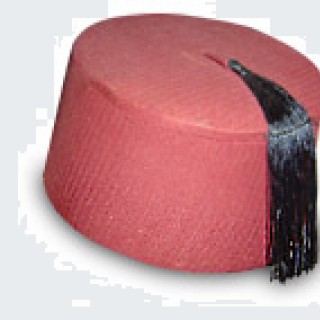
Cone-shaped cap with a flat crown, of North African origin
POPULARITY
Categories

57 episodes with Fez

19 episodes with Fez

23 episodes with Fez

23 episodes with Fez

31 episodes with Fez

24 episodes with Fez

13 episodes with Fez

16 episodes with Fez

12 episodes with Fez

9 episodes with Fez

32 episodes with Fez

11 episodes with Fez

9 episodes with Fez

7 episodes with Fez

6 episodes with Fez

17 episodes with Fez

8 episodes with Fez

7 episodes with Fez

22 episodes with Fez

6 episodes with Fez

31 episodes with Fez

9 episodes with Fez

8 episodes with Fez

22 episodes with Fez

6 episodes with Fez

21 episodes with Fez

11 episodes with Fez

10 episodes with Fez

8 episodes with Fez

6 episodes with Fez

5 episodes with Fez

3 episodes with Fez

4 episodes with Fez

5 episodes with Fez

7 episodes with Fez

5 episodes with Fez

6 episodes with Fez

3 episodes with Fez

6 episodes with Fez

4 episodes with Fez

7 episodes with Fez

5 episodes with Fez

5 episodes with Fez

4 episodes with Fez

4 episodes with Fez

4 episodes with Fez

5 episodes with Fez

4 episodes with Fez

4 episodes with Fez

4 episodes with Fez

3 episodes with Fez

9 episodes with Fez

7 episodes with Fez

2 episodes with Fez

Ah, Ladies of London: it was a cult classic that came and went, was largely ignored, eventually rebooted, and promptly canned again. Basically, it's a perfect subject for The Housewives Archives. This week we discuss etiquette, "British humor", gays on Bravo, being "creepy", pink walkie-talkies, The Tragedie of Martha and Daddy's Fez, and Alex McCord.LoL discussion: 15:30ishInstagram.com/HousewivesArchives

Nas artes da escrita, ele é um criador de múltiplas pistas. É dramaturgo, argumentista, romancista, poeta, cronista, realizador e músico e, há décadas, assina programas de televisão, além de séries, filmes, rábulas para rádio e peças de teatro. Fez parte das Produções Fictícias, fundou a banda satírica “Cebola Mol” e, apesar de achar que o mundo ainda vai piorar, continua a acreditar no poder de uma boa gargalhada e na revolução das gerações futuras contra o sistema e a voragem da tecnologia. Ouçam-no nesta conversa em podcast com Bernardo Mendonça. Ouçam-no nesta conversa em podcast com Bernardo MendonçaSee omnystudio.com/listener for privacy information.
Saudações, ouvintes apaixonados por locução. Está NO AR o 108º podcast VOZ OFF! Neste episódio, Antônio Viviani e Nicola Lauletta conversam com mais uma grande voz do rádio, da TV, da publicidade e do teatro. Nascido em São Paulo-SP, na Moóca, nosso convidado, desde pequeno, gostava muito de ouvir rádio, ganhou da mãe um pequeno gravador portátil onde registrava as músicas e os programas de rádio AM que gostava, o que o inspirou tempos depois a fazer um curso de radialismo no SENAC-SP, e no seu TCC optou por produzir um programa inspirado em novelas policiais do tipo que ele ouvia na sua juventude. Fez um curso de teatro, foi trabalhar com teatro de bonecos, onde fazia variadas vozes e acabou indo fazer um teste na Rádio Cultura, tentou Jovem Pan, mas sem sucesso até que surgiu um teste na Rádio Eldorado, que por sinal era sua rádio preferida e foi contratado como folguista. Com o tempo foi trabalhar também na TV Cultura, onde fazia vozes de personagens em documentário e depois passou a fazer as narrações, e acumulou também o emprego de locutor na Rádio Cultura. Quem vai contar essa história de sucesso é Fernão Lacerda. A conversa aconteceu em julho de 2026 e você vai ficar sabendo que ele voltou a fazer um curso de teatro, e trabalhou por muitos anos com o Grupo Tapa, fez vários comerciais como ator e também como locutor, e passou pela Antena 1, Rádio USP e a Rádio Interna da AgriShow. Atualmente, depois de fazer chamadas para o Discovery Channel e Fox Sports, faz as chamadas da ESPN. Com a gente, e pra vocês, o FERNÃO LACERDA! Para seguir nas redes sociais:- Curta a página do podcast Voz Off no Facebook- Siga o @podcastvozoff no Twitter- Curta a página do Antonio Viviani no Facebook- Siga o @antonioviviani no Twitter- Siga o @antonio.viviani no Instagram- Siga o @nicolalauletta no Twitter- Curta a página do Echo's Studio no Facebook- Curta a página do Workshop de Locução Voz A Obra no Facebook- Ouça também o podcast TEXTO SENTIDO com Antônio Viviani Assine o FEED do Voz Off:Para ouvir o Voz Off no seu agregador de podcasts preferido, clique aqui e assine o nosso FEED! Assine e avalie nosso podcast no iTunes:Se você usa o iTunes no seu computador, tablet ou smartphone, assine e avalie nosso podcast clicando aqui! Voz Off no Spotify:Caso prefira ouvir o Voz Off no Spotify, é só clicar aqui e assinar o nosso podcast no serviço de streaming! E-mails:Mande seu feedback pra gente através do e-mail podcastvozoff@gmail.com! Publicidade:Entre em contato e saiba como anunciar sua marca, produto ou serviço em nossos podcasts.See omnystudio.com/listener for privacy information.

No episódio de hoje do Kiwicast, recebemos Felipe Bohn, especialista em copywriting e funis de venda que fatura R$18 milhões em pouco mais de um ano vendendo infoprodutos para o mercado europeu, sem nunca ter vendido no Brasil.Felipe competiu boxe pela seleção brasileira e disputou o pan-americano, morando em alojamento da Polícia Militar em Balneário Camboriú. Desde os 15 anos fazia segurança armada em baladas ao lado de policiais para complementar a bolsa atleta. Fez faculdade de Direito e parou depois de três semestres.Para conseguir o primeiro capital, vendeu um consórcio no qual já tinha pago R$14 mil por apenas R$7 mil, metade do valor. Decidiu vender para fora do Brasil, em dólar ou euro, porque a barreira de entrada era menor e a inteligência artificial já permitia criar vídeos de vendas com avatares sem precisar aparecer.Hoje, aos 23 anos, comanda uma operação enxuta que lança entre 120 e 140 anúncios por semana. Usa inteligência artificial para cortar 40% do time de copywriting, documentar processos internos e acompanhar o faturamento diário da empresa, gastando apenas R$1 mil por mês com ferramentas de IA. Também abriu um braço de coprodução com experts brasileiros e uma marca própria de creatina nos Estados Unidos, e defende que não migrar para o mercado de nutracêuticos foi uma das melhores decisões que já tomou.No Kiwicast, ele falou sobre:- Por que decidiu vender infoproduto pra Europa em vez do Brasil- A diferença real entre operar no mercado brasileiro e no mercado em euro- Como mantém uma oferta vendendo por meses em escala, sem queimar em semanas- Como usar IA pra criar mais de 120 anúncios por semana- Por que acha que expert não deveria tentar ser empresário e operador ao mesmo tempoAprenda com quem vive o mercado digital na prática.Dá o play e deixe nos comentários qual foi o melhor insight que você tirou do episódio.Nosso Instagram é @Kiwify

Saudações, ouvintes apaixonados por locução. Está NO AR o 108º podcast VOZ OFF! Neste episódio, Antônio Viviani e Nicola Lauletta conversam com mais uma grande voz do rádio, da TV, da publicidade e do teatro. Nascido em São Paulo-SP, na Moóca, nosso convidado, desde pequeno, gostava muito de ouvir rádio, ganhou da mãe um pequeno gravador portátil onde registrava as músicas e os programas de rádio AM que gostava, o que o inspirou tempos depois a fazer um curso de radialismo no SENAC-SP, e no seu TCC optou por produzir um programa inspirado em novelas policiais do tipo que ele ouvia na sua juventude. Fez um curso de teatro, foi trabalhar com teatro de bonecos, onde fazia variadas vozes e acabou indo fazer um teste na Rádio Cultura, tentou Jovem Pan, mas sem sucesso até que surgiu um teste na Rádio Eldorado, que por sinal era sua rádio preferida e foi contratado como folguista. Com o tempo foi trabalhar também na TV Cultura, onde fazia vozes de personagens em documentário e depois passou a fazer as narrações, e acumulou também o emprego de locutor na Rádio Cultura. Quem vai contar essa história de sucesso é Fernão Lacerda. A conversa aconteceu em julho de 2026 e você vai ficar sabendo que ele voltou a fazer um curso de teatro, e trabalhou por muitos anos com o Grupo Tapa, fez vários comerciais como ator e também como locutor, e passou pela Antena 1, Rádio USP e a Rádio Interna da AgriShow. Atualmente, depois de fazer chamadas para o Discovery Channel e Fox Sports, faz as chamadas da ESPN. Com a gente, e pra vocês, o FERNÃO LACERDA! Para seguir nas redes sociais:- Curta a página do podcast Voz Off no Facebook- Siga o @podcastvozoff no Twitter- Curta a página do Antonio Viviani no Facebook- Siga o @antonioviviani no Twitter- Siga o @antonio.viviani no Instagram- Siga o @nicolalauletta no Twitter- Curta a página do Echo's Studio no Facebook- Curta a página do Workshop de Locução Voz A Obra no Facebook- Ouça também o podcast TEXTO SENTIDO com Antônio Viviani Assine o FEED do Voz Off:Para ouvir o Voz Off no seu agregador de podcasts preferido, clique aqui e assine o nosso FEED! Assine e avalie nosso podcast no iTunes:Se você usa o iTunes no seu computador, tablet ou smartphone, assine e avalie nosso podcast clicando aqui! Voz Off no Spotify:Caso prefira ouvir o Voz Off no Spotify, é só clicar aqui e assinar o nosso podcast no serviço de streaming! E-mails:Mande seu feedback pra gente através do e-mail podcastvozoff@gmail.com! Publicidade:Entre em contato e saiba como anunciar sua marca, produto ou serviço em nossos podcasts.See omnystudio.com/listener for privacy information.

Jaume Segalés y su equipo analizan los temas de actualidad y comentan la agenda cultural. Hoy en Km0, tras repasar la actualidad informativa y deportiva, profundizamos en los siguientes asuntos:Ciclo ‘Zarzuela en La Latina' de L'Operamore Ya estamos en uno de los momentos más castizos del año en Madrid. En plenas fiestas de San Cayetano, San Lorenzo y La Paloma, podemos disfrutar del ciclo de verano ‘Zarzuela en La Latina' de la productora L'Operamore. El Teatro La Latina (Plaza de la Cebada 2), acoge, durante todo el verano, los conciertos de siete títulos clásicos del repertorio lírico español, con especial protagonismo del género chico, la zarzuela madrileña y la zarzuela grande, además de la ópera ‘La Traviata' como cierre del festival. Todos ellos interpretados con voces y orquesta en directo y con funciones de miércoles a sábado a las 20:00 y los domingos a las 19:00. Este fin de semana es el turno de la tercera pieza del ciclo, ‘La Revoltosa', obra cumbre del género que, con música del maestro Ruperto Chapí, está a las puertas de celebrar su 130 aniversario. Le seguirá la célebre ‘La verbena de la Paloma', que se va a representar los mismos días de la fiesta que le da nombre. Y posteriormente será el turno de: ‘El barberillo de Lavapiés', ‘Luisa Fernanda', ‘La tabernera del puerto' y ‘La Traviata'. Entrevistamos al barítono Marco Moncloa, director de la compañía L'Operamore.Mercado del automóvil Continúa mostrando una evolución positiva. Las matriculaciones de turismos crecieron un 3,7% en julio, hasta alcanzar las 101.949 unidades, encadenando cinco meses consecutivos por encima de las 100.000 ventas y consolidando la recuperación del sector. El buen comportamiento del mercado se ha extendido a todos los canales de venta. Los particulares siguen concentrando la mayor parte de las matriculaciones, aunque las compras de empresas y, especialmente, de compañías de alquiler también mantienen una evolución positiva durante la campaña de verano. Recogemos la valoración del director de comunicación de Faconauto, Raúl Morales, sobre el balance actual de la venta de vehículos. Entre los modelos más demandados, el Dacia Sandero se mantiene como el coche más vendido de España tanto en julio como en el acumulado del año, seguido por el Seat Ibiza, que ocupa la segunda posición.Sección de cine clásico Es sesión continua Antolín de la Torre hoy nos habla sobre 'El viento y león' ('The Wind and the Lion'). Película estadounidense de 1975 dirigida por John Milius que combina aventuras, acción y drama histórico. Contó con un gran y extenso elenco encabezado por Sean Connery, Candice Bergen, Brian Keith, John Huston y Geoffrey Lewis. Su trama, inspirada en un hecho real, se desarrolla a principios del siglo XX. El jefe de los bereberes El Raisuni, secuestra en Tánger a una bella viuda estadounidense y a sus hijos para pedir un fuerte rescate. Este hecho desencadena un conflicto diplomático en el que se verán involucrados el gobierno americano (Theodore Roosevelt: 1901-1909), tropas alemanas y diversas facciones del sultanato de Marruecos. El rodaje se llevó a cabo en España, en las ciudades de Sevilla, Almería, y Madrid para las escenas de Tánger y Fez. Para las escenas del desierto Milius uso localizaciones de Almería que ya habían sido usadas en otras películas históricas como 'Lawrence de Arabia' y 'El Cid', además de muchos Spaghetti Westerns. La escena de Yellowstone donde Roosevelt da su discurso fue filmada en la Meseta Central, al norte de Madrid. Milius volvería a usar estos paisajes en su película, de 1982, 'Conan el Bárbaro'. Los marines de la escena del ataque al palacio de Tánger eran en su mayoría soldados españoles. En la ciudad de Madrid se rodaron escenas en el Hotel Palace, en el Parque de El Retiro y en la estación de Delicias. La música de 'El viento y el león fue' fue compuesta por Jerry Goldsmith, que usó una gran variedad de percusión e instrumentos típicos de Marruecos. Está considerada una de las mejores composiciones de su carrera y el American Film Institute la incluye en la lista de mejores músicas de cine.
No episódio de hoje do Kiwicast, recebemos Léo Mantovan, especialista em e-commerce com 16 anos de experiência e participação em operações que somam mais de R$500 milhões em faturamento.A história dele começa numa demissão. Em 2007, depois de anos crescendo dentro de uma empresa como gerente responsável por toda a região Sudeste, foi desligado. Foi aí que percebeu que a empresa nunca foi dele.Tentou empreender com uma estamparia. Fechou contratos com grandes empresas, inclusive a Vivo. Fez um lote de 300 camisetas errado. O prejuízo foi grande. A estamparia quebrou em menos de dois anos.Com o estoque parado, foi ao Mercado Livre vender o que sobrou. Bonés, camisetas, canecas. E percebeu que dava para fazer dinheiro. Começou a procurar novos produtos. Nunca mais parou. Isso foi em 2009.Dezesseis anos depois, já participou de operações que somam mais de R$500 milhões e gerencia mais de R$150 milhões por mês em contas de sellers. Hoje ensina empreendedores a vender com lucro de verdade nos marketplaces — Mercado Livre, Amazon, Shopee, Magalu e Americanas.No Kiwicast, ele falou sobre:● Como foi demitido, quebrou uma estamparia e descobriu o Mercado Livre em 2009● Por que a pandemia foi o melhor momento da carreira dele enquanto era o pior para a maioria● O que separa quem vende de quem só tem produto cadastrado no marketplace● Por que faturar muito não significa lucrar nada — e como arrumar isso● Como construir um e-commerce do zero com pouco investimento● O que os grandes sellers fazem que os pequenos não fazemAprenda com quem vive o mercado digital na prática.Dá o play e deixe nos comentários qual foi o melhor insight que você tirou do episódio.Nosso Instagram é @Kiwify

Seguimos la edición de verano hablando de terror, miedo y cultura popular con Desirée de Fez, periodista, crítica de cine y una de las grandes especialistas en fantástico y terror de nuestro país. Autora de Reina del grito y de la reciente novela No la dejes sola, lleva años explorando qué nos asusta y por qué. Hablamos de scream queens, de maternidad, de fantasmas, de cine y de cómo el terror funciona muchas veces como un espejo del momento histórico que vivimos. Porque detrás de los monstruos suelen estar los miedos reales: la violencia, la precariedad, la soledad, el cuerpo o las relaciones familiares. También conversamos sobre el auge actual del género, sobre por qué las mujeres han sido fundamentales en la historia del terror desde Mary Shelley hasta hoy, y sobre esa idea fascinante de que las historias que más miedo dan no siempre ocurren en mansiones encantadas, sino en cocinas, hospitales, estaciones de metro o grupos de WhatsApp familiares.
It's a new sensational Davey Mac Sports Program as we welcome legendary funnyman Jay Mohr (Mohr Stories, Saturday Night Live, Jerry Maguire) to the show! We chat with Jay about L.A. sports, LeBron James breaking news, Dave and hot sauce on Ron & Fez, and much more (no pun intended)! Plus, Dave discusses Ryan Clark being fired from ESPN, the downfall of ESPN, Sophie Cunningham, and much more! It's an action-packed episode that you need to experience...right now! BOOM!
It's a Davey Mac Sports Program reunion of the OG's as Chris "Pepper" Stanley (Bennington, High Society Radio) drops by and, along with drummer Sean O. Barry and DMSP musical director Roy Harter, the Core Four is back! Join the boys for a spirited discussion of friendship, back-stabbing, Ron & Fez, music, the World Cup, why ESPN truly sucks and is evil these days, the Yankees, MLB All Star Weekend, the NFL, Pepper under Interrogation, the Ramones, and much, much more! It's an instant classic that you need to hear today! BOOM!

En este episodio de El Ojo Crítico, la directora Nuria Ibáñez Castañeda presenta El Guardián, su primera película de ficción. La historia transcurre en una playa de Baja California (México), donde el desierto y el mar se encuentran. Allí vive un hombre que cuida un paraíso natural que protege cada día, aunque nunca llega a sentirlo como propio. Nacida a partir del documental Una corriente salvaje, la película convierte a Basilio Moncada en protagonista de su propia historia y propone una reflexión sobre la migración, la identidad, la explotación laboral y la pertenencia.El programa analiza también el nuevo disco de Cupido junto a María Taosa, repasando la trayectoria de una banda que ha sabido borrar las fronteras entre el indie y el mainstream con un sonido que combina pop, nostalgia y estética contemporánea.La literatura nos lleva hasta el Festival Celsius 232 de Avilés, donde Laura Fernández conversa con la escritora Desirée de Fez sobre No la dejes sola, una primera novela que mezcla terror, suspense y costumbrismo para explorar los vínculos familiares y los miedos cotidianos.La actualidad musical pasa por el Gran Teatre del Liceu de Barcelona, donde Josep Pons dirige Falstaff, la última ópera de Giuseppe Verdi, antes de despedirse como director musical del Liceu tras catorce temporadas.Cerramos el programa en el Festival Internacional de Benicàssim (FIB), que celebra su 30.º aniversario con artistas como The Kooks, Franz Ferdinand, Kaiser Chiefs y The Prodigy.Escuchar audio

Jay Dyer's interview on Tucker Carlson this week once again proved how far Christians are willing to go out of either ignorance or malicious intent to slap their label on things that do not belong to them, even if they contributed to the same after the fact. Jay claimed that the Byzantine empire was the greatest in history of the world because of Christianity. He also claimed yoga was anti-Christian and magic was wicked, while simultaneously saying that he believed literal bread and wine could be turned into the literal flesh and blood of a God and then consumed. Constantinople was founded in 330 CE. Christianity was adopted as the state religion of the Roman empire in 380 CE. Byzantine was not referred to as such until approximately 100 years later. However, Byzantine was simply the eastern half of the Roman empire. Although Byzantine was primarily Christian, Christians did not build it from the ground because the eastern empire was a continuation of the collective empire, and it inherited all the same economic, social, legal, etc. elements from a primarily non-Christian world. To paint Byzantine as a Christian empire as opposed to the alternative Muslim world is dishonest because their greatest enemy was the non-Muslim Sasanian empire, which embraced Zoroastrianism -- a religion not dissimilar from, but far predating, Christianity. The Byzantine empire utilized slave labor to the same extent the Romans or Muslims used them. Further east, Laozi was writing the same things found in the New Testament 500 years before Jesus. Buddha was tempted by Mara, like Jesus was tempted, but 500 years before. It is entirely relative to talk about the first hospitals and schools being Christian, because most previous societies had them. In fact, the Chinese Han Dynasty had both long before Christendom and Byzantine. Hindus, Buddhists, Muslims, all contributed to the university and hospital. The ancient Egyptians had medical centers and the Ancient Greeks had schools. The world's first and oldest continuously operating university is the University of Al-Qarawiyyin in Fez, Morocco. Founded in 859 AD by a Muslim named Fatima al-Fihri. The University of Bologna in Italy was founded in 1088 AD and is widely regarded as the oldest university in Europe and the first institution to use the term universitas (meaning a corporation of students). However, Taixue is likely the oldest institutional university in the world, dating back to 124 BC under Emperor Wu of the Han dynasty. Just as eastern Roman Empire wasn't called "byzantine" until after its collapse, Christians like to take credit for the first university, which was only such in name, not in conception or function.*The is the FREE archive, which includes advertisements. If you want an ad-free experience, subscribe below.

This week, we're rewinding the clock and bringing back an interview from five years ago! We sat down with Richard Vreeland, better known as Disasterpeace, the composer behind It Follows, as well as films like Bodies Bodies Bodies and Marcel the Shell with Shoes On. In this episode, we talk all about his collaboration with director David Robert Mitchell, how Mitchell discovered him through his soundtrack for the game FEZ, the intense three-week time crunch in which he composed the It Follows score, and some of his biggest sonic inspirations, including the stabbing sounds from Psycho. Disasterpeace also shares how he documents his creative work on his website, along with the personal projects and concept albums he loves to make. Plus, Steve gets into the latest updates from the horror world and shares some of his recommendations for the week. It's a great throwback episode, so... COME HANG OUT!!! Follow Us on Social Media:Instagram & Threads: @mostlyhorrorpodTikTok & Twitter/X: @mostlyhorrorSteve: @stevenisaverage (all socials)Sean: @hypocrite.ink (IG/TikTok), @hypocriteink (Twitter/X)Enjoyed this episode? Don't forget to subscribe, rate, and leave a review on your favorite podcast platform to help us reach more horror fans like you! Hosted by Simplecast, an AdsWizz company. See pcm.adswizz.com for information about our collection and use of personal data for advertising.
Na série de conversas descontraídas com cientistas, chegou a vez da Professora, Biomédica, Mestra e Doutora em Psicobiologia, com pós-doutorado no NIH dos EUA, Karina Possa Abrahão. Só vem! >> OUÇA (95min 03s) * Naruhodo! é o podcast pra quem tem fome de aprender. Ciência, senso comum, curiosidades, desafios e muito mais. Com o leigo curioso, Ken Fujioka, e o cientista PhD, Altay de Souza. Edição: Reginaldo Cursino. http://naruhodo.b9.com.br * Karina Possa Abrahão é formada em Biomedicina pela Universidade Federal de São Paulo (2005), possui mestrado (2008) e doutorado (2012) em Psicobiologia também UNIFESP. Entre 2010 e 2011, fez um doutorado sanduíche na Wake Forest University, EUA. Fez seu primeiro pós-doutoramento no Departamento de Farmacologia da USP e depois passou mais 5 anos como Pós-doutora no NIH (2013-2018), EUA. Essa formação propiciou uma vasta experiência no estudo de comportamentos impulsivos, formação de hábito e tomada de decisão, além do uso de animais transgênicos e técnicas de eletrofisiologia e fotometria para a compreenssão da função dos Núcleos da Base e dos efeitos neurobiológicos do álcool. Tem vasta experiência da área de Psicobiologia e Neurofisiologia. Atualmente é Professora Adjunta do Departamento de Fisiologia da UNIFESP e orienta pelo programa de pós-graduação em Psicobiologia da mesma instituição. Tem interesse na área de neurobiologia da tomada de decisão, sobretudo as escolhas arriscadas, e como o álcool pode afetar esses comportamentos. Utiliza técnicas de farmacologia, imunofluorescência, eletrofisiologia celular, optogenética, quimiogenética, fotometria e comportamento para desvendar a cascata de eventos neurais associadas às escolhas arriscadas. Sempre buscou integrar o desenvolvimento científico à comunicação científica, tendo fundado diferentes canais de divulgação como o Prisma Científico, o Eureka Brasil e, mais atualmente, o NeuroAthens. Site do laboratório: abrahaolab.com Bem recentemente, começou um trabalho dentro da FAPESP (FUndação de Amparo a Pesquisa do Estado de São Paulo), como assessora científica interna. Lattes: http://lattes.cnpq.br/1245502652994136 * APOIE O NARUHODO! O Altay e eu temos duas mensagens pra você. A primeira é: muito, muito obrigado pela sua audiência. Sem ela, o Naruhodo sequer teria sentido de existir. Você nos ajuda demais não só quando ouve, mas também quando espalha episódios para familiares, amigos - e, por que não?, inimigos. A segunda mensagem é: existe uma outra forma de apoiar o Naruhodo, a ciência e o pensamento científico - apoiando financeiramente o nosso projeto de podcast semanal independente, que só descansa no recesso do fim de ano. Manter o Naruhodo tem custos e despesas: servidores, domínio, pesquisa, produção, edição, atendimento, tempo... Enfim, muitas coisas para cobrir - e, algumas delas, em dólar. A gente sabe que nem todo mundo pode apoiar financeiramente. E tá tudo bem. Tente mandar um episódio para alguém que você conhece e acha que vai gostar. A gente sabe que alguns podem, mas não mensalmente. E tá tudo bem também. Você pode apoiar quando puder e cancelar quando quiser. O apoio mínimo é de 15 reais e pode ser feito pela plataforma ORELO ou pela plataforma APOIA-SE. Para quem está fora do Brasil, temos até a plataforma PATREON. É isso, gente. Estamos enfrentando um momento importante e você pode ajudar a combater o negacionismo e manter a chama da ciência acesa. Então, fica aqui o nosso convite: apóie o Naruhodo como puder. bit.ly/naruhodo-no-orelo
It's radio legend, comedy mentor, all-time funny-man, and brilliant genius Ron Bennington! On tonight's Davey Mac Sports Program! Ron, of course, is of the amazing shows Bennington and Portcast and Unmasked and Ron & Fez and Ron & Ron and many, many more! We talk Phillies, Yankees, pride, baseball, Brunson, the Knicks, World Cup, music, New York, Ron & Fez, producers, life itself, and more! The best of them all...the great...Ronnie Bennington! Right now! Hope you enjoy this episode of the award-winning* Davey Mac Sports Program and God bless Mr. B! * Best Independent Sports Podcast - iTunes Editorial Team

Hot Hat Friday and a FEZ from DS Printing & Design; Gracie has been found; Wonder Years star in town; Cities not mowing their lawns; Mike Campbell retires from News Center 7 after 40 years; World Cup Fever; Cemetery thefts; For your GoFundMe consideration; Rail Fest at Carillon Park.

Numa grande entrevista com Daniel Oliveira, Gonçalo Ramos, 25 anos, diz que só quer que o filho perceba que tudo o que a família tem dá trabalho. "Quero que ele disfrute da vida que lhe vamos poder dar, mas que também não se dislumbre, que tenha respeito por isso. Quero que olhe para nós e veja referências e exemplos". O avançado do Paris Saint-Germain é também um dos jogadores mais novos da seleção nacional. Fez sacríficios que poucos viram: "Fui obrigado a crescer rápido e muitas vezes sozinho", diz o jogador. Oiça aqui a entrevista completaSee omnystudio.com/listener for privacy information.

The Creative Process in 10 minutes or less · Arts, Culture & Society
Salwa and Selma Mikou are the founders of Paris-based Mikou Architecture. Born in Fez, Morocco and educated in Paris, they have spent the last two decades reimagining the relationship between the built environment and the cultural landscape.After honing their craft under two of the world's most iconic architects, Jean Nouvel and Renzo Piano, they founded their own studio. For them, architecture is a living interaction with landscape and what they call the Atlas of Resonance, interpreting the hidden layers of a territory, geology, memory, and craft. It is a philosophy that rejects the generic, seeking instead to weave together technological innovation with local materials. Whether it is a mosque in the north of England or a hybrid innovation hub in a former royal manufactory, their work asks a fundamental question: How does space shape the way we think, learn and remember? They were selected by Rem Koolhaas to represent Morocco at the Venice Biennale. Most recently, they were commissioned by Hermès to create a 17,000-square-meter facility that bridges industrial performance with poetic expression. At the heart of their practice is a belief that architecture is not just about building—it's about shaping relationships: between people, between past and future, between technology and craft.(0:03) Architecture as a Living Transformation(1:42) The Intuitive Knowledge of Living Art(2:20) Preserving the Human Core of Expression(3:14) The Medina and the Geometry of Childhood(6:35) The Social Spaces of Rooftops(8:27) The Twin Dynamic and Confrontation with 'l'autre'(10:21) Contextual Echoes & Traces of the Site(12:12) The Temples of Water(13:15) The Mosque as Pure Spatiality(15:49) Building Culture with Yves Saint Laurent & Pierre Bergé(16:57) The Wast ed-dar (وسط الدار) and the Heart of a Building(18:31) The Smells and Sounds of Home(19:44) Balance, Nature, and SisterhoodEpisode Websitewww.creativeprocess.info/podInstagram:@creativeprocesspodcast

“Architecture should bring a true sensation of wellbeing. We were really lucky to experience that as children, and now as architects, we try to bring all that we learned into our practice.”Salwa and Selma Mikou are the founders of Paris-based Mikou Architecture. Born in Fez, Morocco and educated in Paris, they have spent the last two decades reimagining the relationship between the built environment and the cultural landscape.After honing their craft under two of the world's most iconic architects, Jean Nouvel and Renzo Piano, they founded their own studio. For them, architecture is a living interaction with landscape and what they call the Atlas of Resonance, interpreting the hidden layers of a territory, geology, memory, and craft. It is a philosophy that rejects the generic, seeking instead to weave together technological innovation with local materials. Whether it is a mosque in the north of England or a hybrid innovation hub in a former royal manufactory, their work asks a fundamental question: How does space shape the way we think, learn and remember?They were selected by Rem Koolhaas to represent Morocco at the Venice Biennale. Most recently, they were commissioned by Hermès to create a 17,000-square-meter facility that bridges industrial performance with poetic expression. At the heart of their practice is a belief that architecture is not just about building—it's about shaping relationships: between people, between past and future, between technology and craft.(0:04) The Intuitive Knowledge of Living Art(4:24) The Medina and the Geometry of Childhood(8:18) The Social Spaces of Rooftops(13:46) The Intuitive Knowledge of Living Art(15:31) Contextual Echoes & Traces of the Site(19:18) The Twin Dynamic and Confrontation with 'l'autre'(26:42) The Temples of Water(33:24) The Mosque as Pure Spatiality(38:01) The Crisis Period and Structural Systems(48:24) Building Culture with Yves Saint Laurent & Pierre Bergé(51:38) The Wast ed-dar (وسط الدار) and the Heart of a Building(57:02) Preserving the Human Core of Expression(1:04:29) Urban Acupuncture in the Modern City(1:08:46) The Smells and Sounds of Home(1:10:02) Balance, Nature, and SisterhoodEpisode Websitewww.creativeprocess.info/podInstagram:@creativeprocesspodcast
No episódio de hoje do Kiwicast, recebemos Camilla Rocha,médica com 24 anos, autora e criadora de conteúdo com 1,6 milhão de seguidores, conhecida como a médica que traduz a medicina para você entender.A história dela começa antes da medicina. Com 10 anos, elajá gravava vídeos na internet cantando e tocando violão, numa época em que fazer isso era considerado completamente fora da casinha. Sofreu bullying na escola por isso. Em vez de desistir, foi à frente. Fez escola de teatro ecinema, prestou medicina e passou. Hoje, com 24 anos, é médica, autora do livro Zona de Potência e referência no digital com 1,6 milhão de seguidores, provando que a coragem de não pertencer foi exatamente o que a trouxe até aqui.No Kiwicast, ela falou sobre:● Como sua comunicação ajudou a crescer sua base de seguidores e alavancou sua carreira● O que significa ter a coragem de não pertencer e por que isso vale milhões no digital● Como construiu 1,6 milhão de seguidores sendo médica e criadora de conteúdo● Como traduzir conhecimento técnico em conteúdo que conecta e vendeAprenda com quem vive o mercado digital na prática.Dá o play e deixe nos comentários qual foi o melhor insight que você tirou do episódio.Nosso Instagram é @Kiwify

“Architecture should bring a true sensation of wellbeing. We were really lucky to experience that as children, and now as architects, we try to bring all that we learned into our practice.”Salwa and Selma Mikou are the founders of Paris-based Mikou Architecture. Born in Fez, Morocco and educated in Paris, they have spent the last two decades reimagining the relationship between the built environment and the cultural landscape.After honing their craft under two of the world's most iconic architects, Jean Nouvel and Renzo Piano, they founded their own studio. For them, architecture is a living interaction with landscape and what they call the Atlas of Resonance, interpreting the hidden layers of a territory, geology, memory, and craft. It is a philosophy that rejects the generic, seeking instead to weave together technological innovation with local materials. Whether it is a mosque in the north of England or a hybrid innovation hub in a former royal manufactory, their work asks a fundamental question: How does space shape the way we think, learn and remember?They were selected by Rem Koolhaas to represent Morocco at the Venice Biennale. Most recently, they were commissioned by Hermès to create a 17,000-square-meter facility that bridges industrial performance with poetic expression. At the heart of their practice is a belief that architecture is not just about building—it's about shaping relationships: between people, between past and future, between technology and craft.(0:04) The Intuitive Knowledge of Living Art(4:24) The Medina and the Geometry of Childhood(8:18) The Social Spaces of Rooftops(13:46) The Intuitive Knowledge of Living Art(15:31) Contextual Echoes & Traces of the Site(19:18) The Twin Dynamic and Confrontation with 'l'autre'(26:42) The Temples of Water(33:24) The Mosque as Pure Spatiality(38:01) The Crisis Period and Structural Systems(48:24) Building Culture with Yves Saint Laurent & Pierre Bergé(51:38) The Wast ed-dar (وسط الدار) and the Heart of a Building(57:02) Preserving the Human Core of Expression(1:04:29) Urban Acupuncture in the Modern City(1:08:46) The Smells and Sounds of Home(1:10:02) Balance, Nature, and SisterhoodEpisode Websitewww.creativeprocess.info/podInstagram:@creativeprocesspodcast

Salwa and Selma Mikou are the founders of Paris-based Mikou Architecture. Born in Fez, Morocco and educated in Paris, they have spent the last two decades reimagining the relationship between the built environment and the cultural landscape.After honing their craft under two of the world's most iconic architects, Jean Nouvel and Renzo Piano, they founded their own studio. For them, architecture is a living interaction with landscape and what they call the Atlas of Resonance, interpreting the hidden layers of a territory, geology, memory, and craft. It is a philosophy that rejects the generic, seeking instead to weave together technological innovation with local materials. Whether it is a mosque in the north of England or a hybrid innovation hub in a former royal manufactory, their work asks a fundamental question: How does space shape the way we think, learn and remember? They were selected by Rem Koolhaas to represent Morocco at the Venice Biennale. Most recently, they were commissioned by Hermès to create a 17,000-square-meter facility that bridges industrial performance with poetic expression. At the heart of their practice is a belief that architecture is not just about building—it's about shaping relationships: between people, between past and future, between technology and craft.(0:03) Architecture as a Living Transformation(1:42) The Intuitive Knowledge of Living Art(2:20) Preserving the Human Core of Expression(3:14) The Medina and the Geometry of Childhood(6:35) The Social Spaces of Rooftops(8:27) The Twin Dynamic and Confrontation with 'l'autre'(10:21) Contextual Echoes & Traces of the Site(12:12) The Temples of Water(13:15) The Mosque as Pure Spatiality(15:49) Building Culture with Yves Saint Laurent & Pierre Bergé(16:57) The Wast ed-dar (وسط الدار) and the Heart of a Building(18:31) The Smells and Sounds of Home(19:44) Balance, Nature, and SisterhoodEpisode Websitewww.creativeprocess.info/podInstagram:@creativeprocesspodcast

“Architecture should bring a true sensation of wellbeing. We were really lucky to experience that as children, and now as architects, we try to bring all that we learned into our practice.”Salwa and Selma Mikou are the founders of Paris-based Mikou Architecture. Born in Fez, Morocco and educated in Paris, they have spent the last two decades reimagining the relationship between the built environment and the cultural landscape.After honing their craft under two of the world's most iconic architects, Jean Nouvel and Renzo Piano, they founded their own studio. For them, architecture is a living interaction with landscape and what they call the Atlas of Resonance, interpreting the hidden layers of a territory, geology, memory, and craft. It is a philosophy that rejects the generic, seeking instead to weave together technological innovation with local materials. Whether it is a mosque in the north of England or a hybrid innovation hub in a former royal manufactory, their work asks a fundamental question: How does space shape the way we think, learn and remember?They were selected by Rem Koolhaas to represent Morocco at the Venice Biennale. Most recently, they were commissioned by Hermès to create a 17,000-square-meter facility that bridges industrial performance with poetic expression. At the heart of their practice is a belief that architecture is not just about building—it's about shaping relationships: between people, between past and future, between technology and craft.(0:04) The Intuitive Knowledge of Living Art(4:24) The Medina and the Geometry of Childhood(8:18) The Social Spaces of Rooftops(13:46) The Intuitive Knowledge of Living Art(15:31) Contextual Echoes & Traces of the Site(19:18) The Twin Dynamic and Confrontation with 'l'autre'(26:42) The Temples of Water(33:24) The Mosque as Pure Spatiality(38:01) The Crisis Period and Structural Systems(48:24) Building Culture with Yves Saint Laurent & Pierre Bergé(51:38) The Wast ed-dar (وسط الدار) and the Heart of a Building(57:02) Preserving the Human Core of Expression(1:04:29) Urban Acupuncture in the Modern City(1:08:46) The Smells and Sounds of Home(1:10:02) Balance, Nature, and SisterhoodEpisode Websitewww.creativeprocess.info/podInstagram:@creativeprocesspodcast

Salwa and Selma Mikou are the founders of Paris-based Mikou Architecture. Born in Fez, Morocco and educated in Paris, they have spent the last two decades reimagining the relationship between the built environment and the cultural landscape.After honing their craft under two of the world's most iconic architects, Jean Nouvel and Renzo Piano, they founded their own studio. For them, architecture is a living interaction with landscape and what they call the Atlas of Resonance, interpreting the hidden layers of a territory, geology, memory, and craft. It is a philosophy that rejects the generic, seeking instead to weave together technological innovation with local materials. Whether it is a mosque in the north of England or a hybrid innovation hub in a former royal manufactory, their work asks a fundamental question: How does space shape the way we think, learn and remember? They were selected by Rem Koolhaas to represent Morocco at the Venice Biennale. Most recently, they were commissioned by Hermès to create a 17,000-square-meter facility that bridges industrial performance with poetic expression. At the heart of their practice is a belief that architecture is not just about building—it's about shaping relationships: between people, between past and future, between technology and craft.(0:03) Architecture as a Living Transformation(1:42) The Intuitive Knowledge of Living Art(2:20) Preserving the Human Core of Expression(3:14) The Medina and the Geometry of Childhood(6:35) The Social Spaces of Rooftops(8:27) The Twin Dynamic and Confrontation with 'l'autre'(10:21) Contextual Echoes & Traces of the Site(12:12) The Temples of Water(13:15) The Mosque as Pure Spatiality(15:49) Building Culture with Yves Saint Laurent & Pierre Bergé(16:57) The Wast ed-dar (وسط الدار) and the Heart of a Building(18:31) The Smells and Sounds of Home(19:44) Balance, Nature, and SisterhoodEpisode Websitewww.creativeprocess.info/podInstagram:@creativeprocesspodcast

“Who Sent You?” — Alamo | “Rue” — AliWe're closing the door on Season 3 of Euphoria with our Side Quest Review of Episode 8. For this one, we had to bring back our brother Anthony from Talking Ish: A Podcast Amongst Friends, and we wasted no time getting into it. We shared our thoughts on the finale, reflected on the season as a whole, discussed how our feelings evolved throughout the journey, and said goodbye to our sister Rue. We also talked about how Kitty's BBL somehow got more screen time than Jules in this episode and revisited the emotional Rue and Fez flashback that hit us right in the feels. I won't say tears were shed during the review, but they definitely made an appearance while we were watching the episode. Let us know your thoughts on the season and the series as a whole. And as always, we have to ask, Was It Good Though???

Jo and Rob deliver their final testament on the 'Euphoria' Season 3 finale. (0:00) Intro (0:58) Instant Reactions (07:38) Rue (14:45) Lack of Jules (21:48) Homestead finale (35:10) Meaning behind the episode title (42:15) Fez (54:00) Will Euphoria return? Email us! maddysnumberoneboy@gmail.com or prestigetv@spotify.com Follow us on IG and TikTok! Subscribe to the Ringer TV YouTube channel here for full episodes of ‘The Prestige TV Podcast' and so much more! Hosts: Joanna Robinson and Rob Mahoney Producers: Kai Grady, Devon Renaldo, and Jamie Yukich Additional Production Support: Jack Wilson, Justin Sayles, Chris Wohlers and Jacob Cornett Learn more about your ad choices. Visit podcastchoices.com/adchoices

"The addict may be in remission, but that disease ain't gone."(recorded live on YouTube immediately after the Euphoria finale)NOTE: After we finished recording, Sam Levinson announced to the New York Times that Euphoria is officially finished. This was the series finale.In this episode of Previously On, Jillian and her husband Tyler are breaking down the Euphoria Season 3 finale — and honestly? We're still emotionally recovering.After months of theories, predictions, and wondering whether Rue Bennett would survive the season, Euphoria delivers its most devastating episode yet. From Rue's shocking fate and Ali's heartbreaking aftermath, to Fez's faux prison escape, Alamo's downfall, and the future of Maddy, Cassie, Jules, and the rest of East Highland, we're unpacking every major moment from the Euphoria finale.We discuss why Rue's ending hit so hard, how Angus Cloud's legacy may have influenced the season, whether this truly feels like the end of Euphoria, and what a potential Season 4 could even look like without some of the show's biggest characters.Plus, Tyler shares his final Tyler's Takes, we break down the finale's Western and Quentin Tarantino influences, discuss all the Have Gun Will Travel references, and debate whether the series should continue after this ending.If you're still drying your tears after the Euphoria finale, you're not alone.Topics discussed include:- Euphoria Season 3 Finale recap and review- Rue Bennett's fate explained- Ali's revenge storyline- Fez's return and prison escape- Maddy and Cassie's future- Jules' ending and missed opportunities- Sam Levinson's message about addiction and fentanyl- Whether Euphoria should continueThank you to Matt Buechele (@mattbooshell) for creating our new theme song. You can listen to "Sunscreen" on Spotify: https://open.spotify.com/artist/1gFHHF3QyQxjbbKXV3qLu9Buy our merch: https://www.etsy.com/shop/PreviouslyOnTeenTVFollow Previously On Teen TV on Instagram: https://www.instagram.com/previouslyon_teentv/Follow Previously On Teen TV on TikTok: https://www.tiktok.com/@previouslyon_teentvSubscribe to our YouTube: https://www.youtube.com/channel/UCe2lgvvZGKMrQ8v24FmDdWQ?sub_confirmation=1

O gênero do horror vem ganhando espaço na literatura ibero-americana contemporânea escrita por mulheres. Autoras premiadas como Mariana Enriquez, da Argentina, María Fernanda Ampuero, do Equador, e Laila Martínez, da Espanha, recorrem a elementos do horror e do fantástico sombrio para abordar traumas, diferentes formas de violência e outras questões sociais. É sobre esse tema o novo episódio do Podcast da Semana, com a atriz e diretora Amanda Lyra, que partiu de contos desse universo para, ao lado de Juuar, montar a peça Estratagemas Desesperados.Amanda Lyra é atriz e diretora. Formada pela Escola de Arte Dramática da USP. Fez a dramaturgia e direção (ao lado de Juuar) do espetáculo Estratagemas Desesperados (2025). Idealizou e atuou no monólogo Quarto 19, criado a partir do conto homônimo de Doris Lessing, com direção de Leonardo Moreira. Como atriz convidada, atuou em peças de diretores como Felipe Hirsch, Yara de Novaes, Carolina Bianchi e Daniela Thomas, entre outras.Na conversa com Gama, Lyra trata de literatura, gênero, teatro e dos estereótipos por trás de ser mulher, e mulher latino-americana.Roteiro e apresentação: Luara Calvi Anic

Visionary Activist Show 5.27.26 #KPFA 2 pm pt #KPFK 5.28.26 wee hours & 1 pm pt Waxing Full Moon – of myriad guiding stories, translated into accessible vernacular – to be spiraled forth into the Memosphere….. The more we know of Culture, Stories, History – the more effective we be in our alchemical task of composting the grotesque monstrous animation of America's shadow – into nutrient for global democratic animism…. Caroline inter-weaves – the astroanimistmytho*polito guiding meta narrative, with guiding clips from Carl Jung, Pope Leo, Mathew Remsky – on the Pope, Iranian Lego News Service on the rich beauty of Persian culture, Omid Safi on West African Sufism – to America… recorded at the shrine of Ahmad al-Tijani, in Fez, Morocco…. and always – Scheherazade & Dunyazade – the liberating sisters presiding over Alf Layla wa-Layla – The Thousand and One Nights… that the right stories, told at the right time, will redeem the world…. CoyoteNetworkNews.com · Events, Councils, & More Visionary Activist on Patreon The post Waxing Full Moon – of myriad guiding stories… appeared first on KPFA.
Strolling in early to record on a Sunday Morning as the boys got a late call up to head to Brisbane on the weekend for a very important mission which they tell you all about!All the usual segments that are jam packed: we cover some of David Attenborough's best moments to celebrate his 100th birthday, have one of the BEST editions of Pub Of The Week yet and Poo's Reviews keeps things light and fresh, reviewing a tindery but also answering his callouts for best Meatheads from last week and a review on the 90km/hr rule for P Platers in NSW. We also catch up with Will Friedman to chat about all things Cold Brew and even give Fez a bell to talk about his new upcoming TV series and his plans for Alphafest. Enjoy legends!Alpha Blokes Survey - take ya 5 mins! https://podcastsurvey.typeform.com/AlphaBlokesGot a yarn for Talkback? Email it to carryon@alphablokes.com.auWant Poo to review your Tinder profile? Email the big fella with your intel to possibly get on to Poo's Reviews: poobandit@alphablokes.com.auEver wanted to watch the Podcast? Check out full visual, uncut and ad-free versions on our Patreon. Our 2 Part Movie series from Darwin fishing the Runoff has just dropped and it's one of the best one's we've released so far: patreon.com/alphablokespodcastBetter Beer: Jog in a can, win in a tin, the athletes choice. Try their new Halfy's at any bottle-o near you: https://www.betterbeer.com.au/Neds: Whatever you bet on, take it to the neds level: https://www.neds.com.au/SP Tools: Schmicker tools for an even schmicker price, use code "ALPHA" at checkout for 10% off and check out their brand new catalogue: sptools.comPortwest: Tough workwear for tough jobs. Check out their vast variety of PPE for the jobsite here: https://www.portwest.com/market/Papa Macros: ready made unreal meals if you're too flat out to meal prep Sunday arvo. Use the code "ALPHA" for $30 off your first order or "ALPHA10" for any reoccuring order for 10% off at papamacros.com.au OR simply use the links below:$30 off your first order: https://www.papamacros.com.au/?coupon-code=ALPHA&sc-page=shop10% off: https://www.papamacros.com.au/?coupon-code=Alpha10&sc-page=shop0:00 - Sunday Morning Yarning27:00 - Cold Brew Update (Call with Will Friedman)41:50 - Pub Of The Week49:50 - Cooking/Eating55:11 - Alpha News1:28:40 - Motivation1:32:40 - Trendsetters Group1:39:42 - Poo's Reviews Hosted on Acast. See acast.com/privacy for more information.

A great podcast has been revealed to you. Welcome back to Describing the Skybox! Today, as our first episode in Mystery May, we're going to be talking about Fez, a now shockingly 14 year old game. Fez is a puzzle platformer, emphasis on the puzzle, but not a complete dis-emphasis on the platformer, in which you move around on a 2D plane, but have the ability to rotate the play area, adding a bit of 3D thinking as well as some perspective-based puzzles to work through. This carries the game surprisingly well, with it feeling very clever but also surprisingly intuitive. Along the way, there are numerous hints and secrets to find which could lead players to an ultimate secret about the world of the game, but are more often than not just additional collectibles to pick up. This cleverness and emphasis on secrets in the exploration are both the game's strengths and its weaknesses, as it does create an atmosphere that makes you want to explore, bolstered by the fun, cartoony art direction, but also asks a lot of the player to even get from place to place. Navigating can be a little stilted as your destinations aren't clear and exits to each zone are not necessarily immediately visible with multiple angles to look through. If you're looking for a fun, light, platformer game, don't be fooled by the game's visuals and presentation, but if you want to dedicate some time, Fez does feel like a kind of pioneering game in the indie space. Thank you for joining us again this week! Fez has been on the list about as long as we've been doing the podcast, so we thank the Mystery May die for finally pushing us into doing it. Fez is such a hot and cold game, emblematic of the indie scene at the time it came out, with equal parts misguided ambition as well as genuinely clever design. Did you fall down the Fez rabbit hole when it came out, or did you bounce off of it? Let us know in the comments or over on our Discord server! Next time, we're going to be talking about Dreams, the game development software slash game browser for the Playstation 4, so we hope you'll join us then!

“Architecture should bring a true sensation of wellbeing. We were really lucky to experience that as children, and now as architects, we try to bring all that we learned into our practice.”Salwa and Selma Mikou are the founders of Paris-based Mikou Architecture. Born in Fez, Morocco and educated in Paris, they have spent the last two decades reimagining the relationship between the built environment and the cultural landscape.After honing their craft under two of the world's most iconic architects, Jean Nouvel and Renzo Piano, they founded their own studio. For them, architecture is a living interaction with landscape and what they call the Atlas of Resonance, interpreting the hidden layers of a territory, geology, memory, and craft. It is a philosophy that rejects the generic, seeking instead to weave together technological innovation with local materials. Whether it is a mosque in the north of England or a hybrid innovation hub in a former royal manufactory, their work asks a fundamental question: How does space shape the way we think, learn and remember?They were selected by Rem Koolhaas to represent Morocco at the Venice Biennale. Most recently, they were commissioned by Hermès to create a 17,000-square-meter facility that bridges industrial performance with poetic expression. At the heart of their practice is a belief that architecture is not just about building—it's about shaping relationships: between people, between past and future, between technology and craft.(0:04) The Intuitive Knowledge of Living Art(4:24) The Medina and the Geometry of Childhood(8:18) The Social Spaces of Rooftops(13:46) The Intuitive Knowledge of Living Art(15:31) Contextual Echoes & Traces of the Site(19:18) The Twin Dynamic and Confrontation with 'l'autre'(26:42) The Temples of Water(33:24) The Mosque as Pure Spatiality(38:01) The Crisis Period and Structural Systems(48:24) Building Culture with Yves Saint Laurent & Pierre Bergé(51:38) The Wast ed-dar (وسط الدار) and the Heart of a Building(57:02) Preserving the Human Core of Expression(1:04:29) Urban Acupuncture in the Modern City(1:08:46) The Smells and Sounds of Home(1:10:02) Balance, Nature, and SisterhoodEpisode Websitewww.creativeprocess.info/podInstagram:@creativeprocesspodcast
Saudações, ouvintes apaixonados por locução. Está NO AR o 105º podcast VOZ OFF! Neste episódio, Antônio Viviani e Nicola Lauletta conversam com mais uma grande voz do esporte no rádio, na TV, e agora também na internet. Nascido em São Paulo, na Vila Esperança, bairro da Zona Leste, o nosso entrevistado trabalha desde que se conhece por gente. Como ele conta, começou vendendo bananas na feira, e um dia, lendo uma matéria sobre futebol, num jornal que embrulhava bananas, resolveu que iria trabalhar naquilo: ser jornalista esportivo. Seu contato com o rádio, era ouvir quando criança, o programa Moraes Sarmento, mas nunca imaginou que seria radialista, até porque ele sempre gostou de futebol e nunca se interessou por outros esportes. Fez faculdade de jornalismo, participou de um concurso na Rádio Gazeta, foi escolhido e começou a trabalhar como repórter. E quando você trabalha no jornalismo esportivo, as oportunidades aparecem. Ao começar na Record, acabou trabalhando com o saudoso Silvio Luiz, com quem fez uma dupla de muito sucesso. Também passou pela TV Cultura, onde apresentou o Cartão Verde por 15 anos, pela TV Gazeta onde apresentou durante 20 anos o Mesa Redonda Futebol Debate, e no rádio trabalha há 36 anos na Jovem Pan. Quem vai contar essa história de sucesso é Flavio Prado. A conversa aconteceu em março de 2026 e você vai ficar sabendo que O Mundo da Bola, programa que ele apresentou na Jovem Pan, ganhou duas vezes o Prêmio APCA. Hoje ele tem um podcast na internet, e durante o nosso papo ele falou do tempo em que deu aulas em faculdades de jornalismo, tendo ajudado a formar uma geração brilhante de jornalistas esportivos. 4Nesta edição também fizemos uma homenagem ao saudoso Nelson Tatá Alexandre que nos deixou em março de 2026, apresentando um piloto inédito de um Programa da Rádio Camanducaia, com a participação dos também saudosos Odayr Baptista, Alaor Coutinho e o Tatá. Com a gente, e pra vocês: FLAVIO PRADO! Para seguir nas redes sociais:- Curta a página do podcast Voz Off no Facebook- Siga o @podcastvozoff no Twitter- Curta a página do Antonio Viviani no Facebook- Siga o @antonioviviani no Twitter- Siga o @antonio.viviani no Instagram- Siga o @nicolalauletta no Twitter- Curta a página do Echo's Studio no Facebook- Curta a página do Workshop de Locução Voz A Obra no Facebook- Ouça também o podcast TEXTO SENTIDO com Antônio Viviani Assine o FEED do Voz Off:Para ouvir o Voz Off no seu agregador de podcasts preferido, clique aqui e assine o nosso FEED! Assine e avalie nosso podcast no iTunes:Se você usa o iTunes no seu computador, tablet ou smartphone, assine e avalie nosso podcast clicando aqui! Voz Off no Spotify:Caso prefira ouvir o Voz Off no Spotify, é só clicar aqui e assinar o nosso podcast no serviço de streaming! E-mails:Mande seu feedback pra gente através do e-mail podcastvozoff@gmail.com! Publicidade:Entre em contato e saiba como anunciar sua marca, produto ou serviço em nossos podcasts.See omnystudio.com/listener for privacy information.

Amongst the many achievements of the Castilian court of King Alfonso X (1221-184) is the Cantigas de Santa Maria, a collection of 429 songs preserved in four manuscripts. In The Cantigas de Santa Maria: Power and Persuasion at the Alfonsine Court (Oxford UP, 2024) Henry T. Drummon re-examines a subsection of this collection, the cantigas de miragre. These songs set miracle narratives to recursive, refrain-based musical structures. By situating the musical and poetic form of the cantigas de miragre against the backdrop of discourses about rhetoric animating 13th-century intellectual life, Drummond shows how these songs worked to communicate propagandistic messages on behalf of a crown in crisis. Available recordings of the cantigas discussed in the podcast include those from Jordi Savall and Hespèrion XXI, the Boston Camerata and the Andalusian Orchestra of Fez under the direction of Joel Cohen, and René Clemencic's Clemencic Consort. Learn more about your ad choices. Visit megaphone.fm/adchoices Support our show by becoming a premium member! https://newbooksnetwork.supportingcast.fm/new-books-network

Amongst the many achievements of the Castilian court of King Alfonso X (1221-184) is the Cantigas de Santa Maria, a collection of 429 songs preserved in four manuscripts. In The Cantigas de Santa Maria: Power and Persuasion at the Alfonsine Court (Oxford UP, 2024) Henry T. Drummon re-examines a subsection of this collection, the cantigas de miragre. These songs set miracle narratives to recursive, refrain-based musical structures. By situating the musical and poetic form of the cantigas de miragre against the backdrop of discourses about rhetoric animating 13th-century intellectual life, Drummond shows how these songs worked to communicate propagandistic messages on behalf of a crown in crisis. Available recordings of the cantigas discussed in the podcast include those from Jordi Savall and Hespèrion XXI, the Boston Camerata and the Andalusian Orchestra of Fez under the direction of Joel Cohen, and René Clemencic's Clemencic Consort. Learn more about your ad choices. Visit megaphone.fm/adchoices Support our show by becoming a premium member! https://newbooksnetwork.supportingcast.fm/intellectual-history

Amongst the many achievements of the Castilian court of King Alfonso X (1221-184) is the Cantigas de Santa Maria, a collection of 429 songs preserved in four manuscripts. In The Cantigas de Santa Maria: Power and Persuasion at the Alfonsine Court (Oxford UP, 2024) Henry T. Drummon re-examines a subsection of this collection, the cantigas de miragre. These songs set miracle narratives to recursive, refrain-based musical structures. By situating the musical and poetic form of the cantigas de miragre against the backdrop of discourses about rhetoric animating 13th-century intellectual life, Drummond shows how these songs worked to communicate propagandistic messages on behalf of a crown in crisis. Available recordings of the cantigas discussed in the podcast include those from Jordi Savall and Hespèrion XXI, the Boston Camerata and the Andalusian Orchestra of Fez under the direction of Joel Cohen, and René Clemencic's Clemencic Consort. Learn more about your ad choices. Visit megaphone.fm/adchoices Support our show by becoming a premium member! https://newbooksnetwork.supportingcast.fm/music
“Architecture should bring a true sensation of wellbeing. We were really lucky to experience that as children, and now as architects, we try to bring all that we learned into our practice.”Salwa and Selma Mikou are the founders of Paris-based Mikou Architecture. Born in Fez, Morocco and educated in Paris, they have spent the last two decades reimagining the relationship between the built environment and the cultural landscape.After honing their craft under two of the world's most iconic architects, Jean Nouvel and Renzo Piano, they founded their own studio. For them, architecture is a living interaction with landscape and what they call the Atlas of Resonance, interpreting the hidden layers of a territory, geology, memory, and craft. It is a philosophy that rejects the generic, seeking instead to weave together technological innovation with local materials. Whether it is a mosque in the north of England or a hybrid innovation hub in a former royal manufactory, their work asks a fundamental question: How does space shape the way we think, learn and remember?They were selected by Rem Koolhaas to represent Morocco at the Venice Biennale. Most recently, they were commissioned by Hermès to create a 17,000-square-meter facility that bridges industrial performance with poetic expression. At the heart of their practice is a belief that architecture is not just about building—it's about shaping relationships: between people, between past and future, between technology and craft.(0:04) The Intuitive Knowledge of Living Art(4:24) The Medina and the Geometry of Childhood(8:18) The Social Spaces of Rooftops(13:46) The Intuitive Knowledge of Living Art(15:31) Contextual Echoes & Traces of the Site(19:18) The Twin Dynamic and Confrontation with 'l'autre'(26:42) The Temples of Water(33:24) The Mosque as Pure Spatiality(38:01) The Crisis Period and Structural Systems(48:24) Building Culture with Yves Saint Laurent & Pierre Bergé(51:38) The Wast ed-dar (وسط الدار) and the Heart of a Building(57:02) Preserving the Human Core of Expression(1:04:29) Urban Acupuncture in the Modern City(1:08:46) The Smells and Sounds of Home(1:10:02) Balance, Nature, and SisterhoodEpisode Websitewww.creativeprocess.info/podInstagram:@creativeprocesspodcast
In this episode of Previously On, Jillian and her husband Tyler are breaking down Euphoria Season 3 Episode 4 "Kitty Likes to Dance". This ep proves nobody is safe this season...like, at all.From Rue getting pulled deeper into dangerous territory with a deal that could literally cost her life, to Nate fighting for his life (and reputation) at the council meeting, to Maddy and Cassie teaming up in a way that feels equal parts genius and unhinged - this episode is firing shots in every direction while including a lot of meta moments and nostalgia from seasons 1 & 2.And because this episode ends on Cold as Ice energy, we're ranking our Top 5 “Cold As Ice” Moments that includes Jules going wildly off-script, Nate getting humbled in public, and Rue making moves that has her looking out only for herself. Plus, Tyler shares his Tyler's Takes and we tease an upcoming mid-season theories episode you do NOT want to miss!Check your feed later this week for the Euphoria Mid-Season Theories Podcast.Mural Nate Jacobs is looking at: https://www.instagram.com/p/DXpQbKdmlsk/00:00 Lexi's speech to group reenactment03:59 Intro to pod06:01 Recap S3 E4 "Kitty Likes to Dance"13:37 Top 5 Cold as Ice Moments13:54 Jules painting for LA Nights17:14 Bill brings Nate Jacobs to his knees22:33 DEA forcing Rue to be a rat30:02 Maddy/Cassie's Brandon Fontaine plan36:10 Rue turning on friends42:34 Tyler's Takes42:56 Lack of bits45:46 Pass of the North mural47:22 Jules watching Love Island?47:43 Euphoria make-up team48:11 Cassie pawns ring50:39 Leopard bodysuit51:16 Fez is Rue's backgroundThank you to Matt Buechele (@mattbooshell) for creating our new theme song. You can listen to "Sunscreen" on Spotify: https://open.spotify.com/artist/1gFHHF3QyQxjbbKXV3qLu9Buy our merch: https://www.etsy.com/shop/PreviouslyOnTeenTVFollow Previously On Teen TV on Instagram: https://www.instagram.com/previouslyon_teentv/Follow Previously On Teen TV on TikTok: https://www.tiktok.com/@previouslyon_teentvSubscribe to our YouTube: https://www.youtube.com/channel/UCe2lgvvZGKMrQ8v24FmDdWQ?sub_confirmation=1
Mario must be ready to face the podcast ahead of him. Welcome back to the podcast! Today, we're talking about Super Mario World. Undeniably one of the most iconic games on the Super Nintendo, if you are involved in the platformer space at all, you will see Super Mario World come up pretty much every day. This more than any other game defined what 2D platformers could be throughout the 90s, and it's a very easy game to look back on because of just how refined it is in terms of level design and control. I don't think there's too much more that needs to be explained about one of the most well known games of all time, We're going to be talking about polish vs. innovation and which parts of this game you find by tracing back its legacy, the iconic presentational elements of this game like its music and credits sequence, and we pitch yet another way Nintendo could improve Pokémon Snap for some reason. Thank you for joining us again this week! Obviously this is a very old and well regarded game, so we're hoping that having a new player will give us a fresh perspective on it 36 years down the line from its original release. I highlighted this as one of my top 100 games on our 10th anniversary, but is this a title you have a particular history with? Are you way too young to be playing games that are pushing 40? Let us know over on our Discord or in the comments! Next time, we begin Mystery May, where we let fate decide which episodes we are doing and for the first roll this month came up Fez! So we hope you'll join us for that and to find out which game gets randomly decided on during that episode. We are absolutely dripping with tension this month.
Jo and Rob raise their glasses to recap ‘Euphoria' Season 3, Episode 3. (0:00) Intro (1:30) Mailbag check-in (15:12) Is the show missing Labrinth? (21:09) Cassie and Nate's wedding (26:23) Is the show underserving Jules this season? (31:14) Rue's new job (38:47) Maddy's emotional reaction (44:14) The most unrealistic thing about the episode (52:34) Eric Dane's performance (58:03) What's next for Nate? (59:49) Fez's phone call (01:04:48) The DEA Email us! maddysnumberoneboy@gmail.com or prestigetv@spotify.com Follow us on IG and TikTok! Subscribe to the Ringer TV YouTube channel here for full episodes of ‘The Prestige TV Podcast' and so much more! Hosts: Joanna Robinson and Rob Mahoney Producers: Kai Grady and Devon Renaldo Additional Production Support: Justin Sayles and Jacob Cornett Learn more about your ad choices. Visit podcastchoices.com/adchoices
Na série de conversas descontraídas com cientistas, chegou a vez do historiador, escritor, criador de conteúdo, fundador do Xadrez Verbal e apresentador do Nerdologia, Filipe Figueiredo. Só vem! >> OUÇA (93min 53s) * Naruhodo! é o podcast pra quem tem fome de aprender. Ciência, senso comum, curiosidades, desafios e muito mais. Com o leigo curioso, Ken Fujioka, e o cientista PhD, Altay de Souza. Edição: Reginaldo Cursino. http://naruhodo.b9.com.br * Filipe Figueiredo é historiador pela Universidade de São Paulo. Interessado em política, atualidades, esportes, comida, música e Batman, além de palmeirense. É fundador do site Xadrez Verbal, inaugurado em 2013 como um blog, com conteúdo principalmente sobre política e atualidades, domésticas e internacionais. Foi colaborador e colunista em portais de notícias, colunista de política internacional no jornal Gazeta do Povo e atualmente escreve no jornal O Estado de S. Paulo, além de comentarista da Rádio CBN. Fez roteiros e locução dos vídeos de História no canal Nerdologia, um dos maiores canais educativos e científicos do YouTube. Atualmente toca o podcast Xadrez Verbal e a nova fase do canal Nerdologia. Site: https://xadrezverbal.com/ * APOIE O NARUHODO! O Altay e eu temos duas mensagens pra você. A primeira é: muito, muito obrigado pela sua audiência. Sem ela, o Naruhodo sequer teria sentido de existir. Você nos ajuda demais não só quando ouve, mas também quando espalha episódios para familiares, amigos - e, por que não?, inimigos. A segunda mensagem é: existe uma outra forma de apoiar o Naruhodo, a ciência e o pensamento científico - apoiando financeiramente o nosso projeto de podcast semanal independente, que só descansa no recesso do fim de ano. Manter o Naruhodo tem custos e despesas: servidores, domínio, pesquisa, produção, edição, atendimento, tempo... Enfim, muitas coisas para cobrir - e, algumas delas, em dólar. A gente sabe que nem todo mundo pode apoiar financeiramente. E tá tudo bem. Tente mandar um episódio para alguém que você conhece e acha que vai gostar. A gente sabe que alguns podem, mas não mensalmente. E tá tudo bem também. Você pode apoiar quando puder e cancelar quando quiser. O apoio mínimo é de 15 reais e pode ser feito pela plataforma ORELO ou pela plataforma APOIA-SE. Para quem está fora do Brasil, temos até a plataforma PATREON. É isso, gente. Estamos enfrentando um momento importante e você pode ajudar a combater o negacionismo e manter a chama da ciência acesa. Então, fica aqui o nosso convite: apóie o Naruhodo como puder. bit.ly/naruhodo-no-orelo
In this episode of Previously On, Jillian and her husband Tyler are breaking down Euphoria Season 3 Episode 3, “The Ballad of Paladin,” and WOW this episode gave us the wedding of the season, but in true Euphoria fashion, it came with chaos, consequences, and one missing toe. Beneath the pink bows and $50,000 worth of flowers, everything starts to unravel for Nate and Cassie, whose “perfect day” spirals into something far darker than either of them expected. Meanwhile,this episode dives deeper into Jules' backstory, revealing how she became a sugar baby and Rue's storyline takes a wild turn as she gets pulled into bigger risks.We're also counting down our Top 5 “Keep Smiling (As Something Terrible is Happening)” Moments, including Maddie facing shade from Nate's mom, Cassie desperately clinging to her dream wedding as it collapses around her, and Nate learning the hard way that you can't outrun your actions even if it costs you a toe.We also get into Tyler's takes on everything from the absolute madness of the wedding dance floor to the episode's wildest visuals yet. This episode really marks the moment where the theme of consequences takes center stage and it feels like the calm before an even bigger storm.00:00 Intro to pod01:39 Wedding outfits03:46 BB appearance07:22 Recap S3 E3 "The Ballad of Paladin"09:07 Jules sugar baby origin story14:45 Top 5 Keep Smiling (as something terrible happens)16:03 Maddy, at least you didn't marry Nate20:14 Cassie, got her expensive wedding27:26 Jules, ShyGuy118 is still there somewhere30:28 Cal Jacobs35:06 Rule, at least you're not Laurie's mule40:30 Should Rue have been invited? 42:10 Nate, still got 9 toes47:10 Lexi is a virgin48:05 Gross moments50:44 Tyler's Takes50:54 Coen brothers52:05 Plastic surgeon52:46 Fez call from prison53:46 Bishop cowboy54:31 Alamo legit55:22 Suze55:40 Limo Hummer55:57 Housewives weddings56:20 "Get Low"Thank you to Matt Buechele (@mattbooshell) for creating our new theme song. You can listen to "Sunscreen" on Spotify: https://open.spotify.com/artist/1gFHHF3QyQxjbbKXV3qLu9Buy our merch: https://www.etsy.com/shop/PreviouslyOnTeenTVFollow Previously On Teen TV on Instagram: https://www.instagram.com/previouslyon_teentv/Follow Previously On Teen TV on TikTok: https://www.tiktok.com/@previouslyon_teentvSubscribe to our YouTube: https://www.youtube.com/channel/UCe2lgvvZGKMrQ8v24FmDdWQ?sub_confirmation=1

“Architecture should bring a true sensation of wellbeing. We were really lucky to experience that as children, and now as architects, we try to bring all that we learned into our practice.”Salwa and Selma Mikou are the founders of Paris-based Mikou Architecture. Born in Fez, Morocco and educated in Paris, they have spent the last two decades reimagining the relationship between the built environment and the cultural landscape.After honing their craft under two of the world's most iconic architects, Jean Nouvel and Renzo Piano, they founded their own studio. For them, architecture is a living interaction with landscape and what they call the Atlas of Resonance, interpreting the hidden layers of a territory, geology, memory, and craft. It is a philosophy that rejects the generic, seeking instead to weave together technological innovation with local materials. Whether it is a mosque in the north of England or a hybrid innovation hub in a former royal manufactory, their work asks a fundamental question: How does space shape the way we think, learn and remember?They were selected by Rem Koolhaas to represent Morocco at the Venice Biennale. Most recently, they were commissioned by Hermès to create a 17,000-square-meter facility that bridges industrial performance with poetic expression. At the heart of their practice is a belief that architecture is not just about building—it's about shaping relationships: between people, between past and future, between technology and craft.(0:04) The Intuitive Knowledge of Living Art(4:24) The Medina and the Geometry of Childhood(8:18) The Social Spaces of Rooftops(13:46) The Intuitive Knowledge of Living Art(15:31) Contextual Echoes & Traces of the Site(19:18) The Twin Dynamic and Confrontation with 'l'autre'(26:42) The Temples of Water(33:24) The Mosque as Pure Spatiality(38:01) The Crisis Period and Structural Systems(48:24) Building Culture with Yves Saint Laurent & Pierre Bergé(51:38) The Wast ed-dar (وسط الدار) and the Heart of a Building(57:02) Preserving the Human Core of Expression(1:04:29) Urban Acupuncture in the Modern City(1:08:46) The Smells and Sounds of Home(1:10:02) Balance, Nature, and SisterhoodEpisode Websitewww.creativeprocess.info/podInstagram:@creativeprocesspodcast
Rue is a mule, Maddy's a manager, Lexi's in Hollywood, Cassie's starting a you-know-what, and Nate Jacobs is unrecognizable. We have so much to discuss!After a four-year wait, Euphoria is finally back, and Season 3 wastes no time throwing us into a completely new (Western?) era for these characters. In this episode of Previously On, Jillian and her husband Tyler break down Euphoria Season 3 Episode 1 "Ándale" and react to the time jump that finds the former East Highland teens now navigating life in their early 20s.We're kicking off Season 3 with our Top 5 “Where Are They Now?” Moments, breaking down the big character updates from Rue's (Zendaya) dangerous new reality working as a drug mule for Laurie to Maddy's (Alexa Demie) career as a talent manager and the unsettling calm surrounding Nate (Jacob Elordi). And of course Cassie (Sydney Sweeney) is on TikTok, but will soon be expanding to some adult platforms. We also talk about what's going on behind-the-scenes, the new visual style that leans into Western themes, and whether this is the final season of Euphoria.If you've been waiting years for Euphoria to return or just started watching, this episode is your essential deep dive into the premiere. Don't forget to follow our pod as we recap every episode of Season 3 weekly!00:00:00 Did she just say high school? - Alamo00:01:25 Intro to pod00:02:32 Euphoria S3 streaming issues00:04:41 Labrinth pulls music00:07:12 Press tour and premiere00:13:27 Rue is back00:15:16 Western00:19:00 Recap S3 E1 "Ándale"00:20:10 20s are the Wild West00:21:08 Top 5 Where Are They Now00:21:17 Maddy is a talent manager00:26:14 Nate Jacobs took over his dad's business00:30:55 Cassie wants OF00:35:43 Lexi is Hollywood assistant00:38:37 Sharon Stone00:40:14 Fez is alive in prison00:42:24 Rue is drug mule and Uber driver00:49:12 Jules is a sugar baby00:50:06 Faye is a drug mule for Laurie00:52:20 Tyler's Takes00:52:36 Credits game00:54:58 Alamo shoots apple off Rue's head00:55:57 Colman Domingo00:56:24 Dylan Reid and Batman 00:56:56 In memoriam00:57:12 Border wall Jeep is real00:58:13 Christian family happy00:58:38 Faye at border crossing00:59:18 Miss Marsha01:00:30 Cassie stalking Maddy's Instagram01:01:28 Final thoughtsTrailer for Euphoria Season 3: https://www.youtube.com/watch?v=r3Z4tGN0i2IThank you to Matt Buechele (@mattbooshell) for creating our new theme song. You can listen to "Sunscreen" on Spotify: https://open.spotify.com/artist/1gFHHF3QyQxjbbKXV3qLu9Buy our merch: https://www.etsy.com/shop/PreviouslyOnTeenTVFollow Previously On Teen TV on Instagram: https://www.instagram.com/previouslyon_teentv/Follow Previously On Teen TV on TikTok: https://www.tiktok.com/@previouslyon_teentvSubscribe to our YouTube: https://www.youtube.com/channel/UCe2lgvvZGKMrQ8v24FmDdWQ?sub_confirmation=1
In this episode of Previously On, Jillian Bonanne and her husband Tyler Branch are breaking down one of the best TV episodes ever, Euphoria Season 2 Episode 5 “Stand Still Like the Hummingbird,” which feels like one long panic attack as Rue is on the run. This episode is packed with nonstop chaos, devastating confrontations, and moments that had us holding our breath from start to finish. Since Rue is burning it all down, we're counting down our Top 5 Bridges Rue Burned in Episode 5 including Rue manipulating her mom and Gia in one of the most painful family confrontations of the series. Every moment feels more explosive than the last. We also break down the jaw-dropping moment where Rue exposes Cassie and Nate's secret relationship in front of everyone, her desperate attempt to steal medication from Fez's house, and the terrifying final spiral that leads her straight to Laurie's door with nowhere else to turn.Plus, we talk about why this episode might be the most anxiety-inducing hour of television Euphoria has ever delivered, the raw performances that show exactly why Zendaya earned multiple Emmys for this role, and how Rue's desperate run through the streets captures the feeling of trying to outrun consequences that are finally catching up. Between shattered relationships, brutal honesty, and Rue burning every bridge in sight, Episode 5 feels like the breaking point the entire season has been building toward.We're dropping a pod recapping every single episode of Euphoria leading up to the April 12th premiere, and then we'll recap each episode of Season 3 weekly. Follow the pod so you don't miss an episode! #euphoria #zendaya #sydneysweeney #hbo00:00 How long have you been f*cking Nate Jacobs?02:25 Intro to pod03:15 "Stand Still Like the Hummingbird"07:59 S2 E5 Recap08:45 Top 5 Bridges Rue Burned09:16 Rue's violent manipulation of Leslie and Gia14:18 Rue turns on Jules and Elliot22:01 Rue exposed Cassie and Nate's relationship29:39 Rue's tries to steal pills from Fez's grandma34:40 Rue's loses suitcase and owes Laurie42:47 Tyler's Takes43:03 a good person45:45 a rat46:13 5% stay clean47:18 Laurie backstory48:02 opioid epidemic49:35 Laurie - "this girl's gonna be in my life for a long time"Trailer for Euphoria Season 3: https://www.youtube.com/watch?v=-1UJJPAWudQThank you to Matt Buechele (@mattbooshell) for creating our new theme song. You can listen to "Sunscreen" on Spotify: https://open.spotify.com/artist/1gFHHF3QyQxjbbKXV3qLu9Buy our merch: https://www.etsy.com/shop/PreviouslyOnTeenTVFollow Previously On Teen TV on Instagram: https://www.instagram.com/previouslyon_teentv/Follow Previously On Teen TV on TikTok: https://www.tiktok.com/@previouslyon_teentvSubscribe to our YouTube: https://www.youtube.com/channel/UCe2lgvvZGKMrQ8v24FmDdWQ?sub_confirmation=1
In this episode of Previously On, Jillian and Tyler are breaking down the unforgettable Euphoria Season 2 finale (Episodes 7 & 8), aka the moment Lexi's play turned East Highland upside down and forced everyone to confront their own chaos. From the jaw-dropping production value of the school play to the emotional fallout happening both on stage and behind the scenes, this finale delivered spectacle, heartbreak, and some seriously messy consequences. We dive into our Top 5 “Wait… Is This F*cking Play About Us?” Moments, including Nate's explosive reaction to the locker room dance, Cassie's full-blown meltdown on stage, and the heartbreaking lead-up to Fez never making it to opening night. Plus, we unpack the deeply emotional core of the finale — Rue and Lexi bonding over the loss of their fathers and how Lexi's play ultimately gives Rue a sense of hope and clarity moving forward.Along the way, we talk about the meta brilliance of Lexi's play, the symbolic chaos happening across East Highland, and the lingering questions that still haunt the characters — from Fez's fate to the looming threat of Laurie and that missing suitcase. This finale was messy, emotional, theatrical, and completely unforgettable — exactly how a season of Euphoria should end.We're dropping a pod recapping every single episode of Euphoria leading up to the April 12th premiere, and then we'll recap each episode of Season 3 weekly. Follow the pod so you don't miss an episode! #euphoria #zendaya #sydneysweeney #hbo00:00 Is this play about us?01:02 Intro to pod02:18 "The Theater and Its Double" + "All My Life, My Heart Has Yearned for a Thing I Cannot Name"03:34 Recap S2 E704:49 Recap S2 E805:24 Top 5 Wait Is This Play About Us?06:19 Is this play about Sam Levinson?12:15 Nate watching homoerotic locker room dance sequence22:01 Lexi credits Fez26:27 Cassie / Hallie puberty storyline31:42 Rue and Lexi losing fathers35:05 Tyler's Takes35:21 Costumes35:45 Fez advising Lexi36:02 Bob Ross36:46 Kat camming37:30 Jules destroys disc37:59 Nates dream of his dad38:26 Samantha gives Maddy dress38:43 Carrie movie39:10 Audience yells40:26 Elliot's song41:42 Truth or dare41:55 Lexi chant42:10 Euphoria cops42:55 Maddy tells Cassie just the beginning43:11 Rue stays clean43:49 Unanswered Questions43:59 Suitcase44:53 Fate of Fezco and Ashtray45:51 RelationshipsThank you to Matt Buechele (@mattbooshell) for creating our new theme song. You can listen to "Sunscreen" on Spotify: https://open.spotify.com/artist/1gFHHF3QyQxjbbKXV3qLu9Buy our merch: https://www.etsy.com/shop/PreviouslyOnTeenTVFollow Previously On Teen TV on Instagram: https://www.instagram.com/previouslyon_teentv/Follow Previously On Teen TV on TikTok: https://www.tiktok.com/@previouslyon_teentvSubscribe to our YouTube: https://www.youtube.com/channel/UCe2lgvvZGKMrQ8v24FmDdWQ?sub_confirmation=1
In this episode of Previously On, Jillian and her husband Tyler are breaking down Euphoria Season 2 Episode 3 “Ruminations: Big & Little Bullies.” The episode that gave us some of the most iconic Euphoria memes and Cassie's most unhinged moment yet, the bathroom monologue!This episode is absolutely jam-packed with chaos, secrets, and questionable choices, so in honor of Maddy's iconic line we're counting down our Top 5 “Bitch, You Better Be Joking” Moments from Episode 3. From Rue taking a literal suitcase full of drugs from Laurie (and lying to everyone in her life about it) to the increasingly confusing dynamic between Rue, Jules, and Elliot that has us wondering if this friend group is actually a throuple, every storyline feels like it's heading toward disaster. We also dive into Lexi's bold move to write her life story into a school play, Cassie's descent into full obsession mode over Nate, and Cal's jaw-dropping confession to Fez that leaves us asking… "what kind of weird father-son shit is going on here bro?"Plus, Tyler shares his takes on the episode's chaotic humor, unforgettable side moments, and the many bits that made this episode feel both wildly entertaining and deeply unsettling at the same time. Between Rue burning bridges, Cassie losing herself, and Lexi finally stepping into the spotlight, this episode proves that every character is moving closer to a breaking point.We're dropping a pod recapping every single episode of Euphoria leading up to the April 12th premiere, and then we'll recap each episode of Season 3 weekly. Follow the pod so you don't miss an episode! #euphoria #zendaya #sydneysweeney #hbo00:00 Cassie's bathroom monologue00:42 Euphoria memes01:52 Intro to pod02:37 "Ruminations: Big and Little Bullys" meaning03:17 Cal Jacobs' backstory06:52 S2 E3 Recap07:59 Euphoria meta, surreal, and breaking 4th wall bits13:36 Top 5 "Bitch, you better be joking"14:44 Cassie, you think Nate is true love?16:32 Cassie's 3-hour morning routine20:12 Cassie's Oklahoma look and meltdown25:48 Lexi, you're secretly writing a play about your family and friends?29:36 Rue, you're taking 10k in drugs from Laurie?34:20 Rue is cruel to Ali37:20 Elliot, Jules, and Rue, is this a throuple?42:50 Cal Jacobs, what kind of weird ass father son shit is going on around here, bro?48:04 Ethan's mom, don't be judging Kat49:33 Tyler's Takes49:57 Whore vs slut51:25 Truth or dare52:22 Cal's affraid of Rue54:06 Bobbi working on the playTrailer for Euphoria Season 3: https://www.youtube.com/watch?v=-1UJJPAWudQThank you to Matt Buechele (@mattbooshell) for creating our new theme song. You can listen to "Sunscreen" on Spotify: https://open.spotify.com/artist/1gFHHF3QyQxjbbKXV3qLu9Buy our merch: https://www.etsy.com/shop/PreviouslyOnTeenTVFollow Previously On Teen TV on Instagram: https://www.instagram.com/previouslyon_teentv/Follow Previously On Teen TV on TikTok: https://www.tiktok.com/@previouslyon_teentvSubscribe to our YouTube: https://www.youtube.com/channel/UCe2lgvvZGKMrQ8v24FmDdWQ?sub_confirmation=1
In this podcast episode of Previously On, host Jillian Bonanne (rewatching) and her husband Tyler Branch (first-time watcher) dive into Euphoria Season 2 Episode 1 "Trying to Get to Heaven Before They Close the Door." After the hit show's follow-up season was delayed, Euphoria comes back in a big way!We're talking about the episode that gave us Fezco (Angus Cloud) and Ashtray's (Javon "Wanna" Walton) shocking backstory, the chaos of the Euphoria High New Year's Eve party, and one of the most jaw-dropping endings in the entire series. From Ashtray's surprise attack to Fez finally getting revenge on Nate Jacobs (Jacob Elordi), this episode proves Euphoria came back darker and more cinematic than ever.Of course, we also break down the drama everyone is still talking about — Cassie (Sydney Sweeney) hooking up with Nate (girl, what are you doing?!), Rue (Zendaya) spiraling deeper into relapse, and that emotional Rue and Jules (Hunter Schafer) reunion at midnight. Plus, Tyler shares his hilarious takes on everything from Rue's wild drug deal adventure to Fez and Lexi's (Maude Apatow) unexpectedly sweet connection.And since this episode takes place on New Year's Eve, we're ranking our Top 5 “New Year, Same Mess” Moments, including the terrifying drug deal with Laurie, Cassie's bathroom disaster, and Fez's brutal takedown of Nate.If you're rewatching before the Season 3 premiere or diving into Euphoria for the first time, this breakdown covers all the biggest moments, theories, and character reactions you don't want to miss.We're dropping a pod recapping every single episode of Euphoria leading up to the April 12th premiere, and then we'll recap each episode of Season 3 weekly. Follow the pod so you don't miss an episode! #euphoria #zendaya #sydneysweeney #hbo00:00:00 Lexi and Fez00:01:42 Euphoria S2 is back Scorsese style00:05:14 "Trying to Get to Heaven Before They Close the Door" explained00:08:16 S2 E1 Recap00:09:12 Season 2 glow-up00:10:18 NYE house party00:12:36 Top 5 New Year, Same Mess00:13:12 Ashtray kills Mouse00:18:32 Rue, Fez, and Ash meet drug lord Laurie00:25:06 Quentin Tarantino and David Lynch00:29:38 Cassie and Nate hook up00:40:53 Rue and Jules reconnect00:50:04 Fez beats up Nate00:56:51 Nate Jacobs weird to McKay00:59:15 Tyler's Takes00:59:27 Cracker with a bowl cut00:59:52 Angus Cloud01:01:22 Ash hates Rue01:03:03 Rue idolizing Laurie01:03:20 Episode structure01:04:43 Kat?01:06:04 Fez calls Jules "Jewel"Trailer for Euphoria Season 3: https://www.youtube.com/watch?v=-1UJJPAWudQThank you to Matt Buechele (@mattbooshell) for creating our new theme song. You can listen to "Sunscreen" on Spotify: https://open.spotify.com/artist/1gFHHF3QyQxjbbKXV3qLu9Buy our merch: https://www.etsy.com/shop/PreviouslyOnTeenTVFollow Previously On Teen TV on Instagram: https://www.instagram.com/previouslyon_teentv/Follow Previously On Teen TV on TikTok: https://www.tiktok.com/@previouslyon_teentvSubscribe to our YouTube: https://www.youtube.com/channel/UCe2lgvvZGKMrQ8v24FmDdWQ?sub_confirmation=1
In this episode of Previously On, Jillian and her husband Tyler break down Euphoria Season 2 Episode 2 “Out of Touch,” and WOW the love triangles are multiplying faster than Rue (Zendaya) can make questionable decisions.We kick things off with one of the creepiest cold opens yet as Nate (Jacob Elordi) spirals into a full fantasy about Cassie (Sydney Sweeney) that leaves us deeply unsettled. Meanwhile, school is officially back in session, and it feels surreal watching Rue casually walk the hallways after everything that's happened. Jules (Hunter Schafer) is already side-eyeing Rue's growing friendship with Elliot (Dominic Fike), Kat (Barbie Ferreira) is slipping deeper into her fantasy world, and the lines between reality and delusion are getting blurrier by the second.This episode is packed with messy relationships, secret hookups, and emotional disasters waiting to happen, so naturally we're ranking our Top 5 Doomed Love Triangles from Episode 2. From the explosive Cassie-Nate-Maddy situation to the chaotic Jules/Rue/Elliot dynamic that already feels like it's heading for disaster, every relationship this week is hanging by a thread. We also dive into Lexi's (Maude Apatow) unexpected connection to Fez (Angus Cloud) and the growing tension surrounding Kat's fantasy life and relationship with Ethan (Austin Abrams).Plus, Tyler shares his Takes and we talk about how Euphoria takes classic high school tropes, like love triangles, and pushes them into much darker, more complicated territory.We're dropping a pod recapping every single episode of Euphoria leading up to the April 12th premiere, and then we'll recap each episode of Season 3 weekly. Follow the pod so you don't miss an episode! #euphoria #zendaya #sydneysweeney #hbo00:00 Intro to pod02:23 Back at Euphoria High03:51 S2 E2 "Out of Touch" Recap05:23 Top 5 Doomed Love Triangles07:24 Cassie, Nate, and Maddy13:38 Rue sees Cassie with Nate15:10 Maddy is a ticking time bomb22:34 Lexi, Fez, and Faye27:17 Ethan, Kat, and her fantasies32:51 Cal, Jules, and Nate38:44 Jules, Rue, and Elliot44:37 Tyler's Takes44:43 Nate dealing with Cassie's meltdown45:42 Euphoria Hospital45:59 Football teammates hate Nate47:20 Minka Kelly48:02 Nate Jacobs' mom48:27 Ali meets Leslie Bennett49:36 Ethan at girls bowling nightTrailer for Euphoria Season 3: https://www.youtube.com/watch?v=-1UJJPAWudQThank you to Matt Buechele (@mattbooshell) for creating our new theme song. You can listen to "Sunscreen" on Spotify: https://open.spotify.com/artist/1gFHHF3QyQxjbbKXV3qLu9Buy our merch: https://www.etsy.com/shop/PreviouslyOnTeenTVFollow Previously On Teen TV on Instagram: https://www.instagram.com/previouslyon_teentv/Follow Previously On Teen TV on TikTok: https://www.tiktok.com/@previouslyon_teentvSubscribe to our YouTube: https://www.youtube.com/channel/UCe2lgvvZGKMrQ8v24FmDdWQ?sub_confirmation=1

Salwa and Selma Mikou are the founders of Paris-based Mikou Architecture. Born in Fez, Morocco and educated in Paris, they have spent the last two decades reimagining the relationship between the built environment and the cultural landscape.After honing their craft under two of the world's most iconic architects, Jean Nouvel and Renzo Piano, they founded their own studio. For them, architecture is a living interaction with landscape and what they call the Atlas of Resonance, interpreting the hidden layers of a territory, geology, memory, and craft. It is a philosophy that rejects the generic, seeking instead to weave together technological innovation with local materials. Whether it is a mosque in the north of England or a hybrid innovation hub in a former royal manufactory, their work asks a fundamental question: How does space shape the way we think, learn and remember? They were selected by Rem Koolhaas to represent Morocco at the Venice Biennale. Most recently, they were commissioned by Hermès to create a 17,000-square-meter facility that bridges industrial performance with poetic expression. At the heart of their practice is a belief that architecture is not just about building—it's about shaping relationships: between people, between past and future, between technology and craft.(0:03) Architecture as a Living Transformation(1:42) The Intuitive Knowledge of Living Art(2:20) Preserving the Human Core of Expression(3:14) The Medina and the Geometry of Childhood(6:35) The Social Spaces of Rooftops(8:27) The Twin Dynamic and Confrontation with 'l'autre'(10:21) Contextual Echoes & Traces of the Site(12:12) The Temples of Water(13:15) The Mosque as Pure Spatiality(15:49) Building Culture with Yves Saint Laurent & Pierre Bergé(16:57) The Wast ed-dar (وسط الدار) and the Heart of a Building(18:31) The Smells and Sounds of Home(19:44) Balance, Nature, and SisterhoodEpisode Websitewww.creativeprocess.info/podInstagram:@creativeprocesspodcast
© 2020-2026 Ivy Podcast Discovery LLC
