
POPULARITY

14 episodes with patient advocates

6 episodes with patient advocates

6 episodes with patient advocates

9 episodes with patient advocates

2 episodes with patient advocates

2 episodes with patient advocates

2 episodes with patient advocates

3 episodes with patient advocates

2 episodes with patient advocates

The Enlightened Family Business Podcast Ep. 167: The One Plan Every Family Is Missing with Libby Boatwright In this episode of the Enlightened Family Business Podcast, host Chris Yonker sits down with Libby Boatwright — certified financial planner, former Stanford Medical Center chaplain, pastor, and author of The Last Things We Talk About — for a candid, deeply practical conversation about the one plan most families never make: an end-of-life plan. Drawing on decades of experience in palliative care, hospice work, financial planning, and pastoral ministry, Libby walks through the full spectrum of what families need to navigate when a loved one faces a serious diagnosis or decline — and why waiting until the last minute makes everything harder and more costly. Chris and Libby explore the critical difference between palliative care and hospice, how hospitals really operate and what they won't tell you, why your advanced directive is your most important legal document, the caregiving crisis quietly bankrupting American families, how to be an effective patient advocate inside a system not designed to help you, and what it actually looks like to help a loved one die well. Chris also shares his own firsthand experience navigating hospice for both parents — including a powerful story about standing up to a hospital trying to redirect his mother's care. This is a conversation every family should hear before they need it. Episode Chapters · 2:22 Meet Libby Boatwright · 4:31 What End-of-Life Planning Actually Covers · 7:29 When the Diagnosis Arrives: Legacy, Bucket Lists, and Getting the House in Order · 10:00 The Circles of Support — Who Will Be There When It Matters? · 12:44 How to Start the Conversation When Families Don't Want To · 15:00 The Advanced Directive, HIPAA, and the POLST — The Three Essential Documents · 18:32 The Caregiving Crisis: Costs, Burnout, and Family Conflict · 23:36 Alzheimer's, Memory Care, and What It Actually Costs · 26:17 Protecting Assets: Trusts, Look-Back Periods, and Planning Ahead · 28:13 Navigating the Hospital System: Case Managers, Patient Advocates, and How to Fight for Your Loved One · 35:00 Palliative Care: What It Is, When to Use It, and Why Most People Don't Know · 38:09 Hospice: Medicare's Gift at the End of Life · 41:18 Chris's Story: Standing Up to the Hospital · 46:59 About the Book: The Last Things We Talk About · 50:16 Resources and Farewell Websites · elizabethboatwright.com · chrisyonker.com Book · The Last Things We Talk About: Your Guide to End of Life Transitions by Elizabeth Boatwright (Bull Publishing, 2021) — available on Amazon About Libby Boatwright Rev. Dr. Elizabeth "Libby" Boatwright, BCC-PCHAC, CFP, is a chaplain, pastor, certified financial planner, and author who has spent over 30 years counseling families on end-of-life issues, loss, grief, estate planning, and the emotional and spiritual dimensions of dying. She served as a Relief Chaplain in Oncology Outpatient Palliative Care Medicine at Stanford Health Care, where she worked alongside hundreds of patients and families navigating serious illness and end-of-life transitions. In her book The Last Things We Talk About: Your Guide to End of Life Transitions (Bull Publishing, 2021), Libby offers a practical framework for creating what she calls the "white book" — a simple binder or flash drive of all the materials a family will need when a loved one passes — helping heirs avoid what she calls "the treasure hunt" of lost documents and unspoken wishes. Libby has lectured at universities, colleges, and medical institutions, led seminars at national conventions, faith communities, parenting groups, senior fellowships, and estate planning forums. She has published in Cancer.net, Morningstar, CSA Journal, and Barron's, and has been featured in newspapers across the country. She has also appeared on ABC Nightly News and hosted her own radio show, The Fiscal Therapist, on KAIM. Libby holds Master's degrees from UC Berkeley, San Francisco State University, and Fuller Seminary, a Doctor of Ministry in Semiotics and Future Studies from George Fox University, and holds certifications as a Certified Financial Planner and Board Certified Chaplain with Advanced Certification in Hospice and Palliative Care. She lives in Northern California.
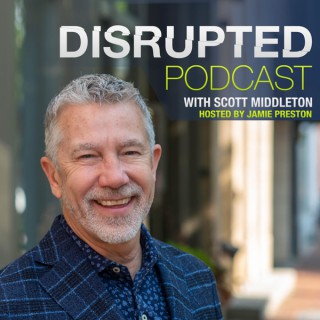
Most nursing home administrators don't realize they're sitting on one of the most underutilized revenue streams in all of Medicare — and until someone shows up and tells them what it's worth, they never will. In this episode, Scott Middleton — founder and Chief Disruption Officer of Your Health — calls in from the road as he travels across rural Georgia on a multi-day facility tour, fresh off completing a major merger with TCPA. What follows is an unfiltered, on-the-ground breakdown of two transformational opportunities Scott is actively building: chronic care management (CCM) reimbursement and ACO cost savings — and the very specific reasons most of the industry is getting both wrong. In this episode, you'll hear: Why Medicare already pays $65/hour for care management performed by nurses, community health workers, and social workers — and how Your Health is now contracting with nursing home facilities to perform it, paying them up to $100 per patient per month The "Fuse" platform — a communication and documentation tool that routes care management notes directly into billing-ready buckets, syncing with point-of-care software so the minutes get captured and billed automatically How ACO risk scores work, why Your Health's scores have grown 30% under their current plan, and what failing to see hospice patients could cost the organization — up to $22 million in a single year The $4,800 per patient per year problem: how one physician in their network was quietly rated one of the worst under the ACO model simply because his patients were going home without any follow-up Scott's announcement that SSAs and TCPs are being restructured to report directly to peer group administrators — and why the confusion about their roles has cost the company If you lead a nursing home, an assisted living facility, a physician group, or any organization inside the long-term care ecosystem, this episode will change how you look at what you're already doing — and what you're leaving behind. www.YourHealth.Org
What does it take to break through leadership barriers in medicine without sacrificing your authenticity? In this inspiring episode, Dr. Andrea Austin welcomes Dr. Shannon Udovic-Constant, as she shares her journey into executive leadership, the lessons she learned navigating spaces where women remain significantly underrepresented, and why visibility, not just hard work, is essential for career advancement. Together, Andrea and Shannon unpack the realities women physicians continue to face, from being mistaken for non-physician staff to balancing invisible labor at home while pursuing leadership opportunities. Rather than accepting these challenges as personal failures, they encourage physicians to recognize the systemic barriers that exist and develop intentional strategies to overcome them. Shannon introduces the concept of strategic visibility, explaining why saying "yes" to every opportunity isn't enough. She shares actionable advice on building relationships with decision-makers, leading high-impact initiatives, communicating accomplishments with confidence, and understanding the difference between mentorship and sponsorship. The conversation also explores psychological safety, creating healthy leadership cultures, and why diverse leadership ultimately leads to better healthcare decisions for patients. Whether you're considering your first leadership role or looking to expand your influence within medicine, this episode offers practical tools, encouragement, and a powerful reminder that authentic leadership creates lasting change—for physicians, healthcare systems, and the patients they serve. You'll Hear How They: Discuss why women remain significantly underrepresented in executive healthcare leadership despite representing the majority of today's medical graduates. Explain how strategic visibility helps physicians position themselves for leadership opportunities by intentionally building relationships with key decision-makers. Share practical techniques for communicating accomplishments confidently while remaining authentic and collaborative. Explore the critical difference between mentorship and sponsorship, and why sponsorship is often the missing ingredient in advancing women leaders. Reveal leadership practices that build psychological safety, encourage healthy disagreement, and strengthen team performance. Discuss why physician advocacy and participation in organized medicine are essential for creating meaningful healthcare reform and improving patient care. Encourage physicians to embrace leadership without compromising their values, identity, or authenticity. About the Guest "You don't have to change who you are to become an effective leader, you simply need to become visible for the impact you're already creating." — Dr. Shannon Udovic-Constant Dr. Shannon Udovic-Constant is a pediatrician, leadership coach, and advocate for women in medicine. As President of California's largest medical association, she's a trailblazer for women in leadership. Through Physician Women Rising, she empowers women physicians to pursue executive roles, building visibility, presence, and influence. Her PWR Leadership Method drives meaningful change in healthcare."
What happens when a dedicated family physician hits burnout after 22 years in practice? Dr. Rashmi Schramm opens up about her path from residency activism (securing a 15% raise for her program) through deep burnout, physical symptoms, and eventual transition to coaching, retreats, and teaching meditation and laughter yoga. The conversation covers arrival fallacy, the power of mindfulness practices rooted in her Indian heritage and Ayurveda, laughter yoga's origins, Duke's integrative health coaching program, and creating safe spaces for women physicians through retreats. You'll hear how they: Recognize and address burnout through self-compassion, meditation, and somatic practices Use laughter yoga and breathwork as accessible tools for physiological shifts Bridge clinical medicine with coaching and integrative approaches Build community and intuition to sustain change-making work in healthcare About the Guest “Remember who you are beneath the roles.” – Dr. Rashmi Schramm Dr. Rashmi Schramm is a board-certified family medicine physician with 22 years of clinical experience. She is a certified coach, meditation teacher, laughter yoga instructor, and host of the Inner Peace and Power podcast. Passionate about helping high-achieving women reclaim energy and purpose, she leads retreats and coaching programs focused on mindfulness, intuition, and wholehearted living.

We know that clinical trials are a critical lifeline, offering new ways to prevent, detect, diagnose and treat breast cancer. Today, patient advocates are transforming clinical trials by bringing the real-world experiences of patients directly to researchers. By acting as a bridge between science and the community, patient advocates boost enrollment in clinical trials, and help build a lasting trust Today we are speaking with Dr. Lior Braunstein, a radiation oncologist and researcher at Memorial Sloan Kettering Cancer Center, and Dr. Ellen Landsberger, a retired OB-GYN and patient advocate, also at Memorial Sloan Kettering Cancer Center. Together they are working on the ARCHER clinical trial, a study that is investigating a new treatment strategy for HER2-positive metastatic breast cancer. We'll talk about what they are hoping to accomplish through the ARCHER trial, what their collaborative process looks like and how patient advocates in clinical trials can help improve patient outcomes. Key Takeaways: Patient advocates help design better clinical trials The ARCHER trial aims to improve treatment outcomes Patient voices shape research from the very beginning Clinical trials study both treatment and quality of life Better access helps more patients join clinical trials Chapters 00:00:00 – Why patient advocates belong at the clinical trial design table 00:04:44 – From breast cancer survivor to patient advocate 00:07:46 – How advocates shape research and address patient concerns 00:12:08 – Inside the ARCHER trial and its goal to improve metastatic breast cancer treatment 00:19:03 – Measuring quality of life and improving access to clinical trials 00:26:28 – How patients can become advocates and influence future research
What happens when we stop treating hospitals like factories and start recognizing them as complex systems filled with uncertainty, competing priorities, and deeply human experiences? In this thought-provoking episode, Dr. Andrea Austin sits down with John D'Alesandro to discuss the realities of improving healthcare from an operational perspective. Drawing from decades of experience in manufacturing and healthcare systems, John shares why traditional dashboards often fail to predict problems, how organizations can learn to identify early warning signals, and why building a culture of action matters more than simply completing improvement projects. Together, they tackle some of healthcare's most pressing issues, including emergency department boarding, leadership versus management, technology adoption, and the disconnect between policy-level solutions and frontline realities. John also offers a powerful perspective as both an operations expert and a patient navigating a serious neurological condition, reminding listeners that healthcare ultimately succeeds or fails through the experiences of those who depend on it. This conversation invites listeners to think differently about accountability, agency, and the small cultural shifts that can make meaningful change possible. They discussed: Why hospitals function more like complex adaptive systems than factories The limitations of traditional dashboards and retrospective metrics Identifying early warning signals before crises develop Creating cultures that empower frontline staff to act Leadership versus management in healthcare settings The ongoing emergency department boarding crisis and throughput challenges Why local solutions often outperform one-size-fits-all mandates Lessons learned from navigating healthcare as a patient Building trust, agency, and accountability within healthcare teams How small actions shape organizational culture over time

What if failure isn't the opposite of winning — but the gift that makes it possible? In Part 2 of this two-part conversation, Your Health CEO Matt Staub opens up about the present he gave himself at 40: permission to fail. Then he shows what that looks like when life tests it — walking Jamie through a 2025 that brought prostate cancer, his daughter's surgery, the loss of his father, and professional hardship, and the quiet strength it takes to look back and say, "That was a good try. I'm still here. I'm hard to beat." In this episode, you'll hear: How Matt reframes a loss into a "fall forward" — and the simple habit he uses to do it The agonizing leadership question of when to let someone you care about fail Why accountability, done right, is one of the best gifts you can give a friend The danger of only celebrating big wins — and how complacency quietly creeps in Why the only voice that truly matters is the one inside your own head If you missed Part 1, start there for the full arc. Then settle in here for the deeper, more personal half — and walk away with a new relationship to the losses in your own life.
In Part 2 of a two-part episode, Dr. Rob Orman joins Dr. Andrea Austin to discuss the profound changes in emergency medicine, the importance of intentional joy, and powerful coaching frameworks that help physicians navigate reactivity and complexity. Rob shares a powerful passage from his book Supernormal about the Drama Triangle, discusses career ownership versus renting, and offers insights on redesigning medical education with mindfulness and awareness at the center. This episode is filled with immediately applicable tools for clinicians, leaders, and anyone seeking to create space in high-stakes moments. They discussed: How emergency medicine has changed profoundly since COVID Finding and creating joy in medicine through intentional practices Owning vs. renting your career The Drama Triangle and staying “above the line” Cognitive empathy and declining invitations to drama Powerful reset phrases: “Good.” and “I wish it wasn't this way, but it is this way.” Redesigning medical education with meditation and listening skills Coaching tools that translate from one-on-one sessions to clinical practice
Whoever scores the most goals wins. Simple — until you leave the field and try to keep score in your actual life, where there's no referee and no final whistle. So how do you know if you're winning? In Part 1 of this two-part conversation, Your Health CEO Matt Staub sits down with Jamie Preston to redefine what a win actually is. Matt opens with the daily ritual that grounds him — making it to the gym — and the moment he realized the win wasn't the scale or the heavier lift, but the discipline of showing up at all. In this episode, you'll hear: Why the heaviest weight at the gym is the front door — and what that teaches about every goal The hidden cost of only celebrating the big wins (hint: it's called burnout) What a humbling match-play golf loss taught Jamie about changing the goal instead of the game Why Matt believes pressure is a privilege — and how he leans into it Who actually decides what counts as a win, and what to do when there's no scoreboard This is the half where winning gets redefined from the outside in. Press play, then come back next week for Part 2 — where it gets personal.
What happens when a lifelong emergency physician steps back from clinical practice and dedicates himself to helping other doctors navigate the impossible job of medicine? In Part 1 of a two-part episode, Dr. Rob Orman joins Dr. Andrea Austin to share his remarkable path, from documenting mass casualty events to becoming a technical advisor for the hit HBO series The Pit, and ultimately building a coaching practice that helps physicians create meaningful change in their behavior and careers. Together they discuss the importance of awareness, the space between stimulus and response, cognitive empathy, and why art and storytelling may be powerful vehicles for transforming healthcare. Rob also opens up about his own career struggles and the deep fulfillment he finds in one-on-one behavioral coaching. They discussed: How documenting mass casualty events led to advising on The Pit The career shift from full-time clinician and educator to physician coach Why “not everyone thinks like you do”, and the power of cognitive empathy Building awareness and creating the pause between stimulus and response Behavioral coaching for physicians on performance plans or struggling with reactivity The role of storytelling and art in driving healthcare change Lessons from burnout, skill decay, and career transitions

WisBusiness: the Podcast with Angie Ingraham, True North Patient Advocates by wispolitics
Healthcare is filled with great ideas, promising technologies, and passionate clinicians, but why do so many innovation efforts fail? In this episode, Dale Ellicott joins Dr. Andrea Austin to explore what it really takes to create sustainable change in healthcare. From his early experiences introducing groundbreaking rehabilitation technologies to his current work at Rely Health, Dale shares lessons about resistance to change, organizational alignment, and the importance of putting patients first. Together, they discuss the realities of value-based care, the challenges clinicians face when navigating fragmented healthcare systems, and the growing role of AI in supporting, not replacing human connection. Dale explains how Rely Health combines agentic AI with human care navigators to help patients schedule appointments, access transportation, connect with primary care, and overcome barriers that often lead to poor outcomes and avoidable readmissions. The conversation offers practical guidance for clinicians, leaders, and innovators who want to move beyond pilot programs and build solutions that truly improve healthcare delivery. They discussed: How a values-based decision shaped Dale's career in healthcare innovation Why healthcare organizations struggle to adopt new technology The dangers of "pilotitis" and failed innovation projects How AI-powered care navigation improves patient follow-up Lessons for clinicians who want to become successful change-makers
What does it take to drive meaningful change in healthcare when systems feel broken and institutional betrayal runs deep? Dr. Jessica Bunin, a retired Army Colonel with deployments to Iraq and Afghanistan, joins Dr. Andrea Austin to discuss her remarkable journey from psychiatrist to critical care physician and senior academic leader. Through compelling stories; including dramatically reducing ICU central line infections by empowering unexpected team members, Jessica reveals how shifting from “extreme ownership” to true team-building, practicing moral courage, and mastering civil discourse can rebuild trust and create healthier healthcare cultures. The conversation explores self-awareness as the foundation of effective leadership, the CLEAR framework for civil discourse, navigating institutional betrayal, and why leadership development must become central to medical education. You'll hear how they: Address institutional betrayal and moral injury by focusing on micro-cultures and small-team empowerment Build high-impact teams by including unexpected voices and shifting from doing things to people to doing things with them Practice moral courage in everyday healthcare settings, from challenging hierarchy to protecting patient safety Use the CLEAR framework (Create safety, Listen actively, Establish common ground, Adjust thinking, Respond skillfully) for productive conversations across difference Develop self-aware leaders who build trust and drive system-level transformation About the Guests “Civil discourse is our way forward.” – Dr. Jessica Bunin Dr. Jessica Bunin is a retired Army Colonel, critical care physician, and former psychiatrist with 23 years of service including deployments to Iraq and Afghanistan. She has held numerous leadership roles in academic medicine including critical care program director, assistant dean of faculty development, associate dean of DEI and community, and professor of medicine and health professions education. She is the co-founder and Chief Architect of All Levels Leadership, an International Coaching Federation certified executive leadership coach, and the author of the upcoming book From the Inside Out: How Self-Aware Leaders Build Trust and Transform Healthcare.
What if the biggest threat to healthcare isn't just burnout, but the belief that suffering is simply part of the job? In this deeply validating and practical conversation, Dr. Andrea Austin welcomes Dr. Sarah Smith, to unpack the hidden habits and systemic pressures that keep clinicians trapped in unsustainable work patterns. Dr. Smith shares her personal journey of spending years staying late after clinic, working evenings and weekends, and feeling crushed by the endless demands of medicine. What began as frustration with change initiatives eventually became a transformative realization: sustainability in medicine required changing not just the system, but also the way clinicians interact with it. Together, Andrea and Sarah discuss the emotional burden of perfectionism, the trauma many physicians carry from training, and how documentation fears often stem from past criticism and adverse outcomes. They explore practical strategies for reducing interruptions, improving workflow, documenting in real time, and setting healthier boundaries with teams. The conversation also challenges the myth that changing healthcare systems or countries automatically solves burnout. Drawing from her experience practicing in both Australia and Canada, Dr. Smith explains why sustainability must ultimately come from developing new skills, new boundaries, and new ways of thinking. Most importantly, this episode offers hope: impossible things can become possible. Physicians can build careers that are meaningful, sustainable, and aligned with the lives they actually want to live. Inside This Episode: Why so many physicians stay hours after their shifts finish The hidden emotional impact of perfectionism in charting How medical training trauma shapes documentation habits Practical ways to reduce interruptions and cognitive overload Why real-time documentation improves efficiency and safety The importance of boundaries, teamwork, and shift huddles How healthcare systems can better support frontline clinicians Why changing countries or jobs doesn't automatically fix burnout The role of coaching in building sustainable careers What sustainability in medicine truly looks like
What happens when excellence makes others uncomfortable? In this deeply personal solo episode, Dr. Andrea Austin introduces the concept of Tall Poppy Syndrome, the tendency for high achievers to be criticized, diminished, or excluded simply because they stand out. Drawing from her own experiences and the stories of coaching clients, she explores how this dynamic often shows up in healthcare organizations, leadership structures, and academic medicine. Dr. Austin unpacks the connection between tall poppy syndrome and gaslighting, the emotional impact of professional rejection, and the difficult process of discerning when to fight for accountability versus when to leave toxic environments behind. She also reflects on the importance of self-awareness, humility, healthy conflict, and community in sustaining meaningful growth. This episode is ultimately a reminder that being different, courageous, or innovative does not make you the problem. Sometimes it simply means you've outgrown the field you're standing in, and it's time to find one where you can thrive alongside other tall poppies. Inside This Episode: What Tall Poppy Syndrome is and why it shows up in medicine How gaslighting is often used to diminish high achievers Why professional rejection can feel devastating for physicians The importance of healthy conflict, coaching, and self-reflection Finding communities where growth and authenticity are celebrated
What happens when the medications and supplies clinicians rely on simply aren't there, or worse, aren't what they claim to be? In this eye-opening episode, Dr. Andrea Austin sits down with Tony Paquin as he shares his journey from technology entrepreneur to healthcare supply chain disruptor, revealing the complex and fragile systems behind the delivery of drugs and medical supplies. From saline shortages caused by hurricanes to the global dependence on manufacturing in China and India, Tony explains why the current system is more vulnerable than most clinicians realize. Dr. Austin and Tony explore the risks of single-source vendor agreements, the lack of transparency in drug manufacturing, and the surprising gaps in quality assurance for imported medications. They also discuss the role of policy, the potential for domestic manufacturing, and how artificial intelligence and innovation could reshape the future of healthcare logistics. Most importantly, this conversation challenges clinicians to expand their role, not just as caregivers, but as informed advocates who understand and engage with the systems that directly impact patient outcomes. Inside This Episode: Why drug shortages are increasing, and what's driving the crisis The hidden risks of globalized pharmaceutical manufacturing How single-source supply contracts make healthcare systems vulnerable The truth about drug quality, regulation, and patient safety Practical ways clinicians can advocate for better supply chain systems If you've ever assumed the system “just works,” this episode will change the way you see healthcare forever.
What happens when big business runs healthcare and clinicians are pushed out of decision-making? In this powerful conversation, Dr. Harry Severance shares decades of clinical and educational experience to diagnose the root causes of our workforce crisis: moral injury, profit-over-patient priorities, and the exodus of burned-out physicians and nurses. Dr. Severance and Dr. Austin explore multi-tiered healthcare solutions, the unsustainability of the current U.S. system, barriers like the Stark Law, the growing unionization movement, and practical paths for clinicians to reclaim agency, both top-down (seats at the C-suite table) and bottom-up (advocacy and collective action). You'll hear how they: Examine the shift from patient-centered care to corporate metrics and its devastating impact on clinician wellbeing and patient outcomes Discuss alarming statistics: more physicians leaving than entering the U.S., projected shortages, and unpayable medical bills driving bankruptcies Challenge the status quo on single-payer vs. hybrid systems and the need for baseline healthcare access for all citizens Address apathy vs. agency and the power of persistence, political involvement, and community action Emphasize the timeless wisdom of “never give up” even when the system feels overwhelmingly broken If you're feeling the weight of a corporate-dominated healthcare system or searching for ways to drive meaningful change, this episode delivers both hard truths and hopeful calls to action. About the Guest: “You can't always get what you want. But if you try, sometimes you just might find you get what you need.” - Dr. Harry Severance Dr. Harry Severance is an Assistant Adjunct Professor at Duke University with decades of clinical experience in emergency and acute care medicine. A passionate change-maker and workforce advocate, he has counseled countless physicians and clinicians navigating burnout and disillusionment. Dr. Severance writes and speaks on healthcare system reform, clinician wellbeing, and the urgent need to return clinical voices to healthcare leadership.


In this special episode, host Dr. Cassandre Dunbar takes listeners inside the Johnson & Johnson Healthy eVoices Conference in Princeton, New Jersey — a gathering of hundreds of health advocates from across the country, all living with chronic illness.Cassandre sat down with eight extraordinary women and asked them all the same question: How did you become an advocate?None of them planned it. Most of them were chosen - by a diagnosis, by a moment of crisis, by the simple fact that no one who looked like them existed in the spaces they needed most.From a 7-year-old giving her first speech at a gala, to a woman fired from her job because of epilepsy, to a cancer diagnosis in the middle of a divorce — these stories will move you, challenge you, and remind you why showing up matters.*Disclosure: Johnson & Johnson covered travel and accommodations for the Healthy Voices Conference. They had no involvement in the conversations, participants selected, questions asked, or how this story is told.*Featuring:Alexis - Pulmonary Arterial HypertensionAlexis is a Black disabled advocate and healthcare professional committed to amplifying the patient voice and advancing disability representation. She began her advocacy at age seven with the American Heart Association and was later crowned Miss Amazing National Senior Miss Amazing 2021. Through her work and storytelling—including her love of Disney and fashion—she creates space for honest conversations about disability, identity, and what it means to live well and fully.Asha - Breast Cancer & VitiligoAsha Miller is a nationally recognized breast cancer veteran, speaker, and storyteller who uses her lived experience as a Black woman navigating cancer, divorce, motherhood, and healing to advocate for equity in healthcare. Diagnosed with stage 3 breast cancer in her early 30s, Asha speaks candidly about identity, body image, racial disparities, and reclaiming power after diagnosis. She is the founder of Asha Miller Creative and is known for building transformative spaces where storytelling becomes a catalyst for healing and change.Ayesha - Psoriatic ArthritisFounder of The PsoriaSis Collective and Sistas With Psoriasis Online Support Group, Ayesha Patrick is a long-time psoriasis and psoriatic arthritis patient advocate dedicated to empowering Black women through education, connection, and support. She volunteers with the National Psoriasis Foundation, has written for WebMD and PlaquePsoriasis.com, and serves as a patient research partner advancing psoriatic disease studies. She is a proud Mom of two and resides in NewJersey. Derra - EpilepsysDerra Howard is a content strategist, filmmaker, and the Founder and President of Saving Grace Epilepsy Foundation. She leads initiatives focused on epilepsy awareness, education, and direct community support, working to break stigma and improve access to care for individuals and families affected by seizure disorders.Jenice - Crohn's DiseaseRacquel - LupusLupus In Color founder Racquel H. Dozier is a passionate lupus advocate, educator, speaker, and community builder dedicated to educating, inspiring, encouraging, and empowering lupus warriors around the world. Navigating her own lupus journey, she transformed her experience into purpose, creating a platform that amplifies diverse voices, addresses health disparities, and centers the lived experiences of those often underrepresented in chronic illness spaces.Stephanie - IBD (Crohn's/Ulcerative Colitis)Stephanie A. Wynn is a Certified Patient Leader, Founder and President of The Stephanie A. Wynn Foundation, and Program Director of the IBD Patient Navigator® Program. She leads initiatives that connect patients diagnosed with Crohn's Disease and Ulcerative Colitis two forms of Inflammatory Bowel Disease (IBD)with trained IBD Patient Navigators who provide individualized support to help patients manage their disease and navigate healthcare with confidence. Through advocacy, education, and community-based navigation, she works to reduce healthcare disparities and improve outcomes in underserved communities.Yolanda - Multiple MyelomaYolanda Brunson-Sarrabo, former Fashion Pro, now vocal advocate. She shares her story of being diagnosed and managing multiple myeloma. She's a certified Patient Leader and the founder and CEO of Chronic Fitness. Yolanda is a Content Creator for No Better Time Than The Present, an IG /YouTube Podcast, where she speaks with various Patient Advocates on their trials and Journeys.Connect with Be Well, Sis:Instagram – @bewellsis_podcastSubstack – bewellsis.substack.comFollow, rate, and share this episode!We're supporting St. Jude Children's Research Hospital. Head over to www.stjude.org/bewellsis right now and sign up to be a monthly donor. Together, we can make a real impact.Want to get in touch? Maybe you want to hear from a certain guest or have a recommendation for On My Radar? Get in touch at hello@editaud.io with Be Well Sis in the subject line! Have your own Not Well, Sis rant to contribute? Click here to send it into the show!Be Well, Sis is hosted by Dr Cassandre Dunbar. The show is edited, mixed and produced by Megan Hayward. Our Production Manager is Kathleen Speckert. Be Well, Sis is an editaudio collaboration. Be Well, Sis is hosted by Dr Cassandre Dunbar. This episode was edited by Victoria Marin. Our Production Manager is Kathleen Speckert. Be Well, Sis is an editaudio collaboration. See Privacy Policy at https://art19.com/privacy and California Privacy Notice at https://art19.com/privacy#do-not-sell-my-info.
What if medicine's ancient rituals could evolve to heal the modern physician's soul, turning burnout into a blueprint for resilient leadership?In this episode, Dr. Andrea Austin speaks with Dr. Venkatesh Ramnath about his journey from ICU conflicts and existential doubt to pioneering the Health Architect model. Venkatesh recounts early career frictions like coding audits and rigid communication clashing with rural teams, that led to his 2015 rock bottom, and how embracing cognitive science, myths, and practical rituals helped him redesign his path. The conversation unpacks leadership as a learnable skill, the need to embed financial literacy and care networks in curricula, and fostering agency through evidence-based attitudes and collaborative debriefs.You'll hear how they:Navigate moral injury from systemic silos, using health architecture to layer foundations of ethics, diagnostics, and aspirational wellnessReframe leadership beyond hierarchy, teaching self-awareness and trust-building to bridge academic ideals with real-world teamsAdvocate for curriculum overhauls, sprinkling scientific attitudes, financial savvy, and quality-of-death discussions into every disease pathwayInspire renewal through slowing down, curiosity-driven creativity, and a "new oath" prioritizing human connection over helplessnessIf you're rebuilding after burnout or redesigning med ed for the AI era, this episode offers a blueprint for wisdom over facts, progress over perfection.About the Guest:“Health architecture is about building foundations of agency and connection.” – Dr. Venkatesh RamnathDr. Venkatesh Ramnath is a pulmonary and critical care physician, health architect, writer, and host of the Be a Health Architect podcast. With experience spanning academic centers, rural border hospitals, and COVID ICUs, he transitioned from burnout to advocacy by fusing medicine with cognitive science and architecture metaphors. Venkatesh speaks on leadership, meaning-making, and innovation, contributing to outlets like the LA Times, and is authoring a book on a "new oath" for physician wellness.
What does it actually mean to partner well, especially as a woman in medicine?In this Valentine's Day episode of Heartline: Changemaking in Healthcare, Dr. Andrea Austin shares a short chapter from her book on partnering well after divorce. She reflects on boundaries, money, self-worth, and building a healthy, lasting relationship as a woman in medicine.Drawing from personal experience, Andrea explores how insecurity and self-sabotage can show up in relationships, why liking your partner matters as much as loving them, and how true partnership supports growth without self-erasure. This episode offers practical reflection for physicians and professionals navigating relationships, marriage, or personal healing.You'll hear how Andrea:Defines “partnering well” after divorce and personal healingExplores boundaries in relationships, including money and autonomyShares how insecurity can lead to self-sabotage—and how to interrupt itDiscusses why liking your partner matters as much as loving themChallenges the belief that healthy relationships should feel hardOffers reflection questions to strengthen current or future connections If you're navigating relationships as a physician or professional, healing after heartbreak, or reimagining what partnership can look like, this episode offers clarity, warmth, and reassurance—right on time for Valentine's Day.
What happens when medical training, perfectionism, and codependency collide with marriage at a young age?In this solo episode, Dr. Andrea Austin reads from her book and reflects on her early marriage and divorce during medical school. With honesty and vulnerability, she explores how caretaking tendencies, cultural expectations, and the “achievement treadmill” contributed to a codependent relationship, and how choosing herself became a turning point toward healing.Andrea shares how compartmentalization and grit can keep physicians stuck in unhealthy situations, why vulnerability and trusted friendships matter, and how resilience is built not by enduring harm, but by listening to your inner voice. Drawing lessons from medical school, military training, and personal reflection, she reframes divorce not as failure, but as a courageous act of self-trust and growth.This episode is for physicians and healthcare professionals navigating heartbreak, relationship transitions, burnout, or major life changes, and for anyone learning how to partner well without losing themselves.You'll Learn About:Divorce during medical school and its emotional impactCodependency and caretaking patterns in women physiciansPerfectionism and the achievement treadmill in medicineHow compartmentalization can delay healingThe role of vulnerability, friendship, and self-trust in growthWhy choosing yourself is sometimes the healthiest decision
How can healthcare professionals transform burnout and trauma into a revitalized life and practice?In this special episode of Heartline: Changemaking in Healthcare, Dr. Andrea Austin reads from her book Revitalized, focusing on the chapter "The Revitalization." She reflects on her own soul-level burnout at the end of the pandemic, sharing a formula for change: inflection point + inner work + clarity = revitalization. Drawing from personal experiences and expert insights, she emphasizes embracing the past's pain as part of growth, avoiding trauma loops, and intentionally "doing the work" for self-improvement.You'll hear how to:Recognize burnout as a chronic issue requiring inner reflection, not just quick fixes, and frame it as an opportunity for revitalization beyond "bouncing back."Differentiate top-down therapies (like CBT and talk therapy) from bottom-up approaches (like EMDR, somatic experiencing, and art therapy) for trauma healing, especially in high-stress fields like medicine.Understand coaching as a future-focused partnership for unlocking potential, while knowing when to seek therapy first, given high rates of PTSD (40%) and depression (30%) among healthcare workers.Navigate "VUCA" (volatility, uncertainty, complexity, ambiguity) in healthcare, including life quakes like job loss or health crises, and avoid maladaptive coping like overconsumption or addictions.Build vulnerability in hard conversations, reflect on perfectionism, and beware predatory coaching programs while prioritizing ethical, supportive resources.If you're a healthcare professional grappling with burnout, trauma, or the desire for more fulfillment, this episode offers empathetic guidance, reflective questions, and actionable steps to craft your own revitalization.
Why do so many healthcare providers still view obesity as a lifestyle choice rather than a complex chronic disease—and how can we change that?In this Echo Episode, Dr. Andrea Austin interviews Dr. Katherine Saunders about her journey from pre-med influences to pioneering obesity medicine at Weill Cornell and co-founding FlyteHealth. They explore obesity's scientific underpinnings, the impact of weight bias, practical advice for EM physicians in brief encounters, common weight-promoting medications, the value of bariatric surgery, and emerging tools like genetic testing and AI-driven algorithms. Katherine emphasizes empathy, permission-based discussions, and multidisciplinary approaches to treat obesity as the root cause of over 200 comorbidities.You'll hear how they:Debunk obesity myths perpetuated in medicine, framing it as a chronic disease requiring medical intervention beyond "eat less, exercise more"Provide strategies for EM docs to discuss weight compassionately in 5 minutes, including asking permission, using neutral language, and offering resources without judgmentDiscuss weight-promoting factors like medications (e.g., progesterone-focused birth control), stress, genetics, and sleep apnea, plus the role of bariatric surgery and anti-obesity medsHighlight innovative obesity care through FlyteHealth's telehealth platform, AI algorithms for personalized treatment, and collaborative post-surgical managementIf you're a physician encountering obesity-related issues in acute care or seeking better ways to support patients, this episode delivers empathetic insights and actionable tools for transformative care.About the Guest:"Obesity isn't just a lifestyle problem, it's a complex chronic disease we can now treat effectively." – Dr. Katherine SaundersDr. Katherine Saunders, MD, FTOS is a leading obesity medicine expert, co-founder and executive vice president of FlyteHealth, and clinical assistant professor at Weill Cornell Medicine. She received her undergraduate degree Phi Beta Kappa/Summa Cum Laude from Dartmouth College and her medical degree from Weill Cornell Medical College, where she became a member of the Alpha Omega Alpha Honor Medical Society. She completed her residency at New York-Presbyterian and was the first obesity medicine fellow at Weill Cornell's Comprehensive Weight Control Center. Board-certified in internal medicine and obesity medicine, she hosts the Weight Matters podcast, speaks internationally, and has been recognized as a top influencer in wellness.
What happens when the adrenaline of emergency medicine meets the high personal cost of shift work and family demands?In this Echo Episode, Dr. Andrea Austin talks with Dr. Miranda Phillips about her transition from full-time trauma center EM to a life of financial freedom and wellness. Inspired by a mission trip to Guatemala at age 16, Miranda pursued medicine to make a profound impact. She reflects on loving EM's wide scope but leaving due to burnout, single parenthood challenges, and value misalignments. Discover how she built passive income surpassing her salary, healed through lifestyle medicine, and now helps physicians via investing education and holistic care.You'll hear how they:Address EM burnout from nights, weekends, and high emotional costs, and the courage to pivot when family needs come firstBuild financial security through passive investing in real estate syndications, creating a safety net without more time demandsIntegrate lifestyle medicine to reverse chronic conditions, optimize personal health, and reclaim joy through routines like exercise and sleepInspire hope by challenging regrets, seeking mentors, and living aligned with values for a fulfilling post-burnout lifeIf you're an EM physician facing burnout or seeking financial and health freedom, this episode offers practical insights and encouragement for change.About the Guest:“I love what I'm doing. I love being financially free.” – Dr. Miranda PhillipsDr. Miranda Phillips is an emergency medicine physician, entrepreneur, investor, philanthropist, and international speaker. Starting her career in 2009 after a transformative mission trip, she practiced full-time EM until 2020, when burnout and family priorities led her to pivot. Co-founder of Elite Wealth and Wellness, she educates physicians on passive investing for financial independence. Board-certified in lifestyle medicine, she practices telemedicine at Saha Vita Institute, helping patients optimize health and reverse conditions like diabetes and hypertension.
What draws someone with a big heart and endless curiosity into the narrowing path of medicine, and how do they reclaim their multifaceted self amid burnout and systemic challenges?In this Echo Episode, Dr. Andrea Austin talks with Dr. Amanda River about her unconventional journey in emergency medicine, from medical school friendships to leading a cannabis clinic and pursuing lifestyle medicine. Amanda reflects on her sister's Ewing sarcoma diagnosis that sparked her interest in medicine, the sacrifices of medical training, and the pride and frustrations of EM practice. They discuss the pathology of long hours, sleep deprivation myths, understaffing, and metrics that prioritize billing over patient care, while exploring ways to align personal values with professional life.You'll hear how they:Unpack the roots of burnout in EM, from value misalignments to unsafe staffing ratiosChallenge limiting beliefs in medical training, like 80-hour weeks and "scut work" that wastes physician expertiseAdvocate for system redesigns that empower teams, respect boundaries, and integrate patient voices for better outcomesFind hope in diverse career paths, from rural locums to cannabis and lifestyle medicine, to sustain joy in healthcareIf you're an EM physician questioning the status quo or seeking ways to realign your practice, this honest conversation offers insights into building a more humane system.About the Guest:“Emergency medicine is a mindset, not a place.” – Dr. Amanda RiverDr. Amanda River is an emergency medicine physician credentialing at a critical access hospital in rural Iowa, with locums experience in Oregon and Guam's public hospital. A former owner and medical director of a private cannabis medicine clinic, she is also board-certified in lifestyle medicine and passionate about integrating holistic approaches into EM. Her journey reflects a commitment to values-driven care, from farm roots to global practice.
In Part 2 of this two-part Echo Episode, Dr. Andrea Austin and Dr. Mehrdad Soleimani picks up right where they left off: two emergency physicians who actually like coming to work, unpacking the systemic forces that are burning everyone else out. Dr. Mehrdad explains why he co-founded NeoMd Spa. It started with one vial of Botox and a refusal to be a 60-year-old shift-worker, how physicians surrendered control of their profession to corporations, and why financial wellness is the missing pillar no one talks about. Dr. Andrea and Dr. Mehrdad wrestle with the death of the democratic group, the rise of corporate metrics, and the urgent need for physicians to reclaim leadership, unity, and their voices.Wrapped in stories of cross-specialty happy hours, Peloton-fueled pandemic survival, and a beautiful real-time patient handoff, this episode is a rallying cry: stop complaining, start building, stay connected, and never forget, we are all members of one body.You'll Hear How They:· Expose the financial traps that keep high-earning physicians living paycheck-to-paycheck and overworking· Reveal why every single guest this season has a “side gig” — and why that's now a survival strategy· Break down the shift from physician-owned democratic groups to corporate medicine (and what we lost)· Show how one med-spa became a hedge against burnout and a reclaiming of professional autonomy· Prove that culture change happens in 10-minute handoffs and cross-specialty happy hours, not just policy memos· Issue a call for physician unity, leadership, and using your voice before you end up “on the menu”About the Guest“Just because I was born a man doesn't mean I'm better than anybody else.” — Dr. Mehrdad SoleimaniDr. Mehrdad Soleimani is a board-certified emergency physician, Assistant Director of the Emergency Department at Temecula Valley Hospital, and Chair of the hospital's Physician Wellness Committee. A former critical-care nurse, general surgery resident, proud girl-dad of three, and co-owner/medical director of NeoMed Spa, Mehrdad brings a rare blend of clinical expertise, emotional intelligence, and lived experience as an immigrant to his passionate advocacy for physician wellness and gender equity.Website: https://neomedicalspa.comResources + Mentions· NEOMD Spa – https://neomedicalspa.com· Financial wellness as a pillar of physician well-being· Visible Voices podcast with Dr. Risa Lavizzo-Mourey (“Use your voice”)· Persianpoetry: “Human beings are members of a whole…”Top 3 Key TakeawaysFinancial wellness is physician wellness : Stop the “just pick up one more shift” cycle and build something that gives you passive income and freedom.We gave away control of our profession: if you want autonomy back, you have to own something (a practice, a business, a voice at the table).Culture is built in the small moments: A thoughtful handoff, a happy hour with ortho, inviting the security guard to break bread , these are the ripples that change everything.

2025 was a year of transformative change and opportunity across the patient advocacy community, Sanofi, and for patients. In this special year-end episode, host Eric Racine, joined by Adam Gluck, Head of U.S. & Global Specialty Care Corporate Affairs, and all Sanofi Season 2 co-hosts, revisit the most powerful conversations and lessons from the 2025 season while exploring the year's defining theme, transformation. We are living through an unprecedented moment where sweeping shifts in healthcare policy, groundbreaking AI capabilities, and breakthrough scientific advances are unfolding at the same time, creating both extraordinary opportunity and profound responsibility to ensure these developments truly improve patients' lives. Eric and the team surface insights on how patient advocacy organizations and Sanofi are rising up to meet this incredible moment. Together they recall key lessons from advocacy leaders across immunology, lung health, vaccines, mental health, rare diseases, maternal health, and more. Learn how collaboration, co-creation, and patient integration can help organizations transform capabilities and deliver more impact for patients.In this episode, you'll gain insights to:Uncover transformation opportunities during this time of rapid shifts in healthcare, policy, technology, and scienceAdapt new tools and engagement models to better meet the needs of patient communitiesScale community-centered programs creatively, from helplines to peer networks and proactive outreachStrengthen collaborations across advocacy groups, policymakers, and industry to drive meaningful changeAccelerate the “last mile” between scientific breakthroughs and real-world patient accessEmbrace continuous learning and mindset shifts that are essential for organizational transformation that delivers resultsAs we close out the year, we're grateful to every patient advocacy leader whose insights helped us renew our commitments and elevate our performance for patients moving forward into 2026. Looking ahead, the pace of change will only accelerate, but so will our collective ability to anticipate and respond, guided by the advocates who inspire and inform this work. We're excited to build on this momentum next season with new conversations, fresh discoveries, and more lessons that move us closer to a healthcare system that truly works for every patient.
What does a man raised in a country where women are legally second-class citizens become one of the strongest male allies in American medicine?In Part 1 of this two-part Echo Episode, Dr. Mehrdad Soleimani pulls back the curtain on his improbable journey: fleeing Iran at 16, putting himself through nursing school as a first-generation immigrant, defending his female nursing colleagues from an abusive surgeon and then deciding that very night to become a doctor, switching specialties mid-residency, and ultimately landing in emergency medicine, where he now champions wellness, debriefing, and the “human factor.”Mehrdad and Andrea explore why stoicism and perfectionism are killing physicians, why it's actually strength (not weakness) to feel deeply in the resuscitation room, and how small acts of allyship, from checking in on a new female colleague to calling consultants on her behalf, change culture one shift at a time. This episode is a love letter to every physician humanity and a masterclass in what authentic male allyship feels like on the ground.You'll Hear How They:Trace the roots of fierce gender-equity beliefs to a mother who refused to accept second-class status in IranReveal the night a cardiothoracic surgeon's tantrum pushed a male ICU nurse to apply to medical schoolDiscuss why switching residencies even after years invested, can be the bravest and best career decision Unpack the hidden curriculum of medicine: stoicism, perfectionism, and competition, and why it's failing usChampion debriefing, emotional processing, and the power of the “feeling doctor” who still gets the job done Model everyday allyship that makes women physicians feel seen, supported, and safer in the workplaceAbout the Guest“Just because I was born a man doesn't mean I'm better than anybody else.” — Dr. Mehrdad SoleimaniDr. Mehrdad Soleimani is a board-certified emergency physician, Assistant Director of the Emergency Department at Temecula Valley Hospital, and Chair of the hospital's Physician Wellness Committee. A former critical-care nurse, general surgery resident, proud girl-dad of three, and co-owner/medical director of NeoMed Spa, Mehrdad brings a rare blend of clinical expertise, emotional intelligence, and lived experience as an immigrant to his passionate advocacy for physician wellness and gender equity.Website: https://neomedicalspa.comResources + Mentions・ Debriefing after critical cases (including pediatric codes)・ Hidden curriculum of medicine: stoicism, perfectionism, competition・ Emotional regulation vs. emotional suppression・ The power of 45-second empathy moments with patientsTop 3 Key TakeawaysAllyship isn't a poster, it's action: Checking in, offering to call consultants, making new colleagues feel welcome, and using your privilege to smooth someone else's path.Feeling deeply is not weakness, it's strength: The best physicians are “feeling doctors” who process emotion, debrief, and still lead the code with clarity.Your career is allowed to evolve: Switching specialties even years in, is not failure; it's choosing a life where you wake up excited to go to work.
Parker LaCombe is a passionate advocate, strategist, and internationally recognized subject matter expert in mental health, peer support, and systems transformation. As the co-founder of MindCareConnect and firm believer that recovery is possible for all who navigate mental health and substance use challenges, Parker uses her lived experience to bridge the gap between clinical and peer perspectives—co-creating more inclusive, trauma-informed, and human-centered systems of care. Her contributions have been recognized nationally and internationally, earning her the 2024 STAR Peer Support Worker of the Year Award from SAMHSA and recognition as a Rising Star in the 2018 National Lifesavers newsletter by the American Foundation for Suicide Prevention. Parker continues to champion stigma reduction, workforce equity, and peer leadership in mental health and suicide prevention efforts across the globe. Sydney Harris is an international mental health strategist with over 15 years of experience across public and private sectors, dedicated to transforming care into models that are person-centered, accessible, and holistic. She has led major initiatives including the Austin State Hospital Redesign and cross-sector collaborations addressing the intersections of mental health crises, homelessness, and the justice system. Sydney is the co-editor of Redesigning the U.S. Mental Health Care System (Oxford University Press), contributing two chapters to the volume, and the recipient of the prestigious George Pressler Under 40 Award recognizing leadership and vision in healthcare planning, design, construction, and operations. She is the co-founder of MindCareConnect, which elevates lived experience to shape mental health policy and innovation, and is currently pursuing a Doctorate in Public Health at Johns Hopkins University. MindCareConnect Website: https://www.mindcareconnect.org/
What happens when your childhood calling collides with a system that limits your capacity to live it out?In this Echo Episode, Dr. Maria Sturchler shares her extraordinary journey from first-generation college student to educator to medical student, years after being told she “wouldn't make it” in medicine. Now double board-certified in Emergency Medicine and Palliative Care, Maria reveals how serendipity, mentorship, and resilience brought her back to her original dream on her own terms.She and Andrea unpack the realities pushing talented clinicians out of traditional EM practice: night shifts, moral injury, violence in the ED, corporate interference, loss of autonomy, and the identity crisis that comes with stepping away. Maria gives voice to the hidden grief, burnout, and shame physicians carry when “the path” no longer fits.But this is not a story of defeat. Maria now leads an innovative palliative care model embedded inside the emergency department, freeing EM physicians from burdens that don't belong to them, reducing patient suffering, and restoring meaning to clinical work. Her message is equal parts invitation and disruption: medicine is not a prison. It's a “choose-your-own-adventure” and there are more off-ramps, pivots, and second chances than most physicians believe.You'll Hear How They:Reframe imposter syndrome and harmful feedback that derails dreamsNavigate grief when an identity built on EM no longer aligns with personal well-beingDescribe the hidden toll of EM: disrupted circadian rhythm, motherhood challenges, pandemic trauma, and corporate shiftsIntegrate palliative care inside the ED, reducing length of stay, improving communication, and radically supporting EM physiciansUse mentorship, self-inquiry, and values alignment to identify career pivots About the Guest“Medicine is choose-your-own-adventure.” — Dr. Maria SturchlerDr. Maria Sturchler is a dual board-certified physician in Emergency Medicine and Palliative Care, a three-time Ironman competitor, and a former mathematics educator whose doctoral work examined gender disparities in STEM. After being discouraged from medicine early on, serendipity and mentorship led her back to her calling. Today, she helps patients, families, and clinici'hat integrate palliative medicine directly into emergency care.LinkedIn: linkedin.com/in/mariasturchlerWebsite: sturchlermd.comResources + MentionsUnlocking Us podcast — Brené BrownBring 'Em All In (referenced EM mantra)Multidisciplinary collaboration models in palliative and acute careTop 3 Key TakeawaysCareer paths are not linear—nor should they be: Your training is a foundation, not a life sentence. EM skills travel well into palliative care, leadership roles, education, coaching, and hybrid models that better honor your values.Boundaries are not betrayal—they are survival: Choosing your health, family, sleep, identity, and emotional bandwidth is not weakness. It is wisdom. Physicians cannot sustain compassion without protecting their humanity.The future belongs to systems that humanize care: Embedded palliative programs, interdisciplinary partnerships, and values-based innovations reduce burnout, shorten ED holds, and restore dignity to medicine—one conversation at a time.
What happens when you combine a lifetime of service, leadership, and a deep desire to uplift others?In this inspiring episode, Dr. Andrea Austin welcomes Paula Drivas, as she shares how her changemaking story started at age 13 as a candy striper in Queens and how a simple request to transfer to the emergency department shaped her life's purpose. She walks listeners through an expansive 33-year career spanning emergency medicine, internal medicine, orthopedics, urgent care, academia, and leadership, culminating in her transition into coaching and medical administration.This conversation honors the evolution of medicine over three decades, from the loss of autonomy to intensifying metrics, and how Paula found her own path by listening to her heart, embracing spontaneity, and pursuing an MBA to impact healthcare at a systems level.A pivotal moment arrived when Paula experienced coaching for the first time during the pandemic, sparking an “aha” that shifted everything. She describes how coaching unlocked clarity she didn't know she needed and how it inspired her to create the Provider Coach Project to offer free access to coaching for medical students, PA students, nurses, residents, and clinicians.The episode explores the urgent need for coaching in medicine, the role of value work, the emotional toll of modern healthcare, the DISC assessment as a tool for team growth, and why no one should have to navigate a healthcare career alone.This is a deeply human, energizing conversation about purpose, service, and building a future where every healthcare professional feels supported and empowered.You'll Hear How They:Recognize changemaking moments early and follow them Navigate a nonlinear healthcare career with courage and openness Balance patient care with leadership, business demands, and personal growth Use coaching to unlock self-awareness, purpose, and sustainable decision-making Challenge the financial barriers that keep trainees from accessing coaching Apply DISC assessment insights to strengthen teams and improve communication Address burnout, emotional labor, and the realities of emergency medicine Build new models of support for clinicians across all stages of training If you've ever questioned your next step, felt the weight of modern medicine, or wondered how coaching could shift your career, this episode is for you.About the Guest:“Follow your heart. Never say never. You don't know where life is going to take you.” – Paula DrivasPaula Drivas, PA-C, MBA is a Master Certified Physician Coach, seasoned emergency medicine PA, urgent care medical director, and founder of the Provider Coach Project, a nonprofit dedicated to reducing financial barriers to coaching for healthcare professionals and trainees.Over her 33-year career, Paula has practiced emergency medicine, internal medicine, urgent care, orthopedics, and medical education, and has served in multiple leadership roles. She holds an MBA and trained as a coach at the Physician Coaching Institute.Paula is passionate about empowerment, reflection, and helping clinicians reconnect to meaning and joy in their work.

I would very like to get a review from you. Please send a note to me. Thanks, Peter! like to much appreciate a review from you!! Thank you!What happens when the most powerful marketing tool—customer testimonials—is restricted by privacy laws and personal boundaries? Robin Malone, CEO of RJ Communications, pulls back the curtain and shares with host Peter Woolfolk the unique challenges healthcare brands face when trying to showcase real patient stories.With nearly three decades of experience in healthcare communications, Malone reveals how she's mastered the delicate art of building "trust bridges" between healthcare providers and potential patient advocates. "This can't be transactional," Malone emphasizes. "You have to build the kind of trust that takes time." Her approach focuses on finding what she calls the "loud voices in the room"—those patients already enthusiastic about sharing their experiences—rather than trying to convince reluctant individuals.The conversation explores the regulatory maze created by HIPAA laws that protect patient privacy while creating significant hurdles for marketers. Malone walks us through the multi-layered permission process required before a PR professional can even contact a potential patient advocate. She shares a fascinating case study where her team successfully reframed a pharmaceutical campaign to focus on patients' lives rather than their medical conditions, creating powerful advocacy without compromising privacy.For healthcare communicators, marketers, and PR professionals working in regulated industries, this episode offers invaluable insights into building authentic advocacy programs that respect both legal boundaries and personal comfort levels. Malone's hard-earned wisdom demonstrates that the most compelling healthcare stories come from advocates who genuinely want to share—never from those who've been persuaded against their better judgment.Have you encountered similar challenges in your industry? We'd love to hear your experiences with navigating regulatory hurdles while trying to showcase authentic customer stories. Information on NEW podcast website.Support the showNewsletter link: https://www.publicrelationsreviewpodcast.com
Send us a textThe original roundtable has three segments. Surfing the MASH Tsunami is preempting the third segment, which will be posted next week, to share our co-hosts' reactions to the positivity and energy they felt from a group of empowered SLD advocates. Immediately after the roundtable, Louise suggested to Roger that they record a separate conversation sharing their reactions to what they had just witnessed. They turned the recording equipment on and resumed their conversation.Roger starts by noting that this is the first SurfingMASH episode comprised entirely of patient advocates at a moment when advocates felt empowered and optimistic. (Also, the Fellows were the first advocates to appear on SurfingMASH who are not part of the Advocate KOL community.)For Louise, her overpowering reaction is to the passion, because passion breeds energy and empowerment. She notes that the SLD advocates came from an array of liver-related backgrounds and from HIV, the original sources of truly empowered patients some 30 years ago. Roger shares two thoughts. As he listened to the roundtable, he recalled earlier episodes, some four to five years ago, when it seemed that the physician KOL community was not in sync with the patient advocates' goals and needs. Continuing along this train of thought, he discusses the shift in identity from “MASH patient” to “person living with MASH.” To Roger, the term "MASH patient" suggests a person defined by the disease, whereas the term "patient living with MASH" empowers individual patients to manage the disease and its place in their lives in whatever way they choose. The advocates, he says, choose to learn and speak out confidently. During the roundtable, Elena mentioned Úna Keightly, a Harrison Fellow from Ireland, who spoke from the floor at Paris MASH to request that patients learn about the outcomes of the trials in which they participate, whether the outcome is deemed a success or a failure. For the "MASH patient," a failed trial feels like a personal failure, but for a "person living the MASH," even the failed trial becomes an opportunity to learn about the disease and contribute to a long-term solution. Louise mentions a comment from Harrison Fellow Pam Miller about her cardiologist giving her a potentially hepatotoxic medication without considering Pam's liver status. This reminded both Louise and Roger of a comment former Global Liver Institute President Donna Cryer made years ago to the effect of "it doesn't matter what kills me. If I'm dead, I'm dead." From here, the conversation shifts to other changes in disease description Louise and Roger foresee:Describing the disease itself in more accessible terms, such as "liver stiffness" vs. "fibrosis level."Increasing the groups of attendees at events to include not only patients, but also the APPs who will provide much of the actual patient-level care.Educating those who still mischaracterize MASLD as “a bit of fat” that requires no action. Focusing more attention on post-menopausal women, who Louise notes are most likely to exhibit advanced SLD and cirrhosis. Being more sensitive to issues that drive changes in patients' quality of life, which might be the impact of hepatic encephalopathy, but might also relate to lean mass wasting with incretin agonists. Both foresee a growing “army” of advocates that can drive earlier detection, smarter trial design, and better everyday care. They cite some specific examples from the Fellows in the roundtable and others from their own life experiences.Ultimately, Louise and Roger share their belief that this program is an excellent tribute to Stephen Harrison, who strongly believed in the importance of patient advocates and the messages they convey.

According to the American Cancer Society, approximately one in eight men will be diagnosed with a prostate condition during their lifetime. Focused ultrasound offers a noninvasive, radiation-free treatment option for prostate conditions and has been approved in more than 50 countries, including the United States. In this episode of Curing with Sound, we explore focused ultrasound for prostate cancer through the lens of a patient and a patient advocate. Bob Palmer, who underwent the TULSA-PRO procedure—a minimally invasive, incision-free focused ultrasound treatment—discusses his decision-making process and treatment experience. He is joined by Eve Satterthwaite, a registered nurse and patient educator at Profound Medical. She provides an overview of what patients can expect from the procedure and her role in guiding them through treatment. Bob shares how Eve helped him evaluate treatment options after his prostate cancer diagnosis and what led him to choose focused ultrasound, particularly in light of potential side effects associated with surgery and radiation. Eve explains how she helps patients understand their options, outlines the clinical benefits of the TULSA procedure, and addresses common patient concerns. Discussion highlights: Modern Prostate Treatment Options – An overview of the TULSA-PRO procedure, an FDA-approved focused ultrasound treatment that offers an incision-free alternative to traditional prostate cancer treatments, with minimal downtime and reduced risk of side effects affecting quality of life. Informed Choices Through Education – Insights into how clear, comprehensive information about available treatments can help patients make confident, well-informed decisions. All patient stories featured on the Curing with Sound podcast are personal accounts of an individual's experience with focused ultrasound treatment. Please be aware that each patient's situation is unique, and outcomes may vary. The information provided in this story should not be considered as medical advice or a guarantee of specific results. It is important to consult with a qualified healthcare provider to discuss your condition and determine the best treatment options for you. The Focused Ultrasound Foundation does not endorse any specific treatment or medical procedure and encourages all patients to seek professional medical guidance tailored to their individual needs. Visit TULSAprocedure.com for more information EPISODE TRANSCRIPT ---------------------------- QUESTIONS? Email podcast@fusfoundation.org if you have a question or comment about the show, or if you would you like to connect about future guest appearances. Email info@fusfoundation.org if you have questions about focused ultrasound or the Foundation. FUSF SOCIAL MEDIA LinkedIn X Facebook Instagram TikTok YouTube FUSF WEBSITE https://www.fusfoundation.org SIGN UP FOR OUR FREE NEWSLETTER https://www.fusfoundation.org/newsletter-signup/ READ THE LATEST NEWSLETTER https://www.fusfoundation.org/the-foundation/news-media/newsletter/ DOWNLOAD "THE TUMOR" BY JOHN GRISHAM (FREE E-BOOK) https://www.fusfoundation.org/read-the-tumor-by-john-grisham/

June 5, 2025: Bill Russell sits down with Erica Olenski, VP at Finn Partners and Founder of August's Artists, Ironman athlete, and board-certified patient advocate, who brings a unique perspective from navigating the healthcare system through hundreds of overnight hospital stays with her son August, a four-time brain cancer survivor. Why does a family with an extensive hospital history still get treated like first-time visitors at check-in, and how might HIPAA compliance be unintentionally creating barriers to human connection in care? The conversation explores whether patients should control their complete medical records to share with AI assistants, the reality of managing a 60,000-page medical record delivered on CD-ROM, and practical solutions like reimagining emergency department processes for complex care families. Key Points: 02:02 Erica's Son's Health Journey 09:08 The Role of Patient Advocates 13:41 Using AI as a Patient 21:54 August Artists: A Nonprofit Initiative 27:43 Rapid Fire Questions and Closing Remarks X: This Week Health LinkedIn: This Week Health Donate: Alex's Lemonade Stand: Foundation for Childhood Cancer

After hours clinics are being hailed by the government as a solution to over-stretched and under-pressure emergency departments. But while the government unveiled it's plan to spend 164 million on expanding the clinics - there was no detail on how much it would cost patients using the services. Checkpoint has spoken to one woman who's after hours clinic visit in Palmerston North cost her $260. Jimmy Ellingham reports.
This weekend's Newsmaker, Fatty Liver Alliance Founder Mike Betel, joins Roger Green to discuss the wide range of conferences where he has been invited to speak or sit on a panel this year. Specifically, he shares his belief on what this says about interest in MASLD and describes the messages he delivers at the conferences he attends. The interview starts with Roger asking about the benefits societies and the broader community get from having Mike at these programs. As he puts it, "I feel quite fortunate that I get to be, as you've shared before, the one sitting in the front row center, paying very close attention to every word that the speakers are saying so that I can share it back as it's happening." The posts he sends back from these meetings are well-received, with many reaching a 30% engagement rate and some exceeding 50%. He has been struck by the breadth of the organizations seeking to learn more about the liver and MASLD. The conference that struck him most in the last six months was the American Diabetes Association meeting, where only two MASLD KOLs spoke. Still, there was tremendous interest in MASLD throughout the conference. His key takeaway from the new conferences he attends, many of which are about diabetes or obesity, is how important it is for physicians to be sensitive in the language they use and, generally, the level of interest/empathy they show their patients. He believes this will be particularly important for front-line treaters, many of whom must fit this new, more open approach into an 8-minute visit.Mike's most important message is about "tailored therapy," therapeutic approaches sensitive not only to the patient's disease but also their life circumstances. An example he gives: taking 10,000 steps per day may not be feasible for a person living with obesity who is starting therapy, so why make that number the goal?Mike's final message to patients is to ask lots of questions, particularly about the comorbidities or test results that might suggest potential for future problems.

"I think that the general public thinks that health care is just expensive and this is just the way it has to be. It doesn't. And I think if more people knew that they would rise up and fight the system, fight for change.” - Jenni Nolan Jenni Nolan, Board-Certified Patient Advocate at Clear Healthcare Advocacy, joined me this week to discuss the need for more patient advocacy in America, and how she goes about negotiating medical bills with hospitals, on the behalf of patients. The number one thing we need in this industry as a whole is more consumer education. As Jenni shares, many people will get a huge hospital bill and assume that the only option they have is to go into a huge amount of debt. The emergence of patient advocates has helped so many across the country get their bills corrected/lowered, and Jenni and I discussed the sector as a whole and what the future looks like for medical billing in this country. Chapters: 00:00:00 Meet Jenni Nolan 00:03:23 Advocating For Patients 00:10:01 Correcting Healthcare Billing Mistakes 00:15:39 Understanding Medical Billing 00:23:05 Healthcare Costs' Long-Term Financial Impact 00:29:36 Negotiating Fair Hospital Bills 00:32:09 Fair Hospital Billing Rate Negotiations 00:48:11 Navigating Healthcare As A Consumer 00:53:41 Empowering Individuals through Healthcare Education Key Links for Social: @SelfFunded on YouTube for video versions of the podcast and much more - https://www.youtube.com/@SelfFunded Listen on Spotify - https://open.spotify.com/show/1TjmrMrkIj0qSmlwAIevKA?si=068a389925474f02 Listen on Apple Podcasts - https://podcasts.apple.com/us/podcast/self-funded-with-spencer/id1566182286 Follow Spencer on LinkedIn - https://www.linkedin.com/in/spencer-smith-self-funded/ Follow Spencer on Instagram - https://www.instagram.com/selffundedwithspencer/ Key Words: Patient Advocacy, Medical Billing, advocate, advocacy, Billing, errors, Hospital Bills, medical bills, Transparency, affordable healthcare, Patient Advocates, Healthcare Literacy, Hospital Billing, Education, Fair Healthcare, podcast, benefits, health, healthcare, health insurance, self funded, self funding #PatientAdvocacy #MedicalBilling #advocate #advocacy #Billing #errors #HospitalBills #medicalbills #Transparency #affordablehealthcare #PatientAdvocates #HealthcareLiteracy #HospitalBilling #Education #FairHealthcare #podcast #benefits #health #healthcare #healthinsurance #selffunded #selffunding --- Support this podcast: https://podcasters.spotify.com/pod/show/spencer-harlan-smith/support

"I think that the general public thinks that health care is just expensive and this is just the way it has to be. It doesn't. And I think if more people knew that they would rise up and fight the system, fight for change.” - Jenni Nolan Jenni Nolan, Board-Certified Patient Advocate at Clear Healthcare Advocacy, joined me this week to discuss the need for more patient advocacy in America, and how she goes about negotiating medical bills with hospitals, on the behalf of patients. The number one thing we need in this industry as a whole is more consumer education. As Jenni shares, many people will get a huge hospital bill and assume that the only option they have is to go into a huge amount of debt. The emergence of patient advocates has helped so many across the country get their bills corrected/lowered, and Jenni and I discussed the sector as a whole and what the future looks like for medical billing in this country. Chapters: 00:00:00 Meet Jenni Nolan 00:03:23 Advocating For Patients 00:10:01 Correcting Healthcare Billing Mistakes 00:15:39 Understanding Medical Billing 00:23:05 Healthcare Costs' Long-Term Financial Impact 00:29:36 Negotiating Fair Hospital Bills 00:32:09 Fair Hospital Billing Rate Negotiations 00:48:11 Navigating Healthcare As A Consumer 00:53:41 Empowering Individuals through Healthcare Education Key Links for Social: @SelfFunded on YouTube for video versions of the podcast and much more - https://www.youtube.com/@SelfFunded Listen on Spotify - https://open.spotify.com/show/1TjmrMrkIj0qSmlwAIevKA?si=068a389925474f02 Listen on Apple Podcasts - https://podcasts.apple.com/us/podcast/self-funded-with-spencer/id1566182286 Follow Spencer on LinkedIn - https://www.linkedin.com/in/spencer-smith-self-funded/ Follow Spencer on Instagram - https://www.instagram.com/selffundedwithspencer/ Key Words: Patient Advocacy, Medical Billing, advocate, advocacy, Billing, errors, Hospital Bills, medical bills, Transparency, affordable healthcare, Patient Advocates, Healthcare Literacy, Hospital Billing, Education, Fair Healthcare, podcast, benefits, health, healthcare, health insurance, self funded, self funding #PatientAdvocacy #MedicalBilling #advocate #advocacy #Billing #errors #HospitalBills #medicalbills #Transparency #affordablehealthcare #PatientAdvocates #HealthcareLiteracy #HospitalBilling #Education #FairHealthcare #podcast #benefits #health #healthcare #healthinsurance #selffunded #selffunding --- Support this podcast: https://podcasters.spotify.com/pod/show/spencer-harlan-smith/support

On today's Justice Team Podcast, we host Greg Staudenberg, an innovator in the medical imaging space. Greg discusses his work with Invigorate, a company set to transform medical diagnostics for both healthcare and legal applications. Discover how their new CT technology provides highly detailed 3D images in just one minute, surpassing traditional MRI scans and improving case outcomes for personal injury lawyers.

We've got two brilliant guests today! Katie Marovitch and Kale Hills join us for some improvised hilarity through scenes about bad pot lucks, new personas via halloween costumes, Penis (the cool new store in the mall), labor/pepperoni issues at Sbarro, and much more! Thanks as always for listening and supporting! Katie on IG - Katie on TikTok Kale on IG - Pony at UCB Subscribe to ManDog on YouTube! Check out BigGrandeWebsite.com! Subscribe to Big Grande on Youtube! Eat Pray Dunk and Hey Randy on CBB World! The Greatest Conversation Ever YT! - Yes, Also YT!
Patient Advocates play a crucial role in the pharmaceutical industry, especially in clinical research. They serve as the voice of patients, ensuring their needs and concerns are addressed throughout the drug development process. Here's a simple breakdown of their contributions and when their involvement might not be ideal.Why Are Patient Advocates Important?1. Improving Clinical Trial Design: Patient Advocates provide valuable insights into patient experiences and needs. Their feedback helps researchers design more patient-friendly clinical trials, leading to higher participation rates and more reliable results.2. Bridging the Gap: They help bridge the communication gap between pharmaceutical companies and patients. By ensuring clear and understandable communication, they aid in better recruitment and retention of patients in clinical trials.3. Ensuring Transparency: Advocates promote transparency and trust by fully informing patients about the trials, including the risks and benefits. This transparency builds trust and encourages more patients to participate.When Might Patient Advocates Not Be the Best Choice?1. Overcomplicating Simple Studies: In straightforward clinical trials, involving Patient Advocates can add unnecessary complexity. For very clear protocols, this additional layer might slow down the process without adding significant value.2. Misalignment of Goals: Sometimes, the goals of Patient Advocates and pharmaceutical companies may not align perfectly. If Advocates push for changes that conflict with the scientific or regulatory goals of the study, it can create conflicts and delay research.3. Limited Expertise in Specialized Areas: In highly technical or specialized areas, Patient Advocates may lack the necessary expertise to contribute meaningfully. For example, in rare disease states or cutting-edge technologies, the required insights may be highly technical and specific, beyond the scope of patient advocate knowledge.While Patient Advocates are invaluable in many aspects of clinical research, their involvement should be carefully considered based on the study's complexity and specific needs. Proper alignment and clear communication between all parties can help maximize the benefits of involving Patient Advocates.Support the show
In this episode, we delved into the pivotal role of patient advocates within the pharmaceutical industry. Patient advocates are champions who ensure that patients' voices are not only heard but also central to decisions affecting their health. They play a crucial role in various aspects:Firstly, patient advocates are instrumental in representing the patient voice in clinical trials. By advocating for patient-centric endpoints and highlighting symptoms that matter most to patients, they help ensure that trials are not only rigorous but also relevant to real patient needs.Secondly, these advocates support the development and adoption of innovative drugs. They identify gaps in treatment options and advocate for the development of drugs that address unmet medical needs. By collaborating with pharmaceutical companies and healthcare providers, they advocate for the adoption of these drugs to improve patient outcomes.Thirdly, patient advocates work tirelessly to ensure access to medications. They advocate for policies and practices that remove barriers to medication access, such as affordability and availability issues. By engaging with policymakers, healthcare providers, and the public, they strive to make sure that every patient can obtain the medications they need without undue hardship.Moreover, patient advocates play a crucial role in healthcare decision-making processes. They participate in meetings with drug companies, hospitals, regulatory bodies, and government agencies to ensure that patient perspectives are considered in policy-making and healthcare delivery.For those interested in becoming patient advocates, we discussed practical steps such as educating oneself on healthcare systems, clinical trials, and specific health issues, joining patient advocacy groups, attending conferences and workshops, volunteering, and sharing personal experiences to raise awareness.In conclusion, patient advocates are instrumental in shaping a healthcare system that truly serves patients' needs. Their advocacy ensures that healthcare decisions are informed by patient experiences and priorities, ultimately leading to more effective, patient-centered care.Support the Show.

Inside EMS cohosts Chris Cebollero and Kelly Grayson delve into a legal case out of New Jersey in this week's episode, in which law enforcement officers and EMS providers were recently charged with the in-custody, in-ambulance death of a patient under the influence of bath salts. The discussion also discusses a similar incident out of Colorado in which two paramedics and a police officer were convicted in the 2019 death of Elijah McClain after he was injected with ketamine. Chris and Kelly share vulnerable moments from their careers when they regret not advocating for their patient in the face of law enforcement actions, plus we dig into all this: The growing legal scrutiny of EMS practices How to use de-escalation techniques to mitigate contentious situations with law enforcement partners The ethical responsibilities of EMS providers This episode of the Inside EMS Podcast is sponsored by LogRx. Learn a better way to track your narcotics at LogRx.com.

Inside EMS cohosts Chris Cebollero and Kelly Grayson delve into a legal case out of New Jersey in this week's episode, in which law enforcement officers and EMS providers were recently charged with the in-custody, in-ambulance death of a patient under the influence of bath salts. The discussion also discusses a similar incident out of Colorado in which two paramedics and a police officer were convicted in the 2019 death of Elijah McClain after he was injected with ketamine. Chris and Kelly share vulnerable moments from their careers when they regret not advocating for their patient in the face of law enforcement actions, plus we dig into all this: The growing legal scrutiny of EMS practices How to use de-escalation techniques to mitigate contentious situations with law enforcement partners The ethical responsibilities of EMS providers This episode of the Inside EMS Podcast is sponsored by LogRx. Learn a better way to track your narcotics at LogRx.com.

Patient advocates, Pharma funding, and is MRD a suitable endpoint

In today's episode, part of our MBC webinar series, we delve into the San Antonio Breast Cancer Symposium (SABCS). We aim to break down the overwhelming amount of information into digestible insights. We discuss key findings, particularly on inflammatory breast cancer (IBC) and invasive lobular carcinoma (ILC), with insights from Amy Parliman, a member of our MBC leadership team.Amy highlights the advancements in technology that outpace current treatment options and the importance of recognizing the unique challenges of diagnosing IBC and ILC due to their imaging difficulties. She shares that the symposium acknowledged these challenges and that there's growing research focusing on the genomic mutations specific to these types of breast cancer.We also touch on the significance of patient-centric care, reminding listeners that they have the ultimate say in their treatment decisions. Amy shares her personal experience with her treatment regimen and the importance of sticking with what works unless there's a compelling reason to change.The episode also covers the potential of contrasted mammograms and the need for different types of PET-CT scans for accurate diagnosis. We stress the importance of being informed and advocating for oneself, as treatments can vary based on individual cancer properties.As always, we remind our listeners that the information shared is from personal experiences and not a substitute for professional medical advice. We encourage reaching out to your medical care team with any questions or concerns.00:02:46 - Dr. Mankoff's Research on Imaging Technology00:04:02 - Genomic Mutations in Different Breast Cancer Types00:04:34 - Clinical Trials and Research Timelines00:04:56 - Genes Implicated in Inflammatory Breast Cancer00:06:02 - Imaging Challenges with Lobular Breast Cancer00:07:07 - Amino Acid Studies and PET-CT Imaging00:09:19 - Personalized Treatment and Informed QuestionsAttend a free virtual SurvivingBreastCancer.org event:https://www.survivingbreastcancer.org/eventsSurvivingBreastCancer.org's Mission: To empower those diagnosed with breast cancer and their families from day one and beyond. Follow us on InstagramLaura and Will: https://www.instagram.com/laura_and_will/SurvivingBreastCancer.org: https://www.survivingbreastcancer.org/Breast Cancer Conversations: https://www.instagram.com/breastcancerconversations/About SurvivingBreastCancer.org: SurvivingBreastCancer.org, Inc. (SBC) is a federally recognized 501(c)(3) non-profit virtual platform headquartered in Boston with a national and global reach. Through education, community, and resources, SurvivingBreastCancer.org supports women and men going through breast cancer. We provide a sanctuary of strength, compassion, and empowerment, where those diagnosed with cancer unite to share their stories, learn invaluable coping strategies to manage wellness and mental health, and find solace in the unbreakable bond that fuels hope, resilience, and the courage to conquer adversity.Support the show
On today's quirky show, I welcome Jen Palumbo, an epic human Energizer Bunny who takes a licking and keeps on ticking. Jen is a freelance writer, Forbes contributor, and women's health advocate, specifically for reproductive rights. In a spirited coincidence, it turns out we both went to the same college at the same time, were both Theater people, and have dozens of friends in common. We are ships in the night for sure. As fellow parents of IVF children, we bonded over the current state of the state. And as fellow Binghamton graduates, we bonded over Wegmans, being Theater nerds, and 1990s dorm life in the southern tier. Jen is a true Long Island: loud and proud. Let the hilarity, dark humor, and GenX Therapy begin. Enjoy the show.See Privacy Policy at https://art19.com/privacy and California Privacy Notice at https://art19.com/privacy#do-not-sell-my-info.
Episode 33 -- Patient Perspectives: Smell & Taste, Genetic Diseases, Cancer, and Multiple MyelomaIn this episode of "The Patients Speak" podcast, host Mark Stinson engages in insightful interviews with four inspiring individuals who share their experiences as patients and advocates in different health conditions.· Katie Boateng, head of the Smell and Taste Association of North America, discussing the importance of understanding the impact of smell and taste conditions on patients' daily lives.· Seth Rotberg, an HD (Huntington's Disease) patient advocate, emphasizes the need for genetic counseling and collaboration between patients and clinicians in the treatment and research of genetic and rare diseases.· Howard Brown, a two-time cancer survivor and author, shares his journey of resilience and hope in his memoir "Shining Brightly." He highlights the importance of forming a collaborative team and maintaining optimism while dealing with cancer.· Yolanda Brunson Sarrabo, a multiple myeloma patient advocate, emphasizes the significance of patient empowerment and effective communication with healthcare providers. She encourages patients to ask questions, express emotions, and consider participating in clinical trials.Here are key quotes from each guest:1. Katie Boateng:"People want others to understand the enormous impact that smell and taste conditions have on their day-to-day lives. There seems to be a lack of empathy or understanding for how impactful these conditions can be."2. Seth Rotberg:"Genetic counseling is becoming more prevalent and important to know about the next steps. It's crucial to have the right resources and support when facing genetic and rare diseases."3. Howard Brown:"You gotta get up out of bed every day and push further and keep going. It's okay to sleep in bed one day; you gotta get back up the next day. Keep moving."4. Yolanda Brunson Sarrabo:"Everyone isn't a public speaker, but you can write down questions and use the nurses and healthcare team as resources. We need providers and researchers to find us, as there is a diverse range of patients with unique perspectives."Tune in to this enlightening episode as patients share their insights and advocate for better understanding and communication within the healthcare system.(c) 2023 BSB Media
© 2020-2026 Ivy Podcast Discovery LLC
