
POPULARITY
Categories

173 episodes with entrepreneur podcast

97 episodes with entrepreneur podcast

106 episodes with entrepreneur podcast

76 episodes with entrepreneur podcast

116 episodes with entrepreneur podcast

31 episodes with entrepreneur podcast

100 episodes with entrepreneur podcast

100 episodes with entrepreneur podcast

55 episodes with entrepreneur podcast

77 episodes with entrepreneur podcast

30 episodes with entrepreneur podcast

141 episodes with entrepreneur podcast

52 episodes with entrepreneur podcast

49 episodes with entrepreneur podcast

61 episodes with entrepreneur podcast

23 episodes with entrepreneur podcast

37 episodes with entrepreneur podcast

20 episodes with entrepreneur podcast

40 episodes with entrepreneur podcast

28 episodes with entrepreneur podcast

21 episodes with entrepreneur podcast

37 episodes with entrepreneur podcast

16 episodes with entrepreneur podcast

46 episodes with entrepreneur podcast

16 episodes with entrepreneur podcast

19 episodes with entrepreneur podcast

26 episodes with entrepreneur podcast

13 episodes with entrepreneur podcast

26 episodes with entrepreneur podcast

32 episodes with entrepreneur podcast

29 episodes with entrepreneur podcast

16 episodes with entrepreneur podcast

22 episodes with entrepreneur podcast

15 episodes with entrepreneur podcast

9 episodes with entrepreneur podcast

18 episodes with entrepreneur podcast

9 episodes with entrepreneur podcast

7 episodes with entrepreneur podcast

15 episodes with entrepreneur podcast

7 episodes with entrepreneur podcast

21 episodes with entrepreneur podcast

12 episodes with entrepreneur podcast

12 episodes with entrepreneur podcast

7 episodes with entrepreneur podcast

9 episodes with entrepreneur podcast

4 episodes with entrepreneur podcast

4 episodes with entrepreneur podcast

7 episodes with entrepreneur podcast

12 episodes with entrepreneur podcast

4 episodes with entrepreneur podcast

5 episodes with entrepreneur podcast

5 episodes with entrepreneur podcast

12 episodes with entrepreneur podcast

6 episodes with entrepreneur podcast

Sebrina Spencer runs nine businesses with fourteen separate streams of income, is the former Windrush Ambassador for Croydon, and has written five books — including The Powerfuls, a superhero book series that puts Black children at the centre of the story. In this episode of Property Investments Blueprint, Rahim Bah sits down with Sebrina to talk about how a one-way ticket to Jamaica at fourteen years old became the turning point that shaped her entire life.This is a masterclass for anyone in the UK who wants to build multiple streams of income, start a business with almost no money, or simply needs to hear that relying on one income is one of the most dangerous financial positions you can be in. Sebrina walks through the moment nobody showed up to support her, how she built a glasses business across four locations in Westfield with no upfront stock cost, and the exact advice she gives people who only have a few hundred pounds to start with.If you're a first-time entrepreneur, a woman who's ever been told you're not enough, or someone thinking about writing a book, starting a side hustle, or leaving a stable career to build something of your own, this conversation is for you.About Sebrina SpencerSebrina Spencer is an award-winning entrepreneur, author, investor, former Windrush Ambassador for Croydon, and self-described "opportunity connector." She is the founder of I Am A Billionaire UK, Shades By Bre, Deep Addiction London, Women In Power UK, Rum Slide and Shades By Bre Consultant, and the author of five books including The Powerfuls series and Never Give Up.Sebrina's books:The Powerfuls: https://www.goodreads.com/book/show/53243686-the-powerfulsThe Powerfuls (Book 2): https://www.goodreads.com/book/show/57937487-the-powerfulsThe Powerfuls – Save The World: https://www.goodreads.com/book/show/96853512-the-powerfuls---save-the-worldThe Powerfuls Go To Egypt: https://www.goodreads.com/book/show/209748804-the-powerfuls-go-to-egyptNever Give Up: https://www.goodreads.com/book/show/228953261-never-give-upFollow Sebrina Spencer:Instagram (personal): https://www.instagram.com/sebrina1uk/Instagram (show): https://www.instagram.com/thesebrinaspencershow/LinkedIn: https://www.linkedin.com/in/sebrina-spencer-7b7205223/YouTube: https://www.youtube.com/@sebrinaspencerX: https://x.com/sebrina1ukThreads: https://www.threads.com/@sebrina1ukSebrina's businesses:I Am A Billionaire UK: https://www.iamabillionaire.comShades By Bre: https://www.shadesbybre.comDeep Addiction London: https://www.deepaddictionlondon.comAbout Rahim BahRahim Bah is a UK-based property investor, business mentor, public speaker and entrepreneur. Through Property Investments Blueprint, he teaches everyday people how to build wealth through UK property investing, personal development and entrepreneurship.━━━━━━━━━━━━━━━━━━━━

April Martini and Anne Candido are the co-founders of ForthRight People, a leadership performance company focused on building high-performing leaders from the inside out, and co-authors of The Power of Your Personal Brand: A Playbook for Struggling Middle Managers Who Want to Do Big Things. With more than 45 years of combined experience, they have lived the realities of the struggling middle and coached hundreds of leaders through career inflection points.Key Discussion Themes:• Why you cannot build yourself like a product, and what to do instead• The personal brand framework: characteristics, appearance, behaviors and actions• How a leader who is a moving target erodes team trust without meaning to• Triggers, and what happens to a team when a leader will not name them• Personal brand as the foundation for strategic action planningListener Takeaway:Your personal brand is not something you manufacture, it is what is already there. Get honest about your characteristics and your triggers, manage how you show up on purpose, and your team stops guessing which version of you they are getting today.Connect with April and Anne:Website: https://forthright-people.comFacebook: https://www.facebook.com/forthrightpeople.marketingagencyInstagram: https://www.instagram.com/forthrightpeople/Anne on LinkedIn: https://www.linkedin.com/in/anne-candido-5156929/Book: The Power of Your Personal Brand, on Amazon and through forthright-people.com, with a free accompanying workbook on the sitePodcast: Strategic Counsel by ForthRight BusinessAbout the Host:Entrepreneur Conundrum is hosted by Virginia Purnell, founder of Distinct Digital Marketing, where she builds human-driven AI systems that help business owners get their time back (and get seen). New episodes every Monday.Work with Virginia: https://www.distinctdigitalmarketing.comLinkedIn: https://www.linkedin.com/in/virginiapurnellListen to the Full Episode:https://entrepreneurconundrum.com/anneandapril

Send us Fan MailTrey Roth spent ten years being called a failure before the world called him a success.He founded YayStack in September 2014. Raised money. Failed. Raised again. Failed again. Facebook killed his API access and forced a full rebuild. He watched other founders zoom past him with cleaner product-market fit and shorter timelines. Two weeks before the ten-year anniversary of the company — the deadline he and his wife Ashley had actually set as the “throw in the towel” date — everything clicked.Today YayStack is a geocaching gift card and giveaway platform. Think Pokémon Go, but instead of chasing creatures, you're chasing real gift cards from real local businesses. The tagline is “we made advertising fun,” and Trey relaunched the whole entity around that promise in January of this year.In this episode of Spartan Leadership, Trey and Josh Kosnick go deep on the twelve-year grind, the McDonald's nuggets moment with his last twenty dollars, the plane crash at nineteen that changed how he views every breath, the pirated software prayer that led directly to the idea for YayStack, and the Dwight Howard six-figure investment story that started with a 51%-decided choice to get in the car when he was too tired to drive.You'll hear:• Why Trey was preparing the “I quit” email to his shareholders and what changed his mind• The identity stack — “I am undefeated, and this is how I know”• Why “51% decided” is Trey's action threshold and how it literally saved his twin brother's life• The Dwight Howard story — how a $200 Apple Pencil turned into a six-figure investment check• The transition from platinum-selling music producer to tech founder — and the integrity moment that made the bridge• How faith actually shows up on a Tuesday morning when payroll is due on Friday• The 1-in-400-trillion odds that every one of us already beatJosh's takeaway from Trey — “I am undefeated, and this is how I know” — is added to his own identity stack on-mic. If you take one thing from this episode, take that.FOLLOW TREY & YAYSTACKInstagram: https://www.instagram.com/yaystackTrey on Instagram: https://www.instagram.com/treyrothWebsite: https://yaystack.coDownload the YayStack app in the App Store or Google Play — national gift card drops every Saturday through the end of 2026.SUBSCRIBE TO SPARTAN LEADERSHIPhttps://www.youtube.com/@spartanleadershippodcast?sub_confirmation=1FOLLOW JOSH KOSNICKWebsite: https://joshkosnick.comThe Kairos Code (book + audiobook): https://joshkosnick.com/thekairoscodeBridge Builder Mastermind: https://www.joshkosnick.com/mastermindRate and review the Spartan Leadership Podcast wherever you listen. It's how the next operator finds the show.Remember, the good and great are the enemies of possible. Lead like a Spartan today.#SpartanLeadership #TreyRoth #YayStack #Entrepreneurship #Faith #Leadership #KairosCodeCONNECT WITH ME HERE:FacebookInstagramLinkedInTwitterTikTokYouTubeSUBSCRIBE TO THE PODCAST HERE:Apple PodcastsSpotifyYouTube
Greg Hoover spent his career at the top of the relocation and moving industry, with CEO, COO, and President roles at Bekins Van Lines, A. Arnold Relocation, New World Van Lines, and Atlas Van Lines. Two years ago he was outsourced, that turned into consulting work, and it has since grown into Third Star Consulting and a book called Lead Anyway: Ordinary You, Extraordinary Impact. His argument is that leadership does not require a title, a position, or anyone's permission. Key Discussion Themes: • Why waiting for a title or role before you lead keeps people sitting back, and what it looks like to lead from wherever you already are • The 80/20 rule, and how letting go of perfect got a 132-page book finished in three weeks after years of stalling • Kindness and empathy as the entry point to leadership, including the neighbor and the flower beds • Communication as the first act of leadership, and why people fill an information void with the worst version of the story • Focus over complexity in small business, running five plays well instead of building 300 Listener Takeaway: The effort to get from 80 percent to perfect is rarely worth what it costs, and the thing you never ship helps nobody. Greg's book sat unwritten for years because he believed it had to be 300 pages. Once he dropped that number it was done in three weeks. Connect with Greg: Website: https://thirdstar.net Cohort Workshop: https://leadanywaylive.com LinkedIn: https://www.linkedin.com/in/greg-l-hoover-1368243/ About the Host: Entrepreneur Conundrum is hosted by Virginia Purnell, founder of Distinct Digital Marketing, where she builds human-driven AI systems that help business owners get their time back (and get seen). New episodes every Monday. Work with Virginia: https://www.distinctdigitalmarketing.com LinkedIn: https://www.linkedin.com/in/virginiapurnell Listen to the Full Episode: https://entrepreneurconundrum.com/greghoover

Noemi Beres is the Co-Owner of Podcast Connections, helping entrepreneurs and experts grow through meaningful podcast interviews. A linguist with a Master's degree in Danish Language and Literature, she has worked in online marketing since 2007 and is passionate about communication, connection, and storytelling. Based in Cyprus, Noemi is also the creator of the Walk with Noemi vlog and Silent Thinking Sessions, both focused on mental and emotional well-being through calm, reflective conversations and daily walks. Websites:https://www.podcastconnections.co/https://noemiberes.com/ LinkedIn:https://www.linkedin.com/in/noemiberes/ Instagram:https://www.instagram.com/noemi_beres_/ ***********Finalist "Women in Cloud - Podcast of the YEAR" - #empowHERaccess Global Prestige Awards 2026Susanne Mueller / www.susannemueller.biz TEDX Talk, May 2022: Running and Life: 5KM Formula for YOUR Successhttps://www.youtube.com/watch?v=oT_5Er1cLvY Join Substack: https://substack.com/@susannemuellernyc?Enjoy one coaching session for free if you are a yearly subscriber. 800+ weekly blogs / 500+ podcasts / 1 Ironman Triathlon / 5 half ironman races / 26 marathon races / 4 books / 1 Mt. Kilimanjaro / 1 TEDx Talk
Lorenzo:

Build a ChatGPT Micro-SaaS That Owns One Zip Code (Hyperlocal AI Business Blueprint) Most AI entrepreneurs chase millions. We chase one zip code. In this episode, discover how hyper-local micro-SaaS turns digital products for beginners into profitable niche monopolies—with lower competition, faster cashflow, and the margins small-town businesses are desperate to pay for. Learn the exact AI entrepreneur framework parents use to dominate their neighborhood, not the internet. https://DarkHorseEntrepreneur.com Tracy argues beginners can make real money by building tiny ChatGPT-powered micro-SaaS apps that solve one painful problem for one zip code, rather than chasing global scale. It shares examples: a 28-year-old in Portland built a Twilio + OpenAI rescheduling voice agent for 16 nearby dental offices, charging $800/month and reaching $12,800 MRR with zero marketing, and an Austin founder who built a roofing bid tool that cut quoting to 90 seconds and sold it locally for $1,200/month to 18 contractors. It explains why hyperlocal focus yields high conversion and pricing power, warns about customer concentration and trust (one bad update can collapse a whole territory), and recommends treating this as a 12–24 month play: reach 15–25 customers, then get acquired or expand vertically to adjacent professions while staying local. The episode ends with an action plan to map nearby businesses, identify repetitive “pain knobs,” and build a targeted solution, plus a newsletter plug. 00:00 Zip Code SaaS Pitch 01:15 Portland Dentist Case Study 02:58 Why Hyperlocal Converts 04:09 Austin Roofing Bid Bot 05:17 Bottoms Up Wedge 06:04 Scaling Without Losing Edge 07:33 Indispensability Economics 08:04 Hyperlocal Risk Trap 09:43 12 to 24 Month Exit Plan 10:41 Zoom In Framework 12:33 Whisker Wisdom Takeaway 12:49 Your Action Steps - Whiskered Wisdom 13:53 Recap digital products for beginners, ai entrepreneur, make money online, ai side gig, microSaaS, Micro SaaS, Hyperlocal, AI, No-code, AI tools, OpenAI, API, Local business, automation, Monthly recurring revenue, MRR, Vertical SaaS, ai content creation, ai automation business, online side hustles, word from home, make money from home, ai side hustle, business mindset, business tips, ai automation agency, side hustle ideas, entrepreneur mindset, business motivation, entrepreneur motivation, how to make money online, entrepreneurship, digital courses, digital entrepreneur, digital marketing, digital product ideas, digital products, entrepreneur, entrepreneur podcast, entrepreneur tips, entrepreneurship, entreprenuer, online business, tips for entrepreneurs, https://DarkHorseEntrepreneur.com Hosted by Simplecast, an AdsWizz company. See pcm.adswizz.com for information about our collection and use of personal data for advertising.
David speaks with Alison Barrows of Ronn Tech Web Solutions about how search has changed in the age of AI, what businesses need to focus on to stay visible, and why clarity matters more than ever. The conversation breaks down practical ways to improve discoverability across websites, Google Business Profile, reviews, and AI-generated search results. Alison explains how she helps local service businesses get found online by combining traditional SEO, keyword and prompt research, Google Ads data, and AI visibility checks. The episode is especially useful for entrepreneurs who are trying to decide where to spend limited time and budget. Key topics In this episode, Alison explains why the old keyword-first SEO model is giving way to prompt-based search behavior, where people ask full questions instead of typing short phrases. She emphasizes clarity as the starting point - businesses need to know exactly what they want to be known for before they can rank for it. We discuss the difference between what business owners think people search for and what customers actually ask AI or search engines. Alison shares that the best answer wins: your website needs to provide the most useful, specific response to the real question people are asking. She recommends putting FAQs on every page of a website, not just a single FAQ page, so both users and bots can quickly find answers. The conversation covers why owned content still matters, and why a website remains more valuable than relying only on social media platforms. Alison explains how traditional SEO still matters in AI search, including hierarchical headings, meta titles, meta descriptions, trust signals, and strong site structure. We discuss how Google Ads can be used as a research tool, even on a small budget, to find the questions and terms real customers are using. She breaks down domain authority and why backlinks from high-authority sites can still help visibility. The episode closes with practical advice for businesses: make the website clear, structure the headings properly, and get an AI audit to see whether you are showing up in AI answers at all "The most important thing is clarity." "You have to have the best answer to the question online." "What question do I want to have the best answer to on the internet?" Action items Decide what your business wants to be known for in one clear sentence. Write your site content around the real questions customers ask, not just the keywords you wish they used. Add FAQs to each important page of your website. Make sure your headings are structured logically with an H1, H2s, and H3s. Review your meta titles and meta descriptions for each page. Check what AI says about your business and whether you appear in its answers. Compare your page against competitors in an incognito search and look for gaps. Use Google Ads data, if possible, to learn what people actually search for. Get 14 Day Go-High-Level Trial https://www.gohighlevel.com/?fp_ref=david-i-hill-training25 SOCIALS: Facebook: https://www.facebook.com/davidihill/ LinkedIn: https://www.linkedin.com/in/davidihill YouTube: https://www.youtube.com/c/DavidHillcoach TicTok: www.tiktok.com/@davidihill Instagram: https://www.instagram.com/davidihill X: https://twitter.com/davidihill PODCAST SUBSCRIBE & REVIEW https://podcasts.apple.com/us/podcast/the-persistent-entrepreneur/id1081069895 Connect with David www.davidihill.com #DavidIHill #PathToSalesMastery #ThePersistentEntrepreneur #PersistentEntrepreneurPodcast #SalesTraining #lessonsfromthemat #SalesLeadership
Maaya Konishi is the CEO of Communica, an English education and leadership communication company that helps Japanese professionals thrive on the global stage. A former investment banker turned entrepreneur, she has worked with more than 4,000 professionals on finding their voice and communicating with authenticity across cultures, and she is a bestselling author in Japan and a recognized authority in language education and cross-cultural expression. Key Discussion Themes: • Walking away from investment banking after realizing finance was not the work she wanted • Why the barrier is usually communication and leadership rather than language • Having a vision and knowing what you want to say before studying grammar • Taking one leadership philosophy into several Asian markets, each with its own way in • A strong why beating a clear plan when you are standing at the starting line • What AI is already changing about how people acquire English Listener Takeaway: You do not need to know how it will work out before you start, and you do not need perfect English to be heard. Get clear on what you actually want to say, bring real energy to it, and the how tends to show up along the way. Connect with Maaya: Website: https://communica.co.jp Facebook: https://www.facebook.com/staff.communica/ Instagram: https://www.instagram.com/maaya_konishi/ About the Host: Entrepreneur Conundrum is hosted by Virginia Purnell, founder of Distinct Digital Marketing, where she builds human-driven AI systems that help business owners get their time back (and get seen). New episodes every Monday. Work with Virginia: https://www.distinctdigitalmarketing.com LinkedIn: https://www.linkedin.com/in/virginiapurnell Listen to the Full Episode: https://entrepreneurconundrum.com/maayakonishi
As the author of five books on nutrition, fitness, wellness and fulfilling life's goals, she has a special interest in enhancing the education of the general public, and providing accurate health information to today's consumer. Passionate about her own wellness, Patricia ran 20 marathons, 110 half marathons, and climbed towers and stadiums all over the world. Now at 65, she is a Yin Yogi and gym devotee, determined to stay strong for life. Married with a grown daughter, she is an avid knitter and book club junkie. Credentials: YouTube, Host, It's OK to be Old 2021 - Present KABC, Los Angeles Host of Eat Well, Live Well, Age Well 2019-2021 KCSN , Northridge, CA Host of The Fitness Gourmet 2001-2009 BA in Nutrition and Food Science from Queens College, NYC Culinary Arts Degree - Le Cordon Bleu in Scottsdale, AZ Certified Culinary Professional -IACP – Certificate of Gerontology, CUNY, New York City Certified Nutritionist and trainer, ACE - Senior Fitness Arthritis Foundation Ambassador American Society of Aging, active member Author: The Whole Soy Cookbook 1998 Soy Desserts 2001 Scrumptious Sandwiches, Salads, and Snacks 2017 Eat Well, Live Well, Age Well 2022 It's OK to be Old 2025 Follow her: https://patriciagreenberg.com/its-ok-to-be-old/ Instagram: It's ok to be old officialwww.thefitnessgorumet.com Threads: Patricia Greenberg ***********Finalist "Women in Cloud - Podcast of the YEAR" - #empowHERaccess Global Prestige Awards 2026Susanne Mueller / www.susannemueller.biz TEDX Talk, May 2022: Running and Life: 5KM Formula for YOUR Successhttps://www.youtube.com/watch?v=oT_5Er1cLvY Join Substack: https://substack.com/@susannemuellernyc?Enjoy one coaching session for free if you are a yearly subscriber. 800+ weekly blogs / 500+ podcasts / 1 Ironman Triathlon / 5 half ironman races / 26 marathon races / 4 books / 1 Mt. Kilimanjaro / 1 TEDx Talk
I am a 46-year-old wife, mother, and runner from South Jersey. I have been happily married to the most loving, supportive man for almost 15 years. I am the proud mother of three children, TJ (22), Alexandra (13), and James (12). I currently run our small family business with my husband in the automotive industry. We are a three-store Napa Auto Parts group, Val-U Auto Parts. One of my passions, and my tried-and-true outlet, is running. Although I am more of a natural ultra-runner, I was able to run a Boston-qualifying time this year at the Delaware Marathon. Follow her journey of ultrarunning: my race results for her ultras:https://ultrarunning.com/calendar/runner/view/Bethany-Scheuermann-8abbe4e4-5f06-11ed-bd14-b606cb15cdaf ***********Finalist "Women in Cloud - Podcast of the YEAR" - #empowHERaccess Global Prestige Awards 2026Susanne Mueller / www.susannemueller.biz TEDX Talk, May 2022: Running and Life: 5KM Formula for YOUR Successhttps://www.youtube.com/watch?v=oT_5Er1cLvY Join Substack: https://substack.com/@susannemuellernyc?Enjoy one coaching session for free if you are a yearly subscriber. 800+ weekly blogs / 500+ podcasts / 1 Ironman Triathlon / 5 half ironman races / 26 marathon races / 4 books / 1 Mt. Kilimanjaro / 1 TEDx Talk
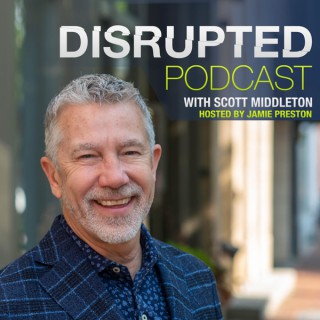
Most nursing home administrators don't realize they're sitting on one of the most underutilized revenue streams in all of Medicare — and until someone shows up and tells them what it's worth, they never will. In this episode, Scott Middleton — founder and Chief Disruption Officer of Your Health — calls in from the road as he travels across rural Georgia on a multi-day facility tour, fresh off completing a major merger with TCPA. What follows is an unfiltered, on-the-ground breakdown of two transformational opportunities Scott is actively building: chronic care management (CCM) reimbursement and ACO cost savings — and the very specific reasons most of the industry is getting both wrong. In this episode, you'll hear: Why Medicare already pays $65/hour for care management performed by nurses, community health workers, and social workers — and how Your Health is now contracting with nursing home facilities to perform it, paying them up to $100 per patient per month The "Fuse" platform — a communication and documentation tool that routes care management notes directly into billing-ready buckets, syncing with point-of-care software so the minutes get captured and billed automatically How ACO risk scores work, why Your Health's scores have grown 30% under their current plan, and what failing to see hospice patients could cost the organization — up to $22 million in a single year The $4,800 per patient per year problem: how one physician in their network was quietly rated one of the worst under the ACO model simply because his patients were going home without any follow-up Scott's announcement that SSAs and TCPs are being restructured to report directly to peer group administrators — and why the confusion about their roles has cost the company If you lead a nursing home, an assisted living facility, a physician group, or any organization inside the long-term care ecosystem, this episode will change how you look at what you're already doing — and what you're leaving behind. www.YourHealth.Org

After an extended hiatus, the Social Entrepreneur podcast is back! Join founder Tony Loyd as he welcomes new host Tom Dawkins of StartSomeGood and ushers in an exciting new chapter—sharing fresh ideas, honest conversations and inspiring stories from people creating positive change.
Lindsay Borden is a reformed actor (the more obscure the venue, the more likely she was to appear there), a former chef (having cooked in temples of haute cuisine as well as soup kitchens), and a semi-successfully-retired late-adult onset Presbyterian pastor. She lives in New York City where she preaches, protests, volunteers, and writes about things that trouble her and things that bring her joy. Recent publications include the CNF piece, “Inheritance,” in The Twin Bill magazine (https://thetwinbill.com/), which also featured Lindsay's flash fiction piece, “Glimmering,” in its first anthology publication, Early Innings. Audio of her sermons can be found on You Tube @revlindsayborden and at https://revlindsay.podbean.com/. You can contact her on LinkedIn: https://www.linkedin.com/in/lindsay-borden-a6b74315b/ ***********Finalist "Women in Cloud - Podcast of the YEAR" - #empowHERaccess Global Prestige Awards 2026Susanne Mueller / www.susannemueller.biz TEDX Talk, May 2022: Running and Life: 5KM Formula for YOUR Successhttps://www.youtube.com/watch?v=oT_5Er1cLvY Join Substack: https://substack.com/@susannemuellernyc?Enjoy one coaching session for free if you are a yearly subscriber. 800+ weekly blogs / 500+ podcasts / 1 Ironman Triathlon / 5 half ironman races / 26 marathon races / 4 books / 1 Mt. Kilimanjaro / 1 TEDx Talk
Make Money Fixing Broken Spreadsheets on Upwork (No Coding Needed) Using ChatGPT + Regex Make money online with an AI side gig using a 12-minute formula the industry is panicking over. In this episode, discover the contrarian shortcut that transforms complexity into action, and why established entrepreneurs don't want you to find out. https://DarkHorseEntrepreneur.com Tracy explains how people can earn quick money on Upwork by fixing urgent spreadsheet issues for desperate business owners, often $50–$150 per job, without needing to code, by using ChatGPT to generate formulas (including regex) and troubleshoot common errors like broken VLOOKUPs, date serial problems, array formula issues, connection permissions, and old VBA macros. It emphasizes asking clarifying questions, delivering more robust fixes like XLOOKUP, and following up with explanations and preventative recommendations to build repeat business, testimonials, referrals, and a stronger profile. It argues that long-term income comes from shifting from reactive fixes to prevention: building templates, dashboards, training, and automation services (Power Query, Apps Script, Zapier) while staying consistent to remain visible in Upwork's algorithm, and it ends by promoting the AI Escape Plan Newsletter and giving a 24-hour action step to analyze job postings for recurring pain phrases. 00:00 Upwork Spreadsheet Goldmine 01:25 Spreadsheet Hell Explained 03:03 Six Common Error Types 04:02 Fixing VLOOKUP Fast 05:39 Turn Fixes Into Clients 06:48 Regex Pays More 09:58 Psychology Of Desperation 11:17 The Pay Ceiling Trap 12:07 Build Systems Not Fixes 13:18 90 Day Execution Plan 14:16 Stay Visible Daily 15:15 Deepen Sideways Skills 16:23 Why This Is Recession Proof 17:12 Reputation Compounds 19:38 Whiskered Wisdom: Your Action Step 20:43 Final Thoughts Upwork, Microsoft Excel, Google Sheets, ChatGPT, VLOOKUP, Regular Expression, REGEX, ChatGPT spreadsheet, VLOOKUP error, side hustle 2026, Excel formula errors fixed with AI, Regex formula generator, ChatGPT, Make money fixing spreadsheets, AI side hustle, no coding, XLOOKUP vs VLOOKUP, Freelance, Excel help, Upwork, Fiverr, AI automation, side income, make money online, ai side gig, ai entrepreneur, income growth hacks, business automation tools, digital entrepreneur, Entrepreneur, entrepreneur podcast, entrepreneur tips, Entrepreneurship, Entreprenuer, make money, online business, online entrepreneurship, online opportunities, podcast entrepreneur, tips for entrepreneurs https://DarkHorseEntrepreneur.com Hosted by Simplecast, an AdsWizz company. See pcm.adswizz.com for information about our collection and use of personal data for advertising.
Len Ward went from a Wall Street trading desk to leading the AI work at Commexis, an AI consulting and product development firm, and he has become a go-to voice for leaders trying to make sense of AI without the hype. In this episode he breaks down why AI is changing the business model itself, not just the speed of the work, and what owners should do about it right now. Key Discussion Themes: - Why AI moves customers from search and retrieve to solve my problem - The unglamorous first step of AI success, organizing your data - What most CEOs still get wrong about AI, and the cost of missing it - Knowing your worth and charging for outcomes instead of hours - The marketing shift ahead, from brand to agent-to-agent buying Listener Takeaway: AI is changing how customers find and choose businesses, all the way down to the model itself. Get your data in order, move quickly, and build your business to pilot the tools instead of depending on them. Connect with Len: Website: https://commexis.com LinkedIn: https://www.linkedin.com/in/lenward/ X (Twitter): https://x.com/lenwardnj About the Host: Entrepreneur Conundrum is hosted by Virginia Purnell, founder of Distinct Digital Marketing, where she builds human-driven AI systems that help business owners get their time back (and get seen). New episodes every Monday. Work with Virginia: https://www.distinctdigitalmarketing.com LinkedIn: https://www.linkedin.com/in/virginiapurnell Listen to the Full Episode: https://entrepreneurconundrum.com/lenward

#112: Want to know the exact difference between how a rookie analyzes a deal and how a seasoned pro spots an immediate "yes"? Most investors freeze before their first property because they lack one foundational skill. Welcome to the Lenders playbook podcast Episode 112- we are your go to podcast for all things private lending, real estate and entrepreneurship, I am your host Matt Rosen In this episode, mortgage expert and real estate investor Gerard Mier shares his journey from high school roots to running a multi-project investment empire. We pull back the curtain on his exact process—from finding a deal to closing it and break down:The #1 skill you must master before buying your first property.The internal systems and key hires that allow him to scale projects while running a mortgage business.His $0 "start-over" blueprint and the habits driving his success.Ready to stop analyzing from the sidelines? Hit subscribe so you never miss an episode, and leave a 5-star review if this blueprint helped you plan your next deal!We would like to have you join us! Oct. 9-10 in Las Vegas at the Green Valley Ranch is the most anticipated private lending event of the year! Don't miss it! Go to https://www.americanlendingconference.com/
Dr. Lisa Nichols is co-founder and President of ALLMYNE a new travel app. Dr. Nichols is the Director for Brookdale Mobile Crisis Team, Brooklyn NY. She received her Ph.D. from Alliant International University in San Diego, California. She has been a part of Mobile Crisis Teams and Psychiatric Emergency rooms in New York City for over 20 years. She has done research and worked with refugees, PTSD, HIV/AIDS, and ethics. Dr. Nichols has a Master's in Business Administration from Sciences Politiques, Paris, France and been trained in 6 Sigma and Lean Fundamentals. Dr. Nichols has a Bachelor of Science in Experimental Psychology from University College London, London, England. She maintains a small private practice. Dr. Nichols is an enthusiastic traveler and has been to over 152 countries and speaks fluent French while managing conversations in Spanish and German. Subscribe to the app: https://allmyne.com/ Instagram: https://www.instagram.com/join.allmyne/ Facebook: https://www.facebook.com/join.allmyne/ ***********Susanne Mueller / www.susannemueller.biz TEDX Talk, May 2022: Running and Life: 5KM Formula for YOUR Successhttps://www.youtube.com/watch?v=oT_5Er1cLvY Join Substack: https://substack.com/@susannemuellernyc?Enjoy one coaching session for free if you are a yearly subscriber. 800+ weekly blogs / 500+ podcasts / 1 Ironman Triathlon / 5 half ironman races / 26 marathon races / 4 books / 1 Mt. Kilimanjaro / 1 TEDx Talk

Have you ever felt like your business was evolving, but no one understood the vision? In this first CEO Diary episode of Social Media Decoded, I'm taking you behind the scenes of my business to share what I'm really building—and why I've shifted my focus from creating more content to building meaningful community. I talk about why relationships have become my greatest business strategy, how Coffee & Connections, my Hidden Gem series, and Connected & Paid Live all fit together, and why I believe the future belongs to entrepreneurs who create ecosystems instead of chasing algorithms. If you're a business owner, creator, or entrepreneur looking to build a brand that's rooted in connection, visibility, and long-term impact, this episode is for you. In this episode, you'll learn: Why I stopped chasing followers and started building community The difference between creating content and creating connection How networking events became relationship accelerators Why community is the future of business growth How partnerships and sponsorships fit into a long-term brand strategy The vision behind Connected & Paid Live Why every entrepreneur should build a visibility ecosystem instead of relying on one platform If this episode resonates with you, send me a DM on Instagram with the word EVENT to learn more about Connected & Paid Live. Resources Mentioned Connected & Paid Live Coffee, Content & Connections Connected & Paid Collective Connect with Michelle: Instagram: @michellelthames Website: https://michellethames.com Hosted by Simplecast, an AdsWizz company. See pcm.adswizz.com for information about our collection and use of personal data for advertising.

Can the space around you influence your happiness, creativity, and success? In this episode of Everything Is Personal, Len May sits down with Steve Griggs, founder of Steve Griggs Designs, to discuss entrepreneurship, creativity, outdoor living, leadership, business growth, and how thoughtful design can shape everyday life. Steve shares lessons from more than four decades of building luxury outdoor spaces, growing a successful business, working with high-profile clients, and creating environments that inspire people to live better. The conversation also explores resilience, customer experience, creative thinking, branding, and what it takes to build a lasting reputation. EndoDNA: Where Genetic Science Meets Actionable Patient Care EndoDNA bridges the gap between complex genomics and patient wellness. Our patented DNA analysis platforms and AI technology provide genetic insights that support and enhance your clinical expertise. Click here to check out to take control over your Personal Health & Wellness Connect with EndoDNA on SOCIAL: IG | X | YOUTUBE | FB Connect with host, Len May, on IG Hosted by Simplecast, an AdsWizz company. See https://pcm.adswizz.com for information about our collection and use of personal data for advertising.

What if one question could completely change the direction of your life?In this episode of The Kash & Dash Show, Ted Kaasch and Owen Dashner welcome back legendary Nebraska real estate broker, speaker, and entrepreneur Van Deeb for one of the most inspiring conversations we've had. With more than four decades in real estate, Van shares the lessons that helped him build multiple successful companies, become one of the Midwest's most recognized motivational speakers, and impact thousands of lives along the way.From the power of simply asking for what you want to the importance of discipline, fitness, confidence, and surrounding yourself with the right people, this conversation is packed with practical advice that applies far beyond real estate. Van opens up about retirement, why he couldn't stay away from the business he loves, what legacy truly means to him, and even discusses the possibility of one day running for Mayor of Omaha.Whether you're an investor, entrepreneur, salesperson, business owner, or someone looking for a fresh perspective on success, this episode will challenge the way you think about opportunity. Sometimes the biggest breakthrough doesn't come from having all the answers—it starts by asking the right question.If you enjoyed this episode, be sure to subscribe, leave a review, and share it with someone who could use a little motivation today. Your support helps us continue bringing you real conversations with successful people who are willing to share both their victories and their failures.You can Join the Omaha REIA - https://omahareia.com/join-todayOmaha REIA on Facebook - https://www.facebook.com/groups/OmahaREIACheck out the National REIA - https://nationalreia.org/ Find Ted Kaasch at https://linktr.ee/tedkaasch Owen Dashner on Facebook https://www.facebook.com/owenmoneyrealestate Instagram - https://www.instagram.com/owenmoneyrealestate/ Red Ladder Property Solutions - www.sellmyhouseinomahafast.com Liquid Lending Solutions - www.liquidlendingsolutions.com Owen's Blogs - www.otowninvestor.com www.reiquicktips.com Propstream - https://trial.propstreampro.com/reianebraska/Timber Creek Virtual - https://timbercreekvirtual.com/services/MagicDoor - ...
Reed Nyffeler is the CEO and founder of Signal, a security services franchisor operating in 48 states and nine countries with more than 8,500 employees. He is also the founder of FilterGo and FrameBrand, and the author of Transform Through Purpose and Lead Exponentially, with his third book, Brand New, arriving in the summer of 2026. Key Discussion Themes: - Leading yourself before you ever lead others or an organization - Be better first, feel better later: putting action ahead of emotion - The schedule audit: assigning a dollar value to every hour and handing off the low ones - Ownership over excuses, starting with a boat parade lesson from Reed's grandfather Listener Takeaway: Your future is your choice. Change your words, change your mind, change your actions, and audit your calendar so the hours you keep are the ones only you can do. Connect with Reed: Website: https://reednyffeler.com Leadership platform: https://nextinleadership.com LinkedIn: https://www.linkedin.com/in/reednyffeler/ Books: Transform Through Purpose and Lead Exponentially, available at nextinleadership.com and Amazon About the Host: Entrepreneur Conundrum is hosted by Virginia Purnell — founder of Distinct Digital Marketing, where she builds human-driven AI systems that help business owners get their time back (and get seen). New episodes every Monday. Work with Virginia: https://www.distinctdigitalmarketing.com LinkedIn: https://www.linkedin.com/in/virginiapurnell Listen to the Full Episode: https://entrepreneurconundrum.com/reednyffeler

What You'll Learn in This Episode Why success usually takes 10 times more effort than you expect. The biggest mistakes new real estate investors make. How mentorship dramatically shortens your learning curve. Why blind optimism can either fuel or sabotage success. The importance of asking better questions—not just finding answers. How AI tools like ChatGPT can reveal your business blind spots. The difference between building wealth and designing a fulfilling life. Why consistency beats talent in entrepreneurship. Lessons from wholesaling that apply to every business. How to stay motivated when progress feels slow.

Send us Fan MailAt MSP GeekCon, Joey Pinz sits down with Monica Ozaruk for a fascinating conversation about systems thinking, operational excellence, creativity, habits, and what really keeps MSP owners awake at night. Monica shares how her background in acting unexpectedly shaped her communication style and how her obsession with process optimization led her into the MSP world through ConnectWise consulting.From quote-to-cash workflows to habit stacking, Monica explains why successful MSPs need more than tools — they need clarity, consistency, and systems that actually work. She breaks down how many MSPs unintentionally create operational chaos and why “run state” — a calm, scalable business environment — should be the real goal.The conversation also dives into personal growth, mindset shifts, creativity returning later in life, wellness routines, and how habits create long-term success both personally and professionally.If you're an MSP owner, entrepreneur, operations leader, or someone trying to create more focus and structure in life, this episode delivers practical insights with real-world honesty.
What separates great leaders from everyone else? In this episode of Everything Is Personal, Len May sits down with Terry Mendez, CEO of Safe Harbor Financial, to discuss leadership, entrepreneurship, business transformation, financial innovation, team building, AI, technology, and the future of business. Terry shares lessons from his career at Deloitte, Arthur Andersen, Fortune 500 companies, and high-growth businesses. The conversation explores leadership, communication, innovation, customer experience, financial services, entrepreneurship, business strategy, and how successful leaders build organisations that continue to grow. Whether you're an entrepreneur, executive, business owner, or someone interested in leadership and innovation, this episode offers practical insights that can help you think differently about business and success. EndoDNA: Where Genetic Science Meets Actionable Patient Care EndoDNA bridges the gap between complex genomics and patient wellness. Our patented DNA analysis platforms and AI technology provide genetic insights that support and enhance your clinical expertise. Click here to check out to take control over your Personal Health & Wellness Connect with EndoDNA on SOCIAL: IG | X | YOUTUBE | FB Connect with host, Len May, on IG Hosted by Simplecast, an AdsWizz company. See https://pcm.adswizz.com for information about our collection and use of personal data for advertising.
What you'll learn in this episode: ● Why emotional regulation is one of the most important skills for entrepreneurs ● How emotional intelligence improves leadership and decision-making ● The hidden connection between burnout, stress, and high achievement ● Why successful people can still feel unhappy despite reaching their goals ● How childhood experiences influence business and personal relationships ● The difference between reacting emotionally and responding intentionally ● The four pillars of embodied presence: awareness, embodiment, connection, and flow ● How to recover from nervous system overwhelm and emotional exhaustion ● Why intuition and logic work best when combined ● Practical techniques to improve resilience, focus, and sustainable peak performance

Shopify Masters | The ecommerce business and marketing podcast for ambitious entrepreneurs
Leaders Founders behind Ouai, Good Girl Snacks, Heaven Mayhem, Hedley & Bennett, and more share the expensive, embarrassing, and clarifying mistakes that taught them how to build stronger businesses. For more from these leaders click here Subscribe and watch Shopify Masters on YouTube!Sign up for your FREE Shopify Trial here.

What happens when the career you've worked decades to build no longer aligns with the life you want to live? In this inspiring episode, Allison sits down with entrepreneur and Sun Drunk founder Cat Lepetit to discuss her remarkable journey from leading some of the world's most recognizable beauty brands to building a thriving lifestyle business rooted in joy, purpose, and coastal living. After spending more than two decades climbing the corporate ladder with companies like Sephora, Benefit Cosmetics, Makeup Forever, and Murad, Cat found herself questioning what success truly meant. The COVID-19 pandemic became a catalyst for reflection, prompting her to reevaluate her priorities, reconnect with herself, and imagine a different future. Cat shares the behind-the-scenes story of leaving corporate leadership, navigating uncertainty, exploring multiple business ideas, and ultimately receiving the inspiration that became Sun Drunk—a beach lifestyle brand designed to bring happiness, color, and ease into everyday life. Throughout the conversation, Cat opens up about the challenges of reinvention, the importance of listening to your intuition, embracing discomfort, and having the courage to start over—even when others don't understand your vision. Whether you're dreaming of launching a business, considering a major career pivot, or simply seeking more alignment in your life, this episode will encourage you to trust yourself, take the next step, and create a life that feels as good as it looks. In This Episode, You'll Learn: How to navigate a major career transition Why success and fulfillment aren't always the same thing The role intuition plays in entrepreneurship How COVID inspired personal and professional reinvention What it takes to build a lifestyle brand from scratch Why flexibility, family, and purpose matter in business The power of embracing uncertainty and starting over Lessons from scaling global brands and launching a startup
What happens when ambitious, purpose-driven women come together to learn, connect, and elevate their brands? In this special She Believed She Could™ Podcast episode, Allison Walsh and Carolina Flores recap the unforgettable She Believed She Could Summit and Visibility Lab, sharing the transformational moments, powerful breakthroughs, and practical strategies that left attendees inspired and ready to take action. Throughout the conversation, they reflect on the summit's biggest themes—including personal branding, storytelling, public relations, podcast guesting, private podcasting, social media strategy, website development, book publishing, influencer marketing, brand partnerships, and content creation. You'll hear insights from an incredible lineup of experts who generously shared their knowledge, experience, and actionable tools to help women grow their visibility, build authority, and create greater impact through their businesses and personal brands. The episode also provides a behind-the-scenes look at Visibility Lab, where attendees received hands-on coaching, professional content creation support, brand messaging guidance, media training, and confidence-building experiences that transformed how they show up online and in their businesses. Whether you're building a personal brand, growing a business, launching a podcast, writing a book, pursuing brand partnerships, or simply looking for the confidence to step into your next level, this episode will leave you inspired and equipped with practical next steps. In This Episode You'll Learn: How to build a stronger personal brand Why visibility creates business opportunities The power of public relations and earned media How podcast guesting can grow your audience Why private podcasts are becoming a powerful marketing tool Social media strategies that build authentic communities Website essentials every entrepreneur needs How to leverage influencer marketing and brand partnerships The importance of storytelling in business growth Why confidence grows through action and implementation How strategic networking accelerates success The role of community in personal and professional growth If you've ever felt stuck, uncertain about your next step, or hesitant to put yourself out there, this conversation is your reminder that your story matters—and your next opportunity may be one courageous step away. Positioned for Partnerships™ Mini Course - Turn your platform into a revenue-generating brand opportunity—without needing a massive following. Learn how to position your brand, create a high-converting media kit, and confidently pitch partnerships so brands instantly understand your value.

Send us Fan MailQUIZ! Find where the chaos lives in your business in less than 10 minutes: >> CLICK THIS

They bought an office in lockdown when nobody else was buying. Protect your family with life insurance from Ethos. Get up to $3 million in coverage in as little as 10 minutes at https://ethos.com/founded. Application times may vary. Rates may vary. Two mates met on a rugby pitch, became accountant and client, then bought an office building in the middle of lockdown, when no one else was buying. In this episode, Ollie speaks to Rhys Jones (The Online Accountant) and Olly Ladbrooke (Moose Studios), business partners behind the Bristol Office Hub, about going from corporate life to running multiple businesses side by side. They get honest about the mindset shift from employee to serial entrepreneur, the brutal moment a down-valuation left them scraping to fund a leaking roof, why complementary skills beat codified roles, and how community and referrals (not contrived networking) quietly built everything. Plus, we explore AI in accountancy and marketing, and why "just show up and take action" still wins. Whether you're a solo founder feeling the isolation or weighing up a big risk, this one's for you. LISTENER TAKEAWAYS 1. Resilience isn't a trait; it's a position. Their first building ran "like a dream", which is exactly what gave them the confidence and cushion to survive a brutal down-valuation on the second. 2. Cash buys you calm. Build six to twelve months of runway in the first two years, keep it lean, and you stop pouring energy into chasing bills instead of growing. 3. Action beats overthinking. No scaremongering about AI, these business partners just show up, make the call, and move forward. 90% of success is being there and taking the next step. GUESTS Rhys Jones, accountant and co-founder of The Online Accountant and The Property Accountant. Left corporate life to go solo, took on Olly as client number one, now runs a six-person practice. Olly Ladbrooke, chartered surveyor (ex-BNP Paribas) and founder of Moose Studios, a marketing agency with offices in Bristol and London. Together they own and run the Bristol Office Hub. Bristol Office Hub — bristolofficehub.co.uk (195–197 Whiteladies Road, Bristol) Moose Studios - moosestudios.co.uk The Online Accountant - theonlineaccountant.com Have questions about this episode? Ask our hosts, chat now via our website Hosted by Simplecast, an AdsWizz company. See pcm.adswizz.com for information about our collection and use of personal data for advertising.

A UGA honors graduate, serial entrepreneur, podcast host, and author living out a passionate pursuit of purpose in faith, family, and business.
Shopify Masters | The ecommerce business and marketing podcast for ambitious entrepreneurs
We brought together 14 founders across 13 businesses building on Shopify and asked every single one the same question: How do you know when it's time to pivot? We've put together the playbook for the hardest decisions to make in business—the leap, the kill, the walk-away, and the quiet voice you almost ignored. Featuring Catherine Goetze (Physical Phones), Melanie Bender (LORE), Jing Gao (Fly By Jing), AC Hampton (Supreme Ecom), Melissa Palmer (OSEA), Kevin and Jin Chon (Coop Sleep Goods), Aishwarya Iyer (Brightland), Matt Hassett (Loftie), Vy Nguyen (Avocado Green), Drew Scott (Lone Fox), Sean Reyes (Shock Surplus), Carmen Dianne and Kara Still (Prosperity Market), and Sara Sugarman (Lulu and Georgia). For more: https://utm.io/upFkv Subscribe and watch Shopify Masters on YouTube!Sign up for your FREE Shopify Trial here.

If you're doing the work and still not getting sales, your problem as a business owner isn't content. It's messaging. In this episode, Tracey breaks down the root cause behind why brilliant business owners stay underpaid: they don't know how to explain what they do in a way that leads to sales. You'll learn why “pretty branding” doesn't fix unclear offers, what “decorating confusion” really looks like, and a simple one-sentence structure that helps buyers see how you can help them quickly and make a buying decision.Enroll in Voice to Cash Intensive (done-for-you money messaging translation in 7 days) Watch: YOUTUBE Send us Fan MailTraceyWattsCirino.comTurn your Voice into Cash
What does it really take to scale your business with paid ads — without wasting money, burning out, or feeling overwhelmed? In this powerful episode, Allison Walsh welcomes paid advertising expert and entrepreneur Ashley Brock, founder of the Paid Ads Academy, to break down the mindset, strategy, and systems behind profitable business growth through paid traffic. Ashley shares her incredible journey from working with Fortune 500 brands like Coca-Cola, Michaels, and GameStop to building her own 8-figure company in less than three years. Together, Allison and Ashley unpack: The biggest mistakes entrepreneurs make with paid ads How to know when you're ready to invest in advertising Why your mindset around money directly impacts your sales How Ashley overcame fear and self-doubt while building her business What makes paid ads work across Facebook, Instagram, Google, YouTube, TikTok, Pinterest, LinkedIn, Spotify, and more The importance of data, testing, and customer lifetime value Why visibility is critical for scaling your impact and income How to stop relying on guesswork and become “findable” online Ashley also shares the emotional story behind the moment she bet on herself, invested in mentorship while pregnant, and turned uncertainty into her first six-figure day — a decision that ultimately helped launch an 8-figure brand. Whether you're a coach, creator, service provider, local business owner, or entrepreneur ready to grow your audience and revenue, this episode will help you rethink how you approach marketing, money, and scaling your business. If you're ready to learn how to turn visibility into consistent leads and real business growth, this conversation is for you. Ready to stop guessing when it comes to paid ads? Join Ashley Brock's 5-Day Win With Paid Ads® Challenge and learn how to attract the right audience, create profitable ad strategies, and become more “findable” online — without wasting money or relying solely on organic growth. ✨ Join the challenge here: https://paidadscoaching.com/challenge-604074?am_id=allison2763 Connect with Ashley: https://www.instagram.com/ads.with.ashley/ https://paidadscoaching.com/ https://www.linkedin.com/company/paid-ads-academy https://www.youtube.com/@ads.with.ashley https://www.facebook.com/WinWithPaidAds/ This episode was sponsored by Be A Mind Leader and AdventHealth for Women. Learn more about Be A Mindleader here. Learn more about AdventHealth for Women here Positioned for Partnerships™ Mini Course - Turn your platform into a revenue-generating brand opportunity—without needing a massive following. Learn how to position your brand, create a high-converting media kit, and confidently pitch partnerships so brands instantly understand your value.
What you'll learn in this episode: Why being “60% right and 40% wrong” can still destroy a business The biggest mistake founders make during customer development Why product-market fit exists on a spectrum—not as a yes/no answer The customer development funnel that creates referrals naturally How to know when your product is ready to scale The danger of building based on your own assumptions instead of customer pain Why entrepreneurs struggle to balance confidence with humility The exact questions to ask customers before investing in growth How Uber Eats generated 33x stronger sales results than average clients Why slowing down can actually help you grow faster About Collin Stewart Founder, CEO, podcast host & failed musician How can he help you? Bootstrapped PR to millions in revenue Built a revenue team to 11 Grew 3 companies from $0–$1M as the only sales hire Hosts a podcast with 120+ episodes Nailed product-market fit but whiffed on building it (and learned a tonne from it) Connect with Collin Stewart: Predictable Revenue Founder's Edition The Terrifying Art Collin Stewart LinkedIn Predictable Revenue Podcast
What you'll learn in this episode: Why self-belief is the foundation of every successful business The GPS framework for achieving goals with clarity and focus How the “commit or quit” mindset removes distractions Why consistency beats talent in sales and entrepreneurship The CPI Communication Model for building trust and rapport How neuro-linguistic programming (NLP) improves communication Why follow-up is the most overlooked sales skill The SCARLET framework for hiring winning team members How great leaders teach people how to think, not what to do Why “You are good enough” is the ultimate entrepreneurial truth

On this episode of the STL Bucket List Show, we sit down with Sean Hamlin, co-founder of VHS Group and Race Haus, to break down how a home services and technology company unexpectedly evolved into one of the most exciting new motorsports experiences in St. Louis.Sean shares how VHS Group began with smart home installations, home theaters, and custom tech builds before expanding into golf simulators—and eventually stumbling into the idea that would become Race Haus after a client requested a custom racing simulator setup. That single project quickly snowballed into a fully immersive racing lounge in Webster Groves, where guests can compete on professional-grade simulators, experience real racing dynamics, and build a growing community around motorsports.He walks through the early days of experimentation, the rapid viral growth on social media, and how Saint Louis embraced the concept far faster than expected. From weekends packed with high-end cars outside the building to competitive leagues forming inside, Race Haus has quickly become a destination for both casual fans and serious racing enthusiasts.The conversation also dives into what it's like building multiple businesses at once—balancing leadership, family life, a full-time career, and entrepreneurship—plus the importance of building the right team, embracing technology, and learning when to step back and let systems scale.From smart homes to simulators, from local experiments to national ambitions, this episode is about turning passion, technology, and community into a completely new kind of entertainment business.They discuss: - Building VHS Group and smart home technology services - The origins of Race Haus and the first simulator build - Golf simulators and early tech innovation - Creating an immersive racing experience in Webster Groves - Viral growth and St. Louis car community support - Scaling multiple businesses simultaneously - Leadership, burnout, and entrepreneurial discipline - The role of AI, automation, and technology in growth - Building leagues and competitive racing experiences - Expansion plans and the future of Race Haus - Creating a new entertainment category in St. Louis
If your business messaging feels flat, confusing, or like it's not converting into clients, this episode is for you.In this powerful episode of Beyond Common Business Secrets, Tracey Watts Cirino reveals how service-based business owners, coaches, authors, spiritual entrepreneurs, and experts can finally turn their voice into cash.You'll discover: Why most marketing messaging fails How to speak your truth in a way that attracts buyers The real reason your offers may not be converting How to simplify what you do so people instantly understand your value Why authenticity sells better than scripts How to align your messaging with who you truly are today The Voice to Cash methodology for turning conversations into revenue If you've ever struggled to explain what you do, attract premium clients, or confidently sell your offers, this episode will help you create messaging that feels natural, aligned, and profitable.Your truth is your greatest marketing strategy.Listen now and learn how to turn your expertise, story, and voice into revenue.Send us Fan MailTraceyWattsCirino.comTurn your Voice into Cash

LISTEN TO ALL THE EPISODES OF THE CREATIVE ENTREPRENEUR PODCAST Listen Here: Creative Entrepreneur: A Podcast For Business Growth, Strategy and Monetization - Apple Podcasts Join the Movement: www.cre8tivecon.com Deep Dive: www.creativeentrepreneurpod.com How to Scale Your Business (From $1.5M in Debt to Multi-Million Dollar Success) If you are a regular on the GET OBSESSED feed, you know that obsession is the fuel for success—but strategy is the engine. In this crossover episode, we are bringing you a masterclass in resilience with serial entrepreneur Shawn Finnegan (partner at Crumbl Cookies, Swig, and Tax Hive). Shawn doesn't just talk about "playing big"; he lived through a $1.5 million failure and found the grit to pay it all back by mastering "relationship equity." Whether you're a creative looking to turn your side hustle into a legal entity or an established founder ready to pitch the "Sharks," this conversation pulls back the curtain on what it actually takes to scale. Why You Need to Listen to This Episode The Blueprint for the Rebound: Learn the exact mindset Shawn used to bounce back after losing $1.5M in his first venture. The "Micro-Intention" Hack: A simple, 10-second mental trick to use before every meeting to ensure you walk away with a deal. Shark Tank Secrets: Hear what it was like to pitch Kevin O'Leary and how to get high-level investors to believe in your vision. The "Girl Dad" Philosophy: A touching look at how being a father to three daughters teaches better leadership and empathy than any boardroom. About The Creative Entrepreneur Podcast Hosted by the powerhouse duo Julie Lokun and Dominick Domasky, this show is for the dreamer who isn't afraid to get their hands dirty. We bridge the gap between "starving artist" and "thriving CEO." Every week, we deliver raw conversations on business strategy, tax legalities, and the mental toughness required to build a legacy. If you want to scale your brand while staying authentic to your creative roots, you've found your home. Frequently Asked Questions (FAQ) What is the "Cre8tive Con" Lifestyle? It is a community-first approach to business. We believe in the power of in-person connection, high-level mentorship, and providing more value to our audience than we ever ask for in return. Learn more at www.cre8tivecon.com. Who is Julie Lokun? Julie is a master of brand psychology and media. Through www.bigbetterbrand.co, she helps entrepreneurs find their voice and dominate their niche through strategic storytelling. Who is Dominick Domasky? Dominick is the "Chief Motivation Officer" and founder of motivationchamps.com. He specializes in helping people turn their biggest failures into their greatest assets. Where can I find resources mentioned in the show? All links to Tax Hive, mentorship opportunities, and future live events are available at www.creativeentrepreneurpod.com. Hosted by Simplecast, an AdsWizz company. See pcm.adswizz.com for information about our collection and use of personal data for advertising.
What You'll Learn How to use AI to automate and streamline your business The SAD framework: Systemize, Automate, Delegate, Delete Why relationship-based businesses outperform cold lead generation Simple ways to start using tools like ChatGPT How to create consistent, predictable income in any business Key Takeaway The businesses that win today aren't working harder—they're working smarter by combining AI, systems, and relationships to scale faster and serve better. Connect with Amy Follow on Instagram: @AmyStockberger DM “marketing” to get her AI marketing system To find out more about Dan Rochon and the CPI Community, you can check these links:Website: No Broke MonthsPodcast: No Broke Months for Salespeople PodcastInstagram: @donrochonxFacebook Page: https://www.facebook.com/NoBrokeMonths/Facebook: Dan RochonLinkedIn: Dan RochonTeach to Sell Preorder: Teach to Sell: Why Top Performers Never Sell – And What They Do Instead
Favour Obasi-ike, MBA, MS breaks down the relationship between SEO and PPC advertising. He explains that while PPC provides short-term visibility and acts as a catalyst for brand awareness, SEO builds the long-term foundation that makes ads more cost-effective. Favour emphasizes that these two strategies should not be siloed; instead, they must work together. By ranking organically for specific keywords, businesses can lower their ad spend for those same keywords. The conversation also touches on the importance of content pillars, Google Search Console, and the value of organizing your digital assets to prevent overwhelm.Who is this for?Business owners, digital marketers, and entrepreneurs looking to understand the differences and synergies between Search Engine Optimization (SEO) and Pay-Per-Click (PPC) advertising. It's highly valuable for anyone wanting to build a sustainable, long-term marketing strategy while leveraging short-term wins through paid ads.Key Moments & Timestamps01:42 — The Core Difference: Understanding SEO (Search Engine Optimization) vs. SEM/PPC (Search Engine Marketing).03:34 — Short-Term vs. Long-Term: Why PPC is for short-term wins and SEO is for long-term sustainability.06:00 — The Synergy: How ranking organically for a keyword lowers the cost of bidding on that same keyword in ads.11:10 — Cross-Platform Strategy: Connecting your website to Google Search Console and Pinterest to build domain authority.32:47 — Tracking Success: Using Google Alerts and Search Console to track brand mentions and backlinks.107:41 — Final Takeaway: Organize your content pillars and don't feel overwhelmed by the technical aspects of SEO.FAQsQ: Should I focus on SEO or PPC first?A: You should focus on SEO first to build a strong foundation. PPC is a catalyst that drives immediate traffic, but if your website isn't optimized organically, you will end up paying higher costs per click over time.Q: How long does it take for ads to mature?A: Depending on the platform, it typically takes 7 to 28 days for an ad campaign to exit the learning phase and mature based on the target audience.Q: How do SEO and ads work together?A: When you rank organically for a specific keyword (e.g., "real estate planning") on your website, Google recognizes your authority. When you run ads for that same keyword, your cost per click is often lower because the destination link is highly relevant and authoritative.Action StepsBuild Your Foundation: Ensure your website is connected to Google Search Console so search engines can index your pages.Align Your Keywords: Use the same keywords in your organic content (URLs, titles) that you plan to bid on in your PPC campaigns.Set Up Alerts: Use Google Alerts to track when your brand or business is mentioned online to monitor your growing authority.Organize Content Pillars: Structure your website content into clear pillars and clusters to make it easier for both users and search engines to navigate.Book a Consultation: Reach out to Favour at info@playinc.online or favour@playinc.online to hire his SEO agency and streamline your digital marketing strategy.Ready to Rank? Book Your SEO & Web Dev Services Today
Favour Obasi-ike, MBA, MS and guest speakers (including Celese Williams and Rocki) discuss the problem-to-solution framework of converting traffic into revenue. Favour explains that traffic must first be intentionally created by planting "seeds" (content) across the web and nurturing them over time.He shares a real-life example of a client who returned after three years because of consistent, long-term marketing efforts. The conversation also highlights the importance of creating "easy buttons" to reduce friction in the buying process and the resurgence of community-based marketing (like Skool and Patreon) as a reliable revenue driver.Who is this for?Business owners, digital marketers, and entrepreneurs looking to turn their website visitors into paying customers. It's highly valuable for anyone wanting to understand the mechanics of traffic generation, the importance of planting "content seeds" for long-term SEO, and how to optimize the customer journey for higher conversions.Key Moments & Timestamps01:43 — The Traffic Prerequisite: Why you must intentionally create traffic before you can convert it.03:26 — Quality over Quantity: The "sandcastle" analogy for building valuable, structured traffic.05:50 — Planting Seeds: Why articles and SEO content are like seeds that can yield recurring traffic for years.08:23 — Building Authority: How consistent messaging turns you into the go-to solution when a customer is finally ready to buy.11:08 — Real-Life Case Study: A client who paid an invoice and returned for a 12-week marketing sprint after three years of nurturing.14:26 — The Power of CTAs: How well-designed calls-to-action can increase conversions by 38% to over 160%.16:10 — Guest Insight (Celeste): Why consumers want the easiest path to purchase and how to create "easy buttons" in your business.17:46 — Guest Insight (Rocky): The resurgence of community-based marketing (Skool, Patreon, Facebook groups) and the growing, yet controversial, impact of AI-generated ads.FAQsQ: How do I create traffic in the first place?A: Traffic is created by consistently publishing valuable content (seeds) on your website and distributing those links across platforms like Pinterest, Reddit, LinkedIn, and YouTube to build an interconnected web of authority.Q: How long does it take for SEO content to generate revenue?A: SEO is a long-term strategy. You should give your content pillars at least 24 months to build capacity. However, the content you publish today can continue to drive traffic and revenue for years to come.Q: What is the easiest way to increase conversions on my website?A: Reduce friction. Create "easy buttons" by minimizing the number of steps, forms, or questions a customer has to navigate before making a purchase or booking a service.Action StepsPlant Your Seeds: Commit to a 24-month content strategy where you consistently publish and update articles on your website.Distribute Your Links: Share your website links across multiple platforms (Pinterest, LinkedIn, YouTube) to create an interconnected web of traffic sources.Audit Your CTAs: Review your website's calls-to-action. Ensure they are clear, compelling, and strategically placed to maximize click-through rates.Create "Easy Buttons": Simplify your booking or checkout process. Remove unnecessary questions or steps that might cause a potential customer to abandon the process.Build a Community: Consider launching a community group (via Skool, Patreon, or Facebook) to nurture your audience and build long-term trust.Ready to Rank? Book Your SEO & Web Dev Services Today
Favour Obasi-ike, MBA, MS and guest speakers (including Celeste and Jason) discuss the mechanics of getting discovered on Pinterest. Favour explains that Pinterest is a visual search engine powered by an algorithm called "Pixie," which prioritizes relevance, uniqueness, and content quality. He shares actionable strategies for connecting your website's RSS feed to automatically generate pins, using colors (hex codes) to influence search results, and expanding keyword lists using broad, exact, and phrase match types.The conversation highlights Pinterest's long lifespan for content, noting that pins from years ago can still drive significant traffic today.Who is this for?Business owners, digital marketers, and content creators looking to leverage Pinterest as a visual search engine. It's highly valuable for anyone wanting to understand Pinterest's algorithm (Pixie), how to optimize pins for discoverability, and how to use Pinterest to drive long-term, recurring traffic to their website.SummaryFavour Obasi-ike and guest speakers (including Celese Williams and Jason) discuss the mechanics of getting discovered on Pinterest. Favour explains that Pinterest is a visual search engine powered by an algorithm called "Pixie," which prioritizes relevance, uniqueness, and content quality. He shares actionable strategies for connecting your website's RSS feed to automatically generate pins, using colors (hex codes) to influence search results, and expanding keyword lists using broad, exact, and phrase match types. The conversation highlights Pinterest's long lifespan for content, noting that pins from years ago can still drive significant traffic today.Key Moments & Timestamps01:20 — Meet Pixie: Introduction to Pinterest's algorithm and the key elements of discoverability.02:50 — Automation Hack: How to connect your website's RSS feed to a Pinterest Business account to auto-generate pins.04:45 — The Four Elements of Discoverability: Relevance, uniqueness, content quality, and engagement.06:06 — The Power of Color: How hex codes and background colors (e.g., purple) influence what ads and related pins show up next to your content.08:01 — The Psychology of "Saves": Why the number of saves is the strongest indicator of value on Pinterest.10:08 — Keyword Expansion Strategy: How to turn 25 broad keywords into 75+ keywords using quotation marks and brackets.15:38 — Content Syndication: Connecting Instagram to Pinterest to create multiple traffic pathways for a single piece of content.18:27 — Guest Insight (Celeste): Why Pinterest is an underutilized goldmine for product-based businesses and artists.19:22 — The Lifespan of a Pin: Why Pinterest content lives forever and how updating old articles can trigger a resurgence in traffic.FAQsQ: What is Pinterest's algorithm called and what does it look for?A: Pinterest's algorithm is called "Pixie." It looks for relevance (keywords, titles, descriptions), uniqueness (trends, colors), and content quality (image dimensions, mobile optimization).Q: How can I automatically create pins from my website?A: Create a free Pinterest Business account, go to your settings, and connect your website's RSS feed. When you publish an article with images, Pinterest will automatically pull those images and create pins linking back to your site.Q: How do I find the right keywords for Pinterest?A: Start with broad keywords related to your niche. Then, expand your list by adding quotation marks (phrase match) and brackets (exact match) to those same keywords. You can also use trends.pinterest.com to see what's currently popular.Action StepsSwitch to a Business Account: If you haven't already, convert your Pinterest profile to a free Business account to access analytics and website integration.Connect Your RSS Feed: Link your website to Pinterest so your blog images automatically generate pins.Optimize for Color: Be intentional about the colors and hex codes in your images, as Pinterest's visual search groups similar colors together.Expand Your Keywords: Take a list of 25 broad keywords and create variations using quotation marks and brackets to capture different search intents.Update Old Content: Refresh old articles on your website to trigger a resurgence of traffic from existing pins on Pinterest.Ready to Rank? Book Your SEO & Web Dev Services Today
Shopify Masters | The ecommerce business and marketing podcast for ambitious entrepreneurs
What happens when the product that made you famous starts holding you back? Kevin Gould co-founded Glamnetic in 2019 with Ann McFerran, launching a magnetic eyelash brand that exploded from $1 million to $50 million in revenue in just one year — fueled by a great product, smart growth marketing, and the COVID-era boom in DIY beauty. But when the tailwinds reversed — iOS 14 updates sent acquisition costs soaring, the lash category contracted, and revenue dipped 25% — Kevin faced a make-or-break decision. Rather than doubling down on what was declining, he pivoted the entire business into press-on nails, a category still in its infancy. Today, Glamnetic is one of the largest press-on nail brands in the world, doing over $100 million a year. In this episode, Kevin gets real about the unglamorous side of hypergrowth: the cash flow crunches that come with scaling too fast, the inventory mistakes that haunt you, and the emotional toll of watching revenue fall when you expected it to double. He shares how he and his team navigated the pivot, why community and brand affinity will always outlast paid acquisition, and why the best advice he can give founders is: don't grow too fast. You'll learn: Why going from $1M to $50M overnight nearly broke the business How to manage cash flow and inventory when you're self-funded The marketing mix that built a real brand — not just an ad machine Why TikTok Shop is the biggest arbitrage opportunity right now How a 40,000-member Facebook community doubles as a product development engine The one hire every founder should prioritize early on What it really takes — personally and professionally — to turn a pivot into a $100M business Subscribe and watch Shopify Masters on YouTube!Sign up for your FREE Shopify Trial here.
Favour Obasi-ike, MBA, MS and guest speakers (including Celese Williams and Darren Shaw) discuss the mechanics of getting discovered on Google. Favour emphasizes that discovery starts with a strong technical foundation; specifically, connecting your website to Google Search Console and submitting a sitemap. He shares a case study of a client who grew from under 20,000 to nearly 300,000 organic impressions in six months. The conversation also covers the importance of prioritizing your website over social media profiles, understanding search intent, and leveraging local SEO (like zip codes) to rank faster in less saturated markets.Who is this for?Business owners, digital marketers, and content creators looking to improve their organic search visibility. It's highly valuable for anyone wanting to understand the technical foundations of SEO, the importance of Google Search Console, and how to structure a website to rank higher and drive long-term traffic.Key Moments & Timestamps01:30 — The Search Loop: How people search, find, click, and save information on Google.03:14 — SEO Foundations: Why discovery is heavily based on keyword research, search intent, and semantics.04:30 — Case Study: Growing a client's organic impressions from 19.1K to 298K in six months.05:49 — The Role of Google Search Console: Why your website must be indexed and have a sitemap to be discovered.07:25 — Guest Insight (Celeste): The power of "niche-ing down" and finding low-hanging fruit in keyword research.10:19 — Guest Insight (Darren): The psychology of language and understanding the mind of your target audience.19:59 — Social Media vs. Websites: Why TikTok is technically a website (registered in 1996) and how it connects to search.21:54 — The Red Flag: Why your website should always rank higher than your social media profiles on Google.25:44 — The Golden Rule: "The only way you can be on Google is by being on Google Search Console."29:27 — Local SEO: The importance of including your zip code or postal code on your website for localized ranking.FAQsQ: What is the first step to getting discovered on Google?A: The absolute first step is connecting your website to Google Search Console and submitting a sitemap. Without this, Google's bots cannot crawl, index, or discover your content.Q: How long does it take to rank on Google?A: It depends on the competition and density of your market. Generally, it takes 6 to 24 months for broader terms, but highly specific, localized keywords (e.g., "Easter bunny rentals in Portland") can rank in a matter of hours or days.Q: Should I link my social media profiles on my website?A: Yes, but be careful. If your social media profiles rank higher than your website on Google, it's a red flag. Your website should always be the primary "head" or asset, with social media acting as secondary channels.Action StepsConnect to Google Search Console: Ensure your website is verified as a property on Google Search Console and submit an updated sitemap.Niche Down Your Keywords: Identify "low-hanging fruit" or highly specific keywords in your industry that have lower competition.Optimize for Local Search: Add your specific location, zip code, or postal code to your website's URLs and content to capture local search traffic.Audit Your Links: Check your website's footer to ensure social media links are opening in new tabs and not draining your primary domain authority.Understand Your Audience: Use precise language that matches the psychological intent and search habits of your target audience.Ready to Rank? Book Your SEO & Web Dev Services Today
Favour Obasi-ike, MBA, MS discusses the critical importance of bots and search engines for business discovery. He emphasizes that getting discovered starts with building trust through secure domains, consistent links, and structured content. Favour explains the difference between traditional search engines (Google, Bing) and AI search engines (ChatGPT, Claude), noting that while Google remains dominant, AI platforms are rapidly changing how consumers find information. using bot fetches.The conversation highlights the necessity of configuring websites correctly (e.g., HTTPS, WWW redirects) and the enduring value of backlinks and reviews. Favour also touches on the psychology of consumer behavior, explaining how different types of content and even background music can influence purchasing decisions.Who is this for?Business owners, entrepreneurs, and content creators looking to improve their online visibility. It's highly valuable for anyone wanting to understand the technical foundations of SEO, how to build trust with search engines, and how to adapt to the rise of AI-driven search platforms like ChatGPT, Claude, and Perplexity.Key Moments & Timestamps00:00 - Intro: Why search engines are your best friends online.01:06 - Favour's background: Helping businesses with strategic technical SEO setups.02:50 - Building trust online: The foundation of discovery through links, tags, and community.05:31 - The importance of internally linking your website to external features.08:08 - Technical SEO basics: Securing your domain, enabling domain privacy, and using HTTPS.21:57 - Why content structure matters more than just the content itself for search engine discovery.29:38 - Real-world example: How a missing "www" configuration prevented a client's website from loading.01:00:32 - The rise of AI search: How ChatGPT and Claude are changing consumer search behavior.01:02:49 - Why backlinks are not dead: AI platforms still pull recommendations from directories like Yelp and MapQuest.01:52:48 - The psychology of marketing: How music tempo (BPM) affects consumer focus and purchasing decisions.FAQsQ: What is the first step to getting discovered on search engines?A: The foundational step is building trust. This starts with securing your website (HTTPS), ensuring your domain privacy and lock are active, and consistently linking your content.Q: Are backlinks still important with the rise of AI search engines?A: Yes. AI platforms like ChatGPT still rely on citations and backlinks from established directories (like Yelp or even MapQuest) to formulate their recommendations.Q: What is the difference between search engines and social media?A: Search engines are intent-driven (fetching, crawling, indexing based on queries), whereas social media is more about immediate engagement. You must document your social media features on your website to connect the two for search engines.Action StepsSecure Your Domain: Verify that your website uses HTTPS and that your domain privacy and lock settings are correctly configured.Check Your Redirects: Ensure that both the "www" and non-"www" versions of your domain correctly lead to your active website without error messages.Document Your Features: If your brand is featured on a podcast, magazine, or social media, create a post on your website linking back to that feature to build semantic trust.Research AI Recommendations: Ask AI platforms (like ChatGPT or Perplexity) for recommendations in your industry to see who is ranking and where the AI is pulling its data from.Optimize for Intent: Structure your website content clearly so that search engine bots can easily crawl, index, and understand the value you provide.Ready to Rank? Book Your SEO & Web Dev Services Today
Favour Obasi-ike, MBA, MS dives into Podcast Search Engine Optimization (SEO) and discovery. He explains that getting discovered and getting ranked are two different processes requiring a strong technical foundation. Favour outlines the nine key areas where a podcast must resonate sonically and structurally, emphasizing optimized titles, descriptions, file names, and high-quality cover art (3000x3000 pixels). He also discusses RSS feed distribution, maintaining a consistent publishing cadence, and choosing the right podcast format (solo, interview, co-host, etc.).The session concludes with an interactive Q&A, encouraging creators to build a timeless content library.Who is this for?Podcasters, business owners, content creators, and digital marketers looking to maximize their podcast's visibility and reach. It's valuable for understanding the technical aspects of Podcast SEO, getting discovered and ranked across directories, and structuring shows for long-term growth and PR.Key Moments & Timestamps00:00 - Intro: The power of Podcast SEO for discovery, business growth, and PR.00:59 - Importance of RSS feed distribution and submitting to multiple destination websites.03:33 - Using Cast Feed Validator to check the health of your podcast's RSS feed.04:36 - The difference between getting discovered (visibility) and getting ranked (positioning).05:12 - Key SEO elements: Podcast title, description, author name, episode details, and file names.05:34 - Technical requirement: Podcast cover art must be 3000x3000 pixels for maximum visibility.08:21 - Importance of publishing cadence (every 8 to 12 days) to consistently refresh your feed.20:00 - The 9 places your podcast must resonate sonically and structurally.24:35 - Title optimization: Keeping titles between 50 to 60 characters to avoid truncation.01:13:40 - The 5 podcast formats: Solo, interview, co-host, round table, and faceless/theme content.FAQsQ: What is the difference between getting discovered and getting ranked?A: Discovery means your podcast is visible and accessible to a maximum number of people across platforms. Ranking refers to your podcast's specific position within search results based on its SEO structure and relevance.Q: How long should my podcast title and description be?A: Your podcast title should ideally be between 50 to 60 characters (including spaces) to prevent truncation on mobile devices. Your description can be much longer, typically 4,000 to 6,000 characters, allowing for rich keyword integration.Q: What size should my podcast cover art be?A: For maximum visibility and compliance with major directories, your podcast cover art should be exactly 3000 by 3000 pixels.Q: How often should I publish new podcast episodes?A: Favour recommends a publishing cadence of every 8 to 12 days. This consistency helps refresh your RSS feed regularly and keeps your audience engaged.Action StepsValidate Your Feed: Use castfeedvalidator.com to check the health and structure of your podcast's RSS feed.Optimize Your Metadata: Ensure your podcast title (50-60 characters) and description (up to 4,000 characters) clearly explain your content and include relevant keywords.Update Cover Art: Check your podcast image dimensions and update them to 3000x3000 pixels if they are currently smaller.Establish a Cadence: Commit to a consistent publishing schedule, ideally releasing a new episode every 8 to 12 days.Book a Discovery Call: Reach out to Favour Obasi-ike via his booking link for a complimentary 30-minute SEO discovery call.Ready to Rank? Book Your SEO & Web Dev Services Today
Favour Obasi-ike, MBA, MS breaks down push (outbound) vs. pull (inbound) marketing. Pull marketing (social media, SEO, content) attracts audiences long-term via consumer-driven engagement. Push marketing actively promotes products for immediate sales but can backfire if poorly targeted. Using interactive examples (e.g., sending gardening tool emails to a Pinterest list), Favour highlights the need to understand audience pain points. He also covers data ownership (first-party vs. third-party) and shares a client success story of scaling to 1M monthly Pinterest views.Who is this for?Business owners, entrepreneurs, digital marketers, and content creators looking to understand inbound (pull) vs. outbound (push) marketing. It's valuable for building long-term brand loyalty, optimizing social media and SEO, and targeting audiences effectively without being spammy.Ready to Rank? Book Your SEO & Web Dev Services Today
© 2020-2026 Ivy Podcast Discovery LLC
