
POPULARITY

7 episodes with emphasise

4 episodes with emphasise

3 episodes with emphasise

3 episodes with emphasise

2 episodes with emphasise

2 episodes with emphasise

2 episodes with emphasise

2 episodes with emphasise

Spot Length: :60Talent: 9 Hells Toy Circle Co.Title: D'Grugrial RebrandStart With a Story (Required. Personalise so it sounds like you're telling a friend about the new D'Grugrial action figure)Your Story: First, talk about a moment you needed the new D'Grugrial action figure but didn't have the new D'Grugrial at hand. Then introduce the new D'Grugrial action figure as the fix.Example:Picture this, you standing next to a disgusting elf. They're happy, haven't been insulted, look like they're better than you in every possible way and probably took you job and/or wife. We know you want to say something but calling them an old slur is cringe and embarrassing. Thankfully 9 Hells Toy Circle Co.'s brand new and updated D'Grugrial Action Figure has you covered.Incorporate Brand Touchpoints (Choose 1 -2 additional points that support your endorsement) New slurs are come up with in minutes, not hours!Previous D'Grugrial models only had sixteen (16) slurs to choose from!Now comes with slurs for Owlbears, Draculas and Beholders!With 9 Hells Toy Circle Co.'s Premium slur-driven technology, D'Grugrial Branded Action Figures will have all your slur needs covered.Yes, it really does smell like that!D'Grugrial is known for their obnoxious odour and unique affrontage to whatever god(s) you believe inThe only leaking action figure on the market!Emphasise that you shouldn't drink whatever comes out of D'Grugrial even though you will have a strong desire toIt's a curse thing that legal are saying that we need to includeTrade in you're old, hagged D'Grugrial Action Figure for a 10% discount at all 9 Hells Toy Circle Co. stores!For just $89.99 and a soul coin, you get the brand new D'Grugrial Action Figure First 100 orders also receive a free coupon to be spent at any participating Hag store for an upgraded lotion, potion or spellCall to action (mandatory - must read verbatim)Buy new D'Grugrial action figure today. Head to nearest 9 Hells Toy Circle Co. Store, call employee one of your many preferred slurs to secure purchase of D'Grugrial action figure. Terms apply. See in store for details. Once again, DO NOT drink anything that comes out of D'Grugrial.If you supported the Jarren's Outpost Board Game, check your emails to manage your pledge manager! Of course you can still grab a copy right here and we insist you do xx o. Hosted on Acast. See acast.com/privacy for more information.

Many things trigger migration, but a worsening climate enriches the mood among people to move, to find what they believe is a safer place.The Guardian tells about the thousands of people who stormed into one of Spain's territories in search of a better life, driven by many things, among them a worsening climate: "At least 57 people die as tens of thousands cross to Spanish enclave of Ceuta from Morocco";"Britain could face food shortages as drought continues, farmers warn";"The Fossil Lobby Is Winning: 45 Climate Policy Reversals in One Year";"‘It looked like an atomic bomb': The Aussie pilots flying into a French firestorm";"George and Amal Clooney flee luxury French home as wildfires rage";"Earth's Warming Primed France and Spain to Burn, Scientists Find";"Extreme Heat Has Transformed What Summer Means Across Generations in Europe";"Climate migration is coming. Cincinnati wants to shape its effects.";"Why Climateflation Will Drive Food Prices More Than War";"Wildfires are raging – and the world has junked 45 climate pledges. Disaster looms, and little wonder".

The Cutting Edge Japan Business Show By Dale Carnegie Training Tokyo, Japan
Presenting products professionally is not just about explaining features. It is about holding attention, guiding the buyer's thinking, and making the value of the product easy to understand. Salespeople, executives, product managers, founders, trainers, and technical specialists are all competing with smartphones, short attention spans, and audience impatience. In Japan, the United States, Europe, and across Asia-Pacific, even a strong product can be weakened by flat delivery, endless talking, and no clear emphasis on what matters most. Why do product presentations fail even when the product is good? Product presentations fail when the speaker makes the product sound boring, complicated, or indistinguishable from every other option. A strong product still needs strong delivery. Many presenters rely too heavily on specifications, slides, and technical explanations. They assume the product will sell itself. It usually will not. Buyers, procurement teams, senior executives, and end users need help understanding why the product matters now, how it solves their problem, and what makes it different from competitors. A monotone explanation turns valuable product information into white noise. Do now: Do not just describe the product. Guide the audience to the value, risk reduction, and business impact. How does monotone delivery damage a product presentation? Monotone delivery damages product presentations because the audience stops hearing what is important. When every sentence sounds the same, benefits, proof points, and differentiators disappear. A flat voice makes product messaging feel lifeless. The presenter may be describing innovation, cost savings, productivity improvement, quality control, customer experience, or safety, but the buyer hears a refrigerator hum. In Japanese business settings, presenters may be used to a flatter speaking rhythm, but when selling in English or to international audiences, more vocal contrast is needed. The speaker must create highs, lows, rhythm, and energy. Do now: Use voice modulation to make the product's most important benefits stand out. Why are pauses important when presenting products? Pauses help buyers process the value of the product before the next point arrives. Without pauses, one feature drowns the next. Product presenters often rush because they know too much. They try to explain every function, every technical detail, and every comparison. The problem is that the buyer's brain needs time to translate information into relevance. A pause after a key benefit, price point, case study, performance result, or risk-reduction claim gives the audience time to think, "How does this apply to us?" In Japan, pauses are especially valuable when listeners are processing English as a second language. Do now: Pause after the product's strongest value claims, not just at the end of slides. How should presenters highlight product features and benefits? Presenters should emphasise the few product points that matter most to the buyer's decision. Not every feature deserves equal vocal weight. Democracy is fine in politics, but it is deadly in product presentations. If every feature is delivered with equal emphasis, the buyer cannot tell what is essential. The presenter should punch key words such as "lower cost," "faster implementation," "reduced downtime," "higher conversion," "safer operation," "Japan-ready support," or "measurable ROI." This is how the speaker guides the audience through the intended decision path. Do now: Before presenting, underline the key words you want buyers to remember. How can salespeople keep buyers from checking their phones? Salespeople keep buyers engaged by creating contrast, relevance, and movement in the presentation. The phone wins when the speaker becomes predictable. Modern buyers can escape instantly to email, LinkedIn, Slack, Teams, WhatsApp, news, or internal messages. That means product presenters must earn attention continuously. Use questions, pauses, examples, customer stories, comparisons, and vocal variety. A B2B buyer wants to know how the product reduces pain, saves time, makes money, prevents mistakes, or improves results. A professional product presentation should feel like a guided business conversation, not a technical data dump. Do now: Build the presentation around buyer problems, not your internal product catalogue. What should professionals practise before presenting a product? Professionals should practise voice modulation, pauses, and key-word emphasis before every important product presentation. Delivery is part of the product's perceived value. A brilliant product can look ordinary when presented badly. A practical way to improve is to record the presentation and listen honestly. Are you varying your pace? Are you slowing down for the most important points? Are you pausing after strong claims? Are you hitting the words the buyer must remember? CEOs, sales managers, consultants, startup founders, and technical specialists all need this discipline. Do now: Record your product pitch and check whether the buyer can hear the value clearly. Final summary Professional product presentations require more than product knowledge. They require delivery skill. Voice modulation, pauses, and key-word emphasis help buyers understand what matters and why it matters. In the smartphone era, boring delivery loses attention quickly. The best presenters do not drown buyers in information. They guide the buyer's thinking, highlight the value, and make the decision easier. Quick actions for presenters Vary your voice so the product does not sound boring. Pause after key benefits, proof points, and recommendations. Emphasise the words you want the buyer to remember. Focus on buyer problems before product features. Record your presentation and listen for monotone delivery. Author bio Dr. Greg Story, Ph.D. in Japanese Decision-Making, is President of Dale Carnegie Tokyo Training and Adjunct Professor at Griffith University. He is a two-time winner of the Dale Carnegie "One Carnegie Award" and recipient of the Griffith University Business School Outstanding Alumnus Award. As a Dale Carnegie Master Trainer, Greg is certified to deliver globally across all leadership, communication, sales, and presentation programs, including Leadership Training for Results. He has written several books, including three best-sellers — Japan Business Mastery, Japan Sales Mastery, and Japan Presentations Mastery — along with Japan Leadership Mastery and How to Stop Wasting Money on Training. His works have been translated into Japanese, including Za Eigyō(ザ営業), Purezen no Tatsujin(プレゼンの達人), Torēningu de Okane o Muda ni Suru no wa Yamemashō(トレーニングでお金を無駄にするのはやめましょう), and Gendaiban "Hito o Ugokasu" Rīdā(現代版「人を動かす」リーダー). Greg also publishes daily business insights on LinkedIn, Facebook, and Twitter, and hosts six weekly podcasts. On YouTube, he produces The Cutting Edge Japan Business Show, Japan Business Mastery, and Japan's Top Business Interviews, which are widely followed by executives seeking success strategies in Japan.
The Cutting Edge Japan Business Show By Dale Carnegie Training Tokyo, Japan
Speakers are now competing with mobile phones, short attention spans, and the audience's constant temptation to escape to the internet. A monotone delivery makes that escape almost irresistible. A presentation can have a powerful topic, a brilliant speaker resume, and a room full of interested people, yet still fail if the delivery puts everyone to sleep. Whether speaking in Japan, Australia, the United States, Europe, or anywhere across Asia-Pacific, leaders, trainers, salespeople, and executives need vocal variety, pauses, and emphasis to keep attention alive. Why do monotone speakers lose their audience so quickly? Monotone speakers lose audiences because the brain stops receiving useful signals of change, importance, or emotion. When every word sounds the same, listeners struggle to know what matters. A monotone voice becomes verbal white noise. Like the steady hum of a refrigerator, it may be present, but it does not stimulate attention. In Japanese business presentations, monotone delivery is often explained as a language and cultural pattern, because Japanese speech can sound flatter compared with English. Yet when speaking in English, especially to international executives or mixed audiences, the speaker must work harder to create highs, lows, contrast, and rhythm. Do now: Record your next talk and check whether your voice rises, falls, speeds up, slows down, and signals meaning. How does mobile phone distraction change public speaking? Mobile phones punish boring delivery faster than ever because the audience has an instant escape route. If the speaker does not hold attention, the internet will. Before smartphones, bored audience members had fewer options. They might stare at the ceiling, doodle, or politely suffer. Now they can check email, LinkedIn, Slack, WhatsApp, news, stock prices, or sports scores within seconds. This makes voice modulation a business survival skill, not a theatrical extra. In corporate training, sales presentations, town halls, investor briefings, and conference speeches, the speaker is competing against a personal entertainment machine in every hand. Do now: Assume the audience will leave you mentally unless your delivery gives them a reason to stay. Why are pauses so important in presentations? Pauses are powerful because they give the audience time to process, translate, and absorb the message. Continuous talking drowns one idea beneath the next. Many speakers fear silence. They rush, fill every gap, and treat a pause as a failure. In reality, pauses are pattern interrupters. They tell the brain, "Something has changed. Pay attention." For Japanese audiences listening in English, pauses are especially useful because they allow mental translation and comprehension. For global audiences, pauses also create authority. Leaders who pause sound more confident than leaders who machine-gun words at the room. Do now: Insert short pauses after important points, transitions, numbers, questions, and recommendations. How can speakers use voice modulation effectively? Voice modulation works by adding contrast through volume, pace, pitch, and energy. The audience needs vocal variety to stay mentally engaged. A strong speaker does not need a radio announcer's baritone voice. The goal is not to sound like a professional narrator. The goal is to guide listeners. Speed up to show energy. Slow down to show importance. Add strength to key phrases. Drop the voice to create seriousness. Lift the voice to create curiosity. This is especially important for executives, trainers, and salespeople who need to persuade, not merely transfer information. Do now: Practise one paragraph three ways: stronger, softer, faster, and slower. Notice how meaning changes. Why should speakers emphasise key words? Speakers should emphasise key words because audiences need help identifying what matters most. Without emphasis, every sentence sounds equally important and equally forgettable. Democracy is excellent in political systems, but not in speeches. In presentations, some words deserve more weight than others. The speaker must decide which words carry the meaning and then punch them vocally. This creates a mental path for the listener. In sales, leadership, teaching, and keynote speaking, key-word emphasis helps the audience follow the speaker's intended logic, emotion, and conclusion. Do now: Mark your script before presenting. Underline the words you want to hit harder. What should leaders and presenters do to avoid boring delivery? Leaders and presenters should check their delivery by recording themselves and listening honestly. Self-awareness is the fastest way to escape monotone hell. Most speakers do not know how they actually sound. They judge themselves by intention, not by audience experience. Recording reveals whether the talk has vocal variety, useful pauses, and highlighted key words. This matters for CEOs, sales managers, trainers, consultants, academics, and anyone presenting ideas. People attend talks to be informed, persuaded, motivated, entertained, or ideally all four. They do not attend to be gently sedated. Do now: Tape your next presentation. Listen for modulation, pauses, and emphasis before blaming the audience. Final summary A monotone presentation kills attention, no matter how strong the topic or impressive the speaker's credentials. Audiences need vocal variety, pauses, and key-word emphasis to stay engaged. Speakers are not just delivering information. They are guiding attention. In the smartphone era, boring delivery is punished immediately. The good news is that voice modulation, strategic pauses, and emphasis can all be practised. Quick actions for speakers Add voice modulation by varying strength, pace, pitch, and energy. Use pauses so the audience can process what you have said. Emphasise key words to guide listeners toward your message. Record your delivery and listen for monotone patterns. Do not rely on topic quality alone to hold attention. Author bio Dr. Greg Story, Ph.D. in Japanese Decision-Making, is President of Dale Carnegie Tokyo Training and Adjunct Professor at Griffith University. He is a two-time winner of the Dale Carnegie "One Carnegie Award" and recipient of the Griffith University Business School Outstanding Alumnus Award. As a Dale Carnegie Master Trainer, Greg is certified to deliver globally across all leadership, communication, sales, and presentation programs, including Leadership Training for Results. He has written several books, including three best-sellers — Japan Business Mastery, Japan Sales Mastery, and Japan Presentations Mastery — along with Japan Leadership Mastery and How to Stop Wasting Money on Training. His works have been translated into Japanese, including Za Eigyō(ザ営業), Purezen no Tatsujin(プレゼンの達人), Torēningu de Okane o Muda ni Suru no wa Yamemashō(トレーニングでお金を無駄にするのはやめましょう), and Gendaiban "Hito o Ugokasu" Rīdā(現代版「人を動かす」リーダー). Greg also publishes daily business insights on LinkedIn, Facebook, and Twitter, and hosts six weekly podcasts. On YouTube, he produces The Cutting Edge Japan Business Show, Japan Business Mastery, and Japan's Top Business Interviews, which are widely followed by executives seeking success strategies in Japan.

8 - Chinese emphasise Taiwan issue in Xi Trump summit by Australian Citizens Party

God has given us so many promises, it is not presumptuous to accept them by faith, then go and take them. Too many sit and wait, asking, and never receiving. I remember as a boy the time when I wanted to be filled with the Holy Spirit. The old believers said, ‘Wait, we must have waiting meetings.' But I am impatient and soon became tired of waiting. I said, ‘Easter is coming, I will go to London to one of the big conventions and not return until I receive.' With that positive attitude I went – and received. We must not accept the negative but emphasise the positive! It is so easy to know what is in the Bible, but then dismiss it. We read it, study it, preach it, ‘spiritualise' it, until there is a danger that we make it mean something else. But everything in the Bible can happen today! Don't limit God. I want to challenge you to a new kind of faith. We are commanded to go in and possess all the blessings which God has promised.

April is buzzing with opportunity! Companies are hiring more external suppliers than ever, thanks to rising costs for permanent staff and a shifting economy. But here's the catch - decision makers are changing how they search for experts. It's all about referrals and real expertise, not just flashy marketing or big followings. External suppliers are in high demand due to increased costs of hiring permanent staff, particularly in the UK, Central Europe, and America. Companies are scaling with interim, freelance, or project-based resources rather than permanent hires. The biggest trend change in Q1: decision makers are shifting how they look for suppliers due to an influx of unqualified or marketing-savvy but under-skilled entrants into the B2B market. This is impacting how companies find and select external experts. Recommendations and referrals remain the primary method for organisations to find suppliers, which presents challenges for those new to the corporate market. If you're not already known or top-of-mind with decision makers, you're less likely to get referrals, emphasising the importance of strategic business development over content creation. We'll also explore the challenges posed by an influx of unqualified suppliers and strong marketers, and how that's reshaping corporate buying behavior. If you're aiming to land corporate clients without relying on cold outreach or a big following, stay tuned for practical advice and an invitation to a game-changing masterclass that promises to help you navigate these new opportunities. Key Topics Data-Driven Insights for Entrepreneurs Instead of looking at just a few sales calls, this episode analyses thousands of data points - from finding leads to closing deals. This gives entrepreneurs a proven, data-backed plan for growth that actually works in today's market. The Importance of Sales Strategy vs. Marketing Activity Don't mistake marketing for sales. While many business owners spend their time on content creation and social media, these activities have a limited impact in the B2B space. If you want to land corporate clients, you need to move beyond general marketing and build a specific sales strategy designed to close deals. Market Trends: External Suppliers in Demand Companies are shifting away from permanent hiring. Due to the high cost of recruitment and a shaky job market, businesses in the UK and abroad are now scaling up using external suppliers and freelancers. For independent consultants, this is a huge opportunity: organisations are actively seeking outside experts to fill the gaps and have the budget to pay for it. Shift in How Companies Search for Suppliers A major trend from the start of the year is that corporate bosses are becoming much more cautious about who they hire. Because the market is flooded with 'influencers' who have big social media followings but little experience, companies are now more skeptical. While these famous names grab attention, they often take spots away from more qualified experts who simply aren't as well-known. We expect to see more of these 'influencers' moving into the business world as they look for new ways to make money. Key Takeaways Focus on relationship-driven sales strategies and lead generation, not just content and marketing activity. Emphasise your genuine expertise and track record; companies are looking for proven external suppliers. Prepare for unpredictability in referrals and be proactive in building visibility with your target corporate clients. Leverage upcoming resources like the masterclass to stay at the forefront of industry shifts. Avoid quick-win trends and resist lowering your prices just to compete with newcomers - quality wins in corporate sales. If you're serious about landing consistent corporate clients, focus on genuine lead generation and proven skills. Stop racing to the bottom and start standing out where it counts. Want to know how? Sign up for my masterclass on 'How to Get in Front of Corporate Clients Without Cold Outreach or Having a Big Following.' The session is based on the latest data and will help you develop lead-generation strategies that work in the current environment. Spaces are limited - secure your place by clicking the link in the show notes now! Key Resources Mentioned in this Episode: Click below to register for the 'How to get in front of corporate clients without cold outreach or a big following' webinar on Friday 24th April at 12 Noon. https://my.demio.com/ref/OP47ZXbEtzvVOlWq Join the B2B Sales Edit https://magic.beehiiv.com/v1/988ac64b-5875-4924-9d10-50faad2aa4ad?email=%EMAIL% Episode sponsored by The Expert Services Directory: A key resource for coaches / consultants / trainers and done-for-you service providers to generate inbound leads. Access The Expert Services Directory here https://bit.ly/ExpertServicesDirectory and use code PODCAST for a special bonus. If you've enjoyed listening to XXXX check out these episodes. Content Disclaimer The information contained above is provided for information purposes only. The contents of this article, video or audio are not intended to amount to advice and you should not rely on any of the contents of this article, video or audio. Professional advice should be obtained before taking or refraining from taking any action as a result of the contents of this article, video or audio. Jessica Lorimer disclaims all liability and responsibility arising from any reliance placed on any of the contents of this article, video or audio.

In this episode Tara answers members top questions about practical meal planning, beating evening snacking and emotional eating, and short-term strategies to look and feel your best before an event. Expect straightforward tips on protein-focused meals, portion control, daily steps, resistance training to protect muscle, and simple behavior swaps that produce real results. What You Will Learn In This Episode: Focus on simple, sustainable behavior change, not perfection. Prioritise nutrient composition, portion control, and habits (especially evening habits). Emphasise protein, resistance training, and consistent daily practices. Use planning and small wins to build confidence and momentum. And More. How To Contact Tara Hammett: tarahammett.com Facebook
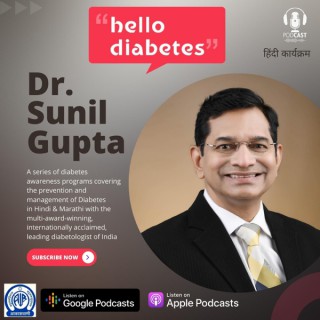
The session featured Dr. Sunil Gupta and Dr. Kavita Gupta, who provided detailed guidance on diabetes awareness, prevention, and long-term management. Dr. Sunil Gupta explained the historical significance of the discovery of insulin by Frederick Banting and highlighted how insulin transformed the lives of people with Type 1 diabetes. He stressed that type 2 diabetes is largely a lifestyle-related condition and warned that India is facing an epidemic, with nearly one in four adults (above 18 years age) are affected by diabetes or prediabetes, so called dysglycemia. He emphasised early screening, weight control, regular exercise, stress management, and avoidance of tobacco and alcohol to prevent complications such as heart disease, stroke, retinopathy, kidney failure, and limb amputations. Dr. Sunil Gupta also discussed the concepts of primary, secondary, and tertiary prevention, stating that many diabetes-related complications are preventable through timely intervention and awareness. He explained the differences between Type 1 and Type 2 diabetes, insulin resistance, and recent advances aimed at delaying the onset of Type 1 diabetes. Responding to audience queries, Dr. Kavita Gupta highlighted the importance of balanced nutrition in children and adolescents, regular meal timing, reduced screen time, and physical activity. She explained early warning signs of diabetes in children while answering one query she advised to stop using sugar, jaggery, or honey, as they all raise blood glucose levels. The programme concluded with a strong message that diabetes can be prevented and controlled through disciplined lifestyle choices, awareness, and community support. Expert- Dr Sunil Gupta & Dr Kavita Gupta Anchor- Purva Kulkarni Podcast: 14/11/2025 Recorded at: Akashwani Nagpur Episode: 104

When a job ad doesn't deliver suitable applicants, most clinics assume the problem is the wording.So they rewrite it.Add more detail.Highlight mentoring.Emphasise work-life balance.Polish the benefits.And wait.In this episode of Veterinary Voices, Julie South explores what's really happening in month two of the recruitment cycle—when “posting everywhere” hasn't worked, and rewriting feels like the logical next step.But vets and nurses aren't analysing your headline. They're pattern-matching. And when your clinic is unfamiliar, even the best-written ad becomes just another unknown name making familiar claims.This episode unpacks why better copy doesn't fix a recognition problem—and why some clinics fill roles without obsessing over wording at all.Stay to the end for a question that may change how you think about every job ad you've rewritten.In This Episode00:00 – Introduction: Month two of the recruitment cycle01:14 – The rewrite instinct and why it feels productive03:03 – Pattern matching: how vets and nurses actually scroll04:41 – Why even professional copywriters can't solve this07:45 – What job ads are really designed to do08:52 – Two clinics, two very different outcomes09:44 – The question about how many times you've rewritten the same ad10:55 – What happens in month threeAbout Julie SouthJulie South is the founder of VetClinicJobs and host of Veterinary Voices.She works with forward-thinking veterinary clinics that want to stop relying on reactive job advertising and instead build recognition over time—so when they do need to hire, they're not starting from cold.Struggling to get results from your job advertisements? If so, then shining online as a good employer is essential to attracting the types of veterinary professionals who're a perfect cultural fit for your clinic. The VetClinicJobs job board is the place to post your next job vacancy - to find out more get in touch with Lizzie at VetClinicJobs

Season 19 Episode 24: It's official, Bangladesh have refused to play in the T20 World Cup, meaning Scotland will come in. Justice for Jersey! Pakistan are threatening not to come, even though they will. Italy just beat Ireland. Australia are going to Pakistan. It's all happening in the lead-up weeks, including England's tour of Sri Lanka - where Harry Brook captaining that side just emphasises how significant the problems are that England's team management have made for themselves. Australia brings memories that last a lifetime. Visit Australia.com Get your copy of Bedtime Tales for Cricket Tragics: linktr.ee/tfwbook Support the show with a Nerd Pledge at patreon.com/thefinalword Stop snoring with 10% off a Zeus device: use code TFW2026 at zeussleeps.com Get yourself some lovely BIG Boots UK, with 10% off at this link: https://www.bigboots.co.uk/?ref=thefinalword Try the new Stomping Ground Final Word beer, or join Patreon to win a case: stompingground.beer Maurice Blackburn Lawyers - fighting for workers since 1919: mauriceblackburn.com.au Get your big NordVPN discount: nordvpn.com/tfw Get 10% off Glenn Maxwell's sunnies: t20vision.com/FINALWORD Find previous episodes at finalwordcricket.com Title track by Urthboy Learn more about your ad choices. Visit podcastchoices.com/adchoices
As we welcome 2026, our listeners wish everyone a happy New Year while sharing a collective message of humanity, peace, kindness, and hope. They also emphasise the growing need to prioritise mental health, compassion, and emotional wellbeing as communities face change, uncertainty, and the challenges of an ever-evolving world together.

Ben looks at how we use 'such' to emphasise a quality - and the difference between 'such' and 'so'.Read the episode transcript by joining the Learn English with Ben fan club. You'll get access to transcripts and quizzes plus other bonus content. Visit patreon.com/learnenglishwithben for more information and to join now.Patreon: patreon.com/learnenglishwithben - For transcripts, comprehension quizzes, and video tutorials, join the fan club.Buy Me A Coffee: https://buymeacoffee.com/learnenglishwithbenInstagram: instagram.com/learnenglishwithbenWebsite: learnenglishwithben.comEmail: learnenglishwithben88@gmail.com - send me an email if you're interested in classes Hébergé par Acast. Visitez acast.com/privacy pour plus d'informations.

It's time to dive back into the history of self-help and consider its impact on our understanding of how and who we are. In this episode of The Gentle Rebel Podcast, we are looking at the 1937 book, Think and Grow Rich by Napoleon Hill. Think and Grow Rich sits on millions of bookshelves worldwide. It has remained one of the most enduring self-help books since its publication during the Great Depression. Despite documented controversies and allegations concerning the author, Napoleon Hill is still regarded by many contemporary self-help influencers as an important figure. For this special episode, Napoleon Hill invited me to meet with him, where he promised to reveal the secret to becoming a successful self-help guru. He tasked me with turning this into a formula, which I could then share with the world. If you are ready to hear this secret, you will. But not all are. Which is why, despite it being mentioned in every part of the episode, I have not spelt it out in the starkest terms. For to do so would diminish its potency. https://youtu.be/Cn6H17AFwPU 12 Steps To Thinking and Growing Rich as a Self-Help Influencer We will explore these twelve keys to becoming a successful self-help grifter—sorry, I mean self-help guru—that we can learn from Napoleon Hill's Think and Grow Rich. Step 1: Lay Out Your Recipe for Success Your recipe should promise clarity, control, and a sense of certainty in an uncertain world. Step 2: Parade Yourself As Living Proof Don't be shy about telling people how your life changed from implementing your now tried and tested formula. Step 3: Build Fail-Safe Principles Be flexible with your words so that in the face of pushback and criticism, you can use them as reinforcement rather than undermining your idea. Step 4: Establish Your Inner Circle Join (or build) a fortifed circle of mutual back-scratching allies to grow authority by association and encourage aspirational sycophancy in your readers who dream of one day belonging to it. Step 5: Drip Your Secret Sauce Create and nurture a mystical secret, which sustains in your reader the sense that there is still something graspable they haven't quite embodied - reinforce this with testimonials from those who appear to get it Step 6: Nail Your Origin Story Your appeal hinges on your origin story, which should follow a hero's journey arc that starts with you in the reader's current position (facing a challenge, wishing for change, etc). Describe the moment when everything changed for you and how this epiphany led your life to transform into what it is now. Firmly suggest that reading your book might be that wake-up call for the reader's own heroic journey towards the life they've dreamed of but never yet dared follow. Step 7: Use Confidence as Currency Speak with confidence even if you are full of doubt and fear. The human mind is suggestible; the projection of confidence creates the perception of confidence. If you believe in your idea, it doesn't matter if it's true or not; you know that it's for the ultimate good of your reader to trust and follow you. Confidence is also what you are selling - people want to feel more of it, so if they see you wearing it, they will follow you. Step 8: Turn Your Beliefs into Facts Reinforce a picture of the world your readers want to believe in. Pick stories, metaphors, and research that move the frame of reality to one where your idea can be universally applied, and would be if all people were receptive to its power. Step 9: Present The Pen of Destiny Empower your readers to see reality primarily created by them as individuals. Emphasise the power of mindset, desire, and hard work, reinforcing the idea that taking personal responsibility for the quality of their life is what will bring the change they desire. Step 10: Expose The Inner Enemy Help your readers focus attention inwards to expose the biggest enemies of personal progress: fear,

Tajweed Tuesday — Surah al-Hujurat, Ayat 3–5Assalamu ʿalaikum warahmatullahi wabarakatuh,Welcome back to BeQuranic. Apologies for the delayed post. I know today is Wednesday, but here you go, Tajweed Tuesday.This week, we're continuing our journey through Surah al-Hujurat, looking at Ayat 3 to 5. Let's begin with the recitation of these verses, followed by a breakdown of the key Tajweed rules.1. Ayah 3 – Pronunciation & Tajweed Focusإِنَّ الَّذِينَ يَغُضُّونَ أَصْوَاتَهُمْ عِندَ رَسُولِ اللَّهِ أُولَٰئِكَ الَّذِينَ امْتَحَنَ اللَّهُ قُلُوبَهُمْ لِلتَّقْوَىٰ ۚ لَهُم مَّغْفِرَةٌ وَأَجْرٌ عَظِيمٌ* إِنَّ – Wajib al-Ghunnah (with shaddah on the noon, held for 2 counts).* الَّذِينَ – Madd asli on “الَّذِي” (basic elongation).* يَغُضُّونَ – Note the ضاد, a thick letter produced by pressing the side of the tongue to the upper molars. Be careful not to turn it into a heavy د or make it a tip-of-the-tongue sound.* أَصْوَاتَهُمْ – Ṣād is a heavy letter (tafkhīm). Remember, heaviness comes from the back of the tongue lifting, not from the lips. Don't incorrectly say Aw-swaatah; say it clearly: Aswāta.* رَسُولِ اللَّهِ – Here, the Lafdh al-Jalālah (the word “Allah”) is read lightly because it is preceded by a kasrah.* أُولَٰئِكَ – This is madd wajib muttasil — when a hamzah follows a madd letter in the same word. Stretch it for fourcounts.* قُلُوبَهُمْ – Madd asli on “قُلُو”.* مَّغْفِرَةٌ – Idgham mithlayn sagheer (two meem coming together).* وَأَجْرٌ – Qalqalah on the ج and Idgham bighunnah for the Tanween + و.* عَظِيمٌ – Madd ‘āriḍ lis-sukūn at the end of the ayah if you stop.2. Ayah 4 – Clarity in Recitationإِنَّ الَّذِينَ يُنَادُونَكَ مِن وَرَاءِ الْحُجُرَاتِ أَكْثَرُهُمْ لَا يَعْقِلُونَ* مِن وَرَاءِ – Idgham bighunnah because min + wāw.* وَرَاءِ – Madd wajib muttasil – again, 4 counts due to the wave sign.* أَكْثَرُهُمْ – Watch your ك here – don't make it too heavy.* يَعْقِلُونَ – Qaaf is a heavy letter. Lift the back of your tongue slightly to maintain correct tafkhīm.3. Ayah 5 – Clear Articulation & Disciplineوَلَوْ أَنَّهُمْ صَبَرُوا حَتَّىٰ تَخْرُجَ إِلَيْهِمْ لَكَانَ خَيْرًا لَّهُمْ ۚ وَاللَّهُ غَفُورٌ رَّحِيمٌ* أَنَّهُمْ – Wajib al-ghunnah on the shaddah.* صَبَرُوا – Be sure the ṣād is heavy — lift the back of your tongue.* تَخْرُجَ – Also has a خ, which is a heavy letter. Emphasise that thickness.* إِلَيْهِمْ – Clear idh-har (no merging here).* لَكَانَ – Madd asli* خَيْرًا لَّهُمْ – Idgham bila ghunnah on tanween + lām. No ghunnah, just merger of sounds of ر and ل.* وَاللَّهُ – Here the Lafdh al-Jalālah is heavy because it's preceded by a fatḥah.* غَفُورٌ رَّحِيمٌ – No ghunnah idgham on the shaddah in r-rahīm.
“You don’t let other people tell you what beautiful is.”In this heartfelt episode of the Happy Families Podcast, Justin and Kylie Coulson reflect on the powerful lessons from Parental Guidance Season 3, Episode 3, exploring body image, self-worth, and how parents can shape their children’s relationship with their bodies—for better or worse. With vulnerable personal stories and actionable advice, they discuss how to shift the focus from looks to function, joy, and character. KEY POINTS: Parents’ comments and attitudes about bodies deeply influence their children’s self-image. Many women carry lasting scars from childhood comments about their weight or looks. Society promotes a narrow and unhealthy definition of “beautiful.” Teach children to focus on what their bodies can do, not just how they look. Affirm children’s inner qualities and character as “beautiful” rather than only appearance. Complimenting children should be consistent and not dependent on clothing, makeup, or occasions. Body image distortion is common and can start young; words and modelling matter. QUOTE OF THE EPISODE: "When discussing body image, we need to move away from beauty. Instead, emphasise functionality, emphasise finding joy, and focus on what you can do, not what you look like. More than anything, remember that beauty is best defined by who you are and not how you look." — Justin Coulson RESOURCES MENTIONED: Miss-connection: Why Your Teenage Daughter Hates You, Expects the World, and Needs to Talk by Justin Coulson Karen Young & Hey Sigmund — resources supporting children’s mental health and self-worth Parental Guidance Season 3 ACTION STEPS FOR PARENTS: Reflect on your own language and attitudes about bodies—what messages are you passing on? Focus compliments on your child’s inner qualities and abilities, not just their looks. Emphasise the functionality and strength of your child’s body (“Look how strong your legs are!”) rather than its appearance. Avoid shaming or criticising children’s food choices or weight. Let your child know they are always beautiful to you, regardless of what they’re wearing or how they look. See omnystudio.com/listener for privacy information.
t’s the conversation most parents hope they never have — but need to. Sexting, short shorts, and the values we bring into how we talk to our kids about consent, respect, and peer pressure. In this episode, Justin & Kylie Coulson unpack the big issues raised on this week’s Parental Guidance, and how you can guide your kids through a digital world where nothing sent is ever truly private. KEY POINTS Sexting is prevalent and often normalised among teens — but there is no such thing as “safe sexting.” Conversations about consent, respect, and peer pressure are vital and should happen early. Girls are under more pressure to share explicit images and often face more shame when they do. Parents’ personal values (e.g., about clothing choices) are valid but must not drift into victim-blaming. Teaching kids respect means emphasising that what someone wears or does never justifies harassment or assault. Encourage kids to consider context and to be mindful of how they live out their own values while respecting others’. QUOTE OF THE EPISODE "Once you send an image, you lose control of what happens to that image — full stop, end of story." RESOURCES MENTIONED happyfamilies.com.au — Resources and articles on consent, sexting, and raising respectful kids. Justin’s book Miss-Connection: Why Your Teenage Daughter ‘Hates’ You, Expects the World, and Needs to Talk (for more on teen girls and digital challenges). Upcoming book on raising boys - join the waitlist. ACTION STEPS FOR PARENTS 1. Start open, nonjudgmental conversations about sexting, consent, and peer pressure — don’t wait until it’s too late.2. Make it clear: no one “deserves” mistreatment based on what they wear or share.3. Teach kids to think critically about requests for photos and to value their privacy.4. Emphasise that respect and consent are non-negotiable — and model these values yourself.5. Remind kids: even trusted friends can break trust, and once something’s sent, it’s out of their control.See omnystudio.com/listener for privacy information.
Emphasise pulmonary rehabilitation in the routine management of COPD, as it improves exercise capacity, reduces exacerbations, and enhances quality of life Prioritise vaccinations and ensure patients with COPD are up to date with critical vaccinations, including influenza, pneumococcal, and COVID-19, as these significantly reduce the risk of exacerbations and hospitalisations Focus on self-management and action plans, empowering patients with COPD to monitor symptoms and manage exacerbations early Involve a multidisciplinary team in COPD care, including physiotherapists, pharmacists, and social workers. Regularly check inhaler technique and ensure patients have access to the necessary resources for comprehensive care Host: Dr David Lim | Total Time: 32 mins Expert: Prof Ian Yang, Director of Thoracic Medicine Register for our fortnightly FREE WEBCASTSEvery second Tuesday | 7:00pm-9:00pm AEST Click here to register for the next oneSee omnystudio.com/listener for privacy information.
Consider a low-carb, healthy-fat diet for patients with metabolic dysfunction Reassess traditional dietary guidelines Monitor for insulin resistance early Emphasise protein and resistance training, particularly in older women Explore remission in type 2 diabetes and its complications Host: Dr Marita Long | Total Time: 29 mins Expert: Dr James Muecke, Ophthalmologist Register for our fortnightly FREE WEBCASTSEvery second Tuesday | 7:00pm-9:00pm AEST Click here to register for the next oneSee omnystudio.com/listener for privacy information.

After Donald Trump accused the European Union of "treating the US very, very badly" by running a large trade surplus and threatened to slap new tariffs on Europe, the leaders of France and Germany showed a united front as they held talks in Paris. Plus, Netflix is raising subscription fees again in several countries, after it saw record numbers of new subscribers over the holiday period.


Talk 40 Mark 13:24-37 Signs of His Coming? Welcome to Talk 40 in our series on Mark's Gospel. Last time we were looking at Mark 13:1-23 and considering some of the problems in interpreting this difficult chapter. I suggested that most of what Jesus says in that passage relates primarily to the events that would occur around the time of the destruction of Jerusalem in AD70, which Jesus so accurately predicted in verses 1-4. Today we're considering the rest of chapter 13, verses 24-37, where, as we shall see, some verses are by no means easy to understand. But let's begin by reading verses 24-31. 24"But in those days, following that distress, "'the sun will be darkened, and the moon will not give its light; 25 the stars will fall from the sky, and the heavenly bodies will be shaken.' 26 "At that time men will see the Son of Man coming in clouds with great power and glory. 27 And he will send his angels and gather his elect from the four winds, from the ends of the earth to the ends of the heavens. 28 "Now learn this lesson from the fig tree: As soon as its twigs get tender and its leaves come out, you know that summer is near. 29 Even so, when you see these things happening, you know that it is near, right at the door. 30 I tell you the truth, this generation will certainly not pass away until all these things have happened. 31 Heaven and earth will pass away, but my words will never pass away. Before we get into the passage let me remind you of what I said last time about difficulties interpreting the whole chapter. This will be a very brief summary, so, if you haven't yet listened to, or read the notes on, last week's talk, I recommend that you do so before going any further. The first problem arises from the fact that Jesus is answering two questions asked by the disciples at the beginning of the chapter and it's not always easy to decide which part of Jesus' answer refers to which question. Is this verse talking about the destruction of the temple or does it refer to the second coming? The second difficulty is deciding which parts of Jesus' answer are to be taken literally and which are to be taken symbolically. In my view, much of the chapter is to be understood literally, but some verses must be intended to be understood symbolically or metaphorically. In attempting to resolve these difficulties, I said that the first thing we must do is to find out more about the context, and I gave a brief description of what we know from history about the horrendous events that occurred surrounding the time of the destruction of the temple in AD70. So now, in today's talk, I want to do three things: · Examine two very different interpretations of verses 24-31. · Emphasise why it's a mistake to be constantly looking for signs of the Lord's return (vv.32-37). · Summarise what lessons we have learnt from the chapter as a whole. Verses 24-31 Two different interpretations Interpretations of these verses fall into two main categories: a) Those who see most or all of this passage as referring to the second coming b) Those who understand most or all of the passage to refer to the events around AD70. Clearly these are two very different points of view, and we won't have time to deal with them in great detail. So what I'm going to do is summarise four main arguments that seem to support the view that this passage relates to the second coming, and alongside them to state a counter argument that is sometimes made by those who take the alternative view. It is not my intention to be dogmatic, and, in fact, part of my purpose is to encourage you to form your own conclusions, but not to be too dogmatic, whatever your view may be. 1) In Matthew's account one of the questions the disciples asked Jesus was about the second coming (Matthew 24:3). We would, therefore, expect that at least part of Jesus' answer would relate to the second coming. HOWEVER, one problem with this argument is that in verse 30 Jesus says, I tell you the truth, this generation will certainly not pass away until all these things have happened. So these verses, it is argued, cannot refer to the second coming unless Jesus himself mistakenly believed that the second coming would take place within a generation of his making the statement, which it clearly did not, but the fall of Jerusalem certainly did! 2) The events described in vv.24-25 would appear to be unique in world history. They are the kind of things one might expect at the end of the age and verse 27 talks of the Son of Man coming in clouds with great power and glory. HOWEVER, in Daniel 7:13-14 we read: In my vision at night I looked, and there before me was one like a son of man, coming with the clouds of heaven. He approached the Ancient of Days and was led into his presence. 14 He was given authority, glory and sovereign power; all peoples, nations and men of every language worshipped him. His dominion is an everlasting dominion that will not pass away, and his kingdom is one that will never be destroyed. So, it is argued, in its original context, the Son of Man is coming to God and could well refer to Jesus' ascension into Heaven rather than his coming from Heaven. Moreover, it's difficult to see how Jesus could have intended us to understand phrases like the stars will fall from the sky (v25) literally. The terminology used in these verses is reminiscent of the poetic language used by the Old Testament prophets and should be interpreted symbolically. And in light of the fact that they were to be fulfilled within a generation, this, it is argued, is the best way to interpret them. 3) If the fig tree mentioned in verse 28 refers to Israel as it appears to in Mark 11:20-25, then the passage must relate to the end times when, according to this view, the full number of Gentiles has come in and all Israel shall be saved (Romans 11:25-26, cf. Luke 21:24). HOWEVER, there is no need to assume that the mention of the fig tree refers to Israel on this occasion. Jesus could equally well have meant that, just as you know that when the leaves of a fig tree start to come out, the summer is near, so be absolutely sure that, when you see the things I have been talking about begin to happen, the dreadful events that will take place at the destruction of Jerusalem will soon come to pass. 4) In verse 31 Jesus says that Heaven and earth will pass away, which suggests that the passage relates to the time of the end. HOWEVER, the point that Jesus is making in this verse is that whatever happens, his words will never fail. There is a clear claim to deity here. Who else but God could make such a claim? Jesus is the truth (John 14:6). You can rely on everything he says, whether it be about the second coming or the destruction of Jerusalem, or anything else, for that matter. So that concludes my summary of two very different interpretations of verses 24-31, and in my view it would be unwise to take a dogmatic position on either side. There are some passages of Scripture that are open to more than one possible interpretation. However, when we come to verses 32-37 it seems obvious, to me at least, that these verses must relate to the second coming, as a comparison with the parallel passage in Matthew 24:36-44 clearly indicates. Verses 32-37 Only the Father knows the timing, so don't look for signs, but be ready 32 "No one knows about that day or hour, not even the angels in heaven, nor the Son, but only the Father. 33 Be on guard! Be alert! You do not know when that time will come. 34 It's like a man going away: He leaves his house and puts his servants in charge, each with his assigned task, and tells the one at the door to keep watch. 35 "Therefore keep watch because you do not know when the owner of the house will come back – whether in the evening, or at midnight, or when the rooster crows, or at dawn. 36 If he comes suddenly, do not let him find you sleeping. 37 What I say to you, I say to everyone: 'Watch!'" As I have already said, the parallel passage in Matthew 24 makes it clear that it relates to the second coming. Jesus says: As it was in the days of Noah, so it will be at the coming of the Son of Man. For in the days before the flood, people were eating and drinking, marrying and giving in marriage, up to the day Noah entered the ark; and they knew nothing about what would happen until the flood came and took them all away. That is how it will be at the coming of the Son of Man (vv37-39). This cannot possibly refer to the coming of the Son of Man described in Daniel 7, which as we have seen may well be better understood to be a reference to Jesus' ascension into Heaven rather than his return from it. But in these verses Jesus is clearly referring to his second coming which will be as unexpected as the flood was in the time of Noah. However, unlike Noah, who was told on what day God would send the rain, no-one will know the timing of the Lord's return. Jesus said that even he did not know. And if Jesus didn't know, I wonder why some Christians seem to think that they can work it out! But it's sometimes said in response to this criticism that it was only the day and the hour that we cannot know. But in the next verse Jesus says, You do not know when that time will come. The Greek word for time here is kairos, which does not refer to the time of day, but means season. This is backed up by what Jesus reiterated in in Acts 1:7 when he told his disciples: It's not for you to know the times or the seasons which the Father has put under his own authority. So why does Jesus tell us to Be alert! Be on guard! Watch!? The answer is simple. He doesn't mean watch for signs. He means Stay awake! Be alert (v33) literally means, Don't go to sleep. It's used of the disciples in Gethsemane whom Jesus found sleeping, and here in verse 36 Jesus says, If he (the Son of Man) comes suddenly, do not let him find you sleeping. And the word for watch in verses 34, 35, and 37 means Keep awake, be vigilant. It's used elsewhere in the New Testament in connection with: · Not letting the enemy break through (Luke 12:39) · Standing firm in the faith and being strong (1 Corinthians 16:13) · Keeping awake in prayer (Colossians 4:2) · Being sober and vigilant because the enemy goes about like a roaring lion… (1 Peter 5:8) · Staying awake and not being found naked and shamefully exposed when the Lord returns (Revelation 16:15). So, when the Lord tells us to watch, he is not telling us to watch for signs. He's saying that because we do not know when he will return, we need to be in a permanent state of readiness. And we can do that without constantly looking for signs. We can do it by living lives that please him and by using the gifts and talents he has given us (Matthew 25:14-30). We should concentrate on telling others about him, not trying to know what Jesus has told us is not for us to know (Acts 1:6-8). Lessons we can learn from the whole chapter So now, as we draw to a close our discussion on this difficult chapter, let's remind ourselves of some of the lessons we have learnt. I have pointed out that the problems of interpretation arise from two factors, 1) deciding which of the disciples' two questions in verse 4 Jesus is answering at any point in the chapter, and 2) determining when the language he is using is meant to be understood literally or symbolically. Because of these difficulties, I have suggested that it would be unwise to be dogmatic, but that perhaps verses 5-23 should be seen as largely relating to Jesus' prophecy of destruction of Jerusalem in AD70, that verses 24-31 are open to either interpretation depending mainly on whether one sees 24-27 as literal or symbolic, and that verses 32-37 relate very definitely to the second coming. However, despite the difficulties, I do believe that the principles that Jesus teaches in all three sections are relevant to all Christians throughout the history of the church, and so I want to conclude by reminding you of seven things that I have mentioned already, either in the last talk or in this. I hope that, whatever your view on the second coming, you will find yourself in agreement, at least with most of them. · We must watch out for deceivers · We must not be surprised by international turmoil and natural disasters · We must expect to be persecuted · We must continue to tell others about Jesus, relying on the help of the Holy Spirit · We must not try to work out the timing of Christ's coming, because it's not for us to know · We must stay awake, in a permanent state of readiness for the Lord's return, because · THE LORD IS CERTAINLY COMING and, if we're ready, we simply do not need to know when. Finally, as I mentioned last time, we'll be taking a break for the rest of August, and our series on Mark will continue, God willing, in September.

Lucinda welcomes back guest Michelle Parry Slater from Kairos Modern Learning to discuss the concept of the "last hundred days." Michelle shares her personal experience of working her notice period before relocating to Australia and highlights the importance of focusing on the end of the employee lifecycle as much as the beginning. KEY TAKEAWAYS Shift the focus from just the first 100 days to also include the last 100 days of an employee's journey in the organisation. Encourage open and honest conversations between employees and managers about career aspirations, motivations, and potential exits. Emphasise the importance of knowledge management during transitions to ensure valuable information is not lost when employees leave. Build high trust relationships between managers and employees to facilitate better communication and understanding of individual needs and aspirations. Aim for employees to leave with advocacy, involvement in recruitment of successors, and a sense of legacy to create a positive impact even after they depart. BEST MOMENTS "We only ever hear people talking about the first hundred days. And it got me thinking, what does the last hundred days need to look like? And why don't we talk about it?" "Essentially, that whole employee lifecycle starts with that brand awareness. And I think some of that brand awareness rubs off from the last hundred days, because if you've got people leaving with advocacy..." "Do you think companies are scared sometimes? Let's say you're a smaller business or, you know, you hear the expression people talk about dead man's shoes, you have no intention of going anywhere and people perceive that the only way is, is into your job." "I think that especially in a smaller company, it's very comfortable, it works, why are you going to rock the boat?" VALUABLE RESOURCES The HR Uprising Podcast | Apple | Spotify | Stitcher The HR Uprising LinkedIn Group How to Prioritise Self-Care (The HR Uprising) How To Be A Change Superhero - by Lucinda Carney HR Uprising Mastermind - https://hruprising.com/mastermind/ www.changesuperhero.com www.hruprising.com Get your copy of How To Be A Change Superhero by emailing at info@actus.co.uk ABOUT THE HOST Lucinda Carney is a Business Psychologist with 15 years in Senior Corporate L&D roles and a further 10 as CEO of Actus Software where she worked closely with HR colleagues helping them to solve the same challenges across a huge range of industries. It was this breadth of experience that inspired Lucinda to set up the HR Uprising community to facilitate greater collaboration across HR professionals in different sectors, helping them to ‘rise up' together. “If you look up, you rise up” CONTACT METHOD Join the LinkedIn community - https://www.linkedin.com/groups/13714397/ Email: Lucinda@advancechange.co.uk Linked In: https://www.linkedin.com/in/lucindacarney/ Twitter: @lucindacarney Instagram: @hruprising Facebook: @hruprising HR podcast, The HR Uprising, Diversity, Equality & Inclusion, Learning and Development, Culture & Change: https://hruprising.com/hr-podcasts/

Welcome to the latest edition of Liquidity Link Live, your exclusive market analysis provided by Northern Trust Asset Management, one of the world's largest cash managers. Tune in each month to discover the very latest insights on the UK, Eurozone and US markets. This edition was recorded on the 4th July 2024.

Recorded the day before Joel stood in for the legend that is Lorraine Kelly, this weeks Never Have I Ever had an air of anticipation and a smattering of anxiety. Plus, the Peekaboo champion and the time Joel got stuck up a ladder. Email: Hello@NeverEverPod.comInstagram: @NeverEverPod You can even take the conversation to the OFFICIAL Never Have I Ever subreddit.... https://www.reddit.com/r/NeverEverPod/ This episode contains explicit language and adult themes that may not be suitable for all listeners.Please review Global's Privacy Policy: https://global.com/legal/privacy-policy/

This episode explores the unexpected connection between social work and the act of selling. Michael talks about why social workers are constantly selling their beliefs and values to parents in order to advocate for the best interests of children. Drawing parallels between personal interactions and court appearances, Michael emphasises the importance of presenting oneself positively, both in attitude and appearance, to effectively influence others. Ultimately, the episode concludes by highlighting the crucial aspect of believing in oneself before attempting to sell one's beliefs to others. KEY TAKEAWAYS Recognise the importance of selling oneself in various aspects of life, including social work and giving evidence in court. Present oneself in a physically presentable manner, such as dressing appropriately, to make a good impression and show respect. Have a positive attitude and demeanour, as it can significantly impact how one is perceived before even speaking. Be well-prepared and knowledgeable about the evidence being presented, displaying confidence and persuasiveness. Emphasise the significance of believing in oneself and one's abilities as a crucial aspect of effectively selling oneself to others. BEST MOMENTS "From being someone who was quite adverse to the idea of selling, to one in which I now accept my involvement in it and in fact recognise how important selling is to the success of my role as a social worker." "You're actually engaged in selling yourself all the time, it's just that you don't see yourself as doing so." "Poor attitudes are like neon lights or neon signs glowing in the dark, announcing your poor disposition, thoughts and feelings." "Attending court wearing trainers, a hoodie and a pair of jeans exposing part of your underwear does not tend to portray you in the best possible light." "In giving great evidence at court or selling yourself well, how or the way you say it is as important, if not more so, than what you say." VALUABLE RESOURCES familycourtcoaching@gmail.com Instagram: michael240656 HOST BIO Michael Watson is a qualified social worker and author with over thirty years of experience working with children and families. As an expert in family court, Michael is in a key position to assist, advise, and coach parents through their private law family proceedings and provide them with the information and skills to represent themselves successfully in court. His two books, ‘How to Represent Yourself in Family Court', and ‘FAMILY COURT: Giving Evidence In Family Court', provide parents with a clearer understanding of family court proceedings, legislation, and parenting skills.

There is da Vinci quote used in Nick Kolenda's book on pricing psychology that sums up what I'm talking about in this video masterclass: “All our knowledge has its origin in our perceptions” Pricing is perception. How we each react to the same price can be different, depending on our perspectives. For this reason, price doesn't have an absolute meaning. And if we understand what shapes perception, we can influence how price is perceived. This video explores ten practical ways this applies to ecommerce stores. [01:10] Your building blocks for understanding price [02:40] 1. Price fluency [03:45] 2. Price structure and simplicity [03:45] 3. Anchor high prices with larger numbers [06:30] 4. Break pricing into smaller units [07:15] 5. Use words of a small magnitude [08:25] 6. Alliteration creates a pleasant sensation [09:20] 7. Put the larger WAS price on the left [10:25] 8. Break down product costs [11:50] 9. Encourage customers to spend early [13:10] 10. Emphasise the most popular pricing option

Helen shares her recent transformative experience in Bali, where she encountered powerful solar flares and engaged in deep spiritual healing sessions. She emphasises the importance of choosing joy and aligning internally to raise consciousness and vibration and reflects on the profound impact of her interactions with the Balinese people and culture, highlighting the essence of simplicity, authenticity, and heart-centred energy. She envisions a world where love, kindness, and abundance prevail, urging listeners to embrace honesty, transformation, and co-creation for a harmonious and caring global community. KEY TAKEAWAYS There is importance to be found in consciously choosing joy as a way to navigate through life's challenges and raise one's vibration. Embrace inner transformation to align with higher consciousness and vibration levels, leading to personal growth and well-being. Encourage the co-creation of a world filled with love, kindness, peace, and abundance, where all beings can thrive. Emphasise the significance of honesty, integrity, and authenticity in personal growth and relationships for true transformation. BEST MOMENTS "It was an X6.3 solar flare. The most powerful of three flares occurring over 24 hours arising from the gigantic sunspot that space weather posts label as dangerous and describe as being so large you can see it with eclipse glasses and no magnification." "Life will be most interesting from here on and I'm excited to increasingly be in my new life that I have been consciously creating and planning for a long time." "New Earth will happen when there is a critical mass of us living free and joyous. And we can all contribute towards creating it, for sure." "Let's create a truly, truly wonderful, balanced, and genuinely caring world together and great fulfilment and dreams come true for ourselves and others." VALUABLE RESOURCES To become a member of the Transform and Thrive Club and benefit from powerful monthly live sessions on Zoom video calls and multimedia coaching, check out and sign up here: www.transformandthrive.club www.leeheiss.com www.facebook.com/leeheiss https://www.facebook.com/helenleeheiss/ https://www.facebook.com/groups/transformandthriveclub www.instagram.com/helenleeheiss enquiries@leeheiss.com HOST BIO Founder & Principal Coach of Lee Heiss Coaching, Helen Lee coached thousands of clients worldwide and multinationals in Asia-Pacific in the last three decades. She created a powerful ontological coaching methodology that ignites the true greatness or invincibility in people. Thoroughly tested and honed over 20 years, this methodology consistently and rapidly produces desired results. Helen was also a journalist who later ran her own communications consultancies in Australia and Asia. The Business Times listed her in its “Who's Who of Women Shaping Singapore” while The Straits Times named her “The Leader Prodder” in a feature on Singapore's top coaches.
Wrap up our "How to Thrive, Not Just Survive" series with this deep dive into contractor sales process excellence, featuring insights from Weston of SynkedUp. This episode is a masterclass in leveraging software to streamline your business operations from quoting to financial control. Learn from real-life experiences on nurturing leads, overcoming objections, and evolving sales techniques for the modern contracting landscape. A must-watch for contractors ready to transform their approach and achieve lasting success.#ContractorSoftware #SalesStrategies #LeadGenerationWatch the video version of this podcast at https://youtu.be/XQl555vUAhUDiscussion Points: 00:00 Episode Highlight01:54 Growth increases costs, set higher minimums.05:27 Insight on sales process and closing deals.08:15 Clarify ROI for transitioning businesses to growth.11:03 Emphasise sales process discovery, metrics for success.15:04 Efficiency is key, avoid wasting everyone's time.17:13 Focus on vetted site visits for profit.20:36 Clients need to understand project dynamics.25:03 Candidate left negative reviews after job rejection.28:36 Filtering leads with consultation fee improved sales.31:45 Streamlined quoting process drastically reduces turnaround time.33:01 Solar industry professionals can anticipate project needs.37:11 Client increased job acceptance rate from 15% to 100% using remote sales process.42:26 Interactive visual form for products and services.43:39 "People often do not know what they want."47:31 Navigating client expectations, budgets, and confidence.Resources:Watch Part 1 of this series at https://youtu.be/fsUXnvg73z0Visit SynkedUp website at https://synkedup.com/Get social with SynkedUp using handle @synkedupGet in touch with Weston at weston@synkedup.comTake advantage of their free resources at https://synkedup.com/resources/ https://synkedup.com/podcast/ https://www.buybackyourtime.com/Read our blog on this podcast here: Insert blog link here Have a conversation with us! Go to tradie.wiki/pod and book a call.Check this out: Guarantee 30 Qualified Project Quotes Over The Next 90 Days! Learn more here: https://tradie.wiki/pod Learn more about the CRM that DOES IT ALL for your trade business! Just click on this link: https://tradiehub.net Join a global community of 6000+ trade professionals https://www.facebook.com/groups/TheSiteShed Connect with me on LinkedIn. For more podcast episodes, you can also visit our website. Thank you for tuning in! If you enjoyed this podcast and this series, please take 5 to leave us a review: Google Facebook Podcast

In this podcast episode, James Horgan shares his journey in property investment, from dabbling in different property types to scaling up to larger projects. He discusses his recent ventures, including a hotel conversion and a commercial to residential development. James emphasises the importance of having a clear vision, taking consistent action, and building resilience in the face of challenges KEY TAKEAWAYS Focus on long-term investment: The importance of considering ongoing maintenance and refurbishment costs to maintain property value is emphasised. Emphasise preparation: Listeners are urged to calculate and prepare for future refurbishment costs to avoid financial surprises. Practical advice: The episode provides practical suggestions for mitigating refurbishment expenses, offering actionable steps for investors. Always consider the implications of maintenance in your investment strategies. BEST MOMENTS "I think it's just about immersing yourself and taking action. It's not difficult, but it does require discipline, persistence, and resilience." "It's just a question of having that vision of where you want to be and then taking action towards it. It sounds simple, but I know it's not easy." "I'm doing this to create my own autonomy in my life. I want to make the most out of those future days, months, years, hopefully with my new family." "I enjoy it. It's so rewarding. Overcoming these problems and challenges and seeing the results and the people that you work with, the relationships are so real and tangible." VALUABLE RESOURCES This Property Life - https://podcasts.apple.com/gb/podcast/this-property-life-podcast/id1540075591 Property Wealth System YouTube - https://www.youtube.com/c/PropertyWealthSystem ABOUT THE SHOW This Property Life is hosted by the team at Property Wealth System. We are a collective of experienced active investors passionate about all things property. Caroline Claydon Caroline Claydon has over 22 years experience in investing in property but it's only the last 12 years she's operated as a professional investor. Her and her husband have built their portfolio throughout the UK covering strategies from buy to let's, social housing, HMOs, developments and more recently a hotel. She has travelled the world training people for the last 10 years on how to invest, scale and accelerate their UK property businesses regardless of where they are based. Caroline loves helping people reach their full potential by changing their mindsets to money, debt, property and investing. James D'Souza started investing in property from a young age and now owns a significant portfolio of buy-to-let properties, professional HMO's and commercial developments. Whilst actively growing his own property business, James helps countless other people start and scale their own property journey. CONTACT METHOD You can join Caroline and James along with a whole host of other like-minded investors in the Property Wealth System Facebook Community: https://www.facebook.com/groups/propertywealthcommunity Caroline Email: caroline@propertywealthsystem.co.uk Caroline Linkedin: https://www.linkedin.com/in/caroline-claydon-property/ James Email: james@propertywealthsystem.co.uk James Linkedin: https://www.linkedin.com/in/james-d-souza-552342104/
Join us in a groundbreaking episode with Clinton Cowin from TradiePad, as we dive into the essentials of quoting and estimating for trade businesses. Discover how to refine your quoting techniques and estimating strategies to drive growth and profitability. Clinton shares his expertise on leveraging technology to streamline your processes, ensuring you stay ahead in the competitive trade industry. Whether you're new to the business or looking to enhance your skills, this episode is packed with invaluable insights.#QuotingTechniques #EstimatingStrategies #TradeBusinessGrowthWatch the video version of this podcast at https://youtu.be/-ZkSxgTje7UDiscussion Points: 00:00 Tech revolutionised tradies' businesses, helping thousands succeed.03:39 Early adopters embraced technology for efficiency gains.09:21 Break down labour and materials for project estimation.12:10 Break down quotes into labour and materials.14:06 Job management systems offer detailed quote control.17:53 Traditional vs modern workflow, client interaction changes.21:47 Turn site visit into a sales call.23:48 Video meetings widely accepted due to COVID.28:49 Nurturing leads, closing opportunities, and retaining contacts.30:36 Prioritise client re-engagement for business profitability.35:52 Emphasise the importance of accurate customer data.37:24 Challenges in migrating contact lists and cleansing.Resources:Read about the Best Quoting Software for Tradies in 2024 at https://www.tradiepad.com.au/best-quoting-software-for-tradies/Learn more about estimating and quoting with TradiePad at https://www.tradiepad.com.au/quoting-estimating/Visit TradiePad's website at www.tradiepad.com.auStay connected with Clinton at info@tradiepad.com.auGet social with Clinton with the handle @tradiepadRead our blog on this podcast here: https://www.thesiteshed.com/ldigital-transformation-quoting-estimating-clinton-cowin/ Have a conversation with us! Go to tradie.wiki/pod and book a call.Check this out: Guarantee 30 Qualified Project Quotes Over The Next 90 Days! Learn more here: https://tradie.wiki/pod Learn more about the CRM that DOES IT ALL for your trade business! Just click on this link: https://tradiehub.net Join a global community of 6000+ trade professionals https://www.facebook.com/groups/TheSiteShed Connect with me on LinkedIn. For more podcast episodes, you can also visit our website. Thank you for tuning in! If you enjoyed this podcast and this series, please take 5 to leave us a review: Google Facebook Podcast

Dr. Ferghal Armstrong and Dr. Laura Petracek delve into the 11th step of the twelve-step program, discussing the significance of prayer and meditation in improving conscious contact with a higher power. The episode explores the practical ways individuals can manifest the 11th step in their daily lives and the impact of skepticism on recovery. Listeners will gain valuable insights into the role of connection in recovery, the importance of a sponsor, and the transformative potential of the 11th step prayer.Dr. Laura Petracek and Dr. Ferghal Armstrong provide an in-depth analysis of the 11th step, emphasising the focus on conscious contact with a higher power and praying for knowledge of that power's will. The conversation also touches on the evolution of the interpretation of a higher power and the challenges of incorporating the 11th step into daily practice. The speakers shed light on the impact of skepticism on engagement with the step and the importance of sponsors and connection in recovery.**Learning Outcomes:**1. Understanding the 11th step: Gain insight into the significance of prayer and meditation in establishing conscious contact with a higher power as outlined in the twelve-step program.2. Practical manifestation: Explore different methods to incorporate prayer and meditation into daily recovery practice, from reading meditation books to journaling and seeking guidance.3. Impact of skepticism on recovery: Recognise the implications of skepticism and defiance on engagement with the twelve-step program, and the importance of empathy and exploration of alternative avenues for connection.4. The role of sponsors and connection: Appreciate the significance of sponsors in reframing the 11th step and the transformative potential of finding connection in recovery.**Actionable Takeaways:**1. Start each day with a moment of prayer or meditation to establish a connection with a higher power and seek guidance on your journey of recovery.2. Explore various methods of meditation, such as reading meditation books, journaling, or even engaging in outdoor activities, to foster a deeper spiritual and introspective practice.3. Recognise the impact of skepticism on engagement with recovery programs and consider the role of empathy and exploration of alternative paths for connection and healing.4. Emphasise the role of sponsors and the power of connection in finding support and reframing the 11th step, seeking guidance from those who have walked a similar path.**Quote:**"Getting quiet and doing meditation help facilitate the process of discerning the right choices, instead of overthinking and trying to solve problems on our own."
What's the drill for? How to use it to improve your skills and errors to watch out for. 01:00 Drills and Skills We do them for crew alignment, blade handling, technique, isolating part of the stroke or exaggerating part of the stroke to amplify its effect. 01:30 The reverse pick drill This starts at the catch - sitting at full compression. Start with a very short stroke (2 inches of the slide). Some like to start with a blade placement before this stage. - Tapping and placement - 2 inches stroke (5 cm) - from catch to 3/4 slide [using one quarter of the slide] - from catch to 1/2 slide - from catch to 1/4 slide - legs only rowing [note different from normal rowing] - legs and body [straight arms] - normal rowing including arms 04:45 what's the drill for? 1) Placing the blade before the leg drive begins. Some people assume the blade placement and leg drive are simultaneous. They are not. These are sequential movements - on the recovery your hands move upwards so the blade goes down towards the water while still moving forwards on the slide. 2) Get the correct sequencing off the catch - legs initiate the drive and back/arms follow. 06:00 How to use this drill The effect of this drill is to make a longer stroke if the blade is placed more rapidly and closer to full compression on the legs (so you miss less water). It helps to align the leg drive of the crew. Coaches - view your crew from 45 degrees from the stern to watch their knees rising and falling through the stroke cycle. When to coach an individual versus whole crew https://fastermastersrowing.com/focus-on-whole-crew-or-an-individual/ 08:15 How to teach the reverse pick drill You need to slow it right down and if possible in a stable environment with half the crew sitting out. So others can use square blades. Rehearse each of the static positions slowly with the boat stationary. They must all know these first - start at the catch (blade square and buried); move to 2 inches from the catch; one quarter from the catch; half slide from the catch; three quarters slide from the catch; legs only. Straight arm rowing and finally adding the arms so you end the drill at the finish position with the blade still buried under the water. Rehearse each several times. 10:30 Start to do the drill at the catch placement into the water with raising and lowering the blade in and out of the water. Watch for shoulder shrugs and folks using a back swing to place the blade rather than the arms lifting moving alone. Move onto 2 inches on the slide. Show the athletes how to push on the foot stretcher to initiate the drive phase. Emphasise the hips driving backwards and the body angle doesn't change. 11:30 Many people find it difficult to separate the leg drive from the body swing. Watch for chins lifting if this happens. 12:15 Best not to do more than 10 strokes at each position. It's a lot of load on the body. Inflexible athletes will find it hard. Article on easy setup for comfort in the boat. https://fastermastersrowing.com/adapting-rowing-rigging-for-masters-physiology/ Join in the rest of the crew progressively so that the people who have done the drill are are focused on their catch and leg driven power phase - as the boat moves faster, they will find it more challenging to get the same feeling of placement and "grip" on the water before it moved. They can anticipate the catch and adjust their timing to keep the feeling of load. 15:00 Repeat the drill three times during an outing. Teaching it on the land first using an erg can be helpful as you can get up close and position an athlete's body. How to get the athlete to learn the leg drive using hips first. 16:00 Errors to watch out for - Using the shoulders lifting to place the blade - The slide doesn't move the same distance from the catch as the handle does - Drive before placement - Wait at the catch before placing the blade 18:30 This drill benefits from frequent practice. Maybe use it in your warm up or on the erg.

Episode Summary In this episode of Sunny Side Up, host Erik Blaze interviews Carolyn Crandall on the evolving world of marketing and AI integration. She discusses the importance of personalised customer experiences and adopting a full-stack marketer mindset. Marketers should strategise effectively, embrace continuous learning, and recognise AI's diverse impact beyond content creation. Forward-thinking leaders and tools like Imperative drive innovative marketing initiatives through data correlation and sentiment analysis. About the Guest Carolyn Crandall is a technology CMO and executive with over 30 years of experience in building emerging technology markets in security, networking and storage industries. She has a demonstrated track record of successfully taking companies from pre-IPO through to multibillion-dollar sales and has held leadership positions at Attivo Networks, Cisco, Juniper Networks, Nimble Storage, Riverbed and Seagate. Carolyn is recognized as a global thought leader on technology trends and for building strategies that connect technology with customers to solcomplexult information technology challenges. Connect with Carolyn Crandall Key Takeaways - The interconnectedness of today's world demands a seamless and personalised customer experience. It's crucial to ensure that your brand resonates with the audience, making them want to engage in business with you. - A full-stack marketer mindset focuses on the holistic customer experience. - Amidst rapid changes, it's essential to strategise effectively, start with small steps, and move quickly in executing projects. - Emphasise ongoing self-improvement and learning. Dedicate your day to learning and development to stay ahead of the curve. - While AI might not replace all functions, its integration can significantly improve efficiency, enabling marketers to undertake more activities and experiments. - Recognise AI's role beyond content and creativity, particularly in reporting, analytics, and predictive modelling. Quotes “So much has changed that I just encourage people to think strategically and think big but move fast and start small wherever you can to move your projects and initiatives.” – Carolyn Crandall. Recommended Resource Marketing AI Institute CMO Alliance National Cybersecurity Society Shout-outs Leslie Alore – GVP, Growth Marketing at Ivanti Daniel Raskin – Co-Founder & Chief Marketing Officer at Mperativ Melissa Turek – Integrated Marketing Strategy Director at Matter Communications Connect with Carolyn Crandall | Follow us on LinkedIn | Website

Welcome back to a part 2 of learning how to entertain in your outdoor living space where we explore more features to transform your backyard into paradise. Discover the word of the day, the answer to your answer to your questions sent in via our website, www.poolsideperspective.com and more. Tune in as we: Summarise the key takeaways from both episodes. Emphasise the importance of tailoring your backyard entertainment practices to individual preferences. Encourage listeners to start envisioning their ideal backyard experience. Thanks for listening in, please comment, rate and review

Leaders, listen up! An inclusive culture is your shortcut to success. Nothing fluffy about it, but it does mean you're going to want become OK with difference because of the incomparable value delivered by teams of diverse thinkers with range, and breadth of life experience. Your job and the job of your managers will be harder to begin with as you adapt. When you surrender to the idea that the right mix of people looking at a problem, working on projects, selling, buying, running operations, leading and managing works so much better if your team can think AS your customer. A fraction are genuinely aligned around the customer and the outcomes they intend to rent. Fewer still play nicely with others to ensure the customer gets the best possible outcome and their risk is reduced to zero or as close to. A smaller fraction would be willing to recommend a competitor if it was better for the customer. And their leadership will probably not be happy if the experience of my clients is anything to go by! But the results are well worth it ... Too many companies leave talent and treasure on the table by ignoring diversity. Just like top teams scout far and wide for recruits, you need all hands on deck to win consistently, repeatedly, predictably in today's uncertain, fast paced, ultra competitive market. A diverse team often sees what a homogenous group misses - they connect with a wider customer base and bring in more revenue - but the best thing is they catch the negative consequences one department's success inflict elsewhere in the value chain. This can give you back 1-4 days PER MANAGER and PER SALESPERSON per week. How? Listen to Raymona and me discuss: The importance of understanding different perspectives and backgrounds Common challenges with D&I, such as lack of focus on culture change and middle management training Recruiting for culture add vs culture fit and screening in vs screening out The importance of identity and the previously confusing world of pronouns while maintaining civility in discussions Overcoming fear and bias through self-awareness, interaction and difficult conversations Aligning D&I with business goals like maximising talent and customer connections The business case for diversity is a no-brainer, but most pay lip service to it or miss it entirely by confusing a better future for everyone with political squabbling. Forget labels, focus on our shared humanity. Make understanding each other a priority. Diverse perspectives lead to better decisions and more innovation - talents you can't afford to leave on the bench! For those facing glass ceilings, developing self-awareness is your game-changer. Know thyself and seek out of uncomfortable but important conversations to strengthen crucial skills. Emphasise common goals over perceived differences. With the right coaching, middle managers can remove barriers facing most of their peers in the competition. In today's marketplace, diversity dictates your fate. Will you be victims of your own blindspots or victors with vision? The choice is yours - but choosing inclusion unlocks unlimited potential for your people and profits. The winning team has a place for everyone's talents. Will you build one? Connect with Raymona via linkedin.com/in/drraymonahlawrence. -- If you'd like to learn what you can do to improve your results in the next 30 days growing your pipeline raising your prices with confidence and no reduction in close rate, accelerating deal velocity maximise your close rate Click here to complete the Sales Gap Audit. If you want the detailed report and some cold hard truths we need to talk it through so you don't misinterpret what it tells you No charge, 30 minutes. Obviously, I make my living through coaching so it'll come up once. If you want to talk about working with me as your coach, that's your call. I won't pressure you. If you ask me, I'll happily discuss it. We'll spend the last 5-10 minutes discussing next steps - what you can do on your own, and what's possible with my help. Then you can decide "No thanks", "Not now" (I will ask what needs to change or happen for us to reengage and when to avoid hope, assumption or guessing), or "Yes" please and we discuss what you would consider an excellent win within 30 days of us starting to work together for our trial engagement of 3 sessions (£1500+VAT if applicable). And you can say no at any time if you don't think we're a good fit. I'll do the same so as not to waste either your time or mine. Is that reasonable? Sales Gap Audit - https://mailchi.mp/laughs-last.com/satp

In this episode of The Aging Project we meet Clint Paddison, a Rheumatoid Arthritis sufferer, researcher and creator of 'The Paddison Program. He's on a mission to help anyone with joint pain, inflammation and arthritis. Clint developed The Paddison program after developing rheumatoid arthritis at age 31. Clint believes understanding and taking responsibility for your health is essential, a lesson he's learned first hand. The topics discussed include Understanding Arthritis:- Defining arthritis as a disease that affects the joints, causing pain and reduced mobility.- The various types and growing trend of joint pain and arthritis- Discuss inflammatory triggers, including environmental factors and gut microbiome imbalance. Impact on Women:- Describe the impact of arthritis, particularly the experience of pain.- Share the average age of arthritis onset in women (between 40 and 60).- Discuss the higher prevalence of arthritis in women and potential reasons. Root Causes and Common Drivers:- Explore potential root causes and common drivers of arthritis.- Emphasise the need to address the underlying causes rather than just treating symptoms. Conventional Treatment:- Discuss common treatment options for arthritis, including medication.- Highlight the importance of looking beyond medication The Pattison Program:- Introduce Clint's program, The Paddison Program, and its purpose in helping arthritis patients.- Discuss how clients find the program and why they seek it out. Prevention and Management:- Tips for preventing arthritis and reducing inflammation- Suggestions for those already dealing with arthritis. This podcast episode delves into the world of arthritis, its various forms, impact, root causes, and potential prevention and management strategies. Clint Paddison's expertise and the focus on gut health and inflammation add a unique perspective to the discussion. The episode aims to empower listeners with knowledge and actionable steps to improve their health and well-being. The Aging Project Podcast delivers weekly interviews to educate, inspire and connect us all. Let's age well, together. WANT TO JOIN THE AGING PROJECT COMMUNITY? If you're ready to get started on making the rest of your life the best of your life, please join our community. www.theagingproject.com.au WANT TO CONNECT ON THE AGING PROJECT SOCIALS? https://www.instagram.com/theagingproject/ https://www.facebook.com/theagingproject WANT TO CONNECT WITH CLINT PADDISON? https://paddisonprogram.com/ https://www.instagram.com/clintpaddison/?hl=en DID YOU LOVE THIS INTERVIEW? If you found this interview interesting, helpful, entertaining or inspiring, we need your reviews and shares!! Great reviews will enable us to keep creating amazing content to help us all age well – so, if you liked what you heard, we would be so grateful if you took a few seconds to submit a review on iTunes or wherever you get your podcasts. We read every review, and will feature the best ones on our socials! YOU MUST TRY IT! Our sister site, ‘You Must Try It', is here to make shopping for yourself easy again, with a carefully selected range of health, beauty, and lifestyle products. No confusion, no overwhelm – just the good stuff! www.youmusttryit.com https://www.instagram.com/youmusttryit/ GOT FEEDBACK? WE'D LOVE TO HEAR FROM YOU! If you've got feedback or a burning question, please send it to us at hello@theagingproject.com.au CREDITS: Host and Co-founder: Shelley Craft Producer and Co-founder: Amanda Attwood, founder of The Aging Project

Sometimes athletes get very, very tired. Today we will talk about recovering from exhaustion and the power of napping. Timestamps 01:00 Is it under recovery or over training? Mike Spraklen described it as under-recovery. Marlene prefers this term because it affects your ability to train. You don't have to be fully recovered to train effectively. You feel on "high alert" all the time. 04:00 Six causes of exhaustion noted by Elizabeth Avery, sport nutritionist. - Inadequate sleep - Depression or extreme stress - Acute illness e.g. cold virus - Inadequate nutrition especially carbohydrates - Inadequate hydration - Insufficient dietary iron - can affect vegans, vegetarians and women more. What's the reason? If your training has increased a lot recently, that could be a reason. You should be able to adapt to the new training load. Check your nutrition preferably post training. 06:00 There can be an accumulation of fatigue from session to session. After a heavy training day you may need an active rest day. How to balance your training. Emphasise quality over quantity. 07:45 Adapting to a new training load. Going from 5 x per week to 6x per week. Is a 12% increase in training. Keep to a 5% increase. After a big jump you may feel OK for a day or two, but it will catch up with you. As masters, your cause of exhaustion may not be rowing-related. It all kicks off the same cortisol hormones 10:00 What about naps? Elliza McGrand naps heavily after a heavy training day. She asked the Masters Rowing International group if others had the same outcomes. Listen to your body and respect what it's telling you. Your best recovery method is sleep. People are different with naps - some do it every day. - Lie down and close your eyes. - Set an alarm so you wake up in time. Bodily stimulation comes in through your eyes - rest your nervous system by closing your eyes. 13:00 What is restorative for you? Some people find a daytime nap affects their night time sleep. If you don't tolerate daytime naps, find another thing that rests you. Cooking or gardening, yoga. what do you enjoy? Even walking for 10 minutes has a positive effect to your nervous system. As we age our bodies change - you may need naps now and not in the future. 15:00 Leaden legs can happen after a nap. A good way to revive is to wake up slowly, move slowly, do a bit of stretching, walk gently for a couple of minutes. Even 5 minutes of repetitive activity gives you the same Dopamine hit as a workout. Rowing repetitive cycles are restorative activities to the nervous system. Want easy live streams like this? Instant broadcasts to Facebook, YouTube, LinkedIn. Faster Masters uses StreamYard: https://streamyard.com/pal/d/5694205242376192

Your voice is a powerful tool which we can use for impact when speaking, whether for presentations, public speaking or talks. We need to know how to use it well and the techniques to use it more effectively, so you can amplify your voice as part of your communication and be heard. In today's episode, learn how to amplify your verbal communication with these voice techniques. What you will learn in this episode: Verbal communication is cultural Pace & Pauses - why they matter Techniques for fast speakers Using pace & pauses for impact Choosing the energy of your voice to connect Techniques for changing the energy of your speaking Emphasise key messages Techniques for focus and clarity Resources: Message me if you are an international executive on their journey to the next level who wants to elevate and amplify their communication to leadership levels: https://culturecuppa.com/contact Sign up to receive future episodes of the podcast as soon as they are released: https://culturecuppa.com/get-free-insights Follow me on LinkedIn for more strategies, skills and tips: https://www.linkedin.com/in/victoria-rennoldson Email me: victoria@culturecuppa.com Website: https://culturecuppa.com

In today's competitive legal landscape, delivering an exceptional customer experience is vital for attracting and retaining clients. We're diving into the nitty-gritty of delivering a seamless, personalised, and efficient experience that is sure to create outstanding client satisfaction. Get ready to learn strategies for up-levelling the customer experience in your law firm and taking your success to new heights! Join me as we explore 7 strategies to take your customer experience to new heights, ensuring long-term success and growth for your law firm. 1. Understand Your Clients: Listen. Gain deep insights into your client's needs, goals, and expectations. Understanding your clients on a personal level enables you to tailor your services and exceed their expectations. Utilise surveys, client interviews, and feedback mechanisms to gather valuable information. 2. Implement Effective Communication Channels: Open and transparent communication is the foundation of an exceptional customer experience. Respond promptly, provide regular updates, and maintain clear and concise communication throughout the legal process. Provide various communication channels such as : phone, email, live chat, and video conferencing to cater to client preferences. 3. Personalise the Client Journey: Create personalised experiences that make clients feel valued and understood. Utilise client relationship management (CRM) systems to track interactions, preferences, and specific requirements. Leverage this data to customise communication: offer tailored legal advice, provide proactive solutions and Small things like getting to know them and their family members (e.g. children) 4. Streamline Processes and Simplify Legal Language: Simplify complex legal processes and communicate clearly and avoid legal jargon. Ensure clients grasp the information without confusion. Clearly explain legal steps, set realistic expectations, Provide regular progress updates. Transparency and education build trust and confidence. 5. Optimise Technology and Automation: Up-level your legal tech! Embrace technology to enhance the customer experience. Invest in a robust case management system that automates routine tasks, streamlines workflows, and enables self-service options. Offer online document sharing and e-signature capabilities to simplify paperwork. Leverage artificial intelligence and machine learning tools for research and document analysis. Client-friendly scheduling apps 6. Foster a Client-Centric Culture: Clients are our Law Firm's OXYGEN. Create a culture that prioritises exceptional customer service. A client-centric mindset is the key to success. Emphasise the importance of Client Satisfaction with your team Train your team on effective communication, active listening, and empathy. Foster collaboration and knowledge sharing, ensuring all team members are aligned to provide outstanding service. 7. Regularly Seek and Act on Client Feedback: Seek client feedback to gain insights into areas for improvement. Implement mechanisms such as surveys or feedback forms. Actively address concerns and use feedback as a catalyst for process enhancements, training initiatives, or technological upgrades. Continuously strive to elevate the customer experience. By implementing strategies to understand your clients, improve communication, personalise their journey, streamline processes, leverage technology, foster a client-centric culture, and seek feedback, you'll differentiate your law firm and build strong client relationships. Prioritising an exceptional customer experience sets the foundation for success and growth. Elevate your law firm, delight your clients, and make a lasting impact in the legal industry. It does require the combination of implementing these 7 strategies to stand out from the competition and build great client relations! If you're ready to take your law firm's marketing to new heights, I invite you to join SCALABLE BUSINESS LOUNGE an online program and business community, where you'll gain access to exclusive resources, expert coaching, and a supportive network of like-minded law firm owners. As an added bonus, don't miss our free MASTERCLASS "How Law Firms Are Getting Clients Without Referrals" Register now and supercharge your business growth. Also, we have developed a NEW PROGRAM at Scalable Law for the million-dollar-plus firms called, Law Firm Accelerator. I am offering a program and a portal full of templates that will solve all of the issues preventing you from taking your firm to the next level. If your firm has revenue of one million dollars per year or more and you resonate with working too much in your firm and feeling exhausted, this is for you! Doors are open for the Law Firm Accelerator Program! You can book a strategy call with me this week to find out more here - Book a Strategy Call To join our online program and business community and register for the free webinar, you can also visit www.scalablelaw.com. Let's embark on this transformative journey together and empower your law firm for unparalleled success! CONNECT WITH CARALEE: Instagram @caralee.fontenele Facebook: @caraleefontenele LinkedIn: @caraleefontenele CONNECT WITH SCALABLE LAW: Instagram: @scalable_law Facebook: @scalablelaw LinkedIn: @scalablelaw Website: www.scalablelaw.com Are you subscribed to my podcast? If you're not, you need to! I don't want you to miss an episode. Click here.

Which type of sedation is best for my patient? Are Temazepam tablets good enough? Is that even allowed? How can I safely provide Sedation in my practice? We are joined by the calming tones of Dr. Roy Bennett who busts some myths and guides us clinicians on Sedation in Clinical Practice. https://youtu.be/F6tf6HqqxD8 Check out this full episode on Youtube Download Protrusive App on iOS and Android and Claim your Verifiable CPD/CE by answering a few questions + You can get EARLY ACCESS to the episode + EXCLUSIVE content Protrusive Dental Pearl: Communicating Risks to your Patient: Be calm and SLOW your pace down when communicating with your patients to EMPHASISE certain words. Becoming a visual educator to the patients is also a really good way to communicate risks – intra-oral camera is the best investment you will ever make. FocusDent MD740 Dental Intraoral Camera Highlights of this episode: 1:07 Protrusive Dental Pearl – Communication 4:27 Dr. Roy Bennett's Introduction 5:40 Pre-medication – is Temazepam any good? 9:27 GDPs entering the world of Sedation 13:48 Which Type of Sedation, When? 15:12 Level of training required to provide sedation in practice 17:32 Sedation and Clinical Dentistry at the same time? 19:09 Learning Sedation 21:48 How long can we Sedate a patient for? Is it just 1 Hour Max? 23:41 Offering sedation in YOUR practice 25:41 Ideal personality traits of operator-sedationist 28:15 Thing to know about implementing sedation 32:21 Two good qualities that an operator-sedationist should have: 34:24 The “New Drug” – Remimazolam Check out Dr. Roy's training site: Web: mellowdental.co.uk As a senior clinical advisor – Webinar and Presentations: uksedation.com UK Sedation will be presenting at the Royal Society of Medicine on the 15th of February on the new drug If you enjoyed this episode, you may also like another sedation episode: What Every Dentist Should Know About Managing Dental Anxiety with Dr. Mike Gow
Which type of sedation is best for my patient? Are Temazepam tablets good enough? Is that even allowed? How can I safely provide Sedation in my practice? We are joined by the calming tones of Dr. Roy Bennett who busts some myths and guides us clinicians on Sedation in Clinical Practice. https://youtu.be/F6tf6HqqxD8 Check out this full episode on Youtube Download Protrusive App on iOS and Android and Claim your Verifiable CPD/CE by answering a few questions + You can get EARLY ACCESS to the episode + EXCLUSIVE content Protrusive Dental Pearl: Communicating Risks to your Patient: Be calm and SLOW your pace down when communicating with your patients to EMPHASISE certain words. Becoming a visual educator to the patients is also a really good way to communicate risks - intra-oral camera is the best investment you will ever make. FocusDent MD740 Dental Intraoral Camera Need to Read it? Check out the Full Episode Transcript below! Highlights of this episode: 1:07 Protrusive Dental Pearl - Communication4:27 Dr. Roy Bennett's Introduction5:40 Pre-medication - is Temazepam any good?9:27 GDPs entering the world of Sedation13:48 Which Type of Sedation, When?15:12 Level of training required to provide sedation in practice17:32 Sedation and Clinical Dentistry at the same time?19:09 Learning Sedation21:48 How long can we Sedate a patient for? Is it just 1 Hour Max?23:41 Offering sedation in YOUR practice25:41 Ideal personality traits of operator-sedationist28:15 Thing to know about implementing sedation32:21 Two good qualities that an operator-sedationist should have: 34:24 The “New Drug” - Remimazolam Check out Dr. Roy's training site: Web: mellowdental.co.ukAs a senior clinical advisor - Webinar and Presentations: uksedation.com UK Sedation will be presenting at the Royal Society of Medicine on the 15th of February on the new drug If you enjoyed this episode, you may also like another sedation episode: What Every Dentist Should Know About Managing Dental Anxiety with Dr. Mike Gow Click below for full episode transcript: Jaz's Introduction: What's the deal with prescribing Temazepam as part of oral sedation or pre sedation? Are there any concerns about giving this to your patients or maybe sometimes the doctor, the general practitioner has given this to your patients? Jaz's Introduction:And what about deciding whether inhalation station, AKA gas and air versus intravenous sedation is best for your patient, and what is the correct path you have to take to be able to safely provide sedation in practice? These are all the questions we'll be covering in today's episode. Hello, Protruserati. I'm Jaz Gulati, and welcome back to your favorite dental podcast. It's not often we do an episode on sedation. It's quite a niche thing, but it complements some of the previous episodes we've done such as the one about hypnosis with Mike Gow. You have to listen to that one. And Mike and Roy, today's guests are actually really good friends, and it makes total sense. You know, Roy was a fantastic calm communicator. I would feel very safe in his hands as a patient. And that's what we all want. We all want our patients to feel safe around us, and that come from how we communicate to our patients. So, before we start on this episode about sedation, all those things that I just discussed, let's get to the Protrusive Dental Pearl. Protrusive Dental Pearl:So, if you're new to the podcast, every main episode, every PDP episode, I will share a Protrusive Dental Pearl. One tip that you can apply straight away. And this one is about communication. I very often like to do well communication one and this is not because I am some sort of master of communication. This is far from it. This is just something that I've been very much in tune with myself. I try to reflect on my communication skills and try to improve, and I try to look at other clinicians when I shadow them or when I see them in practice.
Amy and Kirsty are taking a break, so we are playing some of our top episodes from the last few years for you!Today, be inspired to create a do to list that works FOR you!To do lists...Do you love them or do you hate them?!We cover all the things today, how they can be helpful, do you even need them and most importantly how to declutter them! Come join us for some laughs and giggles as we suggest swapping your to do list for a 'ta-da list' (thanks to Lauren from our community for that idea a few years ago) and help you uncover that maybe what you want out of life is to do less.Big shout out to Rachel Hickingbotham for suggesting this topic!In this episode we:● Share what we call our to do lists;● Offer suggestions on how to declutter your to do lists;● Emphasise you don't HAVE to have a do to list!;● Highlight why to do lists can be helpful;● Encourage you to keep all your to do lists in one place;● Challenge you to question yourself - does what's on your to do list really need to be there?;And so so so so much more...We hope from this conversation we all learn something and put a smile on your face!Things mentioned in this episode and other helpful links:● Get Curious Episode● Paperwork Episode● Command Centre Episode● Sentimental Papers Episode● Paperwork course● Kiki KSpecial thanks to T24 for your review! If you like T24, have been listening to us for 4 years then it's your turn to leave us a review!Join our community ● Become a Patron with Patreon – your monthly donation makes a huge difference to us being able to producethis podcast. Donations can be as little as $1 a month!● Follow us on Instagram● Follow us on Facebook● Join our Facebook group● Leave a review on Apple PodcastThank you to our sound engineer, Jarred from Four4ty Studio Productions. Hosted on Acast. See acast.com/privacy for more information.

Today, be inspired to create a do to list that works FOR you!To do lists...Do you love them or do you hate them?!We cover all the things today, how they can be helpful, do you even need them and most importantly how to declutter them!Come join us for some laughs and giggles as we suggest swapping your to do list for a 'ta-da list' (thanks to Lauren from our community for that idea a few years ago) and help you uncover that maybe what you want out of life is to do less.Big shout out to Rachel Hickingbotham for suggesting this topic!In this episode we:● Share what we call our to do lists;● Offer suggestions on how to declutter your to do lists;● Emphasise you don't HAVE to have a do to list!;● Highlight why to do lists can be helpful;● Encourage you to keep all your to do lists in one place;● Challenge you to question yourself - does what's on your to do list really need to be there?;And so so so so much more...We hope from this conversation we all learn something and put a smile on your face!Things mentioned in this episode and other helpful links:● Paperwork course● Kiki KSpecial thanks to T24 for your review! If you like T24, have been listening to us for 4 years then it's your turn to leave us a review!Join our community ● Become a Patron – your monthly donation makes a huge difference to me being able to produce this podcast. Donations can be as little as $1 a month!● Follow us on Instagram● Follow us on Facebook● Join our Facebook group● Leave a review on Apple PodcastThank you to my sound engineer, Jarred from Four4ty Studio. Get bonus content on Patreon Hosted on Acast. See acast.com/privacy for more information.
Moving to a smaller home can be stressful especially when you've collected a lifetime of memories and belongings. Today we are revisiting our downsizing topic but with much more detail and even more practical advice!Focusing more on those at the retirement/empty nester stage of life we take you through our top tips to make your downsizing experience a smoother one.We believe that EVERYONE is unique and every SITUATION is unique - what will work for you may not even work for your partner! So get ready for an episode chock full of practical tips to get you set up and living your best new season of life!In this episode we;● Share that decluttering plays a key role in any downsizing process;● Remind you that having a clear vision for your new home that you can come back to will help you when things get bumpy;● Give suggestions for ways to honour sentimental items and preserve the memories;● Suggest enlisting the help of professionals during the downsizing process;● Emphasise having grace for yourself and those around you - packing up a life time of possessions is BIG!;And so so so so much more...We hope from this conversation we all learn something and put a smile on your face!Things mentioned in this episode and other helpful links:● Downsizing into Freedom episode ● Apartment Living episode ● Downsizing episode● Sea Change episode● Moving Overseas● Sentimental Papers episode● Sentimental Items episode● Decluttering with Older Adults episode● Estate Planning episode● Momentum episodeThank you to our newest Patreon member Alison Smith!!Thank you to Katharine 55 and HeatherFD for your podcast reviews!! Don't forget you can leave us a review that helps others to find us.For more details on how to connect with us head to our website.For details on becoming a Patreon supporter take a look here. See acast.com/privacy for privacy and opt-out information.
Moving to a smaller home can be stressful especially when you've collected a lifetime of memories and belongings. Today we are revisiting our downsizing topic but with much more detail and even more practical advice!Focusing more on those at the retirement/empty nester stage of life we take you through our top tips to make your downsizing experience a smoother one.We believe that EVERYONE is unique and every SITUATION is unique - what will work for you may not even work for your partner! So get ready for an episode chock full of practical tips to get you set up and living your best new season of life!In this episode we;● Share that decluttering plays a key role in any downsizing process;● Remind you that having a clear vision for your new home that you can come back to will help you when things get bumpy;● Give suggestions for ways to honour sentimental items and preserve the memories;● Suggest enlisting the help of professionals during the downsizing process;● Emphasise having grace for yourself and those around you - packing up a life time of possessions is BIG!;Thank you to our newest Patreon member Alison Smith!!Thank you to Katharine 55 and HeatherFD for your podcast reviews!! Don't forget you can leave us a review that helps others to find us.Join our community Become a Patron – your monthly donation makes a huge difference to me being able to produce this podcast. Donations can be as little as $1 a month!Follow me on InstagramFollow me on FacebookJoin my Facebook groupLeave a review on Apple PodcastThank you to my sound engineer, Jarred from Four4ty Studio. Get bonus content on Patreon Hosted on Acast. See acast.com/privacy for more information.
Momentum. It's so great when you are riding that wave of momentum but what do you do when you get stuck?! Today we dig into how momentum can really work in your favour when decluttering. We also spend a bit of time focusing on what to do when you run out of steam or feel that your momentum may have taken you in the wrong direction. Oh and don't worry we cover what to do when you just can't get started! This episode is jam packed with all the tips and advice you could image to get you moving towards your decluttering goals again.In this episode we;● Define momentum;● Tell you why we think momentum is important and how it relates to decluttering;● Emphasise that momentum builds, it doesn't just happen;● Discuss what happens when you run out of steam;● Highlight that hitting a brick wall can help you reassess and/or course correct;● Give tips on how to help build momentum and get started after hitting a wall;And so so so so much more...We hope from this conversation we all learn something and put a smile on your face!Things mentioned in this episode and other helpful links:● Perfectionism Episode● Binary Decisions Episode● Head, Heart & Home Course● Emotional Momentum Article● 3 Million Giveaway VoucherThank you to BusyOzyMum for your podcast review!! If you have listened to all 300 of our episodes then its your turn to leave us a review!For more details on how to connect with us head to our website.For details on becoming a Patreon supporter take a look here. See acast.com/privacy for privacy and opt-out information.
Momentum. It's so great when you are riding that wave of momentum but what do you do when you get stuck?!Today we dig into how momentum can really work in your favour when decluttering. We also spend a bit of time focusing on what to do when you run out of steam or feel that your momentum may have taken you in the wrong direction.Oh and don't worry we cover what to do when you just can't get started!This episode is jam packed with all the tips and advice you could image to get you moving towards your decluttering goals again.In this episode we;● Define momentum;● Tell you why we think momentum is important and how it relates to decluttering;● Emphasise that momentum builds, it doesn't just happen;● Discuss what happens when you run out of steam;● Highlight that hitting a brick wall can help you reassess and/or course correct;● Give tips on how to help build momentum and get started after hitting a wall;And so so so so much more...We hope from this conversation we all learn something and put a smile on your face!Things mentioned in this episode and other helpful links:● Emotional Momentum ArticleThank you to BusyOzyMum for your podcast review!! If you have listened to all 300 of our episodes then its your turn to leave us a review!Join our community Become a Patron – your monthly donation makes a huge difference to me being able to produce this podcast. Donations can be as little as $1 a month!Follow me on InstagramFollow me on FacebookJoin my Facebook groupLeave a review on Apple PodcastThank you to my sound engineer, Jarred from Four4ty Studio. Get bonus content on Patreon Hosted on Acast. See acast.com/privacy for more information.
© 2020-2026 Ivy Podcast Discovery LLC
