
POPULARITY

3 episodes with familieshow

3 episodes with familieshow

2 episodes with familieshow

2 episodes with familieshow

2 episodes with familieshow

2 episodes with familieshow

2 episodes with familieshow

Episode DescriptionWelcome to Season 6 of the LIFTS Podcast - In this season-opening episode, new host Gwyneth Hyndman, HMHB's Storytelling Coordinator, sits down with Stephanie Morton, Executive Director of Healthy Mothers Healthy Babies, the Montana Coalition, to reflect on where the organization has been and where it is headed.Gwyneth and Stephanie talk about the evolution of the podcast, including the transition from Mother Love to LIFTS, and why creating a space that includes moms, dads, grandparents, foster parents, and the many other people helping raise Montana's children matters.They also discuss HMHB's growing commitment to policy and systems change, what lies ahead for Montana families, and the important role storytelling plays in helping people feel less alone. At the heart of the conversation is a simple but powerful reminder: parenting was never meant to be something we figure out alone.Guest Bio:Stephanie Morton is the Executive Director of Healthy Mothers Healthy Babies, the Montana Coalition. She has been with HMHB for nearly a decade, previously serving as the organization's program director before stepping into her current leadership role.Highlights include:The importance of including the many caregivers and communities who help raise Montana's childrenHMHB's growing investment in policy and systems change for familiesHow personal stories can help reduce stigma, connect families with resources, and inform better systems of careWhy parents and caregivers don't have to simply “tough it out” or navigate the challenges of raising children aloneStephanie's message:“You're not supposed to just grit your teeth and muscle your way through this. It's not supposed to be all sleep deprivation and toughen it out. There are points where you can find support.”Learn more:LIFTS Online Resource Guide: https://hmhb-lifts.org/Healthy Mothers, Healthy Babies, the Montana Coalition: https://hmhb-mt.org/Enjoying the podcast? We'd love your feedback and ideas for future episodes! If you have a topic or story you'd like to hear on the LIFTS Podcast, or feedback about an episode, contact Gwyneth Hyndman at gwyneth@hmhb-mt.org.Connect with Healthy Mothers, Healthy BabiesWebsite: https://hmhb-mt.org/Facebook: https://www.facebook.com/hmhbmt/Instagram: https://www.instagram.com/hmhbmt/For statewide resources to support Montana families in the 0–3 years of parenting, check out the LIFTS online resource guide at https://hmhb-lifts.org/Enjoying the podcast? We'd love your feedback and ideas for future episodes! Take our LIFTS Podcast Listener Survey at hmhb-mt.org/survey. Connect with Healthy Mothers, Healthy BabiesWebsiteFacebookInstagram For statewide resources to support Montana families in the 0-3 years of parenting, check out the LIFTS online resource guide athttps://hmhb-lifts.org/

Cameron Dawson and Dave Nadig join Matt Zeigler on Click Beta to explore how sports betting, leveraged ETFs and speculative behavior are blurring the line between gambling and investing. They also examine AI circular financing, hyperscaler cash flow and corporate disclosure, asking what investors might be missing beneath headline earnings. The conversation closes with baseball, music fandom and the challenge of learning from imperfect role models.Subscribe to Click Beta on SpotifySubscribe to Click Beta on Apple PodcastsTopics covered:Why sports betting is becoming a financial planning issue for Gen Z and wealthy familiesHow overconfidence and confusion between skill and luck encourage speculative behaviorWhy rapid market recoveries may reinforce risk-taking instead of teaching cautionHow recurring gambling losses can quietly undermine savings and wealth accumulationThe risks of placing gambling products alongside investments in brokerage appsLeveraged ETF innovation, hourly resets and competing approaches to investor protectionAI circular financing, payment terms, leases and opaque special purpose vehiclesHow one-time investment gains can distort headline earnings and future growth comparisonsWhy less frequent corporate reporting could favor investors with greater resourcesBaseball, emo music, Nirvana merchandise and what makes a meaningful role modelTimestamps:00:00 Sports betting, ETFs and the gambling economy05:24 Financial planning after crypto and gambling wins10:57 Why slow gambling losses can be harder to recognize16:55 Betting inside brokerage apps and regulatory backlash21:03 Gambling budgets and the next wave of leveraged ETFs25:04 AI financial shenanigans and hyperscaler cash flow29:25 Who benefits from less corporate disclosure?34:24 Discovering new passions in adulthood: Westerns and baseball38:30 Hot Topic, Nirvana sweatpants and cultural gatekeeping43:17 Can band merchandise introduce a new generation to music?47:26 Keith Morris and the search for meaningful role models51:34 Learning from imperfect people without idolizing themLearn more about the Excess Returns podcast network:https://excessreturns.coNo information discussed in this podcast should be construed as investment advice. Securities discussed may be held by the hosts and guests, their firms or their clients.

Send us Fan MailWhat happens when survival is no longer the goal and building wealth becomes the mission?For many immigrants and entrepreneurs, the journey to financial success begins with sacrifice: leaving behind family, rebuilding identity, overcoming uncertainty, and pushing through challenges that most people never see. But the biggest transformation happens when the question shifts from “How do I survive?” to “How do I create ownership, freedom, and a lasting legacy?”In this episode of The Wealth Vibe Show, Vinki Loomba sits down with Digna Deleon Morris, entrepreneur, financial educator, and advocate for Hispanic professionals and business owners, for a powerful conversation about resilience, mindset, and building generational wealth.Key TakeawaysHow Digna transformed from a 17-year-old immigrant earning $5.25 an hour into a successful entrepreneur by changing her mindset, identity, and approach to wealth creationWhy working harder on yourself than your job is the foundation for personal growth, leadership, and financial successHow self-image, confidence, and belief systems directly impact your ability to create wealth and pursue entrepreneurshipWhy financial literacy is essential for creating, protecting, and transferring generational wealth across familiesHow true wealth goes beyond income—it is about ownership, freedom, choices, and creating a lasting legacy for future generationsA Question Every Investor Should ConsiderAre you building wealth only by increasing your income, or are you developing the mindset, financial knowledge, and ownership strategies needed to create lasting freedom?Digna's message is clear: wealth is not created only through hard work. It is created through belief, education, intentional action, and the ability to make your money work for you and your family.Episode Timeline00:00 From survival mode to wealth building: Digna's journey from immigrant beginnings to entrepreneurship 02:24 Starting over in America: overcoming challenges, uncertainty, and building resilience 07:21 The mindset shift: investing in yourself and finding mentors for growth 15:59 Why self-image is the foundation of wealth creation and leadership 24:40 Financial literacy, wealth protection, and breaking generational cycles 26:50 Redefining wealth: legacy, freedom, and creating impact beyond money

In this special episode of The Catholic Money Show, Jonathan and Amanda Teixeira join Timmerie on Relevant Radio to talk about two money conversations affecting Catholics in very different seasons of life: student loans and dating.First, they discuss how student loans are following many people into retirement, especially those who borrowed for college, graduate school, or Parent PLUS loans for their children. Jonathan and Amanda explain why minimum payments can keep people stuck for decades, how student loans can affect retirement plans, and why it is important to make a real payoff strategy before fixed income becomes a reality.Then, the conversation shifts to Catholic dating and money. Should income, career plans, debt, or future family life be deal breakers before someone even gets a first date? Jonathan and Amanda talk about the difference between wise discernment and harsh evaluation, why financial conversations should unfold gradually, and how character, growth, prayer, and openness to God's call matter more than having every detail figured out from the beginning.In this episode:Why student loans are delaying retirement for many familiesHow minimum payments can keep debt around for decadesWhy Parent PLUS loans can create pressure later in lifeWhat to consider before relying on reverse mortgages or retirement debt strategiesWhy saving for the future should not become an idolHow Catholic families can balance prudence with living fruitfully todayWhy dating should be more about encounter than evaluationWhen to start talking about money in a dating relationshipHow financial intimacy grows over timeWhy character matters more than a perfect financial profileThis episode is a helpful conversation for anyone carrying student loans, preparing for retirement, dating with marriage in mind, or trying to bring Catholic wisdom into real financial decisions.Resources mentioned: WalletWin Catholic Money Academyhttps://walletwin.com/academyStop living Paycheck to paycheck. https://relevantradio.com/2024/01/money-as-a-catholic-feast-of-the-holy-spouses/ How to adopt a baby on a budgethttps://relevantradio.com/2024/04/parents-on-a-budget/

Blended families don't become connected overnight—and honestly, nobody hands you a roadmap.In this episode of The Stepmom Side Podcast, Alicia sits down with Ashley from The Blended Bond to talk about what actually helps blended families feel more connected. From awkward first family meetings and navigating transitions to chore systems, parenting teenagers, and learning to stop taking everything personally, this conversation is filled with practical strategies and reassuring reminders for stepmoms.Ashley shares how intentional family conversations transformed their blended family dynamic, why asking kids what they need can change everything, and how creating routines and structure helps everyone feel more secure. They also discuss the emotional shift from part-time parenting to full-time parenting, the pressure stepmoms often place on themselves to "get it right," and why your stepchildren's moods and reactions are not always a reflection of you.In this episode, you'll learn:Why family meetings can improve communication and trust in blended familiesHow to help stepchildren feel more comfortable and at homeThe importance of asking kids what they need during family transitionsHow routines and structure create stability for children in two homesWhy teenagers' attitudes aren't always personalHow to stop seeking validation from your stepchildrenWhy perfection isn't required to be a good stepmomThe surprising ways small moments and traditions build connection over timeWhether you're newly blending, parenting teenagers, or simply trying to feel more confident in your role, this episode will remind you that blended families don't need perfection—they need intentional connection, communication, and grace.Connect with Ashley:Website: blendedbond.comInstagram: @blendedbondTikTok: @playblendedbond****Promo code: STEPMOMSIDE20 (for 20% off any BB products)****Support the showWant a specific topic covered? Let me know here.After you listen to this, tag me on Instagram @aliciakrasko and let me know what you think!Get all the FREE RESOURCES here.Want to learn more about The Stepmom Side community? Here's where you get all the info. Looking forward to connecting with you on the inside.All things Alicia visit www.aliciakrasko.comGet on the list, get behind the scene info on Stepmom life, and tips delivered to your inbox.

What if your baby has been trying to tell you they need to go to the bathroom this whole time, and you just did not know how to listen?Before disposable diapers existed, 92% of American babies were out of diapers by 18 months. Today our average is three years old. And according to my guest today — that shift had nothing to do with biology and everything to do with marketing.Andrea Olson is the author of Go Diaper Free, the world's leading educator on elimination communication, and a mama of six who has never had more than one baby in diapers at a time. She has helped over a million families start this practice across the world. And in this episode she breaks down everything you need to know from what elimination communication actually is, to the cues your baby is already giving you, to how to start from the very first day of your baby's life.I sat with this conversation for a long time after we finished recording.Babies are not any different biologically than they were before disposable diapers existed. They still have the same instincts. They are still trying to tell us what they need. We just stopped listening. And this episode is going to change the way you think about diapers, potty training, and tuning into your baby from day one. ❤️Here are some highlights from the episode:What elimination communication actually is — and the instincts babies are born with that we have completely lost touch with in the Western worldThe Pampers story that will make your jaw drop — what Andrea learned from a conversation with an actual Pampers executive and how it changed the way pediatricians talk about potty training foreverWhen to start and what it actually looks like — from brand new newborns to mobile babies to young toddlersThe two simple things Andrea recommends starting with that take almost no extra time or effortThe cues your baby is already giving you — from bearing down and staring off into space to popping off the breast and trying to escape the carrierThe difference between elimination communication and potty training — and why understanding that difference changes everythingWhat this looks like in real life for mamas going back to work, families with multiple kids, and babies in daycareThe bonding piece — why every single person who has done elimination communication says it is one of the most connecting experiences of early parenthoodThe three biggest things that surprised Andrea across six babies and over a million familiesHow much money you actually save — Andrea has saved $12,000 in diapers across six kidsTwo free resources Andrea put together specifically for our listeners today

Hawaii's Best - Guide to Travel Tips, Vacation, and Local Business in Hawaii
What if the "best time to visit Hawaii" is actually different for everyone, and a generic month-by-month answer is setting your trip up for disappointment?

We have a special episode for you today! A few weeks ago, Dr. Sabrina was invited to a webinar in the Pumpkin Planners Rock Facebook Group to consider this important question: “Is your business killing your relationship?” We've found that this topic resonates deeply with small business owners everywhere, because we all fear that our commitment to our work is taking over our lives, killing our marriages, and damaging our relationships with loved ones. We are bringing you this webinar to increase understanding about entrepreneurial burnout and to prevent your business from becoming the uninvited third party in your relationships. If you want to show up fully present in your most important relationships, this episode is for YOU. It could change your life!Donna Leyens is the president and co-founder of Pumpkin Plan Your Biz. She is on a mission to save small businesses from extinction by providing tools, strategies, training, and support to business professionals who want to make a big impact as small business growth strategists. This mighty team of strategists uses The Pumpkin Plan Action Guide, a business growth program Donna developed based on the methods in the book, The Pumpkin Plan, written by her co-founder, Mike Michalowicz. Pumpkin Plan Strategists help small businesses not just stay afloat but also scale and grow in both profitability and size, while giving the owner time for life and relationships. Profit by Design is a Tap the Potential production. Show Highlights:The mission of the Pumpkin Plan programThe early warning signs that your business is damaging your relationshipThe trap: Being physically present and mentally “checked out” with our familiesHow to know when your business is taking up way too much of your mental spaceYou're not a bad person if you're a burned-out entrepreneur! (Our Better Business, Better Life Assessment is the only tool that measures burnout in entrepreneurs and the health of their businesses.)Burnout: A combination of all the small things and stressors we absorb (Listen to the cold, hard facts that our research has shown.)Dr. Sabrina's story (Listen to learn why this mission is a personal one.)Entrepreneurs are disconnected at home. Why?We need to value our time differently. (Are you working on $10,000 an hour activities? Download your chart now!)Are your team members working from their strengths?What are the $10,000 an hour activities in your relationships? Nothing else matters!Action steps to start today: Recognize that limits drive innovation and creativity, completely turn off your phone in the evenings and on weekends (Do you need a “Work supports life” sticker?), and ask your loved ones what would be going on if your relationship were at a “10.” Resources:Take the Better Business, Better Life Assessment to identify what may be keeping you stuck and killing your relationships!

This episode is one from the archives where I'm joined by Emma and Eleanor, founders of The Reconnected, to explore one of the most overlooked aspects of healing: the nervous system.This conversation was recorded when What Heals was Raw Health Rebel Podcast, but in many ways it feels even more relevant now.We talk about parenting, trauma, breathwork, connected play and why so many of us spend years trying to heal our children whilst completely neglecting ourselves.Emma and Eleanor share how they came to this work, why they believe the parent's nervous system is central to the wellbeing of the whole family, and how healing ourselves can create profound shifts in those around us.We also explore why parenting can be so triggering, what our children may be reflecting back to us, and how conscious connection can transform family relationships.This is not about becoming a perfect parent. It is about understanding that healing is relational, that our bodies remember more than we consciously realise, and that there are simple, powerful ways to reconnect with ourselves and our children.If you've ever felt burnt out, overwhelmed by parenting, curious about nervous system healing, or wondered why your child seems to trigger every unresolved part of you, this is a conversation worth listening to.Key takeawaysWhy the parent's nervous system matters so muchHow breathwork can support emotional healing and regulationThe difference between intellectual understanding and nervous system healingWhy parenting can be one of life's greatest catalysts for growthHow our bodies hold experiences, even when we can't consciously remember themWhy healing ourselves often creates change in our childrenThe importance of co-regulation within familiesHow connected play can deepen understanding between parent and childWe also talk aboutConscious parenting and family healingStrong-willed and sensitive childrenWhy modern parenting can feel so overwhelmingThe limitations of talk therapy for some peopleStored stress, trauma and the nervous systemHow children communicate through playWhy children need to feel truly seenThe connection between parenting, self-awareness and healingHow community supports nervous system healingResources mentionedThe Reconnectedhttps://www.thereconnected.com/The Reconnected on InstagramSend us Fan MailJoin Lisa's new global homeopathy community, The Atrium, here. Monthly live teaching with world-class homeopaths, curated by Lisa Strbac, plus courses, conversation and resources to support ongoing study.Enrolment for the 2027 PIHAP Cohort is now open! Places are strictly limited and 2026 sold out early. To learn more click and secure your spot click here.

What if the biggest battle you're facing isn't the giant in front of you, but the way you see yourself?In this Father's Day message, Pastor George Sawyer looks at the life of David to reveal how God builds champions from ordinary people. Long before David stood before Goliath, he was chosen by God, anointed in private, and shaped through seasons that no one else noticed. His story reminds us that God's calling isn't based on appearance, popularity, or human approval. It's rooted in the condition of the heart.Whether you're a father, husband, son, leader, or someone searching for purpose, this message will encourage you to stop defining yourself by culture, comparison, or past failures and begin seeing yourself through God's eyes. Learn how intimidation loses its power when your identity is anchored in Christ, and discover why the battles you face today may be preparing you for the assignment God has already placed on your life.If you've ever felt overlooked, underestimated, or stuck waiting on God's timing, this message is for you.In This Message:What the Bible teaches about David and GoliathHow God chooses the heart over outward appearanceFinding your identity in Christ instead of cultureOvercoming fear, intimidation, and insecurityWhy God often prepares leaders in hidden seasonsTurning past pain into future purposeBiblical encouragement for fathers, men, and familiesHow to face the giants standing between you and God's callingDigital Connect Card: www.calvaryassembly.org/new Giving: https://calvarylive.churchcenter.com/giving Facebook Page: https://www.facebook.com/CalvaryLiveAL/ Instagram: https://www.instagram.com/calvary_live/ Need prayer? https://www.calvaryassembly.org/prayer Want to take your next step in faith? Https://www.calvaryassembly.org/next Calvary Assembly exists so that people can experience life at the highest level through a personal relationship with Jesus Christ. Located at 4839 Calvary Blvd., Tanner, Alabama 35671 Two miles west of I-65 & I-565 Intersection on HWY 20 Service Times: Sundays 10AM Contact us at (256) 355-7440 or email us at calvary@calvaryassembly.orgLearn more at our website: calvaryassembly.org00:00 What Makes a Champion? A Father's Day Challenge00:35 Three Ways We Form Our Identity02:07 God Looks at the Heart, Not the Appearance02:56 Pride, Fear, and the Masks We Wear05:13 David's Anointing: Chosen Before the Battle09:04 Rise Up and Walk in God's Calling10:40 The Holy Spirit Empowers God's People12:58 Becoming a Champion for Your Family and Others14:32 Anointed but Still Waiting on God's Timing16:00 David and Goliath: The Battle Begins16:30 Faithfulness in Ordinary Assignments17:22 Serving God Without Recognition17:52 Hearing the Voice of Intimidation19:50 Seeing Giants Through Eyes of Faith21:10 Breaking Free from Fear and Intimidation22:58 Turning Your Triggers into Testimonies25:42 Why the Battle Is Worth Fighting26:45 Lessons from the Lion, the Bear, and the Wilderness28:00 Biblical Manhood in Today's Culture30:03 Rise Up, Champion: A Call to Every Generation

Lawrence sits down with family systems therapist Stephanie Sternes, LMFT, LCPC, NCC to explore what happens when parents begin dating again after divorce, estrangement, or parental alienation. Together they examine how new relationships can impact children, family roles, and the emotional balance of an already changing family system.Drawing on family systems principles, attachment, and lived experience, the discussion explores loyalty conflicts, belonging, emotional safety, and the challenges many families face when introducing a new partner. The result is a grounded conversation about creating healthier transitions for both parents and children. Living fully while navigating parental alienation is not giving up, but an act of love and integrity.Key TakeawaysHow dating after divorce affects children and family dynamicsWhy new relationships can trigger loyalty conflictsUnderstanding the hidden challenges of blended familiesHow attachment wounds influence parenting and partnershipWhy timing matters when introducing a new partnerSupporting children through major family transitionsThe importance of emotional healing before dating againHow co-parenting impacts future family relationshipsNavigating insider-outsider dynamics in stepfamiliesCreating stability and connection in a blended familyChapters00:00 - Navigating Dating, Divorce & Family Change 02:44 - Understanding Healthy Co-Parenting Relationships 05:58 - Why Blended Families Can Feel So Challenging 08:40 - The Emotional Work to Do Before Dating Again 11:47 - How Children's Ages Shape Their Reactions 14:57 - When Therapy Can Help Stepfamilies Thrive 17:42 - Insider vs. Outsider Dynamics in Blended Families 20:49 - Loyalty Conflicts, Loss & New Relationships 23:50 - Developmental Stages and Family Transitions 26:54 - Recognizing Attachment Wounds Early 29:48 - Building Trust Through Open Communication 32:38 - Reflections on Growth, Healing & Family ChangeSupport & Community:Parental Alienation Anonymous (PAA): Join our free 12-step support group with 16 online meetings weekly for parents, grandparents, family members, and previously alienated individuals seeking healing and recovery.PA-A.org: Parental Alienation Advocates is a 501(c)(3) nonprofit dedicated to fostering education, advocacy, and support for individuals grappling with the distressing impact of parental alienation, estrangement, erasure, and family disconnection.All our services are free and sustained by grants and community donations. Your support helps us continue offering these vital resources.Donate here: https://pa-a.mykajabi.com/donations-for-the-12-step-programConnect with Us:Email your questions or insights: familydisappeared@gmail.comLike, share, and comment to help us reach more families in need.If you wish to connect with Lawrence Joss or any of the PA-A community members who have appeared as guests on the podcast: Email - familydisappeared@gmail.com Linktree: https://linktr.ee/lawrencejoss(All links mentioned in the podcast are available in Linktree)To learn more or connect with Stephanie, you can visit:https://www.stephsternes.comhttps://www.healingstoryranch.comThis podcast is made possible by the Family Disappeared Team:Anna Johnson- Editor/Contributor/Activist/Co-hostGlaze Gonzales- Podcast ManagerConnect with Lawrence Joss:Website: https://parentalalienationanonymous.com/Email- familydisappeared@gmail.com

Have you ever held on to something long past the point it was serving you, because giving up felt like failure?This week on Building Resilience, Leah shares an episode from therapist and parent educator Dawn Friedman, host of Tell Me It Will Be Okay. Part of a Mental Health Awareness Month podcast swap series, this episode explores a concept that might change the way you parent, heal, and relate to yourself: judicious giving up. With over 30 years of experience supporting children, teens, and families, Dawn brings a warm, research-informed perspective on why knowing when and how to let go is one of the most powerful skills a parent can develop.She'll explore:Why "giving up" is not the same as failing and when it's actually the wisest moveHow holding on too tightly to outcomes can fuel anxiety in both parents and childrenThe role of connection in creating lasting change in familiesHow to manage your own anxiety while supporting an anxious childWhy releasing unhelpful strategies opens the door to what actually worksAbout Dawn Friedman, MSEdDawn Friedman, MSEd, is the founder of Open Book Parenting, an online education and coaching platform for parents of anxious children and teens. A licensed clinical counselor, she has more than 30 years of experience working with children and families in educational, clinical, and community settings. Her background spans roles as a preschool teacher, school-age site director, family case manager, parent educator, and clinical counselor. She also holds post-graduate certification in Infant-Toddler Mental Health and has been featured on ABC Nightline and Good Morning America.Her podcast, Tell Me It Will Be Okay, is the go-to conversation for parents of anxious kids who have read all the books, listened to all the experts, and still feel like something is missing. Connect with Dawn:Website: openbookparenting.com Podcast on Apple Podcasts: podcasts.apple.com/us/podcast/tell-me-it-will-be-ok/id1550503858 YouTube: youtube.com/channel/UCzfj0tNQJnJvzg9FHDKHgpw Newsletter: openbookparenting.kit.com/497c86cec7 Instagram: https://www.instagram.com/dawnfriedmanmsed LINKS AND RESOURCES:COMMUNITYMIDLIFE NERVOUS SYSTEM REWIRE COMMUNITY

Imagine if balancing family, work, and personal life wasn't about doing more, but about getting the right help?In this episode of Life of And, Tiffany shares how outsourcing can be a game-changer for busy women managing multiple responsibilities. After years of struggling with trying to do it all, Tiffany learned that asking for help wasn't a failure; it was a strategic decision. She explains how outsourcing tasks like laundry, house cleaning, and even grocery shopping can save you hours each week, giving you the time and energy to focus on what truly matters.Tiffany also emphasizes the importance of shifting your mindset. Instead of asking, “Can I afford to get help?” She encourages women to ask, “Can I afford not to get help?” By making small, episodic investments in your time, you can create a life that feels more sustainable and less chaotic.What You'll LearnThe first tasks to outsource for busy familiesHow outsourcing can help reduce mental and emotional energyWhy prioritizing rest is key to maintaining productivityHow to shift from "Can I afford help?" to "Can I afford not to get help?"Timestamps:(00:00) Intro(01:36) How to decide the first task to outsource(06:10) Using episodic outsourcing strategically(07:12) Paying for help without financial pressure(11:23) Understanding tradeoffs and real math(12:43) Tiffany's personal outsourcing turning point (15:26) Highest ROI time-buying outsourcing options(17:36) Simple outsourcing decision frameworkWant to learn more about outsourcing? Check out these fan favorites:Do It or Delegate It: An Up Close Look at My In-Home Help Stop Doing Your Laundry4 Unpopular Decisions We Made to Build Our Two-Career HomeThe Economics of Doing EverythingFor more from Tiffany:Follow Tiffany on Instagram: https://www.instagram.com/tiffany.sauderLearn More: https://www.tiffanysauder.com Ready to build your own Life of And? Explore the program: https://www.tiffanysauder.com/Program Check out the apps and sponsor of this episode: Created in partnership with Share Your Genius www.shareyourgenius.com Learn more about First Internet Bank: https://www.tiffanysauder.com/First-Internet-Bank

In this episode of the Profitable Play Podcast, I sit down with Kate, the owner of Sunshine Indoor Play in Lake Havasu City, Arizona—an indoor playground and play café that has evolved into a true community hub for moms and families.BLOG for this episode: https://www.michelecaruana.com/blog/non-profit-play-cafeWatch on YouTube: https://youtu.be/HwetKpdryvQKate shares how she built a multi-revenue business that includes open play, memberships, retail, a coffee shop, birthday parties, and a nonprofit arm designed to support families through services like mental health groups, lactation support, car seat checks, and access to essential baby items.We also discuss how her personal experiences shaped both her business model and mission, and how her faith plays a central role in how she leads, makes decisions, and serves her community.Inside this episode, we break down how she raised over $55,000 in local sponsorships to fund her build-out, why being in a small town actually worked to her advantage, and the realities of opening and running a play café with no prior business experience.Kate also shares what surprised her most about her revenue streams—including why birthday parties underperformed expectations, how memberships and open play now drive nearly half her revenue, and how she's working to grow her café sales.Plus, we talk about the challenges of managing multiple revenue streams, balancing motherhood with business ownership, and her long-term vision to build a sustainable, purpose-driven business that can eventually be passed on to another family.In this episode, we cover:How to have both a for-profit and non-profit play cafe (under one roof!)How to build a play café with multiple revenue streamsCreating a nonprofit arm within your play café businessUsing local sponsorships to fund your startup ($55K raised)Turning a play café into a true community hub for familiesHow faith can shape your business decisions and missionReal revenue breakdowns: memberships, open play, retail, and caféWhy birthday parties may not perform as expectedLessons from opening with no prior business experienceBalancing motherhood and entrepreneurshipBuilding a business with long-term sustainability and purposeWebsite: https://www.sunshineindoorplay.com/Instagram: https://www.instagram.com/sunshineindoorplay/OTHER RESOURCES:Play Cafe Academy & Play Makers SocietyGetting Started With Your Play Cafe [YouTube Video Playlist]What's Working In The Indoor Play Industry 2025 GuideFund Your Indoor Play Business [Free Training]Indoor Play Courses & 1:1 Consulting WaitlistMichele's InstagramMichele's WebsitePlay Cafe Academy YouTube ChannelETSY Template ShopPrepare Your Indoor Playground For a RecessionPlay Cafe Academy & Play Makers SocietyQuestions and Support: Support@michelecaruana.com TOOLS & OTHER LINKS:Play Cafe Academy & Play Makers Society: http://bit.ly/3HES7fDQuestions and Support: Support@michelecaruana.com TOOLS:Play Space Brain (Mention This Podcast For Special Pricing!)Simplify and Scale with 50% OFF WellnessLivingActive Campaign Free TrialFree Demo of Aluvii All-In-One POS

Send us Fan MailIn this powerful episode of the 247 Real Talk Podcast, your host speaks directly to the reality so many individuals and families are facing right now: layoffs, loss of income, rising stress, and the painful feeling that support from society is nowhere to be found when it's needed most. This is a raw, honest conversation about what happens when the financial ground under your feet starts to shake.We'll talk about:The emotional toll that job loss and financial instability take on individuals and familiesHow relationships, parenting, and daily life are affected when money gets tight and uncertainty growsWhat it means to cope, adapt, and keep moving when the systems around you feel cold or brokenWhy community, compassion, and practical support matter more than ever in hard timesIf you're carrying the weight of bills, fear, and not knowing what comes next, this episode is for you. You are not weak for struggling, and you are not alone in trying to hold things together. Sometimes survival starts with honest conversation, shared experience, and refusing to let shame silence the truth.Watch, share this with someone who needs encouragement, and drop a comment about how people can better support each other in hard financial times.Subscribe to 247 Real Talk Podcast for more unfiltered conversations about real life, resilience, healing, and what it takes to keep going when the pressure is high.

On today's episode of The Be Ruthless Show, II discuss the devastating reality facing Michigan families who are being forced to navigate a broken mental health system. It is a heartbreaking situation where parents are being forced to send their children out of state to receive the care they need.I'm focusing on the human toll of this crisis—the families who are being fractured and the parents left with impossible choices when their children are in a mental health emergency.What I discuss in this episode:• The Agony of Choice: The reality of being a parent in Michigan today, forced to choose between keeping a child at home without adequate support or sending them to a stranger in another state.• The Abandonment of Families: How the lack of local resources, everywhere in this country, leaves families isolated and without a safety net during their most vulnerable moments.• The Breaking Point: I share the story of a recent crisis with a client who desperately needs help but refuses to let their child be sent away, highlighting the deep fear and valid mistrust parents have of an outsourced system.• The "Complex Case" Trap: Why children with the most significant needs are often the ones the system is least prepared to help locally, leaving families in a constant state of crisis.• The Need for Proximity: Why healing happens best when children are close to their support systems and the urgent necessity for local solutions that keep families together.• A Community-Driven Future: What it looks like when we stop waiting for a failing system and start building the local, compassionate resources our neighbors and children deserve!Remember - you can reach out anytime: sam@griefhab.orgJoin the Griefhab Family: https://www.facebook.com/groups/griefhab7Join Team Ruthless - for multiple support groups every week and EVERY holiday! https://samantharuth.com/team-ruthlessBecome a Faces of Grief - Surviving Pet Loss Author: https://samantharuth.com/apply-to-be-an-author

Most women who are autistic don't find out until they're sitting in a room watching their child get diagnosed. And then everything clicks.And yet most of them navigated pregnancy and early parenthood without any evidence-based support specific to their experience, often without even knowing why things felt so much harder.In this episode of The Science of Motherhood, Dr Renee White sits down with Dr Abbey Love, Educational Psychologist and Research Fellow at Autism Spectrum Australia, to explore the lived experiences of autistic parents through the perinatal period and the research that led to the creation of the Aspect New Parents Hub. Together they unpack what the evidence actually shows about pregnancy, sensory experience, healthcare barriers and what genuine support can look like.The hub was built on Australian research co-produced with autistic parents themselves, and what they found has real implications for every neurodivergent woman navigating this season.This is Part 1 of The Science of Motherhood's three-part autism series, stay tuned for Parts 2 and 3 coming soon.You'll hear about:Why sensory experiences intensify during pregnancy for neurodivergent womenHow autistic parents shaped the research behind the Aspect hubWhat healthcare providers say gets in the way of delivering good careWhy continuity of care matters so much for neurodivergent familiesHow a birth plan can become a communication and advocacy toolYou don't need a diagnosis to find something useful in this conversation. What Dr Abbey Love and her team found is that neurodivergent parents bring enormous strength and competence to this season, and the gap isn't in them, it's in the support around them.If this episode resonated, share it with someone who might need to hear it. And subscribe so you don't miss the next episode of The Science of Motherhood.Resources & Links

Two Canadian pilots are dead. 108,000 full-time jobs have vanished and Mark Carney held a press conference about French.In this episode, Kelsi breaks down why the Carney government's response to the Air Canada crash is a masterclass in political distraction and what it reveals about the real state of Canada's leadership, economy, and failing systems.What we're actually talking about Why language politics are being used to avoid accountabilityThe real cause of the pilot deaths (it wasn't French)Canada's job crisis and what it means for ordinary familiesHow identity politics divides while economics unitesThe media's role in keeping you focused on the wrong thingsIf you're tired of watching Ottawa dodge hard questions while Canadians pay the price — this one's for you.Want the full unfiltered take? Check out Kelsi's Substack (link below)Brass & Unity Jewelry --> https://brassandunity.com --- Brass & Unity Book -> https://a.co/d/008Xzw2y - - - - - - - - - - -Buy me a coffee! - https://buymeacoffee.com/kelsisherenLet's connect!Youtube - https://www.youtube.com/@thekelsisherenperspectiveInstagram - https://www.instagram.com/thekelsisherenperspective?utm_source=ig_web_button_share_sheet&igsh=ZDNlZDc0MzIxNw%3D%3DX: https://x.com/KelsiBurnsSubstack: https://substack.com/@kelsisherenSUPPORT OUR PEOPLE - - - - - - - - - - - -MasterPeace - 10% off with code KELSI - https://www.MasterPeace.Health/KelsiKetone IQ- 30% off with code KELSI - https://ketone.com/KELSIGood Livin - 20% off with code KELSI - https://www.itsgoodlivin.com/?ref=KELSIBrass & Unity - 20% off with code UNITY - http://www.brassandunity.com

The Chill MomBoss - Build a Profitable Business from Home while Raising Kids
In this episode of The Chill MomBoss, we dive into Singapore property planning and how to build a career that lets you be a present parent. Singapore mum-of-one and realtor Kimberly Chao (@kimmcyp) shares how she used property investment to leave her 10-year corporate career behind. We discuss the "Own Stay vs. Investment" debate, how to manage "Mom Guilt," and the reality of becoming a MomBoss in the real estate industry.

Money is a hard topic for any couple, but in a blended family, it often carries even more weight. It's rarely just about numbers. It's about history, protection, prior commitments, loyalty, fear, values, and the future you're trying to build together.In this episode, we sit down with Brian K. Peterson to unpack why money conversations feel so loaded in stepfamilies, and how couples can approach them with more wisdom and unity. Instead of treating money like a scoreboard, Brian invites couples to ask a better question: What are we trying to build together? That shift can move you from conflict and anxiety toward collaboration and peace.You'll also hear why a unified financial vision matters, especially with child support, co-parenting stress, legal battles, and shifting seasons that can make stability feel fragile. Join us as we explore why unity isn't sameness, it's honoring each person's story while intentionally building a shared future. Brian is a husband, dad, and stepdad, and the founder of Blended Family Financial. He created the Planning Built for Life® process to help stepfamily couples move from financial tension to shared clarity and direction. He and his wife, Cara, are passionate about building strong blended families, and he's the upcoming author of Blended Family Finances: How to Talk About Money, Plan for the Future, and Build a Life You Love.If money has become a source of stress, silence, or disconnection in your relationship, this episode will help you slow down, get honest, and start moving toward a more intentional and united path.You'll Discover:Why money conversations feel more complicated in blended familiesHow fear, protection, guilt, and past experiences quietly shape financial decisionsWhat a unified financial vision is, and how it helps couples move from conflict to collaborationHow to think about legacy as something you live now, not just something you leave laterResources from this Episode:Get your FREE copy of Blended Family Finances (limited offer) by Brian K. PetersonTo connect with Brian, CLICK HEREReady for some extra support?We all need some extra support along the blending journey — we're here to help. You can connect with us for a free coaching call to see how we might help you experience more clarity, confidence and connection in your home. Schedule your free call here: https://calendly.com/mikeandkimcoaching/freesessionSubscribe or Follow the Show Are you subscribed or following the podcast yet? If not, we want to encourage you to do that today so you don't miss a single episode. Click here to subscribe in Apple PodcastsClick here to follow on SpotifyLeave a Review in Apple PodcastsIf you're feeling extra helpful, we would be so grateful if you left us a review over on Apple Podcasts too. Your review will help others find our podcast — plus they're fun for us to read too! :-) Just click here to Review, select “Ratings and Reviews” and then select “Write a Review” — let us know what your favorite part of the podcast is. Thank you, we really appreciate your feedback!

Care to Change Counseling - Practical Solutions for Positive Change
In this episode Jared Jones and Mac Zambrano explore how screens and technology are shaping our mental and emotional health. From brain development and emotional regulation to family dynamics and social comparison, they unpack what we are seeing clinically and culturally when it comes to screen use.This conversation is not about blame or fear. It is about awareness. Screens are part of modern life. The goal is not elimination, but intentional engagement.In This Episode We DiscussWhy this series matters and what to expect this monthThe rapid evolution of technology and its impact on familiesHow screens affect the brain, especially attention and novelty-seekingThe role of dopamine and fast reward cyclesEmotional regulation and using screens to cope with boredom or stressThe shift from shared family screens to personalized devicesSocial development in the digital ageSocial media, comparison, and rising anxiety and depression in teensThe unique pressures facing girls and boys onlineThe relational cost of constant device useWhy small, intentional changes matterKey TakeawaysAwareness comes before change.Screens are not inherently evil, but they are powerful.Emotional regulation, sleep, focus, and relationships can all be affected by excessive or unintentional screen useIt is never too late to make small, meaningful shifts.Resources discussed:The Anxious Generation: How the Great Rewiring of Childhood Is Causing an Epidemic of Mental Illness by Jonathan Haidt (link)Gen Z Mental Health and Wellbeing e-book (link)Thank you for spending this time with us. We invite you to pause and reflect on one small step you can take toward greater health this week. Growth rarely happens all at once. It unfolds in steady, intentional choices.If you would like support in your own journey, our team at Care to Change is here to walk alongside you. You can learn more about our services, intensives, and resources at caretochange.org.Until next time, take care of your mind, tend to your relationships, and remember that meaningful change is possible.

In today's episode, I'm speaking with Busayo Disu, a pharmacist turned intercultural communication advocate who moved from Nigeria to Sherwood Park, Alberta in 2019. Since that time, she's launched the African Society of Strathcona County, written a children's book called Our Story, Our Voice, produced a documentary of the same name, and is organizing community dialogues between policymakers and immigrant families.This was one of those conversations where we got into it, albeit productively and respectfully. So here's the gist. Busayo's position on integration is the environment, its leadership, and its organizations have to create the conditions for integration. Without that, she says, any individual effort by the immigrants just generates unnecessary conflict.While I agree that society plays a part, I also think the immigrant needs to do the work of nudging society along to create those conditions. Healthy conflict is the way the world changes. This was a fun one. ----------Busayo and I also chat about:How she's building community dialogues between policymakers and immigrant familiesHow her children's struggles pushed her into community buildingWhat Canadians can do to welcome newcomersWhy she thinks immigrant parents need to get involved in building the society their kids are going to grow up in----------Dozie's NotesA few things that struck me as I listened through this week's conversation:The gap between policy and practice is where immigrants get lost in the workplace. Organizations will say they have a diversity and inclusion policy. But what are the actual steps? How is feedback received across cultural lines? Are there strategies for intercultural communication, or just a document filed away somewhere?"Passionate" can be a compliment or a code word, and the difference depends entirely on who's saying it. Busayo went to multiple job interviews where interviewers told her she was "so passionate." She later found out that it was polite Canadian for "you're too much." In Nigeria, it's okay to be passionate and direct. In a Canadian professional setting, it can be seen as aggression. This is one of those invisible cultural translation problems that no settlement guide covers. I think the fix is for both sides to understand that communication styles are culturally coded, and different doesn't mean wrong.Integration requires infrastructure that most communities don't have yet. And we immigrants need to do the work of building that connective tissue. Don't wait, stretch out your hand and kick off the conversation. Sometimes you'll get a handshake, sometimes you won't. And that's okay.The most effective immigrant advocates I've spoken to on this podcast don't wait for permission. Busayo got county funding for her book. She got the mayor to write the foreword. She got it into schools by aligning it with the Alberta curriculum. She's organizing a community dialogue in the council chambers with policymakers, MLAs, school principals, and religious leaders. She's the first Black member of the library board. All these happened because she showed up and made the case. That's how societies change. ----------Official Links✅ Connect with Busayo Disu on LinkedIn✅ The Avid Readers of Africa websiteOne AskIf you found this story helpful, please consider sharing it with one immigrant you know.

Thoughts on Record: Podcast of the Ottawa Institute of Cognitive Behavioural Therapy
Comments or feedback? Send us a text! Parenting is often described as the most important job in the world — but it may also be the most emotionally demanding.In this episode of Thoughts on Record, we sit down with clinical psychologist Dr. Alissa Jerud to explore her new book, Emotion-Savvy Parenting: A Shame-Free Guide to Navigating Emotional Storms and Deepening Connection. Drawing from CBT, DBT, and decades of research on emotion regulation, Dr. Jerud introduces the ART framework — Accept, Regulate, Tolerate — a practical and deeply compassionate roadmap for transforming family life.What makes this conversation so powerful is the central shift Dr. Jerud invites: the key to more harmonious parenting isn't changing our children's behavior — it's learning to manage our own emotions first.We discuss:Why parenting is uniquely emotionally activatingThe difference between emotion regulation and emotional suppressionHow distress tolerance skills apply in everyday family conflictRecognizing and grounding our own “emotional storms”Setting firm boundaries without abandoning emotional acceptanceThe role of repair, imperfection, and self-compassion in healthy familiesHow this framework can prevent burnout — for both parents and cliniciansThis is not a perfection-based approach to parenting. It's a psychologically sophisticated, shame-free model that meets parents where they are — and offers tools for building resilience, flexibility, and genuine connection.Whether you're a parent, a clinician, or someone reflecting on your own upbringing, this episode offers a grounded, research-informed lens on what it means to raise — and regulate — human beings.About Dr. Alissa JerudDr. Alissa Jerud is a licensed clinical psychologist and Clinical Assistant Professor at the University of Pennsylvania. She specializes in evidence-based treatments for anxiety, trauma, and emotion-regulation difficulties. Her book, Emotion-Savvy Parenting, introduces the ART model — Accept, Regulate, Tolerate — to help parents navigate emotional storms and deepen connection with their children.Instagram: @emotionsavvydocWebsite: www.alissajerud.com

In this episode of SHE MD, Mary Alice Haney and Dr. Thaïs Aliabadi sit down with Hospice Nurse Julie, a hospice and palliative care nurse who has supported thousands of patients and families at the end of life. Together, they gently explore what dying actually looks like, both physically and emotionally, and how understanding the process can help reduce fear.Julie explains common signs seen in the final days, including terminal lucidity, changes in breathing, the “death rattle,” and decreased awareness, helping listeners understand that many of these experiences are natural and not signs of suffering. They discuss terminal agitation, how hospice teams manage comfort, and the thoughtful use of medications like morphine.The conversation also emphasizes the importance of end of life planning, including advance directives, family conversations, and making wishes known to reduce guilt and conflict later. Julie shares how her work has changed the way she lives, encouraging presence, gratitude, and honest conversations about mortality. This episode offers comfort, clarity, and reassurance for anyone caring for a loved one, facing serious illness, or simply wanting to approach death with less fear and more understanding.Subscribe to SHE MD Podcast for expert tips on PCOS, Endometriosis, fertility, and hormonal balance. Share with friends and visit SHE MD website and Ovii for research-backed resources, holistic health strategies, and expert guidance on women's health and well-being.Sponsors:Ka'Chava - Stick with your wellness goals. Go to kachava.com and use code SHEMD for 15% offPeloton - Let yourself run, lift, sculpt, push, and go. Explore the new Peloton Cross Training Tread+ at onepeloton.com ButcherBox - As an exclusive offer, new listeners can get their choice between organic ground beef, chicken breast or ground turkey in every box for a year, PLUS $20 off when you go to ButcherBox.com/SHEMD Talkiatry: Head to Talkiatry.com/shemd and complete the short assessment to get matched with an in‑network psychiatrist in just a few minutesWhat You'll Learn:How hospice care works and when it's appropriateWhat terminal lucidity is and why it happensWhat the “death rattle” is and why it usually does not indicate sufferingHow hospice manages comfort, pain, and terminal agitationWhy advance directives and end of life planning matter for familiesHow talking about death can reduce fear and guiltHow working with dying patients can change the way we liveKey Timestamps:00:00 Introduction to hospice care and why understanding death reduces fear06:25 What does hospice really mean and when is it appropriate10:00 What is terminal lucidity and why do some patients suddenly rally11:30 Julie's journey as a nurse14:40 The difference between dying in the ICU and in hospice19:30 The stages of dying21:50 What actually happens during the actively dying phase39:10 Explanation of “visioning”42:30 What causes the death rattle and is the patient suffering48:50 When is morphine used and is it always necessary50:00 What is terminal agitation and how is it managed53:00 How can families prepare emotionally and practically for end of life01:00:25 How working with dying patients changes the way you live01:07:10 Advice for someone who is scared they are dying01:09:30 Is hospice covered by insurance and Medicare01:10:30) Final reflections on making death less frightening and more meaningfulKey Takeaways:Many physical changes at the end of life are natural and not signs of sufferingComfort, dignity, and presence are the core goals of hospice carePlanning ahead helps families feel confident and united in difficult momentsBeing present with a loved one can be more meaningful than trying to control every detailUnderstanding death can help us live more fully and with deeper gratitudeGuest Bio:Julie McFadden, RN, is the bestselling author of Nothing to Fear and a hospice/palliative care nurse with more than fifteen years of experience. Passionate about normalizing death and dying, she has more than one million followers on TikTok as @hospicenursejulie. She has been featured in Newsweek, Time, USA Today, and The Atlantic, and has appeared on Dr. Phil Primetime, Howie Mandel Does Stuff, and elsewhere.Links:Hospice Nurse Julie Social Media: https://www.instagram.com/hospicenursejulieWebsite: https://www.hospicenursejulie.comNothing to Fear Book: https://www.penguinrandomhouse.com/books/734126/nothing-to-fear-by-julie-mcfadden-rn/Nothing to Fear Journal: https://www.penguinrandomhouse.com/books/777758/the-nothing-to-fear-journal-by-julie-mcfadden-rn/See Privacy Policy at https://art19.com/privacy and California Privacy Notice at https://art19.com/privacy#do-not-sell-my-info.

Psst... Scroll for the link to my book on emotionally intelligent parenting! What if parenting didn't have to rely on punishment, guilt, or constant power struggles? Yep. Really.Today I'm actually the one being interviewed! My friend Amy Nesbitt had me on her podcast, Whole Wellness Mamas, and we unpacked what emotional intelligence parenting really means, and why it's so different from the old-school approaches many of us were raised with. This is the conversation you get to hear today!Amy and I talk about:Why punishing “bad behaviour” is SO outdated, and what actually helps kids become cooperativeHow honouring children's emotions builds connection, trust, and resilienceWhat it looks like to model emotional regulation instead of expecting kids to “just calm down”The power of rupture and repair, taking responsibility, apologising, and rebuilding connectionWhy emotional intelligence parenting takes intention and discipline, but works for so many familiesHow parents can start noticing their own emotional cycles BEFORE reactingExpanding your emotional vocabulary so you can respond, not explodeLINK FOR MY BOOK: If this way of thinking resonates, my book on Amazon goes deeper into these ideas — emotional intelligence as the foundation for calmer, more connected parenting. Think of it as a companion to this conversation.

The Fat-Burning Man Show by Abel James: The Future of Health & Performance
Are you living YOUR definition of success, or someone else's? Today we're here with Jonathan Goodman: an entrepreneur, coach and author who's lived everywhere, failed forward, and let curiosity chart his course. Traveling the world for 13 years, Jonathan's journey across continents and careers has led him to rethink not just what it means to succeed, but how to find joy in every season of life. Together, we'll uproot old ideas of ambition, explore why true friends might be “useless” to your goals, and discover just how much richer life gets when you focus your energy on what truly matters instead of approval-seeking and living on autopilot. In this episode, you'll discover:Why daring to travel the world builds adaptability and resilience in familiesHow to prioritize personal fulfillment over external validation and approvalWhy designing your life around seasons improves everythingAnd much more...Find Jonathan Goodman and his work at: Website: https://www.theptdc.com/Book: Unhinged Habits: A Counterintuitive Guide for Humans to Have More by Doing LessMore Books by Jonathan Goodman: https://www.amazon.com/stores/Jonathan-Goodman/author/B007V2QK18?ccs_id=249712d9-26df-4449-905a-b379db98763dSubstack: Diary of a Book LaunchSubstack: @itscoachgoodmanPodcast: The Obvious Choice with Jonathan GoodmanInstagram: @itscoachgoodmanX: @itscoachgoodmanFacebook: @jonathan.goodman101LinkedIn: @jon-goodmanYouTube: @JonathanGoodmanCoachIf you become the average of the 5 people you spend the most time with, why not use that to your advantage?If you're ready to commit to getting the best results of your life this year, don't wait. Join the 14-Day Eat Wild Challenge and claim your Early Bird savings of 37% off when you sign-up by Thurs, Feb 5th. Come join the party.Just visit https://www.wildrx.com/challengePlease take a moment to make sure you're subscribed wherever you listen to podcasts, and to stay up-to-date, sign up for my newsletter at AbelJames.com.You can also join Substack as a free or paid member for ad-free episodes of this show, to comment on each episode, and to hit me up in the DM's. Join at abeljames.substack.com. And if you're feeling generous, write a quick review for the Abel James Show on Apple or Spotify. You rock.This episode is brought to you by:14-Day Eat Wild Challenge – Go to WildRx.com/challenge and save $30 off when you join by Feb 5, 2026.Tonum Health – Go to Tonum.com/WILD and punch in code WILD for 10 % off your first order.

Fat-Burning Man by Abel James (Video Podcast): The Future of Health & Performance
Are you living YOUR definition of success, or someone else's? Today we're here with Jonathan Goodman: an entrepreneur, coach and author who's lived everywhere, failed forward, and let curiosity chart his course. Traveling the world for 13 years, Jonathan's journey across continents and careers has led him to rethink not just what it means to succeed, but how to find joy in every season of life. Together, we'll uproot old ideas of ambition, explore why true friends might be “useless” to your goals, and discover just how much richer life gets when you focus your energy on what truly matters instead of approval-seeking and living on autopilot. In this episode, you'll discover:Why daring to travel the world builds adaptability and resilience in familiesHow to prioritize personal fulfillment over external validation and approvalWhy designing your life around seasons improves everythingAnd much more...Find Jonathan Goodman and his work at: Website: https://www.theptdc.com/Book: Unhinged Habits: A Counterintuitive Guide for Humans to Have More by Doing LessMore Books by Jonathan Goodman: https://www.amazon.com/stores/Jonathan-Goodman/author/B007V2QK18?ccs_id=249712d9-26df-4449-905a-b379db98763dSubstack: Diary of a Book LaunchSubstack: @itscoachgoodmanPodcast: The Obvious Choice with Jonathan GoodmanInstagram: @itscoachgoodmanX: @itscoachgoodmanFacebook: @jonathan.goodman101LinkedIn: @jon-goodmanYouTube: @JonathanGoodmanCoachIf you become the average of the 5 people you spend the most time with, why not use that to your advantage?If you're ready to commit to getting the best results of your life this year, don't wait. Join the 14-Day Eat Wild Challenge and claim your Early Bird savings of 37% off when you sign-up by Thurs, Feb 5th. Come join the party.Just visit https://www.wildrx.com/challengePlease take a moment to make sure you're subscribed wherever you listen to podcasts, and to stay up-to-date, sign up for my newsletter at AbelJames.com.You can also join Substack as a free or paid member for ad-free episodes of this show, to comment on each episode, and to hit me up in the DM's. Join at abeljames.substack.com. And if you're feeling generous, write a quick review for the Abel James Show on Apple or Spotify. You rock.This episode is brought to you by:14-Day Eat Wild Challenge – Go to WildRx.com/challenge and save $30 off when you join by Feb 5, 2026.Tonum Health – Go to Tonum.com/WILD and punch in code WILD for 10 % off your first order.

In this Gentle January series finale, Andryanna shares a refreshing, research-backed approach to motivation that doesn't rely on hustle or perfection. Instead of forcing clarity before taking action, she introduces a practical method to help you orient yourself, build real momentum, and move forward with intention.This episode is designed to leave you feeling grounded, capable, and ready to take small steps that actually create progress:The difference between achieving vs. orienting (and why orienting comes first)Why clarity often comes after action (not before)A simple 3-step framework for forward motionExamples of gentle, realistic “anchors” for busy moms and familiesHow small “proof of progress” builds confidence and creates motivationA simple way to choose direction even when you don't feel readyThis episode offers a supportive plan you can start today — without needing to overhaul your life.CONNECT WITH ANDRYANNA:Download your FREE January Gentle Intentions Check-In HERE : An invitation to pause, listen, and support yourself where you are with this worksheet for rest, alignment & a softer start to 2026.Get your copy of The Juggle is Real: Authentic Self-Care Planner Vol. 2 HERE! On InstagramEmail: hello@andryanna.comAnd please visit Andryanna.com for blogs, giveaways, workshops, tools, resources and more.Keywords: how to get motivated in January, January motivation, gentle January, clarity and direction, small brave moves, habit motivation, self-efficacy, behavioral activation, January reset without burnout, mental load for moms, motivation without hustle, January goals alternative, intentional living January, monthly intentions, overwhelm in January

In this episode of Moving Medicine Forward, we talk with Earnestine Walker and Ali Manson of ZERO Prostate Cancer about their mission to ensure every man—regardless of background—has access to early detection, support services, and quality care. They break down Blitz the Barriers, ZERO's major initiative targeting disparities in the hardest‑hit communities, and share how programs like ZERO360 and caregiver resources are transforming patient experiences.We also explore how policy advocacy, community partnerships, and patient voices are driving lasting change in prostate cancer outcomes nationwide. This is a powerful look at what equitable care truly requires—and how ZERO Prostate Cancer is helping move medicine forward. 00:00 – Welcome & IntroductionsMeet Earnestine Walker and Ali Manson of ZERO Prostate Cancer and hear about their roles leading patient programs, education, advocacy, and policy.01:00 – ZERO Prostate Cancer's MissionA look at how advocacy, education, awareness, and support guide every decision—and why “for all” is the organization's guiding star.02:00 – The Vision of Equitable CareDiscussion on what practical, equitable early detection and access look like in real communities.03:30 – Introducing Blitz the BarriersWhy ZERO launched its most ambitious initiative ever—and the staggering disparities it aims to confront.05:00 – The Cities Leading the Change A breakdown of the phased rollout across 12 high‑impact cities, from Baltimore to Appalachia.06:00 – Supporting Patients & FamiliesHow programs like ZERO360 and the Caregiver Retreats provide emotional, financial, and navigation support.08:00 – Navigating Financial BarriersThe role of patient navigation and how ZERO360 has delivered millions in financial assistance.09:30 – Advocacy in Action ZERO's long history on Capitol Hill and recent policy pushes to expand access to free prostate cancer screening.11:00 – Empowering Patient VoicesWhy patient stories and lived experiences are essential to driving legislative change.13:00 – Closing the Gap for Black Men & VeteransHow ZERO Prostate Cancer is addressing the needs of the communities most disproportionately impacted.15:00 – Measuring Impact & Expanding ReachWhat ZERO has achieved so far—and how new data strategies will track long‑term change.17:00 – The Power of Partnerships From national organizations to local community groups, how collaboration amplifies ZERO's equity‑driven mission.19:00 – What's Next for ZERO Prostate CancerA look at future goals, including the life-saving vision behind Blitz the Barriers through 2025.

In today's episode, I sat down with Nafisa Obi to talk about what it really looks like to bring speech therapy, occupational therapy, and ABA together under one roof. Nafisa shared her journey from starting a small speech therapy practice to co-founding Essential Speech and ABA Therapy, which has grown into a nationwide franchise model focused on early intervention and true interdisciplinary collaboration.We talked honestly about the realities of private practice ownership, the challenges of adding ABA to an existing SLP practice, and why understanding your “why” matters so much when you're building services that impact families. Nafisa walked us through how her team recognized a gap in care, leaned into collaboration instead of competition, and built a model that prioritizes children, families, and ethical growth.This conversation is especially powerful if you're an SLP, OT, BCBA, or practice owner who feels the pull to do more for your clients but isn't sure where to start. Nafisa's story is a reminder that thoughtful, family-centered care and sustainable business practices can exist together, and that collaboration truly changes outcomes.#autism #speechtherapyWhat's Inside:How Essential Speech and ABA Therapy evolved from a speech-only clinic into a fully collaborative SLP, OT, and ABA modelWhat SLPs need to consider when adding ABA services, from staffing and billing to company cultureWhy true interdisciplinary collaboration improves outcomes for autistic children and their familiesHow franchising became a way to responsibly expand access to ethical, high-quality autism careMentioned In This Episode:Essential Speech and ABA TherapyNafisa Obi on LinkedInJoin the ABA Speech Connection ABA Speech: Home

For many mothers, plastic surgery isn't just a medical decision — it's a moral one.In this deeply honest and emotionally grounded episode of Plastic Surgery Uncensored, Dr. Rady Rahban sits down with a mother who never imagined she would consider surgery… let alone go through with it. She wasn't chasing perfection. She wasn't influenced by social media. She wasn't unhappy with her life. She was simply living in a body that no longer functioned the way it once did — after pregnancy, childbirth, and years of self-sacrifice.This episode explores the quiet guilt many women carry after becoming mothers:Am I selfish for wanting this? What will my husband think? My children? My community? My church? Shouldn't gratitude be enough?Through the lens of severe diastasis recti and tummy tuck surgery, this conversation gently dismantles the idea that caring for your body somehow diminishes your worth as a mother, wife, or woman of faith. Instead, it reframes plastic surgery as something far more nuanced: a personal decision rooted in function, self-respect, and honesty. You'll hear about:Living for years with a body that looks “fine” on paper, but doesn't feel rightExhausting non-surgical fixes that don't work — and the disappointment that followsThe fear of being judged, even when no one is judging youWhy guilt often comes from our own inner voice, not our familiesHow choosing surgery didn't take anything away — but gave her life backThis episode isn't about vanity.It's about permission. Permission to want relief.Permission to want confidence.Permission to be a devoted mother and a woman who feels whole in her body. If you've ever felt torn between gratitude and longing…If you've delayed a decision because guilt felt louder than your needs…If you've wondered whether choosing yourself could actually make you a better, more present mother… This conversation is for you.✨ If you enjoyed this episode of Plastic Surgery Uncensored:✔️ Subscribe on Apple Podcasts, Spotify, or wherever you listen.✔️ Rate & Review—your feedback helps more people find us.✔️ Follow Dr. Rady Rahban across all platforms for daily insights, behind-the-scenes, and patient education:Instagram: @drradyrahbanTikTok: @radyrahbanMDYouTube: @Rady RahbanFacebook: @Rady Rahban✔️ Share this episode with someone considering plastic surgery—the right knowledge can save a life.

In this episode, we spotlight Folds of Honor, a nonprofit organization that provides educational scholarships to the spouses and children of fallen or disabled service members and first responders.We'll discuss the mission, the impact, and how veterans, families, and supporters can get involved. Whether you're a veteran, a student, or someone looking to give back, this episode explains how Folds of Honor helps ensure that the sacrifices of America's heroes are never forgotten.

In this thought-provoking episode of the Tongue Tie Experts podcast, host Lisa Paladino, CNM, IBCLC, is joined by Olena Dobchansky, a clinician, educator, and leader in maternal and child health. With decades of experience guiding families and supporting nurses, Olena offers a grounded, compassionate, and deeply informed perspective on the current landscape of infant feeding and postpartum care.Together, Lisa and Olena explore how maternal-child health has evolved within traditional medical systems, and what has been lost along the way. They discuss the commercialization of breastfeeding support, how language shapes our understanding of infant feeding, and why individualized, relationship-centered care matters.Key Topics DiscussedOlena's journey in nursing and leadership in maternal & child healthHow nursing theory has shifted, and what clinicians are still missingThe difference between “breastfeeding” and “lactation”: words that matterChallenges created by corporate healthcare systemsThe rise of commodified feeding solutions and the “quick fix” mindsetBuilding health literacy and informed decision-making in familiesHow social media influences parents' feeding choices, stress, and identityThe role of family dynamics and support networks in feeding successWhy understanding the lived experience of each mother is essential to careThe call to return to personalized, respectful, and holistic supportTakeawaysBreastfeeding is not simply a biological act; it's relational, emotional, and deeply contextual.Healthcare systems often prioritize efficiency over connection—yet connection is where healing and confidence emerge.Families need more than instructions, they need clarity, support, and validation.Professionals must listen not just to symptoms, but to stories.About Our GuestOlena Dobchansky is a clinician, educator, and advocate in maternal and child health. Her work centers on empowering families and elevating the role of nurses and lactation professionals in supporting holistic, evidence-informed, compassionate care.Special thanks to our episode sponsor - OI Tape. Check them out at OITape.com and use coupon code TONGUETIE20 to save 20% off all products.More From Tongue Tie Experts:To learn more, download freebies, and for the links mentioned in the episode, including our popular course, Understanding Milk Supply for Medical and Birth Professionals, click here: www.tonguetieexperts.net/LinksUse code PODCAST15 for 15% off all of our offerings.A gentle disclaimer. Please do not consider anything discussed on this podcast, by myself or any guest of the podcast, to be medical advice. The information is provided for educational purposes only and does not take the place of your own medical or lactation provider.Mentioned in this episode:OI Tape

In this True Crime Night episode of Terror Talk – True Crime • Serial Killers • Horror Movies, we dive deep into some of the most disturbing, emotional, and controversial true crime documentaries streaming right now. With a balance of serious analysis and our signature dark humor, we unpack the crimes, the psychology, and the uncomfortable truths behind these cases — and then top it off by roasting the most ridiculous one-star reviews we can find.⚠️ Trigger Warning: This episode includes discussions of violence, murder, abuse, and sexual assault. Listener discretion is advised.
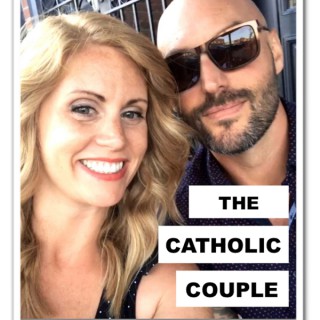
What if one prayer could change your home… your family… and even your work?In this episode of The Catholic Couple Podcast, Bobby sits down with Jonathan Conrad, CEO and founder of The Catholic Woodworker, to talk about the prayer that quietly transformed his life: the Rosary.What began as a woodworking business slowly became something much deeper—a mission centered on beauty, prayer, and helping families grow closer to God. As Jonathan shares his faith journey, we unpack why the Rosary matters, why praying together strengthens families, and how sacred beauty can draw hearts back to Christ.This conversation isn't just about rosaries—it's about:Why the Rosary is one of the most powerful prayers for familiesHow prayer shapes the culture of a homeWhy beauty in our faith life matters more than we realizeHow The Catholic Woodworker has become both a successful business and a ministry, employing over 30 stay-at-home moms who create rosaries from their own homesIf you're longing for deeper prayer in your family, struggling to stay consistent, or simply curious why so many Catholics are rediscovering the Rosary, this episode is for you.
If your Black Friday weekend fell flat or December sales feel slower than expected, this episode is for you.In this episode, I share proven, mid-December strategies that boost revenue quickly and with minimal stress. From annual membership offers to 2025 party pricing, holiday break camps, summer camp gift cards, retail live sales, low-lift holiday events, and more — you'll learn exactly what works now, why it works, and how to implement it at your indoor playground or play café business.BLOG for this episodeIn this episode, you'll learn:Why December often feels busy but not profitableHow annual membership sales generate thousands in a weekWhat email sequence converts existing monthly membersHow to sell 2026 parties right now — even if parents don't have a date yetWhy holiday break camps are a revenue lifesaverHow to sell summer camp gift cards even before your program is finalizedA unique and fun way to clear out retail inventory using live videoLow-lift event ideas that sell out, especially for baby familiesHow to pick ONE initiative at a time to avoid overwhelmThe mindset shift that makes all these strategies work: ease > priceLinks:Learn more or join Play Cafe Academy and Play Maker SocietyLive Event WaitlistEpisode referenced: Low-Lift Holiday Events That Actually Sell OutEpisode referenced: Customer Avatars 101Aluvii Demo With PCA Discount!OTHER RESOURCES:Play Cafe Academy & Play Makers SocietyGetting Started With Your Play Cafe [YouTube Video Playlist]What's Working In The Indoor Play Industry 2025 GuideFund Your Indoor Play Business [Free Training]Indoor Play Courses & 1:1 Consulting WaitlistMichele's InstagramMichele's WebsitePlay Cafe Academy YouTube ChannelETSY Template ShopPrepare Your Indoor Playground For a RecessionPlay Cafe Academy & Play Makers SocietyQuestions and Support: Support@michelecaruana.com Play Cafe Academy & Play Makers Society: http://bit.ly/3HES7fDQuestions and Support: Support@michelecaruana.com Simplify and Scale with 50% OFF WellnessLiving: https://discover.wellnessliving.com/playcafeacademyActive Campaign Free Trial: https://www.activecampaign.com/?_r=D6IYK3HG
In early childhood education, it's easy to feel like marketing changes faster than you can keep up. But the truth is, while tactics evolve, the fundamentals of trust, rhythm, and authenticity never go out of style.In this episode, Chanie sits down with longtime friend and industry leader Nick Williams, CEO of Childcare Business Growth, to discuss the timeless marketing strategies that stand the test of time.They explore how to create authentic content, follow up with confidence, and use AI and systems to reclaim your time — all while staying true to your school's values and mission.If you've ever felt like your marketing is a moving target, this episode will help you return to the anchors that actually drive enrollment.You'll LearnWhy authenticity always outperforms the latest trendHow to position yourself as the local expert families trustThe power of consistent follow-up rhythms in enrollmentHow to centralize communication without losing personal connectionThe role of AI in buying back time and simplifying marketing systemsHow to track baselines and lead sources to make smarter decisionsWhy clarity on your values attracts your ideal familiesHow to stay ahead of change without losing your focusKey Insights“Sales is service. You're not pushing — you're inviting families into something that matters.”“If you want consistent enrollment, follow up on the platforms your parents actually use.”“There's no money in being neutral. Your values are your magnet.”“AI should help you work smarter, not harder. Use it to reclaim time for leadership.”Memorable Quotes“Marketing doesn't need to be frantic — it needs to be rhythmic.” — Chanie Wilschanski“Be authentic. Be visible. Be the local expert. That's timeless marketing.” — Nick Williams“The best marketing strategy isn't about chasing trends — it's about building systems that keep working while you lead.” — Chanie WilschanskiReflection PromptsWhich part of your marketing is built on rhythm — and which still feels reactive?Are your systems making your brand more human or more complicated?What would it look like to be known as the trusted local expert in your community?Episode ResourcesExplore Nick's work at childcarebusinessgrowthlive.comTake the Schools of Excellence 5 Gear Diagnostic to identify your biggest growth opportunity in:Enrollment, Staff Culture, Parent Engagement, Financial Health, or Strategic Growth

You've got a product idea that means the world to you… maybe it's cultural, personal, or rooted in your own childhood traditions. But making it retail-ready without losing your mission? That's the challenge.In this episode of Making It in the Toy Industry, I'm coaching Durrat, Toy Creators Academy alum, Accelerator grad, and founder of Dcraftsource, a culturally-inspired craft kit brand built to celebrate every kid and every culture.It all started with one handmade Ramadan kit for her daughter. And now, her card-making craft kits for Eid, Diwali, Christmas, and birthdays are bringing diverse celebrations into homes, classrooms, and (hopefully soon!) retail stores.Here's what we talked about:The packaging tip that instantly leveled up her productHow crafting can spark deeper cultural connection for kids and familiesHow she turned one niche seasonal kit into a scalable product lineWhat's stopping her from breaking into retail and how she's moving past itHow her Amazon launch blew up with no big ad spendIf you're trying to figure out how to go from maker to brand, or you're wondering how to bring more authenticity into your product line, this episode will inspire you to stop waiting and start building.Listen for these Important Moments![00:04:52] – Durrat reveals how one shift in her packaging design instantly elevated the perceived value of her product.[00:07:18] – Starting with a single Ramadan craft kit, Durrat shares how she built a full product line simply by keeping the structure the same and swapping out the themes.[00:10:34] – We explore how hands-on crafting opens the door to powerful conversations about identity, tradition, and cultural pride for kids and families.[00:21:47] – From hesitation around trade shows to confusion about retail outreach, we uncover what's been holding Durrat back and how she's building a smarter path forward.[00:29:13] – Her Christmas kit hit #1 in Amazon's new releases category and she did it with no paid ads or big campaigns, just smart positioning and great timing.Send The Toy Coach Fan Mail!Support the showPopular Masterclass! How To Make & Sell Your Toy IdeasYour Low-Stress, Start-To-Finish Playful Product Launch In 5 Steps >> https://learn.thetoycoach.com/masterclass

In this episode I share how to use the Disney film Frozen 2--which I've been watching on repeat with my 3 year old granddaughter--as a catalyst for conversations about loss and grief. Here are some tips for using the film and a discussion guide you can download for your own family movie night. This episode include:Frozen 2's backstory of griefElsa's Hero's Journey in the film and what we learn from itAnna's journey through overwhelming grief and how to talk about itTeaching moments for familiesHow to talk with children after the movieGet the discussion guide hereLearn about my books hereCheck out End-of-Life University PodcastRead my latest Substack postMake a donation here
Episode Highlights With BrittanyWhy this work is so important, especially for momsHow babies co-regulate with moms for several years and how our children borrow our nervous systems for several years until theirs' developHow dysregulated nervous systems affect parenting and the parent child bondChildren are wired to come to their caregivers for regulation, so when the caregiver is a source of fear or dysregulation this can create attachment issues and other issuesPerfection is not required- in fact an in-depth study found that mothers being attuned even just 30% of the time led to secure attachment in the child. So we don't even have to get it right the majority of the time!Navigating rupture and repair well can actually lead to more resilience and secure attachmentSomatic practices that moms can do on the go when we feel overwhelmed Practical tools that moms can use to benefit our nervous systems and our familiesHow movement is so helpful for the nervous systemWhat resourcing is and how doing this for just a couple minutes a day can be really helpfulHow attunement is so important and can be helpful even if we're personally not regulatedWays to help our kids develop healthy nervous system regulation and attachment.Her advice for those struggling with mom guilt.Resources MentionedBody First Healing ProgramBrittany on InstagramBody First Healing - the book
What would happen to your baby if something happened to you? It's a difficult question, but one every parent needs to face. In this episode, estate planning attorney Patricia De Fonte shares how to create a plan that protects your loved ones, minimizes stress, and reflects your values. It doesn't matter how much money or assets you have - every parent needs to have a plan in place to protect their family's peace of mind. Full show notes fourthtrimesterpodcast.comConnect with Patricia De Fonte defontelaw.com | Instagram | Facebook | LinkedIn | YouTubeEstate Planning with Heart Free Workshops Learn more Family Financial Wellness: Three Finance Must-dos for Families | How to Maximize Maternity Leave & Paternity Benefits | How to Prepare for Hospital Birth (and Avoid Unnecessary Interventions) with HeHe StewartResources HelloGaia Parenting Copilot | FREE DOWNLOAD Customizable Birth Plan | FREE DOWNLOAD Customizable Fourth Trimester Plan | Postpartum Soups and Stews CollectionConnect with Fourth Trimester Facebook | Instagram

In this powerful and deeply personal episode of WV Uncommonplace, we sit down with Jennifer Chase, certified life coach and founder of Rise Addiction Life Coaching. Jennifer shares her remarkable story of survival, resilience, and transformation as both a woman in long-term recovery and a mother navigating the painful realities of her son's addiction.From living through addiction herself, to the heartbreaking realization that she was unknowingly supplying drugs to her son, Jennifer has experienced the cycle of addiction from every angle—daughter of an alcoholic, person in recovery, and parent. Today, she channels those hard-won lessons into coaching individuals and families through their own recovery journeys.We discuss:Jennifer's personal journey through addiction and recoveryThe impact of generational cycles of substance use within familiesHow she turned her pain into purpose by founding Rise Addiction Life CoachingWhy family healing is just as important as individual recoveryTools, strategies, and hope for anyone affected by addictionJennifer's story is a testament to the power of resilience and the possibility of rewriting your future. Whether you're in recovery, love someone who struggles, or simply want to understand addiction on a deeper level, this episode will move and inspire you.

Send us a textThe Missing Piece of a Complete Estate Plan: How Notaries Are Building Legacy-Focused Businesses with Bill Soroka and Jon BraddockAre you a mobile notary public looking for new ways to increase your income, diversify your services, and offer something that truly matters?In this episode of the Sign & Thrive Podcast for Notaries, host Bill Soroka is joined by Jon Braddock, the CEO of My Life & Wishes and creator of the Legacy Vault, to explore one of the most meaningful and profitable opportunities in the notary business today.Together, they break down how the Legacy Vault is solving one of the most heartbreaking problems families face—disorganization and confusion after the death or incapacitation of a loved one—and how notaries are uniquely positioned to deliver the solution.You'll learn how this tool fits naturally into what notaries already do, how it elevates your professional value, and how it can help you build a purpose-driven business that stands out in a crowded market.What You'll Learn in This Episode:Why most estate plans are incomplete—and how the Legacy Vault solves that problemHow notaries are helping protect families by offering the missing piece of a complete estate planHow to create additional income streams as a notary using digital tools like the Legacy VaultWhy notaries are trusted advisors in key life moments—and how to leverage that trustThe business model behind the Notary-Partner Program (keep 100% of sales revenue, total pricing freedom, and no geographic limitations)How to position yourself as a trusted resource for attorneys, financial advisors, and familiesHow to add value without sounding salesy—and why this service often “sells itself”Who This Episode Is For:Mobile notaries looking to increase income outside of loan signingsNotary signing agents who want to diversify their services and stand outCertified Notary Trust Delivery Agents (CNTDAs) looking to expand their estate planning offeringsApostille agents, fingerprinting professionals, and wedding officiants wanting to build long-term client relationshipsNotaries who want to get off the hamster wheel of low-fee appointments and inconsistent incomeWhy This Matters:82% of Americans say estate planning is important. But only 31% have a will, and just 11% have a trust. Even fewer have all their vital information organized, stored securely, and accessible when it matters most. The result? Expensive court delays, family conflicts, and emotional chaos—at the worst possible time.The Legacy Vault is a simple, secure platform that helps families organize documents, passwords, healthcare directives, final instructions, and even personal legacy messages. It's peace of mind in a digital box—and it's now available exclusively through trained notary partners.As a notary, you already serve at the frontlines of life's most important transitions. The Notary-Partner Program gives you a way to deepen those relationships, elevate your role, and build a recurring revenue stream that fits naturally into your business.Whether you want to earn more per appointment, create passive income, or bring more purpose to your work, this episode will inspire new ways to grow your notary business with heart—and strategy.Resources Mentioned:Learn more or become a Notary Partner: https://www.notarycoach.com/partnerExplore the Legacy Vault: https://www.mylifeandwishes.com/Read Click Here When I Die by Jon Braddock on Amazon

Orange Shirt Day is more than a date on the calendar - it's a powerful call to remember, learn, and act. In this solo episode, co-host Breanne explores the history of Orange Shirt Day, the legacy of residential schools in Canada, and the story of Phyllis Jack Webstad, whose stolen orange shirt sparked a nationwide movement for truth and reconciliation.You'll hear:Why September 30th was chosen as National Day for Truth and ReconciliationThe lasting impact of residential school trauma and the strength of Indigenous survivors & familiesHow wearing an orange shirt helps raise awareness that Every Child MattersPractical conversation starters for families, classrooms, and communitiesMeaningful ways to support Indigenous communities - from self-education to advocacyWhether you're new to Orange Shirt Day or seeking deeper understanding, this episode offers education, reflection, and actionable steps to stand with Indigenous peoples and help build a more truthful, just future.EPISODE TOPICS:

What does it take to raise boys into men in today's culture? Fr. Mark Perkins, chaplain and assistant headmaster at St. Dunstan's Academy, joins Davies Owens to discuss the urgent challenges facing boys and the bold vision behind launching a farm, trades, and classics boys' boarding school in the Anglican tradition. Drawing on personal experience as a teacher, minister, and father, Fr. Mark highlights why so many boys are disengaging from schools, church, and even family life - and what we can do about it. From the importance of rites of passage, to the value of single-sex education, to the power of farming and trades as apprenticeships into manhood, this conversation offers parents and school leaders practical insights for re-embodying learning and lengthening the runway into adulthood. You'll also hear about The Joshua Program, a new vocational discernment gap-year track for young men ages 17–20.

Ryan Soave, LMHC, a renowned addiction treatment specialist with decades of clinical experience and his own recovery story, sits down to share the conversations that typically happen behind closed doors in treatment centers. As someone working on the front lines helping people with addictions and their families daily, Ryan brings both professional expertise and personal understanding to help families move from reactive crisis mode to intentional healing- for everyone involved. Highlights The 94.7% Reality - Understanding why most people with addiction don't perceive they need help, and how this statistic actually explains the resistance you're experiencing (it's not about you or your efforts) Motivational Interviewing for Families - How treatment professionals help people build internal motivation for change, and what families can learn about meeting their loved one where they are, not where they wish they were The Substance as Solution Perspective - Why viewing the addiction as your loved one's attempt at solving discomfort (rather than just destructive behavior) can transform your approach and reduce your frustration The Family System Impact - How addiction creates functioning patterns where everyone plays a role, and why understanding your part isn't about blame but about empowerment to create change When the "Patient" Gets Healthier Than the Family - Why families often struggle more when their loved one enters treatment, and how to prepare for and navigate this challenging but hopeful phase The Serenity Prayer in Practice - Concrete ways to identify what you can and cannot control, including how your reactions contribute to the family system's functioning Age and Responsibility Considerations - Different approaches for families dealing with a 14-year-old versus a 35-year-old, while maintaining consistent principles about boundaries and support The "Built-in Forgetter" Phenomenon - Understanding why your loved one returns to using even after experiencing severe consequences, and why this baffles everyone (including them) Treatment Fatigue Reality - Why people often stop participating in treatment when they start feeling better, and how families can support sustained engagement without becoming codependent Modern Challenges for Recovery - The unprecedented availability and potency of substances today, including the fentanyl crisis and how social media impacts both addiction and recovery Individual Goals Within Family Systems - How family members can identify personal goals that have nothing to do with their loved one's addiction, and why this benefits everyone The Spiritual Component of Healing - How recovery involves returning to an authentic self rather than finding something new, and what this means for family healing Meeting People Where They Are - Practical ways to support your loved one's actual goals rather than imposing your own, while still maintaining healthy boundaries Codependency as Addiction - Understanding how families can become "addicted" to their loved one's wellbeing, and healthy ways to redirect that energy toward personal growth The Lucky Ones Perspective - Why families dealing with addiction, despite the pain, often have opportunities for profound growth and connection that others may never experience This conversation offers something rare: honest, practical wisdom from someone who helps families navigate these waters every day. Ryan's shares that while addiction affects the whole family system, everyone has the capacity for healing and growth. You're situation isn't hopeless, even when it feels that way. Links and Resources from this Episode https://whyintervention.com/ https://twitter.com/whyintervention https://www.facebook.com/whyintervention/ https://www.instagram.com/whyintervention/ TIME SENSITIVE, FREE RESOURCE: The Connected Response™ Method: My gift to parents concerned about teen substance use - a prevention and early intervention framework providing the exact scripts needed to address concerns while preserving your relationship with your child. Access your special gift here: CLICK HERE FOR YOUR "CONNECTED RESPONSE™ METHOD" MINI-COURSE Connect with Ryan Soave https://ryansoave.com/about/ Call to Action Schedule a Call Free Resources Review, Subscribe and Share If you like what you hear please leave a review by clicking here Make sure you're subscribed to the podcast so you get the latest episodes. Subscribe with Apple Podcasts Follow on Spotify Subscribe with RSS
Dr. Sonal Patel is a board-certified pediatrician, neonatologist, lactation specialist, TEDx speaker, author, and founder of NayaCare: Fourth Trimester Clinic. With a passion for improving maternal and infant health, she offers curated talks designed to empower professional women navigating the intersection of career, motherhood, and personal well-being.Full show notes fourthtrimesterpodcast.comConnect with Pediatrician Dr Sonal Patel nayacare.org | Facebook | InstagramLearn more Family Financial Wellness: Three Finance Must-dos for Families | How to Maximize Maternity Leave & Paternity Benefits with MAMAttorney Daphne Delvaux | How Partners Can Prepare for Parenthood (The Power of Snuggling)Resources HelloGaia Parenting Copilot | FREE DOWNLOAD Customizable Birth Plan | FREE DOWNLOAD Customizable Fourth Trimester Plan | Postpartum Soups and Stews CollectionConnect with Fourth Trimester Facebook | Instagram

Dr. Tony Ebel interviews Joe Wanda, founder of Wanda Farms in Harvard, Illinois, about his transformation from conventional dairy farming to regenerative agriculture. Joe shares his journey from managing a 1,400-cow industrial operation to discovering Joel Salatin's principles and starting his own grass-fed operation.This conversation reveals the striking parallels between Big Agriculture and Big Pharma - both industries that shifted from natural approaches to chemical-dependent systems. Joe and Dr. Tony explore why grass-fed meat matters most for family health, the hidden costs of conventional farming, and how regenerative practices restore soil, animal welfare, and human health.Listeners will discover practical steps for accessing quality food and learn why this movement is essential for future generations. The episode perfectly combines Dr. Tony's "50% Iowa Farm Boy and 50% neuroscience health nerd" perspective with Joe's real-world farming expertise.Key Topics & Timestamps([00:05:00]) - Joe's Origin Story: From Chicago parents to Harvard, Illinois farm life([00:08:00]) - The 7-Year-Old Entrepreneur: Shining shoes at car dealerships with dad([00:14:00]) - College Agriculture Awakening: Conventional training meets early skepticism([00:20:00]) - Getting Shut Down: Questioning hormones and chemicals in agricultural school([00:26:00]) - Industrial Dairy Reality: Managing 1,400 cows and the daily grind([00:27:00]) - Discovering Joel Salatin: First hearing "regenerative" changes everything([00:31:00]) - Regenerative Agriculture 101: Nutrient density over mass production([00:36:00]) - Why Grass-Fed Meat Matters: The science behind cleaning up your meat first([00:40:00]) - The True Cost Analysis: Hidden costs of conventional farming([00:44:00]) - Action Steps for Families: How to access Wanda Farms and support regenerative agriculture([00:48:00]) - Farmer Values for Kids: Why future generations need farm character and work ethicGet Connected with Wanda Farms/Place an Order:www.wandafarms.comUse code PWC15 for $15 off youy order of $160 or more (one per customer)Follow on instagram: @wandafarmsfamily-- Follow us on Socials: Instagram: @pxdocs Facebook: Dr. Tony Ebel & The PX Docs Network Youtube: The PX Docs For more information, visit PXDocs.com to read informative articles about the power of Neurologically-Focused Chiropractic Care. Find a PX Doc Office near me: PX DOCS DirectoryTo watch Dr. Tony's 30 min Perfect Storm Webinar: Click HereSubscribe, share, and stay tuned for more incredible episodes unpacking the power of Nervous System focused care for children!
Ian and Max are some of my favorite people. We've been internet friends for years and even had their Grandpa on the podcast 3 years ago. They built an awesome agency, saw inefficiency with their clients, and bought into one of their clients' businesses. You know an agency is good when they get into the equity game. Podcast Nuggies we dive into… Starting out as an Agency and Buying their Clients' Businesses Massive Bets with Acquisitions and 11th-hour Freak Outs Working with Families How to Create Successful Partnerships Need IT Help? Check out....www.inzotechnologies.com, I-N-Z-O, or email Nick directly at nick@inzotechnologies.com. Get expert M&A guidance, valuations, and fractional executive support from Amplēo.Learn more at www.ampleo.com/lets-buy-a-business-podcast/. YouTube - Need more hands-on videos? -https://www.youtube.com/@letsbuyabusiness

AT Parenting Survival Podcast: Parenting | Child Anxiety | Child OCD | Kids & Family
In this episode of the AT Parenting Survival Podcast, I sit down with Dr. Sara Conley, a licensed clinical psychologist and clinical manager at NOCD, to discuss a groundbreaking new study on virtual Exposure and Response Prevention (ERP) therapy for children and teens with OCD.We explore the study's powerful findings—including a 37.3% median reduction in OCD symptoms in just 13 sessions—and how virtual ERP therapy is changing the landscape of OCD treatment for families. Dr. Conley shares how NOCD's model brings accessible, evidence-based therapy directly into families' homes, and why parent involvement is a key piece of successful treatment.We also talk about:What makes virtual ERP different from in-person therapy How the NOCD app supports families between sessionsThe importance of integrating therapy into real life without overwhelming familiesHow over 90% of American families with commercial health insurance can access NOCD's treatmentWhat this study means for the future of OCD treatment and the broader mental health crisis in youthWhether your child is newly diagnosed or you're already navigating OCD treatment, this episode offers encouragement, insights, and practical hope.To learn more about NOCD and how to access therapy:Visit www.treatmyocd.com***This podcast episode is sponsored by NOCD. NOCD provides online OCD therapy in the US, UK, Australia and Canada. To schedule your free 15 minute consultation to see if NOCD is a right fit for you and your child, go tohttps://go.treatmyocd.com/at_parentingThis podcast is for informational purposes only and should not be used to replace the guidance of a qualified professional.Parents, do you need more support?
© 2020-2026 Ivy Podcast Discovery LLC
